Accommodation in Postmasburg
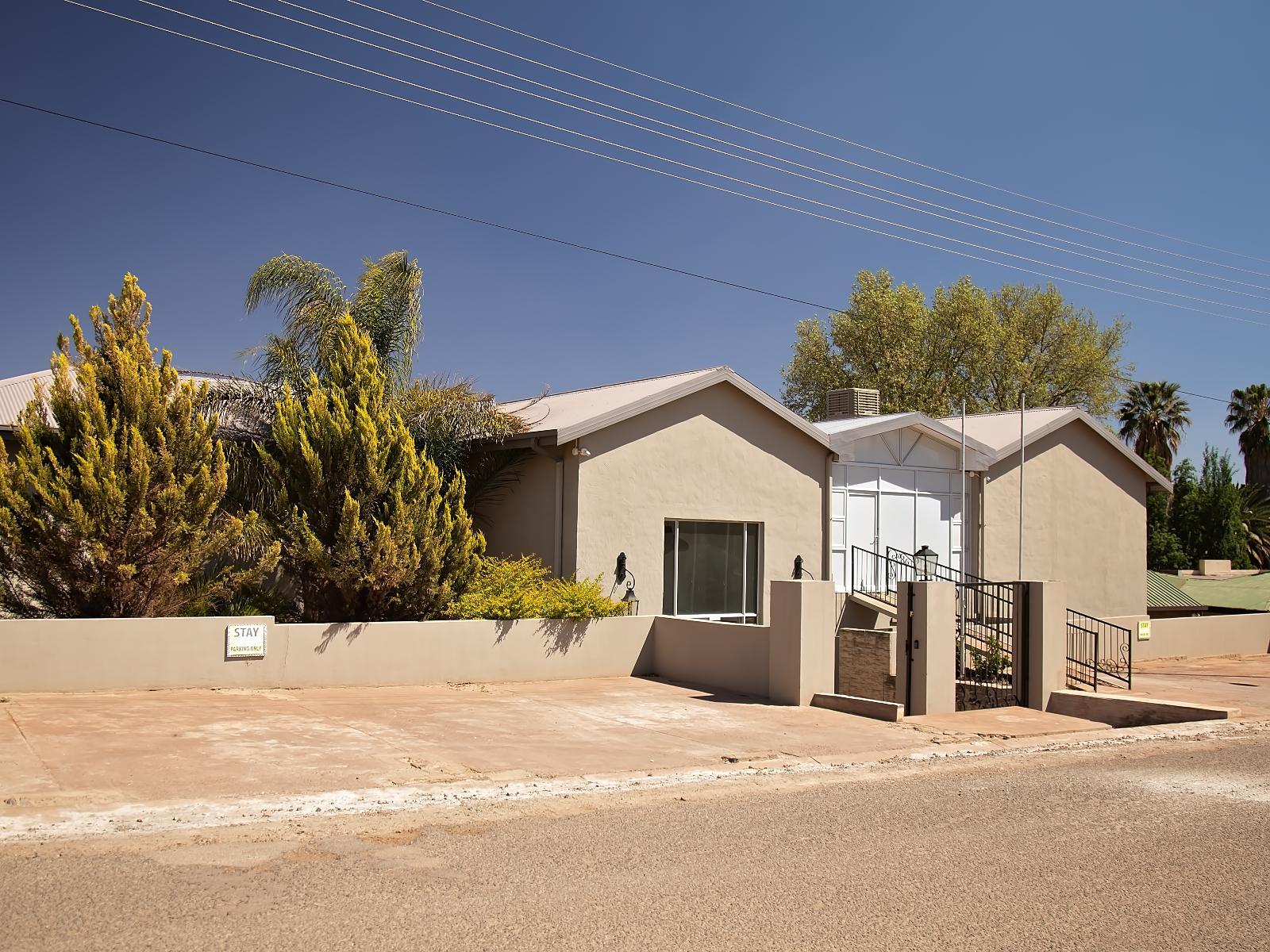
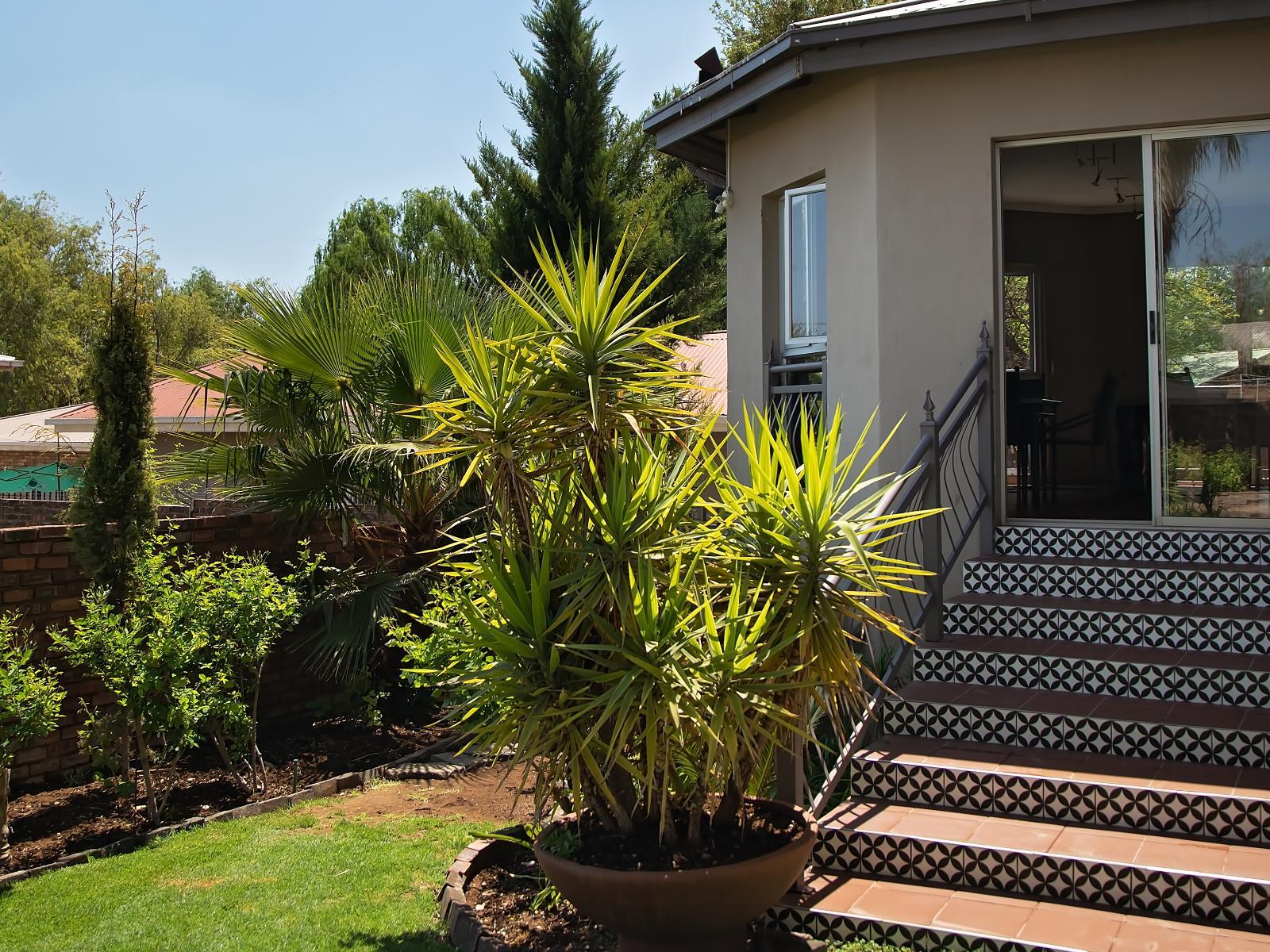
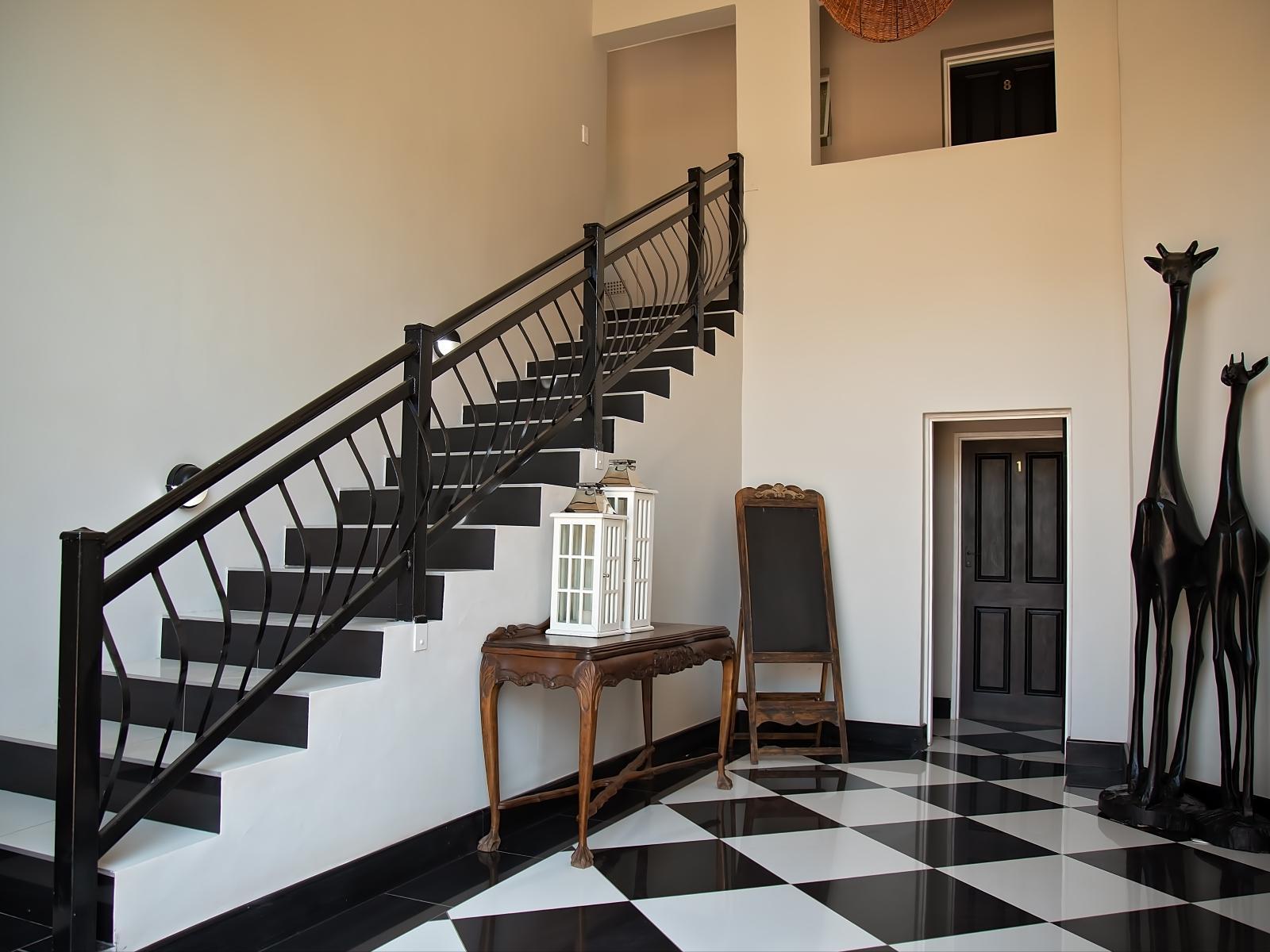
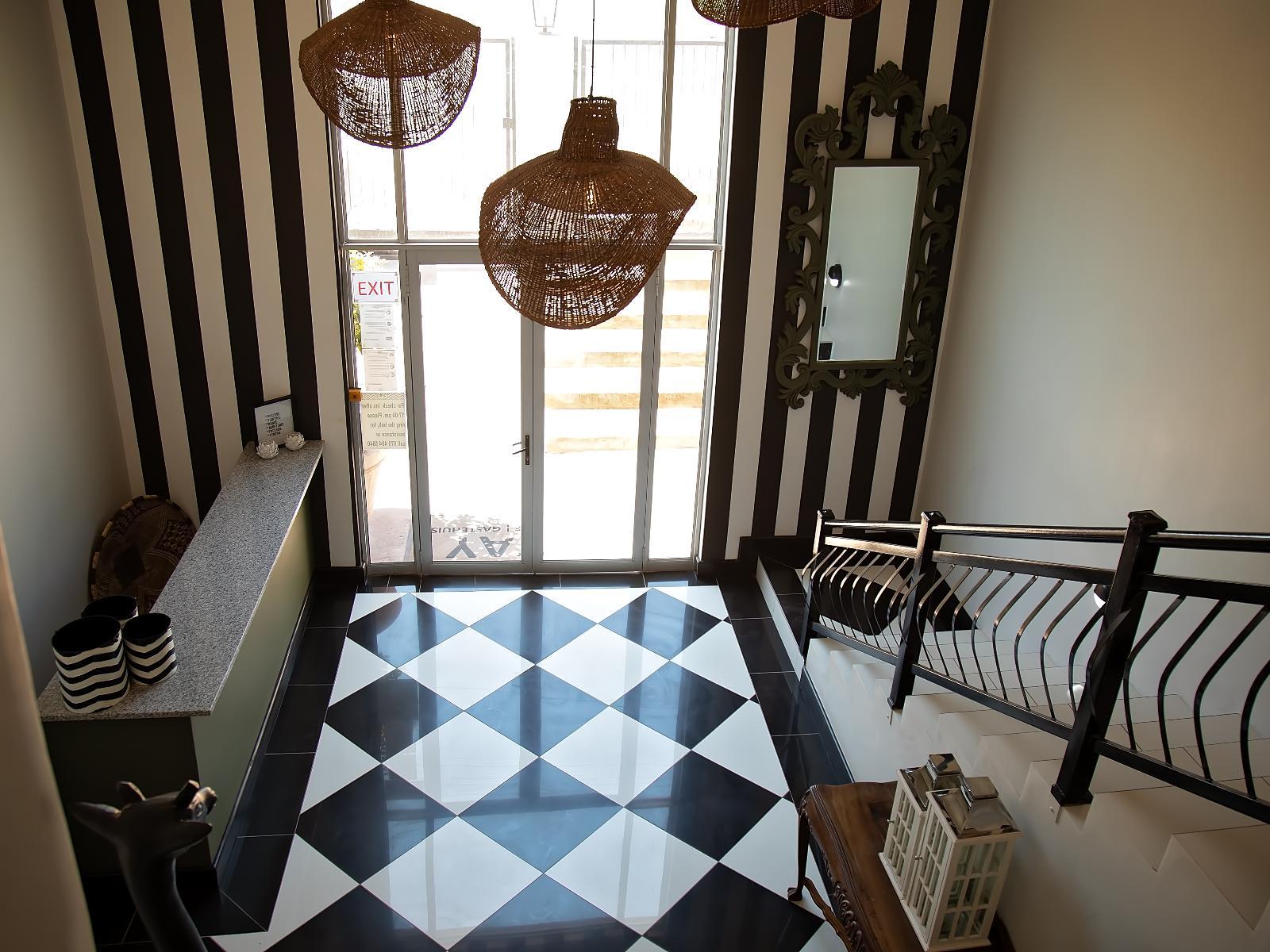
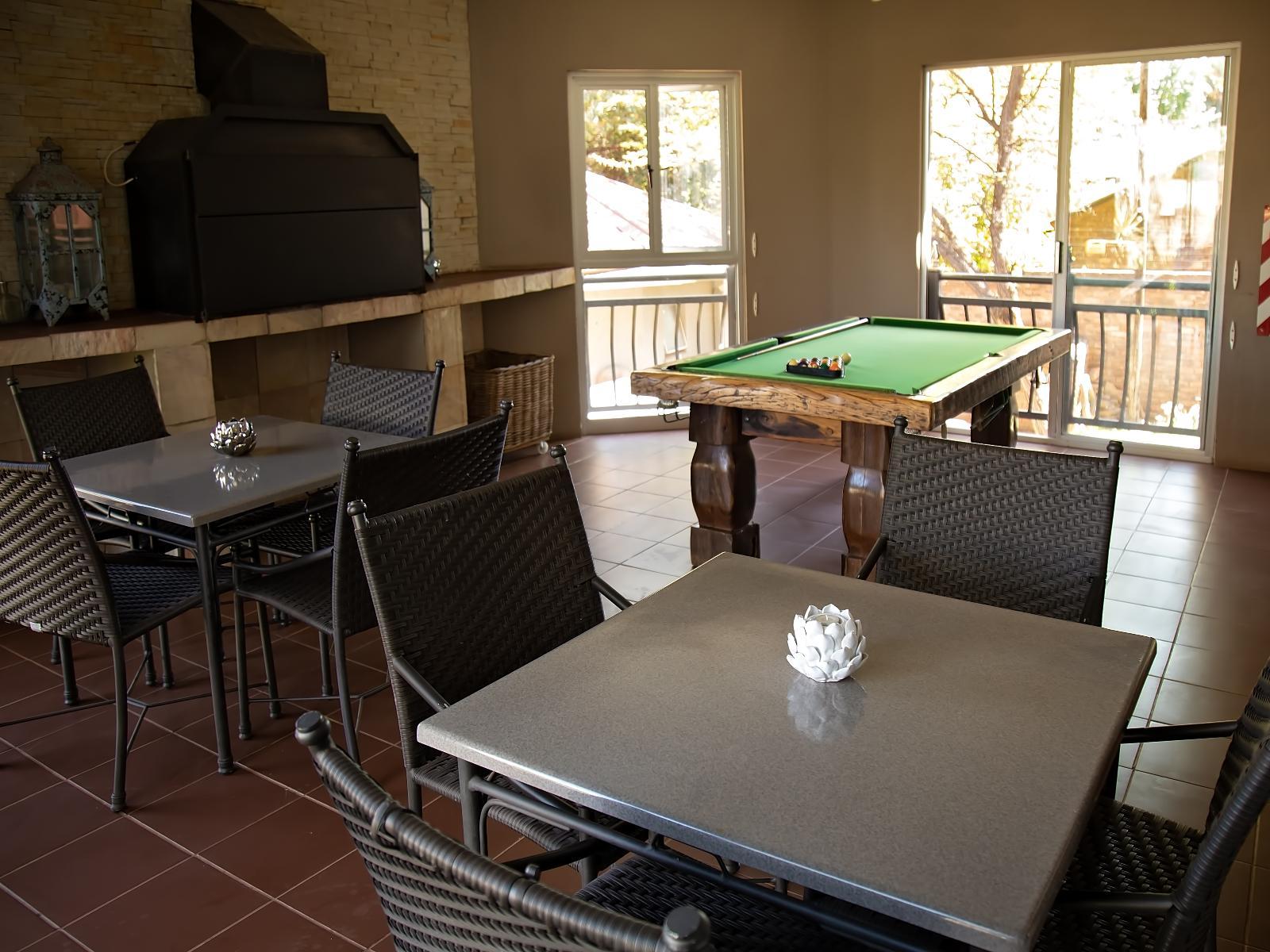
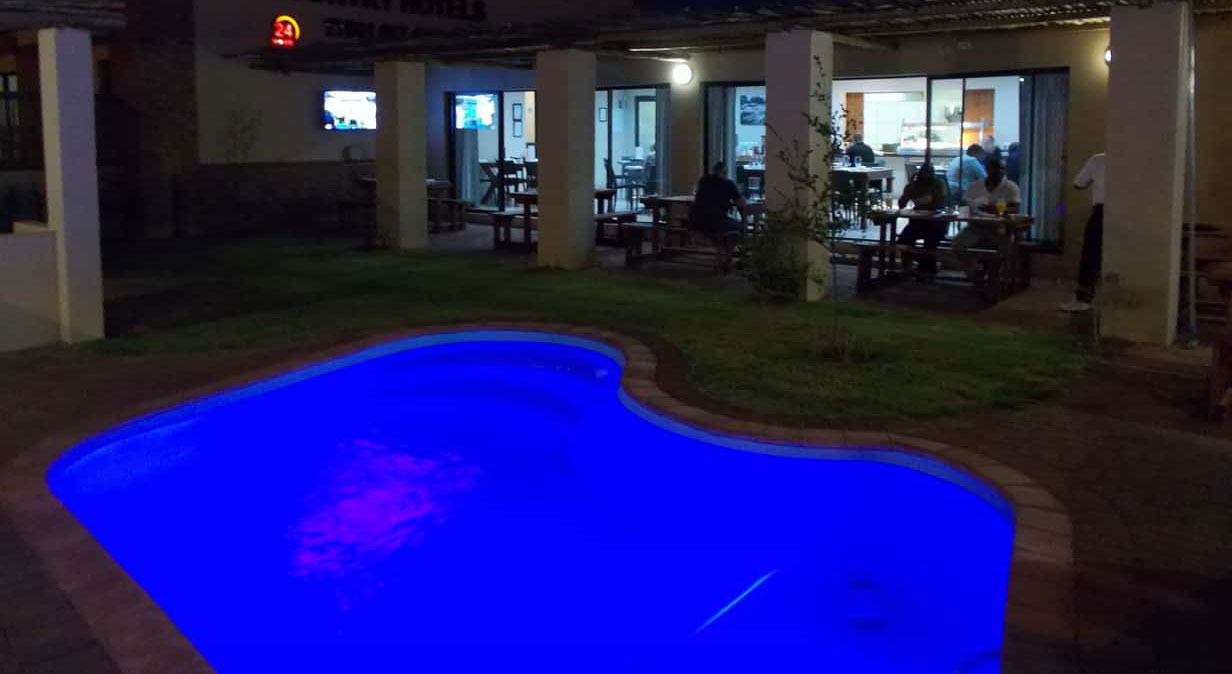
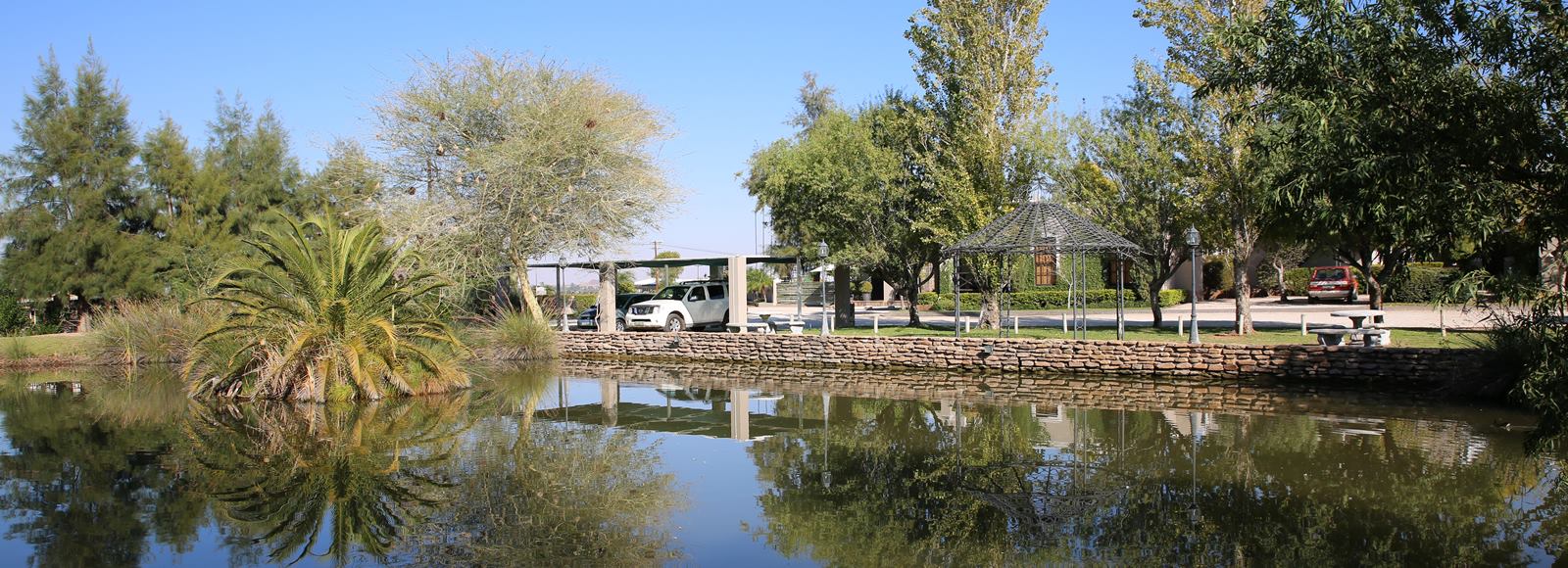
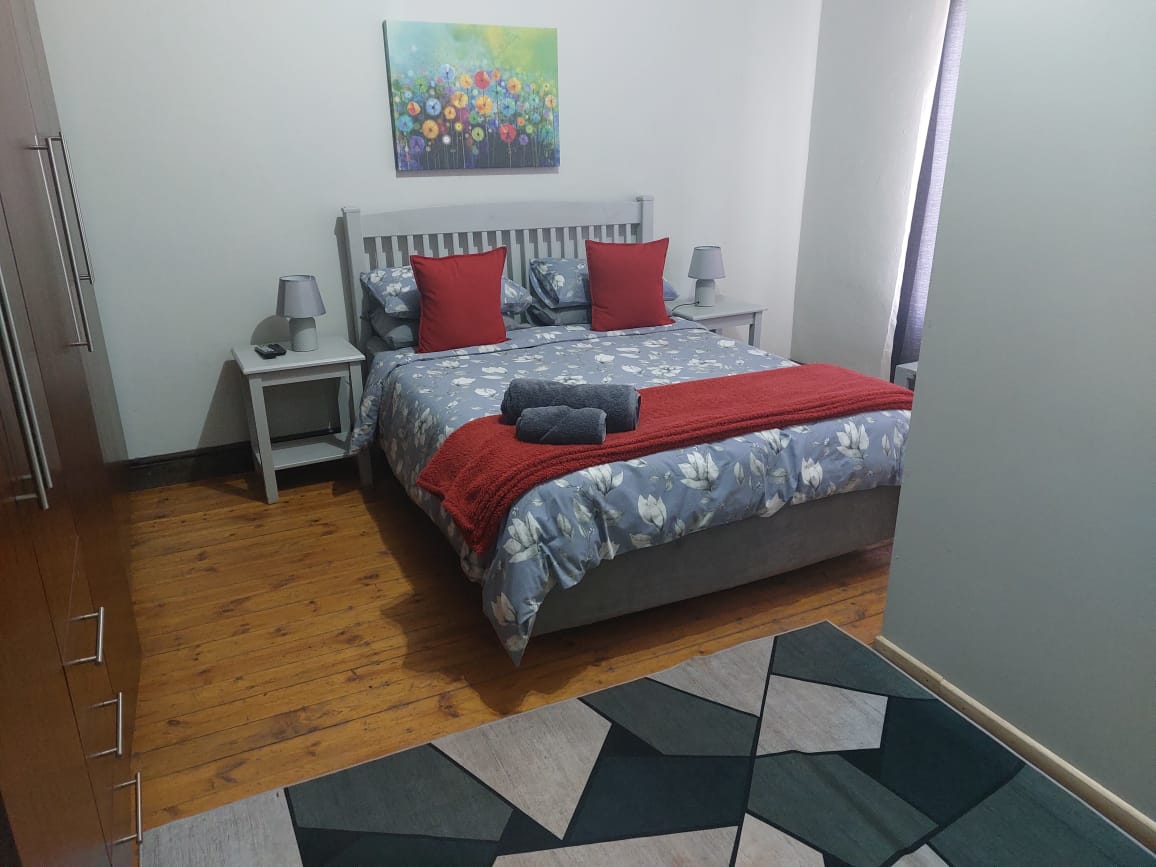
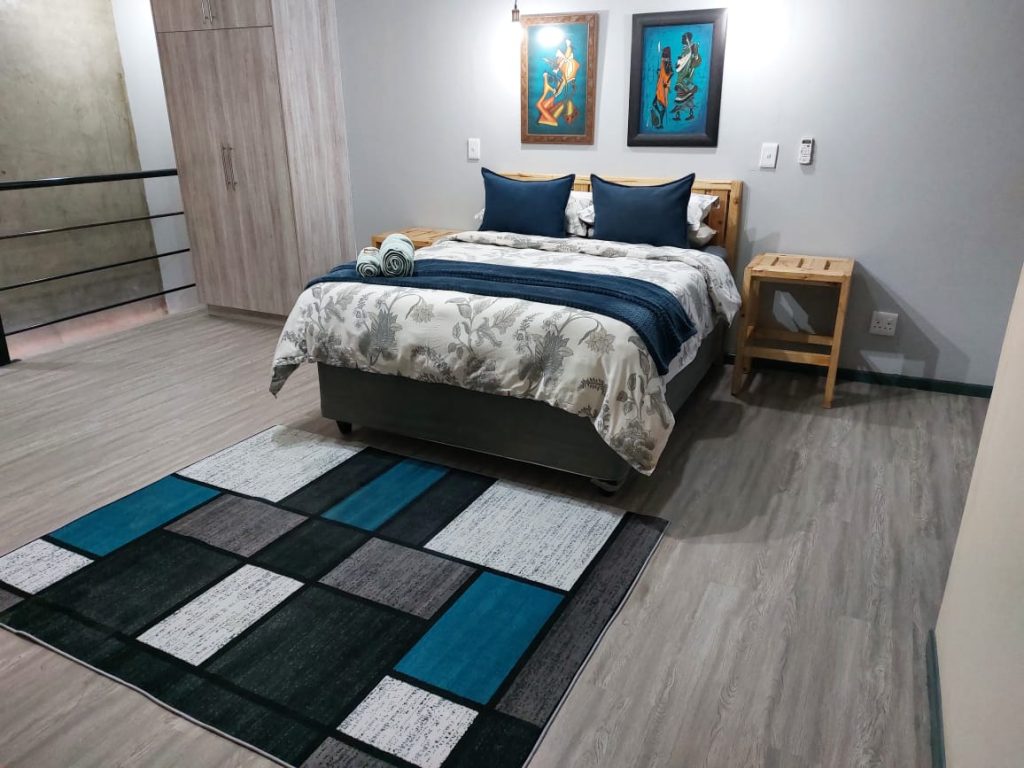
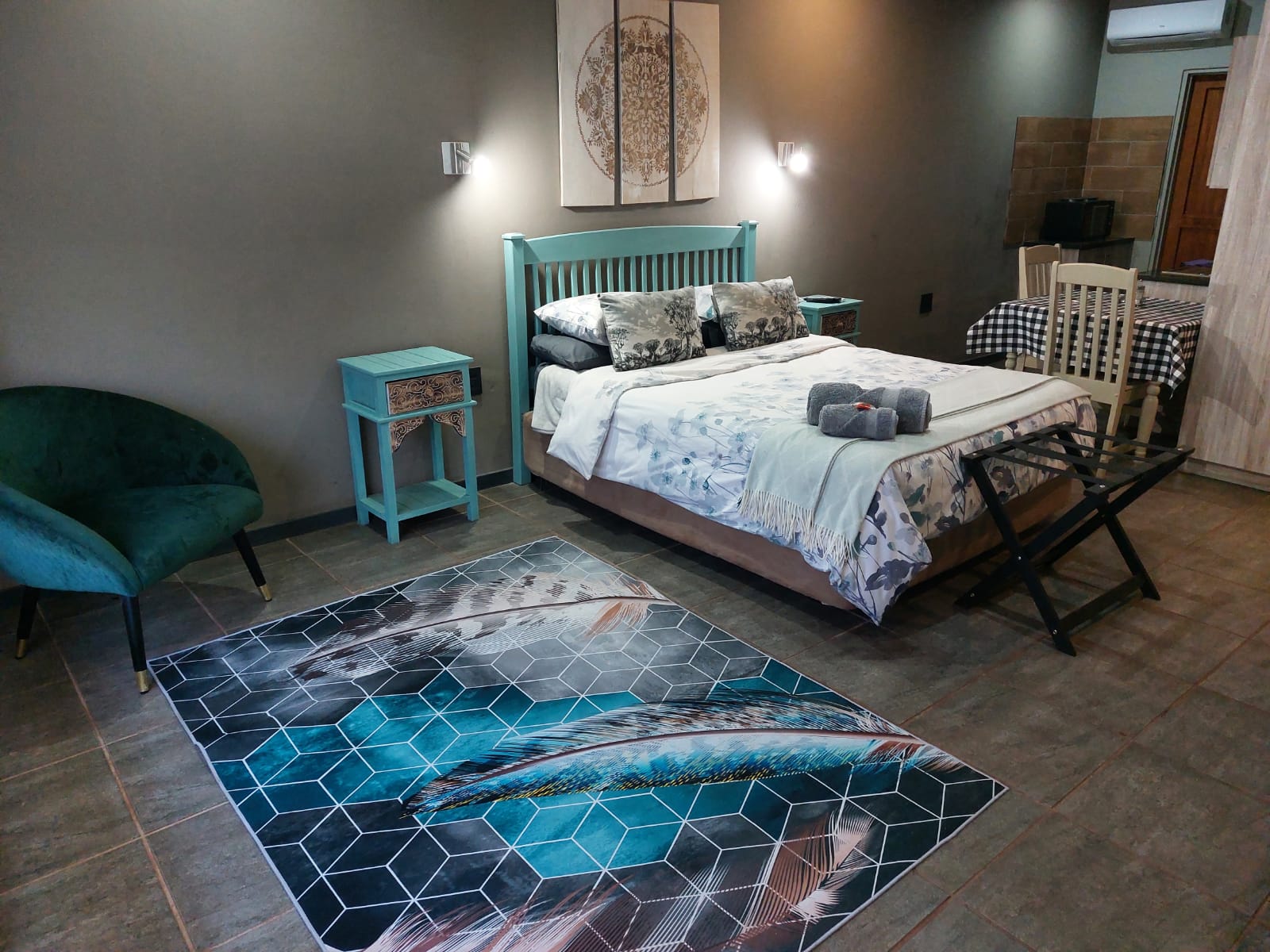
With one listed property in Postmasburg, accommodation options are limited, but that single option is consistent with the character of small Northern Cape mining communities. The listing is a guesthouse, a format that suits a town where most overnight visitors are either making their way across the province on a longer road trip or arriving for work connected to the local mining sector.
At the budget level, a guesthouse stay delivers what matters most in this environment: a clean room, reliable hot water after a long day on the road, and secure parking on site. The Kalahari climate makes temperature control more critical here than in milder parts of the country. Summer daytime temperatures exceed 30°C regularly, while winter nights can fall close to freezing. A properly insulated room or functioning air conditioning is a basic requirement, not an optional extra. Guesthouse owners in towns this size tend to know the surrounding region thoroughly, and the practical knowledge they share about road conditions, food options, and what to expect from the surrounding countryside often proves as useful as any travel resource.
Mid-range accommodation in small Northern Cape mining towns regularly exceeds what their scale might suggest. Because the mining industry brings a sustained rotation of engineers, contractors, and visiting professionals through towns like Postmasburg, properties are generally equipped with stable Wi-Fi, early breakfasts, and secure vehicle parking as standard inclusions rather than upgrades.
There are no upper-tier lodge or boutique properties currently listed in Postmasburg. Travelers seeking more polished facilities will need to base themselves elsewhere in the wider region and use Postmasburg as a day stop.
Pricing for the current listing is not publicly stated. Given the single-property inventory, availability can disappear quickly when contractor crews arrive in the area. Contacting the guesthouse directly when planning your trip, rather than relying on last-minute booking, is the only reliable approach.
Best Time to Visit Postmasburg
At roughly 1,000 meters above sea level on the Kalahari's edge, Postmasburg experiences a semi-arid climate with pronounced seasonal shifts. Summer, running from November through February, is hot and largely dry, with daytime temperatures frequently reaching 35°C. Brief but intense afternoon thunderstorms are possible in January and February, bringing temporary relief and, in stronger rainfall years, a short-lived green flush across the surrounding plains. These same storms can leave gravel roads briefly impassable, so checking conditions before heading out in midsummer is sensible.
Winter, from June to August, is dry and cold, with overnight temperatures sometimes approaching freezing. Days remain clear and mild under open skies, making this the most comfortable period for walking and sustained outdoor activity. Wildlife spotting across the broader region also improves as vegetation thins and animals congregate more predictably at permanent water sources.
September and October offer a middle ground. Temperatures moderate, days lengthen, and late-winter rains sometimes produce wildflower blooms that break the otherwise uniform appearance of the landscape. These months are generally the most agreeable for road travel through the Northern Cape interior.
Postmasburg has no conventional tourist high season. Visitor patterns are shaped more by industrial schedules than by leisure calendars, though South African school holidays in June and July and in December bring more domestic travelers through on longer road trips. Avoiding the peak December heat is worth factoring into your planning.
Getting to Postmasburg
Postmasburg has no commercial airport. The nearest facility is Kimberley Airport, approximately 130 kilometers to the southeast, with scheduled services to Johannesburg and Cape Town. From Kimberley, the drive north follows the N12 before joining regional roads into town, covering around ninety minutes under normal conditions.
From Johannesburg, the overland distance runs to approximately 700 kilometers via the N14 and N12, taking around seven hours depending on stops. Cape Town lies about 900 kilometers to the southwest, making it a long single-day drive or a more comfortable two-stage journey. Upington, the main service center of the Northern Cape's western interior, sits approximately 300 kilometers to the northwest and serves as a practical waypoint for travelers approaching from that direction.
A private vehicle is essential. No scheduled public transport links Postmasburg to other towns, and the surrounding rural areas are not covered by any consistent local taxi network. Travelers flying into Kimberley should arrange car hire at the airport before heading north rather than expecting options on arrival in town.
Fuel is available in Postmasburg itself, but the gaps between service stations across this part of the Northern Cape can catch travelers off guard. Before any extended drive into the surrounding countryside, filling the tank is a standard precaution.
Postmasburg and Surrounding Areas
Postmasburg connects to smaller communities spread across the Northern Cape interior, each reachable within a couple of hours on sealed or graded roads and each offering a different angle on the region.
Boitshoko, just 3 kilometers from the town center, is the township that adjoins Postmasburg to the point where the two settlements are functionally continuous. Community markets, informal trade, and the rhythms of daily life concentrate here. Visitors who spend time in Boitshoko get a sharper picture of how people actually live in this part of the province than the commercial core of Postmasburg typically provides.
Griekwastad, 60 kilometers to the south, carries substantial historical significance. The settlement was central to Griqua history in the 19th century, associated with the Waterboer leadership that governed much of the surrounding territory before British expansion into the Cape interior. For anyone tracing the pre-colonial and frontier history of South Africa beyond the better-known routes, Griekwastad offers a detour that most travelers passing through the region overlook.
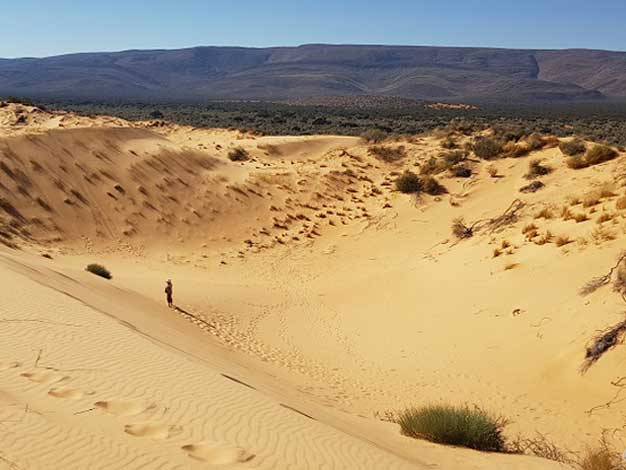
Papkuil, at 62 kilometers, and Bergsputte, at 74 kilometers, are small farming settlements in the dry thornveld. Neither has tourist infrastructure, but the roads through both areas cut through open country dominated by camelthorn and acacia, with the flat, wide horizon characteristic of the Northern Cape at its most unfiltered. The drives are worth taking for the landscape rather than a destination.
Bakenkop, 88 kilometers from Postmasburg, sits in sheep and cattle farming country along the Kalahari margins. The agricultural character of the area contrasts with the industrial focus of Postmasburg and gives a clearer sense of the rural economy that runs alongside the mining sector across the province.
Bucklands, at 101 kilometers, marks the outer limit of a practical day trip. The drive passes through some of the most sparsely occupied country in the region. For travelers wanting to appreciate the actual scale of the Northern Cape interior, the route toward Bucklands conveys it more effectively than any formal attraction could.
Planning Your Stay
With only one listed property in Postmasburg, forward planning carries more weight here than in a town with multiple options. Guesthouses in small Northern Cape mining communities operate with limited spare capacity, and contractor rotations or industry work programs can fill the single available property at short notice. Checking availability directly with the guesthouse, by phone or email, well before your intended arrival is more reliable than assuming that an online platform reflects current status.
Before confirming, ask whether meals are provided or whether guests are expected to self-cater. Postmasburg has basic food retail and a small number of local eateries, but options are limited compared to larger towns in the region, and knowing what to arrange in advance prevents problems on arrival.
Treating Postmasburg as part of a wider Northern Cape itinerary rather than a standalone destination produces better results. One or two nights works well within a longer driving route that takes in the surrounding countryside, without overstaying what the town's limited facilities can comfortably support.
Carry cash. ATM availability in small Northern Cape towns is inconsistent, and not all guesthouses in the region process card payments. A full tank of fuel on arrival and a cash reserve for meals and incidentals covers most of the practical contingencies likely to come up during a stay in this part of the country.