Broedersdraai Reis- & Akkommodasiegids
Jou volledige gids om Broedersdraai, Suid-Afrika te besoek.
3
Eiendomme
Vanaf
R770
/ nag
Gemiddeld
R905
/ nag
Gewildste
Self-catering
Broedersdraai is a small rural settlement in the Limpopo Province, located in the Mopani District near the Kruger National Park. The area serves as a convenient stopover for travellers exploring the lowveld region and offers access to nearby game reserves and natural attractions.
## Accommodation in Broedersdraai
Three properties appear on current listings, with entry-level nightly rates starting at R770. The mix suits independent travellers rather than group tour visitors, and self-catering formats dominate across all tiers. Guests are responsible for their own meals throughout, making a provisioning stop in a larger regional town before arrival an essential part of trip planning rather than an optional convenience.
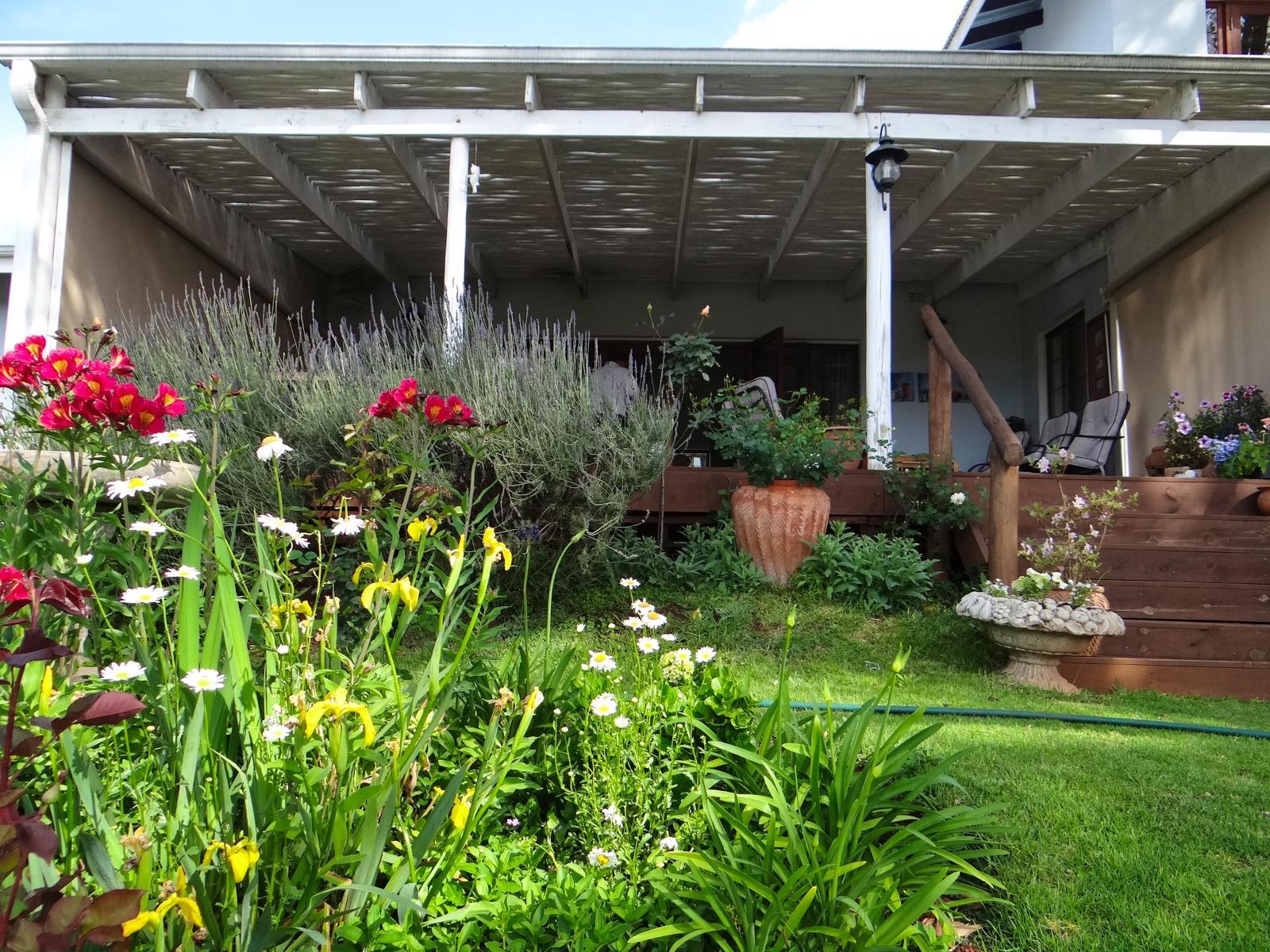
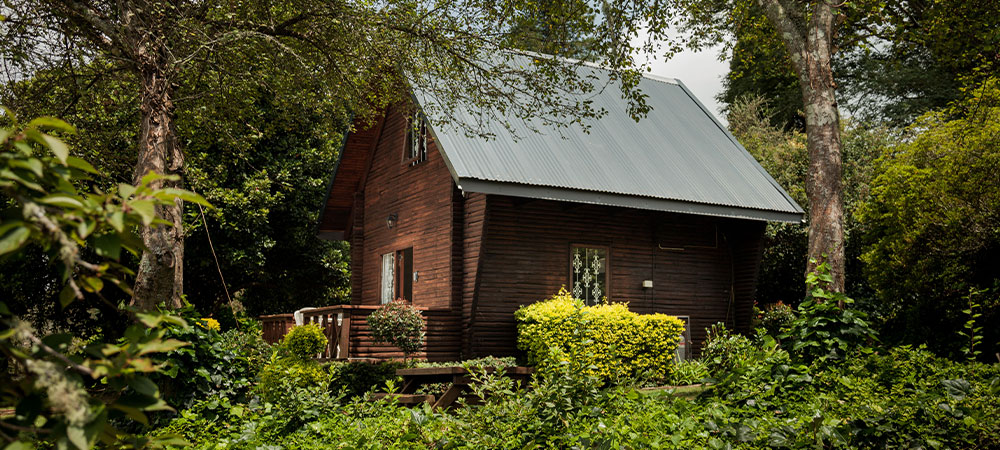
At the accessible end of the scale, a farm house property offers the kind of working-land atmosphere that suits visitors wanting direct contact with the agricultural character of the region. These settings typically share grounds with citrus orchards or game fencing, and the rhythm of the day follows the land rather than a resort schedule. Rates at this tier make extended stays workable, and the farm house format gives a more grounded experience of the area than a polished alternative would.
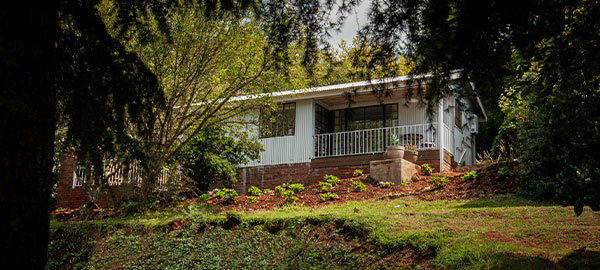
The self-catering category provides a step up in finish and facilities, averaging around R1,154 per night and making it a practical choice for families or small groups who want the flexibility of preparing their own meals without compromising on space or equipment. Before confirming a booking at this level, verify the specifics: outdoor braai facilities, water supply reliability, and electricity backup all vary across properties in rural Limpopo.
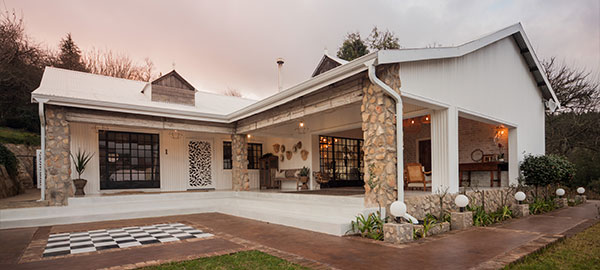
At the top of the local range sits a villa option averaging around R1,249 per night. These properties offer more space, private outdoor areas, and polished interiors suited to couples on a leisure-focused trip rather than an activity-heavy itinerary. The villa tier here competes on privacy and setting rather than access to services or nearby amenities, which remain limited in Broedersdraai itself.
All three options share the same core character: remote, self-sufficient, and best suited to travellers who arrive prepared.
---
## Best Time to Visit Broedersdraai
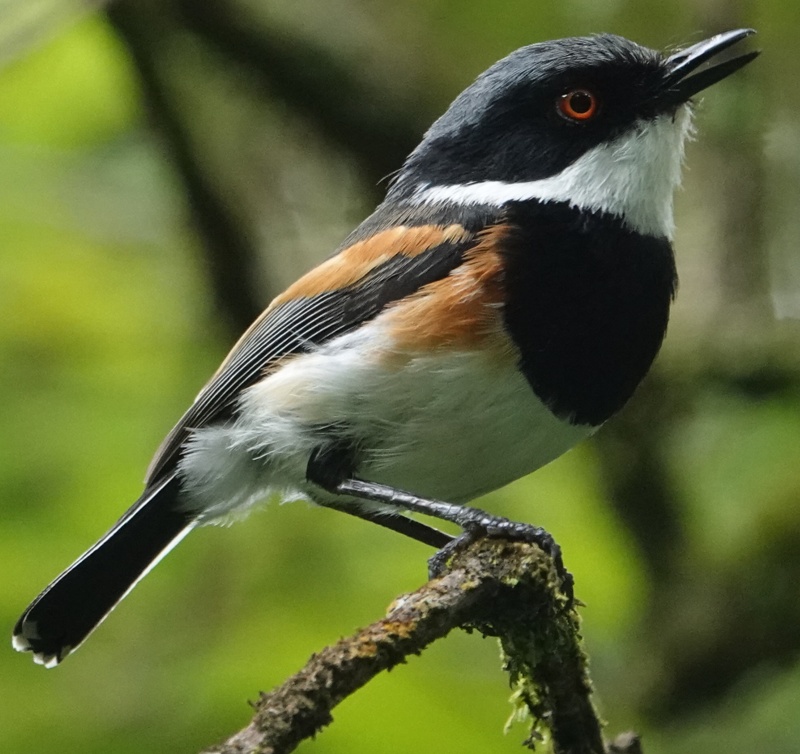
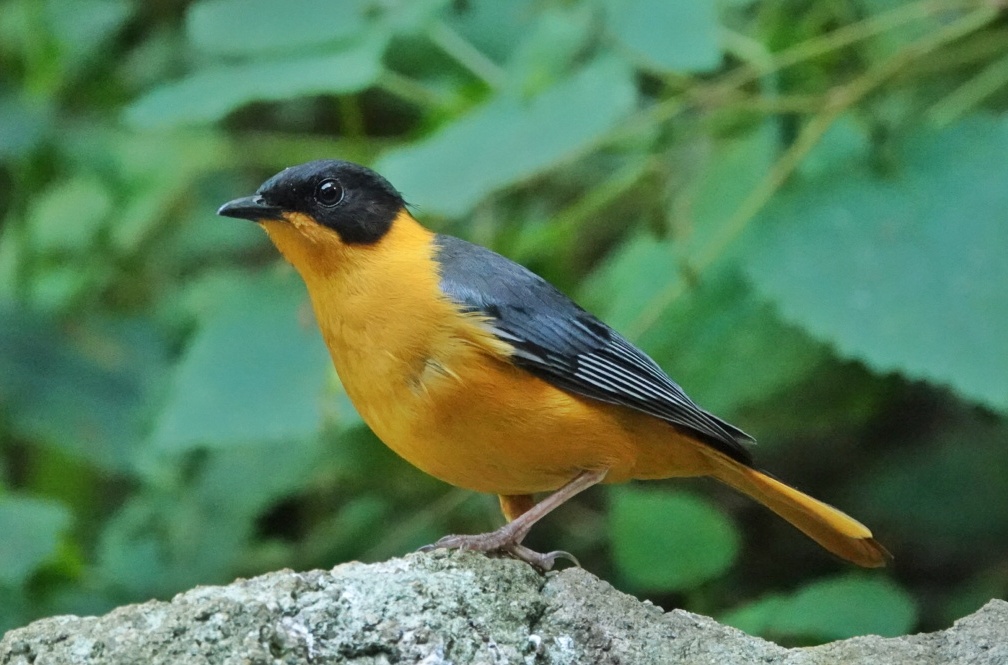
Broedersdraai sits in the lowveld climatic zone, with hot, wet summers running from November through February and dry winters from May to September. Summer temperatures regularly exceed 35°C, making midday outdoor activity uncomfortable and pushing worthwhile game or bird activity into the early morning and late afternoon. The summer months do reward birdwatchers considerably: migratory species arrive and dramatically expand the diversity on show across the surrounding bushveld.
Winter attracts the majority of wildlife-focused visitors. As grasses dry back and vegetation thins, animals concentrate at permanent water sources and become easier to spot. Days are warm and manageable, though nights can drop sharply, particularly at elevations near the escarpment. Packing a warm layer for evenings is advisable even during what feels like South Africa's most temperate season.
March to April and September to October offer balanced conditions: temperatures moderate from the summer peak, vegetation retains enough greenery to maintain the landscape's character, and game sighting quality holds up well. Accommodation availability across the broader Limpopo circuit tightens during July and December school holiday windows, so visitors with flexibility on dates are in a better position to secure options without having to plan far in advance.
---
## Getting to Broedersdraai
Eastgate Airport at Hoedspruit handles scheduled flights from Johannesburg and serves as the main aviation entry point for the eastern Limpopo lowveld. Car hire is available at the terminal. Phalaborwa Airport provides an alternative roughly 60 kilometres from Broedersdraai, with fewer scheduled services but straightforward road access from the northeast of the province.
Driving from Johannesburg, the standard route follows the N1 north to Bela-Bela, then continues via the R36 or R71 through Tzaneen. Total distance sits at roughly 450 to 500 kilometres depending on the precise destination, with journey times of four to five hours under normal conditions. The R71 corridor includes a winding mountain section that adds to travel time despite being a relatively short stretch of road. Travellers from Pretoria follow a similar route and can expect comparable times.
Once in the area, a high-clearance vehicle is advisable. Farm tracks and gravel access roads are standard for reaching properties beyond the main towns, and after heavy summer rain some routes become difficult for standard sedans. Public transport options are extremely limited in this part of Limpopo, with no minibus taxi routes reliably serving Broedersdraai directly. A private vehicle is effectively essential for the entire stay, and fuel should be topped up in a larger town before entering the area.
---
## Broedersdraai and Surrounding Areas
The closest settlement, Weighton, sits just two kilometres from Broedersdraai and forms part of the same agricultural corridor. It offers no visitor facilities of note but confirms the farming character of the immediate area, where small holdings and estates define the landscape on all sides.
Haenertsburg, three kilometres out, is the most visitor-oriented nearby town. It is known for its cherry blossom season in spring, when flowering trees along the main street give it a character unusual for this part of Limpopo. The village also has craft shops, a modest food scene that includes local craft beer, and a community market drawing day visitors from across the region. It functions well as a lunch stop or informal provisioning point, with more personality than a standard service town.
Glenshiel, four kilometres from Broedersdraai, is a smaller rural node with little reason for visitors to stop unless heading to a specific farm or private property in the area.
Ga-makgobathe, 15 kilometres out, is a Sotho-speaking village that reflects the human geography of this part of Limpopo as much as the wildlife landscape does. Visitors with an interest in rural community life or locally made craft may find a short detour worthwhile alongside the more conventional natural attractions in the area.
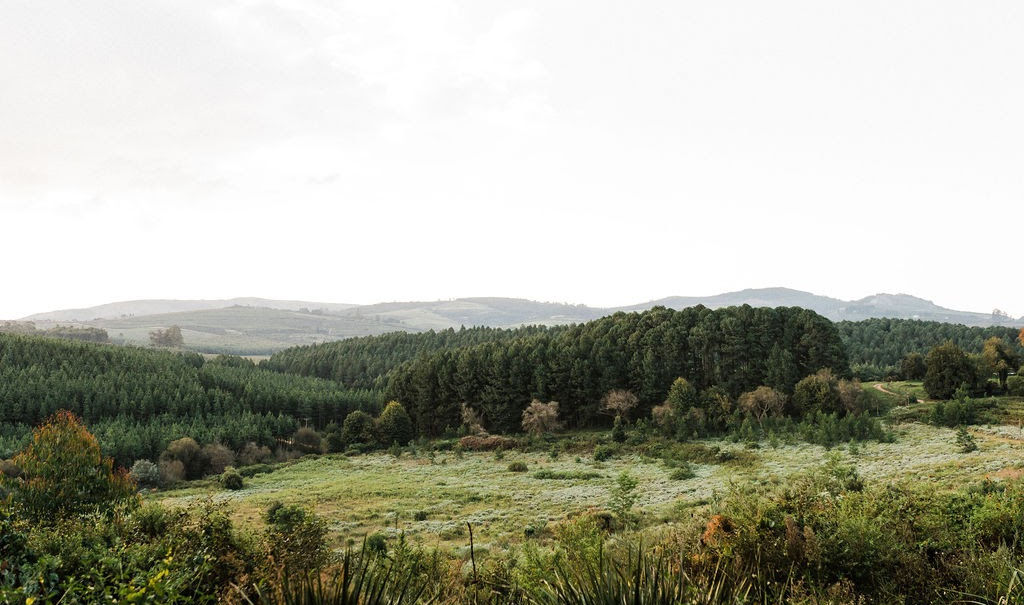
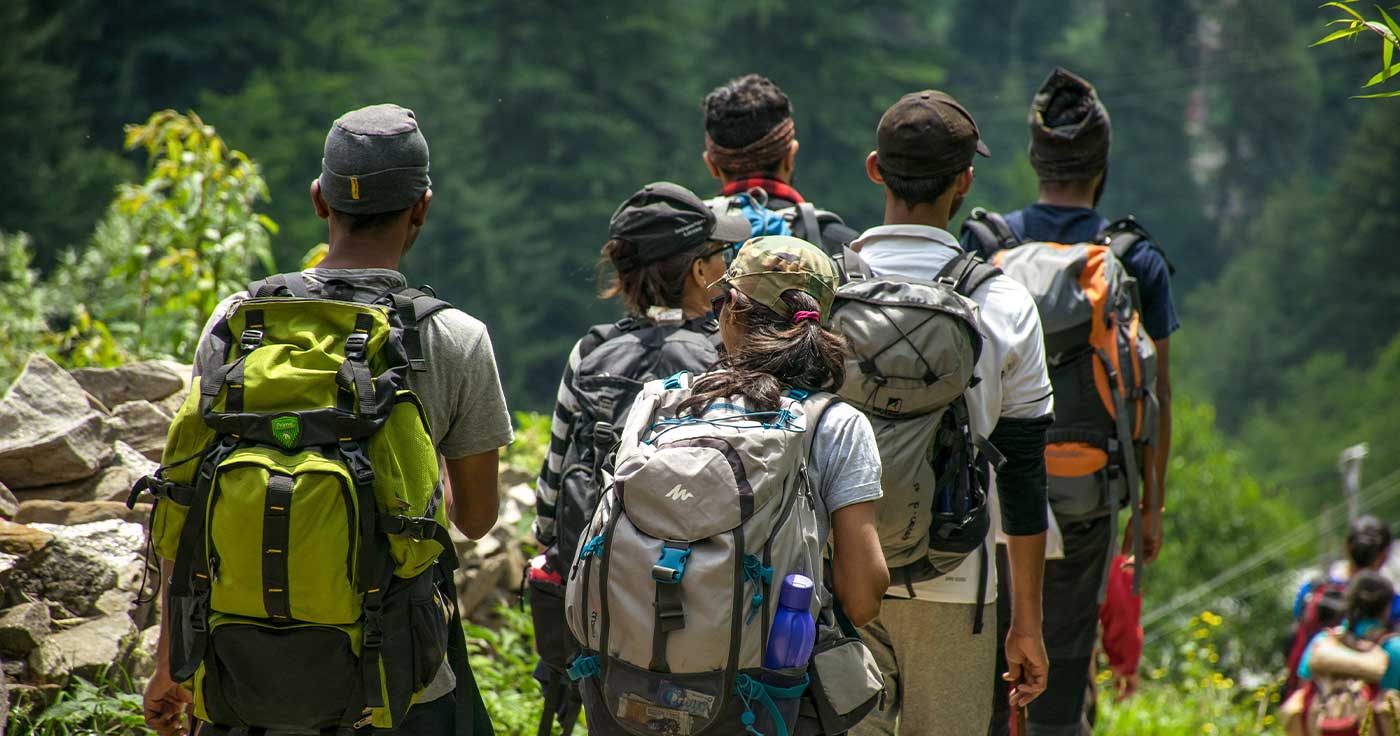
The Wolkberg Wilderness Area, also 15 kilometres from Broedersdraai, is managed for conservation and serious trail hiking. The terrain is demanding, and multi-day routes through the wilderness require permits and thorough preparation. Day visitors can access shorter entry points to experience the montane vegetation and indigenous forest, which contrasts markedly with the bushveld landscape immediately around Broedersdraai.
Magoebaskloof, 16 kilometres to the south, offers the most developed visitor offering of the group. Tea estates, waterfall walks, and an established hiking trail network make it a natural half-day trip for anyone based in the area. The Debegeni Falls reserve draws consistent visitor numbers. The altitude also brings noticeably cooler temperatures that offer welcome relief from lowveld heat during summer months.
---
## Planning Your Stay
With only three properties in the area, availability in Broedersdraai is considerably tighter than in busier tourist centres. Booking two to three months ahead is advisable for peak periods around school holidays and public holiday long weekends. Off-peak visitors also benefit from confirming early, given how few alternatives exist if a preferred option is taken.
When comparing properties, focus on access road conditions. Some listings are reached via unpaved tracks that become problematic after rain, and this is not always clear from the listing description alone. Confirm whether the property has reliable electricity supply, as load shedding affects this part of Limpopo and generator or solar backup varies between options. Water supply is worth checking too, particularly in dry winter months when some rural properties rely on boreholes or storage tanks rather than municipal supply.
Read reviews with attention to specific detail rather than the overall score. Mobile signal quality, braai equipment condition, and the general upkeep of outdoor areas tend to matter more at remote properties than a headline star rating suggests. Make a note of the nearest petrol station and confirm emergency contact details for the property before departure.
Travel insurance covering medical evacuation is worth considering, as specialist medical facilities require significant travel time from this area. Downloading offline maps before arrival is practical given that mobile data coverage can be intermittent on rural roads.

Three properties appear on current listings, with entry-level nightly rates starting at R770. The mix suits independent travellers rather than group tour visitors, and self-catering formats dominate across all tiers. Guests are responsible for their own meals throughout, making a provisioning stop in a larger regional town before arrival an essential part of trip planning rather than an optional convenience.
At the accessible end of the scale, a farm house property offers the kind of working-land atmosphere that suits visitors wanting direct contact with the agricultural character of the region. These settings typically share grounds with citrus orchards or game fencing, and the rhythm of the day follows the land rather than a resort schedule. Rates at this tier make extended stays workable, and the farm house format gives a more grounded experience of the area than a polished alternative would.
The self-catering category provides a step up in finish and facilities, averaging around R1,154 per night and making it a practical choice for families or small groups who want the flexibility of preparing their own meals without compromising on space or equipment. Before confirming a booking at this level, verify the specifics: outdoor braai facilities, water supply reliability, and electricity backup all vary across properties in rural Limpopo.
At the top of the local range sits a villa option averaging around R1,249 per night. These properties offer more space, private outdoor areas, and polished interiors suited to couples on a leisure-focused trip rather than an activity-heavy itinerary. The villa tier here competes on privacy and setting rather than access to services or nearby amenities, which remain limited in Broedersdraai itself.
All three options share the same core character: remote, self-sufficient, and best suited to travellers who arrive prepared.
---
## Best Time to Visit Broedersdraai
Broedersdraai sits in the lowveld climatic zone, with hot, wet summers running from November through February and dry winters from May to September. Summer temperatures regularly exceed 35°C, making midday outdoor activity uncomfortable and pushing worthwhile game or bird activity into the early morning and late afternoon. The summer months do reward birdwatchers considerably: migratory species arrive and dramatically expand the diversity on show across the surrounding bushveld.
Winter attracts the majority of wildlife-focused visitors. As grasses dry back and vegetation thins, animals concentrate at permanent water sources and become easier to spot. Days are warm and manageable, though nights can drop sharply, particularly at elevations near the escarpment. Packing a warm layer for evenings is advisable even during what feels like South Africa's most temperate season.
March to April and September to October offer balanced conditions: temperatures moderate from the summer peak, vegetation retains enough greenery to maintain the landscape's character, and game sighting quality holds up well. Accommodation availability across the broader Limpopo circuit tightens during July and December school holiday windows, so visitors with flexibility on dates are in a better position to secure options without having to plan far in advance.
---
## Getting to Broedersdraai
Eastgate Airport at Hoedspruit handles scheduled flights from Johannesburg and serves as the main aviation entry point for the eastern Limpopo lowveld. Car hire is available at the terminal. Phalaborwa Airport provides an alternative roughly 60 kilometres from Broedersdraai, with fewer scheduled services but straightforward road access from the northeast of the province.
Driving from Johannesburg, the standard route follows the N1 north to Bela-Bela, then continues via the R36 or R71 through Tzaneen. Total distance sits at roughly 450 to 500 kilometres depending on the precise destination, with journey times of four to five hours under normal conditions. The R71 corridor includes a winding mountain section that adds to travel time despite being a relatively short stretch of road. Travellers from Pretoria follow a similar route and can expect comparable times.
Once in the area, a high-clearance vehicle is advisable. Farm tracks and gravel access roads are standard for reaching properties beyond the main towns, and after heavy summer rain some routes become difficult for standard sedans. Public transport options are extremely limited in this part of Limpopo, with no minibus taxi routes reliably serving Broedersdraai directly. A private vehicle is effectively essential for the entire stay, and fuel should be topped up in a larger town before entering the area.
---
## Broedersdraai and Surrounding Areas
The closest settlement, Weighton, sits just two kilometres from Broedersdraai and forms part of the same agricultural corridor. It offers no visitor facilities of note but confirms the farming character of the immediate area, where small holdings and estates define the landscape on all sides.
Haenertsburg, three kilometres out, is the most visitor-oriented nearby town. It is known for its cherry blossom season in spring, when flowering trees along the main street give it a character unusual for this part of Limpopo. The village also has craft shops, a modest food scene that includes local craft beer, and a community market drawing day visitors from across the region. It functions well as a lunch stop or informal provisioning point, with more personality than a standard service town.
Glenshiel, four kilometres from Broedersdraai, is a smaller rural node with little reason for visitors to stop unless heading to a specific farm or private property in the area.
Ga-makgobathe, 15 kilometres out, is a Sotho-speaking village that reflects the human geography of this part of Limpopo as much as the wildlife landscape does. Visitors with an interest in rural community life or locally made craft may find a short detour worthwhile alongside the more conventional natural attractions in the area.
The Wolkberg Wilderness Area, also 15 kilometres from Broedersdraai, is managed for conservation and serious trail hiking. The terrain is demanding, and multi-day routes through the wilderness require permits and thorough preparation. Day visitors can access shorter entry points to experience the montane vegetation and indigenous forest, which contrasts markedly with the bushveld landscape immediately around Broedersdraai.
Magoebaskloof, 16 kilometres to the south, offers the most developed visitor offering of the group. Tea estates, waterfall walks, and an established hiking trail network make it a natural half-day trip for anyone based in the area. The Debegeni Falls reserve draws consistent visitor numbers. The altitude also brings noticeably cooler temperatures that offer welcome relief from lowveld heat during summer months.
---
## Planning Your Stay
With only three properties in the area, availability in Broedersdraai is considerably tighter than in busier tourist centres. Booking two to three months ahead is advisable for peak periods around school holidays and public holiday long weekends. Off-peak visitors also benefit from confirming early, given how few alternatives exist if a preferred option is taken.
When comparing properties, focus on access road conditions. Some listings are reached via unpaved tracks that become problematic after rain, and this is not always clear from the listing description alone. Confirm whether the property has reliable electricity supply, as load shedding affects this part of Limpopo and generator or solar backup varies between options. Water supply is worth checking too, particularly in dry winter months when some rural properties rely on boreholes or storage tanks rather than municipal supply.
Read reviews with attention to specific detail rather than the overall score. Mobile signal quality, braai equipment condition, and the general upkeep of outdoor areas tend to matter more at remote properties than a headline star rating suggests. Make a note of the nearest petrol station and confirm emergency contact details for the property before departure.
Travel insurance covering medical evacuation is worth considering, as specialist medical facilities require significant travel time from this area. Downloading offline maps before arrival is practical given that mobile data coverage can be intermittent on rural roads.
Tipes Akkommodasie in Broedersdraai
Uitgesoekte Verblyf in Broedersdraai
Tupelo Honey Experience
Villa
Magoebaskloof
Vanaf R770
Tupelo Honey Experience
Villa
Magoebaskloof
· 11.4km van Broedersdraai
Vanaf
R770
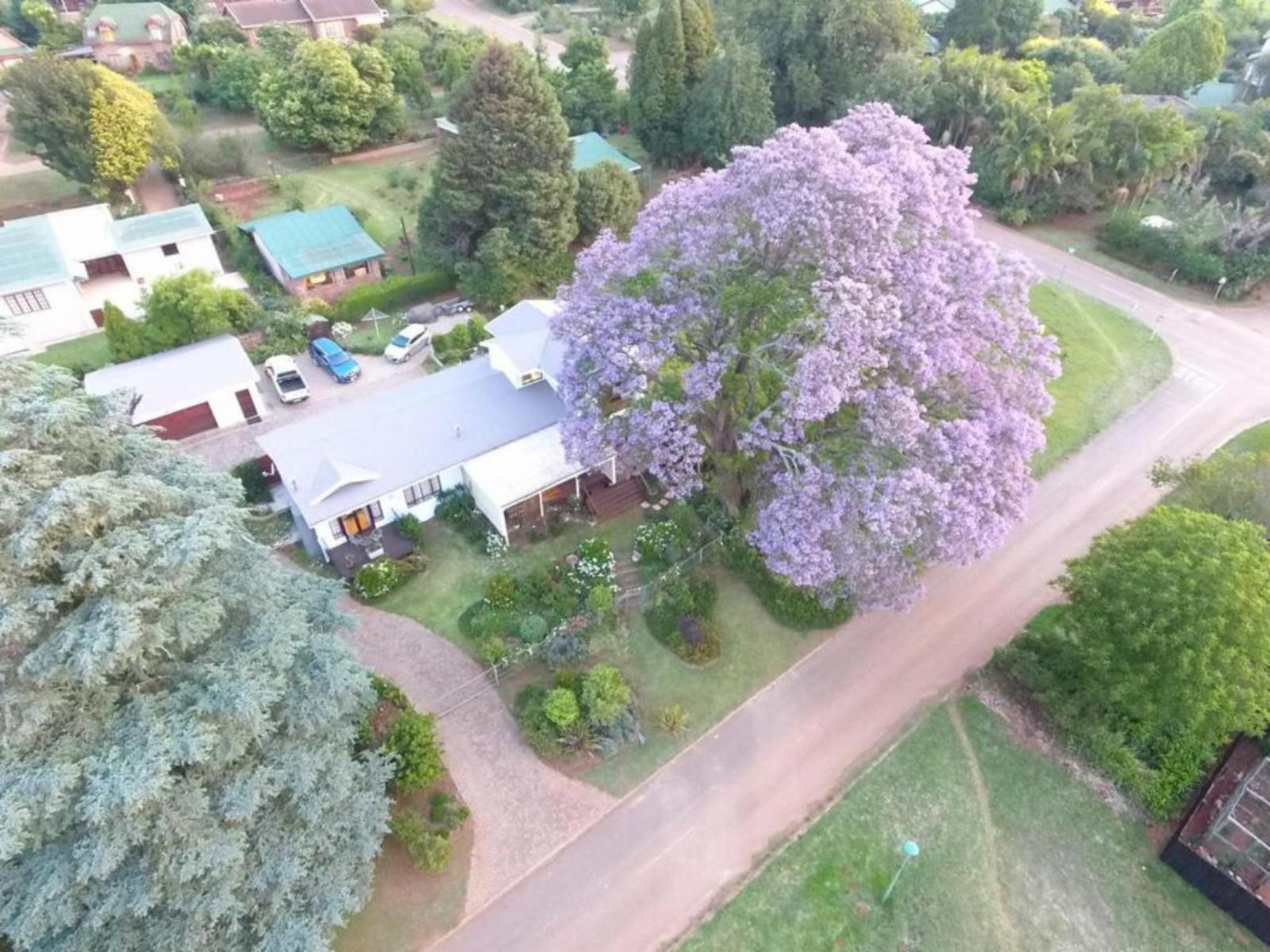
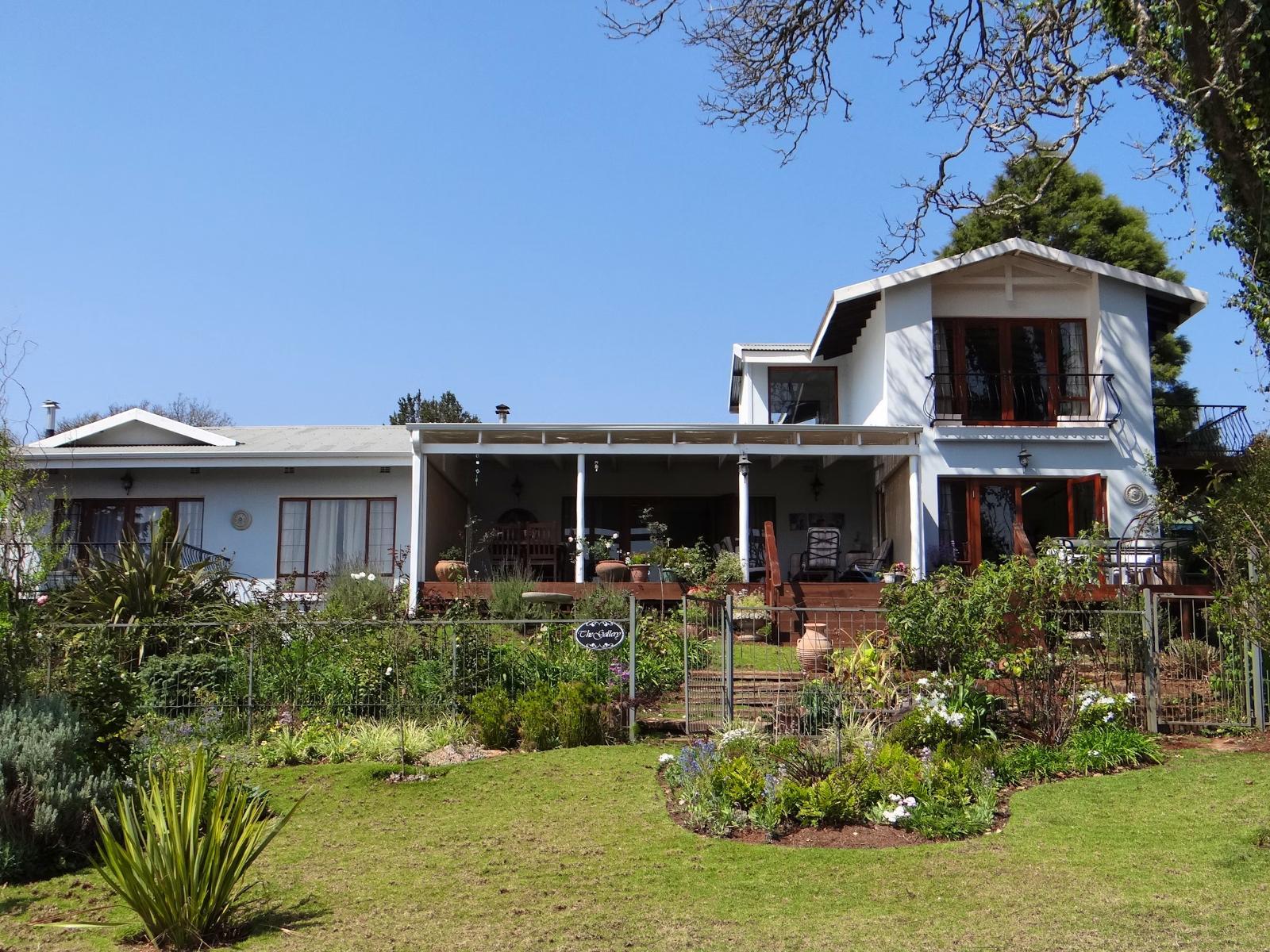
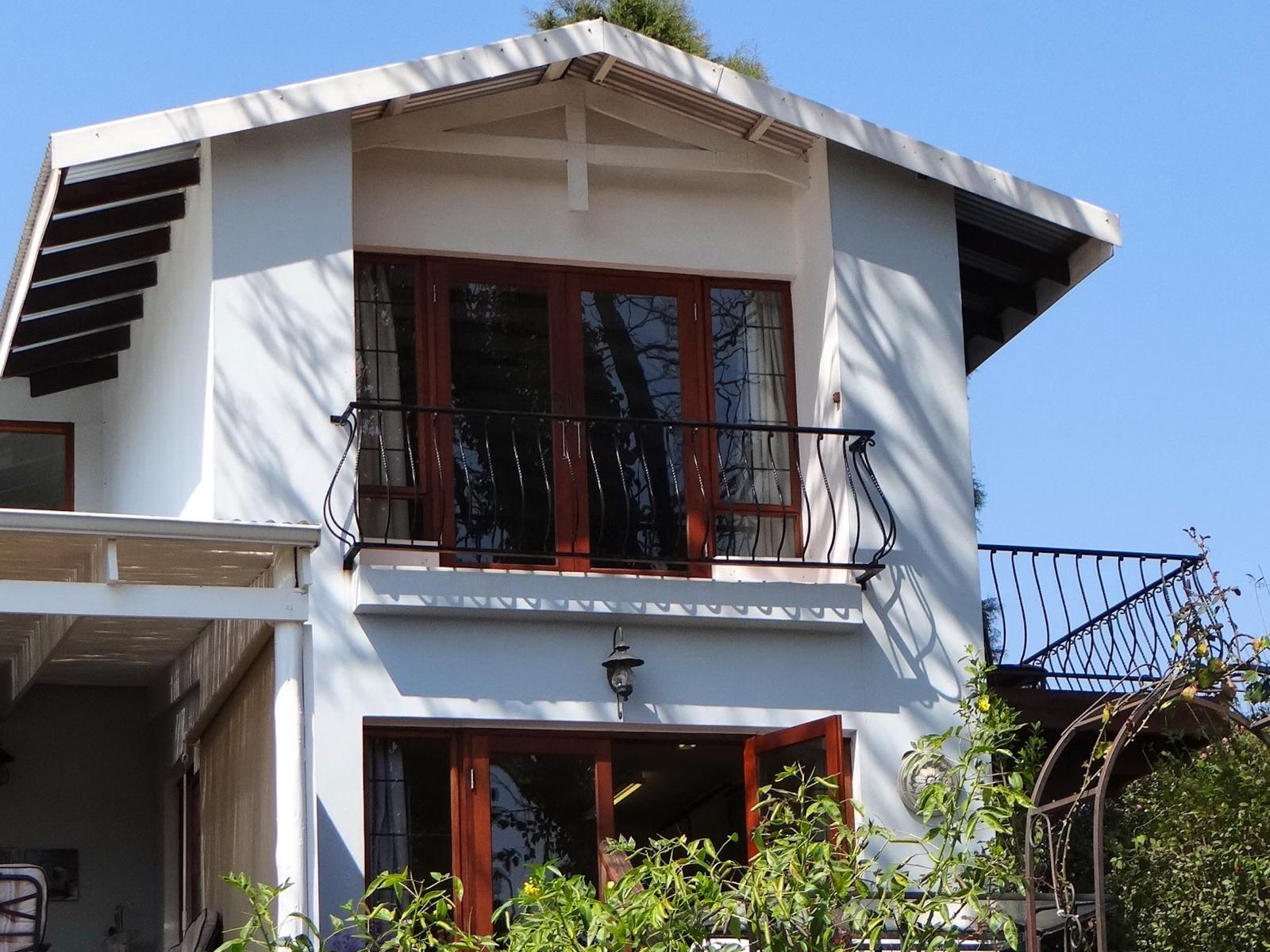
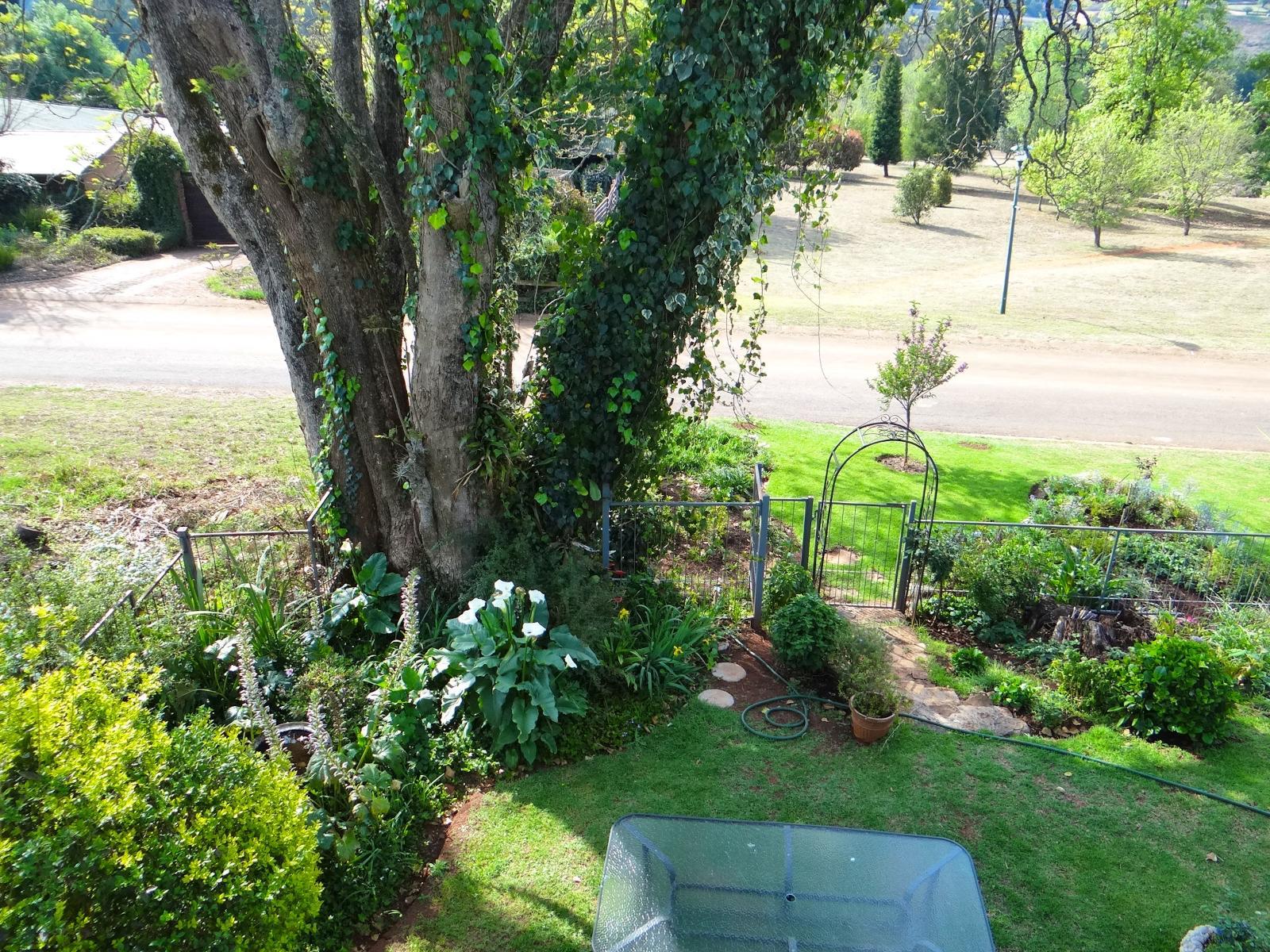
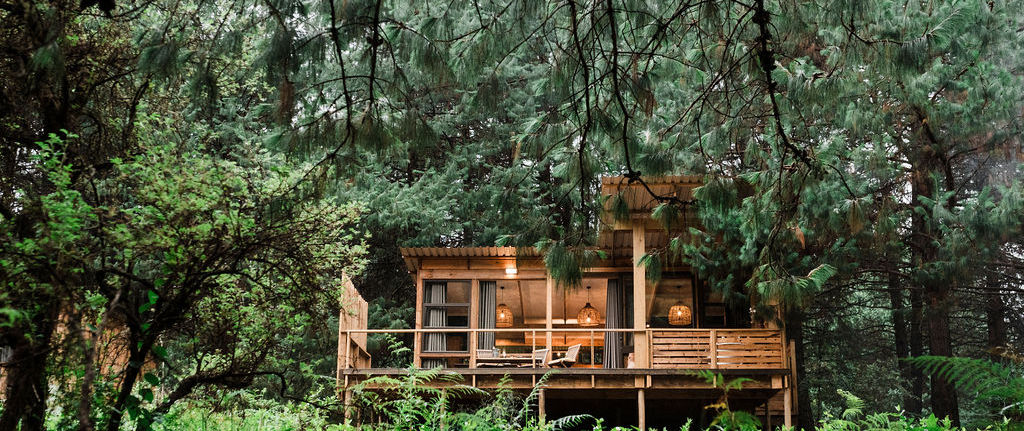
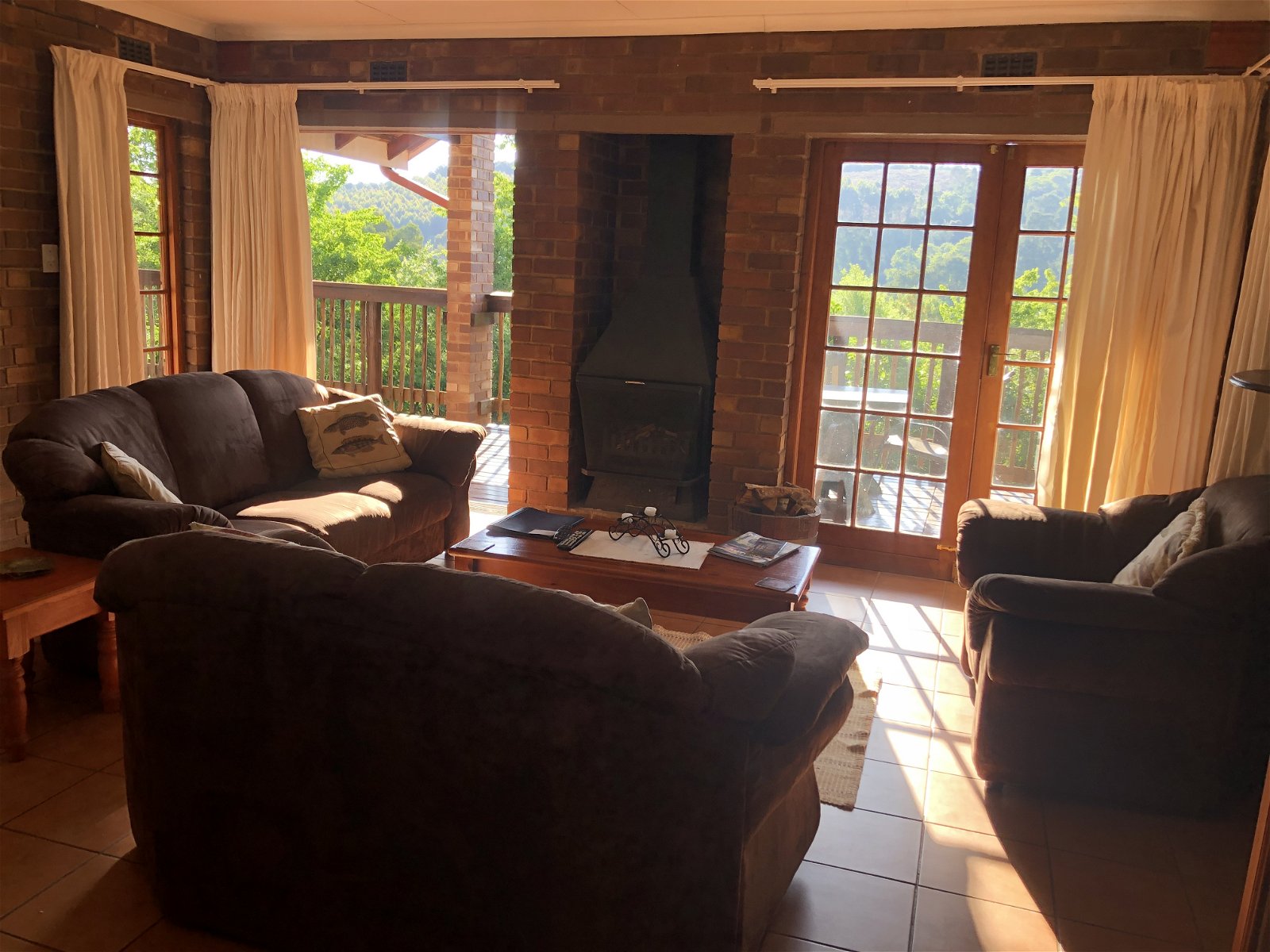
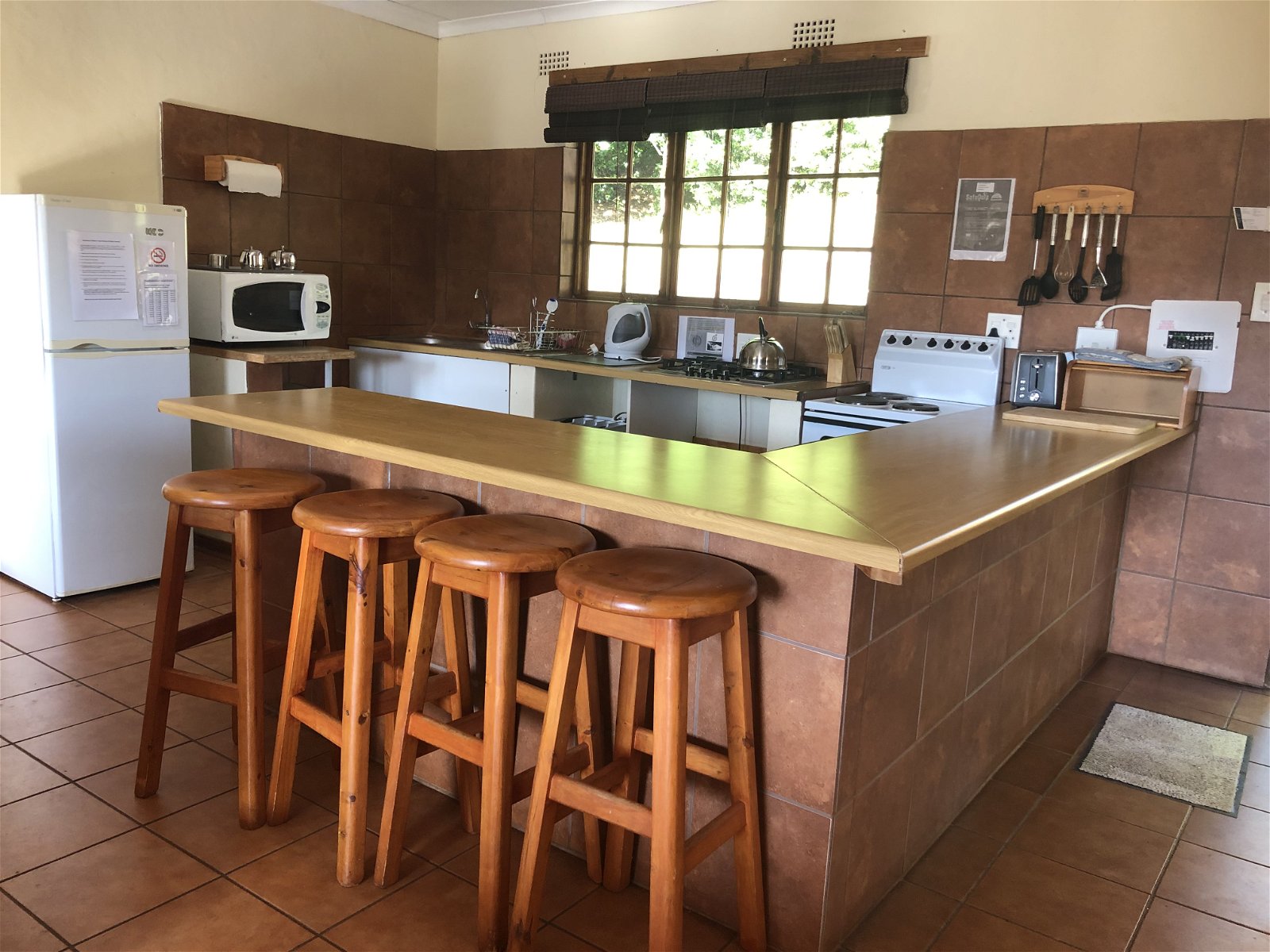
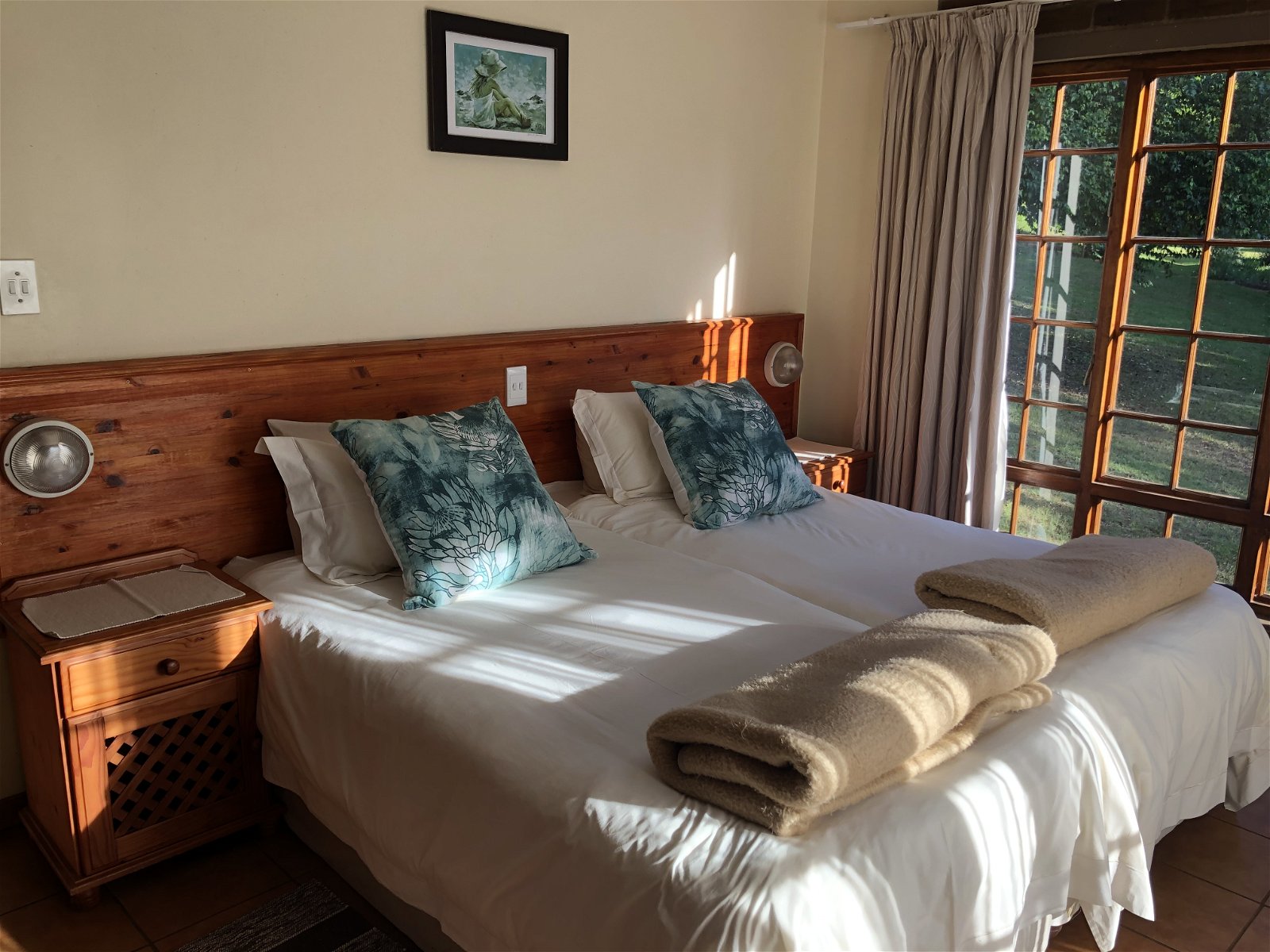
Tupelo Honey Farm bied prettige selfkatering-akkommodasie in die Magoebaskloof-vallei te midde van inheemse bos. Kies Herb Cottage vir 4-5 persone met swembad, Frida's View vir 4 gaste met private swembad, Olivia's Secret vir twee, of diervriendelike kampingplekke wat per 4x4-voertuig bereikbaar is.
Slaap 31
Kinders welkom
Akkommodasiepryse in Broedersdraai
| Tipe | Inskrywings | Vanaf | Gemiddeld | Tot |
|---|---|---|---|---|
| Self-catering | 1 | R1,040 | R1,151 | R1,240 |
| Farm House | 1 | – | – | – |
| Villa | 1 | R770 | R1,249 | R1,750 |
Broedersdraai Kaart
Nabygeleë Bestemmings
Blaai Deur Alle Broedersdraai Akkommodasie
Bekyk al 3 akkommodasie-opsies in Broedersdraai met foto's, pryse en beskikbaarheid.
Blaai Deur Alle Akkommodasie