Magoebaskloof Reis- & Akkommodasiegids
Jou volledige gids om Magoebaskloof, Suid-Afrika te besoek.
2
Eiendomme
Vanaf
R770
/ nag
Gemiddeld
R770
/ nag
Gewildste
Farm House
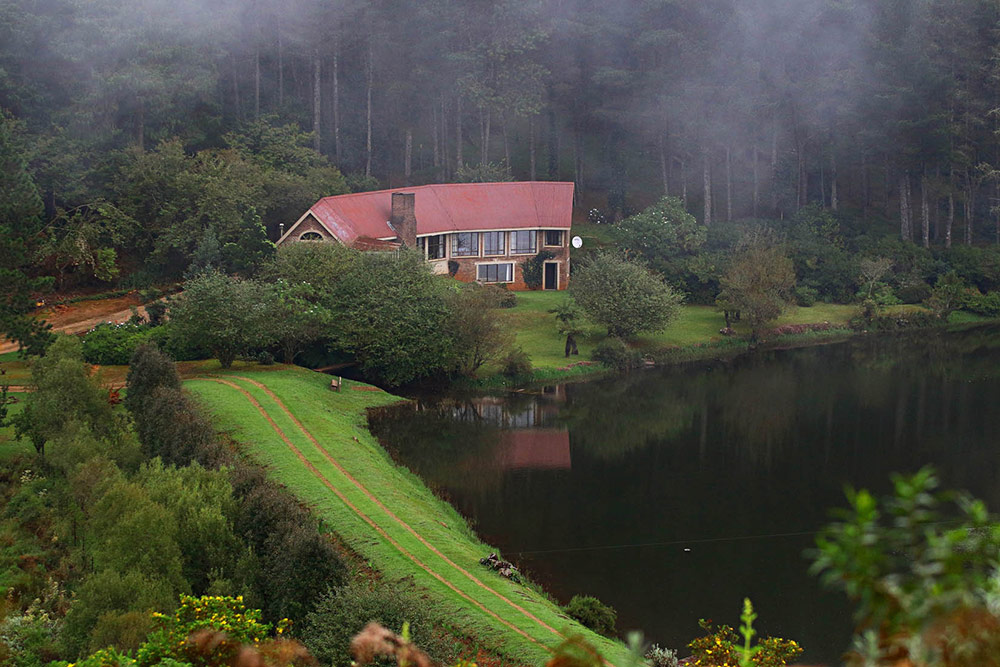
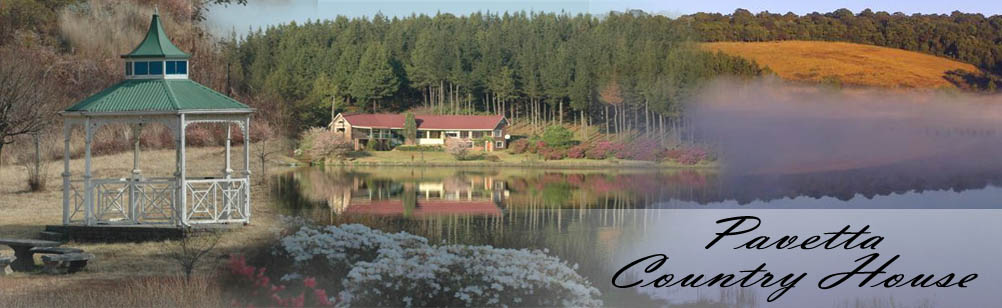
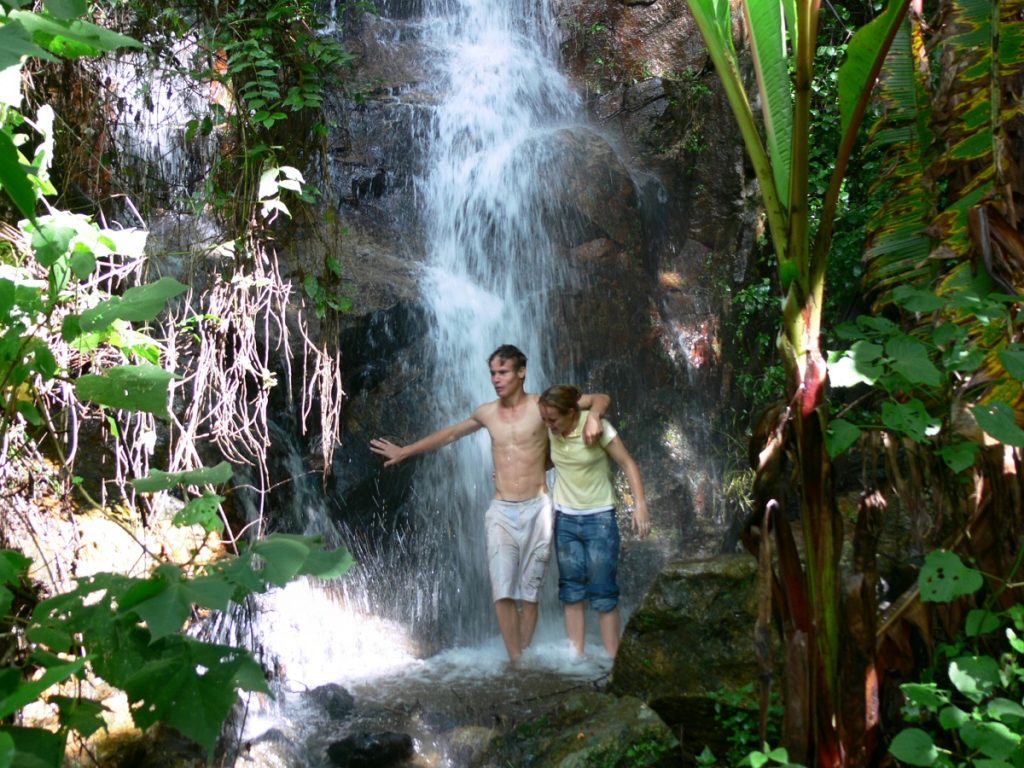
Magoebaskloof offers lush forests and misty mountains that attract nature lovers. The area features hiking paths and clear streams, making it ideal for outdoor adventures. Visitors can enjoy the cool climate and diverse wildlife, providing a base for exploration and relaxation.
## Accommodation in Magoebaskloof
The accommodation market here is deliberately small. With just 2 properties currently listed and nightly rates starting at around R770, the options are limited but clearly chosen by guests who know what they are after. This is not an area with resorts or hotel chains; each property tends to reflect the forested, working-farm character of the landscape it occupies.
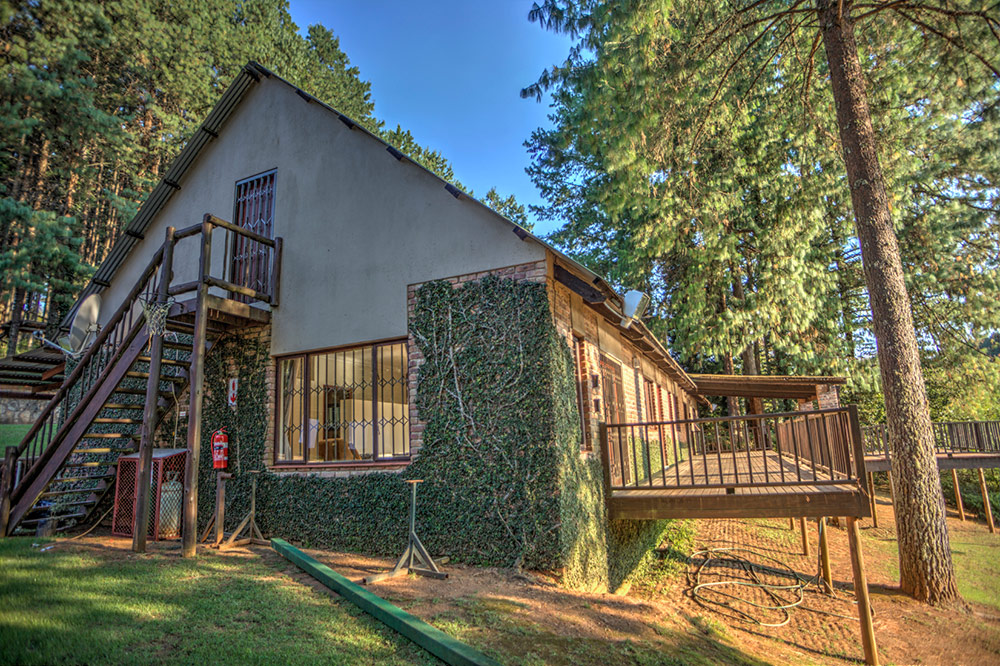
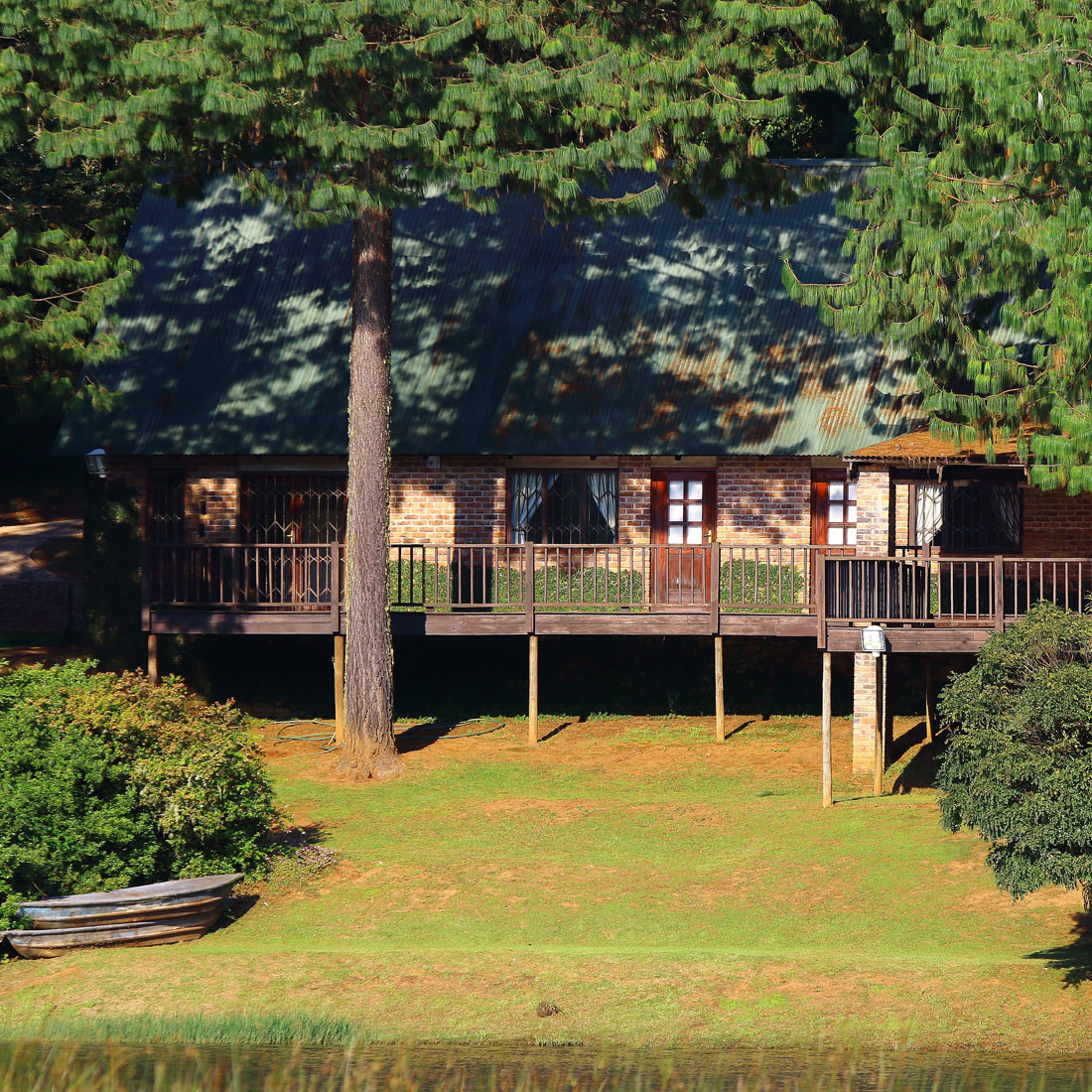
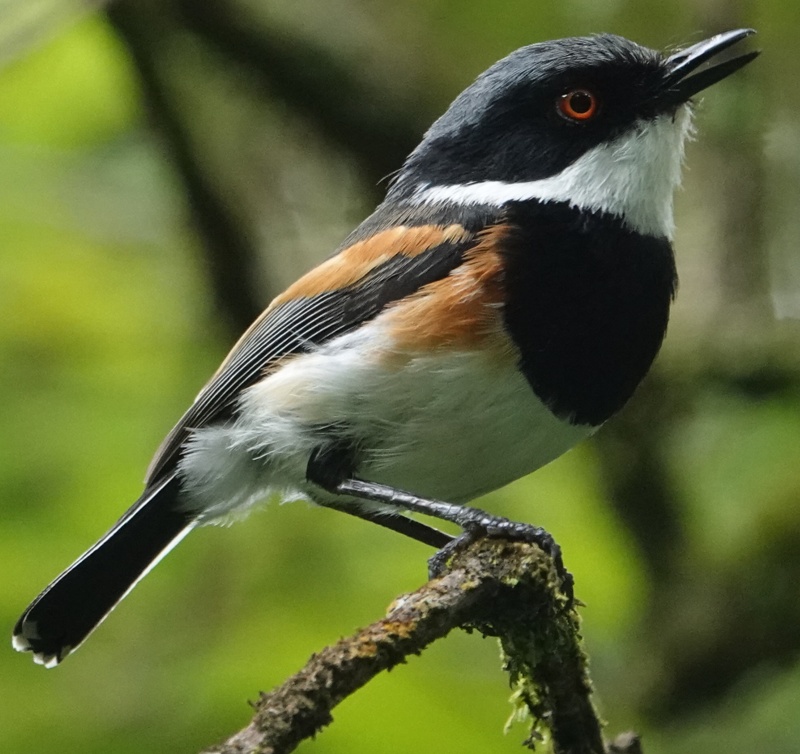
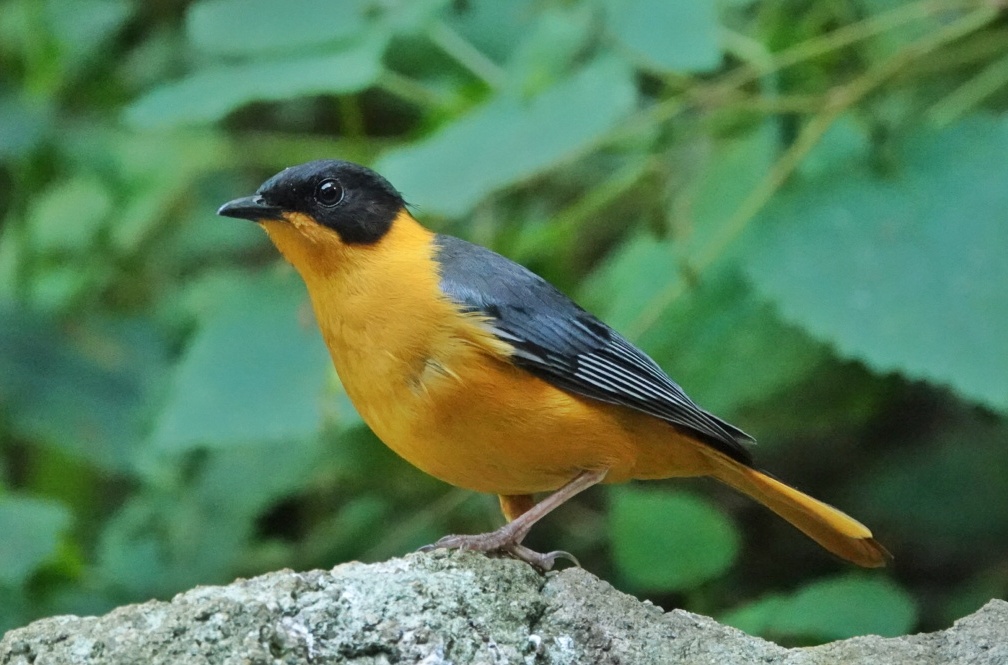
At the more accessible end of the range, a farm house offers the most grounded experience. These properties come with self-catering facilities as standard, which makes practical sense given the distance from restaurants. A farm stay typically means cooking on the property, eating on a veranda with views of forest or farmland, and having enough space for children or dogs to move freely. Working farm stays carry sounds and rhythms absent from more managed properties: early mornings may bring livestock activity, smoke from a fire on cool evenings, and a pace that adjusts to the farm rather than the guest. Wildlife passes through these properties with regularity, and encounters with birds, small antelope, or the occasional bushbuck require no organised tour.
The villa category represents a step up in both scale and finish. Average nightly rates for this type sit closer to R1,249, providing more bedrooms, a private pool or enclosed garden, and a level of facility suited to a group. For visitors who prefer more distance from the working-farm experience, the villa delivers a cleaner version of the same forested setting, with more space and greater privacy.
Both tiers share a self-catering format that suits the rhythm of the area, with no pressure to keep restaurant hours. What both also share is proximity to the Woodbush State Forest trail network, with forest walks, viewpoints, and the Magoebaskloof Dam accessible within a short drive from most properties.
## Best Time to Visit Magoebaskloof
Most rain falls between October and April, when the forest is at its greenest and wildflowers appear along the roadsides. Summer temperatures at around 1,400 metres elevation are significantly cooler than the Limpopo lowlands, rarely climbing above the mid-20s Celsius, though afternoon thunderstorms arrive reliably during this period and trails can become slippery after heavy downpours.
April through September brings drier, clearer conditions. Winter nights can drop close to zero degrees, but daytime temperatures remain comfortable for walking. The dry winter air makes this the better season for stargazing, given the low light pollution and consistently clear skies from June onward.
Peak visitor periods align with South African school holidays: June and July, late September, and December through January. During these windows the limited accommodation books out well in advance and popular trails see noticeably more foot traffic.
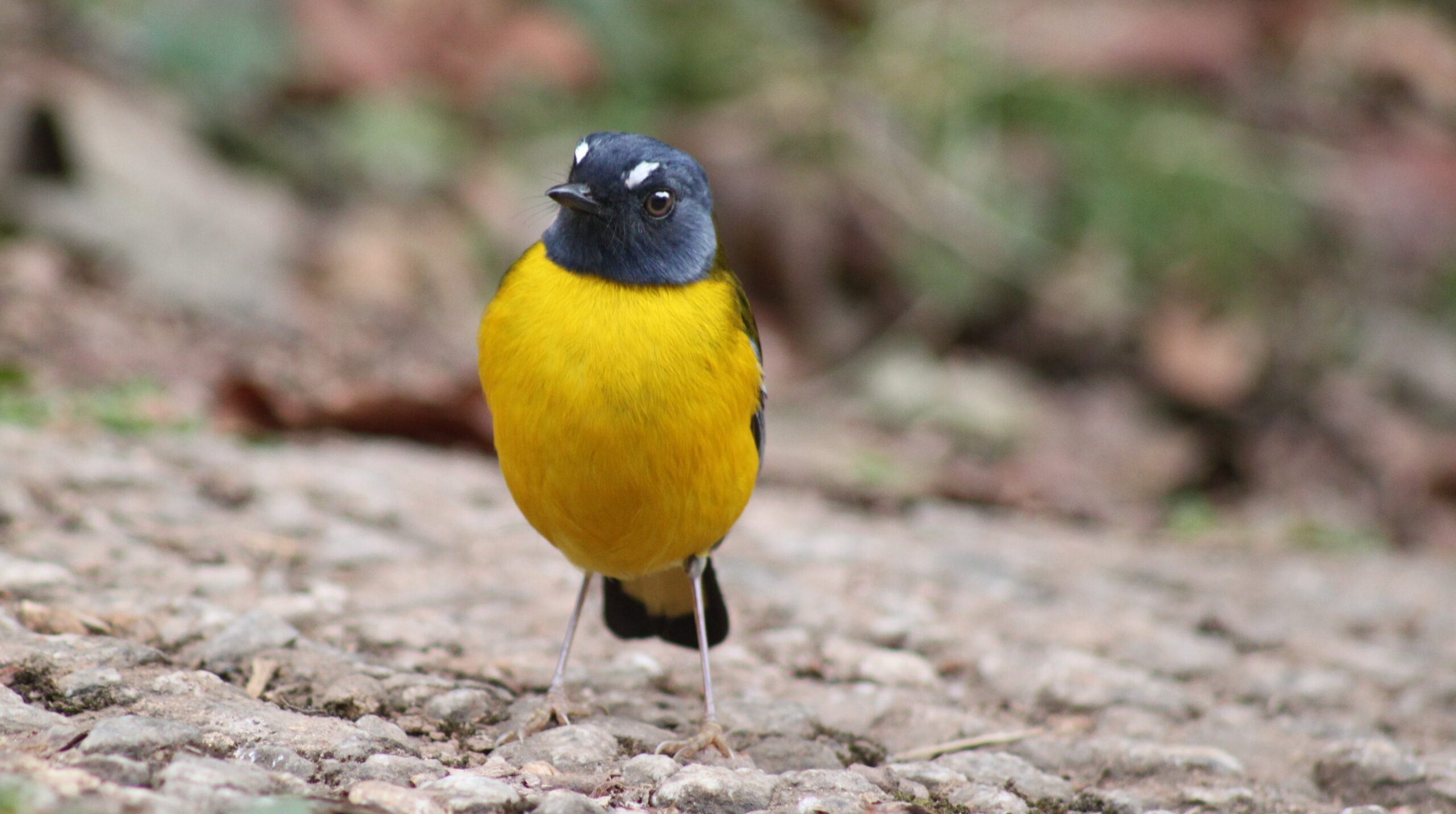
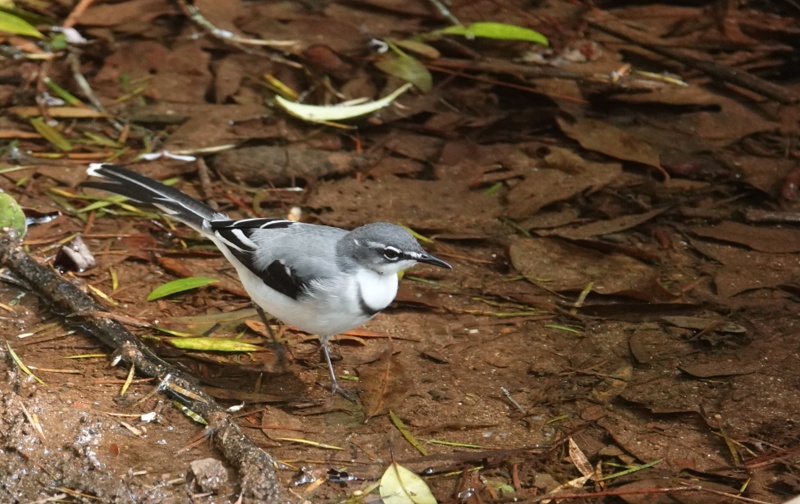
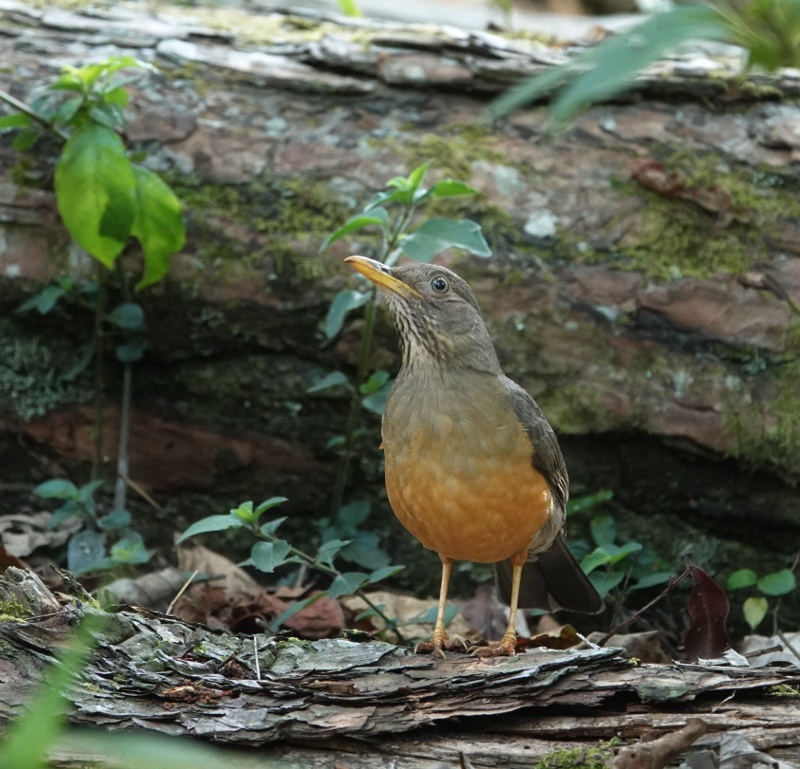
Birding is productive year-round. Resident species such as the African fish eagle are visible at the dams and river sections throughout the year, while summer brings migratory arrivals that expand the overall variety considerably. November and March offer a useful middle ground: warm forest conditions, wildflowers still visible, and fewer visitors than the peak holiday periods. Those months suit anyone with scheduling flexibility who wants the area at its most active without the crowds.
## Getting to Magoebaskloof
The R71 from Polokwane is the main approach, covering roughly 80 kilometres as the road climbs toward the escarpment. It takes about an hour under normal conditions, though the final section involves sharp bends and significant elevation gain requiring slower speeds, especially after rain. Scenic stretches through the escarpment make the drive worth paying attention to rather than treating as a formality.
Polokwane Airport is the closest commercial airport, with domestic flights from Johannesburg and Cape Town. A hire car is the practical choice from there, since no scheduled public transport runs directly to the forest area. Driving from OR Tambo International in Johannesburg takes around three to four hours via the N1 north, covering approximately 350 kilometres. Visitors coming from Durban or Cape Town are better served by flying to Polokwane first, which avoids lengthy cross-country drives.
Once in the area, a personal vehicle is essential. The distances between forest sections, viewpoints, and commercial services cannot be covered on foot, and local taxi services do not reliably reach forest routes. Standard sedans handle the main R71 without difficulty.
## Magoebaskloof and Surrounding Areas
The settlements within 20 kilometres of Magoebaskloof range from a regional commercial hub to quiet farming communities. Understanding what each offers helps with planning day trips from the forest base.
**Hekpoort**, 10 kilometres away, is a small rural community on the agricultural margins of the escarpment. The surrounding farms work with subtropical crops suited to the elevation change, and the area gives a clear picture of how small-scale farming sits alongside the forested terrain.
**Glenshiel**, 12 kilometres from Magoebaskloof, occupies a valley section below the main escarpment ridge. It is a farming area rather than a destination with specific attractions, but the drive through is worth taking for the landscape itself, particularly in the early morning when mist settles across the lower ground.
**Tzaneen**, 13 kilometres away, is the main commercial centre for the region, sitting in the fertile Letaba River valley. The town is a significant producer of citrus fruit, avocados, and mangoes, and this agricultural identity shapes the local markets and fresh produce available in the area. For visitors, it offers supermarkets, restaurants, and the Tzaneen Museum, which documents the history of the Letaba district including early settlement and the indigenous communities of the valley. Banking, fuel, and medical facilities are all available here.
**Haenertsburg**, 14 kilometres from Magoebaskloof, is a small village that has become a recognised stop on the escarpment route. It is best known for its cherry trees, which flower in August and September, and for the annual Cherry Festival that draws visitors from across Limpopo. A few cafes and craft shops operate year-round, and the village makes a practical lunch stop during a day spent driving the broader area.
**Weighton**, 15 kilometres out, and **Broedersdraai**, at 16 kilometres, are farming settlements rather than visitor destinations, serving mainly as waypoints when navigating the back roads that connect the forest with the surrounding agricultural land.
## Planning Your Stay
Given the limited accommodation available, bookings during school holidays should be made weeks, often months, in advance. Outside those peak periods, availability is less pressured but still moves faster than the small property count might suggest. Shoulder season offers good flexibility for visitors who can travel outside standard holiday dates.
Before confirming a booking, contact the host directly about current access road conditions. After significant rainfall, gravel tracks to some properties become difficult, and hosts are the most reliable source of up-to-date information. Asking about backup power is equally practical: load-shedding affects Limpopo as it does the rest of the country, and a self-catering stay depends on a functional kitchen. Many properties run generators or solar systems, but confirming before arrival avoids surprises.
When comparing properties, look beyond the nightly rate to what is included. Some places provide linen and firewood; others do not, and for a multi-night stay in cooler months, a fireplace or outdoor fire makes a significant practical difference. Download offline maps before setting off, as mobile signal is unreliable in parts of the forest. Local markets in the area are worth building into your schedule for fresh produce and regional goods.

The accommodation market here is deliberately small. With just 2 properties currently listed and nightly rates starting at around R770, the options are limited but clearly chosen by guests who know what they are after. This is not an area with resorts or hotel chains; each property tends to reflect the forested, working-farm character of the landscape it occupies.
At the more accessible end of the range, a farm house offers the most grounded experience. These properties come with self-catering facilities as standard, which makes practical sense given the distance from restaurants. A farm stay typically means cooking on the property, eating on a veranda with views of forest or farmland, and having enough space for children or dogs to move freely. Working farm stays carry sounds and rhythms absent from more managed properties: early mornings may bring livestock activity, smoke from a fire on cool evenings, and a pace that adjusts to the farm rather than the guest. Wildlife passes through these properties with regularity, and encounters with birds, small antelope, or the occasional bushbuck require no organised tour.
The villa category represents a step up in both scale and finish. Average nightly rates for this type sit closer to R1,249, providing more bedrooms, a private pool or enclosed garden, and a level of facility suited to a group. For visitors who prefer more distance from the working-farm experience, the villa delivers a cleaner version of the same forested setting, with more space and greater privacy.
Both tiers share a self-catering format that suits the rhythm of the area, with no pressure to keep restaurant hours. What both also share is proximity to the Woodbush State Forest trail network, with forest walks, viewpoints, and the Magoebaskloof Dam accessible within a short drive from most properties.
## Best Time to Visit Magoebaskloof
Most rain falls between October and April, when the forest is at its greenest and wildflowers appear along the roadsides. Summer temperatures at around 1,400 metres elevation are significantly cooler than the Limpopo lowlands, rarely climbing above the mid-20s Celsius, though afternoon thunderstorms arrive reliably during this period and trails can become slippery after heavy downpours.
April through September brings drier, clearer conditions. Winter nights can drop close to zero degrees, but daytime temperatures remain comfortable for walking. The dry winter air makes this the better season for stargazing, given the low light pollution and consistently clear skies from June onward.
Peak visitor periods align with South African school holidays: June and July, late September, and December through January. During these windows the limited accommodation books out well in advance and popular trails see noticeably more foot traffic.
Birding is productive year-round. Resident species such as the African fish eagle are visible at the dams and river sections throughout the year, while summer brings migratory arrivals that expand the overall variety considerably. November and March offer a useful middle ground: warm forest conditions, wildflowers still visible, and fewer visitors than the peak holiday periods. Those months suit anyone with scheduling flexibility who wants the area at its most active without the crowds.
## Getting to Magoebaskloof
The R71 from Polokwane is the main approach, covering roughly 80 kilometres as the road climbs toward the escarpment. It takes about an hour under normal conditions, though the final section involves sharp bends and significant elevation gain requiring slower speeds, especially after rain. Scenic stretches through the escarpment make the drive worth paying attention to rather than treating as a formality.
Polokwane Airport is the closest commercial airport, with domestic flights from Johannesburg and Cape Town. A hire car is the practical choice from there, since no scheduled public transport runs directly to the forest area. Driving from OR Tambo International in Johannesburg takes around three to four hours via the N1 north, covering approximately 350 kilometres. Visitors coming from Durban or Cape Town are better served by flying to Polokwane first, which avoids lengthy cross-country drives.
Once in the area, a personal vehicle is essential. The distances between forest sections, viewpoints, and commercial services cannot be covered on foot, and local taxi services do not reliably reach forest routes. Standard sedans handle the main R71 without difficulty.
## Magoebaskloof and Surrounding Areas
The settlements within 20 kilometres of Magoebaskloof range from a regional commercial hub to quiet farming communities. Understanding what each offers helps with planning day trips from the forest base.
**Hekpoort**, 10 kilometres away, is a small rural community on the agricultural margins of the escarpment. The surrounding farms work with subtropical crops suited to the elevation change, and the area gives a clear picture of how small-scale farming sits alongside the forested terrain.
**Glenshiel**, 12 kilometres from Magoebaskloof, occupies a valley section below the main escarpment ridge. It is a farming area rather than a destination with specific attractions, but the drive through is worth taking for the landscape itself, particularly in the early morning when mist settles across the lower ground.
**Tzaneen**, 13 kilometres away, is the main commercial centre for the region, sitting in the fertile Letaba River valley. The town is a significant producer of citrus fruit, avocados, and mangoes, and this agricultural identity shapes the local markets and fresh produce available in the area. For visitors, it offers supermarkets, restaurants, and the Tzaneen Museum, which documents the history of the Letaba district including early settlement and the indigenous communities of the valley. Banking, fuel, and medical facilities are all available here.
**Haenertsburg**, 14 kilometres from Magoebaskloof, is a small village that has become a recognised stop on the escarpment route. It is best known for its cherry trees, which flower in August and September, and for the annual Cherry Festival that draws visitors from across Limpopo. A few cafes and craft shops operate year-round, and the village makes a practical lunch stop during a day spent driving the broader area.
**Weighton**, 15 kilometres out, and **Broedersdraai**, at 16 kilometres, are farming settlements rather than visitor destinations, serving mainly as waypoints when navigating the back roads that connect the forest with the surrounding agricultural land.
## Planning Your Stay
Given the limited accommodation available, bookings during school holidays should be made weeks, often months, in advance. Outside those peak periods, availability is less pressured but still moves faster than the small property count might suggest. Shoulder season offers good flexibility for visitors who can travel outside standard holiday dates.
Before confirming a booking, contact the host directly about current access road conditions. After significant rainfall, gravel tracks to some properties become difficult, and hosts are the most reliable source of up-to-date information. Asking about backup power is equally practical: load-shedding affects Limpopo as it does the rest of the country, and a self-catering stay depends on a functional kitchen. Many properties run generators or solar systems, but confirming before arrival avoids surprises.
When comparing properties, look beyond the nightly rate to what is included. Some places provide linen and firewood; others do not, and for a multi-night stay in cooler months, a fireplace or outdoor fire makes a significant practical difference. Download offline maps before setting off, as mobile signal is unreliable in parts of the forest. Local markets in the area are worth building into your schedule for fresh produce and regional goods.
Tipes Akkommodasie in Magoebaskloof
Uitgesoekte Verblyf in Magoebaskloof
Tupelo Honey Experience
Villa
Magoebaskloof
Vanaf R770
Tupelo Honey Experience
Villa
Magoebaskloof
· 4.4km van Magoebaskloof
Vanaf
R770
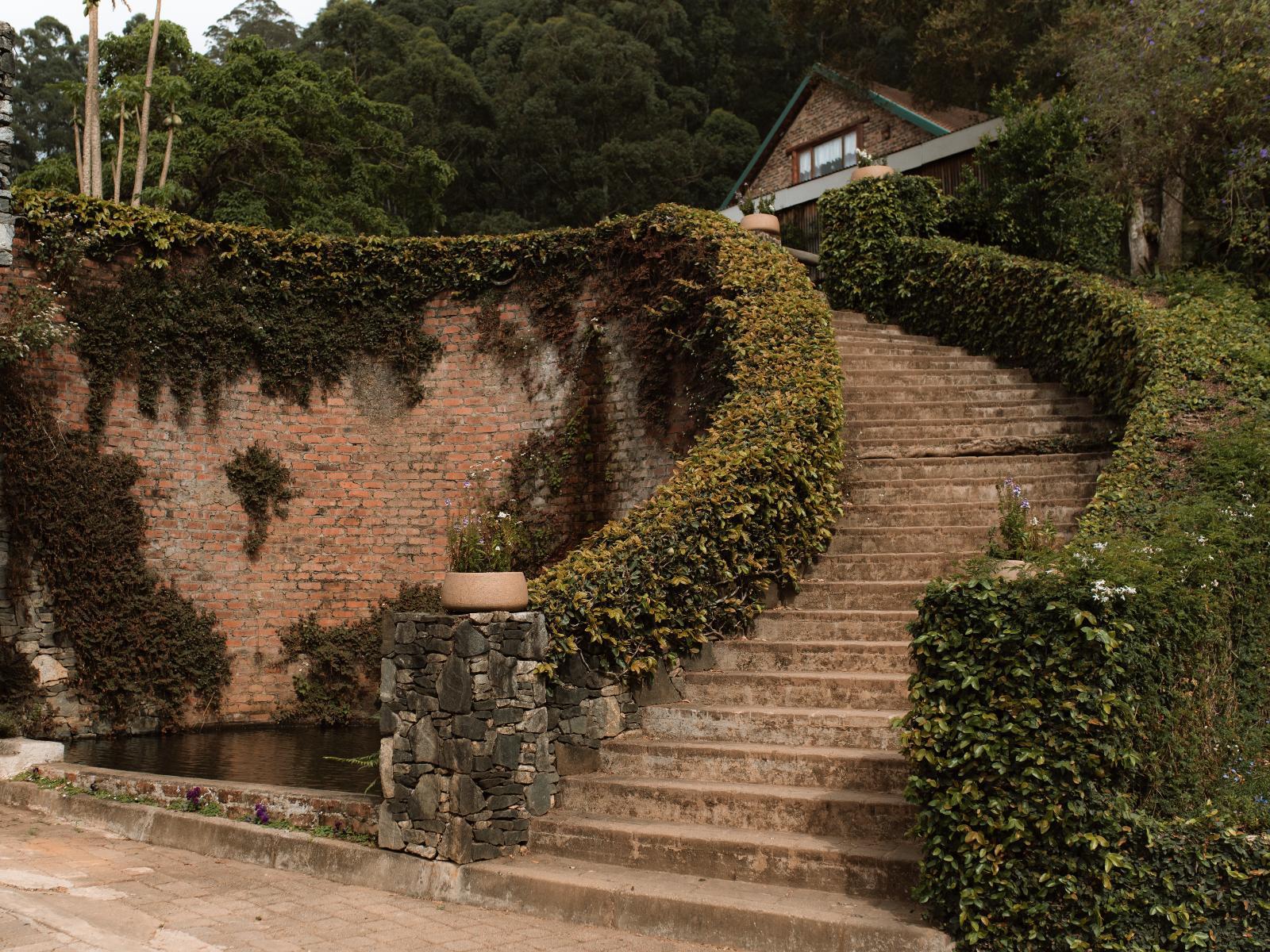
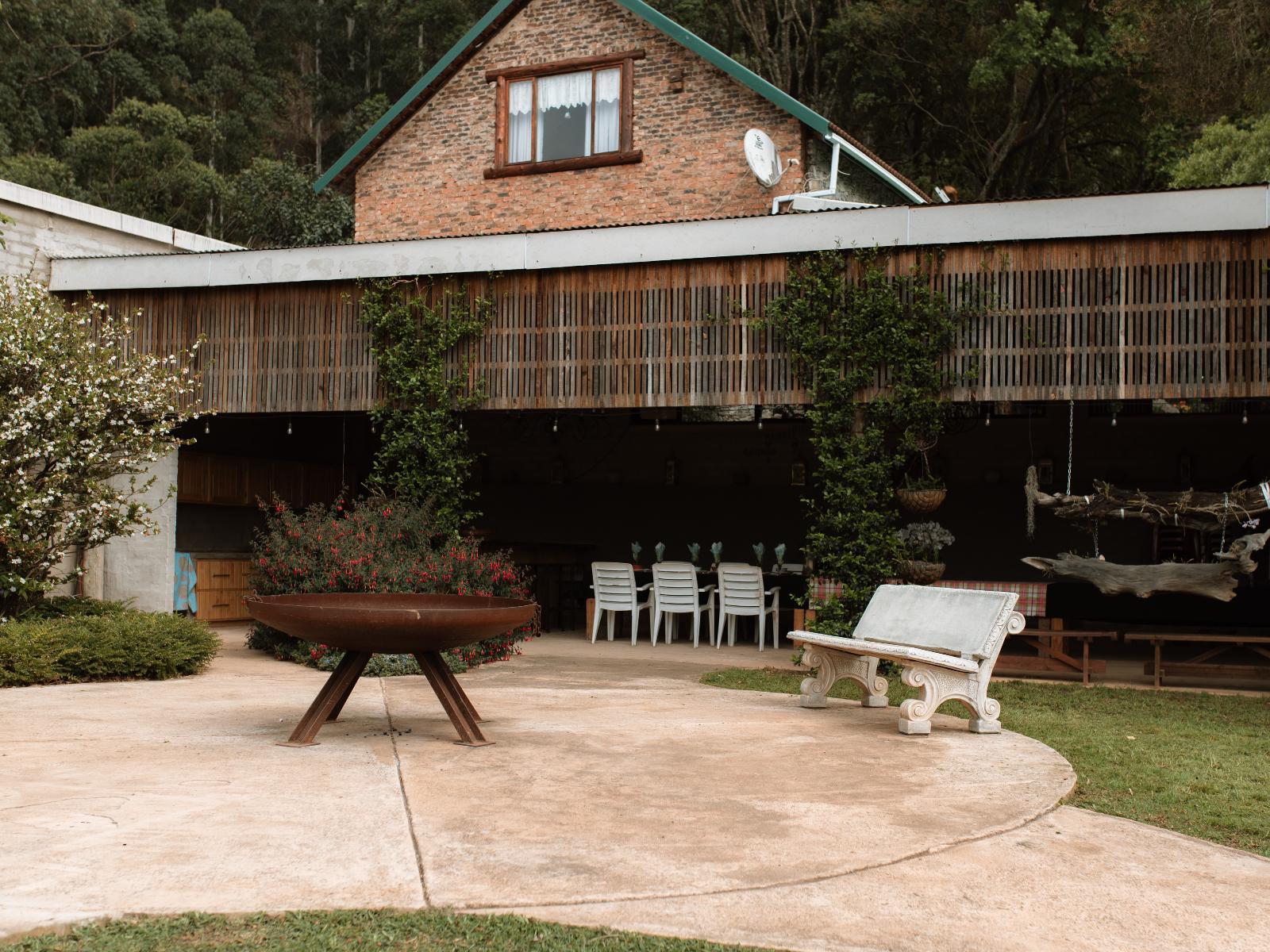
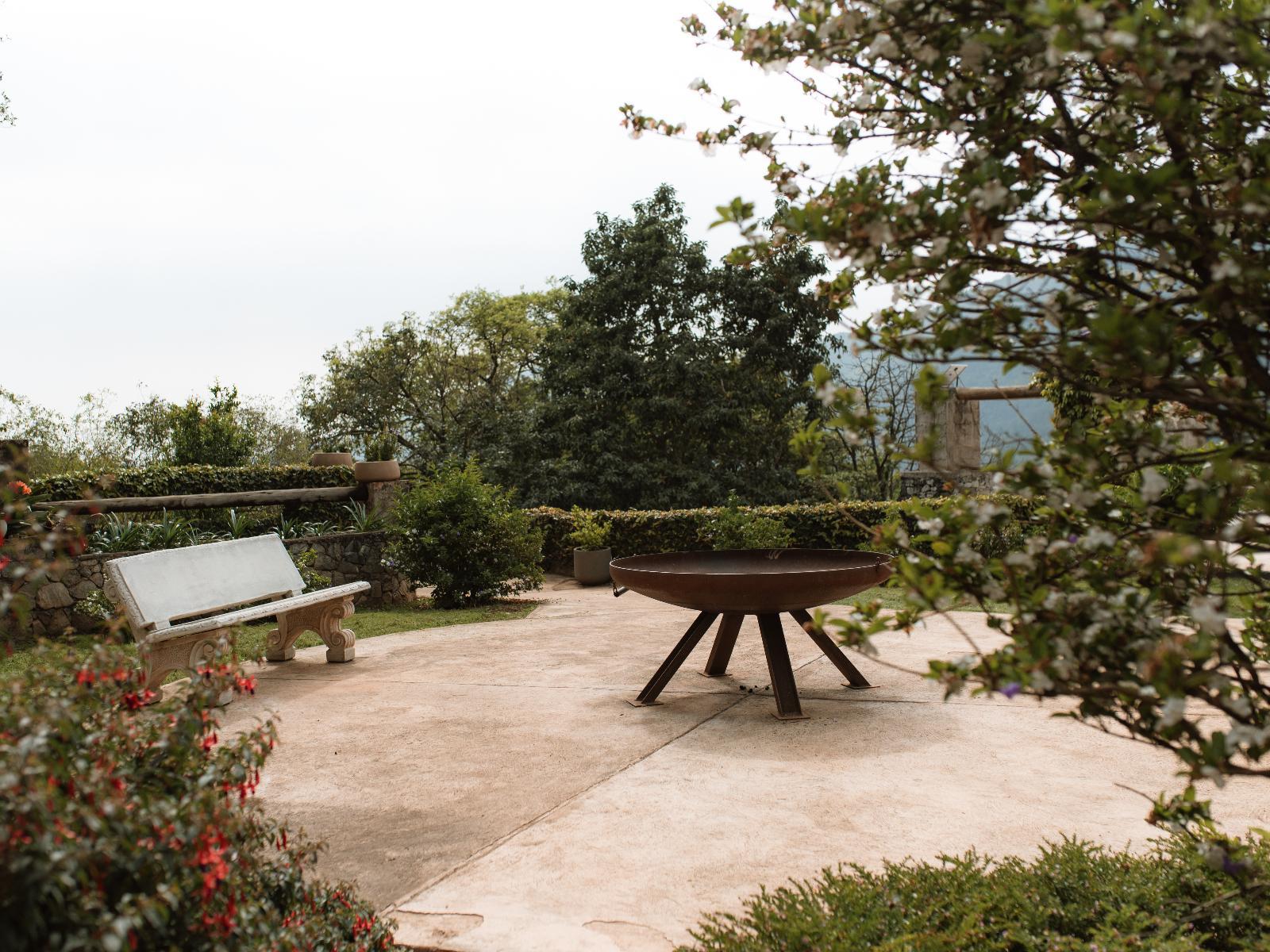
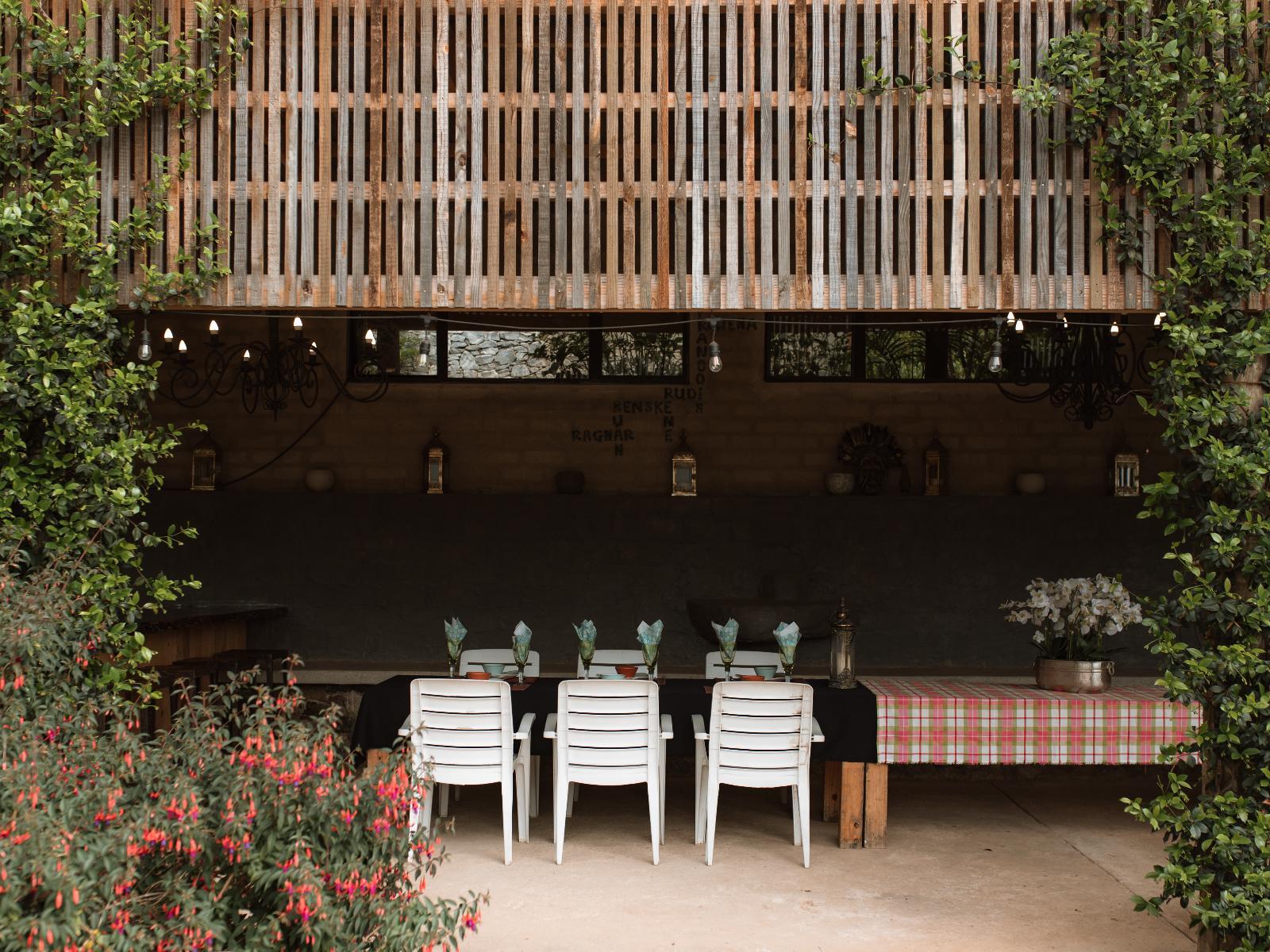
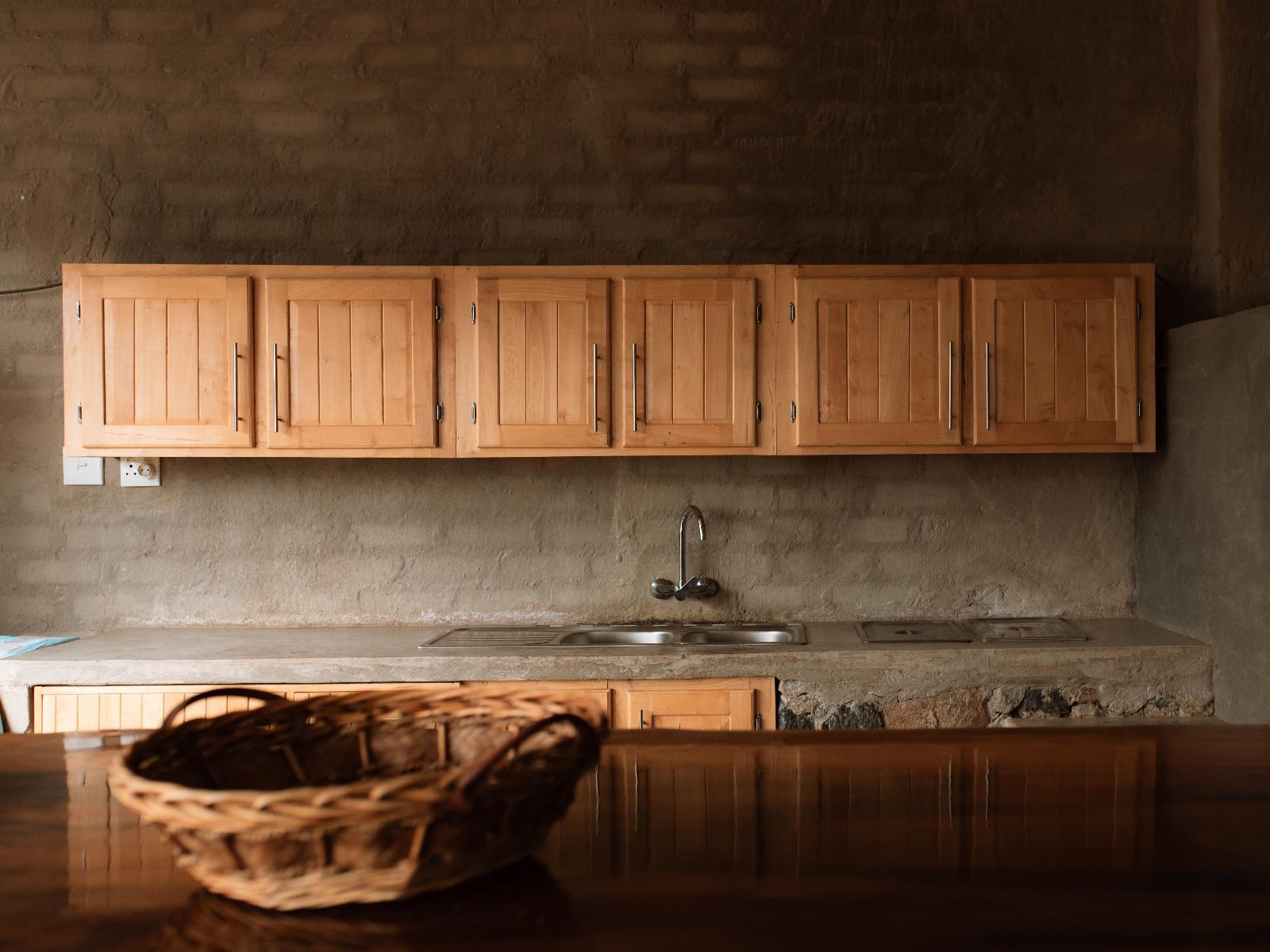
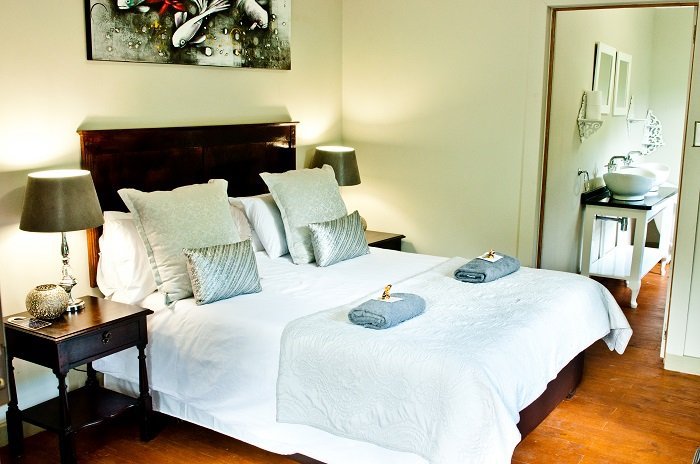
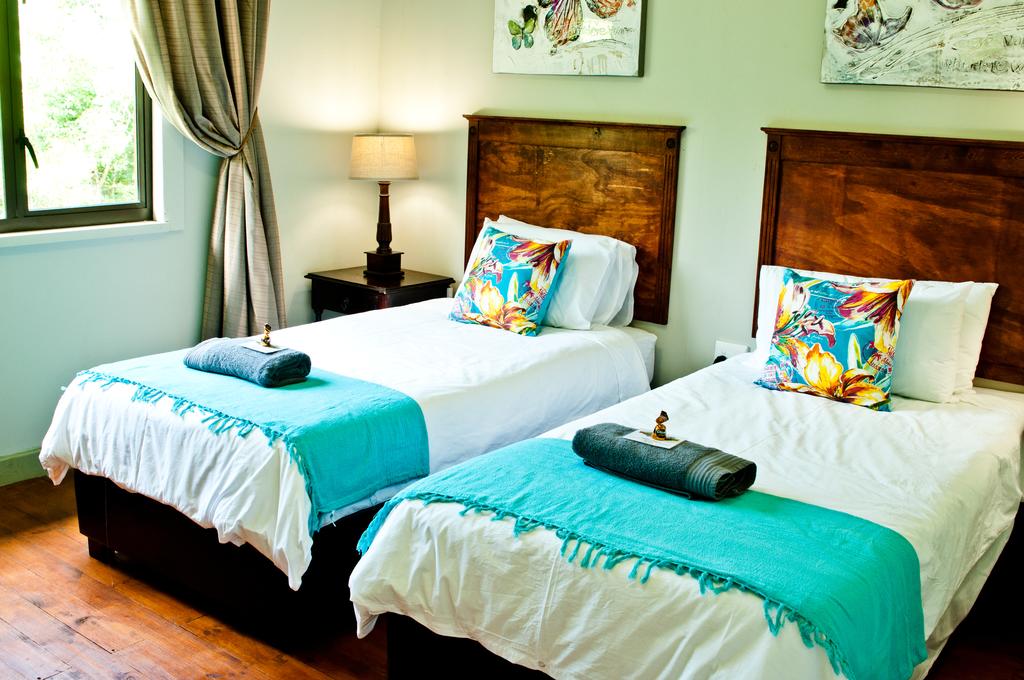
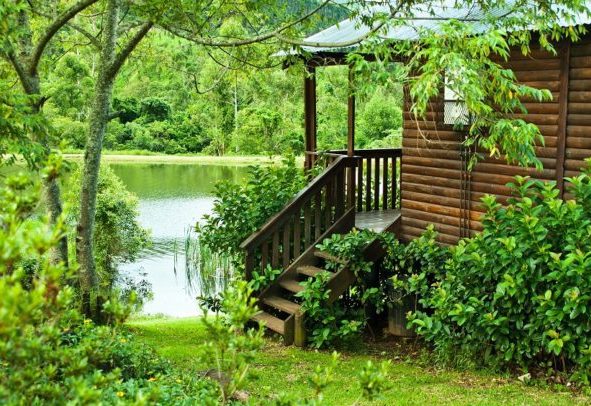
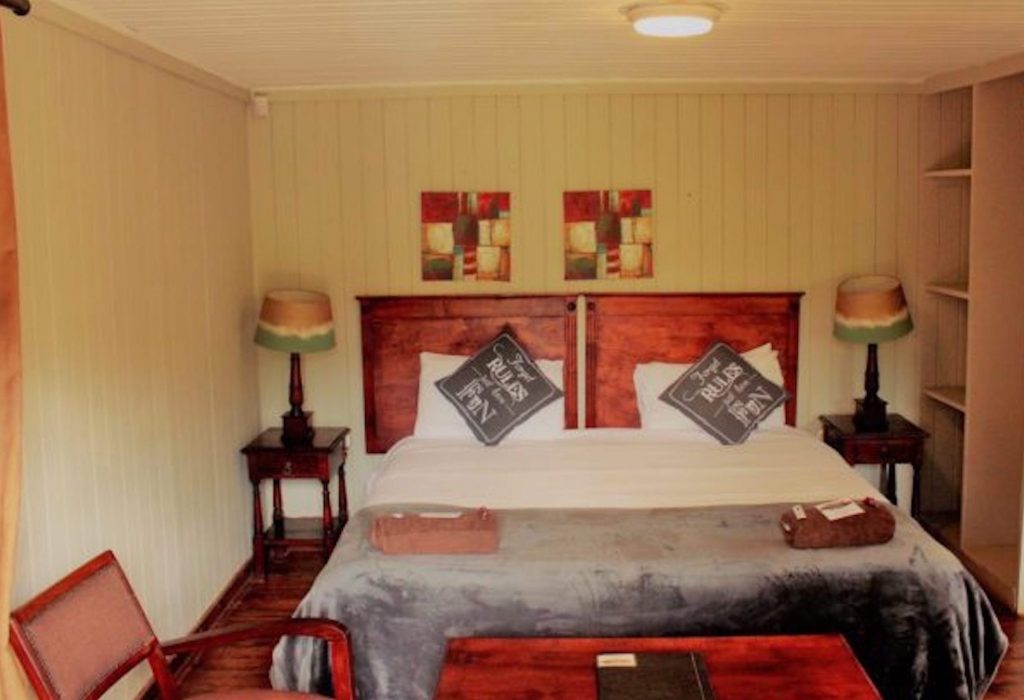
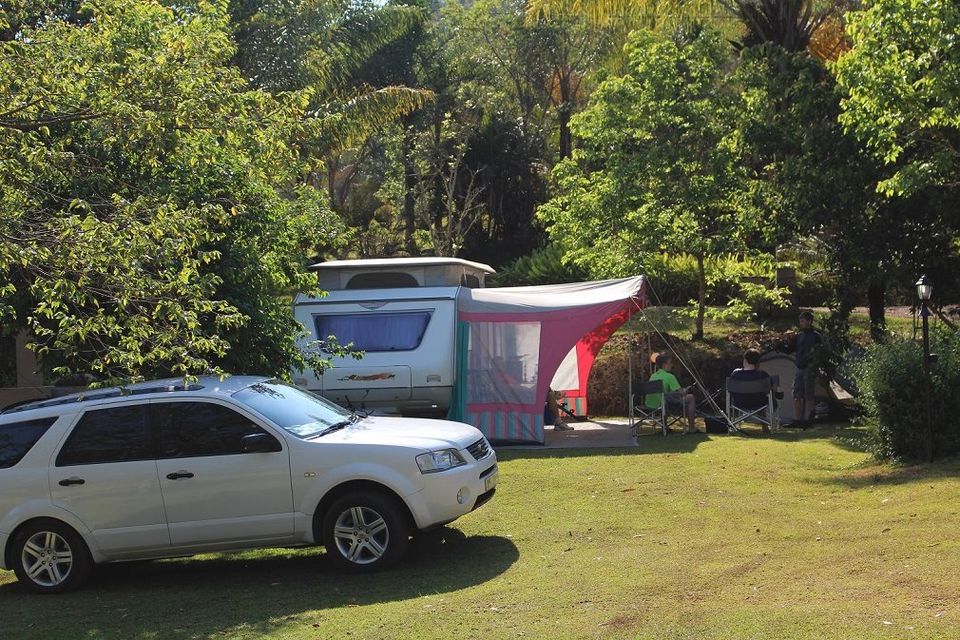
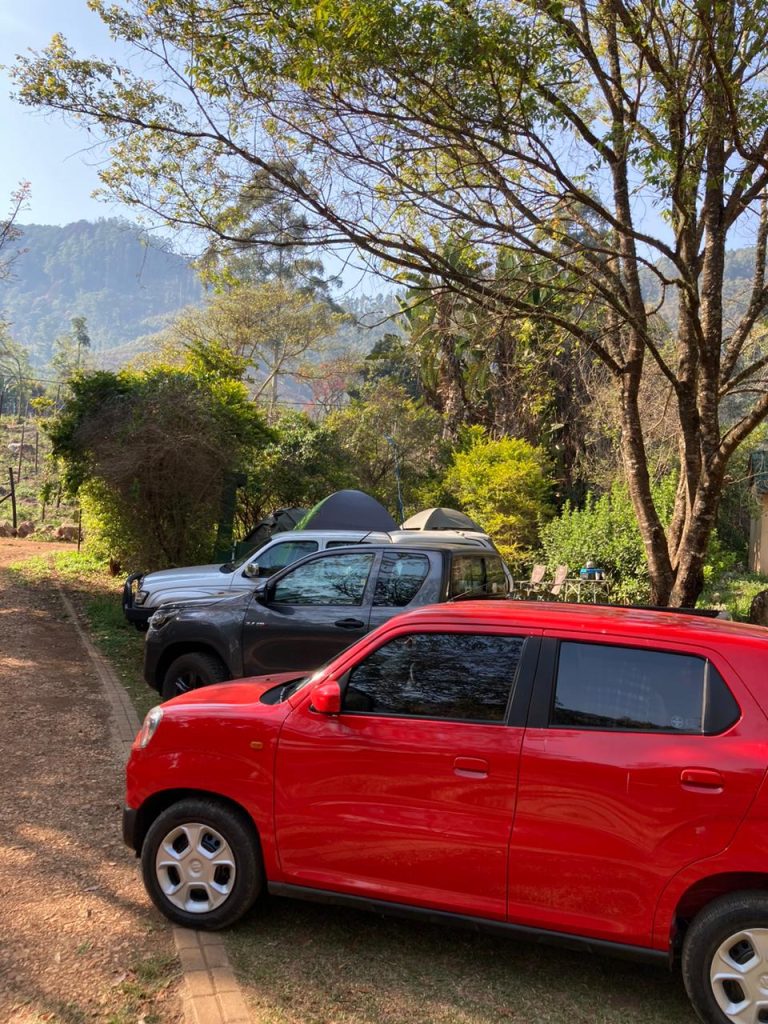
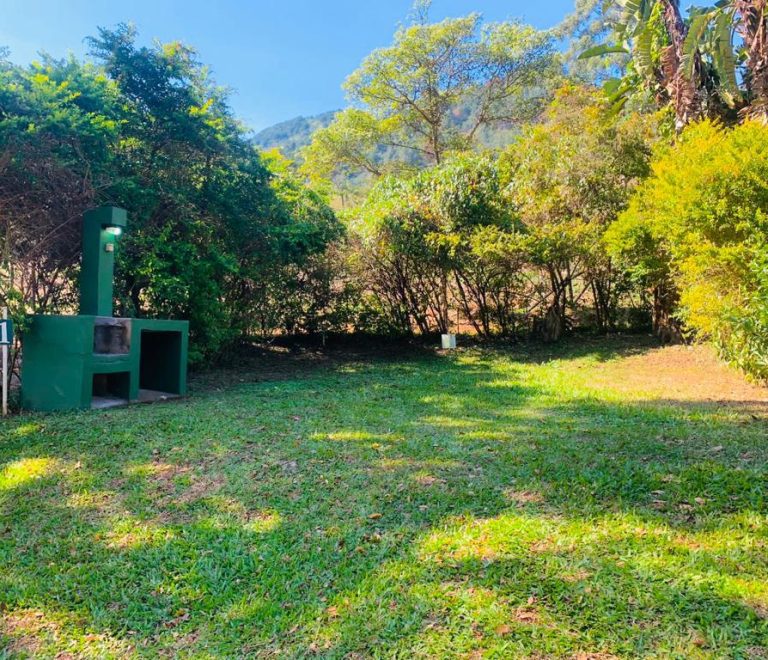
Tupelo Honey Farm bied prettige selfkatering-akkommodasie in die Magoebaskloof-vallei te midde van inheemse bos. Kies Herb Cottage vir 4-5 persone met swembad, Frida's View vir 4 gaste met private swembad, Olivia's Secret vir twee, of diervriendelike kampingplekke wat per 4x4-voertuig bereikbaar is.
Slaap 31
Kinders welkom
Akkommodasiepryse in Magoebaskloof
| Tipe | Inskrywings | Vanaf | Gemiddeld | Tot |
|---|---|---|---|---|
| Farm House | 1 | – | – | – |
| Villa | 1 | R770 | R1,249 | R1,750 |
Magoebaskloof Kaart
Nabygeleë Bestemmings
Blaai Deur Alle Magoebaskloof Akkommodasie
Bekyk al 2 akkommodasie-opsies in Magoebaskloof met foto's, pryse en beskikbaarheid.
Blaai Deur Alle Akkommodasie