Accommodation in Buffelsbadden
The accommodation landscape for Buffelsbadden currently shows no formal properties listed on mainstream booking platforms, reflecting how genuinely off-the-beaten-track this settlement is. Pricing information is largely unavailable through conventional channels, which means securing a place to stay requires direct contact with local farms and smallholdings in the area rather than relying on comparison sites.
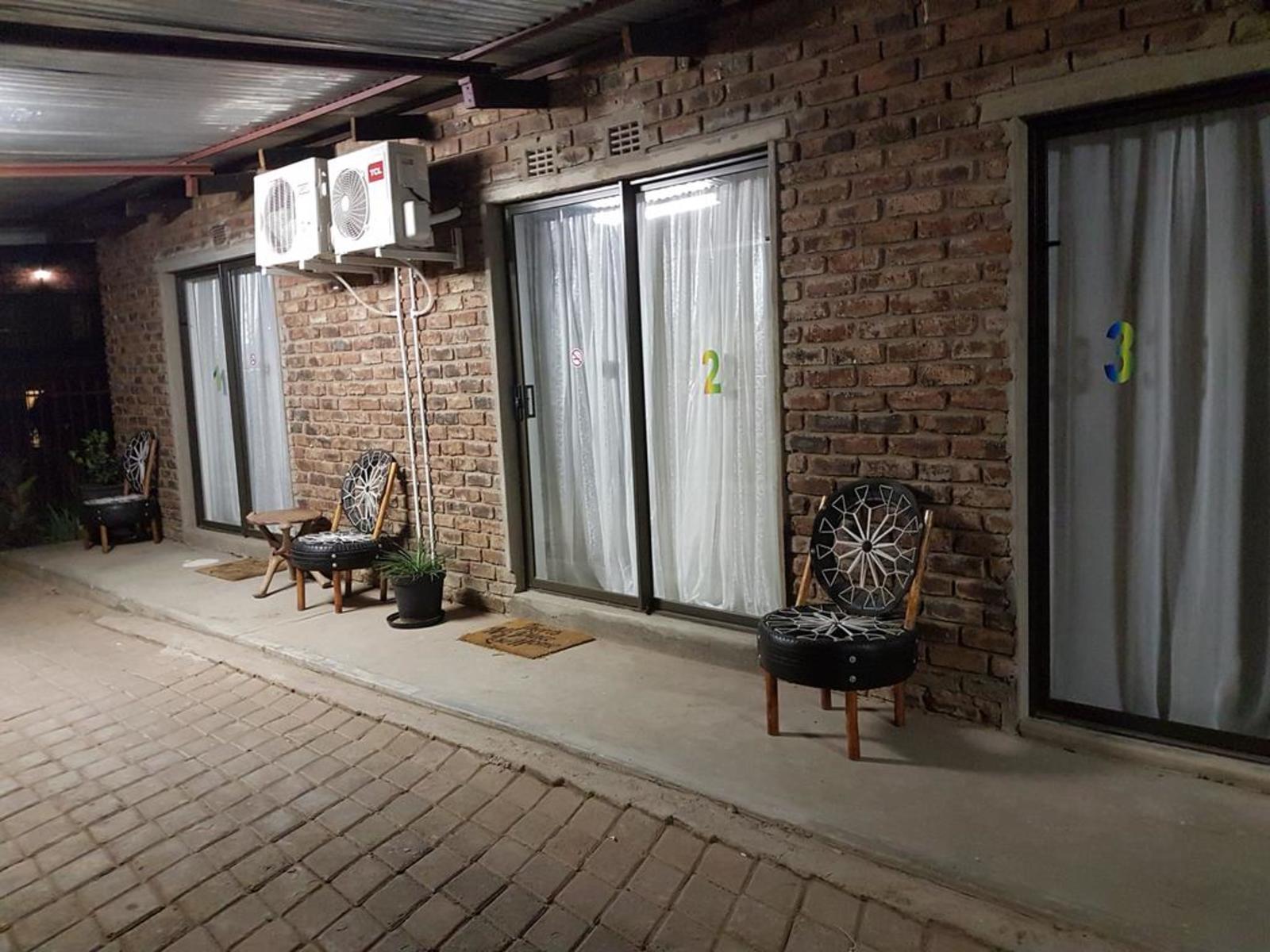
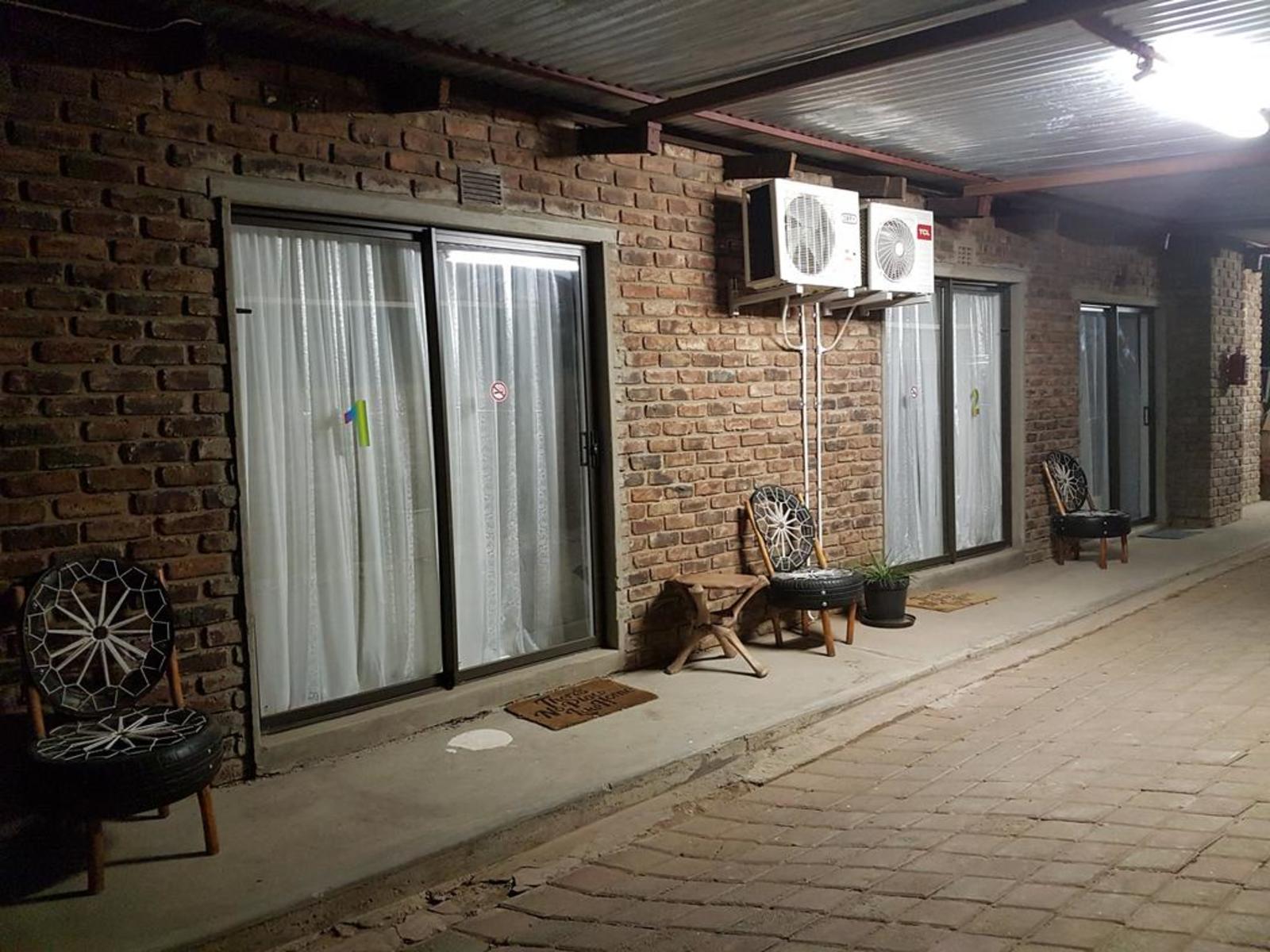
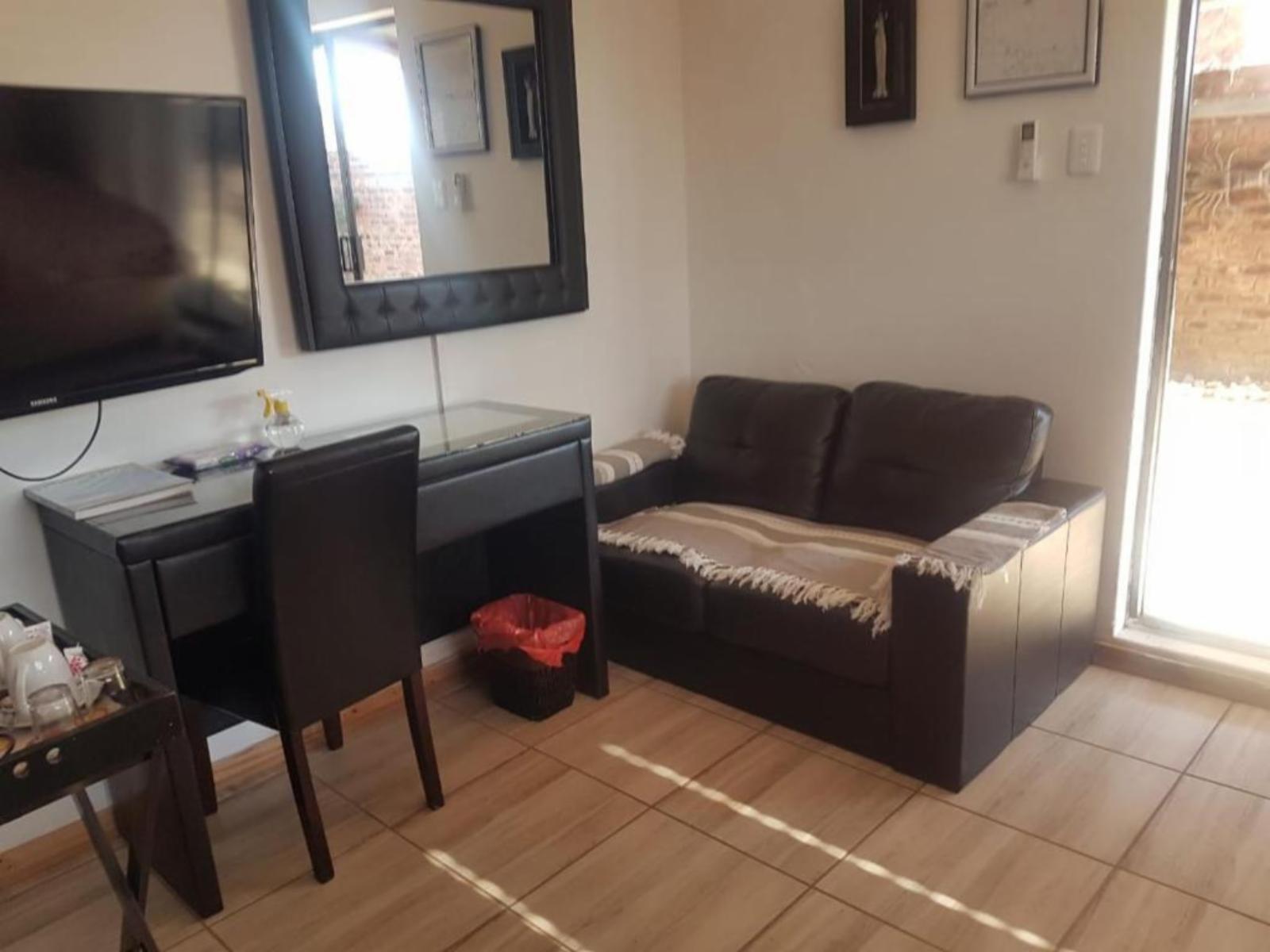
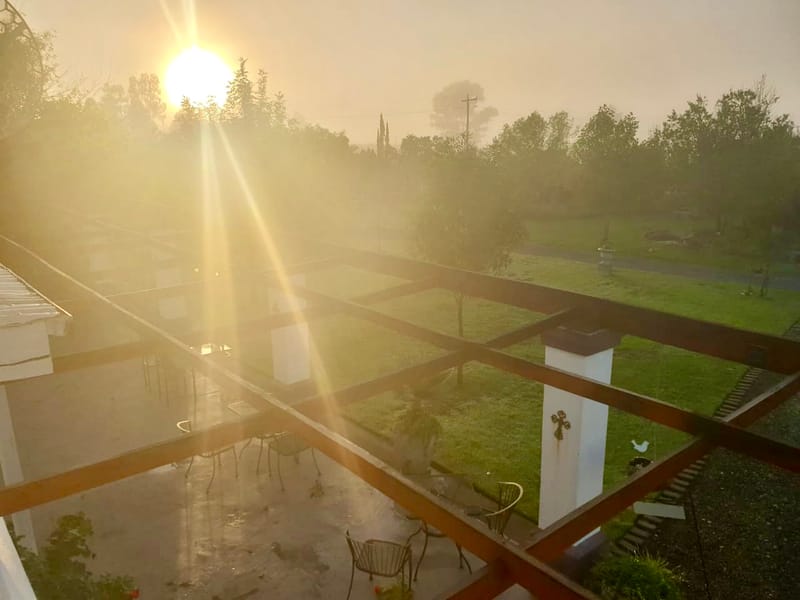
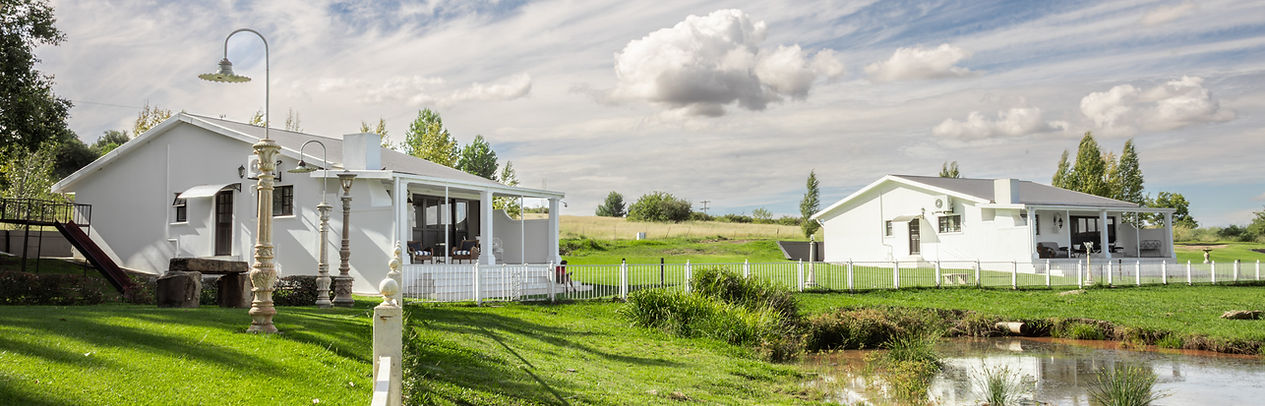
At the most accessible tier, self-catering cottages attached to working sheep farms offer the most practical option for budget-conscious travellers. These tend to be functional spaces, often converted farm outbuildings, where guests share the rhythms of agricultural life without hotel-style service. Linen and basic kitchen equipment are usually provided, and the appeal lies in the space and the silence rather than any particular facility. Guests willing to be flexible about amenities often find this style of stay among the more memorable in the region.
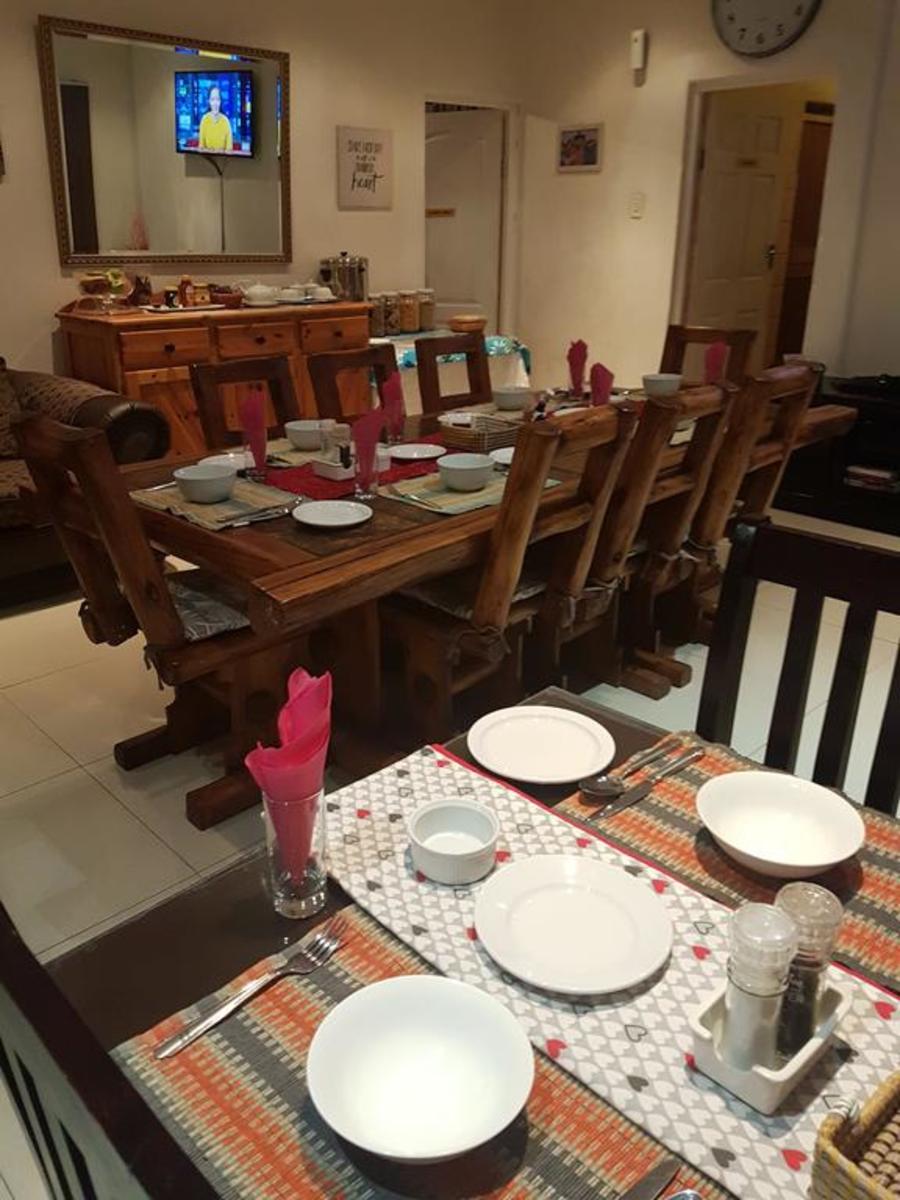
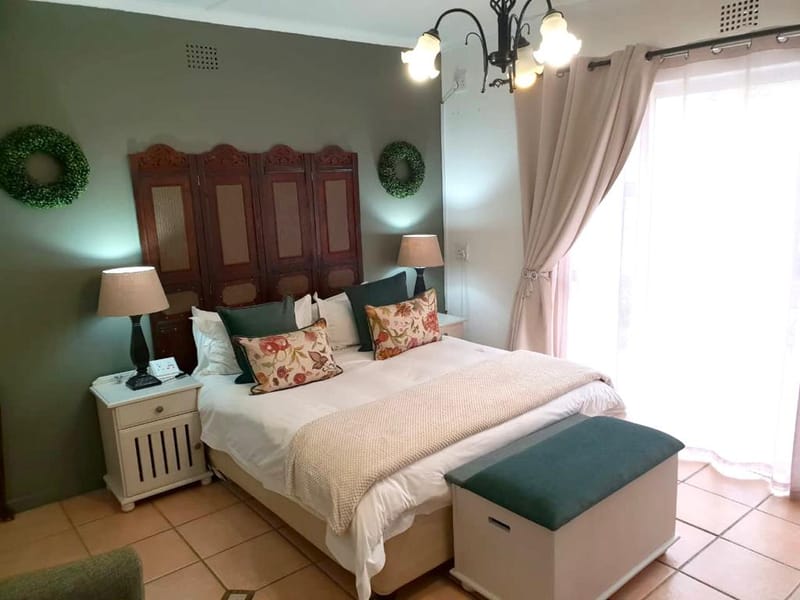
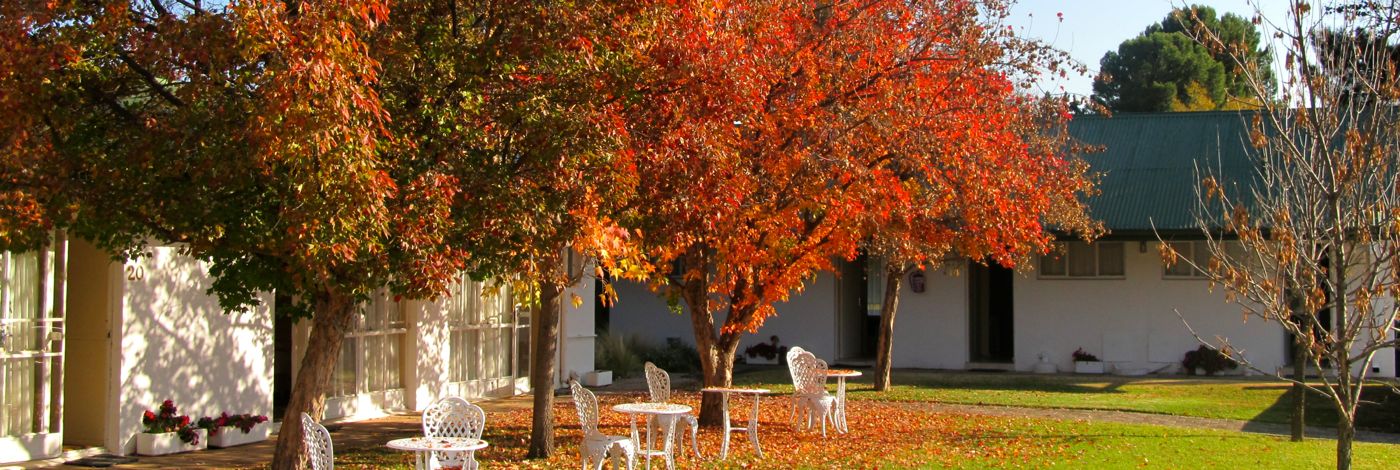
Mid-range options in this part of the Northern Cape typically come in the form of guest cottages or farmhouse rooms where owners provide meals as part of the arrangement. Breakfast and dinner on a working Karoo farm can be a highlight in itself, with locally sourced ingredients and the kind of hospitality that comes from communities accustomed to making travellers welcome. Furnishings are comfortable rather than stylish, and the surrounding landscape carries the atmosphere that more polished interiors cannot replicate.
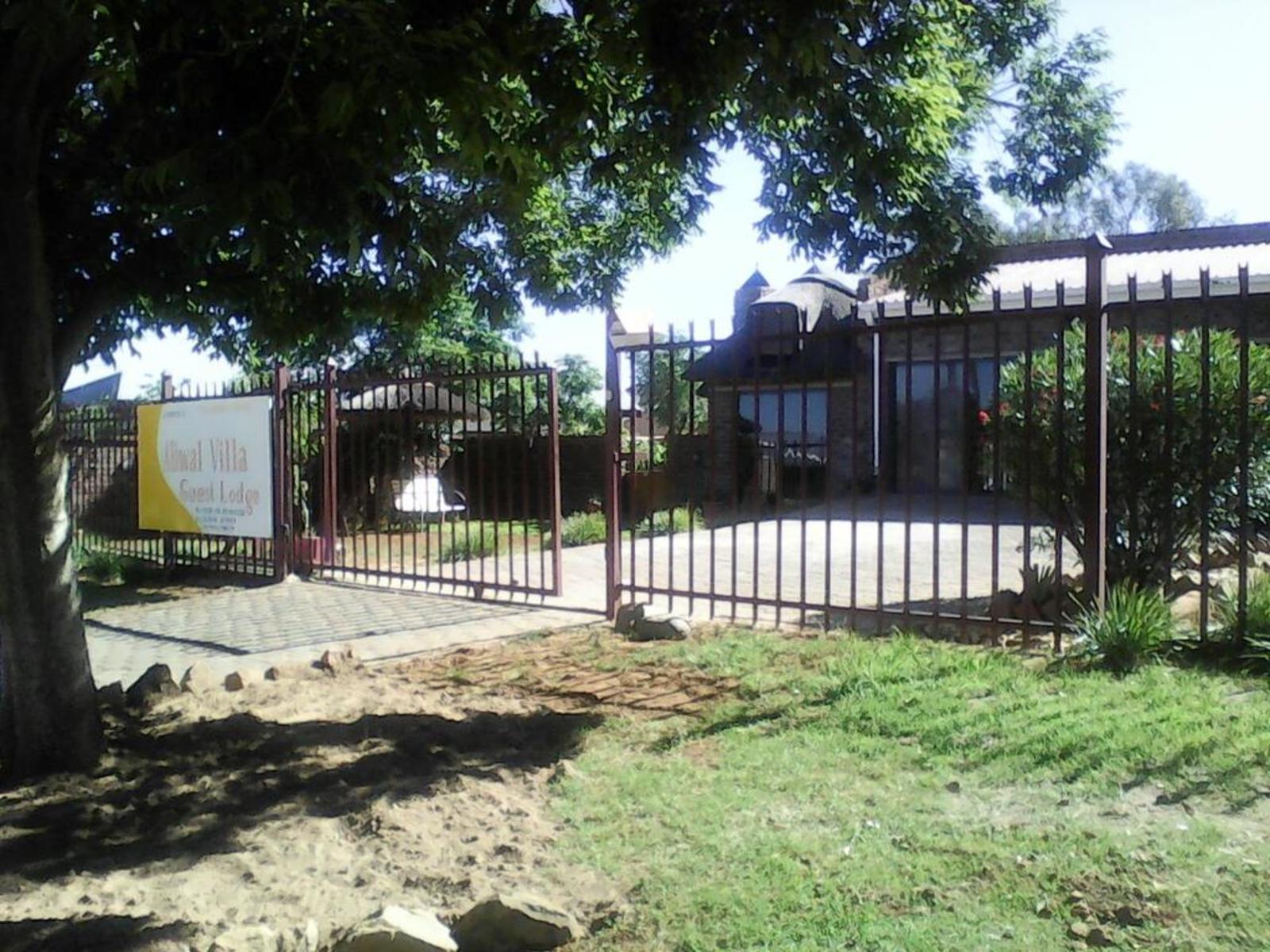
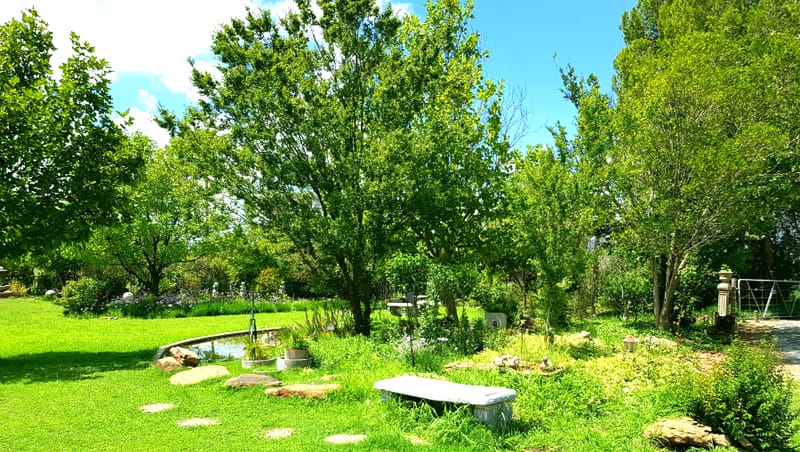
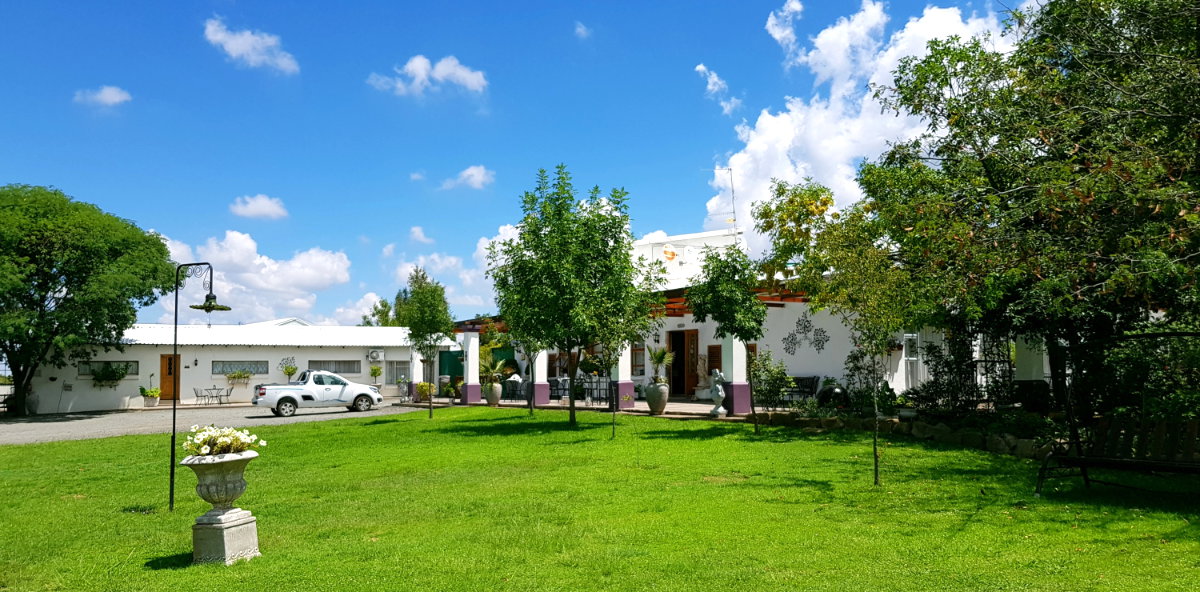
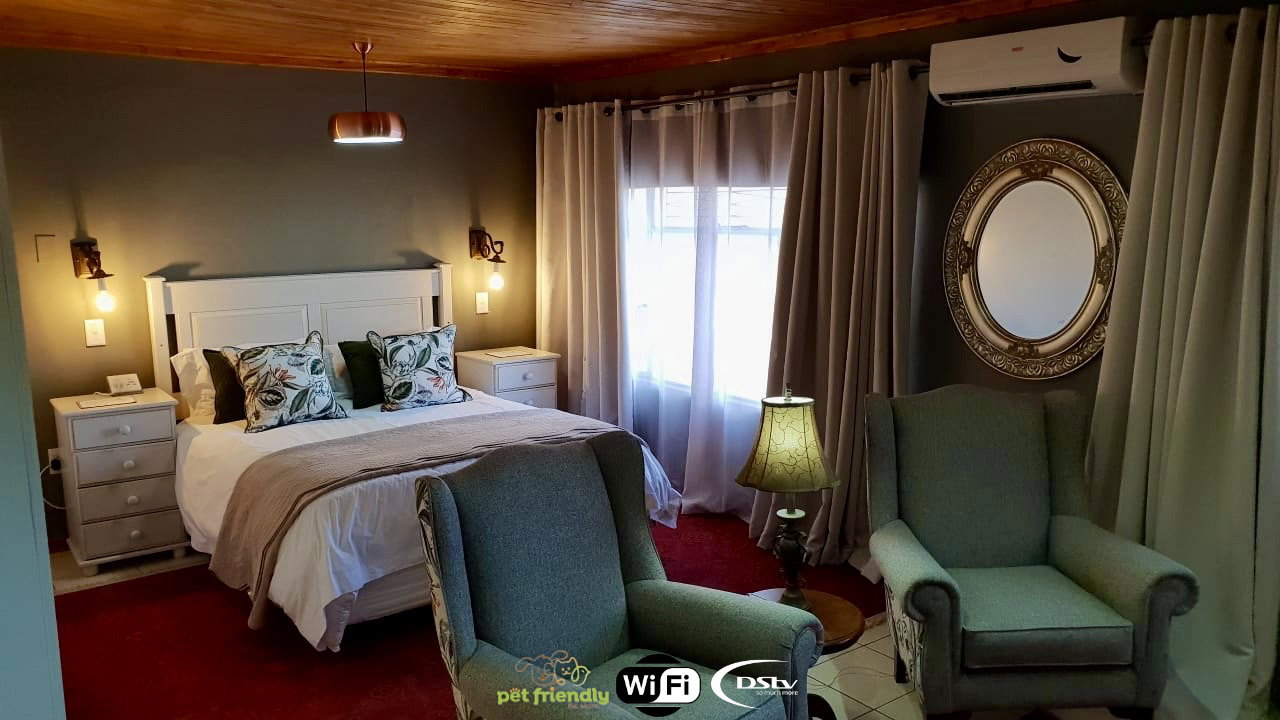
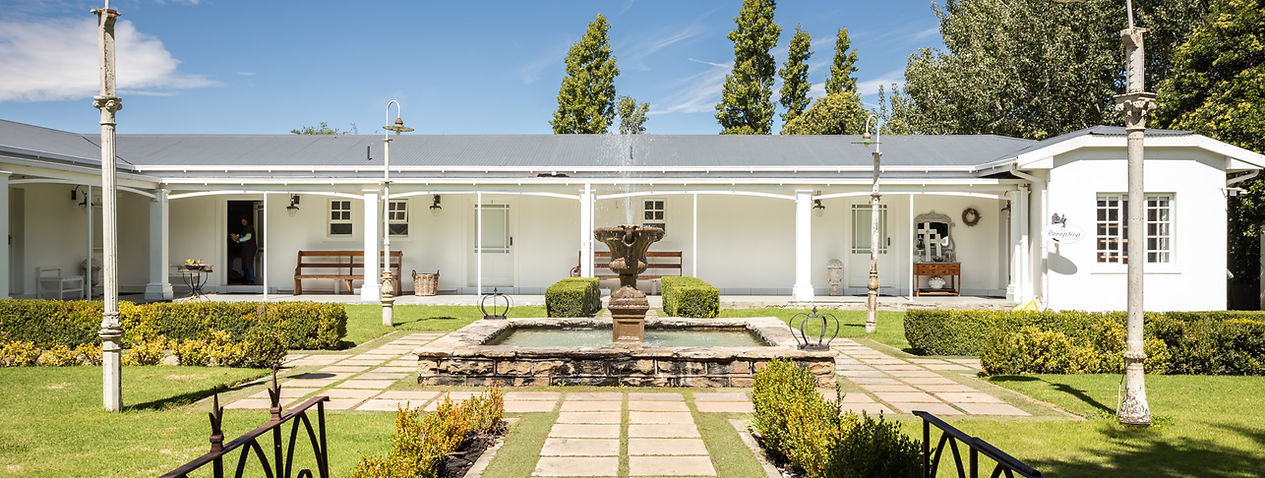
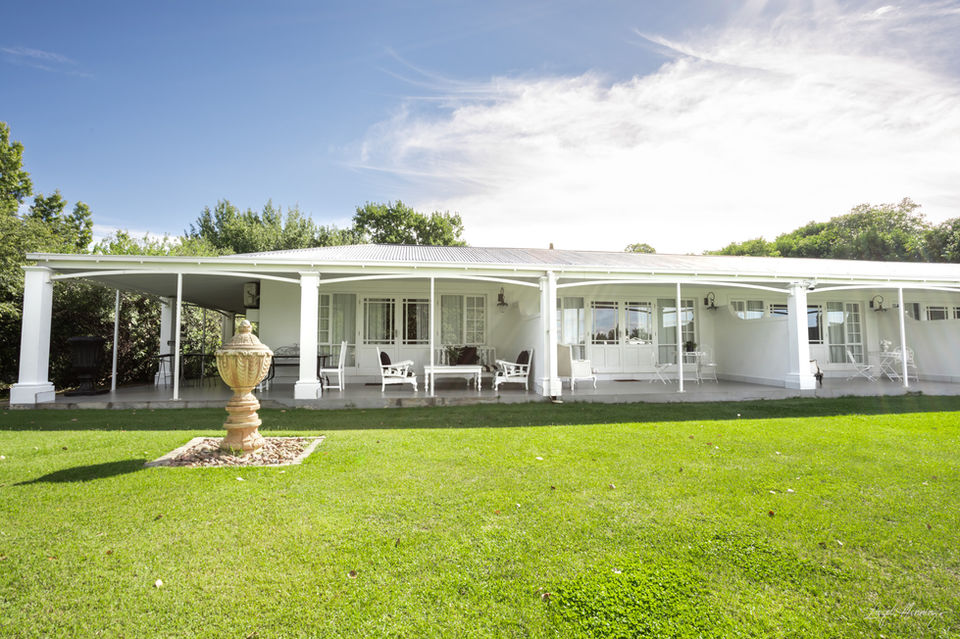
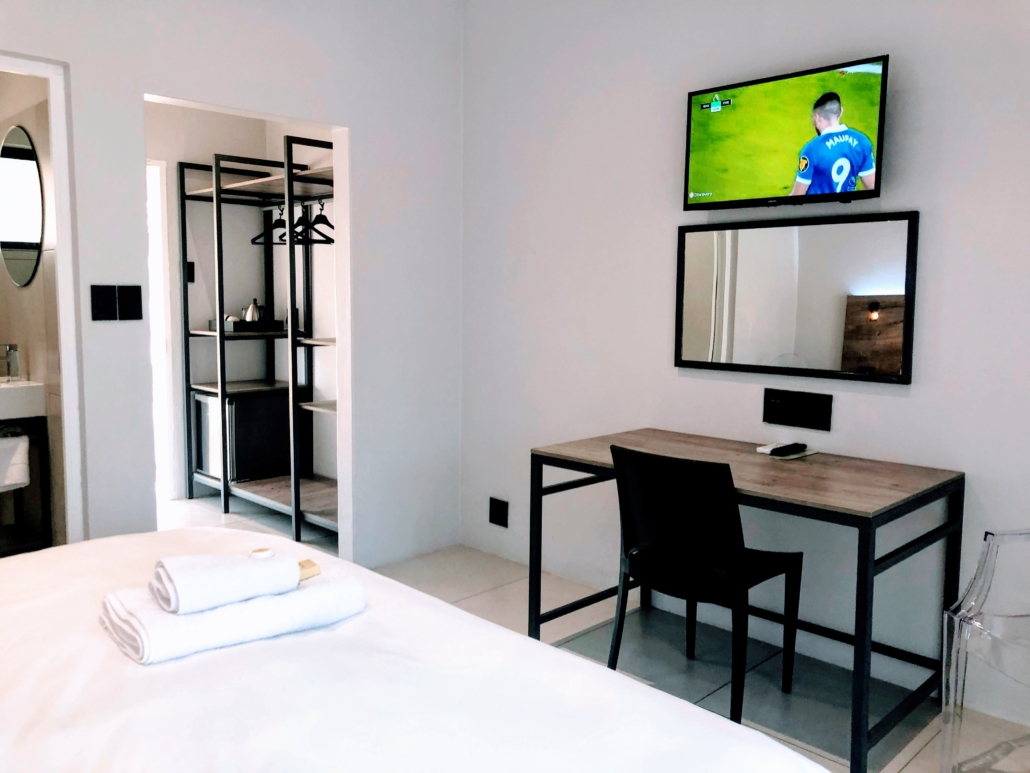
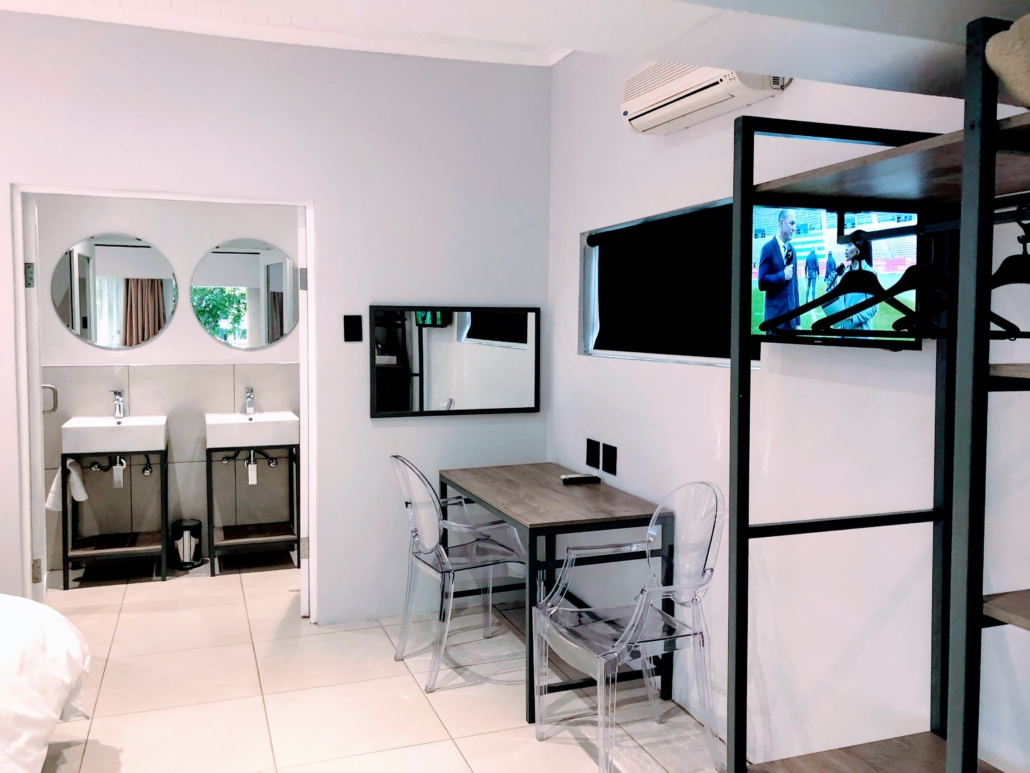
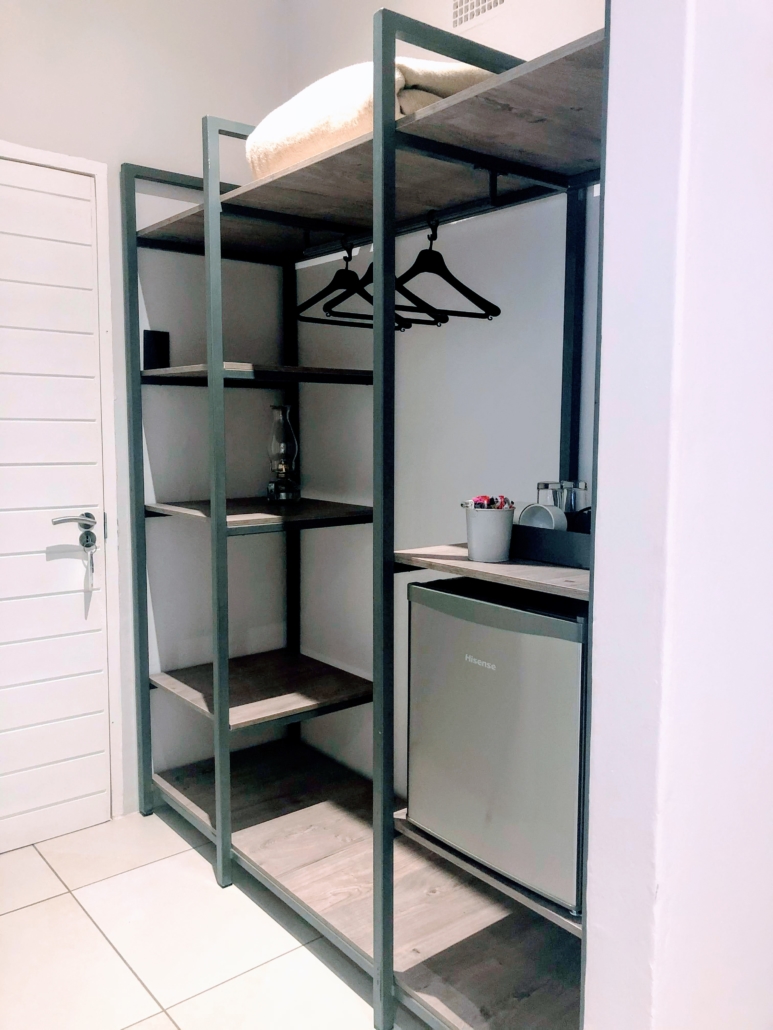
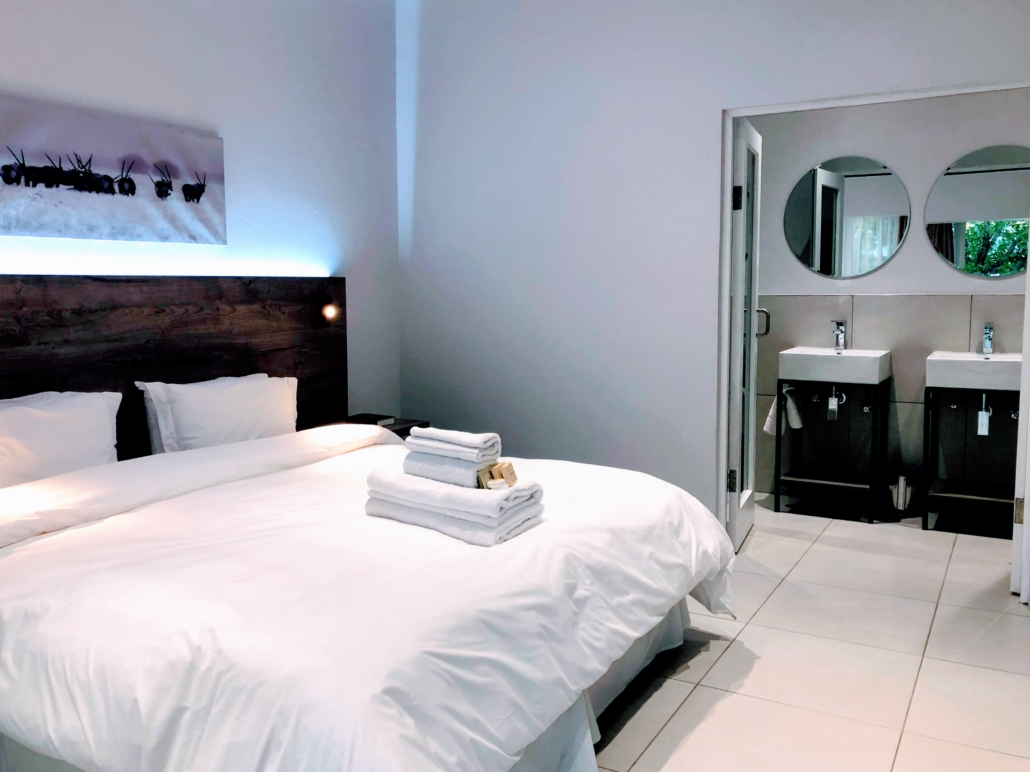
At the upper end, some larger farms in the broader district have invested in properly renovated guesthouses with en-suite bathrooms, reliable hot water, and generator backup for power outages. These properties occasionally offer guided walks across their land or evening activities centred on the exceptional night sky. Even at this tier, the experience remains distinctly rural.
Regardless of where you stay, self-sufficiency is not optional. Stock up on food, water and fuel before arriving, as Buffelsbadden has no shops or filling stations of note.
Best Time to Visit Buffelsbadden
The Northern Cape interior's climate divides into two challenging extremes, and the timing of a visit to Buffelsbadden shapes the experience considerably. Spring, roughly August through October, offers the most comfortable conditions, with moderate daytime temperatures, occasional light rain, and the brief flush of wildflowers that follows the winter cold across the scrubland. This period is generally the most rewarding for walkers and those with an interest in the natural environment.
Summer runs hot from November through February, with daytime temperatures regularly exceeding 35 degrees Celsius. Late summer brings the best chance of thunderstorms, which can be dramatic to witness across open plains but may also make some dirt tracks temporarily impassable. Carrying extra water during summer visits is not optional.
Winter, from June through August, brings cold nights that frequently drop below freezing, though days are often clear and sunny. The low humidity and clean air of winter evenings make this the best season for stargazing. The cloudless conditions that follow cold fronts are particularly suited to observing the Milky Way. Autumn, around April and May, provides a quieter middle ground with cooling temperatures and relatively settled weather, attracting travellers who want space without the midwinter cold.
Getting to Buffelsbadden
Buffelsbadden sits in the eastern Northern Cape, a province that requires significant road travel from any major South African airport. The most practical approach is a fly-drive route, using either Kimberley in the north or one of the southern airports such as George or Gqeberha as the starting point, before continuing by rental vehicle across the Karoo interior.
From Kimberley, the Northern Cape's provincial capital, the drive heads south through the open plateau country that defines this region. Travellers coming from the south pass through the Karoo via towns such as Hanover and Richmond, which represent the last reliable stops for fuel and groceries before the roads narrow and services become scarce. Filling up at every opportunity is a sound habit in country like this.
Once you leave the main tarred routes, expect gravel roads of varying quality. A vehicle with reasonable ground clearance is advisable, particularly after rain. Many of the tracks in the area are farm roads not marked on standard maps, so a downloaded offline map and written directions from your accommodation contact are worth having before you set off.
There is no public transport serving Buffelsbadden. A private vehicle is the only realistic option. The distances involved, combined with the higher fuel consumption typical of gravel road driving, mean that planning fuel stops carefully is as important as planning the route itself. A full tank and a reserve jerry can are reasonable precautions for anyone venturing into the more isolated reaches of this district.
Buffelsbadden and Surrounding Areas
The nearest settlements to Buffelsbadden form a loose scatter of farming communities across the semi-arid plains, each separated by stretches of Karoo scrub and gravel road.
Goedemoed, 23 kilometres away, is the closest named settlement and functions as a small service point for the surrounding agricultural district. It represents the first realistic stop for essentials if you've run short on supplies, and for travellers interested in the social fabric of remote Northern Cape communities, the town offers a glimpse of how small government and farming operations sustain life this far from major centres.
Ezelsklip, at 25 kilometres, carries a name typical of the descriptive Afrikaans farm toponymy found across the Karoo: "donkey rock," referring to a rocky feature in the landscape. Like most settlements at this scale, it centres on farming operations and offers little in the way of formal visitor infrastructure, but the road through it passes terrain that illustrates well the particular geology of the eastern Cape Karoo.
Pieterskop, 28 kilometres out, takes its name from a rocky hill visible from the surrounding flats. In a landscape where features can otherwise blur together, the koppie serves as a navigation reference and a geological curiosity. The Karoo is unusually rich in exposed rock formations, and prominent hills like this one frequently reveal layers of sediment representing tens of millions of years of accumulation.
Venter Fontein, 30 kilometres from Buffelsbadden, is named for a spring. Water sources carry real historical weight in this arid country, and the farms that developed around springs like this one trace their origins directly to the logic of survival in dry country. Understanding why settlements exist where they do in the Karoo is part of reading the landscape here.
Bakkraal and Groenpoort, at 32 and 33 kilometres respectively, round out the immediate neighbourhood. Groenpoort, meaning "green gate," likely takes its name from a drainage line or pass where vegetation grows somewhat thicker, a small but meaningful distinction in country where any concentration of green signals water and shelter.
Planning Your Stay
Because Buffelsbadden has no listed properties on mainstream booking platforms, the usual comparison tools are largely irrelevant. Planning a stay here means working directly with farm owners or guesthouses, which requires more effort but typically produces a clearer picture of what you are actually booking.
Start by contacting properties several weeks in advance, particularly if travelling in spring or during school holidays, when rural accommodation in the Northern Cape fills faster than many city-based travellers expect. Confirm the condition of access roads at the time of booking and again a few days before arrival, as gravel tracks deteriorate quickly after rain.
Ask specifically about power supply arrangements, since load-shedding and generator backup vary widely between properties. Check whether the property has adequate water storage, which matters most during summer. Clarify whether meals are provided or whether you need to arrive fully stocked.
Cell phone coverage in this part of the Northern Cape is patchy at best. Before leaving the last town with reliable signal, establish an emergency contact method with your hosts. Travel insurance covering remote-area medical evacuation is a sensible precaution for any extended visit to country this far from the nearest hospital.