Pieterskop Reis- & Akkommodasiegids
Jou volledige gids om Pieterskop, Suid-Afrika te besoek.
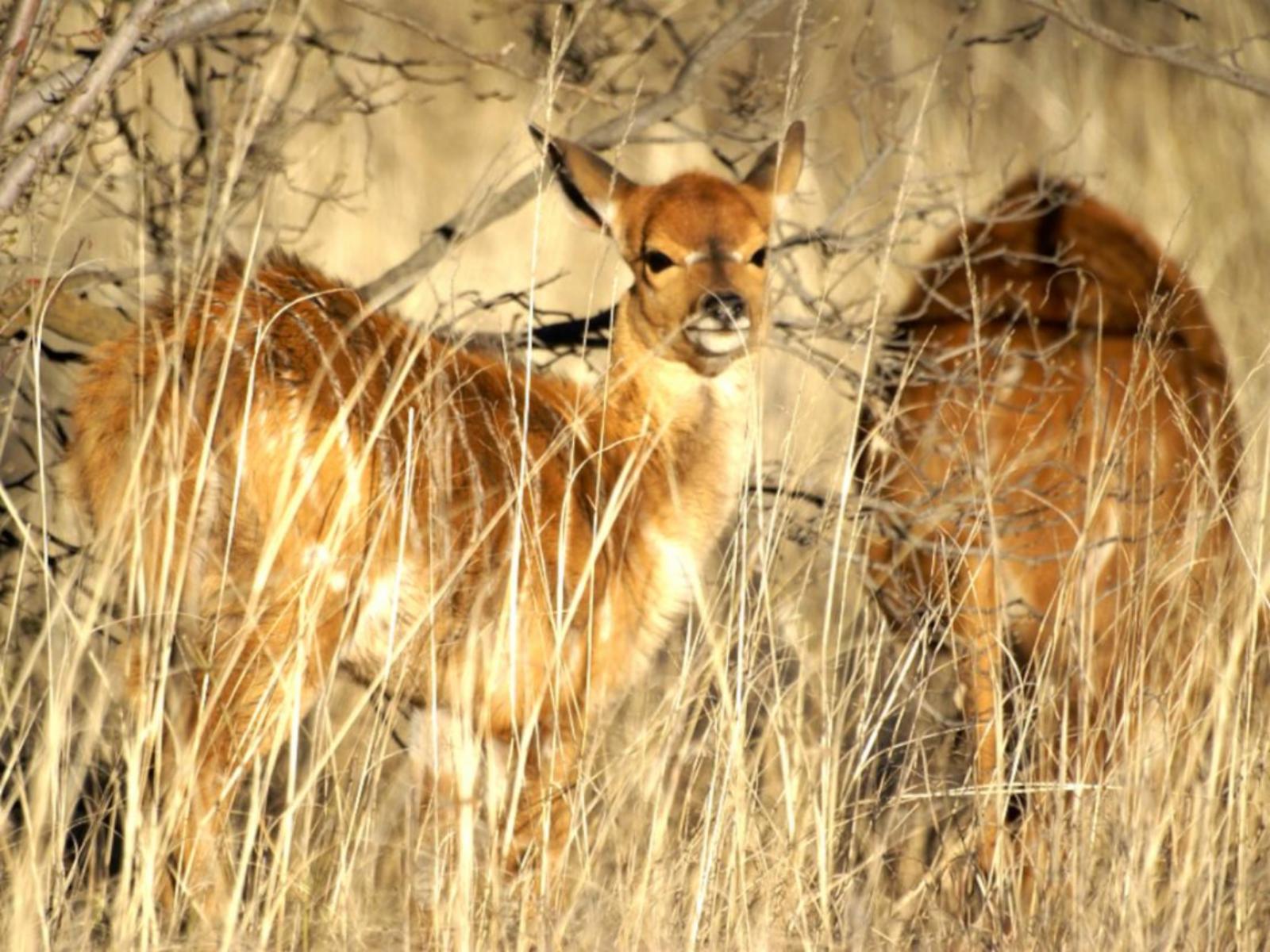
Pieterskop serves as the western gateway to Kruger National Park, offering visitors direct access to some of South Africa's finest wildlife viewing. This rest camp sits in the southwestern corner of the park, where rocky outcrops and mixed bushveld create ideal conditions for spotting rhino, leopard, and diverse bird species.
## Accommodation in Pieterskop
No properties are currently listed on this platform for Pieterskop, so independent price comparisons across the area are not available here. Accommodation at the rest camp is provided directly by the national parks authority, and reservations go through their official booking system rather than through third-party platforms.
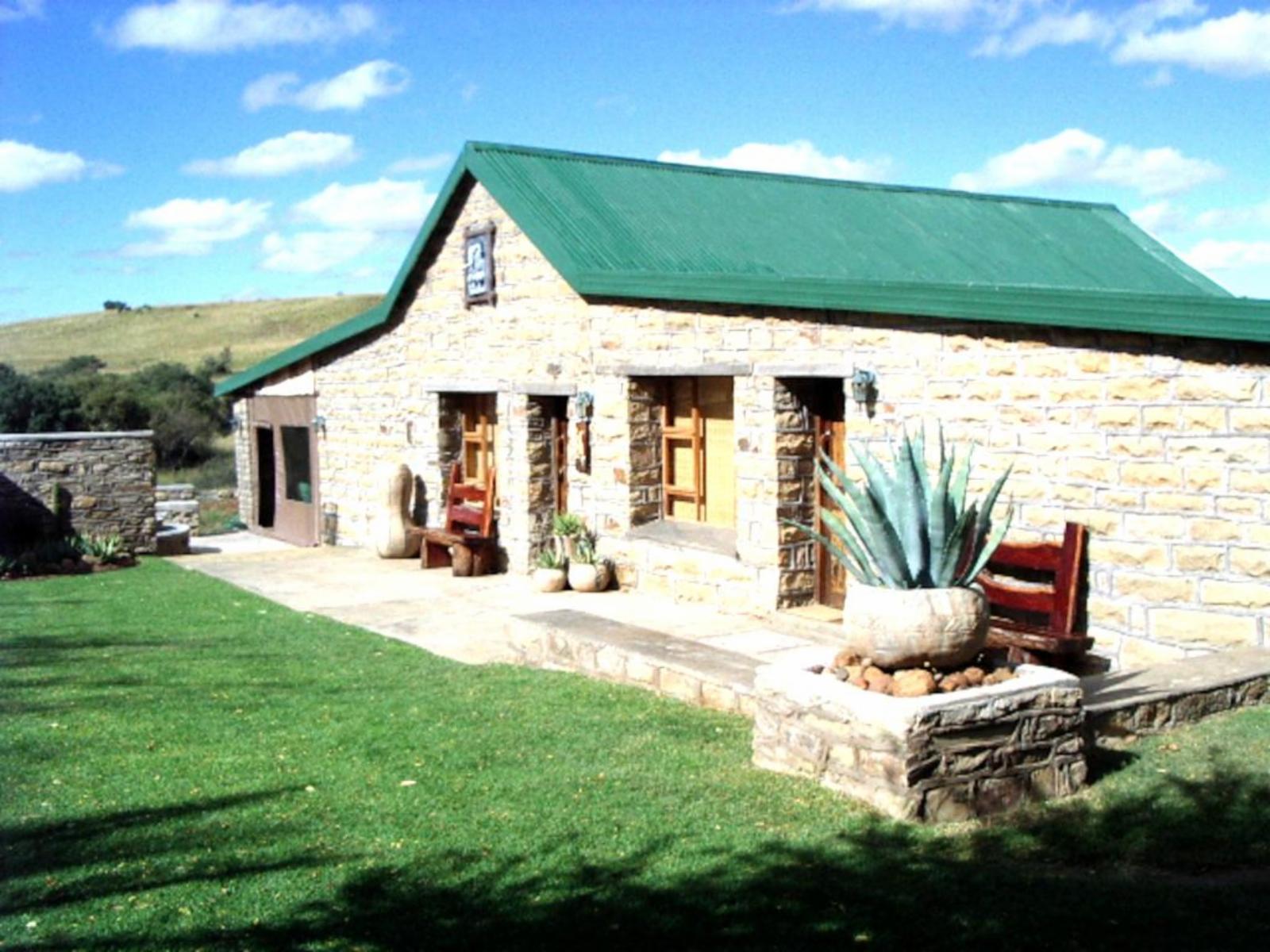
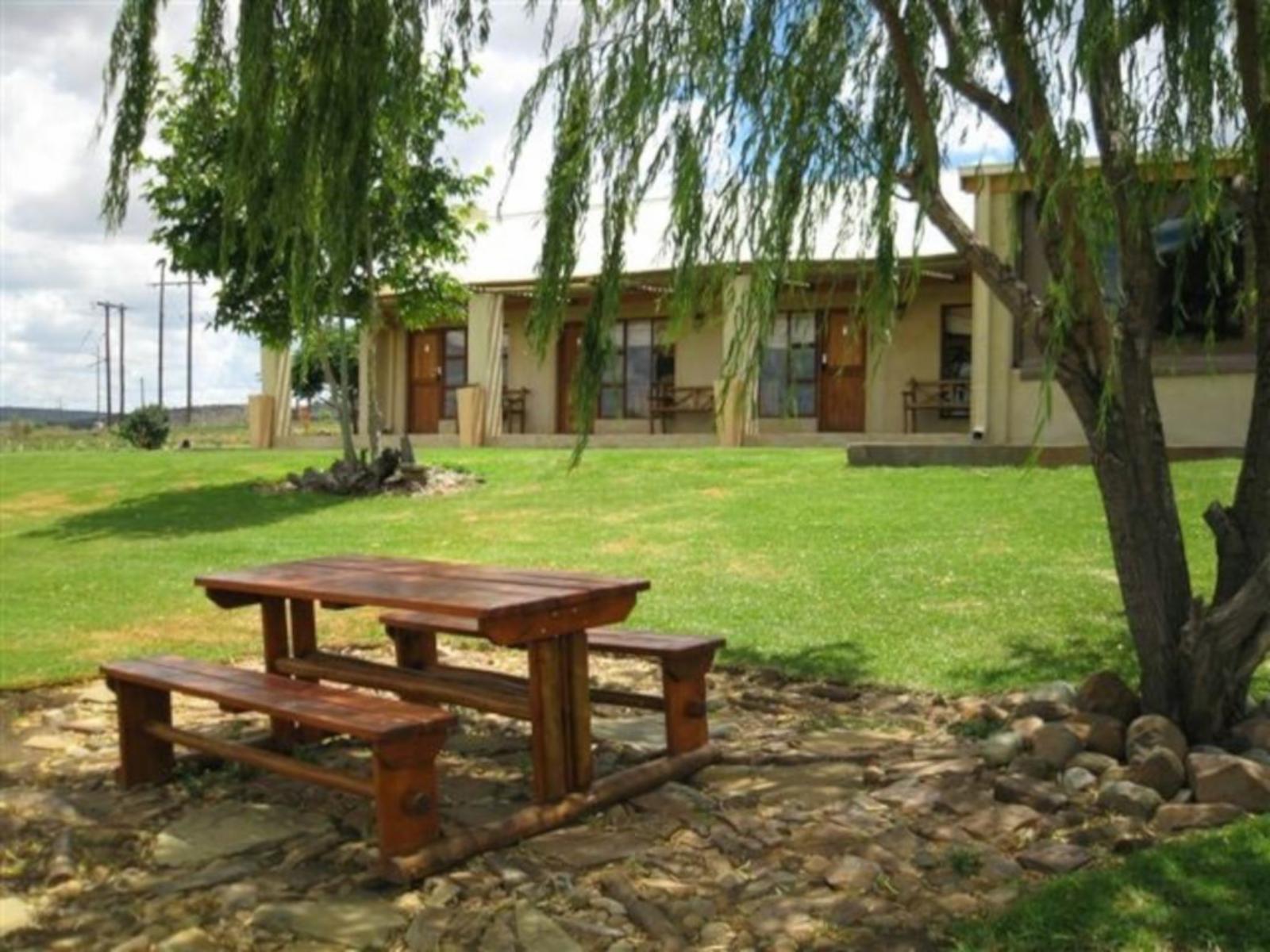
The options cover three broad tiers. At the entry level, safari tents provide a canvas-and-thatch experience with basic furnishings and access to shared ablution facilities. The canvas walls transmit the sounds of the surrounding bush and shift with the ambient temperature, giving a more immersive feel than a solid-walled room. This format suits travellers who plan to spend most waking hours outdoors and want the night experience without the cost of a private unit. Mid-range thatched bungalows offer more comfort, with en-suite bathrooms and a basic kitchen equipped for simple meal preparation. Several configurations exist within this category, from single-bedroom units suited to couples through to two-bedroom variants that work for small groups.
Family cottages sit at the upper end of what the camp provides. More floor space, separate sleeping areas, and fully equipped kitchens make these practical for families or for any party planning a stay of several nights. Most self-contained units at this tier include air conditioning, which matters considerably from October onward as afternoon temperatures climb sharply.
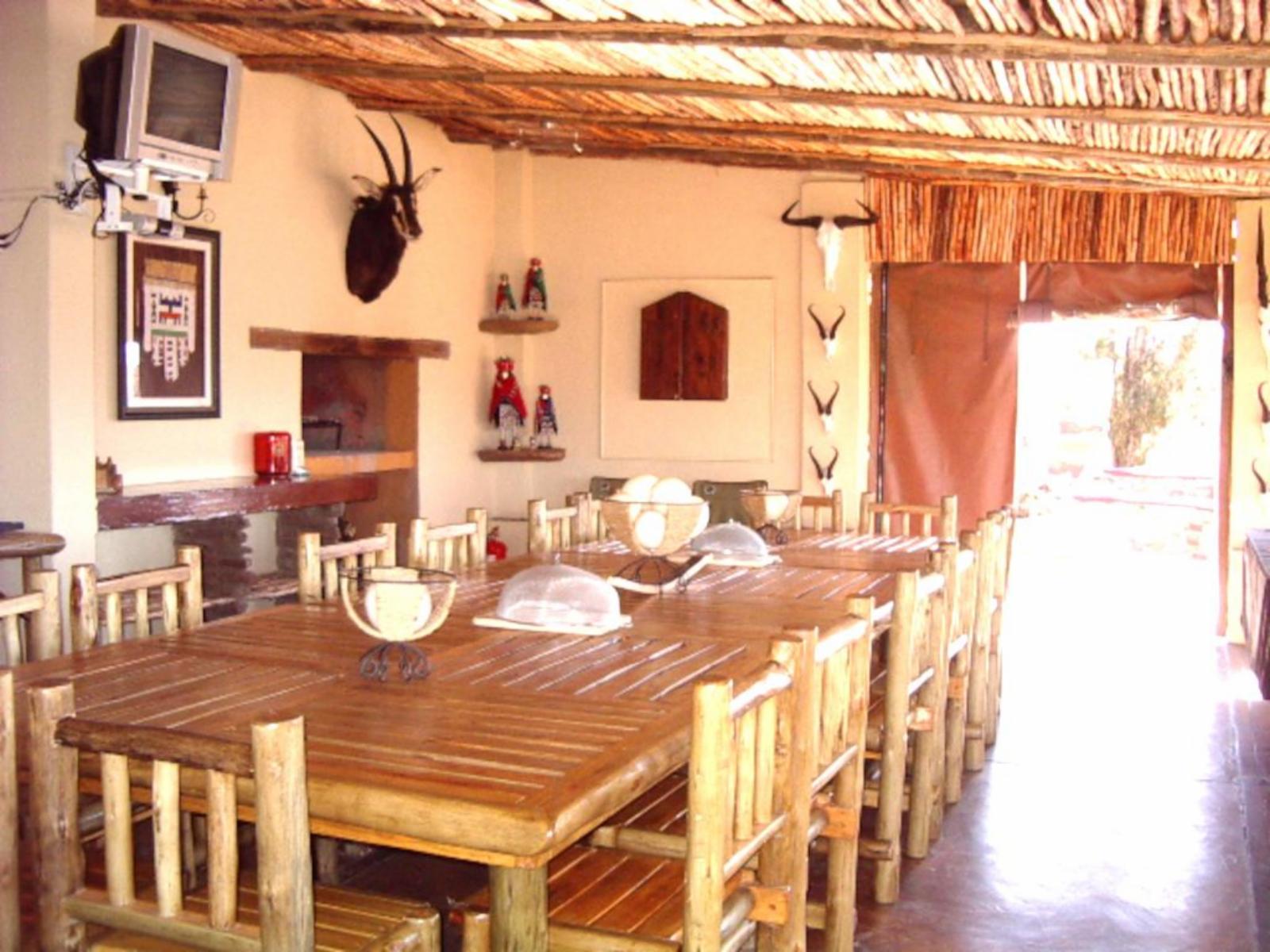
The camp does not include hotel-style amenities or private lodge facilities. Visitors who want guided game drives and restaurant-quality dining typically base themselves at private lodges outside the park boundary and enter on day permits instead. The on-site shop carries firewood, cold drinks, and basic non-perishables, but it cannot substitute for a proper shopping run. Planning a supermarket stop before reaching the park entrance, at one of the service towns along the western approach, makes for a considerably more comfortable multi-night stay.
## Best Time to Visit Pieterskop
The dry season from May through September is generally the most productive period for wildlife viewing. Vegetation retreats as the rains stop, water sources concentrate animals in predictable locations, and white rhino sightings in this sector of the park become more reliable as the grass thins. Morning drives in June and July require warm layers, as temperatures can drop close to freezing before sunrise.
October marks the start of the wet season, when afternoon thunderstorms arrive daily and vegetation recovers rapidly. Game becomes harder to spot in the denser cover, but birdwatchers often prefer these months for precisely this reason. Migratory species arrive in numbers, breeding activity increases across the woodland, and leopards with cubs have been observed in the rocky hill territory near the camp. The character of the landscape shifts markedly from the dry-season brown to a deep green.
Midday temperatures between November and February regularly push above 35 degrees Celsius, even at Pieterskop's 670-metre elevation in the southwestern corner of the park. Planning drives early in the morning and spending the middle of the day indoors or at the camp pool is the practical approach during summer. Visitor numbers in the wet season are generally lower, making the camp feel quieter and accommodation somewhat easier to secure at shorter notice than during the dry-season peak.
## Getting to Pieterskop
Numbi Gate lies approximately 12 kilometres west of the rest camp and serves as the standard entrance point for visitors approaching from the western Mpumalanga region. From Johannesburg, the route follows the N4 east through Mbombela, then continues north toward Hazyview before turning east on the R538 to reach the gate. The total distance from Johannesburg is around 430 kilometres, and the drive takes approximately four hours under normal traffic conditions.
Kruger Mpumalanga International Airport near Mbombela handles domestic flights from Johannesburg and Cape Town. Car hire at the airport is effectively required, as no scheduled public transport reaches the park and exploring inside depends entirely on having your own vehicle. The airport sits roughly 80 kilometres from the gate.
White River and Hazyview both fall within 45 minutes of the gate along the western approach. Both towns offer fuel, fresh groceries, pharmacies, and banking services before entry. Inside the park, the H3 tar road running east from camp provides the main self-drive corridor, passing through varied bushveld terrain toward Afsaal picnic spot and continuing south toward Malelane. The tarred surface makes this corridor accessible to standard sedan vehicles, unlike some of the more remote gravel tracks in other areas of the park.
## Pieterskop and Surrounding Areas
Beyond the park boundary, the surrounding countryside extends toward a cluster of towns and landmarks reflecting the agricultural and historical character of this part of southern Africa.
**Venter Fontein**, 15 kilometres from camp, is a farming settlement in the transitional zone between the Lowveld and the interior plateau. Subtropical fruit production defines the local economy, and the landscape shifts noticeably from the dense bushveld of the park to open cultivated land. It marks the nearest point of settled development immediately west of the park boundary.
**Groenpoort**, 17 kilometres away, takes its name from the Afrikaans for "green gateway." Rocky koppies and valley bush along the escarpment edge define the terrain here, appealing to those who want to explore the broader geology of the region on foot rather than from a vehicle. Elevated ground in the area provides views back across the Lowveld below.
**Smithfield**, 24 kilometres from camp, is a historic market town with 19th-century streetscapes and a history tied to the Anglo-Boer War period. A small museum in town documents this era. The main street follows the grid pattern common to settler towns established across southern Africa, and the town provides the most useful service stop for fuel and provisions when approaching from this direction.
**Buffelsbadden**, 28 kilometres out, translates as "buffalo pool" and refers to a natural water source historically associated with game in the area. The district has developed modest agritourism infrastructure, with farm stays and guided nature walks available for visitors wanting an alternative to the formal park experience.
**Ezelsklip**, 48 kilometres from camp, means "donkey rock" in Afrikaans and takes its name from a distinctive sandstone outcrop in the landscape. Walking trails through the surrounding terrain make this a manageable half-day excursion for visitors who want to cover ground on foot.
**Goedemoed**, 51 kilometres away, is a quiet settlement surrounded by flat grain farmland typical of the interior plateau. Visitor services are minimal, but the short drive illustrates how quickly the landscape transitions once you leave the park, and the surrounding farmland offers a contrasting perspective on the region.
## Planning Your Stay
Reservations for Pieterskop rest camp are handled through the national parks online booking portal. Availability opens 12 months ahead for annual membership holders and 11 months ahead for standard visitors. High-demand periods, particularly during school holidays in July and December, fill up months in advance. Last-minute availability does occasionally appear when bookings are cancelled, but treating this as a reliable fallback for popular dates is a risk not worth taking if your itinerary is fixed.
Before confirming a unit, read the individual description carefully. Inclusions vary between categories, covering whether linen and towels are provided, which kitchen equipment is available, and how sleeping areas are configured in larger units. These details are specified in the booking system and are worth checking before payment rather than after arrival.
Daily conservation fees apply on top of accommodation rates, charged per person and per vehicle, and these accumulate meaningfully over a multi-night stay. Building these into your total budget from the start, rather than treating them as an afterthought, gives a more accurate picture of the full cost. The park operates on fixed gate opening and closing times that shift between summer and winter schedules. Checking current gate hours before departure from your last stop prevents the avoidable problem of arriving after the gate has closed for the evening.

No properties are currently listed on this platform for Pieterskop, so independent price comparisons across the area are not available here. Accommodation at the rest camp is provided directly by the national parks authority, and reservations go through their official booking system rather than through third-party platforms.
The options cover three broad tiers. At the entry level, safari tents provide a canvas-and-thatch experience with basic furnishings and access to shared ablution facilities. The canvas walls transmit the sounds of the surrounding bush and shift with the ambient temperature, giving a more immersive feel than a solid-walled room. This format suits travellers who plan to spend most waking hours outdoors and want the night experience without the cost of a private unit. Mid-range thatched bungalows offer more comfort, with en-suite bathrooms and a basic kitchen equipped for simple meal preparation. Several configurations exist within this category, from single-bedroom units suited to couples through to two-bedroom variants that work for small groups.
Family cottages sit at the upper end of what the camp provides. More floor space, separate sleeping areas, and fully equipped kitchens make these practical for families or for any party planning a stay of several nights. Most self-contained units at this tier include air conditioning, which matters considerably from October onward as afternoon temperatures climb sharply.
The camp does not include hotel-style amenities or private lodge facilities. Visitors who want guided game drives and restaurant-quality dining typically base themselves at private lodges outside the park boundary and enter on day permits instead. The on-site shop carries firewood, cold drinks, and basic non-perishables, but it cannot substitute for a proper shopping run. Planning a supermarket stop before reaching the park entrance, at one of the service towns along the western approach, makes for a considerably more comfortable multi-night stay.
## Best Time to Visit Pieterskop
The dry season from May through September is generally the most productive period for wildlife viewing. Vegetation retreats as the rains stop, water sources concentrate animals in predictable locations, and white rhino sightings in this sector of the park become more reliable as the grass thins. Morning drives in June and July require warm layers, as temperatures can drop close to freezing before sunrise.
October marks the start of the wet season, when afternoon thunderstorms arrive daily and vegetation recovers rapidly. Game becomes harder to spot in the denser cover, but birdwatchers often prefer these months for precisely this reason. Migratory species arrive in numbers, breeding activity increases across the woodland, and leopards with cubs have been observed in the rocky hill territory near the camp. The character of the landscape shifts markedly from the dry-season brown to a deep green.
Midday temperatures between November and February regularly push above 35 degrees Celsius, even at Pieterskop's 670-metre elevation in the southwestern corner of the park. Planning drives early in the morning and spending the middle of the day indoors or at the camp pool is the practical approach during summer. Visitor numbers in the wet season are generally lower, making the camp feel quieter and accommodation somewhat easier to secure at shorter notice than during the dry-season peak.
## Getting to Pieterskop
Numbi Gate lies approximately 12 kilometres west of the rest camp and serves as the standard entrance point for visitors approaching from the western Mpumalanga region. From Johannesburg, the route follows the N4 east through Mbombela, then continues north toward Hazyview before turning east on the R538 to reach the gate. The total distance from Johannesburg is around 430 kilometres, and the drive takes approximately four hours under normal traffic conditions.
Kruger Mpumalanga International Airport near Mbombela handles domestic flights from Johannesburg and Cape Town. Car hire at the airport is effectively required, as no scheduled public transport reaches the park and exploring inside depends entirely on having your own vehicle. The airport sits roughly 80 kilometres from the gate.
White River and Hazyview both fall within 45 minutes of the gate along the western approach. Both towns offer fuel, fresh groceries, pharmacies, and banking services before entry. Inside the park, the H3 tar road running east from camp provides the main self-drive corridor, passing through varied bushveld terrain toward Afsaal picnic spot and continuing south toward Malelane. The tarred surface makes this corridor accessible to standard sedan vehicles, unlike some of the more remote gravel tracks in other areas of the park.
## Pieterskop and Surrounding Areas
Beyond the park boundary, the surrounding countryside extends toward a cluster of towns and landmarks reflecting the agricultural and historical character of this part of southern Africa.
**Venter Fontein**, 15 kilometres from camp, is a farming settlement in the transitional zone between the Lowveld and the interior plateau. Subtropical fruit production defines the local economy, and the landscape shifts noticeably from the dense bushveld of the park to open cultivated land. It marks the nearest point of settled development immediately west of the park boundary.
**Groenpoort**, 17 kilometres away, takes its name from the Afrikaans for "green gateway." Rocky koppies and valley bush along the escarpment edge define the terrain here, appealing to those who want to explore the broader geology of the region on foot rather than from a vehicle. Elevated ground in the area provides views back across the Lowveld below.
**Smithfield**, 24 kilometres from camp, is a historic market town with 19th-century streetscapes and a history tied to the Anglo-Boer War period. A small museum in town documents this era. The main street follows the grid pattern common to settler towns established across southern Africa, and the town provides the most useful service stop for fuel and provisions when approaching from this direction.
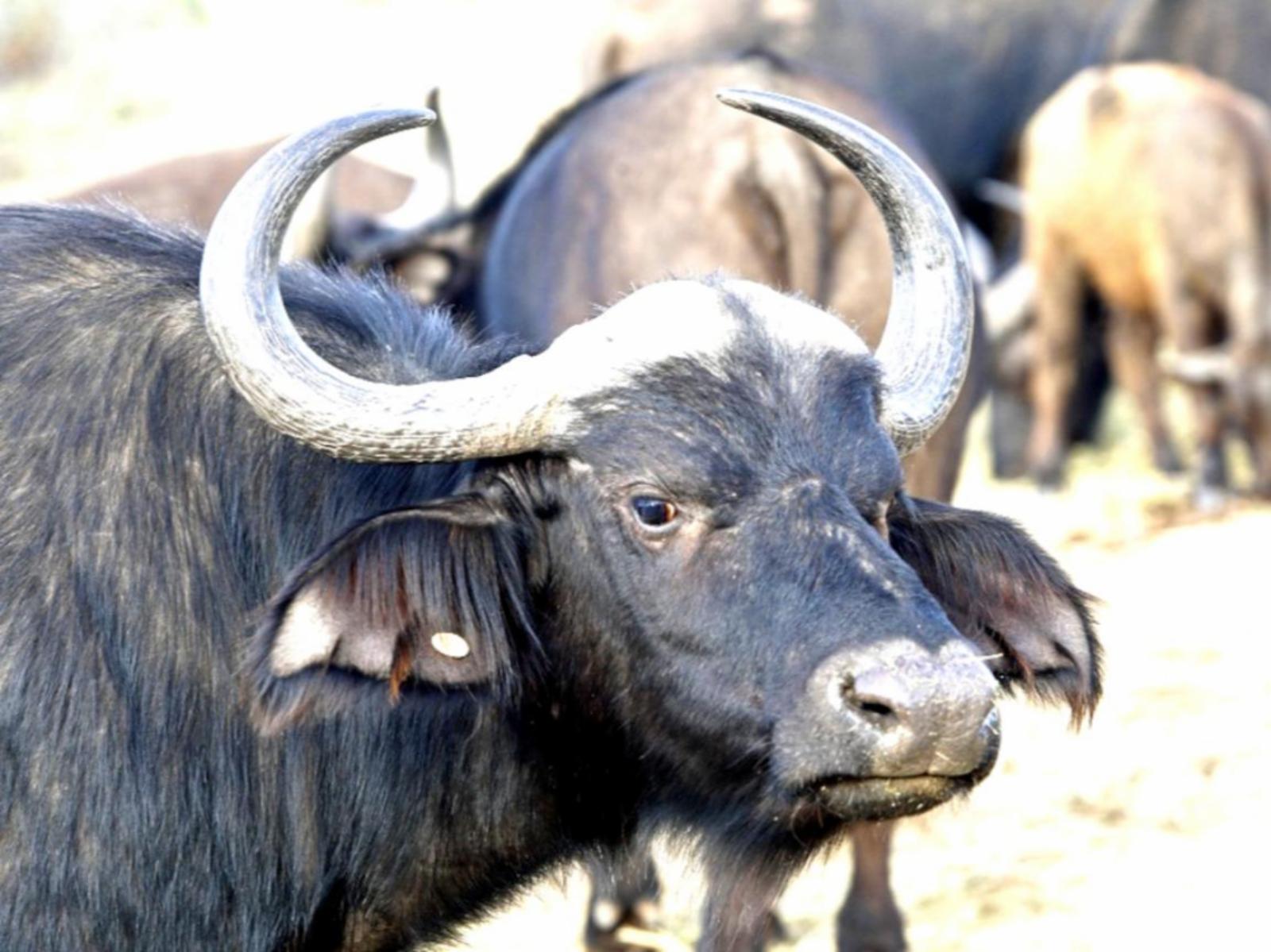
**Buffelsbadden**, 28 kilometres out, translates as "buffalo pool" and refers to a natural water source historically associated with game in the area. The district has developed modest agritourism infrastructure, with farm stays and guided nature walks available for visitors wanting an alternative to the formal park experience.
**Ezelsklip**, 48 kilometres from camp, means "donkey rock" in Afrikaans and takes its name from a distinctive sandstone outcrop in the landscape. Walking trails through the surrounding terrain make this a manageable half-day excursion for visitors who want to cover ground on foot.
**Goedemoed**, 51 kilometres away, is a quiet settlement surrounded by flat grain farmland typical of the interior plateau. Visitor services are minimal, but the short drive illustrates how quickly the landscape transitions once you leave the park, and the surrounding farmland offers a contrasting perspective on the region.
## Planning Your Stay
Reservations for Pieterskop rest camp are handled through the national parks online booking portal. Availability opens 12 months ahead for annual membership holders and 11 months ahead for standard visitors. High-demand periods, particularly during school holidays in July and December, fill up months in advance. Last-minute availability does occasionally appear when bookings are cancelled, but treating this as a reliable fallback for popular dates is a risk not worth taking if your itinerary is fixed.
Before confirming a unit, read the individual description carefully. Inclusions vary between categories, covering whether linen and towels are provided, which kitchen equipment is available, and how sleeping areas are configured in larger units. These details are specified in the booking system and are worth checking before payment rather than after arrival.
Daily conservation fees apply on top of accommodation rates, charged per person and per vehicle, and these accumulate meaningfully over a multi-night stay. Building these into your total budget from the start, rather than treating them as an afterthought, gives a more accurate picture of the full cost. The park operates on fixed gate opening and closing times that shift between summer and winter schedules. Checking current gate hours before departure from your last stop prevents the avoidable problem of arriving after the gate has closed for the evening.
Pieterskop Kaart
Nabygeleë Bestemmings
Blaai Deur Alle Pieterskop Akkommodasie
Bekyk al 0 akkommodasie-opsies in Pieterskop met foto's, pryse en beskikbaarheid.
Blaai Deur Alle Akkommodasie