Venter Fontein Reis- & Akkommodasiegids
Jou volledige gids om Venter Fontein, Suid-Afrika te besoek.
Venter fontein is a small rural settlement in the Northern Cape, situated in the expansive Karoo landscape between Aliwal North and Burgersdorp. This quiet farming area offers visitors a genuine experience of South Africa's remote interior, where wide open spaces and clear night skies define the character of the region.
## Accommodation in Venter Fontein
Venter Fontein has no formally listed holiday properties at present, and finding somewhere to stay requires direct contact with local farms or making arrangements in advance through the nearest towns. The settlement functions as a working farming community, and any accommodation available here reflects that character rather than a hospitality industry.
At the budget end, travellers occasionally secure basic overnight options on farms in the area, typically a spare room or a simple self-catering cottage attached to a working sheep property. These arrangements tend to be informal, often organised by word of mouth or through contacts made in a nearby town. Expect minimal amenities and an early morning shaped by farm routines rather than hospitality schedules.
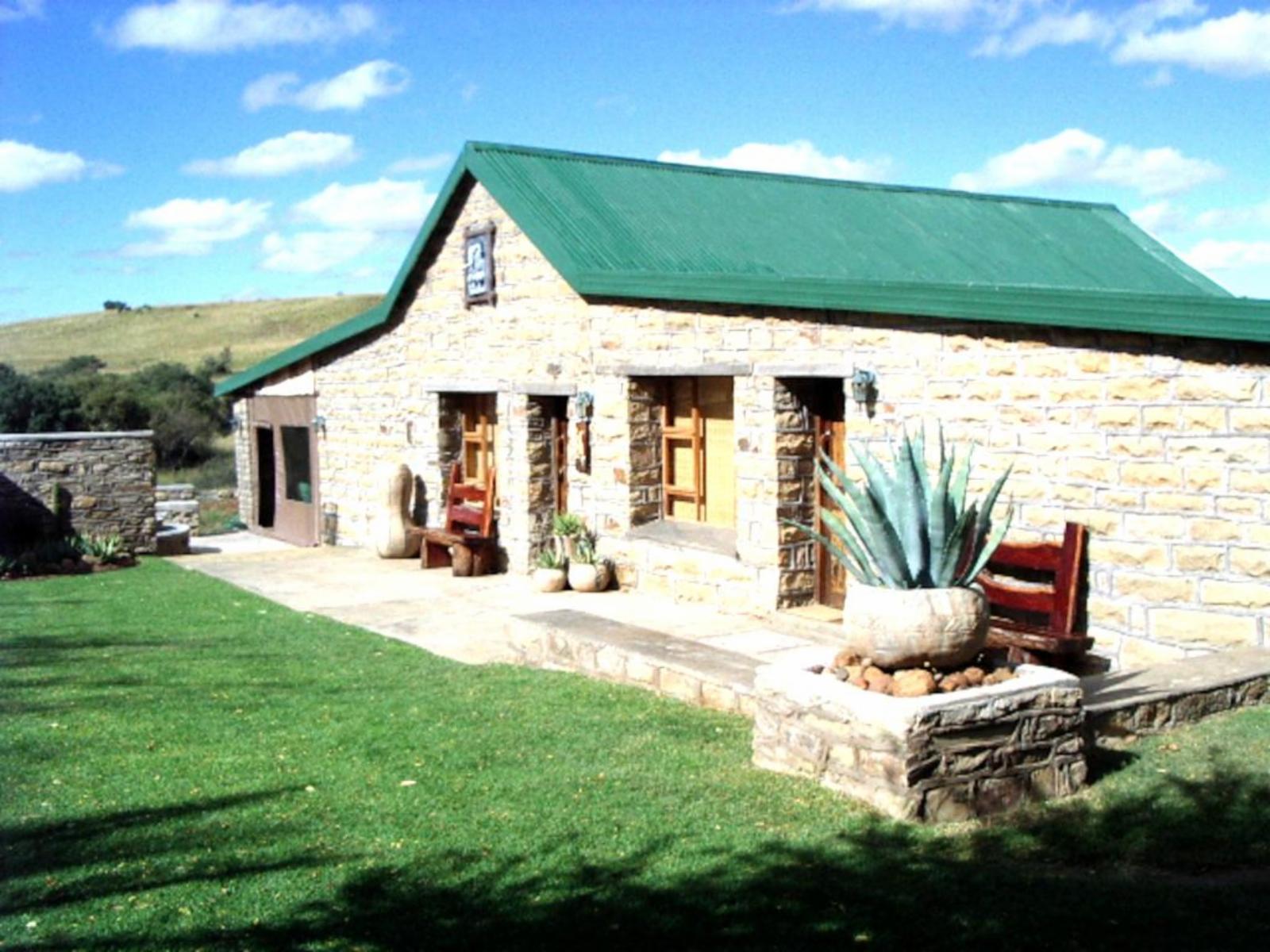
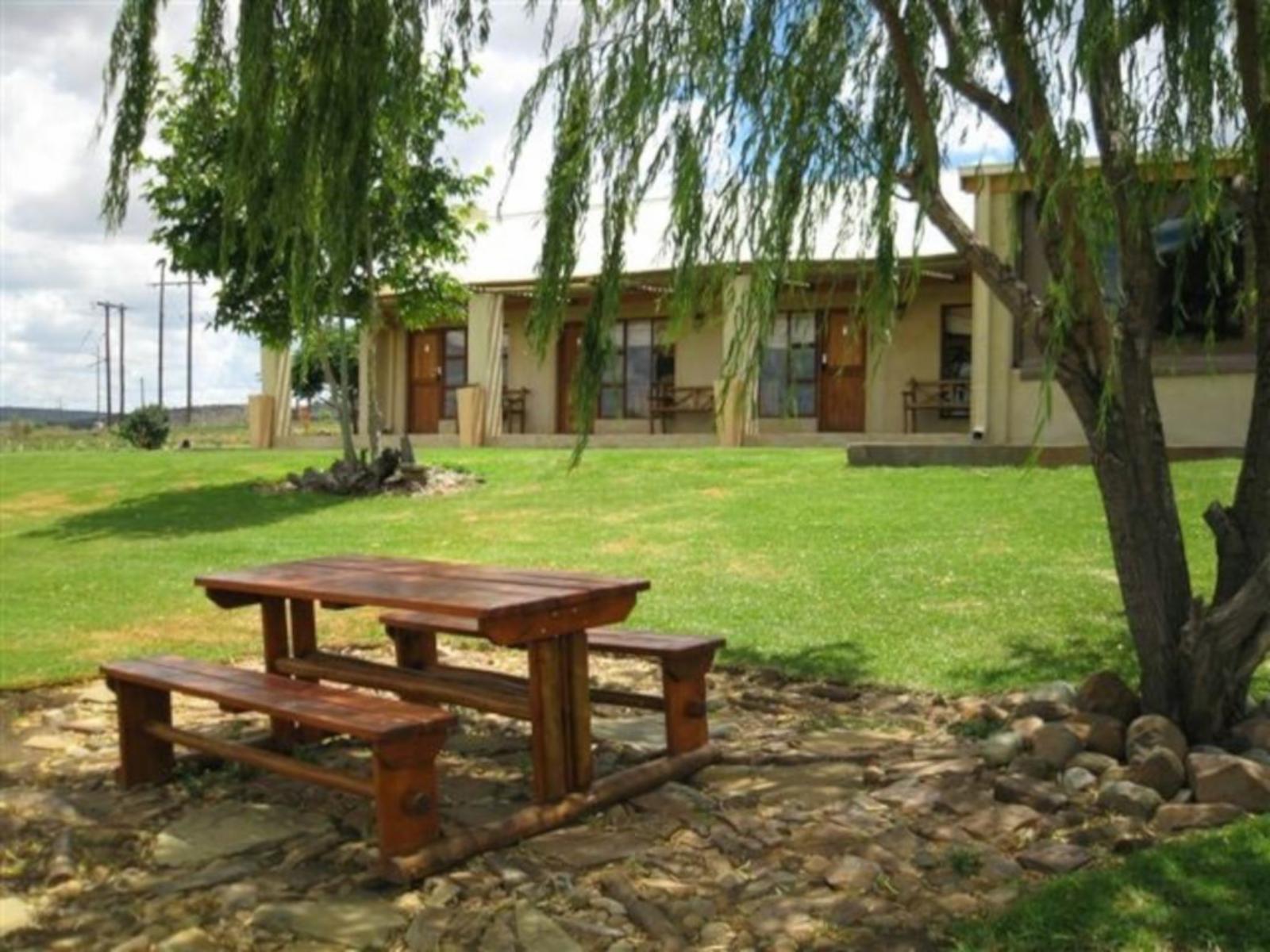
Mid-range options in the wider district include converted farm outbuildings and small guesthouses where the isolation and the working landscape are part of the appeal. Wool farming is the economic backbone of this region, and a stay on an operating property during shearing season provides a direct view of how the land is used. Solar power, a modest kitchen, and genuine quiet are typical features at this tier. The absence of tourist infrastructure here is not a shortcoming so much as the defining quality of a stay.
A small number of established guest farms operate within the surrounding area and represent the upper end of what is available. These tend to book through their own websites or via local tourism networks and offer more predictable amenities, though they remain agricultural in character.
Because there are no formal listings, prices cannot be quoted reliably. Travellers should contact farms directly, confirm what is and is not included, and establish clearly how to reach the property. This is not a destination where last-minute arrangements tend to succeed. Anyone visiting primarily to see the Karoo interior rather than to be accommodated in comfort will find that the setting makes up considerably for the absence of polished facilities.
---
## Best Time to Visit Venter Fontein
The shoulder seasons of autumn, from March through May, and spring, from August into October, offer the most practical conditions for visiting. Temperatures are moderate, the landscape is readable, and the roads are more dependable than after the summer rains.
Summer runs genuinely hot. Afternoons from November through February regularly exceed 35 degrees Celsius, and thunderstorms are a feature of the season. These storms can be dramatic, but they also turn gravel roads into muddy tracks within minutes and may leave routes impassable for a day or more. Travellers planning summer visits need to monitor weather forecasts and factor in the possibility of delays.
Winter brings cold nights with frost occurring regularly from June through August. Days tend to be clear and dry, with afternoons warming enough for comfortable outdoor activity. The clear winter nights are particularly good for stargazing, as light pollution is minimal across this entire region, and the Milky Way is visible with the naked eye. If stargazing is a priority, winter or early autumn evenings offer the best conditions. Spring brings new growth to the veld and is a good time to observe the Karoo vegetation in its more active state.
---
## Getting to Venter Fontein
The R58 is the key road through this part of the country, and gravel roads branching off it lead northeast toward Venter Fontein. The settlement lies roughly 30 kilometres from Burgersdorp, which is the logical base for orientation and the last point at which you should confirm your exact route before heading out, as signage in this area is minimal.
From the south, Aliwal North is approximately 60 kilometres away and sits on the N9, making it a natural point of departure for travellers coming from the Eastern Cape direction. From Bloemfontein, the drive runs roughly 250 kilometres south via the N1 and connecting roads. East London is around 350 kilometres to the southeast, reached via the N9 and R56.
The nearest commercial airport with scheduled services is in Bloemfontein, which is the most practical air gateway for the region. No public transport serves Venter Fontein. Travellers without private vehicles would need to arrange transfers from a service town. Under dry conditions, a standard passenger vehicle can manage the gravel roads, but a high-clearance vehicle gives noticeably more confidence and flexibility. Allow extra time on gravel; the roads are not predictable and driving quickly on loose surfaces causes damage to vehicles and roads alike.
---
## Venter Fontein and Surrounding Areas
Pieterskop, 15 kilometres to the northeast, shares the same semi-arid farming character as Venter Fontein and gives a sense of how communities are spaced across the landscape in this part of the Northern Cape. The area is sparsely populated and the distances between farms are significant, which is itself informative for anyone trying to understand the scale of land use in the region.
Smithfield, 25 kilometres to the north and across the provincial boundary in the Free State, is the most developed nearby centre. The town has a grid layout typical of 19th-century colonial planning and retains a number of older buildings. It has basic services and a small business district, and for travellers interested in the history of settlement in this border zone it offers more tangible material than the surrounding farmland.
Buffelsbadden, 30 kilometres away, is a farming district rather than a town, and its name reflects a history tied to wildlife and water sources in the area. The terrain in this direction becomes progressively more open as the Karoo plains extend outward.
Groenpoort, at 32 kilometres, takes its name from the poorts that are a geological feature of this landscape, where roads and rivers cut through ridges in the rock. The surrounding geology is part of the Karoo Supergroup sequence, and those with an interest in the region's deep history will find this direction worth exploring.
Ezelsklip, 42 kilometres out, is named for the rocky outcrops that are common in the Karoo. Eerstegeluk, also at 42 kilometres, carries a name meaning "first luck" in Afrikaans, typical of the optimistic or pragmatic naming conventions applied to farms established by early settlers in difficult country. Both places sit within the same broad farming landscape and are best treated as points of orientation rather than destinations with tourist facilities.
---
## Planning Your Stay
Because accommodation in Venter Fontein is not listed on standard booking platforms, direct contact with farms is necessary. Approach this early. Farms in remote areas often have only a few rooms or cottages, and there may be no alternative if your preferred option is unavailable. Email and phone are the primary contact methods, and responses may take a day or two given the demands of farm work.
Before confirming a booking, ask specifically about power supply, water availability, and cooking facilities, as off-grid and partially off-grid setups are common. Confirm the GPS coordinates of the property, not just an address. Addresses in rural South Africa can be imprecise, and a correct coordinate loaded onto an offline map before leaving mobile reception is more reliable than assuming navigation apps will work.
Check road conditions before departure, particularly after rain, as the state of gravel access routes can change significantly. Carry enough water and food for at least one extra day beyond your planned stay. Mobile reception is patchy throughout the area, so communicate your route and expected return time to someone before you travel. These are not special precautions for an adventurous trip; they are standard practice for this kind of remote rural visit.

Venter Fontein has no formally listed holiday properties at present, and finding somewhere to stay requires direct contact with local farms or making arrangements in advance through the nearest towns. The settlement functions as a working farming community, and any accommodation available here reflects that character rather than a hospitality industry.
At the budget end, travellers occasionally secure basic overnight options on farms in the area, typically a spare room or a simple self-catering cottage attached to a working sheep property. These arrangements tend to be informal, often organised by word of mouth or through contacts made in a nearby town. Expect minimal amenities and an early morning shaped by farm routines rather than hospitality schedules.
Mid-range options in the wider district include converted farm outbuildings and small guesthouses where the isolation and the working landscape are part of the appeal. Wool farming is the economic backbone of this region, and a stay on an operating property during shearing season provides a direct view of how the land is used. Solar power, a modest kitchen, and genuine quiet are typical features at this tier. The absence of tourist infrastructure here is not a shortcoming so much as the defining quality of a stay.
A small number of established guest farms operate within the surrounding area and represent the upper end of what is available. These tend to book through their own websites or via local tourism networks and offer more predictable amenities, though they remain agricultural in character.
Because there are no formal listings, prices cannot be quoted reliably. Travellers should contact farms directly, confirm what is and is not included, and establish clearly how to reach the property. This is not a destination where last-minute arrangements tend to succeed. Anyone visiting primarily to see the Karoo interior rather than to be accommodated in comfort will find that the setting makes up considerably for the absence of polished facilities.
---
## Best Time to Visit Venter Fontein
The shoulder seasons of autumn, from March through May, and spring, from August into October, offer the most practical conditions for visiting. Temperatures are moderate, the landscape is readable, and the roads are more dependable than after the summer rains.
Summer runs genuinely hot. Afternoons from November through February regularly exceed 35 degrees Celsius, and thunderstorms are a feature of the season. These storms can be dramatic, but they also turn gravel roads into muddy tracks within minutes and may leave routes impassable for a day or more. Travellers planning summer visits need to monitor weather forecasts and factor in the possibility of delays.
Winter brings cold nights with frost occurring regularly from June through August. Days tend to be clear and dry, with afternoons warming enough for comfortable outdoor activity. The clear winter nights are particularly good for stargazing, as light pollution is minimal across this entire region, and the Milky Way is visible with the naked eye. If stargazing is a priority, winter or early autumn evenings offer the best conditions. Spring brings new growth to the veld and is a good time to observe the Karoo vegetation in its more active state.
---
## Getting to Venter Fontein
The R58 is the key road through this part of the country, and gravel roads branching off it lead northeast toward Venter Fontein. The settlement lies roughly 30 kilometres from Burgersdorp, which is the logical base for orientation and the last point at which you should confirm your exact route before heading out, as signage in this area is minimal.
From the south, Aliwal North is approximately 60 kilometres away and sits on the N9, making it a natural point of departure for travellers coming from the Eastern Cape direction. From Bloemfontein, the drive runs roughly 250 kilometres south via the N1 and connecting roads. East London is around 350 kilometres to the southeast, reached via the N9 and R56.
The nearest commercial airport with scheduled services is in Bloemfontein, which is the most practical air gateway for the region. No public transport serves Venter Fontein. Travellers without private vehicles would need to arrange transfers from a service town. Under dry conditions, a standard passenger vehicle can manage the gravel roads, but a high-clearance vehicle gives noticeably more confidence and flexibility. Allow extra time on gravel; the roads are not predictable and driving quickly on loose surfaces causes damage to vehicles and roads alike.
---
## Venter Fontein and Surrounding Areas
Pieterskop, 15 kilometres to the northeast, shares the same semi-arid farming character as Venter Fontein and gives a sense of how communities are spaced across the landscape in this part of the Northern Cape. The area is sparsely populated and the distances between farms are significant, which is itself informative for anyone trying to understand the scale of land use in the region.
Smithfield, 25 kilometres to the north and across the provincial boundary in the Free State, is the most developed nearby centre. The town has a grid layout typical of 19th-century colonial planning and retains a number of older buildings. It has basic services and a small business district, and for travellers interested in the history of settlement in this border zone it offers more tangible material than the surrounding farmland.
Buffelsbadden, 30 kilometres away, is a farming district rather than a town, and its name reflects a history tied to wildlife and water sources in the area. The terrain in this direction becomes progressively more open as the Karoo plains extend outward.
Groenpoort, at 32 kilometres, takes its name from the poorts that are a geological feature of this landscape, where roads and rivers cut through ridges in the rock. The surrounding geology is part of the Karoo Supergroup sequence, and those with an interest in the region's deep history will find this direction worth exploring.
Ezelsklip, 42 kilometres out, is named for the rocky outcrops that are common in the Karoo. Eerstegeluk, also at 42 kilometres, carries a name meaning "first luck" in Afrikaans, typical of the optimistic or pragmatic naming conventions applied to farms established by early settlers in difficult country. Both places sit within the same broad farming landscape and are best treated as points of orientation rather than destinations with tourist facilities.
---
## Planning Your Stay
Because accommodation in Venter Fontein is not listed on standard booking platforms, direct contact with farms is necessary. Approach this early. Farms in remote areas often have only a few rooms or cottages, and there may be no alternative if your preferred option is unavailable. Email and phone are the primary contact methods, and responses may take a day or two given the demands of farm work.
Before confirming a booking, ask specifically about power supply, water availability, and cooking facilities, as off-grid and partially off-grid setups are common. Confirm the GPS coordinates of the property, not just an address. Addresses in rural South Africa can be imprecise, and a correct coordinate loaded onto an offline map before leaving mobile reception is more reliable than assuming navigation apps will work.
Check road conditions before departure, particularly after rain, as the state of gravel access routes can change significantly. Carry enough water and food for at least one extra day beyond your planned stay. Mobile reception is patchy throughout the area, so communicate your route and expected return time to someone before you travel. These are not special precautions for an adventurous trip; they are standard practice for this kind of remote rural visit.
Venter Fontein Kaart
Nabygeleë Bestemmings
Blaai Deur Alle Venter Fontein Akkommodasie
Bekyk al 0 akkommodasie-opsies in Venter Fontein met foto's, pryse en beskikbaarheid.
Blaai Deur Alle Akkommodasie