Ellisras Reis- & Akkommodasiegids
Jou volledige gids om Ellisras, Suid-Afrika te besoek.
Ellisras, now officially known as Lephalale, serves as the gateway to the Waterberg region in Limpopo province. This coal mining town has grown into an important energy hub, with nearby power stations and mining operations shaping its modern character. The surrounding bushveld landscape offers access to wildlife areas and the dramatic Mogol River valley.
## Accommodation in Ellisras
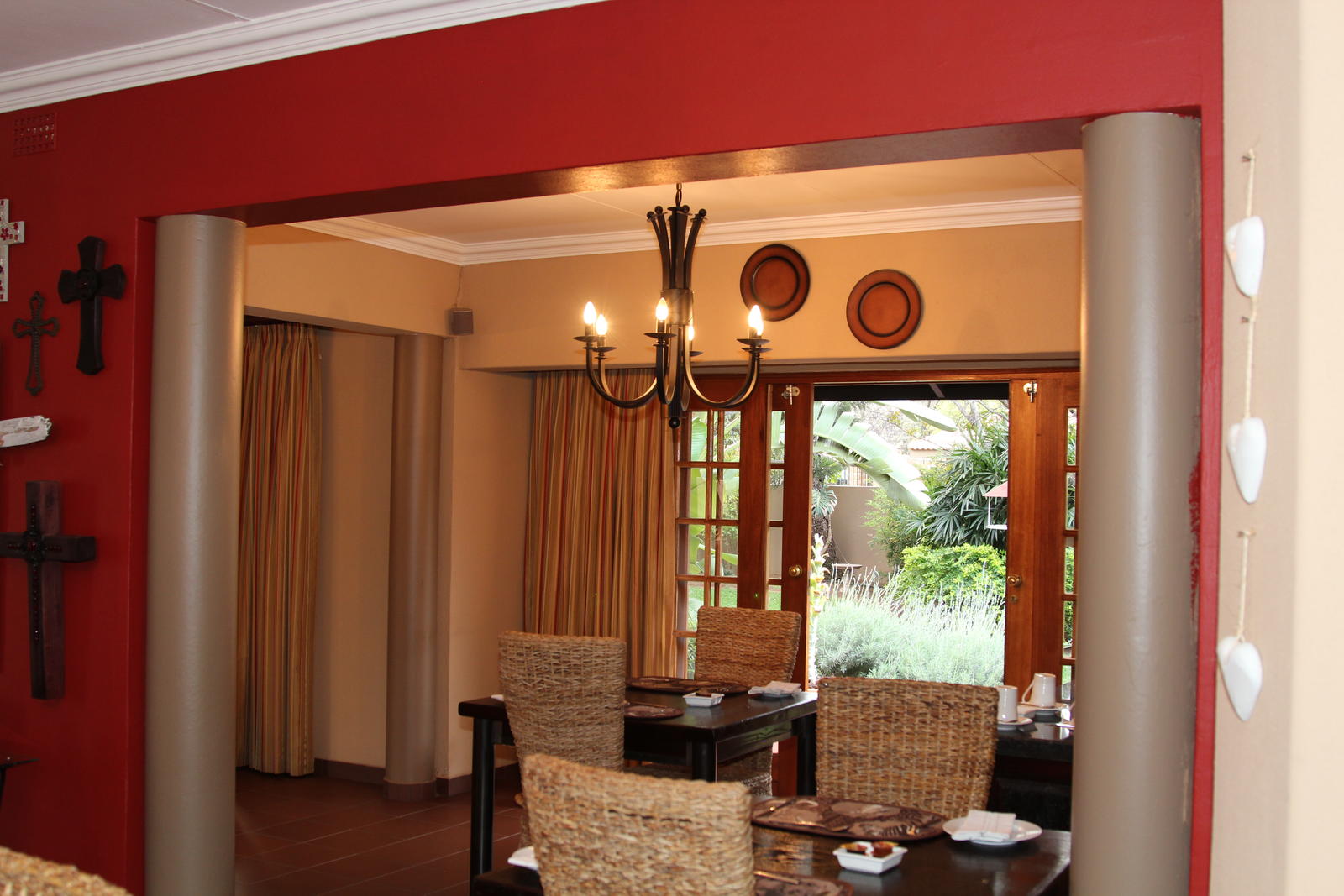
Ellisras, formally renamed Lephalale in 2002, draws visitors primarily through business travel connected to coal extraction and power generation rather than leisure tourism. This shapes what the local accommodation market looks like. The town currently has no properties listed in our database, and published pricing is not available, but options on the ground reflect a working industrial town with lodging spread across several practical tiers.
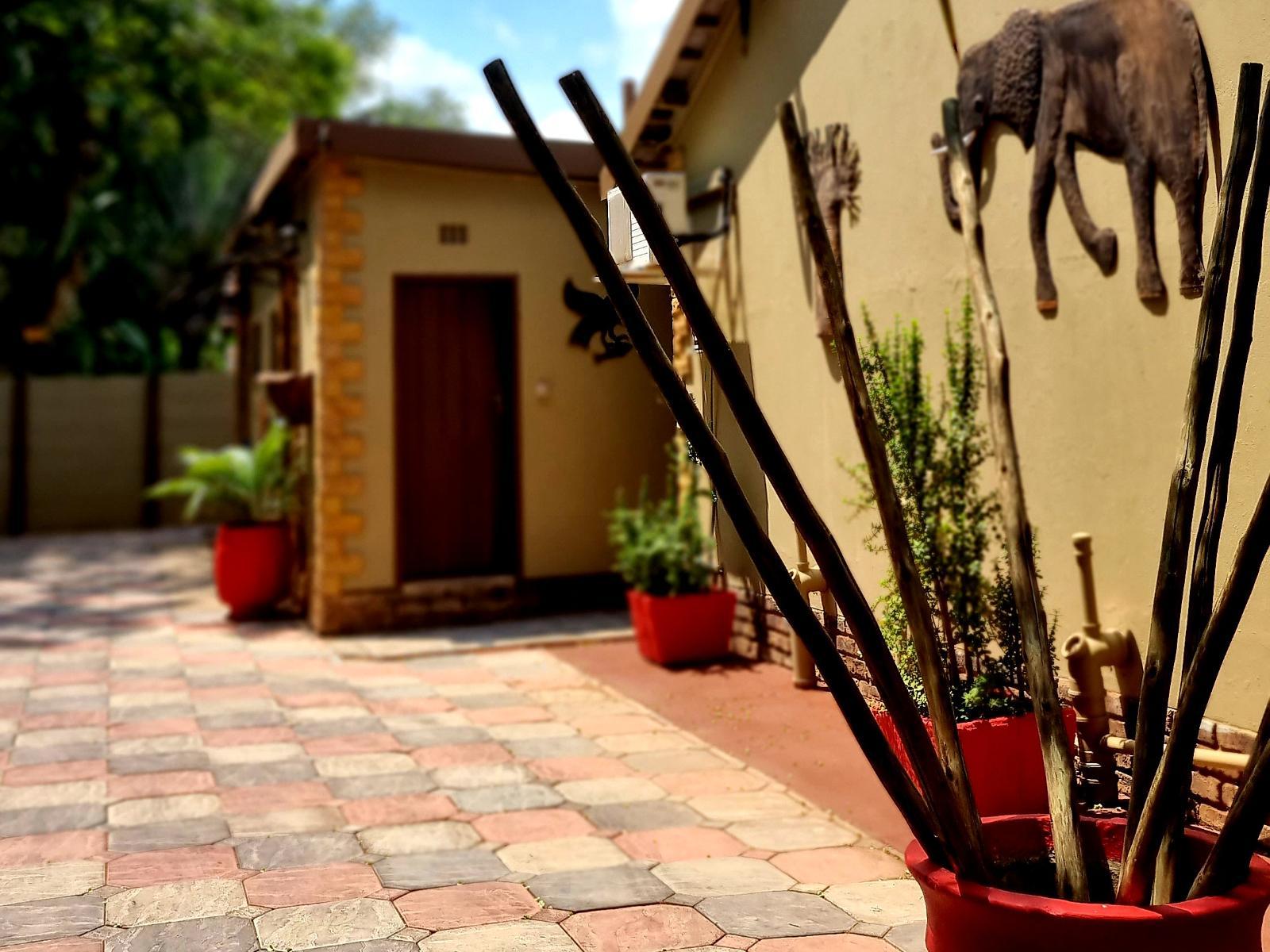
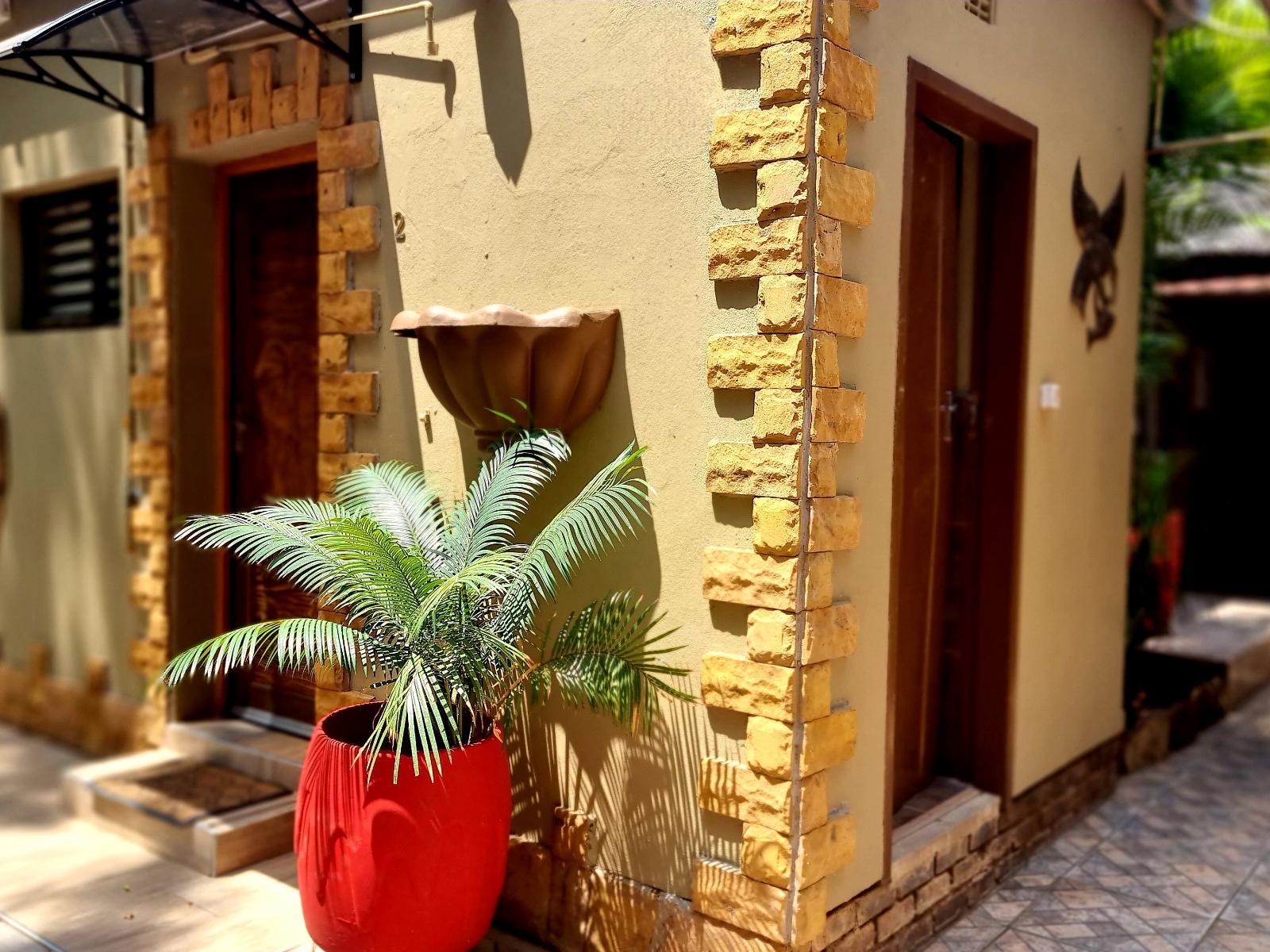
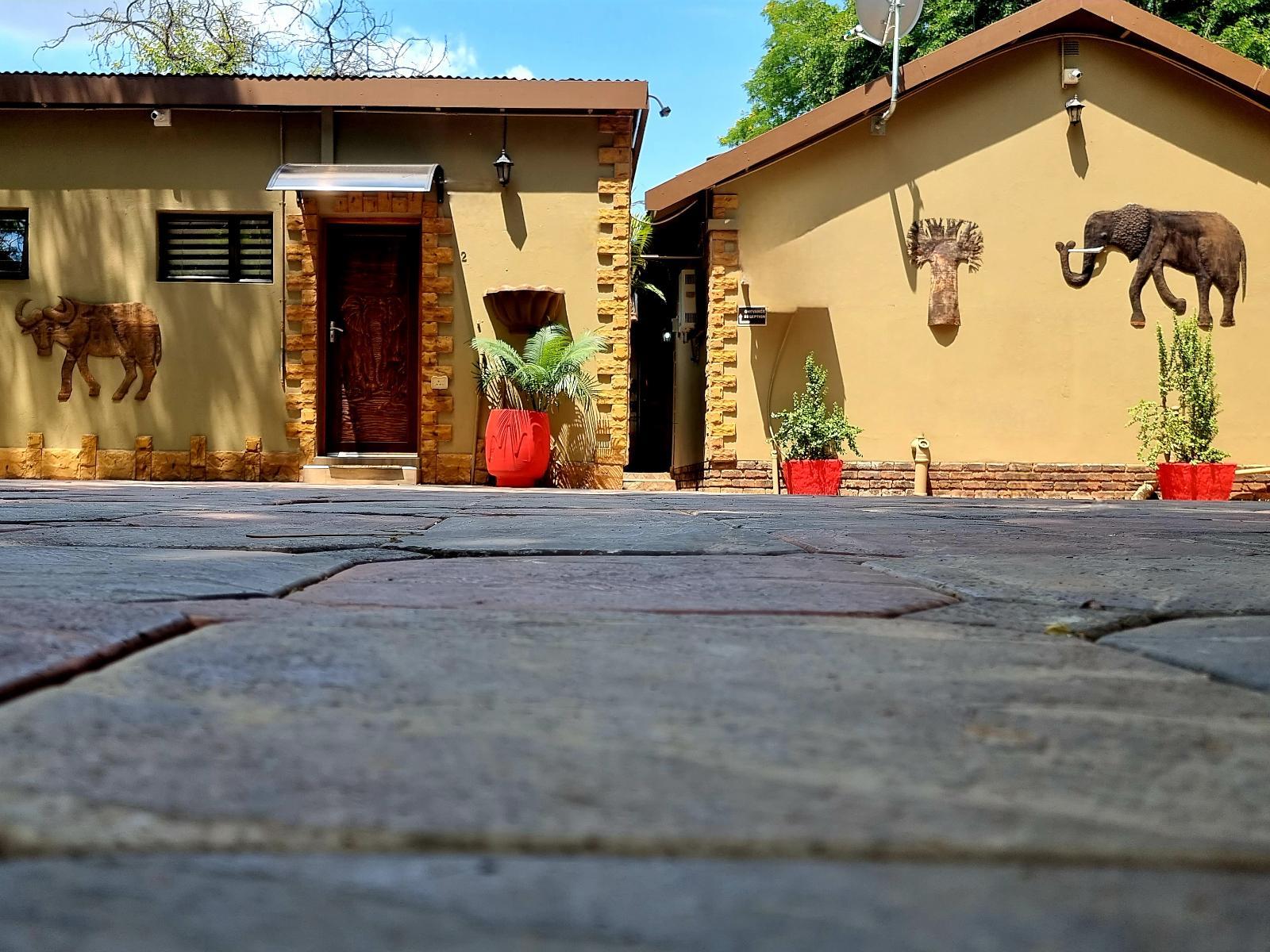
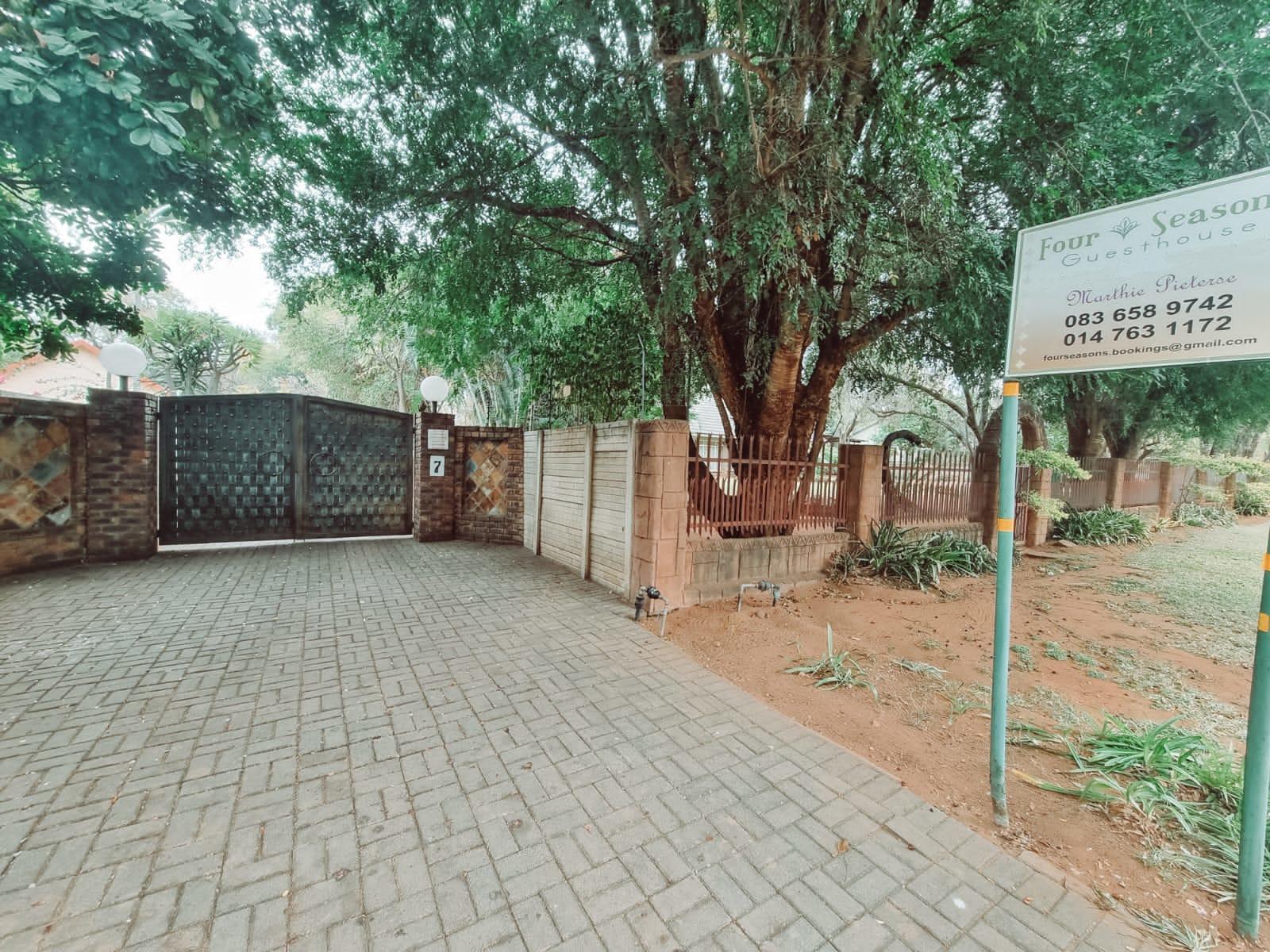
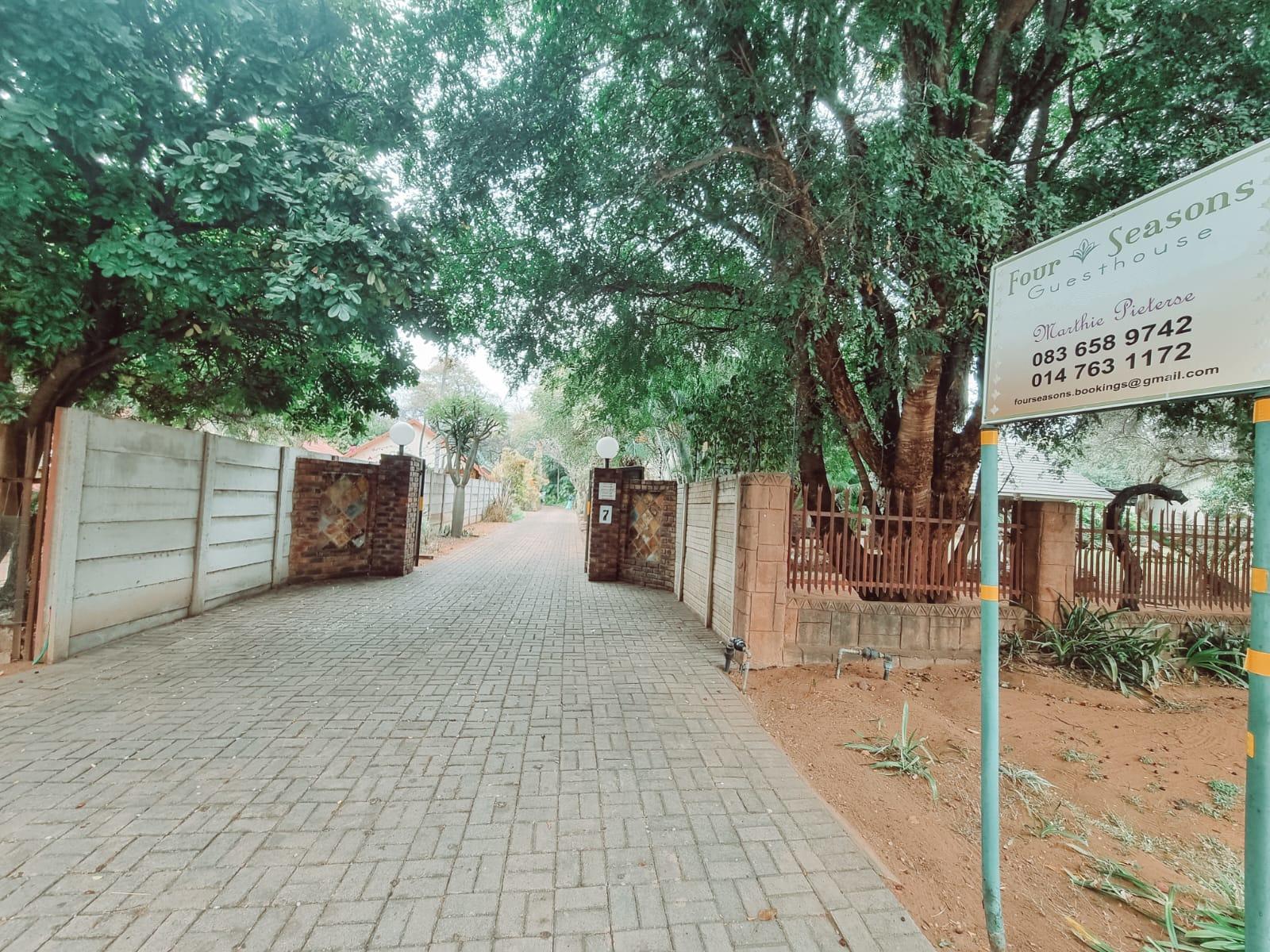
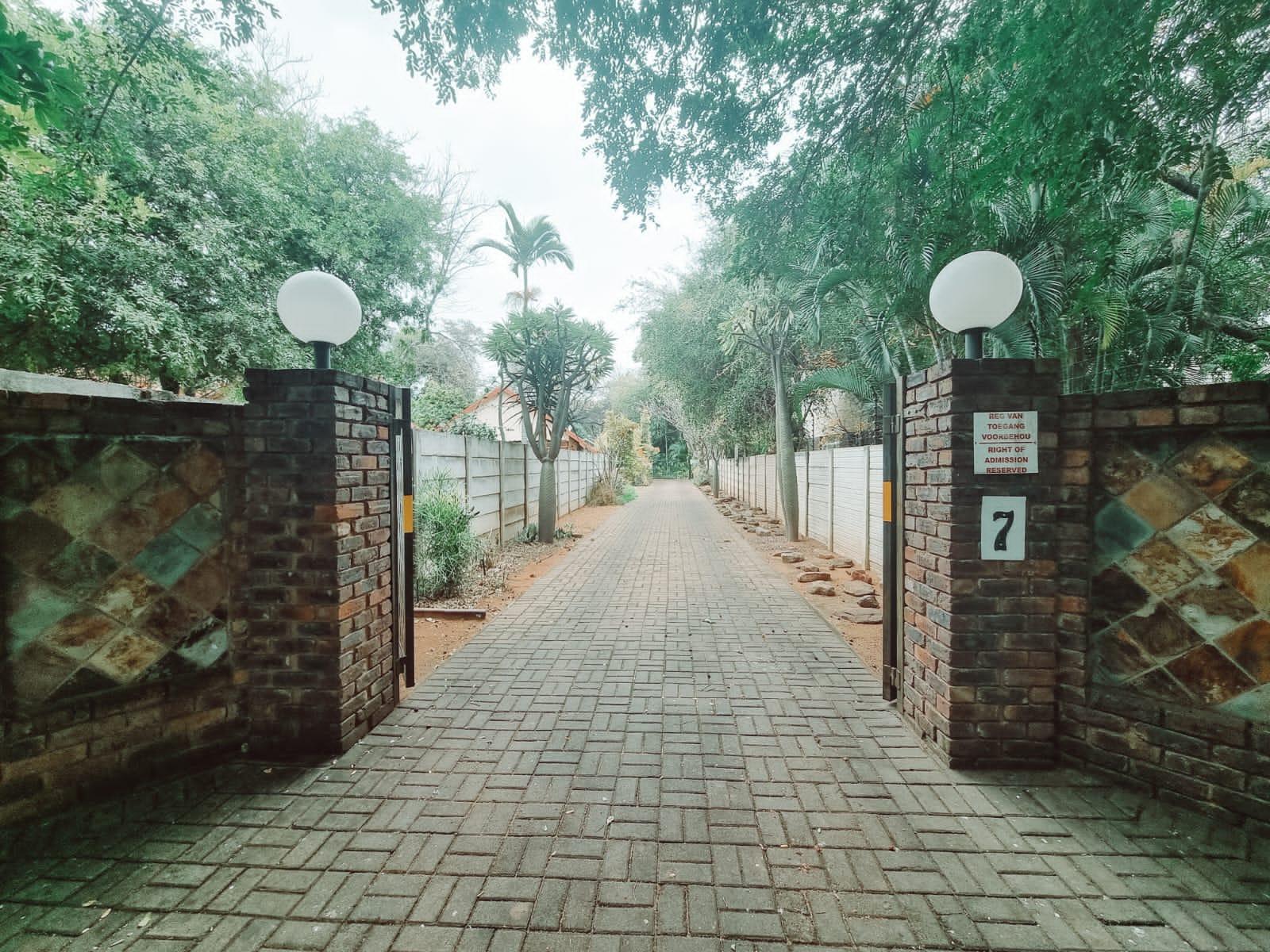
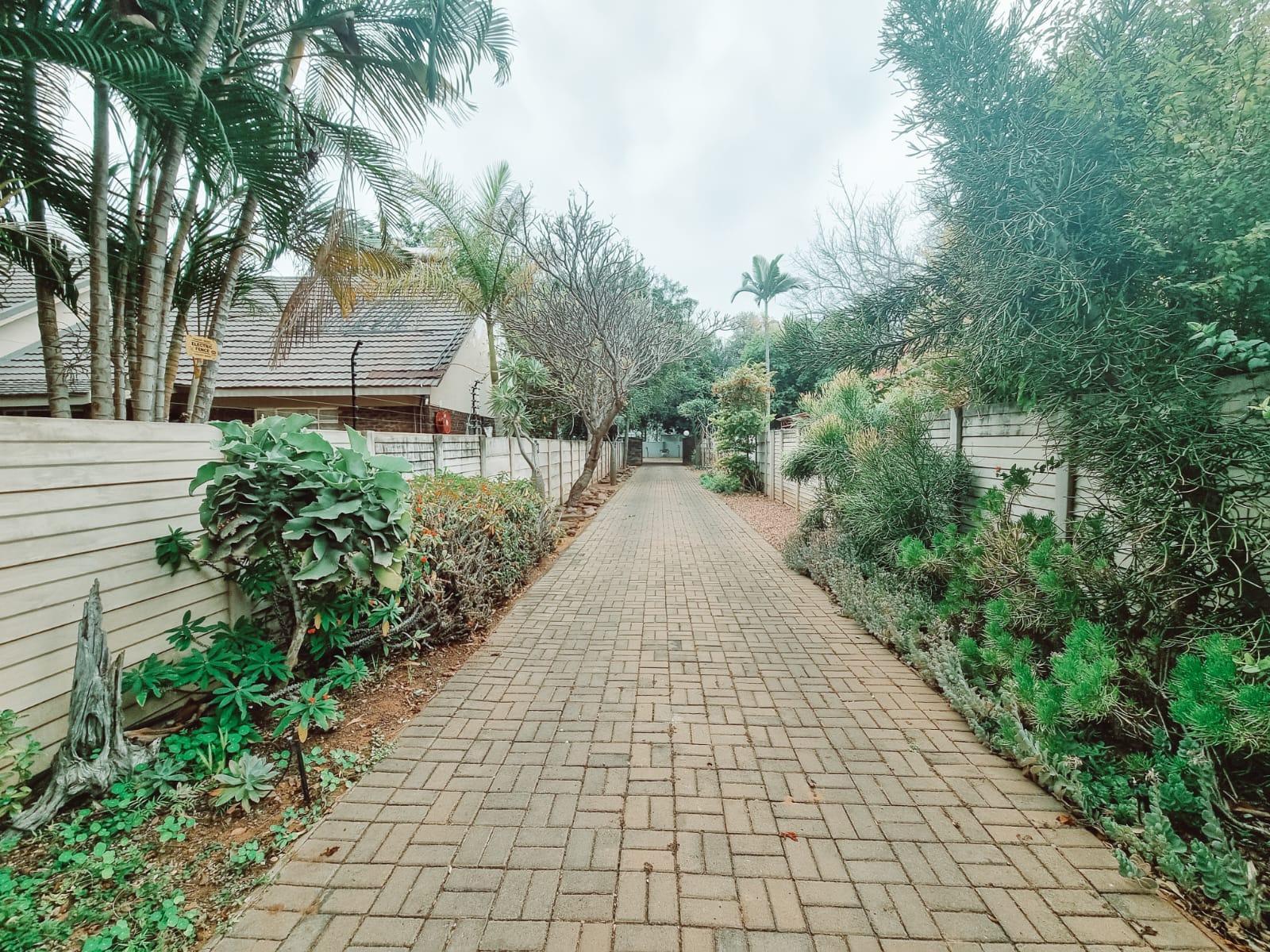
At the budget end, basic guesthouses and self-catering units near the town centre cater to contractors on extended stays. These offer secure parking and air conditioning as standard, given summer heat that regularly tops 35 degrees, without much additional comfort.
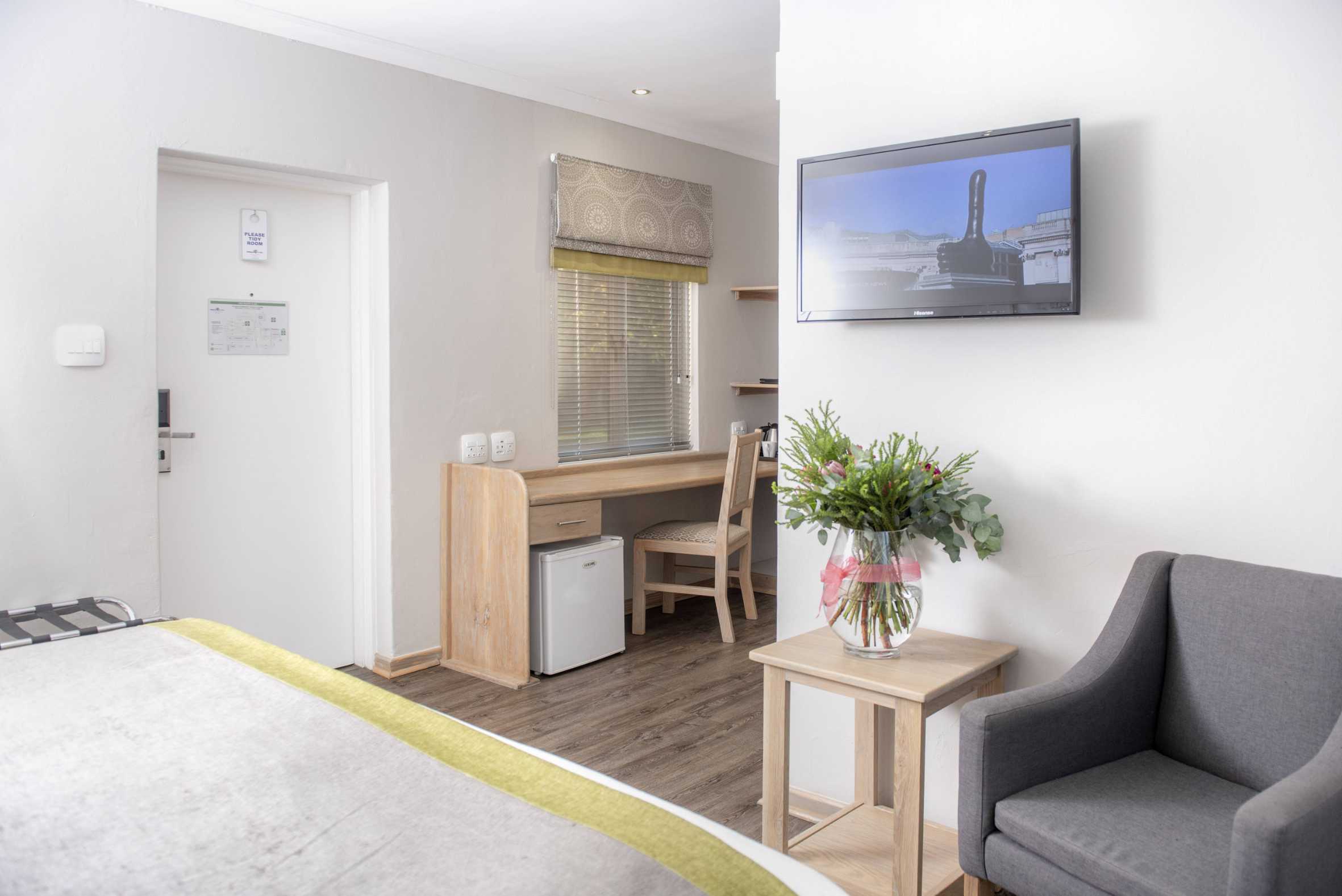
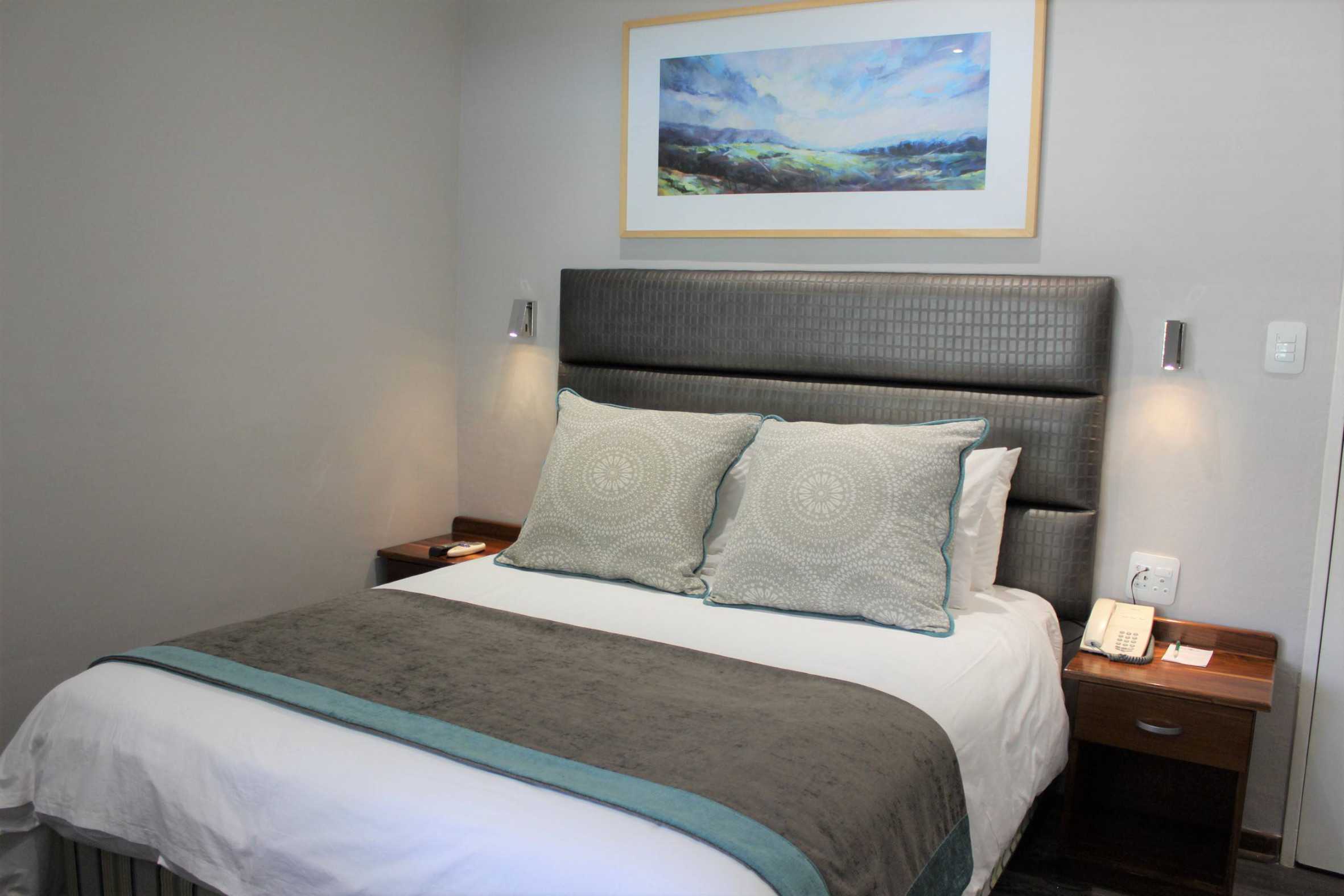
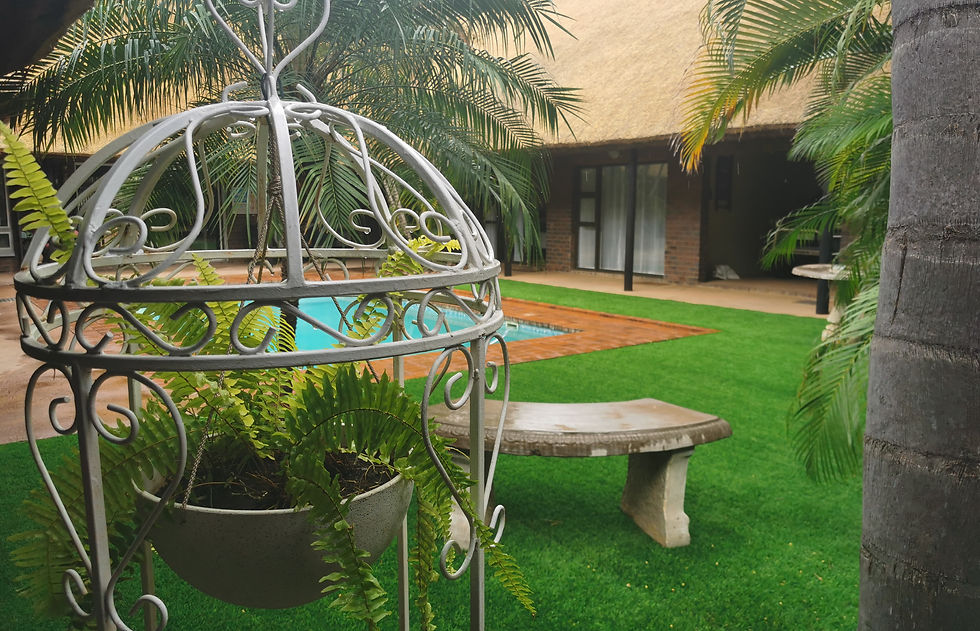
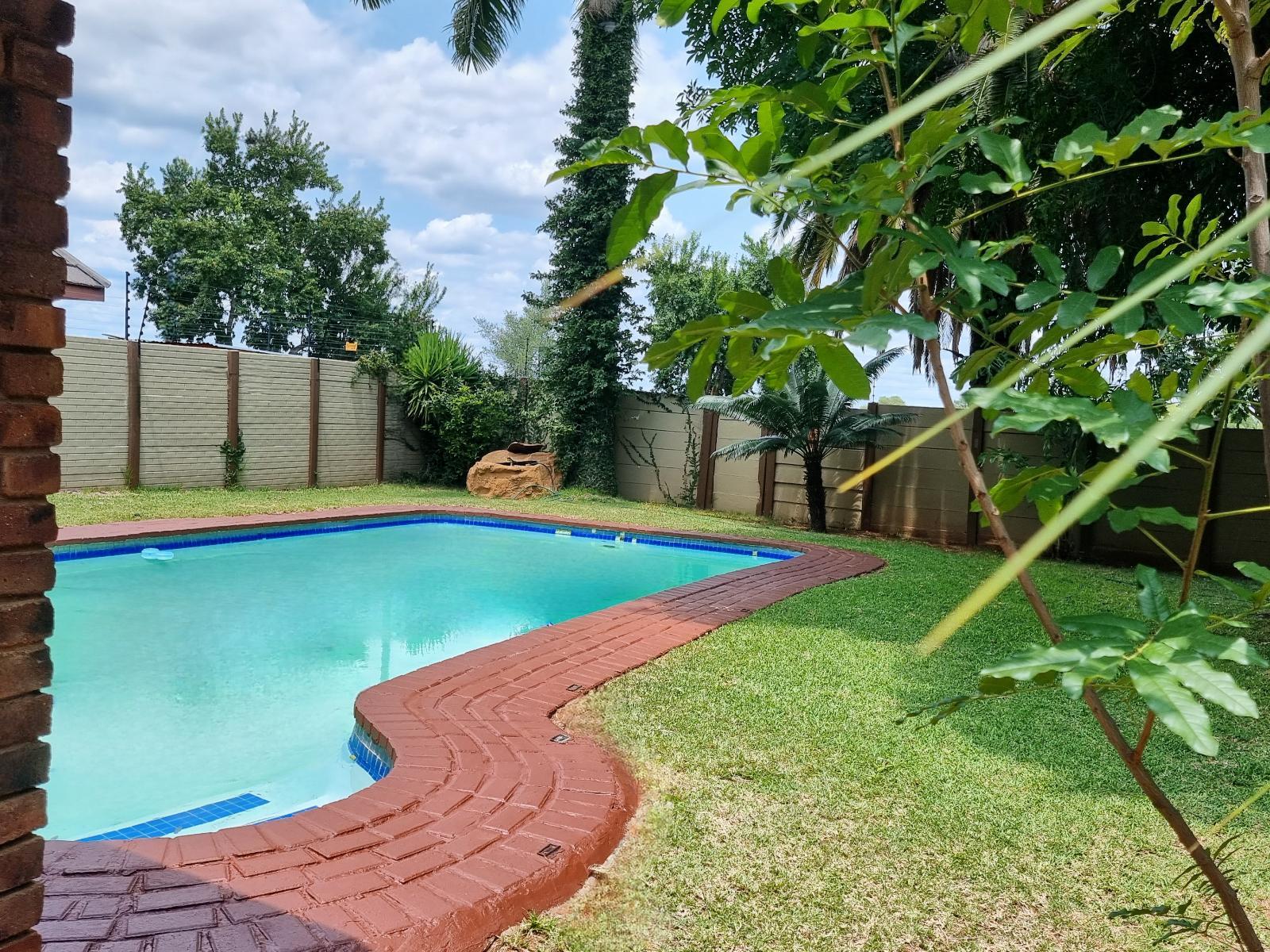
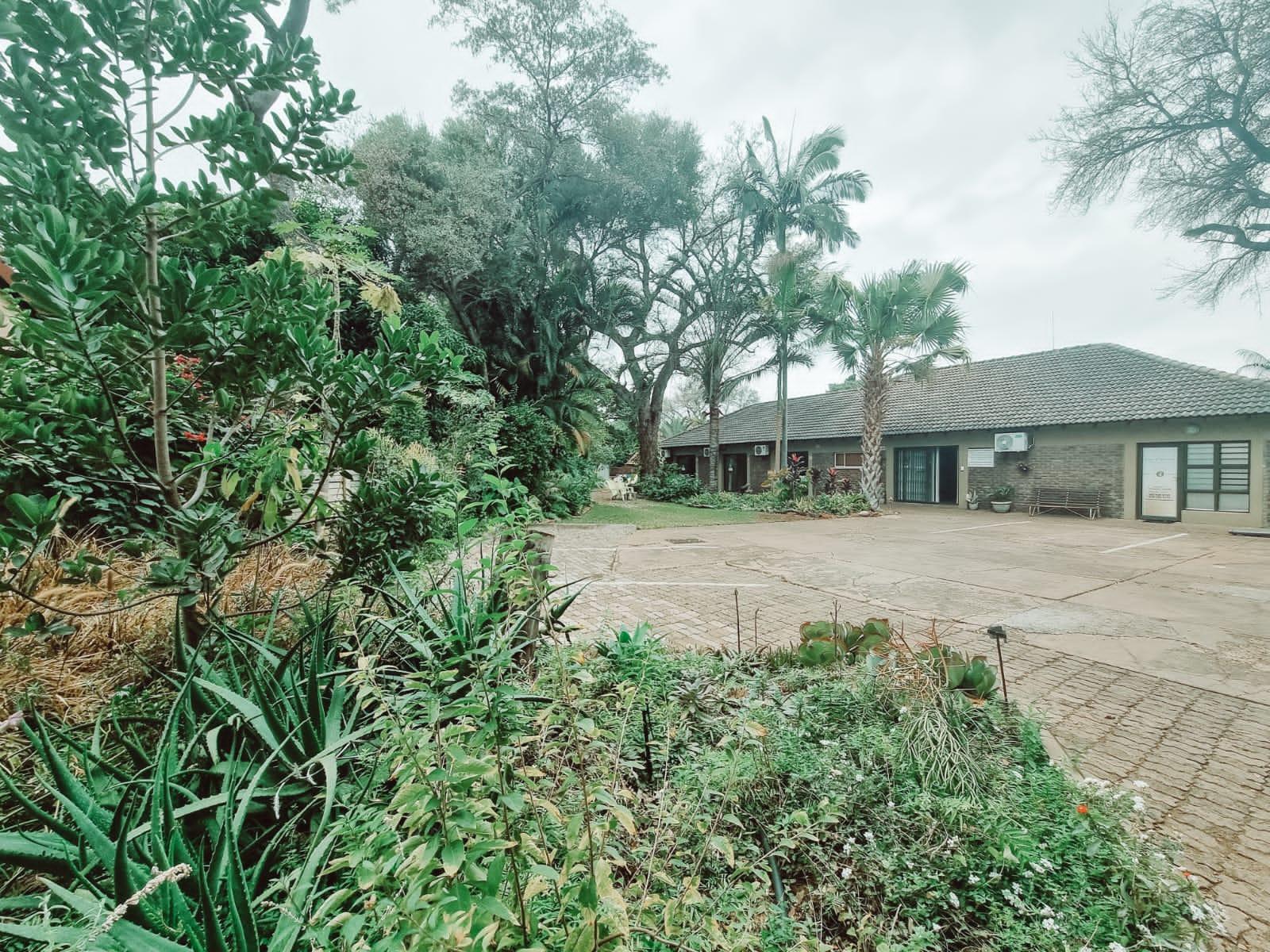
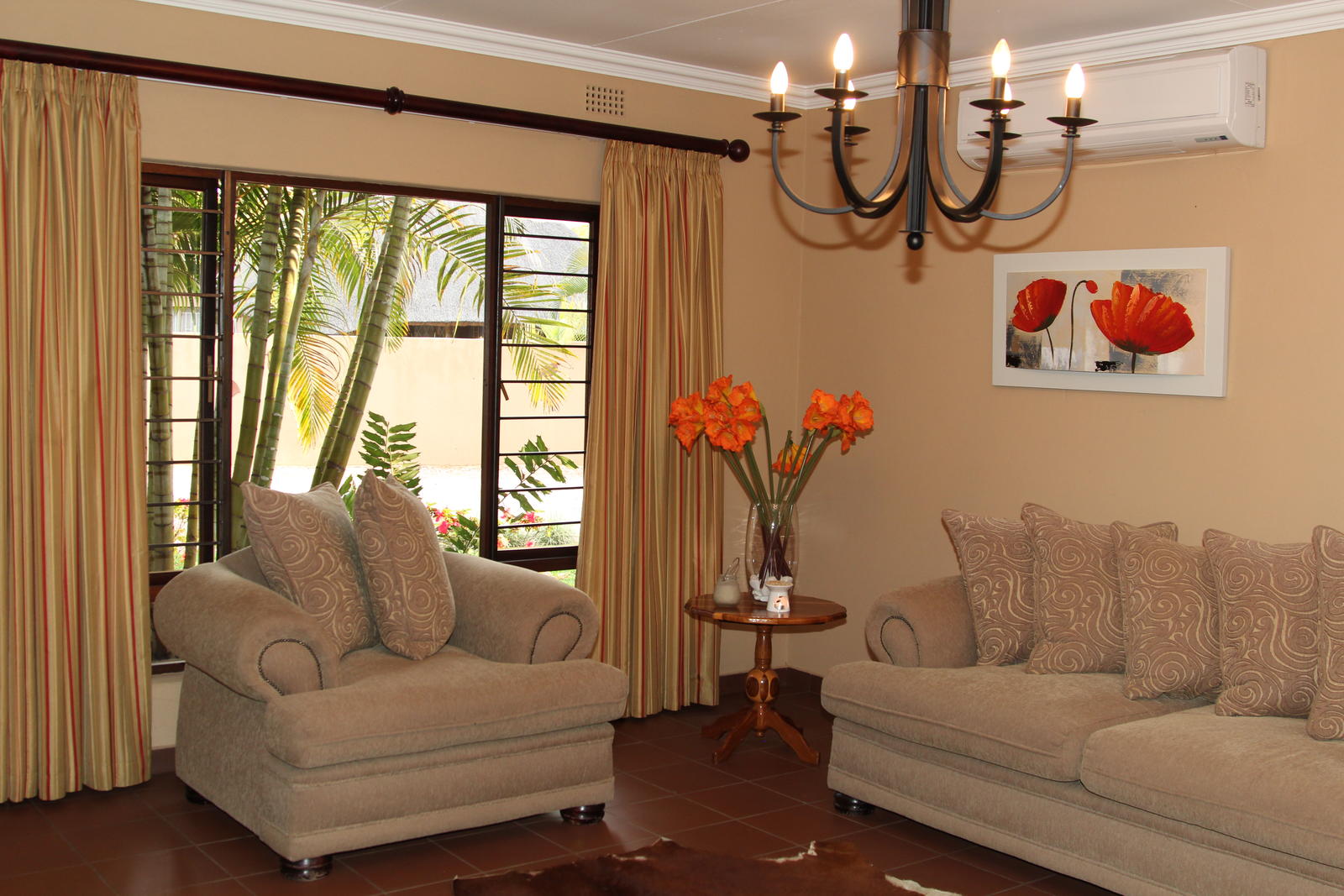
The mid-range bracket forms the bulk of what is available. Established guesthouses and small hotels here typically provide en-suite rooms, WiFi, and a pool, serving the steady flow of engineers, suppliers, and officials connected to the Medupi and Matimba power stations. Breakfast is often included, and the focus is on practical reliability over atmosphere. Several of these properties sit along the main access routes and operate at high weekday occupancy.
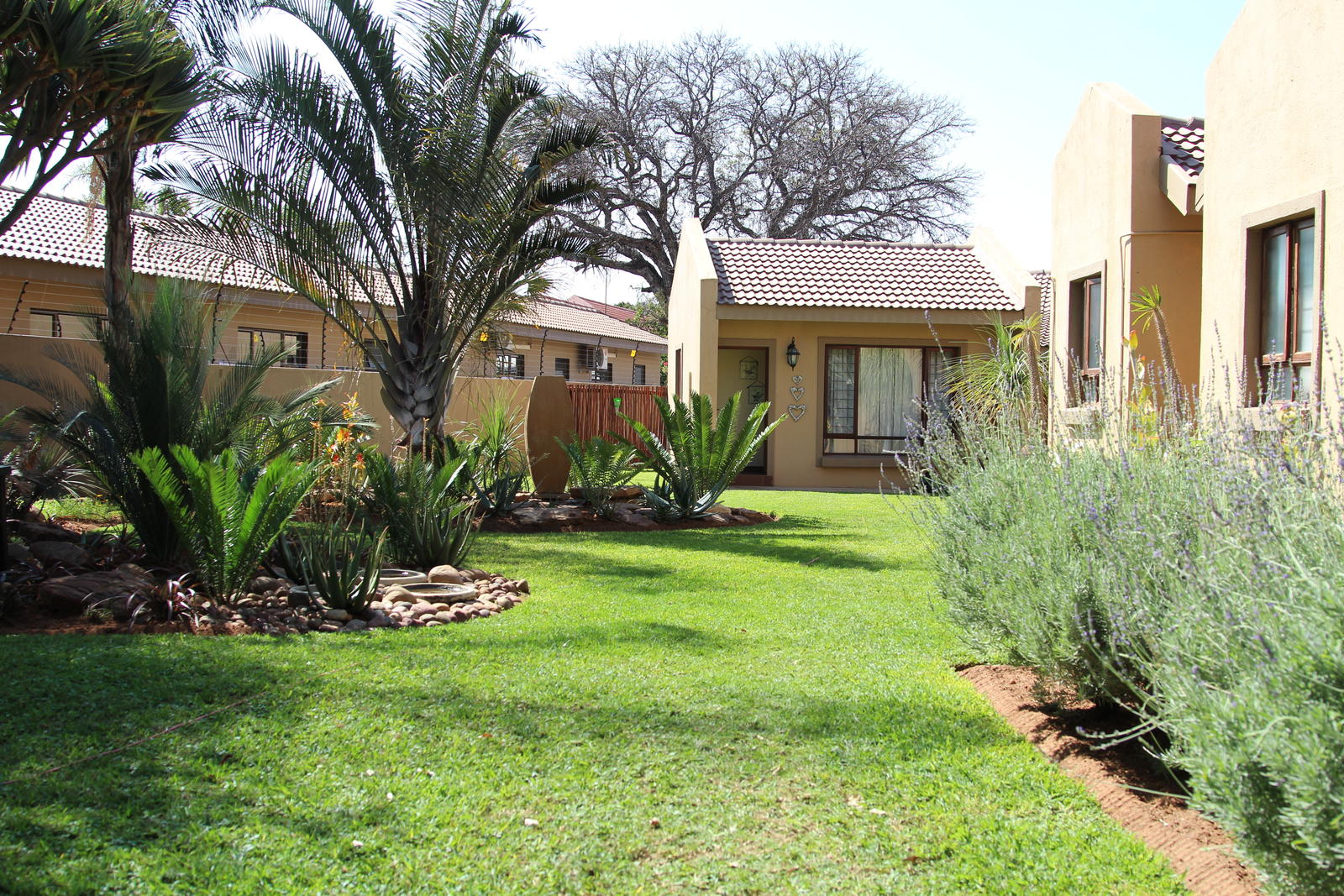
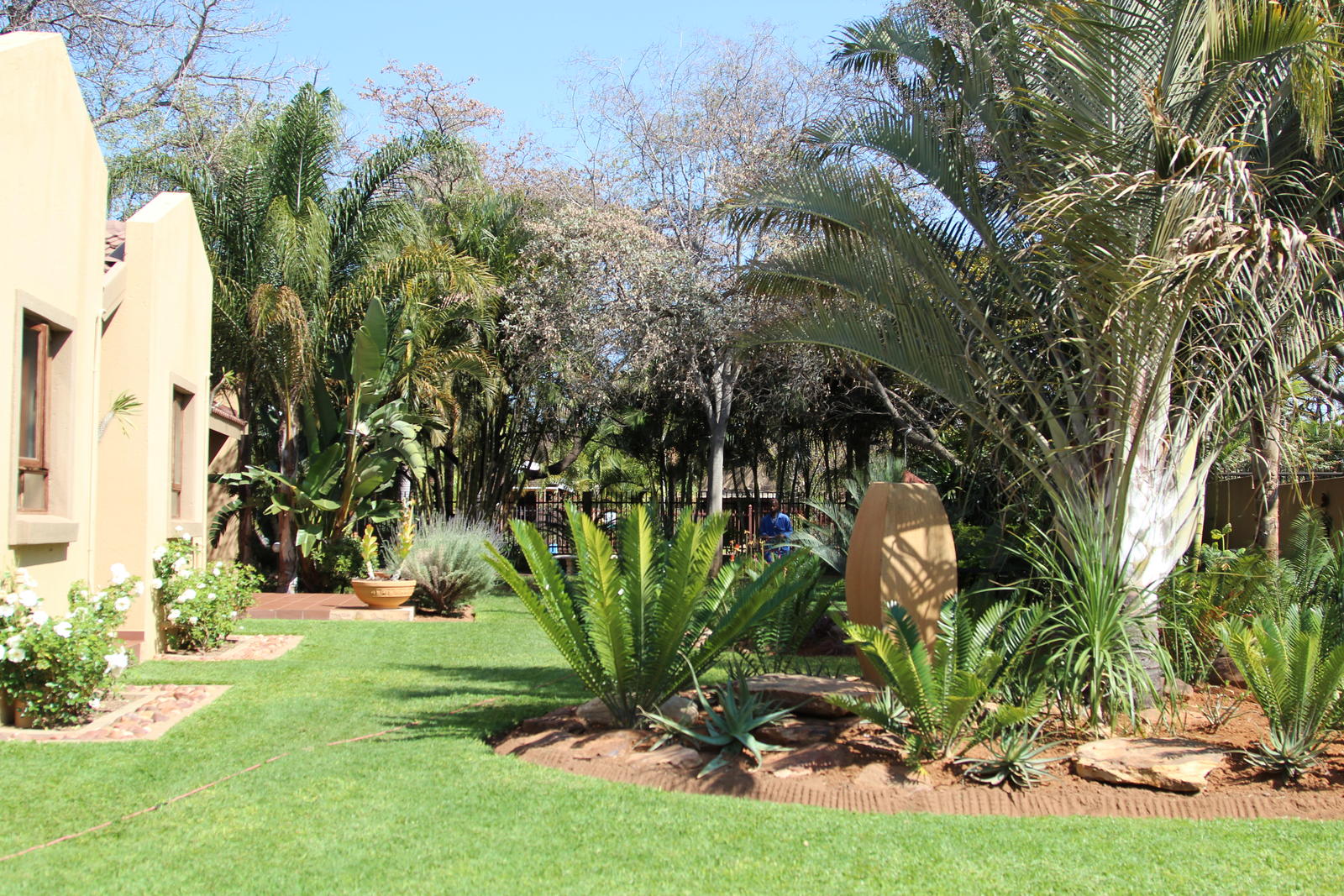
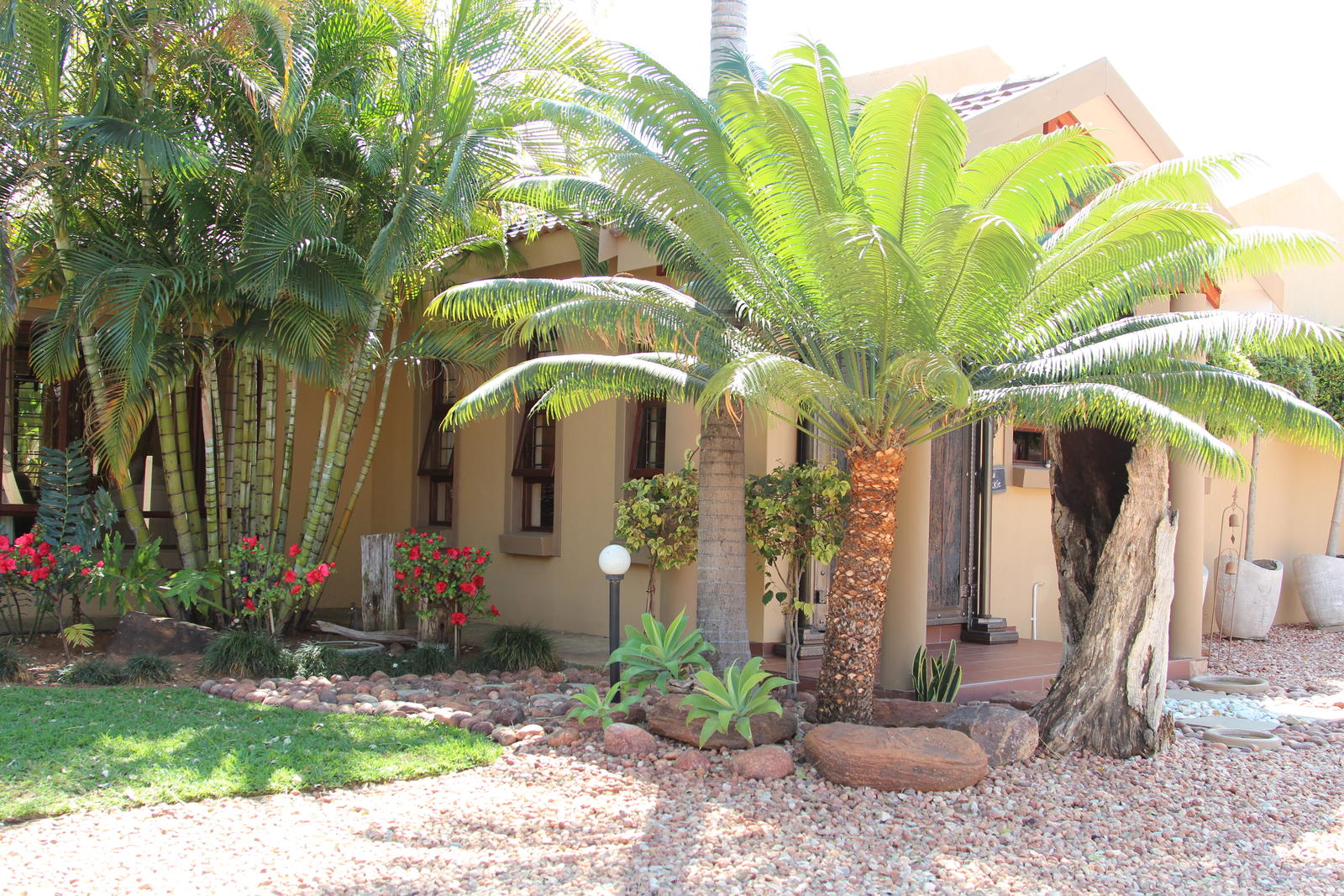
For visitors wanting something beyond a functional room, a number of farm-based lodges and bush retreats operate in the countryside surrounding the town. These properties offer open bushveld and occasional wildlife without requiring a trip to a formal game reserve. They tend to take bookings directly by phone rather than through major online platforms, and weekend minimum stays are common.
Travellers passing through on a longer overland route toward Botswana or the northern Limpopo will generally find adequate overnight choices here. The limitation is not quality so much as supply during busy contractor periods, when even mid-week stays require forward planning.
## Best Time to Visit Ellisras
October through March brings intense heat and afternoon thunderstorms across the lowveld. Temperatures climb well above 35 degrees Celsius by November and remain high through February, making outdoor activity uncomfortable during midday hours. The rains, however, green up the mopane woodlands and trigger breeding activity across the region's wildlife.
May through August offers the most comfortable conditions. Days are dry and warm, typically around 25 degrees, with clear skies ideal for game viewing and birdwatching. Nights cool sharply in June and July, so warm layers matter more than most visitors expect in what is generally thought of as a hot region. The dry season also draws wildlife toward permanent water sources, including the Mogol River, making sightings more predictable.
September straddles the transition. The landscape is at its driest and most denuded, game concentrates around remaining water, and temperatures begin rising fast before the rains arrive. Birdwatchers will find this month productive around waterholes and riverbanks.
Because accommodation demand is driven heavily by the power station project cycle rather than tourist seasons, weekday availability can be constrained year-round. Leisure travellers should target the dry-season months of June through August for the most comfortable experience outdoors.
## Getting to Ellisras
The R510 connects Ellisras to Mokopane (formerly Potgietersrus) over roughly 140 kilometres, providing the main eastward link to the N11 highway. From there, Johannesburg lies about four to five hours south, and Polokwane is accessible in around two and a half hours to the northeast. The total distance from Polokwane to Ellisras runs to approximately 250 kilometres.
The nearest commercial airports with regular scheduled services are at Polokwane and Johannesburg's OR Tambo International. Most travellers flying in from elsewhere in South Africa land at OR Tambo and hire a vehicle for the drive north. Pretoria's Wonderboom Airport handles limited regional services and is somewhat closer, though flight options are more restricted.
Travellers crossing into or out of Botswana pass through the Grobler's Bridge border post, around 100 kilometres northwest of Ellisras on the road toward the Tuli Block. This routing makes Ellisras a logical overnight or refuelling stop on trans-border road journeys.
Public transport is limited and generally unsuitable for flexible travel. Long-distance taxis cover the Polokwane corridor but operate on irregular schedules. Hiring a vehicle before leaving Johannesburg or Pretoria remains the most dependable approach for anyone without their own transport.
## Ellisras and Surrounding Areas
Because Ellisras and Lephalale are the same place, the surrounding area is what defines the broader travel geography here. The municipality covers a large and sparsely populated stretch of lowveld, with small communities spread across the landscape.
**Ga-monyeki**, 43 kilometres from the centre, is a rural village typical of the agricultural communities that occupy the lower-lying ground between the coal belt and the Botswana border. Visitors passing through gain a sense of the quieter, subsistence-oriented life that runs alongside the industrial economy of Lephalale.
**Steenbokpan**, 47 kilometres out, is a farming settlement on the flat plains that stretch toward the border. The surrounding country supports cattle and game farming, and the wide, open landscape here gives a clearer picture of how much of this corner of Limpopo actually looks when stripped of the power station infrastructure.
**Ga-maeleletja** (50 kilometres) and **Kwamadibaneng** (55 kilometres) are village communities within the Lephalale municipal boundary. Both reflect the region's pattern of dispersed rural settlement interspersed with large private landholdings.
**Hardekraaltjie**, 56 kilometres from town, sits within the farmlands and game country to the southwest. The name reflects the Afrikaner farming heritage of this part of Limpopo. Properties in this direction typically run hunting and game operations on large tracts of thornveld.
Marakele National Park, 80 kilometres southeast, earns a dedicated day or overnight visit. The park holds one of the world's largest Cape vulture colonies, and the mix of mountain terrain and lowveld supports elephant, black and white rhino, giraffe, and numerous antelope. San rock art sites also appear across the broader Waterberg area, representing a much older layer of human presence in the region.
## Planning Your Stay
Accommodation in Ellisras runs on a business-travel calendar, which means Monday to Thursday availability shrinks quickly when construction or maintenance phases are active at the power stations. Booking three to five days in advance for any weekday stay is a sensible minimum. Weekends are more relaxed and often offer better rates on the same properties.
Many guesthouses and lodges here operate independently and are not fully represented on major booking platforms. Calling ahead to confirm availability, check-in times, and meal arrangements avoids the kind of surprises that online-only bookings can produce. Owner-operated properties in particular may have restricted reception hours.
Before confirming a property, ask specifically about generator or inverter backup. Load-shedding affects this region despite its proximity to major power-generating infrastructure, and summer temperatures make air conditioning a genuine necessity rather than a comfort upgrade. Checking whether backup power covers your room's cooling and charging needs is not excessive caution.
If you are planning excursions into the broader Waterberg or toward the border roads, local guesthouse owners are generally a more reliable source on current road conditions than any online resource, particularly during and after the summer rains.

Ellisras, formally renamed Lephalale in 2002, draws visitors primarily through business travel connected to coal extraction and power generation rather than leisure tourism. This shapes what the local accommodation market looks like. The town currently has no properties listed in our database, and published pricing is not available, but options on the ground reflect a working industrial town with lodging spread across several practical tiers.
At the budget end, basic guesthouses and self-catering units near the town centre cater to contractors on extended stays. These offer secure parking and air conditioning as standard, given summer heat that regularly tops 35 degrees, without much additional comfort.
The mid-range bracket forms the bulk of what is available. Established guesthouses and small hotels here typically provide en-suite rooms, WiFi, and a pool, serving the steady flow of engineers, suppliers, and officials connected to the Medupi and Matimba power stations. Breakfast is often included, and the focus is on practical reliability over atmosphere. Several of these properties sit along the main access routes and operate at high weekday occupancy.
For visitors wanting something beyond a functional room, a number of farm-based lodges and bush retreats operate in the countryside surrounding the town. These properties offer open bushveld and occasional wildlife without requiring a trip to a formal game reserve. They tend to take bookings directly by phone rather than through major online platforms, and weekend minimum stays are common.
Travellers passing through on a longer overland route toward Botswana or the northern Limpopo will generally find adequate overnight choices here. The limitation is not quality so much as supply during busy contractor periods, when even mid-week stays require forward planning.
## Best Time to Visit Ellisras
October through March brings intense heat and afternoon thunderstorms across the lowveld. Temperatures climb well above 35 degrees Celsius by November and remain high through February, making outdoor activity uncomfortable during midday hours. The rains, however, green up the mopane woodlands and trigger breeding activity across the region's wildlife.
May through August offers the most comfortable conditions. Days are dry and warm, typically around 25 degrees, with clear skies ideal for game viewing and birdwatching. Nights cool sharply in June and July, so warm layers matter more than most visitors expect in what is generally thought of as a hot region. The dry season also draws wildlife toward permanent water sources, including the Mogol River, making sightings more predictable.
September straddles the transition. The landscape is at its driest and most denuded, game concentrates around remaining water, and temperatures begin rising fast before the rains arrive. Birdwatchers will find this month productive around waterholes and riverbanks.
Because accommodation demand is driven heavily by the power station project cycle rather than tourist seasons, weekday availability can be constrained year-round. Leisure travellers should target the dry-season months of June through August for the most comfortable experience outdoors.
## Getting to Ellisras
The R510 connects Ellisras to Mokopane (formerly Potgietersrus) over roughly 140 kilometres, providing the main eastward link to the N11 highway. From there, Johannesburg lies about four to five hours south, and Polokwane is accessible in around two and a half hours to the northeast. The total distance from Polokwane to Ellisras runs to approximately 250 kilometres.
The nearest commercial airports with regular scheduled services are at Polokwane and Johannesburg's OR Tambo International. Most travellers flying in from elsewhere in South Africa land at OR Tambo and hire a vehicle for the drive north. Pretoria's Wonderboom Airport handles limited regional services and is somewhat closer, though flight options are more restricted.
Travellers crossing into or out of Botswana pass through the Grobler's Bridge border post, around 100 kilometres northwest of Ellisras on the road toward the Tuli Block. This routing makes Ellisras a logical overnight or refuelling stop on trans-border road journeys.
Public transport is limited and generally unsuitable for flexible travel. Long-distance taxis cover the Polokwane corridor but operate on irregular schedules. Hiring a vehicle before leaving Johannesburg or Pretoria remains the most dependable approach for anyone without their own transport.
## Ellisras and Surrounding Areas
Because Ellisras and Lephalale are the same place, the surrounding area is what defines the broader travel geography here. The municipality covers a large and sparsely populated stretch of lowveld, with small communities spread across the landscape.
**Ga-monyeki**, 43 kilometres from the centre, is a rural village typical of the agricultural communities that occupy the lower-lying ground between the coal belt and the Botswana border. Visitors passing through gain a sense of the quieter, subsistence-oriented life that runs alongside the industrial economy of Lephalale.
**Steenbokpan**, 47 kilometres out, is a farming settlement on the flat plains that stretch toward the border. The surrounding country supports cattle and game farming, and the wide, open landscape here gives a clearer picture of how much of this corner of Limpopo actually looks when stripped of the power station infrastructure.
**Ga-maeleletja** (50 kilometres) and **Kwamadibaneng** (55 kilometres) are village communities within the Lephalale municipal boundary. Both reflect the region's pattern of dispersed rural settlement interspersed with large private landholdings.
**Hardekraaltjie**, 56 kilometres from town, sits within the farmlands and game country to the southwest. The name reflects the Afrikaner farming heritage of this part of Limpopo. Properties in this direction typically run hunting and game operations on large tracts of thornveld.
Marakele National Park, 80 kilometres southeast, earns a dedicated day or overnight visit. The park holds one of the world's largest Cape vulture colonies, and the mix of mountain terrain and lowveld supports elephant, black and white rhino, giraffe, and numerous antelope. San rock art sites also appear across the broader Waterberg area, representing a much older layer of human presence in the region.
## Planning Your Stay
Accommodation in Ellisras runs on a business-travel calendar, which means Monday to Thursday availability shrinks quickly when construction or maintenance phases are active at the power stations. Booking three to five days in advance for any weekday stay is a sensible minimum. Weekends are more relaxed and often offer better rates on the same properties.
Many guesthouses and lodges here operate independently and are not fully represented on major booking platforms. Calling ahead to confirm availability, check-in times, and meal arrangements avoids the kind of surprises that online-only bookings can produce. Owner-operated properties in particular may have restricted reception hours.
Before confirming a property, ask specifically about generator or inverter backup. Load-shedding affects this region despite its proximity to major power-generating infrastructure, and summer temperatures make air conditioning a genuine necessity rather than a comfort upgrade. Checking whether backup power covers your room's cooling and charging needs is not excessive caution.
If you are planning excursions into the broader Waterberg or toward the border roads, local guesthouse owners are generally a more reliable source on current road conditions than any online resource, particularly during and after the summer rains.
Ellisras Kaart
Nabygeleë Bestemmings
Blaai Deur Alle Ellisras Akkommodasie
Bekyk al 0 akkommodasie-opsies in Ellisras met foto's, pryse en beskikbaarheid.
Blaai Deur Alle Akkommodasie