Accommodation in Kwamadibaneng
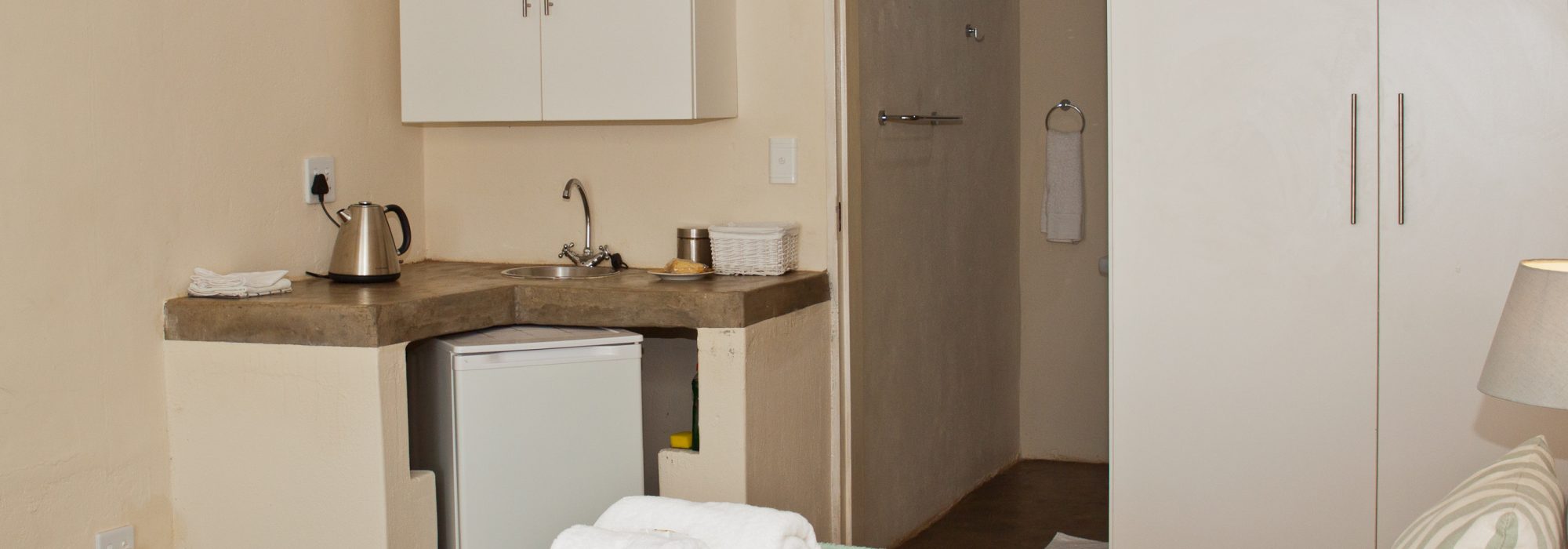
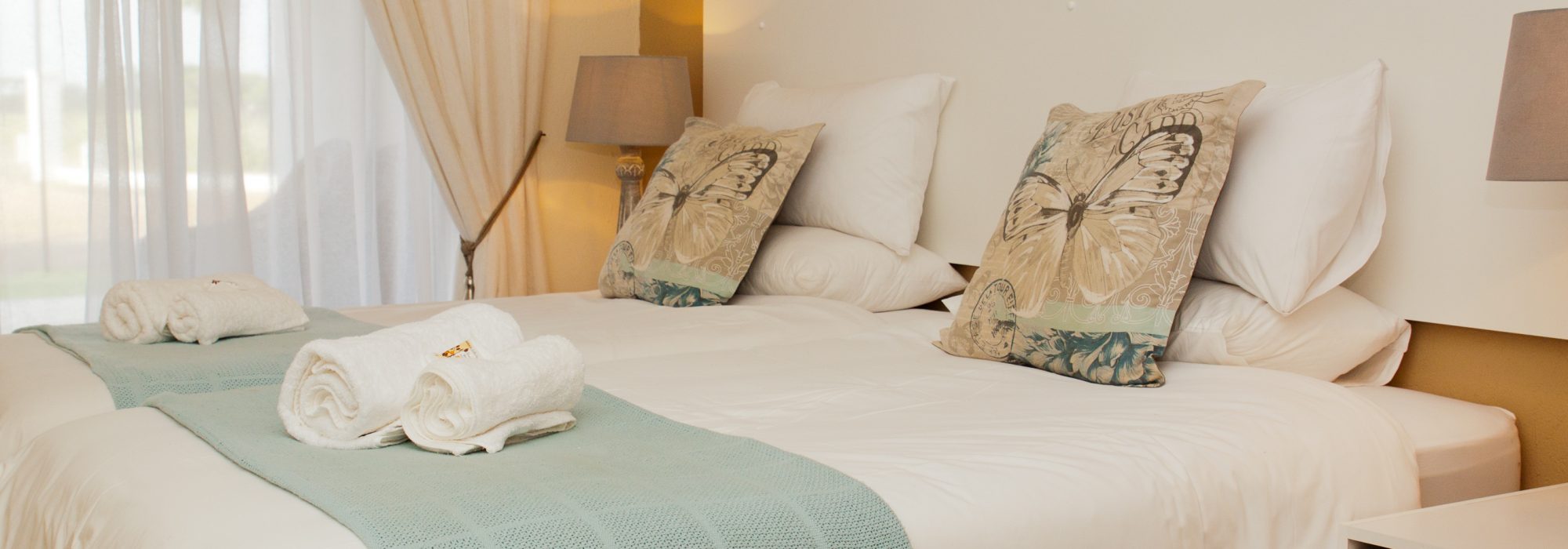
The accommodation stock in Kwamadibaneng is limited to a single listed property. Pricing is not standardised and is best confirmed directly with the owner, as rates tend to reflect seasonal occupancy and group size rather than any published tariff. There is no upper-tier accommodation within the village, and travellers expecting hotel-standard facilities will need to look to larger towns in the district.
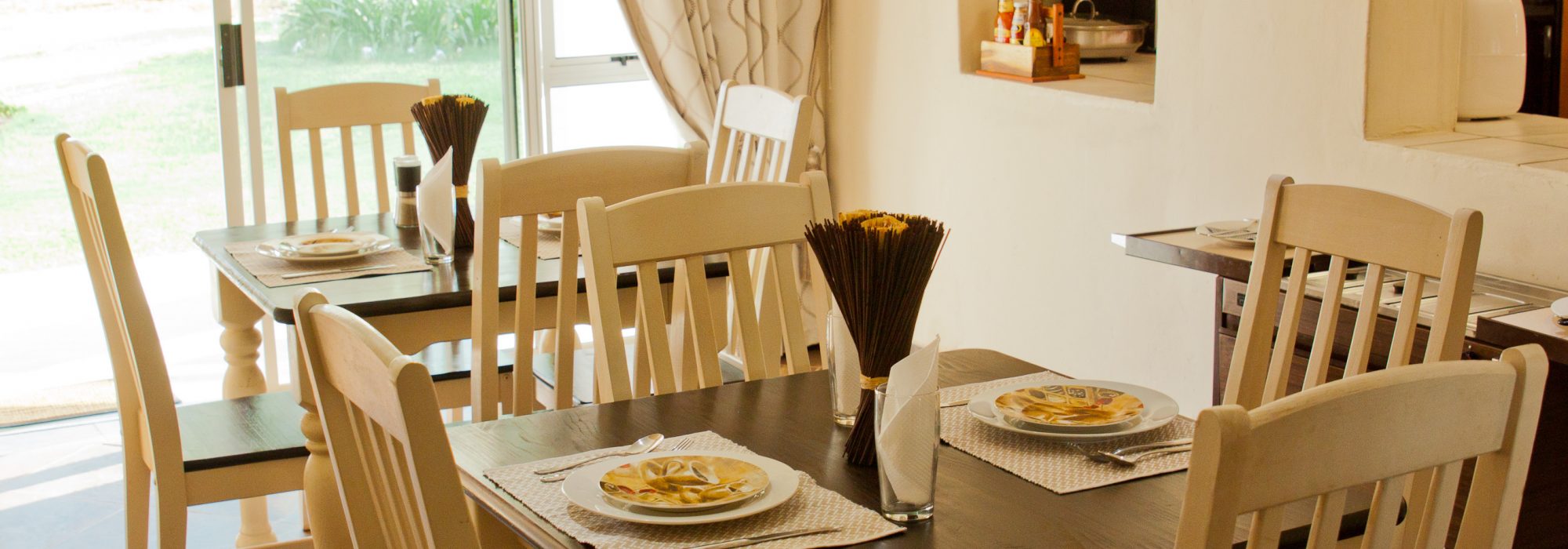
The guest house is the primary format available in this part of Limpopo's rural interior. These properties typically occupy converted homesteads or purpose-built units on private land, offering en-suite or shared bathroom rooms, a braai area, and either a communal kitchen or catering arranged with the host. The experience is personal and fairly informal: hosts generally know the local roads, seasonal conditions, and nearby points of interest well, but concierge services, pools, and on-site restaurants are not part of the offer.
For independent travellers, couples, and small groups, this format works well as a practical base for exploring the Waterberg landscape. Costs stay manageable, and staying within a village community provides a different kind of exposure to the region than a private reserve or tourist lodge. The direct relationship with a host rather than a front desk also means more responsive communication about local conditions. For stays of three nights or more, it is worth asking directly about multi-night rates, particularly outside peak periods.
Budget-tier accommodation in this part of the Waterberg makes sense partly because the surrounding landscape demands little additional spending. Hiking, birdwatching, and driving through farmland and reserve areas cost little beyond fuel. The guest house model suits travellers who centre their days on outdoor activity rather than on-property amenities.
The wider Waterberg District, with its UNESCO-recognised biosphere reserve and network of private nature reserves, draws wildlife enthusiasts and weekend travellers from Pretoria and Johannesburg. Kwamadibaneng's accommodation offers an accessible entry point into this landscape without the pricing attached to more established reserve-based lodges.
Best Time to Visit Kwamadibaneng
Kwamadibaneng follows the seasonal rhythm common across the Waterberg: summer rainfall from November through March, with a dry winter running from May to September.
Winter, from May through August, is the favoured window for most visitors. Daytime temperatures sit comfortably between 20 and 28 degrees Celsius, and while nights can approach freezing, the dry conditions make outdoor activity through the day comfortable. Vegetation thins noticeably during this period, which improves sightlines in nearby reserve areas and keeps unpaved roads firm and navigable.
Summer brings a visible transformation to the landscape. Seasonal streams begin to flow, grasses grow tall, and migratory bird species arrive from further north, making this the most rewarding period for birdwatchers. The trade-off is afternoon thunderstorms, higher humidity, and softened rural roads that can present challenges for standard vehicles.
Spring, from September through October, offers a middle ground. Heat begins to build before the rains arrive, animal activity picks up around water sources, and visitor numbers in the area remain relatively low. The October heat can be intense before the rains break, but road access to rural areas is generally reliable and accommodation across the region is easier to secure.
Getting to Kwamadibaneng
Kwamadibaneng is in the Waterberg region of Limpopo Province. Travellers from Johannesburg and Pretoria follow the N1 highway north through Bela-Bela before continuing on regional roads into the Waterberg interior. The route is tar-surfaced for the majority of the drive, though some approaches to the village may involve unsealed road sections.
Private vehicle is the practical choice for most visitors. No scheduled bus service runs to the village, and while minibus taxis connect major towns across the Waterberg, they do not reliably serve rural communities. A standard sedan handles the main tar routes adequately during the dry season, though a higher-clearance vehicle gives more flexibility on unpaved farm roads in the surrounding area.
OR Tambo International Airport in Johannesburg is the primary entry point for international travellers and the most connected domestically. Polokwane International Airport, to the north, serves as an alternative for those flying within South Africa and reduces driving distance for visits originating from the north of the country.
For supplies and fuel, Modimolle and Mookgophong are the main service towns accessible by tar road from the Waterberg interior. Mobile data coverage functions along main routes but can be patchy in lower-lying rural areas, so downloading offline maps before leaving a well-connected town is advisable.
Kwamadibaneng and Surrounding Areas
The country around Kwamadibaneng spans small agricultural settlements, traditional Sotho villages, a river crossing at the country's northern edge, and a regional centre that provides the infrastructure backbone for this part of the Waterberg. Together these destinations give visitors based in the village practical reasons to explore the surrounding roads in multiple directions.
Tom Burke, 17 kilometres from the village, is a small farming settlement and railway junction that developed around agricultural transport links in the area. The junction historically served as a loading point for livestock and produce from surrounding farms, and the settlement retains that functional character today. For visitors, it is a practical stop for fuel or provisions rather than a destination in itself.
Groblersbrug, 25 kilometres away, sits at a crossing point on the Limpopo River at South Africa's northern border zone. The riparian environment along the Limpopo here supports bird species not commonly found further inland, and early mornings on the floodplains, before the heat builds, are particularly productive for birdwatching. The crossing also provides a route for travellers extending their itinerary beyond South Africa.
The traditional villages of Ga-maeleletja (32 kilometres) and Ga-monyeki (38 kilometres) are long-established Pedi and Northern Sotho communities. Neither is organised for tourism in any formal sense, but road travel through these areas offers a direct view of rural Limpopo life: small-scale subsistence agriculture, distinctive homestead architecture, and a pace of daily activity shaped by seasonal rhythms rather than urban schedules.
Lephalale, 55 kilometres from Kwamadibaneng, is the largest urban centre within practical day-trip range. The town, formerly known as Ellisras, functions as the administrative and commercial hub for this part of the Waterberg. Energy infrastructure, particularly the Medupi Power Station, defines much of its economic character. The Mokolo Dam, north of town, provides outdoor recreation, while the town itself supplies the full range of services, from supermarkets and medical facilities to banks and hardware stores, that a rural guesthouse base cannot offer.
Planning Your Stay
With a single property listed in the area, checking availability early is important even if the booking process itself is simple. Rural guesthouses in Limpopo fill faster around public holidays and school breaks than their limited online profiles suggest, and a fully booked property here means rerouting your accommodation plan entirely.
Before confirming, contact the owner directly. Key things to establish include whether the property is self-catering or offers meals by arrangement, whether it is staffed during your stay or managed remotely, whether secure parking is available for your vehicle, and what the deposit and cancellation terms are. For a single-property operation, a last-minute cancellation carries real financial consequence for the host, so policies tend to be firm.
Mobile coverage can be inconsistent in parts of the Waterberg away from main routes. Downloading offline maps before leaving a service town removes a common point of friction for rural travel. If your plans include driving unpaved roads in the surrounding area, a quick call to your host before setting out gives the most current read on conditions, particularly from November when summer rains begin to affect road surfaces.
Carry basic provisions for rural travel: water, snacks, and a small first aid kit are sensible precautions when the nearest facility with comprehensive services requires a dedicated drive from the village.