Accommodation in Lephalale
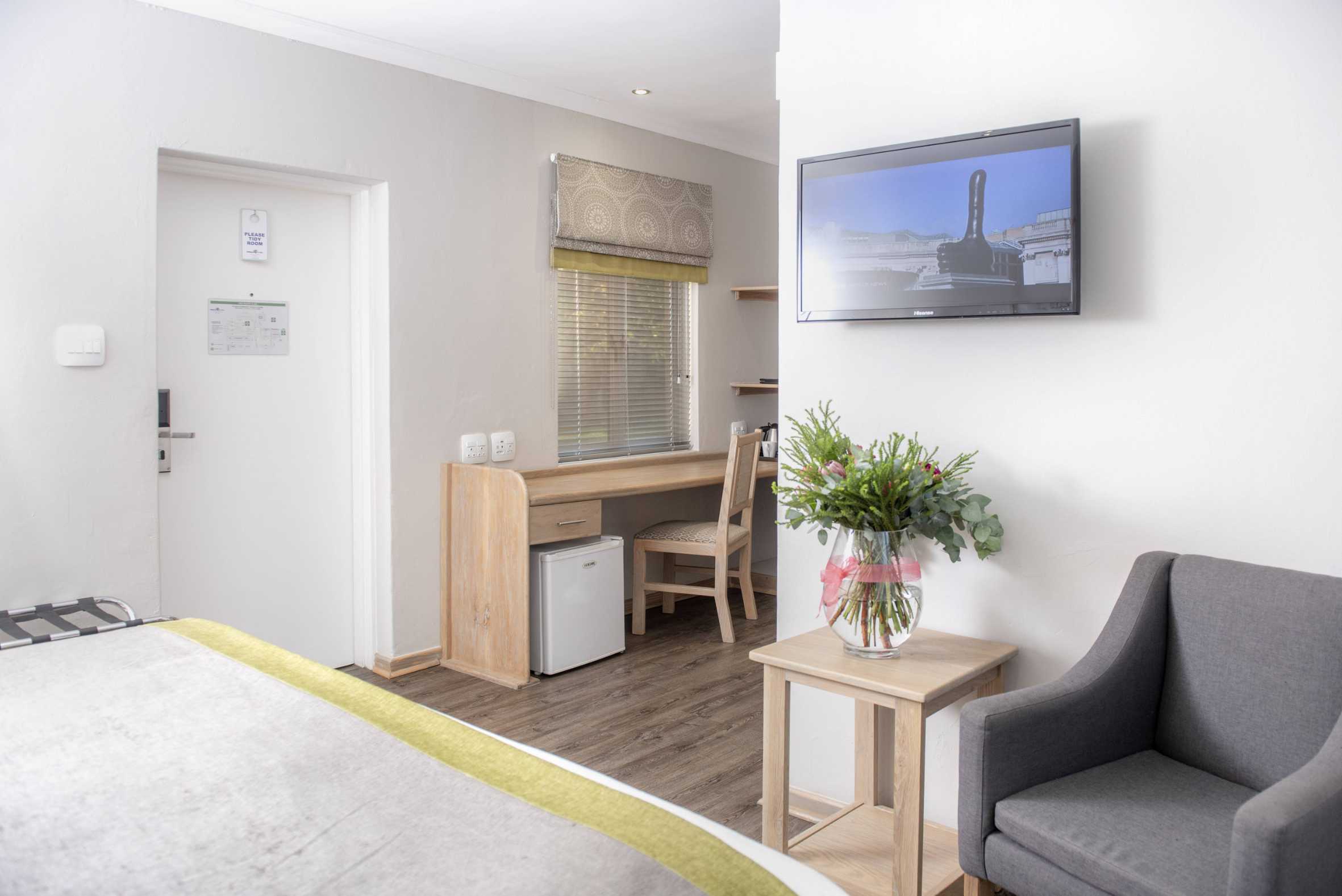
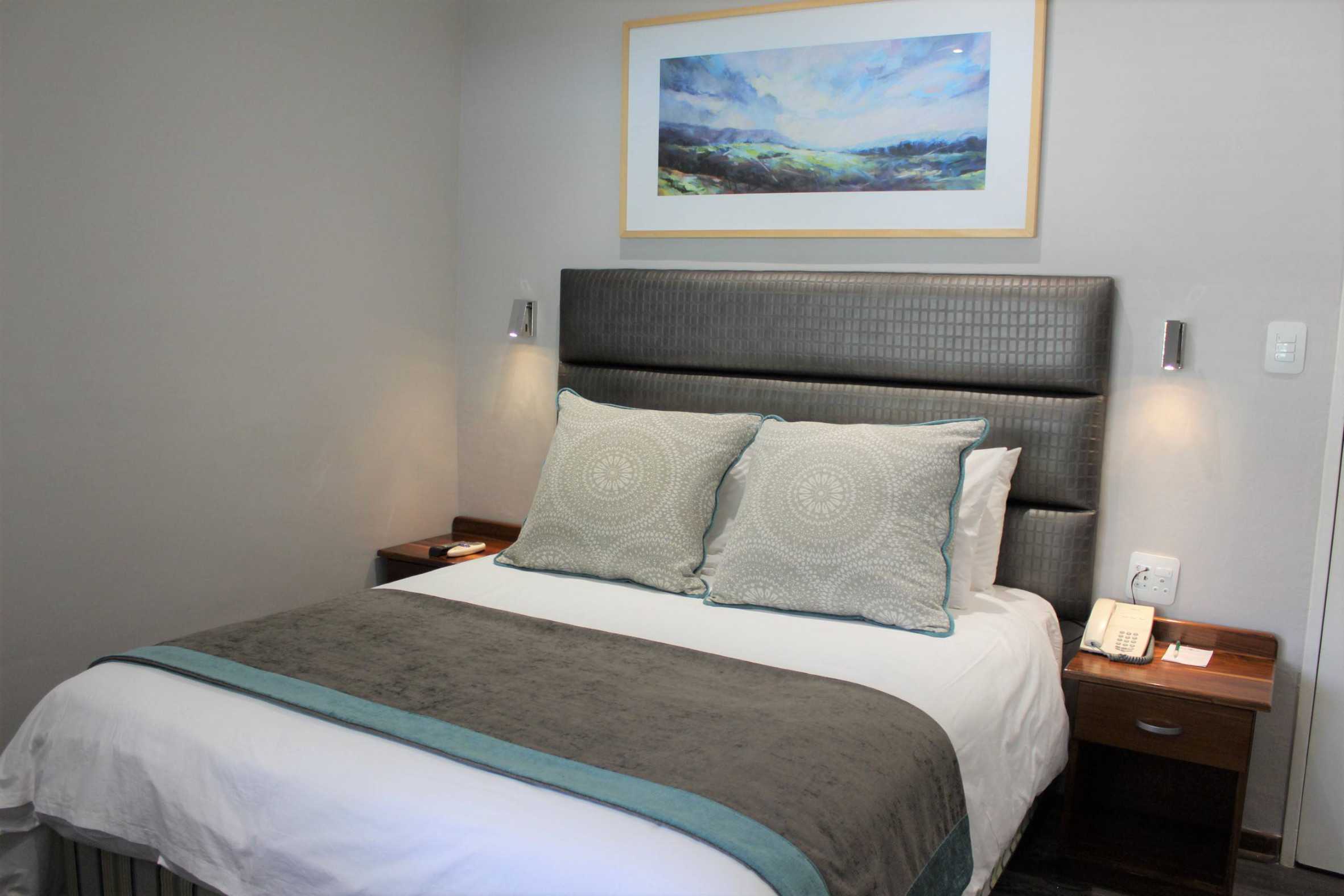
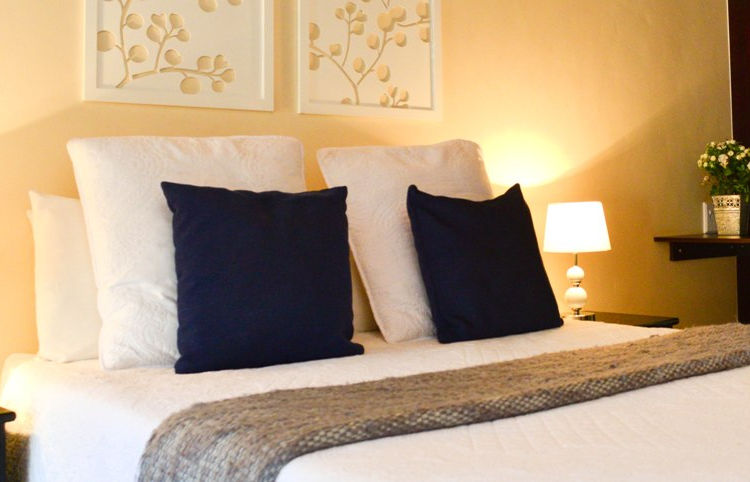
The accommodation scene in Lephalale is shaped more by the town's history as a mining and coal-industry hub than by established tourism infrastructure. Formally listed properties are currently limited in number, and pricing data across booking platforms is not widely available, so advance research and direct contact with operators is strongly recommended before finalising plans.
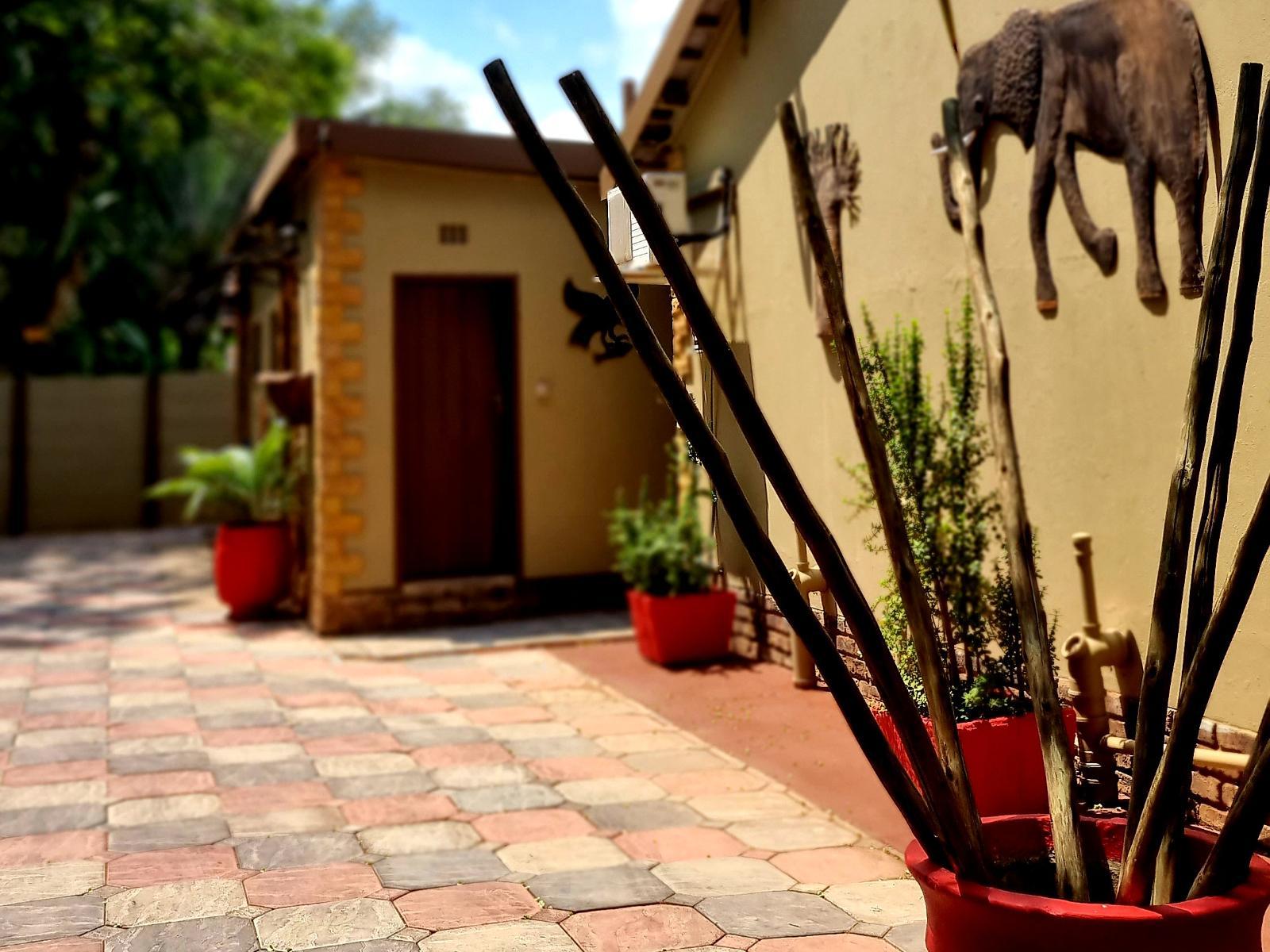
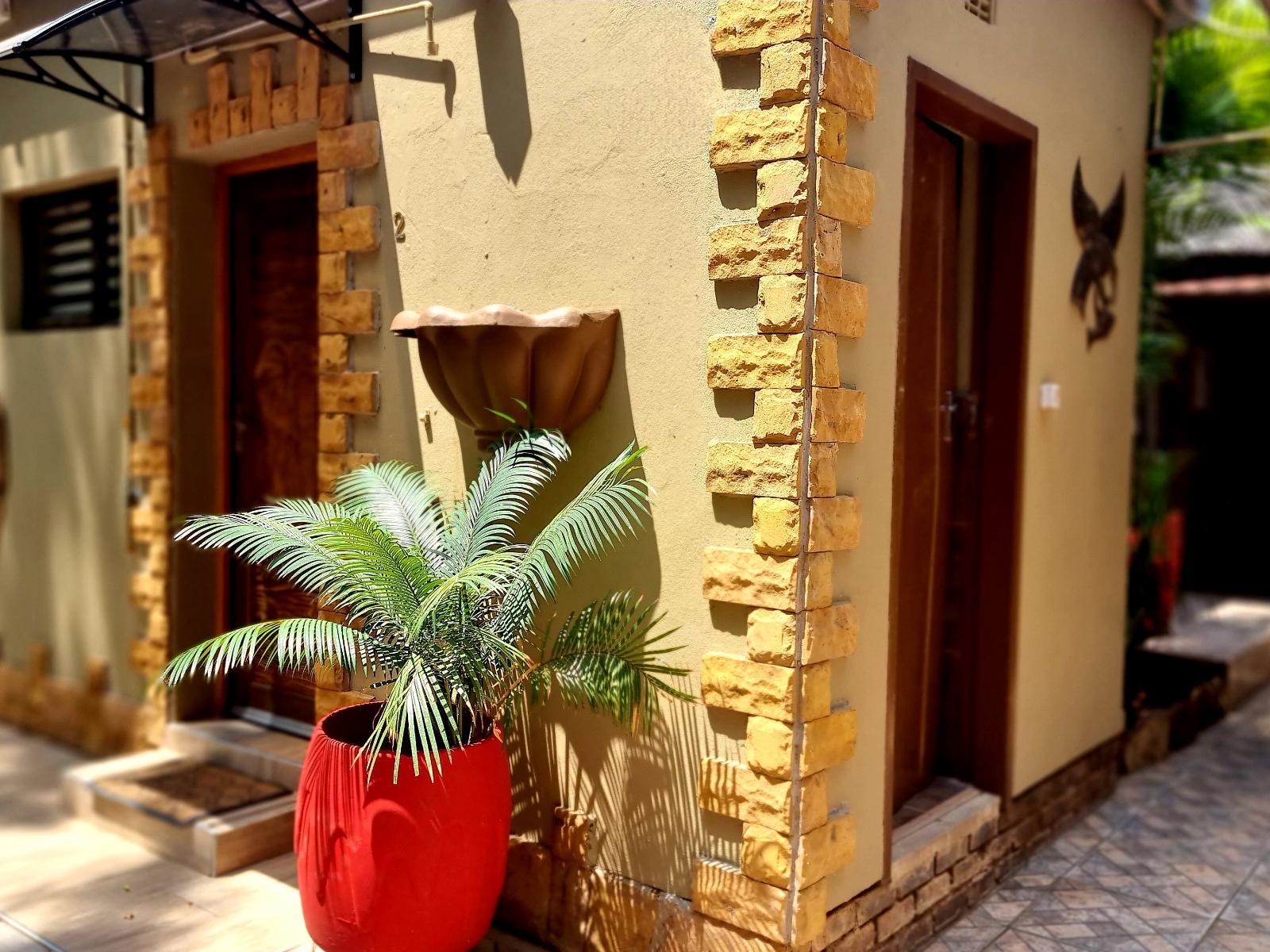
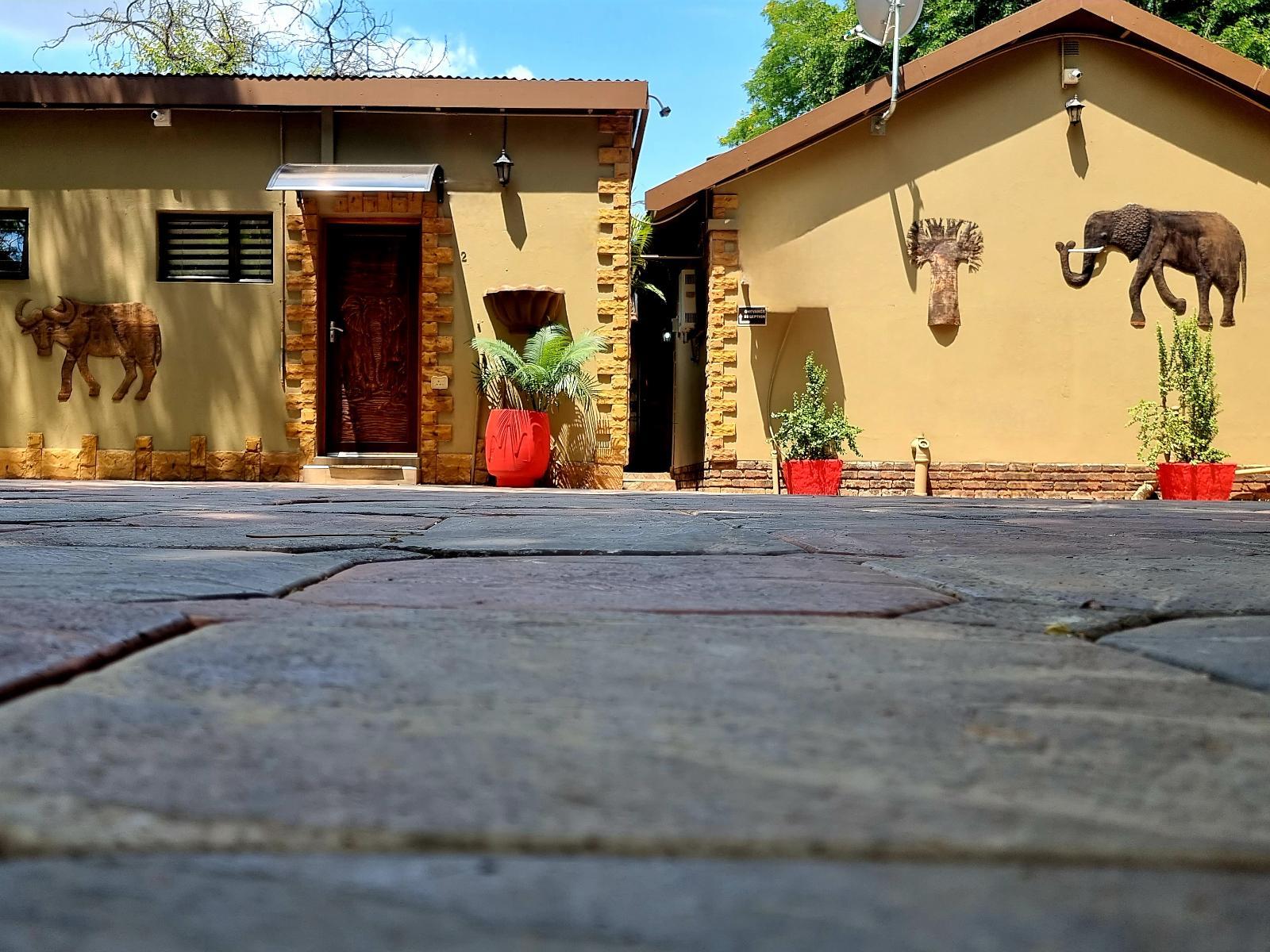
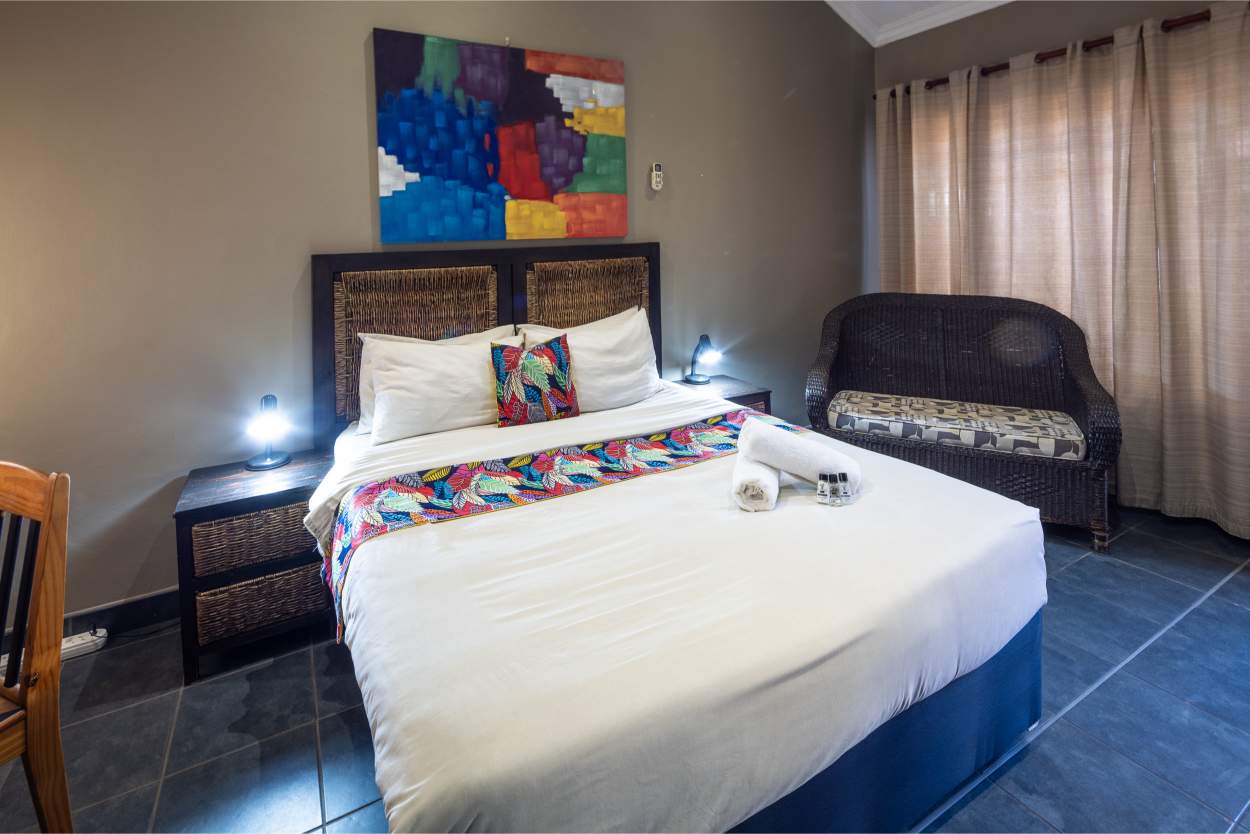
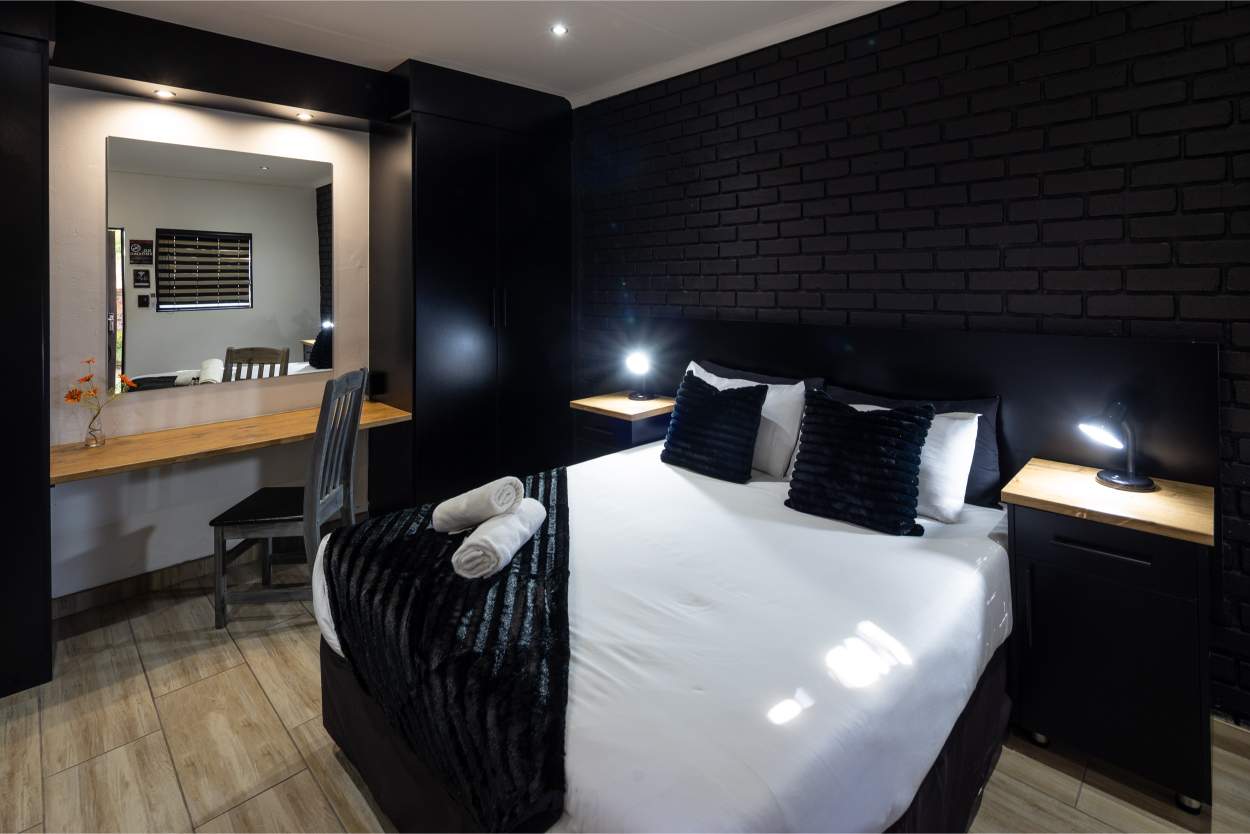
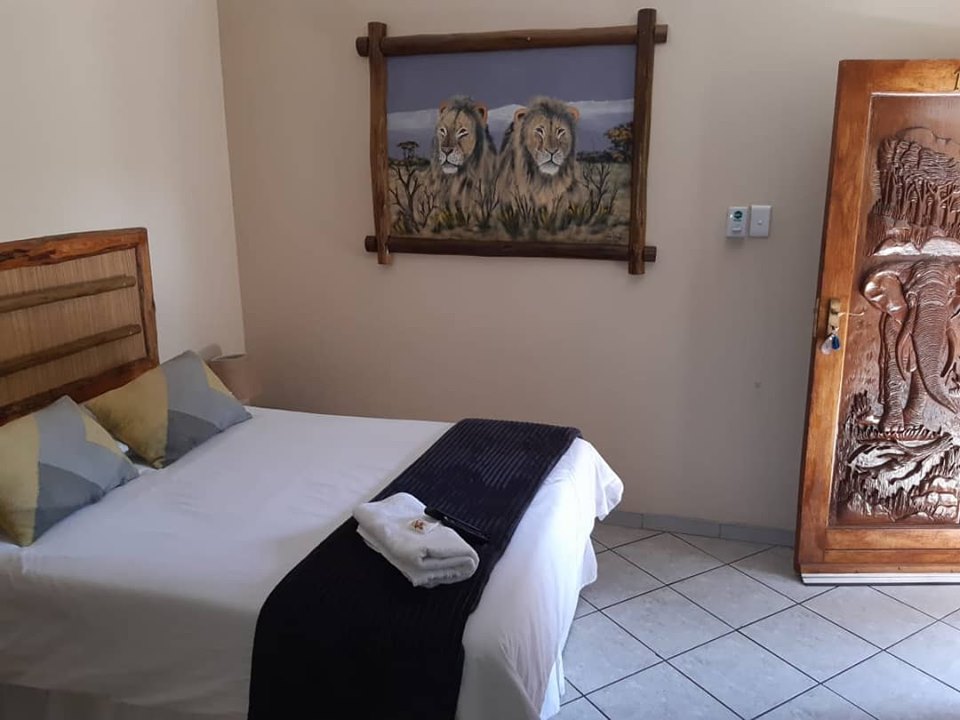
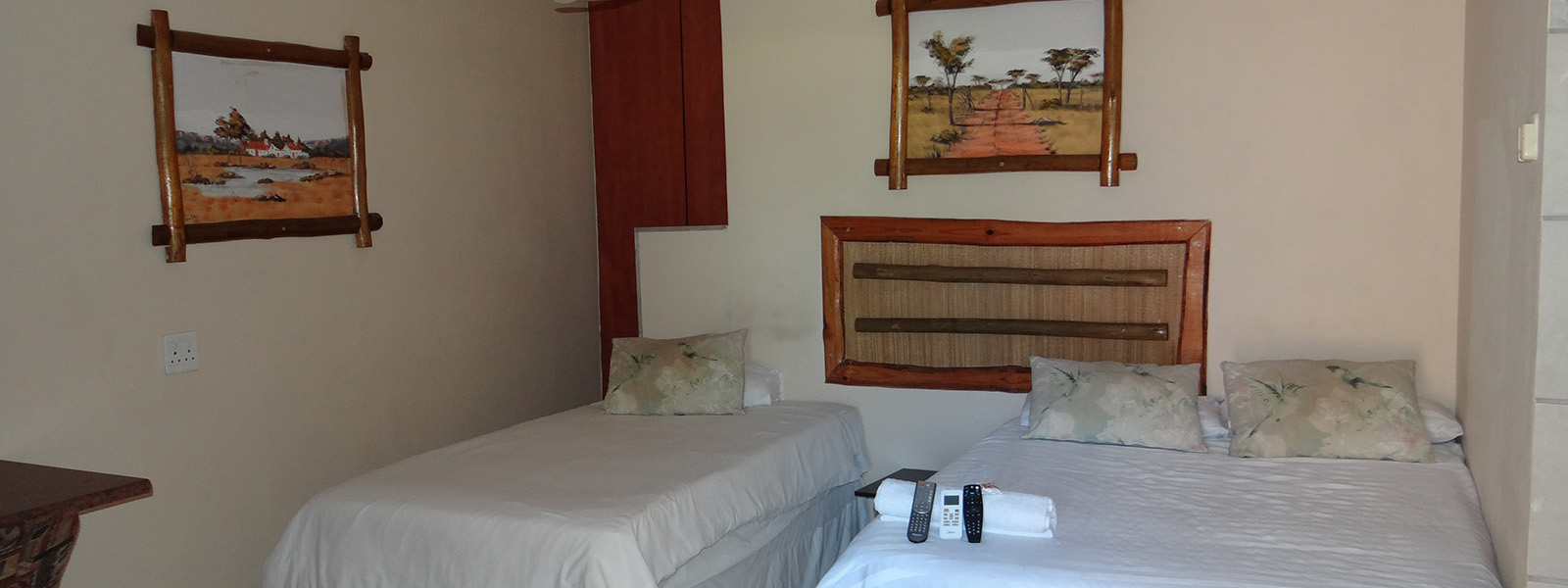
At the budget end of the market, travellers will typically find self-catering chalets and simple guesthouses that serve the town's steady flow of business travellers and contractors. These properties prioritise practicality over atmosphere: reliable electricity, basic kitchen facilities and proximity to the town centre. They suit those who plan to use Lephalale as a base for day trips rather than spending significant time at the property itself.
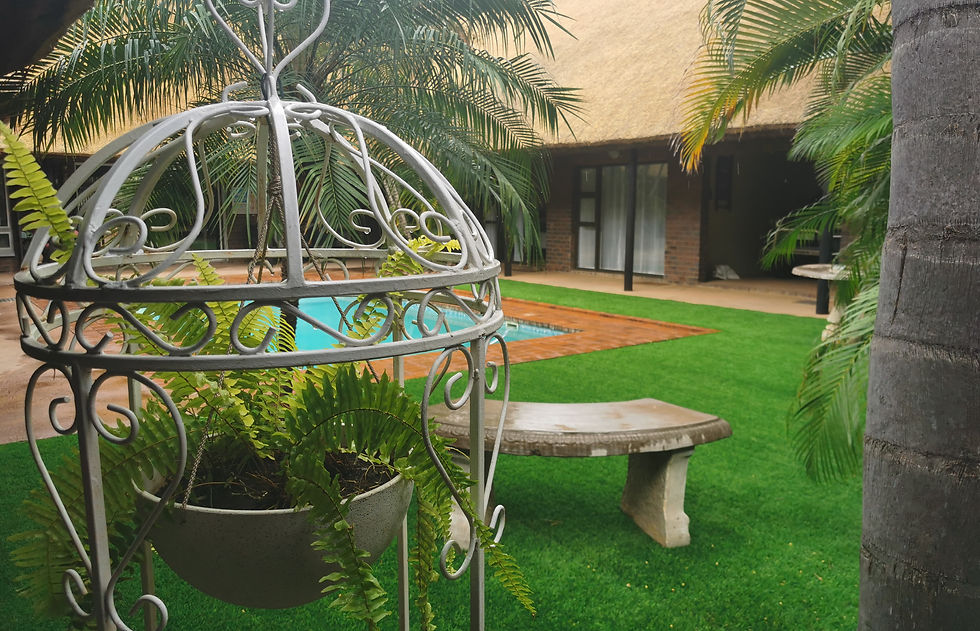
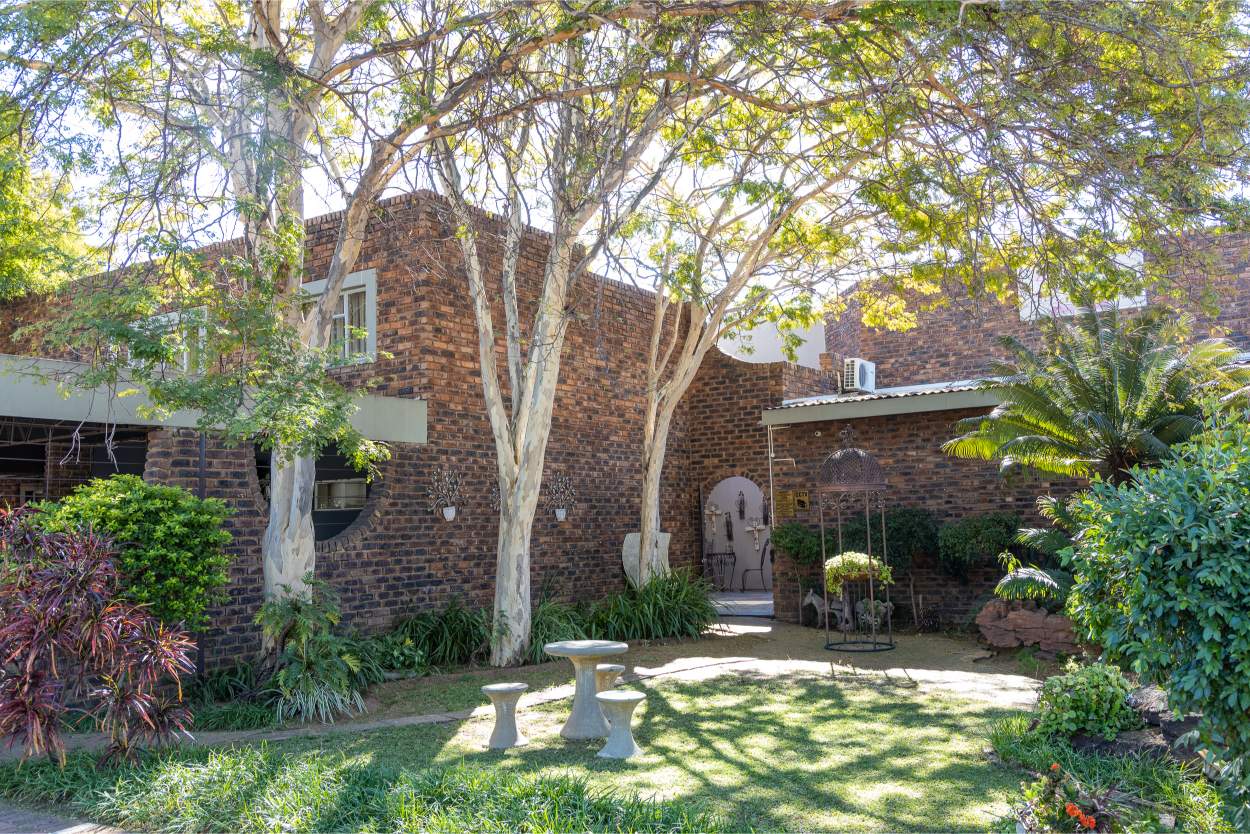
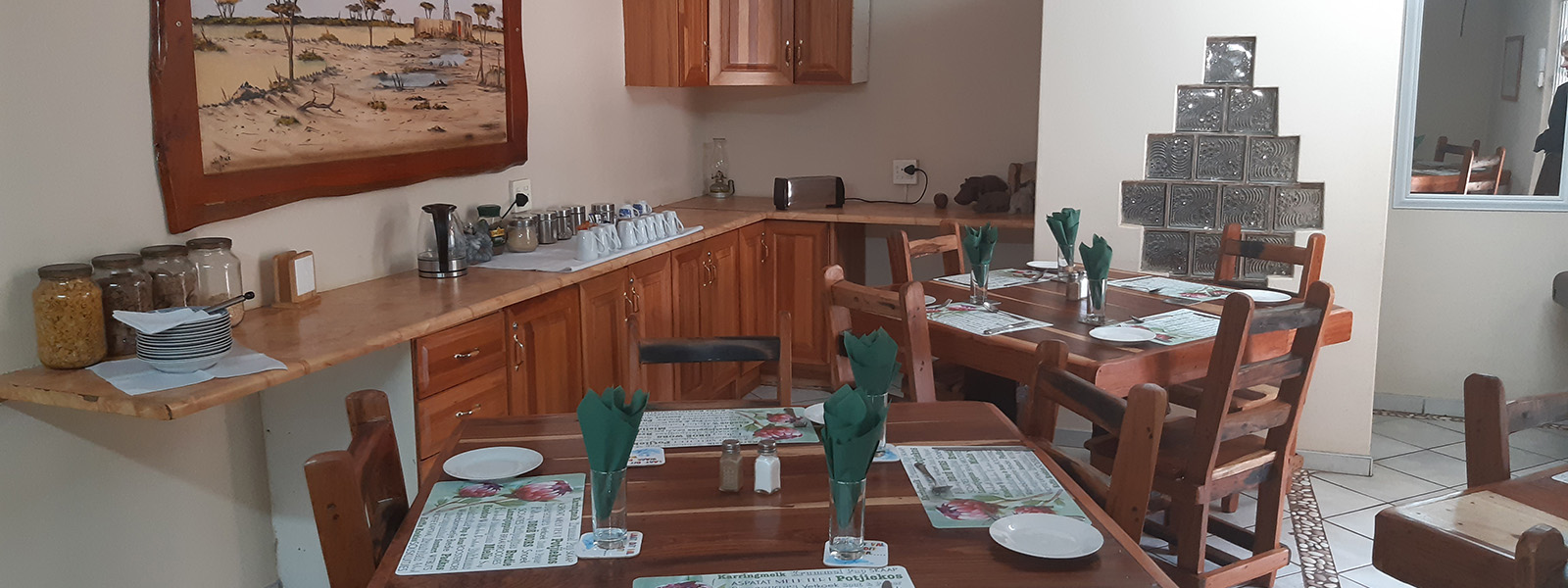
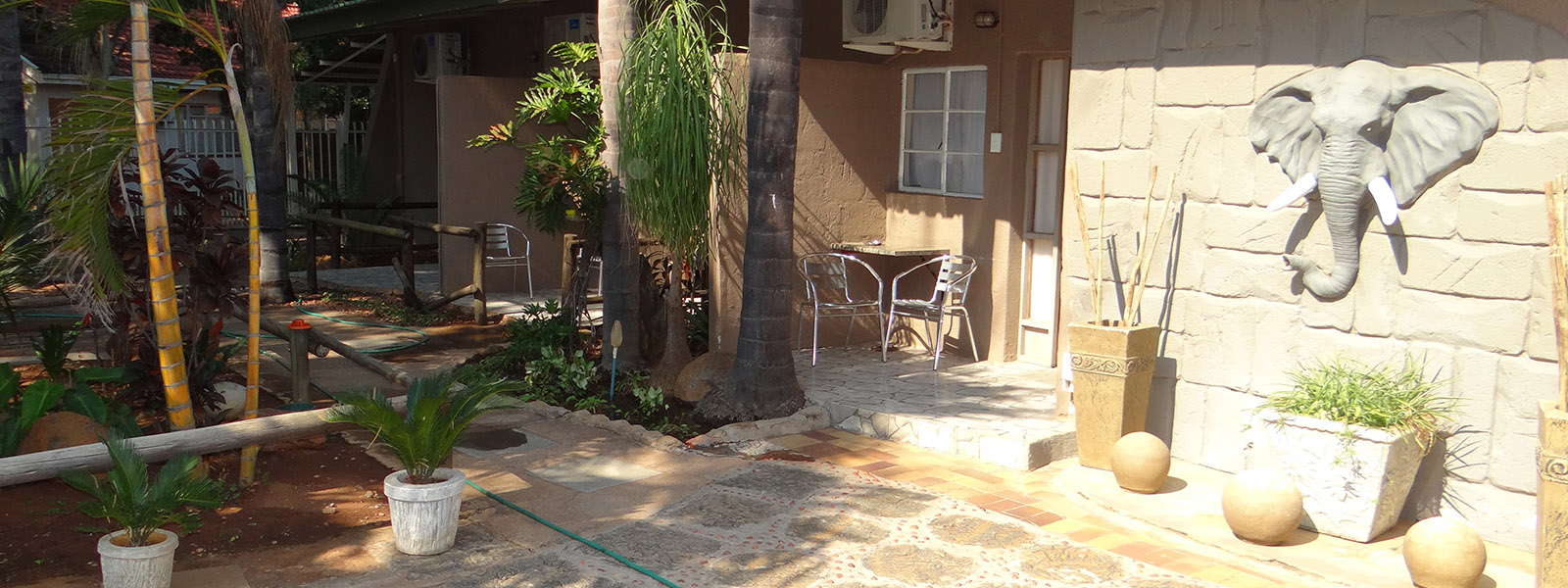
Mid-range options shift toward the surrounding bush, where small safari lodges and farm guesthouses on private game land offer a distinctly different experience. Many of these properties sit within fenced wildlife areas or on cattle farms that double as game reserves, and most include guided game drives or birding walks in their packages. The service tends to be personal, often run by the owners themselves, which adds considerable character to the stay.
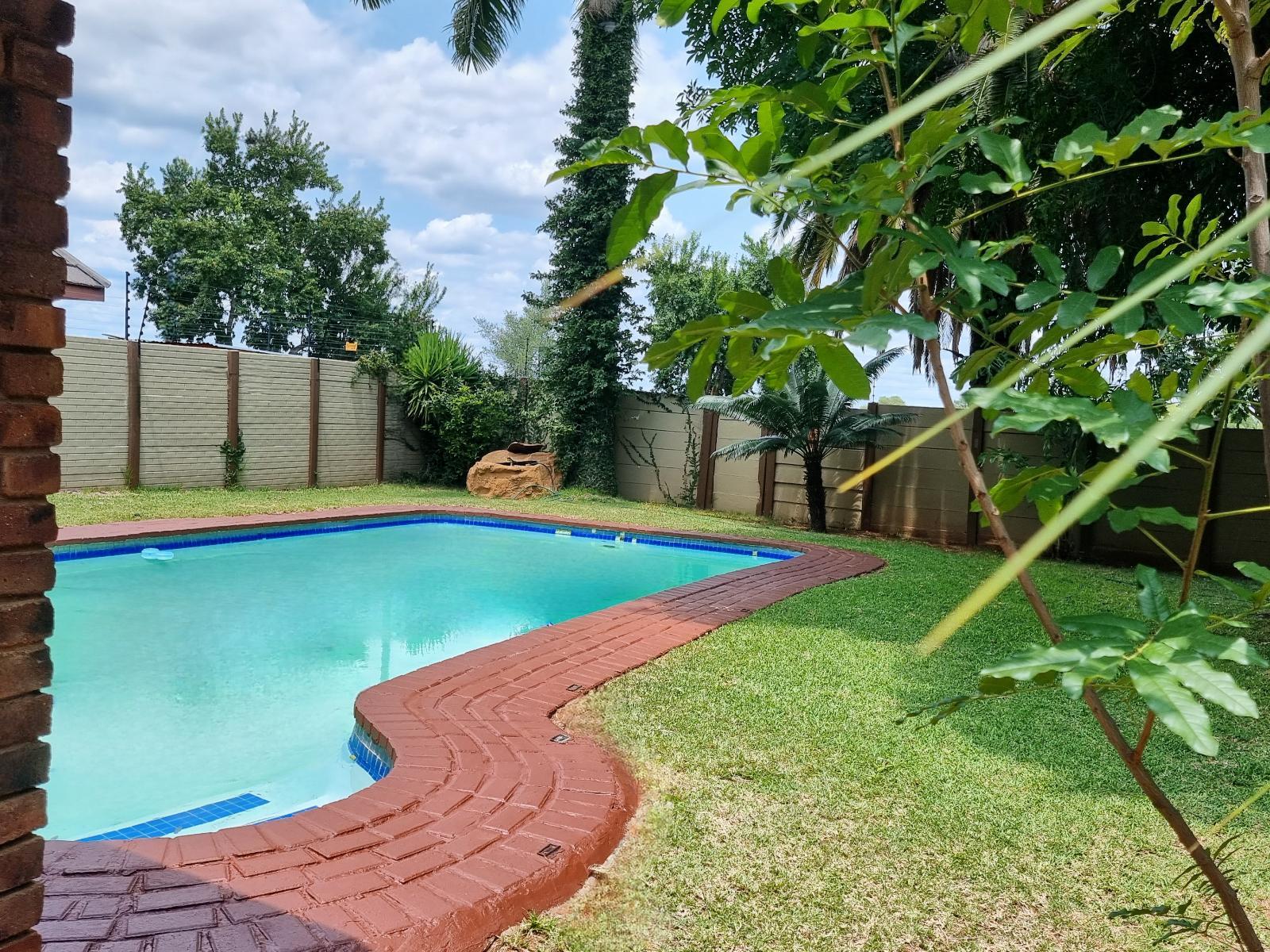
Higher-end lodge-style accommodation exists in the broader region, with some properties positioned near the boundaries of formally protected conservation areas. These places typically offer en-suite rooms, swimming pools and more structured wildlife programming. They cater to guests who want a focused bush experience rather than a general countryside break, and their rates reflect that positioning.
Given that online listings are currently sparse, using both booking platforms and local Limpopo tourism directories in combination will give a more complete picture of what is available when you plan to travel.
Best Time to Visit Lephalale
Lephalale has a semi-arid climate with hot summers and dry, mild winters that make timing your visit a meaningful consideration. The rainy season runs roughly from October through March, with most rainfall arriving as afternoon thunderstorms between November and February. Temperatures regularly climb above 35 degrees Celsius during summer, and the heat can limit outdoor activity to early mornings and late afternoons.
The dry winter months from May through August are the most popular for visitors. Daytime temperatures are comfortable, typically sitting between 18 and 28 degrees Celsius, while nights can be cold enough to require a jacket. Thinning vegetation during this period makes wildlife far easier to spot on game farms and in protected reserves nearby, and the absence of rain keeps gravel roads more accessible.
September and October represent a shoulder season that suits travellers who want reasonable conditions without the peak-season pressure on accommodation. The vegetation is still dry early in September, keeping visibility good for game viewing, but temperatures begin climbing sharply by mid-October. South African school holiday windows, particularly the winter break in late June and early July, see stronger demand for bush accommodation across the Waterberg region, so planning ahead during those periods is worthwhile.
Getting to Lephalale
By road from Pretoria, Lephalale is approximately 350 kilometres, a drive of roughly three to three and a half hours depending on traffic. The standard route follows the N1 north before turning onto the R33 through Thabazimbi, which passes through rugged farming country and gives a preview of the landscape ahead. From Johannesburg, add approximately 45 minutes to the overall journey time.
No commercial airport serves Lephalale directly. International and domestic travellers flying in will land at OR Tambo International Airport in Johannesburg, from which hiring a car is the most practical option for the onward drive. A private vehicle is also essential once you arrive, as surrounding farms, reserves and smaller communities are not served by public transport in any reliable way. Minibus taxis operate on some of the main routes between towns but are not practical for accessing game lodges or rural destinations off the main roads.
Polokwane, the capital of Limpopo Province, lies roughly 200 kilometres to the northeast and has its own airport with domestic connections, offering an alternative entry point if you plan to combine Lephalale with other Limpopo destinations. Fuel stations are available in town, but fill the tank before heading out on gravel roads, as distances between fuel stops in the surrounding districts can be considerable.
Lephalale and Surrounding Areas
Ellisras is the former name for Lephalale itself, used before the town was officially renamed in 2002. References to Ellisras in older guidebooks, maps or conversations with long-term residents all point to the same location. Understanding this prevents confusion when working with historical travel resources or navigating older signage still present in parts of the district.
Ga-monyeki, roughly 43 kilometres from the town centre, is a rural community that reflects the agricultural and subsistence patterns characterising much of the Limpopo interior. Travellers with an interest in how communities in the region live and work outside the mining economy will find the drive informative. There is no formal tourism infrastructure here, but the road passes through open countryside that sees very little visitor traffic.
Steenbokpan, at 47 kilometres, sits in open farming country near the boundary where bushveld gives way to more arid terrain. The settlement is small and oriented around cattle and game farming. The name itself references the steenbok antelope once common across this part of the landscape, and the area retains much of the sparse, working character suggested by that history.
Ga-maeleletja, 51 kilometres out, and Kwamadibaneng, 55 kilometres away, are small settlements in the rural west of the district. Neither has developed visitor amenities, but both lie in directions that reveal open savanna and rocky outcrops characteristic of the wider region. A circular drive incorporating both can be completed in a half-day from Lephalale for travellers who want to see the quieter side of the surrounding countryside.
Hardekraaltjie, at 56 kilometres, is the furthest of the nearby communities. The name references the leadwood tree, known locally as hardekraalboom, historically used to build livestock enclosures. The area remains agricultural and sparsely populated, and a drive to this edge of the district gives a clear sense of how remote the northern Limpopo interior becomes once you leave the main roads behind.
Planning Your Stay
Because online booking inventory for Lephalale is limited compared to more established tourism destinations, using booking platforms as a starting point rather than a definitive source is the practical approach. Contact lodges and farm guesthouses directly to confirm availability, ask what the tariff includes, and check whether the property is accessible by standard vehicle.
For visits to Marakele National Park, accommodation within the park must be booked separately through SANParks, ideally several months in advance for school holidays and long weekends. The park has fixed gate opening and closing times, and guests staying in outside accommodation need to factor in travel time to avoid being locked out after hours.
Confirm road conditions before departure, particularly after heavy summer rain, when some farm tracks in the district can become difficult without a vehicle with good clearance. Ask your accommodation directly about access requirements before setting out. Mobile signal is intermittent once you leave the main roads, so downloading offline maps covering the district before departing town is sensible. When booking, ask about load-shedding backup, as extended power outages in Limpopo can affect water pumps, refrigeration and hot water at smaller properties that lack generator capacity.
Local shops and markets in town cover basic provisions. For self-catering properties that are remote from the town centre, stock up before heading out rather than planning a return trip for supplies mid-stay.