Accommodation in Ga-madisaleolo
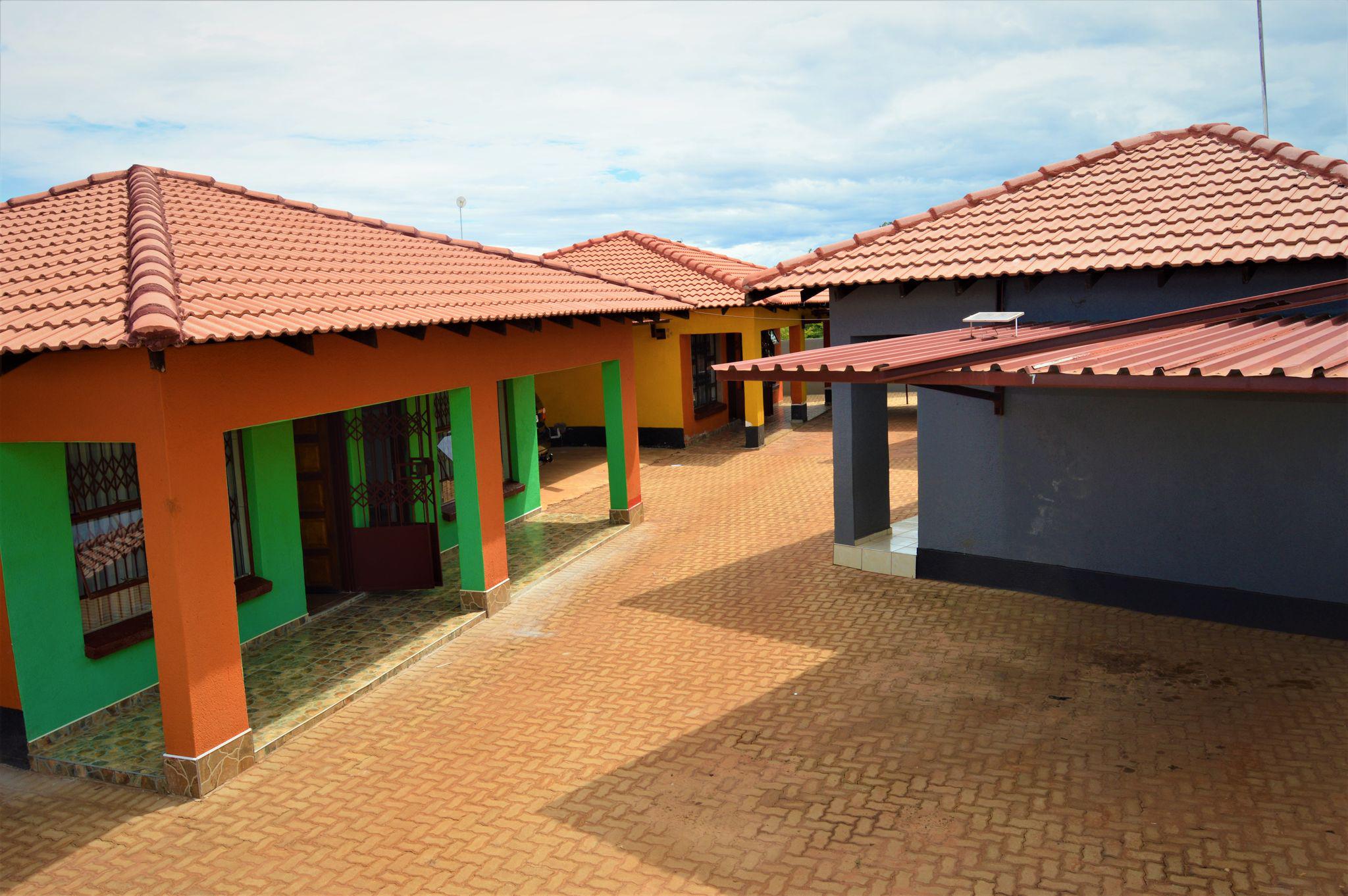
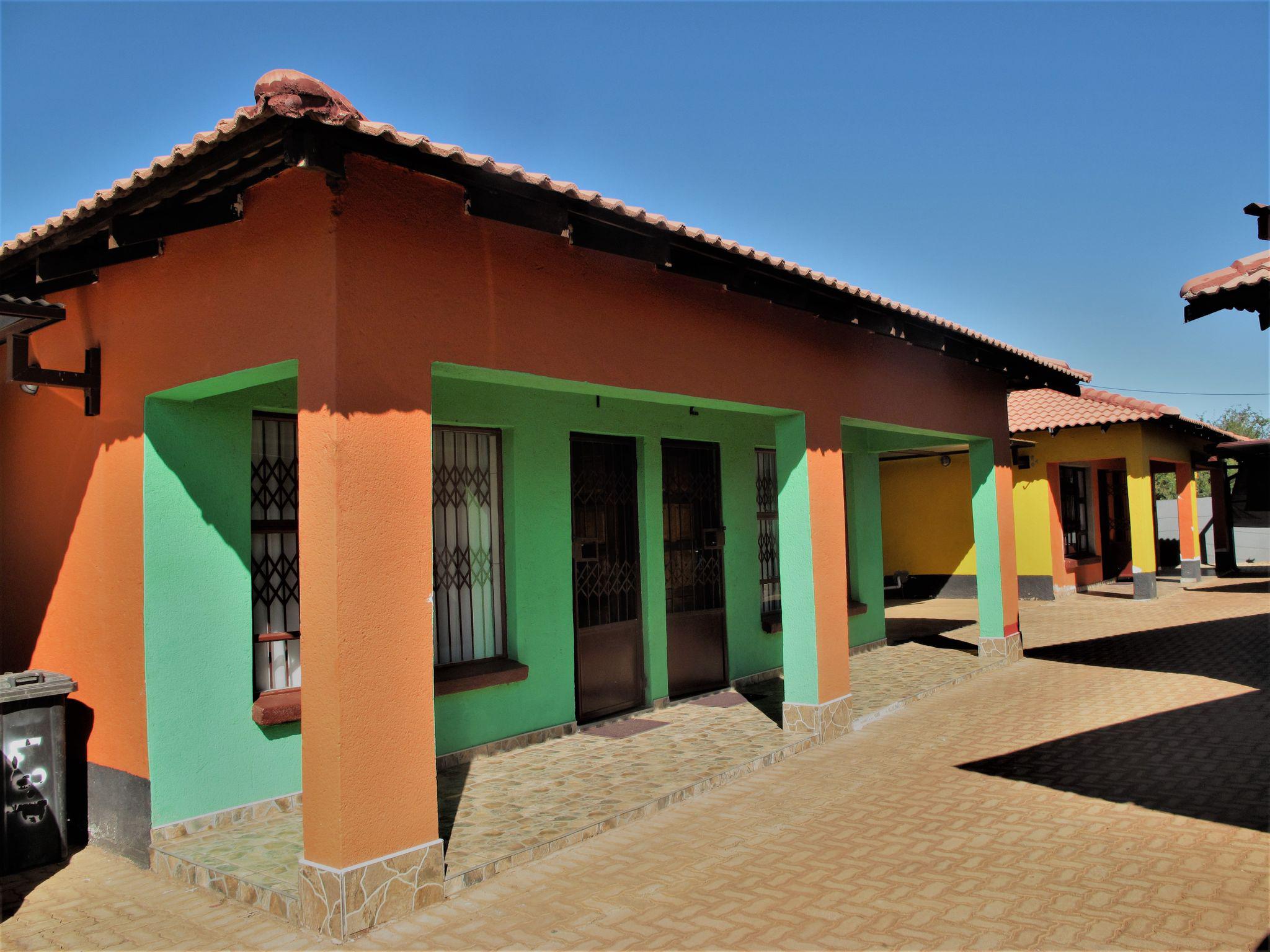
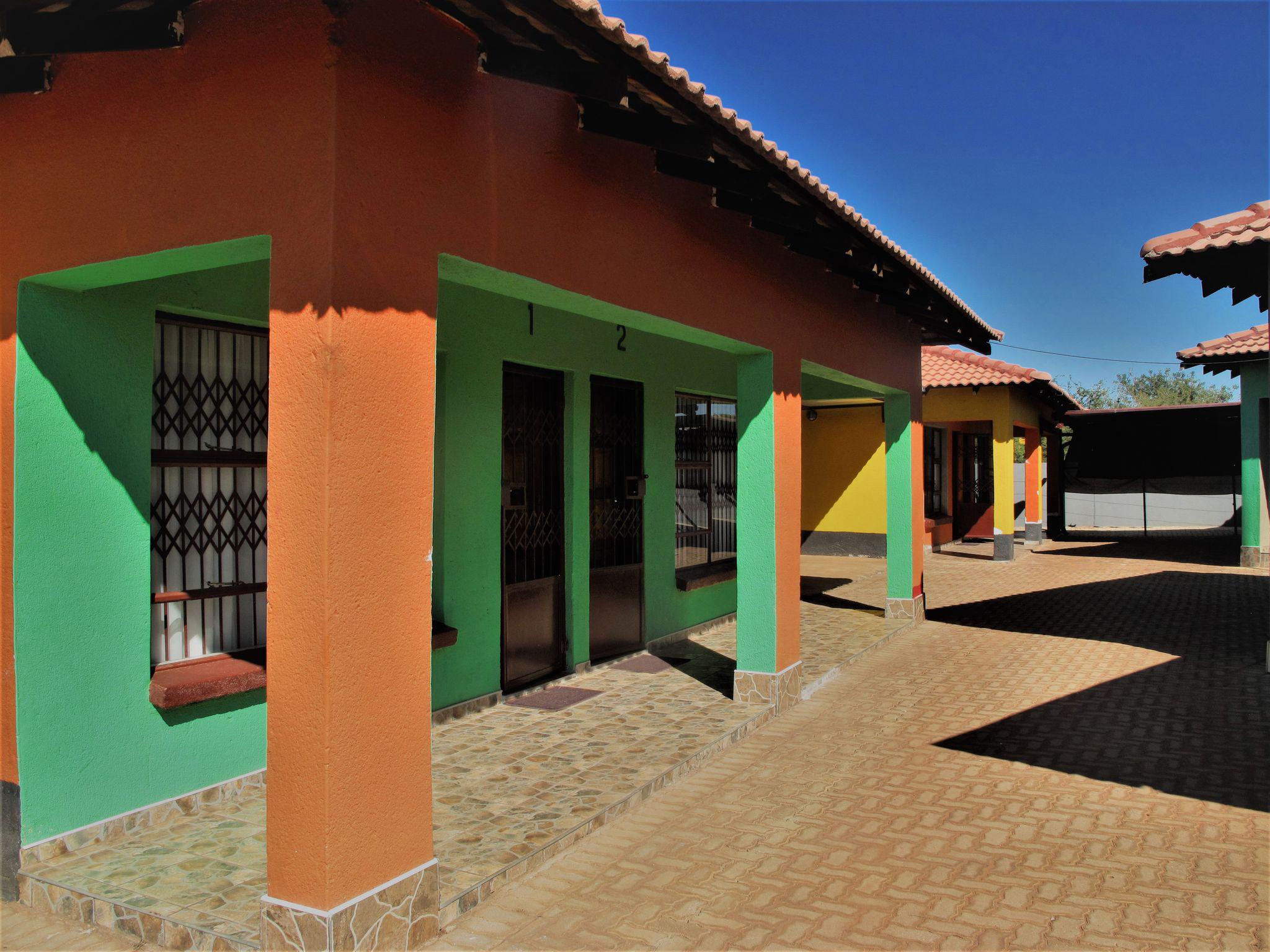
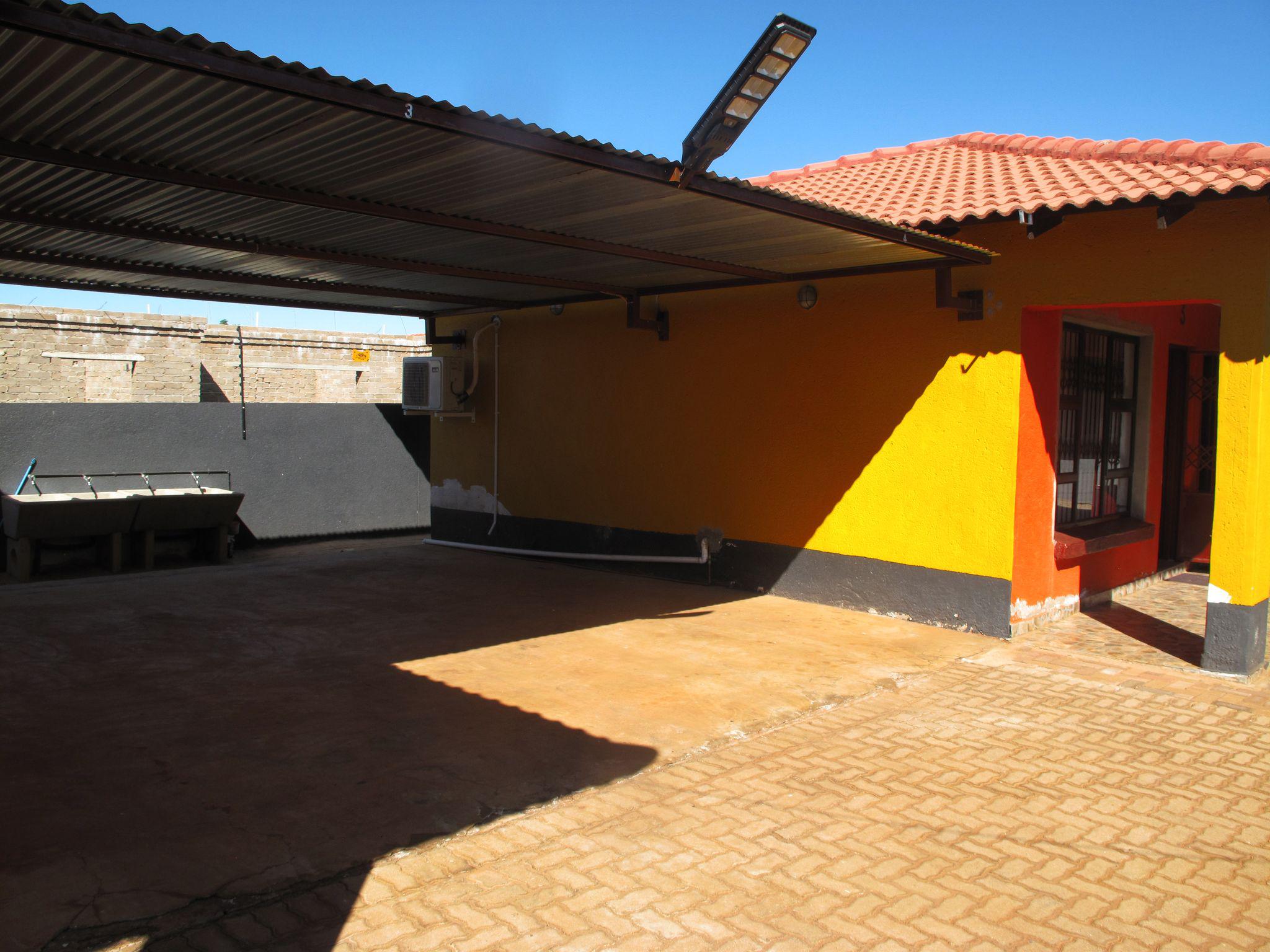
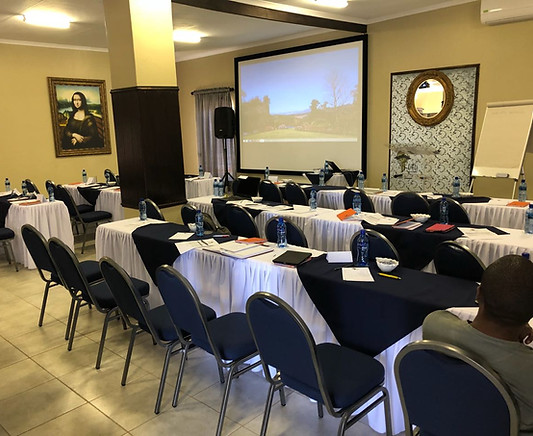
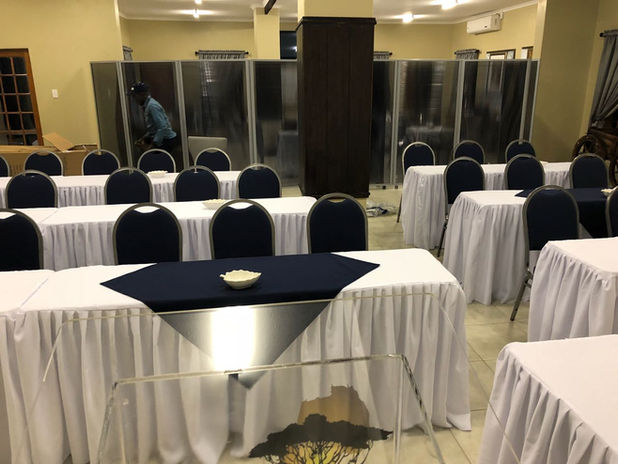
Ga-madisaleolo sits in a part of Limpopo where the accommodation sector has not yet developed the kind of online presence common in more tourist-heavy areas. At present, no properties in the village appear across major booking platforms, and visitors typically arrange stays through local contacts, community guesthouses, or rural properties that operate without an active digital footprint.
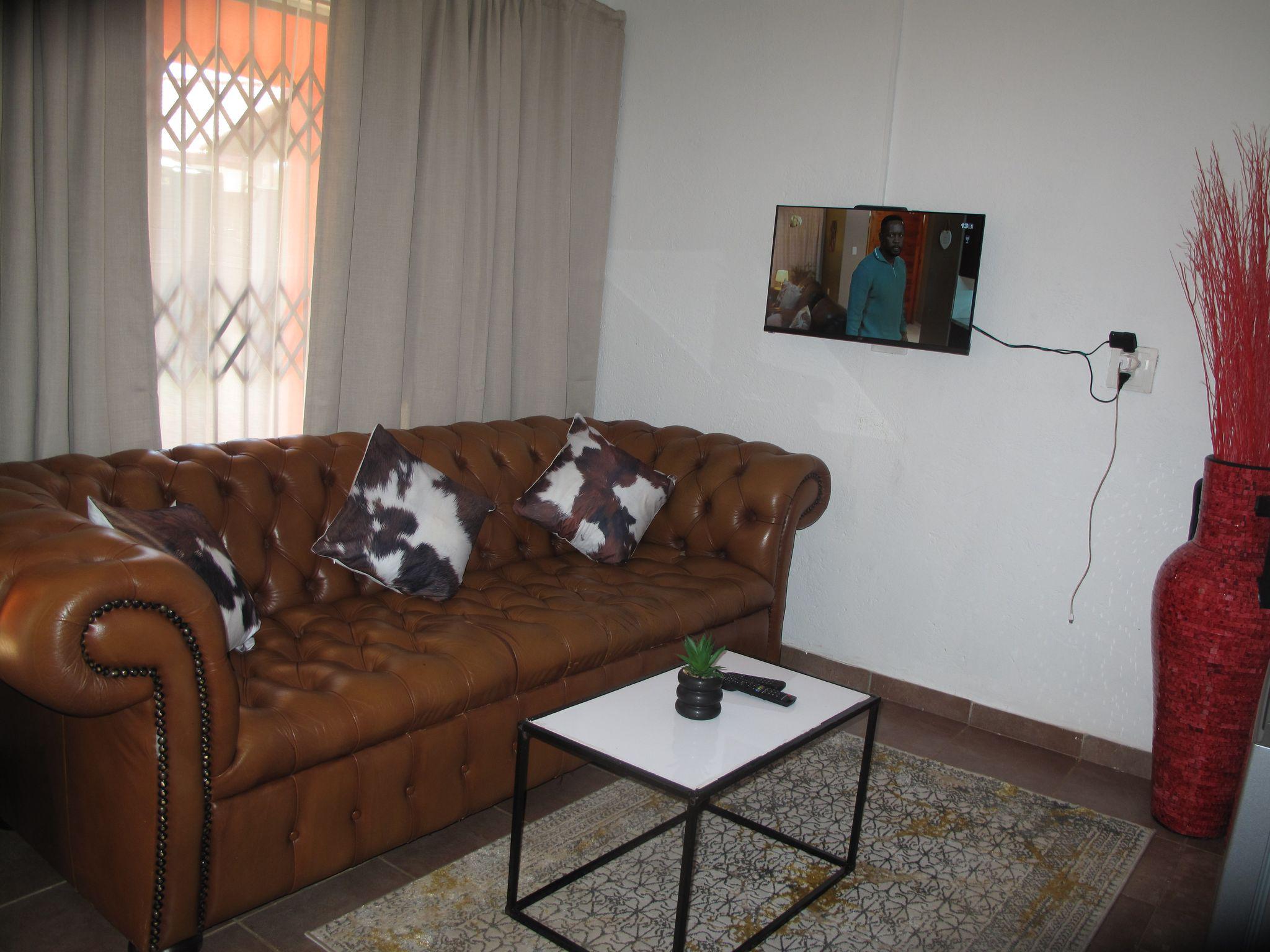
Where accommodation exists in comparable villages across this part of the province, it tends to separate into two practical tiers. At the budget end, self-catering cottages and basic rooms in family-run guesthouses provide functional shelter. These properties offer a bed, simple cooking facilities, and a yard or covered stoep, without the framing of a formal hospitality operation. Costs are low, the experience is direct, and guests are expected to manage largely for themselves.
Mid-range options, where available in the surrounding area, usually come in the form of small guesthouses that include breakfast and the involvement of a local host. Staying at this level gives visitors a better chance of learning something practical about the area, its farming calendar, or upcoming community events. Hosts in rural Limpopo are often forthcoming with information that doesn't appear in any guidebook or listing, and that informal exchange is part of what draws people to accommodation at this tier.
Upper-tier choices are not concentrated around Ga-madisaleolo itself. Visitors who want more comfort or reliable amenities will need to travel further out into the district. Lodge-style properties do exist in the broader region, though they serve a different type of itinerary.
Anyone planning to stay near the village should contact local tourism offices for guidance on informal options. Confirming bookings by phone is often more reliable in this area than email, and it's worth asking about access roads before assuming a standard passenger vehicle is sufficient.
Best Time to Visit Ga-madisaleolo
The village sits in the Lowveld transitional zone, and the seasons here are pronounced. Summer, from November through March, brings the bulk of annual rainfall. During these months the bush turns green quickly, daytime temperatures climb into the upper thirties, and humidity rises noticeably. Roads in this part of Limpopo can deteriorate after heavy downpours, with some district and farm roads becoming impassable for low-clearance vehicles.
The dry winter months, May through August, offer cooler and more predictable conditions. Early mornings can be sharp, sometimes approaching near-zero, though midday temperatures remain mild. This period is generally preferred for outdoor activity, walking, and birdwatching, and it coincides with the best conditions for wildlife viewing across the wider Lowveld region.
September and October bring dry heat and stronger winds before the rains return. Flowering plants become active during this shoulder period and birdlife increases noticeably. For visitors who find the summer heat uncomfortable, the Magoebaskloof mountains to the south offer a cooler alternative during the hotter months, with indigenous forest trails accessible within a half-day drive.
The period from mid-December through January, and again during late June and July, sees higher domestic travel demand across rural Limpopo, which affects availability at smaller properties.
Getting to Ga-madisaleolo
The main approach is from Polokwane, approximately 60 kilometres to the west. From Polokwane, travellers typically take the R37 eastward before connecting to district roads toward the Mopani interior. Main routes in this part of Limpopo are tarred, but smaller connecting roads often transition to gravel, and a vehicle with reasonable ground clearance makes the journey more straightforward.
Polokwane International Airport is the most practical air entry point, roughly an hour's drive from Ga-madisaleolo. For visitors approaching from the east or combining the trip with game reserve visits, Hoedspruit's Eastgate Airport provides an alternative, though it handles fewer scheduled flights and typically requires a transfer through Johannesburg. Neither airport offers direct ground transport to the village, so a hired vehicle is necessary for the final leg.
From Johannesburg, the drive north on the N1 takes between four and five hours to Polokwane, depending on traffic, with the turn toward this part of the district coming after the provincial capital. Long-distance coach services connect Johannesburg to Polokwane and Tzaneen, both of which have minibus taxi ranks serving surrounding villages. Taxis are frequent on busier corridors but less predictable on quieter rural routes, so travellers relying entirely on public transport should plan for some waiting time.
The Phalaborwa Gate of Kruger National Park lies approximately 90 kilometres to the northeast, making Ga-madisaleolo a reasonable stopover point for travellers moving between the highveld and the Lowveld game reserves.
Ga-madisaleolo and Surrounding Areas
The settlements closest to Ga-madisaleolo form a network of rural communities spread across the surrounding district, each with a different character or practical function depending on what a visitor needs.
Ga-phaswana, seven kilometres away, is the nearest village and shares the same general landscape and social structure as Ga-madisaleolo. Moving between these two communities gives a clear sense of how settlement patterns, land use, and homestead layouts vary even within short distances in this part of the province.
Ga-mmamogwasa and Ga-rakgwatha, both approximately nine kilometres out, are typical small Pedi communities where traditional architecture, subsistence agricultural plots, and shared community spaces define the layout. Visitors with an interest in rural social structures, craft production, or traditional land tenure practices will find more to observe here than in any formal attraction. There are no entrance fees or guided programmes, and access depends on respectful engagement with local residents.
Ga-molapo, eleven kilometres to the southeast, sits slightly deeper into the district and follows a similar pattern of family-based landholding and small-scale farming. The road connecting these villages passes through open bushveld, and the drive itself gives a good sense of the district's scale and sparseness.
Lebowakgomo, twenty-four kilometres away, functions as the practical anchor for this cluster of villages. As the administrative seat of the Lepelle-Nkumpi Local Municipality, it holds government offices, a district hospital, banking facilities, and retail outlets. Visitors who need supplies, cash, fuel, or medical assistance will find Lebowakgomo the most reliable nearby option.
Bergnek, twenty-seven kilometres out, marks the further edge of this immediate area. The landscape around it transitions toward more open farming country, and the route there traces the gradual shift from village settlement to larger agricultural properties.
Planning Your Stay
Because much of the available accommodation near Ga-madisaleolo operates without a consistent online presence, the usual approach of checking a booking platform and filtering by review score will not give a full picture. Calling properties directly, and asking specific questions rather than relying on listing descriptions, is the more reliable method in this part of Limpopo.
Advance booking of four to six weeks is sensible if your trip falls during school holiday periods, when regional demand from domestic travellers increases. Outside those windows, the area sees lower visitor pressure, and flexibility is possible.
Before confirming any rural property, ask about water supply. Many guesthouses in this district rely on borehole systems or municipal connections that can be intermittent during dry periods. Similarly, load-shedding affects rural areas as it does urban centres, so checking whether a property has a generator or inverter is practical.
Fuel stations are not evenly distributed through this part of the district. Filling the tank at your last major town before heading into the rural interior is standard practice, as is carrying some cash. Card facilities are not universal at local shops or smaller properties.
Mobile coverage varies. The two networks with the broadest reach in rural Limpopo are MTN and Vodacom, though signal strength can drop in lower-lying sections of the district. Downloading offline maps before arrival is worthwhile.