Ga-rakgwatha Reis- & Akkommodasiegids
Jou volledige gids om Ga-rakgwatha, Suid-Afrika te besoek.
Ga-rakgwatha is a rural village in the Sekhukhune District of Limpopo Province, offering visitors an authentic experience of traditional South African village life. The area provides access to the region's distinctive landscapes and serves as a base for exploring the broader Sekhukhune highlands.
## Accommodation in Ga-rakgwatha
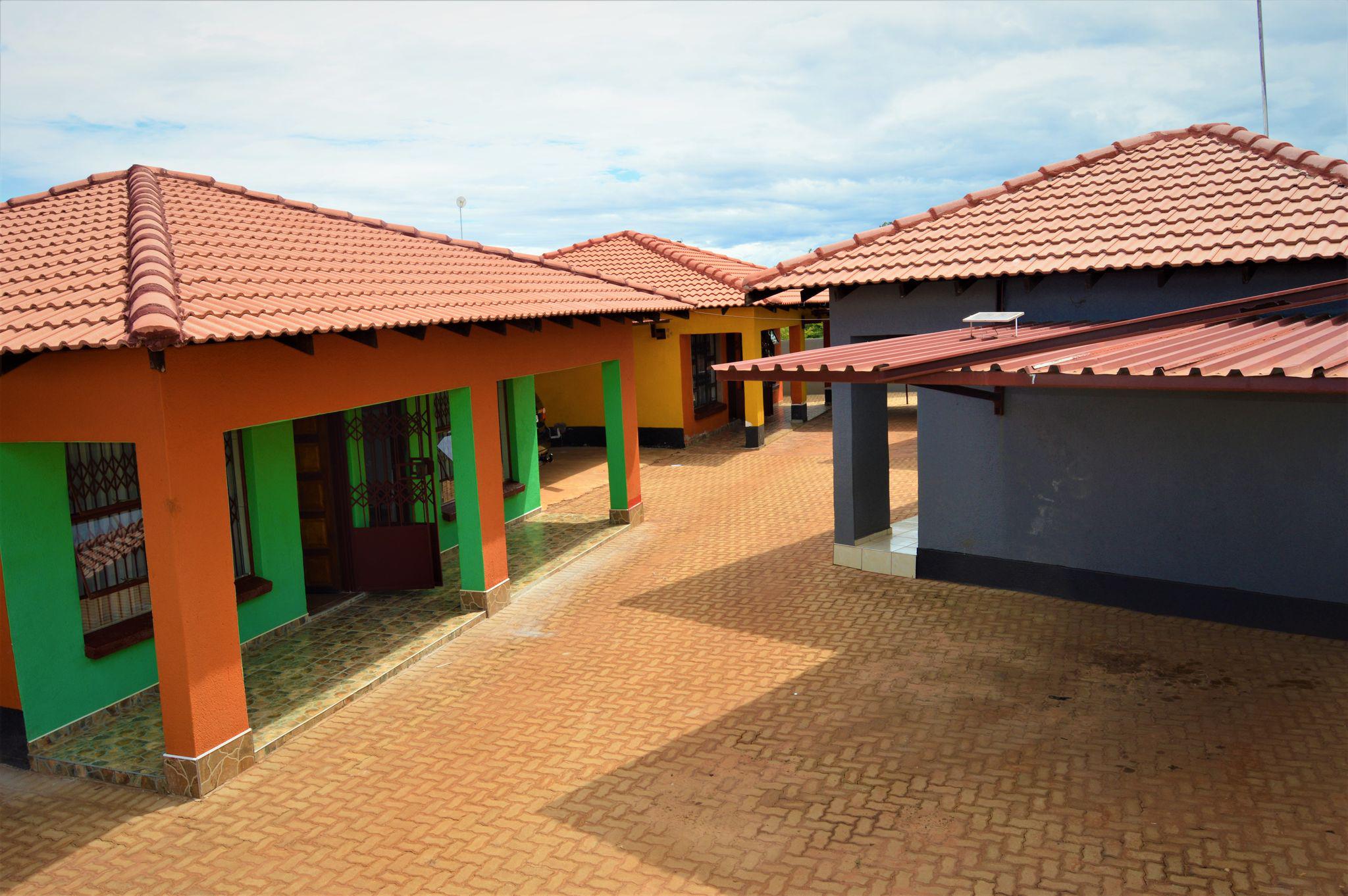
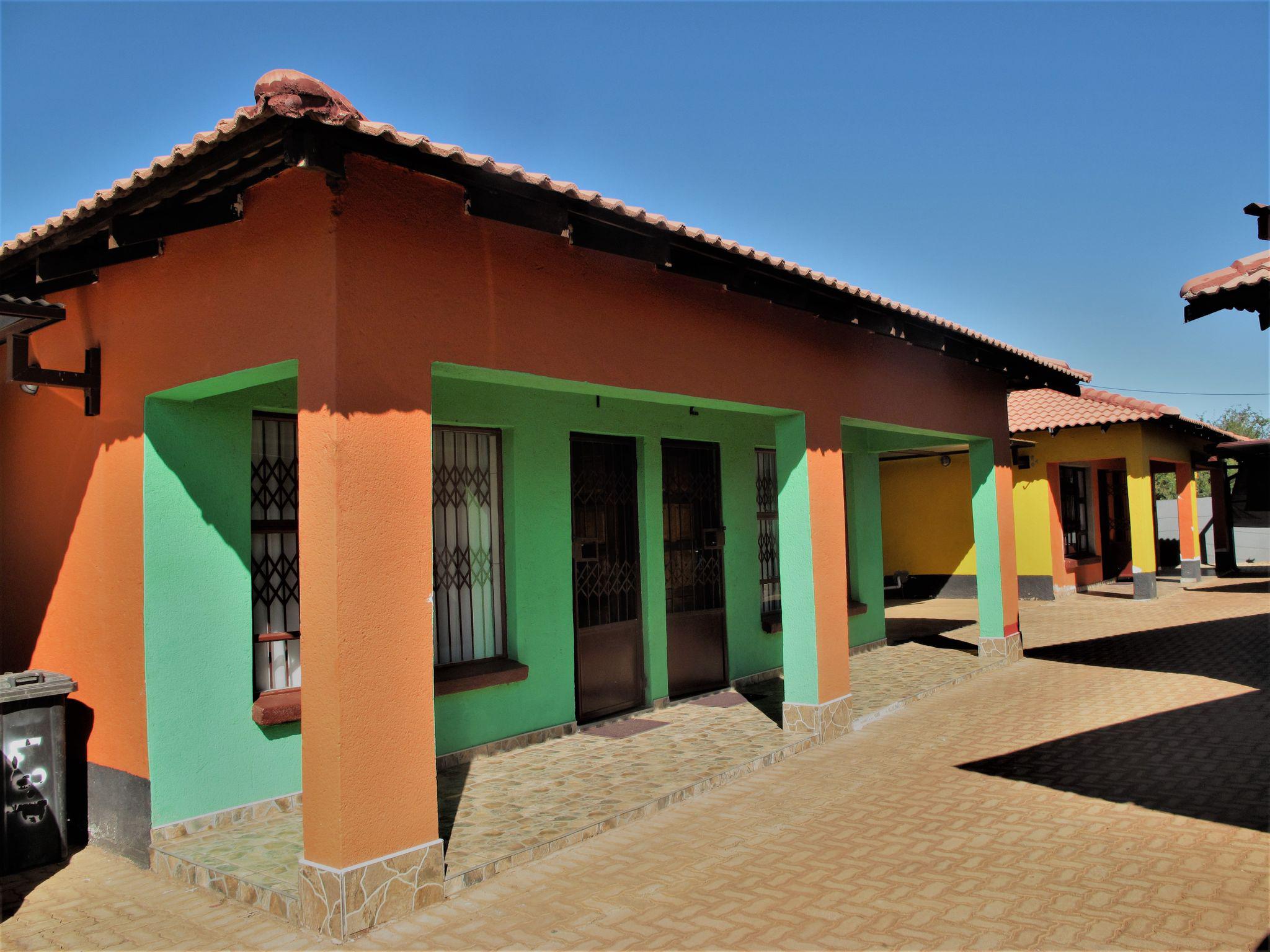
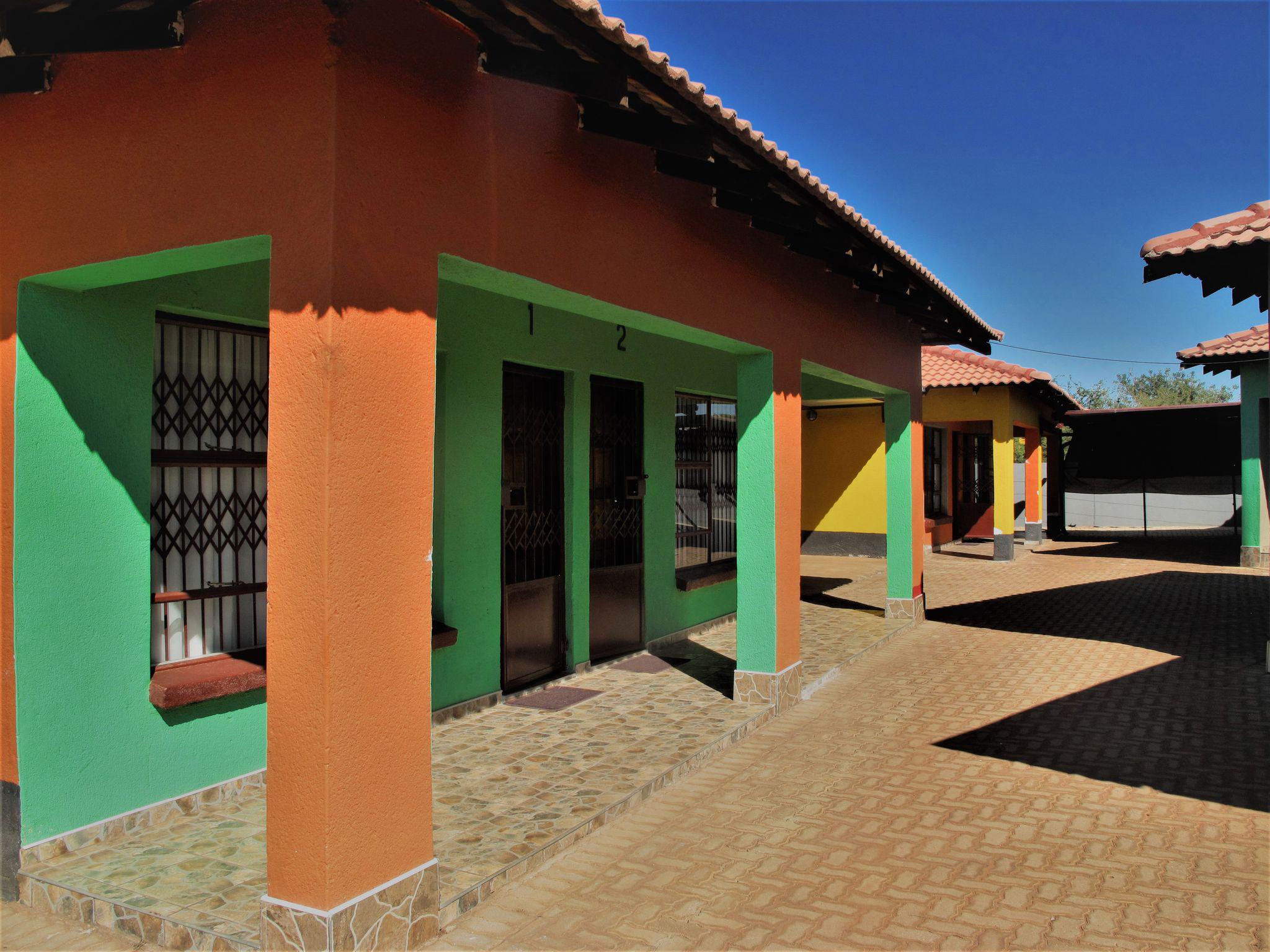
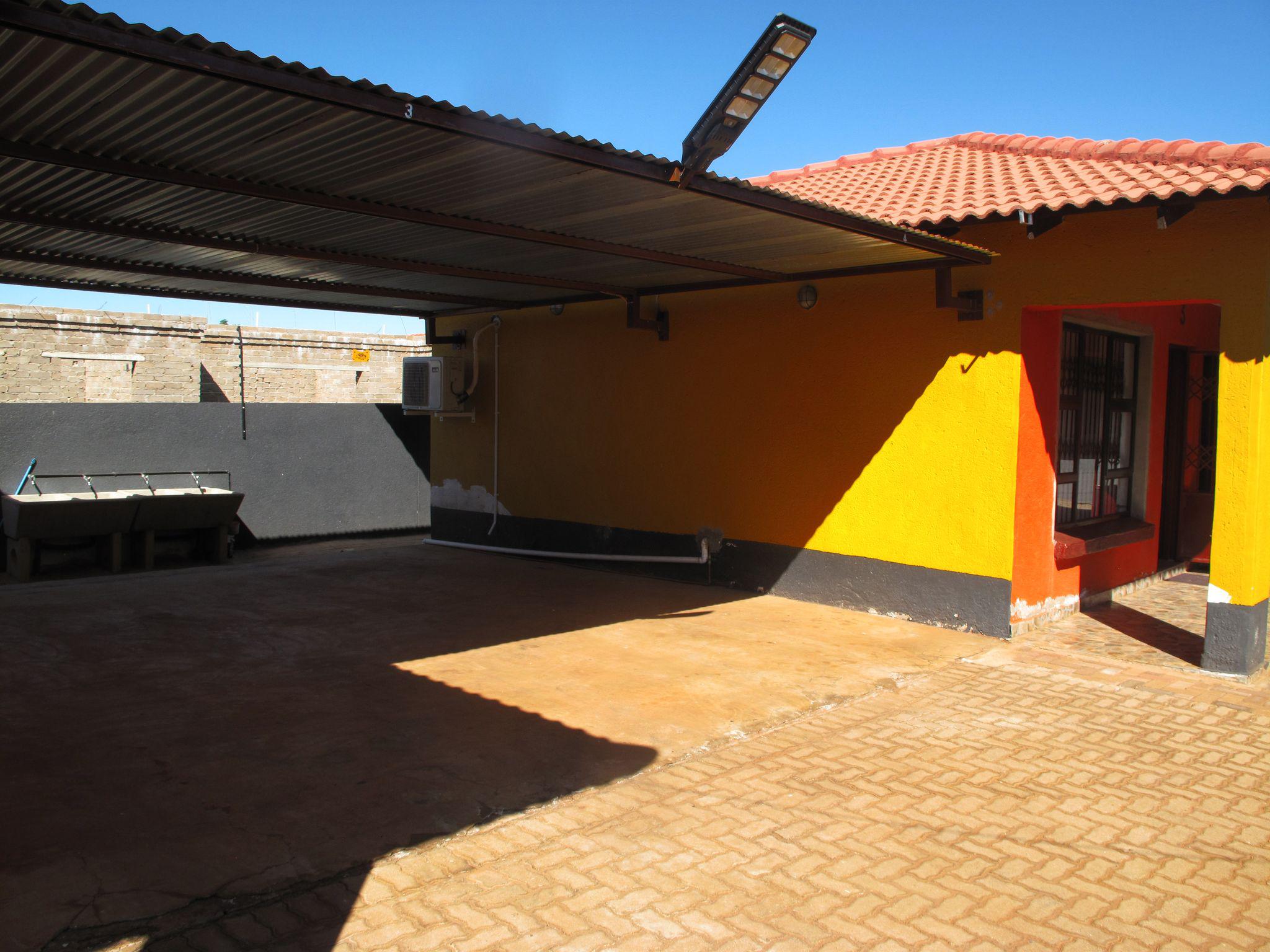
Formal accommodation in Ga-rakgwatha is limited, and currently no properties are listed through mainstream booking platforms. Pricing is difficult to benchmark against comparable rural Limpopo destinations, so travellers need to make enquiries locally or through regional tourism networks rather than relying on online availability.
At the budget end, homestays with local families represent the most accessible option. These arrangements typically involve a private room in a traditional homestead, shared bathroom facilities, and meals prepared by the host. This suits travellers who want direct contact with the community and are comfortable adapting to basic rural conditions. Costs are usually negotiated directly and remain modest. The experience is genuinely domestic, not a packaged version of rural life.
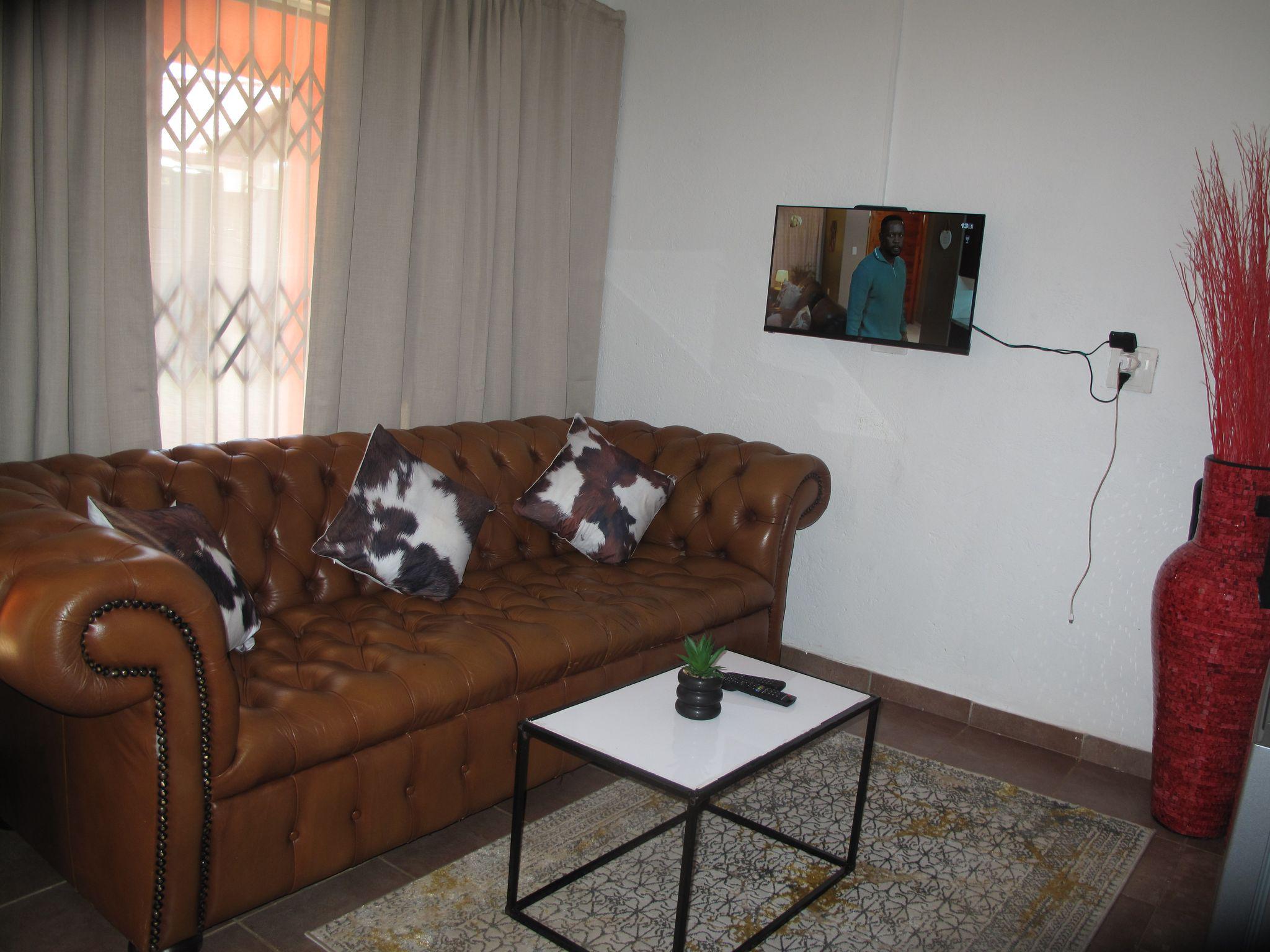
A step up from homestays, guesthouses in the surrounding district offer somewhat more structured facilities, including dedicated reception arrangements and more consistent amenities. These properties occasionally appear along road networks connecting to the R555 corridor. Rooms typically include basic furnishings, en-suite or shared bathrooms, and sometimes self-catering kitchens. Advance contact is advisable since occupancy can be inconsistent and proprietors may not maintain regular online listings.
Upper-tier accommodation in this part of Sekhukhune is thin on the ground. Travellers seeking more comfortable lodging generally look toward the nearest larger town, roughly 30 kilometres to the northeast, where a broader selection of business-grade guesthouses and lodges serves the regional mining economy. For those committed to staying close to Ga-rakgwatha itself, self-catering cottages occasionally operate near farming properties in the district and offer relative privacy and independence without requiring a longer drive each evening.
Confirming availability by phone is standard practice in this area. Building in flexibility and having a backup plan is not just advisable but genuinely necessary.
---
## Best Time to Visit Ga-rakgwatha
The wet season runs from November through March, bringing afternoon thunderstorms, cooler overnight temperatures, and a noticeable change to the landscape. The bushveld greens up quickly after the first rains, seasonal streams run through the granite valleys, and bird activity increases considerably. This period also brings complications: rural roads can become temporarily impassable after heavy rainfall, so a vehicle with reasonable ground clearance matters, and travel times become unpredictable.
The dry winter months, April through September, offer more consistent travel conditions. Roads remain firm, skies stay clear, and daytime temperatures sit comfortably between 18 and 26 degrees Celsius. From May onward, mornings and evenings can drop sharply, so layers are worth packing. Wildlife becomes more visible as vegetation thins.
Broadly, peak visitor interest in the Sekhukhune region aligns with South African school holidays in June and July. Ga-rakgwatha sits outside mainstream tourism routes, however, so the congestion that affects better-known destinations is not a factor here. Shoulder months like April and September combine reasonable weather with quiet roads and are generally the most practical choice for visitors without fixed school-holiday constraints.
---
## Getting to Ga-rakgwatha
Reaching Ga-rakgwatha requires your own transport. The village connects to the regional road network via routes linking to the R555 and R37, both tarred and serviceable for standard vehicles. From Johannesburg, the drive covers approximately 350 kilometres and takes around four hours: head north on the N1 before turning east through Mokopane and into the Sekhukhune District. From Polokwane, the route runs roughly 150 kilometres eastward along the R37 through the escarpment.
The nearest commercial airport is Polokwane International, which handles scheduled flights from Johannesburg and occasional services from Cape Town. Car hire is available at the airport. No scheduled public transport connects Polokwane to this part of Sekhukhune. Minibus taxis operate between larger district towns but coverage into smaller villages is irregular and not reliable for visitors unfamiliar with the local routes.
Once in the area, a vehicle remains essential for any movement beyond the immediate village. Fill up before leaving any main town, as filling stations become scarce quickly off the main routes. Mobile data coverage exists along the R555 and R37 corridors but drops in more remote sections, so downloading offline maps before departure is worth doing. Carrying a physical map as a backup takes up little space and has saved more than a few travellers in this district.
---
## Ga-rakgwatha and Surrounding Areas
Six settlements within roughly 20 kilometres of Ga-rakgwatha each reflect a different aspect of life in Sekhukhune, and any of them can reasonably be incorporated into a day of movement through the district.
**Ga-mmamogwasa**, 7 kilometres away, is the closest neighbouring village, reachable via a short drive through characteristic Sekhukhune terrain of rocky hillsides and scattered homesteads. Community gatherings and occasional local markets take place here, making it a natural starting point for understanding how villages in this part of Limpopo function in relation to one another.
**Ga-madisaleolo**, at 9 kilometres, sits within the same network of Pedi communities and follows similar rhythms centred on agriculture and local trade. The road between the two villages passes through open bushveld where kudu and smaller antelope are occasionally spotted in the early morning.
**Ga-phaswana**, 16 kilometres out, occupies hillier ground. The drive there gives a clearer sense of the topographic complexity of this part of the province, and from certain points along the road there are broad views across the district that contextualise just how remote this corner of Limpopo is.
**Bergnek**, 18 kilometres from Ga-rakgwatha, is associated with a pass where the road negotiates a section of the escarpment. The geology here is striking, part of the broader Bushveld Complex formation, and the pass itself requires careful driving, particularly after rain.
**Ga-molapo**, 19 kilometres away, functions as a local service point for surrounding villages. It is worth a stop for basic supplies when a longer drive is not practical.
**Lebowakgomo**, at 22 kilometres, is the most significant town in the immediate radius. Planned and built during the apartheid era as an administrative centre for the former Lebowa homeland, it now serves as a district hub with government offices, a hospital, shops, fuel stations, and banking facilities. For anyone based in Ga-rakgwatha, Lebowakgomo handles most practical needs that the village itself cannot.
---
## Planning Your Stay
Because formal listings for Ga-rakgwatha are currently sparse, planning here differs from booking accommodation in a town with multiple options and standardised reviews. Contact potential hosts two to three weeks ahead at minimum, and confirm not just availability but what the rate actually includes. Questions worth asking upfront: whether meals are provided, whether there is hot water, and whether the property has a generator or inverter, since load shedding affects rural Limpopo and can make evenings genuinely dark and inconvenient without some backup power.
Carry enough cash before arriving. ATMs exist in some of the nearby towns but are not guaranteed to be stocked or operational in smaller settlements, and mobile payment infrastructure varies from property to property.
If you are visiting to experience rural Limpopo rather than for a specific event or occasion, the exact timing of arrival matters less than the preparation you put in beforehand. Speak to your host about local protocols, particularly around photographing people or attending community gatherings, as these carry real cultural expectations in Pedi communities. A considered approach and willingness to follow your host's guidance will shape the quality of your visit more than any logistical detail. Pack water, a basic first aid kit, and enough flexibility to adapt if your initial arrangements shift once you arrive.

Formal accommodation in Ga-rakgwatha is limited, and currently no properties are listed through mainstream booking platforms. Pricing is difficult to benchmark against comparable rural Limpopo destinations, so travellers need to make enquiries locally or through regional tourism networks rather than relying on online availability.
At the budget end, homestays with local families represent the most accessible option. These arrangements typically involve a private room in a traditional homestead, shared bathroom facilities, and meals prepared by the host. This suits travellers who want direct contact with the community and are comfortable adapting to basic rural conditions. Costs are usually negotiated directly and remain modest. The experience is genuinely domestic, not a packaged version of rural life.
A step up from homestays, guesthouses in the surrounding district offer somewhat more structured facilities, including dedicated reception arrangements and more consistent amenities. These properties occasionally appear along road networks connecting to the R555 corridor. Rooms typically include basic furnishings, en-suite or shared bathrooms, and sometimes self-catering kitchens. Advance contact is advisable since occupancy can be inconsistent and proprietors may not maintain regular online listings.
Upper-tier accommodation in this part of Sekhukhune is thin on the ground. Travellers seeking more comfortable lodging generally look toward the nearest larger town, roughly 30 kilometres to the northeast, where a broader selection of business-grade guesthouses and lodges serves the regional mining economy. For those committed to staying close to Ga-rakgwatha itself, self-catering cottages occasionally operate near farming properties in the district and offer relative privacy and independence without requiring a longer drive each evening.
Confirming availability by phone is standard practice in this area. Building in flexibility and having a backup plan is not just advisable but genuinely necessary.
---
## Best Time to Visit Ga-rakgwatha
The wet season runs from November through March, bringing afternoon thunderstorms, cooler overnight temperatures, and a noticeable change to the landscape. The bushveld greens up quickly after the first rains, seasonal streams run through the granite valleys, and bird activity increases considerably. This period also brings complications: rural roads can become temporarily impassable after heavy rainfall, so a vehicle with reasonable ground clearance matters, and travel times become unpredictable.
The dry winter months, April through September, offer more consistent travel conditions. Roads remain firm, skies stay clear, and daytime temperatures sit comfortably between 18 and 26 degrees Celsius. From May onward, mornings and evenings can drop sharply, so layers are worth packing. Wildlife becomes more visible as vegetation thins.
Broadly, peak visitor interest in the Sekhukhune region aligns with South African school holidays in June and July. Ga-rakgwatha sits outside mainstream tourism routes, however, so the congestion that affects better-known destinations is not a factor here. Shoulder months like April and September combine reasonable weather with quiet roads and are generally the most practical choice for visitors without fixed school-holiday constraints.
---
## Getting to Ga-rakgwatha
Reaching Ga-rakgwatha requires your own transport. The village connects to the regional road network via routes linking to the R555 and R37, both tarred and serviceable for standard vehicles. From Johannesburg, the drive covers approximately 350 kilometres and takes around four hours: head north on the N1 before turning east through Mokopane and into the Sekhukhune District. From Polokwane, the route runs roughly 150 kilometres eastward along the R37 through the escarpment.
The nearest commercial airport is Polokwane International, which handles scheduled flights from Johannesburg and occasional services from Cape Town. Car hire is available at the airport. No scheduled public transport connects Polokwane to this part of Sekhukhune. Minibus taxis operate between larger district towns but coverage into smaller villages is irregular and not reliable for visitors unfamiliar with the local routes.
Once in the area, a vehicle remains essential for any movement beyond the immediate village. Fill up before leaving any main town, as filling stations become scarce quickly off the main routes. Mobile data coverage exists along the R555 and R37 corridors but drops in more remote sections, so downloading offline maps before departure is worth doing. Carrying a physical map as a backup takes up little space and has saved more than a few travellers in this district.
---
## Ga-rakgwatha and Surrounding Areas
Six settlements within roughly 20 kilometres of Ga-rakgwatha each reflect a different aspect of life in Sekhukhune, and any of them can reasonably be incorporated into a day of movement through the district.
**Ga-mmamogwasa**, 7 kilometres away, is the closest neighbouring village, reachable via a short drive through characteristic Sekhukhune terrain of rocky hillsides and scattered homesteads. Community gatherings and occasional local markets take place here, making it a natural starting point for understanding how villages in this part of Limpopo function in relation to one another.
**Ga-madisaleolo**, at 9 kilometres, sits within the same network of Pedi communities and follows similar rhythms centred on agriculture and local trade. The road between the two villages passes through open bushveld where kudu and smaller antelope are occasionally spotted in the early morning.
**Ga-phaswana**, 16 kilometres out, occupies hillier ground. The drive there gives a clearer sense of the topographic complexity of this part of the province, and from certain points along the road there are broad views across the district that contextualise just how remote this corner of Limpopo is.
**Bergnek**, 18 kilometres from Ga-rakgwatha, is associated with a pass where the road negotiates a section of the escarpment. The geology here is striking, part of the broader Bushveld Complex formation, and the pass itself requires careful driving, particularly after rain.
**Ga-molapo**, 19 kilometres away, functions as a local service point for surrounding villages. It is worth a stop for basic supplies when a longer drive is not practical.
**Lebowakgomo**, at 22 kilometres, is the most significant town in the immediate radius. Planned and built during the apartheid era as an administrative centre for the former Lebowa homeland, it now serves as a district hub with government offices, a hospital, shops, fuel stations, and banking facilities. For anyone based in Ga-rakgwatha, Lebowakgomo handles most practical needs that the village itself cannot.
---
## Planning Your Stay
Because formal listings for Ga-rakgwatha are currently sparse, planning here differs from booking accommodation in a town with multiple options and standardised reviews. Contact potential hosts two to three weeks ahead at minimum, and confirm not just availability but what the rate actually includes. Questions worth asking upfront: whether meals are provided, whether there is hot water, and whether the property has a generator or inverter, since load shedding affects rural Limpopo and can make evenings genuinely dark and inconvenient without some backup power.
Carry enough cash before arriving. ATMs exist in some of the nearby towns but are not guaranteed to be stocked or operational in smaller settlements, and mobile payment infrastructure varies from property to property.
If you are visiting to experience rural Limpopo rather than for a specific event or occasion, the exact timing of arrival matters less than the preparation you put in beforehand. Speak to your host about local protocols, particularly around photographing people or attending community gatherings, as these carry real cultural expectations in Pedi communities. A considered approach and willingness to follow your host's guidance will shape the quality of your visit more than any logistical detail. Pack water, a basic first aid kit, and enough flexibility to adapt if your initial arrangements shift once you arrive.
Ga-rakgwatha Kaart
Nabygeleë Bestemmings
Blaai Deur Alle Ga-rakgwatha Akkommodasie
Bekyk al 0 akkommodasie-opsies in Ga-rakgwatha met foto's, pryse en beskikbaarheid.
Blaai Deur Alle Akkommodasie