Lebowakgomo Reis- & Akkommodasiegids
Jou volledige gids om Lebowakgomo, Suid-Afrika te besoek.
Lebowakgomo offers a peaceful base for exploring Limpopo's landscapes and cultural sites. The town features educational institutions and local markets that reflect its community spirit. Visitors can enjoy nearby nature reserves and historical spots, providing a straightforward option for those seeking relaxation and discovery.
## Accommodation in Lebowakgomo
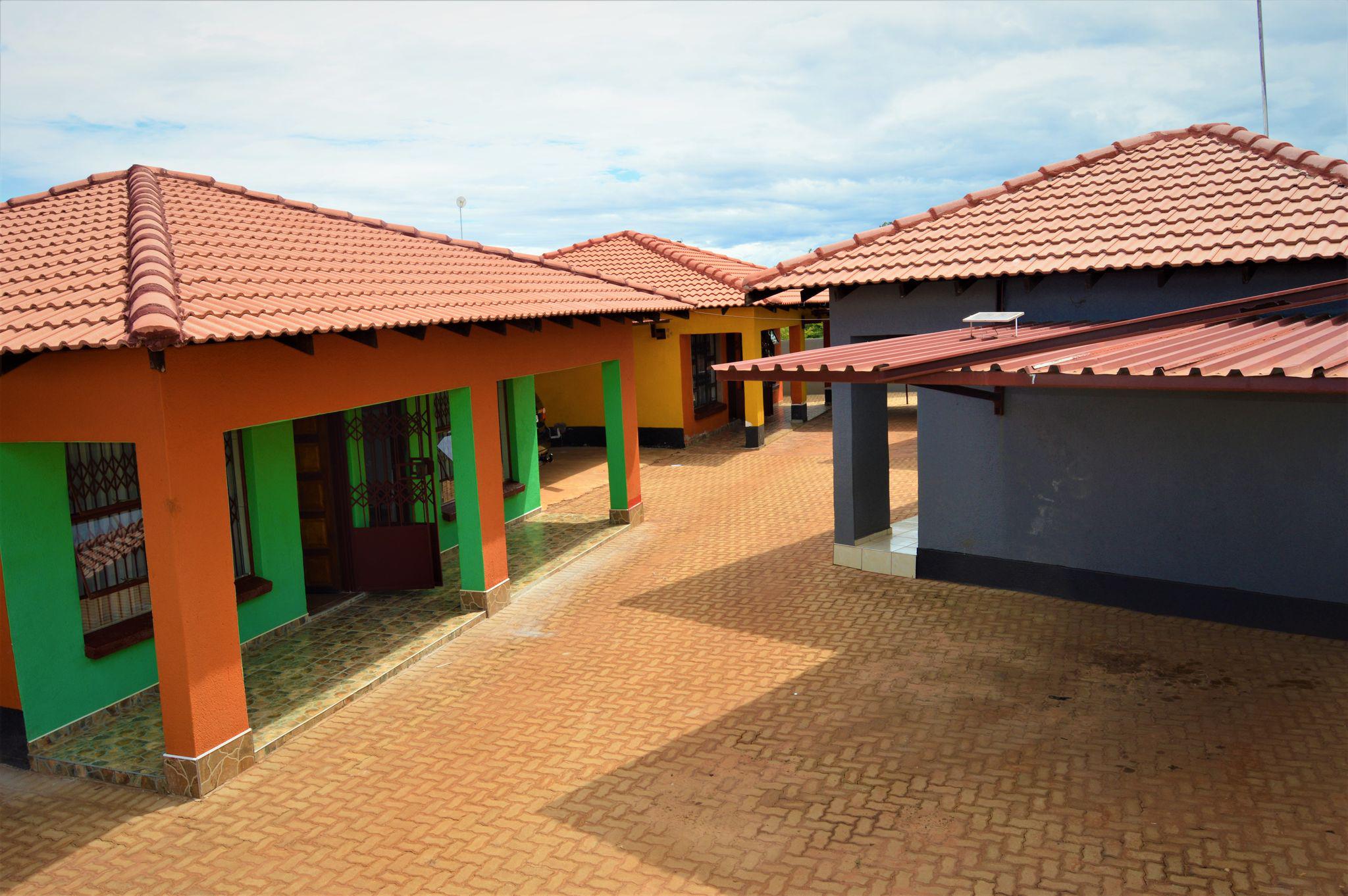
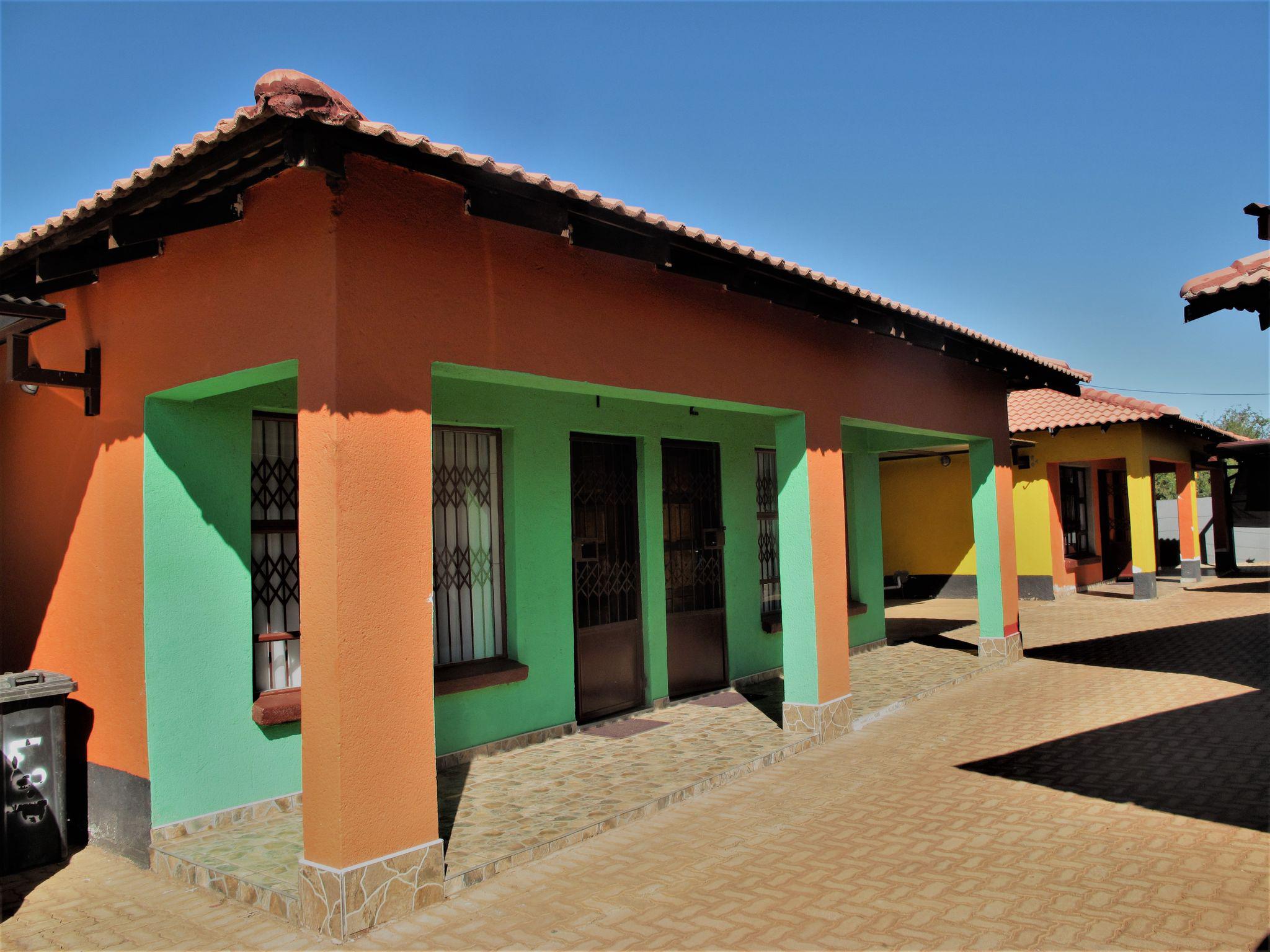
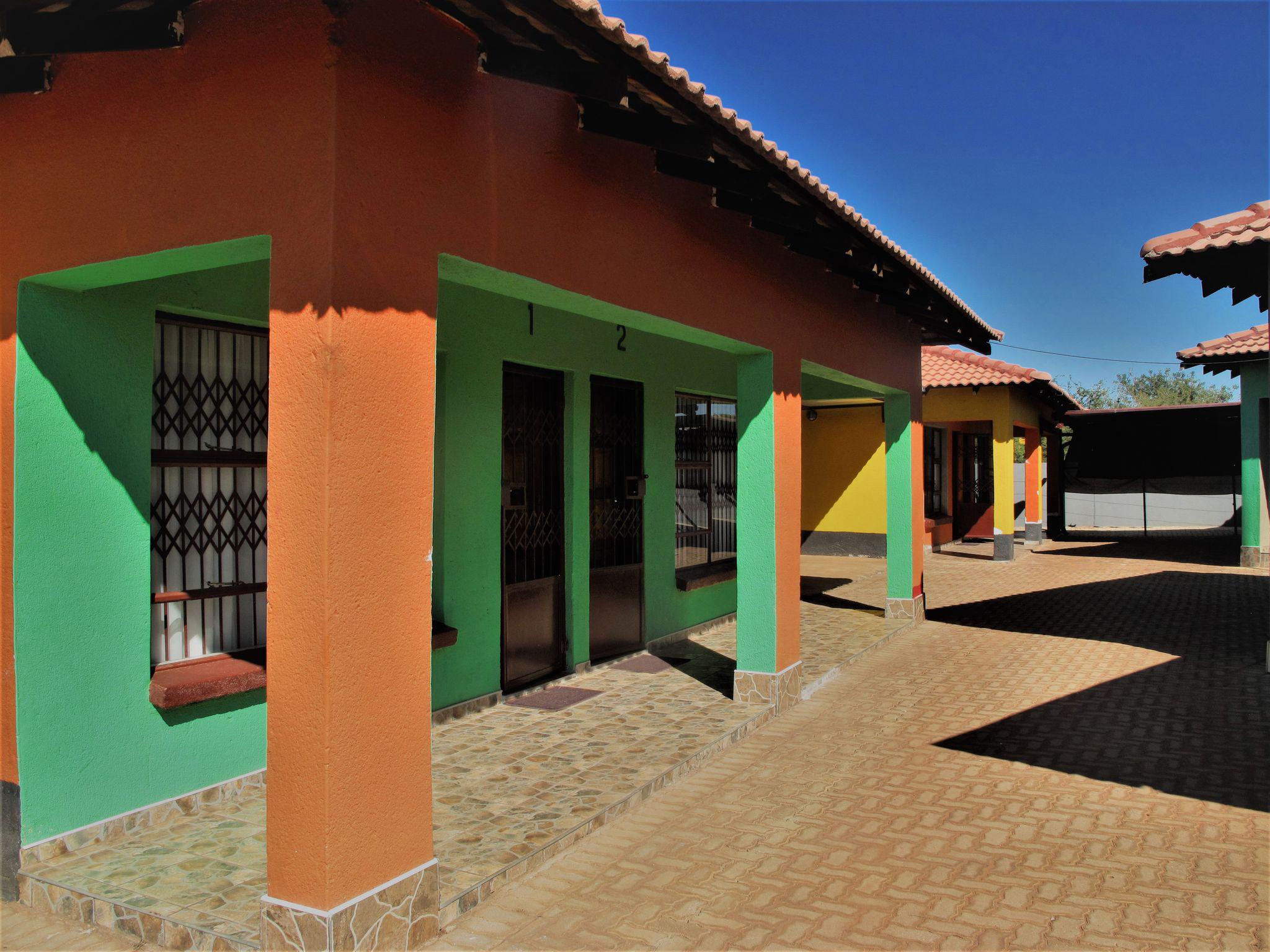
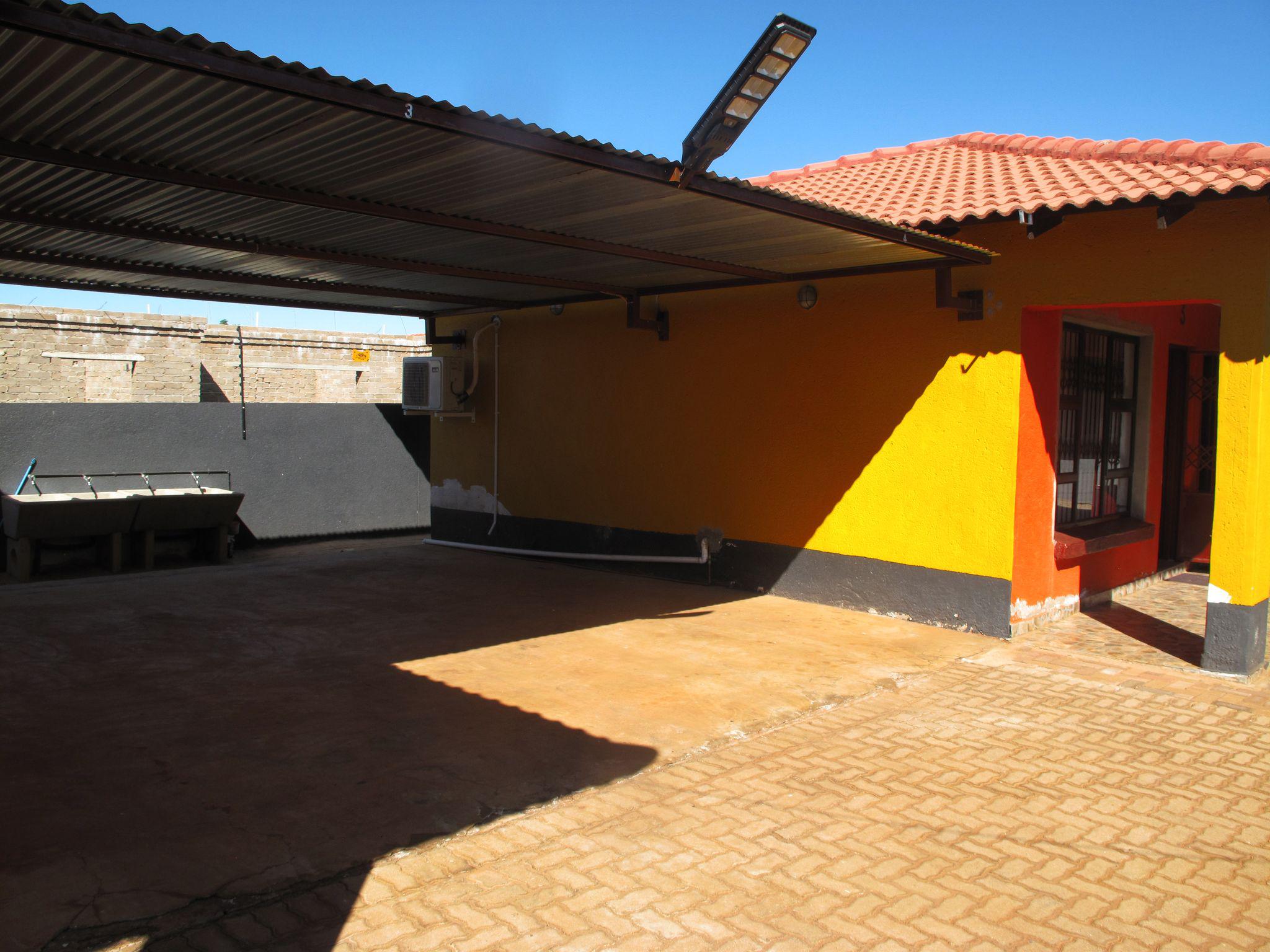
Lebowakgomo's accommodation scene reflects its primary role as a regional administrative and university centre rather than a tourist destination. Established as the capital of the former Lebowa homeland, the town's guesthouses and lodges developed alongside its administrative history and still serve government workers, visiting academics, and contractors as much as leisure travellers. The online listing count currently stands at zero and prices are not tracked through mainstream booking platforms, so rates and availability must be confirmed by contacting properties directly.
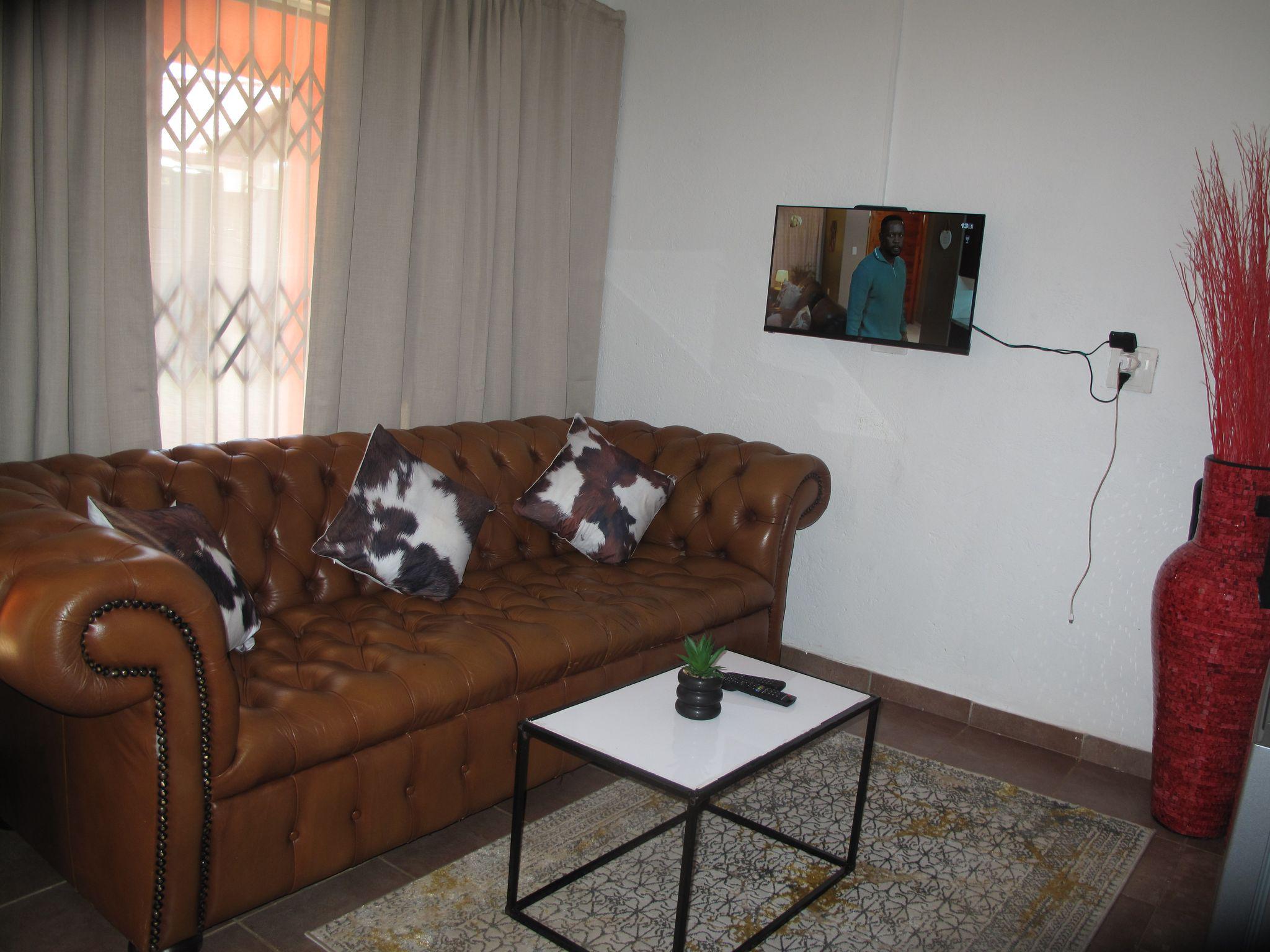
At the budget end, simple guesthouses offer clean rooms with self-catering facilities and a household atmosphere typical of family-run properties in smaller South African towns. These suit travellers keeping costs low while using Lebowakgomo as a base for day trips into the district. The mid-range tier delivers more consistent amenities: en-suite bathrooms, Wi-Fi, and often a small dining area on site. Properties here tend to serve both short-stay leisure visitors and longer-term guests on academic or government assignments.
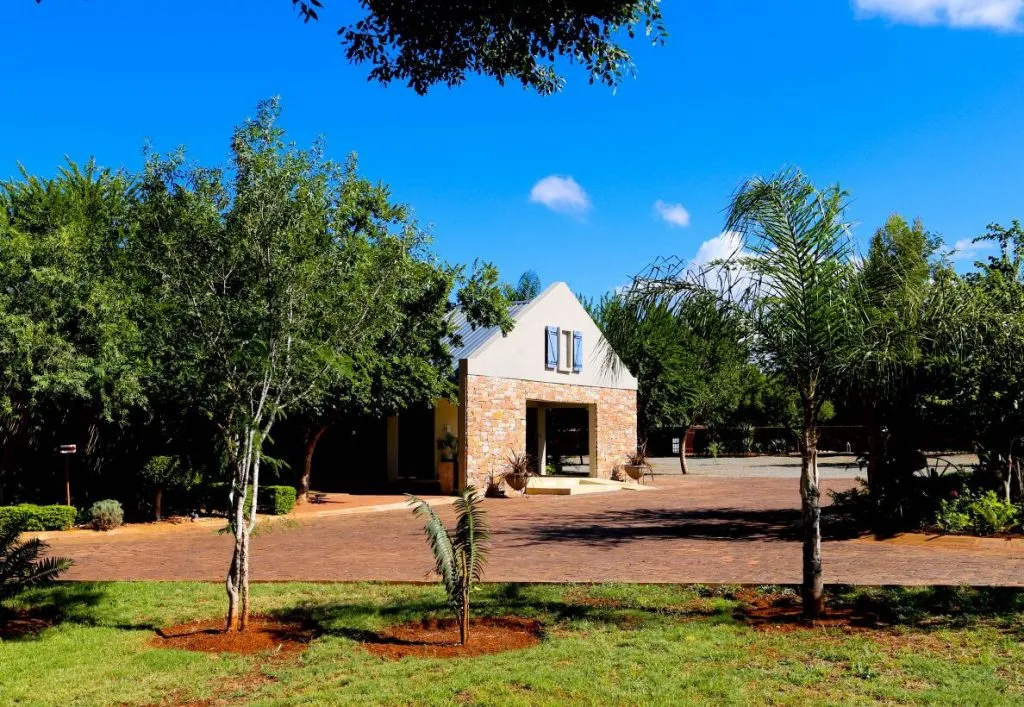
For those wanting more, a limited number of lodges on the outskirts of town offer private gardens, better facilities, and in some cases conference rooms. These attract group bookings and guests who want a more comfortable base after time spent in the wider outdoor landscape. Lodge settings also give a clearer sense of the surrounding Limpopo bushveld than accommodation in the town centre.
Because local properties are not well represented on mainstream booking platforms, comparing options requires direct contact by phone or email. Building a shortlist from any available information and then calling to confirm rates, current availability, and key facilities is the most practical approach. Advance booking matters during school holidays and periods of heightened activity in the town, since total room supply is relatively small and can fill quickly.
---
## Best Time to Visit Lebowakgomo
Lebowakgomo's elevation moderates temperatures compared to Limpopo's lower-lying areas, but summer remains genuinely hot. The wet season runs from October through April, with afternoon thunderstorms and daytime highs that regularly exceed 30°C. Early mornings are usually manageable for outdoor activity, but the combination of midday heat and afternoon storms limits extended excursions. Secondary roads and rough tracks, including crossings over dry riverbeds, become less reliable after heavy rain and are best avoided until drier conditions return.
The dry season from May through September is the most comfortable time to visit. Days are mild, evenings cool sharply, and outdoor exploration is considerably more practical. June and July bring the coldest nights, which can catch visitors off guard if they expect uniformly warm conditions throughout Limpopo. Wildlife across the broader landscape concentrates around permanent water sources during the dry months, improving sighting opportunities on drives and walks.
April and September sit at the seasonal margins and offer a reasonable compromise: reduced rainfall, moderate temperatures, and fewer visitors than the July school holiday peak or the December festive period. Both holiday windows tend to compress availability in smaller South African towns. Travelling outside these peaks, particularly in April or September, allows more flexibility and quieter conditions overall.
---
## Getting to Lebowakgomo
The primary route into Lebowakgomo is the R37, running south from Polokwane approximately 50 kilometres to the town. The drive takes under an hour on a well-maintained road through open Limpopo bushveld. For travellers arriving by air, Polokwane International Airport is the nearest commercial airport, with daily connections to Johannesburg's OR Tambo International Airport. Car hire should be arranged in Polokwane before heading south, as no major hire operators are based in Lebowakgomo itself.
From Johannesburg, the overland journey covers roughly 330 kilometres: north on the N1 through Pretoria, Bela-Bela, and Mokopane to Polokwane, then south on the R37. Under normal conditions the drive takes around three and a half hours, though traffic around Pretoria can add time. Petrol stations thin out after leaving Polokwane, so filling the tank before departure is worthwhile.
Within the town, minibus taxis run to surrounding villages and back to Polokwane, serving as the main form of local public transport. Routes operate throughout the day but without fixed timetables, which makes taxis unreliable for time-sensitive travel. A private vehicle gives considerably more flexibility for reaching heritage sites, nature areas, and smaller communities in the wider district, and is the practical choice for independent travellers.
---
## Lebowakgomo and Surrounding Areas
Lebowakgomo's position within the Lepelle-Nkumpi Local Municipality gives access to several communities and distinct landscapes within easy driving distance.
**Gladdeklipkop**, 6 kilometres from town, takes its name from the Afrikaans for "smooth rock hill." Rocky outcrops rise above the surrounding bushveld and the area is suited to short walks with open views across the district. The distance makes it easy to reach in a morning before returning to Lebowakgomo.
**Ga-maja**, 7 kilometres out, is a traditional Sepedi community that gives a grounded sense of rural life in the Lepelle-Nkumpi district. Small-scale farming and household settlements characterise the land around it, offering a clear contrast to Lebowakgomo's government buildings and campus atmosphere.
**Broadlands**, 14 kilometres from town, sits in open agricultural country shaped by cattle farming and smallholdings. The drive out passes through sparse, open terrain, and the settlement itself has the quiet, working character of the Limpopo interior.
**Bergnek**, 17 kilometres from Lebowakgomo, marks a shift in the terrain. The name means "mountain pass" in Afrikaans, and the landscape reflects this: elevated and broken, with rocky ridgelines rising above the surrounding plains. Roads here are passable in a standard vehicle, and the scenery is noticeably more dramatic than the flatter country near town.
**Ga-tshwene**, 18 kilometres away, has a Sepedi name meaning roughly "place of baboons," a reference to the rocky hillside habitat historically associated with wildlife in this part of the district. Acacia woodland and scattered outcrops give the area a wilder character than the farmland and settlements closer to Lebowakgomo.
**Ga-rakgwatha**, the furthest destination at 22 kilometres, is a traditional settlement within the broader Lepelle-Nkumpi area. Like several of the nearby villages, it gives a direct picture of everyday rural life in this part of Limpopo, away from the institutional character of the town.
---
## Planning Your Stay
A few practical points are worth addressing before booking in Lebowakgomo. Most properties in the area do not maintain active listings on mainstream booking platforms, so direct contact by phone is the most reliable way to confirm availability and current rates. Calling ahead is particularly important during the July school holidays, the December festive season, or any period when university events in the town push demand higher than usual.
When speaking to a property, ask specifically about load-shedding arrangements. Power outages are routine across South Africa, and whether a property has a generator or inverter backup makes a real difference to day-to-day comfort, particularly for food storage and device charging. Water supply can also be inconsistent in smaller Limpopo towns, so confirm whether the property holds its own supply independently of the municipality. If reliable internet access matters, check Wi-Fi quality in advance, as mobile data signals can be patchy in parts of the district. Secure overnight parking is worth confirming if you are arriving by car.
For trips to heritage sites such as Makapan Valley, approximately 40 kilometres from town, or to wildlife and hiking areas in the wider Limpopo landscape, set aside a full day per destination and arrange guided access before arriving. Local guides may need prior notice, and some areas require permits for independent visits. Planning these excursions before departure rather than attempting to organise them on arrival is the more reliable approach.

Lebowakgomo's accommodation scene reflects its primary role as a regional administrative and university centre rather than a tourist destination. Established as the capital of the former Lebowa homeland, the town's guesthouses and lodges developed alongside its administrative history and still serve government workers, visiting academics, and contractors as much as leisure travellers. The online listing count currently stands at zero and prices are not tracked through mainstream booking platforms, so rates and availability must be confirmed by contacting properties directly.
At the budget end, simple guesthouses offer clean rooms with self-catering facilities and a household atmosphere typical of family-run properties in smaller South African towns. These suit travellers keeping costs low while using Lebowakgomo as a base for day trips into the district. The mid-range tier delivers more consistent amenities: en-suite bathrooms, Wi-Fi, and often a small dining area on site. Properties here tend to serve both short-stay leisure visitors and longer-term guests on academic or government assignments.
For those wanting more, a limited number of lodges on the outskirts of town offer private gardens, better facilities, and in some cases conference rooms. These attract group bookings and guests who want a more comfortable base after time spent in the wider outdoor landscape. Lodge settings also give a clearer sense of the surrounding Limpopo bushveld than accommodation in the town centre.
Because local properties are not well represented on mainstream booking platforms, comparing options requires direct contact by phone or email. Building a shortlist from any available information and then calling to confirm rates, current availability, and key facilities is the most practical approach. Advance booking matters during school holidays and periods of heightened activity in the town, since total room supply is relatively small and can fill quickly.
---
## Best Time to Visit Lebowakgomo
Lebowakgomo's elevation moderates temperatures compared to Limpopo's lower-lying areas, but summer remains genuinely hot. The wet season runs from October through April, with afternoon thunderstorms and daytime highs that regularly exceed 30°C. Early mornings are usually manageable for outdoor activity, but the combination of midday heat and afternoon storms limits extended excursions. Secondary roads and rough tracks, including crossings over dry riverbeds, become less reliable after heavy rain and are best avoided until drier conditions return.
The dry season from May through September is the most comfortable time to visit. Days are mild, evenings cool sharply, and outdoor exploration is considerably more practical. June and July bring the coldest nights, which can catch visitors off guard if they expect uniformly warm conditions throughout Limpopo. Wildlife across the broader landscape concentrates around permanent water sources during the dry months, improving sighting opportunities on drives and walks.
April and September sit at the seasonal margins and offer a reasonable compromise: reduced rainfall, moderate temperatures, and fewer visitors than the July school holiday peak or the December festive period. Both holiday windows tend to compress availability in smaller South African towns. Travelling outside these peaks, particularly in April or September, allows more flexibility and quieter conditions overall.
---
## Getting to Lebowakgomo
The primary route into Lebowakgomo is the R37, running south from Polokwane approximately 50 kilometres to the town. The drive takes under an hour on a well-maintained road through open Limpopo bushveld. For travellers arriving by air, Polokwane International Airport is the nearest commercial airport, with daily connections to Johannesburg's OR Tambo International Airport. Car hire should be arranged in Polokwane before heading south, as no major hire operators are based in Lebowakgomo itself.
From Johannesburg, the overland journey covers roughly 330 kilometres: north on the N1 through Pretoria, Bela-Bela, and Mokopane to Polokwane, then south on the R37. Under normal conditions the drive takes around three and a half hours, though traffic around Pretoria can add time. Petrol stations thin out after leaving Polokwane, so filling the tank before departure is worthwhile.
Within the town, minibus taxis run to surrounding villages and back to Polokwane, serving as the main form of local public transport. Routes operate throughout the day but without fixed timetables, which makes taxis unreliable for time-sensitive travel. A private vehicle gives considerably more flexibility for reaching heritage sites, nature areas, and smaller communities in the wider district, and is the practical choice for independent travellers.
---
## Lebowakgomo and Surrounding Areas
Lebowakgomo's position within the Lepelle-Nkumpi Local Municipality gives access to several communities and distinct landscapes within easy driving distance.
**Gladdeklipkop**, 6 kilometres from town, takes its name from the Afrikaans for "smooth rock hill." Rocky outcrops rise above the surrounding bushveld and the area is suited to short walks with open views across the district. The distance makes it easy to reach in a morning before returning to Lebowakgomo.
**Ga-maja**, 7 kilometres out, is a traditional Sepedi community that gives a grounded sense of rural life in the Lepelle-Nkumpi district. Small-scale farming and household settlements characterise the land around it, offering a clear contrast to Lebowakgomo's government buildings and campus atmosphere.
**Broadlands**, 14 kilometres from town, sits in open agricultural country shaped by cattle farming and smallholdings. The drive out passes through sparse, open terrain, and the settlement itself has the quiet, working character of the Limpopo interior.
**Bergnek**, 17 kilometres from Lebowakgomo, marks a shift in the terrain. The name means "mountain pass" in Afrikaans, and the landscape reflects this: elevated and broken, with rocky ridgelines rising above the surrounding plains. Roads here are passable in a standard vehicle, and the scenery is noticeably more dramatic than the flatter country near town.
**Ga-tshwene**, 18 kilometres away, has a Sepedi name meaning roughly "place of baboons," a reference to the rocky hillside habitat historically associated with wildlife in this part of the district. Acacia woodland and scattered outcrops give the area a wilder character than the farmland and settlements closer to Lebowakgomo.
**Ga-rakgwatha**, the furthest destination at 22 kilometres, is a traditional settlement within the broader Lepelle-Nkumpi area. Like several of the nearby villages, it gives a direct picture of everyday rural life in this part of Limpopo, away from the institutional character of the town.
---
## Planning Your Stay
A few practical points are worth addressing before booking in Lebowakgomo. Most properties in the area do not maintain active listings on mainstream booking platforms, so direct contact by phone is the most reliable way to confirm availability and current rates. Calling ahead is particularly important during the July school holidays, the December festive season, or any period when university events in the town push demand higher than usual.
When speaking to a property, ask specifically about load-shedding arrangements. Power outages are routine across South Africa, and whether a property has a generator or inverter backup makes a real difference to day-to-day comfort, particularly for food storage and device charging. Water supply can also be inconsistent in smaller Limpopo towns, so confirm whether the property holds its own supply independently of the municipality. If reliable internet access matters, check Wi-Fi quality in advance, as mobile data signals can be patchy in parts of the district. Secure overnight parking is worth confirming if you are arriving by car.
For trips to heritage sites such as Makapan Valley, approximately 40 kilometres from town, or to wildlife and hiking areas in the wider Limpopo landscape, set aside a full day per destination and arrange guided access before arriving. Local guides may need prior notice, and some areas require permits for independent visits. Planning these excursions before departure rather than attempting to organise them on arrival is the more reliable approach.
Lebowakgomo Kaart
Nabygeleë Bestemmings
Blaai Deur Alle Lebowakgomo Akkommodasie
Bekyk al 0 akkommodasie-opsies in Lebowakgomo met foto's, pryse en beskikbaarheid.
Blaai Deur Alle Akkommodasie