Accommodation in Ga-mankoeng
Formal accommodation within Ga-mankoeng itself currently stands at zero listed properties, which reflects the village's status as a working rural community rather than a developed tourism destination. Visitors need to look outward to Tzaneen, roughly 50 kilometres away, or smaller settlements in the surrounding district to find an established hospitality offering.
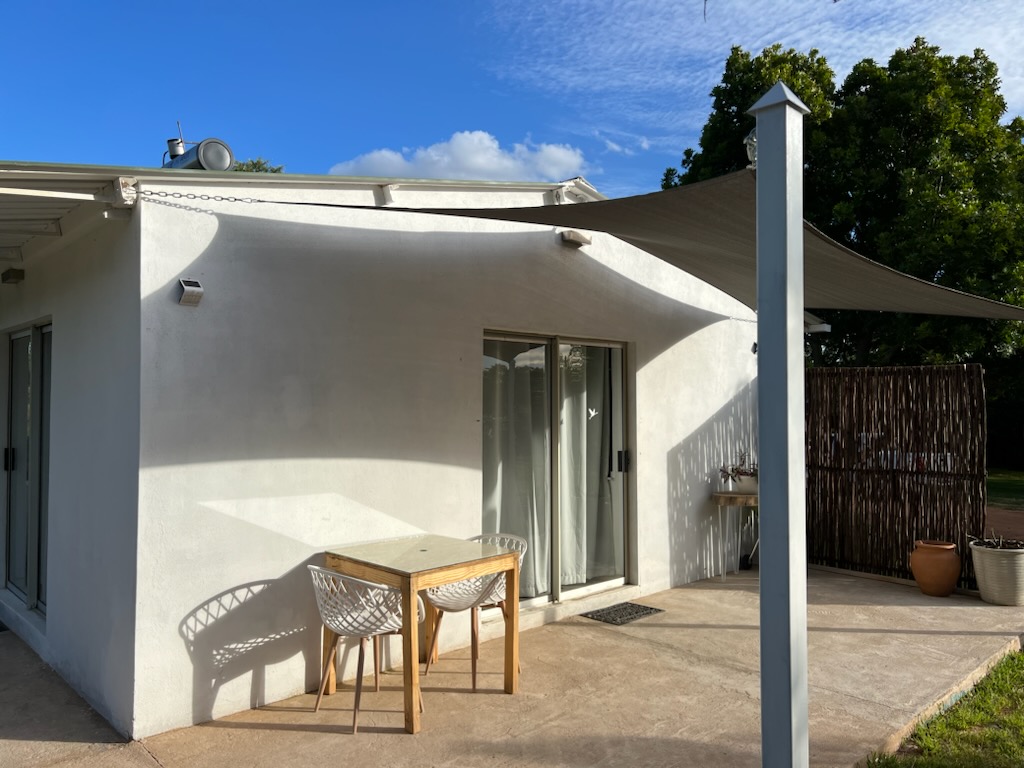
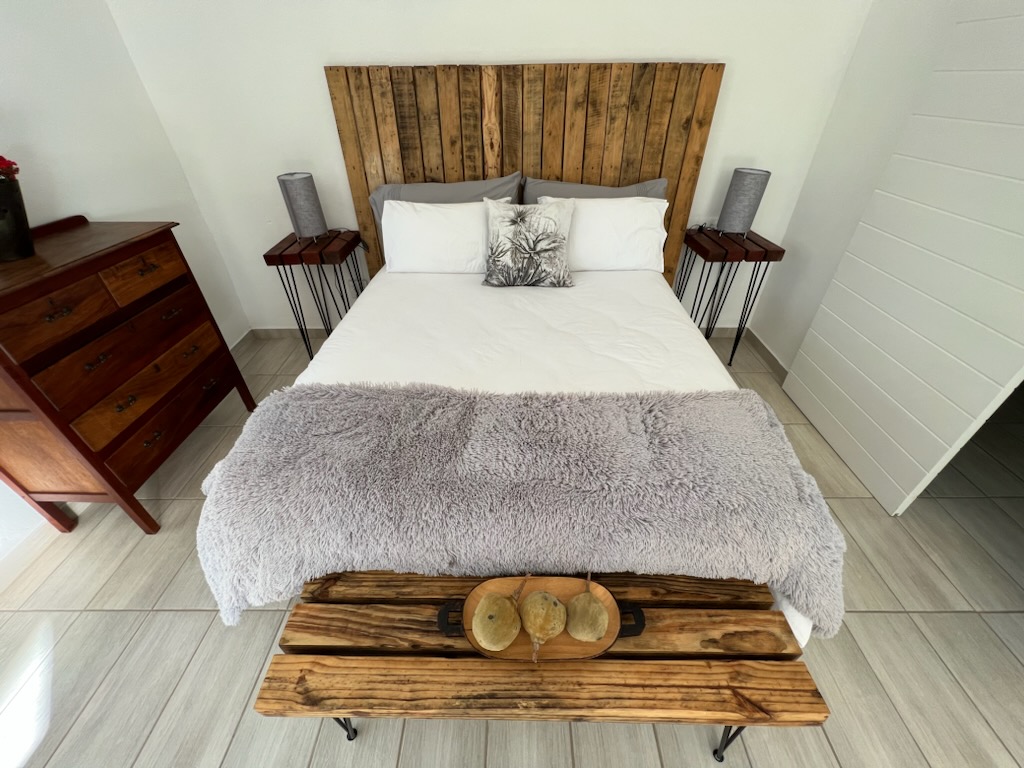
The wider Mopani District covers enough ground that accommodation exists across most budget tiers, though none currently falls within the village boundaries. At the budget end, basic guesthouses and family-run bed-and-breakfasts provide simple rooms with essential amenities. These are usually managed by local households, tend toward minimal facilities, and suit independent travellers who prioritise contact with community life over comfort.
Mid-range options in the Tzaneen area and along the Magoebaskloof foothills run to comfortable small lodges and guesthouses with en-suite rooms, reliable electricity, and breakfast included. Many operate on a bed-and-breakfast model with dinner available on request, which suits those who want convenience without the overhead of a larger resort property.
Further up the scale, bush lodges and farm stays in the broader Limpopo lowveld offer access to wildlife, guided walks, and open savanna or forested escarpment. These tend to sit on private land some distance from the village and are best booked well in advance, particularly during peak holiday periods.
Because specific pricing and room availability within Ga-mankoeng are not currently documented in any public listing database, visitors should contact properties directly for current rates. The absence of in-village inventory means choosing a well-located base in the surrounding district matters more than searching for accommodation in the village itself.
Best Time to Visit Ga-mankoeng
Limpopo's climate divides into two clear phases: a wet summer from November through March, and a dry winter period from April to October.
The dry months, particularly May through August, offer the most dependable conditions for travel. Rain is rare, temperatures stay mild by Limpopo standards, and roads throughout the district remain passable. Wildlife in the broader region concentrates around permanent water sources during this period, making sightings more predictable. June and July bring cold mornings, especially at higher elevations, and a warm layer is worth packing even on lowveld-focused trips.
Summer heat builds from September, with temperatures frequently reaching 35°C or above in the lowveld by December. Afternoon thunderstorms from November onward can be intense, and sustained rain occasionally makes gravel approach roads difficult for a day or two. Against that, the landscape turns noticeably green, migratory birds arrive in numbers, and the region's rivers run at their most active. Birding and botanical interest are at their highest during the wet season.
October sits between the two seasons and is worth considering for a first visit. Temperatures are climbing but not yet extreme, flowers begin to emerge on the escarpment, and visitor numbers at regional attractions are lower than in December. For those with flexibility, the dry season from May to August involves the fewest logistical complications. The main caveat is that this period also draws more visitors to Limpopo's reserves and parks, so any excursions requiring advance booking should be arranged well ahead of travel dates.
Getting to Ga-mankoeng
Driving is the only practical way to reach Ga-mankoeng independently. The R36 forms the main north-south artery through this part of Limpopo, and the village is reached via regional and gravel roads branching from this route. From Tzaneen, the journey takes roughly an hour.
From Johannesburg, allow approximately five hours via the N1 north through Bela-Bela, then east on the R71 toward Tzaneen. Polokwane, the provincial capital, is around 90 minutes away on the N1 and R71 combined. No scheduled public transport serves Ga-mankoeng directly. Shared minibus taxis connect Tzaneen with outlying villages and represent the most common form of local movement, though routes and departure times follow no fixed published timetable.
The nearest commercial airports are Polokwane International, approximately 150 kilometres to the west, and Hoedspruit Eastgate to the southeast, which serves the western Kruger corridor. Both airports have car hire desks. A hire car is effectively necessary for reaching the village and for exploring the district's smaller roads independently.
Several approach routes include short gravel sections. A vehicle with reasonable ground clearance handles these more comfortably than a low-clearance sedan, particularly after wet weather.
Ga-mankoeng and Surrounding Areas
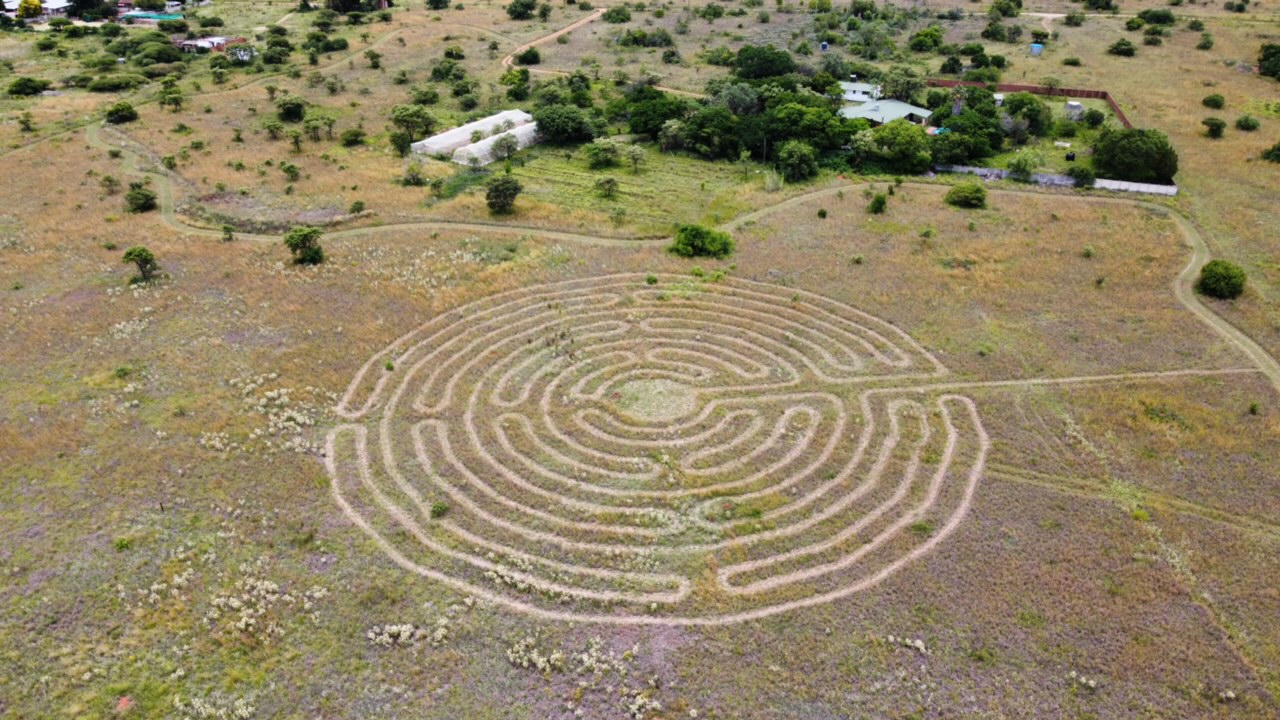
Ga-mankoeng sits within a cluster of Sepedi-speaking rural communities, and the 20-kilometre radius around the village takes in a mix of farming settlements and one significant natural area.
Ga-mokwane, 9 kilometres away, is the closest neighbour and shares the same agricultural character as Ga-mankoeng. The short distance makes it easy to combine with a day of wider community exploration. Local markets and informal trade in both villages reflect patterns of rural commerce that have changed relatively little over recent decades.
Ga-papo (12 km) sits slightly further out and is primarily a residential farming community. Ga-ramphere at 15 kilometres follows a similar pattern, with smallholdings and cultivated plots giving way to drier bush as the terrain shifts. Both communities maintain traditional land-use practices, and visitors with cultural or ethnographic interests may find it worthwhile to arrange introductions through a local guide before arriving.
Ga-makgobathe, also 15 kilometres from the village, forms part of this connected network of communities where farming, family structure, and customary life remain central to daily routines. The landscape between these four villages, with its mix of homesteads, cultivated ground, and open bush, gives a clear picture of rural Limpopo beyond the main highway corridors.
Wolkberg, 19 kilometres away, is a departure from the surrounding settlements. The Wolkberg Wilderness Area occupies the Drakensberg escarpment and offers marked hiking trails through montane grassland, indigenous forest, and rocky terrain cut by streams. Entry is permit-based and visitor numbers are restricted, so booking through the relevant conservation authority in advance is necessary. The altitude, vegetation, and scenery here contrast sharply with the lowveld character of the nearby villages.
Dikgaleslokasie, also 19 kilometres out, is a township community with no developed visitor infrastructure. Its presence within the district adds context to the region's history of land settlement and the spatial patterns that shaped post-apartheid Limpopo.
Planning Your Stay
Because Ga-mankoeng has no accommodation of its own in current listings, the first practical step is choosing a base in the surrounding area. Options closer to the main service routes offer easier access to resupply, while smaller properties on rural district roads trade convenience for a quieter, more isolated setting.
Book ahead if your dates fall within school holiday periods. December to January, Easter week, and the June to July mid-year break are the three intervals when demand across Limpopo rises sharply and last-minute availability shrinks considerably.
Before confirming any booking, check a few specific points. Find out whether meals are included or if self-catering is an option, since distances involved make daily trips for food time-consuming. Road conditions on the final approach can be an issue between November and March, so ask the property directly before travelling. Mobile signal drops off on many smaller district roads, which affects GPS navigation as much as general communication, so confirm coverage if staying somewhere remote.
For visits to local communities around Ga-mankoeng, reaching out in advance through Mopani District Municipality tourism contacts or a locally based guide is the most effective approach. Arranged visits tend to be better received by community members and provide considerably more context than unannounced arrivals.
Fuel, banking, a pharmacy, and medical services are all available in Tzaneen. Stock up on any essential supplies before heading out into the district, as these are not reliably available in the smaller surrounding villages.