Ga-Motodi Reis- & Akkommodasiegids
Jou volledige gids om Ga-Motodi, Suid-Afrika te besoek.
Ga-motodi is a small village in the Greater Letaba Municipality of Limpopo Province, situated in the rural landscapes between Tzaneen and Phalaborwa. The area offers visitors a chance to experience authentic rural South African life while serving as a base for exploring the region's natural attractions.
## Accommodation in Ga-motodi
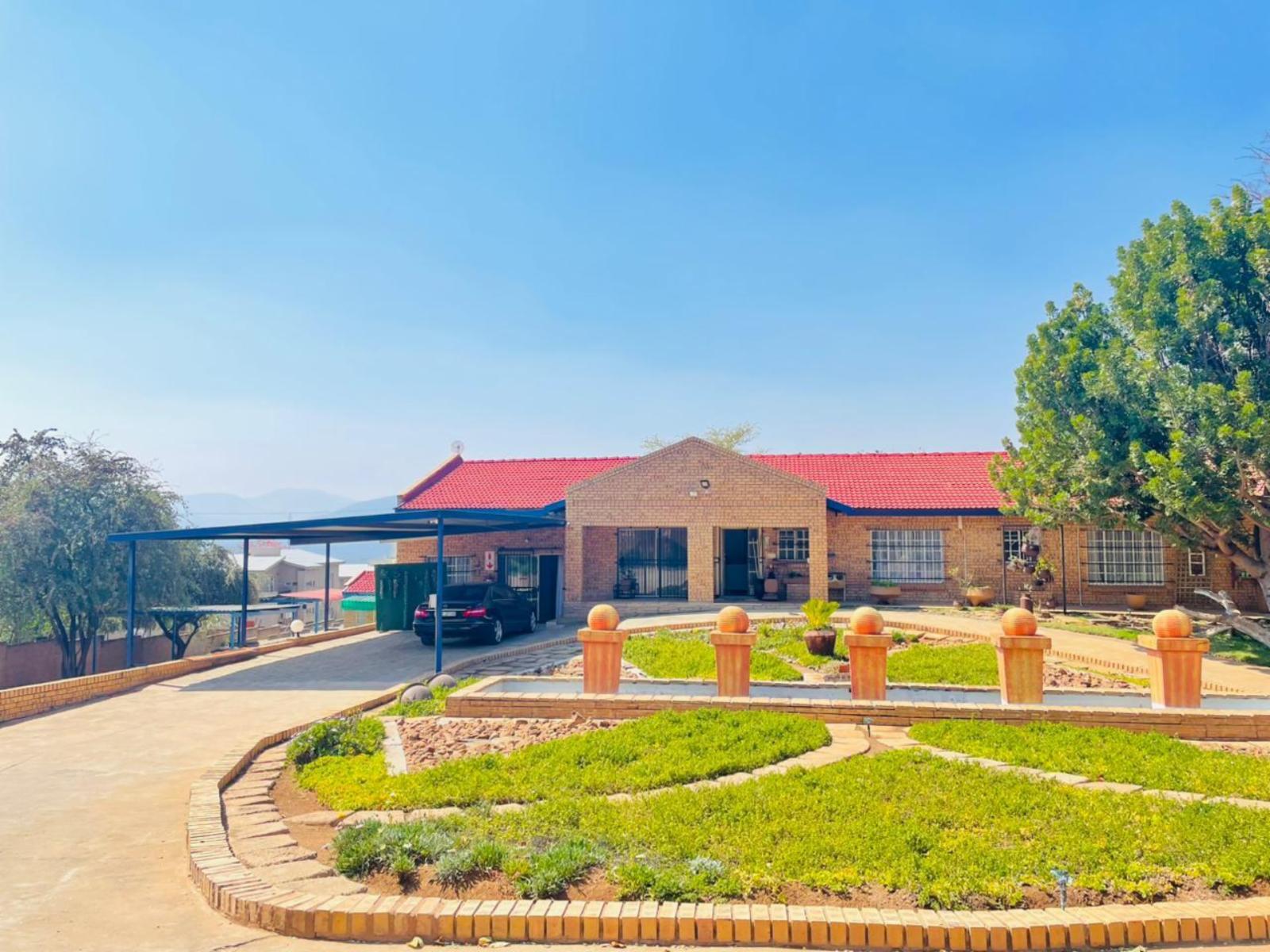
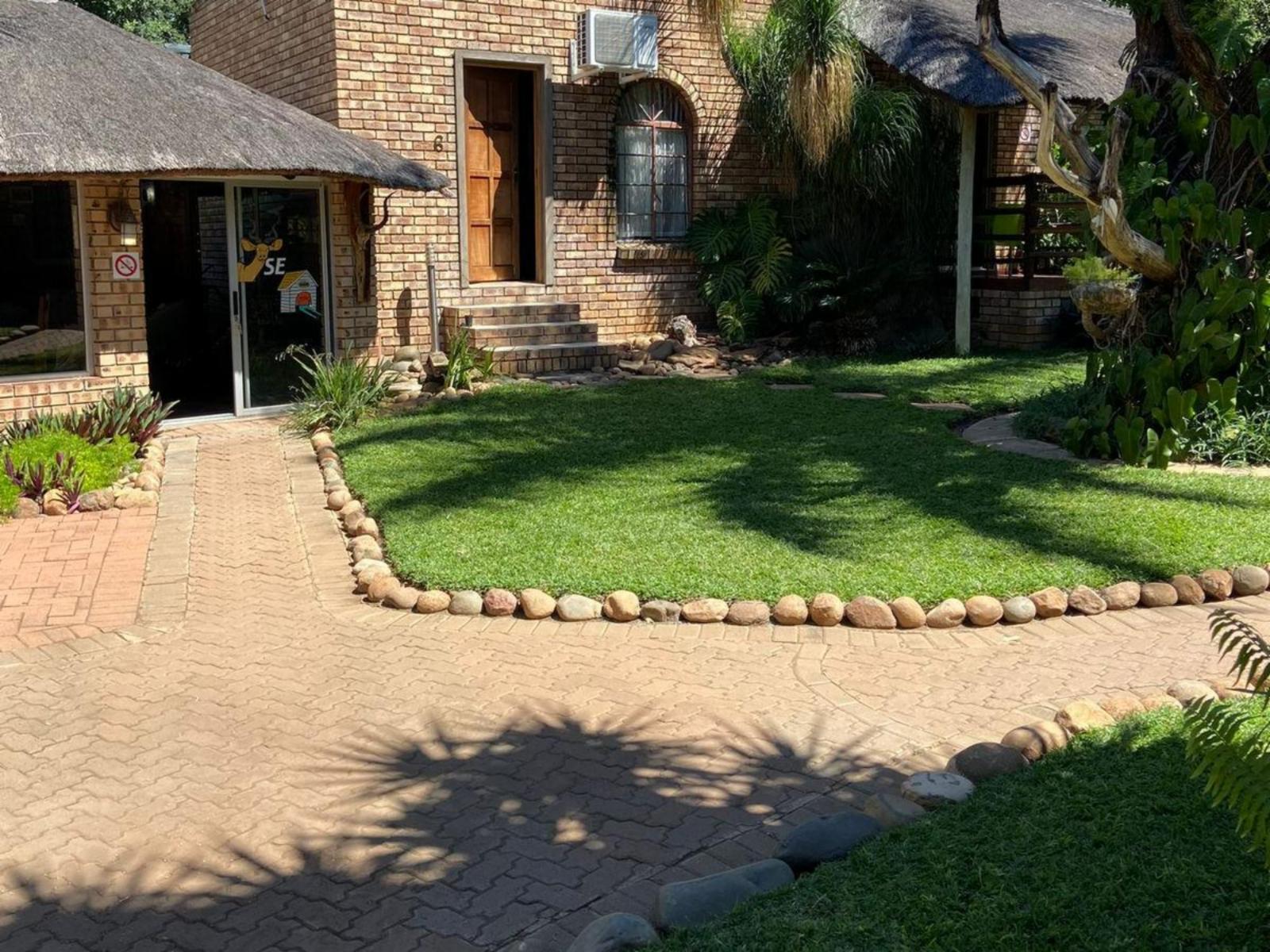
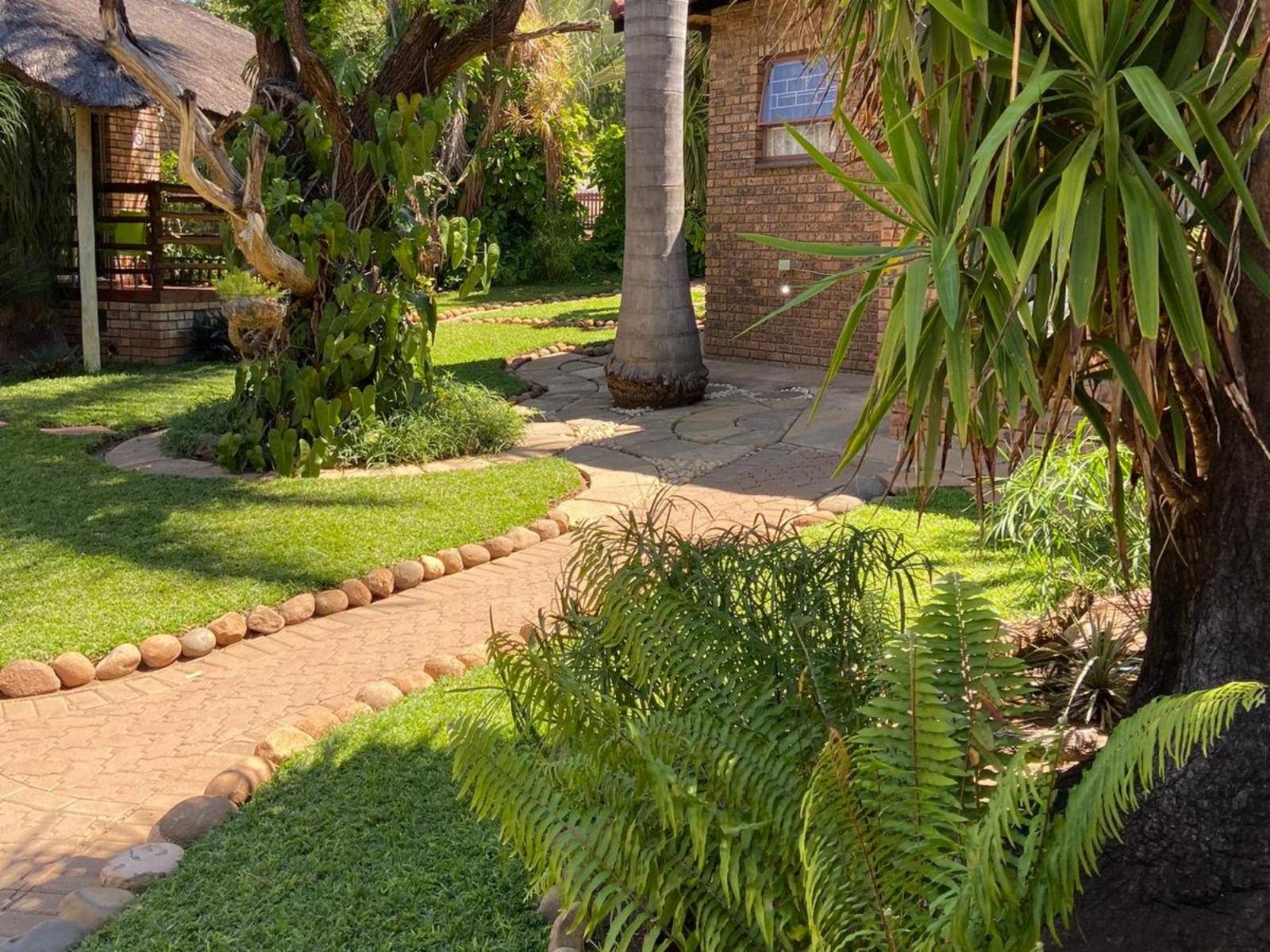
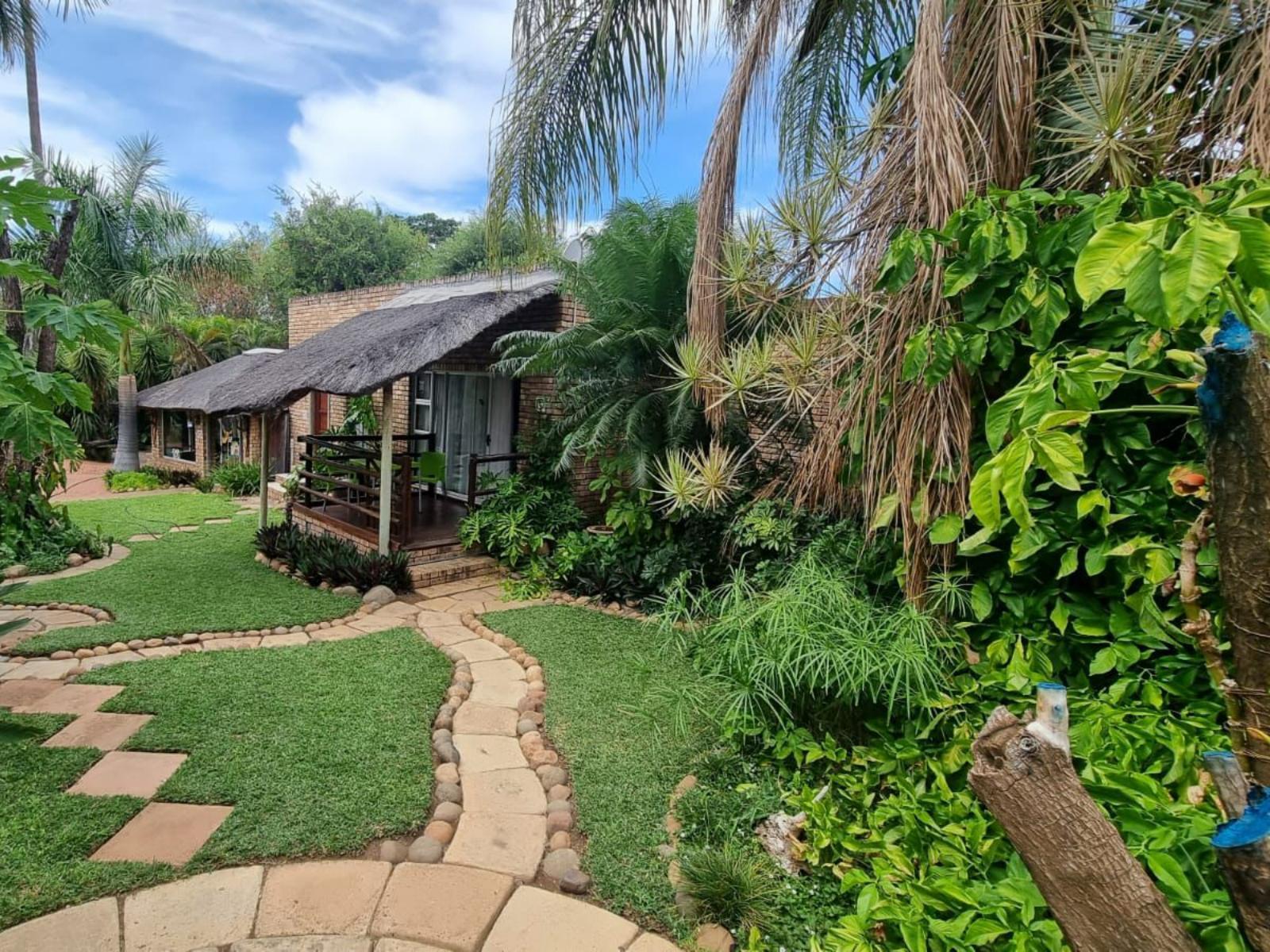
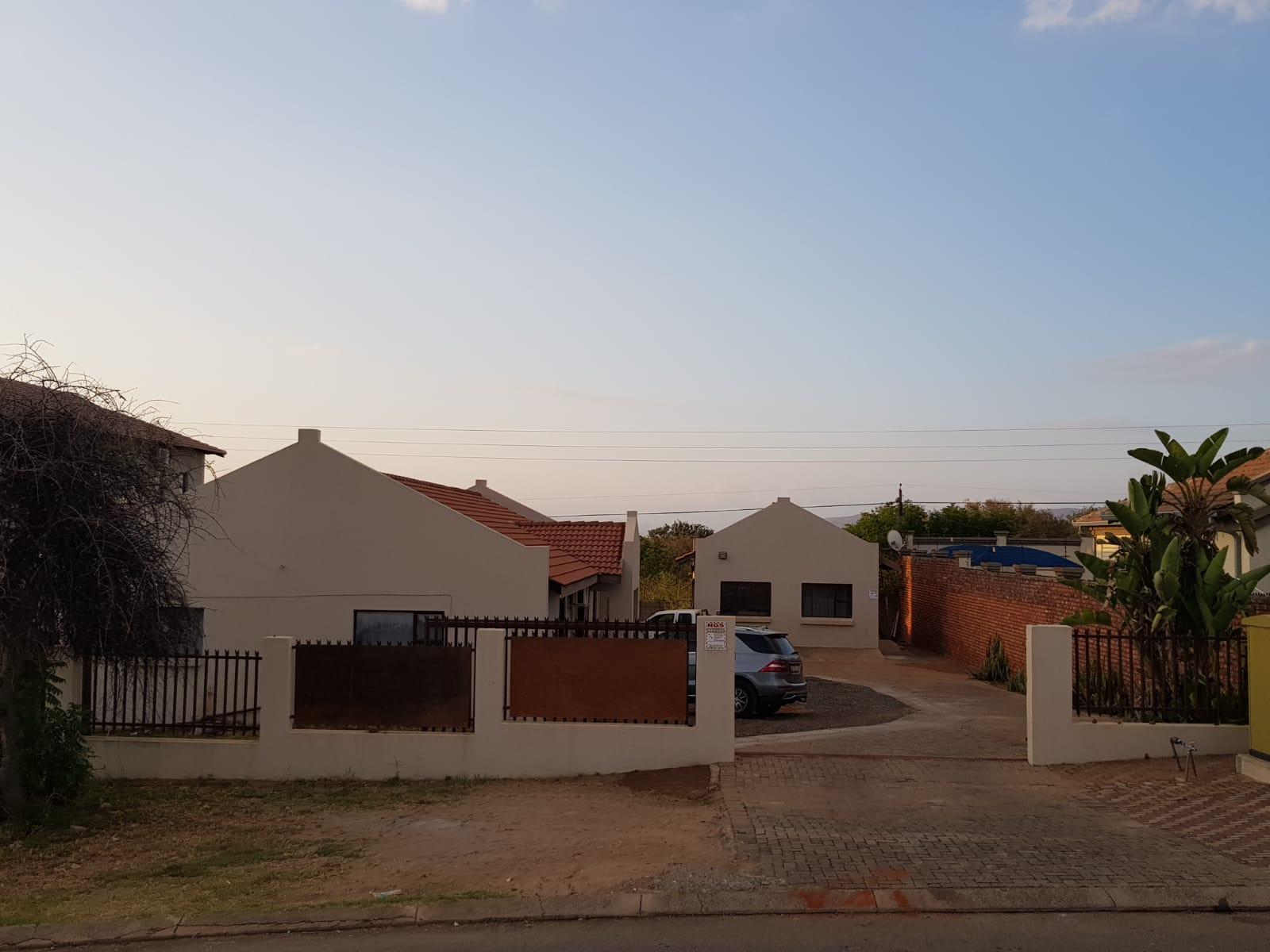
Ga-motodi currently has no formally listed properties on mainstream accommodation platforms, a figure that reflects the village's position outside established tourist circuits rather than an absence of places to stay. Those who make the effort to seek out stays here typically arrange them through direct community contacts, local word of mouth, or community-based tourism networks active across the Mopani District.
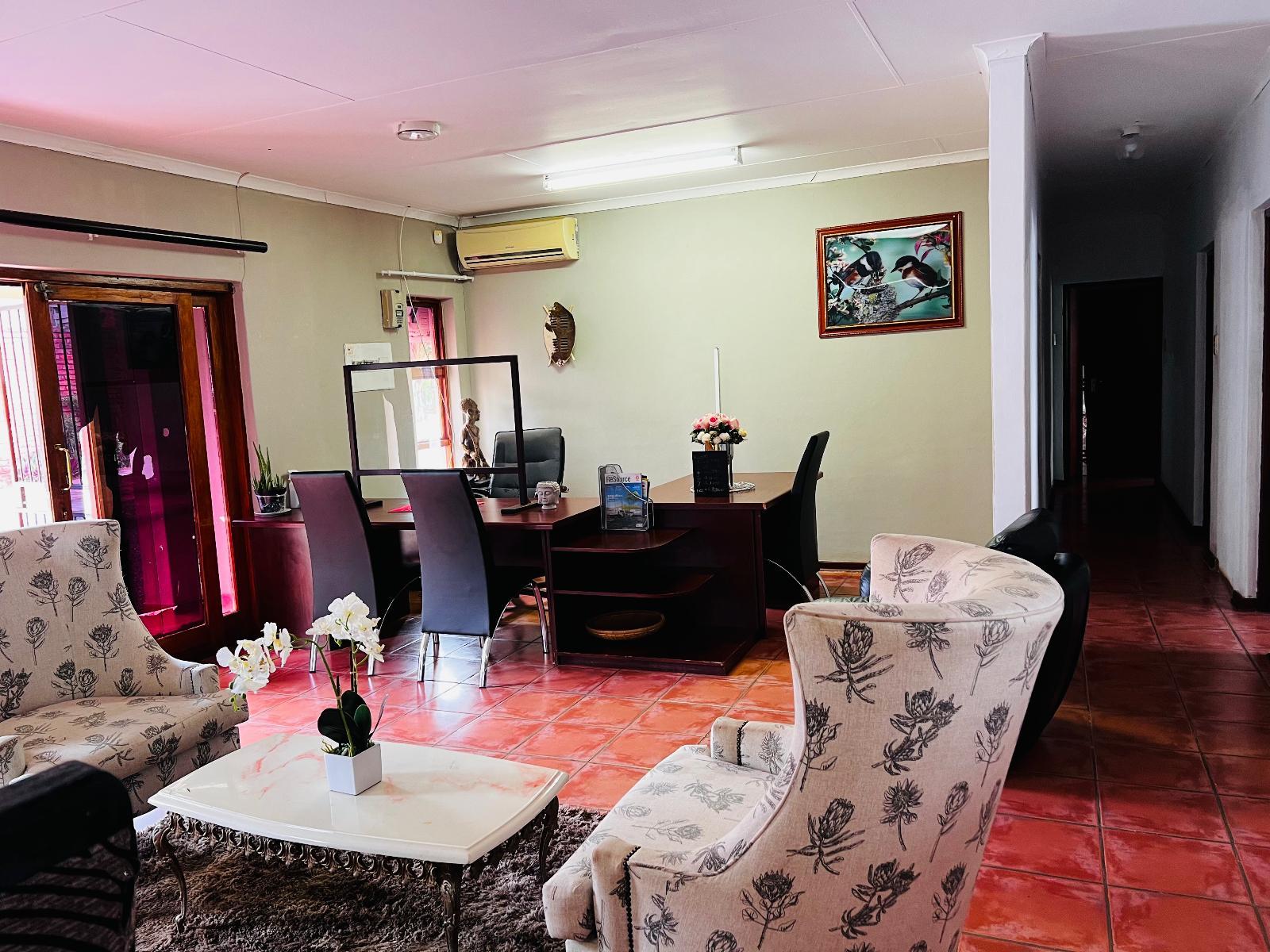
At the budget end, options centre on homestays and basic guesthouses run by local families. These provide a room with simple furnishings, shared bathroom facilities, and meals prepared from locally available ingredients. Costs are negotiated directly with hosts, and while this lacks the convenience of online booking, it tends to direct money straight into household economies rather than through intermediaries. Travellers comfortable with informal arrangements often find this the most genuine way to engage with daily life in the village, with mealtimes and conversations providing context that no itinerary can manufacture.
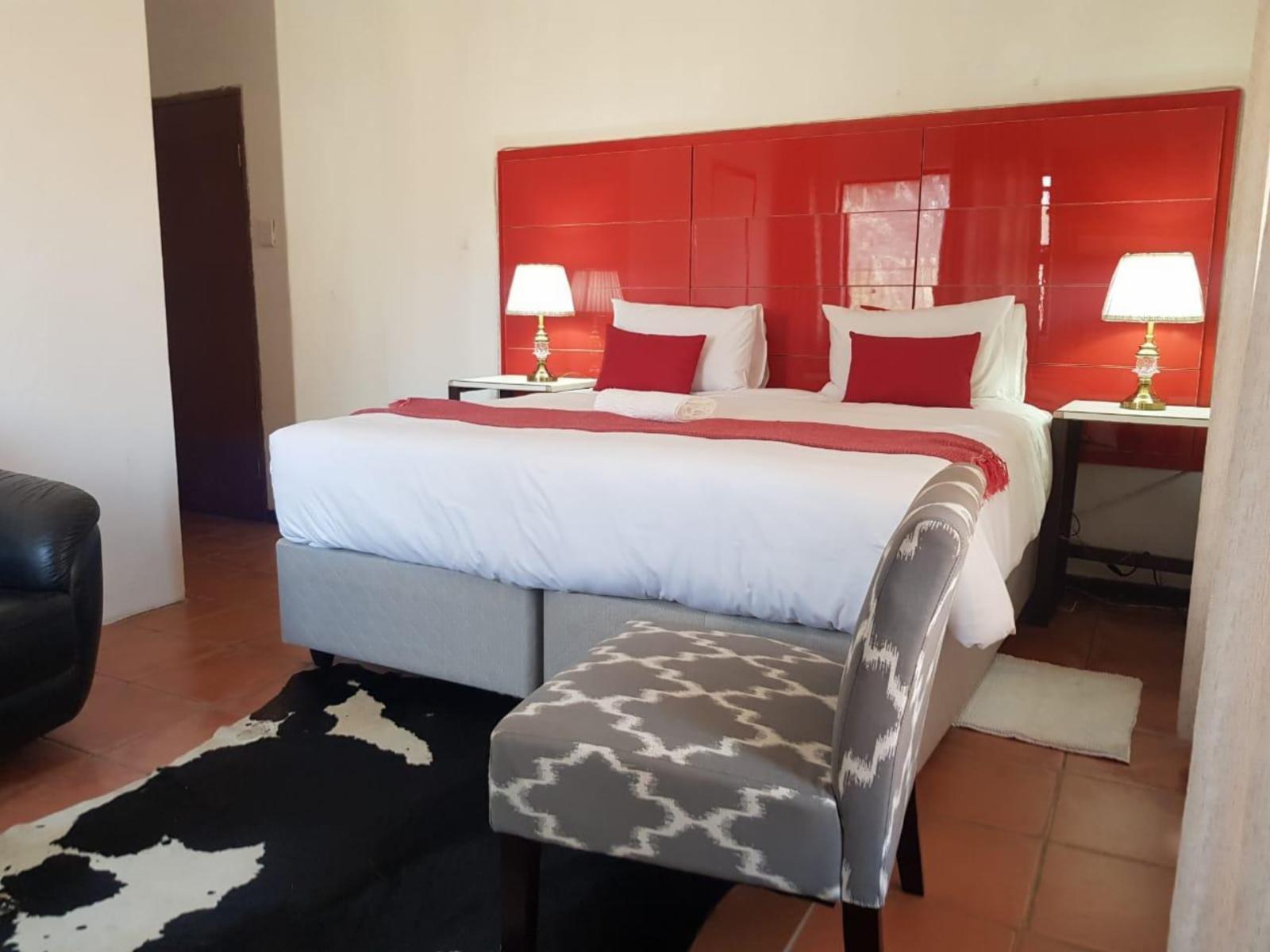
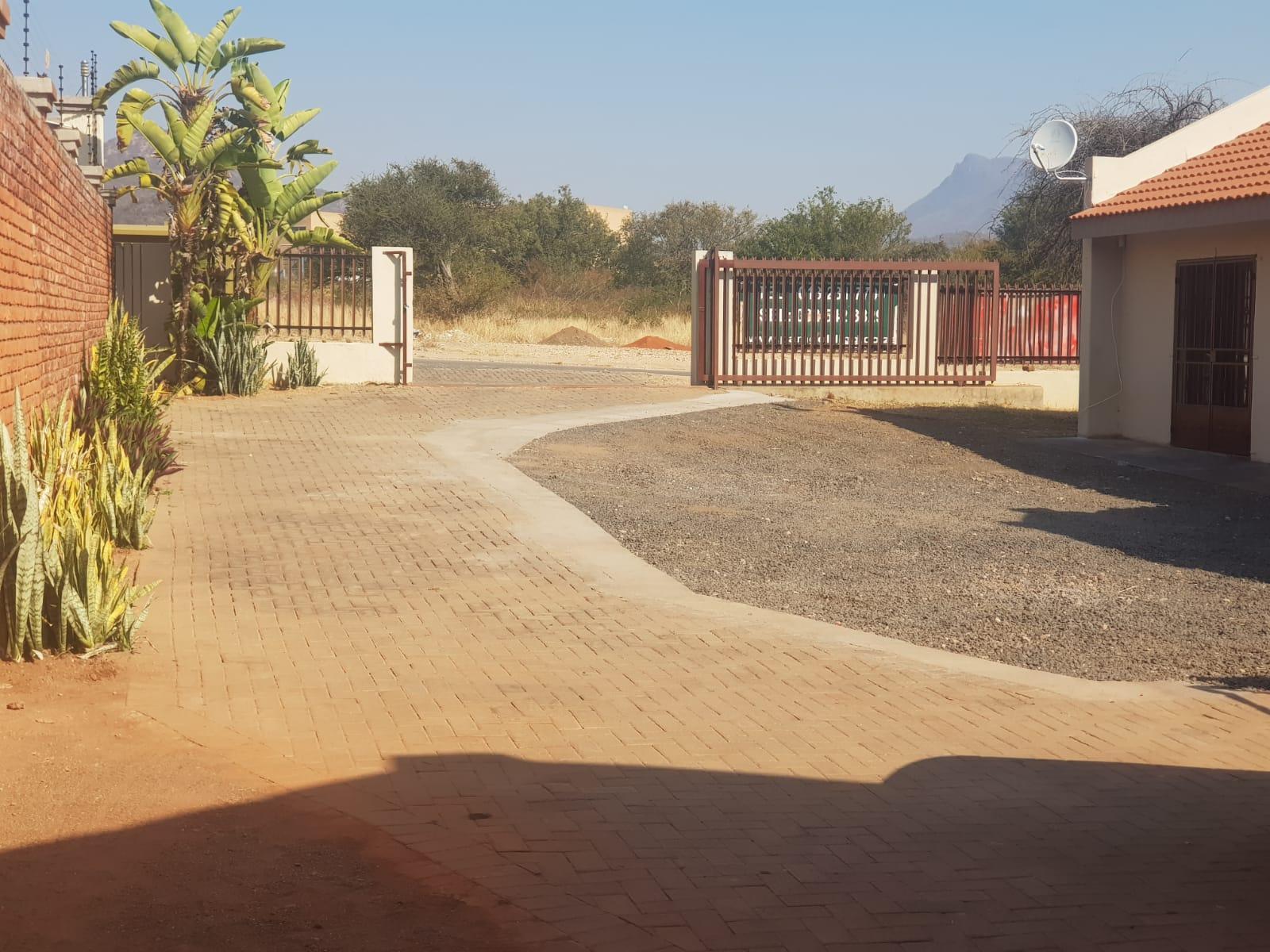
The mid-range tier is thin but present in the broader area surrounding Ga-motodi. A small number of guesthouses and lodge-style properties within the rural district offer ensuite rooms, basic amenities, and sometimes a self-catering component. These suit couples or small groups who want a degree of independence without committing to a full homestay arrangement. Facilities at this level tend to include reliable electricity and hot water, though both should be confirmed before booking.
Upper-tier accommodation, in terms of game lodges or boutique stays, is not available within the village itself. Travellers seeking that level of comfort will need to look outward to privately operated reserves along the broader Lowveld corridor, accepting a longer daily drive if using Ga-motodi as a cultural base rather than a resort retreat.
Pricing across all tiers remains largely unknown on formal platforms, as few providers here submit rates to booking aggregators. Direct enquiry is the practical approach, and flexibility on travel dates tends to work in the visitor's favour given how informal most of these arrangements are.
## Best Time to Visit Ga-motodi
The Lowveld climate divides clearly into a wet summer and a dry winter. From October through March, temperatures regularly exceed 35 degrees Celsius, and afternoon thunderstorms build quickly with little warning. The vegetation is dense and green during this period, rivers carry more water, and the landscape looks its most dramatic after rain, but the heat makes outdoor activity uncomfortable outside the early morning and late afternoon hours. Malaria prophylaxis is recommended for anyone staying in the area through summer, as mosquito populations increase considerably.
May to August is the most comfortable window for general travel. Skies remain clear for weeks at a time, temperatures are moderate during the day, and the dry season reduces vegetation cover along the Kruger boundary, making wildlife more visible for those travelling onward to game areas. Nights can turn genuinely cold in June and July, so a warm layer is worth packing even when daytime temperatures seem mild.
The shoulder months of April and September retain warmth without the full weight of the rains. Birders often choose the wet season, when migratory species arrive in the Lowveld, and the trade-off of heat for birdwatching opportunity suits those who know what they are looking for. For most other visitors, the May-to-August window provides the most straightforward travel conditions.
## Getting to Ga-motodi
Ga-motodi lies roughly 60 kilometres from Tzaneen, the nearest town with substantial services and the most practical orientation point before heading into the rural surrounds. From Johannesburg, the overland drive north takes between four and five hours via Polokwane, Limpopo's largest city and the hub for most domestic air connections to the province. Several carriers run daily flights between OR Tambo International and Polokwane, making this the most accessible entry point for visitors coming from Gauteng.
Phalaborwa Airport, on the eastern side of Limpopo, handles smaller regional flights with connections to Johannesburg on scheduled services. From Phalaborwa, the drive through the Mopani District's network of tar and gravel roads brings travellers to the Ga-motodi area within approximately an hour, and the route itself passes through typical Lowveld terrain.
A private vehicle is essential throughout. Minibus taxis serve the main corridor routes between larger towns but do not extend reliably to small villages. Four-wheel drive is not required in dry winter conditions, but some access roads become impassable after heavy summer rainfall, so checking road conditions before travel is sensible during that period. Fuel up before leaving Giyani or Tzaneen, as service stations thin out considerably in the surrounding rural area. GPS coverage can be inconsistent on back roads, so a downloaded offline map is a practical precaution.
## Ga-motodi and Surrounding Areas
The villages within roughly 20 kilometres of Ga-motodi form a coherent rural zone within the Mopani District. Each has a distinct character and offers a different reason to venture out from the village.
**Ga-masamothane**, 12 kilometres away, is the closest of the named surrounding destinations and shares the agricultural patterns typical of this corridor. Communal smallholdings and traditional land allocation are visible from the roads passing through, making it a useful short excursion for understanding how land is used and managed across this part of Limpopo.
**Ga-maditsa** (13km) sits slightly further along the rural road network. Trading activity and informal markets along the connecting routes offer a window into rural commerce and the exchange networks that link villages across the area, particularly on busier market days.
**Ga-makofane** (15km) has historical associations with traditional leadership structures in the region. A visit here adds context to the governance arrangements that continue to shape land allocation and community organisation across the district, and the route between the two villages passes through open bushveld.
**Derdegelid** (15km) carries an Afrikaans place name that points to a different layer of local history. Farm demarcation from the colonial and apartheid periods left land boundaries still visible in parts of this corridor, and the transition between former commercial farmland and communal areas is apparent here in a way that invites reflection.
**Ga-malepe** (15km) forms part of the same cluster of Bapedi communities and makes sense as a stop on a circular day drive from Ga-motodi. The road between the two suits a slow pace, and the scenery along the way is characteristic of the broader Lowveld landscape.
**Ga-ishe**, at 18 kilometres, is the furthest destination in this immediate group. The route passes through open terrain where roadside birdwatching is possible, and the village reflects the agricultural and social rhythms that define most communities in this part of Limpopo.
## Planning Your Stay
With no properties listed through mainstream booking platforms, planning a visit to Ga-motodi requires more groundwork than most destinations. The most reliable starting point is contacting the Mopani District Municipality's tourism office or reaching out to community development organisations active in the area, both of which can direct visitors towards vetted homestays and local guesthouses.
If your visit coincides with South African school holidays, particularly the December-January and April periods, expect reduced availability even at informal properties, as domestic travel within Limpopo increases during these windows. Outside peak periods, last-minute arrangements may be possible, but they carry risk when communication infrastructure is variable. Committing to a booking early removes a significant source of uncertainty.
Before confirming any arrangement with a host, clarify a few practical points: whether electricity supply is consistent or subject to scheduled outages, how water is provided, and whether meals are included or self-catering is expected. These details vary considerably between properties and affect what you need to bring.
Carry sufficient cash before entering the area. Keep a first-aid kit, insect repellent, and any prescription medication in your luggage regardless of season. Sepedi is the primary language in most of these communities, and a few basic phrases carry more goodwill here than in tourist-oriented areas. Confirm all booking details before departing from a larger centre, as mobile data can be patchy in the surrounding rural area.

Ga-motodi currently has no formally listed properties on mainstream accommodation platforms, a figure that reflects the village's position outside established tourist circuits rather than an absence of places to stay. Those who make the effort to seek out stays here typically arrange them through direct community contacts, local word of mouth, or community-based tourism networks active across the Mopani District.
At the budget end, options centre on homestays and basic guesthouses run by local families. These provide a room with simple furnishings, shared bathroom facilities, and meals prepared from locally available ingredients. Costs are negotiated directly with hosts, and while this lacks the convenience of online booking, it tends to direct money straight into household economies rather than through intermediaries. Travellers comfortable with informal arrangements often find this the most genuine way to engage with daily life in the village, with mealtimes and conversations providing context that no itinerary can manufacture.
The mid-range tier is thin but present in the broader area surrounding Ga-motodi. A small number of guesthouses and lodge-style properties within the rural district offer ensuite rooms, basic amenities, and sometimes a self-catering component. These suit couples or small groups who want a degree of independence without committing to a full homestay arrangement. Facilities at this level tend to include reliable electricity and hot water, though both should be confirmed before booking.
Upper-tier accommodation, in terms of game lodges or boutique stays, is not available within the village itself. Travellers seeking that level of comfort will need to look outward to privately operated reserves along the broader Lowveld corridor, accepting a longer daily drive if using Ga-motodi as a cultural base rather than a resort retreat.
Pricing across all tiers remains largely unknown on formal platforms, as few providers here submit rates to booking aggregators. Direct enquiry is the practical approach, and flexibility on travel dates tends to work in the visitor's favour given how informal most of these arrangements are.
## Best Time to Visit Ga-motodi
The Lowveld climate divides clearly into a wet summer and a dry winter. From October through March, temperatures regularly exceed 35 degrees Celsius, and afternoon thunderstorms build quickly with little warning. The vegetation is dense and green during this period, rivers carry more water, and the landscape looks its most dramatic after rain, but the heat makes outdoor activity uncomfortable outside the early morning and late afternoon hours. Malaria prophylaxis is recommended for anyone staying in the area through summer, as mosquito populations increase considerably.
May to August is the most comfortable window for general travel. Skies remain clear for weeks at a time, temperatures are moderate during the day, and the dry season reduces vegetation cover along the Kruger boundary, making wildlife more visible for those travelling onward to game areas. Nights can turn genuinely cold in June and July, so a warm layer is worth packing even when daytime temperatures seem mild.
The shoulder months of April and September retain warmth without the full weight of the rains. Birders often choose the wet season, when migratory species arrive in the Lowveld, and the trade-off of heat for birdwatching opportunity suits those who know what they are looking for. For most other visitors, the May-to-August window provides the most straightforward travel conditions.
## Getting to Ga-motodi
Ga-motodi lies roughly 60 kilometres from Tzaneen, the nearest town with substantial services and the most practical orientation point before heading into the rural surrounds. From Johannesburg, the overland drive north takes between four and five hours via Polokwane, Limpopo's largest city and the hub for most domestic air connections to the province. Several carriers run daily flights between OR Tambo International and Polokwane, making this the most accessible entry point for visitors coming from Gauteng.
Phalaborwa Airport, on the eastern side of Limpopo, handles smaller regional flights with connections to Johannesburg on scheduled services. From Phalaborwa, the drive through the Mopani District's network of tar and gravel roads brings travellers to the Ga-motodi area within approximately an hour, and the route itself passes through typical Lowveld terrain.
A private vehicle is essential throughout. Minibus taxis serve the main corridor routes between larger towns but do not extend reliably to small villages. Four-wheel drive is not required in dry winter conditions, but some access roads become impassable after heavy summer rainfall, so checking road conditions before travel is sensible during that period. Fuel up before leaving Giyani or Tzaneen, as service stations thin out considerably in the surrounding rural area. GPS coverage can be inconsistent on back roads, so a downloaded offline map is a practical precaution.
## Ga-motodi and Surrounding Areas
The villages within roughly 20 kilometres of Ga-motodi form a coherent rural zone within the Mopani District. Each has a distinct character and offers a different reason to venture out from the village.
**Ga-masamothane**, 12 kilometres away, is the closest of the named surrounding destinations and shares the agricultural patterns typical of this corridor. Communal smallholdings and traditional land allocation are visible from the roads passing through, making it a useful short excursion for understanding how land is used and managed across this part of Limpopo.
**Ga-maditsa** (13km) sits slightly further along the rural road network. Trading activity and informal markets along the connecting routes offer a window into rural commerce and the exchange networks that link villages across the area, particularly on busier market days.
**Ga-makofane** (15km) has historical associations with traditional leadership structures in the region. A visit here adds context to the governance arrangements that continue to shape land allocation and community organisation across the district, and the route between the two villages passes through open bushveld.
**Derdegelid** (15km) carries an Afrikaans place name that points to a different layer of local history. Farm demarcation from the colonial and apartheid periods left land boundaries still visible in parts of this corridor, and the transition between former commercial farmland and communal areas is apparent here in a way that invites reflection.
**Ga-malepe** (15km) forms part of the same cluster of Bapedi communities and makes sense as a stop on a circular day drive from Ga-motodi. The road between the two suits a slow pace, and the scenery along the way is characteristic of the broader Lowveld landscape.
**Ga-ishe**, at 18 kilometres, is the furthest destination in this immediate group. The route passes through open terrain where roadside birdwatching is possible, and the village reflects the agricultural and social rhythms that define most communities in this part of Limpopo.
## Planning Your Stay
With no properties listed through mainstream booking platforms, planning a visit to Ga-motodi requires more groundwork than most destinations. The most reliable starting point is contacting the Mopani District Municipality's tourism office or reaching out to community development organisations active in the area, both of which can direct visitors towards vetted homestays and local guesthouses.
If your visit coincides with South African school holidays, particularly the December-January and April periods, expect reduced availability even at informal properties, as domestic travel within Limpopo increases during these windows. Outside peak periods, last-minute arrangements may be possible, but they carry risk when communication infrastructure is variable. Committing to a booking early removes a significant source of uncertainty.
Before confirming any arrangement with a host, clarify a few practical points: whether electricity supply is consistent or subject to scheduled outages, how water is provided, and whether meals are included or self-catering is expected. These details vary considerably between properties and affect what you need to bring.
Carry sufficient cash before entering the area. Keep a first-aid kit, insect repellent, and any prescription medication in your luggage regardless of season. Sepedi is the primary language in most of these communities, and a few basic phrases carry more goodwill here than in tourist-oriented areas. Confirm all booking details before departing from a larger centre, as mobile data can be patchy in the surrounding rural area.
Ga-Motodi Kaart
Nabygeleë Bestemmings
Blaai Deur Alle Ga-Motodi Akkommodasie
Bekyk al 0 akkommodasie-opsies in Ga-Motodi met foto's, pryse en beskikbaarheid.
Blaai Deur Alle Akkommodasie