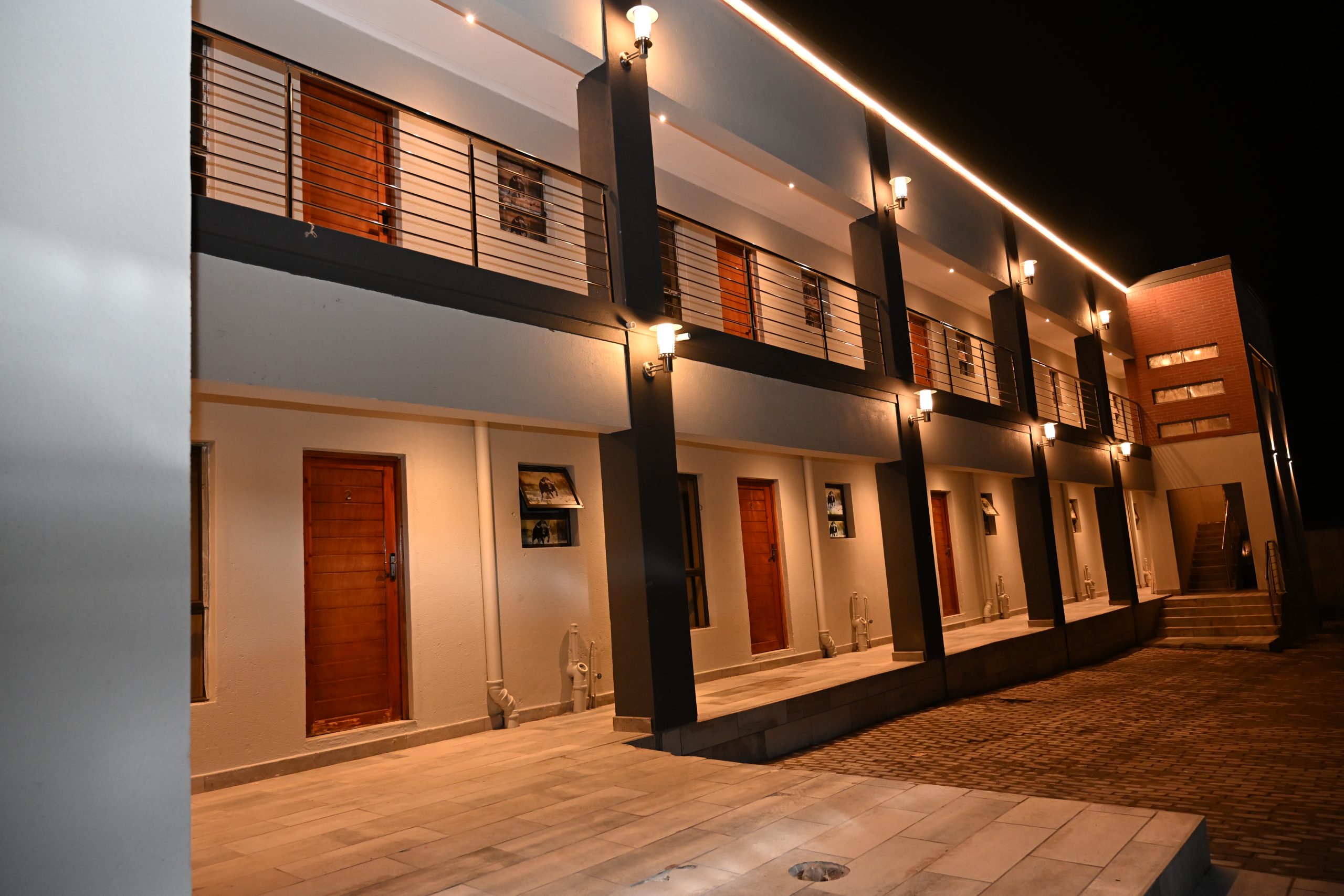
Accommodation in Ga-makofane
The accommodation market in and around Ga-makofane is small, with listings currently showing zero formally catalogued properties and no established price range on major booking platforms. This reflects how accommodation here operates, largely through direct contact, community guesthouses, and homestays that have not entered the mainstream booking ecosystem rather than a genuine absence of places to stay.
At the budget end, visitors can expect basic guesthouses and self-catering rooms within private homesteads. These tend to be straightforward: a clean room, shared kitchen access, and a yard with the essentials. Standards vary considerably between properties, but costs sit well below what the lodges near Hoedspruit or Phalaborwa charge. This tier suits backpackers, volunteers, and travellers who spend most of their day away from the property.
The mid-range tier, where it exists, consists of self-catering units offering more privacy. These typically include a small kitchen, a private bathroom, and often a braai area, and are frequently attached to family properties or small farm holdings on the village outskirts. They work well for groups or couples planning stays of several nights who want a degree of independence in preparing meals and managing their own schedule.
There is little in Ga-makofane that would qualify as upper-range accommodation. Travellers seeking a more polished experience would be better served by guesthouses in Giyani or lodges along the R71 corridor closer to the Kruger boundary. What the village lacks in comfort it compensates for in low cost, genuine rural atmosphere, and distance from the crowded tourist zones. Visitors planning extended stays for volunteer work, fieldwork, or community projects will find the self-catering format well suited to managing daily life over weeks rather than nights.
Best Time to Visit Ga-makofane
The dry season, running broadly from May through September, offers the most predictable conditions. Nights turn cool enough to require a layer, days remain warm and clear, and the reduced vegetation makes navigating unpaved tracks more manageable. This period also coincides with the best wildlife viewing in the wider Kruger ecosystem, making it the obvious choice for visitors combining a village stay with time in the parks.
October and November mark a sharp shift. Temperatures climb quickly, regularly exceeding 35 degrees Celsius before the rains arrive, and the bush becomes dry and dusty. These weeks attract fewer visitors and can offer a quieter experience for those tolerant of the heat.
The wet season from November through March brings afternoon thunderstorms that can transform dirt roads into slippery mud channels. Gravel routes to surrounding villages become difficult after heavy rain, and some may require a vehicle with decent clearance. That said, the landscape greens up considerably, crops grow, and the surrounding lowveld takes on a different character entirely. Visitors coming specifically for agricultural or community-based projects may find the wet season more rewarding despite the logistical challenges.
April occupies a comfortable middle ground, with the rains winding down, temperatures moderating, and road conditions improving ahead of the main dry season.
Getting to Ga-makofane
Giyani, approximately 20 kilometres from the village, is the practical starting point for navigation into the area and sits on the R81, which connects south toward Tzaneen and north toward Thohoyandou. Most travellers approaching from the south will use the N1 north out of Johannesburg to Polokwane, then head east through Tzaneen before picking up roads toward Giyani. The full drive from Johannesburg covers roughly 450 to 500 kilometres and takes four to five hours under reasonable conditions.
The closest commercial airport with scheduled services is Phalaborwa Airport, around 80 to 90 kilometres to the southeast, which handles light aircraft and connections via regional carriers. Polokwane International Airport, approximately 170 kilometres to the southwest, sees more frequent services from Johannesburg and is the better option for those arriving on a budget airline and renting a vehicle onward.
A rental car is strongly recommended. Shared taxis operate between Giyani and surrounding villages, but their routes and departure times follow demand rather than fixed schedules, making them unreliable for visitors with planned itineraries. The roads from Giyani toward the village are tarred for much of their length, though the final stretch may involve gravel depending on the specific property. Fuel is available in Giyani and should be topped up before heading out, as there are no filling stations within the village.
Ga-makofane and Surrounding Areas
The villages immediately surrounding Ga-makofane share its rural character and can be incorporated into day trips or exploratory drives through the Greater Giyani district.
Ga-malepe, nine kilometres away, is the closest of the neighbouring communities and sits within easy reach for a morning loop. Like Ga-makofane itself, it is a traditional settlement where subsistence farming and family homesteads define the landscape. Visitors interested in observing how adjacent communities relate spatially and socially will find the short drive instructive.
Ga-mashishi and Ga-ishe, both around eleven kilometres out in different directions, sit on the agricultural fringe of the area. The land between these villages is productive during the wet season, and roadside stalls selling maize, vegetables, and seasonal fruit become common after harvest. These communities offer a clearer picture of small-scale farming life in the lowveld.
Ga-mahlokwane, twelve kilometres from the village, falls along a road connecting several settlements in this cluster. Informal trading points gather at road junctions here, and passing through on a drive toward Giyani reveals how local commerce organises itself in areas without formal retail infrastructure.
Ga-motodi, fifteen kilometres away, sits at the outer edge of a comfortable half-day drive from Ga-makofane. It is primarily a residential community, with families working in Giyani or farming their surrounding land. The route between the two makes for a useful orientation drive on a first day in the area.
Derdegelid, also fifteen kilometres out, carries an Afrikaans name that points to its origins as a surveyed farm block during the land demarcation era. Including it on a circuit drive gives context to the land tenure patchwork that still shapes this corner of Limpopo, where communal areas, private farm holdings, and former homeland boundaries sit alongside one another.
Planning Your Stay
Because Ga-makofane has no formal listings on major booking platforms, planning a stay calls for a more direct approach. Contacting guesthouses in Giyani and asking for referrals to operators in the surrounding villages is often the most reliable first step. Community development offices and local tourism contacts in Giyani can also point visitors toward homestay arrangements that do not advertise online.
If you are visiting for volunteer work or a fixed project, communicating your intended length of stay clearly from the outset is worthwhile. Many small operators prefer guests who stay for a week or more and may offer better terms as a result.
Before confirming any booking, check whether the property has consistent access to water and electricity. Load shedding is routine across the region, and borehole water systems can be intermittent during dry spells. Arriving with your own supplies for the first few days removes the need to immediately source food and basics from Giyani.
Medical facilities in the village itself are limited. The nearest hospital services are in Giyani, and specialist care requires transfer to Polokwane or further. Travel insurance that includes medical evacuation is advisable. Checking mobile network coverage before departure is also practical, as signal strength in the rural pockets of the Greater Giyani area varies significantly between providers.