Accommodation in Derdegelid
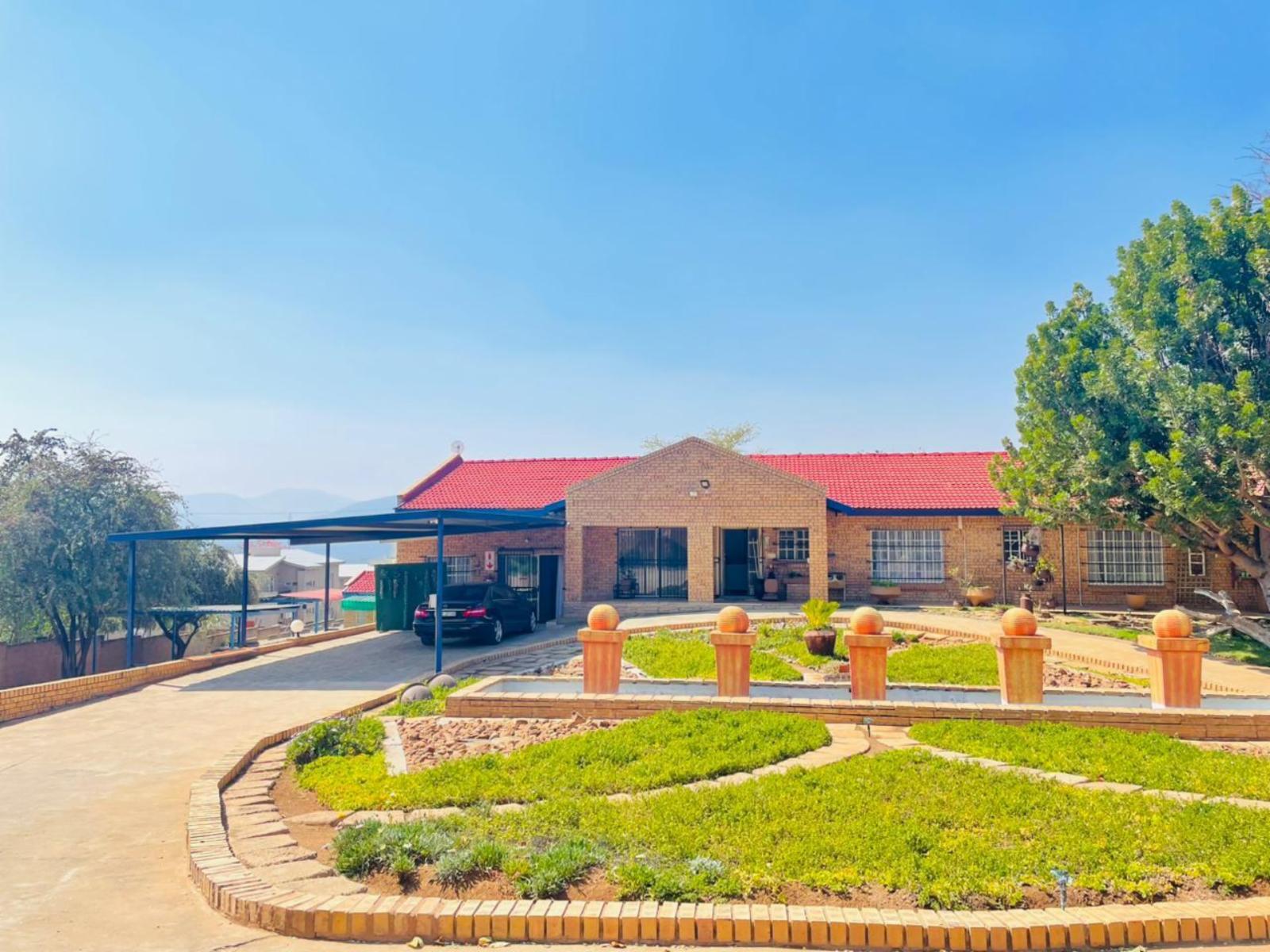
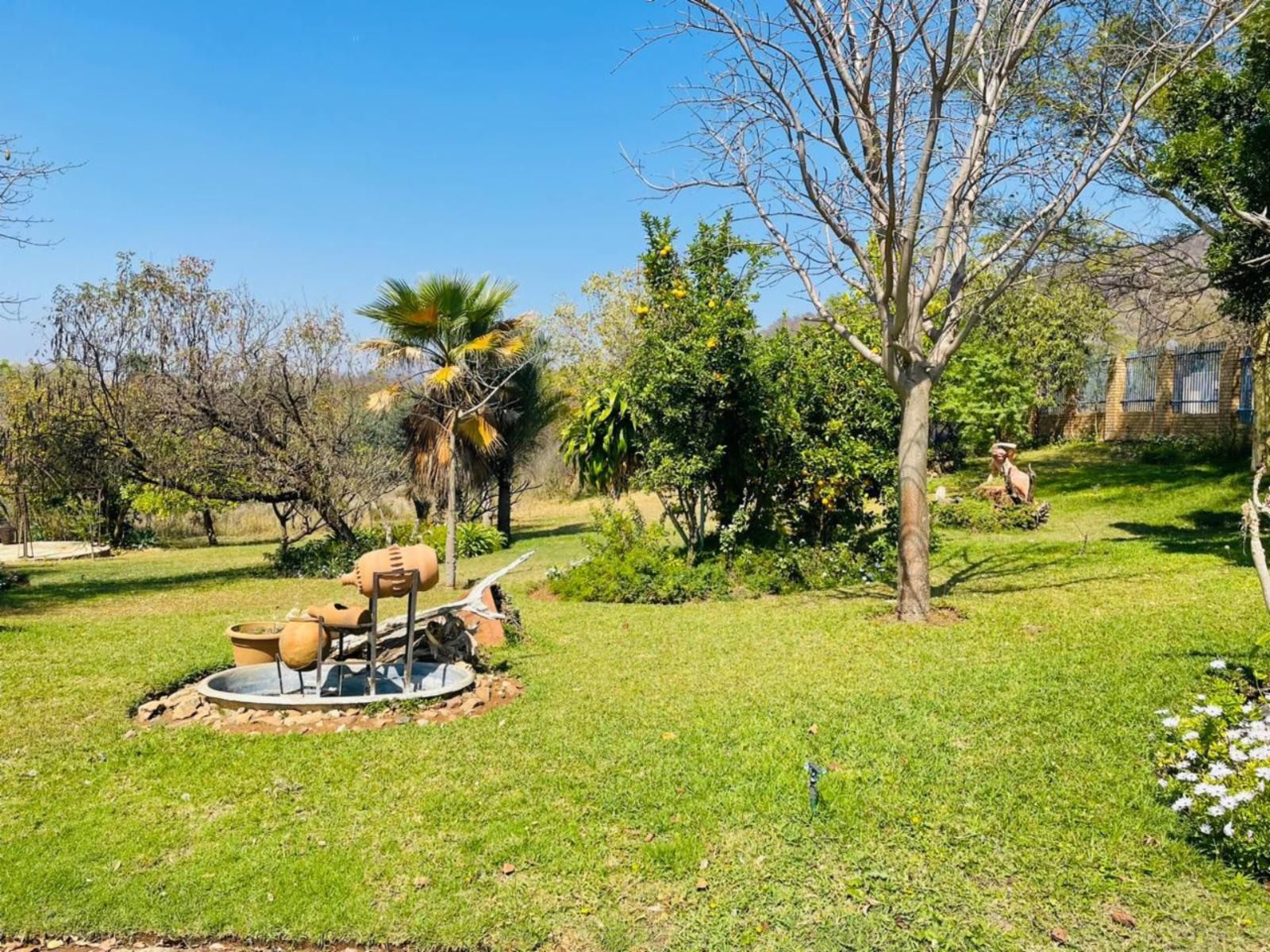
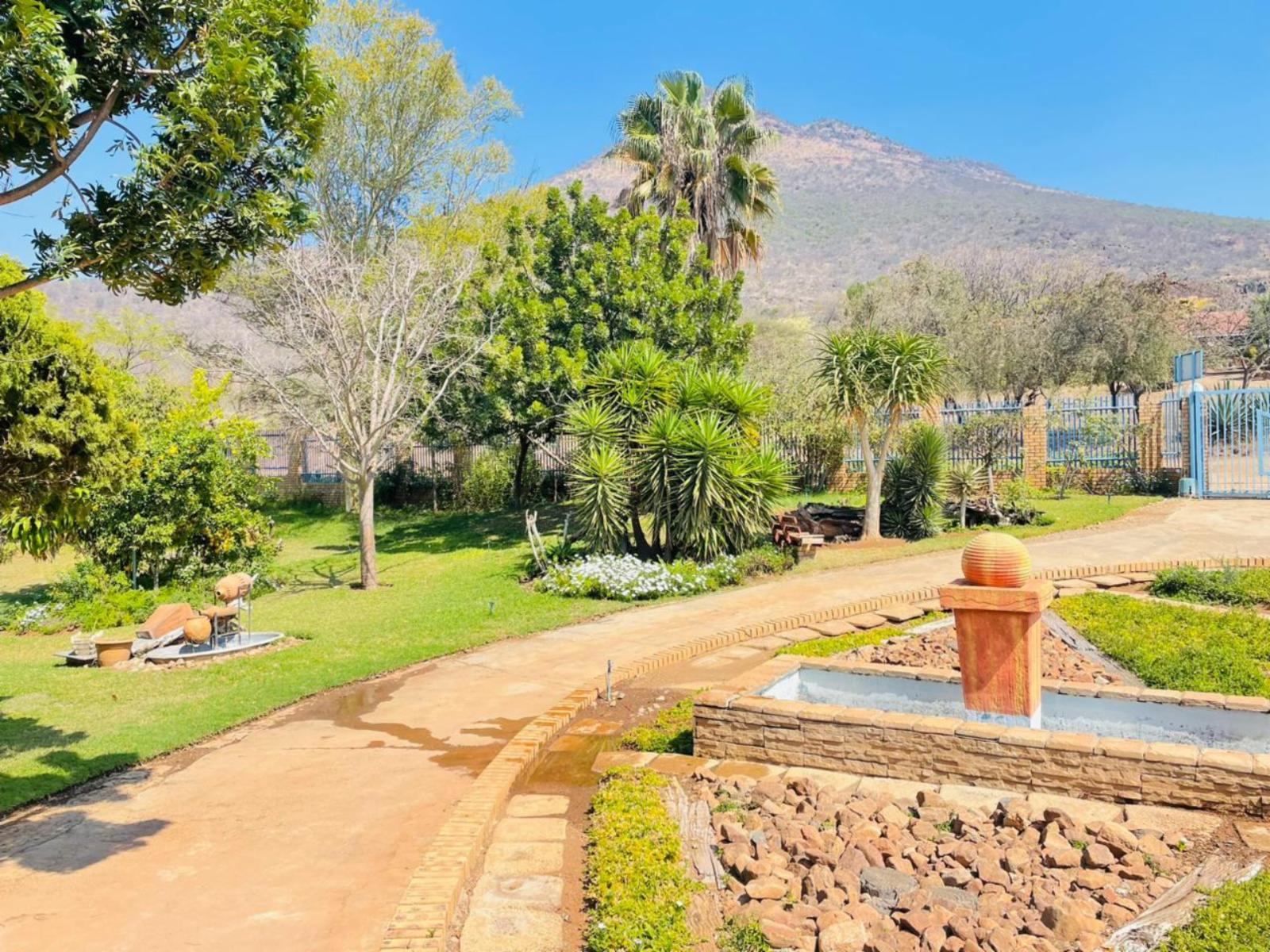
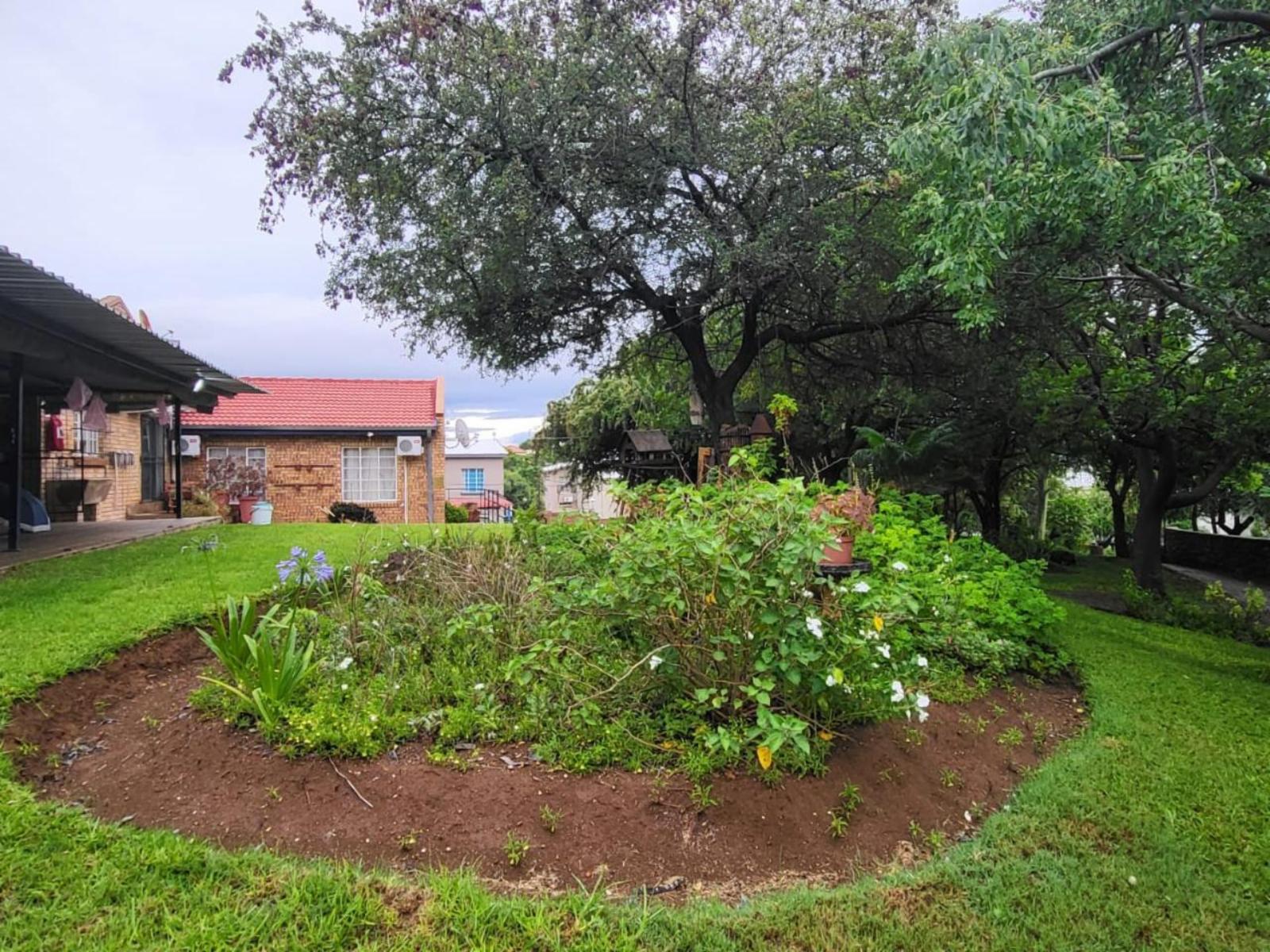
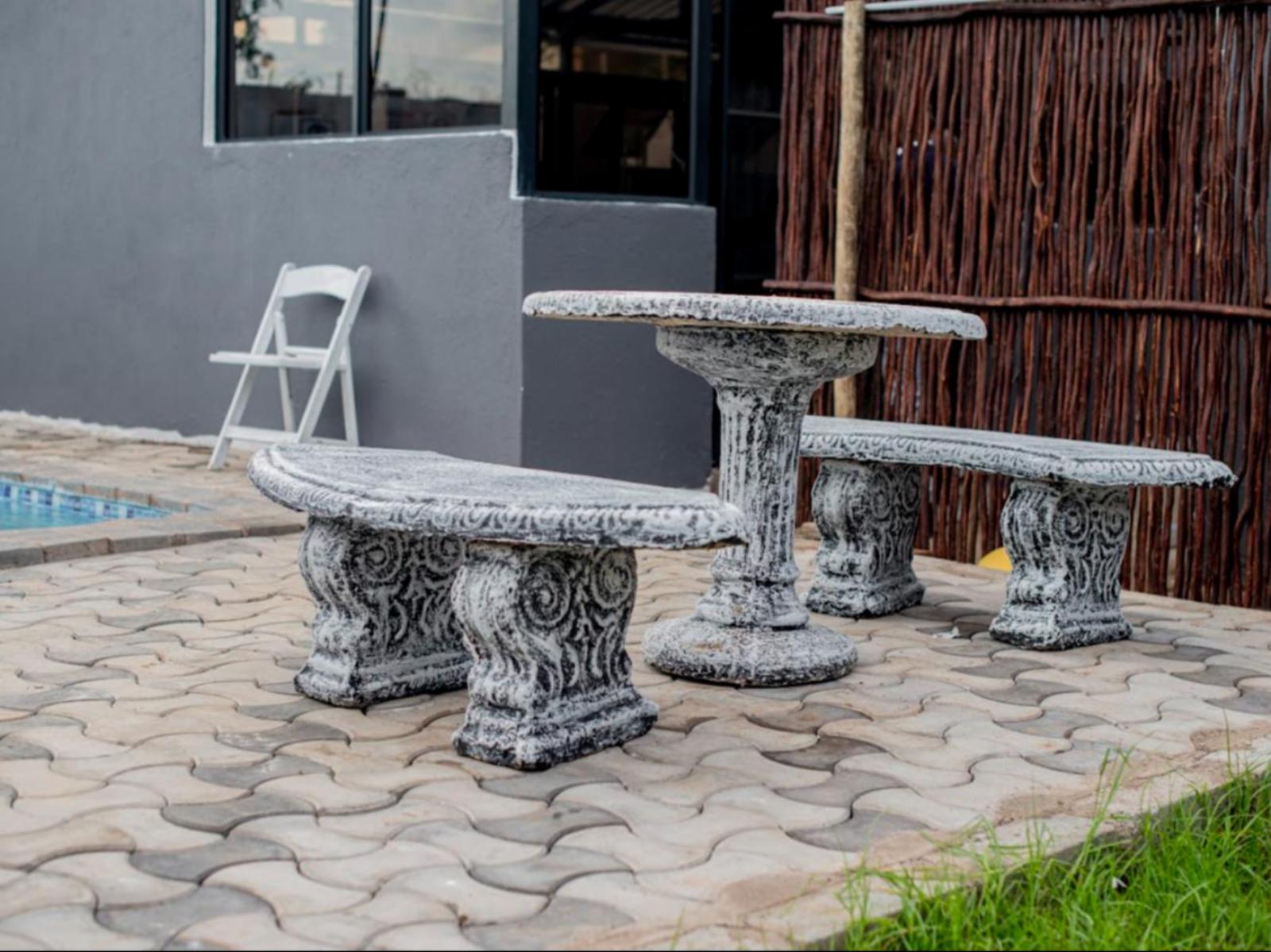
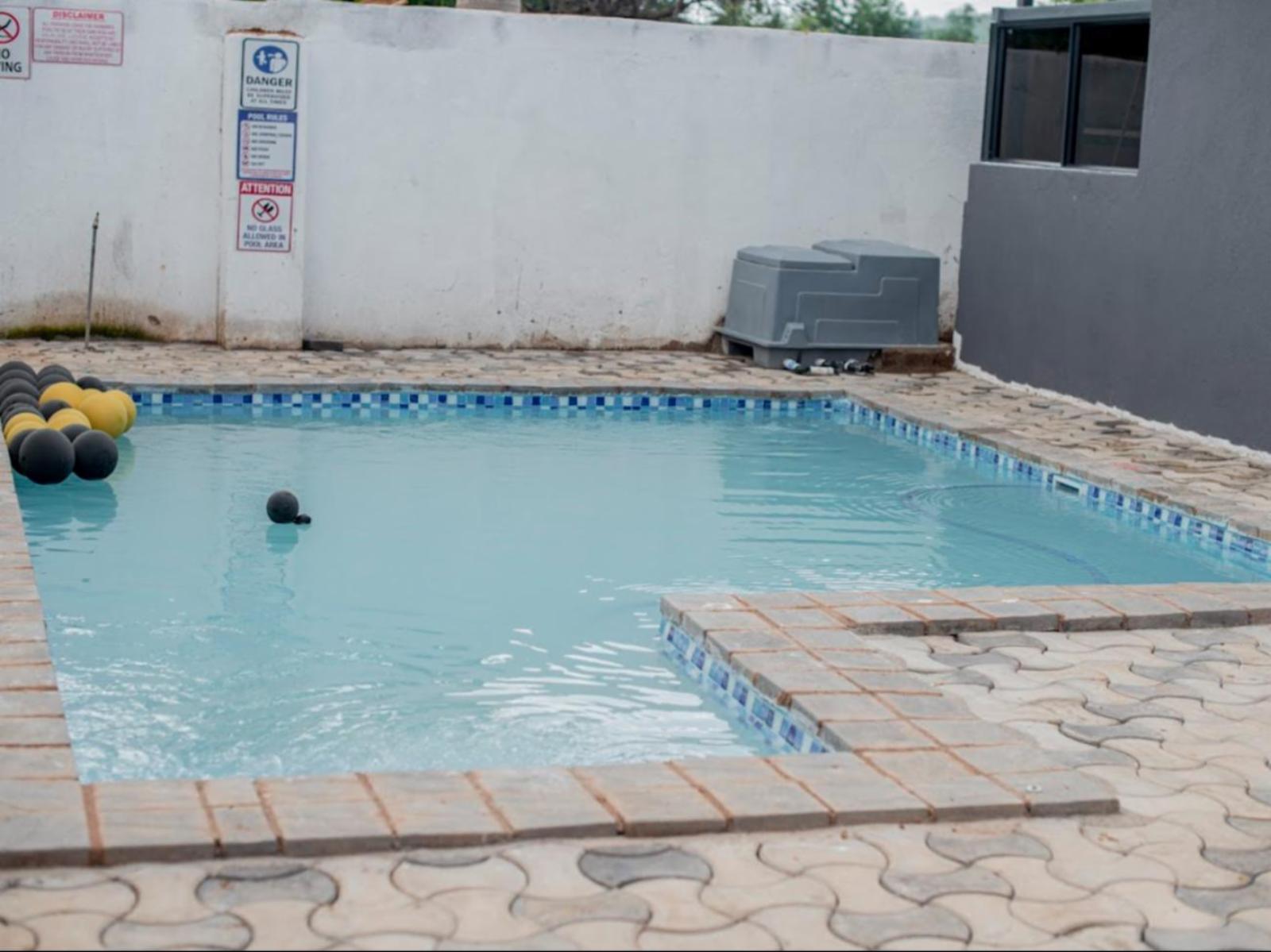
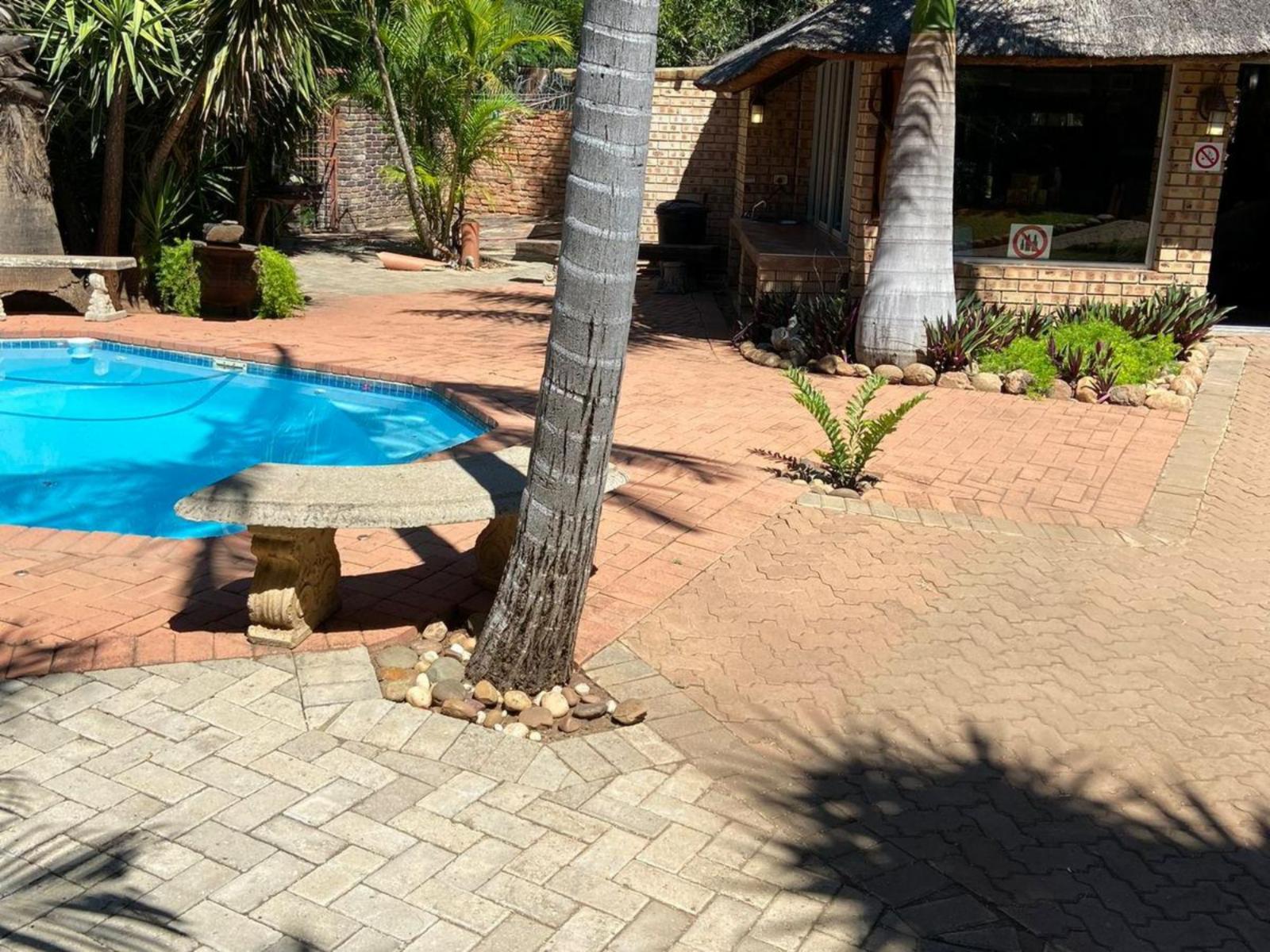
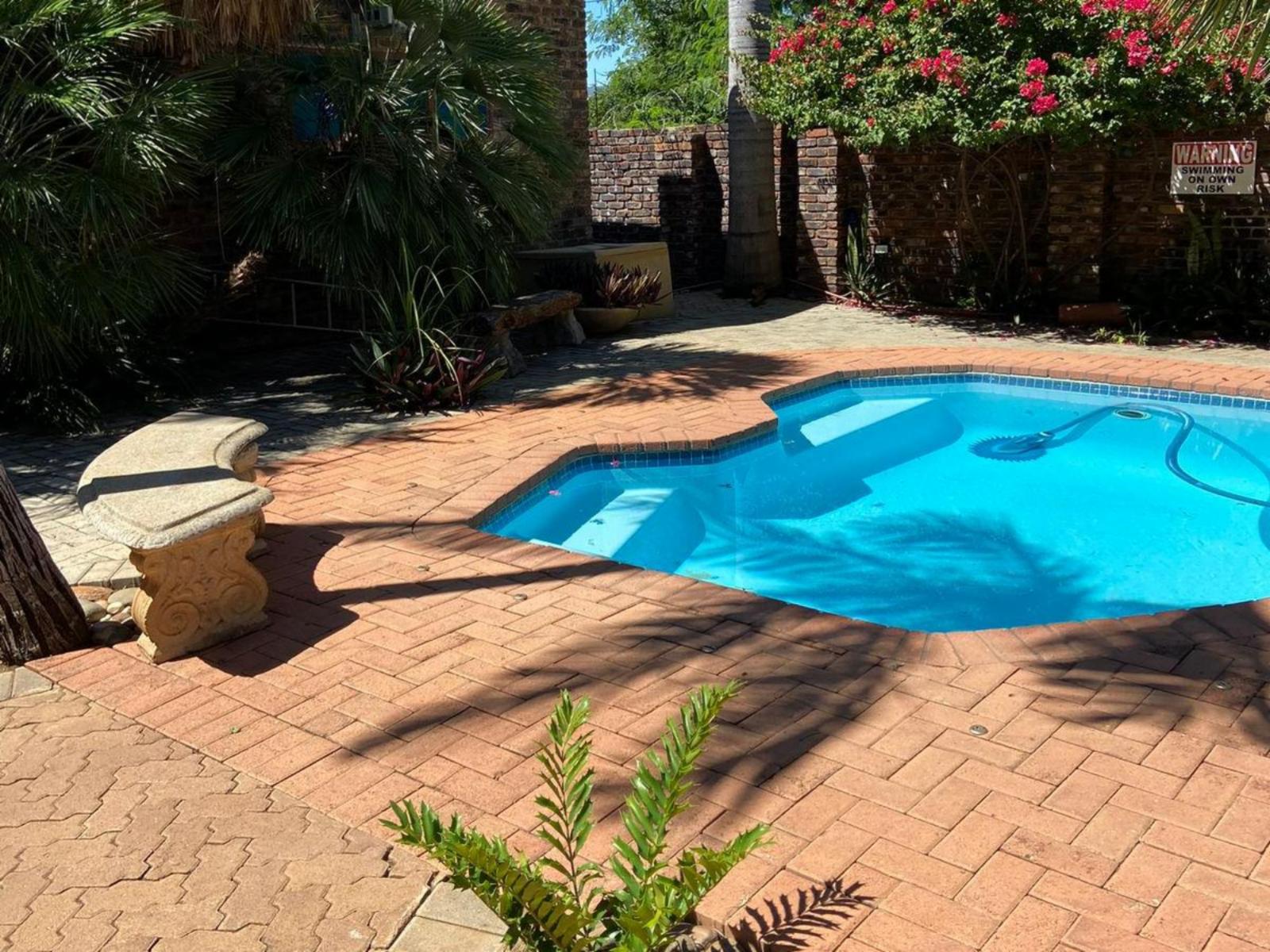
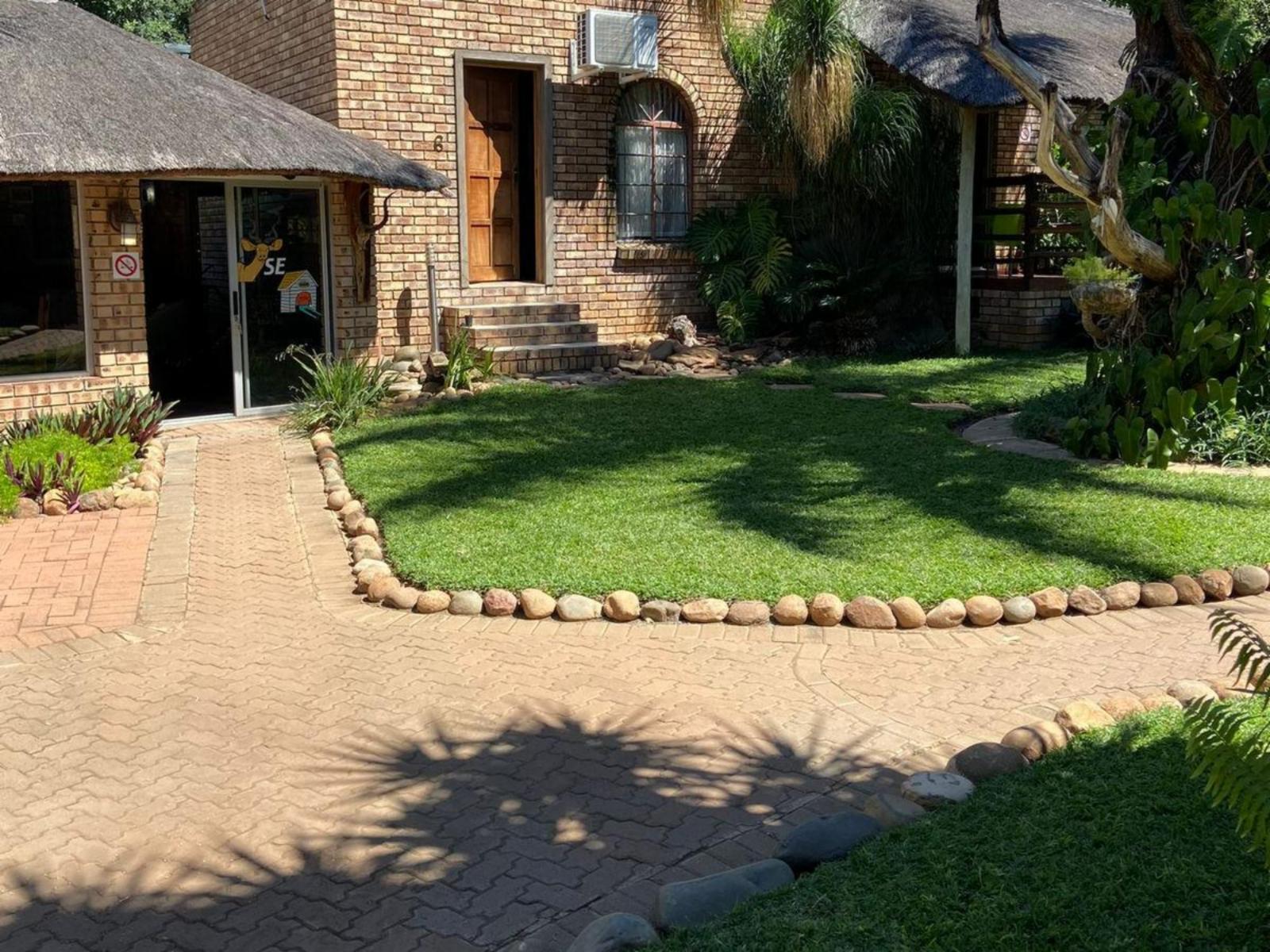
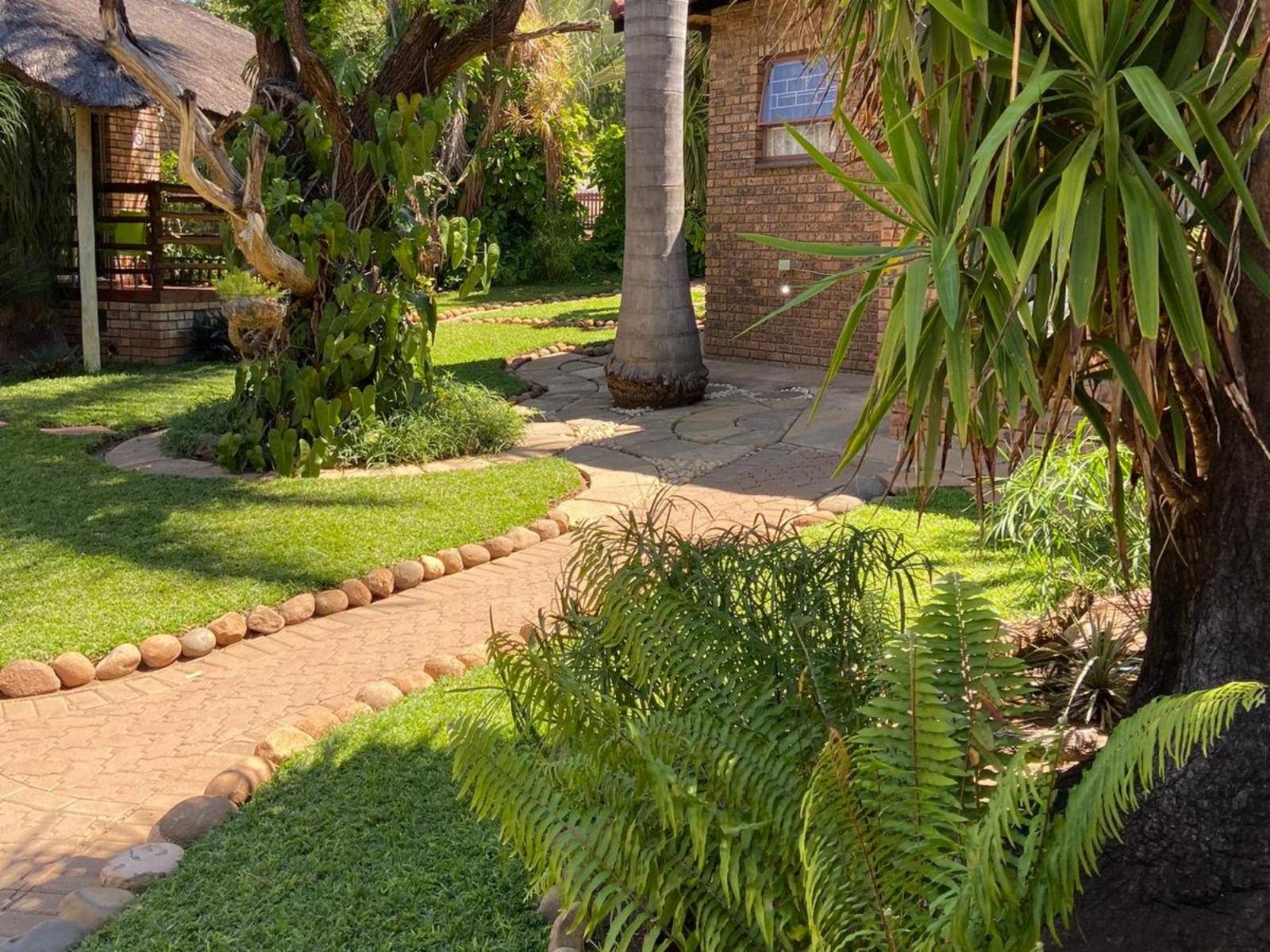
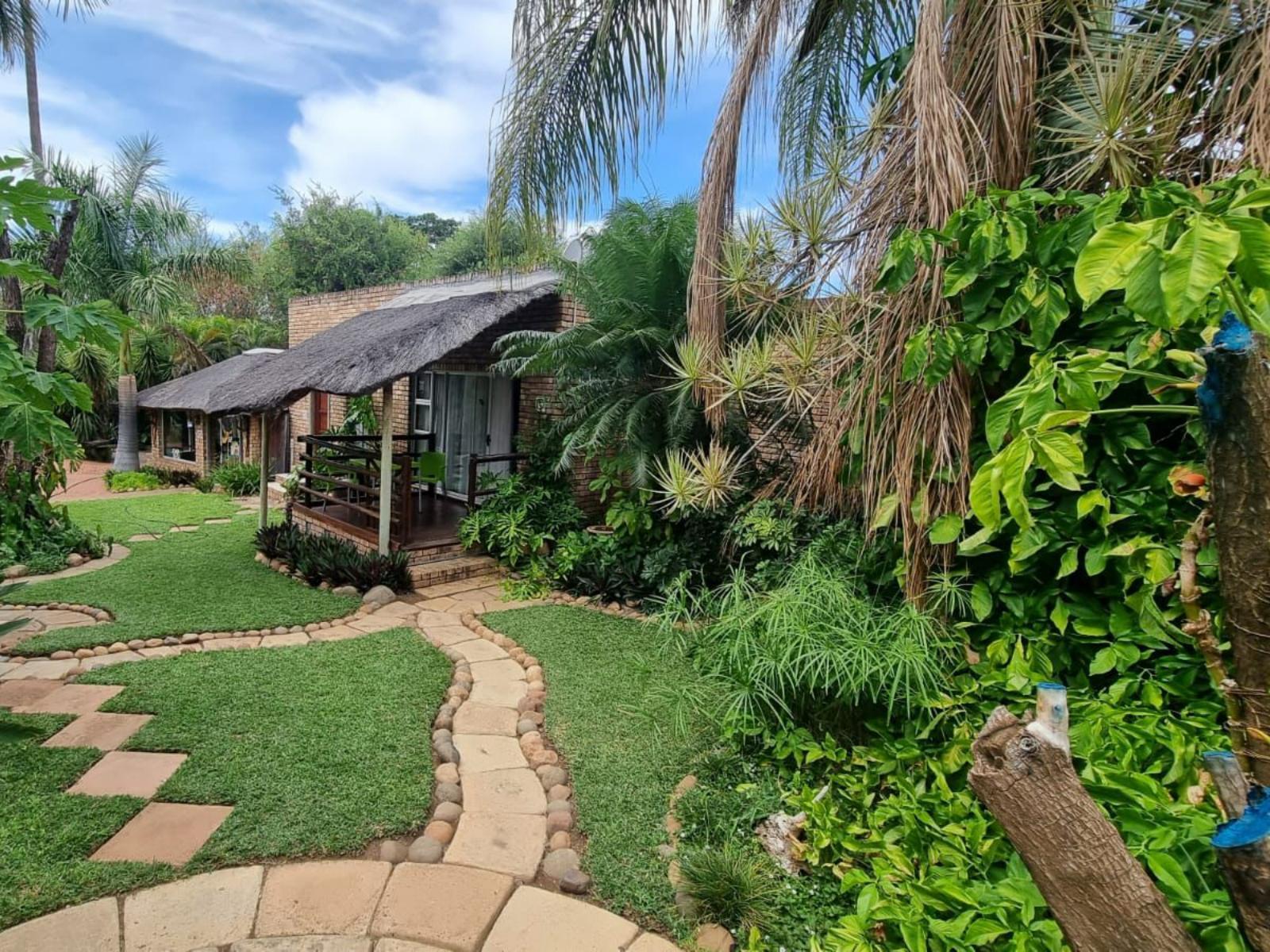
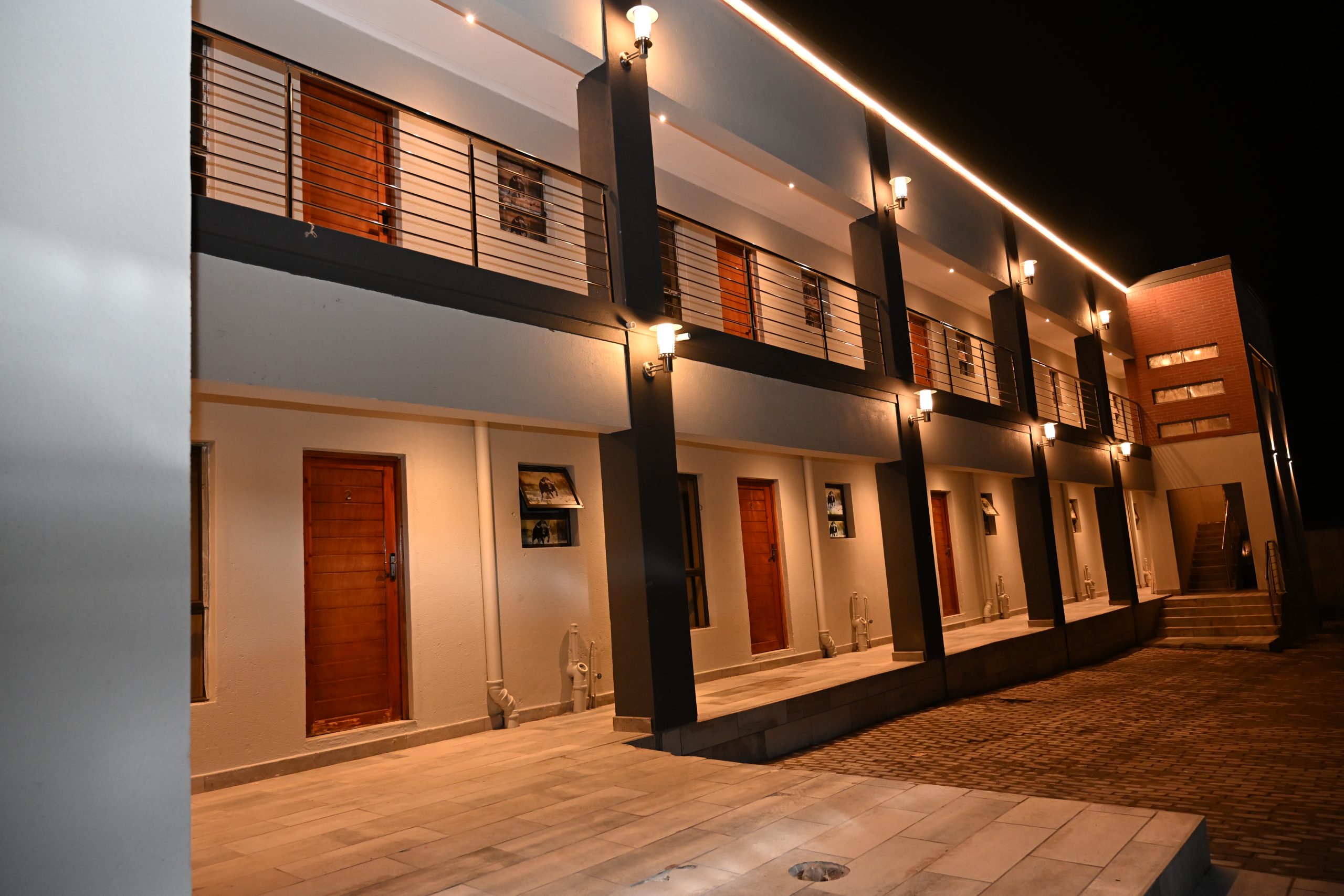
Derdegelid has no properties currently listed on this platform, reflecting its character as a working agricultural settlement rather than a developed visitor destination. Travellers typically find accommodation through direct contact with farm owners and small guesthouses, often by phone rather than through online systems. What is available here is genuinely rural, distinct from the polished options found in purpose-built tourist towns. Smaller properties may take time to respond to email enquiries, and following up by phone is often the faster route to a confirmed reservation.
At the budget end, self-catering chalets and farm cottages are the most practical choice for independent travellers. These properties provide a kitchen, outdoor space, and direct proximity to the agricultural landscape that defines the area. Families and small groups tend to find this tier well suited to their needs: more space than a standard guesthouse room, a lower nightly cost, and no fixed meal schedule. The arrangement requires self-sufficiency, but that independence is part of what draws visitors here.
Mid-range stays lean toward owner-operated guesthouses and converted farmhouses with a small number of rooms. Breakfast is usually included, and hosts at this level often know the local roads and farms well enough to suggest routes and stops that would not appear in any printed guide. The atmosphere tends toward the personal, and the pace of each day is quieter than anything a larger commercial property would offer. This tier suits couples and small groups who want some comfort without losing genuine rural contact.
Upper-end accommodation is scarce in Derdegelid itself. Visitors wanting swimming pools, air conditioning throughout, or on-site dining will generally need to look at properties further afield in the region. Some farm stays do reach a comfortable level through space and setting rather than formal facilities, representing good value for those willing to forgo resort-style amenities.
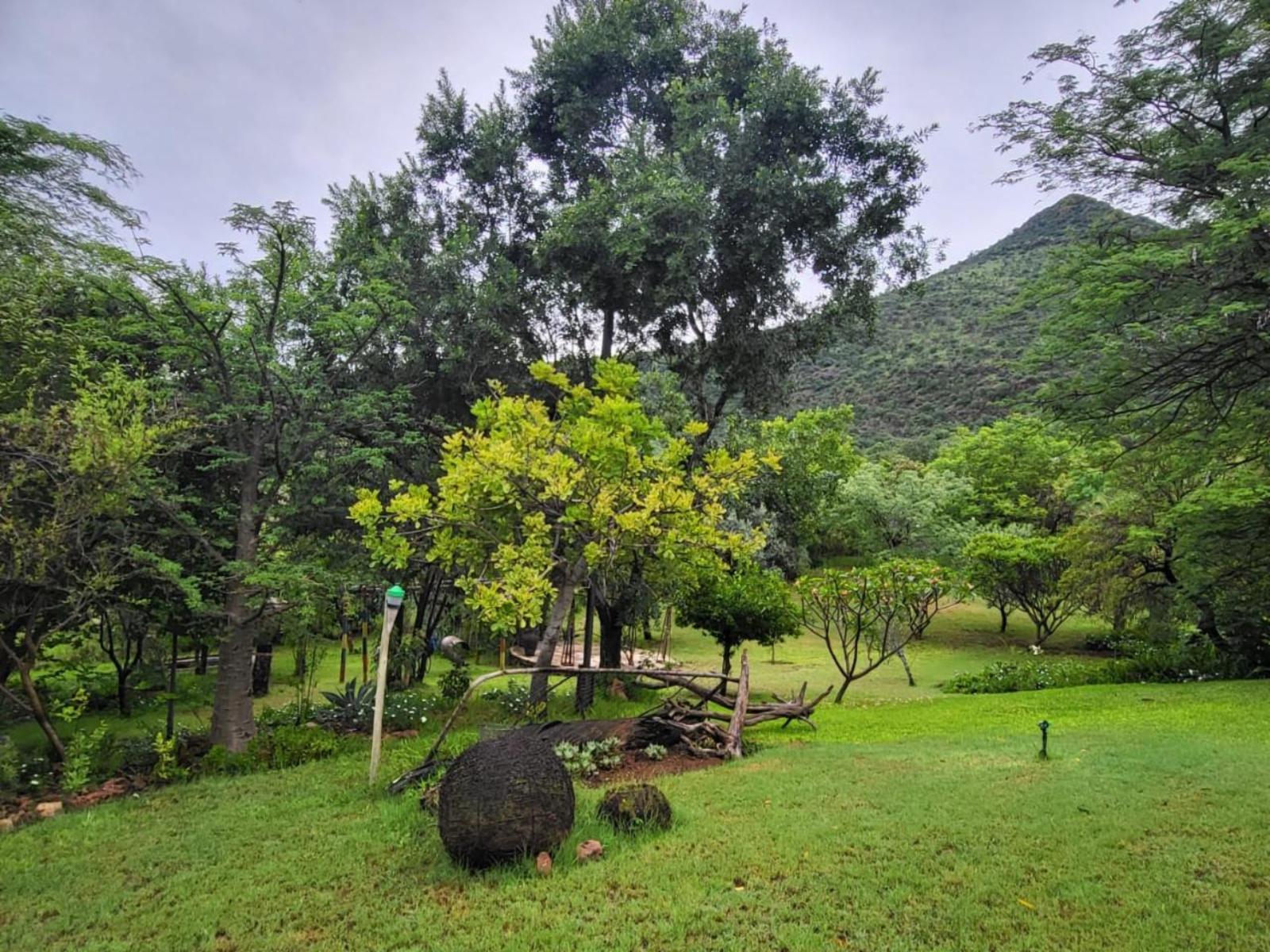
Most guests who choose Derdegelid as a base do so because the rural character is exactly what they want. The absence of resort infrastructure is the point, not a shortcoming.
Best Time to Visit Derdegelid
The altitude, around 600 metres above sea level, moderates the climate compared to the hotter lowveld further east, but the seasons are still distinct. Summer, running from November through February, brings warm, humid days and afternoon thunderstorms that can be heavy and prolonged. The heat at this elevation is rarely extreme, but midday outdoor activity is less comfortable than in the cooler months. Unpaved roads can deteriorate quickly after sustained rainfall, worth factoring into plans that include farm drives or visits to surrounding communities.
Winter runs from June through August and offers the most comfortable conditions for the majority of visitors. Days are dry and clear, while nights can drop to single figures. The absence of rain makes road conditions more predictable and reduces the humidity that makes summer feel heavy. Visitors extending their trip toward wildlife areas to the east will find this season better suited to game viewing as well.
Spring and autumn provide a practical middle ground. October brings rising temperatures before the rains return. April through May marks the transition out of the wet season: the landscape stays full and green while humidity drops and roads begin to dry out. This window avoids peak demand without sacrificing weather quality, and the scenery in early autumn remains genuinely good.
Getting to Derdegelid
The R36 is the primary road linking Derdegelid to the wider region. Heading west brings you to Tzaneen, approximately 40 kilometres away, the nearest town with a full range of commercial services, fuel, and provisions. From Tzaneen, the N1 connects northward to Polokwane, around 150 kilometres away, which sits approximately 340 kilometres from Johannesburg. The total drive from Johannesburg is close to 500 kilometres and typically takes five to six hours depending on traffic through Pretoria and Mokopane. Travellers from Pretoria shave around 50 kilometres off that total.
Long-distance bus services reach Polokwane and Tzaneen but do not extend to rural areas around Derdegelid. Most visitors arrive by private vehicle. For those flying, Hoedspruit Airport lies approximately 80 kilometres east on the R40, with scheduled domestic connections to Johannesburg and Cape Town. A rental vehicle from Hoedspruit covers the drive to Derdegelid in under an hour.
Once in the area, a private vehicle is the only practical means of getting around. Minibus taxis link Tzaneen to surrounding communities on informal routes, but without local knowledge of stops and schedules these are not a workable option for visitors. Fill up on fuel in Tzaneen before heading into the rural area, as there are no service stations in Derdegelid itself.
Derdegelid and Surrounding Areas
The villages within 20 kilometres of Derdegelid are traditional Sepedi communities, identifiable by the "Ga-" prefix that marks them as the homesteads of particular family groups in the Northern Sotho naming tradition. None functions as a formal visitor attraction, but driving these local roads connects the settlement to the broader social geography of rural Limpopo and offers a different perspective from what an agricultural farm stay provides on its own.
Ga-masamothane, 6 kilometres from Derdegelid, is the nearest of these settlements. The short distance makes it an easy first drive for visitors getting oriented, and the road between the two passes through cultivated land and semi-wild bush typical of the immediate surroundings.
Ga-mamphahlane at 12 kilometres and Ga-mahlokwane at 14 kilometres sit close enough to cover in a single loop. The land between these communities and Derdegelid transitions between larger commercial holdings and smaller communal plots, giving a clear picture of how land use varies across the area.
Ga-motodi and Ga-makofane, both at 15 kilometres but in a different direction from Derdegelid, combine into a half-day circuit. These are established rural communities with schools, churches, small traders, and households working land that has been in family use for generations. Visitors who drive through without a fixed agenda encounter a version of the lowveld that formal tourism does not reach.
Ga-makhwae, at 19 kilometres, marks the practical outer limit for a comfortable morning drive from Derdegelid. The road in this direction moves from irrigated farmland near the settlement to dryland areas further out, where the vegetation reflects seasonal rainfall more directly. An early start makes the most of the cooler hours and avoids the longer return stretch in midday heat.
All of these community routes pass through working residential areas. Slowing for pedestrians and livestock, and driving with consideration for residents, is standard behaviour on rural Limpopo roads.
Planning Your Stay
Accommodation around Derdegelid often operates outside major booking platforms. The Tzaneen tourism office and contacts within the local farming community are more reliable starting points than generic searches. Confirming reservations in writing matters when dealing directly with owners, particularly for stays during busier periods.
Before finalising any booking, ask about load-shedding provisions. South Africa's scheduled power cuts are less predictable in rural areas than in towns, and a generator or inverter backup significantly improves the experience. Water supply is worth checking too: some farm properties rely on boreholes or tanks rather than municipal connections, which affects consistency. Mobile data coverage can also vary considerably within short distances in this part of Limpopo.
Ask specifically about access road conditions in wet weather. Gravel tracks that a standard vehicle handles comfortably in the dry season can become difficult after summer storms. A brief question before confirming your stay is easier than dealing with the situation on arrival.
December, the Easter weekend, and the June/July school break all increase demand across the region. Booking four to six weeks ahead for these periods is practical. Outside peak windows, visitor numbers are modest and last-minute availability is often possible.
Before leaving Tzaneen, stock up on groceries and any pharmacy supplies you need for your stay. The general dealers in rural communities along the way cover basic goods, but not the full range that a multi-day trip typically requires.