Gemsbokfontein Reis- & Akkommodasiegids
Jou volledige gids om Gemsbokfontein, Suid-Afrika te besoek.
2
Eiendomme
Vanaf
R900
/ nag
Gemiddeld
R900
/ nag
Gewildste
Self-catering
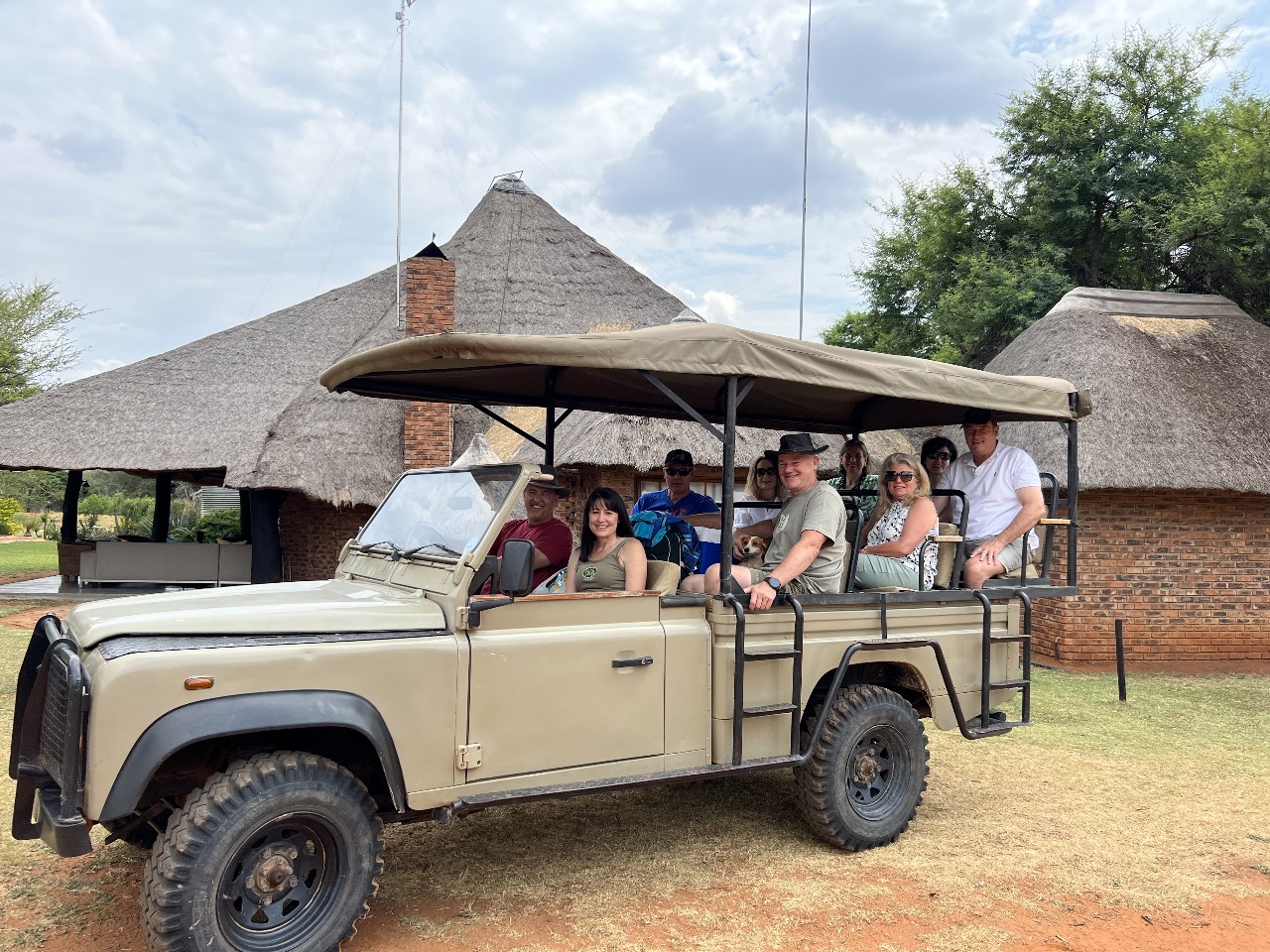
Gemsbokfontein is a small rural settlement in the Limpopo Province, positioned in the Waterberg region of South Africa. The area offers visitors a quiet retreat in the bushveld, with opportunities to experience authentic farm life and explore the surrounding landscape.
## Accommodation in Gemsbokfontein
Gemsbokfontein's accommodation offering is deliberately small. Two properties are listed in the area, with nightly rates sitting at R900, making this one of the more affordable corners of the Waterberg district for an overnight stay.
Both properties operate as self-catering units, which fits the remote, rural character of the area. Guests arrive to find independent accommodation with kitchen facilities, a braai area, and enough space to settle into a slower pace for a few nights. The self-catering format means no fixed meal schedules and no staff managing the experience. For many visitors, that independence is precisely the reason to choose somewhere like Gemsbokfontein over a conventional game lodge or resort.
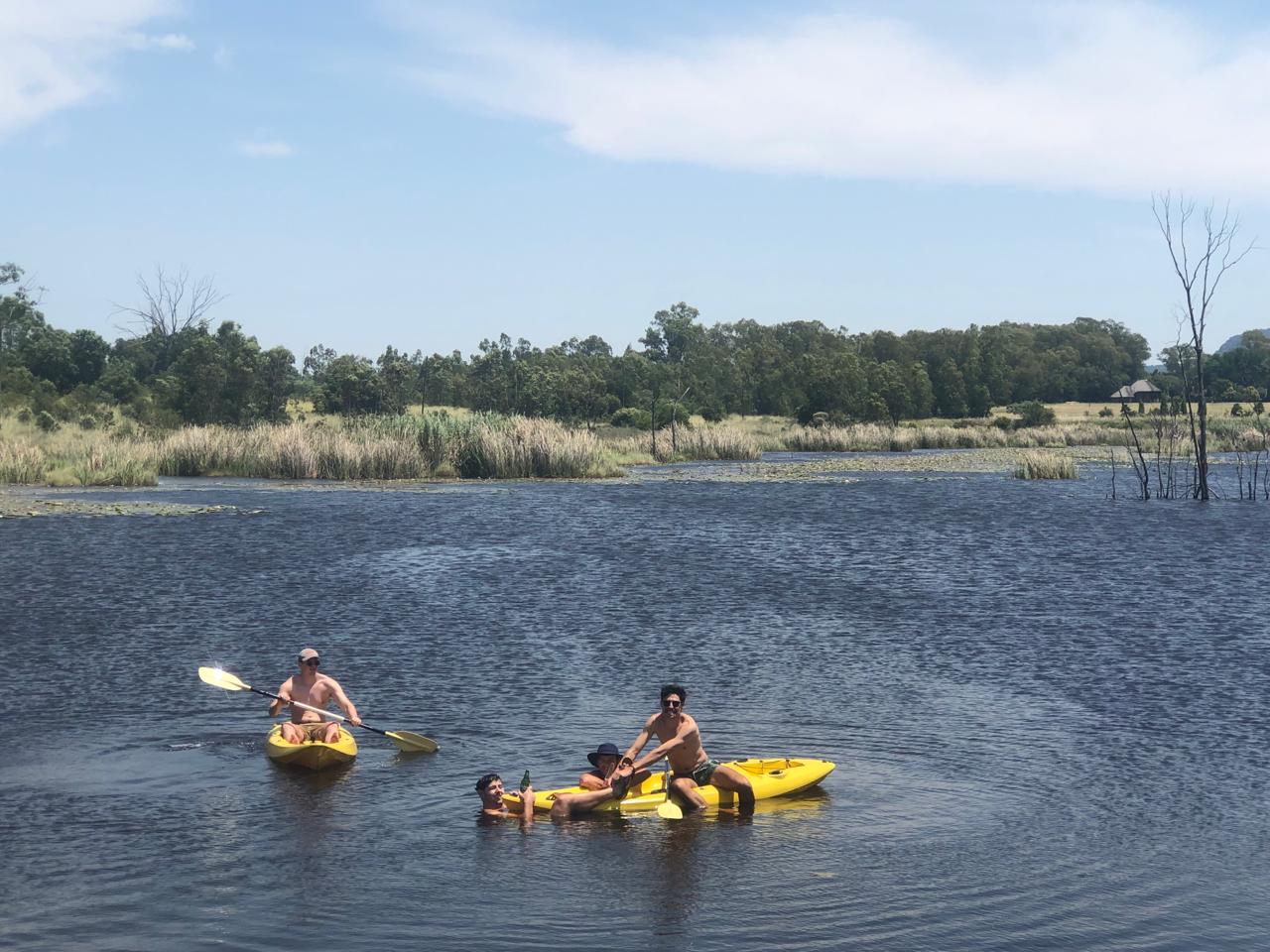
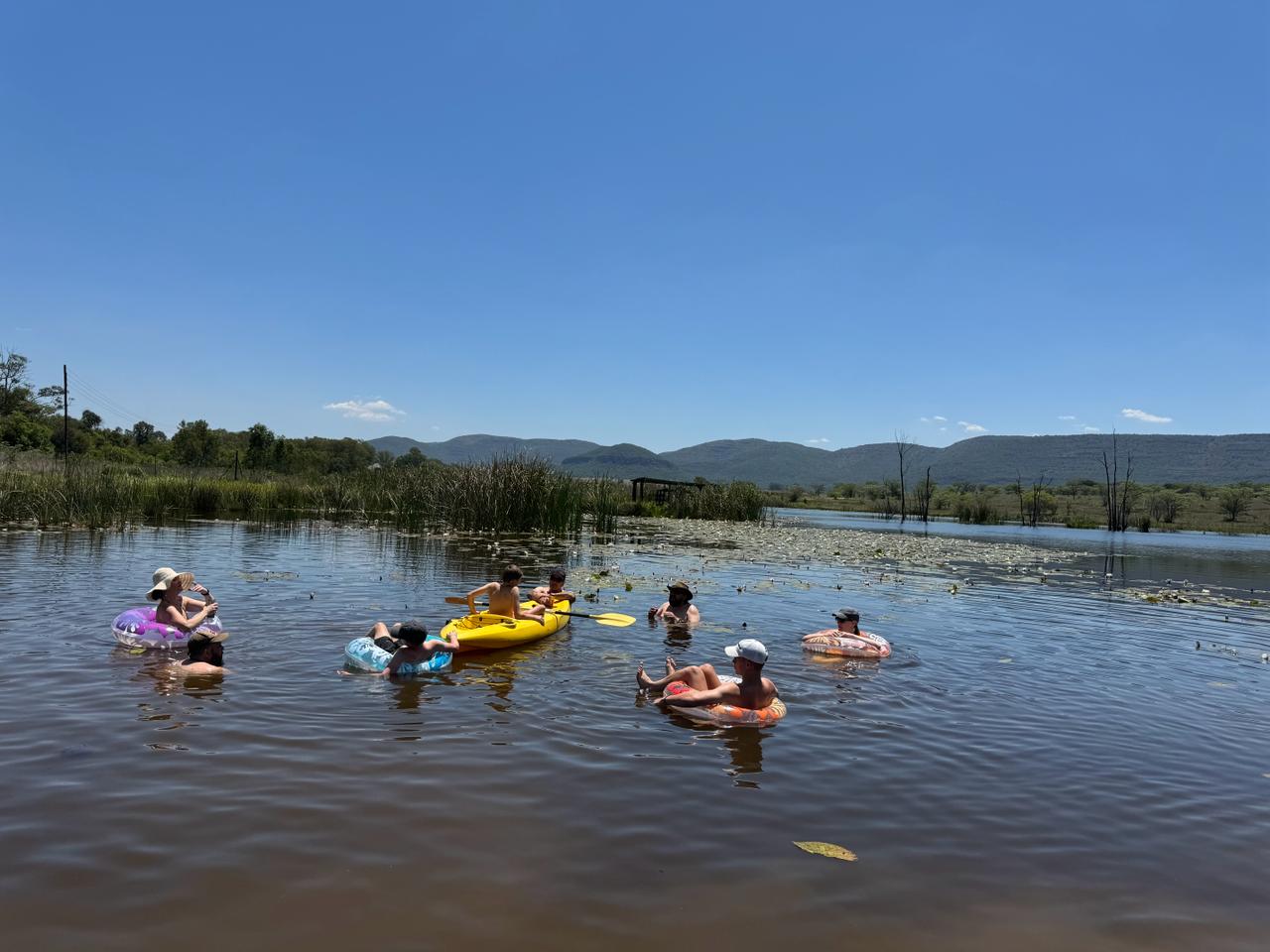
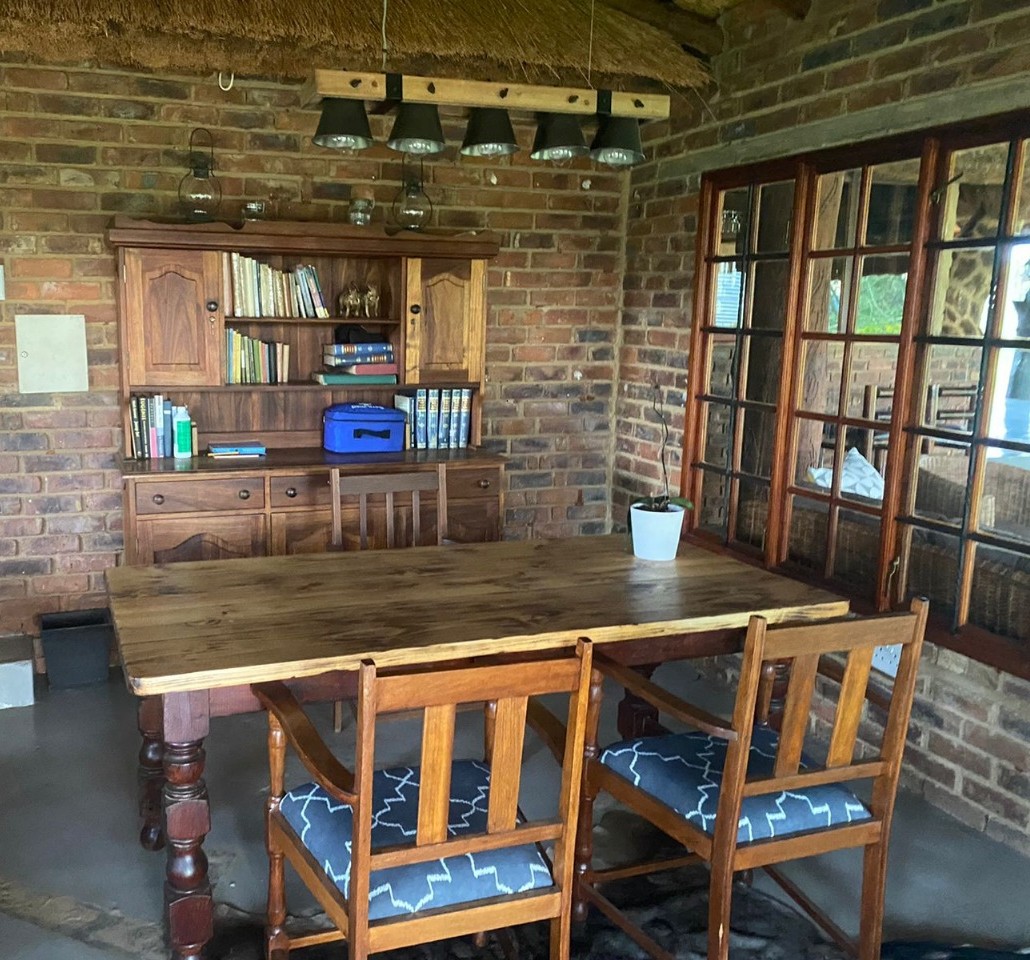
The farms and small holdings that host these properties tend to offer more than four walls and a bed. Access to private walking trails, farm dams, or small game paddocks is common, as are outdoor seating areas positioned to take advantage of the surrounding landscape. Expect clean, functional interiors: these are working-farm accommodations that prioritize practicality over decoration, with braai facilities and outdoor areas as standard.
Value is a defining characteristic at this price point. Self-catering in the Waterberg can climb significantly once meals and extras are factored into larger lodge packages. Couples or small groups sharing a unit will find the per-person cost modest, particularly since groceries from a nearby town cost a fraction of lodge catering prices.
With only two properties to choose from, flexibility is limited. Advance booking is strongly advisable, particularly around public holidays and school holiday periods when demand across the region increases.
---
## Things to Do in Gemsbokfontein
The dominant activities around Gemsbokfontein are outdoor and slow-paced. This is not a destination with a packed schedule, but that is precisely its appeal to visitors who prefer open land over organized entertainment.
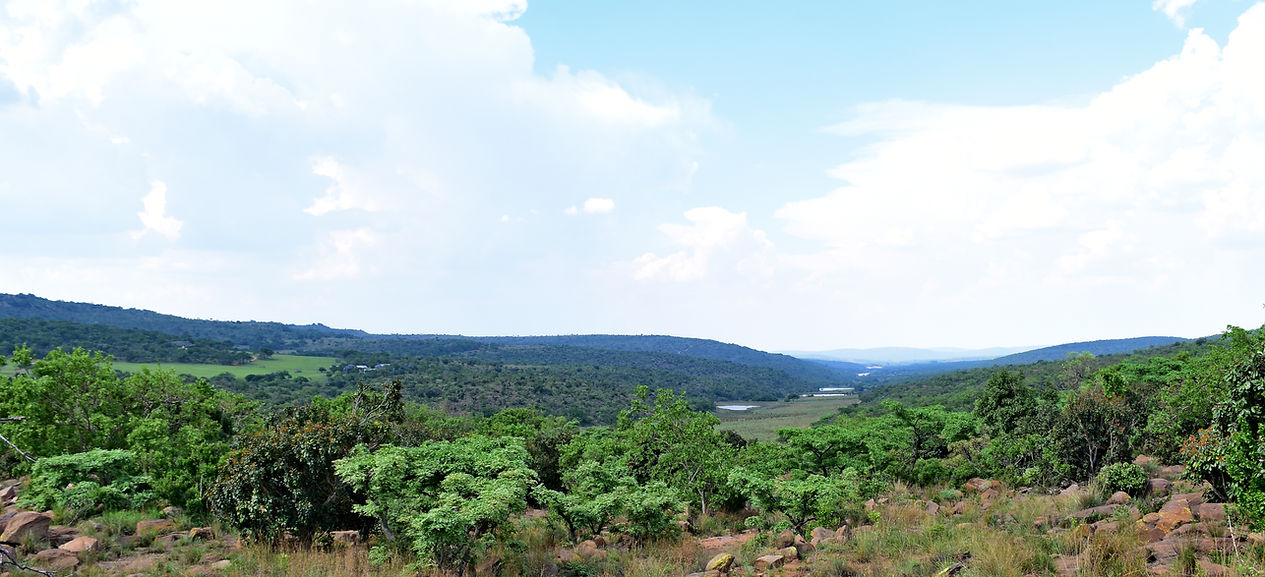
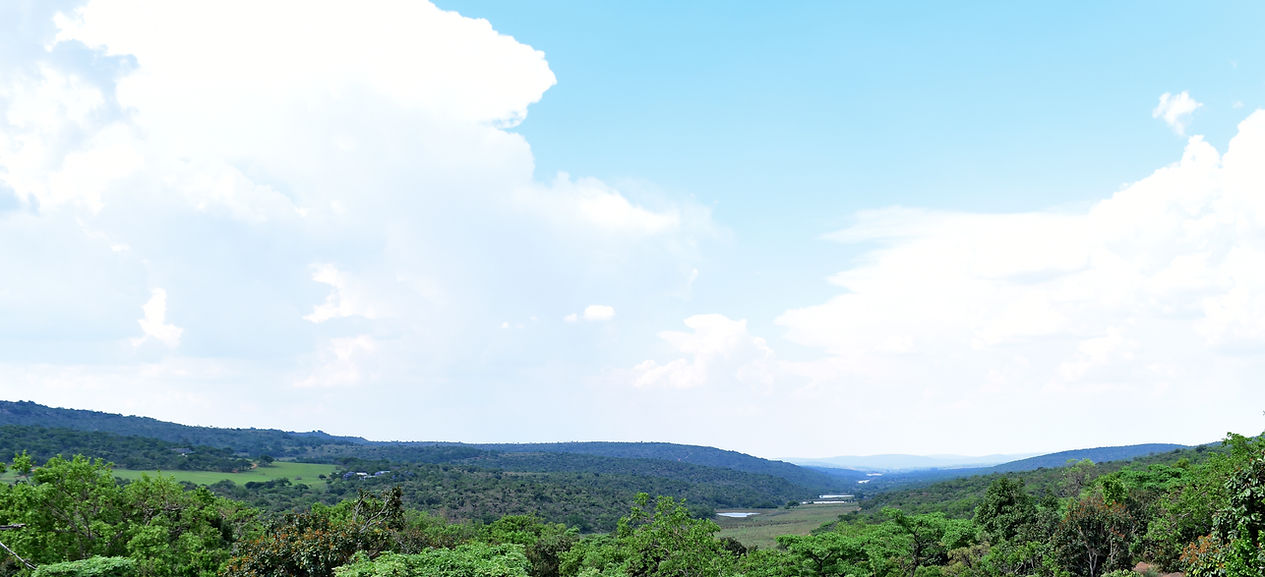
Farm-based activities are the starting point for most stays. Guided walks across working properties introduce visitors to the Waterberg bushveld at ground level, through acacia woodland, open grassland, and the rocky outcrops that mark the landscape. Birdwatching is particularly productive: the district supports well over 300 bird species, including large raptors that circle the ridges and smaller thornveld species that move through the shrubs. Early mornings before the heat sets in are the most rewarding time to be outside.
Thermal springs within the broader Waterberg region draw many visitors. This part of Limpopo has been known for its hot springs for generations, and a day trip to soak in naturally warm water makes a good complement to the quieter farm-based rhythm of a Gemsbokfontein stay.
After dark, the absence of light pollution makes clear nights genuinely good for stargazing. The Milky Way is visible to the naked eye on cloudless evenings, and the southern sky offers constellations not visible from the northern hemisphere.
The Waterberg Biosphere Reserve, a UNESCO-designated area that takes in a significant portion of the district, is within driving distance and protects a substantial range of wildlife and plant species. San rock art sites also survive in parts of the wider Waterberg, offering a record of the region's earliest human inhabitants, though specific sites require local guidance to locate.
---
## Best Time to Visit Gemsbokfontein
Limpopo's Waterberg district has two broadly distinct seasons, and the best time to visit depends on what a traveler hopes to experience.
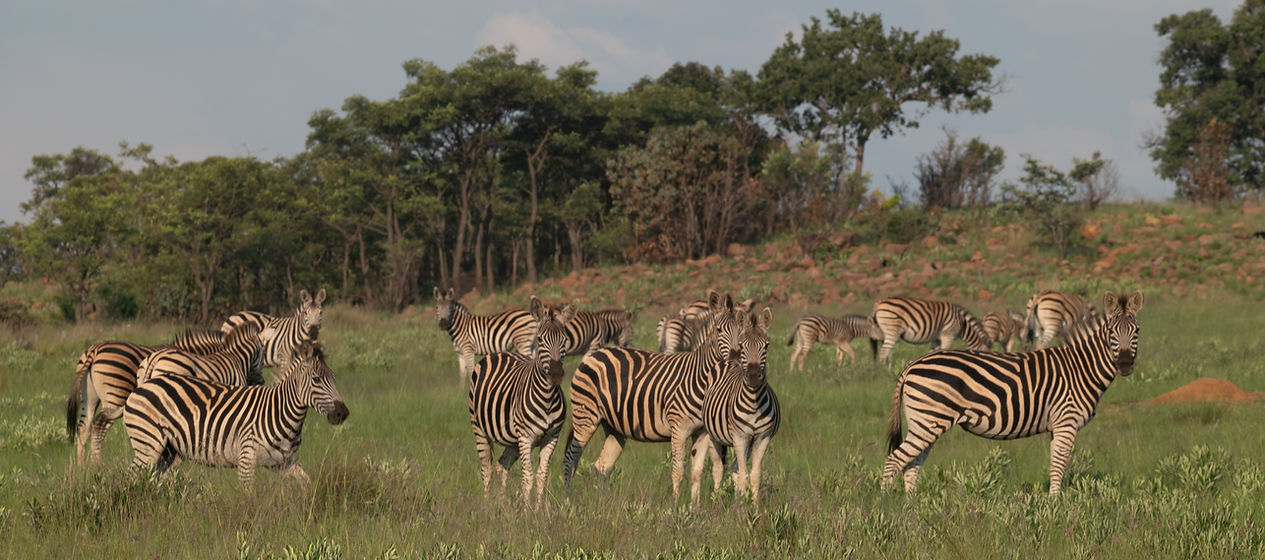
Winter, from May through August, brings dry, clear conditions and mild daytime temperatures in the low to mid-twenties Celsius. Nights can drop sharply, sometimes close to freezing, so warm layers are essential for farm accommodation without central heating. The dry season is preferred for game viewing: vegetation thins out, and animals concentrate around water sources. Resident birdlife is also most visible during these months, when foliage is sparse and movement easier to track.
Summer, from October through February, brings afternoon thunderstorms, high humidity, and temperatures that regularly exceed 35 degrees. The bush turns dense and green with the rains, making wildlife harder to spot but drawing migratory bird species and adding a different visual character to the landscape. Travelers should expect rougher road conditions and reduced visibility on game farms.
The shoulder months of March to April and September offer moderate temperatures and fewer crowds than the school holiday peaks. July and December see the most visitor traffic across the Waterberg, when accommodation fills earliest and prices in the broader region tend to rise.
---
## Getting to Gemsbokfontein
The closest major airport is OR Tambo International in Johannesburg, roughly 170 kilometers to the south. From there, the most direct route follows the N1 north to Bela-Bela and continues toward Modimolle before turning onto secondary and gravel roads that lead into the Gemsbokfontein area. The drive takes around two hours under normal conditions.
Modimolle, about 50 kilometers south of Gemsbokfontein, is the last significant service point on the approach route. Stock up on fuel and groceries there before heading further north, as options become scarce closer to the settlement.
The access roads are predominantly gravel. A standard sedan manages the route well in dry conditions, but a vehicle with reasonable ground clearance handles it more safely after rain, when surfaces deteriorate quickly. Four-wheel drive is not typically required except on specific farm tracks.
There is no public transport to Gemsbokfontein. A private car or hired vehicle is the only practical option. Visitors flying into OR Tambo can hire a car at the airport and reach the area in a single drive. Those based in Pretoria face a marginally shorter journey, adding roughly 30 to 40 minutes compared to departing from central Johannesburg.
---
## Gemsbokfontein and Surrounding Areas
The small towns and farming communities within a 35-kilometer radius of Gemsbokfontein each serve a different purpose for visitors using the area as a base.
**Glentig**, the closest neighbor at 10 kilometers, is a small rural community with a similar agricultural character to Gemsbokfontein itself. It has no significant visitor infrastructure but marks a useful reference point when navigating the gravel road network in the district.
**Elandsbosch**, 13 kilometers out, shares the same open-country character. Farmland rather than a town center, it is one of several named farming communities that dot this section of the Waterberg plateau. Visitors pass through on their way between properties in the area.
**Mookgophong**, 25 kilometers from Gemsbokfontein, is the renamed form of the original settlement of **Naboomspruit**, which sits at the same distance. Both names refer to the same town, officially renamed in 2002. It functions as a local service hub with fuel stations, a hospital, and basic retail, making it a practical stop for day-to-day needs.
**Goedgedacht**, 28 kilometers away, is one of several heritage farm names in this district. The drive out passes through open Waterberg plateau country, with views across the low ridgelines that define northern Limpopo. Cattle and game farming dominate the surrounding land.
**Naboomfontein**, the furthest at 33 kilometers, takes its name from the naboom, a large euphorbia tree species common across this plateau landscape. The surrounding area supports a mix of cattle and wildlife operations, and the road between here and Gemsbokfontein passes through characteristic dry bushveld.
All six destinations lie within a 35-kilometer radius, making day trips straightforward from a single Gemsbokfontein base without the need to change accommodation.
---
## Planning Your Stay
With only two properties in Gemsbokfontein, early booking matters considerably more than in destinations with a wider stock. There is little margin for last-minute alternatives nearby. Book at least a month ahead for July and December travel; for quieter periods, two to three weeks is usually sufficient.
When comparing properties before confirming, check practical details that matter more in remote settings than in urban ones. Confirm whether the rental is fully equipped with kitchen tools and linen, or whether guests are expected to bring their own. Read the cancellation policy carefully, since farm stays in rural Limpopo often carry stricter refund terms than standard hotel bookings.
Mobile coverage across parts of Gemsbokfontein is inconsistent depending on the network provider. Ask the property whether Wi-Fi or satellite communication is available if you need reliable connectivity during the stay. The nearest medical facilities are in Mookgophong, so travelers with specific health considerations should note that distance before confirming.
If traveling in the summer rainy season, confirm road access conditions directly with the property before departure.

Gemsbokfontein's accommodation offering is deliberately small. Two properties are listed in the area, with nightly rates sitting at R900, making this one of the more affordable corners of the Waterberg district for an overnight stay.
Both properties operate as self-catering units, which fits the remote, rural character of the area. Guests arrive to find independent accommodation with kitchen facilities, a braai area, and enough space to settle into a slower pace for a few nights. The self-catering format means no fixed meal schedules and no staff managing the experience. For many visitors, that independence is precisely the reason to choose somewhere like Gemsbokfontein over a conventional game lodge or resort.
The farms and small holdings that host these properties tend to offer more than four walls and a bed. Access to private walking trails, farm dams, or small game paddocks is common, as are outdoor seating areas positioned to take advantage of the surrounding landscape. Expect clean, functional interiors: these are working-farm accommodations that prioritize practicality over decoration, with braai facilities and outdoor areas as standard.
Value is a defining characteristic at this price point. Self-catering in the Waterberg can climb significantly once meals and extras are factored into larger lodge packages. Couples or small groups sharing a unit will find the per-person cost modest, particularly since groceries from a nearby town cost a fraction of lodge catering prices.
With only two properties to choose from, flexibility is limited. Advance booking is strongly advisable, particularly around public holidays and school holiday periods when demand across the region increases.
---
## Things to Do in Gemsbokfontein
The dominant activities around Gemsbokfontein are outdoor and slow-paced. This is not a destination with a packed schedule, but that is precisely its appeal to visitors who prefer open land over organized entertainment.
Farm-based activities are the starting point for most stays. Guided walks across working properties introduce visitors to the Waterberg bushveld at ground level, through acacia woodland, open grassland, and the rocky outcrops that mark the landscape. Birdwatching is particularly productive: the district supports well over 300 bird species, including large raptors that circle the ridges and smaller thornveld species that move through the shrubs. Early mornings before the heat sets in are the most rewarding time to be outside.
Thermal springs within the broader Waterberg region draw many visitors. This part of Limpopo has been known for its hot springs for generations, and a day trip to soak in naturally warm water makes a good complement to the quieter farm-based rhythm of a Gemsbokfontein stay.
After dark, the absence of light pollution makes clear nights genuinely good for stargazing. The Milky Way is visible to the naked eye on cloudless evenings, and the southern sky offers constellations not visible from the northern hemisphere.
The Waterberg Biosphere Reserve, a UNESCO-designated area that takes in a significant portion of the district, is within driving distance and protects a substantial range of wildlife and plant species. San rock art sites also survive in parts of the wider Waterberg, offering a record of the region's earliest human inhabitants, though specific sites require local guidance to locate.
---
## Best Time to Visit Gemsbokfontein
Limpopo's Waterberg district has two broadly distinct seasons, and the best time to visit depends on what a traveler hopes to experience.
Winter, from May through August, brings dry, clear conditions and mild daytime temperatures in the low to mid-twenties Celsius. Nights can drop sharply, sometimes close to freezing, so warm layers are essential for farm accommodation without central heating. The dry season is preferred for game viewing: vegetation thins out, and animals concentrate around water sources. Resident birdlife is also most visible during these months, when foliage is sparse and movement easier to track.
Summer, from October through February, brings afternoon thunderstorms, high humidity, and temperatures that regularly exceed 35 degrees. The bush turns dense and green with the rains, making wildlife harder to spot but drawing migratory bird species and adding a different visual character to the landscape. Travelers should expect rougher road conditions and reduced visibility on game farms.
The shoulder months of March to April and September offer moderate temperatures and fewer crowds than the school holiday peaks. July and December see the most visitor traffic across the Waterberg, when accommodation fills earliest and prices in the broader region tend to rise.
---
## Getting to Gemsbokfontein
The closest major airport is OR Tambo International in Johannesburg, roughly 170 kilometers to the south. From there, the most direct route follows the N1 north to Bela-Bela and continues toward Modimolle before turning onto secondary and gravel roads that lead into the Gemsbokfontein area. The drive takes around two hours under normal conditions.
Modimolle, about 50 kilometers south of Gemsbokfontein, is the last significant service point on the approach route. Stock up on fuel and groceries there before heading further north, as options become scarce closer to the settlement.
The access roads are predominantly gravel. A standard sedan manages the route well in dry conditions, but a vehicle with reasonable ground clearance handles it more safely after rain, when surfaces deteriorate quickly. Four-wheel drive is not typically required except on specific farm tracks.
There is no public transport to Gemsbokfontein. A private car or hired vehicle is the only practical option. Visitors flying into OR Tambo can hire a car at the airport and reach the area in a single drive. Those based in Pretoria face a marginally shorter journey, adding roughly 30 to 40 minutes compared to departing from central Johannesburg.
---
## Gemsbokfontein and Surrounding Areas
The small towns and farming communities within a 35-kilometer radius of Gemsbokfontein each serve a different purpose for visitors using the area as a base.
**Glentig**, the closest neighbor at 10 kilometers, is a small rural community with a similar agricultural character to Gemsbokfontein itself. It has no significant visitor infrastructure but marks a useful reference point when navigating the gravel road network in the district.
**Elandsbosch**, 13 kilometers out, shares the same open-country character. Farmland rather than a town center, it is one of several named farming communities that dot this section of the Waterberg plateau. Visitors pass through on their way between properties in the area.
**Mookgophong**, 25 kilometers from Gemsbokfontein, is the renamed form of the original settlement of **Naboomspruit**, which sits at the same distance. Both names refer to the same town, officially renamed in 2002. It functions as a local service hub with fuel stations, a hospital, and basic retail, making it a practical stop for day-to-day needs.
**Goedgedacht**, 28 kilometers away, is one of several heritage farm names in this district. The drive out passes through open Waterberg plateau country, with views across the low ridgelines that define northern Limpopo. Cattle and game farming dominate the surrounding land.
**Naboomfontein**, the furthest at 33 kilometers, takes its name from the naboom, a large euphorbia tree species common across this plateau landscape. The surrounding area supports a mix of cattle and wildlife operations, and the road between here and Gemsbokfontein passes through characteristic dry bushveld.
All six destinations lie within a 35-kilometer radius, making day trips straightforward from a single Gemsbokfontein base without the need to change accommodation.
---
## Planning Your Stay
With only two properties in Gemsbokfontein, early booking matters considerably more than in destinations with a wider stock. There is little margin for last-minute alternatives nearby. Book at least a month ahead for July and December travel; for quieter periods, two to three weeks is usually sufficient.
When comparing properties before confirming, check practical details that matter more in remote settings than in urban ones. Confirm whether the rental is fully equipped with kitchen tools and linen, or whether guests are expected to bring their own. Read the cancellation policy carefully, since farm stays in rural Limpopo often carry stricter refund terms than standard hotel bookings.
Mobile coverage across parts of Gemsbokfontein is inconsistent depending on the network provider. Ask the property whether Wi-Fi or satellite communication is available if you need reliable connectivity during the stay. The nearest medical facilities are in Mookgophong, so travelers with specific health considerations should note that distance before confirming.
If traveling in the summer rainy season, confirm road access conditions directly with the property before departure.
Tipes Akkommodasie in Gemsbokfontein
Uitgesoekte Verblyf in Gemsbokfontein
Witgatboom Boskamp
Selfsorg
Mookgophong
Vanaf R900
Witgatboom Boskamp
Selfsorg
Mookgophong
· 12km van Gemsbokfontein
Vanaf
R900
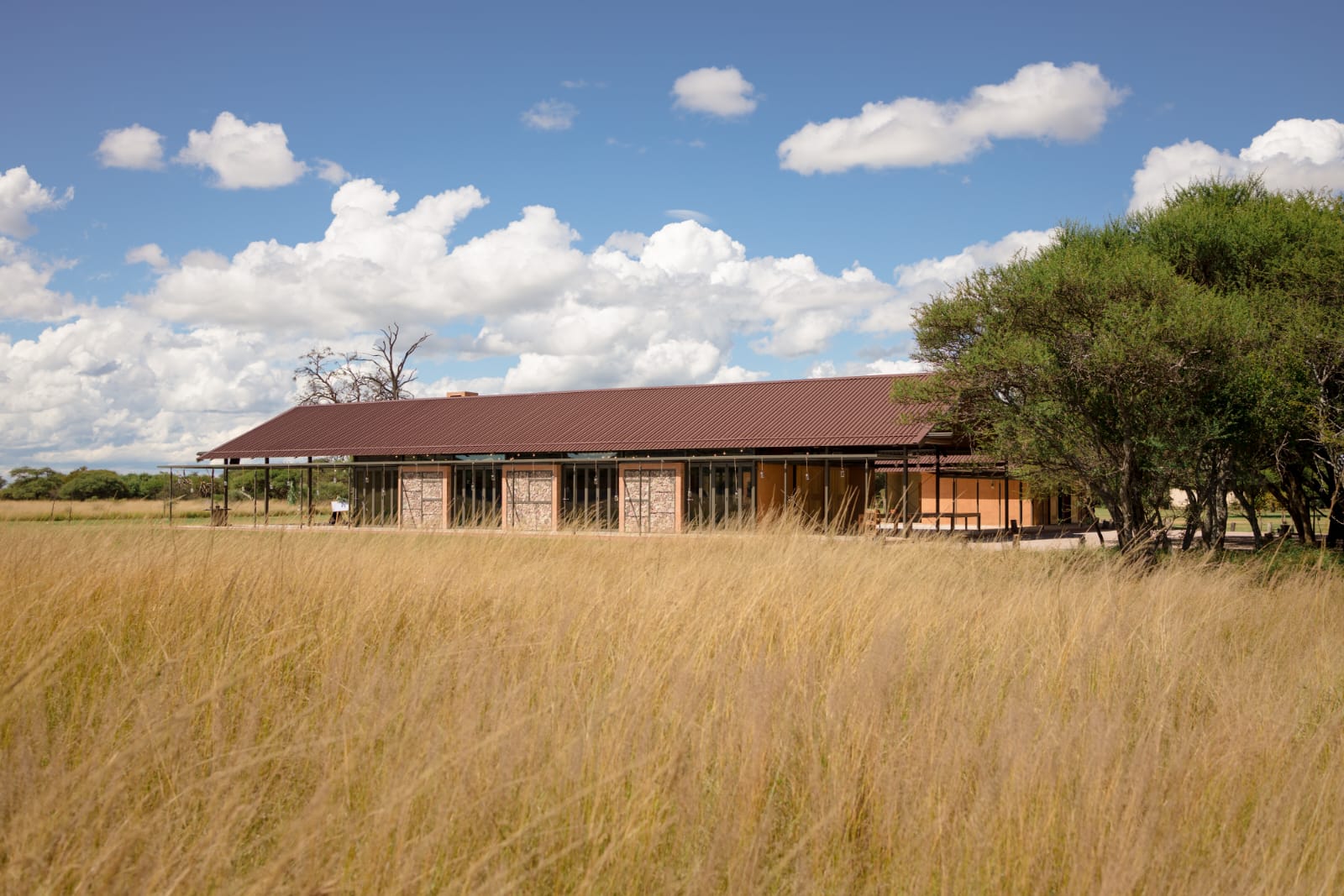
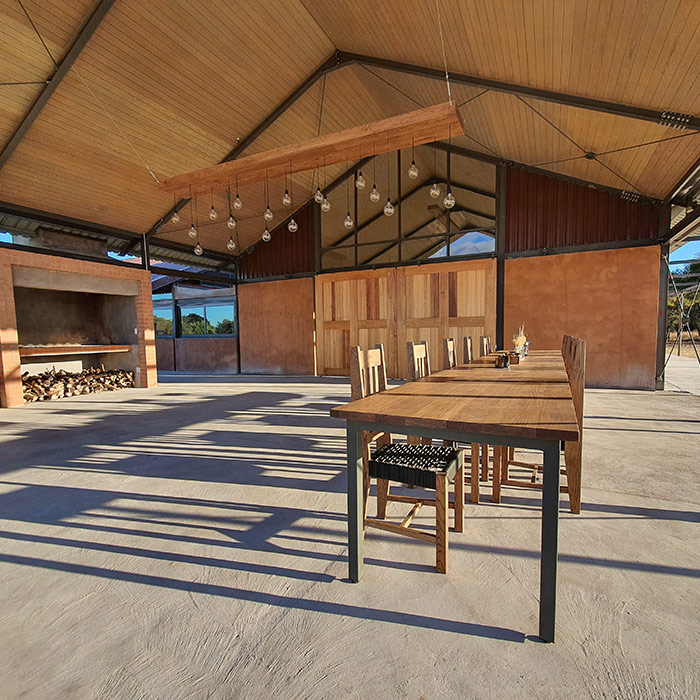
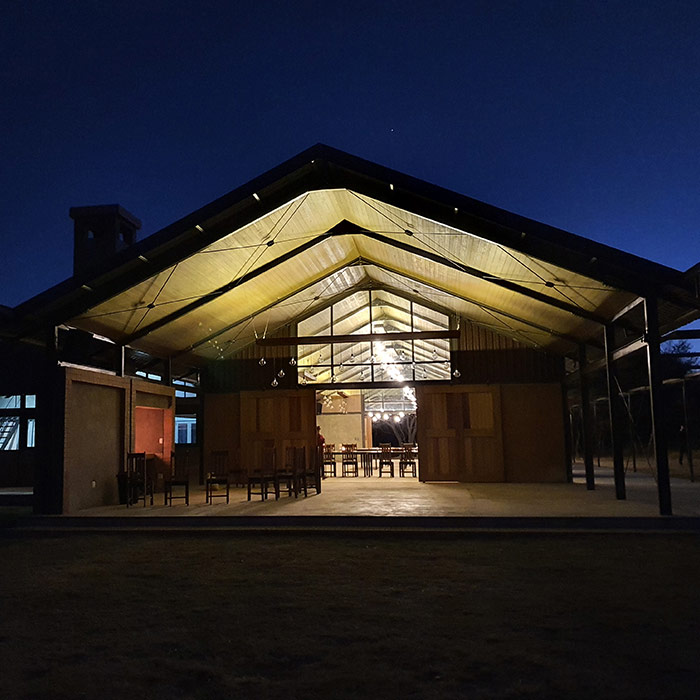
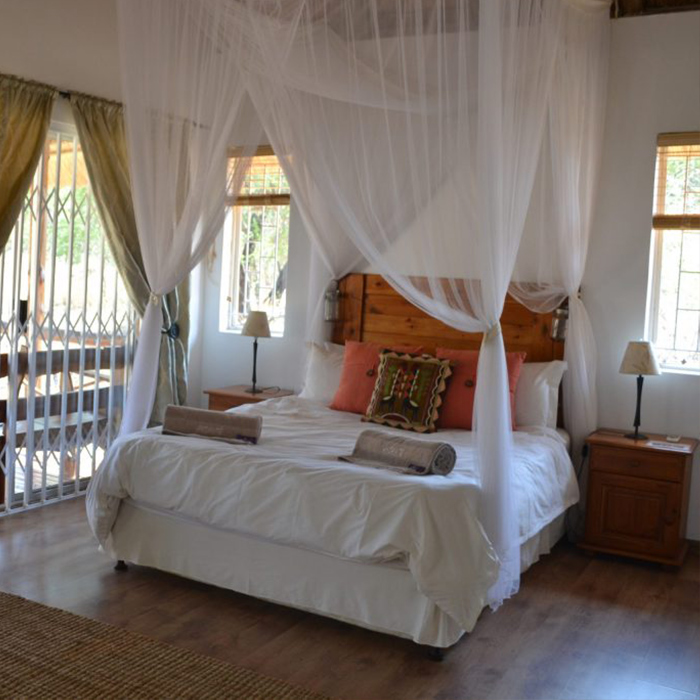
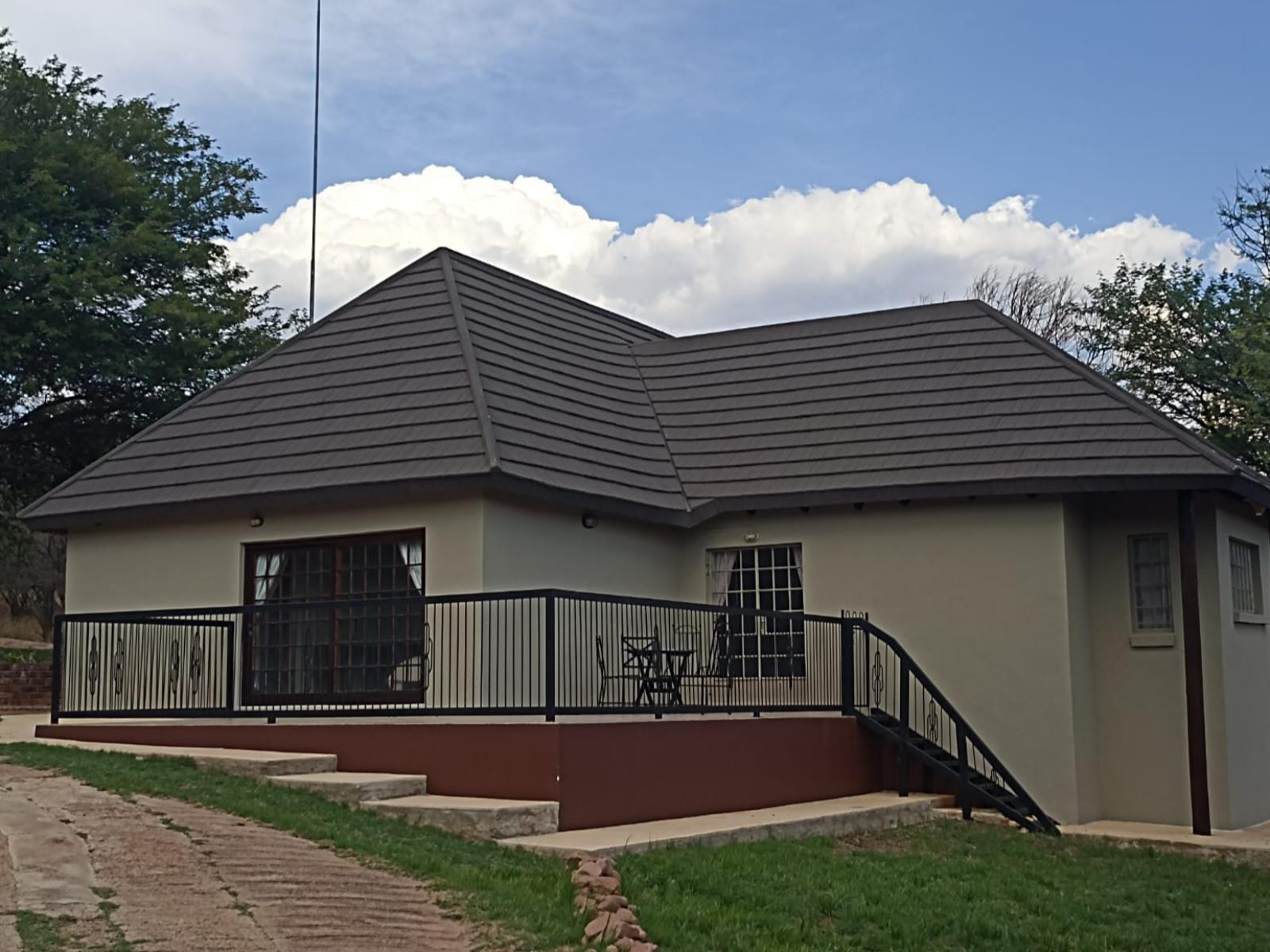
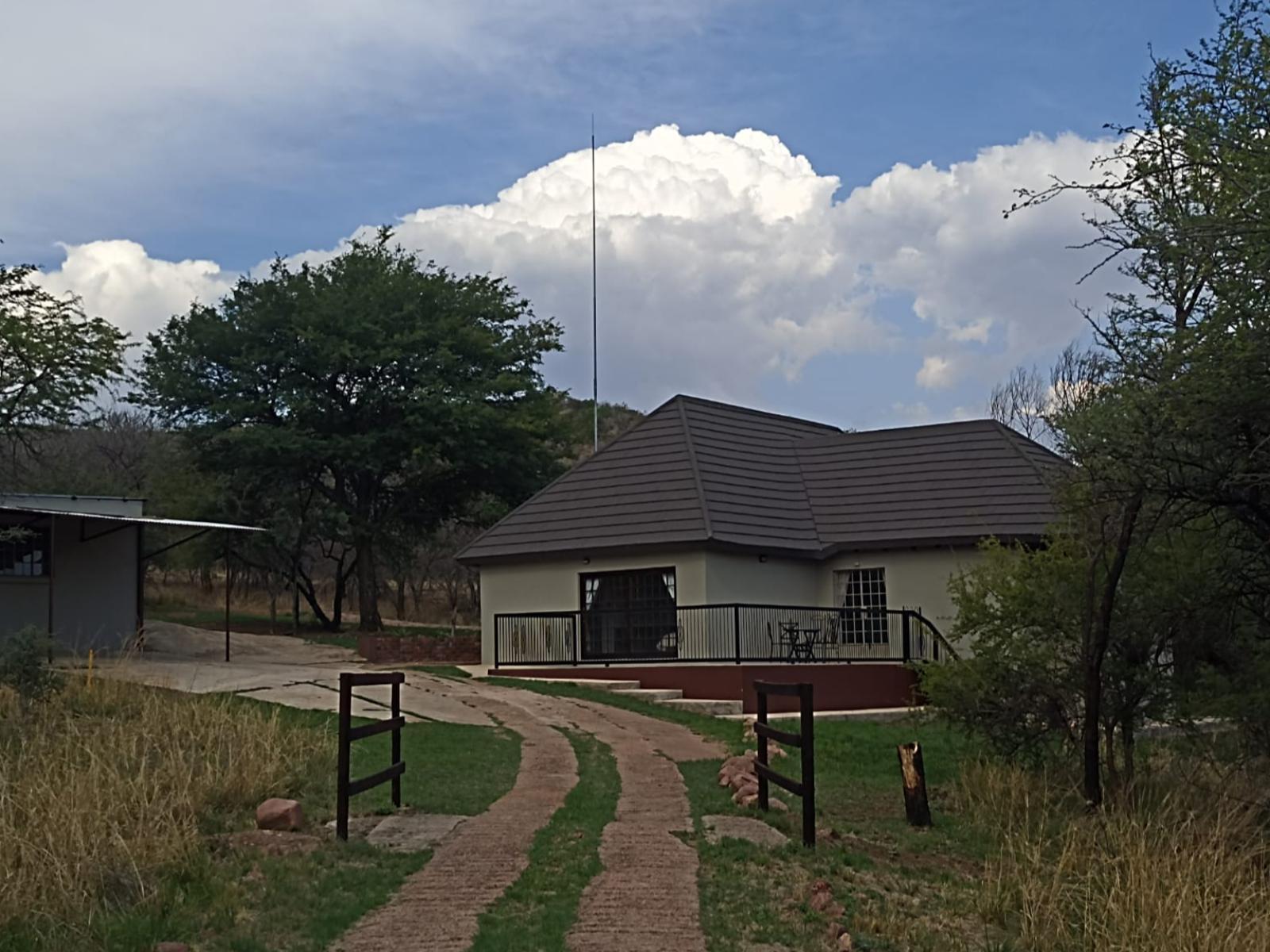
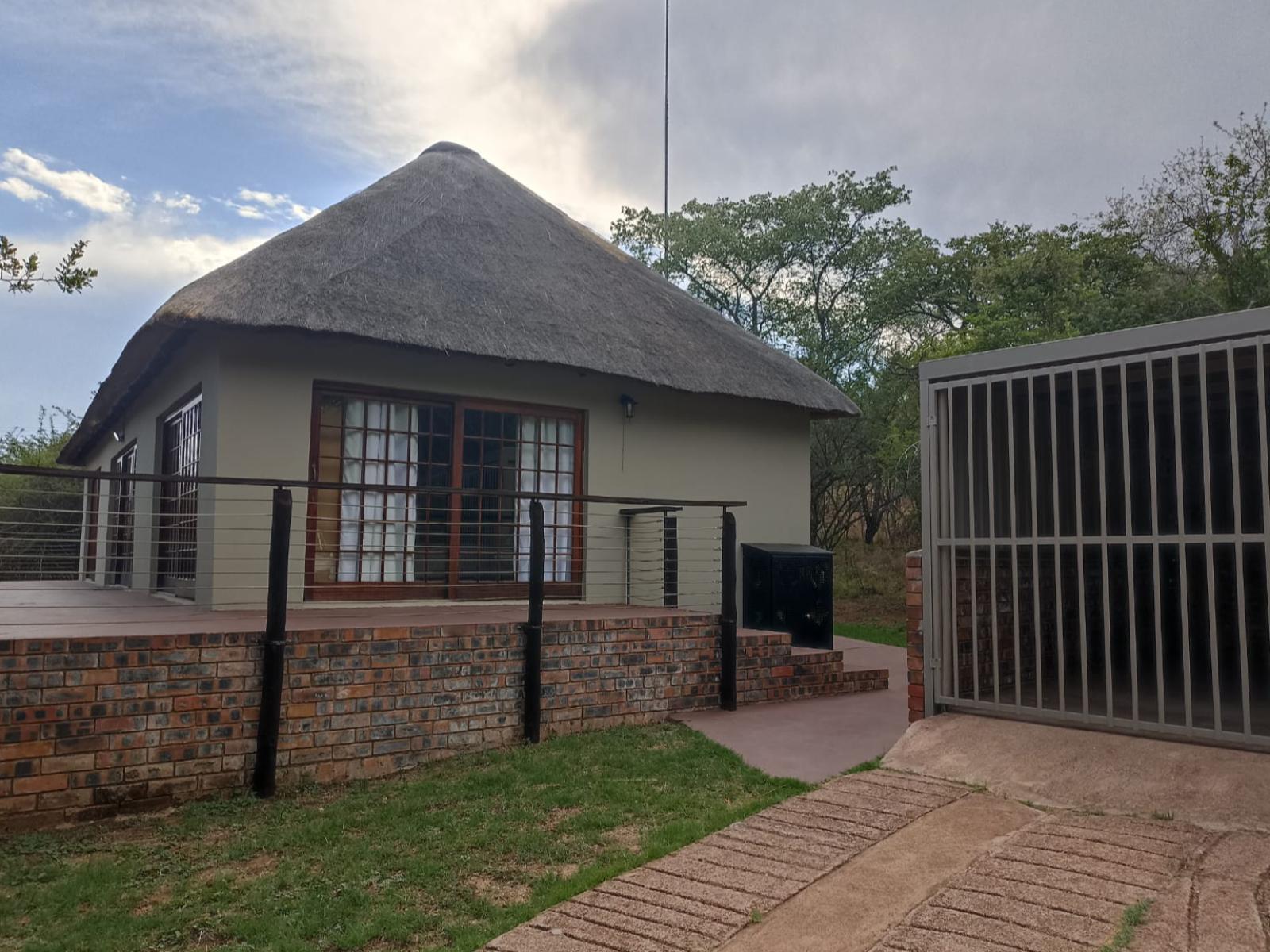
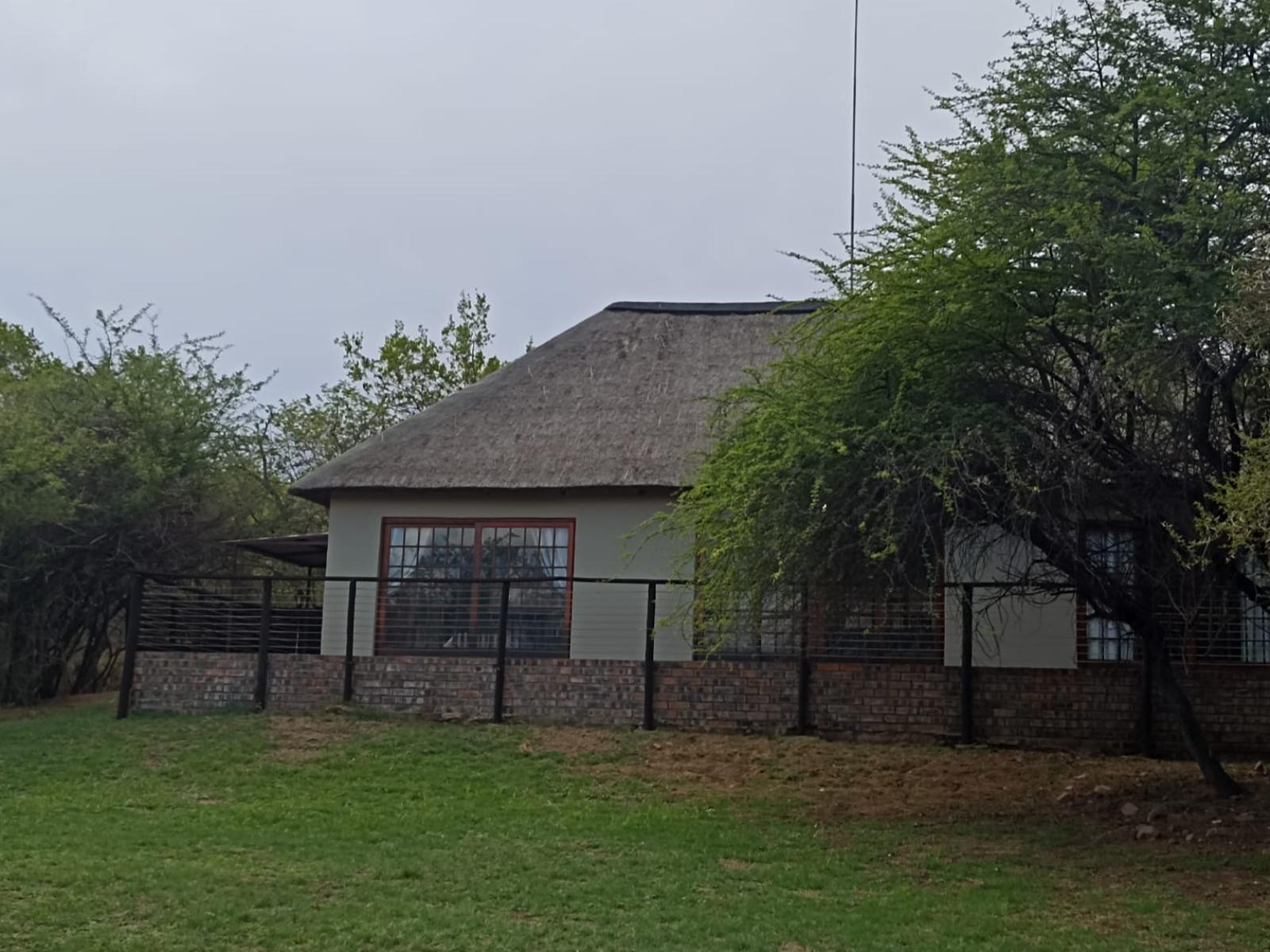
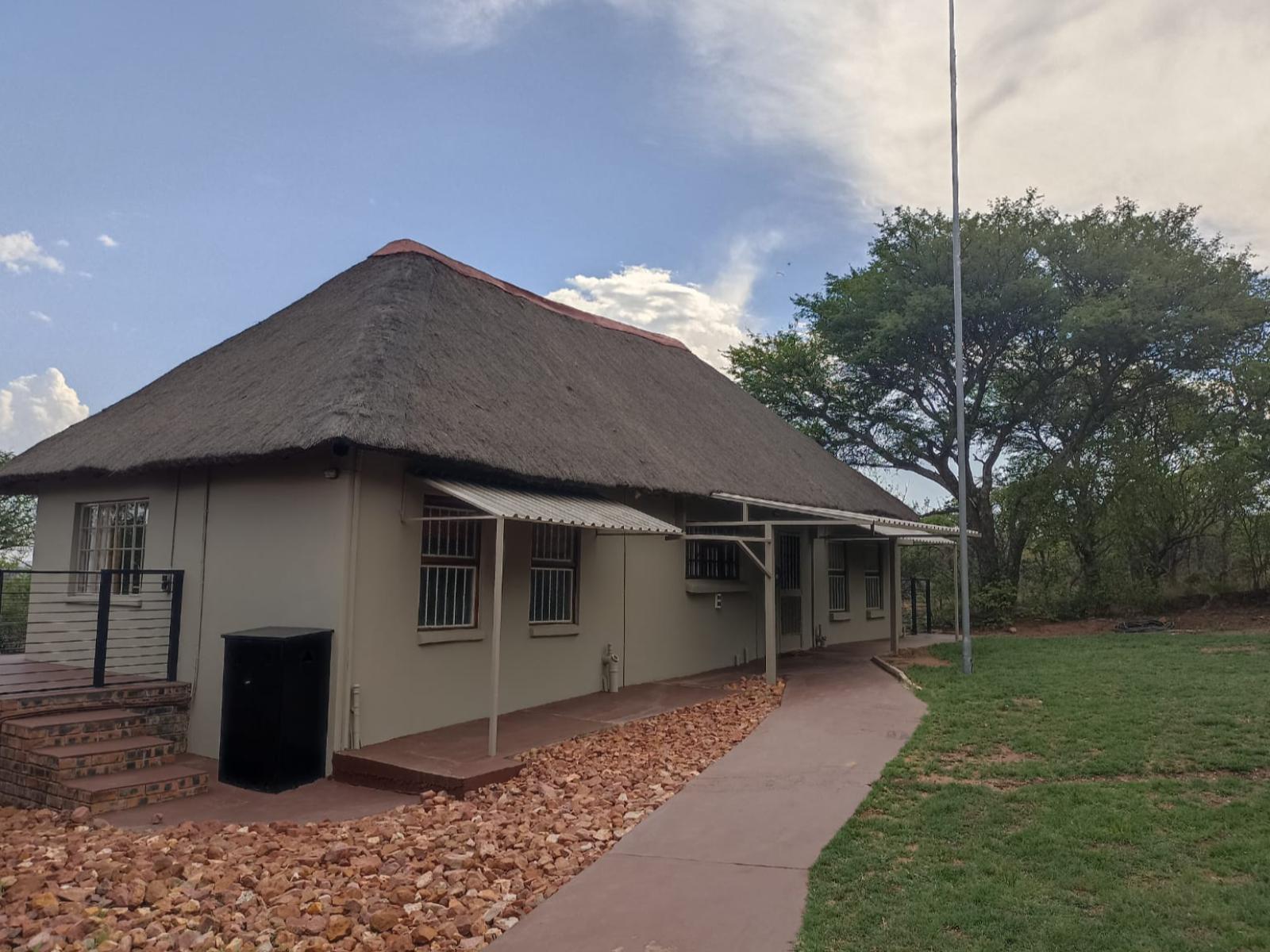
Witgatboom Boskamp is 'n Afrika-styl bushcamp op 'n privaatmalaaria-vry wildtuinlandgoed, 11 km buite Mookgophong in die Waterberg-distrik, Limpopo. Dit bestaan uit 7 rietgedekte chalets wat rondom 'n reusachtige boma gerangskik is, vir tot 21 gaste.
Slaap 17
Kinders welkom
Akkommodasiepryse in Gemsbokfontein
| Tipe | Inskrywings | Vanaf | Gemiddeld | Tot |
|---|---|---|---|---|
| Self-catering | 2 | R900 | R1,631 | R3,480 |
Gemsbokfontein Kaart
Nabygeleë Bestemmings
Blaai Deur Alle Gemsbokfontein Akkommodasie
Bekyk al 2 akkommodasie-opsies in Gemsbokfontein met foto's, pryse en beskikbaarheid.
Blaai Deur Alle Akkommodasie