Naboomspruit Reis- & Akkommodasiegids
Jou volledige gids om Naboomspruit, Suid-Afrika te besoek.
Naboomspruit provides a practical base for exploring the Limpopo region, with its proximity to natural landscapes and historical sites. The area features diverse wildlife and outdoor pursuits that appeal to nature enthusiasts. Visitors can enjoy the local community and its offerings while planning their stays.
## Accommodation in Naboomspruit
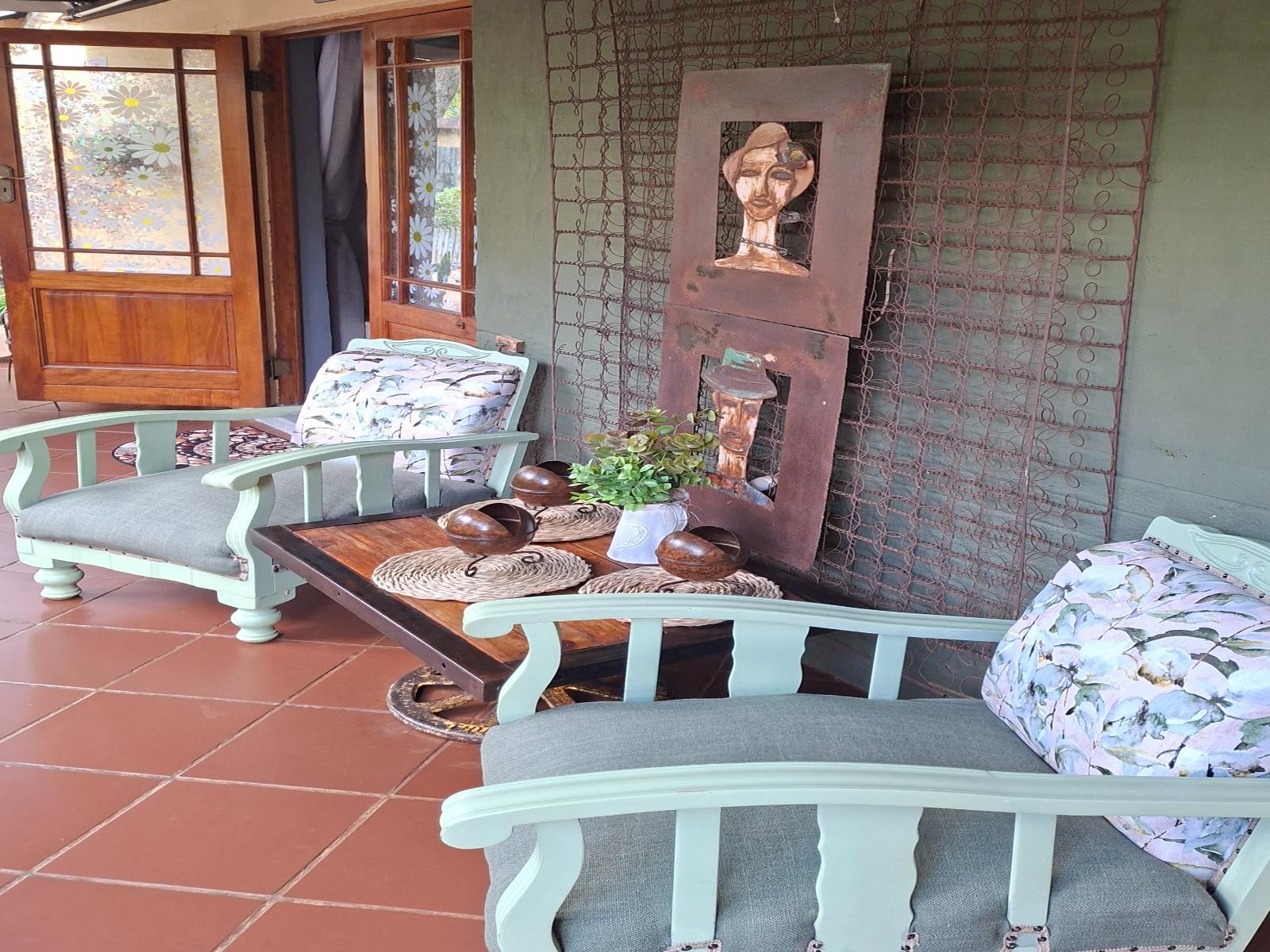
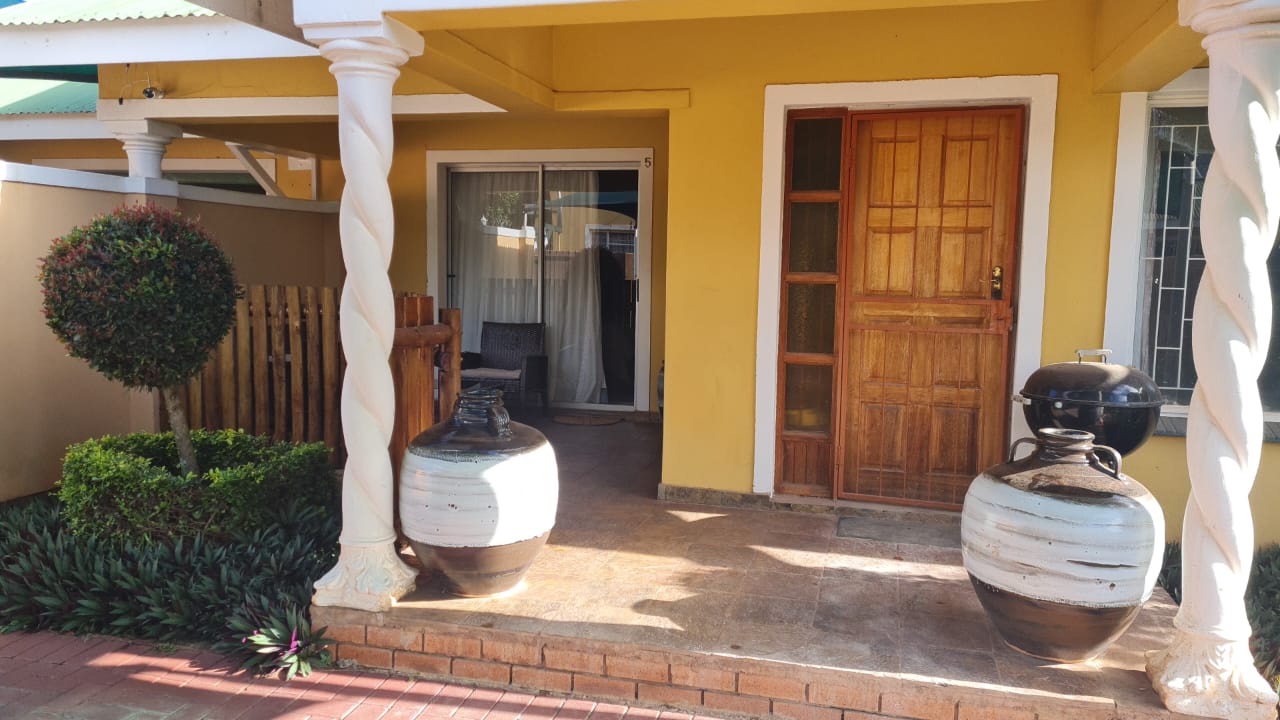
Naboomspruit's accommodation market is modest and functional, shaped by its role as a stopping point on the N1 highway rather than as a destination in its own right. The town currently has no formally catalogued properties in this directory, and pricing data is not available, so travelers should check regional booking platforms or contact the Waterberg District tourism office directly for current availability and rates.
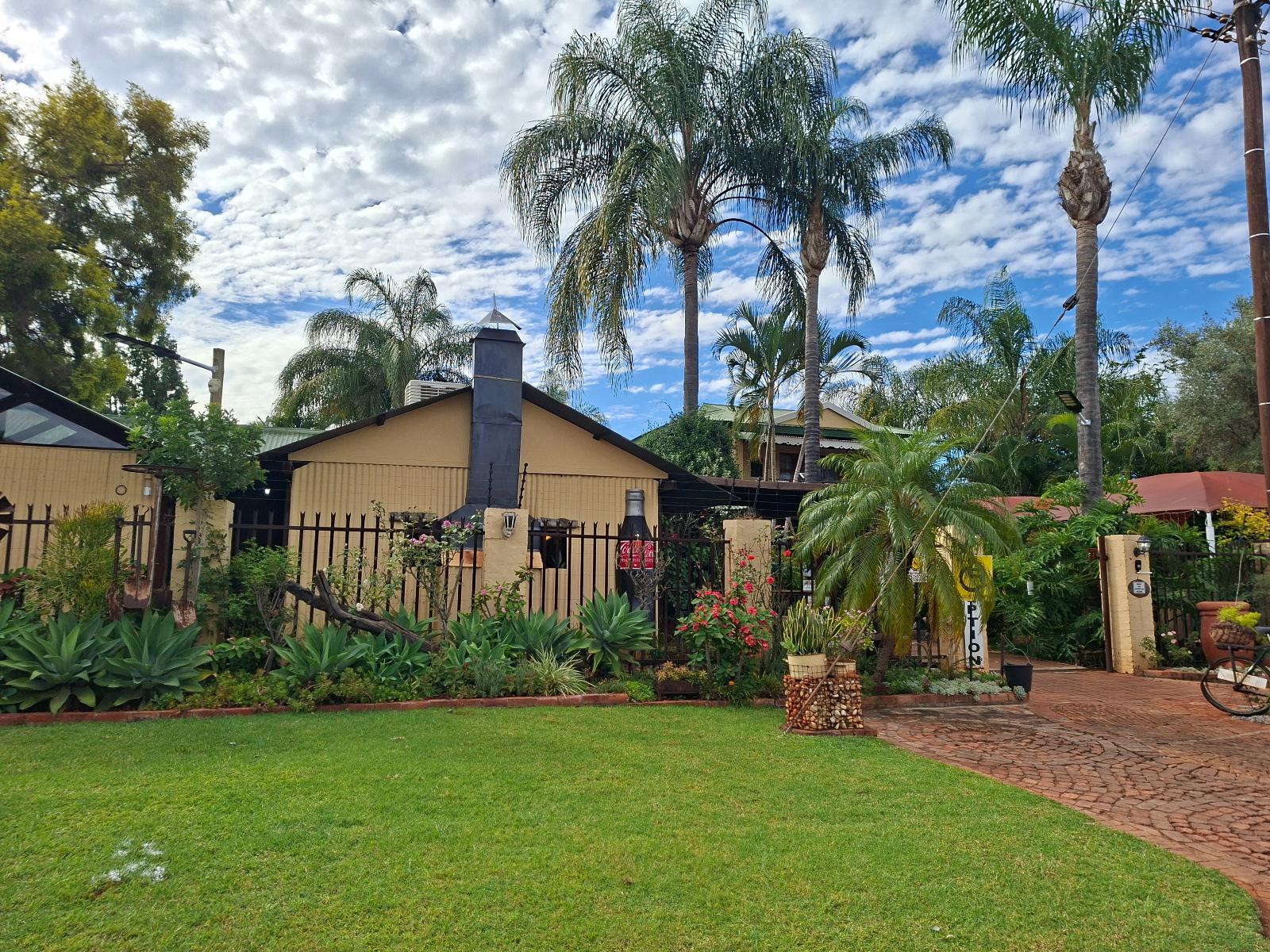
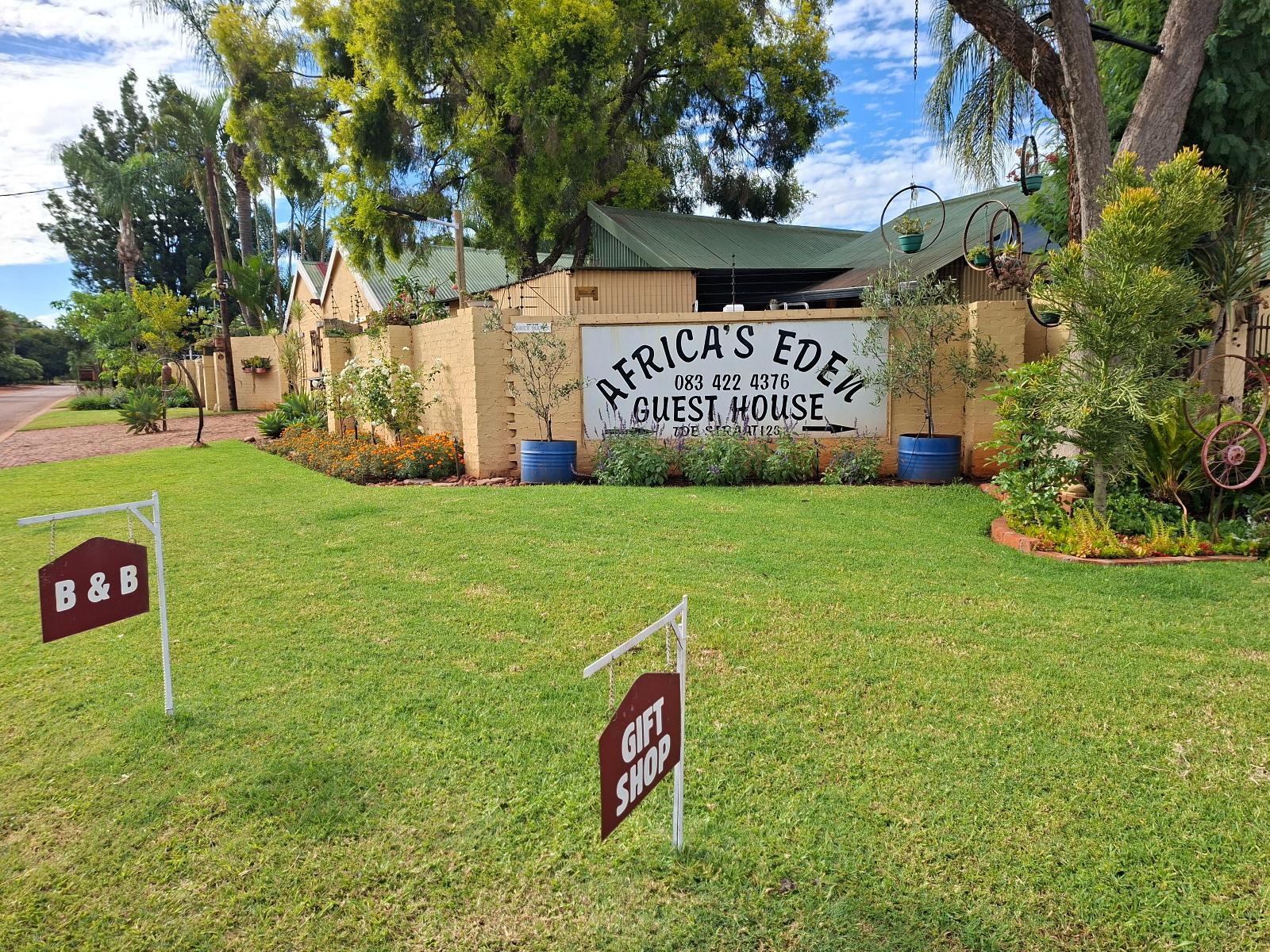
At the budget end, the town offers basic guesthouses and bed-and-breakfast places run by local owners. These properties are generally clean and straightforward, without many added amenities, but the hosts tend to be well-informed about the area. Self-catering units are also common in this tier, which suits travelers who prefer to manage their own meals rather than rely on the town's limited dining options. For those passing through on a single night, these are practical and adequate choices.
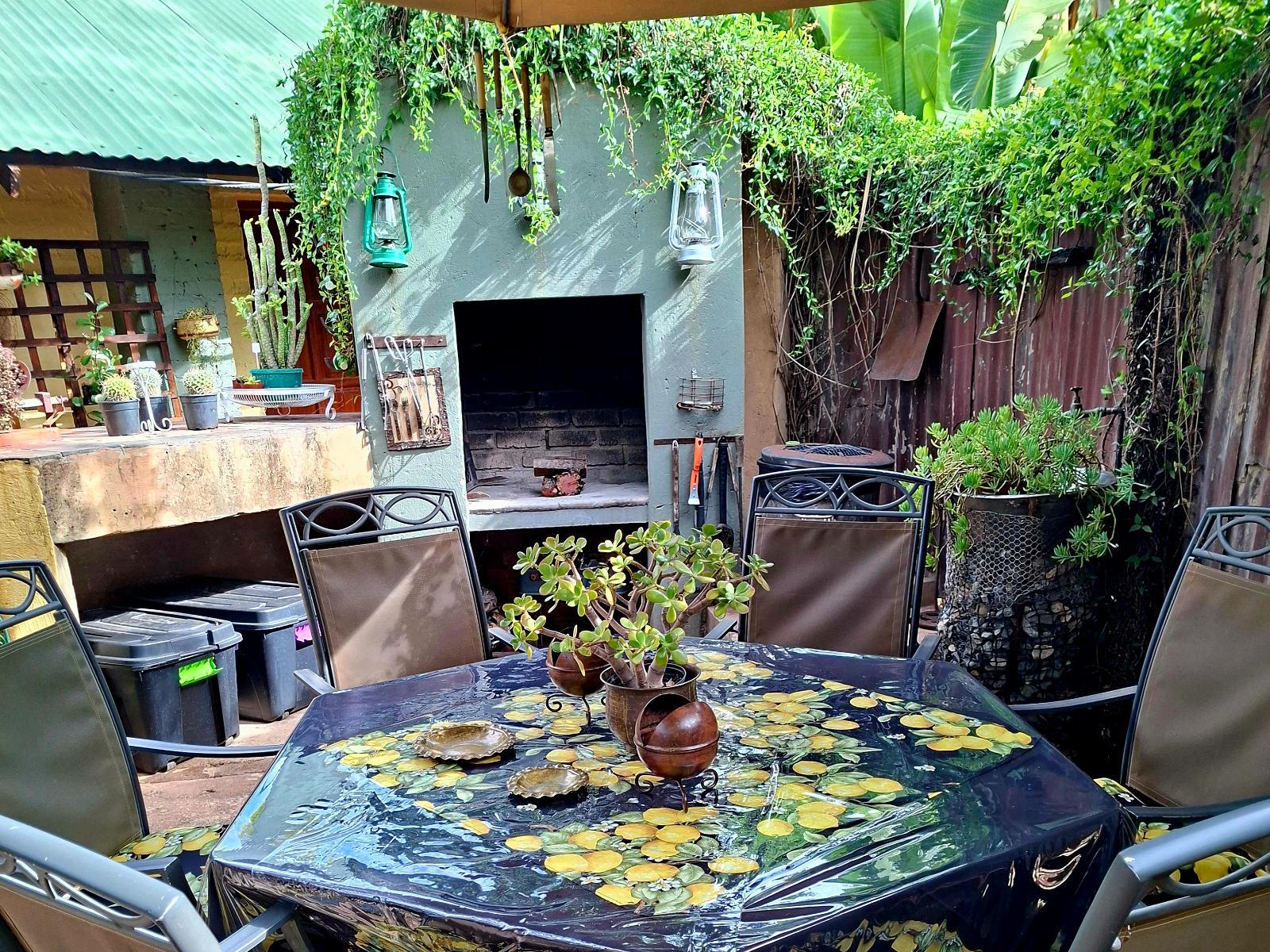
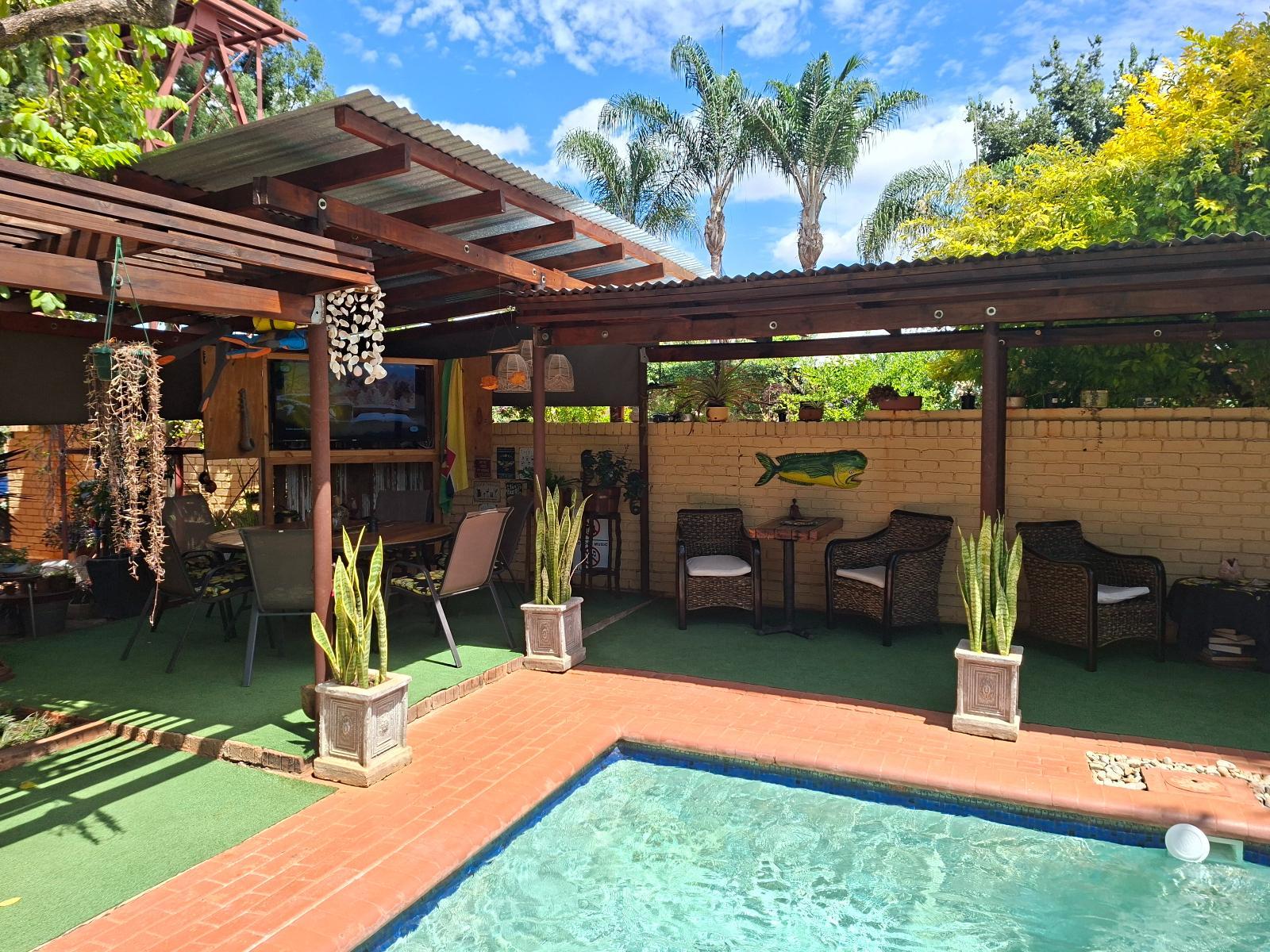
Mid-range options tend toward country guesthouses and small farm stays on the outskirts of town or along nearby district roads. Properties in this bracket typically offer en-suite rooms, some outdoor space, and occasionally a pool. Internet access has become more standard as business travelers making the Johannesburg to Polokwane run increasingly choose Naboomspruit over larger, more expensive centers for an overnight stop. These properties tend to offer the most reliable and consistent experience for visitors planning to stay two nights or more.
Upper-tier options within the town itself are limited. Travelers seeking a more structured game lodge experience generally look beyond the town boundary to reserves and retreats elsewhere in the Waterberg, which are within an hour's drive. Those properties typically operate on full-board arrangements and include guided activities in their rates.
Because the local accommodation inventory is small, direct contact with individual properties is often more reliable than filtering through third-party booking engines, which may not reflect accurate availability or current operating status for smaller establishments.
---
## Best Time to Visit Naboomspruit
The climate in this part of Limpopo splits into two distinct seasons, each with different implications for what you can do and how comfortable the conditions will be.
Summer, roughly October through March, is hot and wet. Daytime temperatures frequently exceed 35°C in December and January, and afternoon thunderstorms are common from November onward. The bush is thick and green during this period, which creates good conditions for birdwatching as summer migrants arrive from across Africa, but makes spotting larger game considerably harder. The heat can be draining, particularly for outdoor activities in the middle of the day.
Winter, from May through August, is dry and considerably cooler. Days are often clear and mild, staying below 25°C, while nights can drop to single figures in June and July, so warm clothing is necessary if you plan to be outside after dark. The thinning vegetation makes it far easier to observe animals in the surrounding conservancies and biosphere areas. This is the preferred season for wildlife-focused visits.
The transitional months, September and October before the rains arrive, and April as the wet season ends, offer a reasonable middle ground. Temperatures are building in spring and moderating in autumn, and the bush, while drier than summer, still has some density. April in particular tends to be underrated by visitors.
South African school holidays in June to July and December to January bring increased traffic along the N1.
---
## Getting to Naboomspruit
The town sits directly on the N1 highway, which connects Johannesburg in the south to Polokwane and the Zimbabwe border in the north. This makes Naboomspruit straightforward to reach by road from either direction.
From Johannesburg, the drive covers roughly 200 kilometers and typically takes just over two hours in normal traffic, heading north through Pretoria and continuing on the N1. From Polokwane, the town is approximately 130 kilometers to the south, around 90 minutes by car. Road conditions on the N1 are generally good, and fuel is available in town as well as at service stations along the highway.
The nearest commercial airport is Polokwane International Airport, which operates scheduled flights from Johannesburg's O.R. Tambo International Airport. From the airport, a hired car is the practical choice for reaching Naboomspruit, as there is no dedicated transfer service and the town is not served by regular coach routes, though long-distance bus operators running the N1 corridor may make stops at nearby points.
Within Naboomspruit, a private vehicle is effectively necessary. The central area is compact enough to cover on foot, but reaching surrounding farms, conservancies, and the broader district requires your own transport. Local minibus taxis serve routes within the Waterberg region, but schedules and routes are not always predictable for visitors unfamiliar with the area.
---
## Naboomspruit and Surrounding Areas
The closest point of reference in the surrounding data is Mookgophong, listed at zero kilometers, which reflects the administrative reality: Mookgophong is the official municipal name for the area that includes Naboomspruit. The two names refer to the same geographic location, with Mookgophong used in local government and some official signage while Naboomspruit remains in common usage among travelers and residents.
Naboomfontein lies 22 kilometers from town. The name is a reference to the naboom fig, a species characteristic of the local landscape, and the area retains the agricultural identity that defines much of this part of Limpopo. Cattle farming and game operations are the main activities here, and the surrounding land gives a clear sense of the transitional bushveld that characterizes the district.
Gemsbokfontein, 25 kilometers out, pushes further into drier terrain. The name recalls the gemsbok, an oryx species that historically ranged through this type of savannah. The area is sparsely populated and sees little visitor traffic, but it reflects the broader biodiversity context of the Waterberg.
Glentig, at 30 kilometers, is a quiet farming settlement. It offers nothing in the way of tourist infrastructure but gives a representative picture of the district's agricultural character for visitors curious about the working landscape beyond the highway corridor.
Elandsbosch, 36 kilometers away, carries another wildlife reference in its name, eland being the largest antelope species in Africa. Game conservancies in this general direction form part of the wider Waterberg land-use mosaic.
Modimolle, 37 kilometers to the south and formerly known as Nylstroom, is the most significant neighboring center. It functions as the administrative hub of the Waterberg District Municipality and offers a wider spread of services, including retail, healthcare, and additional accommodation. The Nylsvley Nature Reserve, widely regarded as one of South Africa's top birding locations with several hundred recorded species, is a short drive from Modimolle and makes for a worthwhile day trip when staying in Naboomspruit.
---
## Planning Your Stay
Because Naboomspruit lacks a high-profile tourism listing database, some additional preparation helps. The Waterberg District Tourism office maintains records of registered accommodation providers and can give a clearer picture of what is currently operating. This is worth consulting before booking, particularly for farm stays and self-catering units, which sometimes change ownership or temporarily suspend operations without updating online listings.
Timing matters more than in larger centers. The N1 carries heavy traffic during South African school holidays, specifically the June to July winter break and December to January summer period. Guesthouses along this corridor fill up with holidaymakers heading to Limpopo's northern parks, so booking several weeks in advance during these windows is sensible. Outside those periods, last-minute bookings are usually possible.
Before confirming a property, clarify what is included in the rate. Self-catering units require you to bring food or shop in town before arrival. Ask whether the property has a generator or inverter, since load shedding affects the region and power outages are a practical consideration for any stay of more than one night.
Naboomspruit has ATM facilities, but availability can be inconsistent. Carrying cash for smaller establishments, roadside stalls, and local services is advisable. If you plan to explore dirt roads in the district, check surface conditions with locals, particularly in the weeks following heavy summer rain.

Naboomspruit's accommodation market is modest and functional, shaped by its role as a stopping point on the N1 highway rather than as a destination in its own right. The town currently has no formally catalogued properties in this directory, and pricing data is not available, so travelers should check regional booking platforms or contact the Waterberg District tourism office directly for current availability and rates.
At the budget end, the town offers basic guesthouses and bed-and-breakfast places run by local owners. These properties are generally clean and straightforward, without many added amenities, but the hosts tend to be well-informed about the area. Self-catering units are also common in this tier, which suits travelers who prefer to manage their own meals rather than rely on the town's limited dining options. For those passing through on a single night, these are practical and adequate choices.
Mid-range options tend toward country guesthouses and small farm stays on the outskirts of town or along nearby district roads. Properties in this bracket typically offer en-suite rooms, some outdoor space, and occasionally a pool. Internet access has become more standard as business travelers making the Johannesburg to Polokwane run increasingly choose Naboomspruit over larger, more expensive centers for an overnight stop. These properties tend to offer the most reliable and consistent experience for visitors planning to stay two nights or more.
Upper-tier options within the town itself are limited. Travelers seeking a more structured game lodge experience generally look beyond the town boundary to reserves and retreats elsewhere in the Waterberg, which are within an hour's drive. Those properties typically operate on full-board arrangements and include guided activities in their rates.
Because the local accommodation inventory is small, direct contact with individual properties is often more reliable than filtering through third-party booking engines, which may not reflect accurate availability or current operating status for smaller establishments.
---
## Best Time to Visit Naboomspruit
The climate in this part of Limpopo splits into two distinct seasons, each with different implications for what you can do and how comfortable the conditions will be.
Summer, roughly October through March, is hot and wet. Daytime temperatures frequently exceed 35°C in December and January, and afternoon thunderstorms are common from November onward. The bush is thick and green during this period, which creates good conditions for birdwatching as summer migrants arrive from across Africa, but makes spotting larger game considerably harder. The heat can be draining, particularly for outdoor activities in the middle of the day.
Winter, from May through August, is dry and considerably cooler. Days are often clear and mild, staying below 25°C, while nights can drop to single figures in June and July, so warm clothing is necessary if you plan to be outside after dark. The thinning vegetation makes it far easier to observe animals in the surrounding conservancies and biosphere areas. This is the preferred season for wildlife-focused visits.
The transitional months, September and October before the rains arrive, and April as the wet season ends, offer a reasonable middle ground. Temperatures are building in spring and moderating in autumn, and the bush, while drier than summer, still has some density. April in particular tends to be underrated by visitors.
South African school holidays in June to July and December to January bring increased traffic along the N1.
---
## Getting to Naboomspruit
The town sits directly on the N1 highway, which connects Johannesburg in the south to Polokwane and the Zimbabwe border in the north. This makes Naboomspruit straightforward to reach by road from either direction.
From Johannesburg, the drive covers roughly 200 kilometers and typically takes just over two hours in normal traffic, heading north through Pretoria and continuing on the N1. From Polokwane, the town is approximately 130 kilometers to the south, around 90 minutes by car. Road conditions on the N1 are generally good, and fuel is available in town as well as at service stations along the highway.
The nearest commercial airport is Polokwane International Airport, which operates scheduled flights from Johannesburg's O.R. Tambo International Airport. From the airport, a hired car is the practical choice for reaching Naboomspruit, as there is no dedicated transfer service and the town is not served by regular coach routes, though long-distance bus operators running the N1 corridor may make stops at nearby points.
Within Naboomspruit, a private vehicle is effectively necessary. The central area is compact enough to cover on foot, but reaching surrounding farms, conservancies, and the broader district requires your own transport. Local minibus taxis serve routes within the Waterberg region, but schedules and routes are not always predictable for visitors unfamiliar with the area.
---
## Naboomspruit and Surrounding Areas
The closest point of reference in the surrounding data is Mookgophong, listed at zero kilometers, which reflects the administrative reality: Mookgophong is the official municipal name for the area that includes Naboomspruit. The two names refer to the same geographic location, with Mookgophong used in local government and some official signage while Naboomspruit remains in common usage among travelers and residents.
Naboomfontein lies 22 kilometers from town. The name is a reference to the naboom fig, a species characteristic of the local landscape, and the area retains the agricultural identity that defines much of this part of Limpopo. Cattle farming and game operations are the main activities here, and the surrounding land gives a clear sense of the transitional bushveld that characterizes the district.
Gemsbokfontein, 25 kilometers out, pushes further into drier terrain. The name recalls the gemsbok, an oryx species that historically ranged through this type of savannah. The area is sparsely populated and sees little visitor traffic, but it reflects the broader biodiversity context of the Waterberg.
Glentig, at 30 kilometers, is a quiet farming settlement. It offers nothing in the way of tourist infrastructure but gives a representative picture of the district's agricultural character for visitors curious about the working landscape beyond the highway corridor.
Elandsbosch, 36 kilometers away, carries another wildlife reference in its name, eland being the largest antelope species in Africa. Game conservancies in this general direction form part of the wider Waterberg land-use mosaic.
Modimolle, 37 kilometers to the south and formerly known as Nylstroom, is the most significant neighboring center. It functions as the administrative hub of the Waterberg District Municipality and offers a wider spread of services, including retail, healthcare, and additional accommodation. The Nylsvley Nature Reserve, widely regarded as one of South Africa's top birding locations with several hundred recorded species, is a short drive from Modimolle and makes for a worthwhile day trip when staying in Naboomspruit.
---
## Planning Your Stay
Because Naboomspruit lacks a high-profile tourism listing database, some additional preparation helps. The Waterberg District Tourism office maintains records of registered accommodation providers and can give a clearer picture of what is currently operating. This is worth consulting before booking, particularly for farm stays and self-catering units, which sometimes change ownership or temporarily suspend operations without updating online listings.
Timing matters more than in larger centers. The N1 carries heavy traffic during South African school holidays, specifically the June to July winter break and December to January summer period. Guesthouses along this corridor fill up with holidaymakers heading to Limpopo's northern parks, so booking several weeks in advance during these windows is sensible. Outside those periods, last-minute bookings are usually possible.
Before confirming a property, clarify what is included in the rate. Self-catering units require you to bring food or shop in town before arrival. Ask whether the property has a generator or inverter, since load shedding affects the region and power outages are a practical consideration for any stay of more than one night.
Naboomspruit has ATM facilities, but availability can be inconsistent. Carrying cash for smaller establishments, roadside stalls, and local services is advisable. If you plan to explore dirt roads in the district, check surface conditions with locals, particularly in the weeks following heavy summer rain.
Naboomspruit Kaart
Nabygeleë Bestemmings
Blaai Deur Alle Naboomspruit Akkommodasie
Bekyk al 0 akkommodasie-opsies in Naboomspruit met foto's, pryse en beskikbaarheid.
Blaai Deur Alle Akkommodasie