Tzaneen Reis- & Akkommodasiegids
Jou volledige gids om Tzaneen, Suid-Afrika te besoek.
1
Eiendom
Vanaf
R1,650
/ nag
Gemiddeld
R1,650
/ nag
Gewildste
Guest house
Tzaneen provides a welcoming base for exploring Limpopo's diverse landscapes and outdoor activities. The town features pleasant weather year-round, ideal for relaxation and adventure. Visitors can enjoy its proximity to farms and rivers, making it suitable for a comfortable stay.
## Accommodation in Tzaneen
Tzaneen's accommodation market is compact, with a single listed property at the time of writing, priced at R1,650 per night. That property is a guest house, which suits the town's character well. Guest houses in this region tend to be owner-managed, often set on smallholdings or garden plots with views toward the surrounding hills or citrus orchards. The scale is personal rather than corporate, meaning guests typically have direct contact with owners who can point them toward local trails, markets, or fishing spots that aren't easily found online.
For a town of Tzaneen's size, this kind of accommodation suits visitors who are here to explore rather than resort. The guest house format generally includes self-catering or breakfast options, secure parking (important if you're driving into the Lowveld or up through the mountain passes), and reasonable proximity to the town centre for groceries or a meal out.
Budget travellers may find fewer formal options in Tzaneen compared to larger Limpopo towns, but the guest house tier offers solid value for the area. The subtropical setting means properties often have gardens with fruit trees and shaded outdoor areas. Evenings are cool enough to sit outside for most of the year, which adds to the appeal. For families or small groups, a self-catering kitchen reduces costs considerably given that restaurant variety in town is limited.
Visitors using Tzaneen as a base for day trips into the mountains or toward larger game reserves to the east will find the guest house format practical. Booking directly with the property often yields flexibility on check-in times and local knowledge that online platforms cannot replicate. Confirm in advance whether meals are included or whether kitchen facilities are available, as this shapes your planning meaningfully.
---
## Best Time to Visit Tzaneen
Tzaneen sits at a transitional elevation between the highveld and the Lowveld, which shapes its climate distinctly across the year. The rainy season runs from October through April, with the heaviest falls in December and January. Afternoon thunderstorms are common during this period, though mornings are often clear and vegetation is at its most lush.
For outdoor activities, the dry season from May to September offers the most reliable conditions. Temperatures are mild to warm during the day, dropping noticeably at night, particularly in June and July. The reduced rainfall makes hiking trails more accessible, and game viewing in nearby reserves improves as vegetation thins and animals concentrate around water sources.
Birdwatching peaks during summer, as migratory species arrive between October and March, swelling the species count across the Letaba River valley and surrounding woodland. The African fish eagle is present year-round, but the variety of forest and lowveld species visible in summer is significantly greater. Anglers, by contrast, often prefer the dry winter months when river levels stabilise.
The town has no strong tourist season in the conventional sense, but accommodation fills during South African school holidays, particularly in December and over Easter. Outside those windows, the area is quiet and visitor numbers are low.
---
## Getting to Tzaneen
The main route into Tzaneen from the southwest is the R71, which connects the town to Polokwane roughly 100 kilometres away. Polokwane is Limpopo's provincial capital and has the nearest significant airport, Polokwane International, receiving scheduled flights from Johannesburg and other centres. From Polokwane, the drive to Tzaneen takes around 90 minutes under normal conditions.
Travellers from Johannesburg typically drive north on the N1 to Polokwane, then take the R71 east. The total distance from Johannesburg is approximately 450 kilometres, a journey of around five hours. From the east, Phalaborwa is about 80 kilometres away, making Tzaneen a practical stopover for visitors entering or leaving Kruger National Park via the Phalaborwa Gate.
There is no commercial airport in Tzaneen itself. Bus services connect the town to Polokwane and Johannesburg, but schedules are limited. A private vehicle gives the most flexibility, particularly for reaching the mountain passes and rural areas surrounding the town. Fuel is available without difficulty in the town centre.
Road conditions on the R71 and main connecting routes are generally good. Secondary roads into the Magoebaskloof area can become slippery after heavy summer rain, so checking conditions before departing is worth the effort. Mobile signal is adequate in town but weakens noticeably on mountain routes.
---
## Tzaneen and Surrounding Areas
The countryside around Tzaneen rewards driving in most directions, with each nearby community offering something distinct from the town itself.
**Quantock**, 10 kilometres out, is a quiet farming settlement in the foothills. It draws few tourists but gives a clear picture of the small-scale subtropical agriculture that defines the region. The plots here grow avocados, mangoes, and citrus, and passing through on a back road from Tzaneen shows how that productive landscape sits right against the mountain edge.
**Magoebaskloof**, 13 kilometres away, is the most dramatically different terrain near Tzaneen. The mountain pass cuts through indigenous forest, with the De Hoek Forest Reserve accessible via marked trails. Debegeni Falls is reachable on foot with a short hike and is one of the more rewarding day excursions from Tzaneen. Tea estates and trout farms also operate in the valley, and the pass itself is worth the drive for the change in scenery alone.
**Duiwelskloof**, officially Modjadjiskloof, lies 16 kilometres from Tzaneen. The town is the traditional seat of the Modjadji Rain Queen and borders the Modjadji Cycad Reserve, which contains one of the largest natural concentrations of the Modjadji cycad species in existence. The cultural significance of the Rain Queen draws researchers and curious visitors alike, and the reserve is well worth the short trip.
**Hekpoort**, 20 kilometres out, and **Vaalkrans** at 21 kilometres are small rural settlements within the agricultural belt. Neither is a conventional tourist stop, but including them in a driving loop from Tzaneen gives a broader sense of how the farming landscape extends across the slopes beyond the town.
**Ga-kgapane**, 22 kilometres from Tzaneen, is a larger township settlement and part of the wider Greater Tzaneen Municipality. Markets, informal trade, and local food are the draws here, and the town gives a more representative picture of everyday life in the area than the agricultural smallholdings closer to Tzaneen.
---
## Planning Your Stay
Because listed accommodation in Tzaneen is limited, availability can tighten quickly over South African school holidays and public holiday long weekends. Booking four to six weeks ahead during peak periods is a reasonable approach. Outside those windows, last-minute availability is more common, though confirming directly with the property before arrival remains worthwhile.
Before finalising a booking, clarify whether meals are provided or whether kitchen facilities are available. Tzaneen's restaurant scene is modest, and self-catering is often the more practical arrangement, particularly for stays of more than two nights.
If you plan day excursions toward the mountain passes or into the Lowveld, ask your host about current road conditions on your intended routes, especially in summer after recent rainfall. Some secondary roads become difficult without a vehicle with reasonable clearance.
Cash is useful to carry for local markets, informal eateries, and smaller purchases in surrounding towns, as card facilities are not universal outside Tzaneen's main commercial strip. Mobile coverage is adequate in town but drops in the mountain areas to the east and north. Downloading offline maps before leaving is a straightforward precaution that saves frustration on gravel roads.
Properties in a town this size tend to be owner-operated, and a short call or message before arrival can make a meaningful difference, both for setting practical expectations and for getting local recommendations that no booking platform reliably captures.

Tzaneen's accommodation market is compact, with a single listed property at the time of writing, priced at R1,650 per night. That property is a guest house, which suits the town's character well. Guest houses in this region tend to be owner-managed, often set on smallholdings or garden plots with views toward the surrounding hills or citrus orchards. The scale is personal rather than corporate, meaning guests typically have direct contact with owners who can point them toward local trails, markets, or fishing spots that aren't easily found online.
For a town of Tzaneen's size, this kind of accommodation suits visitors who are here to explore rather than resort. The guest house format generally includes self-catering or breakfast options, secure parking (important if you're driving into the Lowveld or up through the mountain passes), and reasonable proximity to the town centre for groceries or a meal out.
Budget travellers may find fewer formal options in Tzaneen compared to larger Limpopo towns, but the guest house tier offers solid value for the area. The subtropical setting means properties often have gardens with fruit trees and shaded outdoor areas. Evenings are cool enough to sit outside for most of the year, which adds to the appeal. For families or small groups, a self-catering kitchen reduces costs considerably given that restaurant variety in town is limited.
Visitors using Tzaneen as a base for day trips into the mountains or toward larger game reserves to the east will find the guest house format practical. Booking directly with the property often yields flexibility on check-in times and local knowledge that online platforms cannot replicate. Confirm in advance whether meals are included or whether kitchen facilities are available, as this shapes your planning meaningfully.
---
## Best Time to Visit Tzaneen
Tzaneen sits at a transitional elevation between the highveld and the Lowveld, which shapes its climate distinctly across the year. The rainy season runs from October through April, with the heaviest falls in December and January. Afternoon thunderstorms are common during this period, though mornings are often clear and vegetation is at its most lush.
For outdoor activities, the dry season from May to September offers the most reliable conditions. Temperatures are mild to warm during the day, dropping noticeably at night, particularly in June and July. The reduced rainfall makes hiking trails more accessible, and game viewing in nearby reserves improves as vegetation thins and animals concentrate around water sources.
Birdwatching peaks during summer, as migratory species arrive between October and March, swelling the species count across the Letaba River valley and surrounding woodland. The African fish eagle is present year-round, but the variety of forest and lowveld species visible in summer is significantly greater. Anglers, by contrast, often prefer the dry winter months when river levels stabilise.
The town has no strong tourist season in the conventional sense, but accommodation fills during South African school holidays, particularly in December and over Easter. Outside those windows, the area is quiet and visitor numbers are low.
---
## Getting to Tzaneen
The main route into Tzaneen from the southwest is the R71, which connects the town to Polokwane roughly 100 kilometres away. Polokwane is Limpopo's provincial capital and has the nearest significant airport, Polokwane International, receiving scheduled flights from Johannesburg and other centres. From Polokwane, the drive to Tzaneen takes around 90 minutes under normal conditions.
Travellers from Johannesburg typically drive north on the N1 to Polokwane, then take the R71 east. The total distance from Johannesburg is approximately 450 kilometres, a journey of around five hours. From the east, Phalaborwa is about 80 kilometres away, making Tzaneen a practical stopover for visitors entering or leaving Kruger National Park via the Phalaborwa Gate.
There is no commercial airport in Tzaneen itself. Bus services connect the town to Polokwane and Johannesburg, but schedules are limited. A private vehicle gives the most flexibility, particularly for reaching the mountain passes and rural areas surrounding the town. Fuel is available without difficulty in the town centre.
Road conditions on the R71 and main connecting routes are generally good. Secondary roads into the Magoebaskloof area can become slippery after heavy summer rain, so checking conditions before departing is worth the effort. Mobile signal is adequate in town but weakens noticeably on mountain routes.
---
## Tzaneen and Surrounding Areas
The countryside around Tzaneen rewards driving in most directions, with each nearby community offering something distinct from the town itself.
**Quantock**, 10 kilometres out, is a quiet farming settlement in the foothills. It draws few tourists but gives a clear picture of the small-scale subtropical agriculture that defines the region. The plots here grow avocados, mangoes, and citrus, and passing through on a back road from Tzaneen shows how that productive landscape sits right against the mountain edge.
**Magoebaskloof**, 13 kilometres away, is the most dramatically different terrain near Tzaneen. The mountain pass cuts through indigenous forest, with the De Hoek Forest Reserve accessible via marked trails. Debegeni Falls is reachable on foot with a short hike and is one of the more rewarding day excursions from Tzaneen. Tea estates and trout farms also operate in the valley, and the pass itself is worth the drive for the change in scenery alone.
**Duiwelskloof**, officially Modjadjiskloof, lies 16 kilometres from Tzaneen. The town is the traditional seat of the Modjadji Rain Queen and borders the Modjadji Cycad Reserve, which contains one of the largest natural concentrations of the Modjadji cycad species in existence. The cultural significance of the Rain Queen draws researchers and curious visitors alike, and the reserve is well worth the short trip.
**Hekpoort**, 20 kilometres out, and **Vaalkrans** at 21 kilometres are small rural settlements within the agricultural belt. Neither is a conventional tourist stop, but including them in a driving loop from Tzaneen gives a broader sense of how the farming landscape extends across the slopes beyond the town.
**Ga-kgapane**, 22 kilometres from Tzaneen, is a larger township settlement and part of the wider Greater Tzaneen Municipality. Markets, informal trade, and local food are the draws here, and the town gives a more representative picture of everyday life in the area than the agricultural smallholdings closer to Tzaneen.
---
## Planning Your Stay
Because listed accommodation in Tzaneen is limited, availability can tighten quickly over South African school holidays and public holiday long weekends. Booking four to six weeks ahead during peak periods is a reasonable approach. Outside those windows, last-minute availability is more common, though confirming directly with the property before arrival remains worthwhile.
Before finalising a booking, clarify whether meals are provided or whether kitchen facilities are available. Tzaneen's restaurant scene is modest, and self-catering is often the more practical arrangement, particularly for stays of more than two nights.
If you plan day excursions toward the mountain passes or into the Lowveld, ask your host about current road conditions on your intended routes, especially in summer after recent rainfall. Some secondary roads become difficult without a vehicle with reasonable clearance.
Cash is useful to carry for local markets, informal eateries, and smaller purchases in surrounding towns, as card facilities are not universal outside Tzaneen's main commercial strip. Mobile coverage is adequate in town but drops in the mountain areas to the east and north. Downloading offline maps before leaving is a straightforward precaution that saves frustration on gravel roads.
Properties in a town this size tend to be owner-operated, and a short call or message before arrival can make a meaningful difference, both for setting practical expectations and for getting local recommendations that no booking platform reliably captures.
Tipes Akkommodasie in Tzaneen
Uitgesoekte Verblyf in Tzaneen
La Barune Guesthouse
Gastehuis
Tzaneen
Vanaf R1,650
La Barune Guesthouse
Gastehuis
Tzaneen
· 2.1km van Tzaneen
Vanaf
R1,650
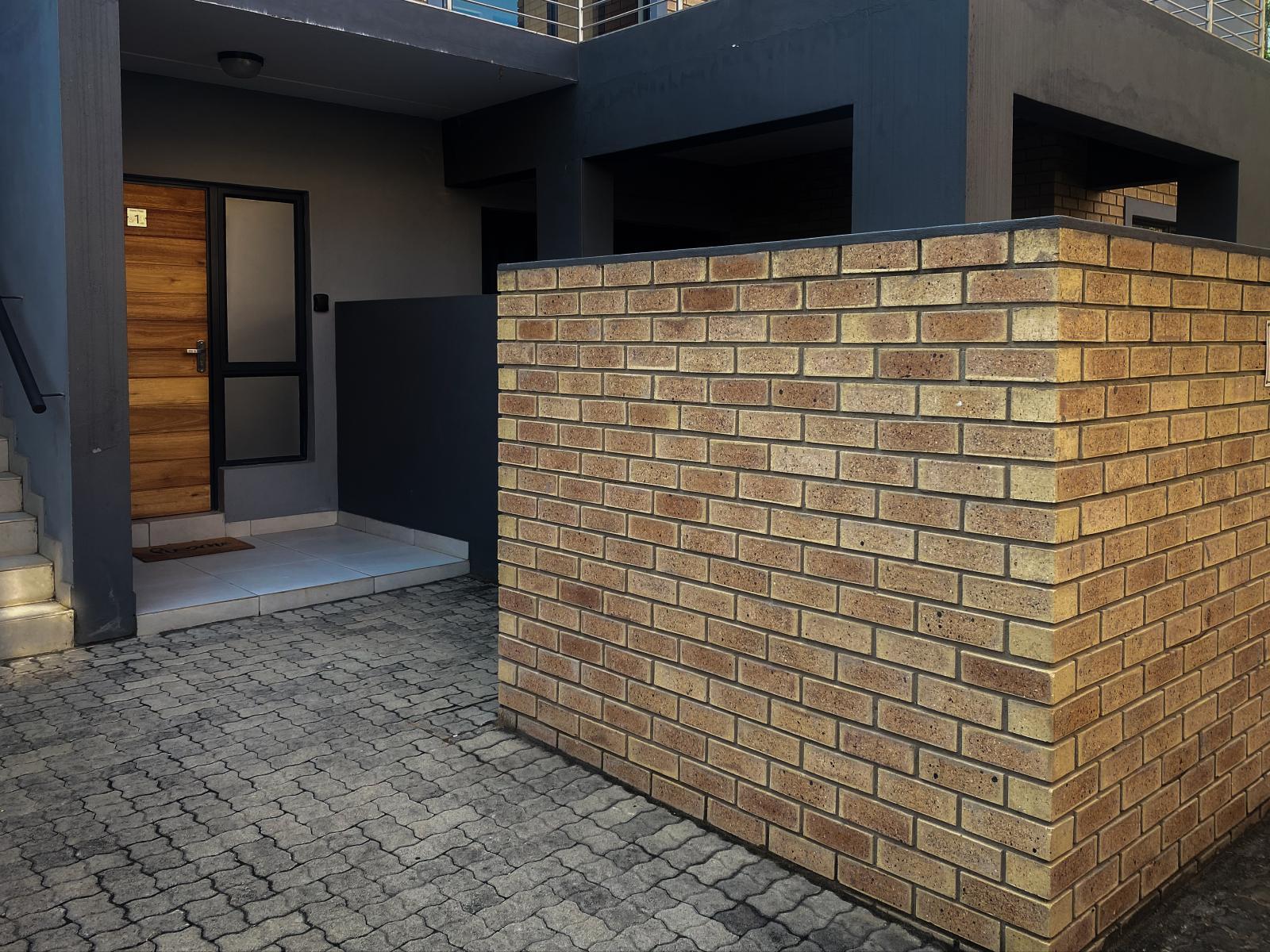
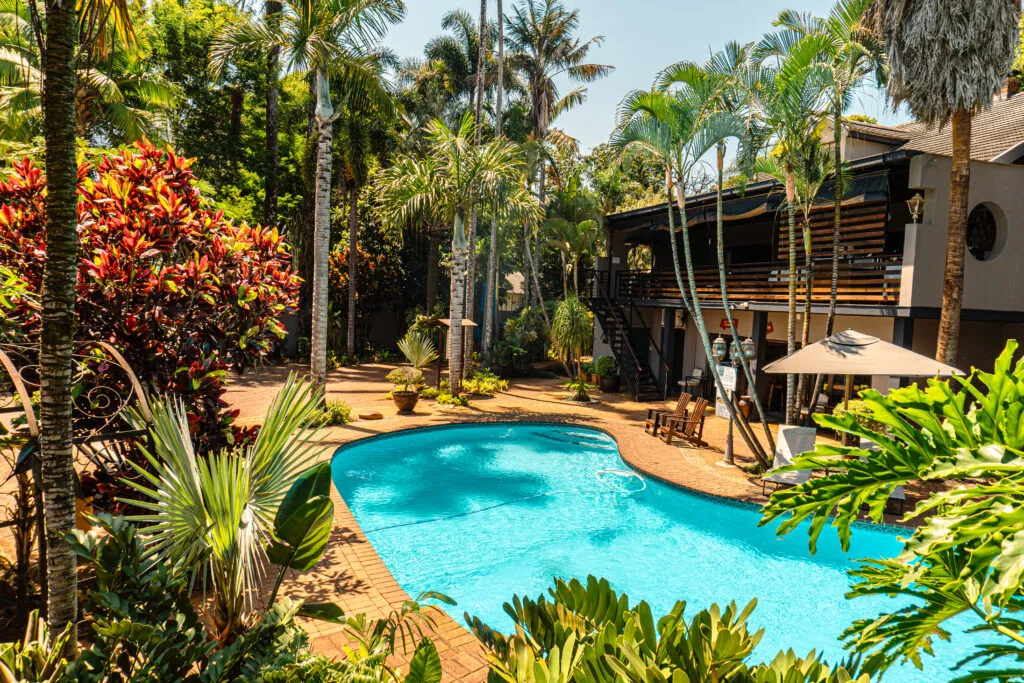
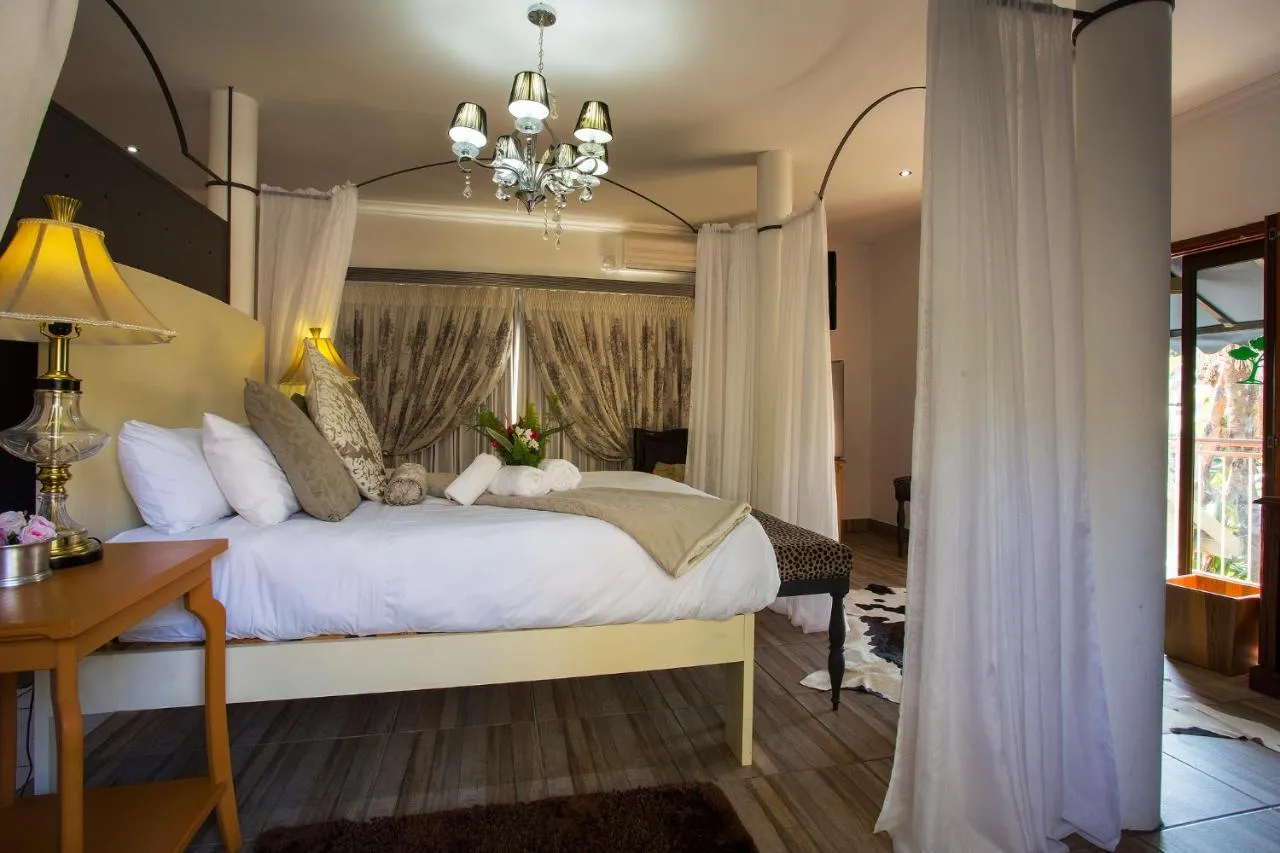
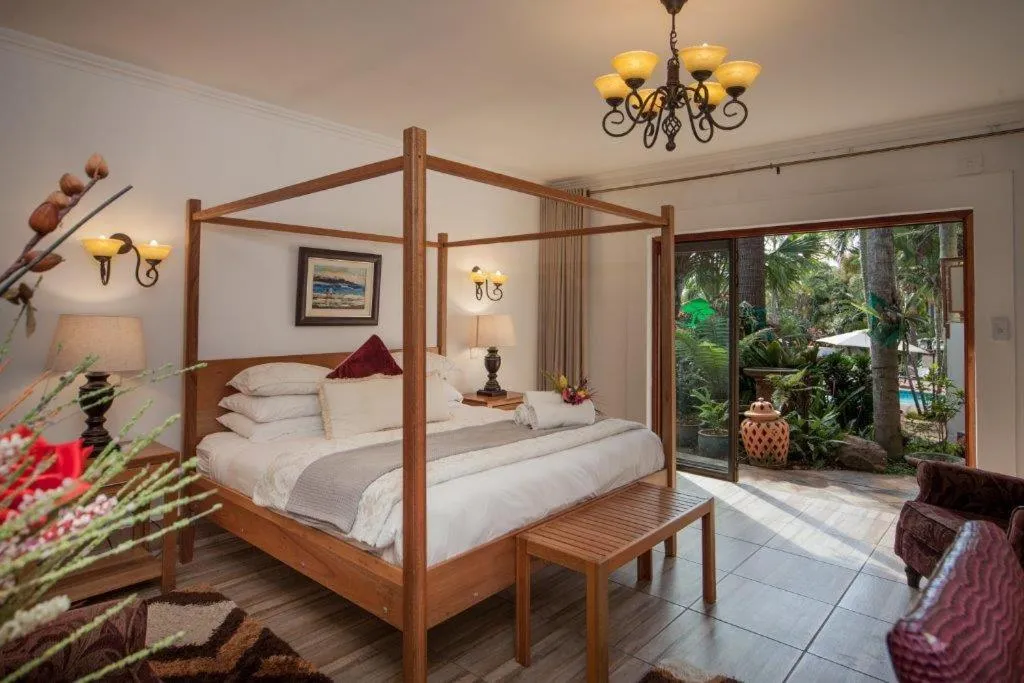
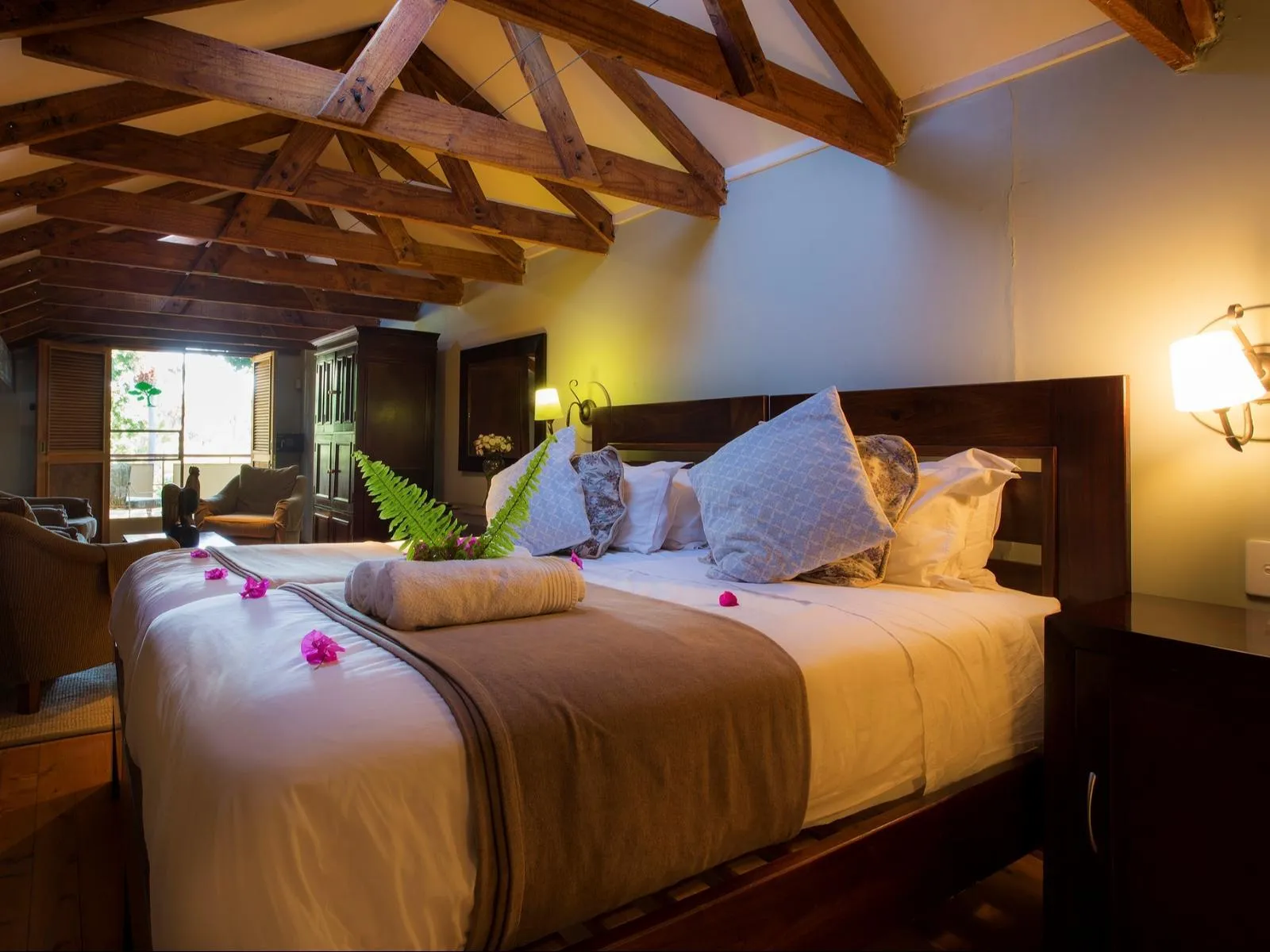
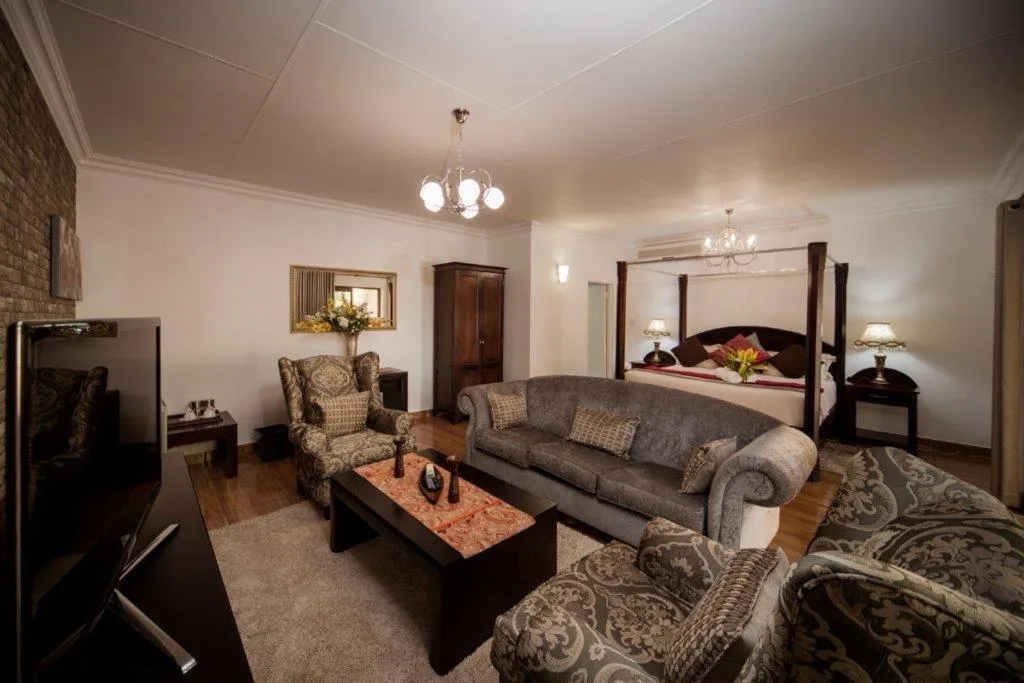
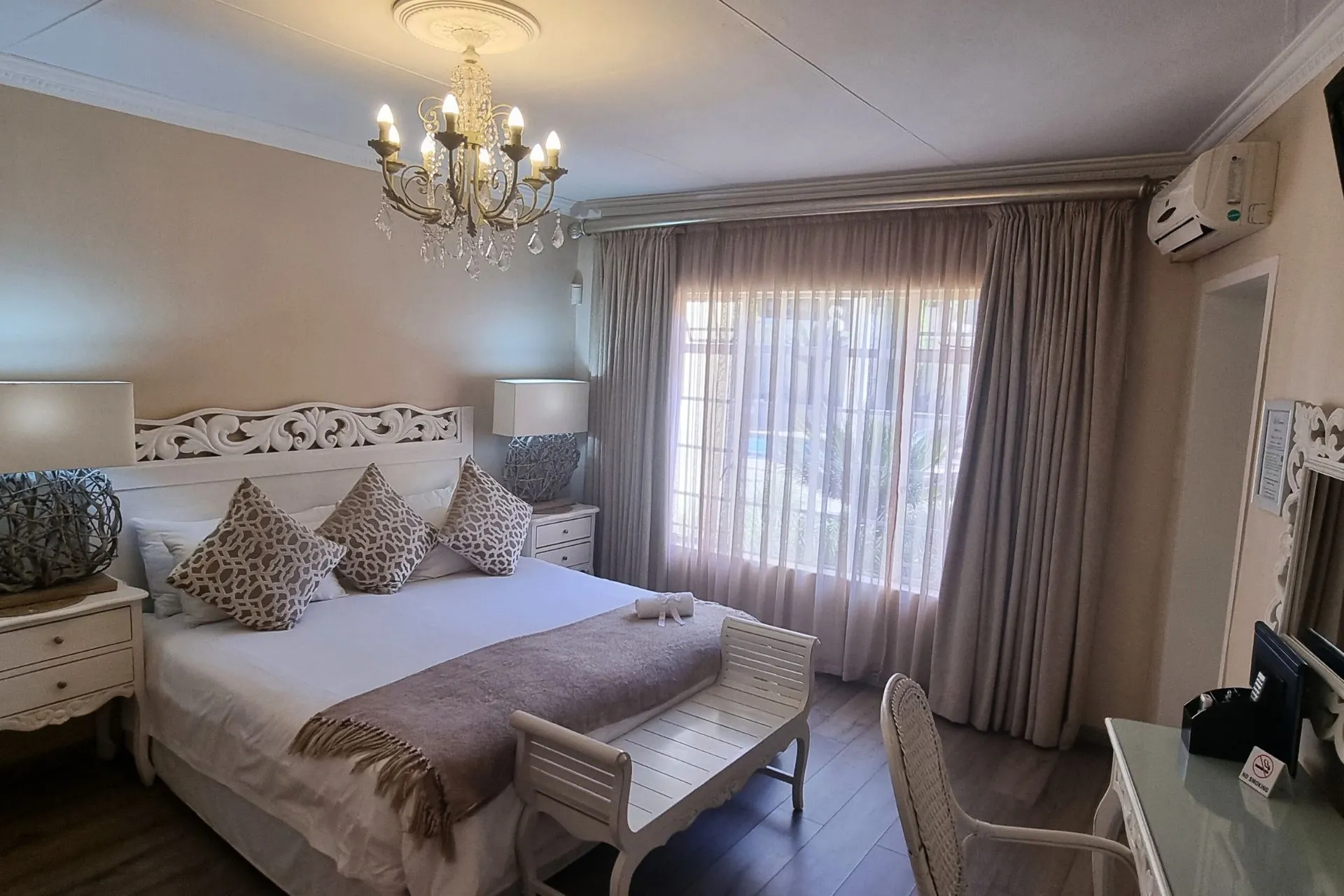
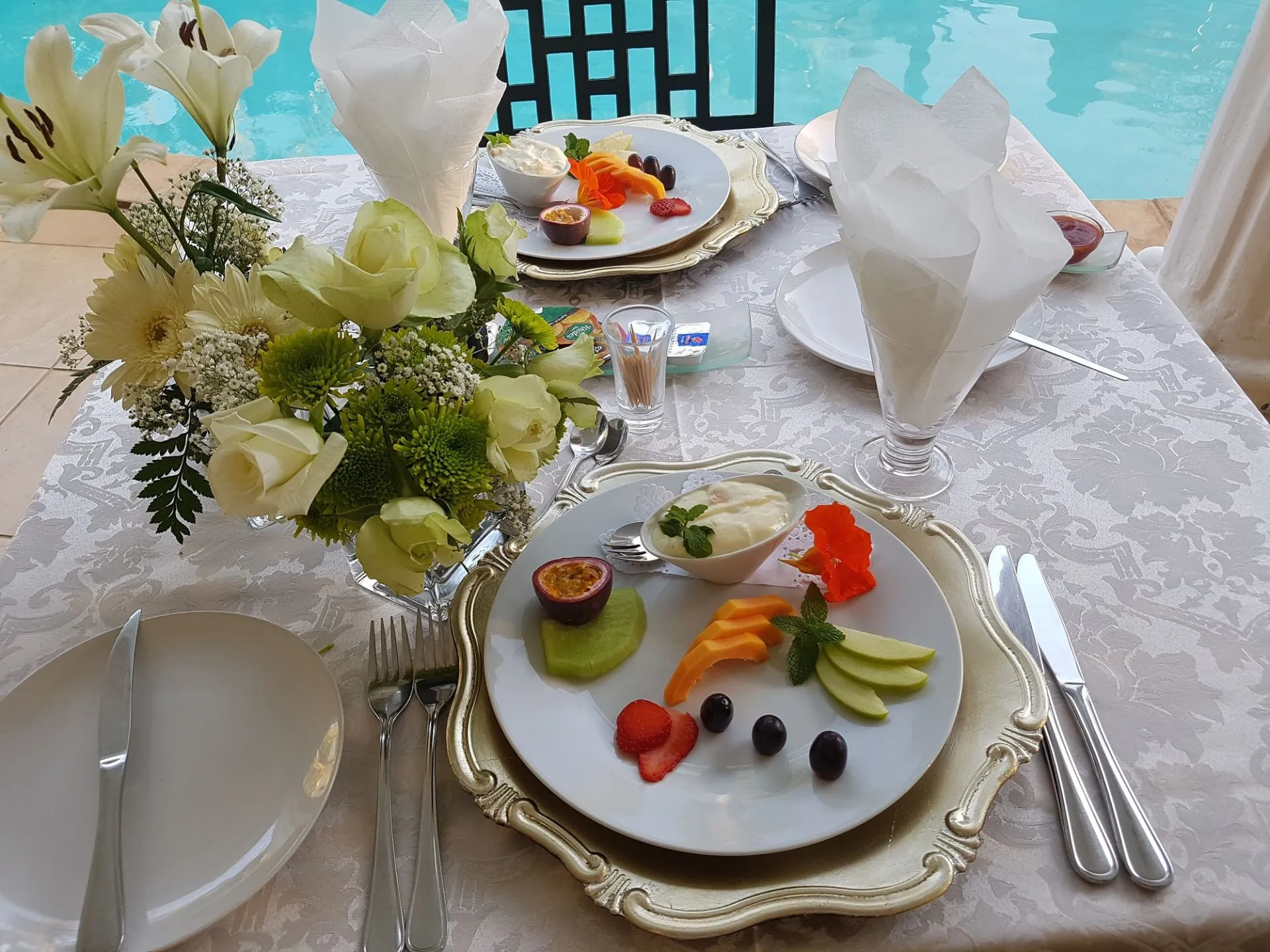
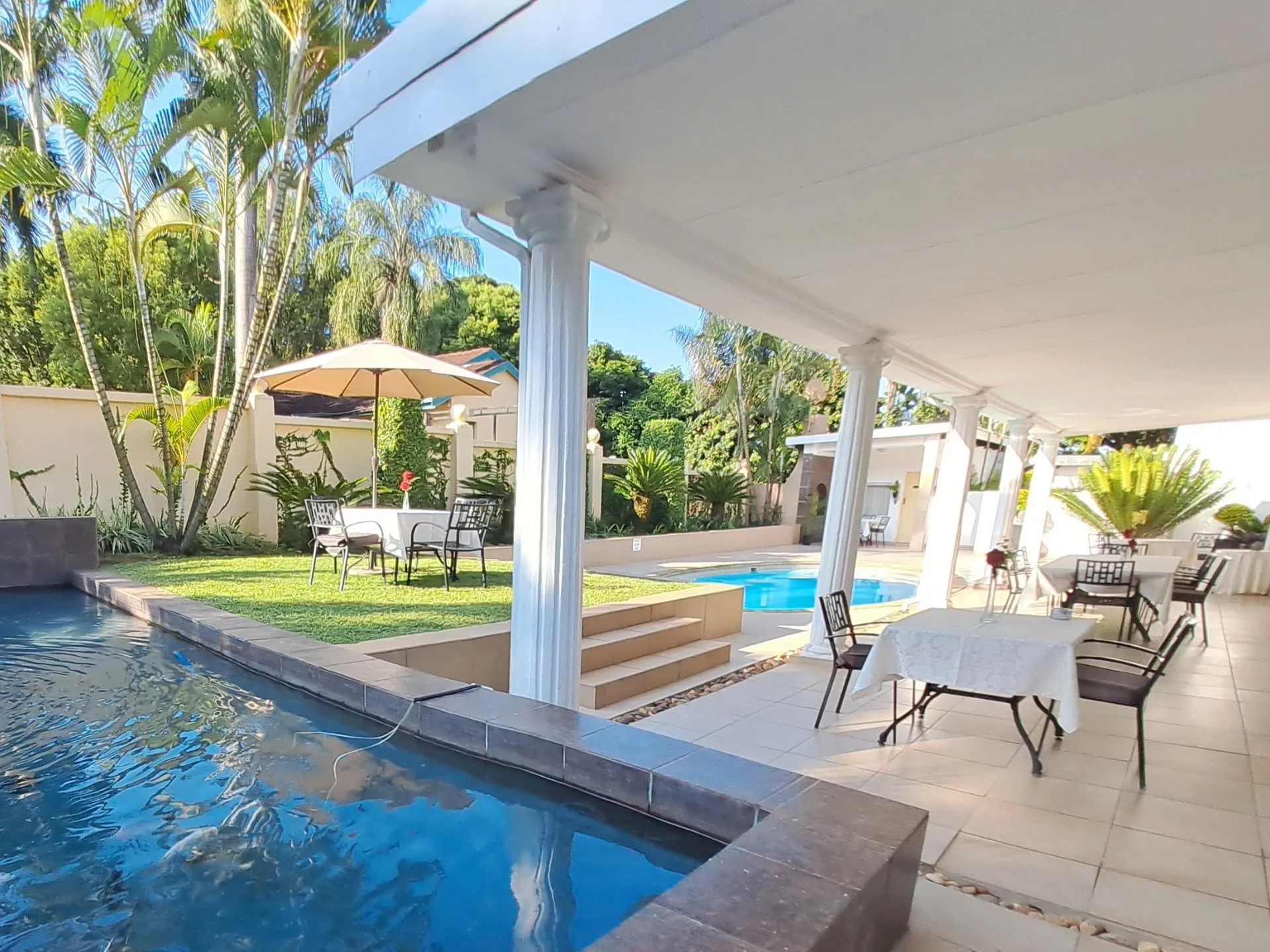
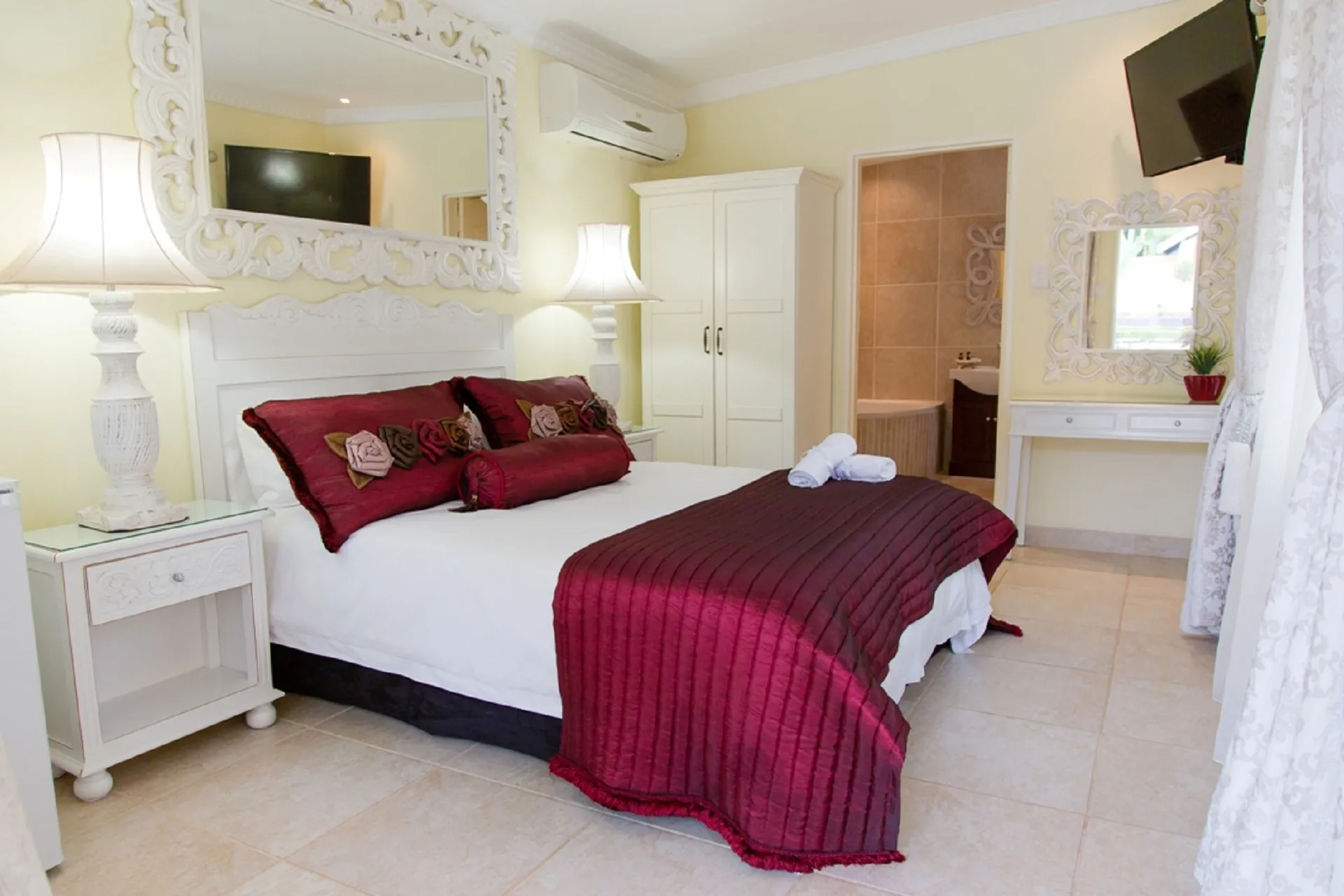
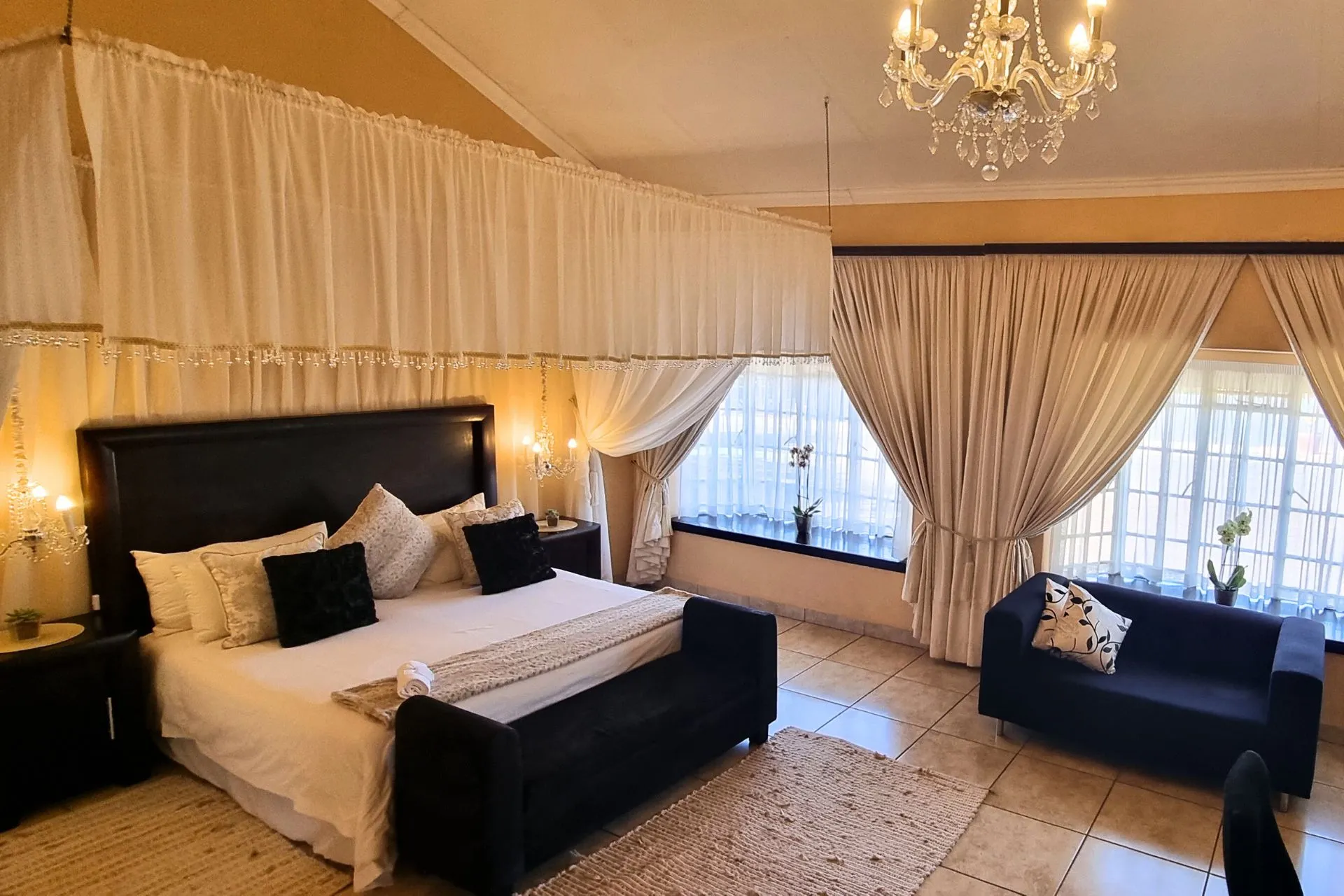
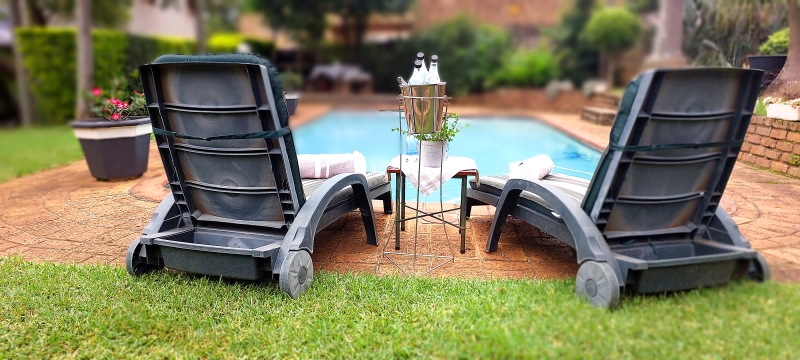
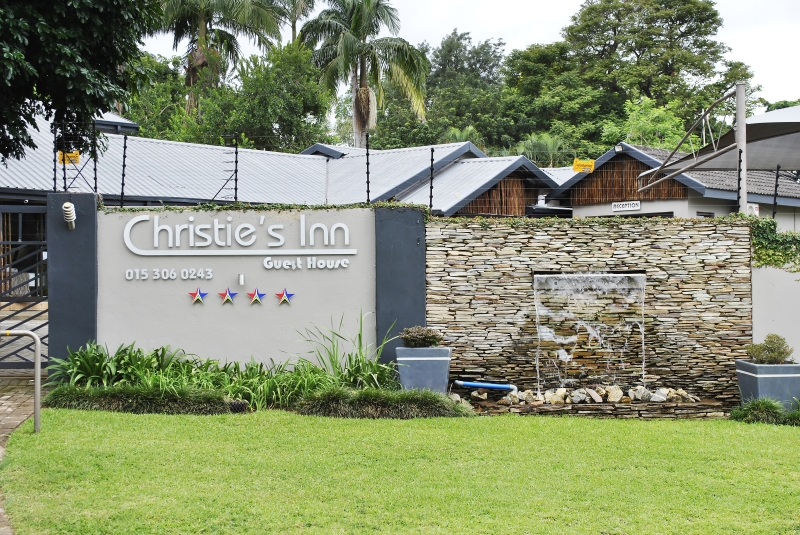
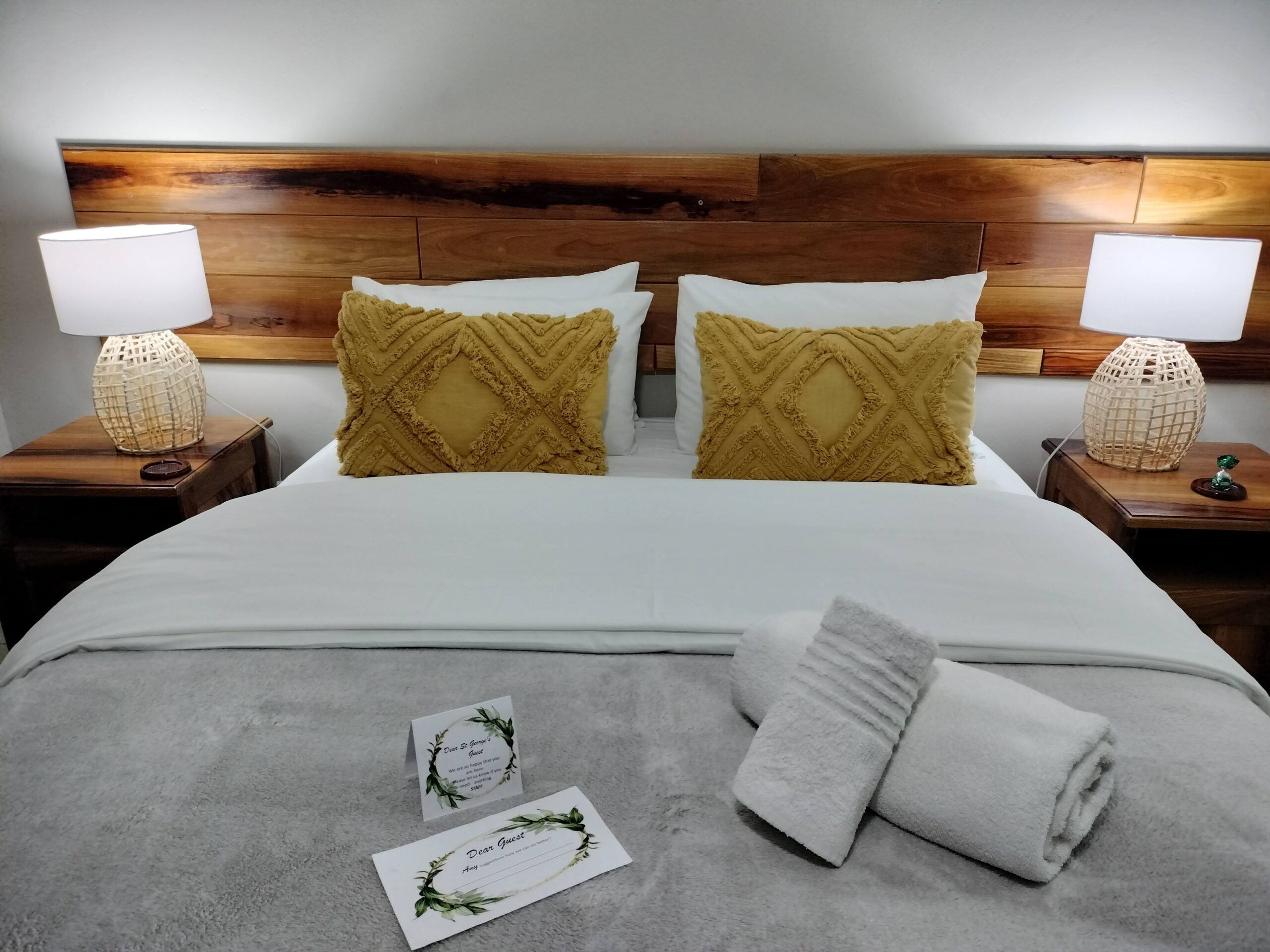
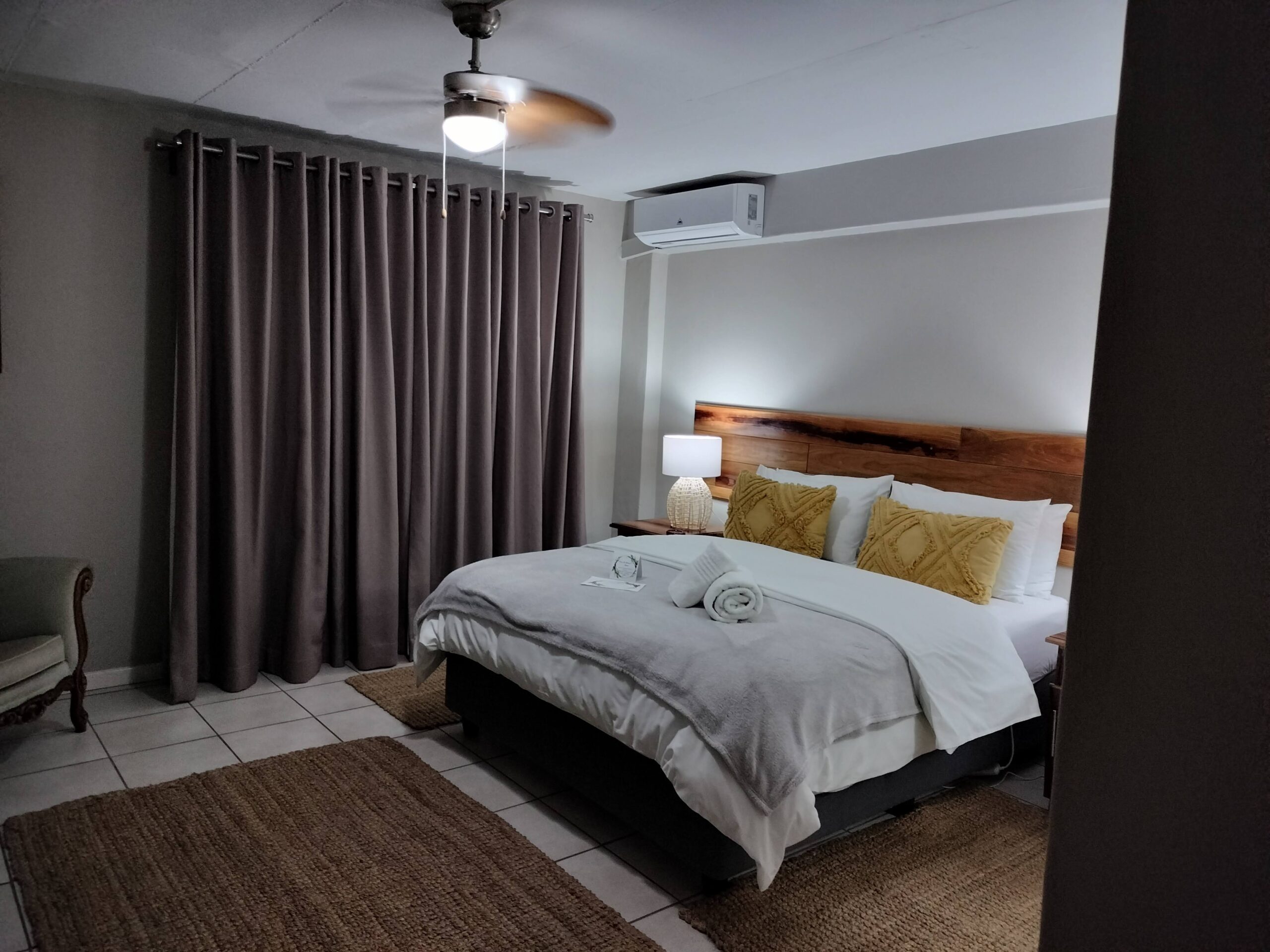
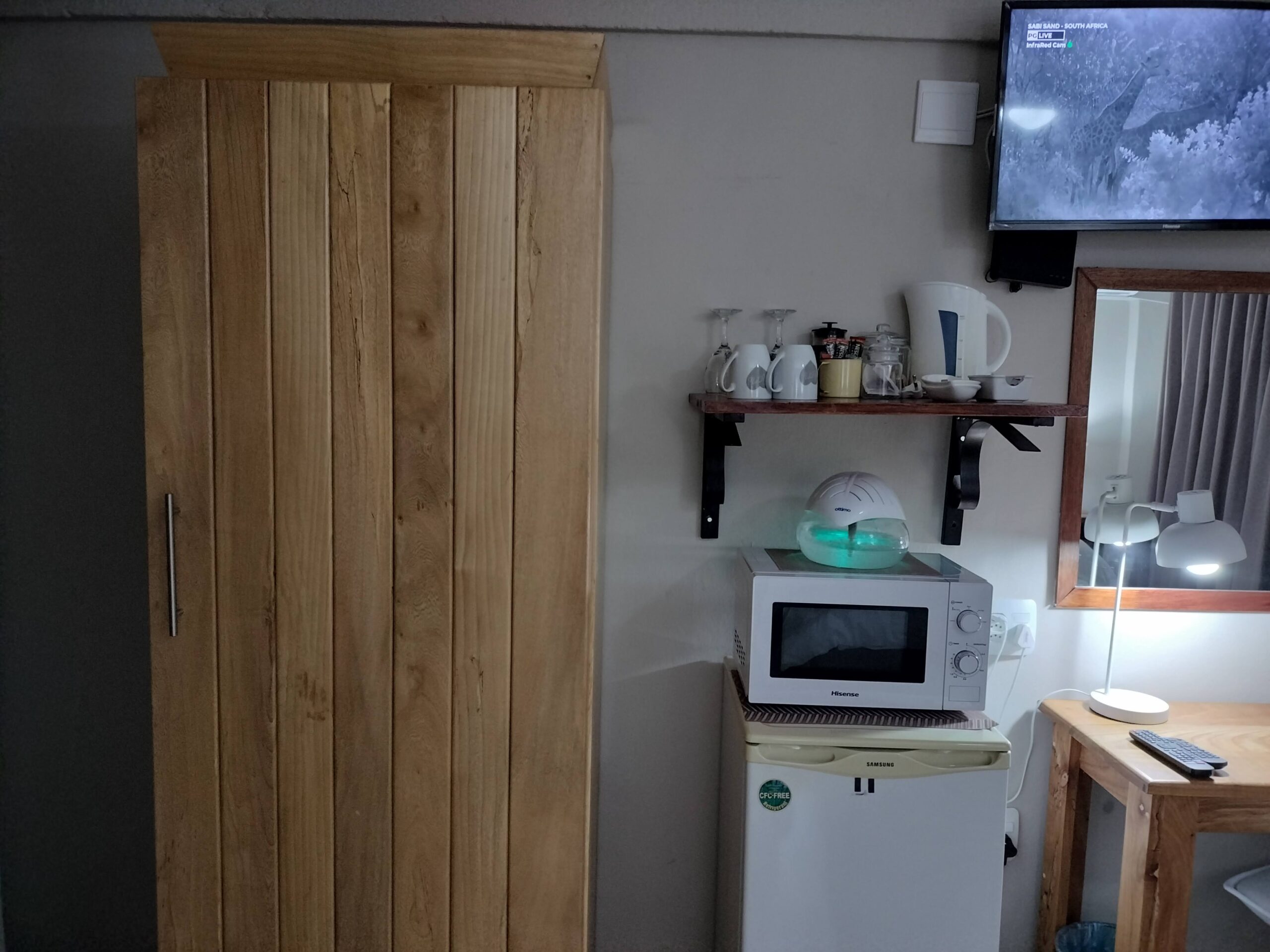
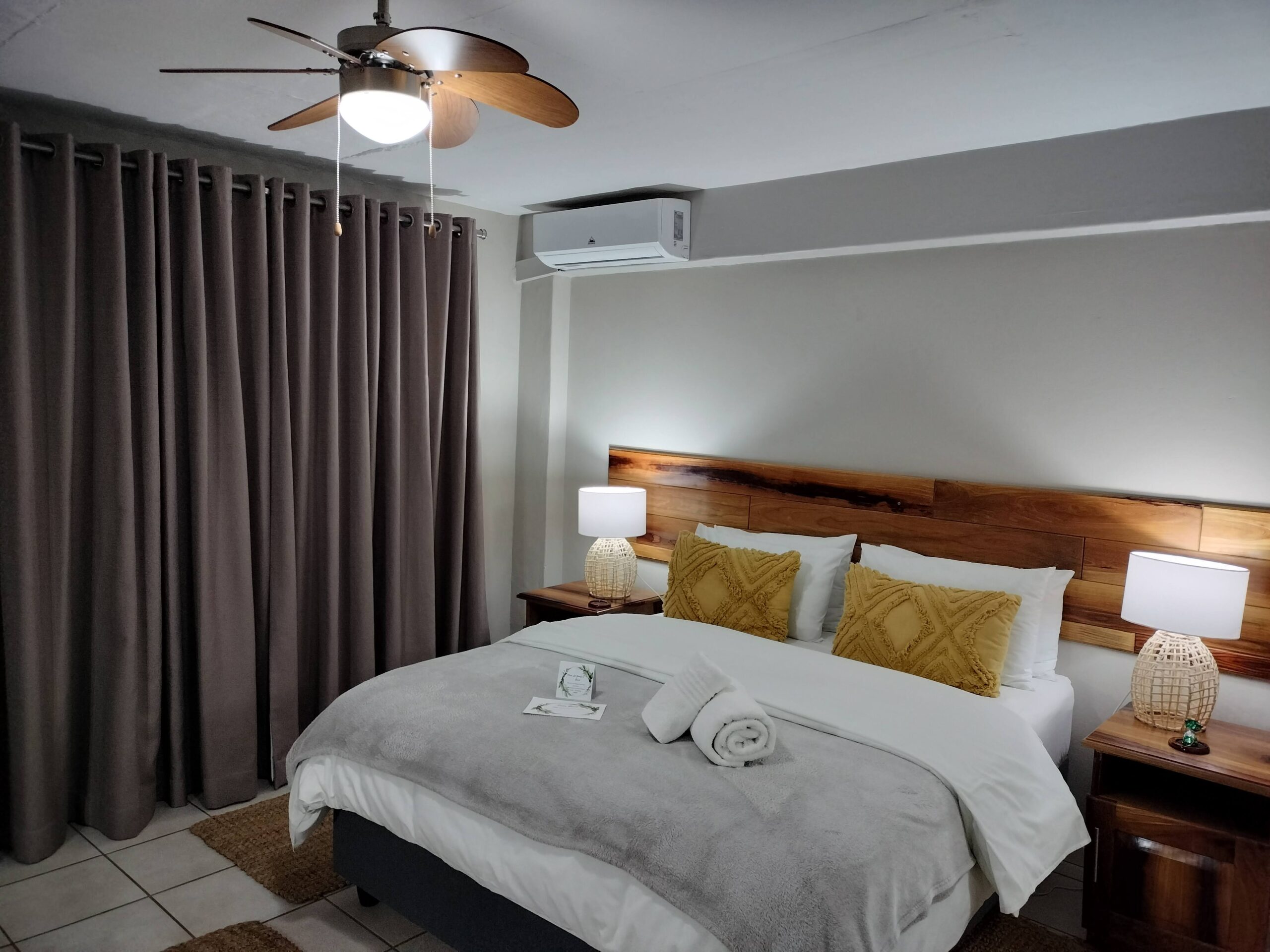
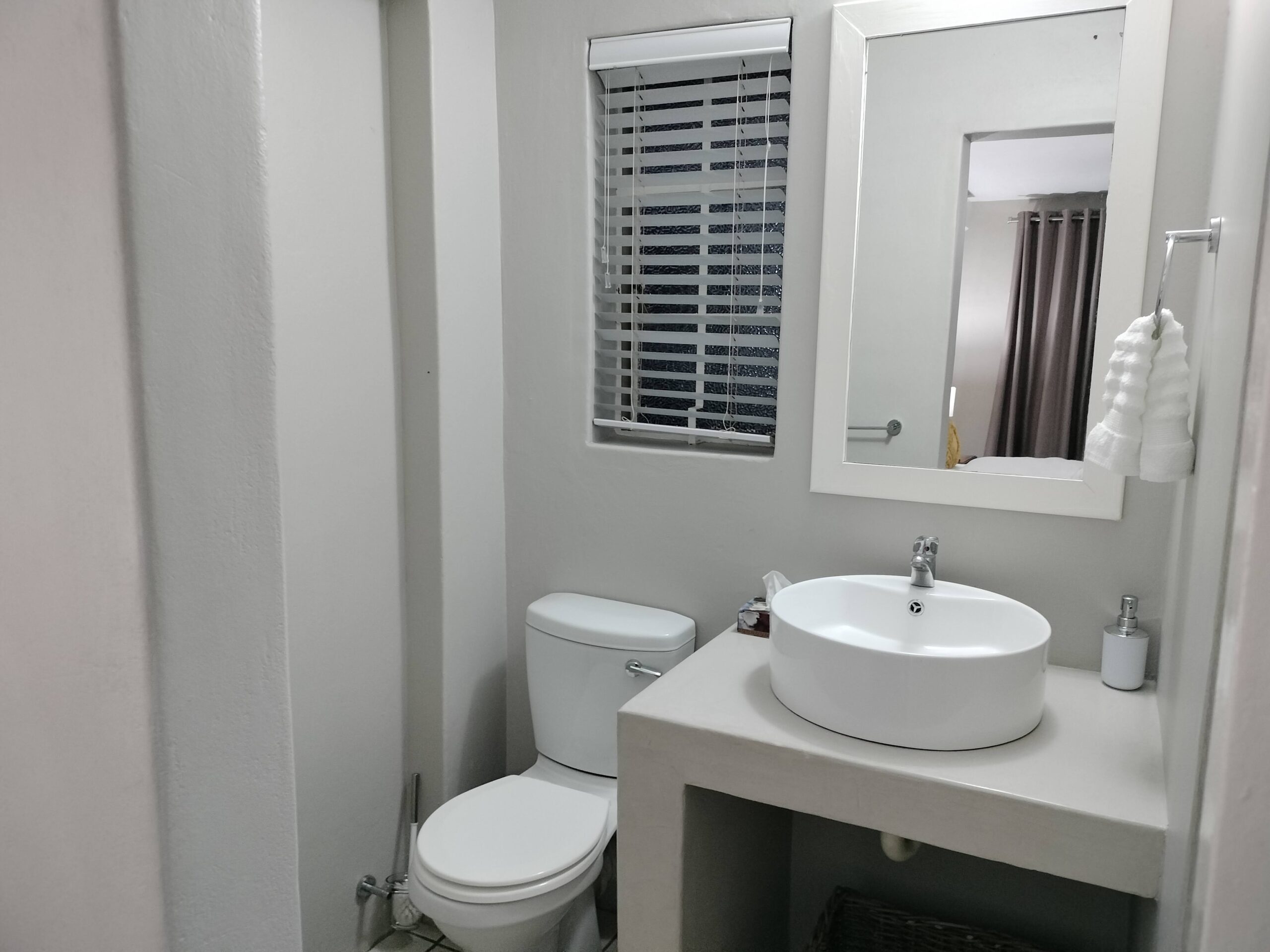
La Baruné is 'n uitsonderlike 4-ster gastehuis met onlangs ontwikkelde akkommodasie. Dit bied uniek verssierde, elegant gestileerde kamers en 'n skitterende swembad. Vars bereide ontbyt word binnenshuis of op die patio met uitsig op die swembad bedien. Die eiendom is 1 km van Tzaneen Lifestyle Mall af.
Slaap 18
Kinders welkom
Akkommodasiepryse in Tzaneen
| Tipe | Inskrywings | Vanaf | Gemiddeld | Tot |
|---|---|---|---|---|
| Guest house | 1 | R1,650 | R1,755 | R1,790 |
Tzaneen Kaart
Nabygeleë Bestemmings
Blaai Deur Alle Tzaneen Akkommodasie
Bekyk al 1 akkommodasie-opsies in Tzaneen met foto's, pryse en beskikbaarheid.
Blaai Deur Alle Akkommodasie