Njonjela Reis- & Akkommodasiegids
Jou volledige gids om Njonjela, Suid-Afrika te besoek.
1
Eiendom
Vanaf
R1,989
/ nag
Gemiddeld
R1,989
/ nag
Gewildste
Lodge
Njonjela is a small rural settlement in the Greater Giyani area of Limpopo Province, positioned in the lowveld region east of the Kruger National Park. The area serves as a gateway to exploring the Tsonga cultural heartland and offers access to nearby nature reserves and traditional villages.
## Accommodation in Njonjela
One property currently serves visitors to Njonjela, with the nightly rate at R1,989. The local accommodation market reflects the settlement's character: this is rural Limpopo, not a packaged safari destination, and the options match accordingly.
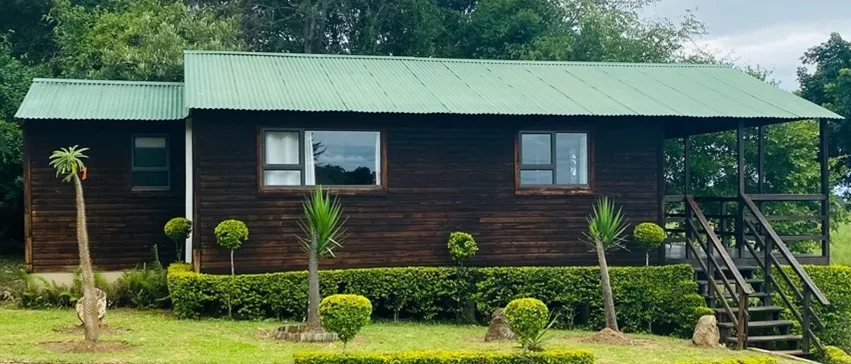
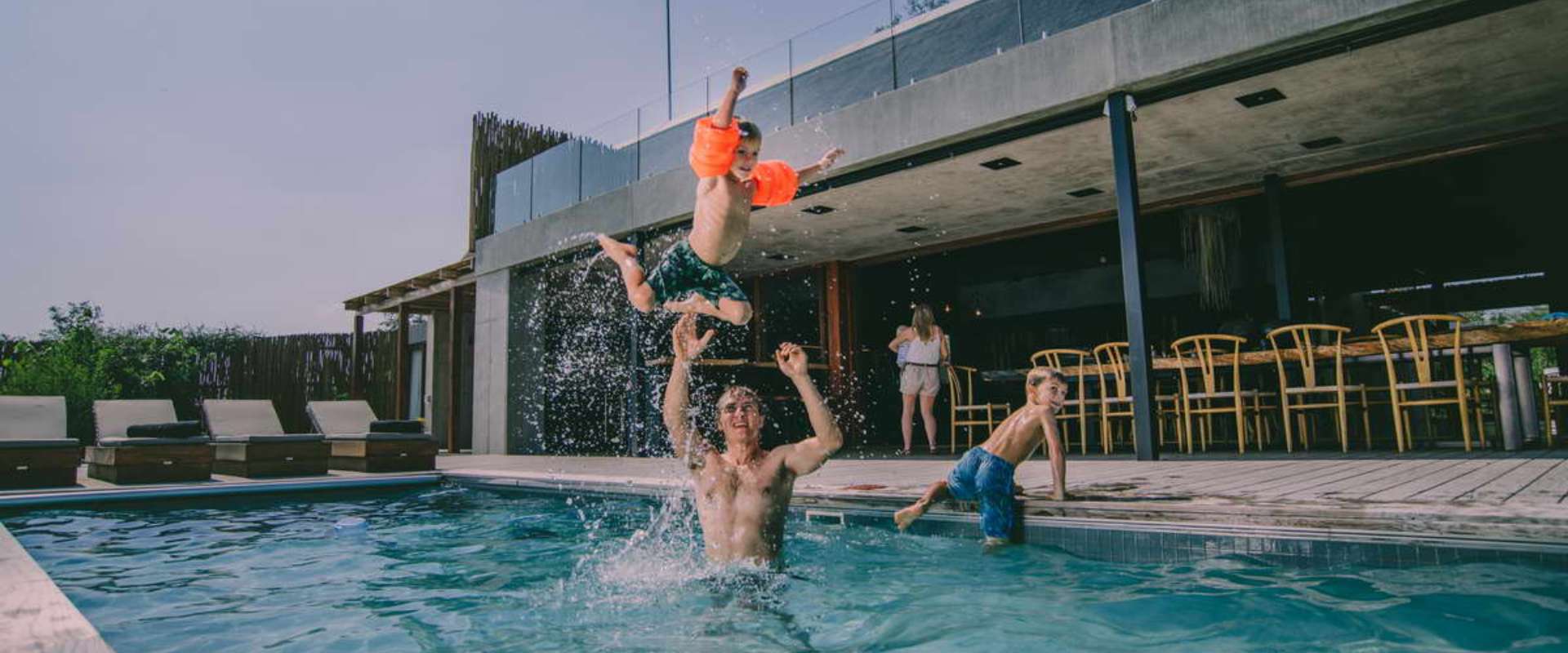
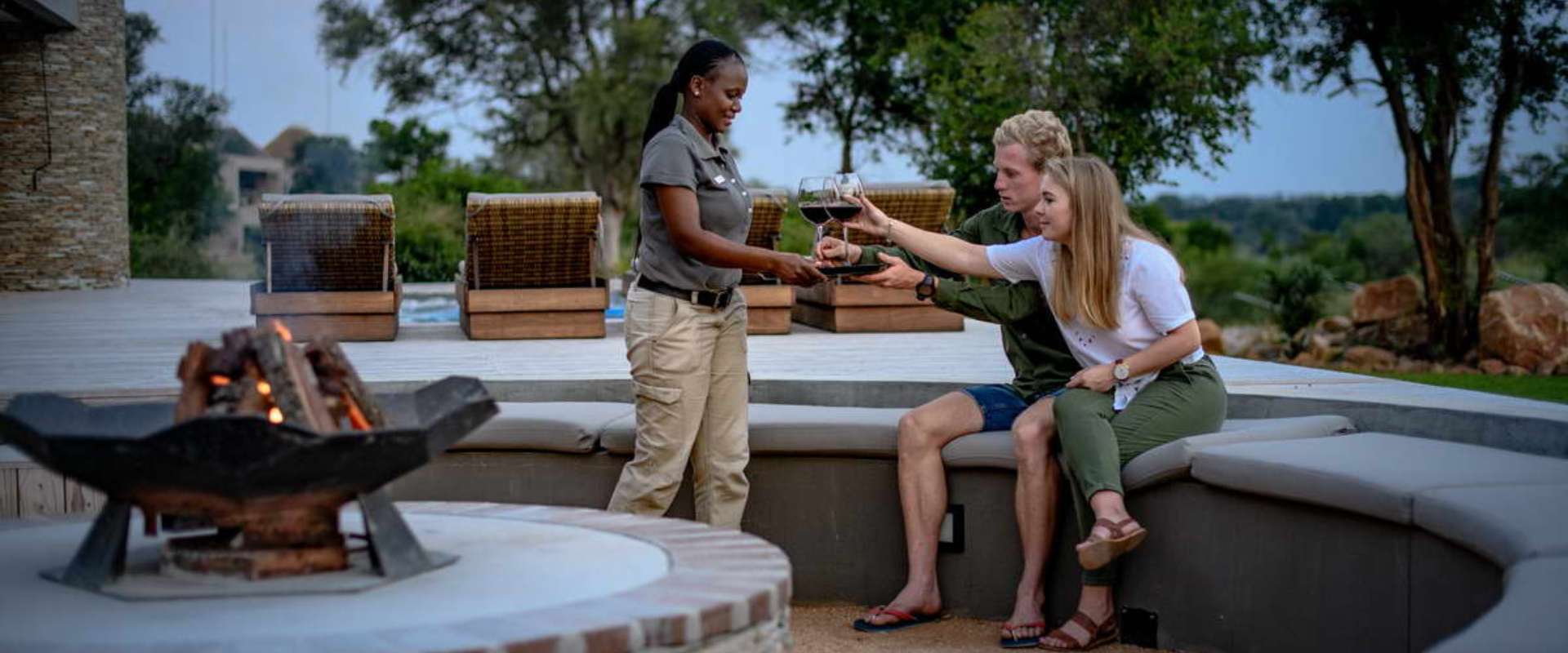
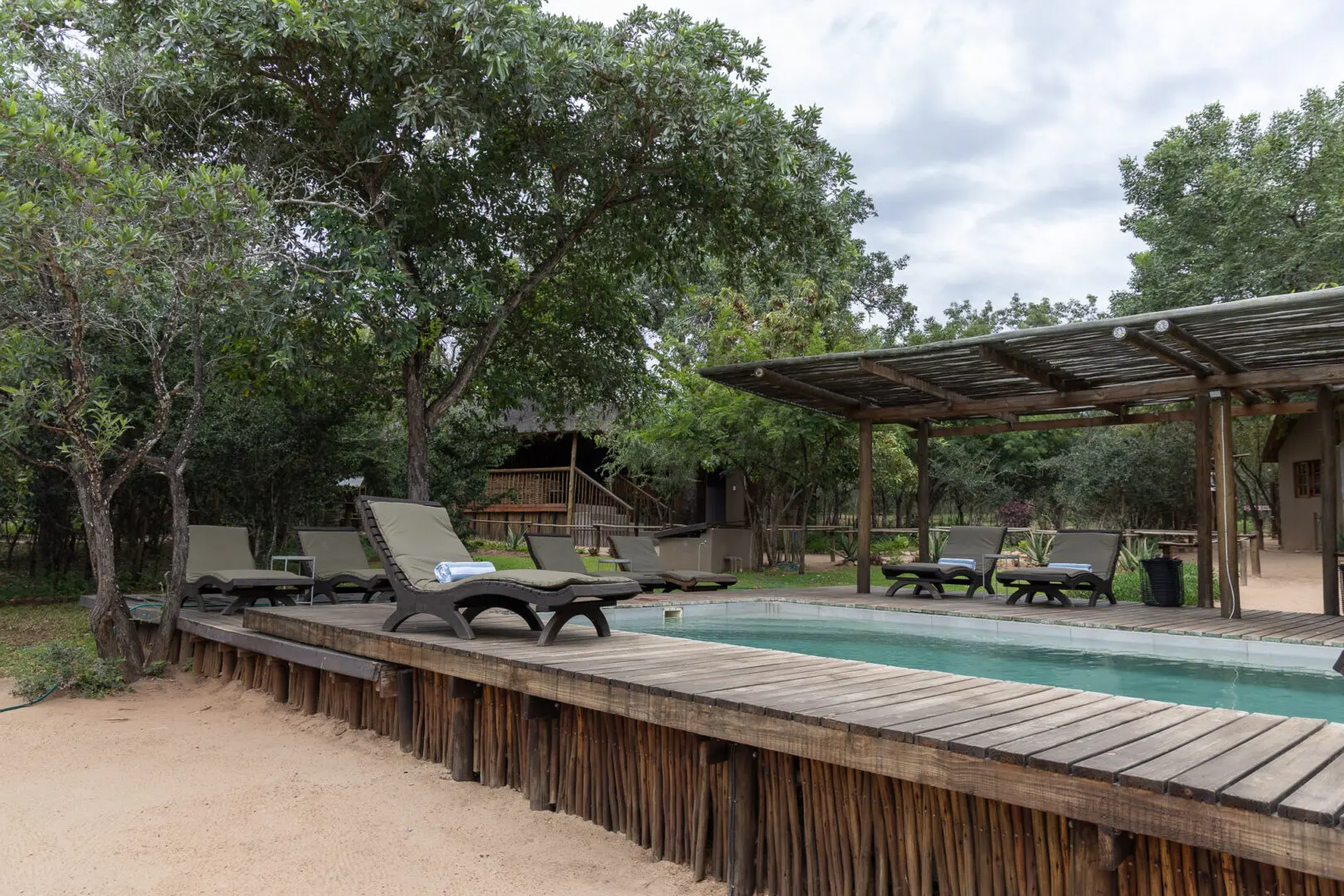
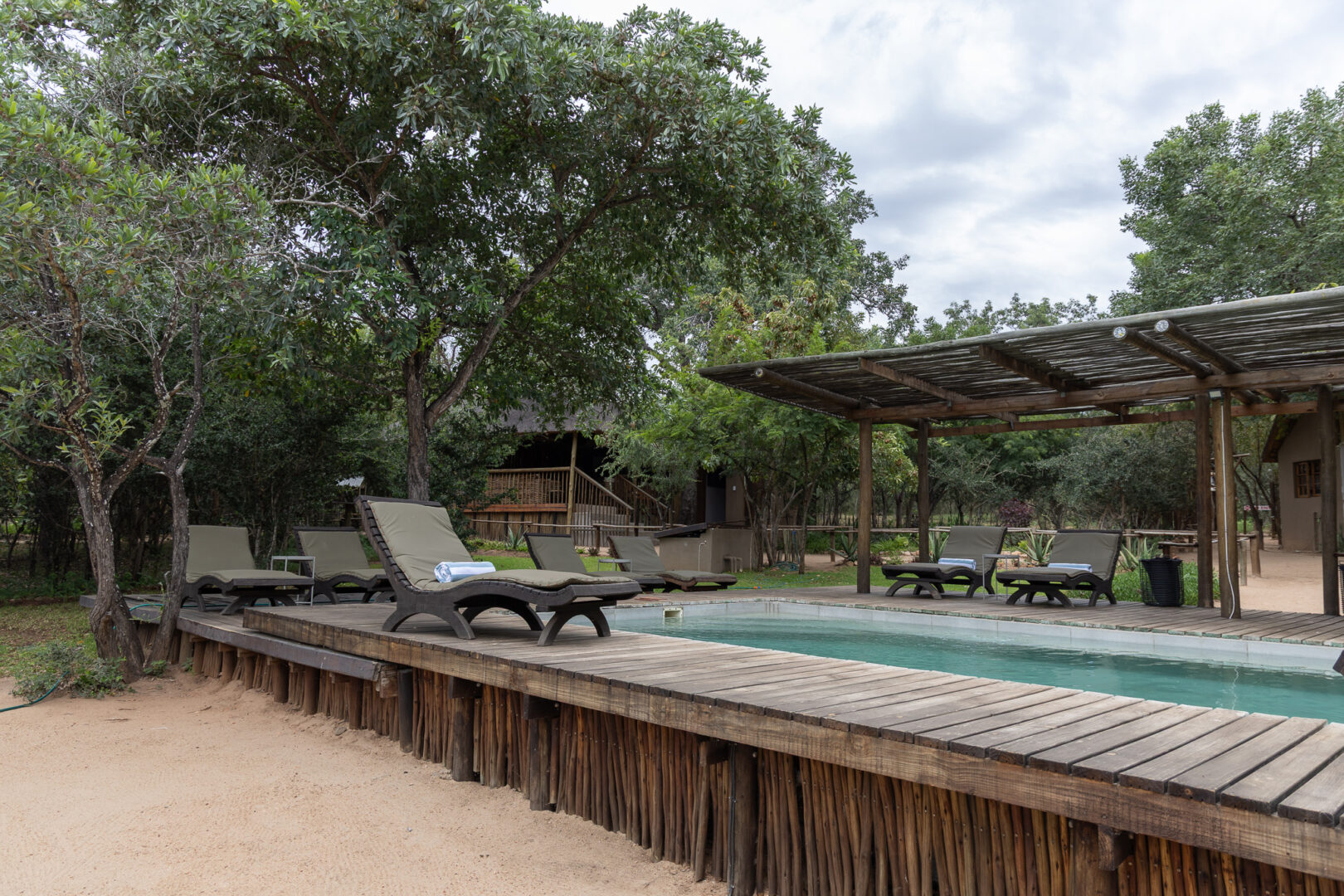
The single listing is a lodge, a format common to this part of the country. In a bush lowveld context, that typically means a freestanding property on private land, with chalets or rooms grouped around a central area, often a pool, lapa, or outdoor kitchen. The layout suits families and small groups better than solo travellers, since space and privacy are part of what you are paying for rather than proximity to other guests or hotel-style services.
Guests should arrive with appropriate expectations. Air conditioning is worth confirming at booking, since summer temperatures regularly exceed 35 degrees Celsius. Self-catering facilities are common in lodges of this type, which is practical given that the nearest comprehensive shops are in Giyani, roughly 30 kilometres west. Cooking on a fire or gas braai tends to be part of the experience for visitors to this region rather than an inconvenience.
The appeal at this price point is access: Kruger National Park's western boundary sits within 30 kilometres, and the surrounding bush supports its own low-key wildlife activity. What a Njonjela lodge offers that the bigger in-park reserves do not is absence of crowds and the flexibility to structure your own days. There are no organised wake-up calls for dawn drives unless you want them. The pace is set by the guest, not the programme. For independent travellers who have already planned their own itinerary, this works well.
---
## Things to Do in Njonjela
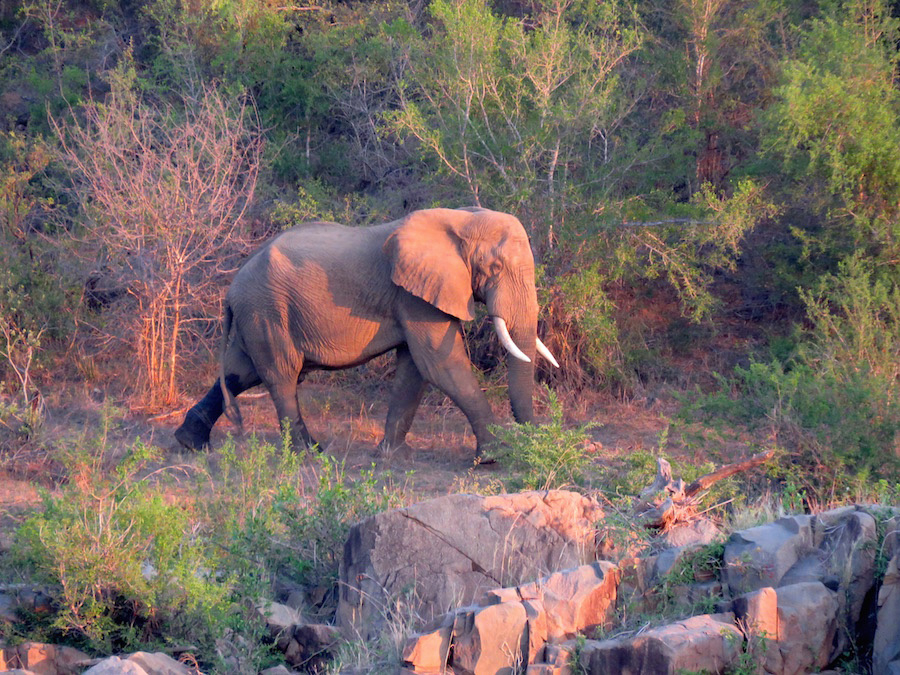
Safari is the defining activity for this part of Limpopo, and Kruger National Park sits within practical reach. Skukuza, the park's largest rest camp and operational headquarters, is approximately 28 kilometres from Njonjela. The surrounding central and southern sections of Kruger contain some of the highest concentrations of the big five in southern Africa. Lions are regularly sighted along the Sabie and Crocodile river corridors, and the flat, open terrain makes game-spotting by self-drive relatively straightforward compared to more densely vegetated reserves.
Day trips into Kruger are the standard approach. Visitors drive their own vehicles along the park's road network, stopping wherever animals are spotted. Early mornings, roughly an hour after the gates open, and the two hours before closing time produce the most activity, particularly at water holes. A valid conservation permit is required on entry and can be booked online through South African National Parks in advance.
Outside the park, the lowveld landscape around Njonjela rewards slower exploration. The seasonal rivers in the region support crocodiles, hippos, and a substantial waterbird population. Birding in the acacia savanna is productive year-round, with the broader Kruger ecosystem recording more than 500 species across its range.
Cultural engagement is possible through contact with Tsonga communities in the Greater Giyani area. Tsonga artistic traditions include woodcarving, beadwork, and distinctive musical forms. Community tourism initiatives have developed over the years in this part of Limpopo, though visitors should research which are currently operating before building them into an itinerary.
---
## Best Time to Visit Njonjela
The dry season, running from May through October, is the conventional choice for this part of Limpopo. Vegetation thins as the rains stop, making animals far easier to spot in Kruger and on surrounding land. Temperatures during this period are moderate to warm during the day, with June and July bringing cool nights where single-digit temperatures are possible after dark. A light layer is useful for early morning drives.
The wet season runs from November through April, with the heaviest rainfall between December and February. Rain can arrive as sudden afternoon storms, occasionally making dirt roads temporarily impassable. The landscape transforms during this period, turning green across the lowveld. Migratory bird species arrive from November onward, making it a productive time for birding despite reduced game visibility from denser vegetation. Mosquito activity increases significantly from October.
July and August see the highest visitor numbers across the Kruger region, meaning accommodation fills quickly. The shoulder months of May, June, and September offer good game-viewing conditions without the same level of competition. Budget-conscious travellers may find better rates and easier availability during the wet season, when fewer people are visiting.
---
## Getting to Njonjela
Phalaborwa Airport, roughly 80 kilometres to the north, has scheduled commercial connections. Hoedspruit Airport provides a second option for those travelling from Johannesburg, with smaller regional carriers serving it. For international arrivals, OR Tambo International Airport in Johannesburg is the main connection point, approximately 500 kilometres to the southwest. The drive from Johannesburg takes five to six hours depending on the route taken.
By road, the R71 and R36 are the main arteries through the broader Limpopo lowveld, linking towns like Tzaneen and Hoedspruit. From the south, Hazyview, 26 kilometres from Njonjela, serves as a practical staging point for those already in the Mpumalanga region. The R81 connects to Giyani from the north and west.
There is no scheduled public transport serving Njonjela directly. Minibus taxis operate between regional towns on irregular schedules, but routes do not extend to the settlement itself. A hire car, arranged from Johannesburg or Phalaborwa, is the most reliable option. Four-wheel drive is not essential for the main tarred roads, but a vehicle with reasonable ground clearance is useful for accessing private properties along dirt tracks, particularly after rain.
---
## Njonjela and Surrounding Areas
The settlements and towns within 30 kilometres of Njonjela serve different purposes for visitors.
**Wisane**, 19 kilometres away, is a small rural settlement within the same lowveld zone. Its proximity makes it a useful community reference point, though it has limited infrastructure for tourists. Local knowledge in Wisane can sometimes assist with directions to unmarked tracks or water crossings in the area.
**Utlha**, at 24 kilometres, is a farming and residential community in the Greater Giyani district. Visitors passing through may find small informal markets or fuel stops. It represents the settled agricultural character of this part of Limpopo, where households maintain plots growing maize, vegetables, and citrus.
**Hazyview**, 26 kilometres from Njonjela, is the most commercially developed town in the immediate area. It functions as a services centre for the southern Kruger corridor, with supermarkets, hardware stores, petrol stations, and a concentration of accommodation options. The Paul Kruger Gate into Kruger National Park is a short drive from Hazyview's centre, making it the practical starting point for most park visits from a Njonjela base.
**New Forest**, 27 kilometres away, is associated with plantation forestry and agricultural land near the transition from flat lowveld to higher ground approaching the escarpment. The cooler, greener setting contrasts noticeably with the acacia bush surrounding Njonjela.
**Skukuza**, 28 kilometres from Njonjela, is the administrative hub of Kruger National Park. The rest camp there includes a shop, restaurant, museum, petrol station, and a runway used by charter aircraft. Day visitors entering the park from this direction pass through Skukuza's general area, and the camp provides a useful resupply point for longer stays in the south of the park.
**Thulani**, 29 kilometres away, is a small lowveld community. Like several of the closer settlements, it is primarily residential and agricultural rather than a visitor destination in itself. Its presence illustrates the density of small communities spread across this part of Limpopo's eastern lowveld.
---
## Planning Your Stay
Njonjela has one listed property, which means availability can close quickly around South African public holidays and the mid-year school holidays in late June and July. Booking several weeks ahead is sensible if your dates fall within those windows. The shoulder months of May and September offer good conditions with considerably less pressure on accommodation.
Before confirming, check what is included at the specific property. Self-catering arrangements are common in this region. Confirm whether bedding and towels are provided, whether a fully equipped kitchen is available, and whether firewood is supplied or needs to be brought in. These details matter given that the nearest well-stocked town is a 30-kilometre drive.
Cell coverage can be variable away from main roads. Ask the property which mobile networks have reliable reception, and download offline maps for the local area before leaving the city. Road signage to smaller settlements in this part of Limpopo is inconsistent.
For Kruger National Park day visits, book conservation permits and any rest camp day visitor allocations through the SANParks website well in advance. Peak season slots at popular entry points fill quickly. Carry cash for smaller transactions at rural outlets, as card facilities are not reliably available outside the main towns.

One property currently serves visitors to Njonjela, with the nightly rate at R1,989. The local accommodation market reflects the settlement's character: this is rural Limpopo, not a packaged safari destination, and the options match accordingly.
The single listing is a lodge, a format common to this part of the country. In a bush lowveld context, that typically means a freestanding property on private land, with chalets or rooms grouped around a central area, often a pool, lapa, or outdoor kitchen. The layout suits families and small groups better than solo travellers, since space and privacy are part of what you are paying for rather than proximity to other guests or hotel-style services.
Guests should arrive with appropriate expectations. Air conditioning is worth confirming at booking, since summer temperatures regularly exceed 35 degrees Celsius. Self-catering facilities are common in lodges of this type, which is practical given that the nearest comprehensive shops are in Giyani, roughly 30 kilometres west. Cooking on a fire or gas braai tends to be part of the experience for visitors to this region rather than an inconvenience.
The appeal at this price point is access: Kruger National Park's western boundary sits within 30 kilometres, and the surrounding bush supports its own low-key wildlife activity. What a Njonjela lodge offers that the bigger in-park reserves do not is absence of crowds and the flexibility to structure your own days. There are no organised wake-up calls for dawn drives unless you want them. The pace is set by the guest, not the programme. For independent travellers who have already planned their own itinerary, this works well.
---
## Things to Do in Njonjela
Safari is the defining activity for this part of Limpopo, and Kruger National Park sits within practical reach. Skukuza, the park's largest rest camp and operational headquarters, is approximately 28 kilometres from Njonjela. The surrounding central and southern sections of Kruger contain some of the highest concentrations of the big five in southern Africa. Lions are regularly sighted along the Sabie and Crocodile river corridors, and the flat, open terrain makes game-spotting by self-drive relatively straightforward compared to more densely vegetated reserves.
Day trips into Kruger are the standard approach. Visitors drive their own vehicles along the park's road network, stopping wherever animals are spotted. Early mornings, roughly an hour after the gates open, and the two hours before closing time produce the most activity, particularly at water holes. A valid conservation permit is required on entry and can be booked online through South African National Parks in advance.
Outside the park, the lowveld landscape around Njonjela rewards slower exploration. The seasonal rivers in the region support crocodiles, hippos, and a substantial waterbird population. Birding in the acacia savanna is productive year-round, with the broader Kruger ecosystem recording more than 500 species across its range.
Cultural engagement is possible through contact with Tsonga communities in the Greater Giyani area. Tsonga artistic traditions include woodcarving, beadwork, and distinctive musical forms. Community tourism initiatives have developed over the years in this part of Limpopo, though visitors should research which are currently operating before building them into an itinerary.
---
## Best Time to Visit Njonjela
The dry season, running from May through October, is the conventional choice for this part of Limpopo. Vegetation thins as the rains stop, making animals far easier to spot in Kruger and on surrounding land. Temperatures during this period are moderate to warm during the day, with June and July bringing cool nights where single-digit temperatures are possible after dark. A light layer is useful for early morning drives.
The wet season runs from November through April, with the heaviest rainfall between December and February. Rain can arrive as sudden afternoon storms, occasionally making dirt roads temporarily impassable. The landscape transforms during this period, turning green across the lowveld. Migratory bird species arrive from November onward, making it a productive time for birding despite reduced game visibility from denser vegetation. Mosquito activity increases significantly from October.
July and August see the highest visitor numbers across the Kruger region, meaning accommodation fills quickly. The shoulder months of May, June, and September offer good game-viewing conditions without the same level of competition. Budget-conscious travellers may find better rates and easier availability during the wet season, when fewer people are visiting.
---
## Getting to Njonjela
Phalaborwa Airport, roughly 80 kilometres to the north, has scheduled commercial connections. Hoedspruit Airport provides a second option for those travelling from Johannesburg, with smaller regional carriers serving it. For international arrivals, OR Tambo International Airport in Johannesburg is the main connection point, approximately 500 kilometres to the southwest. The drive from Johannesburg takes five to six hours depending on the route taken.
By road, the R71 and R36 are the main arteries through the broader Limpopo lowveld, linking towns like Tzaneen and Hoedspruit. From the south, Hazyview, 26 kilometres from Njonjela, serves as a practical staging point for those already in the Mpumalanga region. The R81 connects to Giyani from the north and west.
There is no scheduled public transport serving Njonjela directly. Minibus taxis operate between regional towns on irregular schedules, but routes do not extend to the settlement itself. A hire car, arranged from Johannesburg or Phalaborwa, is the most reliable option. Four-wheel drive is not essential for the main tarred roads, but a vehicle with reasonable ground clearance is useful for accessing private properties along dirt tracks, particularly after rain.
---
## Njonjela and Surrounding Areas
The settlements and towns within 30 kilometres of Njonjela serve different purposes for visitors.
**Wisane**, 19 kilometres away, is a small rural settlement within the same lowveld zone. Its proximity makes it a useful community reference point, though it has limited infrastructure for tourists. Local knowledge in Wisane can sometimes assist with directions to unmarked tracks or water crossings in the area.
**Utlha**, at 24 kilometres, is a farming and residential community in the Greater Giyani district. Visitors passing through may find small informal markets or fuel stops. It represents the settled agricultural character of this part of Limpopo, where households maintain plots growing maize, vegetables, and citrus.
**Hazyview**, 26 kilometres from Njonjela, is the most commercially developed town in the immediate area. It functions as a services centre for the southern Kruger corridor, with supermarkets, hardware stores, petrol stations, and a concentration of accommodation options. The Paul Kruger Gate into Kruger National Park is a short drive from Hazyview's centre, making it the practical starting point for most park visits from a Njonjela base.
**New Forest**, 27 kilometres away, is associated with plantation forestry and agricultural land near the transition from flat lowveld to higher ground approaching the escarpment. The cooler, greener setting contrasts noticeably with the acacia bush surrounding Njonjela.
**Skukuza**, 28 kilometres from Njonjela, is the administrative hub of Kruger National Park. The rest camp there includes a shop, restaurant, museum, petrol station, and a runway used by charter aircraft. Day visitors entering the park from this direction pass through Skukuza's general area, and the camp provides a useful resupply point for longer stays in the south of the park.
**Thulani**, 29 kilometres away, is a small lowveld community. Like several of the closer settlements, it is primarily residential and agricultural rather than a visitor destination in itself. Its presence illustrates the density of small communities spread across this part of Limpopo's eastern lowveld.
---
## Planning Your Stay
Njonjela has one listed property, which means availability can close quickly around South African public holidays and the mid-year school holidays in late June and July. Booking several weeks ahead is sensible if your dates fall within those windows. The shoulder months of May and September offer good conditions with considerably less pressure on accommodation.
Before confirming, check what is included at the specific property. Self-catering arrangements are common in this region. Confirm whether bedding and towels are provided, whether a fully equipped kitchen is available, and whether firewood is supplied or needs to be brought in. These details matter given that the nearest well-stocked town is a 30-kilometre drive.
Cell coverage can be variable away from main roads. Ask the property which mobile networks have reliable reception, and download offline maps for the local area before leaving the city. Road signage to smaller settlements in this part of Limpopo is inconsistent.
For Kruger National Park day visits, book conservation permits and any rest camp day visitor allocations through the SANParks website well in advance. Peak season slots at popular entry points fill quickly. Carry cash for smaller transactions at rural outlets, as card facilities are not reliably available outside the main towns.
Tipes Akkommodasie in Njonjela
Uitgesoekte Verblyf in Njonjela
Sabie River Bush Lodge
Lodge
Paul Kruger Gate
Vanaf R1,989
Sabie River Bush Lodge
Lodge
Paul Kruger Gate
· 8km van Njonjela
Vanaf
R1,989
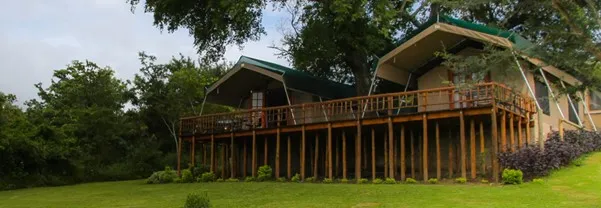
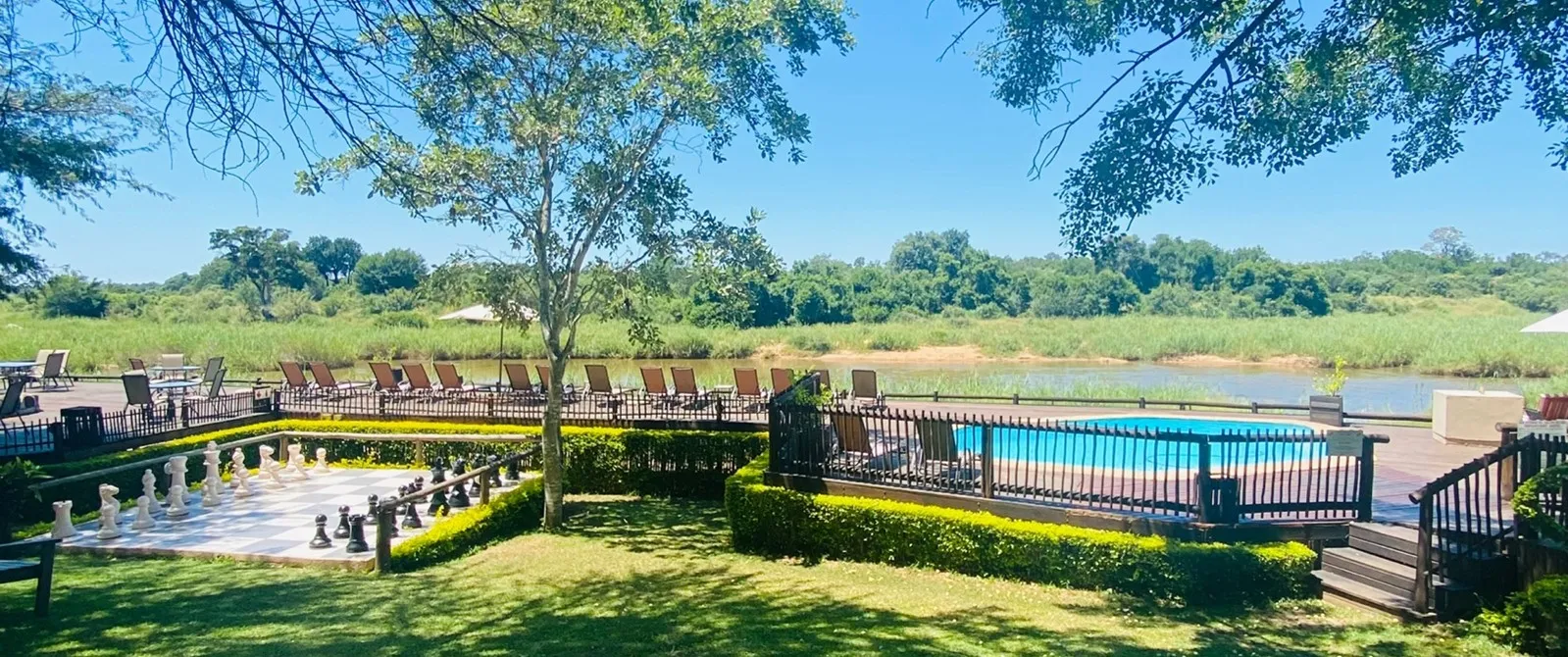
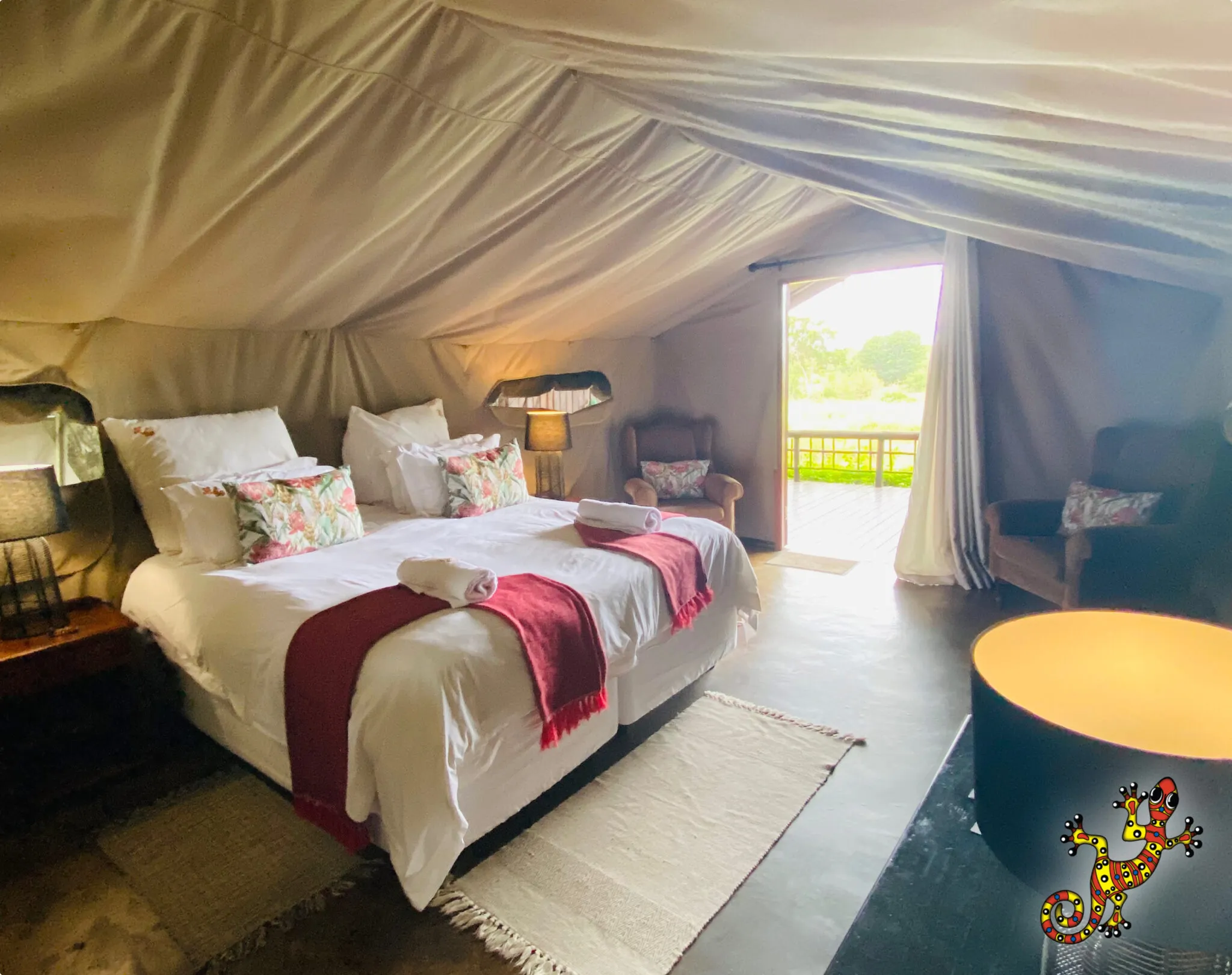
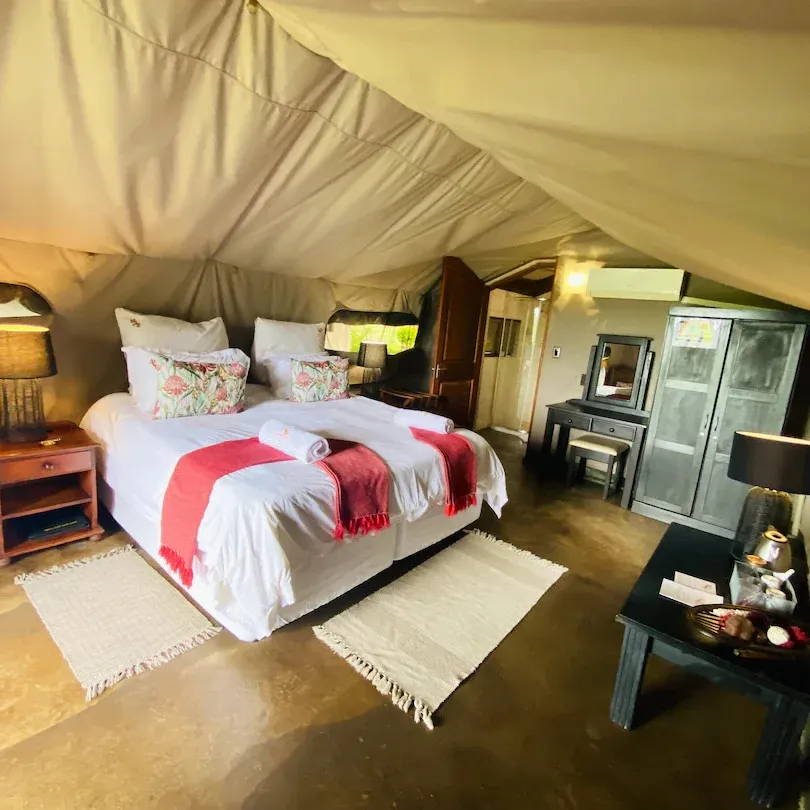
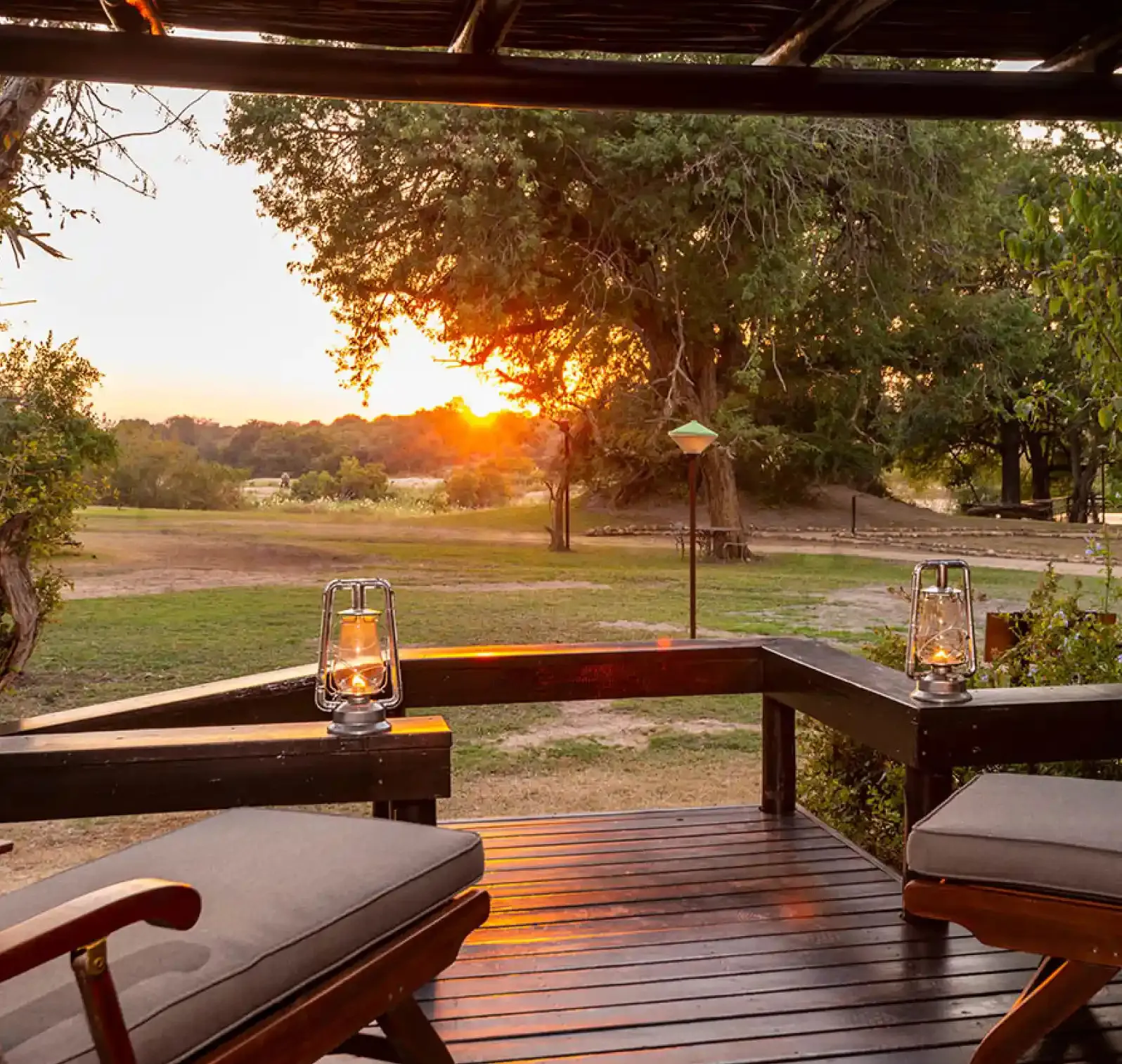
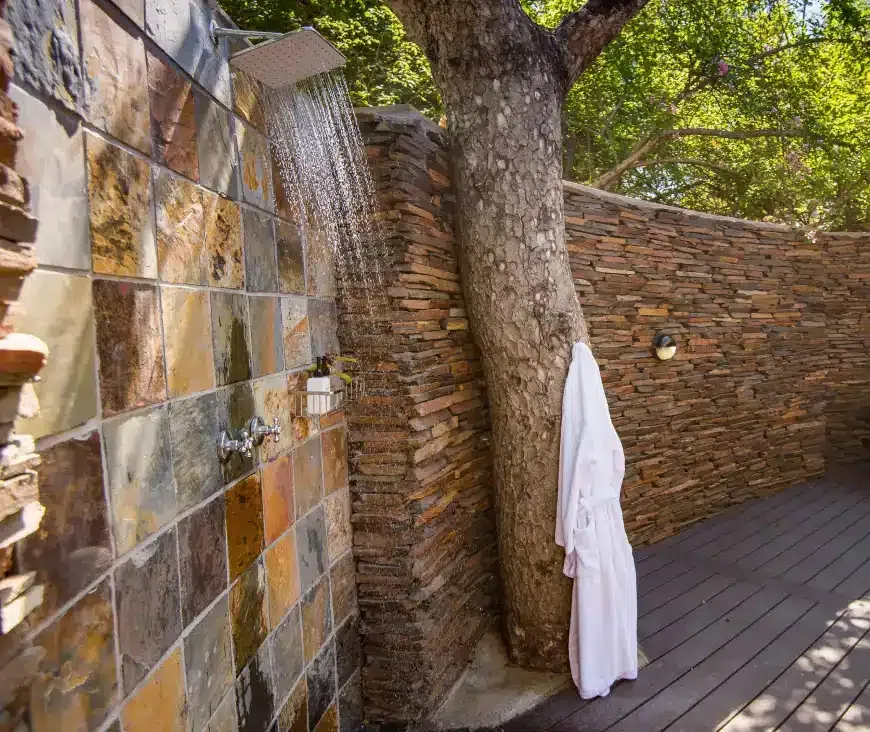
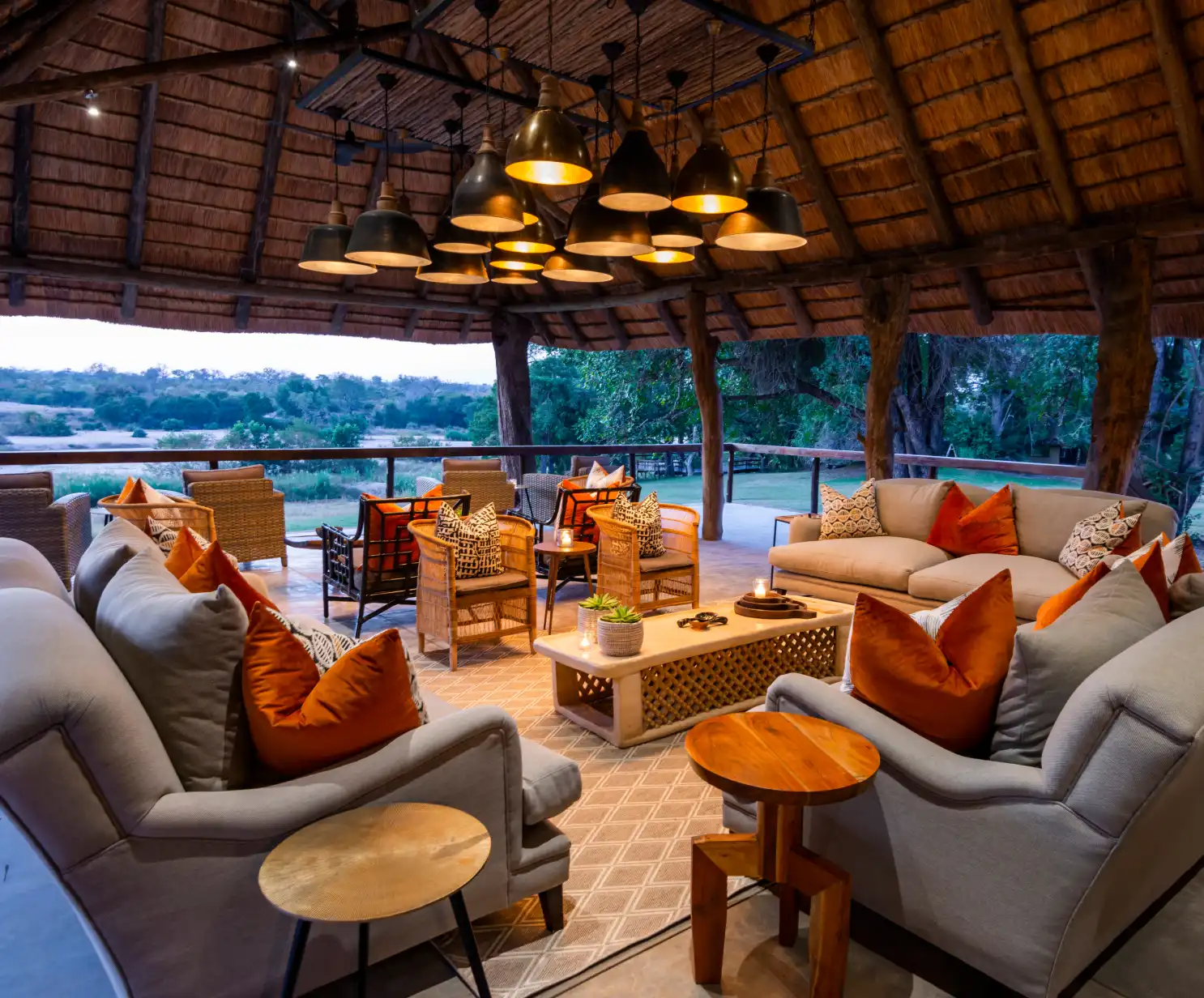
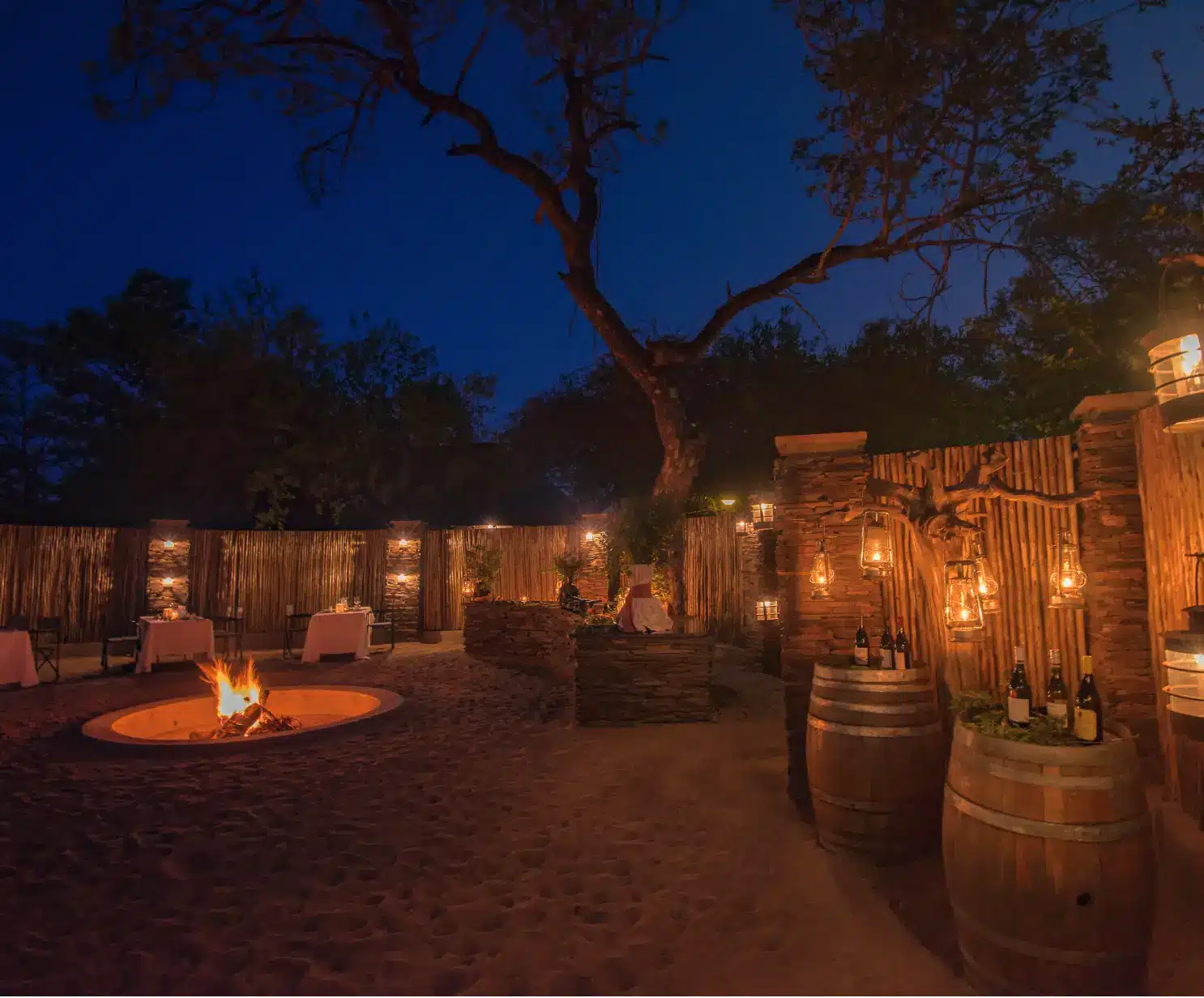
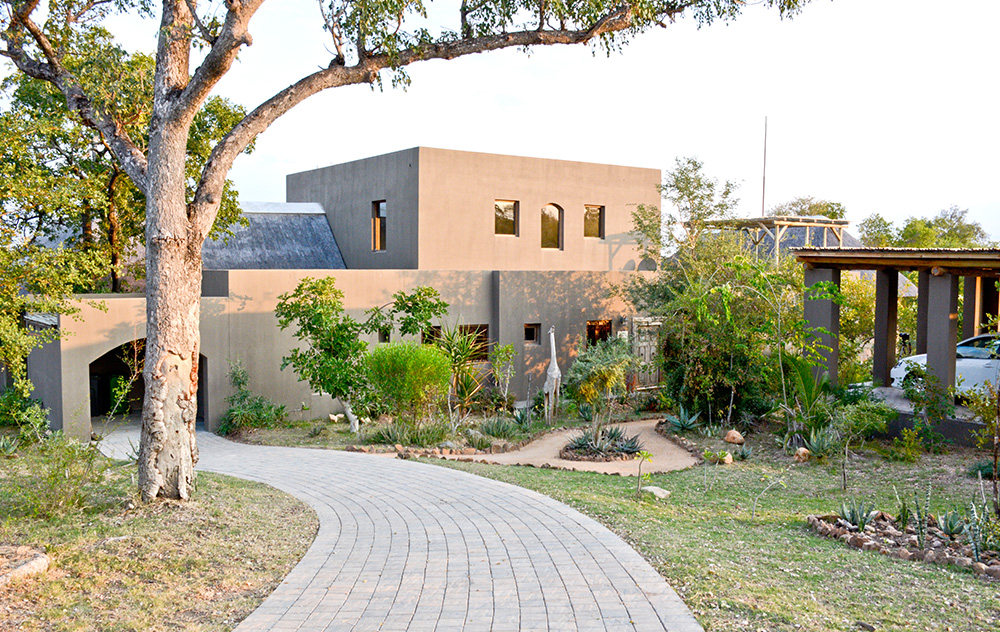
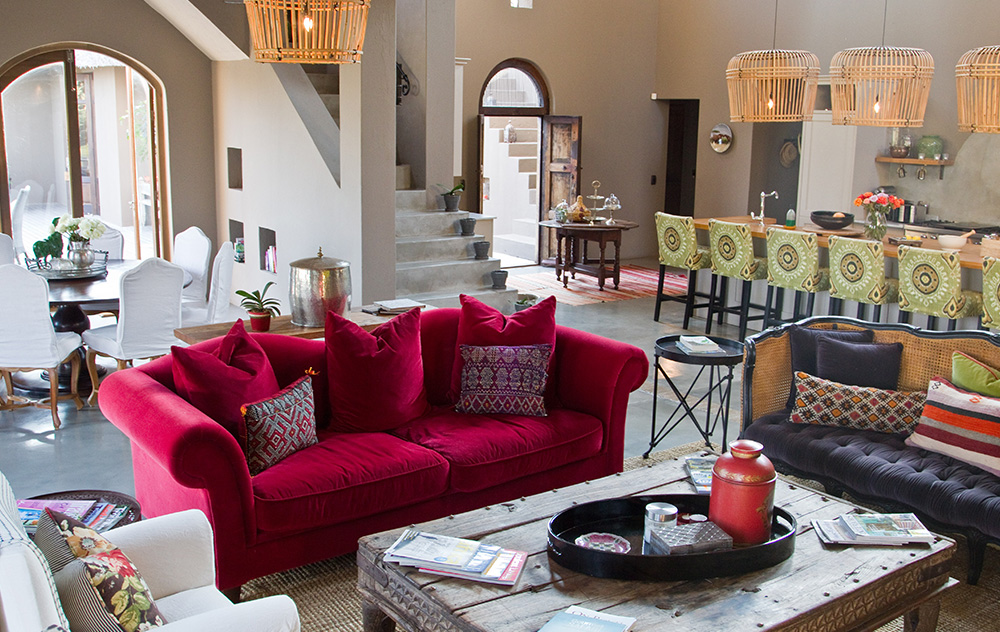
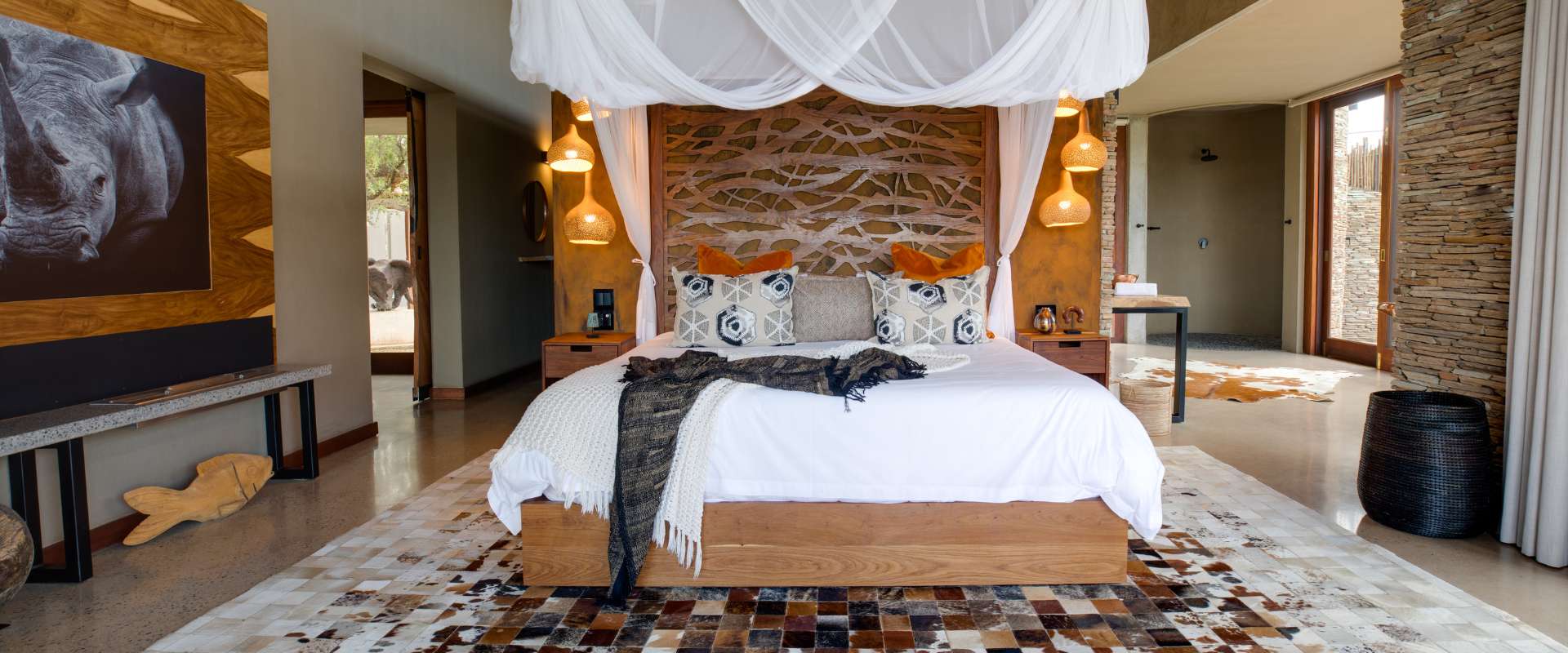
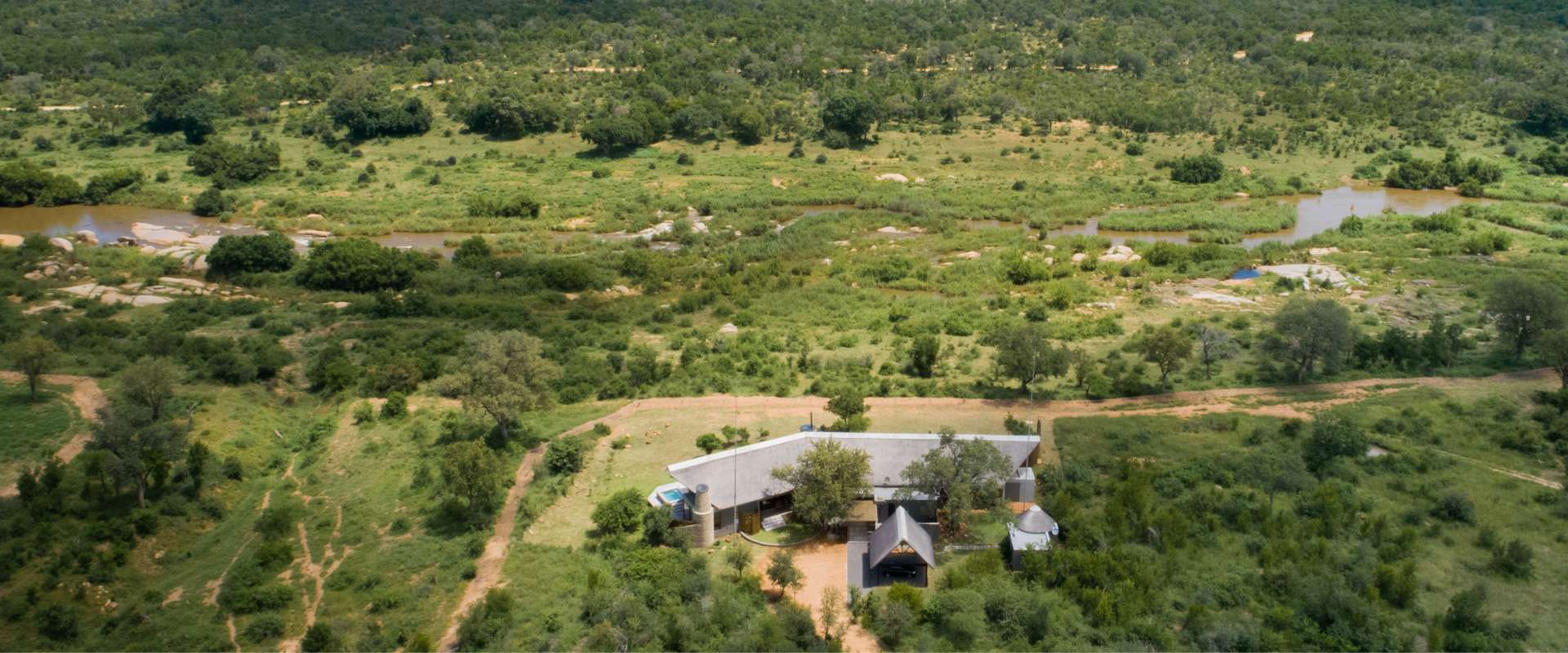
Sabie River Bush Lodge bied overnagting aan die oevers van die Sabie River, met uitsig oor die Kruger National Park, met toegang tot die Suidelike Gedeelte van die park en met uitsig op die Big 5.
Slaap 40
Kinders welkom
Akkommodasiepryse in Njonjela
| Tipe | Inskrywings | Vanaf | Gemiddeld | Tot |
|---|---|---|---|---|
| Lodge | 1 | R1,989 | R3,353 | R6,300 |
Njonjela Kaart
Nabygeleë Bestemmings
Blaai Deur Alle Njonjela Akkommodasie
Bekyk al 1 akkommodasie-opsies in Njonjela met foto's, pryse en beskikbaarheid.
Blaai Deur Alle Akkommodasie