Thulani Reis- & Akkommodasiegids
Jou volledige gids om Thulani, Suid-Afrika te besoek.
Thulani sits in the Limpopo province, part of the greater Bushbuckridge area near the border with Mpumalanga. This rural settlement provides access to the Lowveld region and serves as a base for exploring nearby nature reserves and traditional communities.
## Accommodation in Thulani
Formal accommodation listings for Thulani currently stand at zero through mainstream booking platforms. This reflects the settlement's position outside the region's established tourism circuit rather than an absence of places to stay. Community guesthouses and homestay arrangements exist throughout the rural Lowveld but operate through word of mouth or direct contact rather than online profiles. Travelers prepared to call ahead and confirm arrangements directly will generally find something workable.
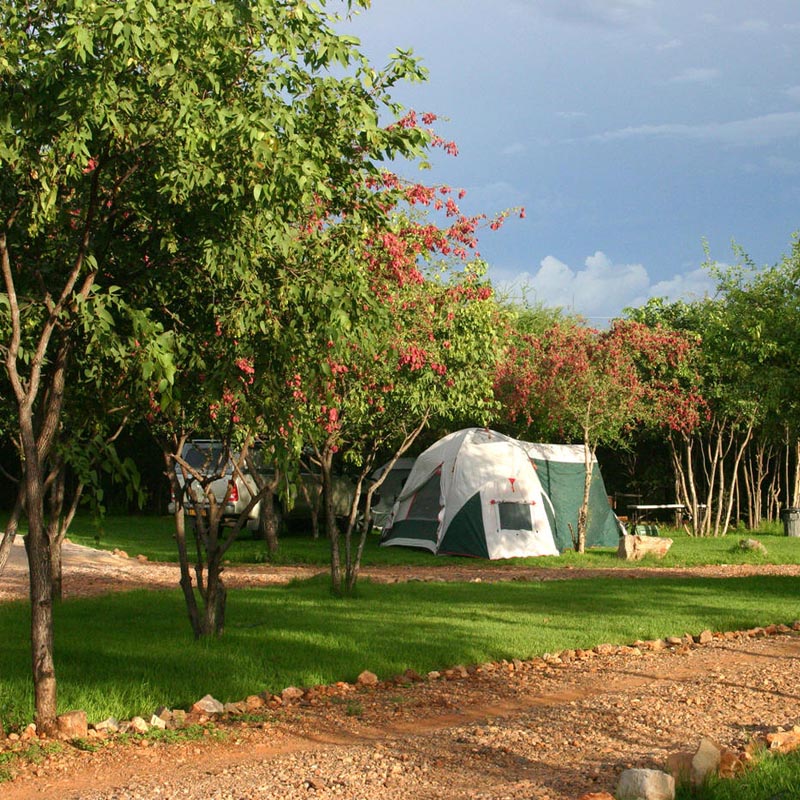
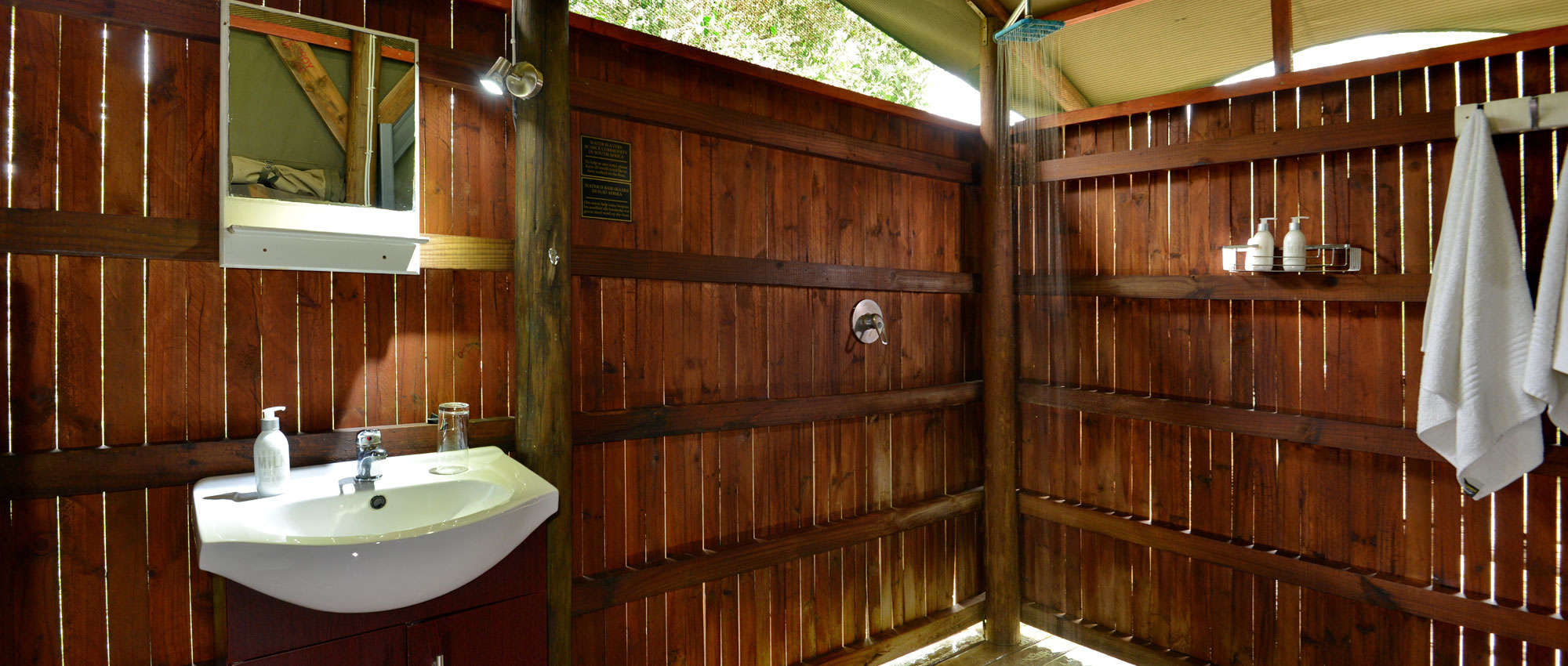
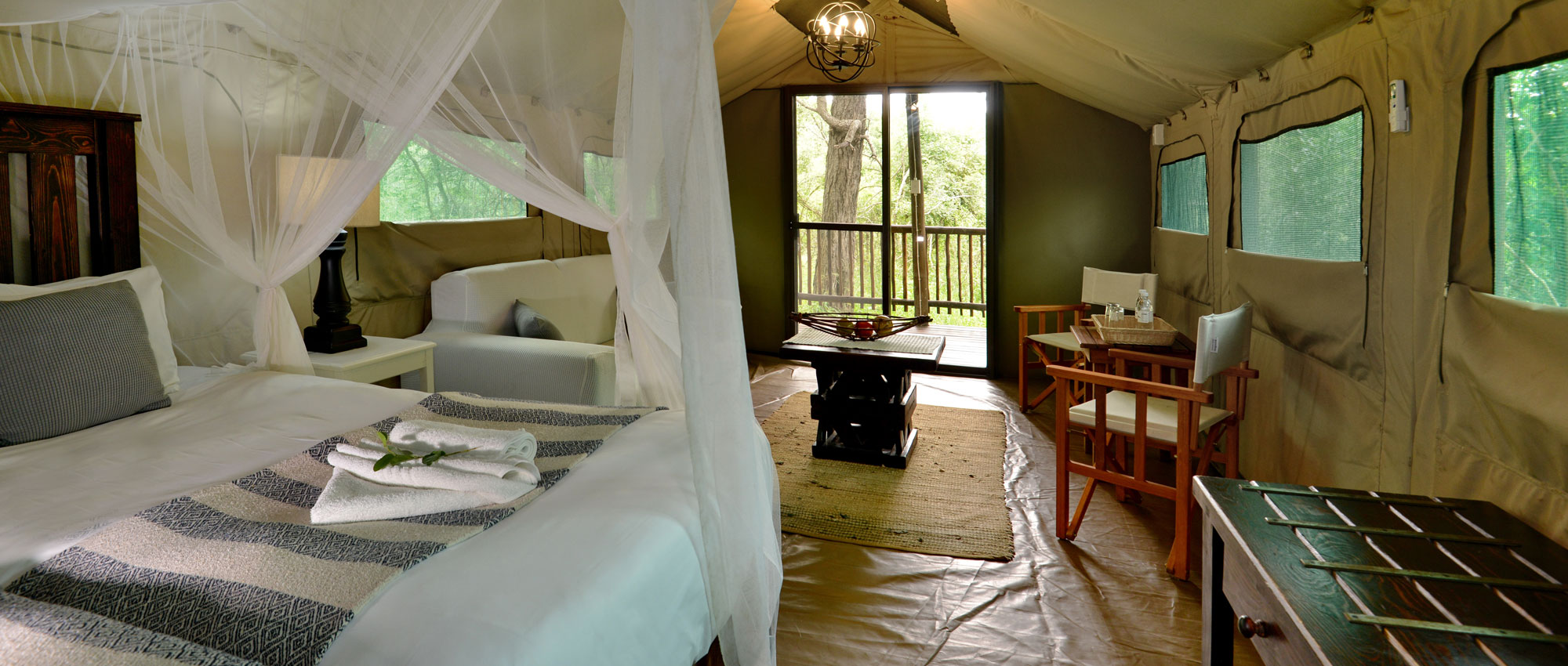
At the budget end, self-catering rooms and basic guest rooms in private homes are the most accessible option. Simple furnishings, shared bathrooms in some cases, and personally managed hospitality define this level. Meals can sometimes be arranged on request. The experience is genuinely local in a way that polished tourist accommodation cannot replicate, and for many visitors that is exactly its appeal.
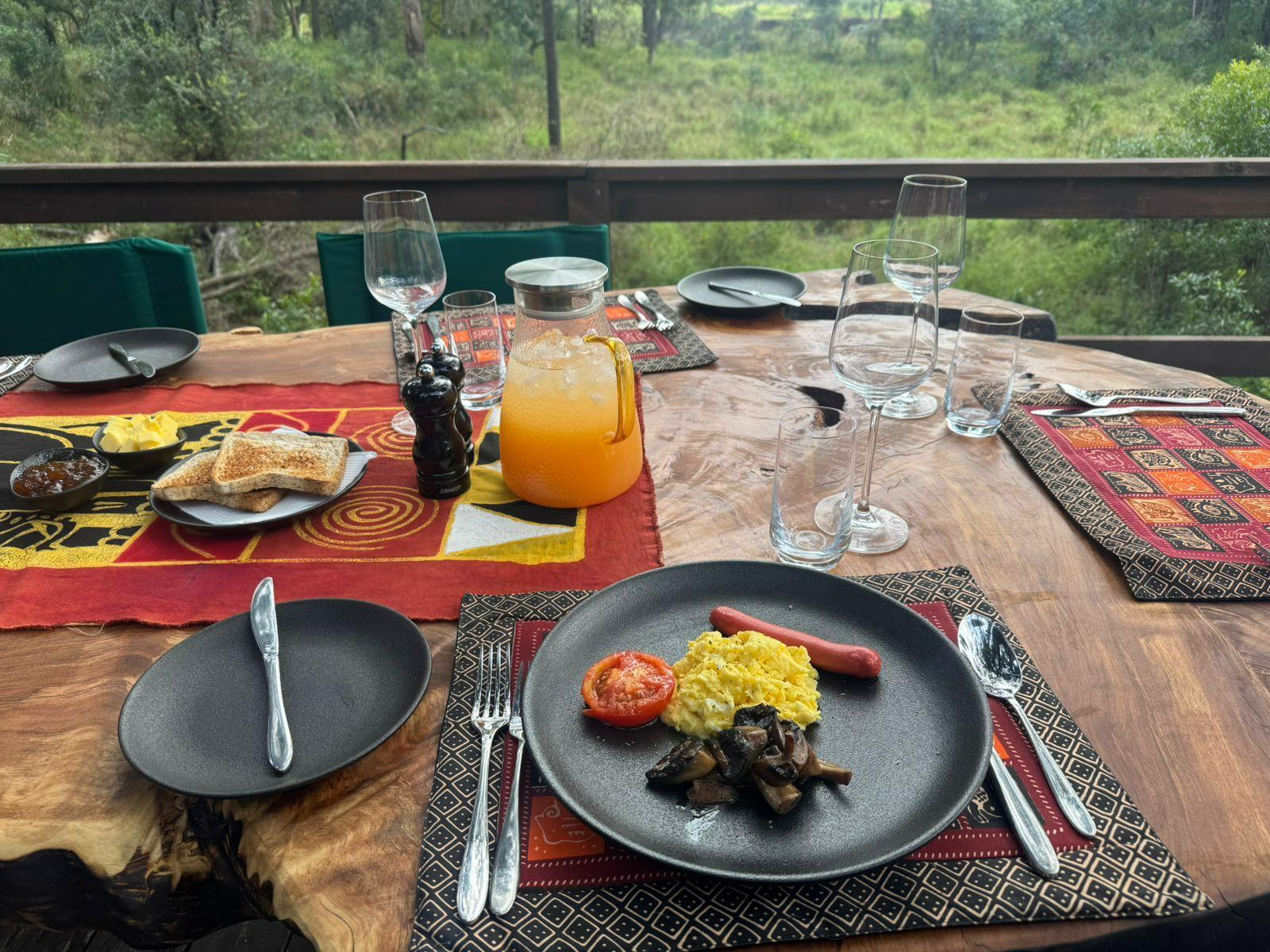
Mid-range guesthouses with en-suite rooms, consistent hot water, and secure on-site parking appear more often in adjacent settlements than in Thulani itself. These properties primarily serve contractors, regional workers, and independent travelers who need functional basics. Breakfast tends to be included, and the atmosphere is straightforward rather than atmospheric.
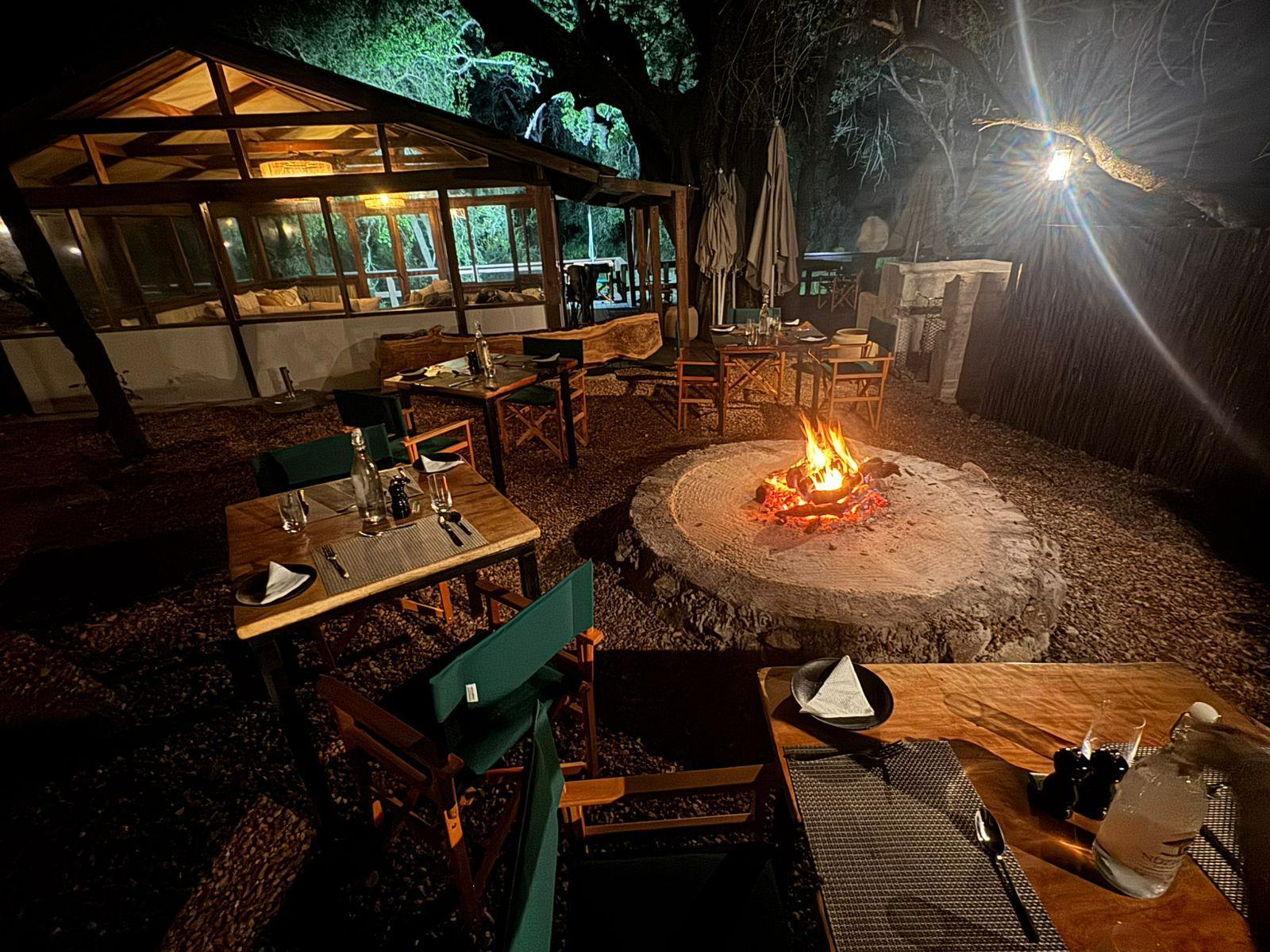
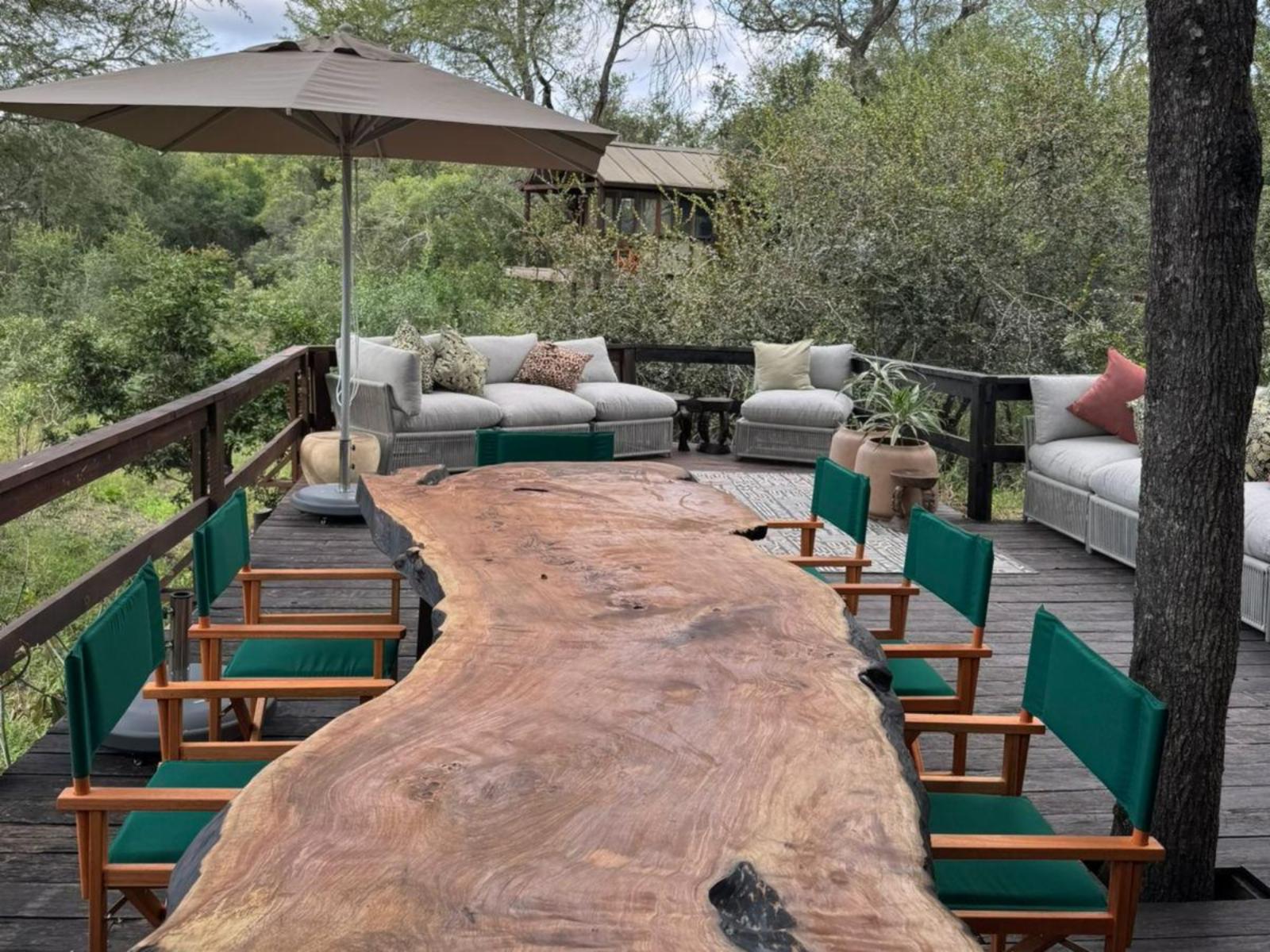
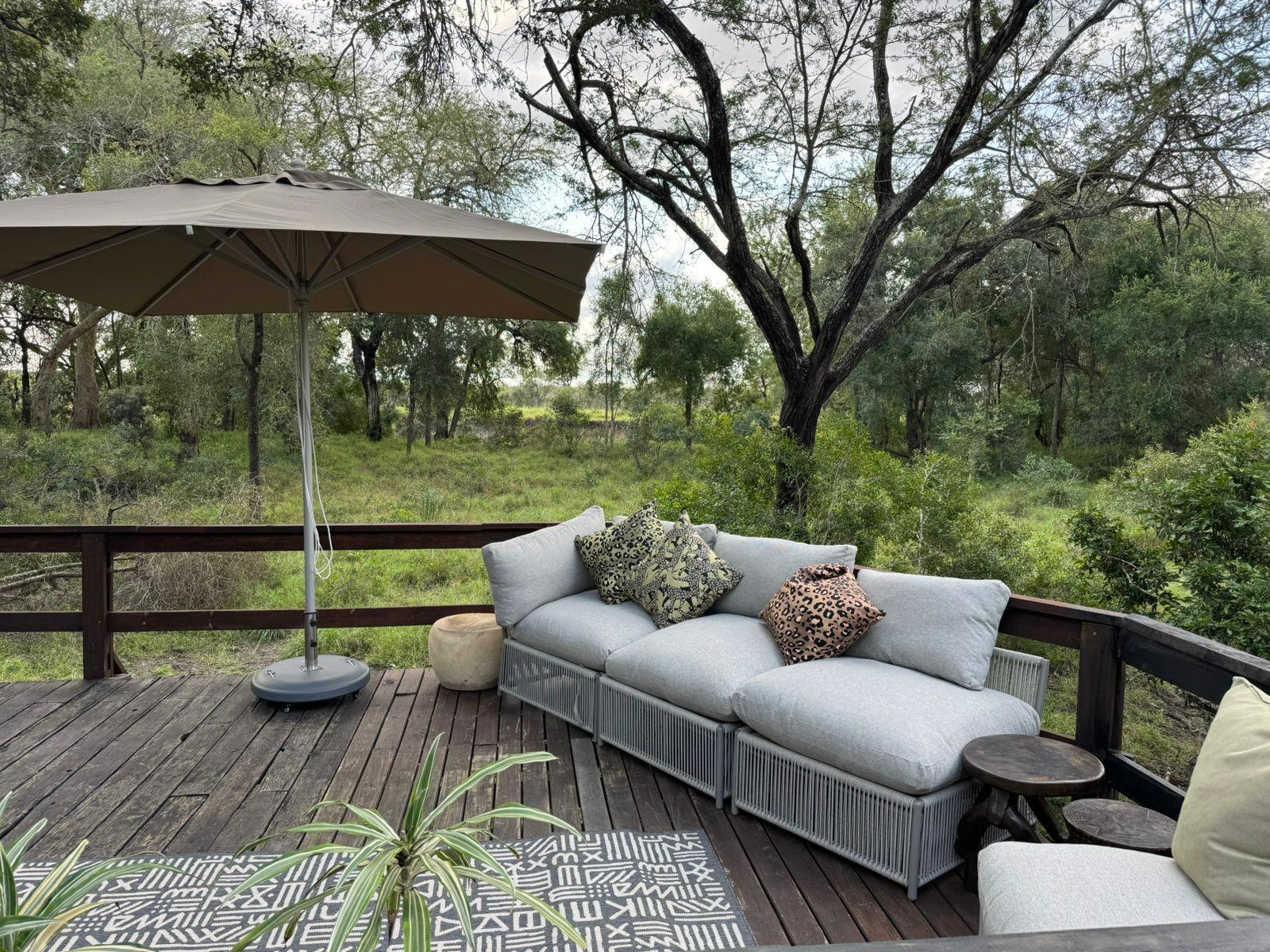
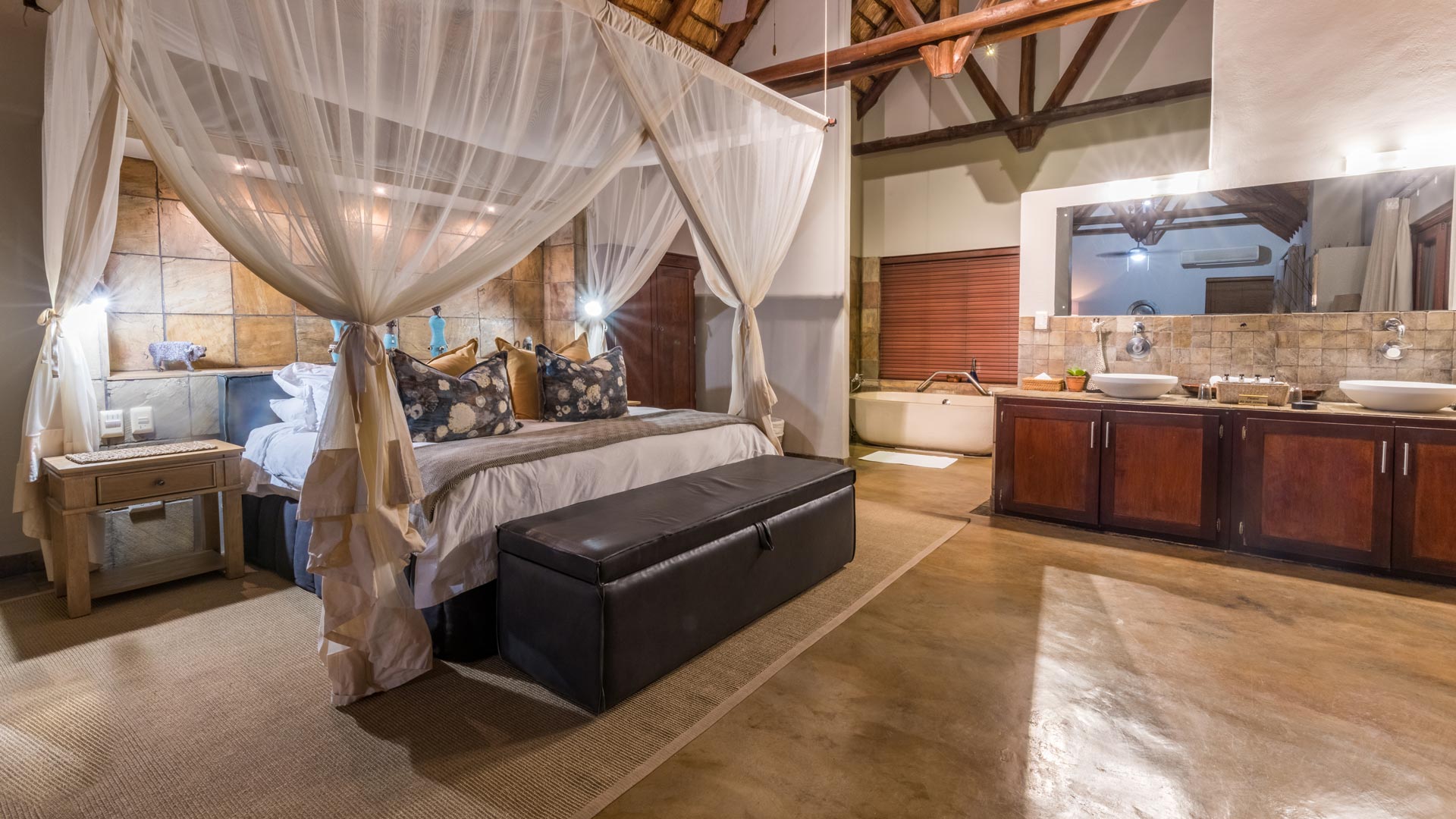
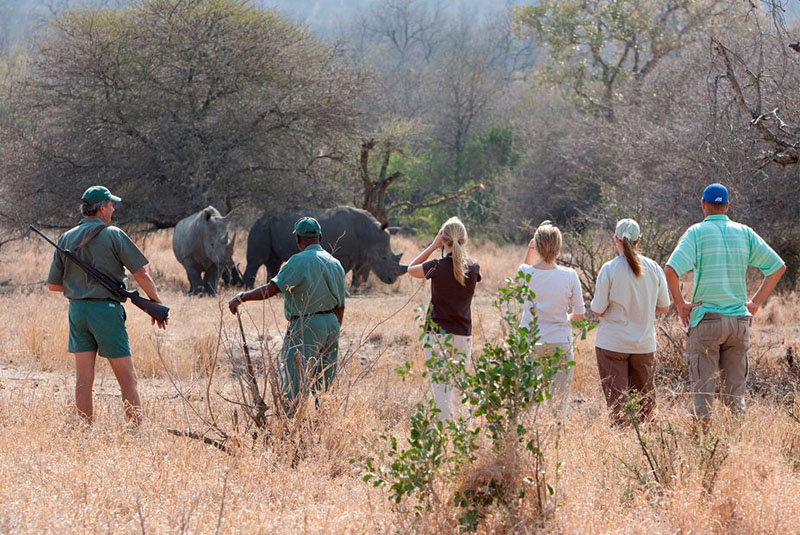
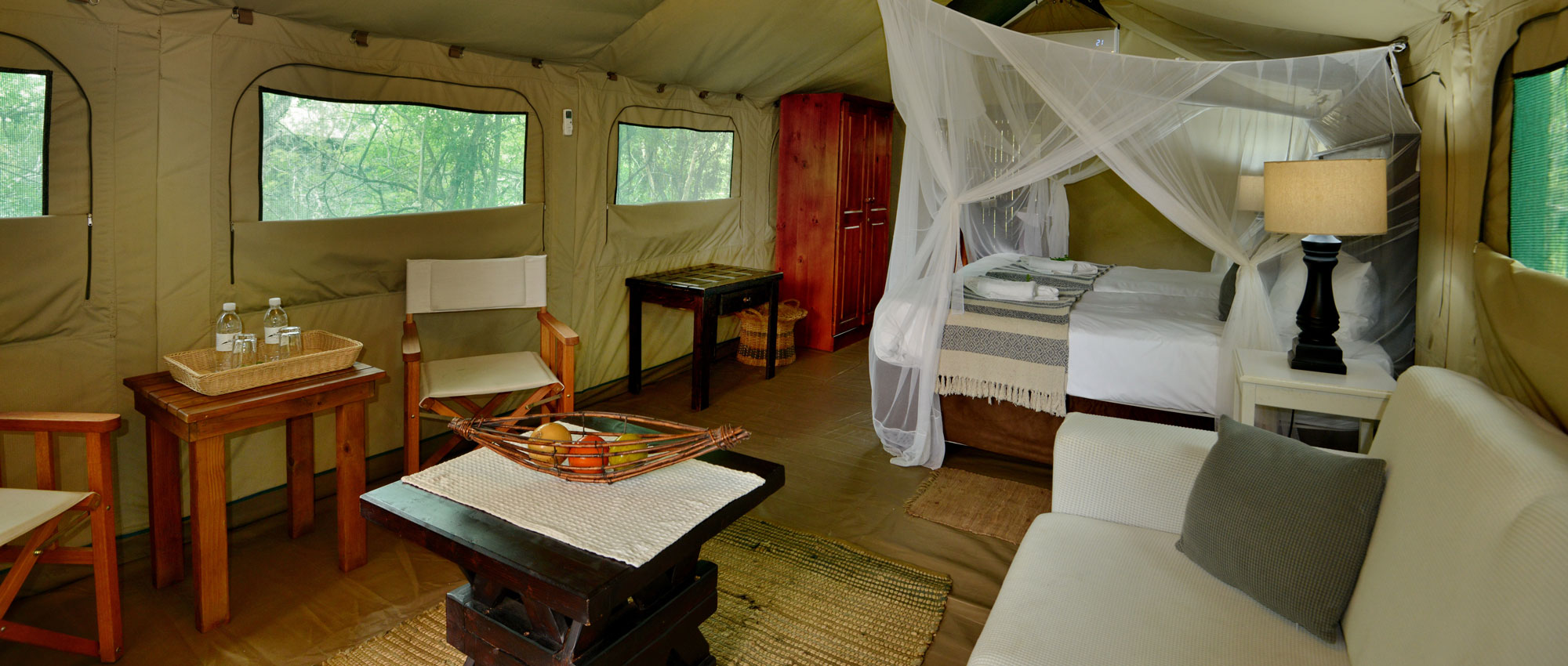
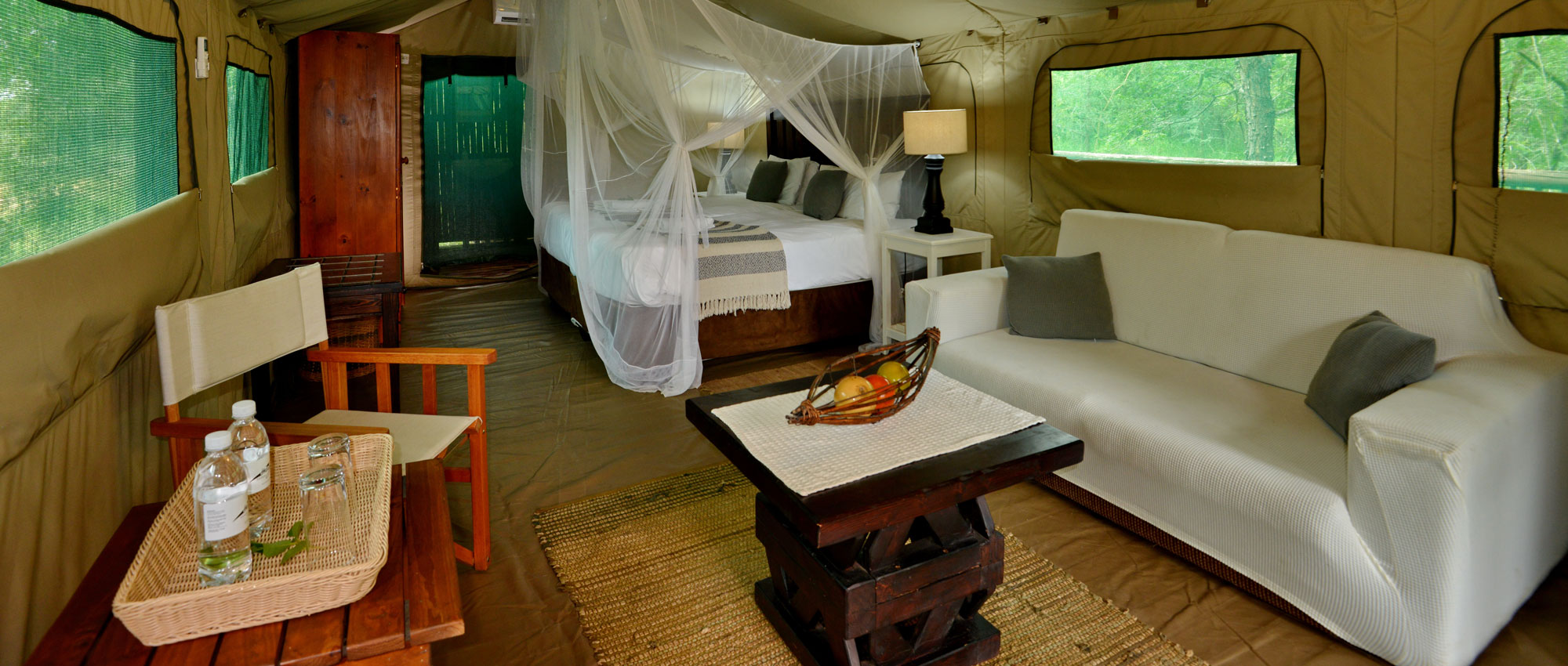
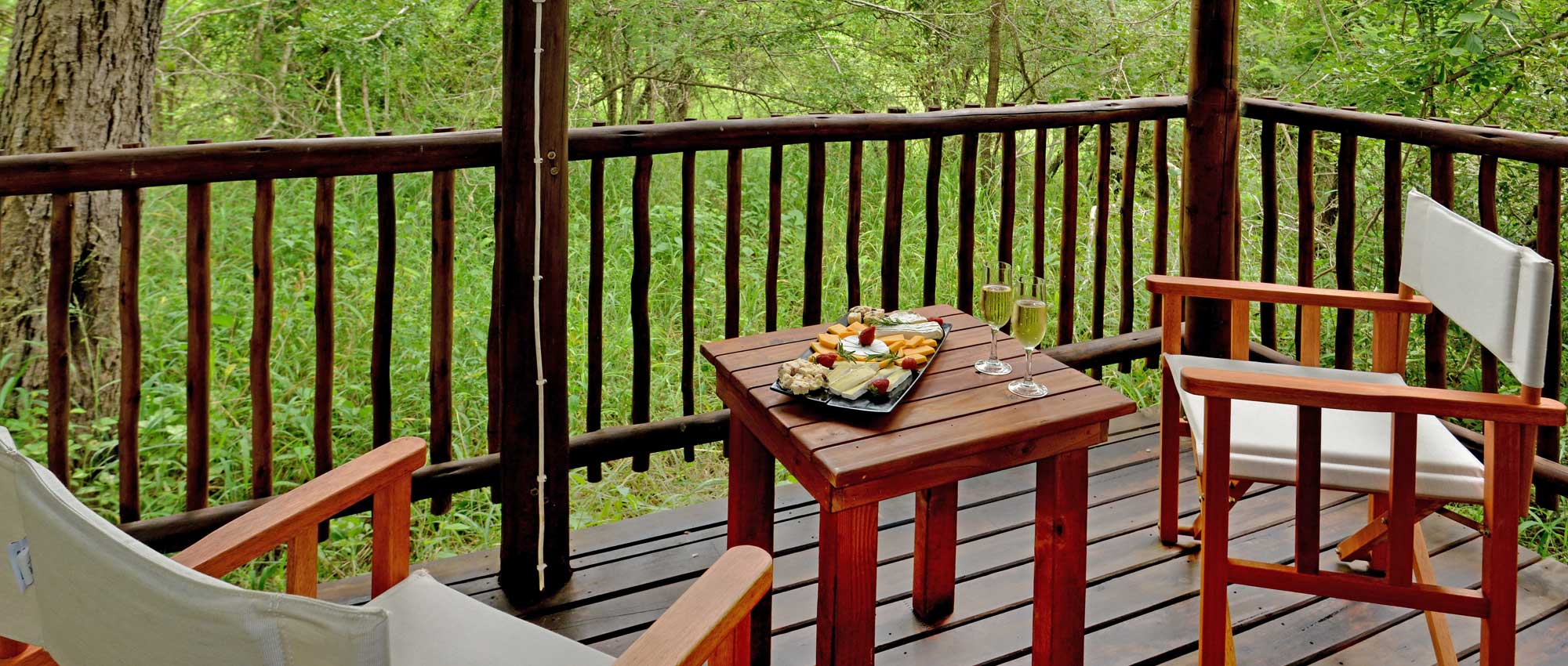
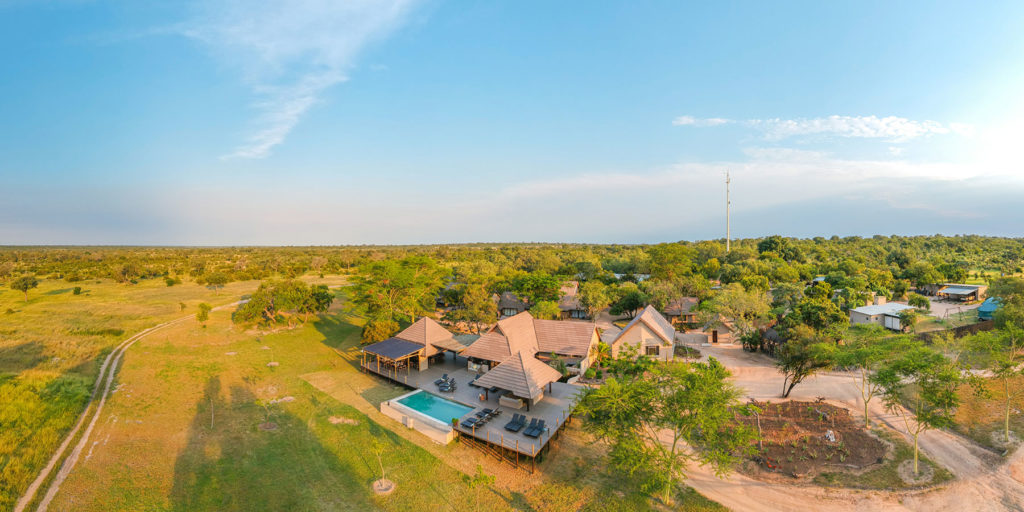
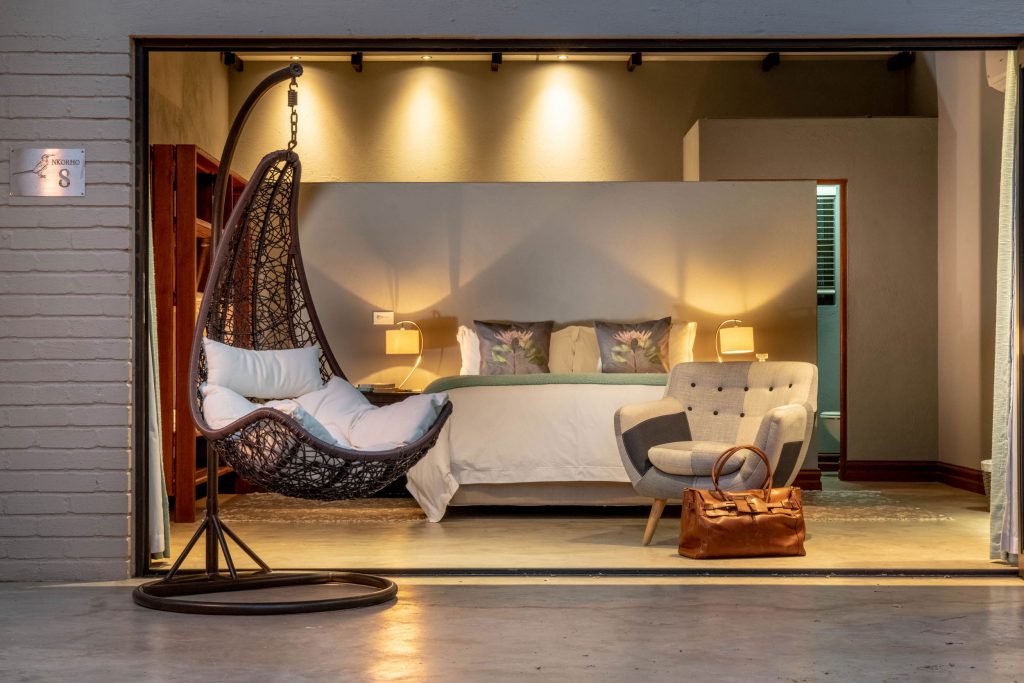
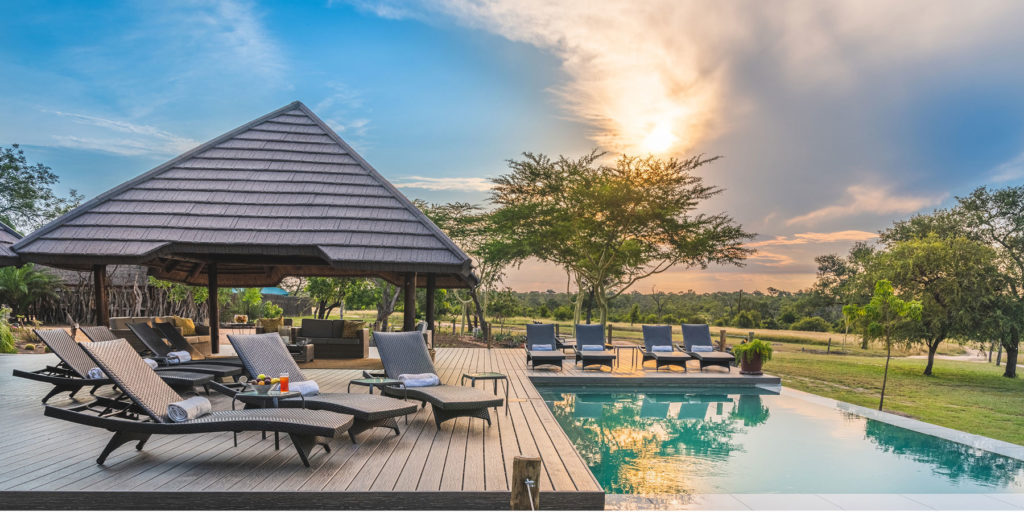
Upper-tier accommodation in the broader area leans toward private game lodges and bush camps positioned along Lowveld wildlife corridors. All-inclusive rates covering guided game drives, meals, and accommodation place this tier at a significantly higher price point than community guesthouses. These lodges suit travelers who want structured bush access and consistent comfort without compromise.
Because no properties currently list for Thulani through standard booking sites, researching accommodation through community tourism networks before departure is essential. Local tourism offices in the region can identify hosts and guesthouses operating outside the mainstream. Flexibility around dates is an asset here, as availability at community guesthouses shifts informally and often on short notice.
## Best Time to Visit Thulani
The dry winter months from May through September suit most visitors. Daytime temperatures are mild, typically between 20 and 28 degrees Celsius, while June and July nights can drop sharply enough to require warm layers. Rain is rare, unpaved roads stay passable, and thinning vegetation makes wildlife observation along rural tracks considerably more productive. Malaria risk in the Lowveld is present year-round but lowest in the dry months, which matters for travelers who prefer to minimize prophylaxis. Clear winter skies and low rural light pollution also make evenings well suited to stargazing.
Summer, from November through March, brings sustained heat and intense afternoon storms. Temperatures regularly exceed 35 degrees Celsius before storms build rapidly, release, and pass. The landscape transforms with dense green growth, and migratory bird species arrive in large numbers, making this season worthwhile for dedicated birders despite the conditions. Road quality on unpaved tracks becomes less reliable after heavy rainfall.
October and April occupy transitional positions. October is often the most intense month of the year, hot and building toward the first rains. April is cooler as the wet season winds down. Both months attract fewer visitors than July, when South African school holidays drive significant domestic travel through the wider Limpopo and Mpumalanga corridor.
## Getting to Thulani
OR Tambo International Airport in Johannesburg is the primary entry point for international and long-haul domestic arrivals. From Johannesburg, the route follows the N4 east through Middelburg and Nelspruit, then turns north on the R40 toward Bushbuckridge. Total driving time is five to six hours under normal conditions, and road surfaces on the main routes are generally reliable.
Hoedspruit Eastgate Airport, roughly 60 to 70 kilometers north of Thulani, handles scheduled services from Johannesburg and Cape Town. It reduces road time considerably and is the nearer option for travelers not transiting through Johannesburg. Car rental is available at the airport, and Hoedspruit town offers fuel, banking, and supermarkets, making it a practical staging point before the drive south.
Public transport connects to the area via minibus taxi services running between Nelspruit and Bushbuckridge along the R40, but coverage beyond that corridor drops off sharply. Reaching Thulani directly from a taxi rank requires a local vehicle arrangement or a long walk. Anyone arriving without a car should confirm onward transport before leaving a larger center. Mobile navigation data should be downloaded offline before departure, as live routing on rural stretches is unreliable.
## Thulani and Surrounding Areas
The settlements within reach of Thulani form a community network across this part of the eastern Lowveld.
**Utlha**, 8 kilometers away, is the nearest neighbor. A small residential and farming community sharing Thulani's flat terrain and seasonal rhythms, it offers a short drive that gives context for how tightly interconnected these rural settlements are. The landscape between the two is typical Lowveld savanna, flat and open with scattered trees.
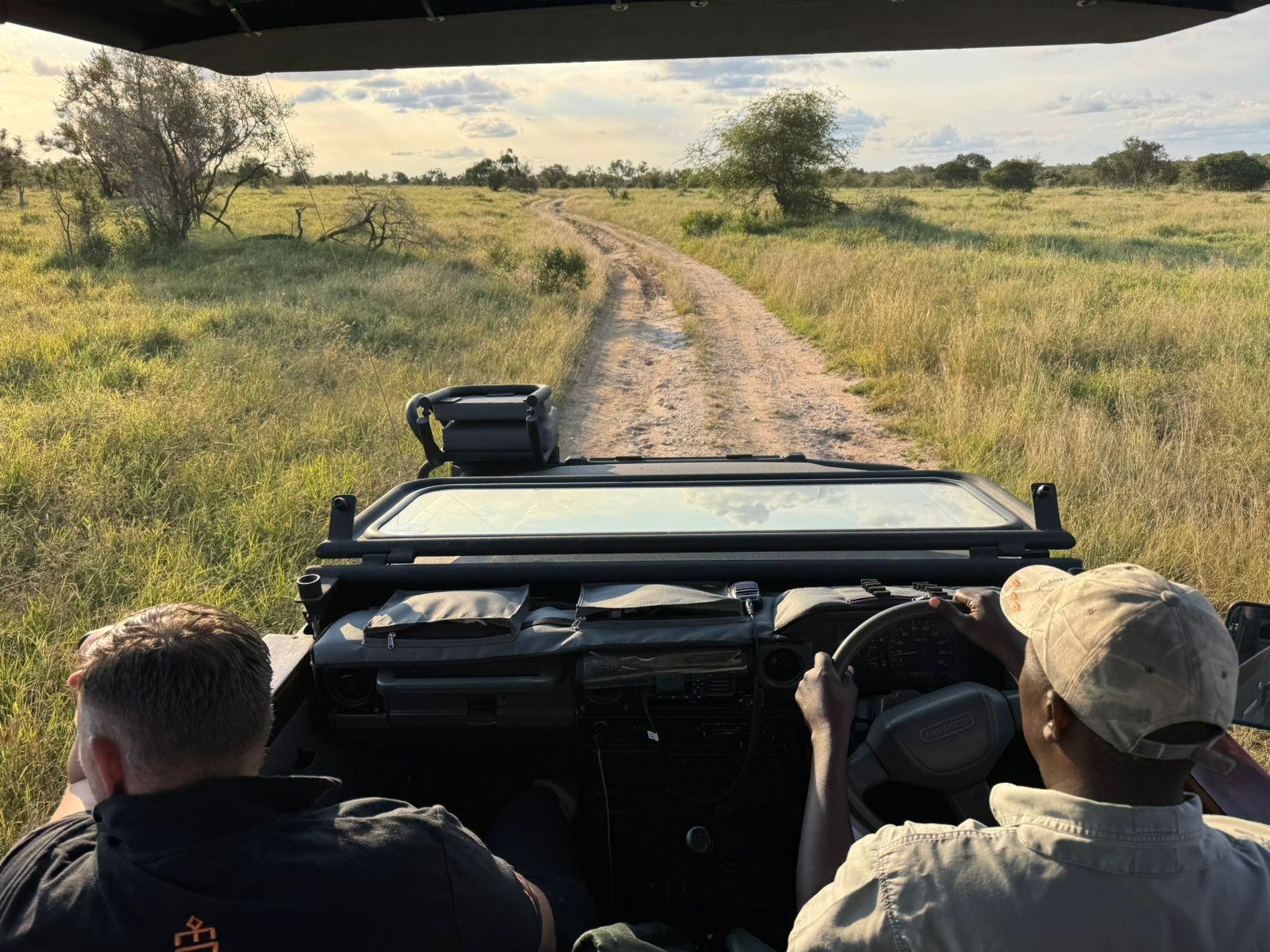
**Wisane**, 22 kilometers out, sits deeper in the rural interior. Small-scale farming and livestock keeping anchor the local economy. The road from Thulani passes through open savanna where hornbills, rollers, and raptors are regularly visible from a slow-moving vehicle.
**Njonjela**, at 29 kilometers, is another community settlement in this stretch of eastern Limpopo. Together with the villages around it, Njonjela contributes to the social and economic structure of the broader area. Travelers with a genuine interest in rural South African community life will find the collective picture across these smaller settlements more revealing than any single stop.
**New Forest**, 32 kilometers from Thulani, has a modest local footprint and functions as a road network reference point for residents of the surrounding communities.
**Acornhoek**, 33 kilometers away, is the nearest town with a full complement of practical services. Fuel stations, a district hospital, supermarkets, and bank branches all operate here. The R40 highway runs through, connecting south toward Nelspruit and north toward the R531 corridor. For anyone based in Thulani, Acornhoek is the most logical stop for resupply and banking.
**Skukuza**, 43 kilometers to the east inside Kruger National Park, is the park's largest rest camp and main administrative hub. It has a restaurant, a shop stocked with supplies and camping equipment, an airstrip, and a museum covering the park's ranger history and conservation record. The Sabie River near the camp draws concentrations of elephant, hippo, and buffalo, particularly during the dry months. The internal road network between the western entrance gates and Skukuza passes through some of the park's most reliably productive game-viewing terrain. A day trip from Thulani requires an early start and a full day.
## Planning Your Stay
Finding accommodation in Thulani requires direct outreach rather than a standard platform search. Phone calls produce faster responses than emails in rural areas. Confirm all bookings with a follow-up call shortly before arrival, as informal arrangements can shift without notice.
Before committing to any property, ask about electricity supply. Load-shedding is a regular feature of life across South Africa, and a property with solar panels or a generator will remain functional through scheduled power cuts. Water supply arrangements, including whether the property uses municipal supply or a borehole, are worth clarifying if you have specific requirements.
Top up fuel whenever a reliable station is available before heading toward Thulani. Petrol stations along rural routes can be sparse, and a small reserve is sensible. Carry enough cash to cover several days, as ATMs in smaller towns can run dry around public holidays and school vacation periods, and card payment is not universally available at rural businesses.
Travel insurance with medical evacuation coverage is advisable given the distance from specialist facilities. Pre-departure preparation should include malaria prophylaxis and mosquito repellent appropriate for the Lowveld, which is particularly relevant for summer travel but applies year-round.
For national park day visits, book entry permits through South African National Parks online before leaving home. Gates operate at daily capacity limits, and advance booking removes the risk of being turned away on arrival. Overnight camp bookings within the park fill quickly for dry-season dates and should be secured well before departure.

Formal accommodation listings for Thulani currently stand at zero through mainstream booking platforms. This reflects the settlement's position outside the region's established tourism circuit rather than an absence of places to stay. Community guesthouses and homestay arrangements exist throughout the rural Lowveld but operate through word of mouth or direct contact rather than online profiles. Travelers prepared to call ahead and confirm arrangements directly will generally find something workable.
At the budget end, self-catering rooms and basic guest rooms in private homes are the most accessible option. Simple furnishings, shared bathrooms in some cases, and personally managed hospitality define this level. Meals can sometimes be arranged on request. The experience is genuinely local in a way that polished tourist accommodation cannot replicate, and for many visitors that is exactly its appeal.
Mid-range guesthouses with en-suite rooms, consistent hot water, and secure on-site parking appear more often in adjacent settlements than in Thulani itself. These properties primarily serve contractors, regional workers, and independent travelers who need functional basics. Breakfast tends to be included, and the atmosphere is straightforward rather than atmospheric.
Upper-tier accommodation in the broader area leans toward private game lodges and bush camps positioned along Lowveld wildlife corridors. All-inclusive rates covering guided game drives, meals, and accommodation place this tier at a significantly higher price point than community guesthouses. These lodges suit travelers who want structured bush access and consistent comfort without compromise.
Because no properties currently list for Thulani through standard booking sites, researching accommodation through community tourism networks before departure is essential. Local tourism offices in the region can identify hosts and guesthouses operating outside the mainstream. Flexibility around dates is an asset here, as availability at community guesthouses shifts informally and often on short notice.
## Best Time to Visit Thulani
The dry winter months from May through September suit most visitors. Daytime temperatures are mild, typically between 20 and 28 degrees Celsius, while June and July nights can drop sharply enough to require warm layers. Rain is rare, unpaved roads stay passable, and thinning vegetation makes wildlife observation along rural tracks considerably more productive. Malaria risk in the Lowveld is present year-round but lowest in the dry months, which matters for travelers who prefer to minimize prophylaxis. Clear winter skies and low rural light pollution also make evenings well suited to stargazing.
Summer, from November through March, brings sustained heat and intense afternoon storms. Temperatures regularly exceed 35 degrees Celsius before storms build rapidly, release, and pass. The landscape transforms with dense green growth, and migratory bird species arrive in large numbers, making this season worthwhile for dedicated birders despite the conditions. Road quality on unpaved tracks becomes less reliable after heavy rainfall.
October and April occupy transitional positions. October is often the most intense month of the year, hot and building toward the first rains. April is cooler as the wet season winds down. Both months attract fewer visitors than July, when South African school holidays drive significant domestic travel through the wider Limpopo and Mpumalanga corridor.
## Getting to Thulani
OR Tambo International Airport in Johannesburg is the primary entry point for international and long-haul domestic arrivals. From Johannesburg, the route follows the N4 east through Middelburg and Nelspruit, then turns north on the R40 toward Bushbuckridge. Total driving time is five to six hours under normal conditions, and road surfaces on the main routes are generally reliable.
Hoedspruit Eastgate Airport, roughly 60 to 70 kilometers north of Thulani, handles scheduled services from Johannesburg and Cape Town. It reduces road time considerably and is the nearer option for travelers not transiting through Johannesburg. Car rental is available at the airport, and Hoedspruit town offers fuel, banking, and supermarkets, making it a practical staging point before the drive south.
Public transport connects to the area via minibus taxi services running between Nelspruit and Bushbuckridge along the R40, but coverage beyond that corridor drops off sharply. Reaching Thulani directly from a taxi rank requires a local vehicle arrangement or a long walk. Anyone arriving without a car should confirm onward transport before leaving a larger center. Mobile navigation data should be downloaded offline before departure, as live routing on rural stretches is unreliable.
## Thulani and Surrounding Areas
The settlements within reach of Thulani form a community network across this part of the eastern Lowveld.
**Utlha**, 8 kilometers away, is the nearest neighbor. A small residential and farming community sharing Thulani's flat terrain and seasonal rhythms, it offers a short drive that gives context for how tightly interconnected these rural settlements are. The landscape between the two is typical Lowveld savanna, flat and open with scattered trees.
**Wisane**, 22 kilometers out, sits deeper in the rural interior. Small-scale farming and livestock keeping anchor the local economy. The road from Thulani passes through open savanna where hornbills, rollers, and raptors are regularly visible from a slow-moving vehicle.
**Njonjela**, at 29 kilometers, is another community settlement in this stretch of eastern Limpopo. Together with the villages around it, Njonjela contributes to the social and economic structure of the broader area. Travelers with a genuine interest in rural South African community life will find the collective picture across these smaller settlements more revealing than any single stop.
**New Forest**, 32 kilometers from Thulani, has a modest local footprint and functions as a road network reference point for residents of the surrounding communities.
**Acornhoek**, 33 kilometers away, is the nearest town with a full complement of practical services. Fuel stations, a district hospital, supermarkets, and bank branches all operate here. The R40 highway runs through, connecting south toward Nelspruit and north toward the R531 corridor. For anyone based in Thulani, Acornhoek is the most logical stop for resupply and banking.
**Skukuza**, 43 kilometers to the east inside Kruger National Park, is the park's largest rest camp and main administrative hub. It has a restaurant, a shop stocked with supplies and camping equipment, an airstrip, and a museum covering the park's ranger history and conservation record. The Sabie River near the camp draws concentrations of elephant, hippo, and buffalo, particularly during the dry months. The internal road network between the western entrance gates and Skukuza passes through some of the park's most reliably productive game-viewing terrain. A day trip from Thulani requires an early start and a full day.
## Planning Your Stay
Finding accommodation in Thulani requires direct outreach rather than a standard platform search. Phone calls produce faster responses than emails in rural areas. Confirm all bookings with a follow-up call shortly before arrival, as informal arrangements can shift without notice.
Before committing to any property, ask about electricity supply. Load-shedding is a regular feature of life across South Africa, and a property with solar panels or a generator will remain functional through scheduled power cuts. Water supply arrangements, including whether the property uses municipal supply or a borehole, are worth clarifying if you have specific requirements.
Top up fuel whenever a reliable station is available before heading toward Thulani. Petrol stations along rural routes can be sparse, and a small reserve is sensible. Carry enough cash to cover several days, as ATMs in smaller towns can run dry around public holidays and school vacation periods, and card payment is not universally available at rural businesses.
Travel insurance with medical evacuation coverage is advisable given the distance from specialist facilities. Pre-departure preparation should include malaria prophylaxis and mosquito repellent appropriate for the Lowveld, which is particularly relevant for summer travel but applies year-round.
For national park day visits, book entry permits through South African National Parks online before leaving home. Gates operate at daily capacity limits, and advance booking removes the risk of being turned away on arrival. Overnight camp bookings within the park fill quickly for dry-season dates and should be secured well before departure.
Thulani Kaart
Nabygeleë Bestemmings
Blaai Deur Alle Thulani Akkommodasie
Bekyk al 0 akkommodasie-opsies in Thulani met foto's, pryse en beskikbaarheid.
Blaai Deur Alle Akkommodasie