Utlha Reis- & Akkommodasiegids
Jou volledige gids om Utlha, Suid-Afrika te besoek.
Utlha is a small rural settlement in the Greater Giyani Municipality of Limpopo Province. The area serves as a gateway to the traditional communities of the Tsonga people and offers access to the broader landscapes of the lowveld region.
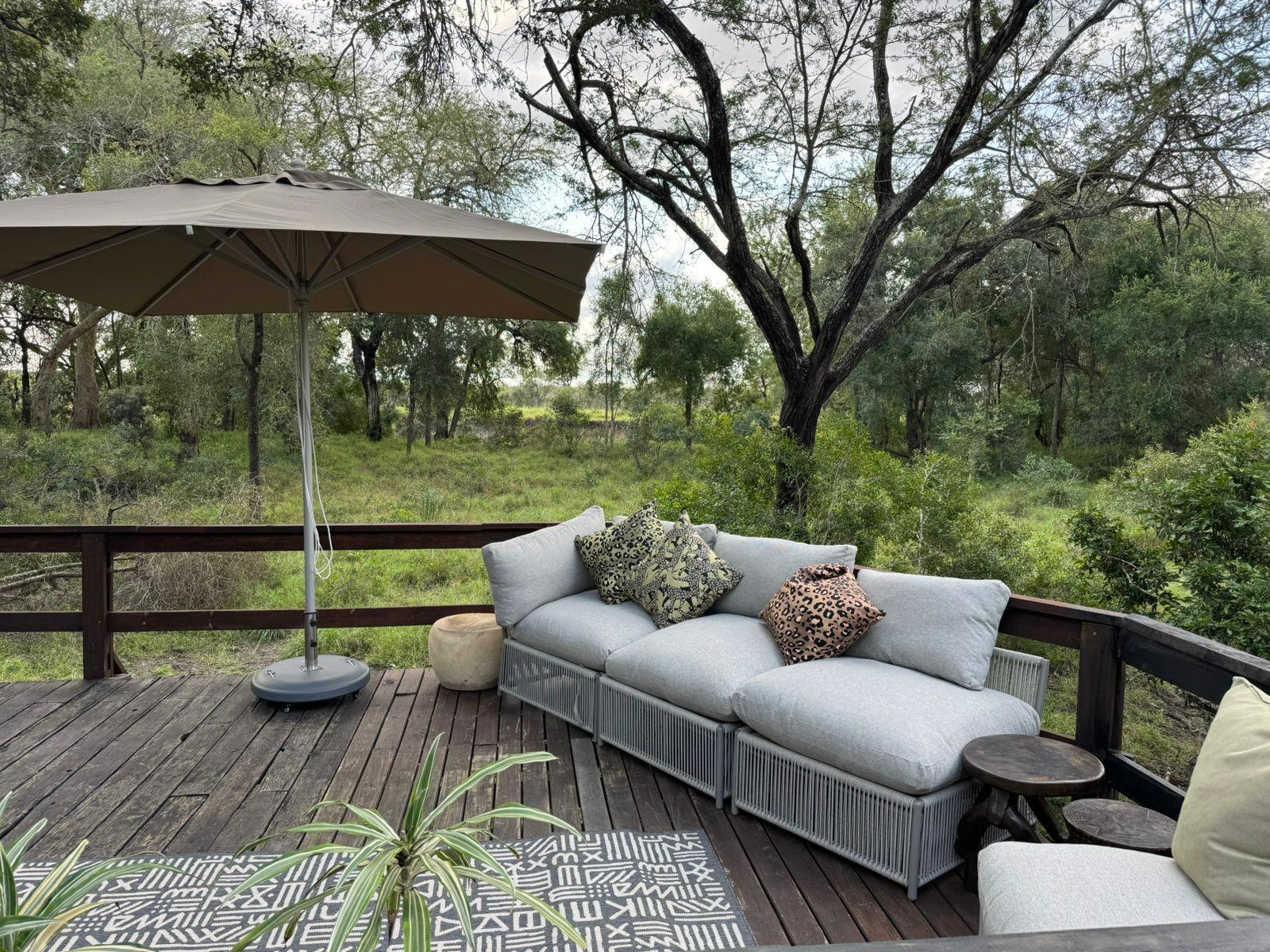
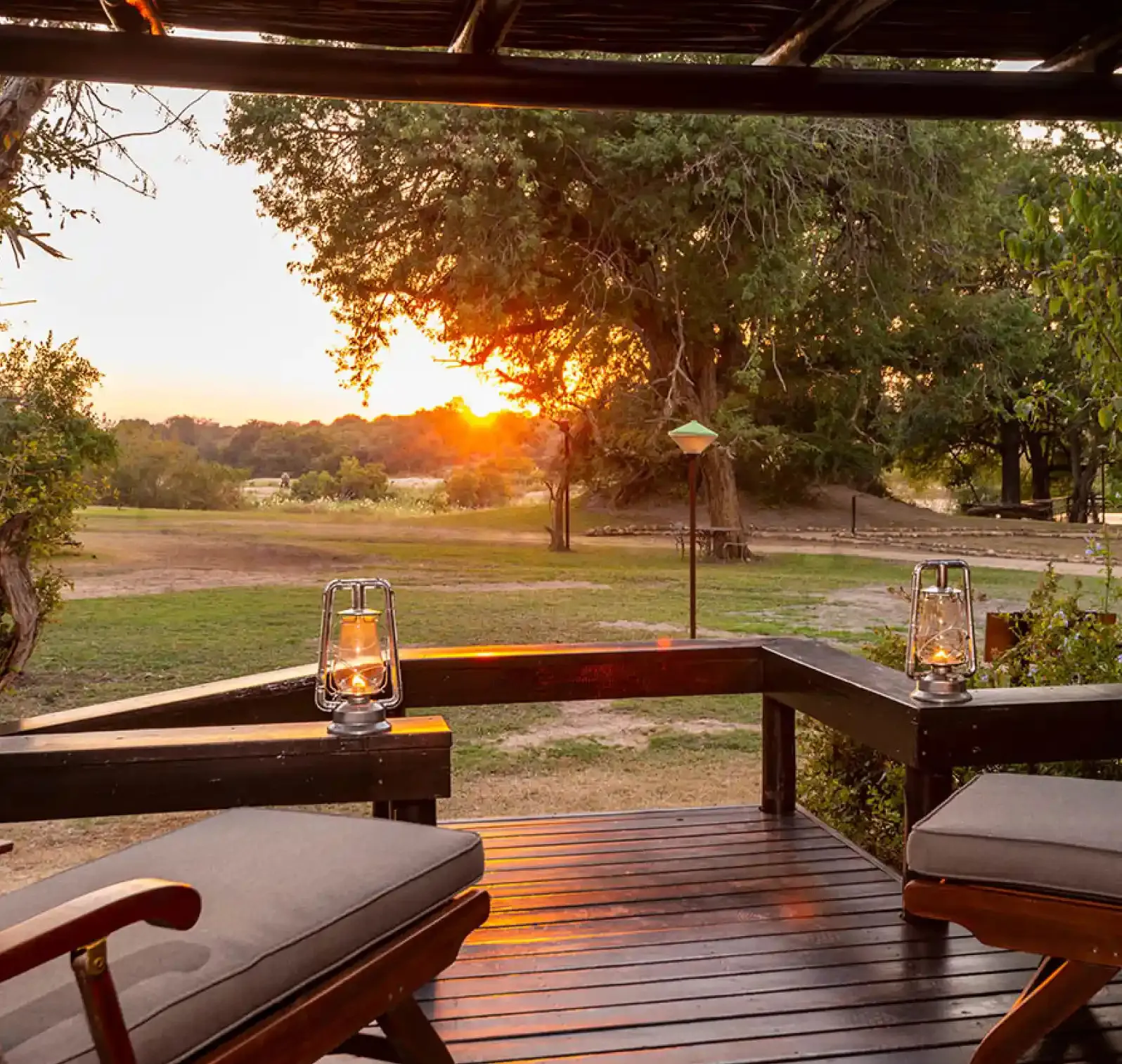
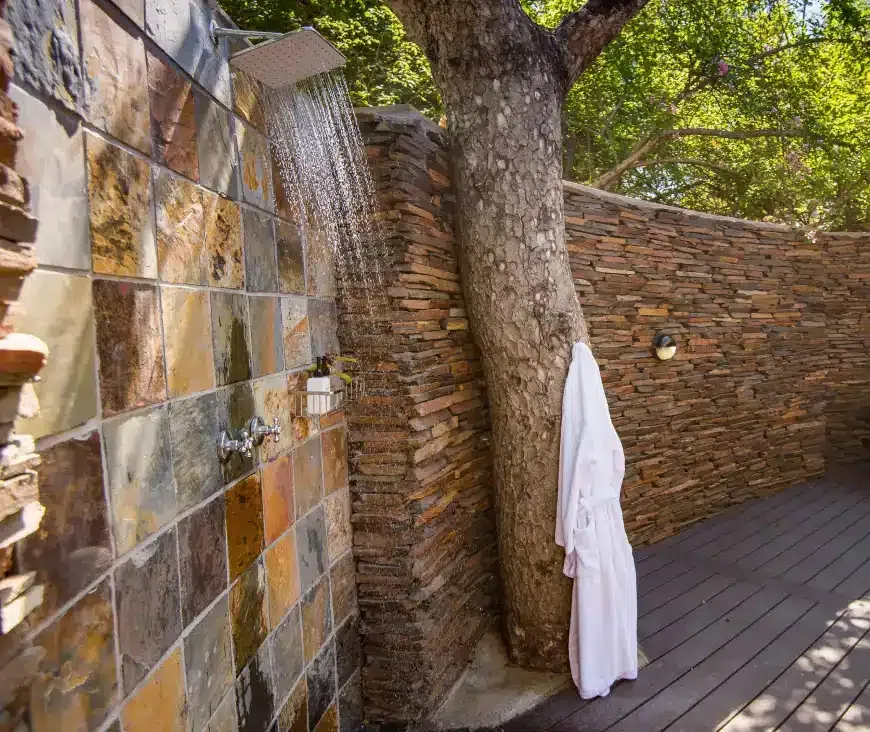
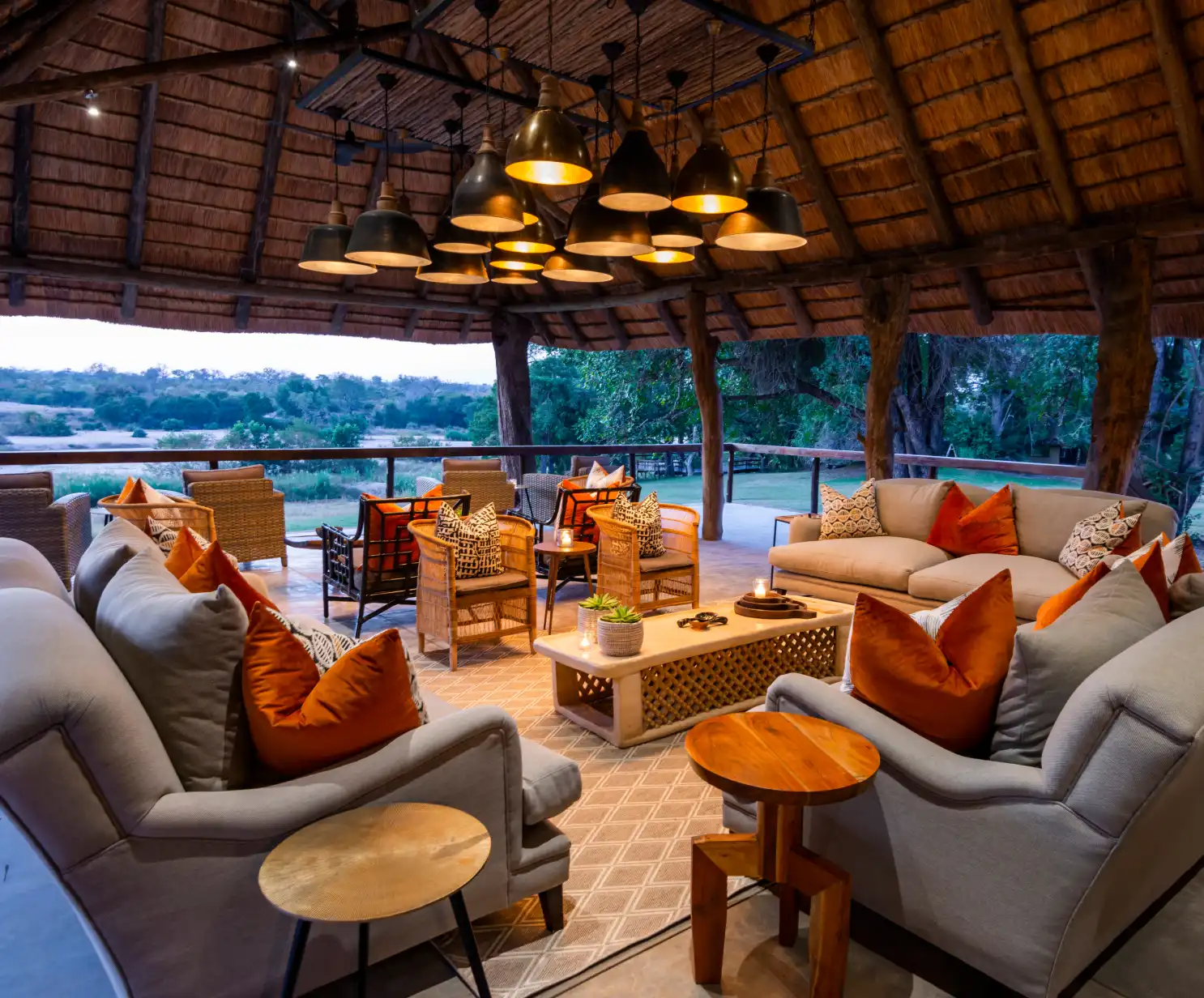
## Accommodation in Utlha
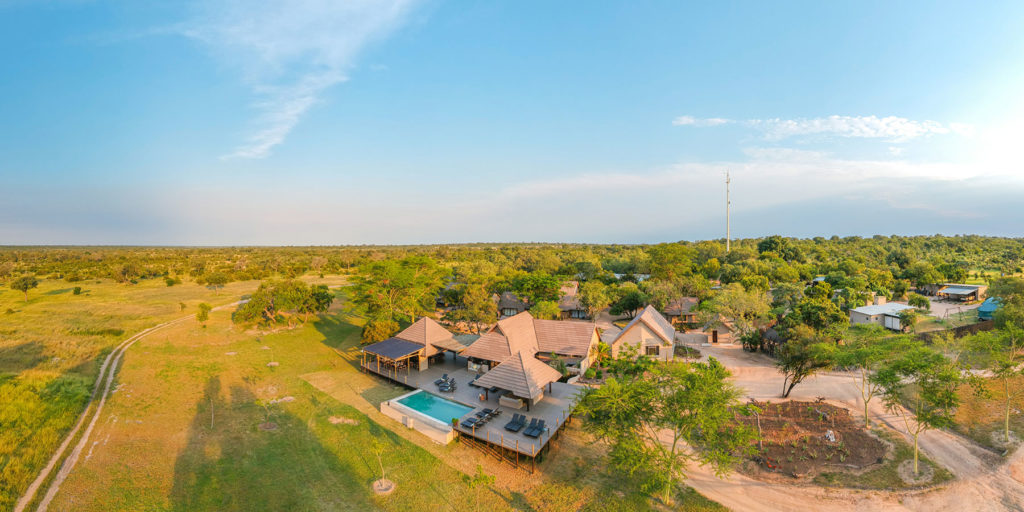
The accommodation scene in Utlha reflects the village's position as a working rural settlement rather than a destination shaped around tourism. No properties are currently listed through mainstream booking platforms, and pricing has not been standardised, which means arrangements need to be made directly with hosts. Visitors should not expect online availability systems or instant confirmation.
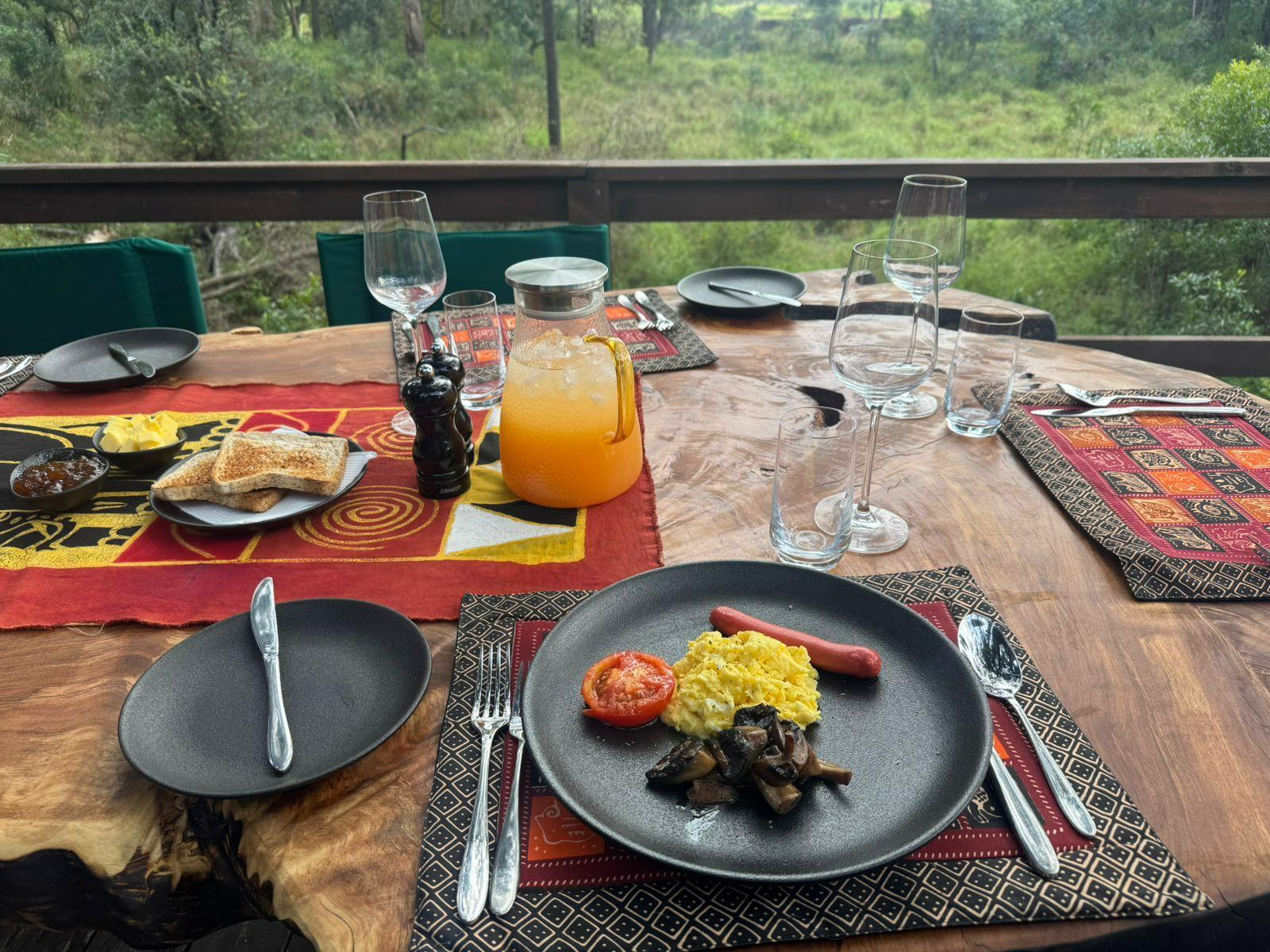
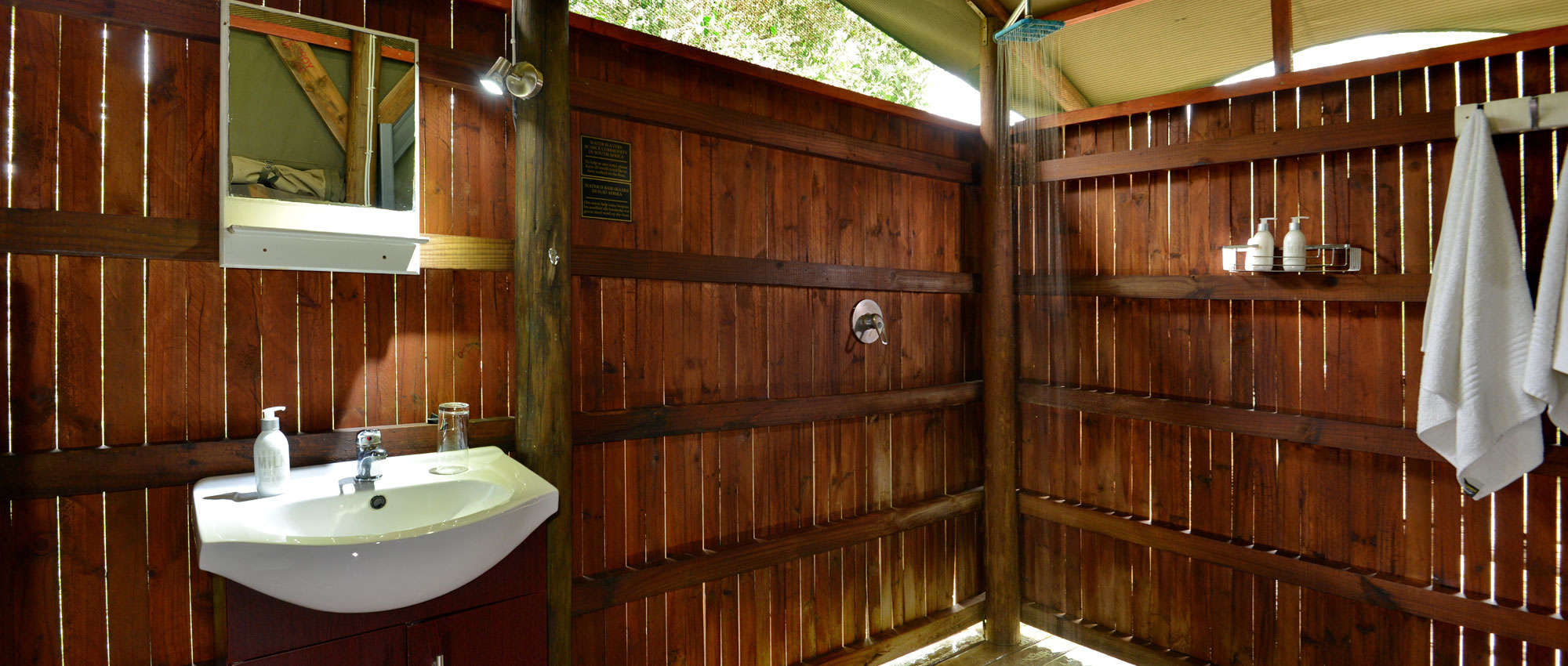
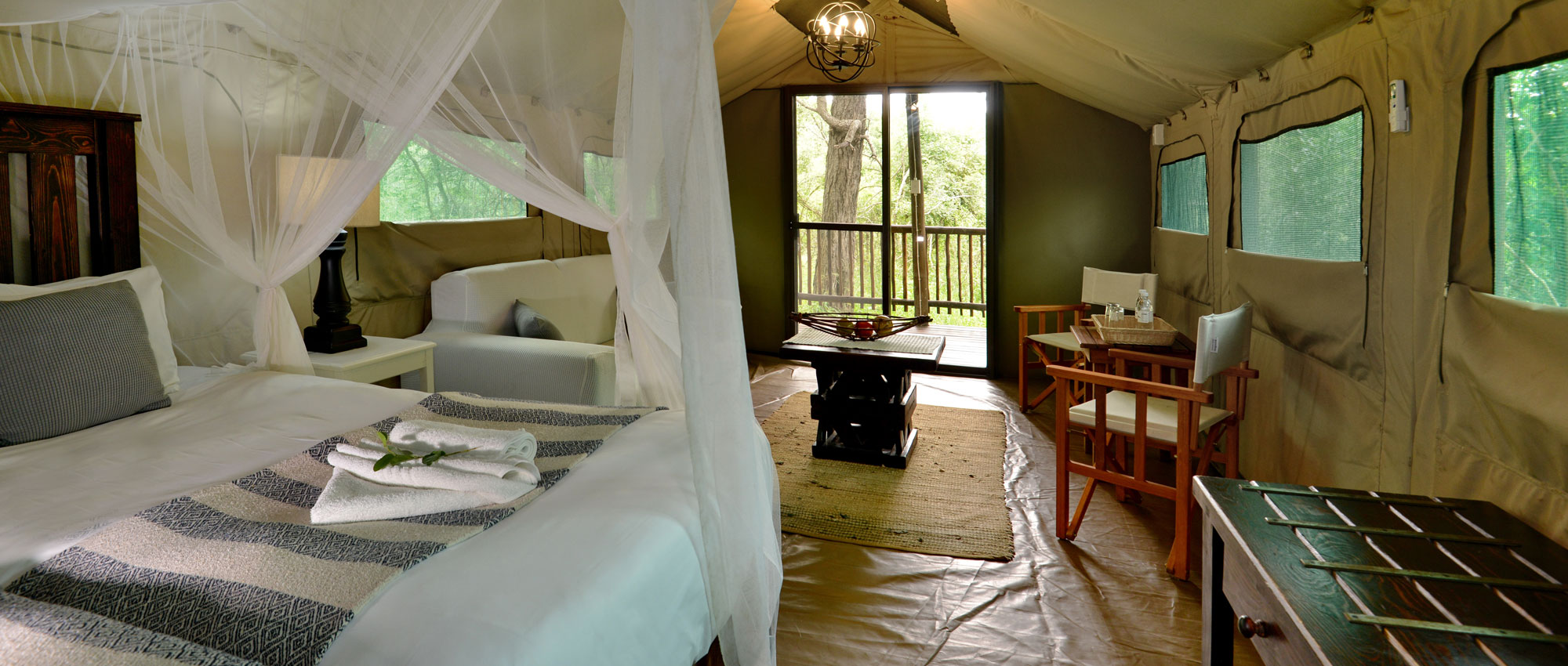
At the budget end, the experience centres on homestays and basic guesthouses run by local families. These typically offer a bed, often with a shared bathroom, and sometimes meals prepared from locally grown produce. The appeal is less about comfort and more about access to daily village life. Conversations with hosts can open genuine insight into Tsonga customs, local land use, and the rhythms of rural Limpopo in ways that more developed tourist facilities simply do not allow.
A loose mid-range tier exists. Some guesthouses in the area offer slightly more private facilities or more consistent meal arrangements, though the distinction between budget and mid-range here is often one of personal attention rather than material difference. Visitors expecting standardised amenities will find them largely absent, while those who approach the stay as participation in community life will find the value considerable.
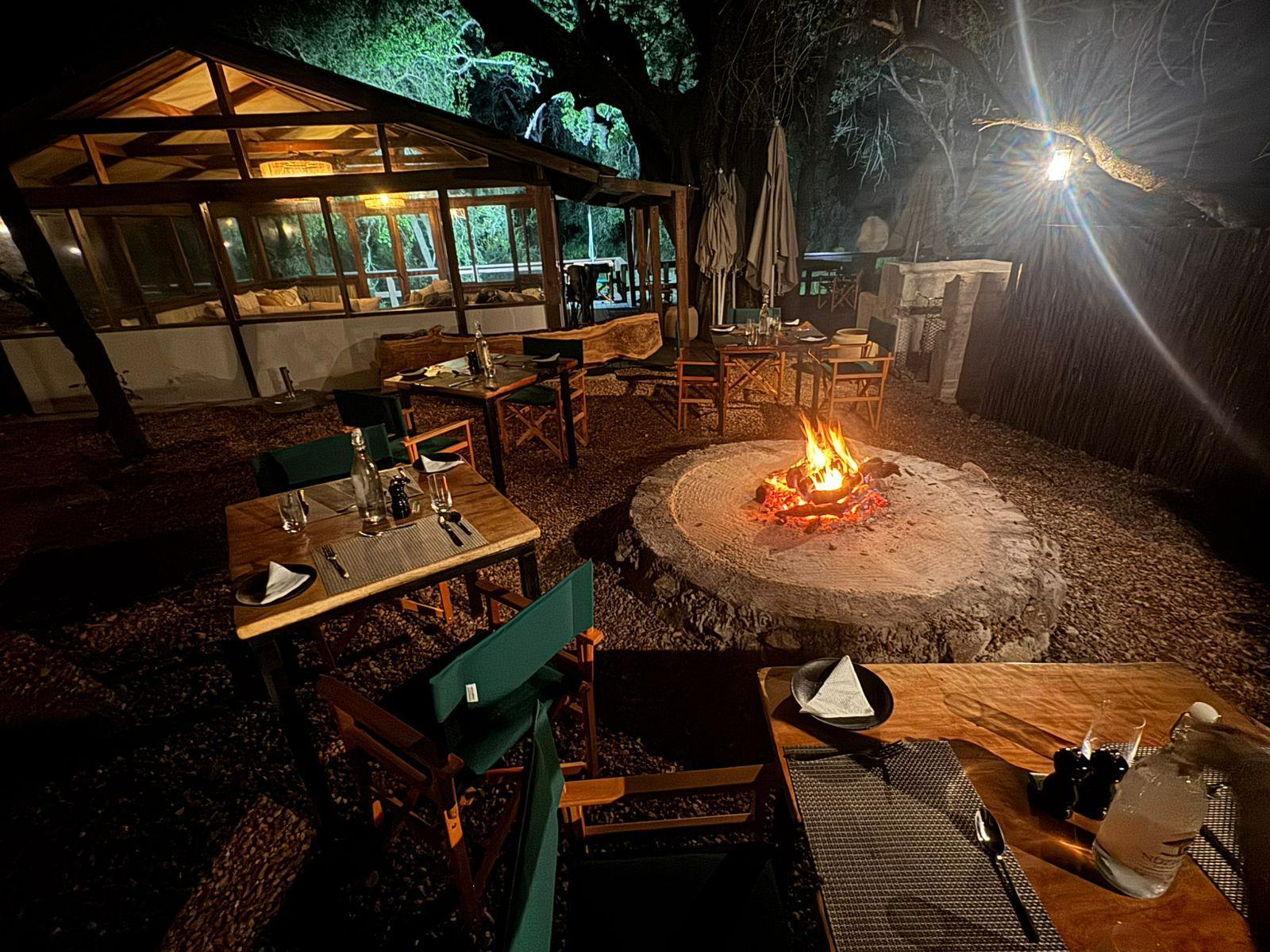
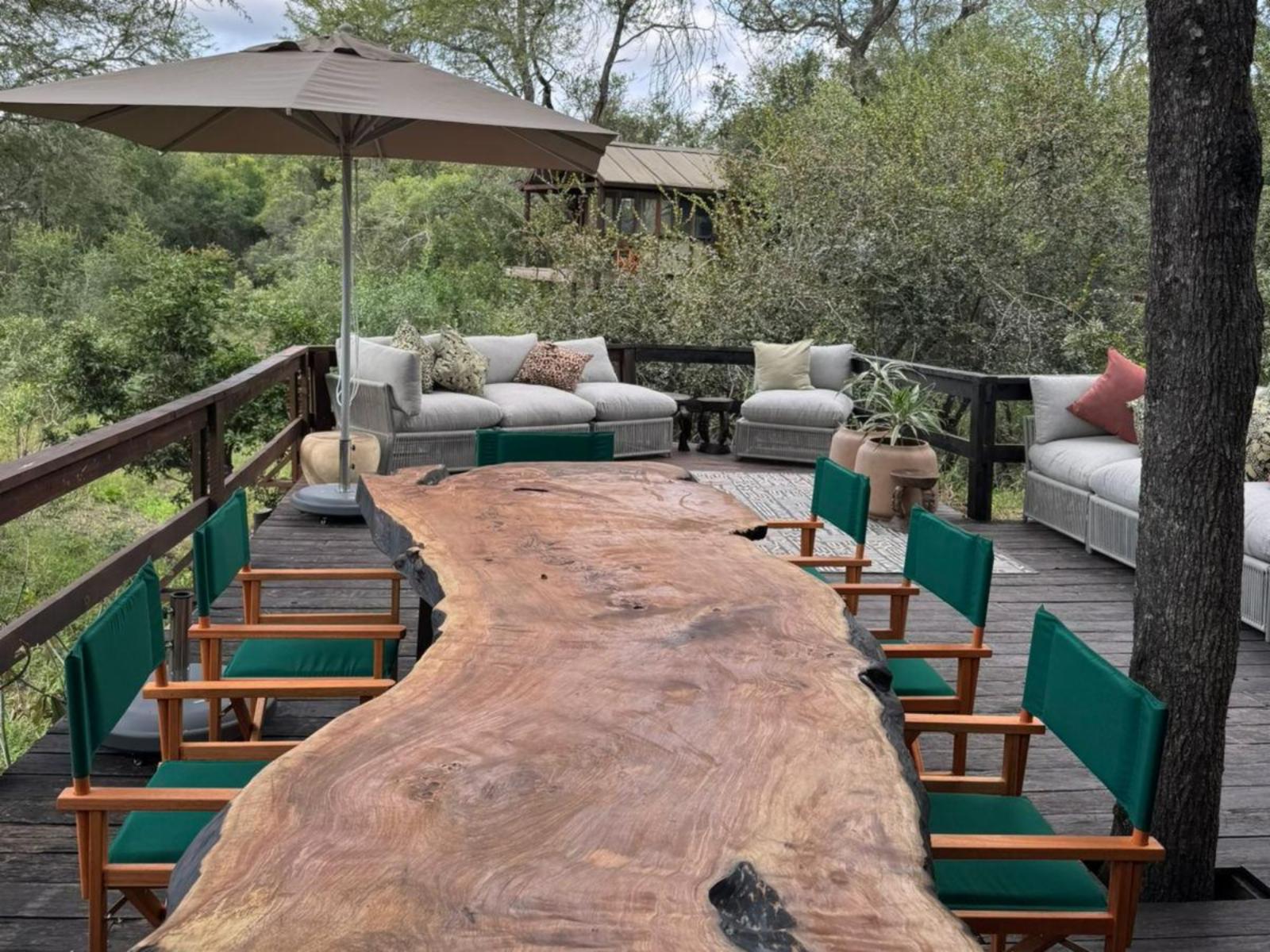
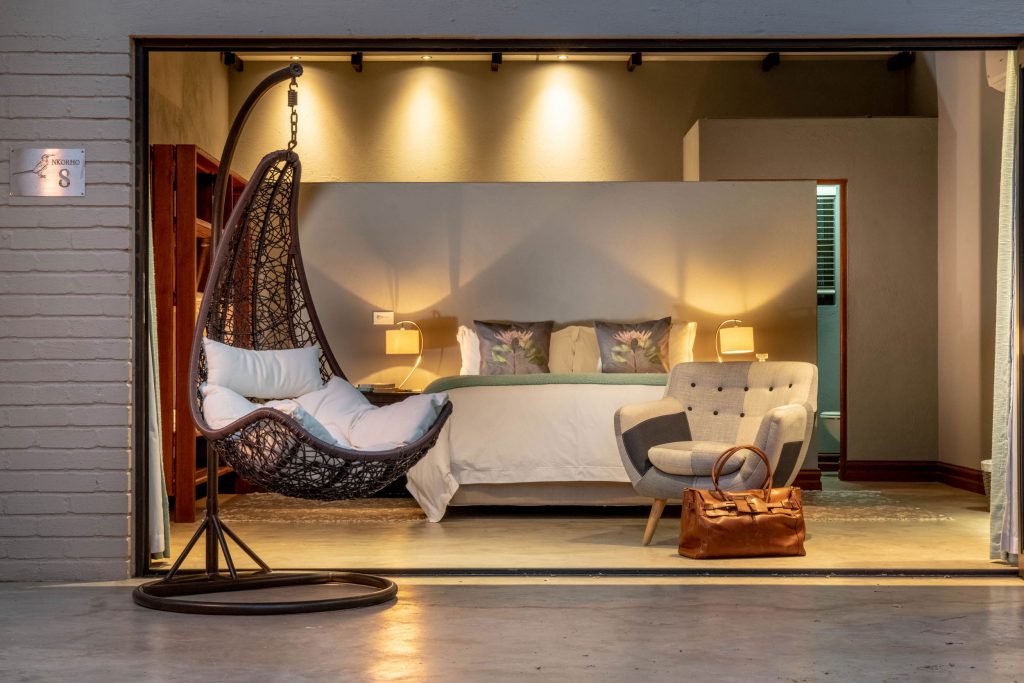
Upper-tier accommodation in the conventional South African sense does not exist within Utlha. Travellers wanting lodge-style comfort, air conditioning, or en-suite bathrooms should look to properties elsewhere in the Limpopo region. At any budget level, what this village offers is a direct encounter with a functioning rural community in the lowveld, unmediated by commercial tourism infrastructure.
---
## Best Time to Visit Utlha
Utlha sits in the lowveld zone of Limpopo, where seasons divide sharply between wet and dry. The wet season runs from November through March, bringing afternoon thunderstorms and temperatures that regularly exceed 35 degrees Celsius. Vegetation thickens quickly after rainfall, transforming the bushveld considerably. For birdwatchers, these months are the most rewarding: migratory species arrive from further north, and resident birds are at their most active and visible. The downside is heat that can be severe, and some gravel roads become difficult to navigate after heavy falls.
The dry season, April to October, offers cooler air and more open landscapes. As vegetation thins through the middle months, wildlife movement becomes more predictable and walking is more comfortable. June and July bring the coldest conditions, with morning temperatures sometimes approaching 10 degrees Celsius. The dry months also tend to be when community craft production is more accessible, as residents are less occupied with planting and harvesting schedules.
Because Utlha is not a mainstream tourism destination, there is no conventional peak season that drives accommodation scarce. South African school holidays in December, April, and June bring more general traffic toward Kruger, which can affect fuel availability in surrounding towns. Outside those windows, the area remains quiet throughout the year.
---
## Getting to Utlha
The closest commercial airport is at Phalaborwa, approximately 80 kilometres to the east, with regular flights connecting to Johannesburg. Hoedspruit Airport, further south toward the Mpumalanga border, is an alternative if the trip includes time along the lowveld tourism corridor. From either airport, reaching Utlha requires a rented or private vehicle.
Driving from Johannesburg, the most practical route runs through Tzaneen and then on toward Giyani, covering between 450 and 480 kilometres depending on the roads chosen. Giyani lies approximately 30 kilometres west of Utlha and is the regional commercial centre for this part of Limpopo, with fuel stations, shops, and ATMs. It is the sensible last resupply stop before the final stretch.
A vehicle is essential. No scheduled bus services reach Utlha directly, and shared taxis serving the surrounding villages run on irregular schedules that are difficult to plan around. The road surfaces between Giyani and Utlha include both tarred and gravel sections. Four-wheel drive is generally unnecessary in dry conditions, but a vehicle with reasonable ground clearance handles the gravel roads more comfortably, particularly after rain.
Once in the area, distances between villages are manageable, though roads are not always clearly signposted. Downloading offline maps before departing from Giyani is a practical step.
---
## Utlha and Surrounding Areas
Thulani, the closest neighbouring settlement at 8 kilometres, sits within the same Greater Giyani municipality and shares Utlha's agricultural character. A short drive there and back gives a clear sense of how communities in this part of Limpopo are distributed across the landscape. Local hosts in Utlha can often point visitors toward specific families or craft producers in the area worth meeting.
Wisane, 22 kilometres from Utlha, and Njonjela at 24 kilometres, are rural communities in well-established lowveld bush. Both are set in terrain where the vegetation holds steady through the dry season, and slow drives along the connecting roads offer reasonable opportunities for spotting birds and small mammals. Njonjela's setting rewards patient observation, particularly in the mornings.
New Forest, 33 kilometres away, marks a transition zone where the landscape becomes noticeably greener and more wooded. Small-scale farming and forestry operations give this community a different character from the drier settlements closer to Utlha, and the change in vegetation is apparent from the road.
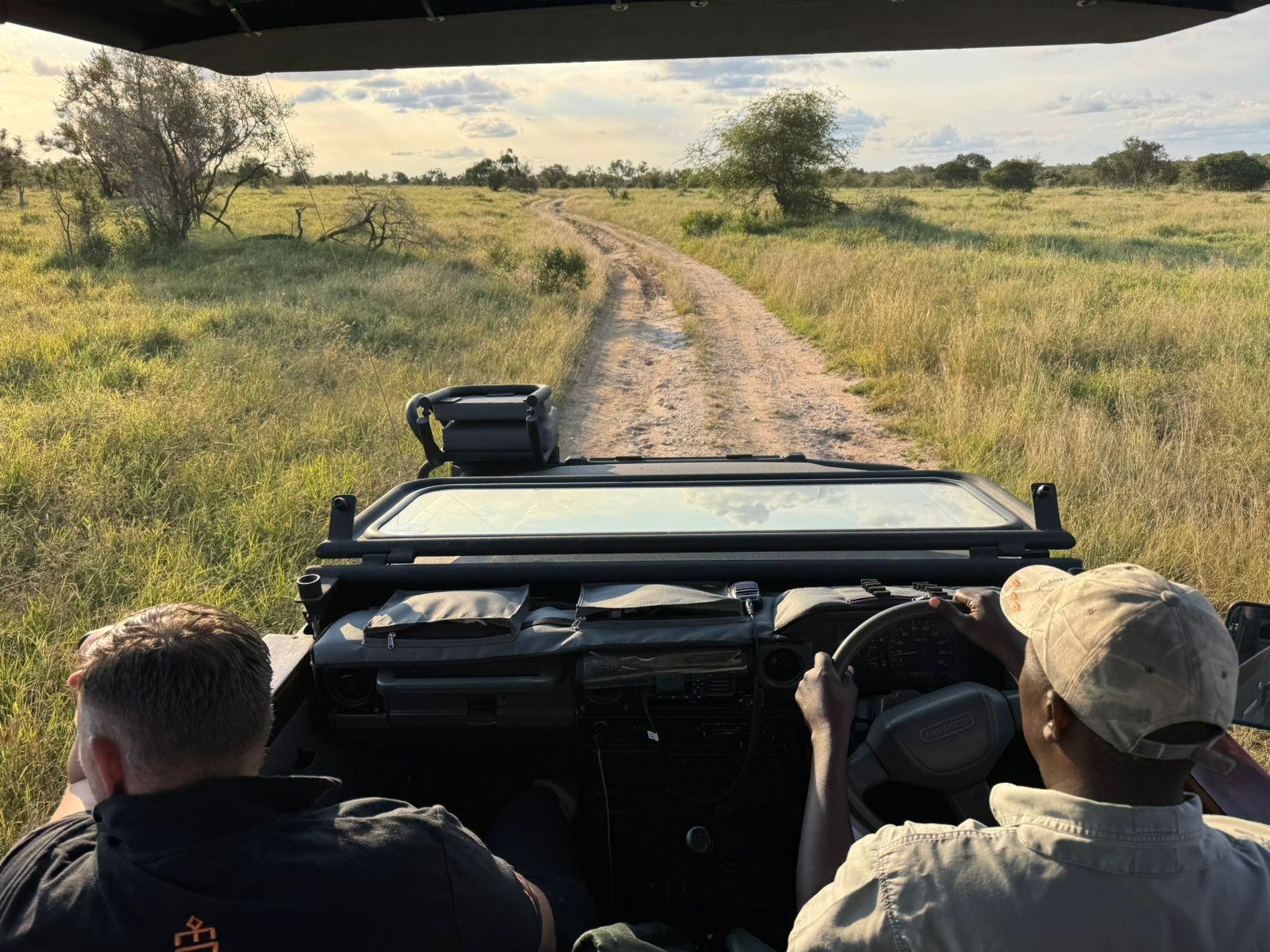
Skukuza, 35 kilometres from Utlha, is the main administrative hub of the Kruger National Park and its largest rest camp. It holds a fuel station, shop, restaurant, car rental desk, and an airstrip. A day visit from Utlha puts visitors into some of the most game-rich territory in southern Africa. The road from Utlha toward the park boundary passes through transitional lowveld that carries its own interest before the gate is even reached.
Acornhoek, 37 kilometres away in Mpumalanga, is a service town with banking facilities, a hospital, and general retail. It sits close to the western boundary of the park and functions as a practical supply point for visitors staying in this part of the region.
---
## Planning Your Stay
Because no Utlha properties appear on standard booking platforms, accommodation needs to be arranged by phone or through personal contacts, ideally several weeks before arrival. When speaking with a potential host, confirm what is included in any quoted arrangement, whether meals are provided, what the bathroom situation is, and whether there is a reliable water supply. These details are not always volunteered upfront but matter considerably once you are there.
Bring cash. Card payment facilities are not reliably available in the settlement, and the nearest ATMs are back in Giyani. Stock up on provisions before making the final drive in, as local shops carry only basic staples.
Two nights is a workable minimum stay. It allows time to settle in, explore the immediate surroundings, and make at least one longer excursion without everything feeling rushed. Arriving and departing in daylight makes navigation easier given the gravel roads and limited signage.
Mobile signal exists in the area but can be inconsistent depending on your network provider. Check which South African carriers have the best coverage in the Greater Giyani district before travelling, and consider downloading offline maps in advance.
Ask your host early about any local customs or sensitivities, particularly around photographing people and their property. The community is not accustomed to high visitor volumes, and the quality of the experience on both sides depends on arriving with genuine curiosity and straightforward cultural respect.

The accommodation scene in Utlha reflects the village's position as a working rural settlement rather than a destination shaped around tourism. No properties are currently listed through mainstream booking platforms, and pricing has not been standardised, which means arrangements need to be made directly with hosts. Visitors should not expect online availability systems or instant confirmation.
At the budget end, the experience centres on homestays and basic guesthouses run by local families. These typically offer a bed, often with a shared bathroom, and sometimes meals prepared from locally grown produce. The appeal is less about comfort and more about access to daily village life. Conversations with hosts can open genuine insight into Tsonga customs, local land use, and the rhythms of rural Limpopo in ways that more developed tourist facilities simply do not allow.
A loose mid-range tier exists. Some guesthouses in the area offer slightly more private facilities or more consistent meal arrangements, though the distinction between budget and mid-range here is often one of personal attention rather than material difference. Visitors expecting standardised amenities will find them largely absent, while those who approach the stay as participation in community life will find the value considerable.
Upper-tier accommodation in the conventional South African sense does not exist within Utlha. Travellers wanting lodge-style comfort, air conditioning, or en-suite bathrooms should look to properties elsewhere in the Limpopo region. At any budget level, what this village offers is a direct encounter with a functioning rural community in the lowveld, unmediated by commercial tourism infrastructure.
---
## Best Time to Visit Utlha
Utlha sits in the lowveld zone of Limpopo, where seasons divide sharply between wet and dry. The wet season runs from November through March, bringing afternoon thunderstorms and temperatures that regularly exceed 35 degrees Celsius. Vegetation thickens quickly after rainfall, transforming the bushveld considerably. For birdwatchers, these months are the most rewarding: migratory species arrive from further north, and resident birds are at their most active and visible. The downside is heat that can be severe, and some gravel roads become difficult to navigate after heavy falls.
The dry season, April to October, offers cooler air and more open landscapes. As vegetation thins through the middle months, wildlife movement becomes more predictable and walking is more comfortable. June and July bring the coldest conditions, with morning temperatures sometimes approaching 10 degrees Celsius. The dry months also tend to be when community craft production is more accessible, as residents are less occupied with planting and harvesting schedules.
Because Utlha is not a mainstream tourism destination, there is no conventional peak season that drives accommodation scarce. South African school holidays in December, April, and June bring more general traffic toward Kruger, which can affect fuel availability in surrounding towns. Outside those windows, the area remains quiet throughout the year.
---
## Getting to Utlha
The closest commercial airport is at Phalaborwa, approximately 80 kilometres to the east, with regular flights connecting to Johannesburg. Hoedspruit Airport, further south toward the Mpumalanga border, is an alternative if the trip includes time along the lowveld tourism corridor. From either airport, reaching Utlha requires a rented or private vehicle.
Driving from Johannesburg, the most practical route runs through Tzaneen and then on toward Giyani, covering between 450 and 480 kilometres depending on the roads chosen. Giyani lies approximately 30 kilometres west of Utlha and is the regional commercial centre for this part of Limpopo, with fuel stations, shops, and ATMs. It is the sensible last resupply stop before the final stretch.
A vehicle is essential. No scheduled bus services reach Utlha directly, and shared taxis serving the surrounding villages run on irregular schedules that are difficult to plan around. The road surfaces between Giyani and Utlha include both tarred and gravel sections. Four-wheel drive is generally unnecessary in dry conditions, but a vehicle with reasonable ground clearance handles the gravel roads more comfortably, particularly after rain.
Once in the area, distances between villages are manageable, though roads are not always clearly signposted. Downloading offline maps before departing from Giyani is a practical step.
---
## Utlha and Surrounding Areas
Thulani, the closest neighbouring settlement at 8 kilometres, sits within the same Greater Giyani municipality and shares Utlha's agricultural character. A short drive there and back gives a clear sense of how communities in this part of Limpopo are distributed across the landscape. Local hosts in Utlha can often point visitors toward specific families or craft producers in the area worth meeting.
Wisane, 22 kilometres from Utlha, and Njonjela at 24 kilometres, are rural communities in well-established lowveld bush. Both are set in terrain where the vegetation holds steady through the dry season, and slow drives along the connecting roads offer reasonable opportunities for spotting birds and small mammals. Njonjela's setting rewards patient observation, particularly in the mornings.
New Forest, 33 kilometres away, marks a transition zone where the landscape becomes noticeably greener and more wooded. Small-scale farming and forestry operations give this community a different character from the drier settlements closer to Utlha, and the change in vegetation is apparent from the road.
Skukuza, 35 kilometres from Utlha, is the main administrative hub of the Kruger National Park and its largest rest camp. It holds a fuel station, shop, restaurant, car rental desk, and an airstrip. A day visit from Utlha puts visitors into some of the most game-rich territory in southern Africa. The road from Utlha toward the park boundary passes through transitional lowveld that carries its own interest before the gate is even reached.
Acornhoek, 37 kilometres away in Mpumalanga, is a service town with banking facilities, a hospital, and general retail. It sits close to the western boundary of the park and functions as a practical supply point for visitors staying in this part of the region.
---
## Planning Your Stay
Because no Utlha properties appear on standard booking platforms, accommodation needs to be arranged by phone or through personal contacts, ideally several weeks before arrival. When speaking with a potential host, confirm what is included in any quoted arrangement, whether meals are provided, what the bathroom situation is, and whether there is a reliable water supply. These details are not always volunteered upfront but matter considerably once you are there.
Bring cash. Card payment facilities are not reliably available in the settlement, and the nearest ATMs are back in Giyani. Stock up on provisions before making the final drive in, as local shops carry only basic staples.
Two nights is a workable minimum stay. It allows time to settle in, explore the immediate surroundings, and make at least one longer excursion without everything feeling rushed. Arriving and departing in daylight makes navigation easier given the gravel roads and limited signage.
Mobile signal exists in the area but can be inconsistent depending on your network provider. Check which South African carriers have the best coverage in the Greater Giyani district before travelling, and consider downloading offline maps in advance.
Ask your host early about any local customs or sensitivities, particularly around photographing people and their property. The community is not accustomed to high visitor volumes, and the quality of the experience on both sides depends on arriving with genuine curiosity and straightforward cultural respect.
Utlha Kaart
Nabygeleë Bestemmings
Blaai Deur Alle Utlha Akkommodasie
Bekyk al 0 akkommodasie-opsies in Utlha met foto's, pryse en beskikbaarheid.
Blaai Deur Alle Akkommodasie