Nlaniki Reis- & Akkommodasiegids
Jou volledige gids om Nlaniki, Suid-Afrika te besoek.
Nlaniki is a small rural settlement in the Limpopo Province, positioned in the lowveld region east of the Drakensberg escarpment. The area serves as a gateway to several nature reserves and offers visitors a quiet base for exploring the surrounding bushveld and agricultural landscapes.
## Accommodation in Nlaniki
The platform currently lists no registered properties within Nlaniki itself, reflecting the settlement's character as a small rural community rather than an established tourism node. Travellers looking to use this part of the Greater Giyani Local Municipality as a base will find their options concentrated in Giyani town, roughly 23 kilometres away, with a secondary spread of properties across the broader district.
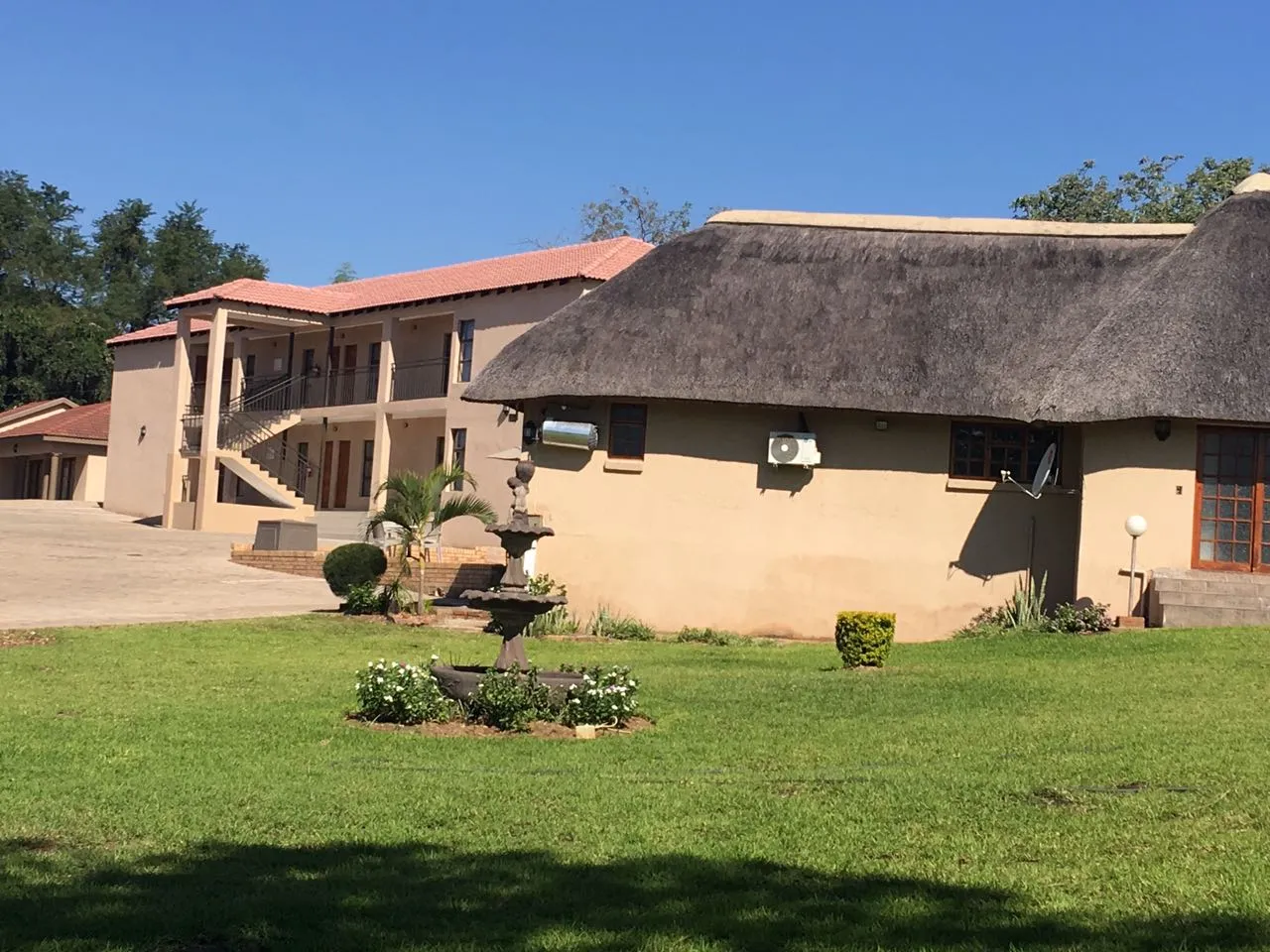
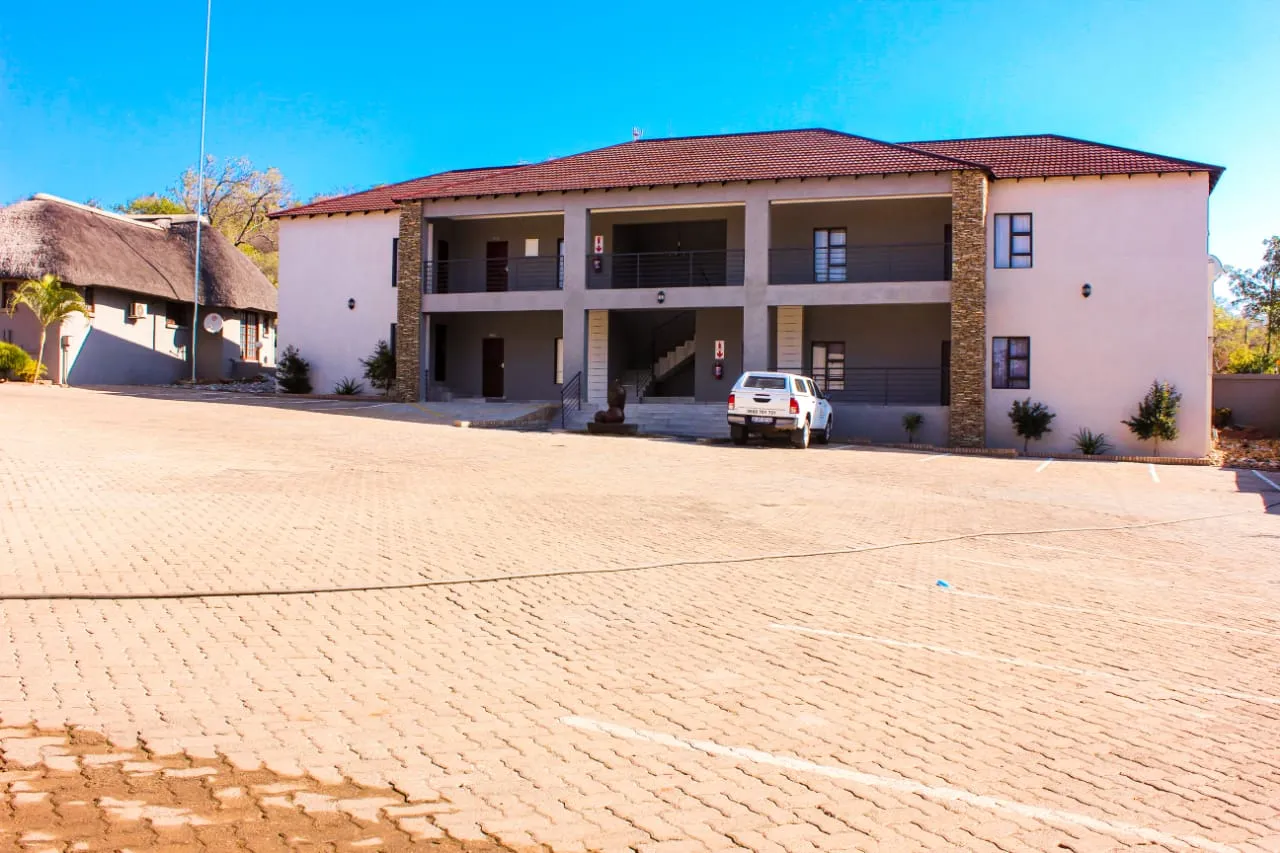
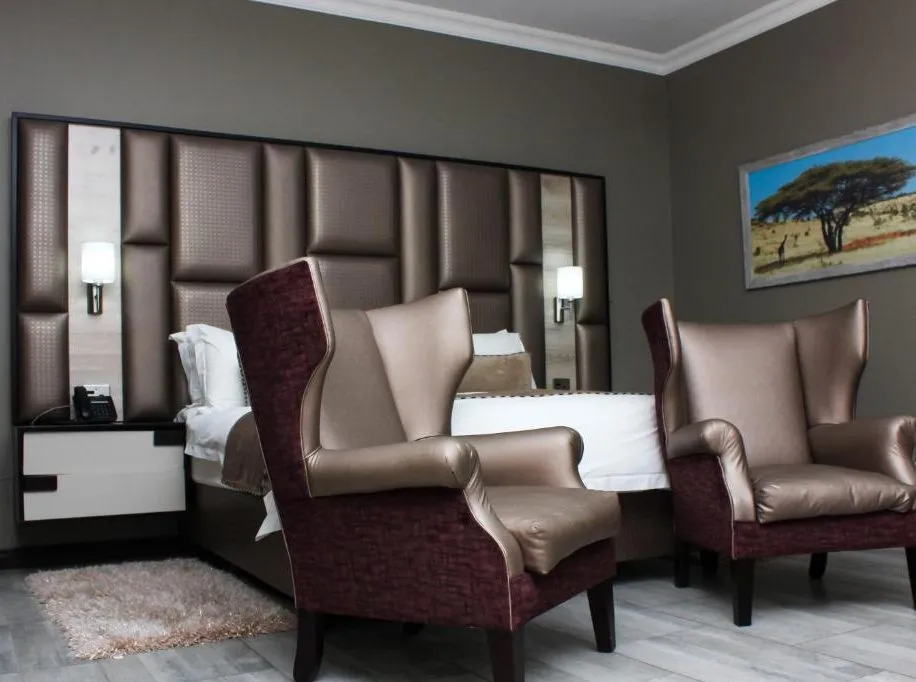
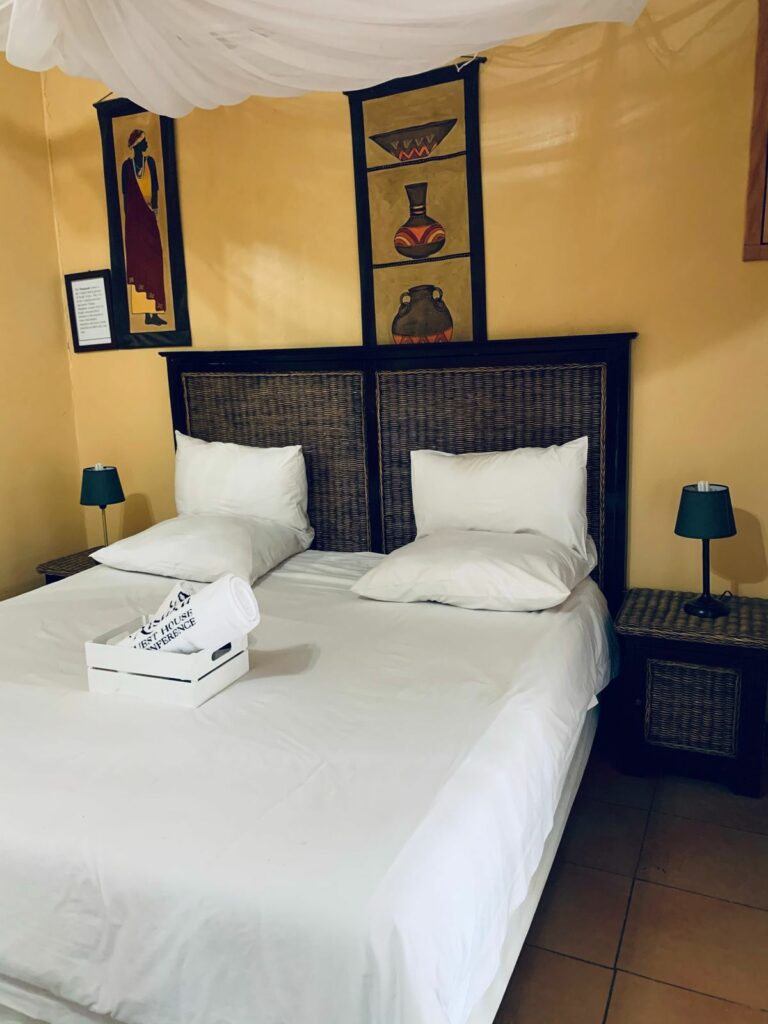
At the budget end of the scale, the Giyani area offers basic guesthouses and self-catering rooms, typically family-run operations providing clean, functional accommodation for overnight travellers and workers passing through the administrative centre. These properties rarely include elaborate facilities but tend to offer good value relative to what you would pay in a larger city.
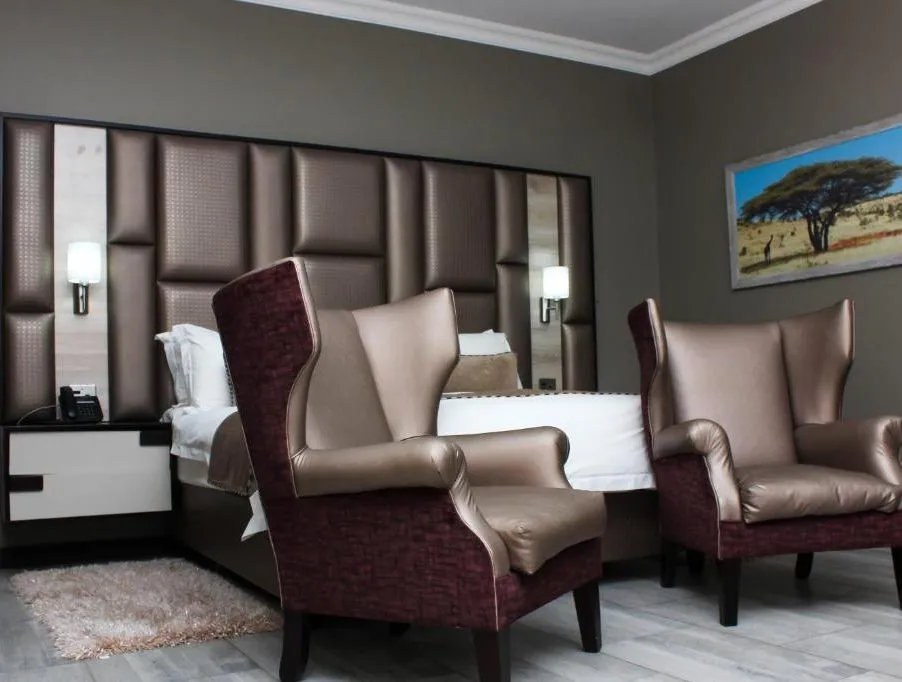
Mid-range accommodation in the district steps up to guesthouses with private en-suite bathrooms, air conditioning, and sometimes breakfast included. Several properties in this tier cater primarily to civil servants and professionals working in the municipality, which means they often maintain consistent standards even when tourist volumes are low. Booking ahead is advisable even at this level, since the supply is limited and the same properties absorb demand from both business and leisure travellers.
Those wanting something closer to a full safari experience will need to look further east, toward the private reserves and lodges that operate in the corridor approaching Kruger. These properties bundle accommodation with guided activities and are priced accordingly, sitting well above the nightly rates typical of the Giyani area. They serve a different traveller profile, but for visitors who want wildlife-focused overnight stays, they represent a meaningful option within reasonable driving distance of Nlaniki.
Prices across the region are not well-documented in current listing data. Before booking, confirm rates directly with the property and clarify what is included, since meal arrangements, electricity supply, and parking security vary considerably between establishments.
---
## Best Time to Visit Nlaniki
May through September offers the most straightforward conditions for visiting this part of Limpopo. Winter days are warm and dry, evenings cool down noticeably, and the lack of rain keeps roads passable and skies clear. Wildlife congregates around permanent water sources during this period, making sightings more consistent for anyone heading toward the nearby conservation areas.
October signals the build-up to summer, with temperatures rising sharply before the first rains arrive. By December the wet season is established, bringing afternoon thunderstorms and a rapid greening of the landscape. Humidity climbs, gravel roads become unpredictable, and the heat makes extended outdoor activity during midday uncomfortable.
The wet months from December through March have their own appeal for birdwatchers. Migratory species arrive in numbers during this period, and the combination of full watercourses and dense vegetation creates different viewing conditions from the dry season. Birders willing to manage the heat and road conditions often find this time of year productive.
June and July mark the peak of domestic tourist movement through Limpopo, coinciding with school holidays and the most comfortable temperatures. Plan and book earlier than you might expect if your dates fall in that window.
---
## Getting to Nlaniki
Polokwane International Airport is the nearest airport with regular scheduled services, sitting roughly 200 kilometres to the southwest. From Polokwane, the most direct route follows the R71 through Tzaneen and then picks up the R81 toward Giyani. The drive takes between two and a half and three hours under normal conditions, with the road quality deteriorating as you move further from the main regional centres.
From Johannesburg, budget four to five hours for the drive north on the N1 to Polokwane, followed by the regional route toward Giyani. Nlaniki lies a further 23 kilometres beyond Giyani on roads that become increasingly rural. A reliable vehicle is essential, and after heavy summer rain some gravel sections require careful navigation or temporary detours.
No scheduled bus services connect Giyani directly to Nlaniki or the surrounding settlements. Shared taxis cover routes between major towns in the region, but service becomes irregular for smaller rural communities. Travellers who do not have their own vehicle should arrange a hire car from Giyani or organise transfers with whoever they are staying with, as walking distances between settlements are considerable.
Fuel and supplies should be sorted before leaving Giyani. There are no reliable fuel stations or ATMs further into the municipality.
---
## Nlaniki and Surrounding Areas
**Ga-modjadji (15km)** is the standout destination in the immediate area. This is the homeland of the Modjadji dynasty, the Lovedu Rain Queens whose hereditary role as rainmakers has given the region a distinct cultural identity over several centuries. The area is associated with a remarkable cycad forest, where ancient specimens estimated to be hundreds of years old grow in dense concentrations rarely seen elsewhere in southern Africa. Botanists and travellers with an interest in unusual landscapes find it worth the short drive.
**Zakeni (18km)** is a rural community embedded in the same agricultural landscape as Nlaniki. It sees very little formal tourist traffic but forms part of the pattern of Tsonga villages that give this part of Limpopo its social character.
**Giyani (23km)** is the administrative capital of the municipality and the most practical stop for any visitor to the region. Banks, a hospital, supermarkets, and fuel stations are all here. Anyone planning to venture deeper into the rural areas should treat Giyani as their last reliable resupply point before heading out.
**Nngwekhulu (26km)** sits further into the open savanna, surrounded by mixed woodland that supports a reasonable diversity of birdlife. It offers no developed tourist facilities but provides access to the quieter agricultural parts of the municipality.
**Raskhutuma (31km)** and **Raphahlelo (36km)** represent the outer edge of easy day trips from Nlaniki. Both communities sit firmly within Tsonga cultural territory. Craft production, particularly basketry and woodcarving, continues at the household level in these villages, and travellers who arrange visits through local contacts may be able to purchase pieces directly from makers rather than through market stalls in town.
---
## Planning Your Stay
Start planning by locking in accommodation in Giyani first, since that is where your practical infrastructure sits. June and July fill up faster than the shoulder months, so if your trip falls during the dry-season school holiday window, book at least six to eight weeks out.
Before confirming a property, ask specifically about water supply reliability and backup power arrangements. Load-shedding affects rural Limpopo intermittently, and not every guesthouse has a generator or inverter. If you are staying in a self-catering unit, confirm whether the kitchen appliances work during power outages.
Download offline maps of the region before leaving a reliable data connection. Mobile coverage drops off considerably outside Giyani, and several roads connecting the smaller settlements are not accurately mapped in standard navigation apps, particularly where recent rain has changed road surfaces or detours are in place.
Carry enough cash for your entire stay, since card facilities outside Giyani are unreliable. Also check whether your accommodation provides bedding, towels, and cooking supplies if you are in a self-catering unit. Standards vary, and a quick confirmation call before arrival avoids unnecessary complications once you are on-site.

The platform currently lists no registered properties within Nlaniki itself, reflecting the settlement's character as a small rural community rather than an established tourism node. Travellers looking to use this part of the Greater Giyani Local Municipality as a base will find their options concentrated in Giyani town, roughly 23 kilometres away, with a secondary spread of properties across the broader district.
At the budget end of the scale, the Giyani area offers basic guesthouses and self-catering rooms, typically family-run operations providing clean, functional accommodation for overnight travellers and workers passing through the administrative centre. These properties rarely include elaborate facilities but tend to offer good value relative to what you would pay in a larger city.
Mid-range accommodation in the district steps up to guesthouses with private en-suite bathrooms, air conditioning, and sometimes breakfast included. Several properties in this tier cater primarily to civil servants and professionals working in the municipality, which means they often maintain consistent standards even when tourist volumes are low. Booking ahead is advisable even at this level, since the supply is limited and the same properties absorb demand from both business and leisure travellers.
Those wanting something closer to a full safari experience will need to look further east, toward the private reserves and lodges that operate in the corridor approaching Kruger. These properties bundle accommodation with guided activities and are priced accordingly, sitting well above the nightly rates typical of the Giyani area. They serve a different traveller profile, but for visitors who want wildlife-focused overnight stays, they represent a meaningful option within reasonable driving distance of Nlaniki.
Prices across the region are not well-documented in current listing data. Before booking, confirm rates directly with the property and clarify what is included, since meal arrangements, electricity supply, and parking security vary considerably between establishments.
---
## Best Time to Visit Nlaniki
May through September offers the most straightforward conditions for visiting this part of Limpopo. Winter days are warm and dry, evenings cool down noticeably, and the lack of rain keeps roads passable and skies clear. Wildlife congregates around permanent water sources during this period, making sightings more consistent for anyone heading toward the nearby conservation areas.
October signals the build-up to summer, with temperatures rising sharply before the first rains arrive. By December the wet season is established, bringing afternoon thunderstorms and a rapid greening of the landscape. Humidity climbs, gravel roads become unpredictable, and the heat makes extended outdoor activity during midday uncomfortable.
The wet months from December through March have their own appeal for birdwatchers. Migratory species arrive in numbers during this period, and the combination of full watercourses and dense vegetation creates different viewing conditions from the dry season. Birders willing to manage the heat and road conditions often find this time of year productive.
June and July mark the peak of domestic tourist movement through Limpopo, coinciding with school holidays and the most comfortable temperatures. Plan and book earlier than you might expect if your dates fall in that window.
---
## Getting to Nlaniki
Polokwane International Airport is the nearest airport with regular scheduled services, sitting roughly 200 kilometres to the southwest. From Polokwane, the most direct route follows the R71 through Tzaneen and then picks up the R81 toward Giyani. The drive takes between two and a half and three hours under normal conditions, with the road quality deteriorating as you move further from the main regional centres.
From Johannesburg, budget four to five hours for the drive north on the N1 to Polokwane, followed by the regional route toward Giyani. Nlaniki lies a further 23 kilometres beyond Giyani on roads that become increasingly rural. A reliable vehicle is essential, and after heavy summer rain some gravel sections require careful navigation or temporary detours.
No scheduled bus services connect Giyani directly to Nlaniki or the surrounding settlements. Shared taxis cover routes between major towns in the region, but service becomes irregular for smaller rural communities. Travellers who do not have their own vehicle should arrange a hire car from Giyani or organise transfers with whoever they are staying with, as walking distances between settlements are considerable.
Fuel and supplies should be sorted before leaving Giyani. There are no reliable fuel stations or ATMs further into the municipality.
---
## Nlaniki and Surrounding Areas
**Ga-modjadji (15km)** is the standout destination in the immediate area. This is the homeland of the Modjadji dynasty, the Lovedu Rain Queens whose hereditary role as rainmakers has given the region a distinct cultural identity over several centuries. The area is associated with a remarkable cycad forest, where ancient specimens estimated to be hundreds of years old grow in dense concentrations rarely seen elsewhere in southern Africa. Botanists and travellers with an interest in unusual landscapes find it worth the short drive.
**Zakeni (18km)** is a rural community embedded in the same agricultural landscape as Nlaniki. It sees very little formal tourist traffic but forms part of the pattern of Tsonga villages that give this part of Limpopo its social character.
**Giyani (23km)** is the administrative capital of the municipality and the most practical stop for any visitor to the region. Banks, a hospital, supermarkets, and fuel stations are all here. Anyone planning to venture deeper into the rural areas should treat Giyani as their last reliable resupply point before heading out.
**Nngwekhulu (26km)** sits further into the open savanna, surrounded by mixed woodland that supports a reasonable diversity of birdlife. It offers no developed tourist facilities but provides access to the quieter agricultural parts of the municipality.
**Raskhutuma (31km)** and **Raphahlelo (36km)** represent the outer edge of easy day trips from Nlaniki. Both communities sit firmly within Tsonga cultural territory. Craft production, particularly basketry and woodcarving, continues at the household level in these villages, and travellers who arrange visits through local contacts may be able to purchase pieces directly from makers rather than through market stalls in town.
---
## Planning Your Stay
Start planning by locking in accommodation in Giyani first, since that is where your practical infrastructure sits. June and July fill up faster than the shoulder months, so if your trip falls during the dry-season school holiday window, book at least six to eight weeks out.
Before confirming a property, ask specifically about water supply reliability and backup power arrangements. Load-shedding affects rural Limpopo intermittently, and not every guesthouse has a generator or inverter. If you are staying in a self-catering unit, confirm whether the kitchen appliances work during power outages.
Download offline maps of the region before leaving a reliable data connection. Mobile coverage drops off considerably outside Giyani, and several roads connecting the smaller settlements are not accurately mapped in standard navigation apps, particularly where recent rain has changed road surfaces or detours are in place.
Carry enough cash for your entire stay, since card facilities outside Giyani are unreliable. Also check whether your accommodation provides bedding, towels, and cooking supplies if you are in a self-catering unit. Standards vary, and a quick confirmation call before arrival avoids unnecessary complications once you are on-site.
Nlaniki Kaart
Nabygeleë Bestemmings
Blaai Deur Alle Nlaniki Akkommodasie
Bekyk al 0 akkommodasie-opsies in Nlaniki met foto's, pryse en beskikbaarheid.
Blaai Deur Alle Akkommodasie