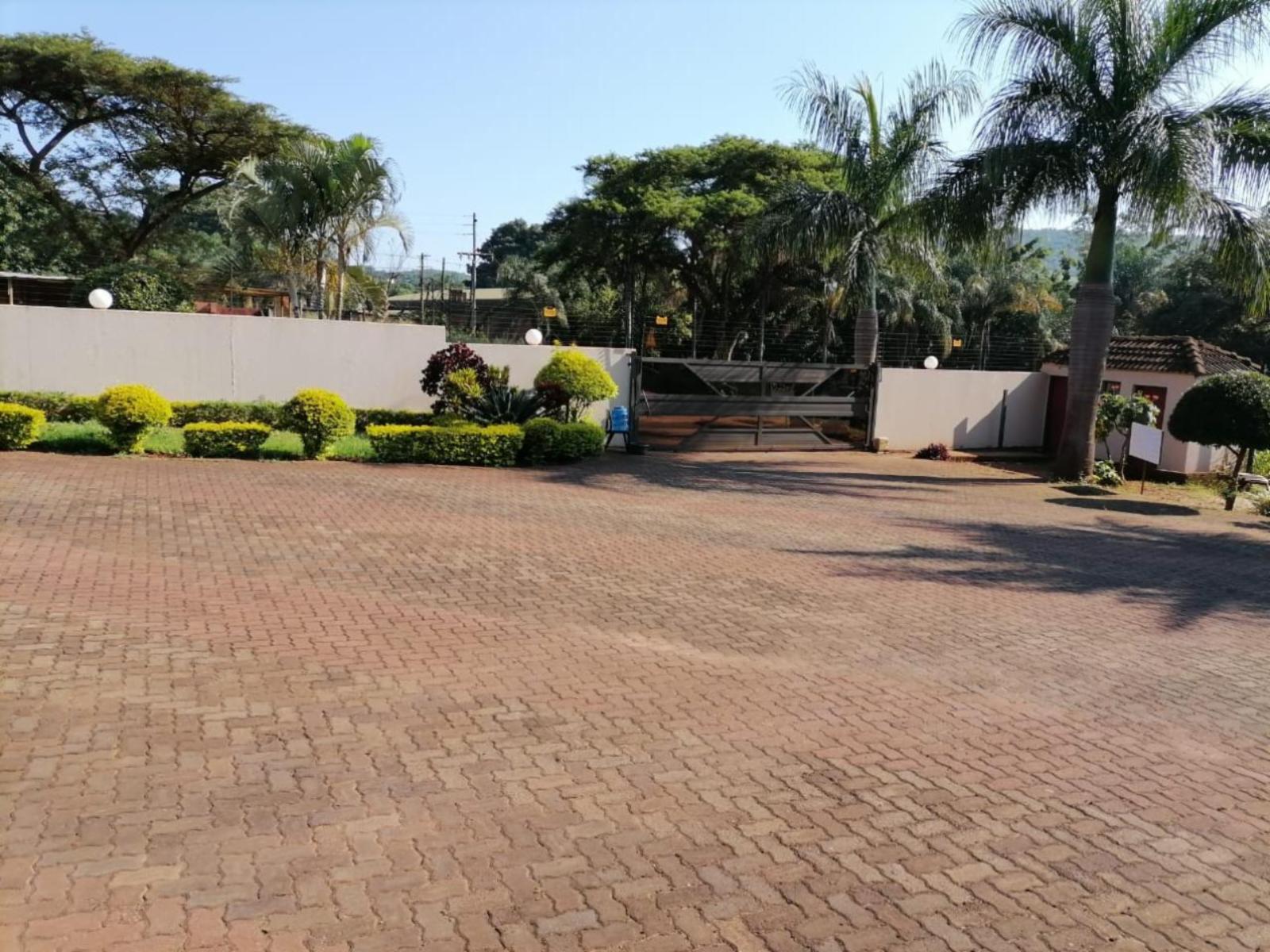
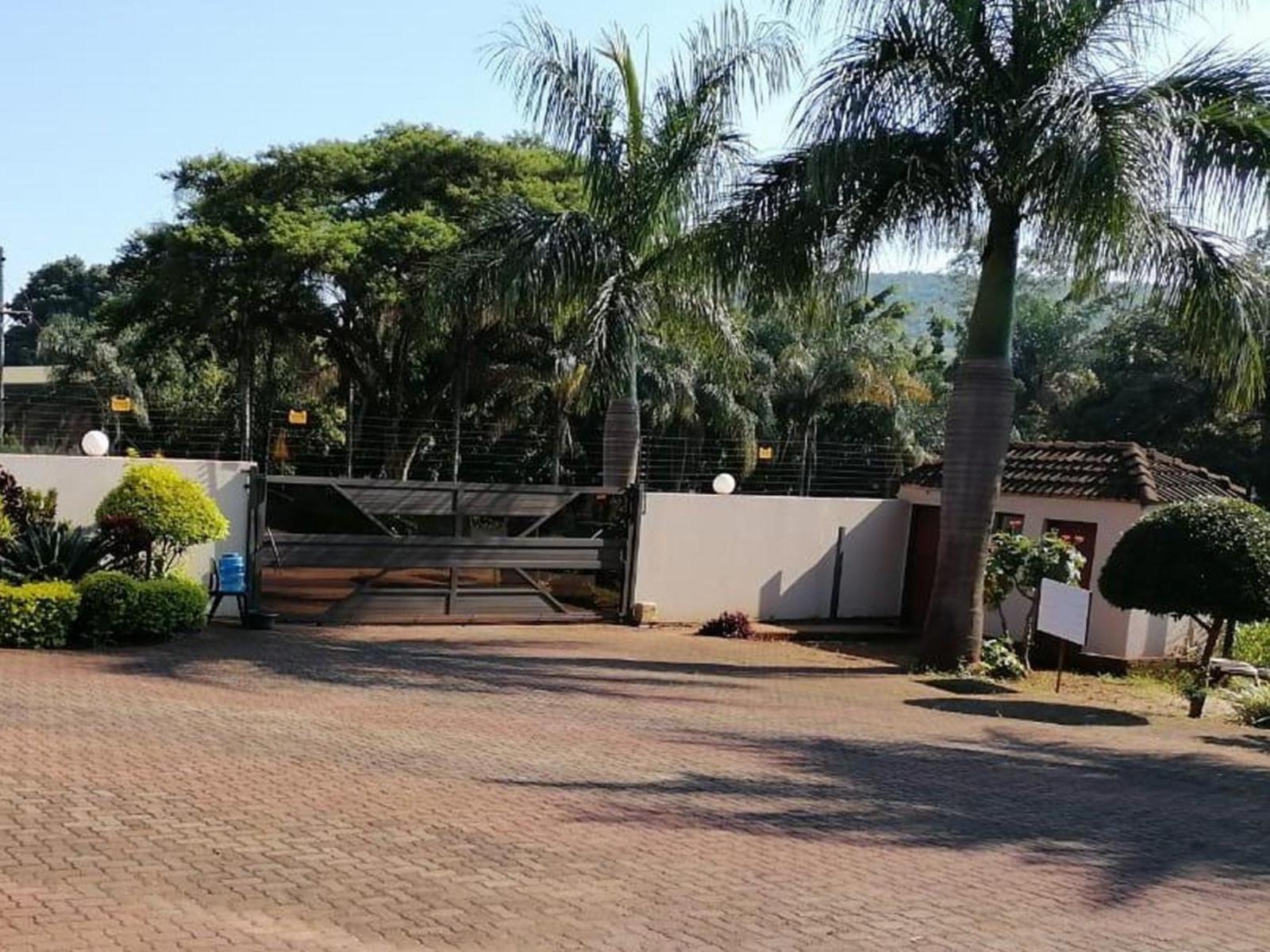
Accommodation in Nngwekhulu
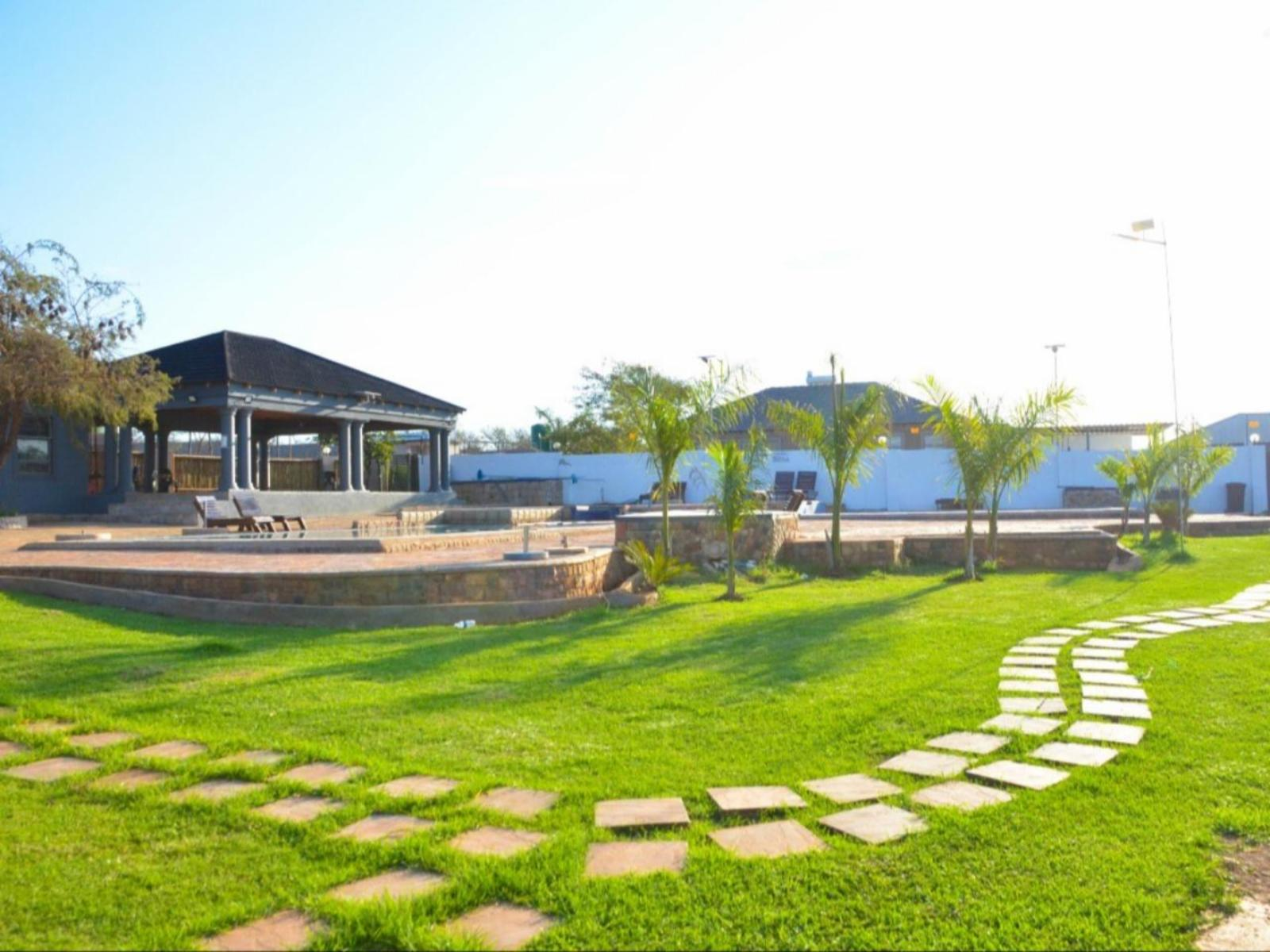
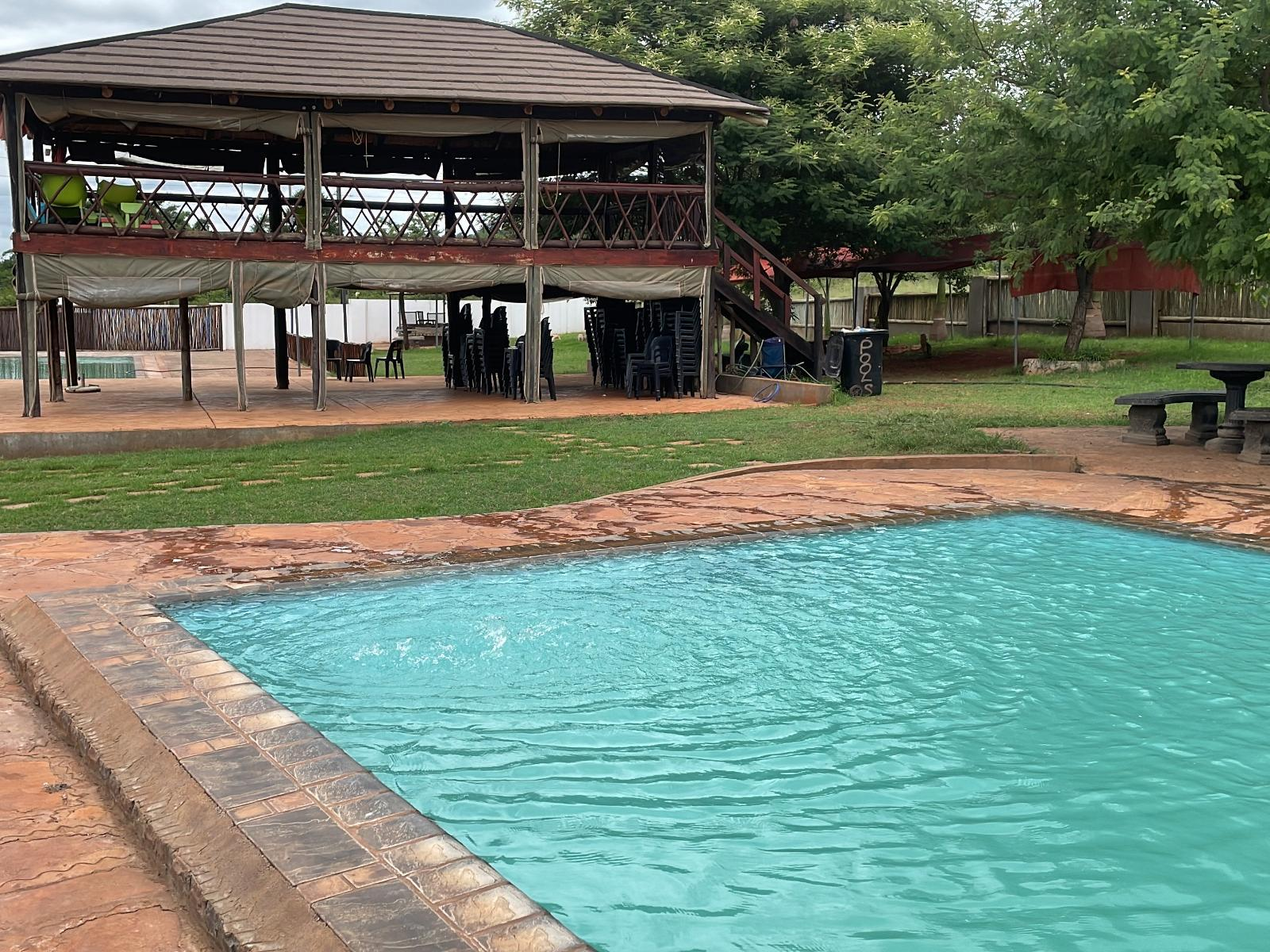
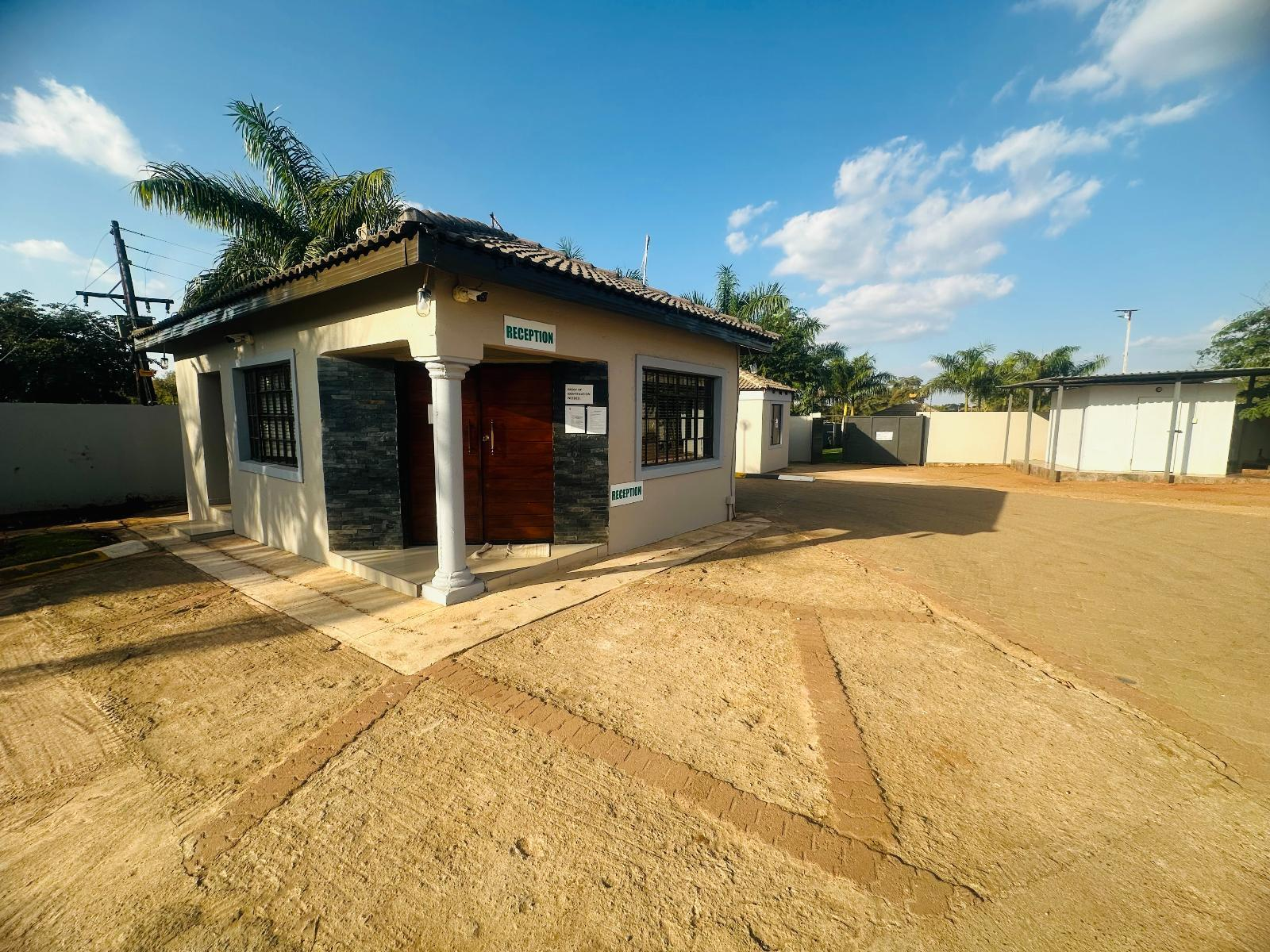
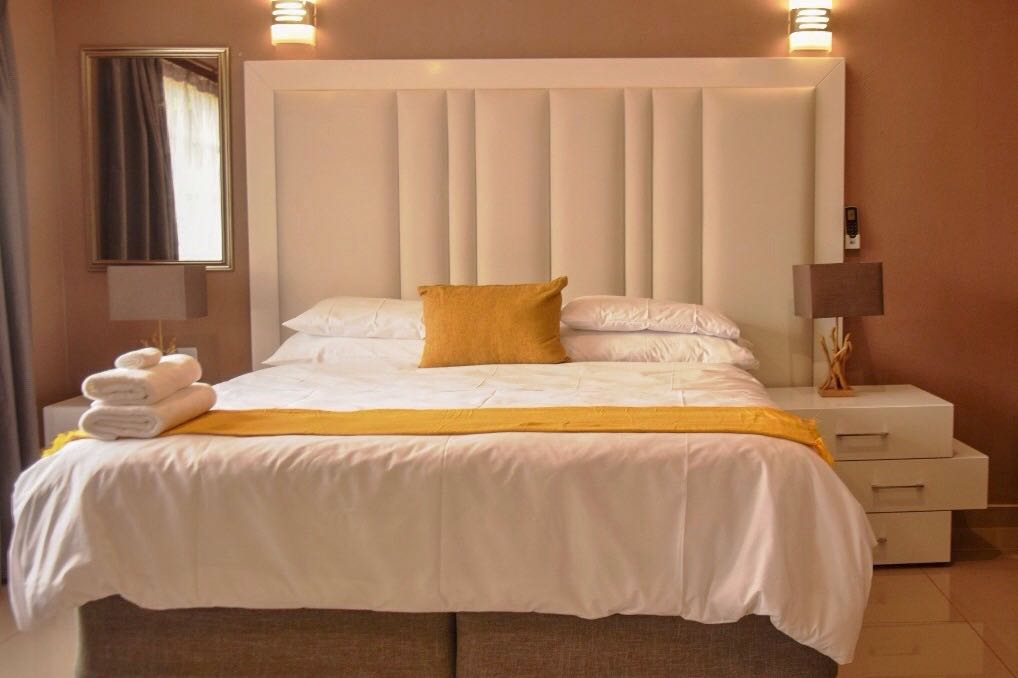
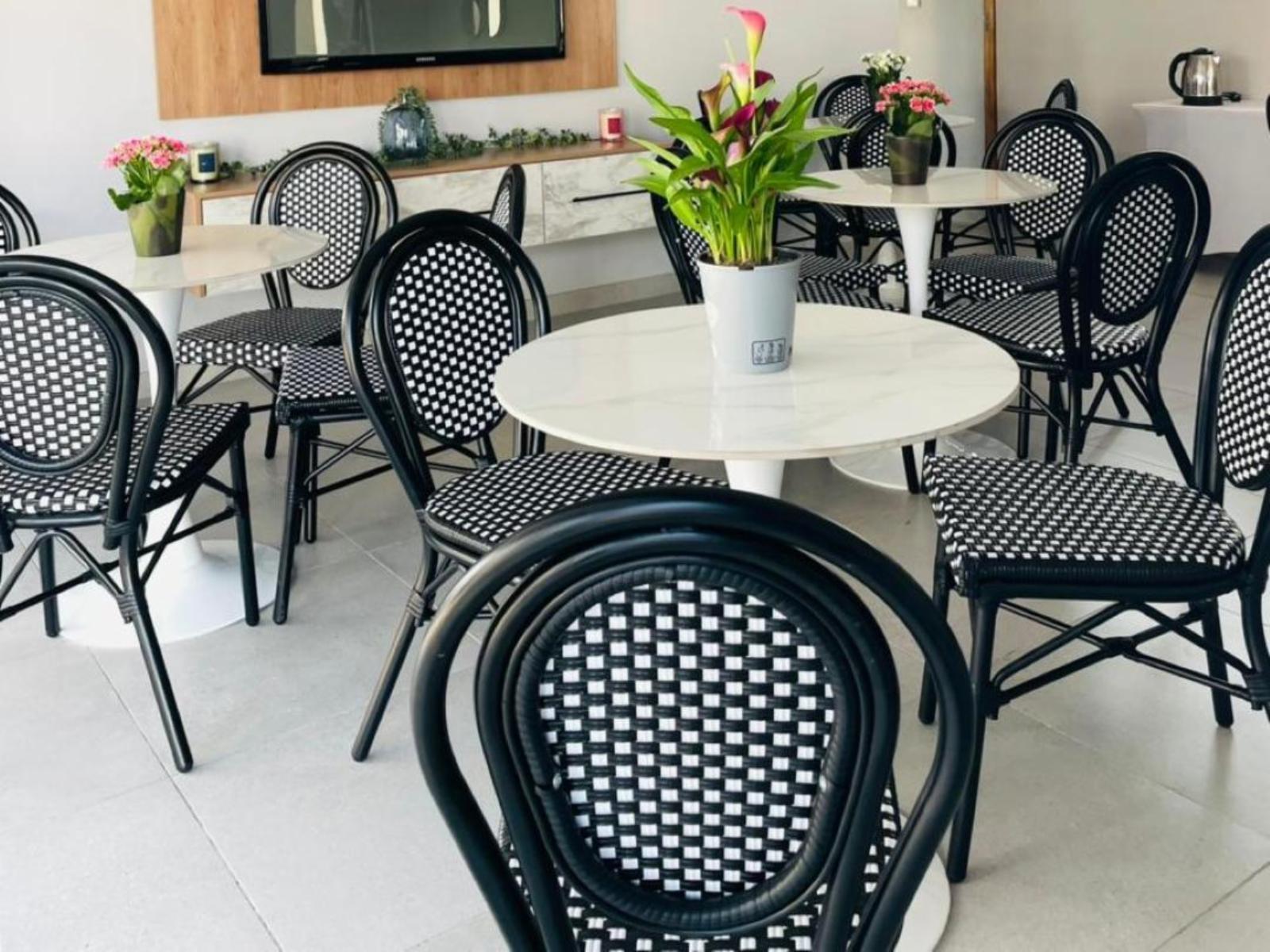
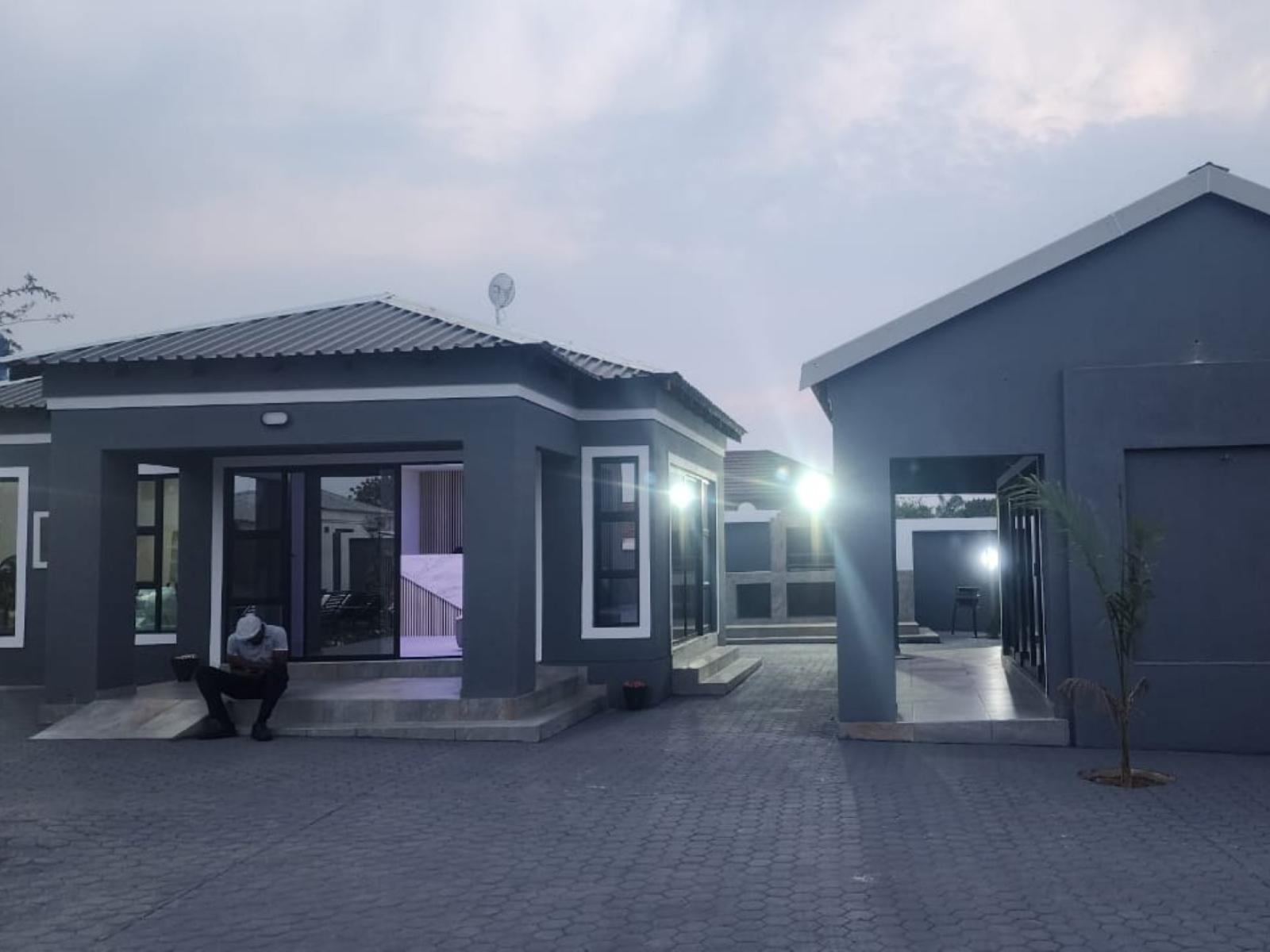
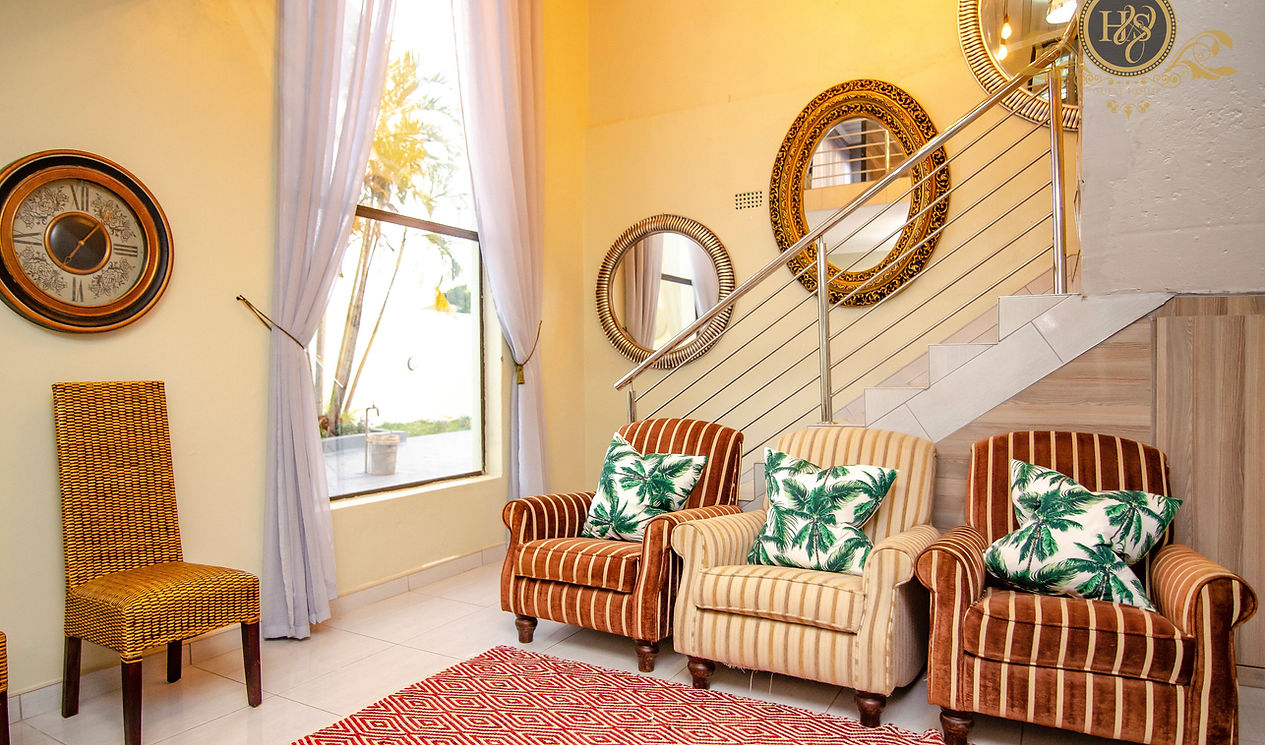
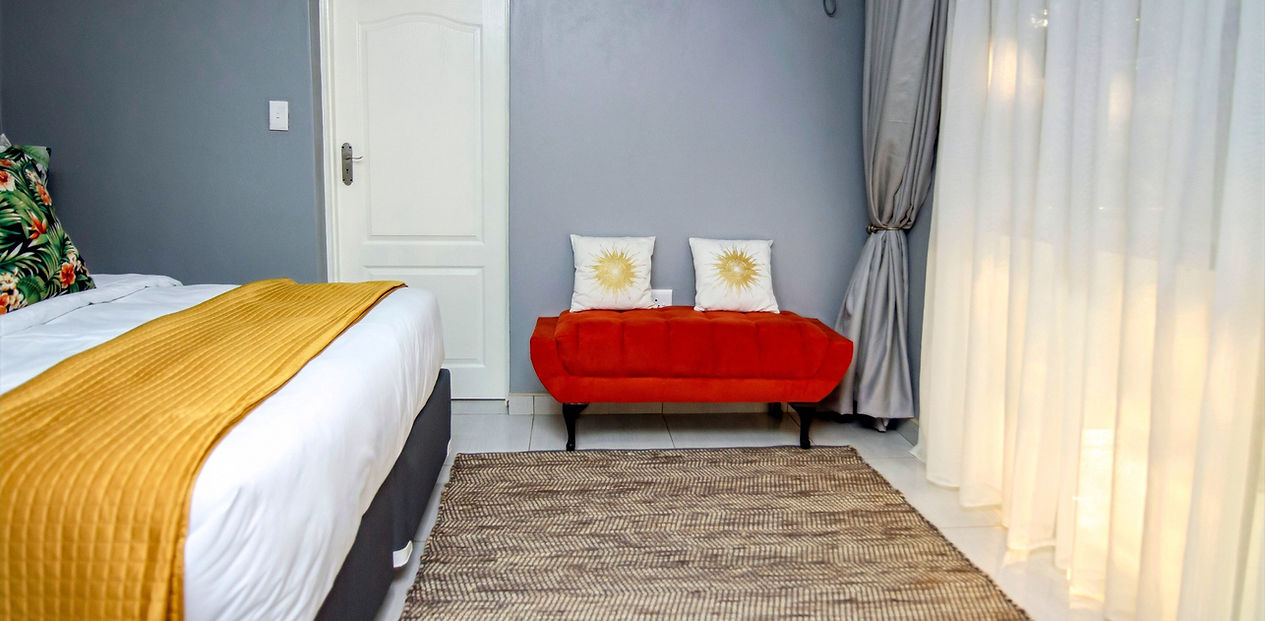
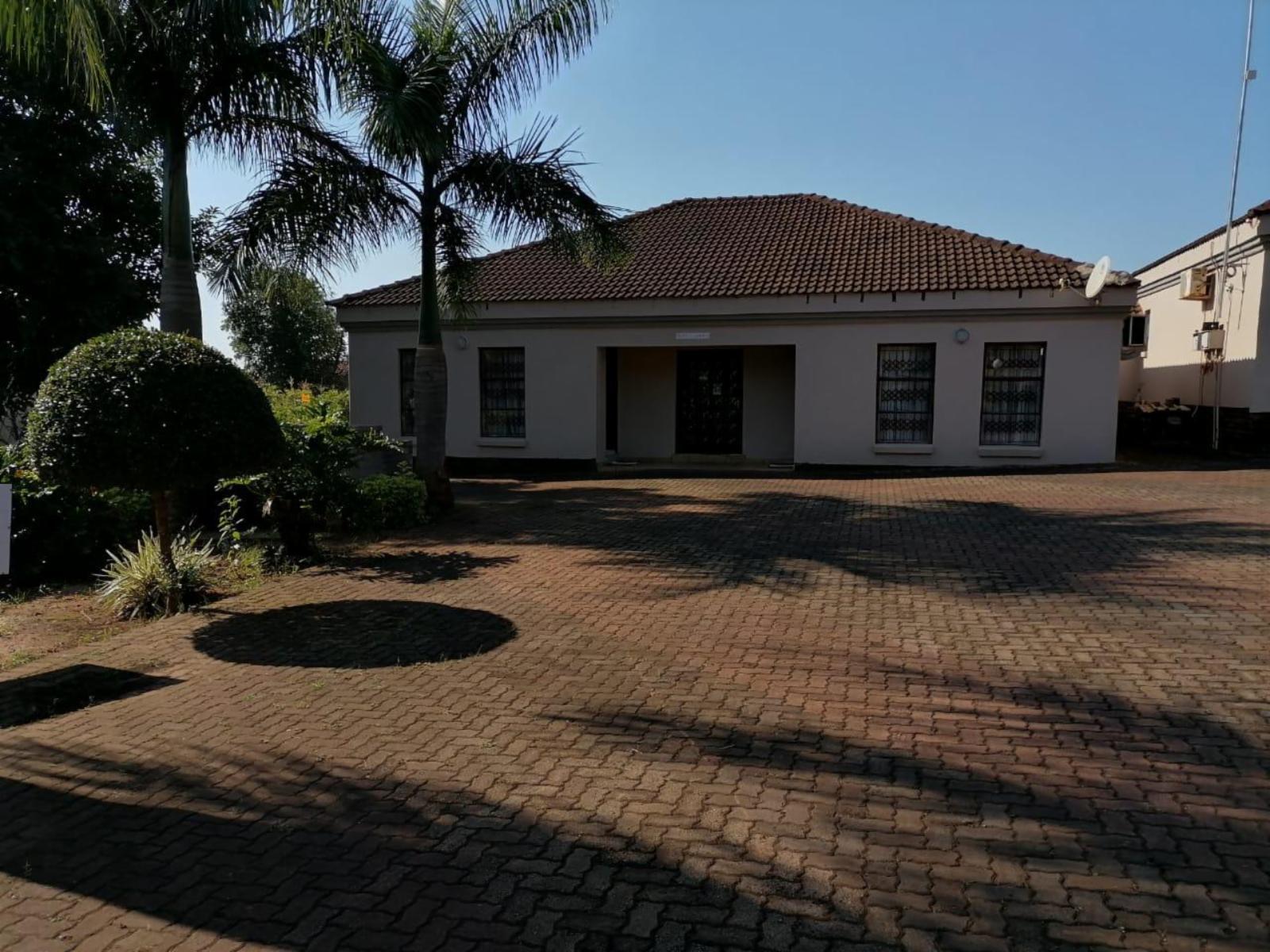
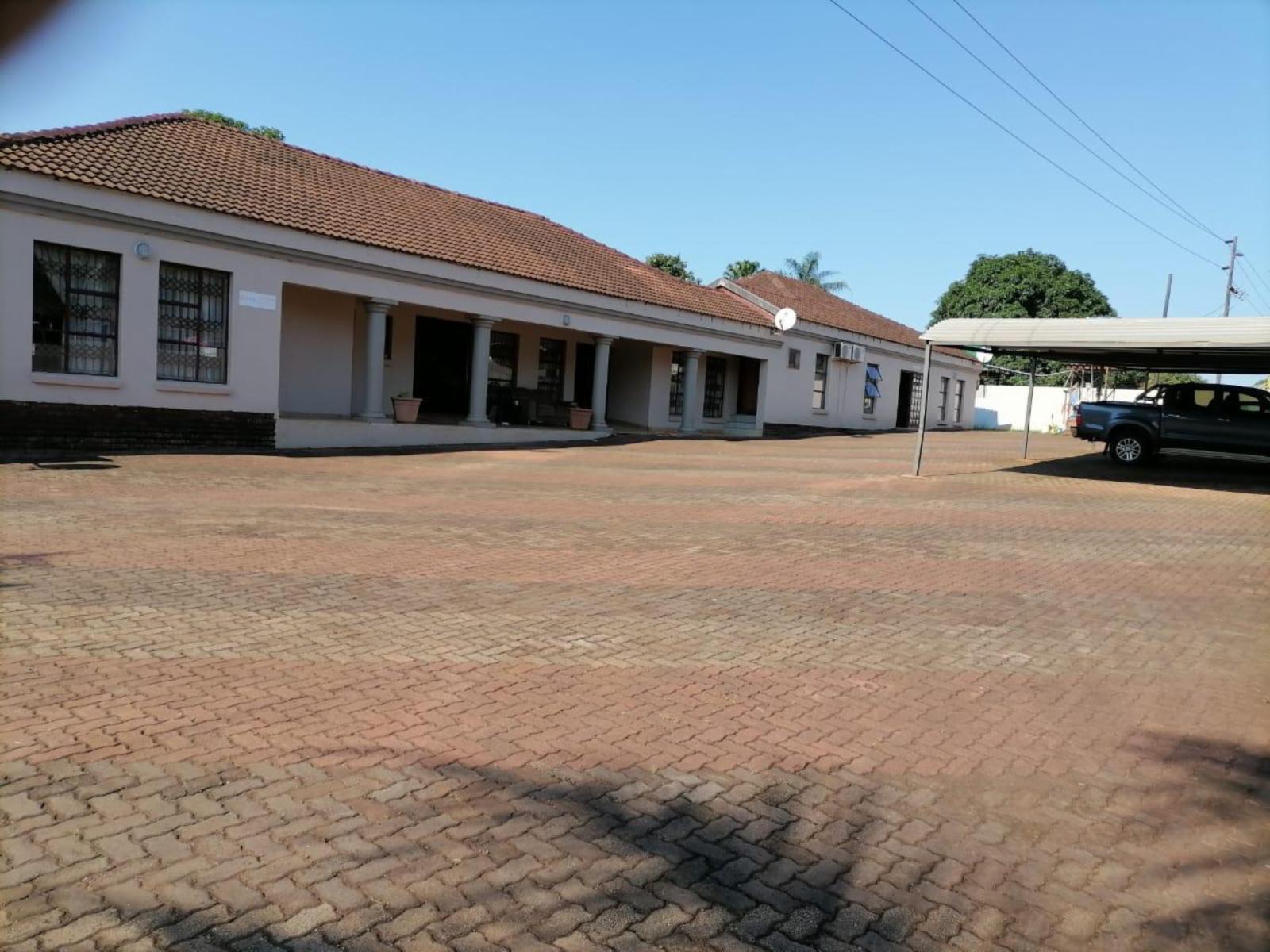
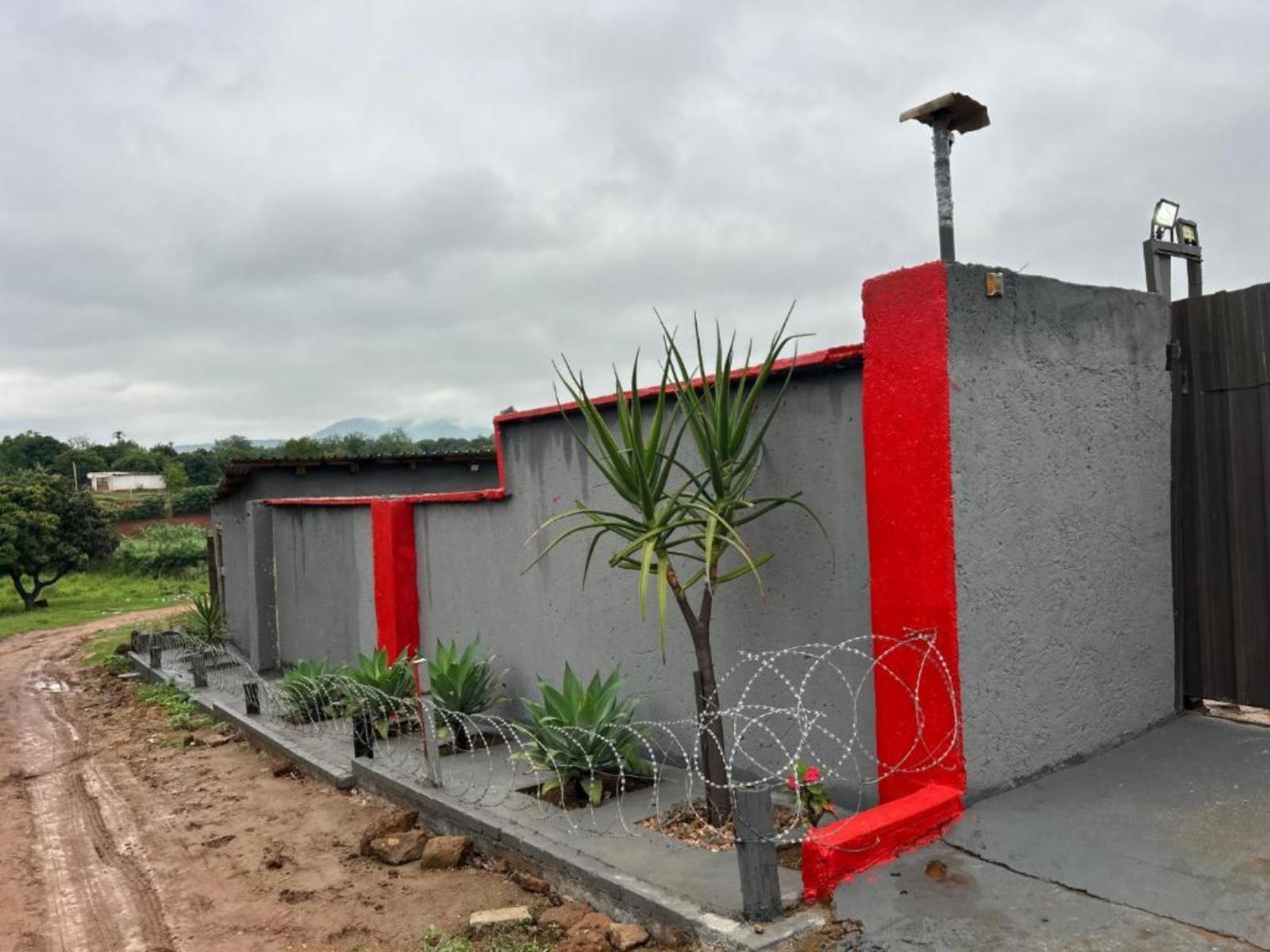
The accommodation landscape in Nngwekhulu reflects the village's genuinely rural character. No properties are currently listed through mainstream booking platforms, which means visitors need to make arrangements through local contacts, community tourism networks, or via the Greater Giyani tourism office. Pricing remains unconfirmed across the board, and rates are likely negotiated directly with hosts rather than set through any formal system.
At the budget end, accommodation typically takes the form of homestays with local families, where a spare room and shared facilities are the norm. These arrangements offer direct contact with daily village life and are usually the most practical option for independent travellers prepared to adapt to limited amenities. Basic guesthouses, where they exist in surrounding settlements, operate on a similar model and may occasionally take in visitors passing through.
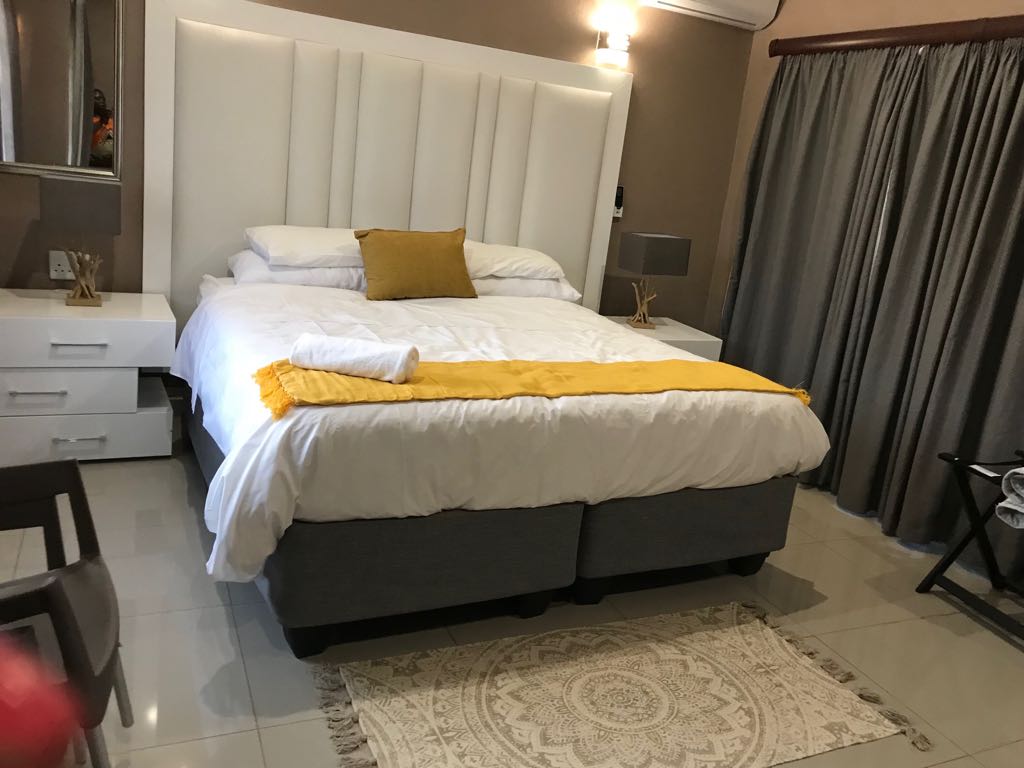
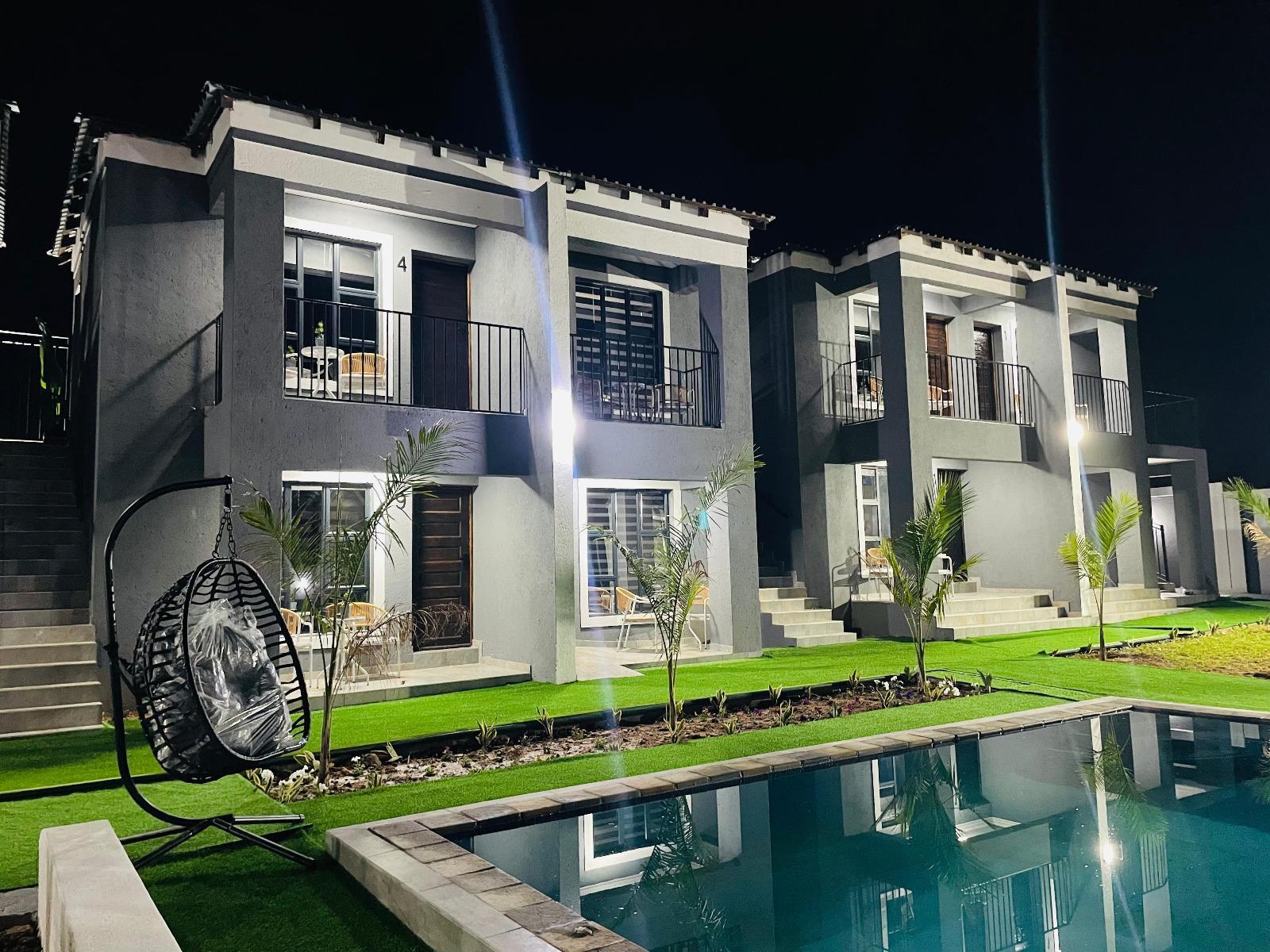
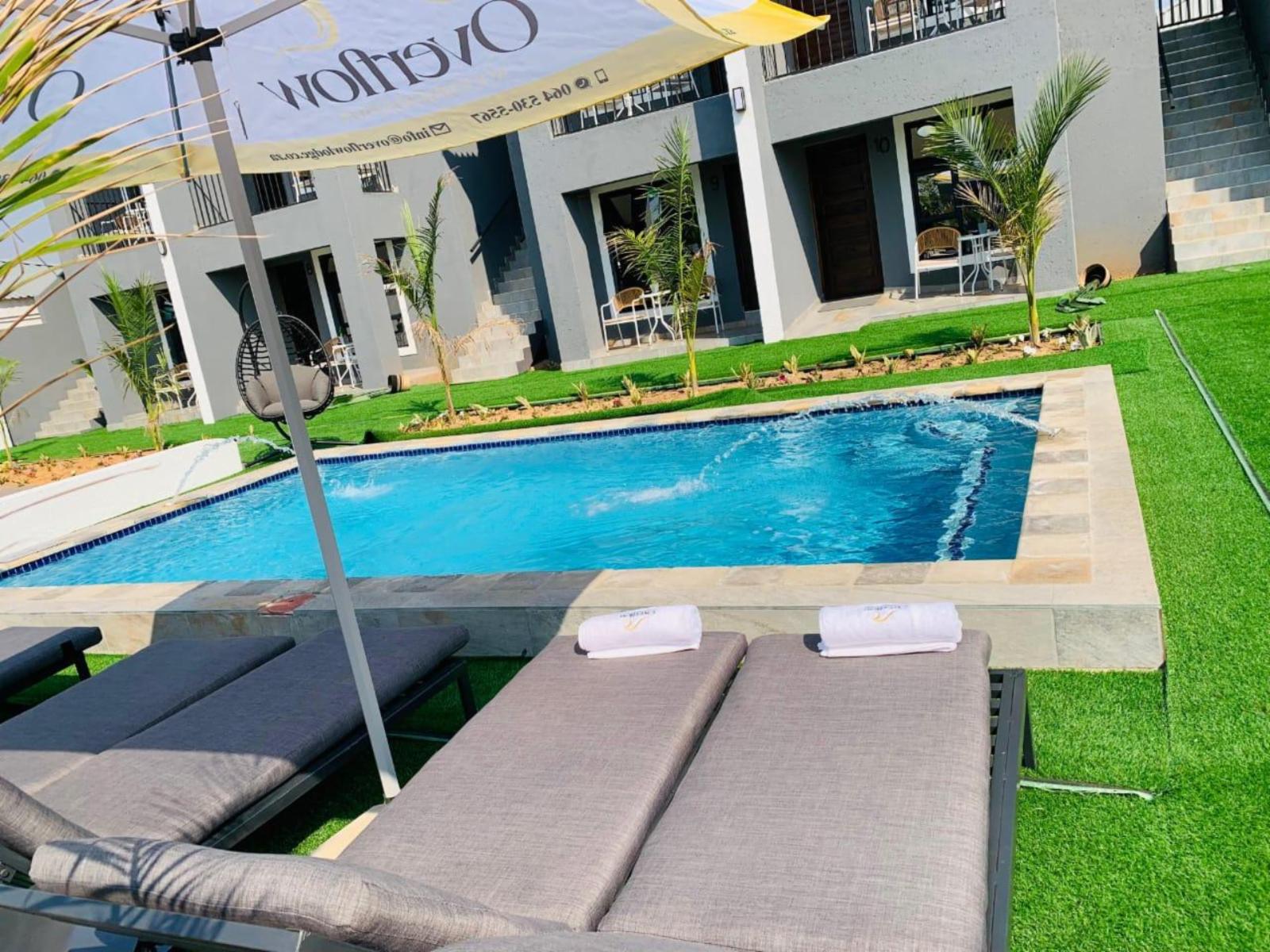
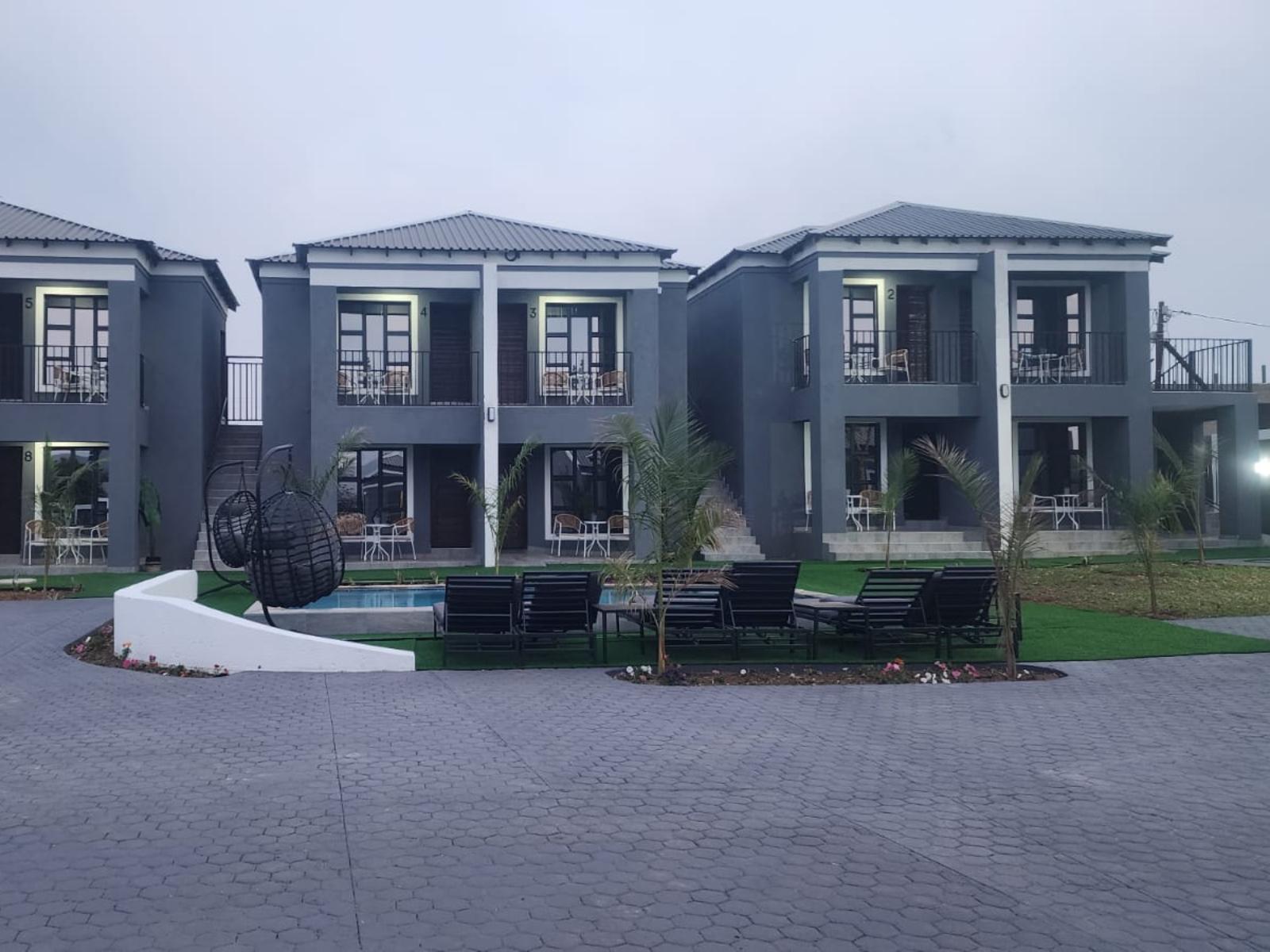
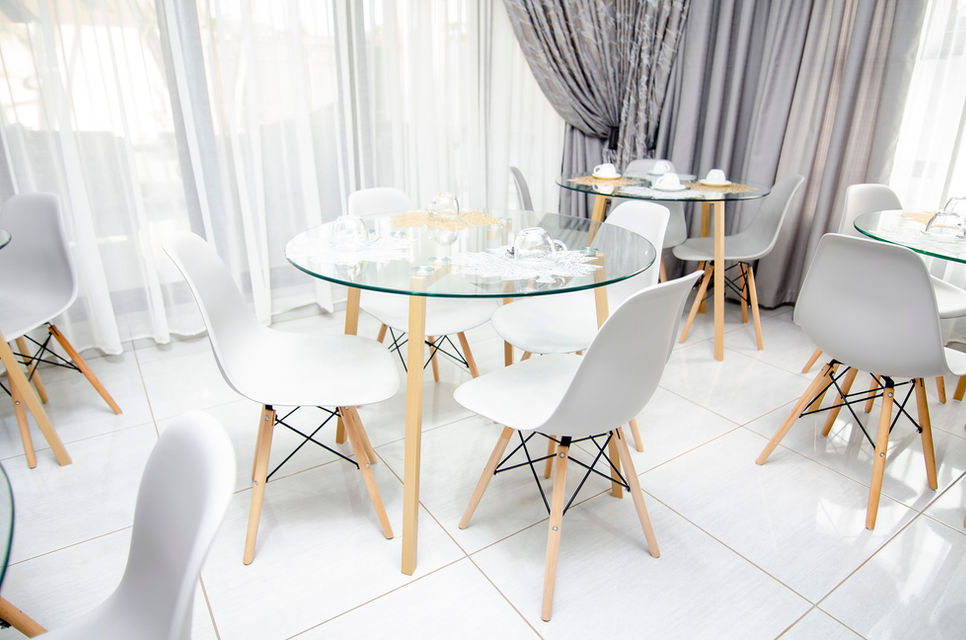
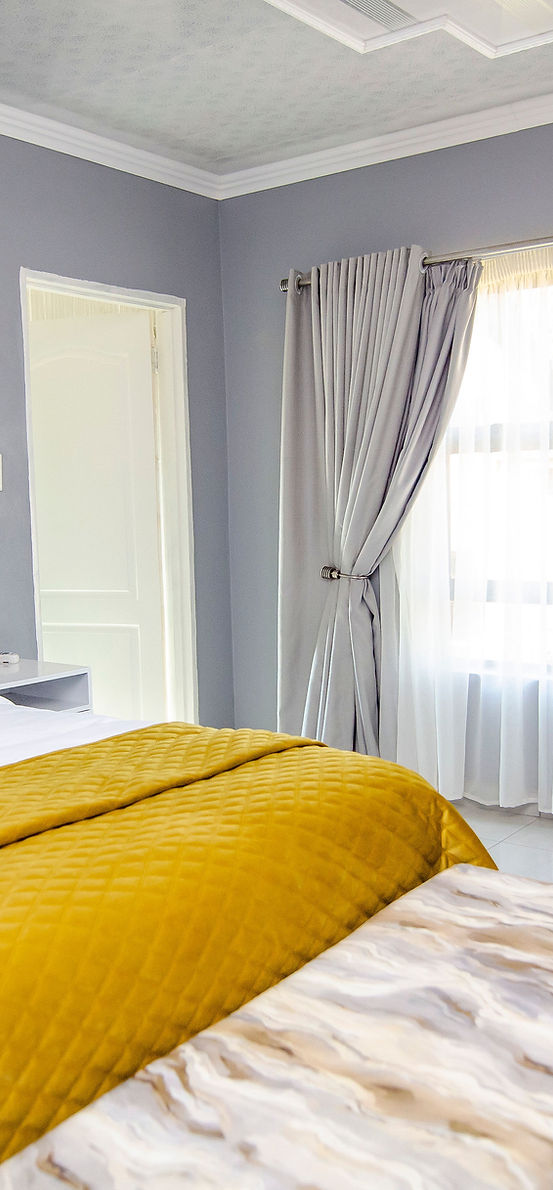
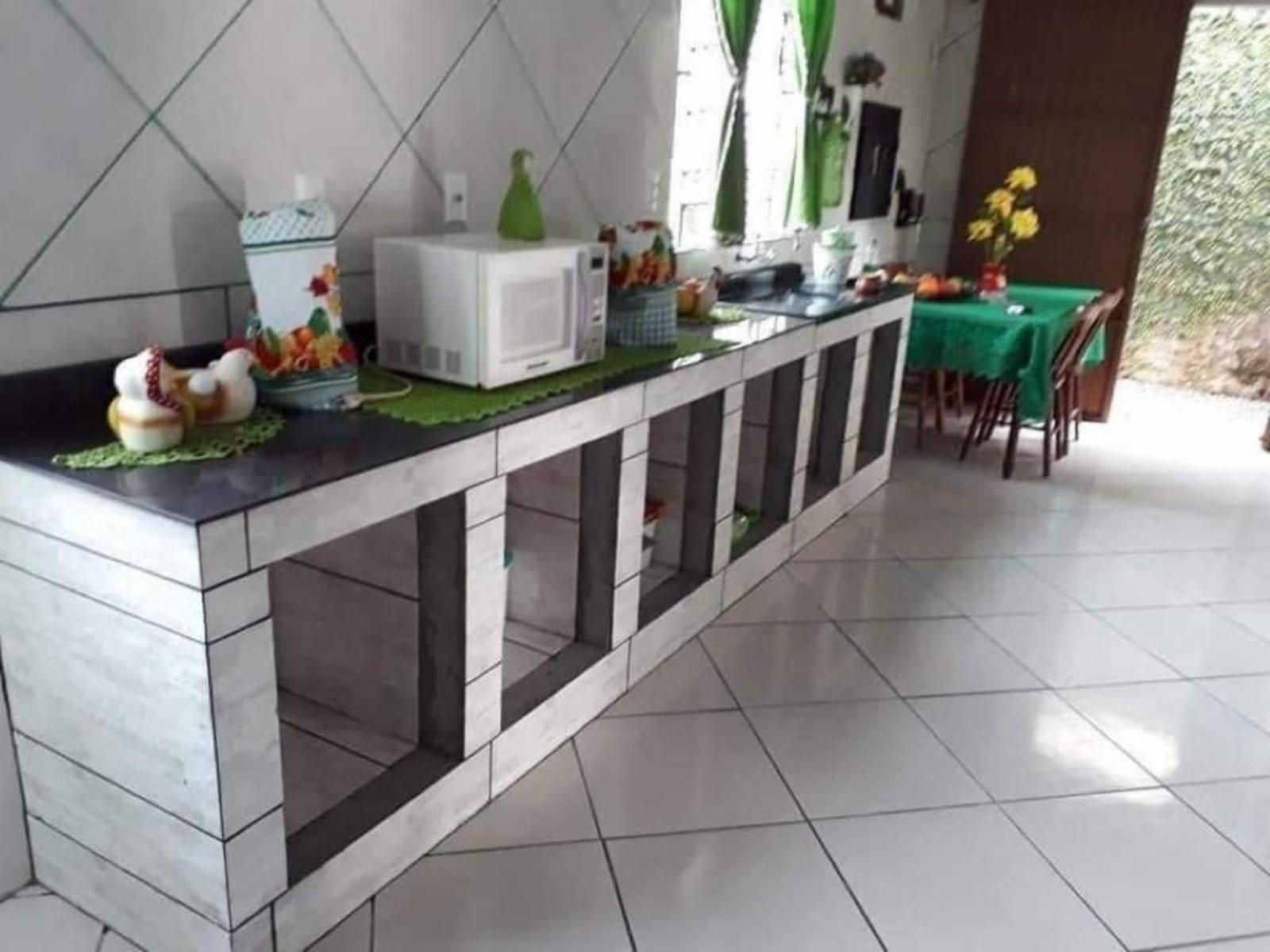
Mid-range options in this part of Limpopo's lowveld tend toward simple self-catering units or small family-run guesthouses. Facilities might include a private room, basic cooking equipment, and a reliable water supply, though what is actually available varies significantly between properties. Visitors should confirm the specifics before committing to any arrangement, since descriptions can sometimes be optimistic relative to what is on the ground.
Upper-tier accommodation is not a feature of Nngwekhulu itself. The broader Greater Giyani area and the routes heading toward the eastern game reserves do have more established lodges and guesthouses within a reasonable drive. Visitors who want greater comfort might base themselves at one of these and day-trip into the village.
Given how informal accommodation here tends to be, the Limpopo Tourism Agency and Giyani-based tour operators are worth contacting for current options. Those willing to engage with the community directly will likely find arrangements available that do not appear on any platform and are not reflected in standard listing counts.
Best Time to Visit Nngwekhulu
The climate in this part of Limpopo follows a clear seasonal pattern that shapes what a visit actually involves. Summer, running from November through March, brings the bulk of the annual rainfall. The mopane woodland thickens, fields turn green as crops come through, and birdlife is most active as migratory species arrive and resident birds enter breeding condition. Heat is significant during these months, with temperatures regularly above 30°C, and afternoon thunderstorms are common, sometimes making dirt roads difficult to pass.
April and May represent a transitional period when rain tapers off and temperatures moderate. The vegetation retains much of its greenness without the accompanying humidity and storm risk, making this arguably the most comfortable window for a visit.
The dry winter months from June to August bring warm days and noticeably cooler nights, occasionally dropping toward single figures. Vegetation thins during this period, which makes it easier to move through the bush and observe smaller wildlife. September and October are the hottest months of the year, before the rains return, and visitors should be fully prepared for extreme afternoon heat if travelling then.
There are no formal tourist seasons in Nngwekhulu, so timing is about personal comfort and purpose rather than avoiding crowds or securing bookings ahead of peak demand.
Getting to Nngwekhulu
Nngwekhulu sits roughly 70 kilometres from Giyani, the main service centre for this part of Limpopo. From Johannesburg, the most practical route runs northeast on the N1 through Polokwane, then continues east through Tzaneen before heading on to Giyani and into the rural road network beyond. The Letaba River system lies to the west of this corridor, and the landscape shifts noticeably as you move from the highlands around Tzaneen down into the lowveld. Total driving distance from Johannesburg is approximately 450 to 500 kilometres, depending on your final approach road, making it a five-hour journey under reasonable conditions.
The closest airport with regular domestic services is Polokwane International Airport, around 200 kilometres to the west. Car hire from Polokwane is the most practical arrangement for reaching Nngwekhulu. Minibus taxis connect Giyani to surrounding villages on informal schedules, but services into the village itself may be unreliable and require confirmation locally.
Road surfaces change considerably once you leave Giyani. The main routes are tarred, but the final approach may involve gravel that becomes difficult after heavy rain. A standard vehicle manages well in dry conditions, though higher clearance is useful in wet weather. Fill up with fuel in Giyani before heading out, as there are no petrol stations in or near the village.
Nngwekhulu and Surrounding Areas
The settlements surrounding Nngwekhulu form a spread of Tsonga and Venda communities across the lowveld and into the transitional zones toward the Soutpansberg range, each with a distinct character that rewards short detours from the village.
Dzwerani, 13 kilometres away, is the closest of the nearby settlements and shares much of the agricultural and cultural context of Nngwekhulu. It is a natural first stop for visitors orienting themselves to the area, and the short drive between the two gives a sense of how densely settled this part of the lowveld is.
Zakeni and Raskhutuma, both around 21 kilometres out, lie in slightly different directions from the village. Raskhutuma sits closer to the Soutpansberg transitional zone, where elevation increases modestly and the vegetation shifts from pure mopane toward more varied bushveld. This makes the drive worth taking for anyone with an interest in the natural environment.
Tshivumbe, at 23 kilometres, is where the cultural character of the region begins to reflect Venda influence more clearly. The transition between Tsonga and Venda communities across this corridor is gradual, and Tshivumbe sits at that overlap. Visitors interested in comparing the two traditions will find the contrast instructive without requiring a long detour.
Nlaniki, 26 kilometres from Nngwekhulu, is a smaller rural settlement functioning mainly as a waypoint on the road network rather than a destination with distinct attractions.
Thohoyandou, at 27 kilometres, is the most significant town in the group and the administrative hub of the Vhembe District Municipality. It has hospitals, banks, larger shops, and bus connections that are unavailable anywhere closer to the village. The University of Venda is based here, and the town has a more developed commercial and cultural infrastructure than anywhere else in the immediate area. A day trip to Thohoyandou is practical for accessing services and for engaging with Venda craft traditions and markets.
Planning Your Stay
Because no accommodation is formally listed in Nngwekhulu at present, planning requires more lead time and direct communication than visits to established destinations. Contacting the Greater Giyani Local Municipality's tourism desk or the Limpopo Tourism Agency several weeks in advance gives you the best chance of identifying a suitable host or community guesthouse.
Before confirming any arrangement, ask specifically about water supply reliability, electricity availability, toilet facilities, and whether meals are included or need to be self-catered. These details matter considerably in rural settings where infrastructure can be intermittent and assumptions about amenities are often wrong.
Mobile network coverage exists across much of the area but can drop in specific locations. Downloading offline maps before you travel is sensible, and carrying a printed backup of key contacts and directions adds another layer of security.
Medical facilities are not available in or near the village. The nearest clinics and hospitals are in Giyani and Thohoyandou. Visitors with ongoing health requirements should plan accordingly and bring sufficient supplies for the full duration of the stay.
Respectful engagement with local customs makes a practical difference throughout. Asking before photographing people or homesteads and following your host's lead on what is appropriate in a given context will shape the quality of the experience as much as any logistical preparation.