Giyani Reis- & Akkommodasiegids
Jou volledige gids om Giyani, Suid-Afrika te besoek.
Giyani serves as a key town in Limpopo with a focus on community life and natural surroundings. The area includes access to bushveld environments and local cultural sites that draw interest from travelers. It offers a base for exploring nearby wildlife areas while providing essential services for visitors.
## Accommodation in Giyani
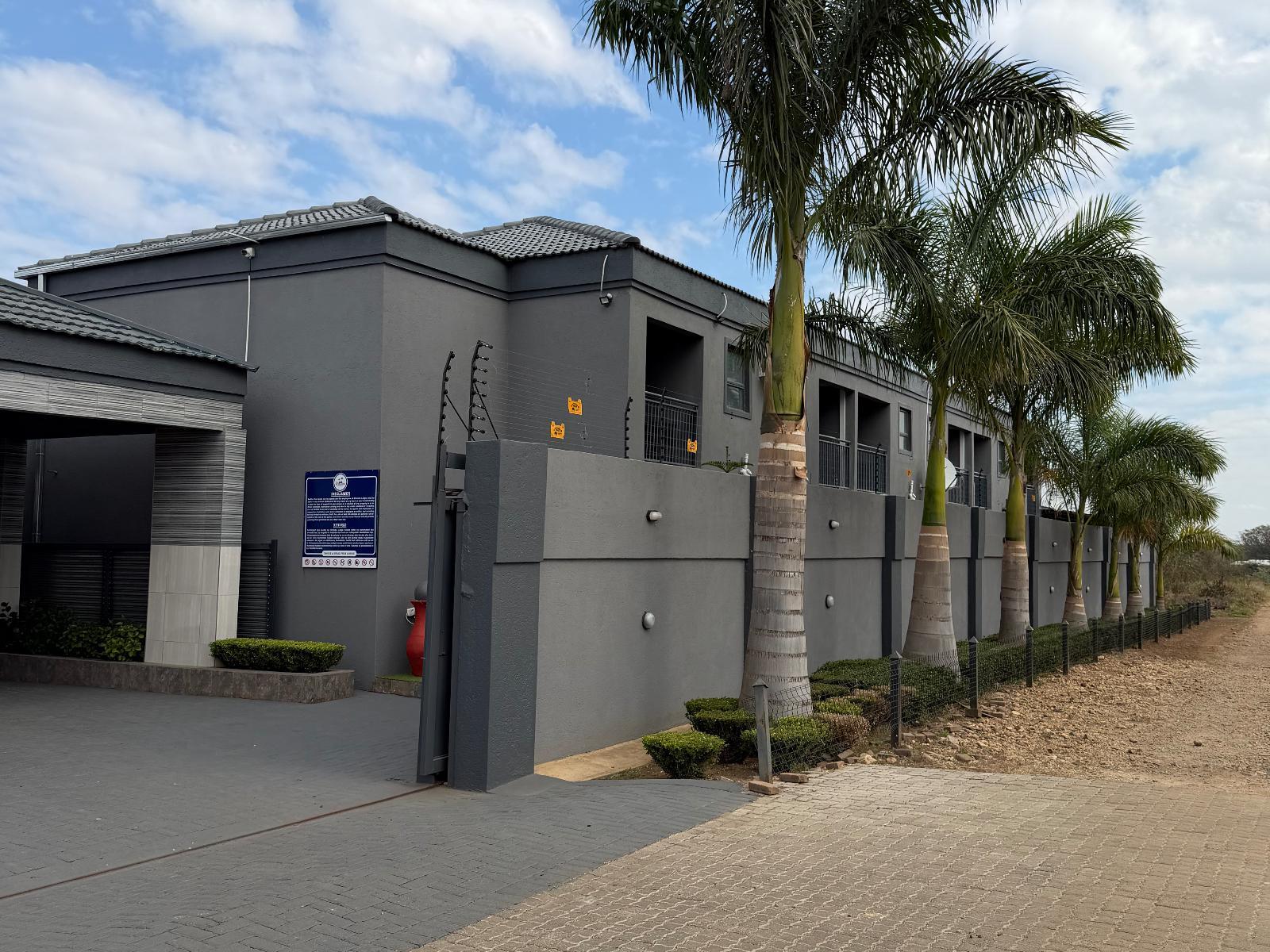
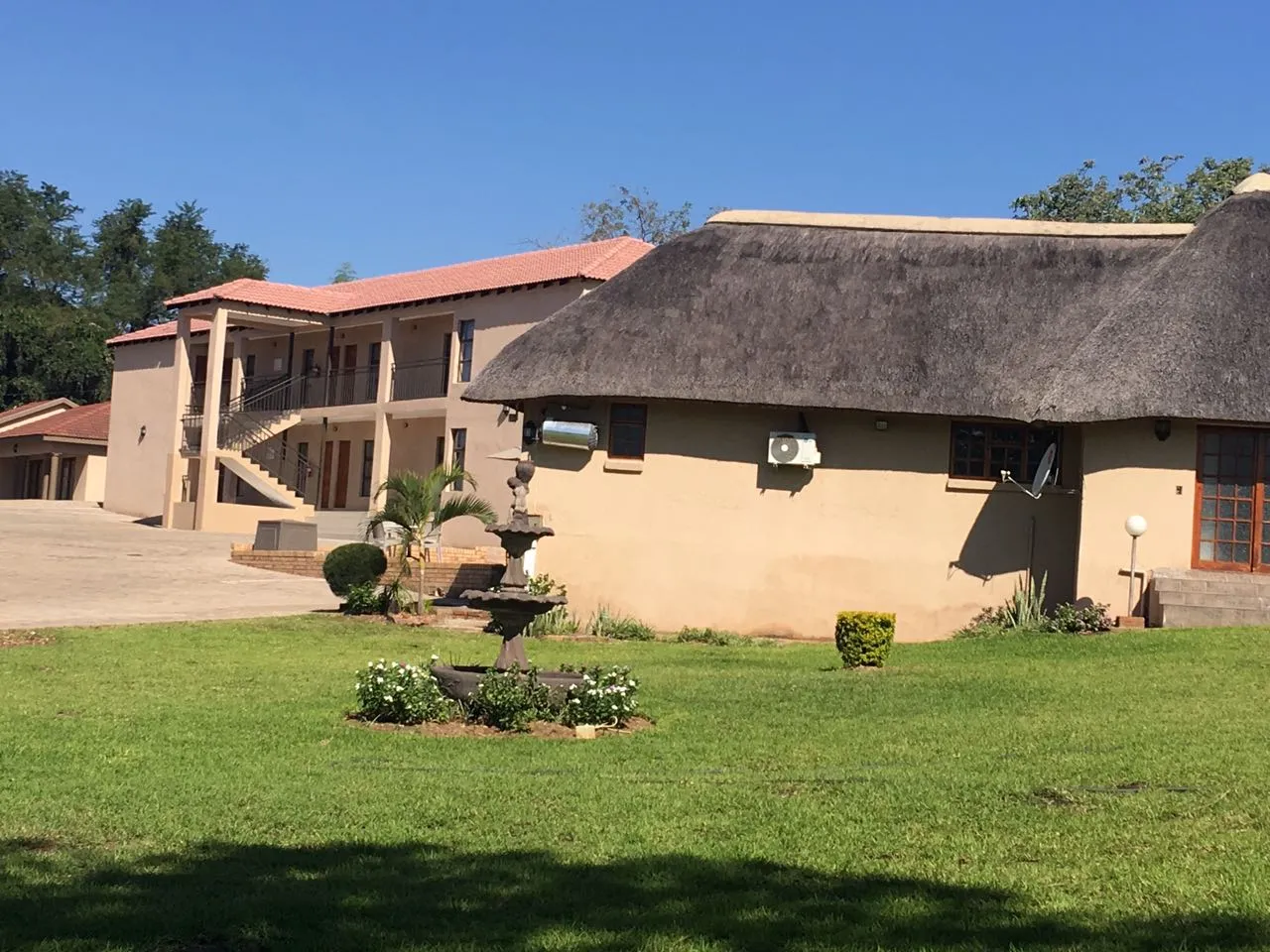
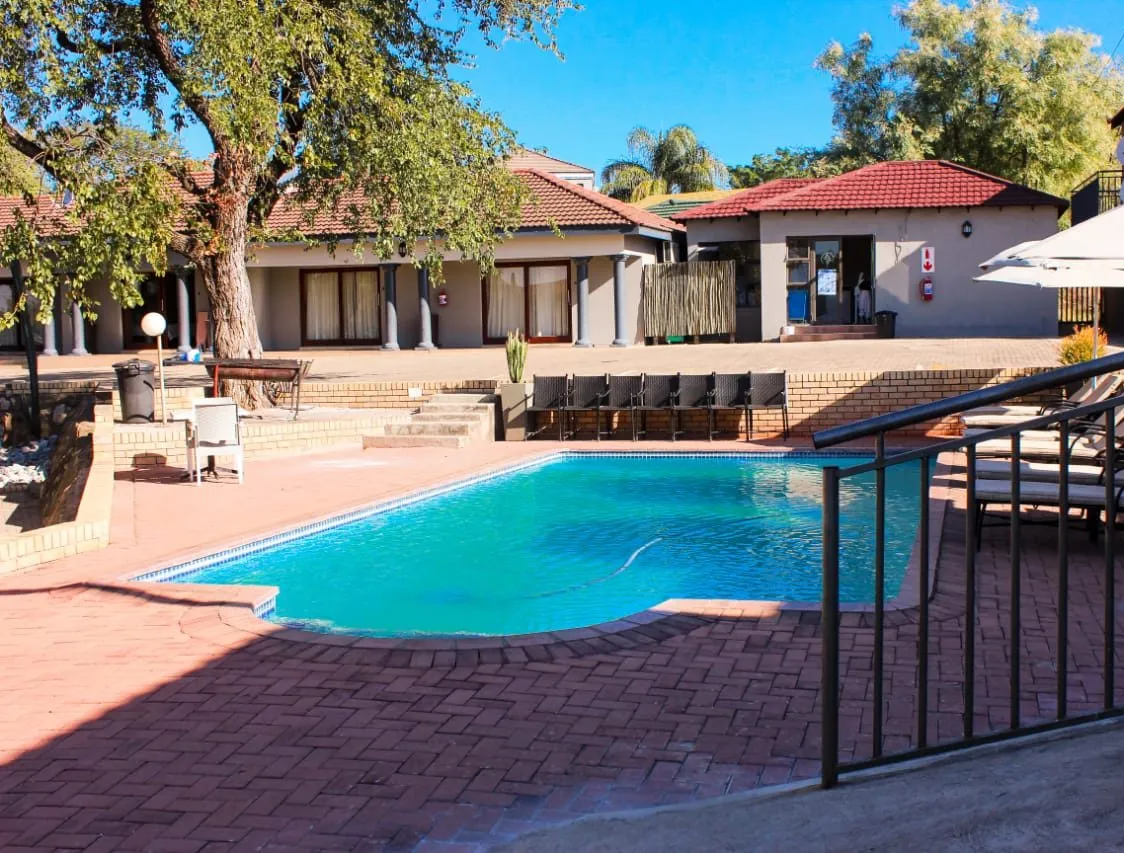
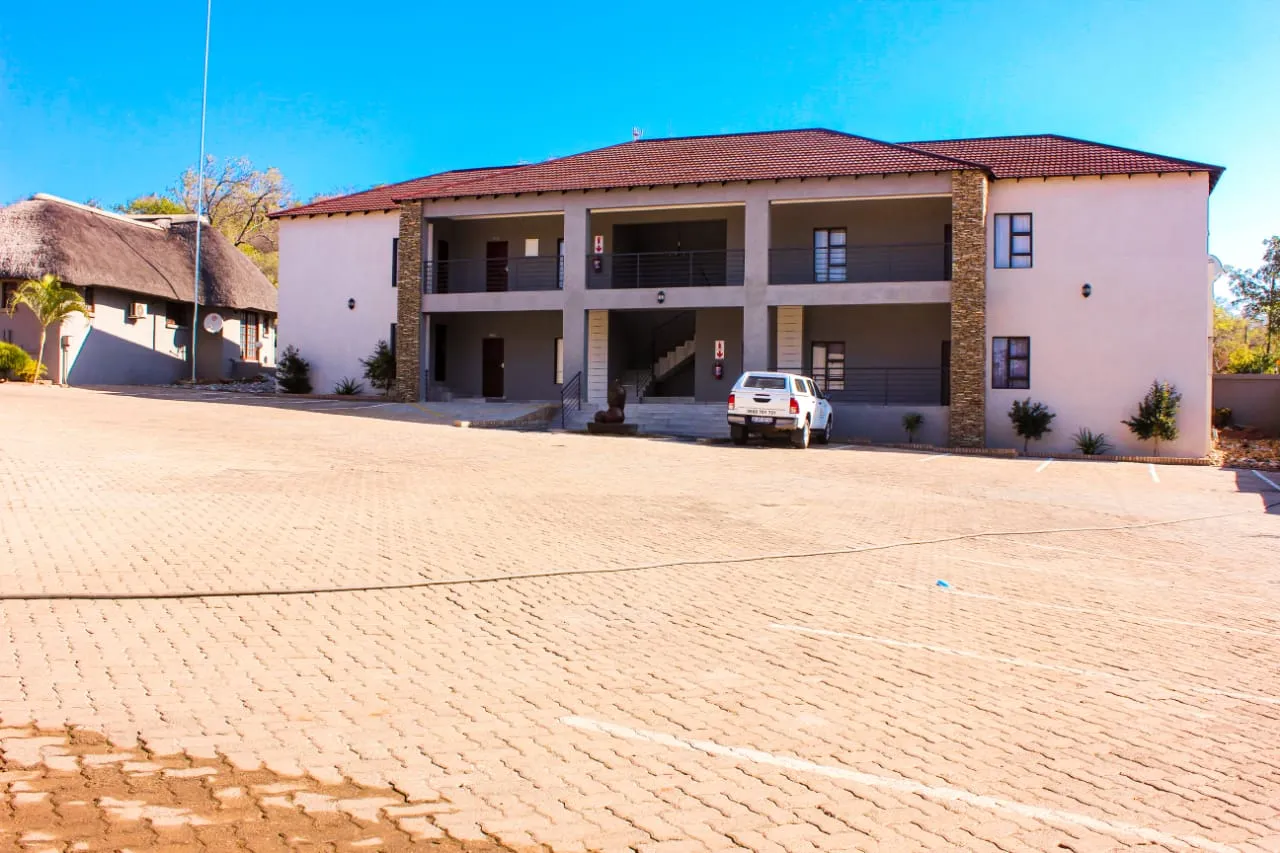
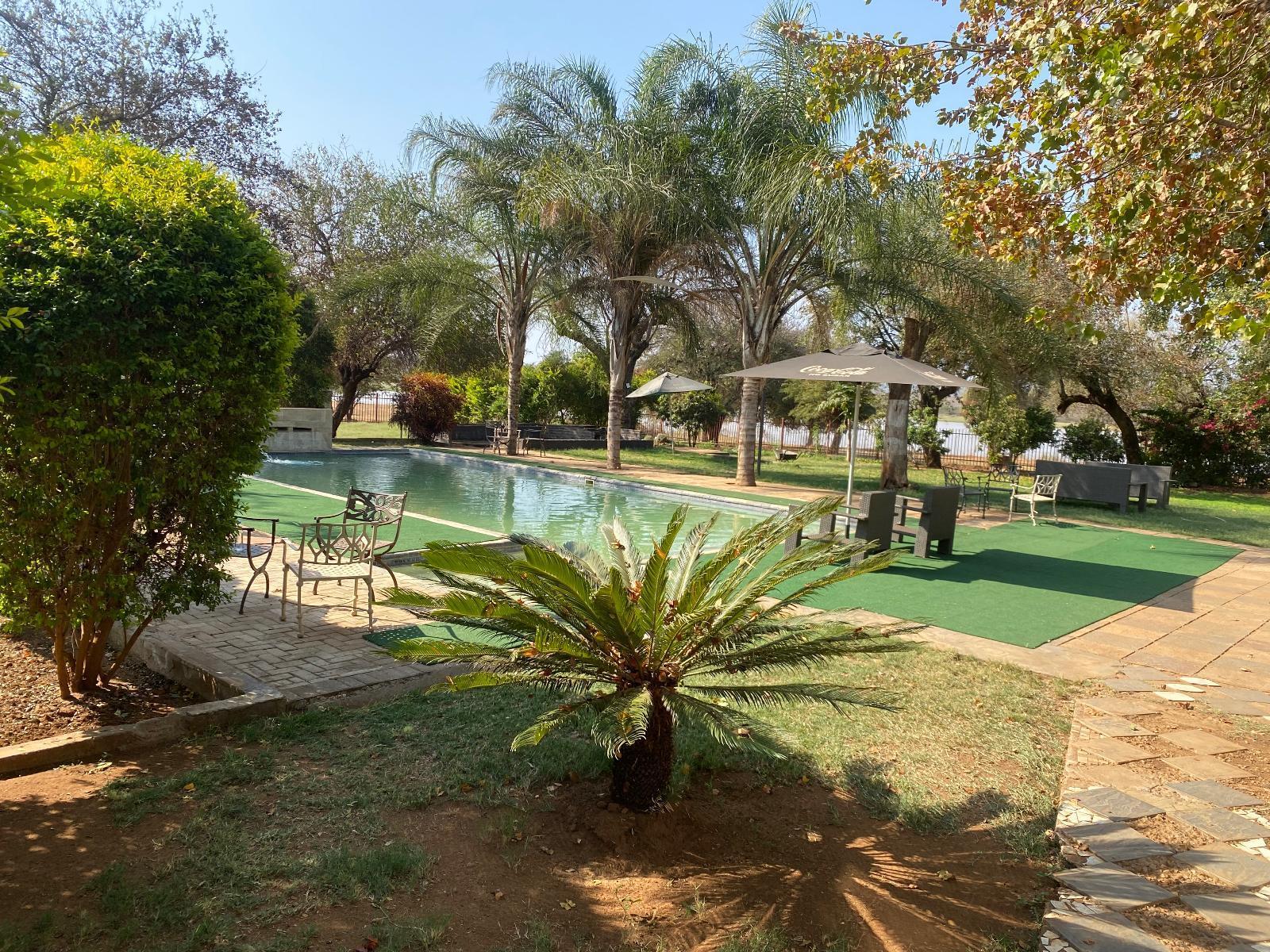
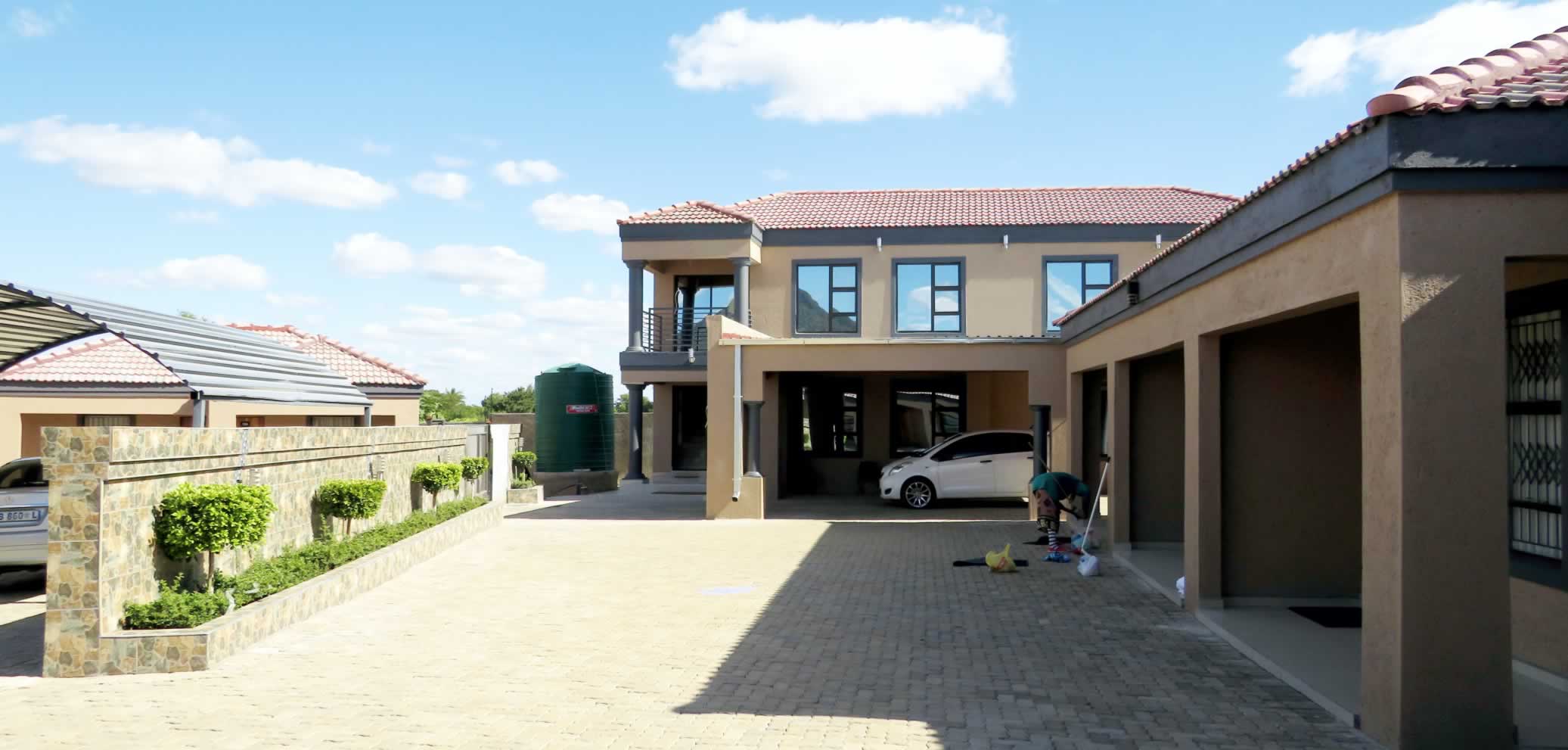
Giyani's accommodation scene is modest, reflecting the town's role as an administrative centre rather than a tourist hub. The local market currently shows limited online listing activity, and travellers should expect to find most options through direct contact with properties or via regional booking platforms rather than major international travel sites.
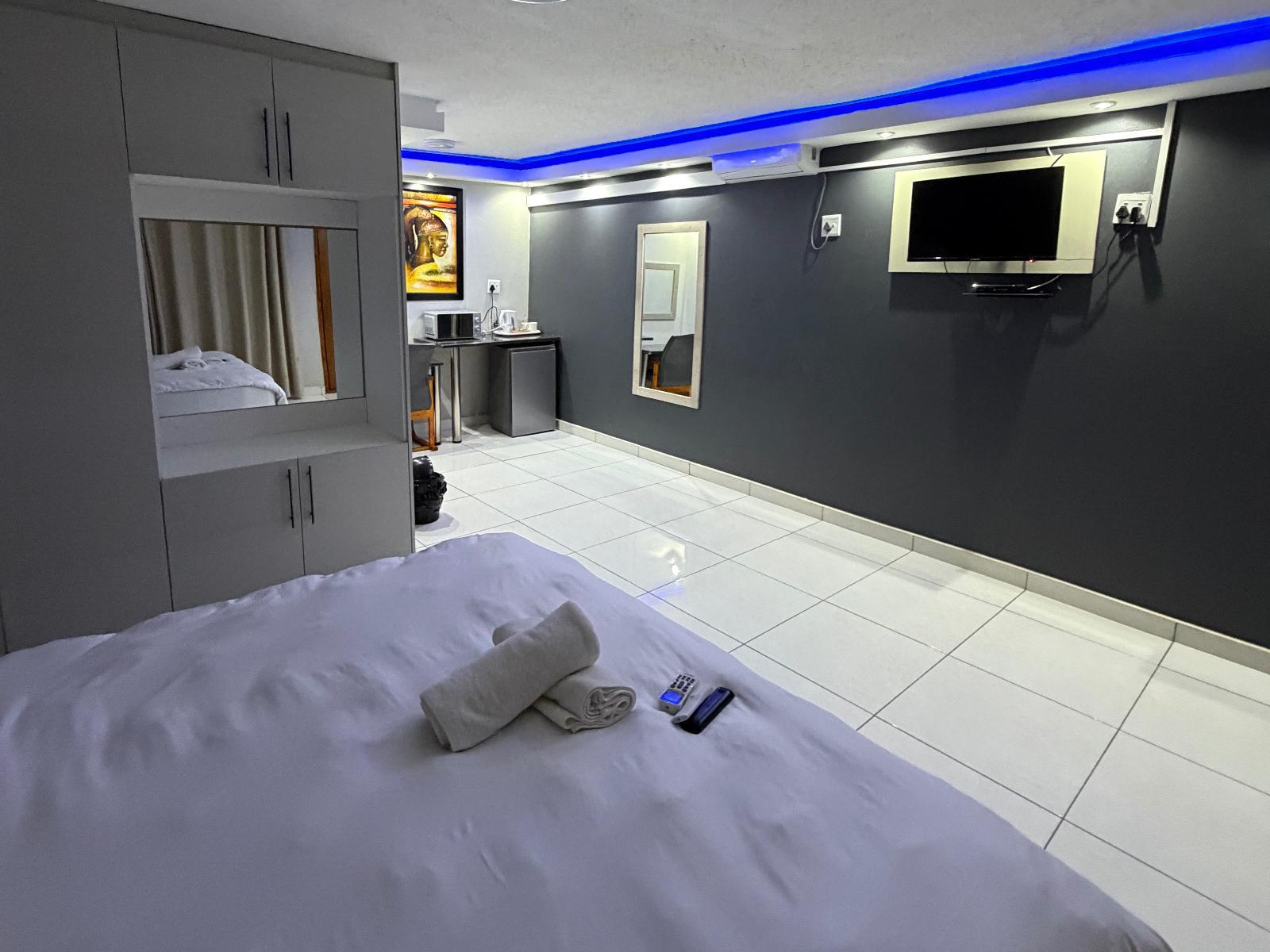
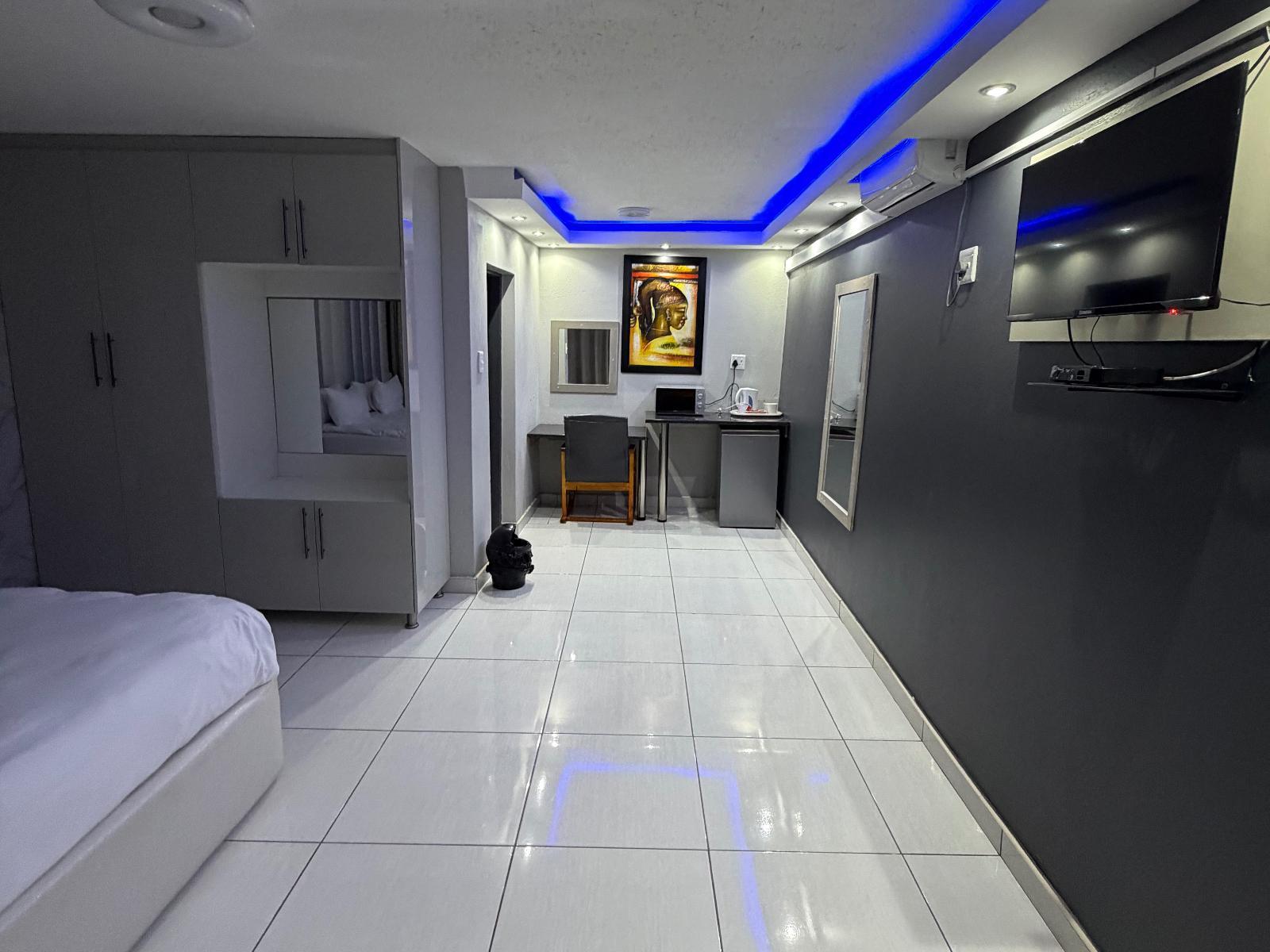
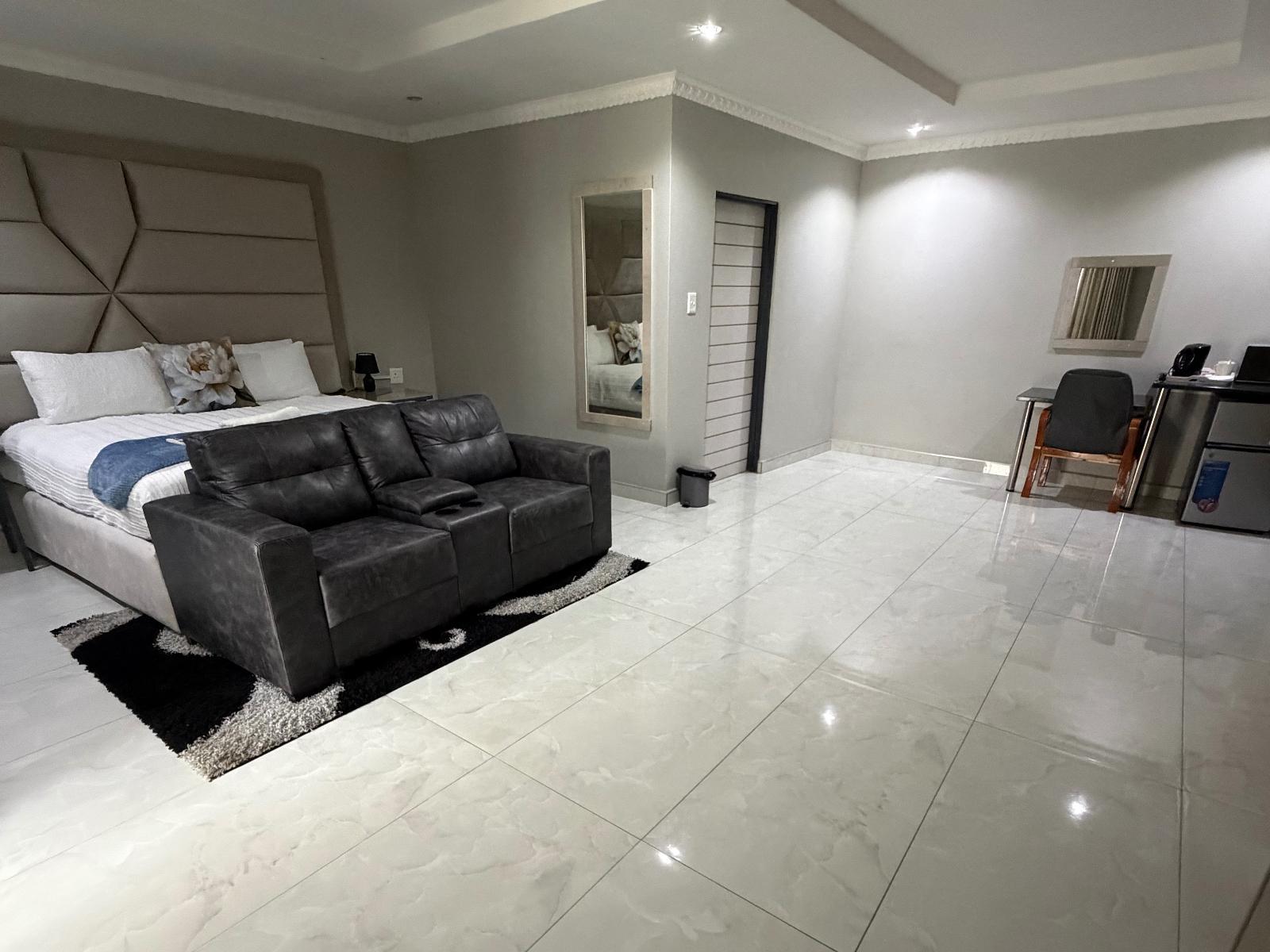
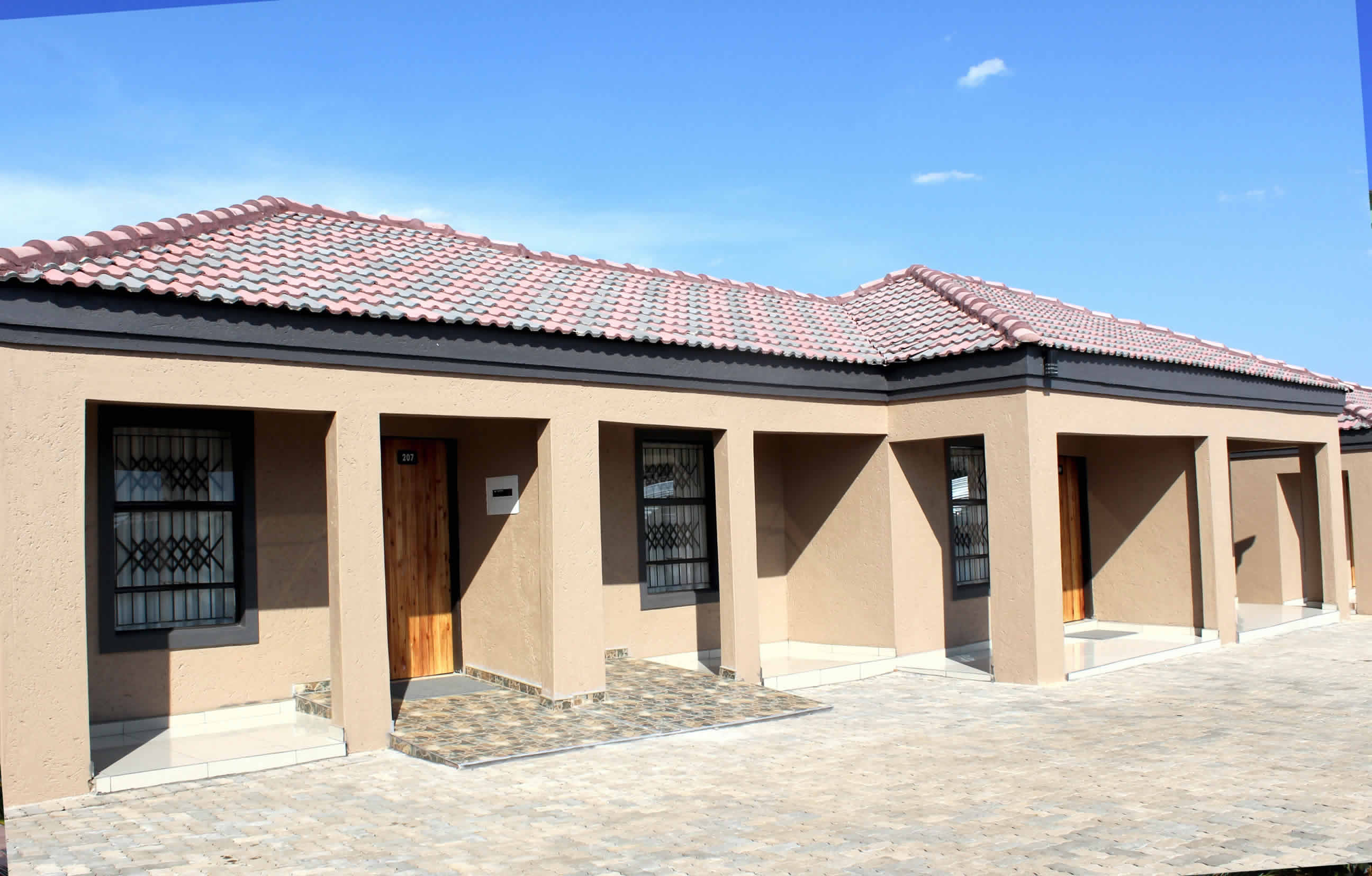
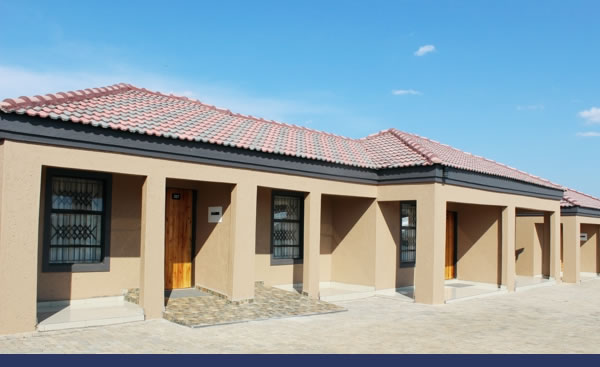
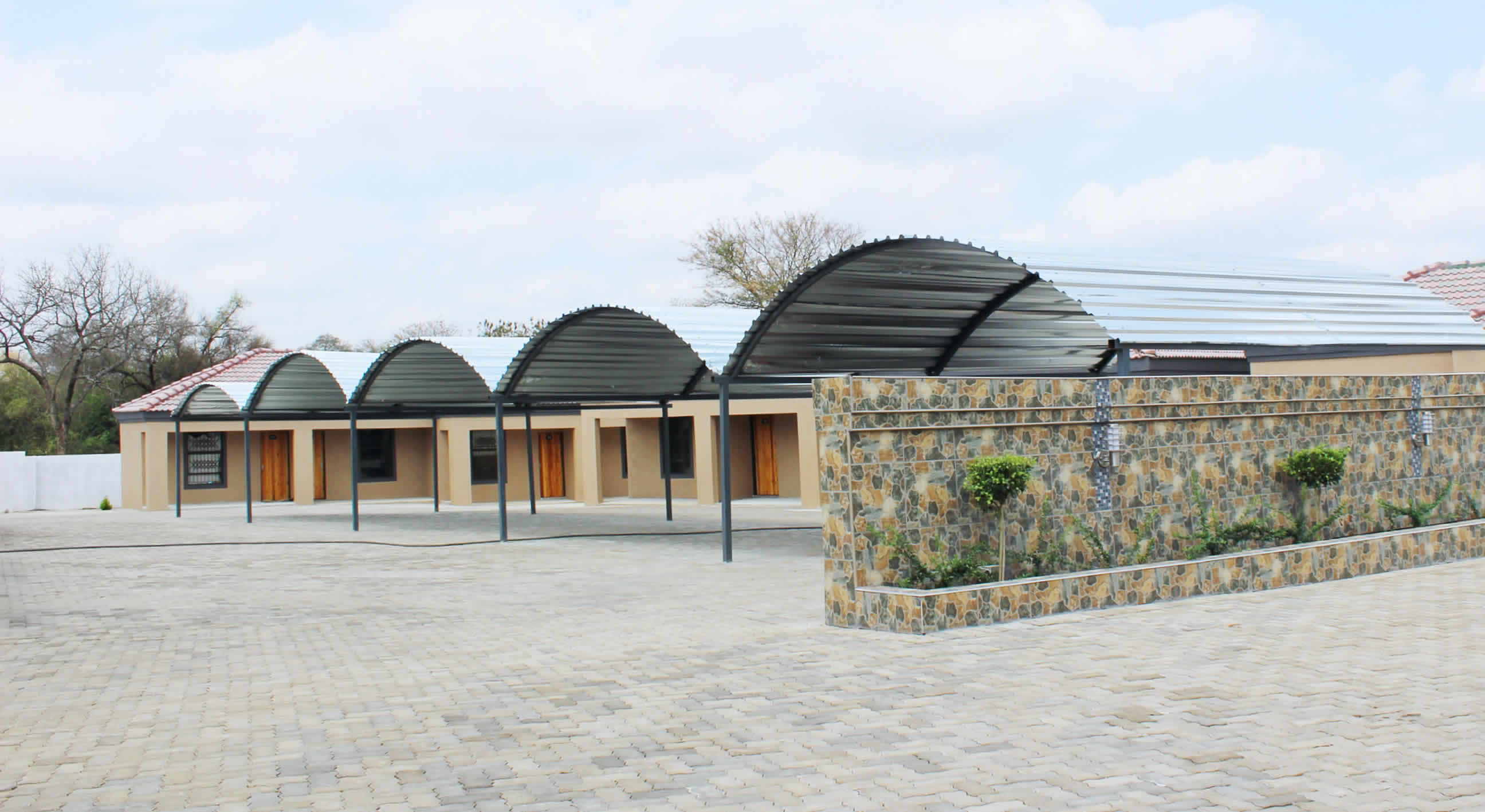
At the budget end, self-catering units and basic guesthouses offer straightforward rooms at affordable rates. These properties suit backpackers, government workers passing through on assignment, and travellers using Giyani as a night stop between Polokwane and the eastern lowveld. Facilities tend to be functional rather than decorative, with clean rooms, reliable water, and off-street parking as standard expectations.
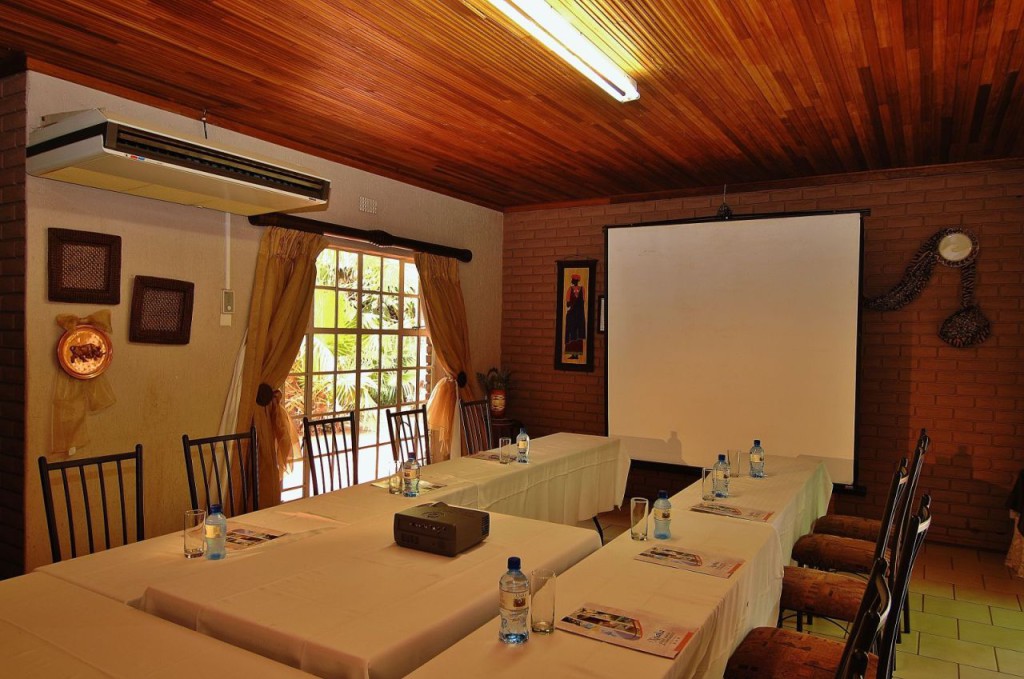
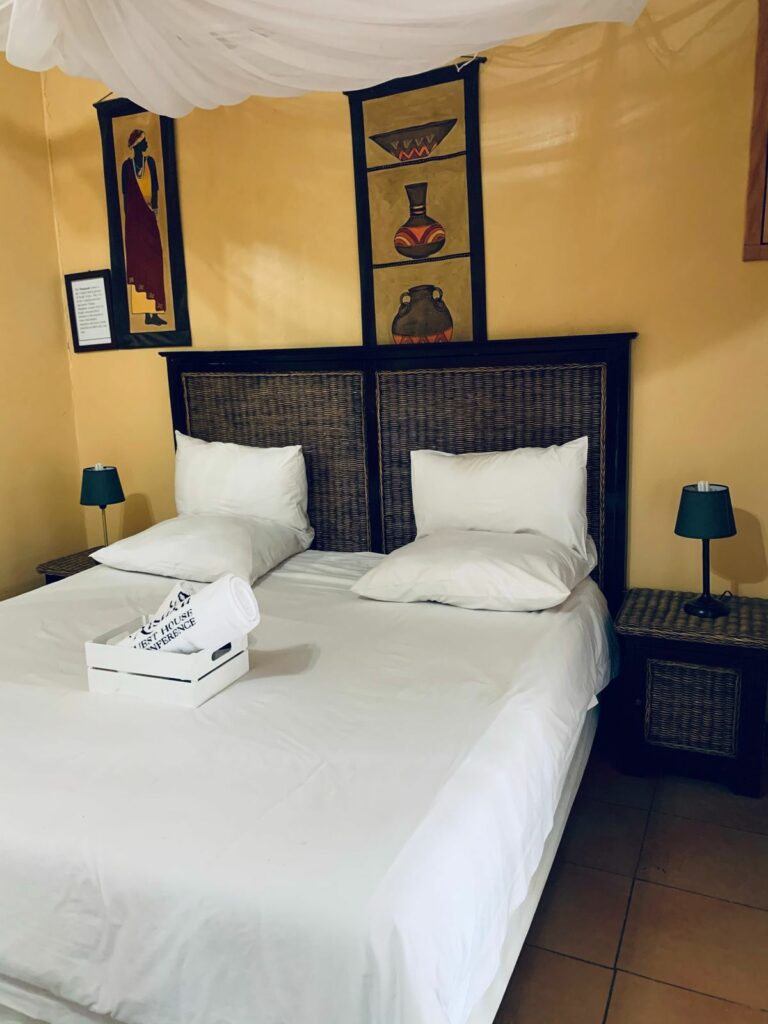
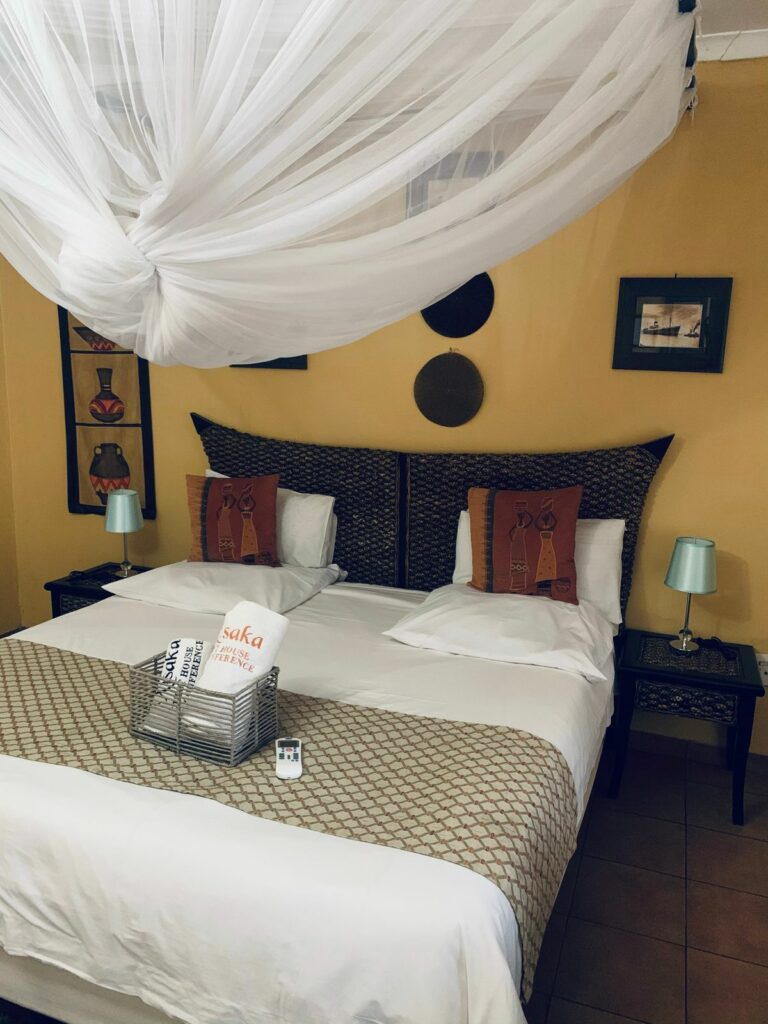
Mid-range options step up in comfort without venturing into full resort territory. Small lodges and family-run guesthouses in this tier typically include en-suite bathrooms, air conditioning, and sometimes a communal braai area in the garden. Owners at this level tend to be local and can provide practical guidance on navigating the surrounding area, sourcing supplies, or planning excursions.
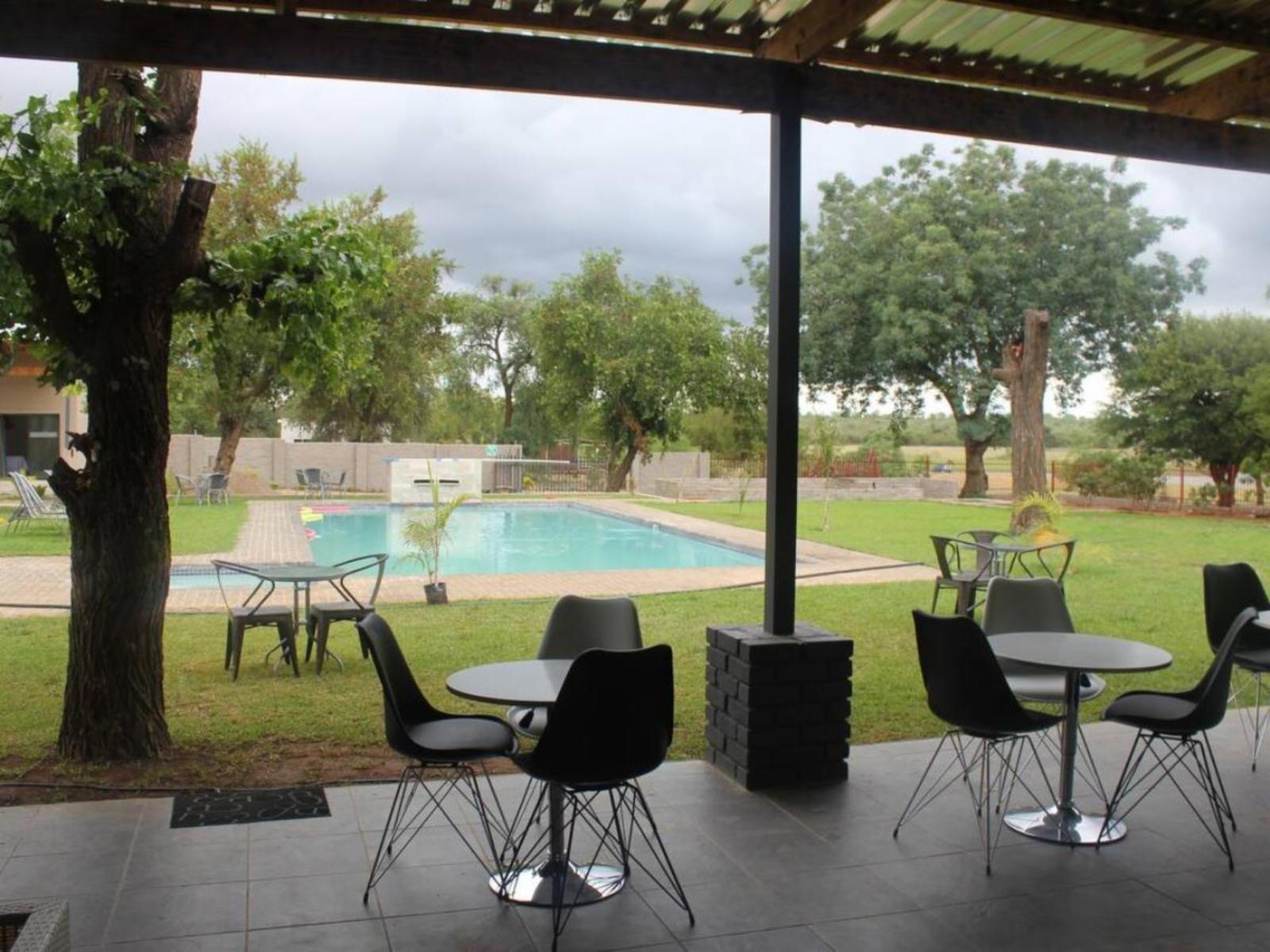
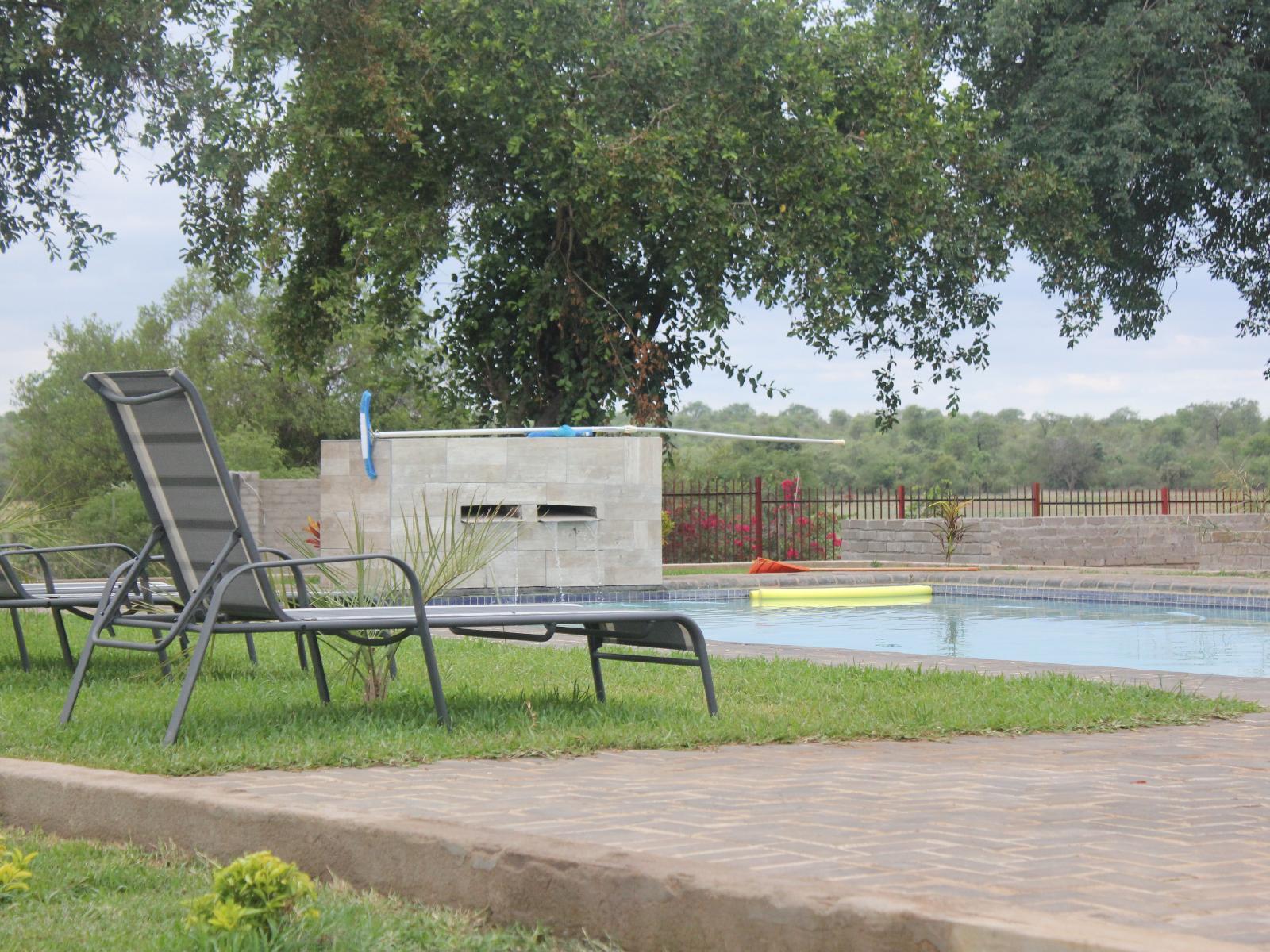
Upper-tier accommodation around Giyani leans toward bush lodges that draw on the area's proximity to the lowveld. These properties sit outside the town proper and offer a quieter experience with views over open savannah. Rates at this level are higher, though generally still below what comparable bush accommodation costs closer to the Kruger gates. Some lodges in this category include guided walks or game drives as part of their offering.
Booking ahead is sensible during school holidays, when domestic travellers and families fill available rooms, and during local government or civic events that bring workers into town. Outside these periods, availability is generally good and flexible arrangements are possible. Confirming directly by phone before arrival remains advisable for smaller, owner-operated properties anywhere in Limpopo.
---
## Best Time to Visit Giyani
Giyani sits in a subtropical zone, and the contrast between its two main seasons shapes what kind of trip is possible.
Summer, running from October through March, brings intense heat that regularly exceeds 35 degrees Celsius, combined with heavy afternoon thunderstorms. Conditions in the middle of the day can make outdoor activity uncomfortable, though the bush turns a deep green and the riverbeds fill. Birdwatching is at its most productive in this period, as migrant species arrive from Central Africa and are active across the mopane woodland. Community gatherings and traditional events tend to cluster in the warmer months, which can add cultural interest to a visit.
The dry winter season, from April through September, is generally the better time to travel. Days are warm and clear, temperatures drop sharply after dark, and the thinned-out vegetation makes it easier to spot wildlife. Roads in rural areas are reliable and dry. June and July offer the coolest conditions, which suits extended time on foot.
September offers a middle ground, with mild days, receding night cold, and wildlife still concentrated around remaining water sources before the rains return. School holidays in July and the December-January window bring the most visitor traffic.
---
## Getting to Giyani
Giyani sits approximately 480 kilometres north of Johannesburg and around 170 kilometres northeast of Polokwane. The standard route from Johannesburg follows the N1 north to Polokwane, then continues on the R71 eastward past Tzaneen before turning onto the R81, which leads directly into Giyani. Total drive time from Johannesburg runs roughly five to six hours, depending on traffic through the escarpment and the stretch through Tzaneen.
From Polokwane, the drive takes about two hours on reasonable roads. Travellers arriving from the Kruger National Park's eastern side can approach via Phalaborwa, adding Giyani to a circular northern Limpopo itinerary without significant backtracking.
The nearest airport with regular scheduled domestic services is Polokwane International Airport (PTG), which connects to Johannesburg O.R. Tambo. From there, a hire car is the most practical option for reaching Giyani. Phalaborwa Airport (PHW) serves as an alternative arrival point for travellers combining a lowveld park visit with a stop in the Giyani area.
Within Giyani, minibus taxis run fixed routes to nearby settlements throughout the day on informal schedules. For reaching rural attractions or the communities around town, a hire car provides the only reliable flexibility. Roads between main settlements are paved, but secondary tracks to smaller villages vary considerably in condition, particularly after summer rain.
---
## Giyani and Surrounding Areas
Several communities and destinations within an hour's drive of Giyani are worth considering when planning excursions from town.
**Zakeni**, 11 kilometres east of Giyani, is a small settlement set in dry bushveld. The short drive out gives a clear picture of the communal land character of this part of Mopani District, and the surrounding scrub holds birdlife that rewards a slow walk.
**Nlaniki**, at 23 kilometres, sits further into the rural landscape to the northeast. The area reflects the dispersed settlement pattern common across this region, with smallholdings and subsistence plots interspersed through open thornveld. It is quiet and unlikely to appear on standard tourist itineraries, but the drive itself passes through typical lowveld scenery.
**Nngwekhulu** and **Peninghotsa**, both around 32 to 33 kilometres out, are small communities in different directions from Giyani. Reaching either takes the traveller through mopane and mixed bushveld terrain that transitions gradually as elevation shifts. Peninghotsa lies to the south through increasingly agricultural land.
**Nalatsi**, also at 33 kilometres, offers a similar character to the other smaller villages in the area. Dry riverbeds and rocky outcrops near the road make it worth slowing down for anyone interested in geology or plants.
**Ga-Modjadji**, 37 kilometres from Giyani, is the most historically layered destination in the area. This is the home of the Lovedu people and the site of the Rain Queen tradition, a hereditary position held by women who have been credited with controlling rainfall for generations. The Modjadji Cycad Reserve sits within this territory and contains one of the largest concentrations of cycad trees in the world. The dominant species here, Encephalartos transvenosus (the Modjadji Palm), grows nowhere else in this concentration. Individual trees within the reserve are estimated to be several hundred years old. The walk through the reserve is short but the scale and age of the cycads make it a genuinely different experience from the surrounding bushveld. A small visitors' area provides context on the ecological and cultural significance of the site.
---
## Planning Your Stay
Giyani lacks the tourist infrastructure of larger Limpopo towns, so a small amount of preparation avoids avoidable friction.
Contact properties directly to confirm availability, particularly for smaller guesthouses that may not keep online calendars current. A phone call is faster than an email in most cases and gives a clearer sense of whether a property is actively operating.
Check what the rate includes before confirming. Self-catering arrangements are common in the region, and many properties expect guests to supply their own food. Arriving without basics in the evening, when town shops may be closed, is worth avoiding.
If day trips to rural areas are on your plan, ask your accommodation host about current road conditions. Seasonal rains between November and March can affect unpaved routes significantly, and local knowledge is more reliable than mapping apps in this regard.
Fill your fuel tank in Giyani before heading toward smaller communities. Petrol stations in town are straightforward to find, but rural roads have very few options.
Mobile data coverage is generally adequate in Giyani town, though it weakens between settlements. Downloading offline maps of the surrounding area before you leave home costs nothing and saves time. Most mid-range and upper-tier guesthouses offer Wi-Fi, though speed varies considerably between properties.

Giyani's accommodation scene is modest, reflecting the town's role as an administrative centre rather than a tourist hub. The local market currently shows limited online listing activity, and travellers should expect to find most options through direct contact with properties or via regional booking platforms rather than major international travel sites.
At the budget end, self-catering units and basic guesthouses offer straightforward rooms at affordable rates. These properties suit backpackers, government workers passing through on assignment, and travellers using Giyani as a night stop between Polokwane and the eastern lowveld. Facilities tend to be functional rather than decorative, with clean rooms, reliable water, and off-street parking as standard expectations.
Mid-range options step up in comfort without venturing into full resort territory. Small lodges and family-run guesthouses in this tier typically include en-suite bathrooms, air conditioning, and sometimes a communal braai area in the garden. Owners at this level tend to be local and can provide practical guidance on navigating the surrounding area, sourcing supplies, or planning excursions.
Upper-tier accommodation around Giyani leans toward bush lodges that draw on the area's proximity to the lowveld. These properties sit outside the town proper and offer a quieter experience with views over open savannah. Rates at this level are higher, though generally still below what comparable bush accommodation costs closer to the Kruger gates. Some lodges in this category include guided walks or game drives as part of their offering.
Booking ahead is sensible during school holidays, when domestic travellers and families fill available rooms, and during local government or civic events that bring workers into town. Outside these periods, availability is generally good and flexible arrangements are possible. Confirming directly by phone before arrival remains advisable for smaller, owner-operated properties anywhere in Limpopo.
---
## Best Time to Visit Giyani
Giyani sits in a subtropical zone, and the contrast between its two main seasons shapes what kind of trip is possible.
Summer, running from October through March, brings intense heat that regularly exceeds 35 degrees Celsius, combined with heavy afternoon thunderstorms. Conditions in the middle of the day can make outdoor activity uncomfortable, though the bush turns a deep green and the riverbeds fill. Birdwatching is at its most productive in this period, as migrant species arrive from Central Africa and are active across the mopane woodland. Community gatherings and traditional events tend to cluster in the warmer months, which can add cultural interest to a visit.
The dry winter season, from April through September, is generally the better time to travel. Days are warm and clear, temperatures drop sharply after dark, and the thinned-out vegetation makes it easier to spot wildlife. Roads in rural areas are reliable and dry. June and July offer the coolest conditions, which suits extended time on foot.
September offers a middle ground, with mild days, receding night cold, and wildlife still concentrated around remaining water sources before the rains return. School holidays in July and the December-January window bring the most visitor traffic.
---
## Getting to Giyani
Giyani sits approximately 480 kilometres north of Johannesburg and around 170 kilometres northeast of Polokwane. The standard route from Johannesburg follows the N1 north to Polokwane, then continues on the R71 eastward past Tzaneen before turning onto the R81, which leads directly into Giyani. Total drive time from Johannesburg runs roughly five to six hours, depending on traffic through the escarpment and the stretch through Tzaneen.
From Polokwane, the drive takes about two hours on reasonable roads. Travellers arriving from the Kruger National Park's eastern side can approach via Phalaborwa, adding Giyani to a circular northern Limpopo itinerary without significant backtracking.
The nearest airport with regular scheduled domestic services is Polokwane International Airport (PTG), which connects to Johannesburg O.R. Tambo. From there, a hire car is the most practical option for reaching Giyani. Phalaborwa Airport (PHW) serves as an alternative arrival point for travellers combining a lowveld park visit with a stop in the Giyani area.
Within Giyani, minibus taxis run fixed routes to nearby settlements throughout the day on informal schedules. For reaching rural attractions or the communities around town, a hire car provides the only reliable flexibility. Roads between main settlements are paved, but secondary tracks to smaller villages vary considerably in condition, particularly after summer rain.
---
## Giyani and Surrounding Areas
Several communities and destinations within an hour's drive of Giyani are worth considering when planning excursions from town.
**Zakeni**, 11 kilometres east of Giyani, is a small settlement set in dry bushveld. The short drive out gives a clear picture of the communal land character of this part of Mopani District, and the surrounding scrub holds birdlife that rewards a slow walk.
**Nlaniki**, at 23 kilometres, sits further into the rural landscape to the northeast. The area reflects the dispersed settlement pattern common across this region, with smallholdings and subsistence plots interspersed through open thornveld. It is quiet and unlikely to appear on standard tourist itineraries, but the drive itself passes through typical lowveld scenery.
**Nngwekhulu** and **Peninghotsa**, both around 32 to 33 kilometres out, are small communities in different directions from Giyani. Reaching either takes the traveller through mopane and mixed bushveld terrain that transitions gradually as elevation shifts. Peninghotsa lies to the south through increasingly agricultural land.
**Nalatsi**, also at 33 kilometres, offers a similar character to the other smaller villages in the area. Dry riverbeds and rocky outcrops near the road make it worth slowing down for anyone interested in geology or plants.
**Ga-Modjadji**, 37 kilometres from Giyani, is the most historically layered destination in the area. This is the home of the Lovedu people and the site of the Rain Queen tradition, a hereditary position held by women who have been credited with controlling rainfall for generations. The Modjadji Cycad Reserve sits within this territory and contains one of the largest concentrations of cycad trees in the world. The dominant species here, Encephalartos transvenosus (the Modjadji Palm), grows nowhere else in this concentration. Individual trees within the reserve are estimated to be several hundred years old. The walk through the reserve is short but the scale and age of the cycads make it a genuinely different experience from the surrounding bushveld. A small visitors' area provides context on the ecological and cultural significance of the site.
---
## Planning Your Stay
Giyani lacks the tourist infrastructure of larger Limpopo towns, so a small amount of preparation avoids avoidable friction.
Contact properties directly to confirm availability, particularly for smaller guesthouses that may not keep online calendars current. A phone call is faster than an email in most cases and gives a clearer sense of whether a property is actively operating.
Check what the rate includes before confirming. Self-catering arrangements are common in the region, and many properties expect guests to supply their own food. Arriving without basics in the evening, when town shops may be closed, is worth avoiding.
If day trips to rural areas are on your plan, ask your accommodation host about current road conditions. Seasonal rains between November and March can affect unpaved routes significantly, and local knowledge is more reliable than mapping apps in this regard.
Fill your fuel tank in Giyani before heading toward smaller communities. Petrol stations in town are straightforward to find, but rural roads have very few options.
Mobile data coverage is generally adequate in Giyani town, though it weakens between settlements. Downloading offline maps of the surrounding area before you leave home costs nothing and saves time. Most mid-range and upper-tier guesthouses offer Wi-Fi, though speed varies considerably between properties.
Giyani Kaart
Nabygeleë Bestemmings
Blaai Deur Alle Giyani Akkommodasie
Bekyk al 0 akkommodasie-opsies in Giyani met foto's, pryse en beskikbaarheid.
Blaai Deur Alle Akkommodasie