Accommodation in Peninghotsa
No properties are formally listed on major booking platforms for Peninghotsa at present, which means pricing benchmarks are unavailable and finding somewhere to stay requires direct local inquiry rather than a standard online search. Accommodation does exist in and around this part of the northern lowveld, but it operates largely through informal channels: locally run guesthouses and self-catering units that seldom appear on mainstream aggregator sites.
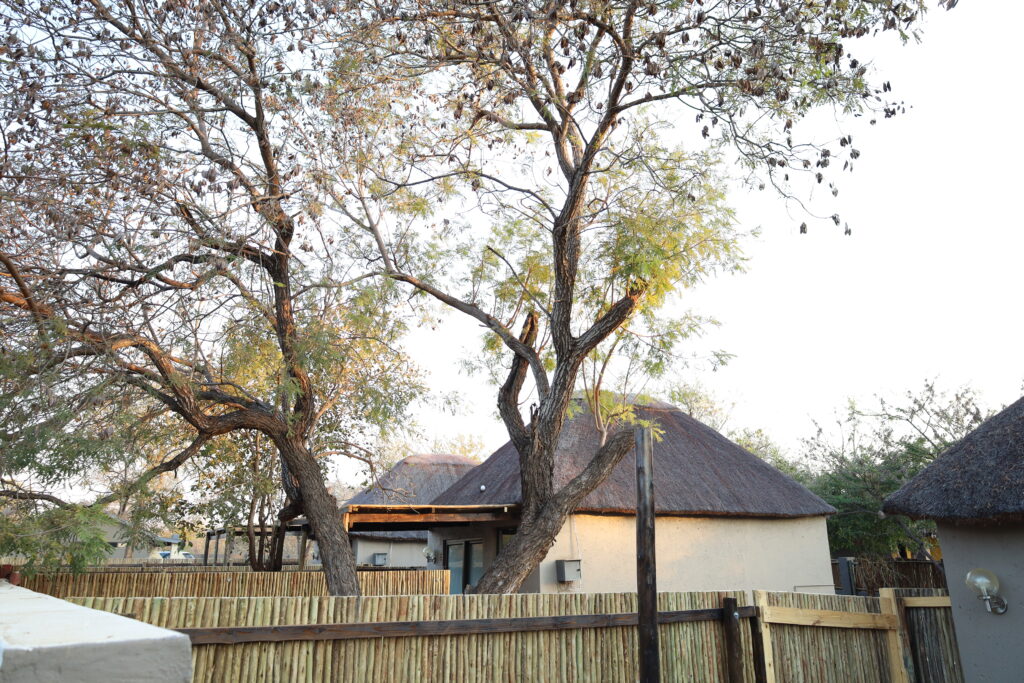
At the budget end, simple guesthouses offering basic room-and-breakfast arrangements serve travellers passing through. Rooms tend to be clean and functional, with modest furnishings and few extras. Some operate out of family homes, which gives them an informal, personal atmosphere not found in commercial properties. This type of accommodation suits those using Peninghotsa as an overnight staging point, arriving late from the road or leaving early for nearby reserves.
Self-catering units represent the most consistently available mid-range option in this part of rural Limpopo. Often attached to small farms or family-run properties, they typically provide space for couples or groups of three or four, and come equipped with a kitchenette, gas hob, and basic cookware. Linen and towels are usually included, though confirming this in advance avoids problems on arrival. Because no restaurants operate within walking distance of the village, self-catering suits most travellers regardless of budget tier.
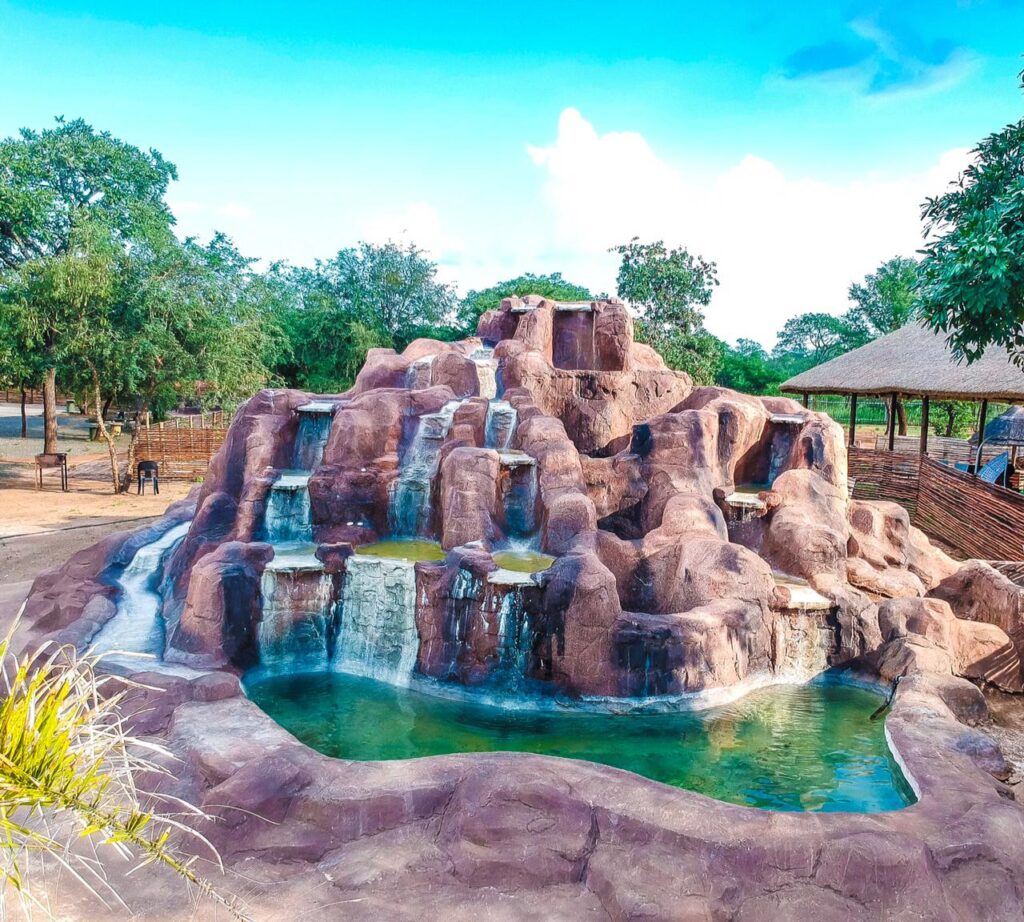
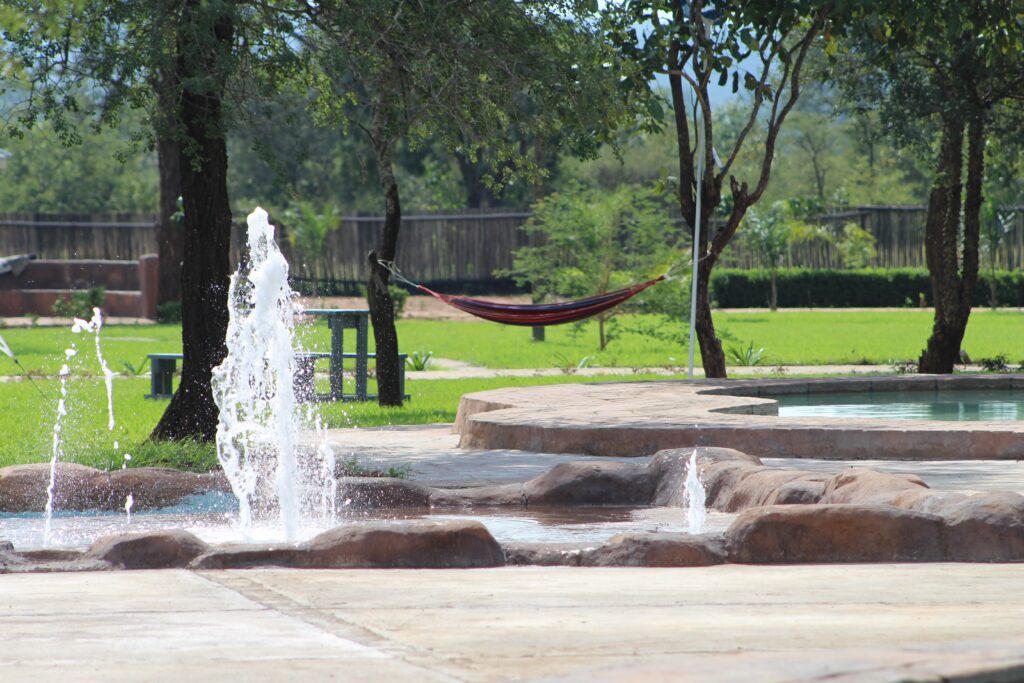
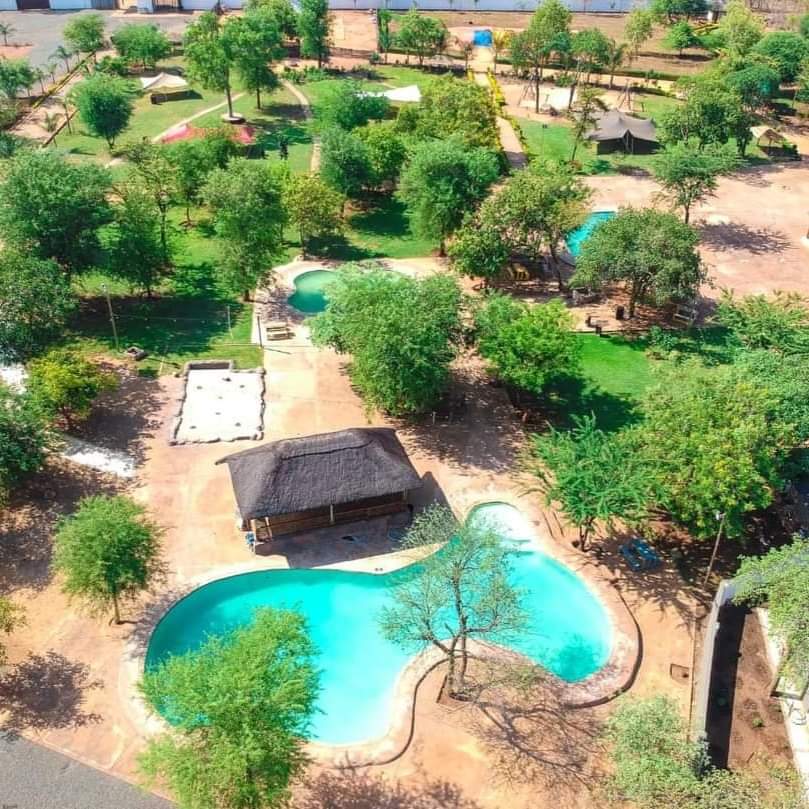
At the upper end of the local market, small lodges and farm stays occasionally operate in the broader area. These tend to include a swimming pool, braai facilities, and a bush setting on private land, sometimes with resident birdlife or small game on the property. They cater to visitors who want a quieter, more comfortable base than the major tourist towns in the region, without paying full game lodge prices.
Because formal listings are scarce, travellers should approach the search with flexibility. Regional tourism networks and direct community contacts remain the most reliable means of locating available properties.
Best Time to Visit Peninghotsa
The lowveld climate divides into two clear seasons. Summers run from November through March, bringing high humidity and afternoon thunderstorms. Temperatures regularly exceed 35 degrees Celsius during this period, with some days approaching 40. The rains transform the landscape considerably: dry, dust-coloured scrub gives way to green vegetation, seasonal rivers begin to flow, and migratory bird species arrive in significant numbers from November onward.
Winter, covering May to August, is the preferred season for most visitors. Days are warm and dry, typically between 20 and 28 degrees Celsius, while nights can fall to single figures and require a jacket or light sleeping bag. The vegetation thins noticeably during these months, and animals in nearby reserves gravitate toward permanent water sources, making wildlife more predictable and easier to observe.
April and September offer a reasonable middle ground: moderate temperatures, fewer visitors across the broader region, and landscapes that retain some green from the summer rains. October is typically the harshest month before the wet season arrives, hot and dusty.
For those prioritising wildlife observation and outdoor activity, June and July are the most comfortable and rewarding months. Birders focused on migratory species should consider the November to February window instead.
Getting to Peninghotsa
Road travel is the primary means of reaching Peninghotsa. From Johannesburg, the N1 runs north to Polokwane, Limpopo's largest city and the main service stop before the final stretch into the lowveld. From Polokwane, the R81 heads northeast through increasingly rural terrain toward the northern lowveld. The full journey from Johannesburg covers around 450 kilometres and typically takes five to six hours, depending on traffic conditions leaving the city.
Polokwane offers the last reliable opportunity to refuel, access banking facilities, and stock provisions before heading further north. Travellers approaching from a different direction can use Phalaborwa, approximately 60 kilometres from Peninghotsa, as an alternative entry point via the R71.
For those flying in, Polokwane International Airport handles scheduled connections from Johannesburg and Cape Town, with car hire available. Eastgate Airport near Hoedspruit provides an alternative for travellers coming from the south, also with car hire. Road distances from either airport make self-drive the logical continuation of the journey.
Public transport is limited. Minibus taxis serve informal routes between regional towns and surrounding villages, but schedules are irregular and reliability is not guaranteed. A private vehicle is strongly recommended, both for the journey to Peninghotsa and for getting around the area during your stay.
Peninghotsa and Surrounding Areas
Peninghotsa's position in the northern lowveld gives access to destinations that differ considerably in character, from small Tsonga communities to Venda cultural centres and the northern reach of one of Africa's most significant conservation systems.
Xaswita (9km) is the closest neighbouring settlement, sharing Peninghotsa's rural character and the agricultural patterns of the Tsonga-speaking communities in this corridor. The short drive between the two villages illustrates the communal land use and smallholder farming that define the immediate area.
Giyani (33km) is the main town of the Greater Giyani Local Municipality and the primary service hub for much of the surrounding rural area. Supermarkets, banks, a district hospital, filling stations, and various government offices are all present, making it an essential stop for provisions, internet access, or medical services.
Zakeni (35km) sits further into the lowveld on land bordering the wider conservation ecosystem to the south and east. Its position near the edge of communal and protected land makes it of interest to those curious about how rural communities and wildlife management interact in practice.
Thohoyandou (37km) is the main city of the Venda region and carries a distinct cultural identity from the Tsonga communities closer to Peninghotsa. The University of Venda is based here, and the city has craft markets and galleries that reflect Venda heritage. Compared to smaller towns in the area, Thohoyandou offers a broader selection of shops, eateries, and overnight accommodation.
Tswera (38km) is a small settlement reflecting the smallholder farming and communal land tenure common across this part of Limpopo.
Punda Maria (41km) is a rest camp in the northern section of Kruger National Park and one of the quieter entry points to the park. The surrounding mopane woodland and riverine vegetation differ noticeably from the more heavily visited central and southern sections of Kruger. The area carries a strong reputation among birders for species difficult to find elsewhere in South Africa. Day visitors can enter through the Punda Maria gate, and self-catering chalets and camping facilities allow overnight stays for those wanting to base themselves inside the park.
Planning Your Stay
Finding accommodation in Peninghotsa requires more direct effort than booking through standard platforms. Properties that exist are often locally operated and may only accept reservations by phone or through community networks. Contacting regional tourism bodies or reaching out to tour operators in nearby towns is a more productive first step than searching aggregator sites.
Before confirming a booking, verify key infrastructure directly with the host. Electricity reliability is a genuine concern across rural Limpopo, and asking whether backup power, such as a generator or solar setup, is in place will prevent unpleasant surprises. Mobile network coverage varies significantly between carriers in this part of the province; confirming signal strength on the property is worth doing if connectivity is important to your trip.
Arrive with essentials already purchased. Fresh produce, fuel, and pharmaceuticals should all be secured before reaching the village. If you are planning day trips to national park gates or other conservation areas in the region, confirm entry times in advance and check whether card payments are accepted, as some access points still operate on a cash basis.
Demand across the region rises noticeably between June and August. Booking ahead during these months improves your options and avoids last-minute complications. Mid-week arrivals typically encounter less competition for availability at smaller rural properties. Summer visitors should allow for afternoon storms affecting road conditions on dirt and gravel routes in and around the village.