Thohoyandou Reis- & Akkommodasiegids
Jou volledige gids om Thohoyandou, Suid-Afrika te besoek.
Thohoyandou serves as the capital of the Vhembe District in Limpopo, positioned near the border with Zimbabwe. The town functions as a gateway to Venda culture and provides access to the sacred forests and lakes of the surrounding region.
## Accommodation in Thohoyandou
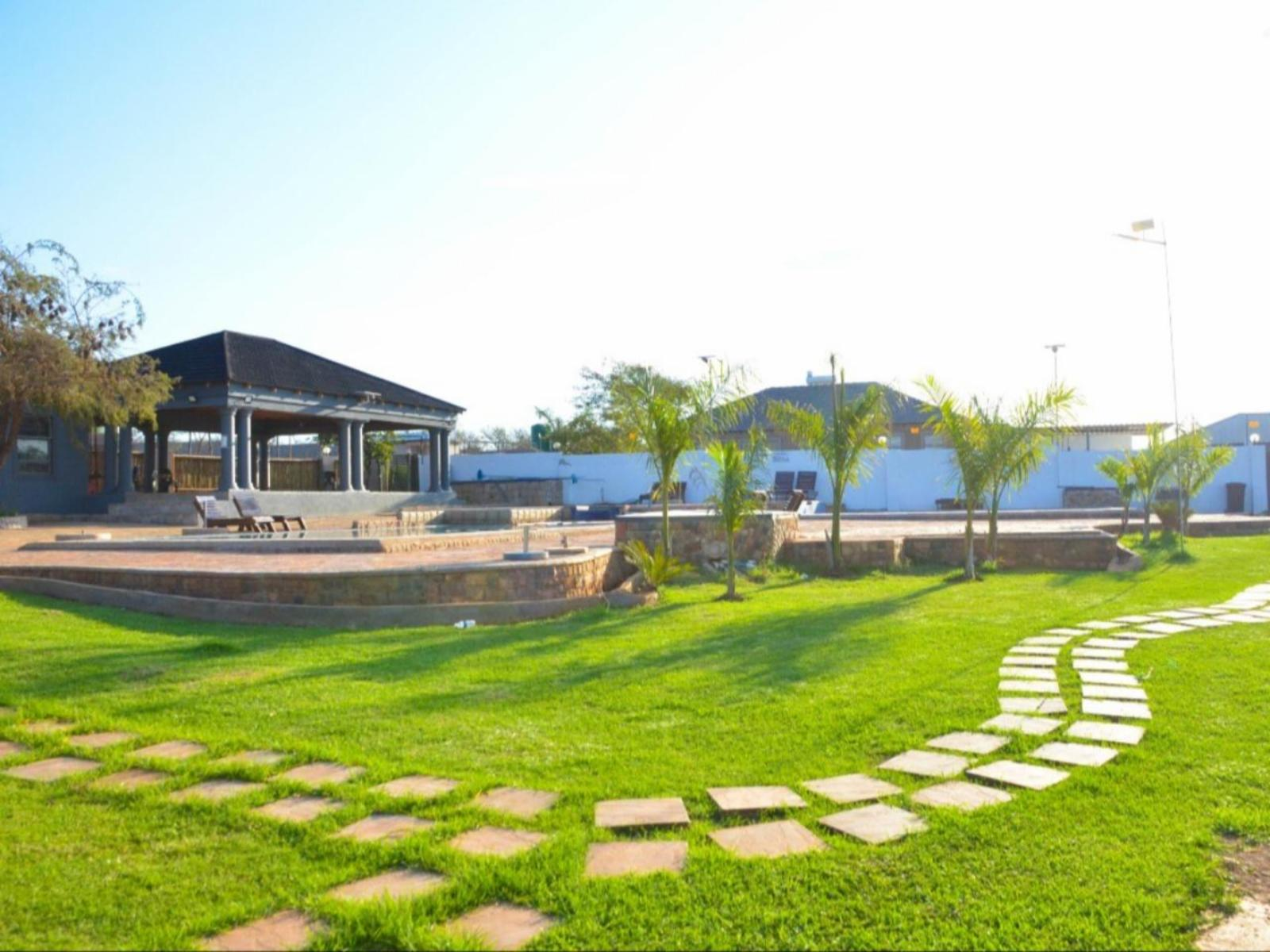
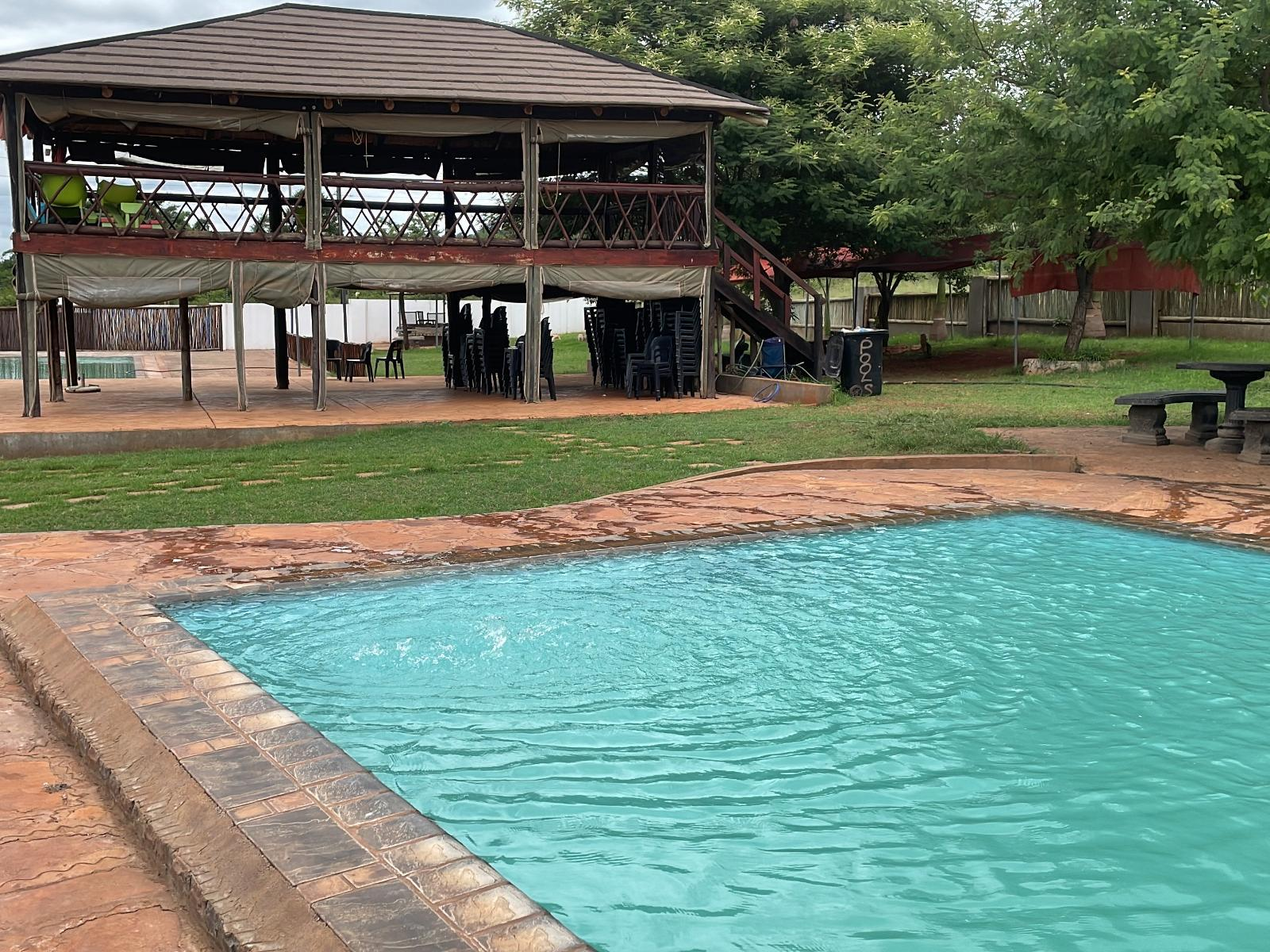
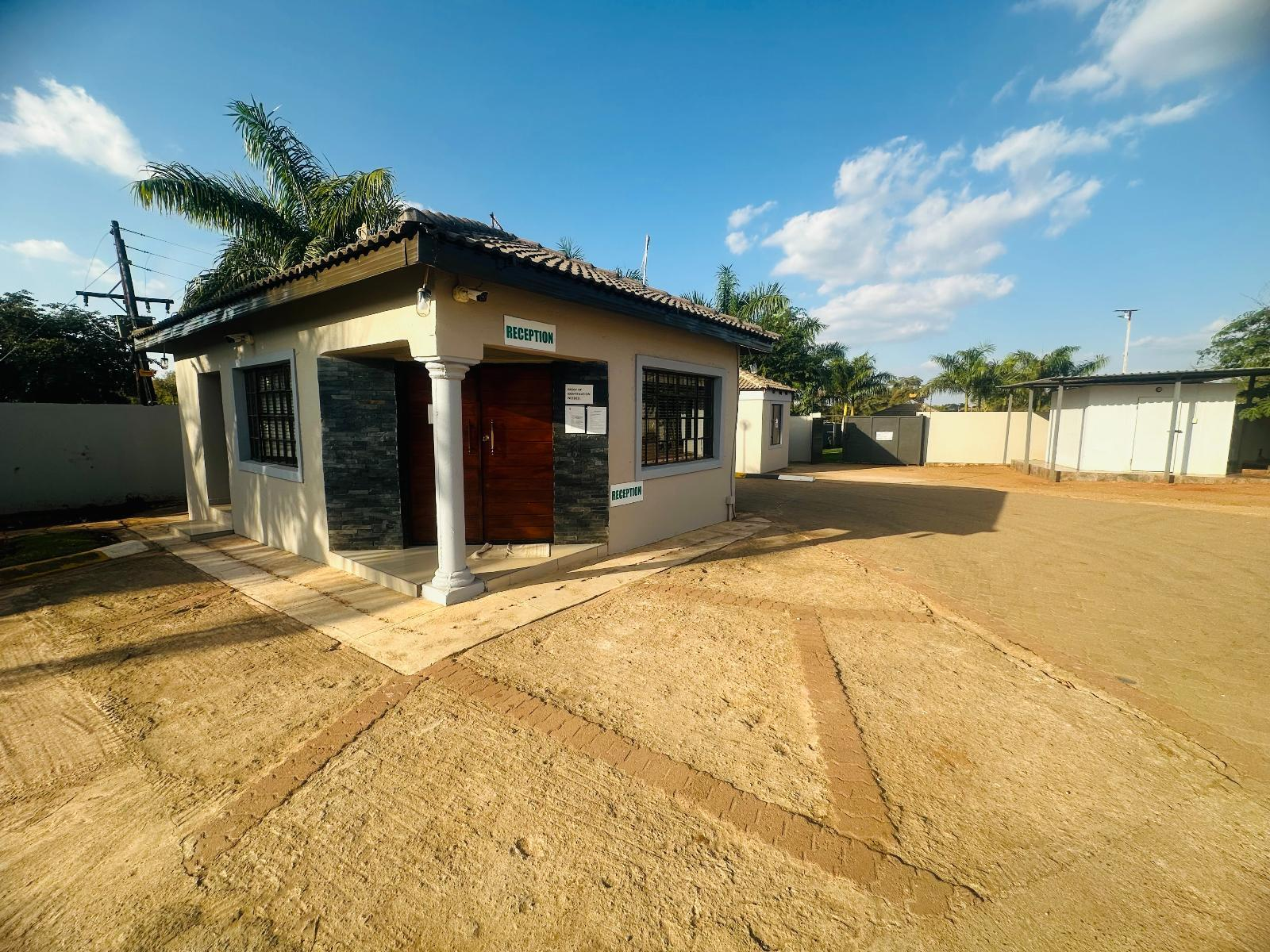
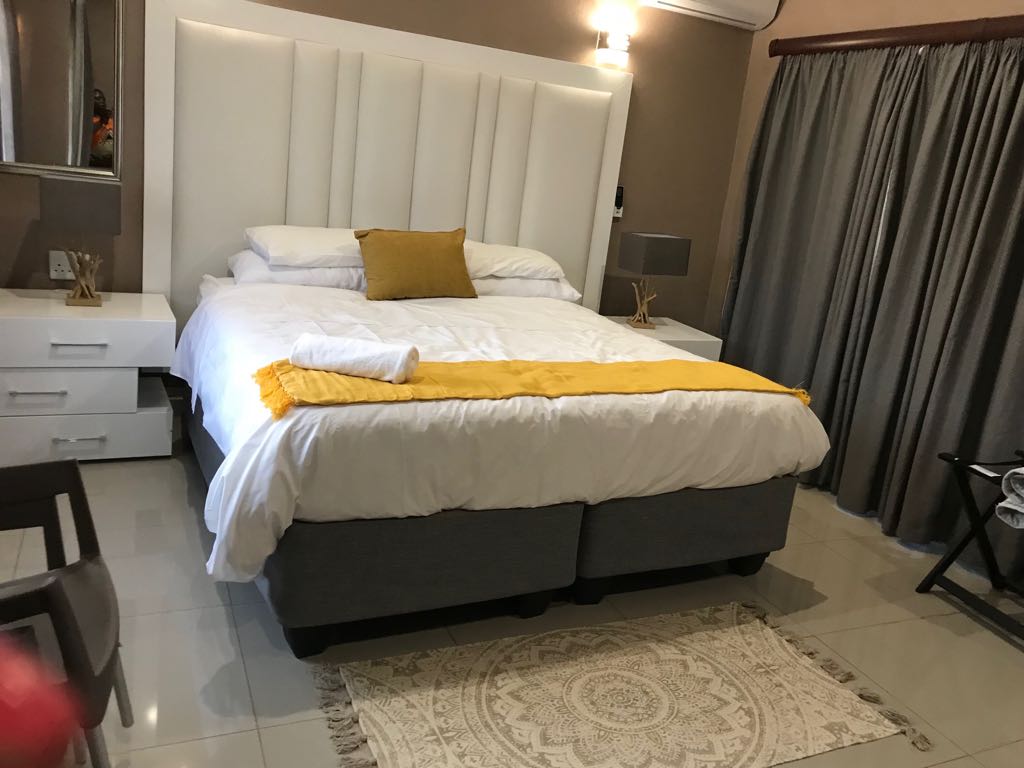
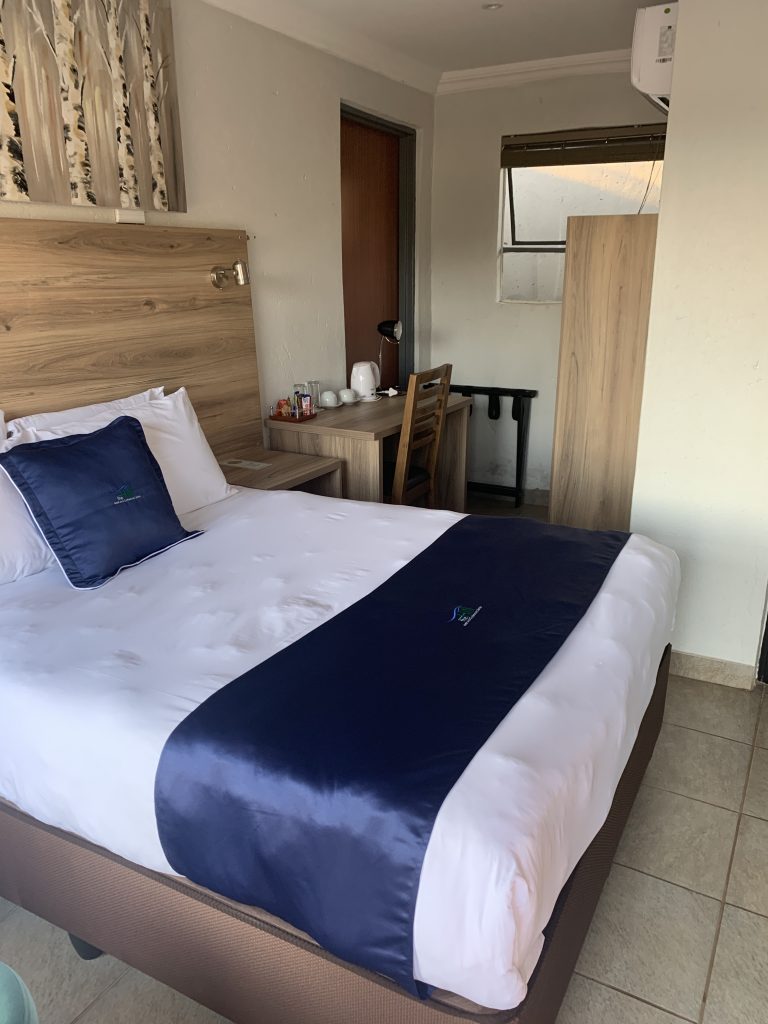
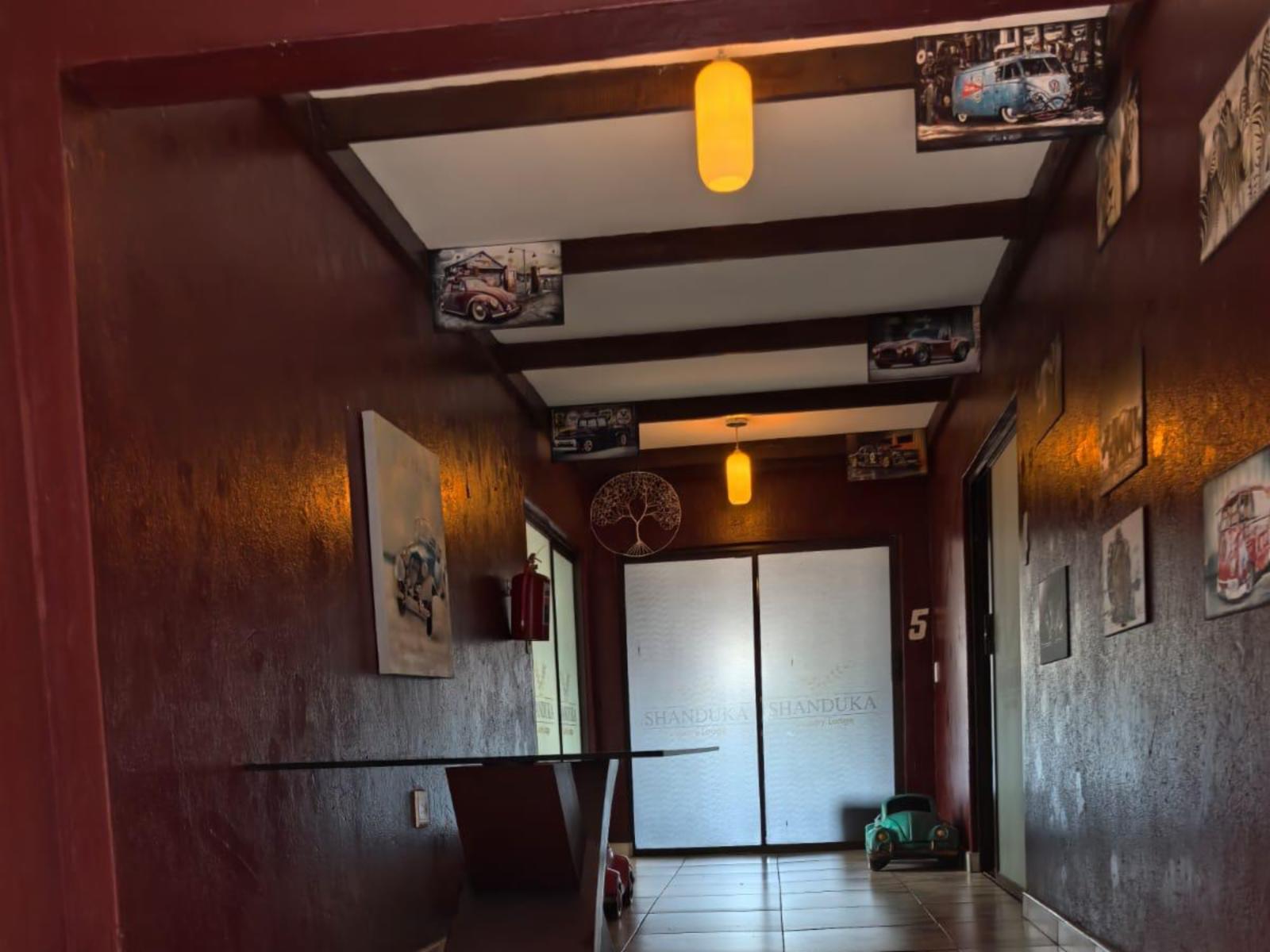
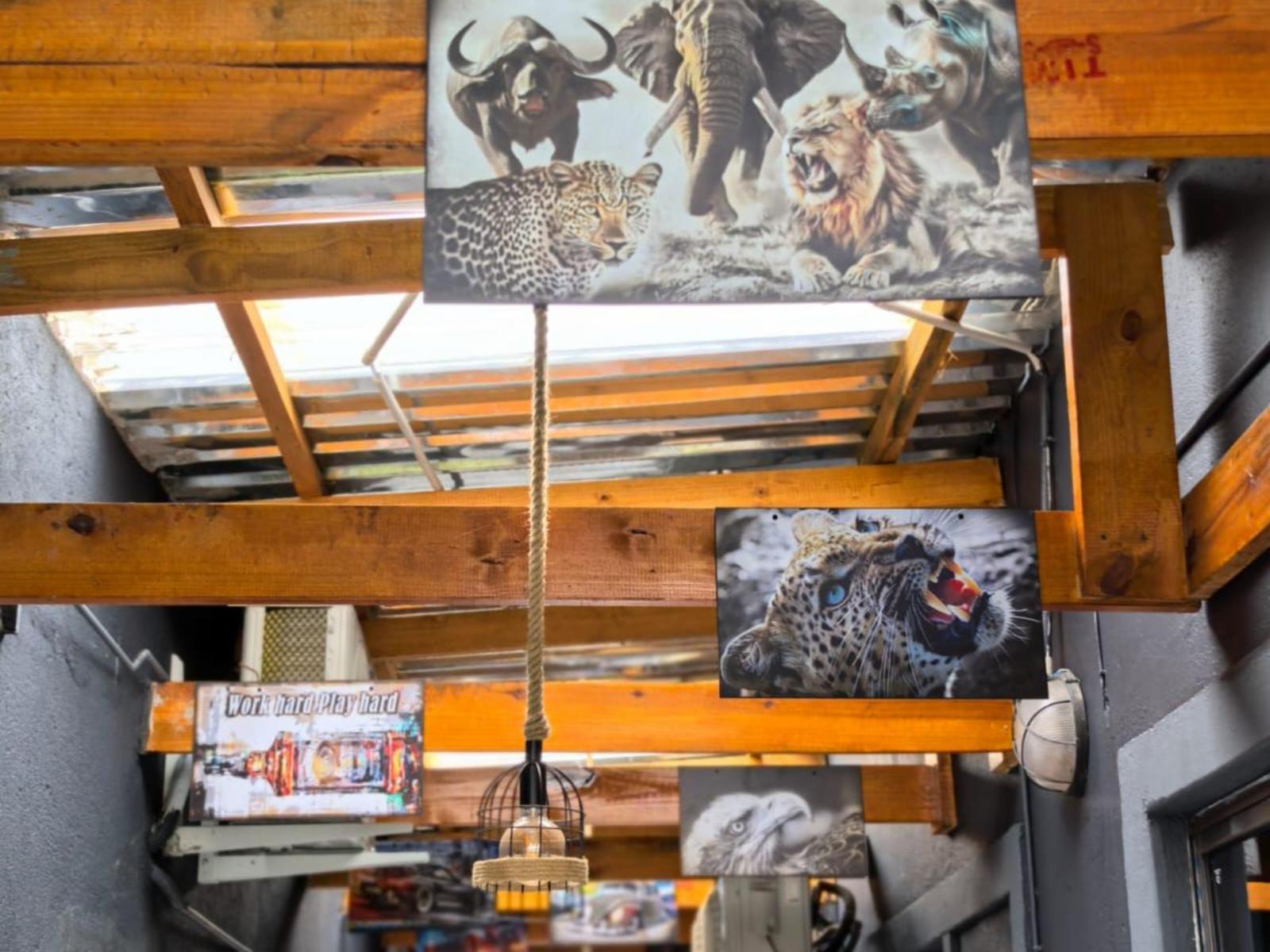
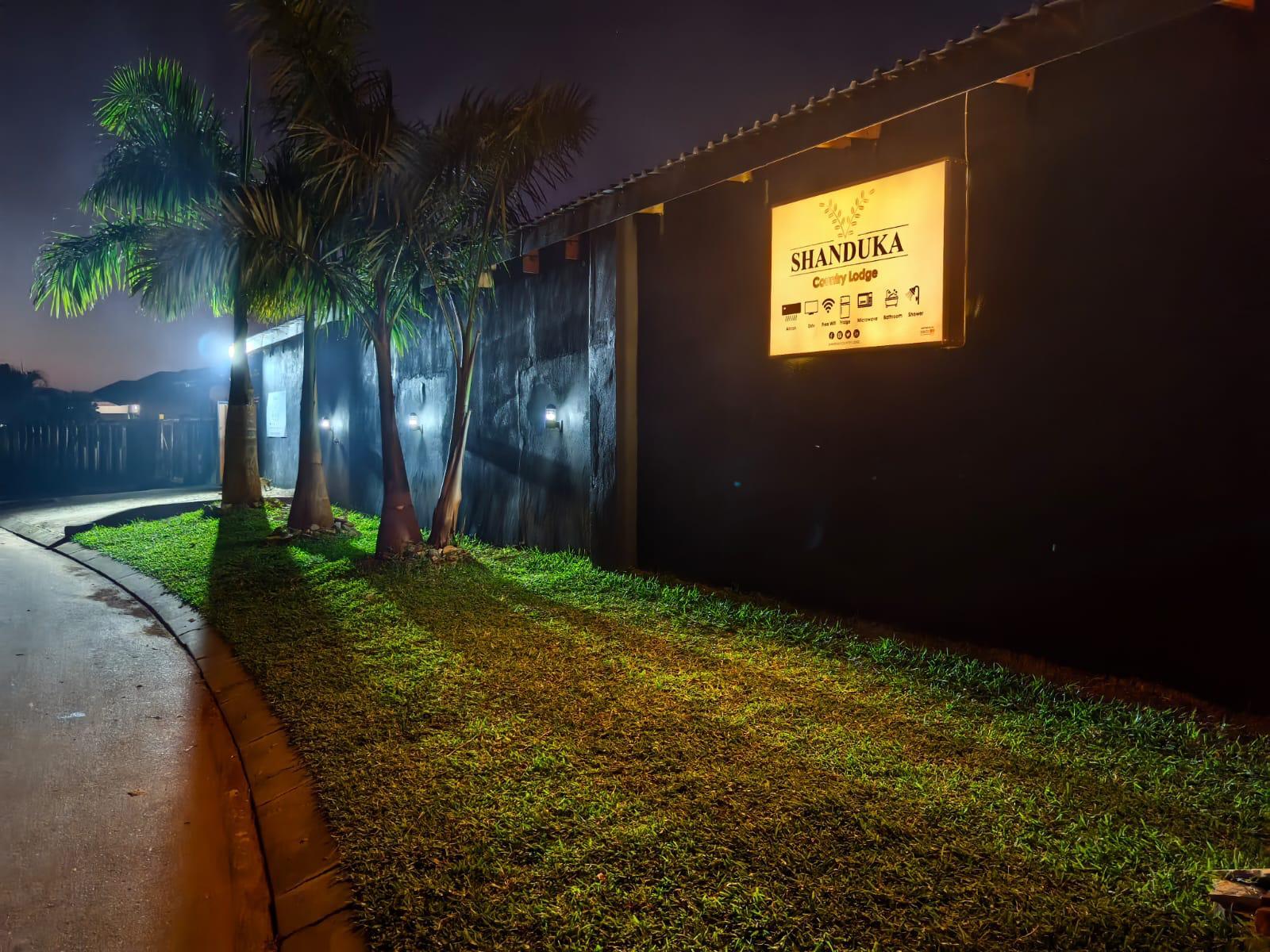
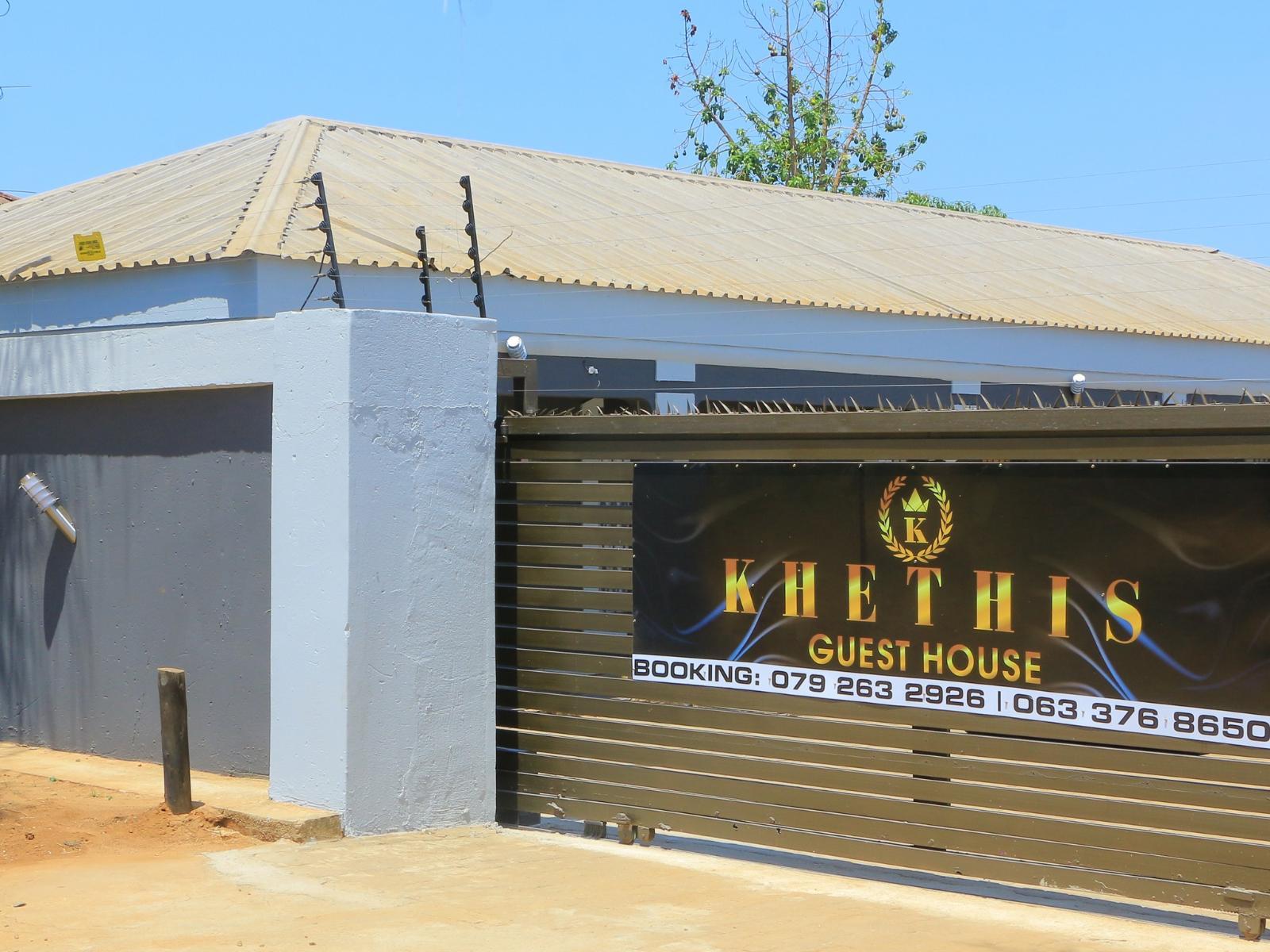
The accommodation market in Thohoyandou is developing in step with the town's growth as a regional centre for Vhembe district. No properties are currently listed on this platform, so travellers should use multiple channels, including direct outreach to local guesthouses and the Limpopo Tourism Agency, to find current availability. Business visitors, government workers, and those connected to the University of Venda keep demand reasonably steady mid-week, and advance booking is sensible at any time of year.
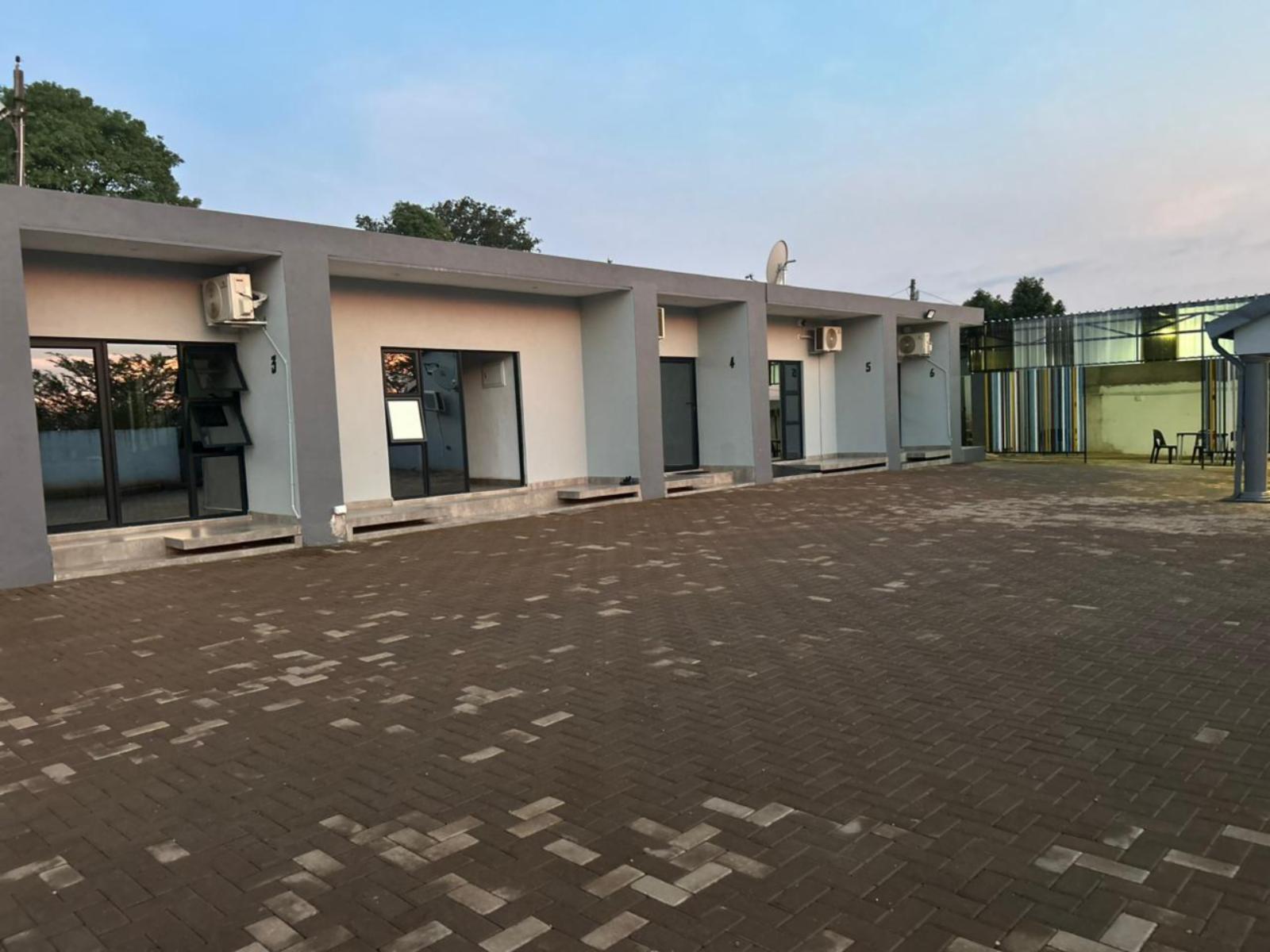
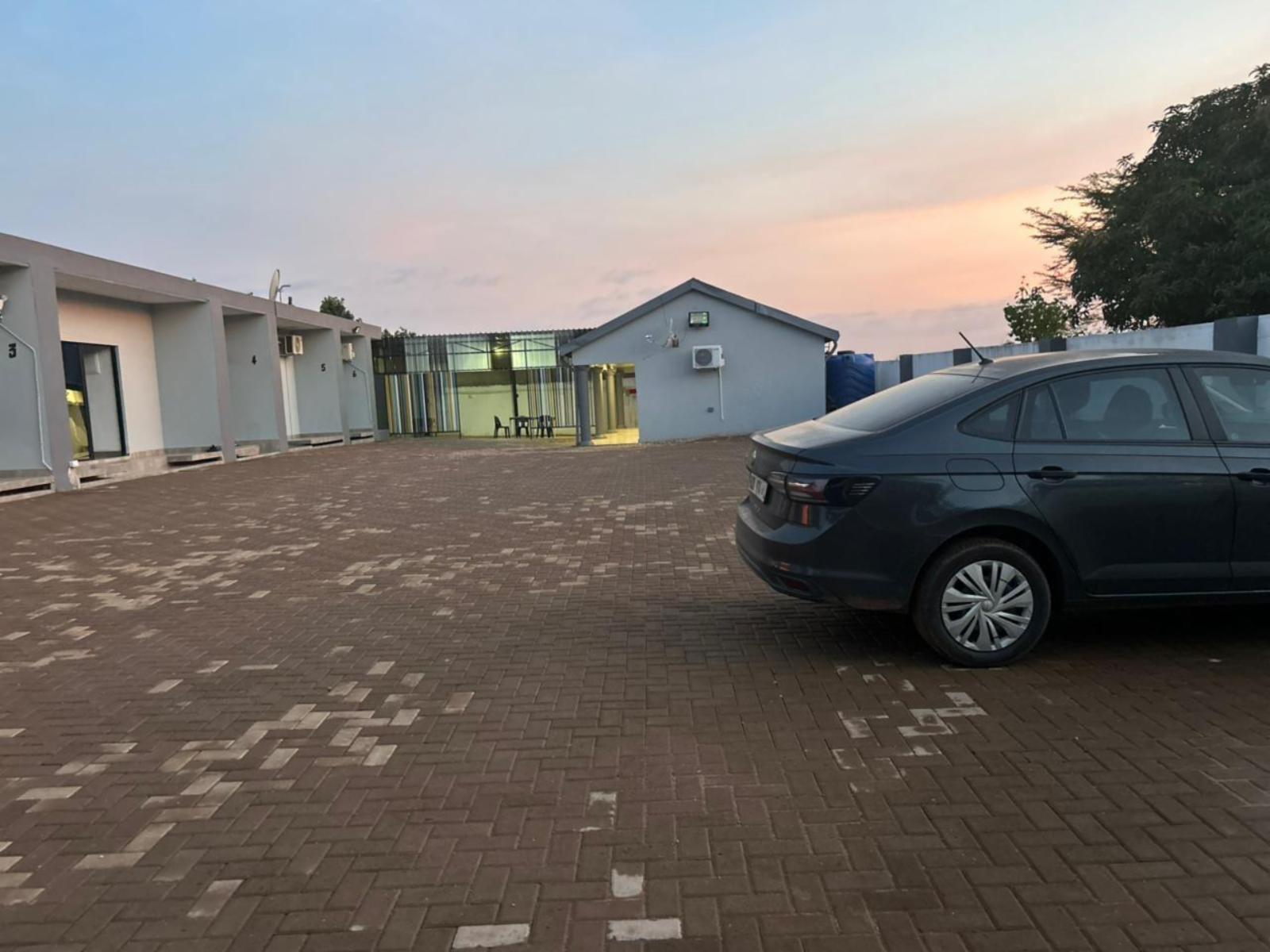
Budget accommodation in town typically takes the form of family-run guesthouses and self-catering units spread through residential areas. These offer functional basics: a room, a kitchen or simple meals, and secure parking. They suit travellers using Thohoyandou as a practical base rather than treating the accommodation itself as part of the experience.
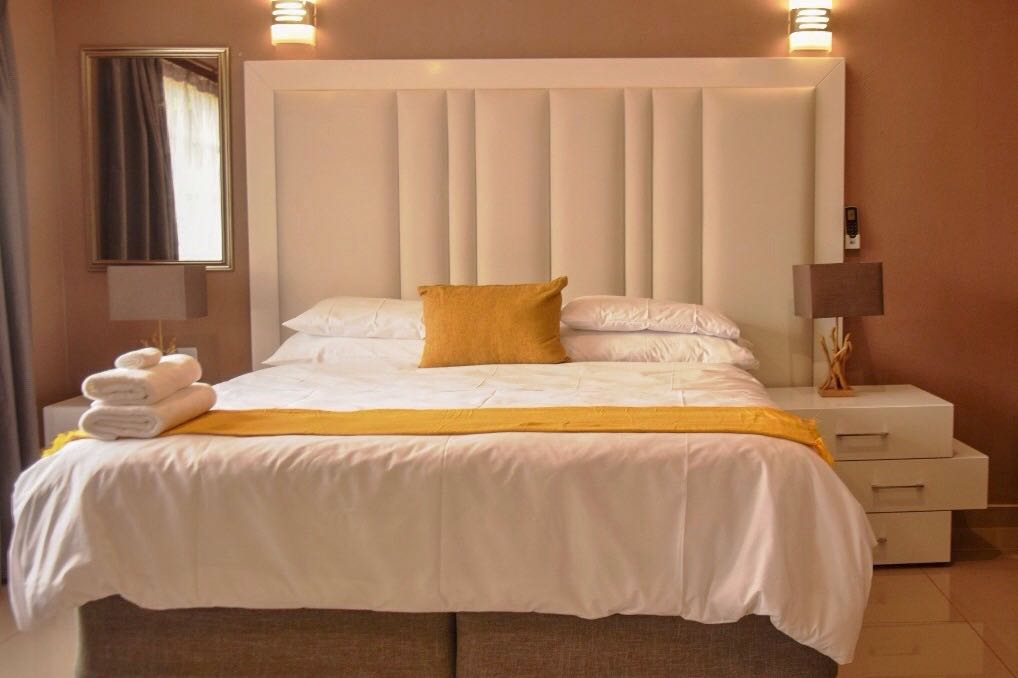
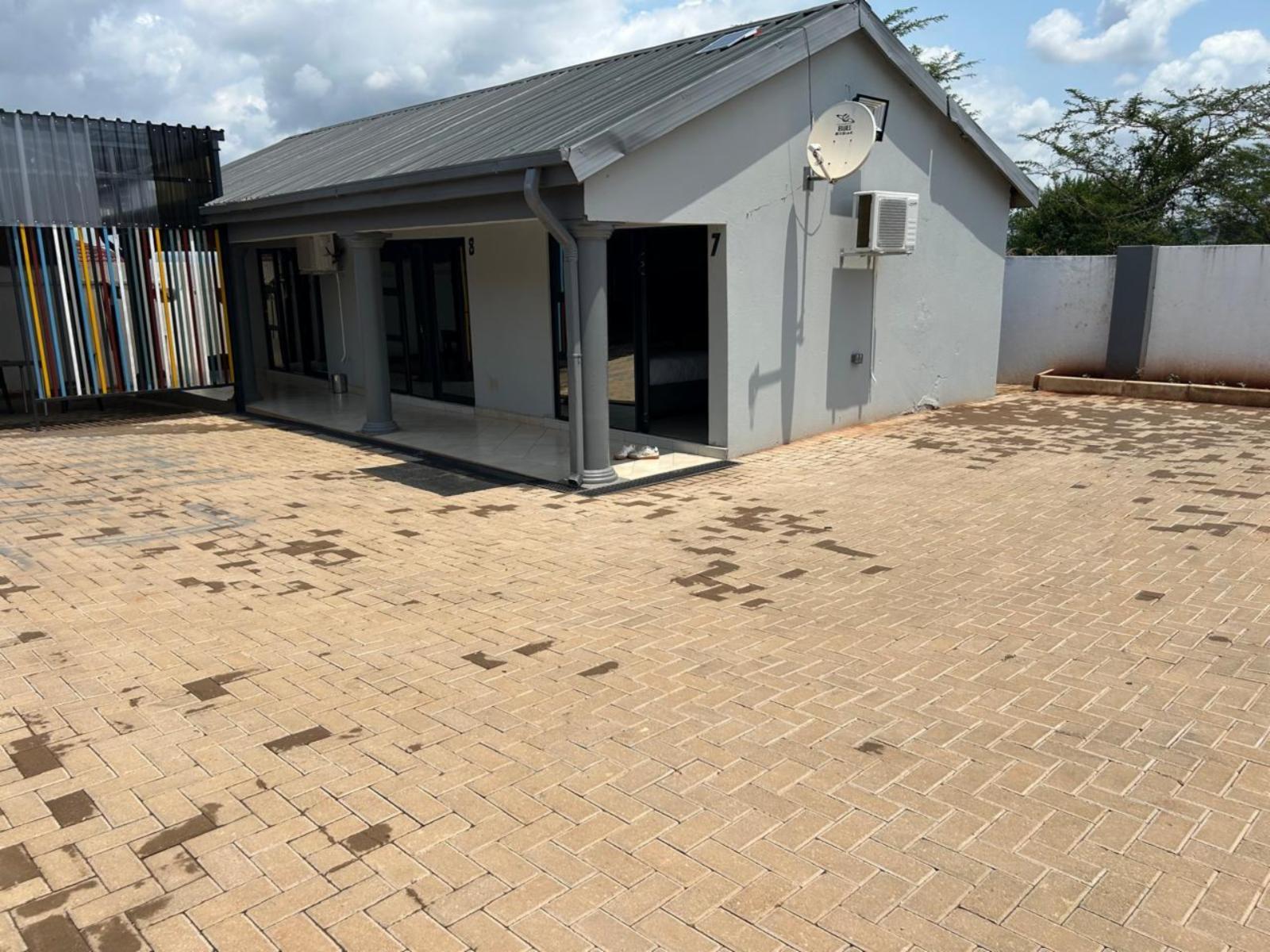
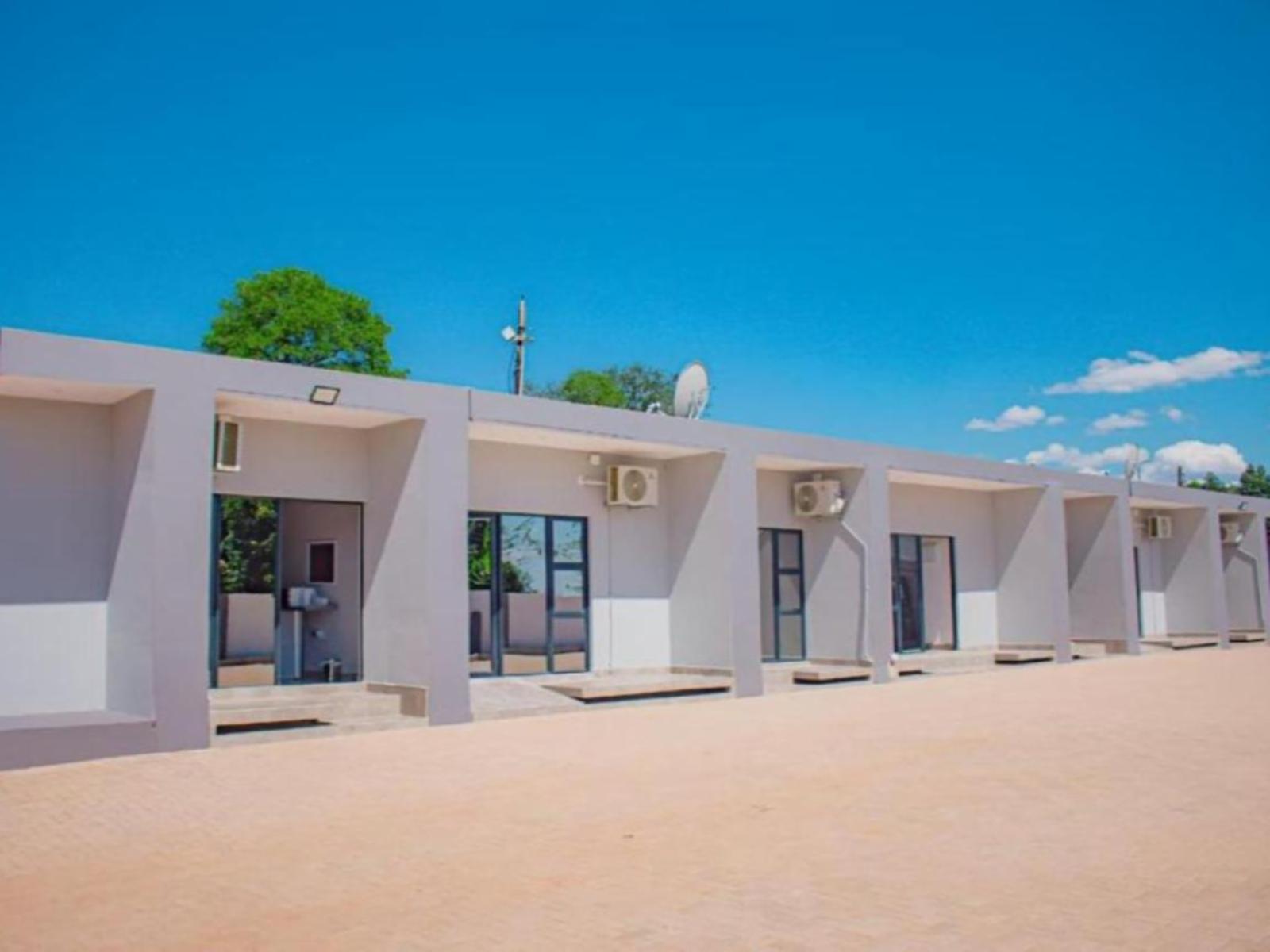
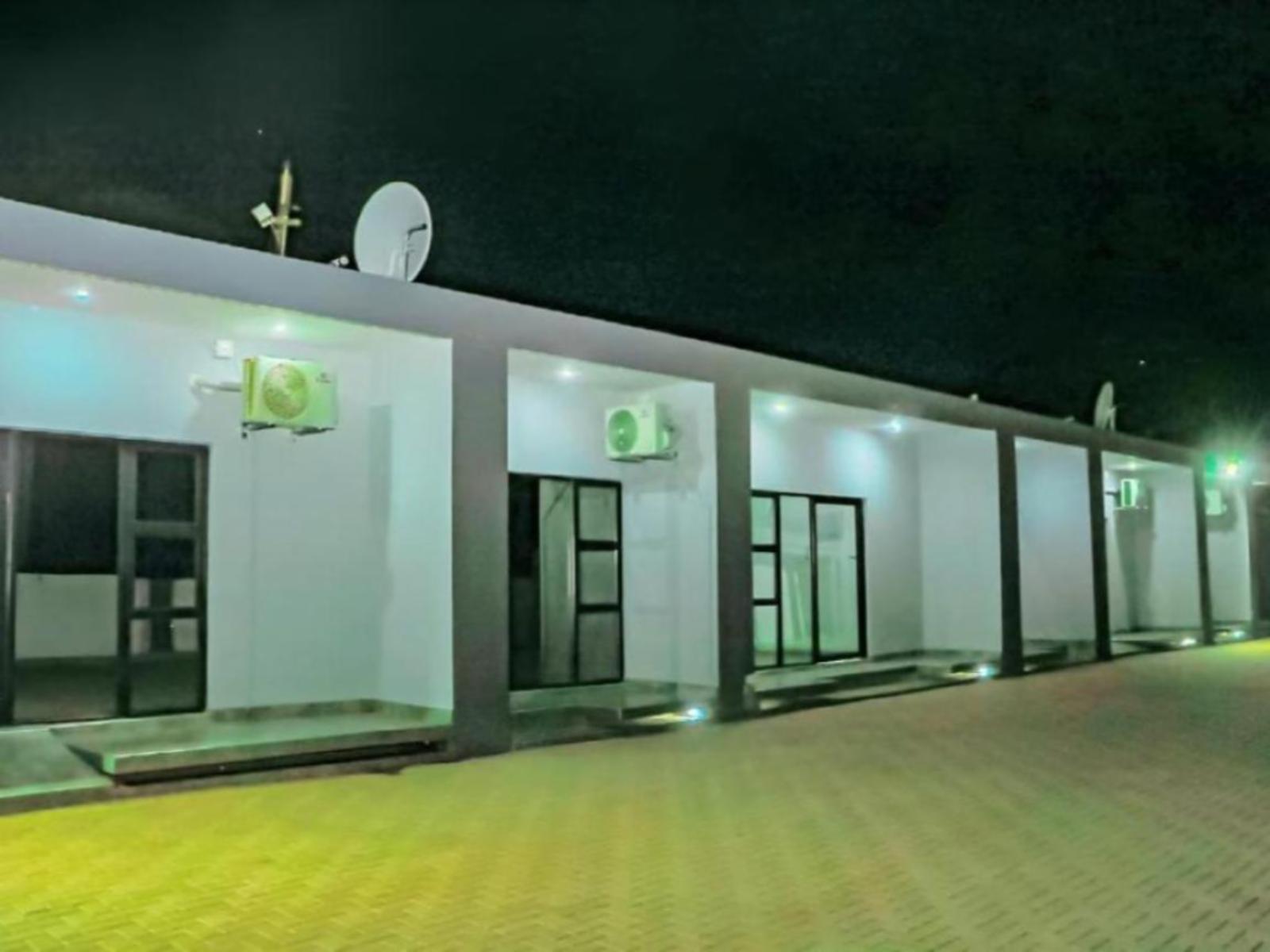
Mid-range options form the core of what is available in town. Established guesthouses and small lodges in this category tend to target the business and government travel market, with consistent standards that include on-site staff, catering options, and Wi-Fi. Several properties in this bracket have been operating long enough to carry a reliable track record. Air conditioning is worth confirming when booking, particularly for visits between October and April when temperatures are high.
A smaller number of properties at the upper end offer more spacious rooms and quieter surroundings, sometimes on the town's outskirts where the landscape opens toward the bushveld. These suit travellers planning several nights in the region who want more comfort between day trips. Pricing across all tiers is not captured in this platform's current data, so direct contact with properties is the most reliable way to understand current rates and what is actually included.
---
## Best Time to Visit Thohoyandou
The Vhembe region has a clear wet-dry seasonal split. Summer, roughly October through April, brings heavy afternoon thunderstorms, high humidity, and temperatures that regularly exceed 35 degrees Celsius. The area falls within a low-risk malaria zone during these months, and prophylaxis plus mosquito precautions are recommended for overnight visitors, particularly those staying near bush areas or rural communities. Unpaved roads can become impassable after heavy rain, which affects access to some cultural sites and nature reserves.
Winter, May to September, is the more comfortable and more practical season for most visitors. Days are warm and dry, nights cool down appreciably at higher elevations around the Soutpansberg, and reduced vegetation makes wildlife easier to spot. This is when the majority of leisure travellers visit the region.
July school holidays push accommodation demand higher across northern Limpopo, so booking ahead is worthwhile if you are travelling then. The shoulder months of April and September offer reasonable conditions without the mid-winter peak. October is an interesting time to arrive if you want to see the rapid transformation of the landscape as the first rains arrive, though conditions can turn quickly. For community ceremonies and cultural events, timing is not aligned with tourist seasons, and local tourism offices are the best source of information about what may be happening during any given visit.
---
## Getting to Thohoyandou
Thohoyandou sits approximately 90 kilometres north of Louis Trichardt in the far north of Limpopo. The standard approach from the south uses the N1 national highway to Louis Trichardt, then the R524 north through the Soutpansberg mountains into the Vhembe district. The mountain section involves sharp bends and surface conditions that vary seasonally, so allow extra time and take particular care after rain.
From Johannesburg, the full drive covers around 500 kilometres and takes five to six hours under normal conditions. From Polokwane, the provincial capital, the distance is roughly 180 kilometres and takes about two hours. Polokwane hosts the nearest commercial airport with scheduled connections to Johannesburg, making it the practical arrival point for air travellers who then continue by road or hired vehicle.
Travellers approaching from the east can enter via Punda Maria and the northern sections of the Kruger National Park. This route requires valid park passes and is subject to gate hours, so plan accordingly.
Within Thohoyandou and between the town and surrounding villages, minibus taxis provide the primary public transport. Intercity buses on the Johannesburg-Musina corridor stop at Louis Trichardt, with onward connections from there. Hiring a car at Polokwane is the most flexible option for exploring the wider region, as many cultural and natural sites in the Vhembe district are not realistically accessible by public transport.
---
## Thohoyandou and Surrounding Areas
The villages within a short drive of Thohoyandou are predominantly rural Vhavenda communities where the rhythm of daily life differs markedly from the town centre. Each offers a different angle on the region, and several can be combined into a single day trip.
**Tshivumbe**, 10 kilometres from Thohoyandou, is one of the closest rural communities to town and represents the smaller settlements that depend on Thohoyandou for markets, education, and services. A drive out here gives a straightforward introduction to the layout and scale of a contemporary Vhavenda village, without the intermediary of a tourist framework.
**Dzwerani**, at 14 kilometres, sits within the broader network of communities where traditional craft production, including woodcarving and pottery, continues at the household level. Travellers interested in buying directly from makers rather than from market stalls in town sometimes make the effort to seek out villages in this corridor.
**Tshabya** (18km) and **Rambuda** (19km) occupy a more fertile agricultural stretch. Small-scale farming of subtropical crops dominates the landscape, and Rambuda carries a particular association with established traditional community structures and a longer-settled character than some of the smaller villages closer to town. The land around both is noticeably greener than the drier sections near Thohoyandou itself.
**Tshiavha** (22km) and **Tshiheni** (23km) mark the outer edge of the immediate day-trip radius and work best as part of a longer loop. Both communities sit in open bushveld landscape and suit travellers who want to move through the rural terrain at their own pace rather than following a prescribed route.
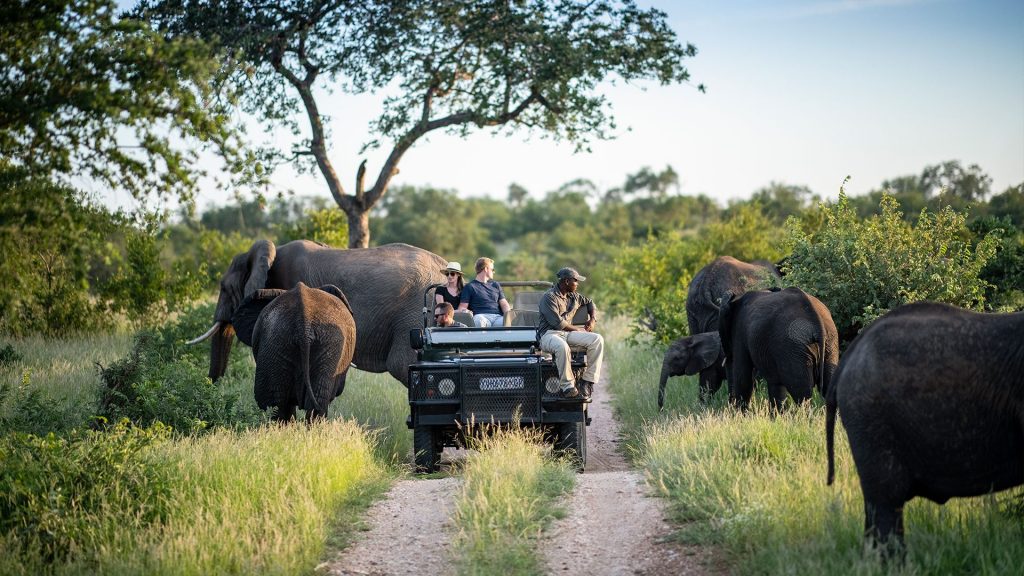
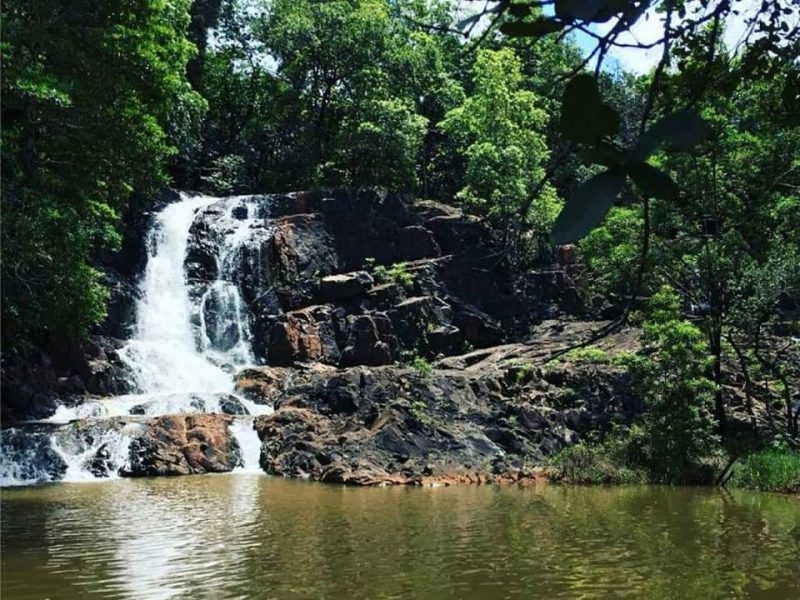
Farther out but within reach on a day trip, Lake Fundudzi is one of the few natural inland lakes in South Africa and holds deep spiritual significance for the Vhavenda people. Access protocols around certain areas are governed by traditional custom and should be treated with respect. The Dzata Ruins, remnants of a former Vhavenda royal capital, add historical depth to the region. Nwanedi Nature Reserve protects white rhino and antelope in a quieter setting than more commercial parks, while the Thathe Vondo indigenous forest and Phiphidi Waterfall complete the range of natural sites accessible from Thohoyandou as a base.
---
## Planning Your Stay
Availability in Thohoyandou can tighten quickly, particularly mid-week when business and government travel fills established properties. For July school holidays or public holiday weekends, book as far ahead as feasible. At other times, a few days' notice is usually sufficient, but confirming your reservation directly with the property rather than relying solely on a third-party platform reduces the chance of a miscommunication on arrival.
Before confirming a booking, check whether meals are included or available on-site. Dining options independent of accommodation are more limited in Thohoyandou than in larger South African cities, and this affects how you plan the rest of your day. Confirm secure parking if you are arriving by car, as a vehicle is essential for reaching most of the surrounding sites.
Visitors planning to visit Lake Fundudzi or other culturally significant sites should seek local guidance before heading out, as some areas require a community permit or a local guide. This is both a practical and a cultural matter, and the Vhembe District Municipality or local cultural offices can direct you to appropriate contacts.
Mobile data coverage in town is generally adequate, but it becomes unreliable on rural roads and in valley areas. Download offline maps and confirm directions before leaving town for the day, especially if you plan to explore the villages or more remote sections of the region.

The accommodation market in Thohoyandou is developing in step with the town's growth as a regional centre for Vhembe district. No properties are currently listed on this platform, so travellers should use multiple channels, including direct outreach to local guesthouses and the Limpopo Tourism Agency, to find current availability. Business visitors, government workers, and those connected to the University of Venda keep demand reasonably steady mid-week, and advance booking is sensible at any time of year.
Budget accommodation in town typically takes the form of family-run guesthouses and self-catering units spread through residential areas. These offer functional basics: a room, a kitchen or simple meals, and secure parking. They suit travellers using Thohoyandou as a practical base rather than treating the accommodation itself as part of the experience.
Mid-range options form the core of what is available in town. Established guesthouses and small lodges in this category tend to target the business and government travel market, with consistent standards that include on-site staff, catering options, and Wi-Fi. Several properties in this bracket have been operating long enough to carry a reliable track record. Air conditioning is worth confirming when booking, particularly for visits between October and April when temperatures are high.
A smaller number of properties at the upper end offer more spacious rooms and quieter surroundings, sometimes on the town's outskirts where the landscape opens toward the bushveld. These suit travellers planning several nights in the region who want more comfort between day trips. Pricing across all tiers is not captured in this platform's current data, so direct contact with properties is the most reliable way to understand current rates and what is actually included.
---
## Best Time to Visit Thohoyandou
The Vhembe region has a clear wet-dry seasonal split. Summer, roughly October through April, brings heavy afternoon thunderstorms, high humidity, and temperatures that regularly exceed 35 degrees Celsius. The area falls within a low-risk malaria zone during these months, and prophylaxis plus mosquito precautions are recommended for overnight visitors, particularly those staying near bush areas or rural communities. Unpaved roads can become impassable after heavy rain, which affects access to some cultural sites and nature reserves.
Winter, May to September, is the more comfortable and more practical season for most visitors. Days are warm and dry, nights cool down appreciably at higher elevations around the Soutpansberg, and reduced vegetation makes wildlife easier to spot. This is when the majority of leisure travellers visit the region.
July school holidays push accommodation demand higher across northern Limpopo, so booking ahead is worthwhile if you are travelling then. The shoulder months of April and September offer reasonable conditions without the mid-winter peak. October is an interesting time to arrive if you want to see the rapid transformation of the landscape as the first rains arrive, though conditions can turn quickly. For community ceremonies and cultural events, timing is not aligned with tourist seasons, and local tourism offices are the best source of information about what may be happening during any given visit.
---
## Getting to Thohoyandou
Thohoyandou sits approximately 90 kilometres north of Louis Trichardt in the far north of Limpopo. The standard approach from the south uses the N1 national highway to Louis Trichardt, then the R524 north through the Soutpansberg mountains into the Vhembe district. The mountain section involves sharp bends and surface conditions that vary seasonally, so allow extra time and take particular care after rain.
From Johannesburg, the full drive covers around 500 kilometres and takes five to six hours under normal conditions. From Polokwane, the provincial capital, the distance is roughly 180 kilometres and takes about two hours. Polokwane hosts the nearest commercial airport with scheduled connections to Johannesburg, making it the practical arrival point for air travellers who then continue by road or hired vehicle.
Travellers approaching from the east can enter via Punda Maria and the northern sections of the Kruger National Park. This route requires valid park passes and is subject to gate hours, so plan accordingly.
Within Thohoyandou and between the town and surrounding villages, minibus taxis provide the primary public transport. Intercity buses on the Johannesburg-Musina corridor stop at Louis Trichardt, with onward connections from there. Hiring a car at Polokwane is the most flexible option for exploring the wider region, as many cultural and natural sites in the Vhembe district are not realistically accessible by public transport.
---
## Thohoyandou and Surrounding Areas
The villages within a short drive of Thohoyandou are predominantly rural Vhavenda communities where the rhythm of daily life differs markedly from the town centre. Each offers a different angle on the region, and several can be combined into a single day trip.
**Tshivumbe**, 10 kilometres from Thohoyandou, is one of the closest rural communities to town and represents the smaller settlements that depend on Thohoyandou for markets, education, and services. A drive out here gives a straightforward introduction to the layout and scale of a contemporary Vhavenda village, without the intermediary of a tourist framework.
**Dzwerani**, at 14 kilometres, sits within the broader network of communities where traditional craft production, including woodcarving and pottery, continues at the household level. Travellers interested in buying directly from makers rather than from market stalls in town sometimes make the effort to seek out villages in this corridor.
**Tshabya** (18km) and **Rambuda** (19km) occupy a more fertile agricultural stretch. Small-scale farming of subtropical crops dominates the landscape, and Rambuda carries a particular association with established traditional community structures and a longer-settled character than some of the smaller villages closer to town. The land around both is noticeably greener than the drier sections near Thohoyandou itself.
**Tshiavha** (22km) and **Tshiheni** (23km) mark the outer edge of the immediate day-trip radius and work best as part of a longer loop. Both communities sit in open bushveld landscape and suit travellers who want to move through the rural terrain at their own pace rather than following a prescribed route.
Farther out but within reach on a day trip, Lake Fundudzi is one of the few natural inland lakes in South Africa and holds deep spiritual significance for the Vhavenda people. Access protocols around certain areas are governed by traditional custom and should be treated with respect. The Dzata Ruins, remnants of a former Vhavenda royal capital, add historical depth to the region. Nwanedi Nature Reserve protects white rhino and antelope in a quieter setting than more commercial parks, while the Thathe Vondo indigenous forest and Phiphidi Waterfall complete the range of natural sites accessible from Thohoyandou as a base.
---
## Planning Your Stay
Availability in Thohoyandou can tighten quickly, particularly mid-week when business and government travel fills established properties. For July school holidays or public holiday weekends, book as far ahead as feasible. At other times, a few days' notice is usually sufficient, but confirming your reservation directly with the property rather than relying solely on a third-party platform reduces the chance of a miscommunication on arrival.
Before confirming a booking, check whether meals are included or available on-site. Dining options independent of accommodation are more limited in Thohoyandou than in larger South African cities, and this affects how you plan the rest of your day. Confirm secure parking if you are arriving by car, as a vehicle is essential for reaching most of the surrounding sites.
Visitors planning to visit Lake Fundudzi or other culturally significant sites should seek local guidance before heading out, as some areas require a community permit or a local guide. This is both a practical and a cultural matter, and the Vhembe District Municipality or local cultural offices can direct you to appropriate contacts.
Mobile data coverage in town is generally adequate, but it becomes unreliable on rural roads and in valley areas. Download offline maps and confirm directions before leaving town for the day, especially if you plan to explore the villages or more remote sections of the region.
Thohoyandou Kaart
Nabygeleë Bestemmings
Blaai Deur Alle Thohoyandou Akkommodasie
Bekyk al 0 akkommodasie-opsies in Thohoyandou met foto's, pryse en beskikbaarheid.
Blaai Deur Alle Akkommodasie