Polokwane Reis- & Akkommodasiegids
Jou volledige gids om Polokwane, Suid-Afrika te besoek.
7
Eiendomme
Gewildste
Guesthouse
Polokwane offers a mix of urban convenience and natural beauty in Limpopo, making it an appealing spot for travelers seeking both relaxation and adventure. The city features parks and reserves that provide opportunities for wildlife viewing and outdoor activities. With its central location, it serves as a gateway to explore more of the province's landscapes and cultural sites.
## Accommodation in Polokwane
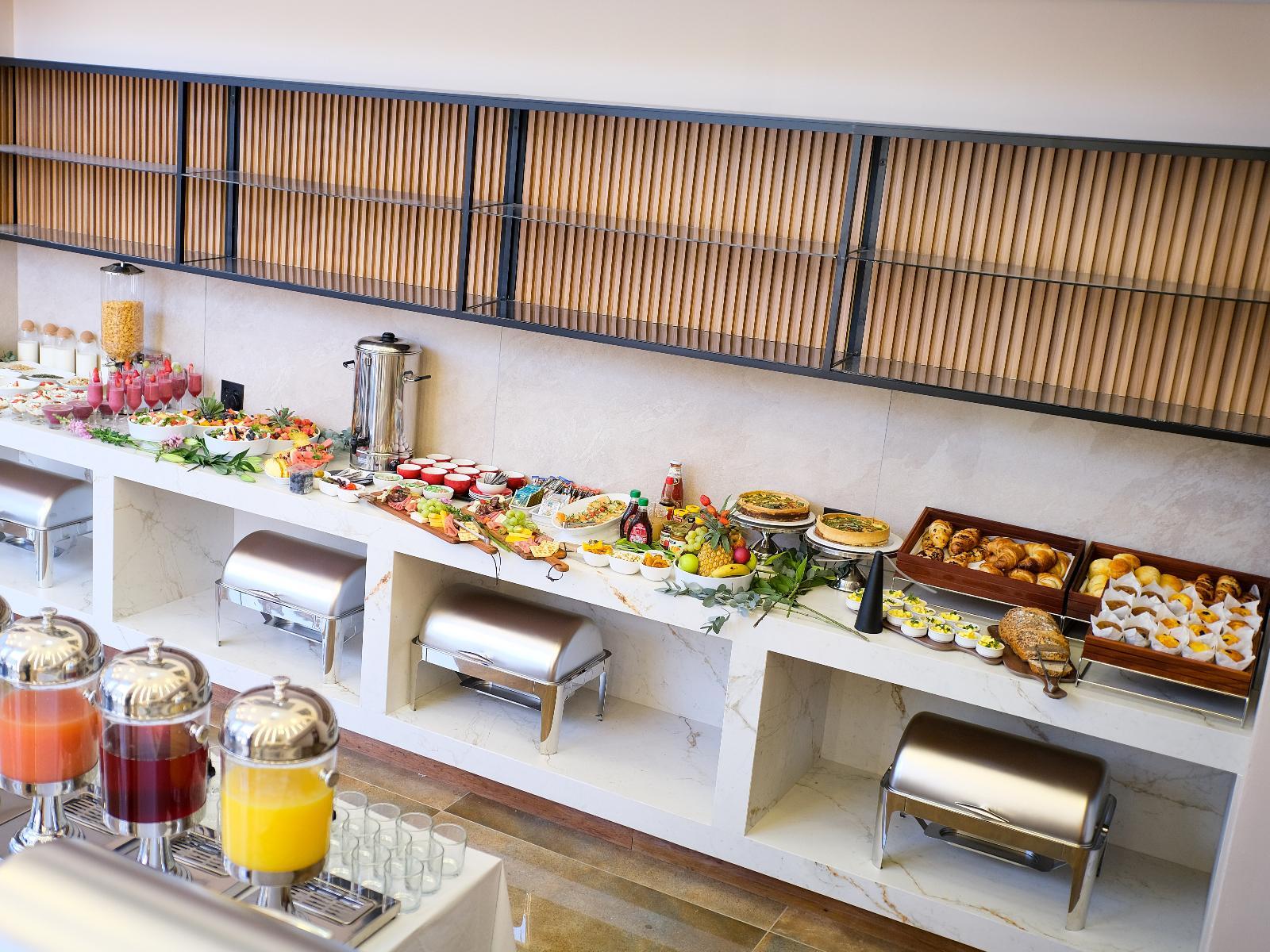
Polokwane has a modest selection of 7 listed properties spread across a few budget tiers and accommodation styles. For travellers keeping costs down, the bed and breakfast option provides the basics done well: a private room, a cooked or continental breakfast, and a host who typically knows the city well enough to offer practical advice. It suits one or two-night stays without much ceremony.
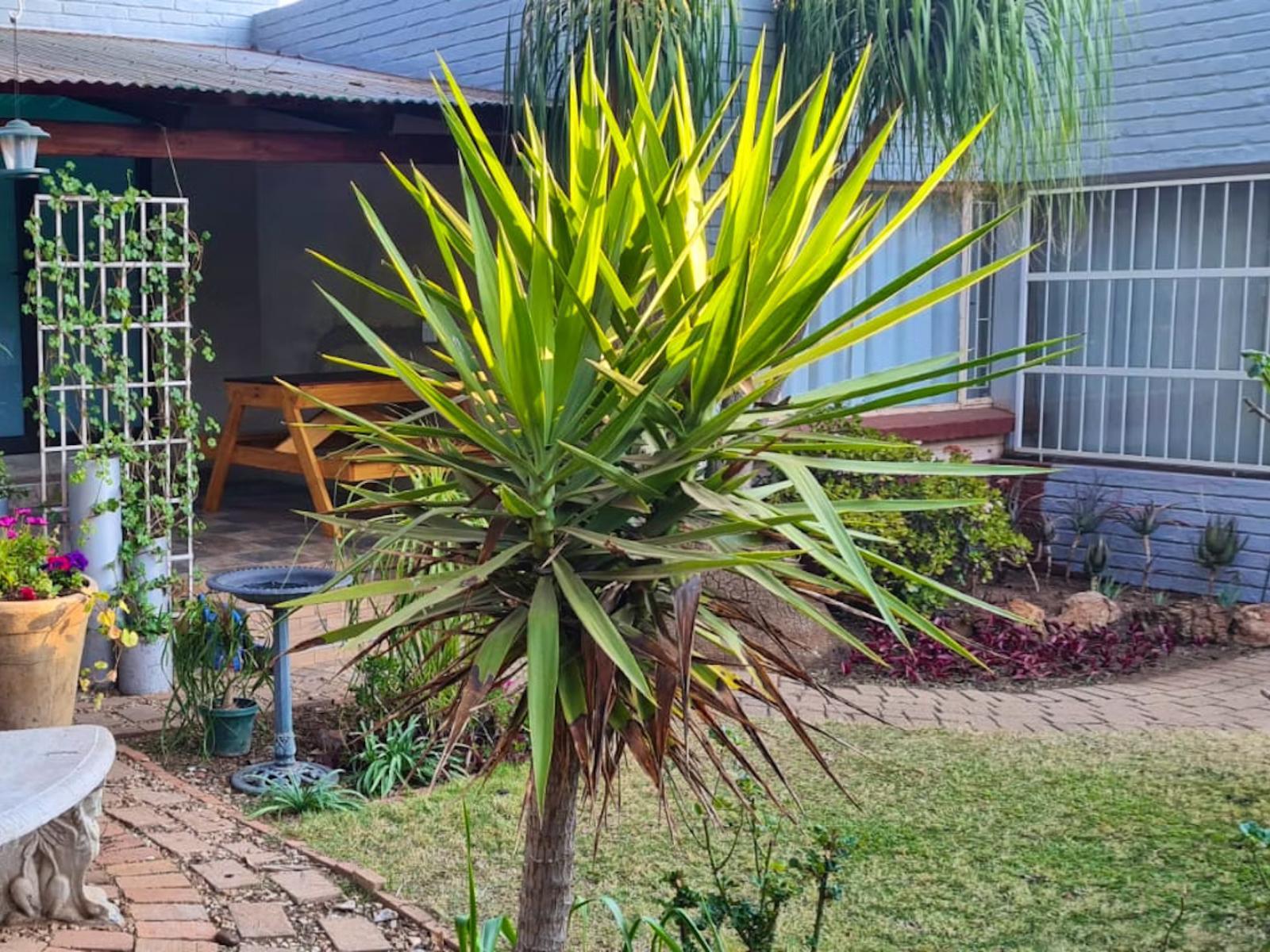
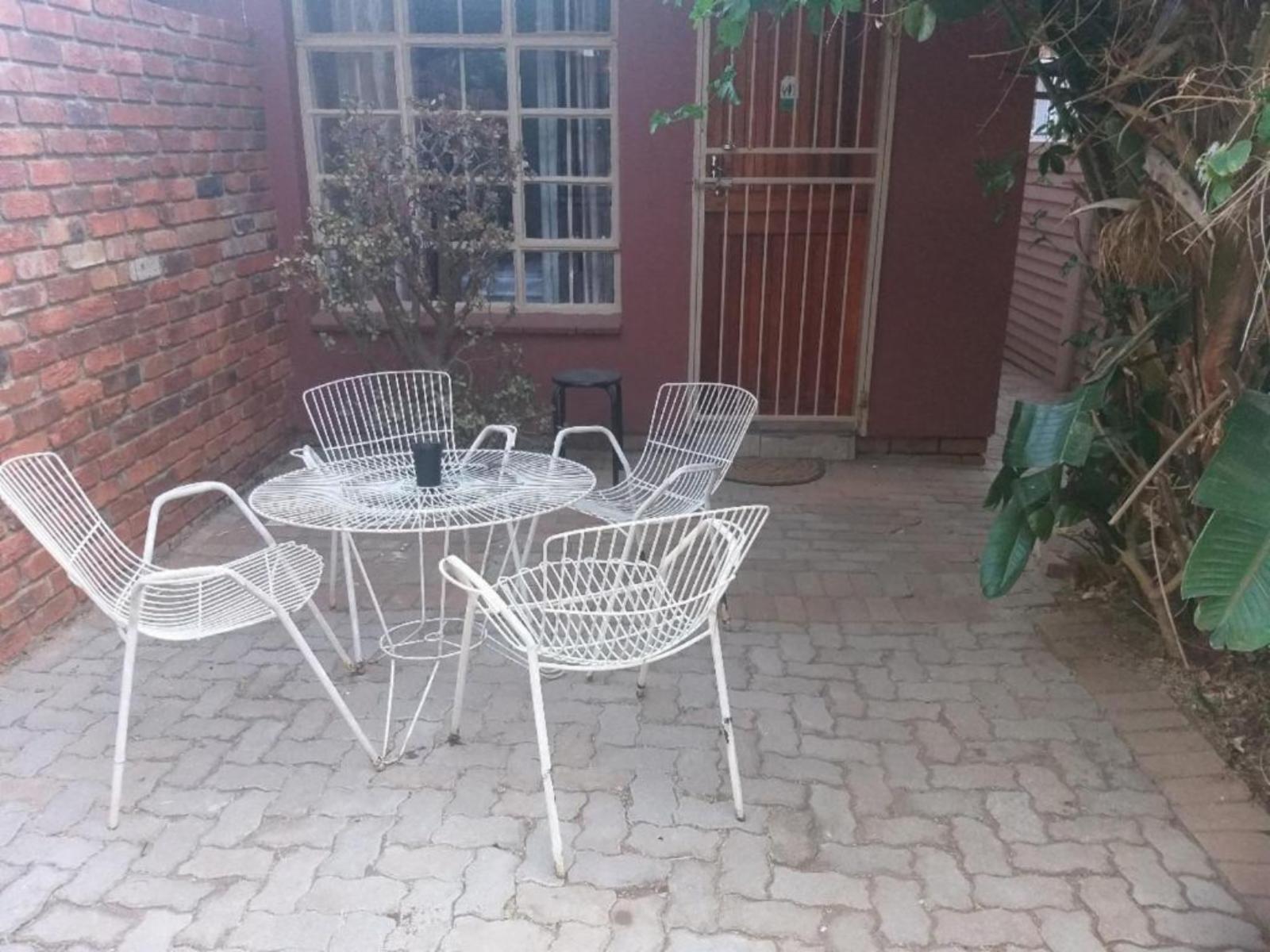
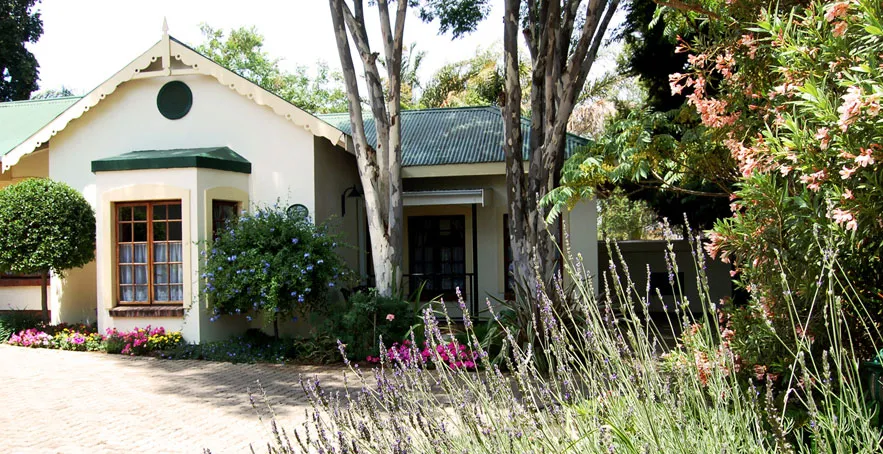
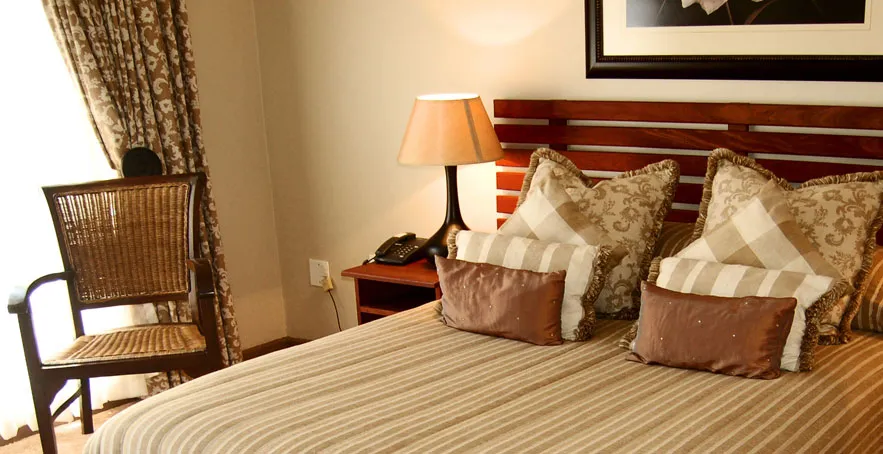
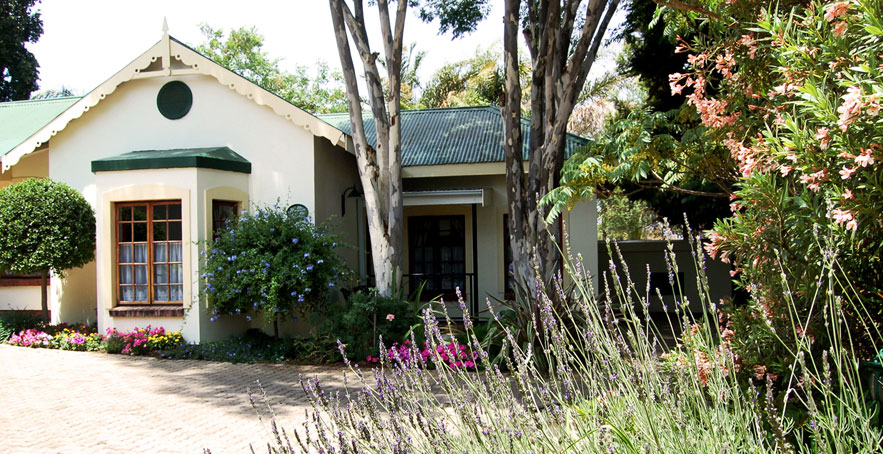
Guesthouses form the backbone of the market, with three listings across the city. These tend to occupy adapted residential properties, offering more space and a quieter atmosphere than a hotel. They work well for longer stays, and several are positioned close to restaurants and the main commercial strips, which reduces the need for a car once you've arrived.
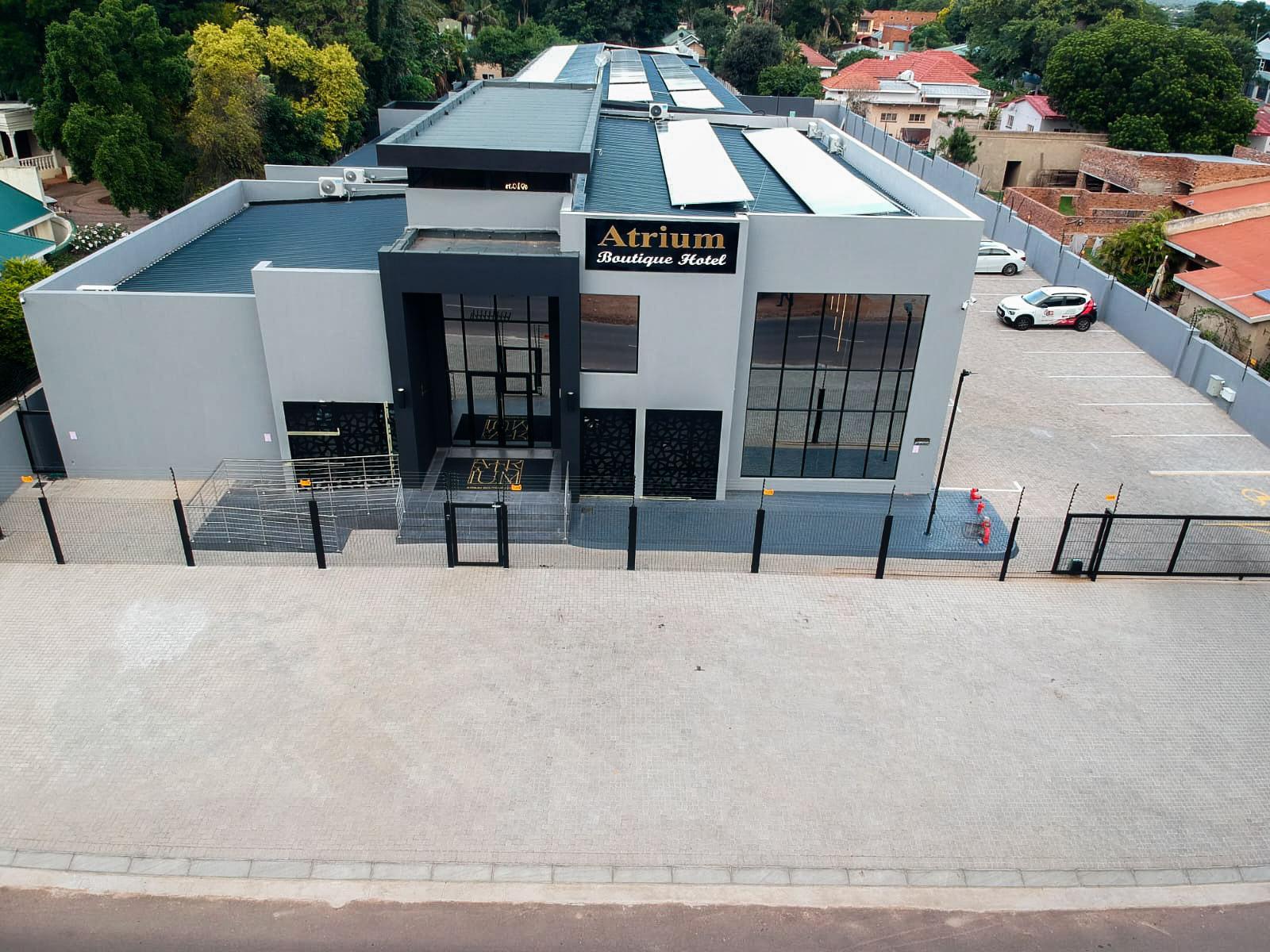
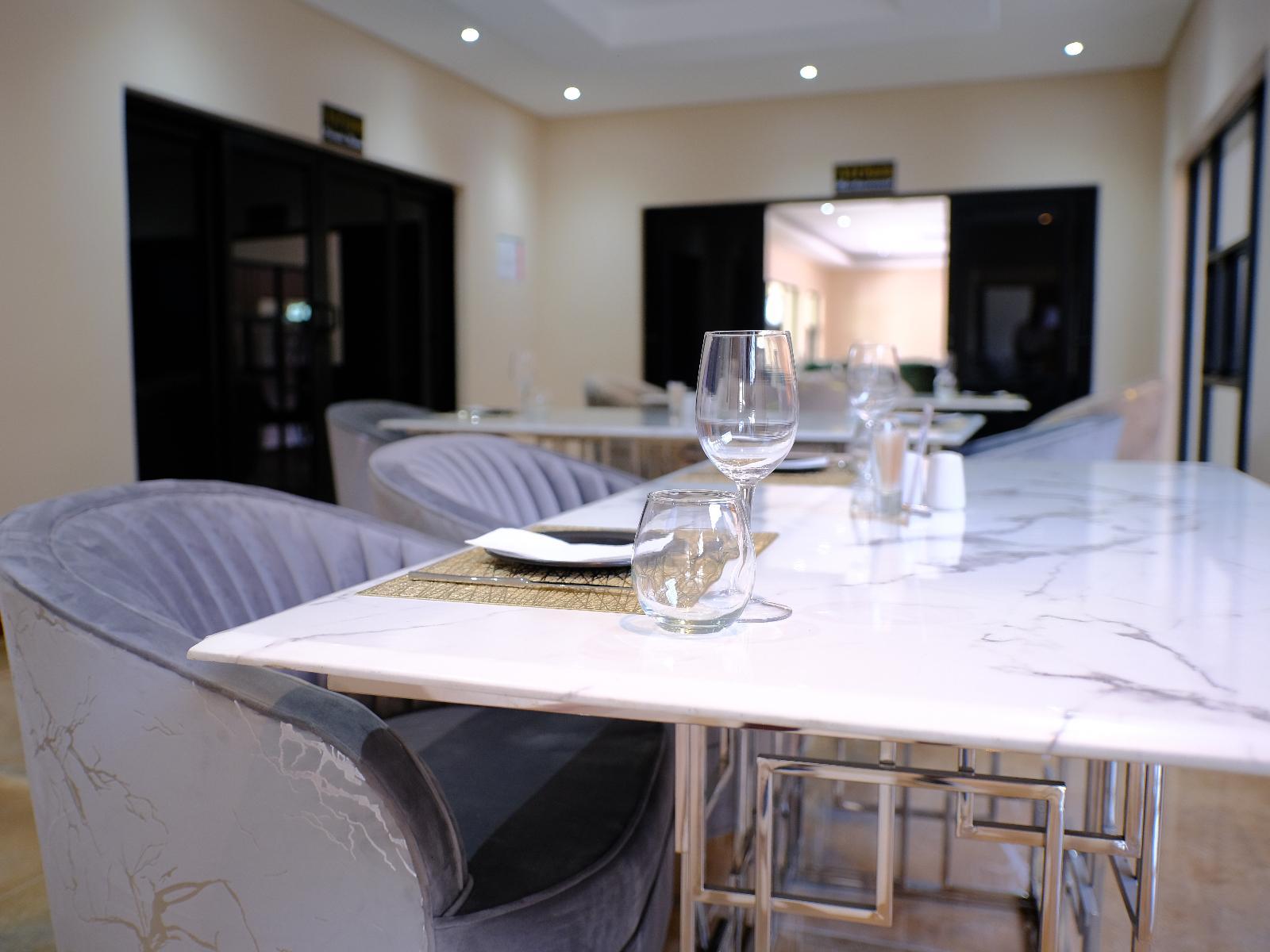
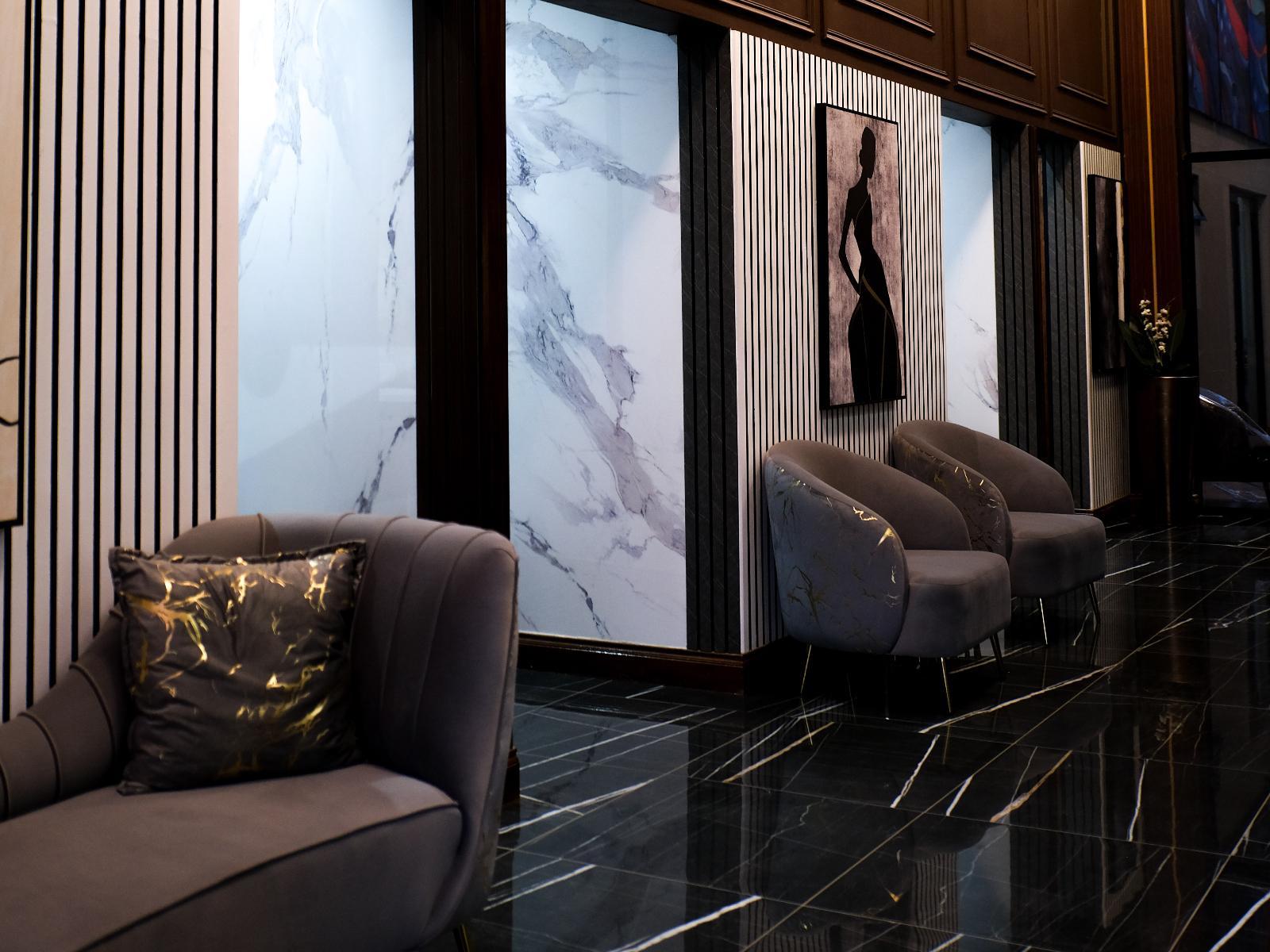
At the mid to upper end, the two hotels bring the infrastructure that travellers with meetings or tight logistics tend to need: on-site dining, reliable Wi-Fi, and business facilities. They are also a reasonable choice for anyone who prefers standardised service and a reception desk available around the clock.
The single lodge listing sits apart from the rest in character. Lodges in the broader Limpopo region typically occupy larger grounds and lean into the surrounding bushveld setting, offering a different pace from city hotels. This option suits visitors who want to remain close to Polokwane's amenities while having some space and outdoor atmosphere to their stay.
Across all tiers, properties are concentrated in areas with convenient access to shopping centres and main routes, which makes logistical planning relatively straightforward. None of the listings are remote or difficult to reach, even for first-time visitors to the city.
---
## Things to Do in Polokwane
The Polokwane Game Reserve covers more than 3,000 hectares and sits within a short drive of the city centre, making it one of the more accessible wildlife areas in the province. Giraffes, zebras, and various antelope species move through the reserve throughout the year. Visitors can take guided tours or explore by self-drive, and the reserve also has marked hiking trails of varying difficulty and picnic areas suited to longer outings.
The Bakone Malapa Open Air Museum, a few kilometres from the centre, documents the history and material culture of the Northern Sotho people through reconstructed traditional villages and artefacts. It is a considered rather than flashy attraction, better suited to visitors who want to engage with the region's history than those looking for a quick stop.
Golf is available within the city, with a course that reflects the surrounding bushveld landscape. It draws both local players and visitors, and the setting gives it a character distinct from coastal or garden-style courses found elsewhere in South Africa.
The Polokwane Municipality Park offers open green space for relaxed afternoons. Families use it regularly, and it provides a useful breathing space between the more activity-heavy parts of a visit.
The Limpopo Arts Festival, held annually in the city, brings together musicians, dancers, and other performers from across the province. Timing a visit to coincide with it adds a different dimension to a Polokwane trip, concentrating a significant amount of local artistic output into a short period and giving the city a noticeably different energy from its usual working-week pace.
---
## Best Time to Visit Polokwane
The dry winter months from May through August are generally the most comfortable time to visit. Daytime temperatures sit in the mid-20s Celsius, while nights can drop close to 5°C, so bringing a layer for evenings matters. Reduced vegetation during this period improves visibility for game viewing, and the absence of rain keeps outdoor activities predictable. Winter is peak season, and availability across the city tightens significantly around school holidays in June and July.
Summer runs from November to February and brings genuine heat and afternoon thunderstorms. Temperatures frequently push above 30°C, and the humidity during storm events makes midday activities uncomfortable. Early mornings are the practical window for anything physically demanding. The rains do bring a flush of green to the landscape, and birdwatching reaches its most productive period during these months.
September and October offer warm, dry conditions with fewer visitors than the core winter months. March and April sit at the tail end of the rainy season: the countryside is still green, storms are tapering off, and pricing and availability tend to be more favourable. These shoulder months are a reasonable compromise between good weather and reduced competition for accommodation.
---
## Getting to Polokwane
Polokwane Gateway Airport serves the city with scheduled flights from Johannesburg, and for travellers from elsewhere in South Africa it is the most time-efficient way to arrive. The airport sits around 5 kilometres north of the city centre.
By road, the N1 highway runs south through Bela-Bela to Pretoria, roughly 300 kilometres away, a drive of around three hours under normal conditions. From Johannesburg, allow an extra 30 to 45 minutes depending on when you leave the city. The N1 is a well-maintained national route that carries heavy freight traffic heading north towards Zimbabwe, so fuel stops and roadside facilities are consistent along the way.
Intercity buses connect Polokwane to Johannesburg and Pretoria. Operators including Greyhound and Translux run scheduled services stopping in the city centre, making this a viable option for travellers without their own vehicle.
Within Polokwane, shared minibus taxis cover most areas and function as the primary form of public transport for residents. For anyone planning to visit the game reserve or explore the surrounding countryside independently, hiring a car at the airport or in the city centre is the most practical approach.
---
## Polokwane and Surrounding Areas
Several small communities and farming areas lie within about 25 kilometres of the city, reachable on day drives that also reveal something of the broader Limpopo landscape.
Kuschke, 12 kilometres from Polokwane, is a small settlement on the edge of the mixed farming country surrounding the city. The road out passes through open bushveld and low hills, giving a quick impression of the agricultural character that defines much of this corner of the province.
Bloedrivier, 13 kilometres away, sits in similarly rural terrain. The name translates from Afrikaans as "Blood River," and the area has the red-clay soil and dry-season scrubland typical of Limpopo's lowveld fringe. It is farming country rather than a tourist destination, but the drive out and back is straightforward from the city.
Eerstegoud, 15 kilometres from Polokwane, takes its name from the Afrikaans for "First Gold," a name that likely reflects the prospecting and mineral exploration activity that moved through the northern Transvaal during the late 19th century, when speculators fanned out across the region in search of deposits beyond the main Witwatersrand fields.
Broadlands, 20 kilometres out, has the character of a rural holding or agricultural estate. It is not a destination in itself but sits on a route that takes in the open countryside to the south and east of the city.
Ga-ramongwana, 22 kilometres away, and Ga-mabotsa, 24 kilometres out, are traditional Sotho communities. The "Ga-" prefix used throughout Limpopo indicates an area associated with a particular family or lineage, and both settlements give a sense of the traditional community structures that persist immediately alongside a modern regional capital.
For more substantial excursions, the Waterberg Biosphere Reserve, a UNESCO-recognised site of mountain terrain, wetlands, and extensive wildlife habitat, lies roughly 150 kilometres from the city and makes for a full-day or overnight trip from Polokwane.
---
## Planning Your Stay
Advance booking is worth prioritising for any visit during June and July. The combination of good winter weather and school holidays concentrates demand, and Polokwane's relatively small accommodation supply means availability tightens faster than in larger cities with deeper stock.
Before confirming a booking, check whether breakfast is included in the rate. This varies considerably across property types, and the difference affects both daily cost and morning logistics. Confirm parking arrangements if you are arriving by car. Secure off-street parking is not universal, and having a vehicle is the most practical way to reach the game reserve and outlying areas.
For summer visits, verify that rooms have air conditioning. The city's summer temperatures are high enough that a fan alone may not be adequate. For winter stays, check whether heating is available or whether extra blankets are provided, as nights can be genuinely cold.
Polokwane is a working regional capital rather than a resort town, and the character of different parts of the city varies. Reading recent guest reviews for notes on noise, security, and proximity to useful amenities is a sensible step before confirming, particularly if you are unfamiliar with the city's layout.

Polokwane has a modest selection of 7 listed properties spread across a few budget tiers and accommodation styles. For travellers keeping costs down, the bed and breakfast option provides the basics done well: a private room, a cooked or continental breakfast, and a host who typically knows the city well enough to offer practical advice. It suits one or two-night stays without much ceremony.
Guesthouses form the backbone of the market, with three listings across the city. These tend to occupy adapted residential properties, offering more space and a quieter atmosphere than a hotel. They work well for longer stays, and several are positioned close to restaurants and the main commercial strips, which reduces the need for a car once you've arrived.
At the mid to upper end, the two hotels bring the infrastructure that travellers with meetings or tight logistics tend to need: on-site dining, reliable Wi-Fi, and business facilities. They are also a reasonable choice for anyone who prefers standardised service and a reception desk available around the clock.
The single lodge listing sits apart from the rest in character. Lodges in the broader Limpopo region typically occupy larger grounds and lean into the surrounding bushveld setting, offering a different pace from city hotels. This option suits visitors who want to remain close to Polokwane's amenities while having some space and outdoor atmosphere to their stay.
Across all tiers, properties are concentrated in areas with convenient access to shopping centres and main routes, which makes logistical planning relatively straightforward. None of the listings are remote or difficult to reach, even for first-time visitors to the city.
---
## Things to Do in Polokwane
The Polokwane Game Reserve covers more than 3,000 hectares and sits within a short drive of the city centre, making it one of the more accessible wildlife areas in the province. Giraffes, zebras, and various antelope species move through the reserve throughout the year. Visitors can take guided tours or explore by self-drive, and the reserve also has marked hiking trails of varying difficulty and picnic areas suited to longer outings.
The Bakone Malapa Open Air Museum, a few kilometres from the centre, documents the history and material culture of the Northern Sotho people through reconstructed traditional villages and artefacts. It is a considered rather than flashy attraction, better suited to visitors who want to engage with the region's history than those looking for a quick stop.
Golf is available within the city, with a course that reflects the surrounding bushveld landscape. It draws both local players and visitors, and the setting gives it a character distinct from coastal or garden-style courses found elsewhere in South Africa.
The Polokwane Municipality Park offers open green space for relaxed afternoons. Families use it regularly, and it provides a useful breathing space between the more activity-heavy parts of a visit.
The Limpopo Arts Festival, held annually in the city, brings together musicians, dancers, and other performers from across the province. Timing a visit to coincide with it adds a different dimension to a Polokwane trip, concentrating a significant amount of local artistic output into a short period and giving the city a noticeably different energy from its usual working-week pace.
---
## Best Time to Visit Polokwane
The dry winter months from May through August are generally the most comfortable time to visit. Daytime temperatures sit in the mid-20s Celsius, while nights can drop close to 5°C, so bringing a layer for evenings matters. Reduced vegetation during this period improves visibility for game viewing, and the absence of rain keeps outdoor activities predictable. Winter is peak season, and availability across the city tightens significantly around school holidays in June and July.
Summer runs from November to February and brings genuine heat and afternoon thunderstorms. Temperatures frequently push above 30°C, and the humidity during storm events makes midday activities uncomfortable. Early mornings are the practical window for anything physically demanding. The rains do bring a flush of green to the landscape, and birdwatching reaches its most productive period during these months.
September and October offer warm, dry conditions with fewer visitors than the core winter months. March and April sit at the tail end of the rainy season: the countryside is still green, storms are tapering off, and pricing and availability tend to be more favourable. These shoulder months are a reasonable compromise between good weather and reduced competition for accommodation.
---
## Getting to Polokwane
Polokwane Gateway Airport serves the city with scheduled flights from Johannesburg, and for travellers from elsewhere in South Africa it is the most time-efficient way to arrive. The airport sits around 5 kilometres north of the city centre.
By road, the N1 highway runs south through Bela-Bela to Pretoria, roughly 300 kilometres away, a drive of around three hours under normal conditions. From Johannesburg, allow an extra 30 to 45 minutes depending on when you leave the city. The N1 is a well-maintained national route that carries heavy freight traffic heading north towards Zimbabwe, so fuel stops and roadside facilities are consistent along the way.
Intercity buses connect Polokwane to Johannesburg and Pretoria. Operators including Greyhound and Translux run scheduled services stopping in the city centre, making this a viable option for travellers without their own vehicle.
Within Polokwane, shared minibus taxis cover most areas and function as the primary form of public transport for residents. For anyone planning to visit the game reserve or explore the surrounding countryside independently, hiring a car at the airport or in the city centre is the most practical approach.
---
## Polokwane and Surrounding Areas
Several small communities and farming areas lie within about 25 kilometres of the city, reachable on day drives that also reveal something of the broader Limpopo landscape.
Kuschke, 12 kilometres from Polokwane, is a small settlement on the edge of the mixed farming country surrounding the city. The road out passes through open bushveld and low hills, giving a quick impression of the agricultural character that defines much of this corner of the province.
Bloedrivier, 13 kilometres away, sits in similarly rural terrain. The name translates from Afrikaans as "Blood River," and the area has the red-clay soil and dry-season scrubland typical of Limpopo's lowveld fringe. It is farming country rather than a tourist destination, but the drive out and back is straightforward from the city.
Eerstegoud, 15 kilometres from Polokwane, takes its name from the Afrikaans for "First Gold," a name that likely reflects the prospecting and mineral exploration activity that moved through the northern Transvaal during the late 19th century, when speculators fanned out across the region in search of deposits beyond the main Witwatersrand fields.
Broadlands, 20 kilometres out, has the character of a rural holding or agricultural estate. It is not a destination in itself but sits on a route that takes in the open countryside to the south and east of the city.
Ga-ramongwana, 22 kilometres away, and Ga-mabotsa, 24 kilometres out, are traditional Sotho communities. The "Ga-" prefix used throughout Limpopo indicates an area associated with a particular family or lineage, and both settlements give a sense of the traditional community structures that persist immediately alongside a modern regional capital.
For more substantial excursions, the Waterberg Biosphere Reserve, a UNESCO-recognised site of mountain terrain, wetlands, and extensive wildlife habitat, lies roughly 150 kilometres from the city and makes for a full-day or overnight trip from Polokwane.
---
## Planning Your Stay
Advance booking is worth prioritising for any visit during June and July. The combination of good winter weather and school holidays concentrates demand, and Polokwane's relatively small accommodation supply means availability tightens faster than in larger cities with deeper stock.
Before confirming a booking, check whether breakfast is included in the rate. This varies considerably across property types, and the difference affects both daily cost and morning logistics. Confirm parking arrangements if you are arriving by car. Secure off-street parking is not universal, and having a vehicle is the most practical way to reach the game reserve and outlying areas.
For summer visits, verify that rooms have air conditioning. The city's summer temperatures are high enough that a fan alone may not be adequate. For winter stays, check whether heating is available or whether extra blankets are provided, as nights can be genuinely cold.
Polokwane is a working regional capital rather than a resort town, and the character of different parts of the city varies. Reading recent guest reviews for notes on noise, security, and proximity to useful amenities is a sensible step before confirming, particularly if you are unfamiliar with the city's layout.
Tipes Akkommodasie in Polokwane
Akkommodasiepryse in Polokwane
| Tipe | Inskrywings | Vanaf | Gemiddeld | Tot |
|---|---|---|---|---|
| Guesthouse | 3 | – | – | – |
| Hotel | 2 | – | – | – |
| Bed and Breakfast | 1 | – | – | – |
| Lodge | 1 | – | – | – |
Polokwane Kaart
Nabygeleë Bestemmings
Blaai Deur Alle Polokwane Akkommodasie
Bekyk al 7 akkommodasie-opsies in Polokwane met foto's, pryse en beskikbaarheid.
Blaai Deur Alle Akkommodasie