Accommodation in Wapadspoort
No properties are currently listed in Wapadspoort through mainstream booking platforms, an accurate reflection of the settlement's small scale and its function as a transit point rather than an established visitor destination. Pricing in the surrounding area is not published through standard channels, and what accommodation does exist typically operates informally through direct farm contact and regional referral. Travelers who phone ahead and ask specifically about farm stays frequently find options that never appear in an online search.
At the budget end, camping is the most accessible and arguably the most fitting way to spend a night here. The Karoo interior rewards outdoor sleeping: wide, clear skies overhead, a silence that many visitors find striking in its completeness, and mornings that begin with cold, clean air and an unobstructed horizon. Some farm stops in the area provide basic self-catering facilities for overnight guests, though these are not available through formal reservation systems and require direct contact.
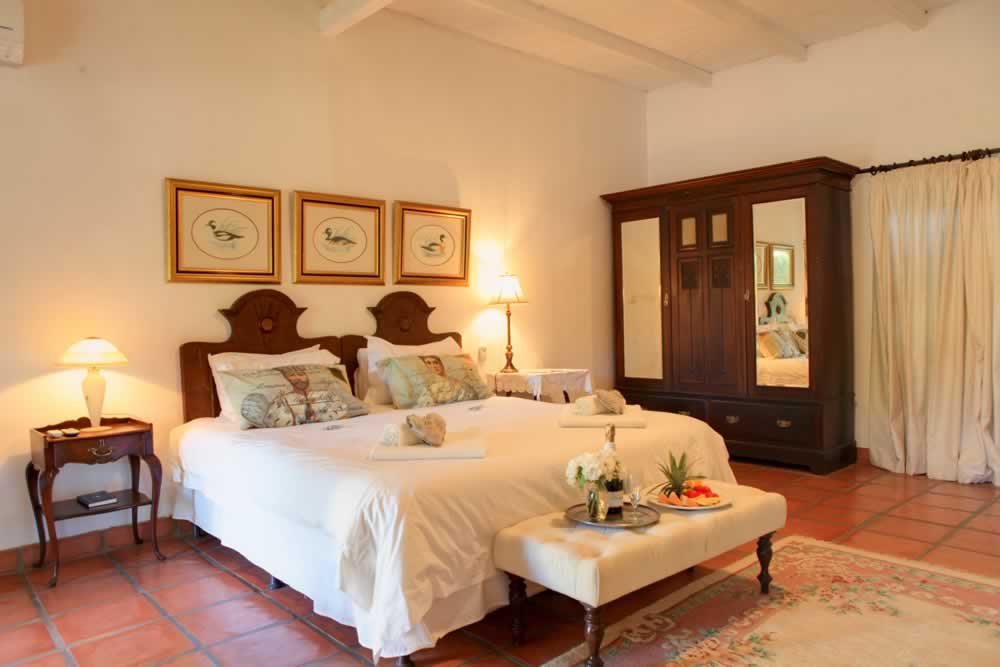
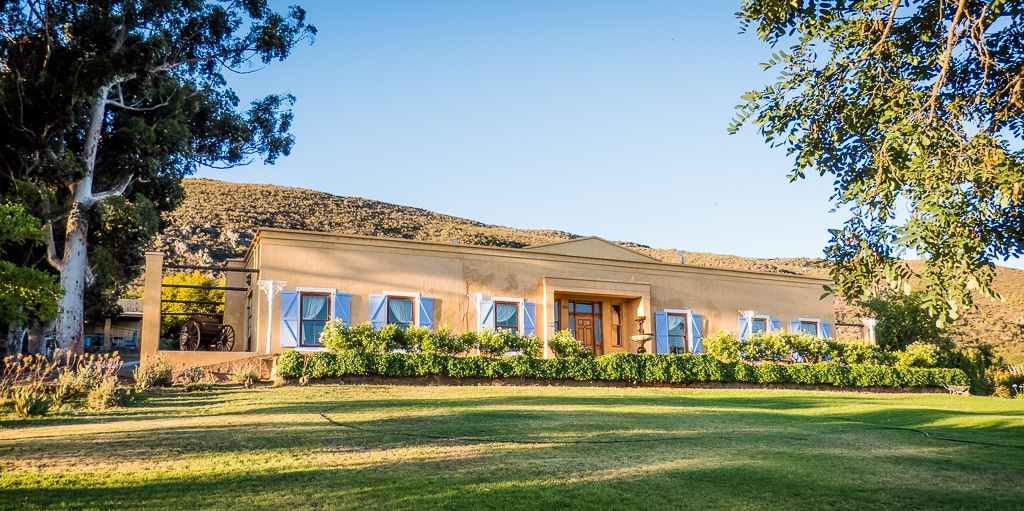
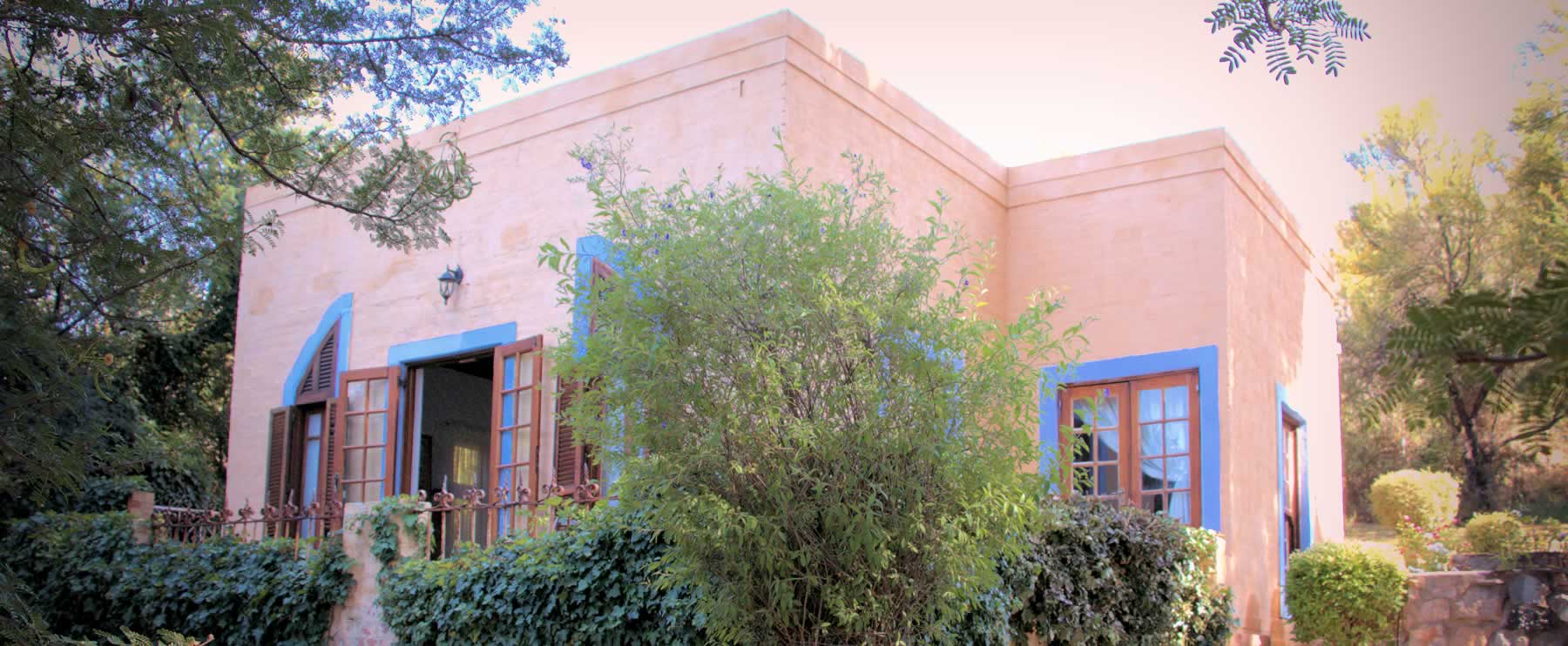
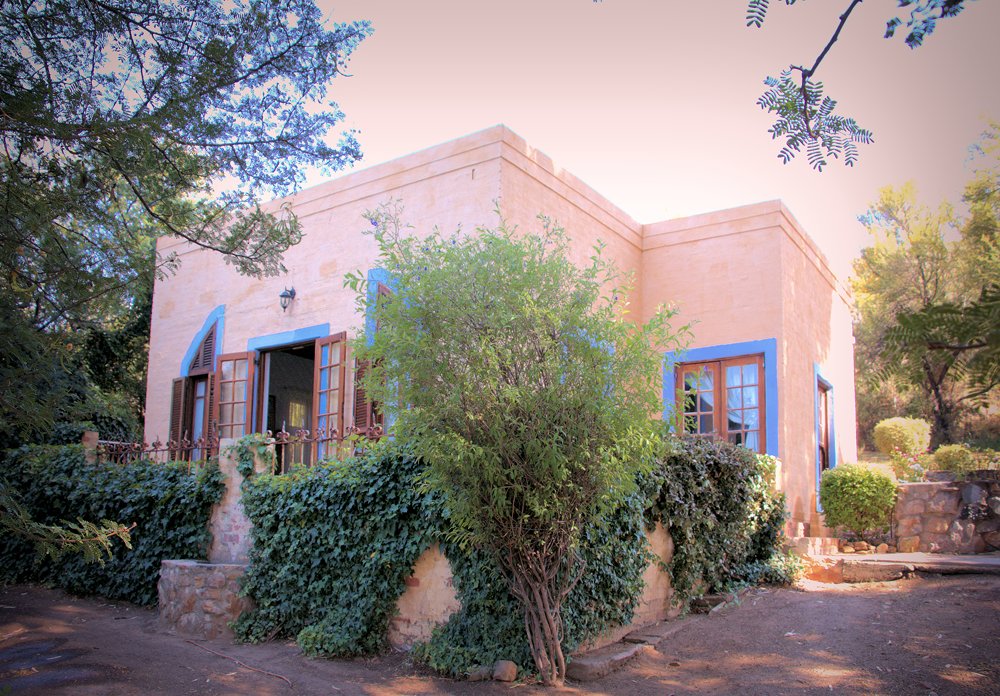
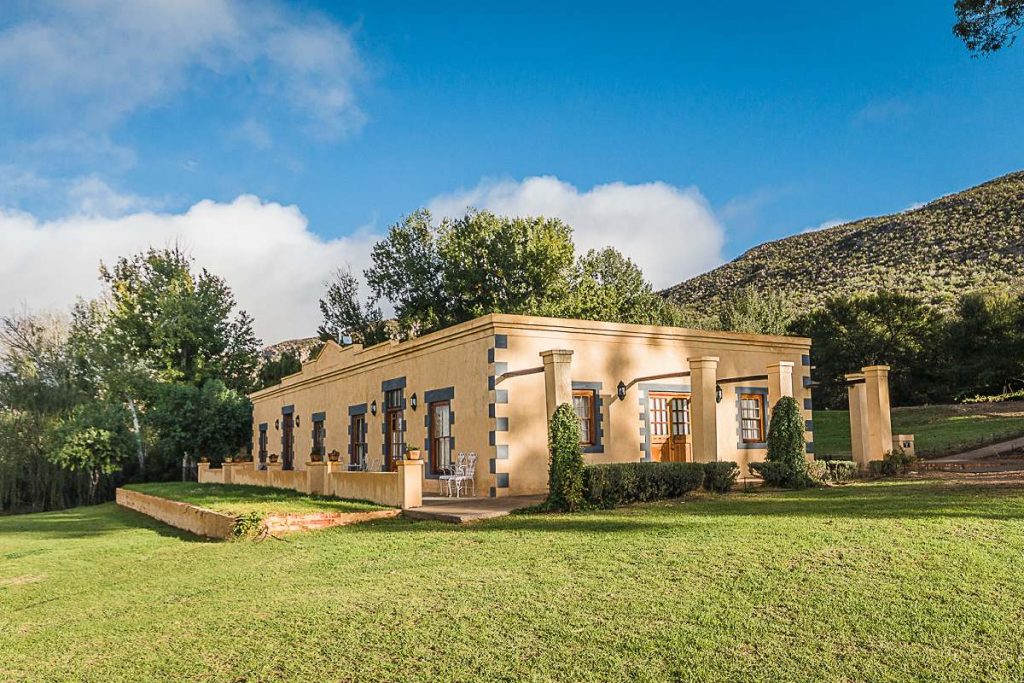
Mid-range options take the form of farm cottages on working sheep properties throughout the district. These conversions are typically simple, clean, and equipped with a kitchenette and outdoor braai area. Owners prefer direct phone contact, and an ability to speak Afrikaans is a practical advantage. What these properties offer is uncomplicated: reasonable isolation, a comfortable base, and a level of quiet that makes the drive feel worthwhile.
Upper-tier options are scarce but do exist. A small number of properties in the wider region offer multi-night packages including meals, astronomy evenings, and guided walks through terrain that is difficult to navigate independently. These run seasonally and close without significant notice, so confirming availability well ahead of any planned visit is essential. The distinction at this level is the quality of the hosted experience rather than physical comfort, and the best operators design their programmes around what this environment specifically has to offer.
For anyone arriving without a confirmed booking, treating Wapadspoort as a waypoint and securing accommodation in the nearest service town while making local enquiries is the most practical approach.
Best Time to Visit Wapadspoort
Spring and autumn suit the widest range of visitors. September through November brings mild daytime temperatures, manageable conditions on the gravel roads that cross the district, and a brief greening of the vegetation following winter rains. March through May offers much the same, with generally less wind and good visibility across the open plains.
Summer brings sustained heat. December and January regularly exceed 35°C during the day, and the temperature climbs quickly after sunrise. Early mornings and evenings remain usable for outdoor activity, but the middle of the day demands shade that the open landscape rarely provides. Anyone visiting in summer should carry significantly more water than they expect to need.
Winter days are clear and cold, with temperatures that drop sharply after sunset. June and July bring frost to the open ground, and anyone camping or sleeping in unheated accommodation needs to prepare for the chill. The compensation is exceptional atmospheric clarity: dry winter air and near-total absence of light pollution make the region one of the better places in South Africa for viewing the southern sky, and winter specifically attracts travelers who come for this purpose.
There is no meaningful tourist season to plan around. The settlement sees no competition for accommodation across any time of year, and the decision of when to visit comes down to climate tolerance and intended activity.
Getting to Wapadspoort
The nearest commercial airports are at Upington and George. Upington handles regular services from Cape Town and Johannesburg and lies approximately 400 kilometers from Wapadspoort, depending on the route chosen. George Airport provides an alternative approach for travelers coming from the south, and is the more practical option for those combining a coastal itinerary with time in the interior.
Most visitors arrive by private vehicle, and road conditions require preparation. Gravel surfaces are standard once you leave the main tarred routes. A standard sedan manages these in dry conditions, though a vehicle with higher ground clearance handles corrugated sections more comfortably. A spare tire is a necessity, not a precaution, at this distance from a repair facility.
From Johannesburg, the drive takes approximately eight hours via the N12 corridor. From Cape Town, the N1 through the central Karoo connects to the general region in around five to six hours, with additional time required for the final approach on secondary roads.
No scheduled public transport serves Wapadspoort directly. Minibus taxis connect the larger regional towns but do not extend to settlements of this size. Travelers arriving by air should arrange vehicle hire at the airport before departing, rather than assuming options will be available further along the route.
Wapadspoort and Surrounding Areas
Knoetze, 42 kilometers from Wapadspoort, is a farming community rather than a service town, with no visitor facilities. The surrounding land is representative of the working agricultural district, where sheep grazing country and drought-adapted scrub extend across most of the visible landscape. The road through is worth taking as an orientation drive rather than a destination stop.
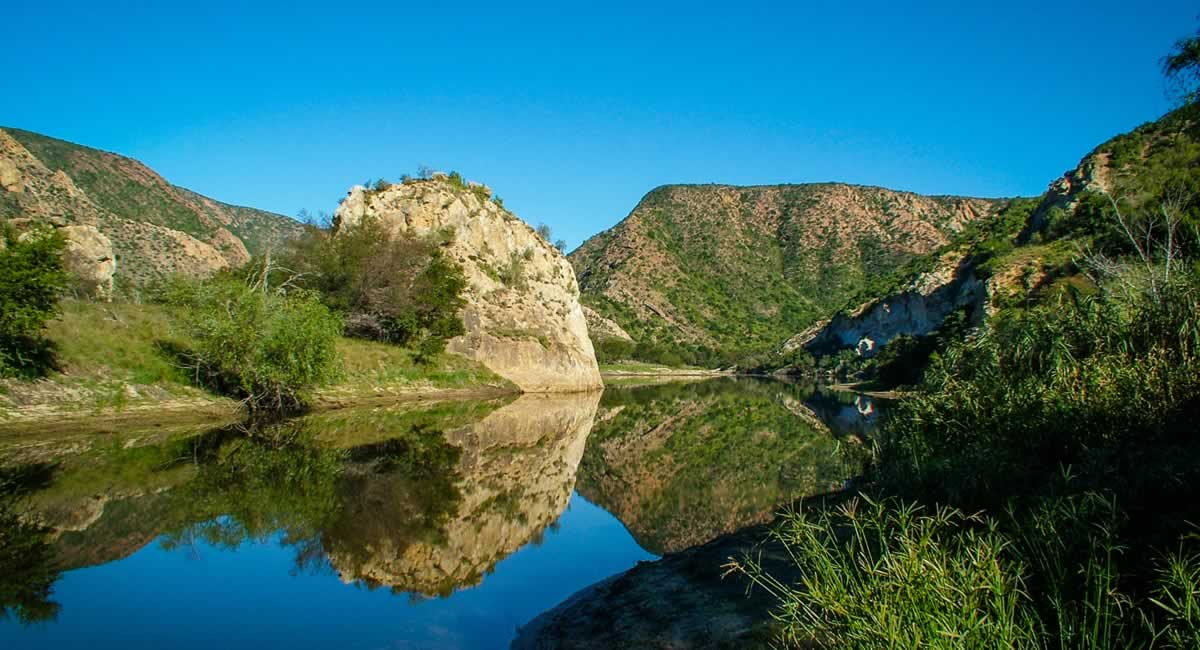
Uniondale, 47 kilometers away, is the nearest settlement with a practical range of services, including fuel, food, and accommodation. Sitting at the western entrance to the Langkloof, the town has a history tied to fruit and hop farming, and it functions naturally as a base or supply stop for travelers moving between the coast and the interior. The Wapadspoort Pass connects the two places through the Witteberg range, a mountain road that marks a clear shift from the open Karoo to higher, more vegetated ground.
Redclyffe, 51 kilometers out, is a small rural community where the landscape begins its transition toward mountain foothills. The change in vegetation and topography over a relatively short distance gives the drive a different quality and rewards travelers interested in how terrain transforms with altitude.
Anthonys Kraal and Krakeelrivier, both at 69 kilometers, fall within the Langkloof farming corridor. Orchards alongside grazing land create a visual contrast with the drier plateau around Wapadspoort, and the cooler valley climate makes both communities feel noticeably different from the interior terrain.
Klaarstroom, 76 kilometers away, is the most substantial day-trip option in the group. It is the access point for Gamkaskloof, the remote mountain valley known locally as Die Hel, which had no road connection to the outside world until 1963. The Gamkaskloof Nature Reserve offers hiking trails through dramatic mountain terrain, and the original farmsteads in the valley have been preserved as a historical site. The story of the families who lived there in near-complete geographic isolation gives real context to what remoteness meant before modern infrastructure. A visit fills a full day comfortably and is worth scheduling into any multi-night stay.
Planning Your Stay
Accommodation in this part of the Karoo rarely features on mainstream booking platforms, so effective planning requires going beyond standard searches. Regional tourism offices and direct phone calls to farms consistently produce better results than aggregator listings, which are frequently outdated or absent altogether. A direct call in the days before departure is worth making even after written confirmation has been received, given how informally many properties operate.
Before finalizing a booking, verify that the property is actively running. Remote farms sometimes suspend accommodation without updating any online presence, and arriving to find no one at the property is a genuine risk when recent direct contact has not been made.
Check road conditions before departing. Gravel surfaces after rain can become soft or impassable, and the relevant provincial roads authority can advise on current status. Plan fuel stops carefully: rural service stations in this district operate irregular hours and are not always reliably shown on digital mapping applications.
Carry cash. Card facilities are scarce in small settlements across the wider district, and most farm accommodation providers operate without card machines. Cell reception drops out across significant stretches of this route, so download offline maps and save essential contact numbers before leaving reliable coverage. A basic supply of non-perishable food, drinking water to supplement what may be available at your destination, and a first-aid kit add minimal weight but provide meaningful security when help is genuinely far away.