Accommodation in Prince Albert
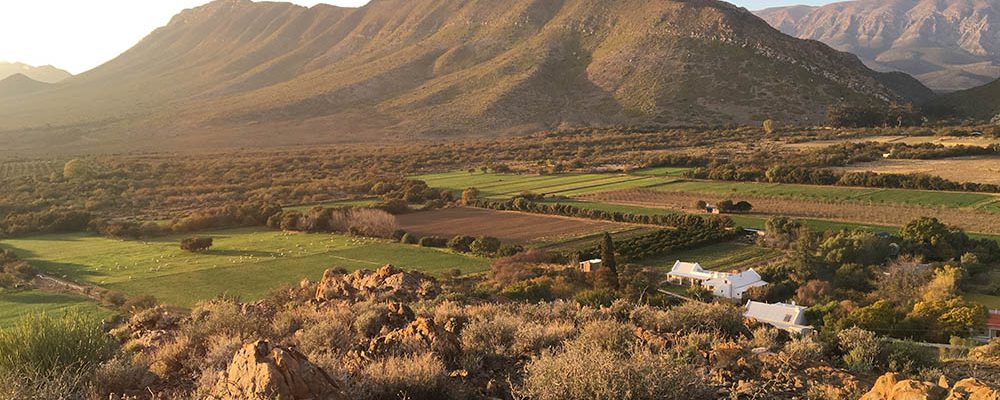
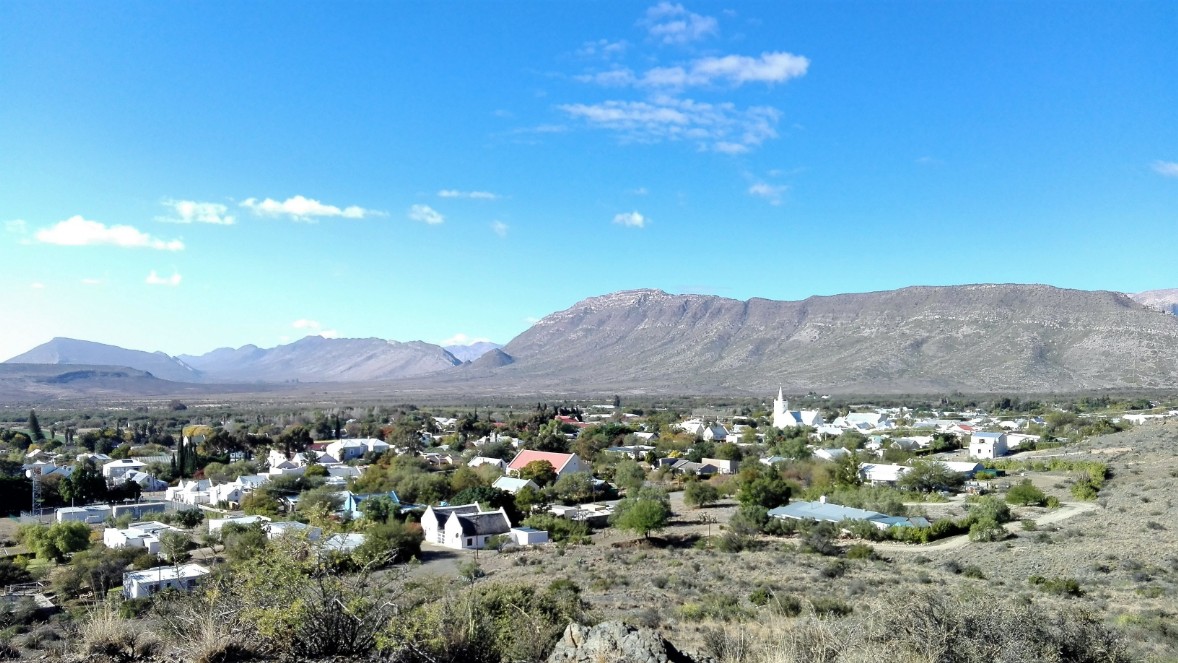
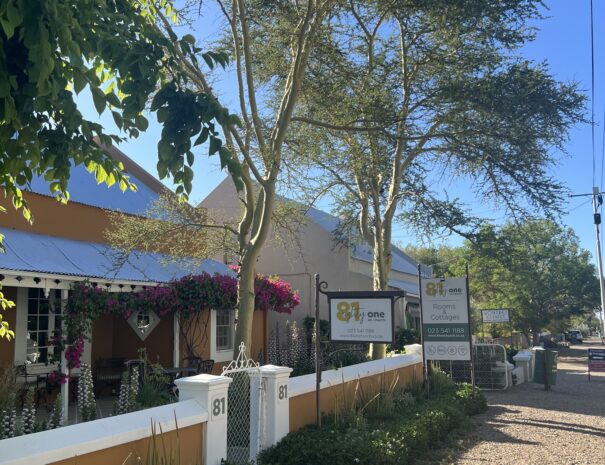
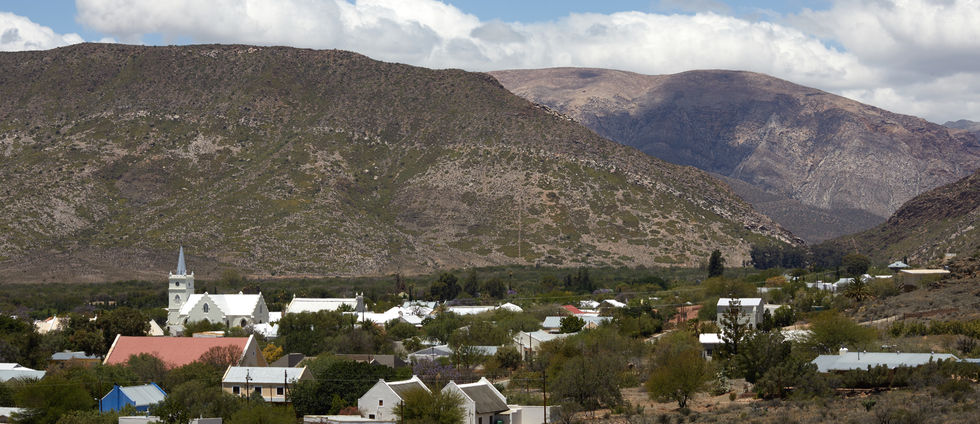
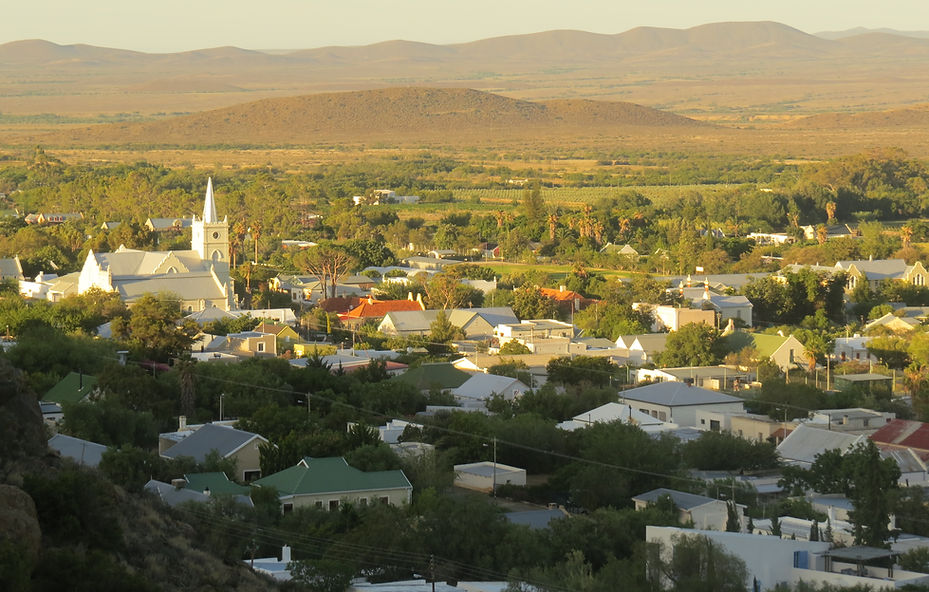
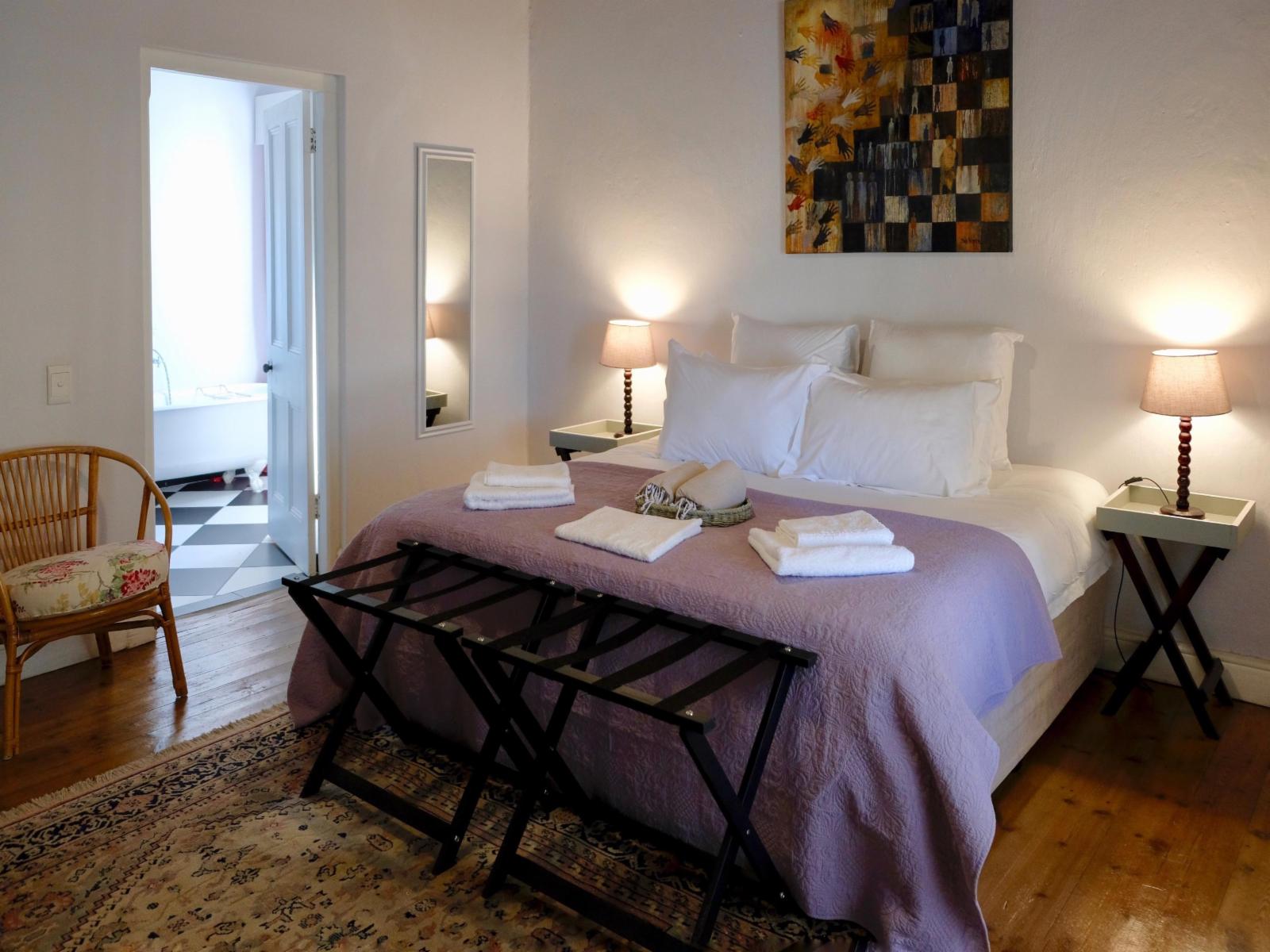
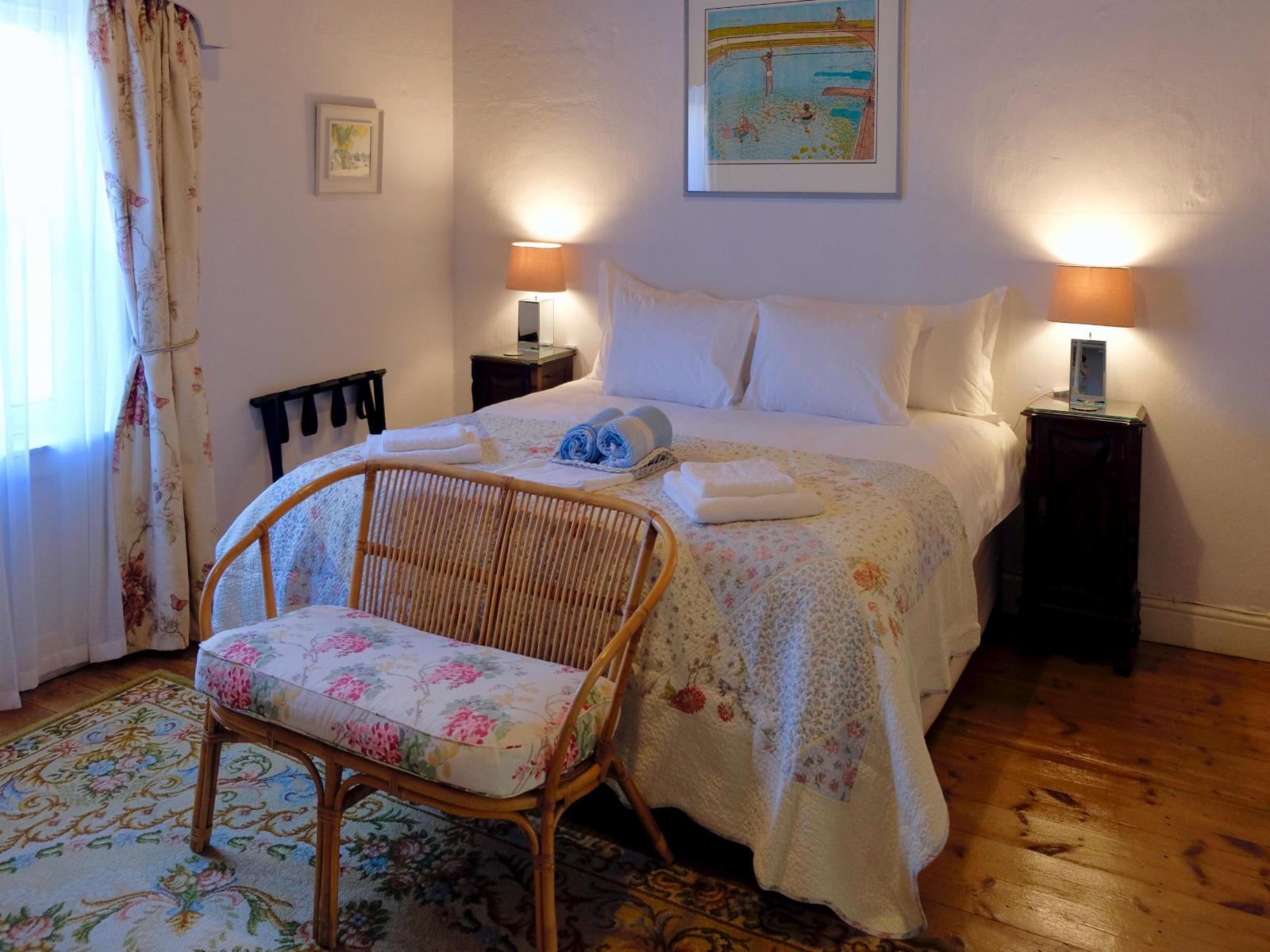
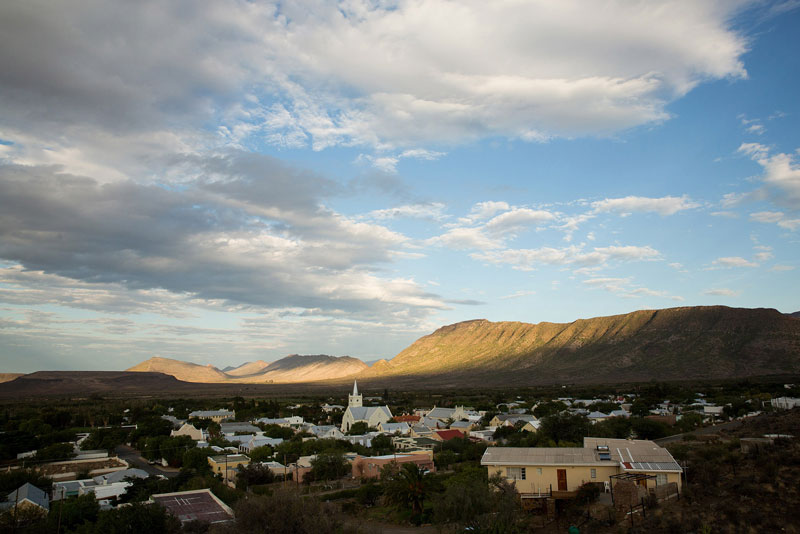
Prince Albert's accommodation scene reflects the town itself: small in scale, personal in service, and shaped by the demands of the Karoo climate. One property is currently listed, a guest house priced at R2,350 per night, placing it in the mid-to-upper tier for a town of this size.
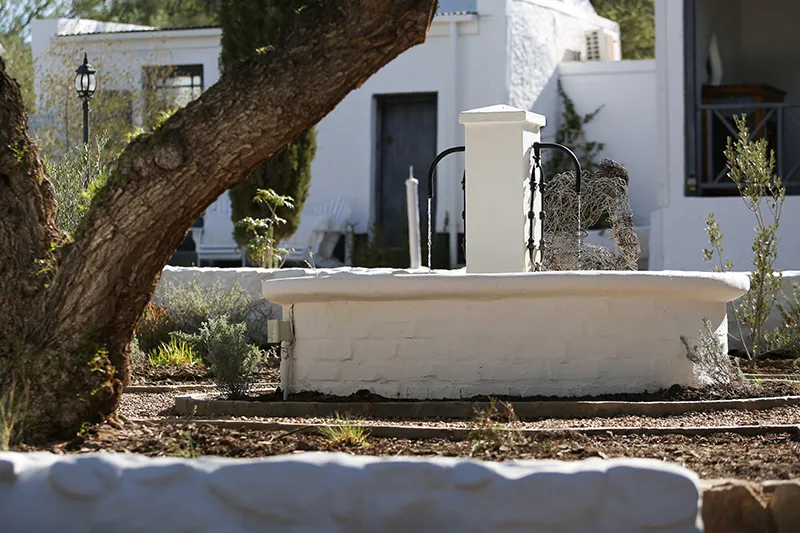
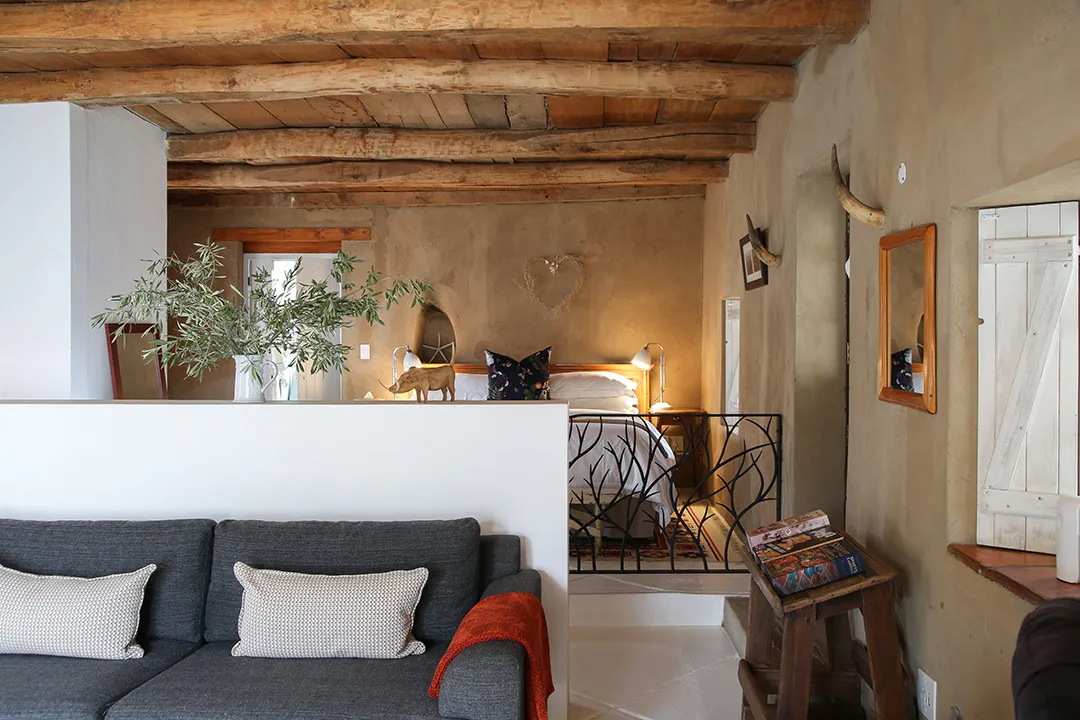
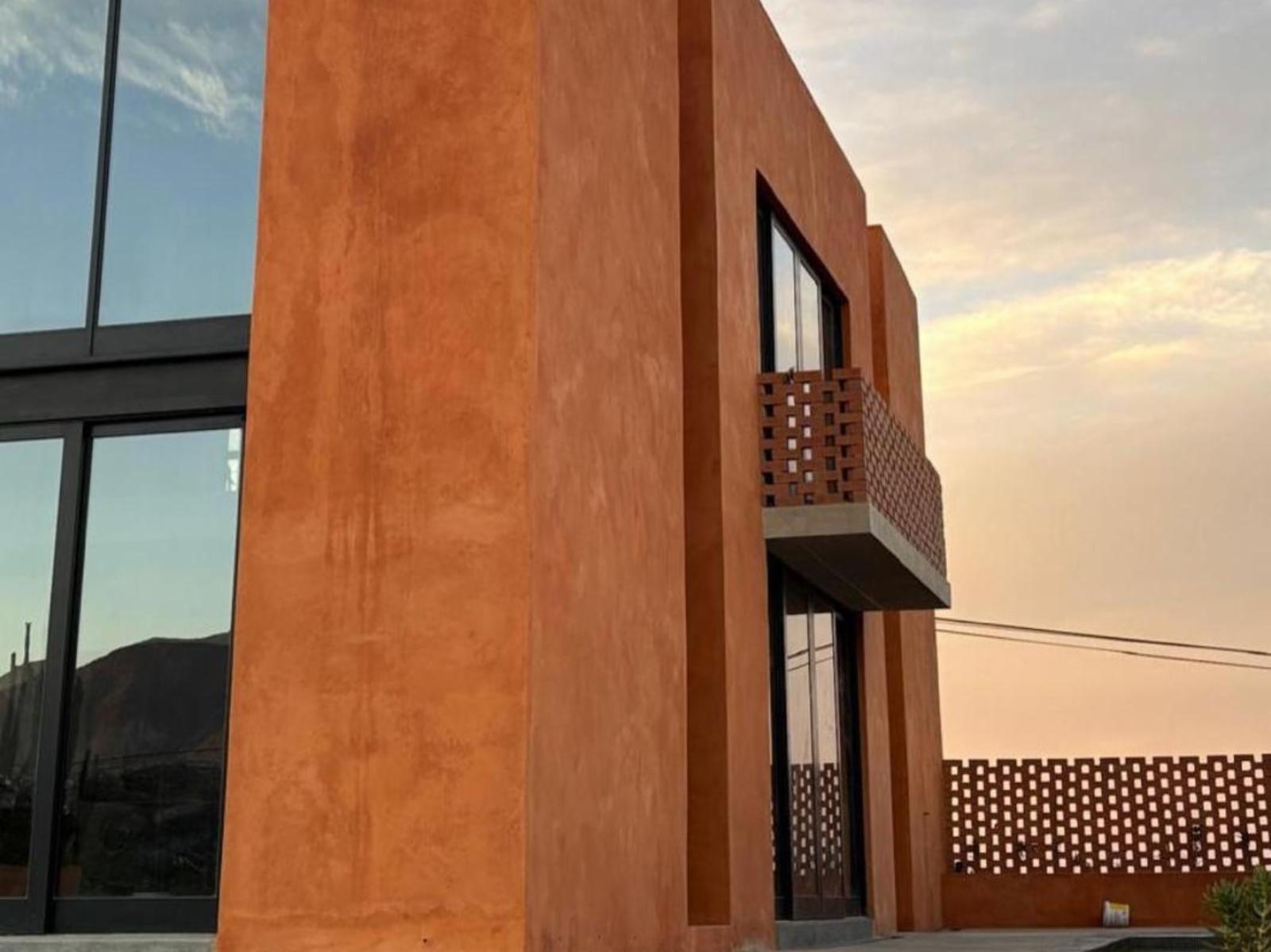
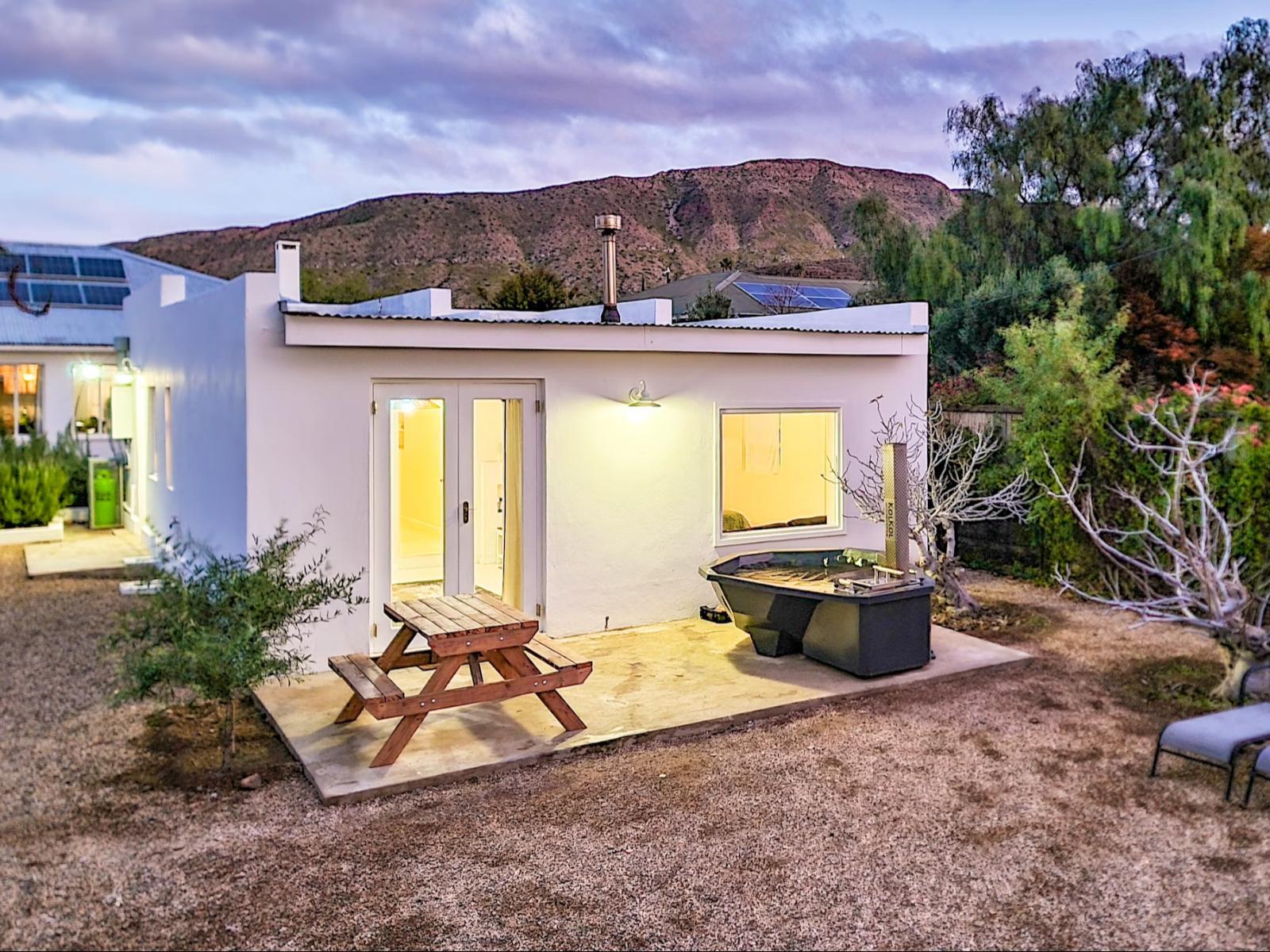
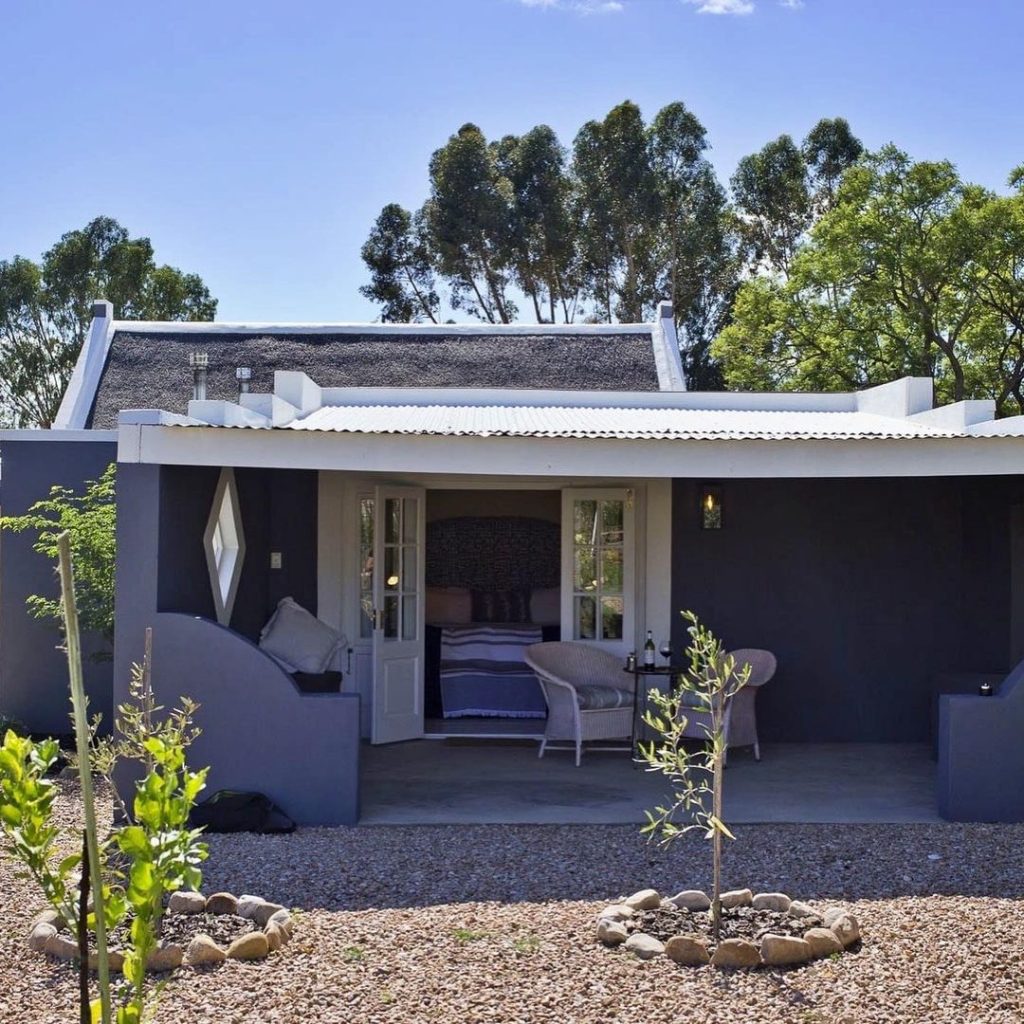
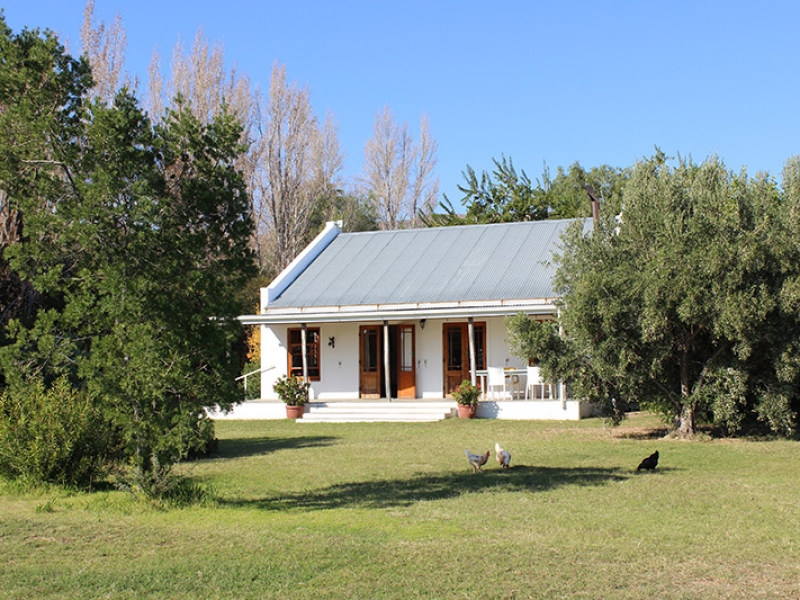
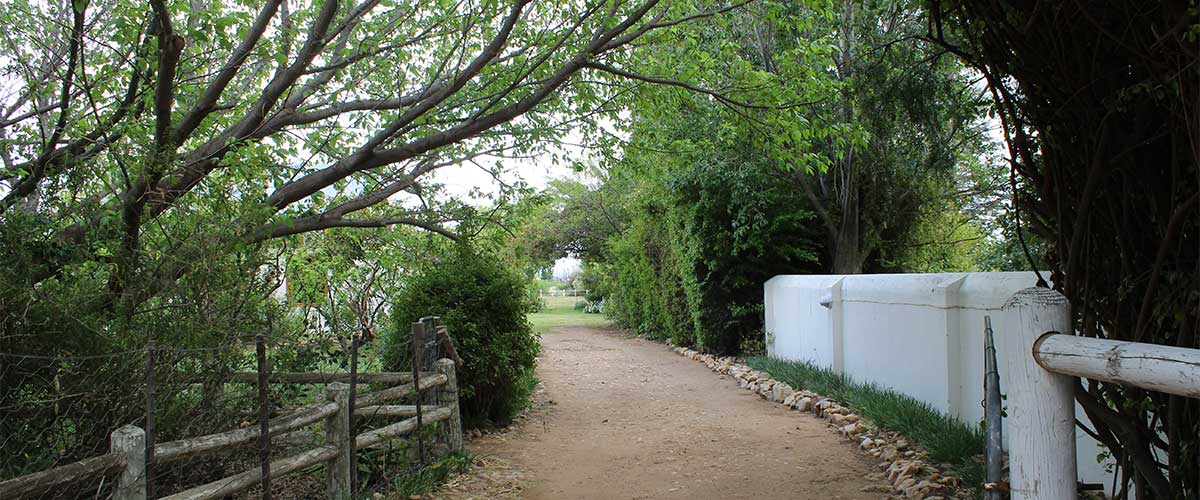
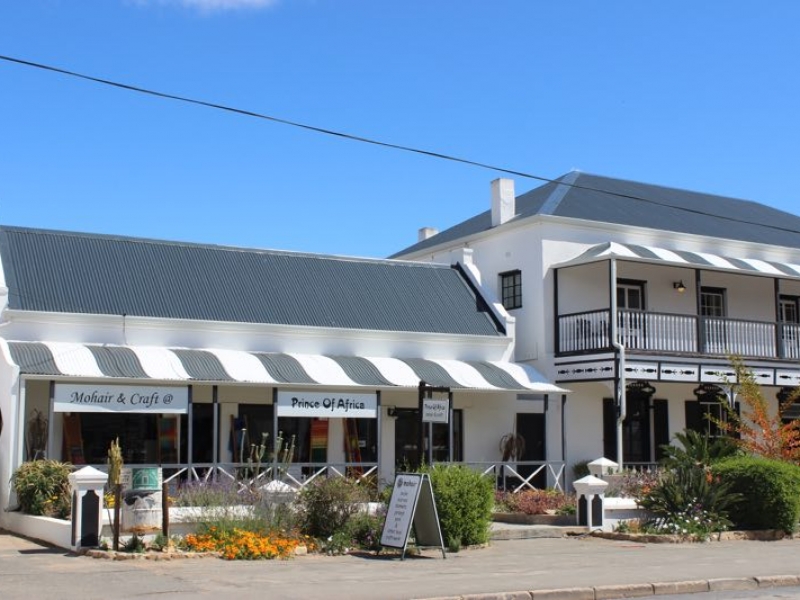
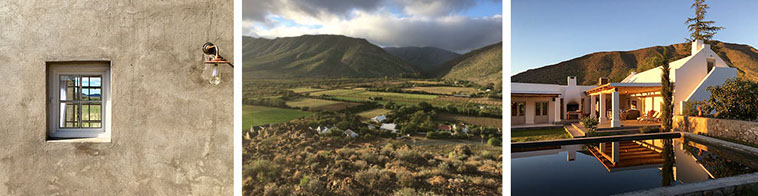
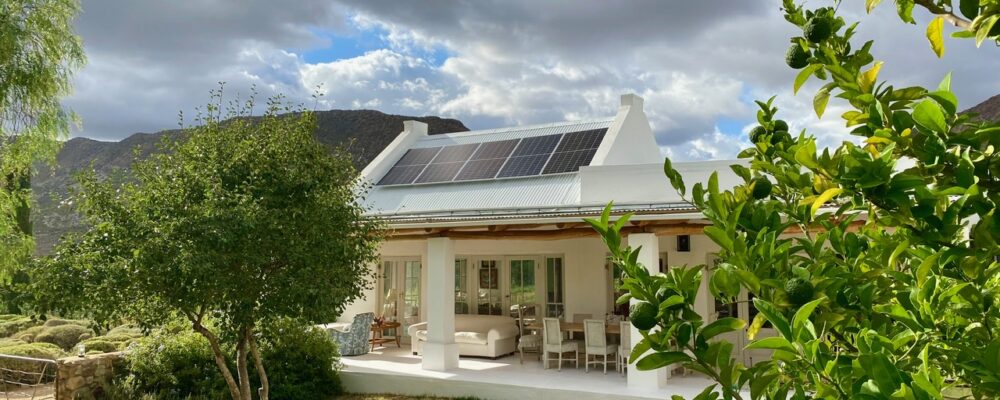
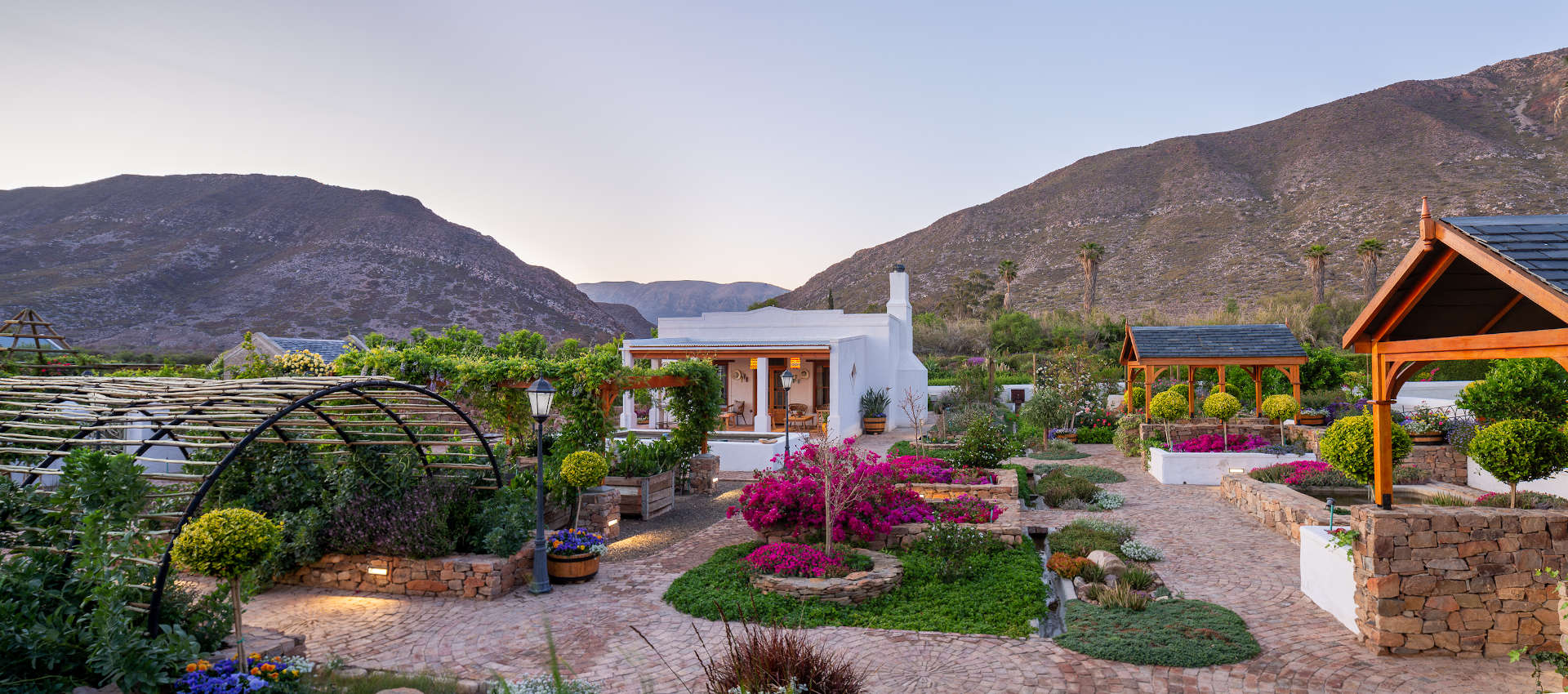
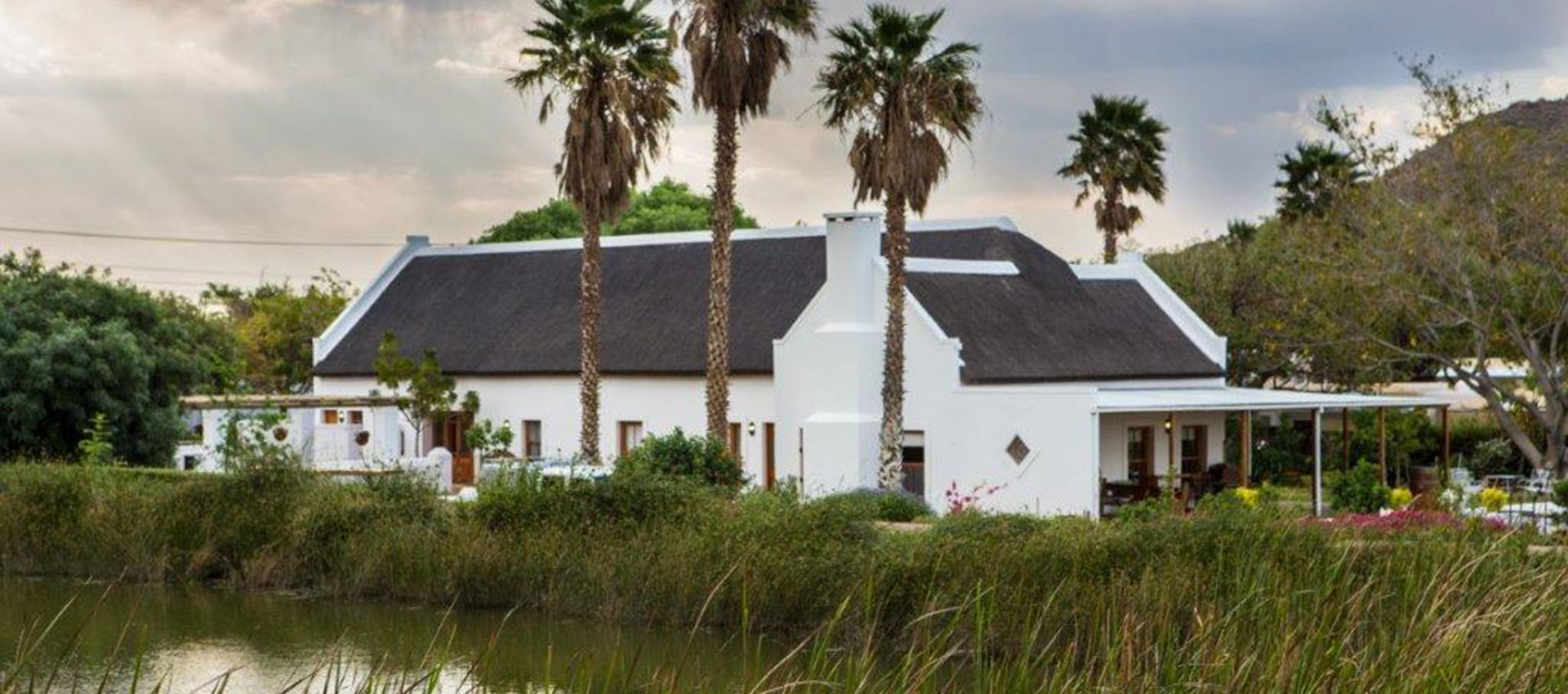
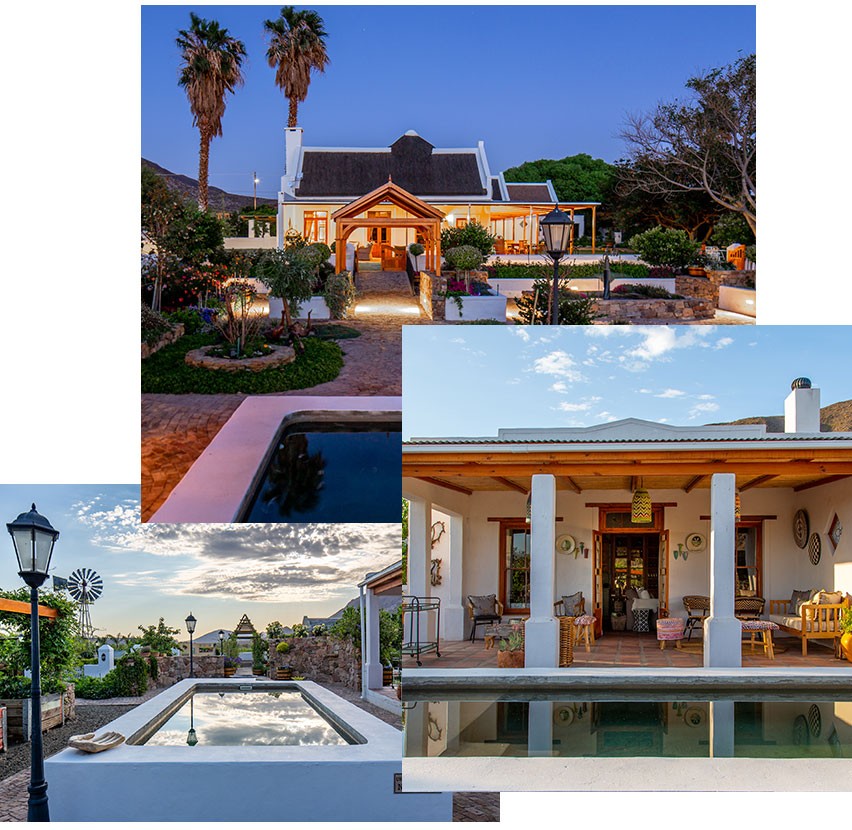
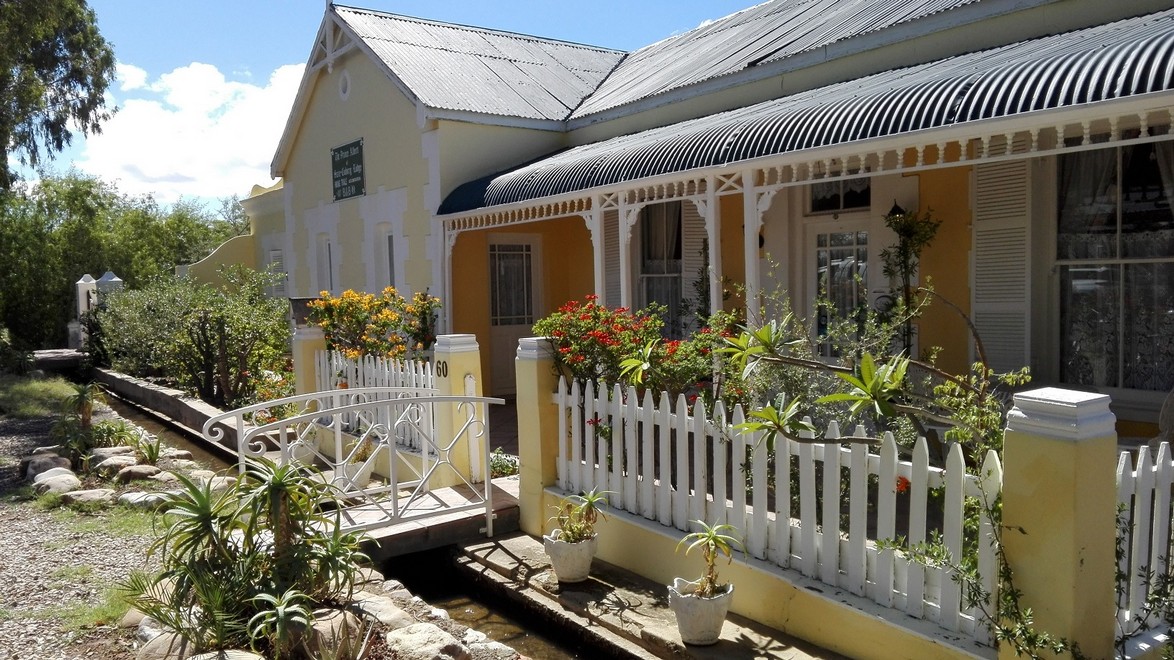
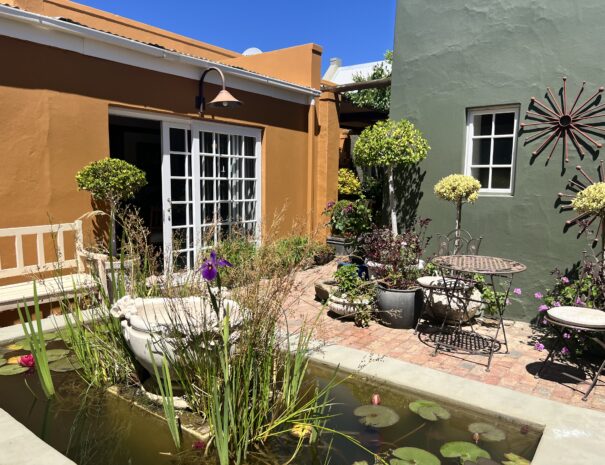
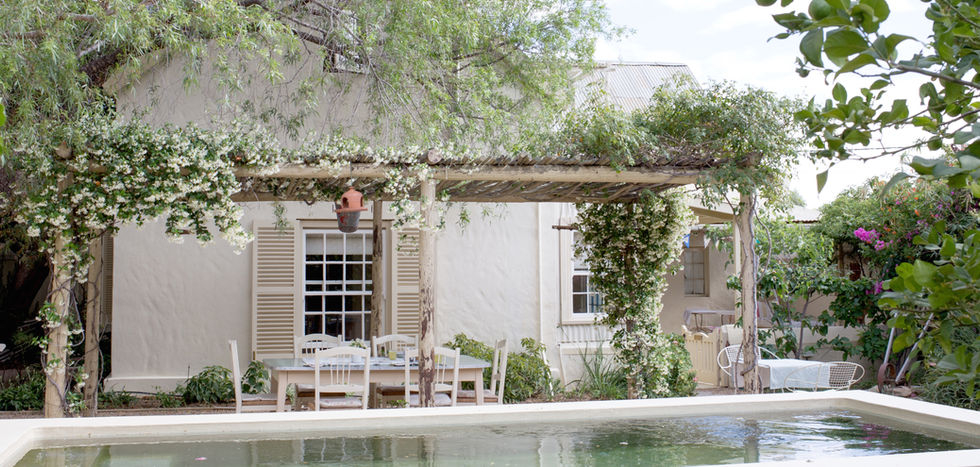
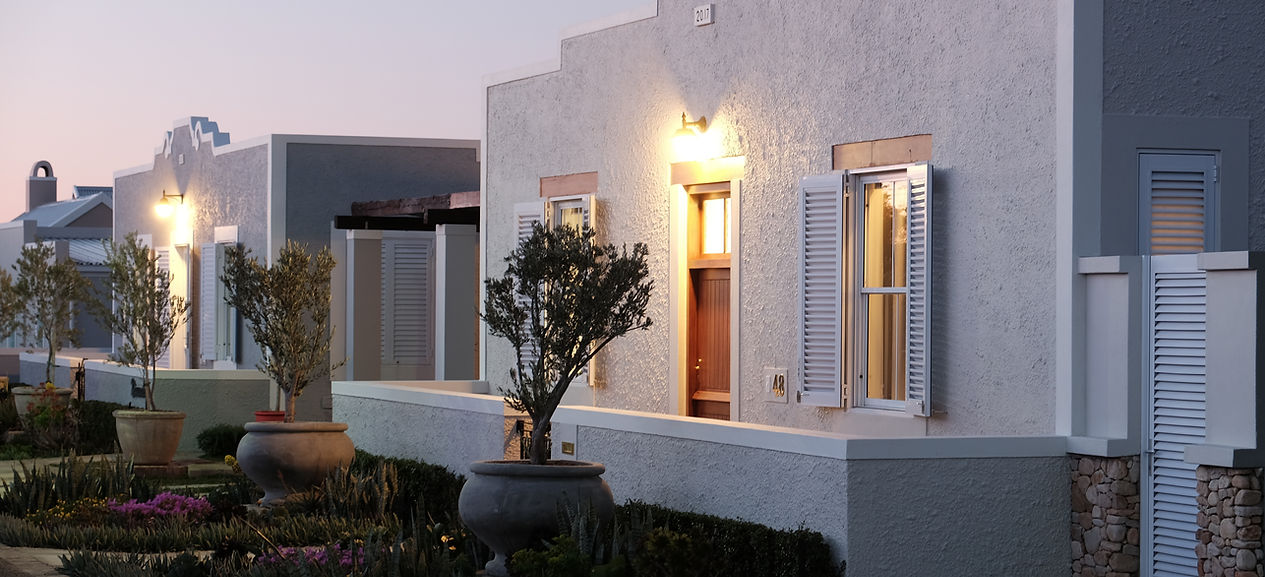
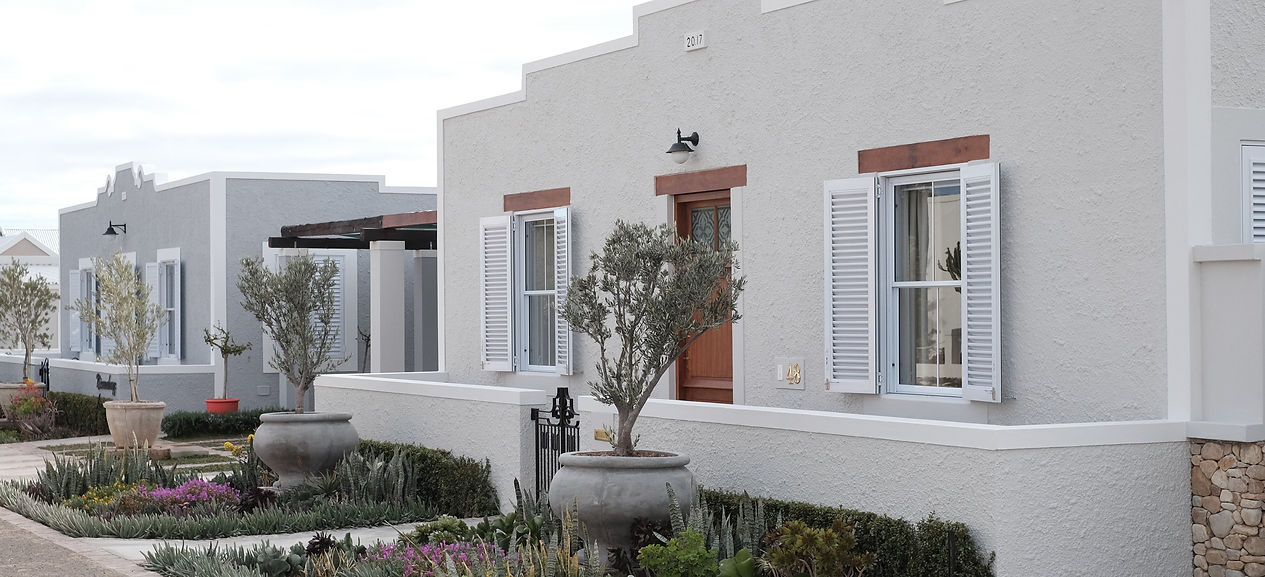
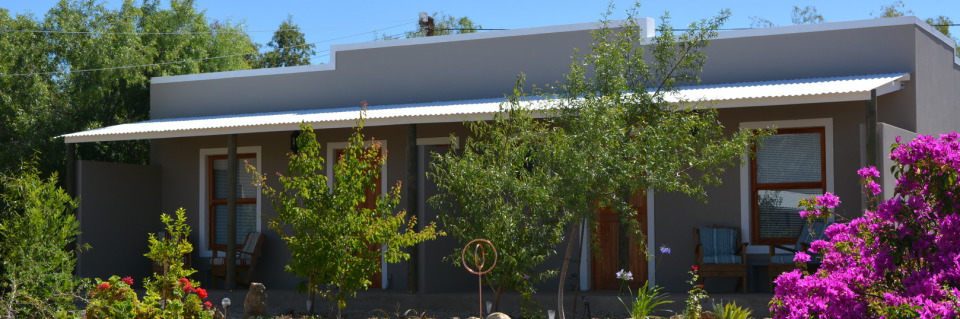
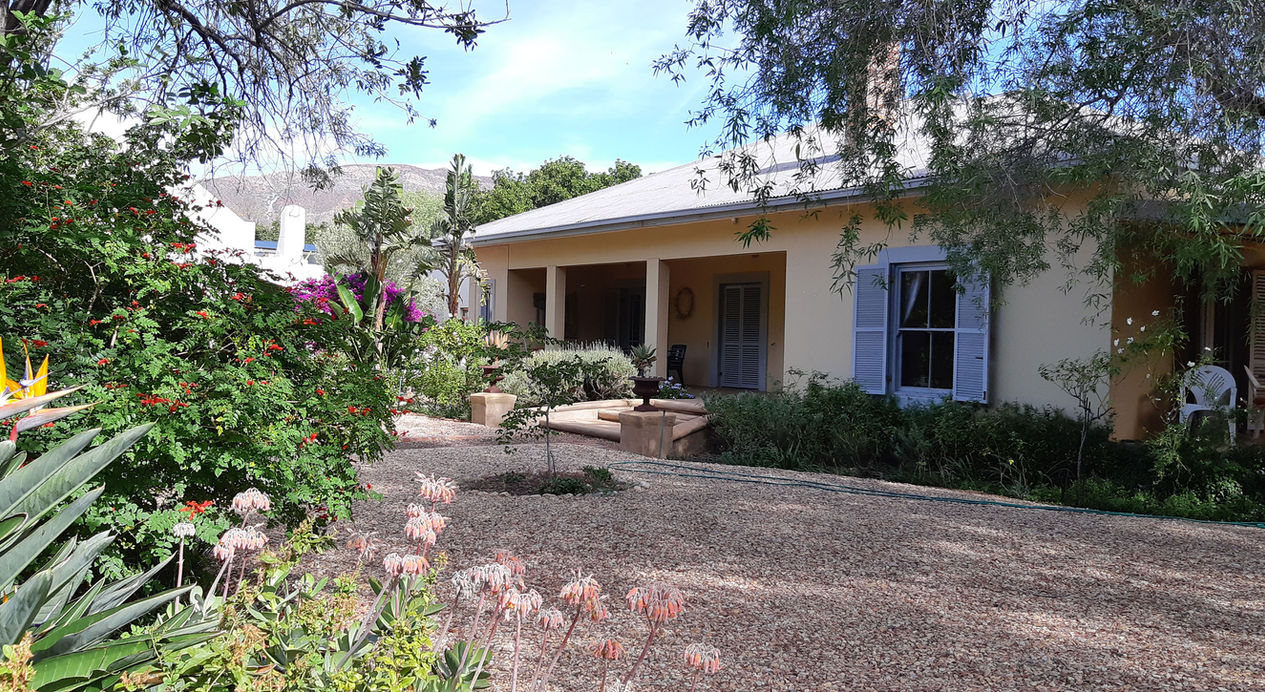
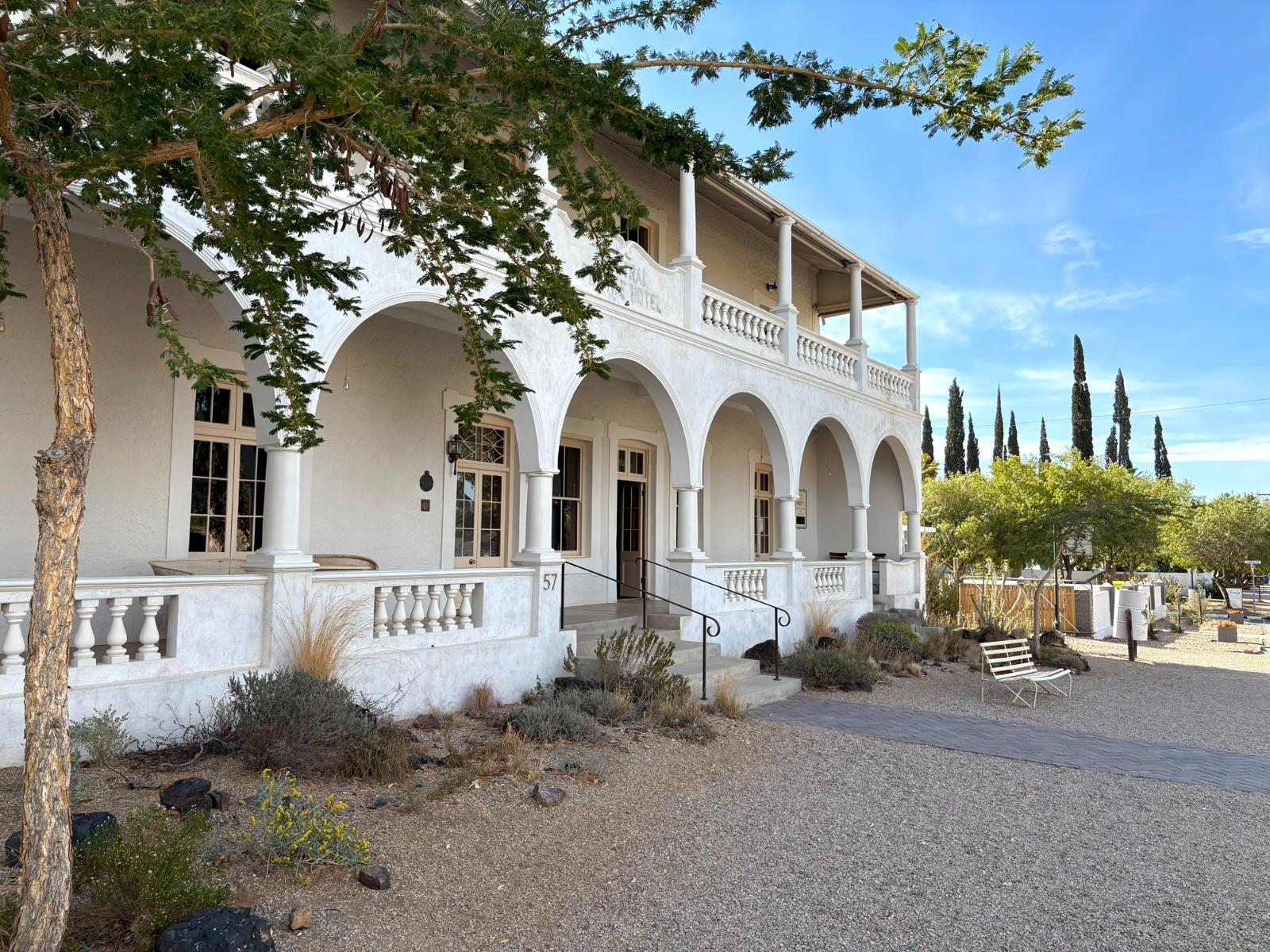
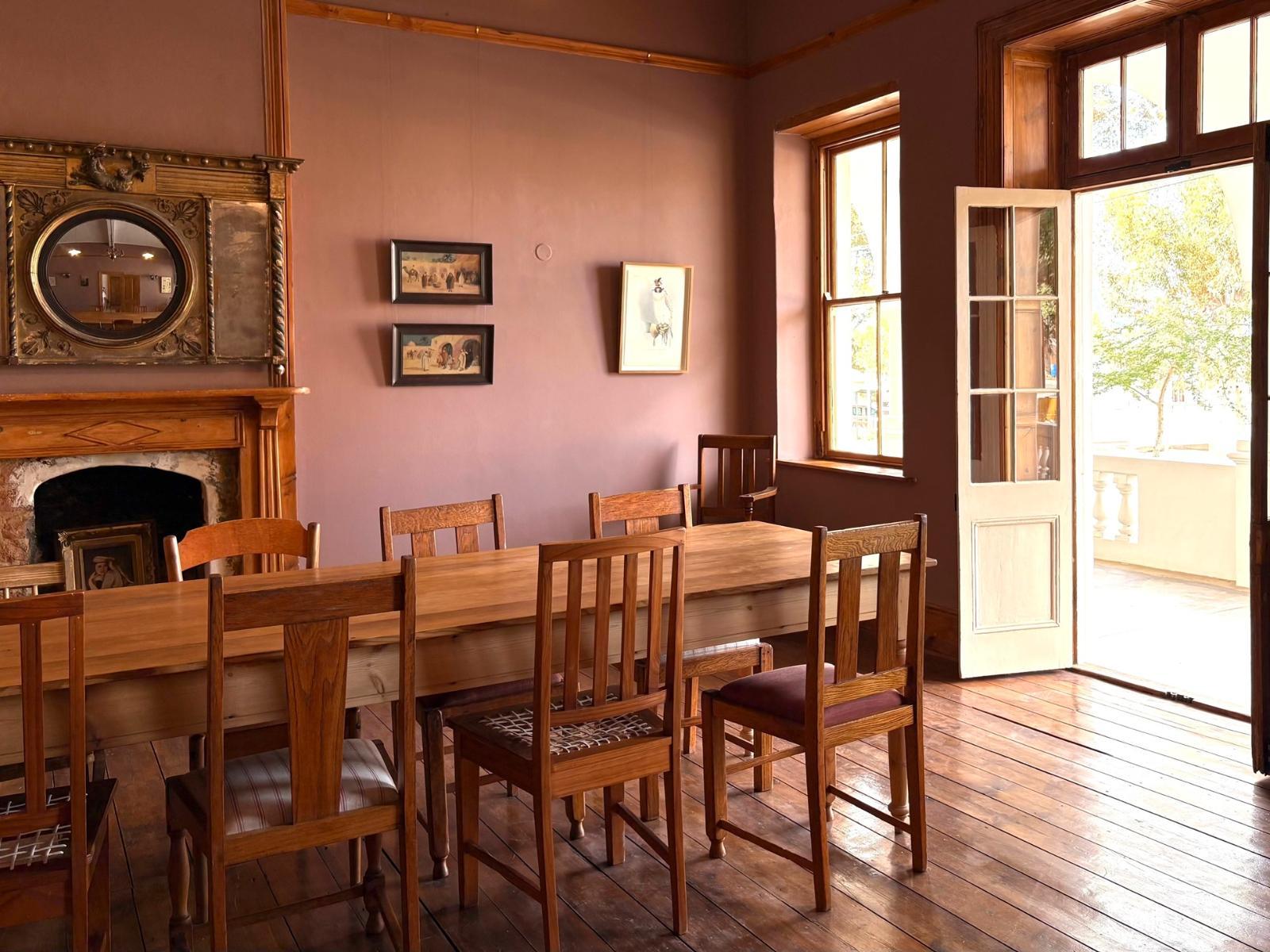
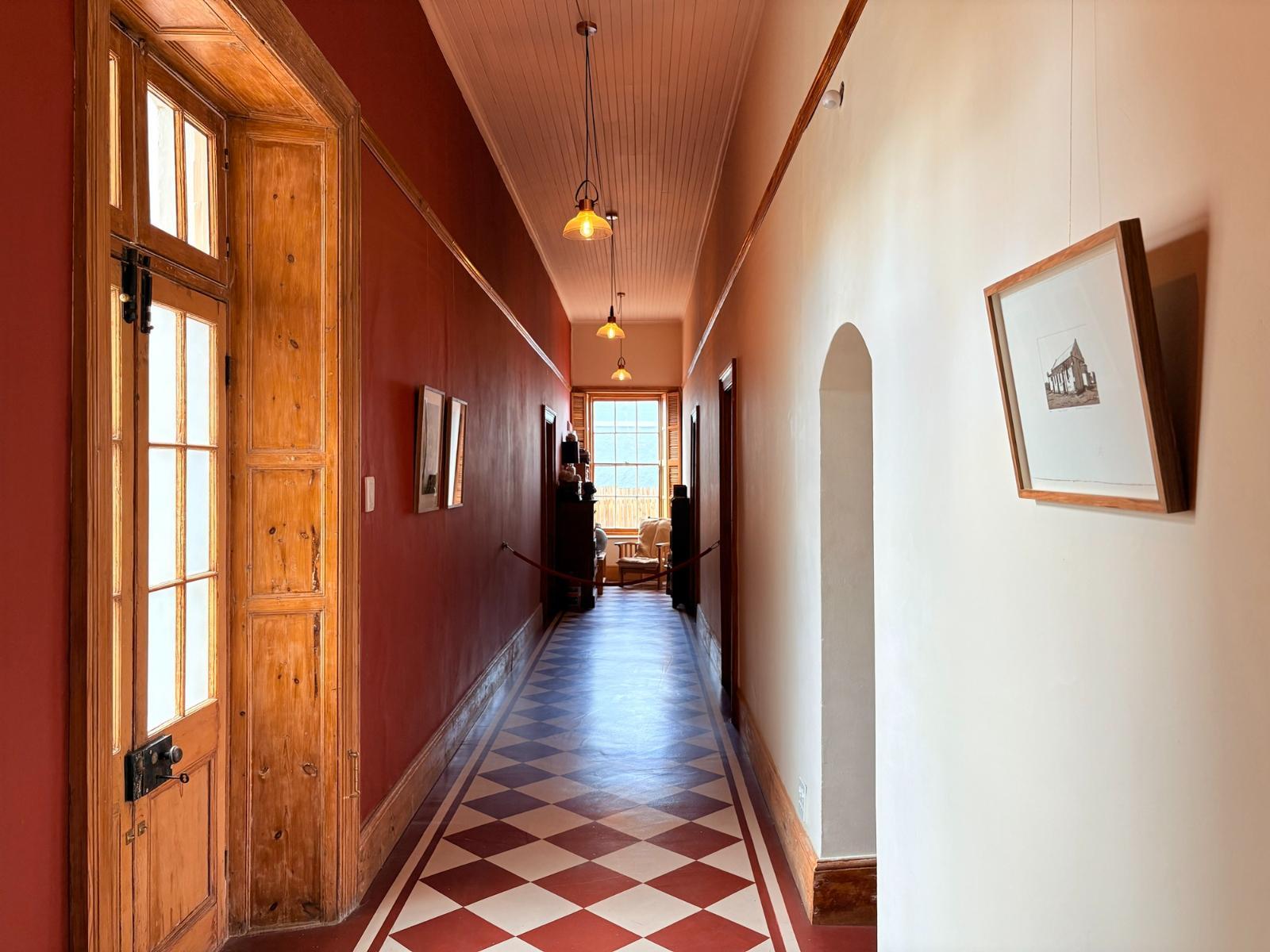
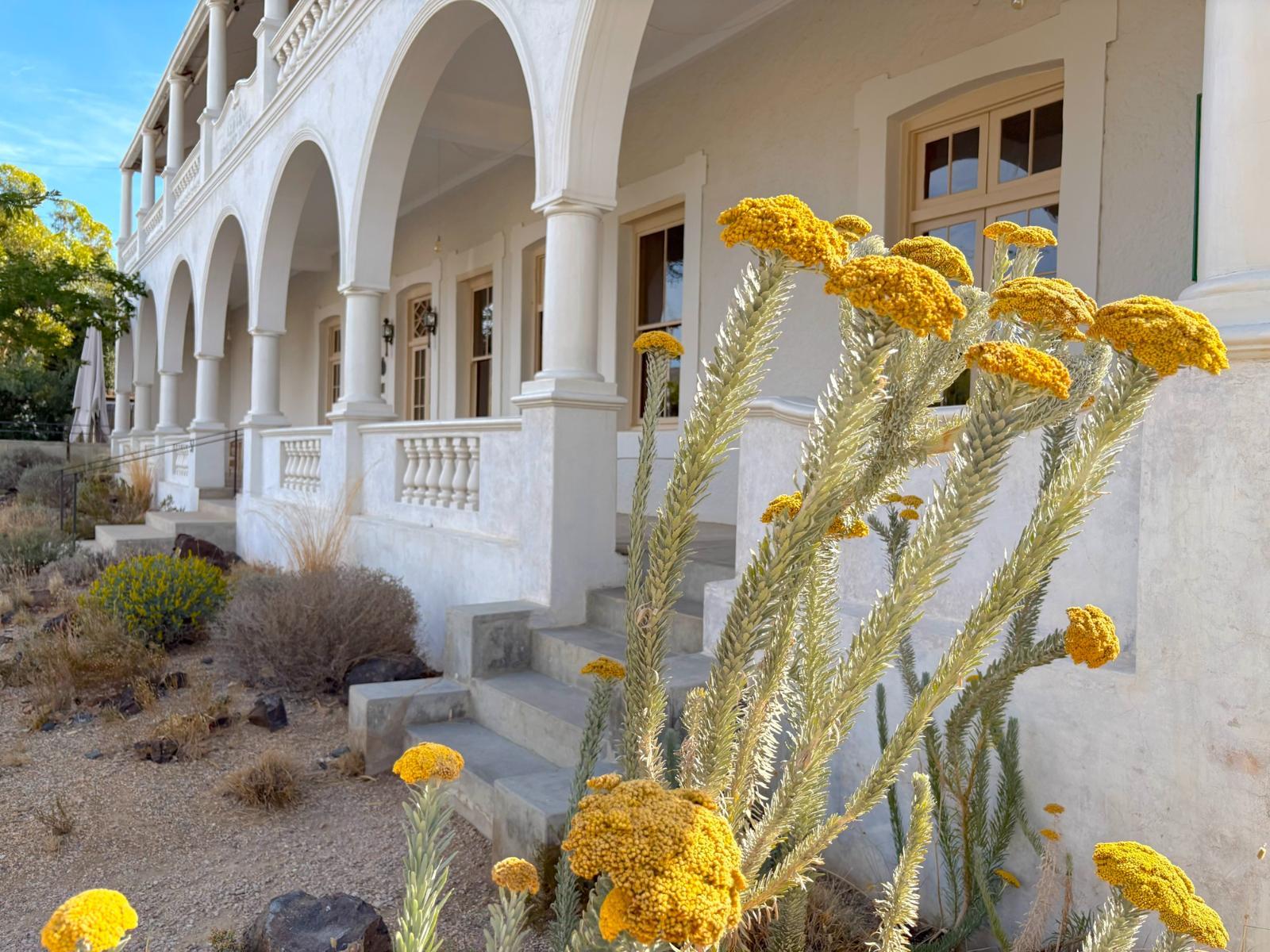
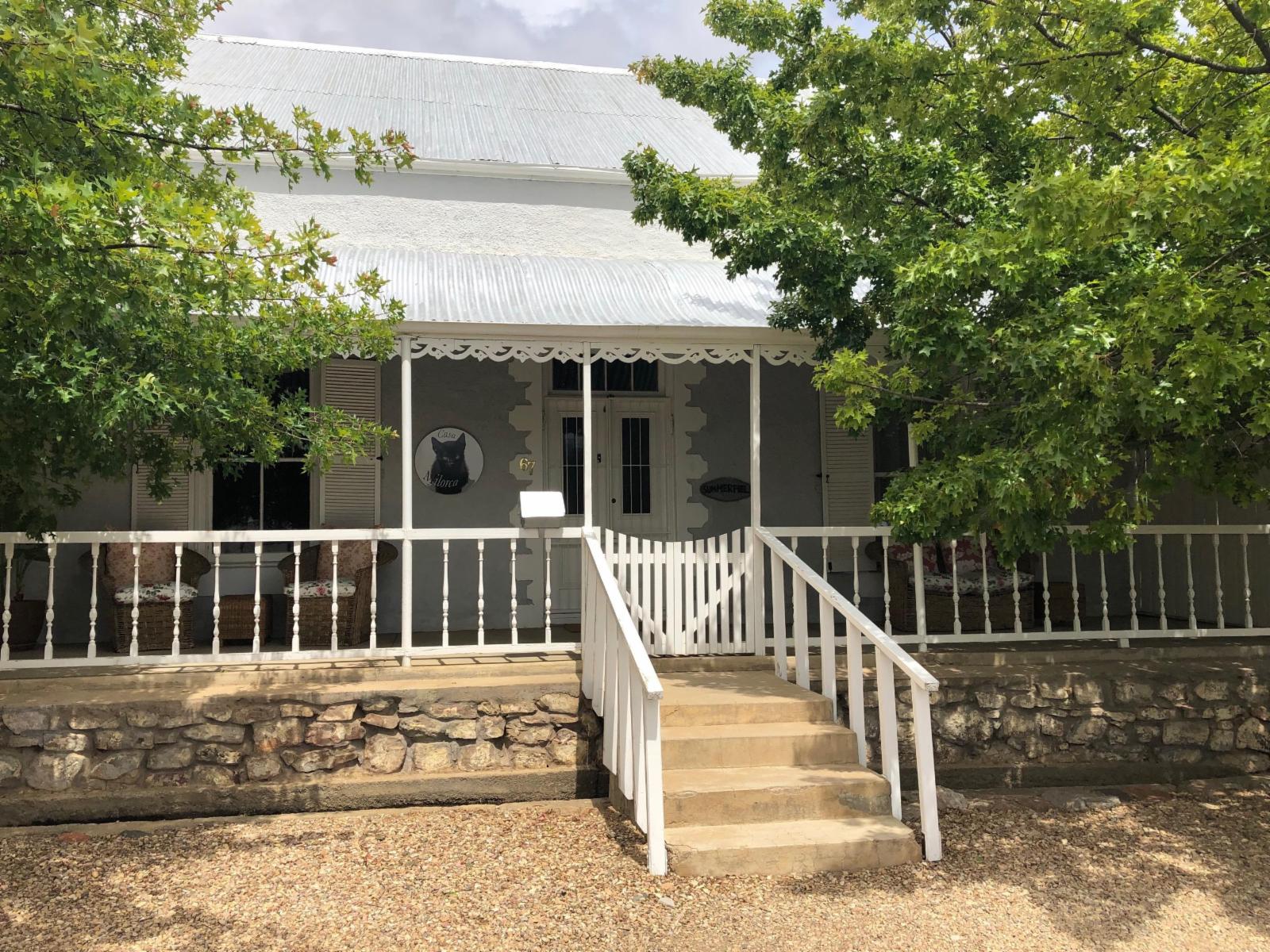
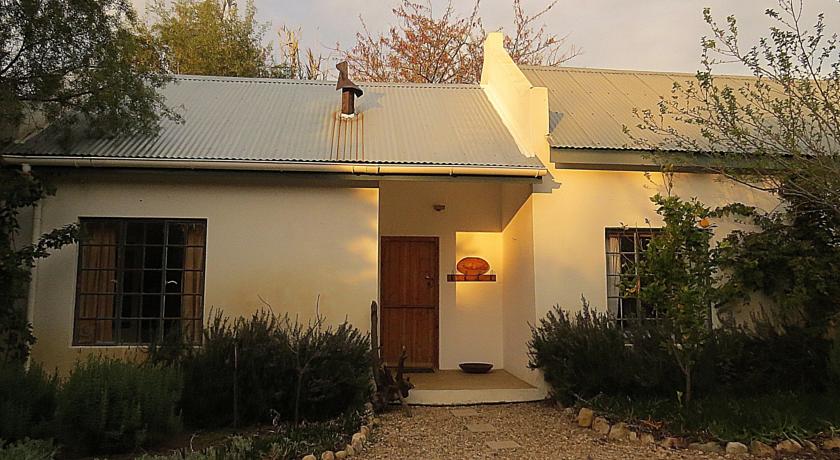
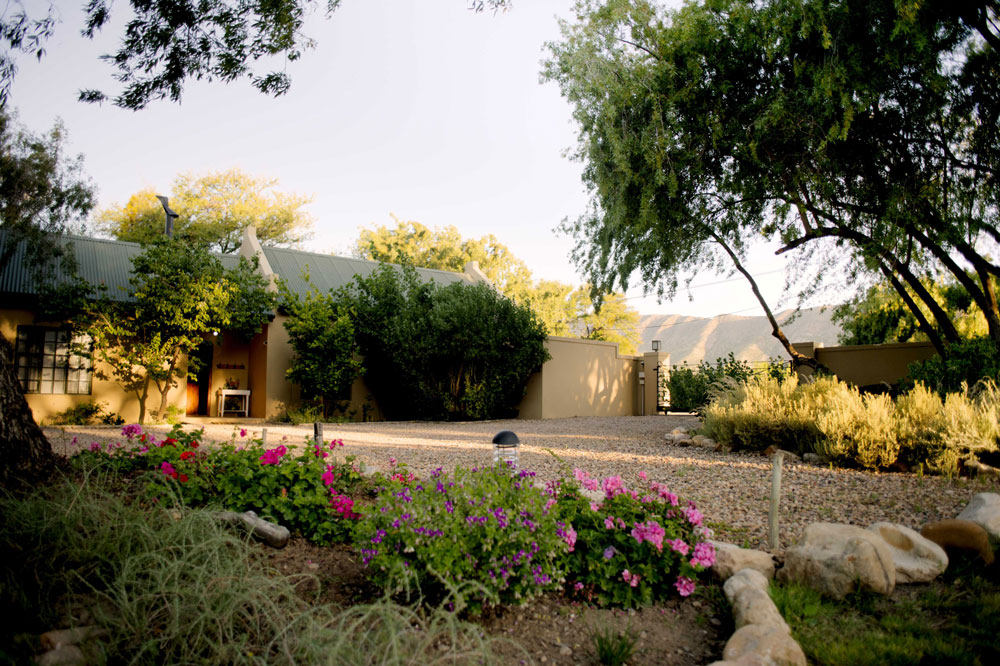
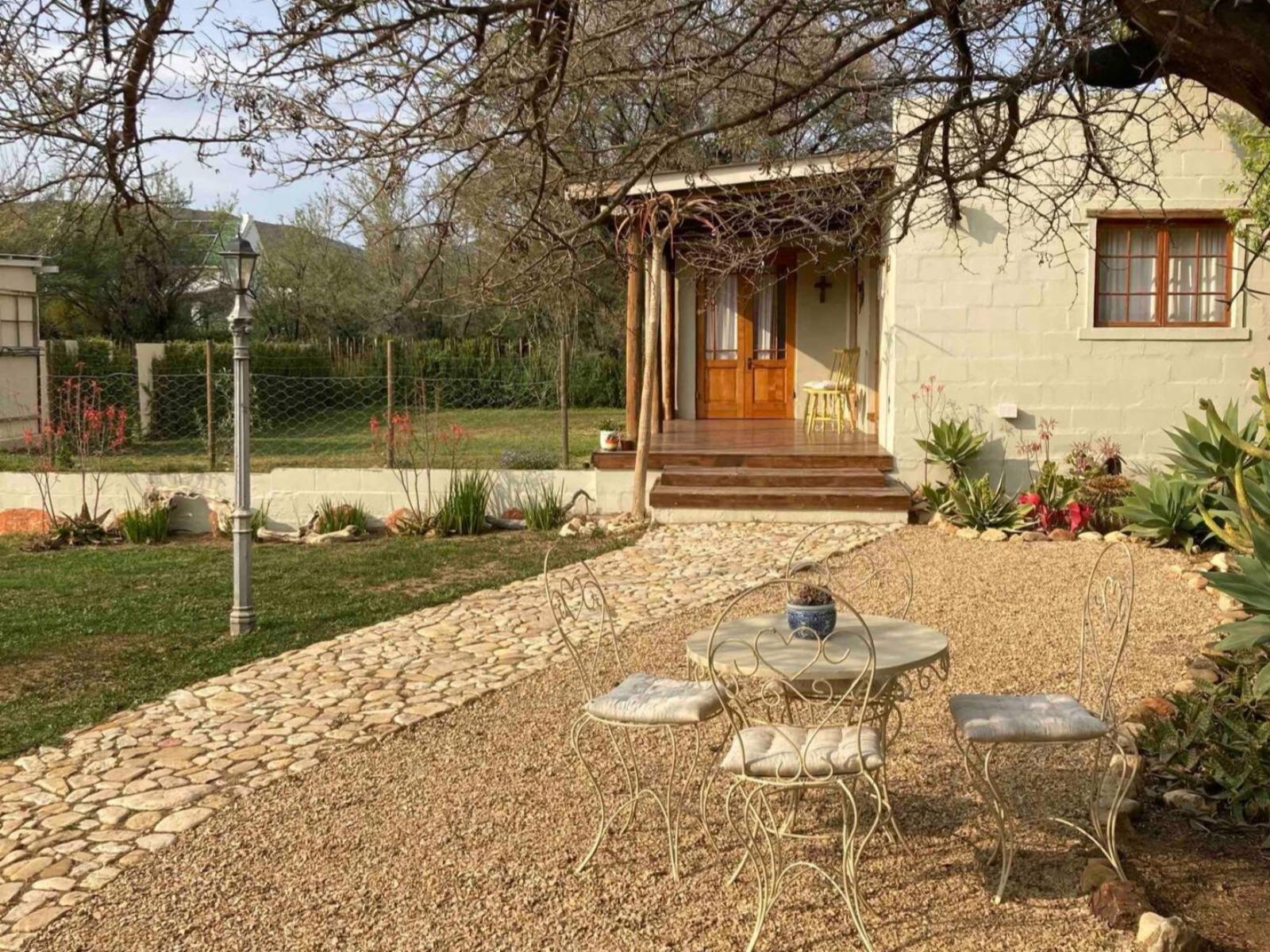
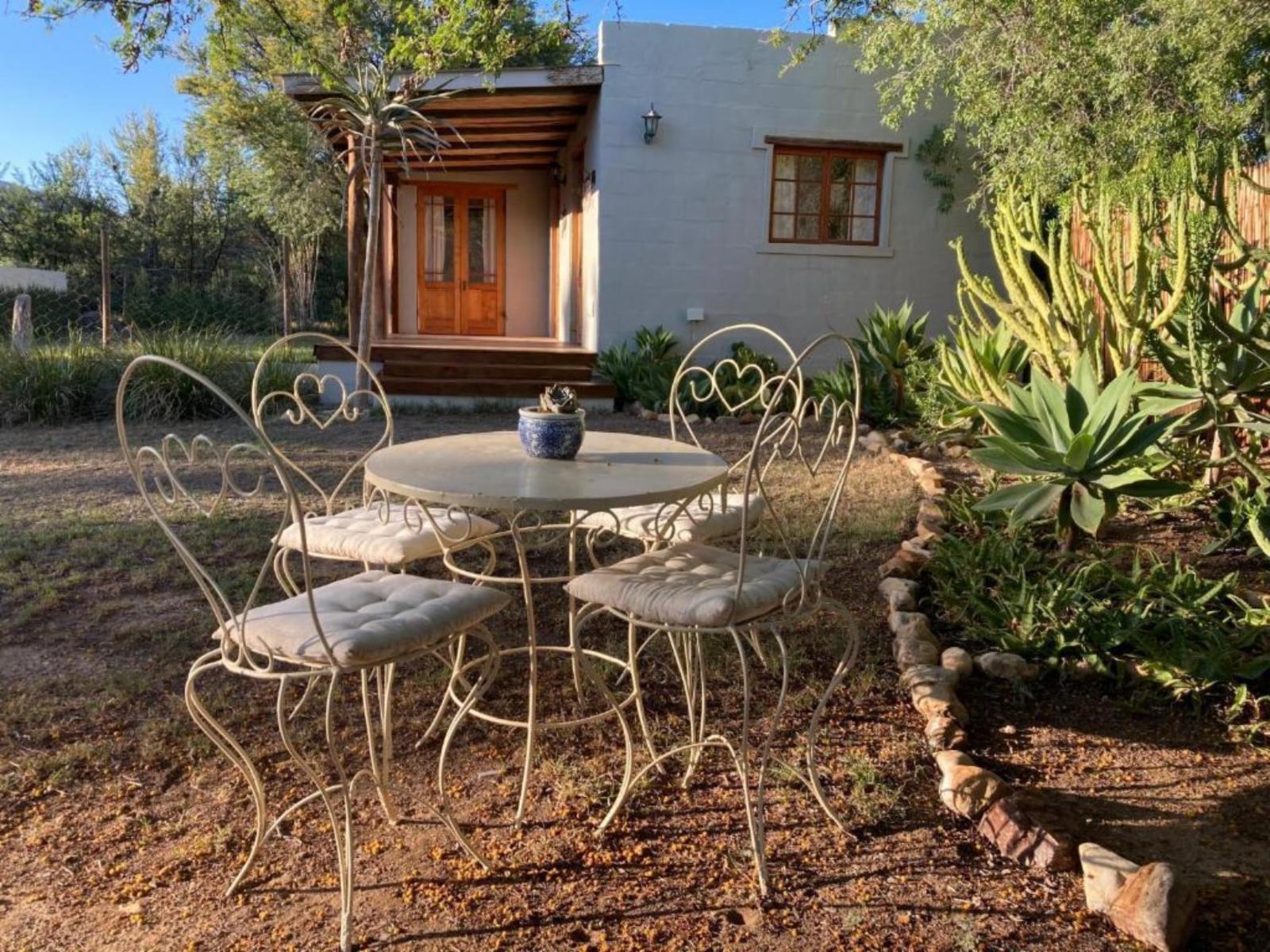
Guest houses here are typically owner-operated, often housed in restored Karoo cottages with thick-walled construction, deep-set windows, and enclosed courtyards. The design responds to the climate extremes of the Klein Karoo, which swings from intense summer heat to freezing winter nights. That same architecture creates spaces that stay cool through the heat of the day and, with a fireplace or wood-burning stove, comfortable through cold evenings.
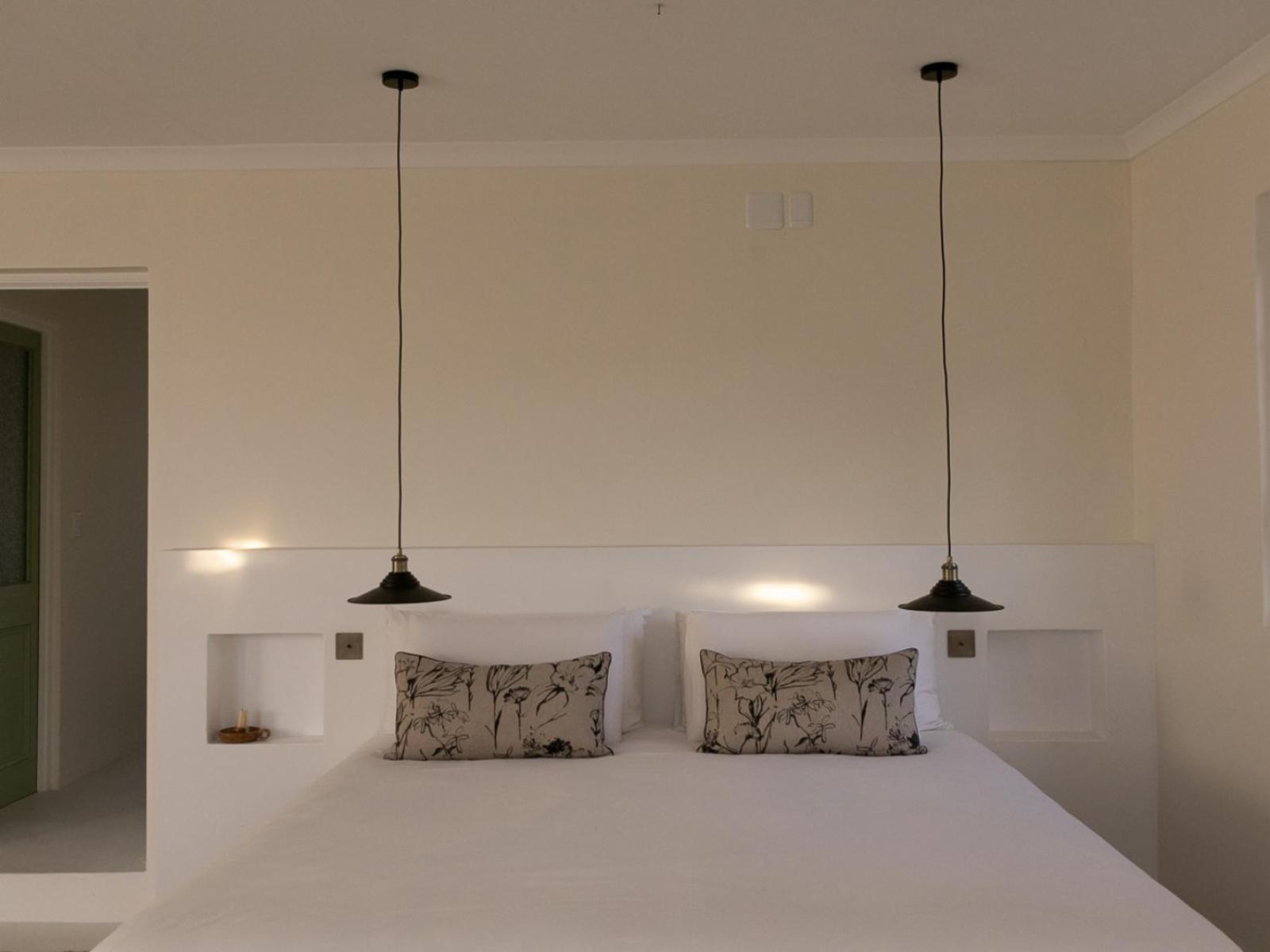
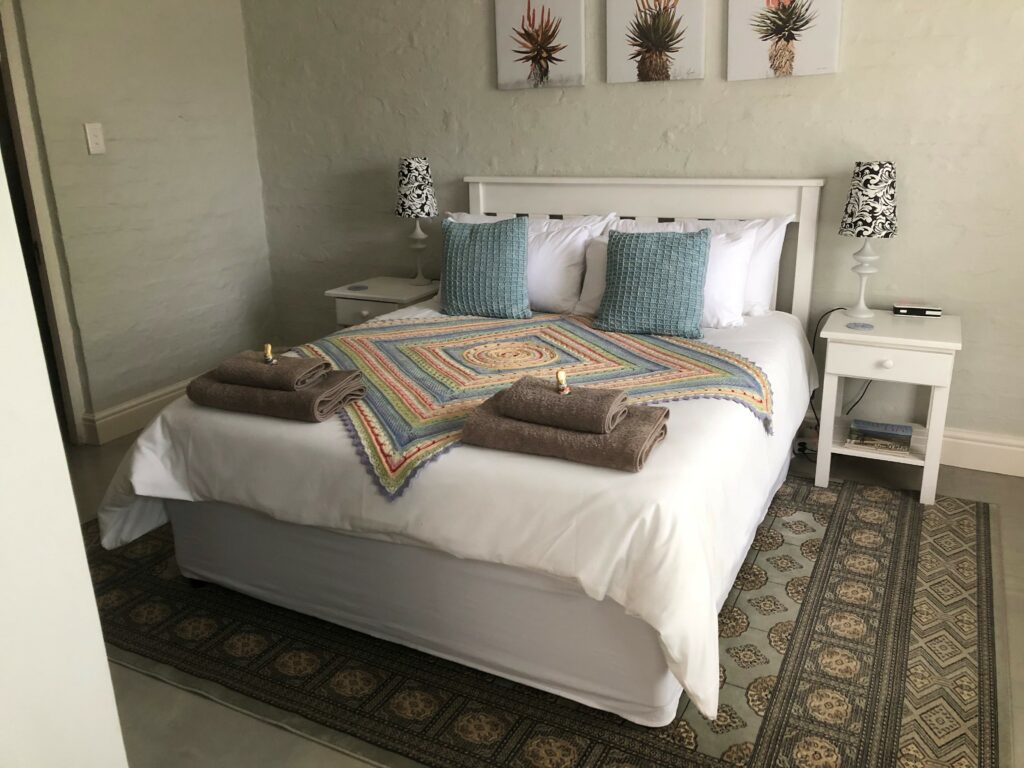
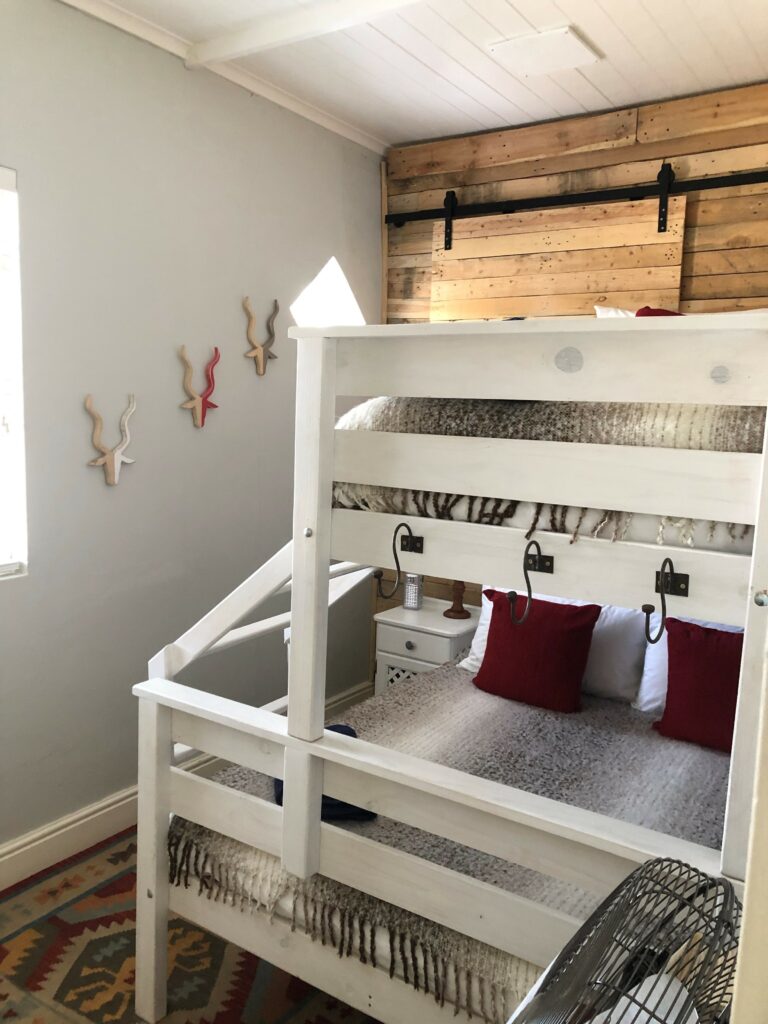
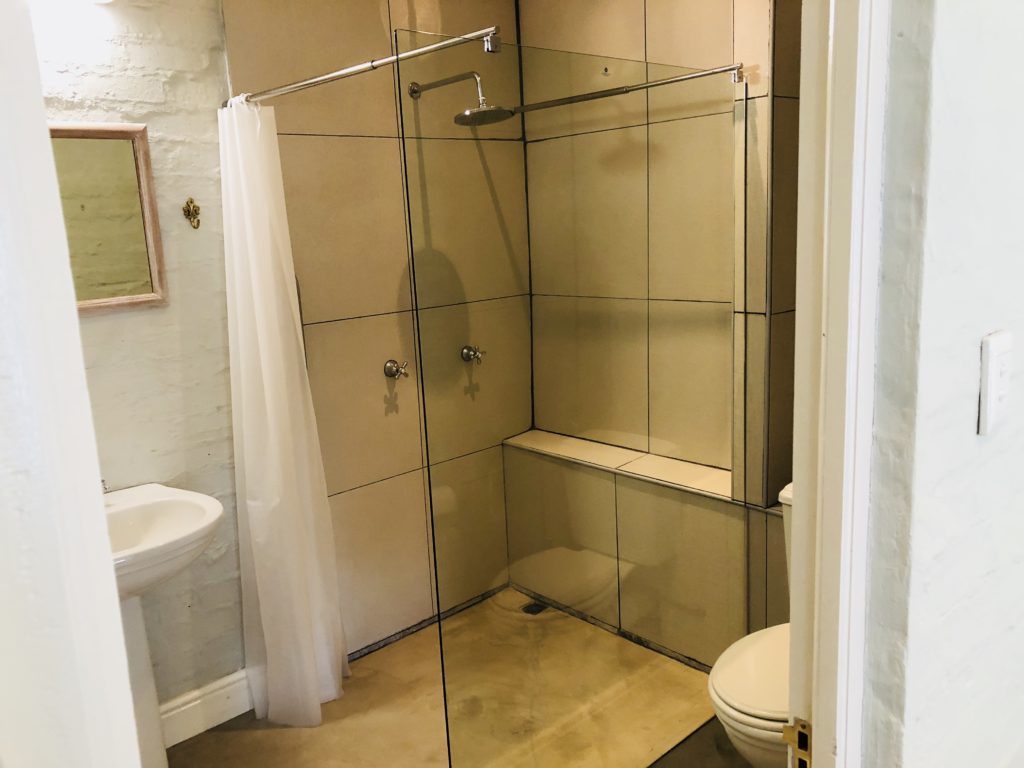
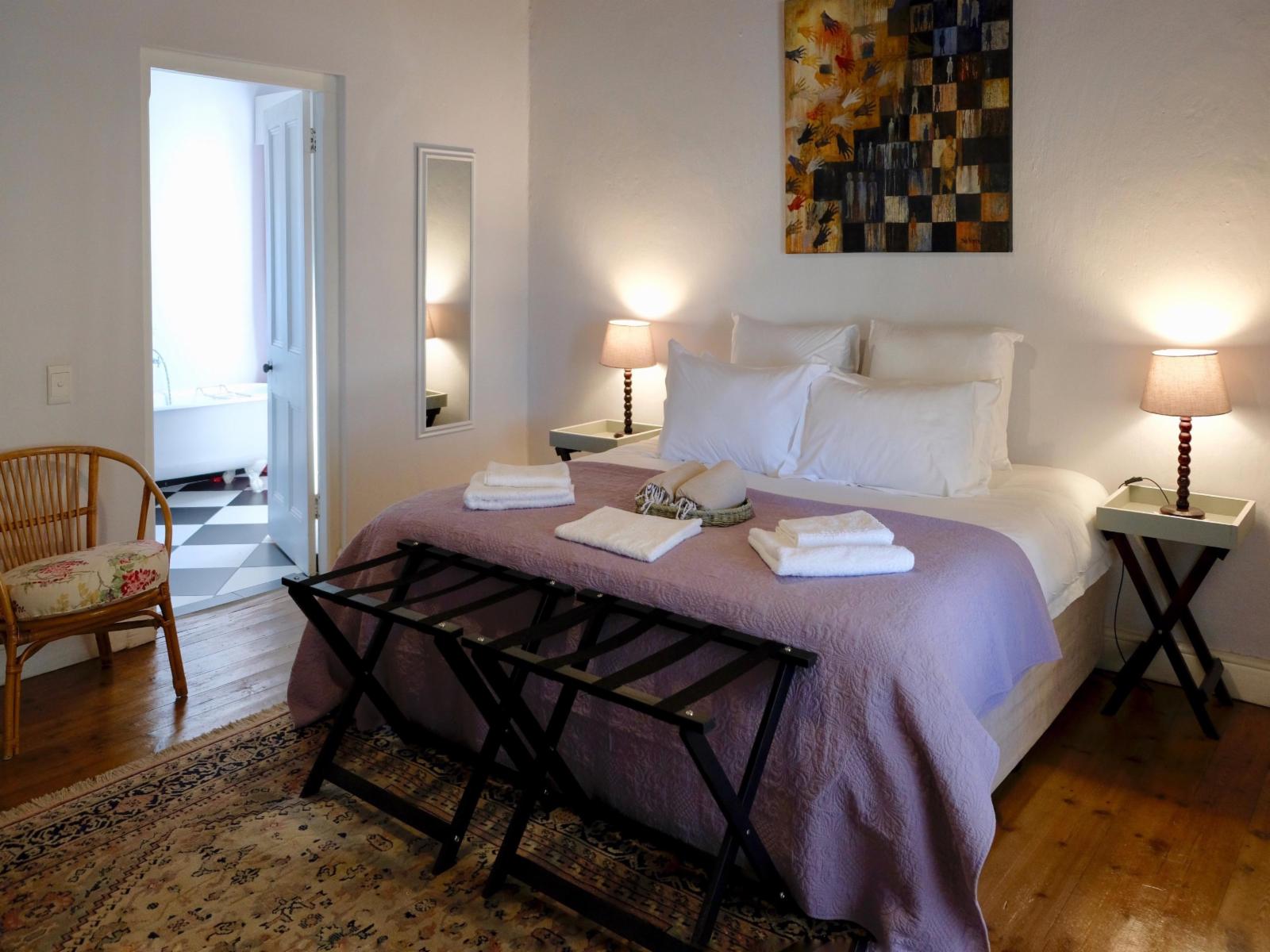
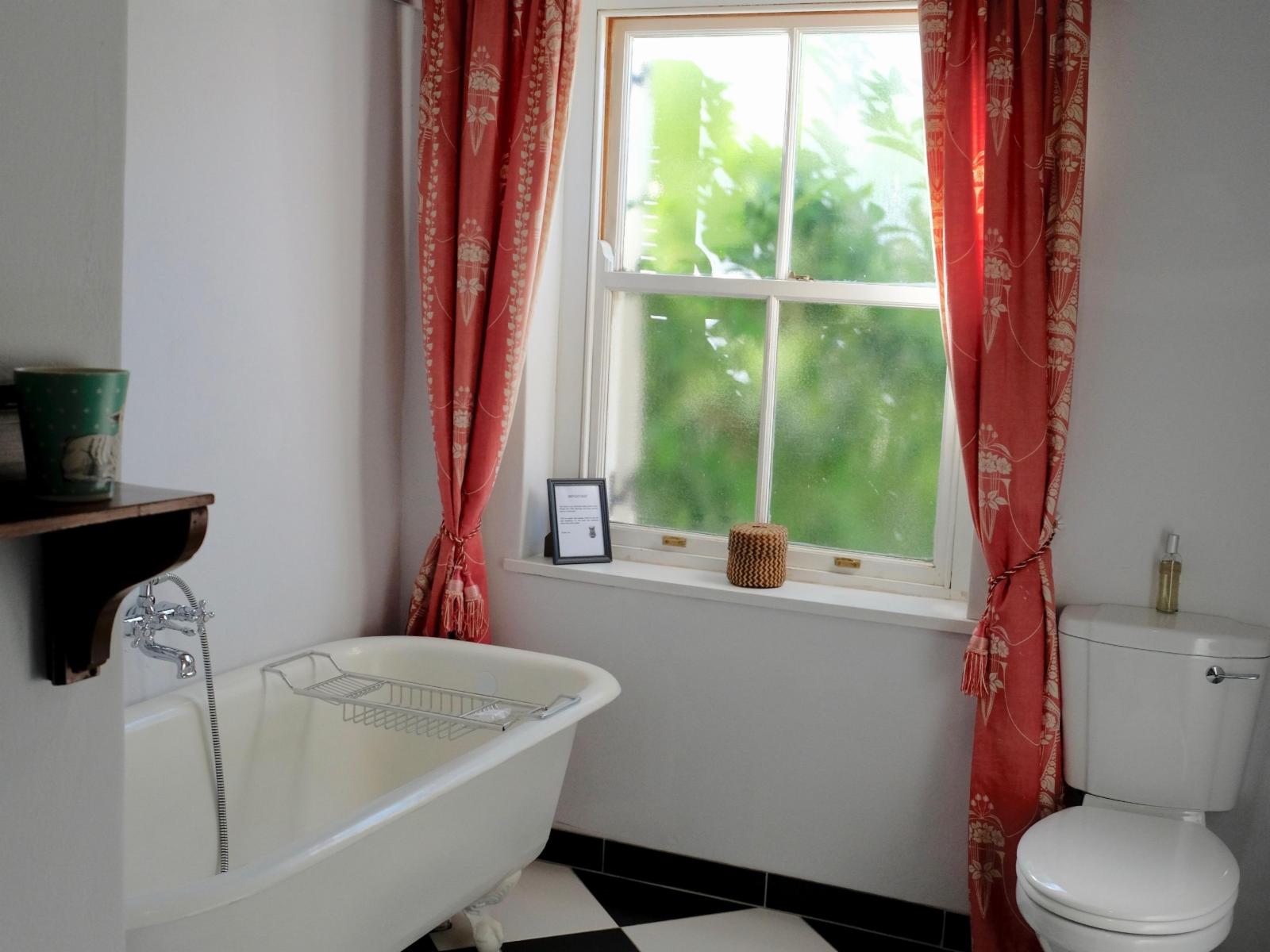
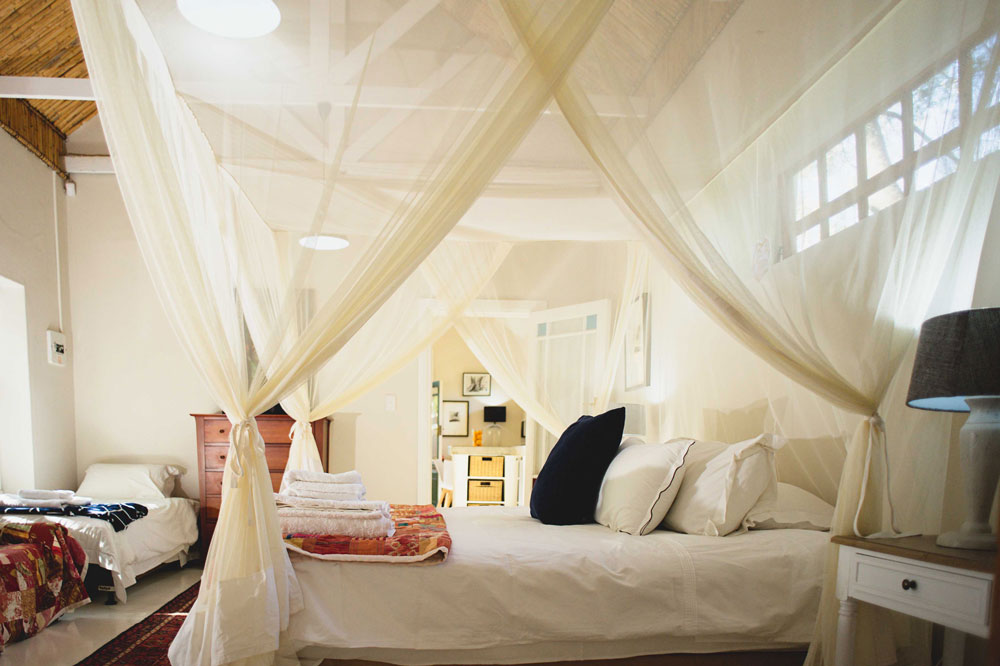
At this price point, guests generally receive private en-suite rooms and home-cooked breakfasts. Hosts tend to be well-informed about local trails, farm visits, and the better places to eat in town. In a small destination where formal tourist infrastructure is limited, that local knowledge has practical value that no review site fully replaces.
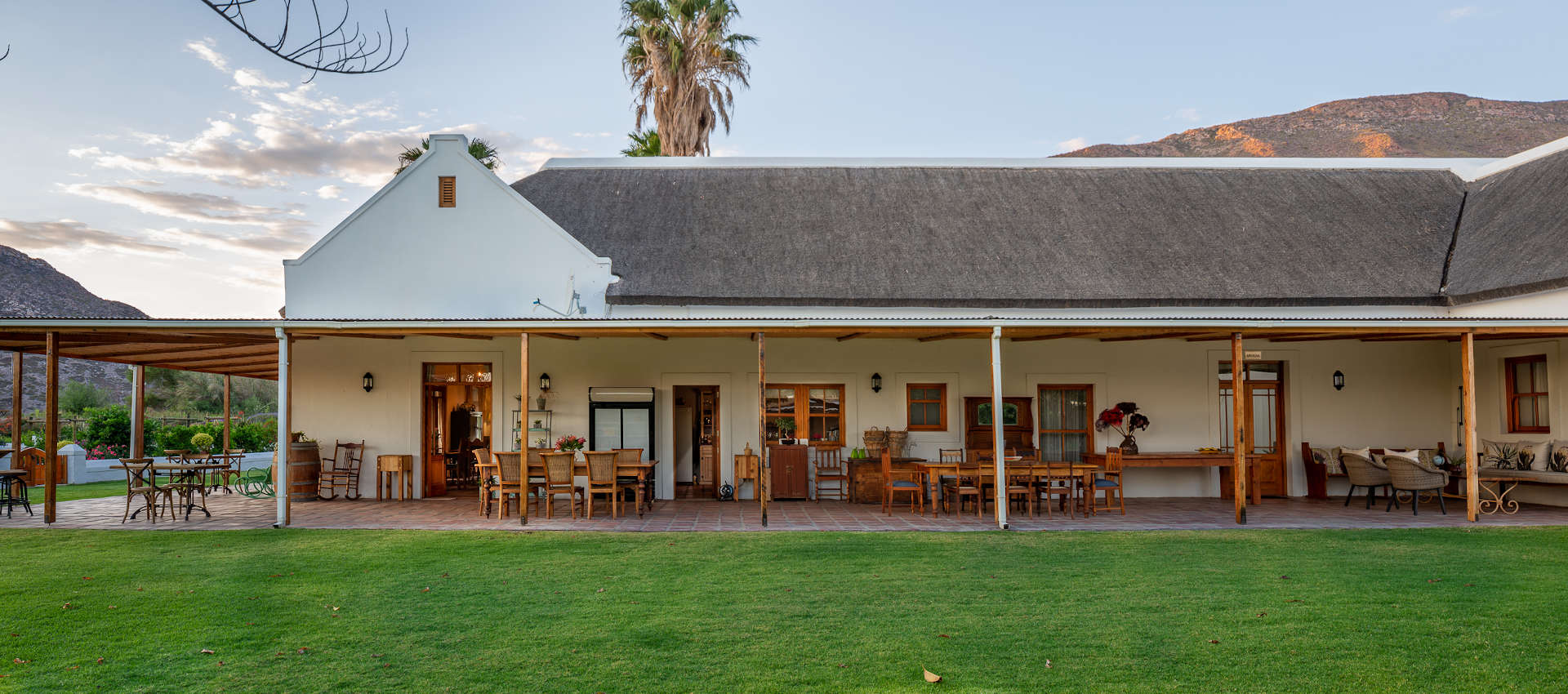
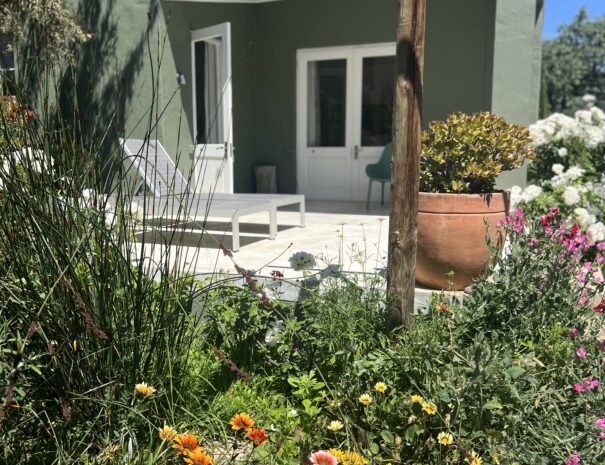
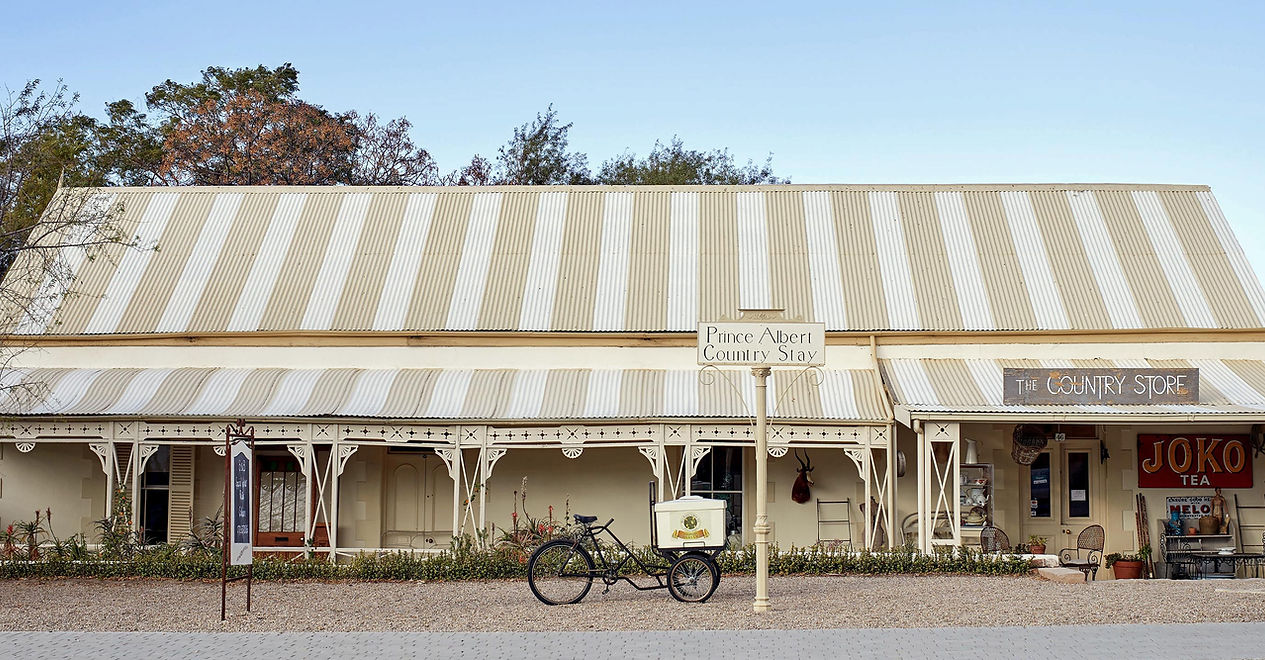
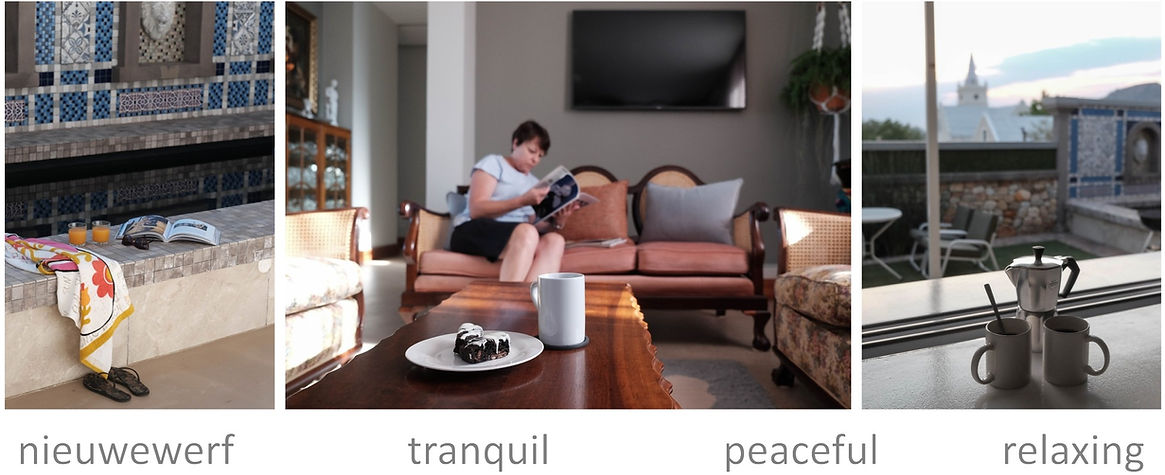
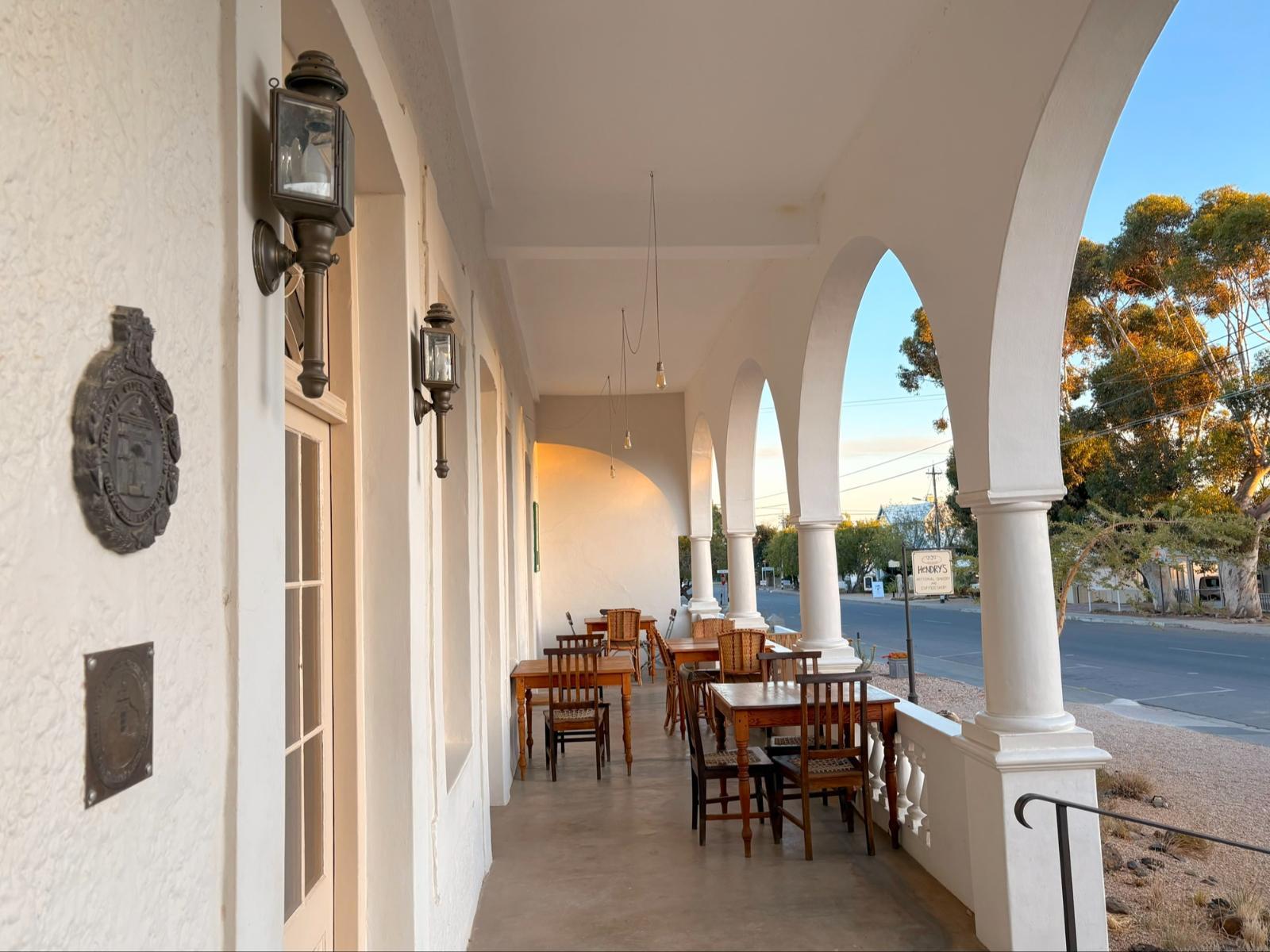
The stoep, a covered veranda typical of Karoo architecture, tends to become the most-used space during a stay. In the morning, before the heat builds, and again in the late afternoon, it offers a quiet connection to the landscape. For many guests, this outdoor rhythm structured around temperature is as much a part of the experience as the town itself.
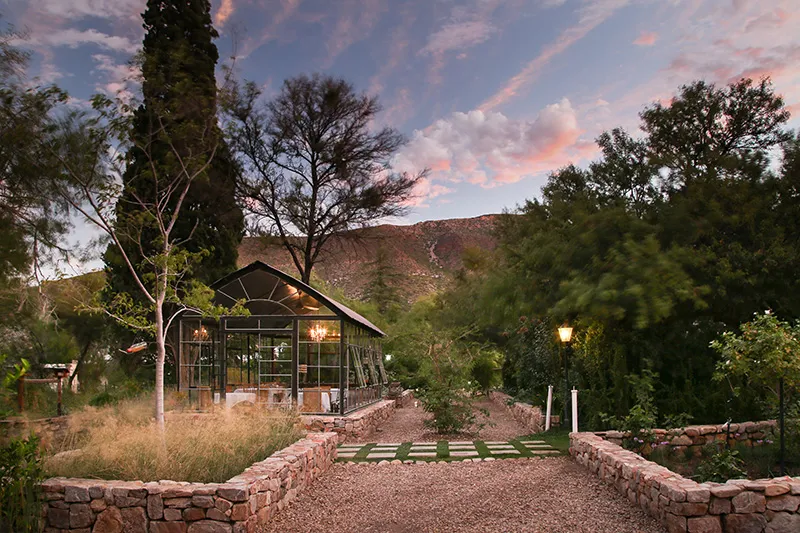
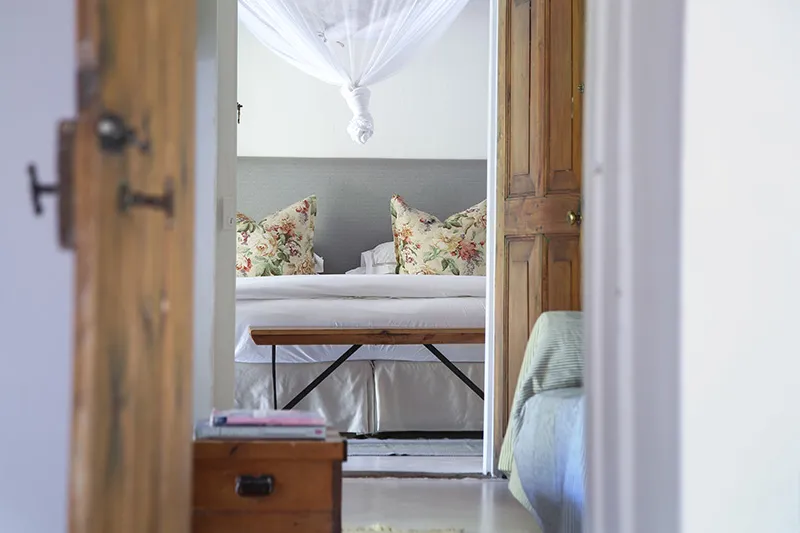
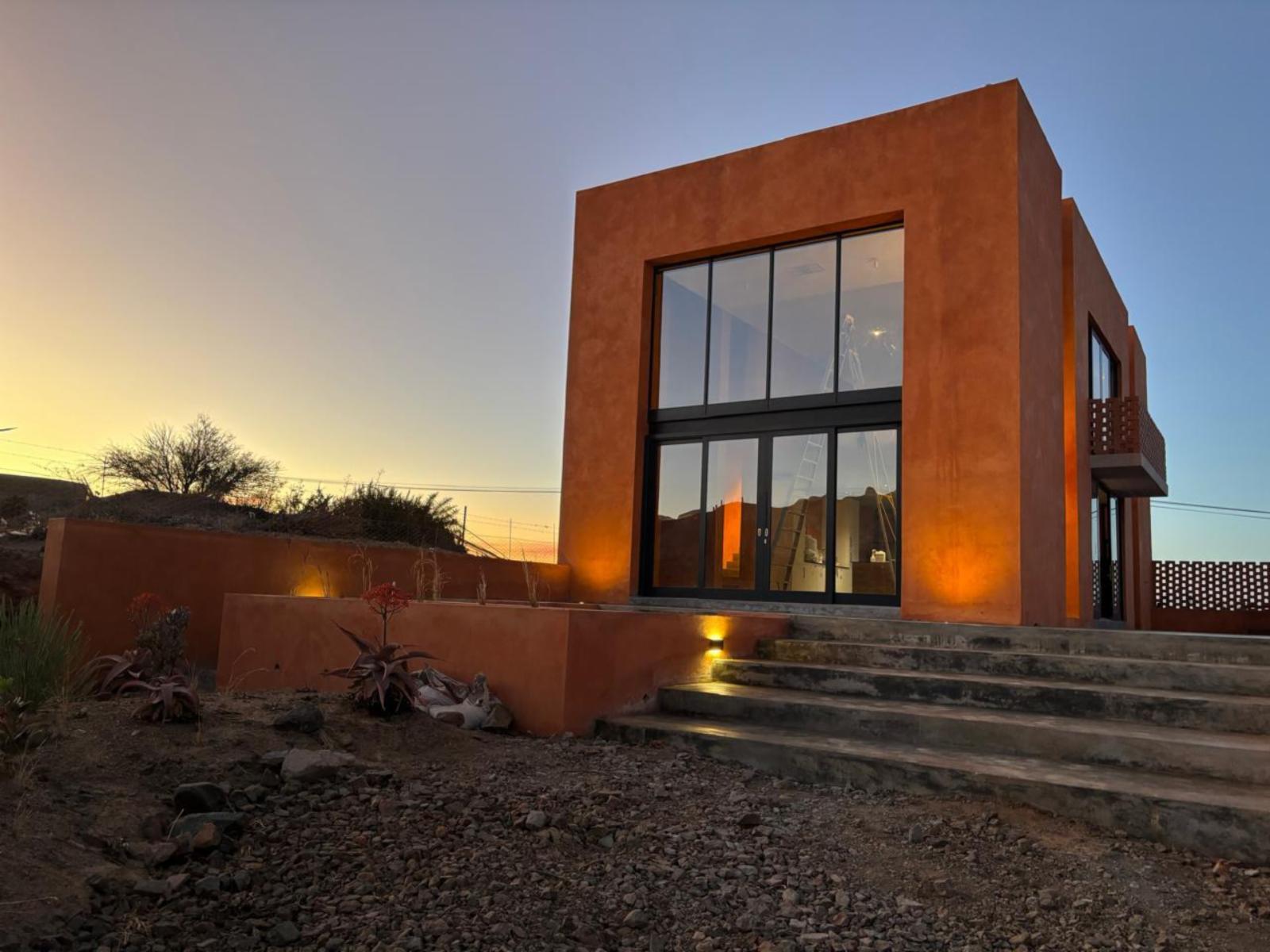
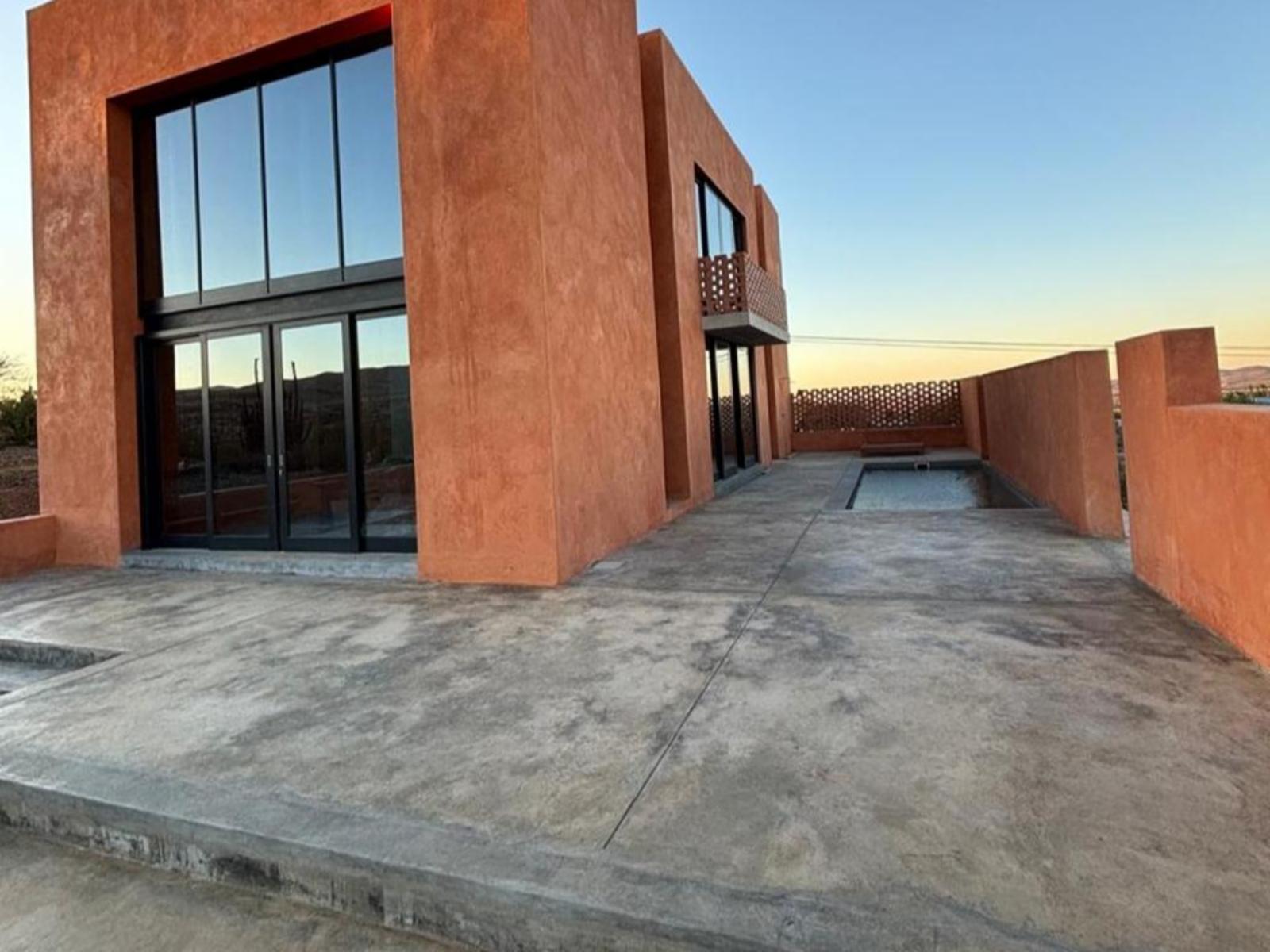
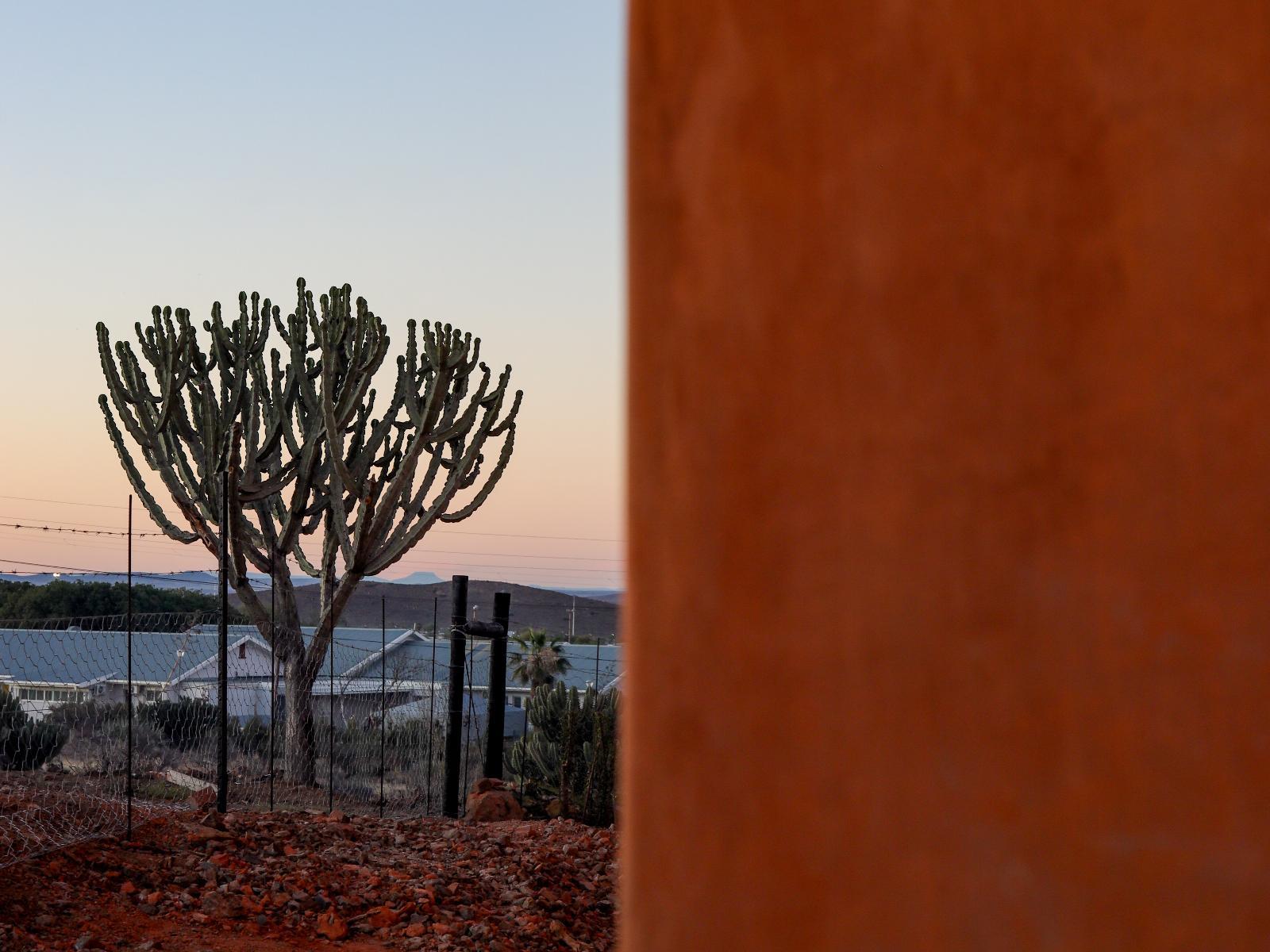
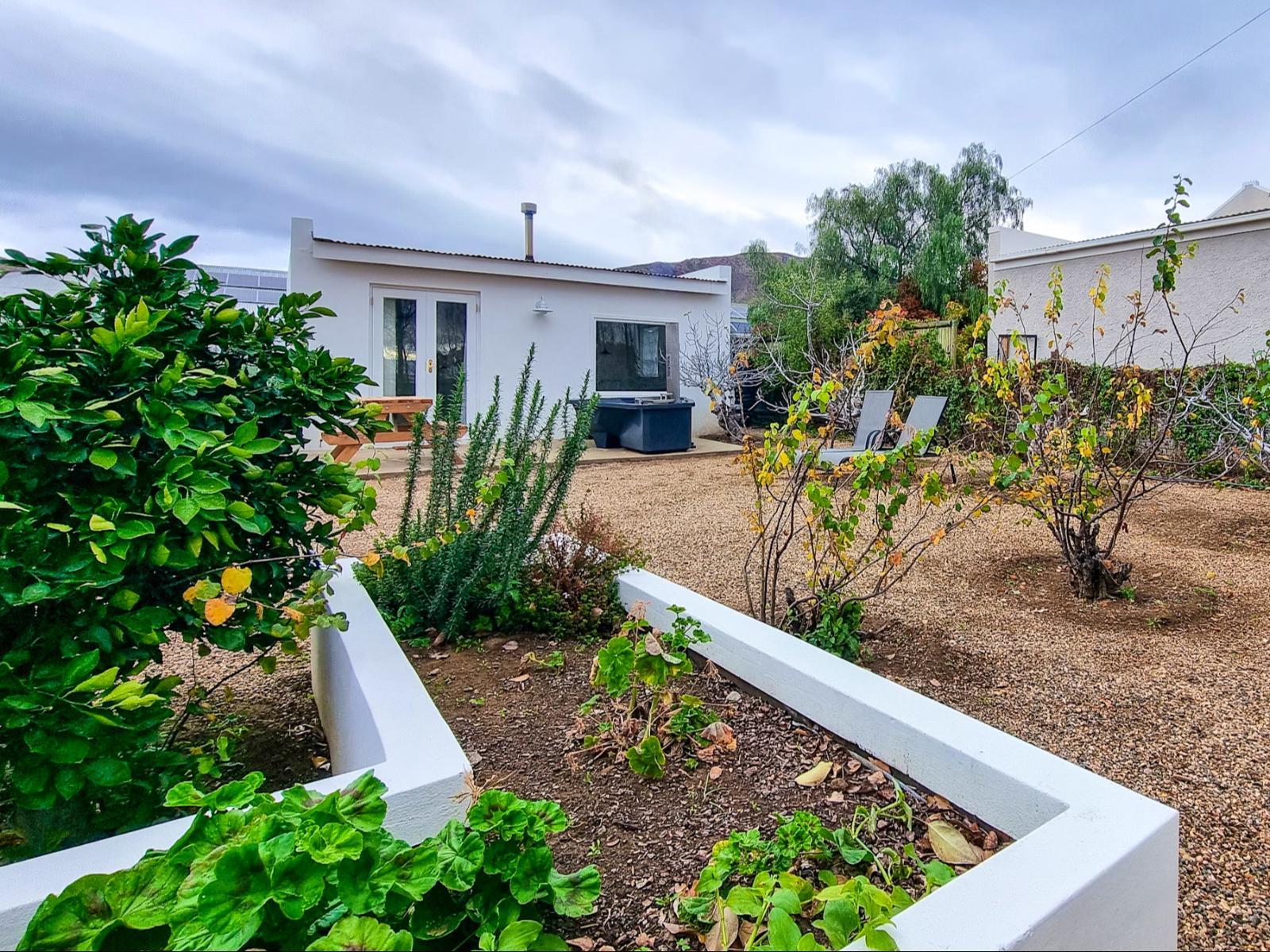
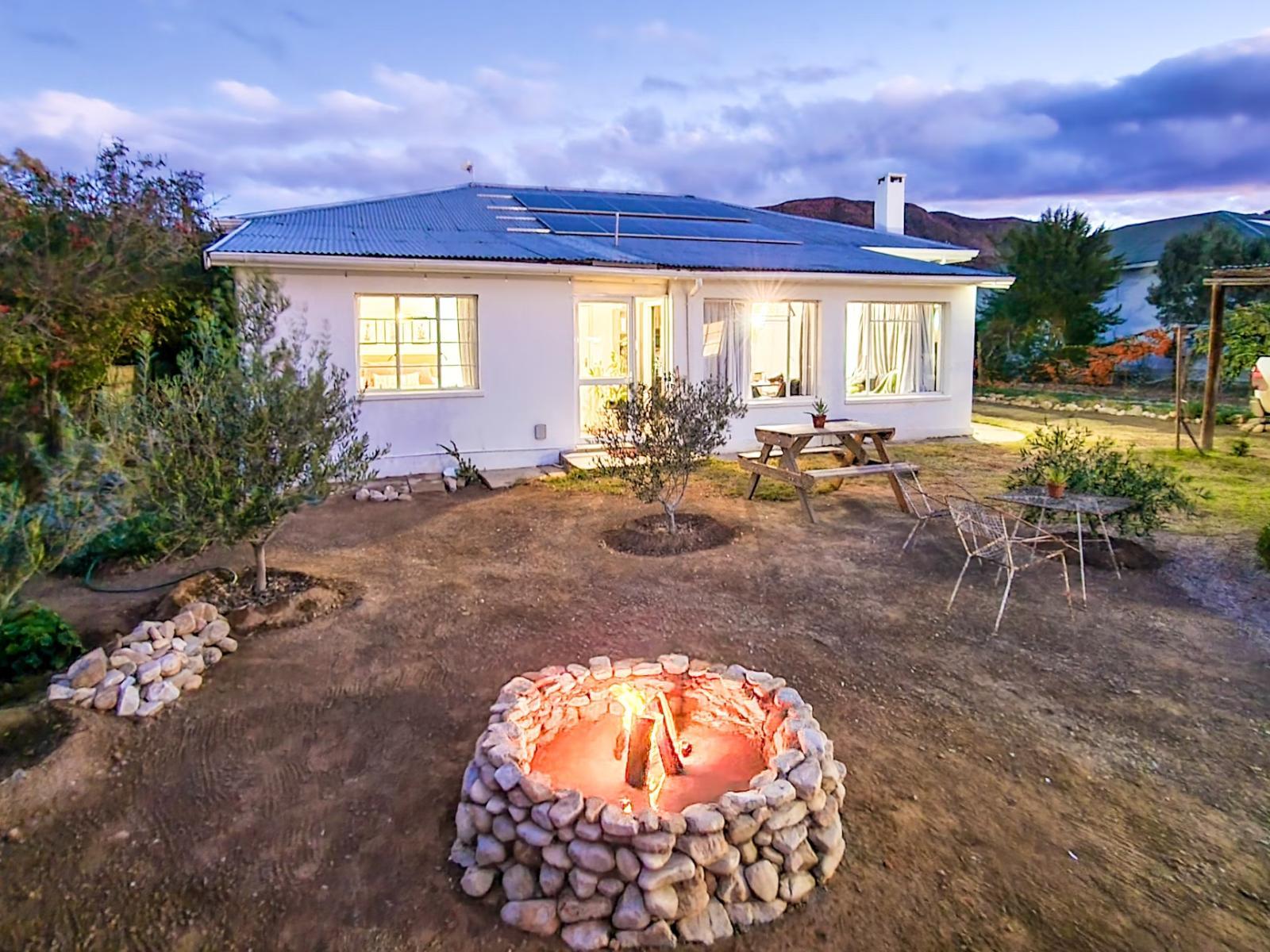
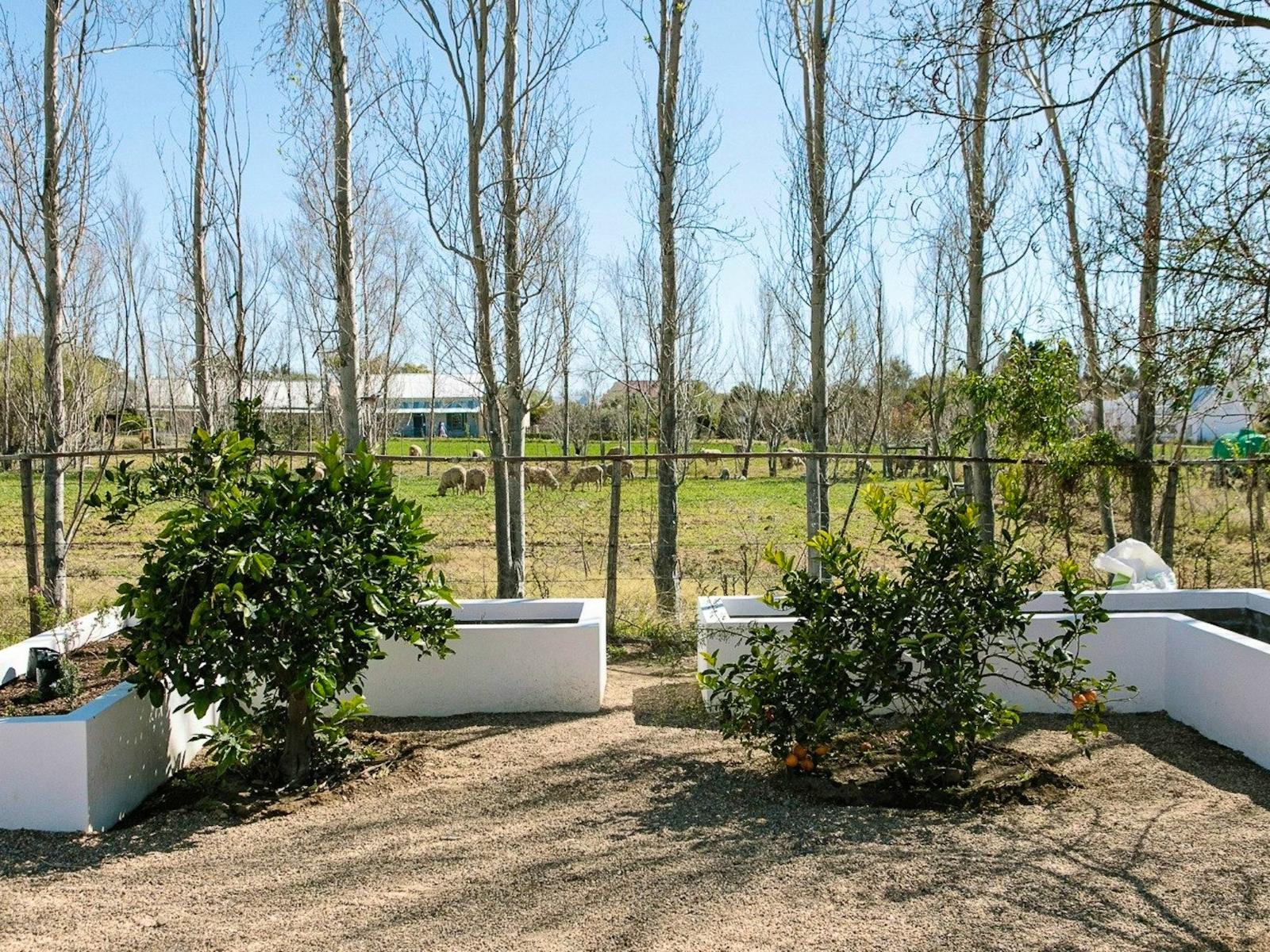
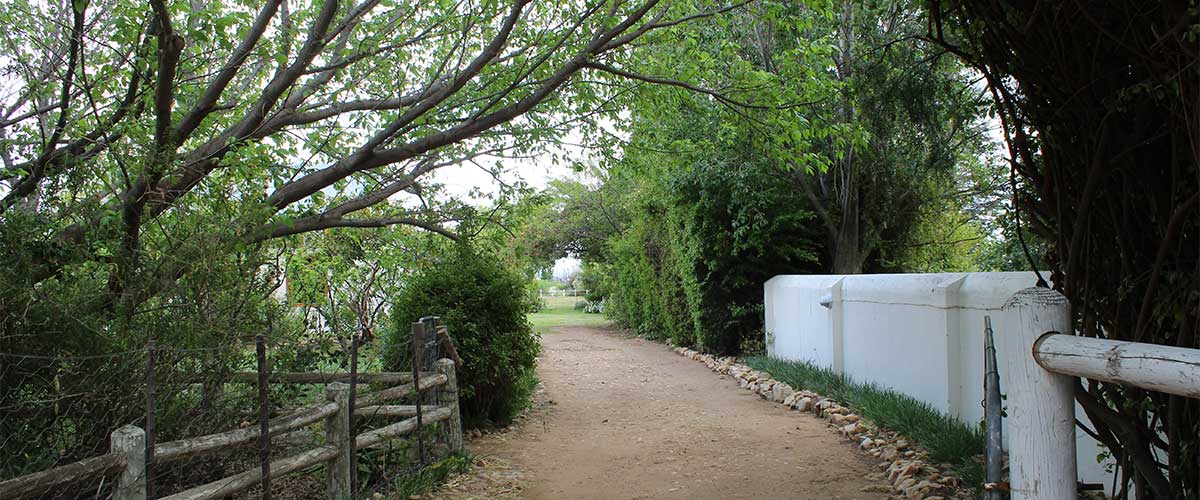
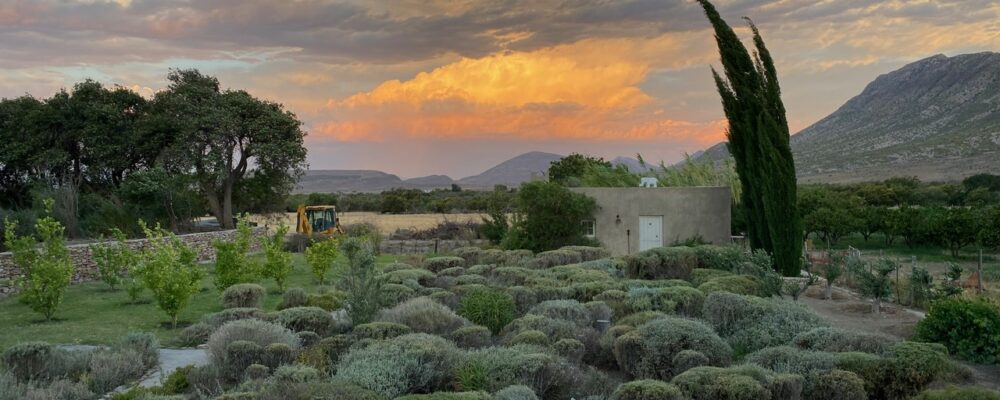
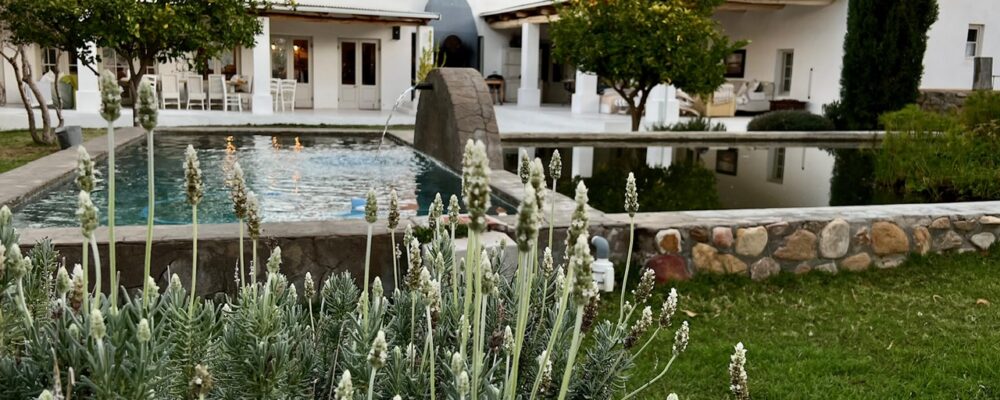
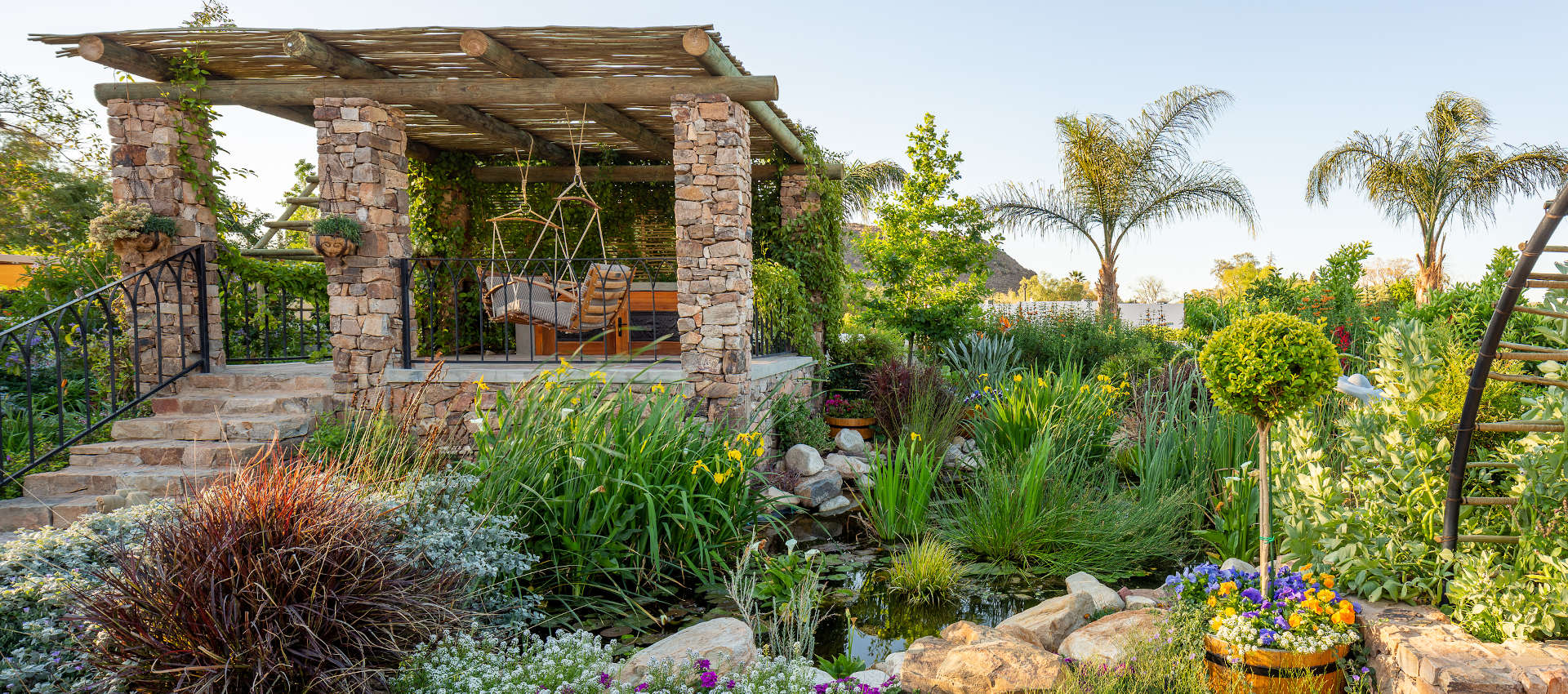
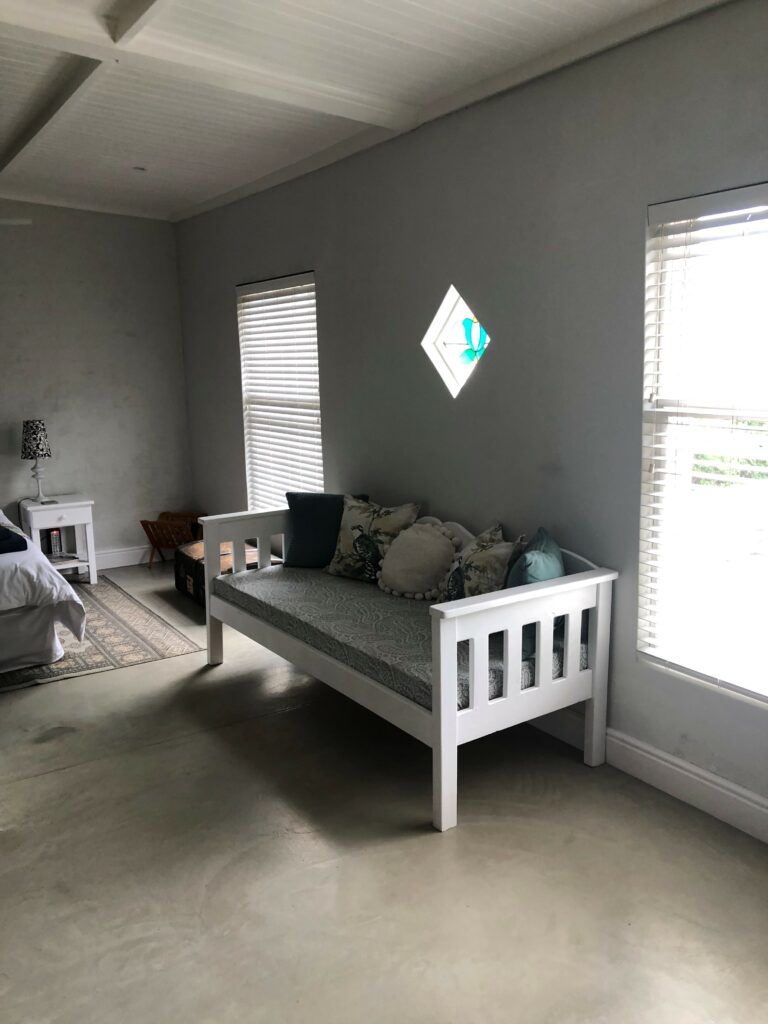
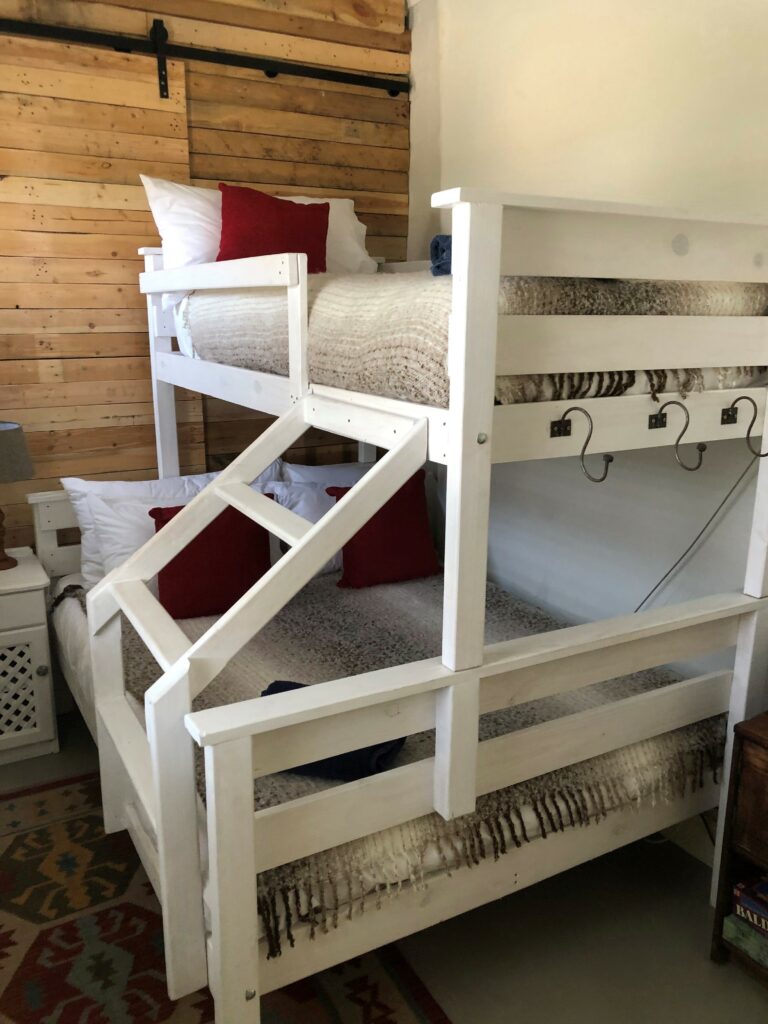
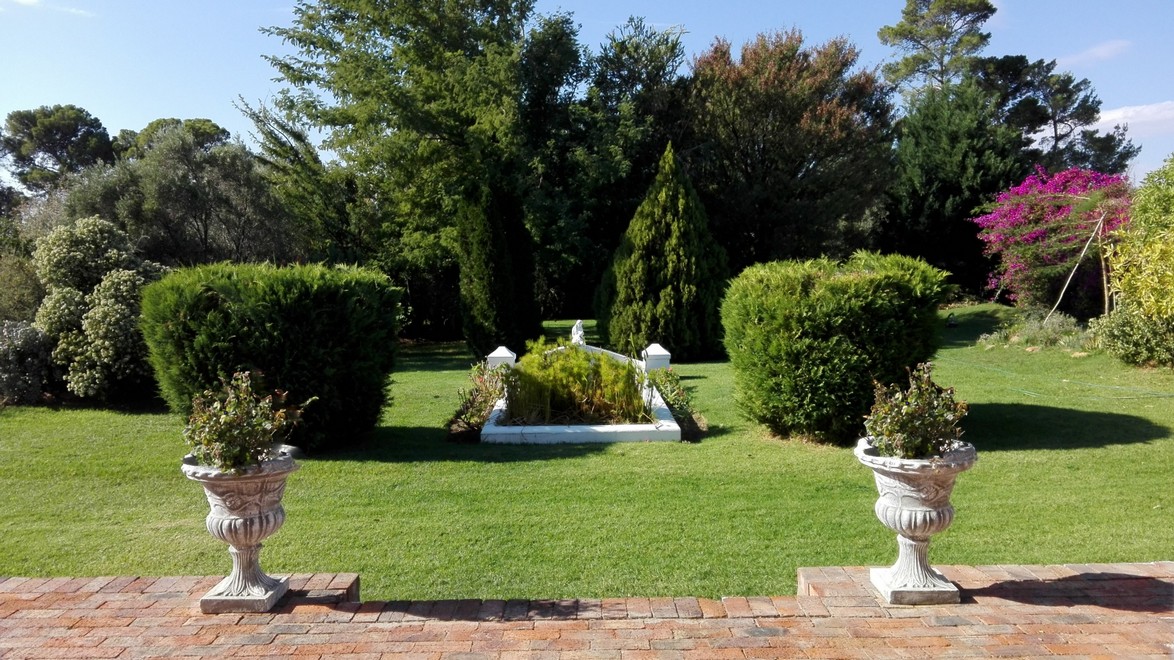
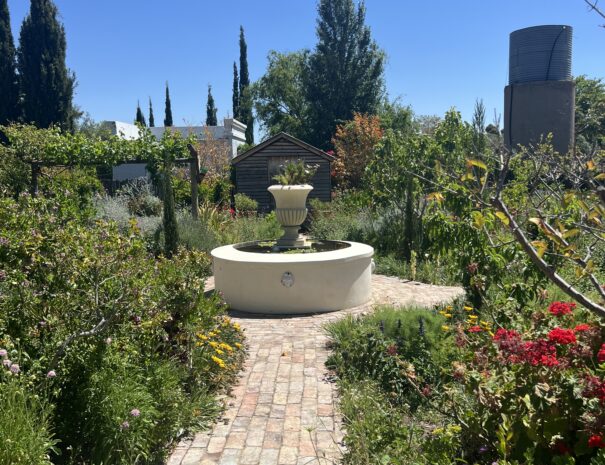
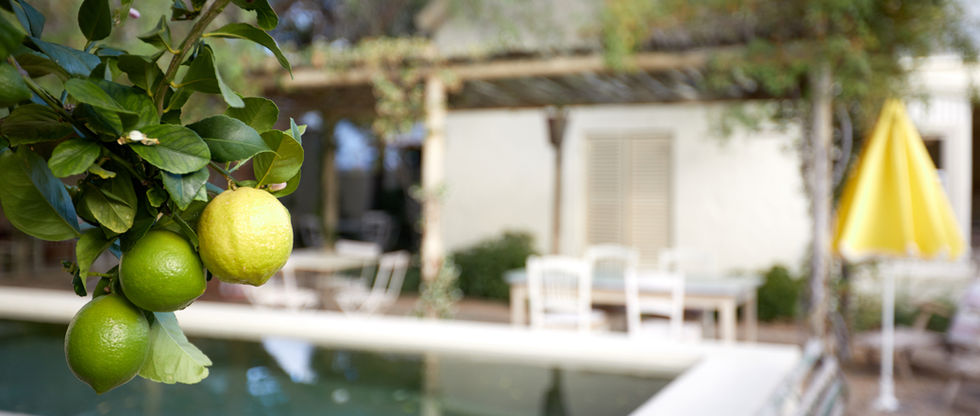
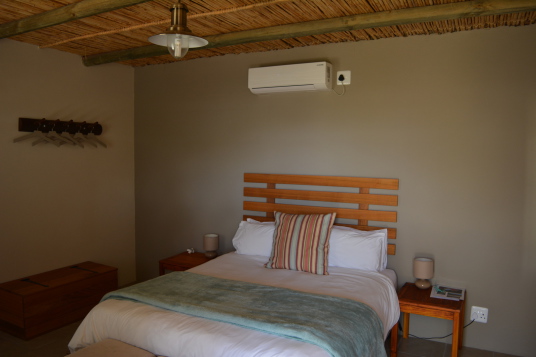
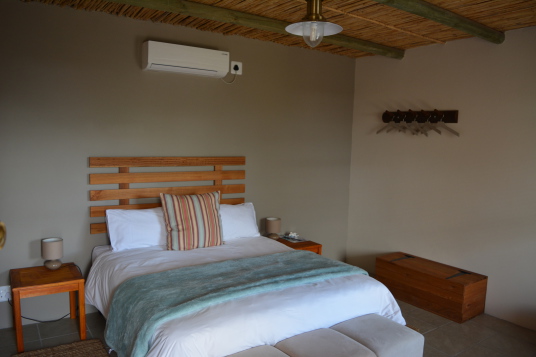
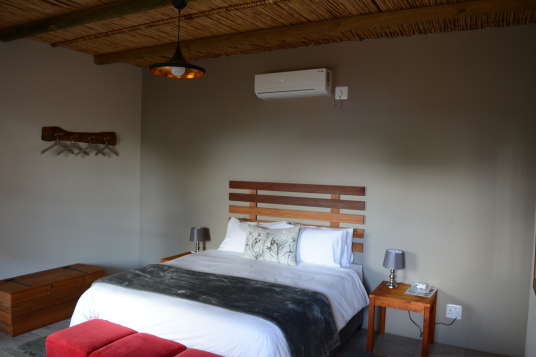
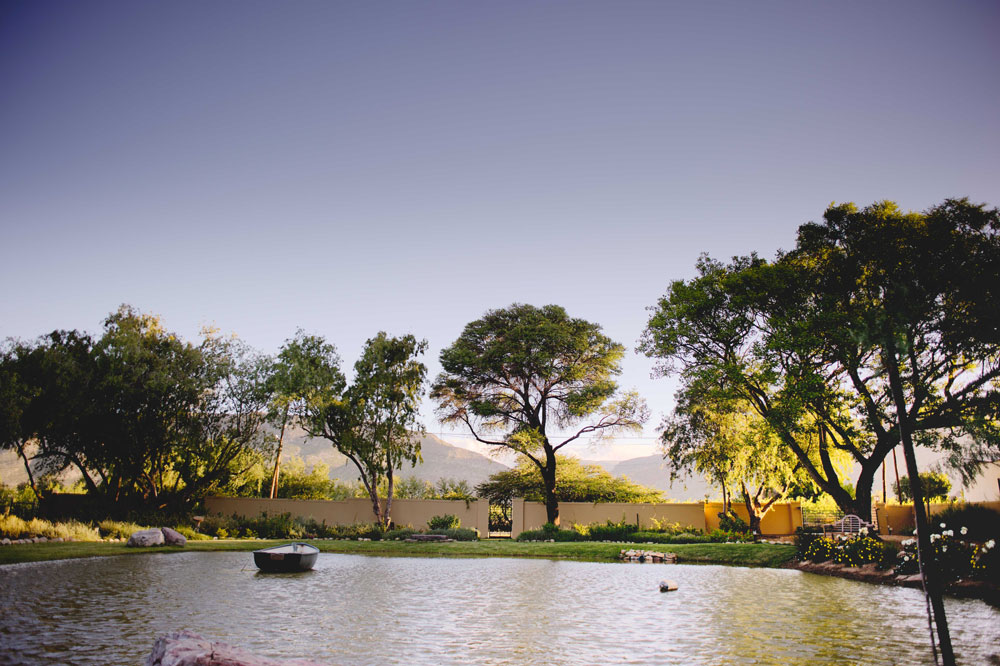
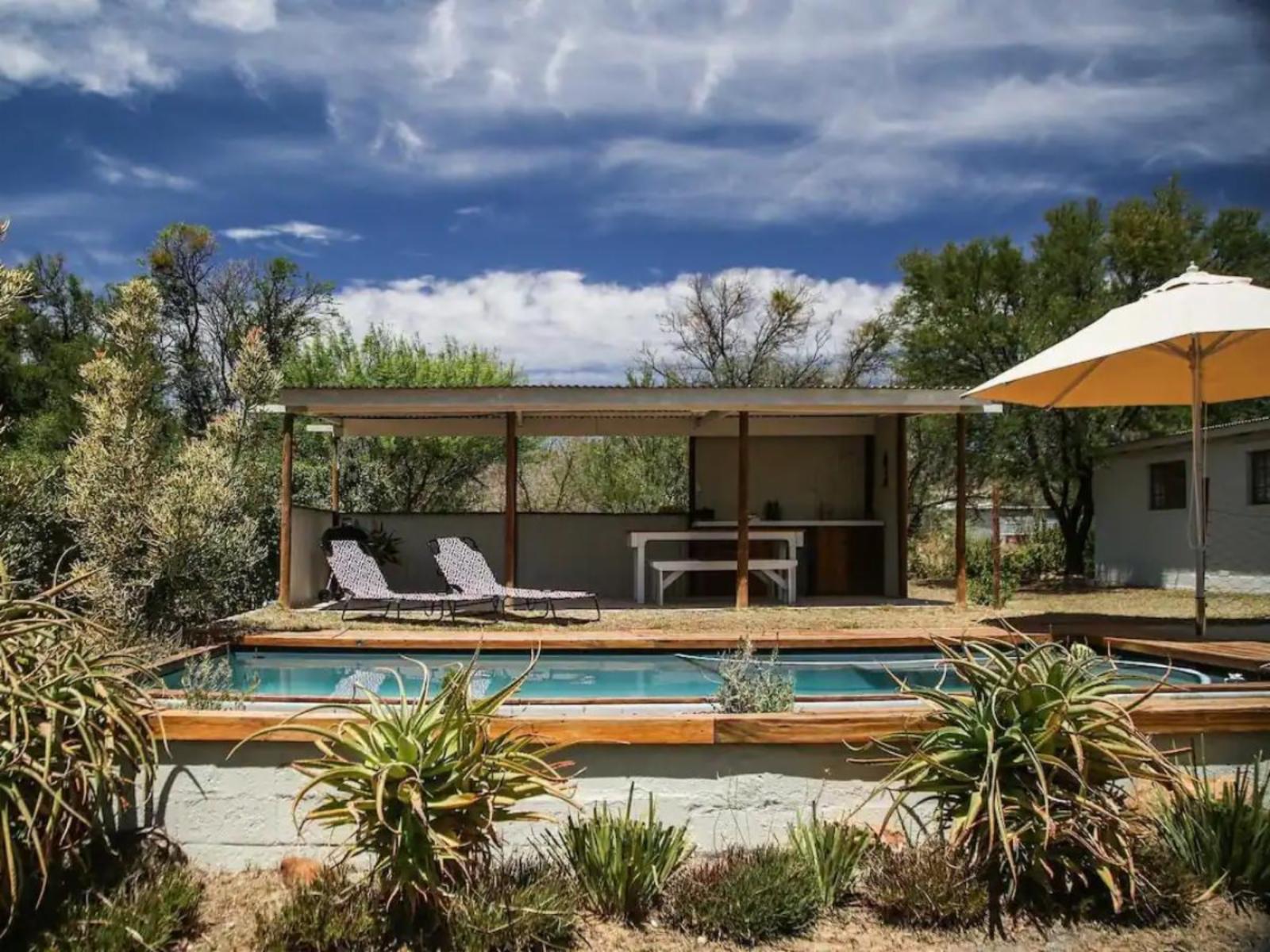
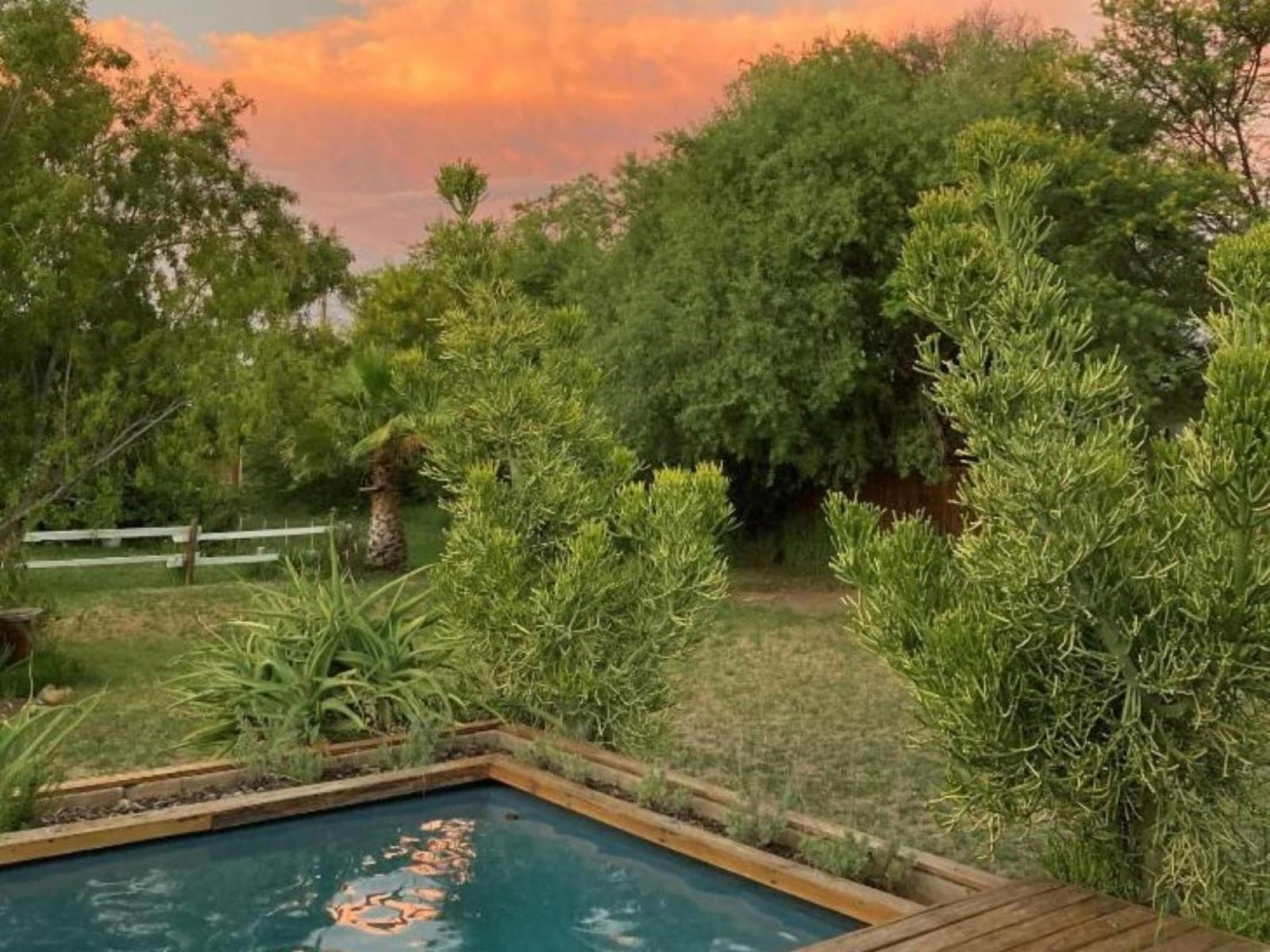
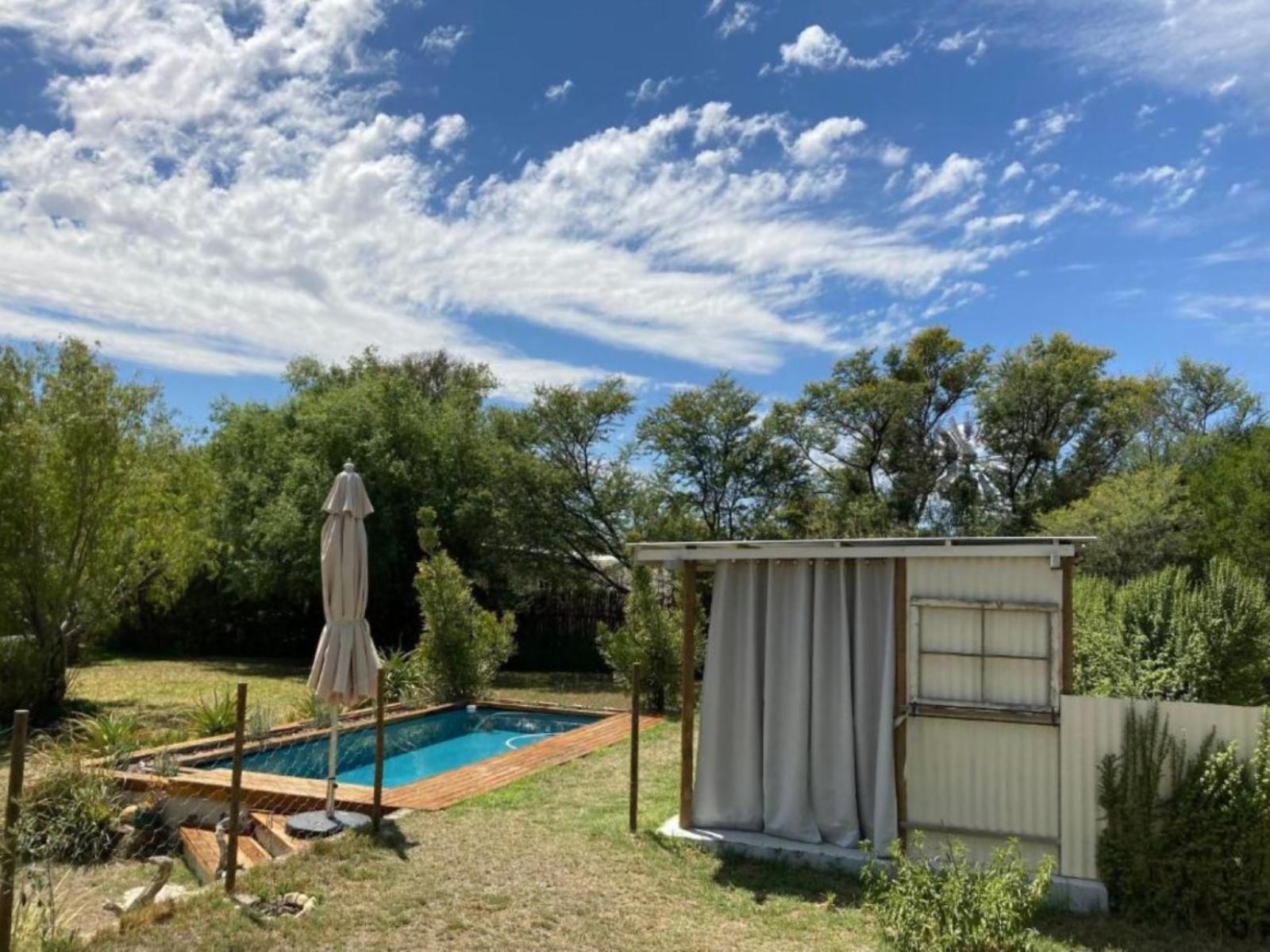
Much of Karoo life is lived outdoors, at least in the cooler parts of the day. The outdoor areas of a guest house, whether a courtyard, a shaded veranda, or a garden with mountain views, matter as much as the rooms themselves. Examining photos of these spaces alongside bedroom interiors is a useful step when comparing options.
The character of accommodation here differs from city or coastal stays. Properties are small and personal, with no hotel-style amenities like room service or a pool. What the guest house format offers instead is a more direct sense of place, and for many visitors, that is precisely the point.
Best Time to Visit Prince Albert
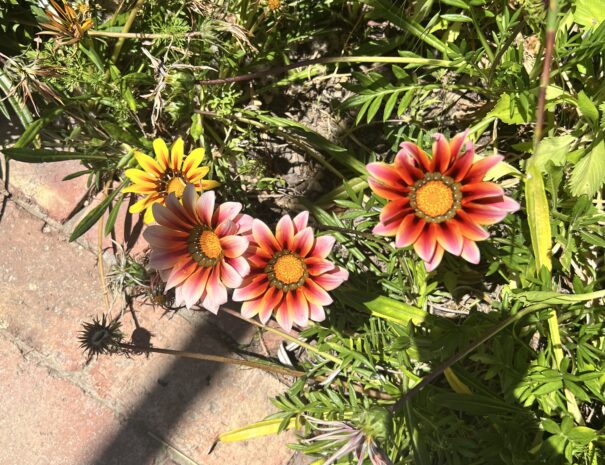
Summer is hot enough to reshape how the day is used. From November to February, midday temperatures regularly exceed 40°C, compressing outdoor activity into the early morning and late afternoon. Evenings compensate with warm, clear skies and extended golden light over the plains. After occasional summer rainfall, the semi-desert produces brief displays of flowering succulents and ground covers.
June to August is the most popular visiting period. Days are cool and dry, temperatures sit in the mid-teens, and skies are reliably clear. Nights drop well below zero with regular frost, so warm layers are necessary regardless of how warm the days feel. The low humidity and near-absent light pollution make winter nights excellent for stargazing.
The shoulder seasons offer milder conditions with fewer visitors. September and October bring moderate warmth and some wildflower activity across the surrounding veld. March through May is similarly comfortable and tends to be the quietest period of the year, suited to visitors who prefer a calmer pace.
The Prince Albert Festival, an annual arts and music event held in autumn, draws significant visitor numbers over a short window. If your dates coincide with the festival, book accommodation well in advance.
Getting to Prince Albert
The main road approach from Cape Town is the N1 highway east, with a turnoff at Prince Albert Road junction onto the R407 for the final 40 kilometres north into town. From the south-east, the N9 connects Prince Albert to the broader road network, extending toward Port Elizabeth (Gqeberha) roughly 300 kilometres away.
The nearest commercial airport is in George on the Garden Route, with scheduled flights connecting to Cape Town and Johannesburg. From George, the R62 through the Klein Karoo links to the N12 and then north to Prince Albert. The drive takes approximately two to three hours depending on the route and stops.
No scheduled bus service runs into town directly. Long-distance coaches on the N1 stop at Prince Albert Road station, leaving a 40-kilometre gap that requires a hire car or collection by your accommodation. A hire car is the practical choice for most visitors, covering both the arrival leg and day trips into the surrounding area once there.
The town centre is walkable. Restaurants, galleries, and heritage buildings are within a ten-minute walk of one another.
Prince Albert and Surrounding Areas
Oudtshoorn, 44 kilometres south, is the regional hub for the Little Karoo. The Cango Caves, a vast limestone cave system open for guided tours, and several working ostrich farms that date from the nineteenth-century feather boom are the main draws. The town also provides the practical services that Prince Albert cannot: supermarkets, filling stations, banking facilities, and more dining options.
Calitzdorp, 47 kilometres to the south-west, is a compact wine village known specifically for port-style wines. Several small cellars offer tastings and direct sales. The pace suits an afternoon stop rather than a full day's commitment.
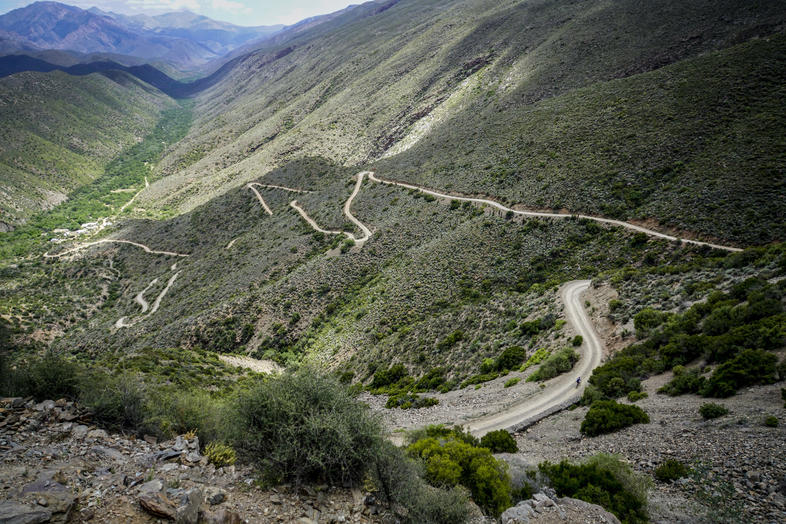
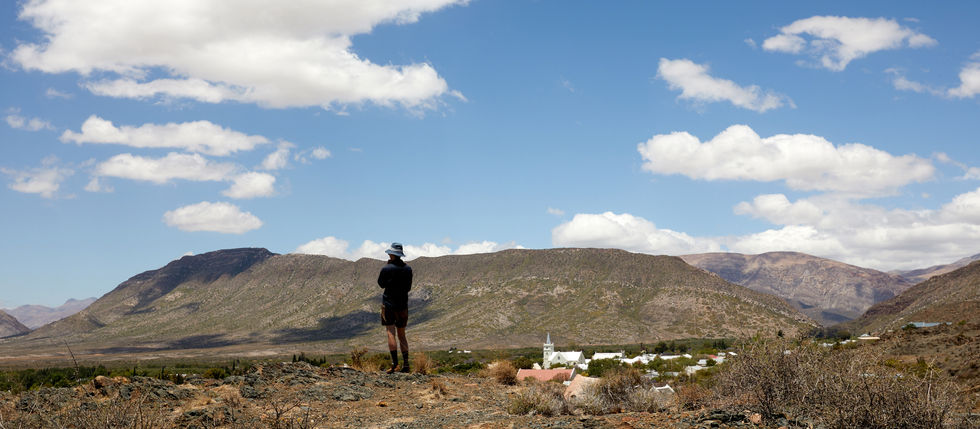
Klaarstroom, 49 kilometres away, marks the southern approach to the Swartberg Pass, the mountain road completed by Thomas Bain in 1888 that climbs on untarred switchbacks to over 1,500 metres. Beyond the summit, the pass descends into the Gamkaskloof valley, a remote depression that supported a small, isolated community for generations. A vehicle with good ground clearance is necessary for this road.
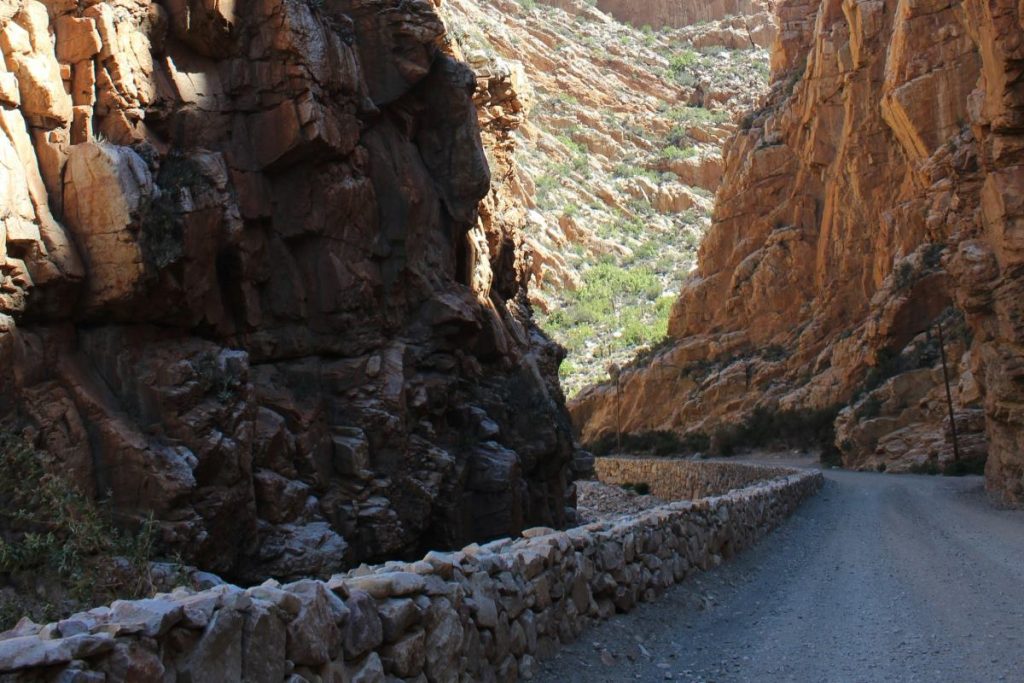
De Rust, 55 kilometres to the south-east, sits at the entrance to Meiringspoort, a gorge that cuts through sandstone cliffs along a river road with several water crossings. The drive through the canyon takes roughly half a day and presents a landscape distinct from the mountain pass routes to the north.
Ladismith, 77 kilometres to the west, is associated with cheese production and with Towerkop, a distinctive twin-peaked mountain that rises steeply above the town. It works well as a lunch stop on a longer loop through the region.
Bonnievale, 79 kilometres to the north-west, occupies the Breede River Valley, where the landscape turns noticeably greener than Prince Albert's surroundings. The area produces dairy and wine. The contrast with the semi-arid Karoo character to the east is sharp enough to make the detour worthwhile for visitors spending several days in the area.
Planning Your Stay
With just one property listed in Prince Albert, the usual process of comparing multiple options is limited. Focus instead on confirming that the available guest house fits your requirements before booking. Check whether breakfast is included in the quoted rate, what the check-in and check-out times are, and whether secure parking is available if you are arriving by car.
Book ahead for winter peak dates, particularly July, and for school holidays regardless of season. Demand against a small supply can leave visitors without options quickly. A direct inquiry to the property rather than a third-party booking platform often gives more flexibility on timing and may surface availability not shown online.
Bring cash. Card infrastructure in small Karoo towns can be unreliable, and some farm stalls and local businesses operate cash-only. The nearest ATM may not always be fully stocked during busy periods.
Ask your host about road conditions before driving into the surrounding area. Brief but intense rain can make steep gravel sections temporarily impassable, and local knowledge of valley microclimates is more reliable than a general weather forecast.
Cell coverage in parts of the area is limited or absent. Download offline maps before leaving town if you plan to explore beyond the main roads.