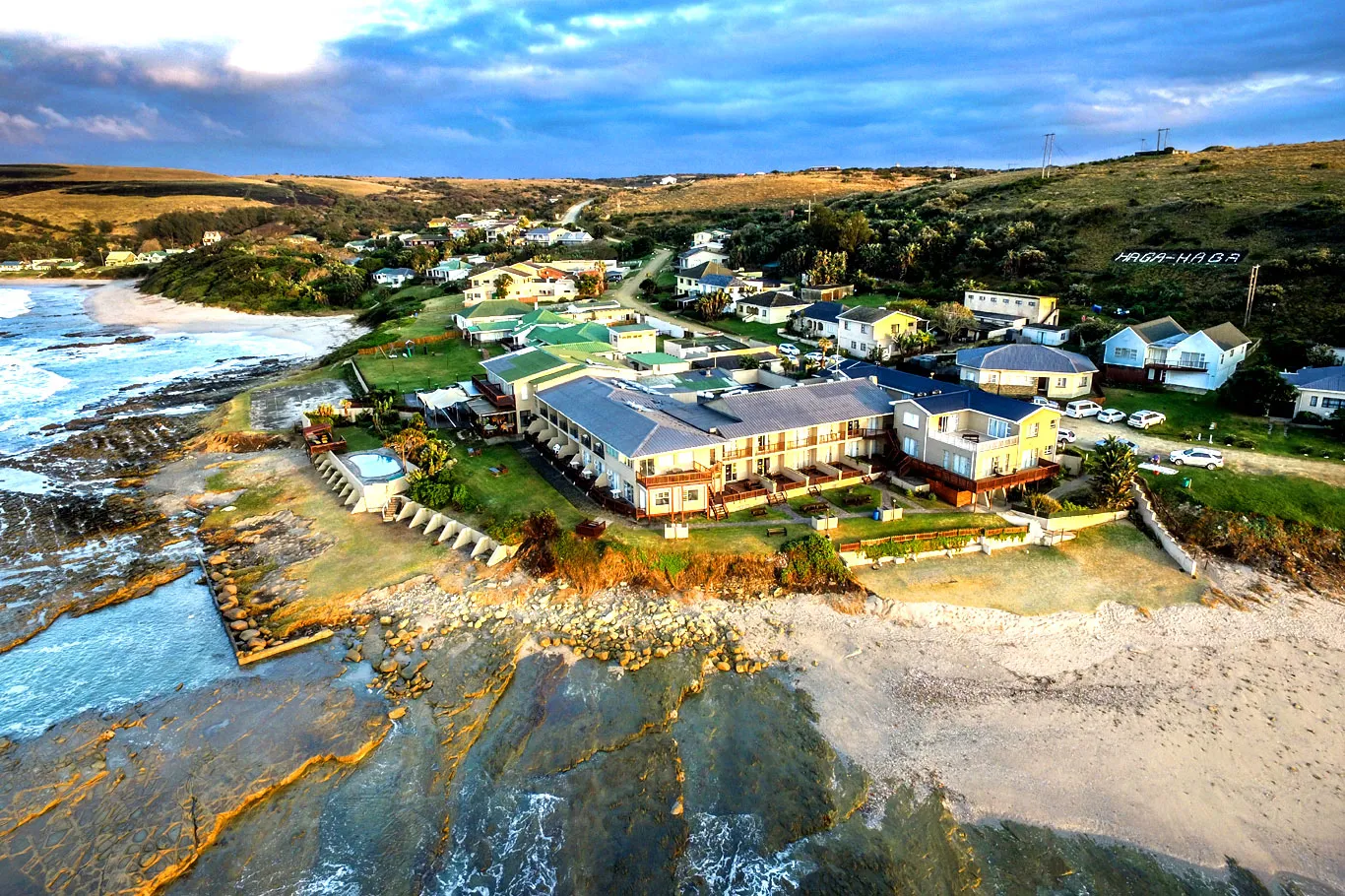
Amatola Coastal takes its name from the broader Amatola region of the Eastern Cape, a province known for its dramatic coastline and significant natural diversity. The area sits within reach of the Wild Coast, one of South Africa's most geographically striking stretches of shoreline, where rivers cut through green hills before meeting the sea. The coast here is characterised by rocky outcrops, sandy coves, and the kind of terrain that rewards those willing to explore on foot.
The Eastern Cape coastline in this part of the province has historically seen far less commercial development than KwaZulu-Natal to the north or the Garden Route to the west. That relative quietness is part of what draws visitors who want access to the ocean without the infrastructure of a large resort town. Small local communities dot the area, and the pace of life reflects the rural Eastern Cape rather than a tourist hub.
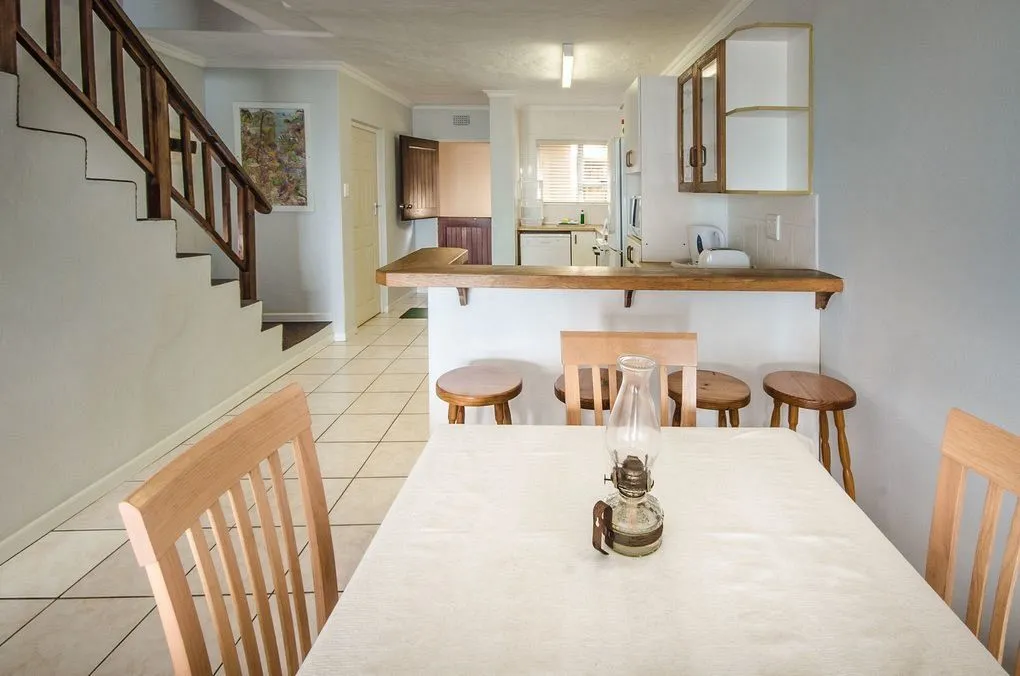
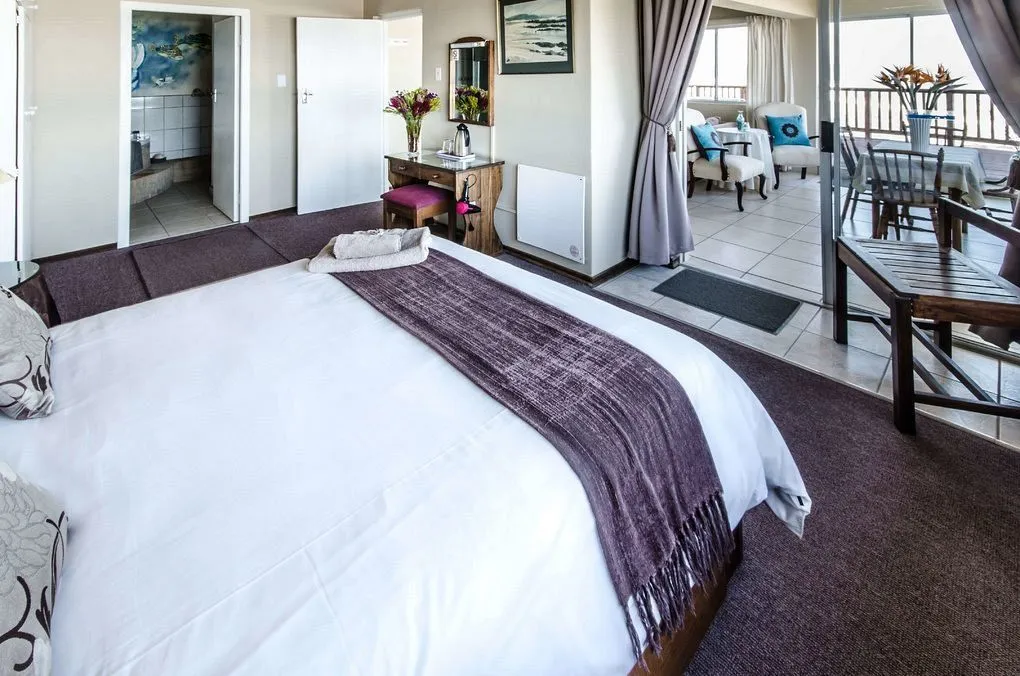
For those staying in the region, East London is the most practical nearby city for flights, car hire, and supplies. It lies to the south and provides a reasonable base for reaching the coast, though most visitors prefer to stay closer to the shoreline itself. Finding Amatola Coastal accommodation is straightforward through online booking platforms, with options ranging from self-catering cottages to small guesthouses suited to families or couples.
The natural environment is a significant draw. The Eastern Cape coast supports a range of birdlife, and the intertidal zones along rocky shores are worth exploring at low tide. The region also falls within an area of historical and cultural importance to the Xhosa people, and travellers with an interest in South African history will find context in nearby towns and landmarks.
Visitors should be aware that road conditions in parts of the Eastern Cape coastal region can be rough, particularly on unpaved routes leading to more remote spots. A vehicle with reasonable ground clearance is practical for exploring beyond the main roads. The best time to visit is generally between October and April, when temperatures are warm and rainfall, while possible, tends to come in short bursts rather than sustained periods.