Accommodation in Camps Bay
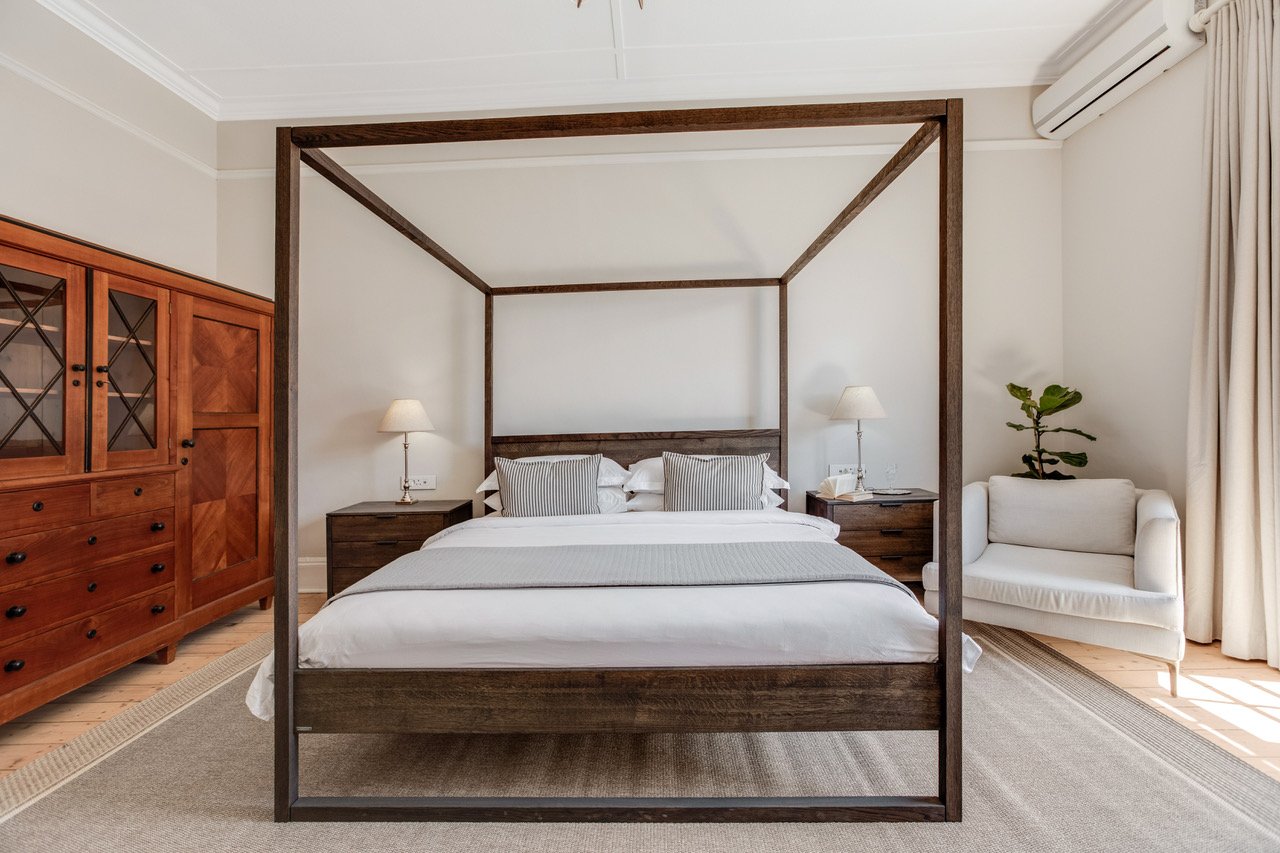
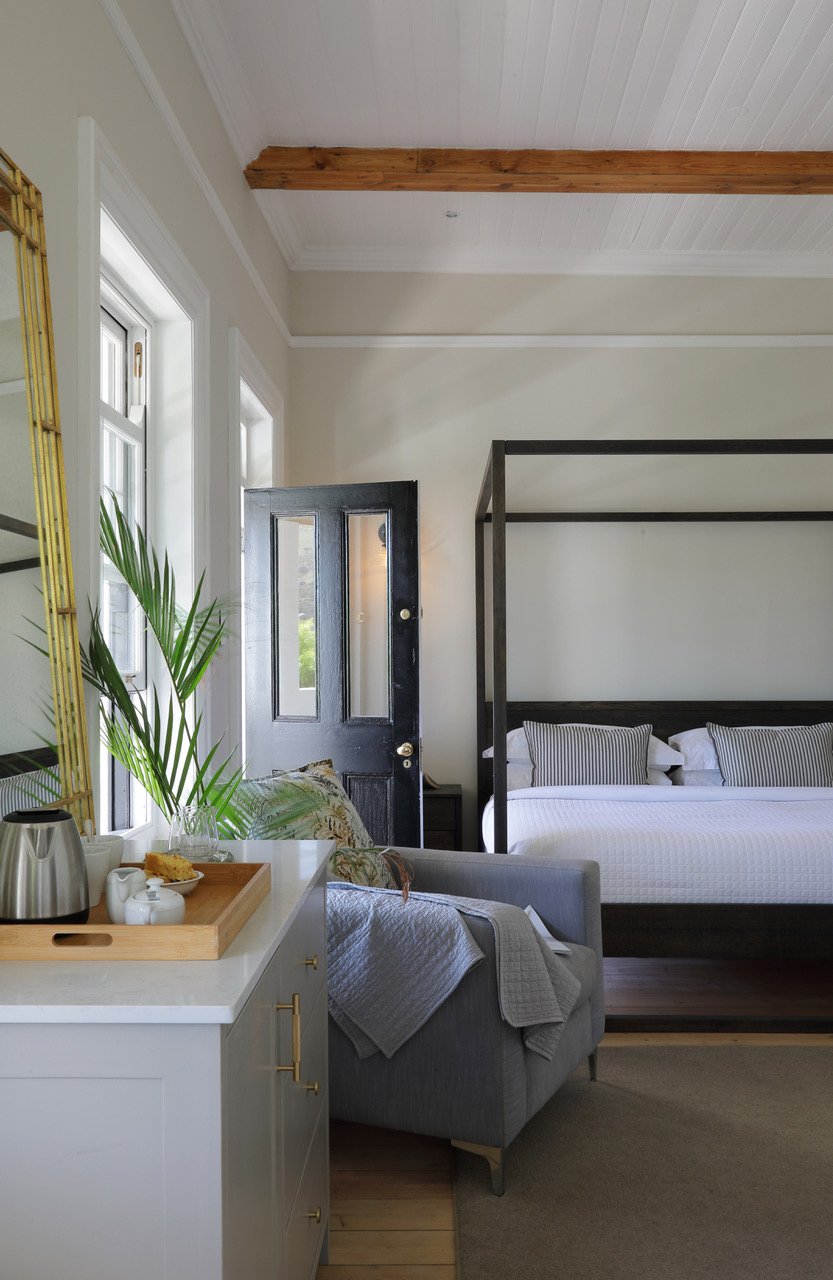
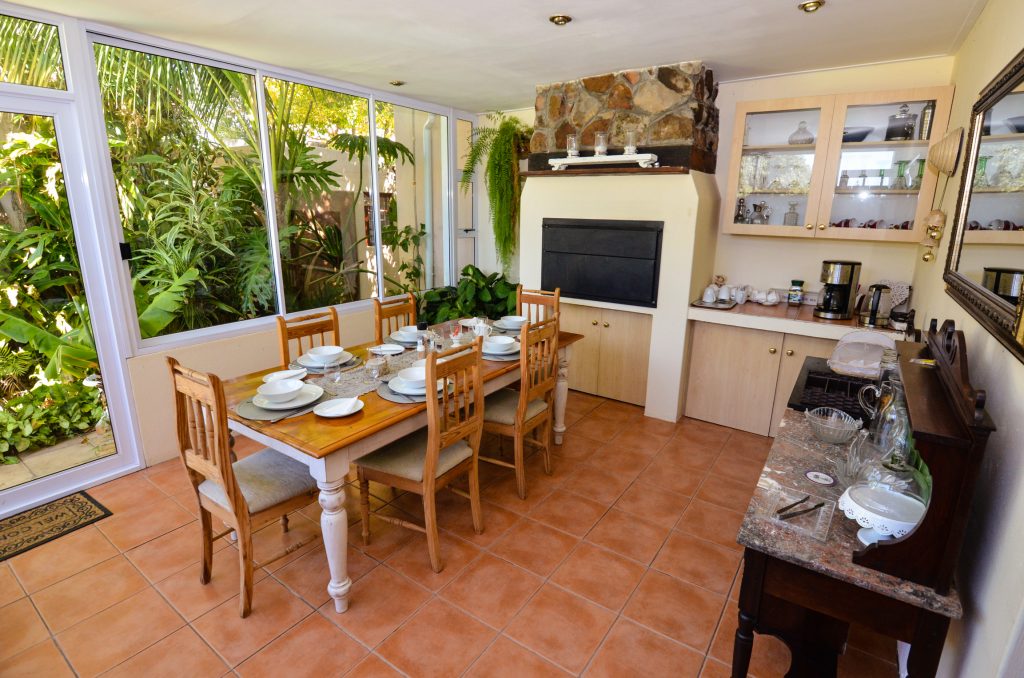
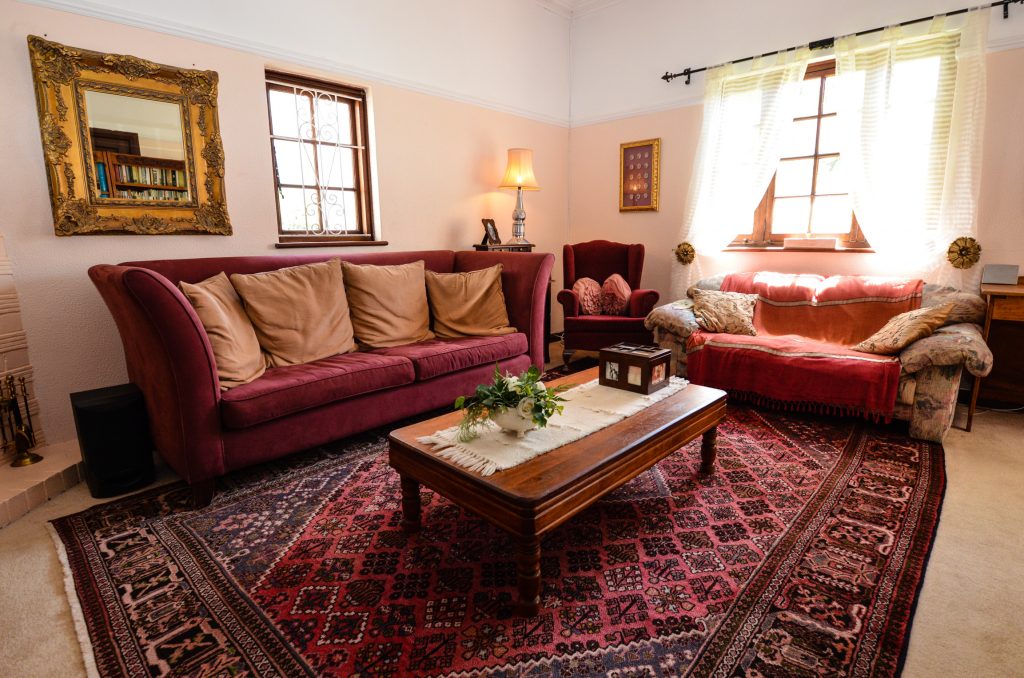
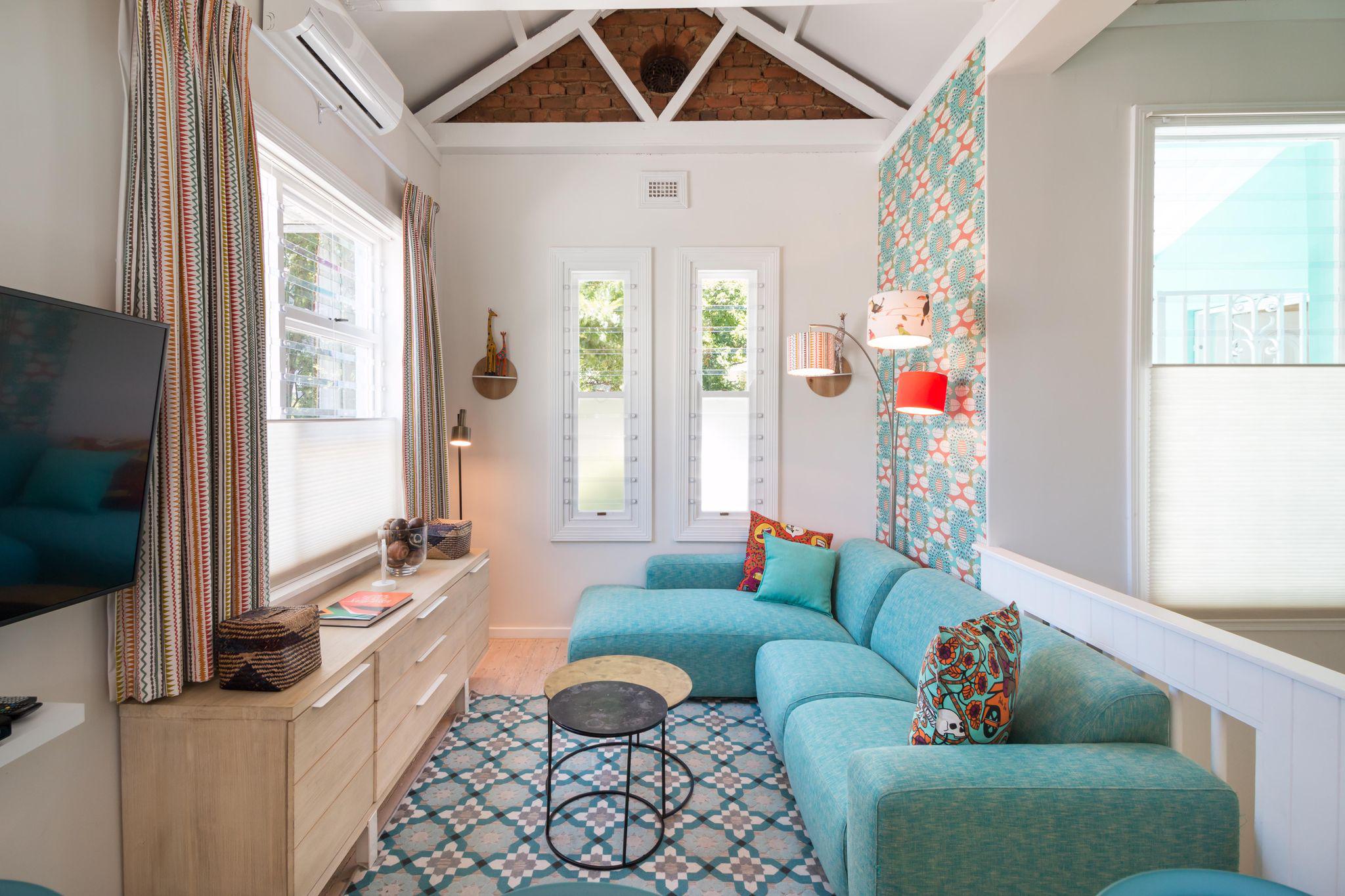
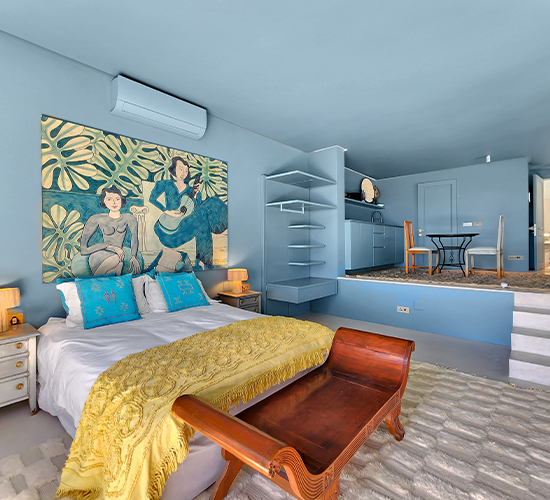
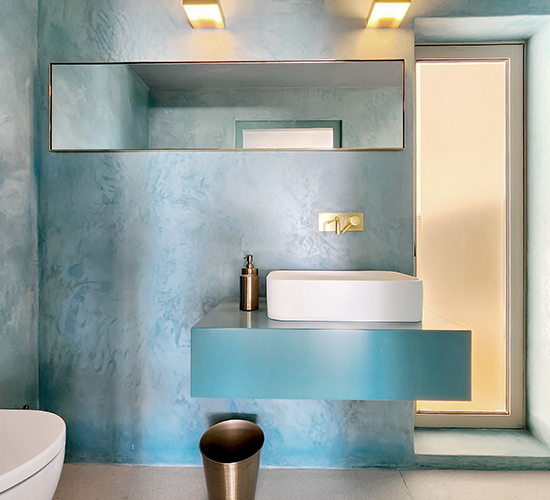
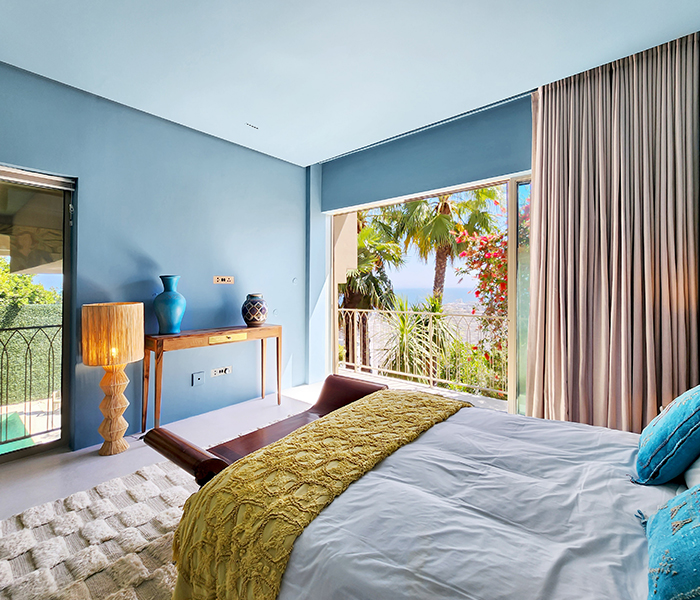
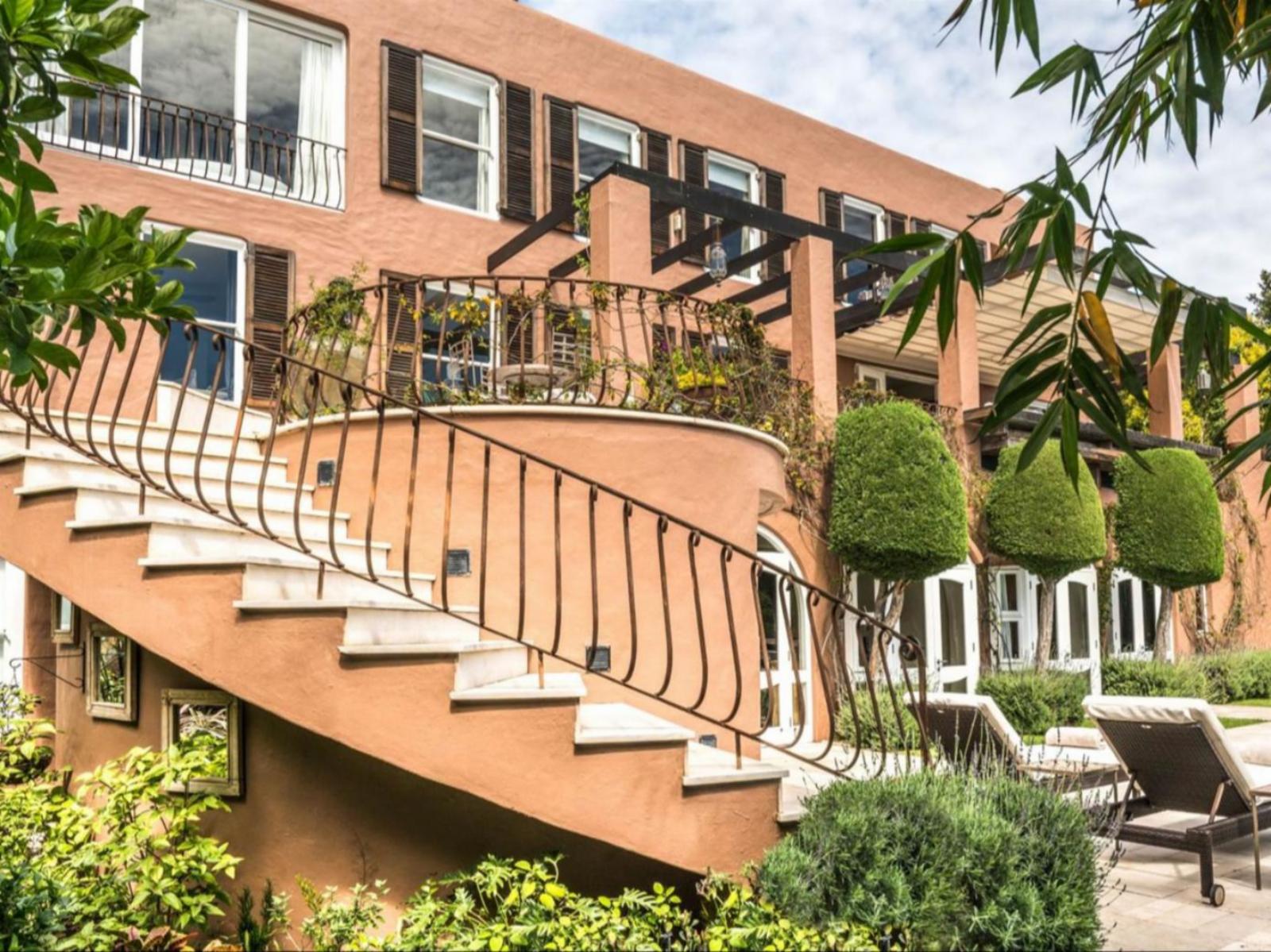
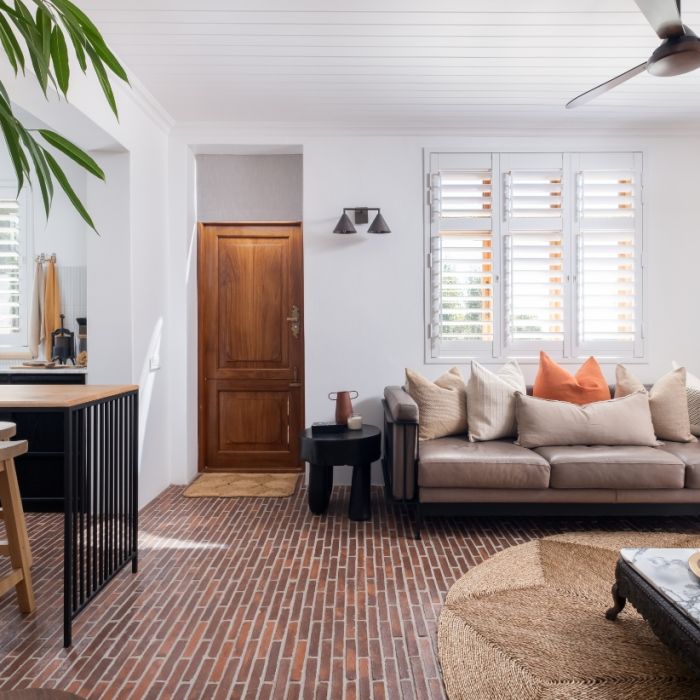
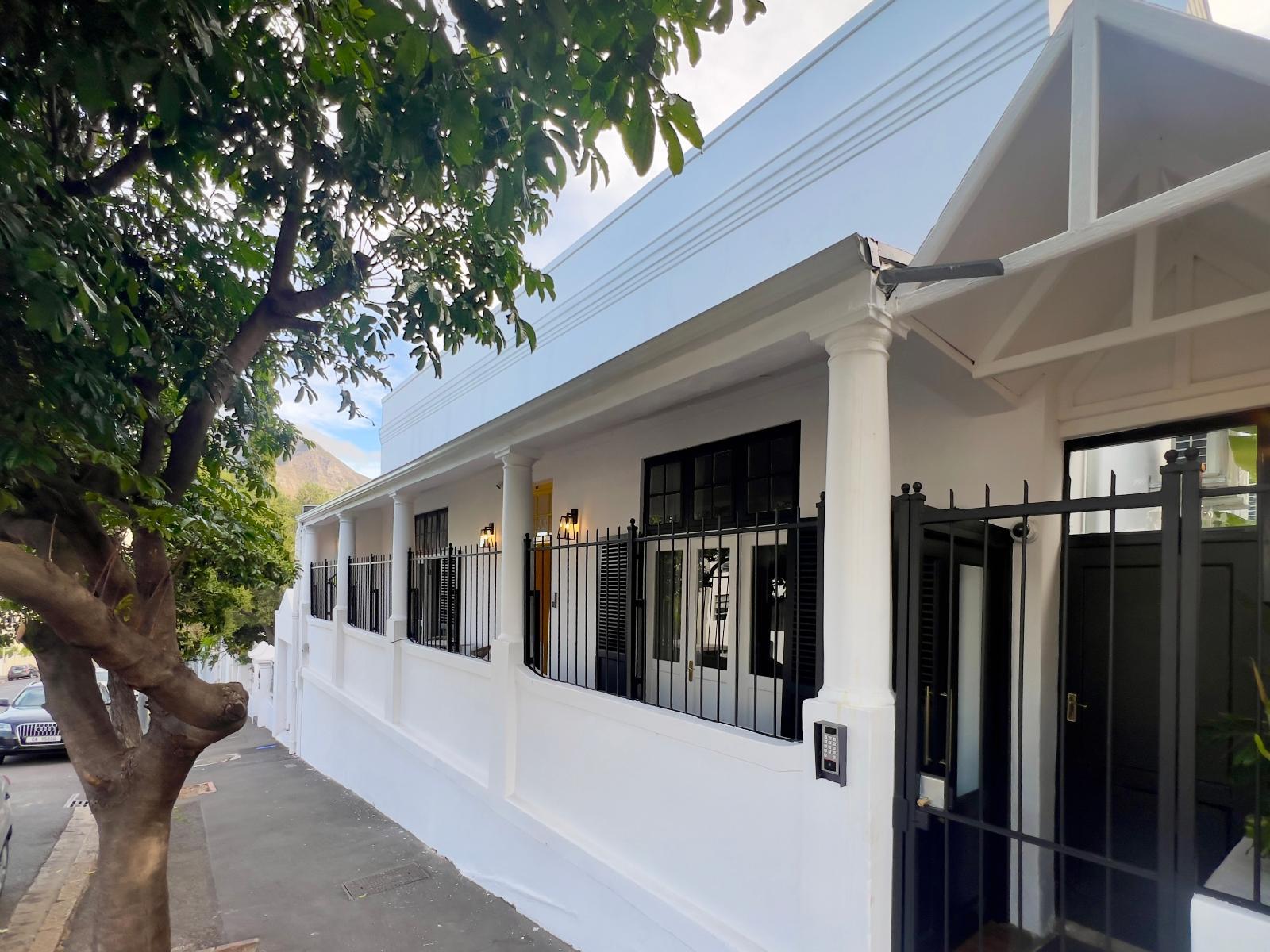
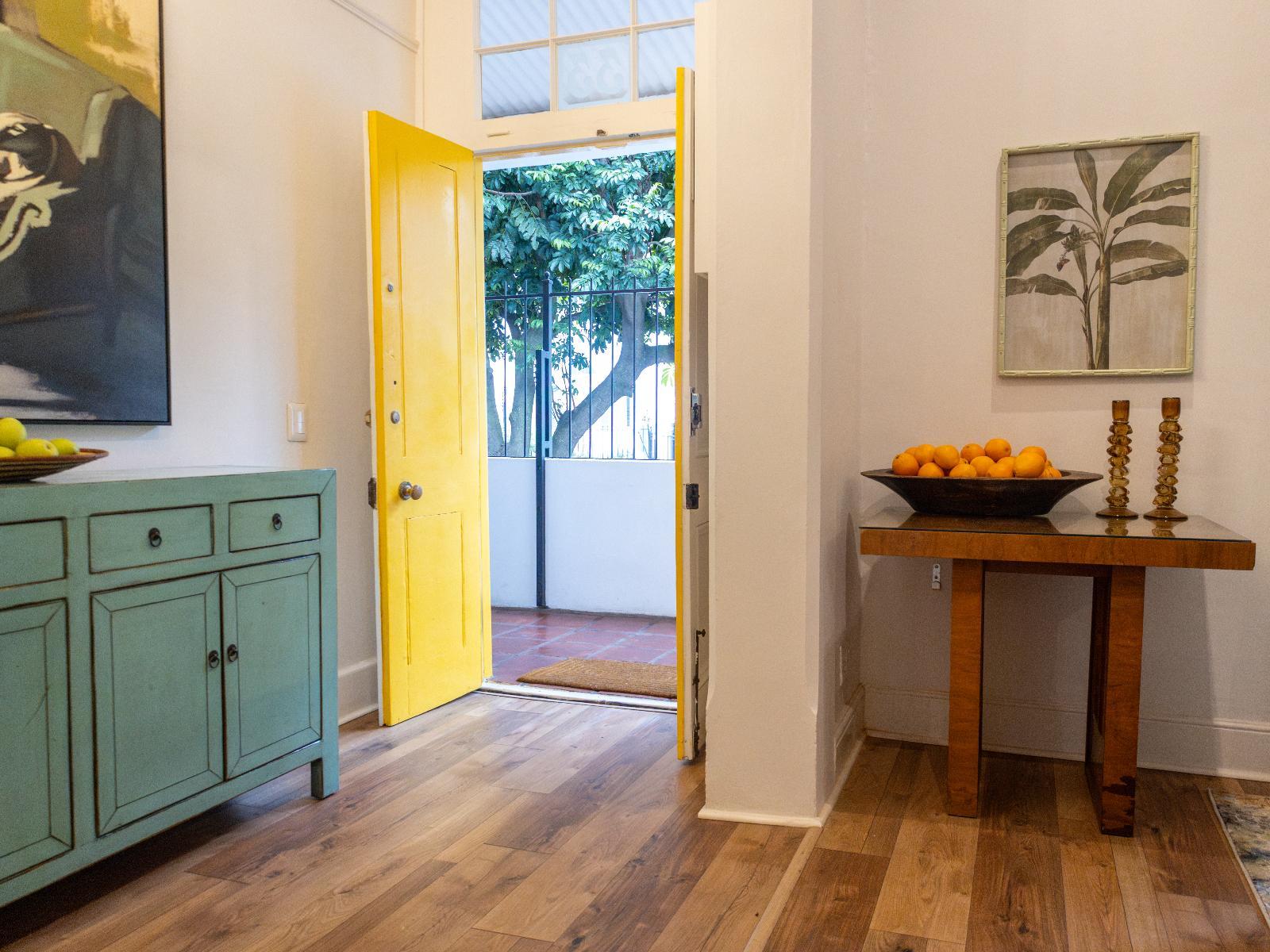
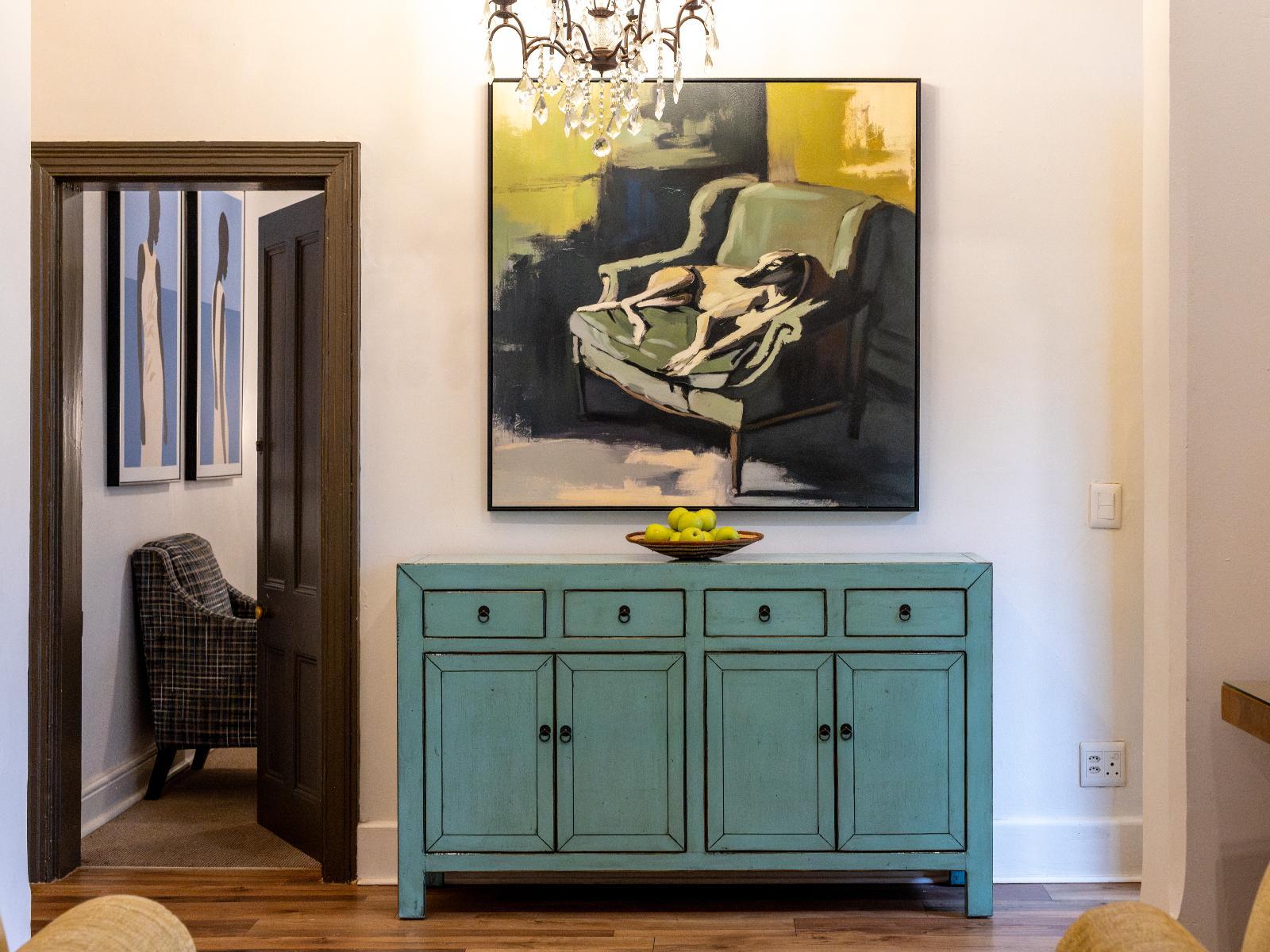
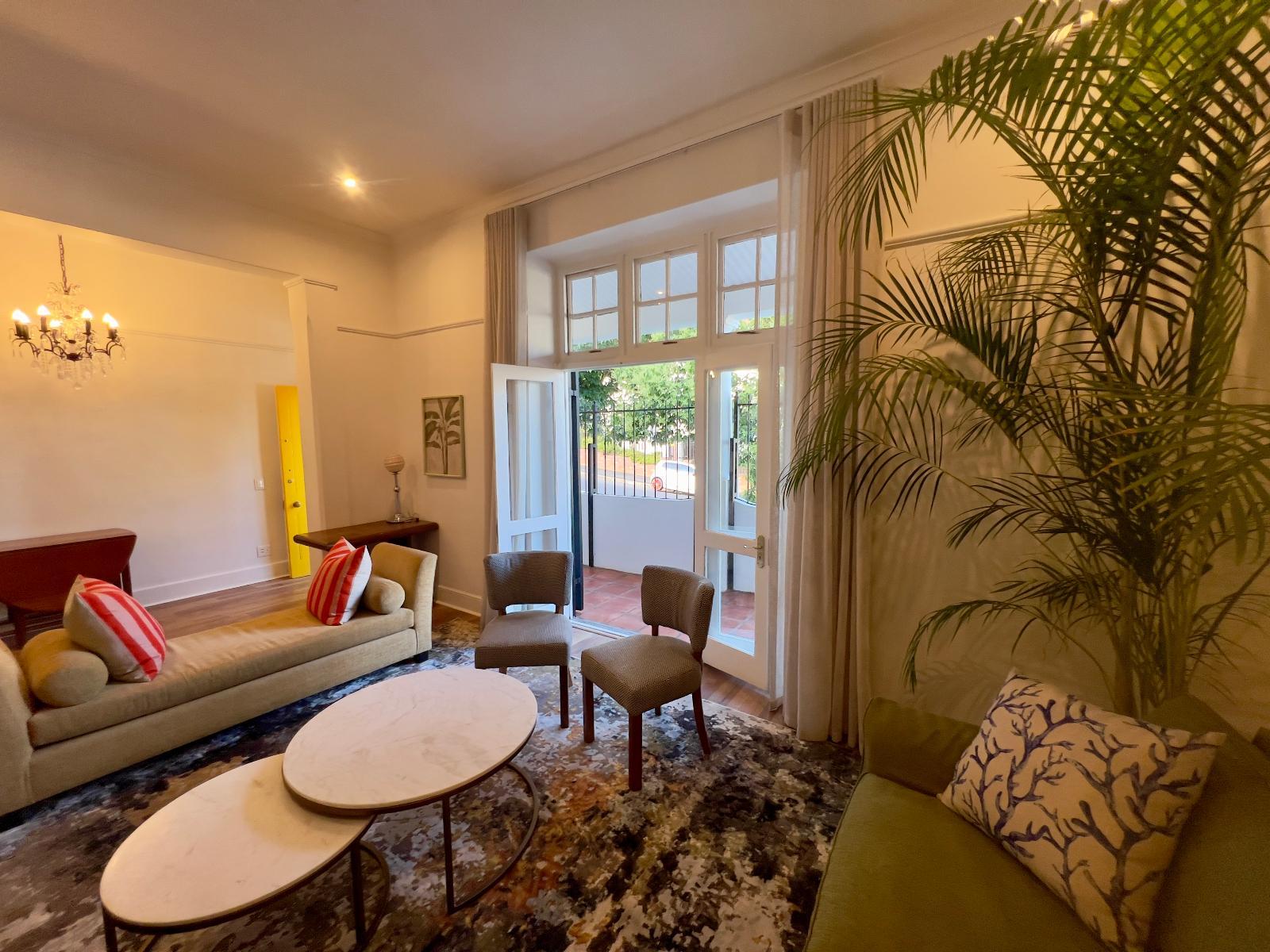
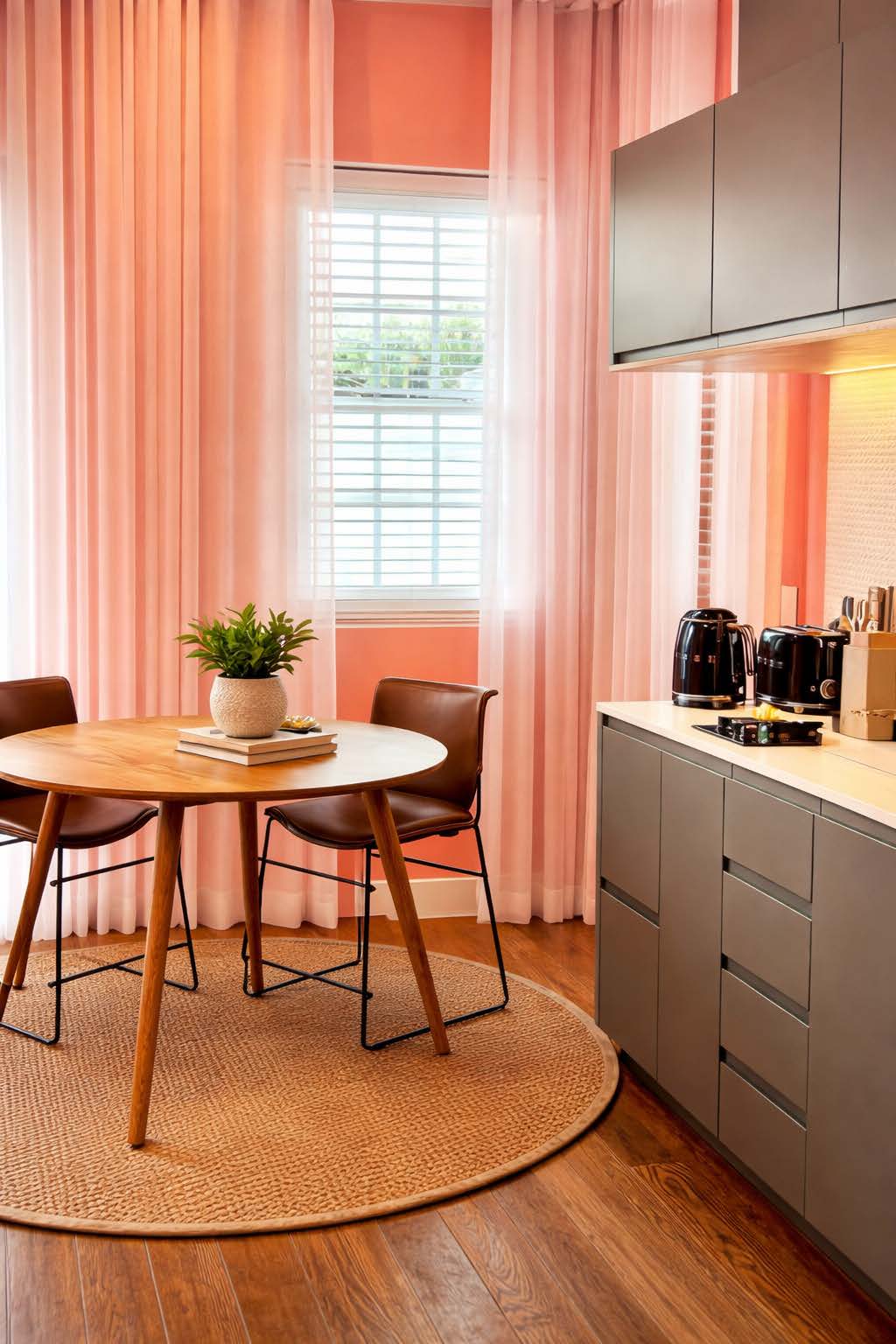
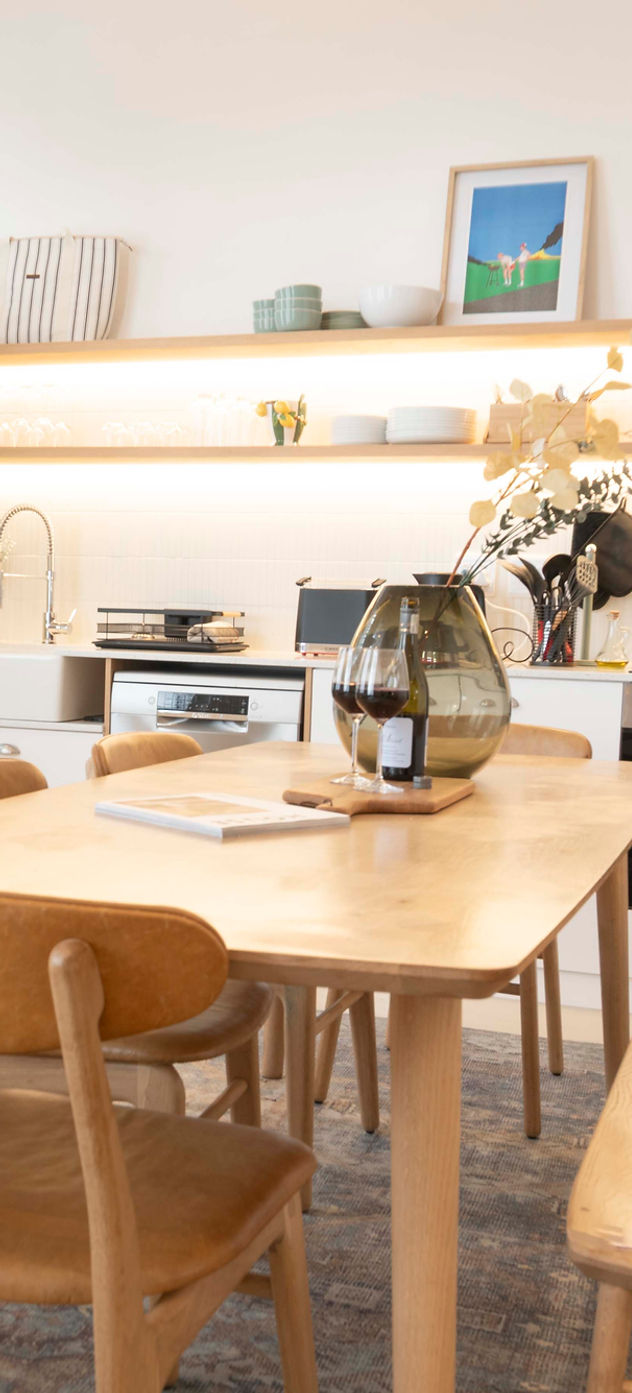
With 16 properties listed across the suburb, Camps Bay covers a genuine spread of price points, from around R950 to R18,800 per night. At the budget end, self-catering apartments offer full kitchen access and enough space for families or small groups extending their stay beyond a few nights. A handful of smaller guesthouses in this range provide competitive rates and a more personal, locally-run atmosphere than larger commercial properties.
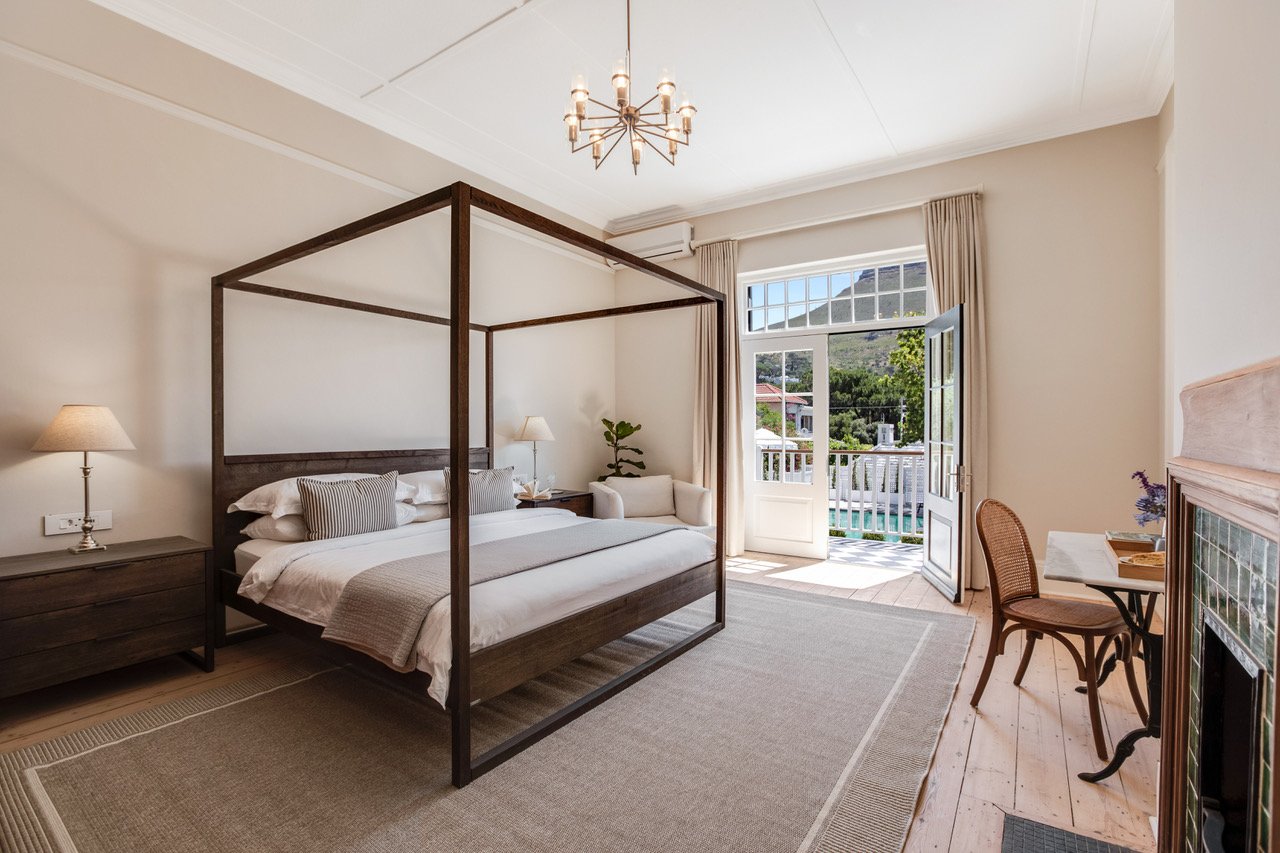
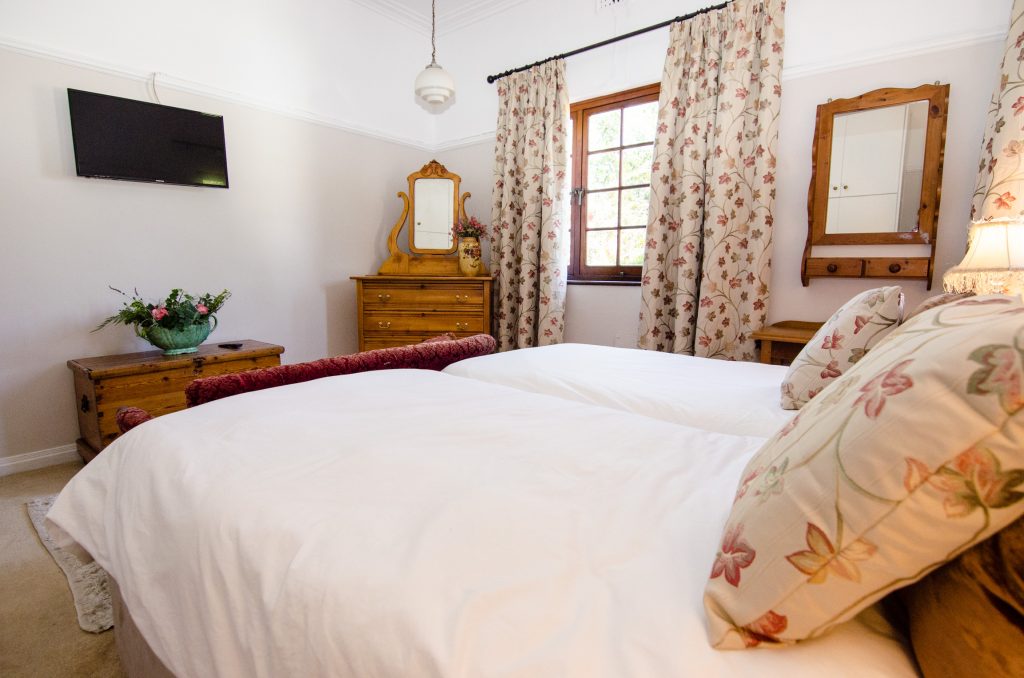
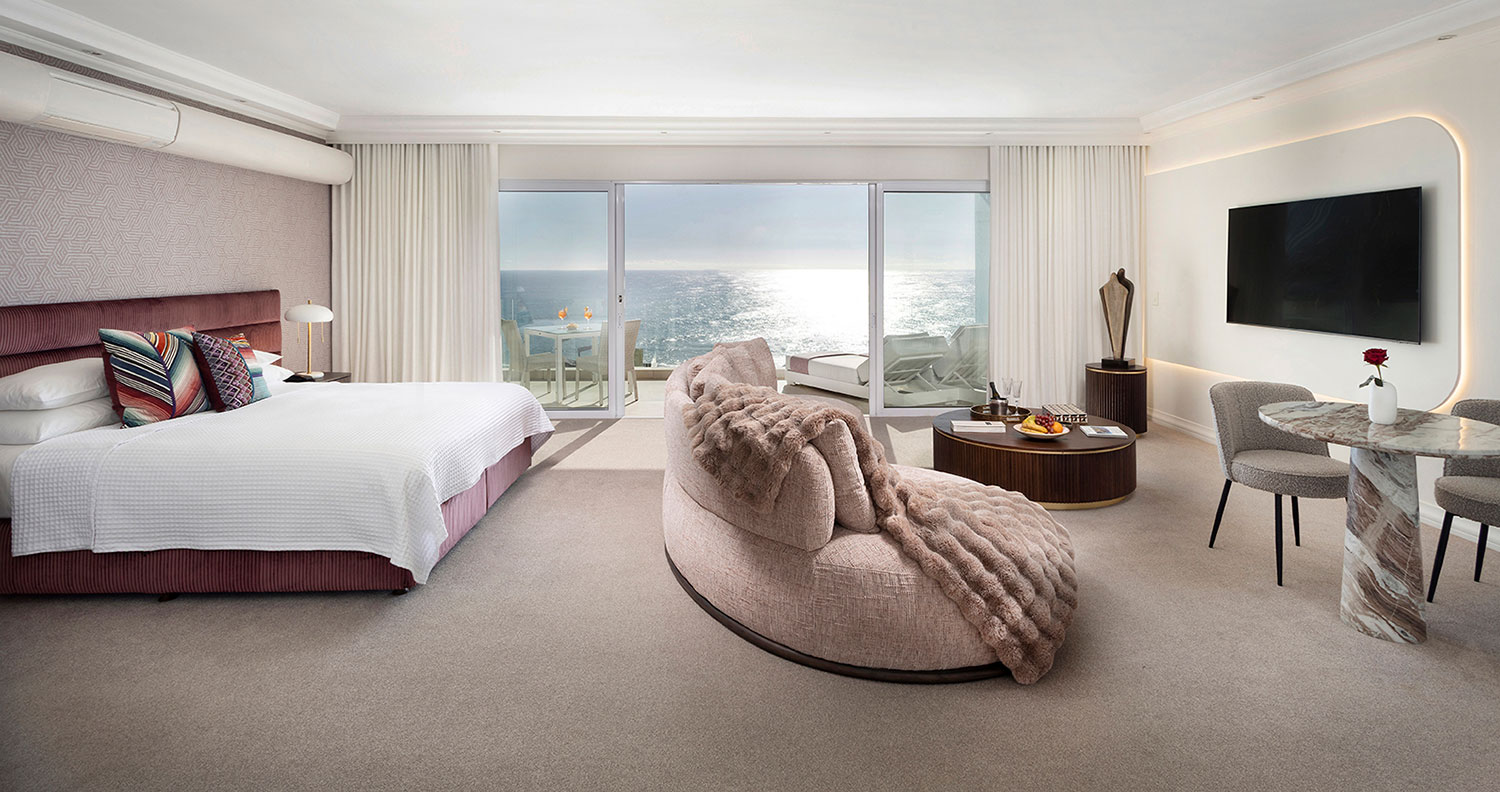
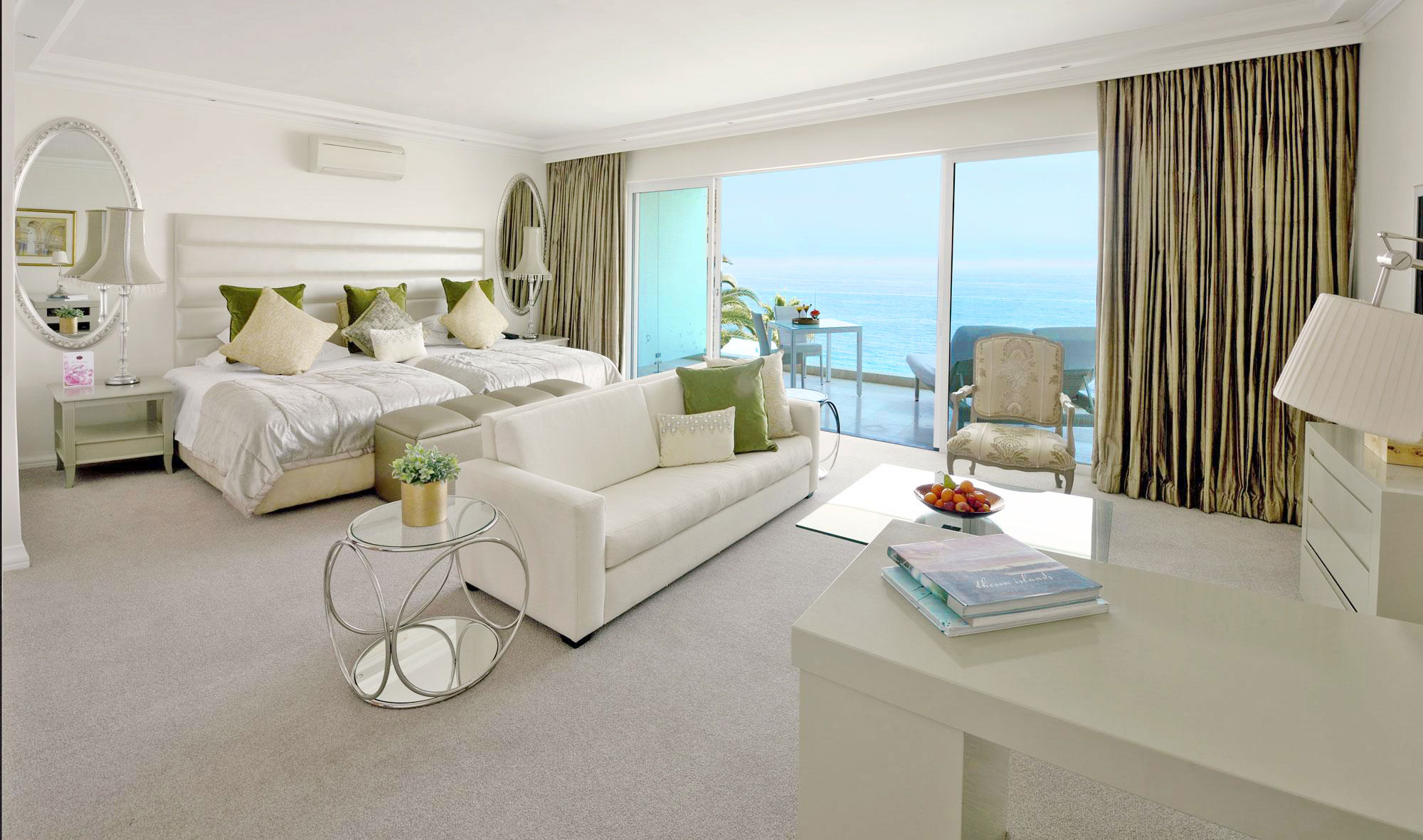
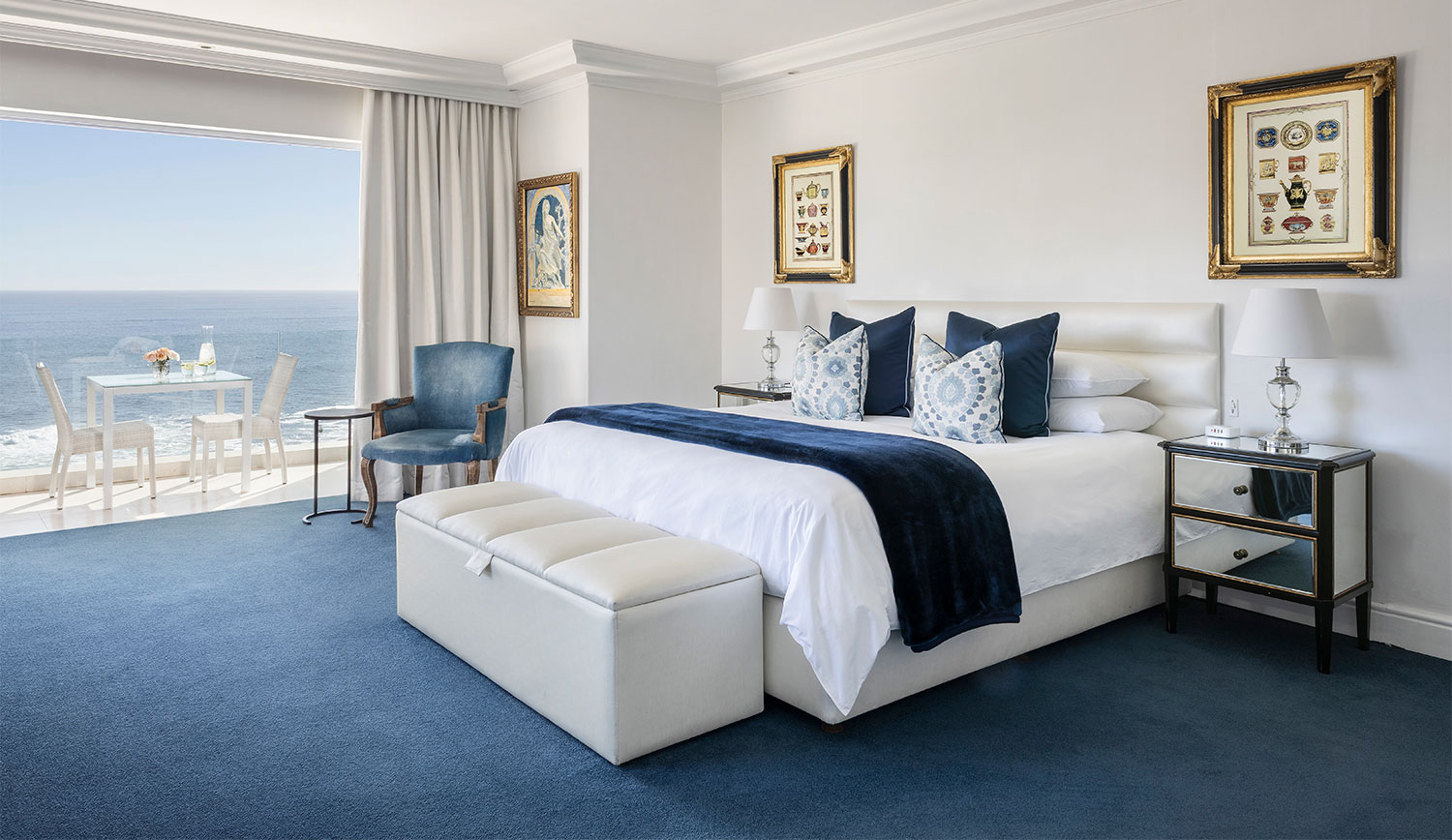
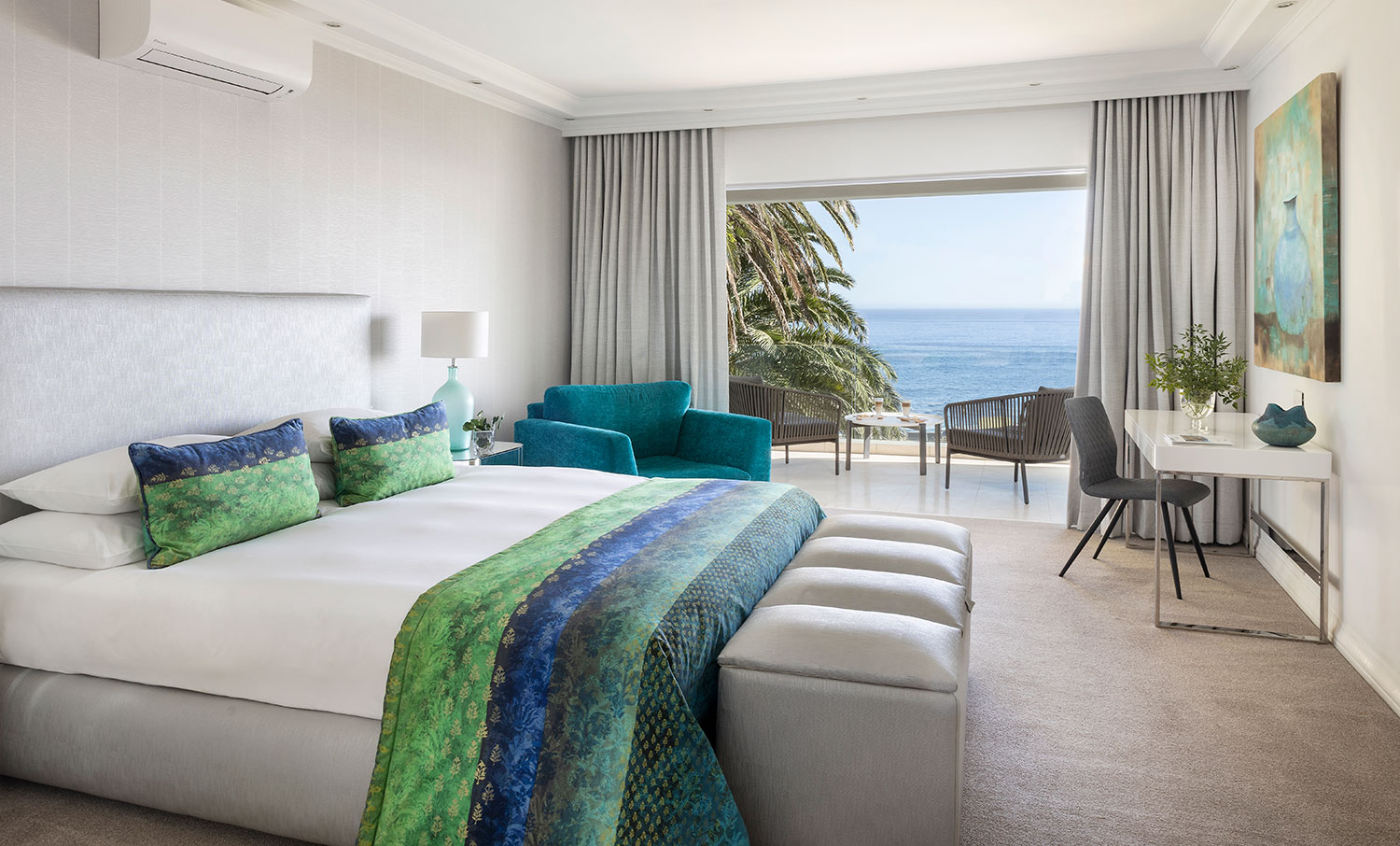
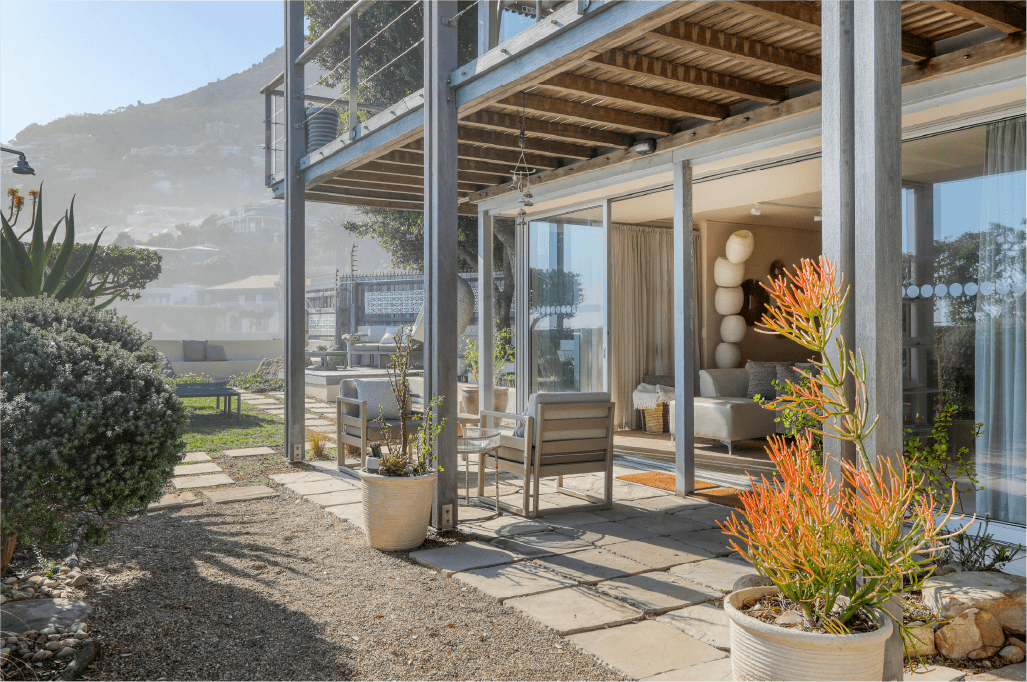
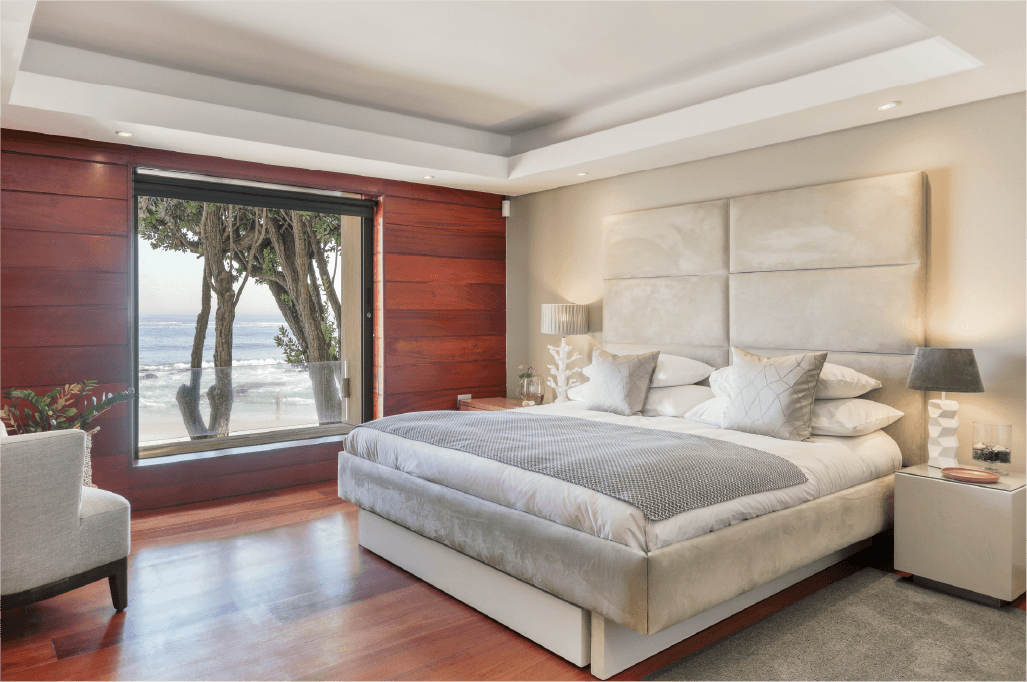
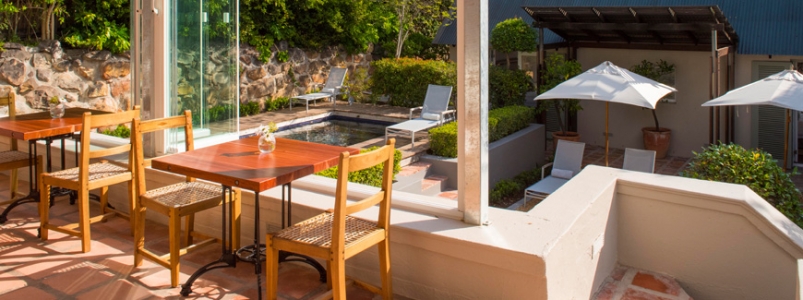
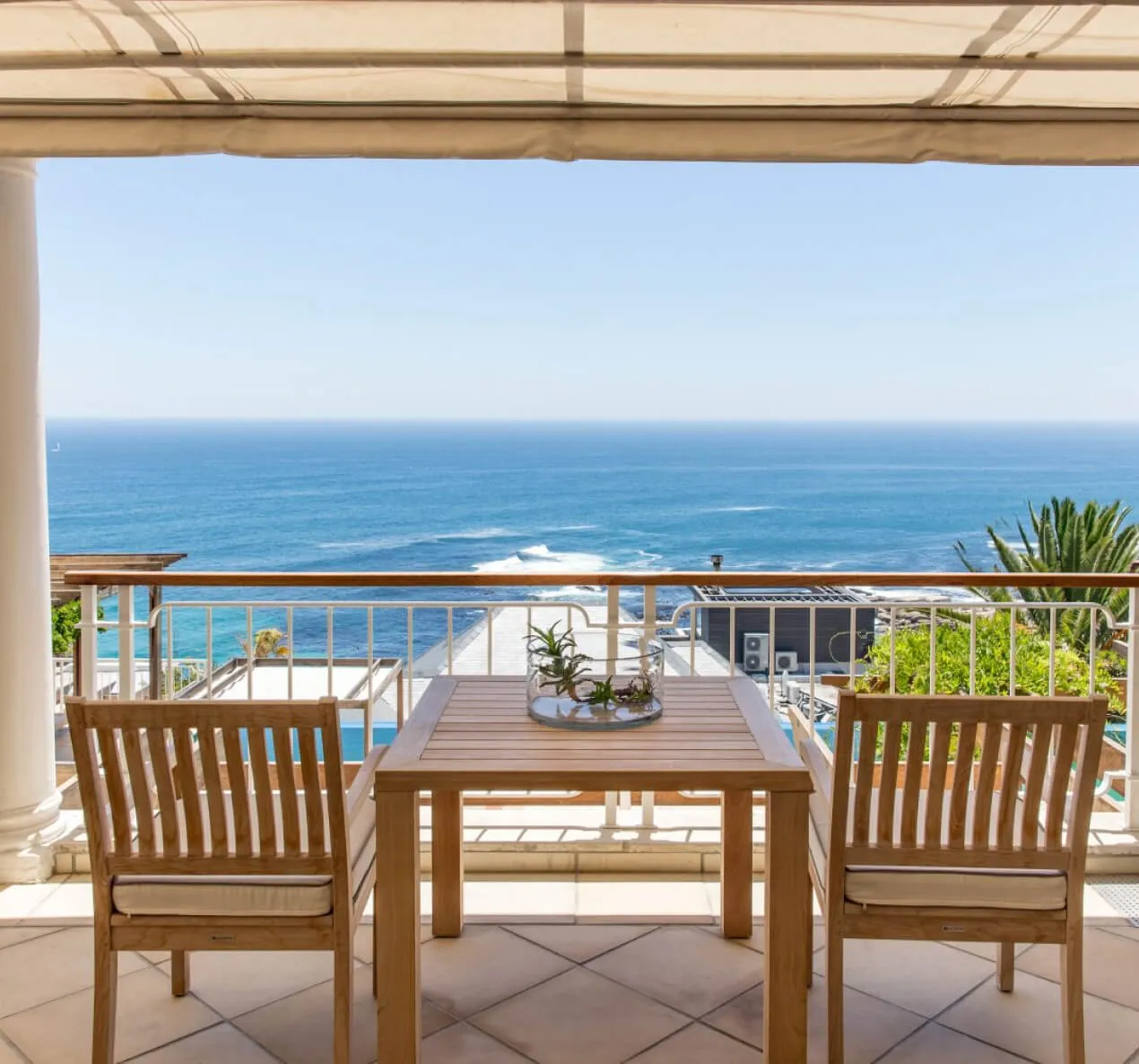
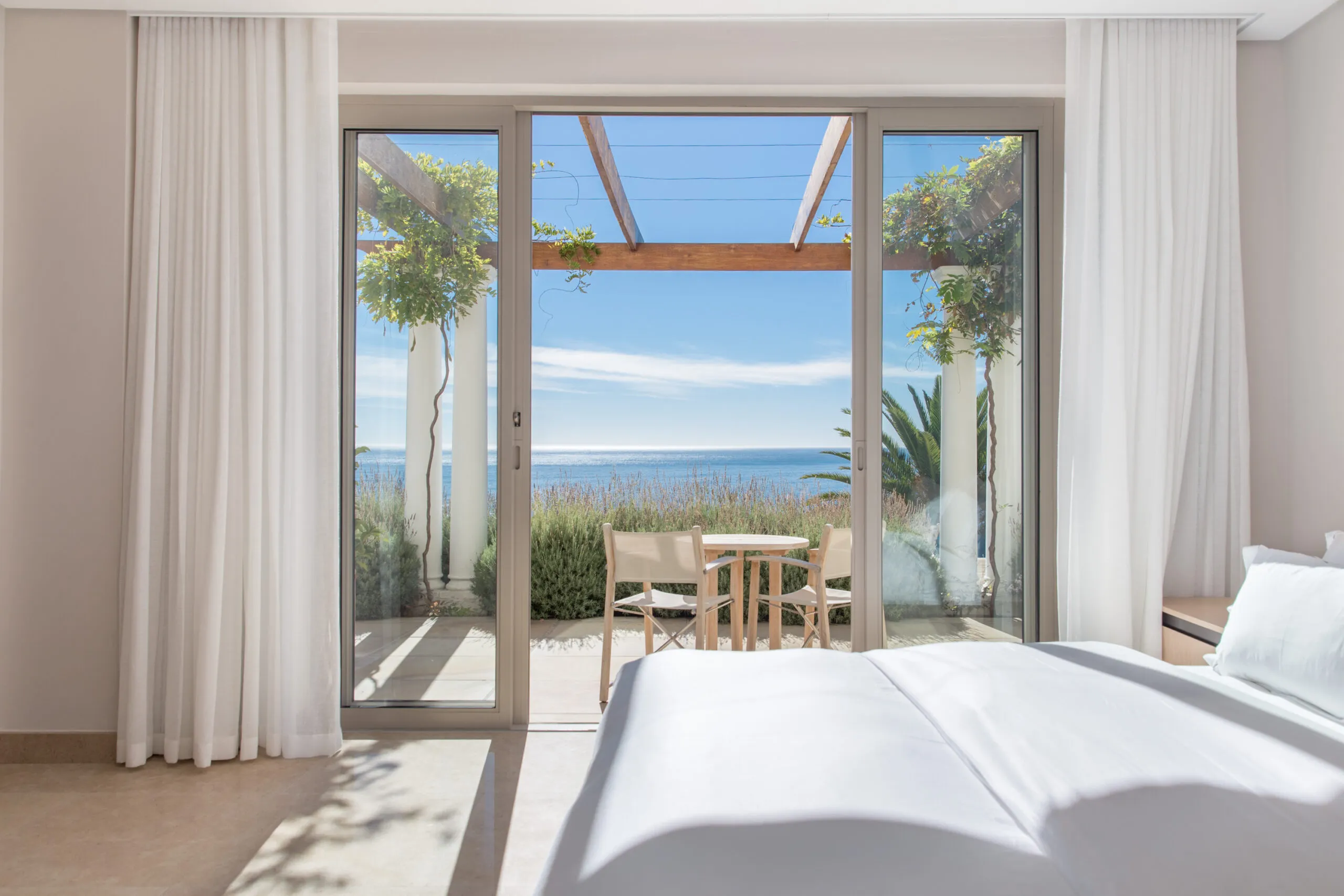
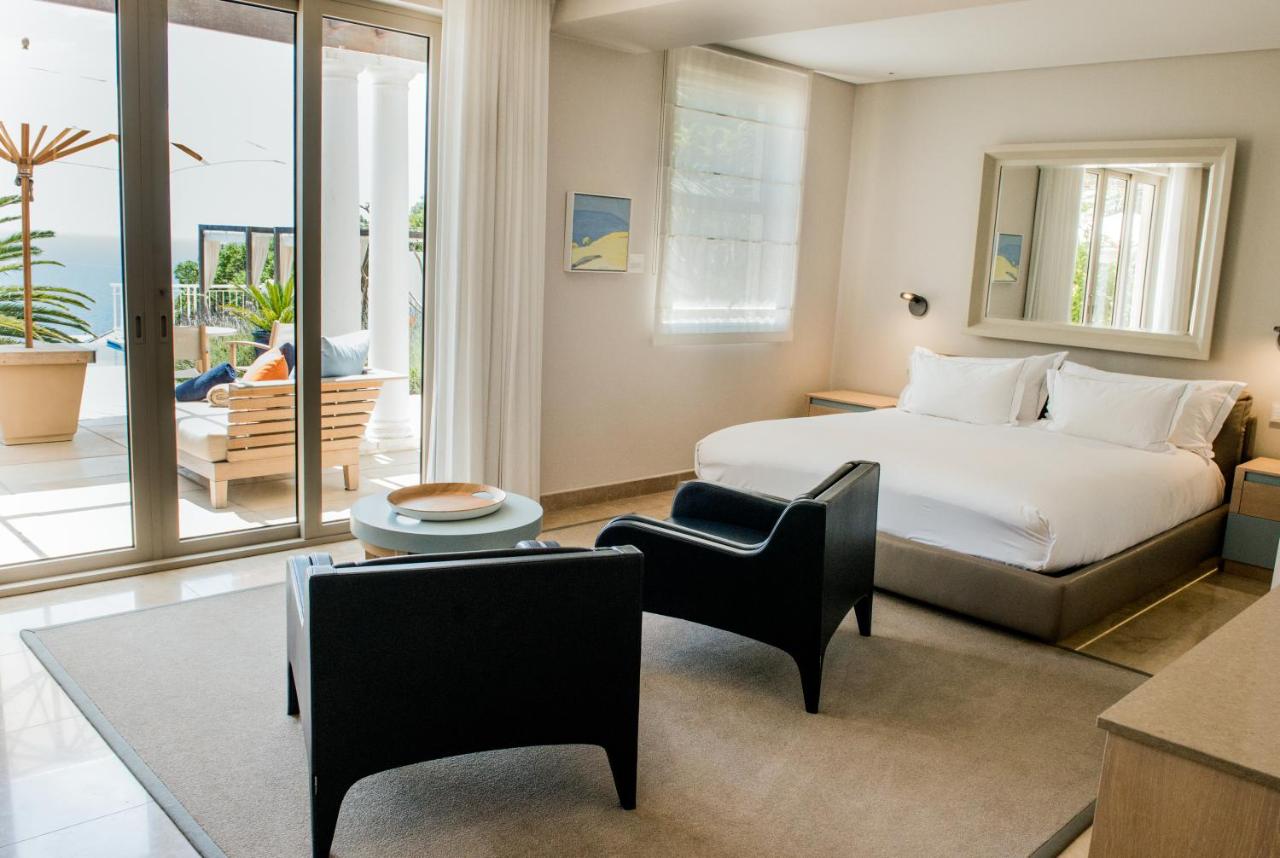
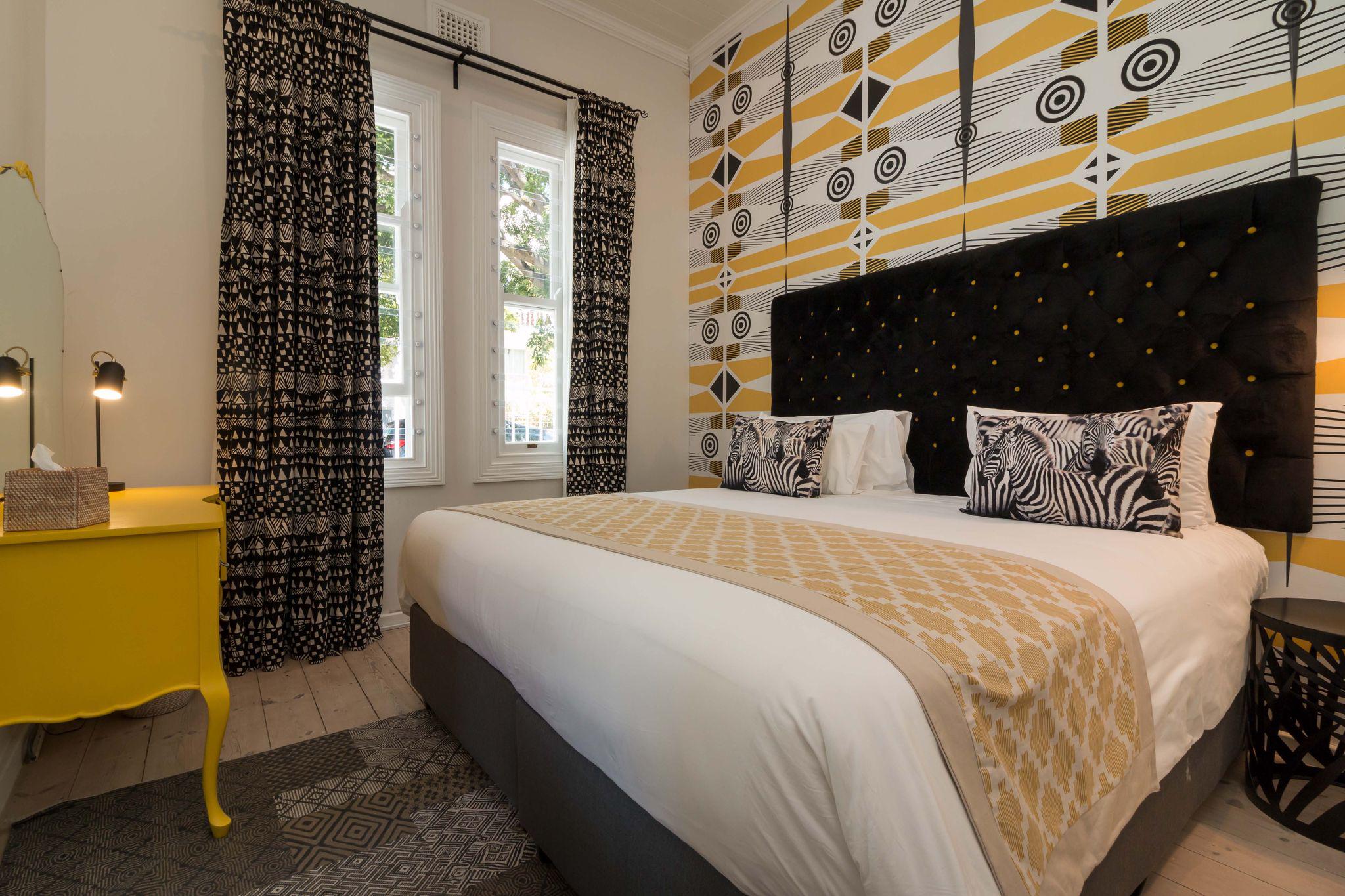
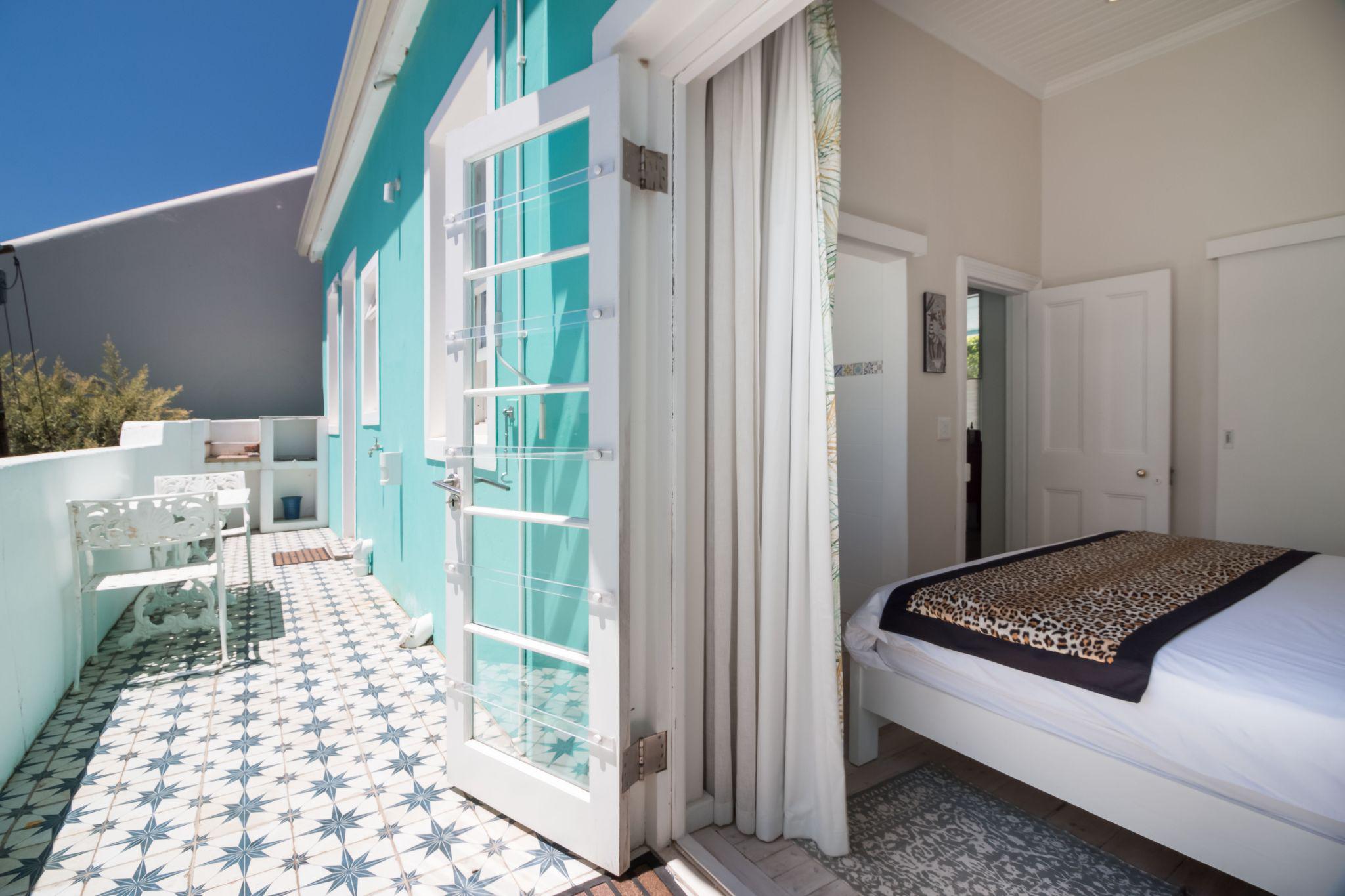
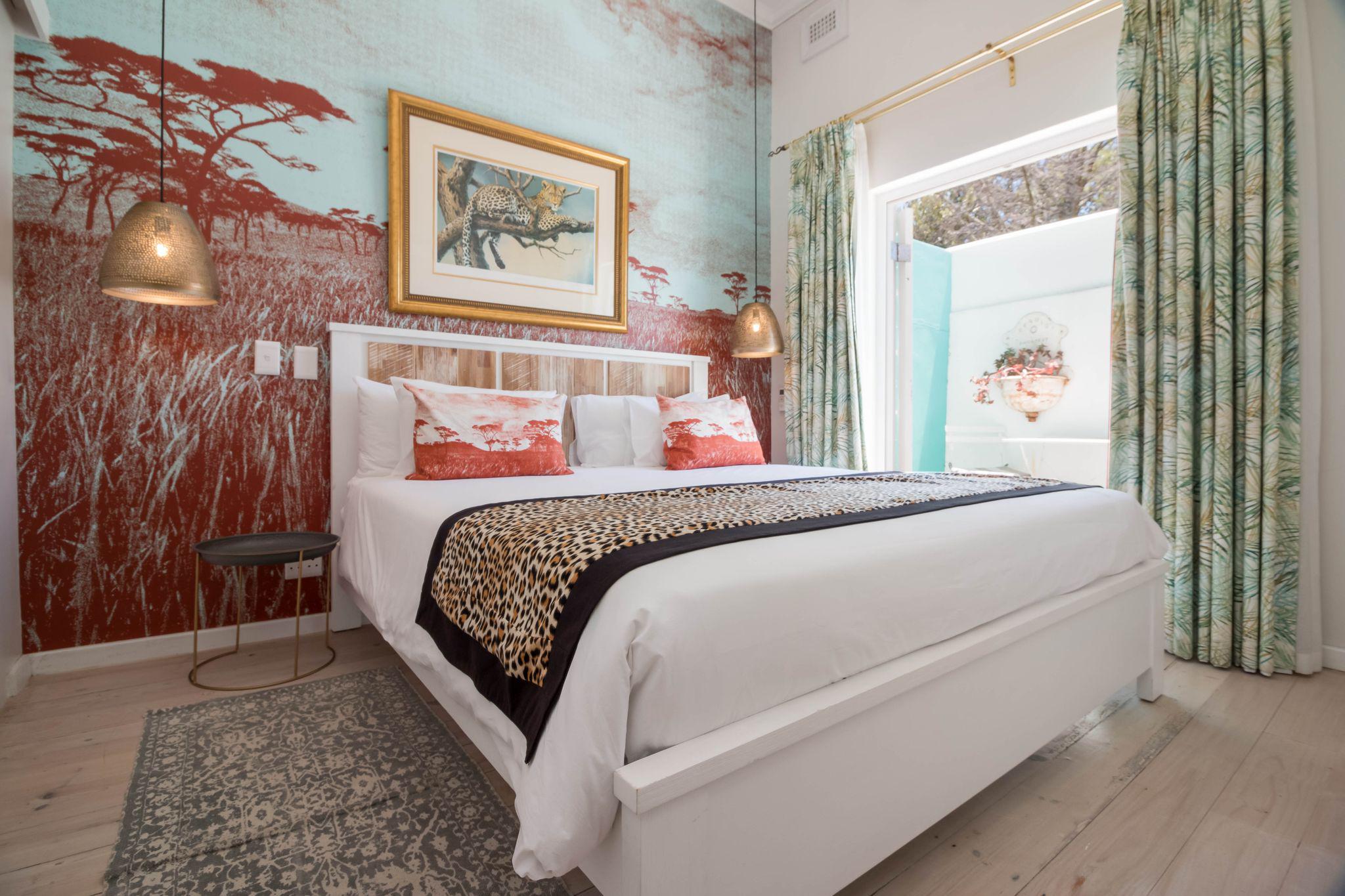
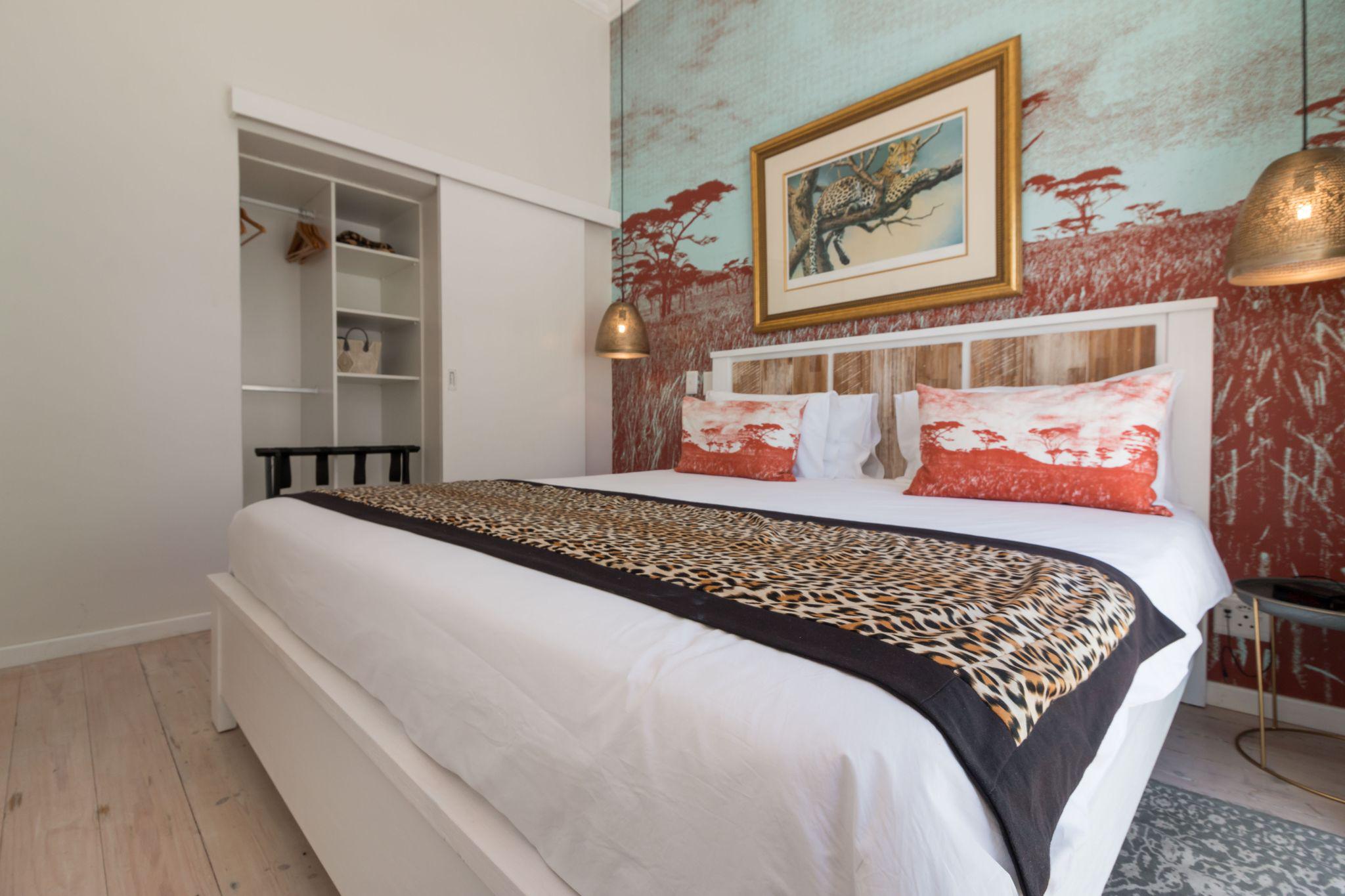
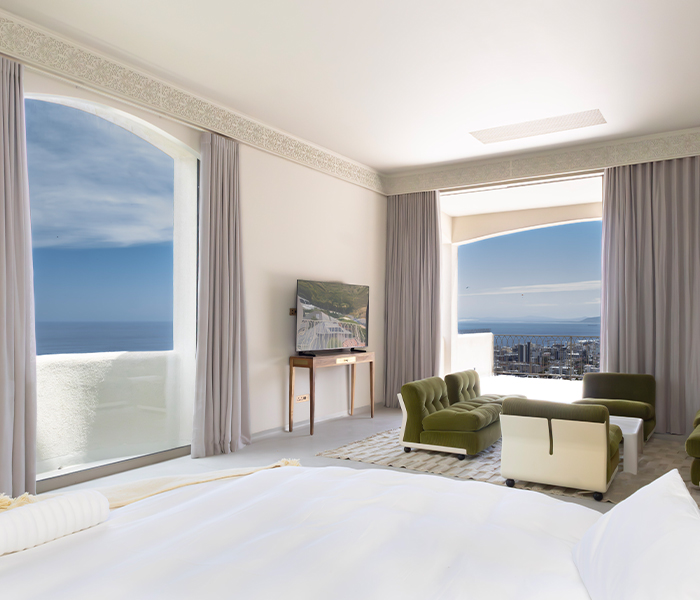
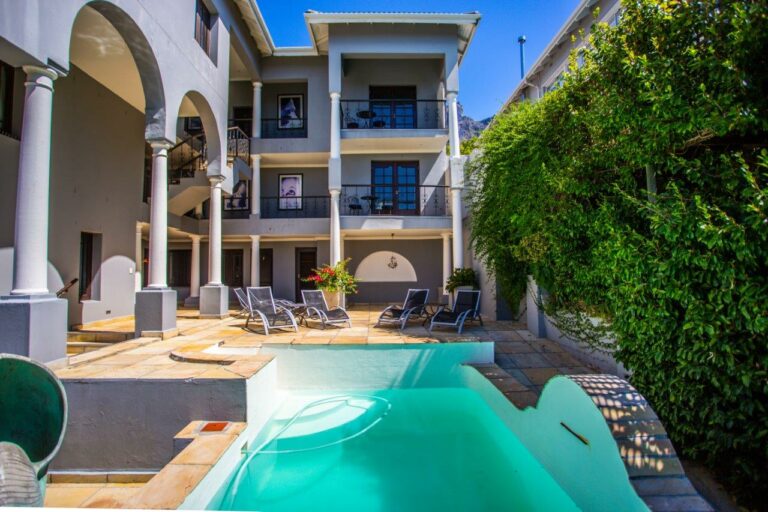
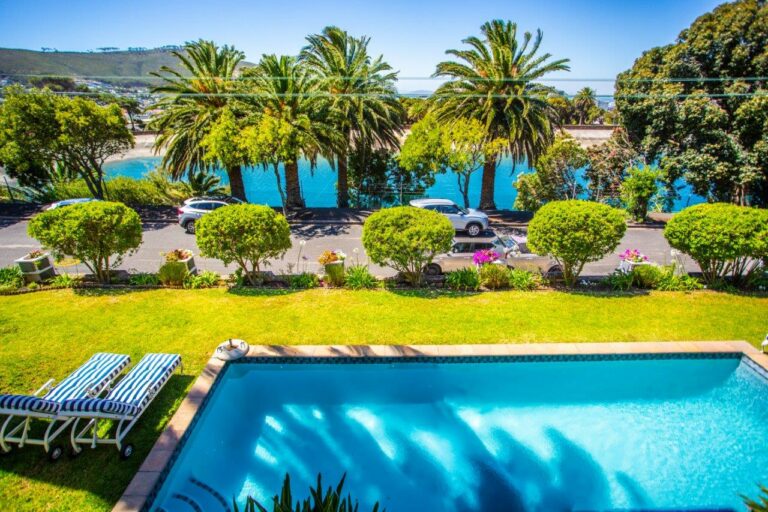
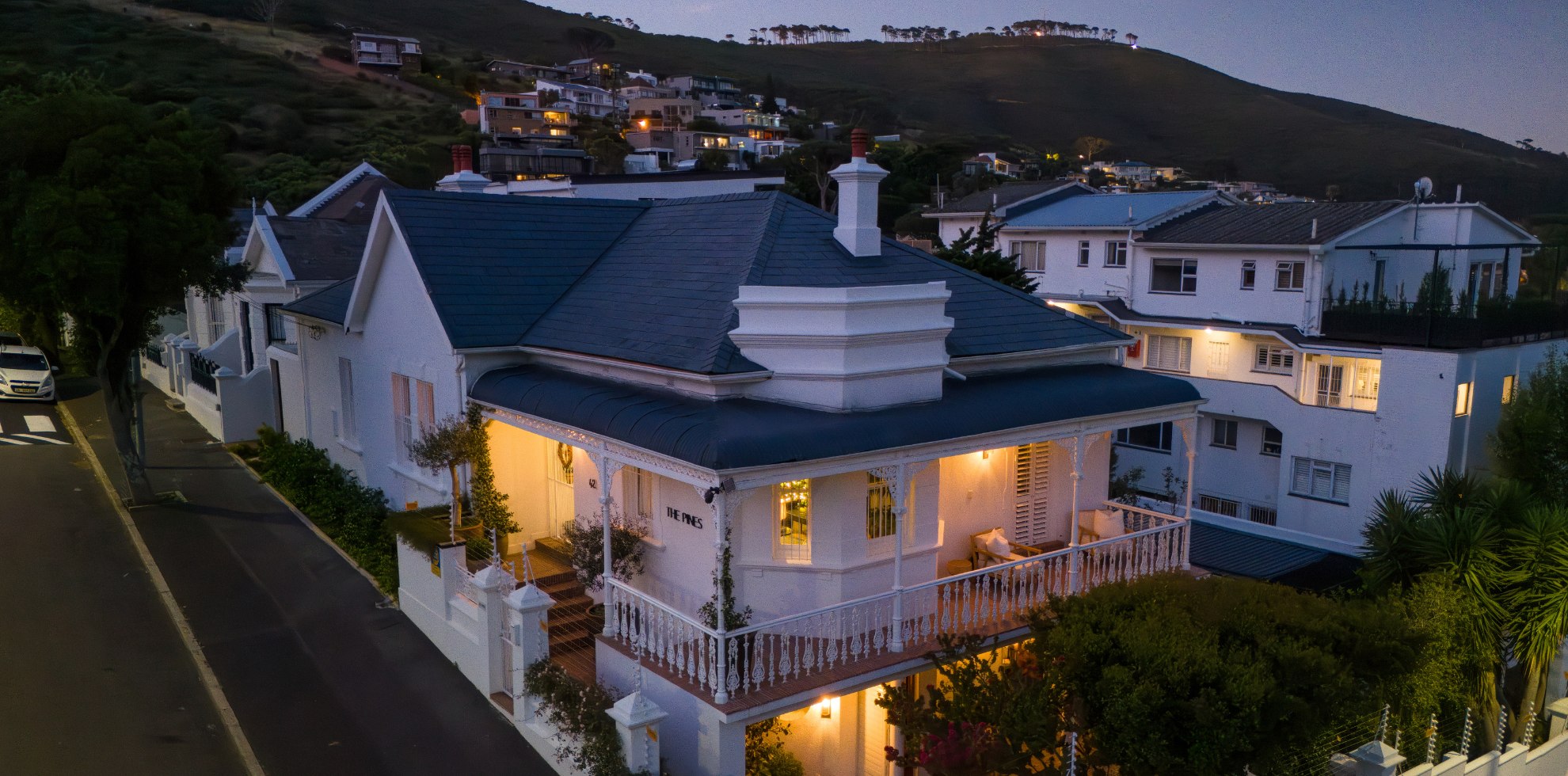
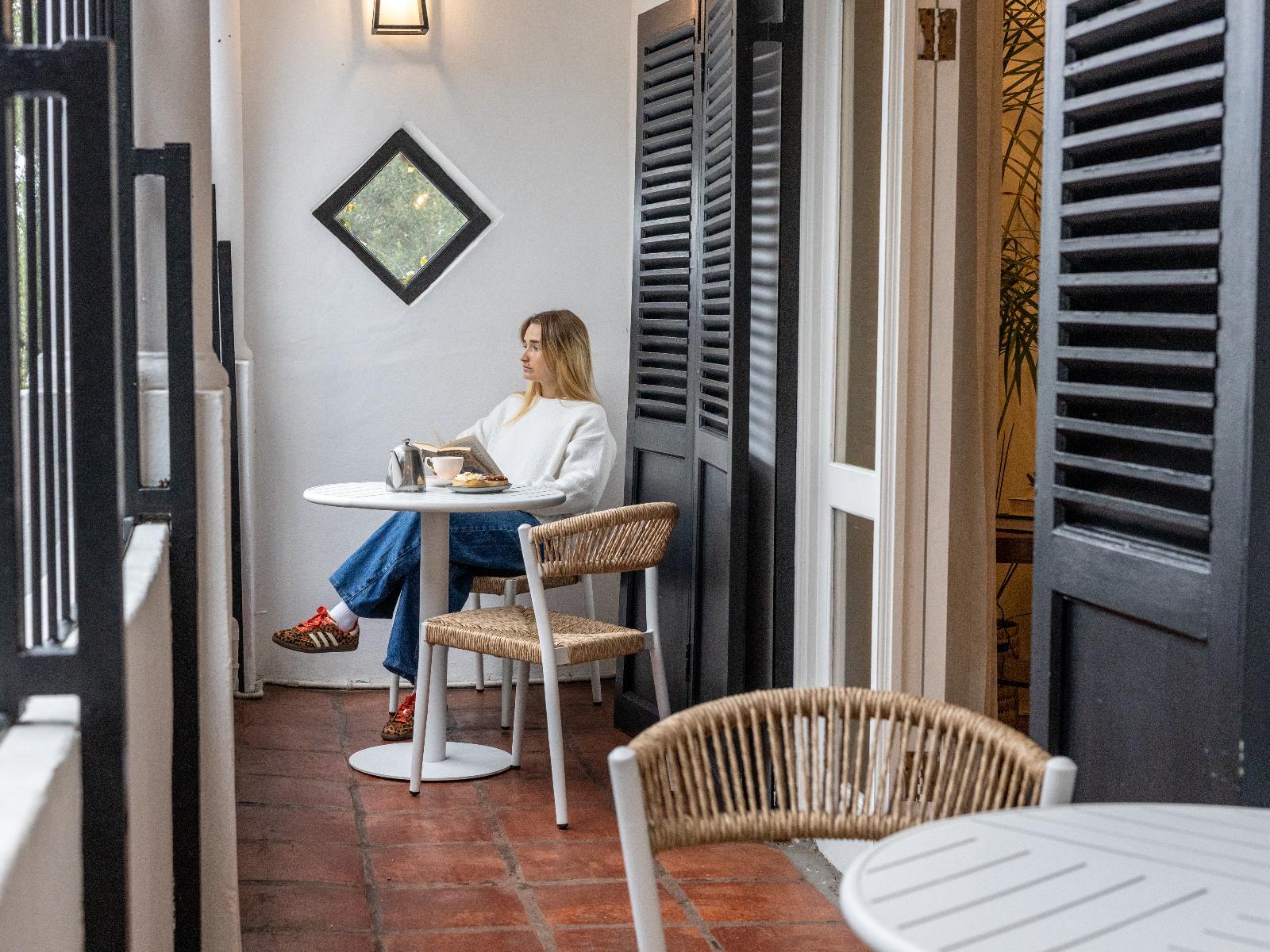
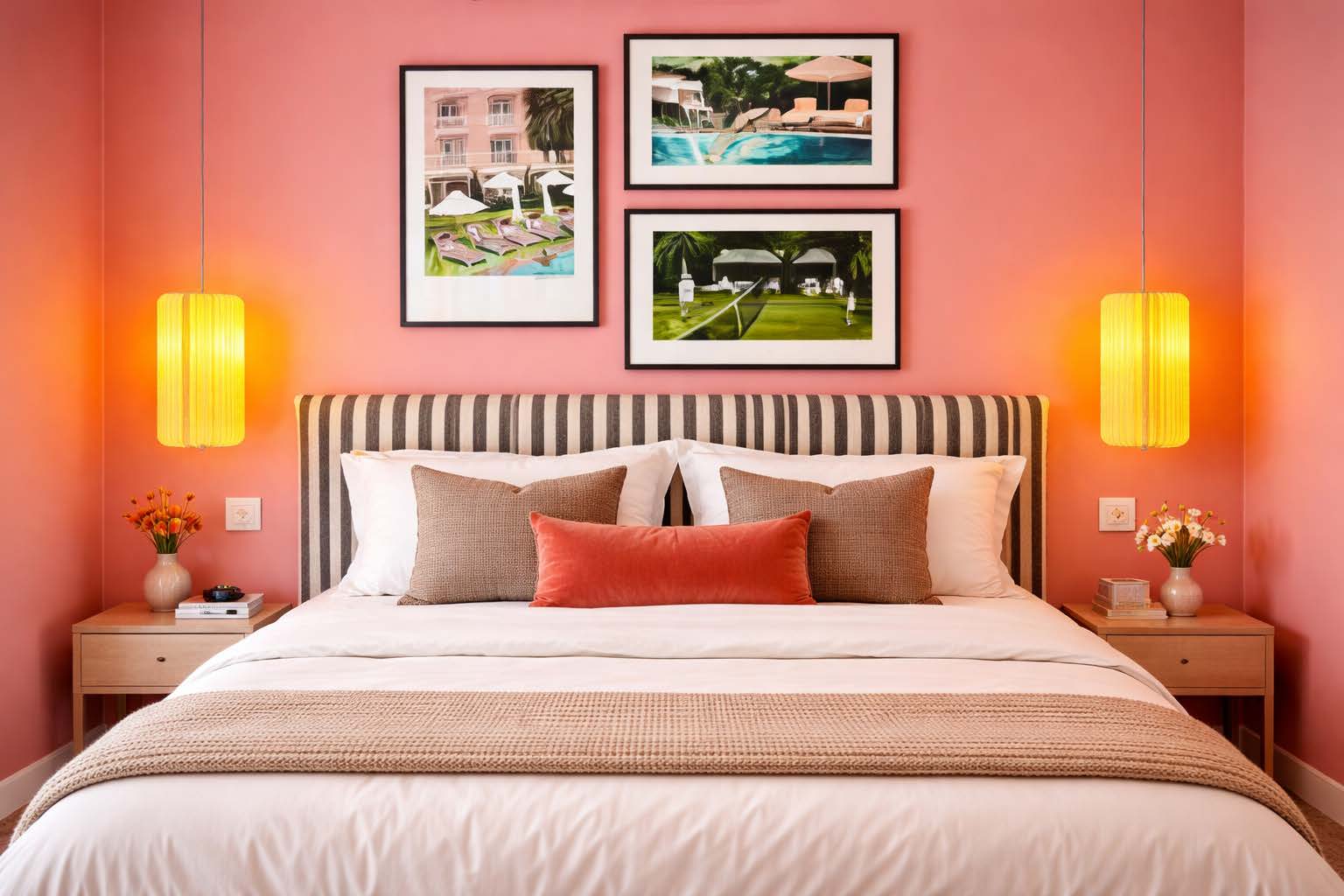
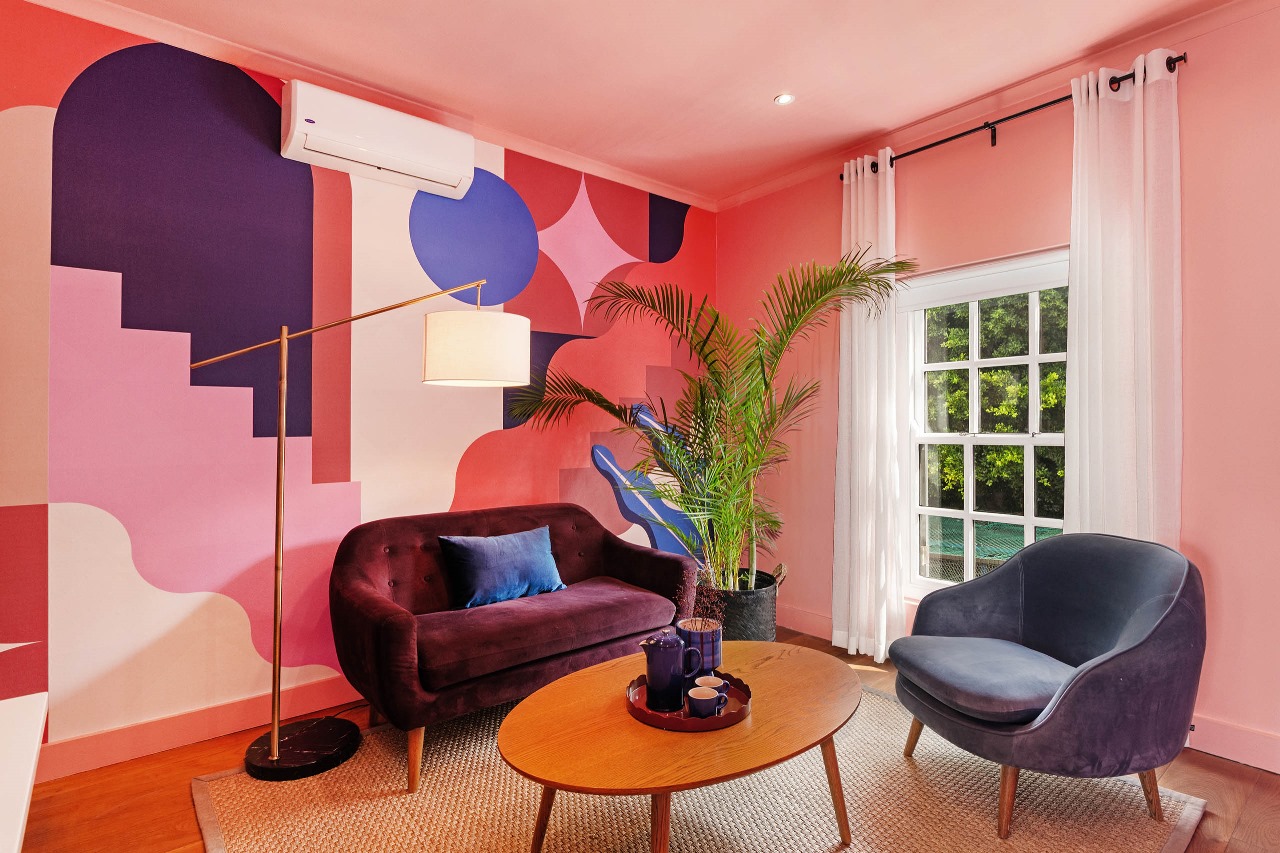
The mid-range centres on guest houses, the most common type in the area. Six listings average around R6,018 per night, typically offering sea-facing rooms, breakfast included in the rate, and communal spaces that suit travellers who want some social engagement alongside their stay. Standards are generally high given the suburb's residential character, and the style leans contemporary rather than hotel-corporate.
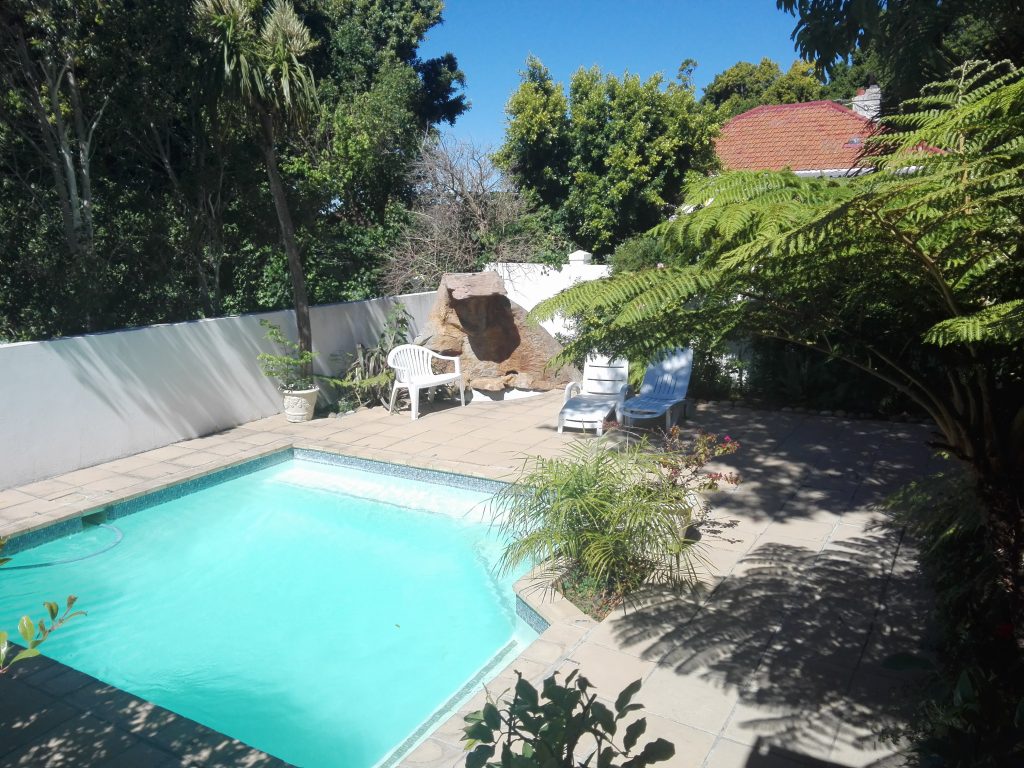
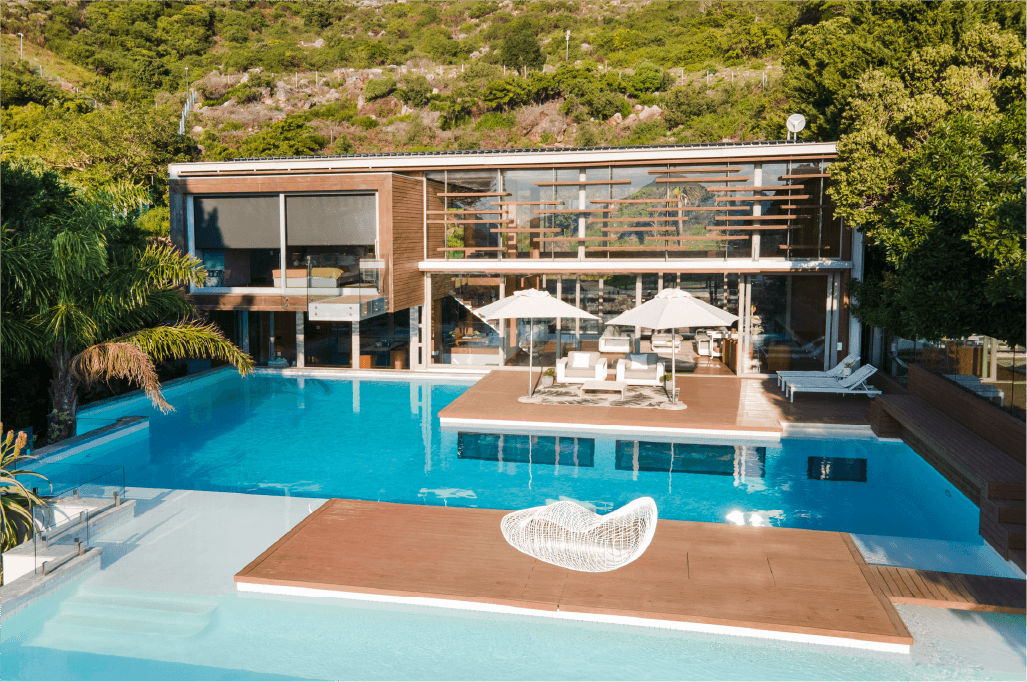
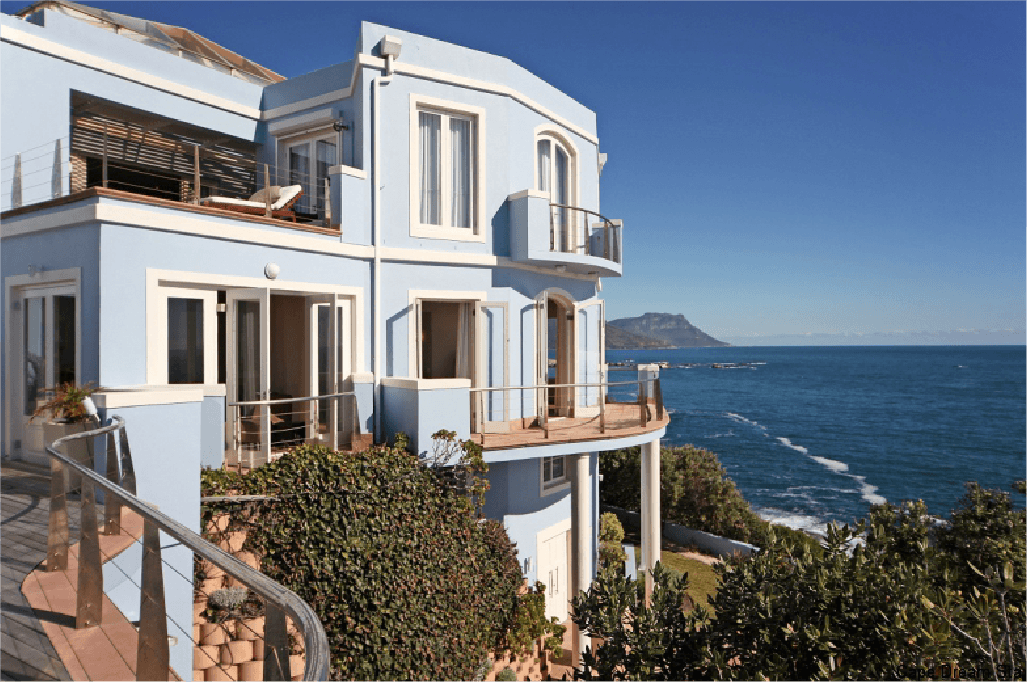
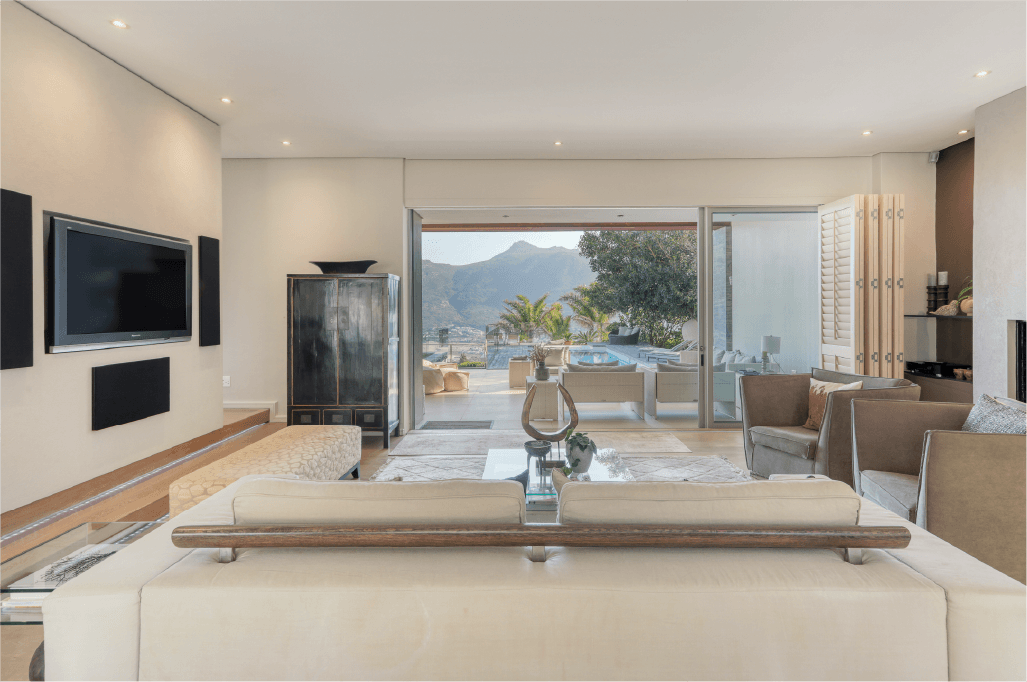
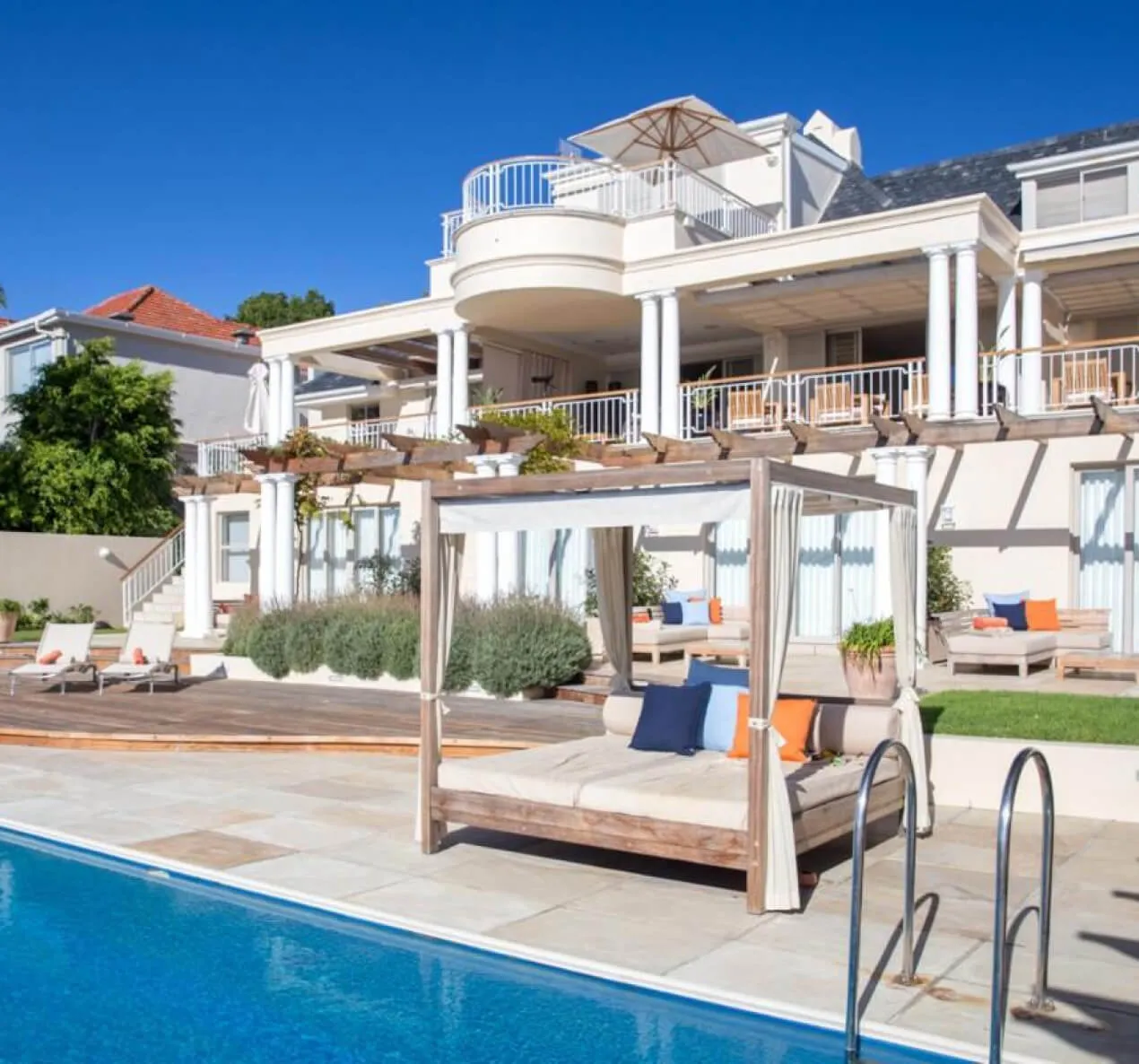
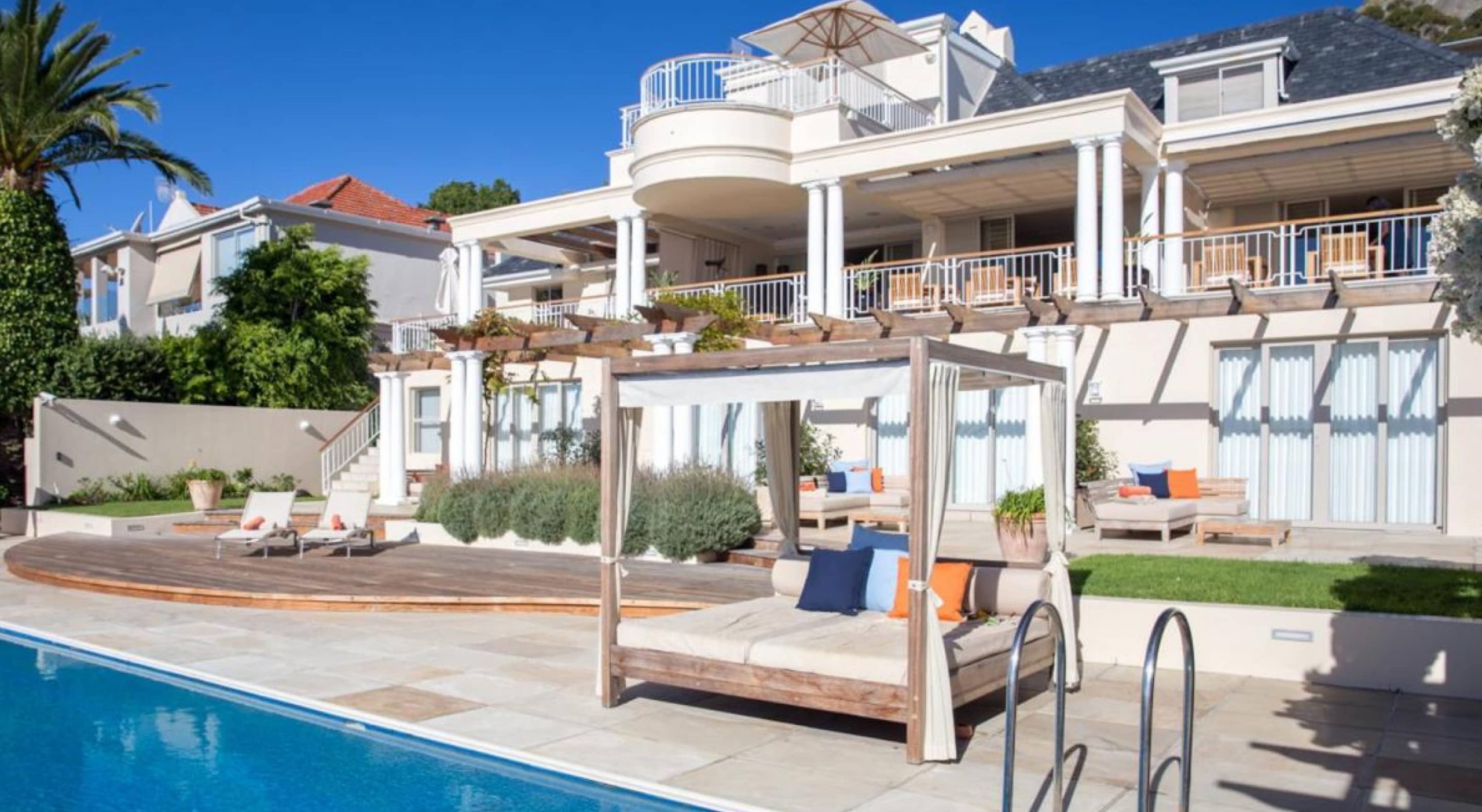
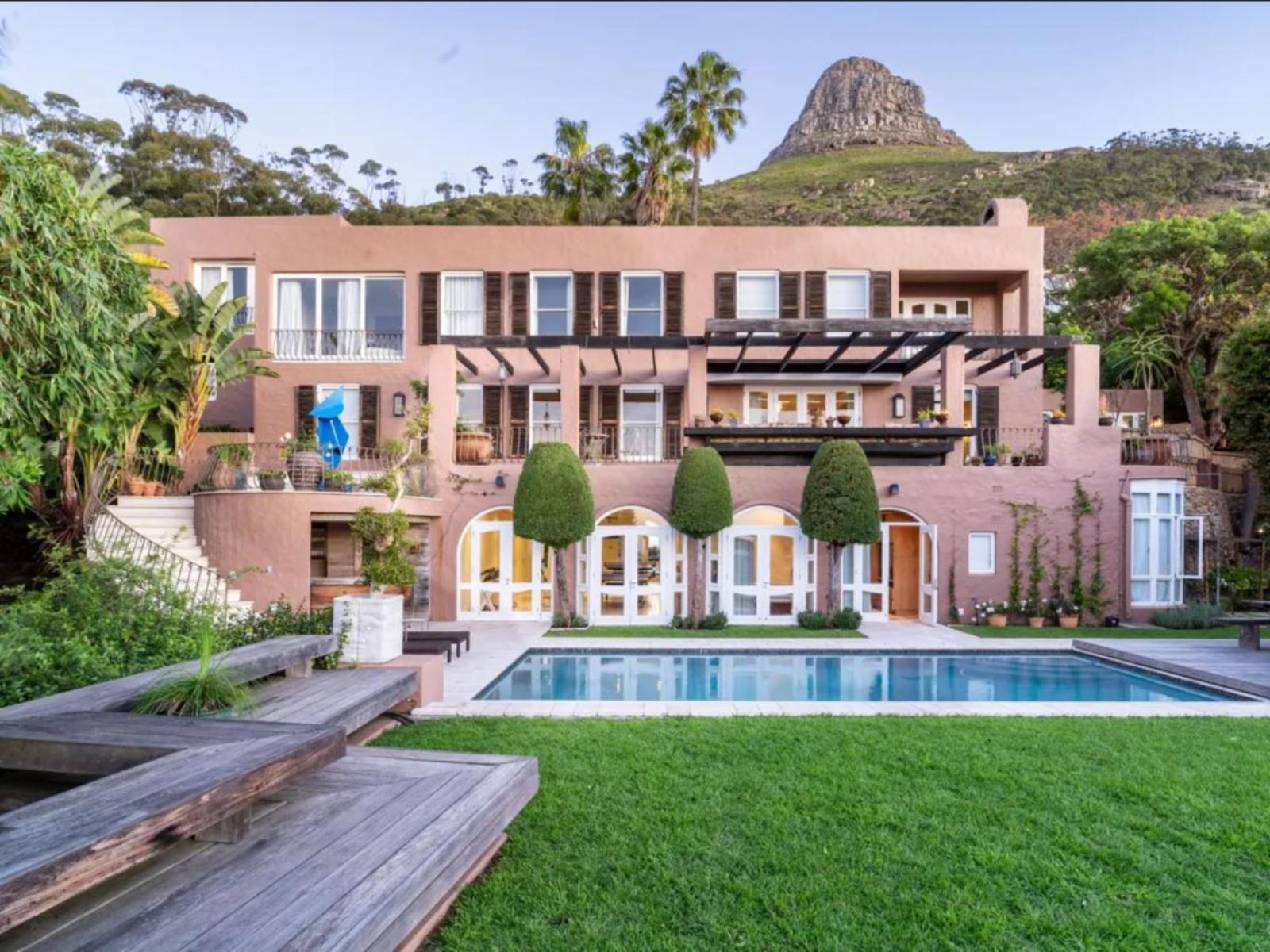
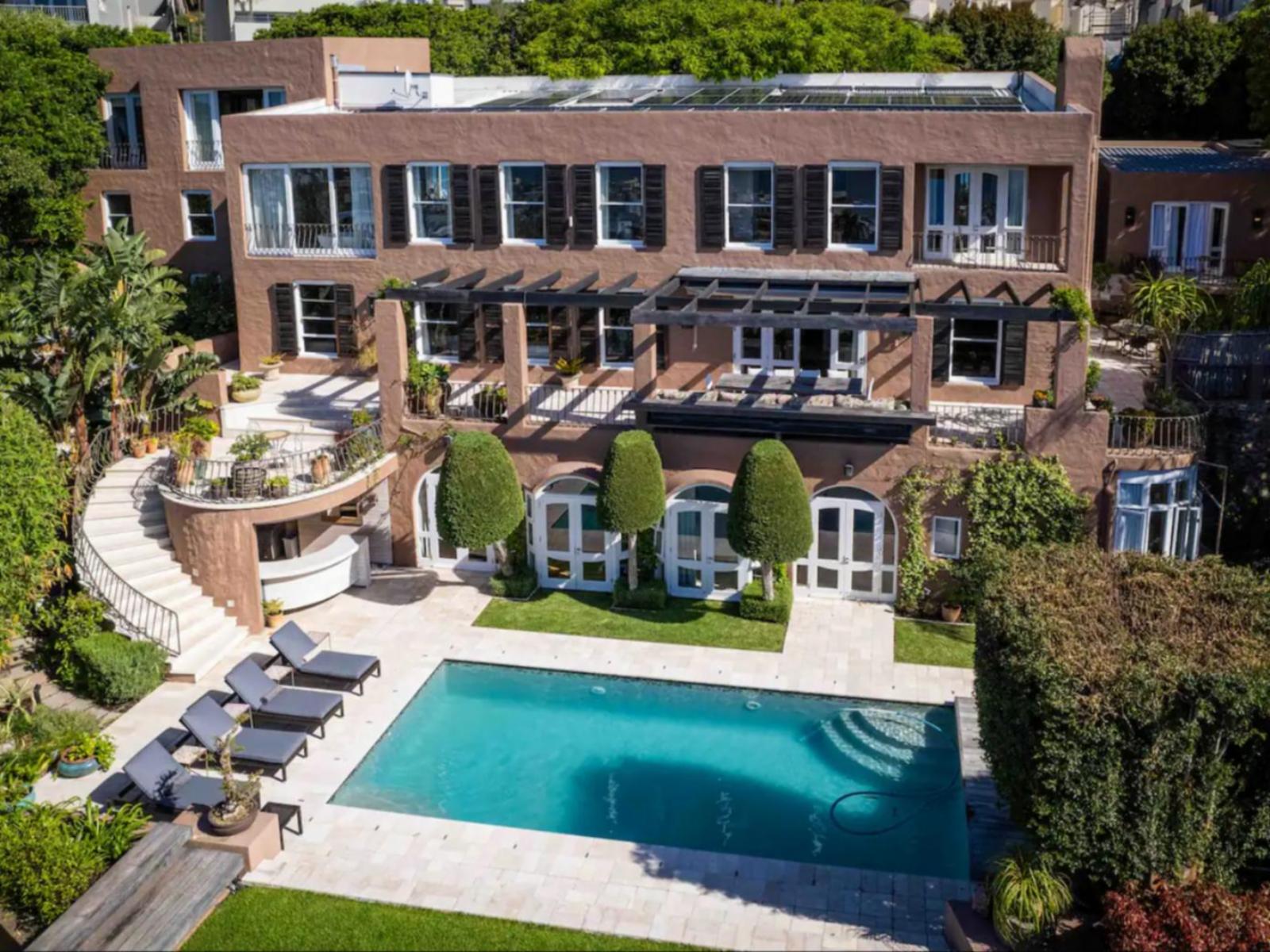
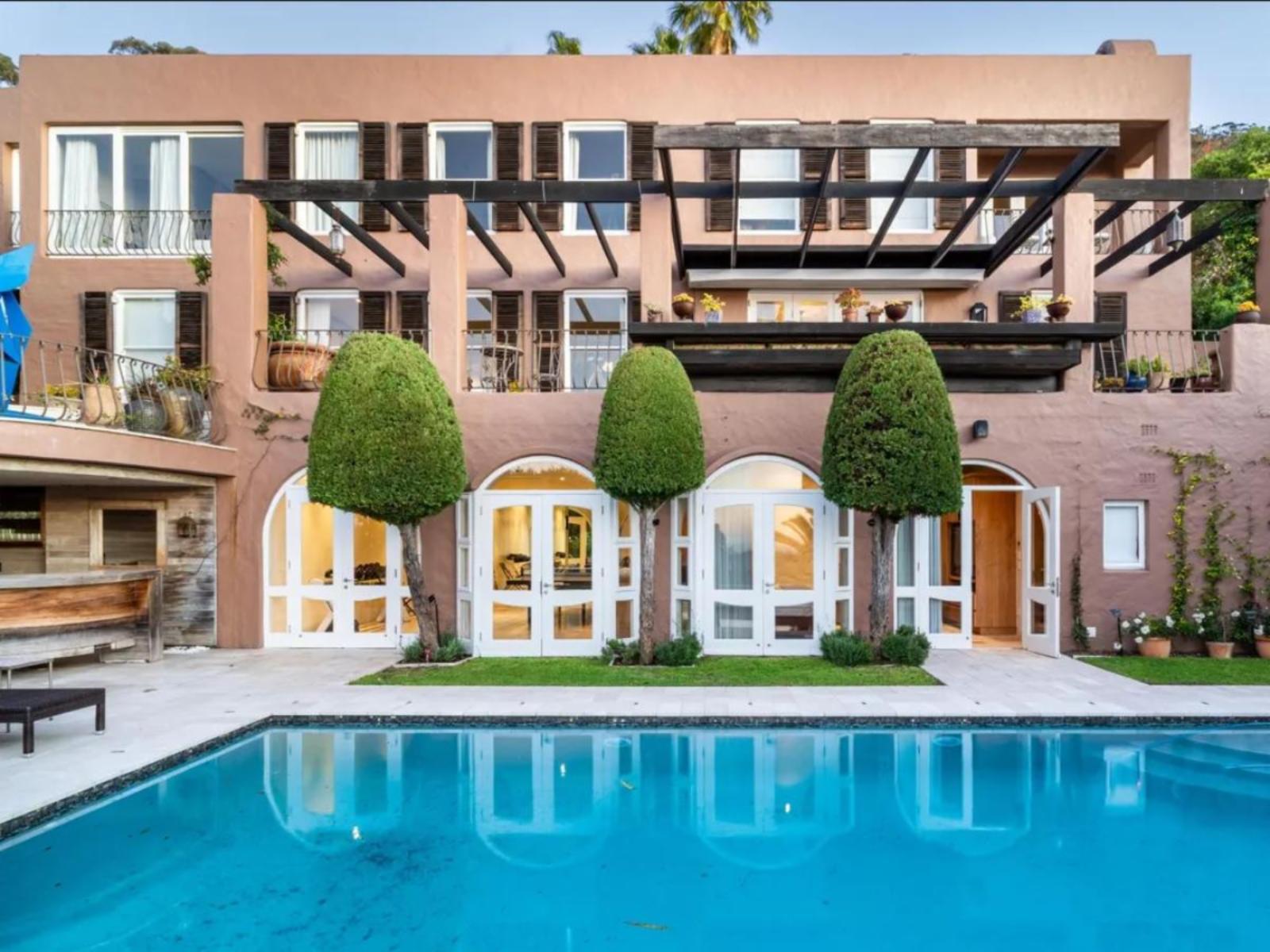
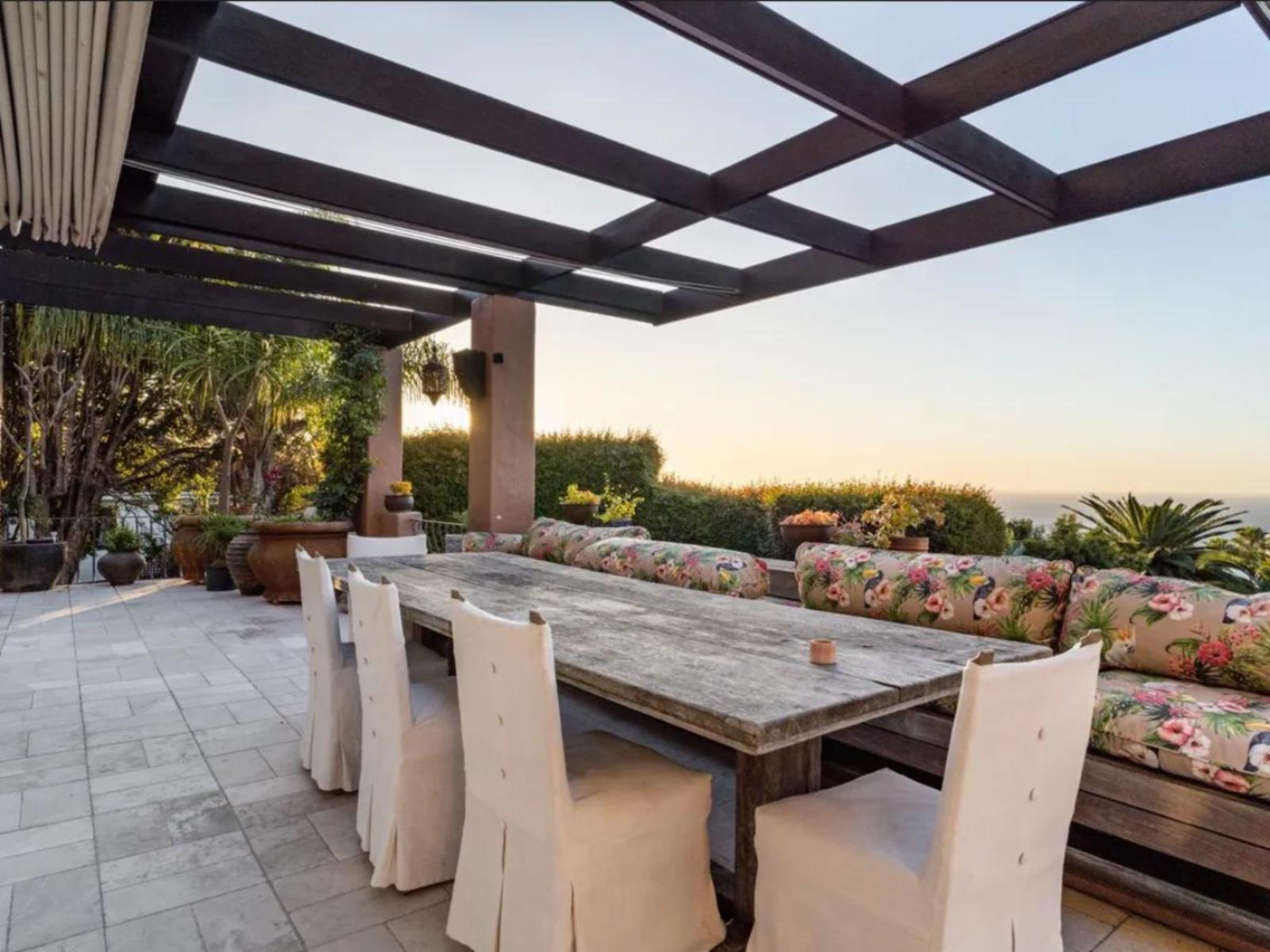
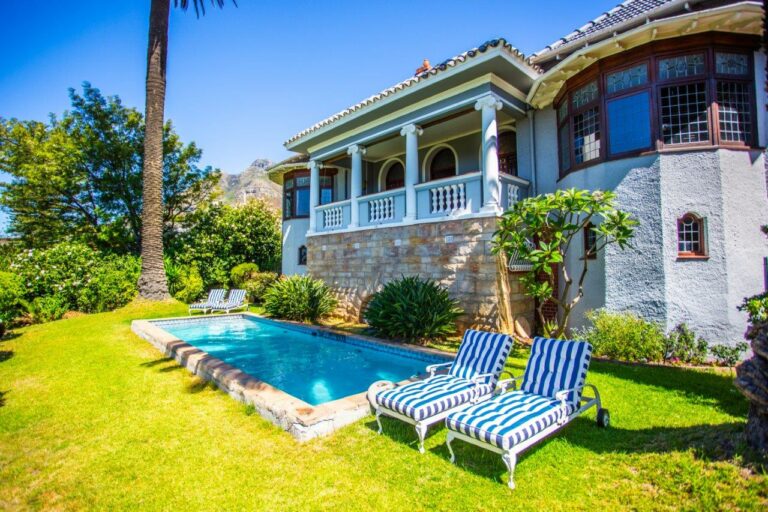
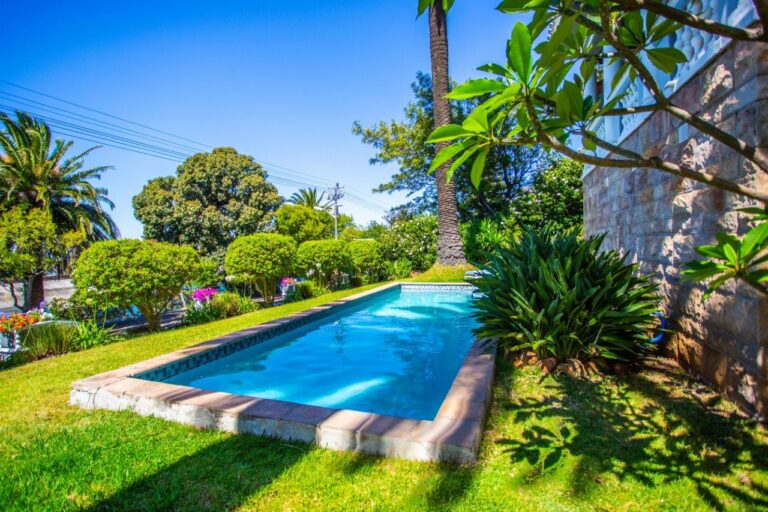
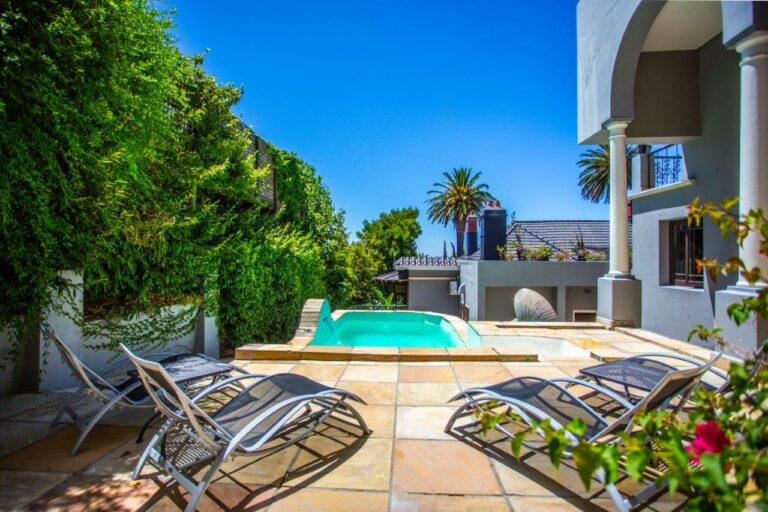
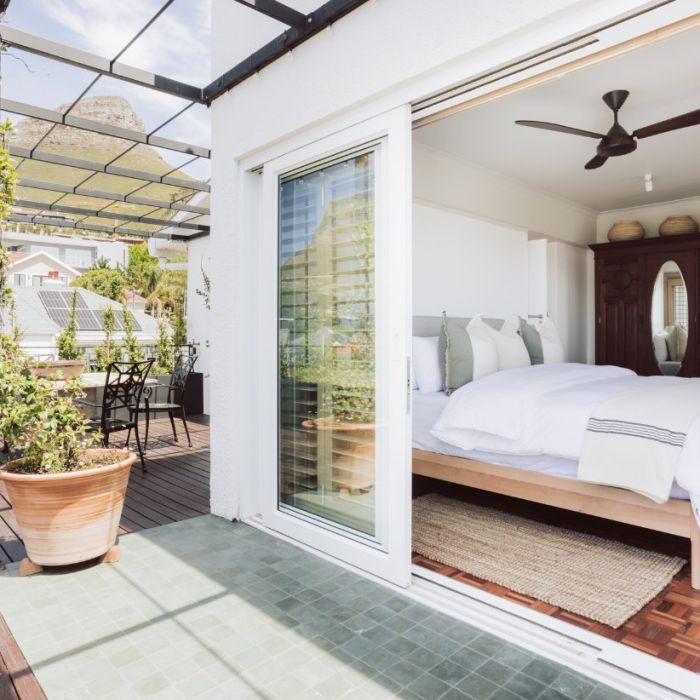
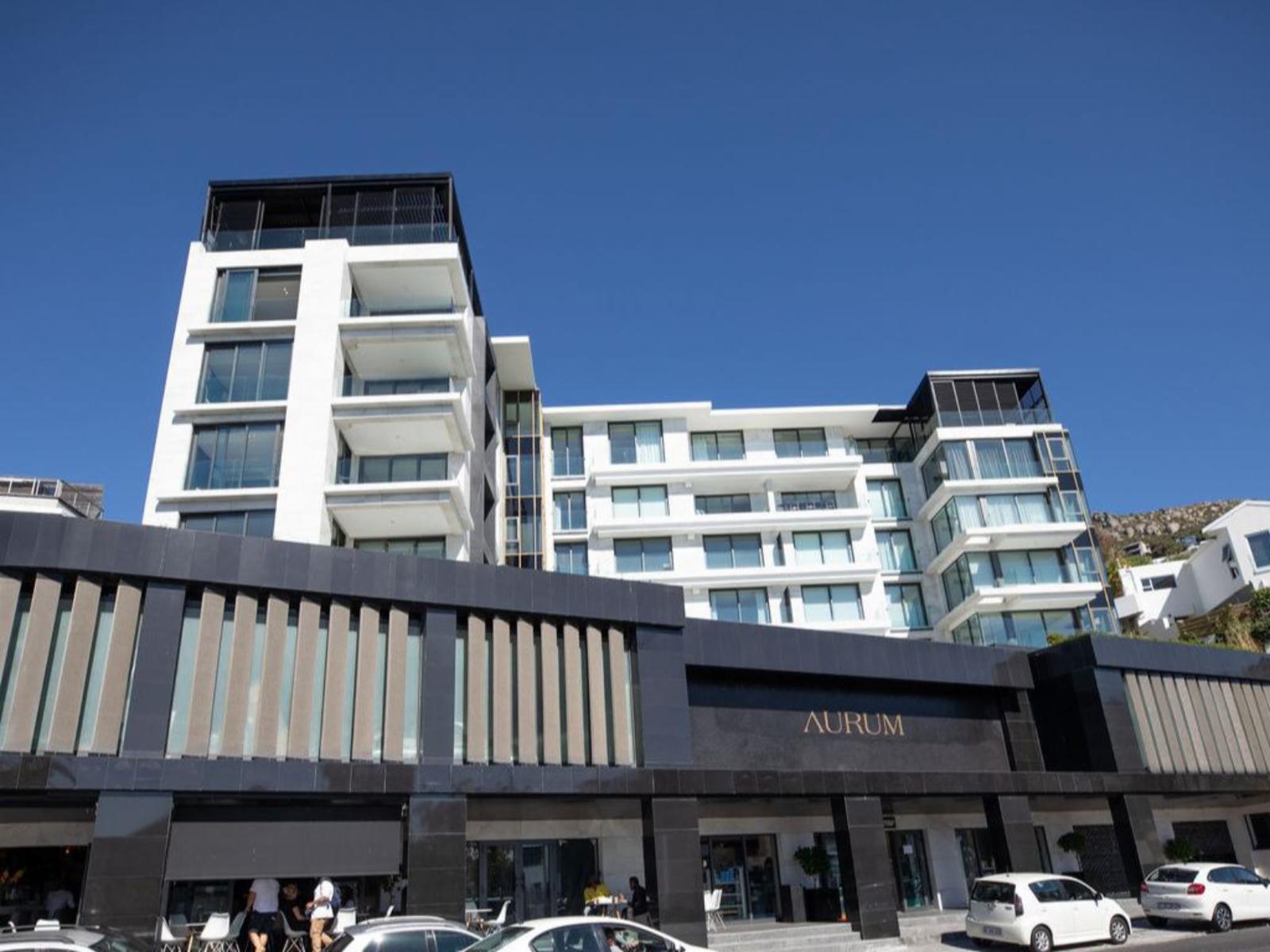
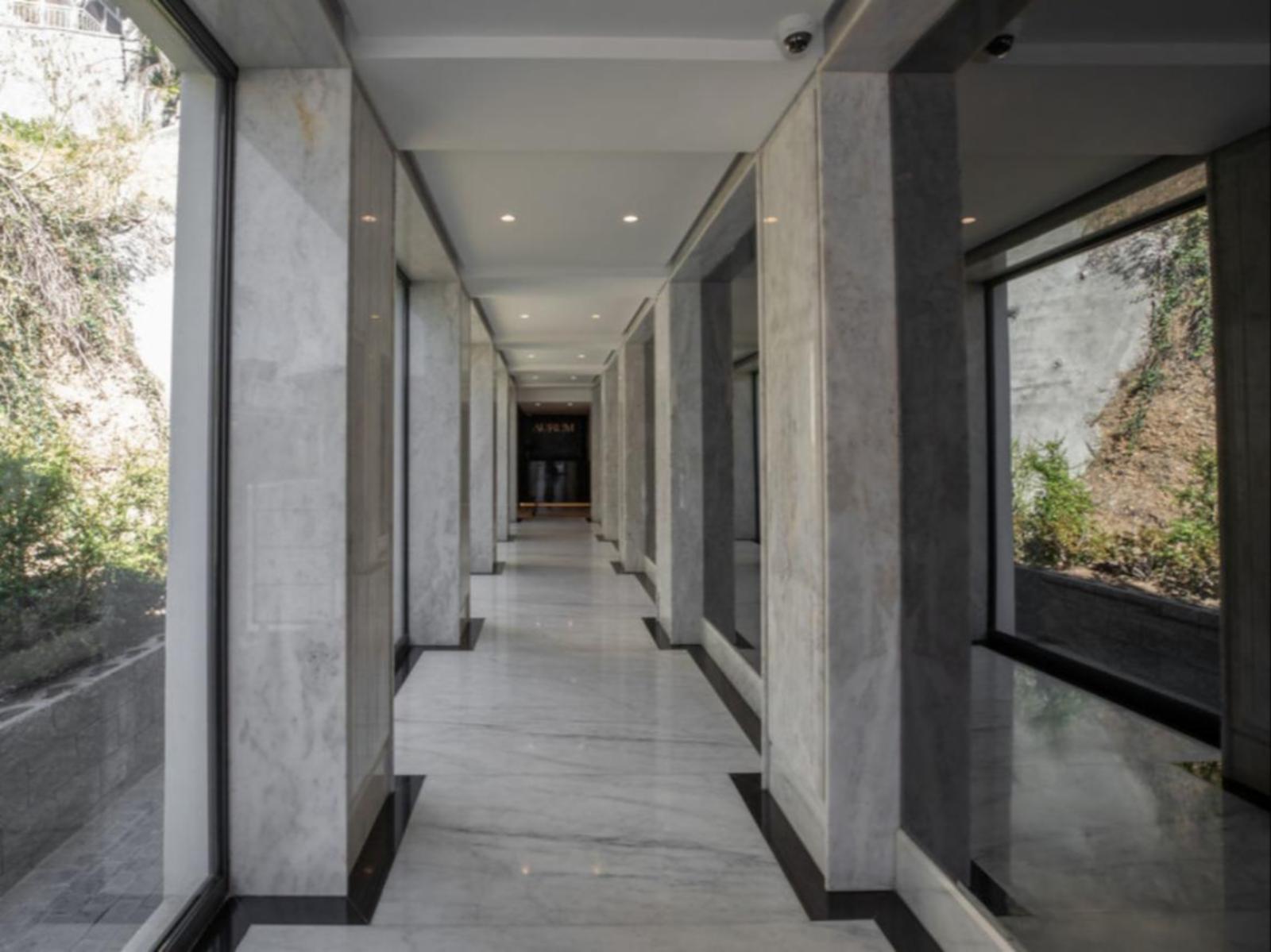
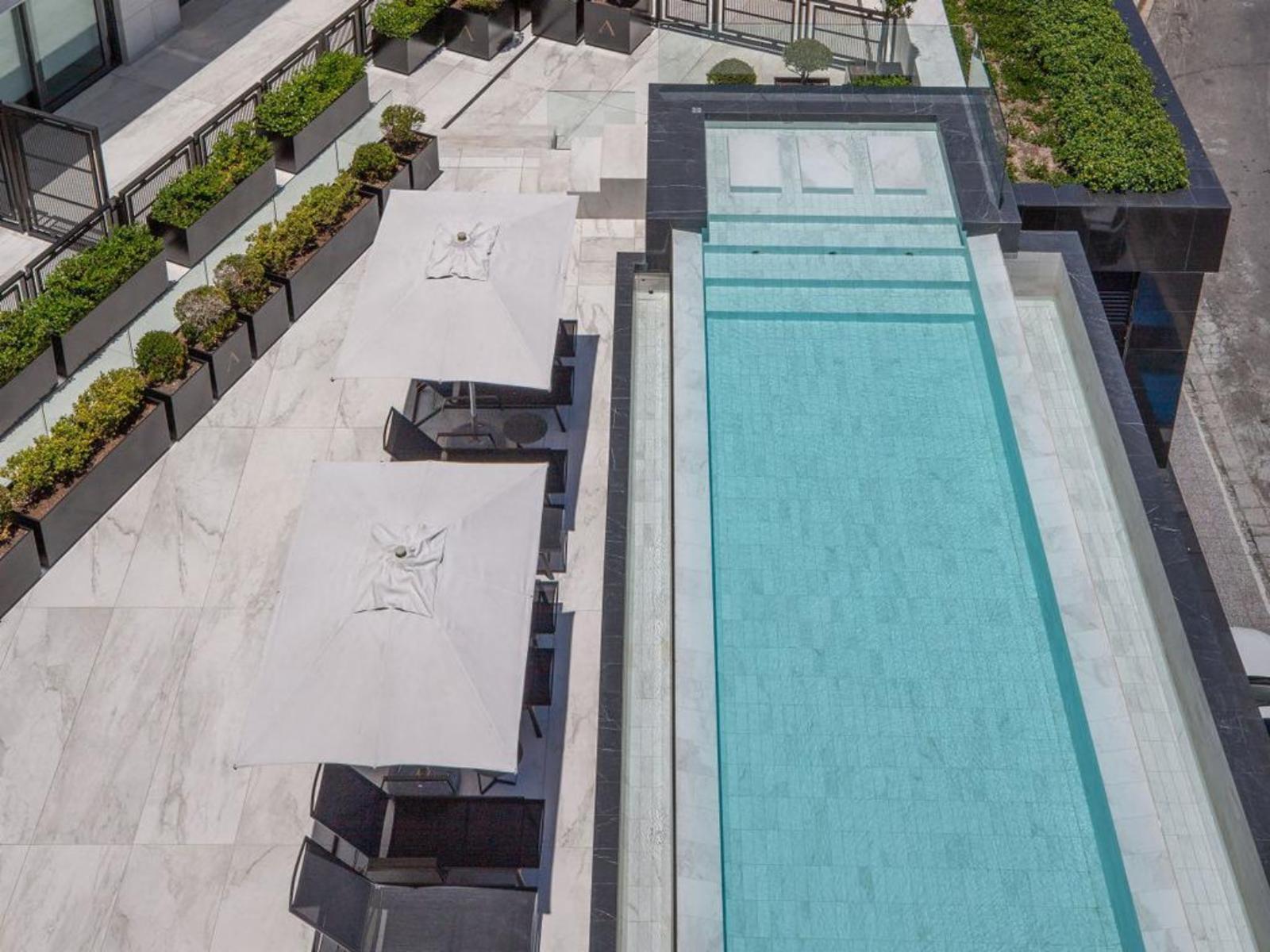
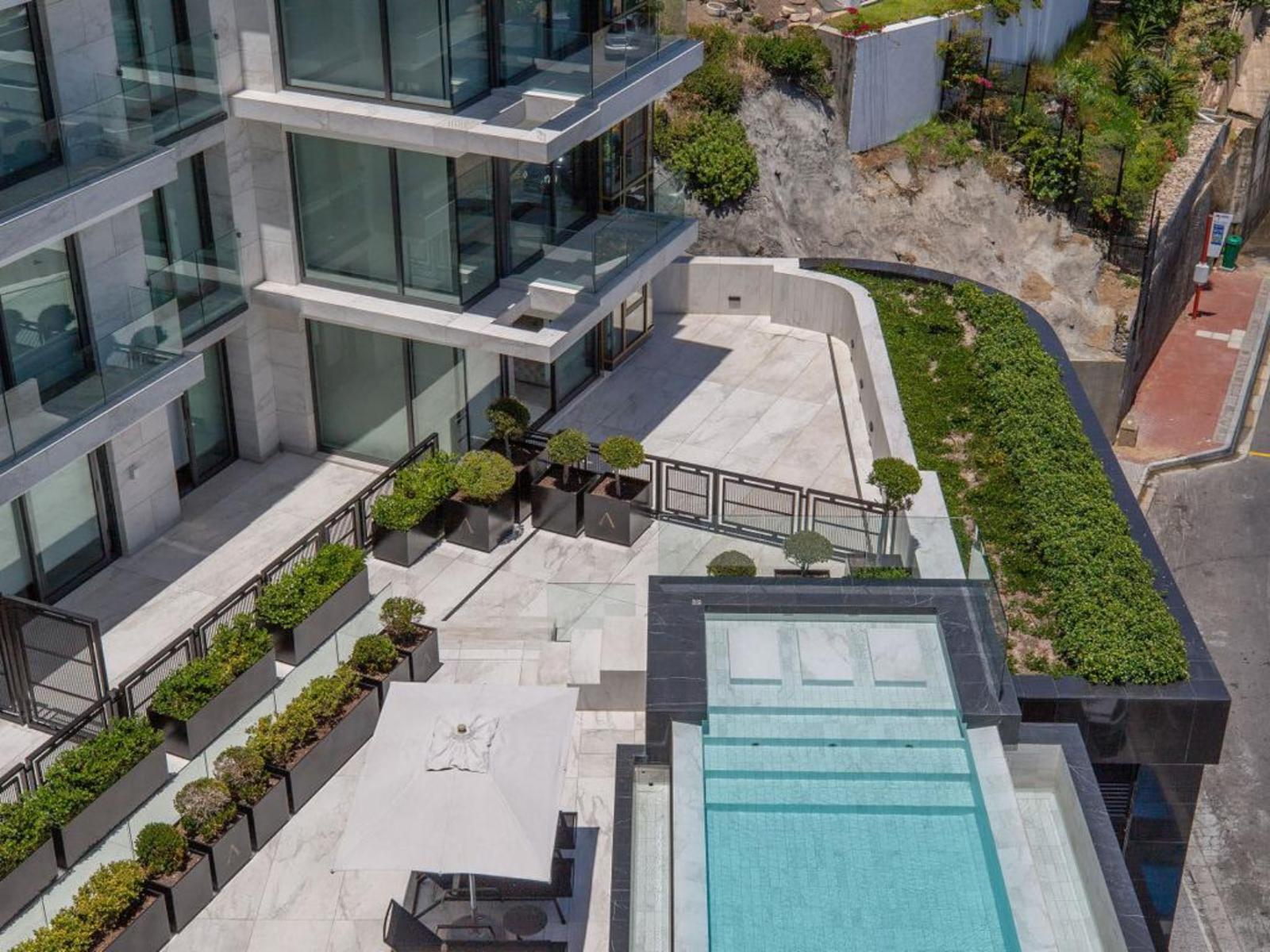
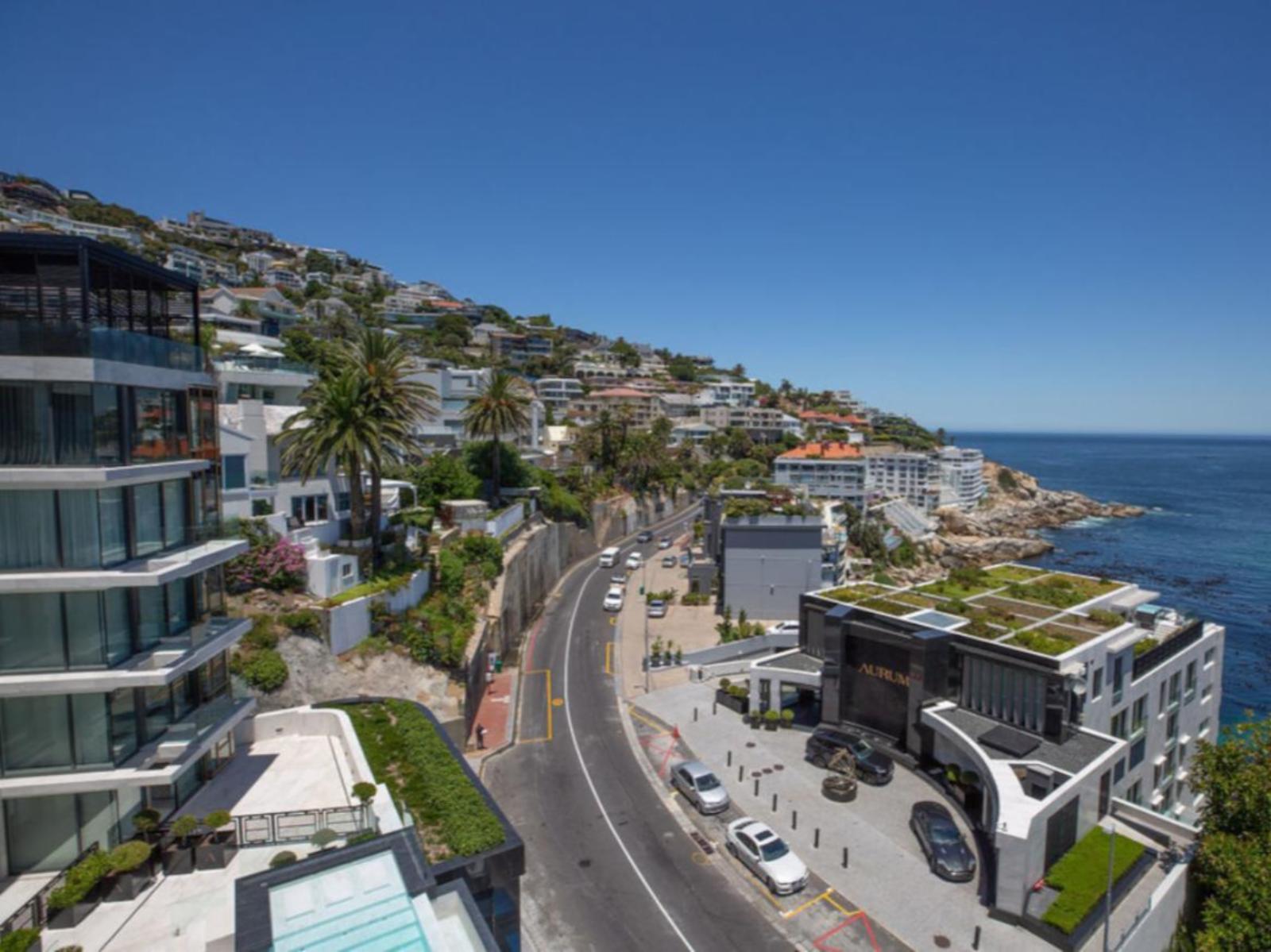
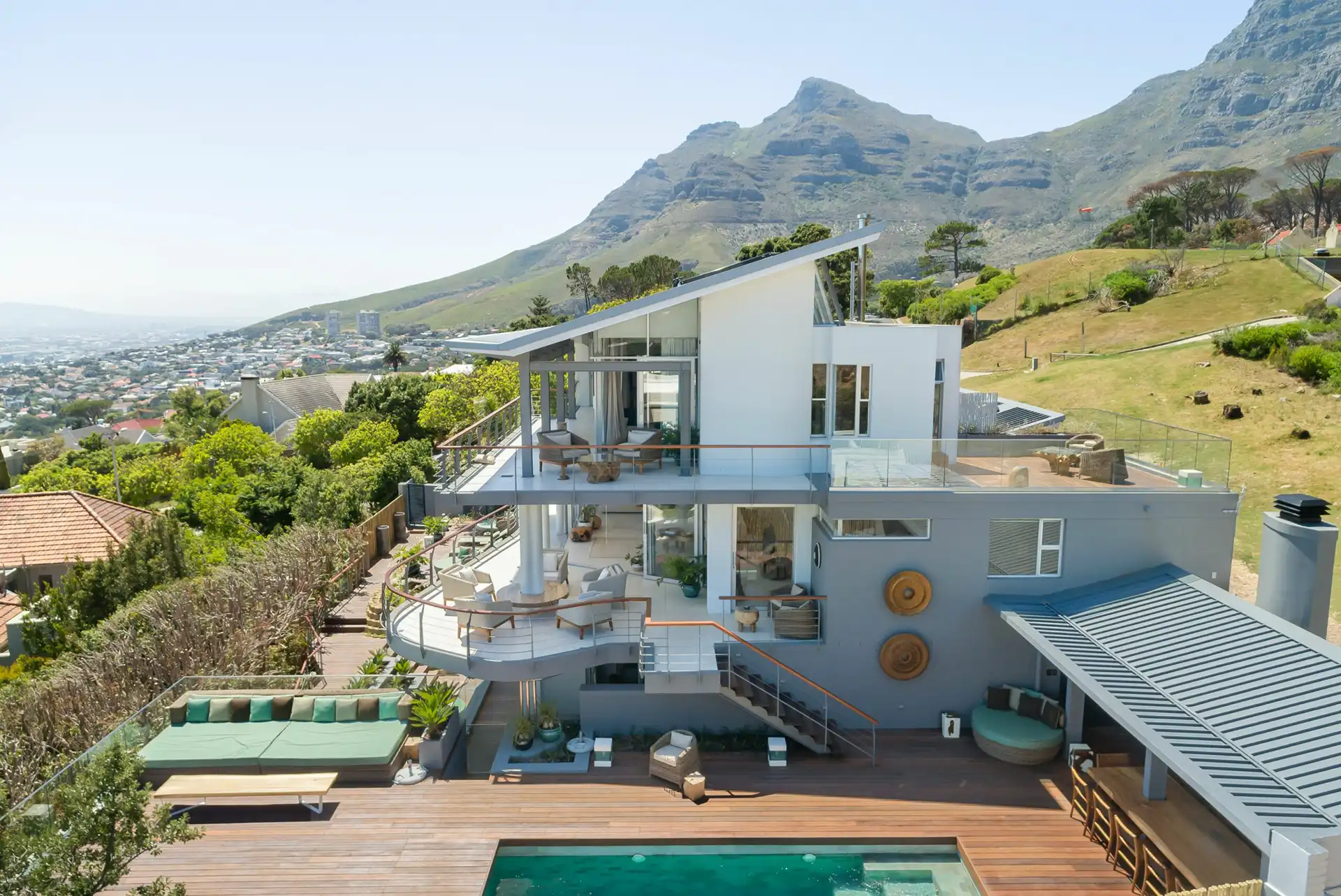
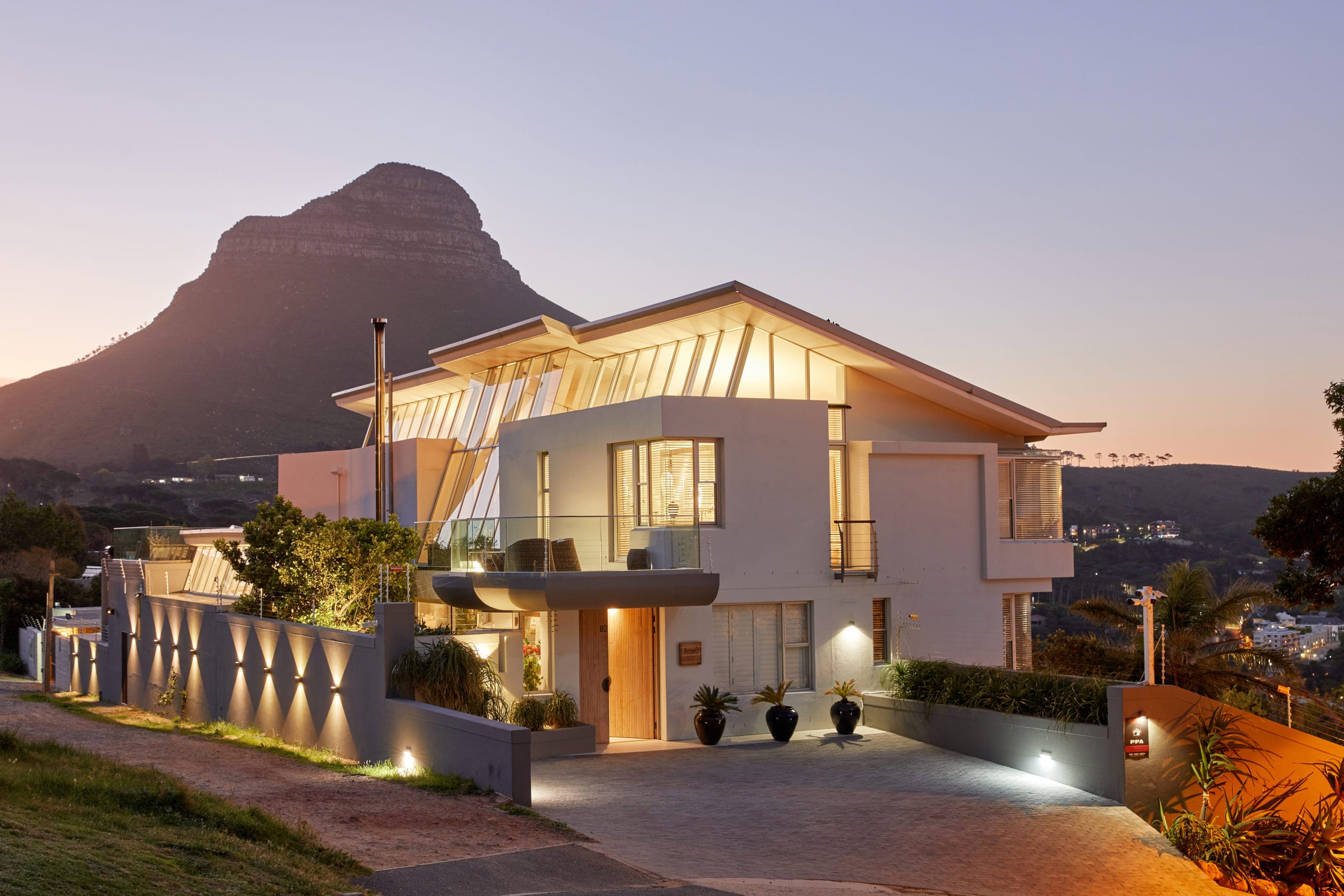
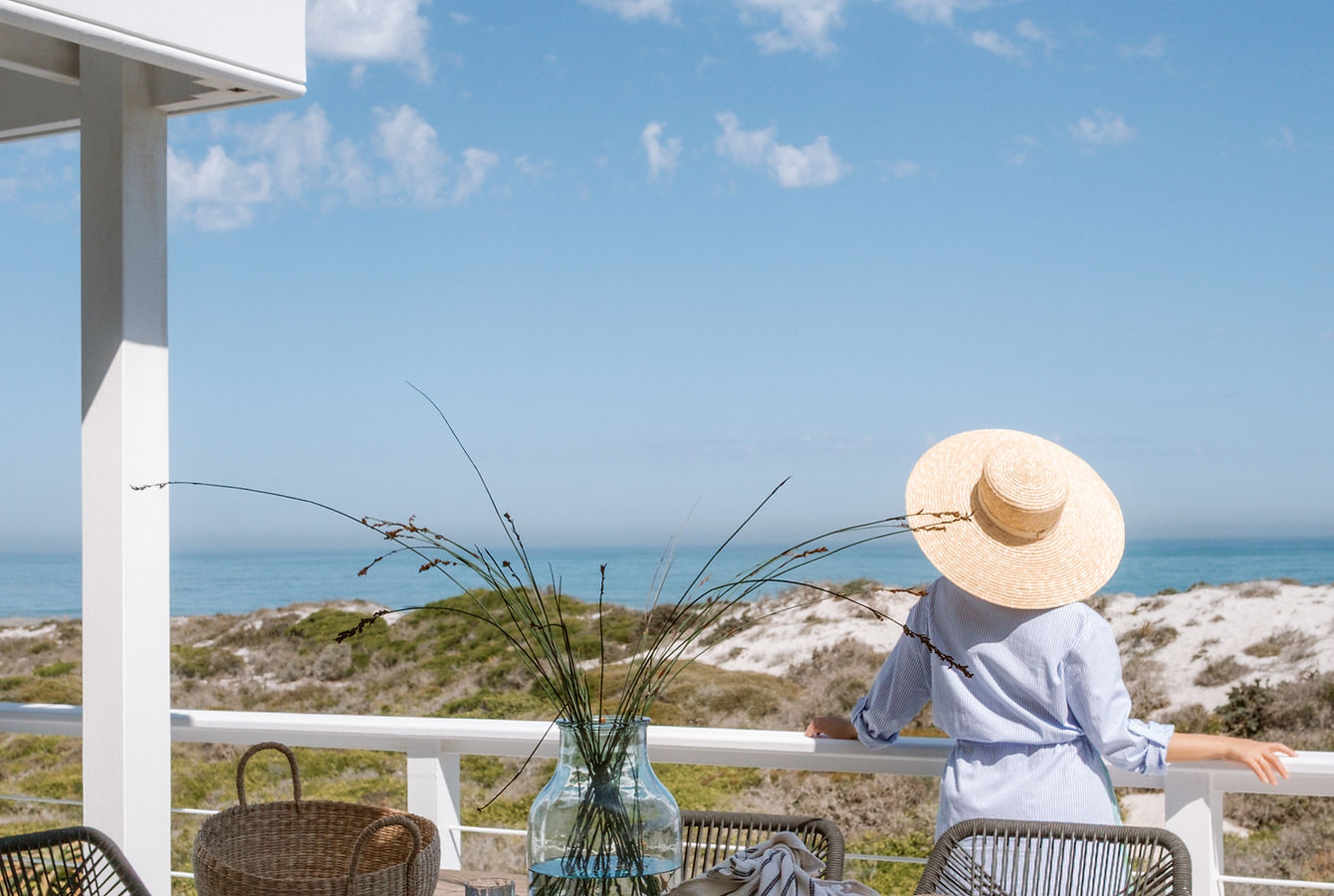
Boutique hotels sit higher up the scale, averaging around R10,949 per night across three properties. These lean into their setting, with rooftop terraces, on-site dining, and concierge services designed around coastal views. At the top end, villas average around R15,460 per night, while premium self-catering properties are comparable at around R15,940. Private pools, multiple bedrooms, and direct beach access are standard features at this level. Rates vary considerably depending on the property and the season.
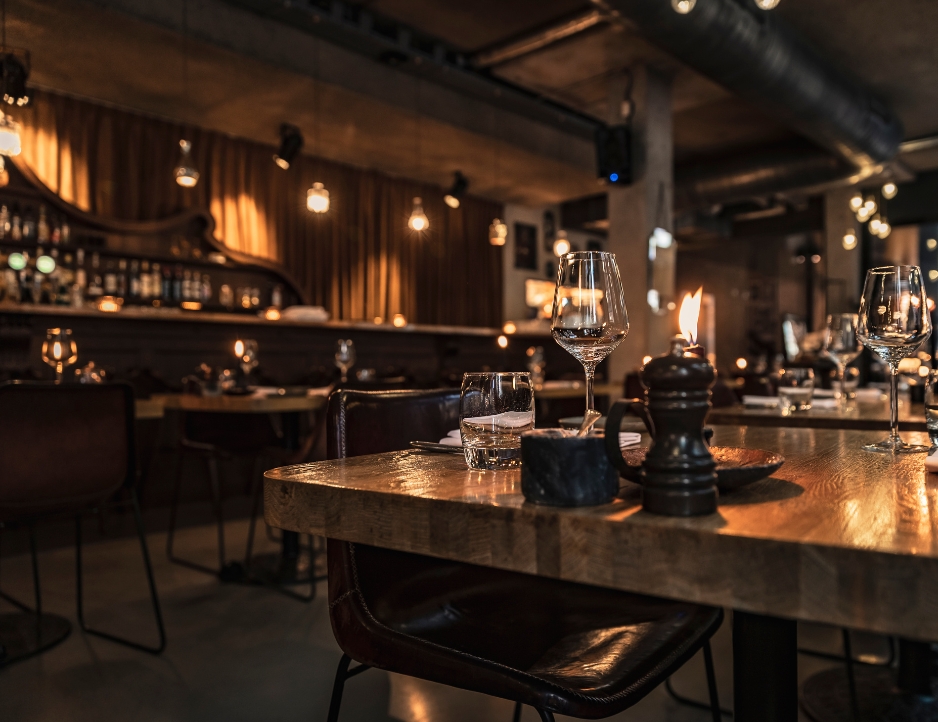
Across all categories, Camps Bay's accommodation tends to sit close to the suburb's beachfront restaurants and cafes, which compensates at the lower price points for any gap in on-site amenities.
Things to Do in Camps Bay
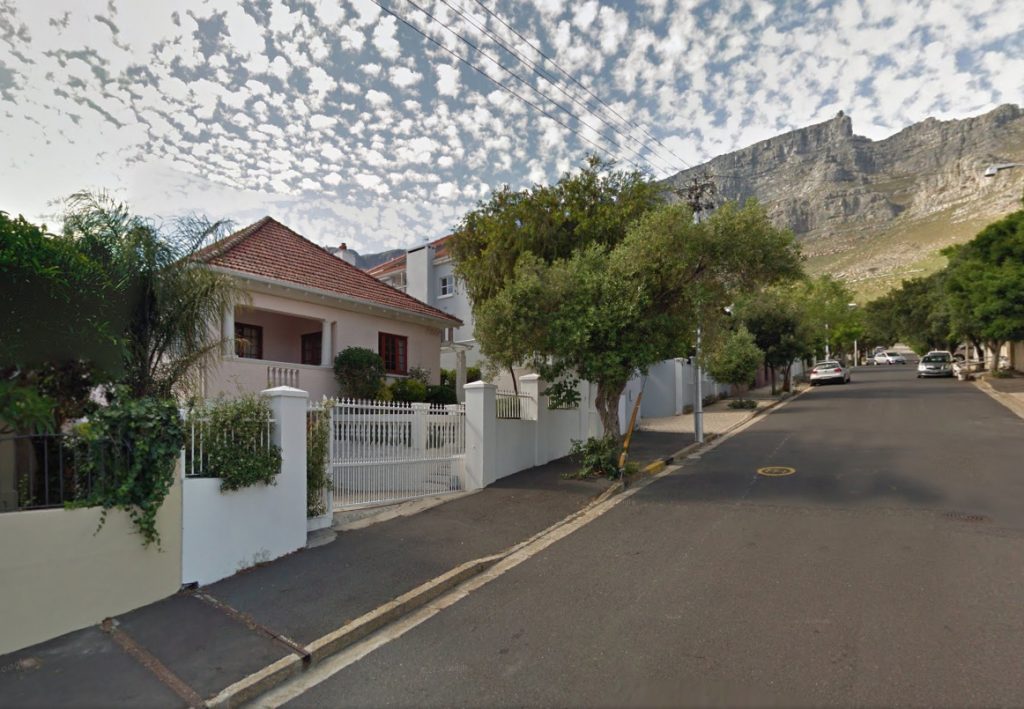
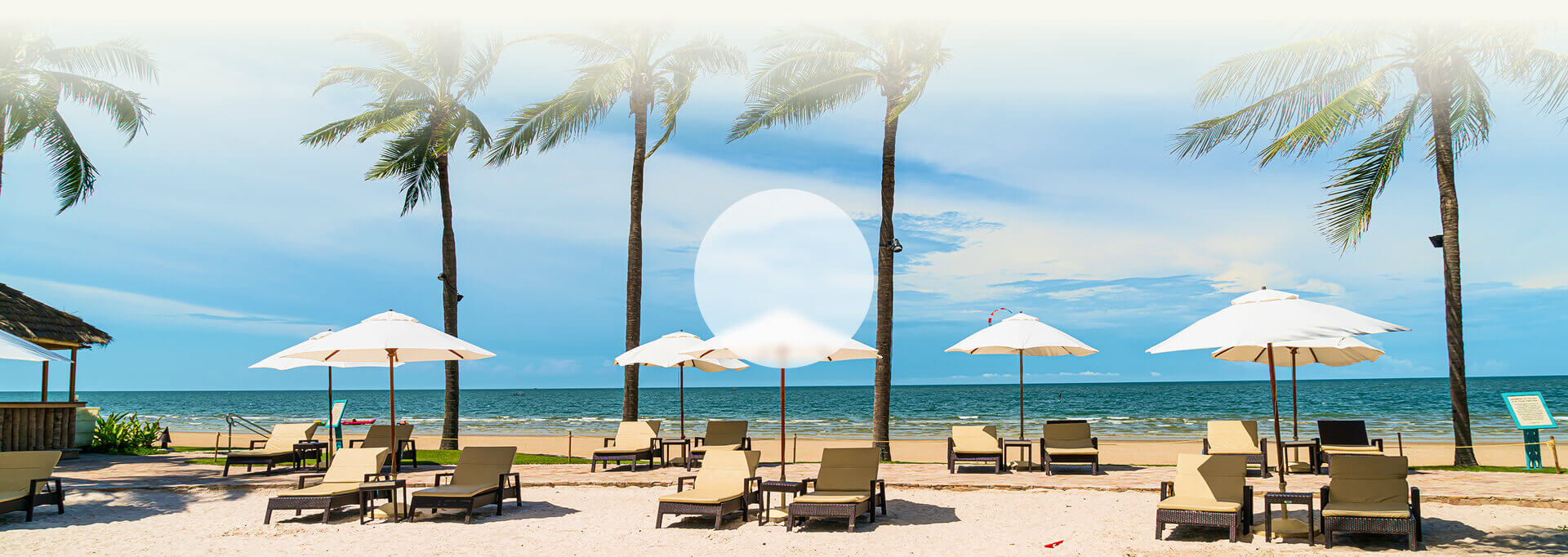
The beach is the most immediate draw. Glen Beach and Camps Bay Beach sit side by side along the Atlantic shoreline, backed by the Twelve Apostles mountain range. The water is cold year-round due to the Benguela Current, but this does not deter surfers and bodyboarders who come for the consistent Atlantic swell. On calmer days, the flat stretch of sand draws volleyball players and families, and the promenade above the shore is a reliable route for morning runs and evening walks with uninterrupted ocean views.
For hikers, the trails into the surrounding mountains reward the effort. Lion's Head, roughly 4 kilometres from the suburb, is one of the more accessible peaks in the area. The circular trail takes most walkers two to three hours and offers clear views across both the Atlantic and False Bay on a good day. The slopes carry dense fynbos vegetation, the short-leafed shrub unique to the Cape Floral Kingdom, which attracts sunbirds and small raptors through much of the year.
Wine tasting is within easy reach, with several estates accessible via short drives south of Camps Bay. Most offer cellar tours alongside tasting menus, and some combine the experience with lunch on vine-covered terraces. Golf is another option nearby, with courses across the broader Cape Town metropolitan area suited to visitors looking for 18 holes with mountain backdrops. Tee times can usually be arranged through most accommodation properties, with equipment hire available on-site at the courses.
Best Time to Visit Camps Bay
Summer runs from November to March and is the busiest period. Temperatures along the Atlantic seaboard typically sit between 20°C and 30°C, and the long days suit beach activities, hiking, and outdoor dining. December and January see peak visitor numbers, with both domestic and international travellers competing for accommodation and restaurant tables, so advance planning matters more during these months.
The Cape Doctor, a strong south-easterly wind that funnels across the Cape Peninsula from October to February, shapes the daily rhythm of outdoor activity. It keeps the air clear and humidity low, but on its strongest days makes sitting on the beach uncomfortable. Wind typically builds from late morning, making early starts worthwhile for beach or hiking plans.
Winter, from June to August, brings cooler temperatures of 7°C to 15°C and more frequent rain. Visitor numbers drop sharply, trails become quieter, and the area takes on a slower pace suited to those who prefer it. Spring, from September to October, offers a middle ground, with wildflowers appearing on the surrounding slopes and moderate temperatures before the summer influx begins.
Getting to Camps Bay
Cape Town International Airport is the main point of arrival, sitting roughly 30 kilometres from Camps Bay. The drive via the N2 and M3 motorways takes between 35 and 50 minutes depending on traffic. Metered taxis, airport shuttles, and ride-sharing apps all cover the route. Car hire is available at the airport from all major providers, and having a vehicle makes it considerably easier to reach surrounding attractions independently.
From Cape Town city centre, the suburb is approximately 10 kilometres along the Atlantic seaboard, a drive of around 15 to 20 minutes. Victoria Road follows the coastline between the city and Hout Bay, and is the primary route into and out of the suburb from both directions.
Public transport options are limited but functional. The MyCiTi bus service connects the city centre to Camps Bay on a schedule suited to daytime travel, with reduced evening services. For later journeys or destinations off the bus network, ride-sharing is the practical choice. Beachfront parking is available near the shore but fills quickly on summer weekends, so arriving early makes a difference.
Camps Bay and Surrounding Areas
Several worthwhile destinations lie within 10 kilometres, making Camps Bay a practical base for the broader Cape Town area.
Green Point, 5 kilometres to the north-east, is home to Cape Town Stadium and the Green Point Urban Park, a large public green space with a biodiversity garden and walking paths. Main Road through the suburb has a good run of restaurants and bars, offering an alternative to the busier tourist zones closer to the waterfront.
Claremont, 8 kilometres away in the southern suburbs, functions primarily as a retail and commercial hub. Cavendish Square is the main shopping centre, with major South African brands and a cinema. The suburb sits close to the Newlands cricket and rugby grounds, which draw crowds during the domestic sporting calendar.
Rosebank, also 8 kilometres out, has a neighbourhood character defined by cafes, bookshops, and tree-lined streets, shaped largely by its proximity to the University of Cape Town. It is less focused on tourism but suited to those who prefer a quieter setting.
Rondebosch, 9 kilometres from Camps Bay, is where UCT's upper campus physically sits. A quieter residential suburb, its Main Road shopping strip covers everyday needs, and it provides easy access to public transport routes into the city.
Cape Town city centre, 9 kilometres away, holds the V&A Waterfront with its working harbour, the District Six Museum, and the Company's Garden. A weekly market at Oranjezicht City Farm draws local producers and food vendors and is worth timing a visit around.
Constantia, 9 kilometres to the south-east, is one of South Africa's oldest wine-producing areas. Groot Constantia, established in 1685, is the most visited estate and offers cellar tours and tastings. Several other estates in the valley have restaurants and picnic grounds set among mature oak trees.
Planning Your Stay
Booking ahead is essential for December and January, when properties in Camps Bay fill weeks in advance. If dates are flexible, late February and March offer comparable weather with noticeably less competition and easier restaurant reservations.
When comparing properties, check whether rates are quoted per room or per unit. Self-catering options typically charge a flat rate for the whole space regardless of guest numbers, which changes the effective cost for larger groups. Confirm whether breakfast is included, as practices vary and affect the real daily spend.
A few local details are worth confirming before arrival. Beach-facing rooms experience more wind in summer, so a mountain-facing aspect can be quieter on strong wind days. Properties closest to the main restaurant and bar strip may carry late-night noise on weekends. Internet connectivity is generally reliable in the suburb, but worth confirming if remote work is part of the plan. Load shedding, the scheduled power outages that remain a reality across South Africa, is a reasonable thing to ask about, and checking whether a property has backup power is sensible for stays of a week or more.