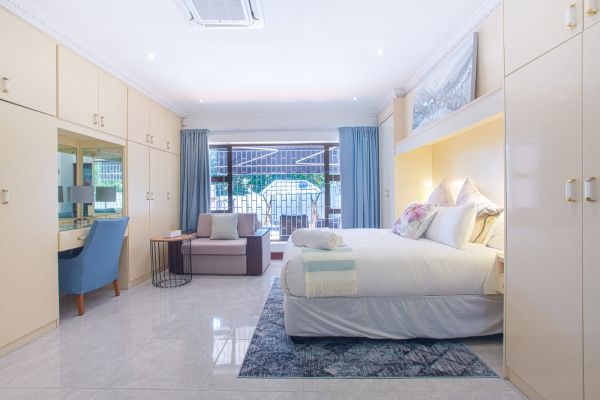
Accommodation in Cape Town
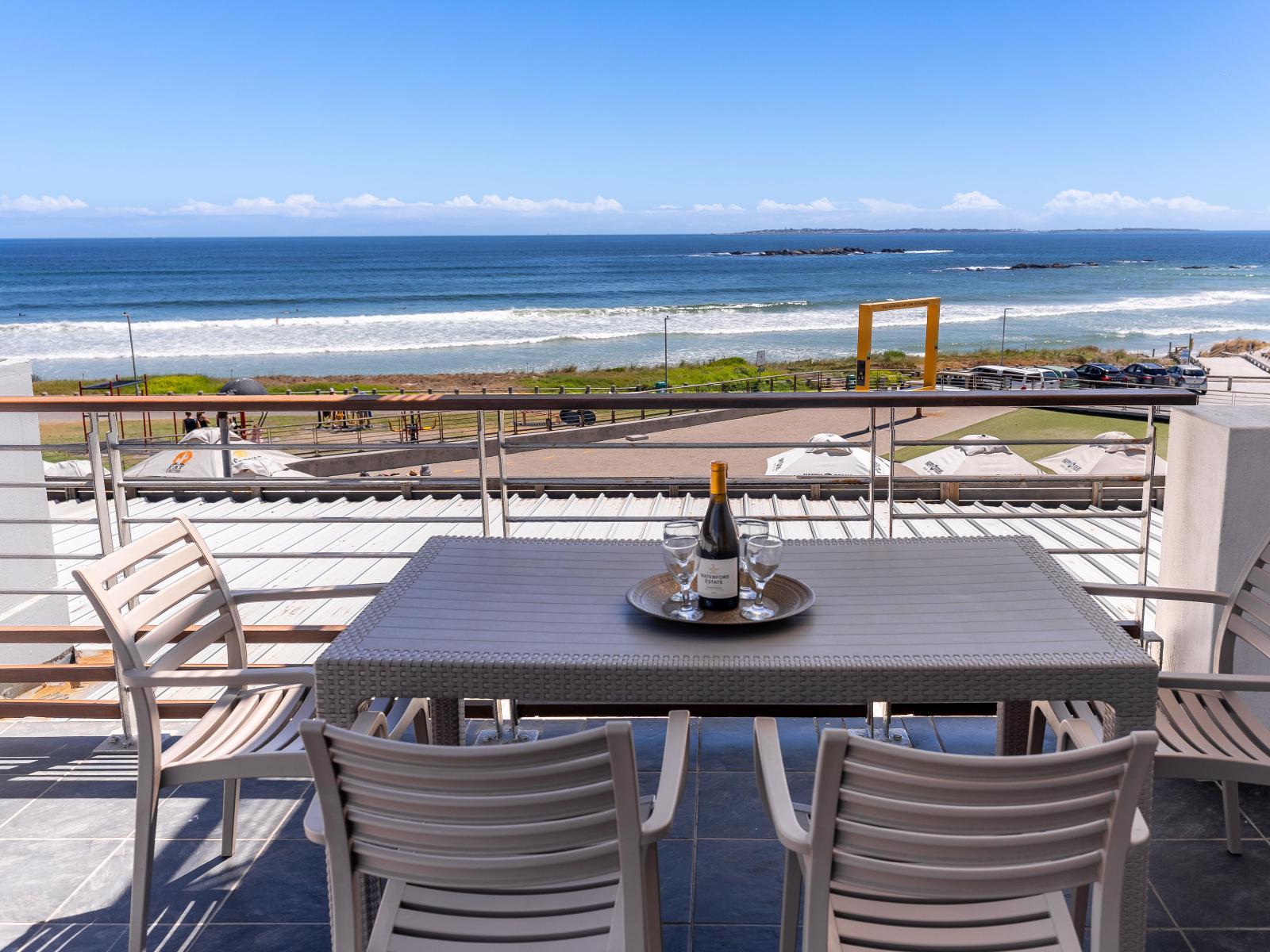
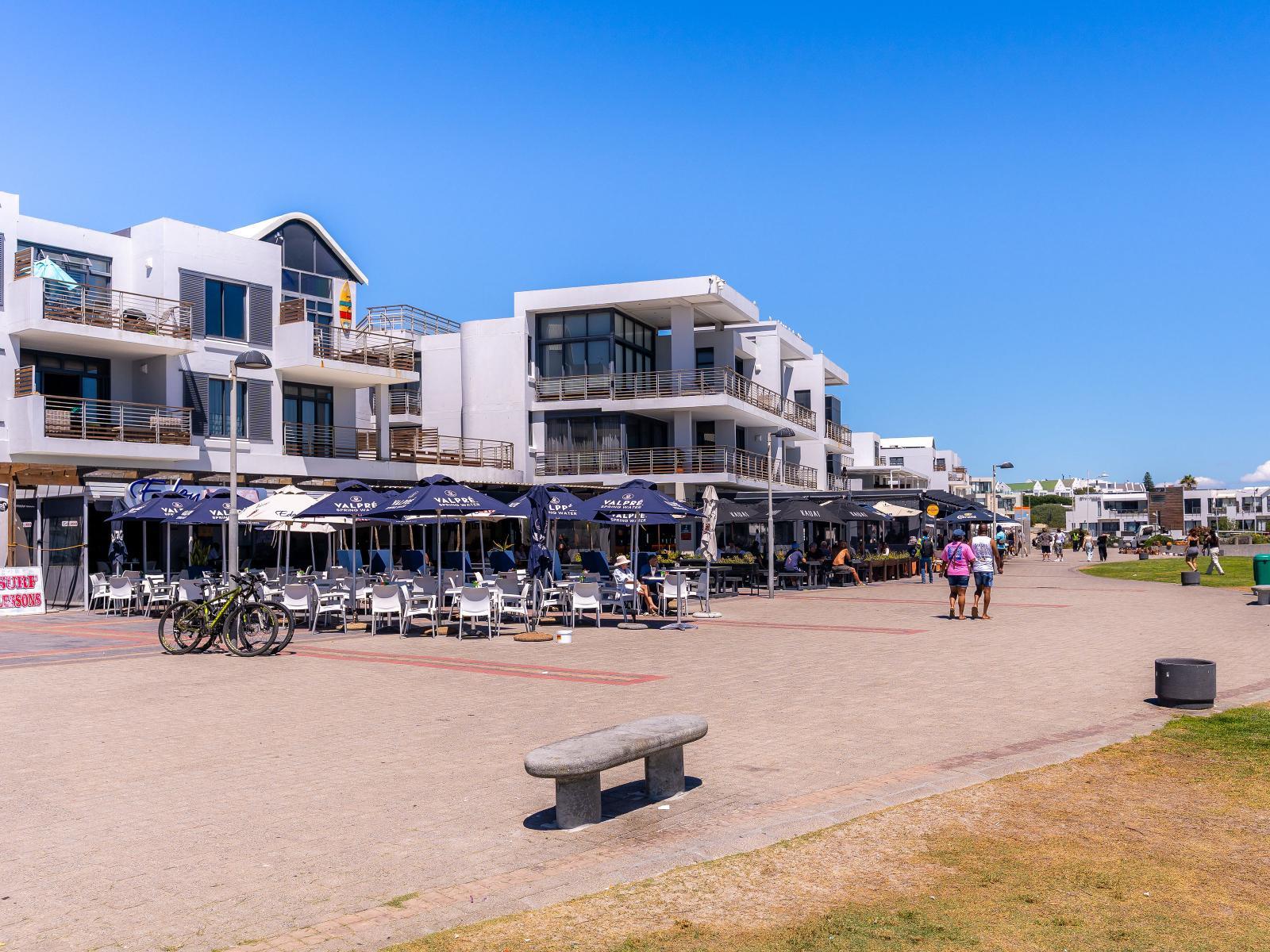
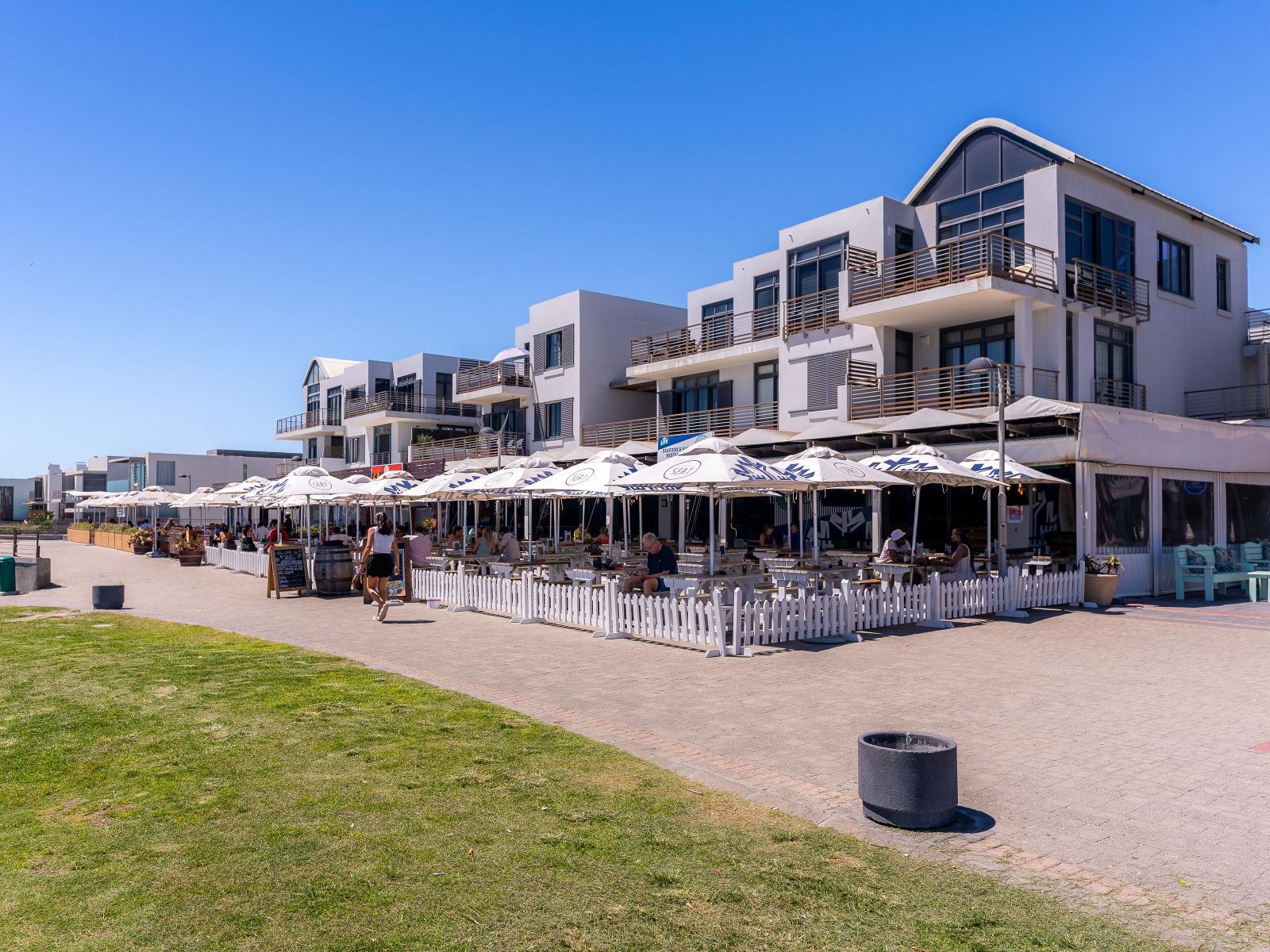
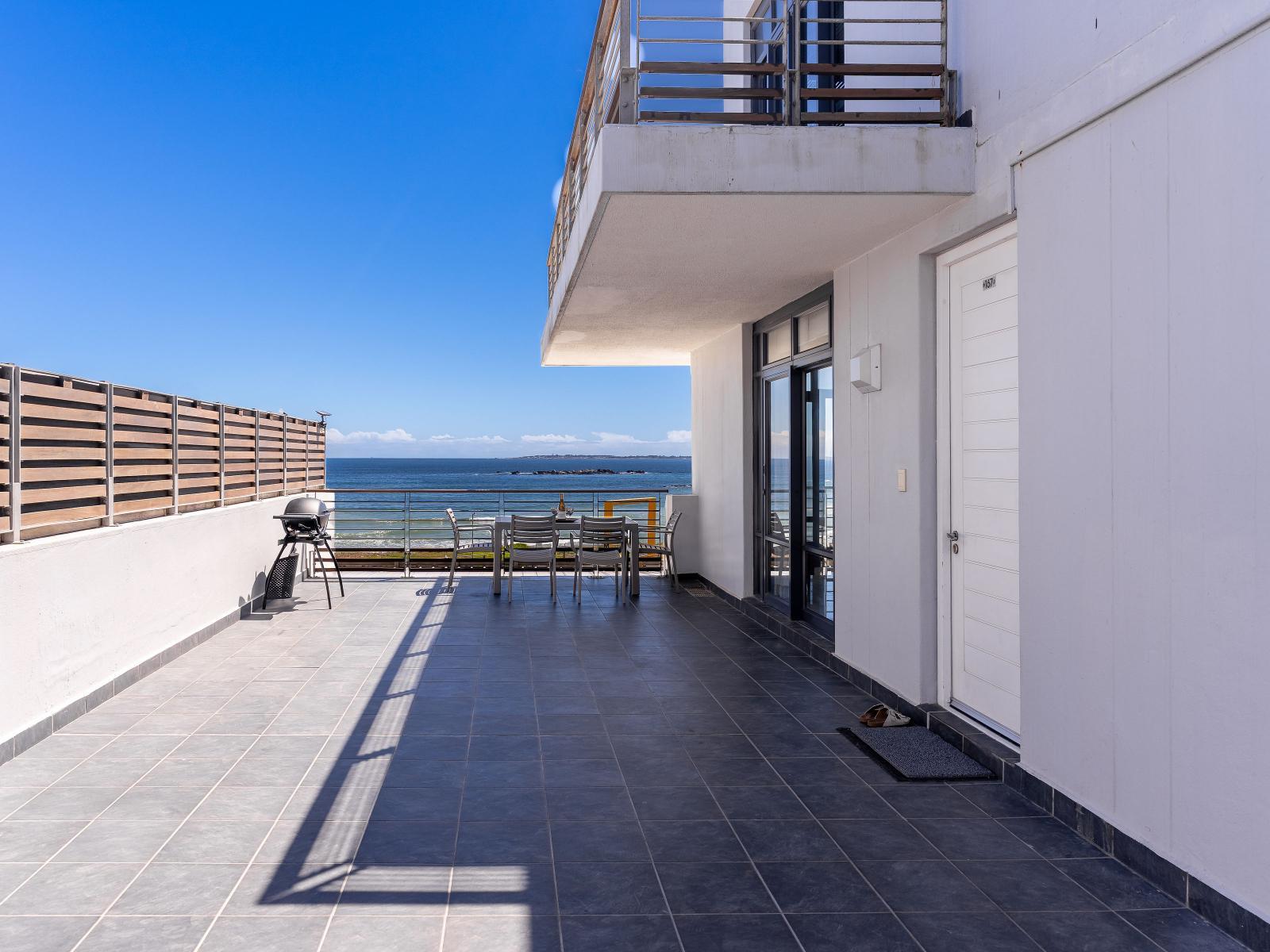
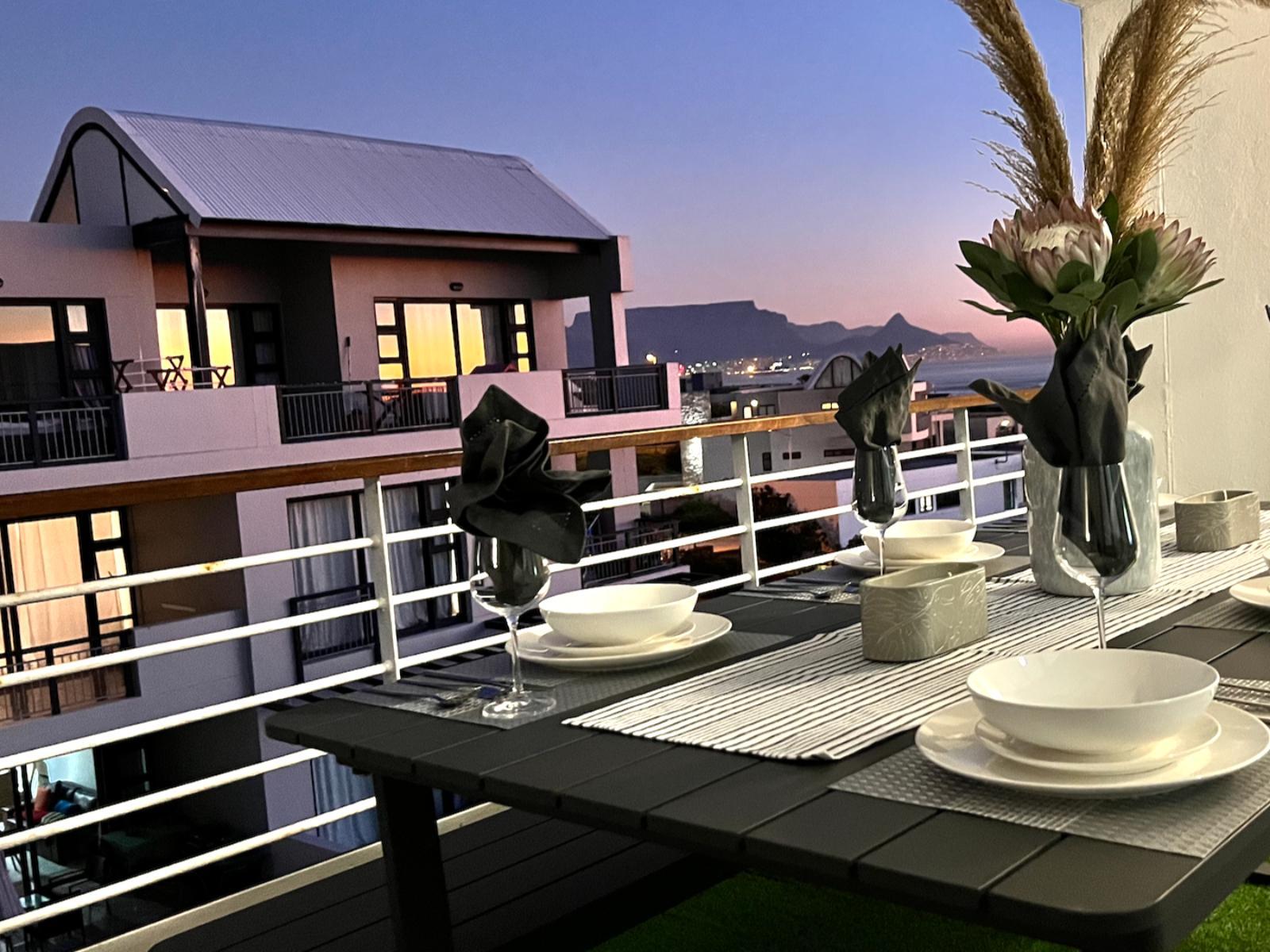
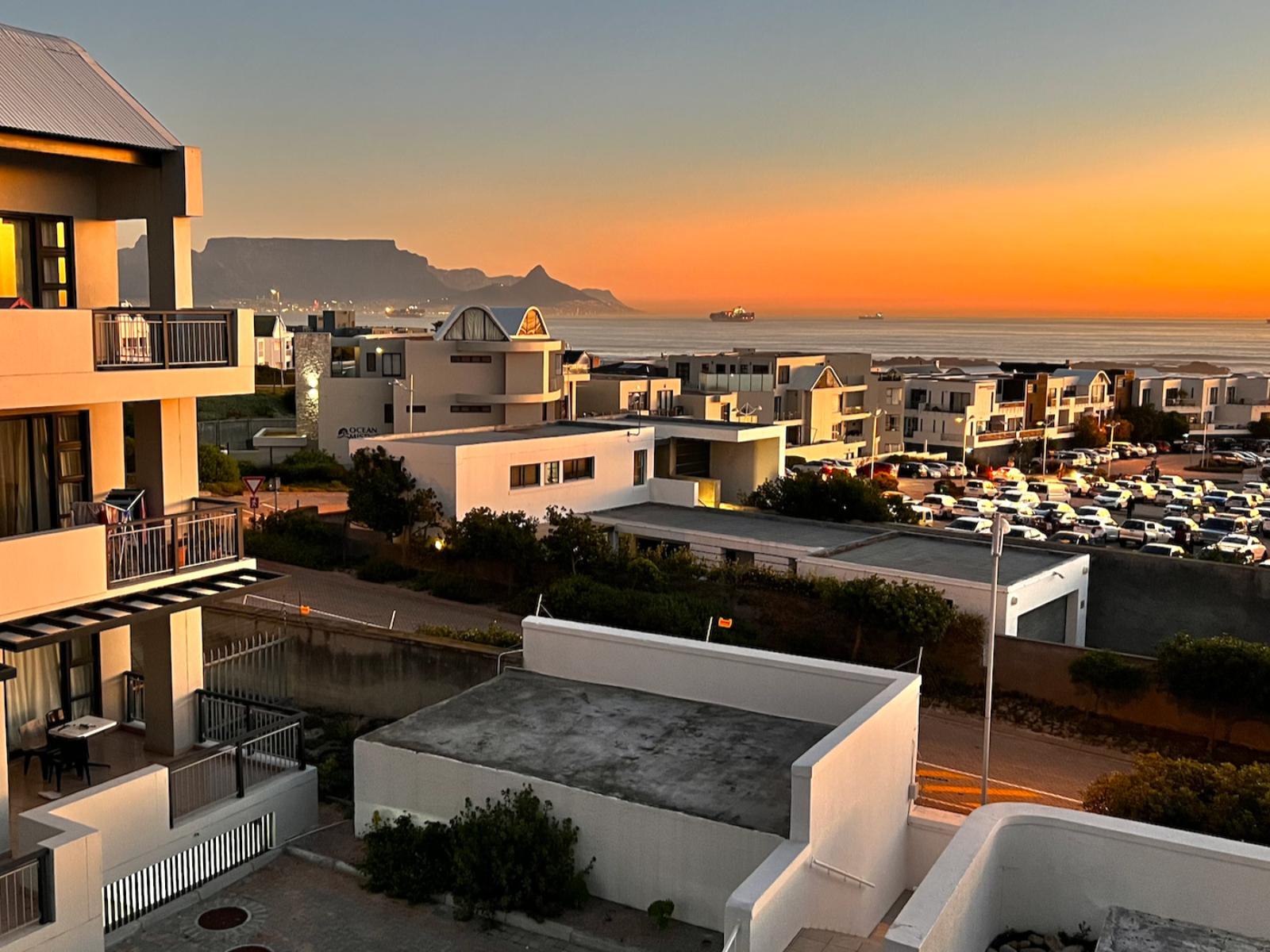
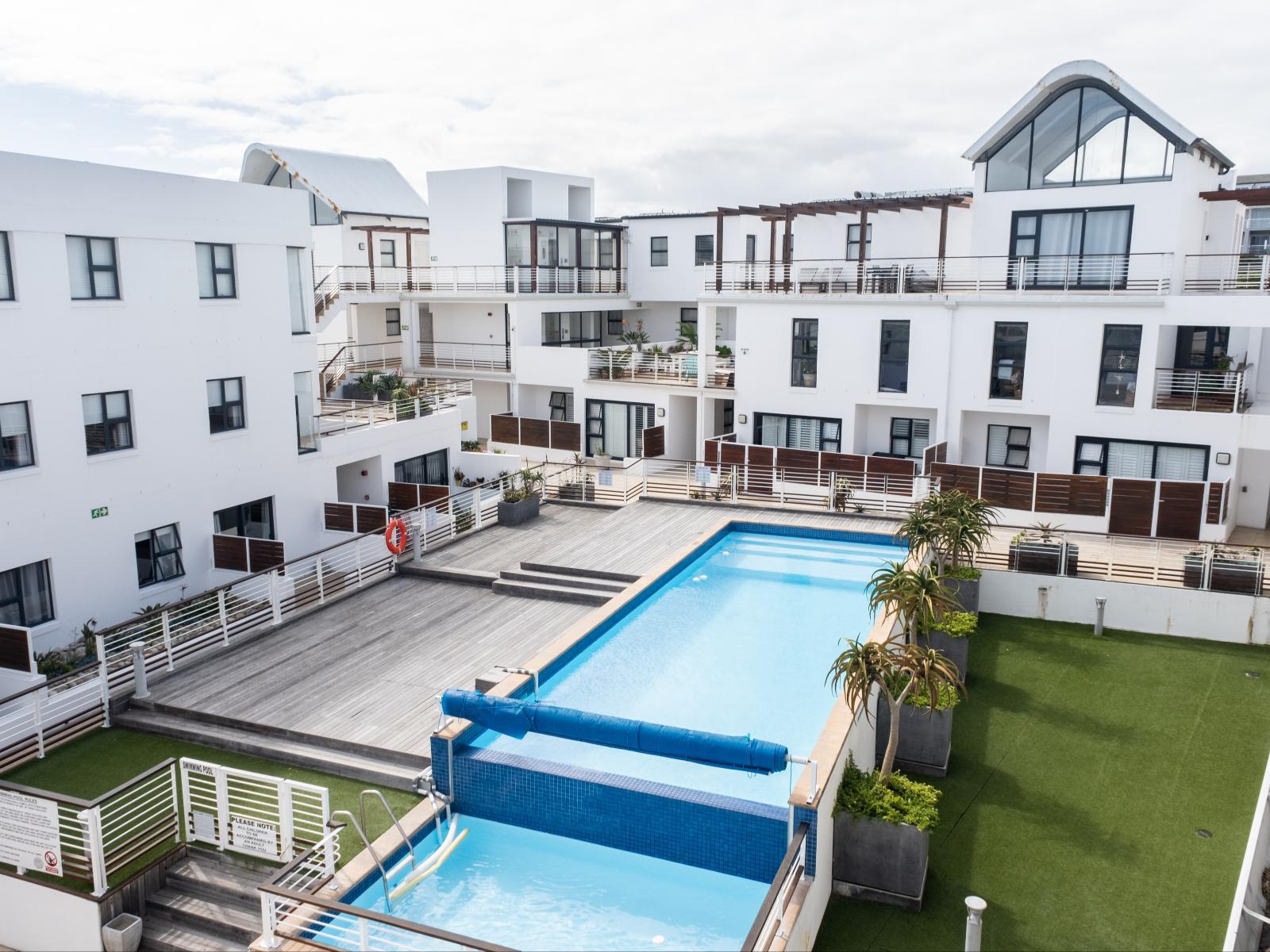
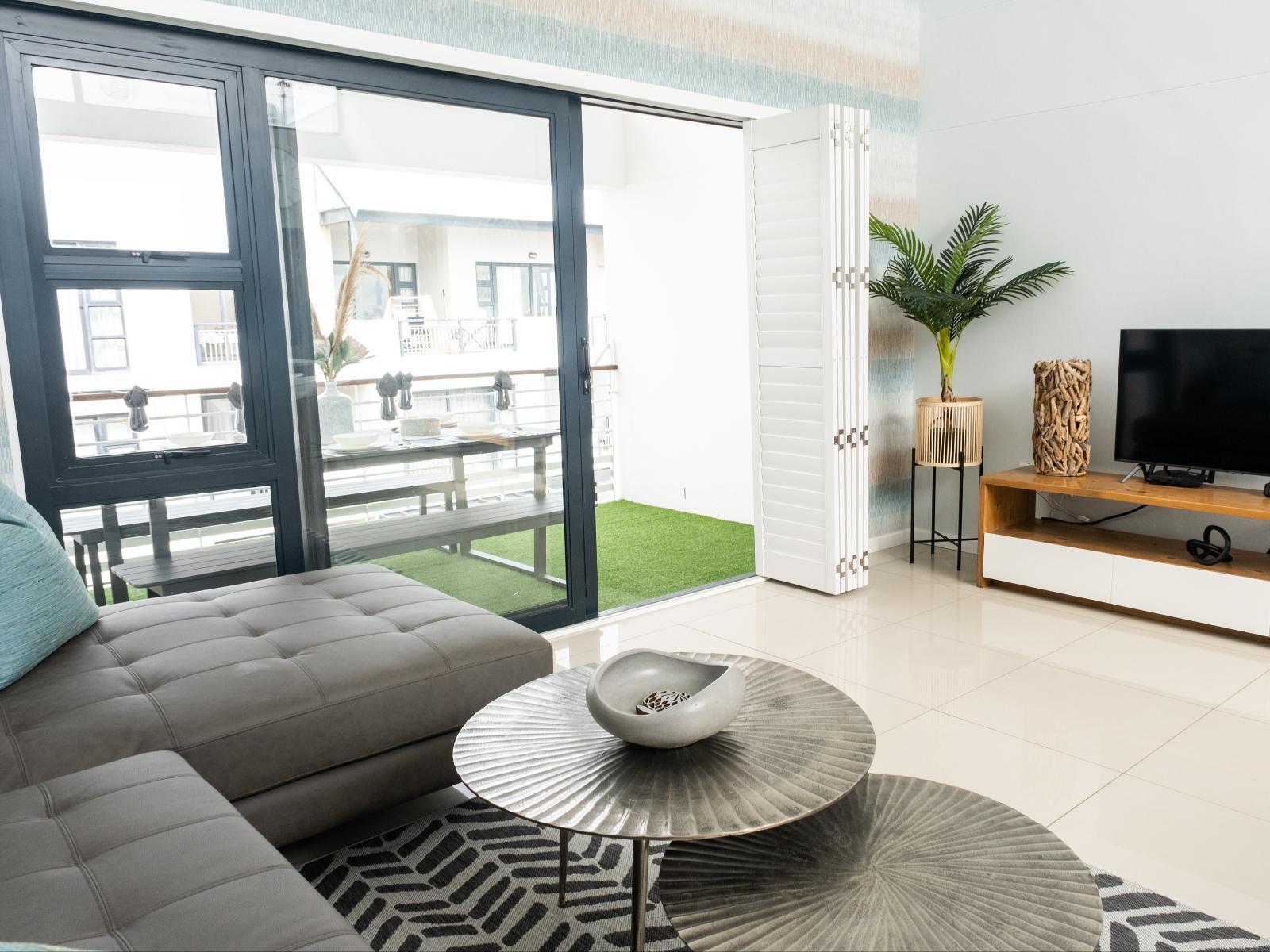
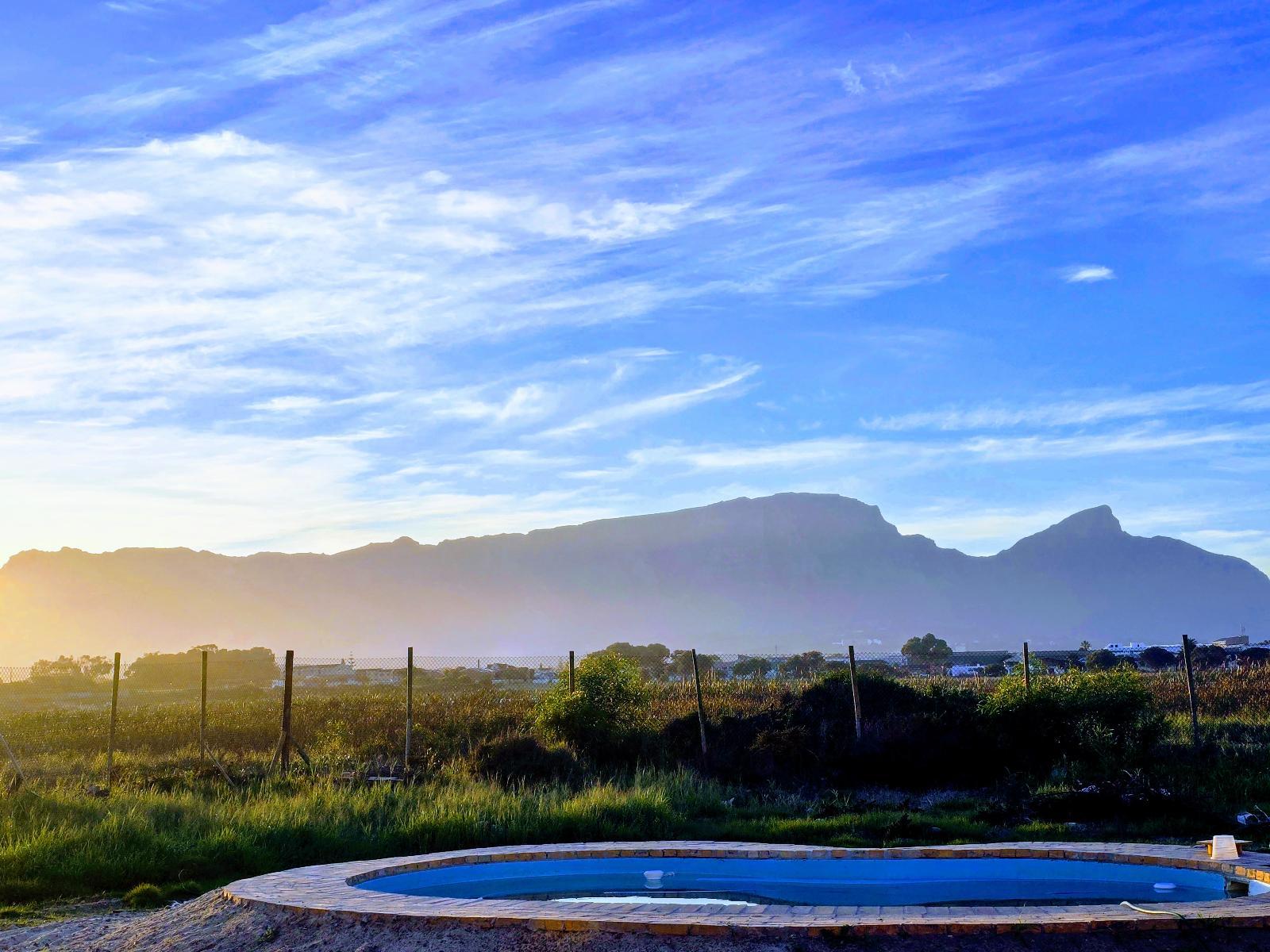
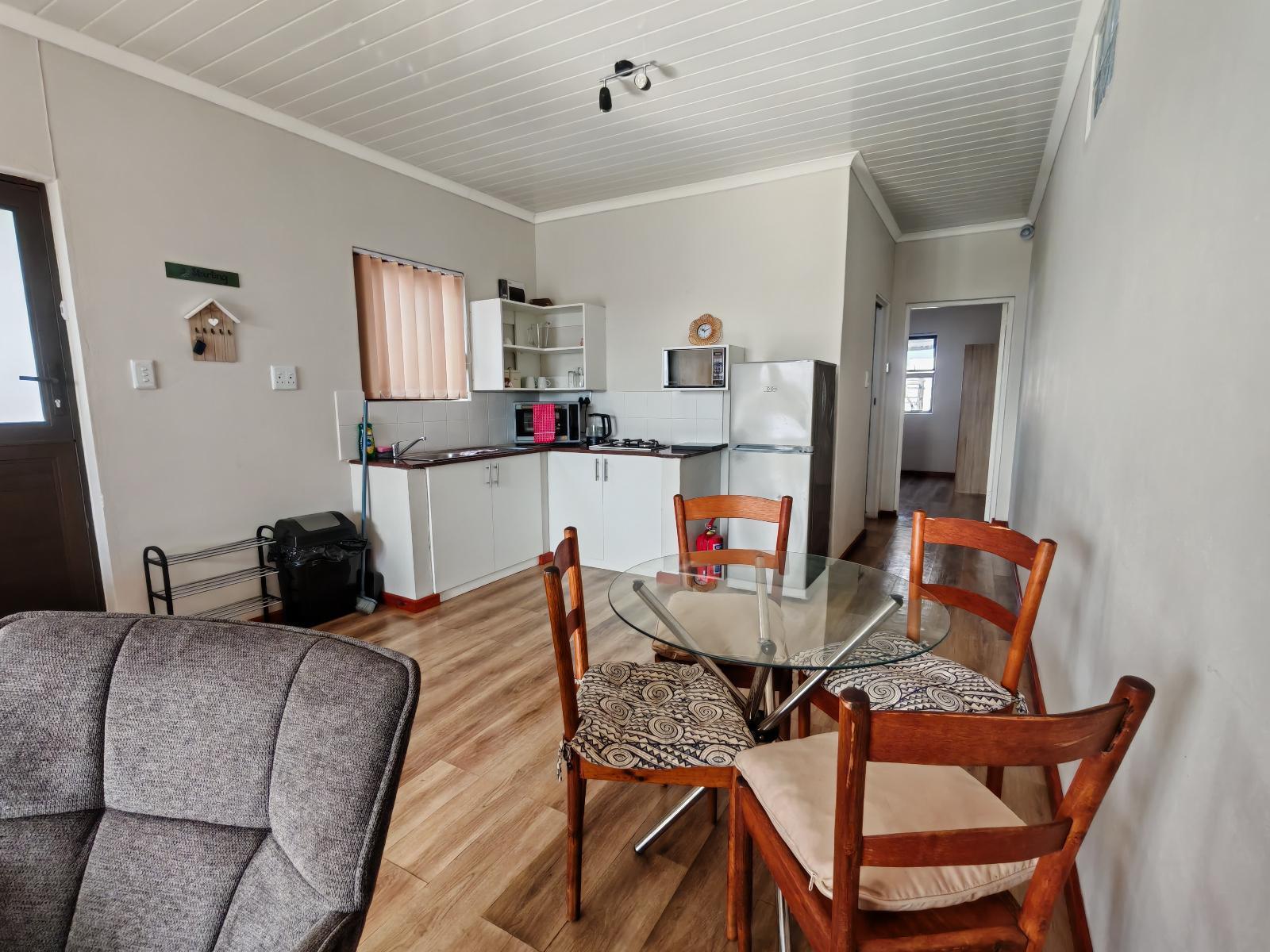
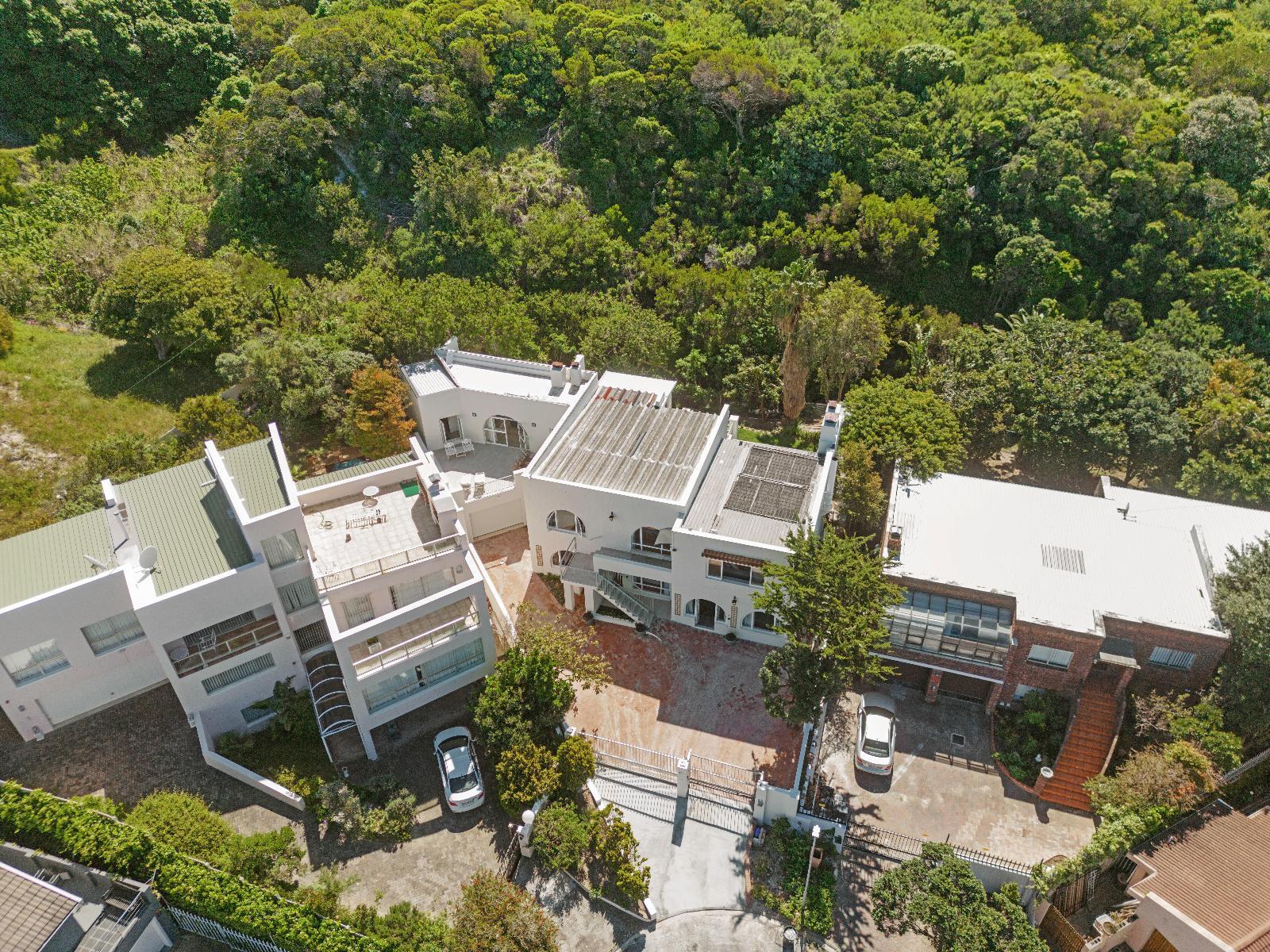
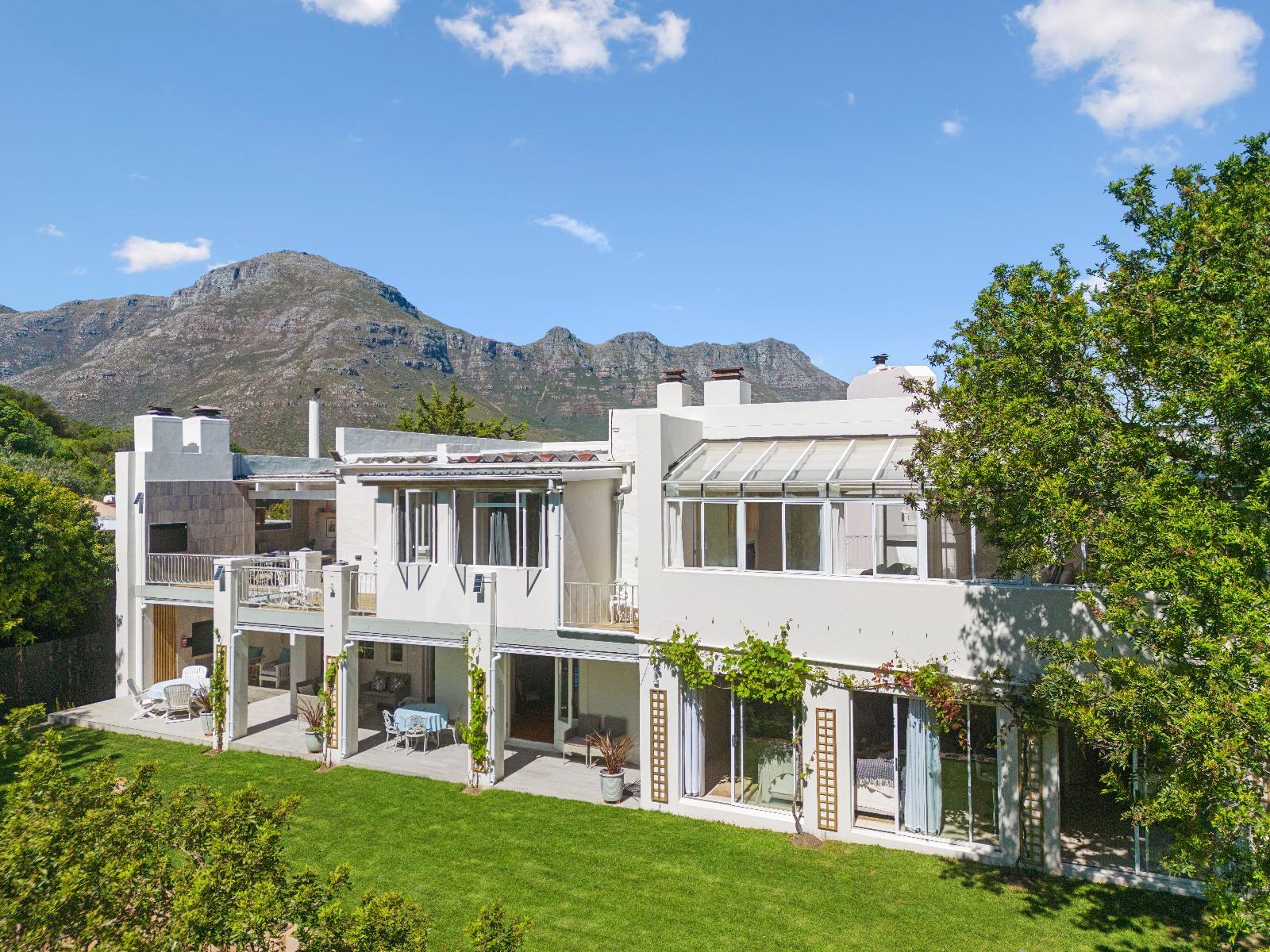
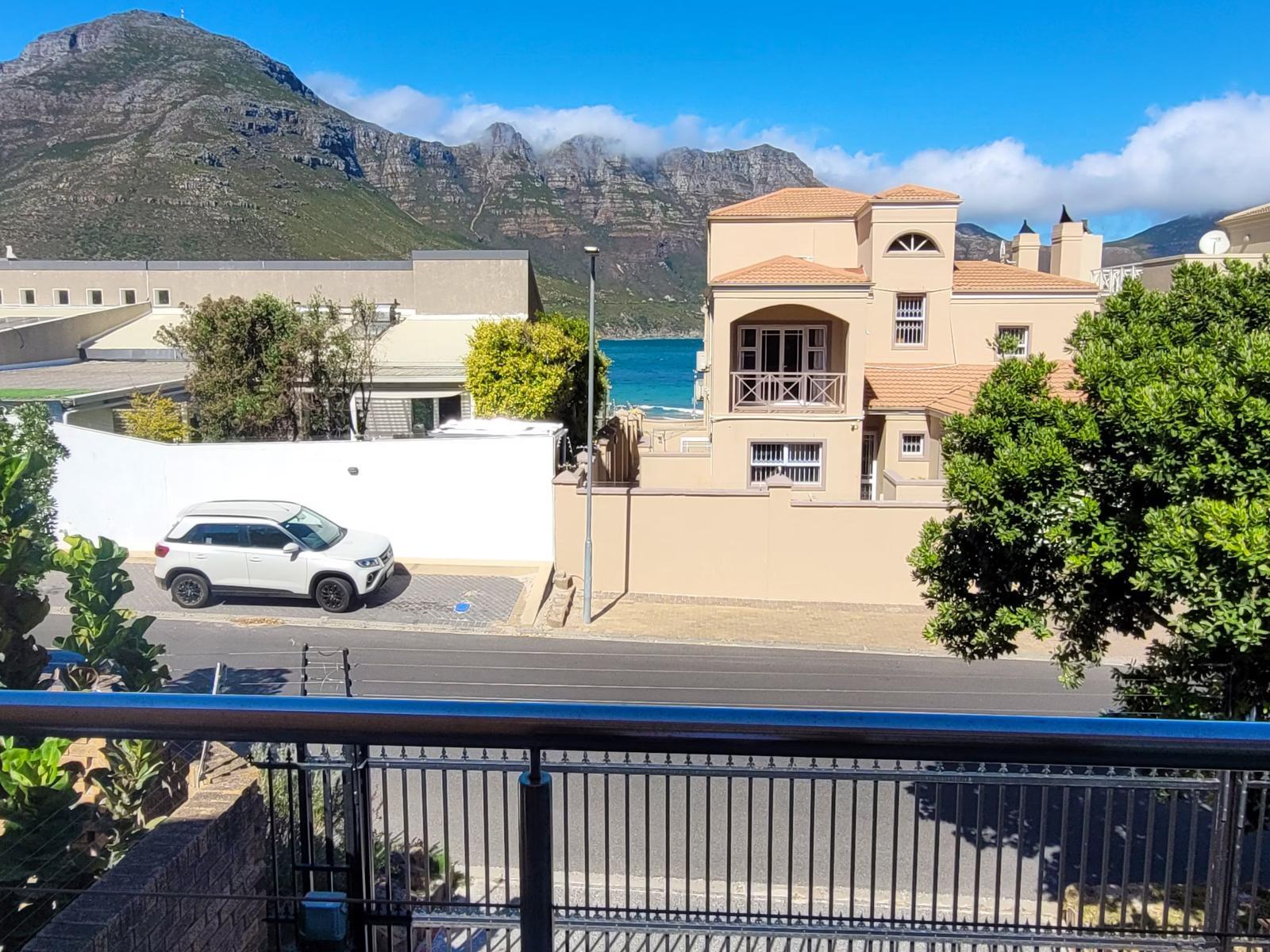
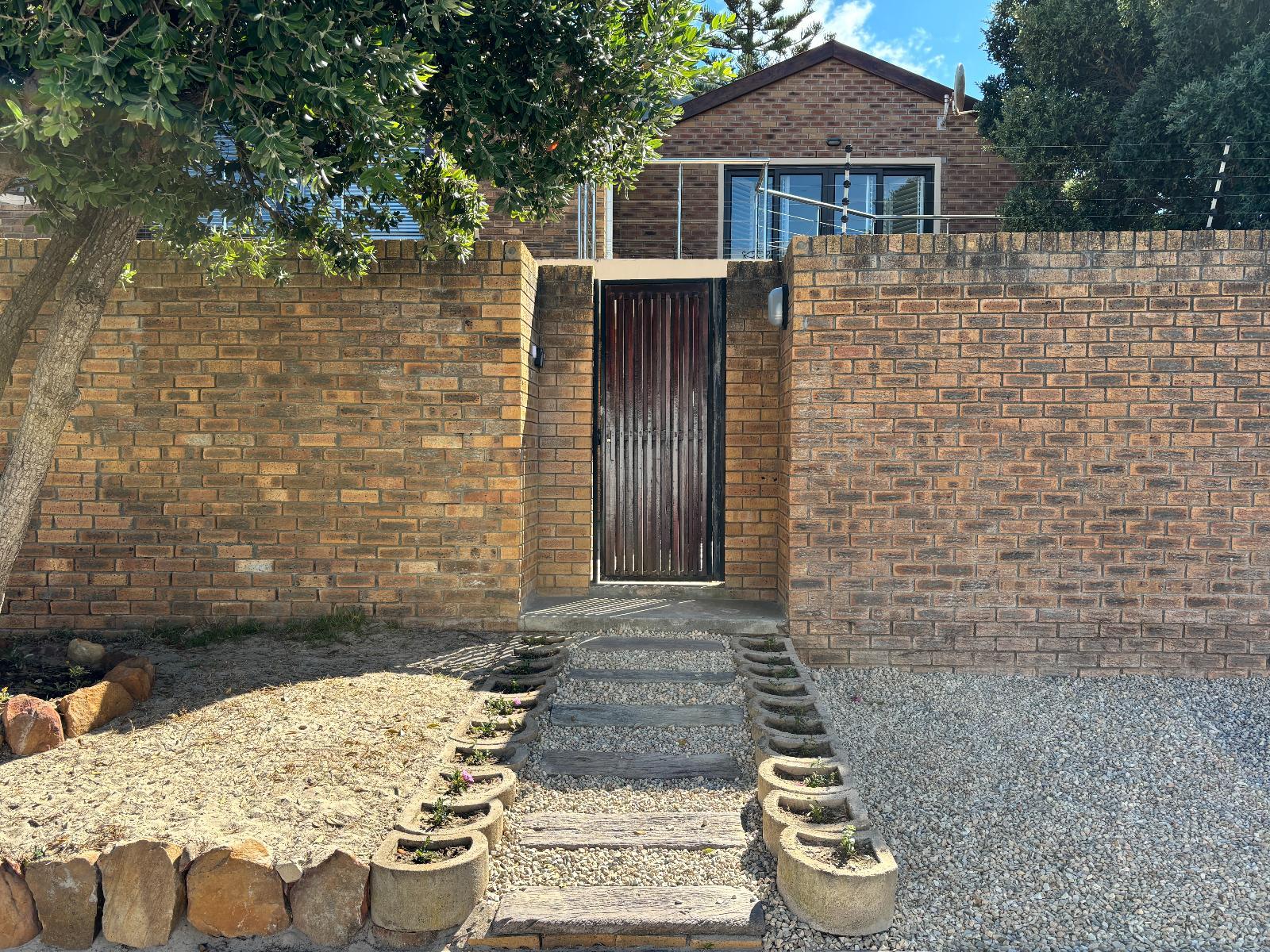
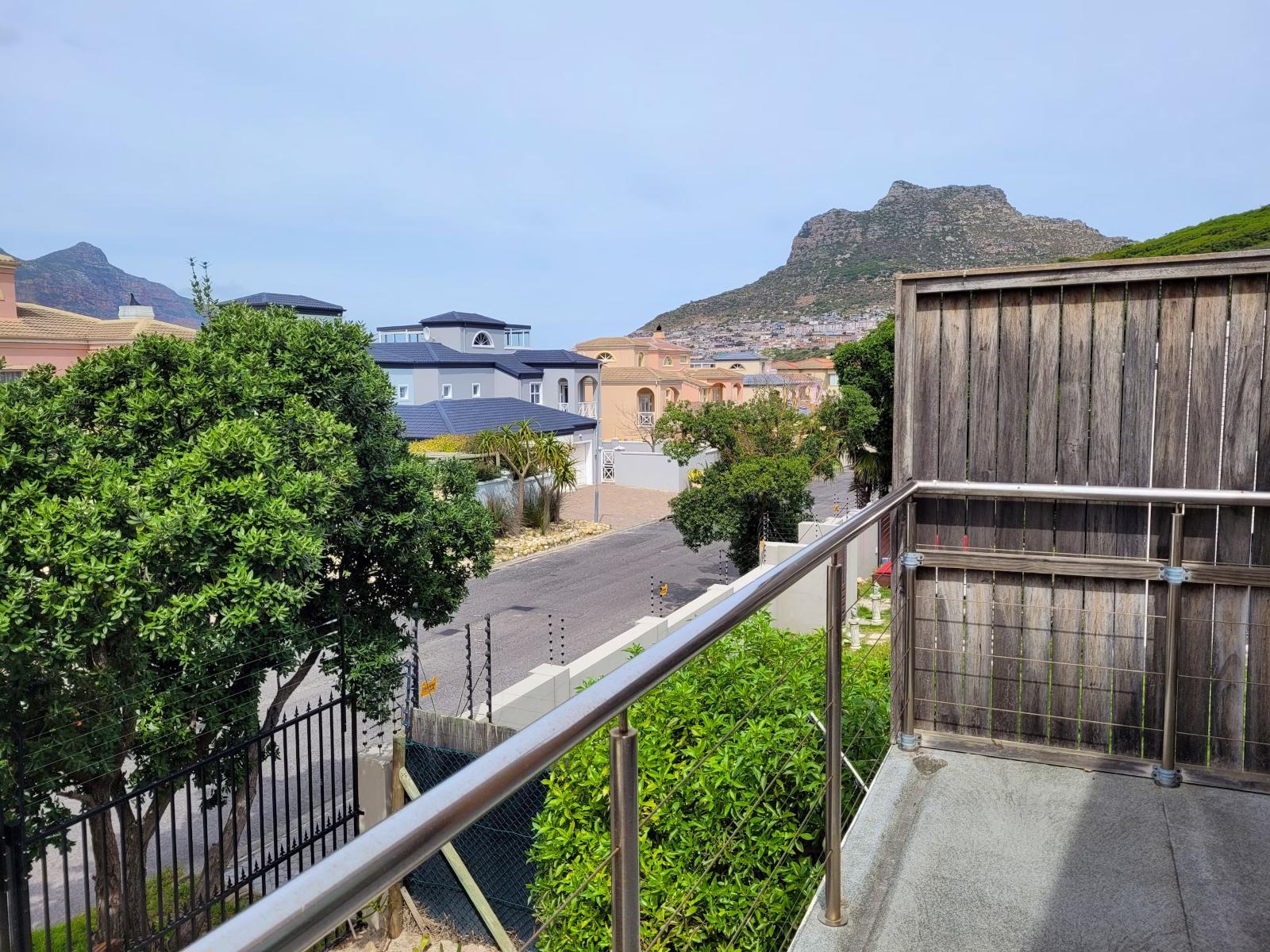
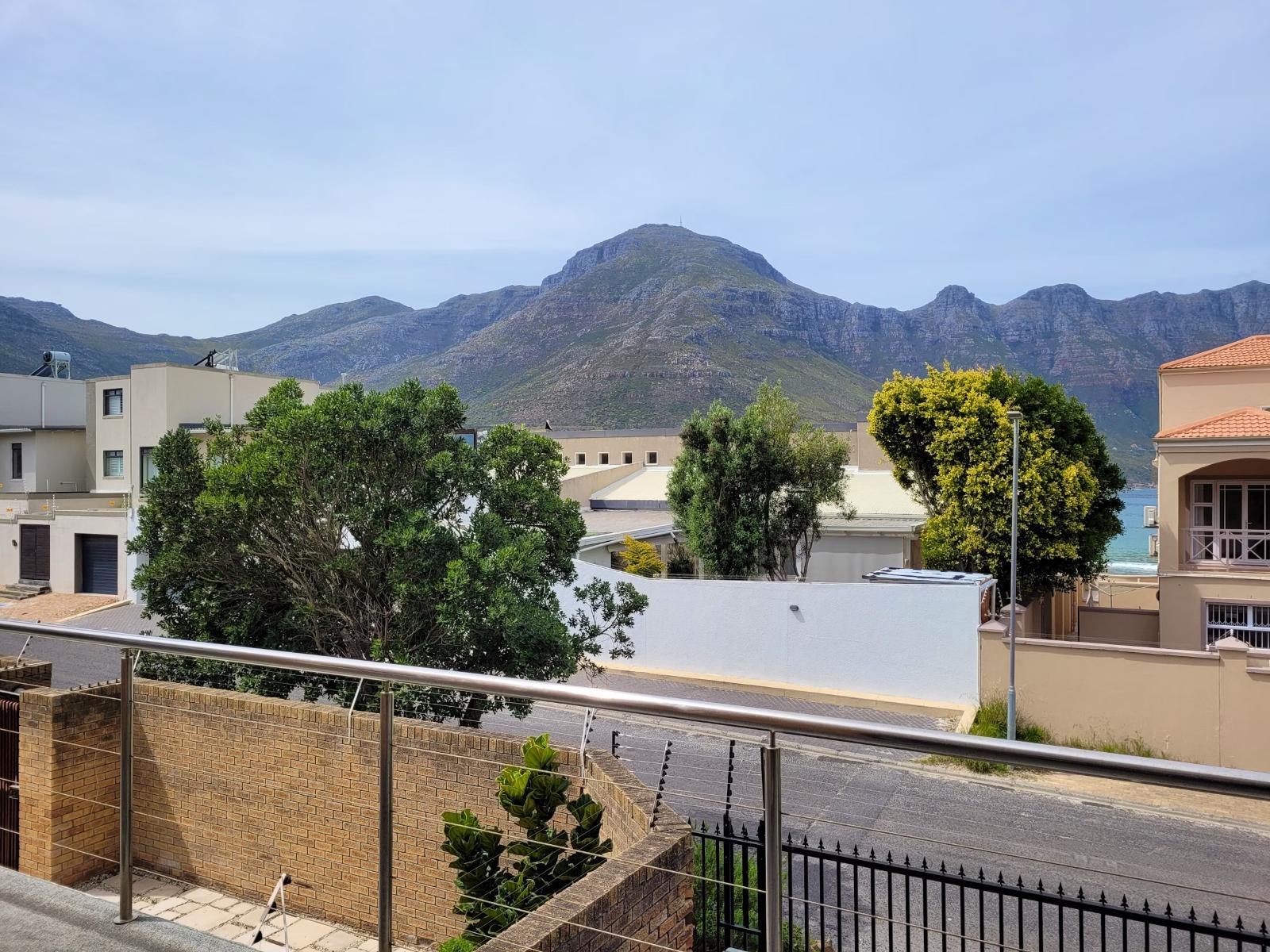
Cape Town lists 94 properties with nightly rates ranging from R800 to R18,800 and an overall average of R2,383, which reflects a market that covers budget travellers, mid-range visitors, and those spending considerably at the top end.
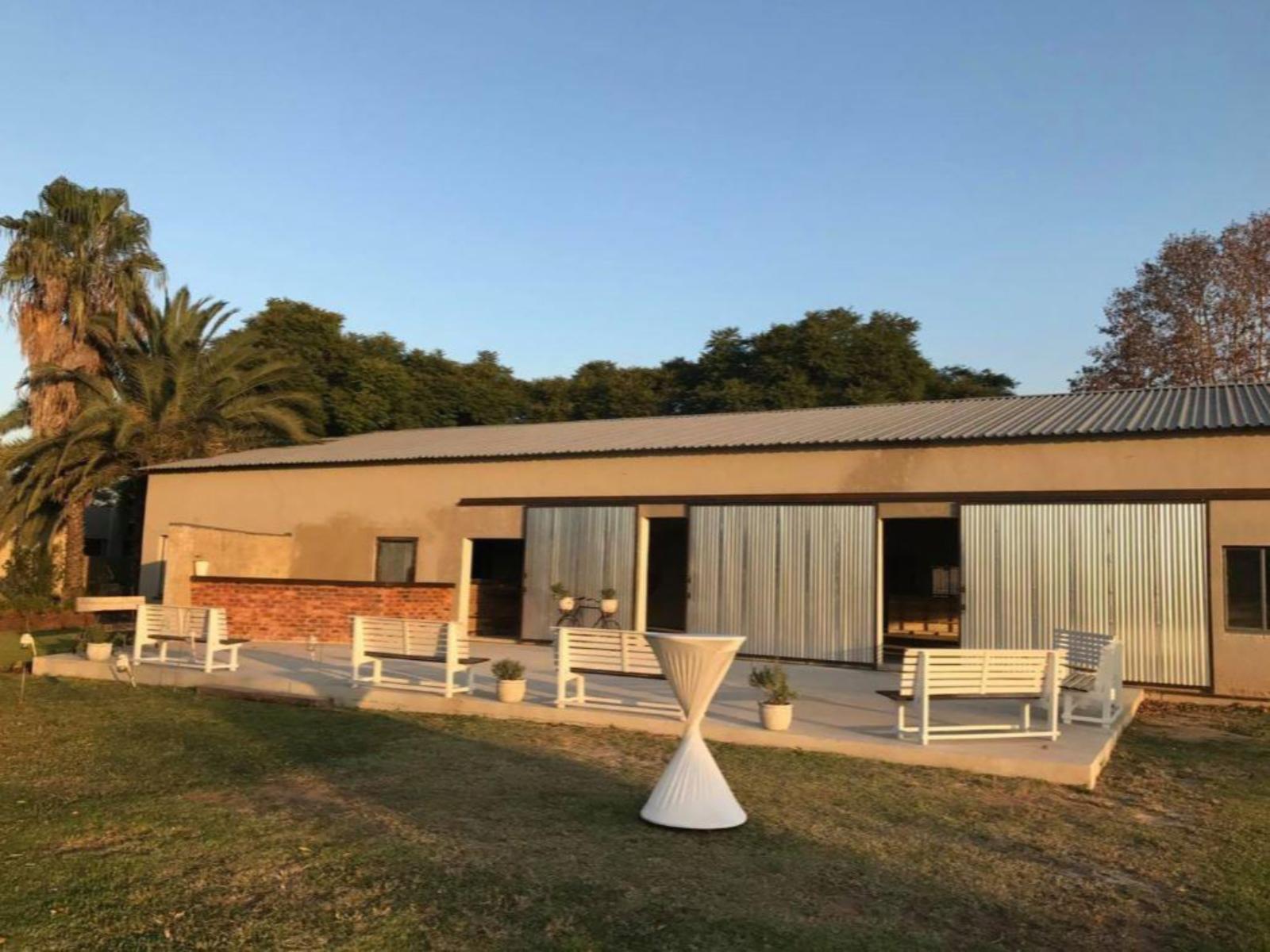
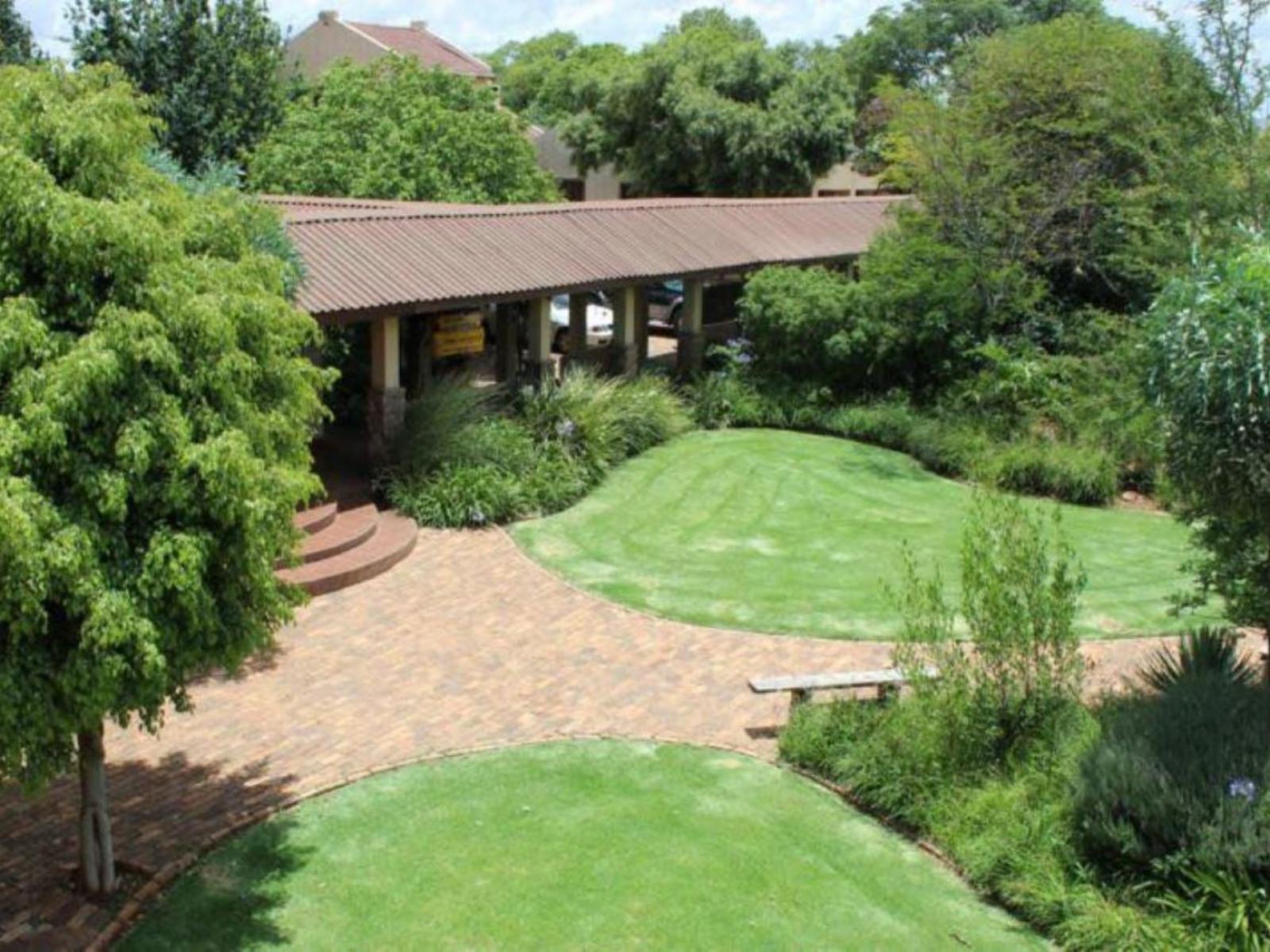
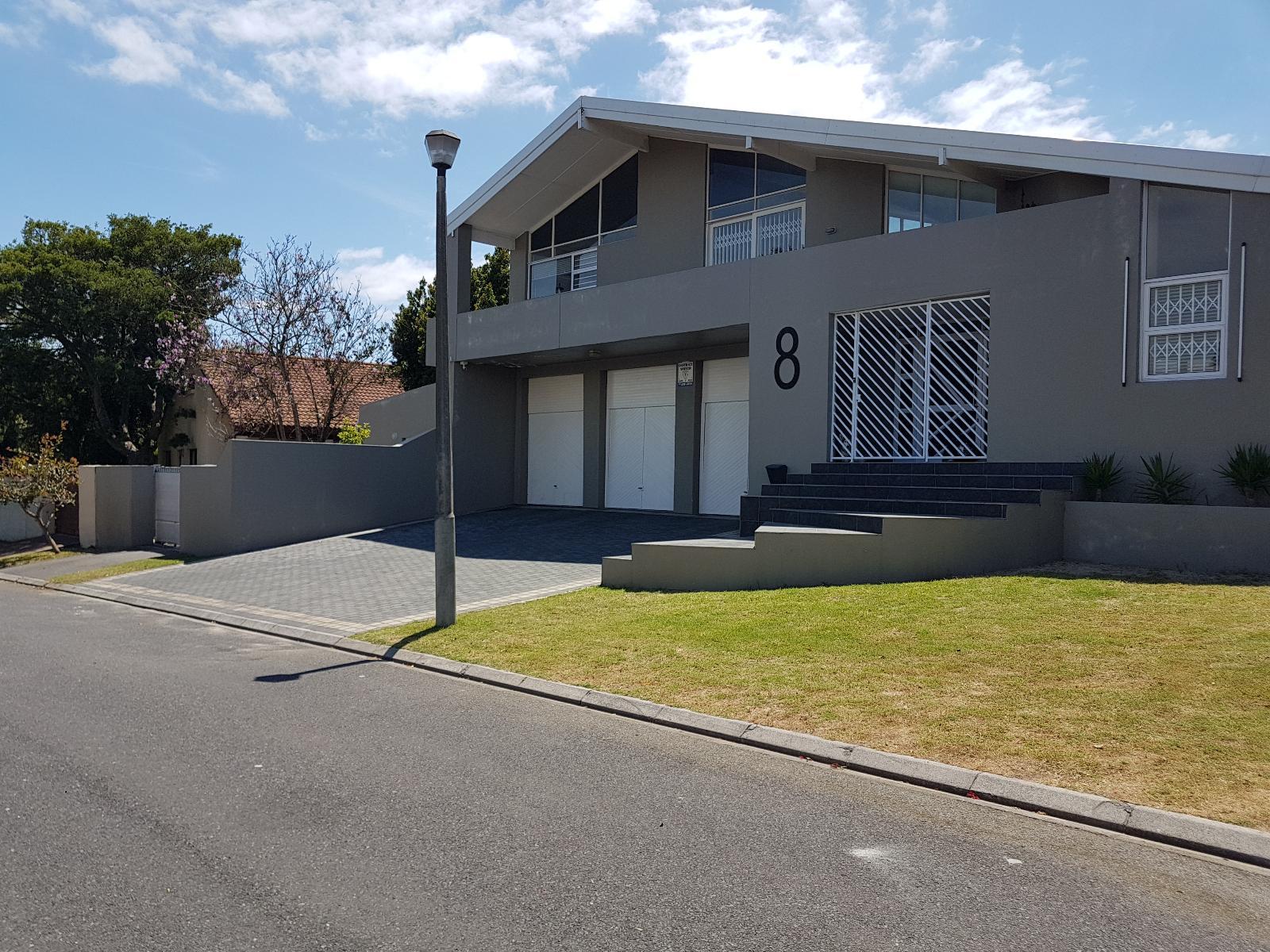
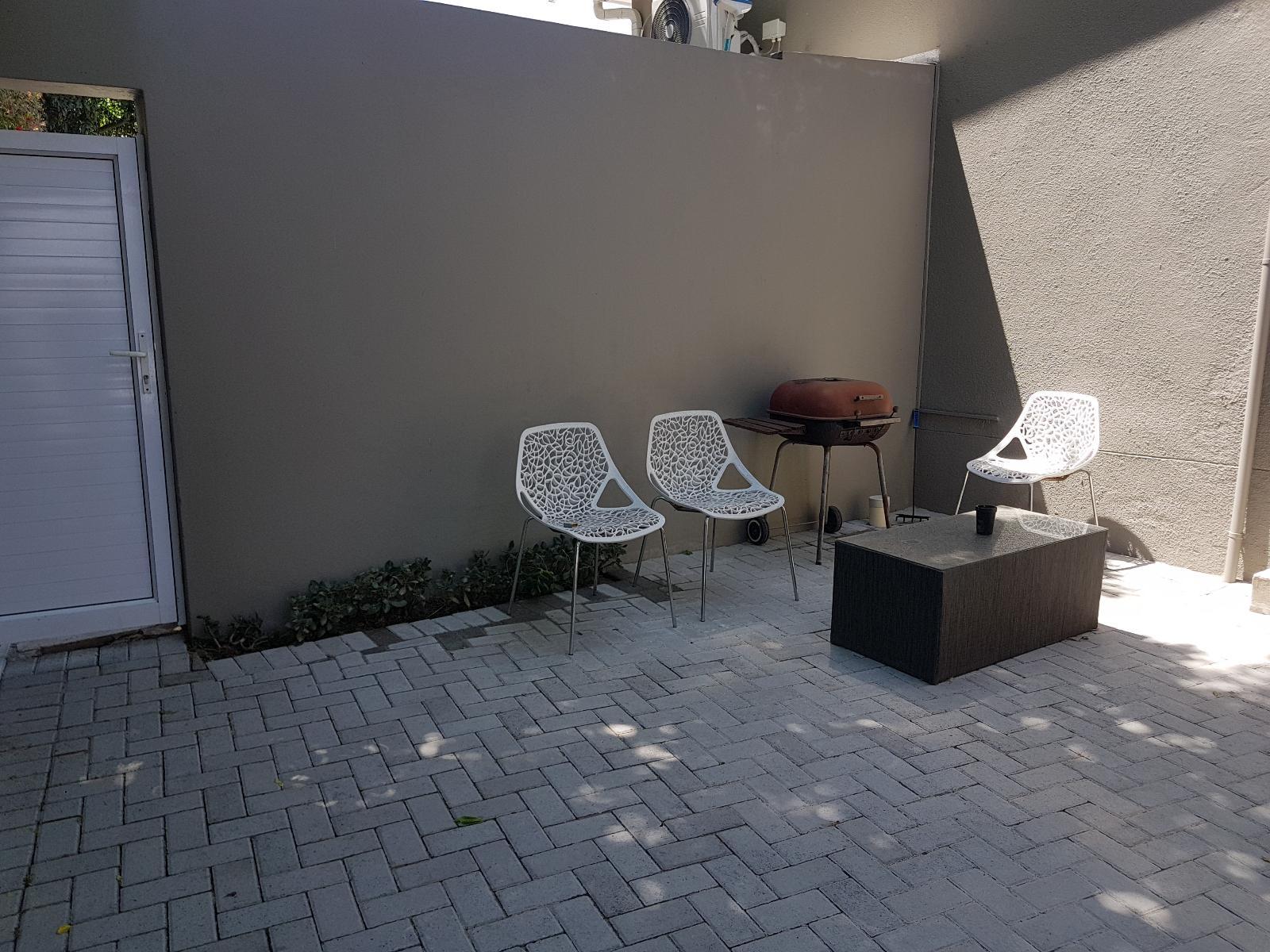
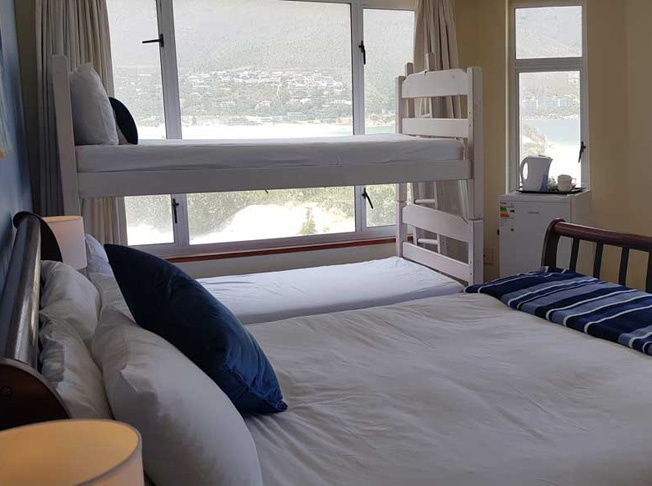
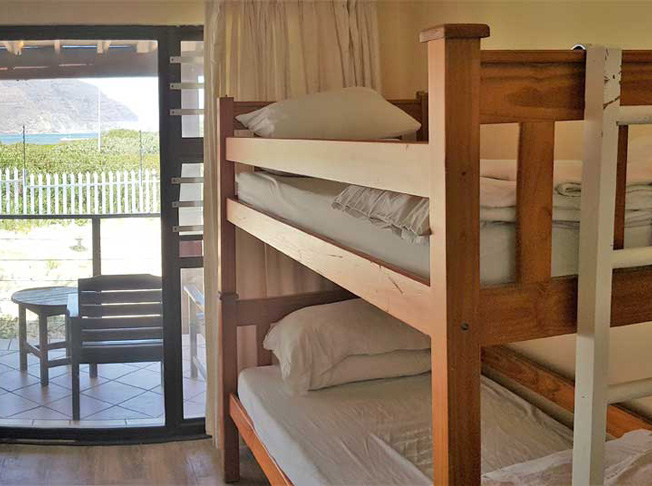
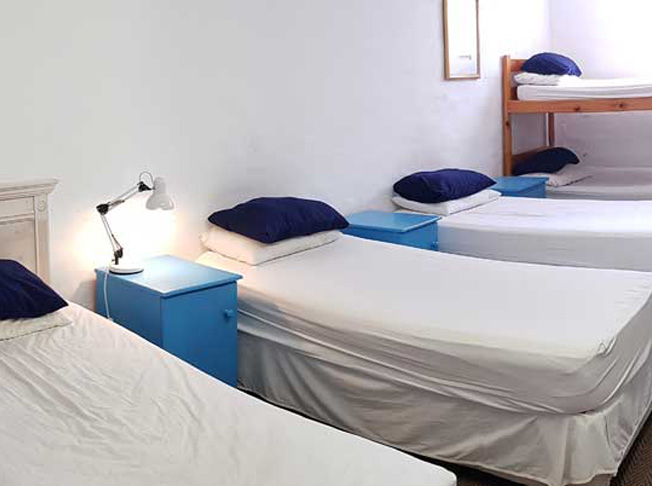
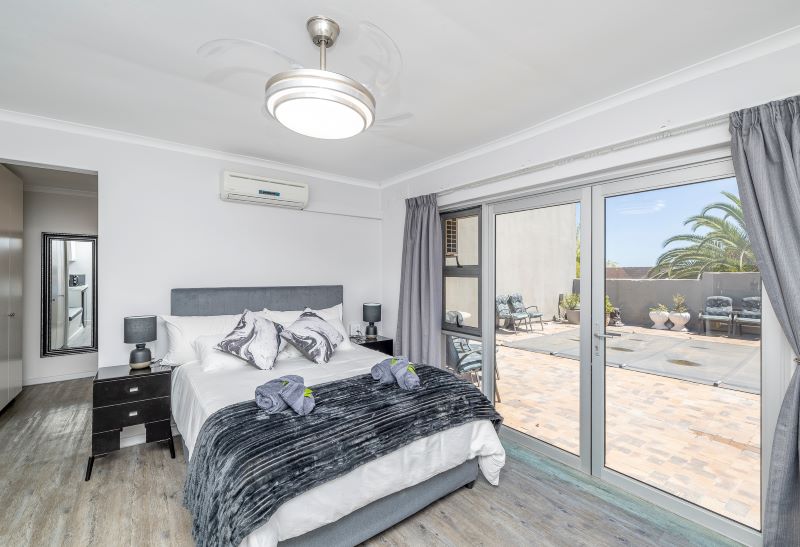
At the more affordable end, hotels and lodges offer predictable facilities without the extras that drive costs upward. Both categories average below R2,200 per night and suit travellers who want a consistent, no-surprise base. Bed and breakfast accommodation, appearing across two designations in the listings, sits in a similar band and adds a morning meal to the rate, which cuts one daily cost while giving stays a small amount of structure.
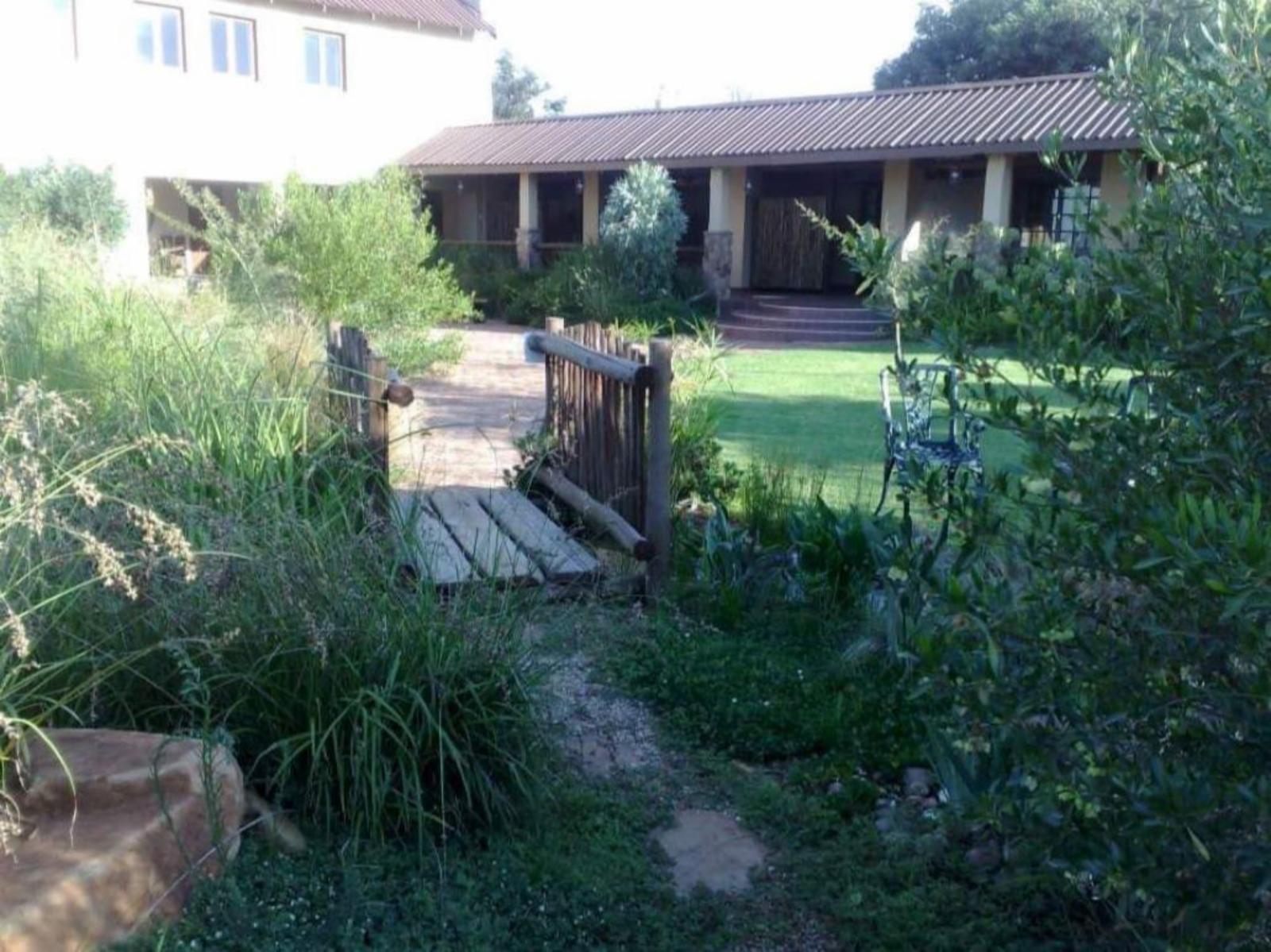
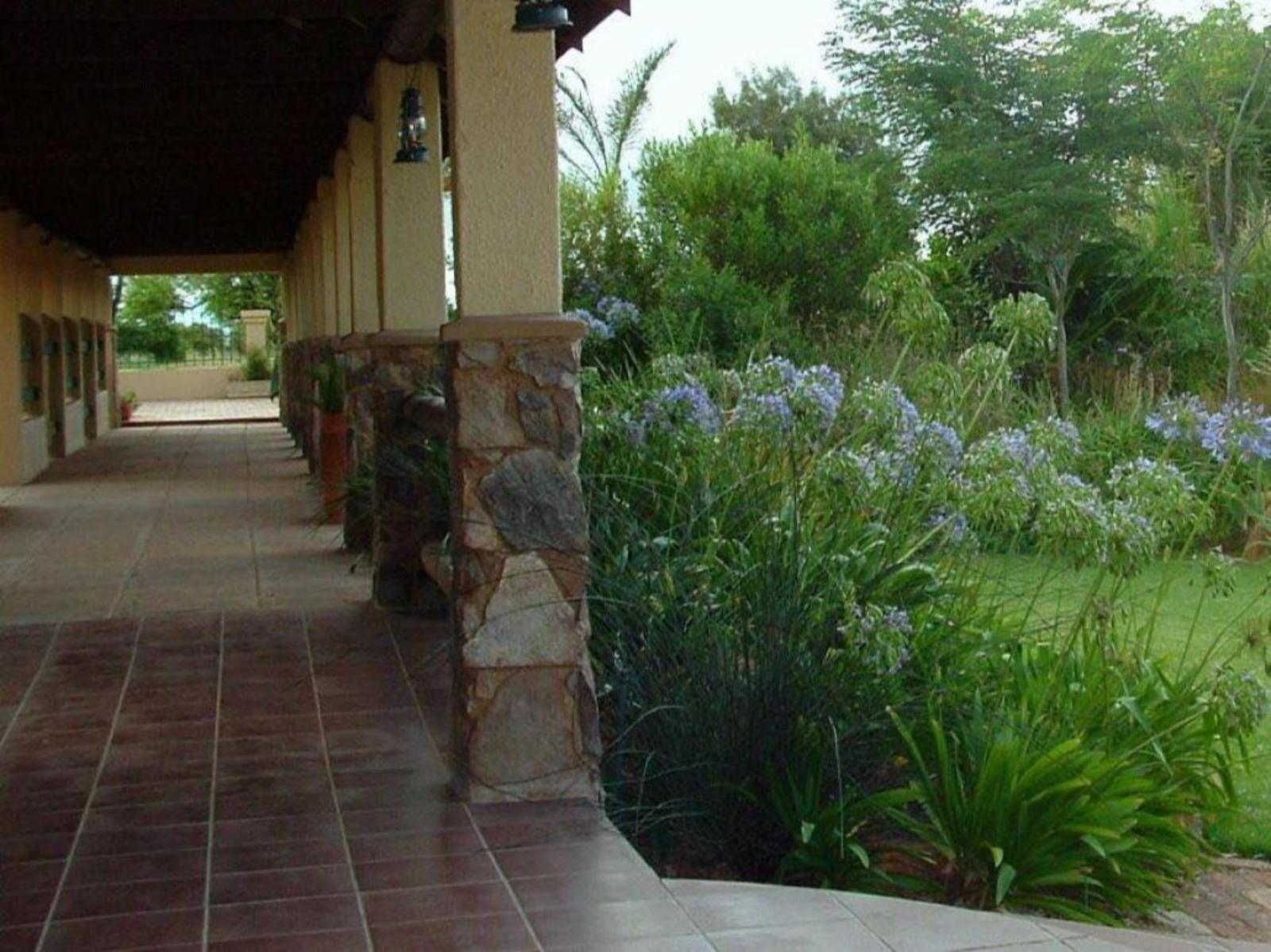
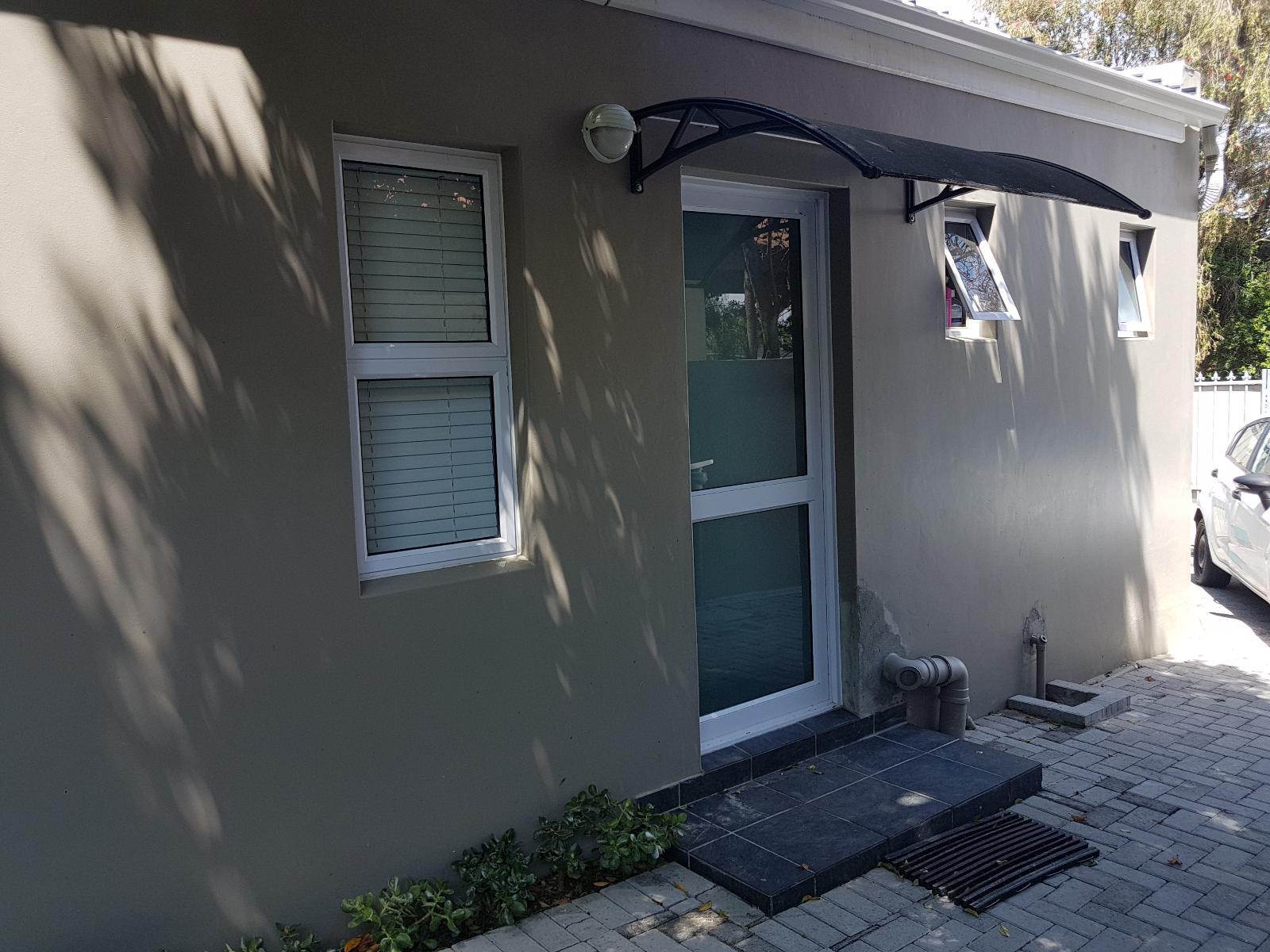
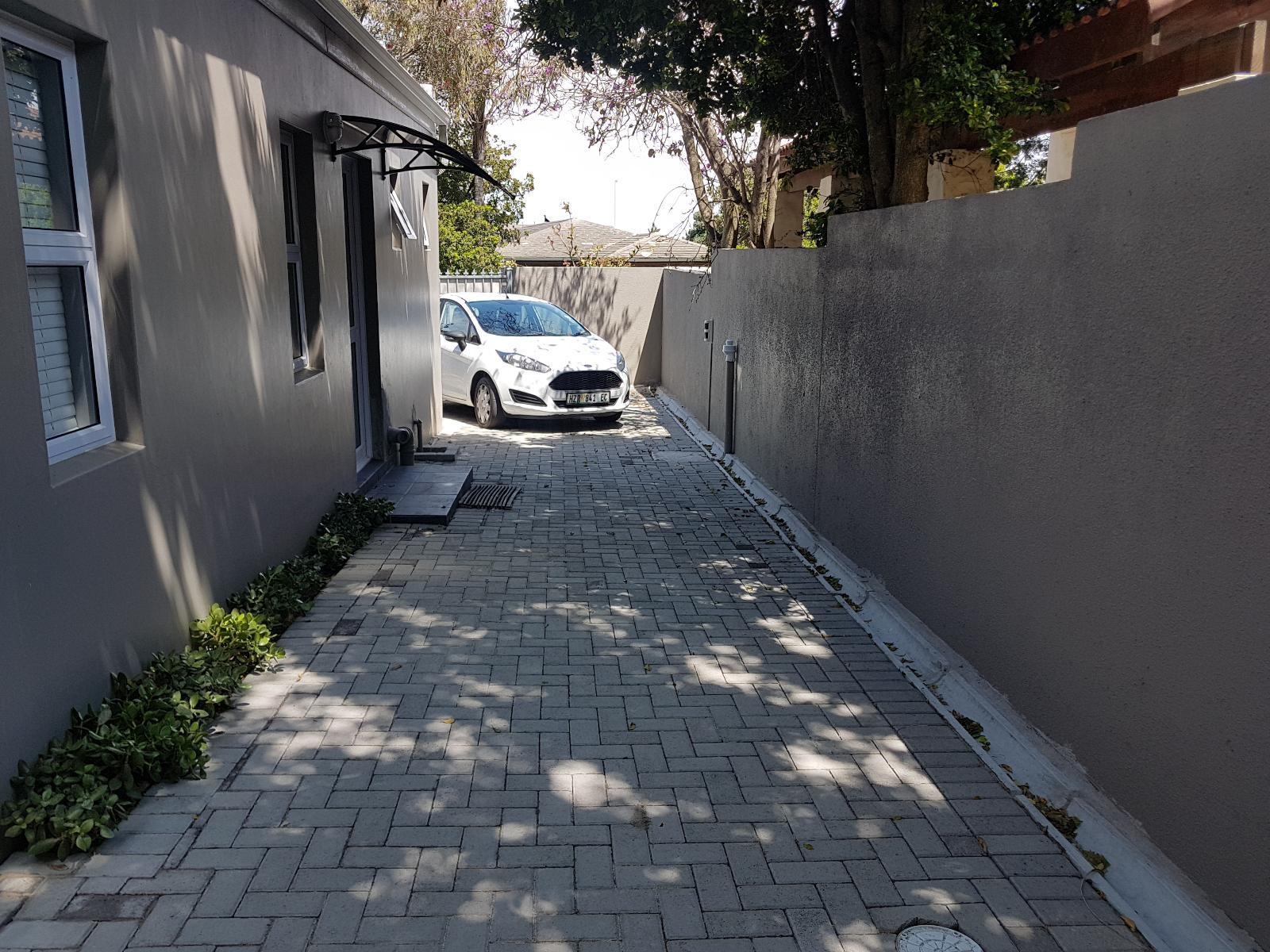
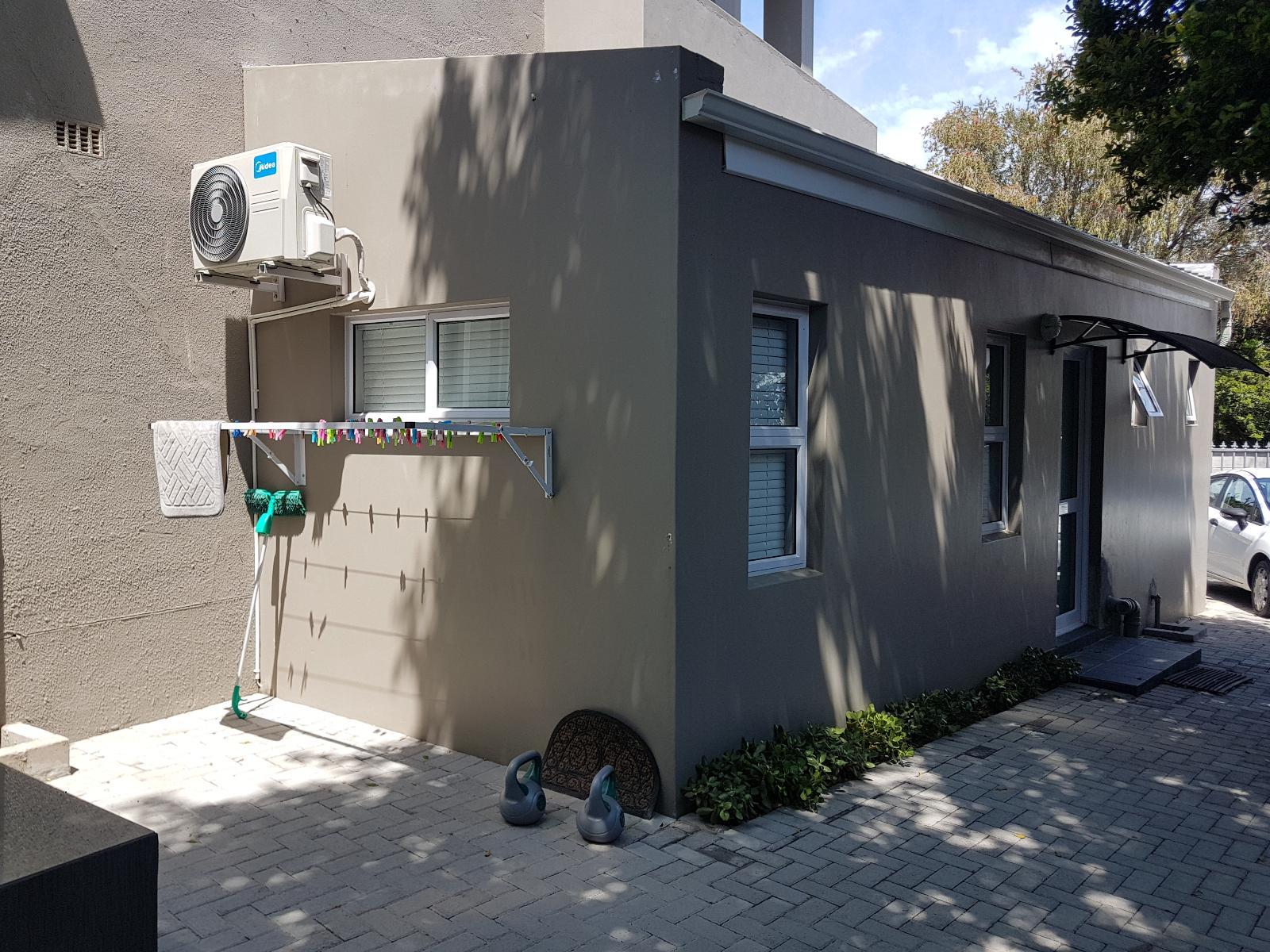
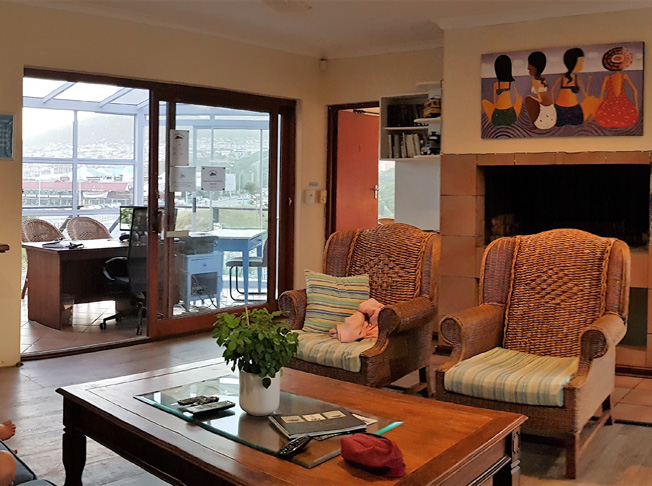
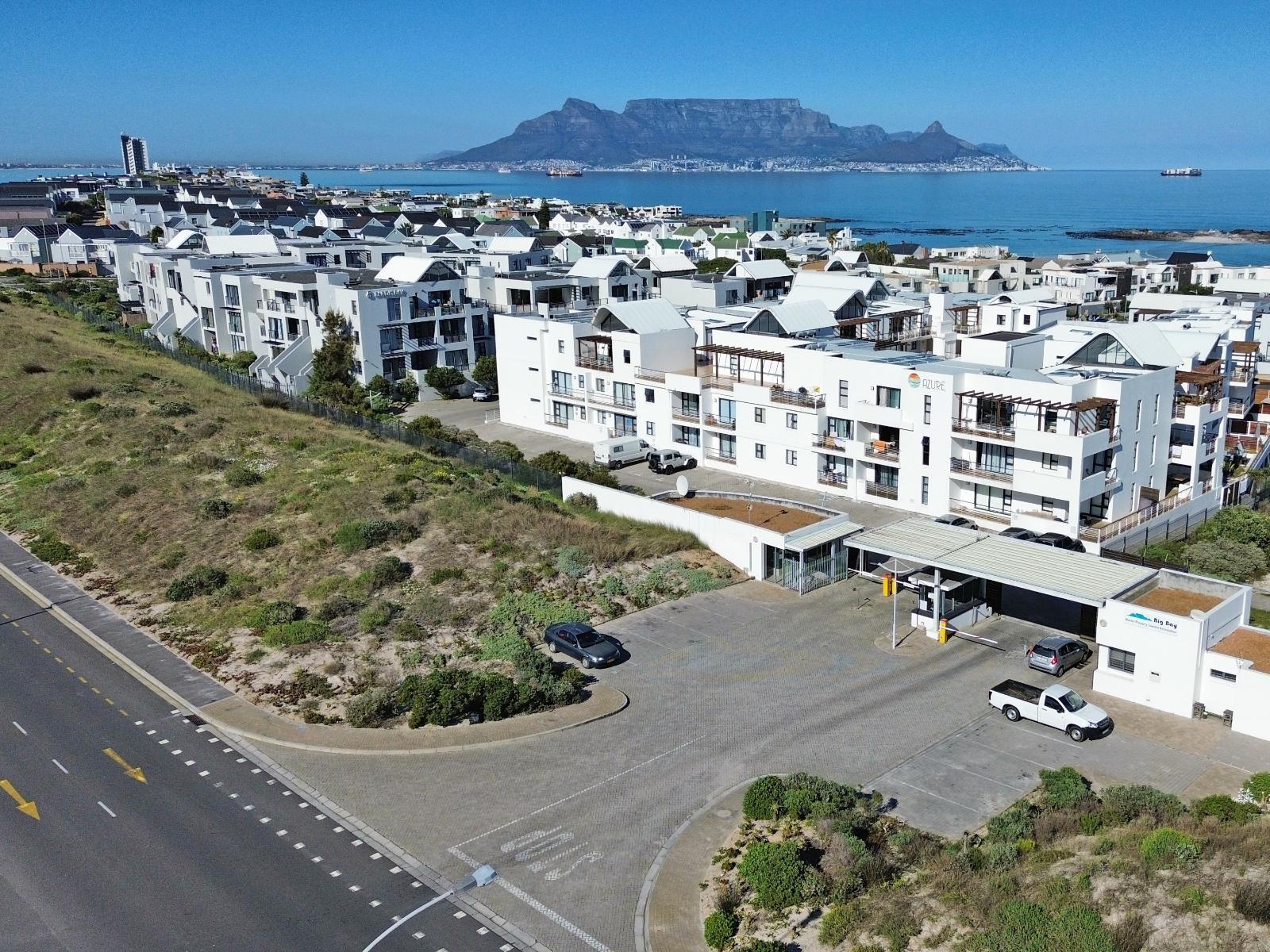
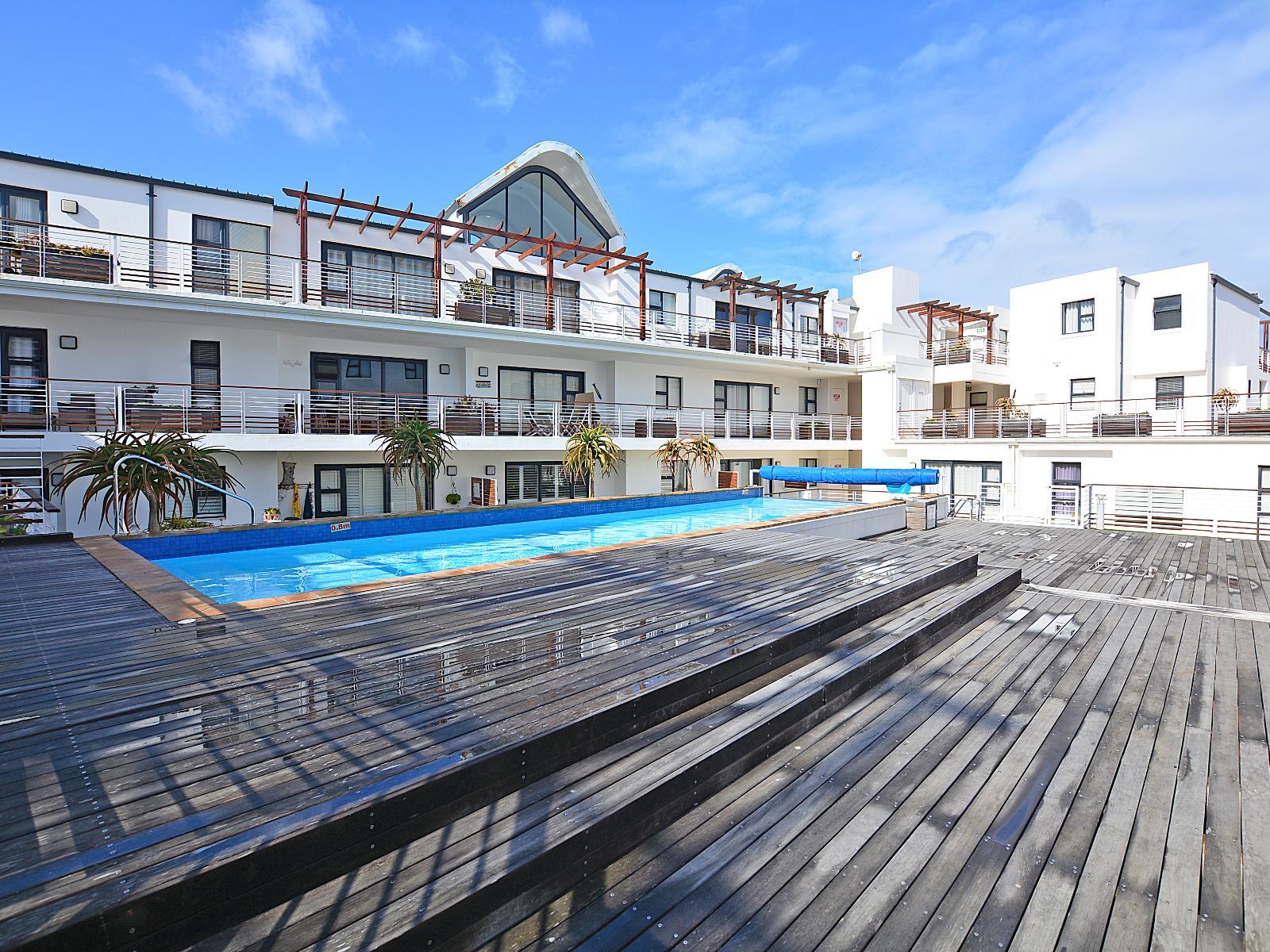
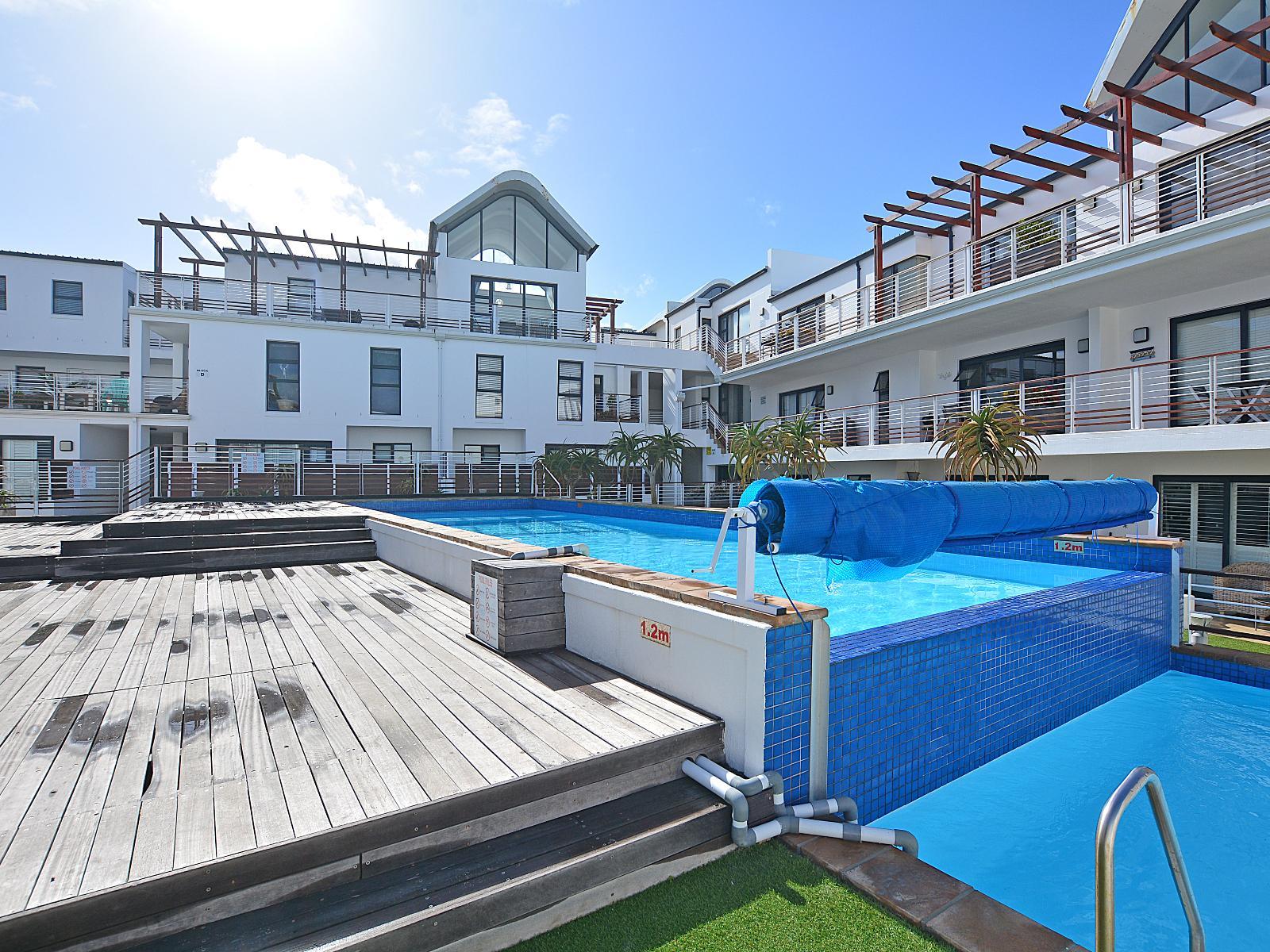
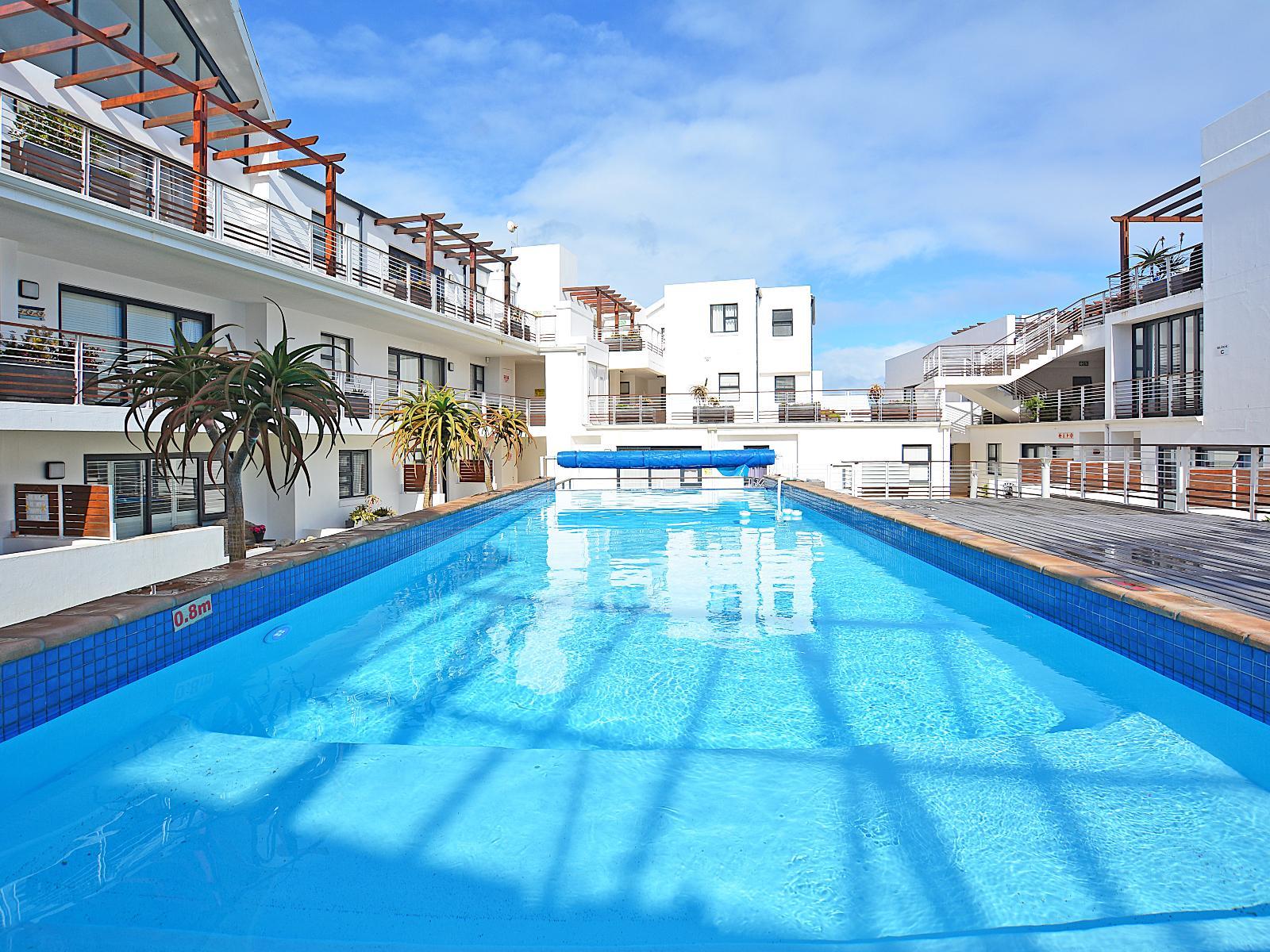
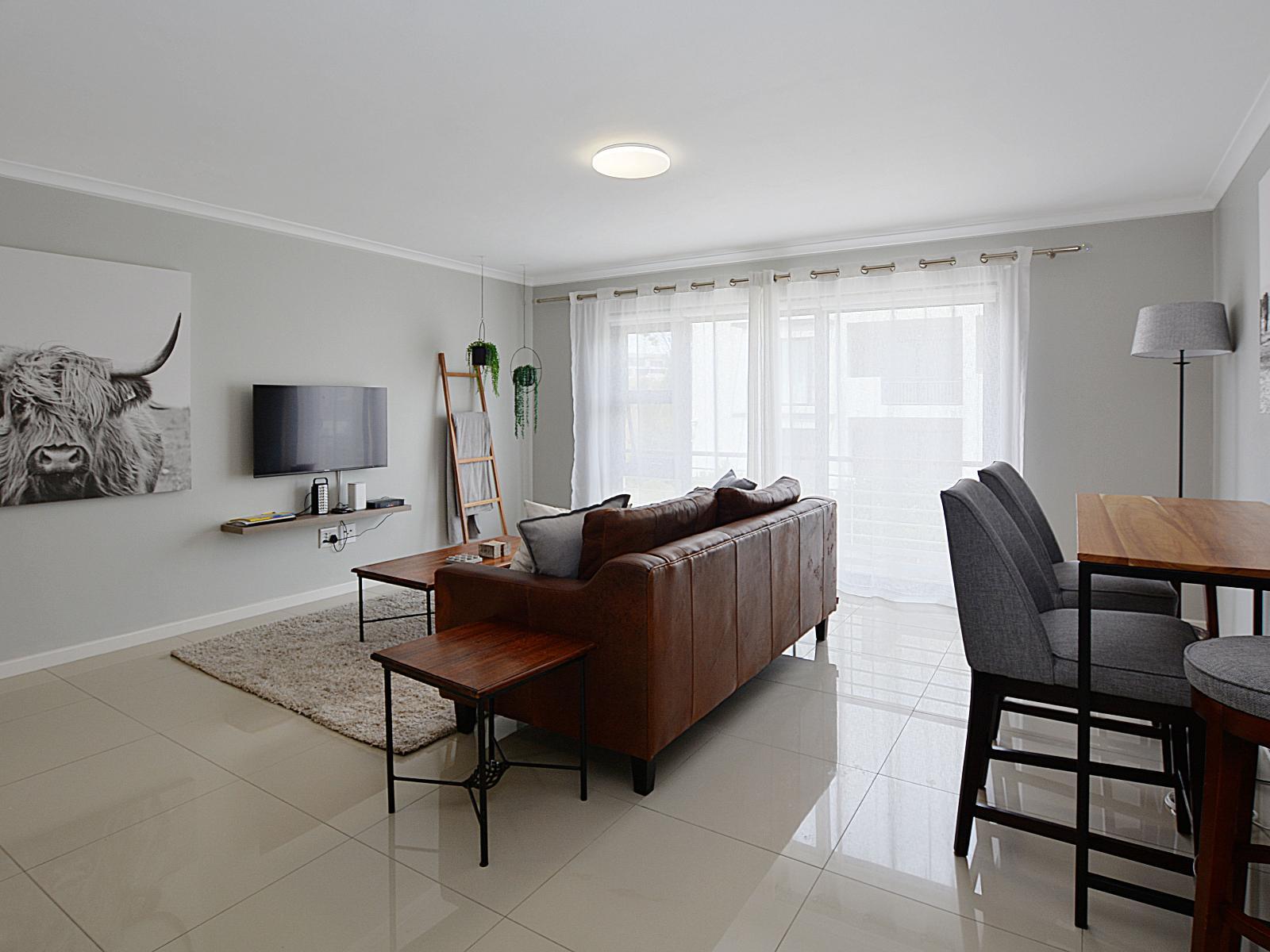
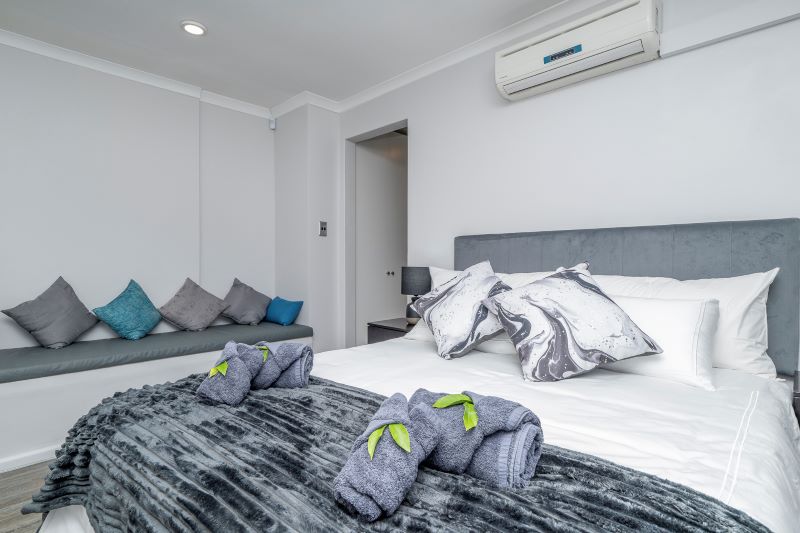
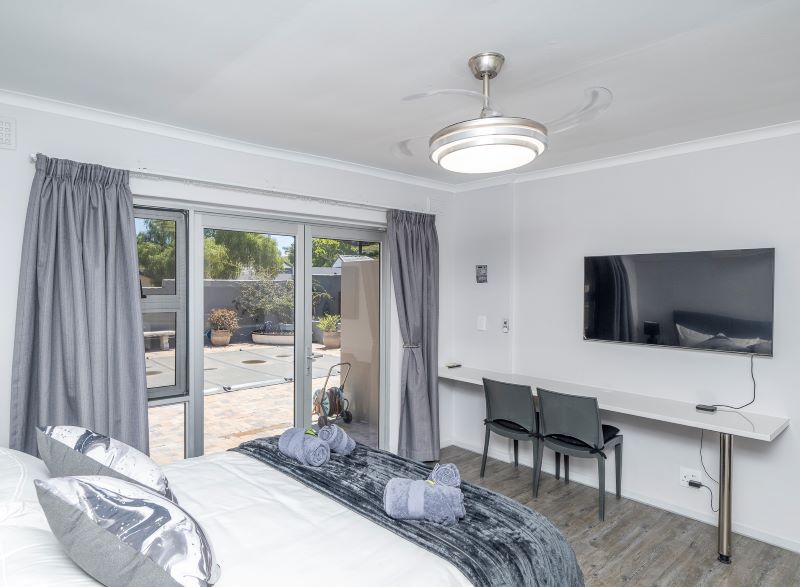
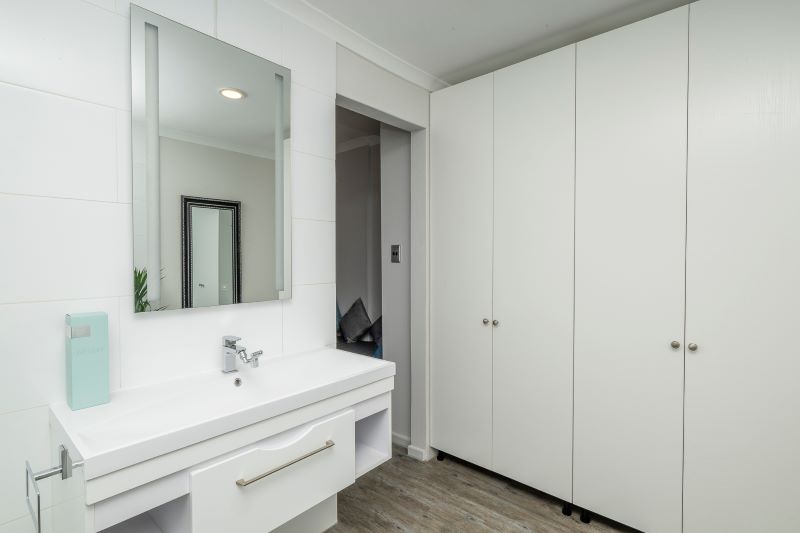
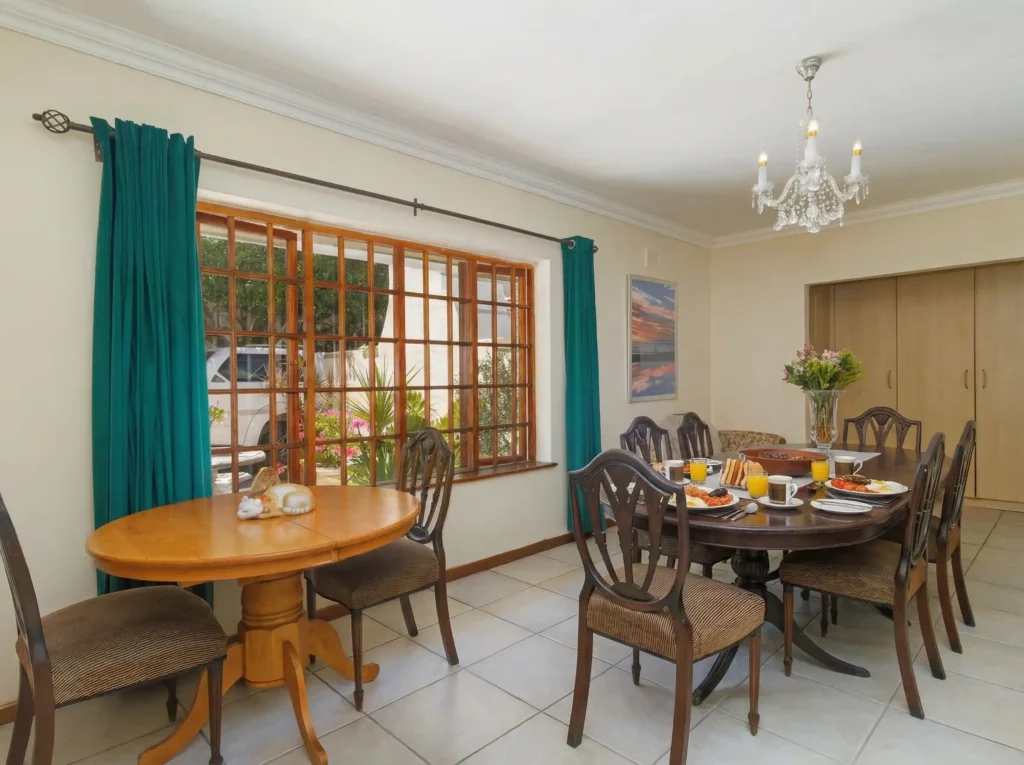
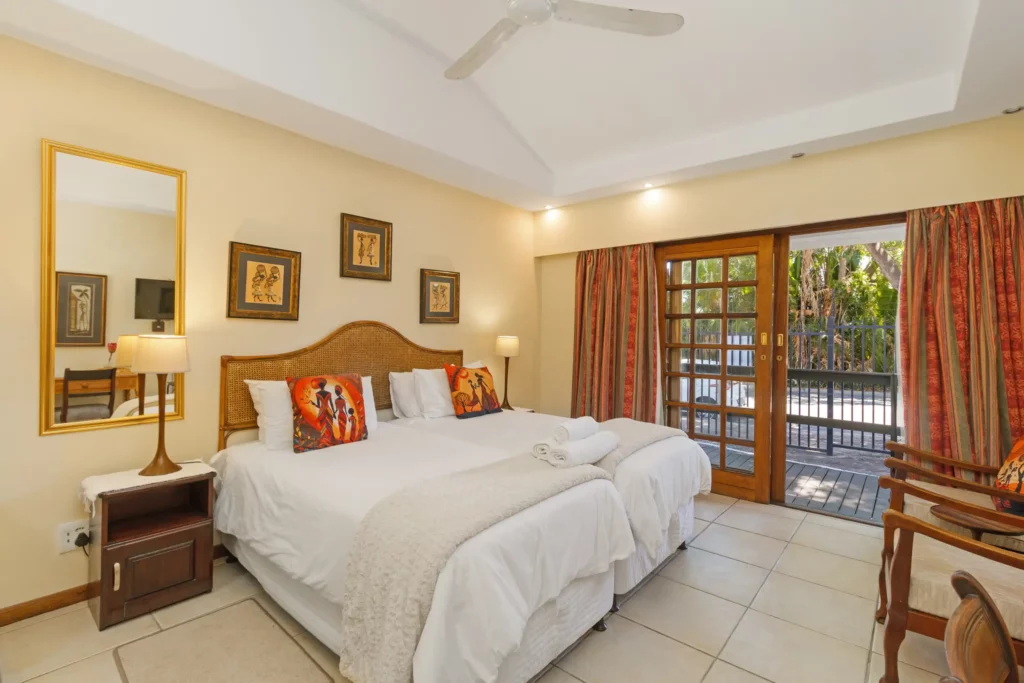
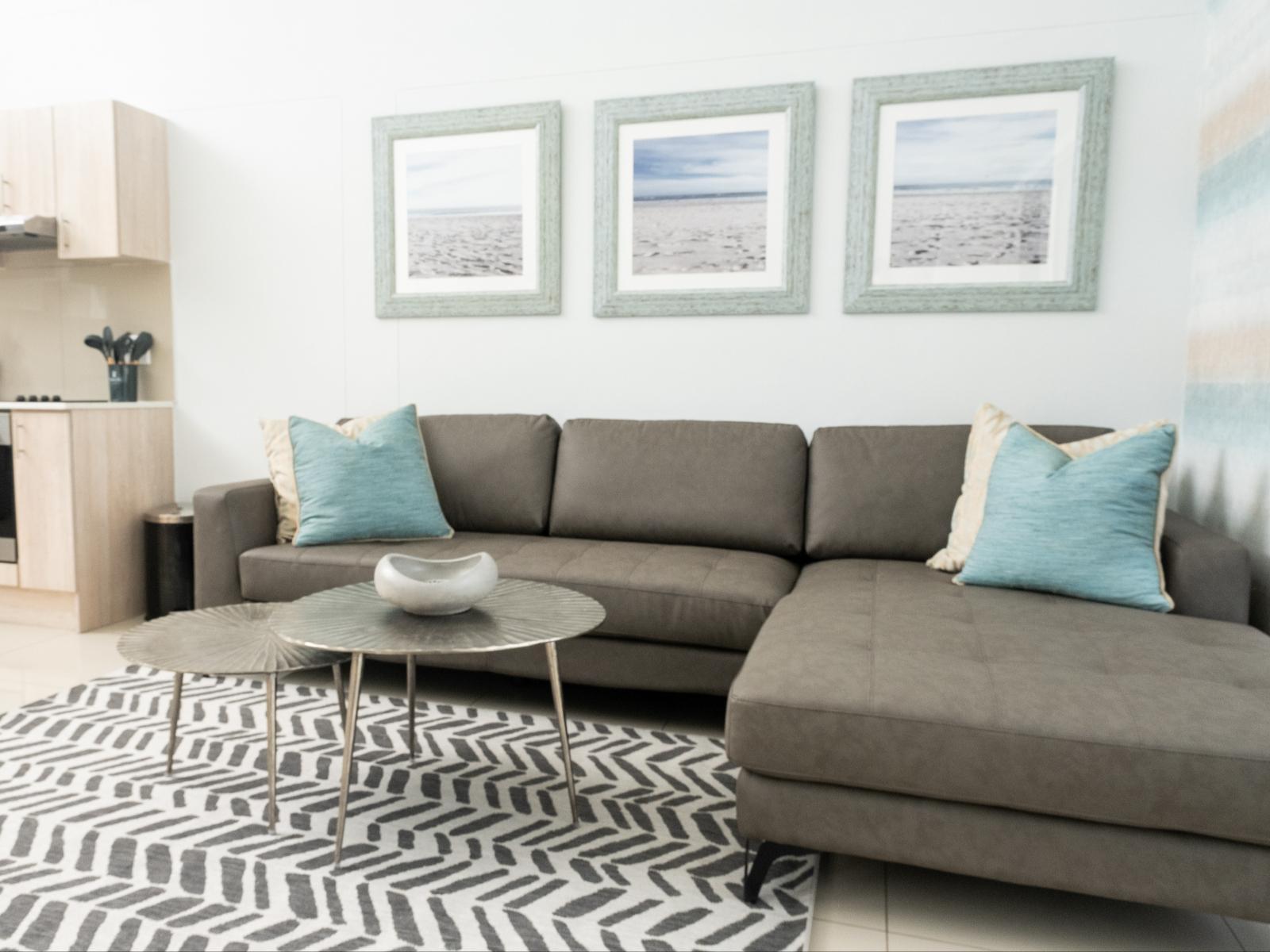
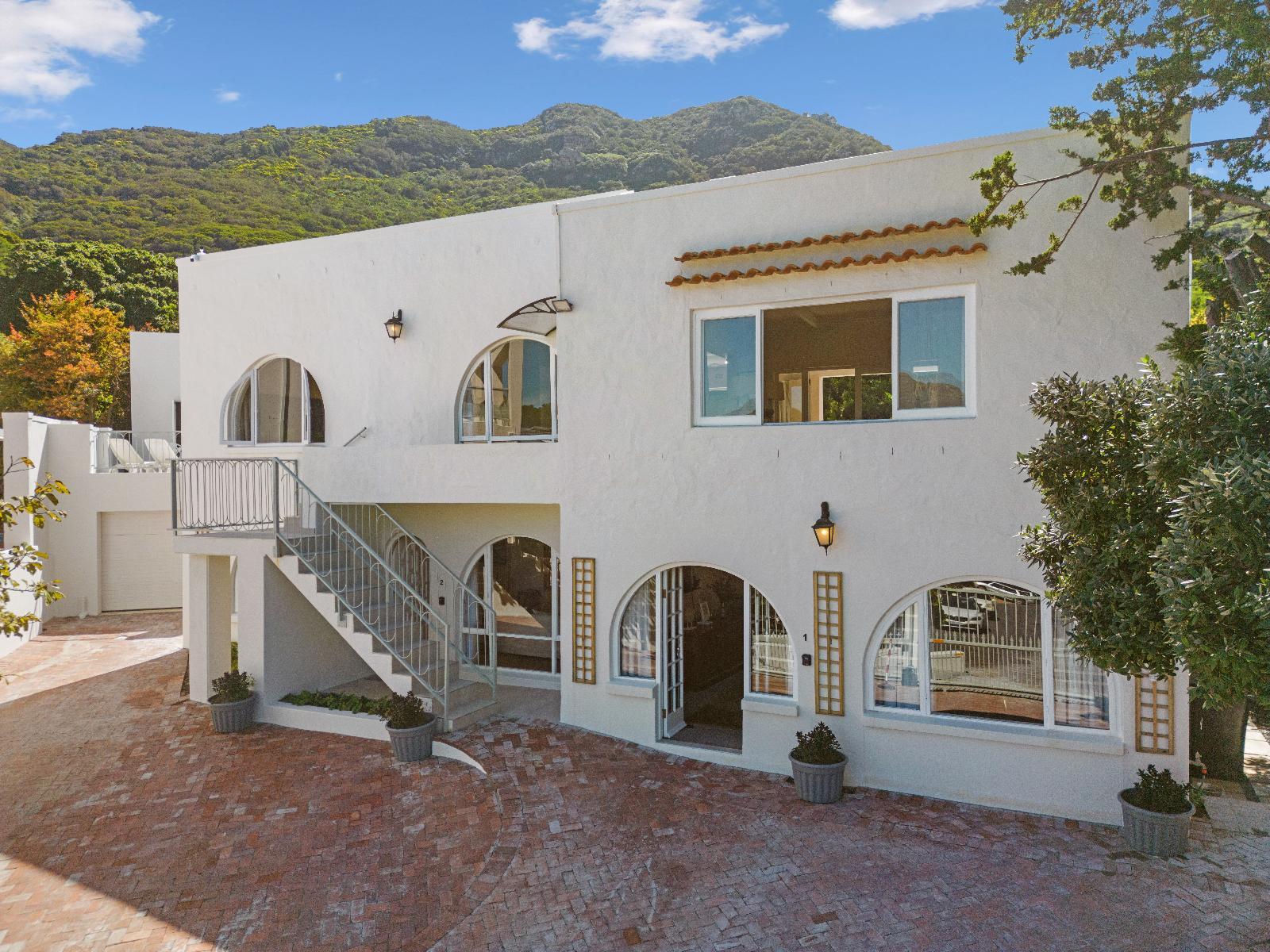
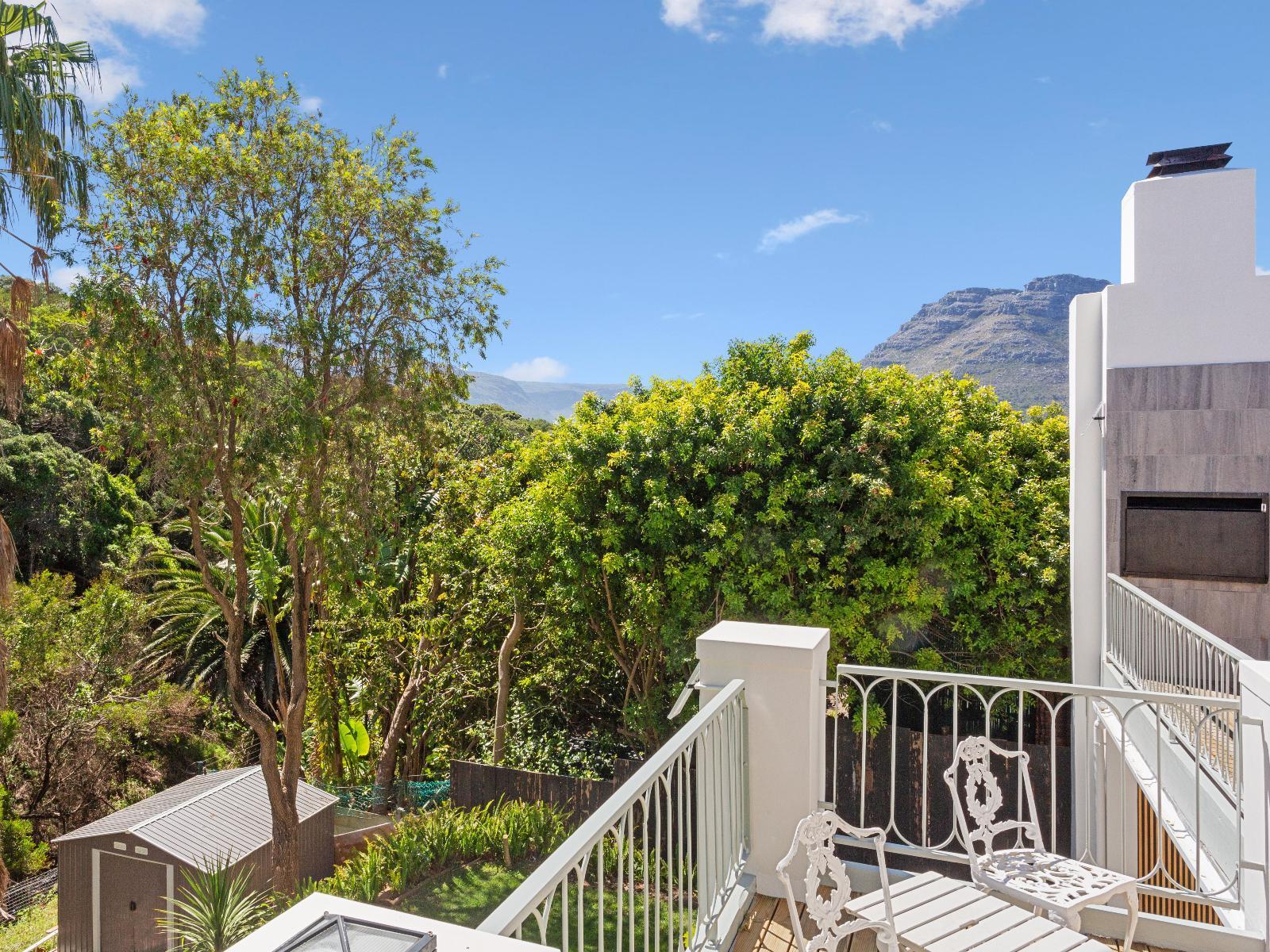
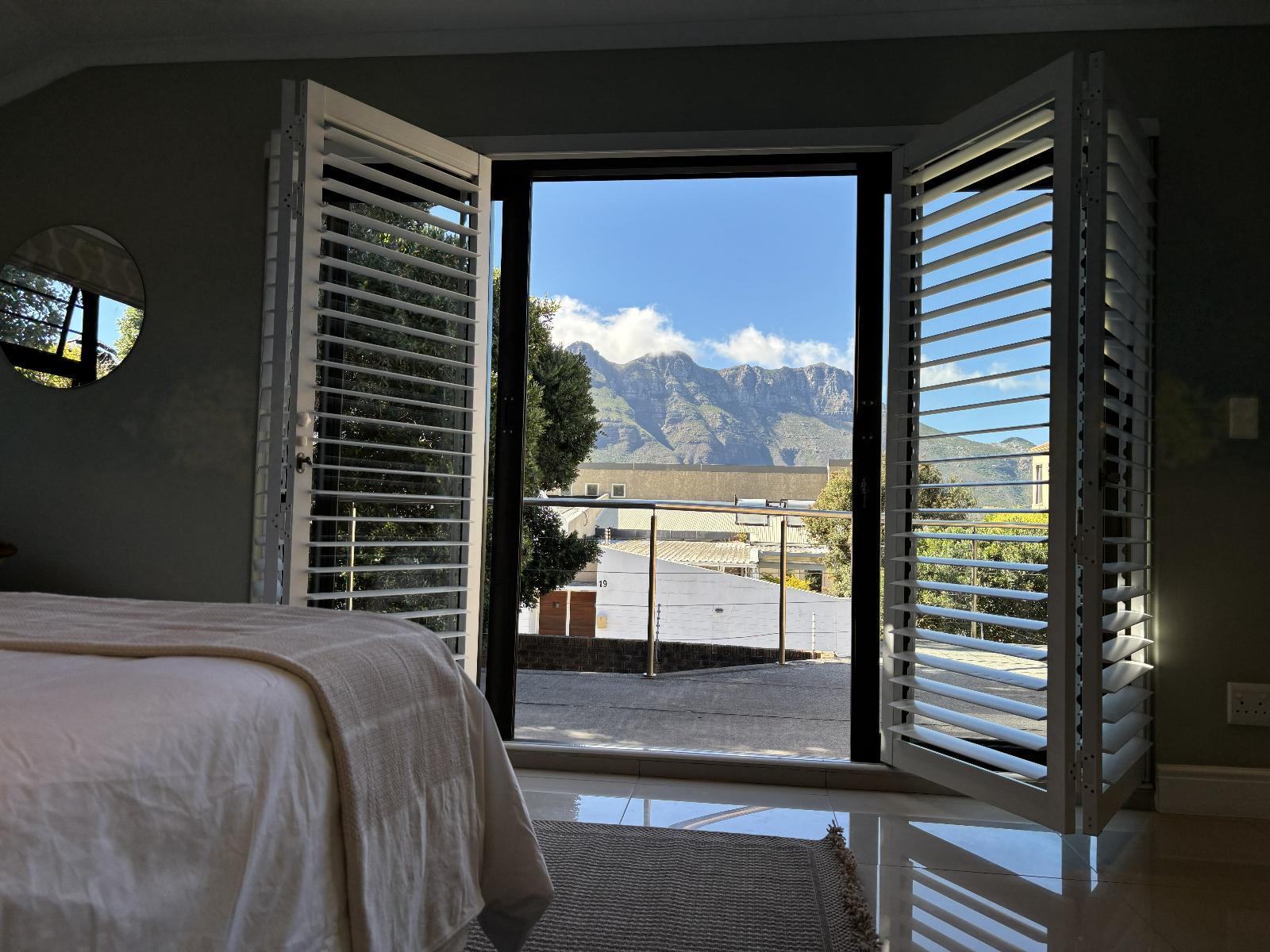
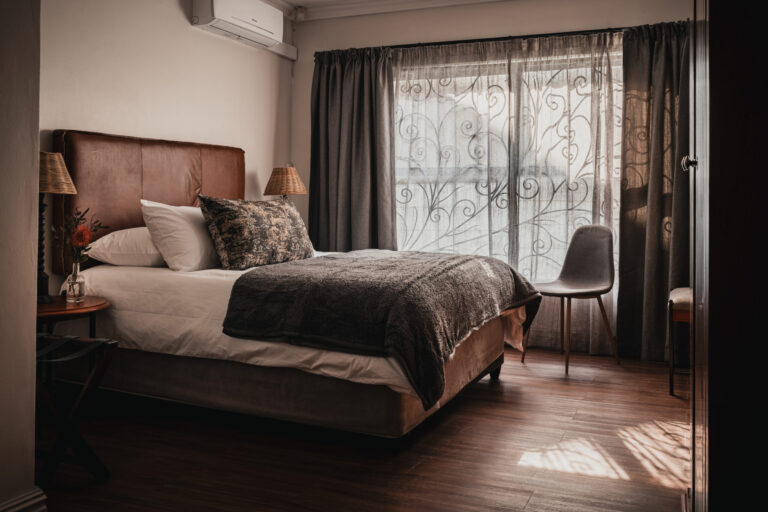
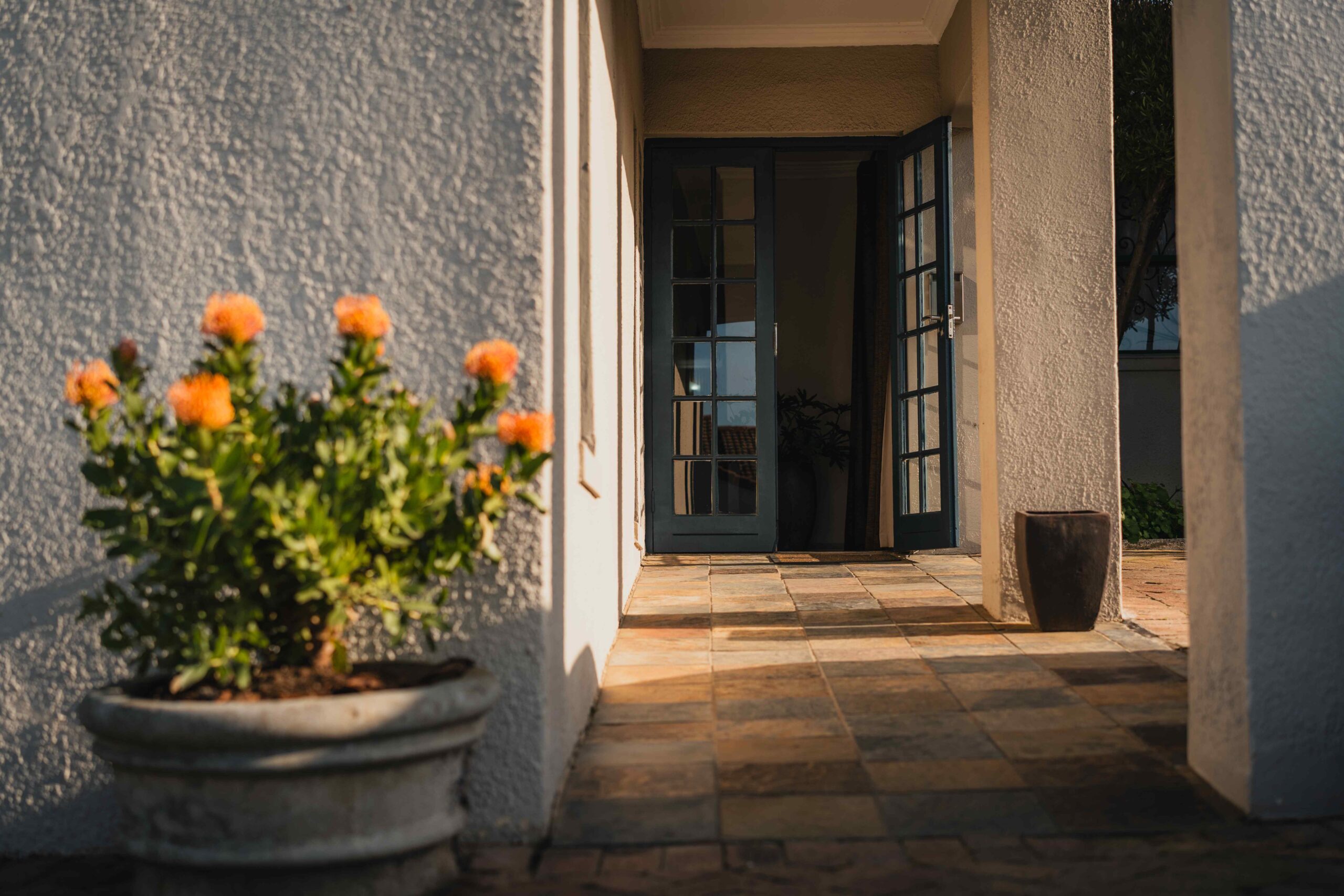
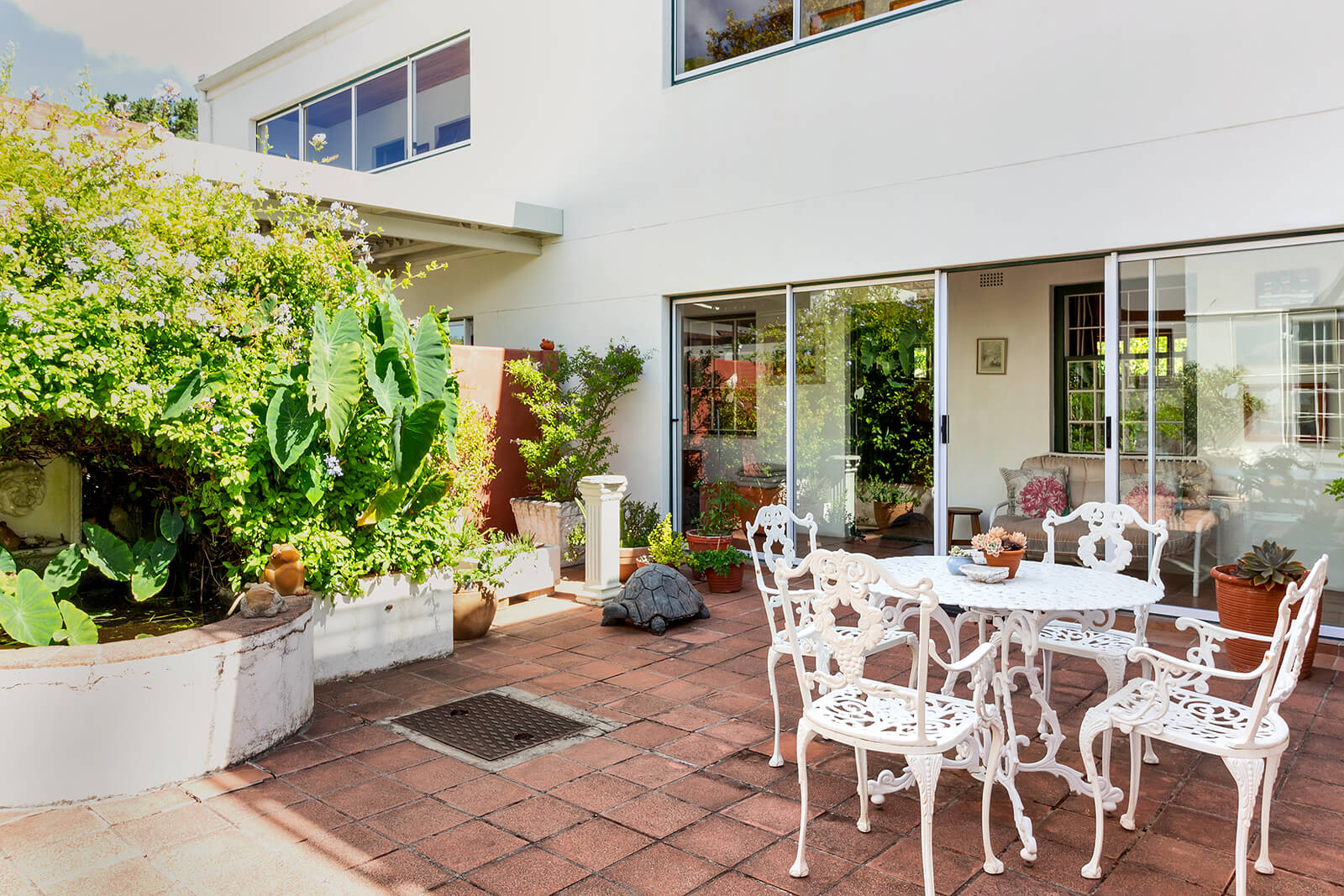
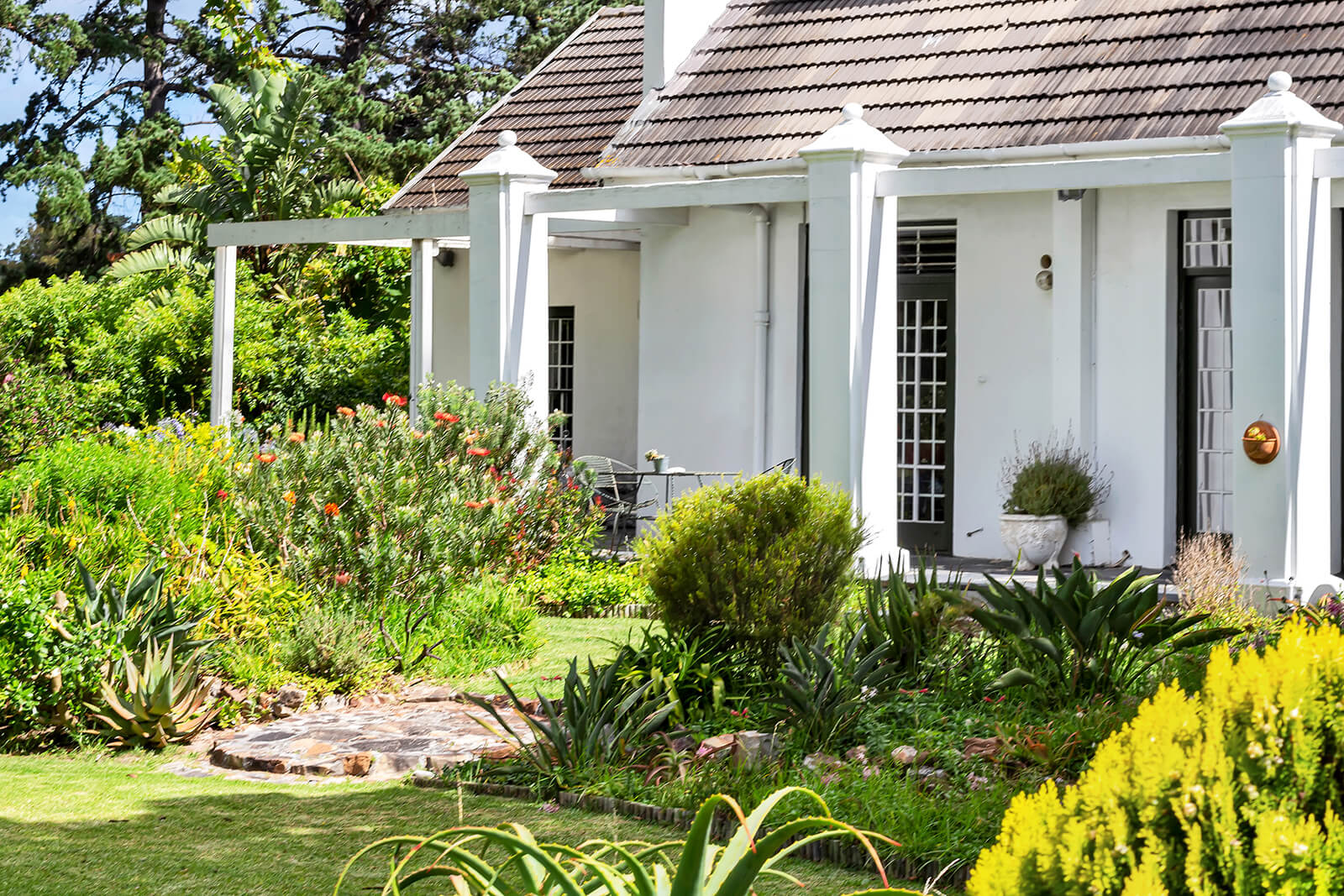
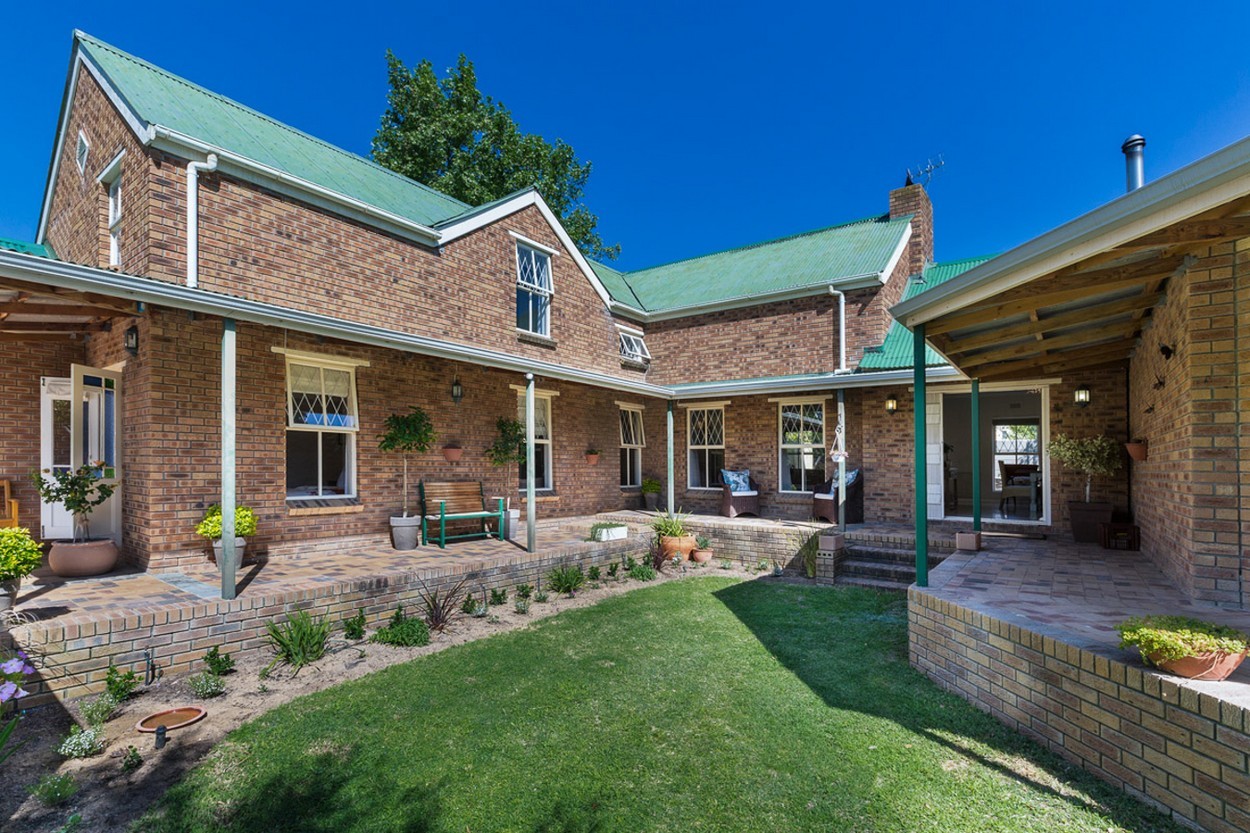
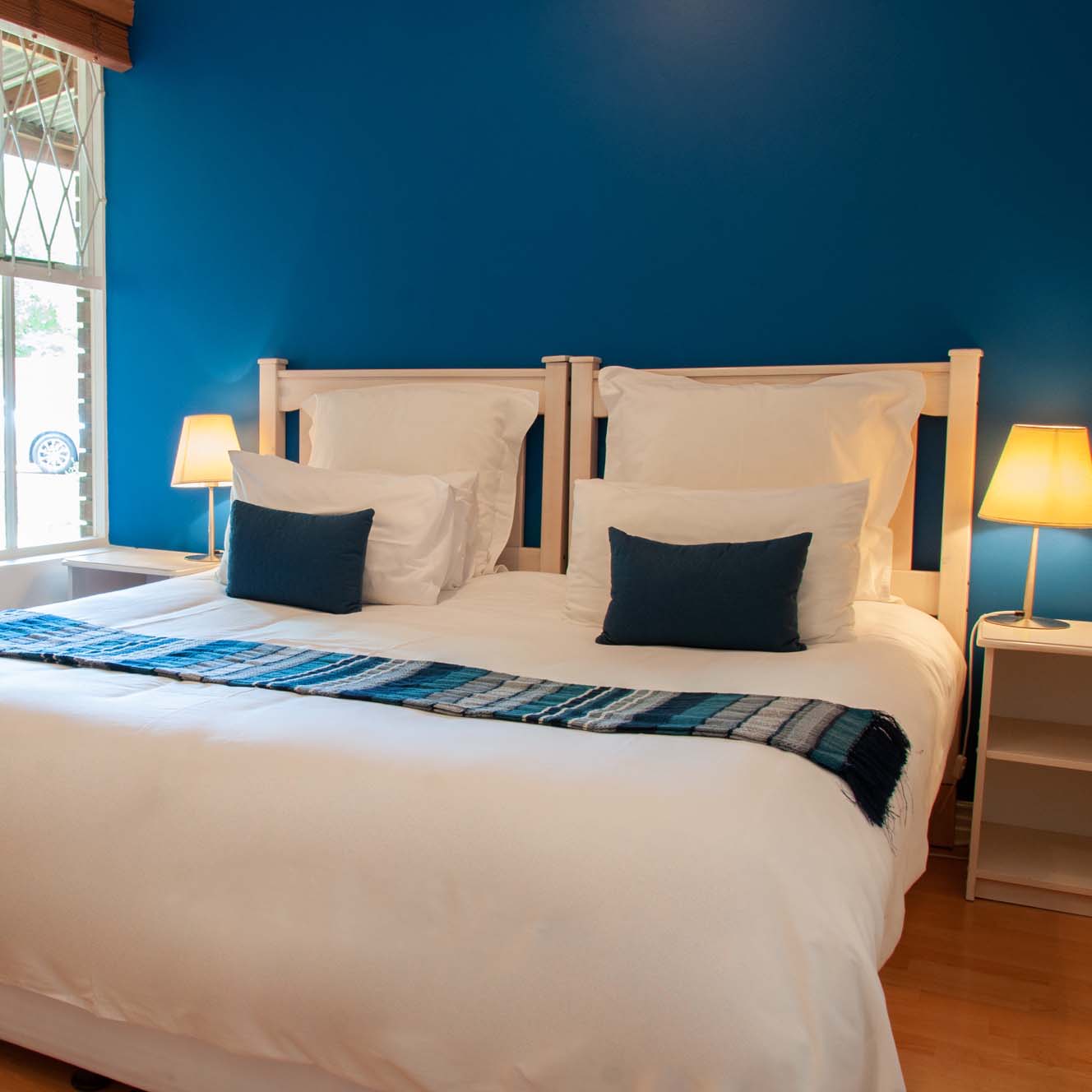
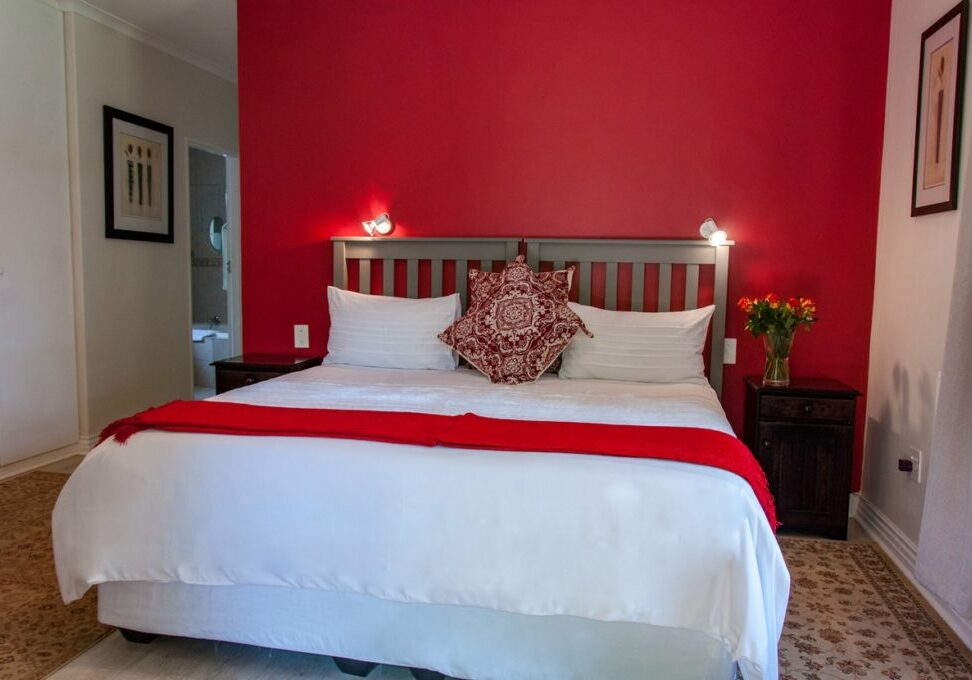
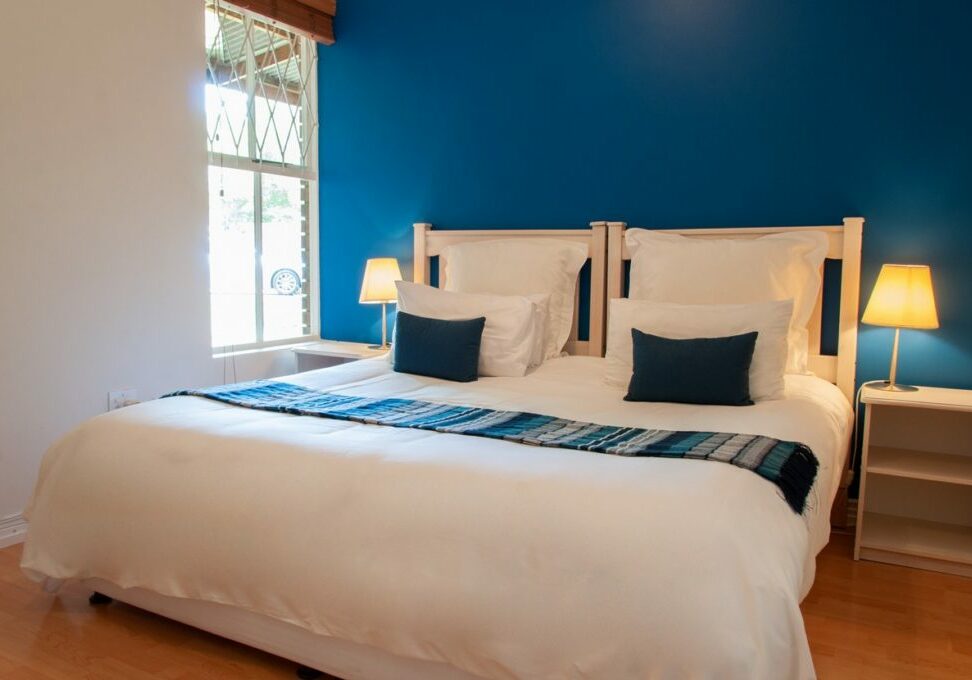
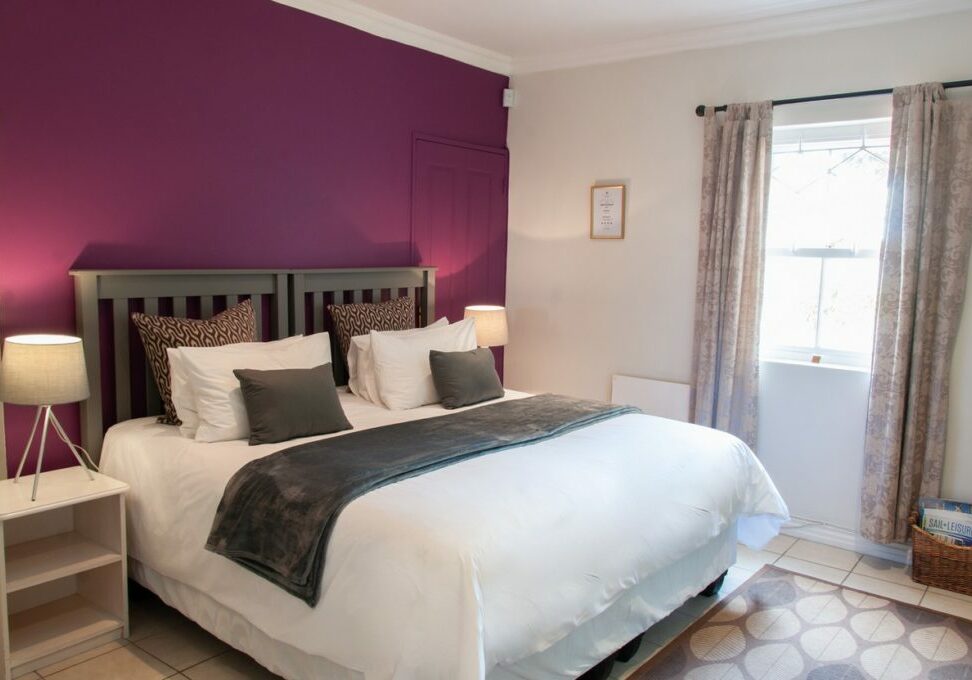
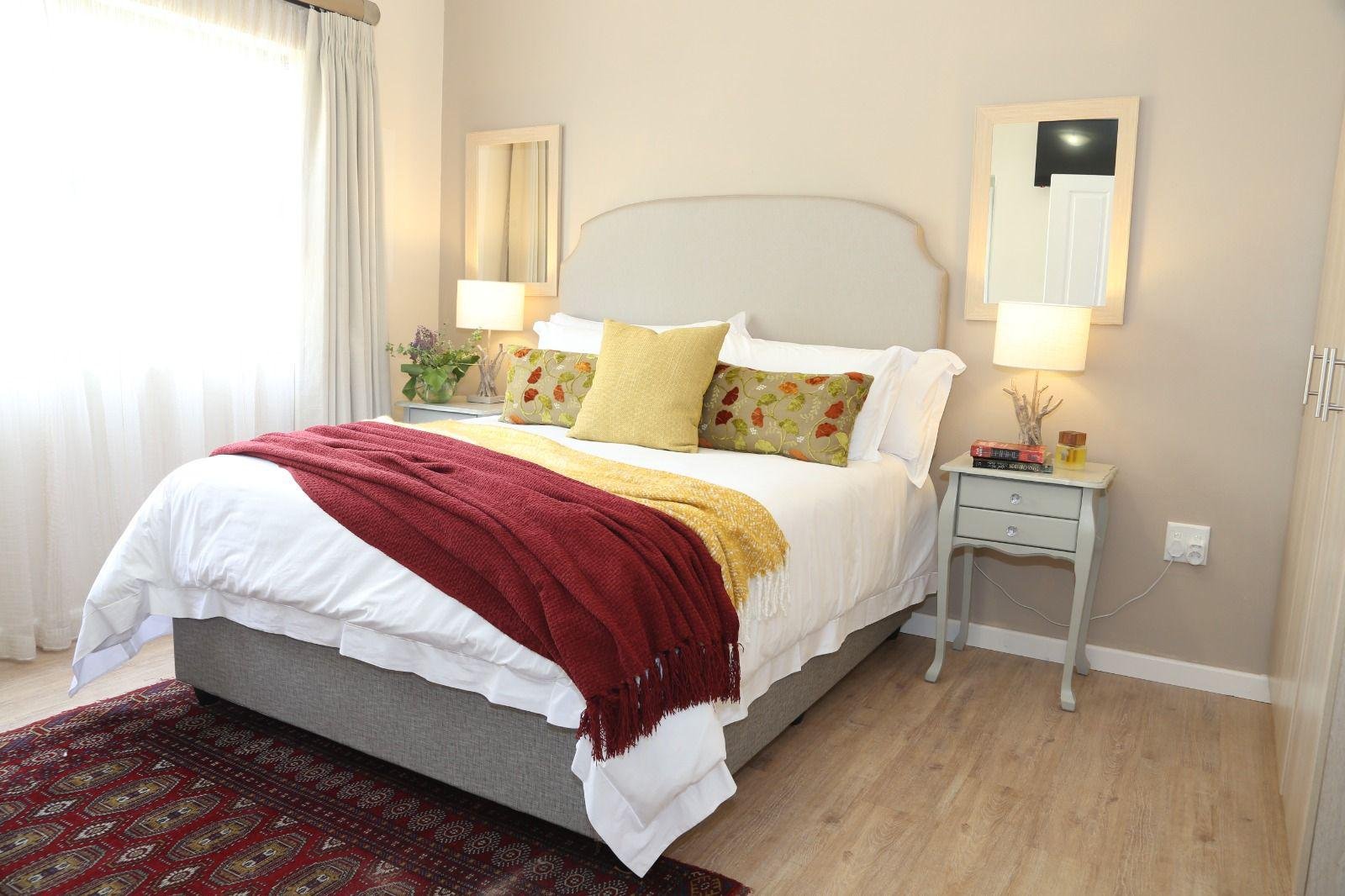
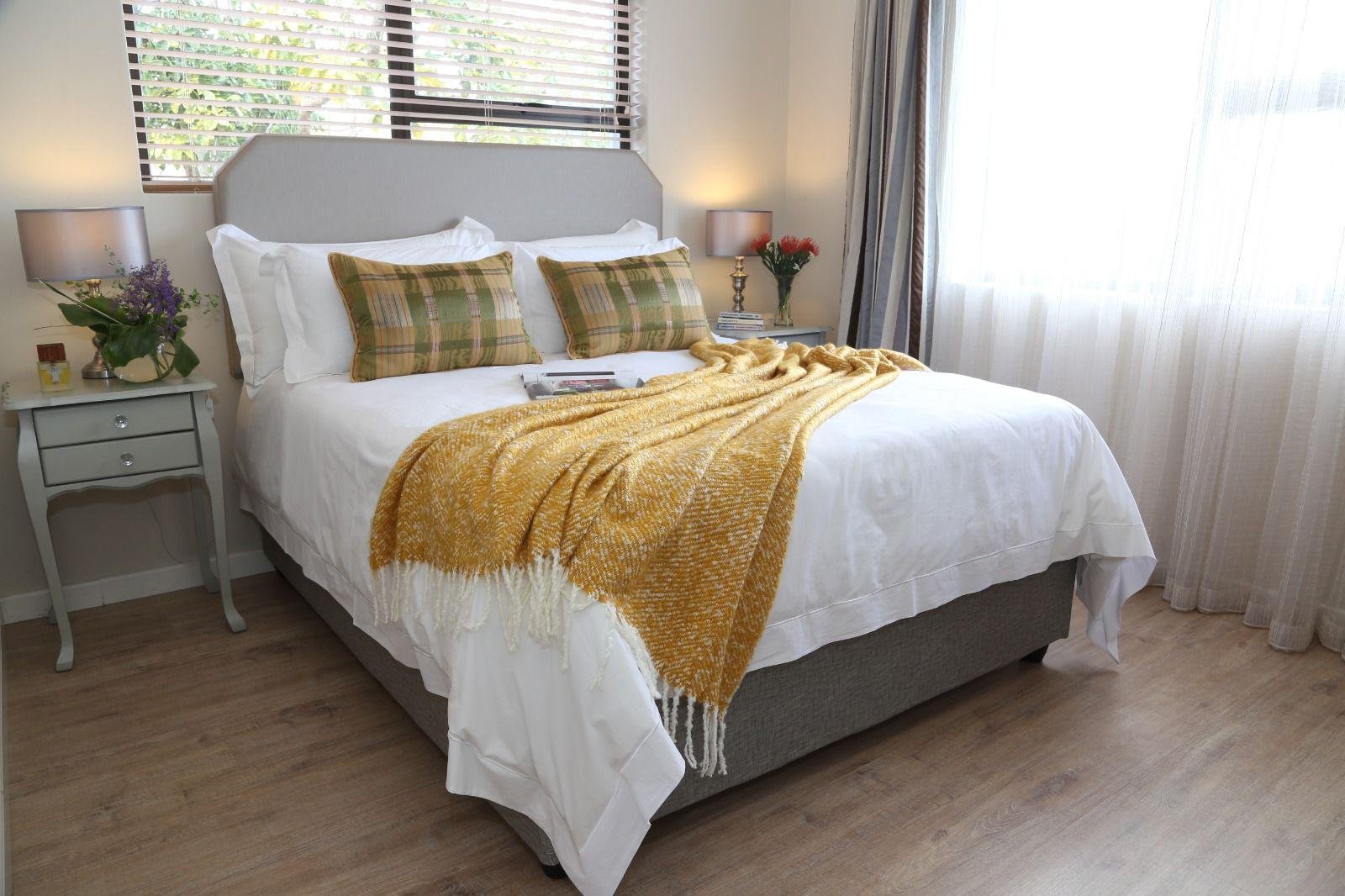
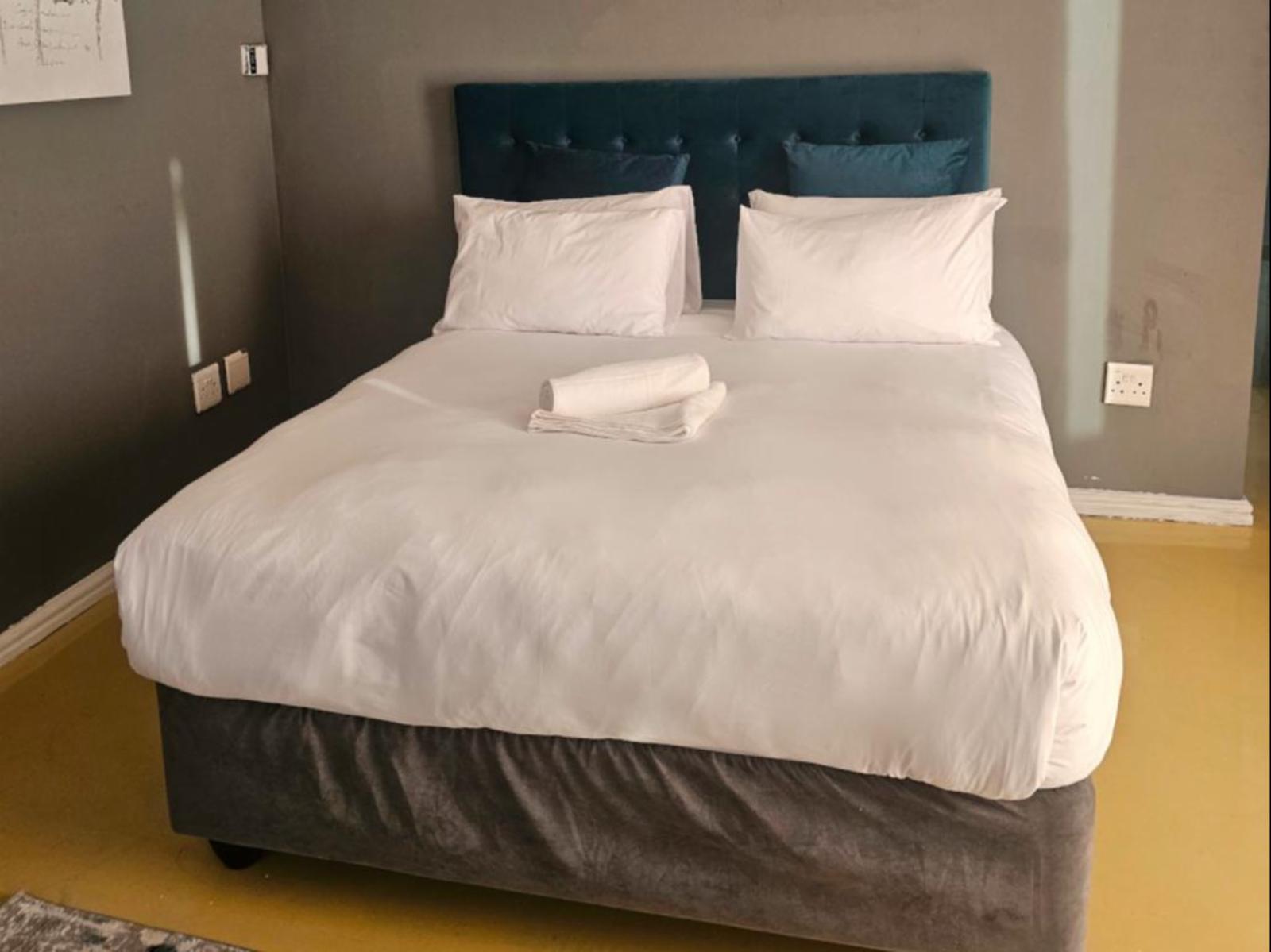
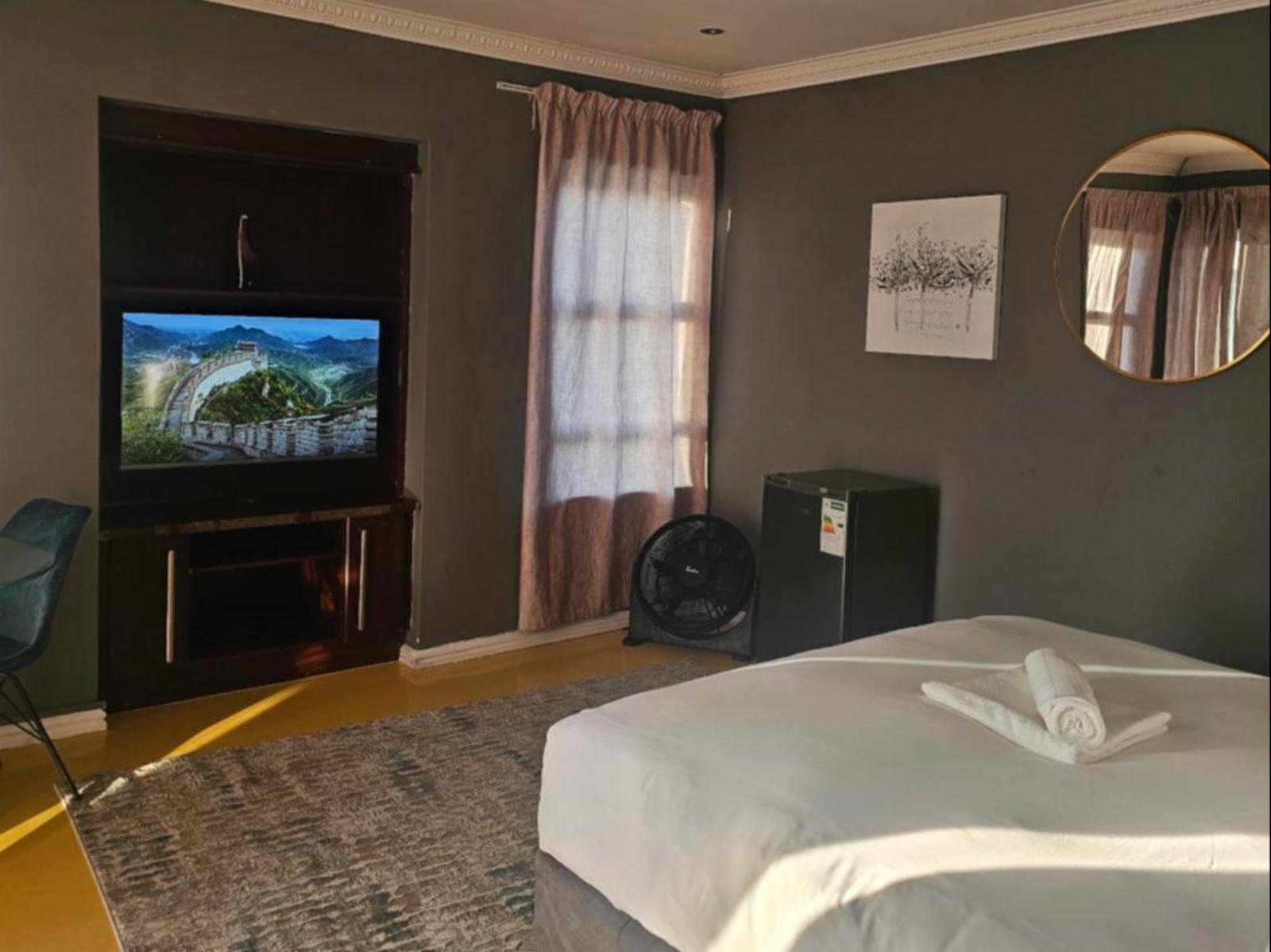
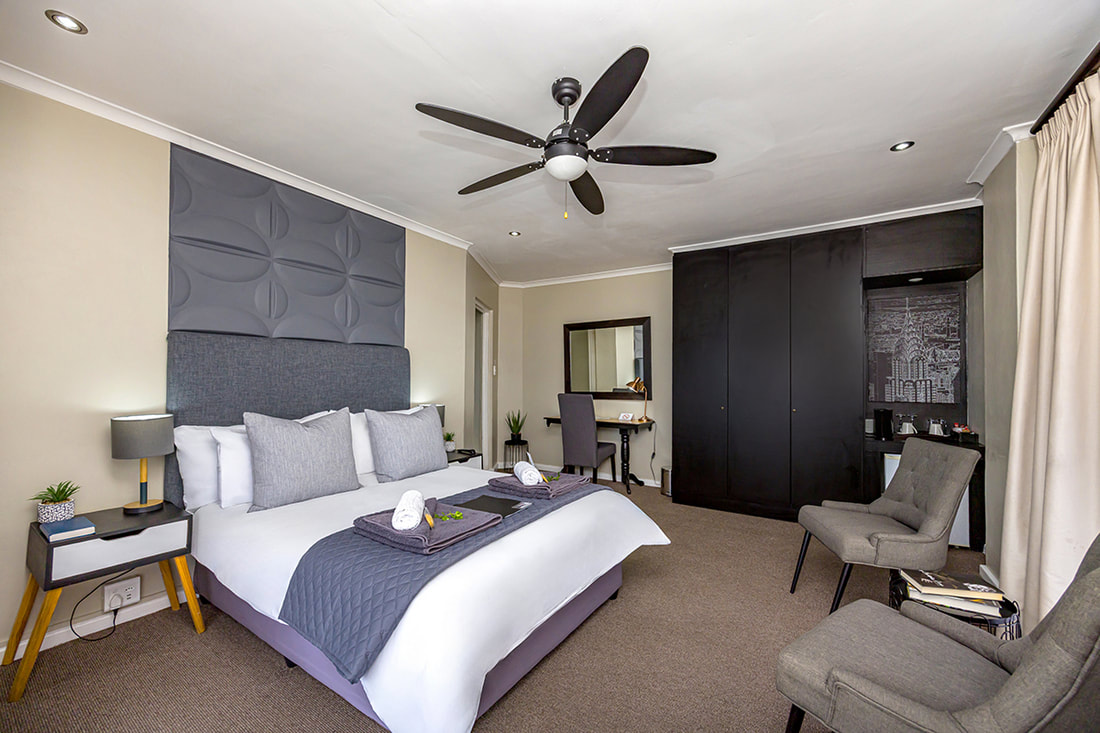
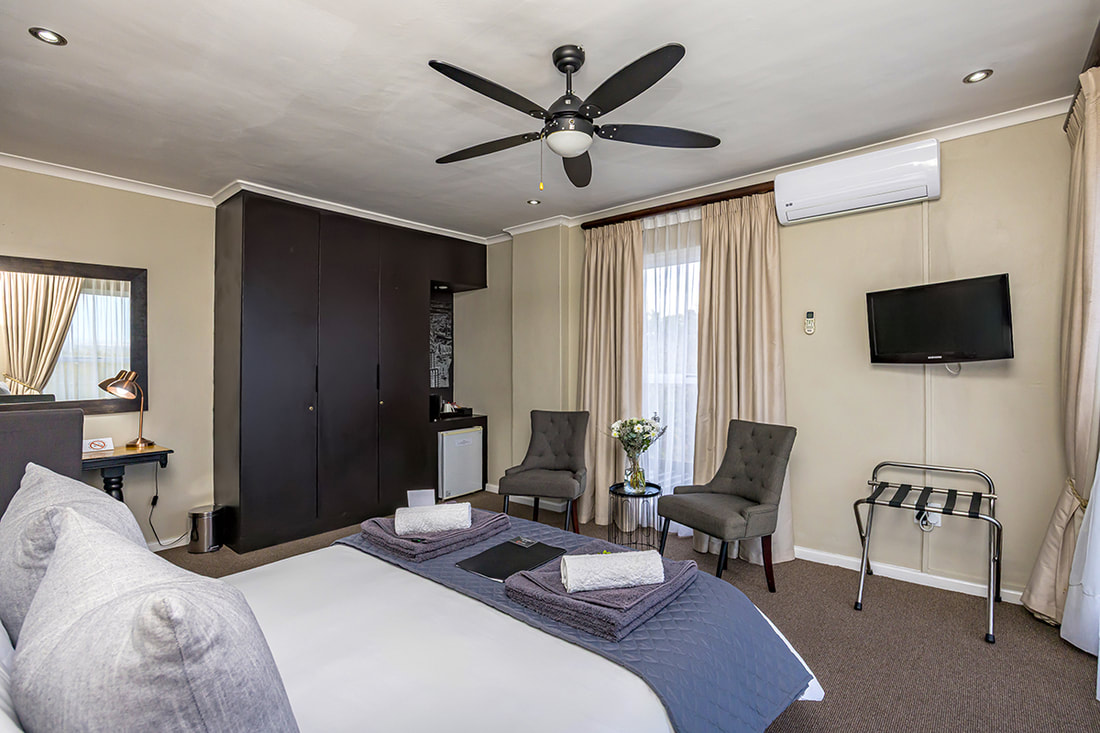
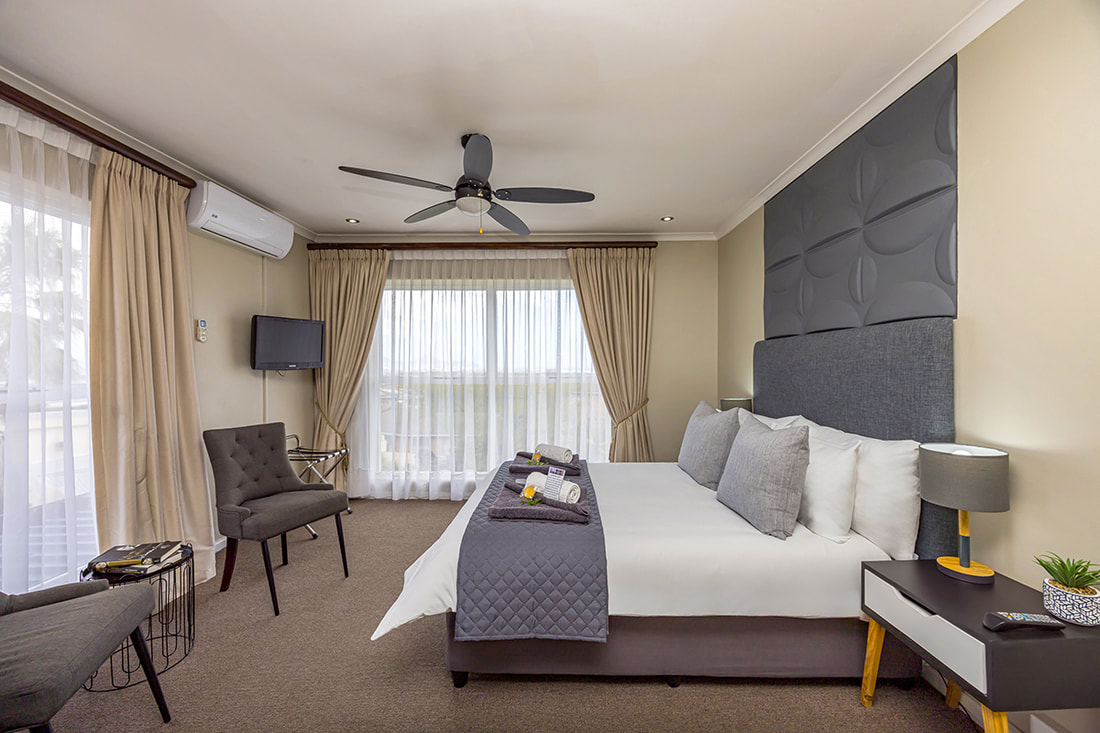
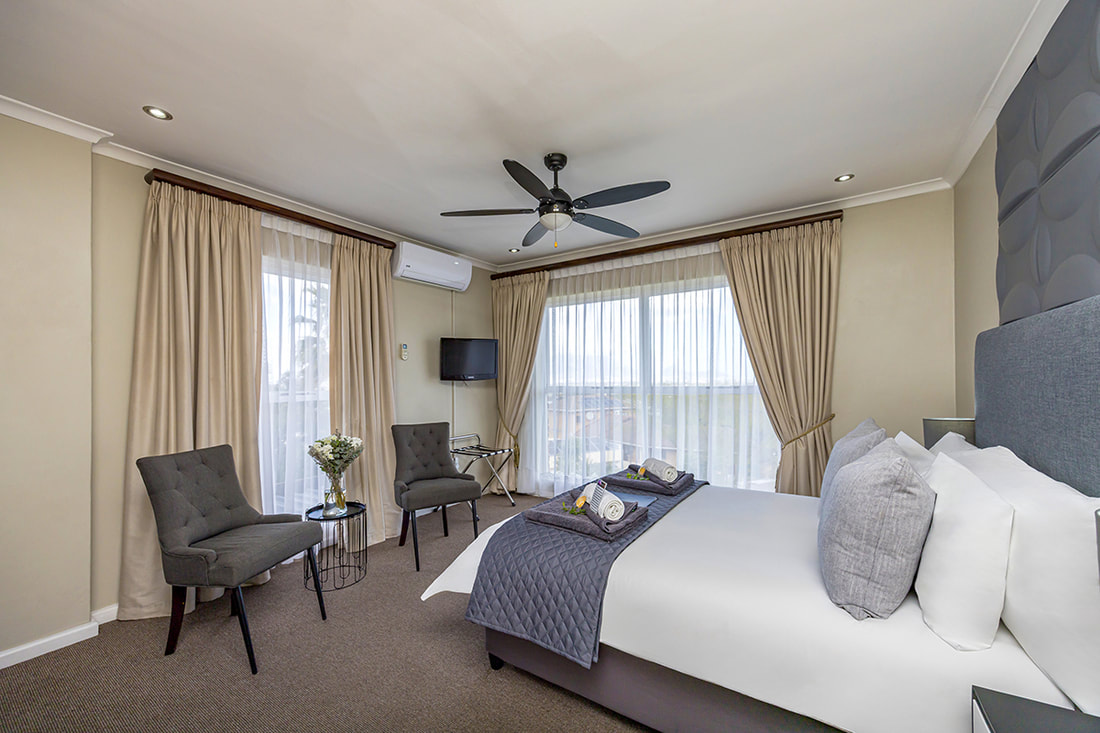
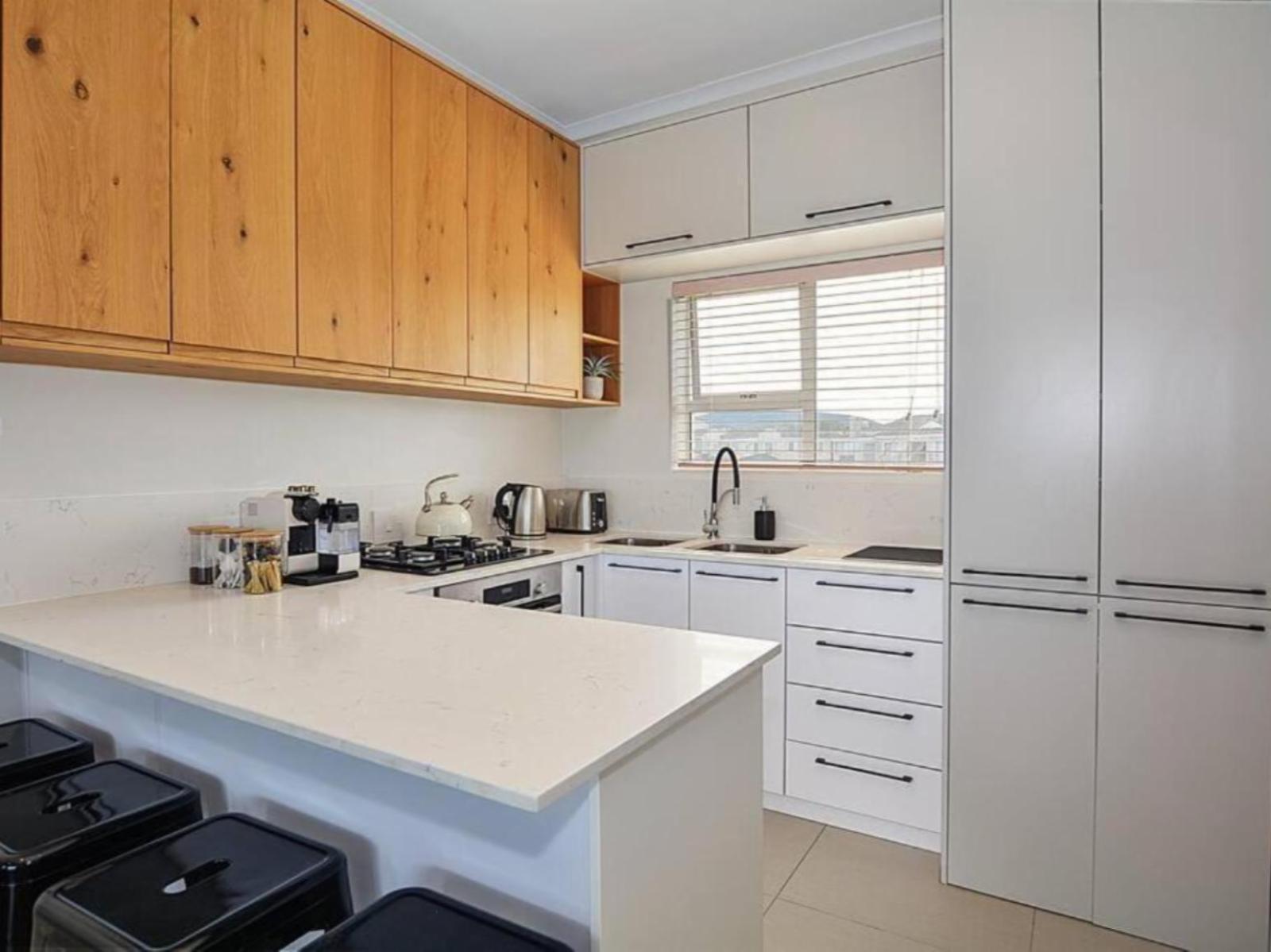
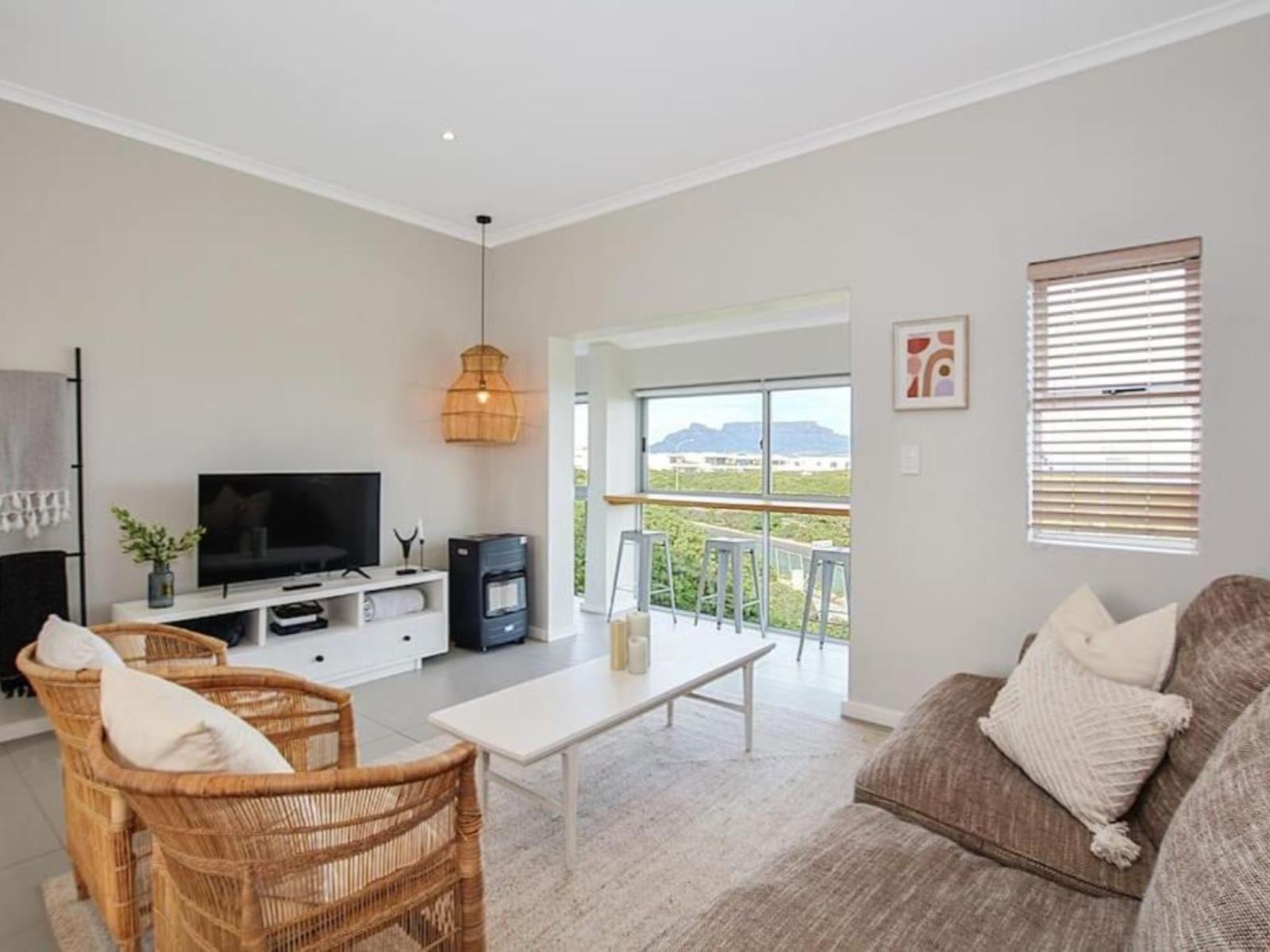
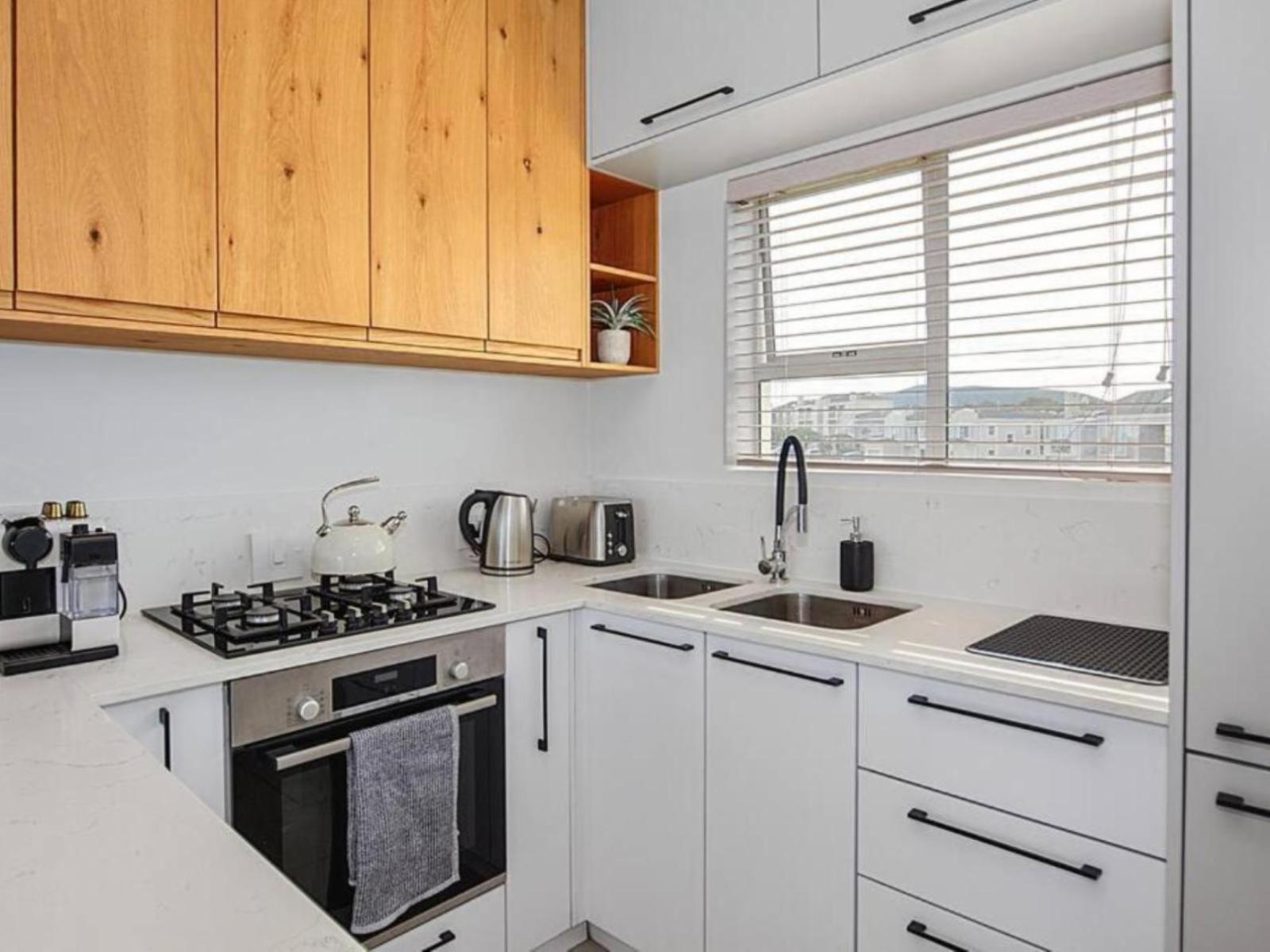
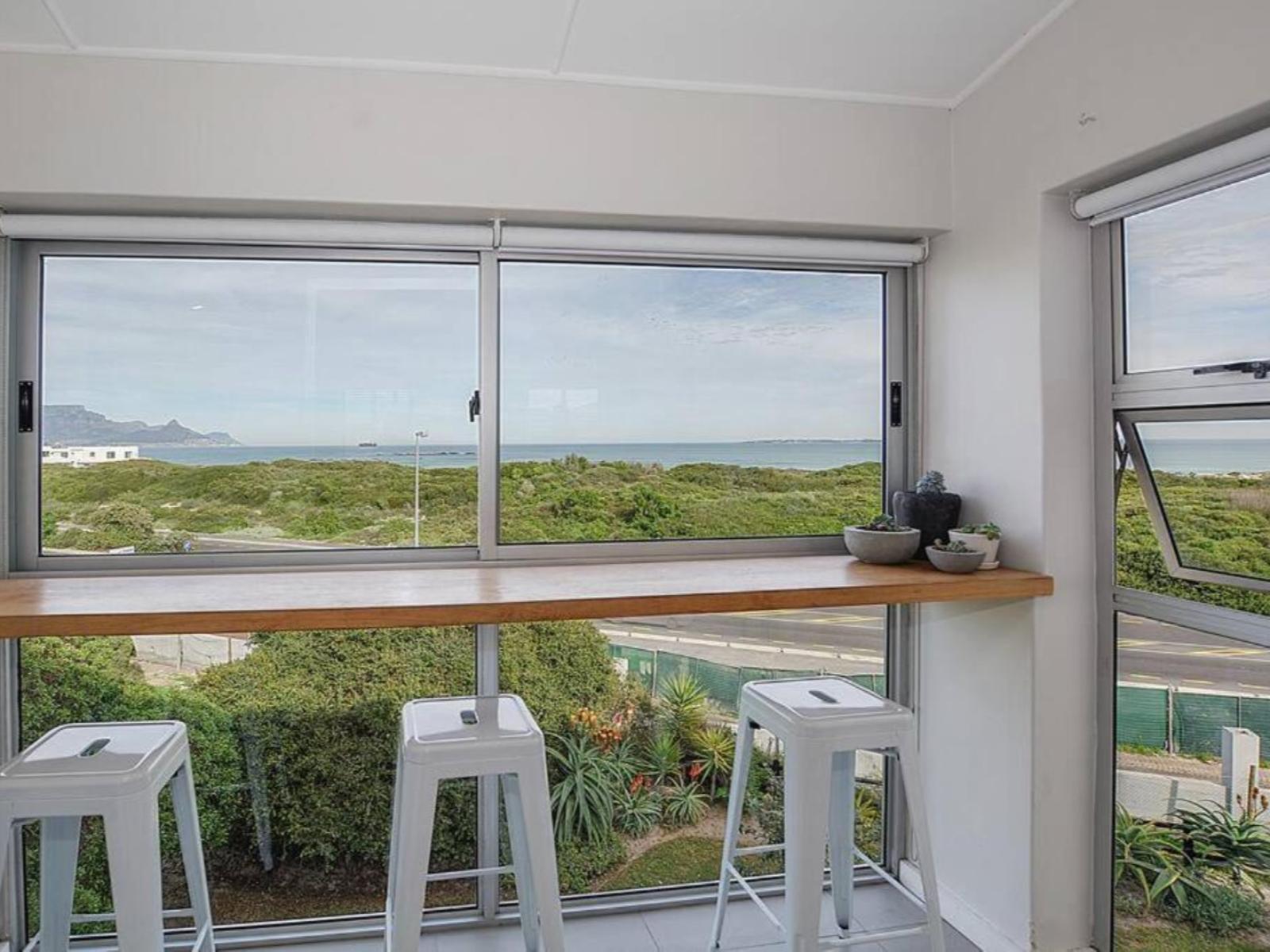
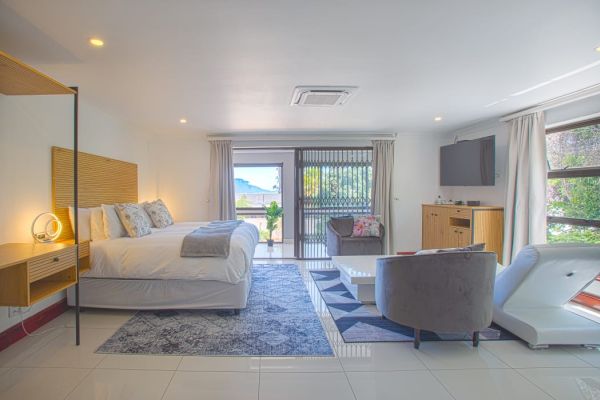
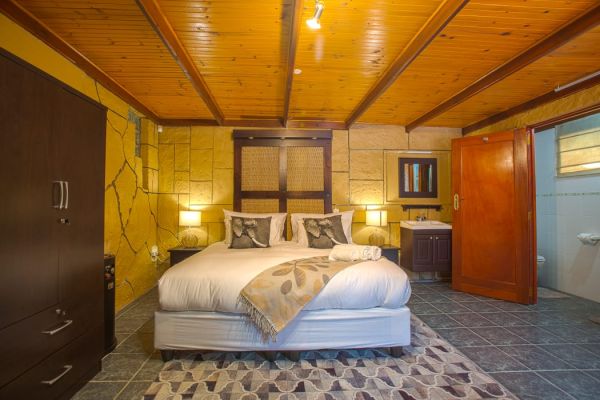
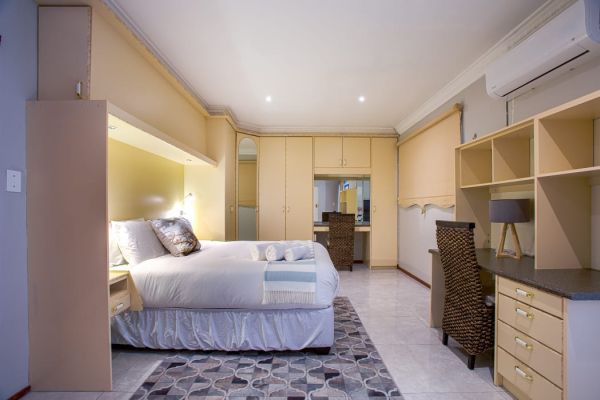
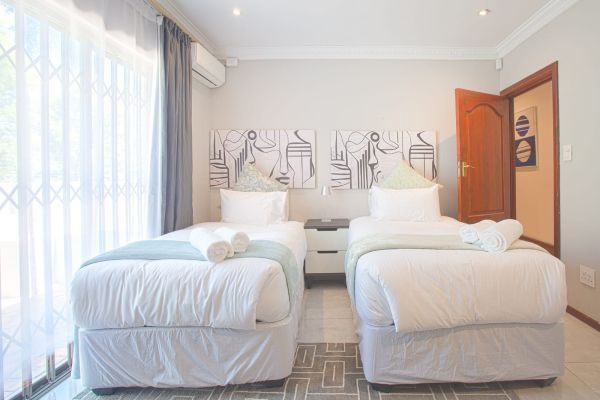
The mid-range is where most of Cape Town's options concentrate. Guest houses make up the largest share of the market, with nearly fifty listings between the two slightly differently labelled categories. They typically offer private rooms, breakfast, and a level of host presence that distinguishes them from a standard hotel stay. That host involvement is either an asset or an irrelevance depending on the traveller, but for solo visitors, couples, or small groups seeking a more home-like setting, it is often the reason for choosing one over a serviced property. Apartments provide a self-sufficient arrangement at competitive rates, often in city-adjacent locations with reasonable transport links.
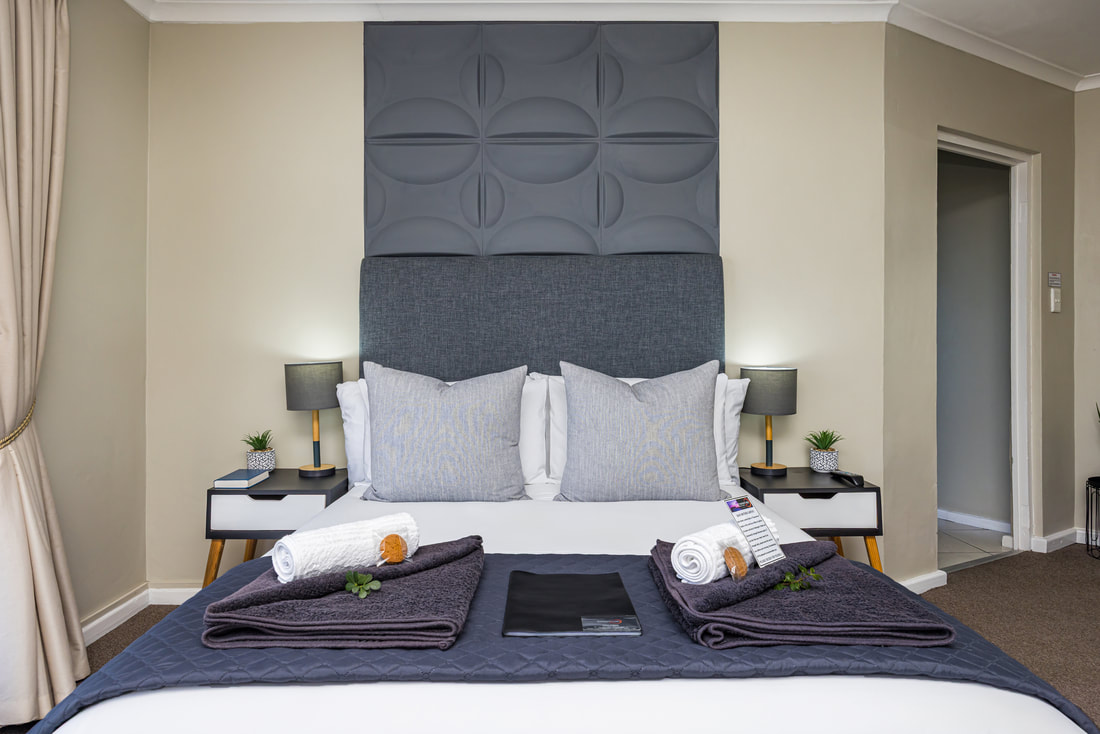
Above this band, boutique hotels average over R6,000 per night and operate with smaller room counts, more considered interiors, and higher service expectations. Self-catering properties, with full kitchen access, carry higher average costs but can offset that premium for groups or families by reducing restaurant spending over a longer stay. Villas represent the upper limit of the market, four properties averaging above R10,000 per night, suited to group occasions or stays where space and privacy are the primary requirements.
Things to Do in Cape Town
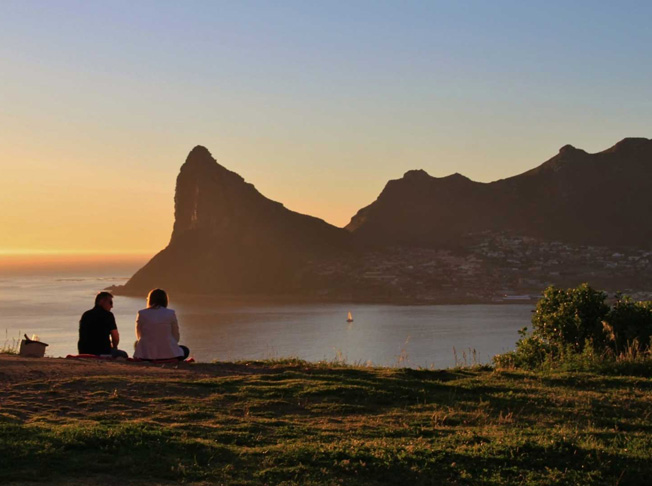
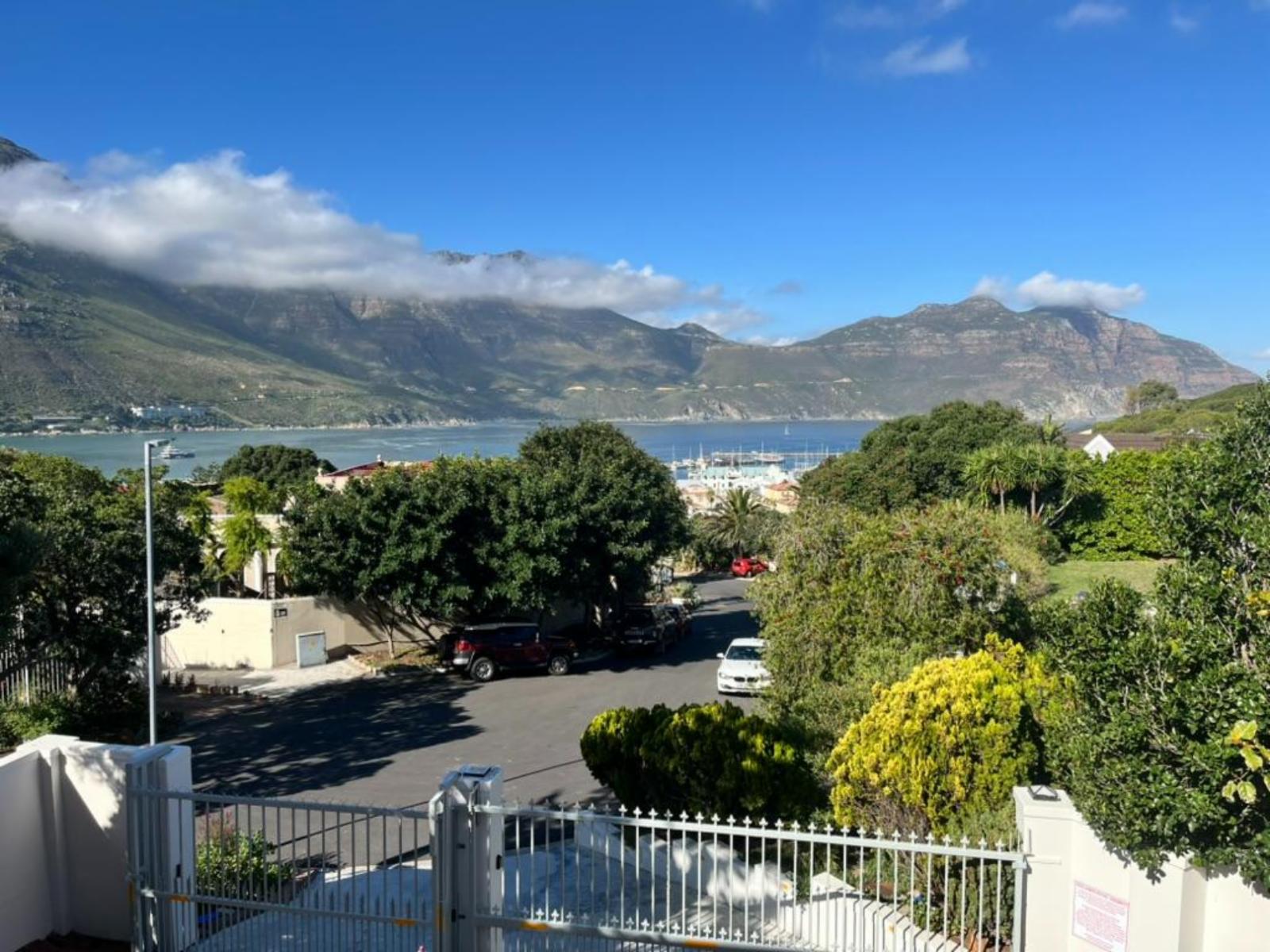
Table Mountain provides the most visible backdrop to the city and is accessible by cable car from the lower station, with the upper platform offering views across the Cape Peninsula on clear days. Several walking trails reach the summit independently, though conditions can change quickly and weather forecasts are worth checking before attempting them on foot.
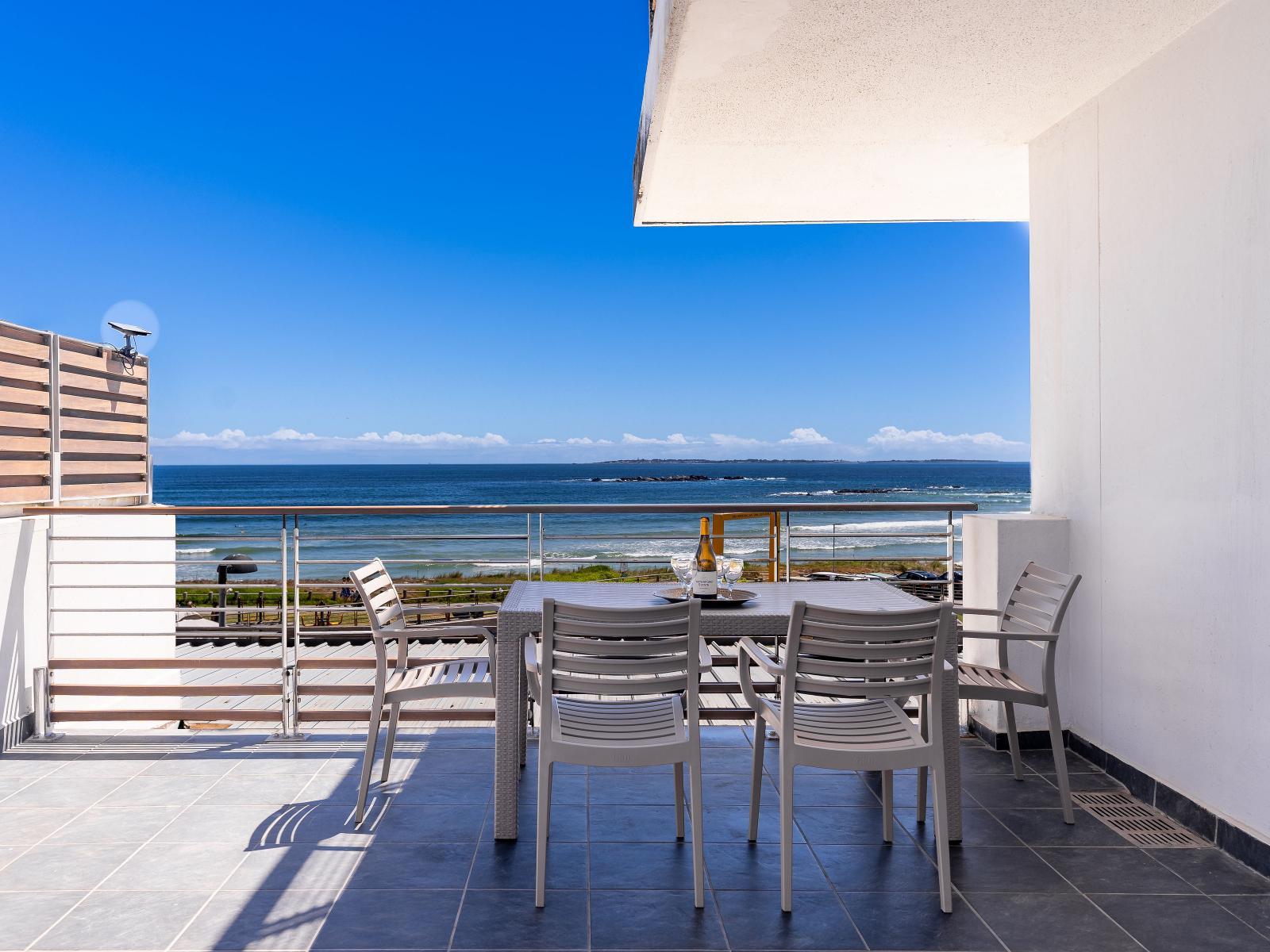
The Atlantic Seaboard beaches are within a short drive of the city centre. Camps Bay and Clifton attract the bulk of summer visitors, with mountain backdrops and reliable afternoon sun from November through February. The Benguela Current, a cold upwelling from the south Atlantic, keeps water temperatures at these beaches typically between 12°C and 16°C, which surprises visitors expecting warmer conditions at this latitude.
Around 45 kilometres south along the Cape Peninsula, Boulders Beach near Simon's Town holds a resident African penguin colony. Elevated boardwalks allow close observation of nesting birds without disruption to the animals. The beach itself is sheltered between granite outcrops and makes a logical stop on any full day spent driving the Peninsula.
In the city, the Castle of Good Hope, completed in 1679, is one of the oldest surviving colonial-era buildings in southern Africa and remains in active use. The District Six Museum covers the apartheid-era forced removals in depth, drawing on photographs, oral histories, and a mapped floor installation. Kirstenbosch National Botanical Garden occupies more than 500 hectares on the eastern slopes of Table Mountain and is accessible year-round.
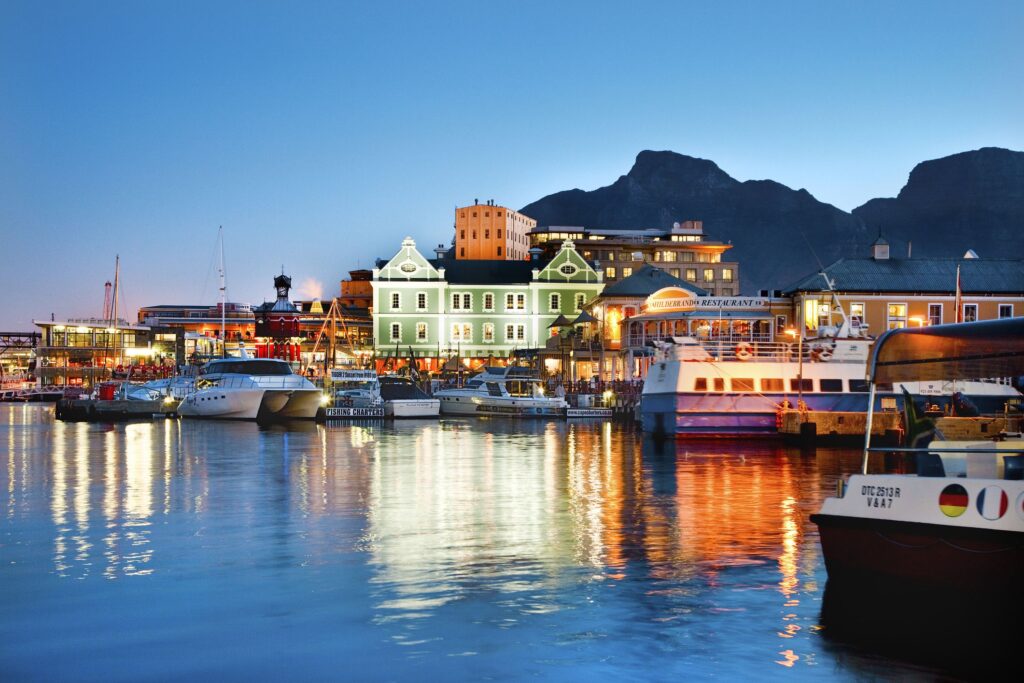
Robben Island, reachable by ferry from the V&A Waterfront, operates guided tours led partly by former political prisoners. The Waterfront itself functions as a working harbour with restaurants, retail, and boat-based activities walkable from the city centre. For wine, Stellenbosch, roughly an hour east by car, is the primary day-trip destination, with dozens of estates and a developed tasting infrastructure spread across the valley.
Best Time to Visit Cape Town
Cape Town has a Mediterranean climate, with dry, warm summers and a wetter, cooler winter season. Summer runs from November through February, with daily temperatures generally between 20°C and 30°C. December and January are the peak visitor months, when South African school holidays coincide with the warmest weather. Accommodation in coastal and central locations books up well in advance during this window, and prices rise across most categories. The city is at its most active during this period, but also at its most crowded.
The shoulder periods, March through May and September through October, offer a useful middle ground. Temperatures stay comfortable, rainfall is lower than the winter months, and available accommodation becomes noticeably easier to find at competitive rates. For most purposes, these months represent the most practical time to visit.
Winter, from June through August, brings higher rainfall and cooler temperatures, typically ranging from 7°C to 18°C. Tourist numbers drop considerably, and the city's museums and indoor attractions remain fully accessible. Whale watching along the southern Cape coast is most productive between July and November, making the winter months a purposeful travel window for visitors with that specific interest.
Getting to Cape Town
Cape Town International Airport sits roughly 20 kilometres east of the city centre and handles both domestic and international traffic. Taxis, shuttles, and app-based ride services connect the airport to the city, with journey times typically between 30 and 45 minutes subject to traffic conditions. Domestic routes run frequently to Johannesburg, Durban, and Port Elizabeth, with multiple daily departures on the main corridors. International services connect through several African hubs and to long-haul destinations in Europe.
By road, the N1 and N2 national highways carry most overland arrivals. The N1 links Cape Town to Johannesburg, covering approximately 1,400 kilometres, and is generally driven over two days with an overnight stop. The N2 follows the southern coastline toward the Garden Route and Eastern Cape. The N7 runs north to the West Coast and toward the Namibian border.
Within the city, the MyCiTi bus network covers key urban routes including a direct connection between the airport and the central city. For independent travel to the Cape Peninsula and outlying areas, renting a car is the most practical arrangement, as scheduled services do not reach all destinations reliably. App-based ride services cover most of the urban area for shorter trips and are the standard choice for point-to-point travel when a car is not available.
Cape Town and Surrounding Areas
Several suburbs within close range of the city centre offer distinct characters that complement a Cape Town stay.
Claremont, 1 kilometre out, functions as a commercial hub with a major shopping centre, a concentration of restaurants and cafés, and the kind of everyday services that central tourist areas often lack. MyCiTi connections link it directly to the city, making it a convenient stop for practical tasks alongside a meal in a less visitor-facing environment.
Rondebosch, 3 kilometres from the centre, is shaped by the University of Cape Town campus, which spreads across the slopes below Devil's Peak. Independent bookshops, grocers, and cafés give the suburb a student-influenced character. Its pace differs noticeably from the city centre, and the campus architecture and mountain setting make it worthwhile for an afternoon walk.
Constantia, 4 kilometres out, is a spacious residential suburb that holds one of the oldest wine-producing areas in the southern hemisphere. Several estates in the Constantia Valley offer cellar tours and tastings, with a production history traceable to the late 17th century. The short distance from the city makes it a practical half-day trip, and garden restaurants in the area offer a quieter alternative to city-centre dining.
Rosebank, also 4 kilometres away, sits adjacent to the university precinct with parks and tree-lined residential streets. It has no specific commercial draw but suits a slow walk or a break from busier districts, particularly for visitors staying nearby.
Grassy Park, 7 kilometres south, is a residential area with local shops and services that give a more accurate picture of everyday Cape Town than the inner tourist belt. It is accessible by road and useful context for anyone wanting to move beyond the familiar central areas.
Pinelands, 8 kilometres east, was laid out in the early 20th century as a planned garden suburb. Open parks, green corridors, and structured road layouts give it a character distinct from the parts of the city that developed more organically. It holds interest for visitors drawn to the history of planned urban design in South Africa.
Planning Your Stay
For December and January travel, booking several months ahead is the practical baseline. Coastal and city-centre properties fill well before arrival dates, and leaving bookings until closer to travel means accepting limited choices or higher rates on remaining availability. Smaller guest houses and B&Bs with only a few rooms can fill around public holidays even during quieter months.
When comparing options, recent guest reviews are more useful than property descriptions or photographs. Standards vary considerably within any category, and feedback from the past three to six months gives a more reliable reading of current conditions than older or promotional content. Before confirming, establish whether parking, Wi-Fi, and breakfast are included in the quoted rate or billed separately, since these affect any meaningful cost comparison between properties.
If travel dates are not finalised, look for properties with flexible cancellation terms rather than non-refundable discounted rates. The saving is rarely worth the restriction.
For movement after dark, app-based ride services and registered taxis are the standard approach in Cape Town as in most South African cities. Keeping to well-lit and occupied streets reduces exposure to opportunistic petty crime. For dining recommendations, accommodation hosts and local contacts generally point to better options than the most visible tourist-facing venues clustered around major attractions.