791 properties found · Showing 261–280
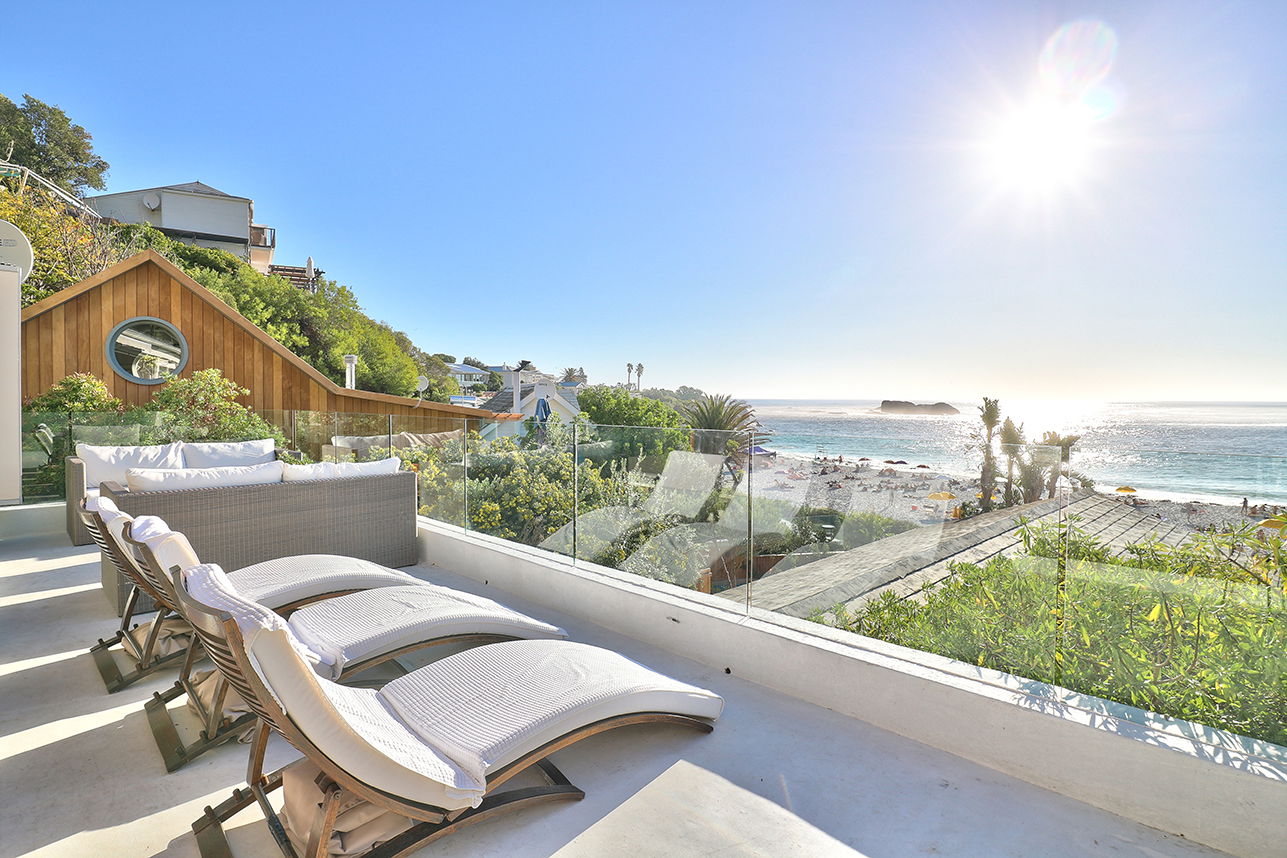
Cape Town's whale season runs June through November, when southern right whales move in close to shore to calve and nurse their young. With 94 properties listed across the Atlantic Seaboard and surrounds — from Bloubergstrand in the north to Chapman's Peak in the south — you have real options for staying within easy reach of the best land-based viewing spots. Rates run from R800 to R18,800 per night, averaging R2,383, so there's accommodation to match most budgets. August to October is peak season; book early if you want an ocean-facing property in Bantry Bay or Camps Bay.
Best Areas to Stay During Whale Season
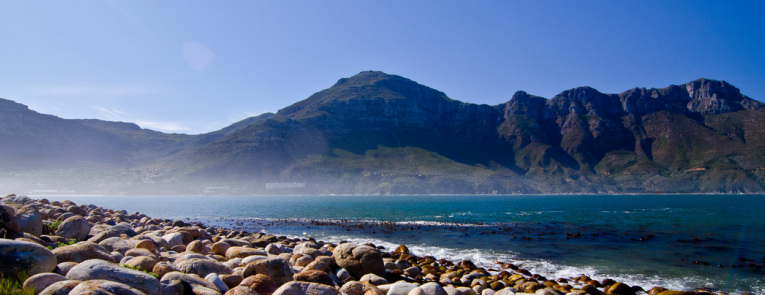
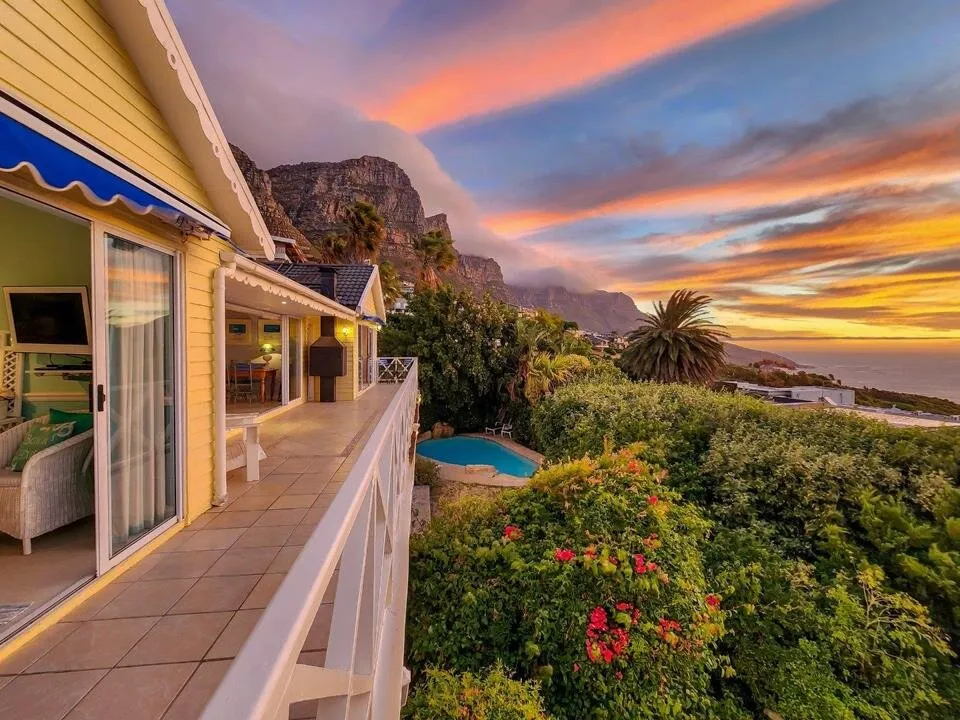
The Atlantic Seaboard gives you the most consistent whale sightings from land. Bantry Bay and Bakoven sit directly above rocky outcrops where whales often surface close enough to see without binoculars. Camps Bay has the same coastal access plus a strip of restaurants you'll want after a morning on the rocks. For views across False Bay — which draws heavy whale traffic — Chapman's Peak puts you within striking distance of the Overberg coast and Hermanus.
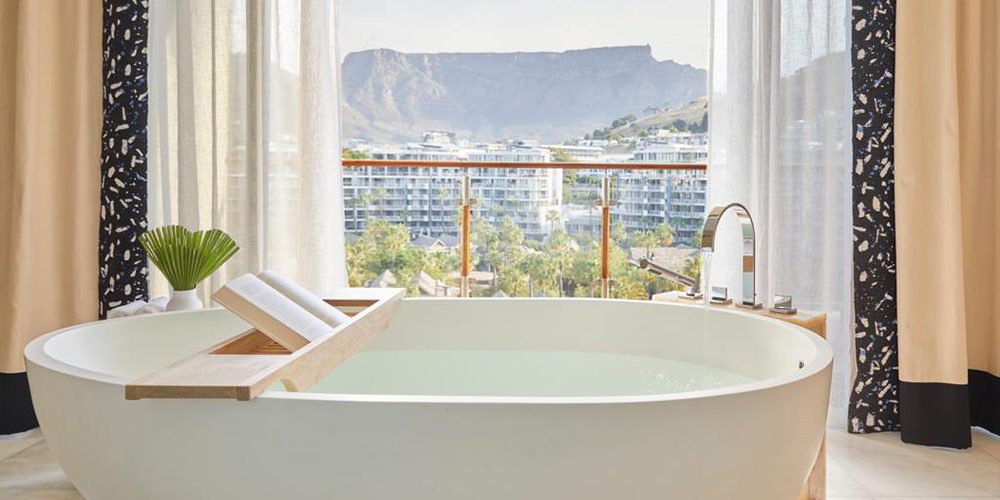
If you're driving to Hermanus for the Whale Festival (typically late September to early October), Bloubergstrand or Bloubergrant are solid overnight bases. Rates there run lower than the Atlantic Seaboard, and you get Table Mountain views across the bay as a bonus.
What to Expect from Winter and Spring Weather
Cape Town winters are mild by global standards but genuinely wet. June and July bring the bulk of cold fronts — pack a waterproof jacket and expect wind. By August the days begin to clear, September is typically the most comfortable month for outdoor time, and October can feel like early summer. This matters for whale watching: flat-calm days make sightings far easier, and the Atlantic can be rough enough to cancel boat trips in June.
Land-Based vs Boat-Based Viewing
Cape Town's shoreline is good enough that you don't need a boat. The Sea Point promenade, Signal Hill, and the rocks at Bakoven all produce reliable sightings from August through October. If you're travelling with children or anyone prone to seasickness, land-based watching is the better call. Boat trips depart from the V&A Waterfront and Hout Bay; they get you closer to the animals but sea conditions in June and July often cancel departures.
Choosing the Right Property
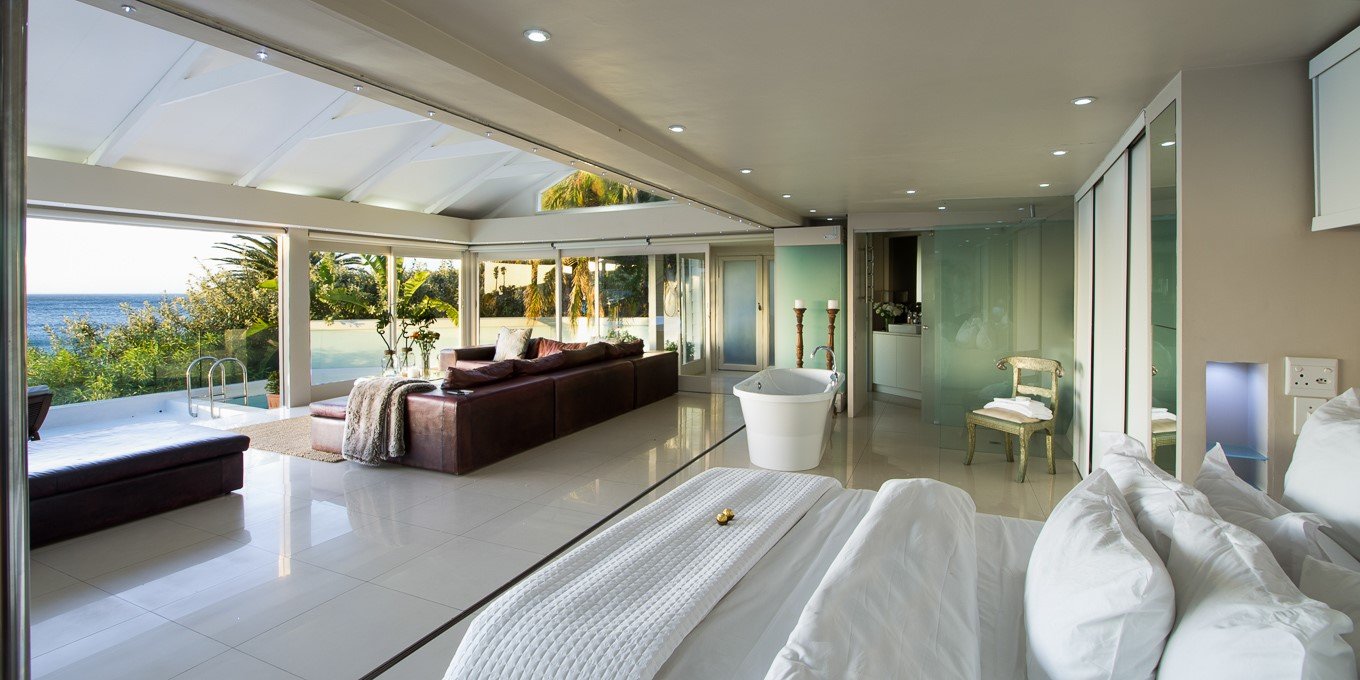
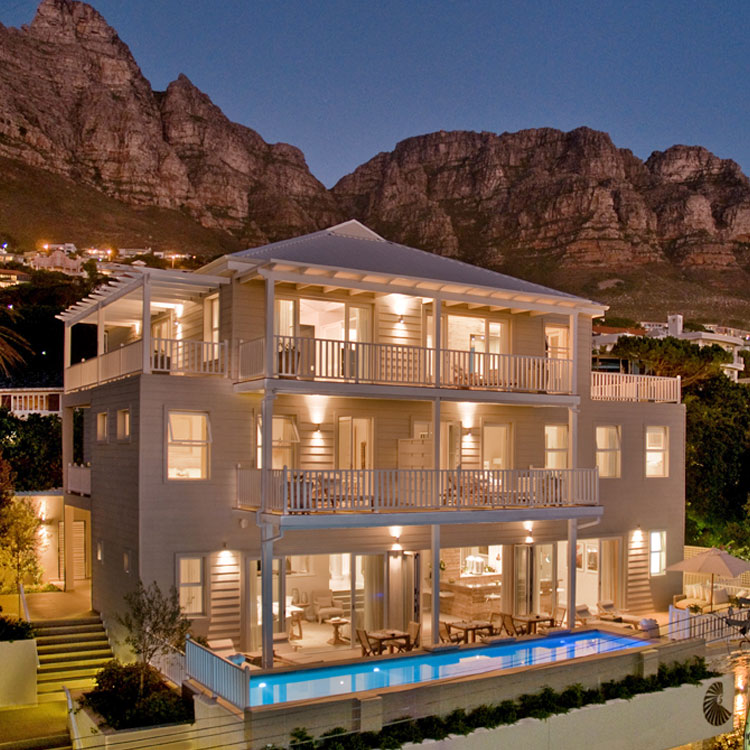
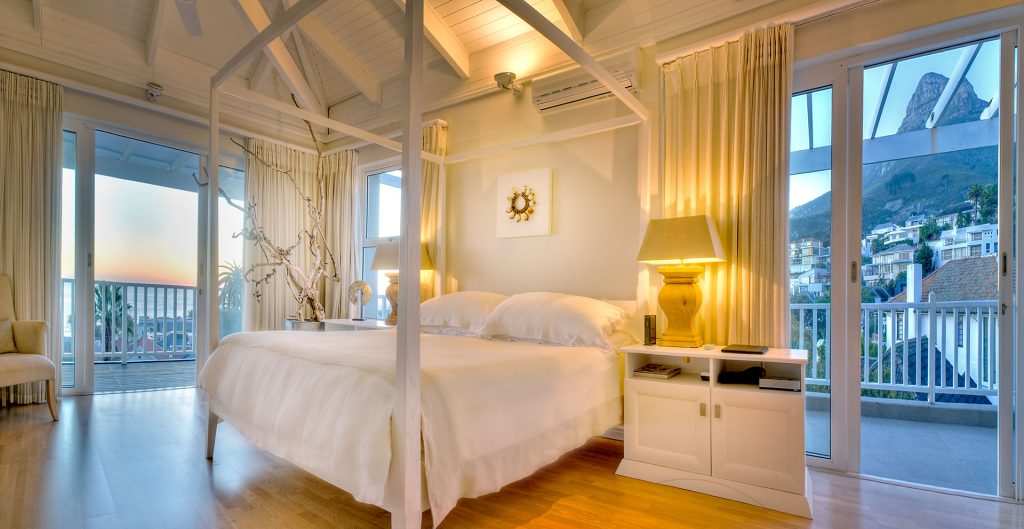
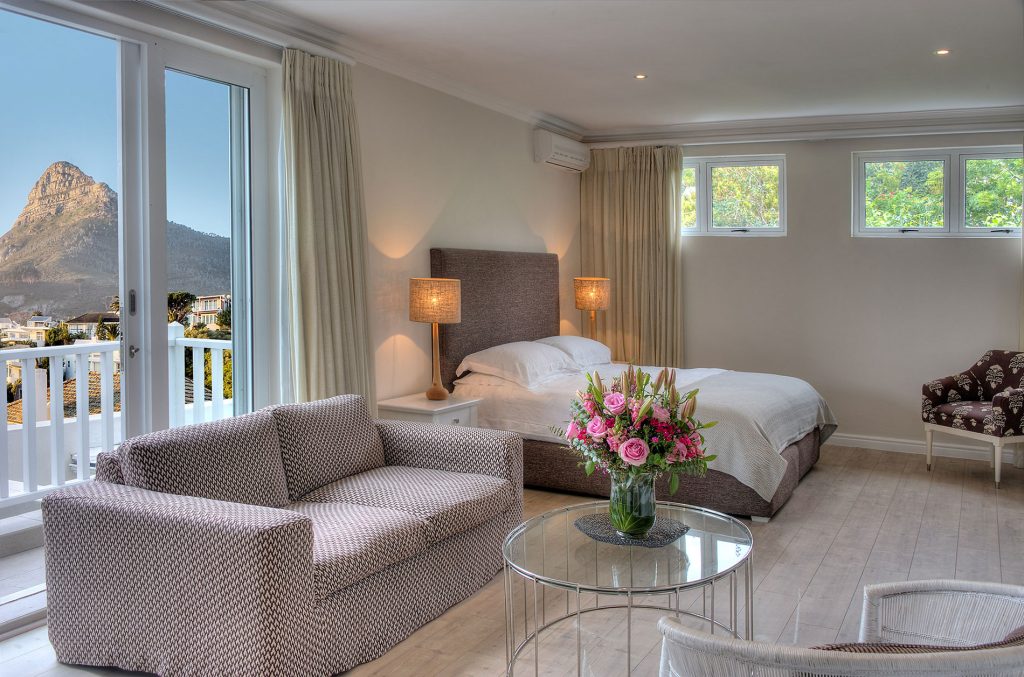
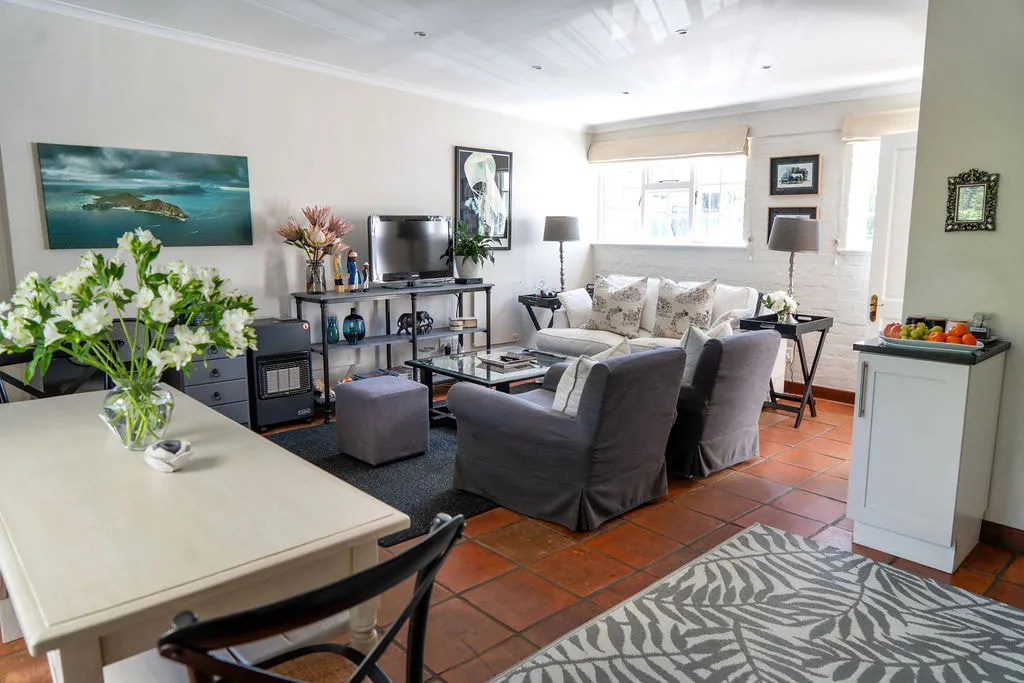
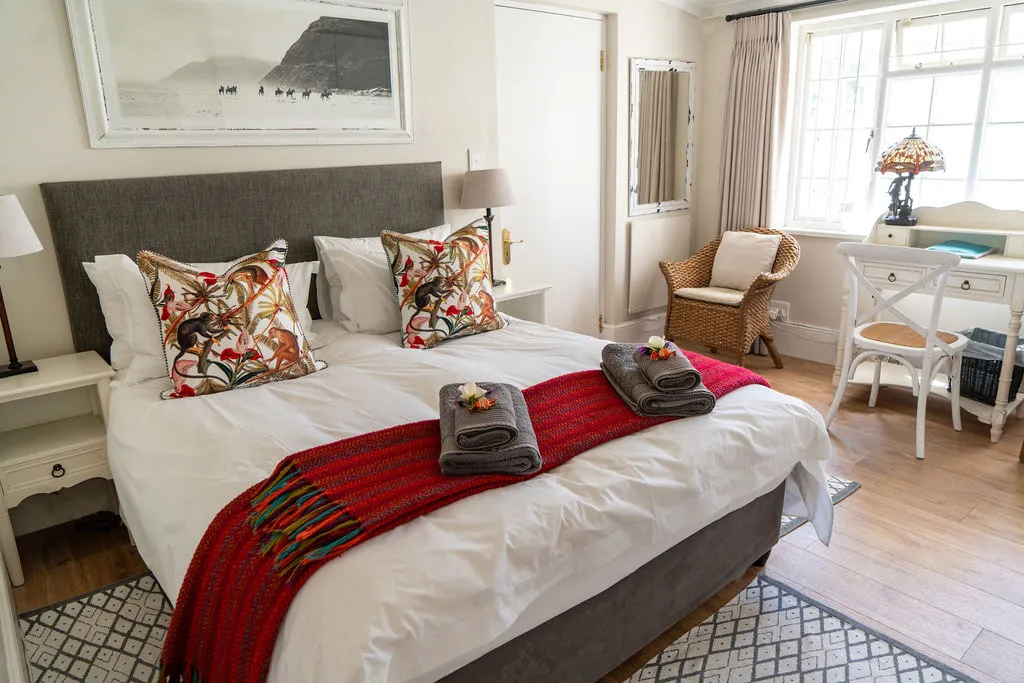
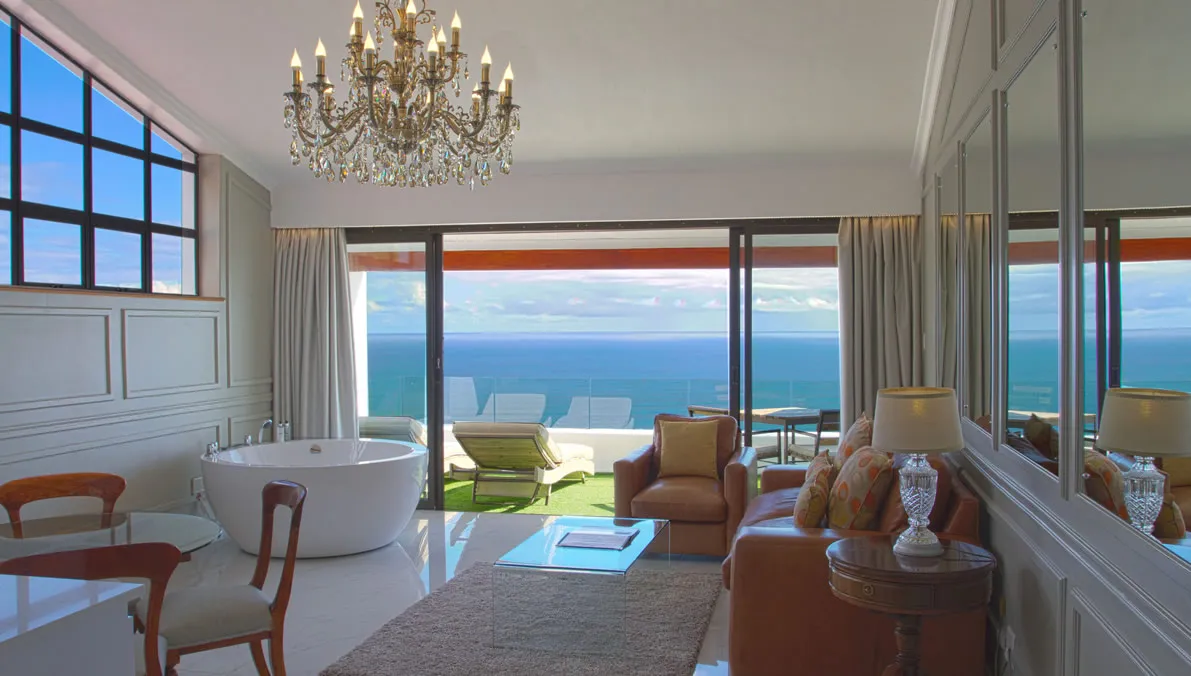
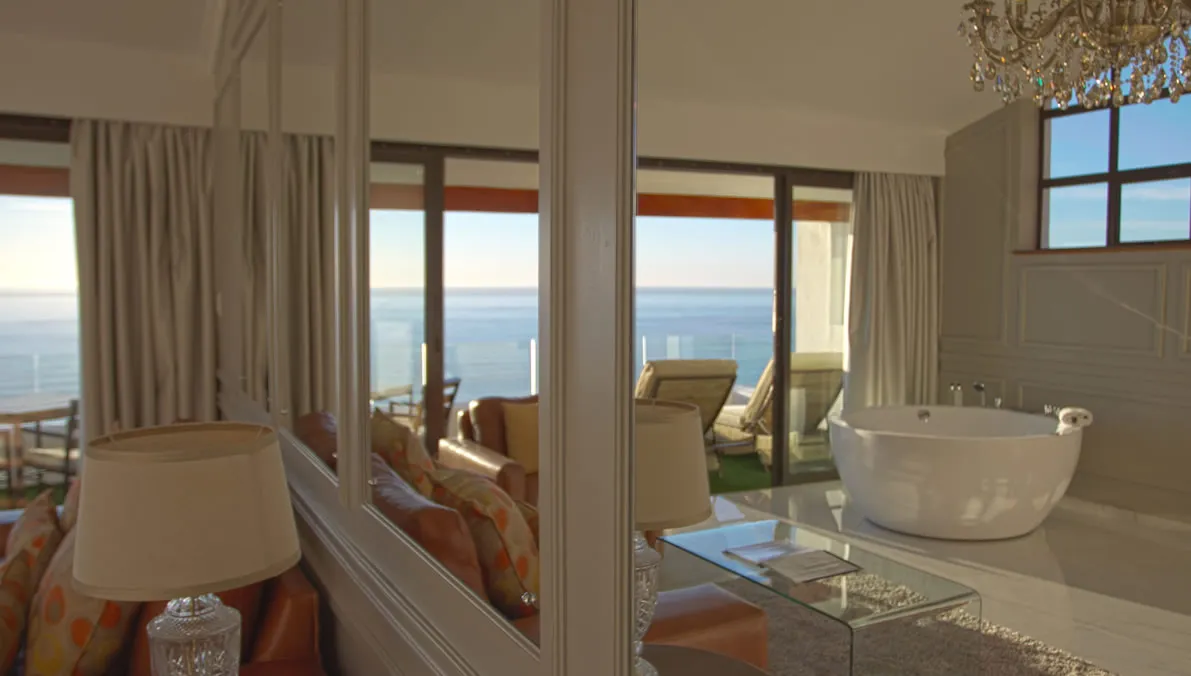
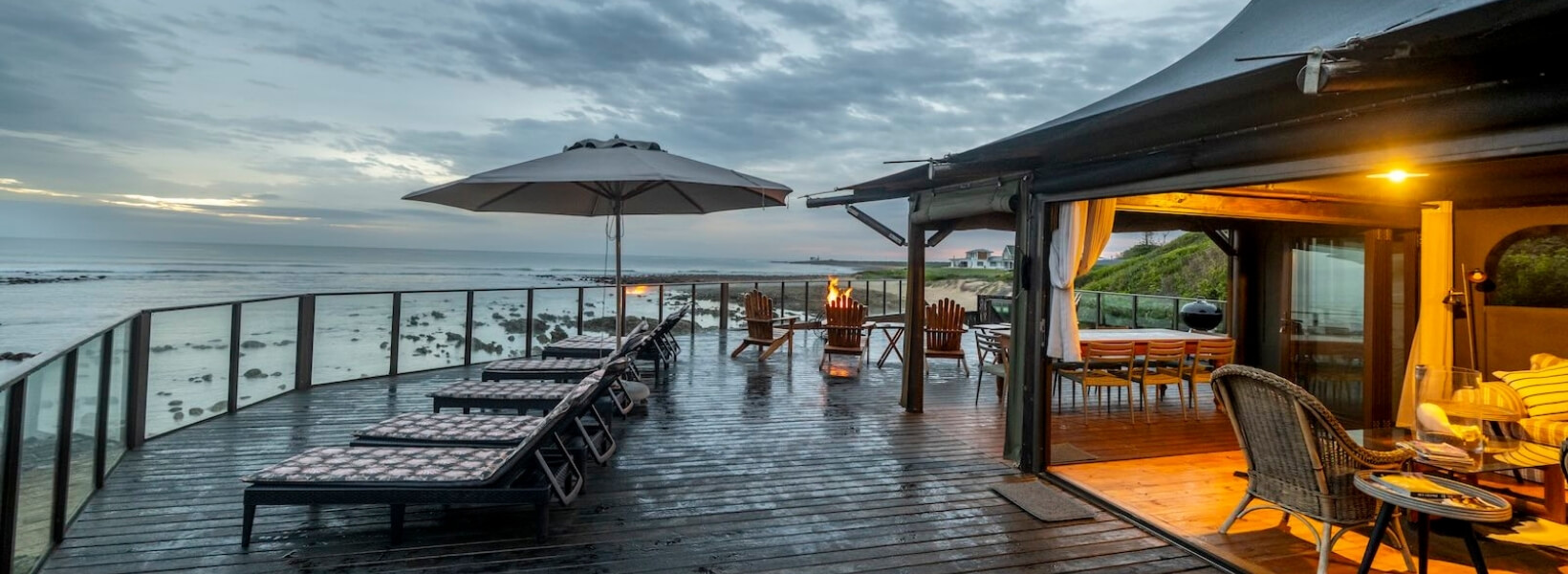
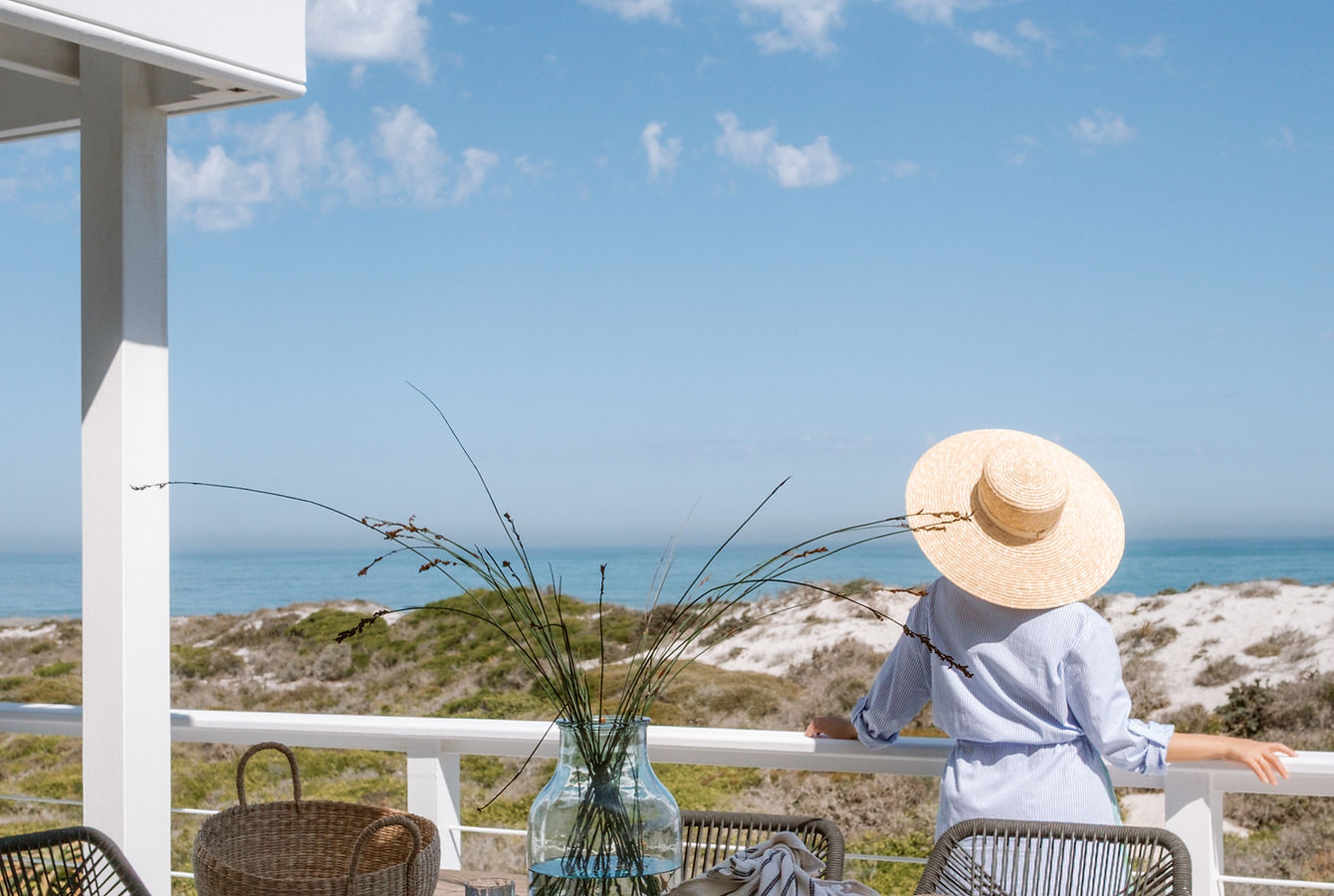
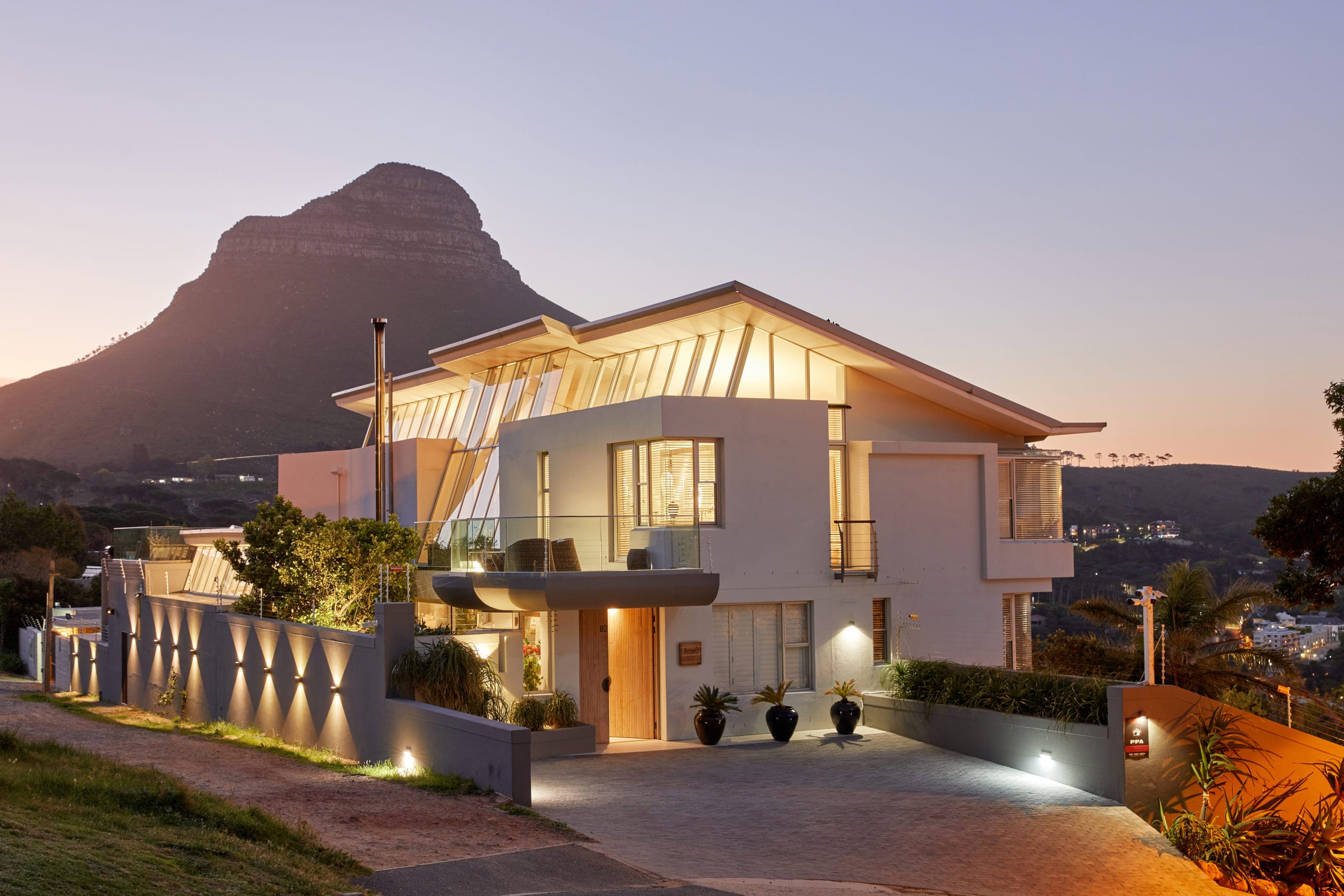
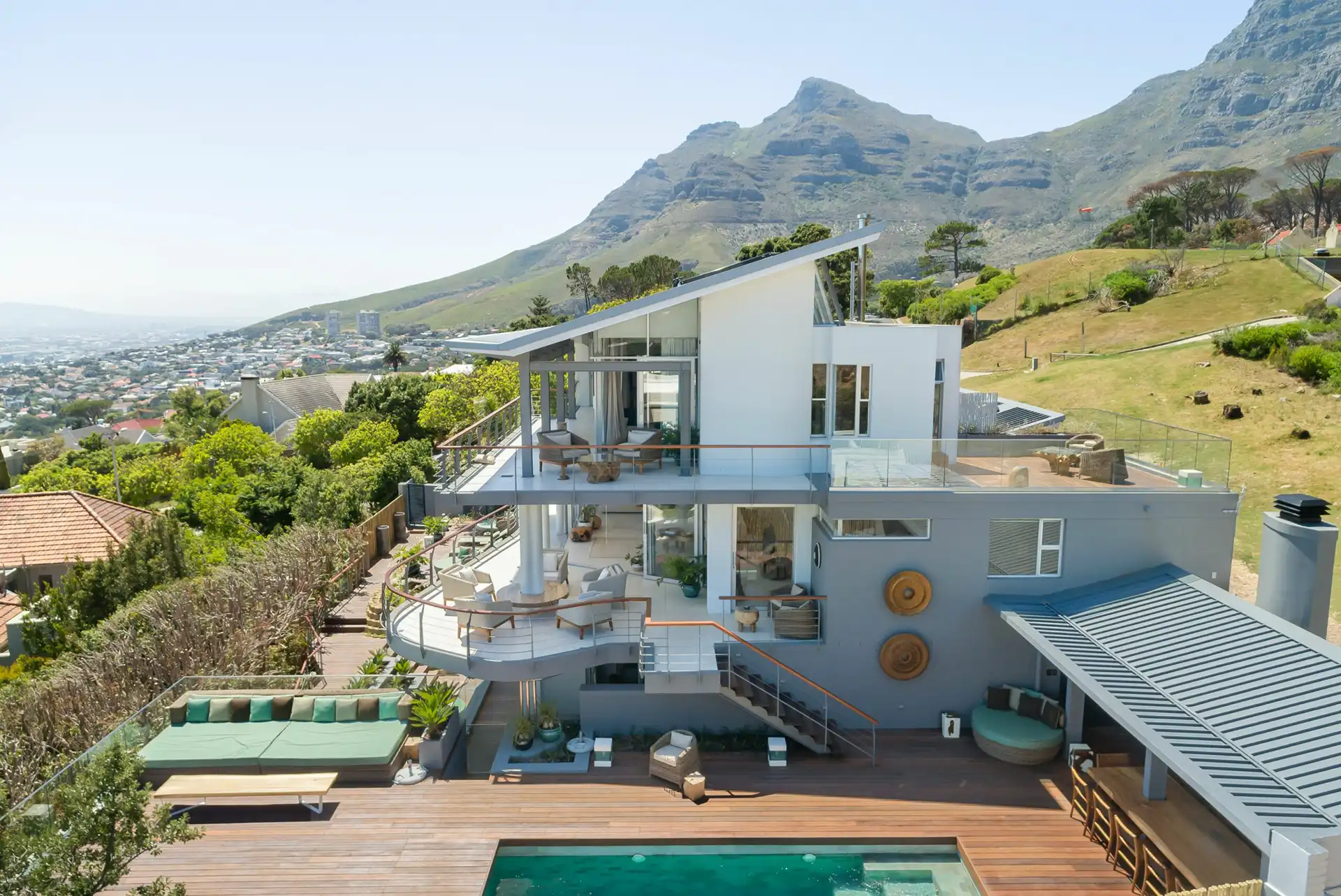
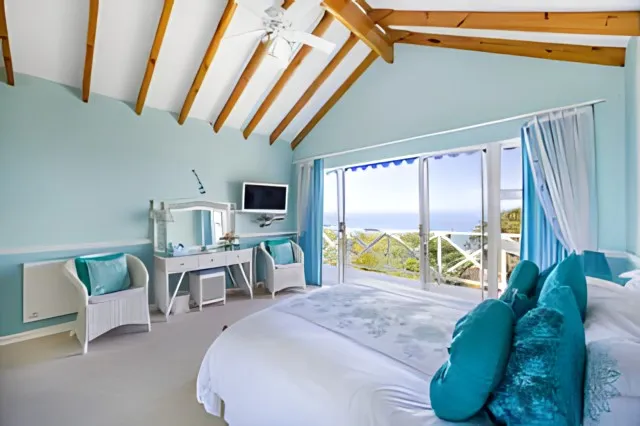
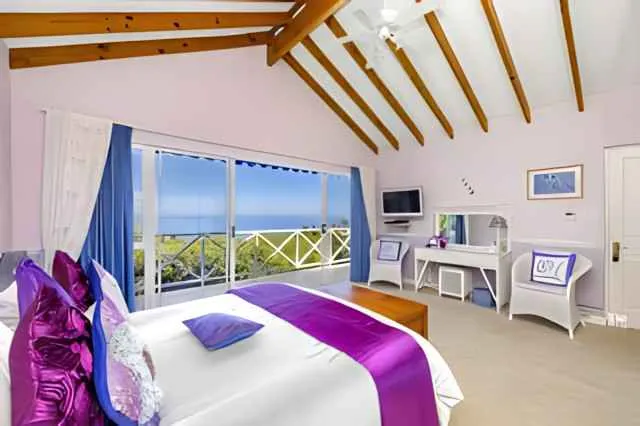
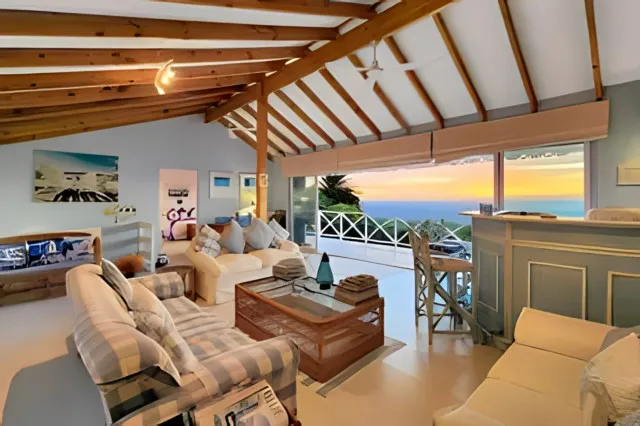
Of the 94 listed properties, most fall between R1,500 and R4,000 per night. Budget options from R800 are concentrated in Bellville and Bloubergrant — good value if you have a car. Properties in Bantry Bay and Camps Bay carry premium rates, some above R10,000 per night, but you're paying for direct ocean views and the ability to scan the water from your balcony. For the best mid-range value with whale-close positioning, Bakoven and the quieter end of Camps Bay are worth prioritising.
Winter also means fewer visitors, lower hotel occupancy, and more room to negotiate on multi-night stays. For a city break that combines wildlife, food, and no school-holiday crowds, whale season is one of the better times to visit Cape Town.