Accommodation in Cederberg
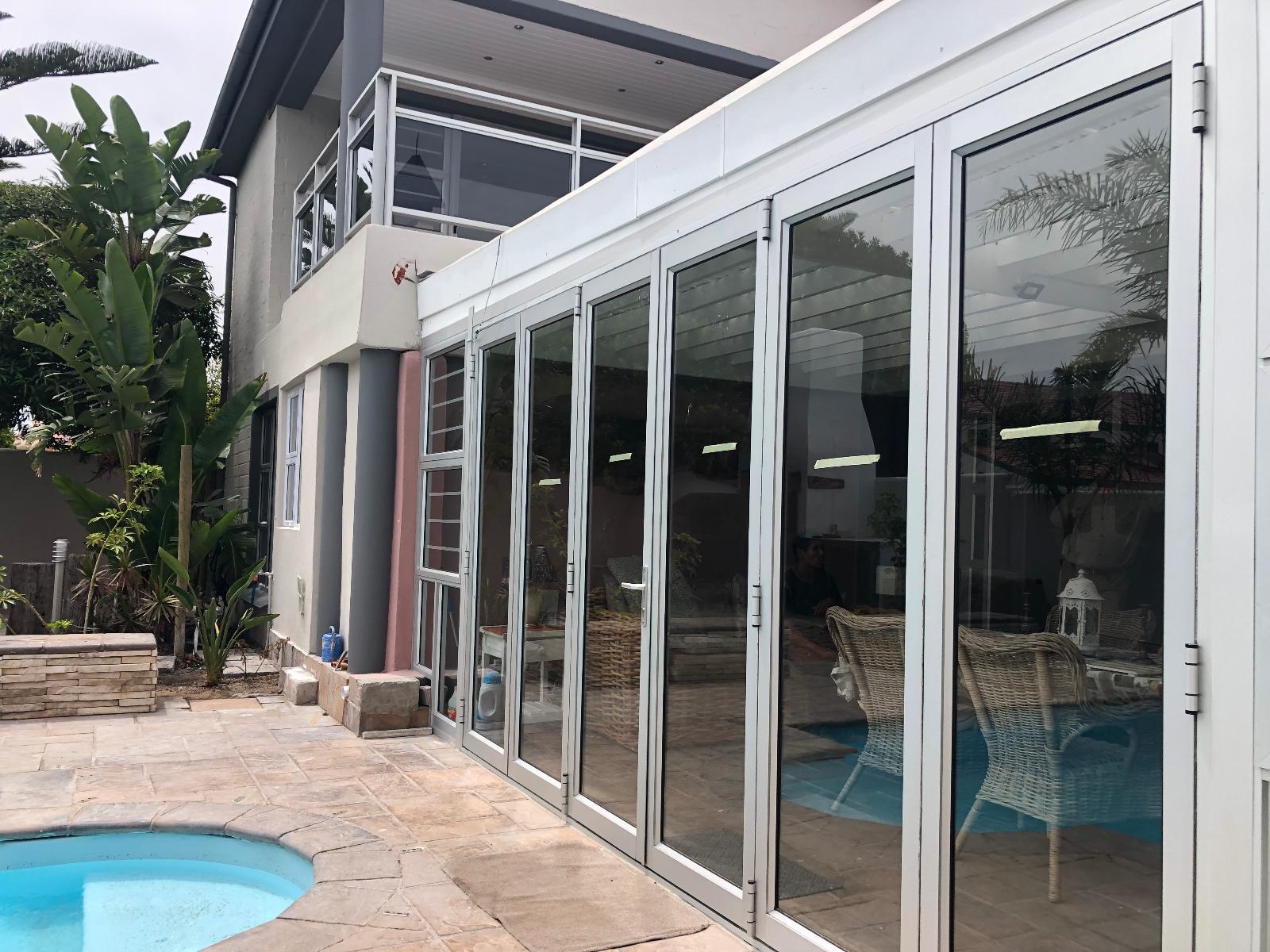
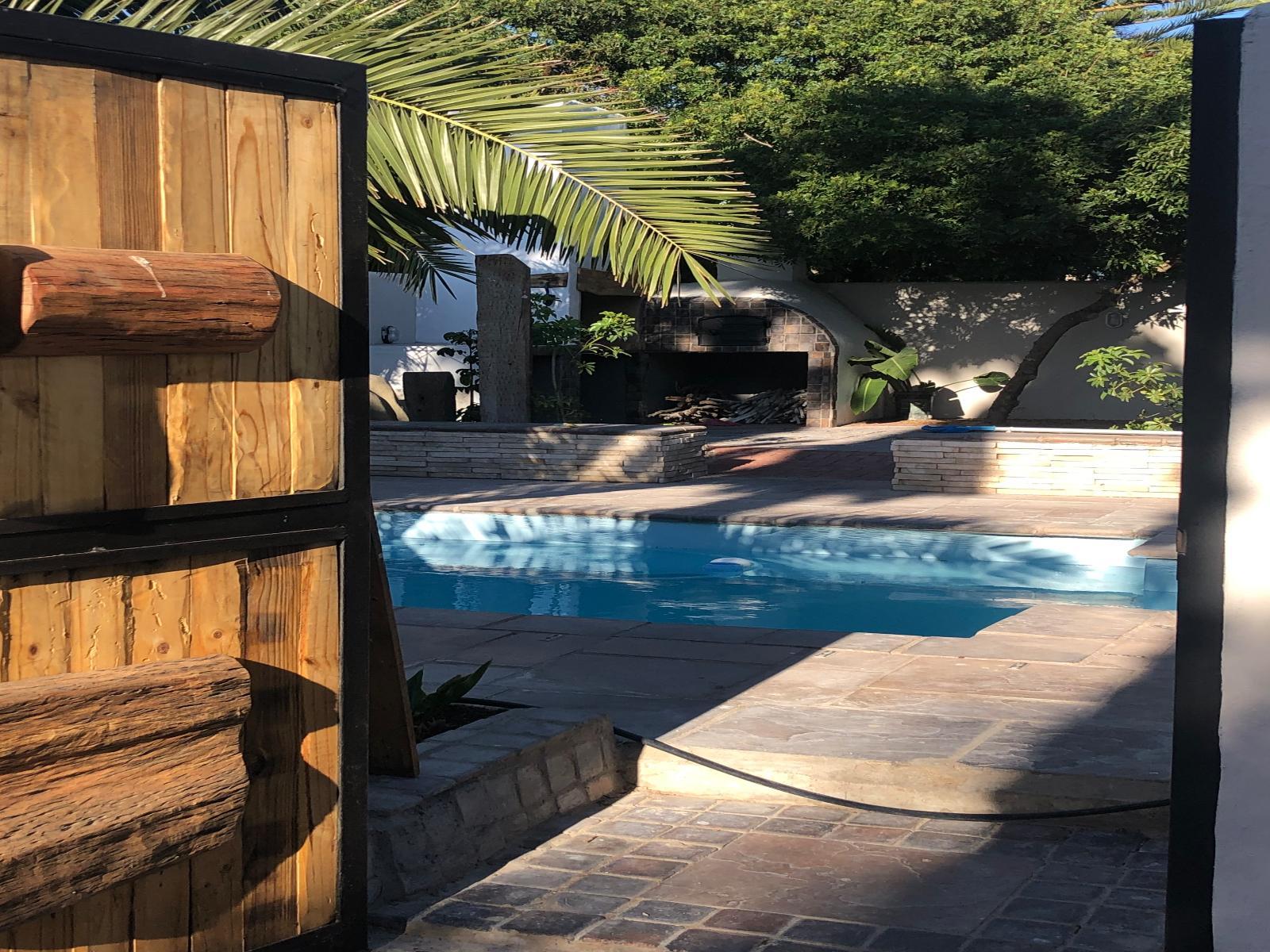
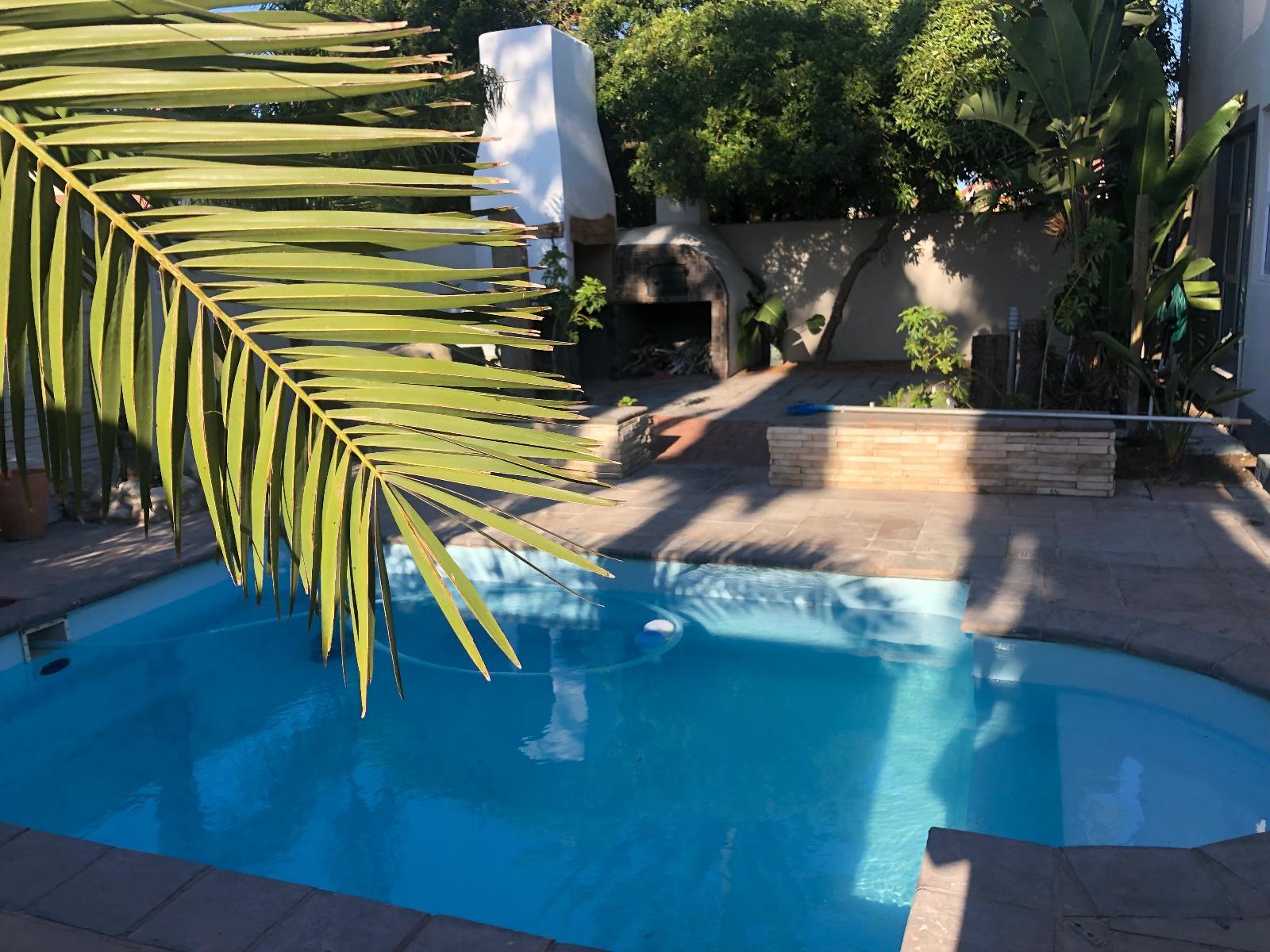
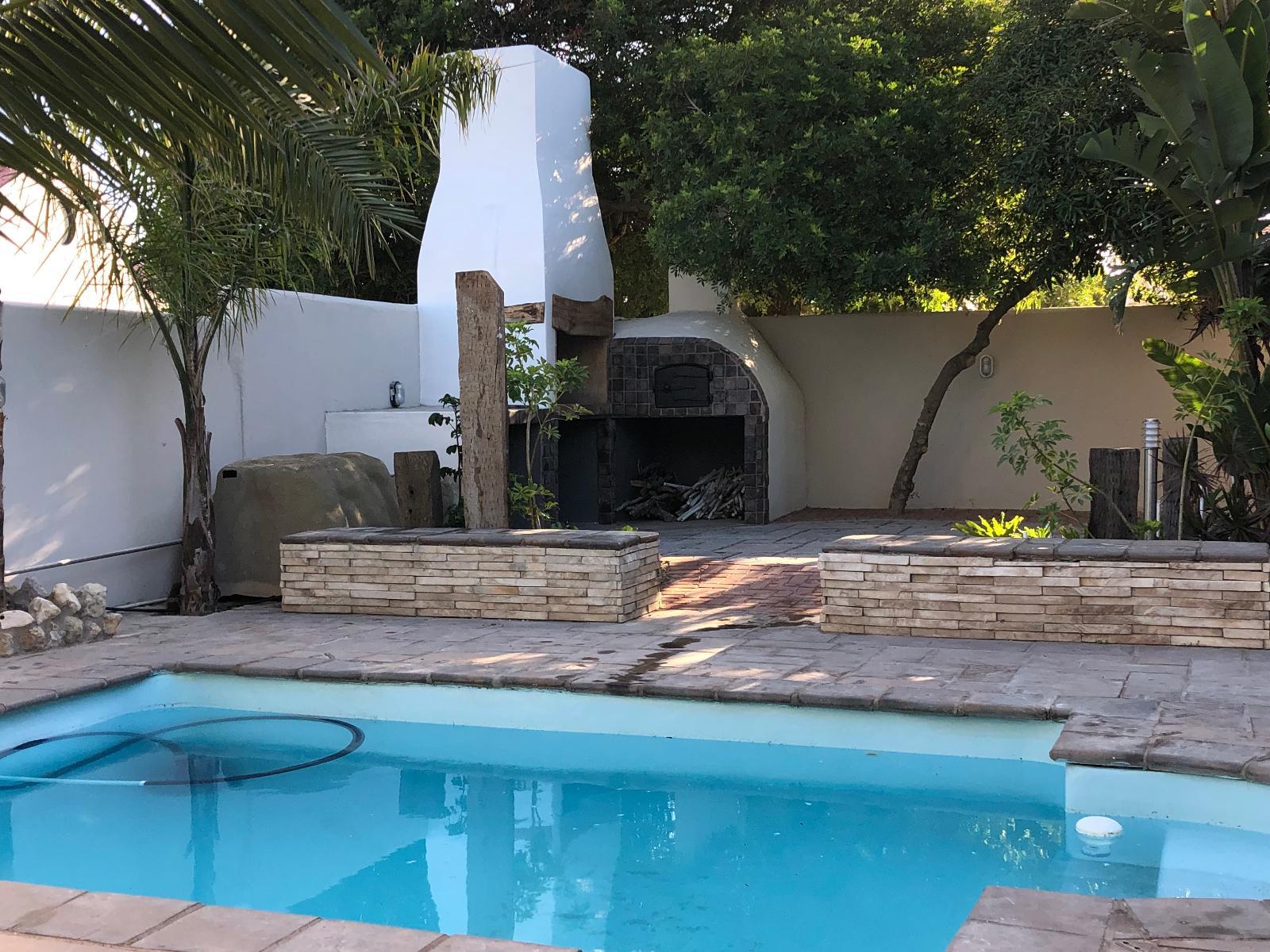
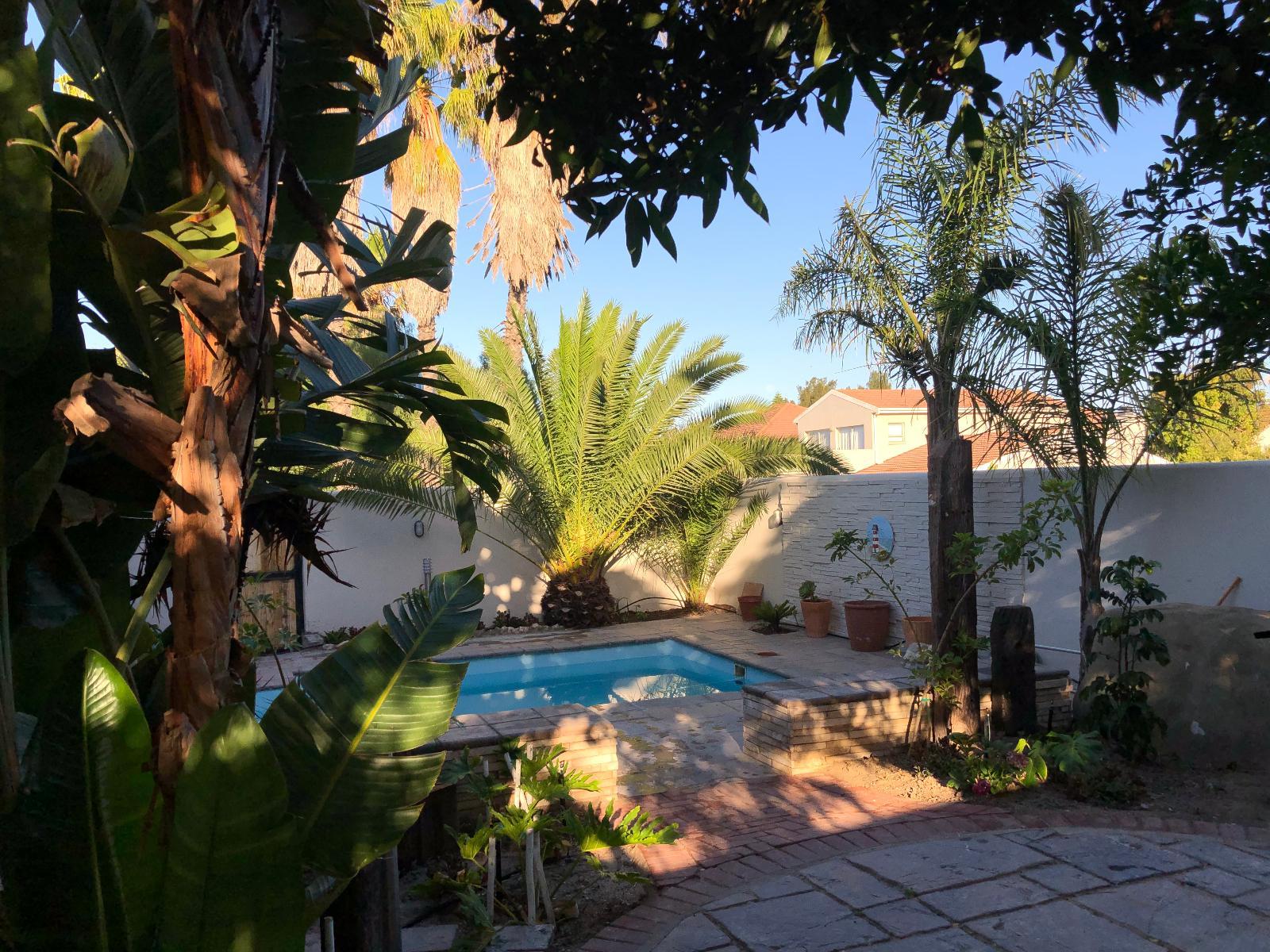
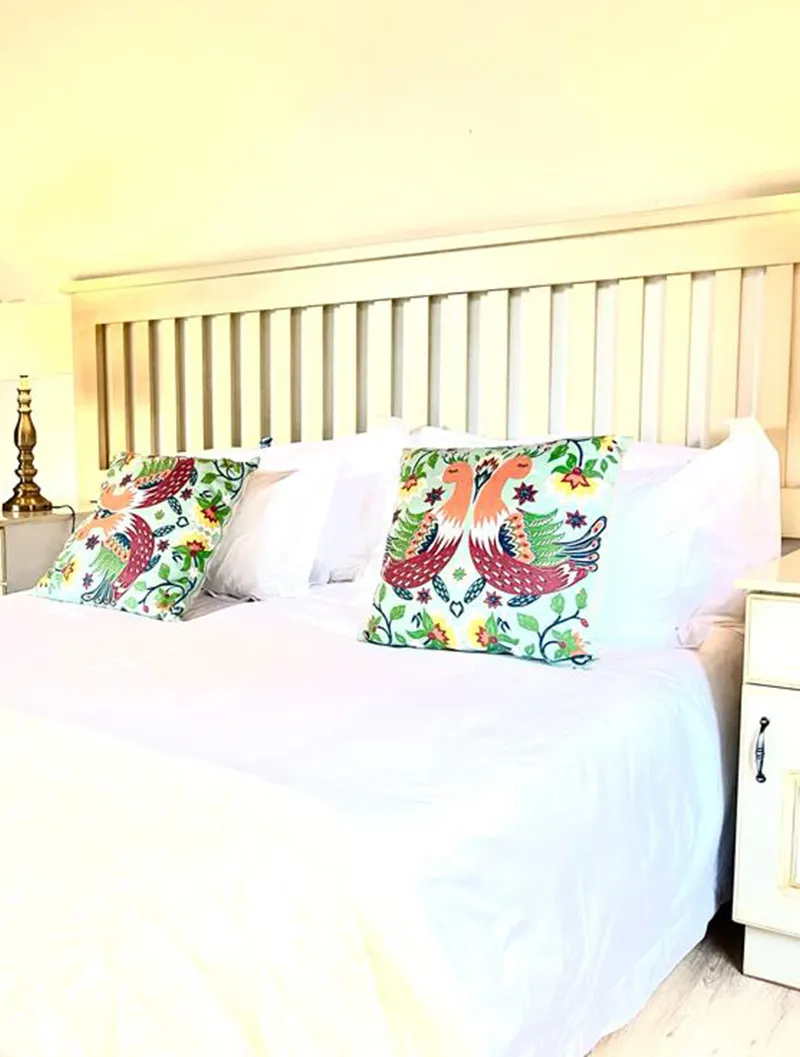
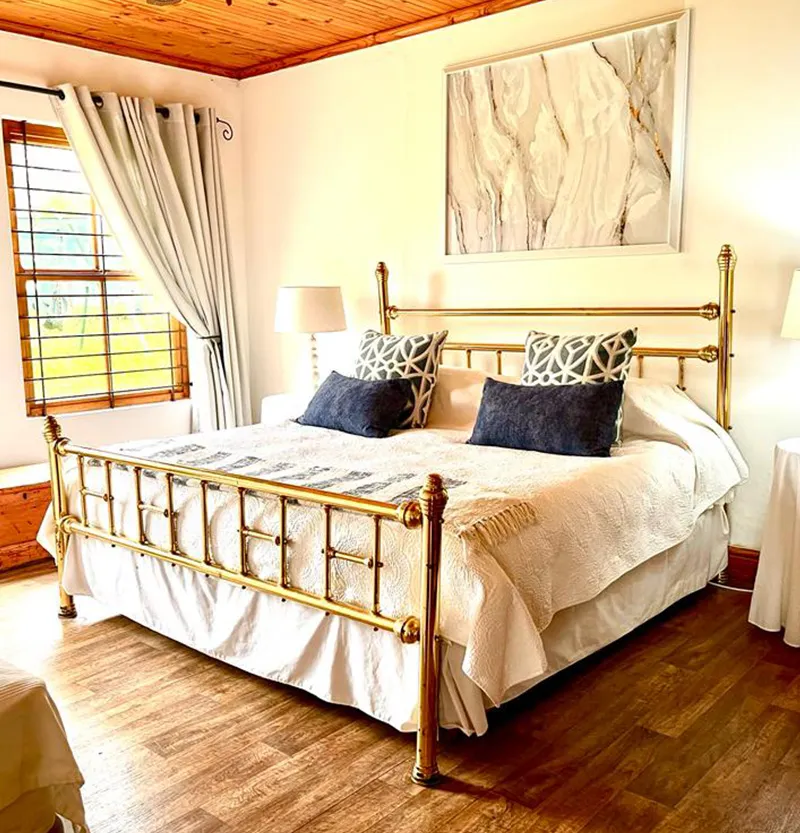
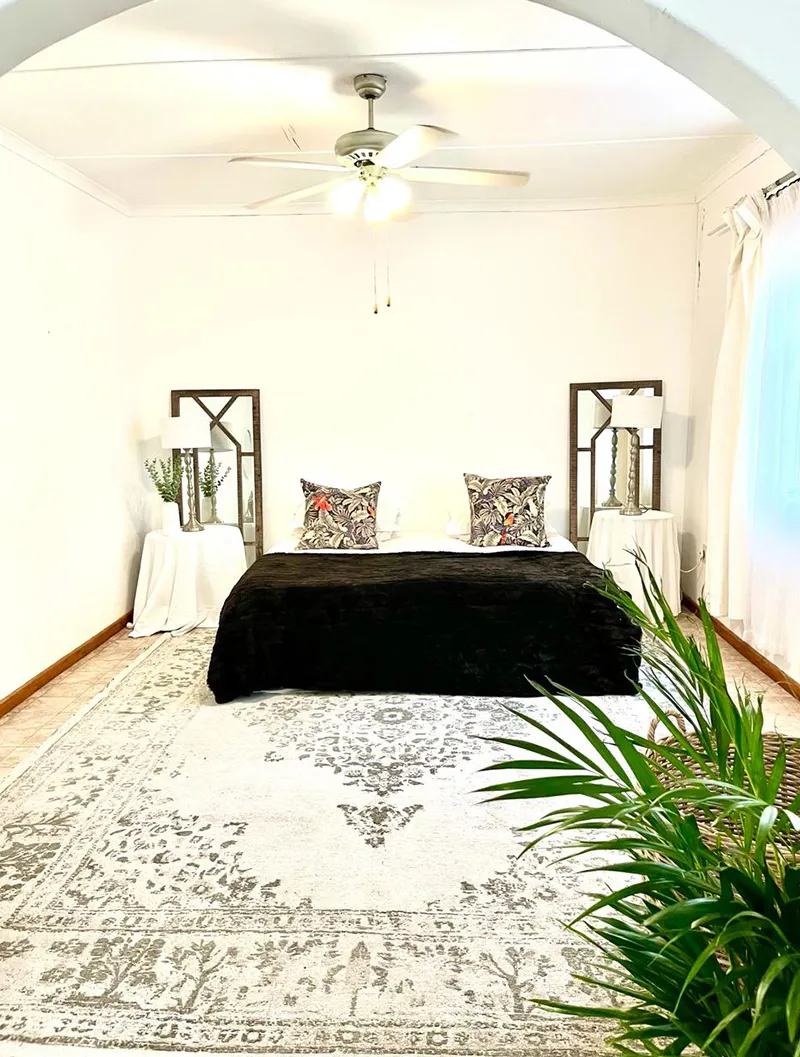
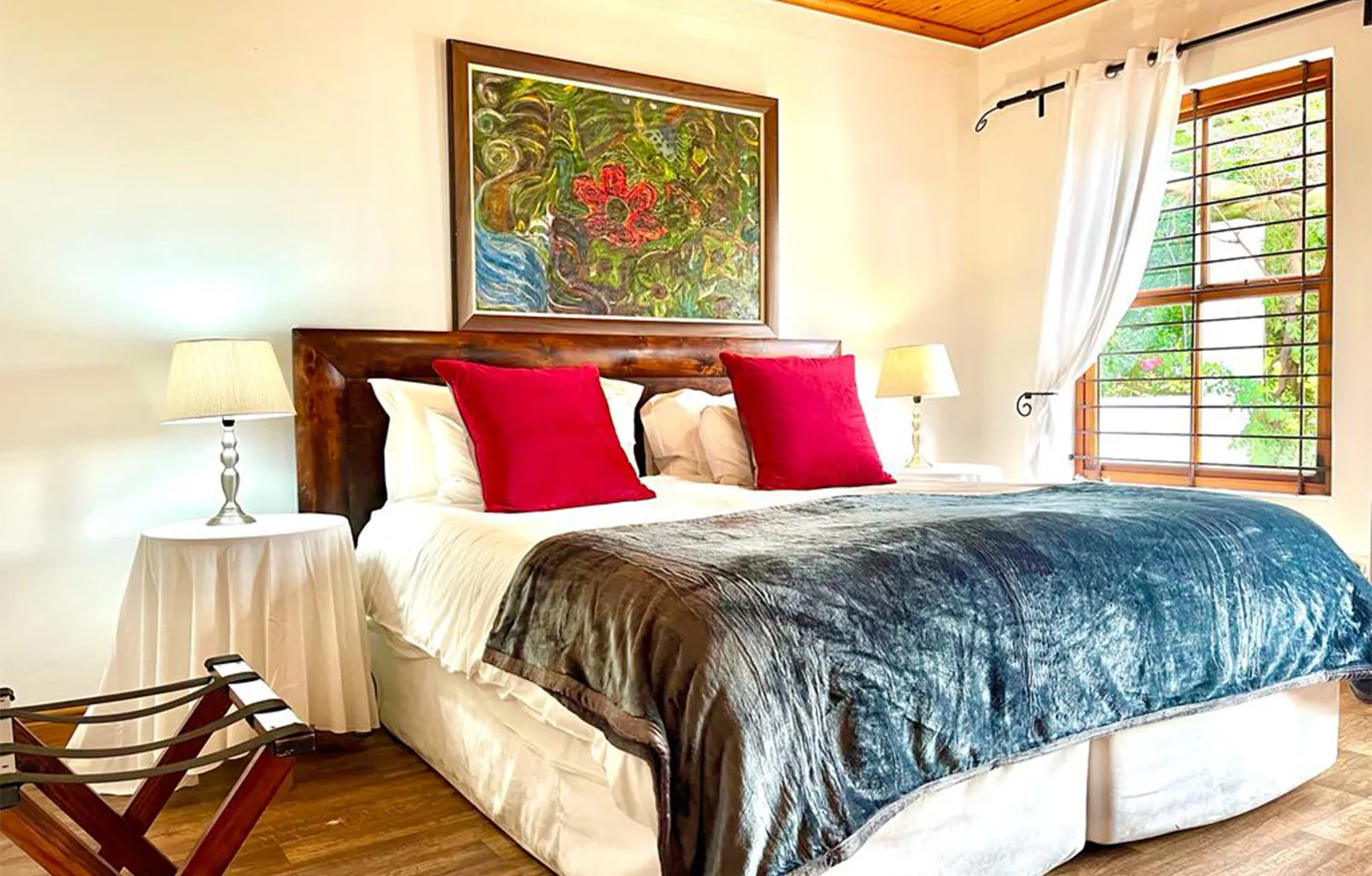
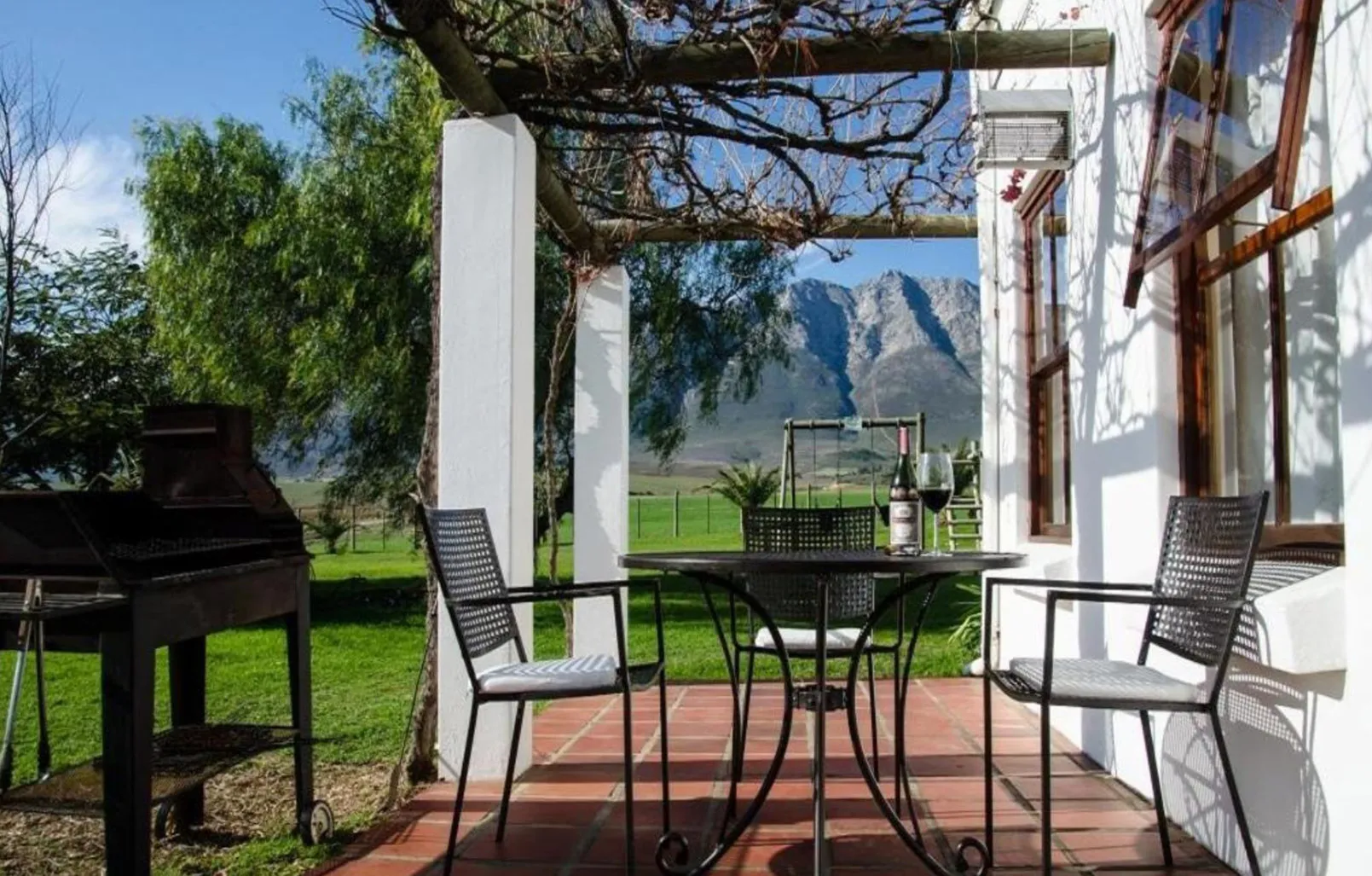
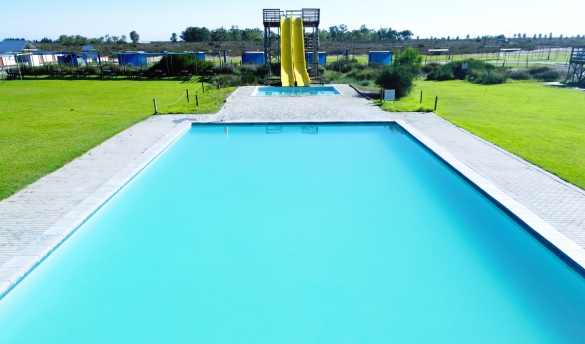
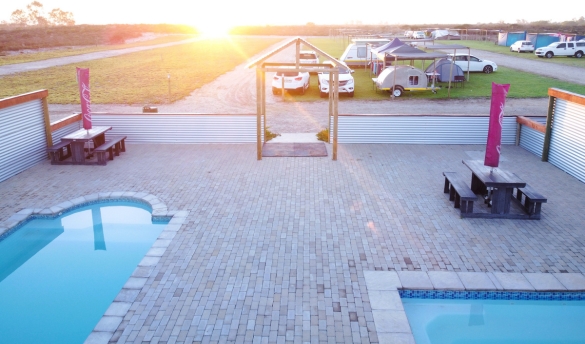
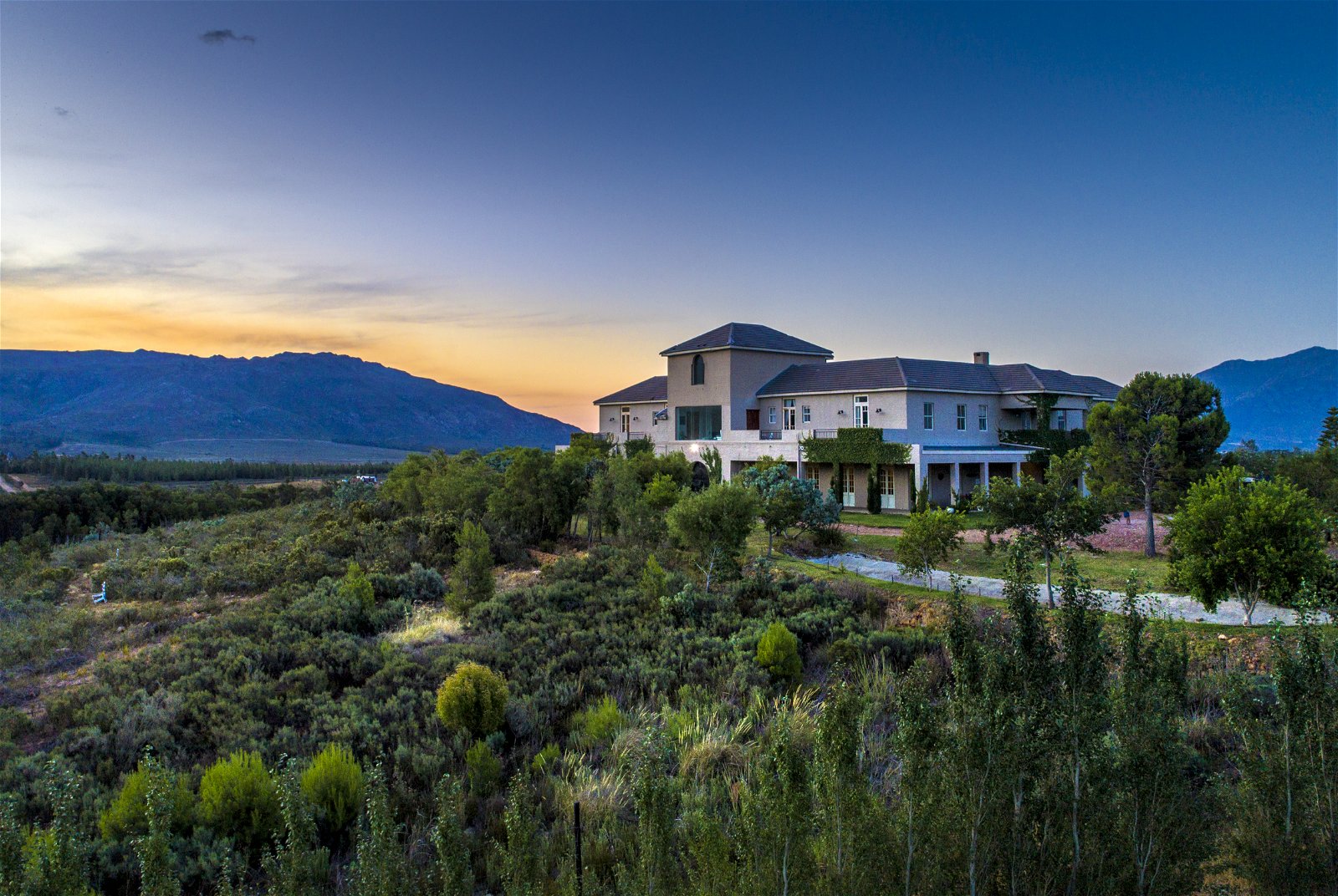
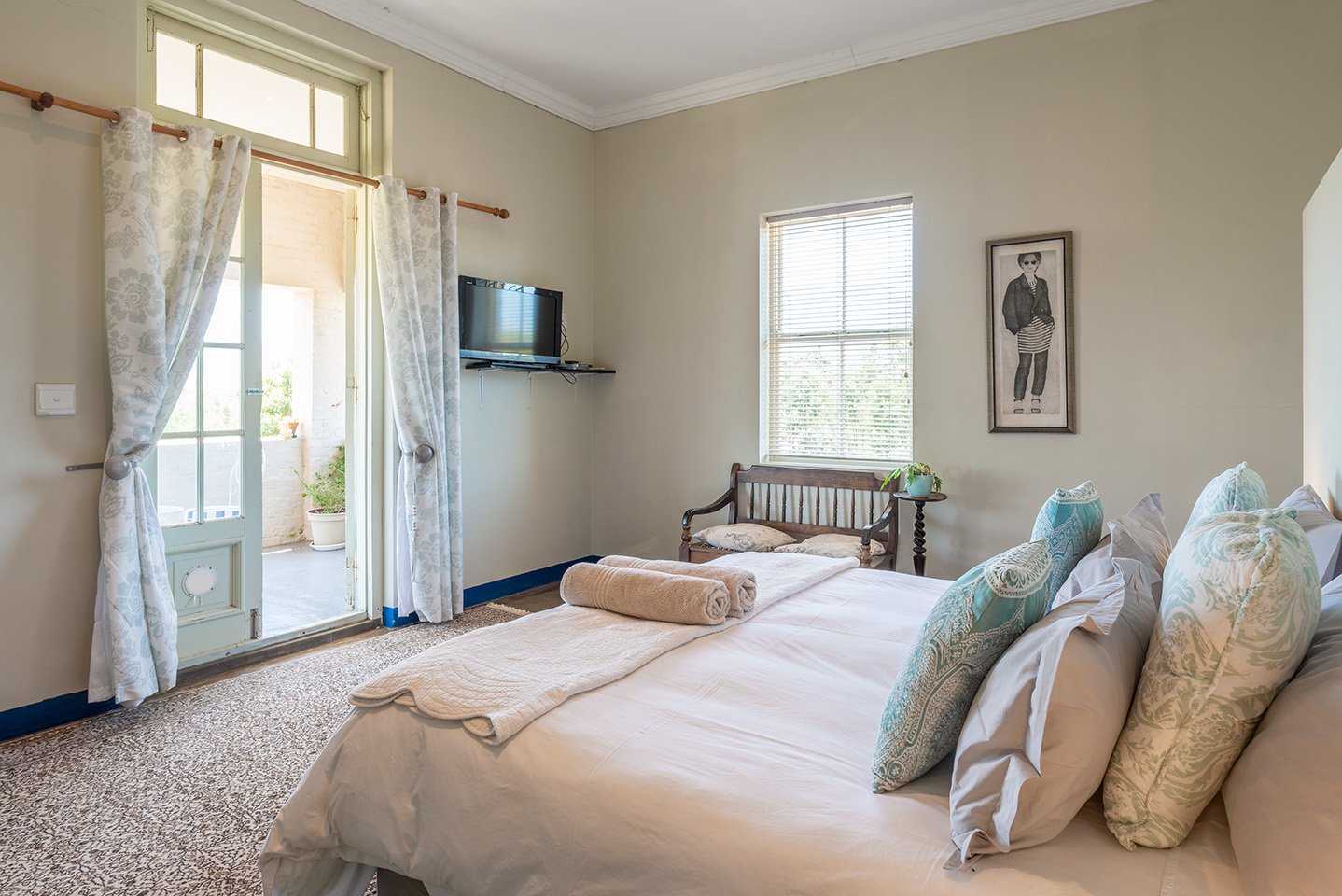
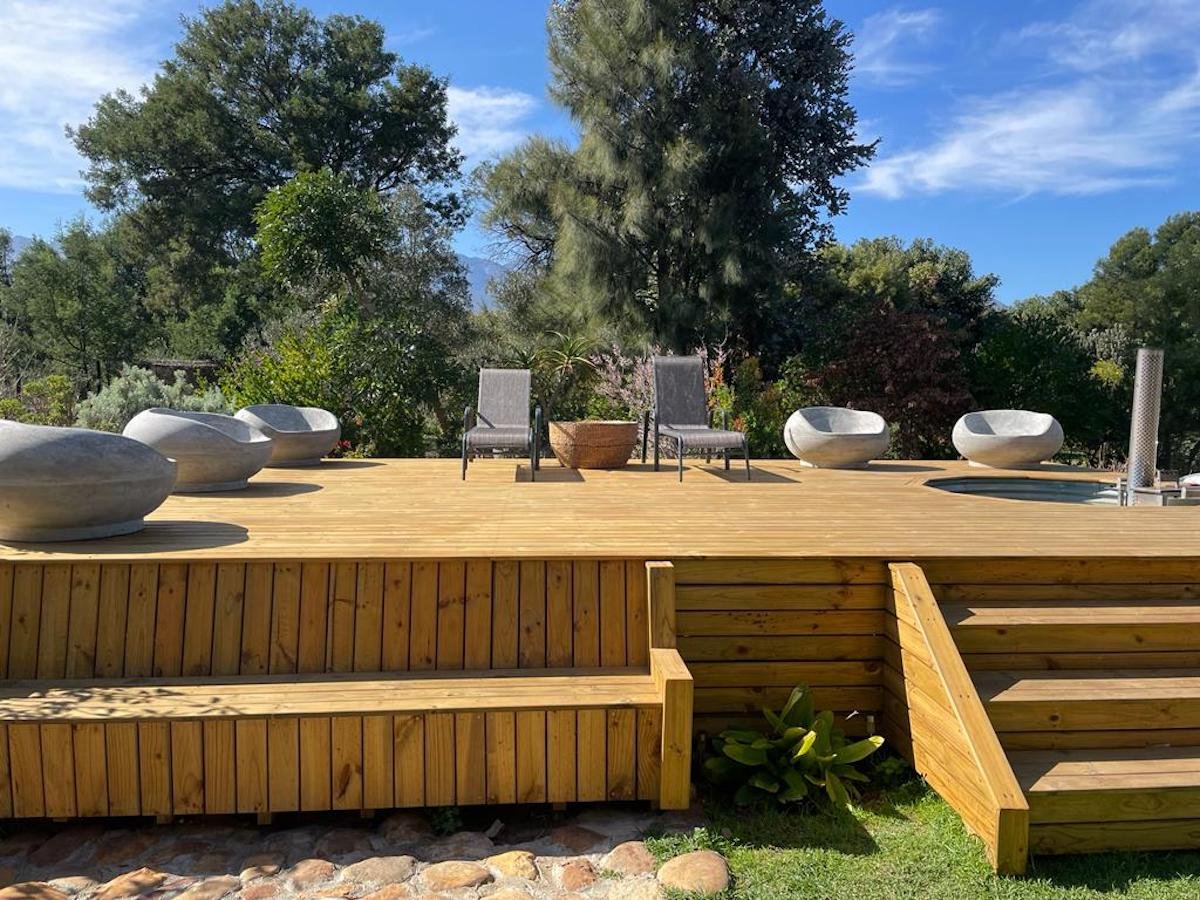
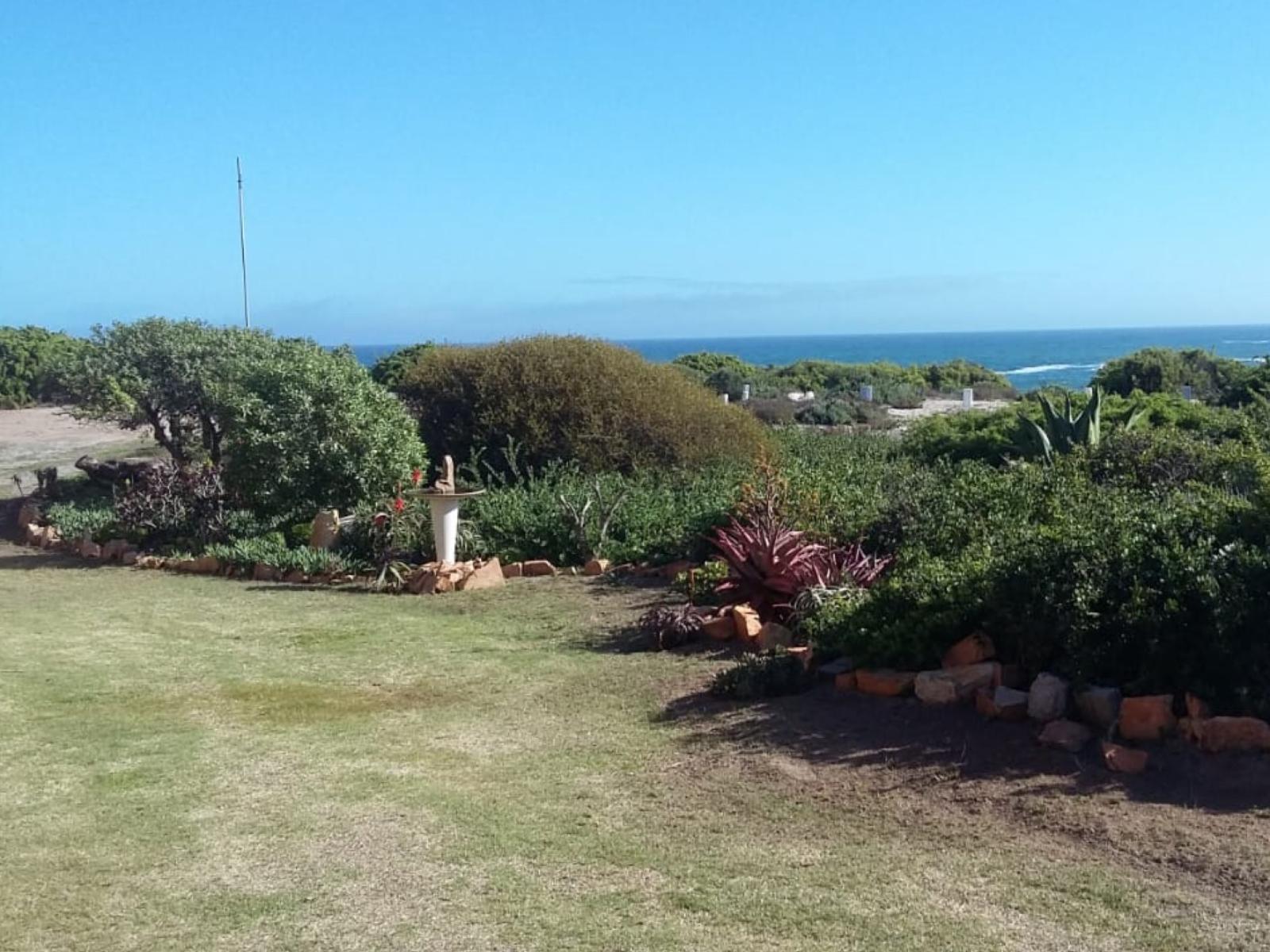
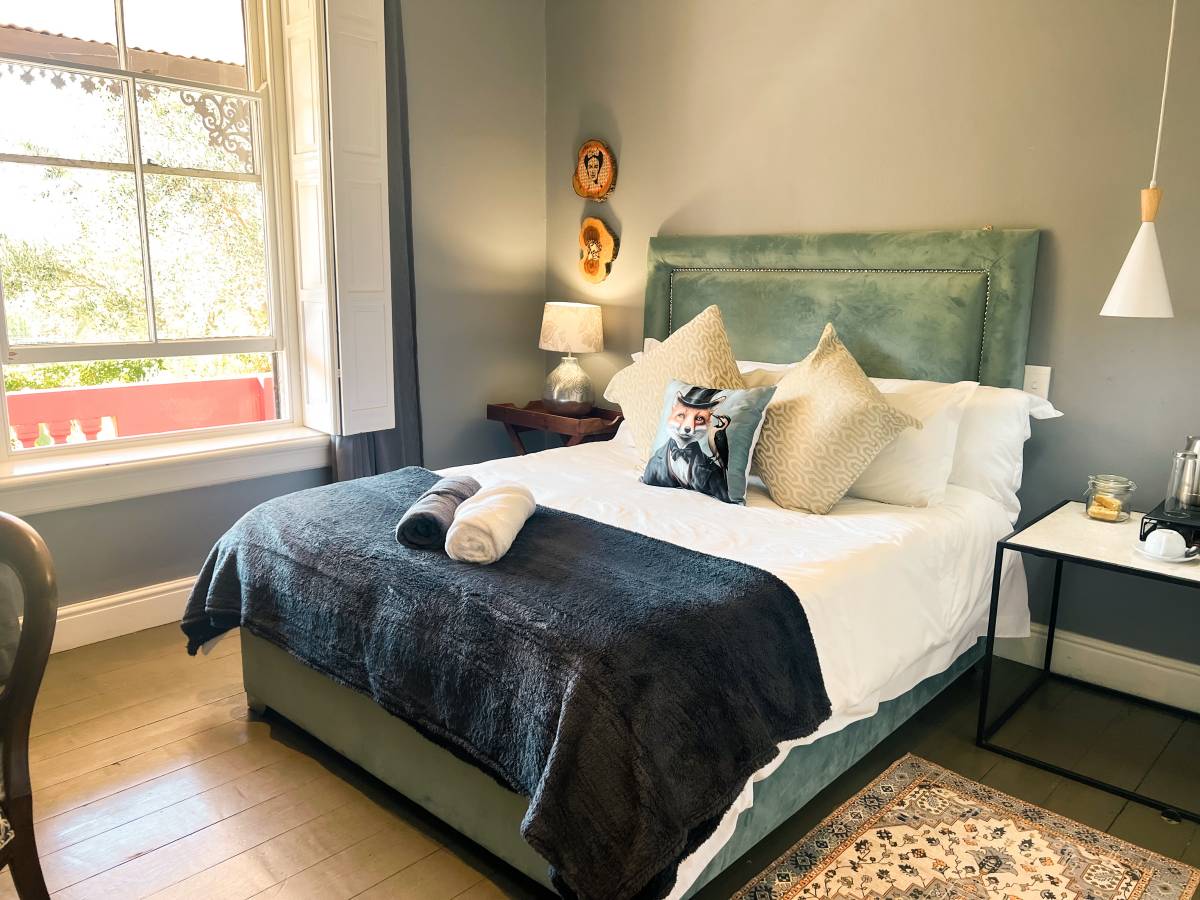
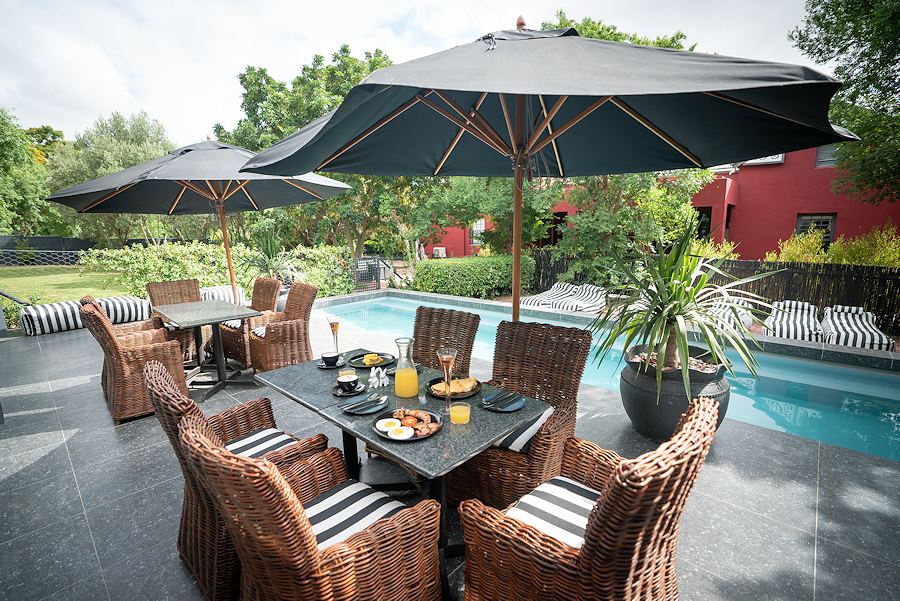
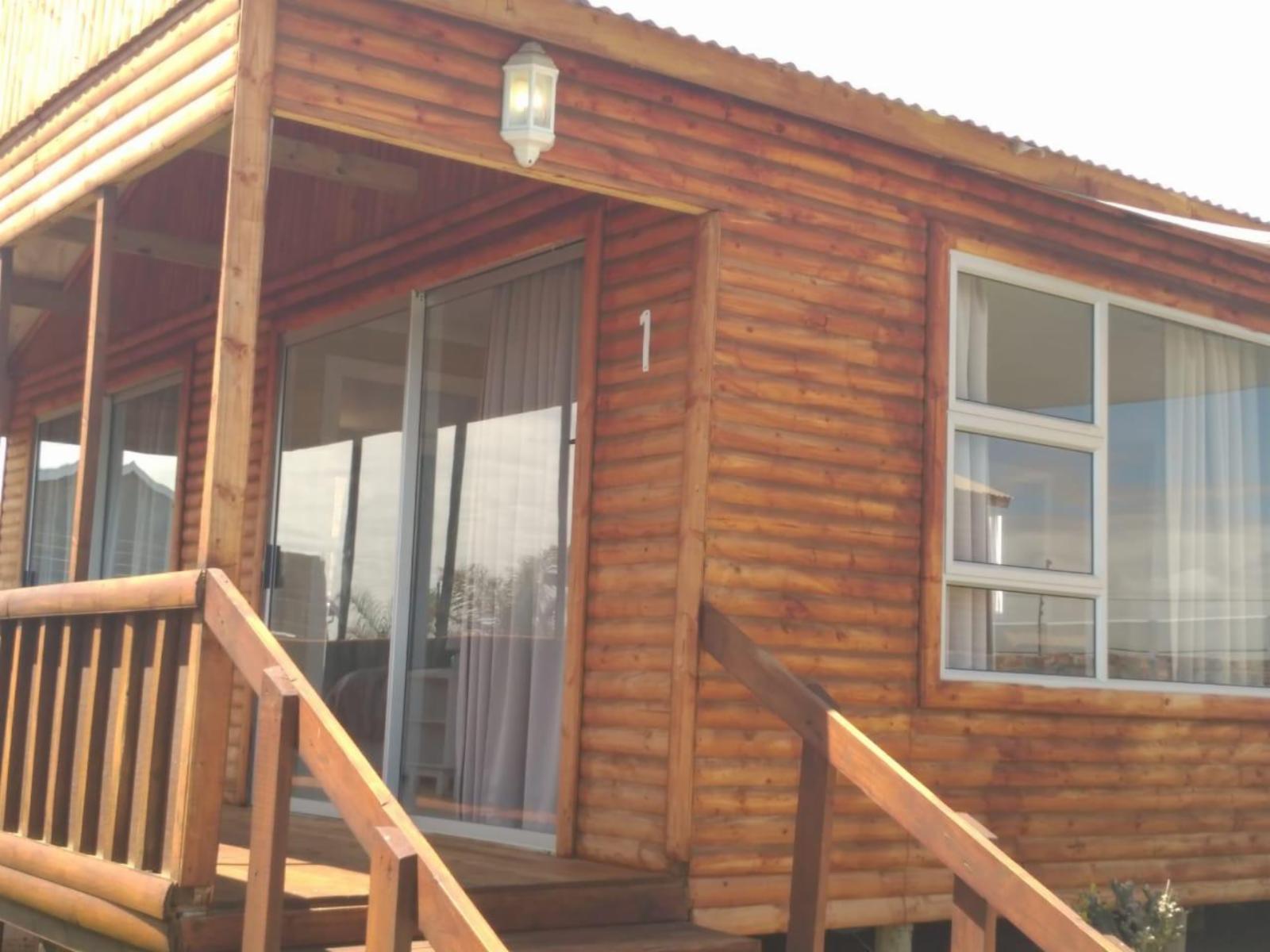
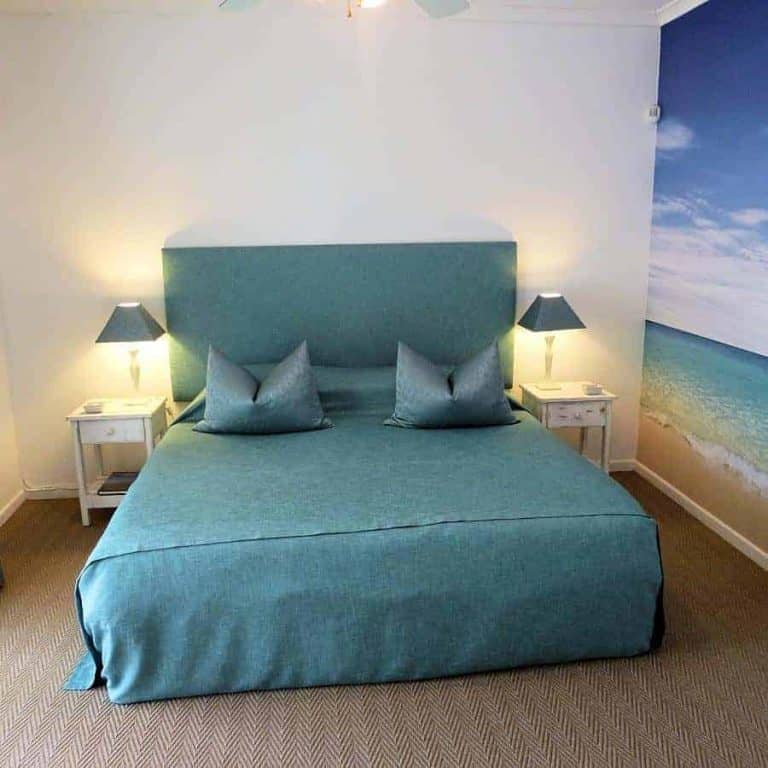
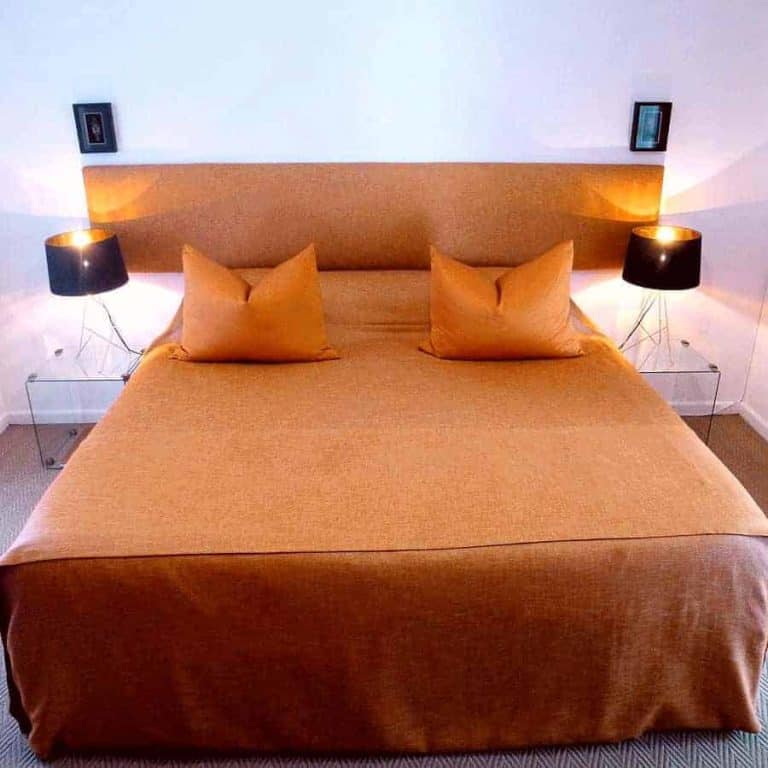
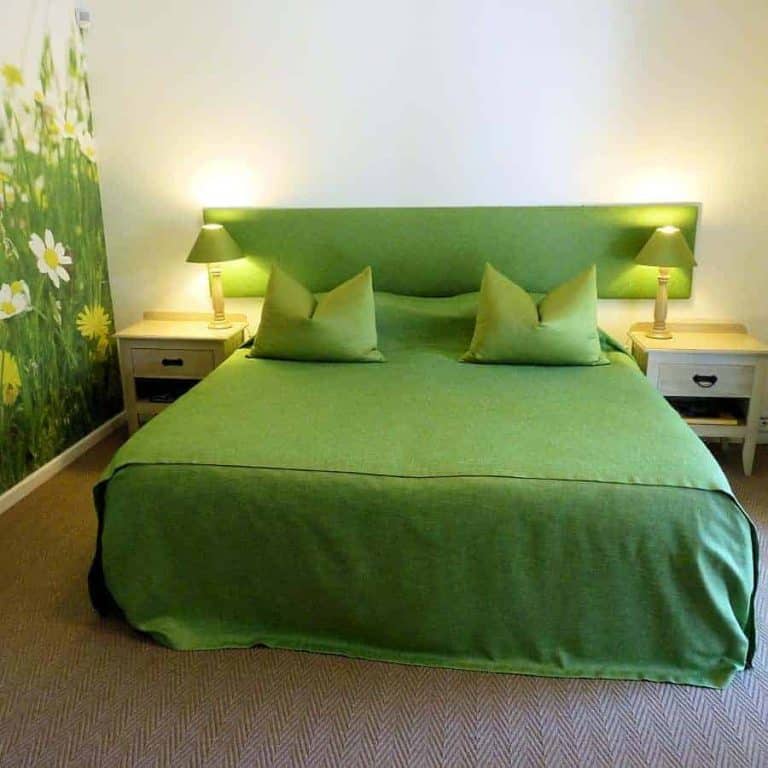
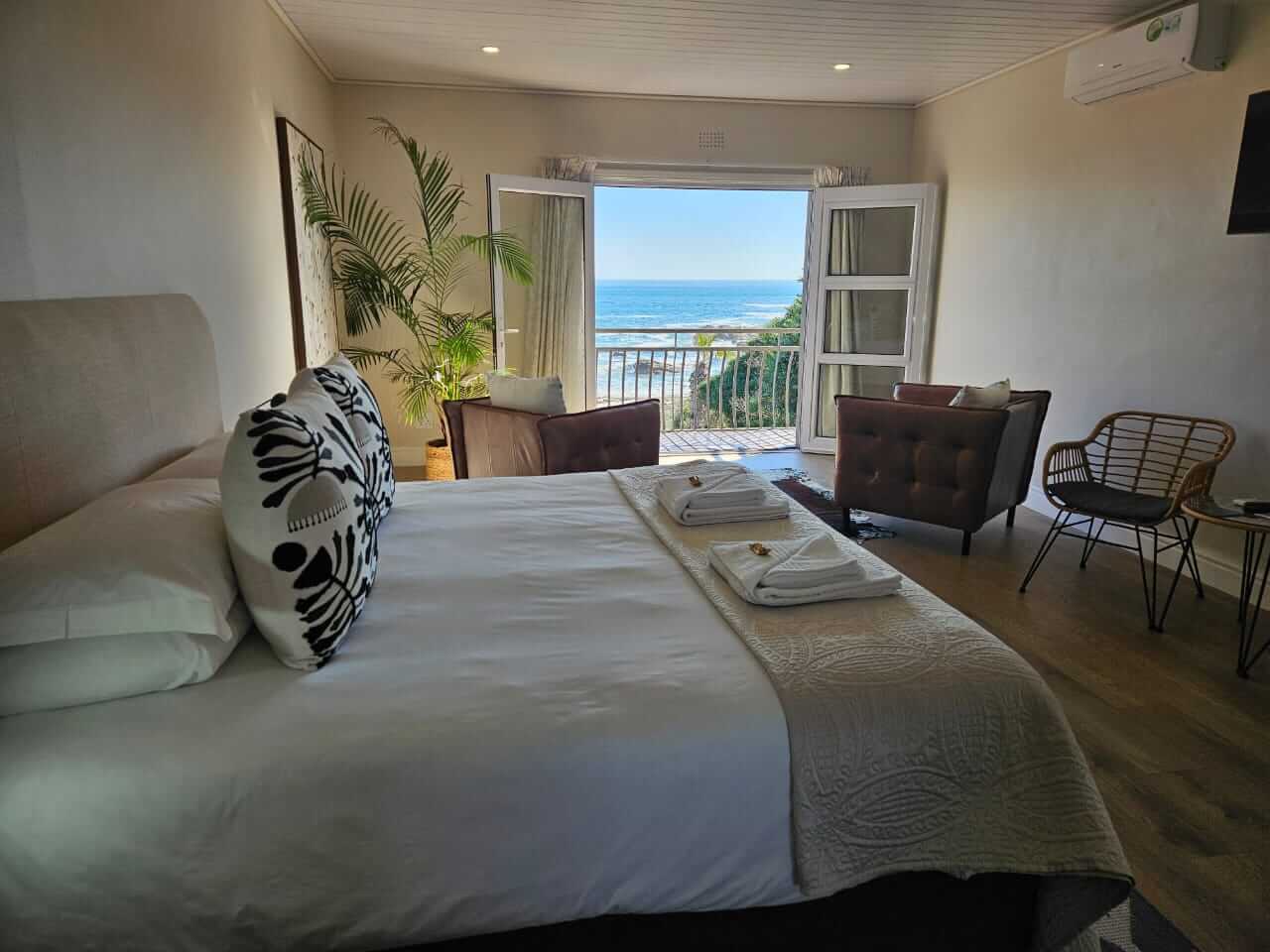
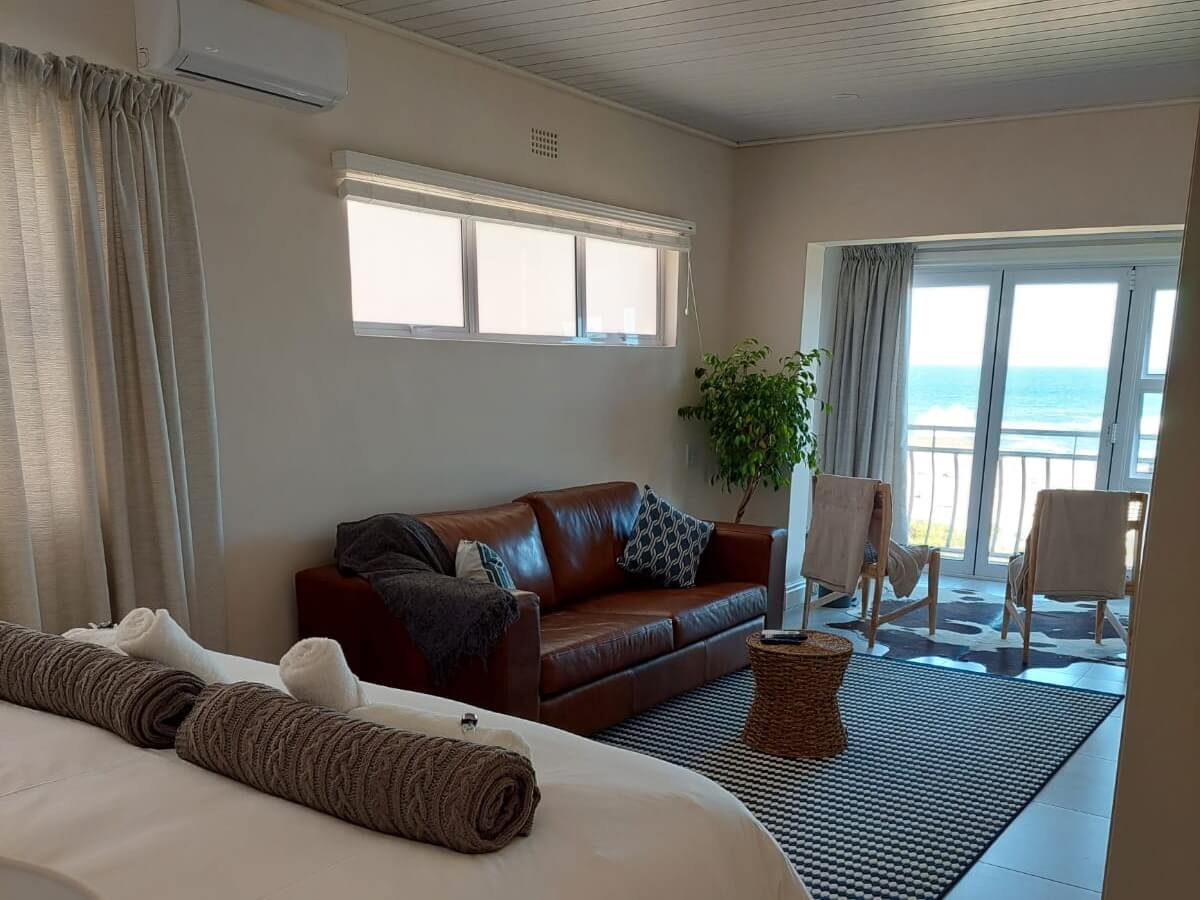
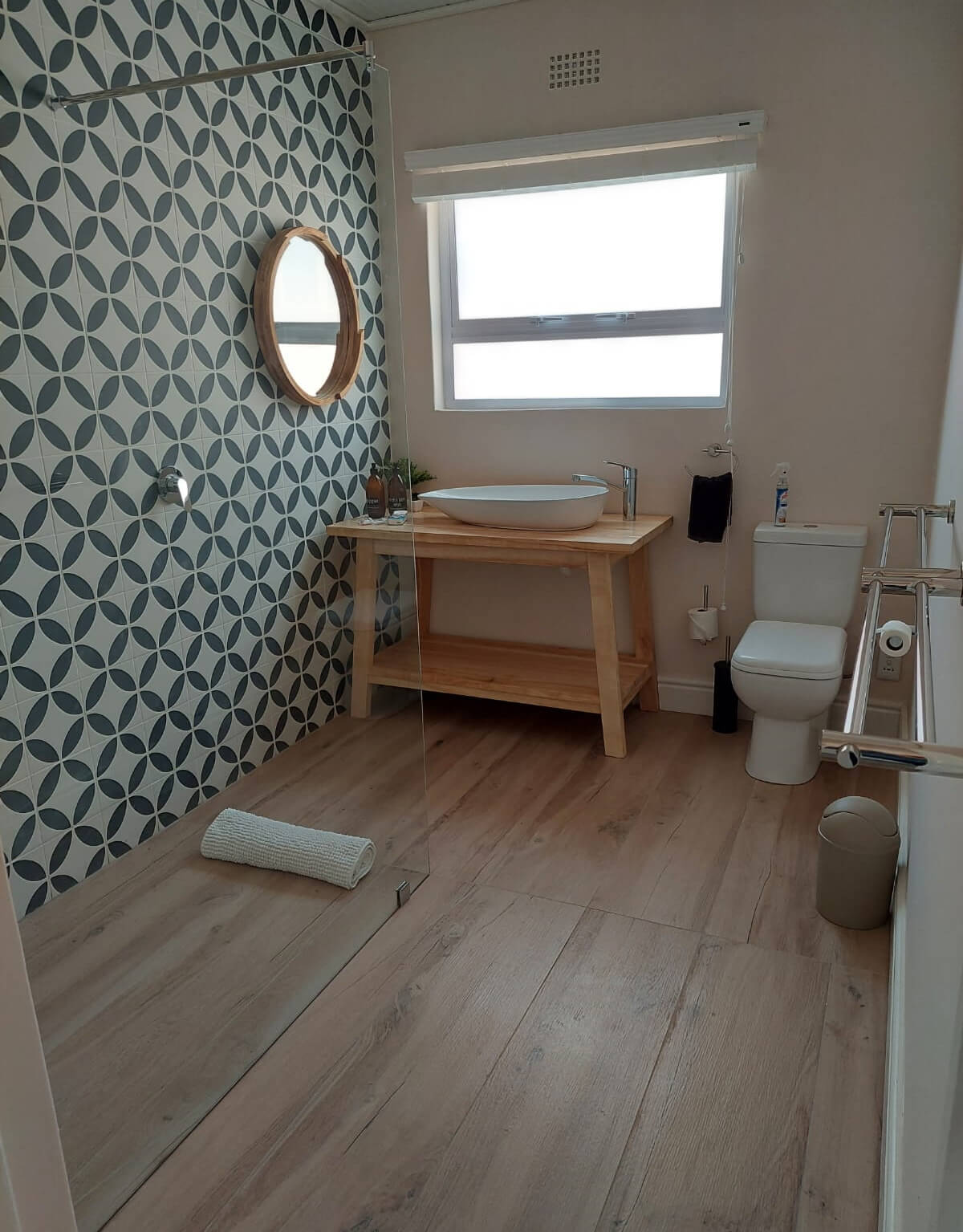
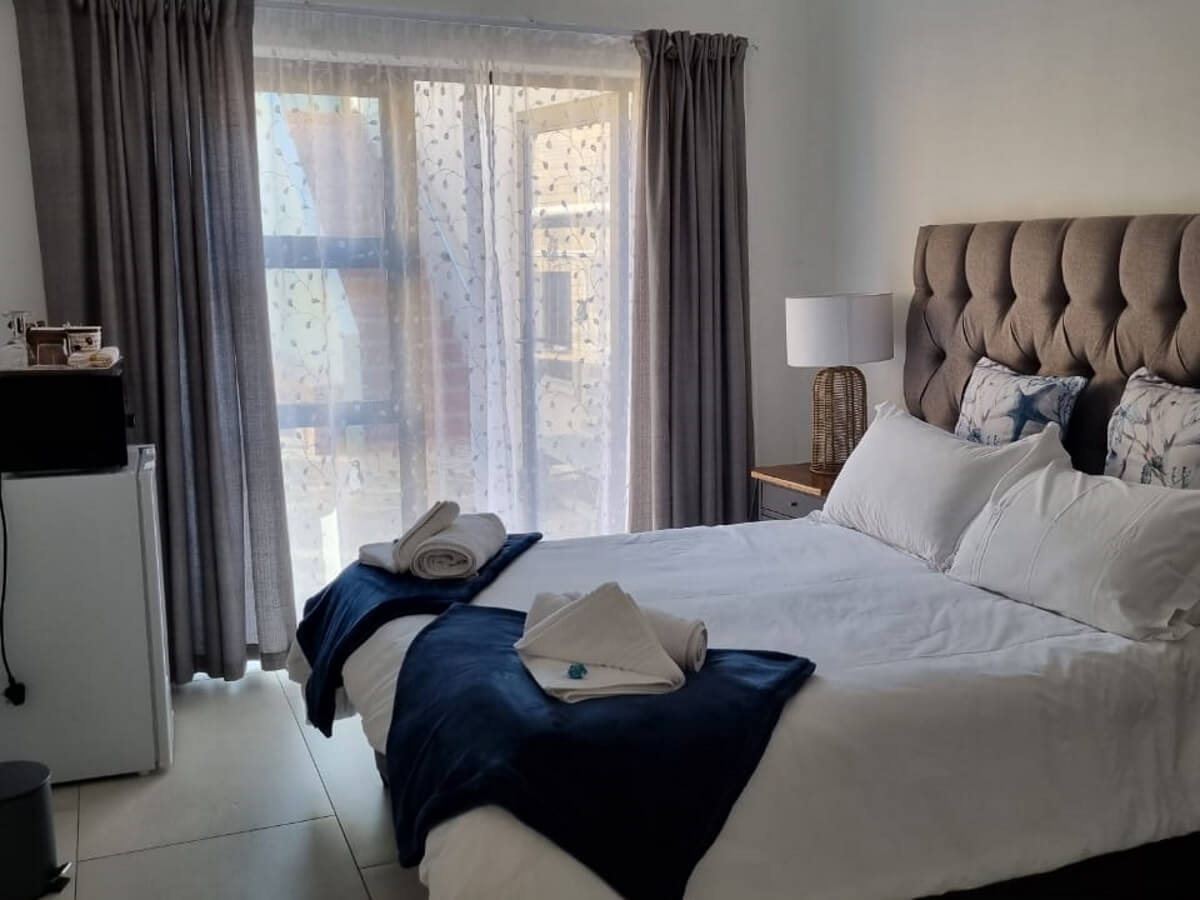
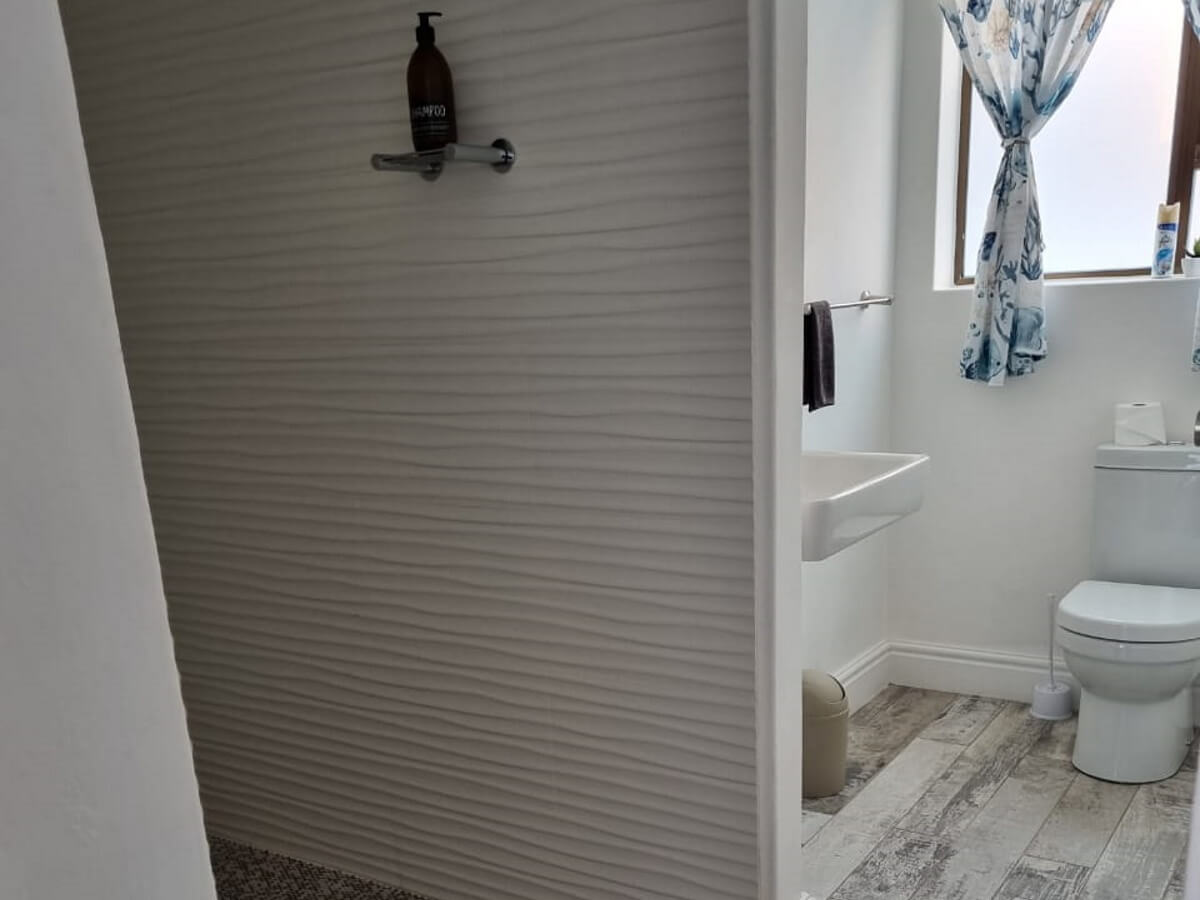
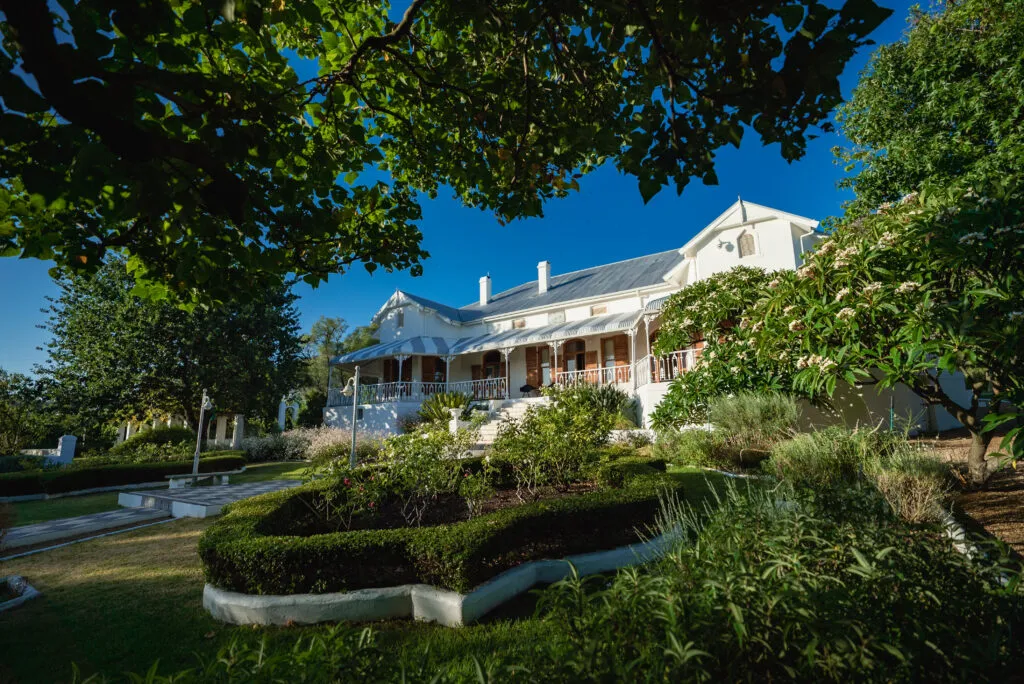
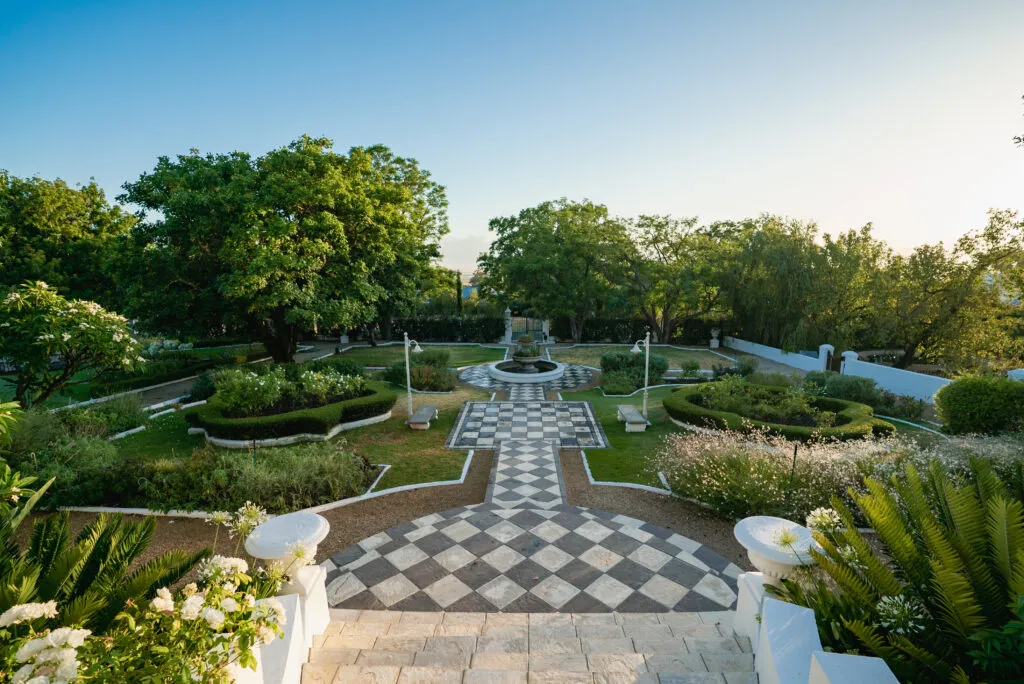
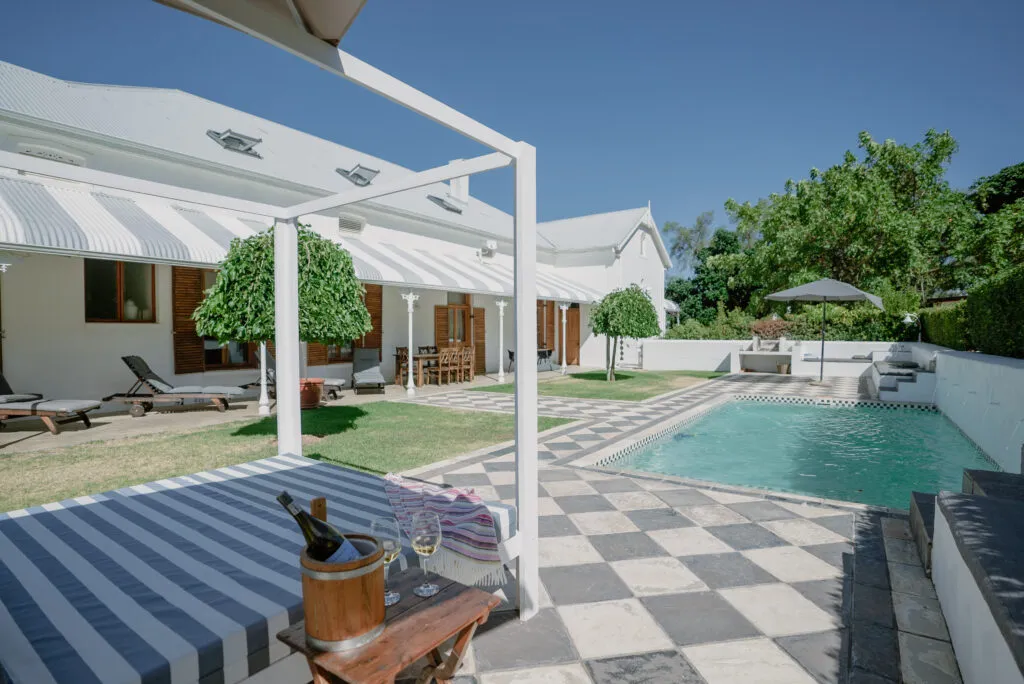
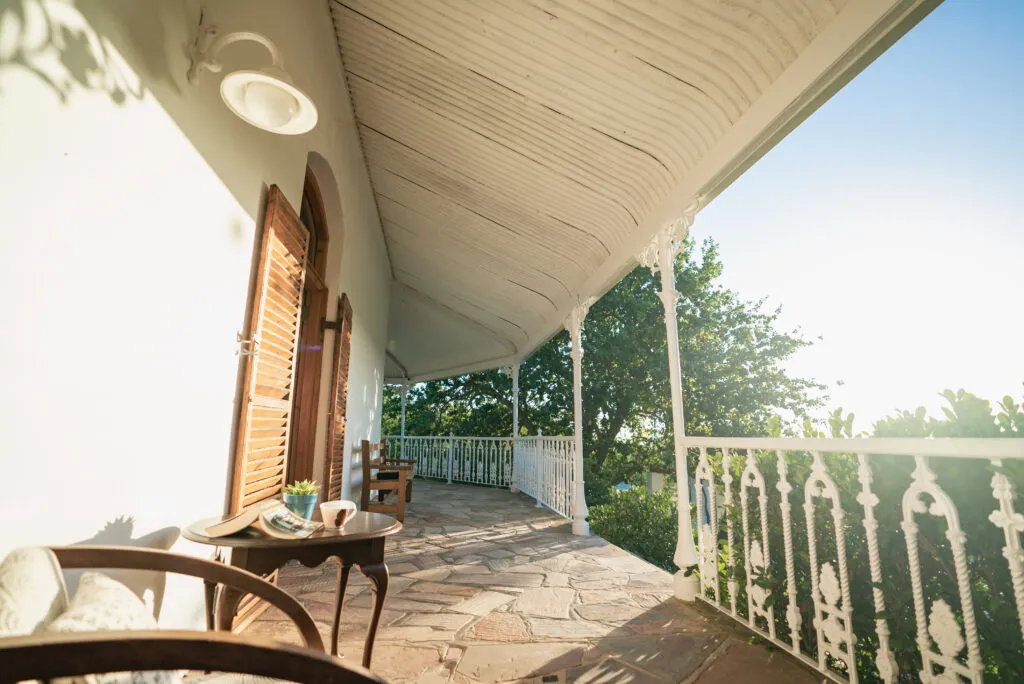
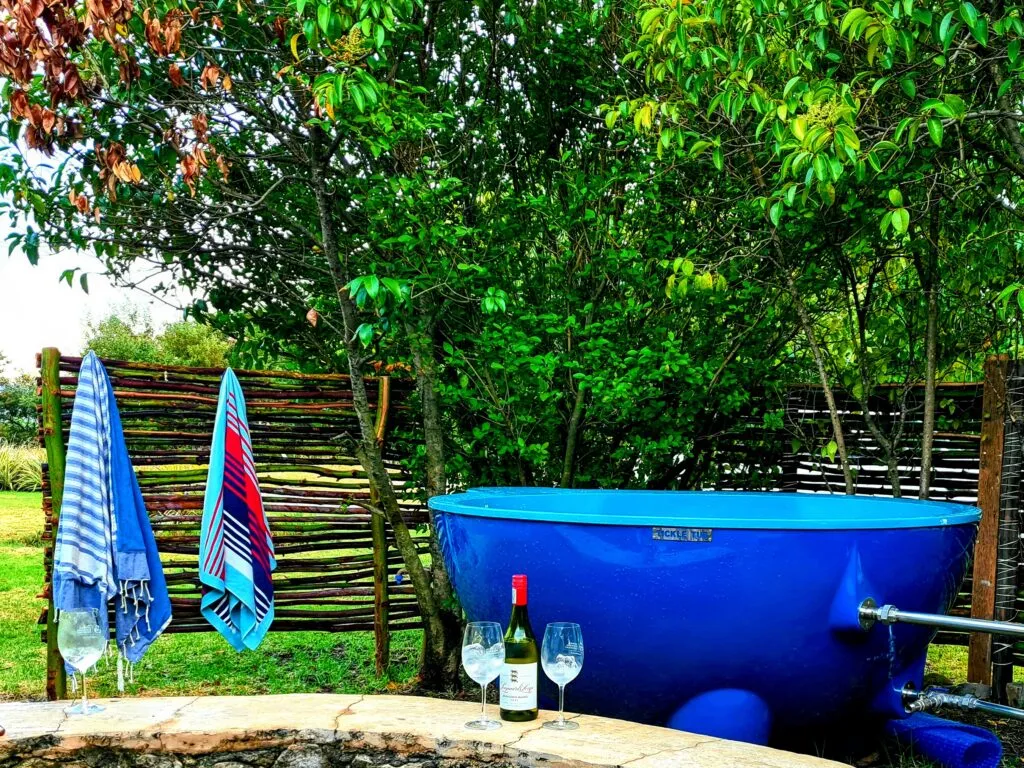
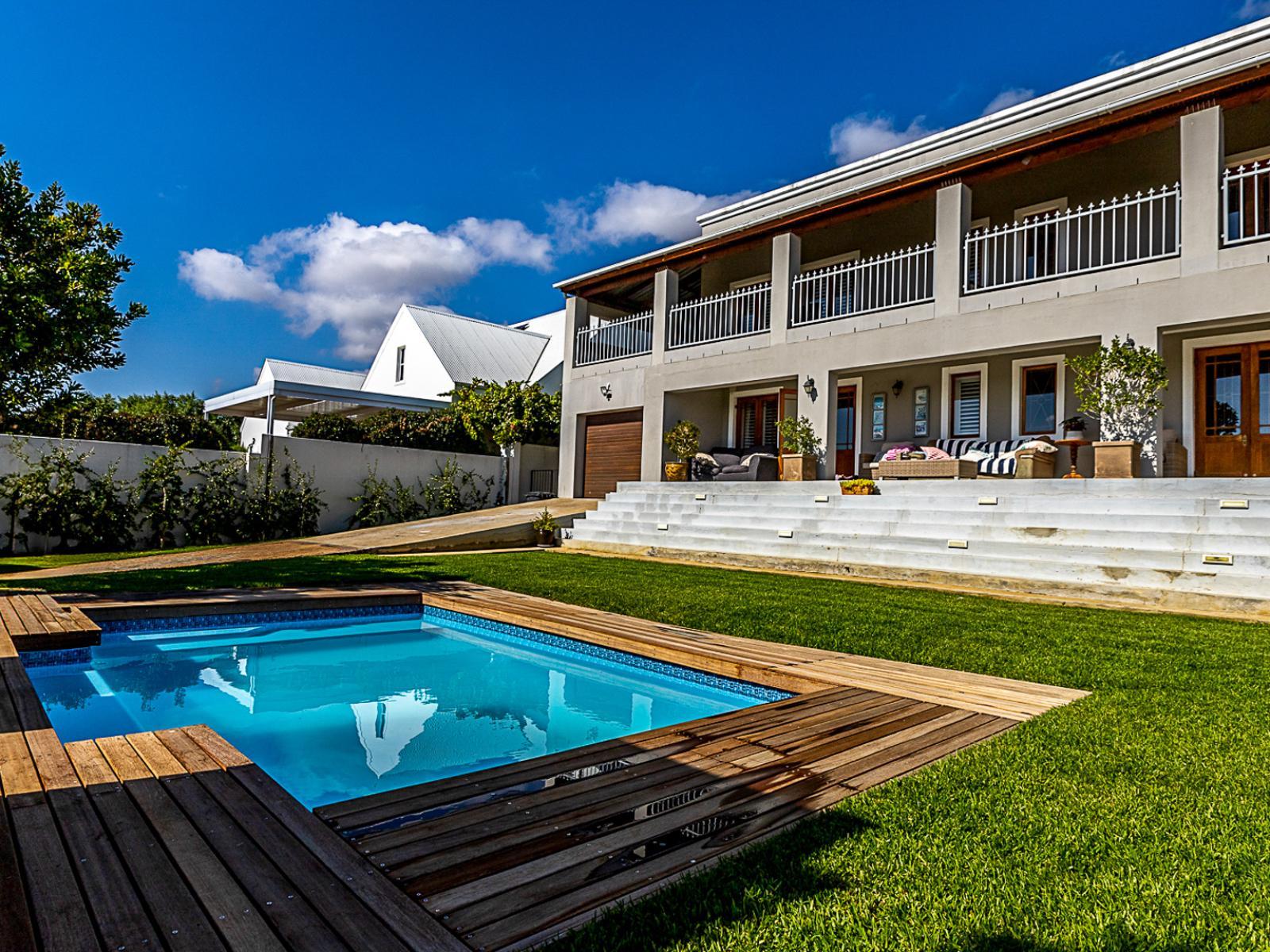
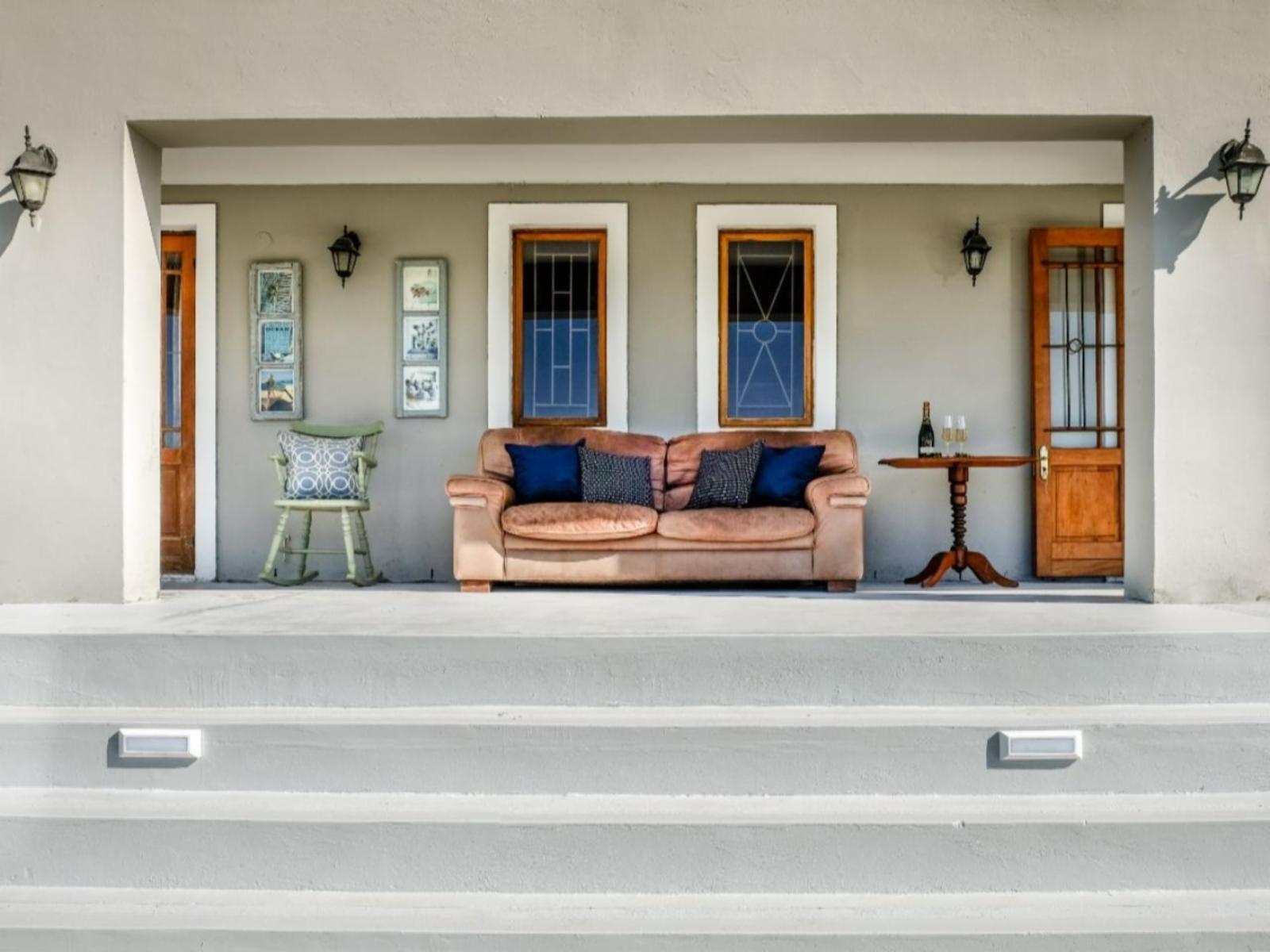
With 18 properties spread across the region, Cederberg caters to different budgets, with nightly rates running from R310 to R2,595. The stock reflects what you would expect from a remote mountain destination: modest in scale, oriented toward outdoor activity, and in shorter supply than demand during peak periods.
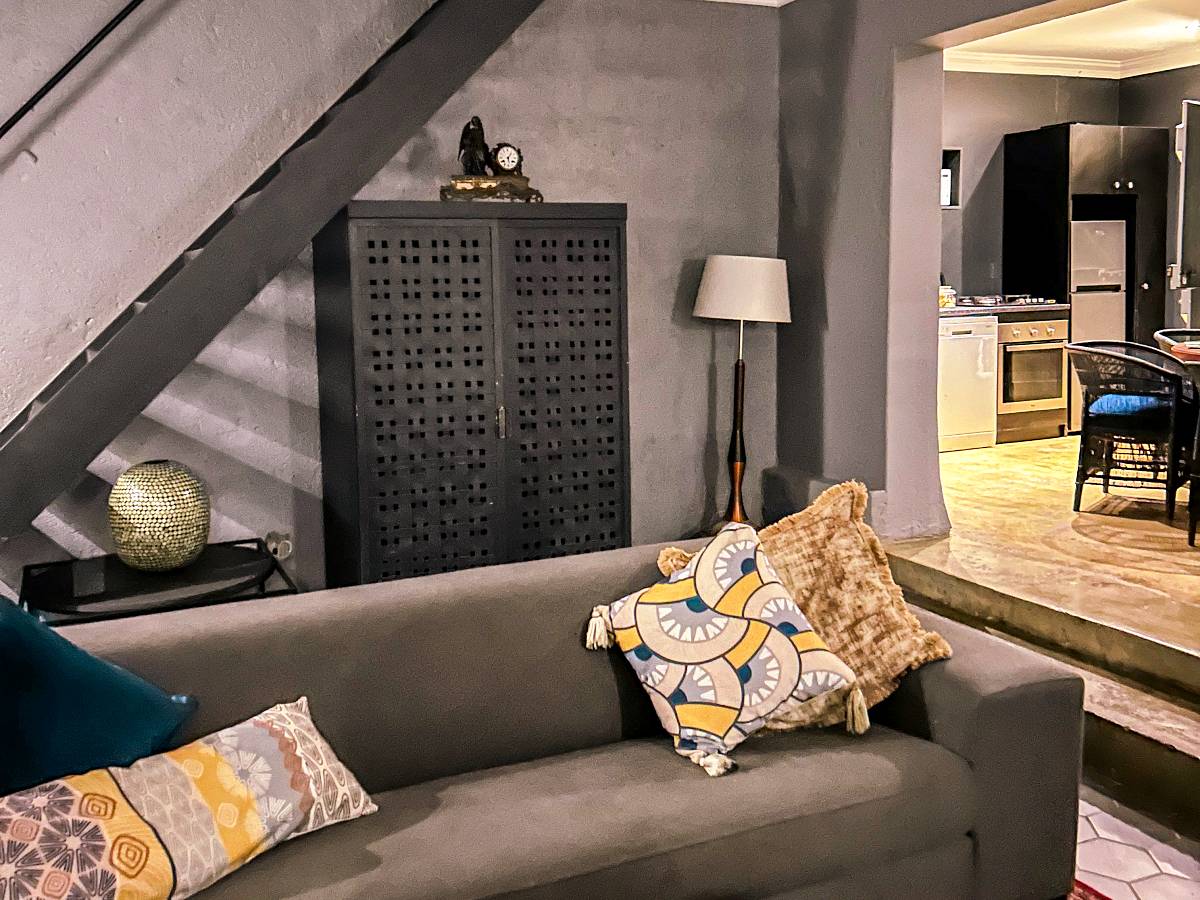
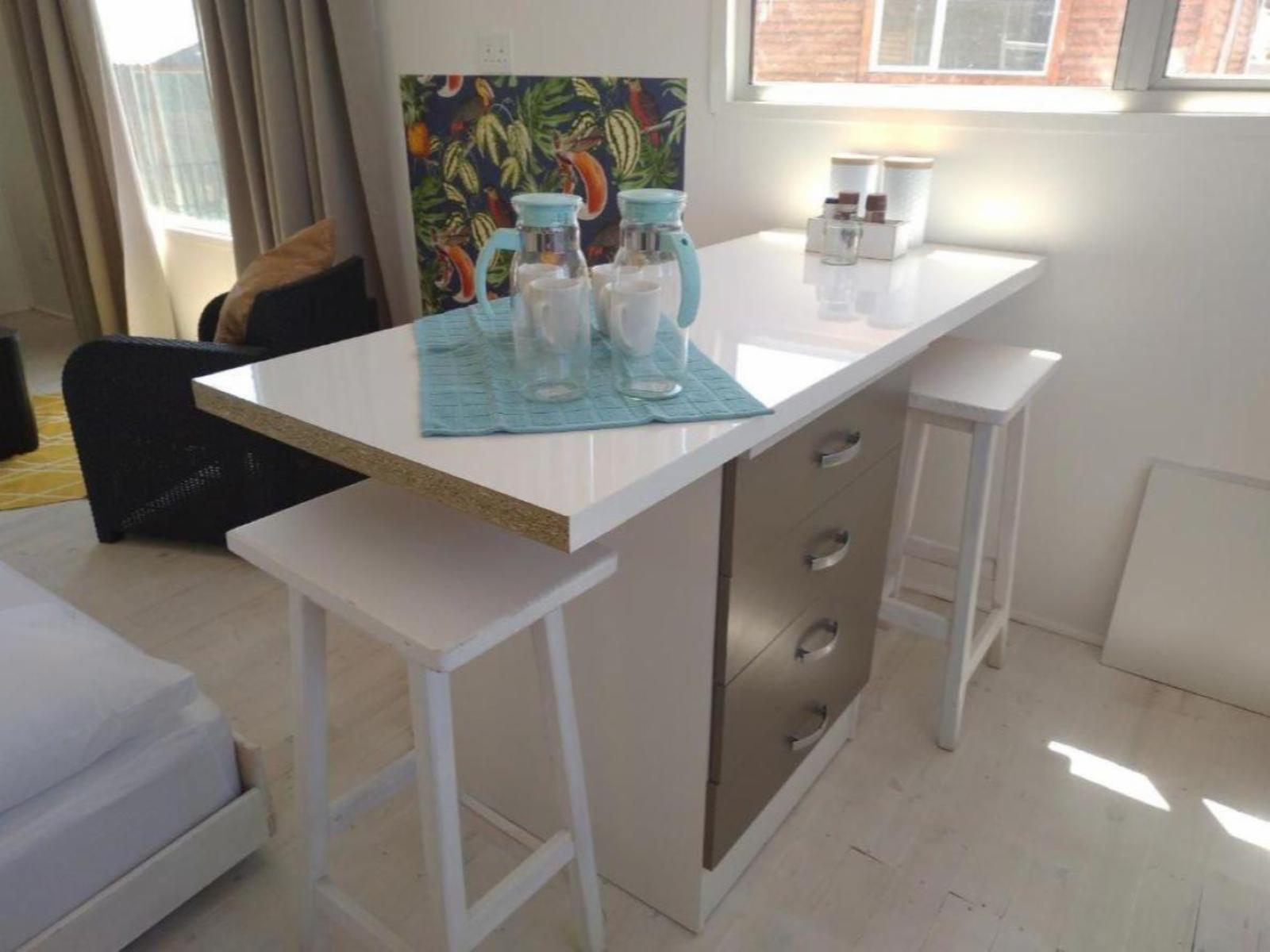
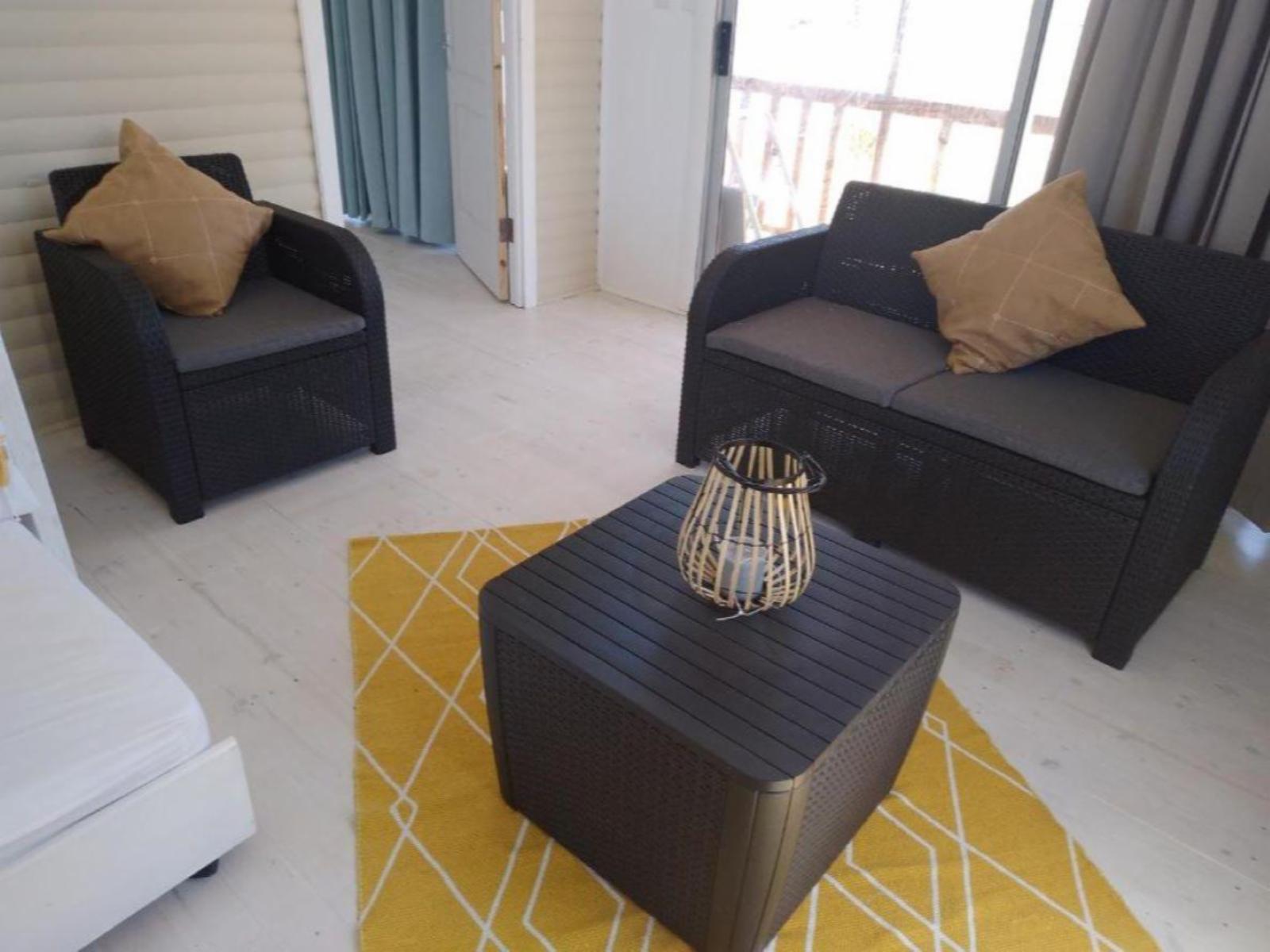
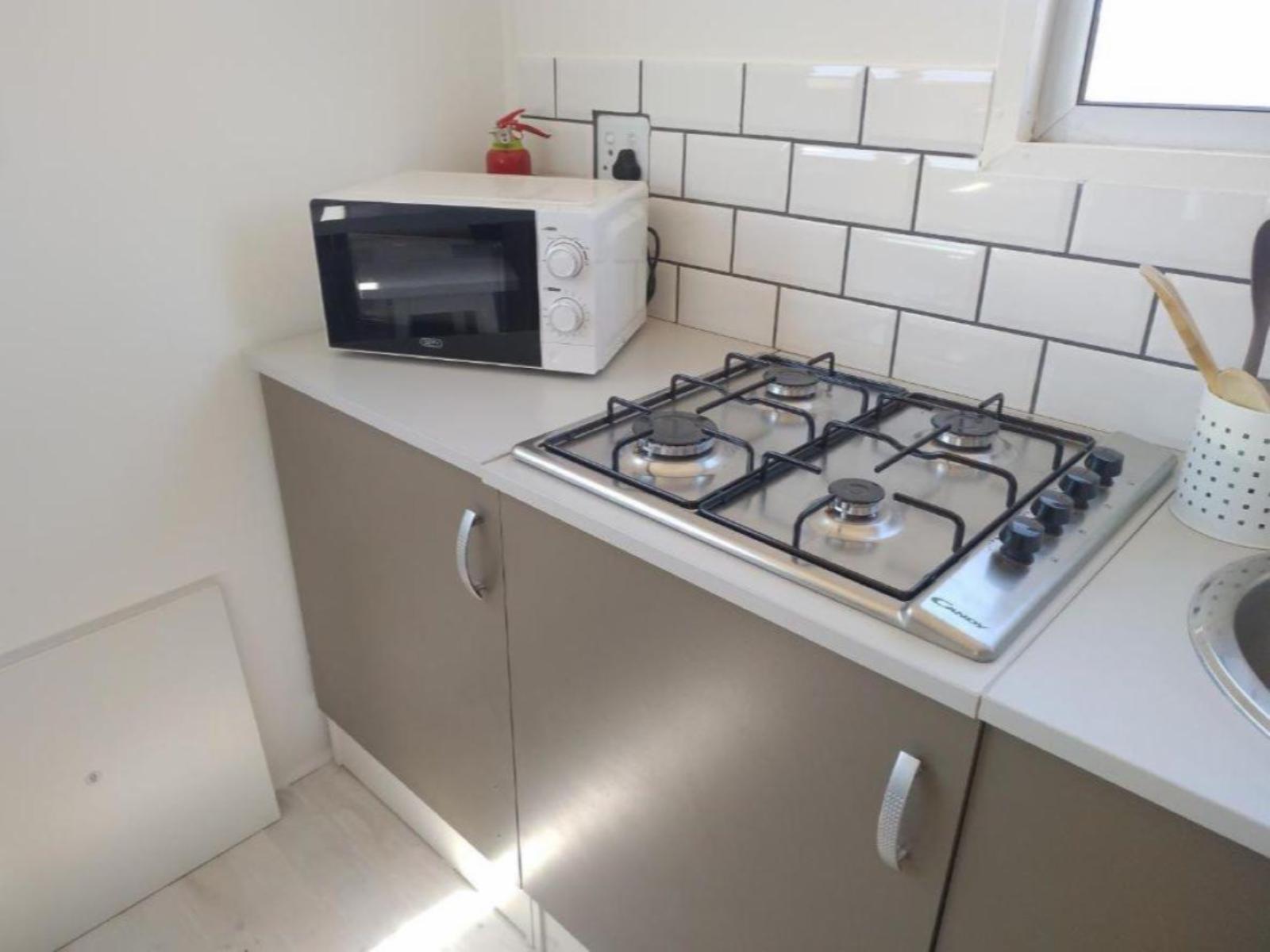
Self-catering properties sit at the accessible end of the market, averaging around R1,038 per night. They suit families or groups who prefer to set their own pace, with kitchen facilities allowing meals to be prepared on site. The practical trade-off is that grocery supplies need to come from the nearest towns, as most farms stock nothing beyond basics.
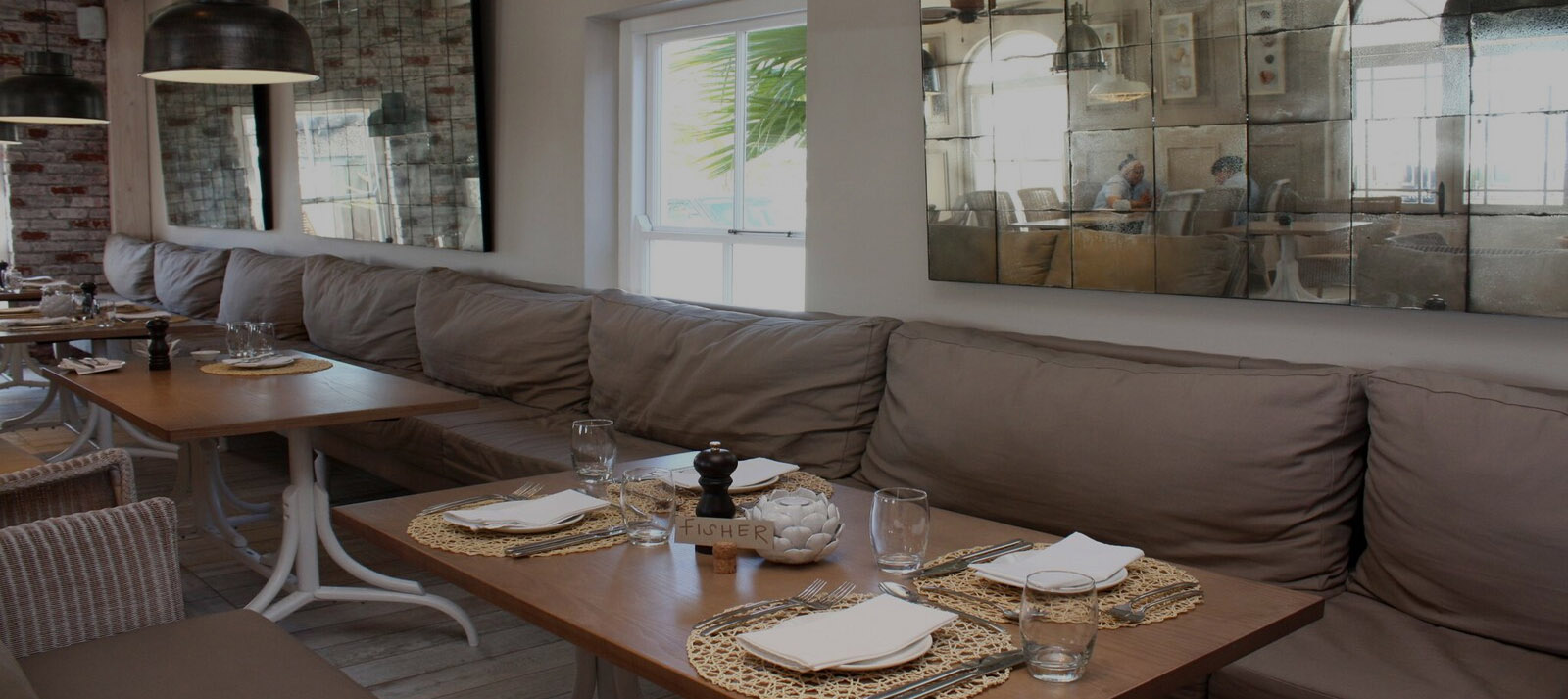
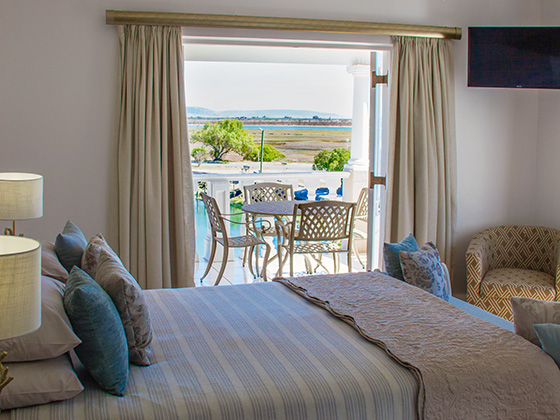
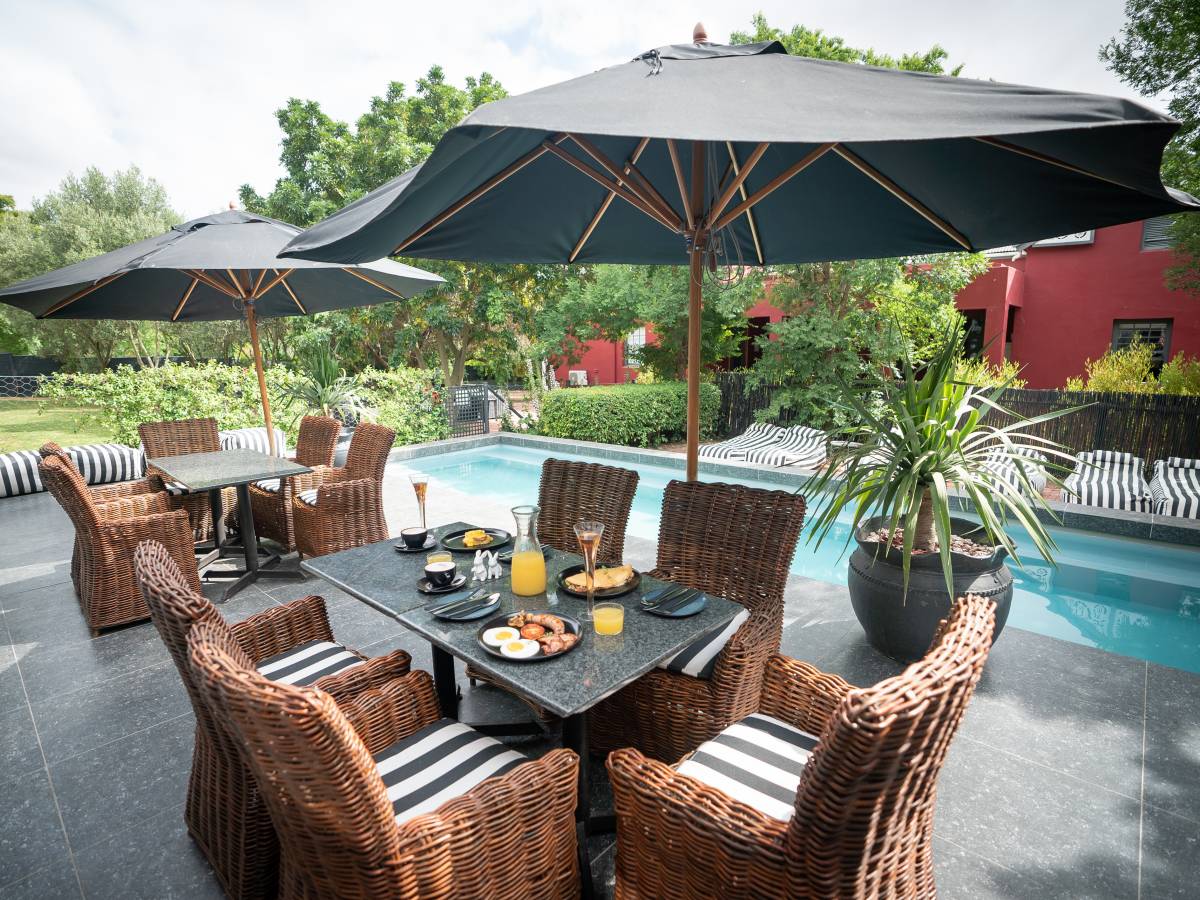
Hotels offer a more structured alternative, with three properties averaging R1,702 a night. Prepared meals and scheduled activities remove some planning burden, making this level a sensible choice for visitors who want the day's logistics handled for them.
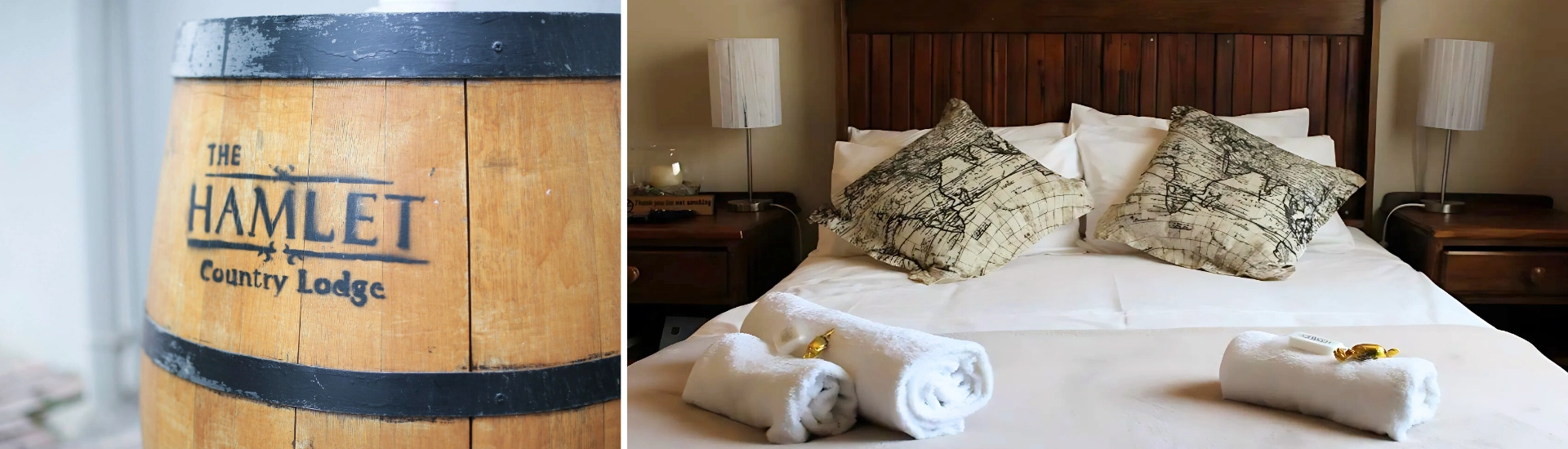
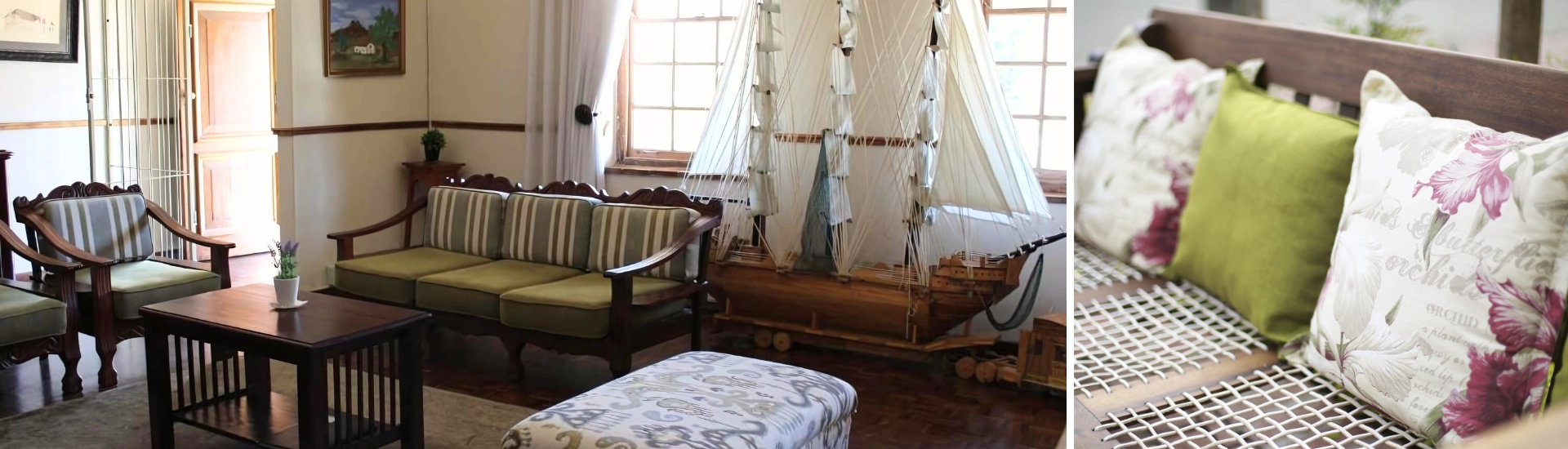
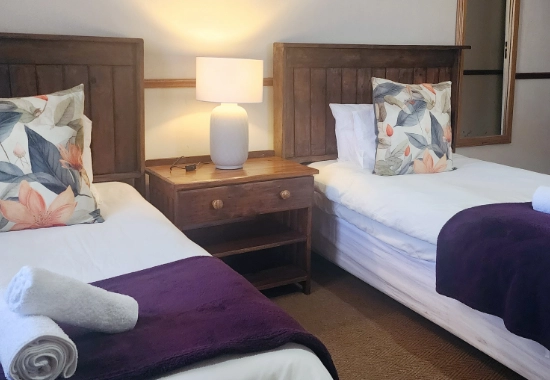
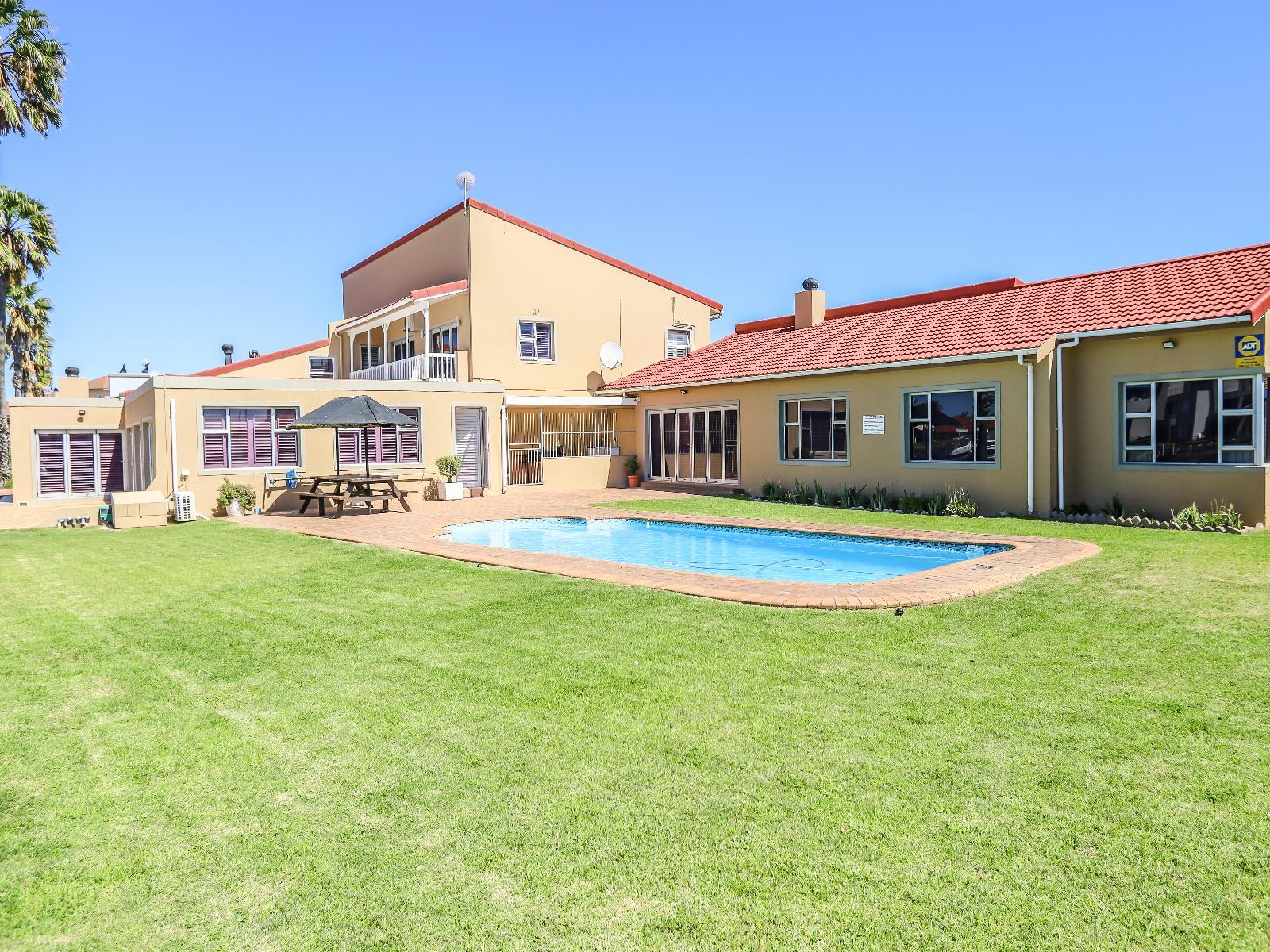
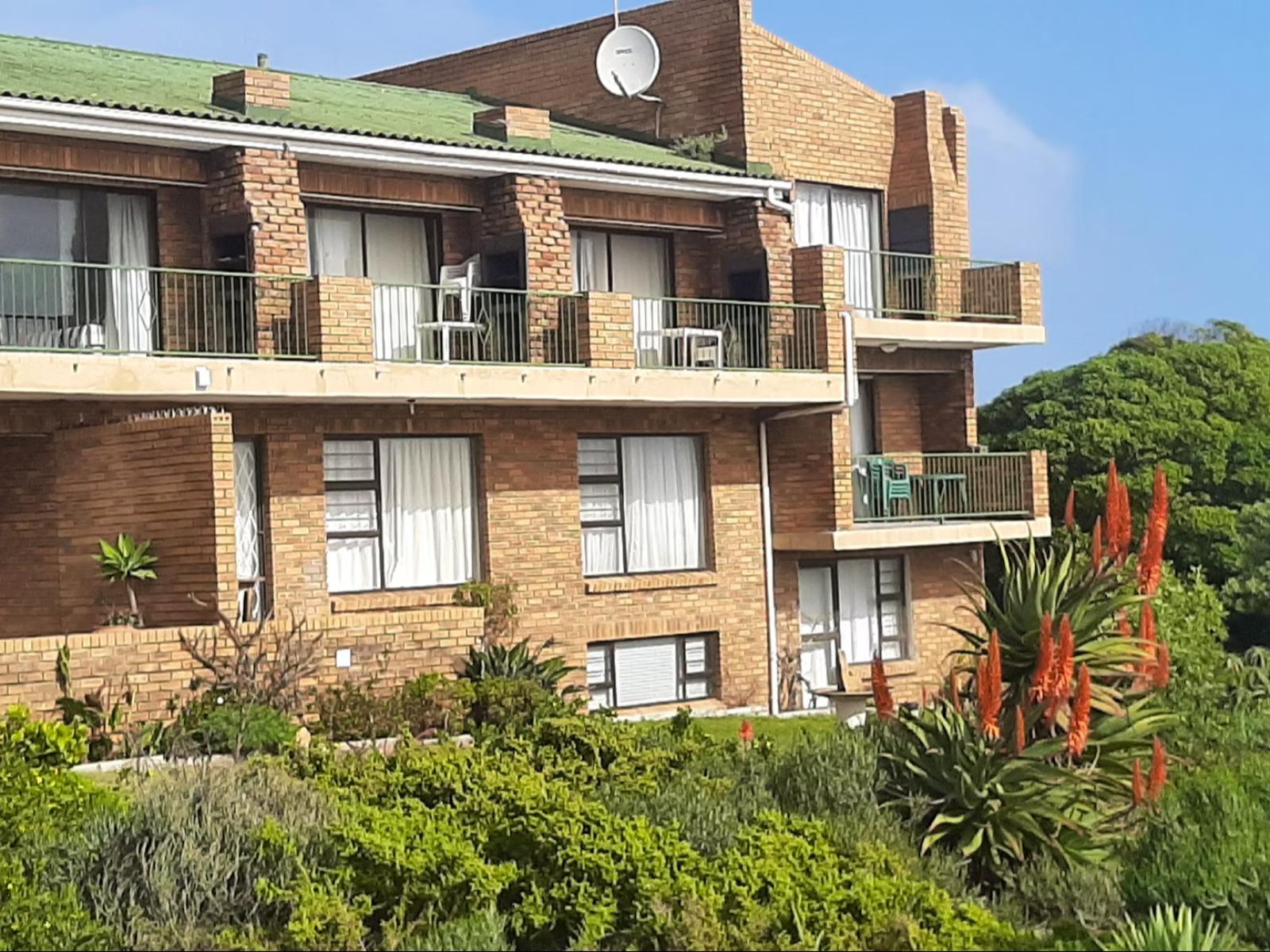
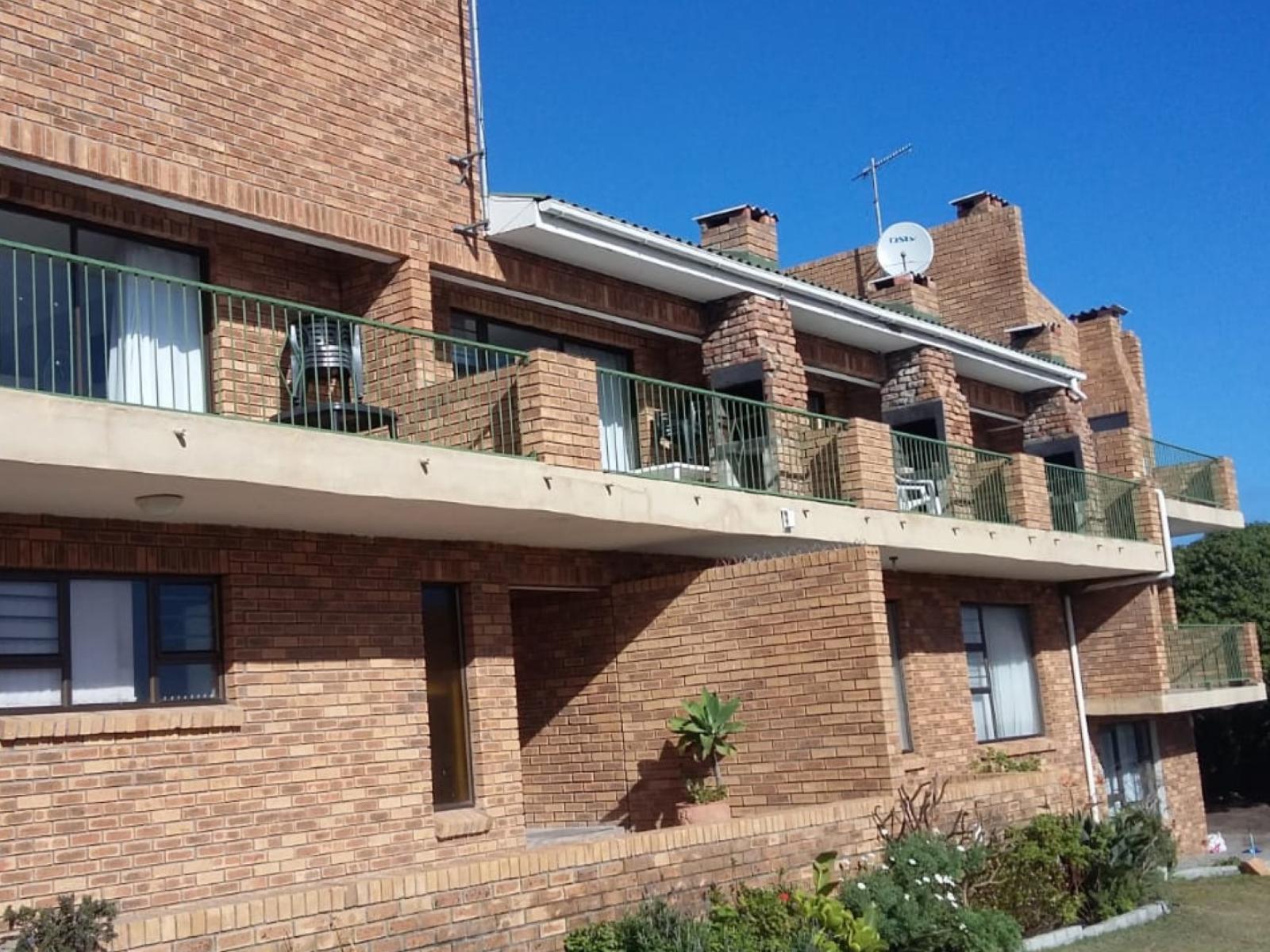
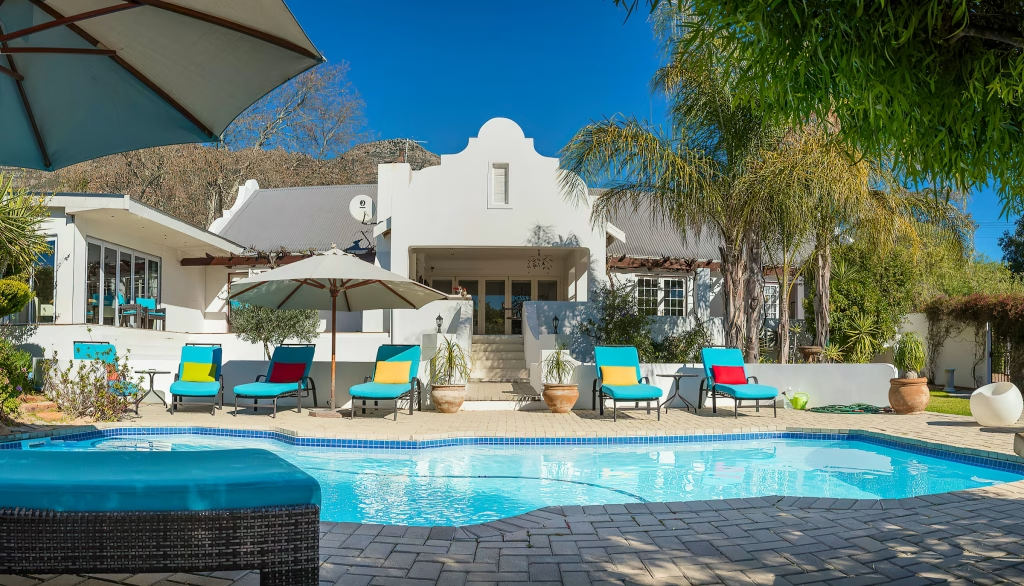
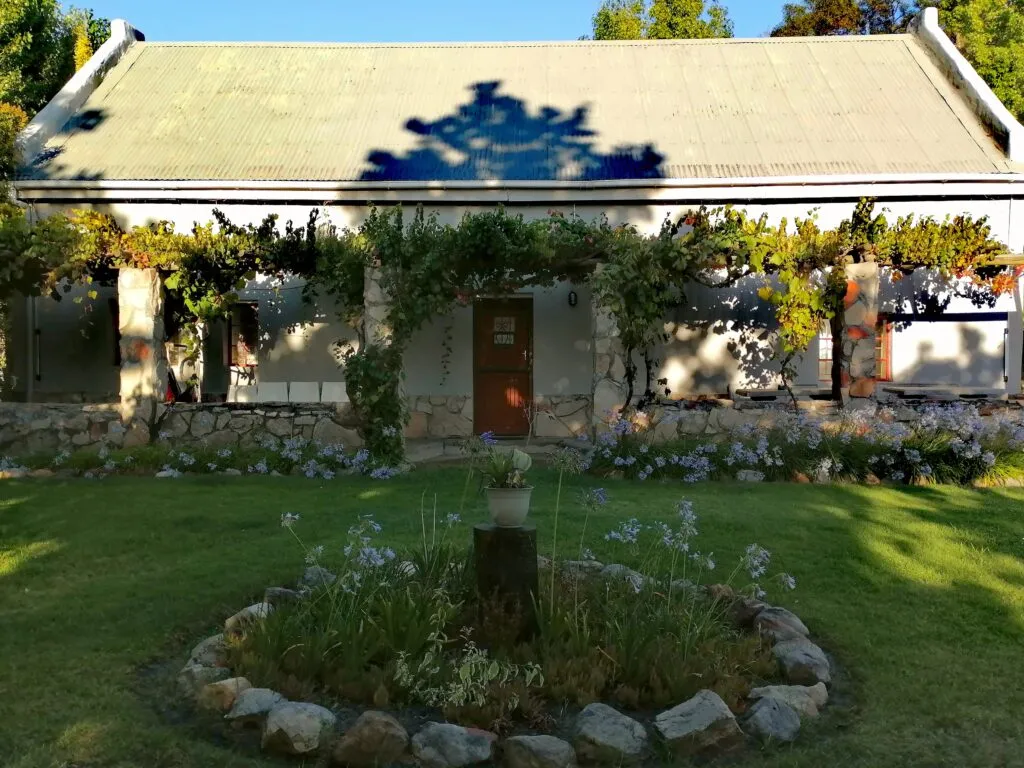
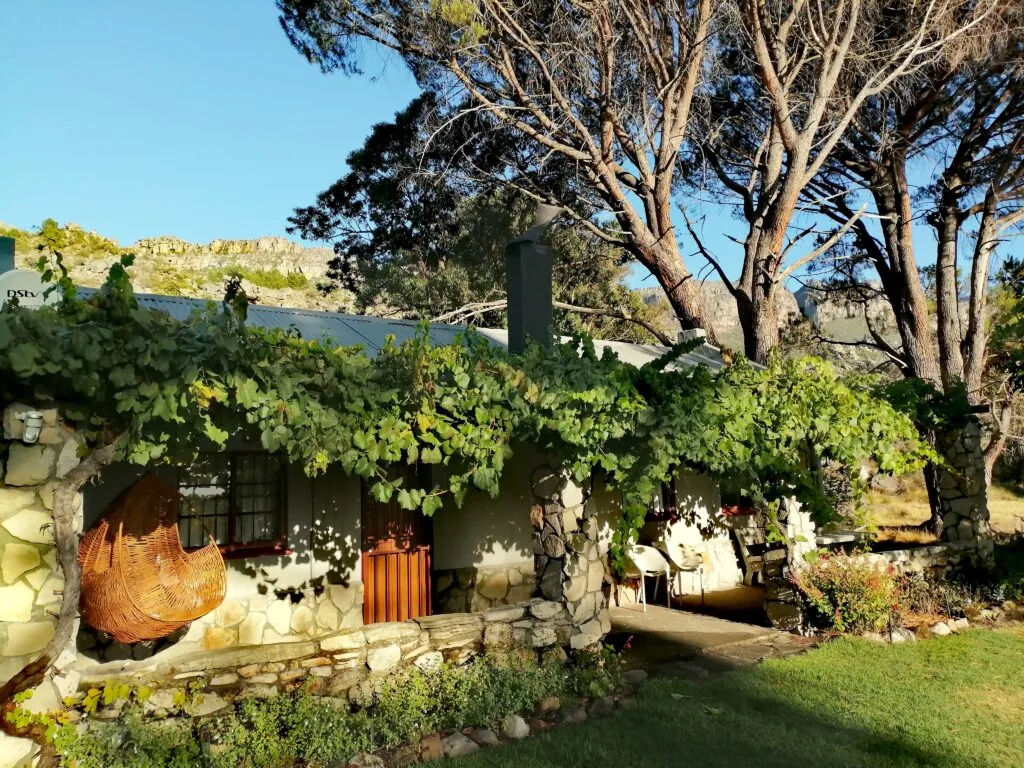
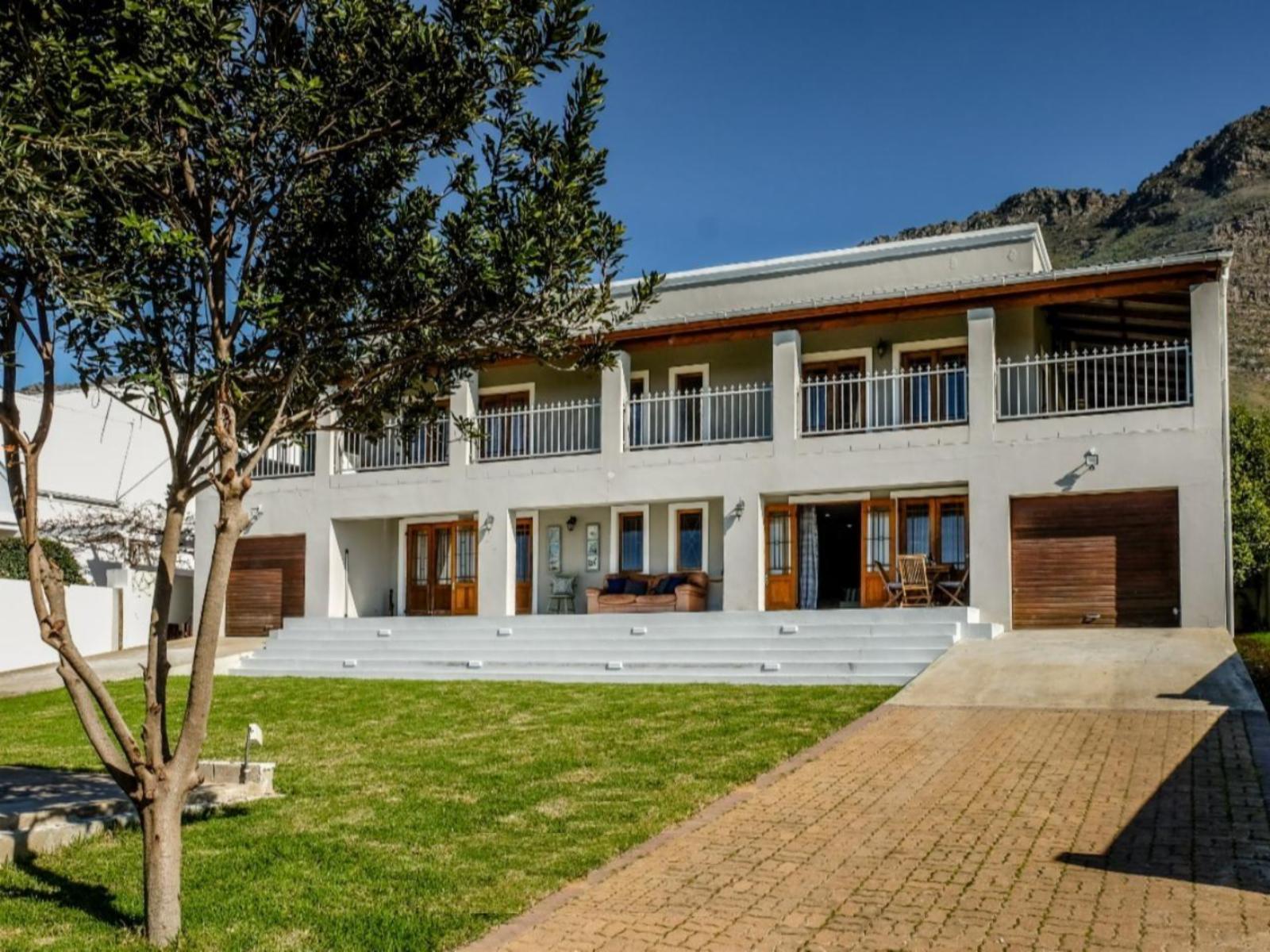
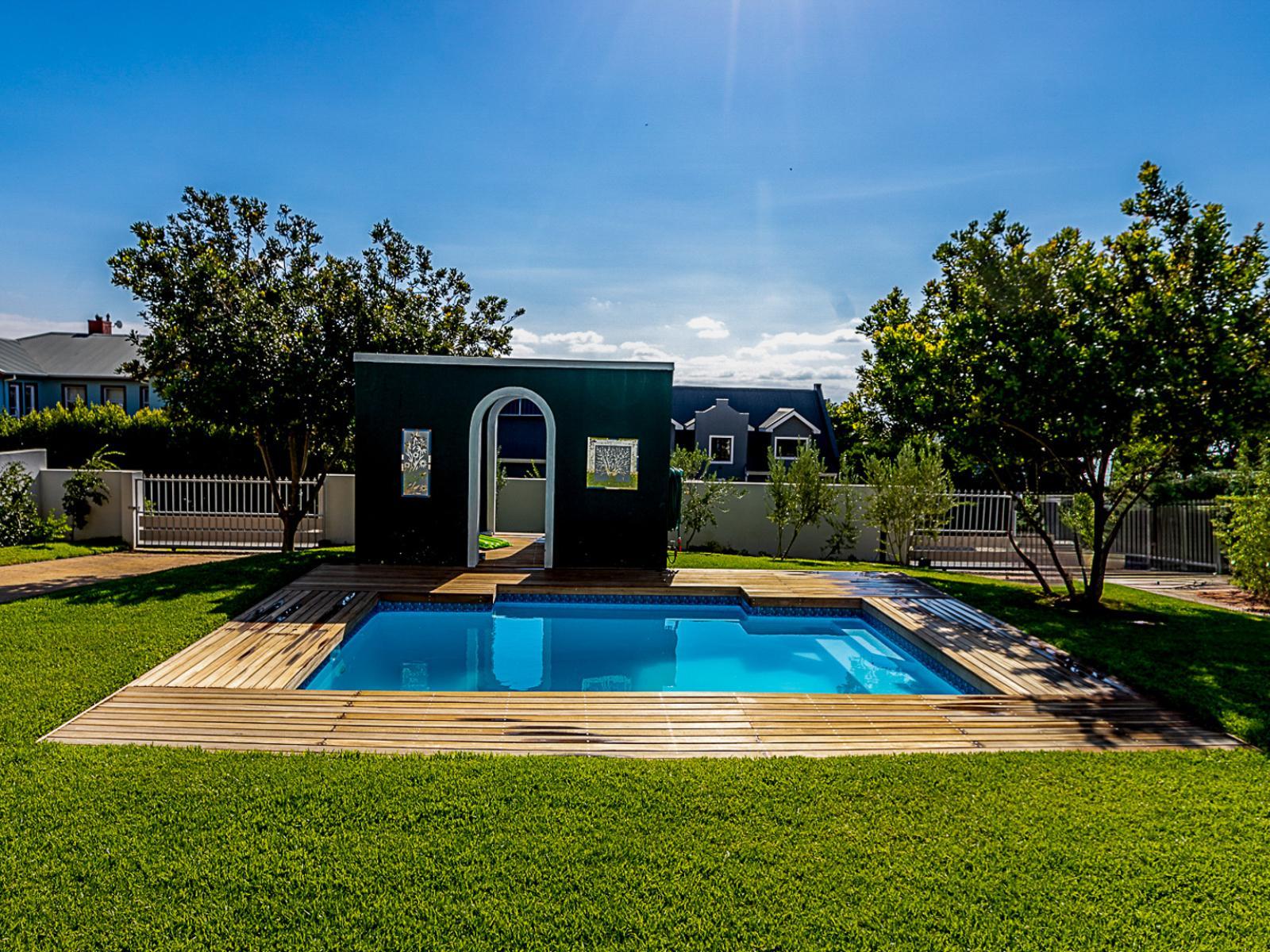
Guest houses form the largest category, with eight listings averaging R2,030 per night. Many are owner-operated, and the difference shows in the quality of local knowledge on offer. Owners at this level tend to know current trail conditions, which rock art sites are worth prioritising, and when the next weather front is due. The two lodges sit in similar territory, typically offering a degree of exclusivity suited to small groups wanting a single property to themselves. One villa pushes toward the top of the price range and functions as a fully self-contained private option.
Across all tiers, properties favour natural materials and generally sit unobtrusively in the landscape. Power supply varies considerably: some run entirely on solar, others rely on generators during load-shedding, and a few have no consistent backup at all. Connectivity should be confirmed before arrival, as mobile signal and Wi-Fi are absent from many locations.
Things to Do in Cederberg
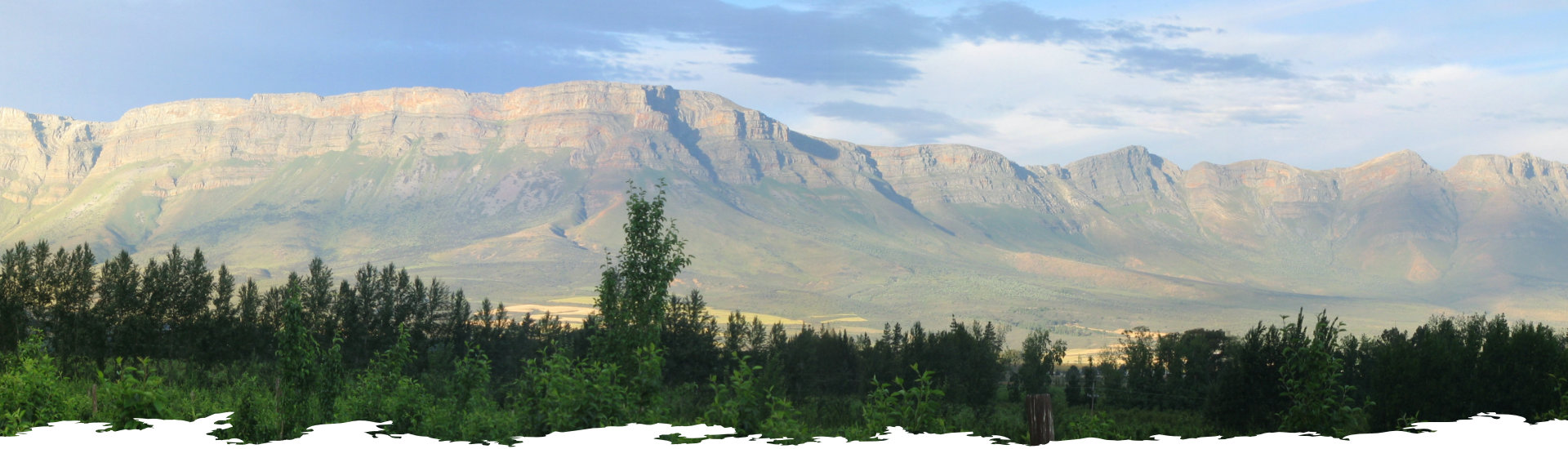
The Cederberg Wilderness Area provides the backbone for most visits, with trails ranging from accessible half-day walks to demanding multi-day routes. The Wolfberg Cracks is the most celebrated, a full-day hike that threads through a narrow sandstone gorge before opening onto the Wolfberg Arch, a natural rock formation framing wide views across the surrounding mountains. Some sections require scrambling and a reasonable level of fitness, but the scale of the landscape at the top justifies the effort.
San rock art survives across dozens of shelters in the area, painted in ochre and white pigment and depicting eland, hunters, and ceremonial figures. Guided walks from several farms offer interpretation that makes the difference between a brief stop and a genuine understanding of San beliefs and cosmology.
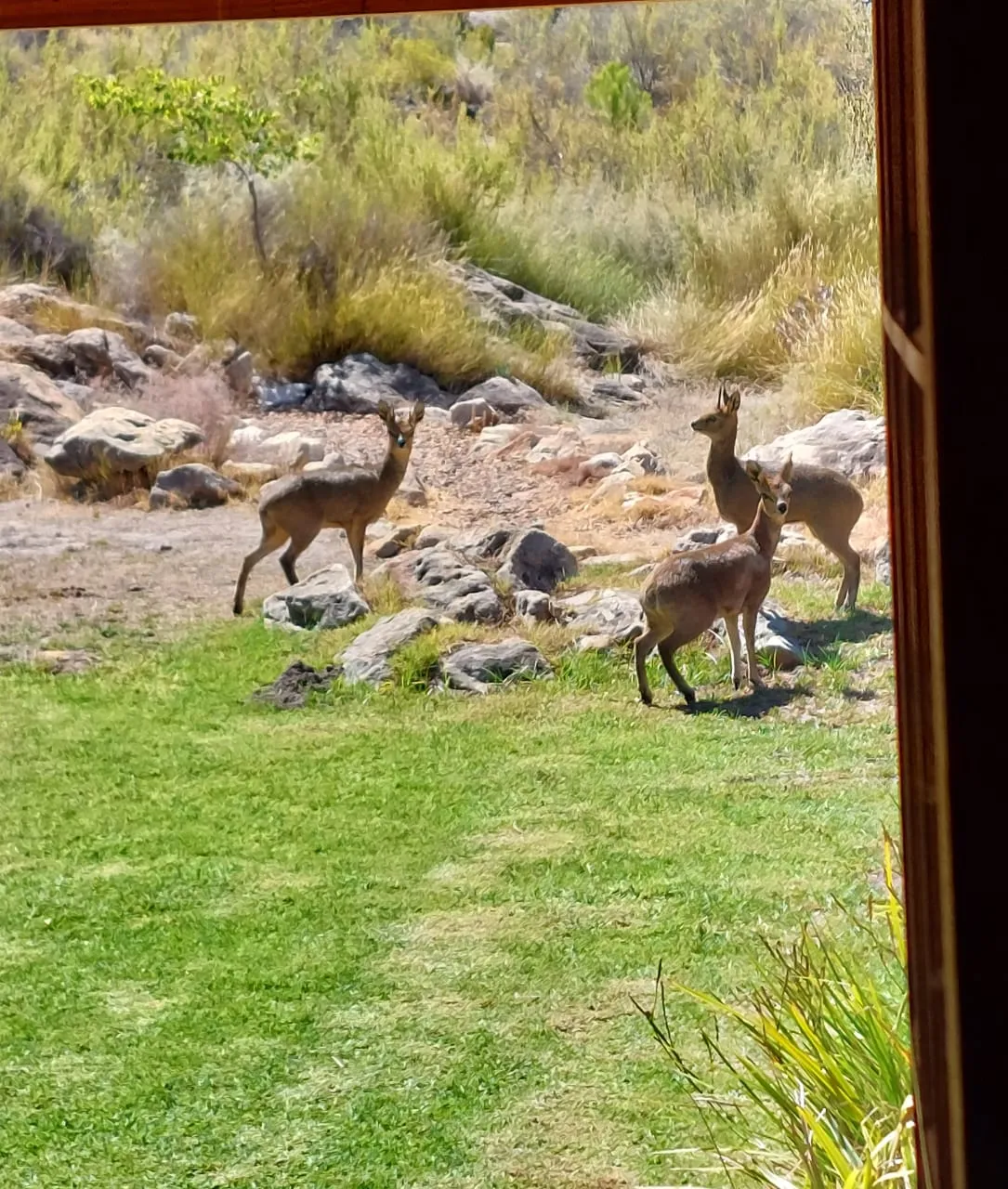
Wildlife watching requires patience and managed expectations. The Cape leopard inhabits the Cederberg and leaves tracks regularly on sandy paths, but direct sightings are uncommon. Some farms run guided drives that improve the chances of encountering less visible mammals. Verreaux's eagles and other raptors are a more reliable daily sighting along cliff lines throughout the day.
For those with a botanical interest, the fynbos vegetation rewards close attention. Proteas, ericas, and restios are among hundreds of endemic species concentrated across these slopes, and the density of plant life in a single walk is notable.
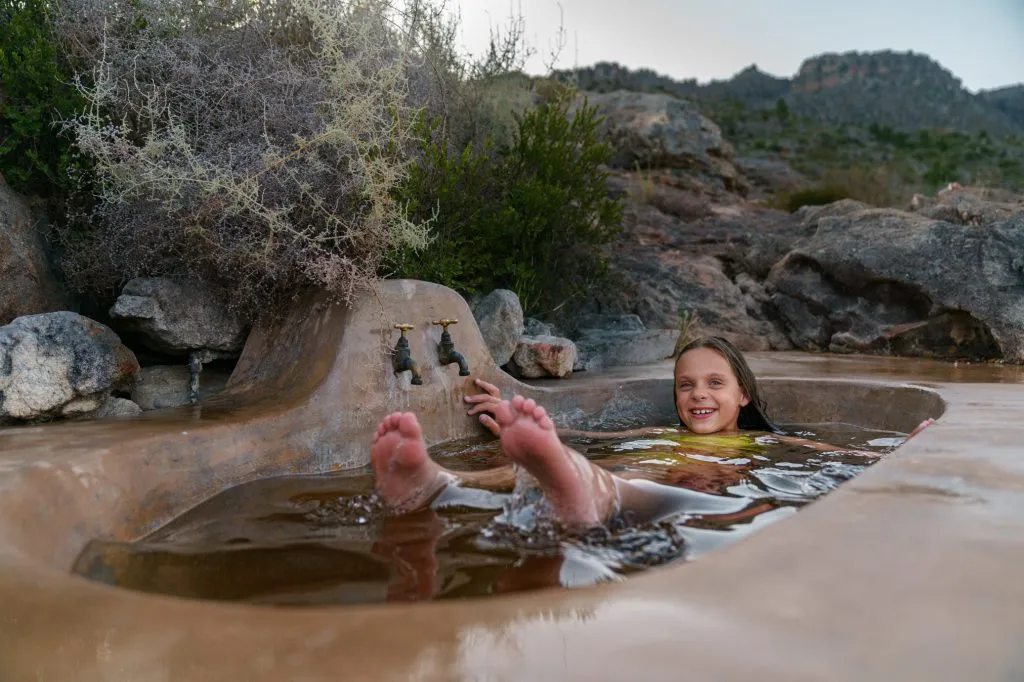
The Citrusdal Baths, fed by natural hot springs and maintained as a resort facility, make for a comfortable half-day stop and a contrast to the physical demands of trail hiking. Wine tasting is available along the Cederberg Wine Route, where farms at altitude produce reds under growing conditions that differ noticeably from coastal wine regions.
Stargazing is worth setting time aside for throughout the year. Low light pollution and consistently clear skies make the Milky Way reliably visible, and mountain biking on farm tracks offers an alternative for those who prefer wheels to boots.
Best Time to Visit Cederberg
Spring, running from August through October, draws the most visitors. Wildflowers come into bloom across the fynbos and surrounding lowlands, temperatures are mild, and the majority of hiking trails are accessible and comfortable. The trade-off is demand: accommodation fills well in advance and popular routes see considerably more foot traffic than at quieter times of year.
Summer, from November through January, brings sustained heat to the valleys. Temperatures regularly exceed 40°C, ruling out extended midday hiking on exposed terrain. Early mornings offer the most practical window for longer walks, and dry, cloudless nights through this period suit night sky observation.
Autumn, February through April, offers a quieter alternative. Temperatures drop into a workable hiking range, the trails are less crowded, and the drier landscape takes on a warm, golden quality. Booking lead times are shorter than in spring, and availability is generally better.
Winter delivers Cederberg's main rainfall, concentrated between May and July, with cold nights and occasional frost at higher elevations. Wet sandstone becomes slippery on steeper trail sections, and some gravel access roads close temporarily after heavy rain. Visitor numbers fall significantly, which suits those who value empty trails.
For the broadest combination of good conditions and reasonable availability, spring and autumn are the most dependable choices.
Getting to Cederberg
Cape Town International Airport is the main arrival point for visitors flying in. From the airport, the drive into the Cederberg takes roughly two and a half hours, covering approximately 200 kilometres north on the N1 before turning onto the N7 through Citrusdal toward the mountains.
Beyond the N7, access to farms, trailheads, and more remote properties shifts to gravel roads. Most are passable in a standard sedan during dry conditions, though a vehicle with reasonable ground clearance handles the corrugated sections more comfortably. After significant rainfall, some roads close temporarily, and checking conditions with your accommodation before setting out is a sensible precaution, particularly in winter.
There is no public transport serving the Cederberg directly. Visitors need either a private vehicle or a pre-arranged transfer from Cape Town. Car hire is available from all major operators at the airport. Adding roadside assistance to a rental agreement is worthwhile given the distances involved and the remoteness of some properties.
Fuel is available in Citrusdal and Clanwilliam. Most farms carry no fuel on site, so filling the tank before leaving the main road is essential.
Cederberg and Surrounding Areas
Citrusdal sits at the foot of the Cederberg in the Olifants River valley, where citrus farming has shaped the local economy since the early twentieth century. The town is the most practical supply stop for visitors heading into the mountains, with a supermarket, hardware store, and several restaurants. A local wine estate adds a reason to pause rather than pass straight through, and basic services make it a functional base for those who prefer a town setting over an isolated farm.
Noordhoek, 15 kilometres from the Cederberg, is a small farming community with little tourist infrastructure. It provides a low-key access point to the broader region, away from the more visited mountain properties, and suits visitors who want proximity without the premium that on-mountain properties carry.
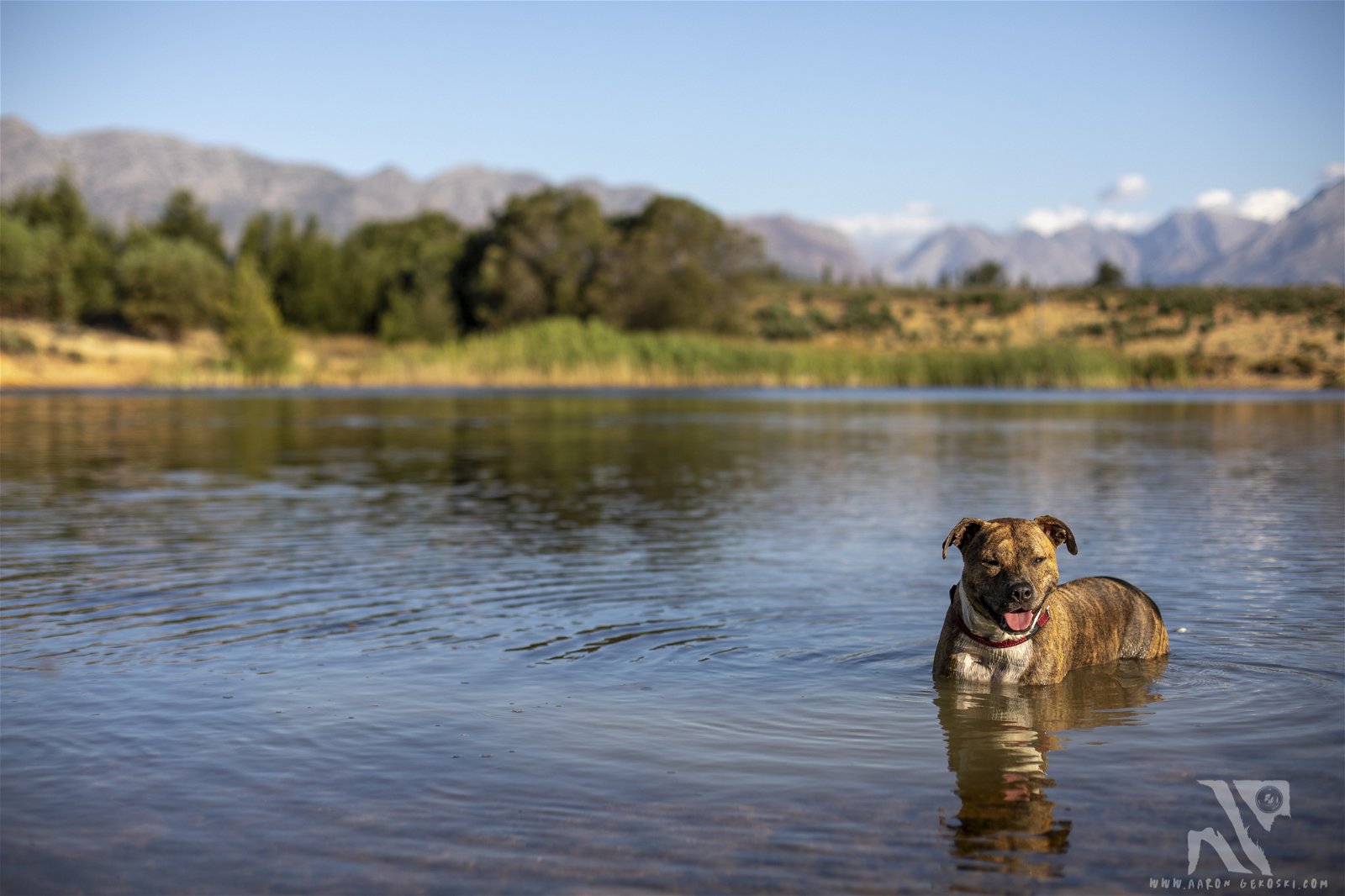
Clanwilliam, 47 kilometres away, is the most substantial town in the area and the commercial centre of South Africa's rooibos tea industry. Farms throughout the surrounding valleys grow and process the herb for export, and several offer direct sales and tastings to visitors. The Clanwilliam Dam, built in the 1930s, provides fishing, swimming, and boating, and each spring the town hosts a wildflower festival that draws considerable crowds from across the Western Cape.
Redelinghuys, 46 kilometres from the Cederberg, is a small Swartland village surrounded by protea farms and dry-land wheat fields. Few tourists pass through, but a drive here gives a clear impression of the working agricultural landscape on the western edge of the region.
Porterville, also 47 kilometres away, is known primarily as a paragliding site. Strong thermals off the ridge above town attract pilots throughout the year, and the town provides a starting point for access to the Groot Winterhoek Wilderness Area to the south.
Groenfontein, 66 kilometres from the Cederberg, is a remote valley in the Koue Bokkeveld. Deciduous fruit farming dominates, and few visitors arrive without a specific reason to do so. The gravel road access and the isolation are the point for those seeking the quietest corners of this part of the Western Cape.
Planning Your Stay
Advance booking is most critical for spring visits, when August through October demand peaks and popular properties fill months ahead. The December and January school holiday period creates similar pressure in summer. Outside these windows, a month or two of lead time is usually sufficient.
When comparing properties, map the distance from each to the specific trails or sites on your itinerary. The Cederberg covers a large area, and a property that appears central on a booking platform may involve extended gravel road travel for daily excursions. Confirm whether meals are included or self-catering required, as shops and restaurants are a meaningful drive from most farms.
Before confirming a booking, ask about power supply and connectivity. Load-shedding affects the region, and backup power varies from full solar systems to generators with restricted operating hours. Mobile signal is absent at many locations, and some properties have no Wi-Fi at all. These limitations are manageable if you know about them in advance.
Read cancellation terms carefully. Smaller operators and farm-based properties commonly apply strict no-refund policies during peak season, and winter weather can occasionally affect road access. Flexible cancellation terms are worth seeking if travel dates fall in uncertain months.
Hiking in the Cederberg Wilderness Area requires a Cape Nature permit, which should be reserved online before arrival.