Accommodation in Durban
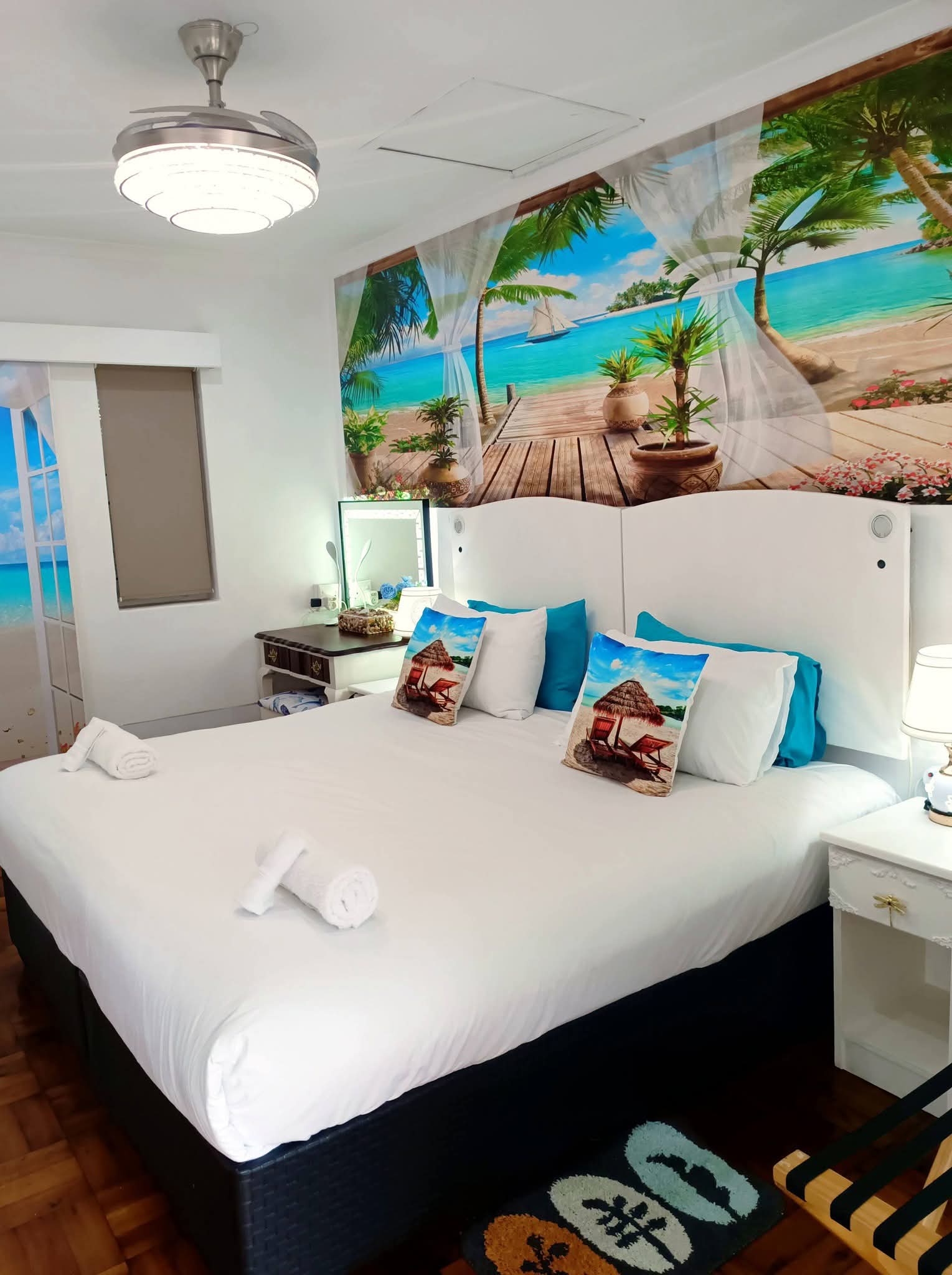
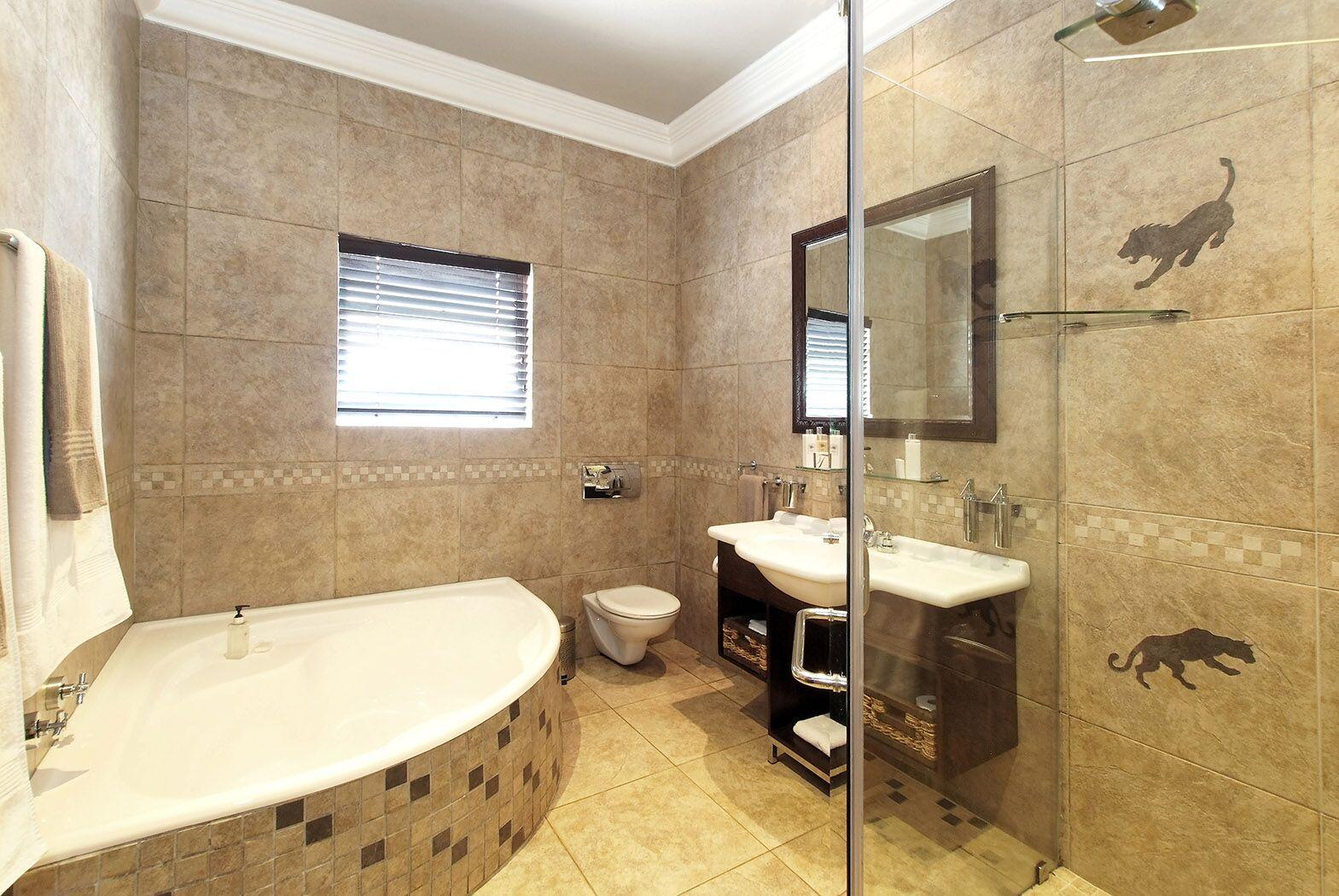
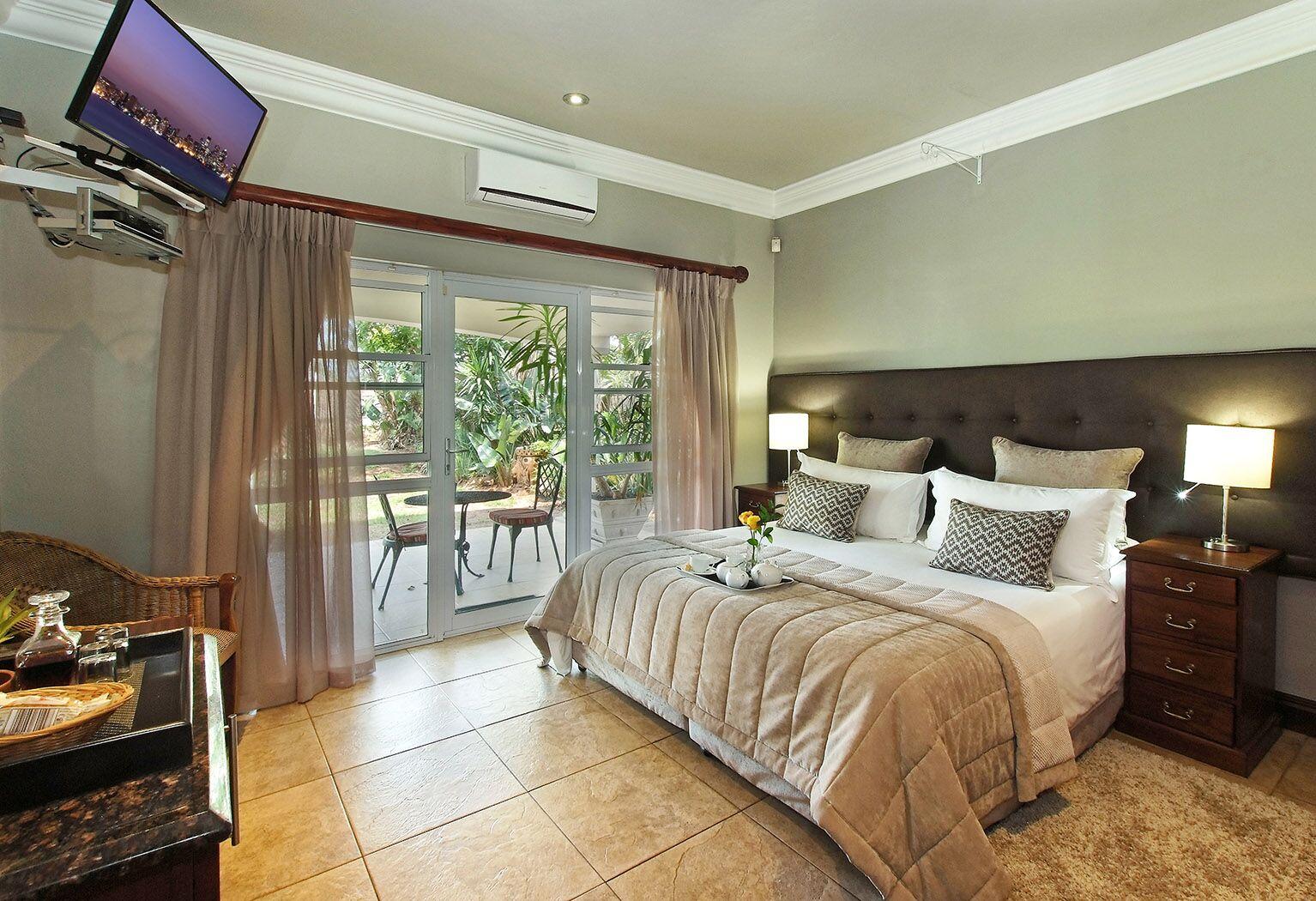
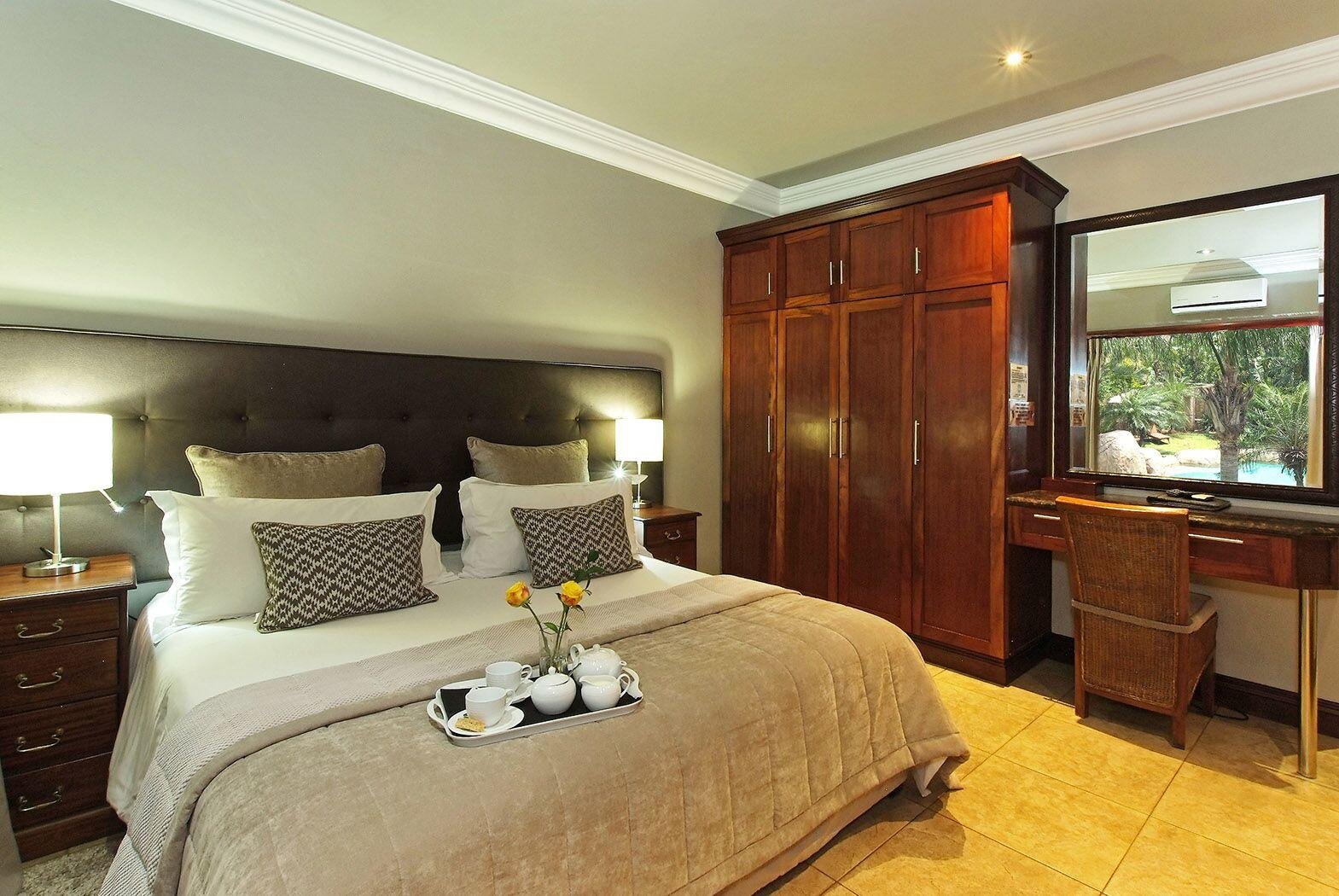
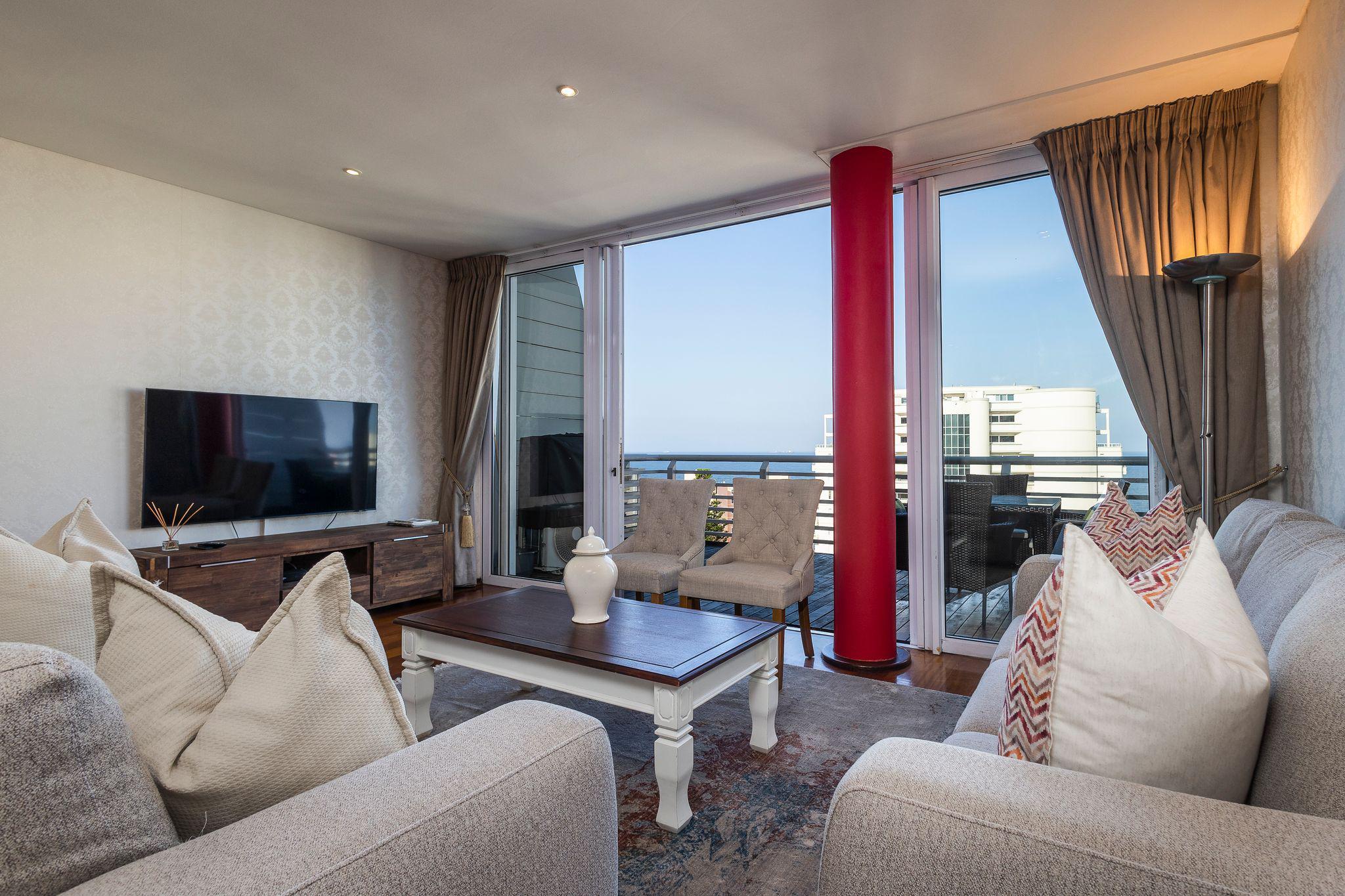
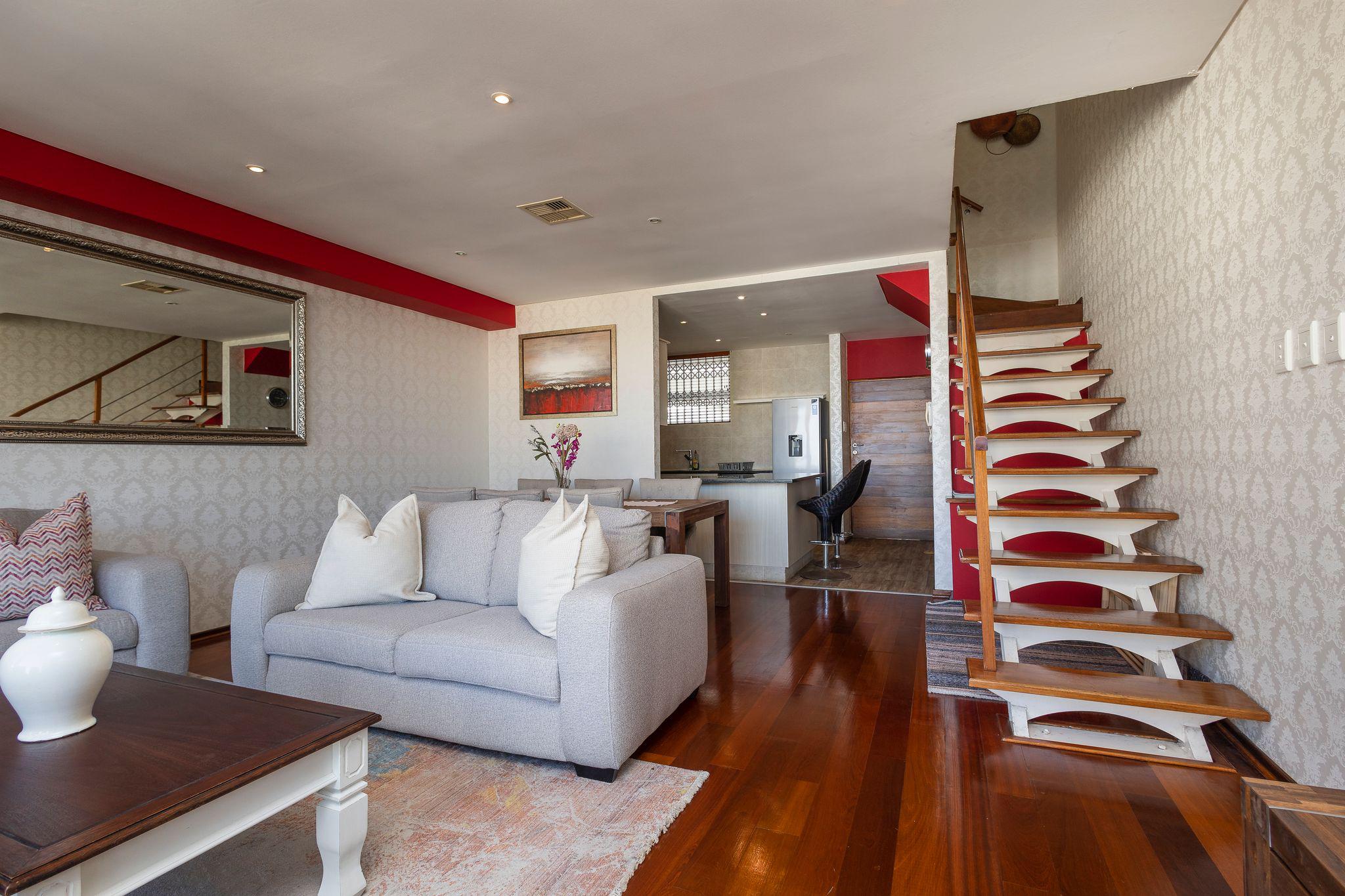
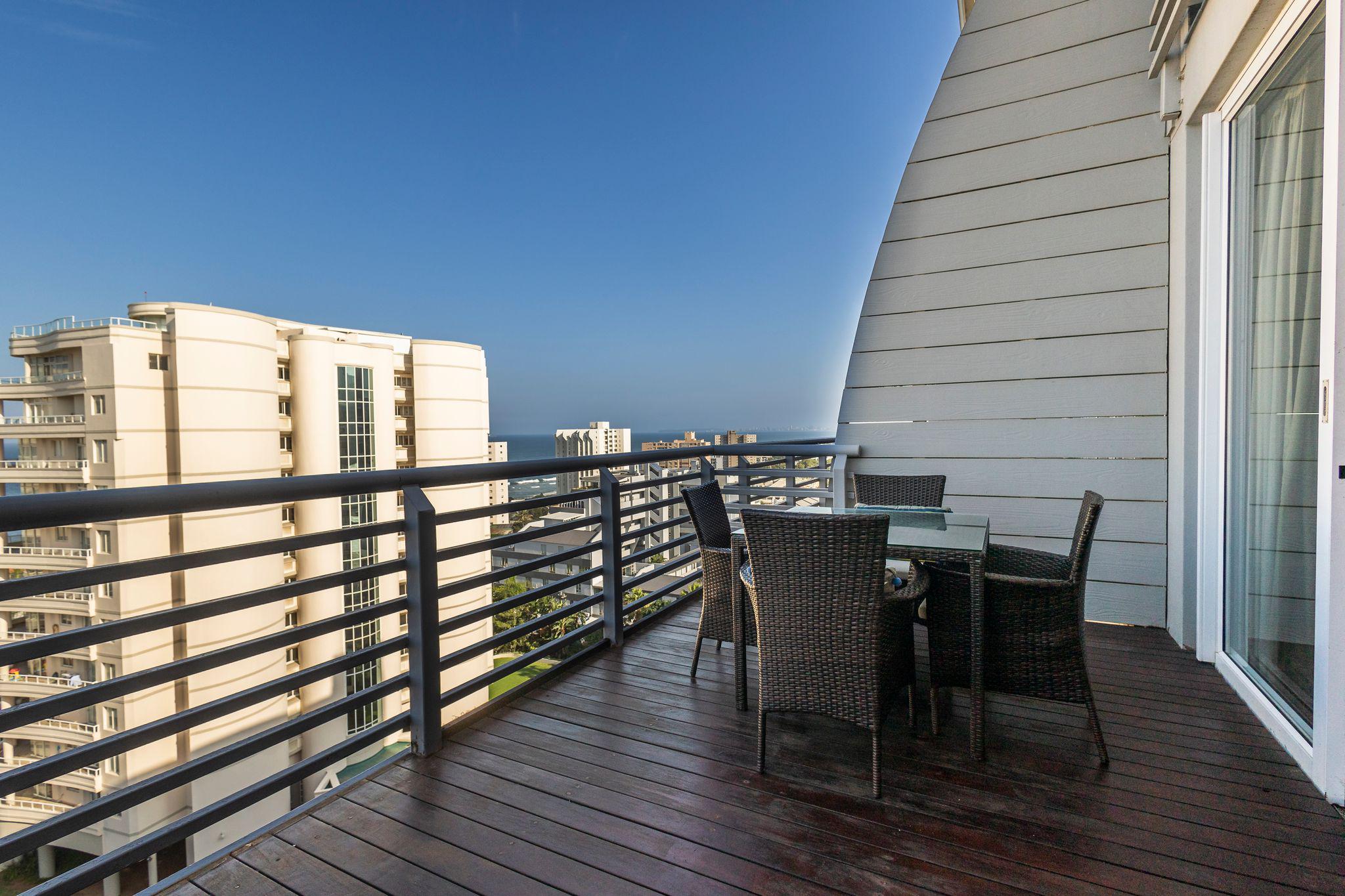
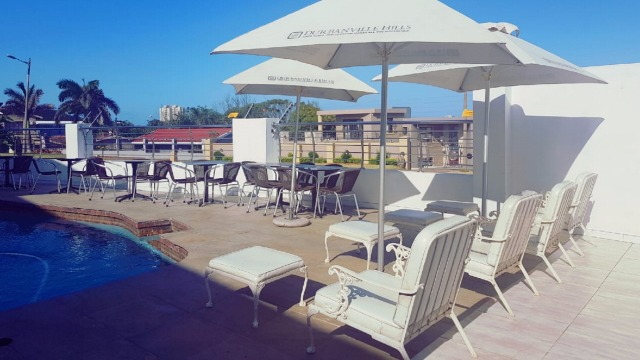
Durban's market lists 37 properties, with nightly rates running from R600 to R3,755 and an average around R1,565. That spread reflects a city drawing budget travellers, families on practical itineraries, and visitors looking for something more considered.
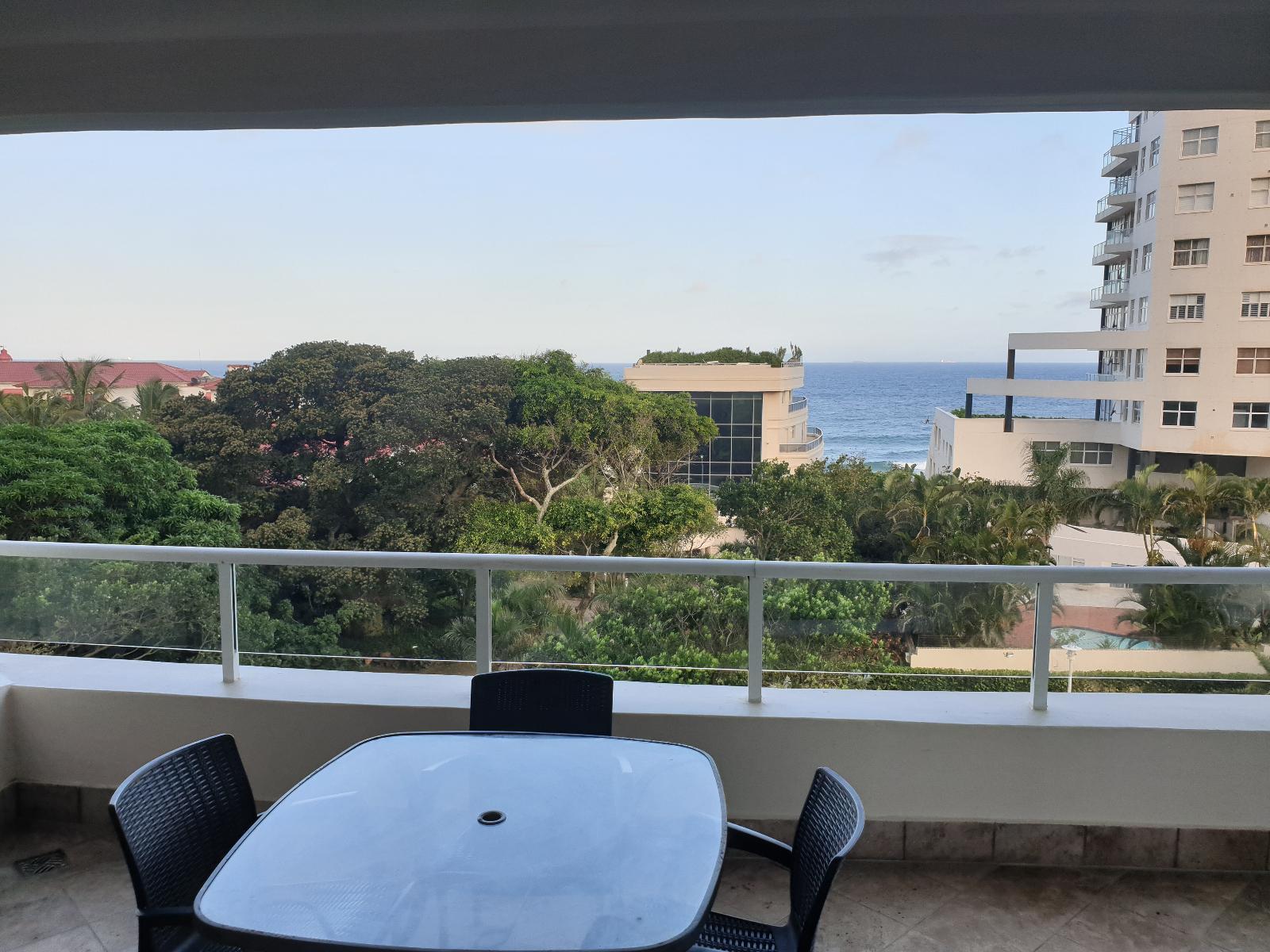
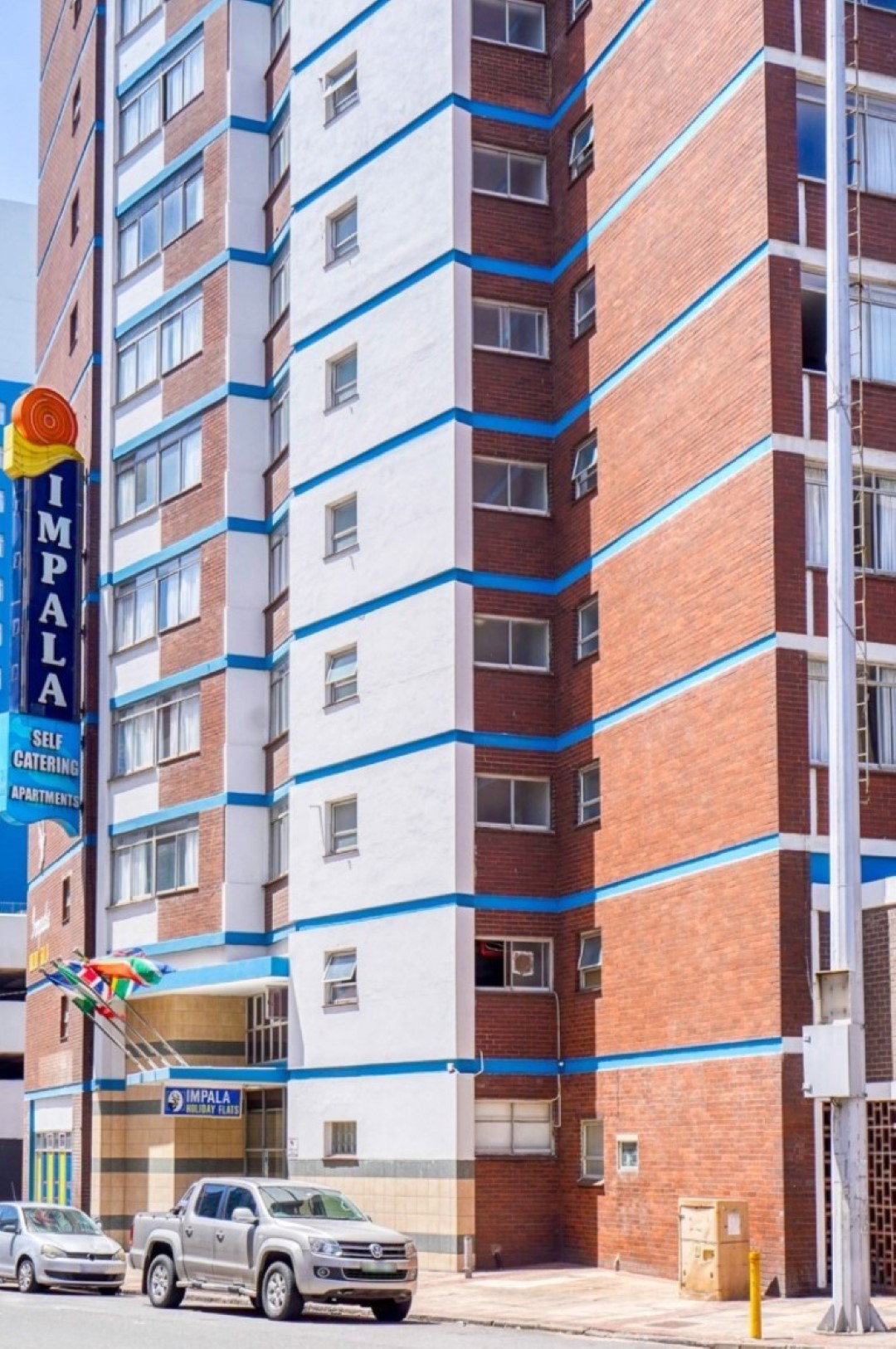
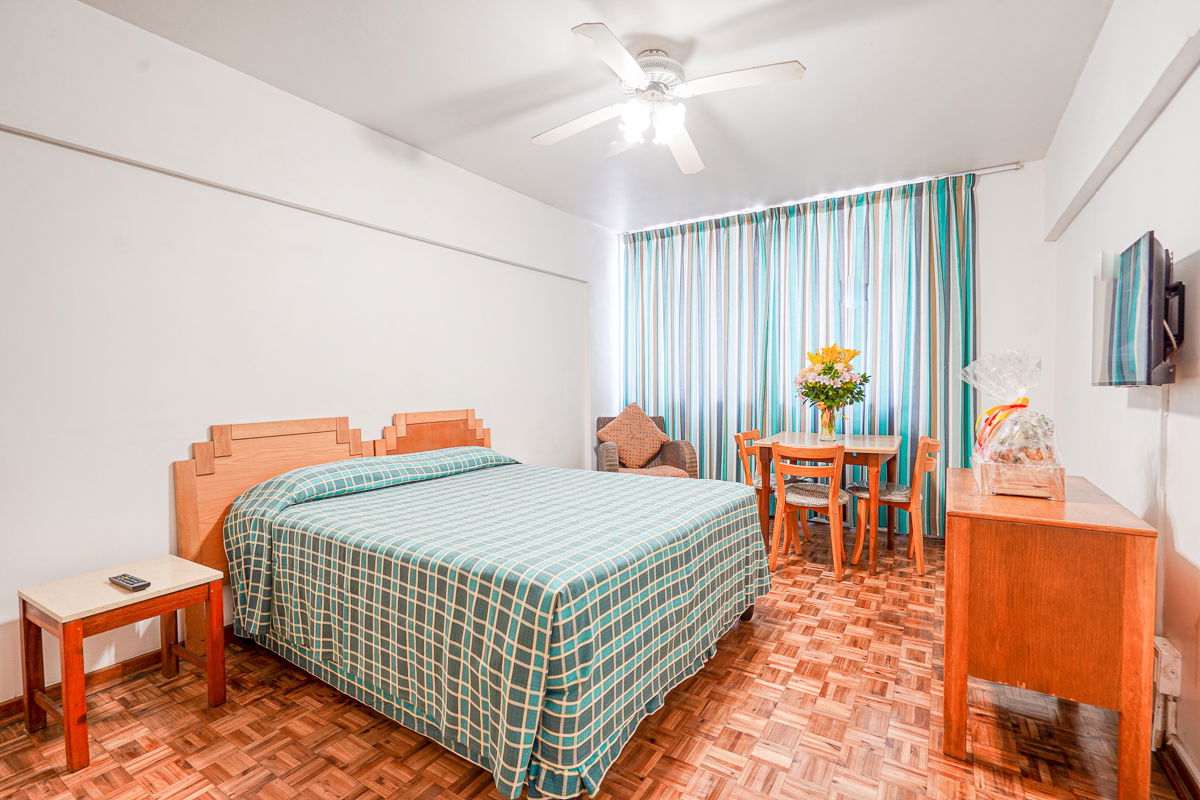
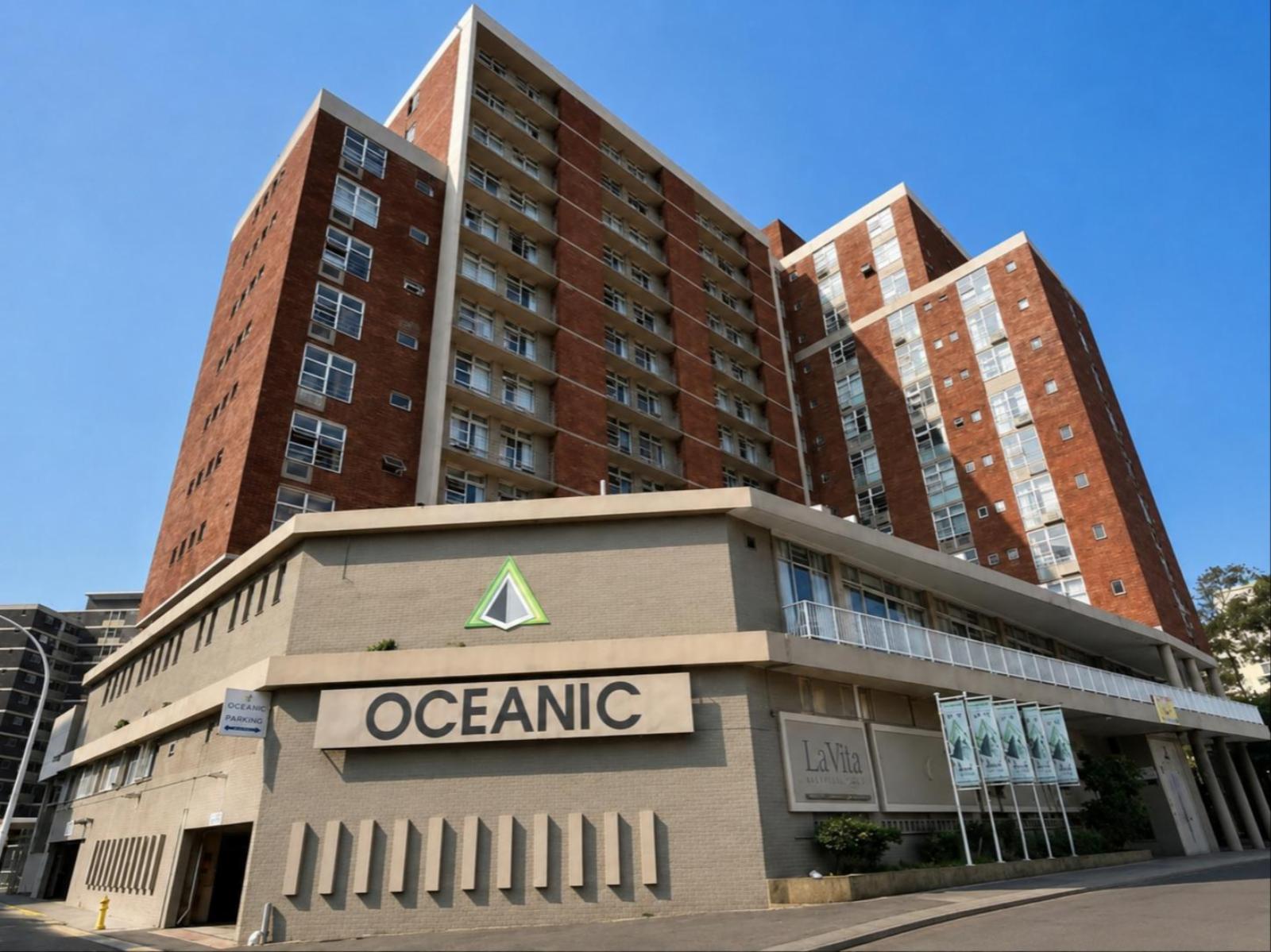
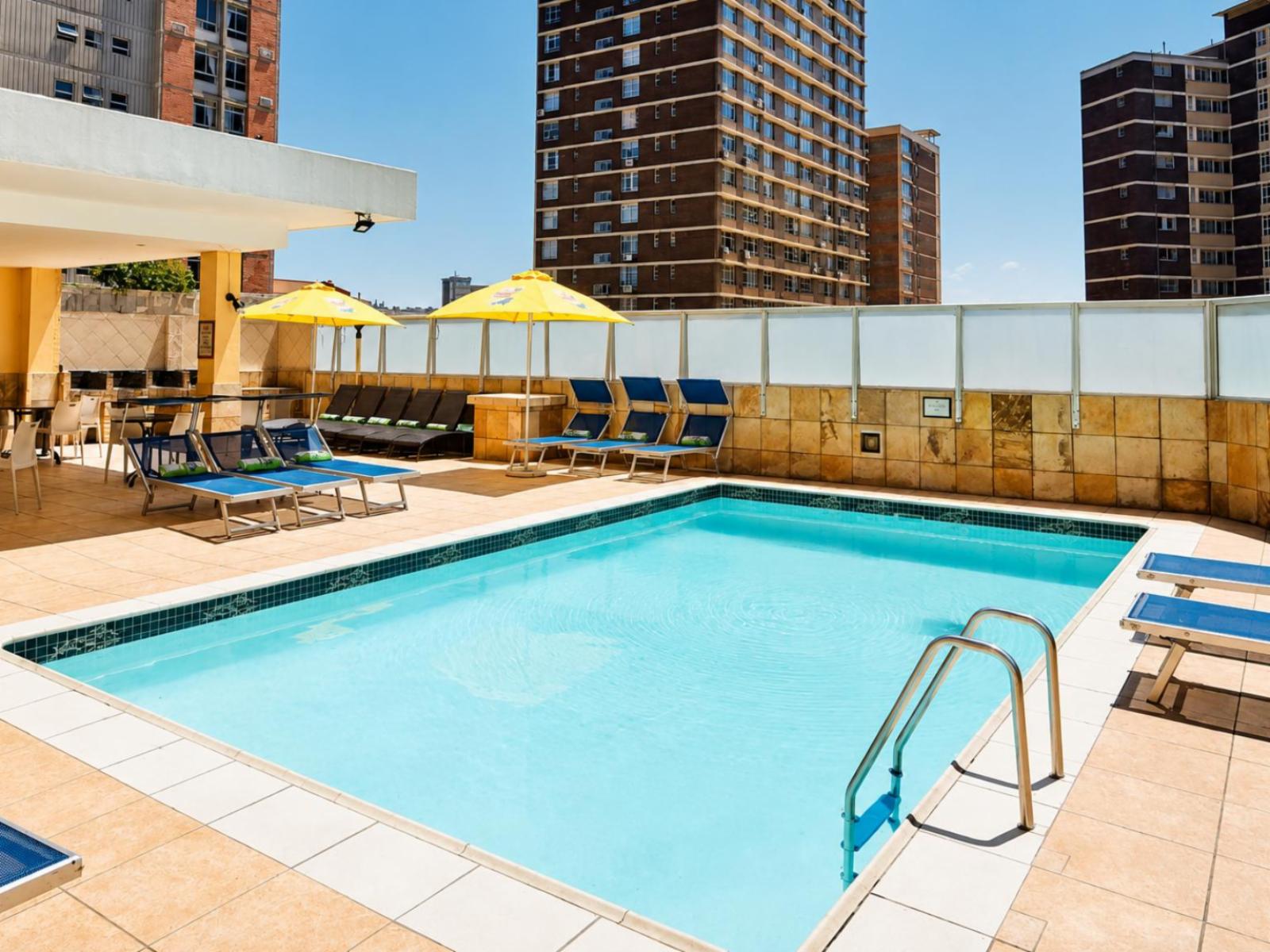
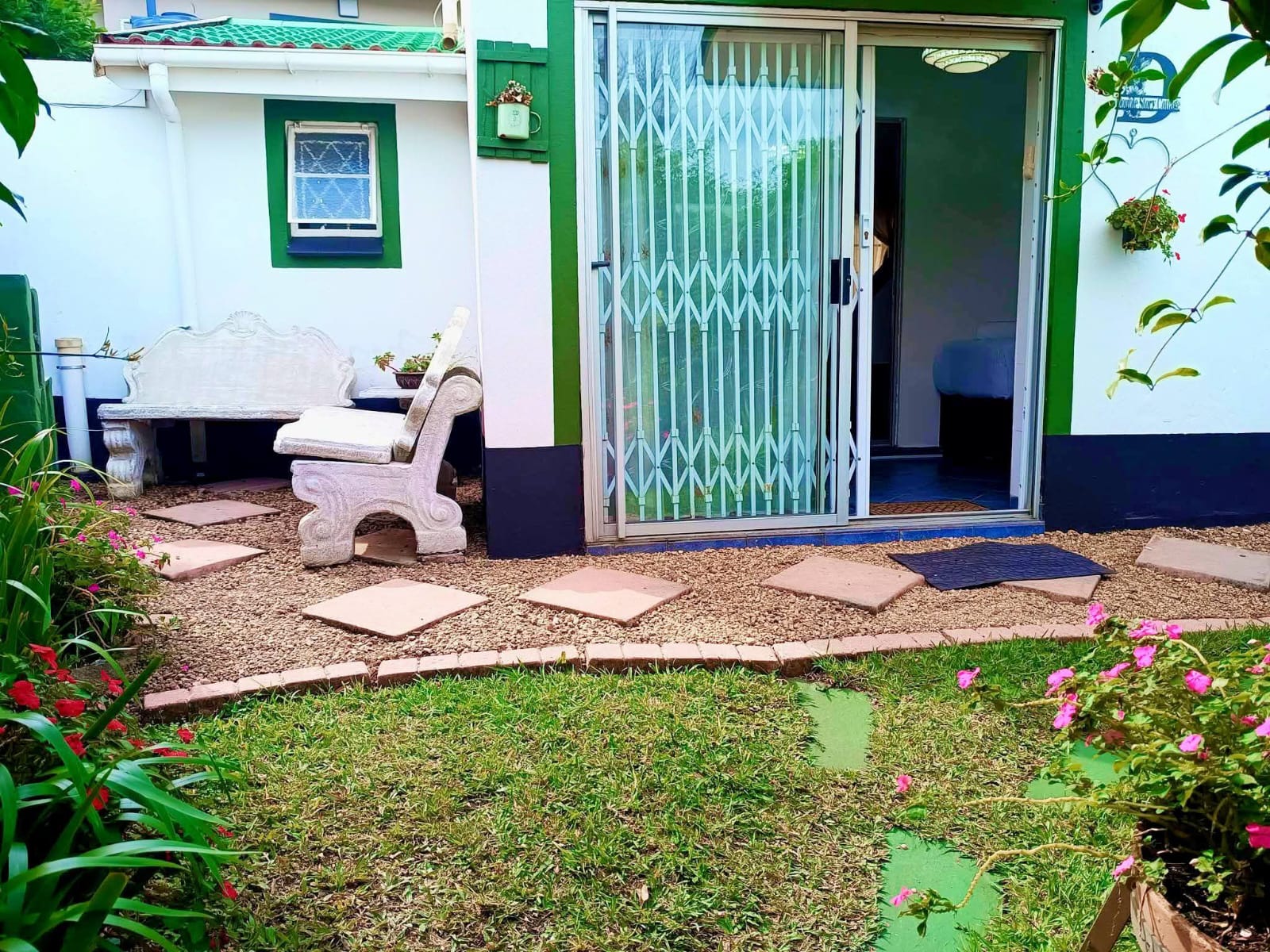
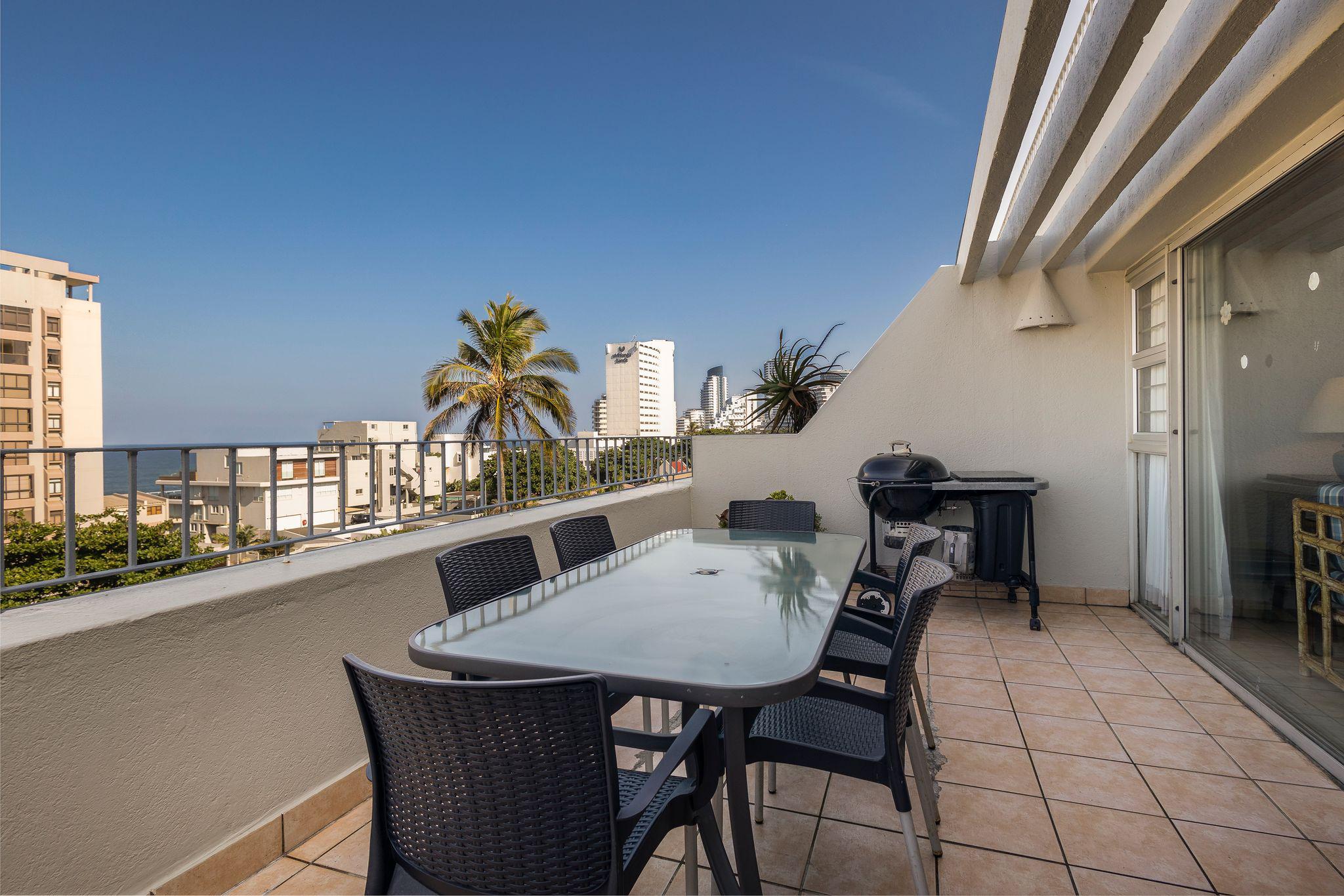
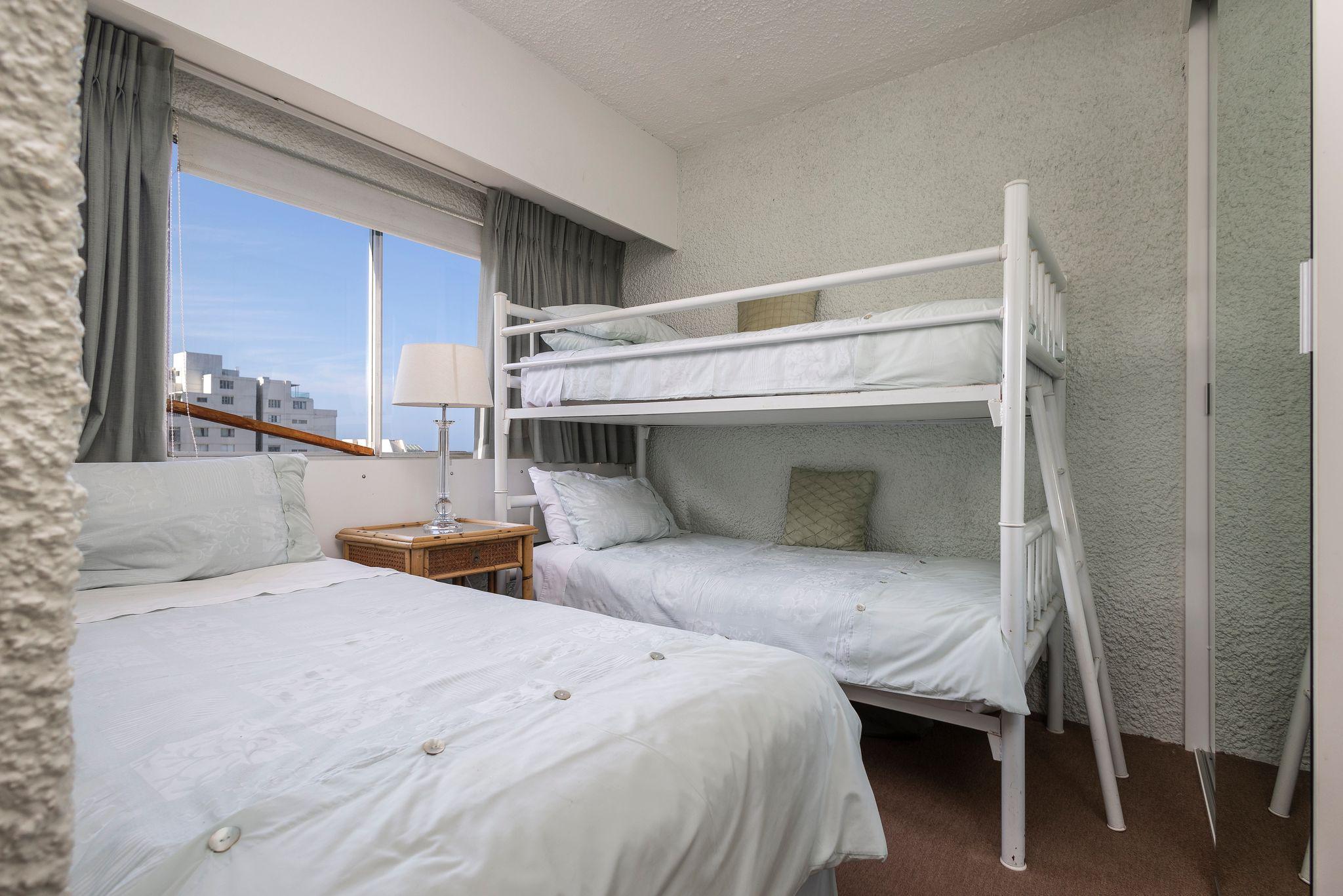
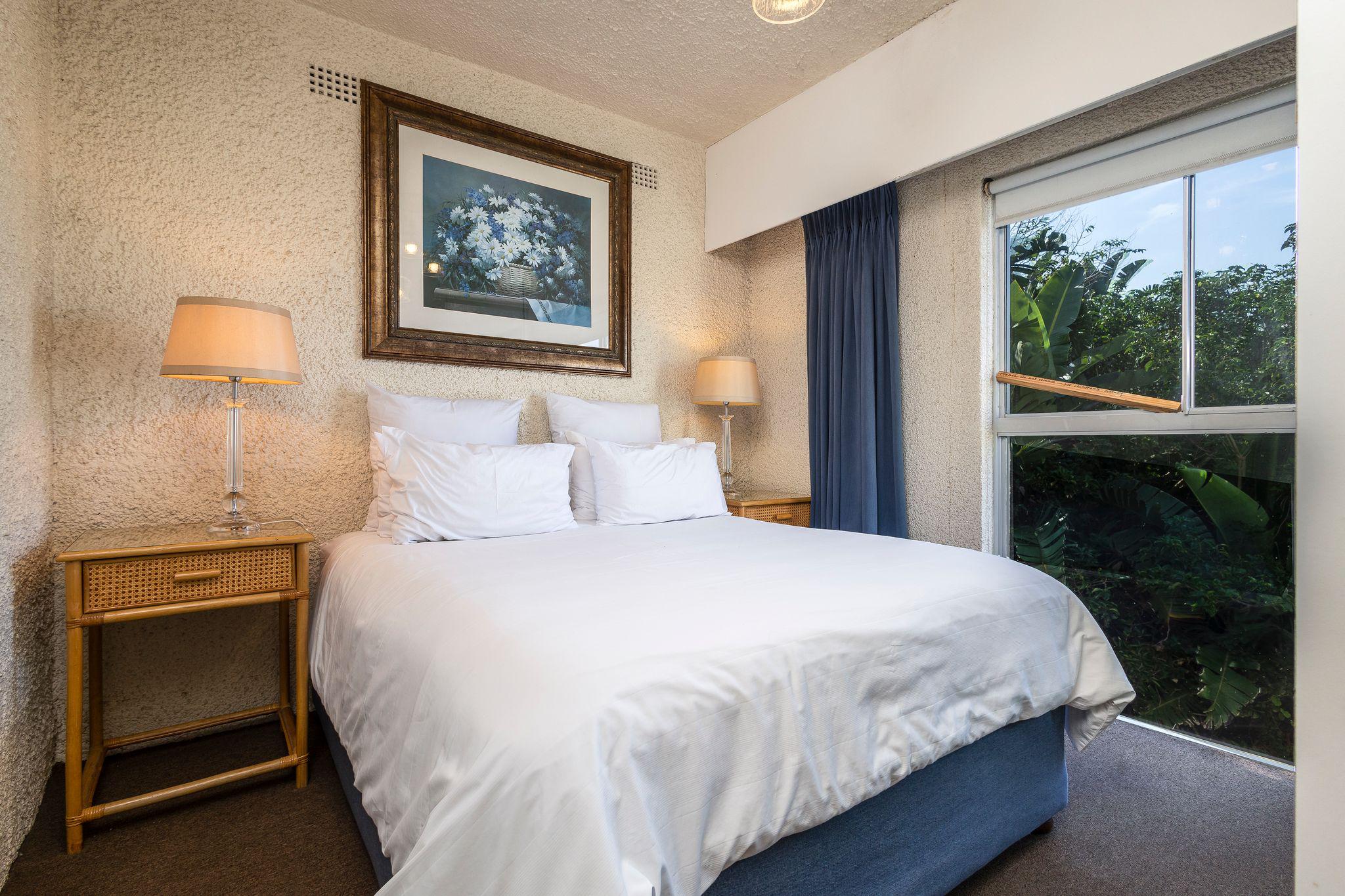
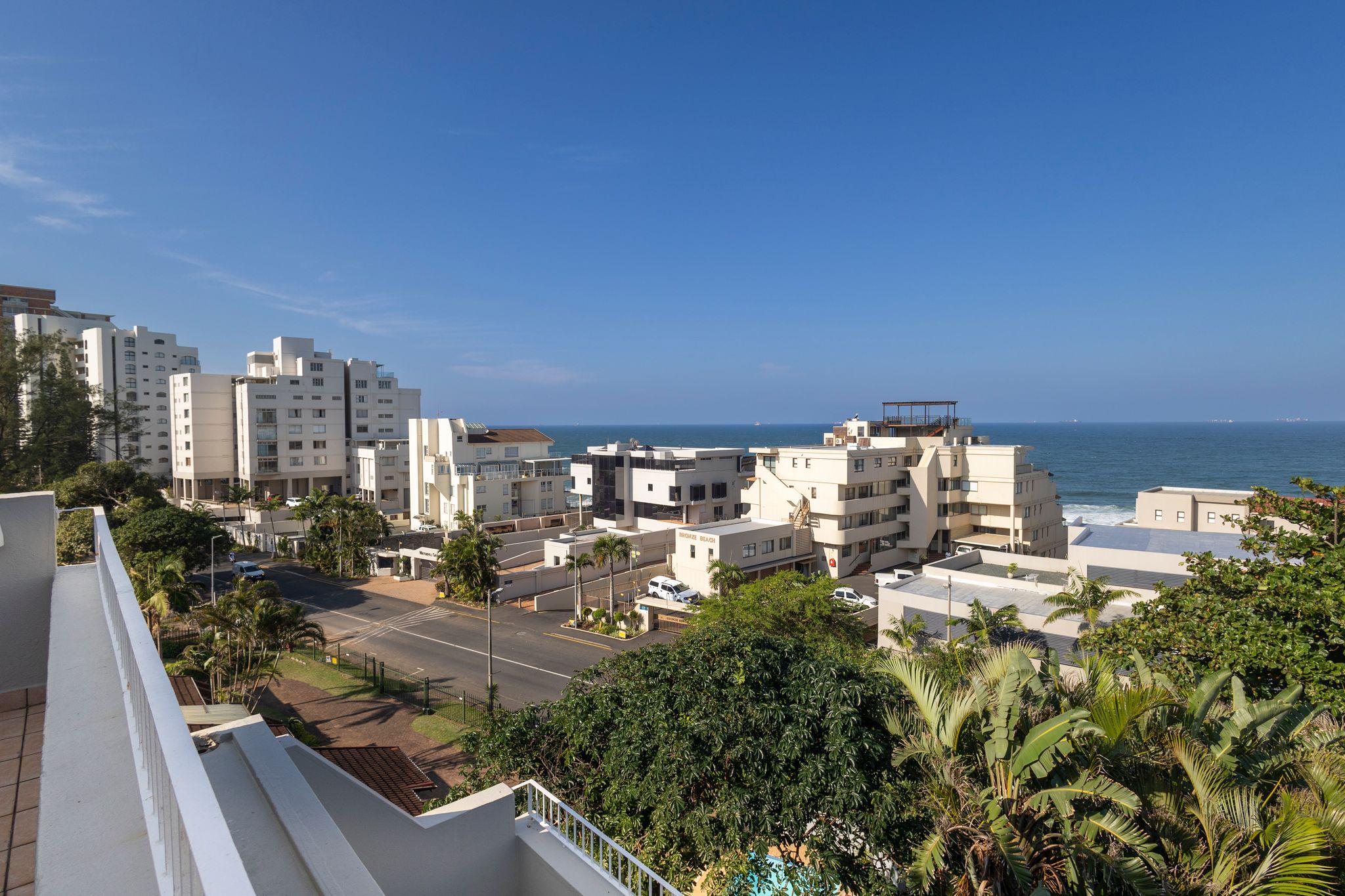
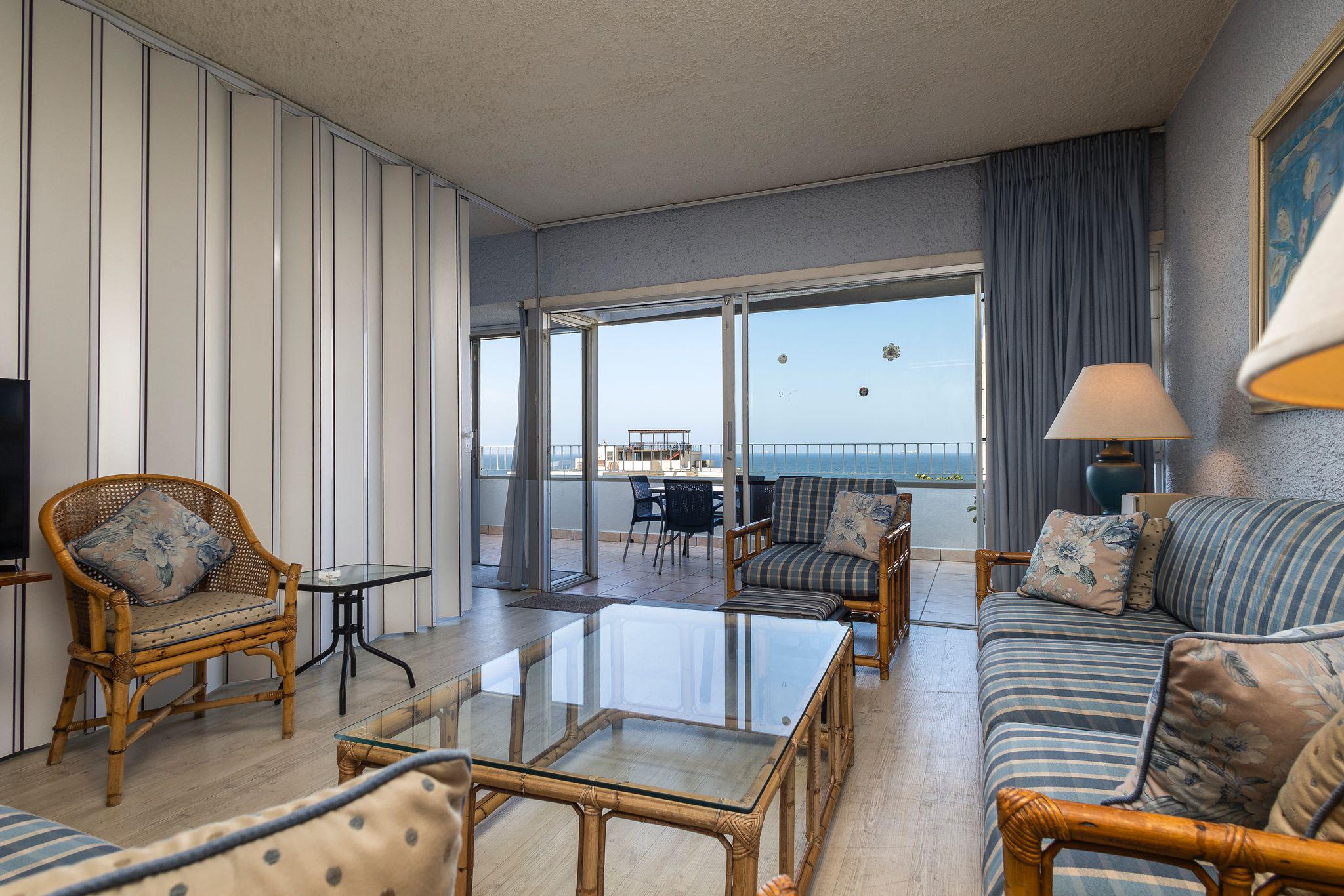
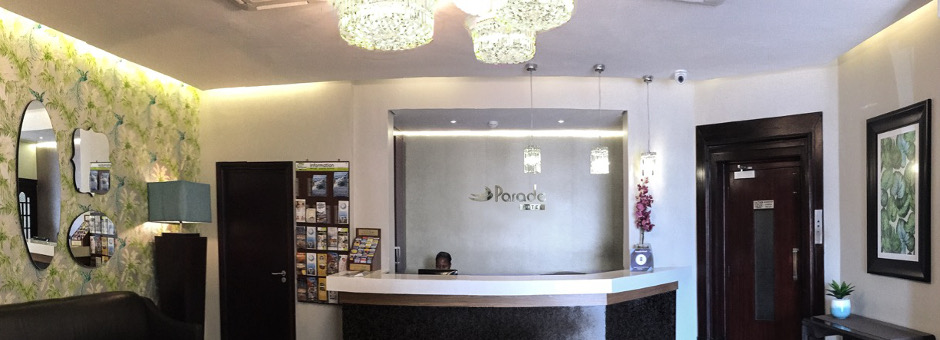
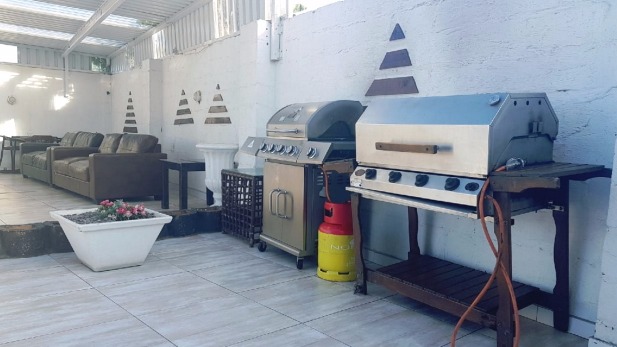
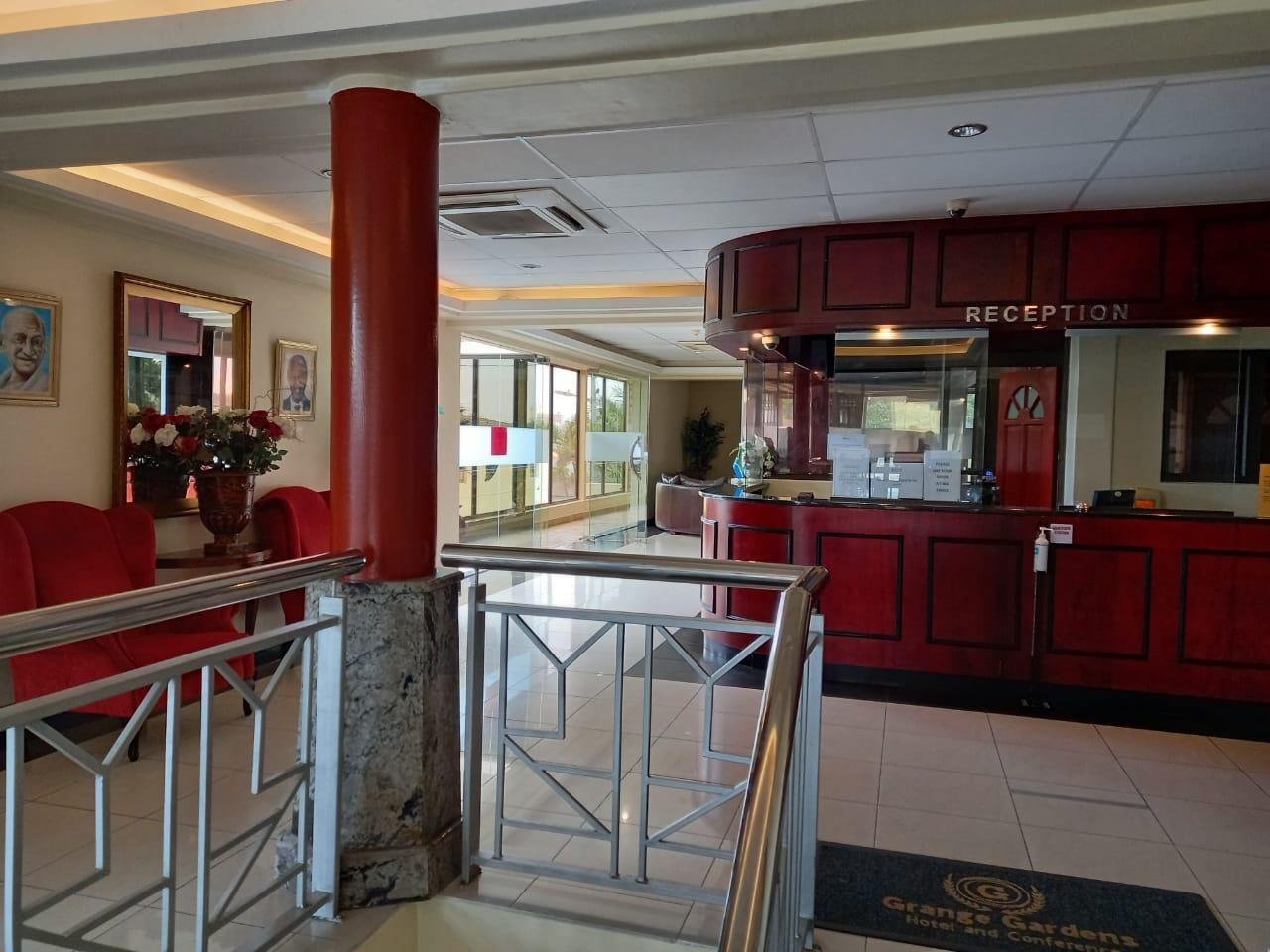
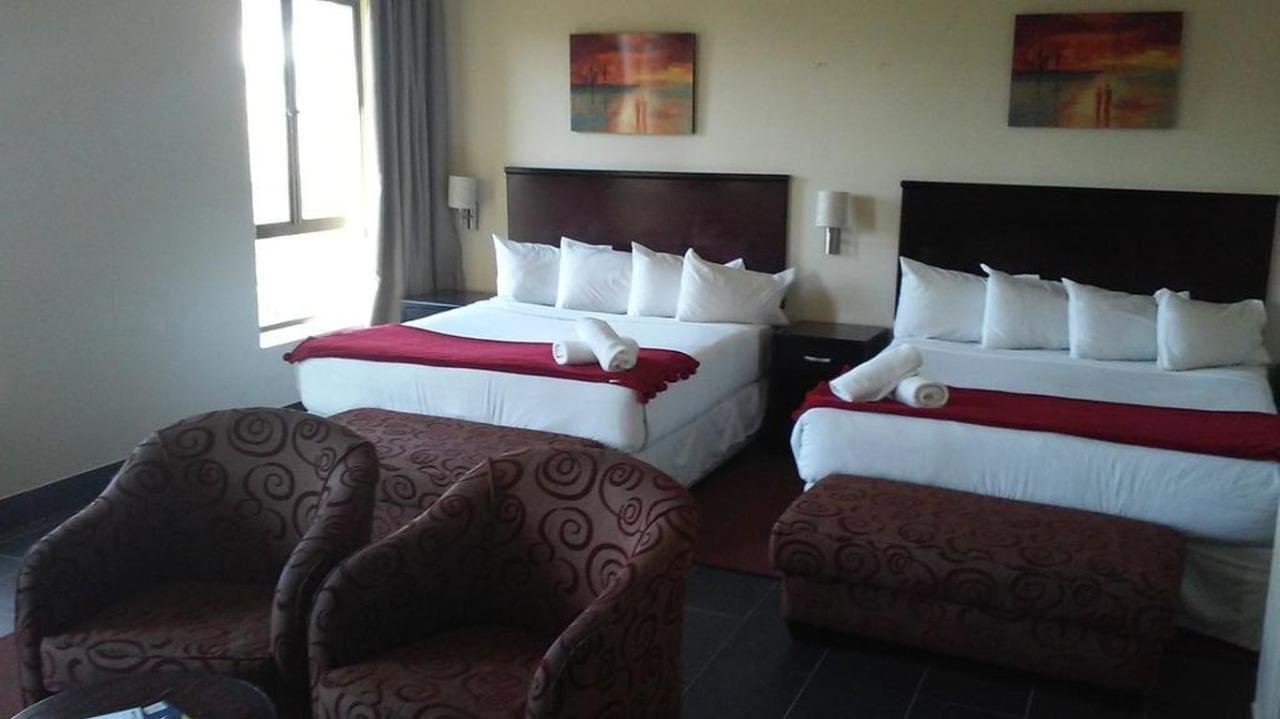
The most affordable options include the single hotel near the centre, which sits around R870 per night and keeps access to the beachfront straightforward, and lodges averaging around R1,139, which tend to sit further from the main tourist strip and trade position for value. Self-catering properties, including cottages and apartments, average around R1,200 per night and suit families or longer-stay visitors who prefer cooking their own meals to relying on restaurants for every sitting.
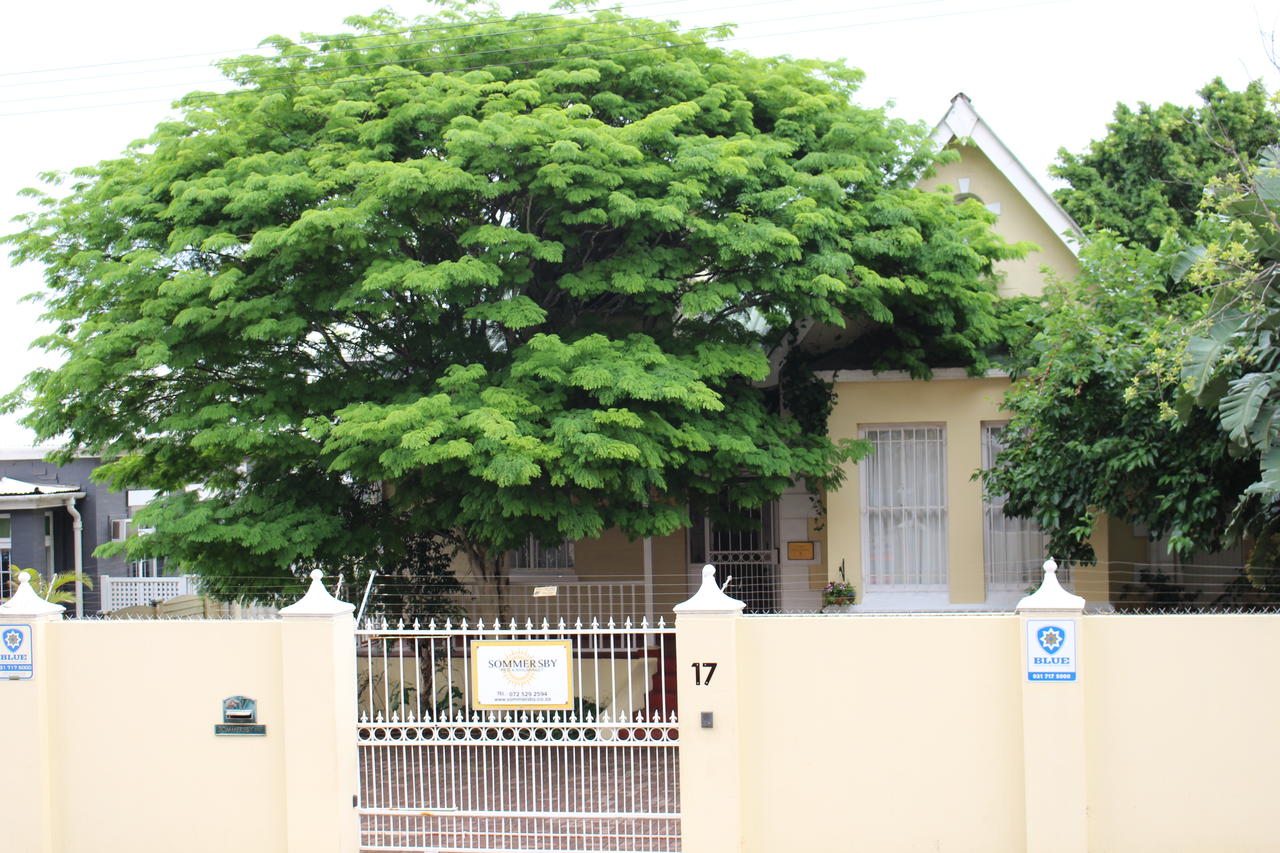
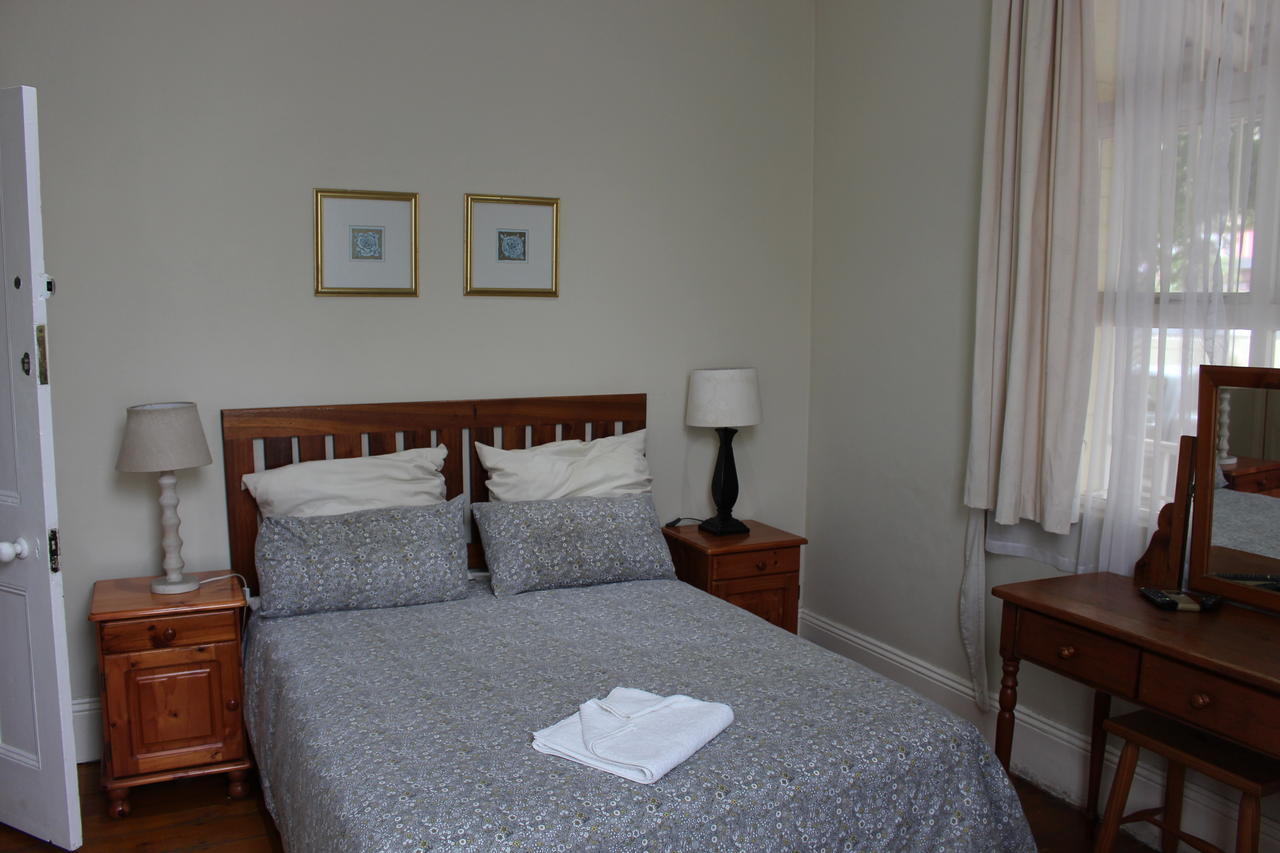
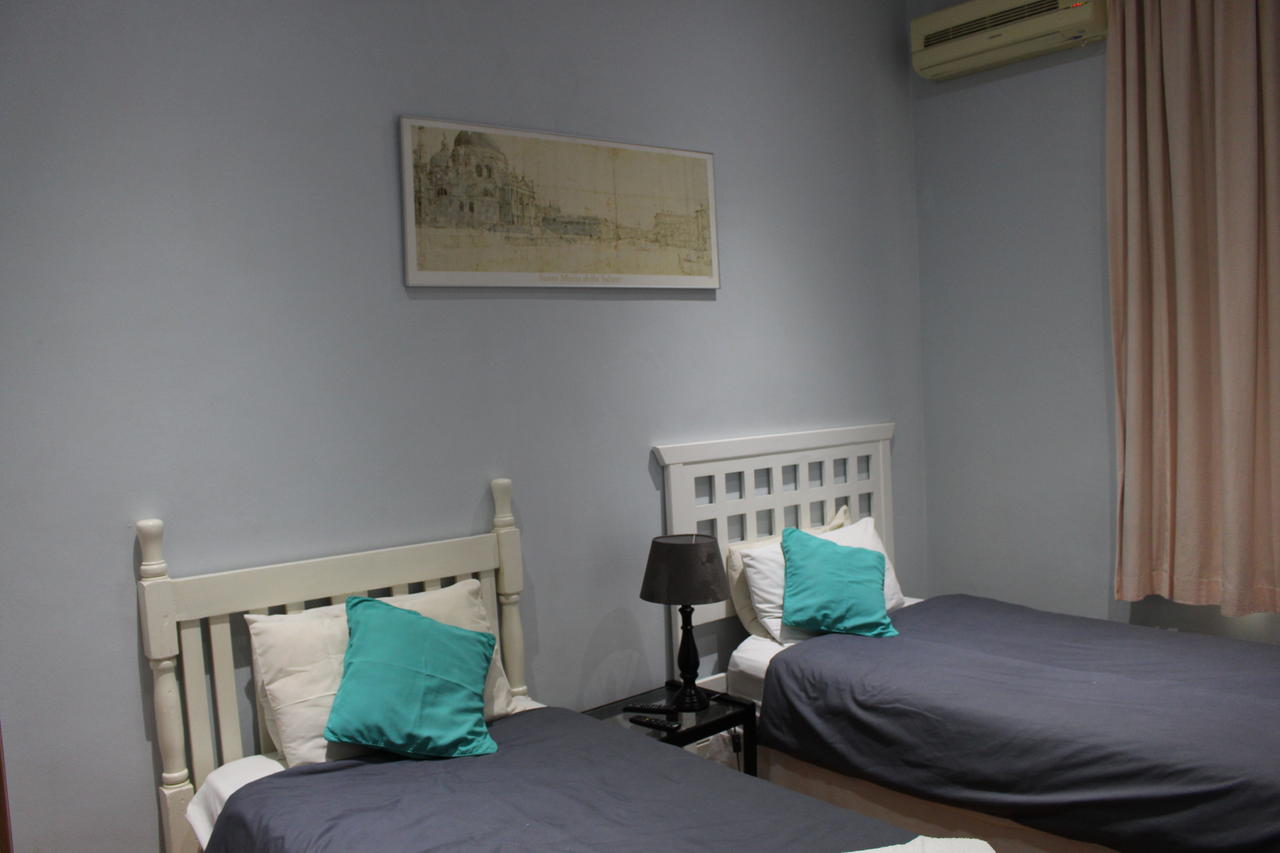
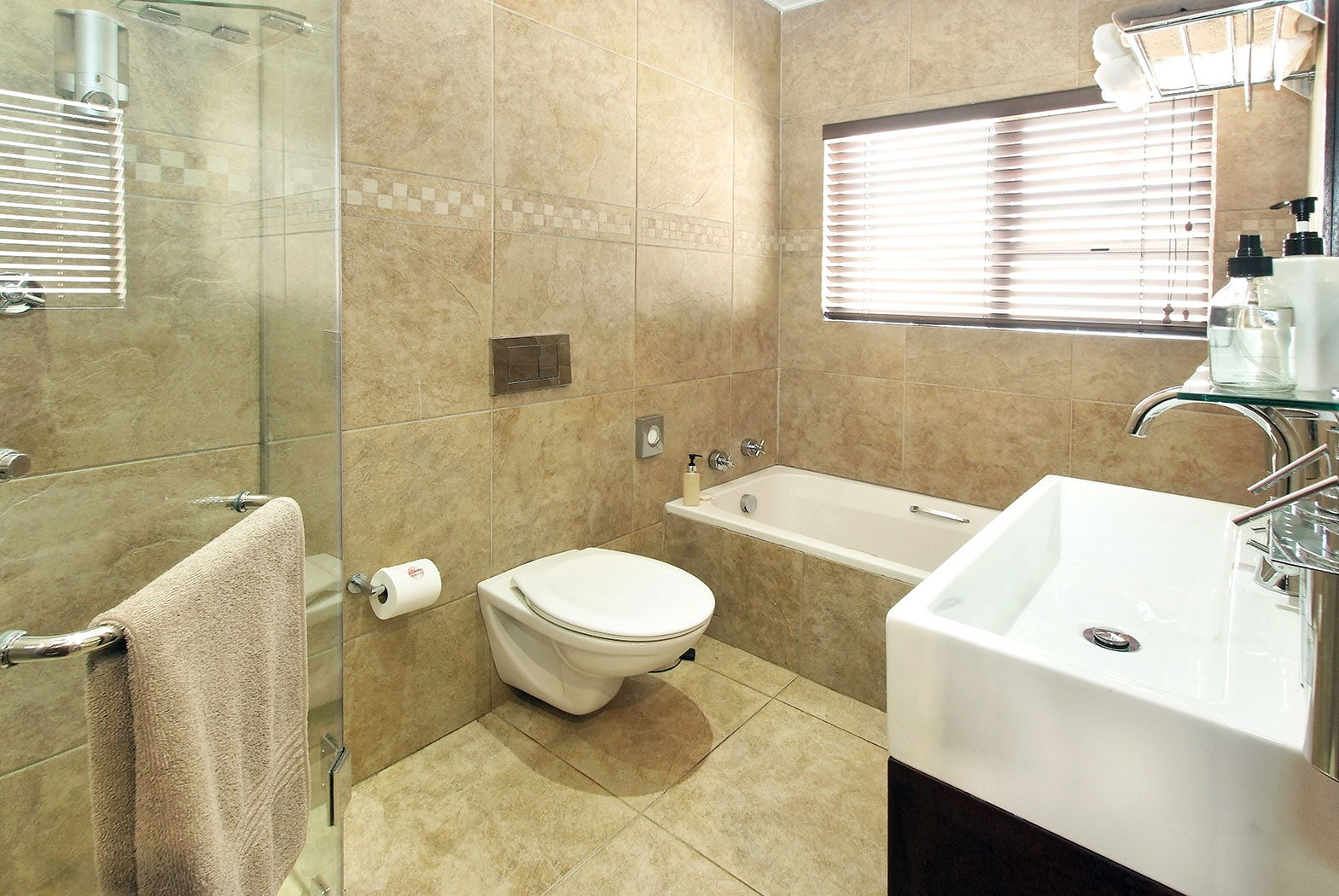
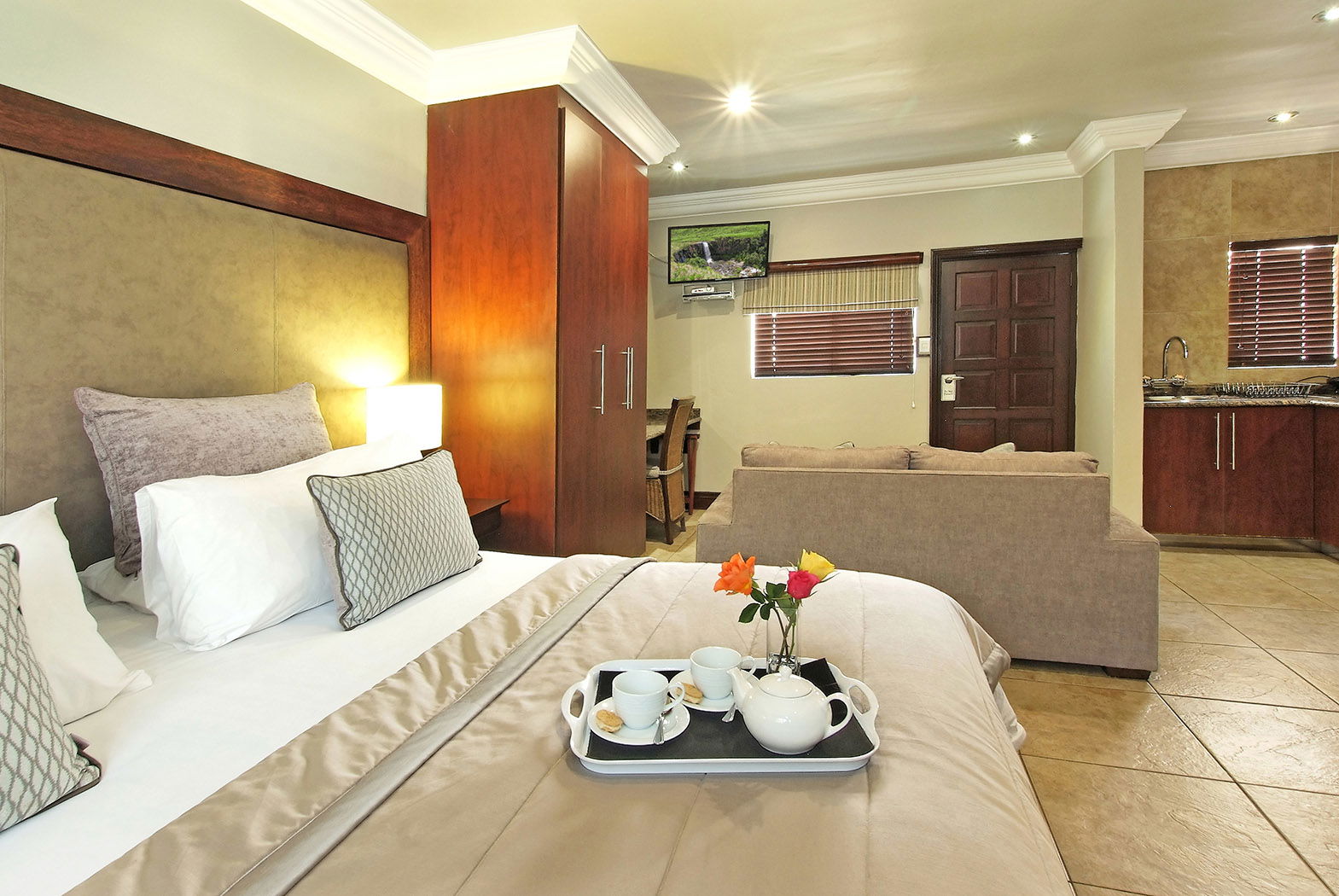
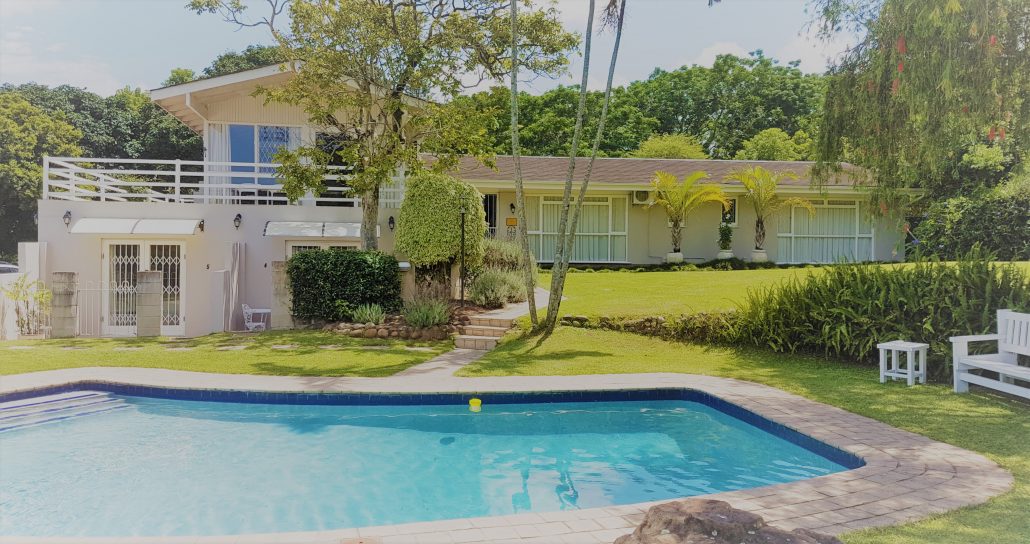
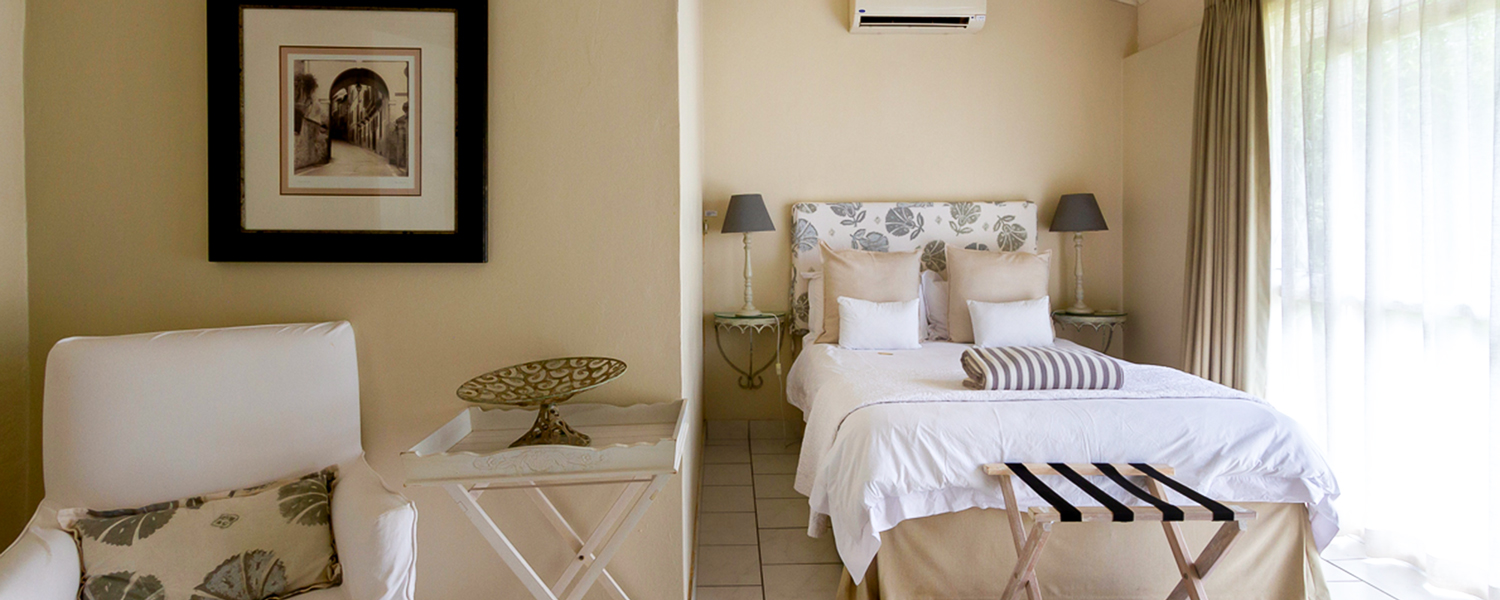
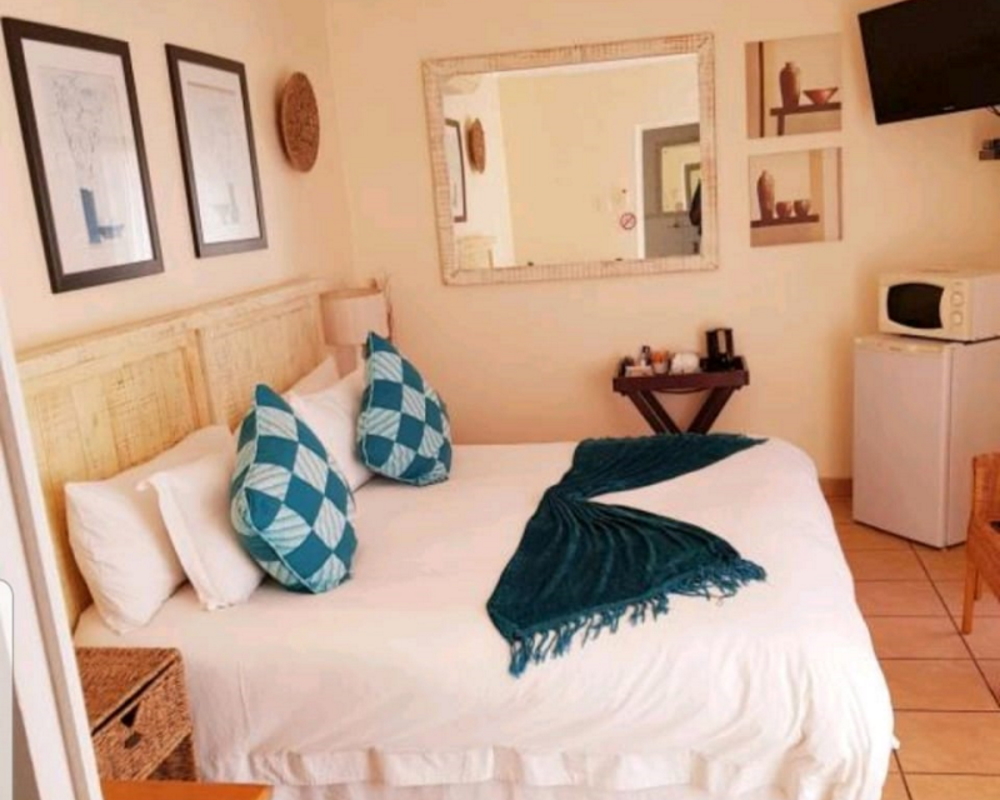
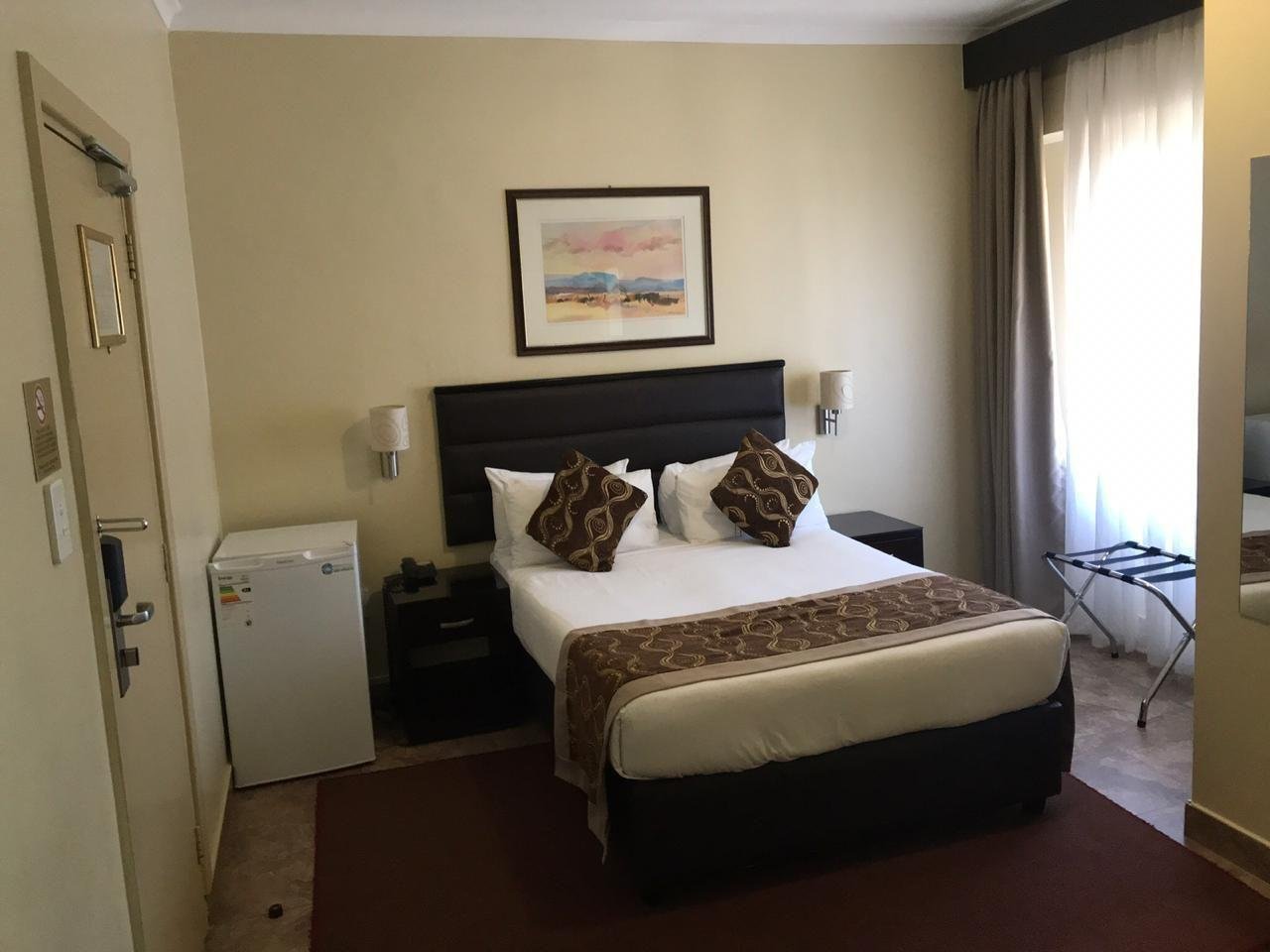
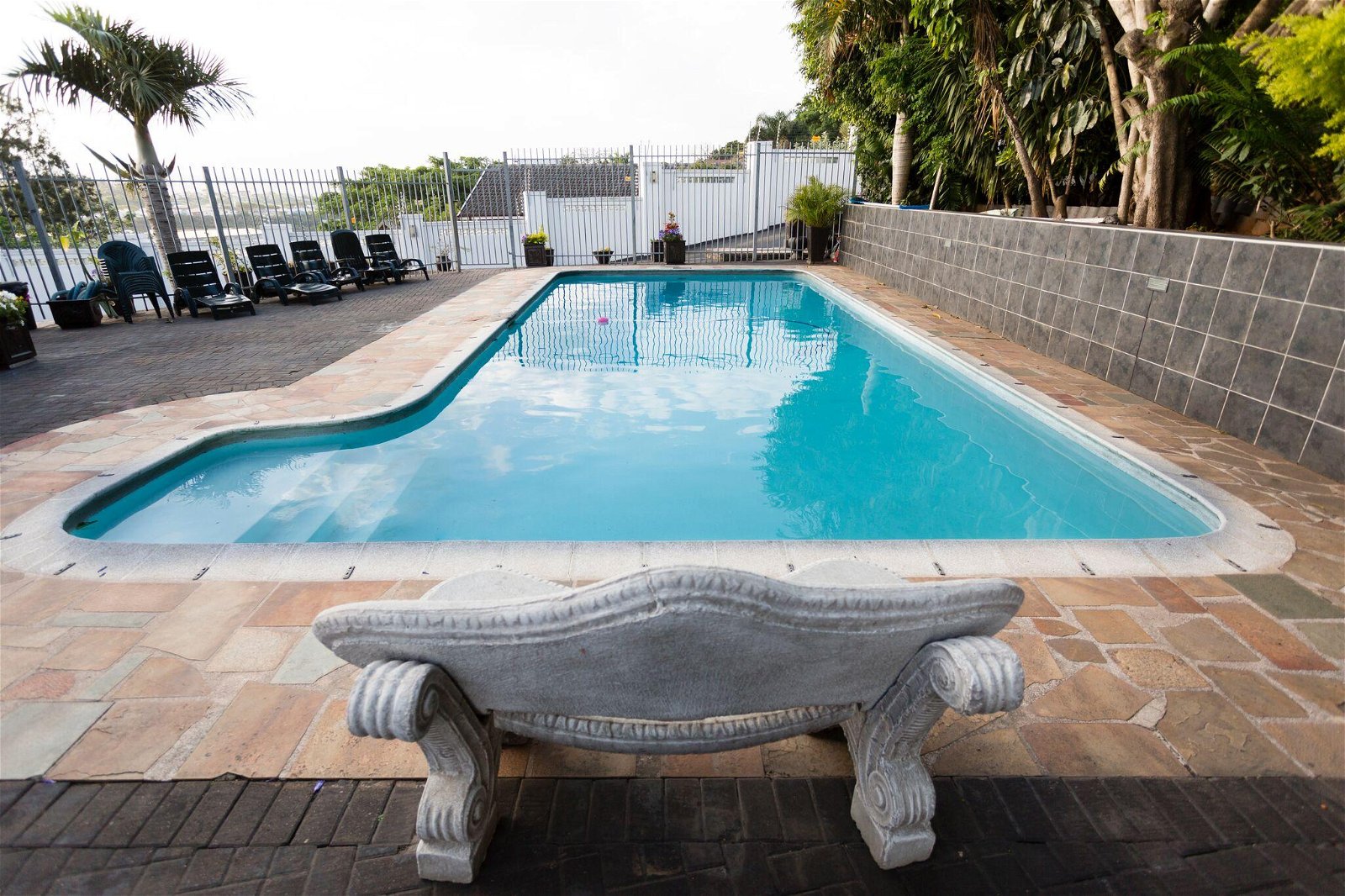
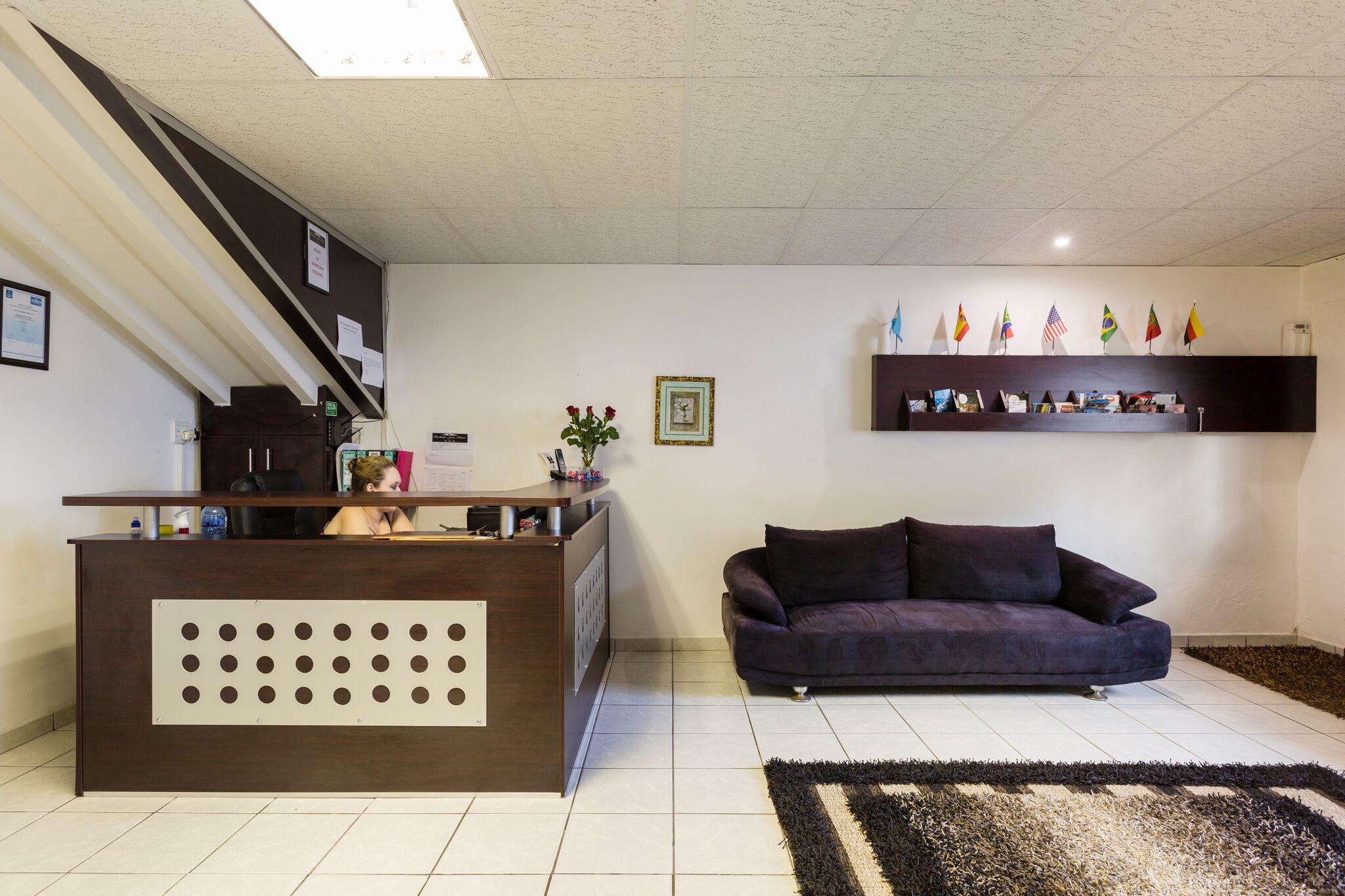
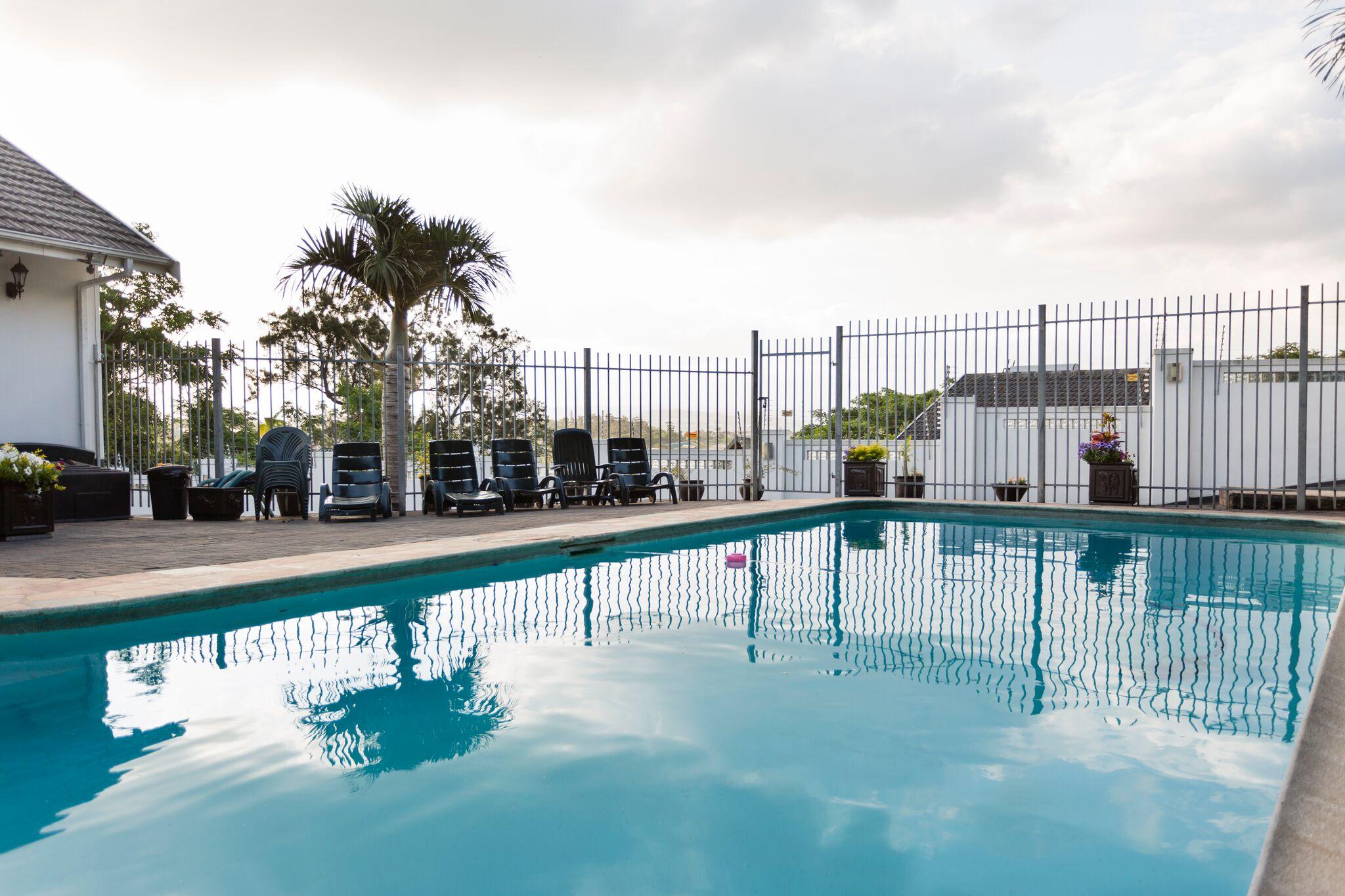
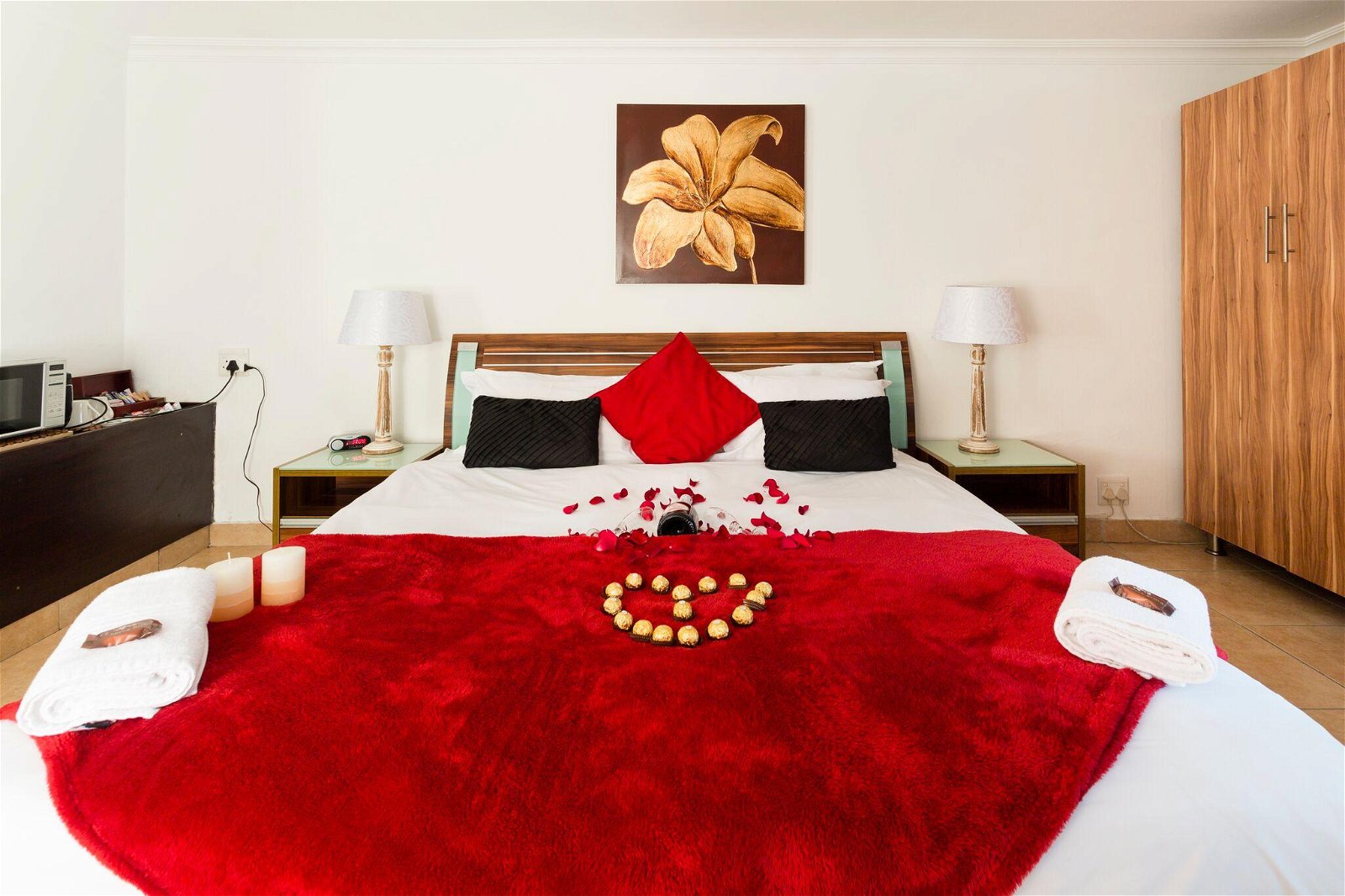
The middle of the market is where most of the inventory sits. Guest houses make up the largest category by number, spread across residential streets within reach of the coast but calm enough to rest in. Most include breakfast and run on a more personal scale than a hotel. Guests typically get local knowledge alongside the room, which has practical value in a city where neighbourhood character changes considerably within a short distance.
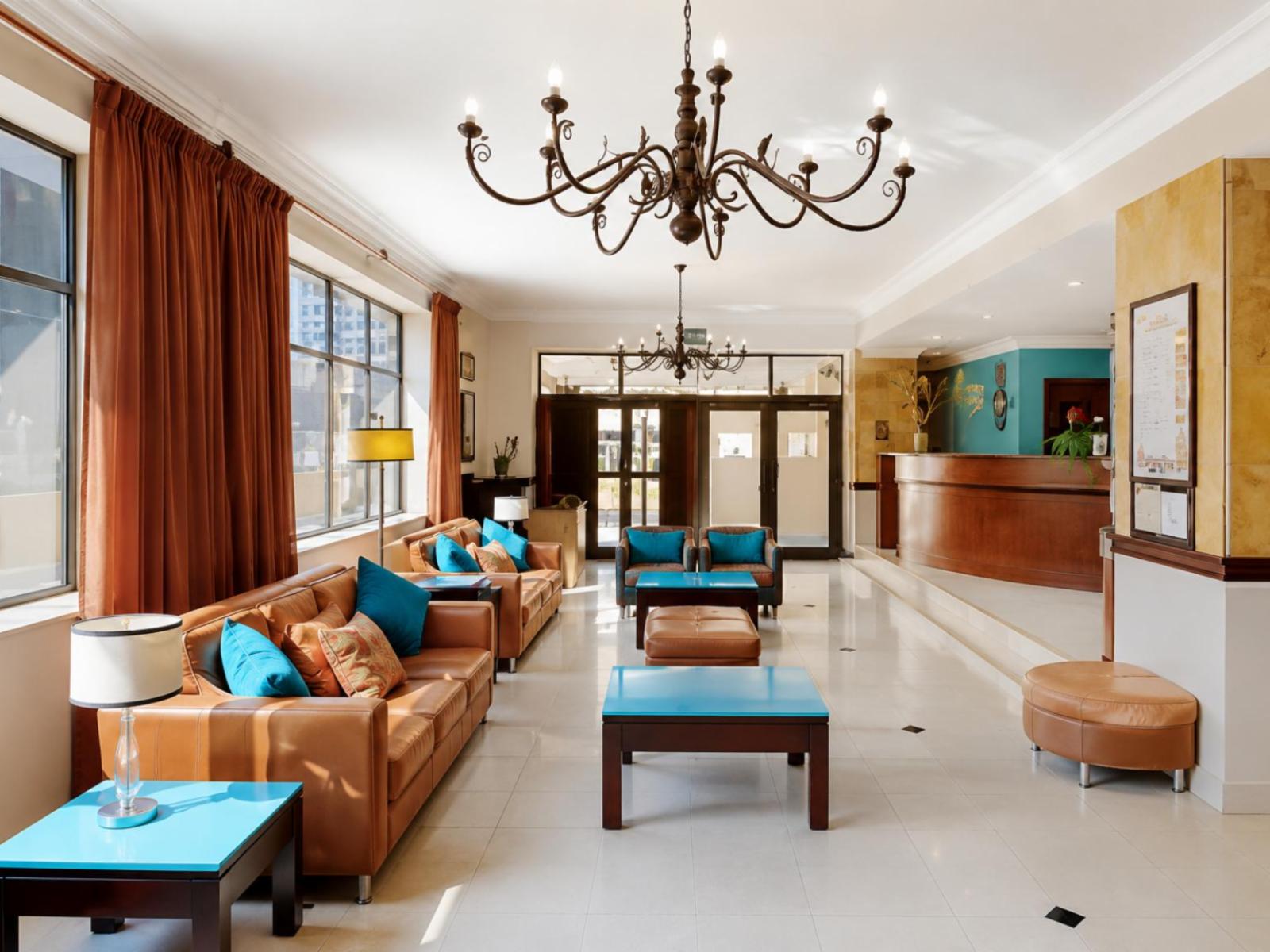
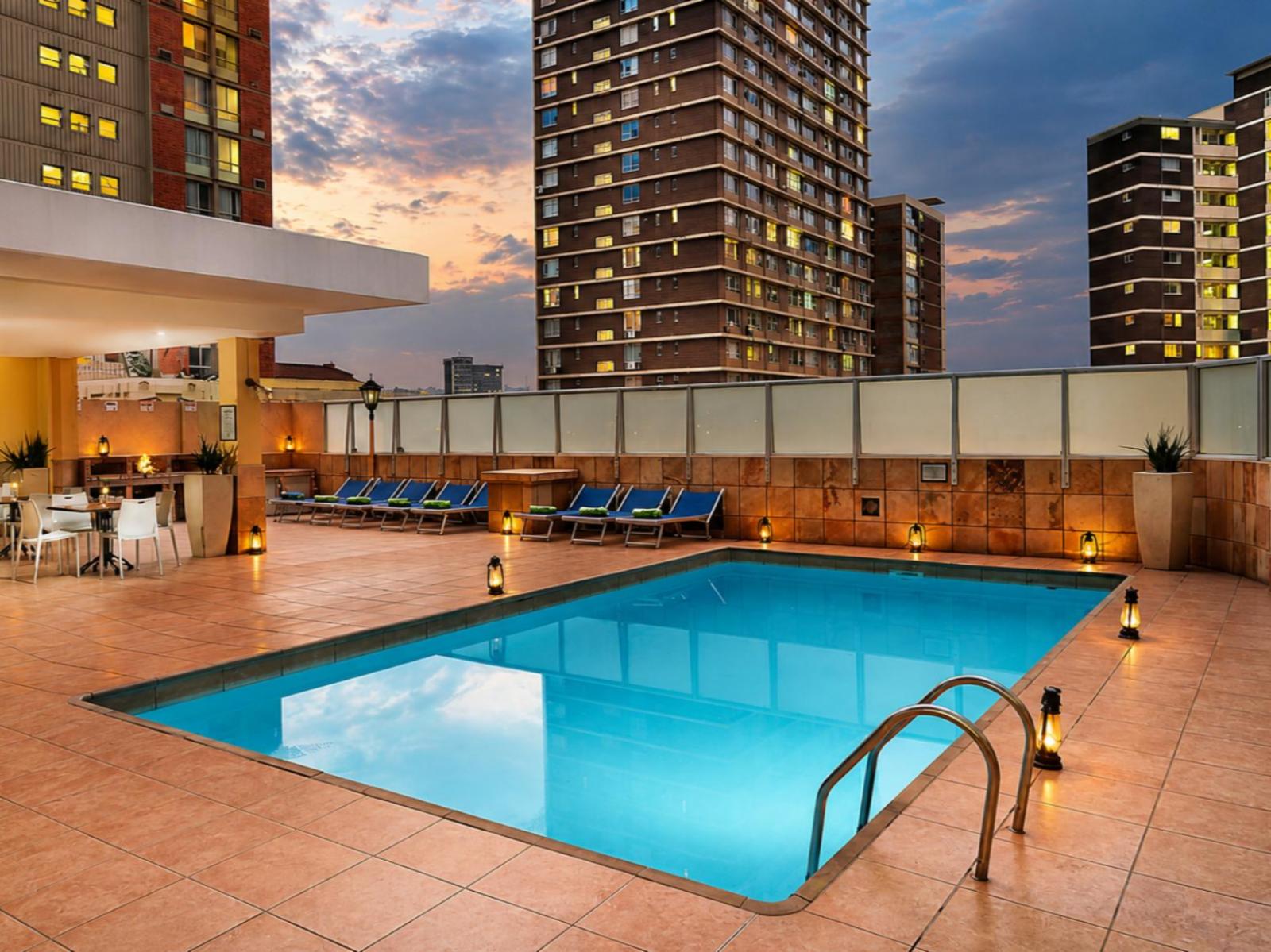
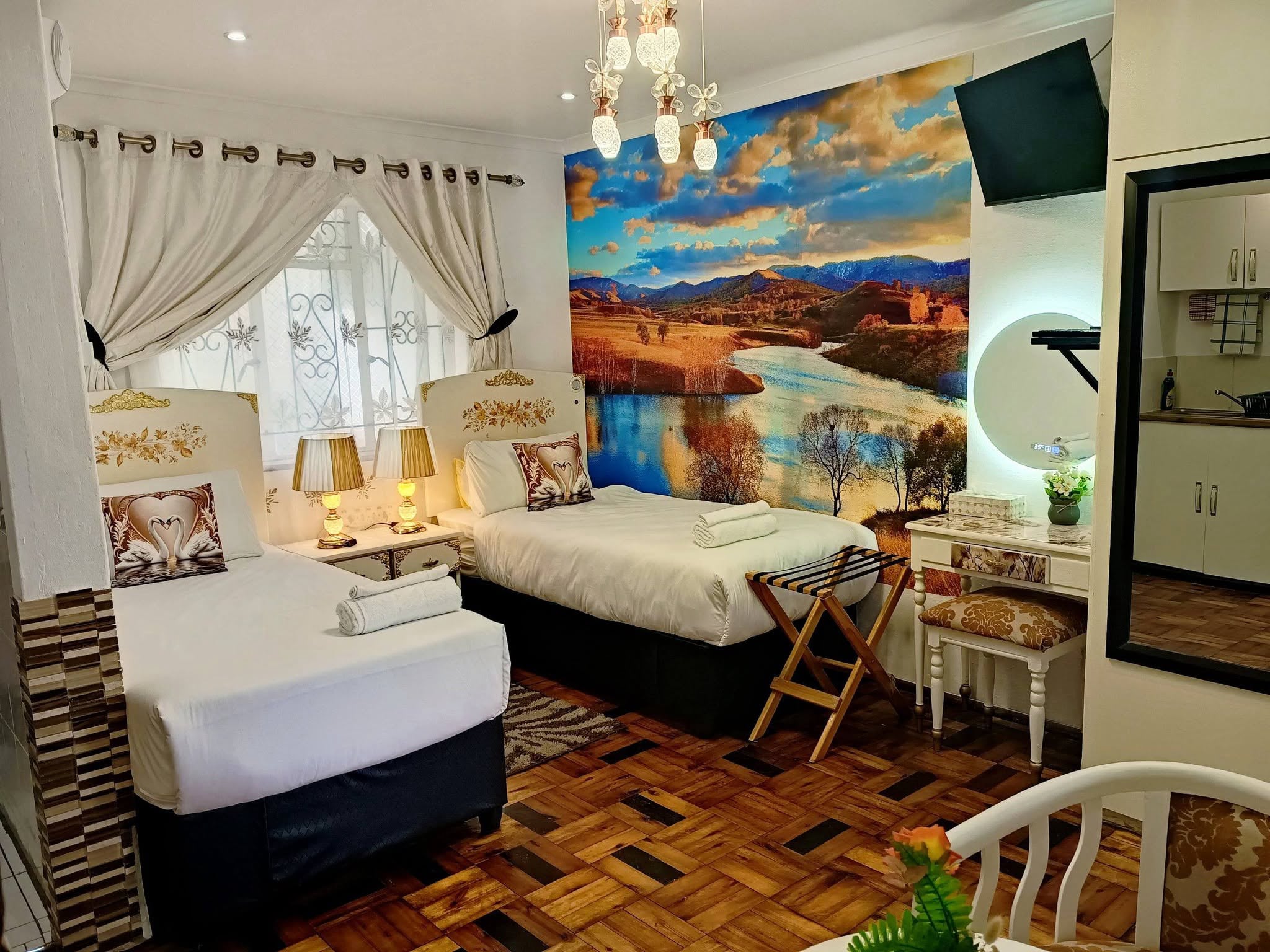
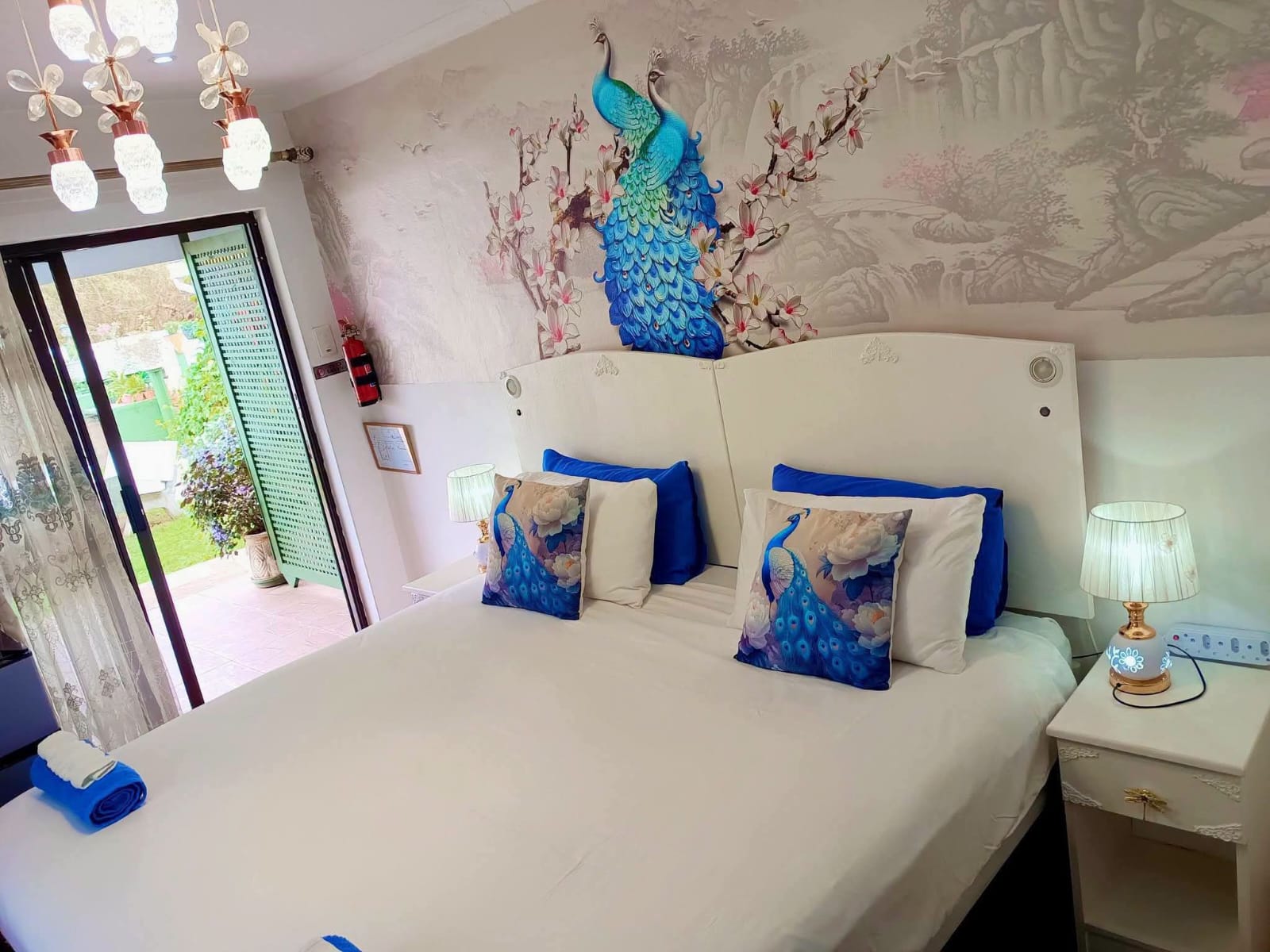
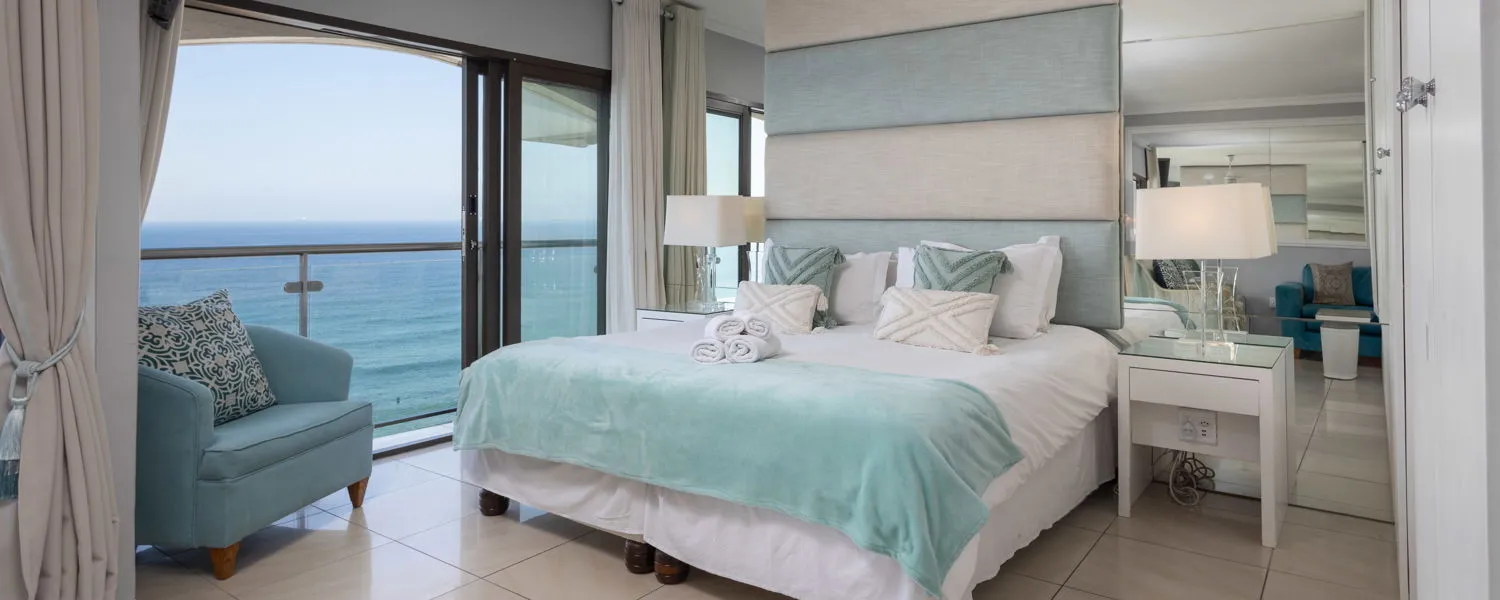
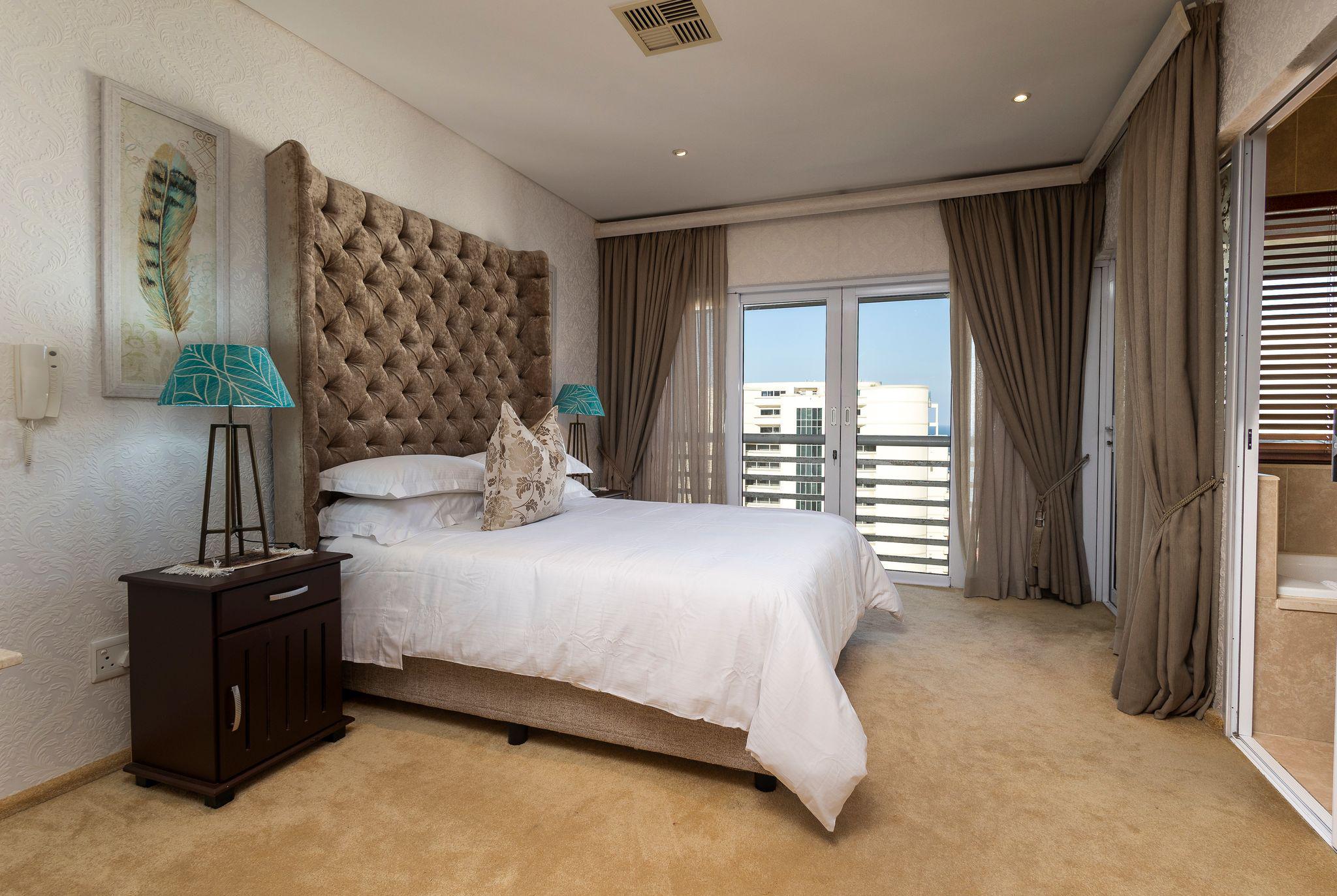
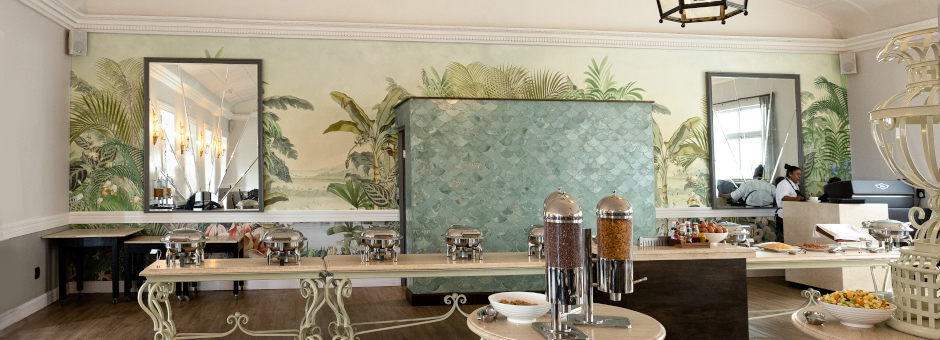
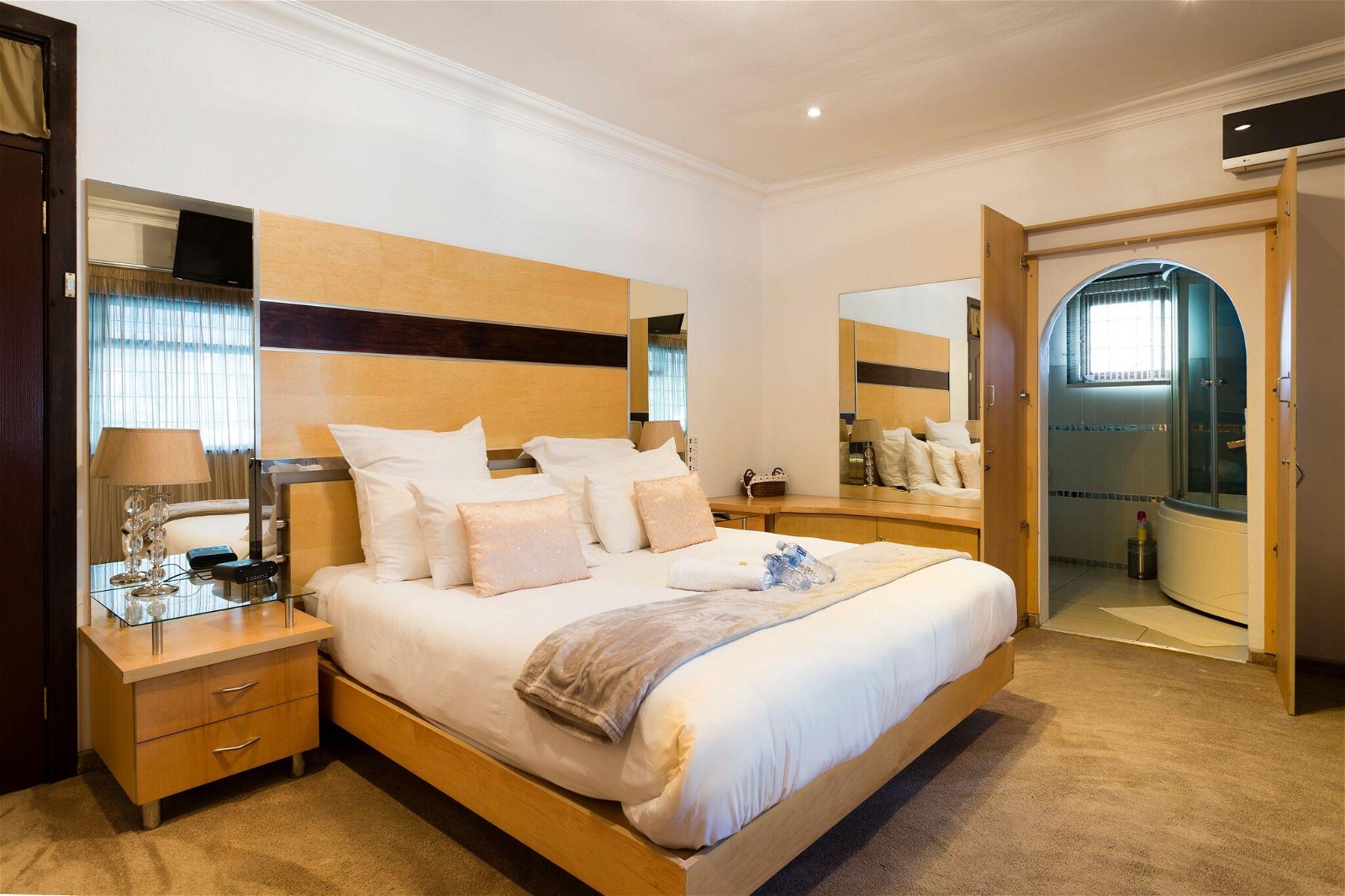
Above the mid-range, boutique hotels offer more considered interiors and better-placed addresses, averaging just over R2,000 per night. At the top end, bed and breakfasts are typically owner-operated, with only a handful of rooms and a level of individual attention that larger establishments cannot match. These properties tend to sit in quieter residential suburbs and carry a degree of character that comes from specific choices rather than from a brand standard.
Things to Do in Durban
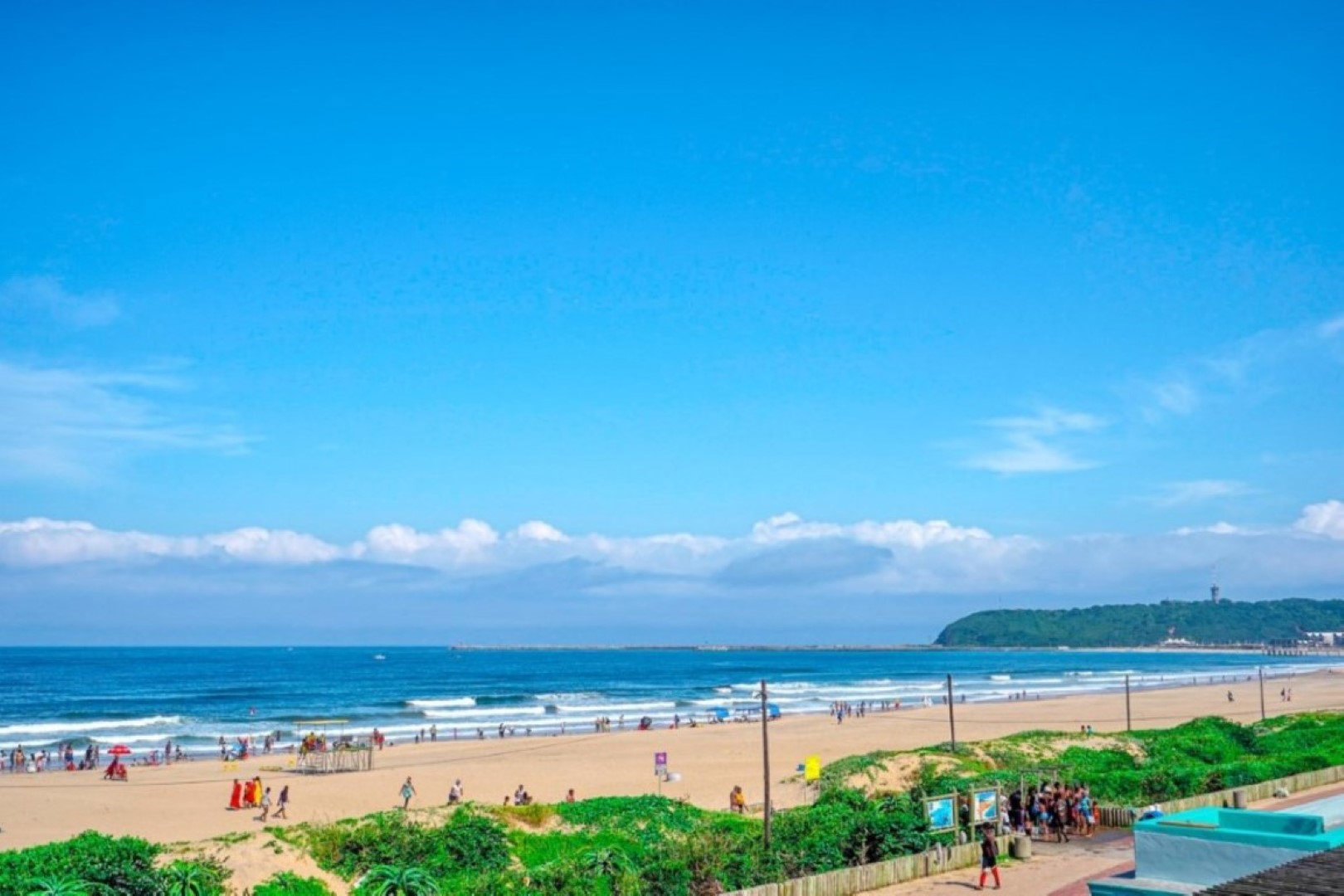
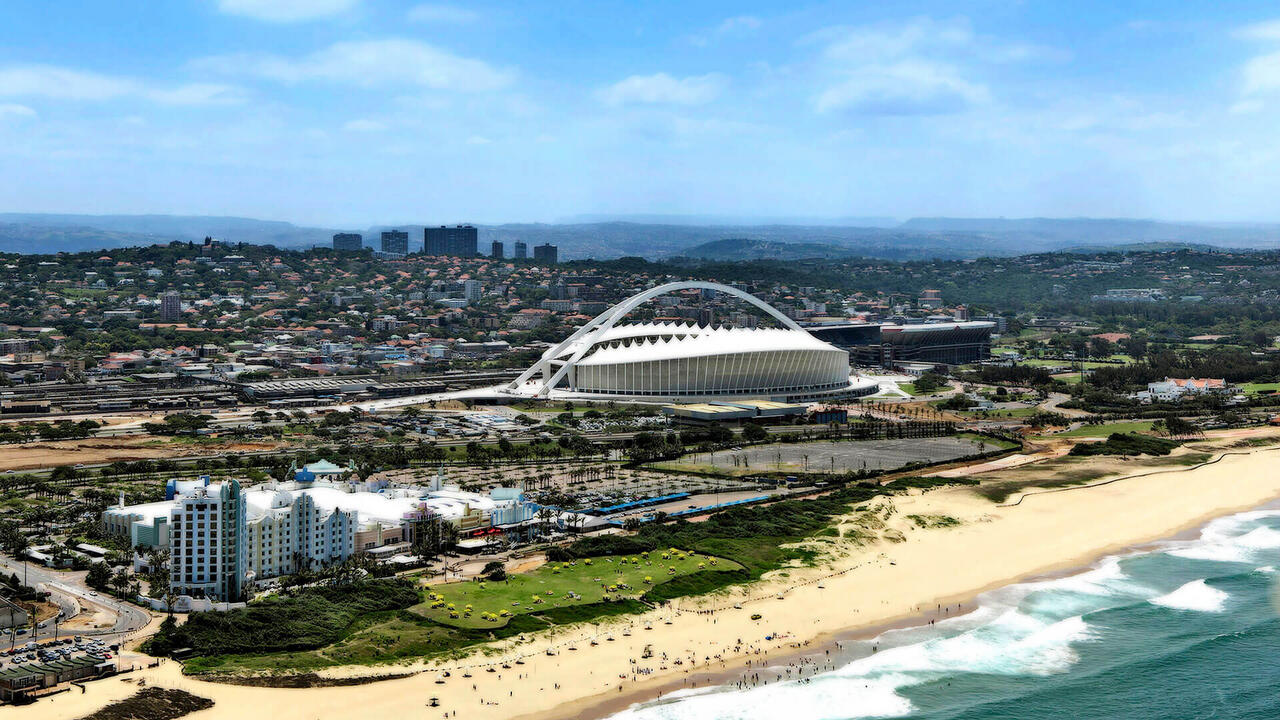
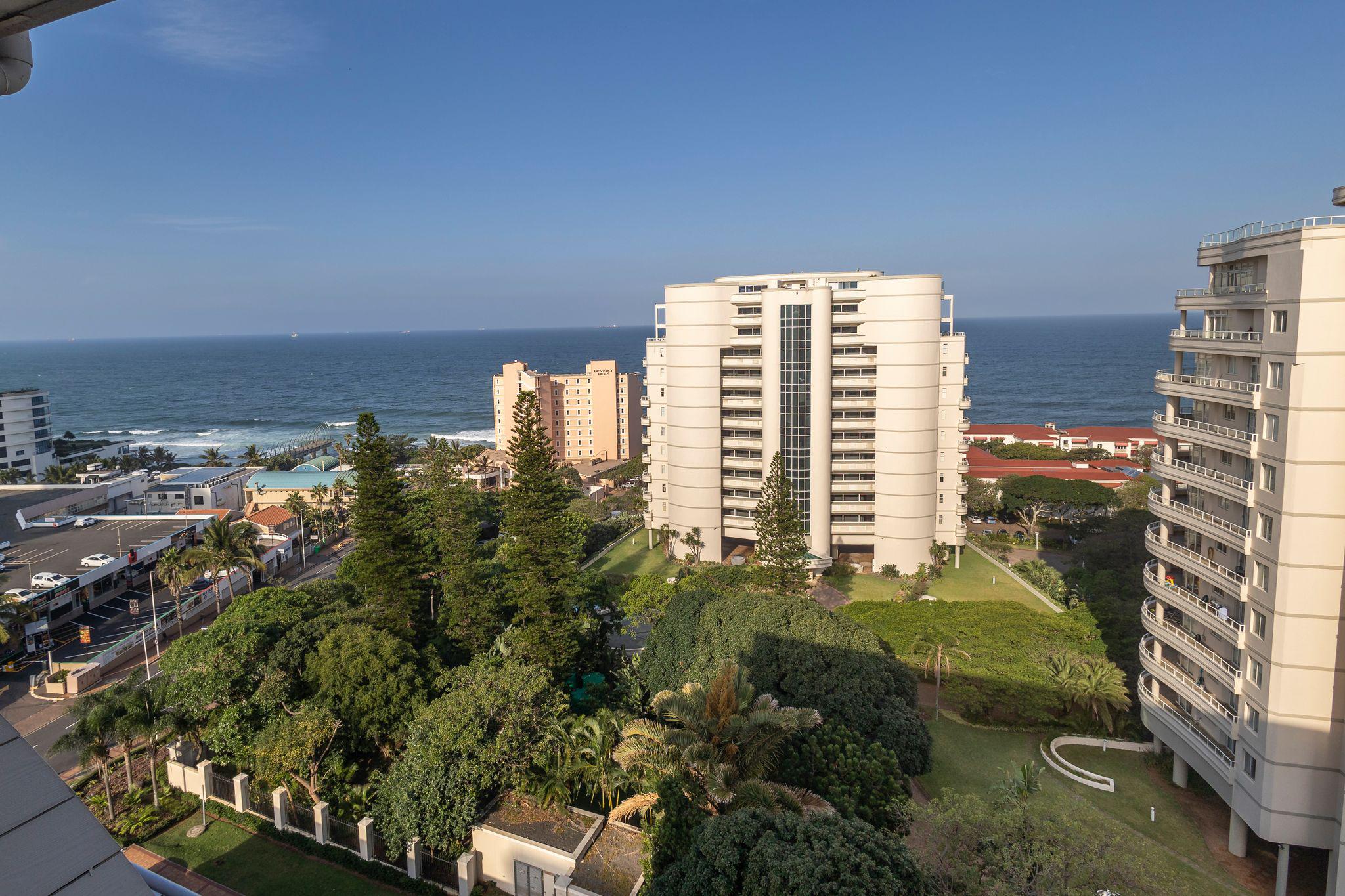
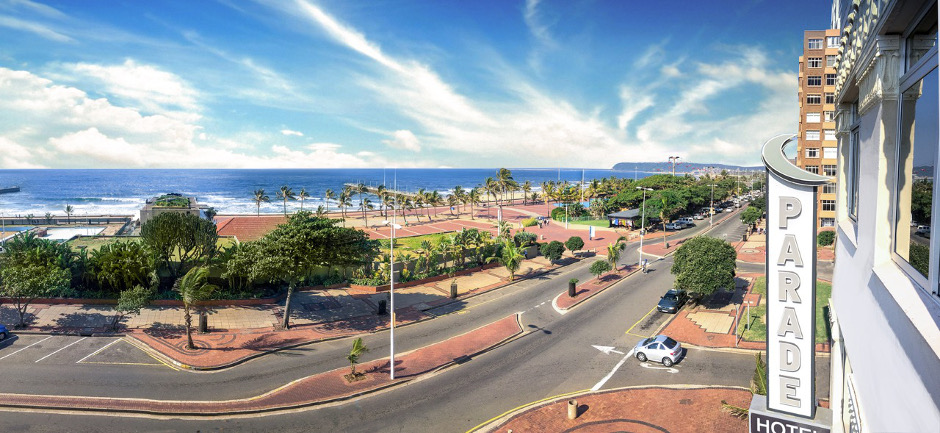
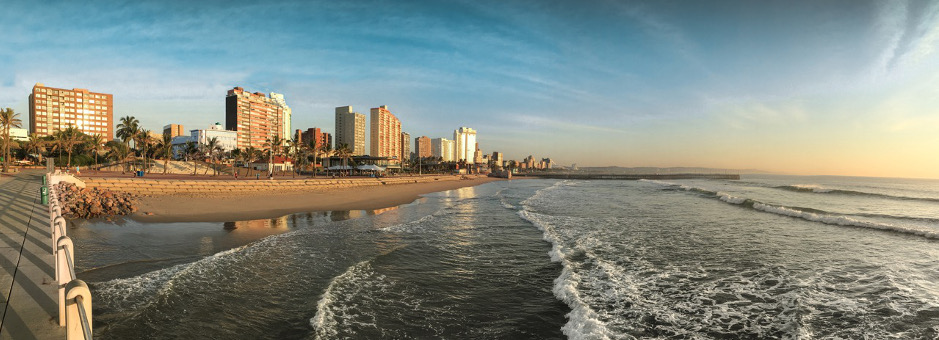
The beach is the primary draw for most visitors. North Beach and South Beach both have designated swimming zones with lifeguard patrols, and the Indian Ocean stays warm enough for swimming through most of the year. Surf conditions vary across the beachfront: calmer sections suit families and novice swimmers, while stretches toward the southern end carry enough swell for experienced surfers. The Golden Mile promenade runs the full length of the waterfront along a flat, paved path, connecting both main beach areas. Cyclists and joggers use it from early morning; food vendors and informal entertainment take over on weekend evenings.
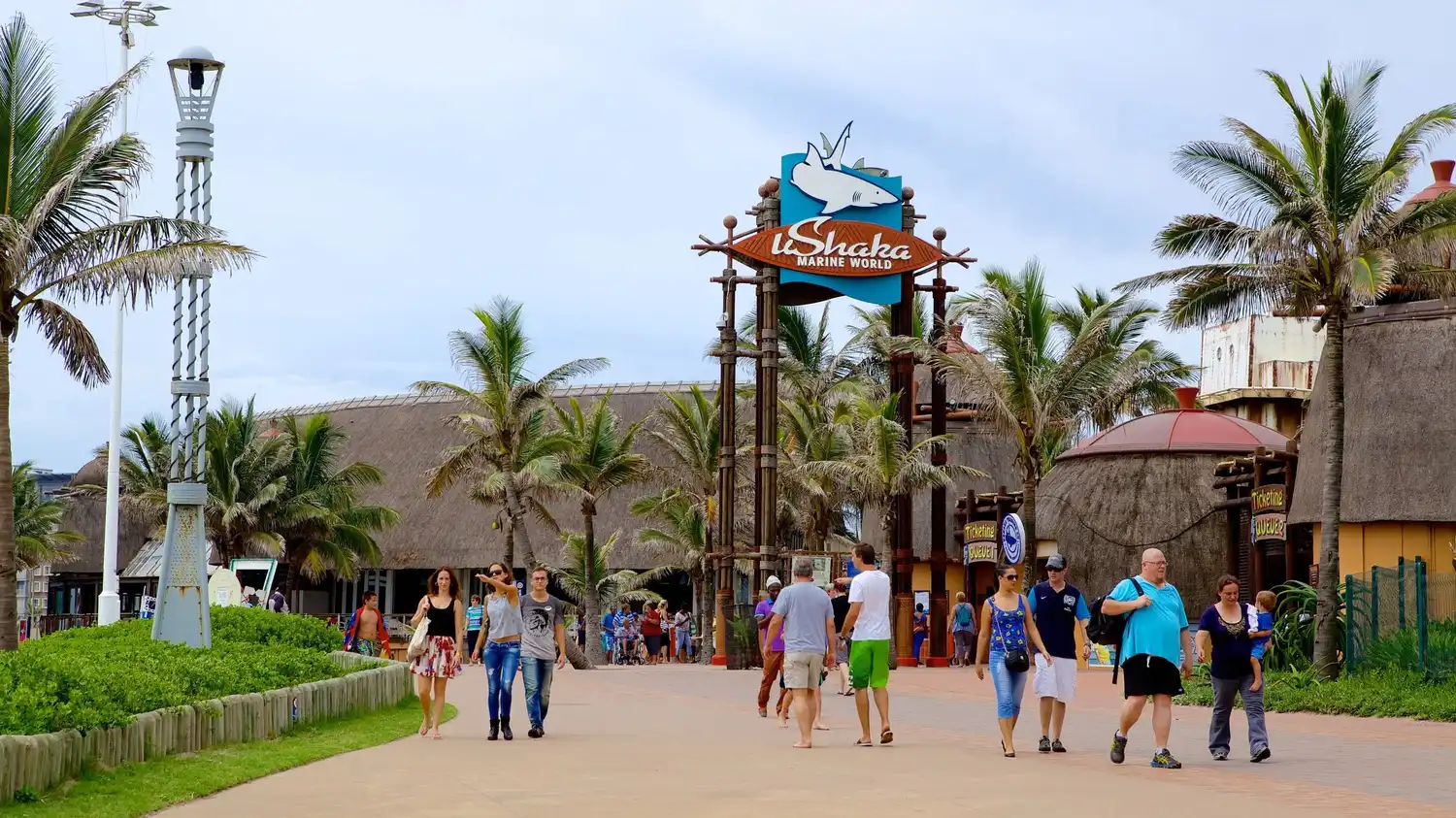
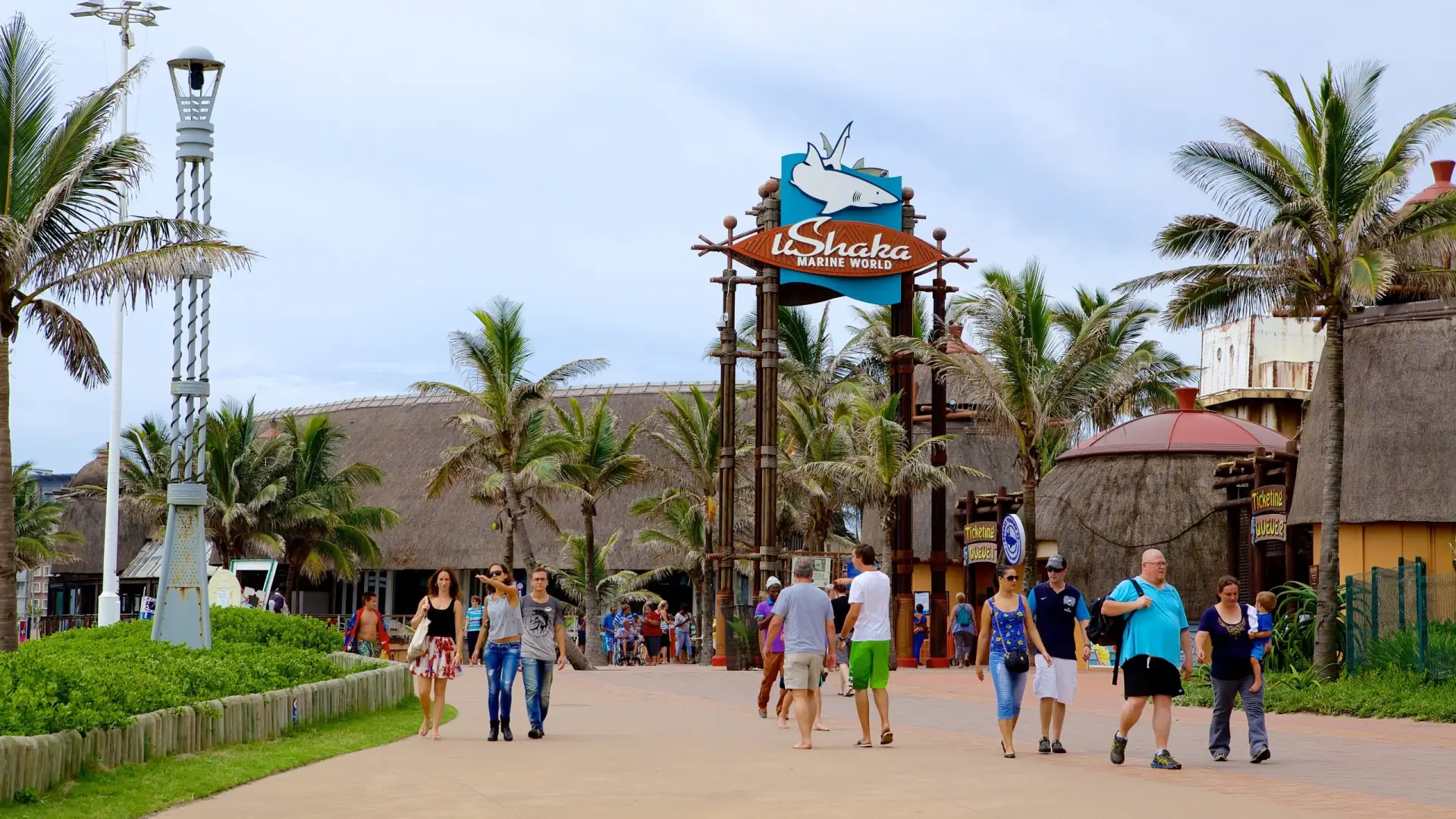
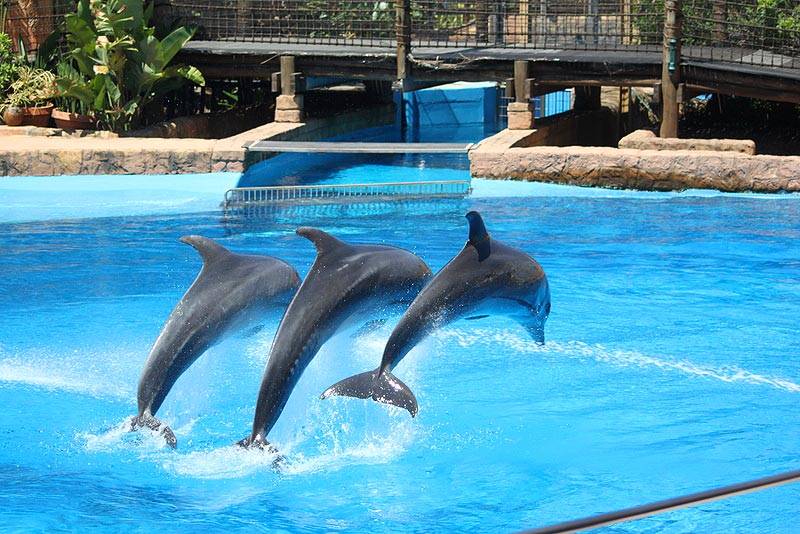
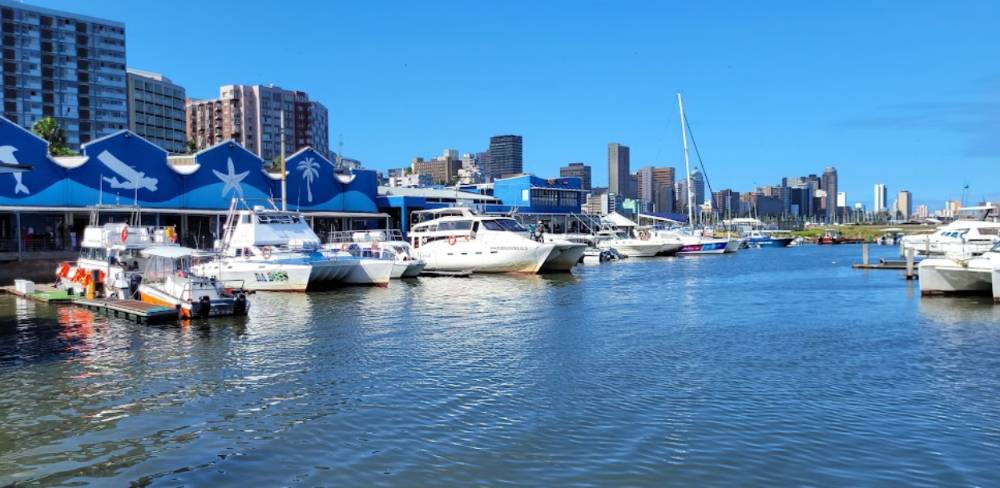
uShaka Marine World on the Point waterfront is one of the continent's larger aquarium and water park complexes. The aquarium displays sharks, rays, and Indian Ocean species inside reconstructed shipwreck settings, while the adjacent water park means families with children can fill a full day without looking for additional activities.
Victoria Street Market has operated for decades as a centre for spice traders, fabric sellers, and craft vendors. Cumin, coriander, and incense define the atmosphere. It works as a practical place to buy local produce and gifts as much as a visitor attraction.
The KwaZulu-Natal Museum covers the region's natural history, the Anglo-Zulu War, and local biodiversity across several floors of exhibits. The Juma Mosque, one of the largest in the southern hemisphere, is open to visitors outside prayer times and reflects the deep influence of Durban's Indian-Muslim community on the city's architecture and broader identity.
Best Time to Visit Durban
Durban has a subtropical climate divided into a hot, humid summer and a milder, drier winter. December through February sees coastal temperatures around 25 degrees Celsius, though humidity is high and afternoon thunderstorms arrive regularly. This is peak domestic holiday season, particularly the school break from late December into early January, when beaches fill quickly.
March and April offer a useful transition. The heat eases, rainfall drops, and school holiday crowds thin out. Both months suit outdoor activity without the summer humidity making extended walking uncomfortable.
May through August is winter by local standards. Coastal temperatures rarely fall below 15 degrees Celsius, and days are dry and consistently clear. These months suit hiking in nearby reserves and time at cultural attractions where comfortable walking conditions matter more than warm water.
September and October bring warming temperatures before the summer rains return, with visitor numbers staying lower than the December peak.
The Durban July horse racing event, held in late June or early July, draws considerable visitors during what is otherwise the quieter half of the year. Accommodation availability around that week tightens sharply, and it is worth factoring into dates well in advance.
Getting to Durban
King Shaka International Airport handles the bulk of air traffic into the city, positioned approximately 35 kilometres north of the centre near La Mercy. Direct flights connect Durban to Johannesburg, Cape Town, and several regional African destinations. Under normal conditions, the drive from the airport to central Durban takes around 40 minutes via the N2 highway.
By road from Johannesburg, the N3 covers roughly 570 kilometres over the Drakensberg passes, a journey of five to six hours depending on traffic. The route is well-maintained throughout. From Cape Town, the N2 runs approximately 1,640 kilometres through the Eastern Cape, a distance most drivers break over two days with an overnight stop along the way.
Within the city, the Durban People Mover buses and Golden Arrow services connect the beachfront, the CBD, and inner suburbs. A rental car offers the most practical flexibility for visiting the wider region. Parking is available throughout the beachfront precinct, though the central business district experiences significant congestion during peak hours. App-based ride services and metered taxis operate across the metropolitan area and handle short trips efficiently.
Durban and Surrounding Areas
Durban/eThekwini, one kilometre from the commercial centre, is the administrative name for the broader municipality covering the CBD, port, and beachfront. The distinction is bureaucratic rather than practical, and visitors move through the area without encountering any meaningful boundary.
Berea, three kilometres inland on a ridge above the city, is one of Durban's older established residential areas. The Botanic Gardens occupy a central position here. Founded in 1849, they are the oldest surviving botanical gardens in Africa, with a notable cycad collection and views down toward the bay. Entry is free, and the elevated position makes it a worthwhile half-day addition to any itinerary centred on the coast.
Greyville, four kilometres from the centre, is built around the Greyville Racecourse, which runs meetings throughout the year. The Royal Durban Golf Club shares the same land, making the suburb a practical destination for visitors with an interest in either sport. Its character is commercial rather than tourist-oriented, and it functions differently from the beachfront precinct.
Grosvenor, seven kilometres south, is a quiet residential neighbourhood with straightforward road access to the southern suburbs. It offers a calmer setting at some distance from the centre without requiring visitors to travel far from the city's attractions.
The Bluff, eight kilometres south, is a peninsula separating Durban Bay from the Indian Ocean. Cave Rock on its southern edge is considered one of the better surf breaks in the greater Durban area. The Bluff Nature Reserve has walking trails through coastal forest, offering a natural alternative to urban attractions without a long drive.
Greenwood Park, also eight kilometres out but north of the centre, sits between the airport and the city. Its main practical value is for travellers with early departures or late arrivals who prefer not to cover the full distance at inconvenient hours.
Planning Your Stay
Booking pressure is uneven across the year, with certain weeks seeing beachfront properties fill well in advance. Deciding early on travel dates, particularly if they fall during school holiday periods or major events, simplifies every other planning decision.
Location carries real weight in a city of this size. Staying close to planned daily activities reduces time lost to traffic during peak hours, when movement across the metropolitan area slows considerably. Before confirming a booking, check whether breakfast is included, as properties differ and the answer affects actual daily costs.
If arriving by car, confirm parking arrangements directly with the property. Not all listings in denser areas have dedicated spaces. Asking about nearby walking distances and local transport options gives a realistic picture of day-to-day movement without depending on a vehicle for every trip.
Reading recent guest reviews with attention to comments about the surrounding neighbourhood, rather than just the room itself, provides a more accurate sense of convenience and the immediate environment. This matters most when choosing between properties in different parts of the city, where daily practicalities vary considerably.