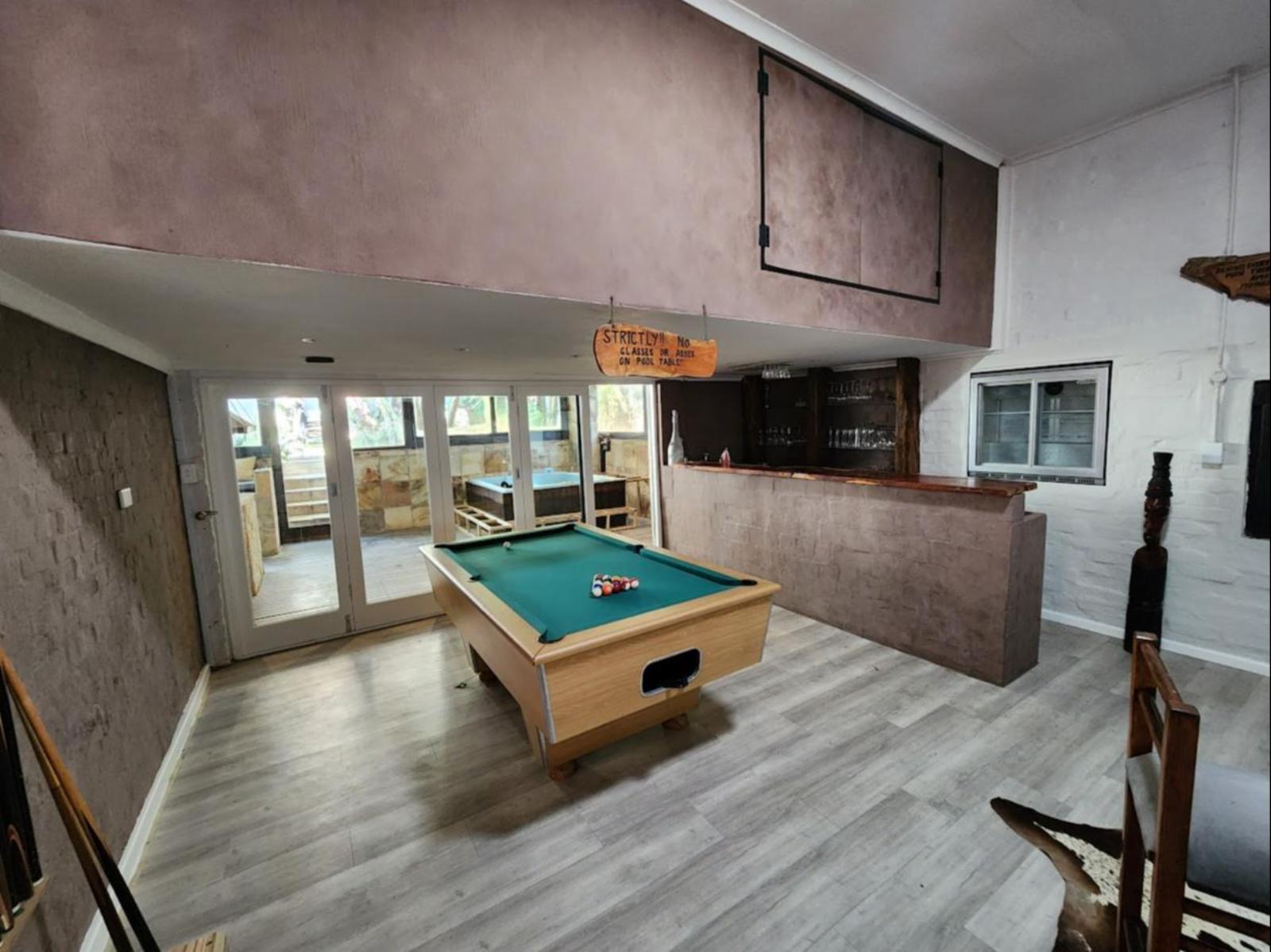
Accommodation in Durbanville
Fourteen properties cover the market in Durbanville, with nightly rates spanning R1,160 to R2,090. The range is broad enough to suit different budgets and travel styles, with the mid-range tier offering the most choice.
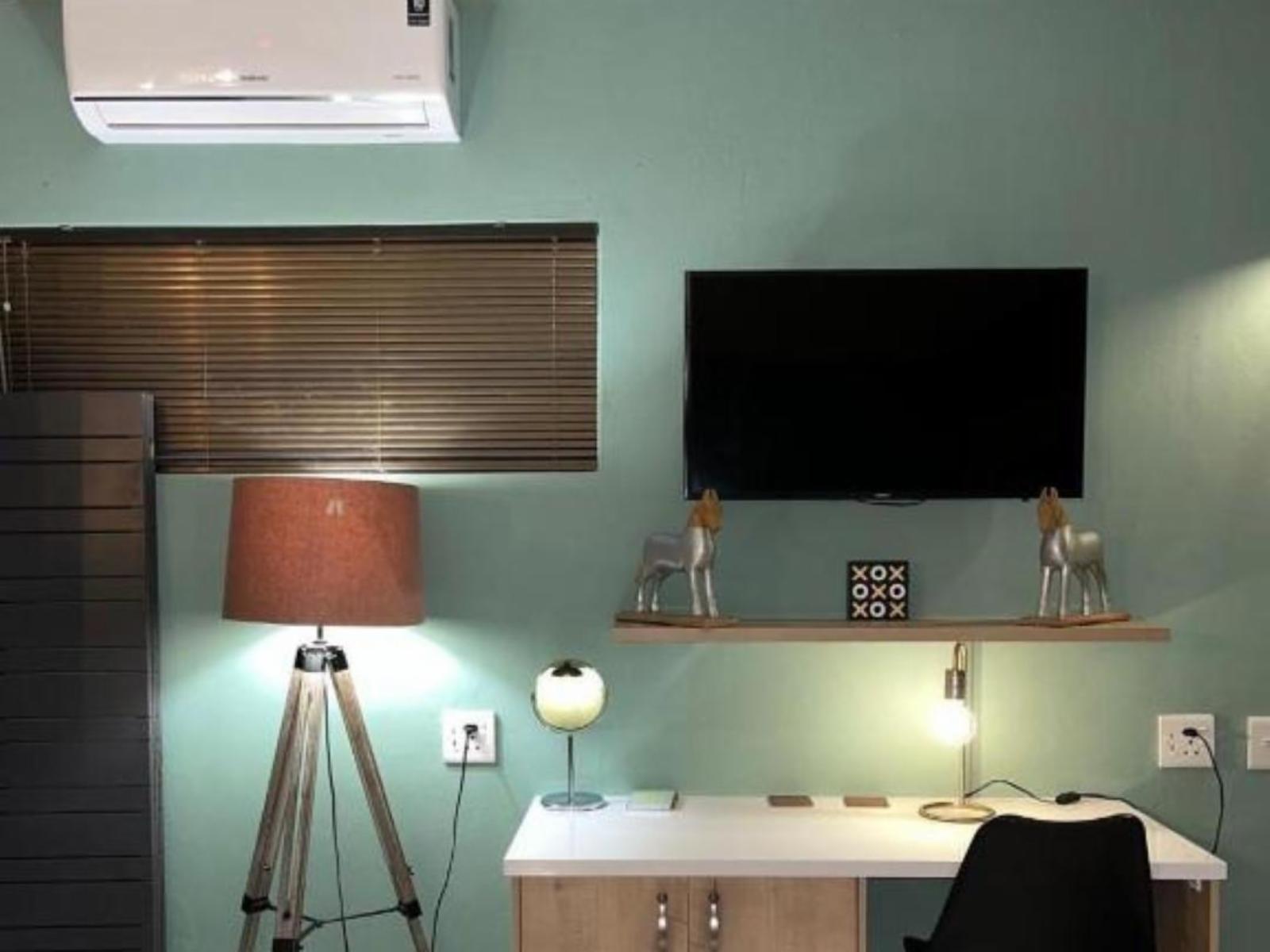
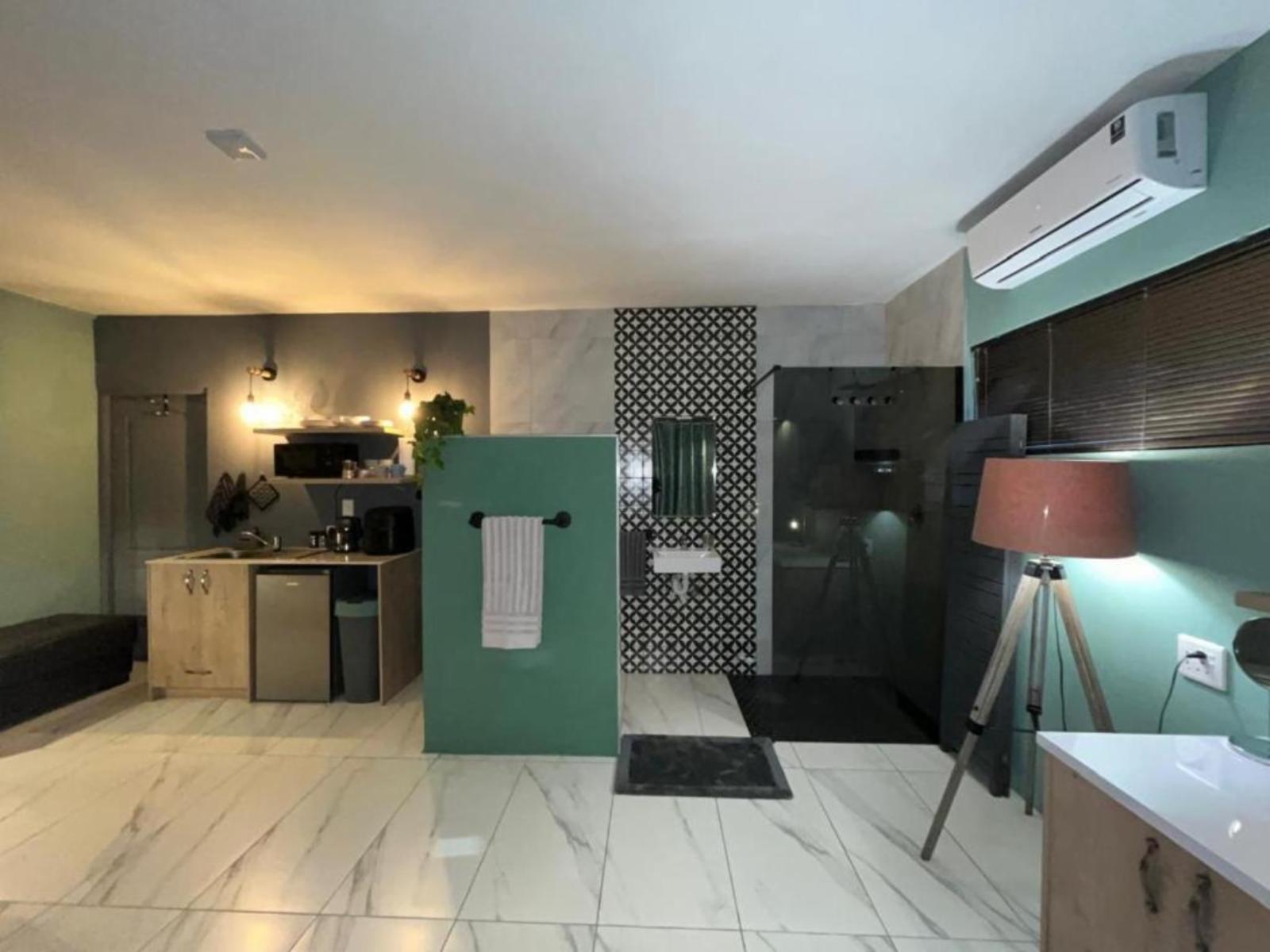
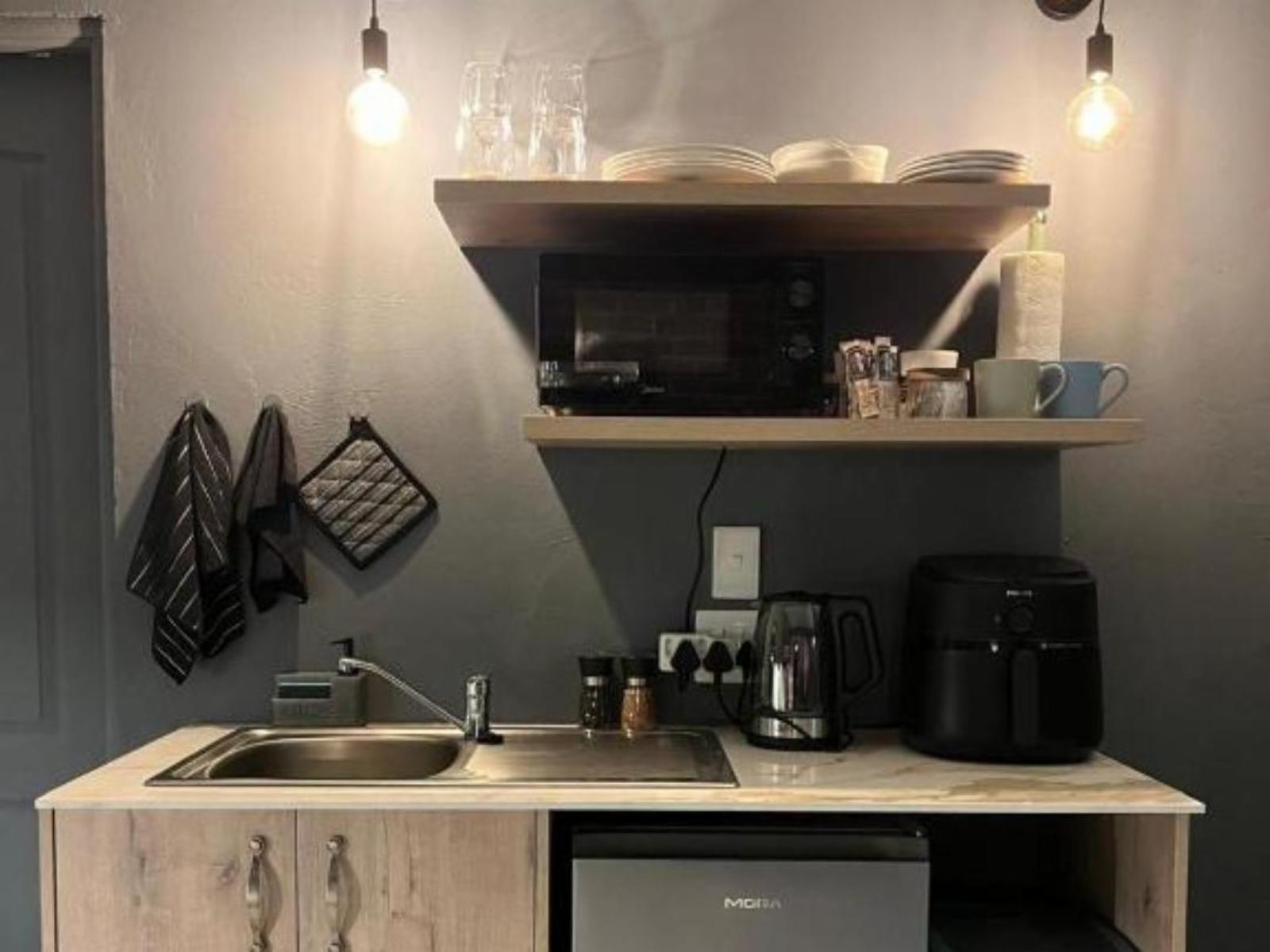
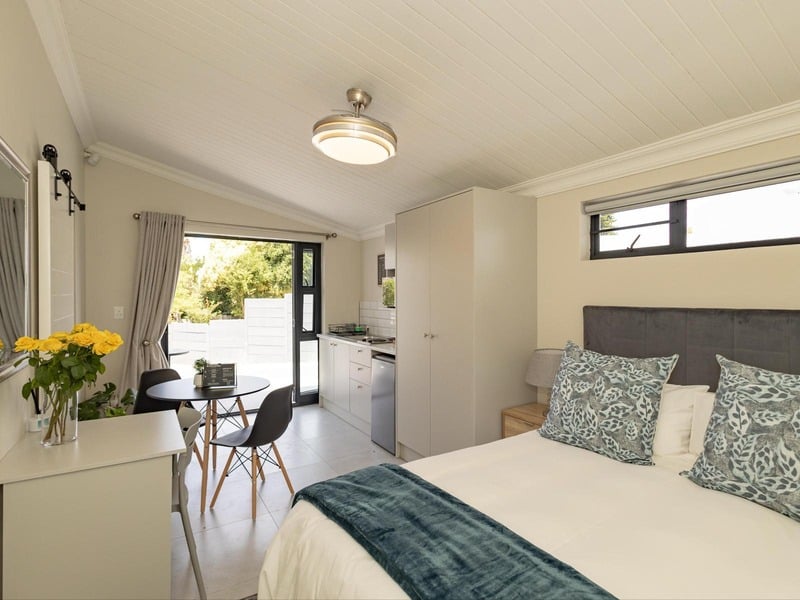
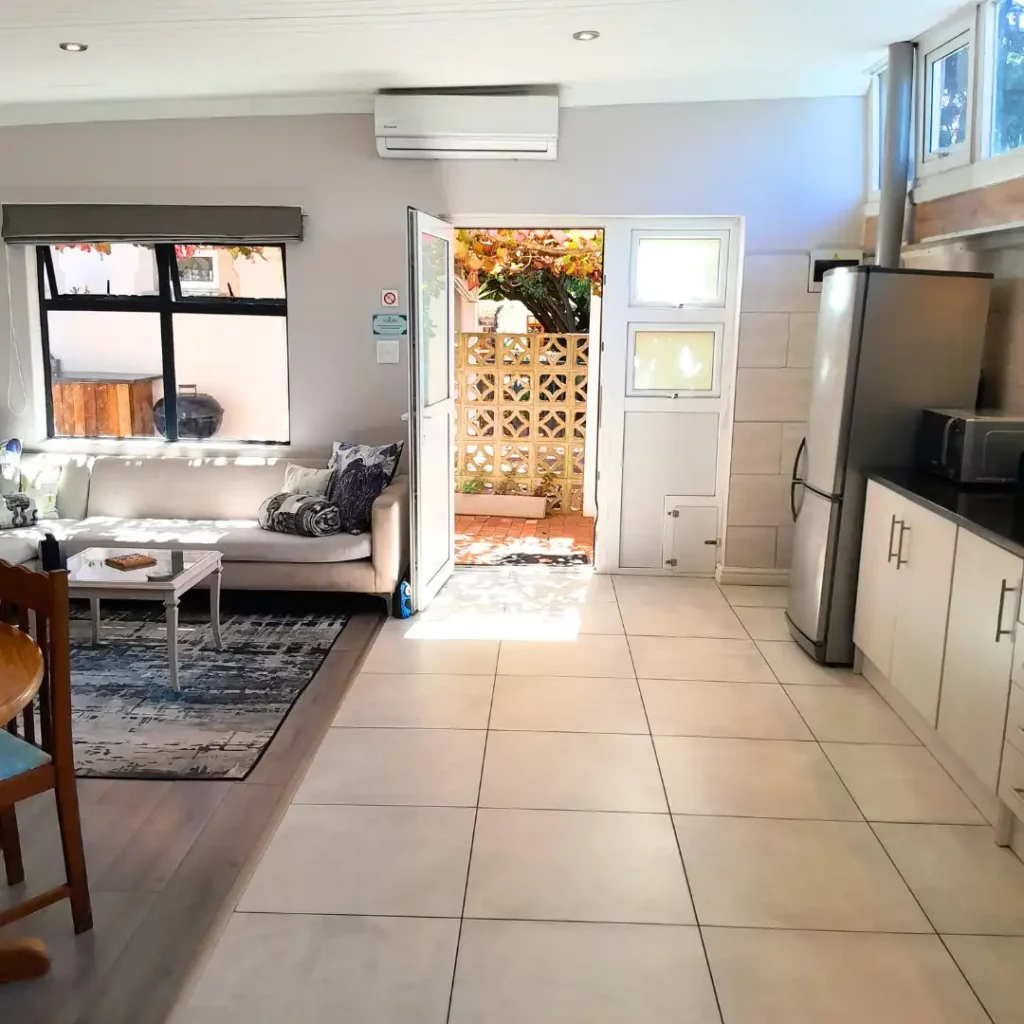
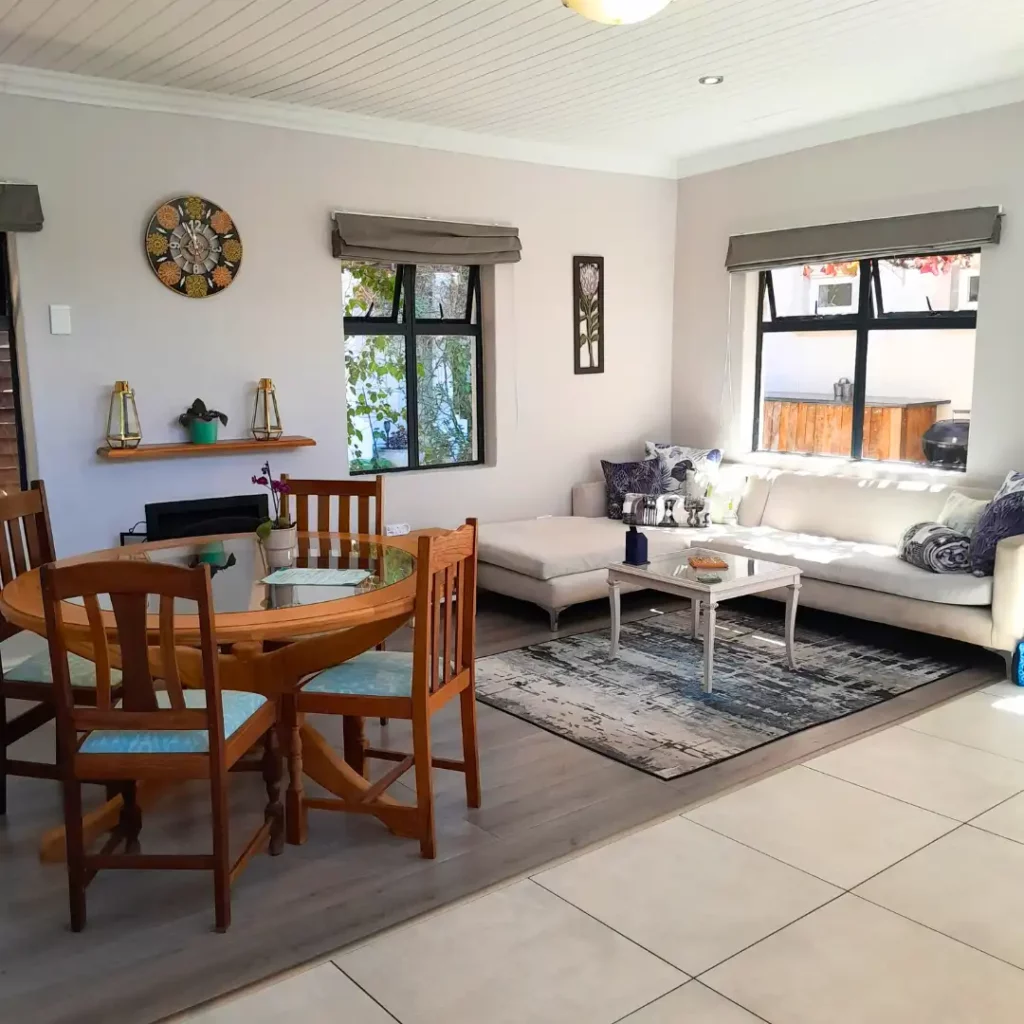
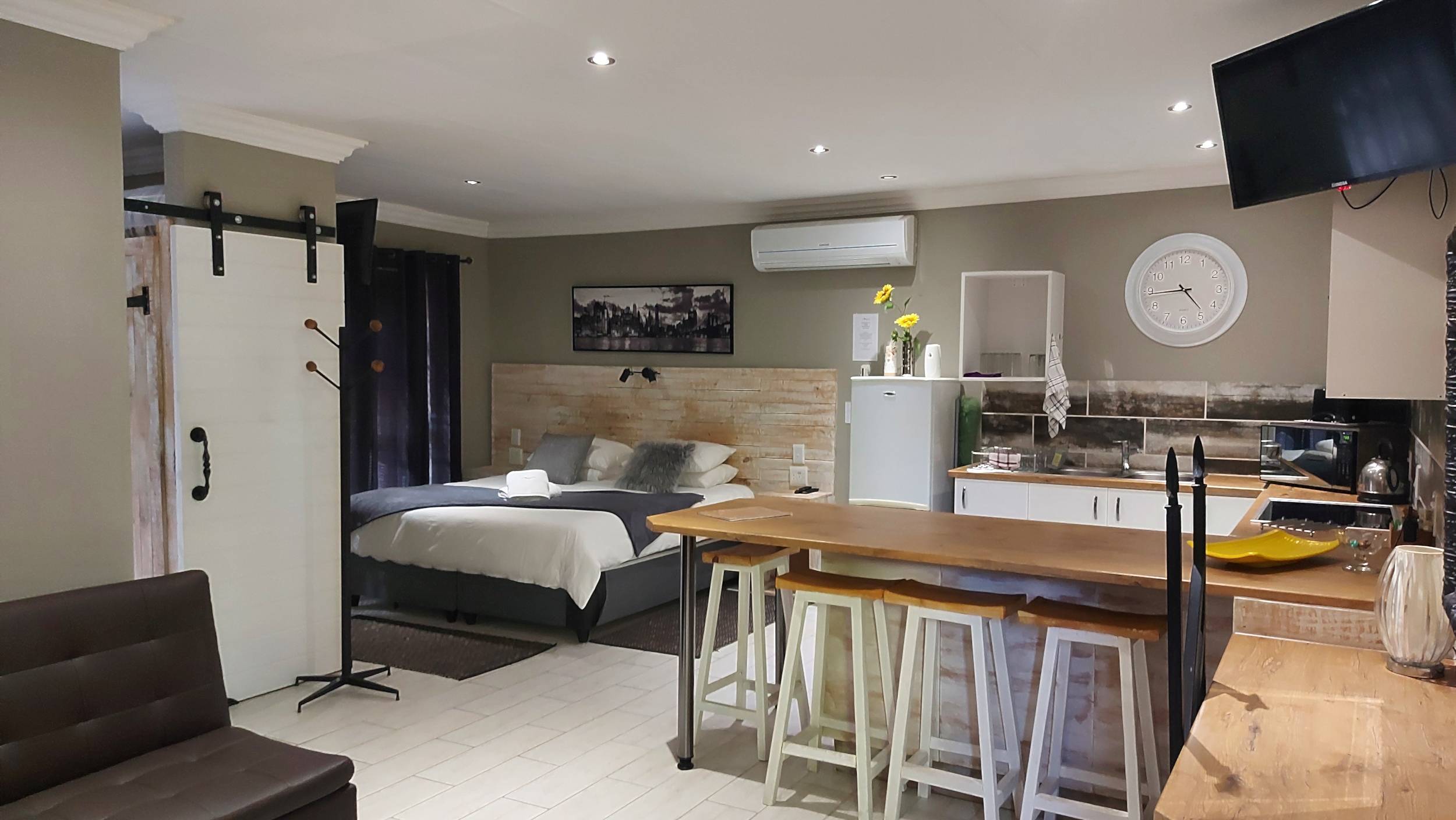
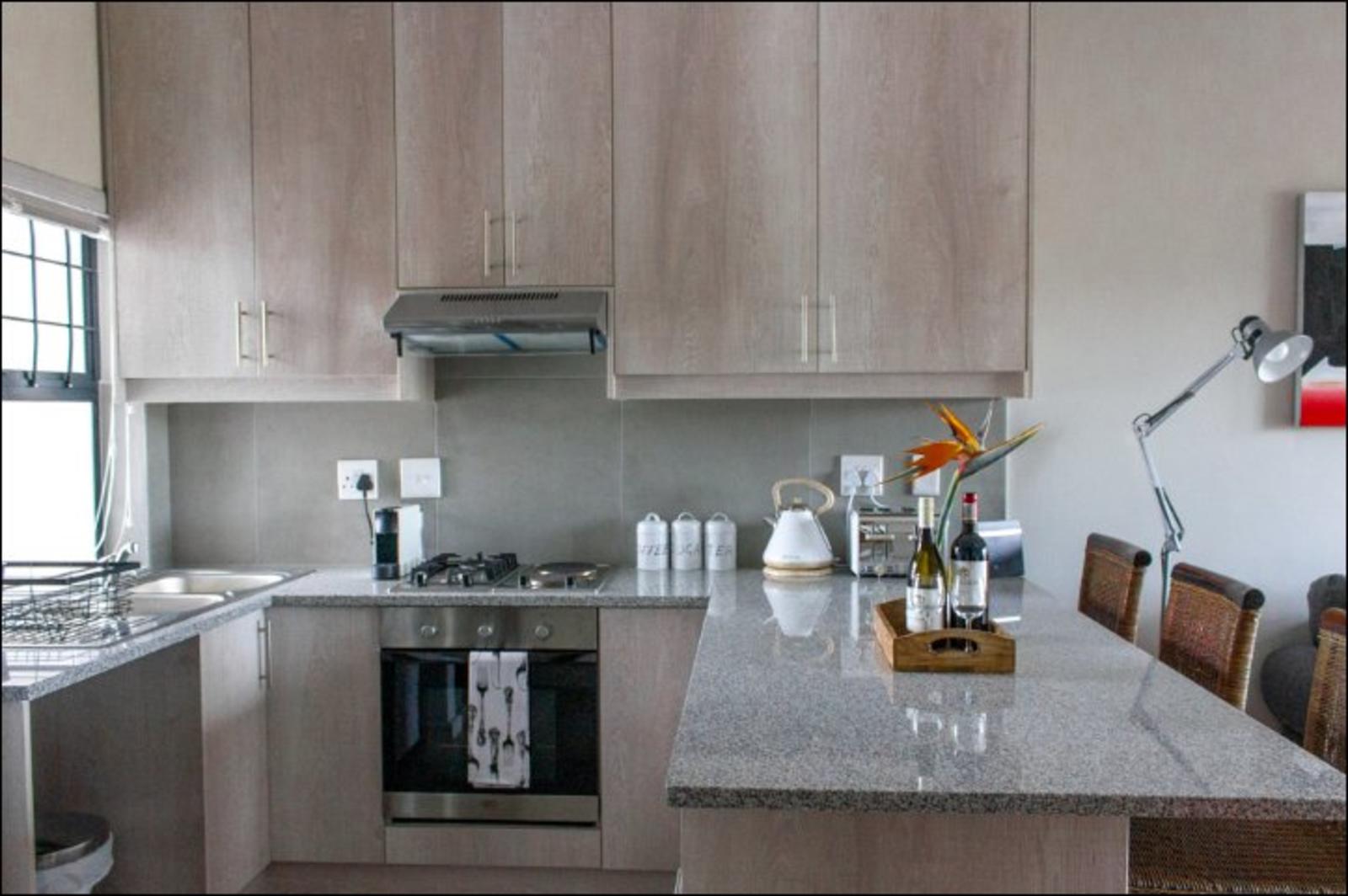
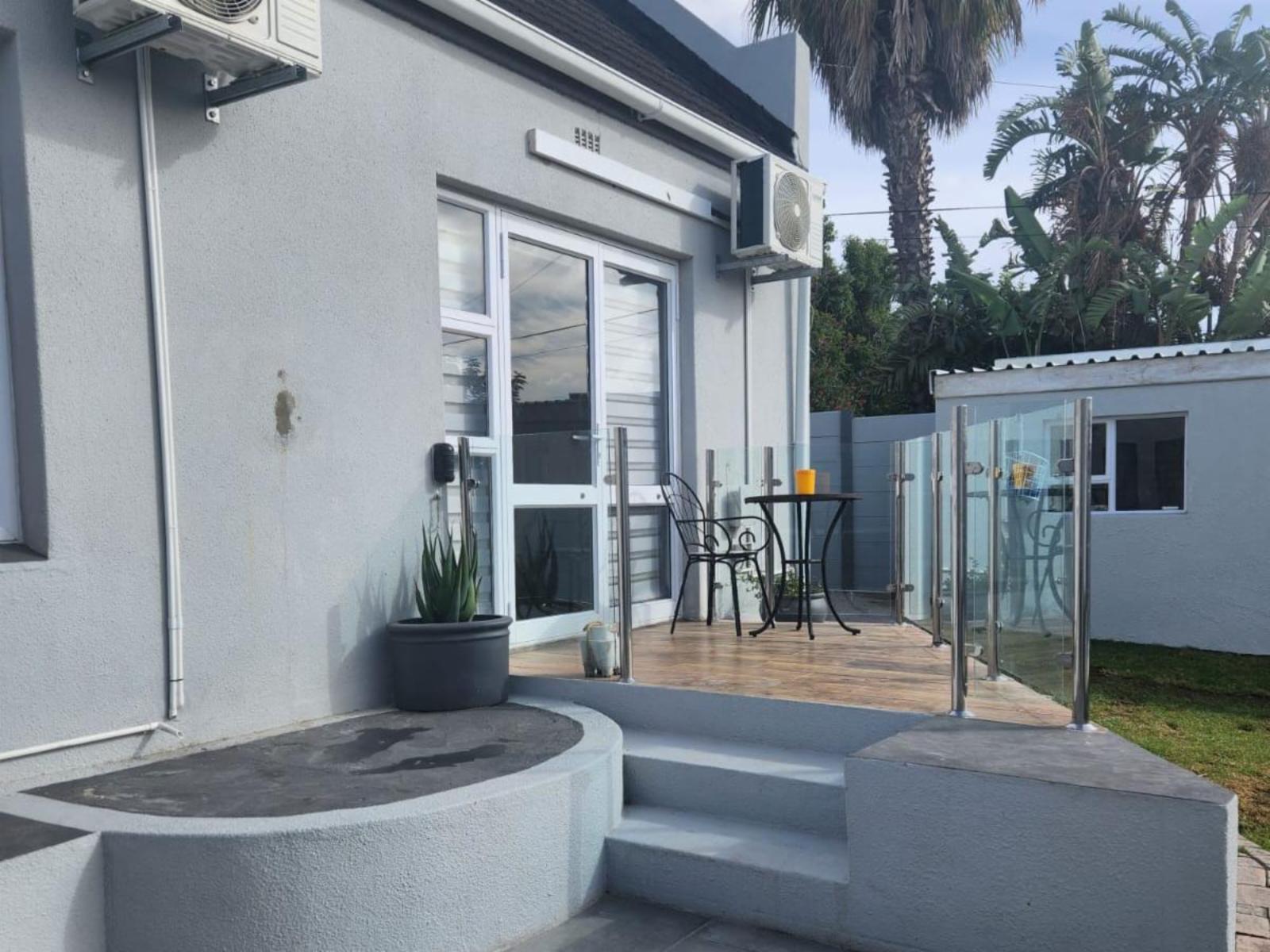
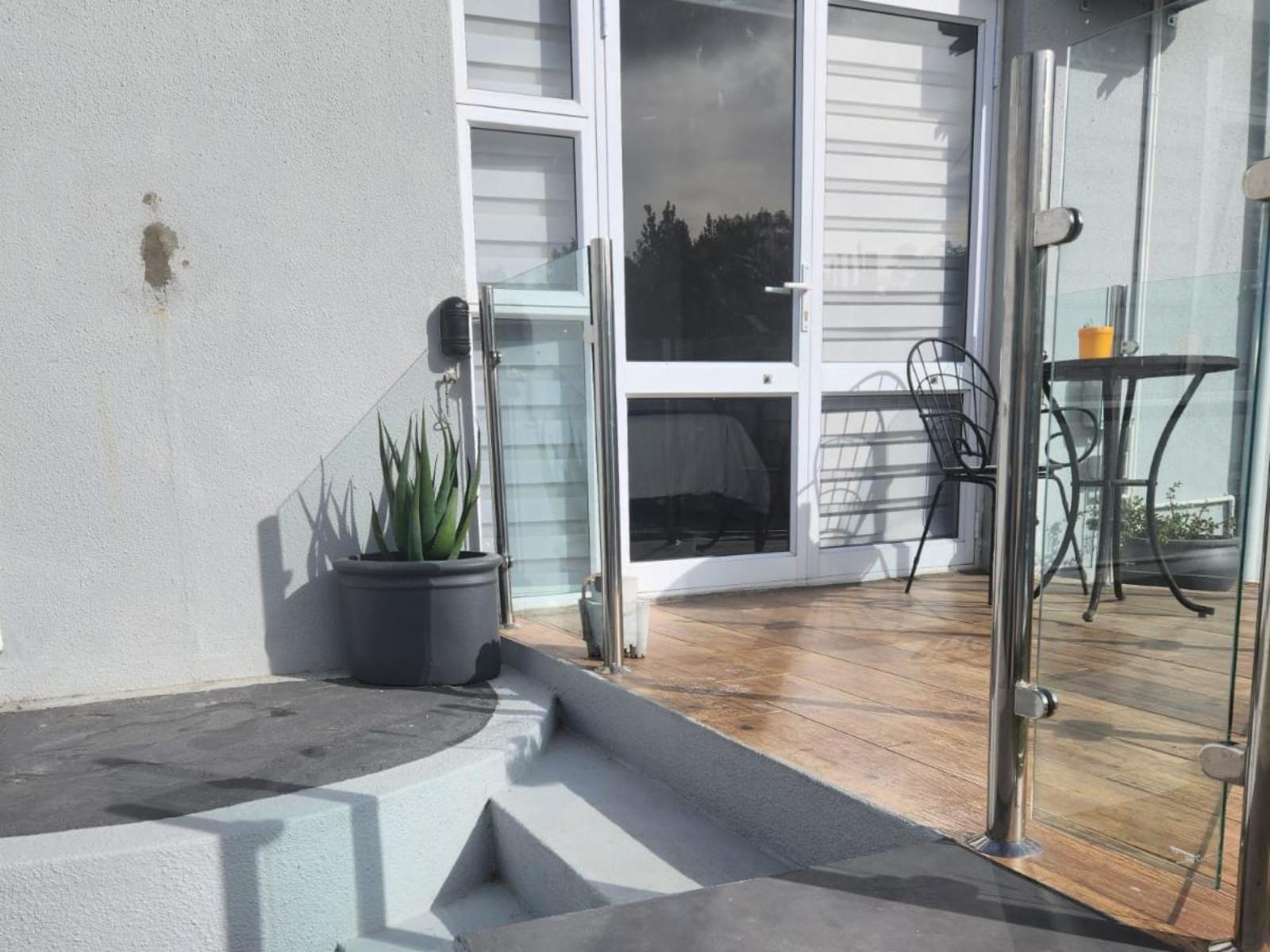
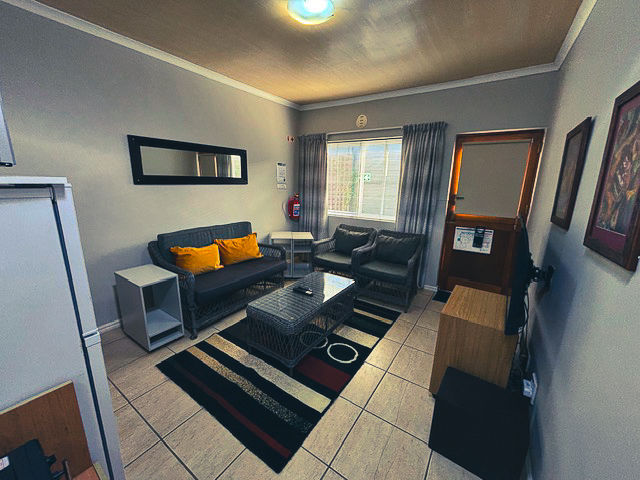
At the lower end, a self-catering unit provides full kitchen facilities and the kind of independence that suits visitors staying several nights or those who prefer to cook rather than eat out each evening. Farm stalls in the surrounding area make fresh produce easy to source, which fits the agricultural character of this part of the Cape.
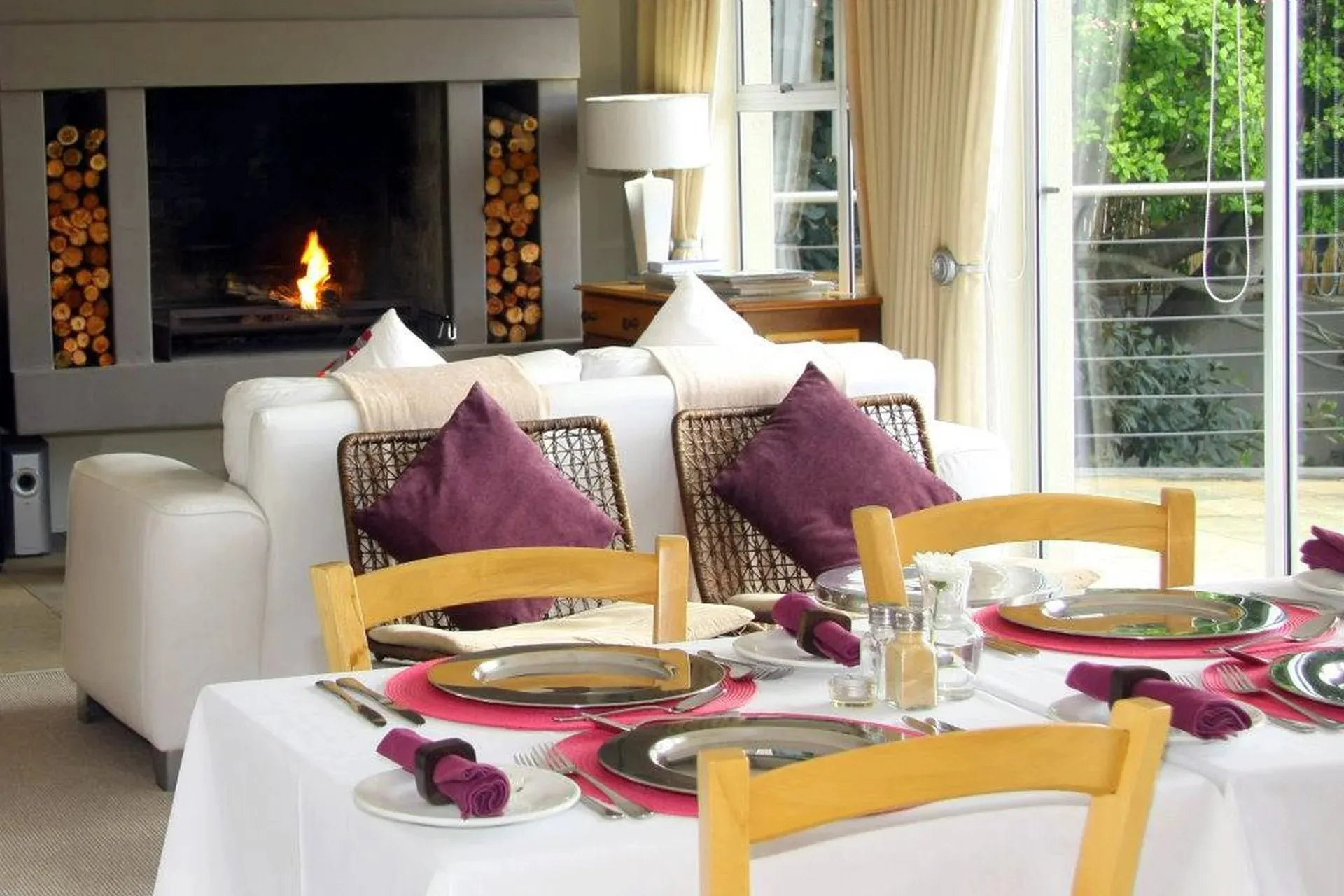
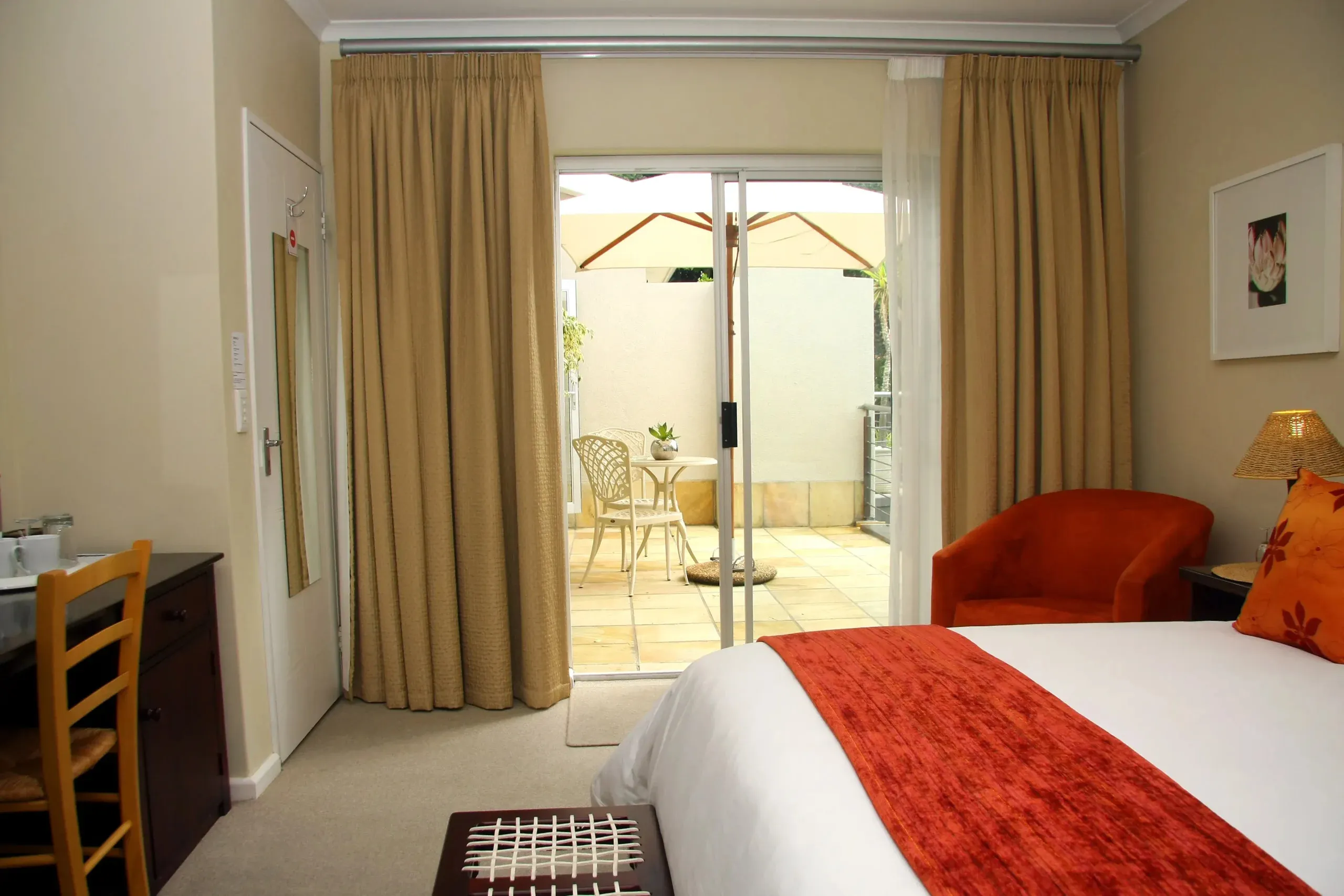
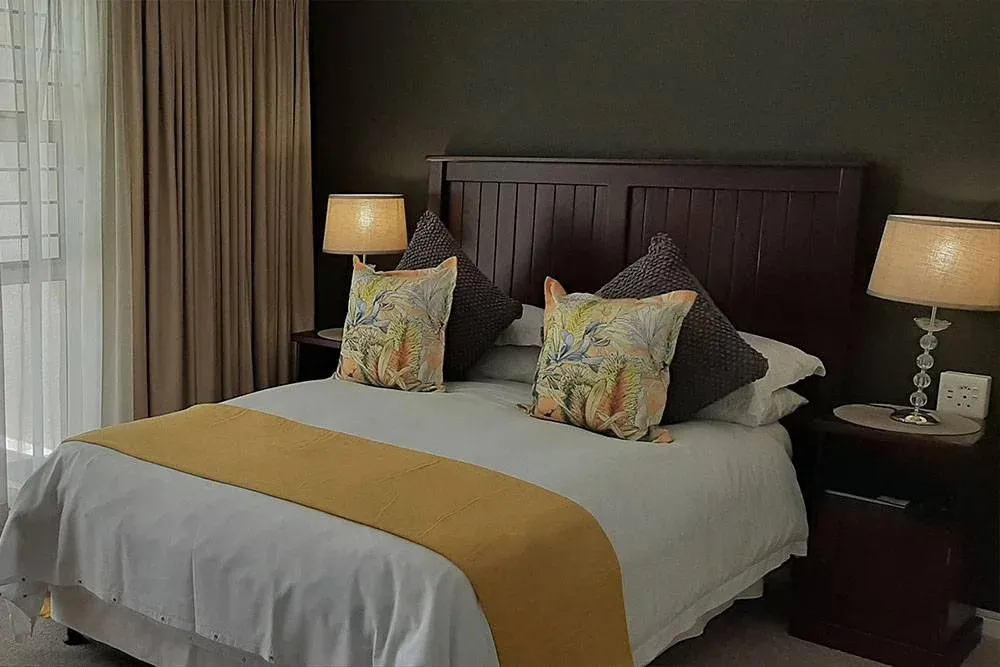
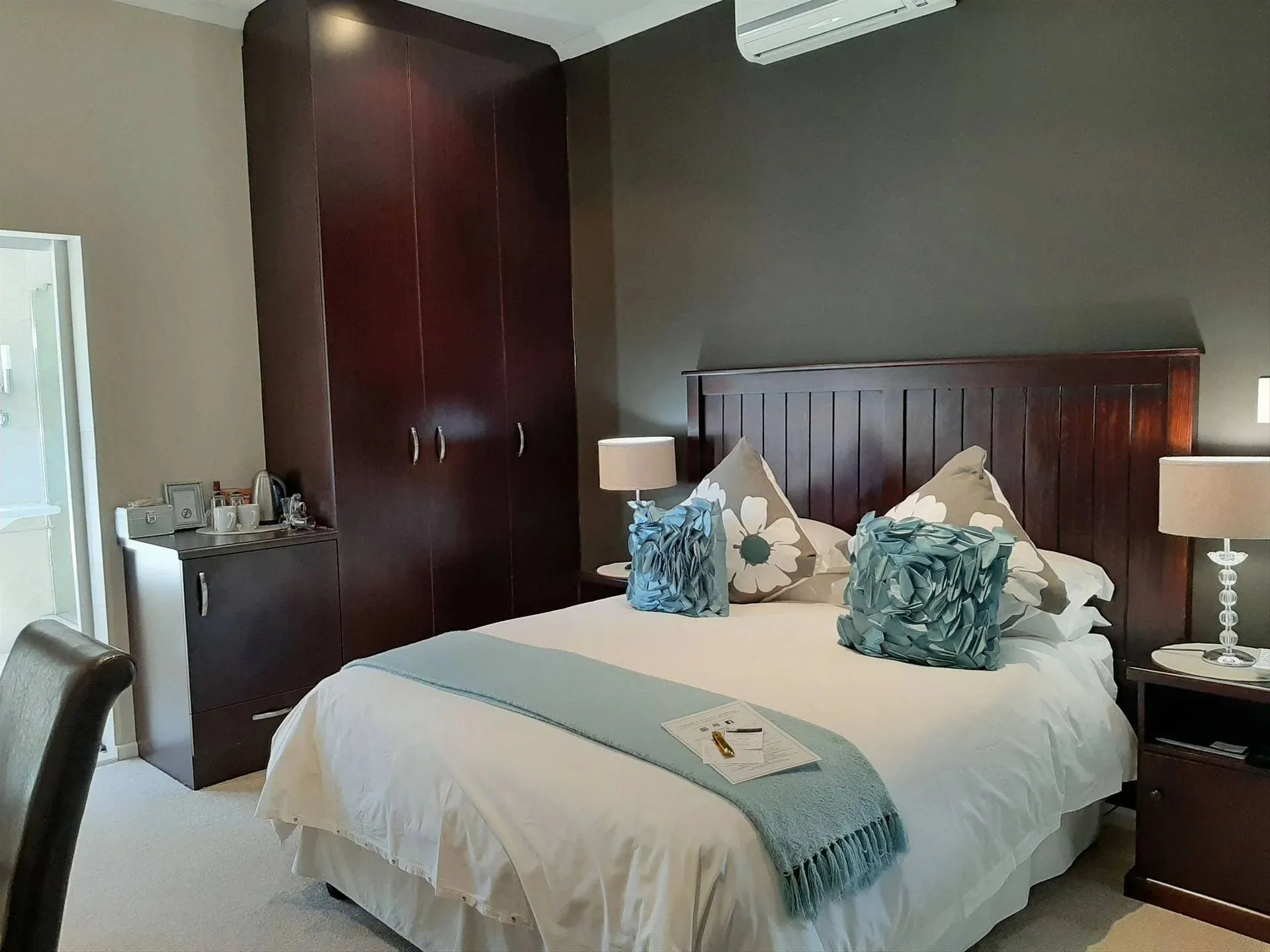
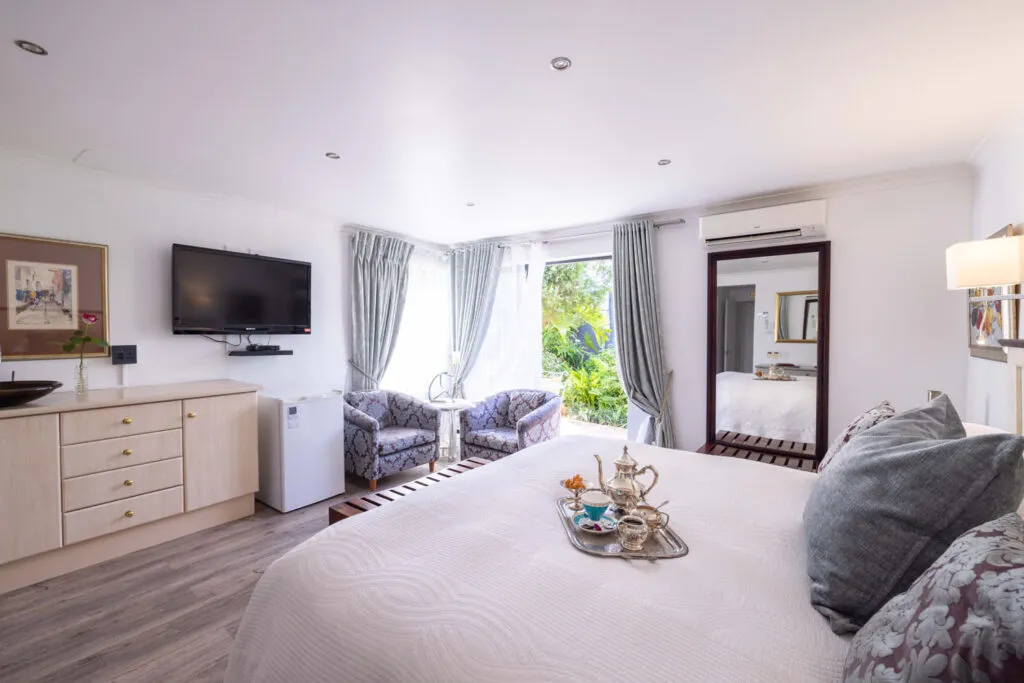
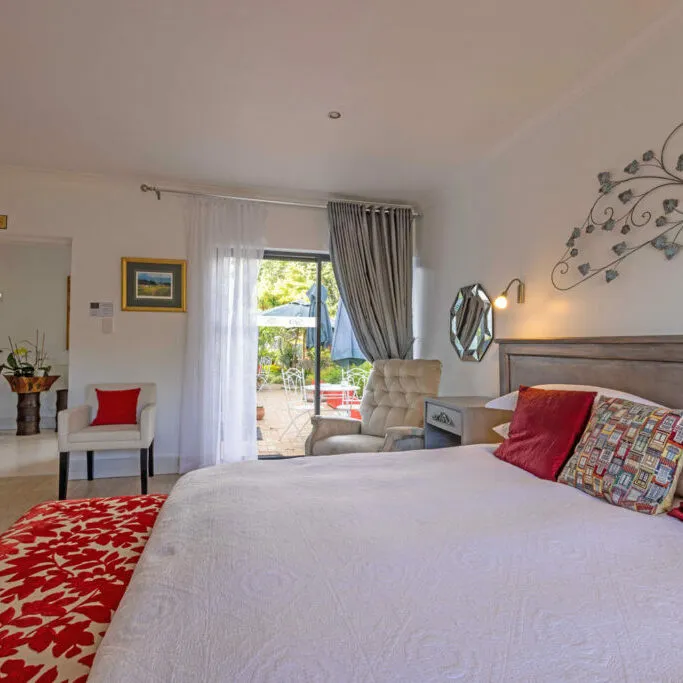
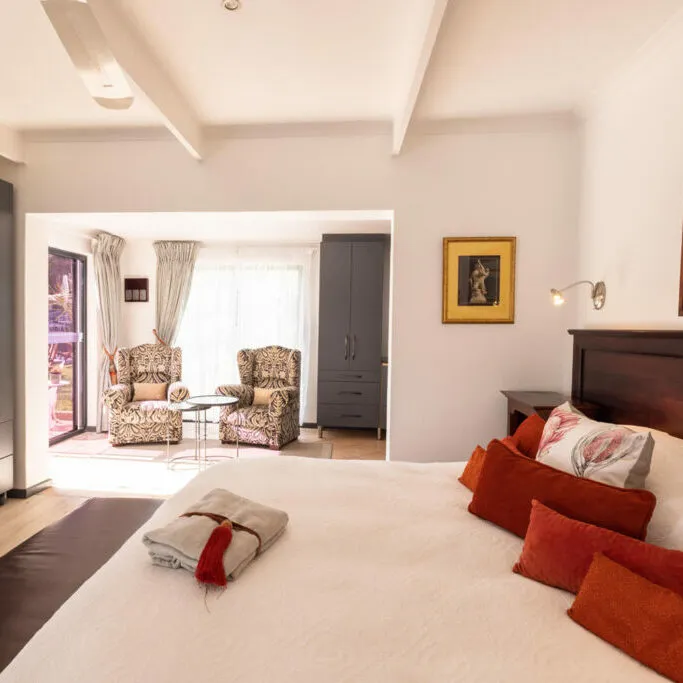
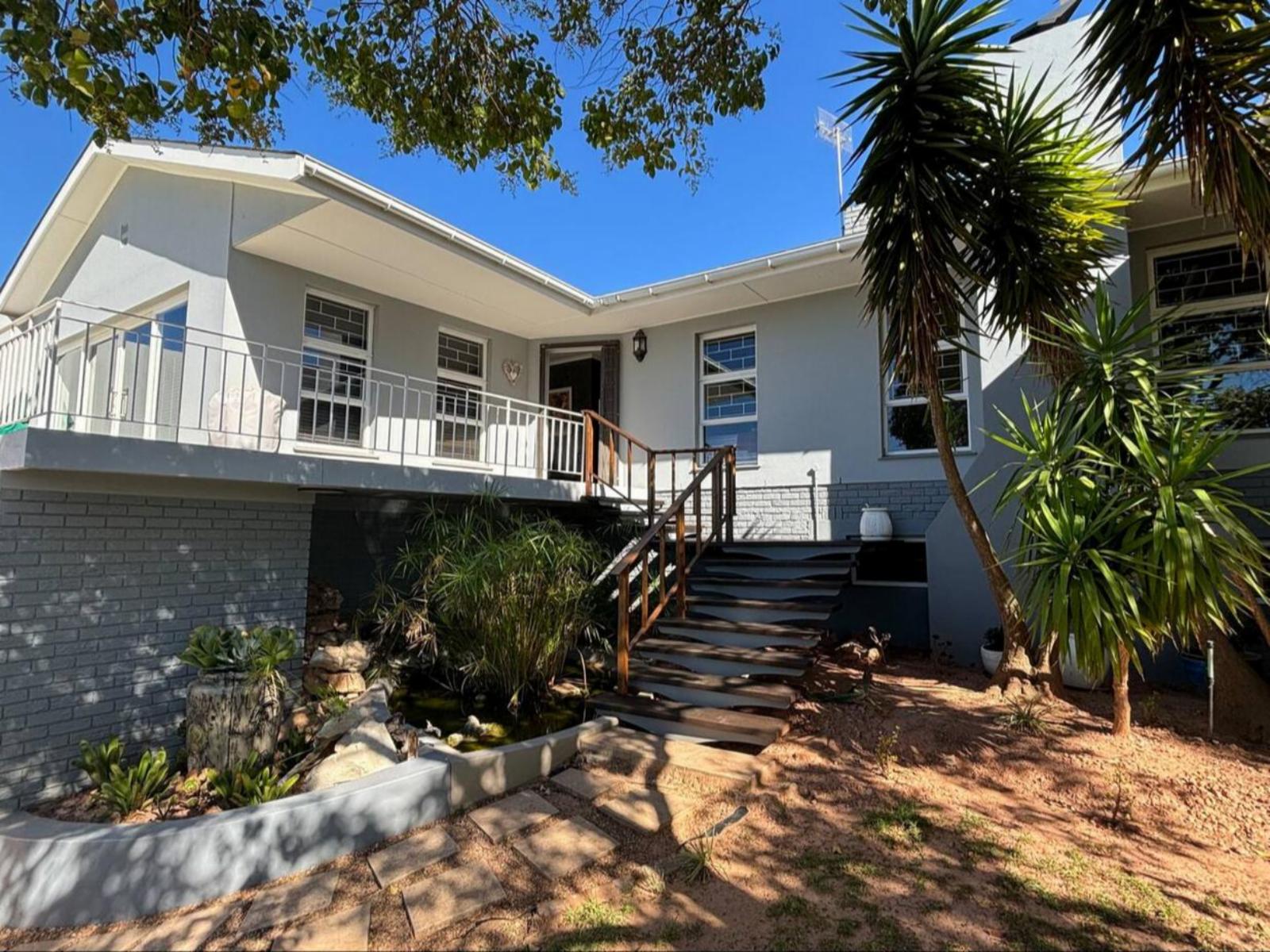
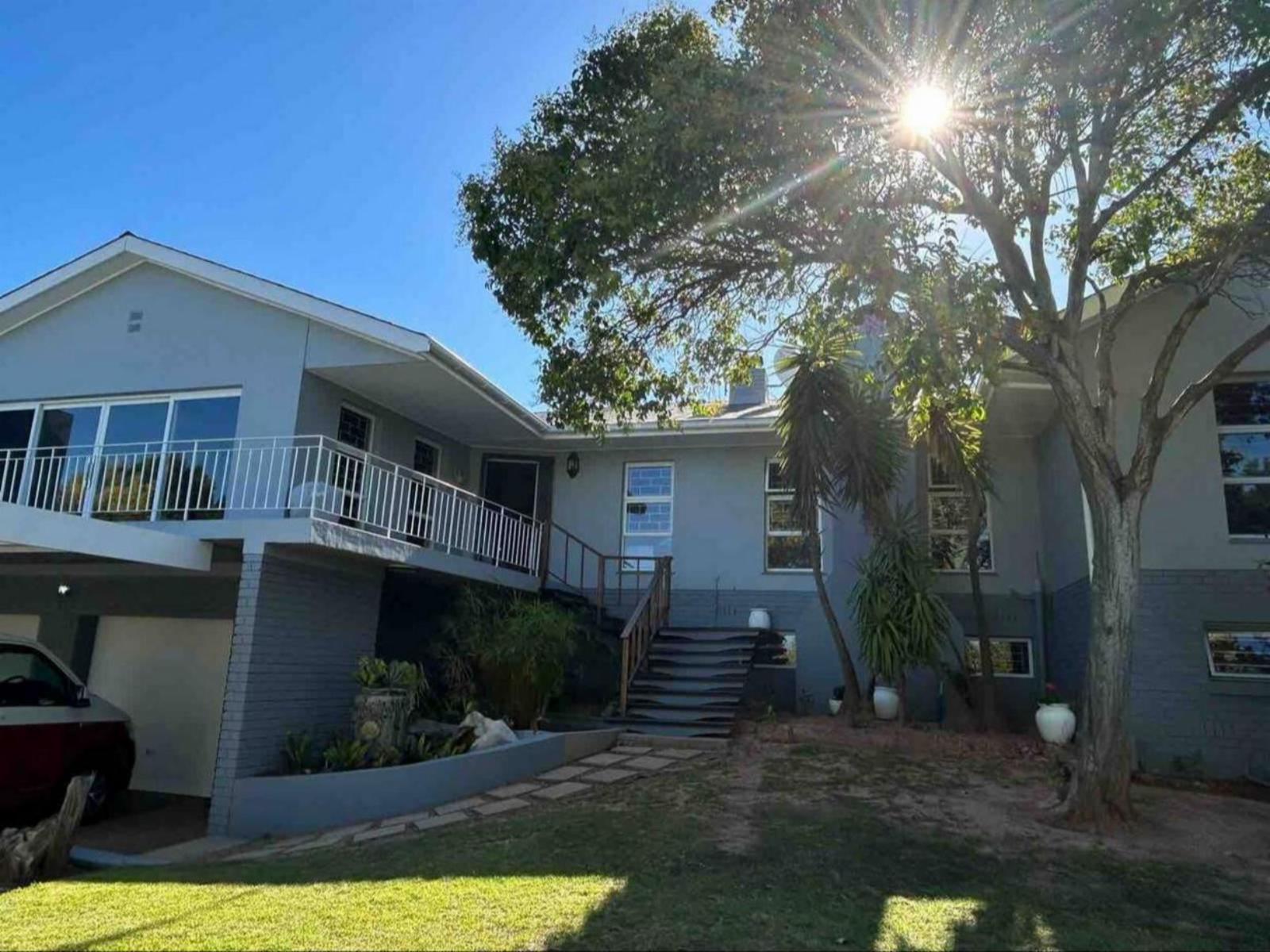
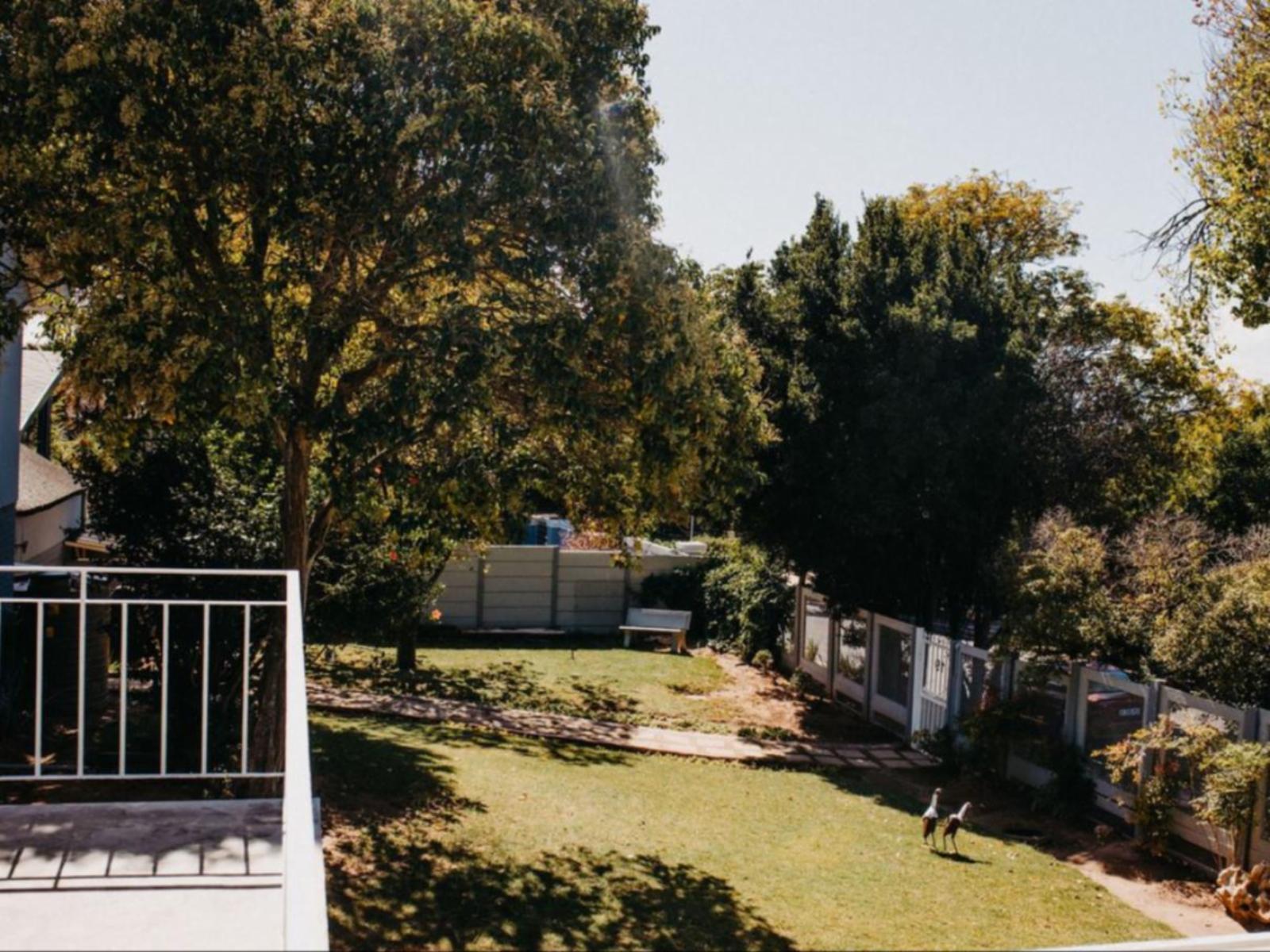
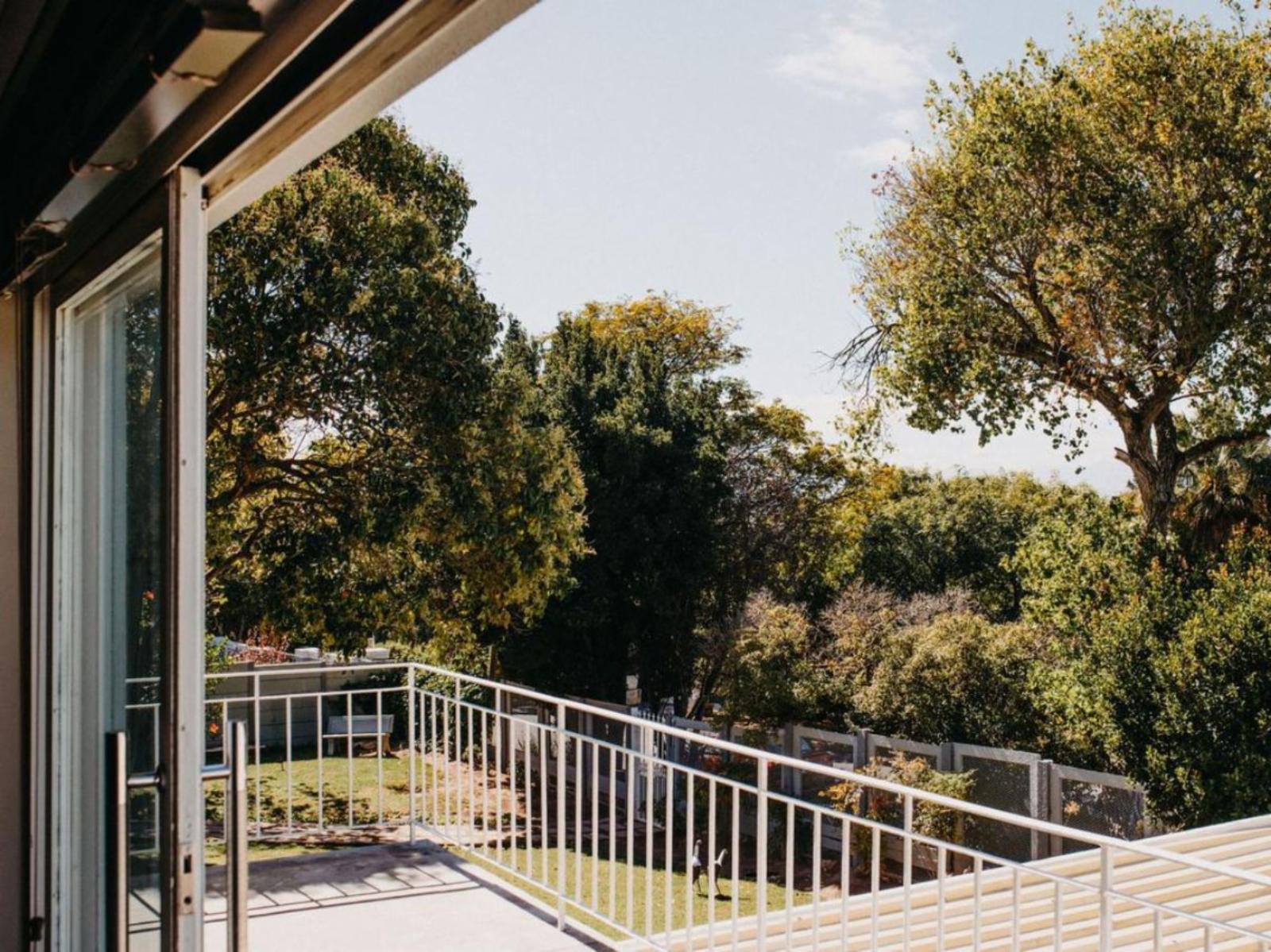
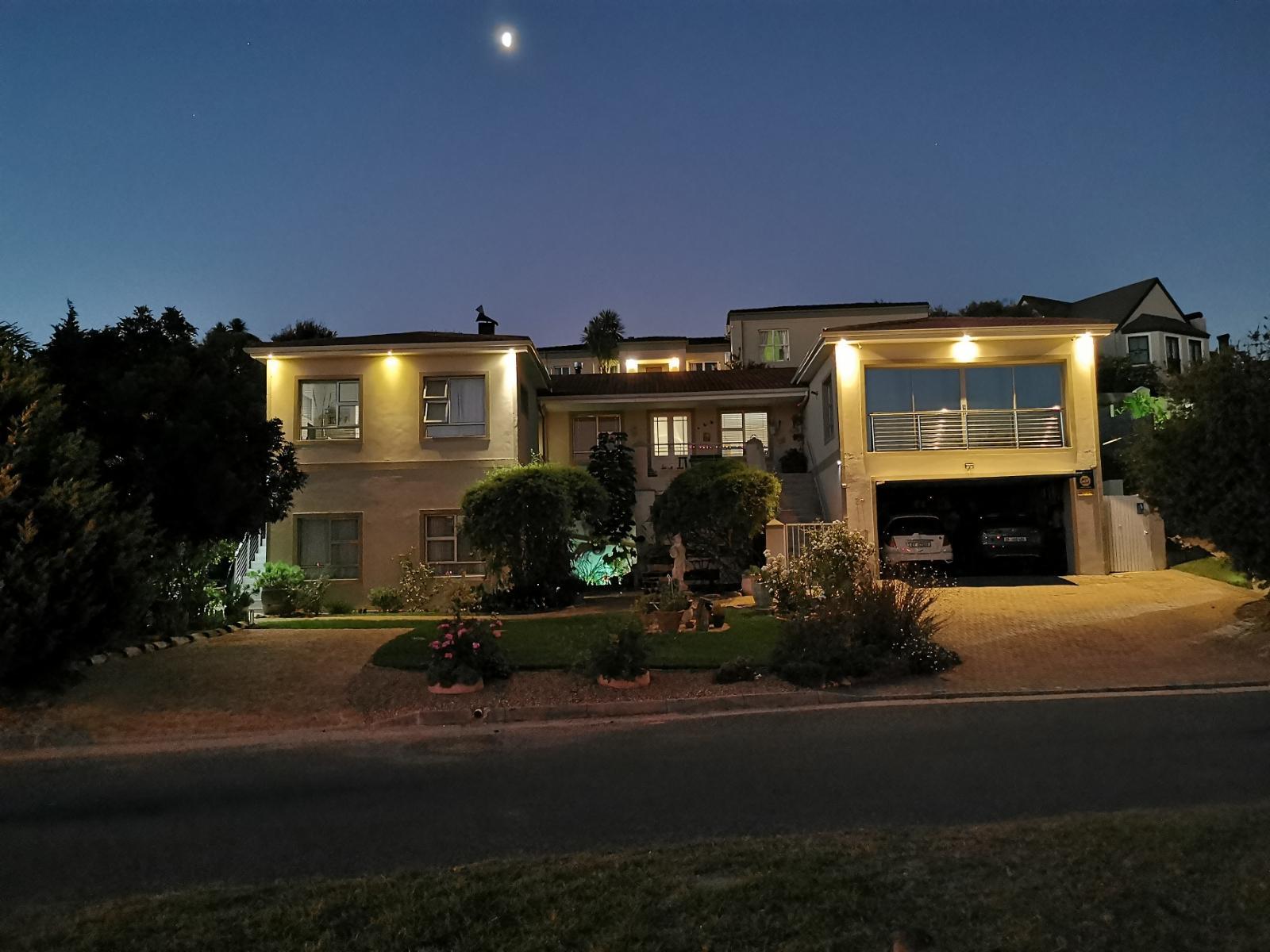
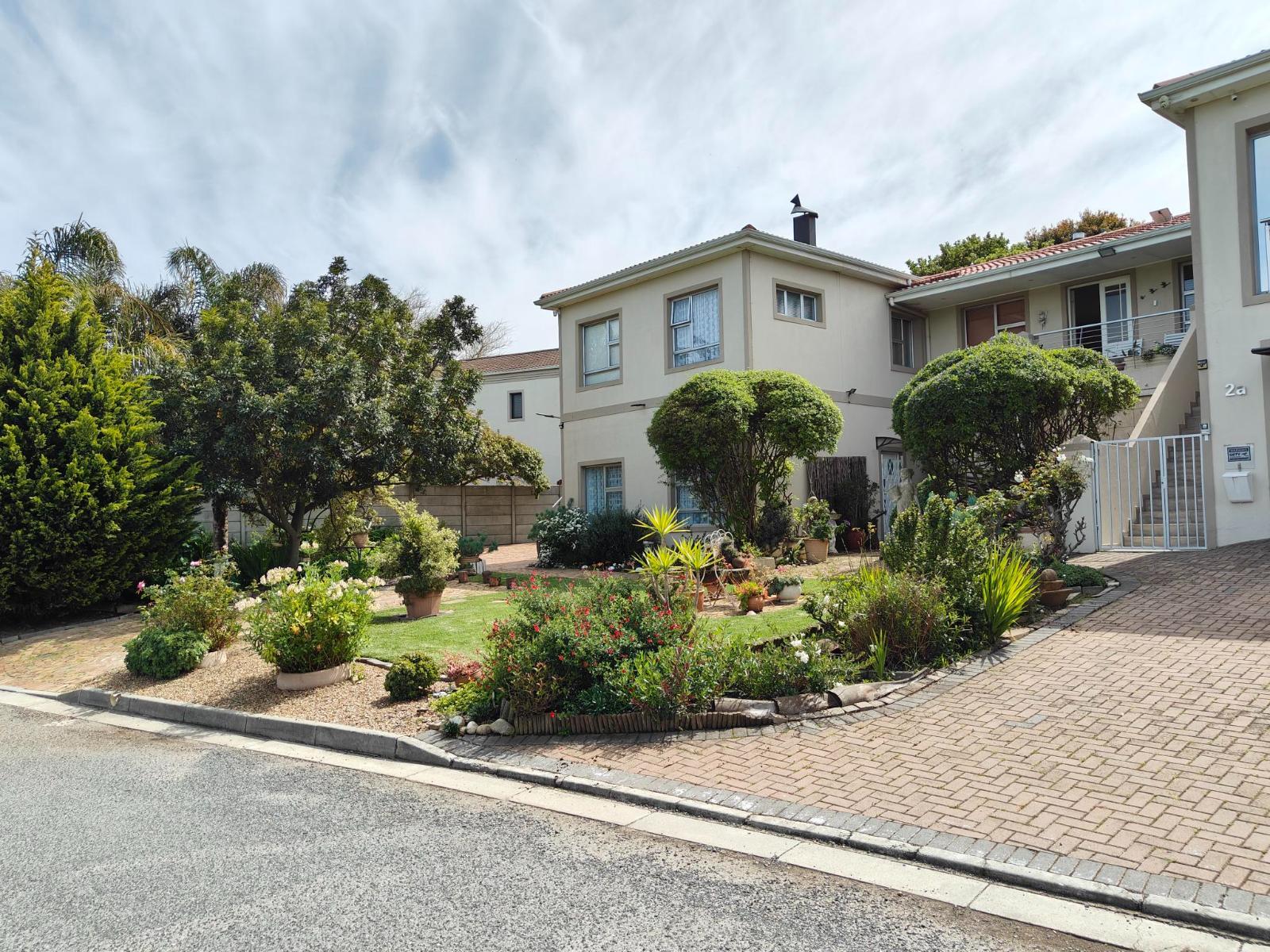
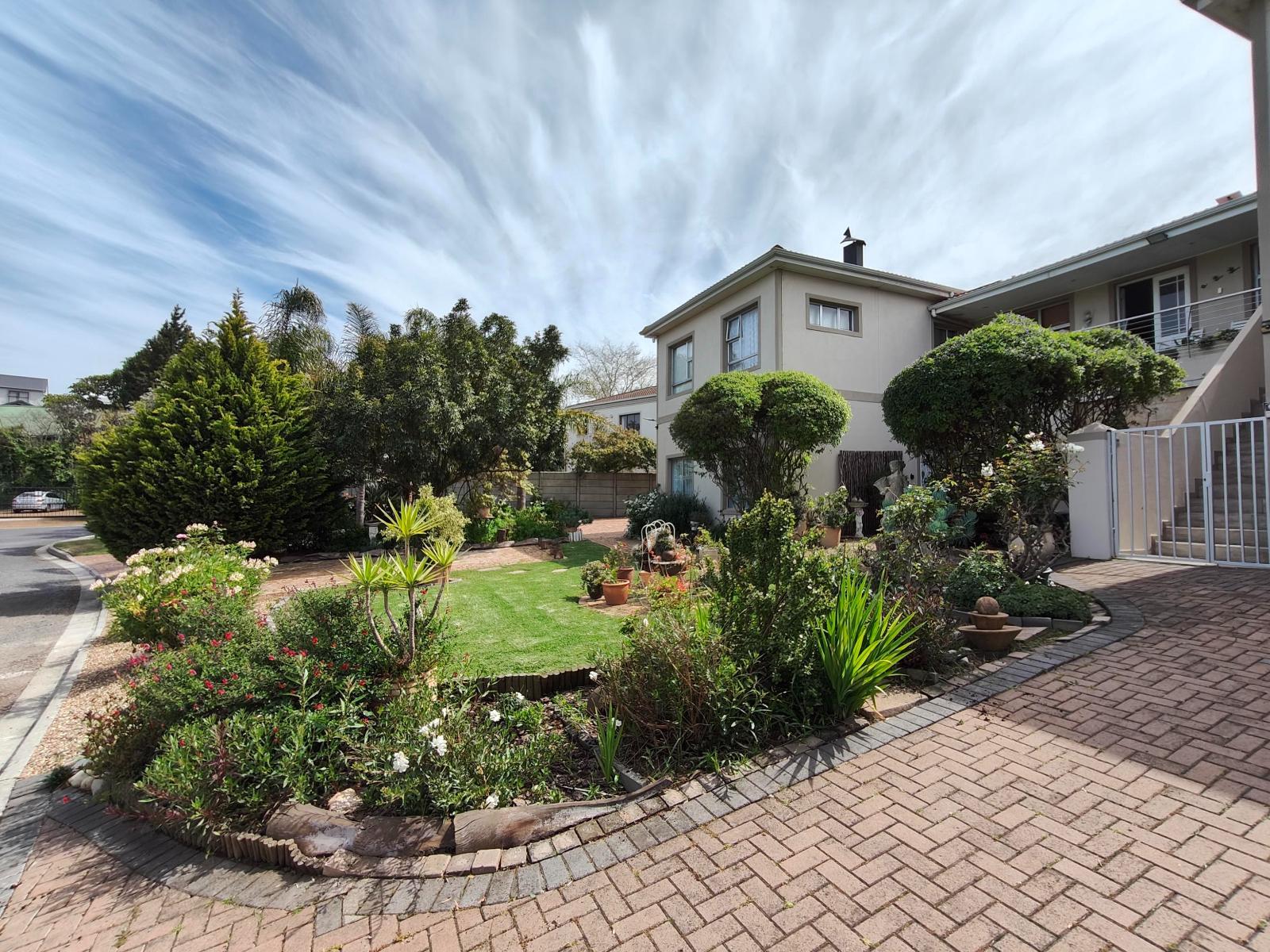
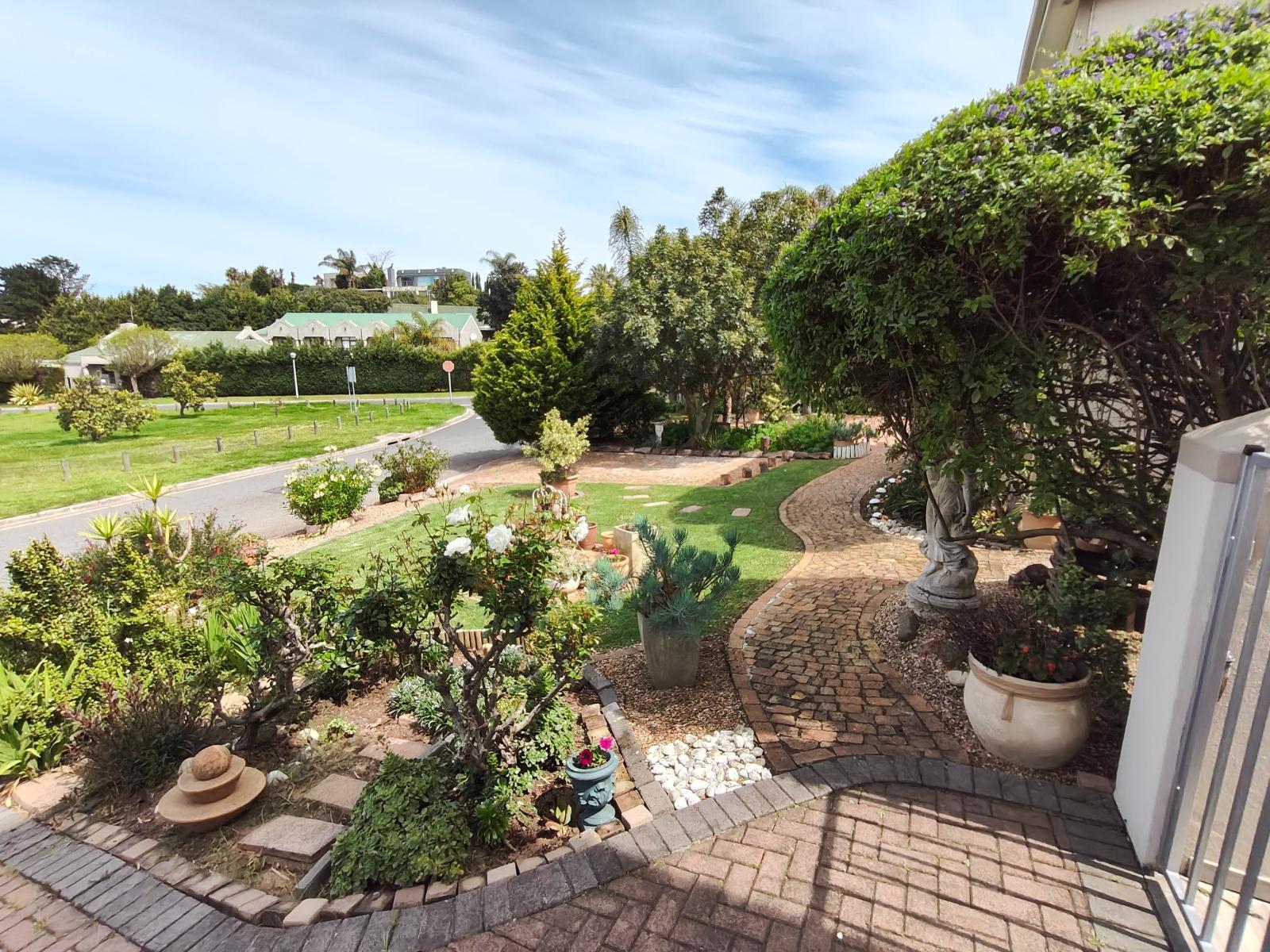
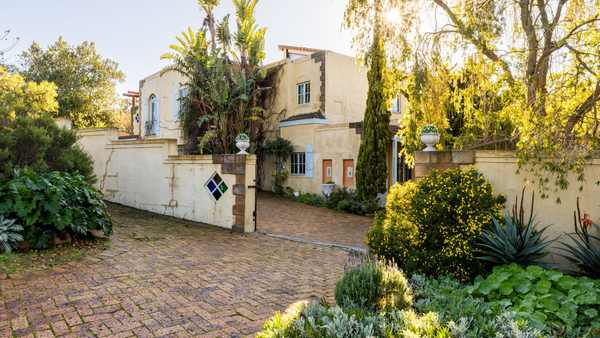
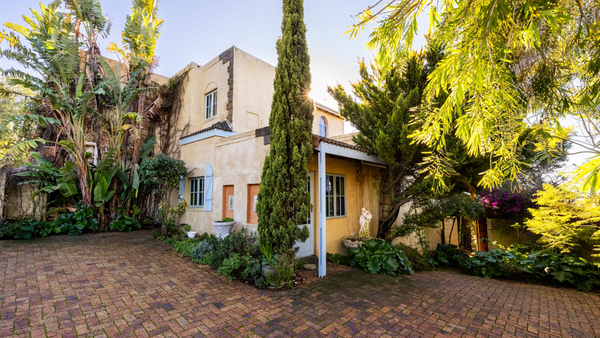
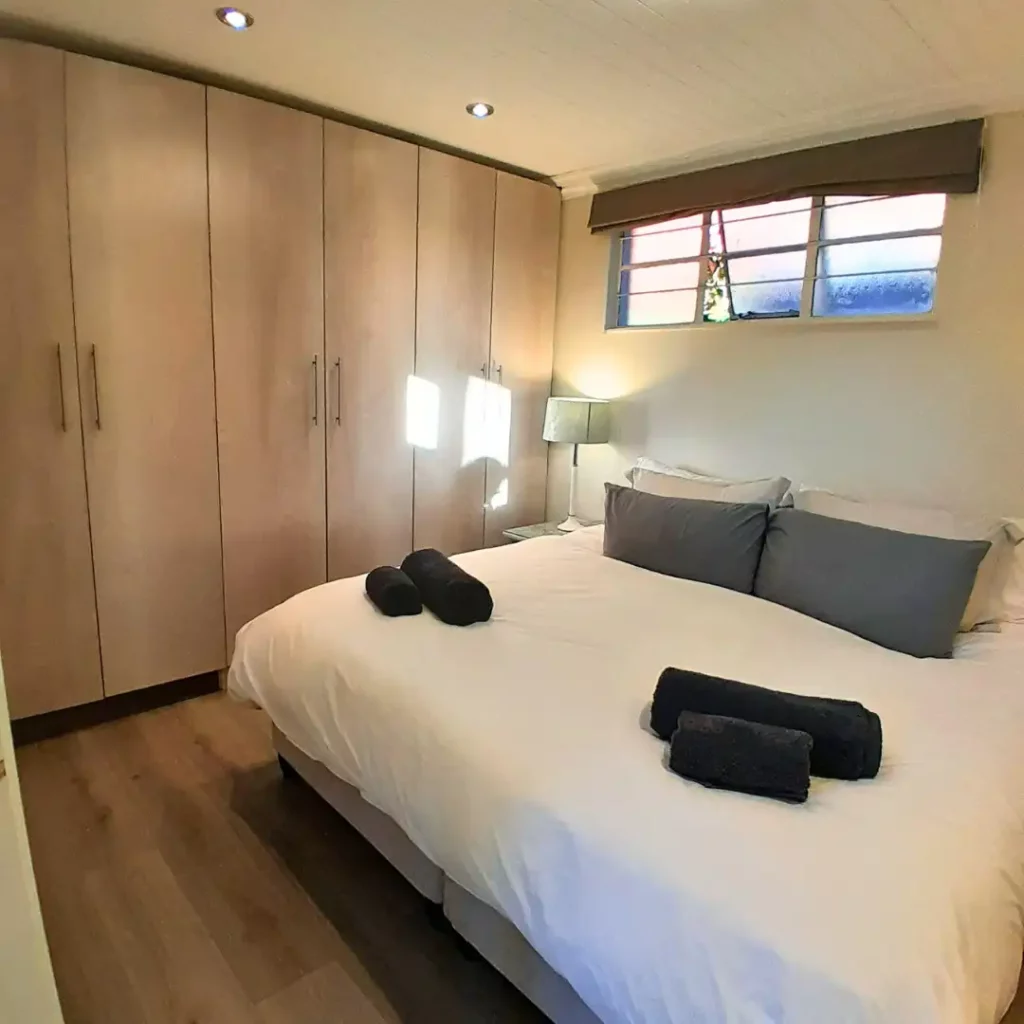
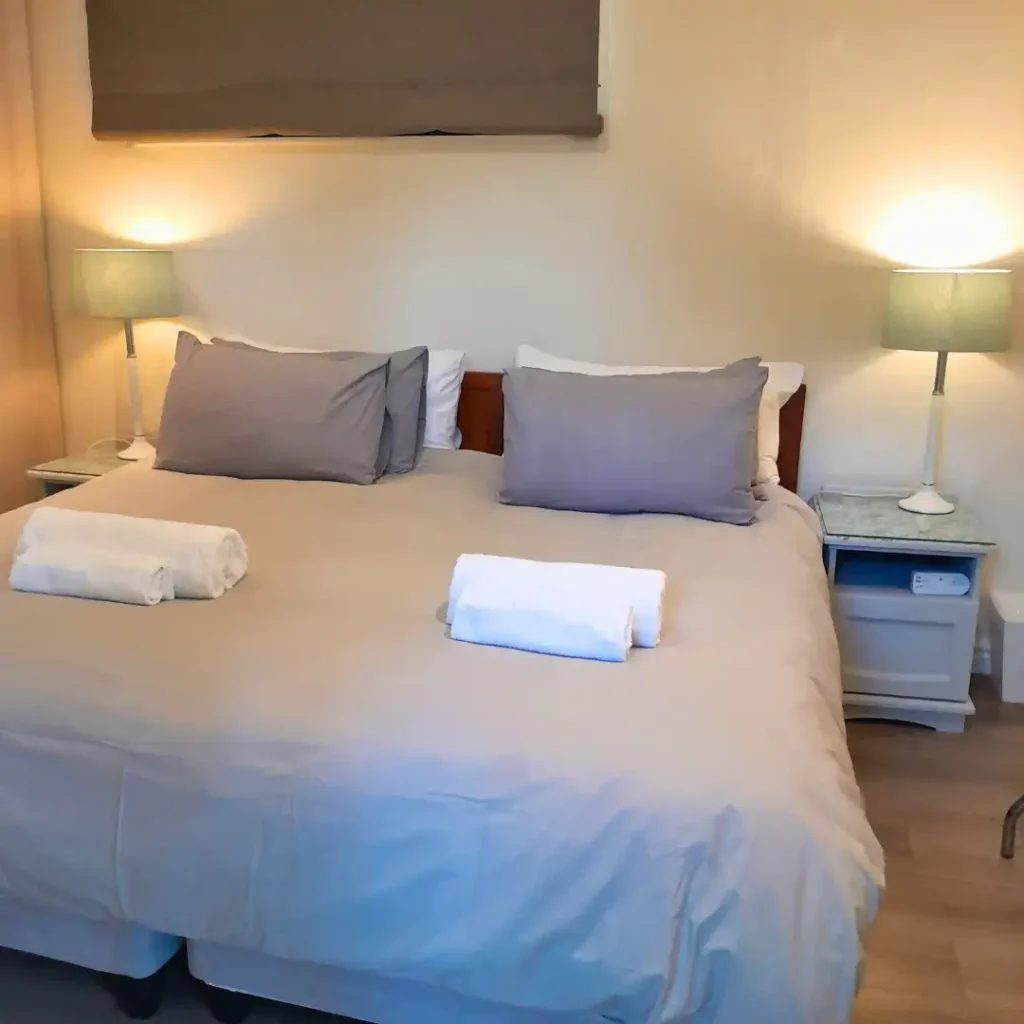
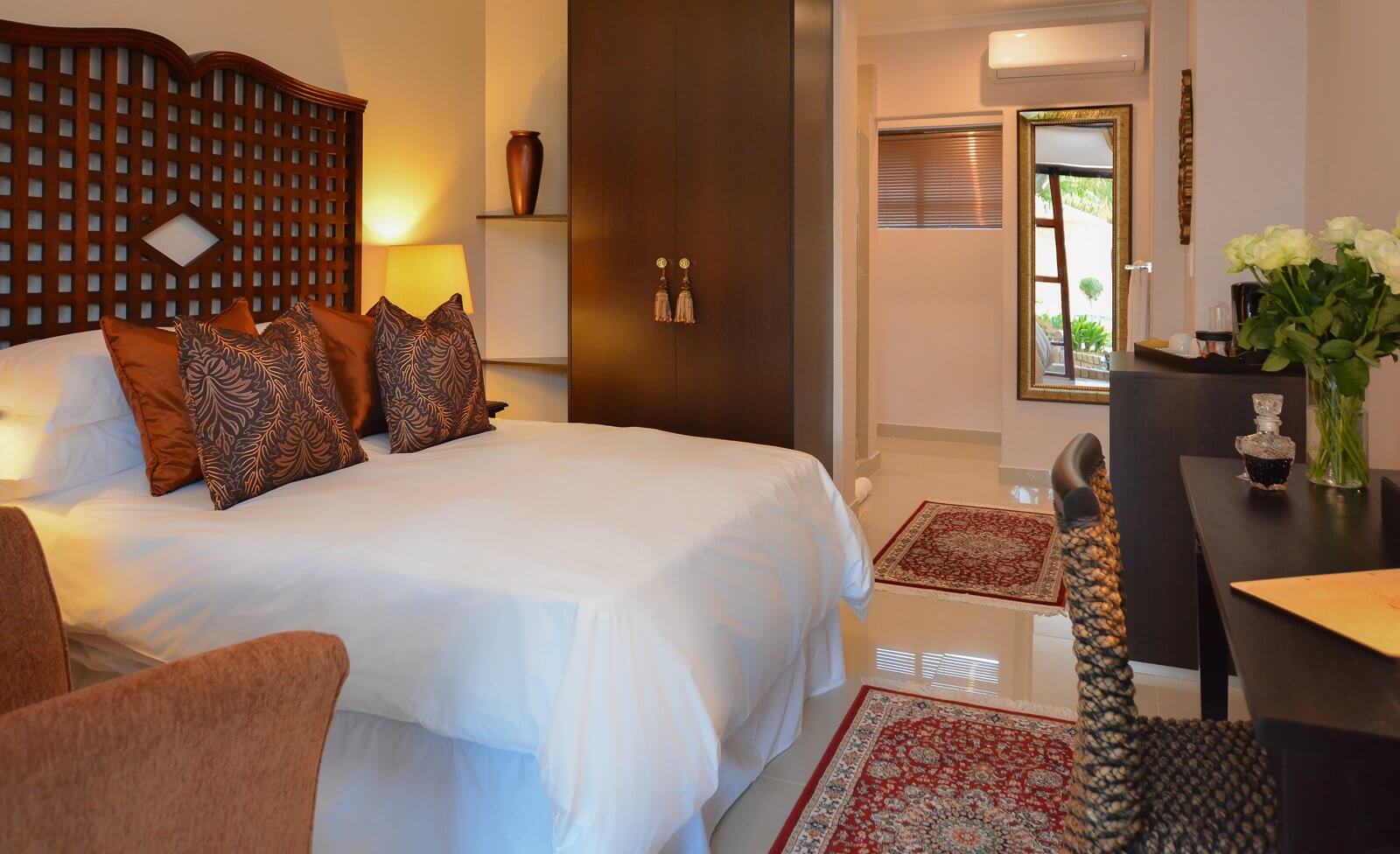
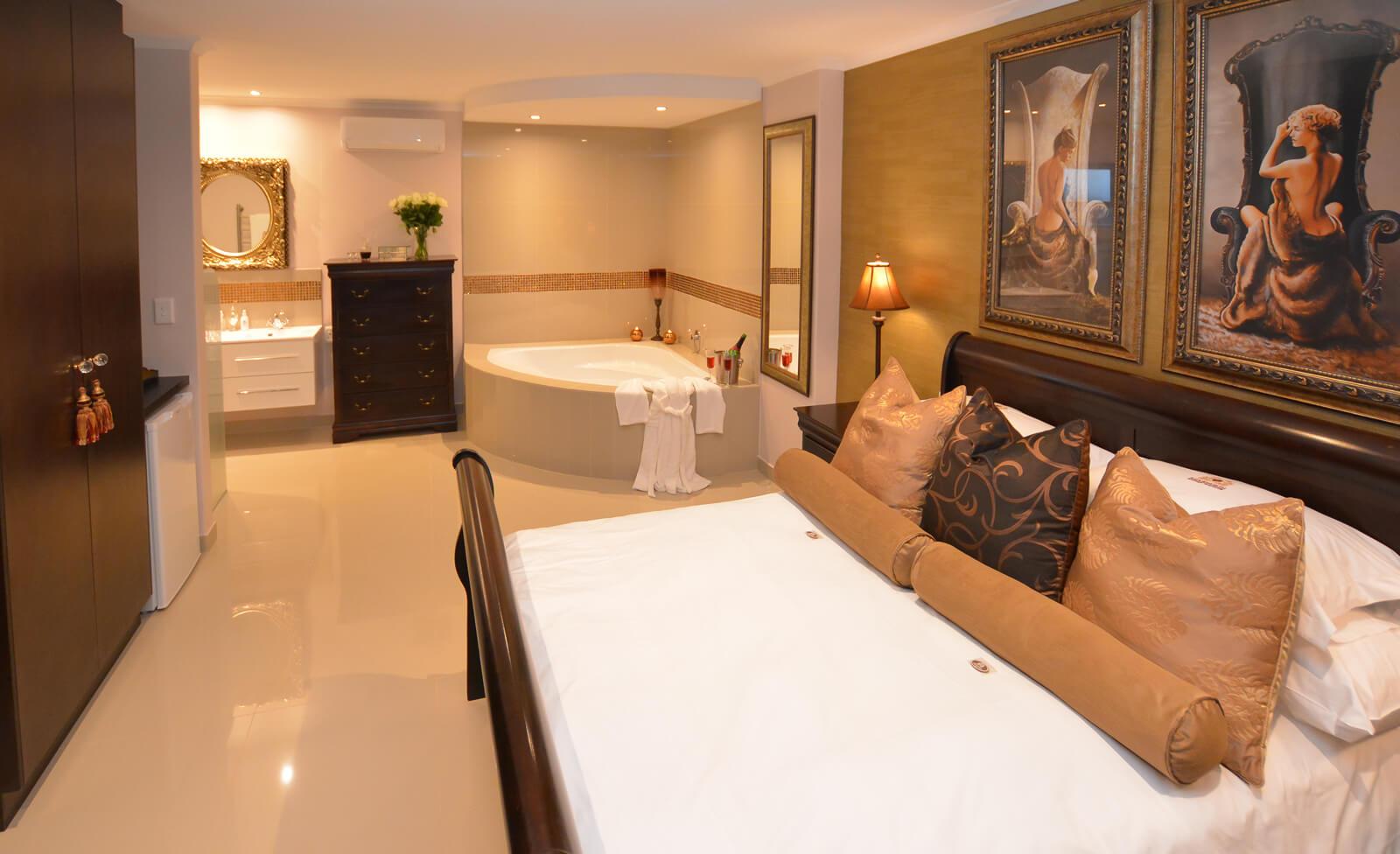
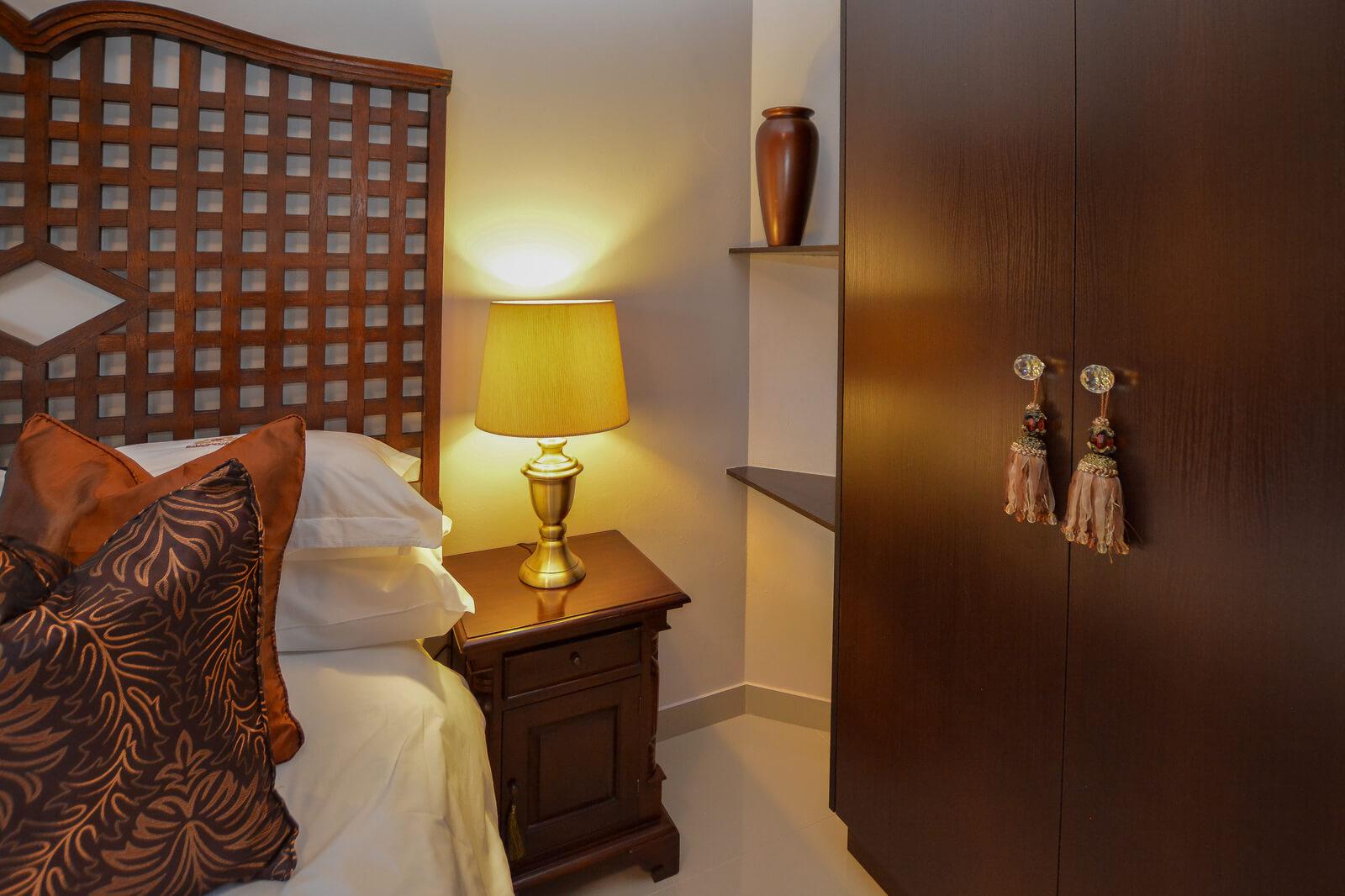
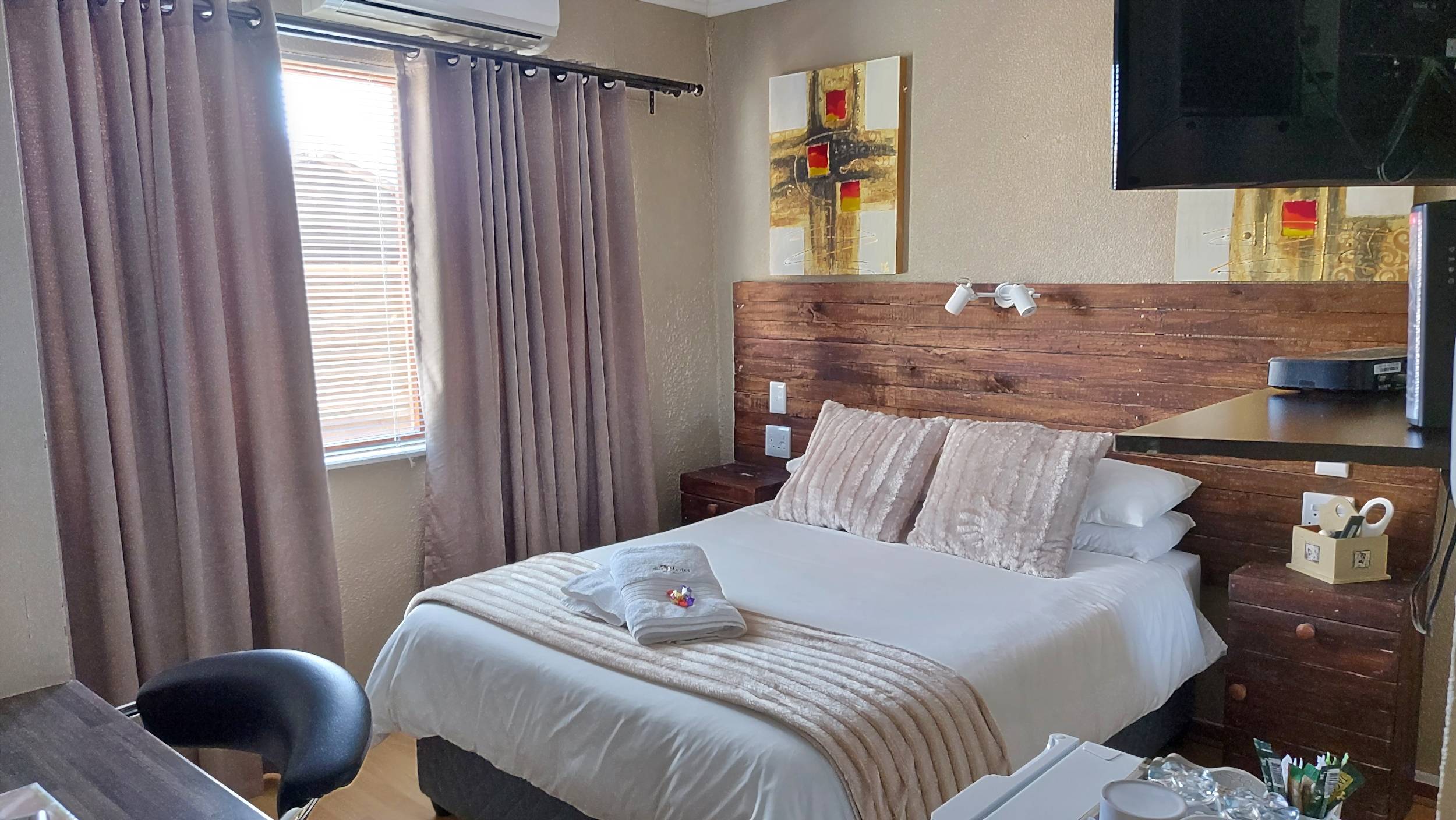
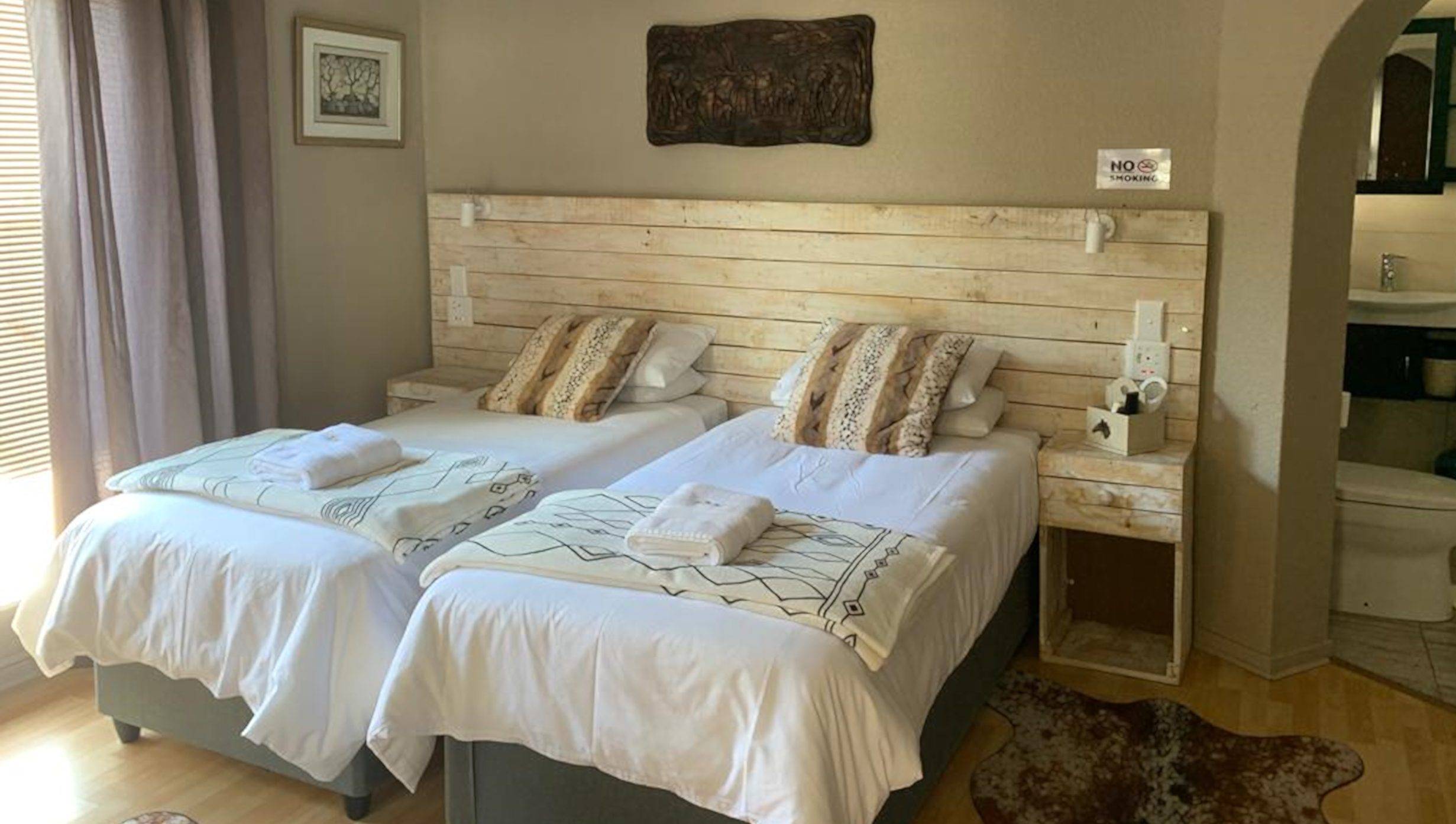
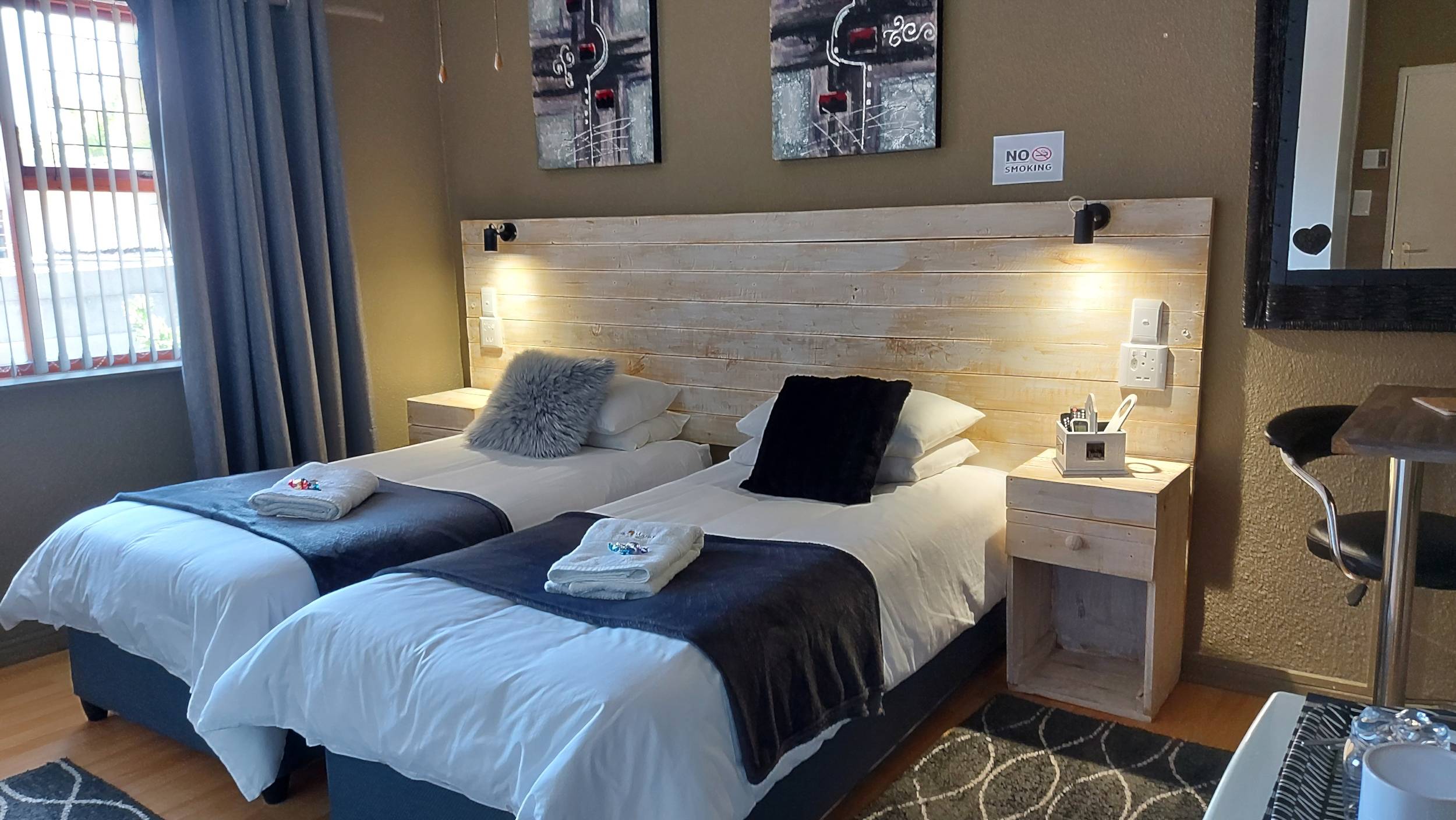
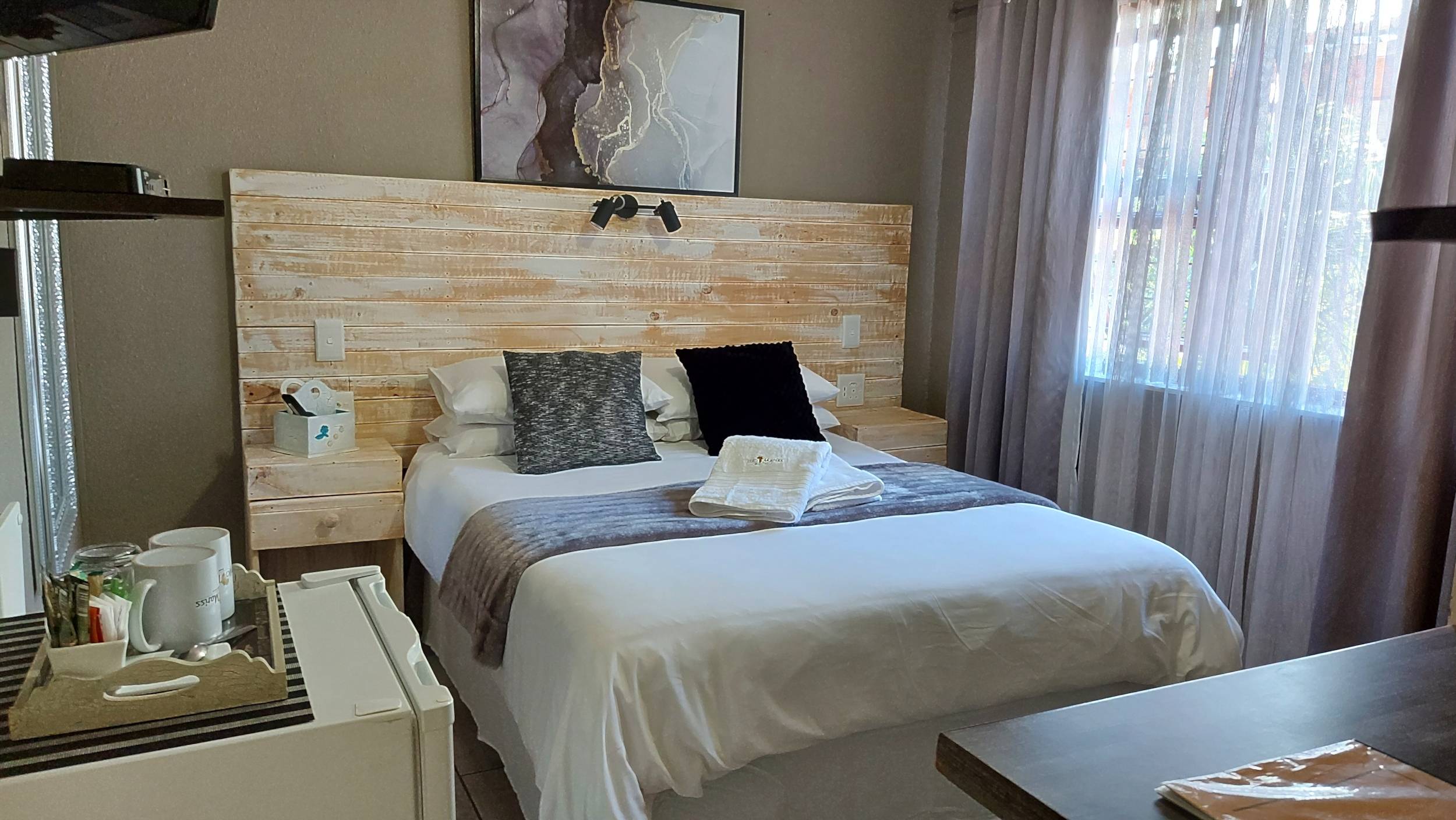
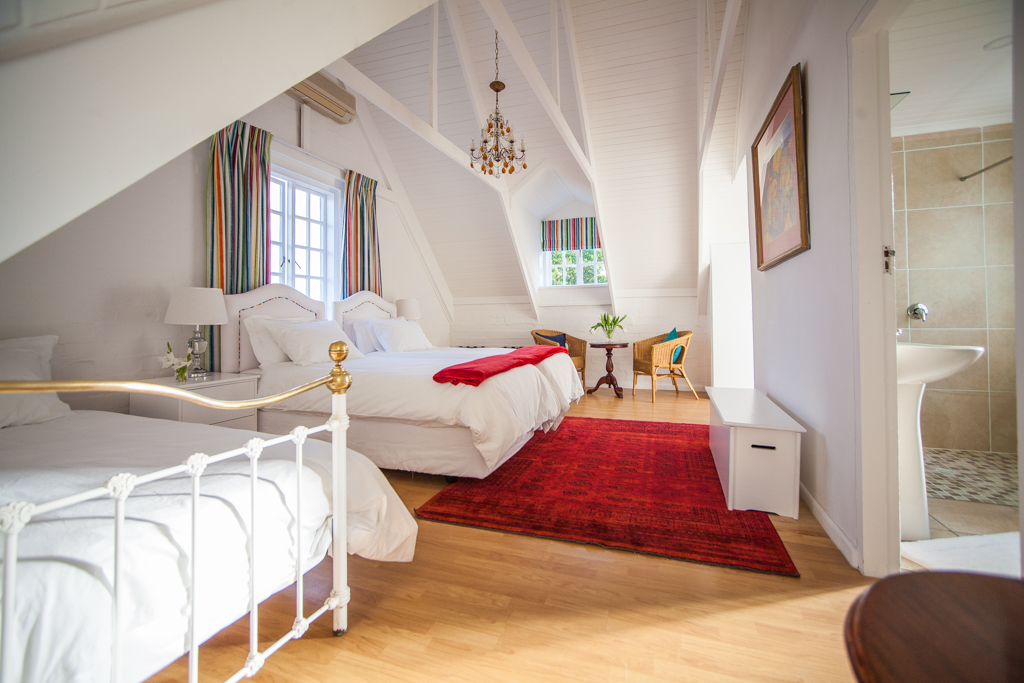
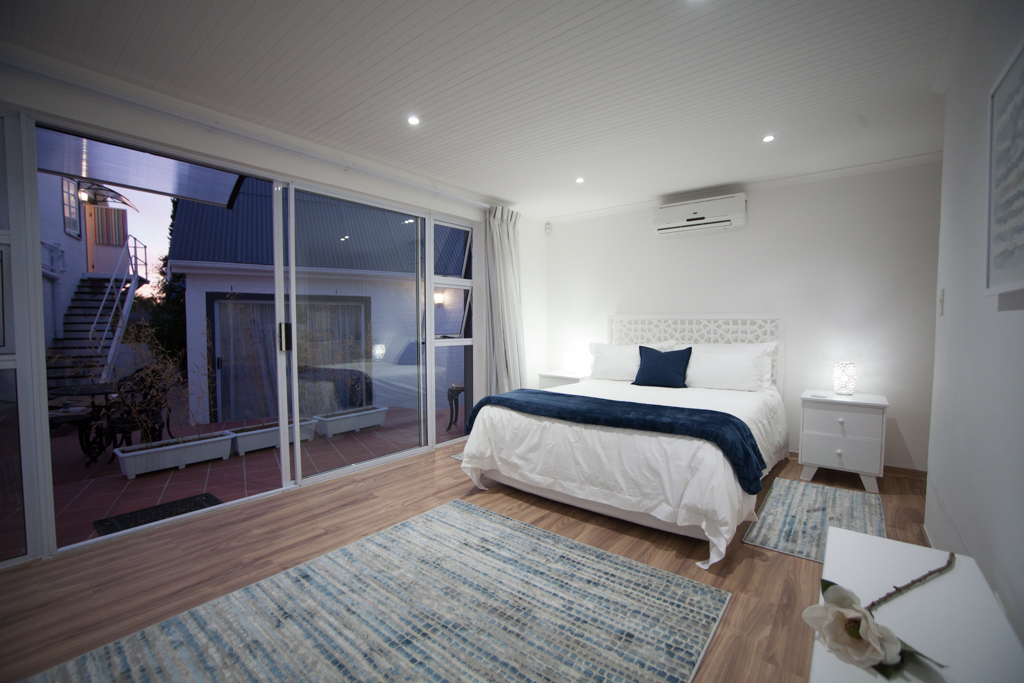
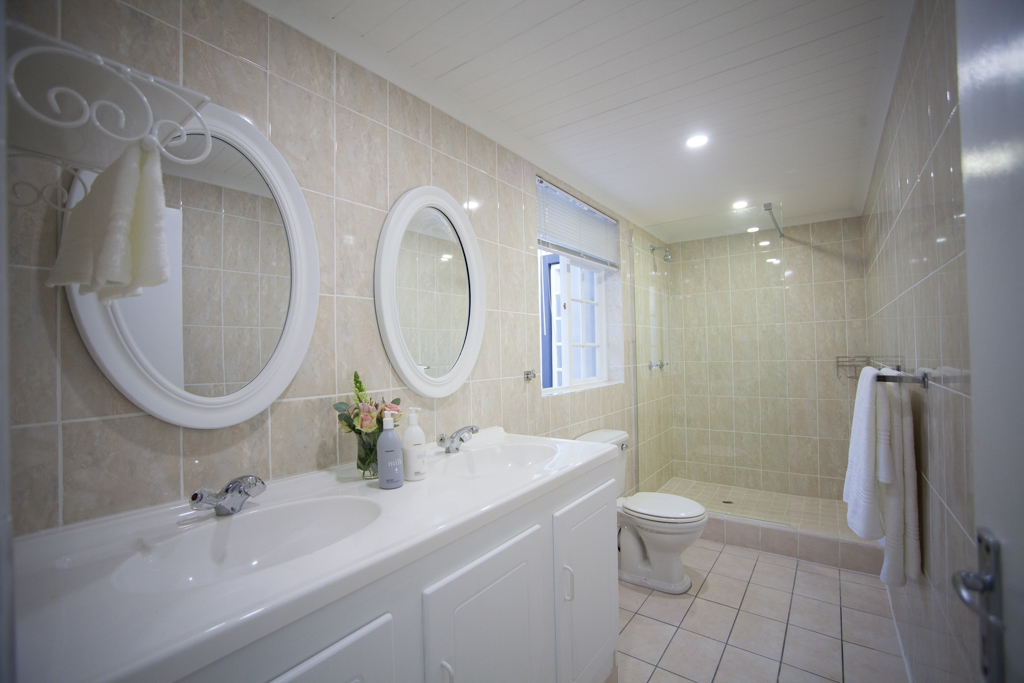
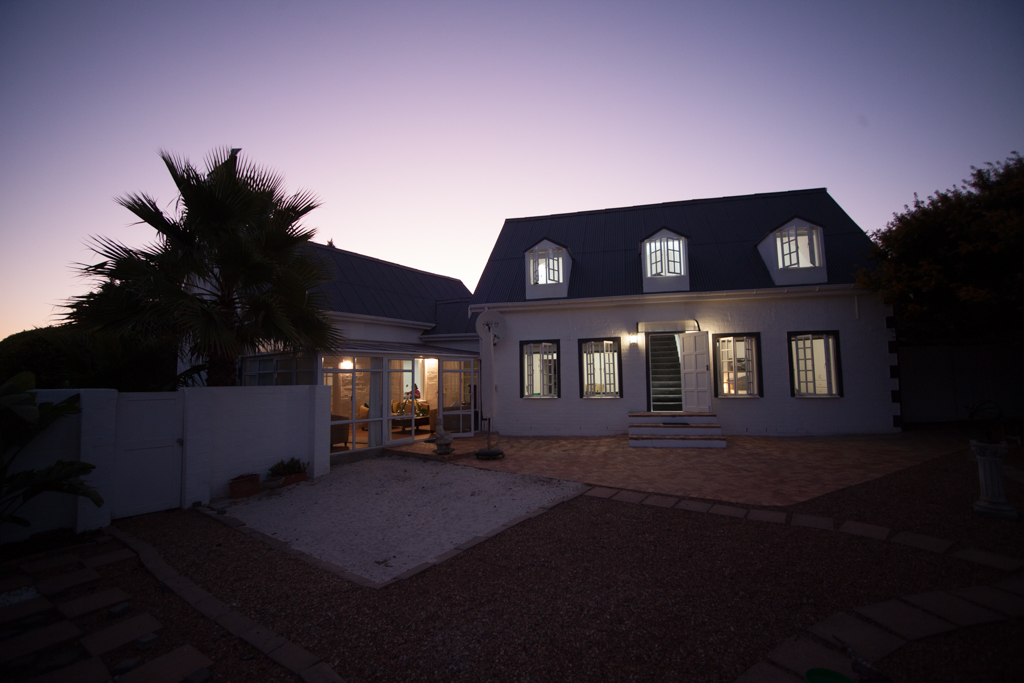
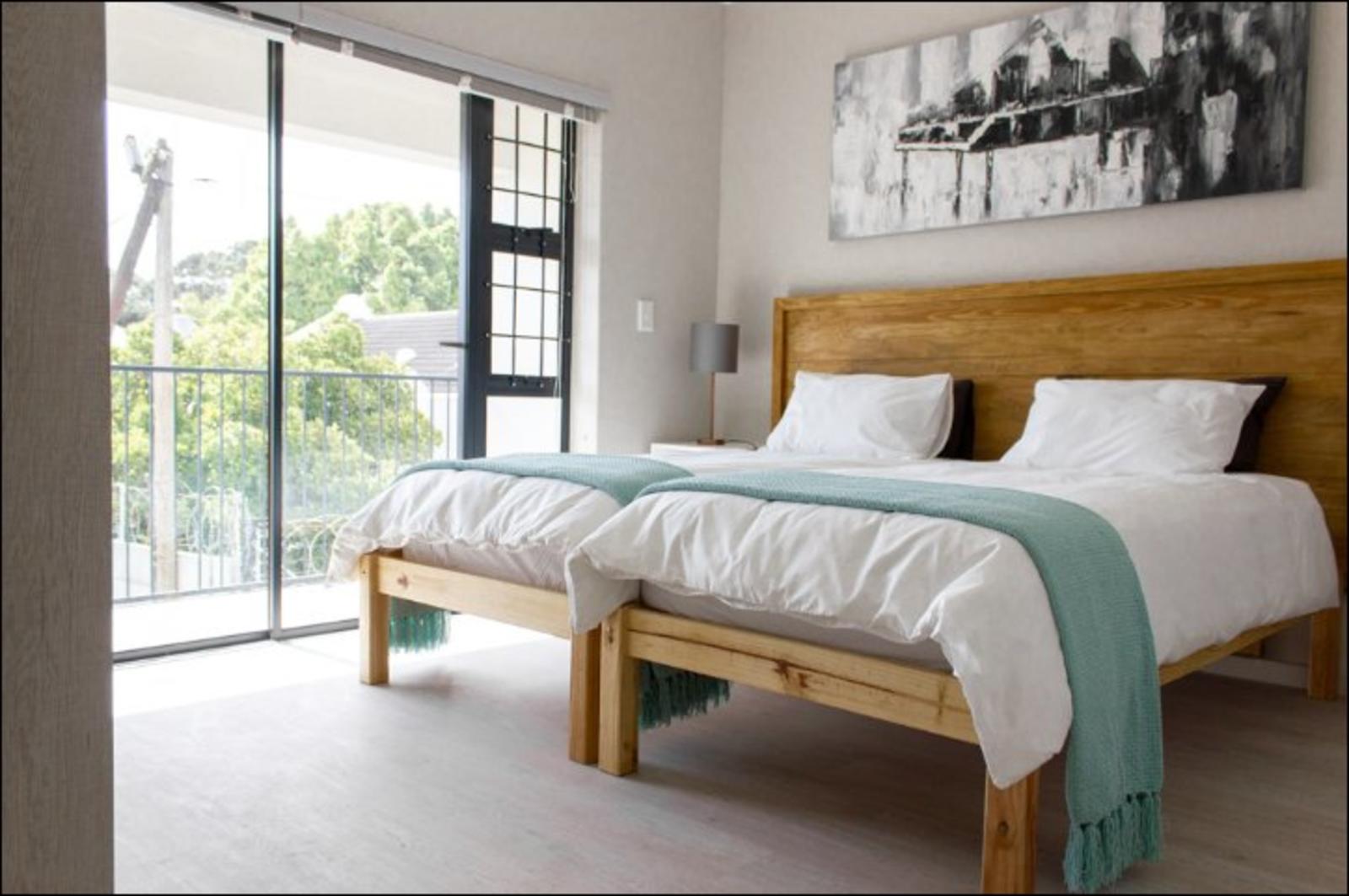
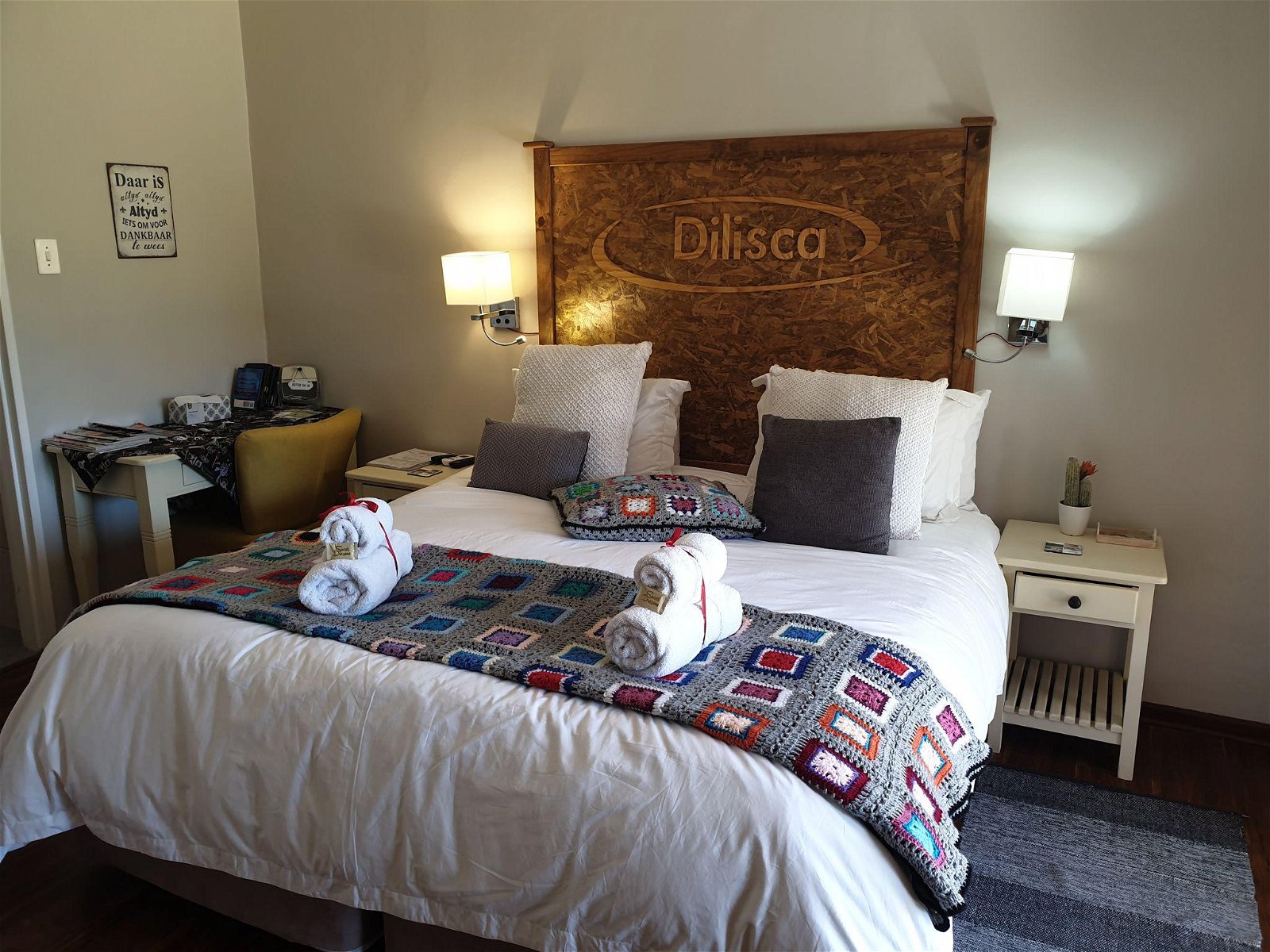
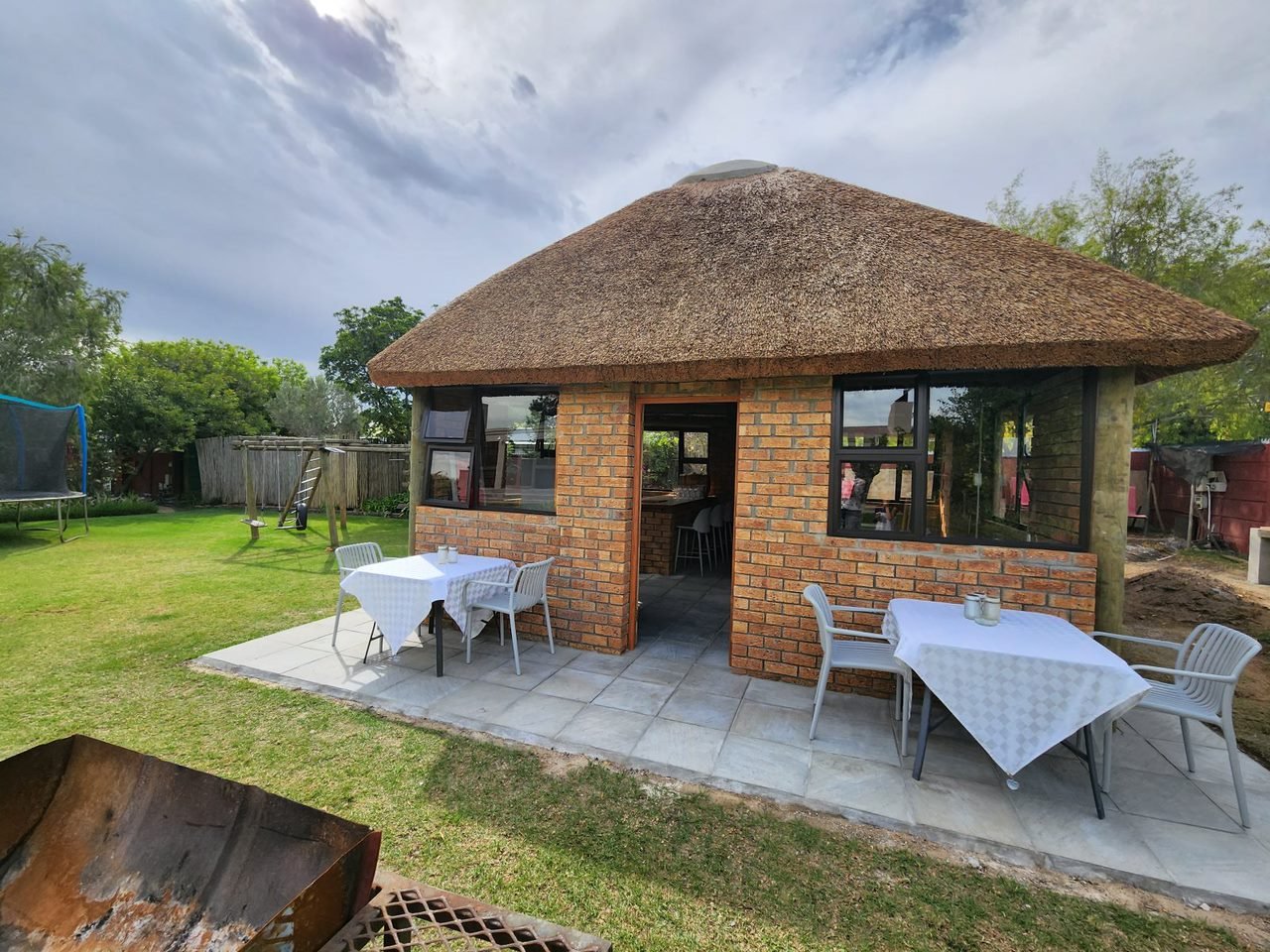
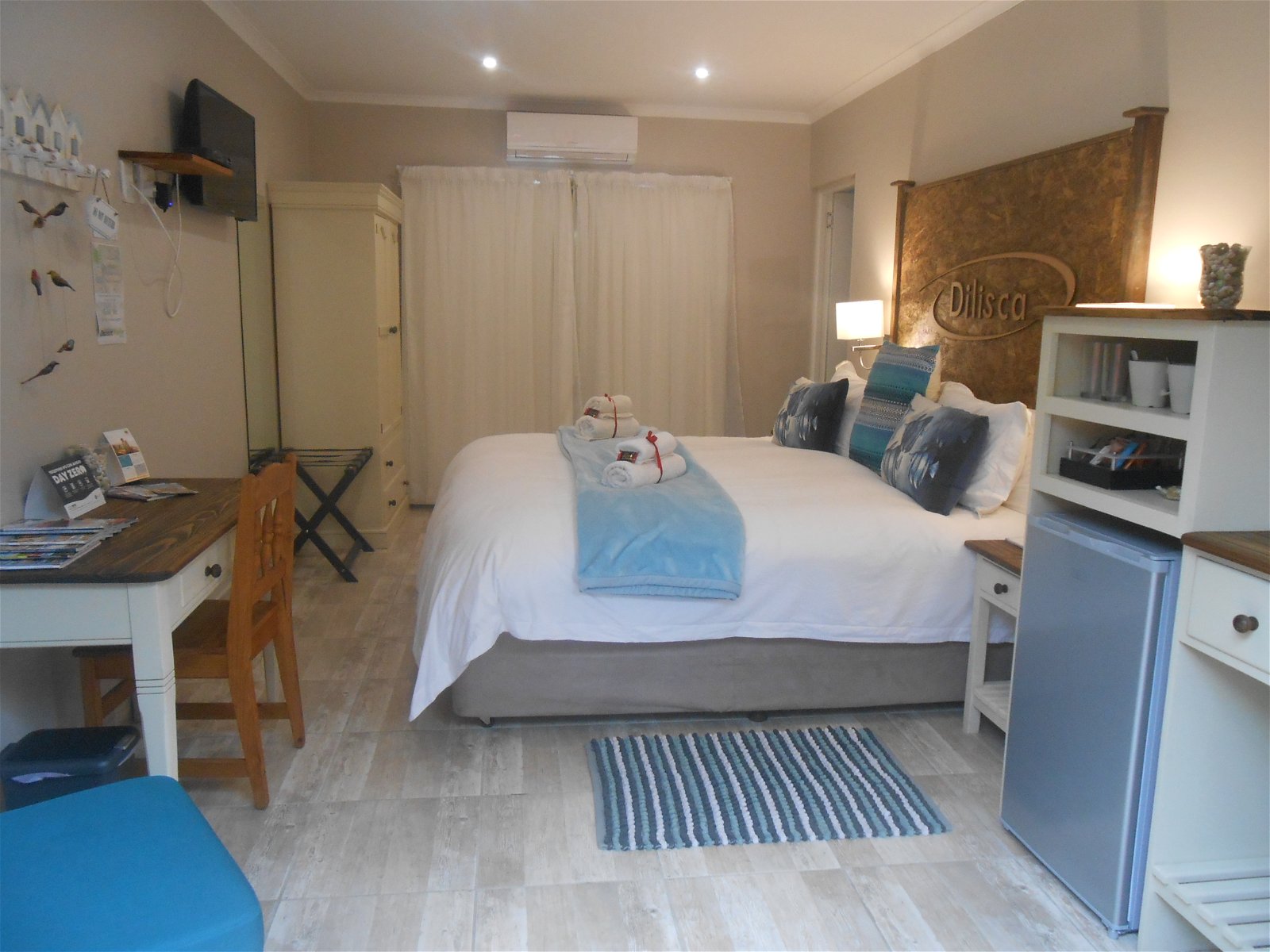
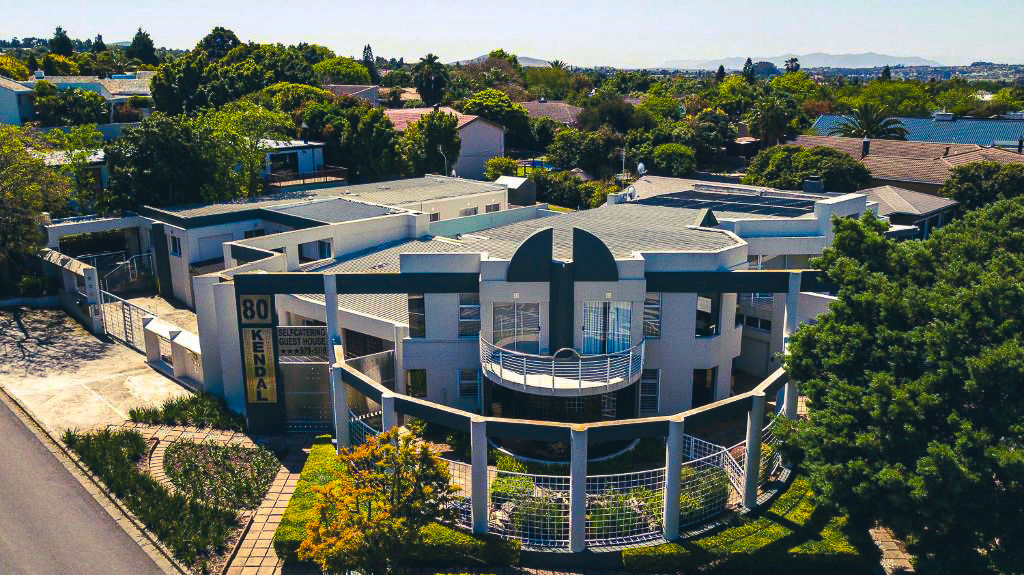
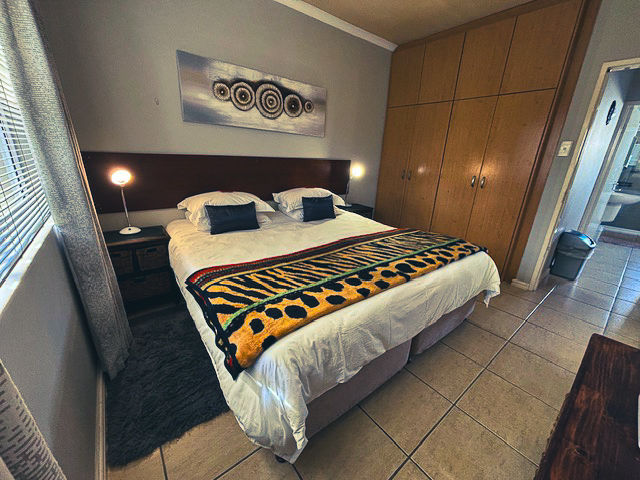
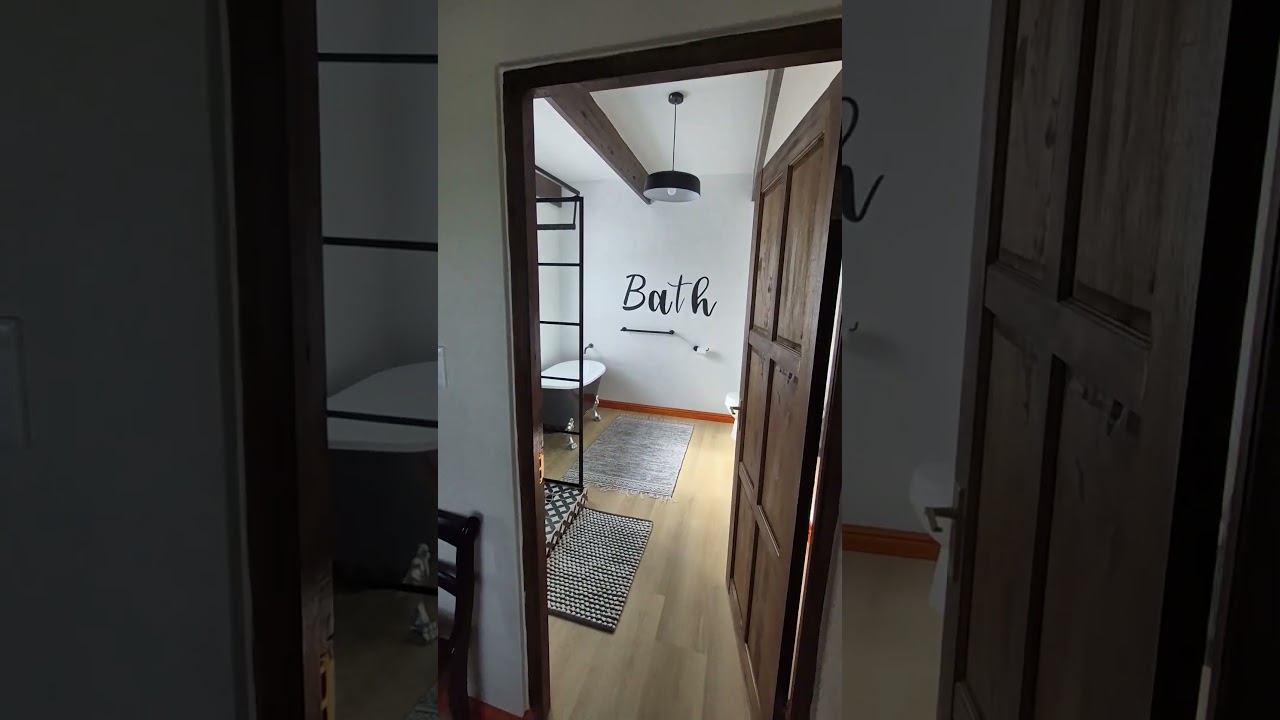
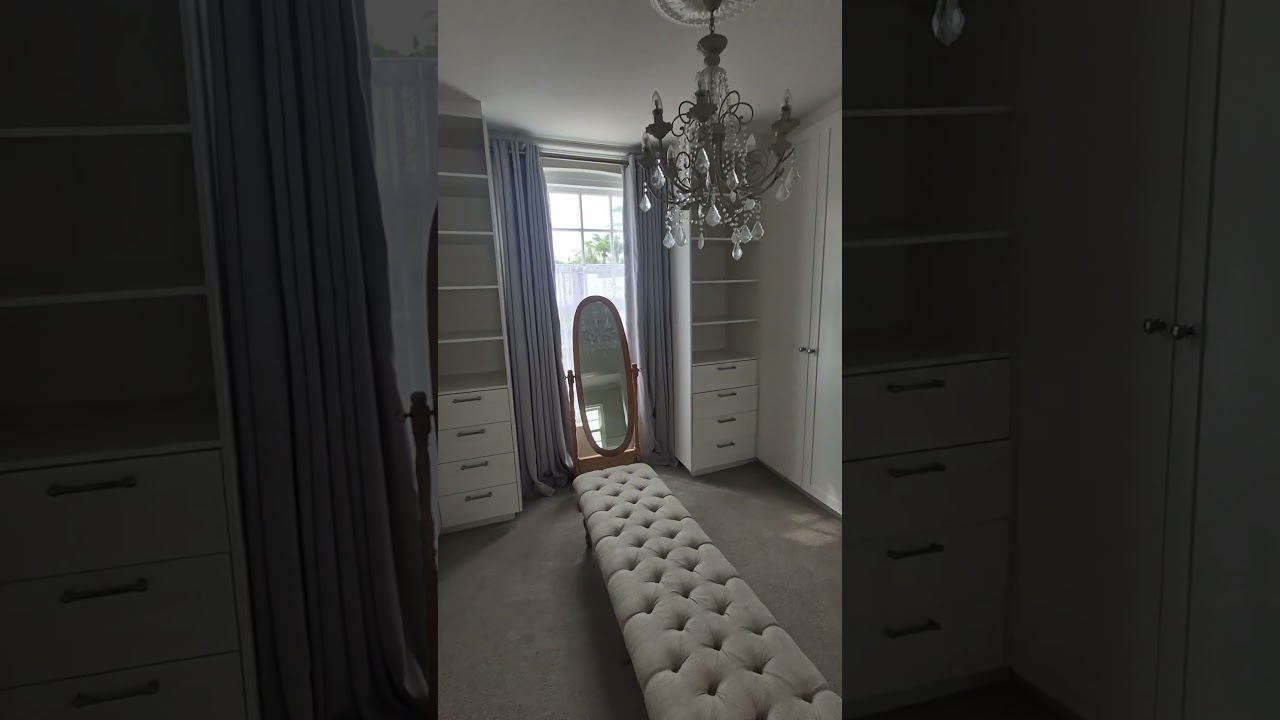
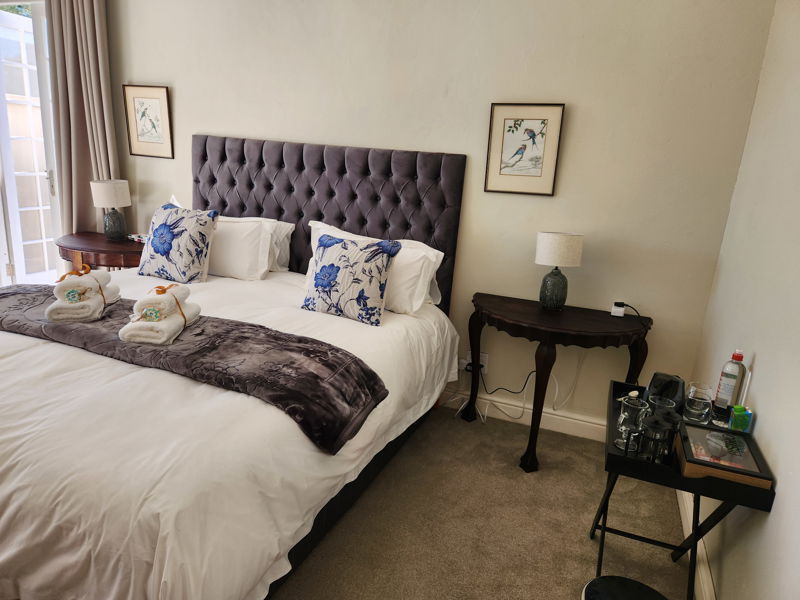
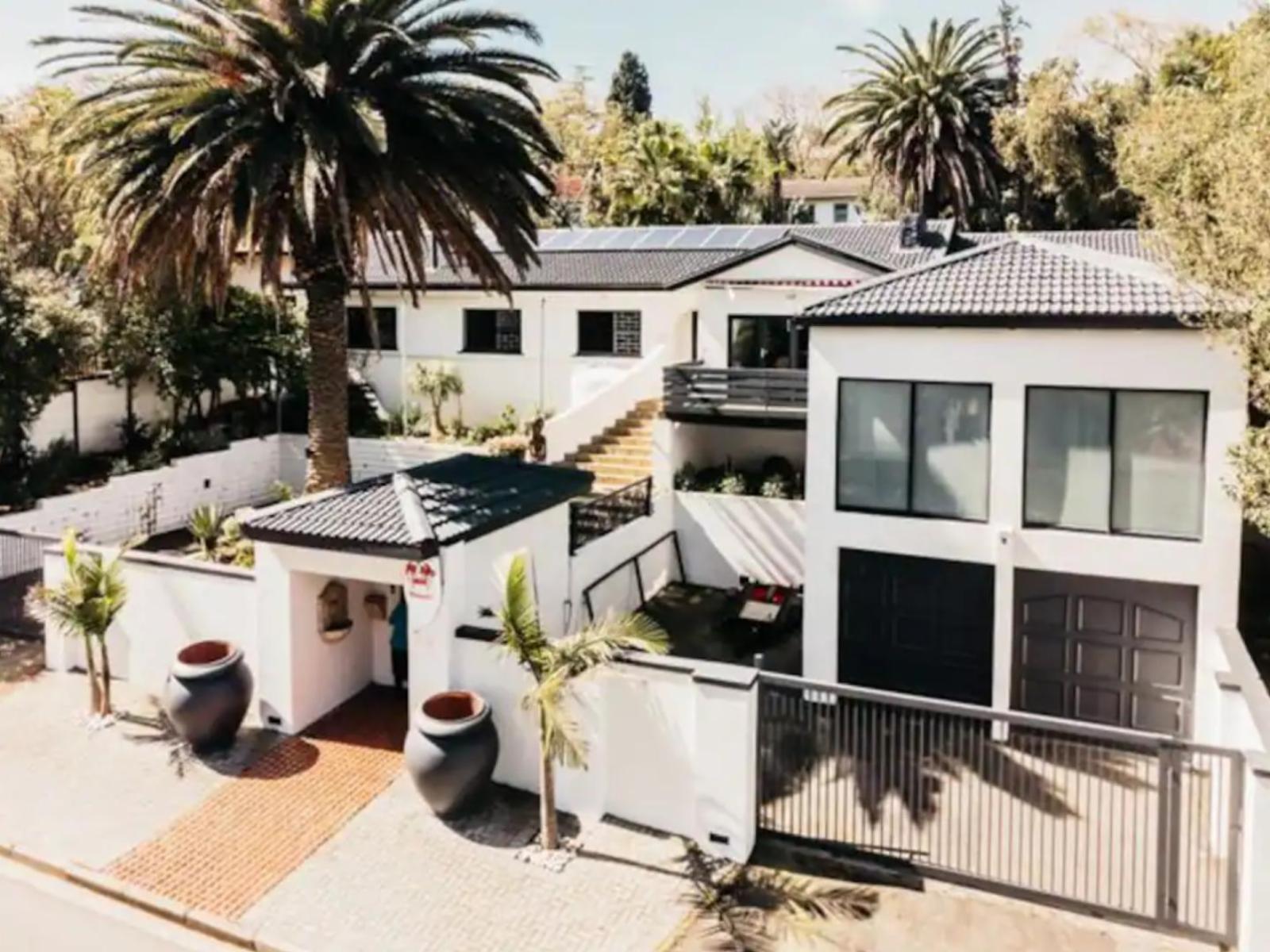
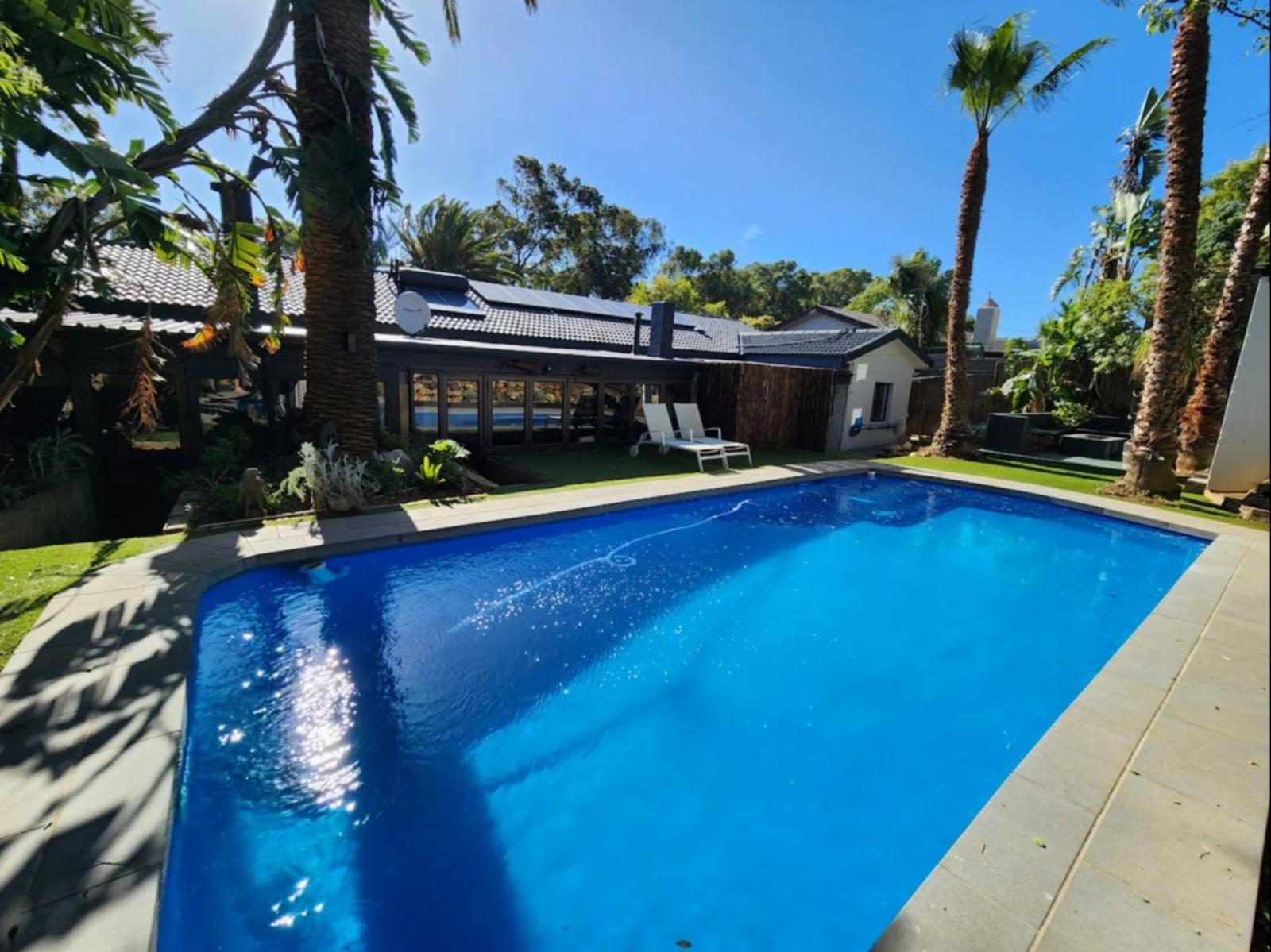
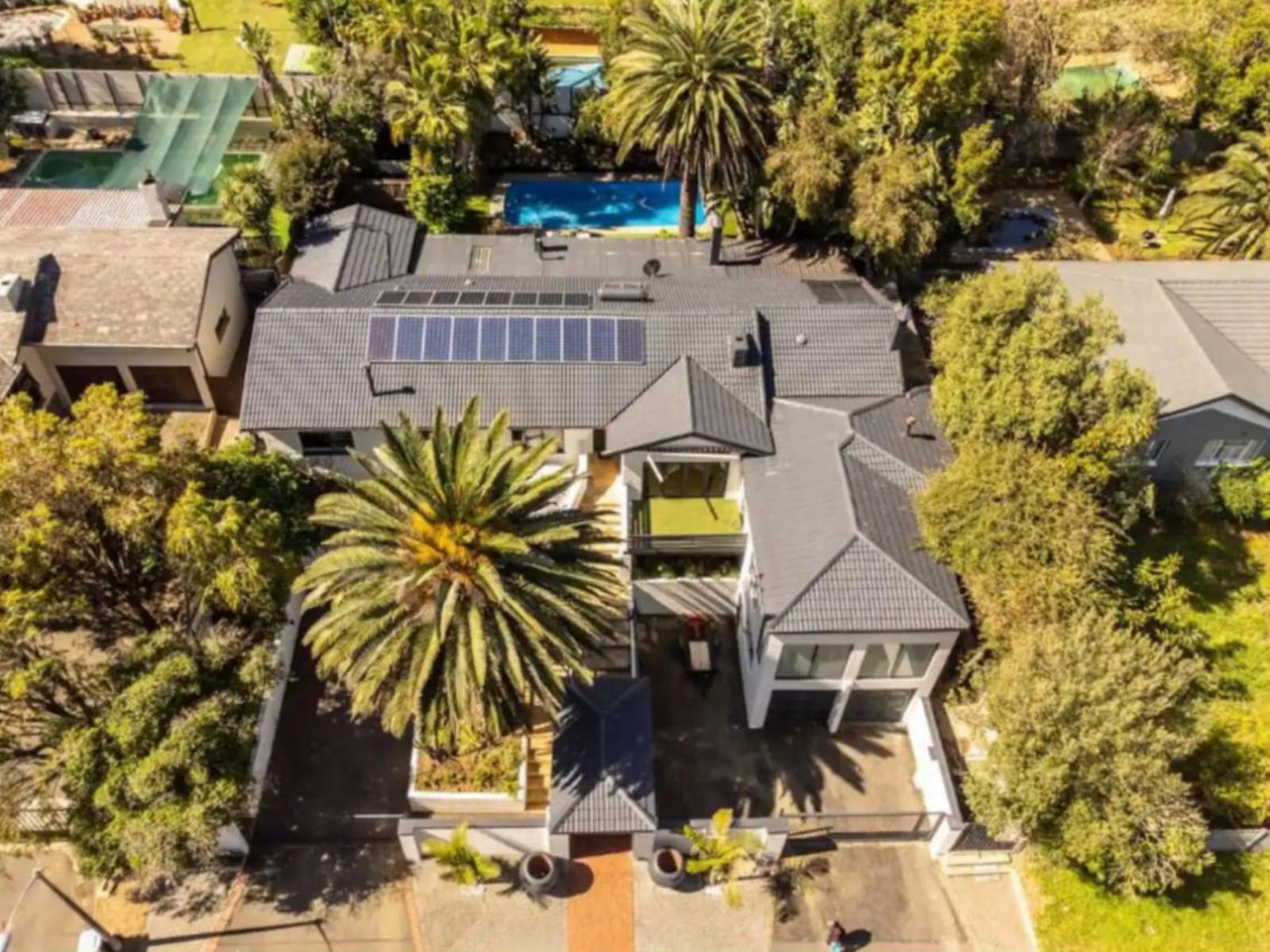
Guest houses form the core of the offering. Ten properties spread across two closely related categories, most occupying residential plots or small holdings at the edge of town. Breakfast is typically included, and rates average around R1,600 per night. Hosts at these properties tend to know the local wine routes and weekend markets well and will point guests toward current favourites without prompting. A lodge option at a comparable price point offers more outdoor space, making it the better fit for couples or small groups who want garden access over a more formal arrangement.
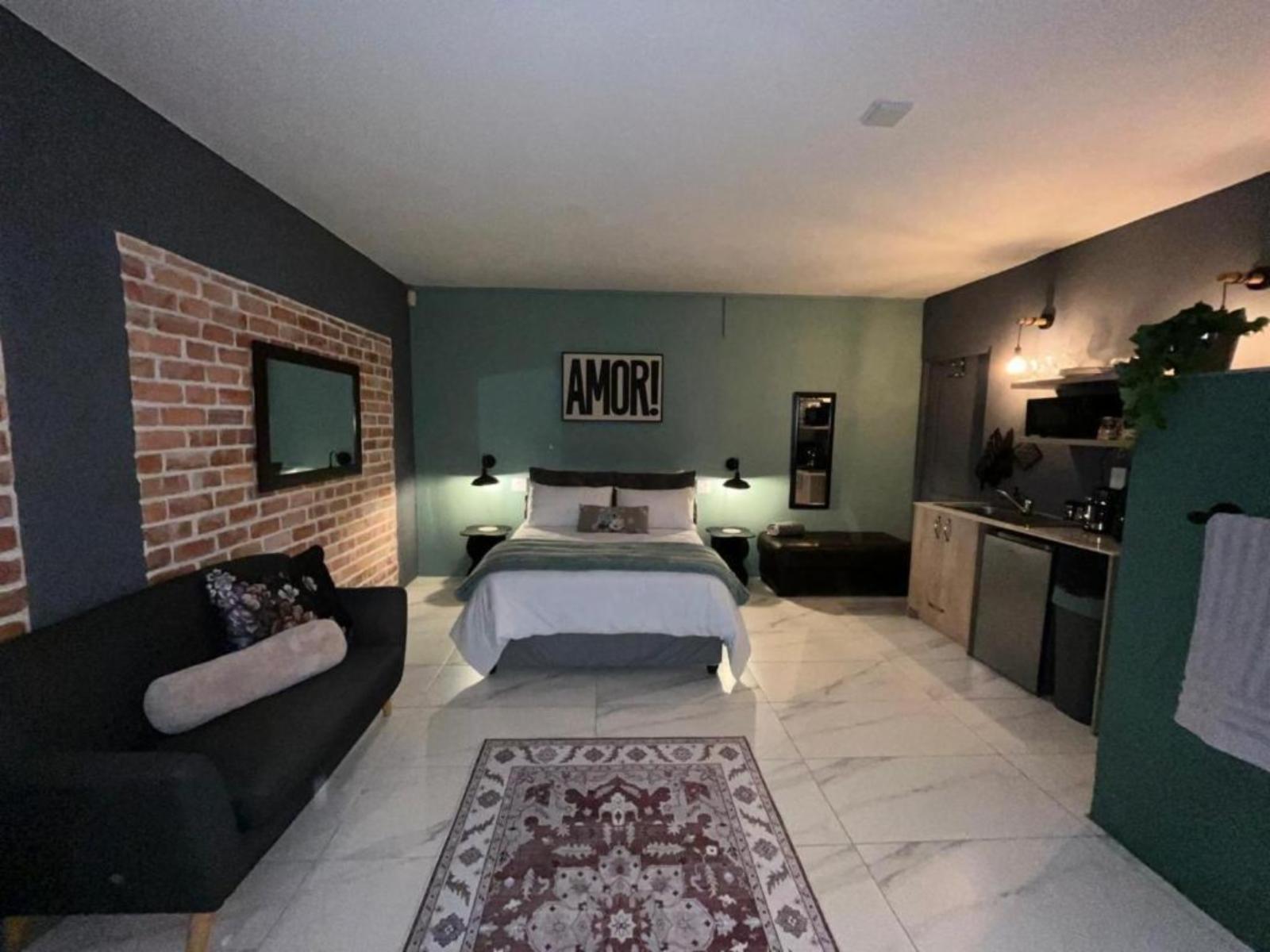
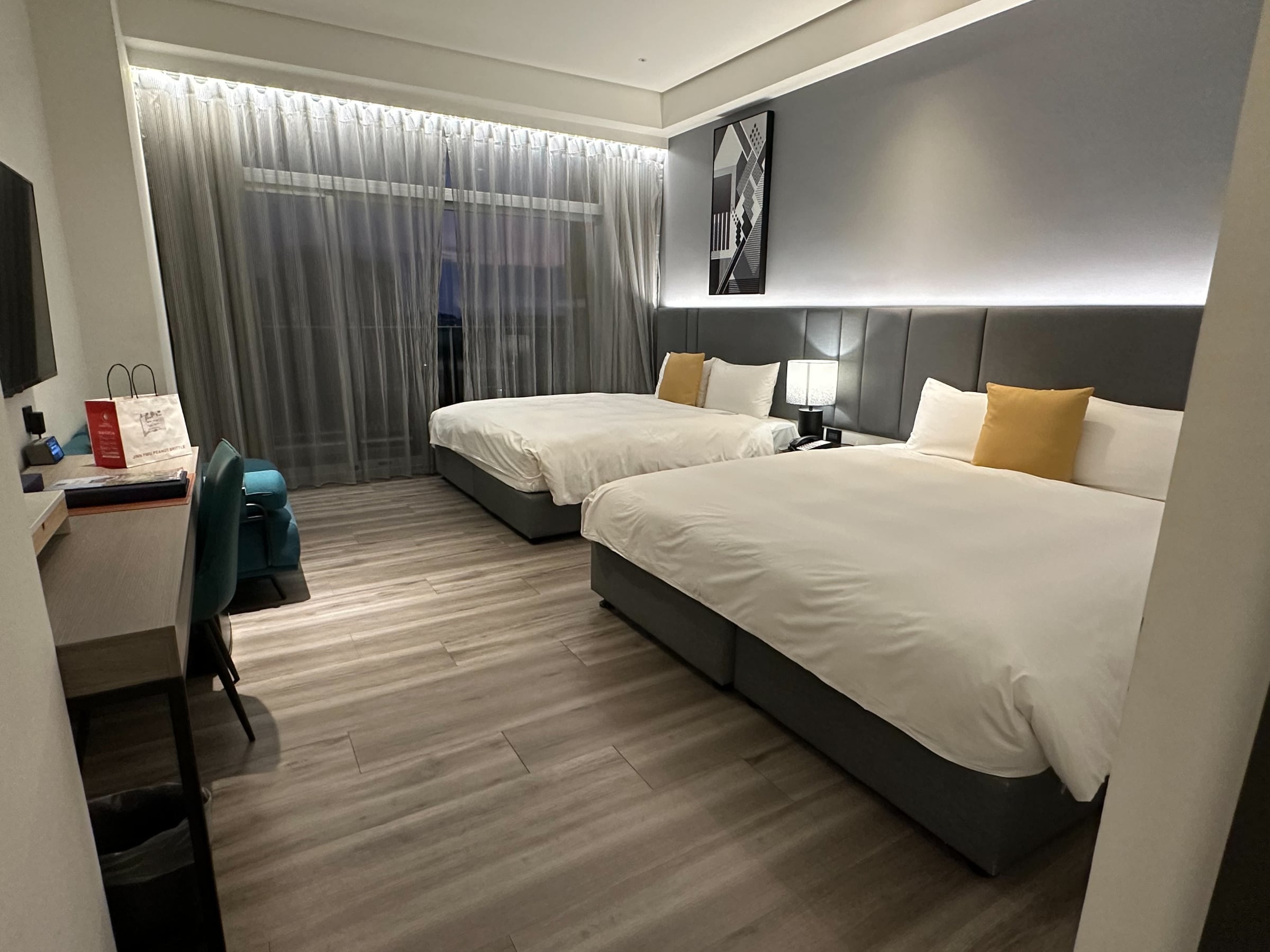
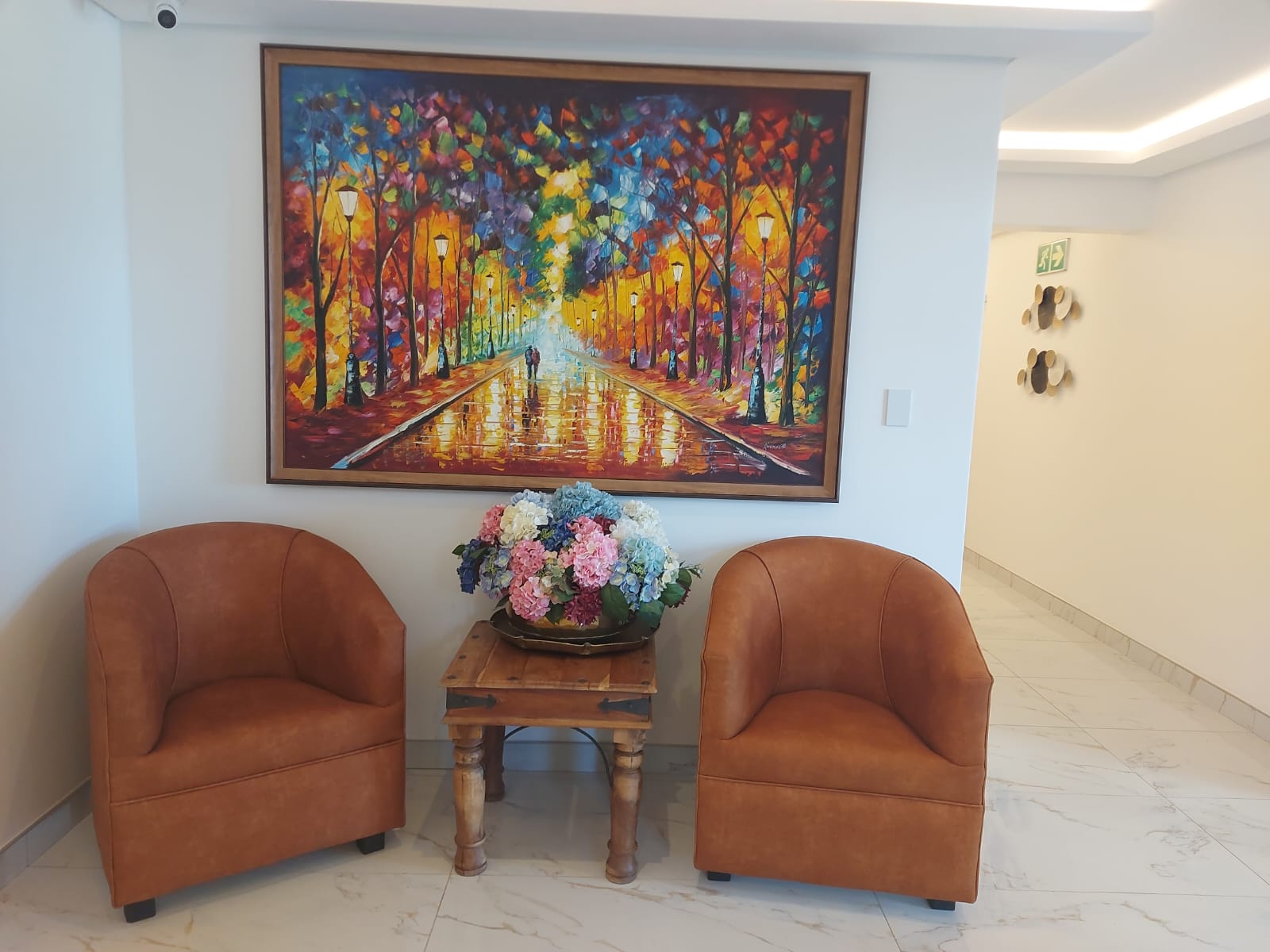
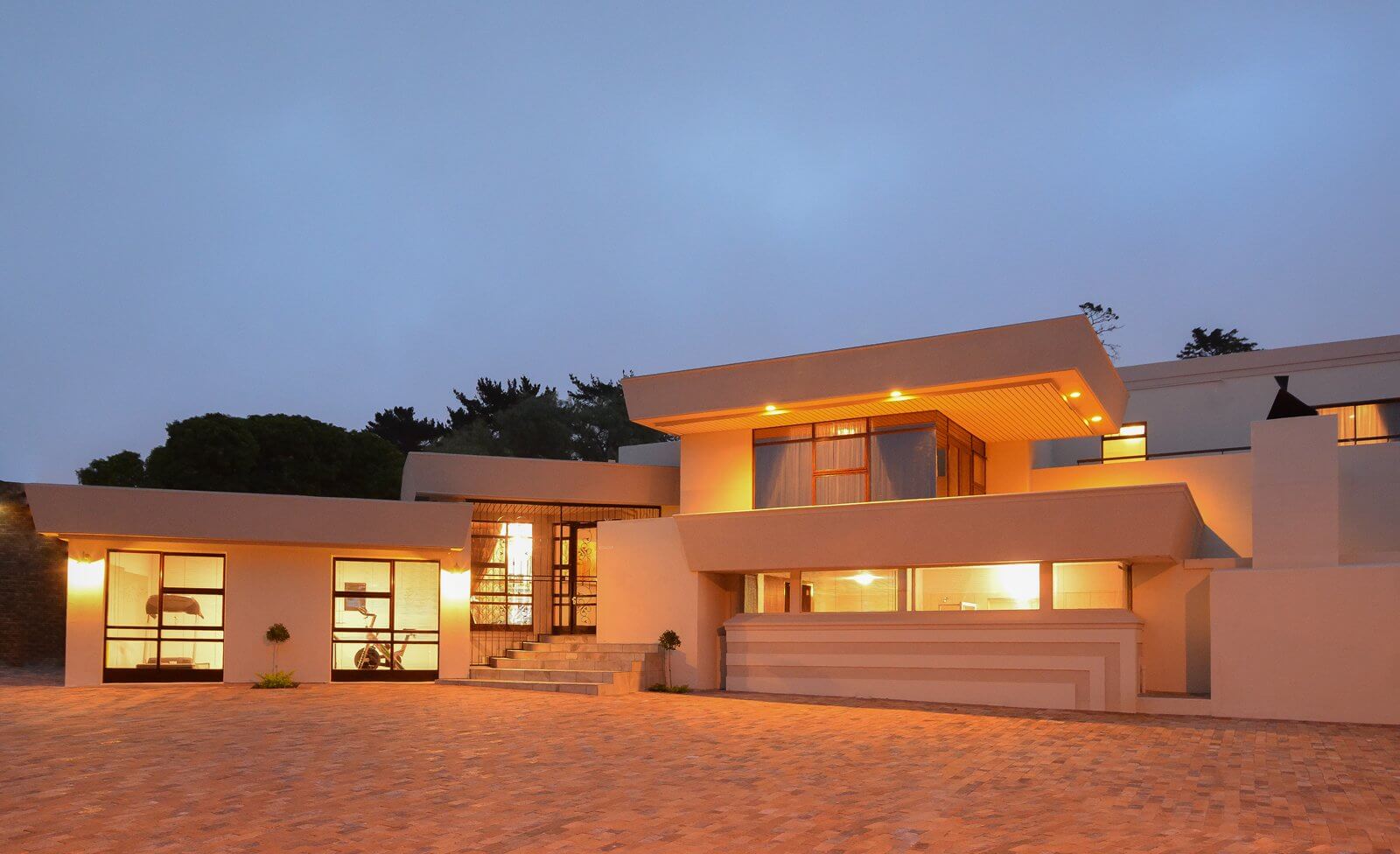
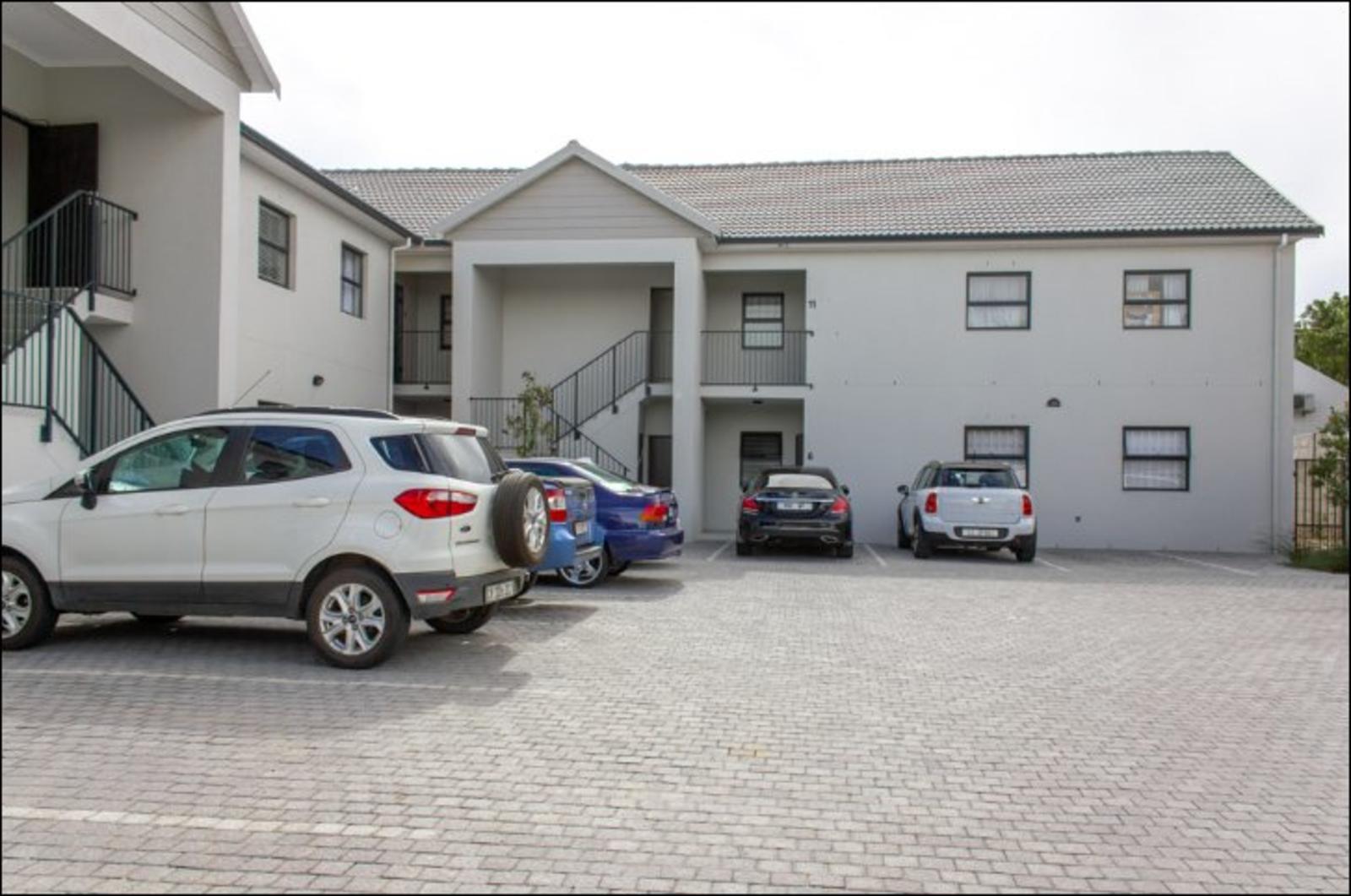
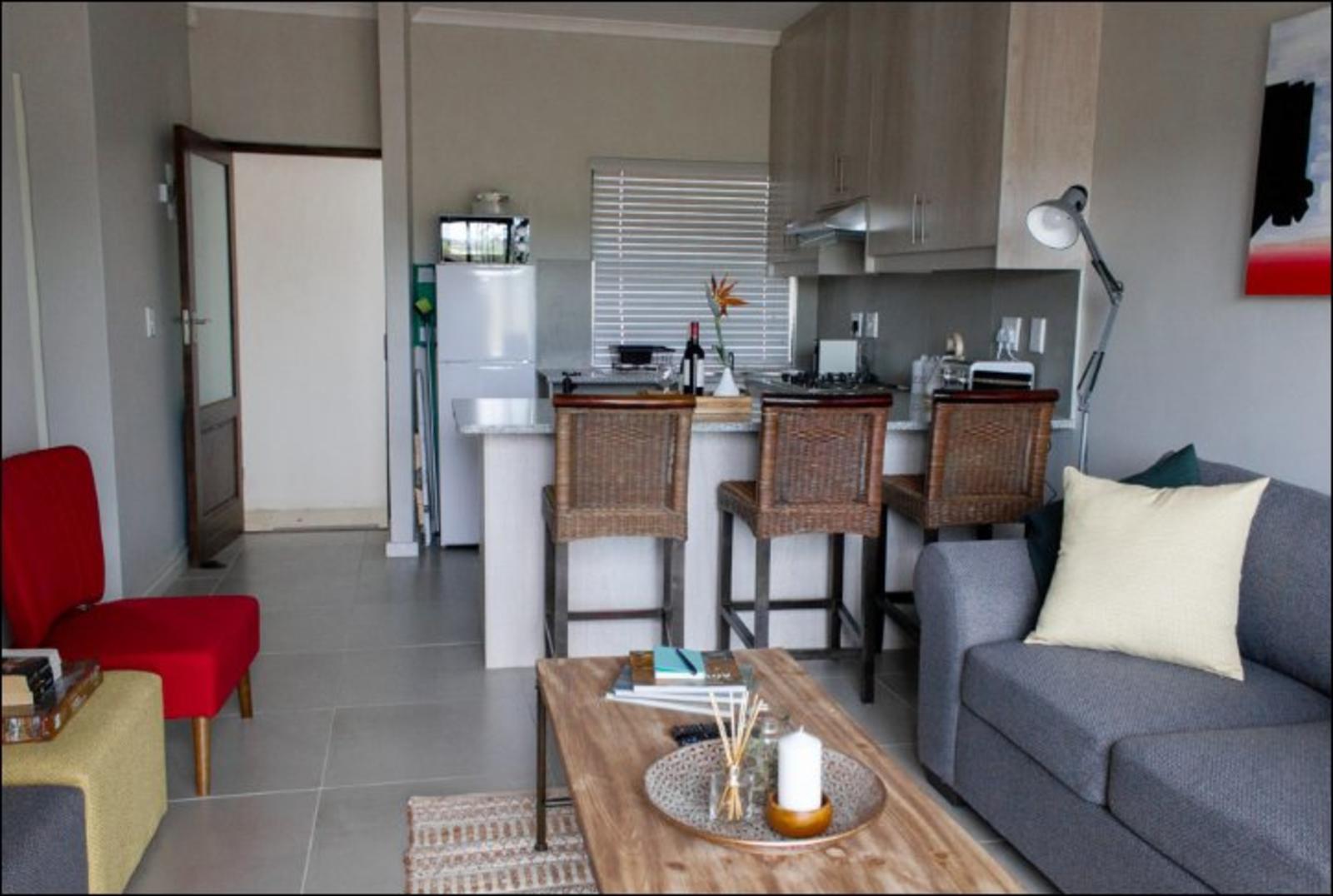
Moving toward the upper tier, an apartment at around R1,784 per night provides a separate living area and self-catering facilities, a practical choice for families or business travellers on multi-night stays. At the top of the market, a single boutique hotel sets the ceiling at approximately R2,090. The property offers professional staffing and considered interior design, drawing visitors attending wine events or conferences who want hotel structure rather than a hosted setup. Availability here tightens during December and over major events, making advance booking worthwhile.
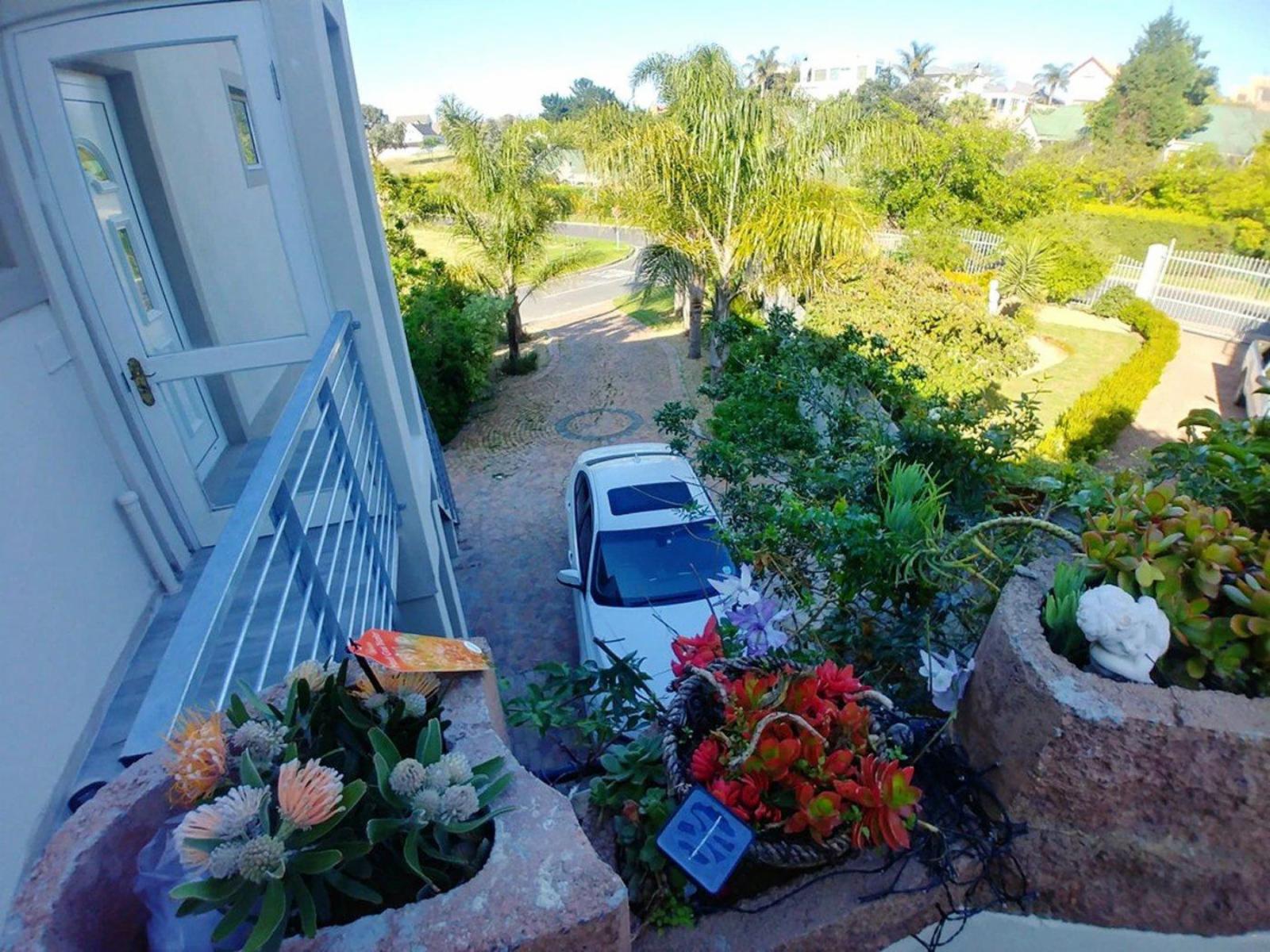
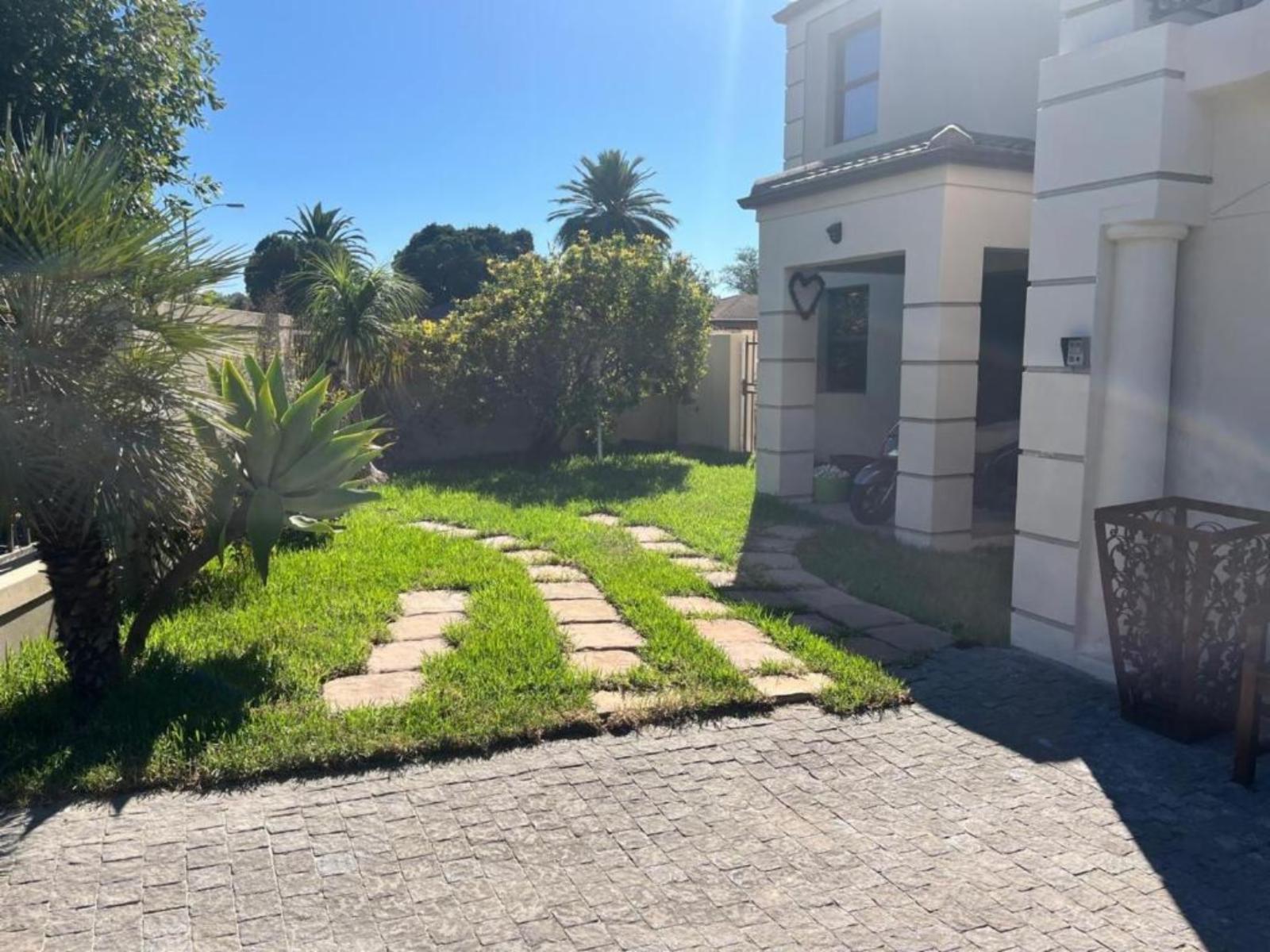
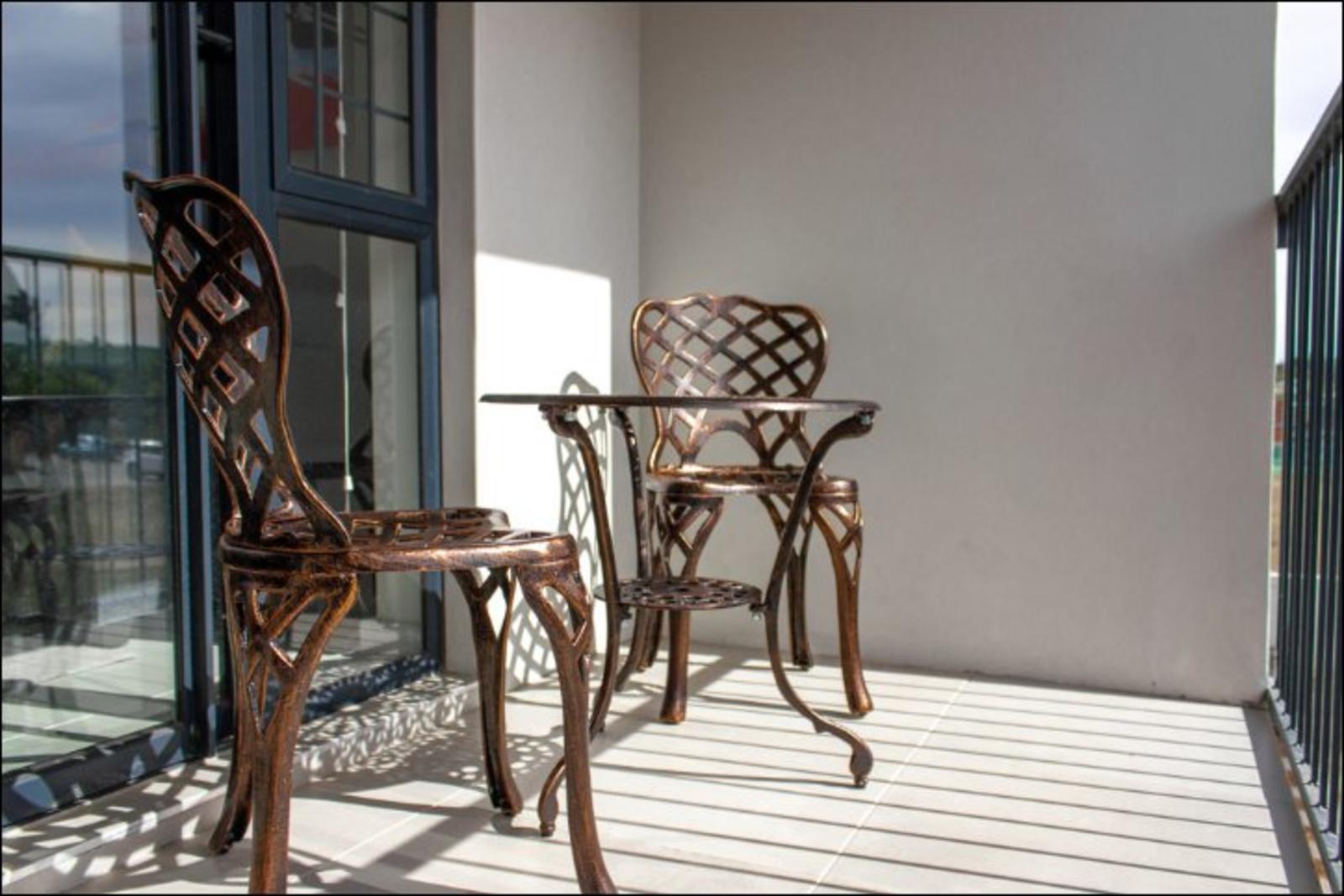
Off-street parking and garden access are standard across most categories, and properties are generally well-positioned for road access toward Cape Town.
Things to Do in Durbanville
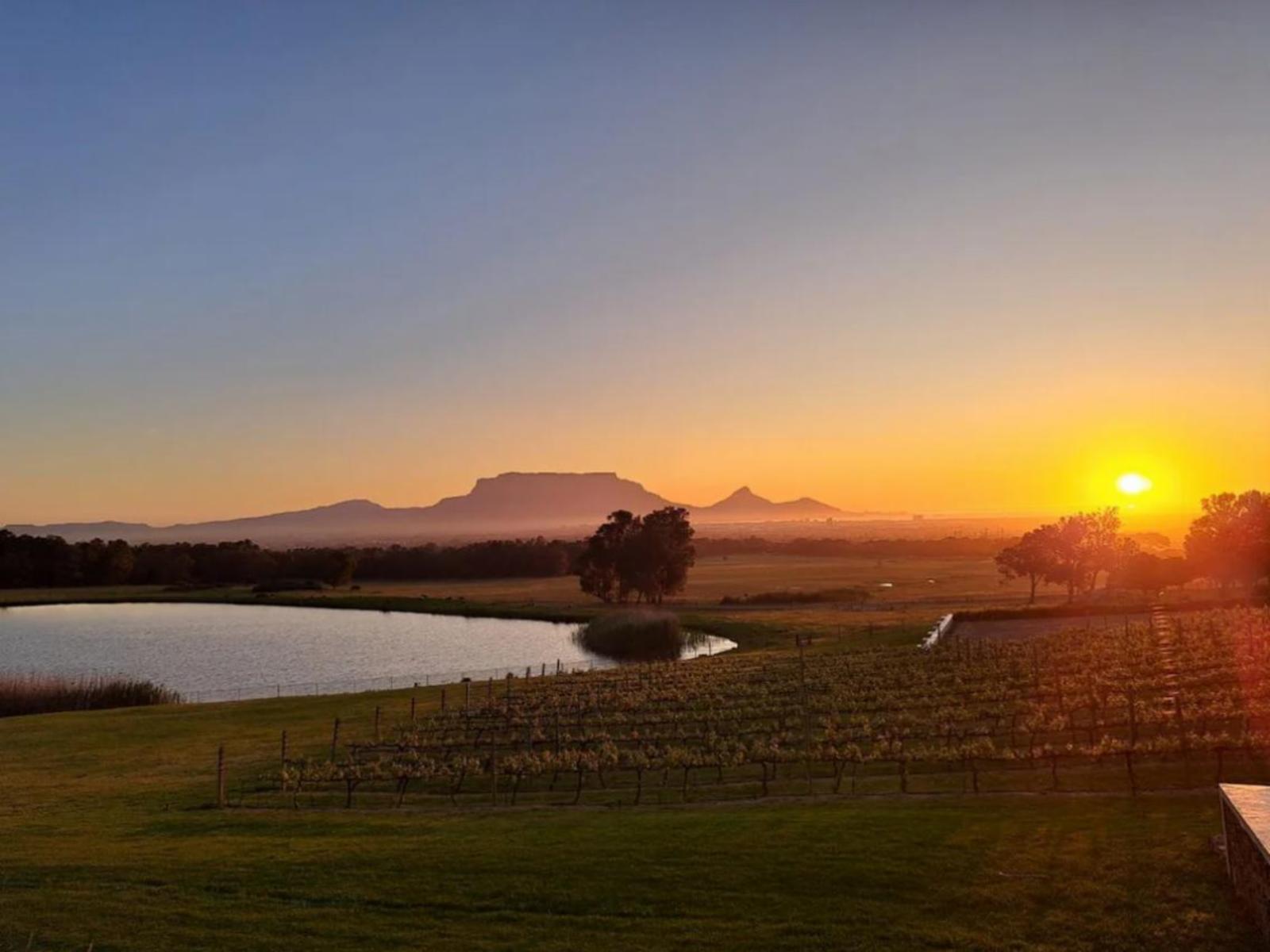
The Durbanville Wine Valley is the dominant draw. Around a dozen estates operate within easy driving distance of the town centre, with local soils particularly suited to chenin blanc and sauvignon blanc. Cabernet sauvignon from the valley also holds its own against bottles from better-known Winelands areas further south. Most farms are open on weekdays, offering seated tastings, food pairings, and cellar tours at the larger operations. Two or three estates in a morning by car is a manageable pace. Shuttle circuits run through the valley on most days for visitors who want to taste freely without a designated driver.
Golf is the other main structured activity. The Durbanville Golf Club makes good use of the natural contours of the Tygerberg Hills across its 18-hole layout. No membership is required to book a tee time, and the course suits intermediate players while offering enough variety to hold the attention of more experienced golfers.
The Durbanville Nature Reserve provides a quieter option. Trails run through established fynbos, and the reserve supports consistent birdlife including several resident raptor species. The longer loop covers roughly two hours at a relaxed pace and presents no difficulty for families. It works well as a morning excursion before the midday heat builds in summer.
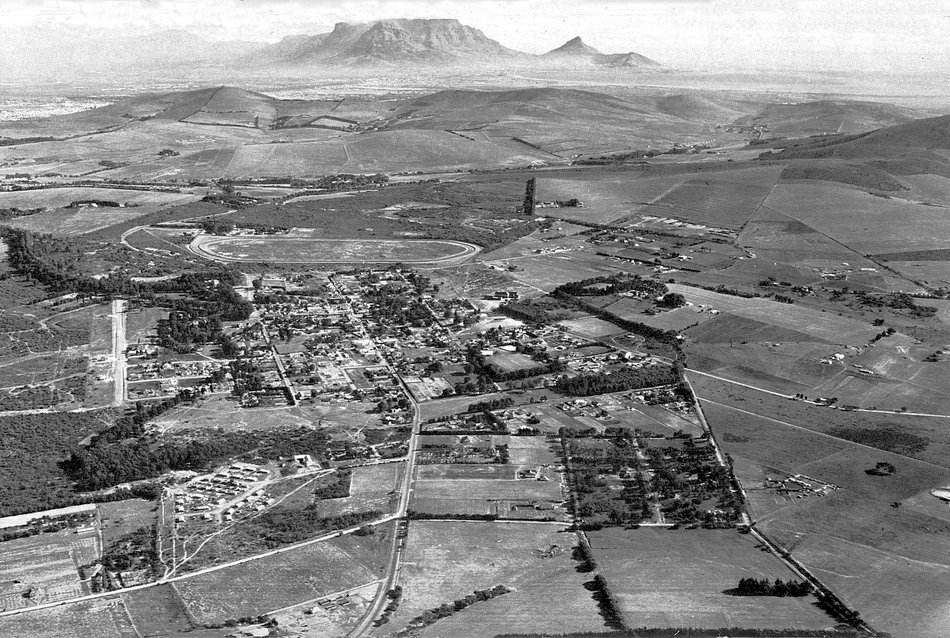
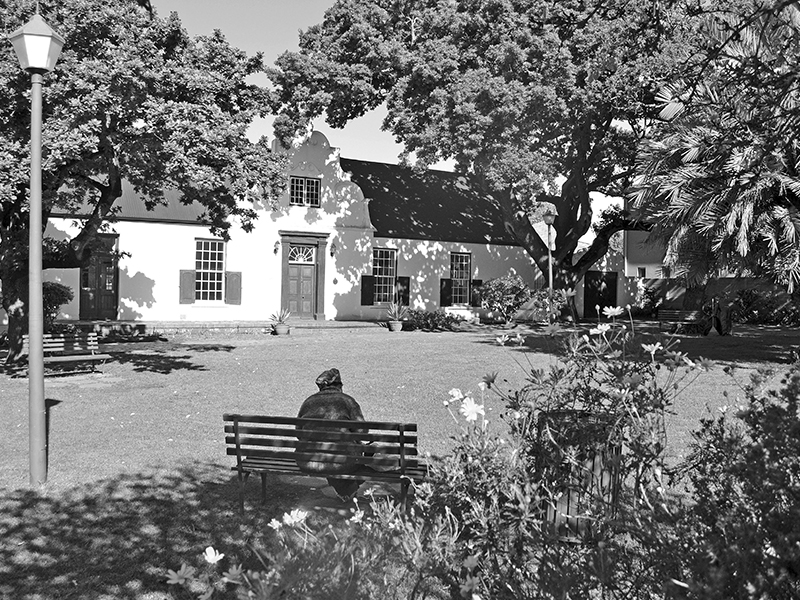
The Durbanville Racecourse holds regular meetings through the year. Checking the fixture list before arrival can add a sociable afternoon to any itinerary. The town centre also warrants a short walk for its cluster of Cape Dutch buildings, which provide historical context to the area's development as a farming and wine-producing district.
Best Time to Visit Durbanville
Durbanville follows a Mediterranean climate pattern: hot and dry from November through March, with cooler and wetter conditions through the winter months. Each season shapes what a visit looks like in practical terms.
Summer draws the highest visitor numbers, particularly over December and January. Temperatures regularly reach the low to mid thirties Celsius, outdoor terraces at the estates are in full operation, and vineyards are in active growth or harvest. Booking ahead becomes important during this stretch.
Autumn, covering April and May, is often the most comfortable time for travel. Temperatures ease into the mid-twenties, rainfall is infrequent, and crowds thin noticeably from the summer peak. Vineyards change colour after harvest, and the estates operate at a more relaxed pace.
Winter, June through August, brings overcast conditions and periods of rain. Estate tastings continue regardless, but outdoor plans become more weather-dependent. It is the quietest period overall and the easiest for last-minute arrangements.
Spring, September through October, suits visitors with a particular interest in the natural environment. Indigenous fynbos flowers through this period, and morning walks are more rewarding than at any other time of year. Visitor numbers sit at a moderate level before the summer surge begins.
Getting to Durbanville
Cape Town International Airport is the nearest major gateway, approximately 20 to 25 kilometres from the town. Under normal traffic, the drive via the N1 highway takes between 25 and 35 minutes. Car hire at the airport is the most practical option for visitors planning to move between estates, reserves, and other points of interest at their own pace. Rural roads in the area are not reliably covered by public transport.
From central Cape Town, the N1 north runs roughly 25 kilometres to Durbanville. Morning and late-afternoon peak traffic can push the journey to 40 minutes or more, so timing departures and arrivals is worth considering. Visitors approaching from the northern suburbs have the alternative of the N7, which connects to Durbanville more directly and avoids the city centre entirely.
Golden Arrow buses link parts of Durbanville to Cape Town, but services are infrequent and schedules do not always align with tourist itineraries. Uber and Bolt both operate reliably in the area and are a sensible option for evenings when driving is not practical.
Once in the area, most points of interest fall within a 15-kilometre radius of the town centre.
Durbanville and Surrounding Areas
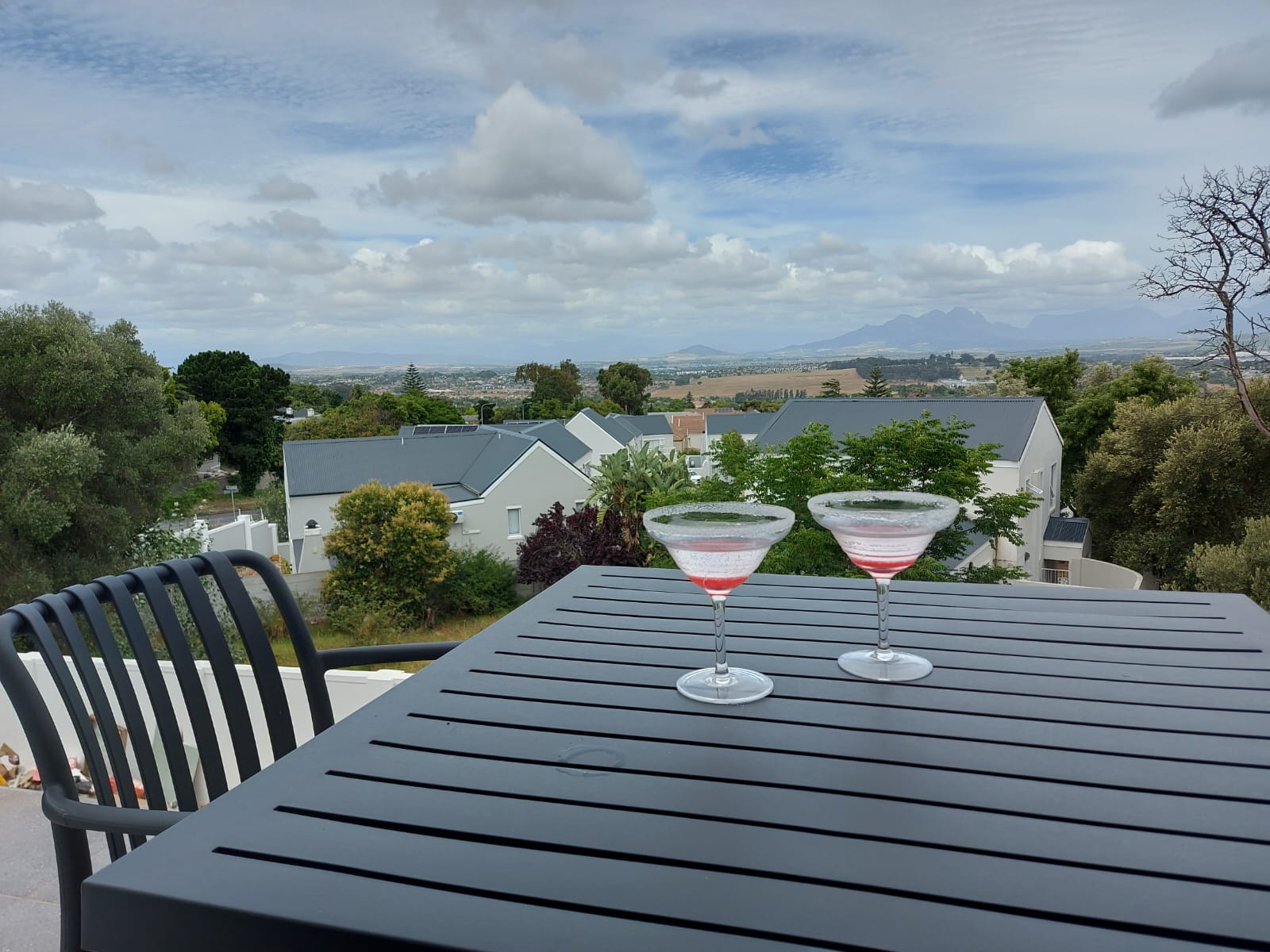
Durbanville Hills, two kilometres out, sits on elevated ground above the surrounding farmland. The Durbanville Hills Winery makes a strong anchor for any estate circuit, either as an opening stop or a final one, given the outlook from its terrace across the valley below.
Vredekloof, three kilometres east, is a largely residential suburb that has expanded quickly over the past decade. It has no specific tourist draw but sits conveniently between Durbanville and commercial centres further east, making it a useful stop for everyday errands during a longer stay.
Bellville, seven kilometres from the town centre, functions as the main commercial hub for Cape Town's northern suburbs. The Bellville Transport Interchange handles rail, bus, and minibus taxi connections, making it the relevant arrival and departure point for visitors without a private vehicle. Hospitals and large retail facilities are concentrated here, covering practical needs that Durbanville itself does not provide.
Parow, eight kilometres out, is an older mixed suburb with retail and light industry. The Tygervalley area draws visitors from across the northern suburbs for a full range of shopping and cinema, making it a practical half-day option when outdoor plans are rained off.
Rosendal, 13 kilometres south, is quiet and primarily residential. It sits along connecting routes between the northern suburbs and the broader Winelands corridor, functioning as a pass-through rather than a destination in its own right.
Milnerton, 15 kilometres to the west, offers a sharp contrast to Durbanville's inland character. The Milnerton Lagoon is a well-established kitesurfing location when south-easterly winds arrive in summer, and the Milnerton Flea Market runs on weekends with second-hand goods and local crafts. It rounds out a longer stay with a half-day that feels completely different from the wine country.
Planning Your Stay
For summer travel, particularly over the December and January stretch, three to four months of lead time is a reasonable target for the most popular properties. Availability across Cape Town's northern suburbs tightens simultaneously during that period, and leaving it late narrows the options considerably. Autumn and winter travel allows for shorter lead times, and off-peak rates at many properties come in meaningfully below standard pricing.
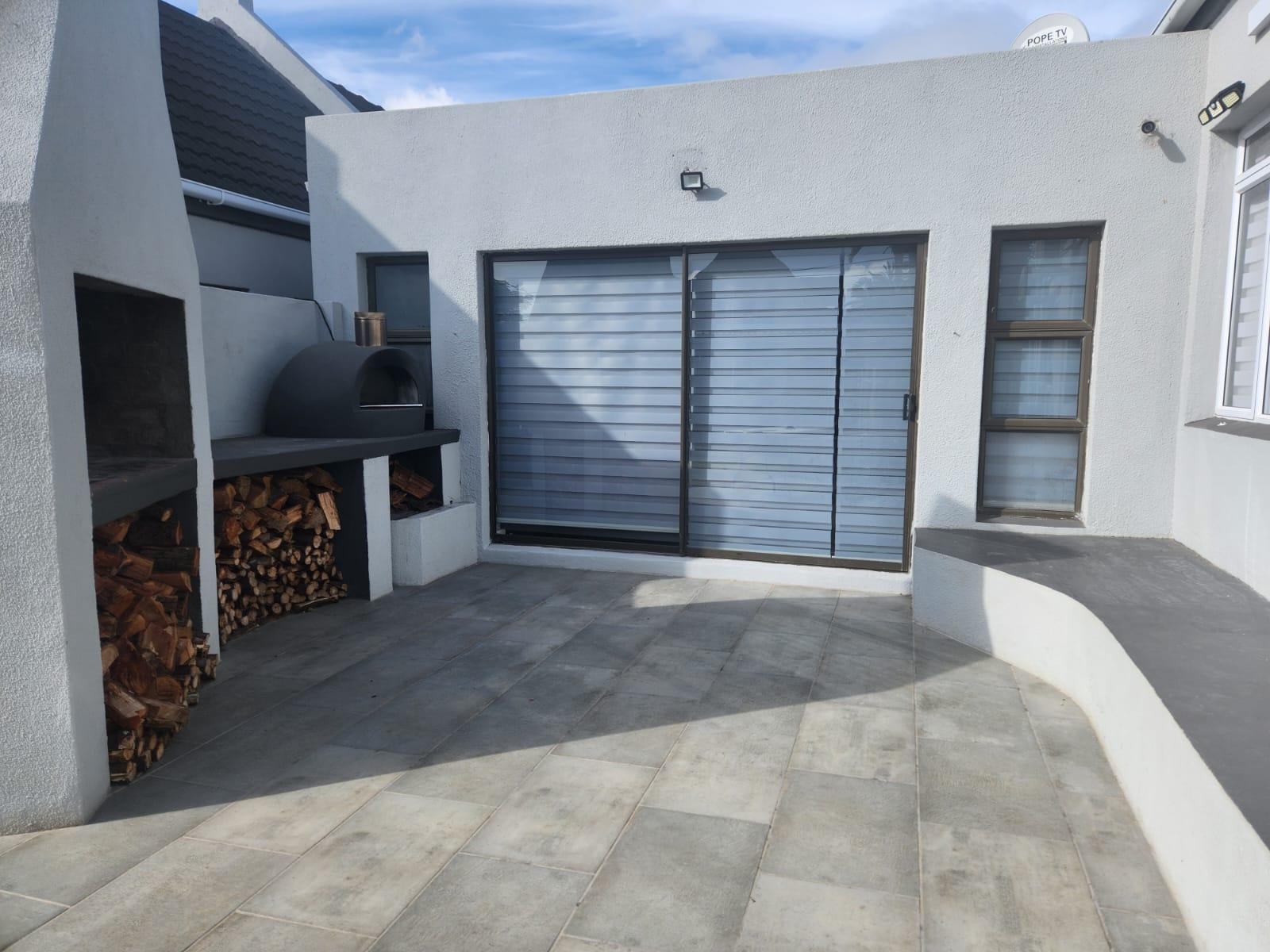
Before confirming a booking, check whether breakfast is included, as this varies even between similarly positioned properties. For any listing with kitchen access, confirm what equipment is available and whether braai facilities are on site. This is not always specified upfront and is worth clarifying before arrival.
If estate visits are central to your plans, consider the property's physical position relative to the wine routes rather than just its distance from the town centre. Some properties are considerably better placed for a morning departure than others. Confirm opening hours directly with any farm you intend to visit, particularly smaller operations that may require advance bookings for groups or reduce their hours outside peak season. A quick call or email before arrival avoids a wasted journey.