Accommodation in Durbanville Hills
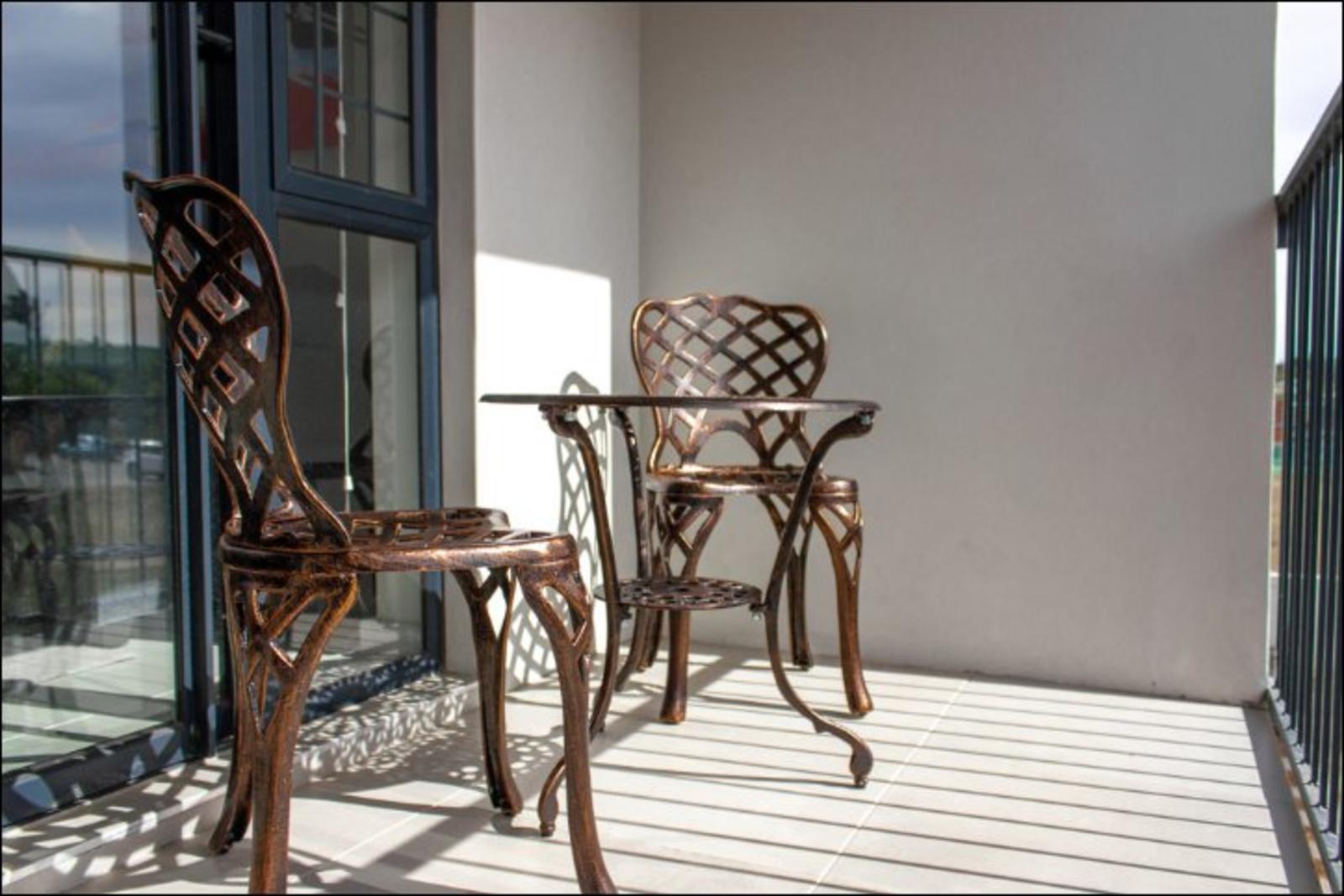
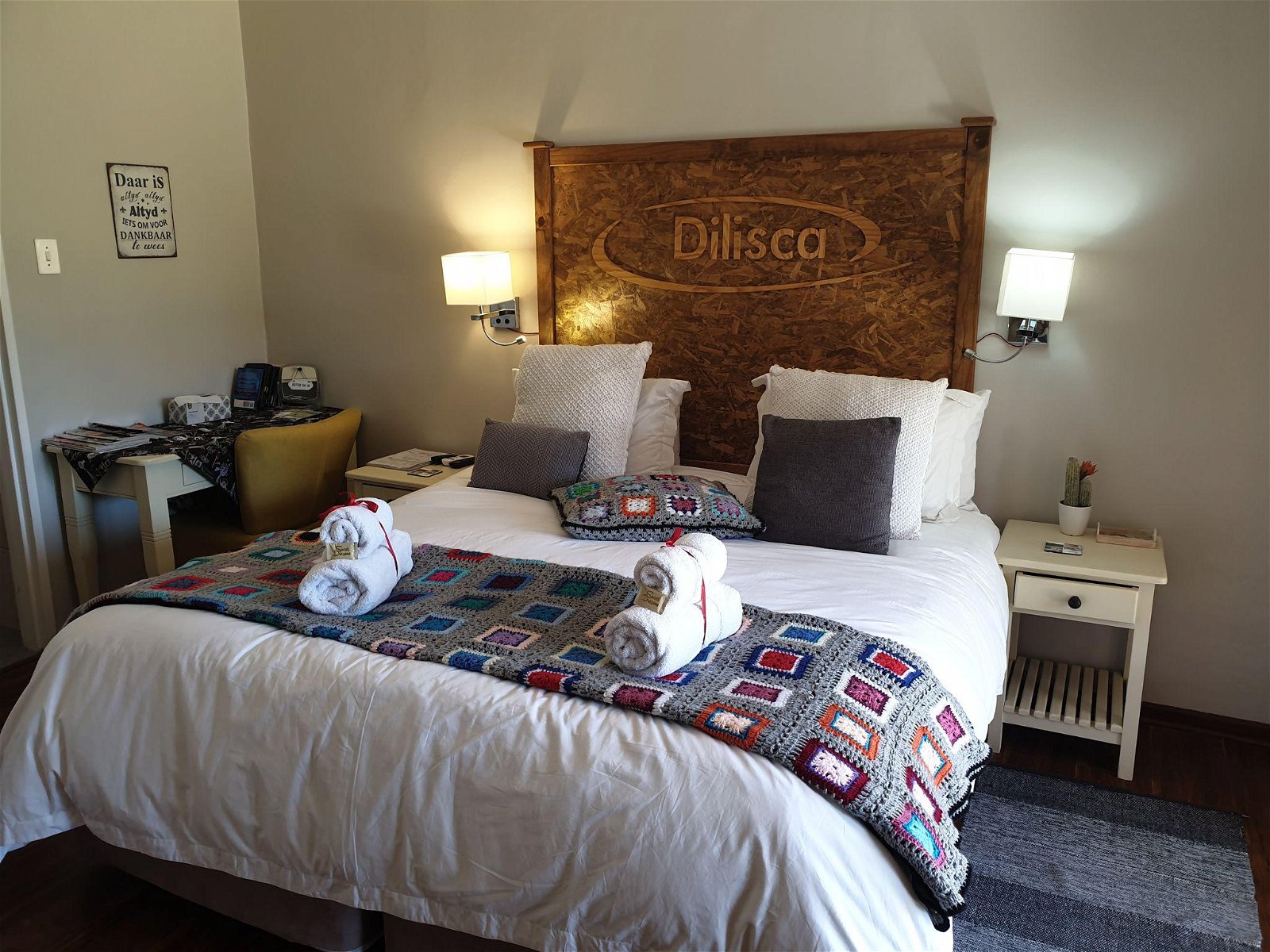
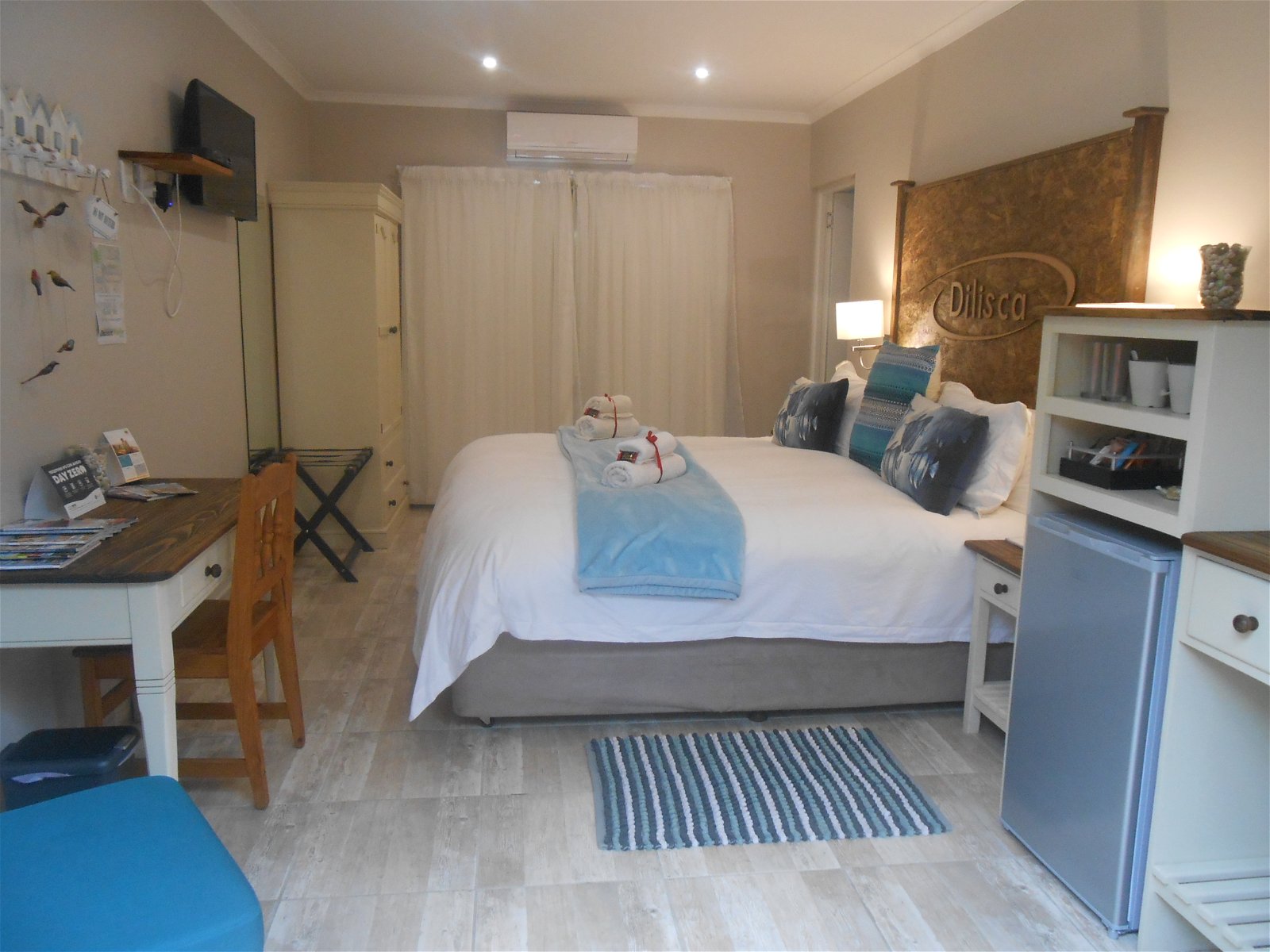
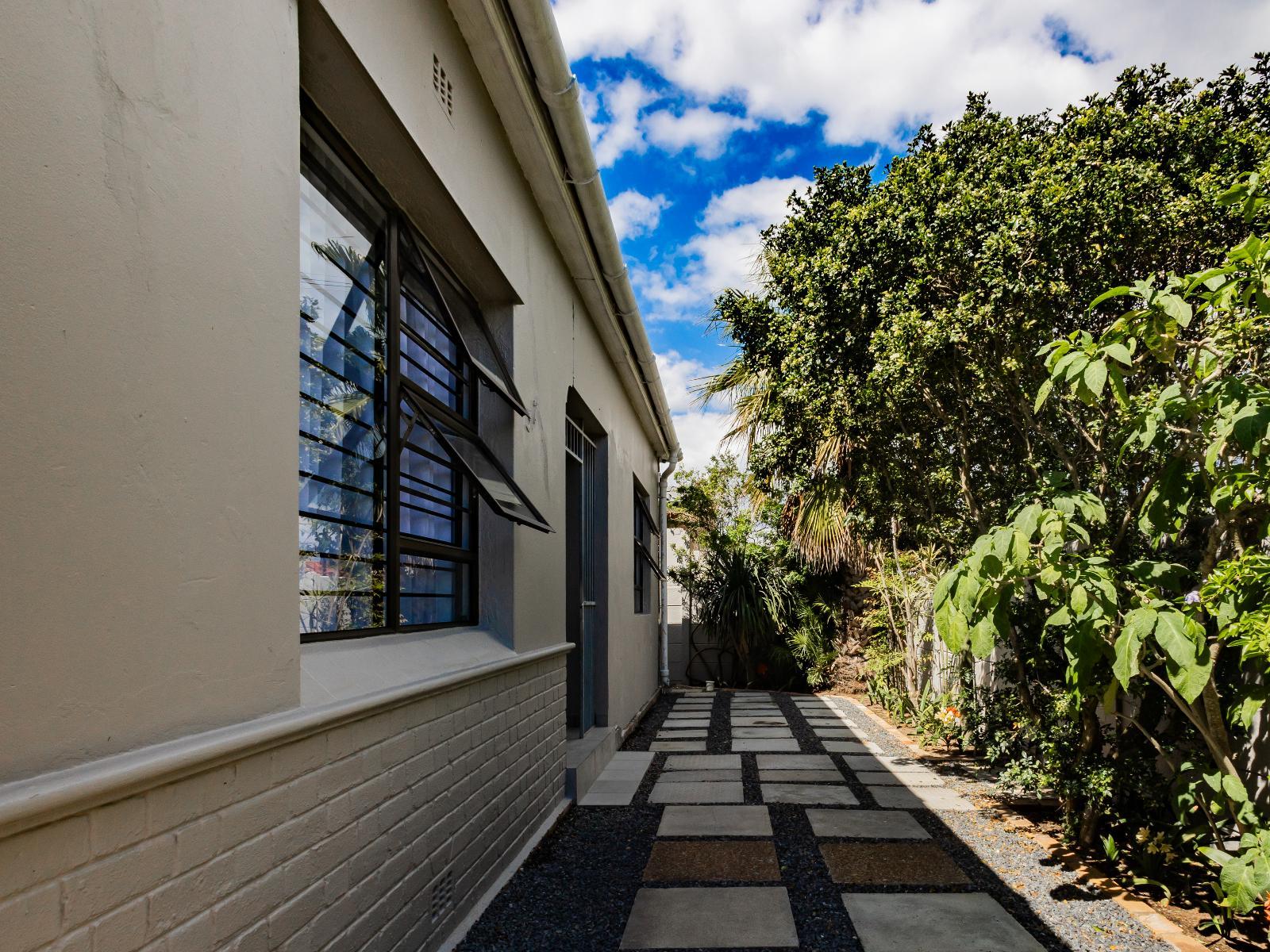
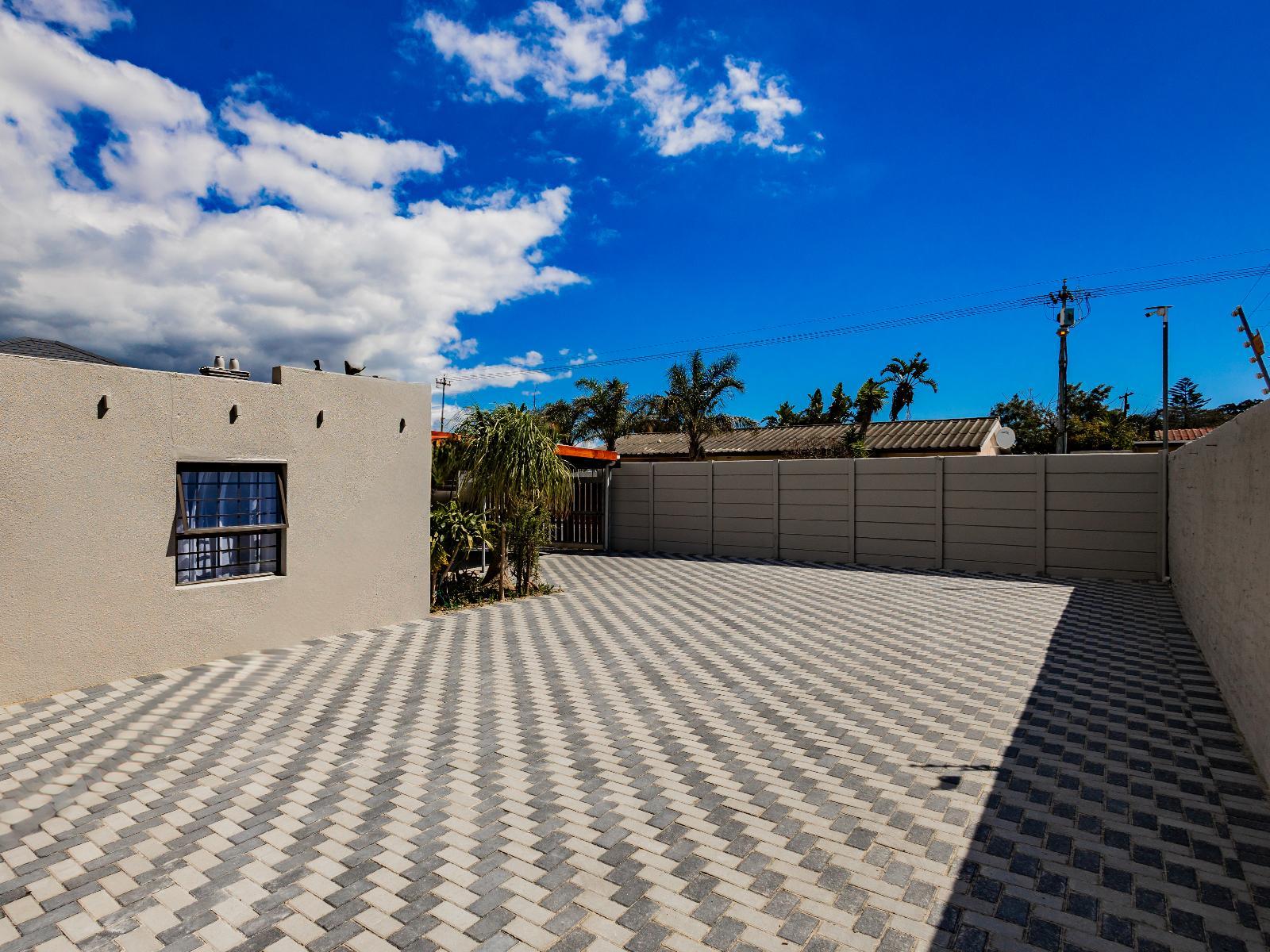
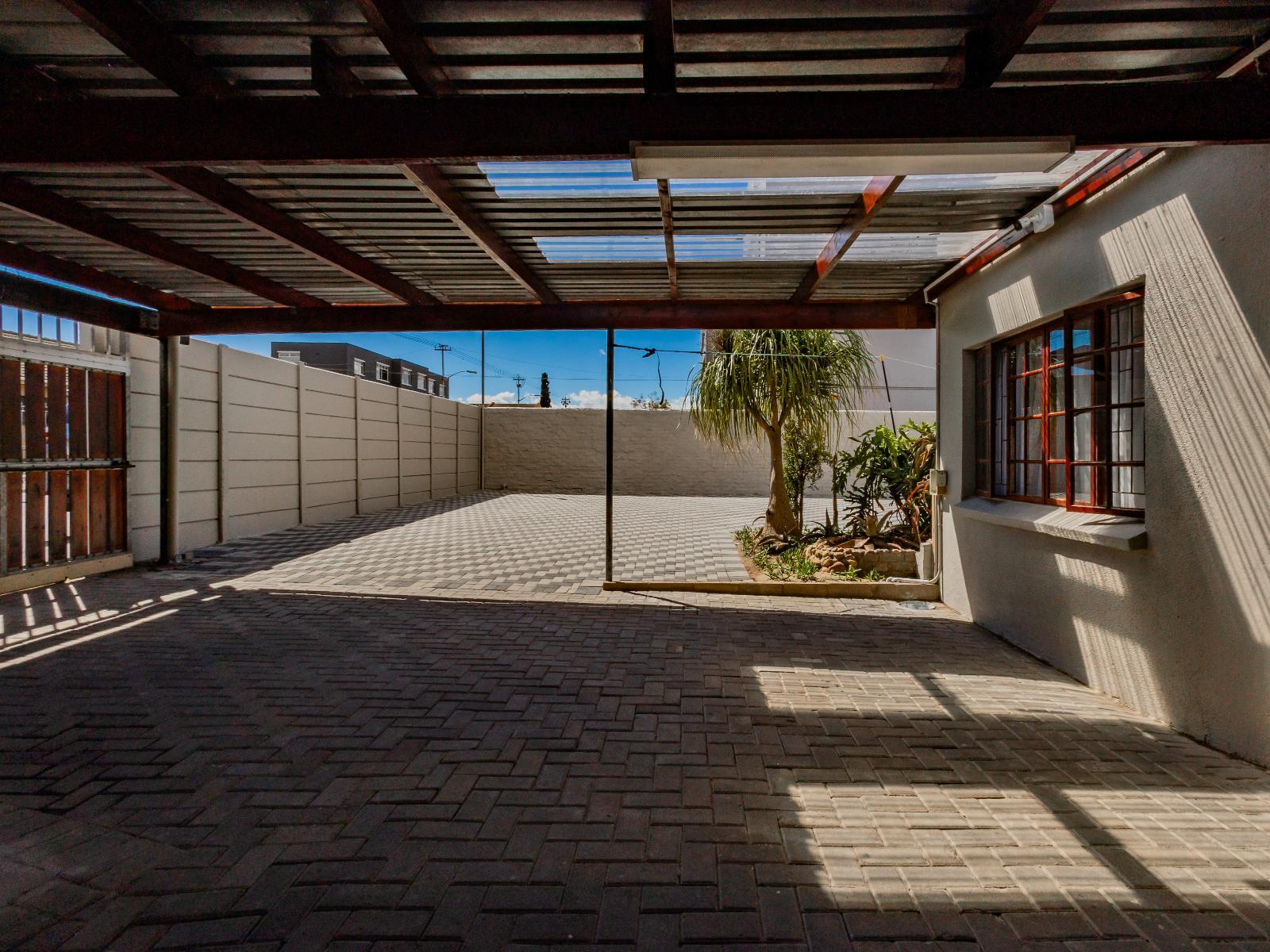
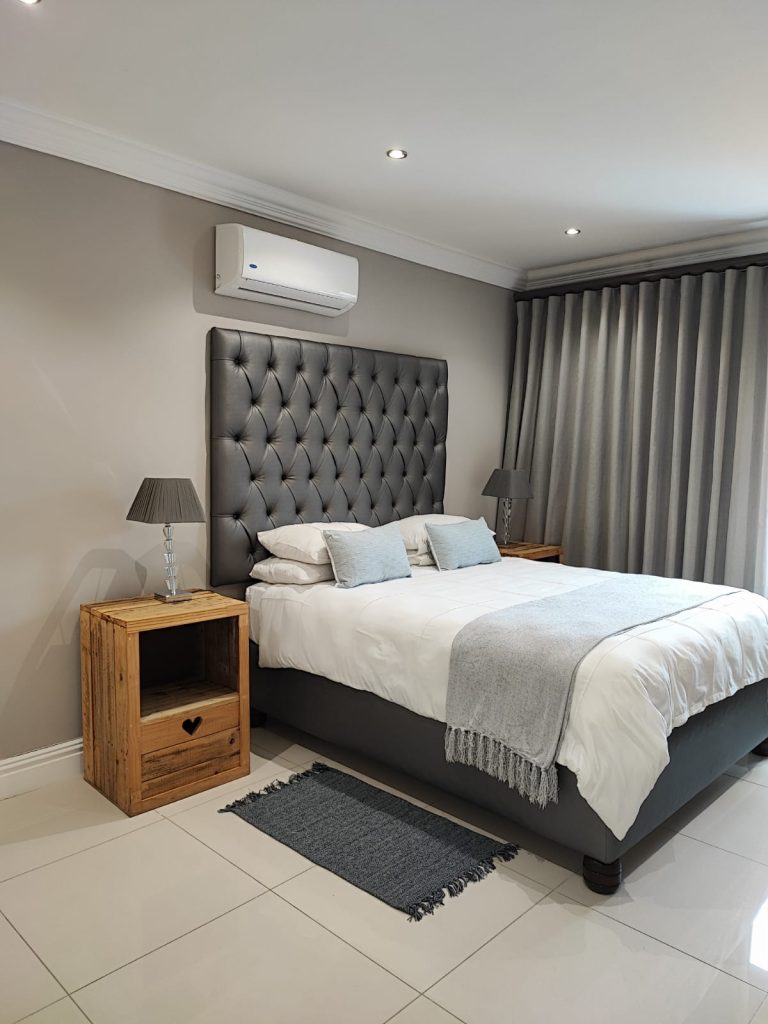
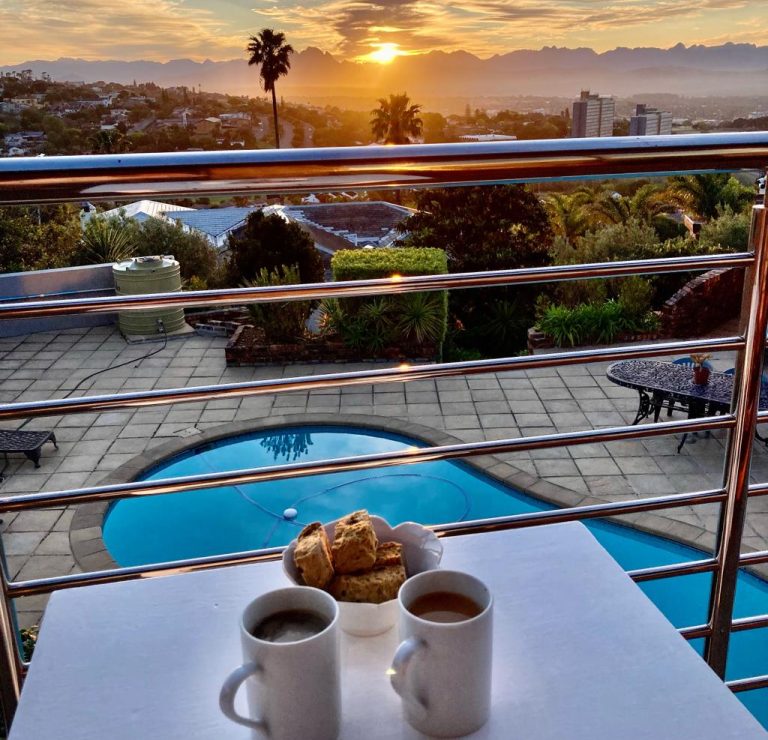
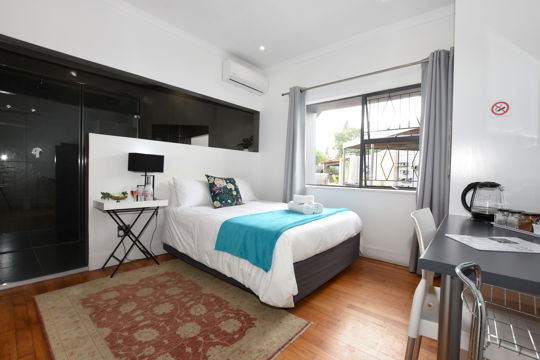
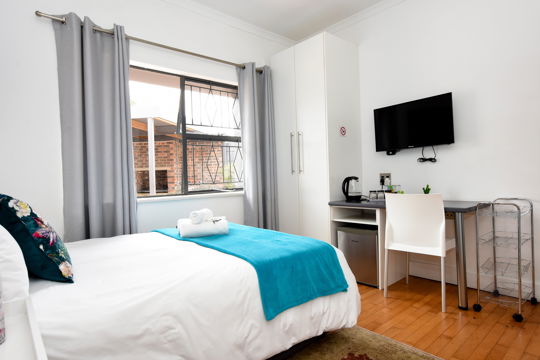
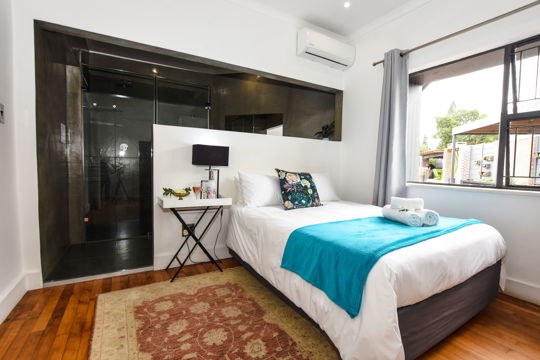
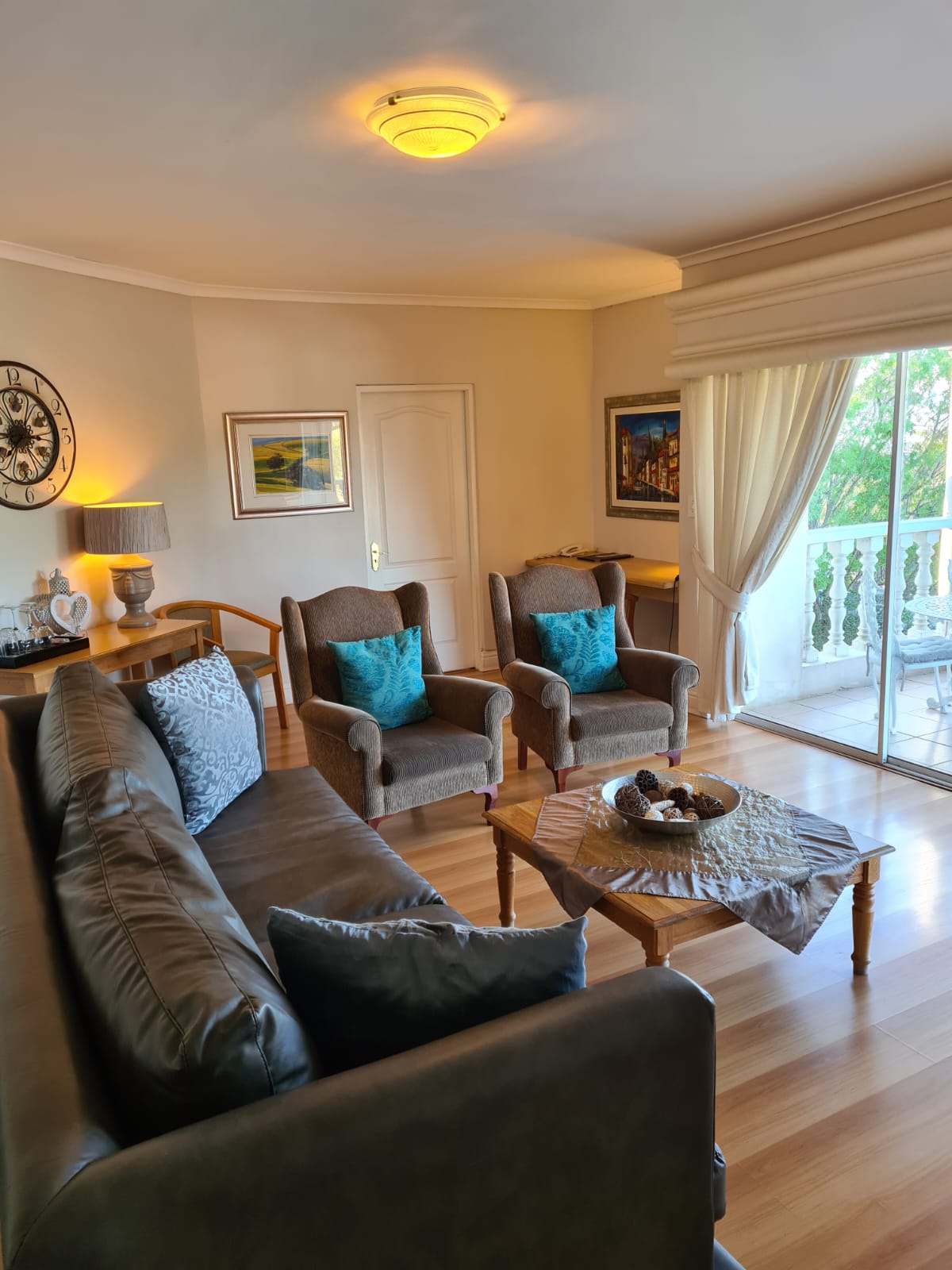
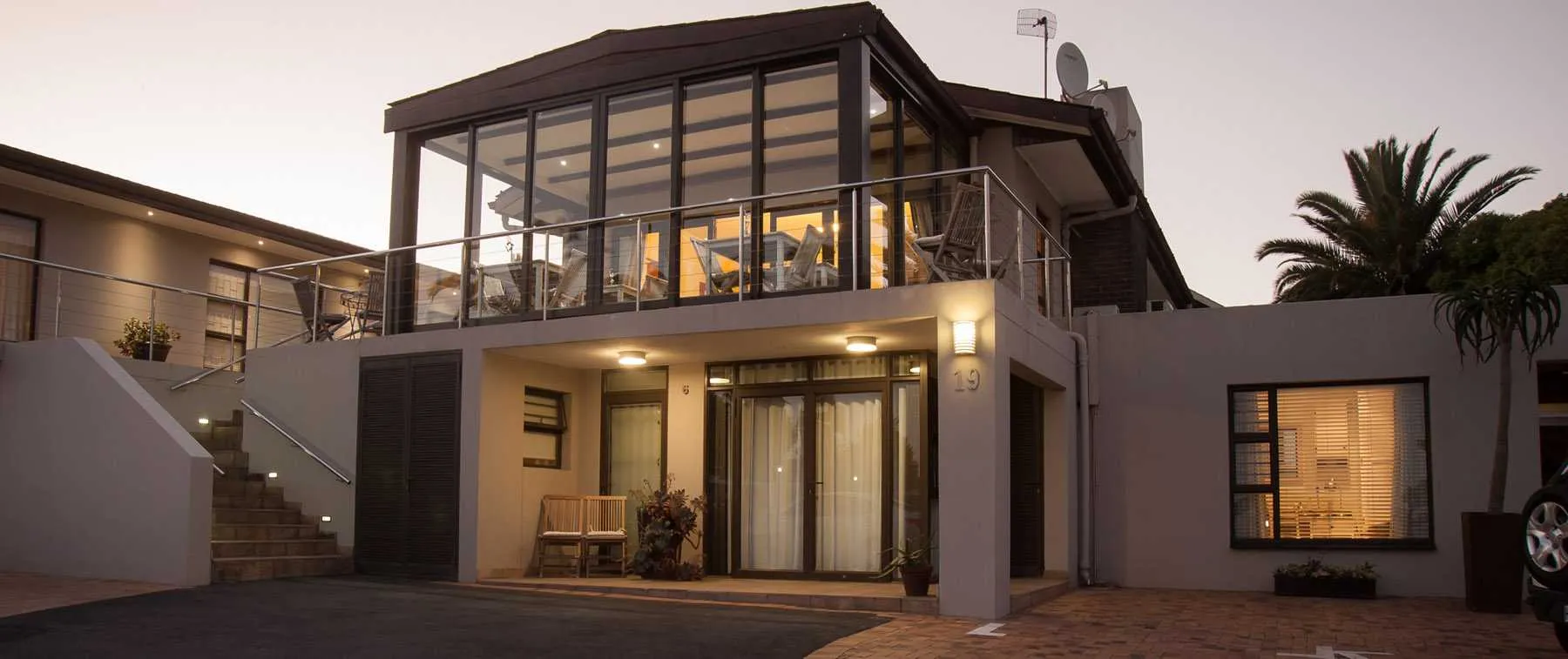
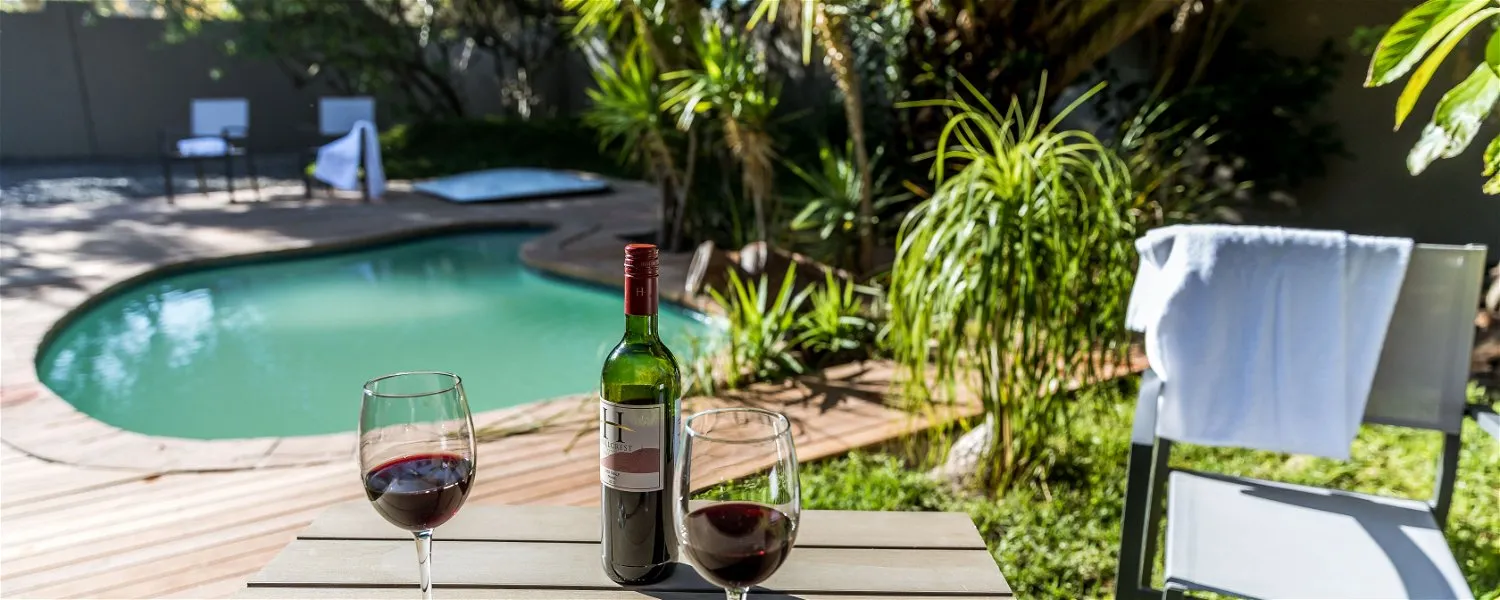
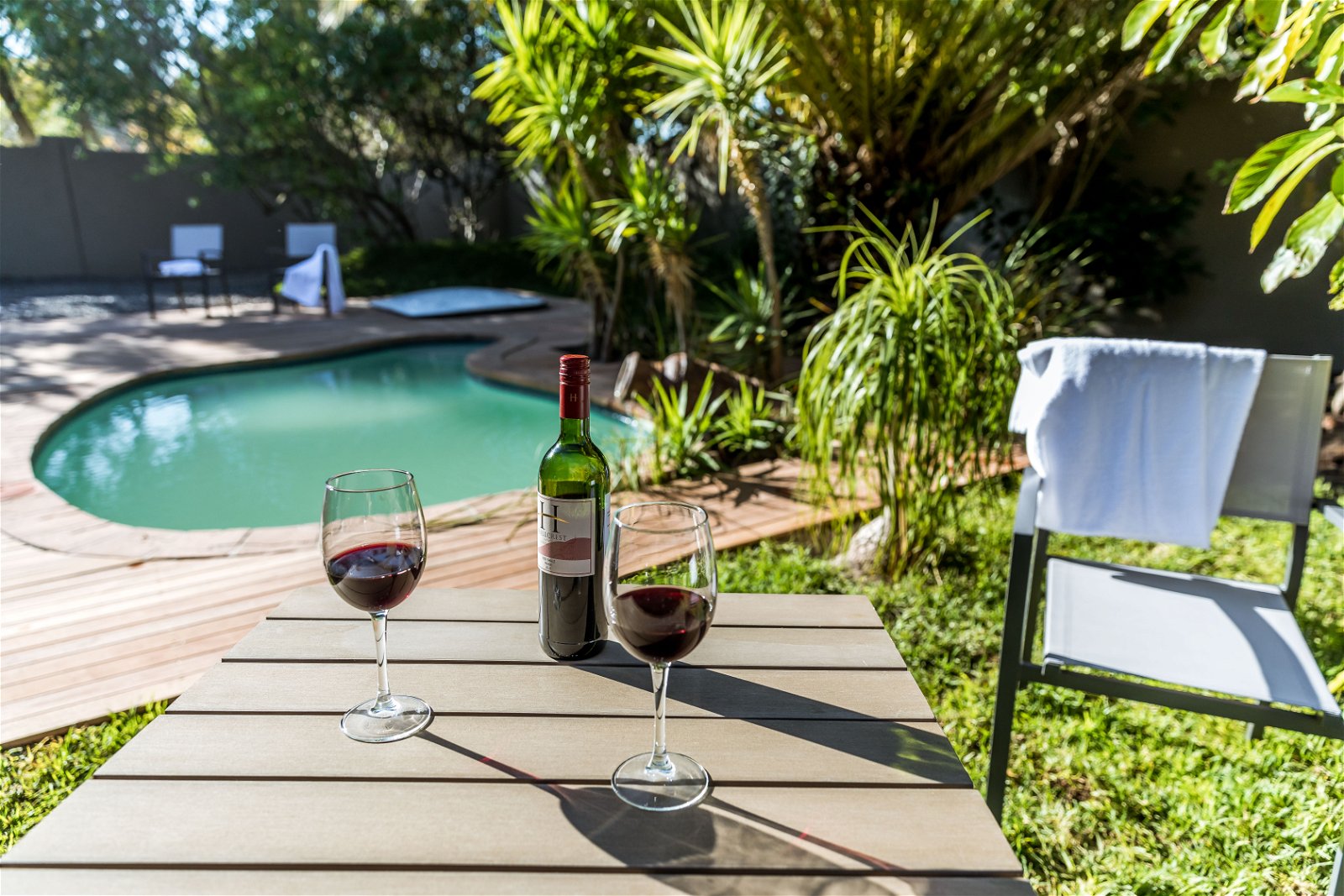
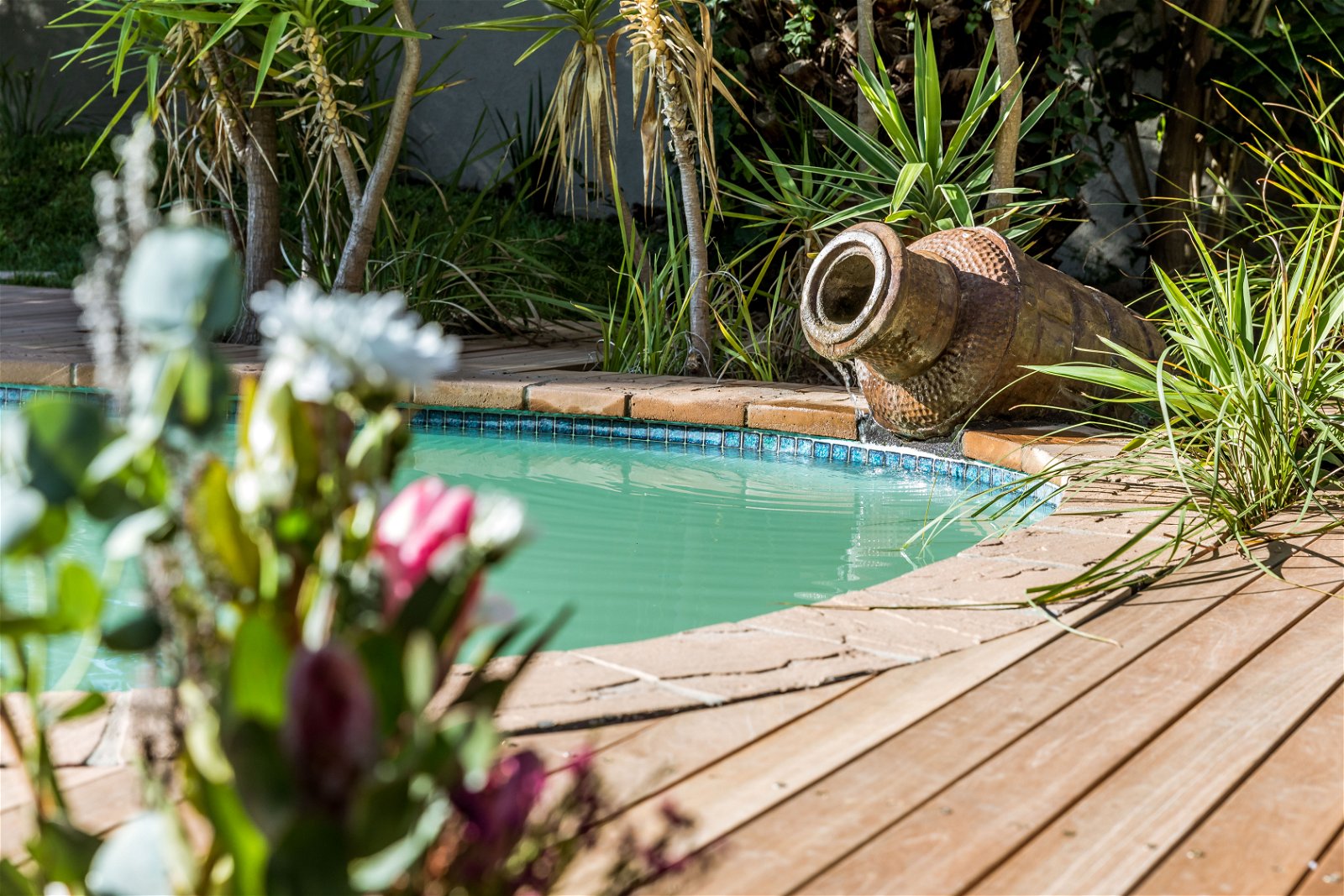
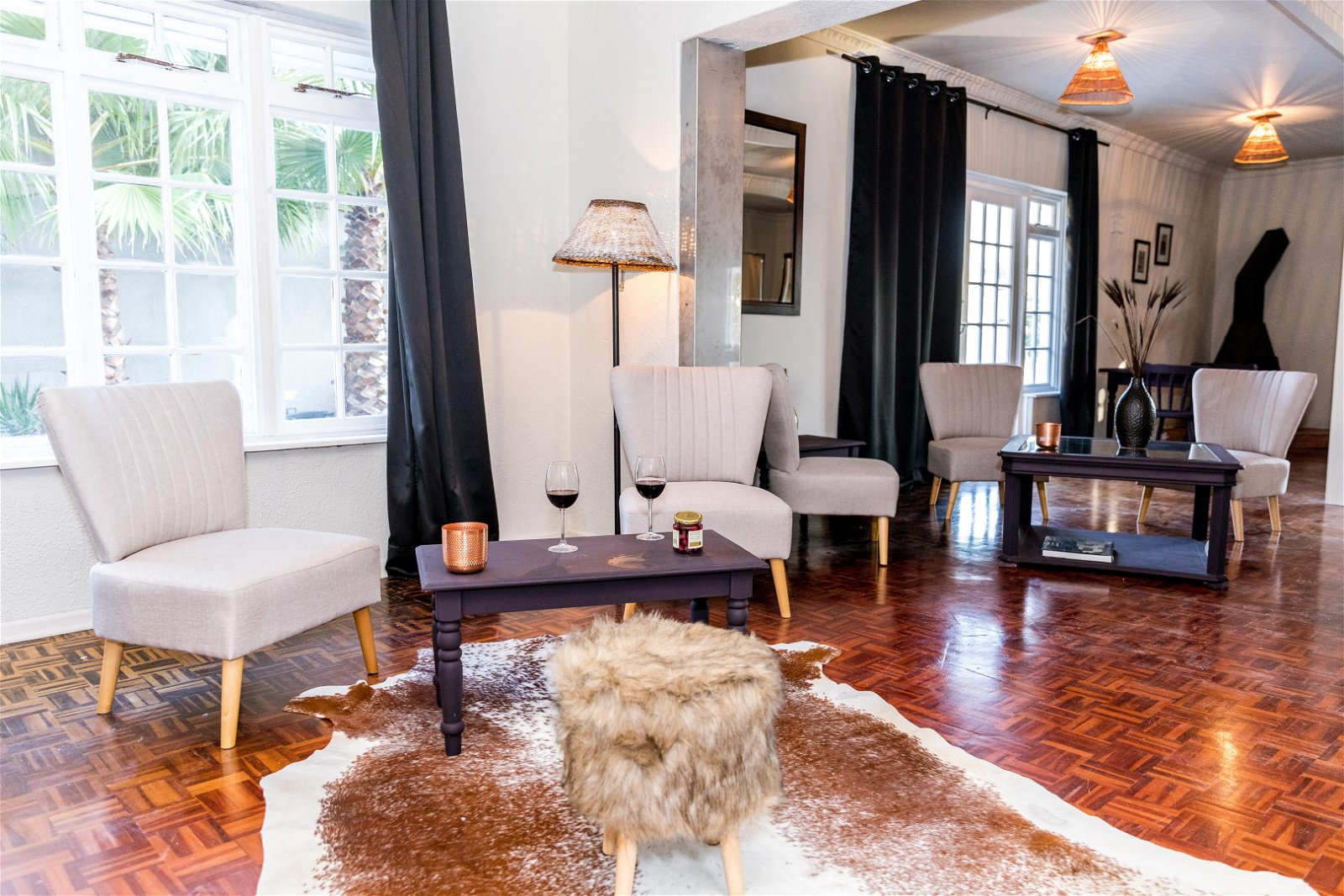
Fourteen properties cover the area, with nightly rates spanning R1,160 to R2,090 and a market average of around R1,554. The range is wide enough that different travel styles and budgets are each reasonably served.
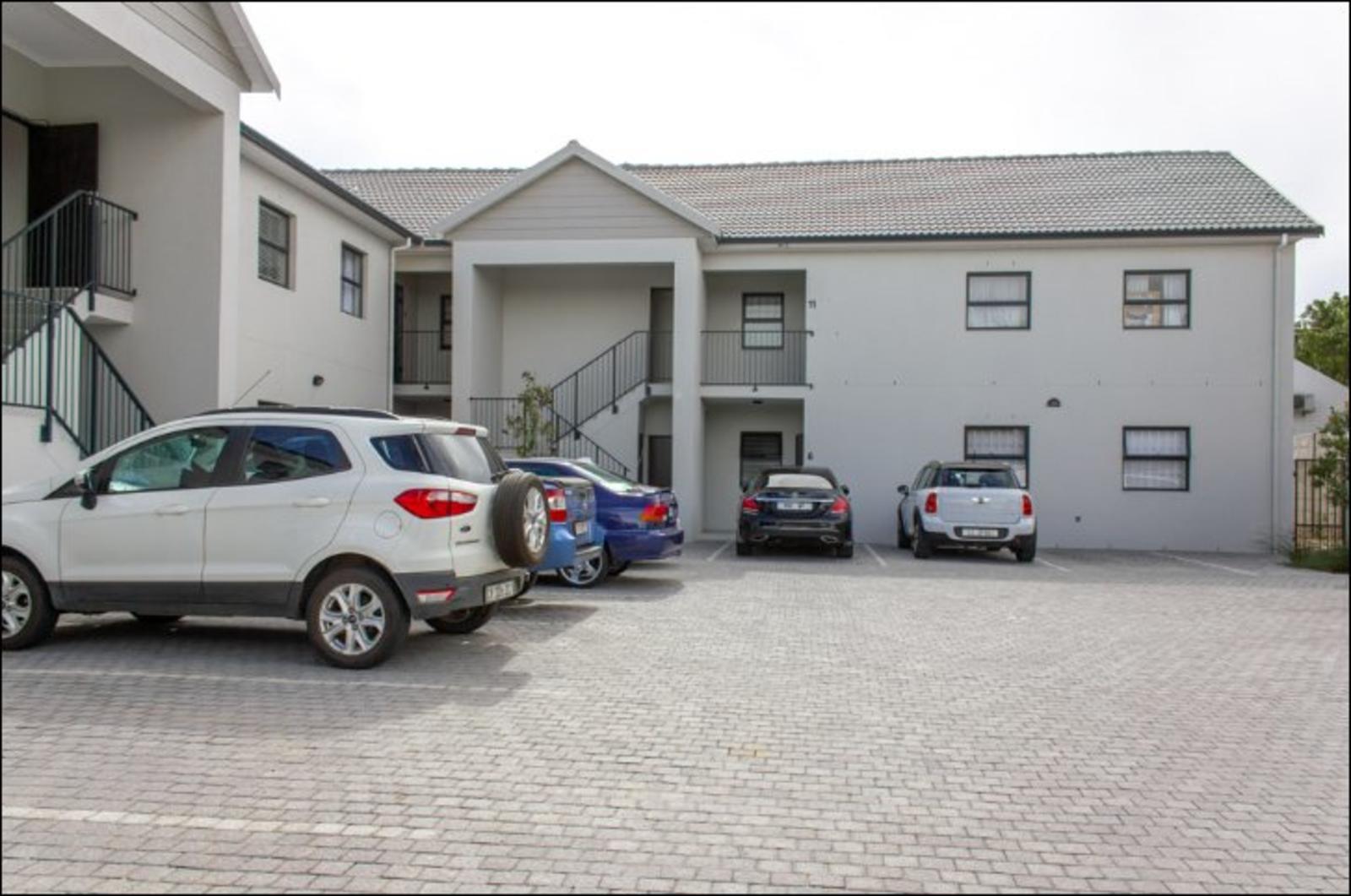
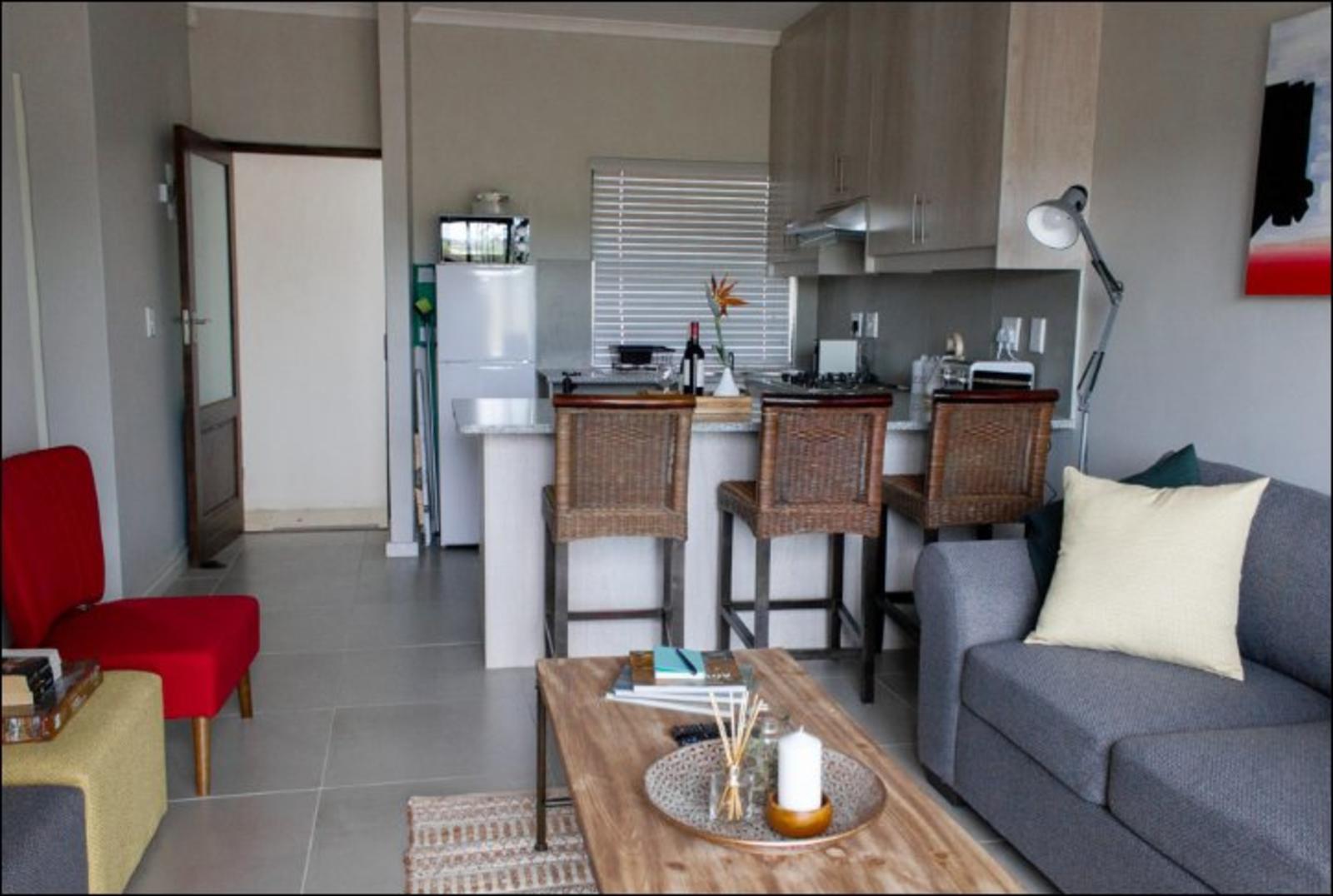
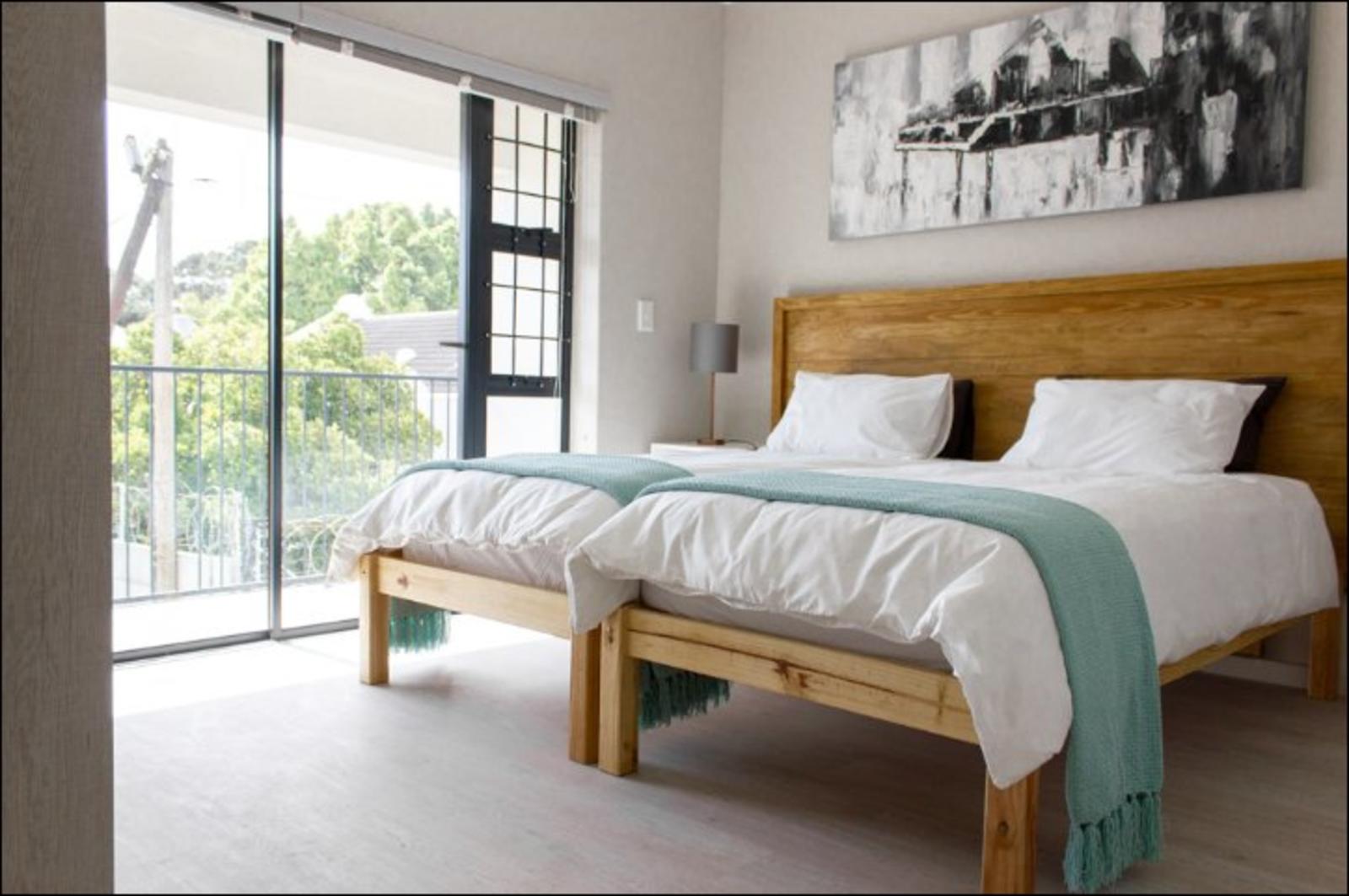
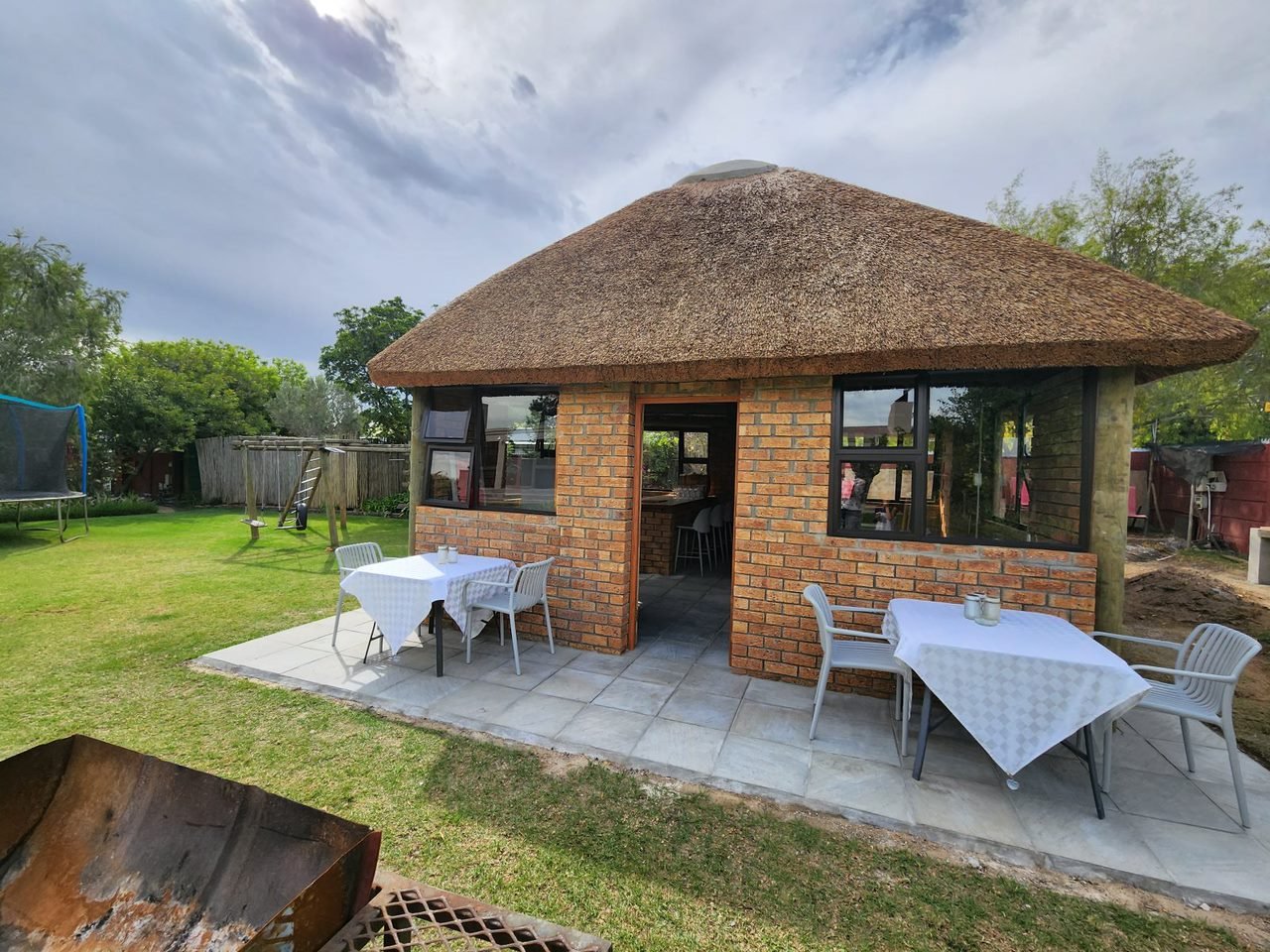
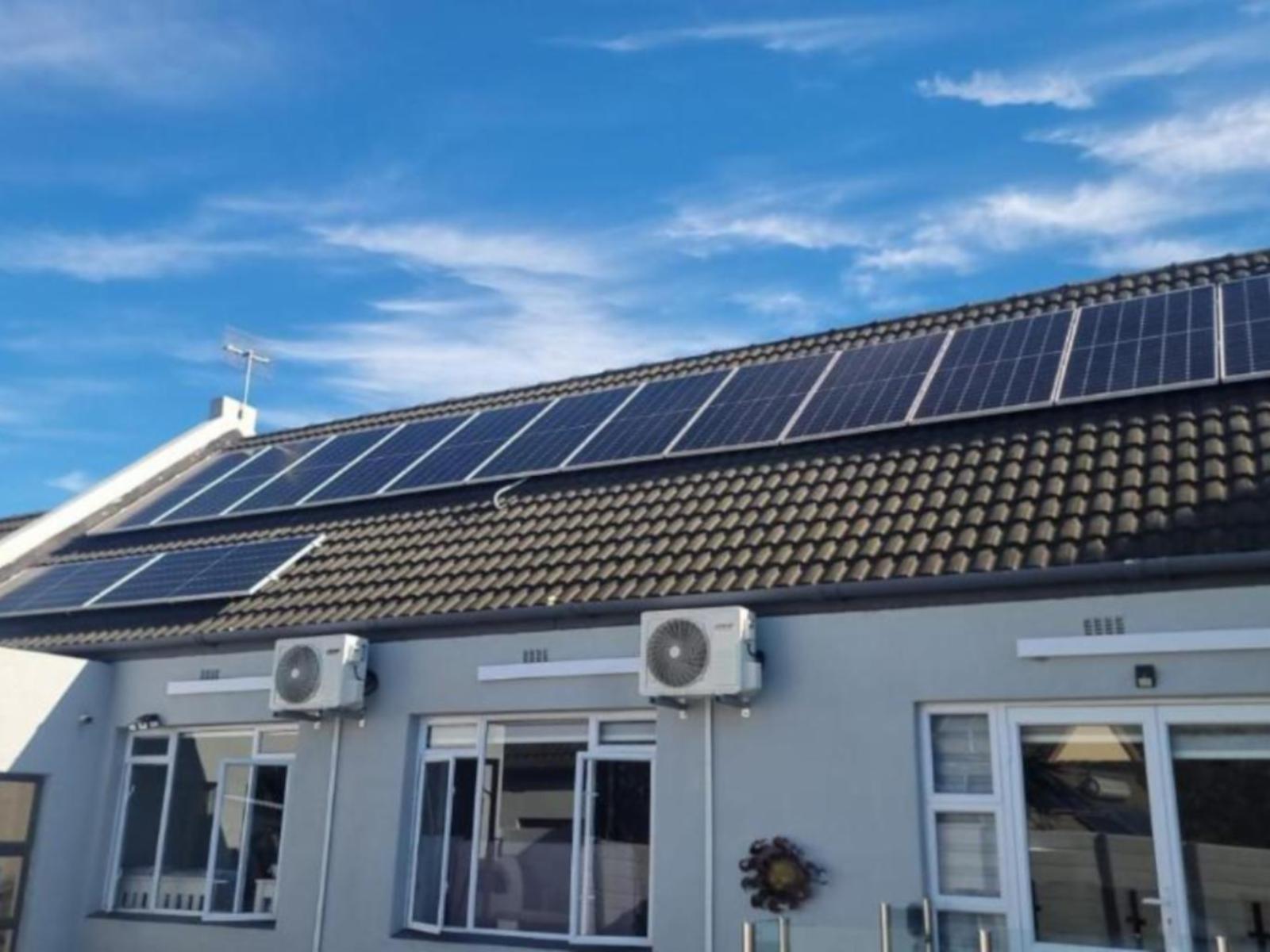
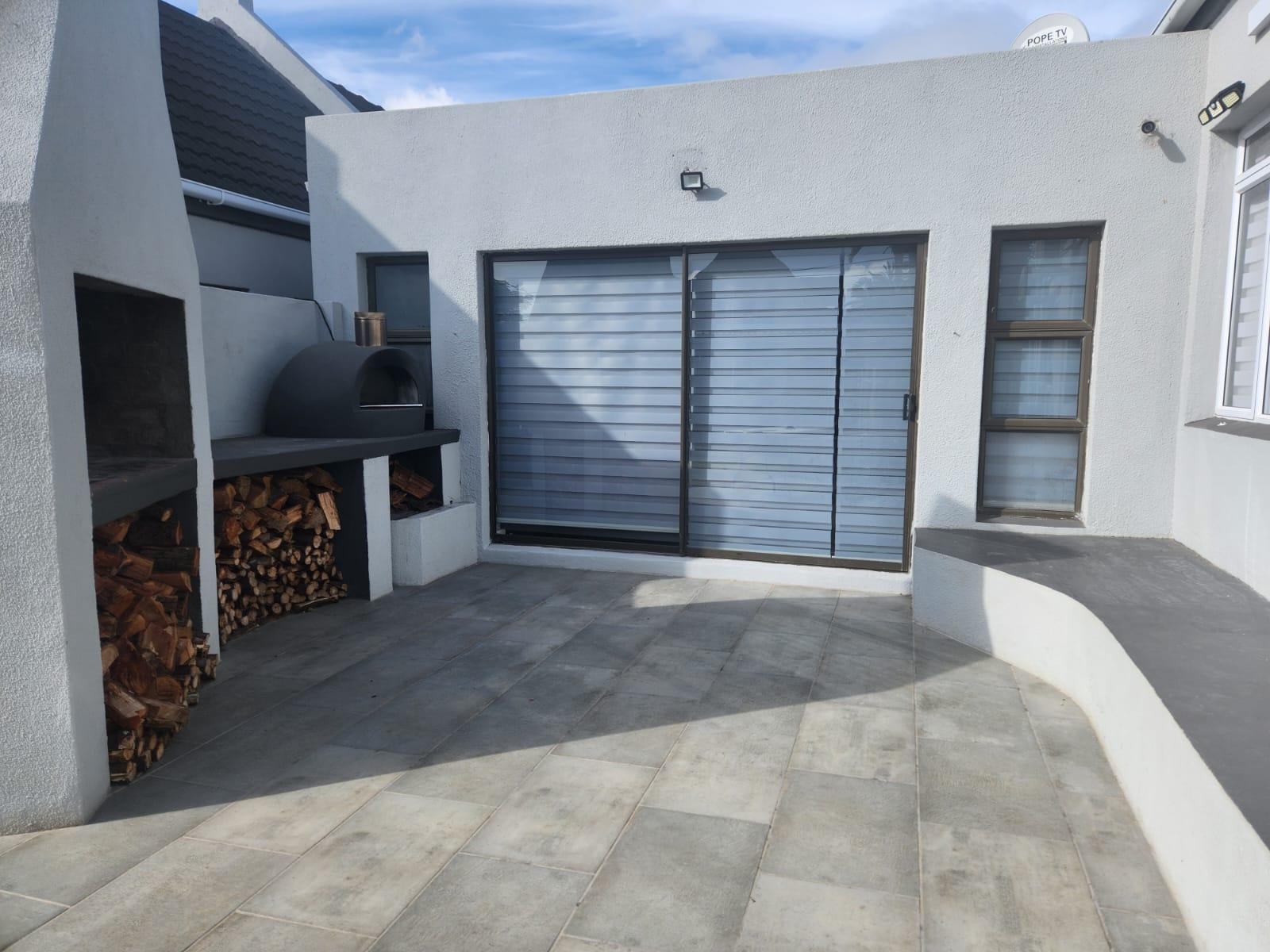
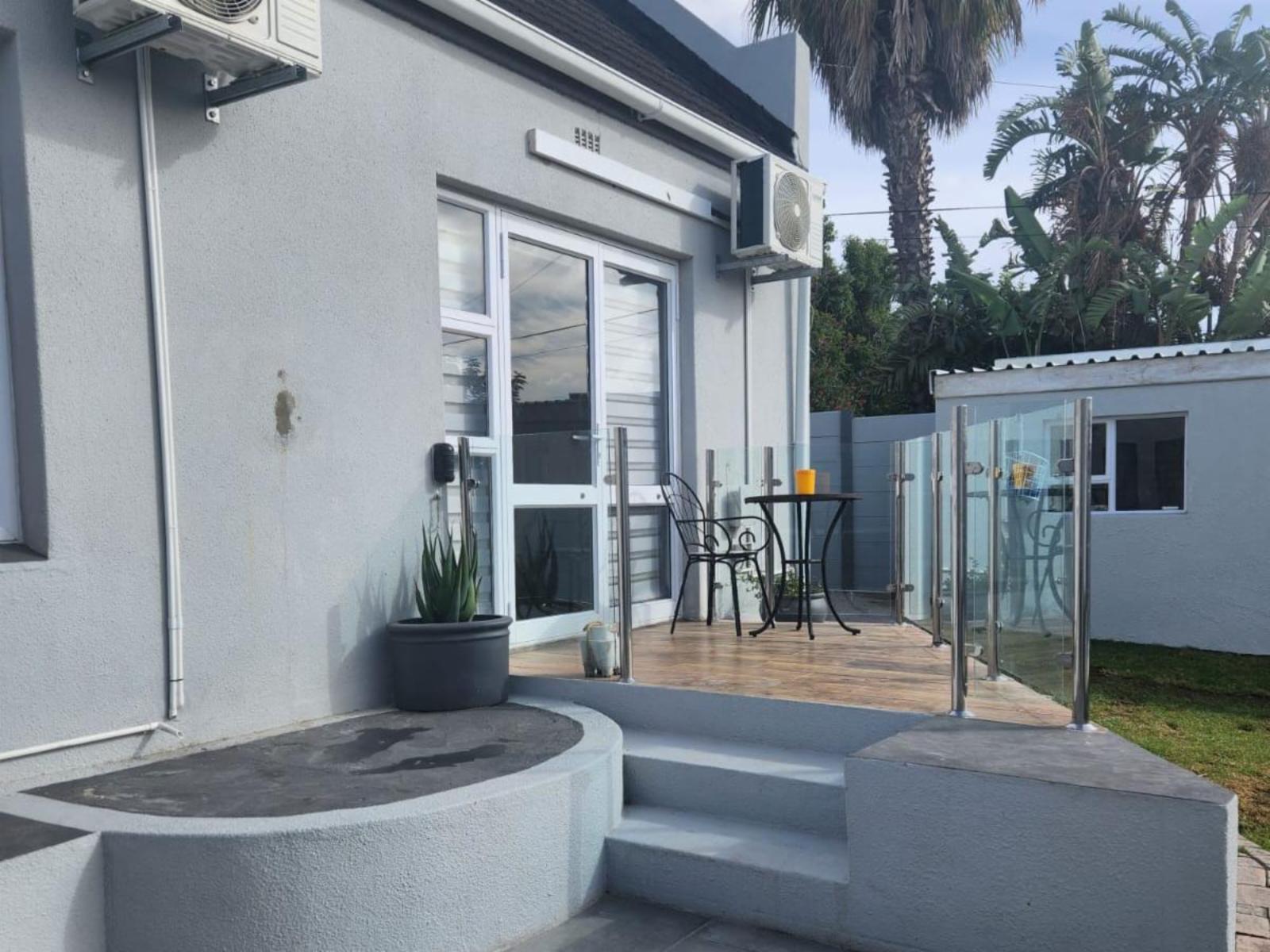
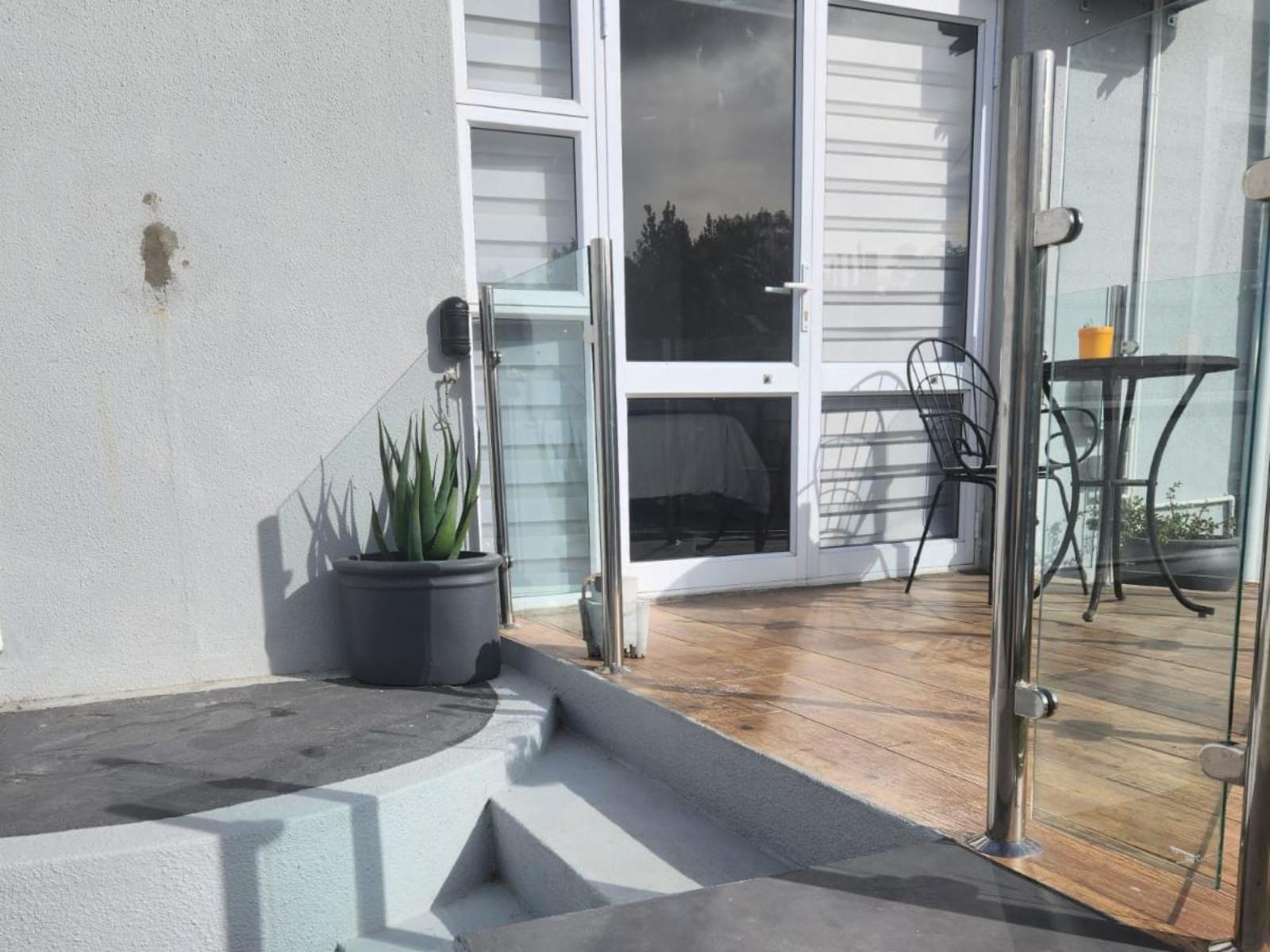
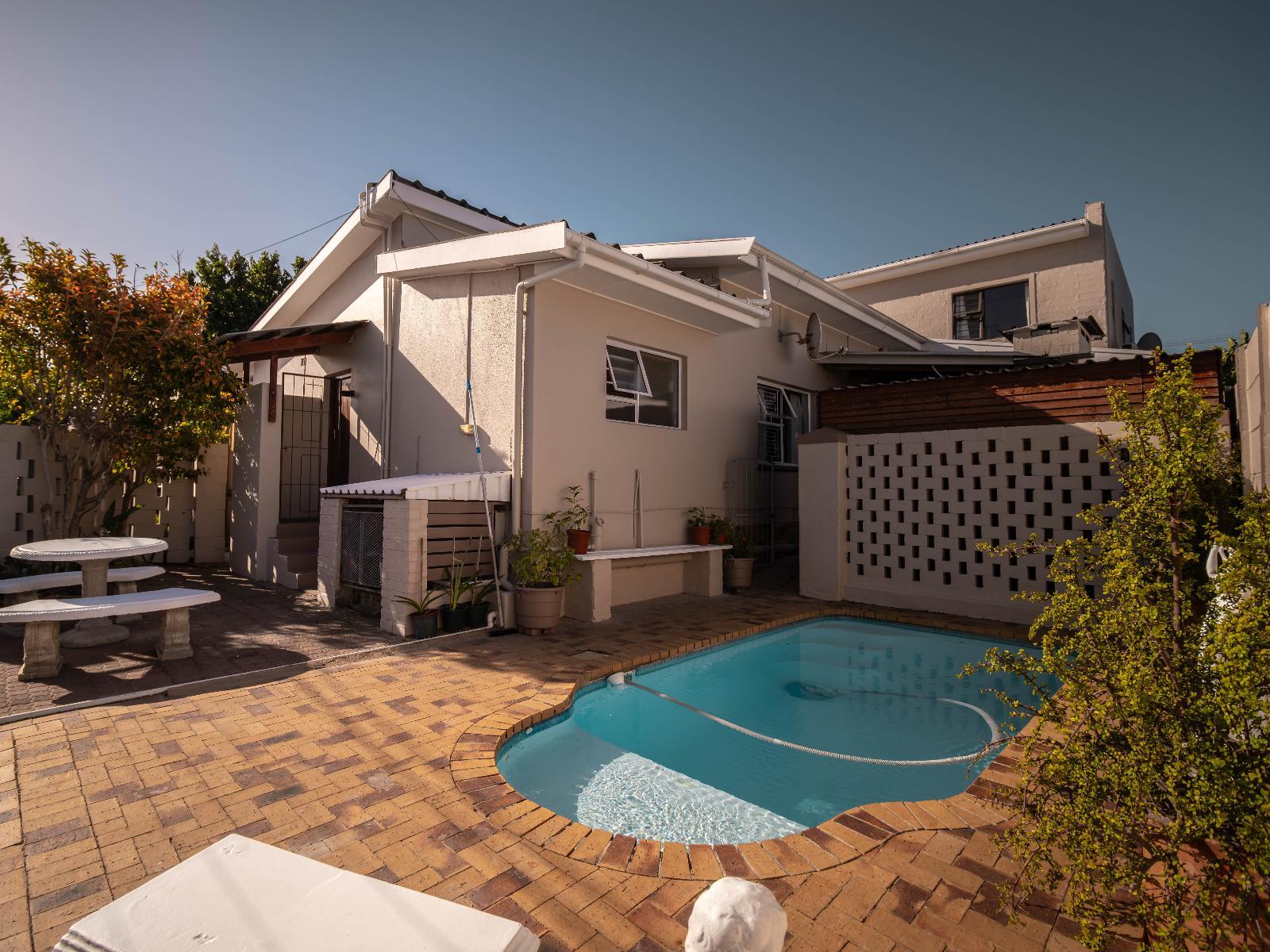
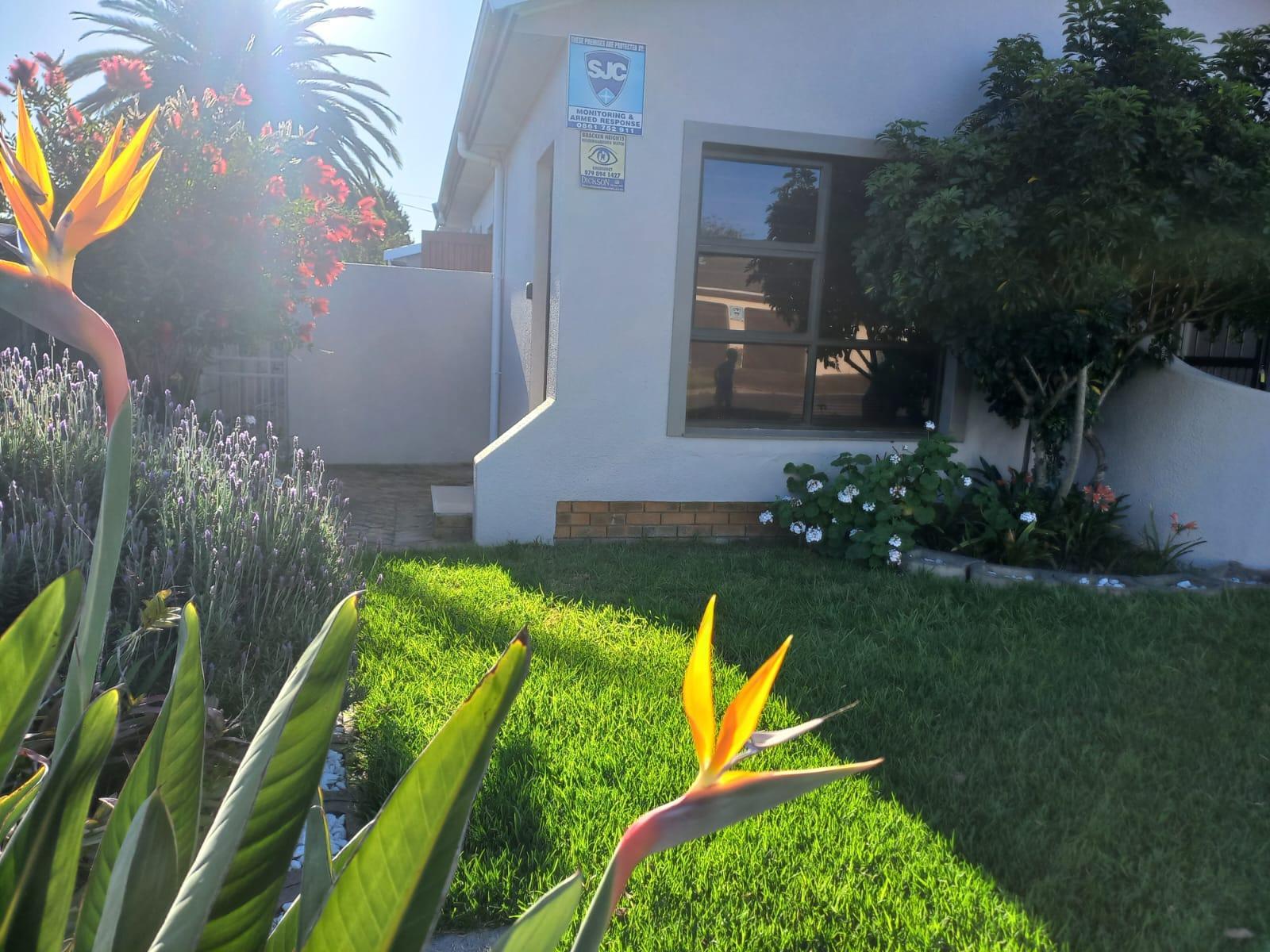
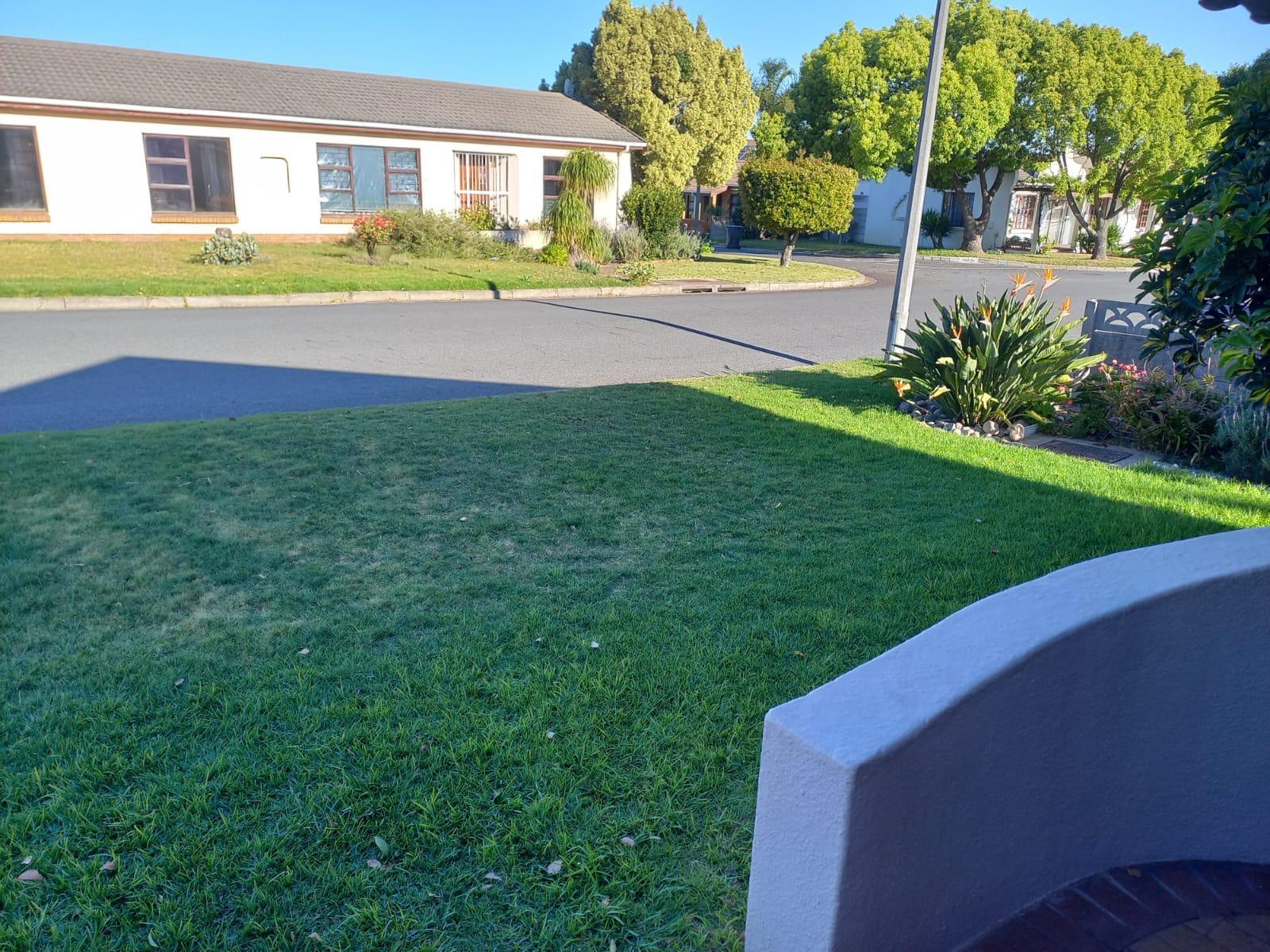
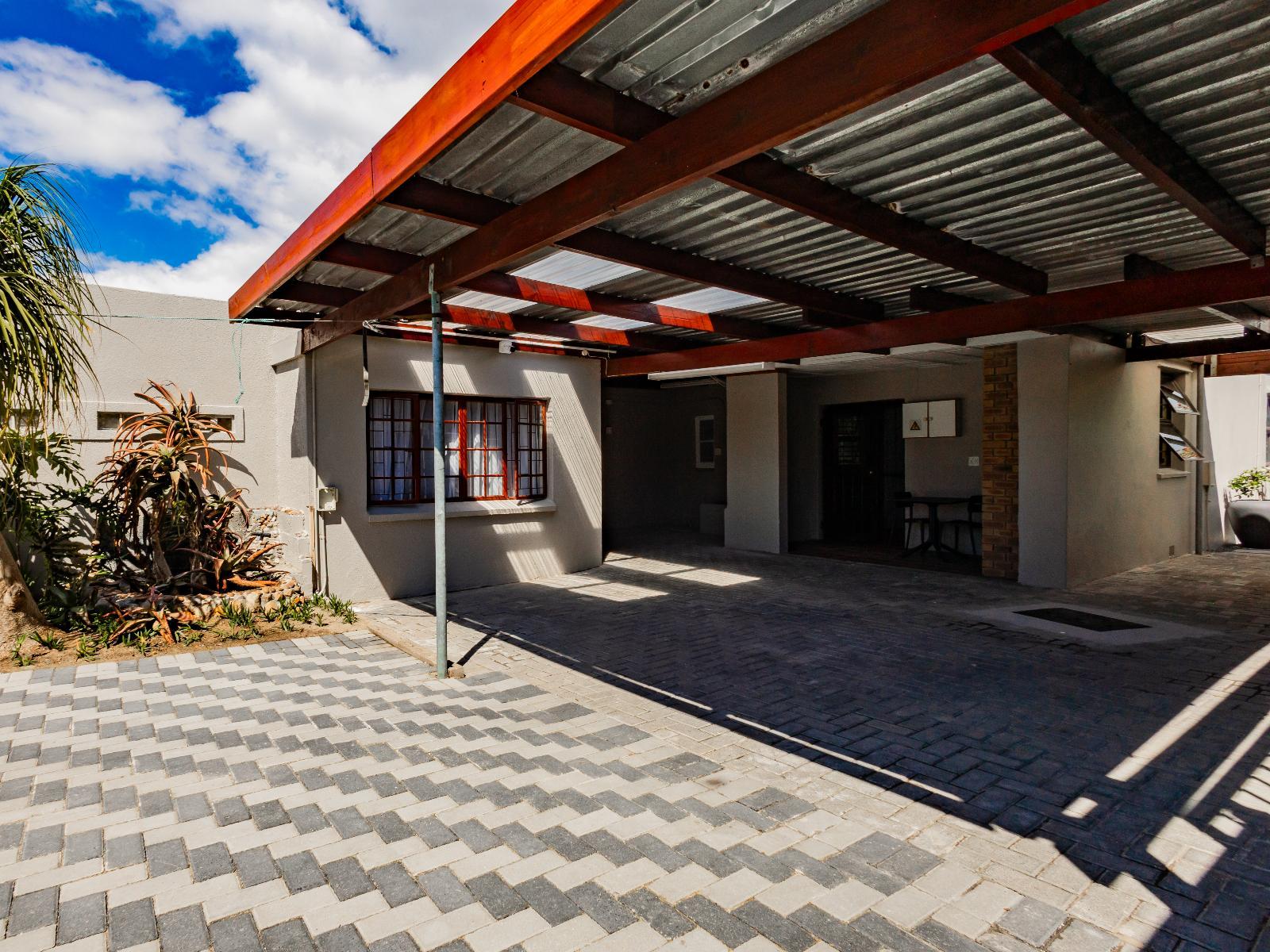
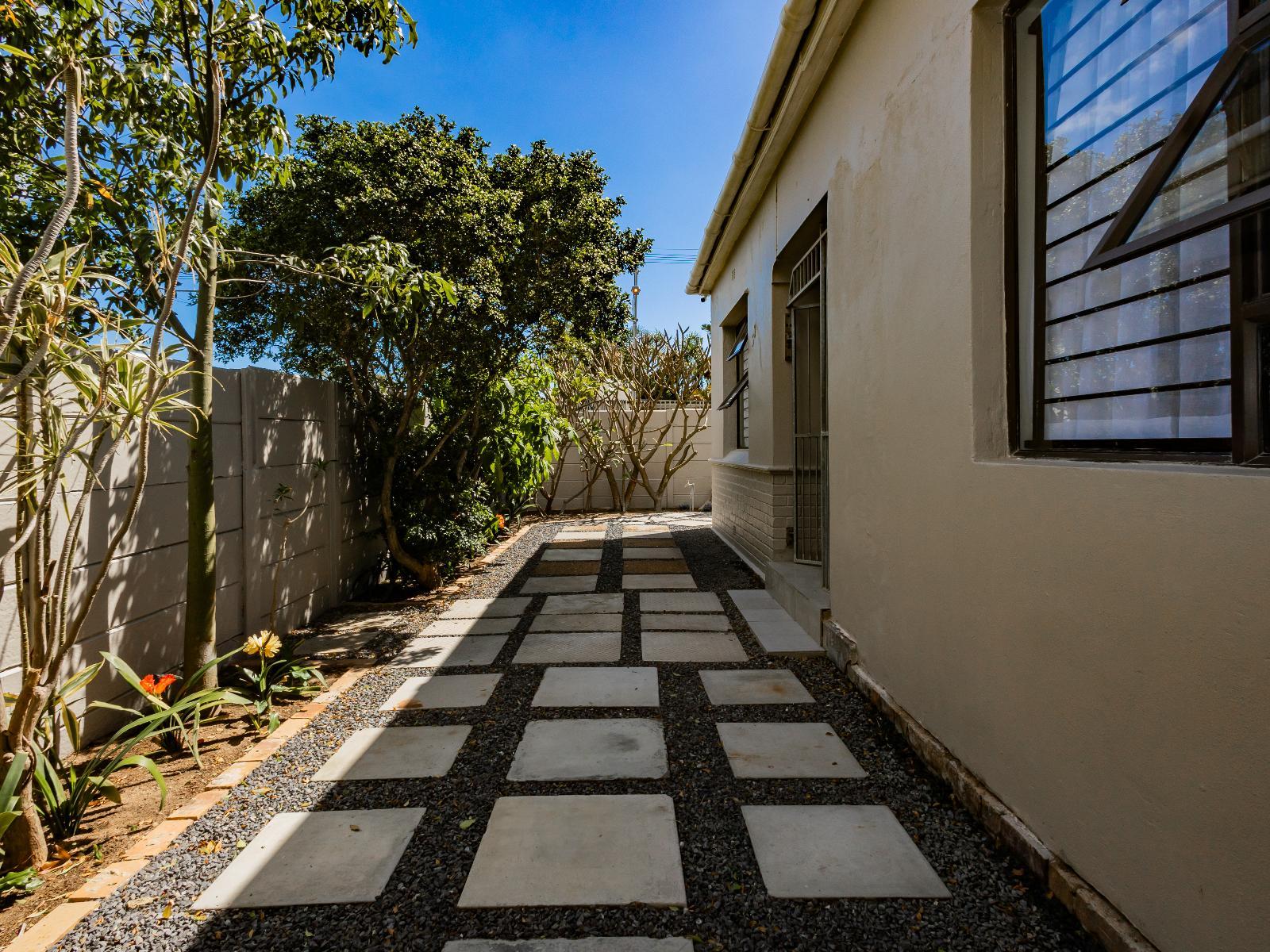
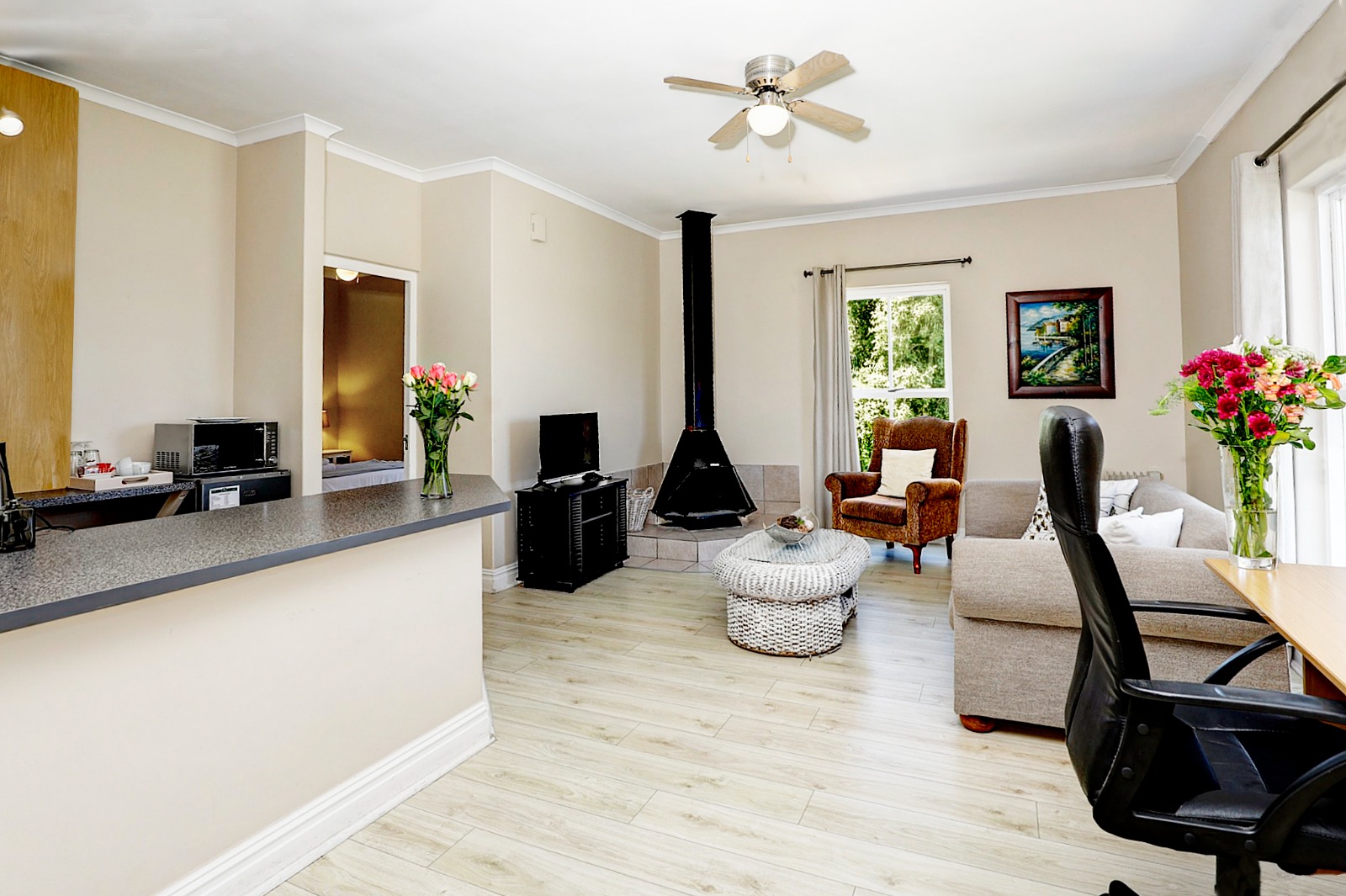
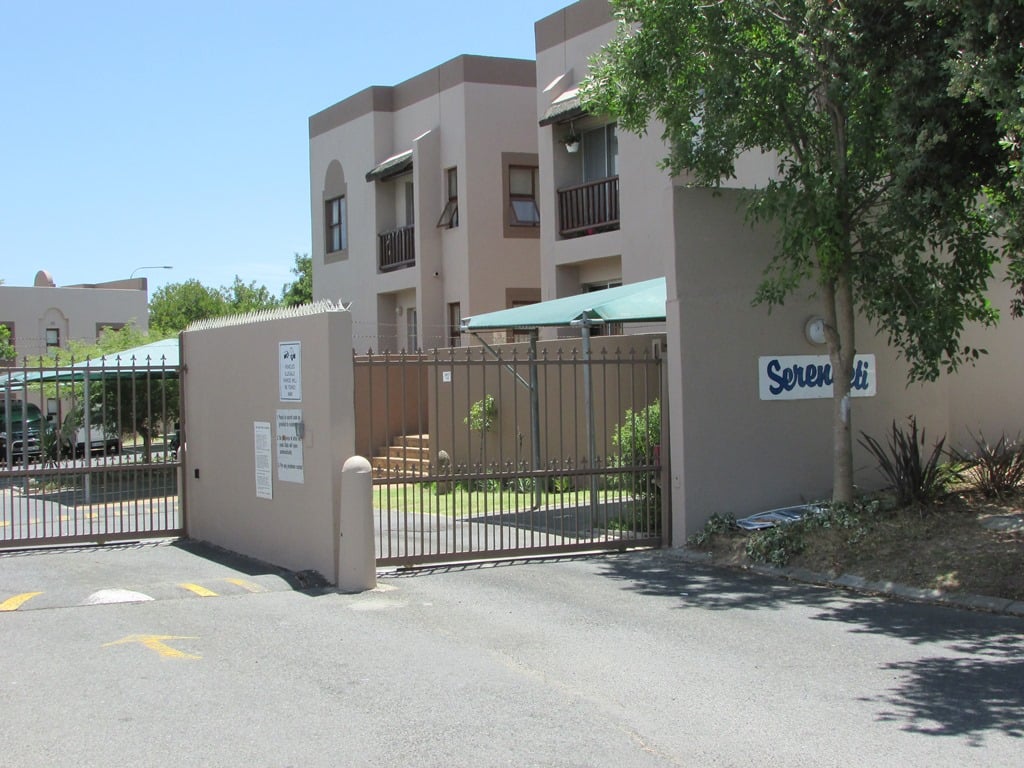
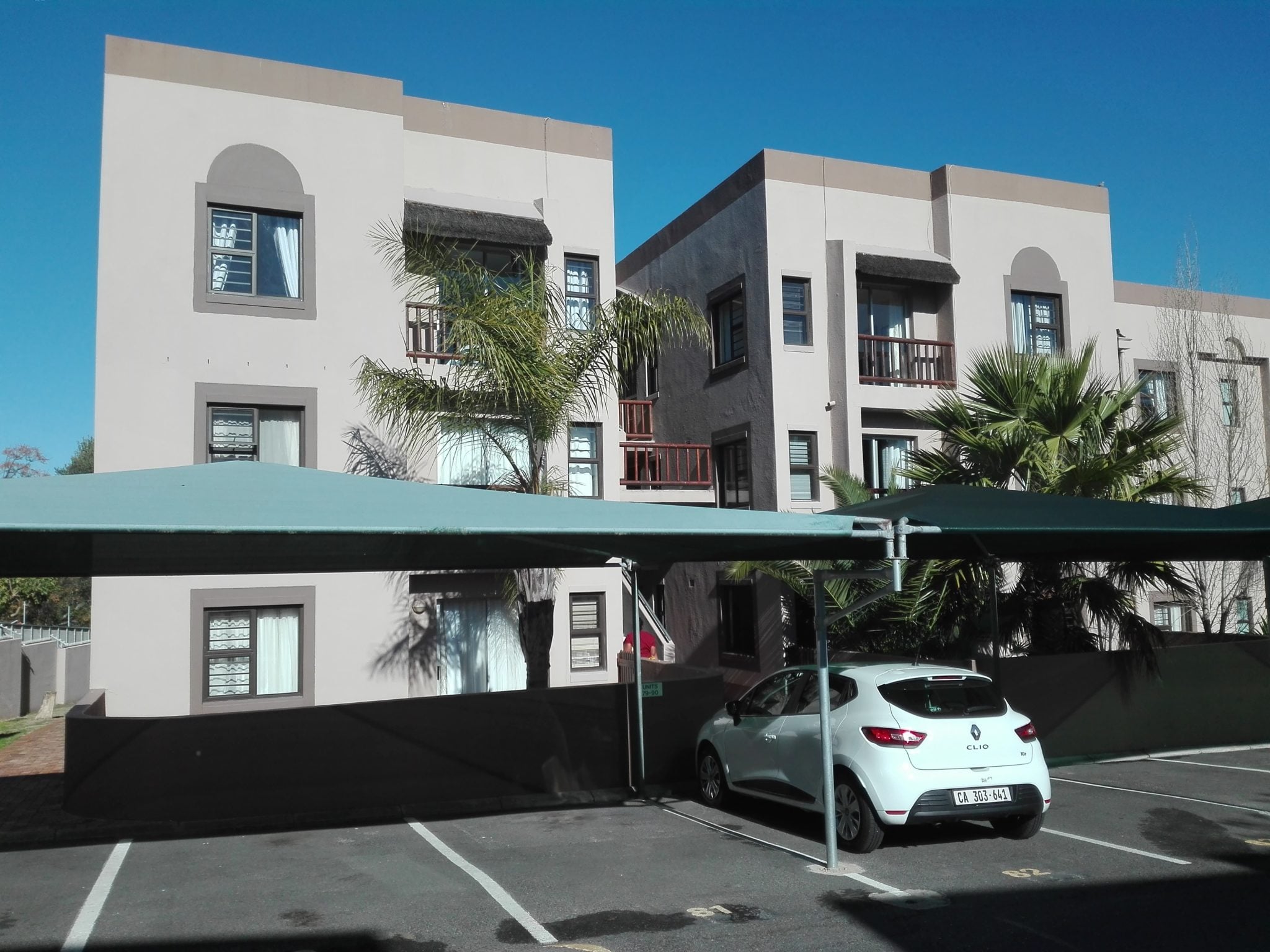
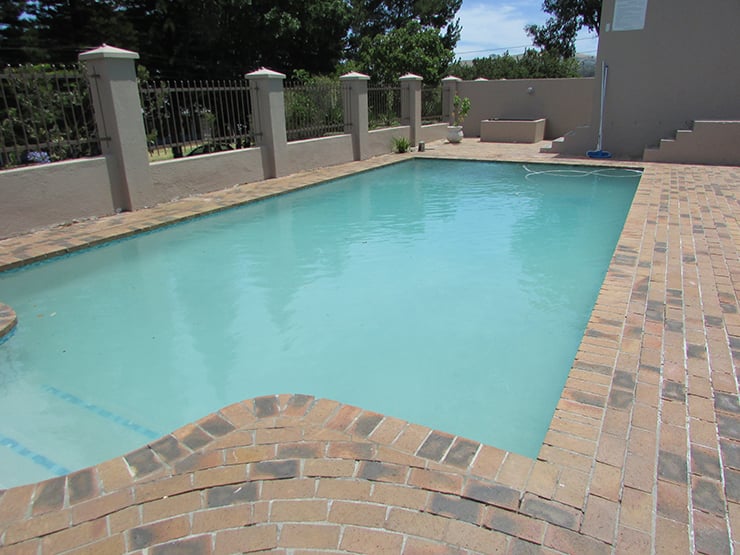
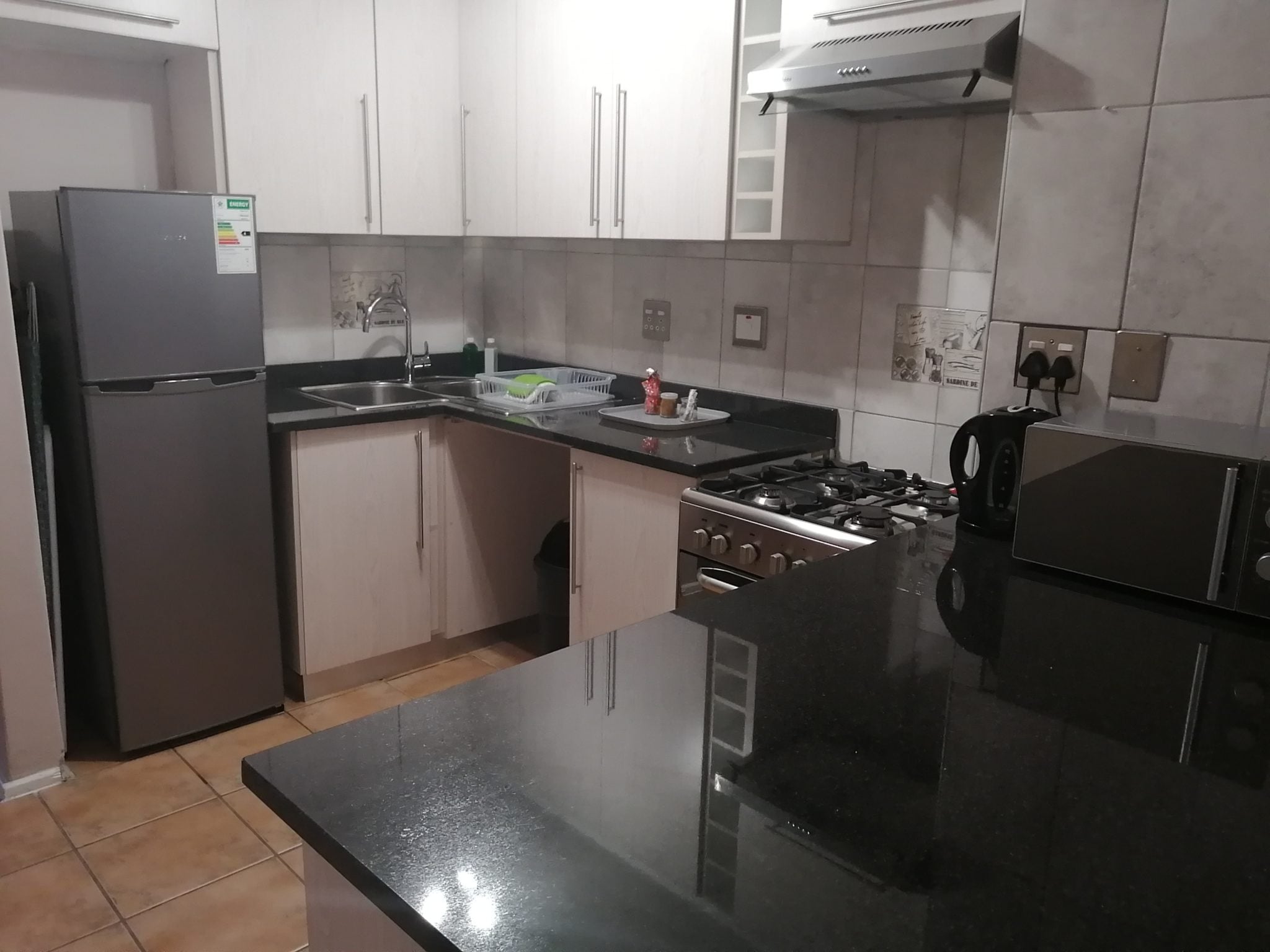
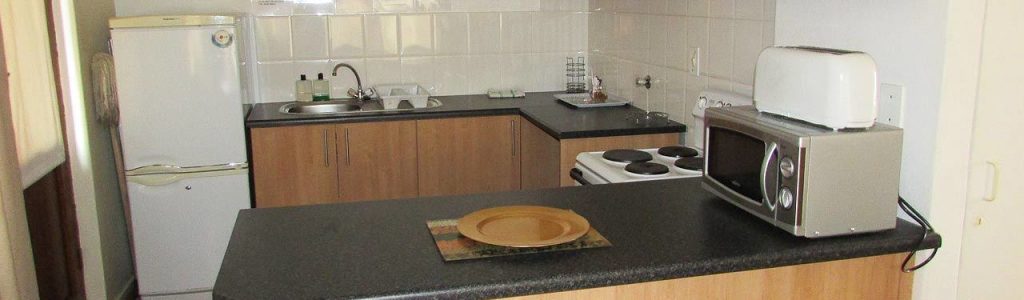
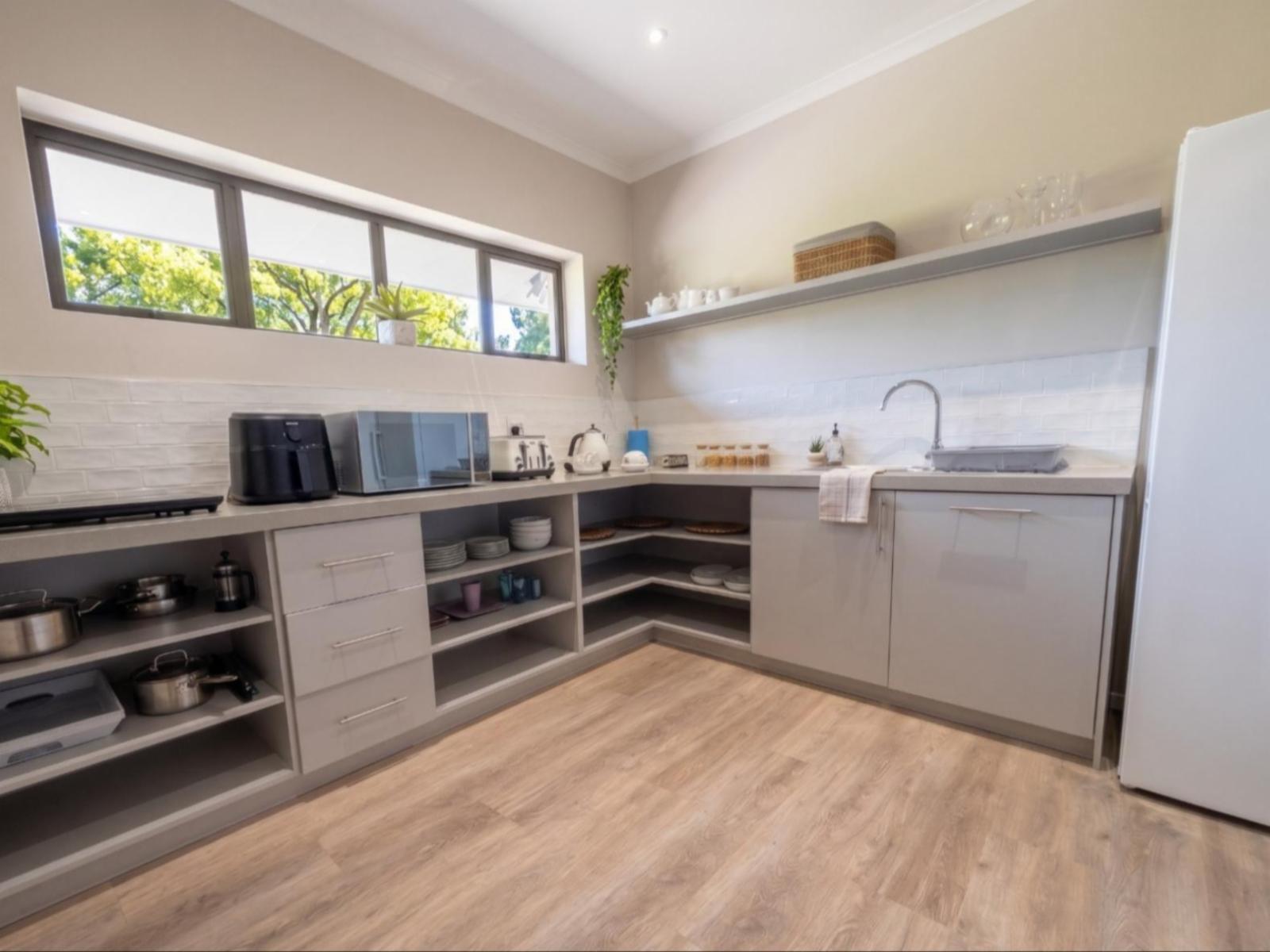
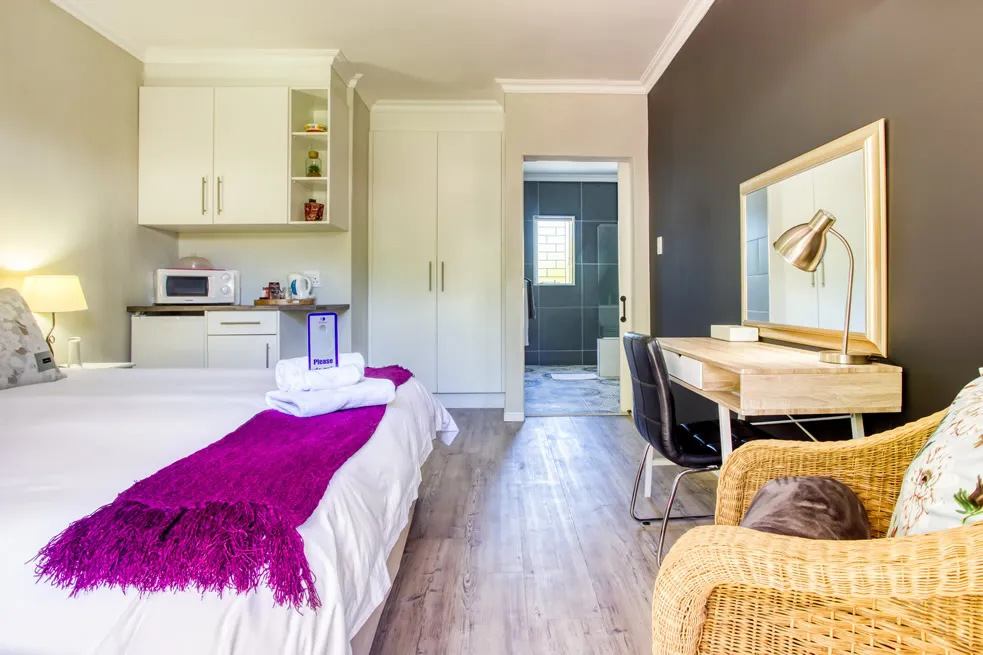
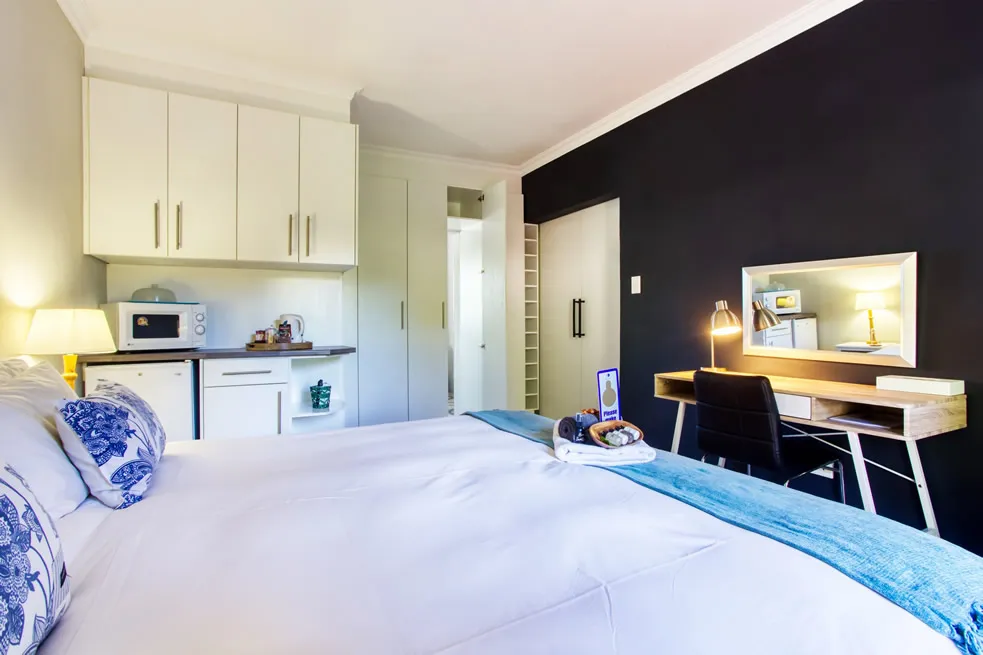
At the lower end, self-catering accommodation suits visitors who prefer to manage their own meals and schedule. The finish is modest but functional, and the location within the wine farm belt means estates are accessible without a long drive. This option works particularly well for families or groups on extended stays.
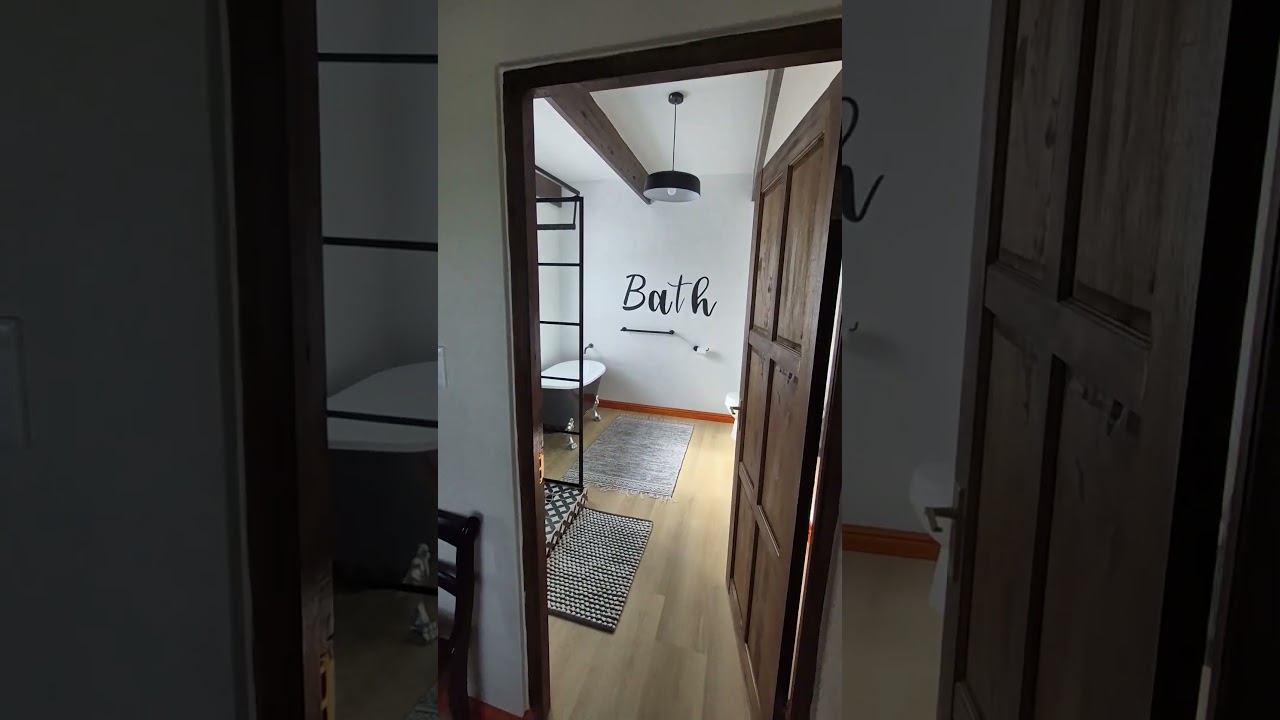
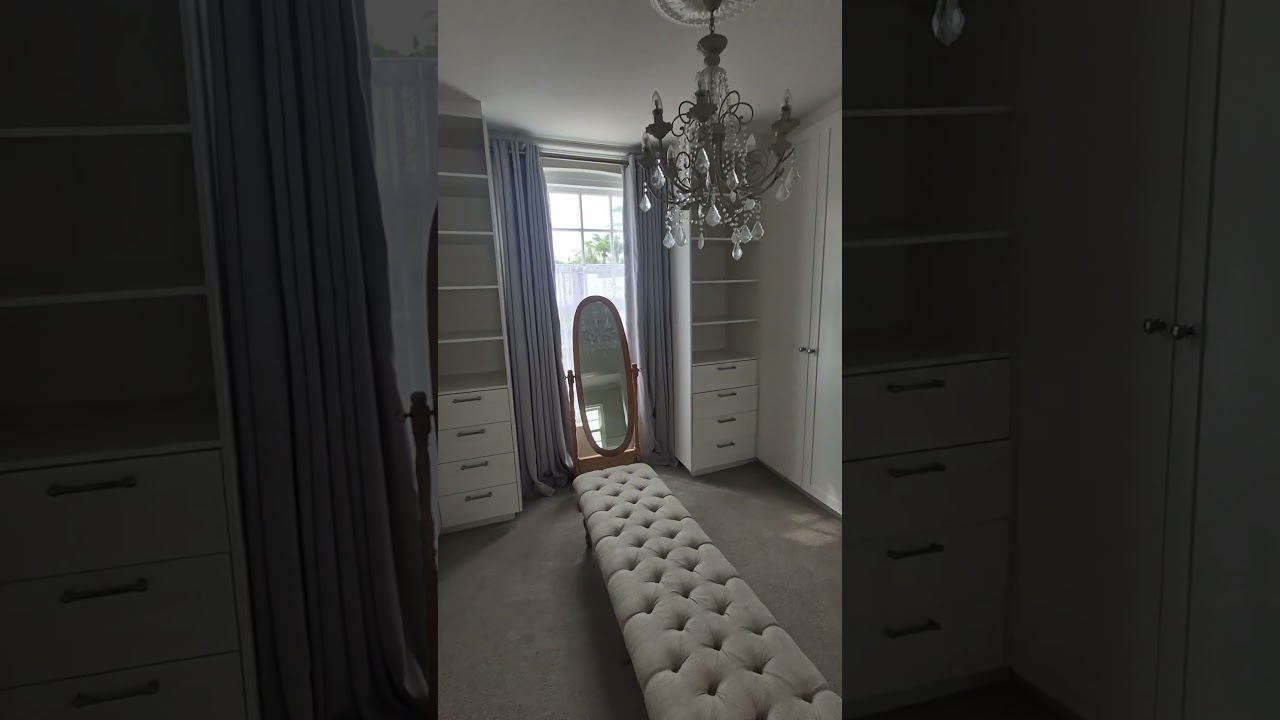
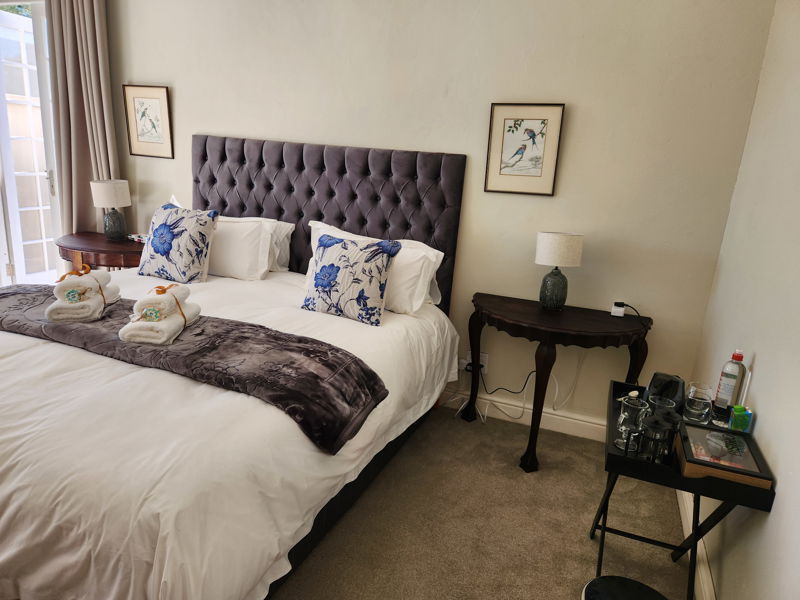
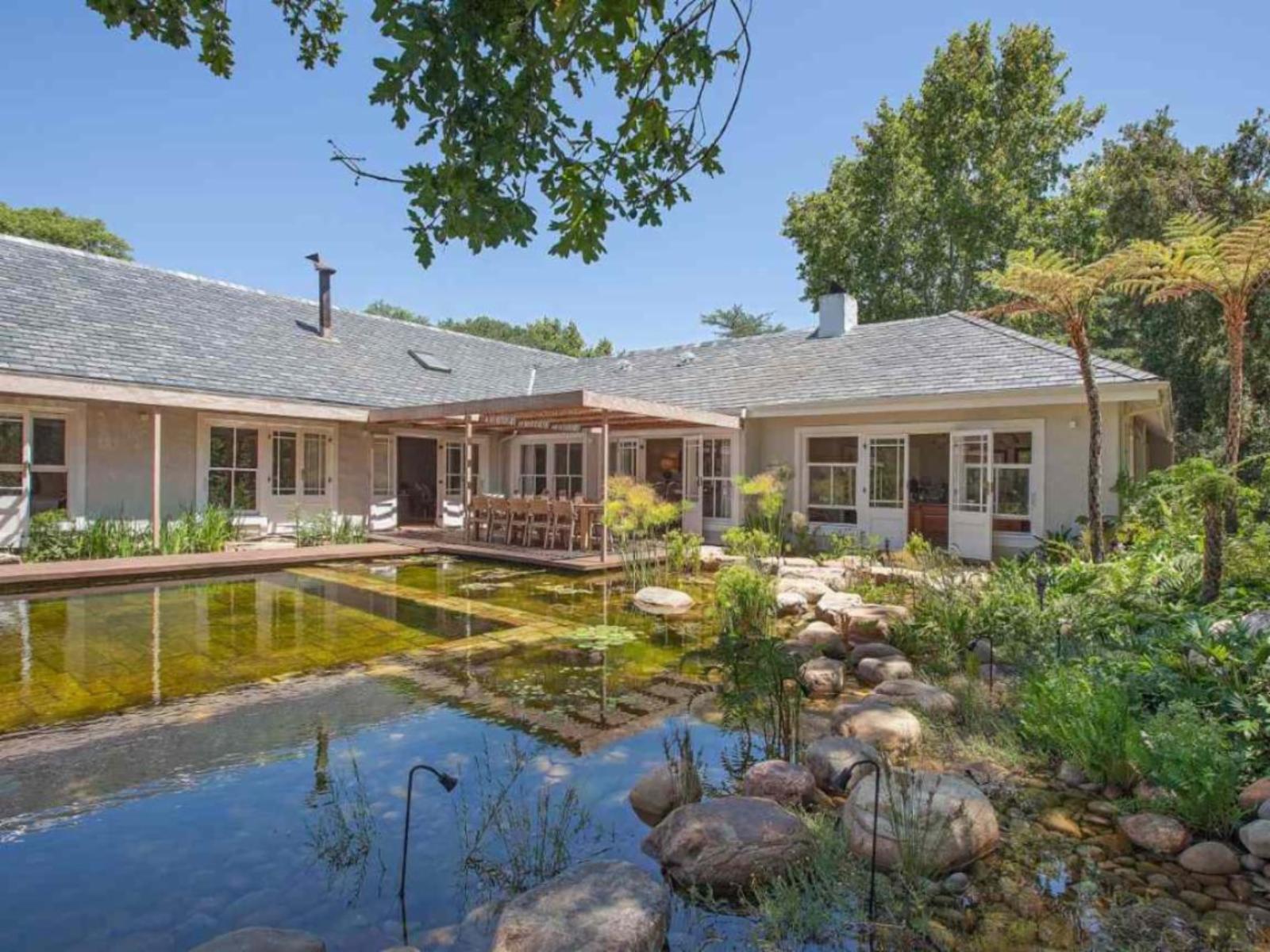
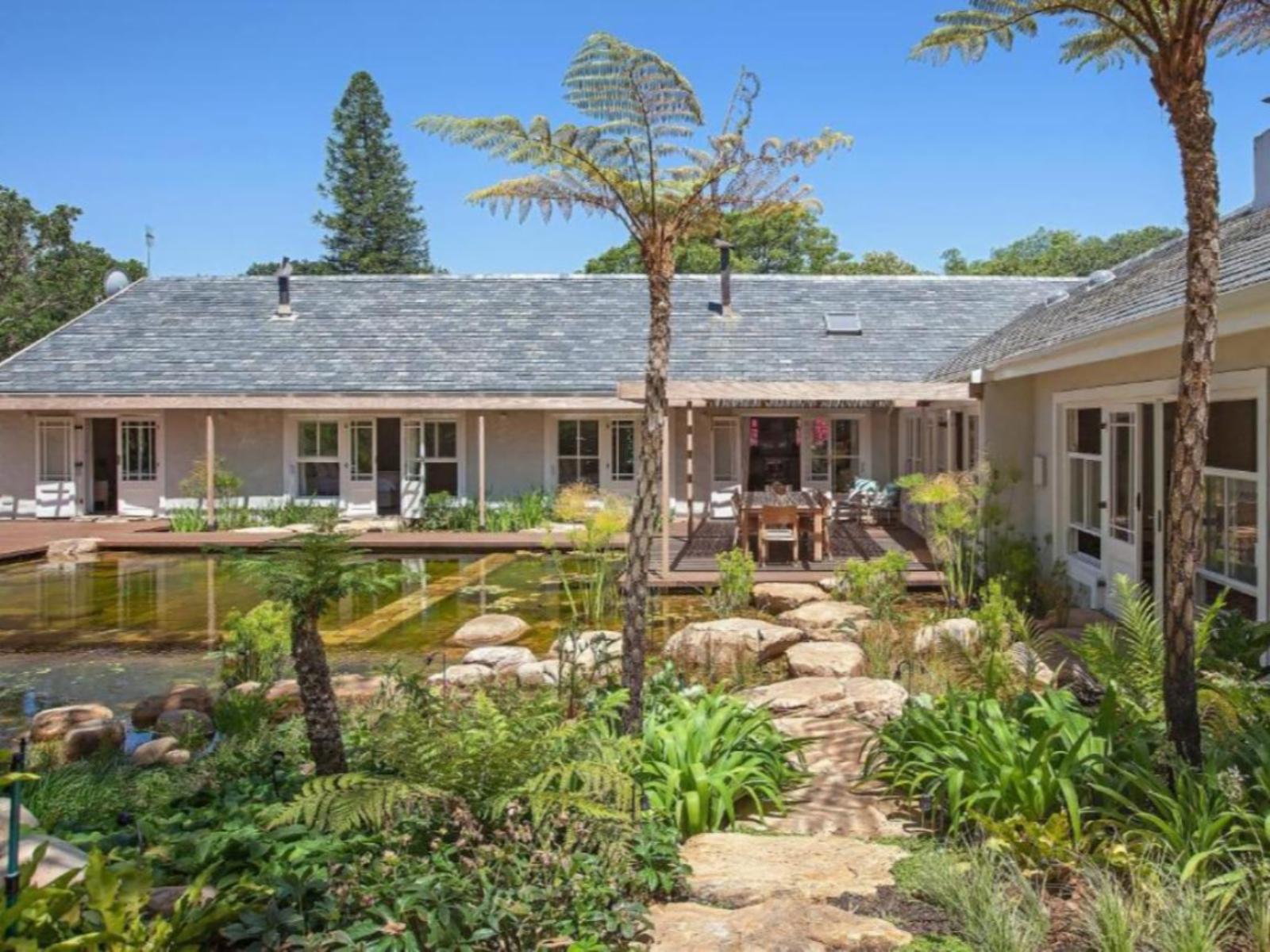
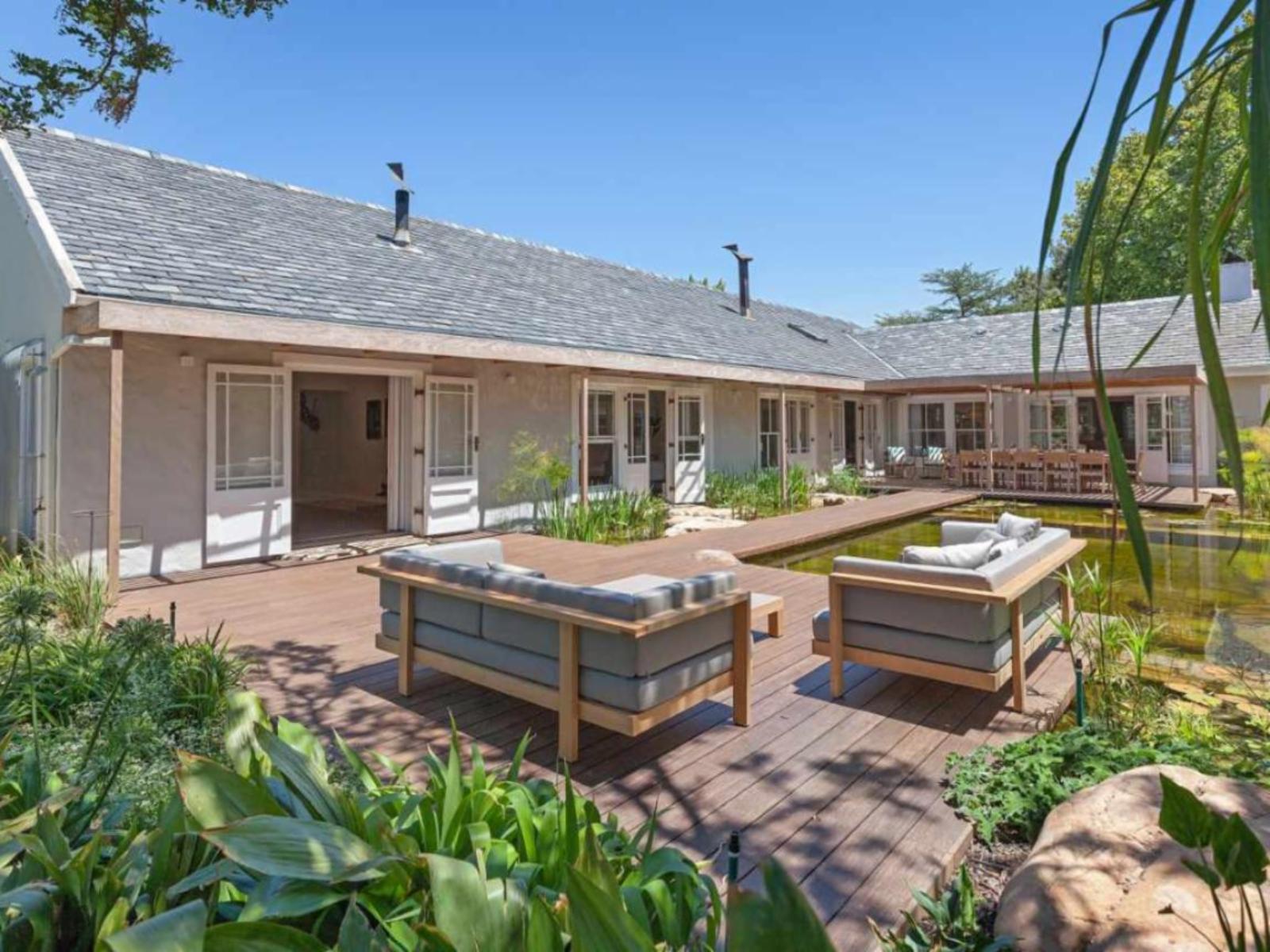
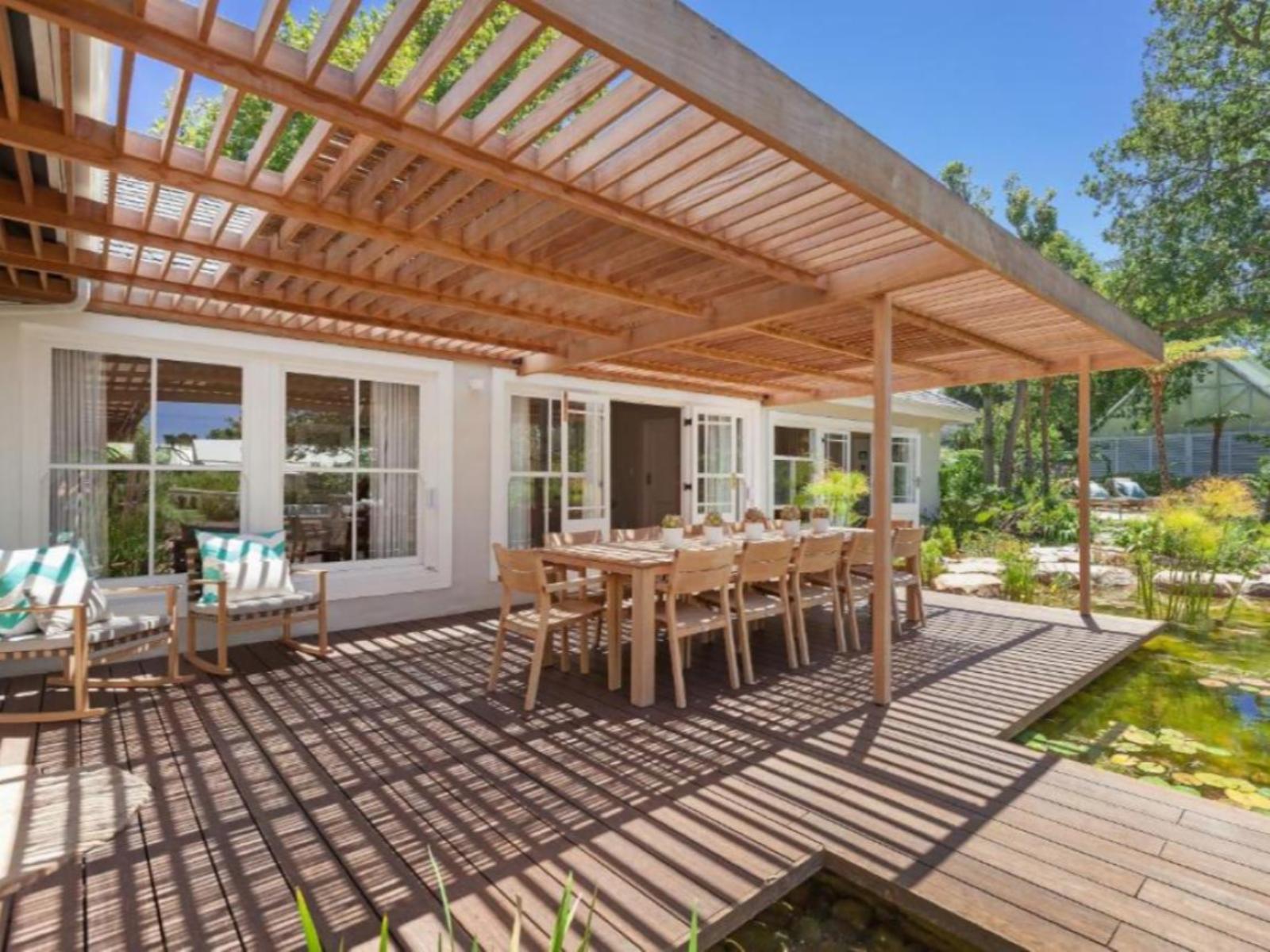
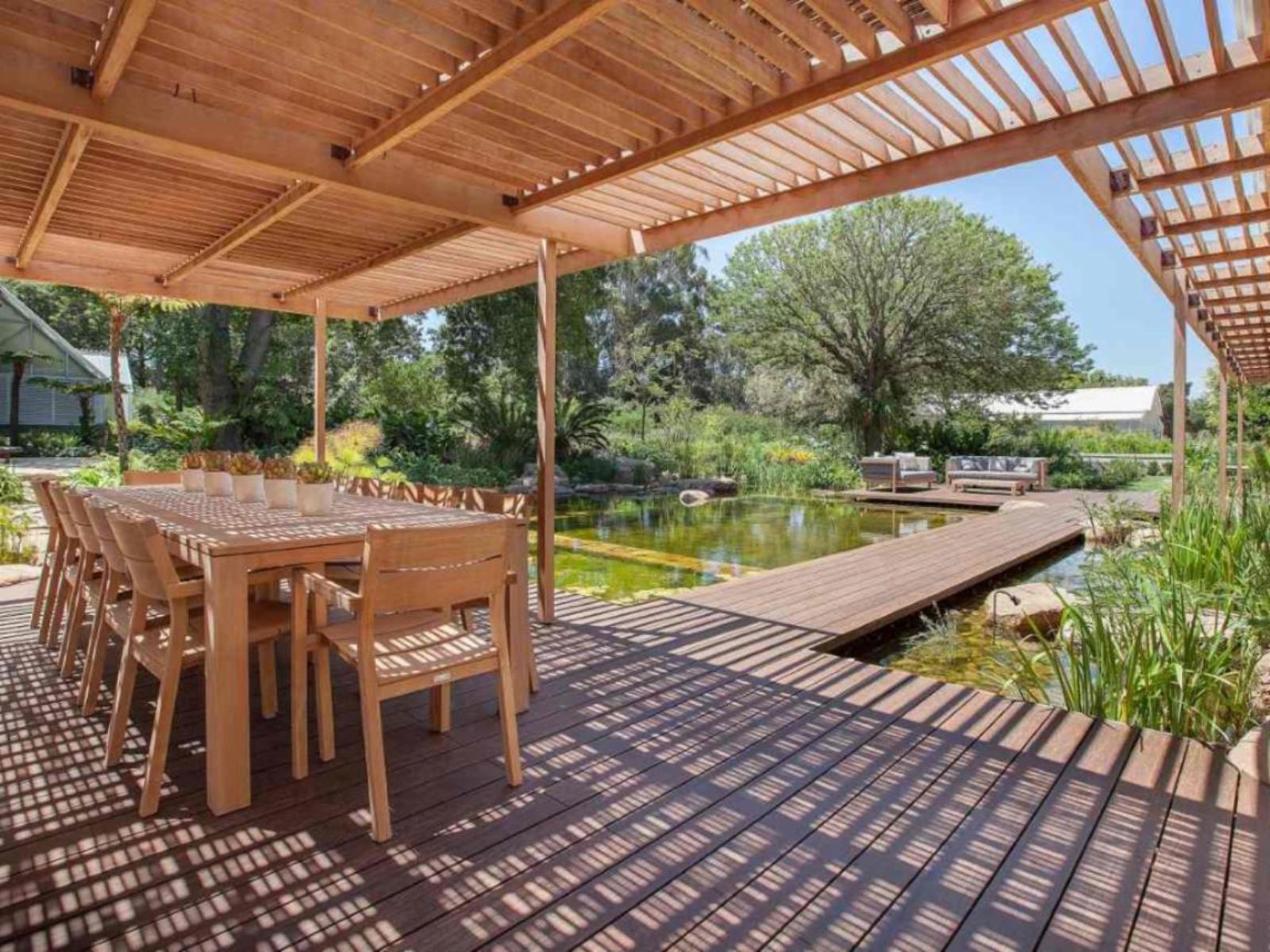
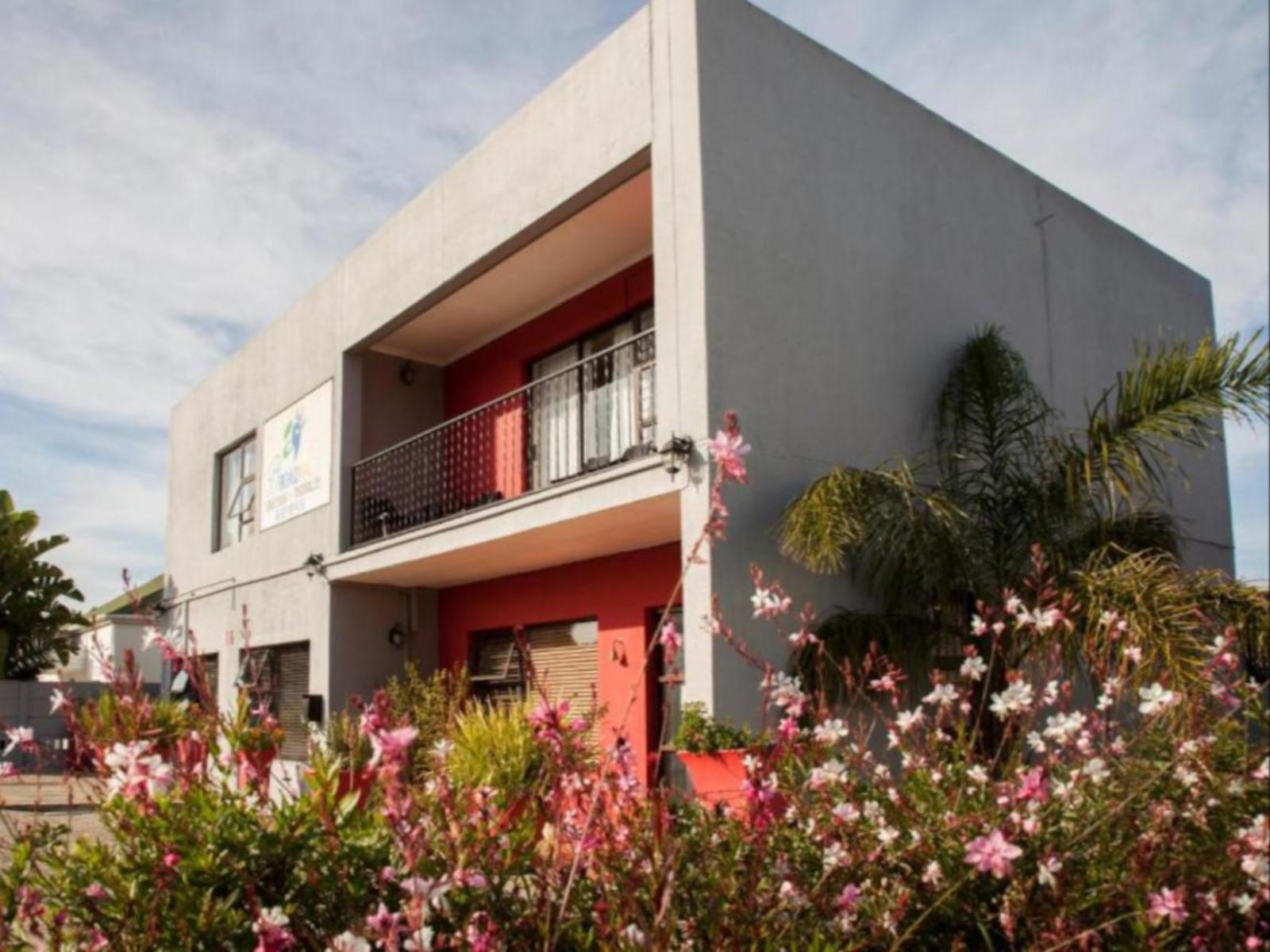
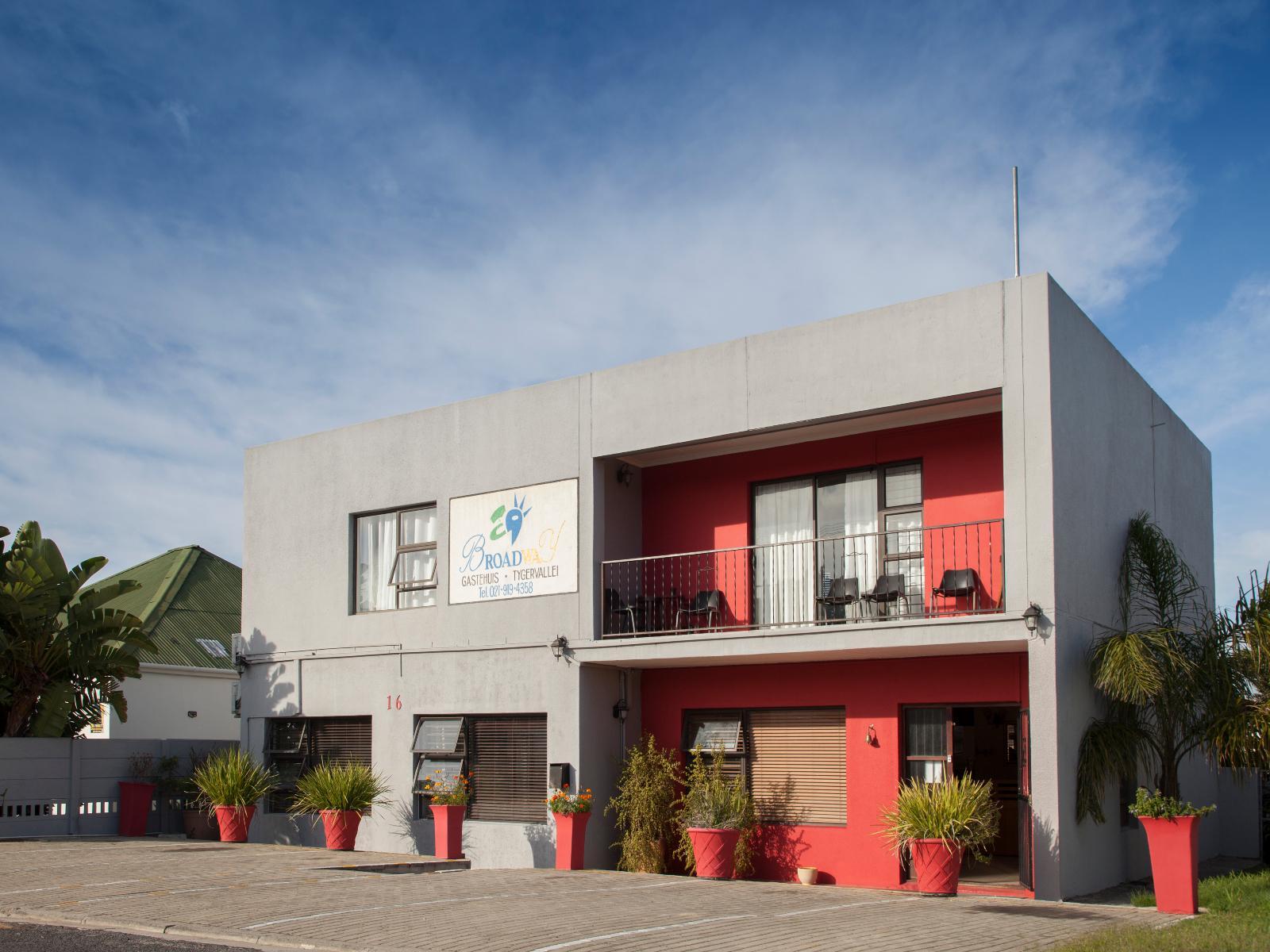
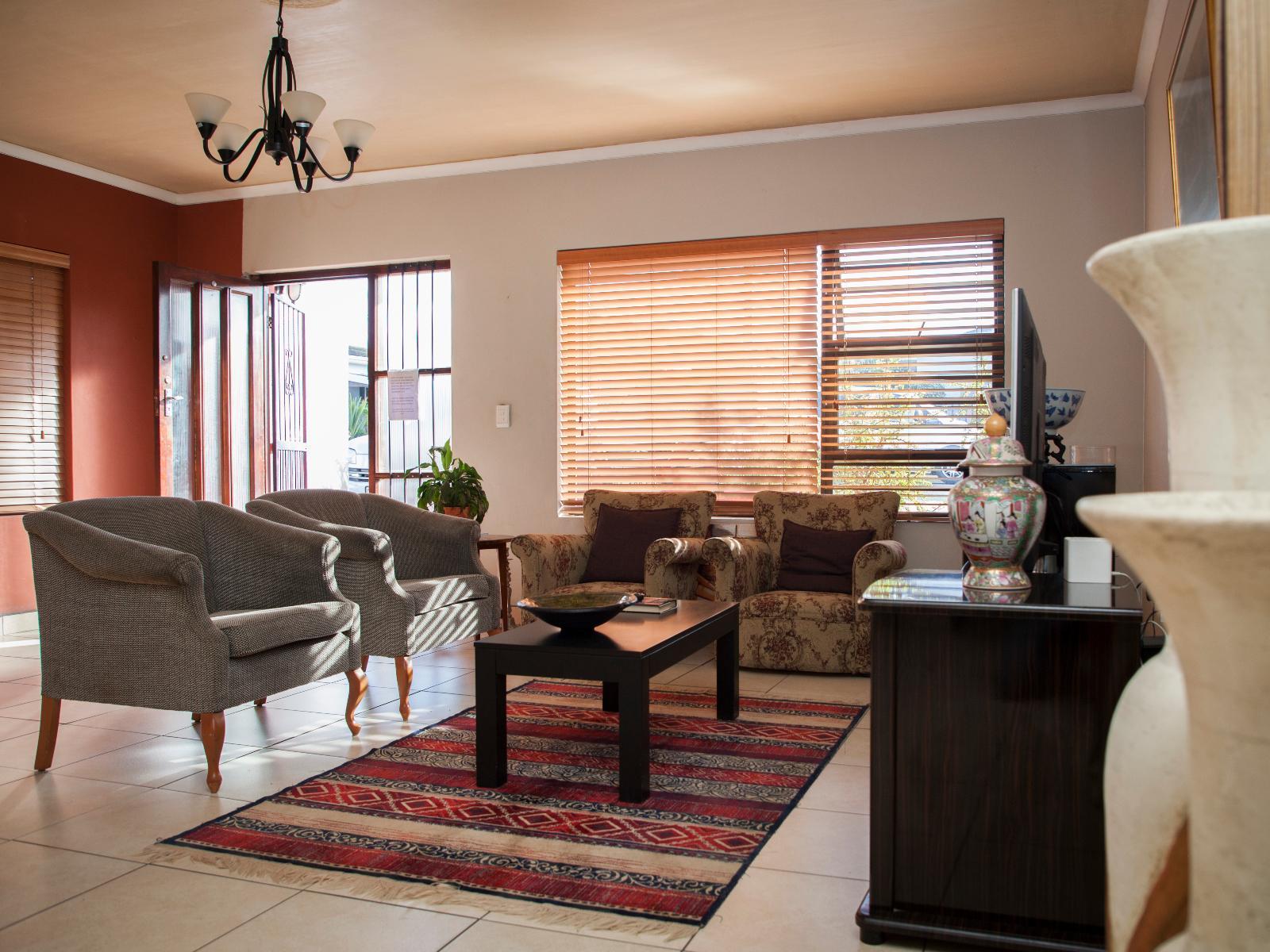
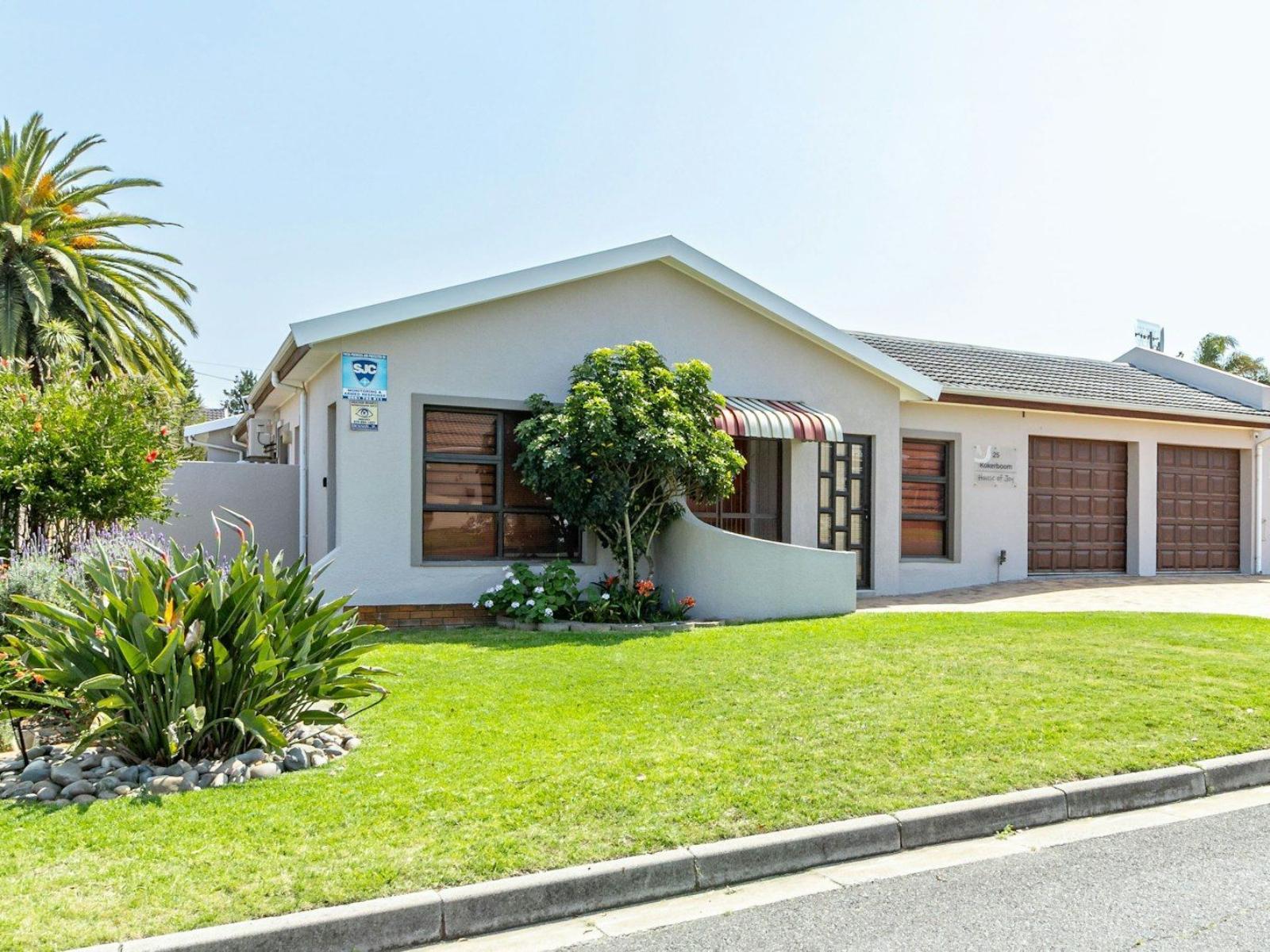
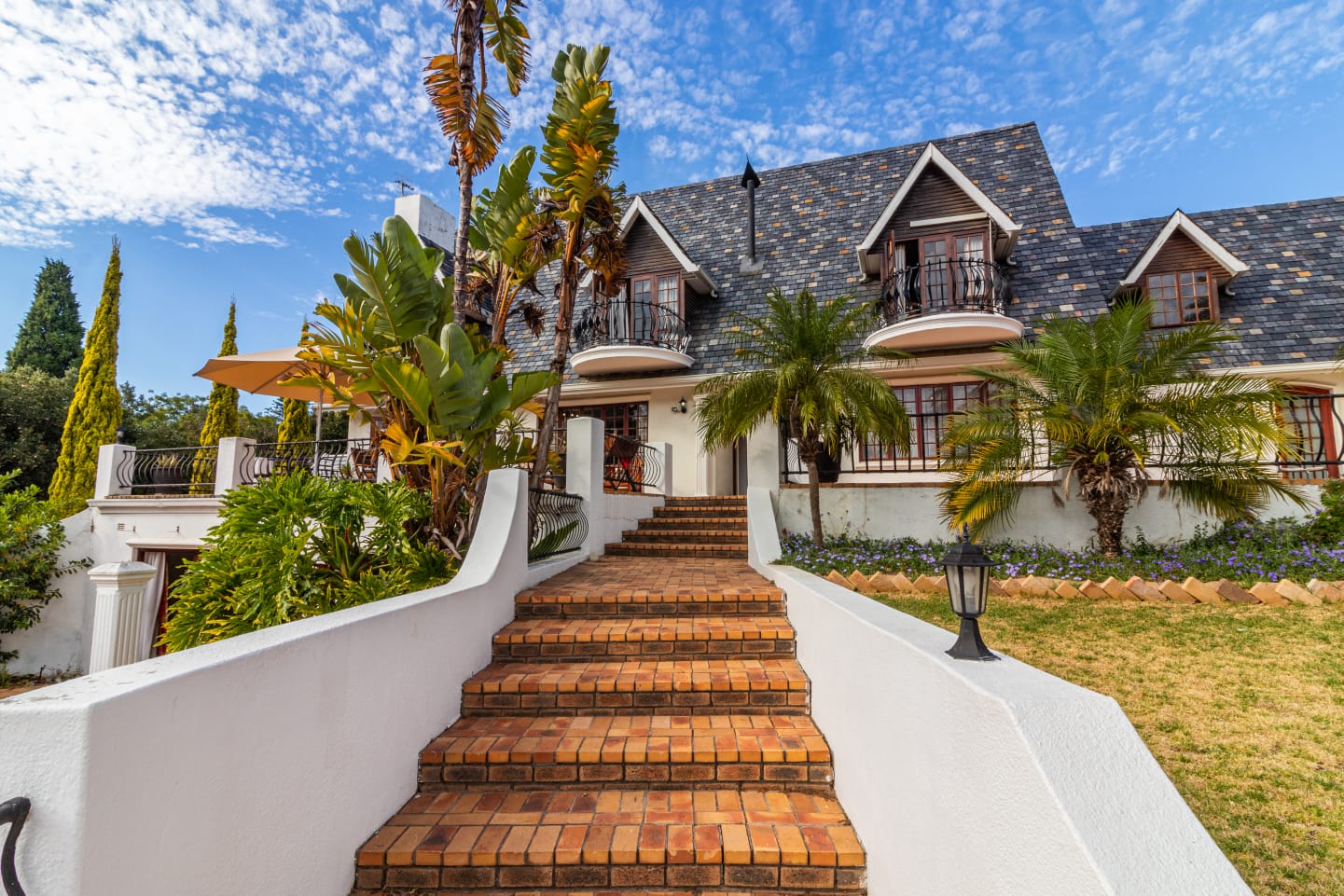
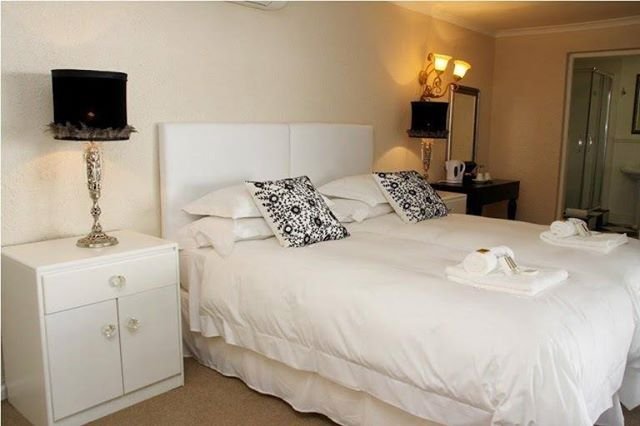
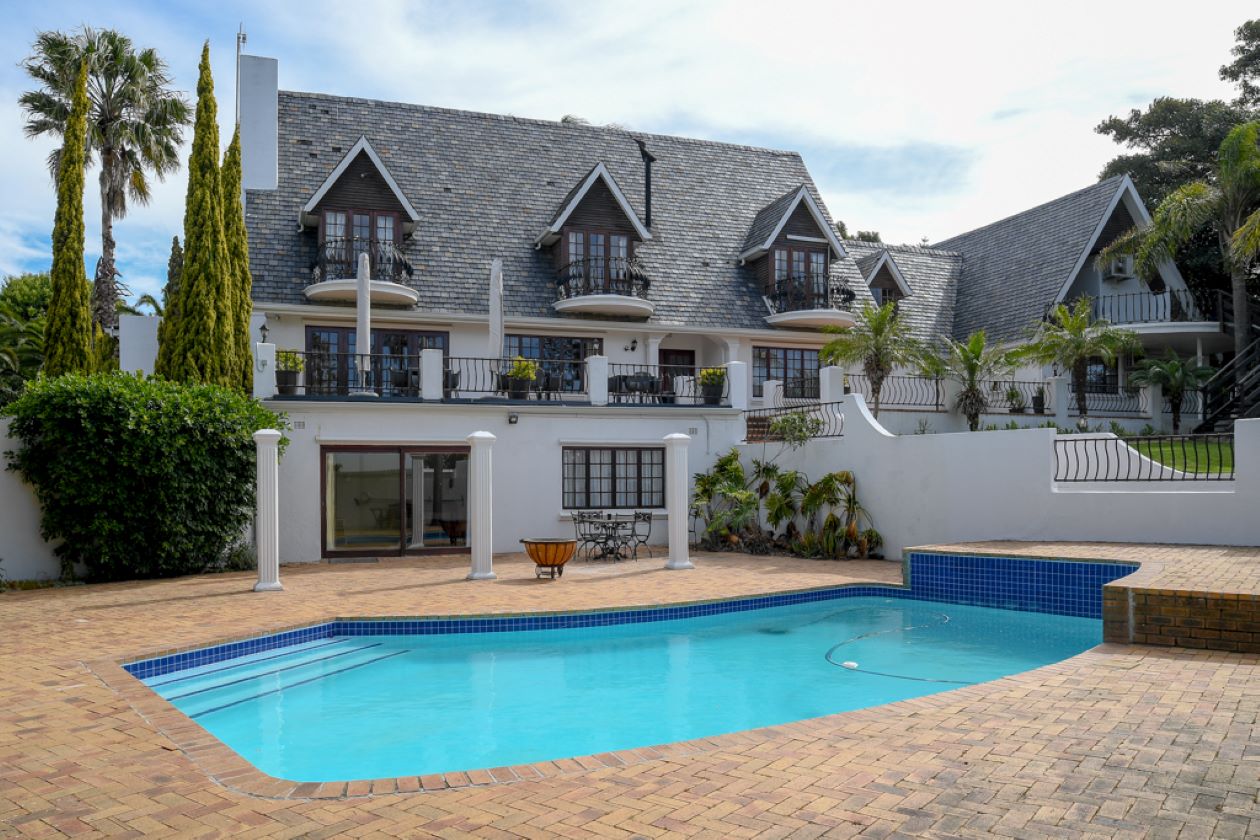
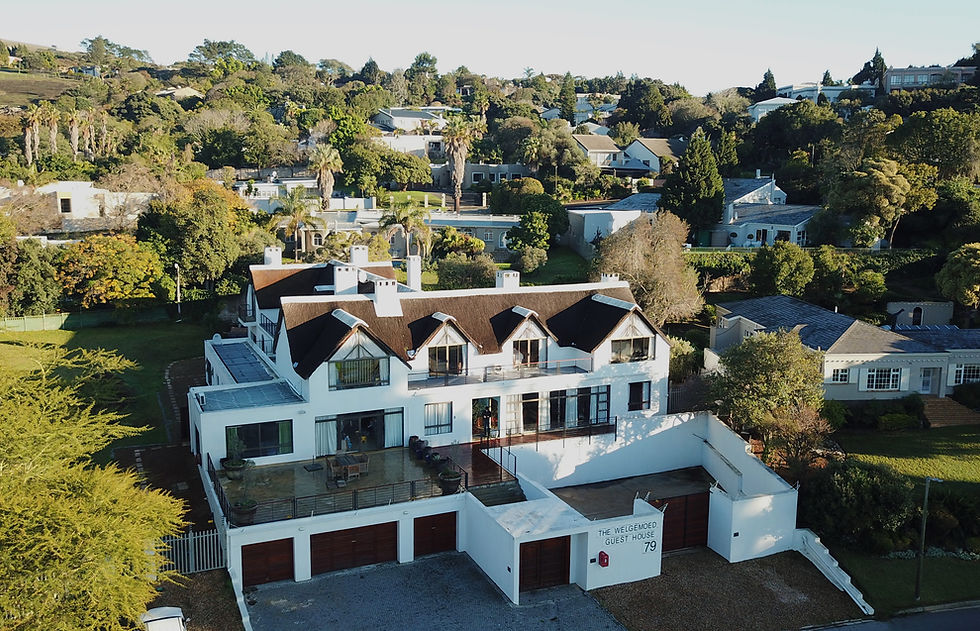
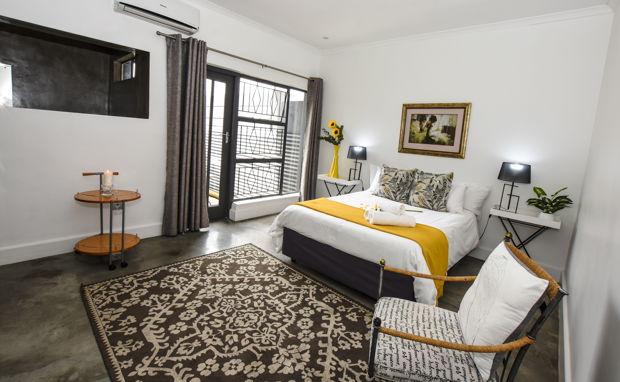
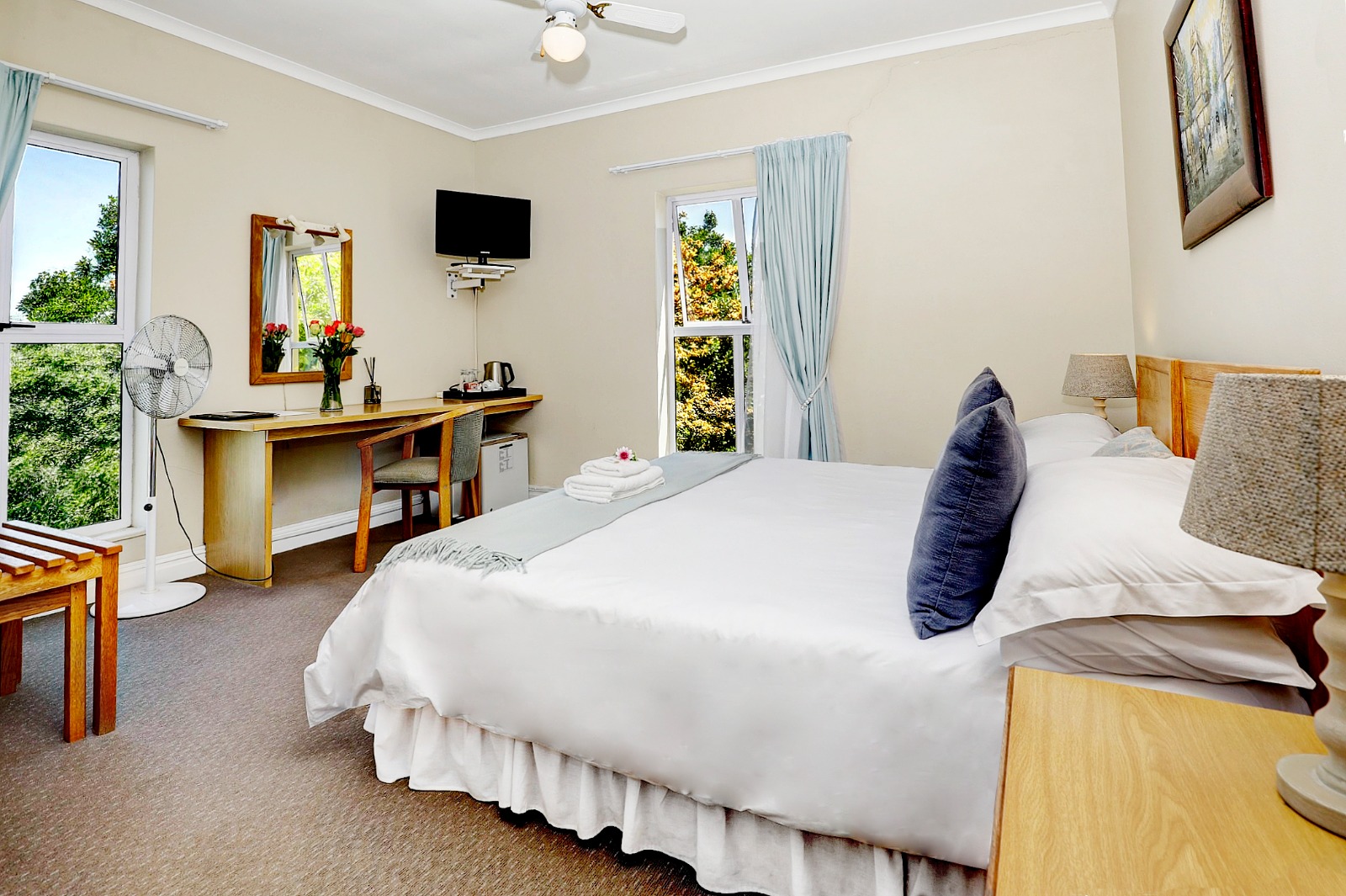
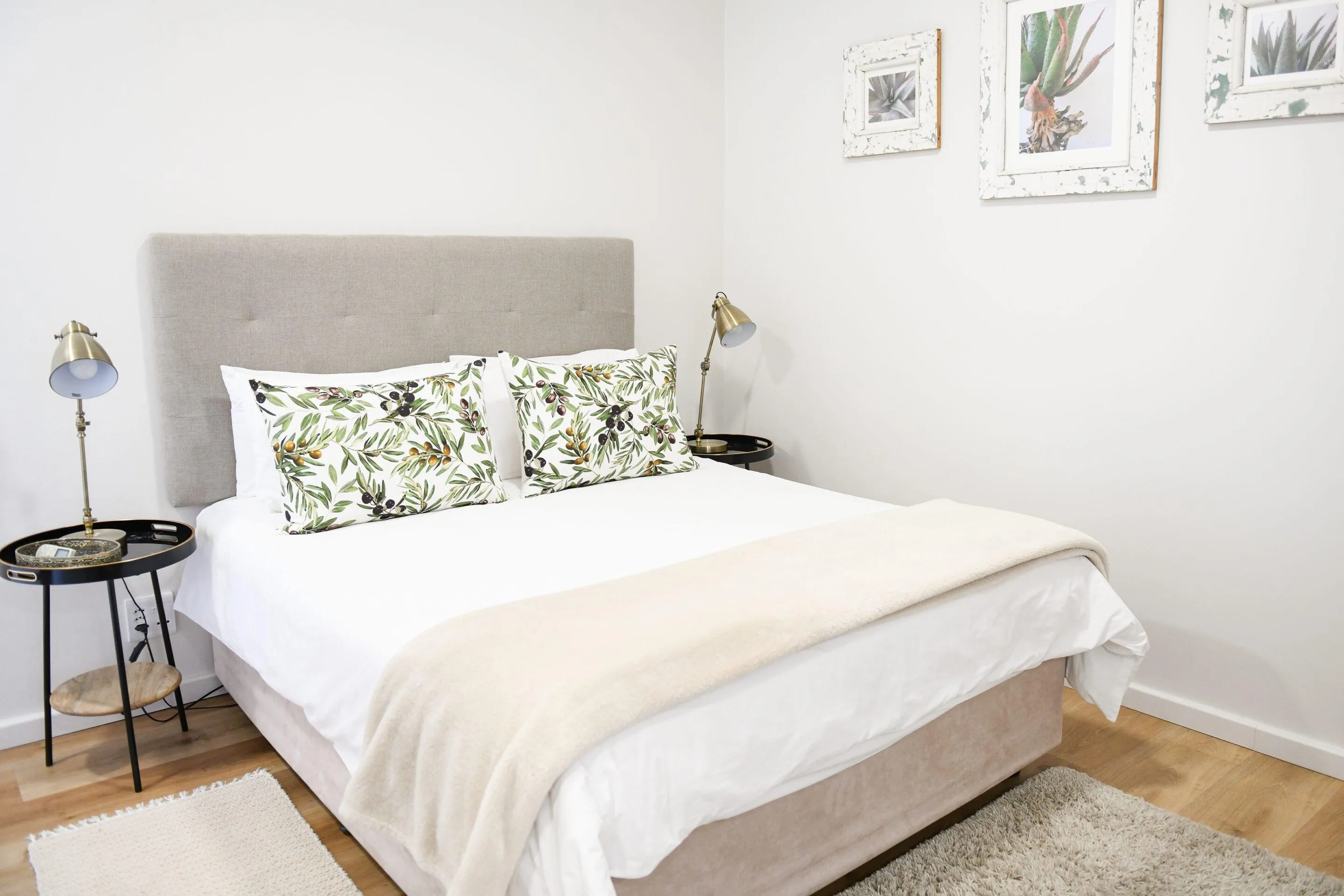
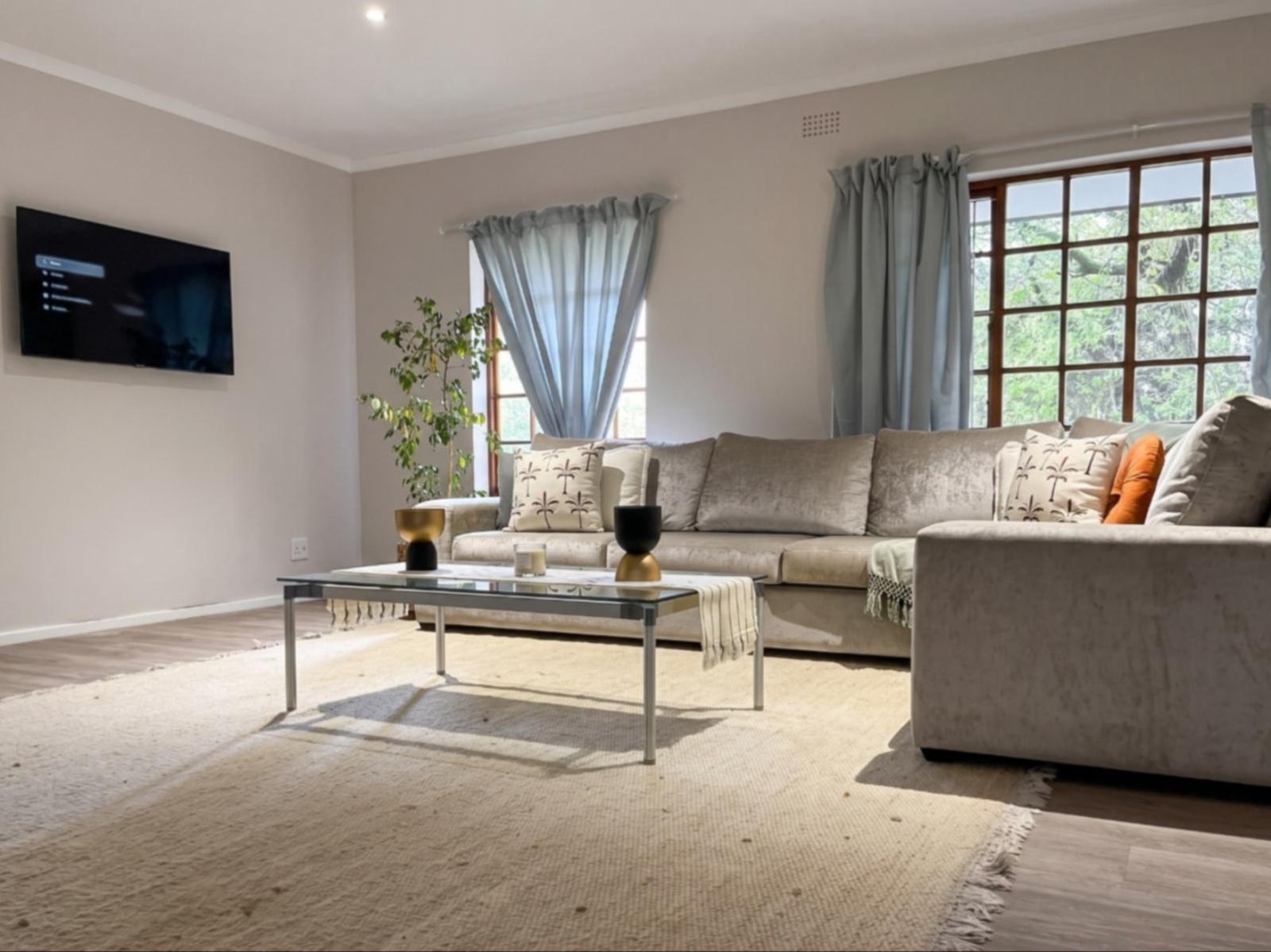
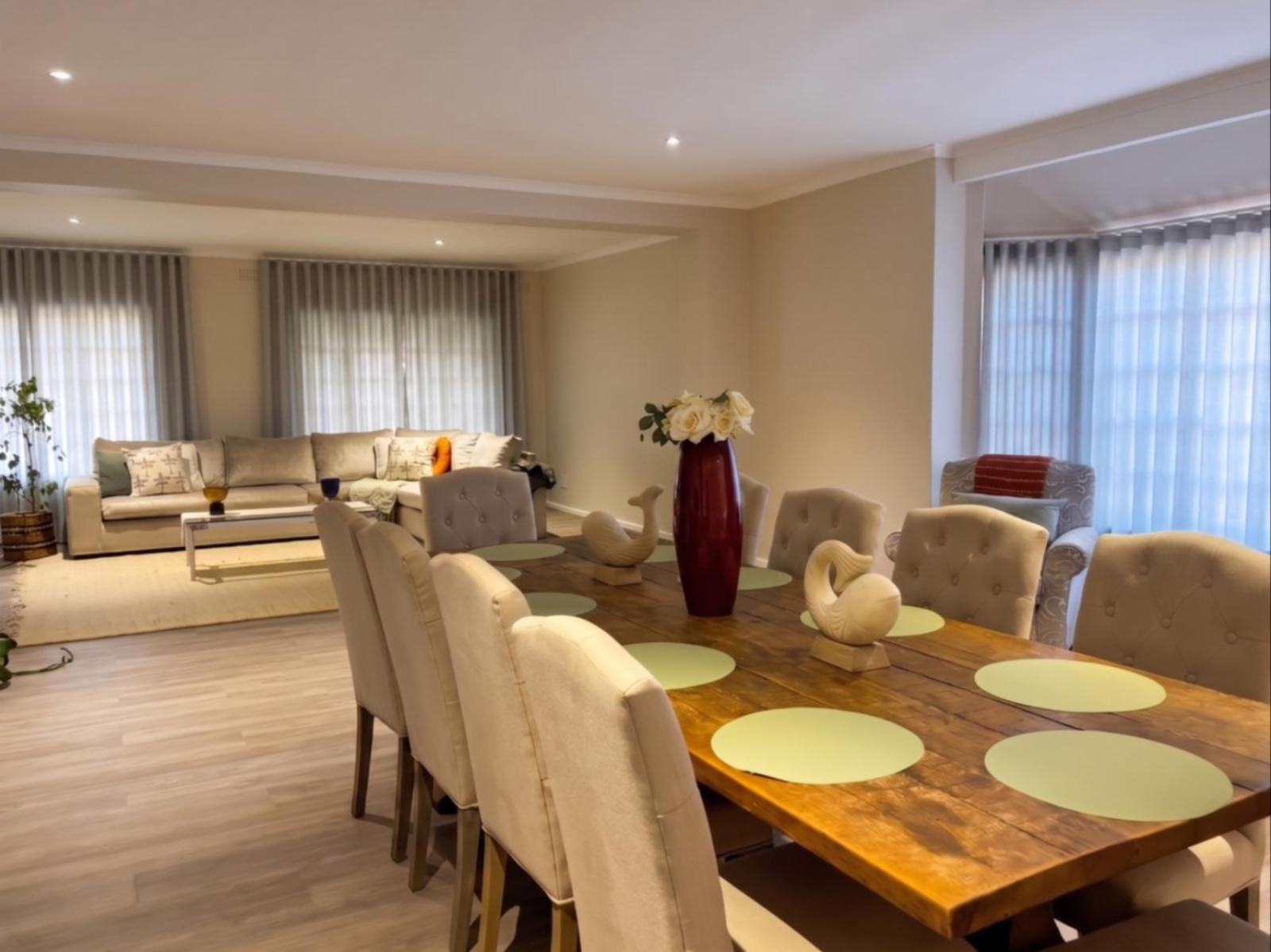
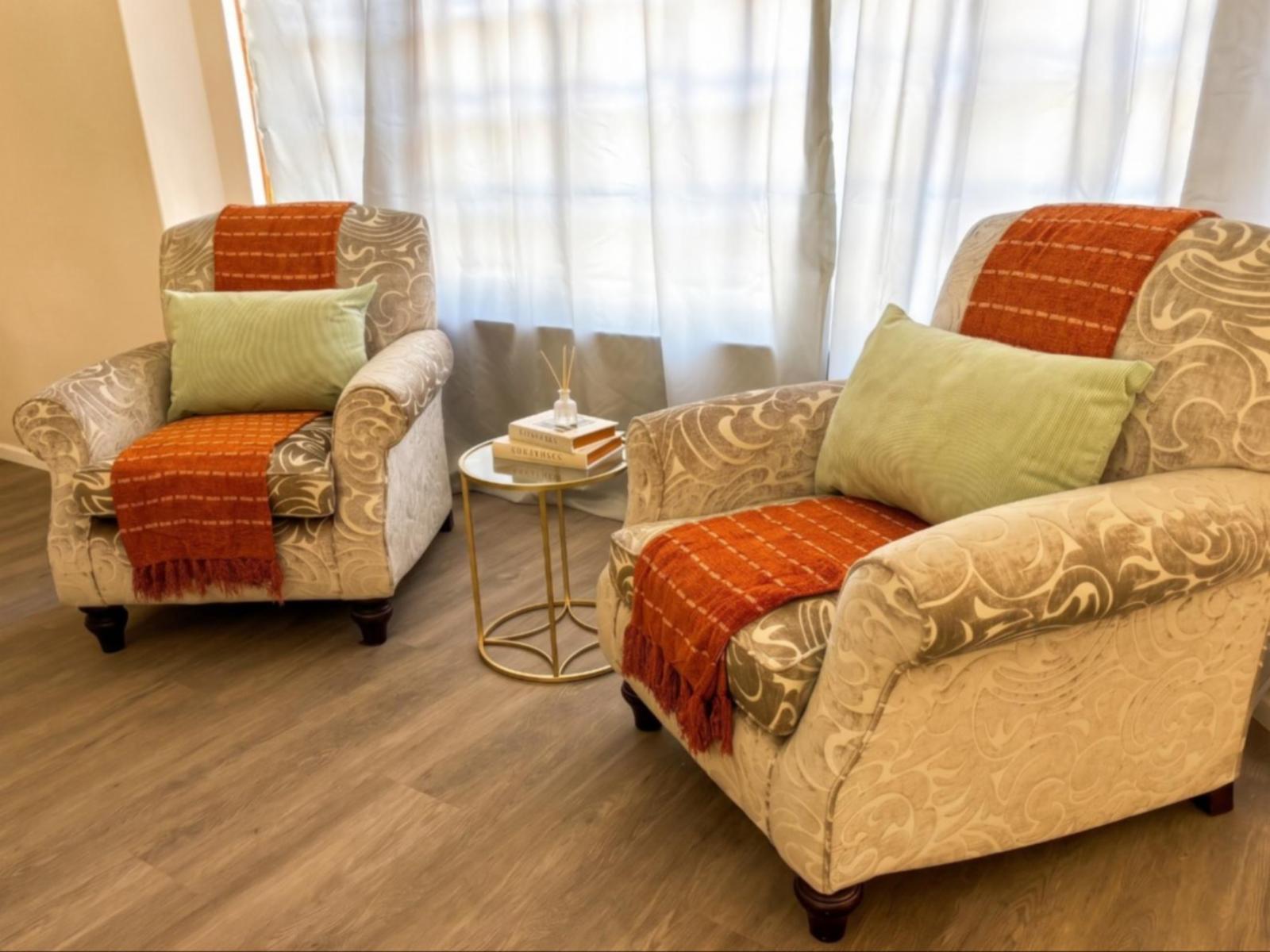
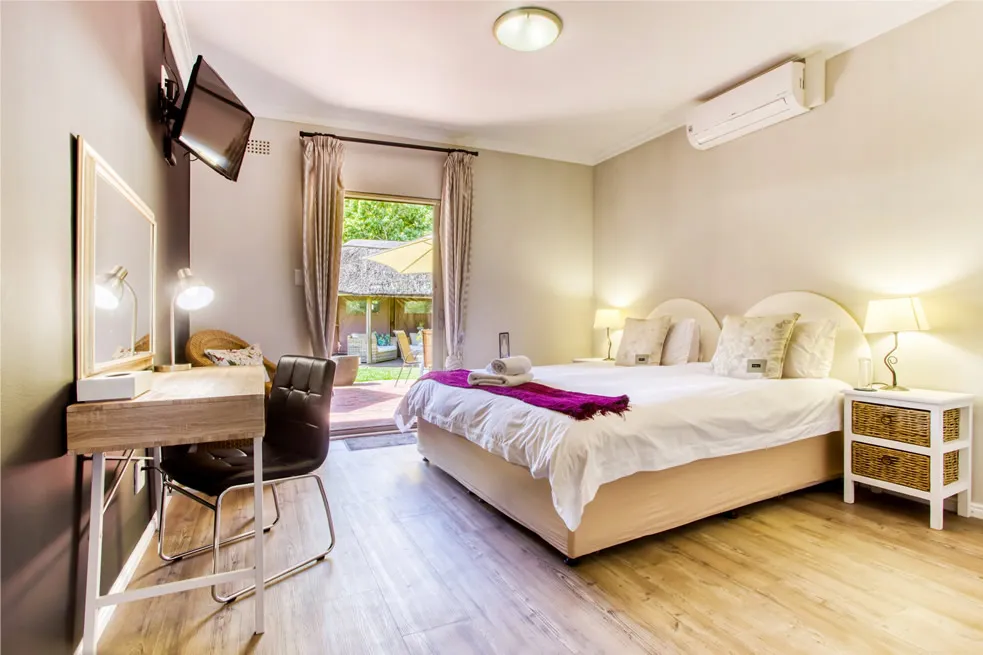
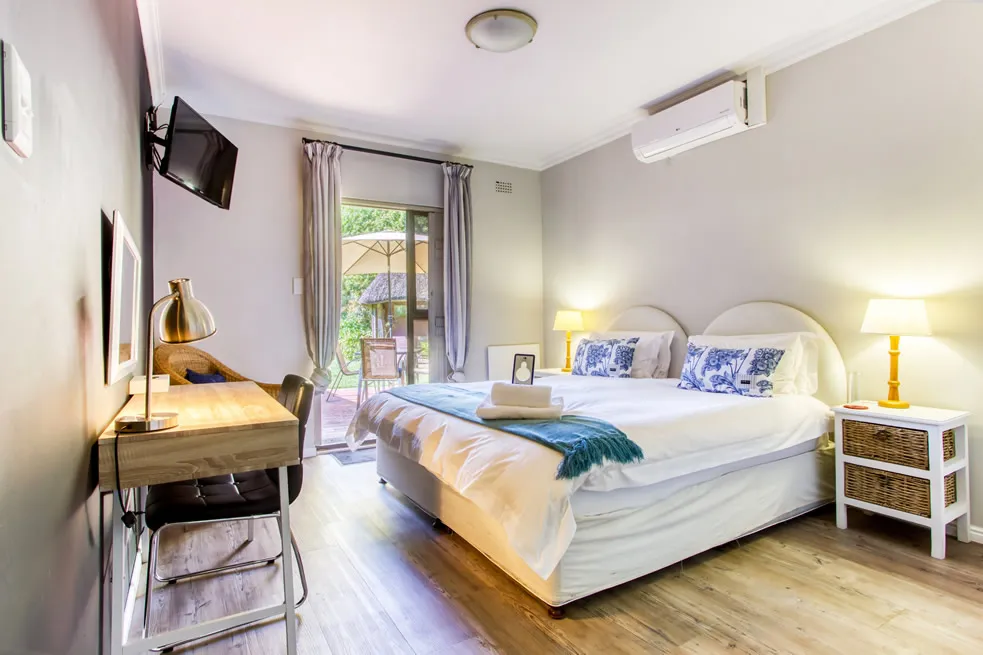
The bulk of available stock falls in the mid-range, where guest houses account for the majority of listings. There are ten across the area in total, averaging around R1,600 per night, and most operate with included breakfast and a personal service style that larger properties rarely match. The scale keeps things manageable: fewer rooms means more direct attention to guests, and properties in this category often sit within or adjacent to working agricultural land. A lodge in the same bracket averages R1,646 per night and tends to offer more outdoor space and quieter grounds than a converted farmhouse setting provides.
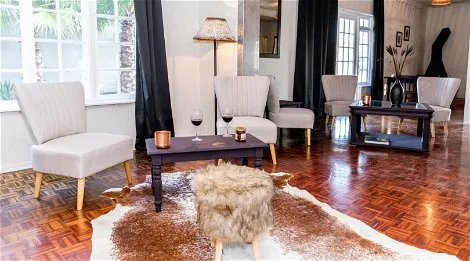
Towards the upper end, a self-contained apartment at an average of R1,784 per night offers independence at a noticeably higher standard than entry-level self-catering. For something more formally managed, a boutique hotel averaging R2,090 per night represents the most considered option in the area. The interiors are deliberate and the service consistent, which suits travellers for whom reliability matters more than rural character.
Room counts at smaller properties are low across the board. During popular periods, availability can tighten without much warning, and last-minute options become genuinely limited.
Things to Do in Durbanville Hills
Wine tasting is the main reason most visitors come to the area. The Durbanville wine ward benefits from Atlantic Ocean breezes that moderate temperatures and preserve natural acidity in the grapes, producing a regional style, particularly in Sauvignon Blanc and Chardonnay, that distinguishes itself from warmer inland wards.
Durbanville Hills Winery is one of the larger estates and offers structured cellar tours alongside standard tastings. The tours cover fermentation through to bottling and are worth the extra time for visitors new to the production process. Altydgedacht is among the oldest continuously operated farms in the region, with less commonly grown varieties including Barbera and Pinotage. Its cellar door accepts walk-in visitors on weekdays, which suits unplanned itineraries. Most estates can be reached without a prior booking during the week. Weekends draw larger crowds, and calling ahead avoids wasted trips.
Golf is the other significant draw in the area. The Durbanville Golf Club has a parkland layout with mature, tree-lined fairways and is one of the older clubs in the Western Cape. Visitors book tee times directly with the club. Saturday morning slots fill quickly, so planning a day or two ahead is sensible.
Tygerberg Nature Reserve sits roughly 10 kilometres from the hills and covers compact fynbos terrain that most walkers complete in two to three hours. Several fynbos-endemic bird species make it a worthwhile detour for birdwatchers. On weekend mornings, cyclists take to the estate roads before traffic builds, covering the agricultural routes between farms in relative quiet.
Best Time to Visit Durbanville Hills
Summer, running November through February, brings warm and dry conditions with temperatures regularly reaching the mid to high twenties. Cellar doors see their heaviest visitor numbers during this period, particularly on weekends, and booking ahead for popular restaurants and estates is necessary.
February through April is harvest season, when estates are actively picking, sorting, and beginning fermentation. A cellar tour during these months carries context that an off-season visit cannot offer, and some farms host harvest-related events. This window is widely considered the most rewarding time for a wine-focused trip.
Winter, June through August, brings cooler temperatures and higher rainfall. Visitor numbers drop considerably, accommodation becomes easier to secure, and fynbos reserves reach peak botanical diversity, making the cooler months worthwhile for walkers and birdwatchers. Tastings and cellar visits continue without interruption through the winter.
Spring, September through October, offers a useful middle ground. Temperatures are mild, vegetation is flowering before the summer heat sets in, and the wine estate circuit is noticeably less crowded than during peak summer and harvest periods.
Getting to Durbanville Hills
Cape Town International Airport is the closest major arrival point, approximately 20 kilometres away. Under light traffic the drive takes around 20 to 30 minutes via the N1 motorway. The northern suburb corridor can slow considerably during morning and afternoon commuter peaks, so timing an arrival journey outside these windows helps.
From central Cape Town, the most direct route runs northeast on the N1 for roughly 25 kilometres. Travellers completing a broader Winelands circuit can approach from Paarl or Stellenbosch on the same motorway, adding Durbanville Hills as a final stop before returning to the city.
Hiring a car is the most practical option once in the area. Estates, reserves, and the golf club are spread across several kilometres of rural roads with no scheduled public transport between specific farms. Uber operates from Cape Town and the inner suburbs but coverage becomes unreliable on estate roads.
For visitors without a car, MyCiTi bus services connect the northern suburbs to the Cape Town CBD. Shared taxis run in the broader area but are not suited to reaching individual wine farms. Some properties can arrange guest shuttles to estates, which is worth confirming at the time of booking.
Durbanville Hills and Surrounding Areas
Durbanville, 2 kilometres from the hills, is the natural service centre for the area. The town has a genuine commercial strip with restaurants, independent coffee shops, and everyday retail. Its historical roots go back several centuries of European farming activity in the Cape, and the older streets carry more character than the newer residential developments surrounding them. For a meal, a coffee, or a grocery run, it is the obvious first stop.
Vredekloof, 4 kilometres away, is a quiet suburban neighbourhood with no specific visitor attractions. A number of properties in the hills use it as their listed address. The streets are calm and walkable, but there is little to draw visitors here independently.
Bellville, 6 kilometres to the east, is a substantial commercial hub with large shopping malls, medical facilities, and direct transport connections into the Cape Town metro. Practical needs that Durbanville cannot meet are easily handled here. For visitors arriving by public transport, Bellville also serves as the most useful interchange point for onward travel toward the hills.
Parow, adjacent to Bellville at the same distance, is an older suburb with a modest commercial strip. It is not a visitor destination in itself but lies along routes connecting the hills to the broader city network.
Rosendal, 11 kilometres from the hills, is a quiet residential community. Most visitors will have no reason to travel there directly, though it sits along routes used to access other parts of the Northern Suburbs.
Milnerton, 13 kilometres to the west, is the nearest coastal option and provides a clear contrast to the inland agricultural landscape. The lagoon at the Diep River mouth draws kiteboarders and windsurfers, and the Atlantic beachfront offers unobstructed views across Table Bay toward Table Mountain. A half-day trip suits visitors who want to break up a wine-heavy itinerary with something different.
Planning Your Stay
Booking two to three weeks ahead covers most situations outside the busiest periods. South African school holidays, particularly the June to July and December to January breaks, put real pressure on smaller properties with limited room counts. Waiting until the last minute during these stretches risks very limited options.
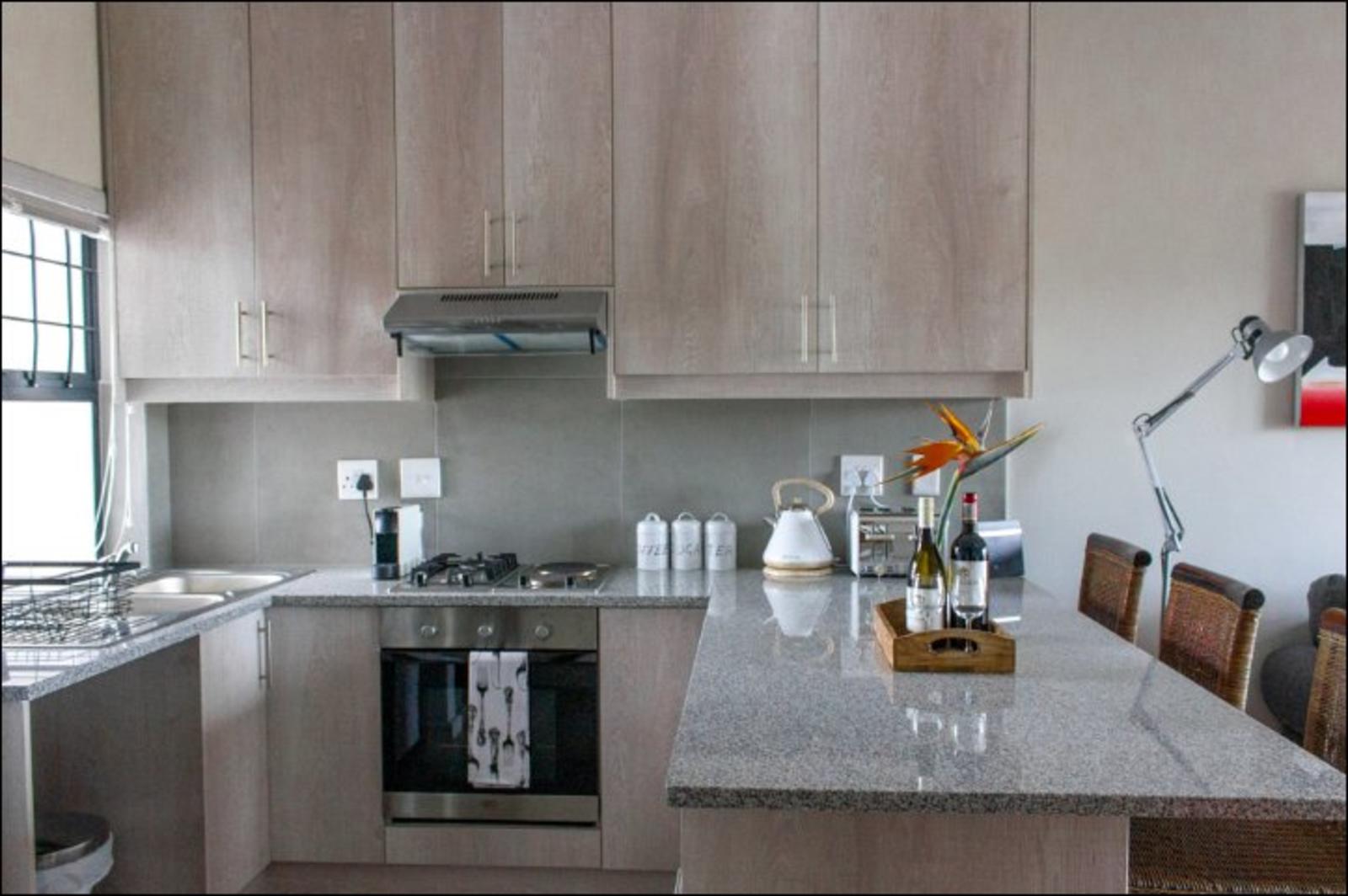
When comparing properties, confirm whether breakfast is included. Even at similar price points, practices vary: some include it as standard, others list it as an optional extra. Self-catering guests should verify that a full kitchen is available rather than a basic kitchenette, as listings differ on this point.
Cancellation terms at smaller properties are often stricter than at larger hotel groups. Some require several weeks' notice for any refund. If arrival plans may change, checking these terms before confirming is worth the extra step.
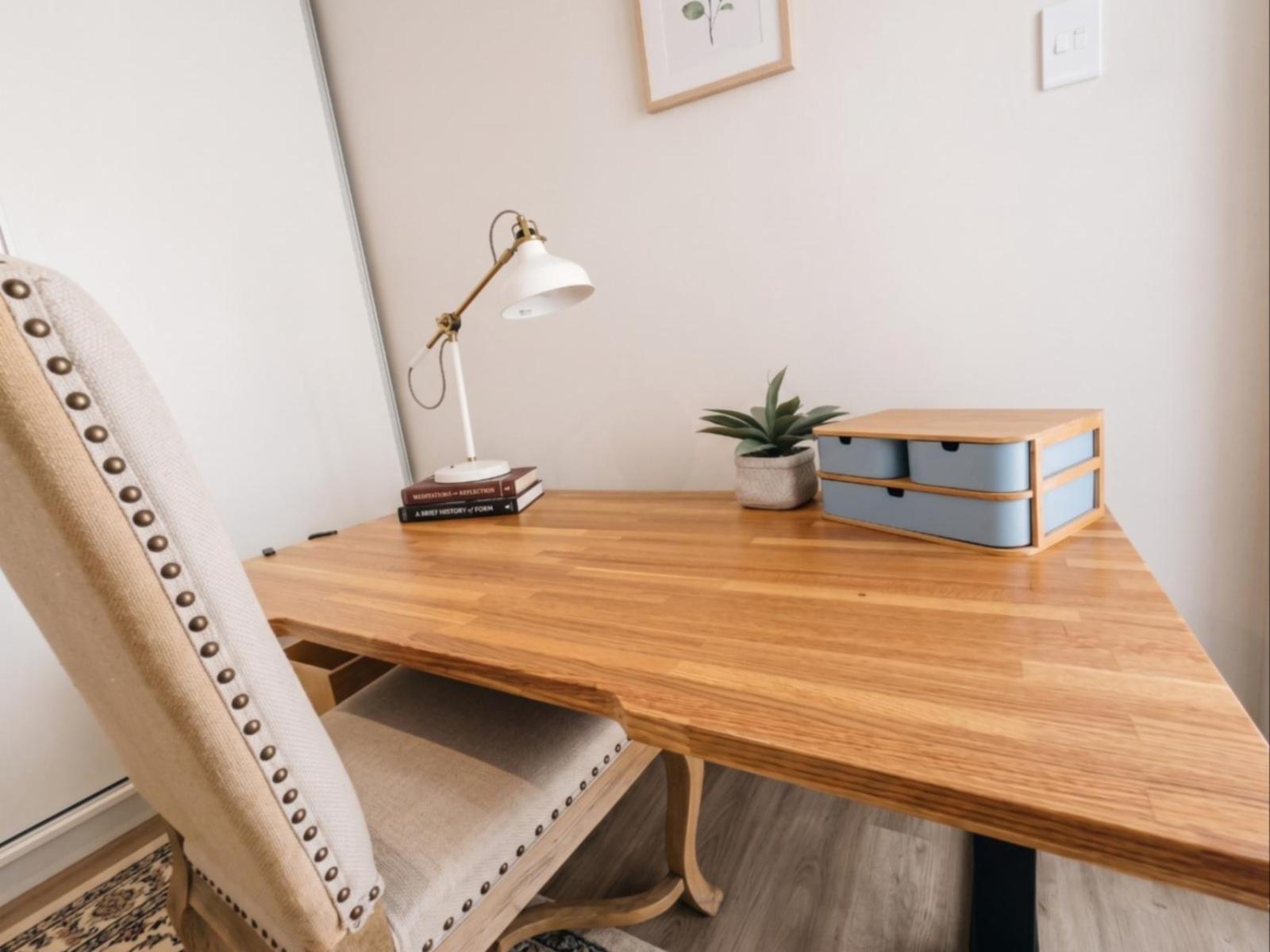
Ask whether the property can arrange transport to wine farms, particularly if a designated driver during tastings is a concern. Wi-Fi quality in rural estate areas is inconsistent, so confirming connectivity directly with the property is sensible if remote work is part of the trip. Checking a local events calendar before booking helps avoid weekends where road traffic or noise may affect a quieter stay.