Accommodation in Gladysvale
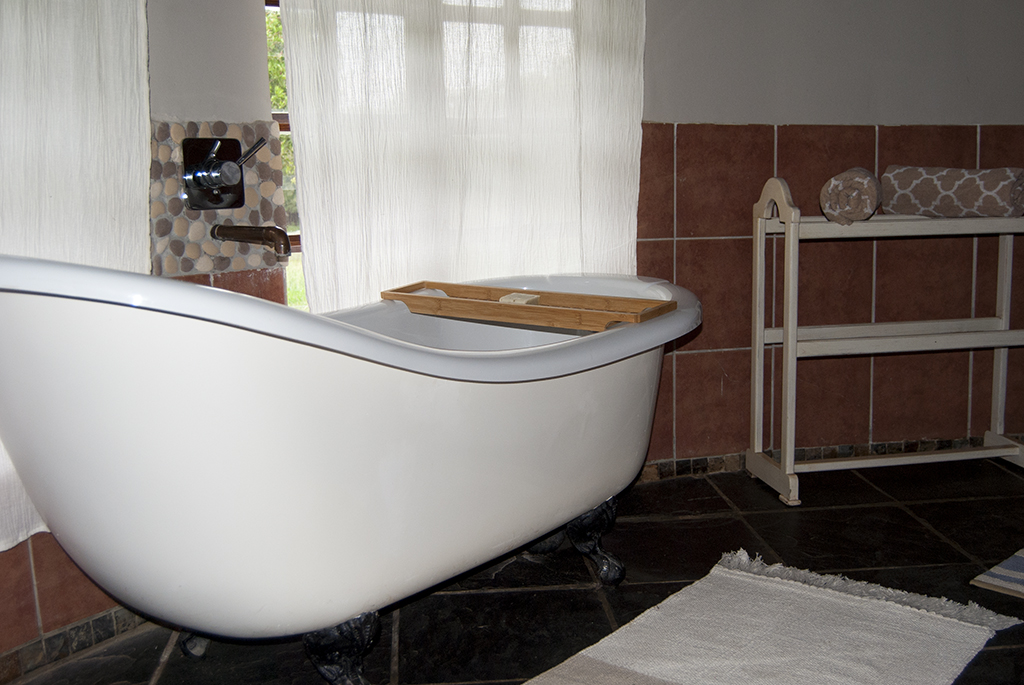
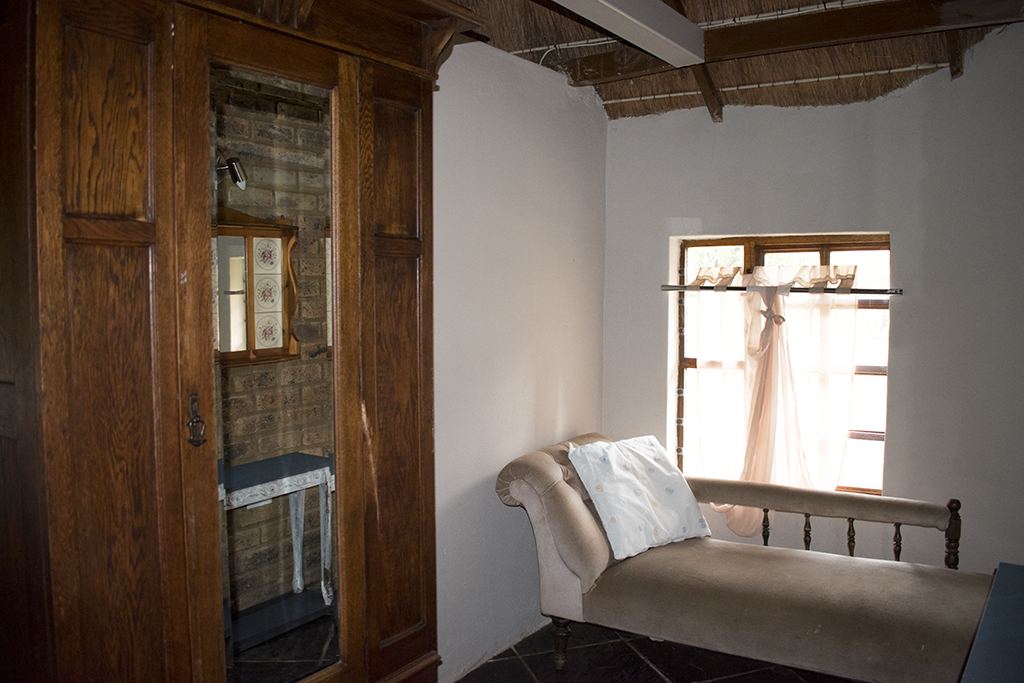
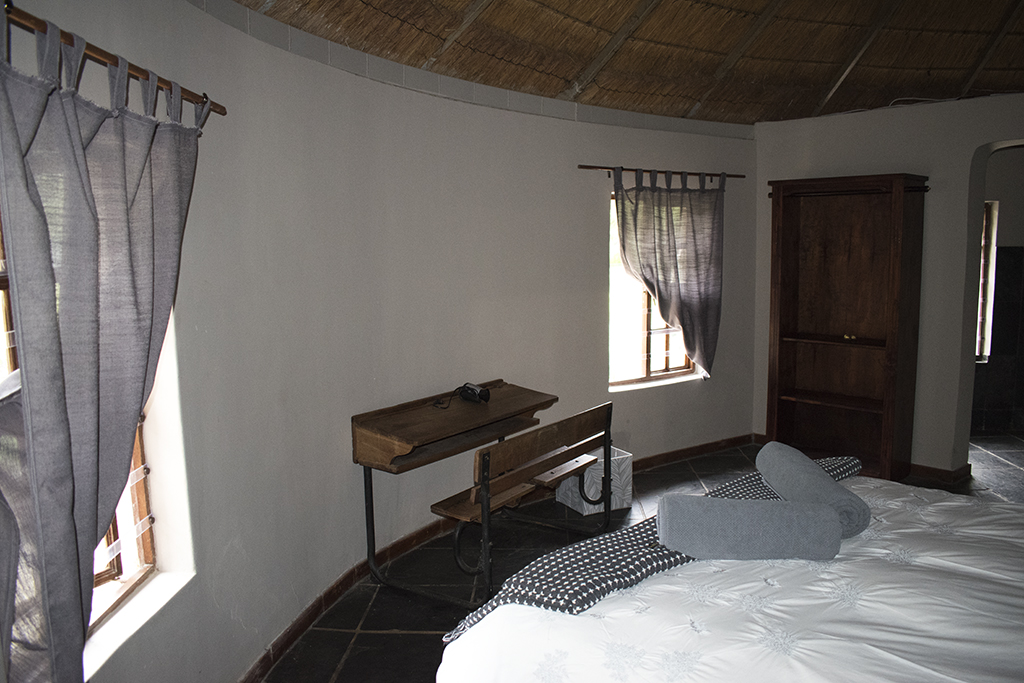
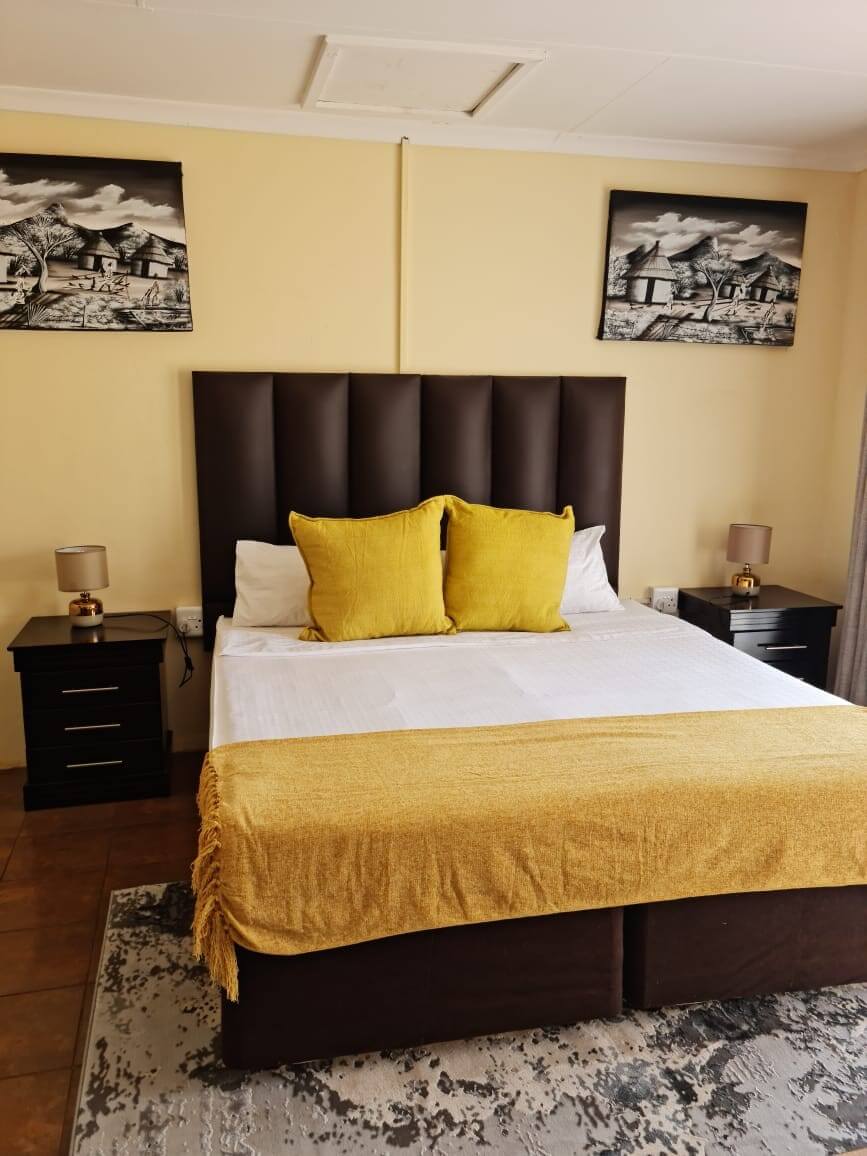
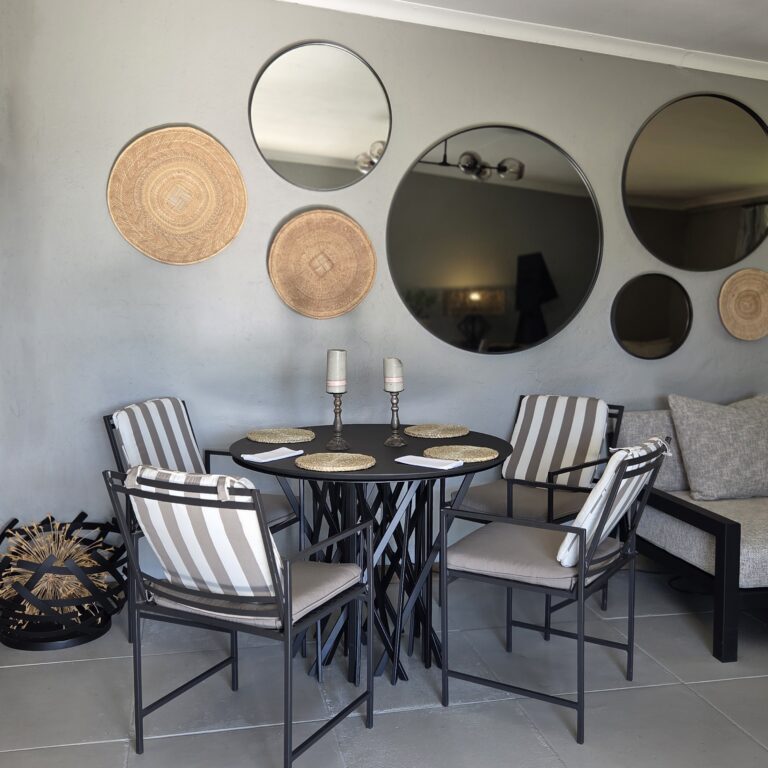
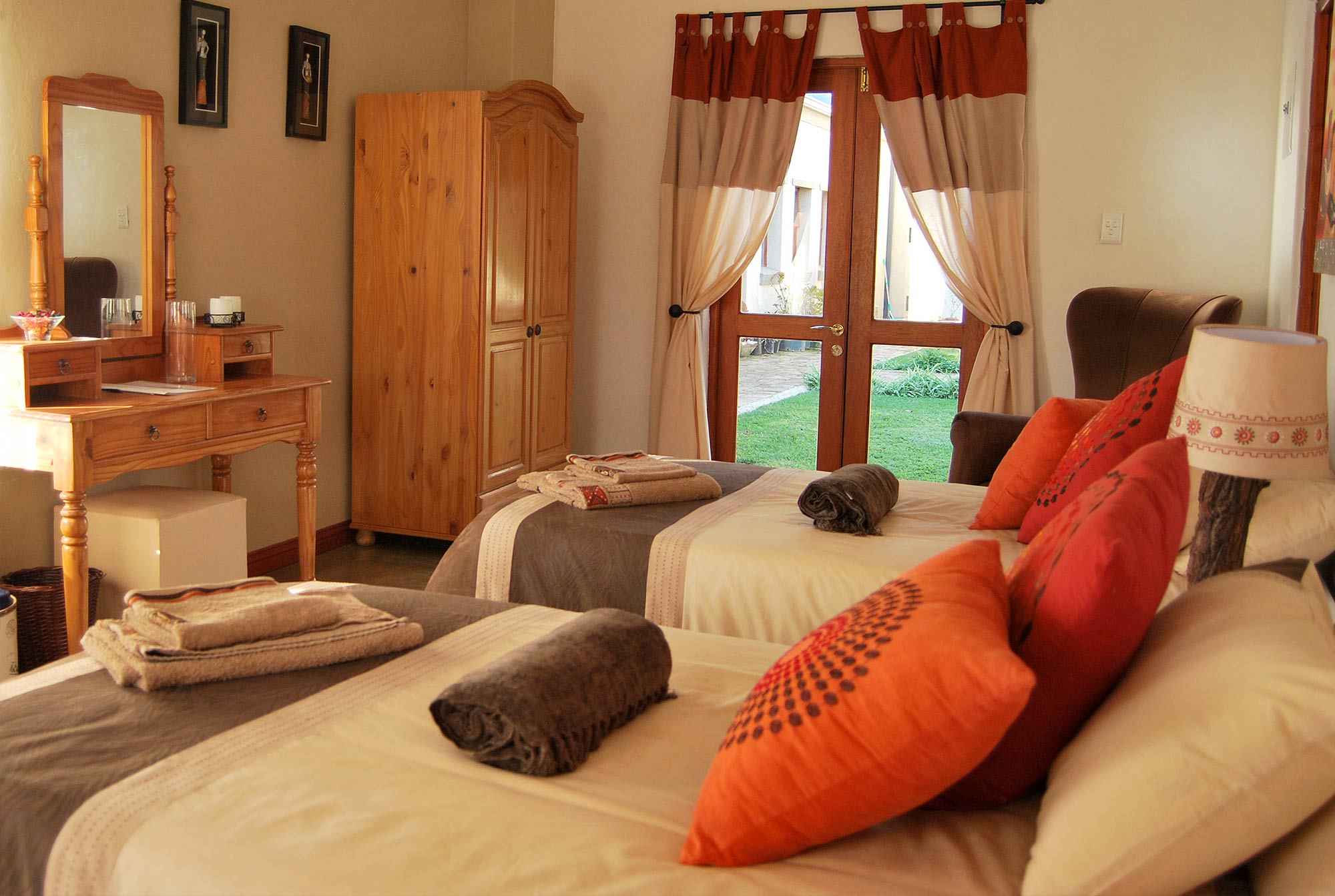
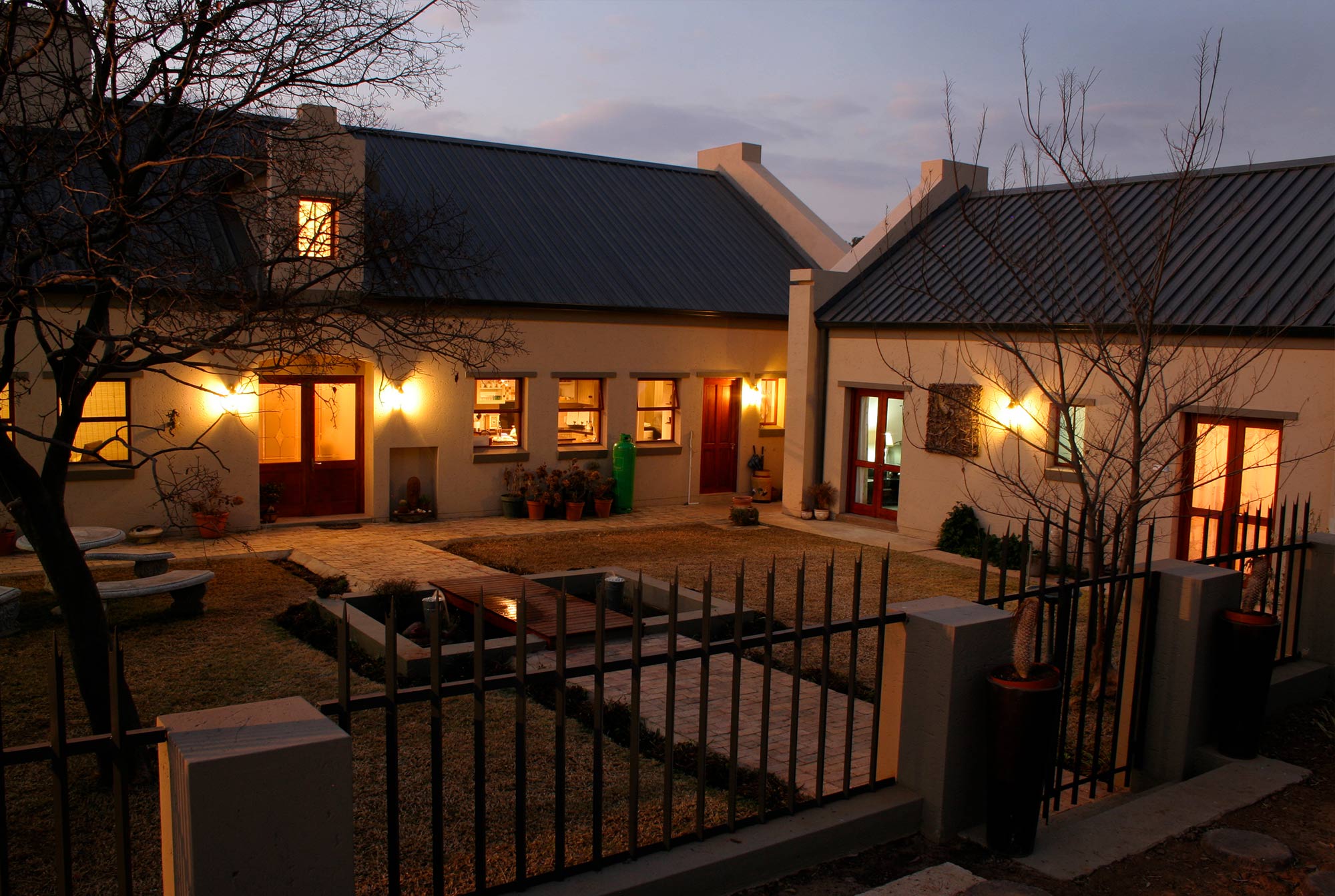
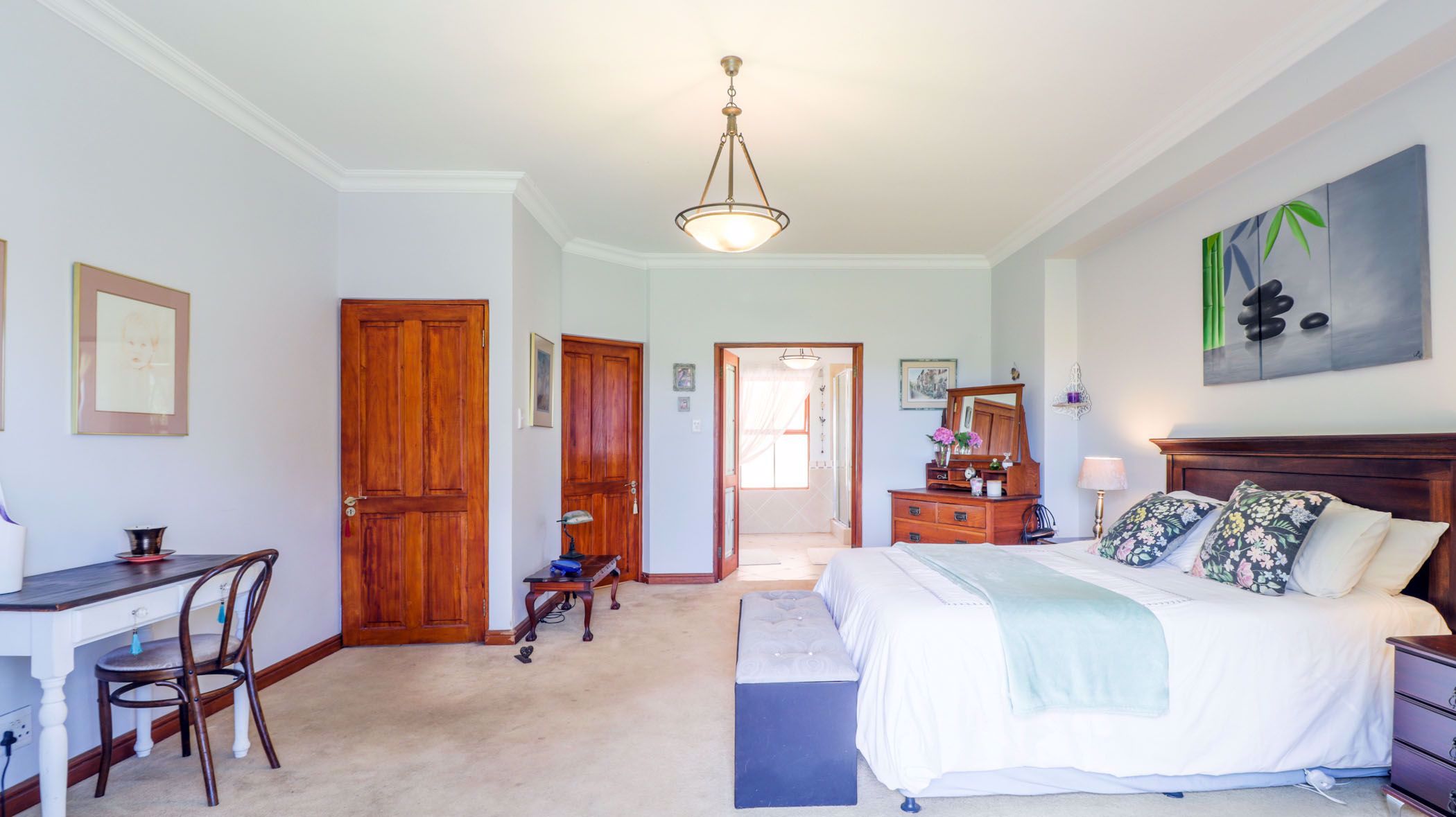
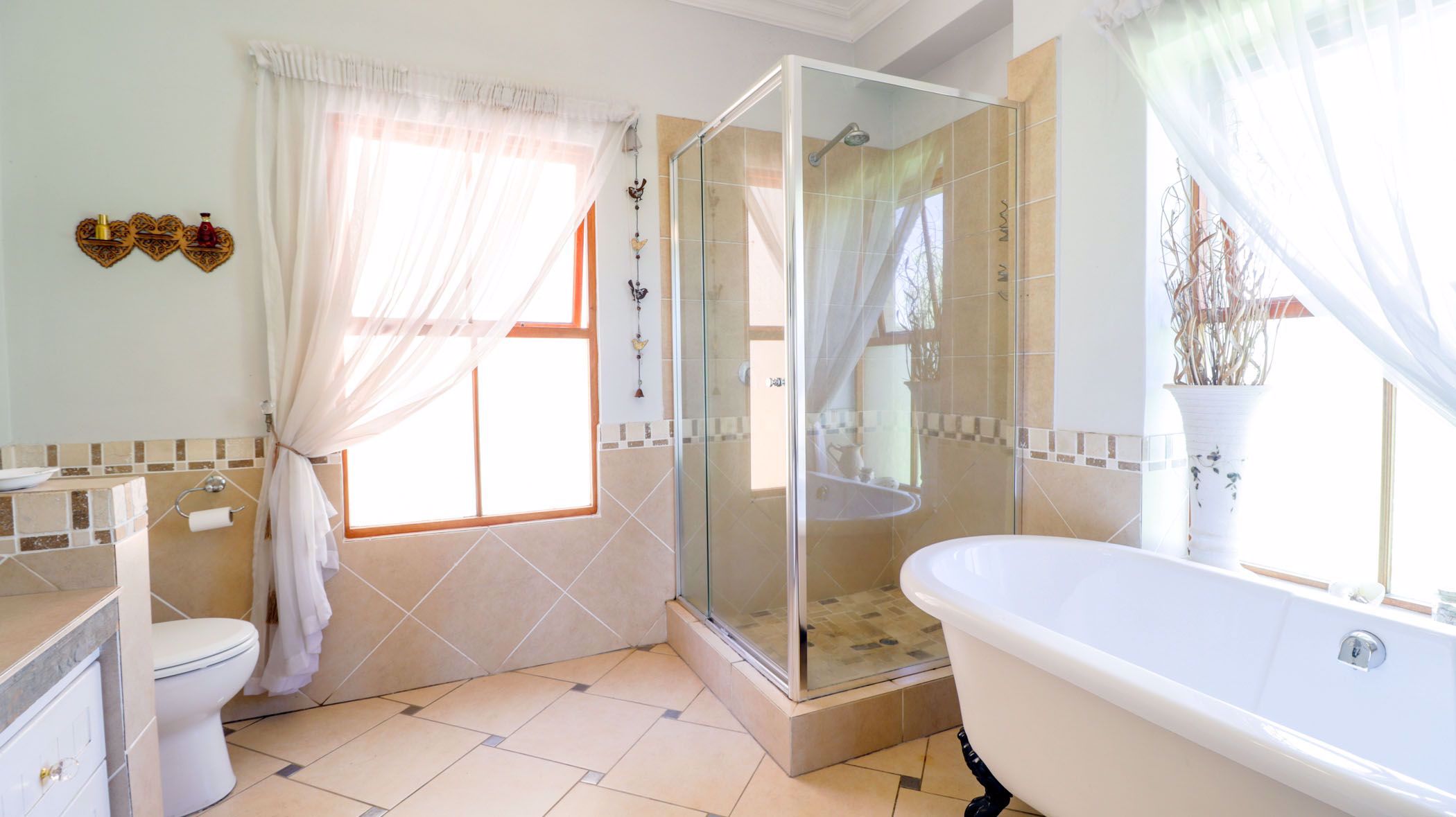
Eight properties make up the accommodation offering in Gladysvale, with nightly rates at R1,950 for most options, and some at the upper end averaging around R2,208. The selection spans enough categories to suit different traveller priorities without the market being overwhelming.
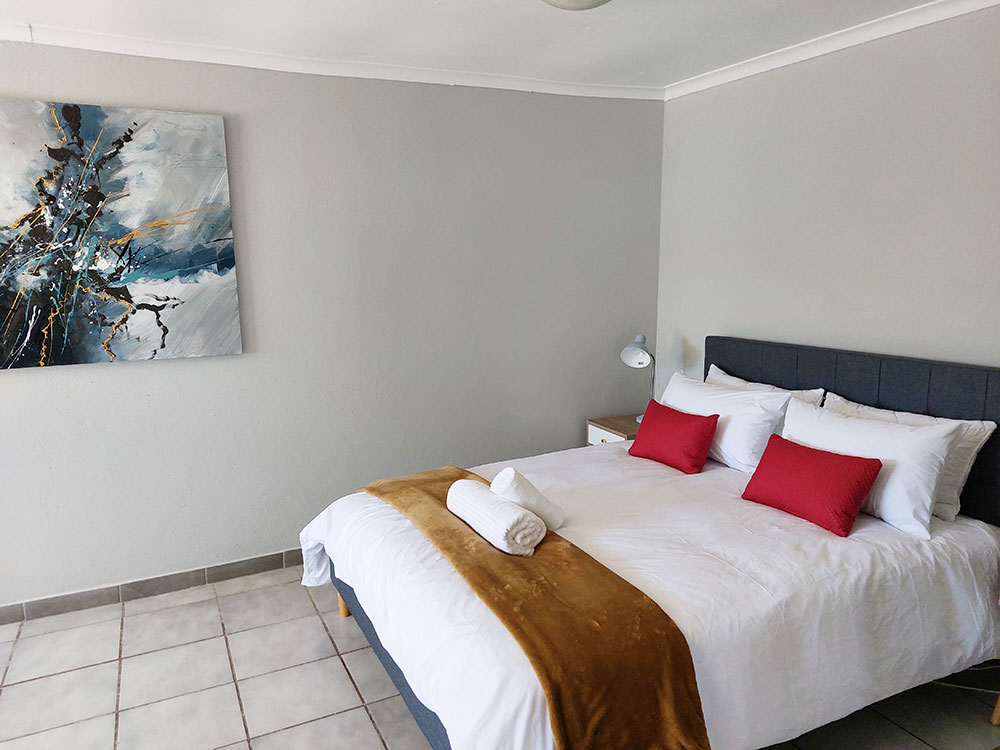
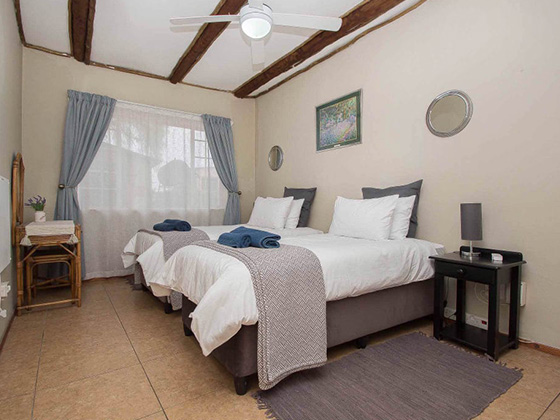
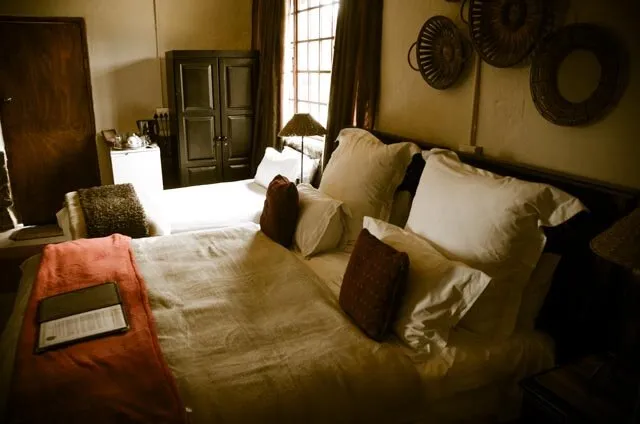
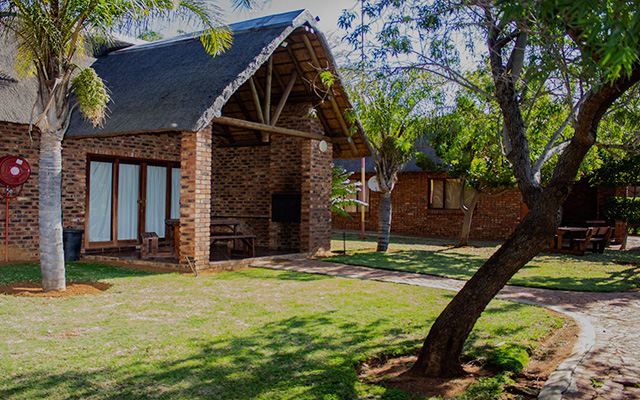
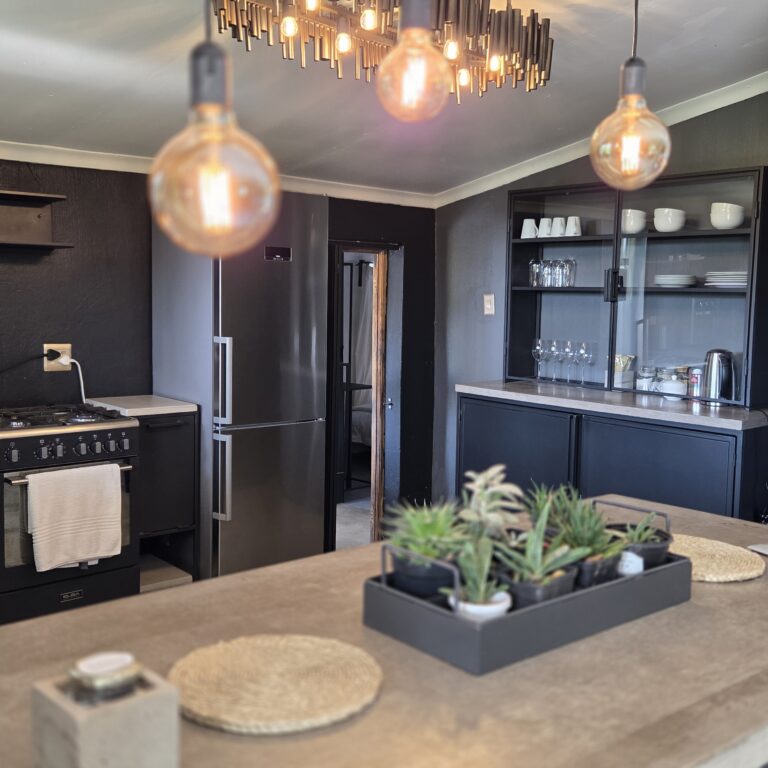
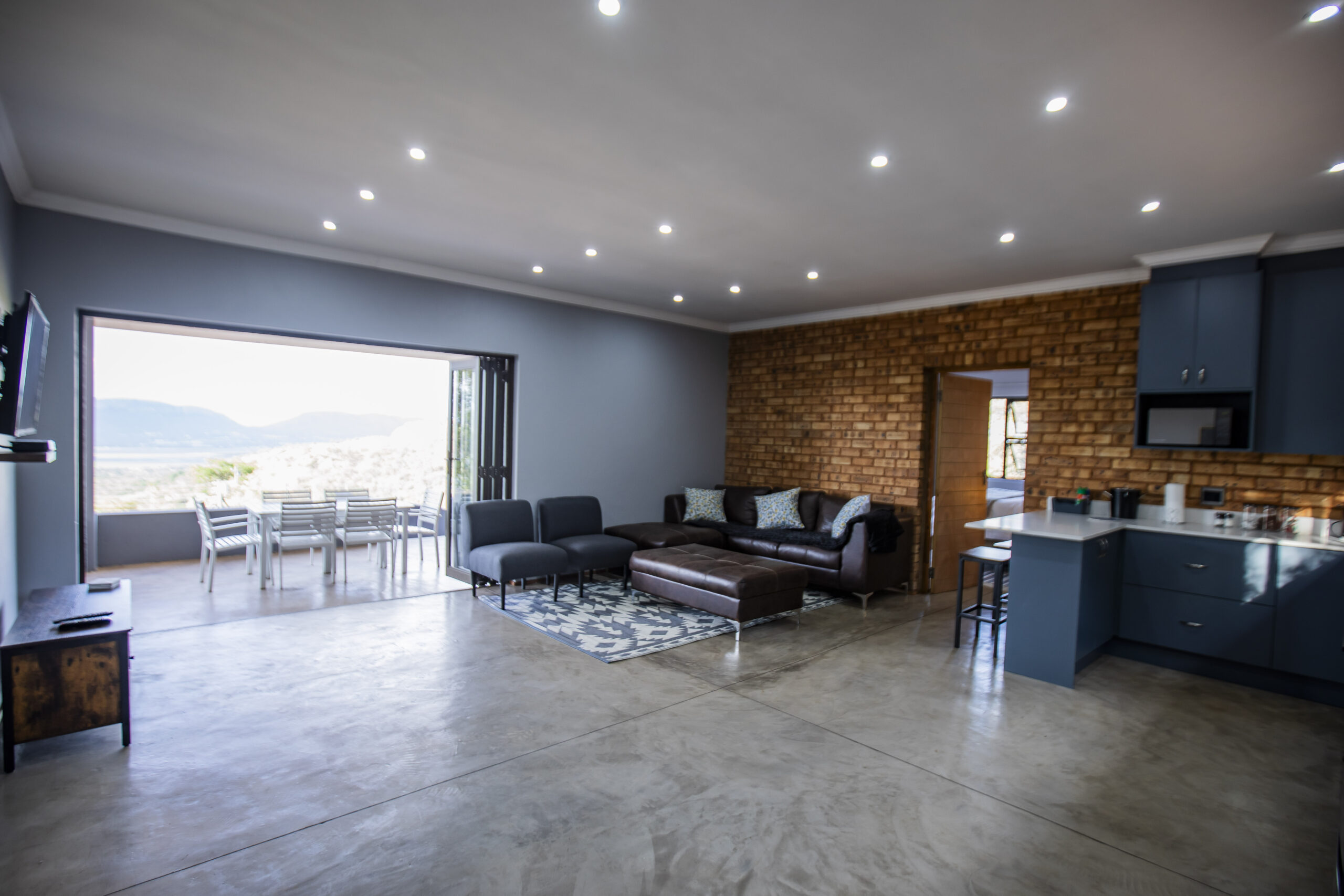
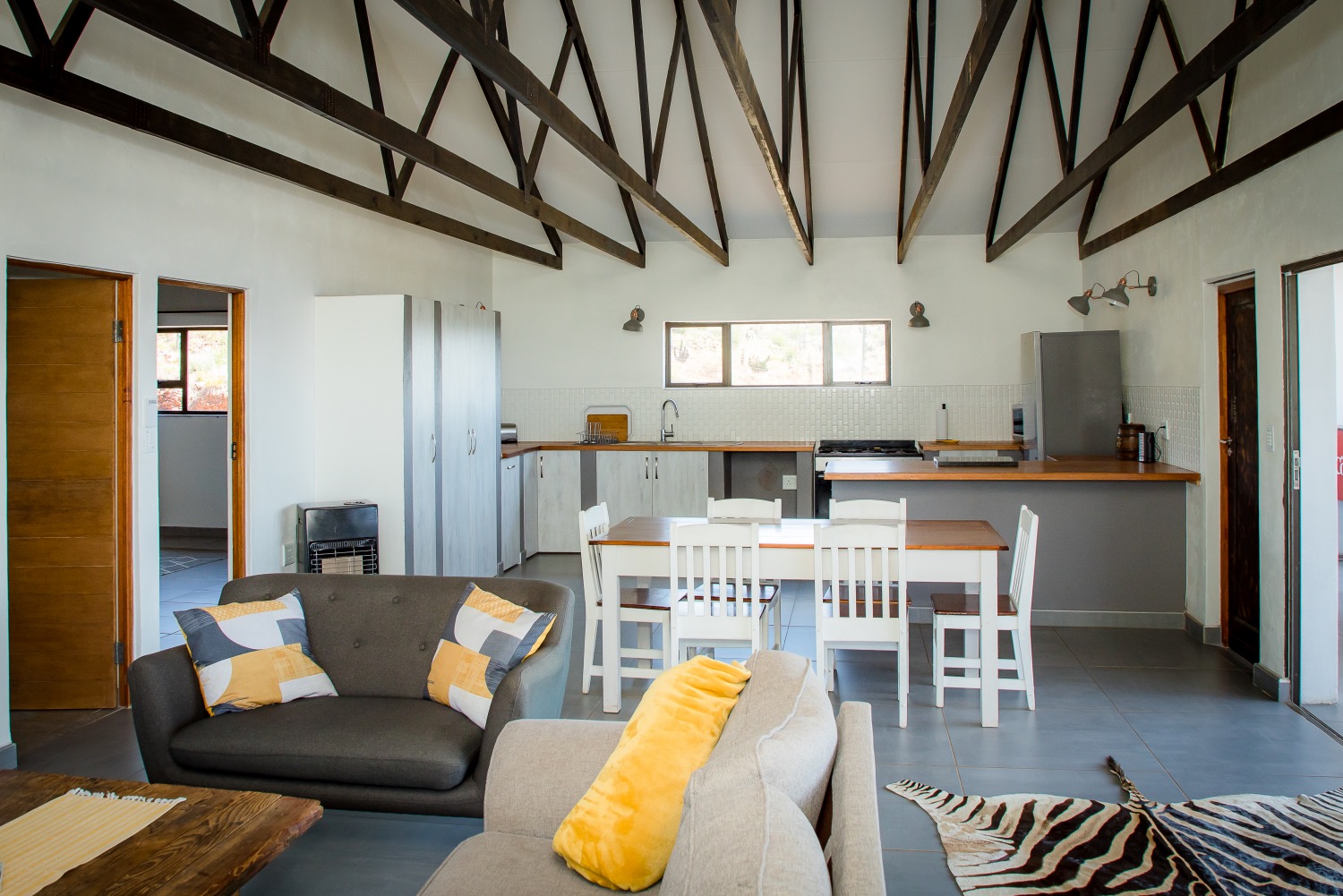
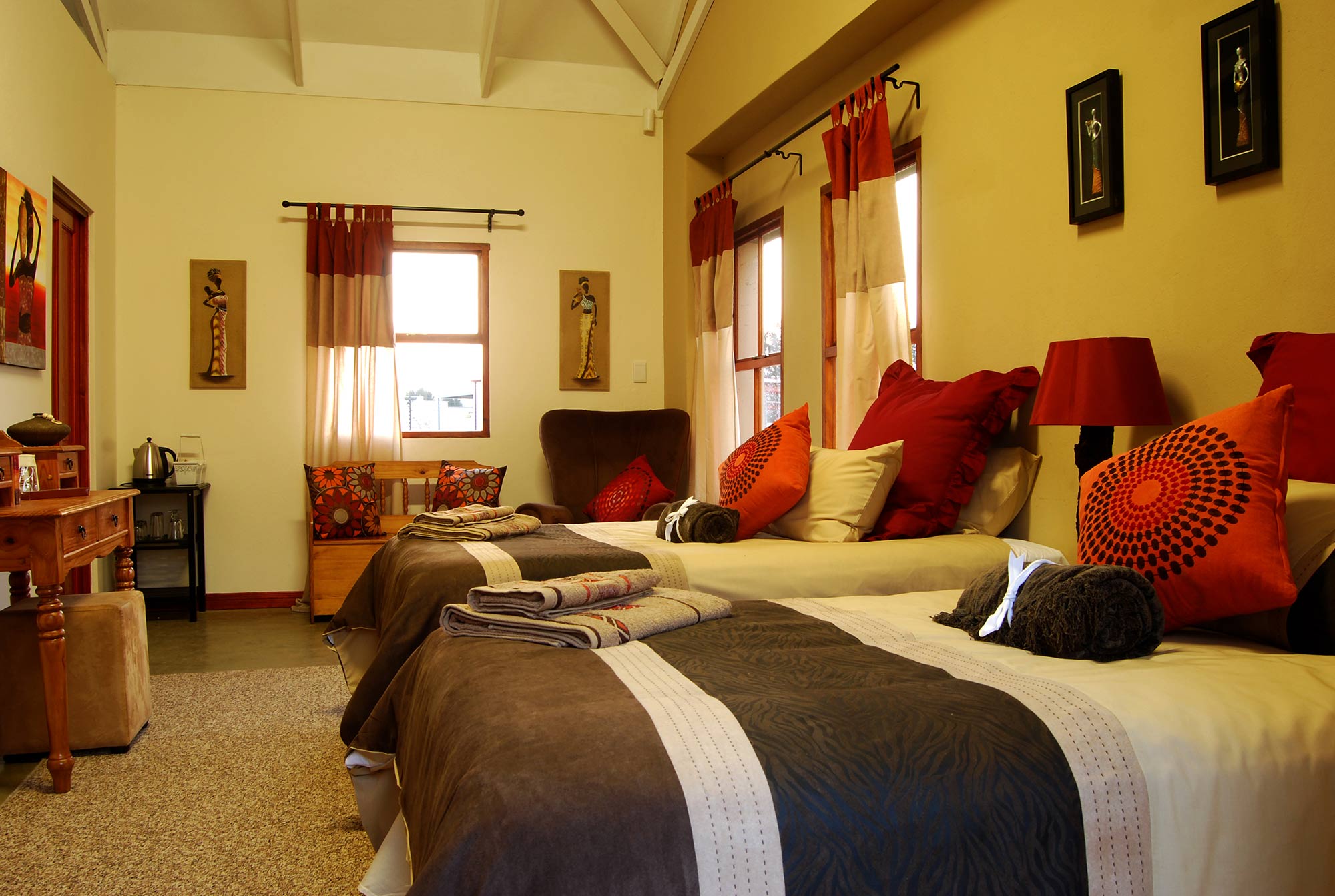
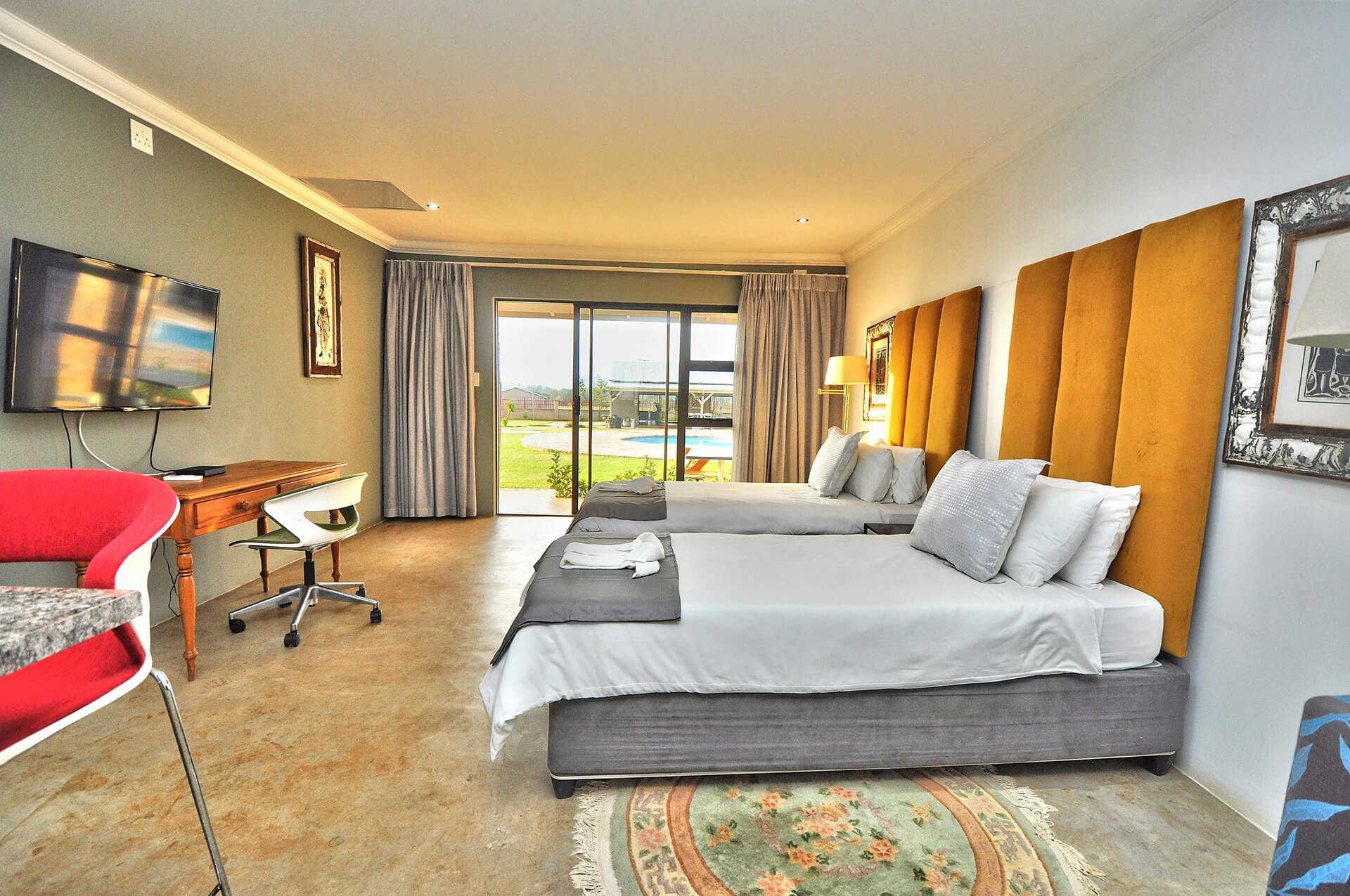
Self-catering units suit those planning multiple nights, particularly visitors with a structured programme of cave site visits who want to manage their own kitchen schedule. These properties offer a degree of independence that works well without coordinating around meal times. Guesthouses provide a step up, with breakfast included and a host relationship that can prove useful when navigating the area's various access conditions and site booking logistics.
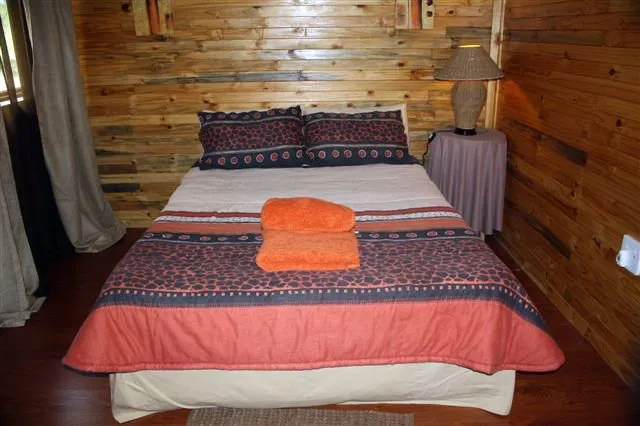
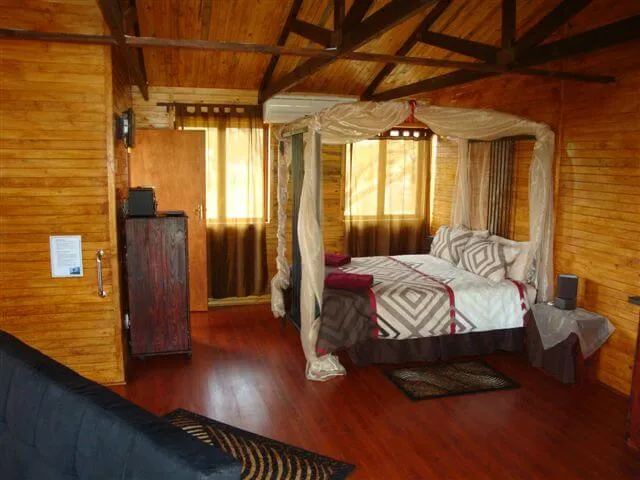
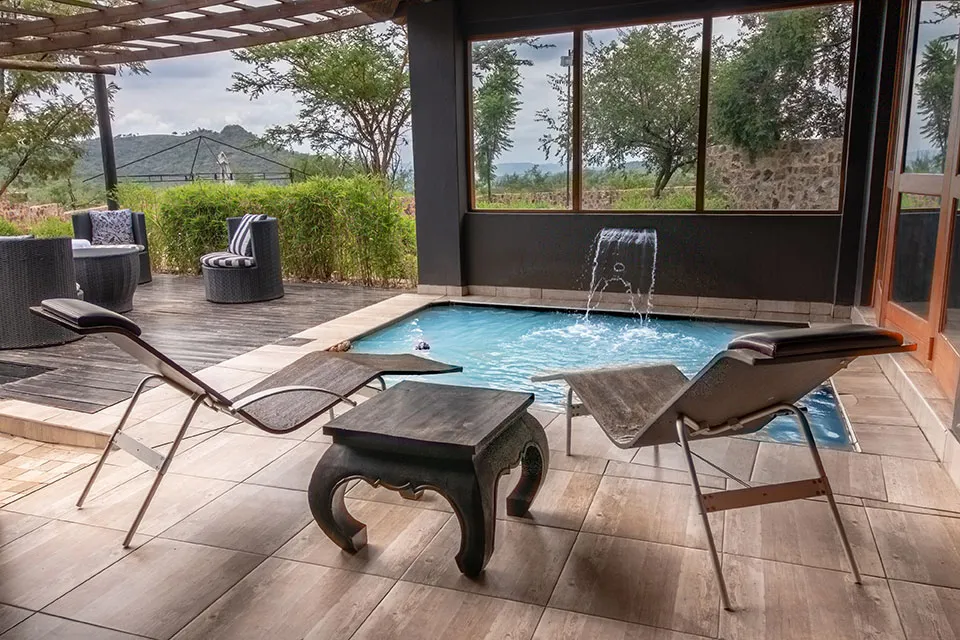
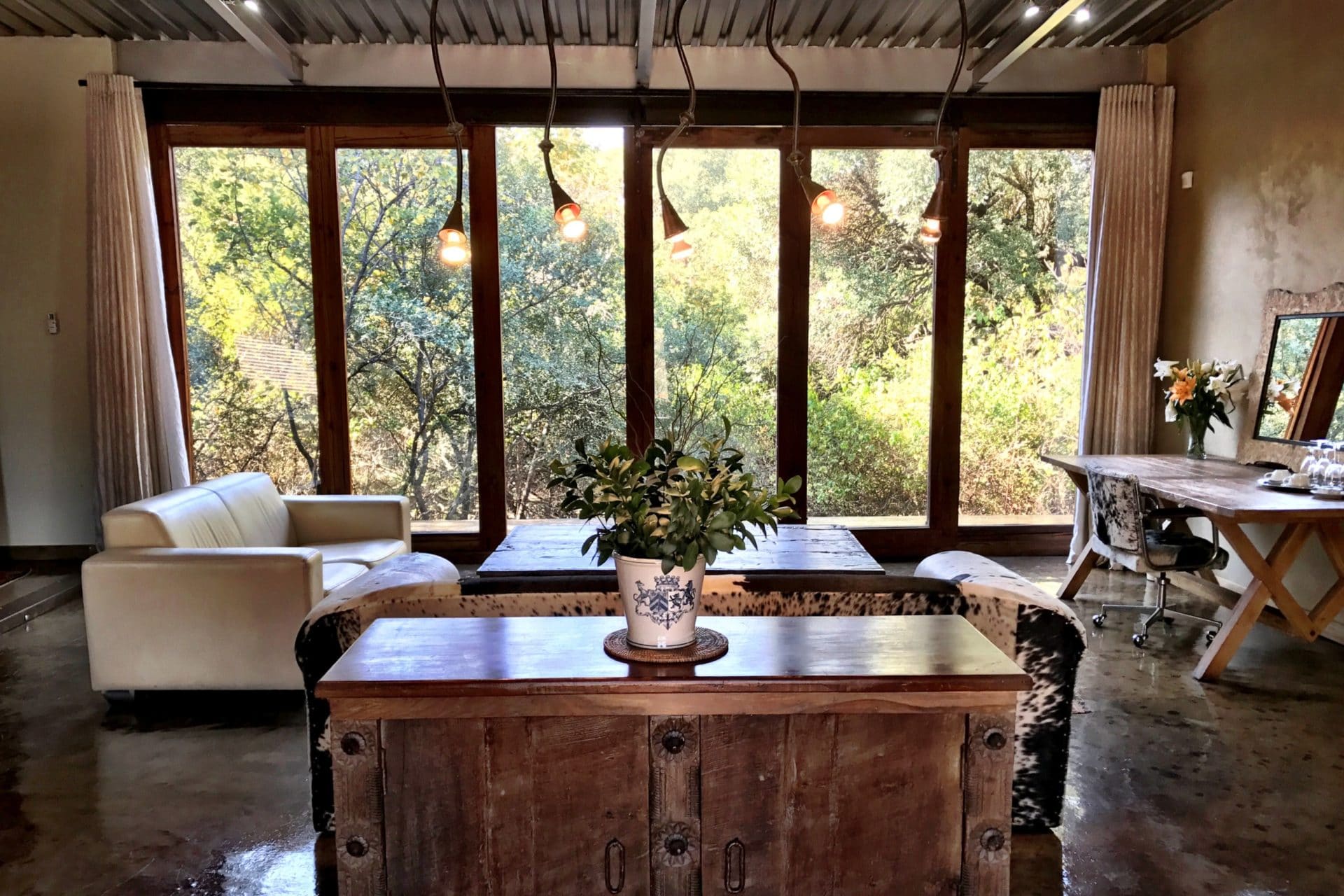
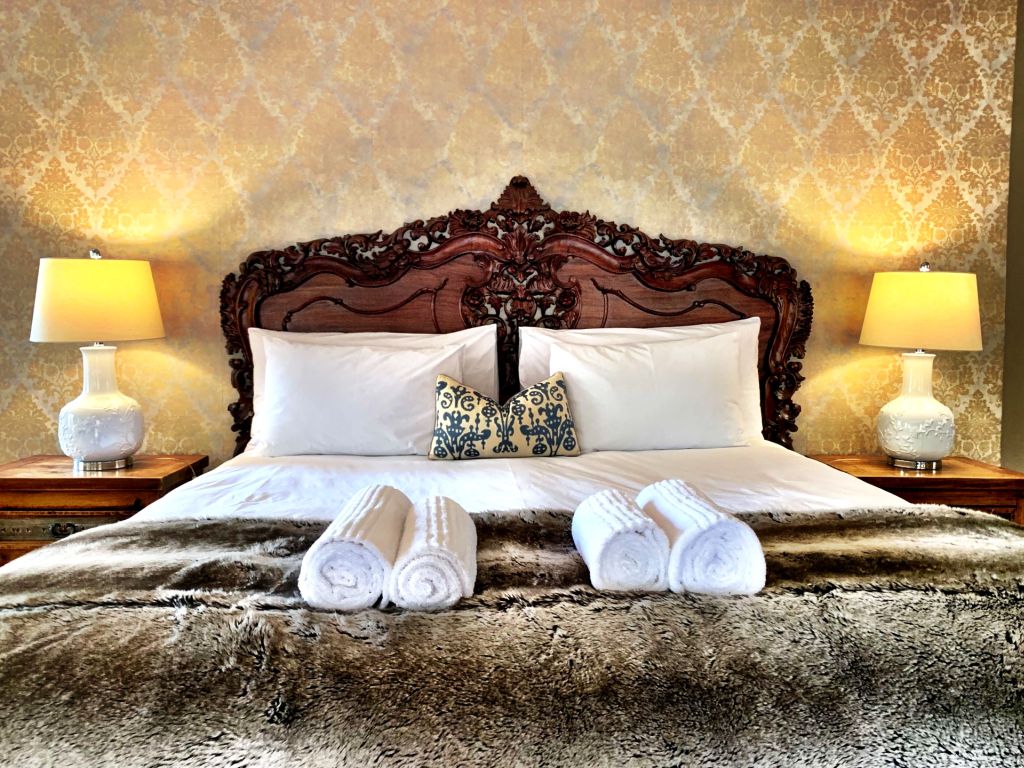
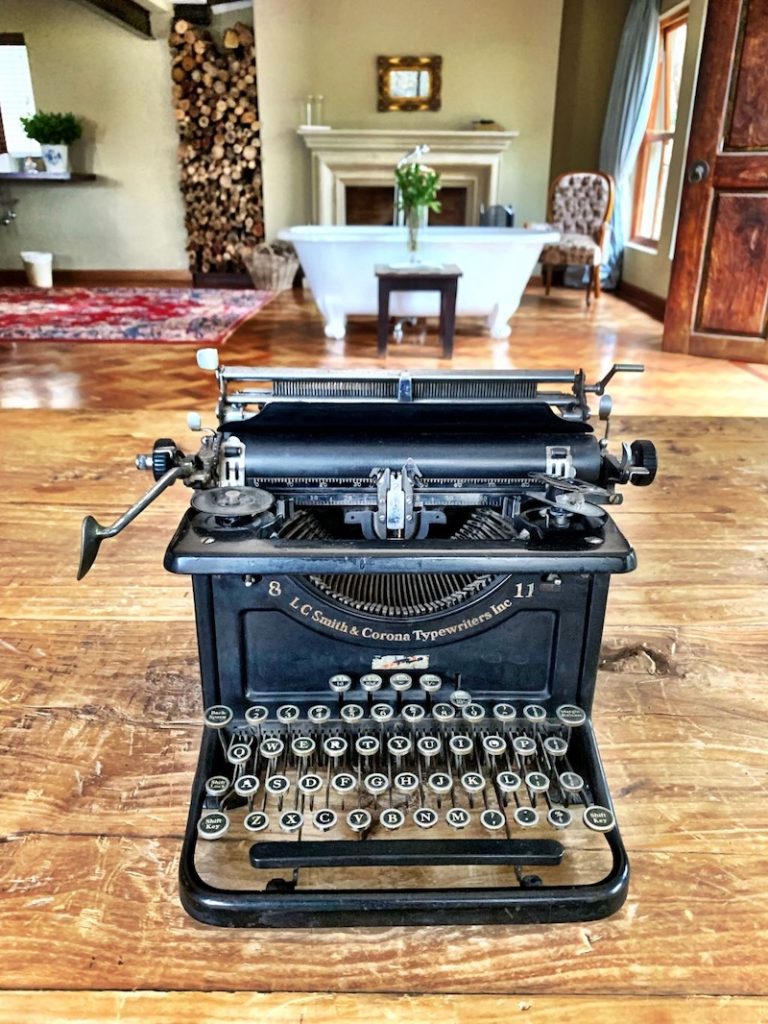
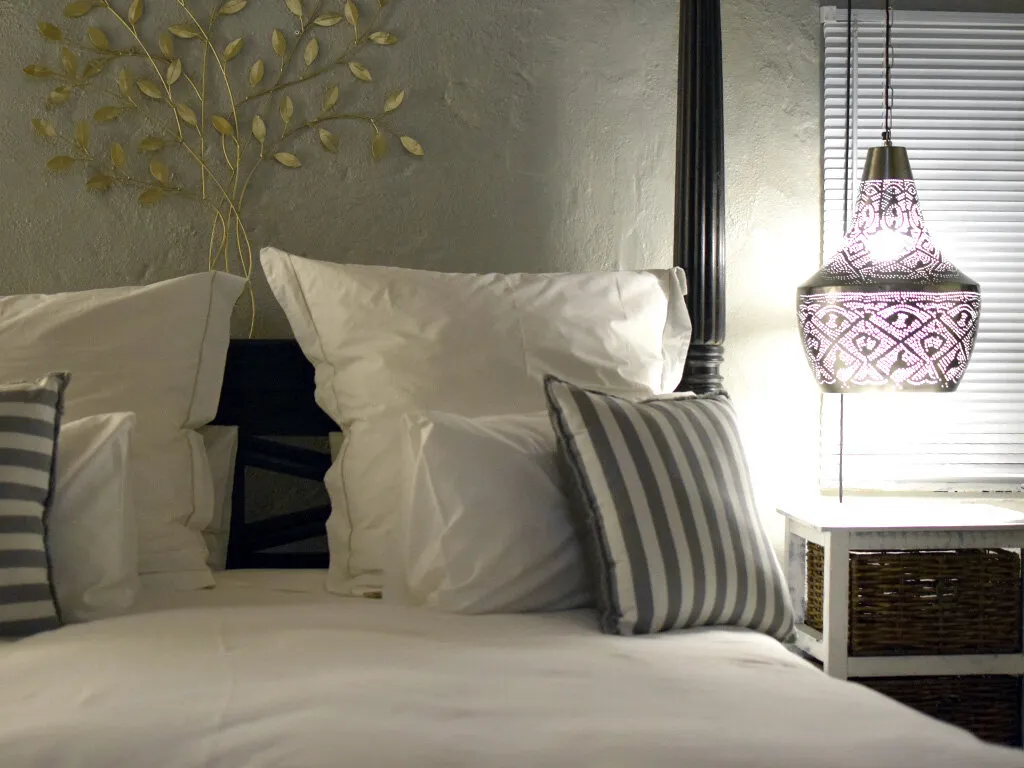
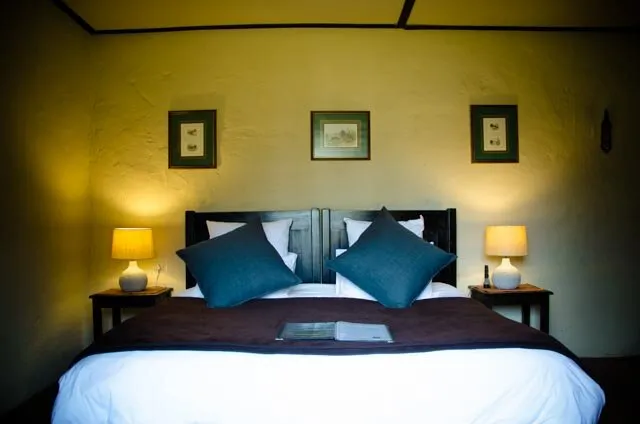
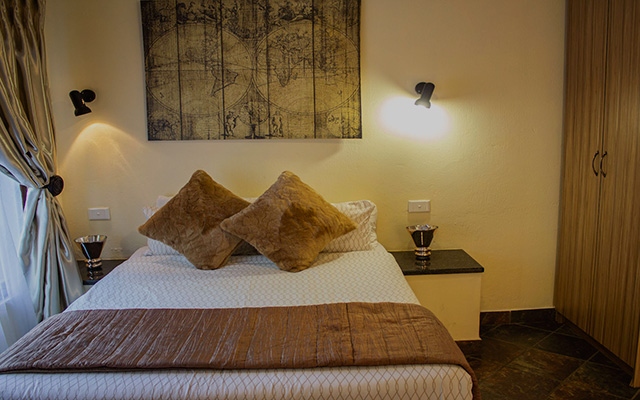
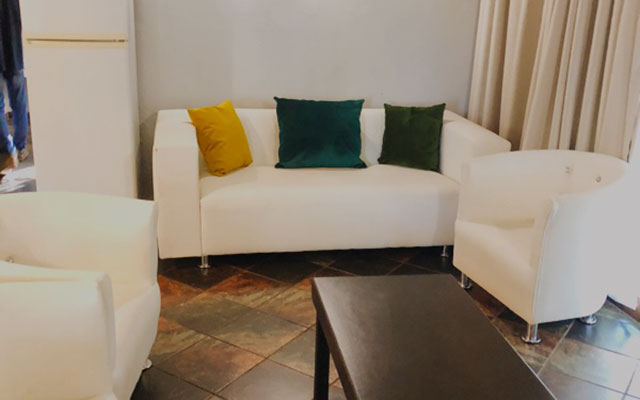
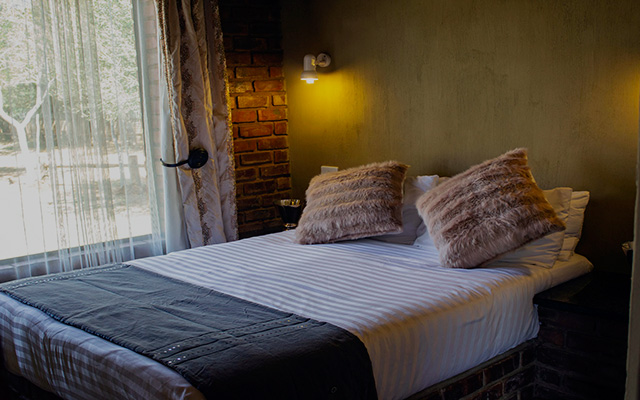
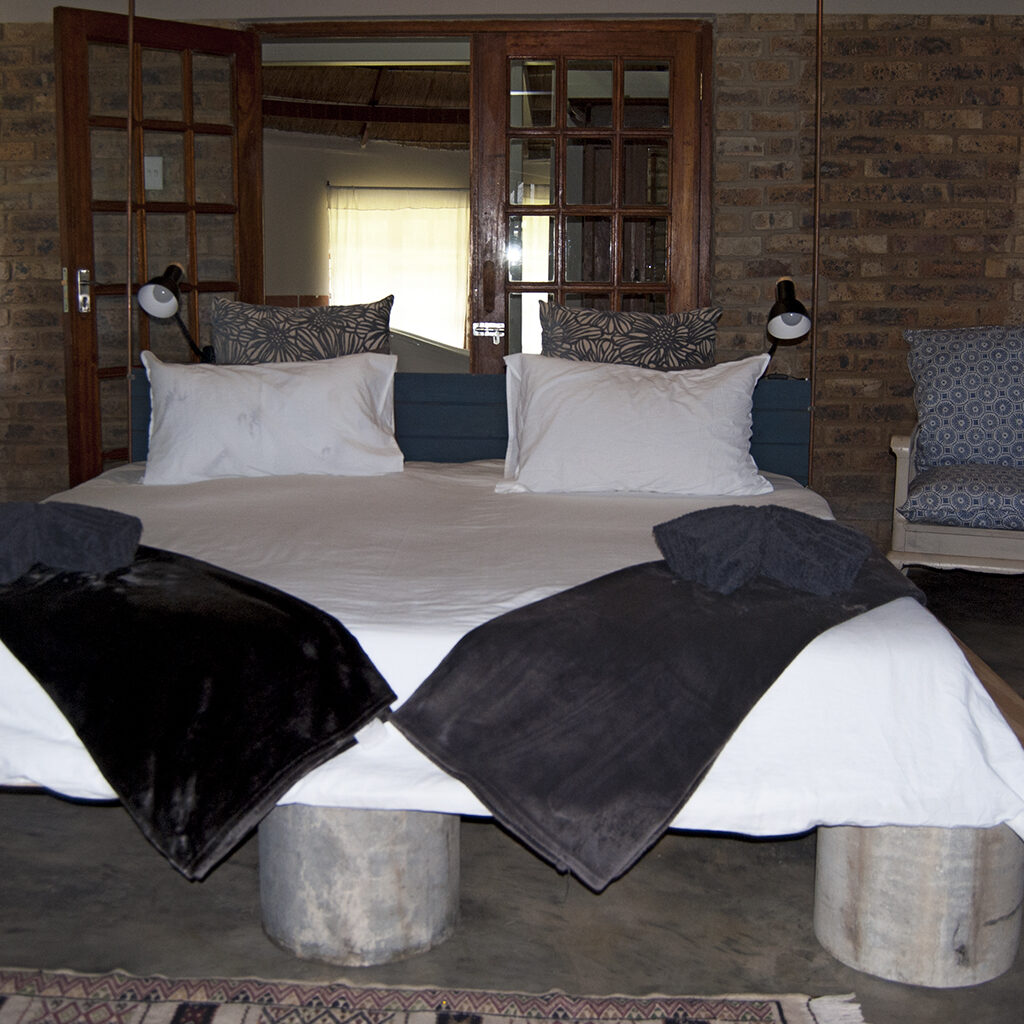
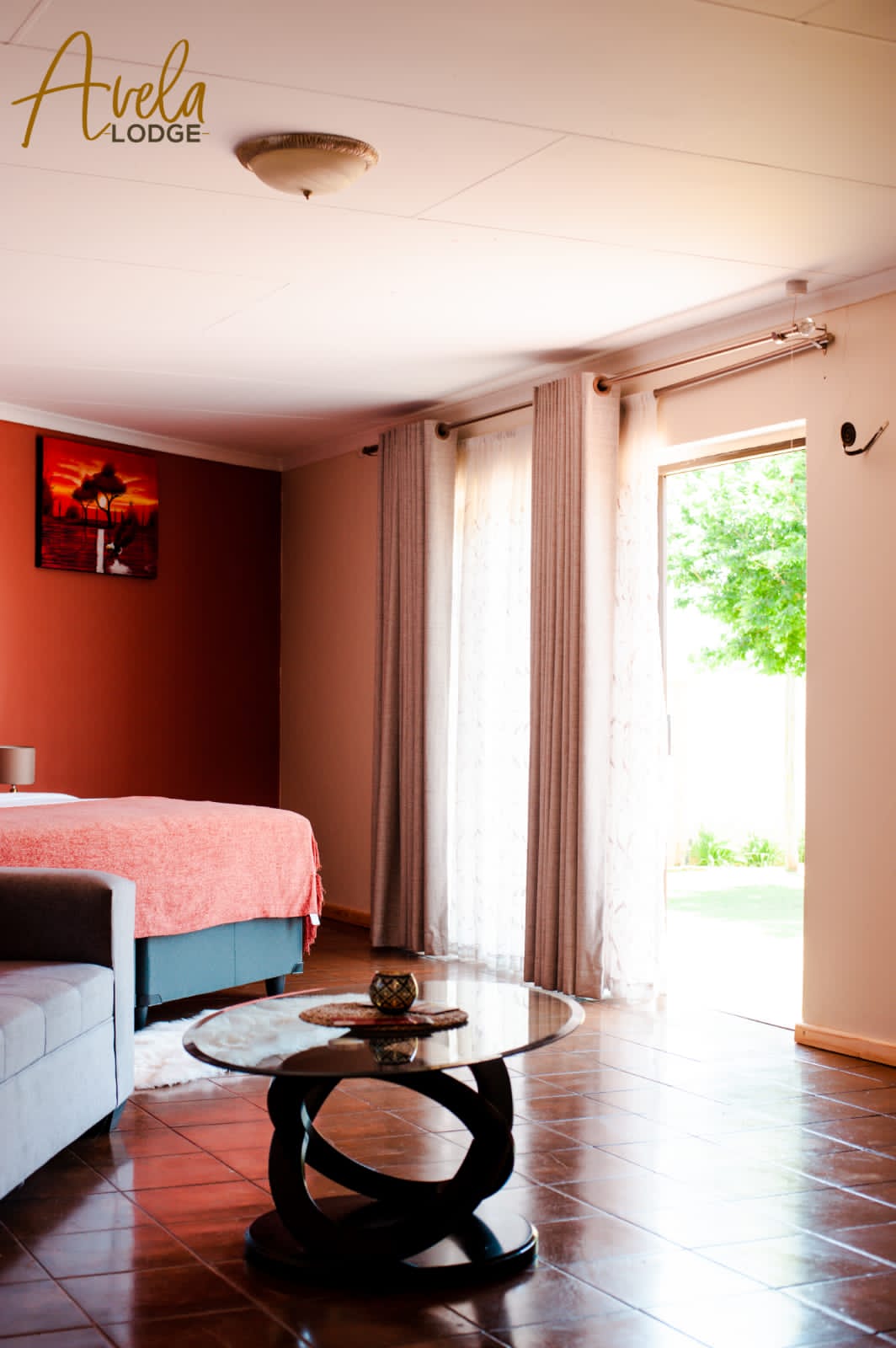
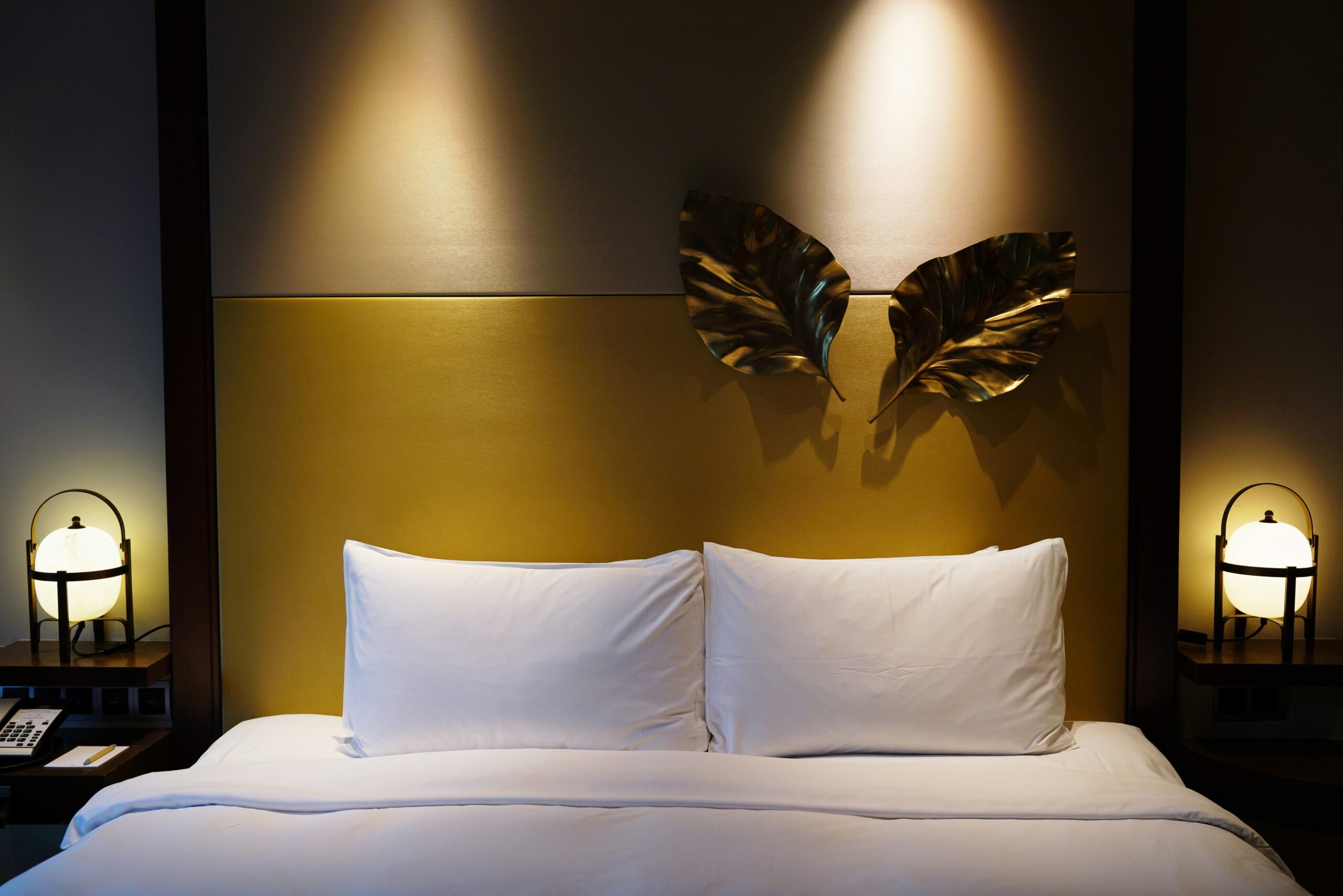
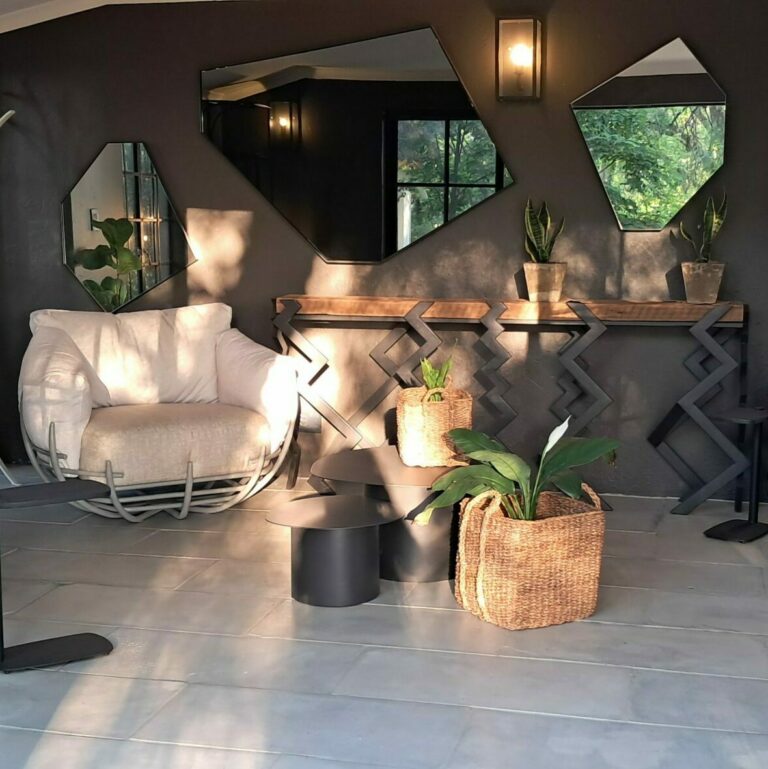
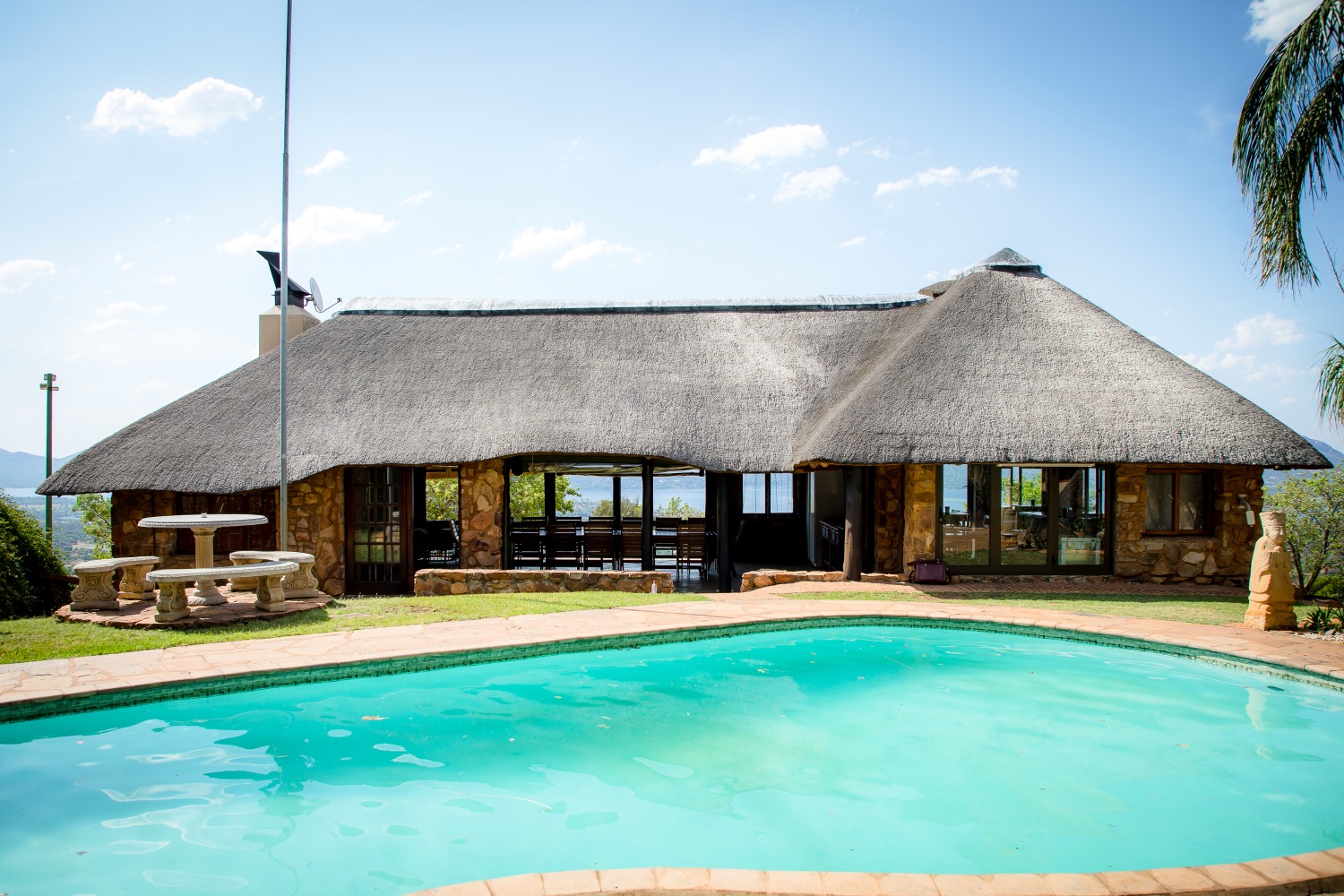
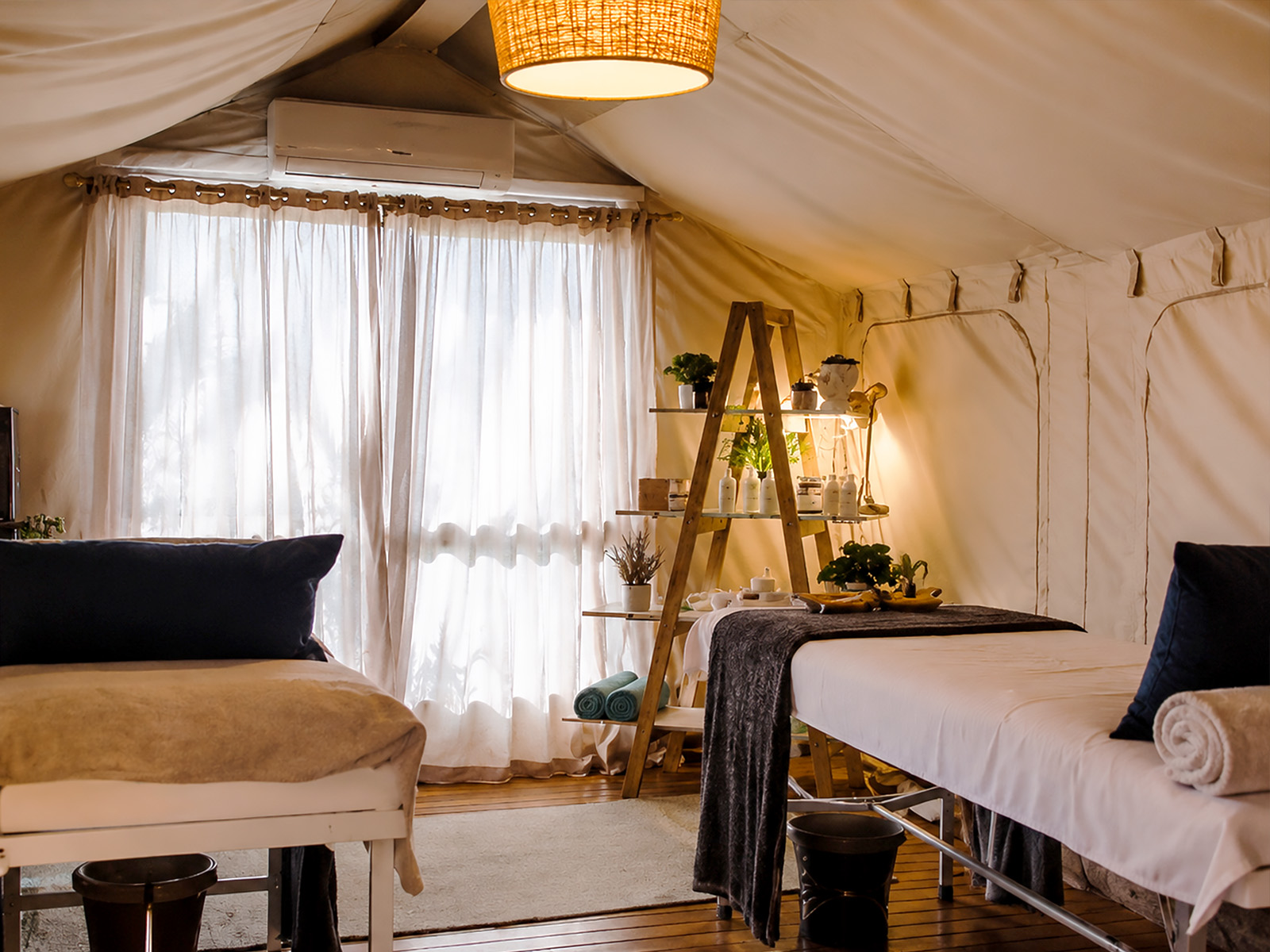
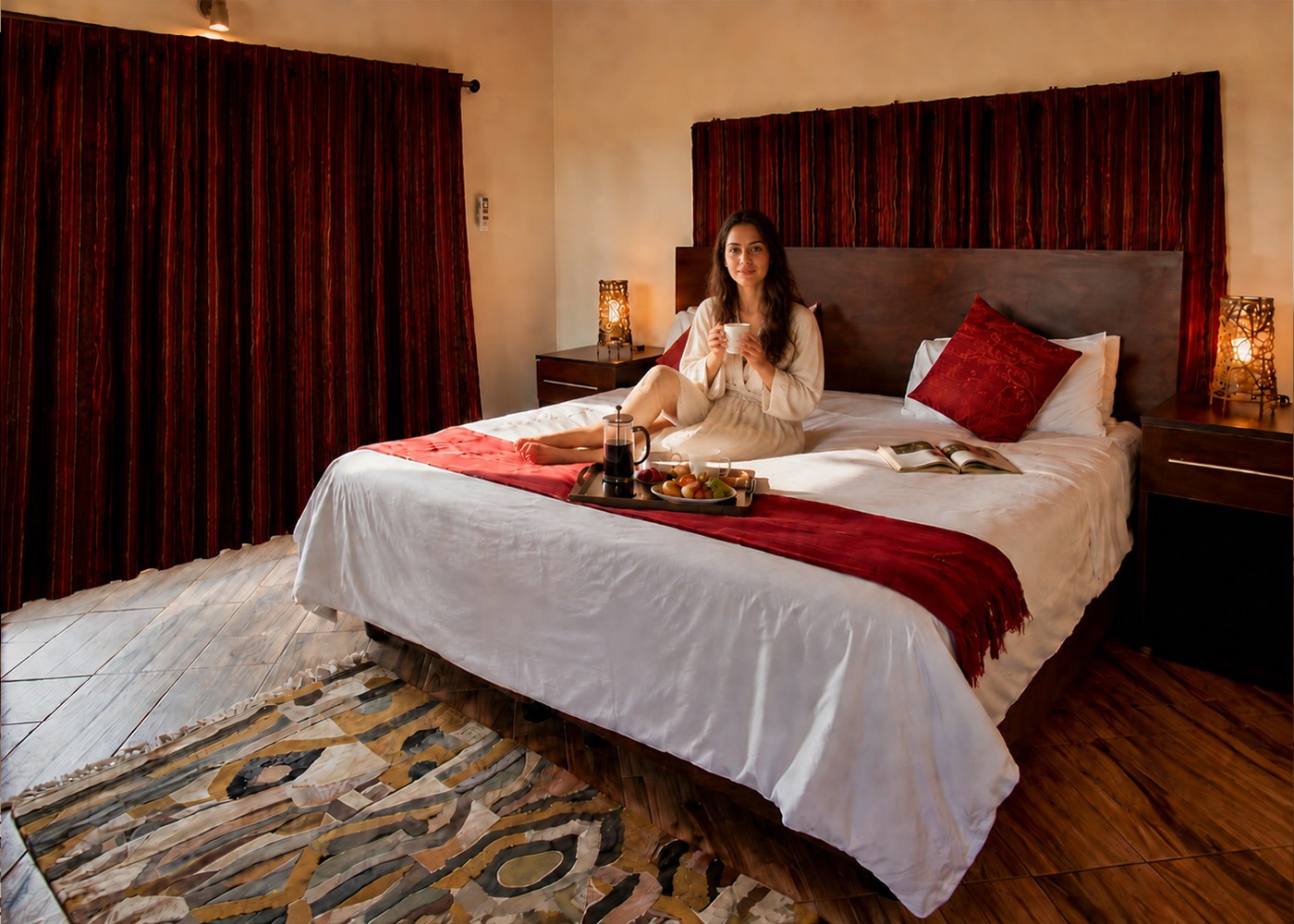
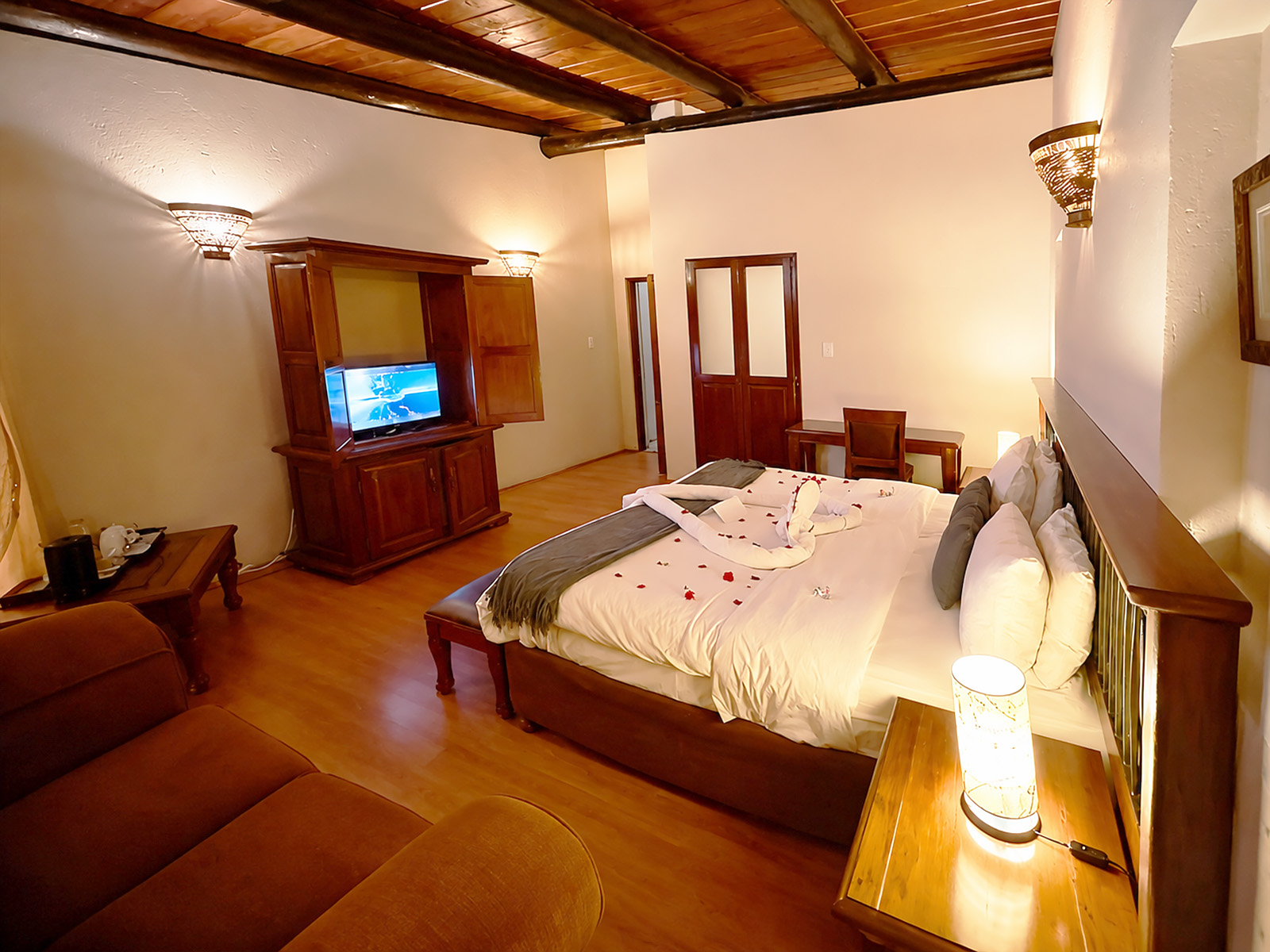
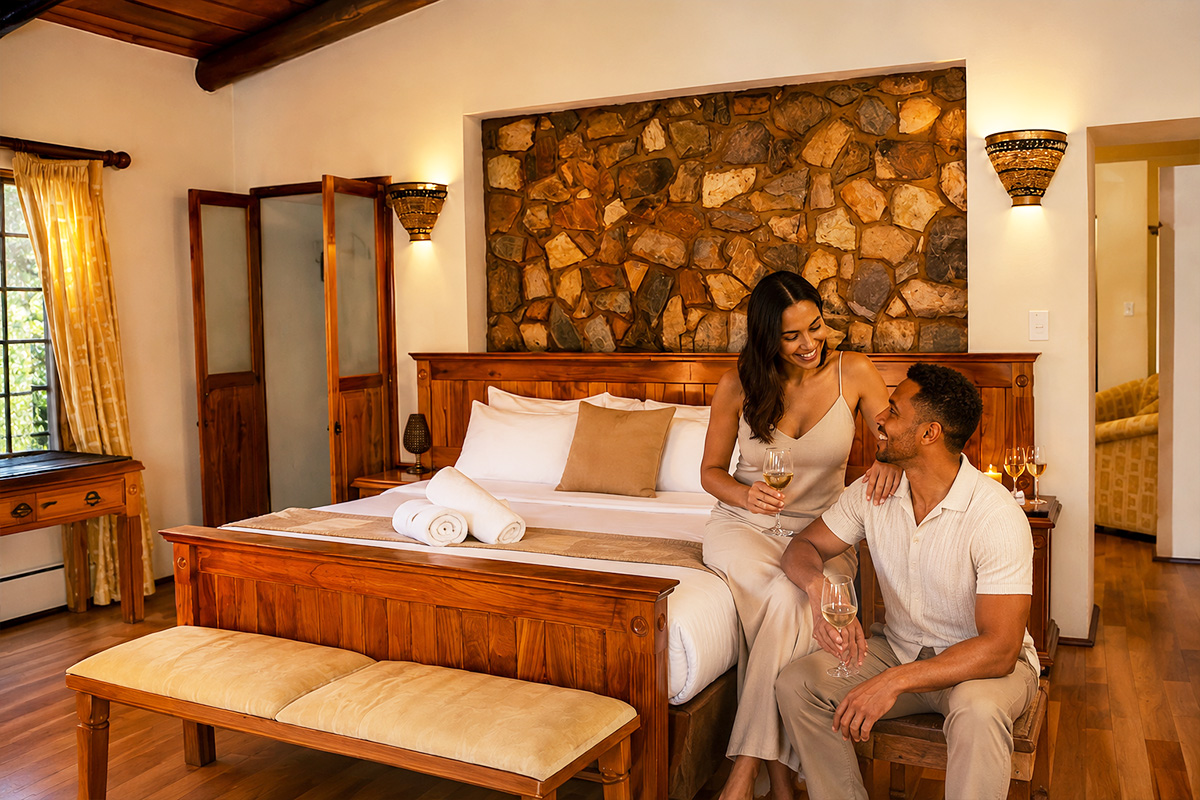
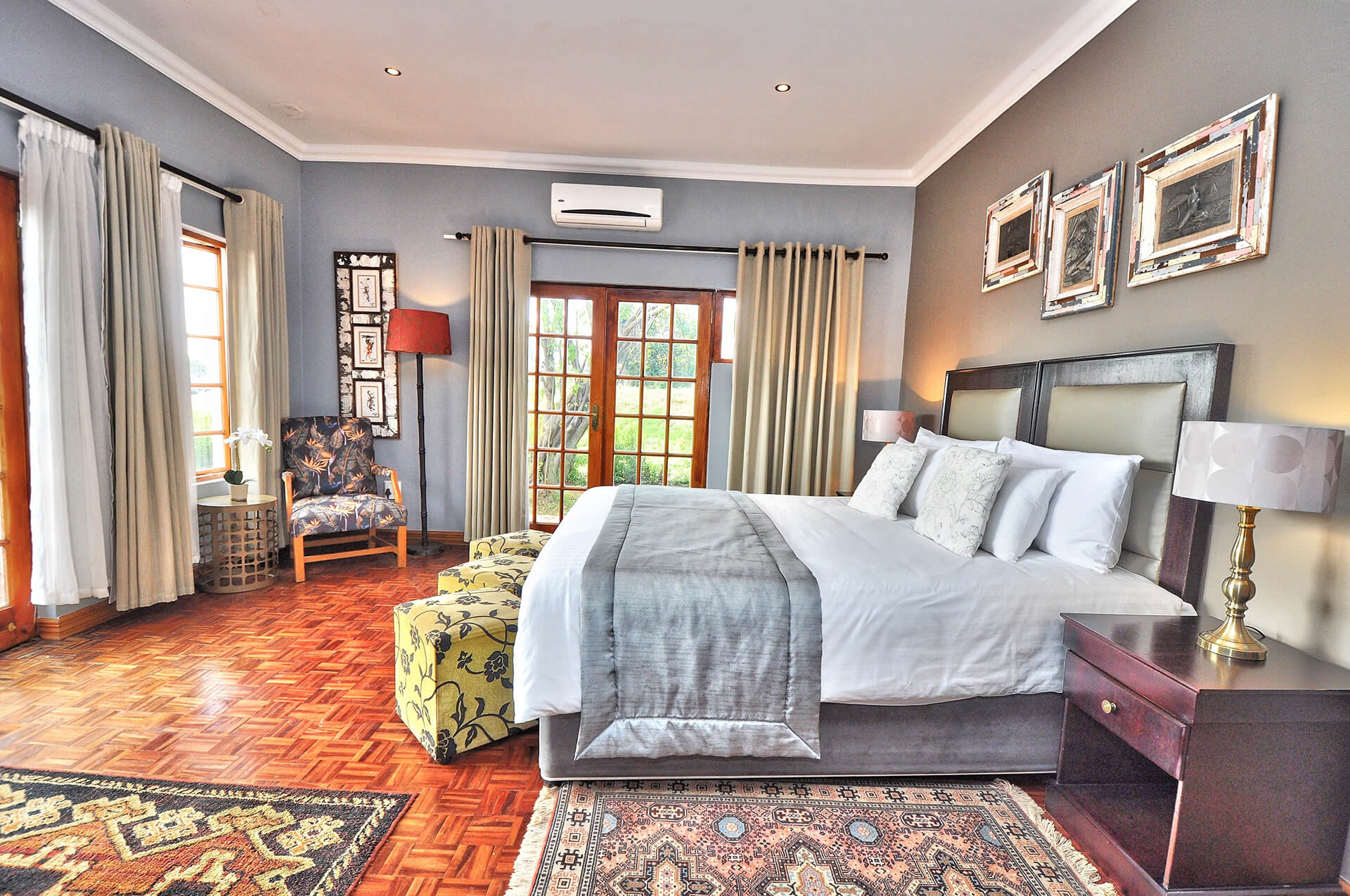
A bed and breakfast and a lodge fill the middle ground. The lodge format fits naturally with the wildlife and outdoor character of the region, appealing to visitors who want to combine archaeological visits with time in the natural environment. At the upper end, a boutique hotel and a guest house averaging around R2,208 per night offer more considered facilities and interiors, though the rural setting shapes the experience more than the property category does.
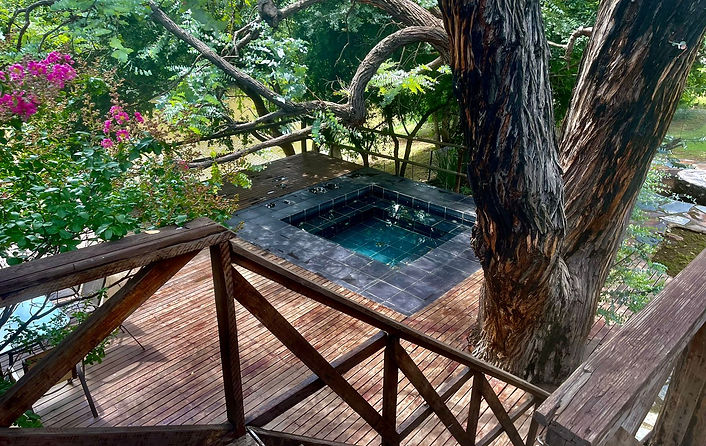
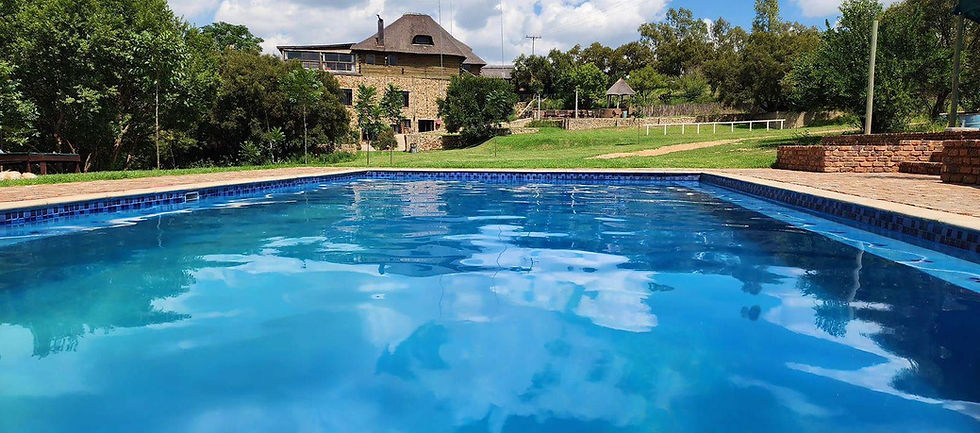
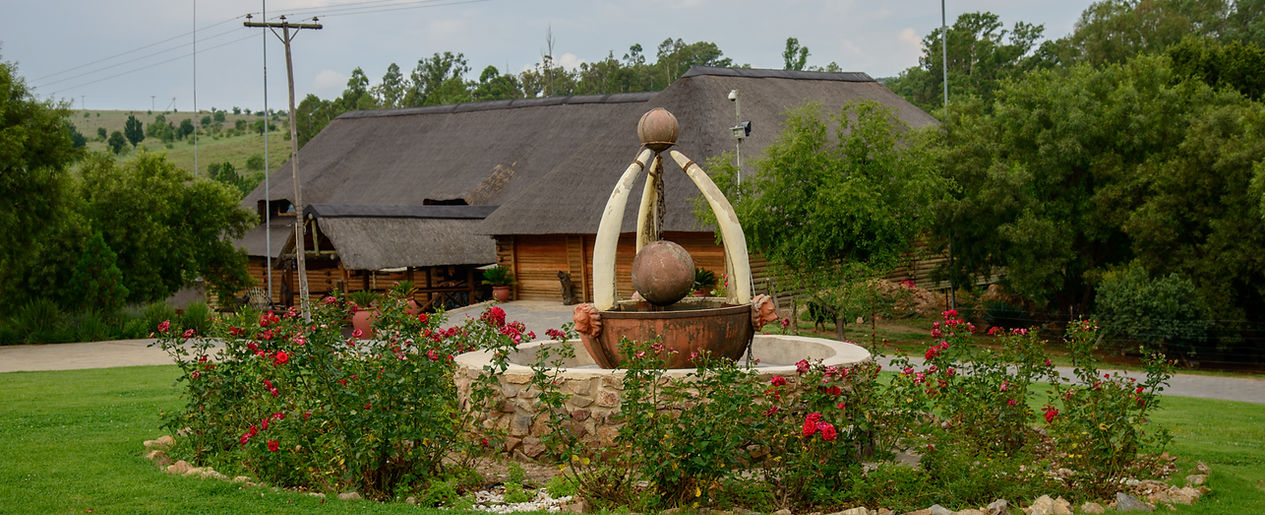
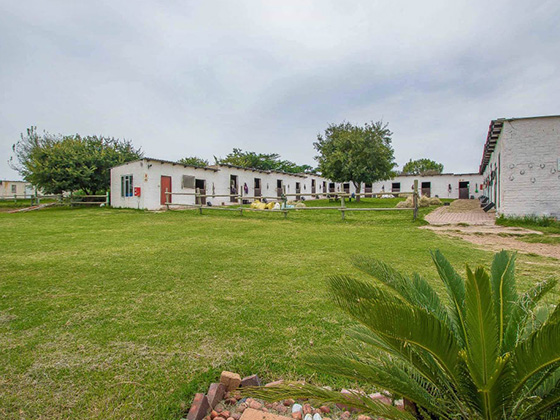
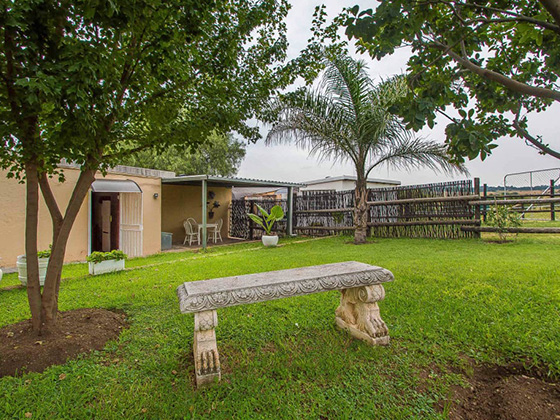
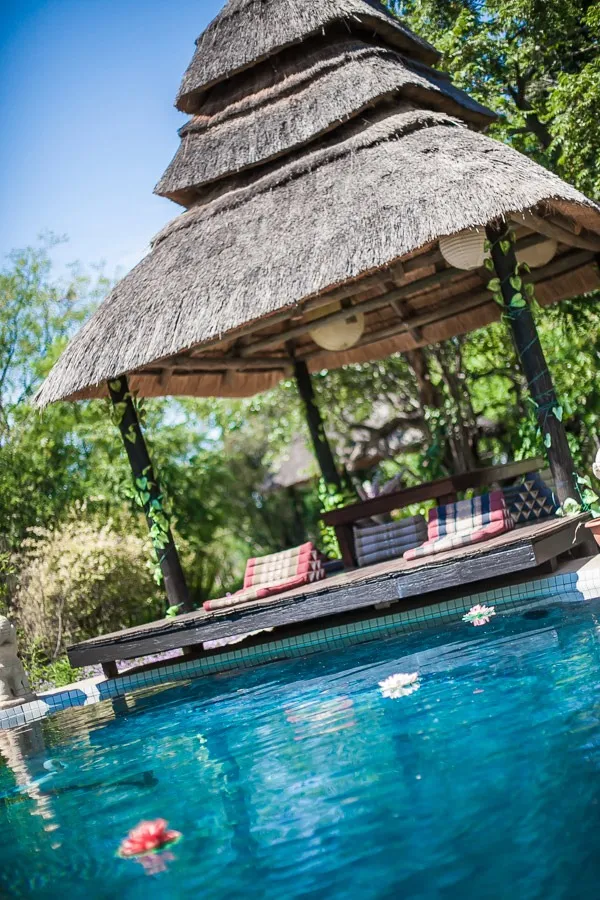
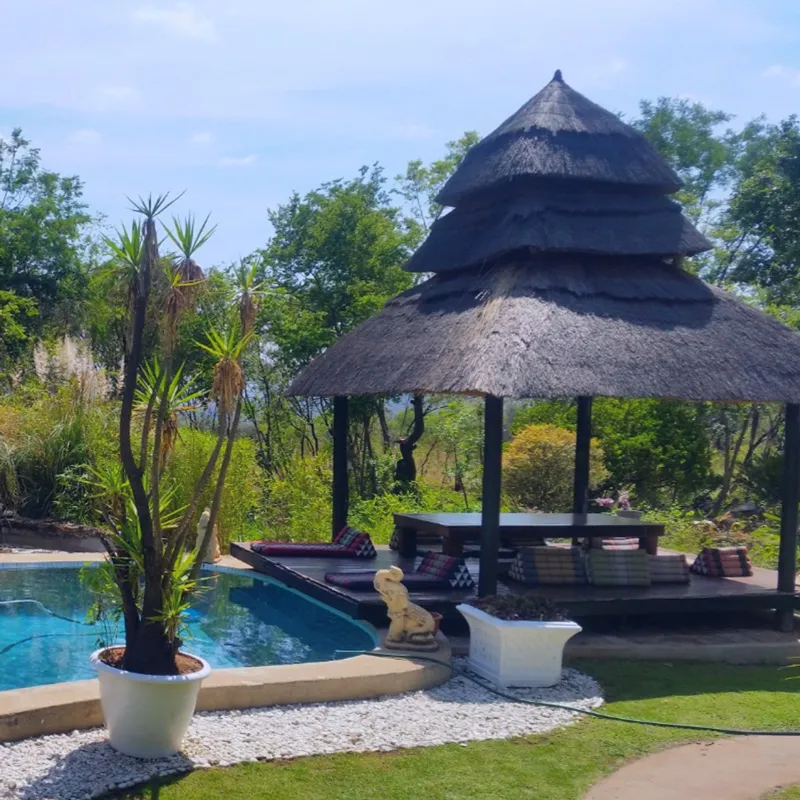
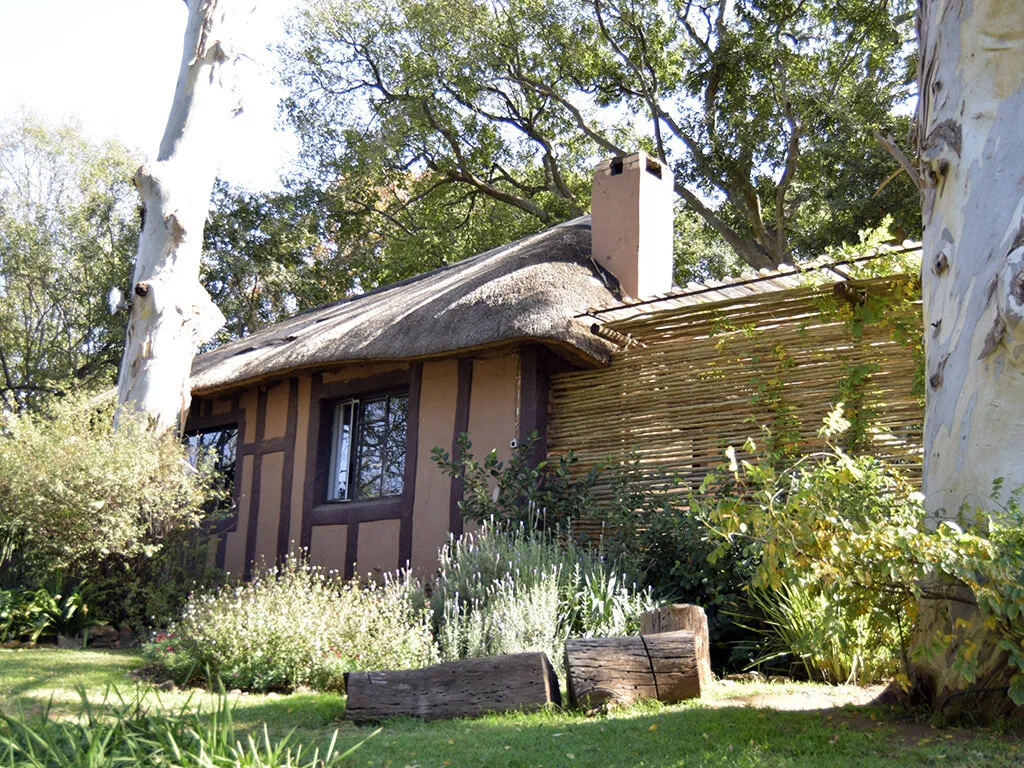
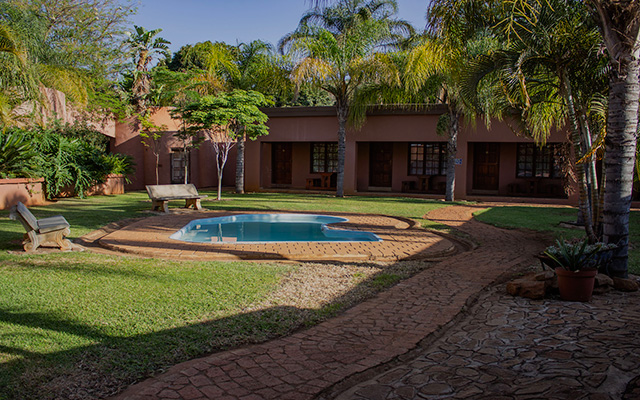
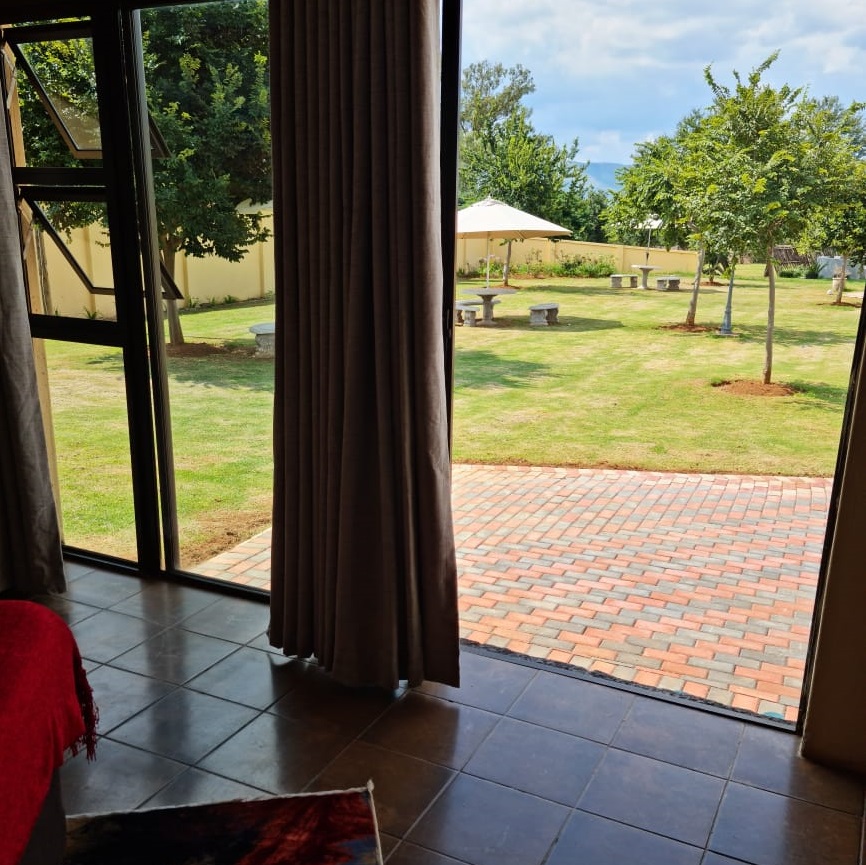
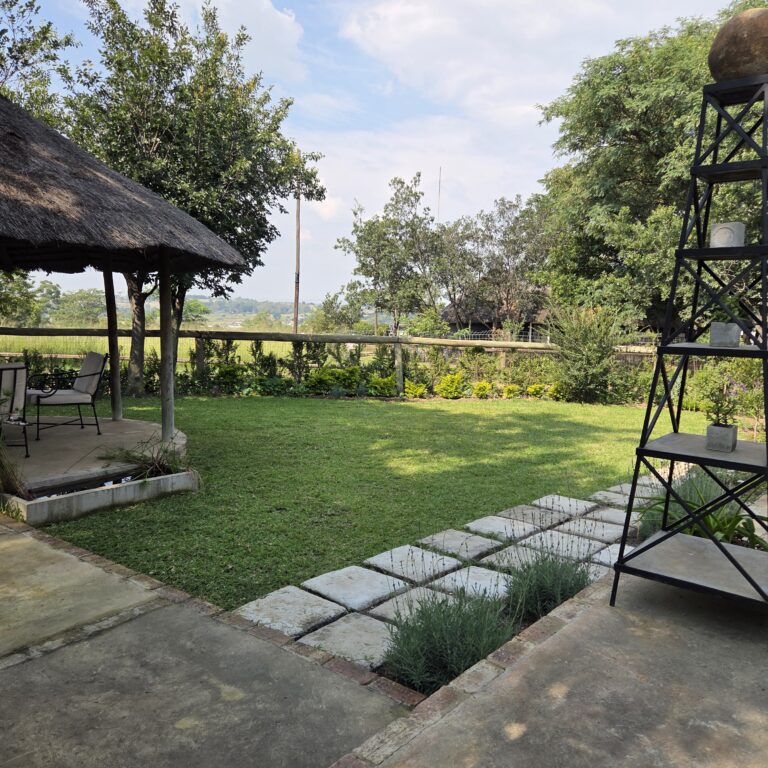
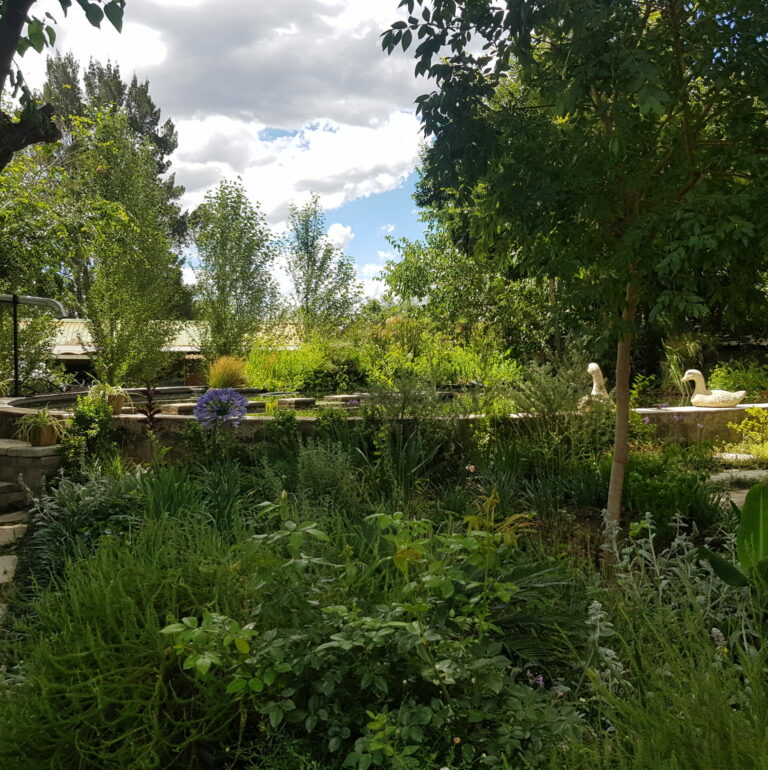
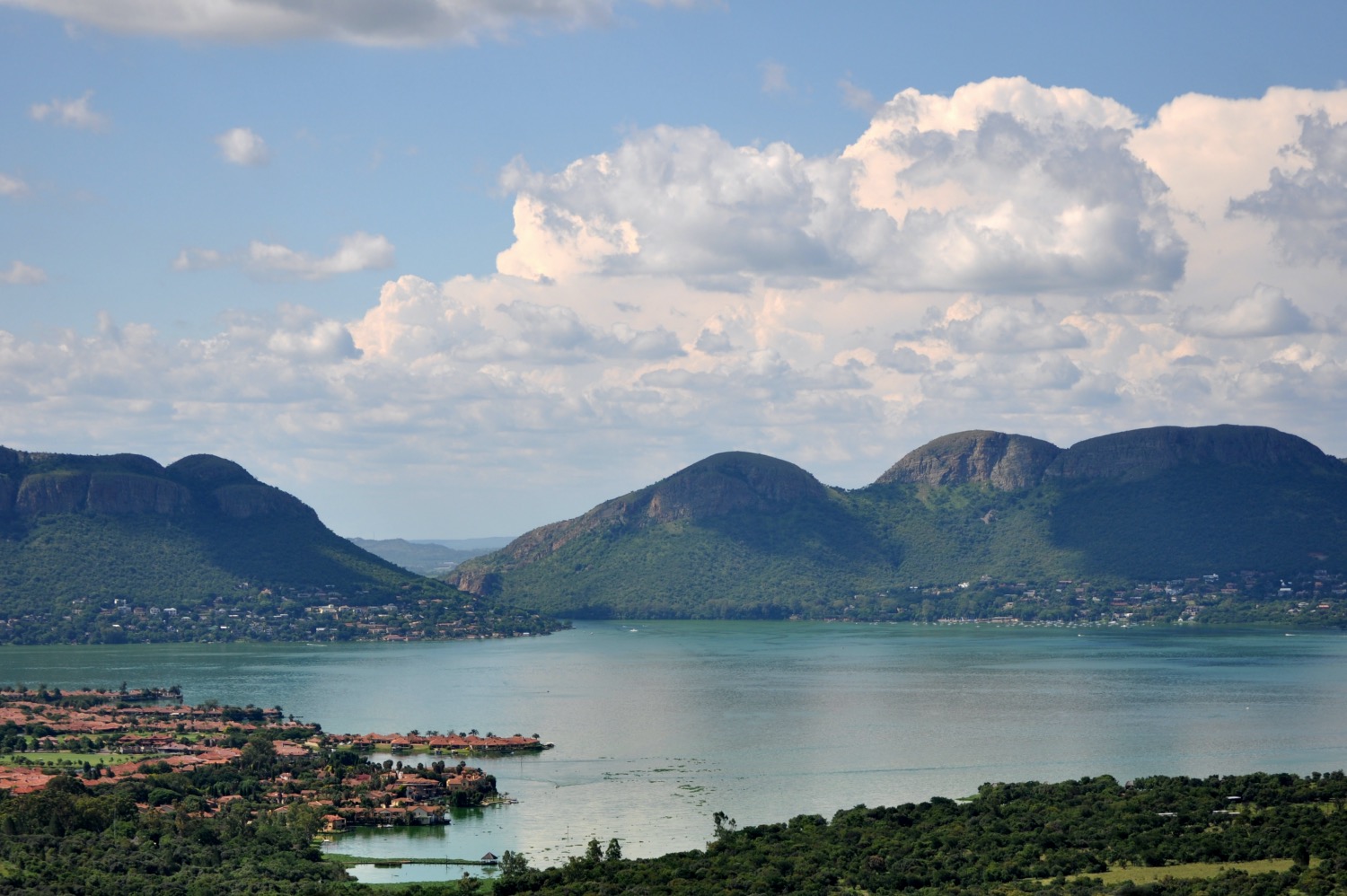
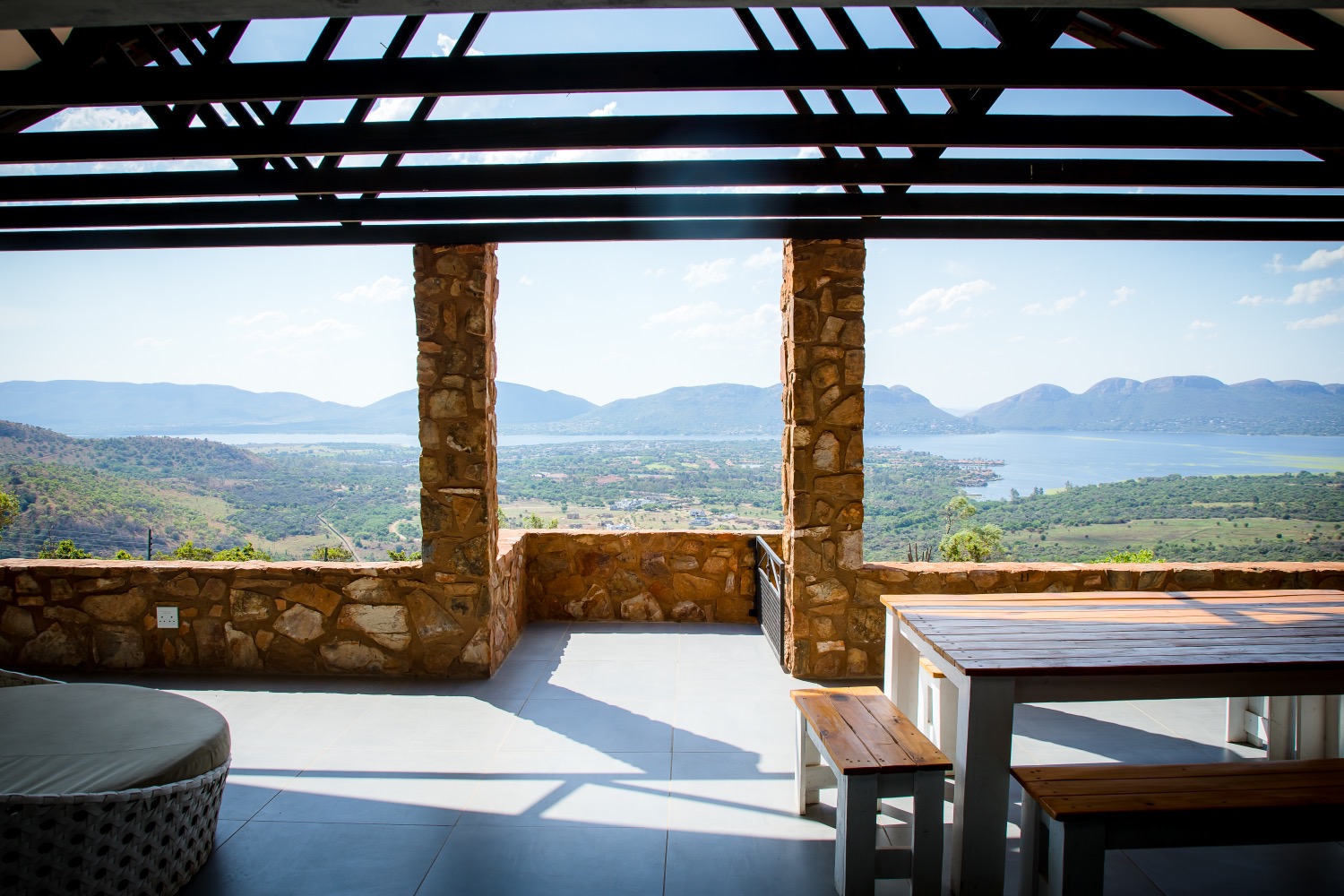
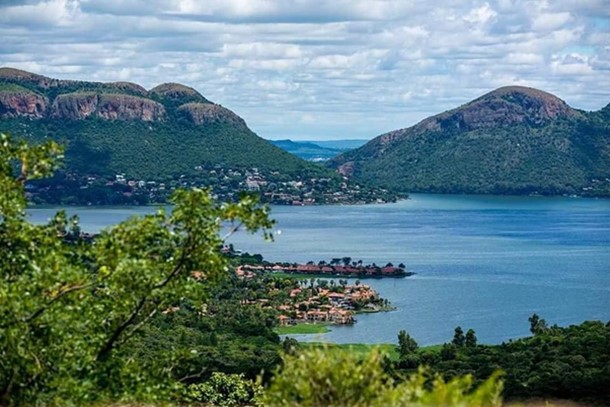
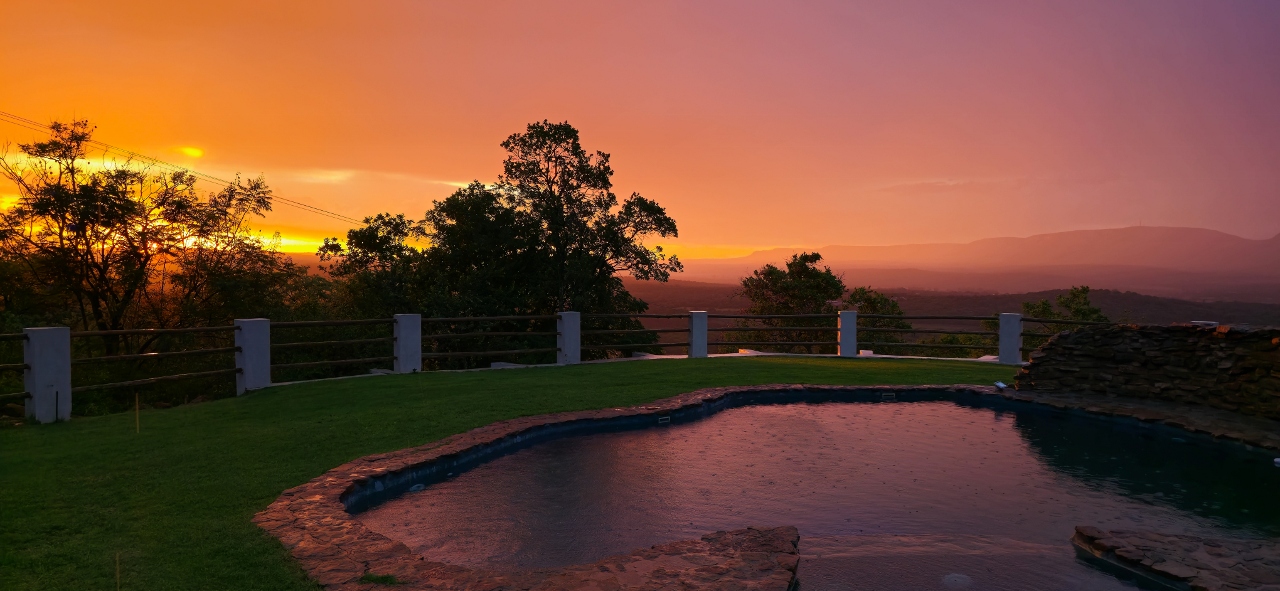
Most properties sit on open Highveld grassland with rocky terrain around them, well removed from Johannesburg's northern suburb hotel strips. The atmosphere is quiet and isolated, with the surrounding landscape as the main draw. With only eight properties available, booking periods around school holidays and long weekends fill faster than the market size suggests. Confirming meal arrangements, connectivity, and parking before arrival saves complications once you are away from urban amenities.
Things to Do in Gladysvale
The Gladysvale Cave is a working research site where hominid fossils dating back millions of years have been recovered. Casual access is not always available without advance arrangement, but the site sits within the Cradle of Humankind World Heritage Site, an area covering approximately 47,000 hectares with over 300 fossil-bearing caves. This concentration makes the region one of the most important landscapes in paleoanthropological study anywhere on earth.
Sterkfontein Caves operates guided tours through the underground chambers where landmark discoveries were made. Tours run to specific schedules and groups are limited in size, so prior booking is advisable. The Maropeng Visitor Centre, around 15 kilometres from Gladysvale, provides context through interactive exhibitions covering human evolution and the geology that formed the limestone landscape. A visit here before exploring individual cave sites helps frame what visitors encounter underground.
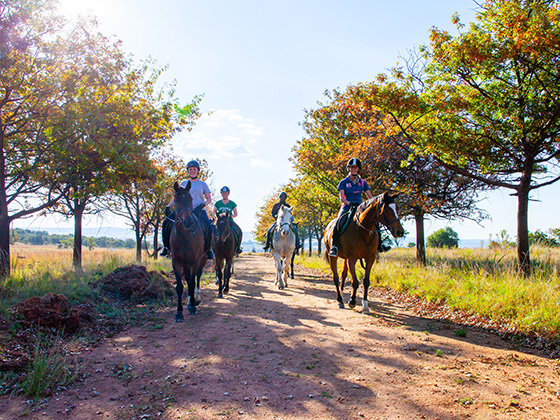
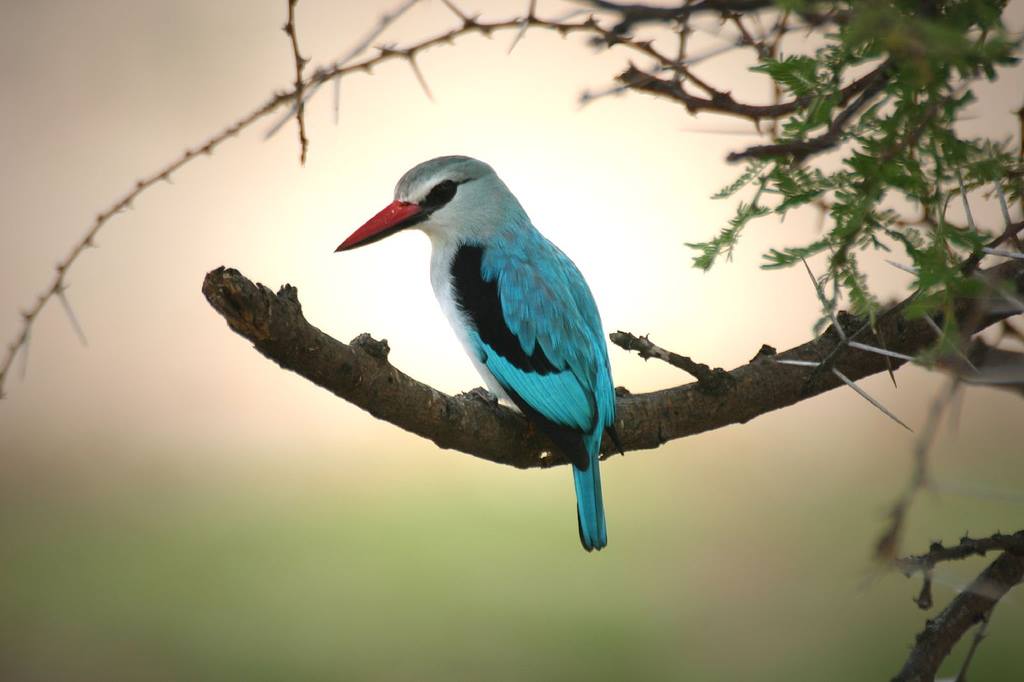
Safari activity adds a different dimension to the area. Nature reserves near Gladysvale offer game drives and walking trails across open terrain where antelope species are common and birdwatching is productive year-round. Several reserves also run sunset drives that pair well with an afternoon at one of the cave systems.
The Magaliesberg range to the north is reachable as a day trip for those who want hiking or rock climbing alongside the archaeological programme. Terrain throughout the area tends to be rocky and uneven. Solid footwear is practical rather than optional for any outdoor site visit.
Best Time to Visit Gladysvale
Sitting at altitude on an inland plateau, Gladysvale has a subtropical highland climate with warm, wet summers and cool, dry winters. The summer months from November through March bring afternoon thunderstorms that develop quickly and can cut short visits to open fossil sites. Morning starts become almost mandatory during these months to make the most of settled conditions. Daytime temperatures reach the low-to-mid 30s Celsius, though evenings cool considerably.
Winter, covering June through August, offers clear skies and dry conditions that favour outdoor exploration. Vegetation thins during the dry season, making animals easier to spot across open ground. The trade-off is cold nights, with temperatures sometimes dropping close to or below freezing. Rural properties do not always have reliable heating, so checking this before a winter booking is a practical step.
The shoulder periods of April and May, and again September and October, offer a comfortable middle ground. Temperatures are moderate, rainfall drops off, and visitor numbers at cave tour sites are lower than during the June and December school holiday peaks. For anyone who wants a relaxed pace at the fossil sites without competing for tour slots, these shoulder months represent the most straightforward timing.
Getting to Gladysvale
Private car is the standard and most practical way to reach Gladysvale. From central Johannesburg, the drive covers approximately 50 kilometres on the N14 or N1 west before heading north into the Cradle of Humankind area. Journey time runs between 50 minutes and an hour under normal conditions, with Johannesburg traffic the main variable.
The nearest commercial airport is 17 kilometres from Gladysvale and serves domestic routes primarily from Cape Town and Durban. O.R. Tambo International Airport, Johannesburg's main hub for international arrivals, is approximately 80 kilometres in the opposite direction. Travellers arriving from overseas are best advised to collect a rental car at O.R. Tambo, as independent transport is effectively required for exploring this rural area and moving between the various sites.
Public transport connections to Gladysvale do not exist in any scheduled form. Ride-hailing apps from Johannesburg can reach the area, but arranging a return pickup in a rural location introduces unpredictability. Renting a car provides the freedom to move between fossil sites, reserves, and surrounding towns at your own pace. Roads approaching Gladysvale are largely tarred, though some secondary routes and property access tracks involve gravel, which can become slick after heavy summer rain.
Gladysvale and Surrounding Areas
Protea Ridge, 15 kilometres from Gladysvale, is a small agricultural holding community on the fringe of the Cradle of Humankind heritage area. It has limited dedicated tourist infrastructure, but the properties scattered across its landscape offer a genuinely rural base for visitors who want proximity to the cave sites without any town close by.
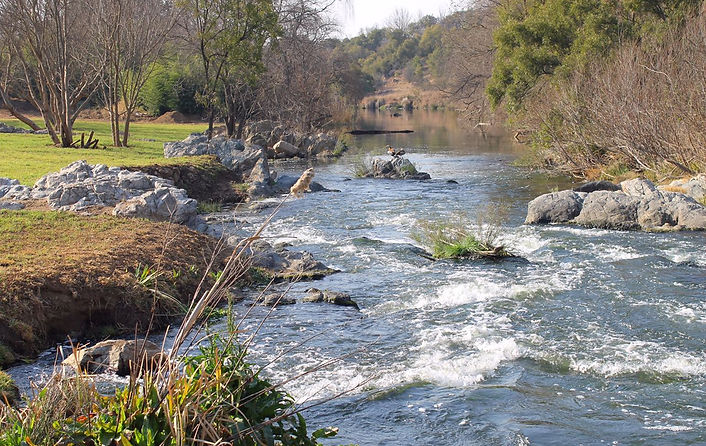
Broederstroom, also 15 kilometres away, follows the Hennops River and has developed a quiet food scene with farm stalls and casual restaurants suited to a relaxed lunch between site visits. The valley terrain is gentler here than the rocky ground closer to Gladysvale, and the river setting provides a pleasant contrast to the geological focus of the broader area.
Lanseria, 17 kilometres south, is anchored by its commercial airport, the main domestic aviation gateway for northwest Gauteng. The surrounding area has grown to accommodate fuel stations, retail, and some accommodation catering largely to passengers and people in transit rather than destination visitors.
Muldersdrift, 17 kilometres from Gladysvale, has developed into a weekend leisure destination for Johannesburg residents. Restaurants, event venues, and day spas are concentrated here, making it the most practical option in the vicinity for an evening meal or a half-day break from the heritage circuit.
Sunrella AH, 18 kilometres out, is a dispersed agricultural holding settlement spread across open grassland. It lacks specific visitor attractions of its own but forms part of the rural belt connecting the Cradle of Humankind to the broader western Gauteng countryside.
Mogale City, 20 kilometres from Gladysvale, incorporates Krugersdorp and serves as the main urban centre for the region. Hospitals, supermarkets, pharmacies, and banking services are all available here, making it the practical service hub for visitors spending several nights in the surrounding rural area.
Planning Your Stay
The small number of properties available means Gladysvale fills up faster than its rural character might suggest. Booking four to six weeks in advance is reasonable for most periods, with school holiday windows warranting earlier action if you have a specific property in mind.
Before confirming a booking, check whether meals are provided, as properties differ on this point and independent shopping requires a drive out to the nearest town. Connectivity across the area varies considerably, with some rural properties relying on satellite internet or having patchy signal. If reliable internet or mobile calls are part of the plan, confirm coverage directly with the property before paying a deposit.
Cave site tours operate on independent schedules with their own ticketing requirements. Confirming tour availability and booking times for specific sites before your trip avoids arriving to find slots already taken. Access roads to some properties involve gravel, which can become difficult after heavy summer rain, so checking conditions with your host is sensible if arriving mid-season. A minimum of two nights makes the visit worthwhile given the travel distances from major cities and the number of distinct experiences worth fitting in.