Accommodation in Green Point
Green Point has 59 listed properties, with nightly rates running from R800 to R18,800 and an average of R2,838. That spread reflects genuine variety across budget tiers rather than a single market segment, and the suburb's position between the city centre and the Atlantic seaboard means most properties are within reach of both.
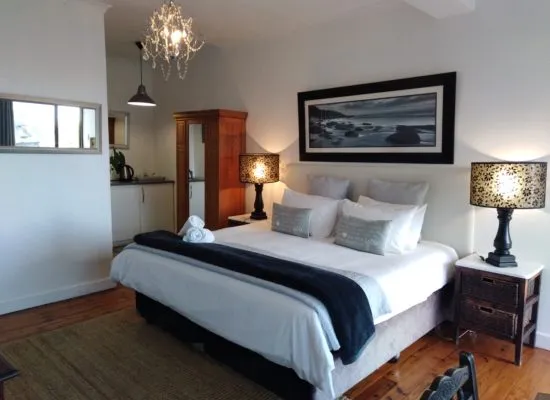
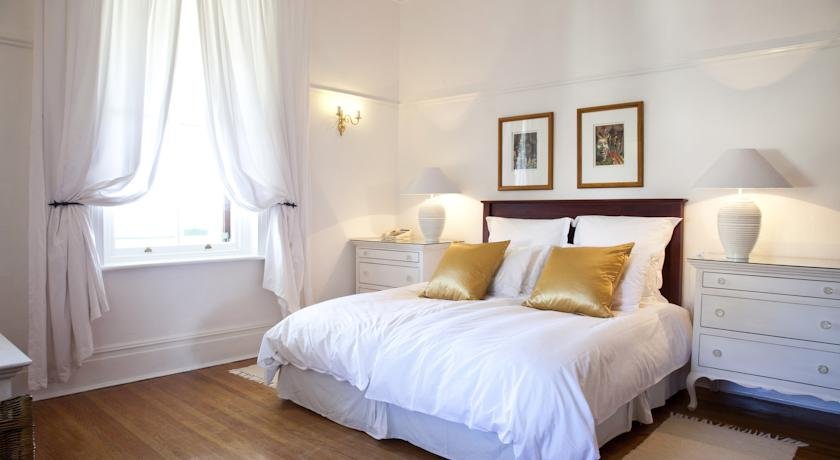
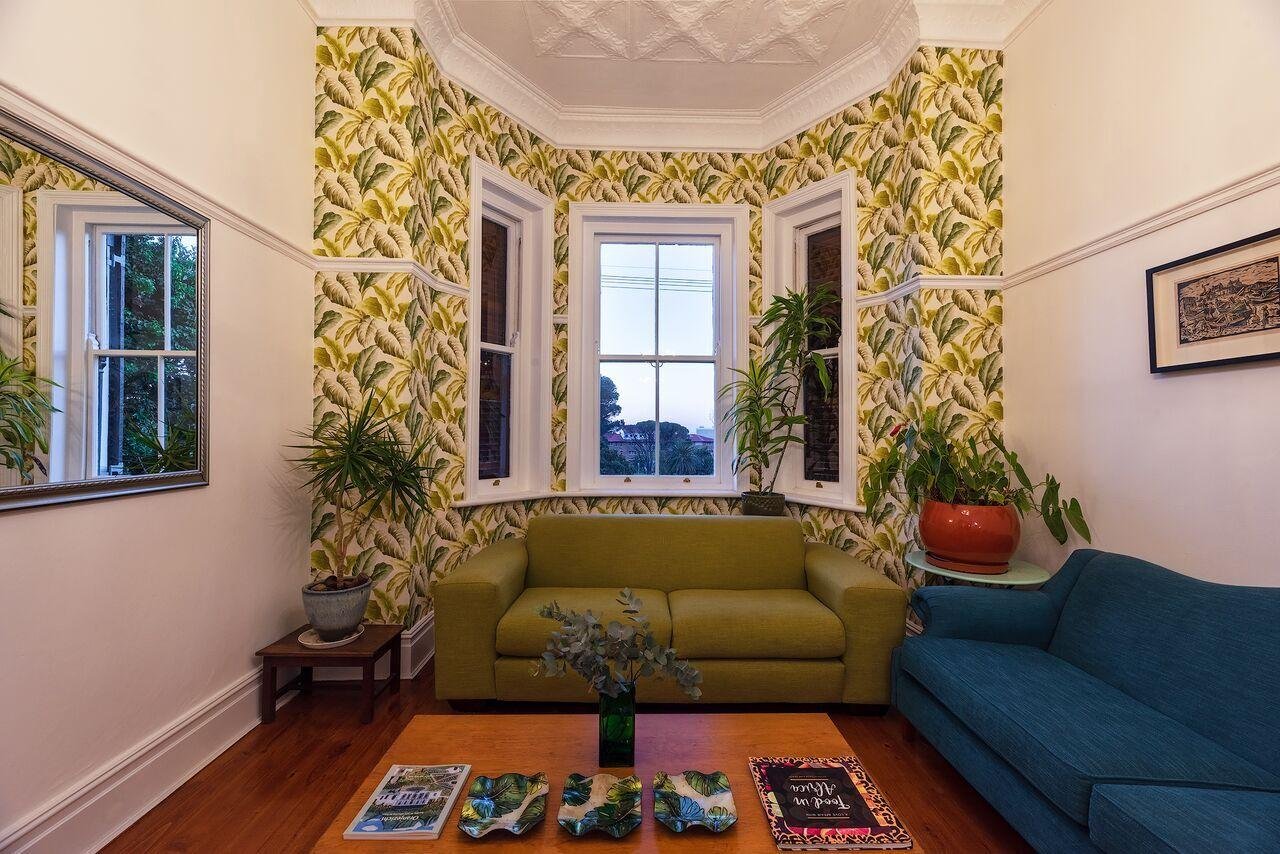
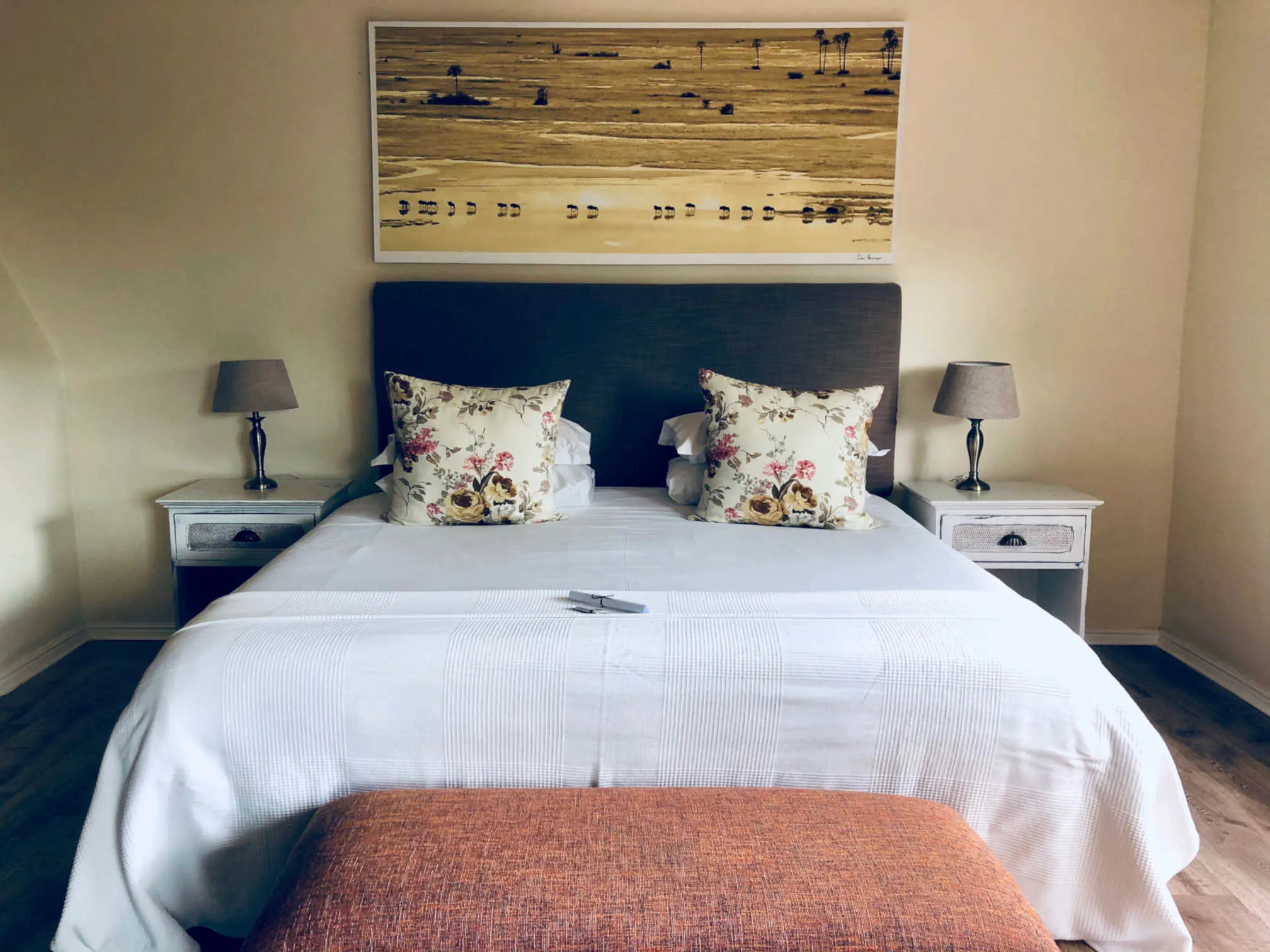
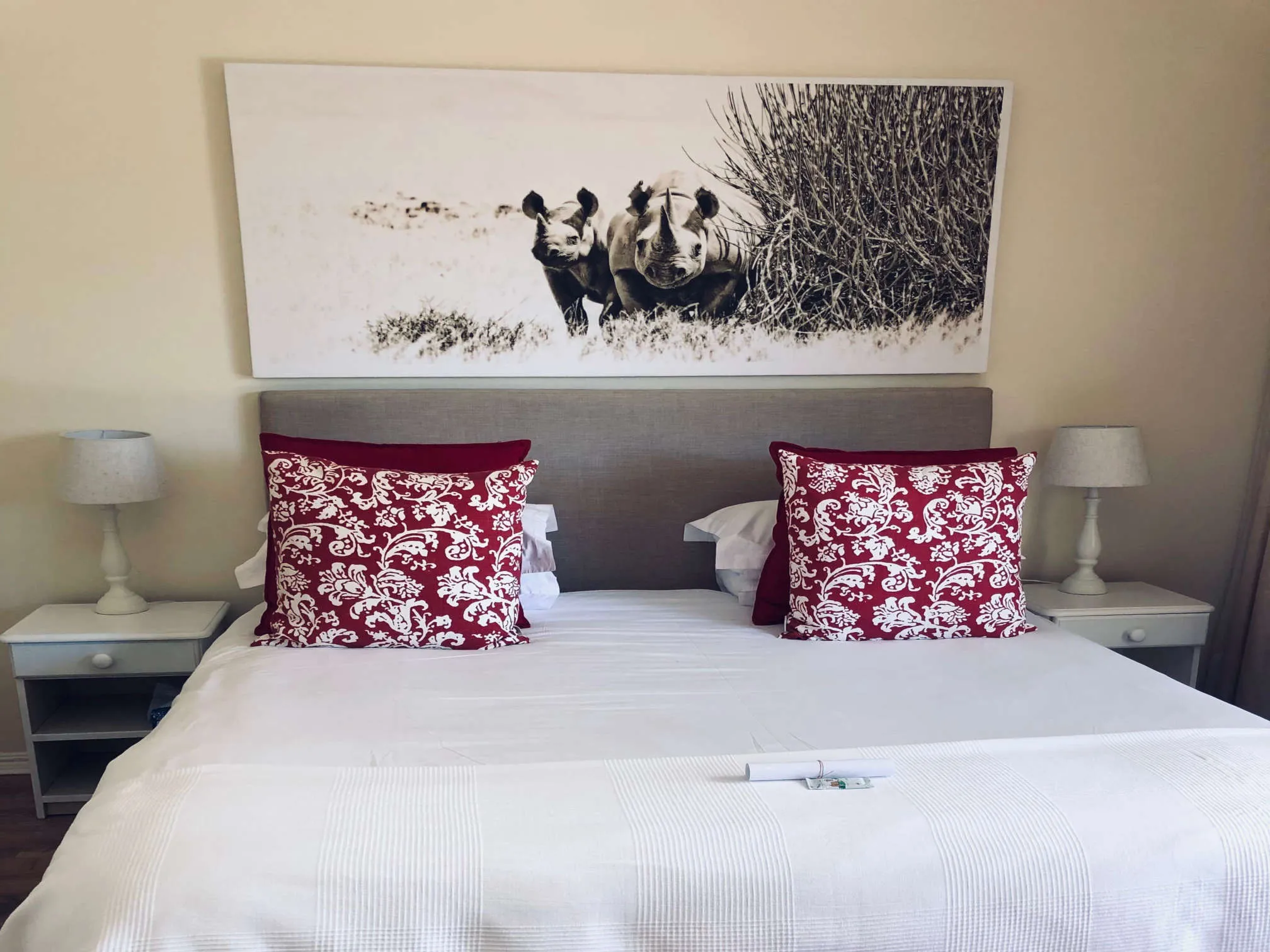
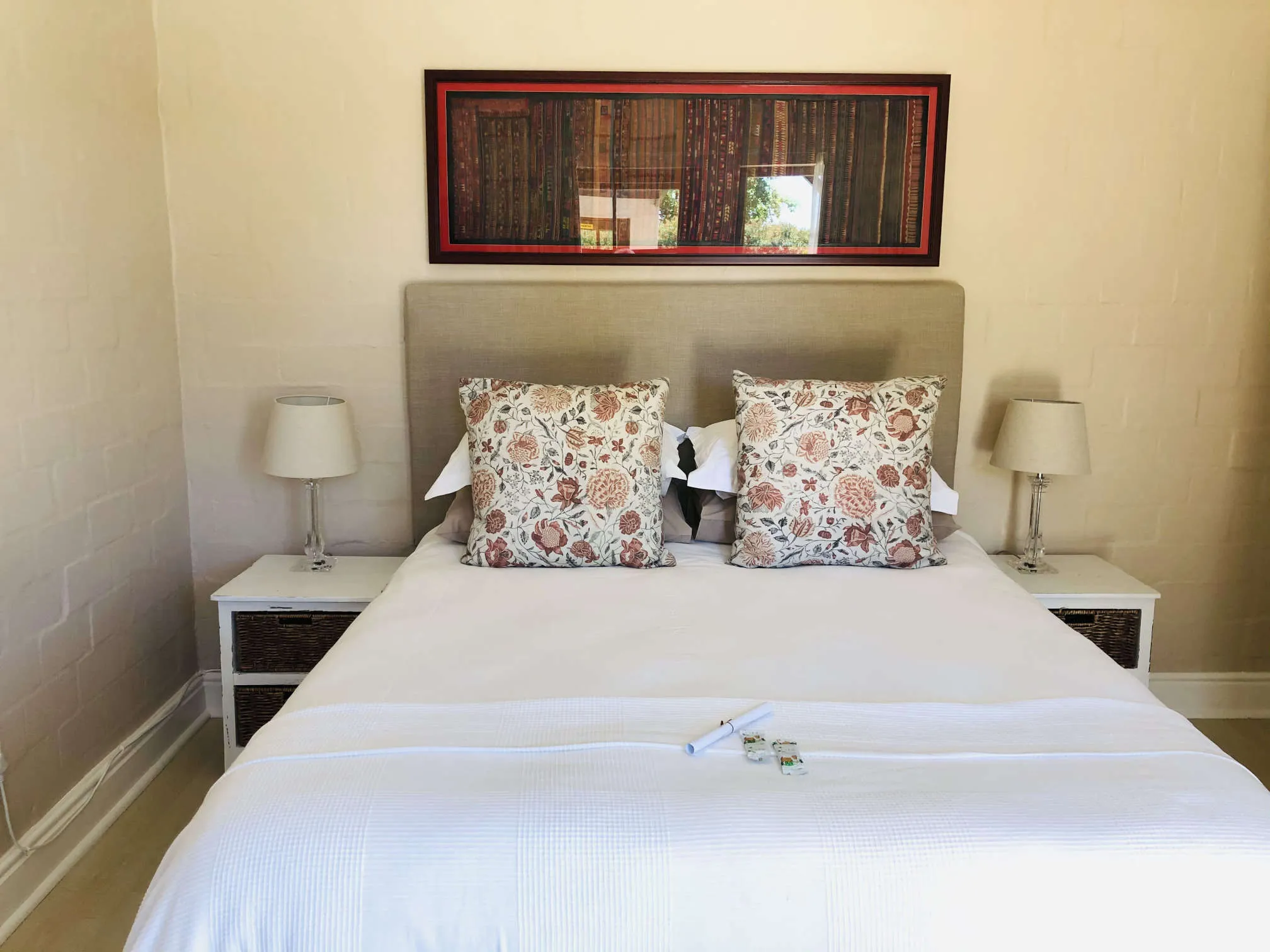
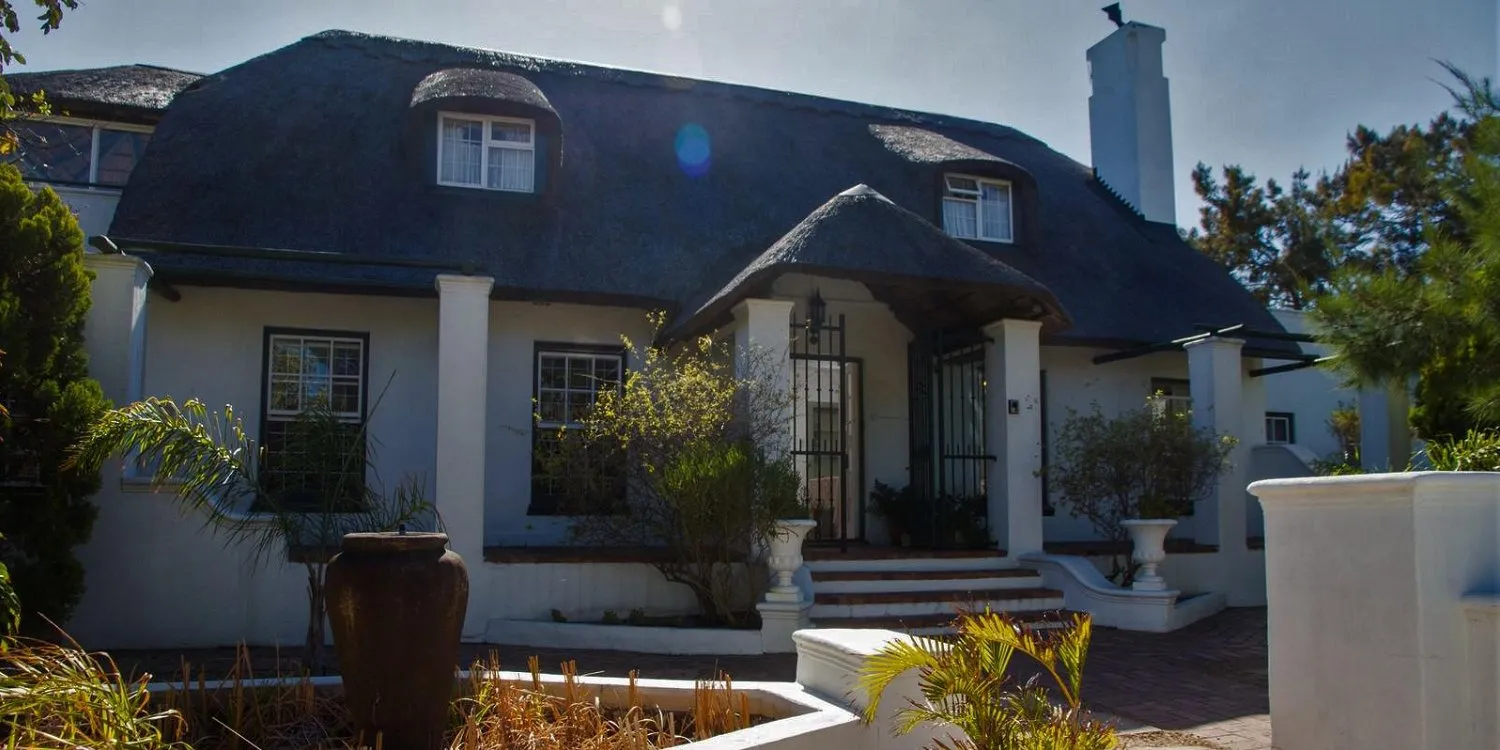
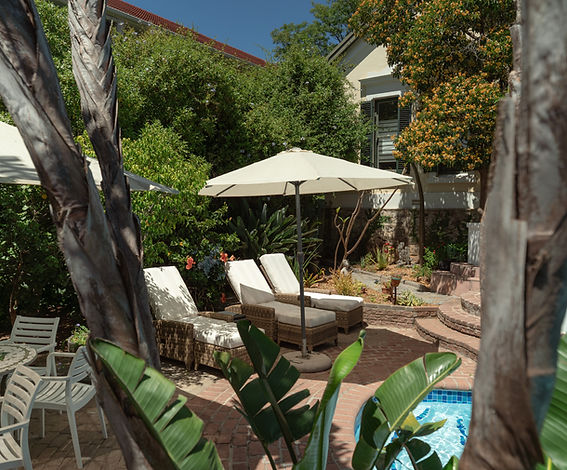
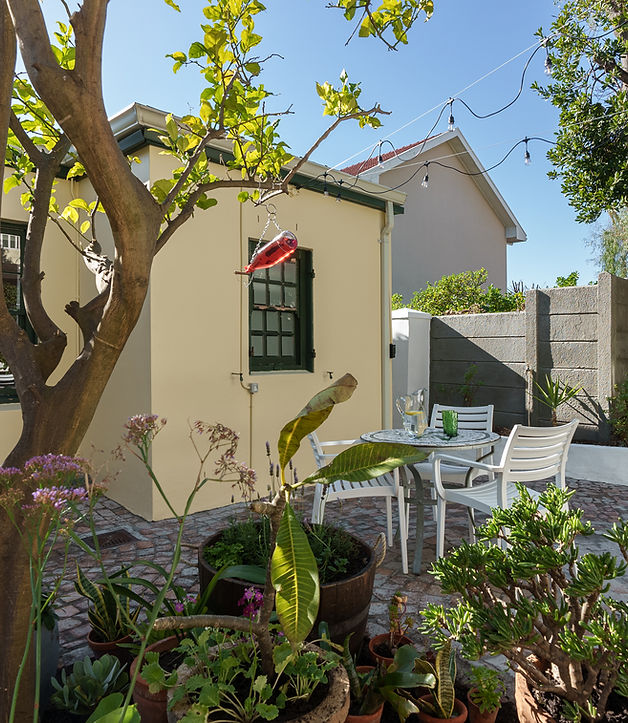
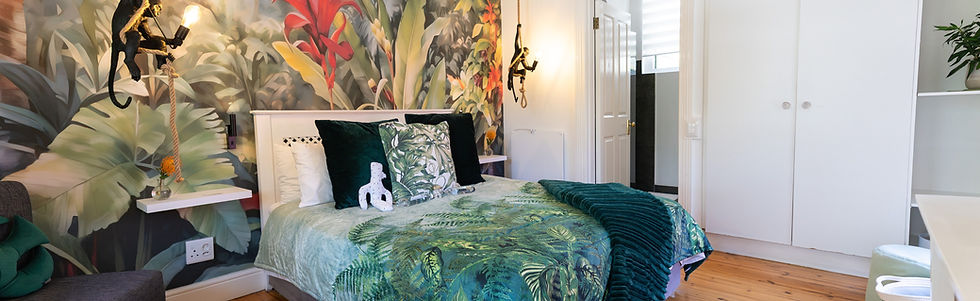
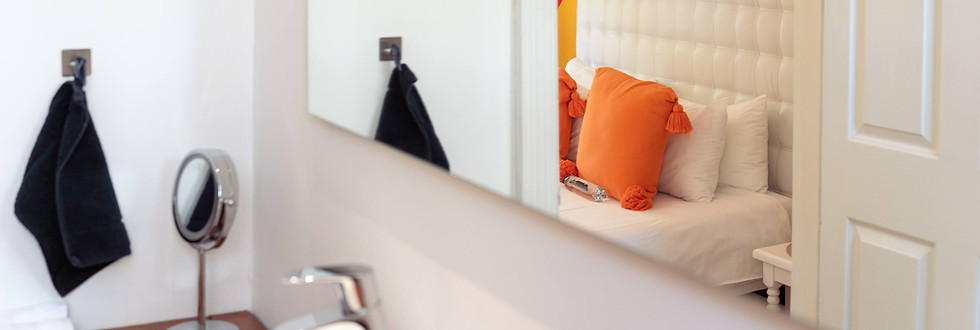
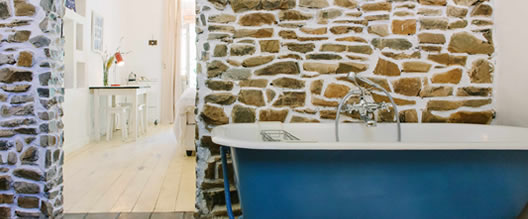
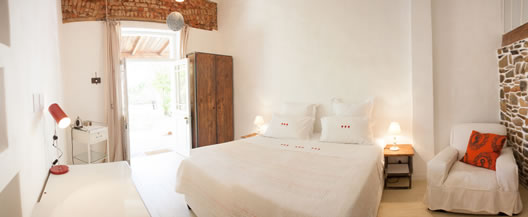
At the lower end, bed and breakfasts offer a sensible entry point. They typically include a morning meal and personal service from hosts who know the neighbourhood well. Most are small operations run from converted houses, suiting travellers who want a personal, low-key base rather than an anonymous hotel room.
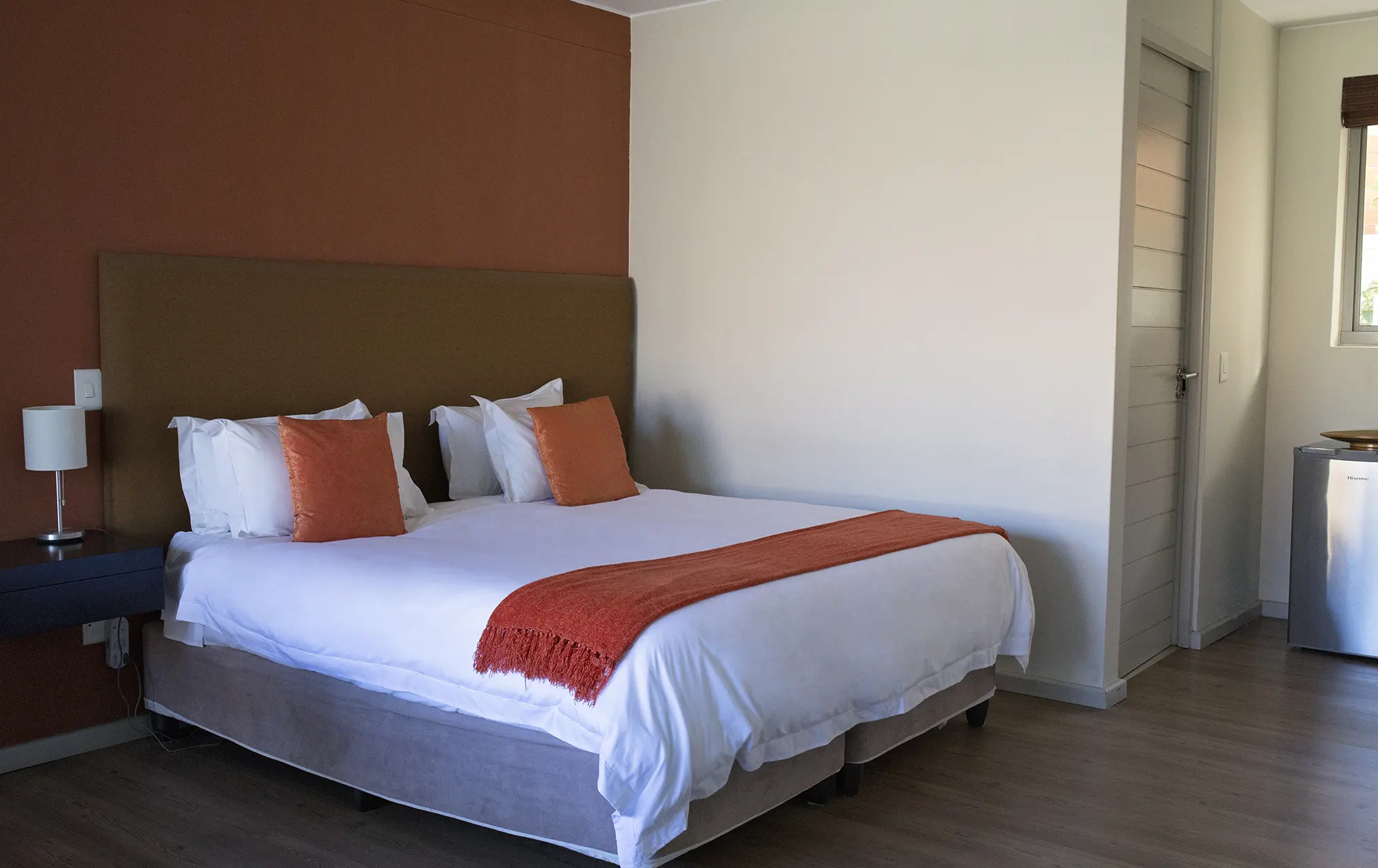
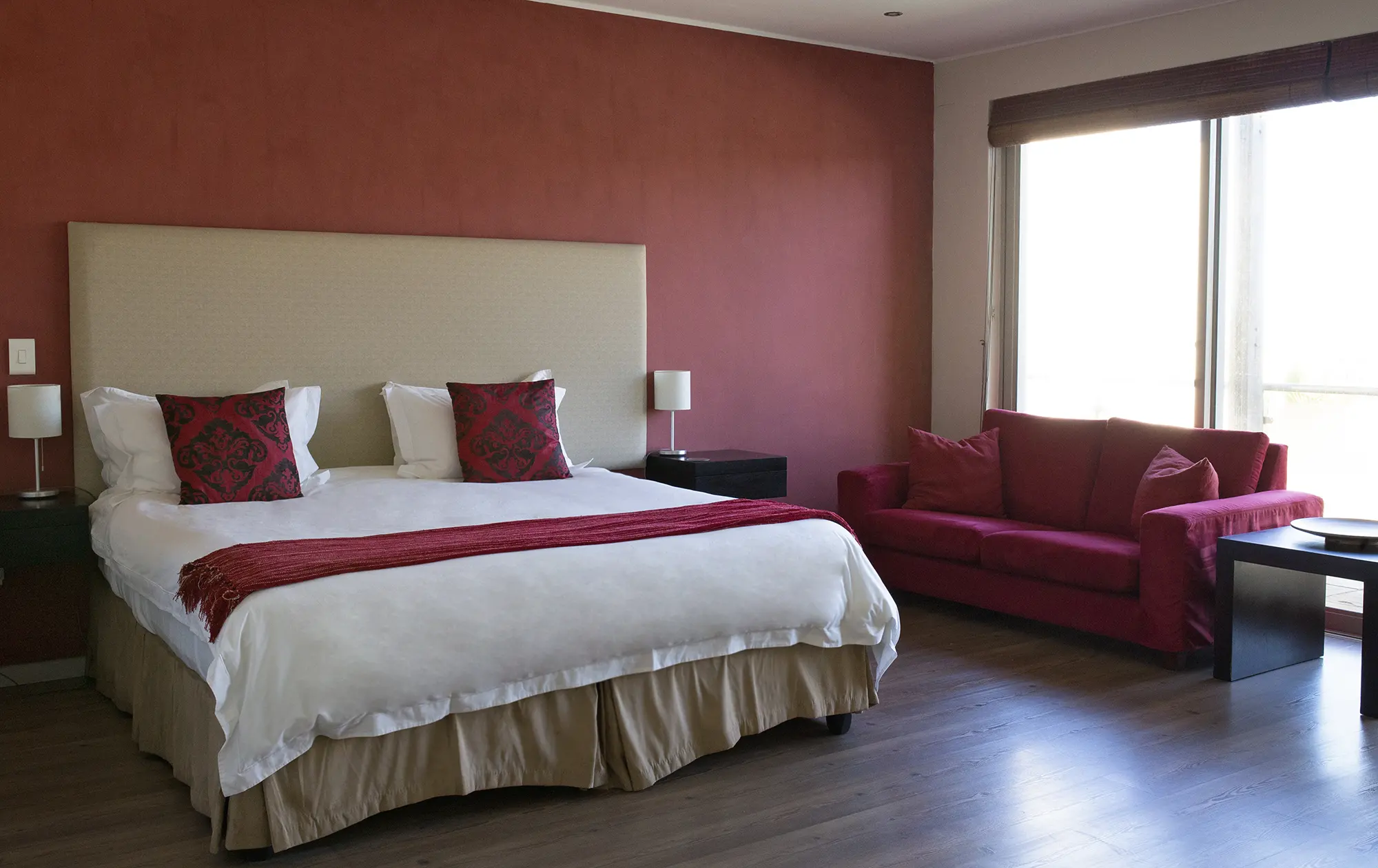
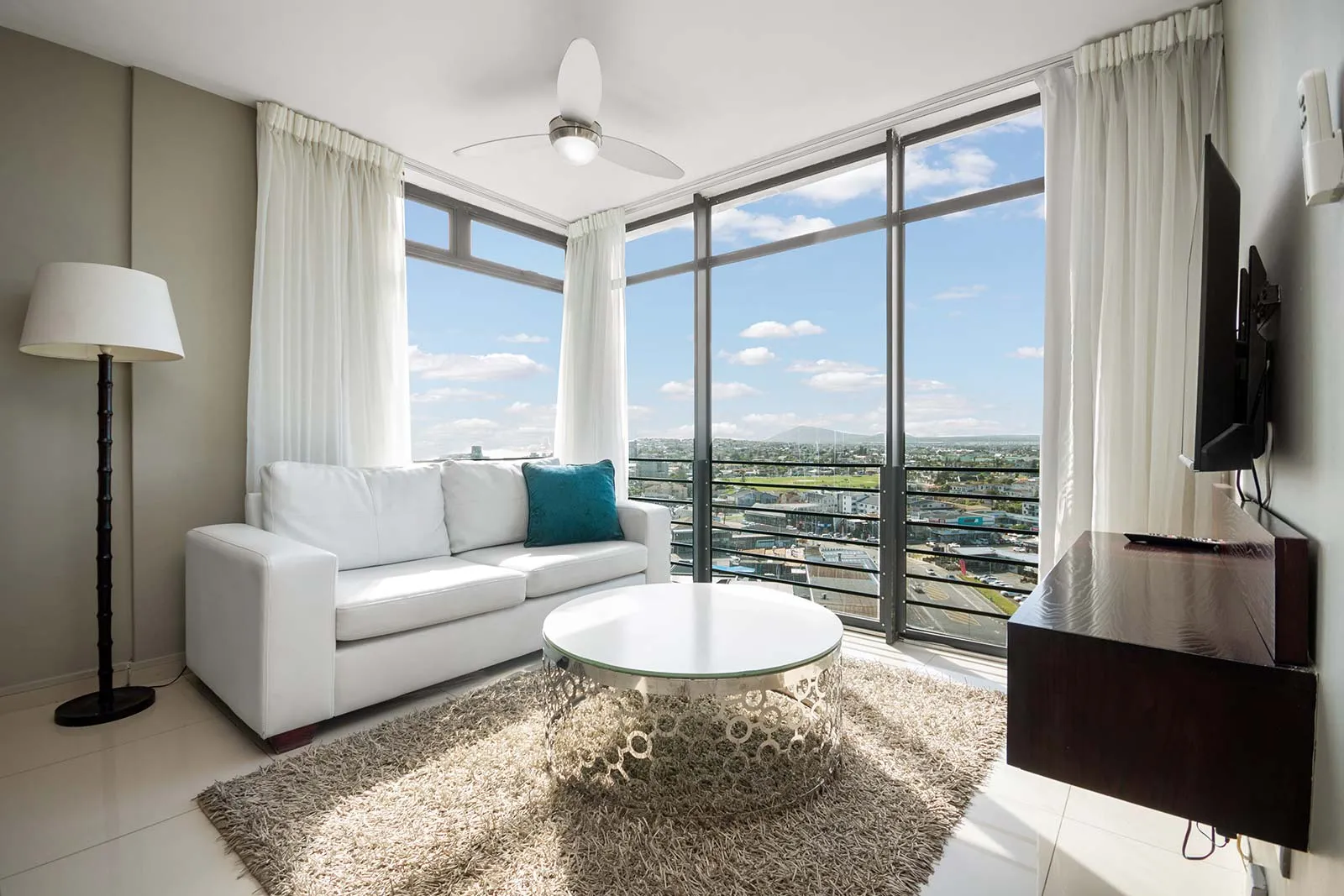
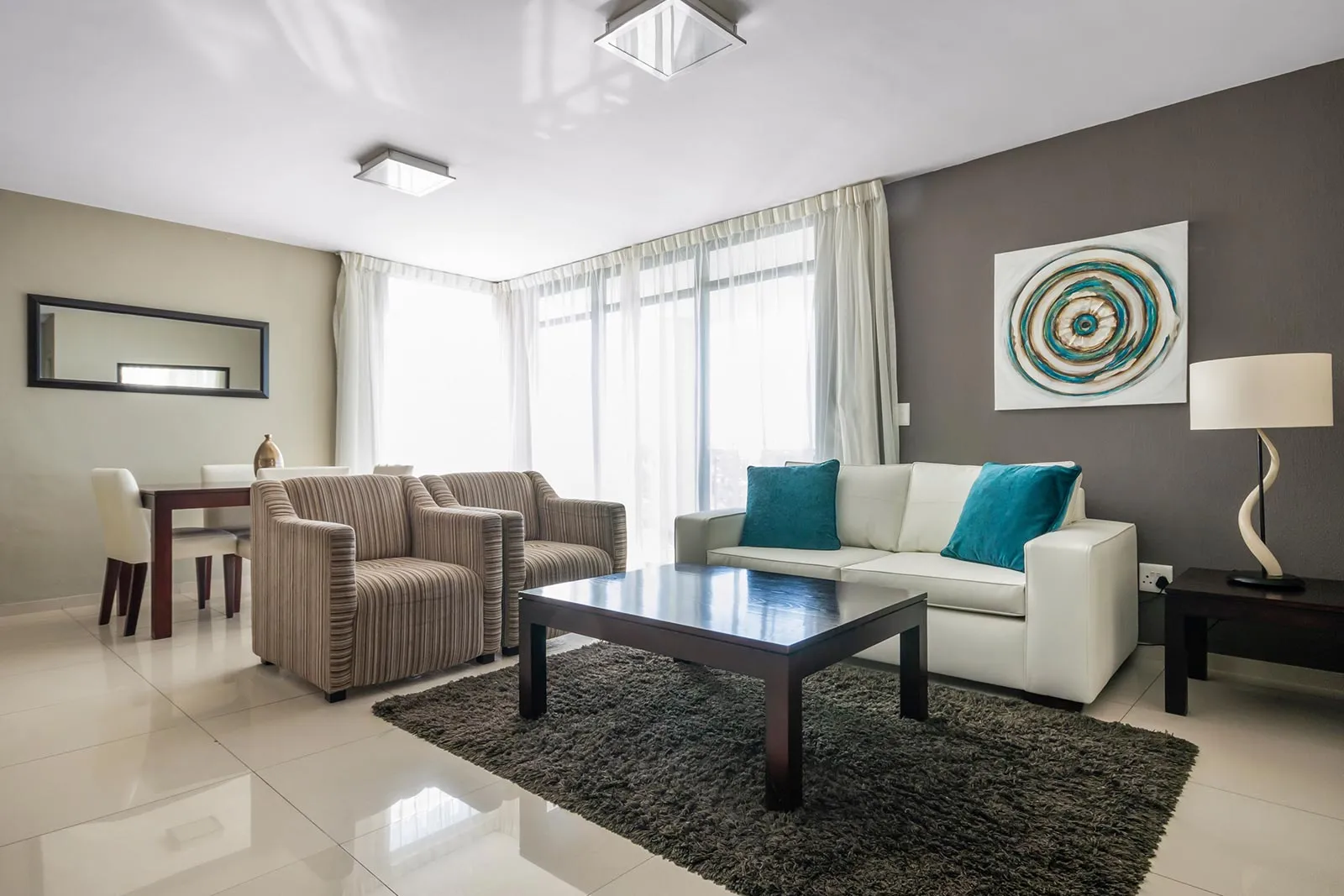
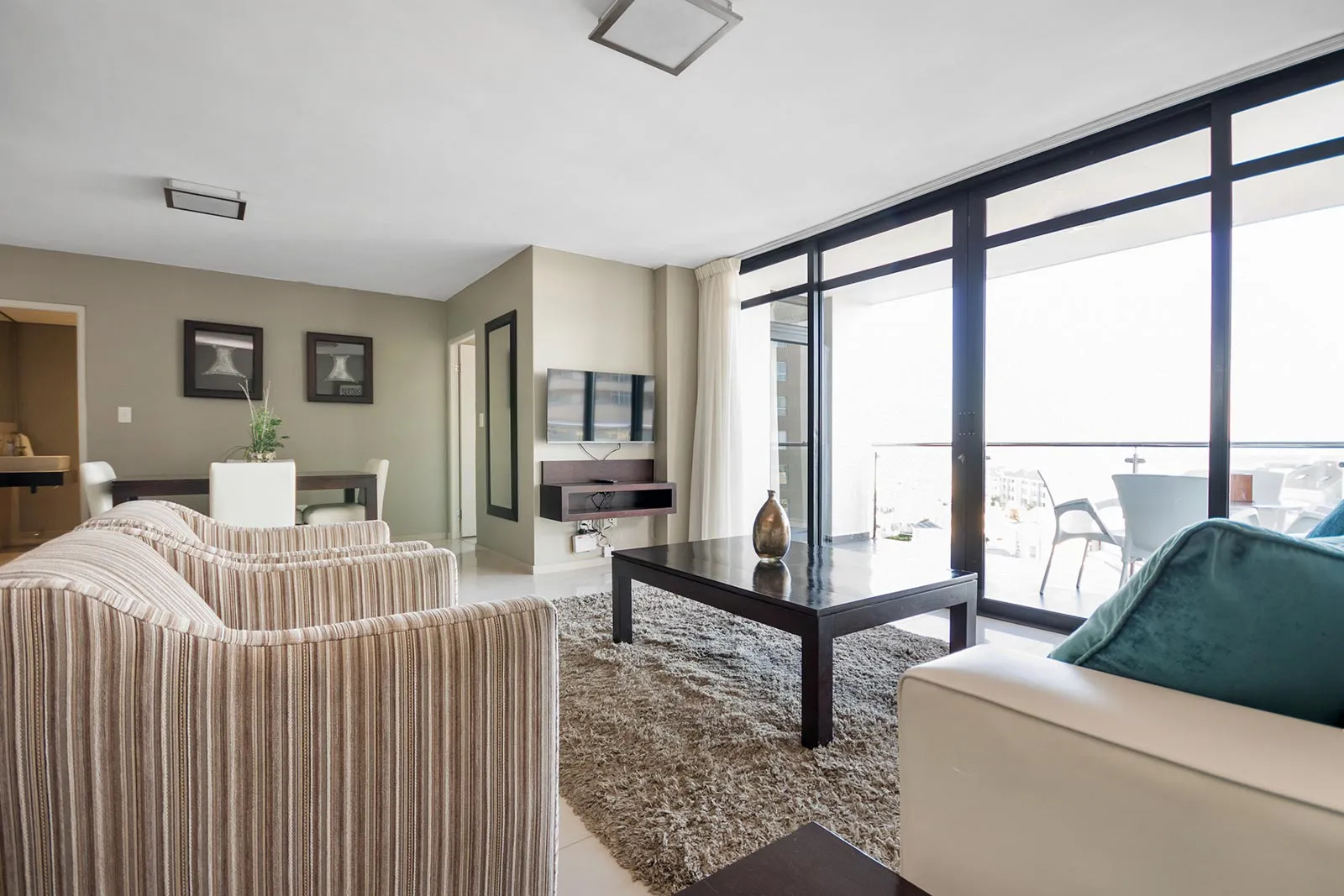
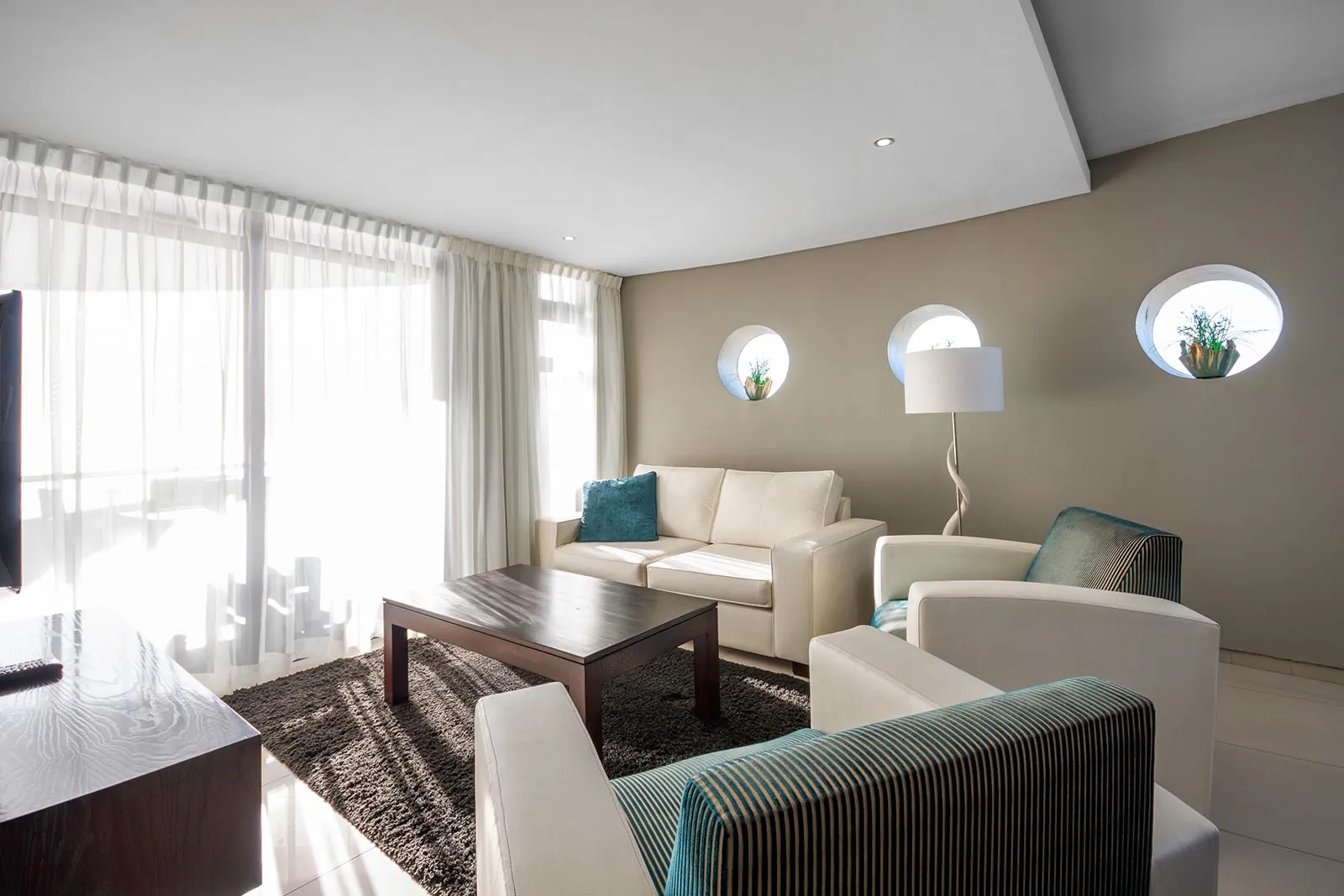
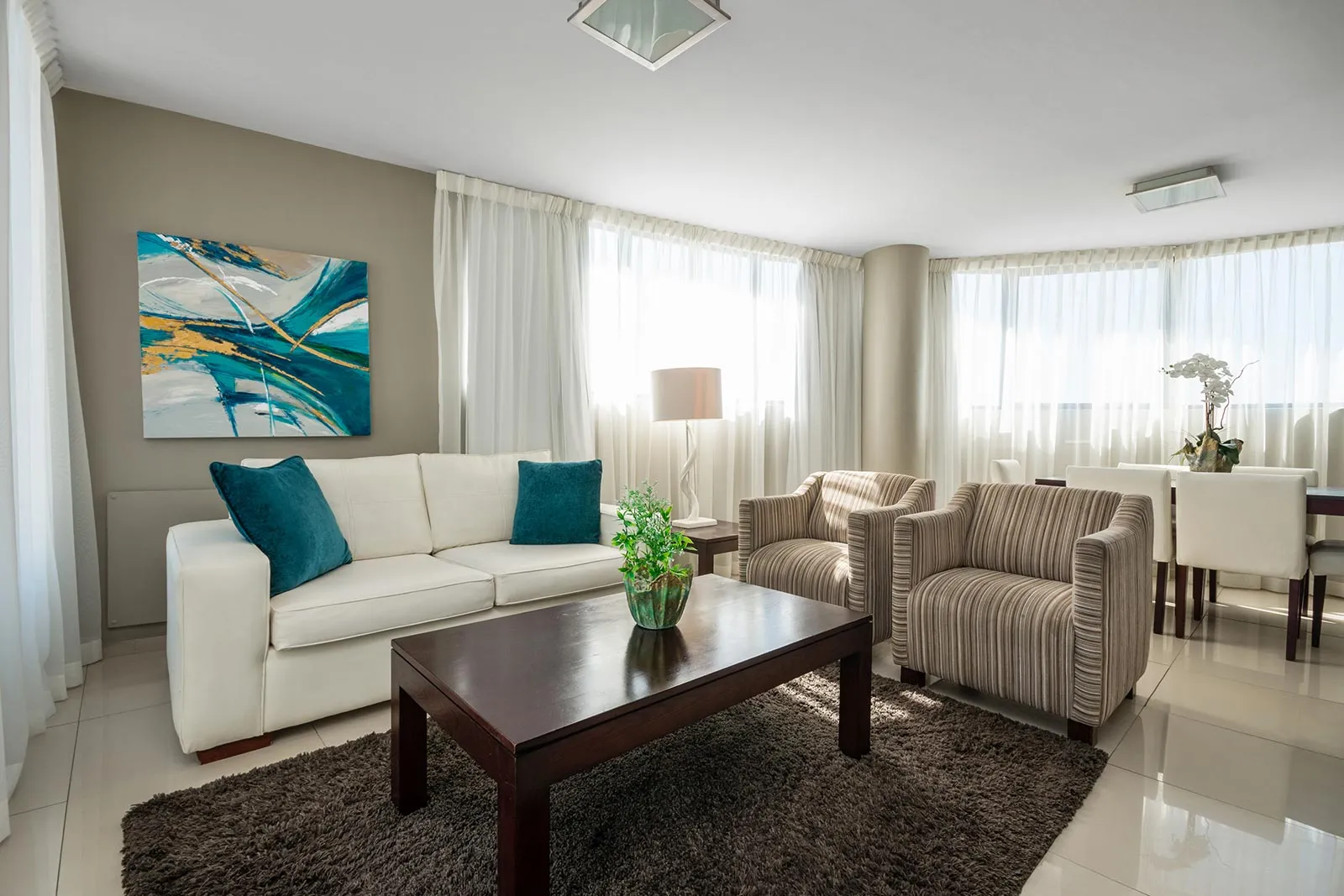
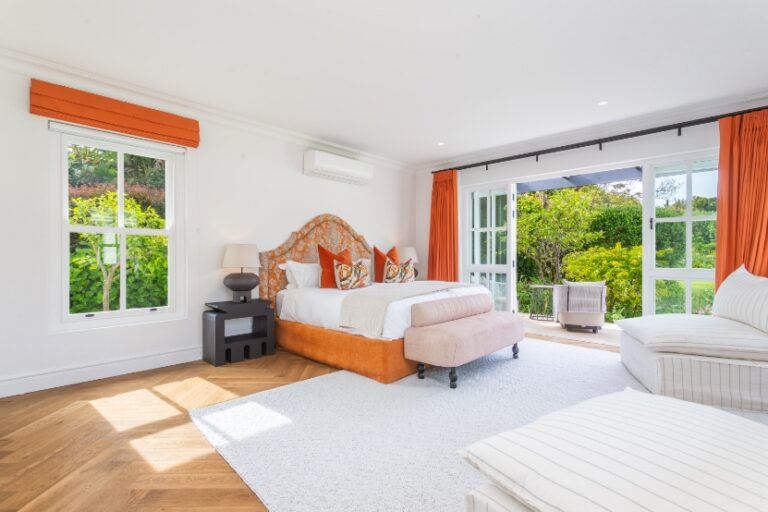
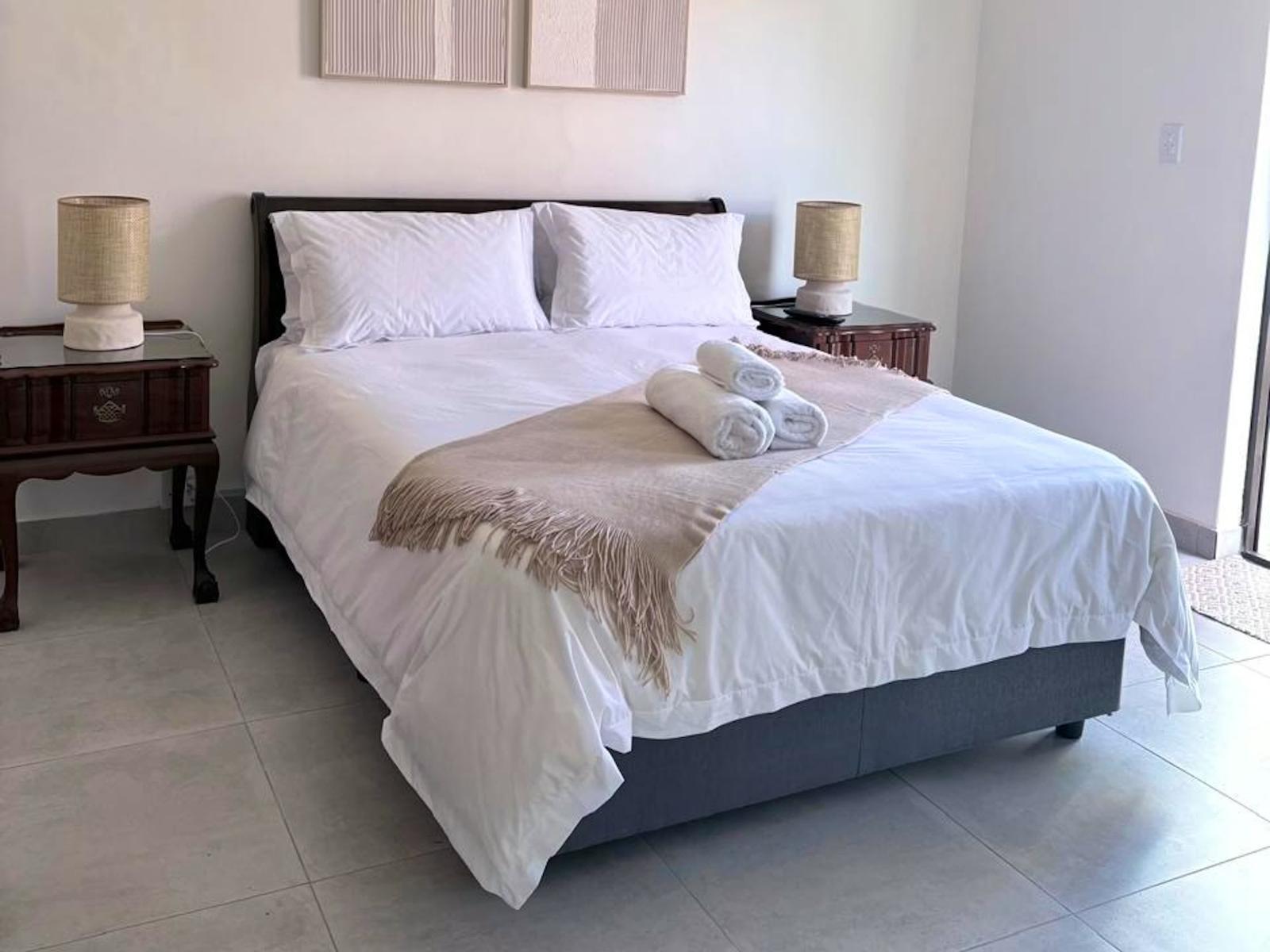
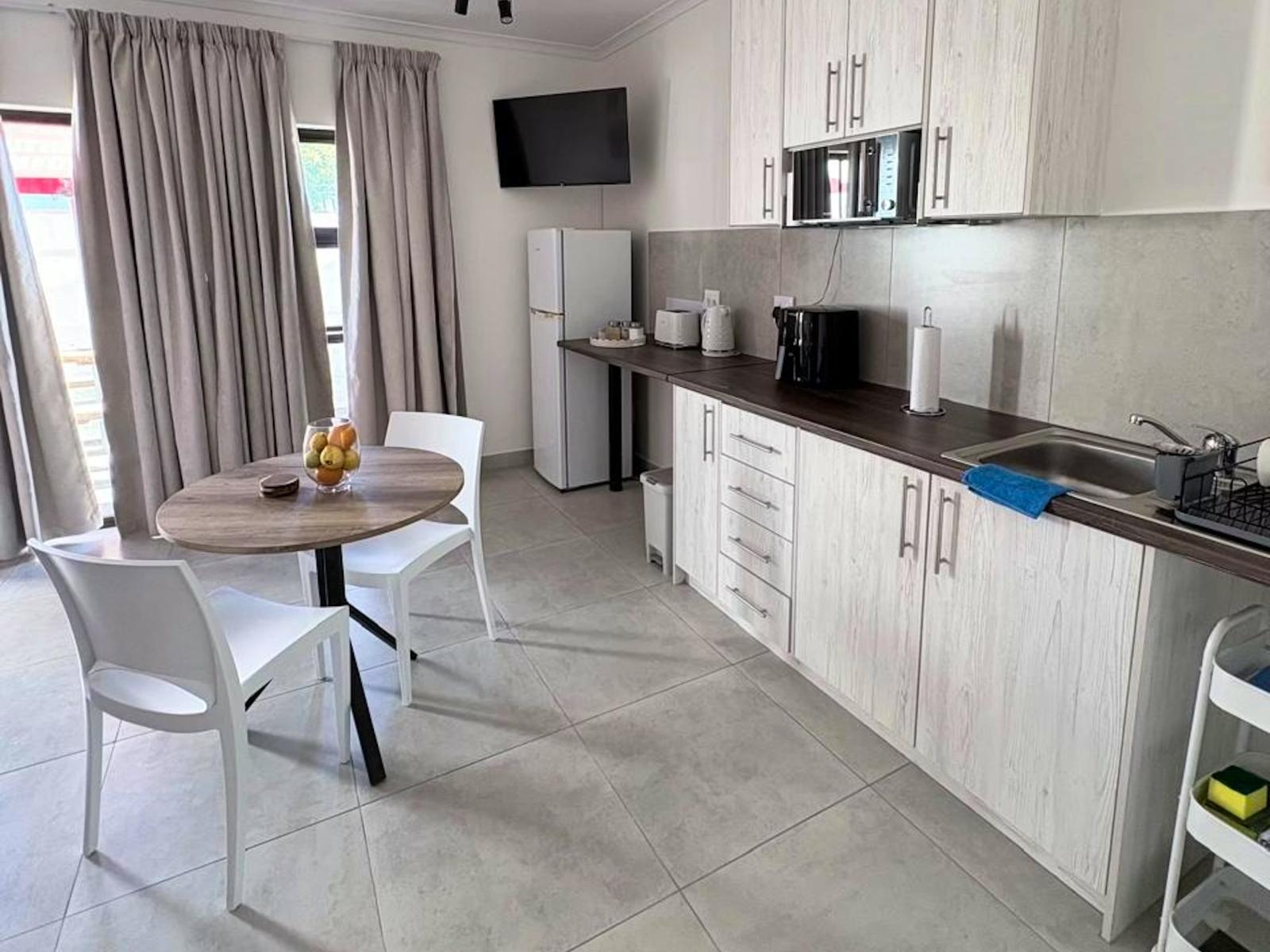
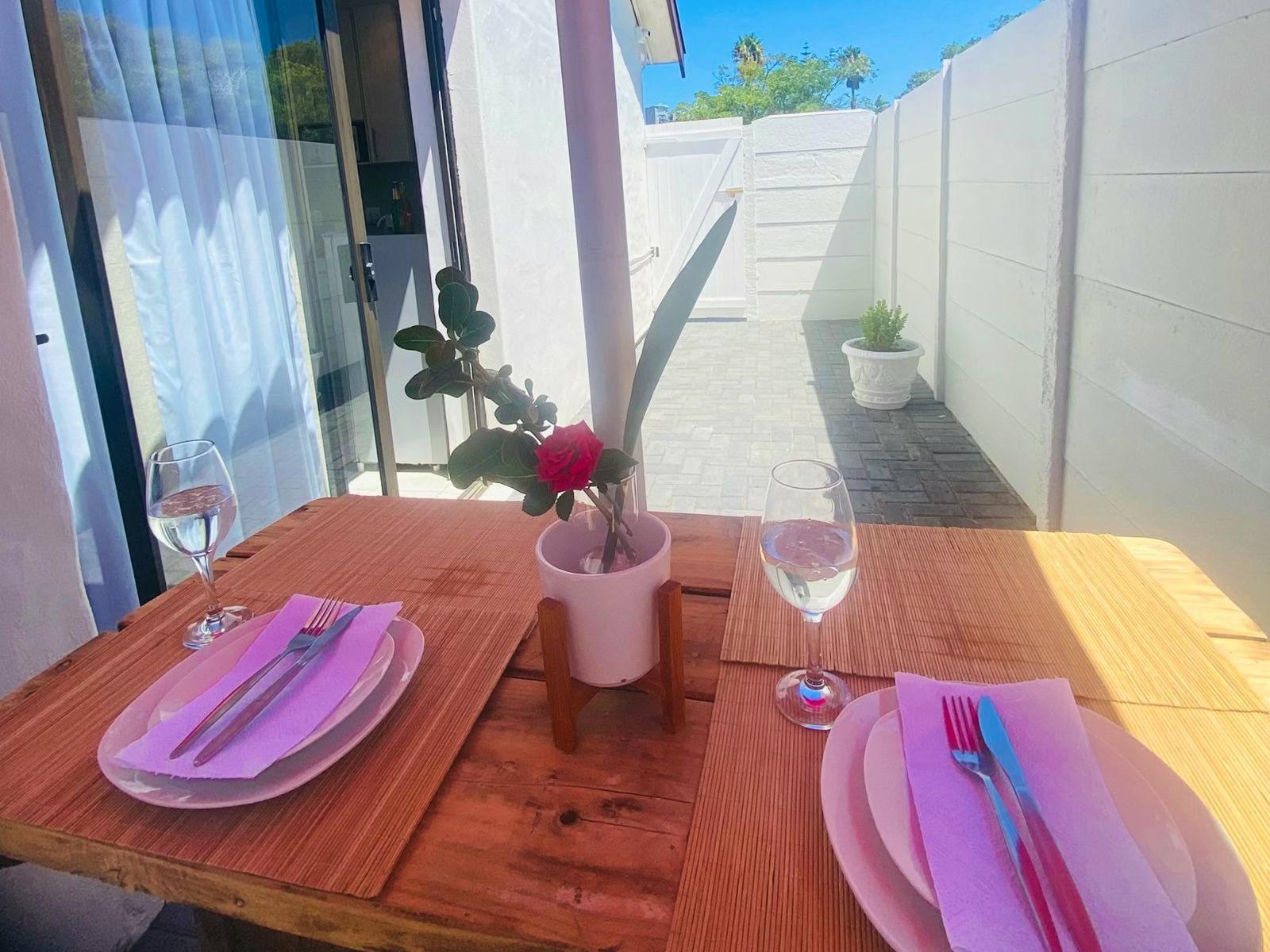
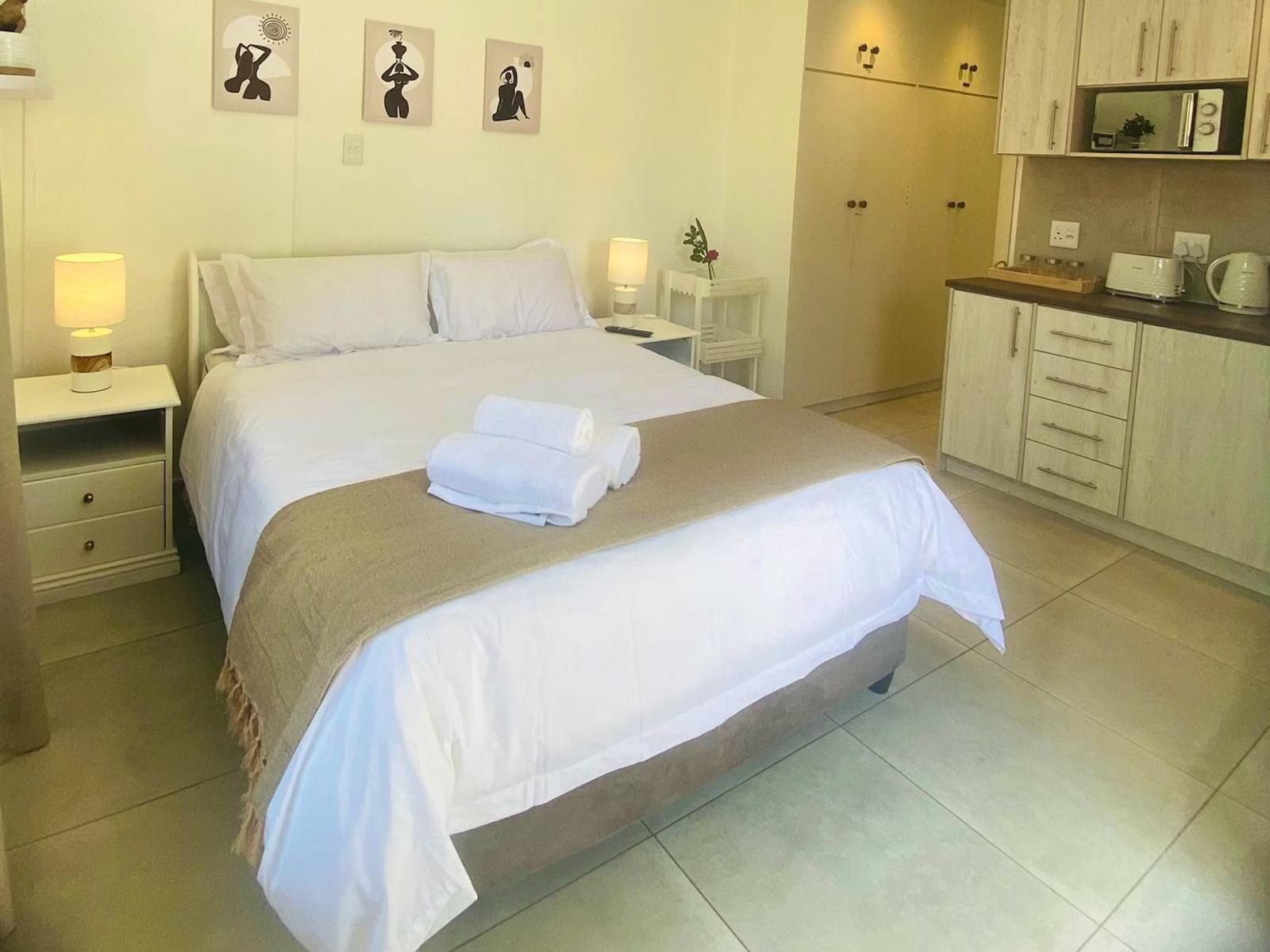
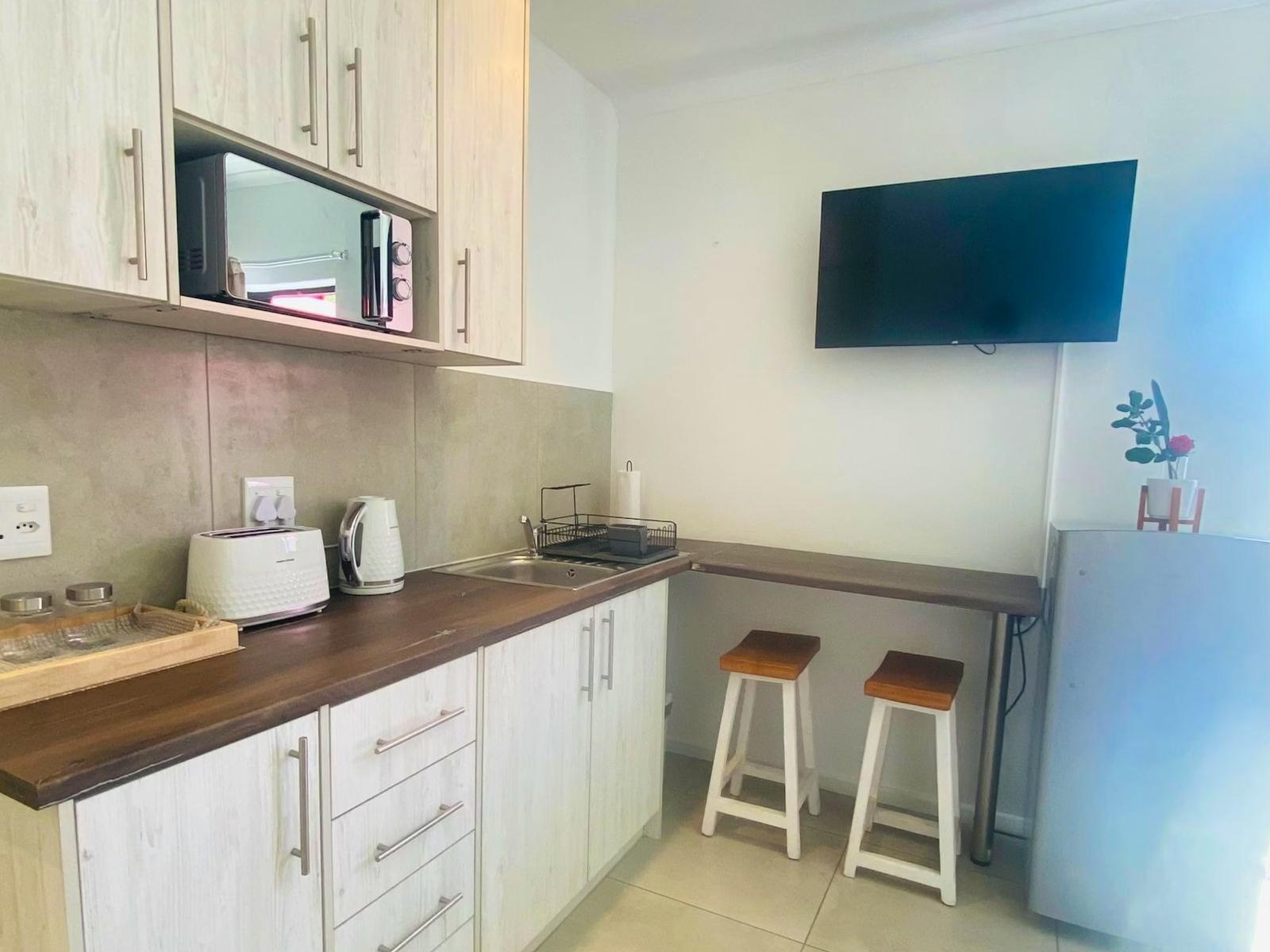
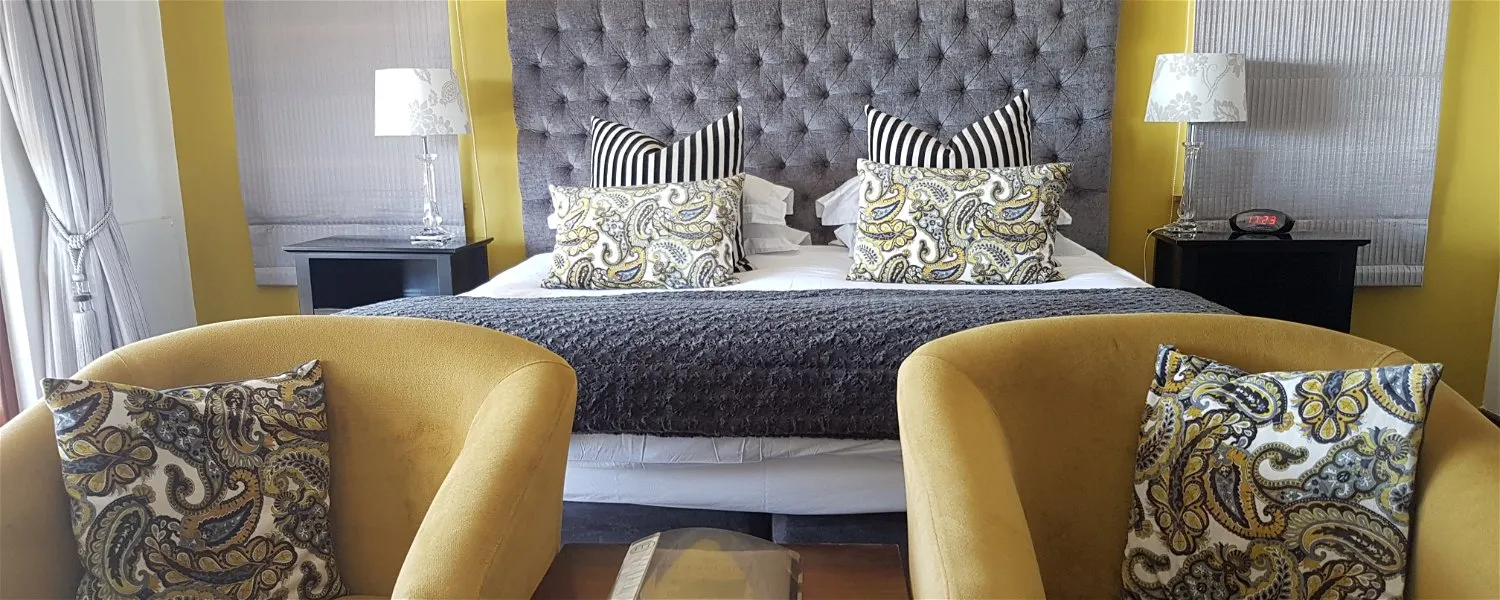
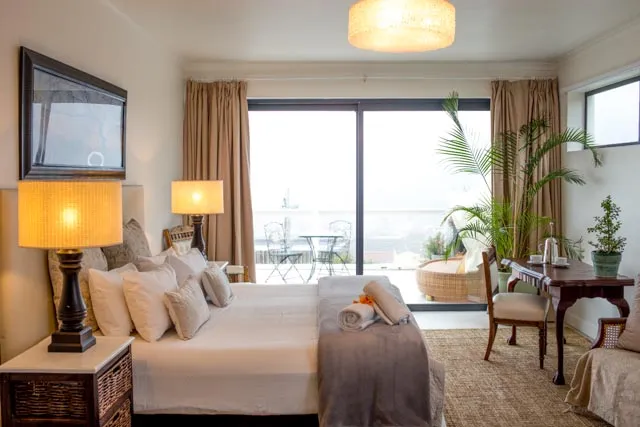
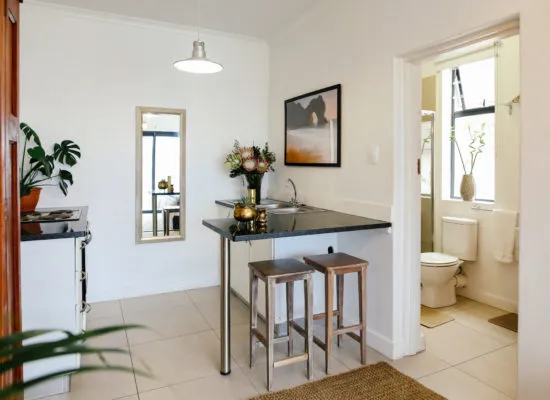
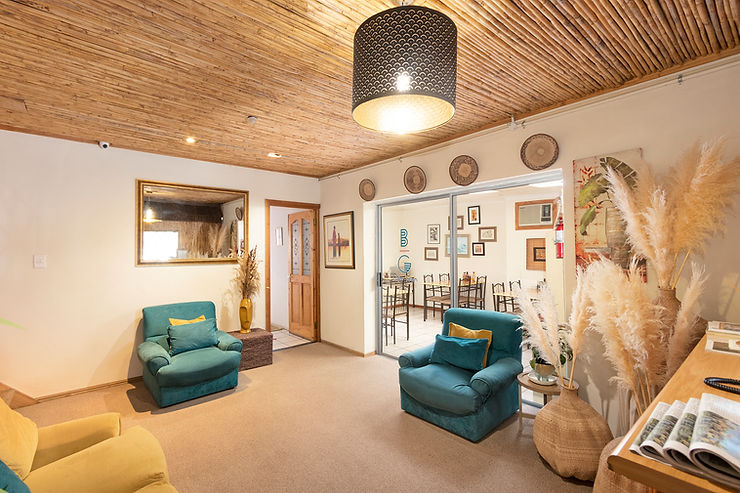
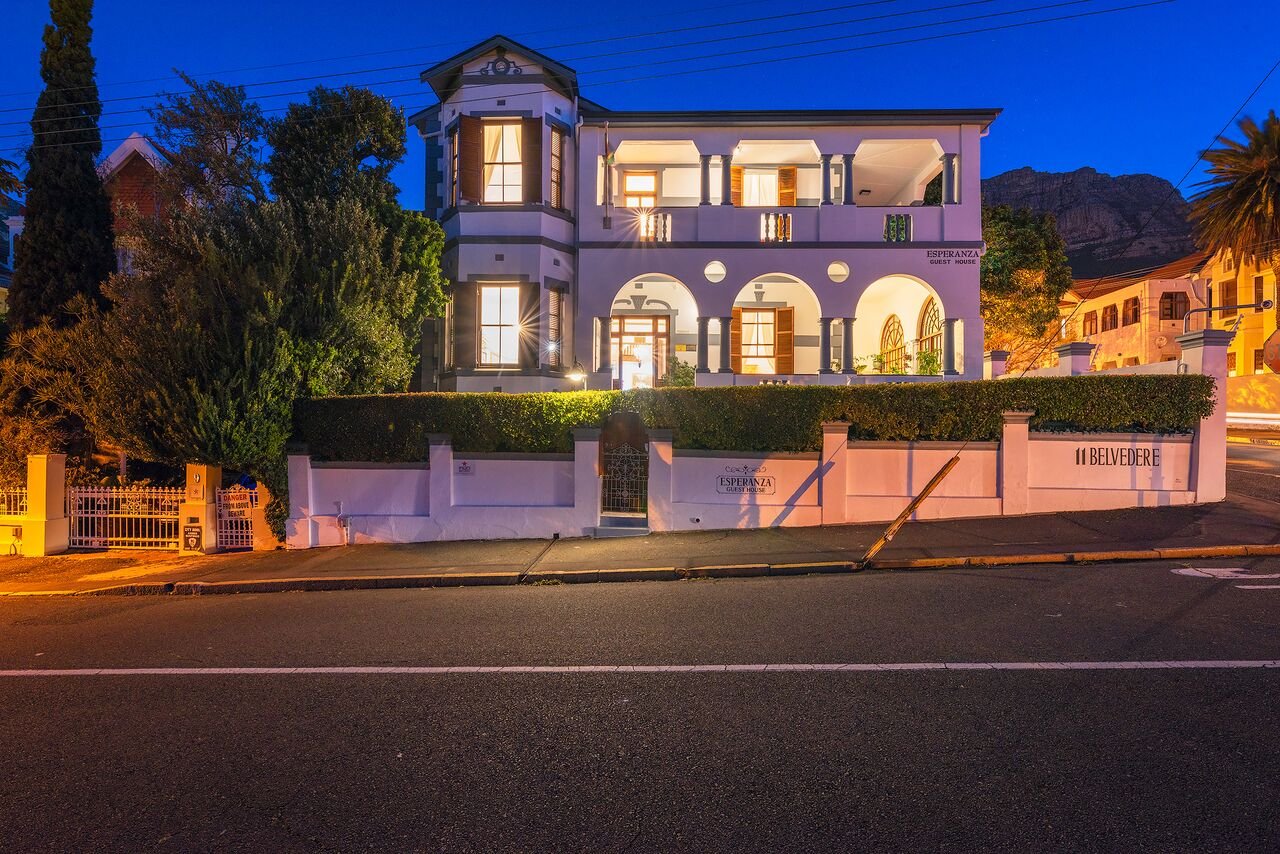
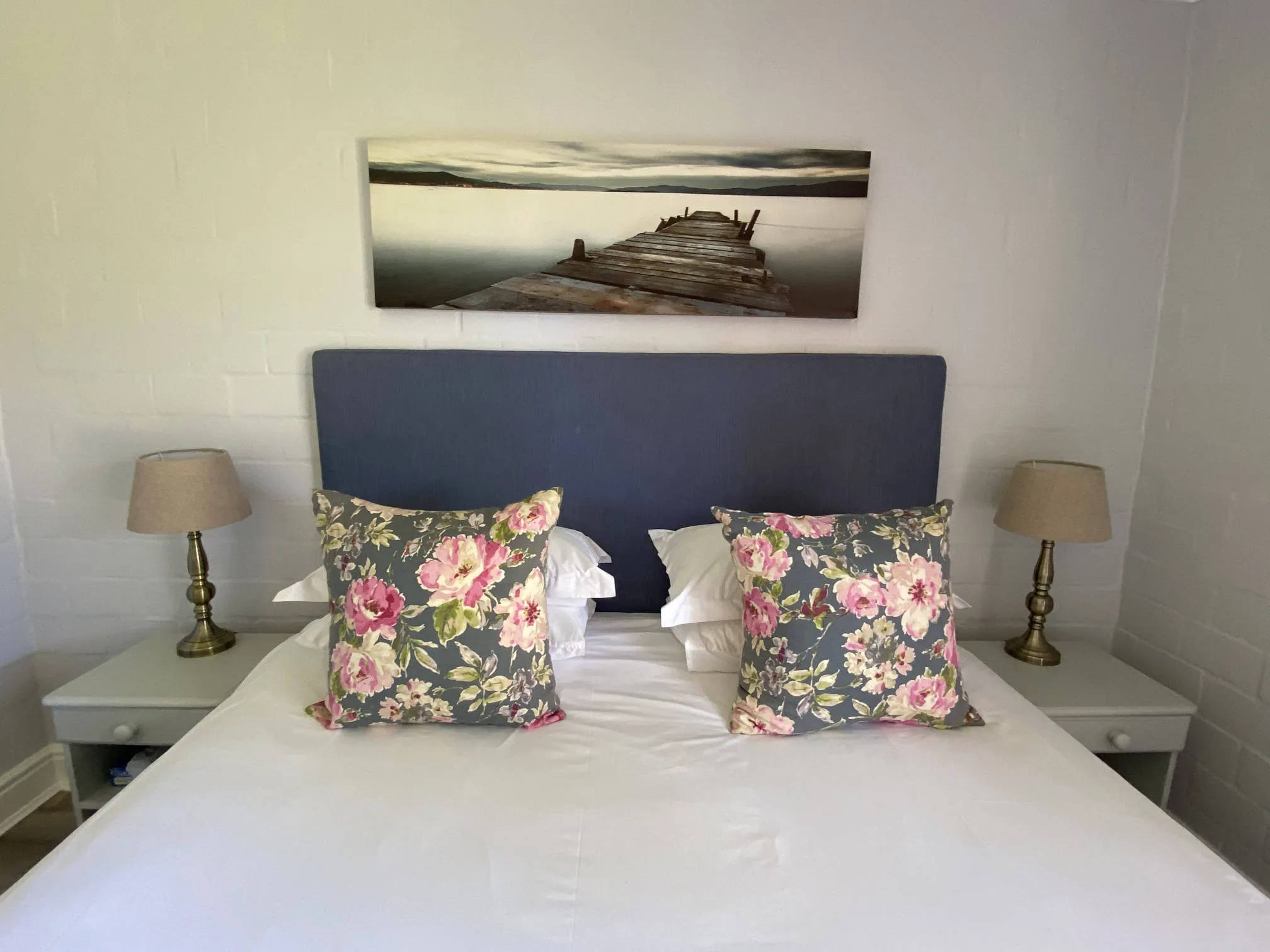
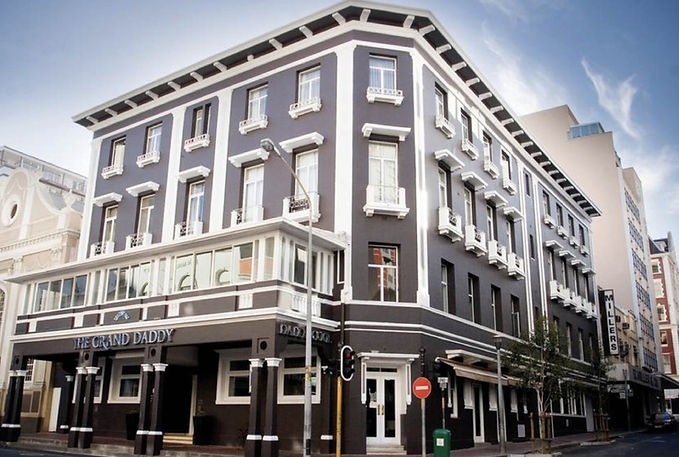
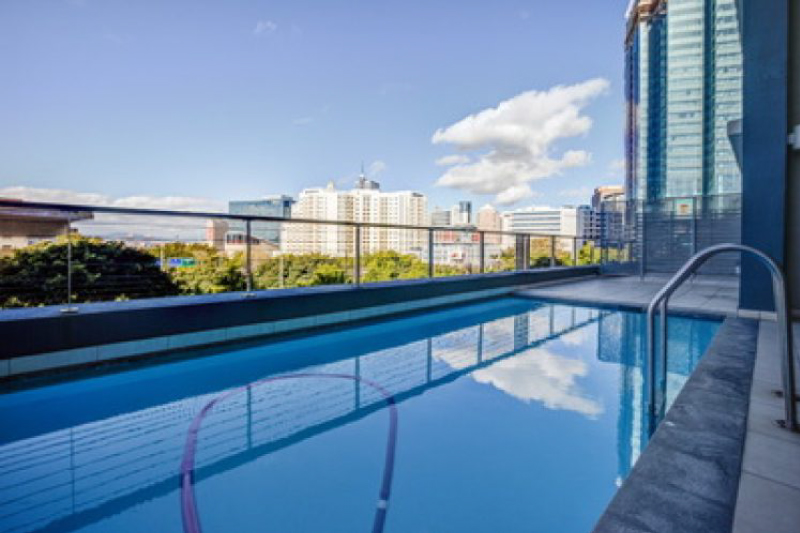
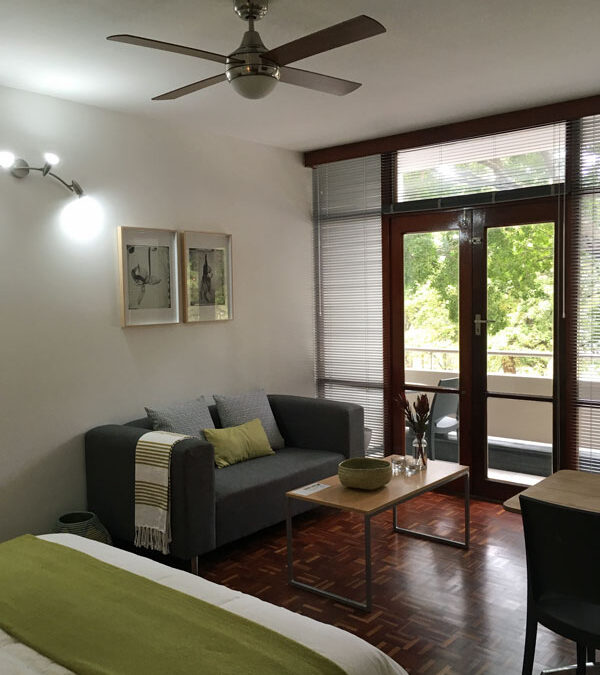
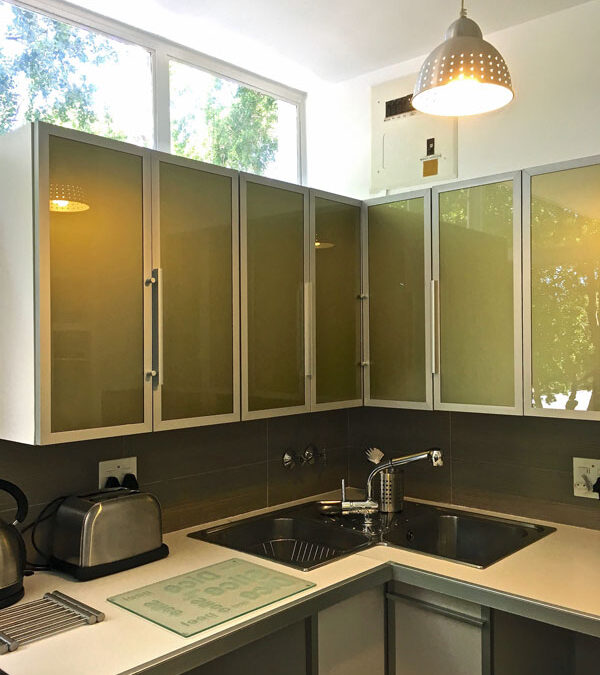
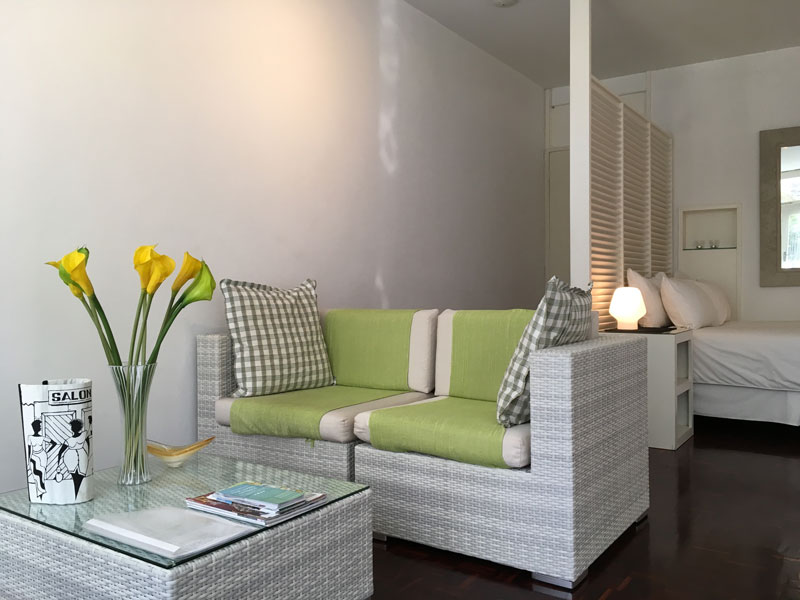
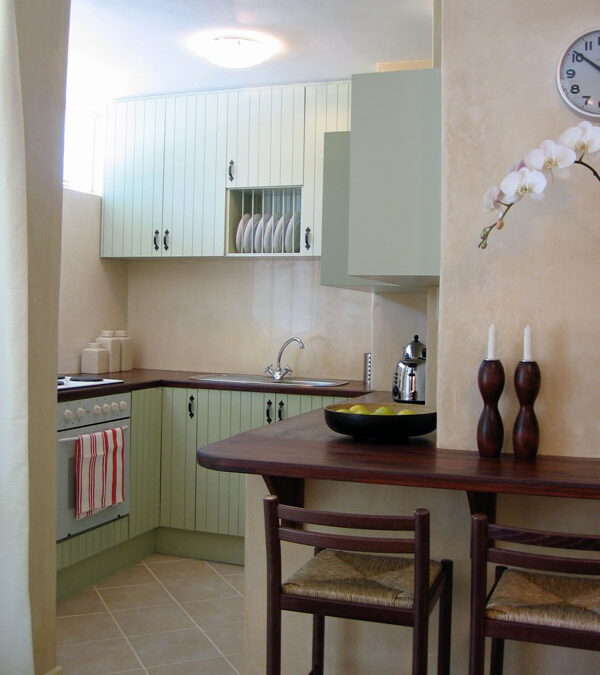
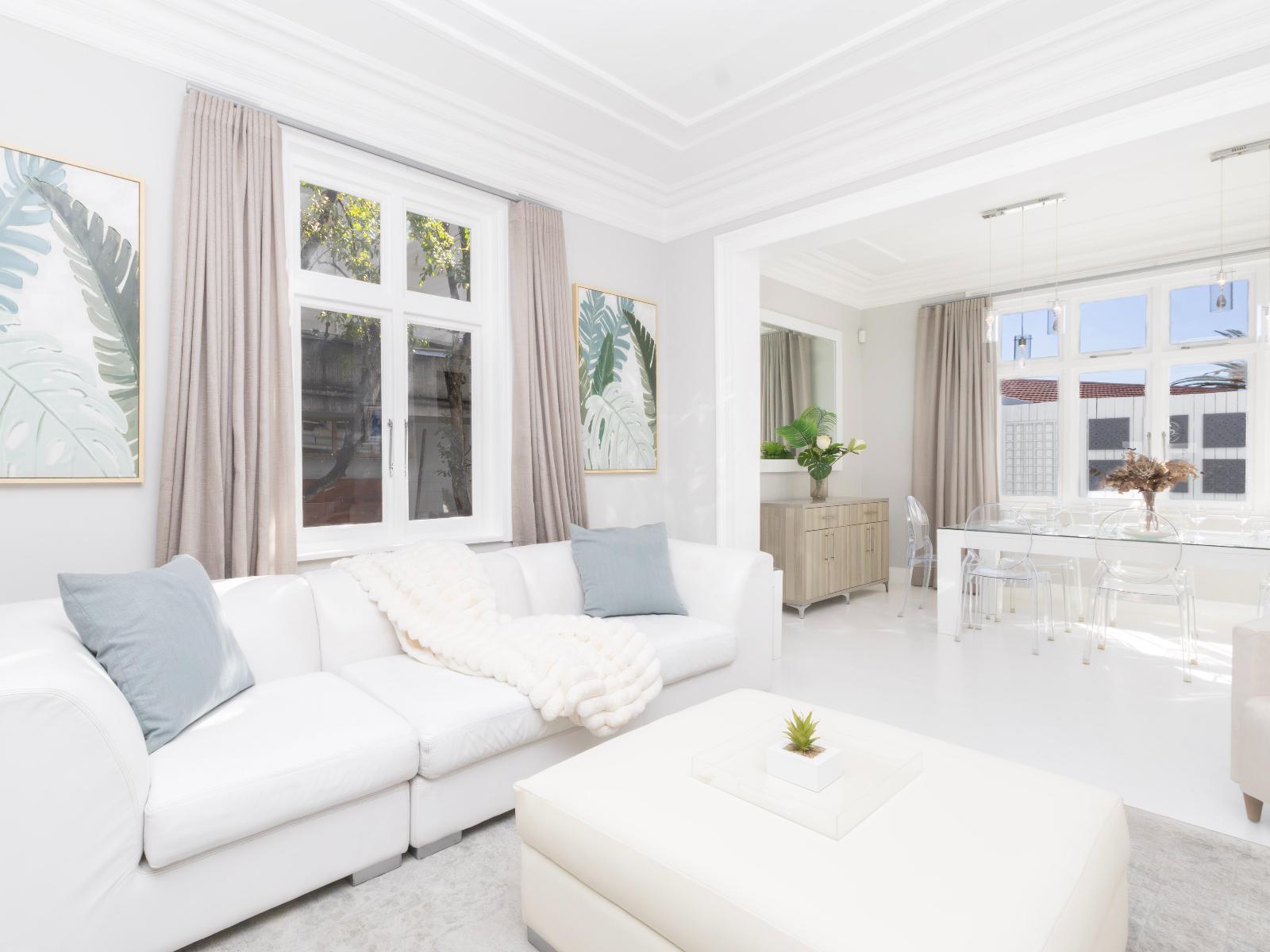
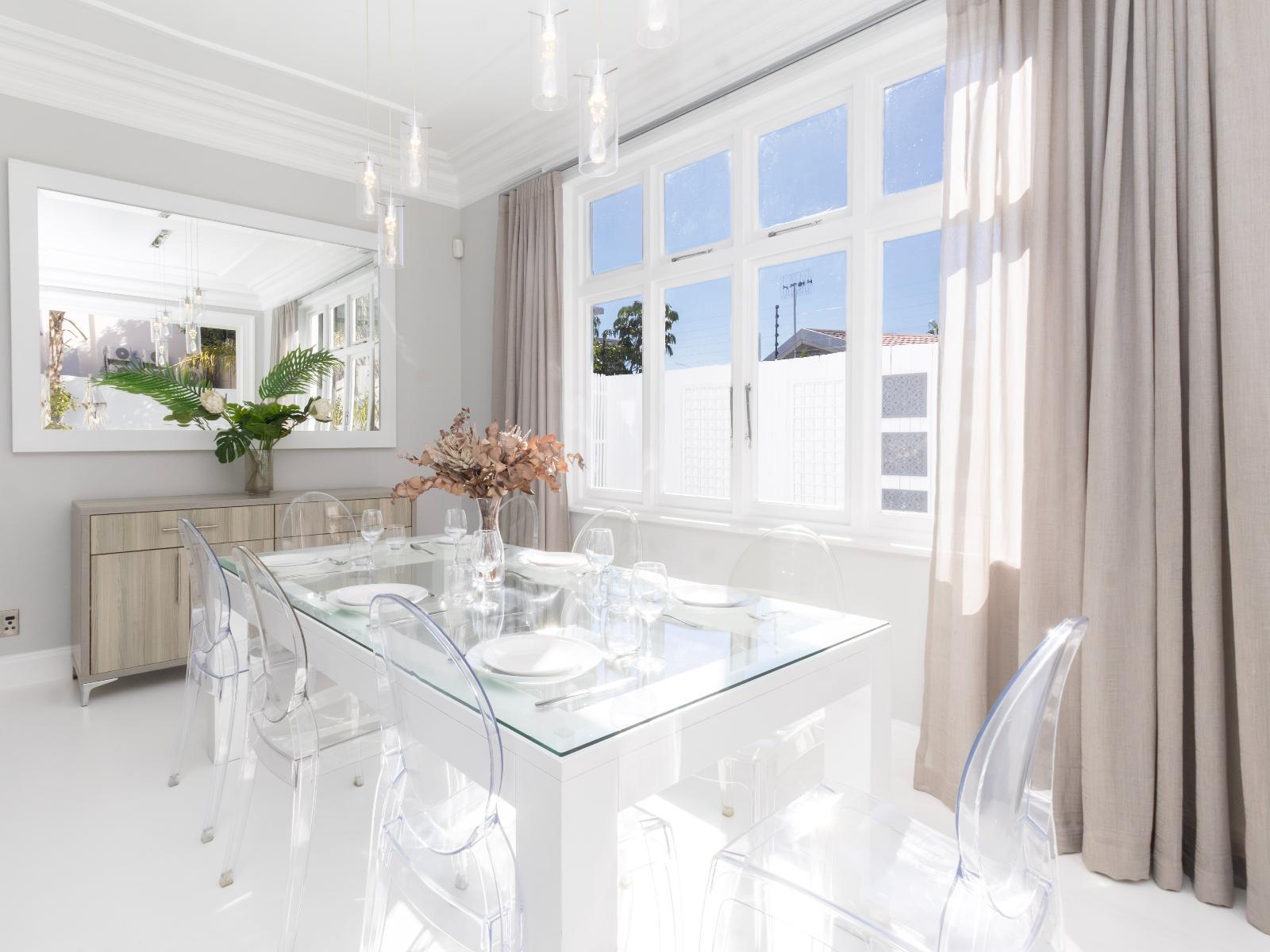
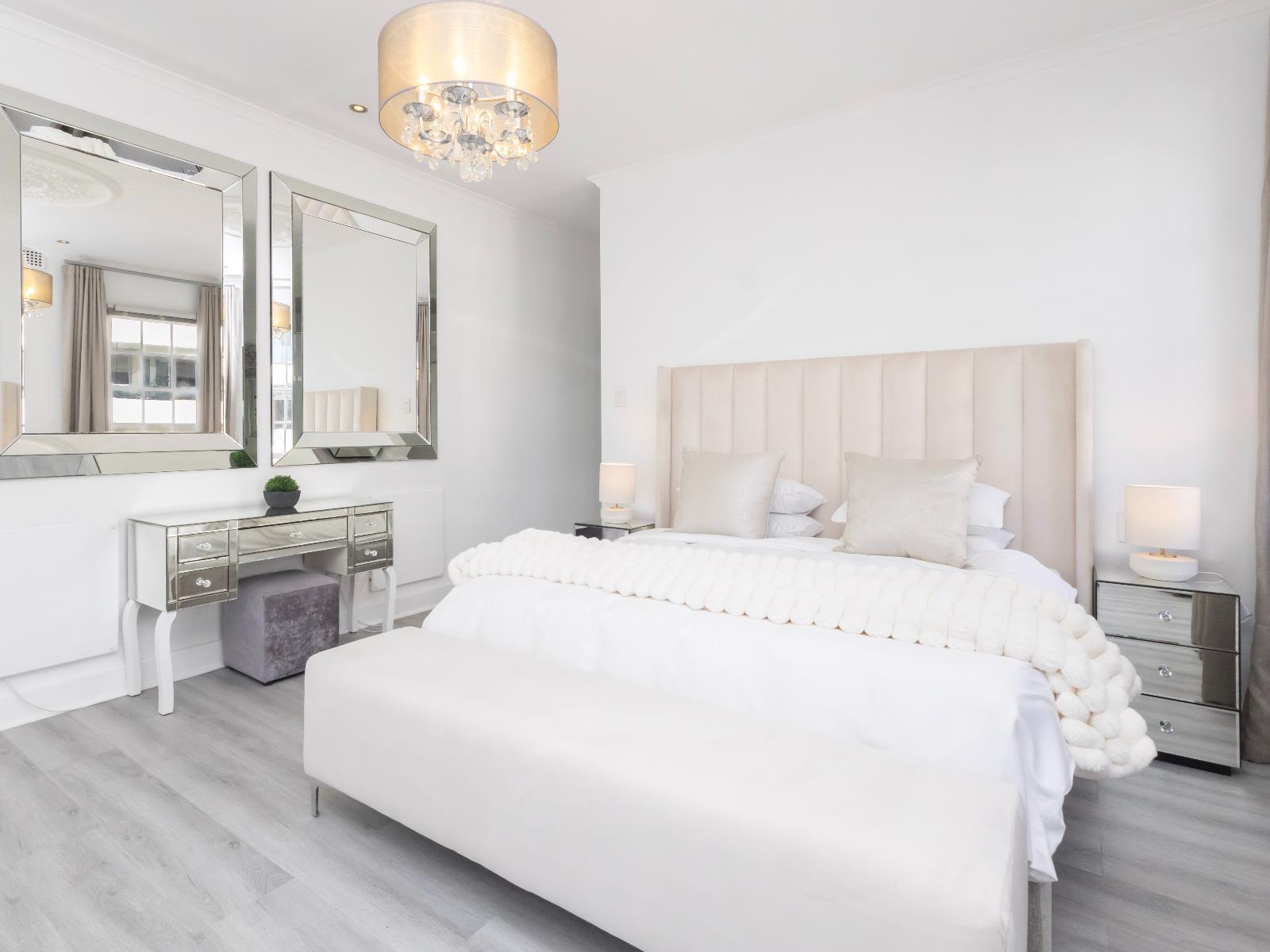
The mid-range accounts for most of the available stock. Guest houses are by far the most common option, with 25 listings across the suburb averaging around R3,600 per night. They tend to offer more space and a more relaxed atmosphere than hotels, often with communal areas, on-site parking, and flexible check-in arrangements suited to short stays. Apartments sit in a similar price band and appeal to visitors who prefer the independence of cooking their own meals and managing their own daily schedule.
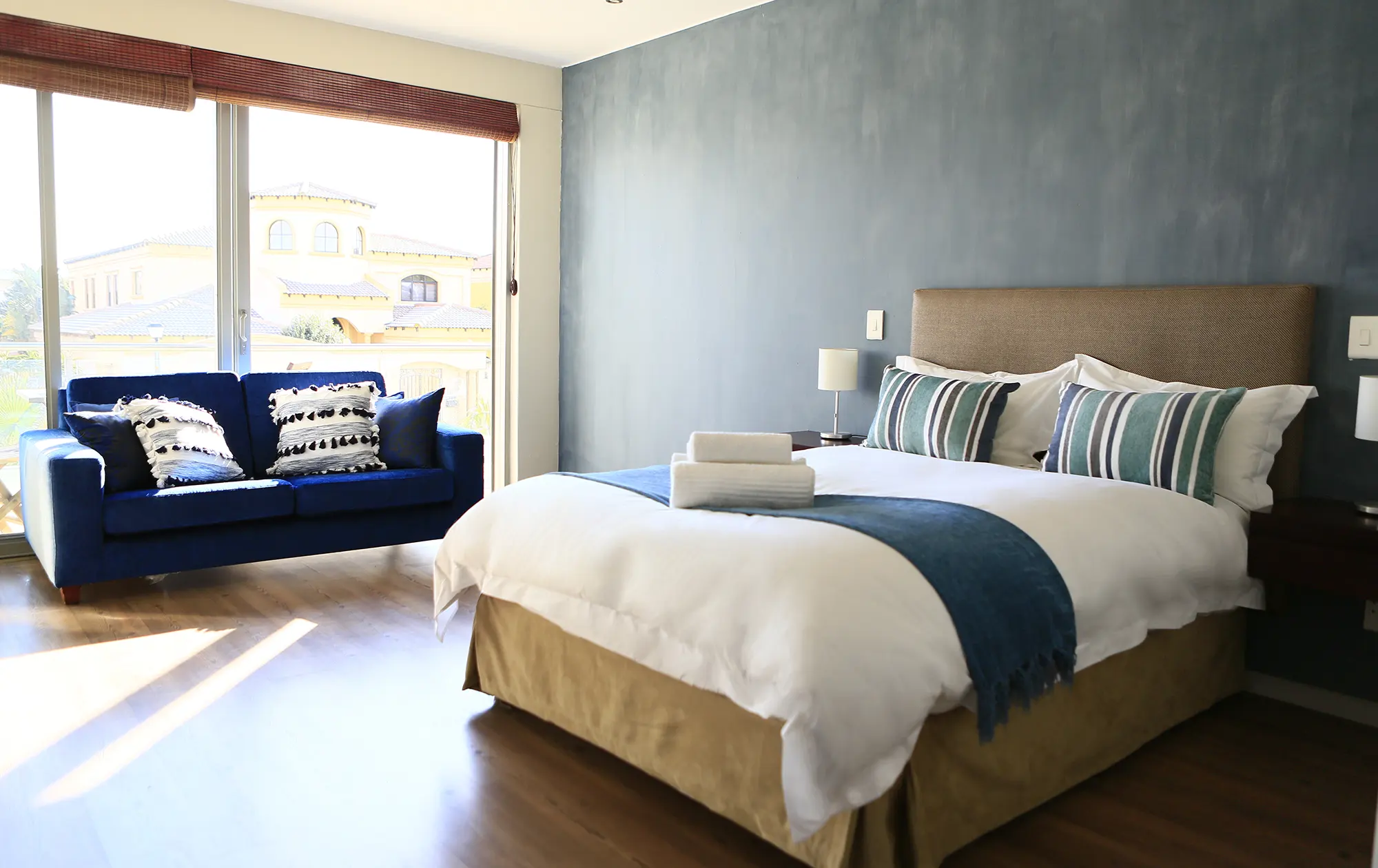
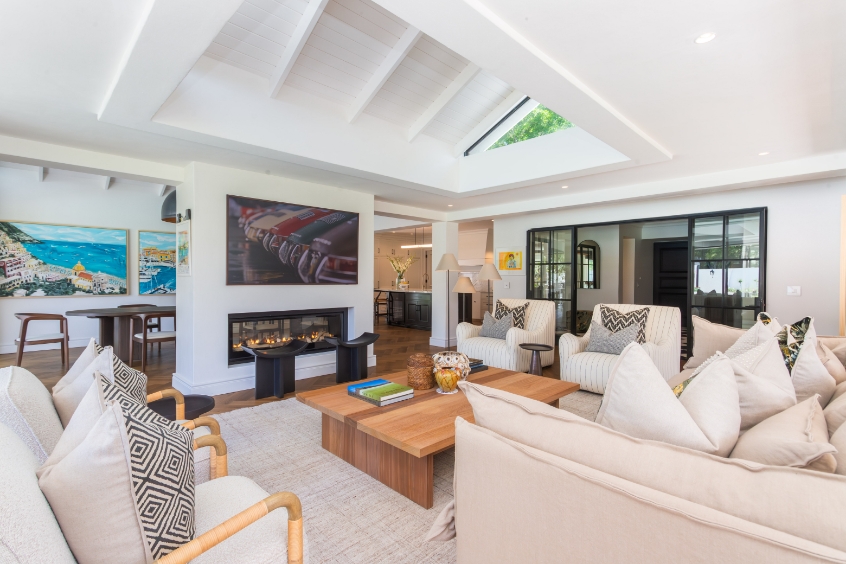
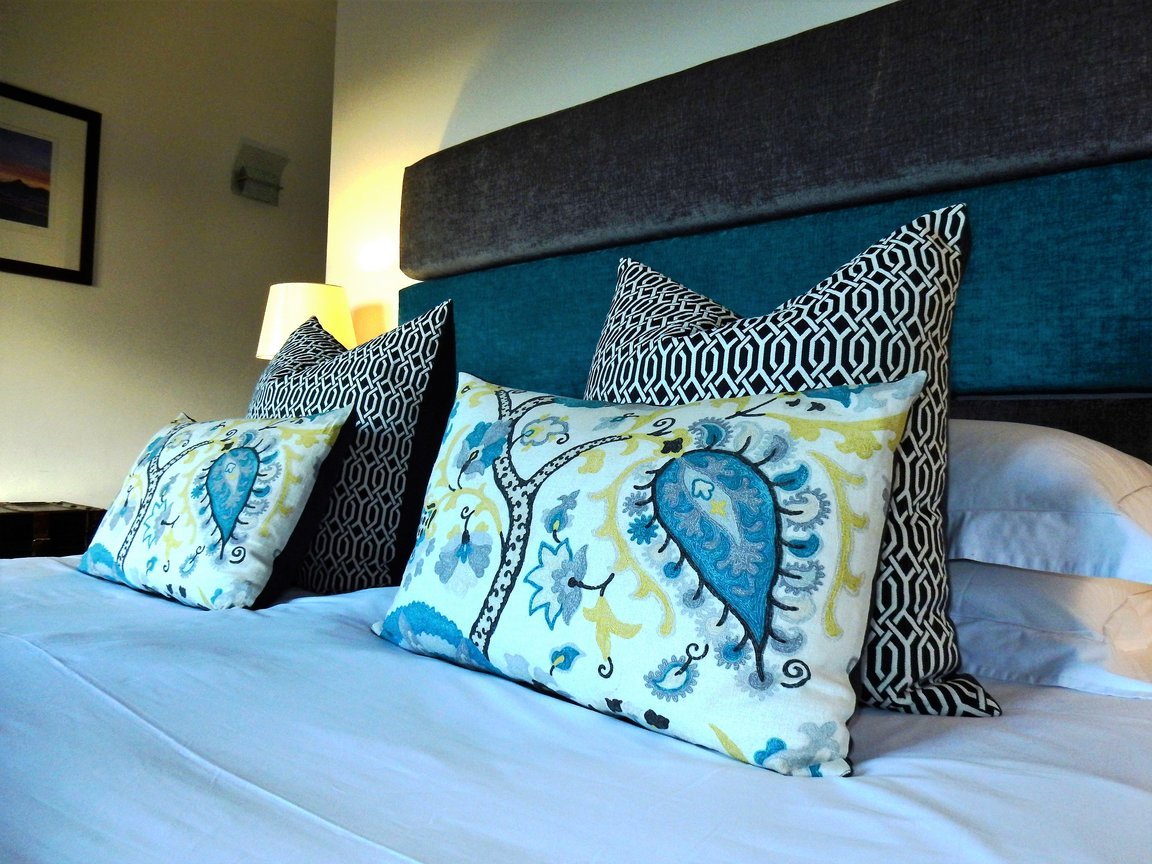
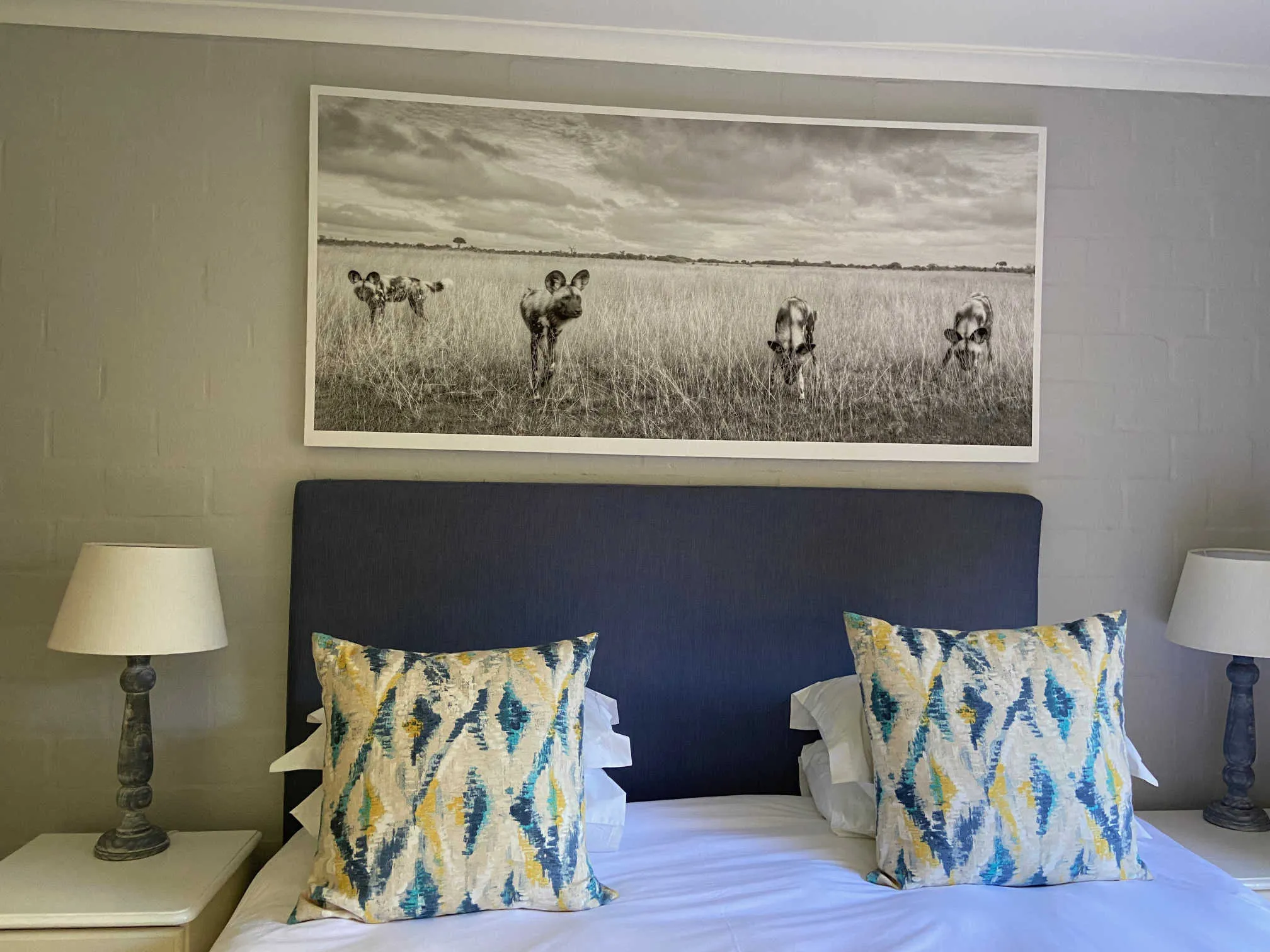
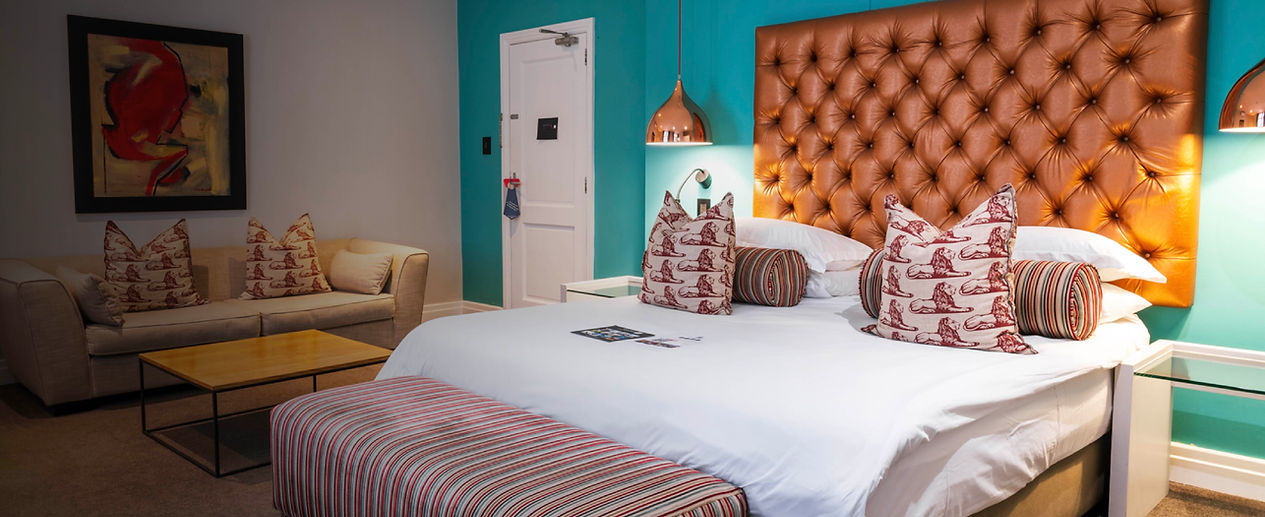
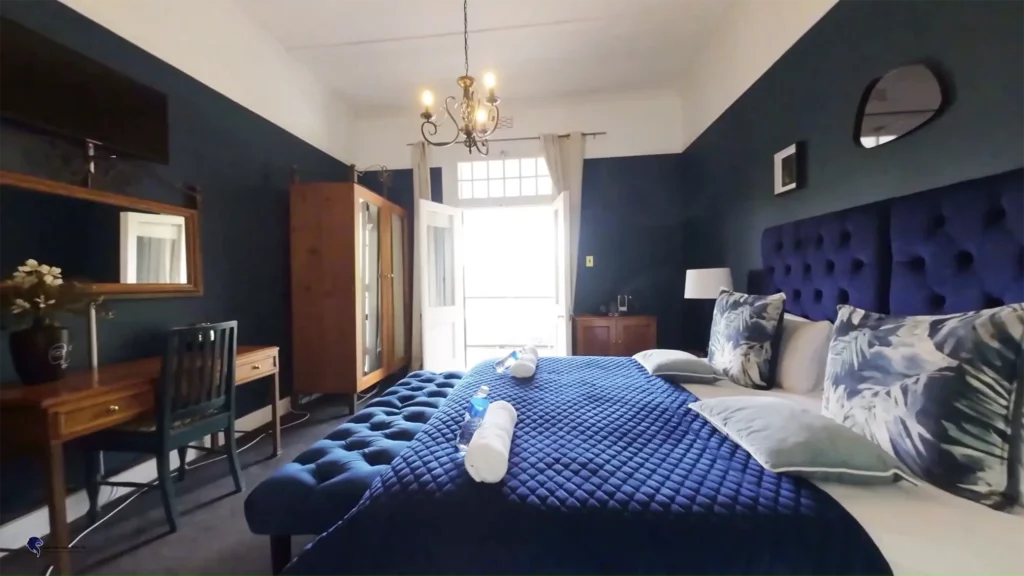
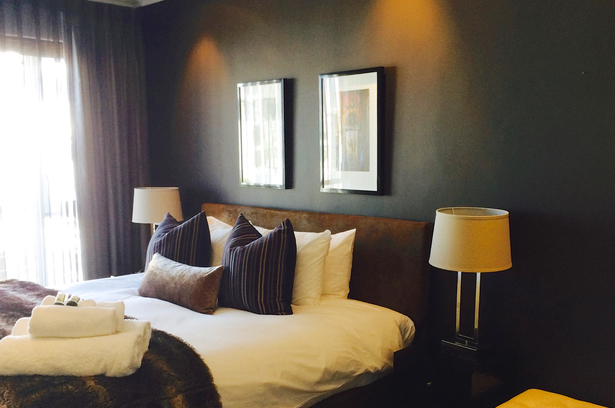
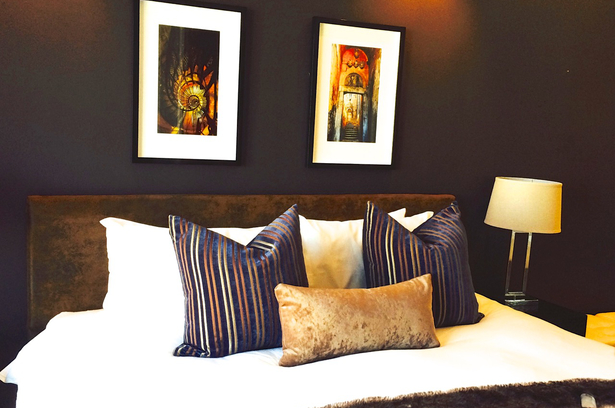
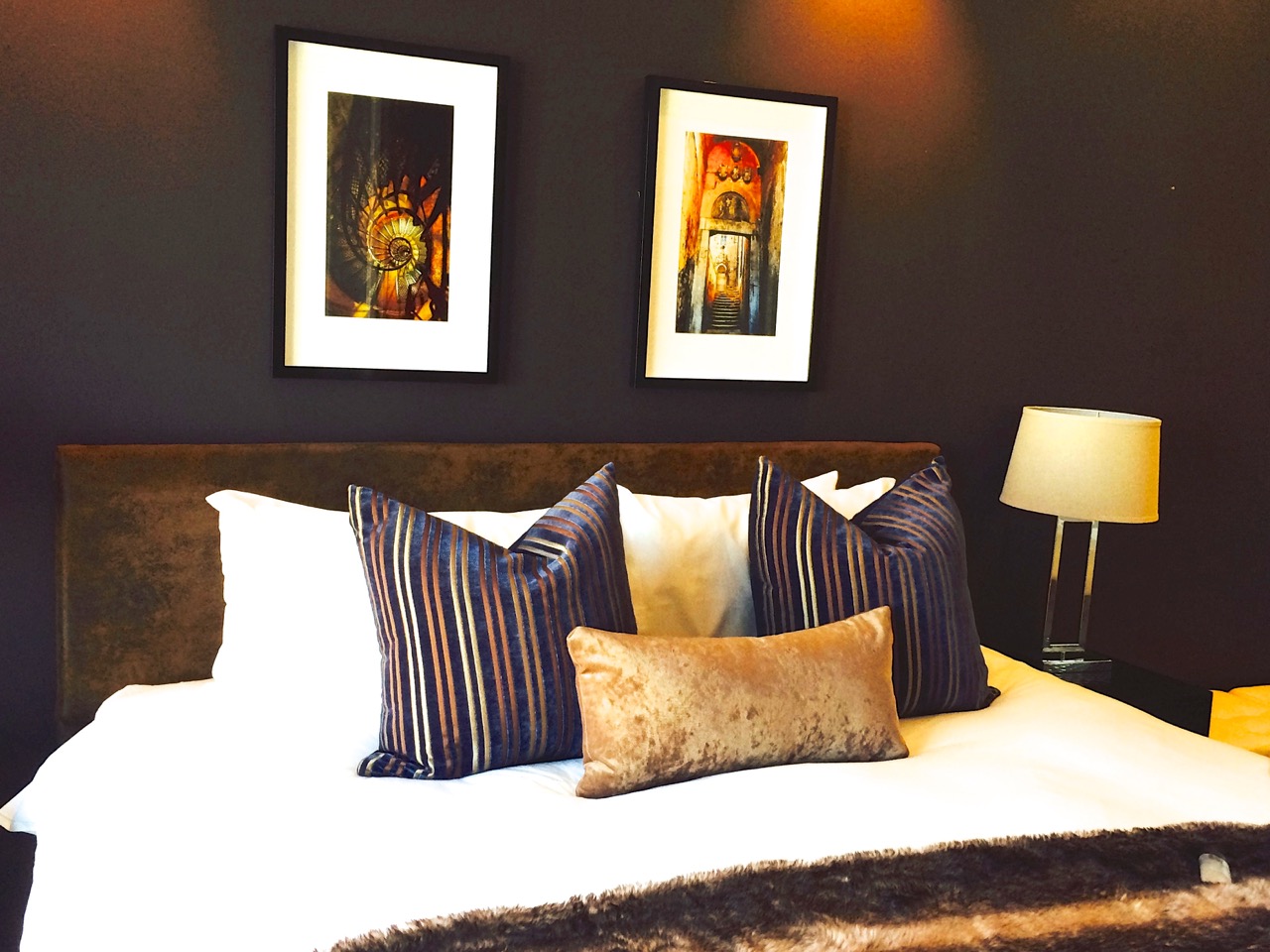
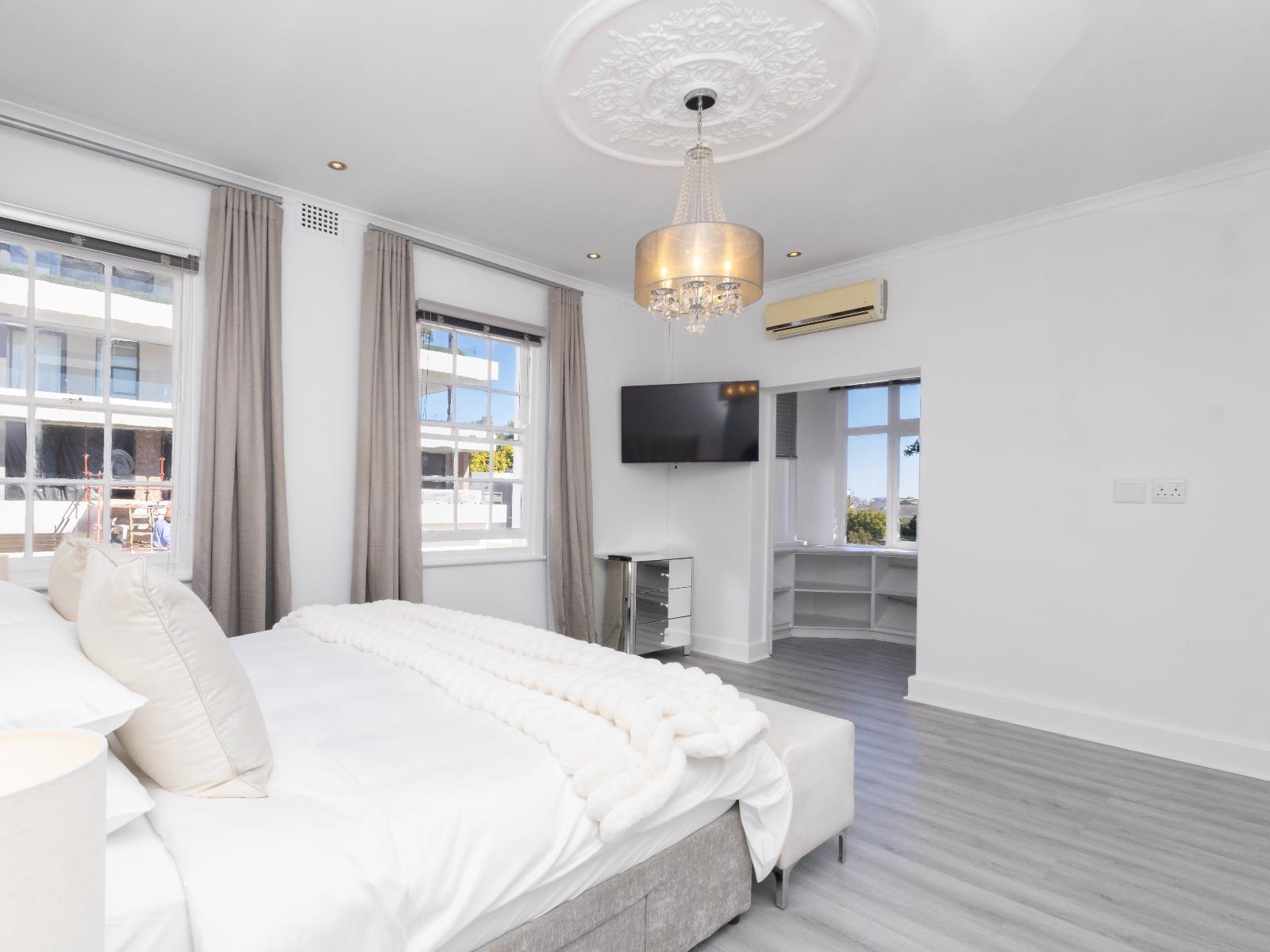
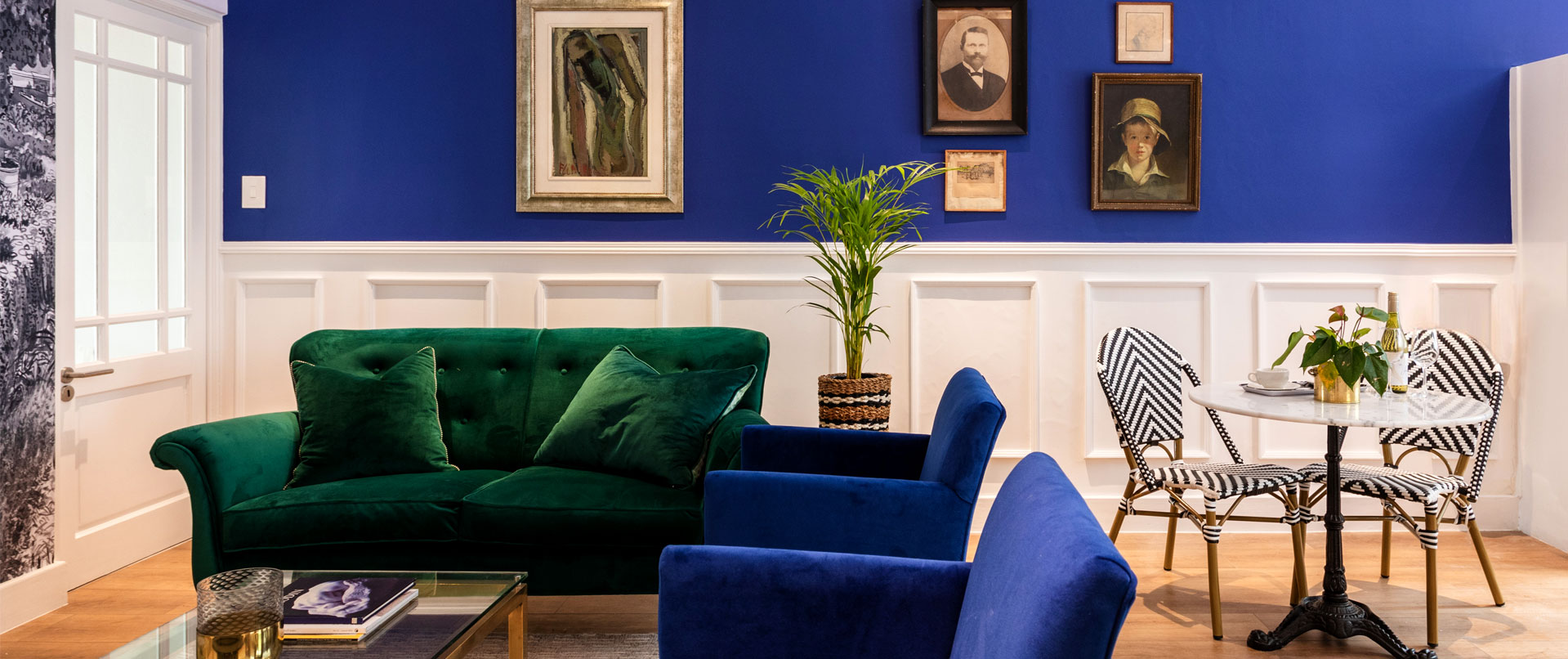
Moving up the scale, boutique hotels have developed a distinct identity in Green Point. These are typically small properties that favour design-forward rooms and sea or city views over large-scale facilities. Larger self-catering homes at this tier are popular with groups or families wanting a full kitchen and more space than a hotel room provides.
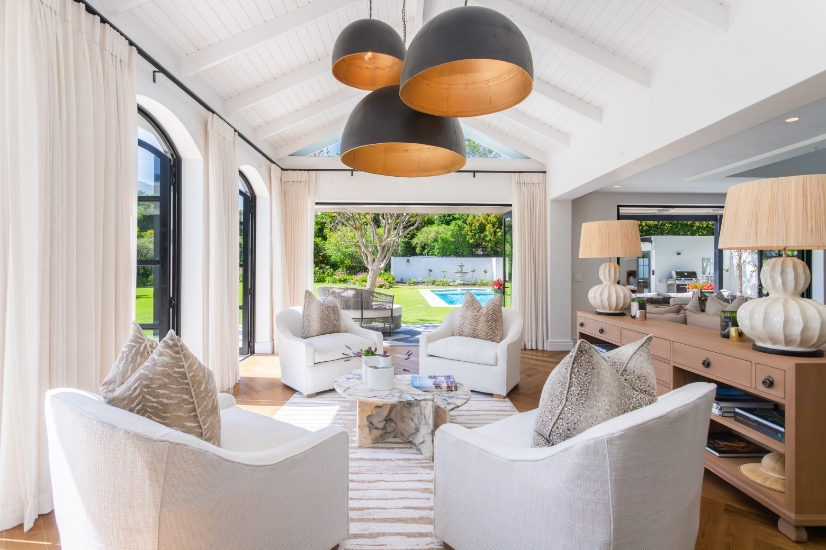
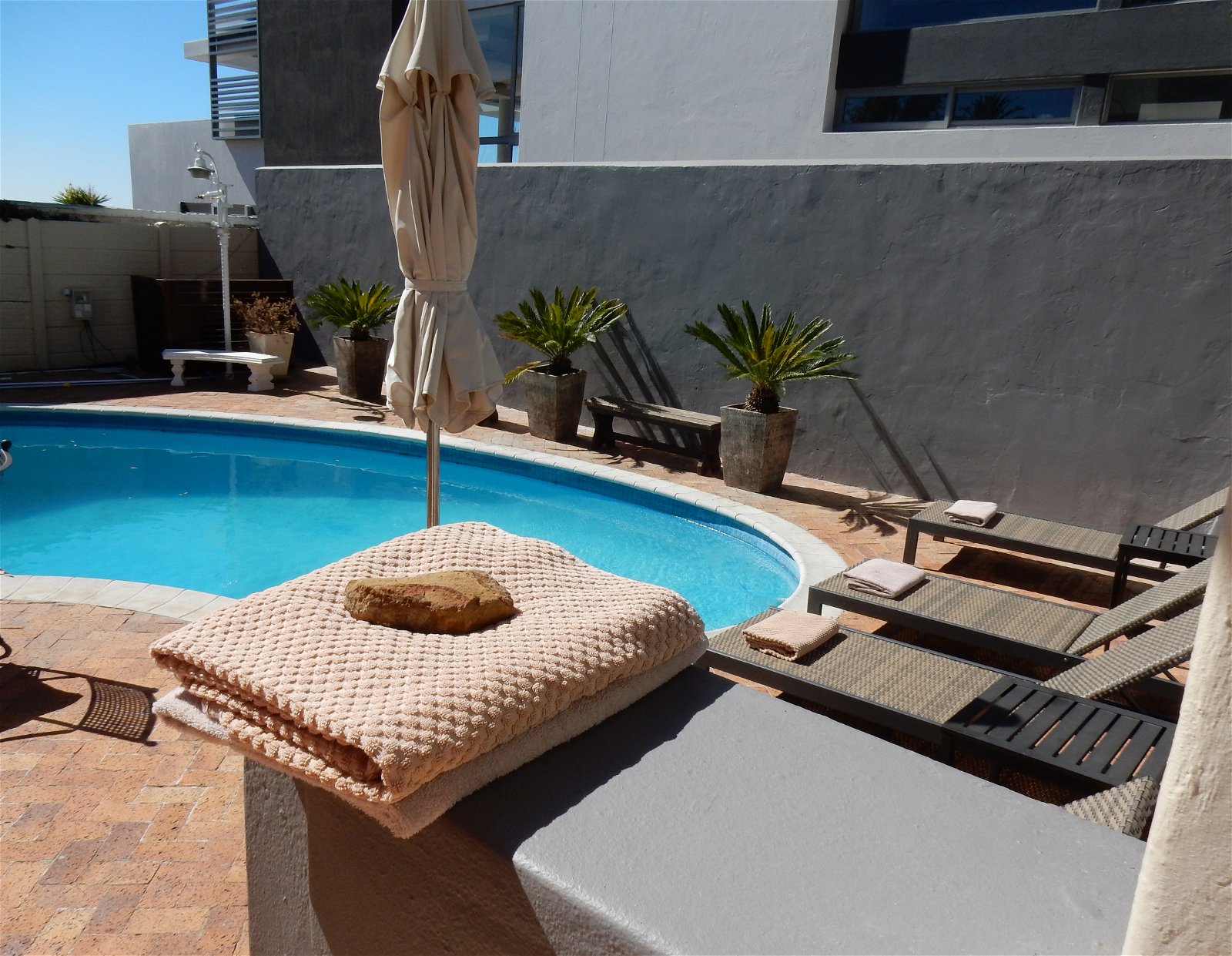
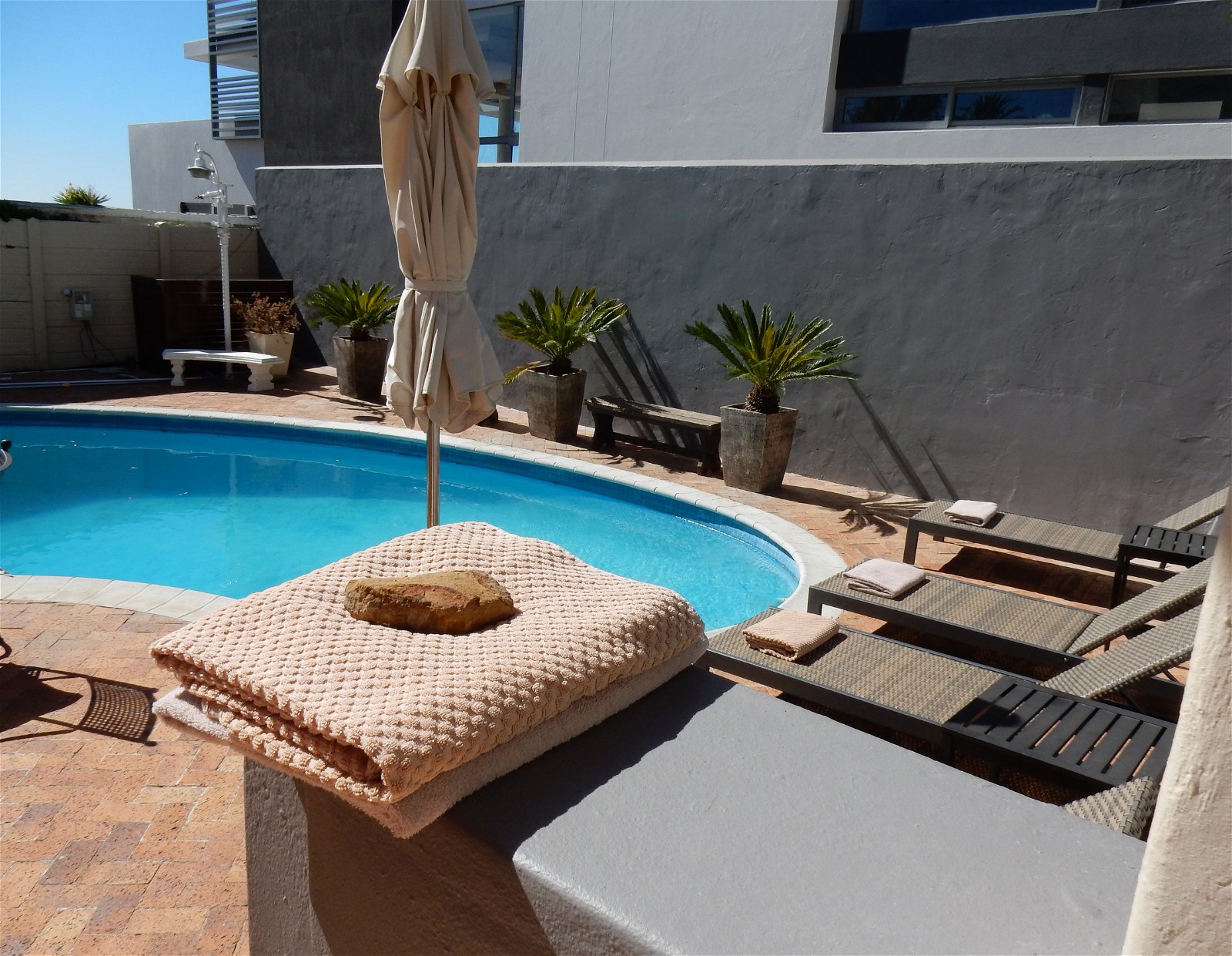
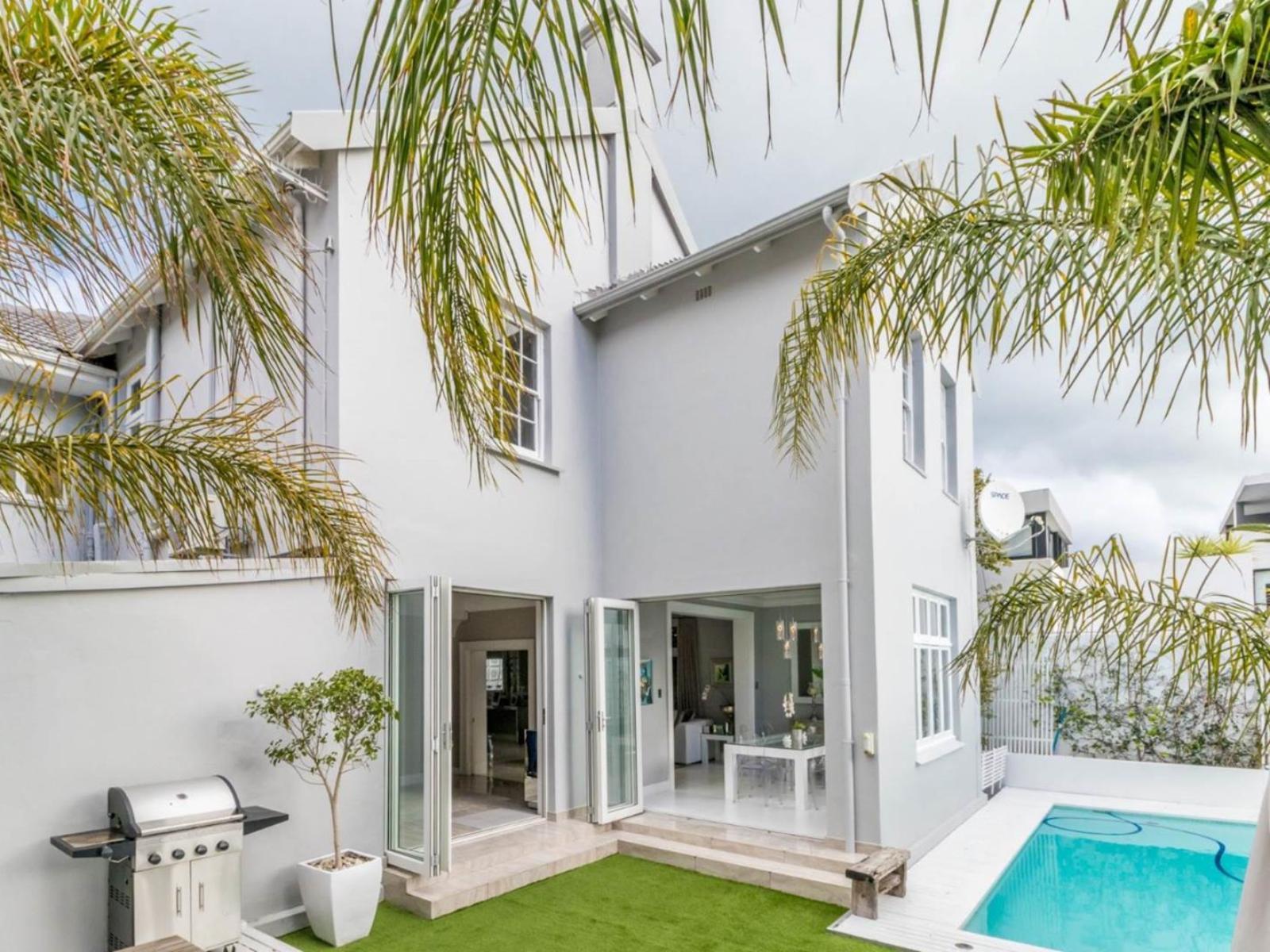
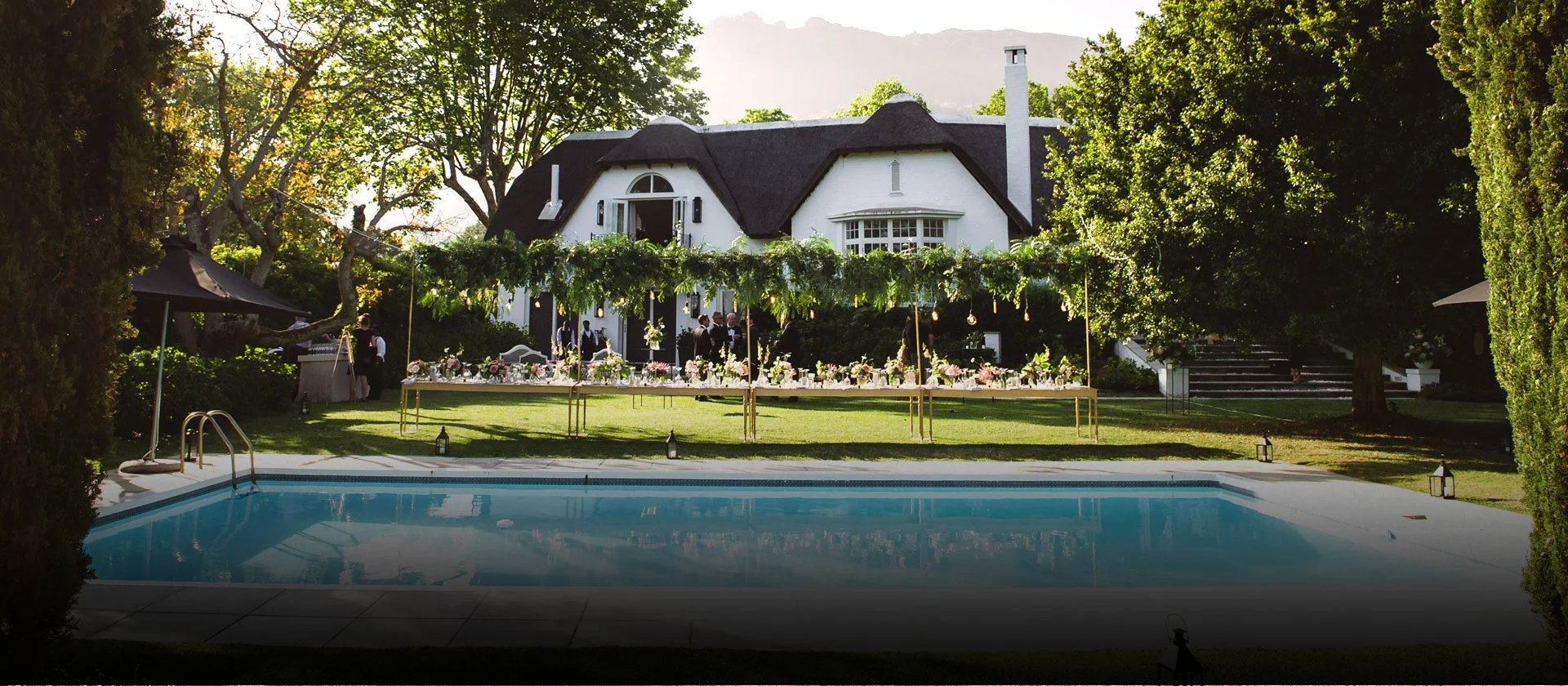
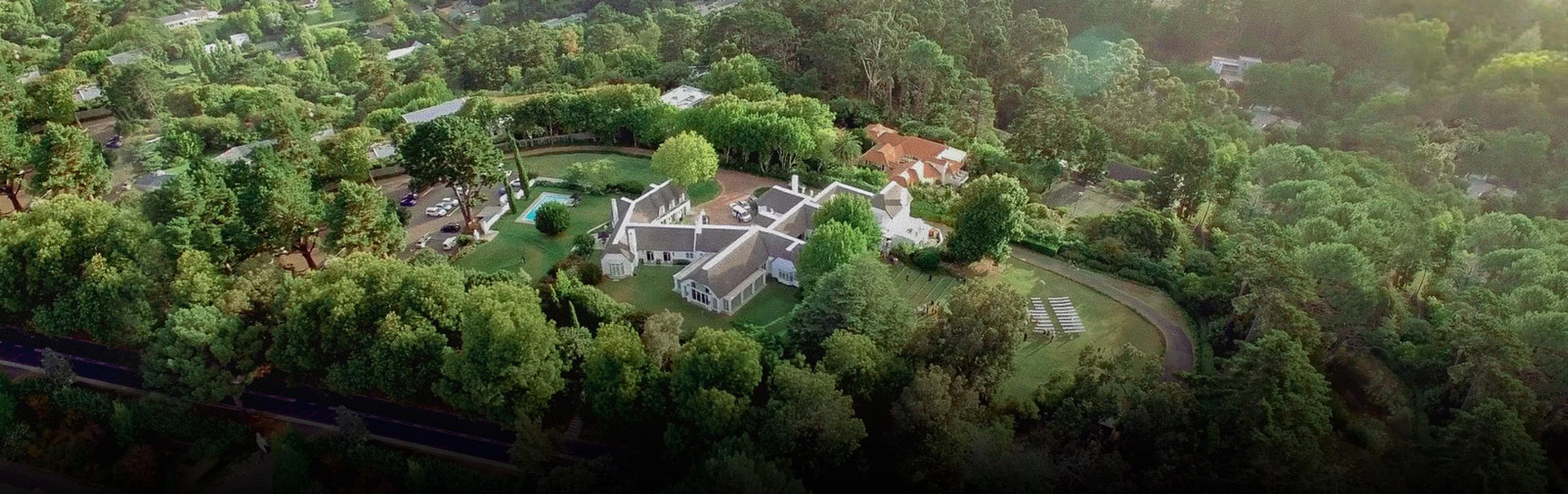
At the top end, a small number of villas average over R15,000 per night, suited to groups seeking private pools, full domestic setups, and quieter residential settings away from the main commercial streets.
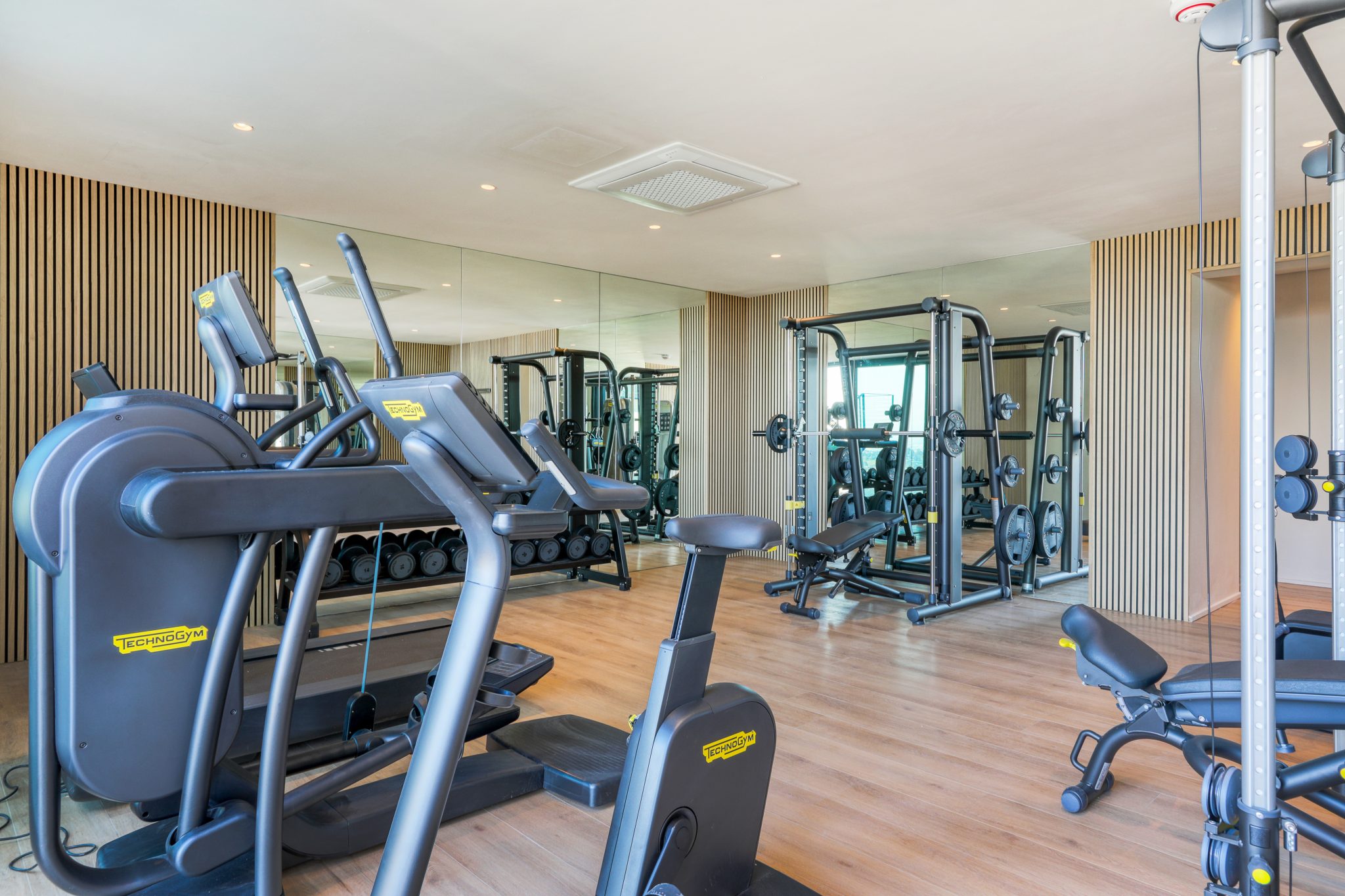
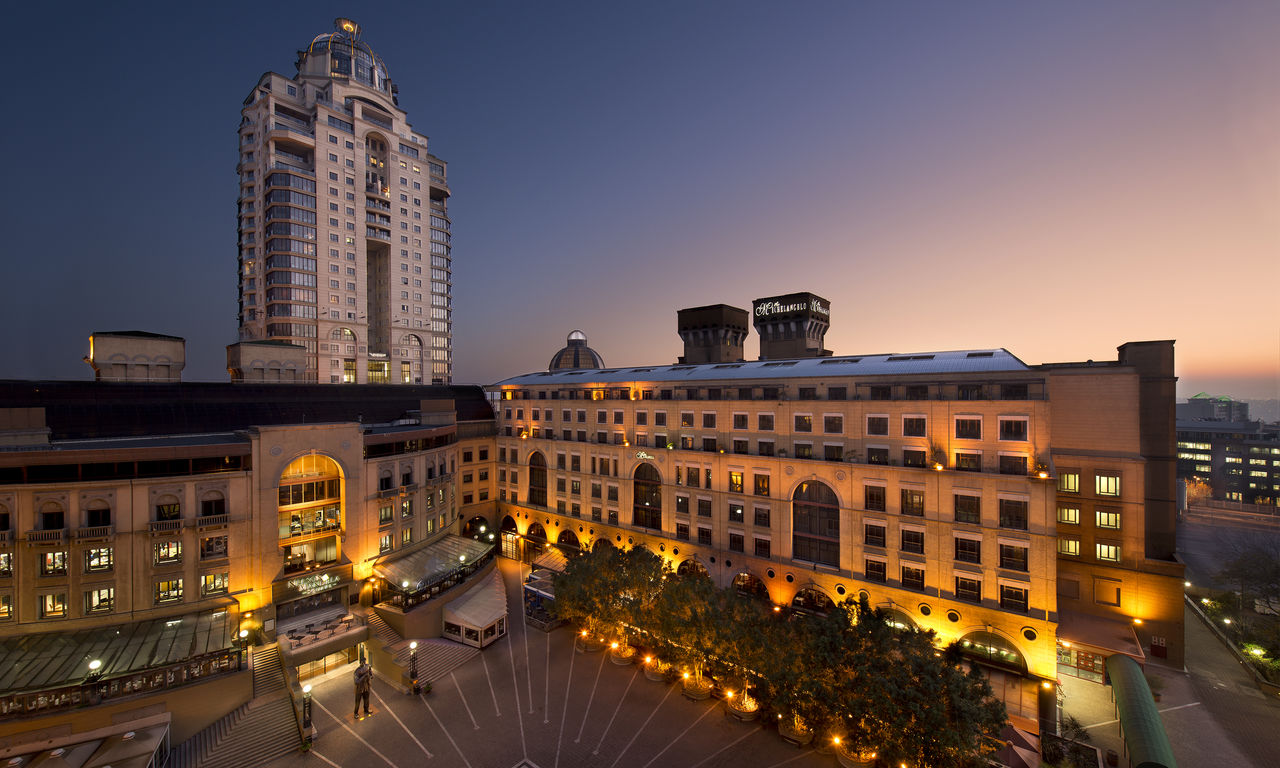
One full-service hotel completes the picture, catering to guests who want concierge access, on-site dining, and consistent hotel-standard service. It draws primarily business travellers and those who prefer a fully managed stay with few logistical decisions to handle themselves.
Things to Do in Green Point
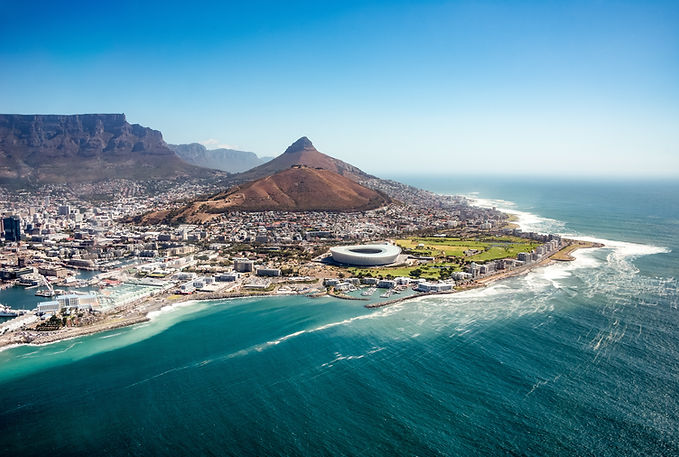
The Cape Town Stadium is the area's most prominent landmark, built for the 2010 FIFA World Cup and now used for concerts, domestic sporting fixtures, and community events. Guided interior tours run on most weekdays and cover the building's construction history and its role in the tournament. The forecourt gives open views toward the Atlantic and is worth visiting even when nothing is scheduled.
Directly adjacent, Green Point Urban Park covers several hectares of landscaped garden, open lawn, and paved walkways. Entry is free. The park includes a biodiversity garden maintained by the City of Cape Town, a children's play area, and a putt-putt course. It draws joggers, dog walkers, and families throughout the week and fills up noticeably on summer weekends.
The beachfront at Mouille Point, a few minutes' walk from the main residential streets, is calmer than beaches further up the Atlantic coast. A walking and cycling promenade connects Green Point to Sea Point, taking around 30 minutes at a relaxed pace. The Mouille Point Lighthouse has been in continuous service since 1824 and remains a working navigation marker at the end of the promenade.
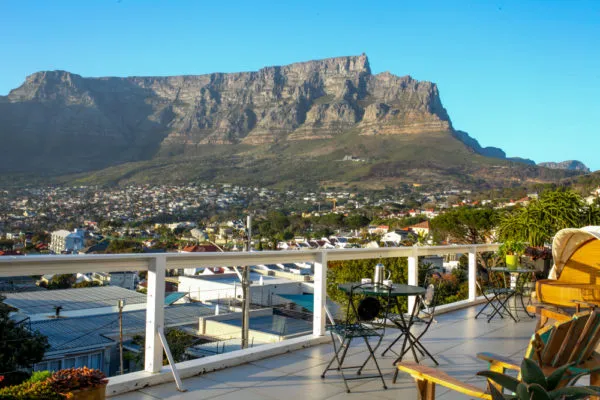
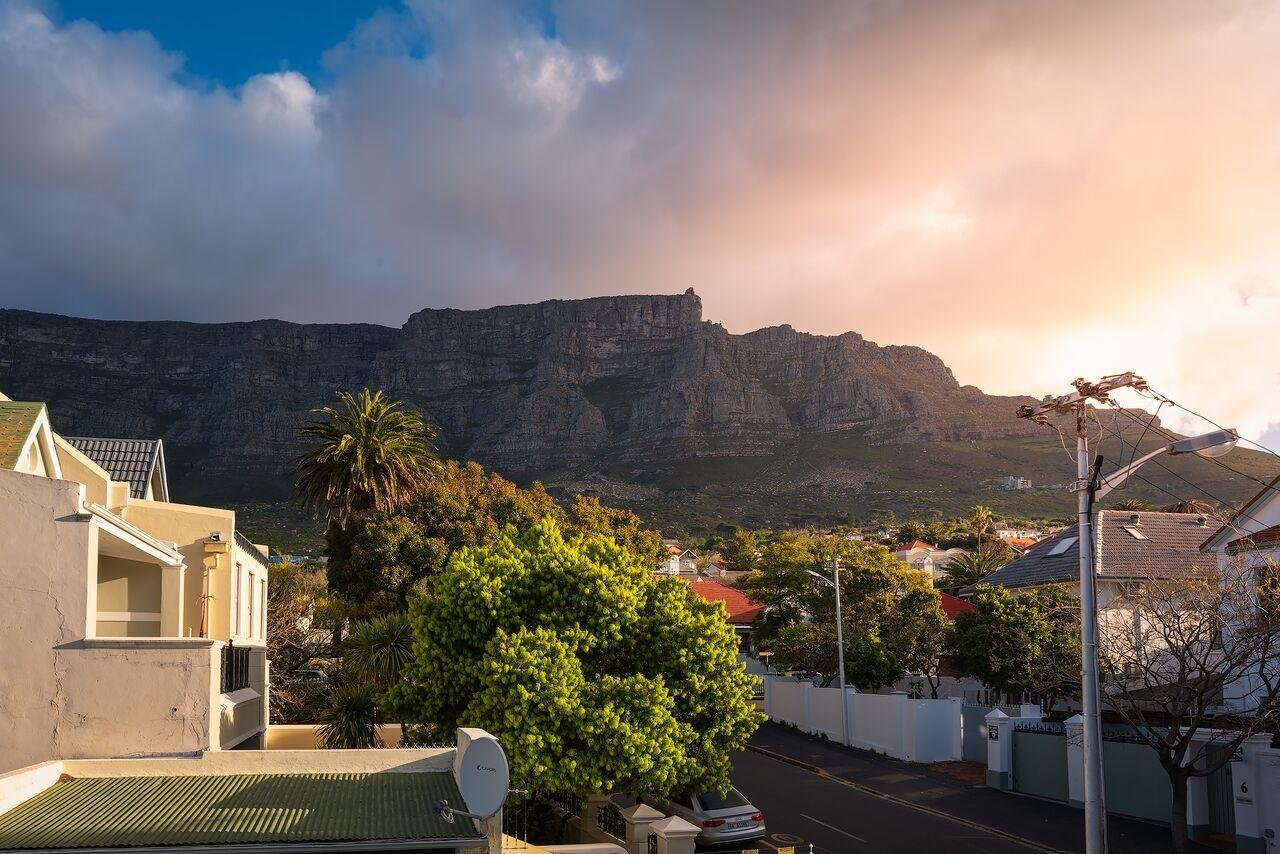
The Table Mountain Aerial Cableway is about five kilometres from Green Point, making it a practical half-day trip. The cable car reaches the 1,086-metre summit in under ten minutes, weather permitting. Booking ahead online is advisable during peak season to avoid long queues at the lower station.
Wine tourism is accessible without a lengthy drive. The Constantia wine estates, among the oldest in the country, offer cellar tours and tastings through the week. Most welcome visitors without prior booking, and several have estate restaurants serving lunch on-site.
Golf courses within a short drive include options suited to visiting players, with several Cape Town-area clubs offering day bookings for those wanting a round during their trip.
Best Time to Visit Green Point
Cape Town has a Mediterranean climate: dry, warm summers and wet winters. Green Point's position on the Atlantic coast brings a consistent southerly wind, which moderates summer heat but can make exposed outdoor areas uncomfortable on particularly gusty days.
Peak season runs from December through February. Temperatures typically reach the mid-20s Celsius, visitor numbers are at their highest, and the city fills noticeably over Christmas and New Year. Atlantic seaboard suburbs book out quickly during this period, and delays in finding accommodation can leave limited options.
March and April offer a useful shoulder window. Conditions remain warm, visitor numbers ease, and rates tend to soften from their summer levels. For visitors who want reliable weather without peak-season congestion, this period often represents the better value.
Winter, from June to August, brings regular rainfall and stronger wind. Outdoor activities become weather-dependent, though restaurants, galleries, and indoor venues operate normally. Some travellers choose this period specifically for the lower visitor volumes and quieter pace.
Spring, from September to November, sees conditions improve steadily. Wildflowers appear across the Cape Peninsula from August onward, and day trips into the surrounding countryside are particularly rewarding during these months.
Getting to Green Point
Cape Town International Airport is the main arrival point, roughly 25 kilometres from Green Point. The drive takes 30 to 45 minutes depending on traffic. Metered taxis, ride-hailing services, and direct MyCiti bus routes all cover the connection from the airport to the Atlantic seaboard.
By road from the city centre, Green Point is accessible via Somerset Road from the city bowl or the M6 along the coast through Sea Point. Both routes are short and easy to navigate. Visitors coming from other major South African cities typically fly, as the distances are substantial. Johannesburg is roughly 1,400 kilometres away via the N1, a drive of around 14 hours, while Durban lies approximately 1,750 kilometres to the east. Most long-distance travellers to Cape Town choose to fly rather than drive.
Within the suburb, the MyCiti bus connects Green Point to Sea Point, the city centre, and the airport on a pre-loaded Myconnect card available at major stations and the airport. Services run frequently during the day. Most of the suburb's main streets and the beachfront are walkable, and ride-hailing apps operate across Cape Town without restriction. Hiring a car adds flexibility for reaching attractions and destinations beyond walking or cycling distance.
Green Point and Surrounding Areas
Camps Bay, five kilometres along the Atlantic seaboard, centres on a wide beach directly backed by the Twelve Apostles mountain range. Victoria Road runs the length of the beachfront and is lined with restaurants, bars, and cafes that stay busy through summer evenings. The beach fills completely on hot weekend days, and the suburb operates at a noticeably faster, more social pace than Green Point's residential streets.
Kaapstad (Cape Town city centre), eight kilometres east, holds the region's main historical and cultural sites. The Castle of Good Hope, South Africa's oldest surviving colonial building, and the Company's Garden, established by the Dutch East India Company in 1652, are both central landmarks. The Bo-Kaap neighbourhood with its distinctively painted houses, and Long Street's concentration of restaurants and bars, are accessible on foot from the city centre.
Rosebank, also eight kilometres out, is a quiet residential suburb near the University of Cape Town with few visitor-specific attractions. It tends to serve as a transit point for people moving further into the Southern Suburbs rather than a stop in its own right.
Rondebosch, nine kilometres from Green Point, surrounds the main UCT campus. Main Road has a dependable mix of restaurants, coffee shops, and independent bookshops. The Baxter Theatre stages local productions through most of the year, and Groote Schuur Hospital, where the world's first successful human heart transplant was performed in December 1967, is in this neighbourhood.
Milnerton, ten kilometres north, sits across Table Bay and draws kite-surfers for its reliable wind conditions. A weekend flea market is well-attended by locals throughout the year. Views of Table Mountain from the Milnerton beachfront are unobstructed and particularly clear in early morning light.
Claremont, ten kilometres to the south, anchors the Southern Suburbs retail strip. Cavendish Square is the main shopping destination, and the broader area has a diverse restaurant and cafe selection. The Southern Suburbs rail line passes through Claremont, providing a car-free connection to central Cape Town.
Planning Your Stay
Green Point's appeal as a coastal suburb close to the city means it fills quickly during summer and around major events in the area. Checking local event schedules before settling on travel dates helps avoid periods when accommodation is at its tightest and rates are at their highest.
When comparing properties, check what the nightly rate actually includes. Some guest houses fold in breakfast and off-street parking, while self-catering options may charge separately for cleaning or set minimum stay requirements. Apartments and villas often have specific house rules around check-in times and additional guests, worth reading carefully before confirming a booking.
If you are hiring a car, confirm parking arrangements in advance. Availability is generally adequate in the suburb but can tighten on event days and along the beachfront during summer weekends.
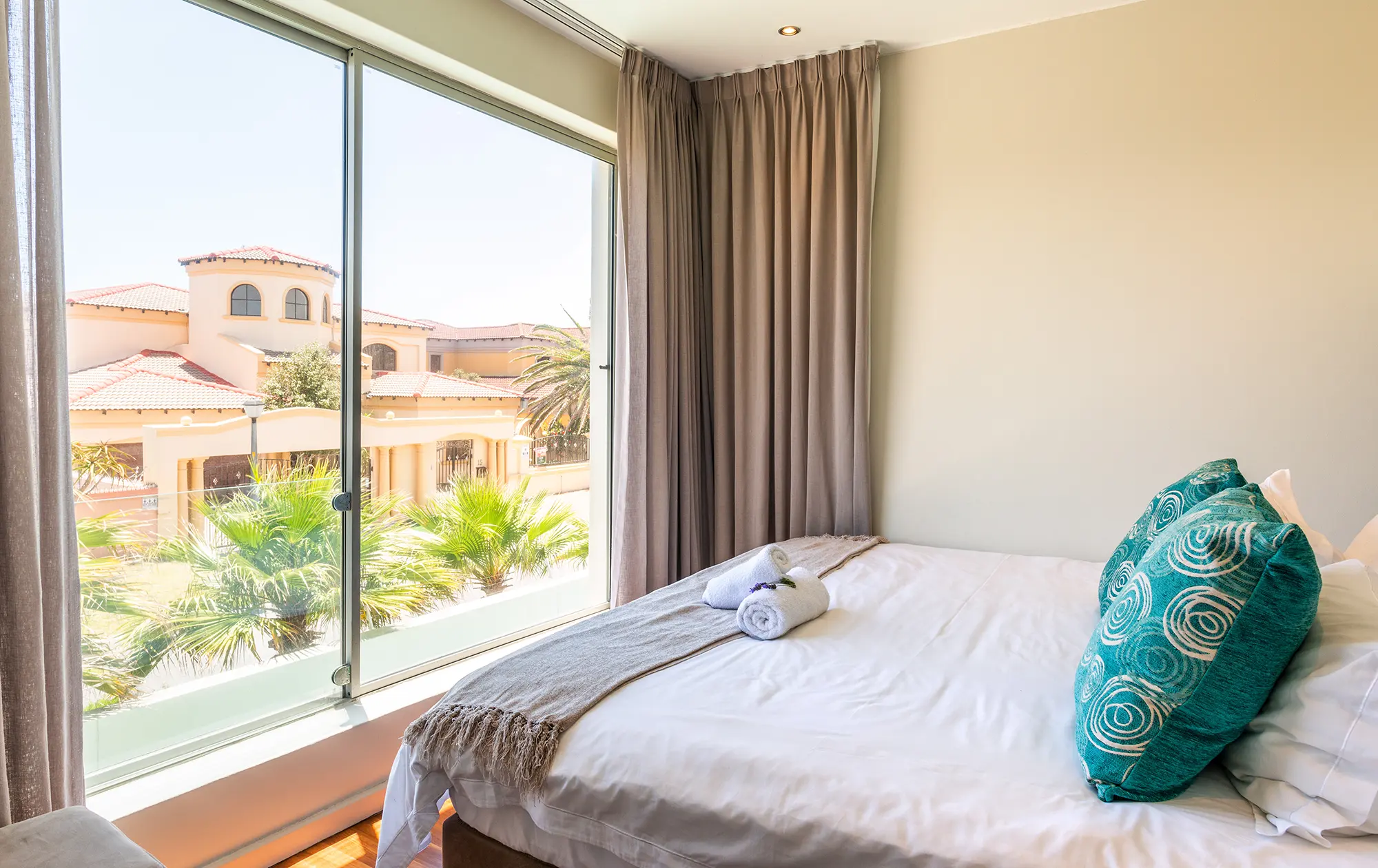
Wind is a consistent factor in this coastal suburb. Upper-floor rooms and sheltered courtyards are noticeably calmer than ground-floor units with exposed outdoor areas. If this is relevant to your stay, raise it directly with the property before booking.
For stays of five nights or more, contacting properties directly about weekly rates is worthwhile. Discounts for longer stays are commonly offered but rarely appear on third-party booking platforms.