Accommodation in Haga Haga
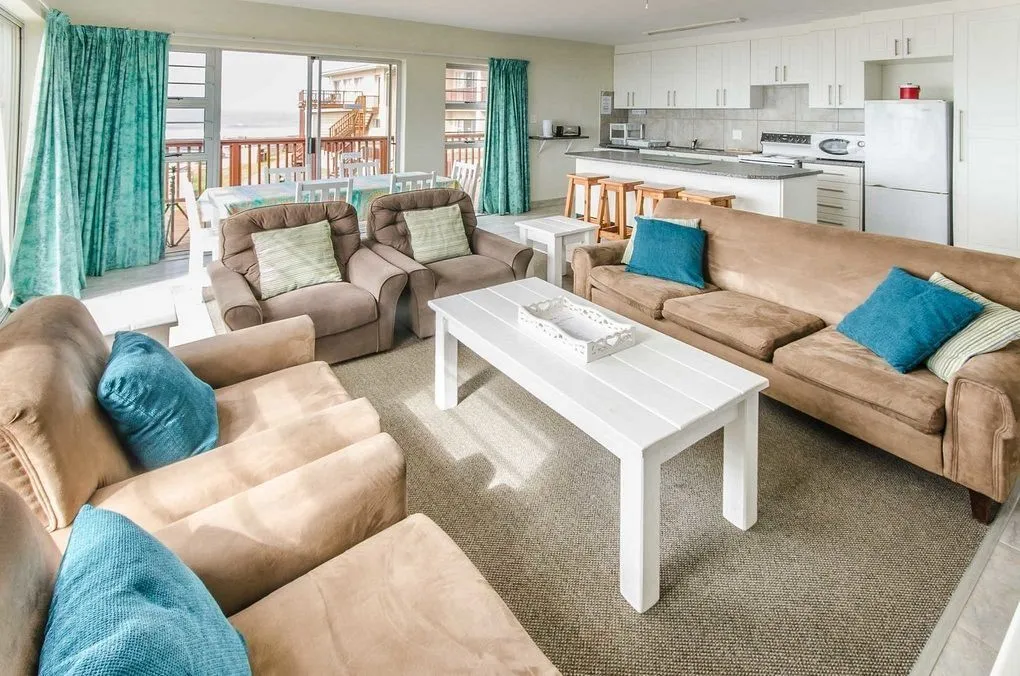
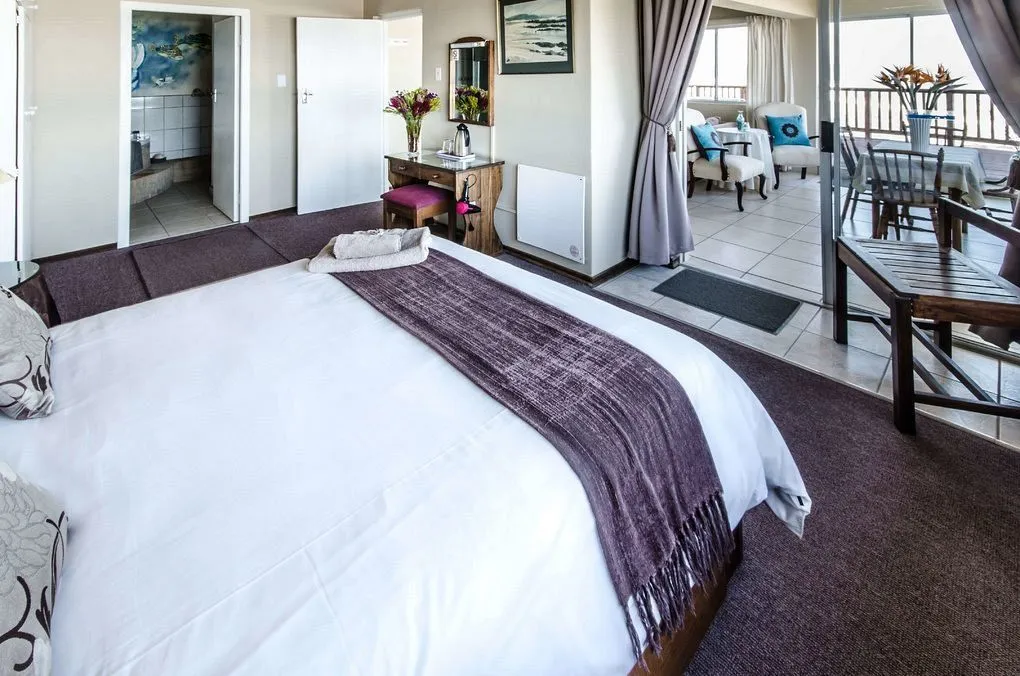
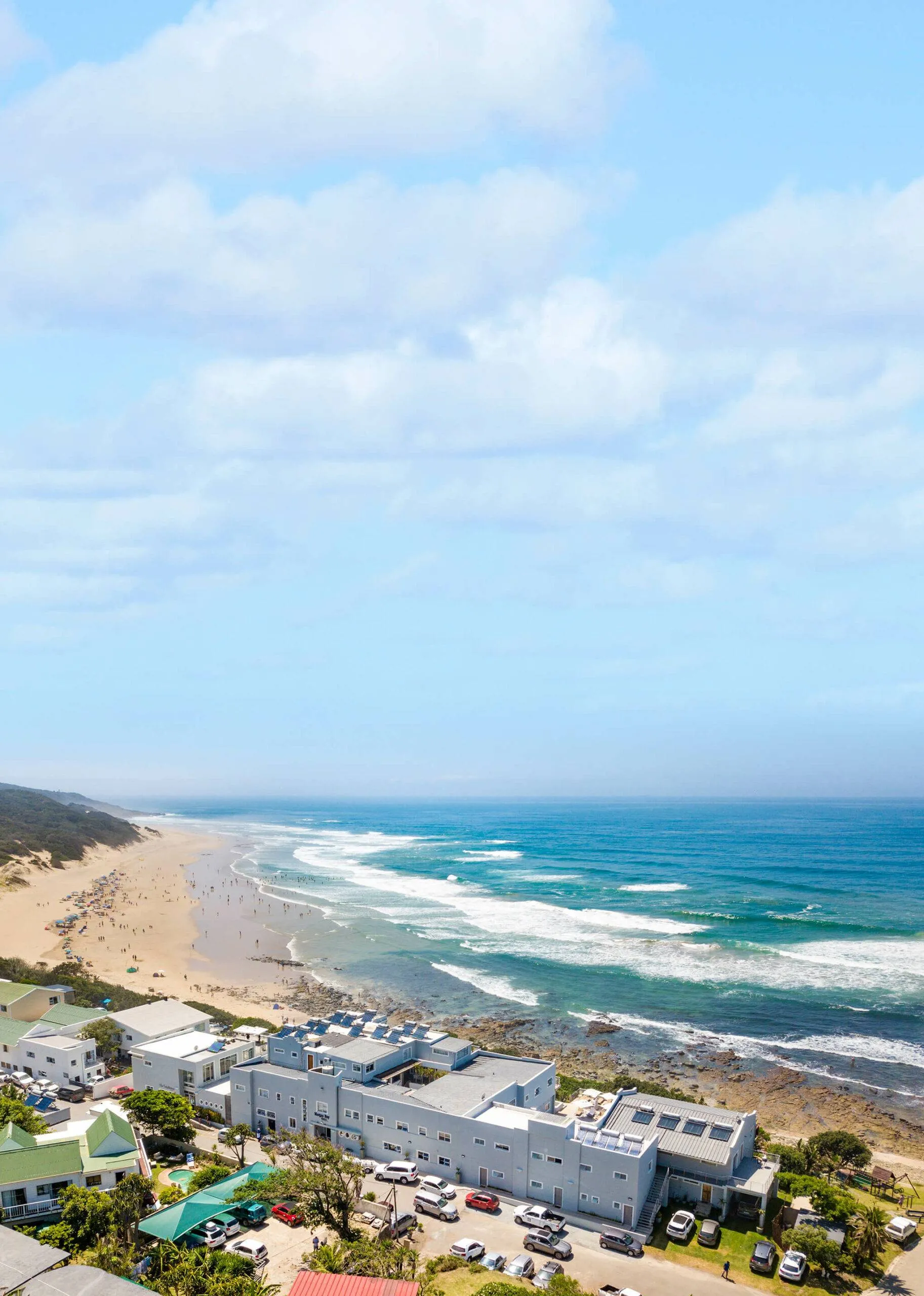
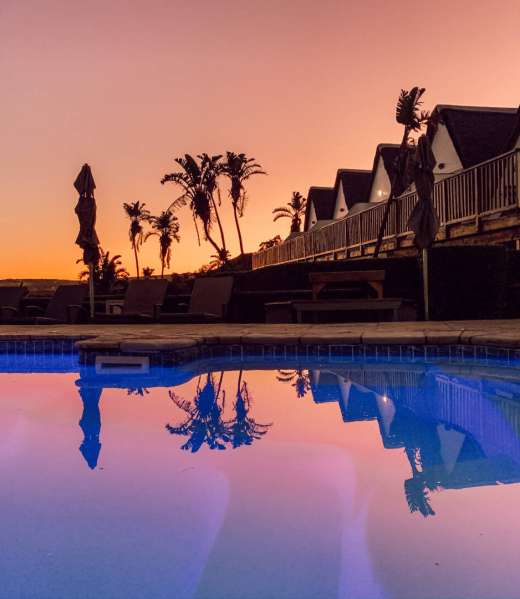
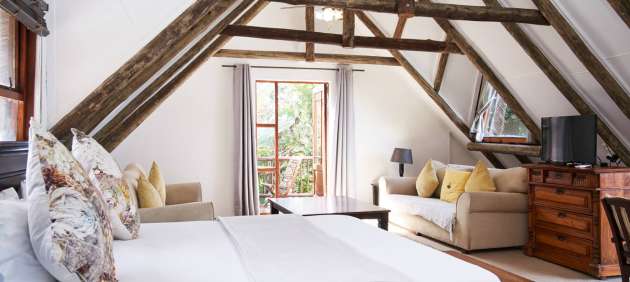
Haga Haga has a small but varied selection of places to stay, with 3 properties listed at a consistent nightly rate of R1,450. That uniformity in pricing reflects the village's modest scale rather than any lack of variety, and the different property types suit different kinds of trips.
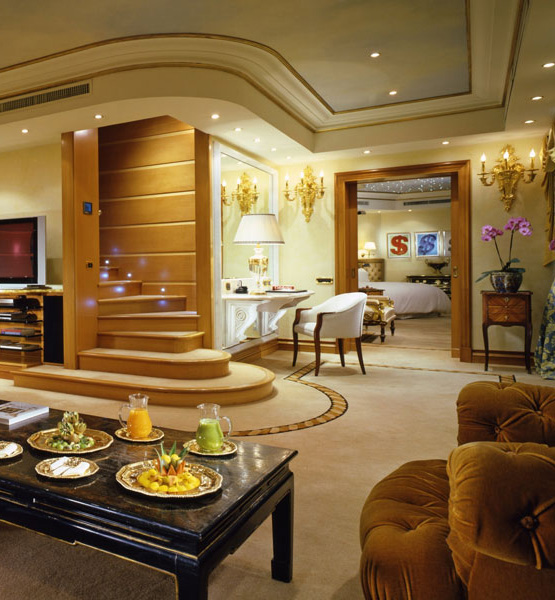
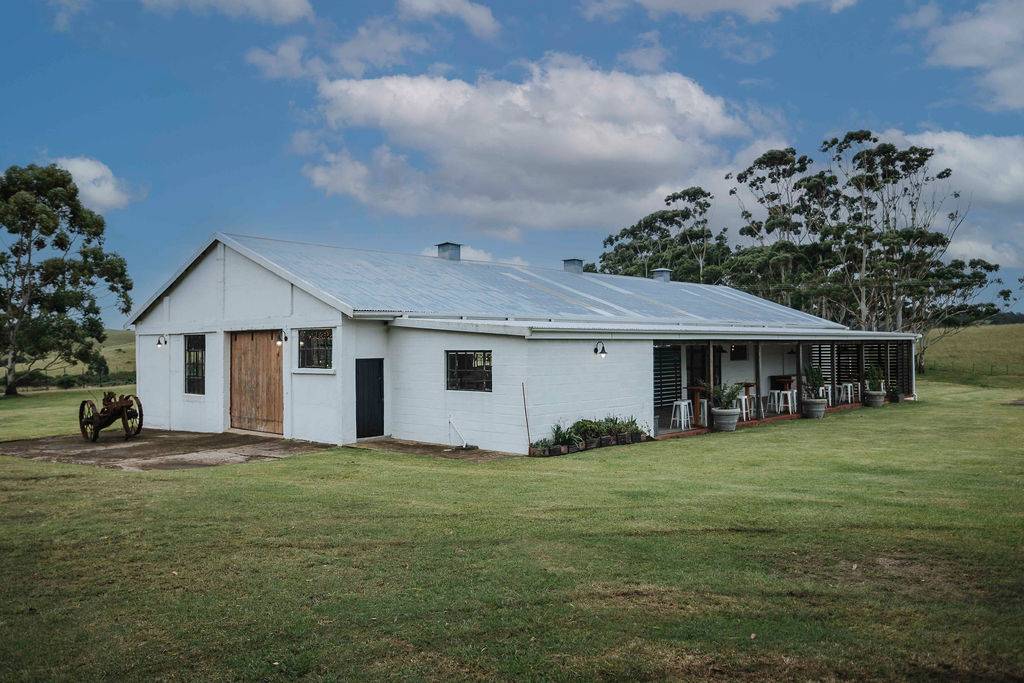
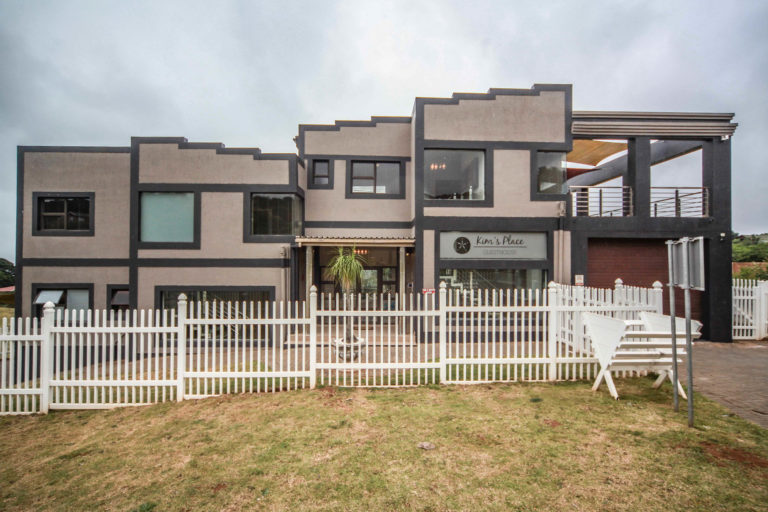
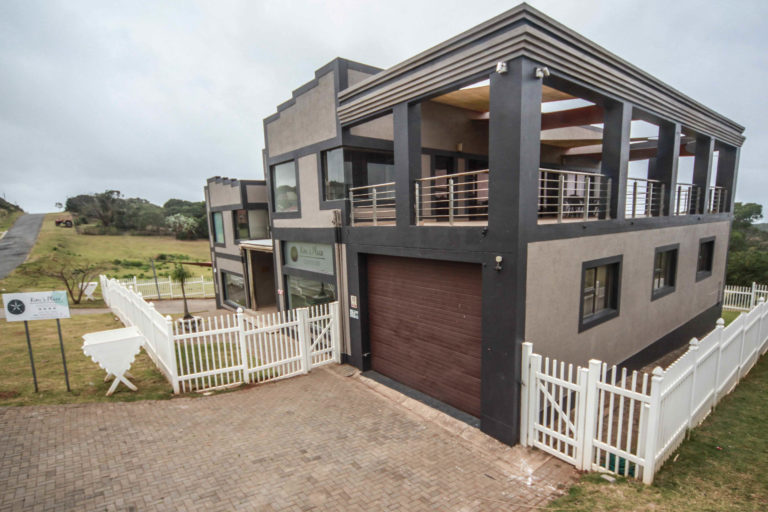
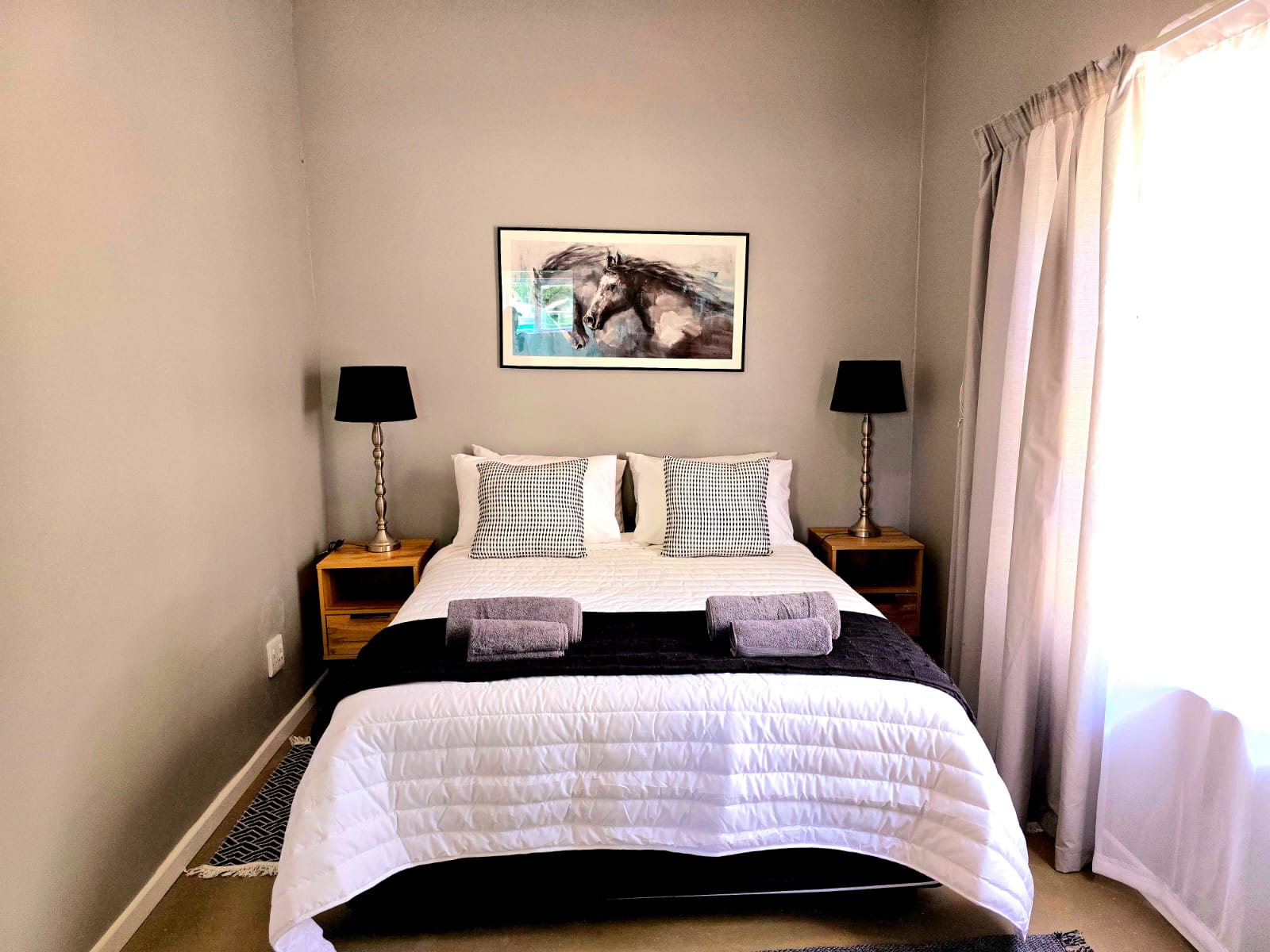
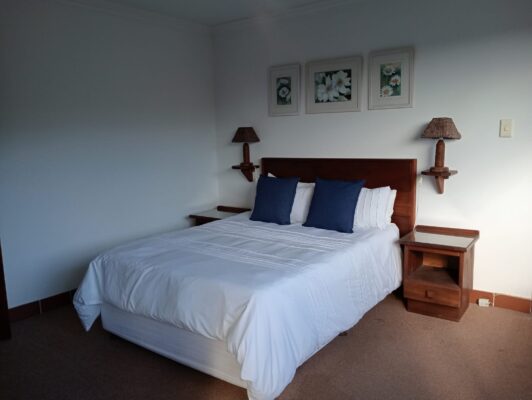
At the entry level, the hotel option gives visitors a straightforward base with standard amenities, suitable for a night or two while passing through the Wild Coast or breaking a longer road trip. These setups tend to prioritise function over atmosphere, which works well for travellers who spend most of their time outdoors.
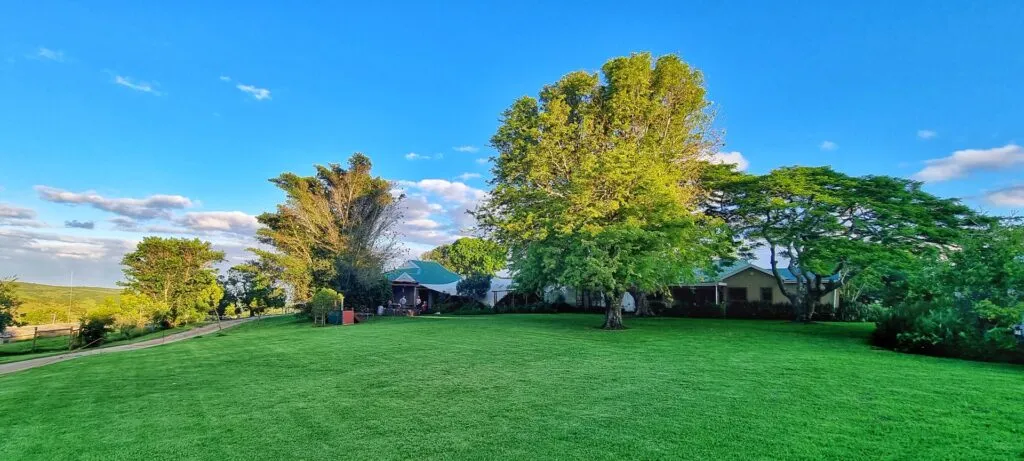
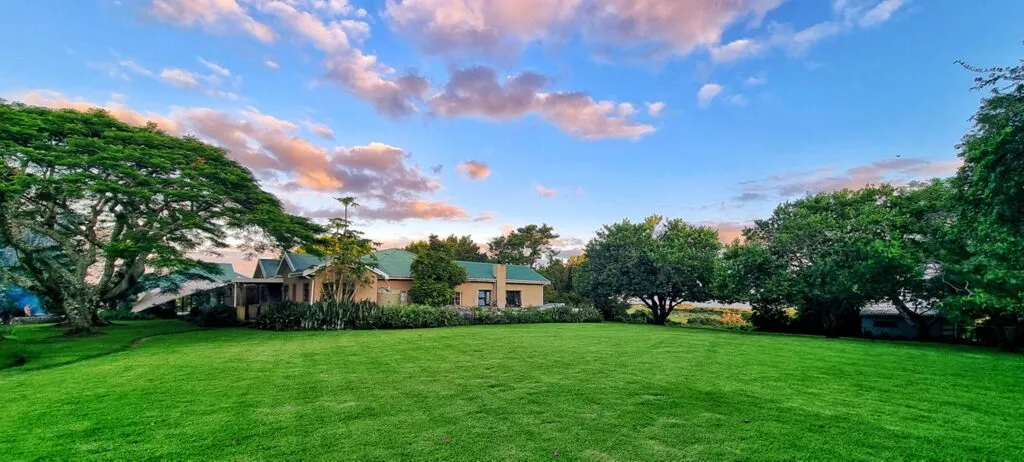
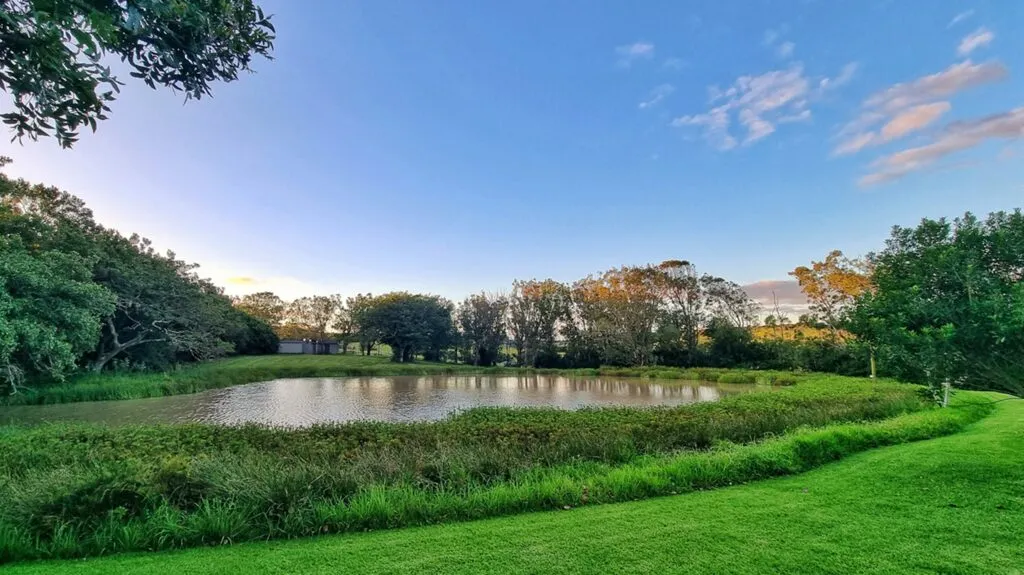
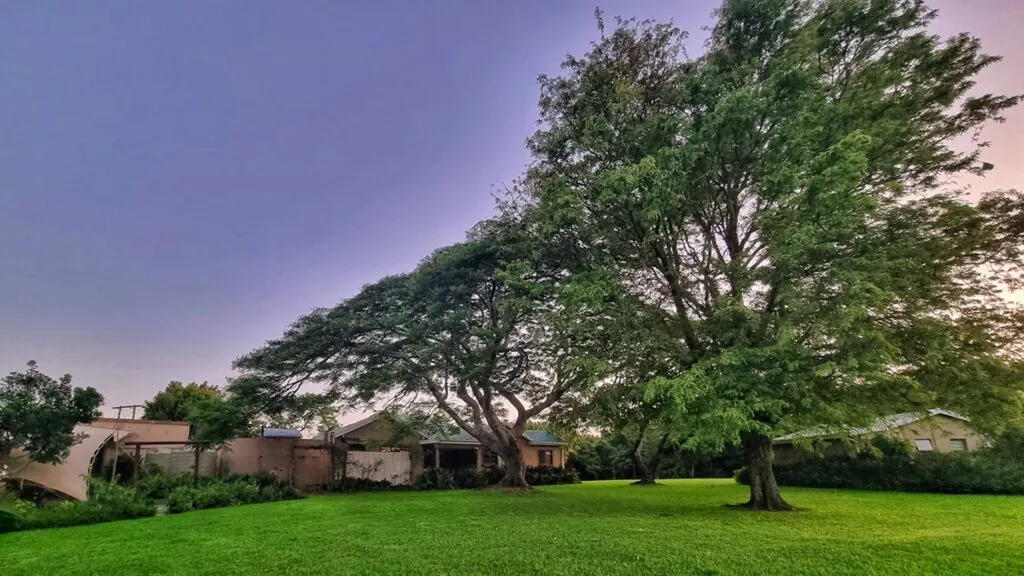
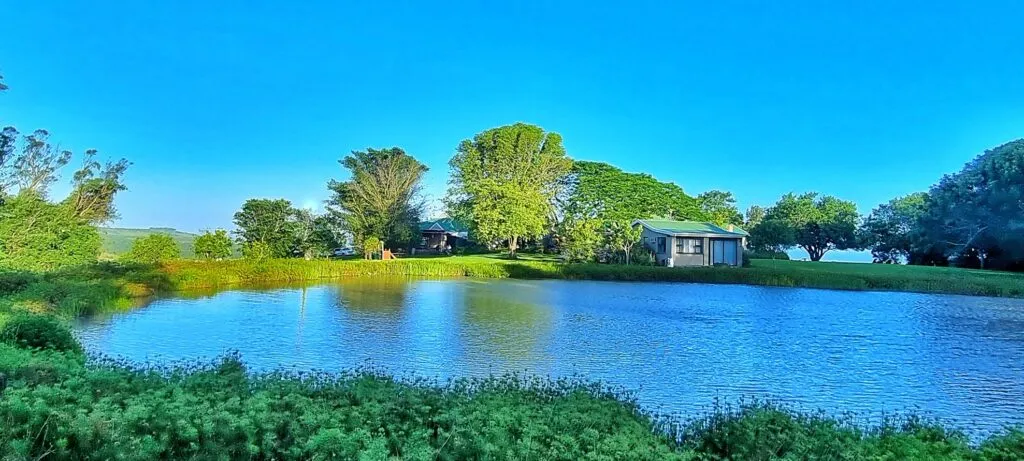
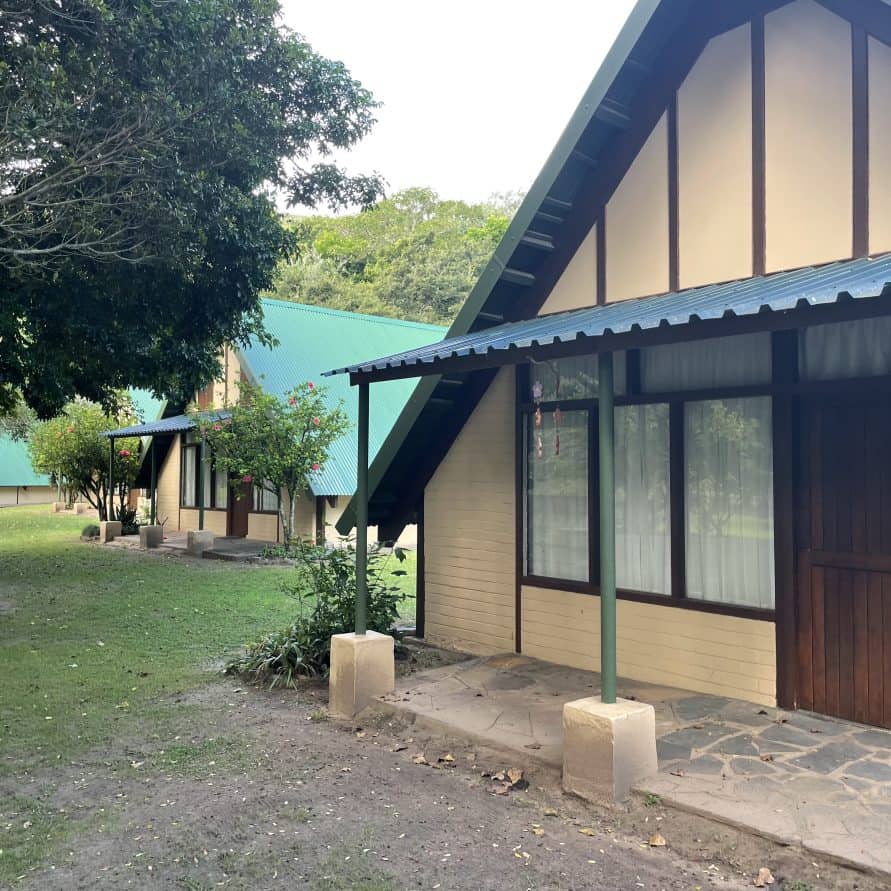
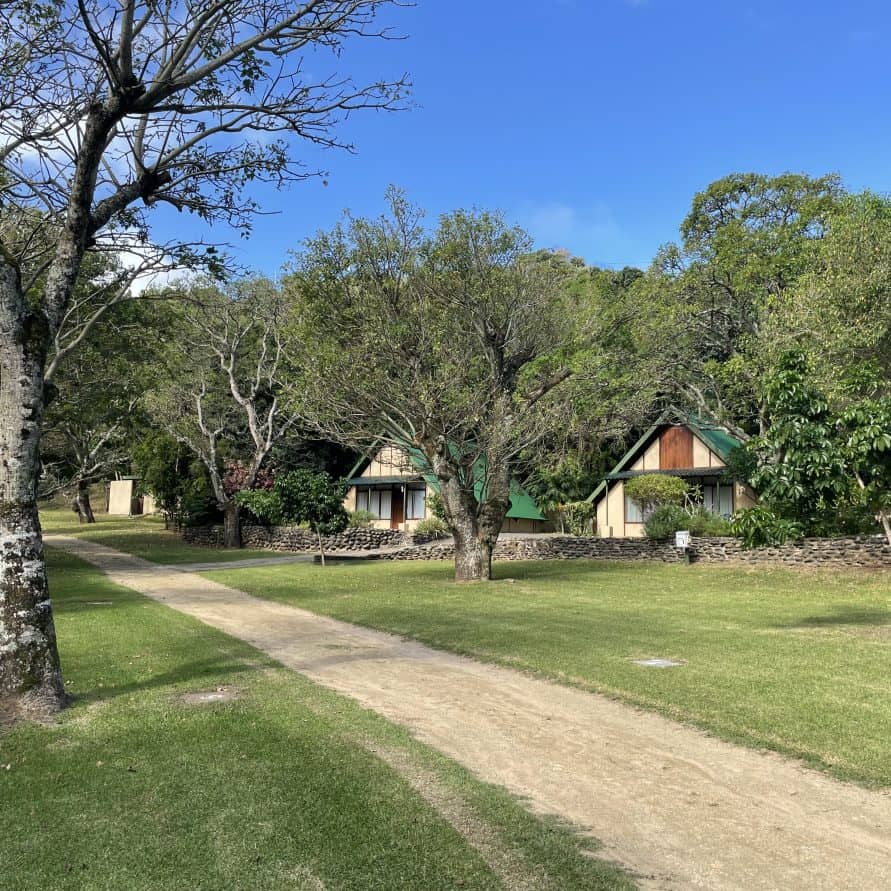
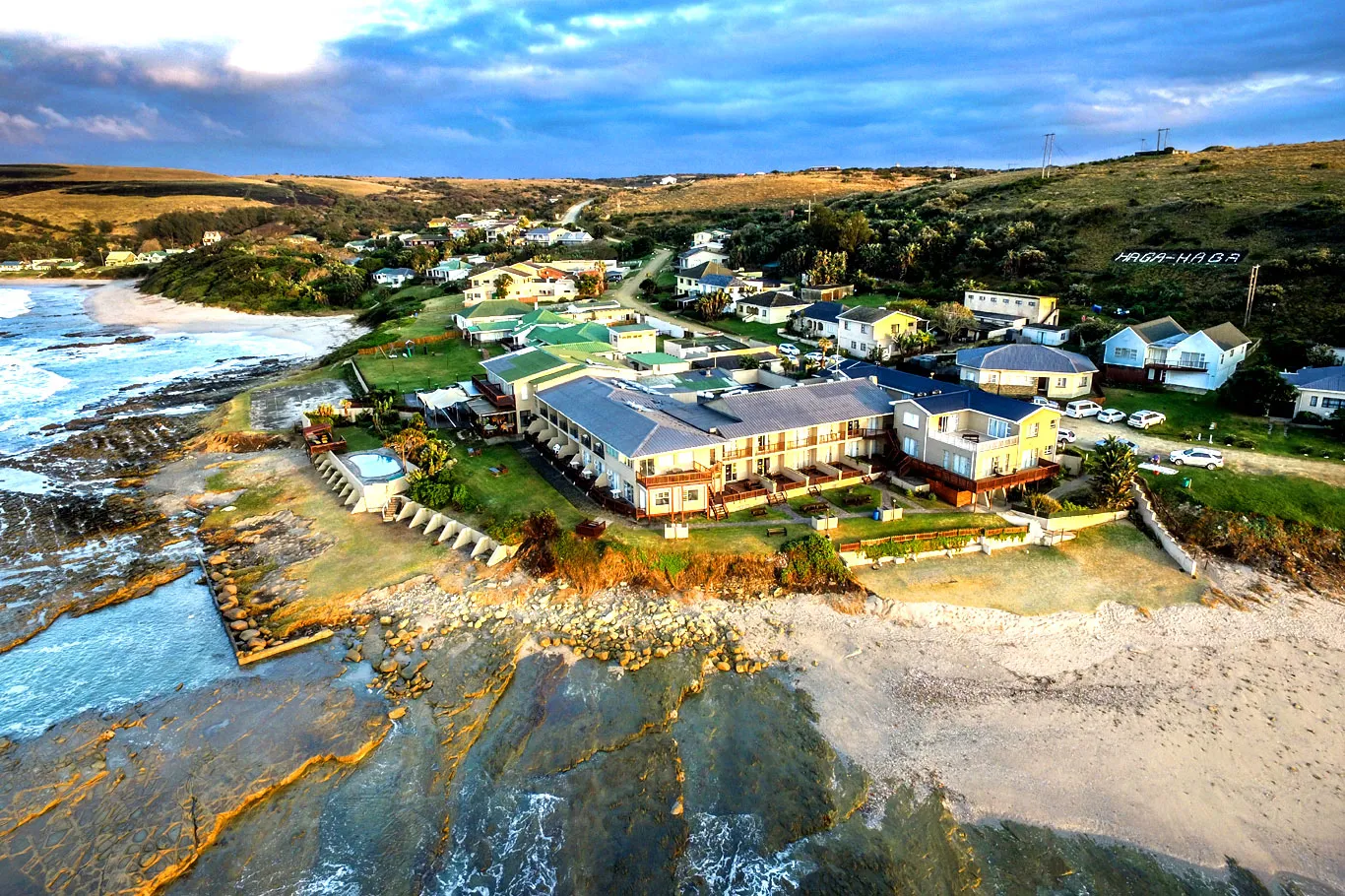
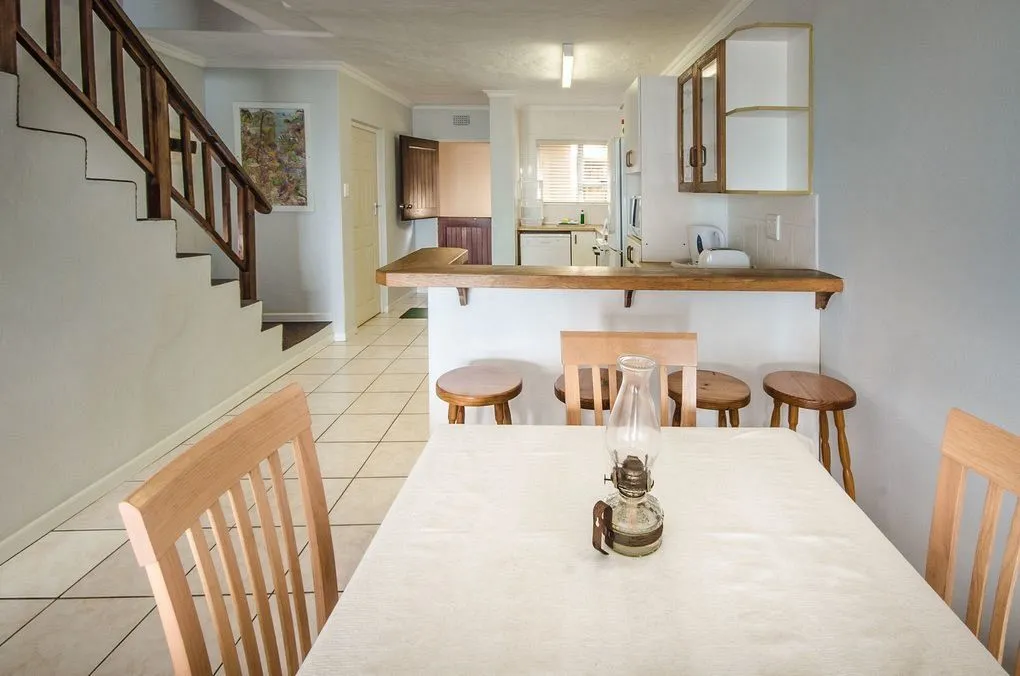
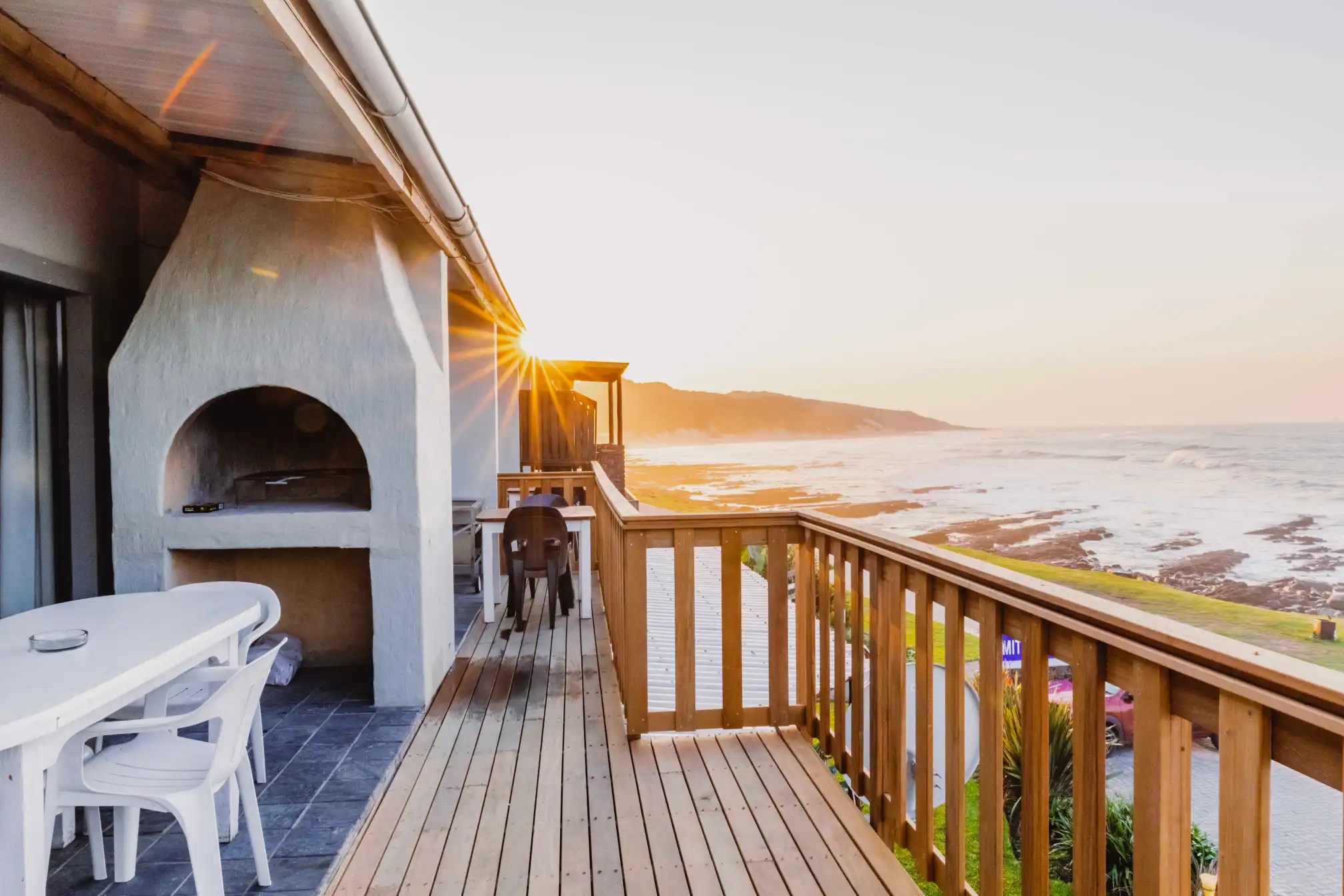
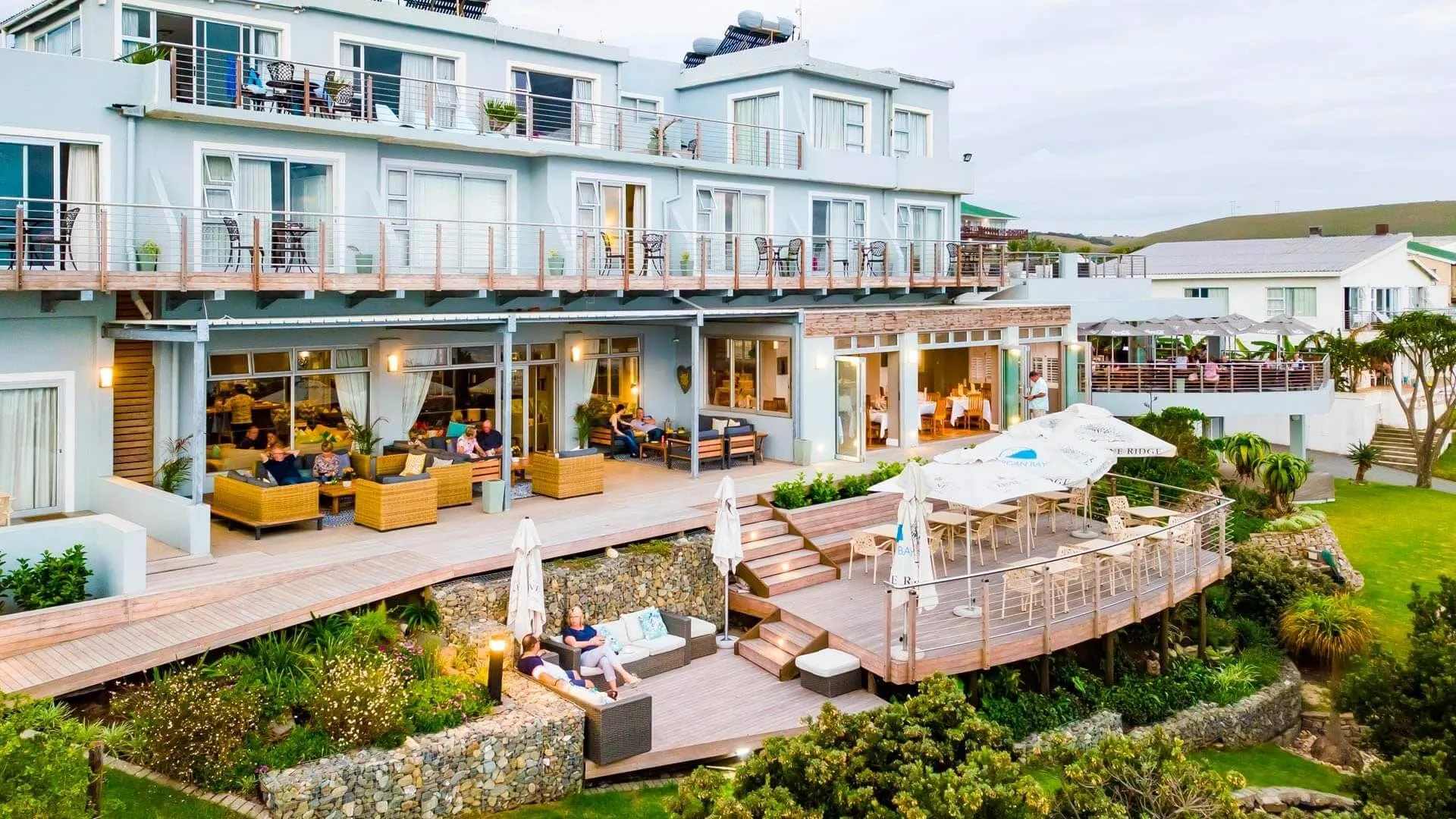
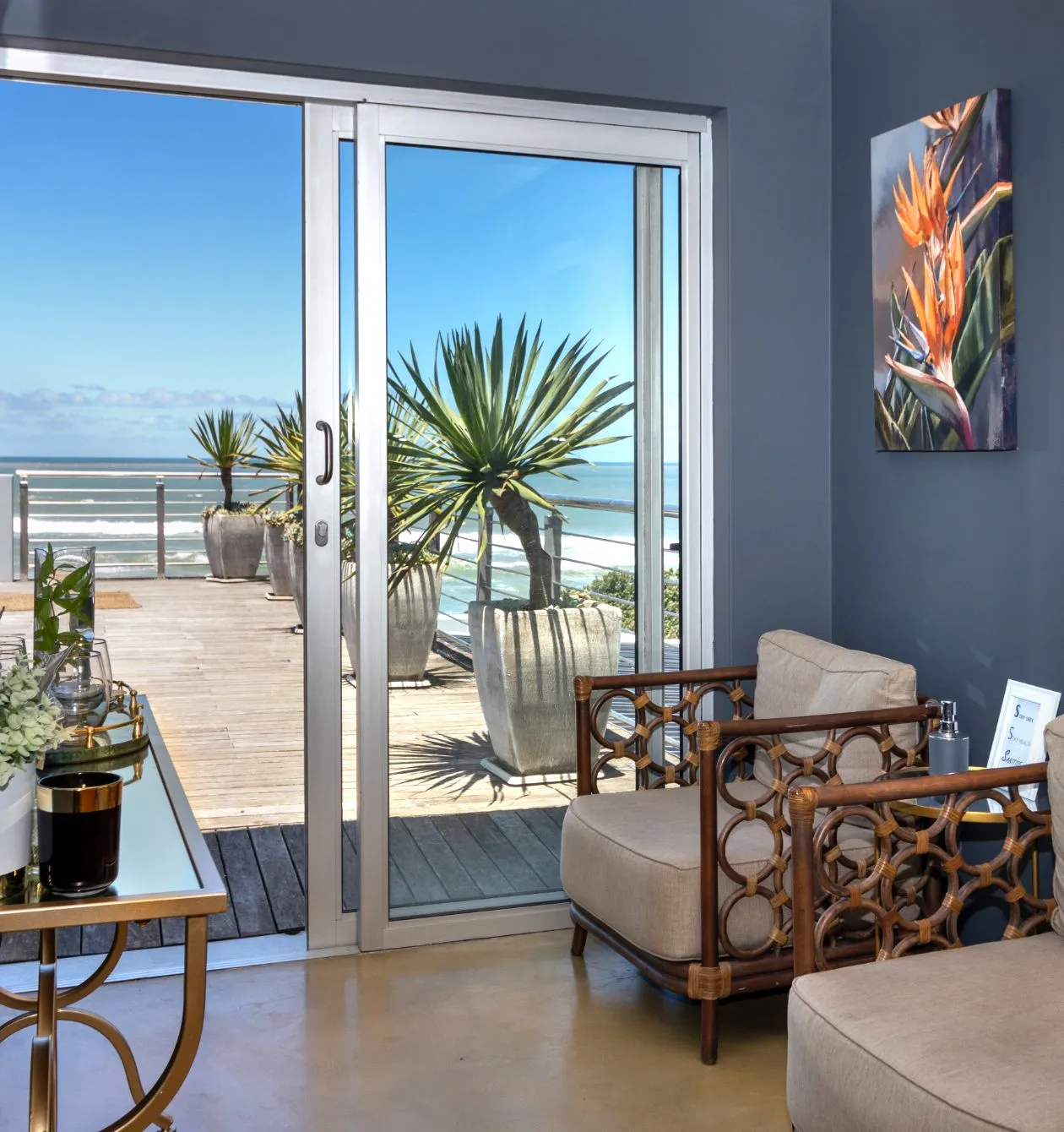
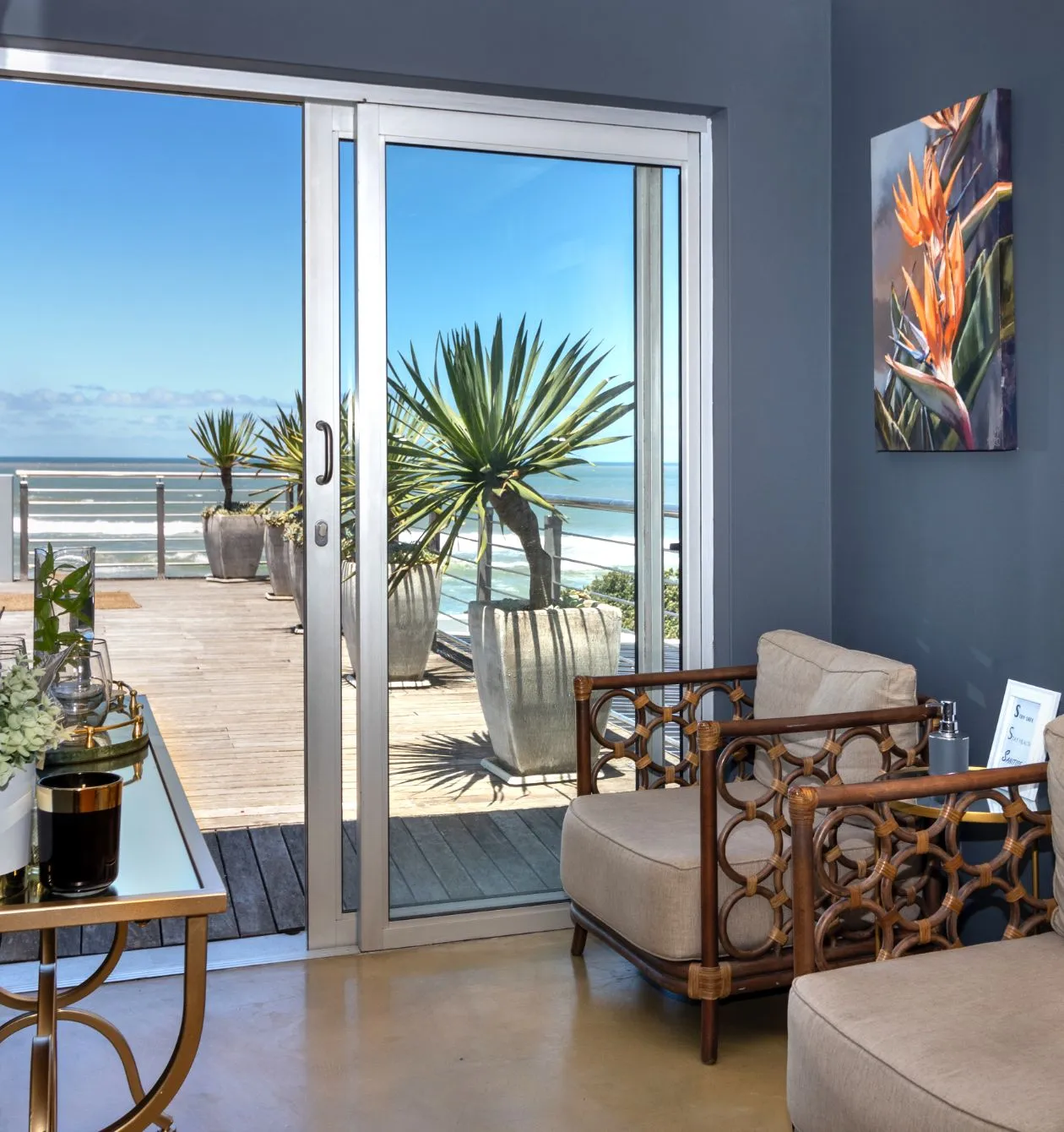
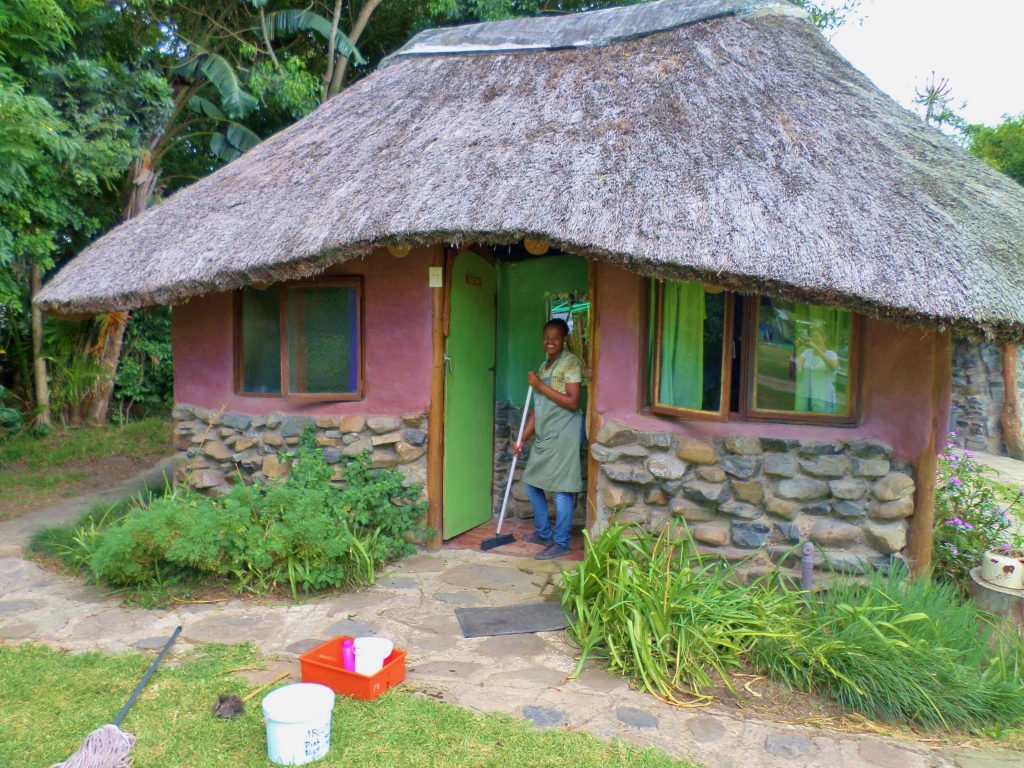
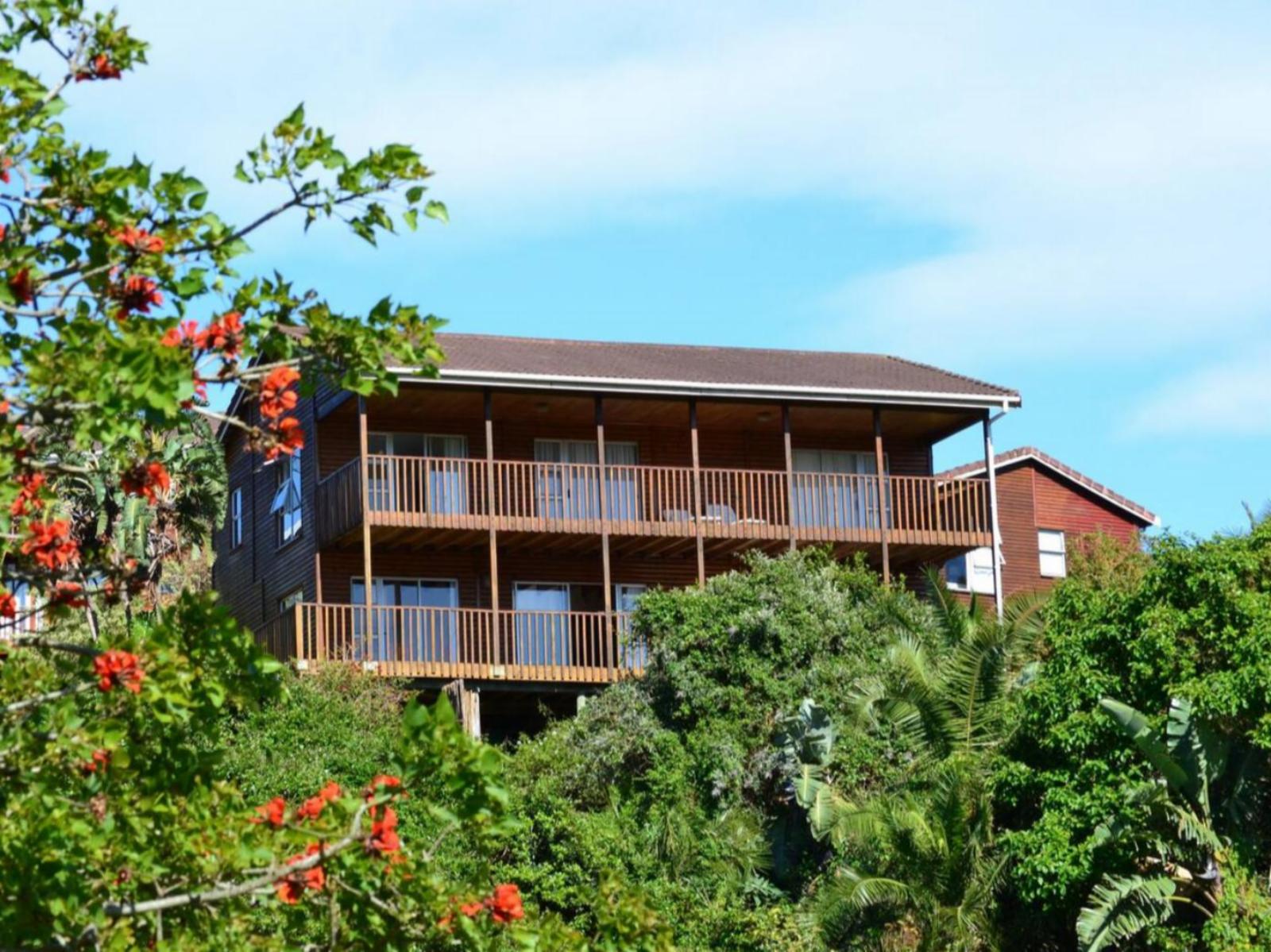
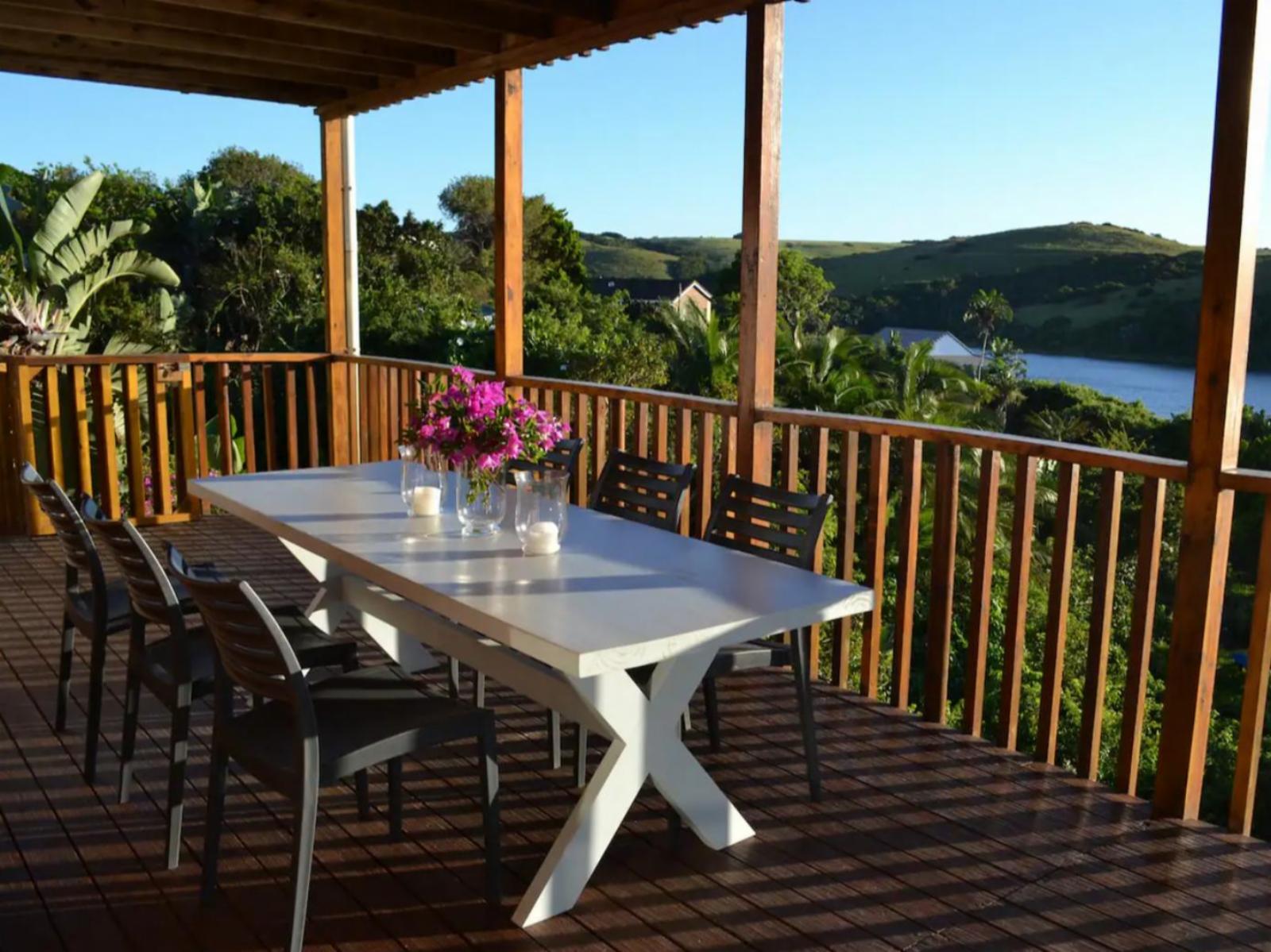
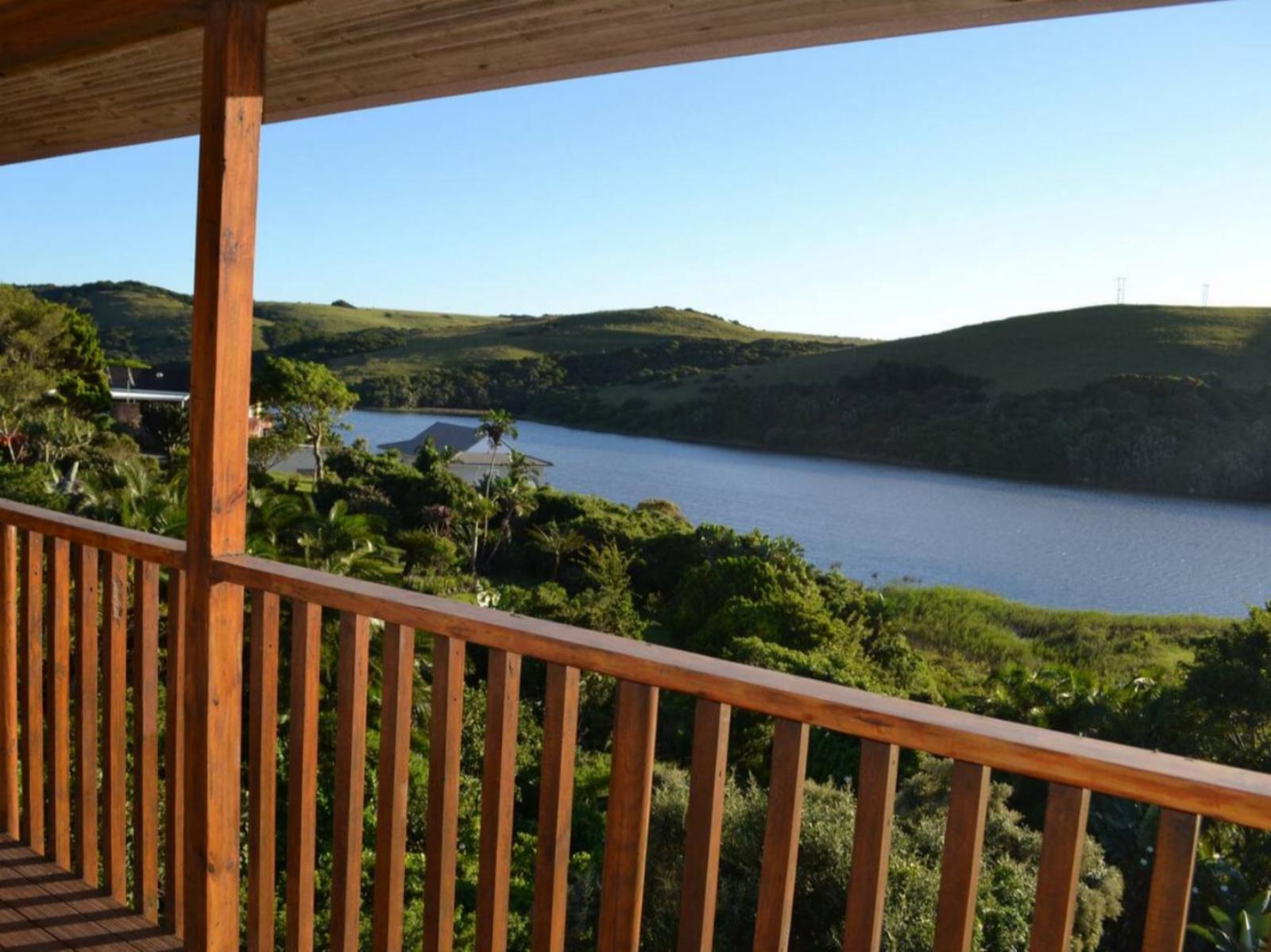
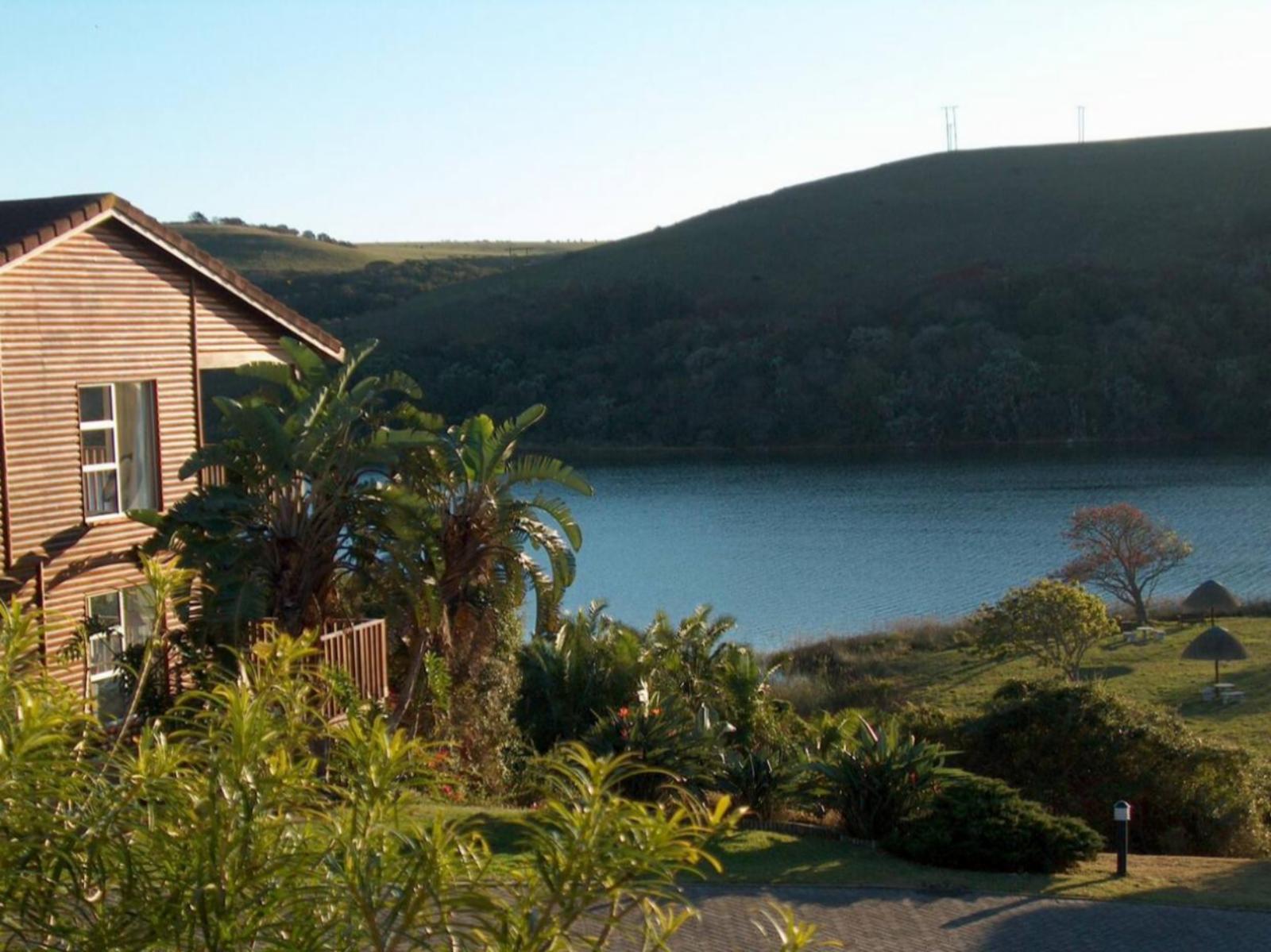
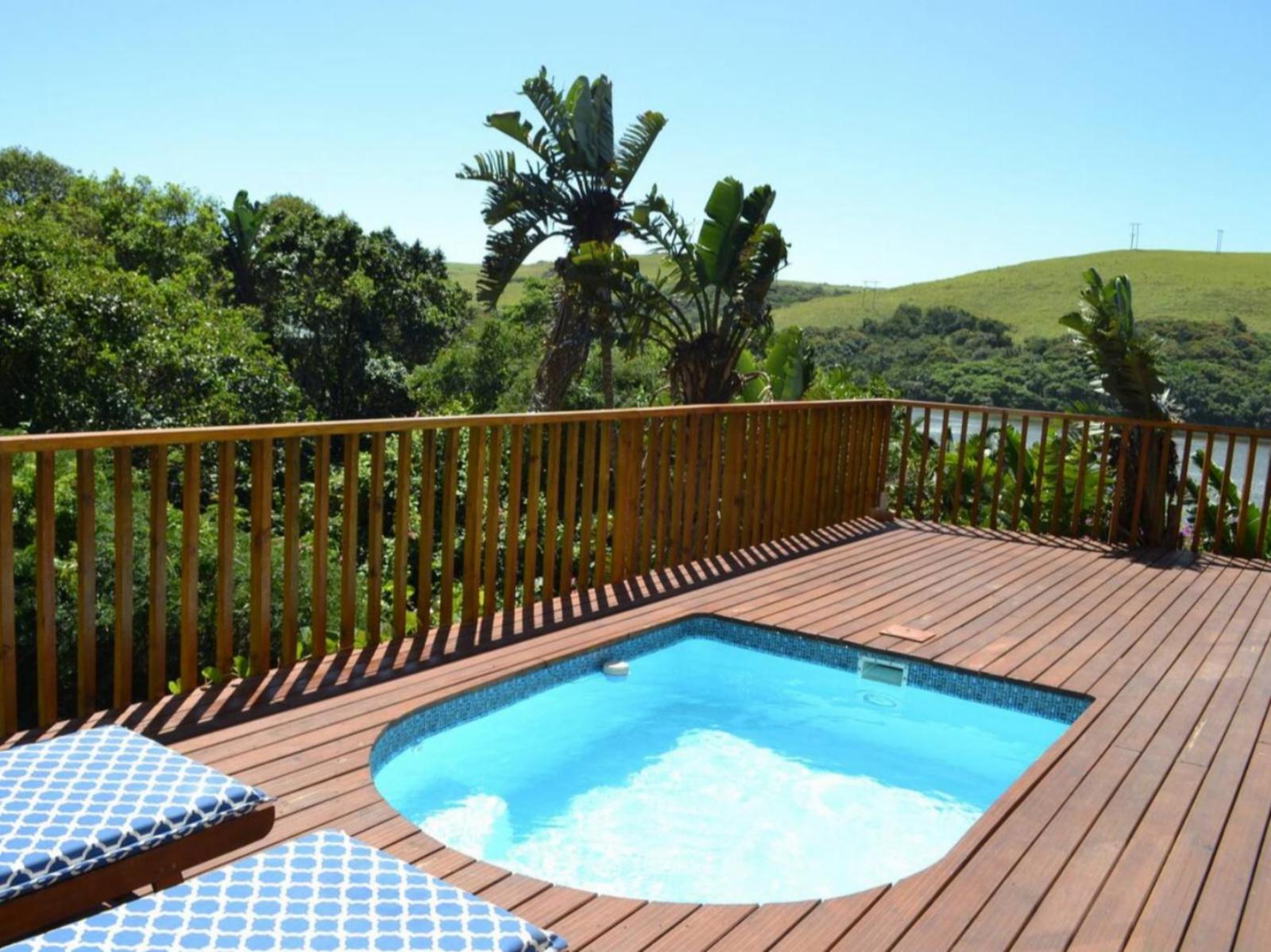
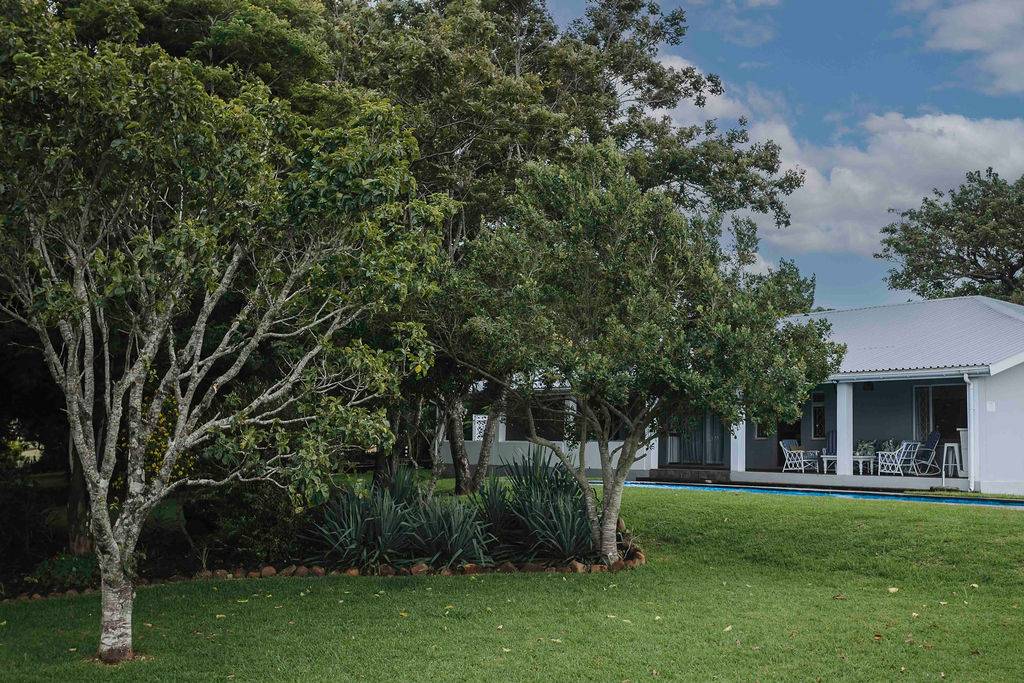
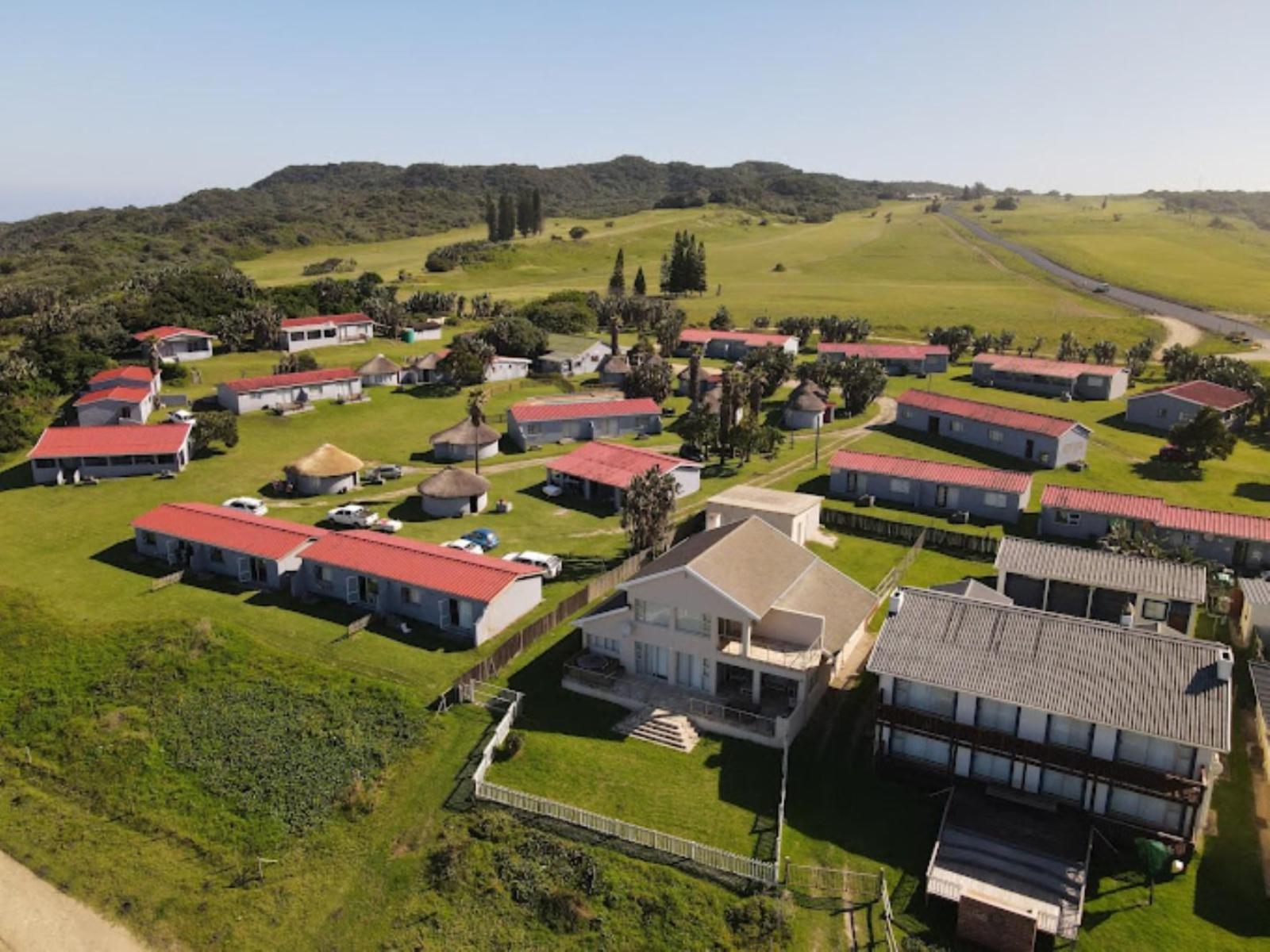
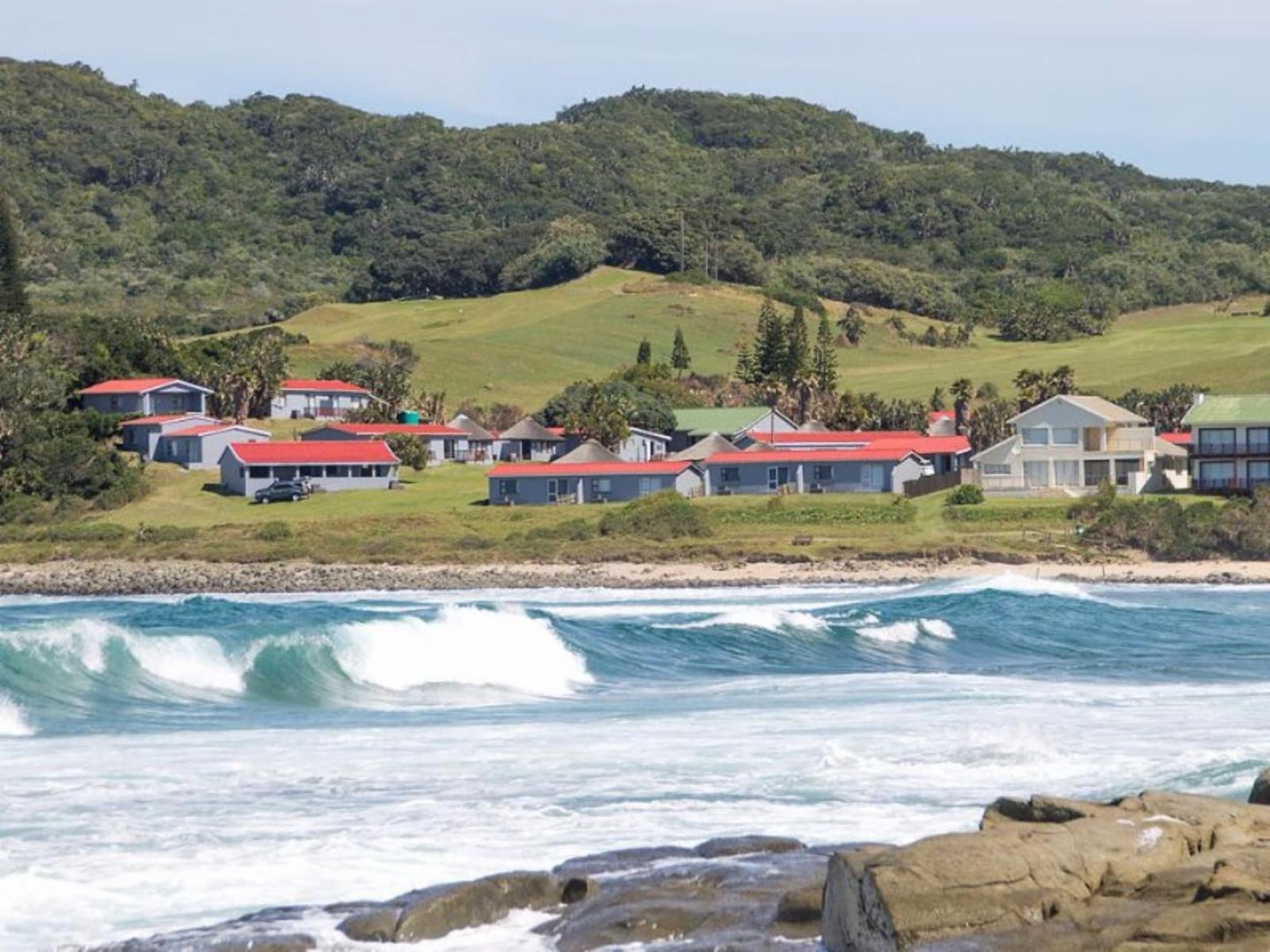
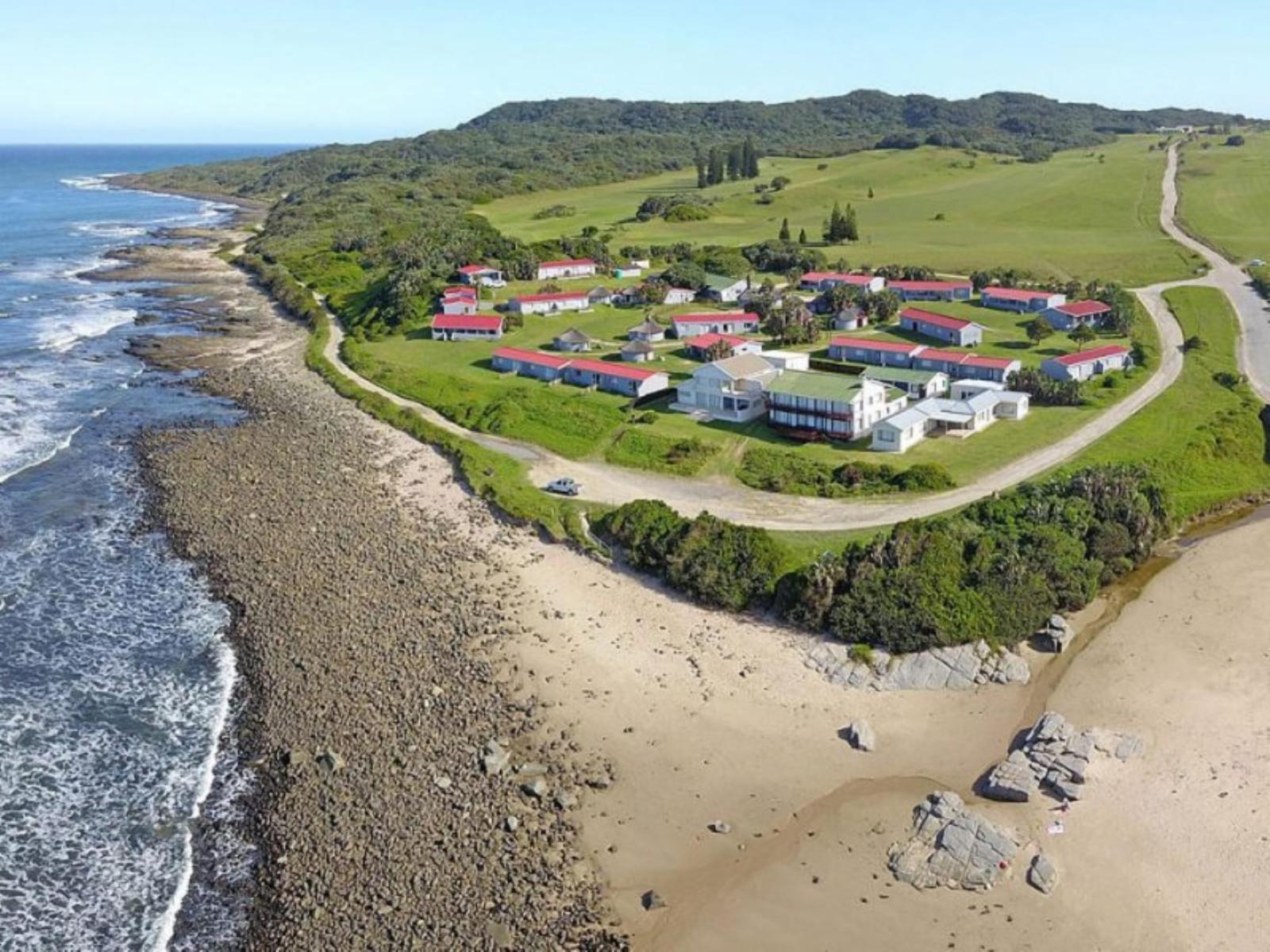
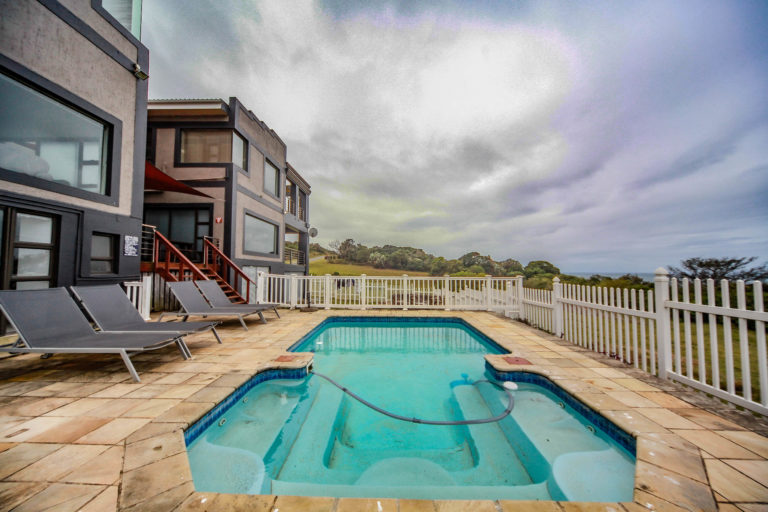
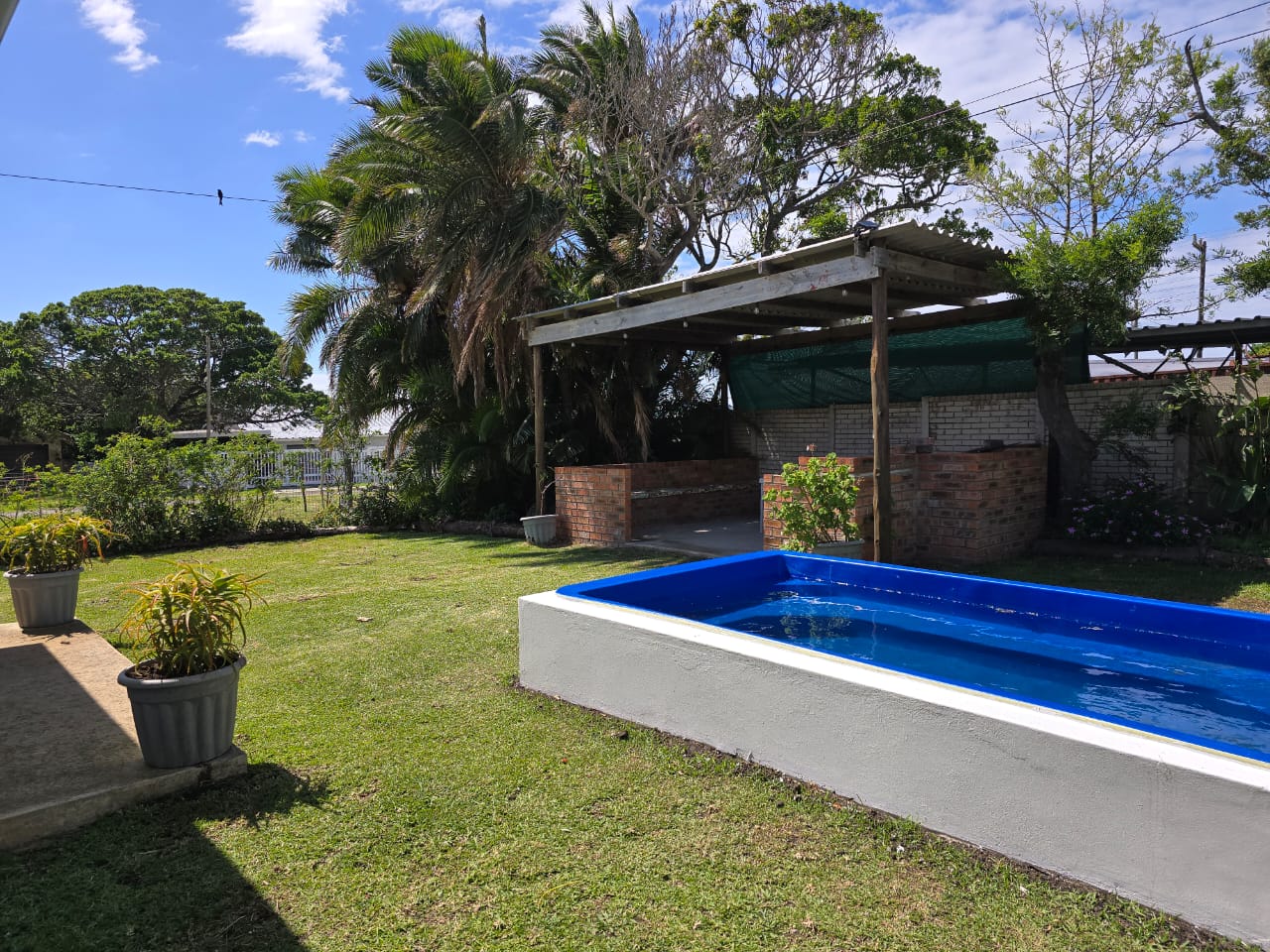
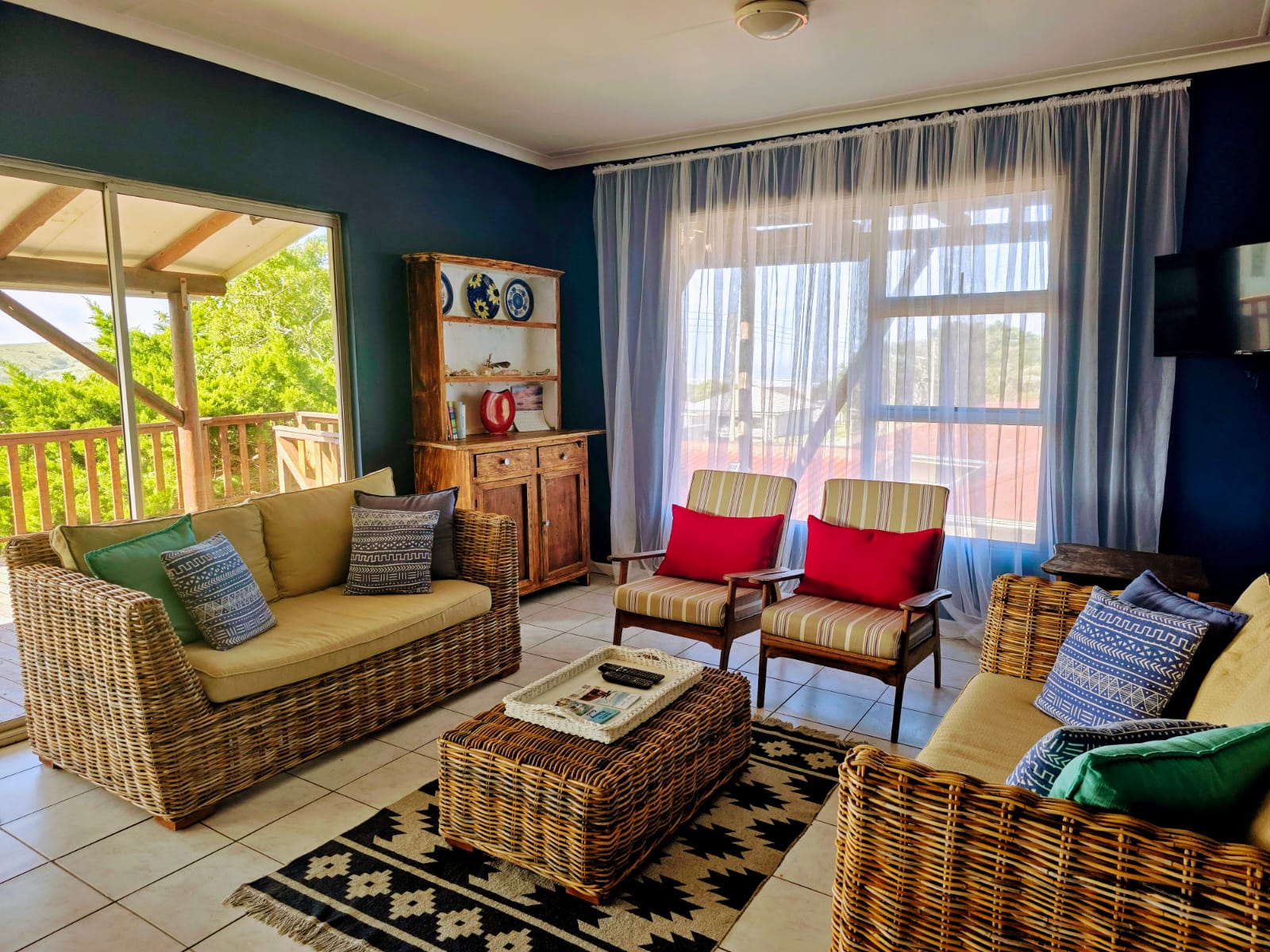
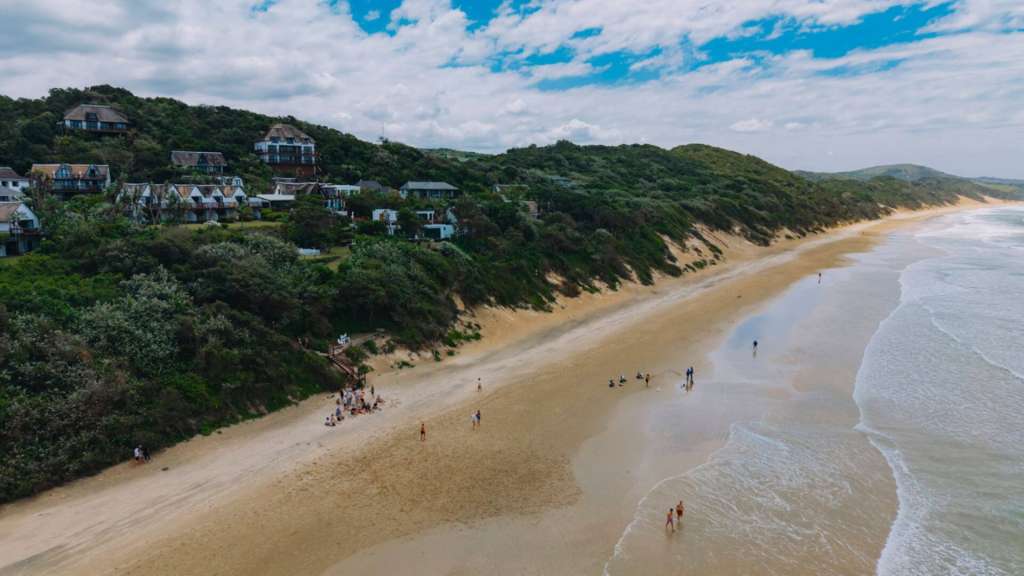
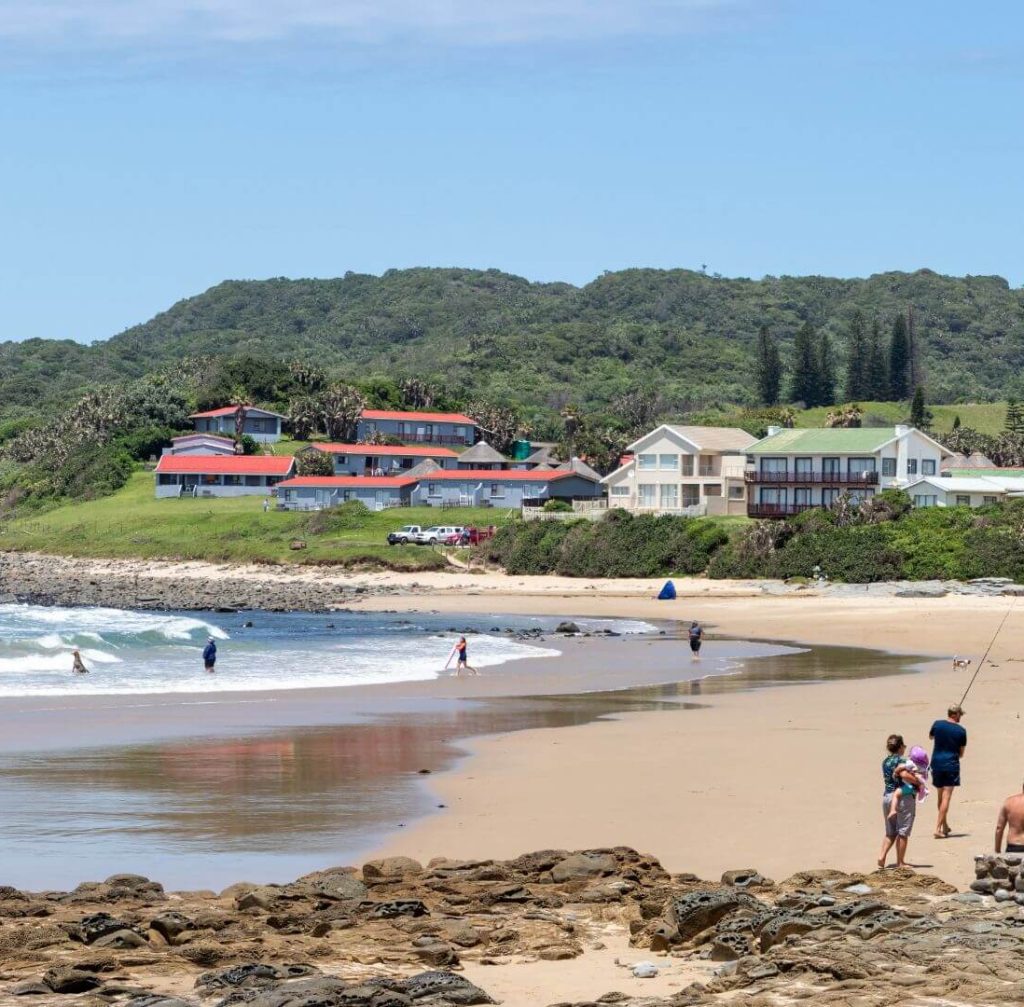
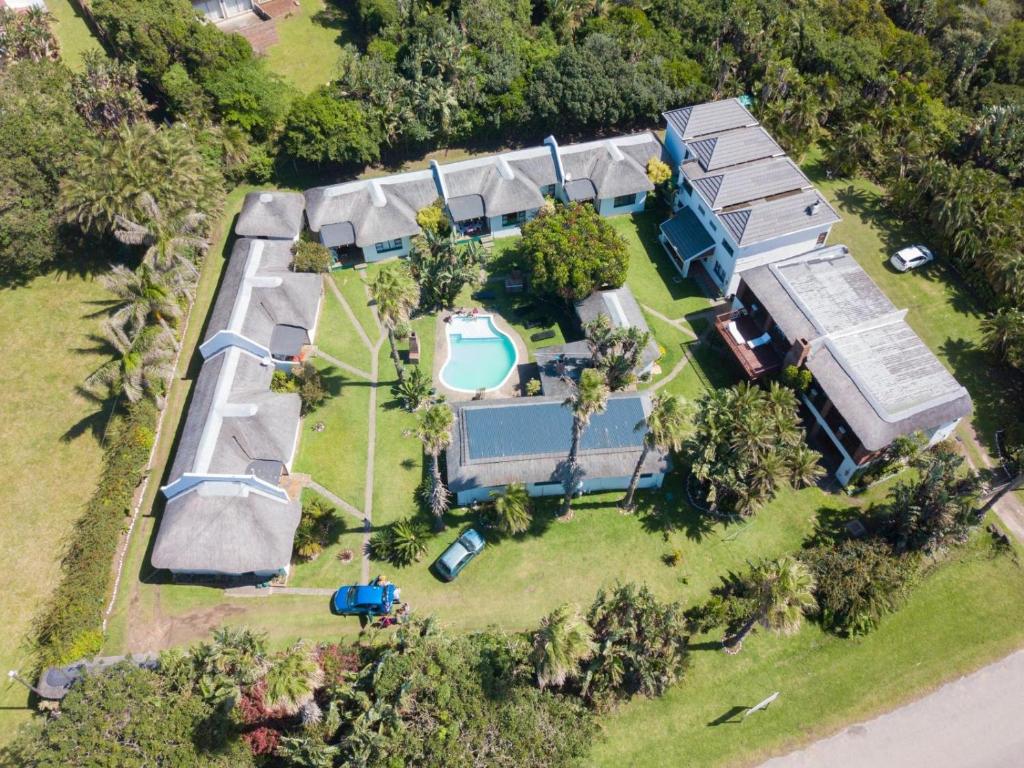
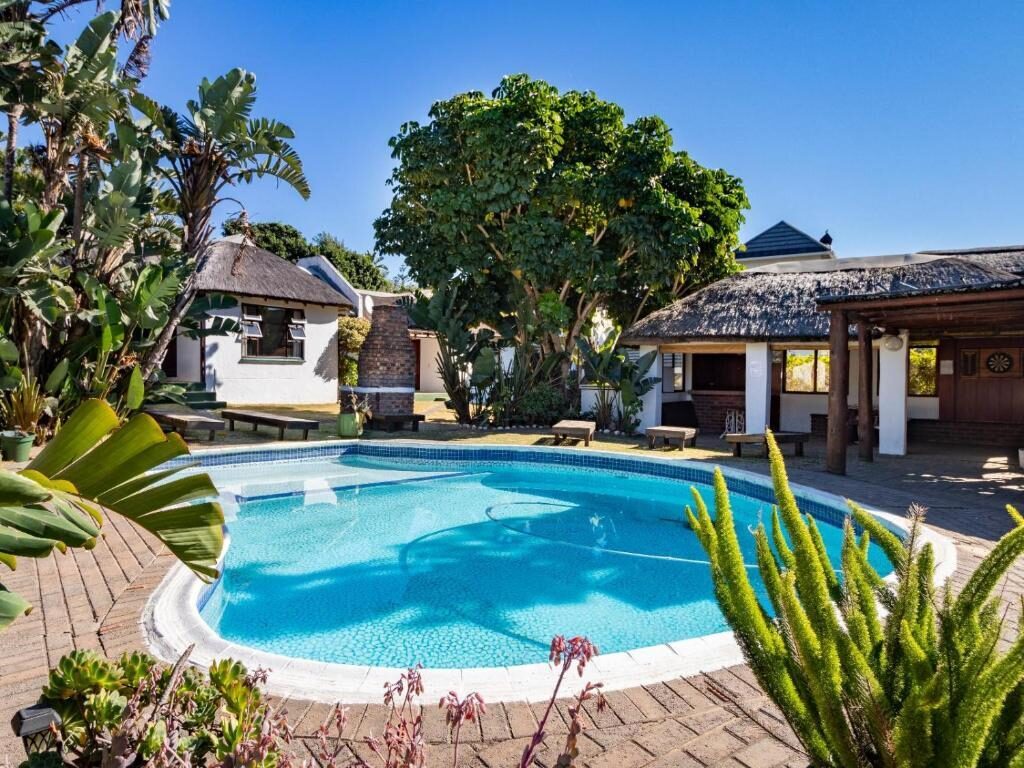
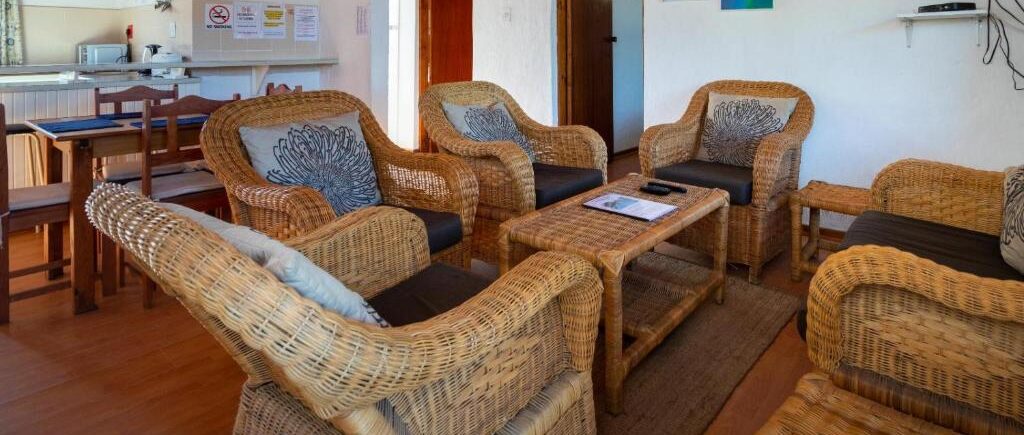
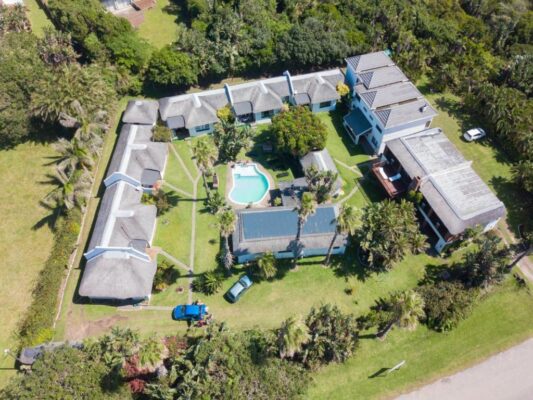
The lodge sits at a slightly higher average and offers a more immersive experience in the landscape. Lodges in coastal Eastern Cape settings typically feature a few self-contained units arranged around a common area, with access to garden space and often a view toward the sea or surrounding grasslands. They work particularly well for small groups or couples who want more privacy than a hotel corridor allows, along with the flexibility of preparing some meals independently.
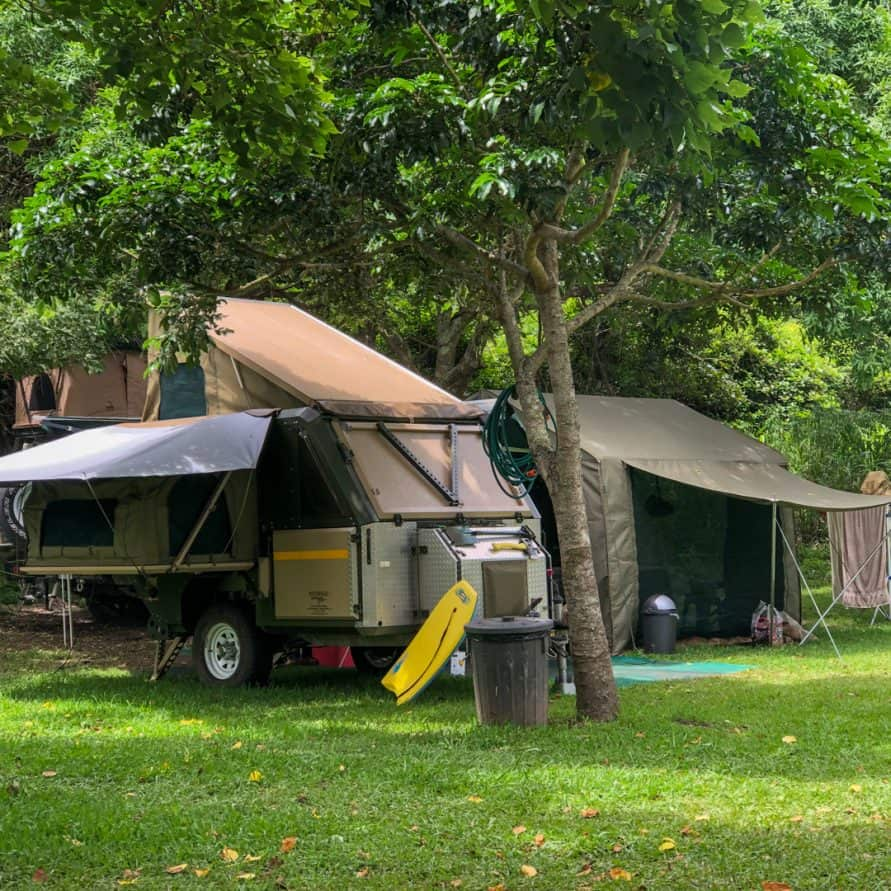
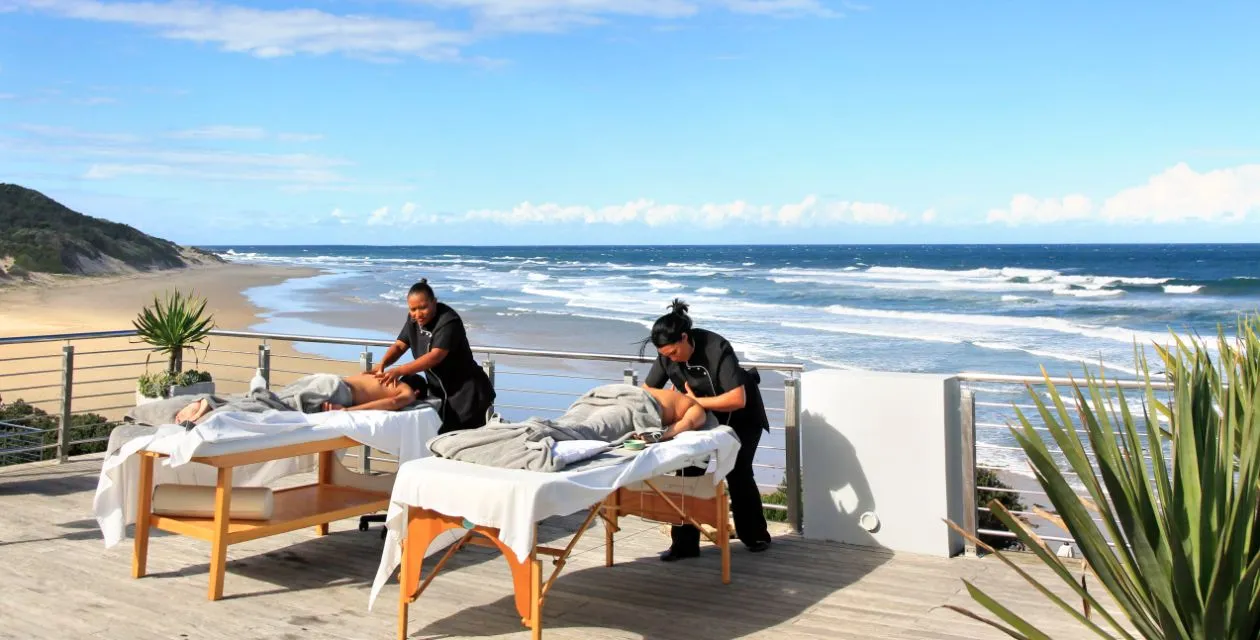
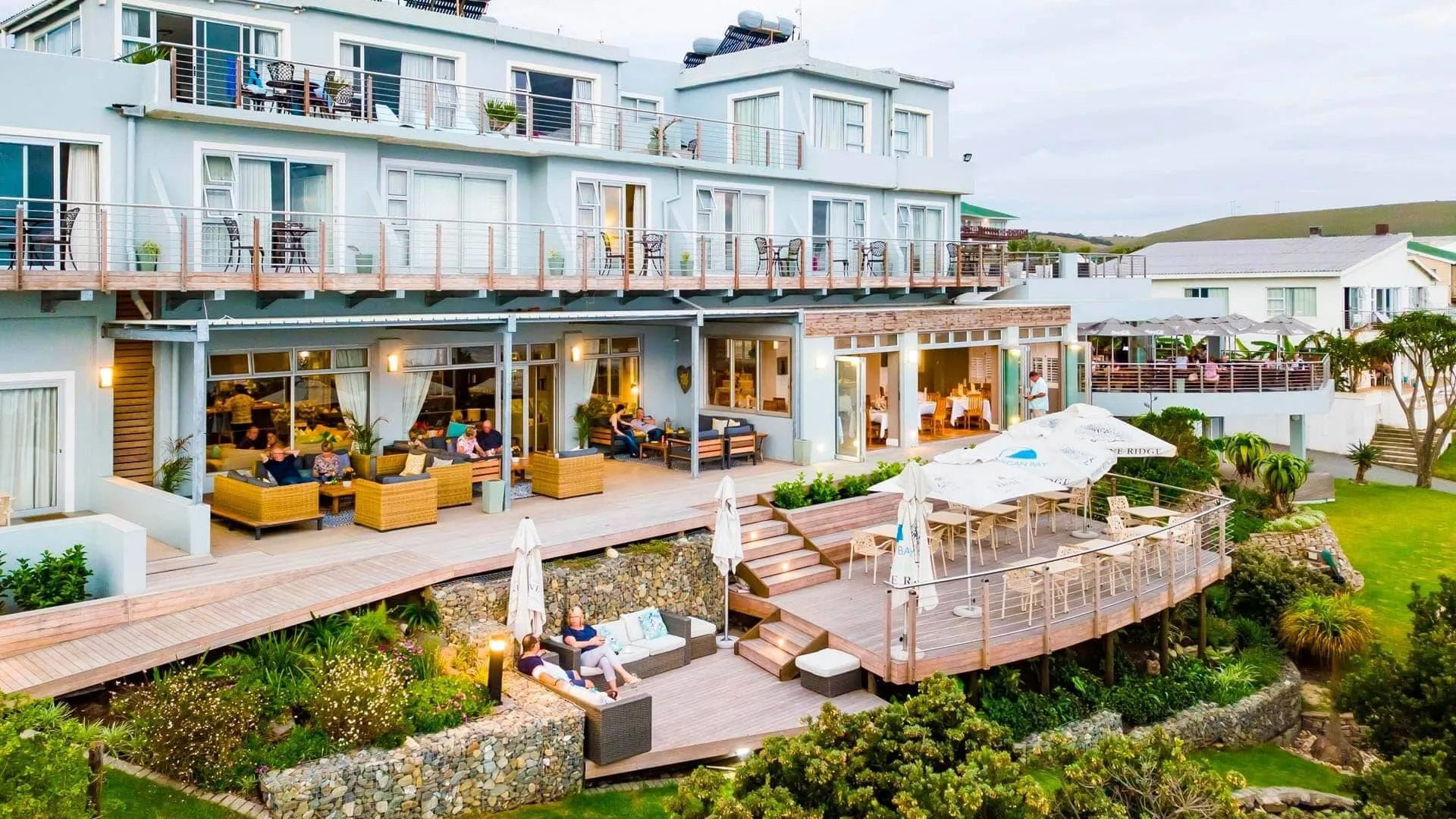
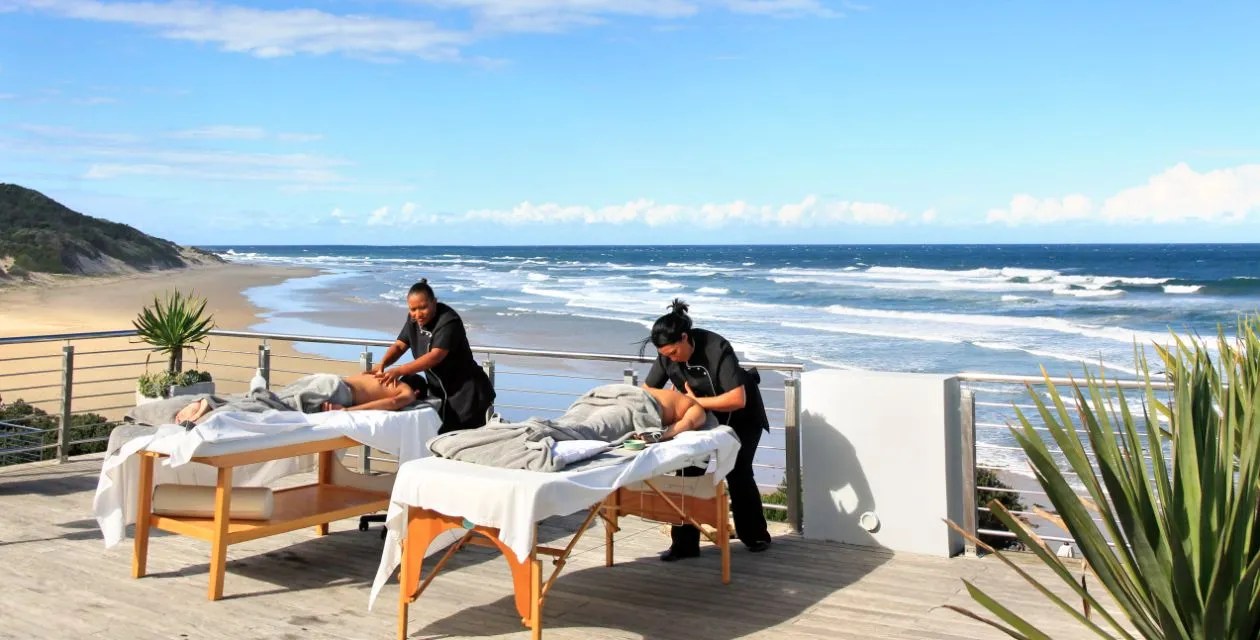
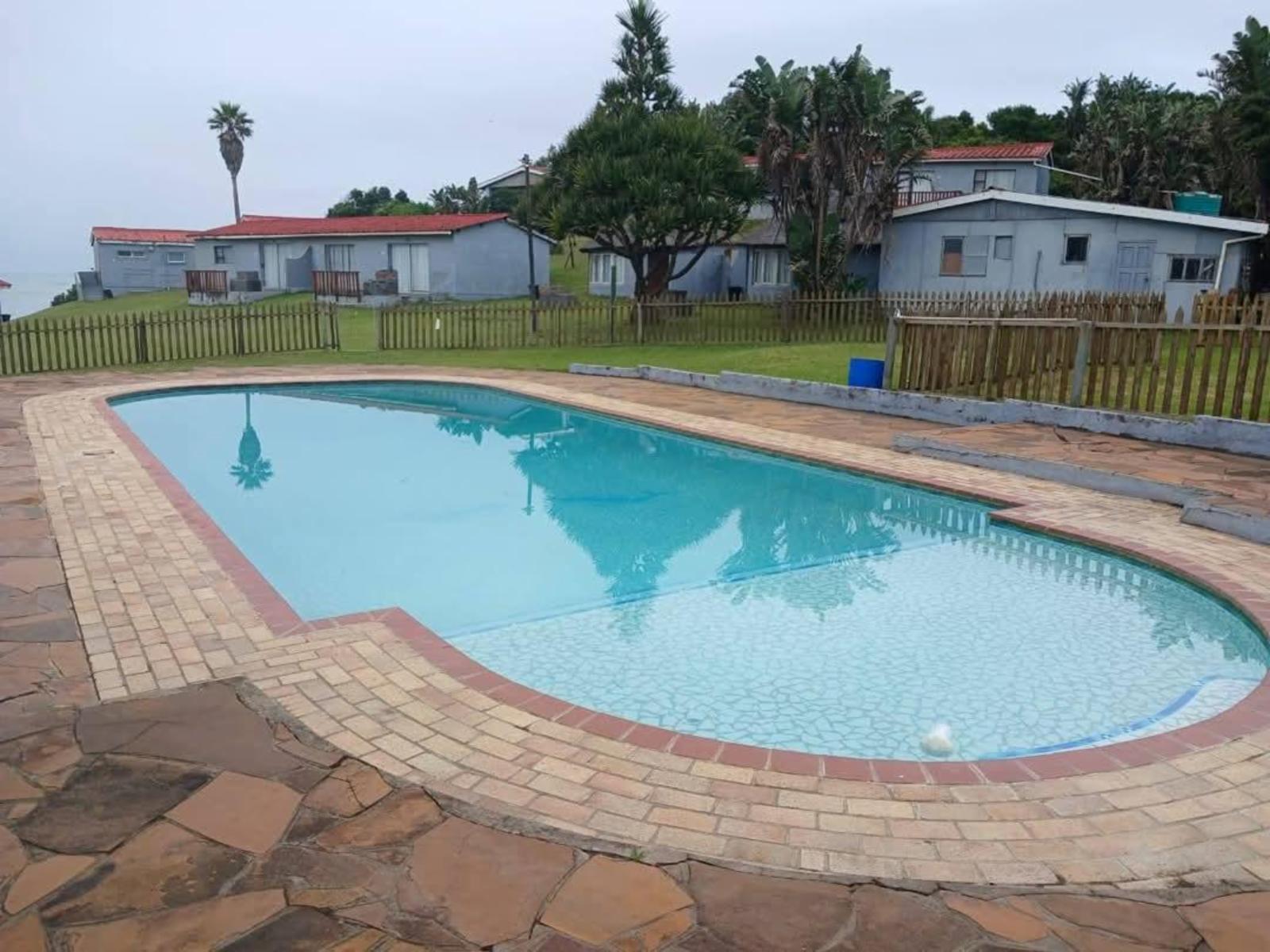
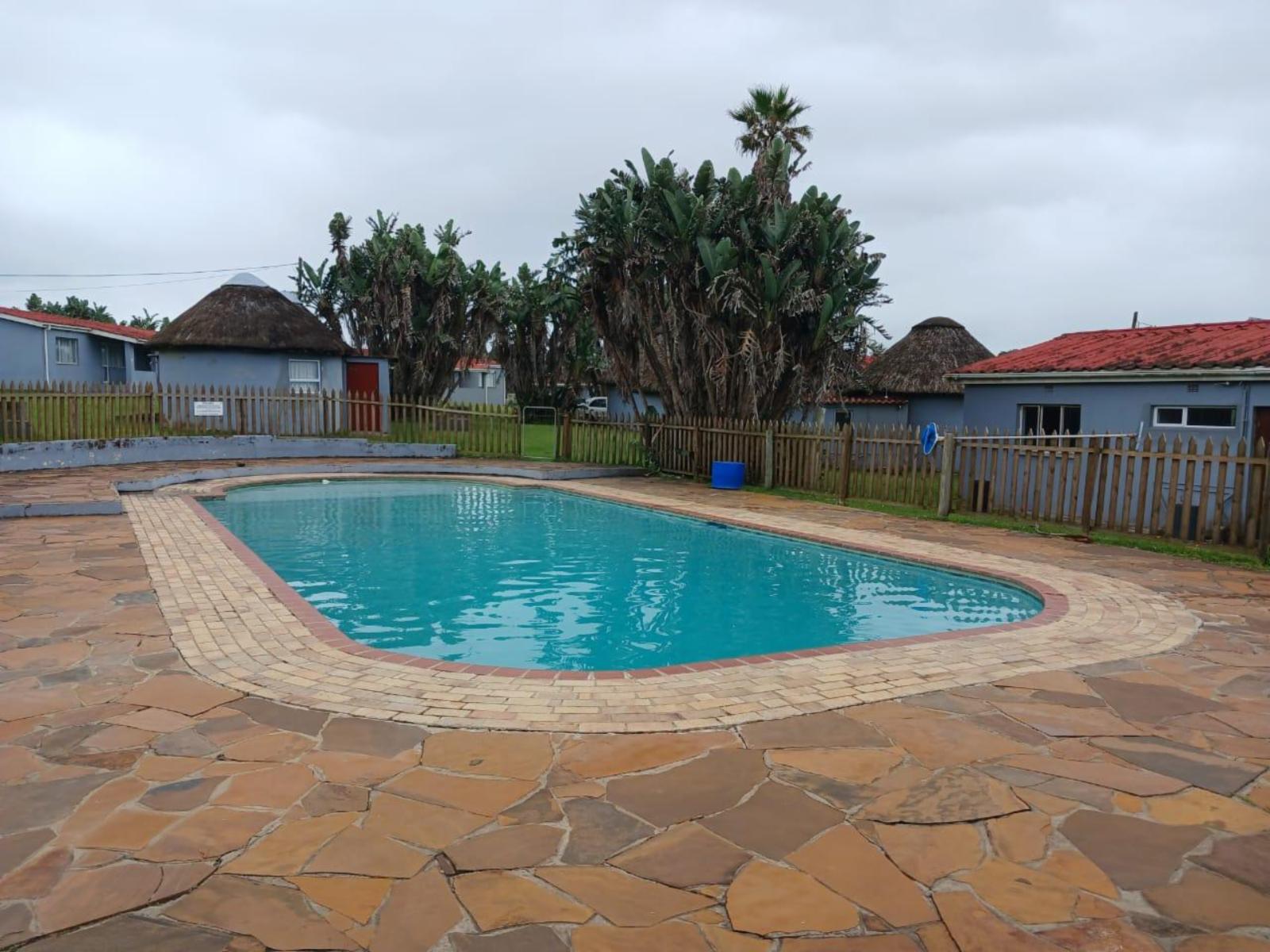
The resort rounds out the options with the broadest set of facilities, typically including communal areas, outdoor spaces, and possibly catering or breakfast service. For families with children or groups that want activities on-site, the resort format removes the need to organise everything externally.
Across all three types, Haga Haga's accommodation leans toward self-sufficiency. Guests are generally expected to bring supplies from East London or stock up in the village itself, since dining options are limited. Booking directly with properties is common, and many accommodate extended stays that allow visitors to settle into the slower pace the village is known for.
Best Time to Visit Haga Haga
The Eastern Cape coast has a mild climate throughout the year, which makes Haga Haga a reasonable destination in any season. Summer, from November through February, brings the warmest temperatures and the most activity on the beach. Afternoon thunderstorms are common during this period but typically short-lived. This is peak season along the Wild Coast, so expect more visitors and potentially less availability at smaller properties.
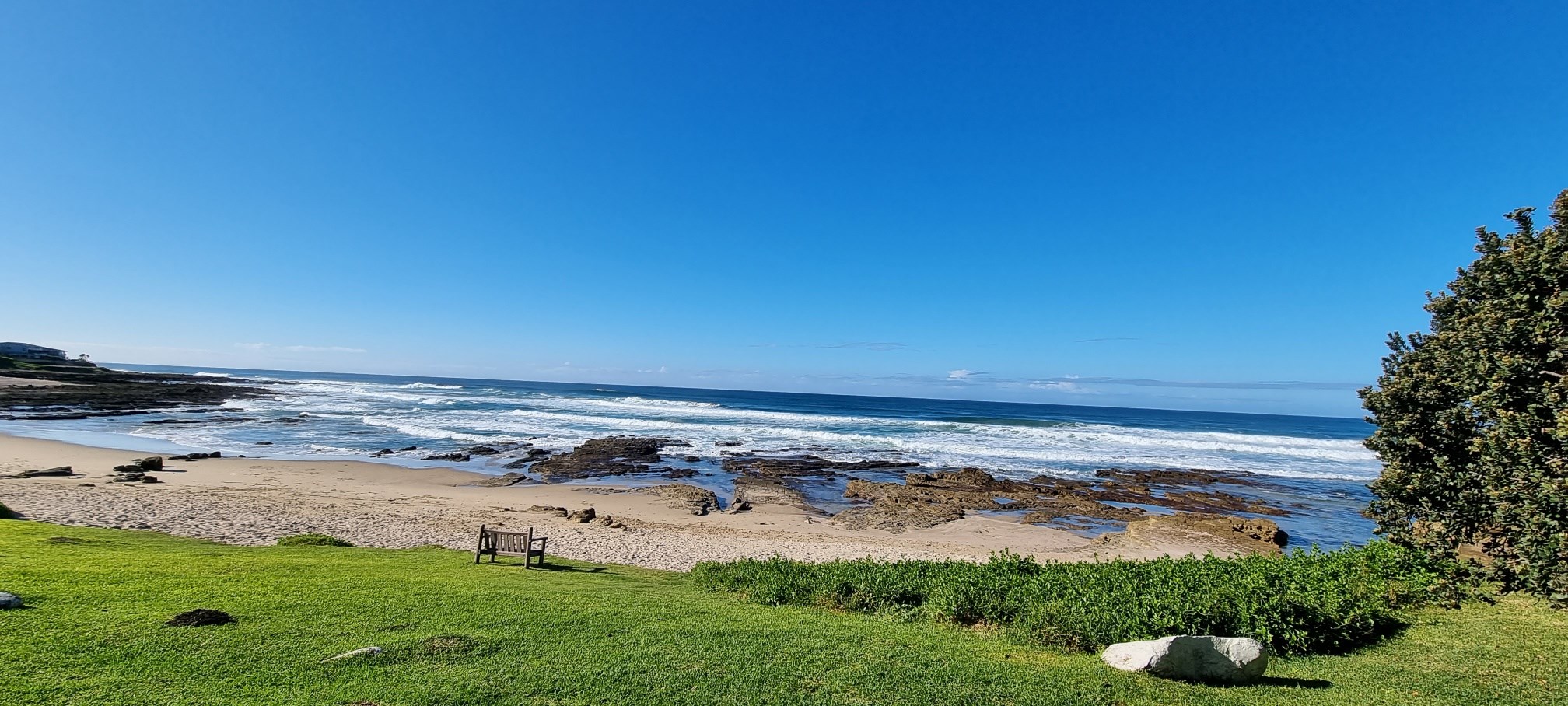
Autumn and spring, from March to May and September to October respectively, offer settled weather with fewer crowds. Sea temperatures remain warm enough for swimming into autumn, and the surrounding grasslands are at their greenest in the months following the summer rains.
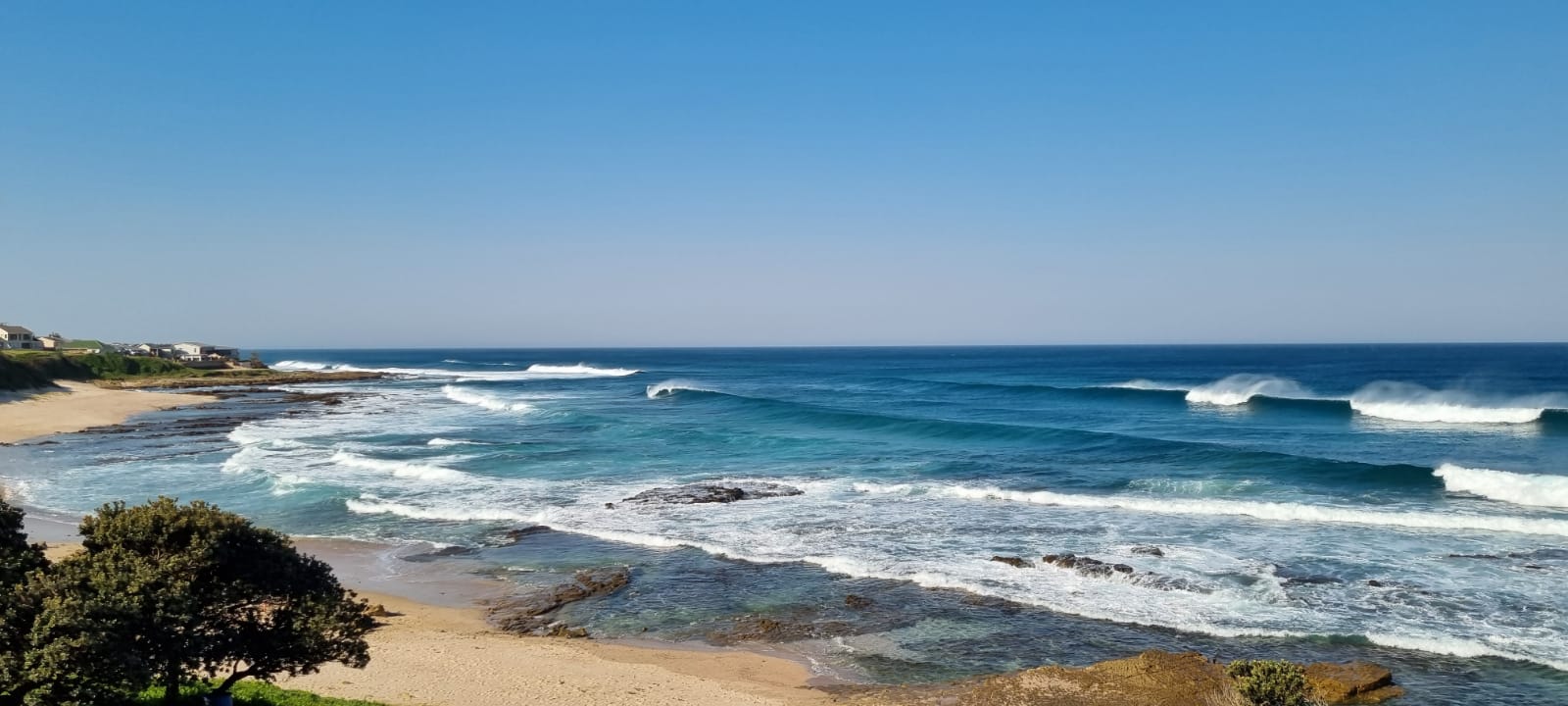
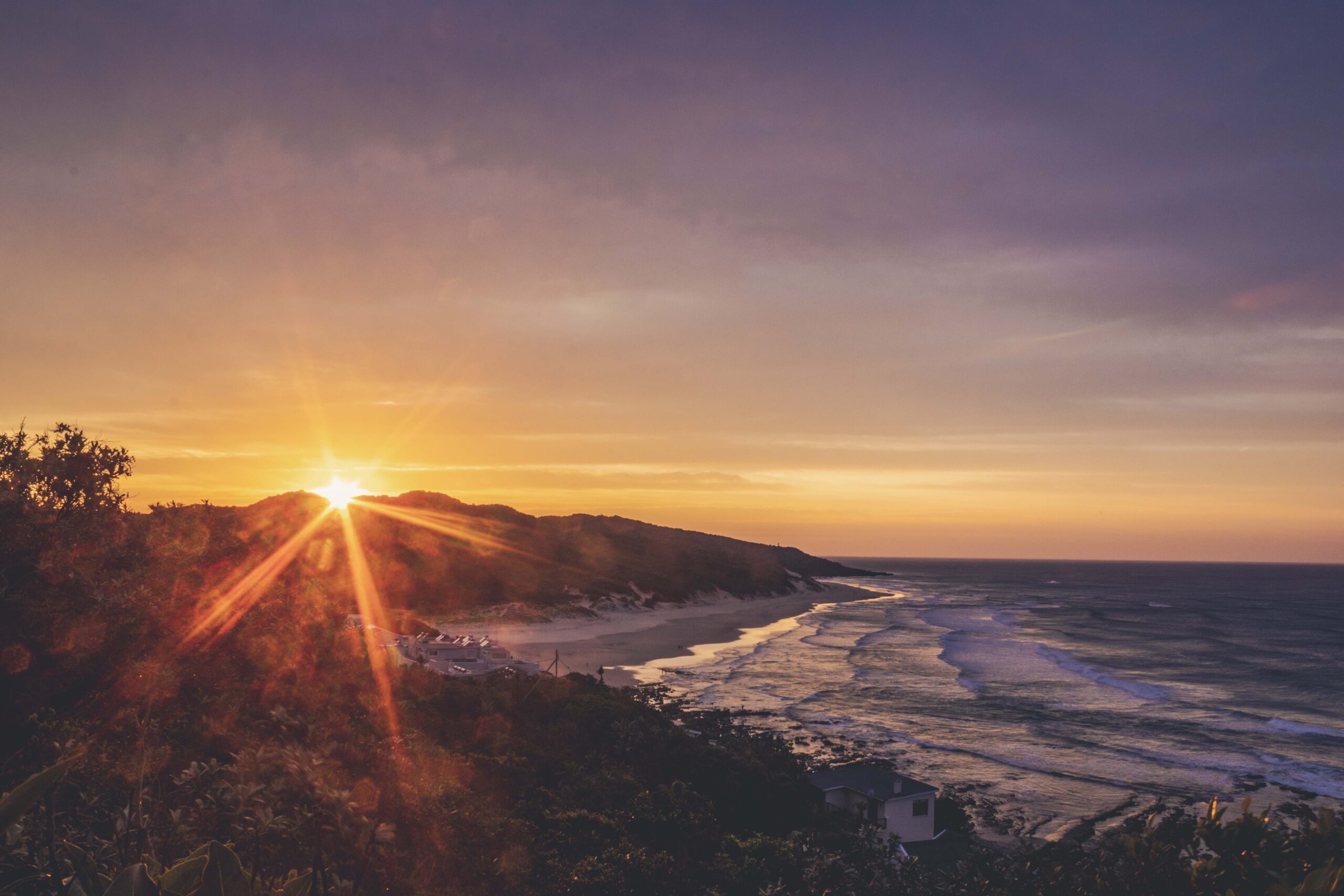
Winter, from June to August, is the best time to spot southern right whales along this stretch of coastline. The water is cooler, but days are often clear and the offshore views are particularly good. Rock fishing is productive year-round, though winter swells can restrict access to certain spots. Birding in the estuary and adjacent wetlands peaks in summer when migratory species are present, making that season more rewarding for those specifically interested in wildlife observation.
Off-peak visits in winter offer quieter beaches and a more local atmosphere, though some smaller businesses may keep reduced hours.
Getting to Haga Haga
The closest major city is East London, approximately 42 kilometres to the southwest. The drive takes around 45 minutes to an hour depending on road conditions, and the route passes through rural Eastern Cape countryside before reaching the coast. East London Airport operates regular flights from Johannesburg and Cape Town, making it the practical arrival point for visitors coming from elsewhere in South Africa.
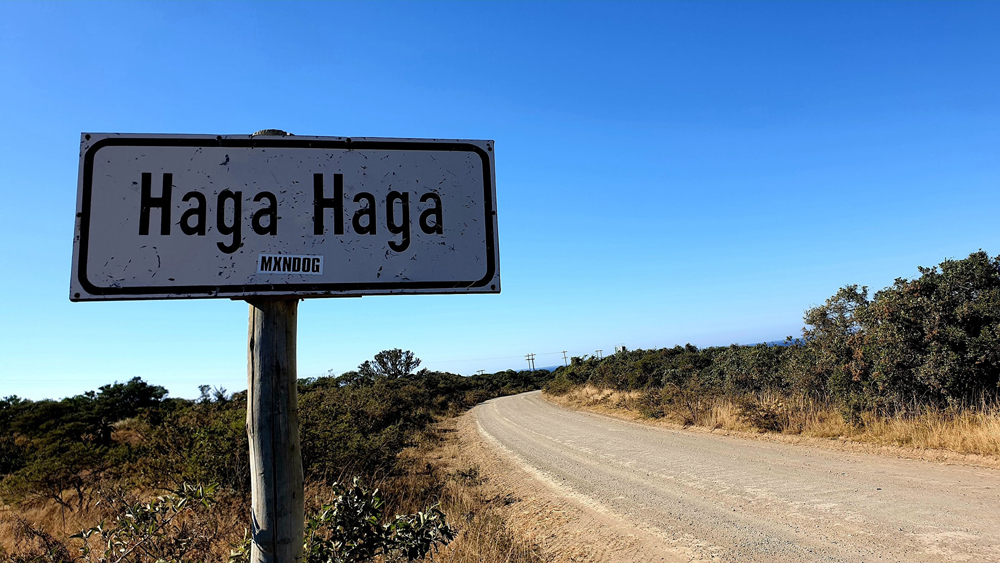
From East London, the road to Haga Haga follows the N2 east before turning off onto regional roads toward the coast. The final stretch involves gravel roads that are generally passable in a standard vehicle, though a car with decent ground clearance is useful in wet conditions. A 4x4 is not required under normal circumstances but is an advantage if you plan to explore more remote sections of the Wild Coast.
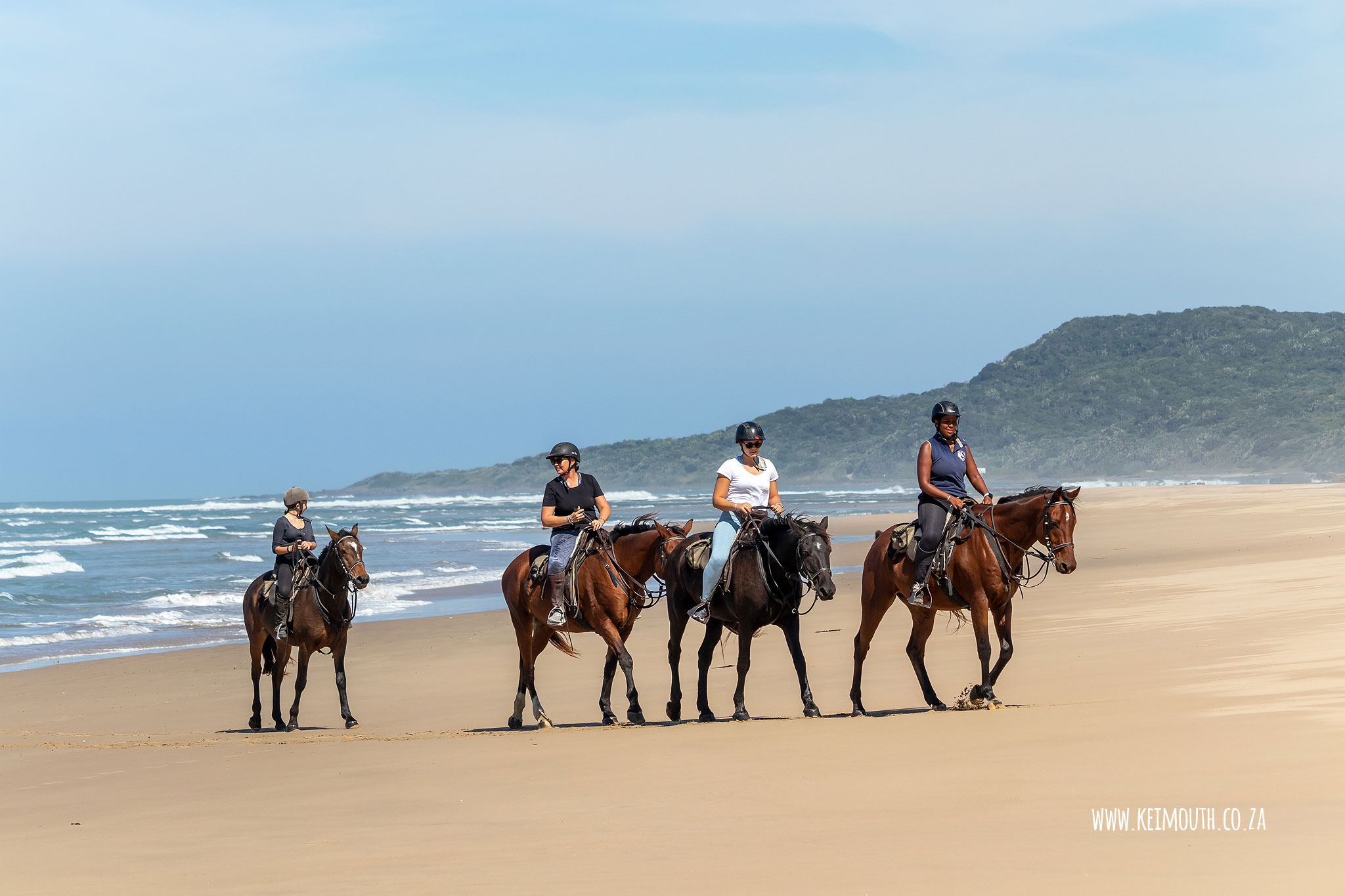
Public transport to Haga Haga is limited. Minibus taxis operate between East London and nearby towns, but services to the village itself are infrequent and not well-suited to travellers with luggage or gear. Most visitors arrive by private car, which also gives flexibility for day trips along the coast.
Petrol is available in East London and in some of the larger towns before you reach Haga Haga, so it is worth filling up before leaving the city. Mobile coverage can be patchy in the village itself depending on your network provider.
Haga Haga and Surrounding Areas
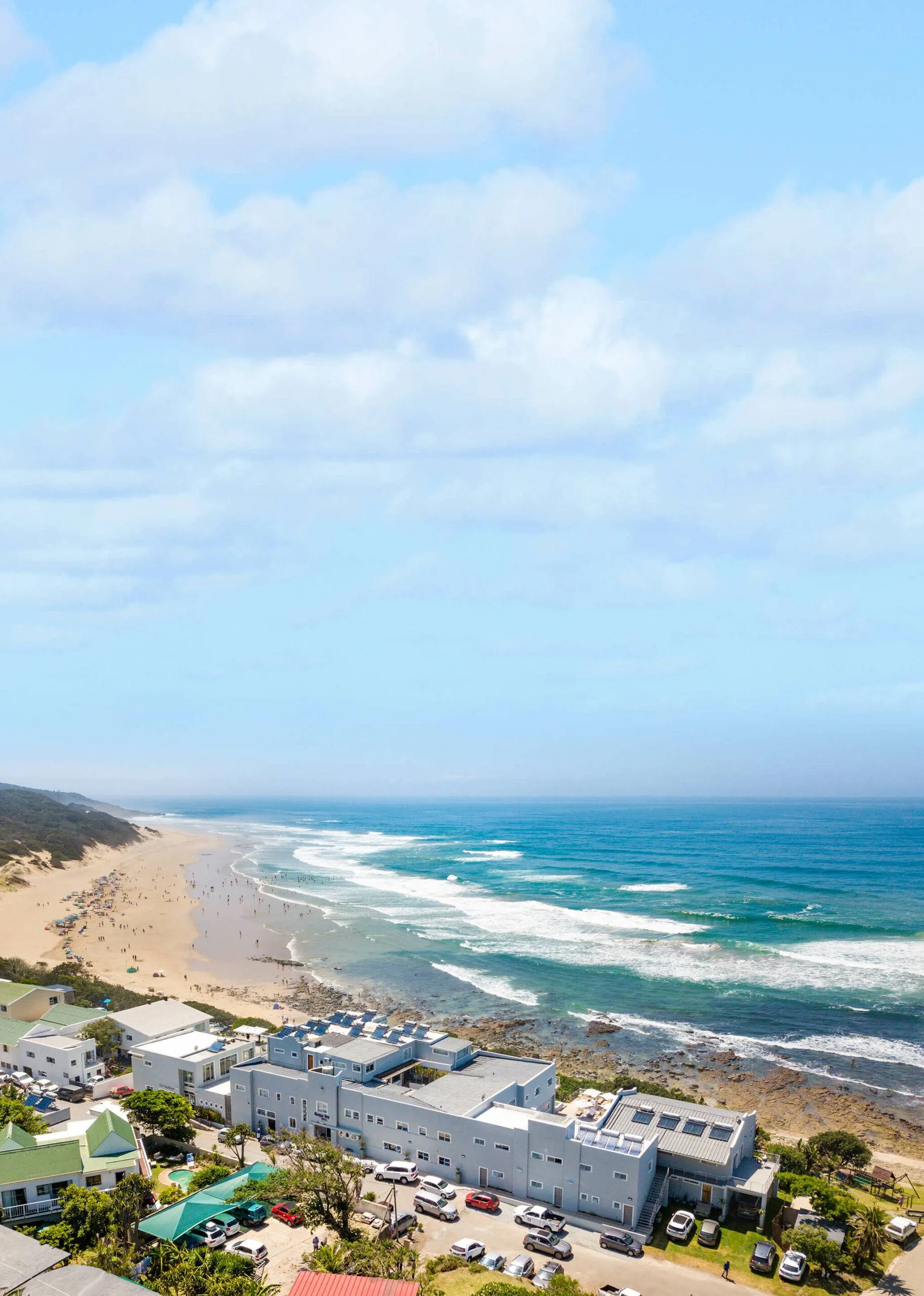
Haga Haga sits within a cluster of coastal destinations that each offer something distinct, making it a practical base for wider exploration.
Amatola Coastal is immediately adjacent, effectively sharing the same stretch of shoreline. It extends the coastal territory accessible on foot and is relevant primarily as a geographical reference rather than a separate destination with its own infrastructure.
Gxarha, roughly 10 kilometres away, is a small estuary village with a character similar to Haga Haga but even quieter. The mouth of the Gxarha River is known for fishing and for the associated local history, including the 1856 Xhosa cattle-killing movement, which is tied to this part of the coast. It is worth a half-day visit for context on the region's deeper past.
Morgans Bay is also around 10 kilometres distant and has a small resort community around its lagoon and beach. The lagoon is calmer than the open sea and suitable for kayaking and swimming. It sees slightly more visitor traffic than Haga Haga and has a handful of additional dining options.
Cambridge, 42 kilometres away, is an East London suburb rather than a separate town. As part of the greater East London area, it provides access to supermarkets, hardware stores, and larger retail options useful for stocking up before a stay.
East London, the same distance, is the region's main commercial and logistical hub. It has a hospital, shopping centres, the airport, and a well-established beachfront. Visitors to Haga Haga typically make at least one trip to East London for supplies.
Maxambeni, 48 kilometres away, is a rural community in the Transkei region that gives a sense of the inland Eastern Cape landscape, distinct from the coastal strip.
Planning Your Stay
Booking ahead is advisable during the December and January school holiday period, when coastal Eastern Cape properties fill quickly. For visits outside peak summer, a week or two in advance is usually sufficient given the small number of properties available.
When comparing options, pay attention to what is included. Some coastal properties in this region operate on a self-catering basis, meaning you will need to bring food and supplies from East London or purchase what is available locally in Haga Haga. Others may offer breakfast or evening meals, which reduces the planning burden considerably.
Before confirming, check road access conditions if you are visiting in winter or after heavy rain, as unpaved roads to the coast can become difficult. Also verify whether the property has reliable power, since load-shedding remains a factor throughout South Africa, and some smaller properties rely on generators or solar backup that may not support all appliances.
If you plan to fish, check whether the property has secure storage for equipment and whether local fishing permits are required for the species you intend to target. Coastal fishing regulations in South Africa are specific about bag limits and protected species, so reviewing the current rules before arrival is sensible. Local guides for hiking or coastal walks can often be arranged through your accommodation, which is worth asking about when you book.