Accommodation in Johannesburg
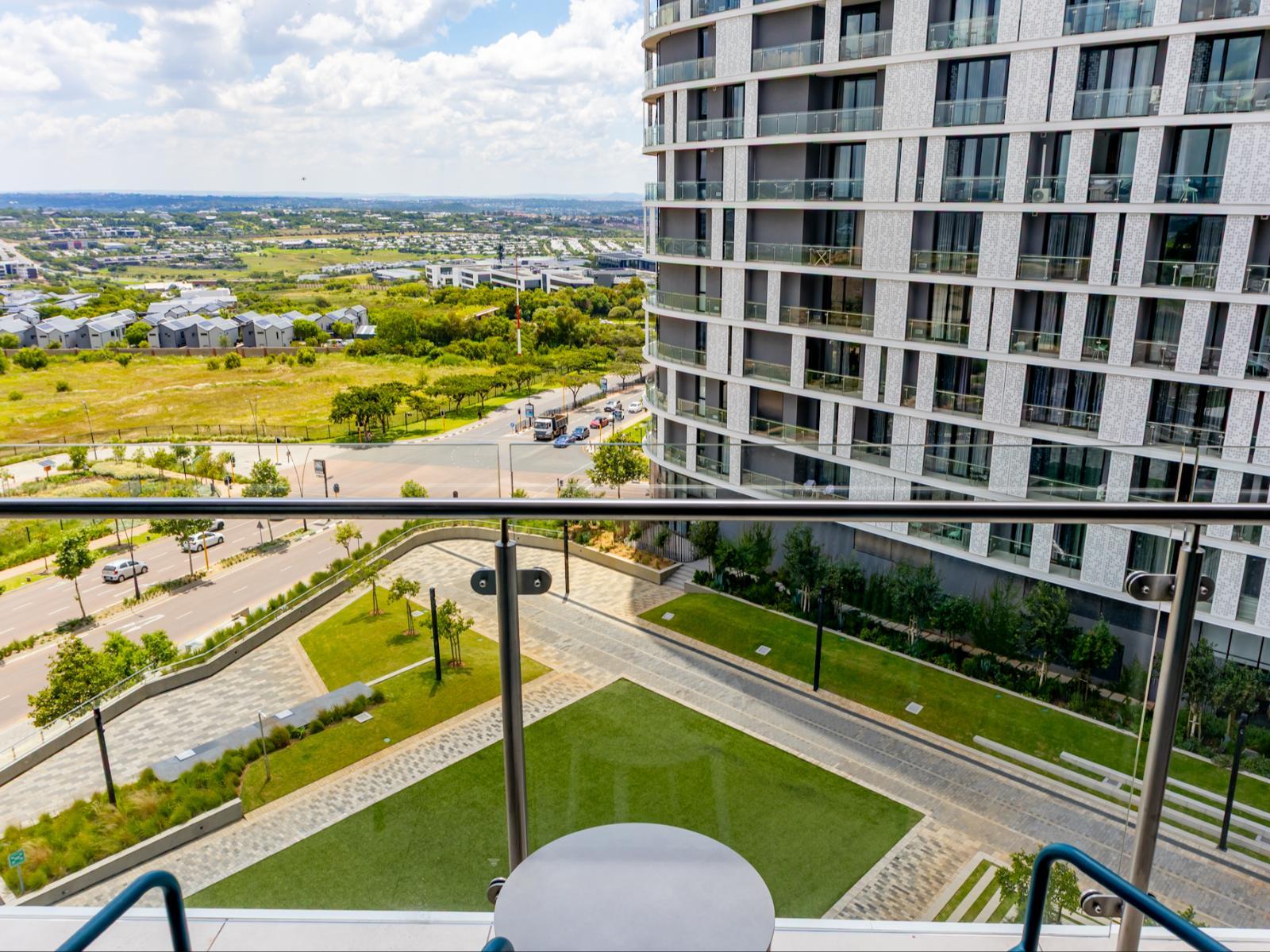
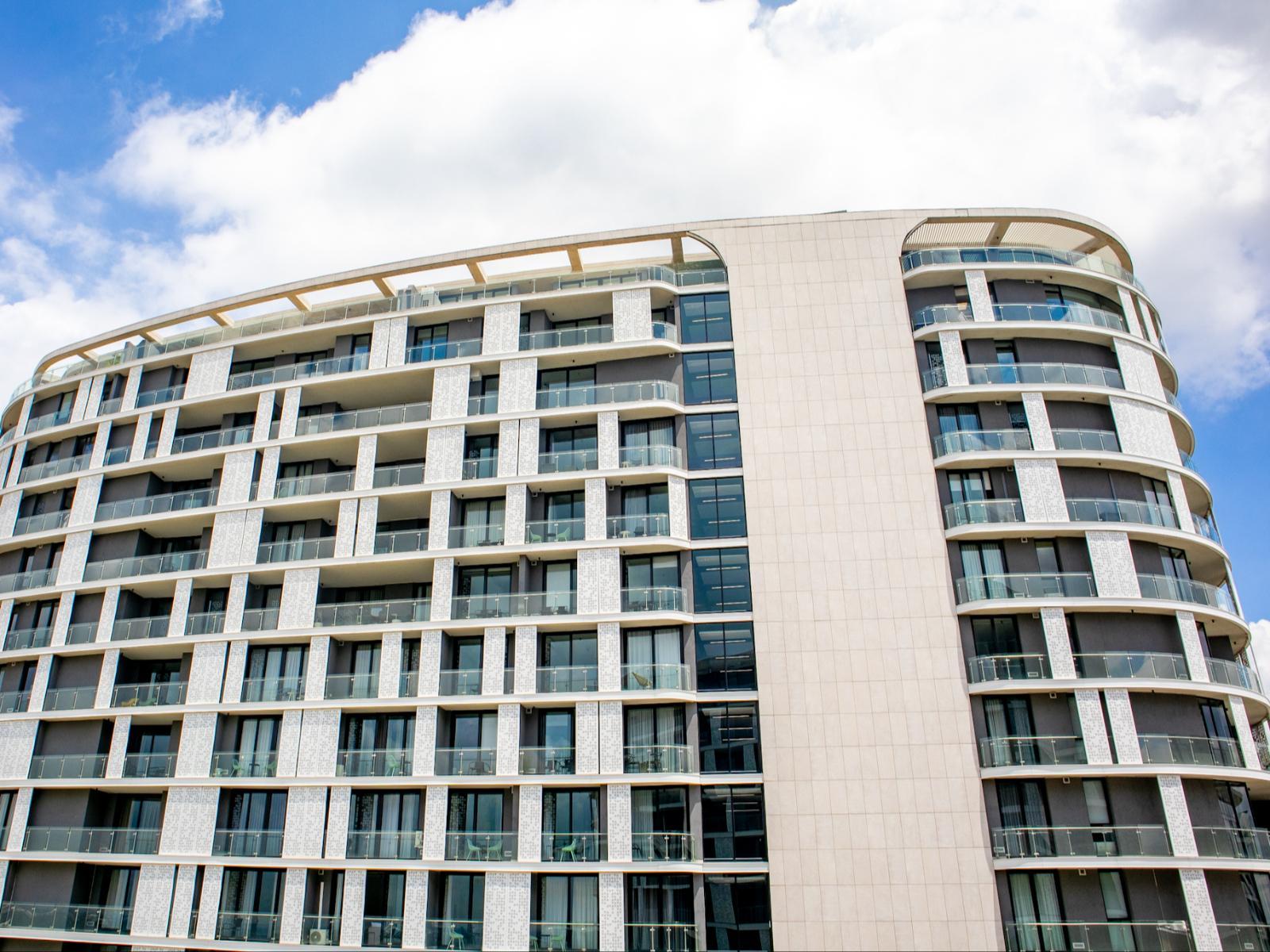
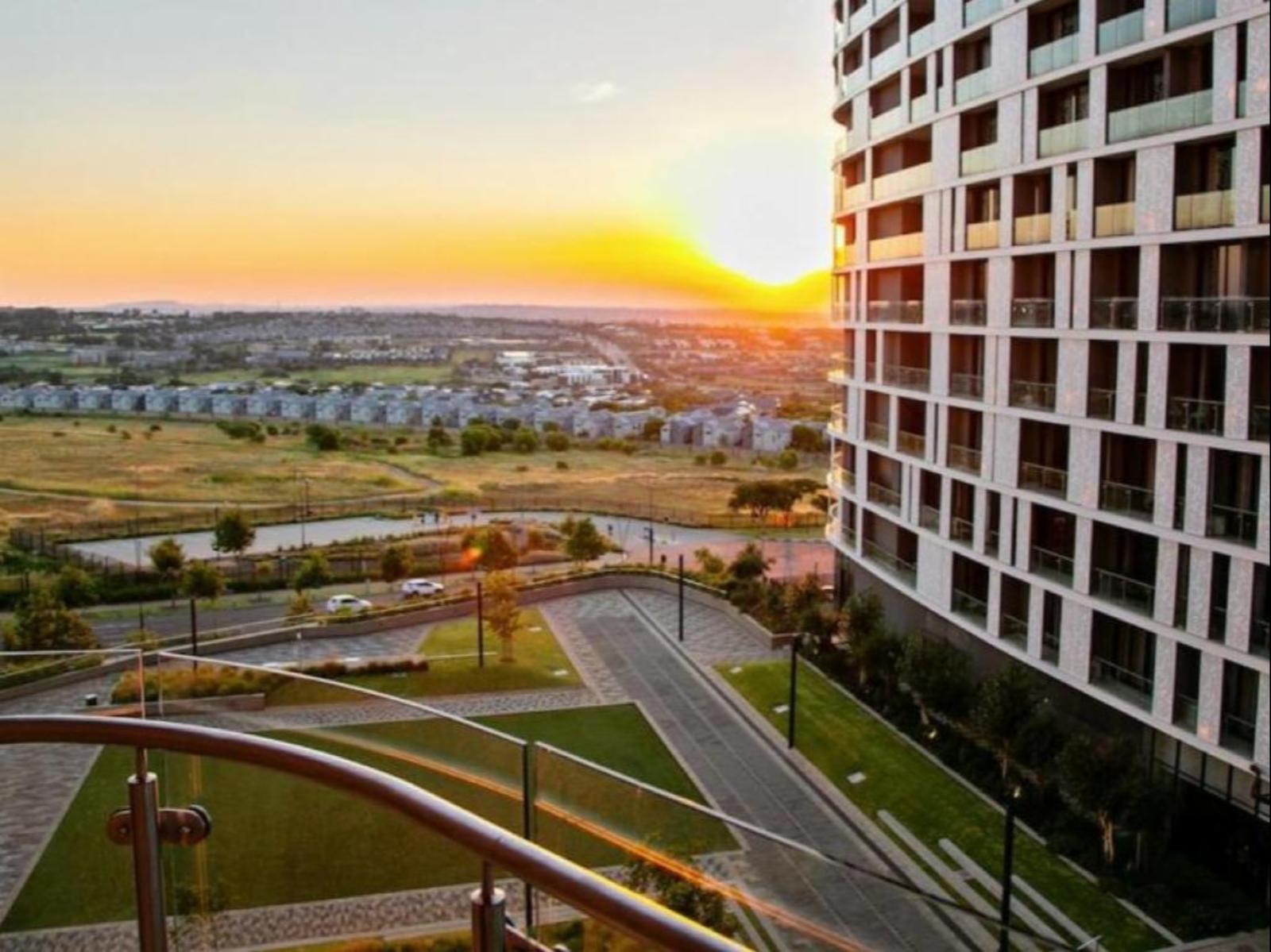
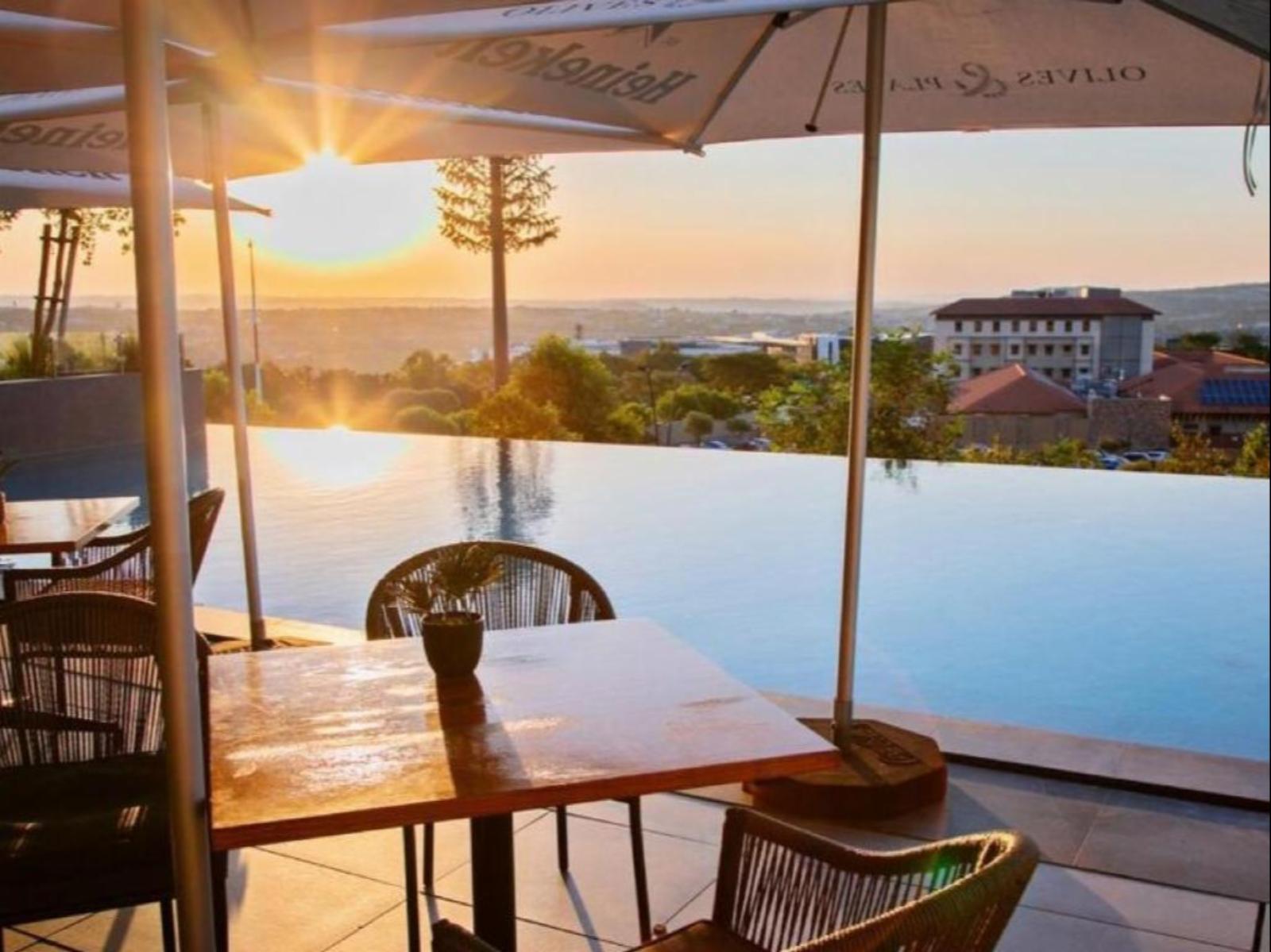
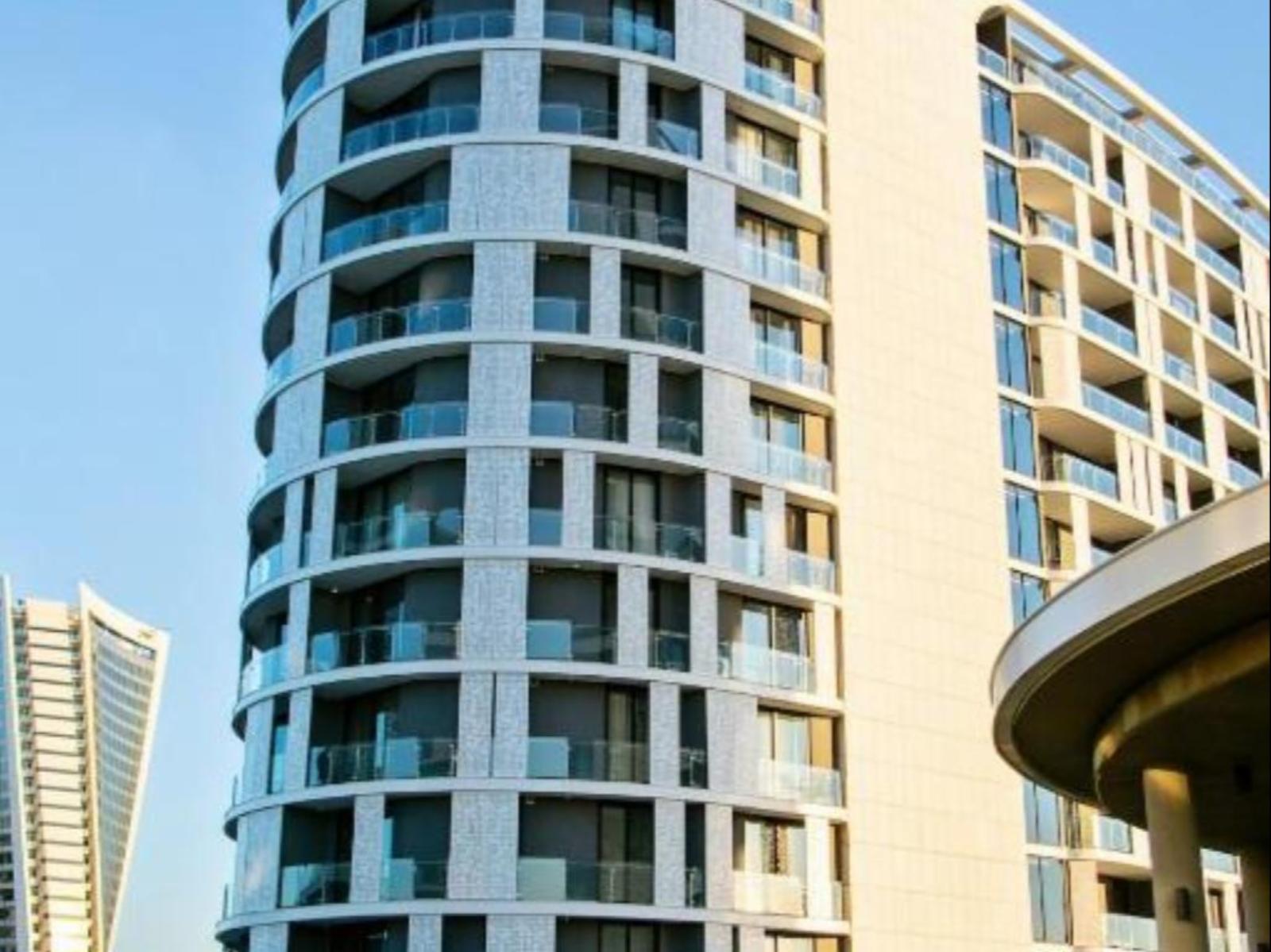
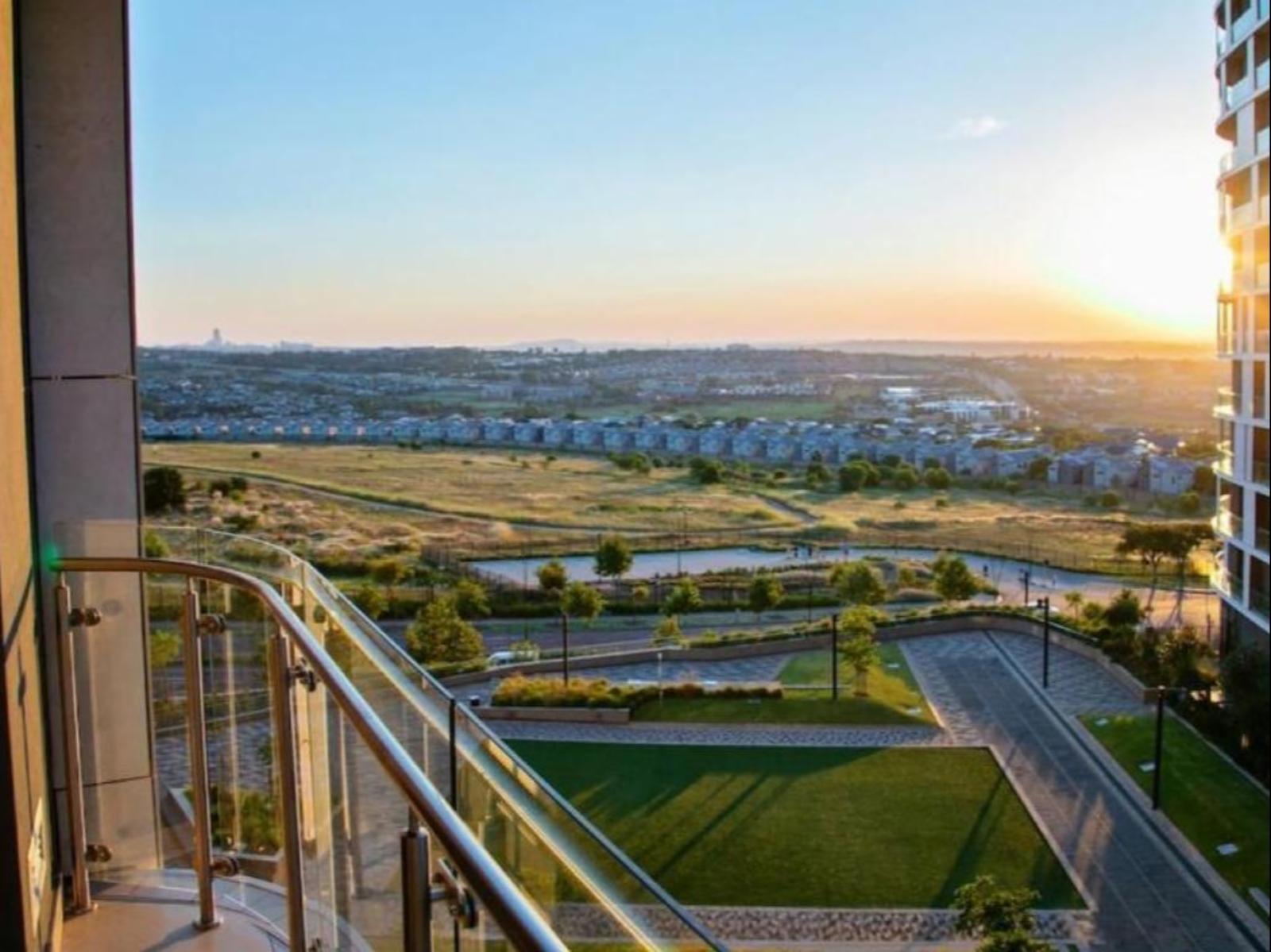
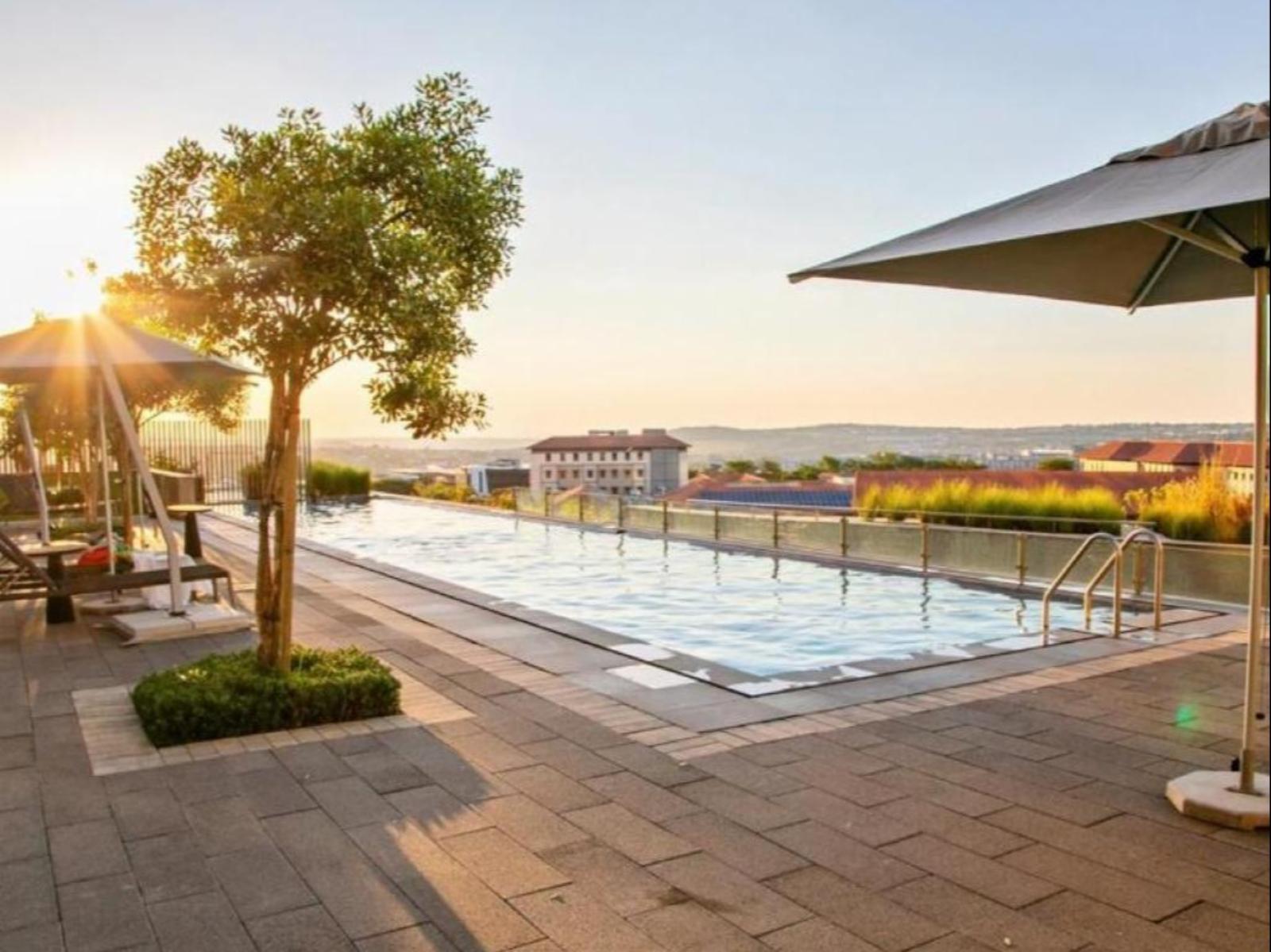
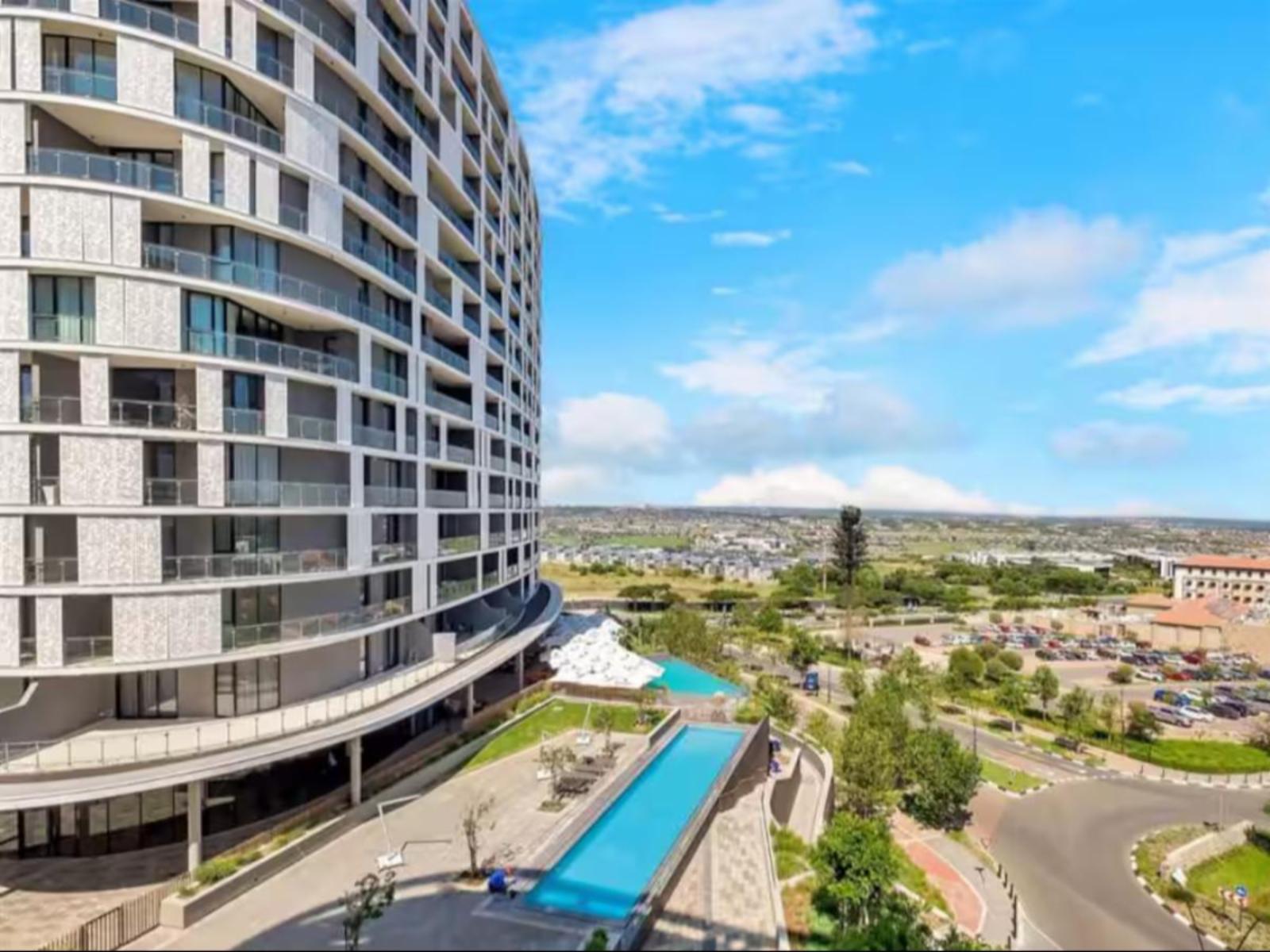
With 126 properties listed across the city, Johannesburg offers genuine variety from around R600 to R7,680 per night, with an overall average of R2,049. The spread reflects the city's layered geography, from inner-city neighbourhoods to the well-maintained northern suburbs.
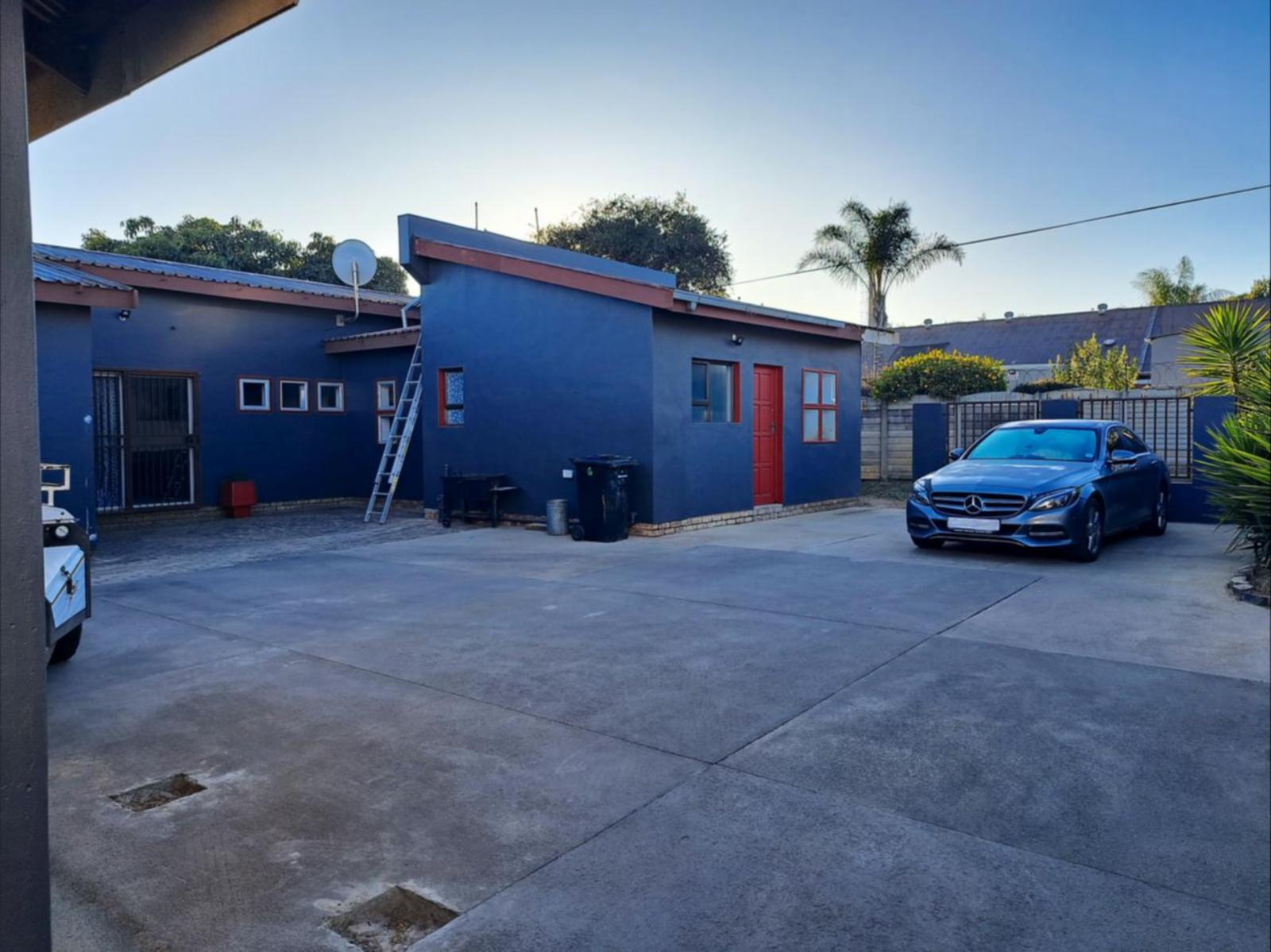
At the budget end, travellers will find the city's single backpacker hostel alongside a handful of guesthouses in the lower price bracket, typically catering to independent travellers who prioritise location over amenity. These properties tend to sit close to transport links or university areas, making them practical bases for those moving around the city frequently.
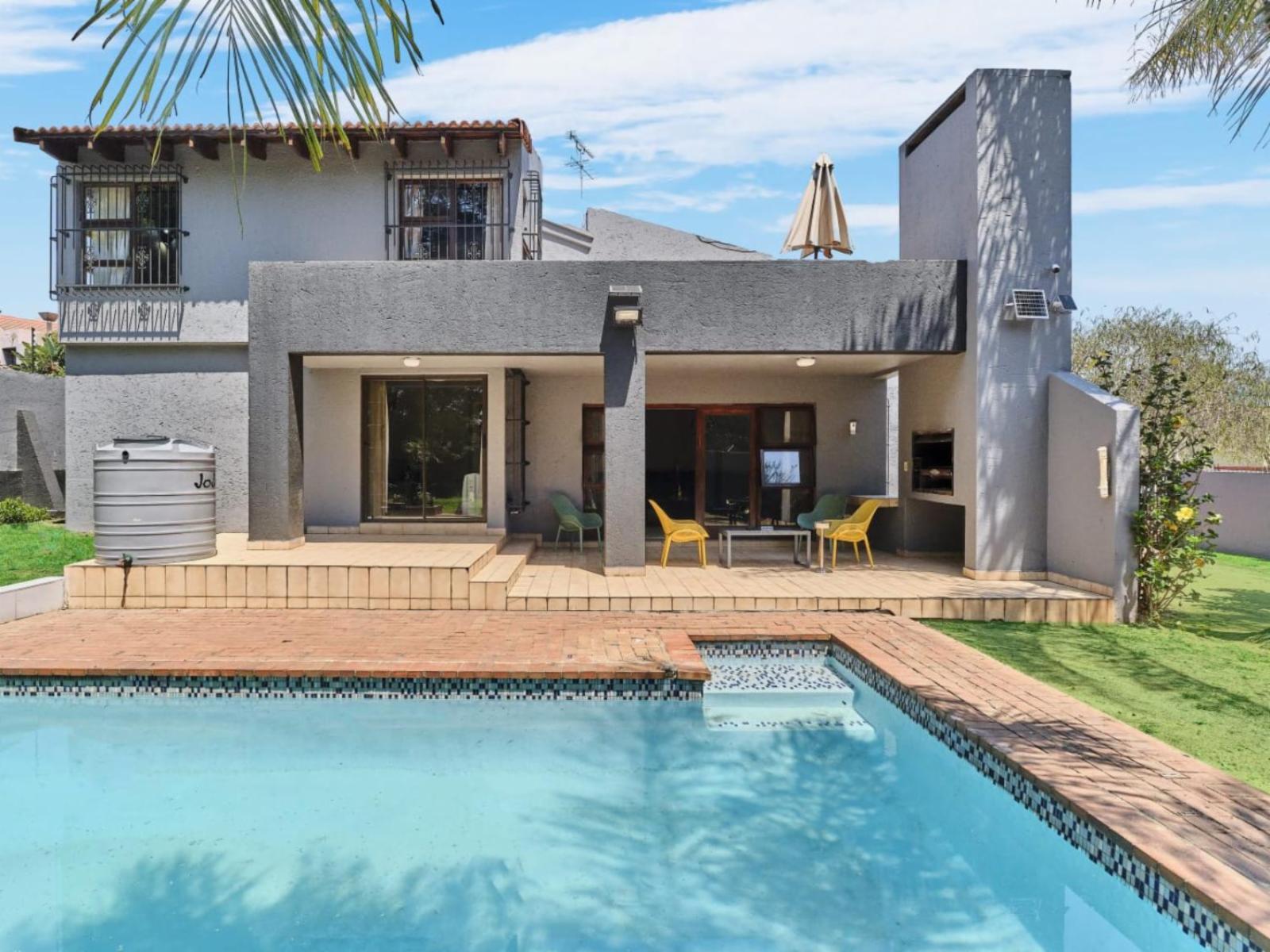
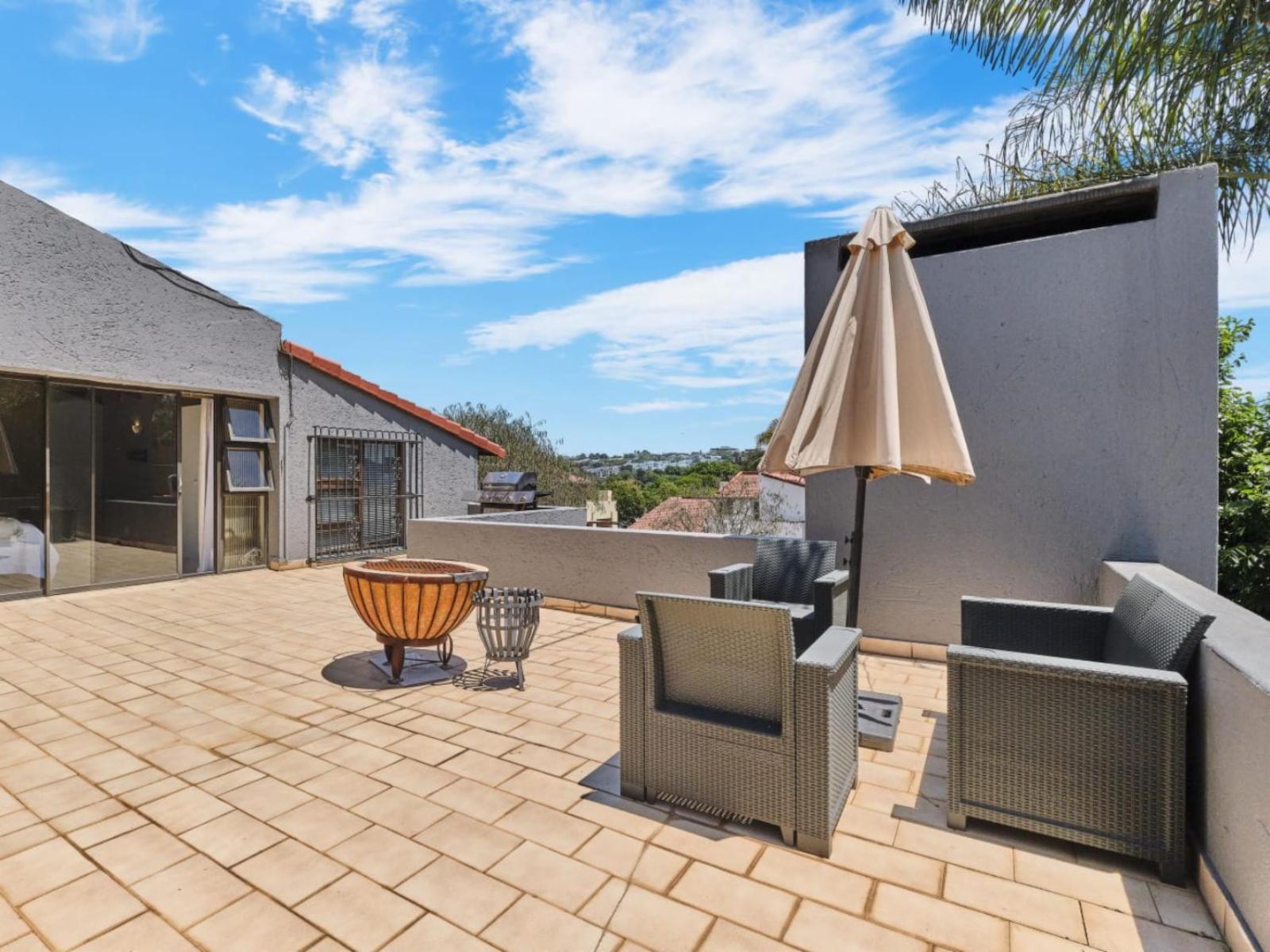
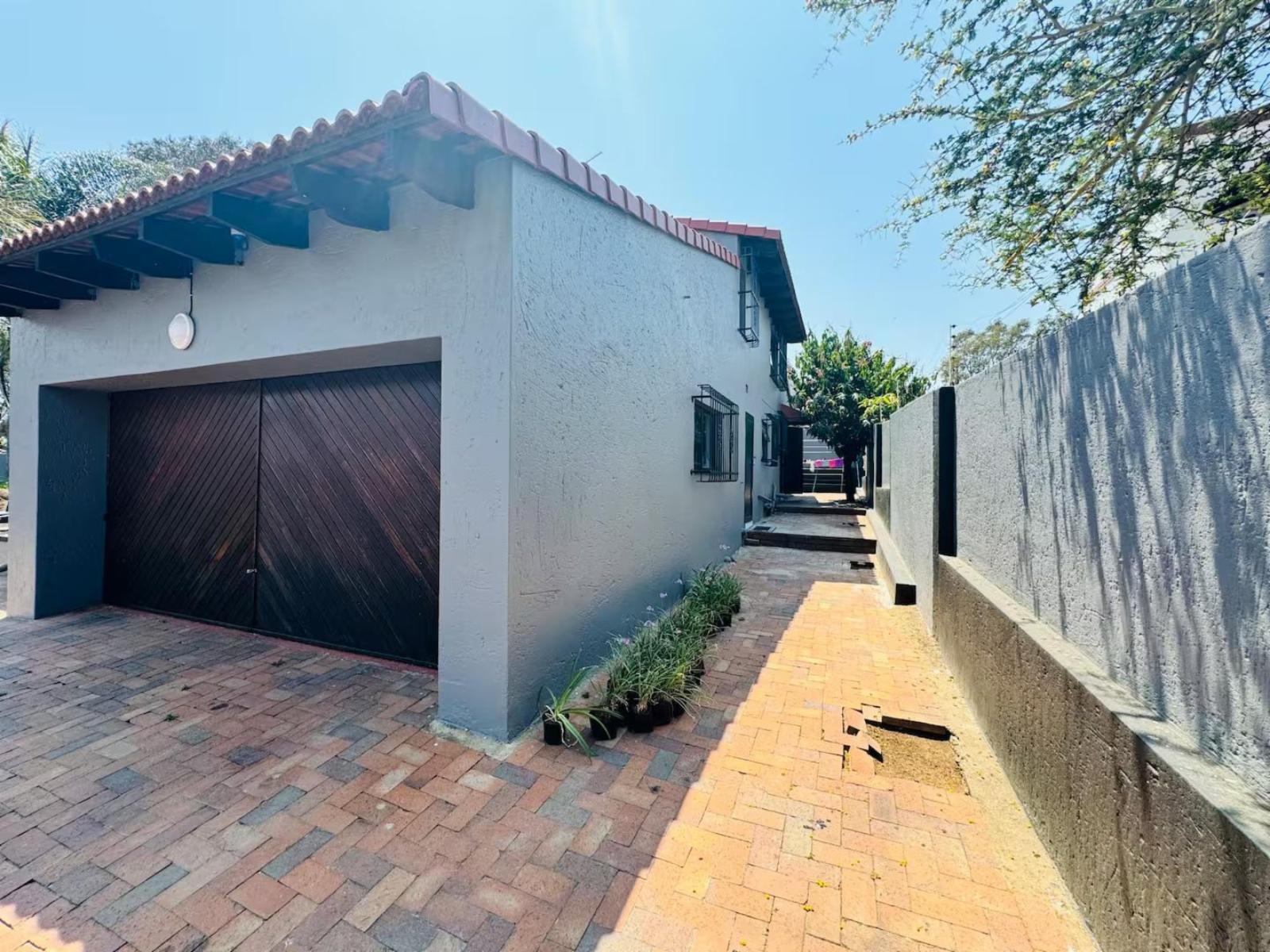
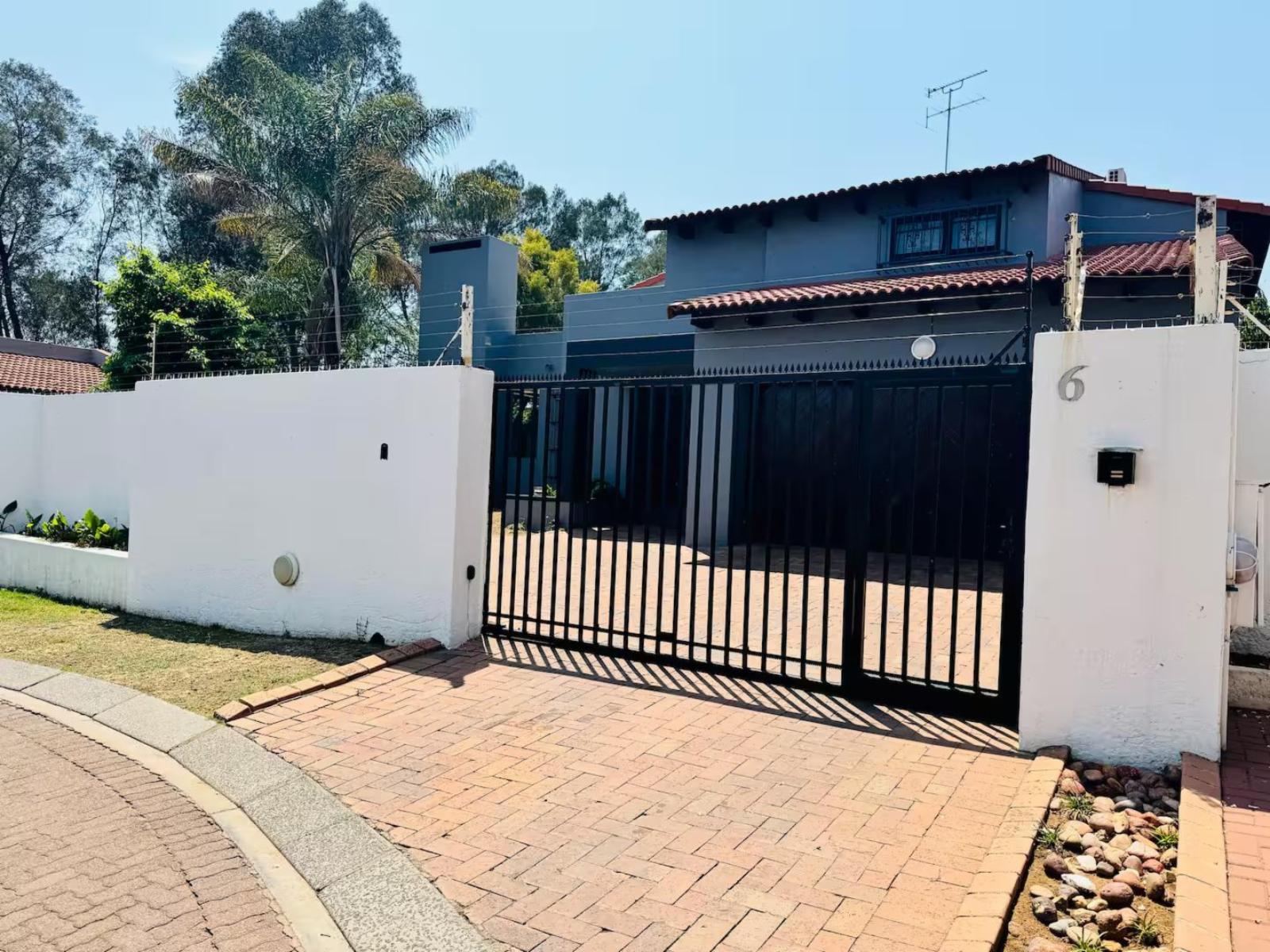
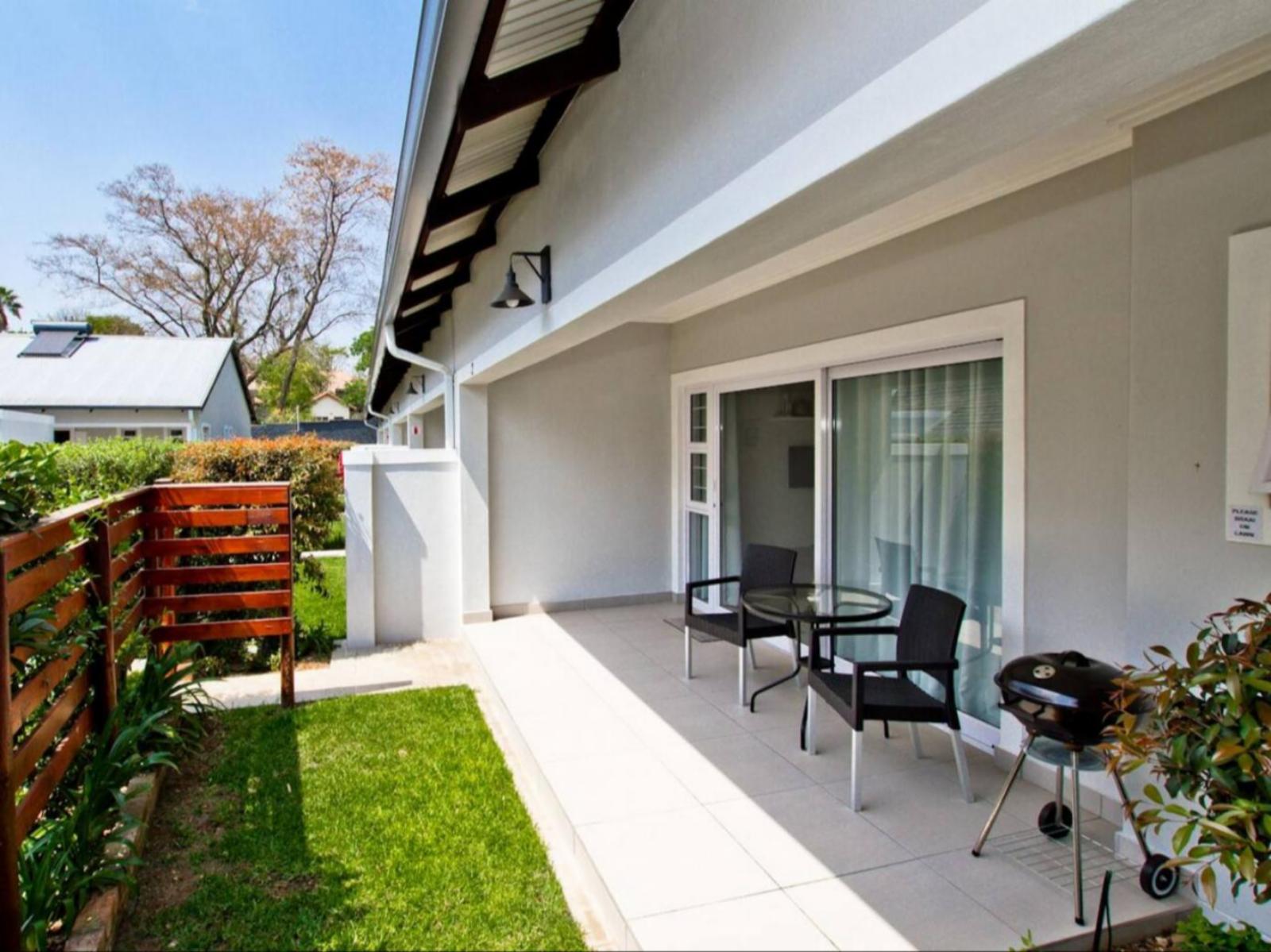
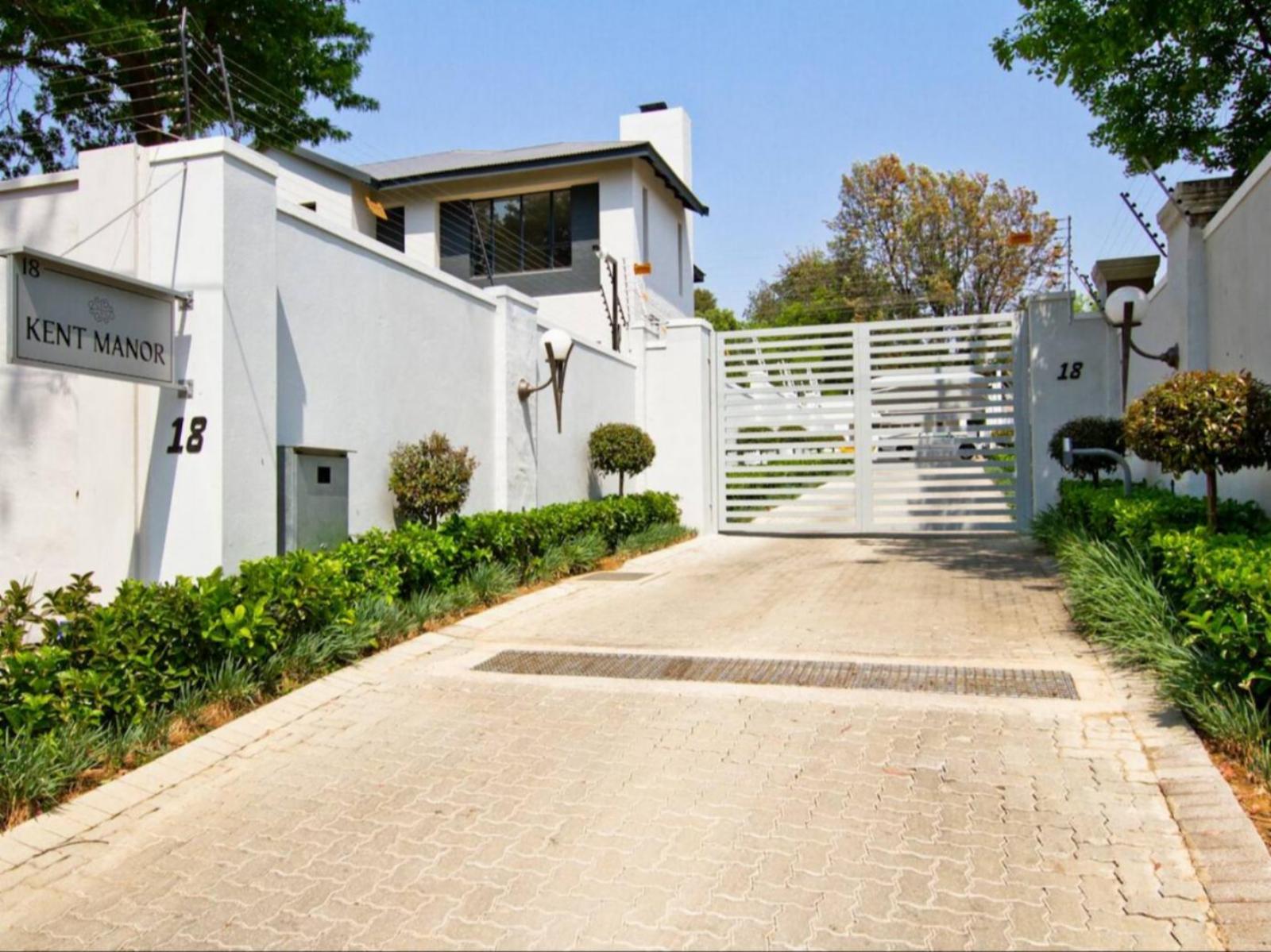
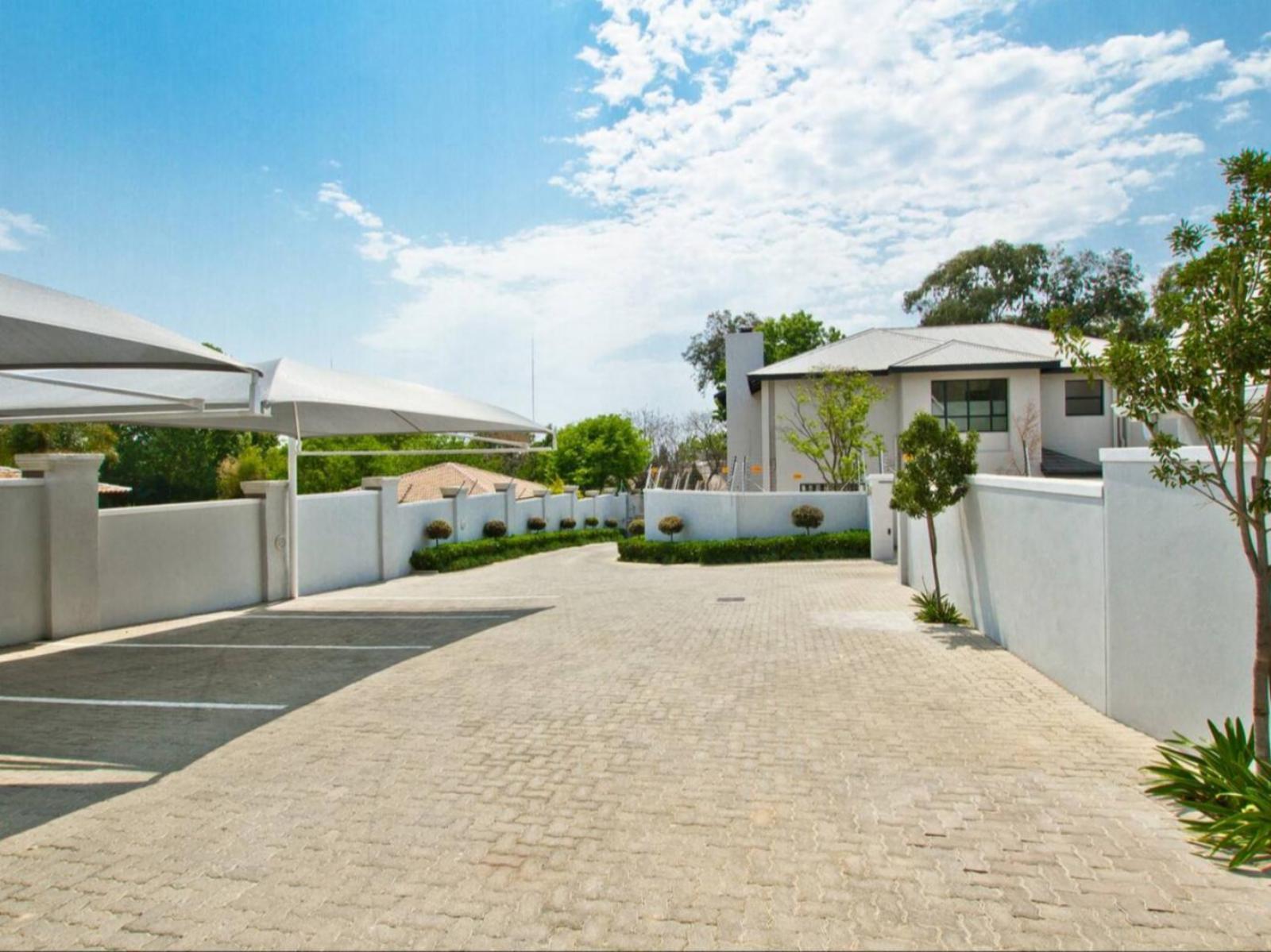
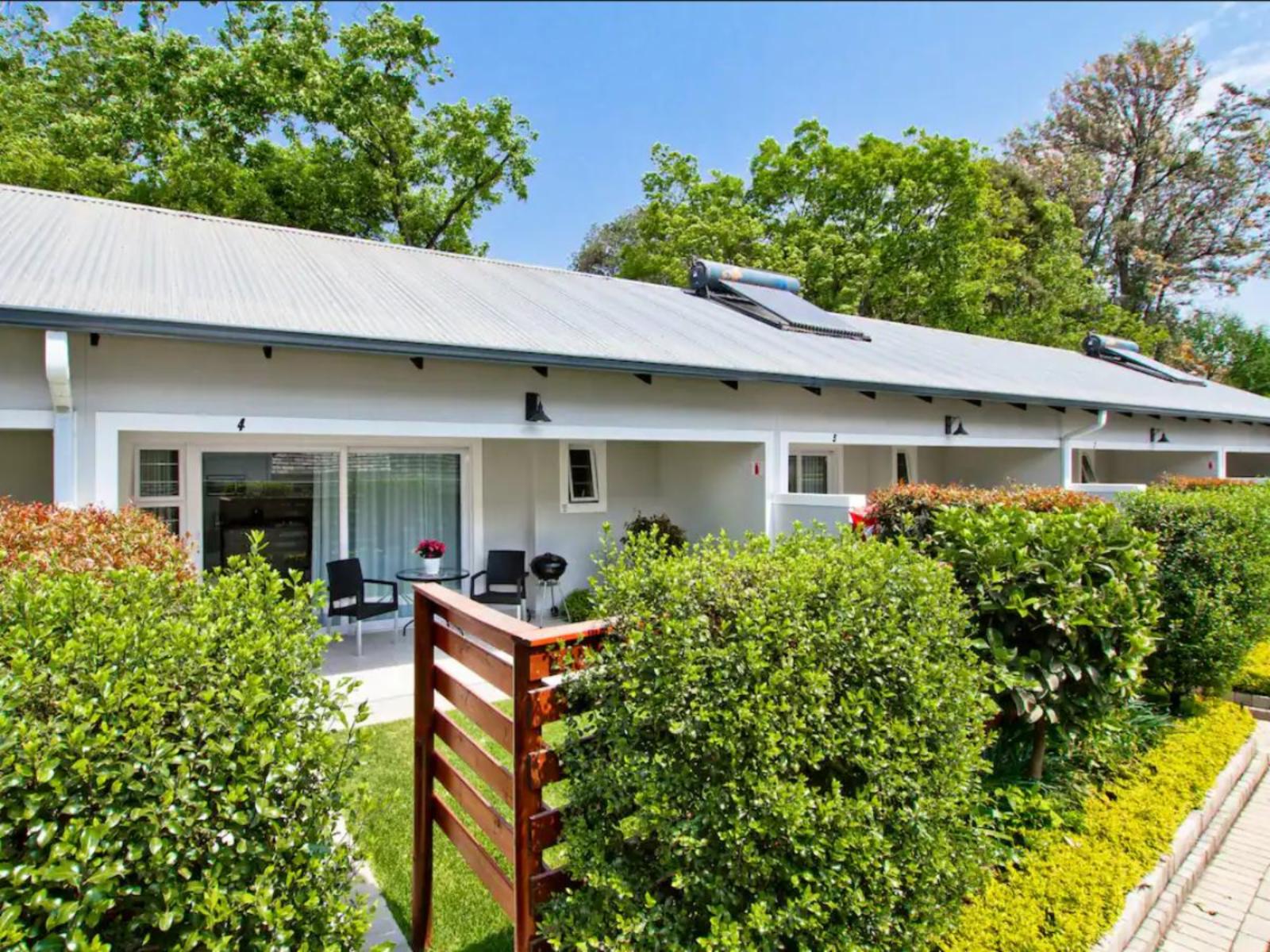
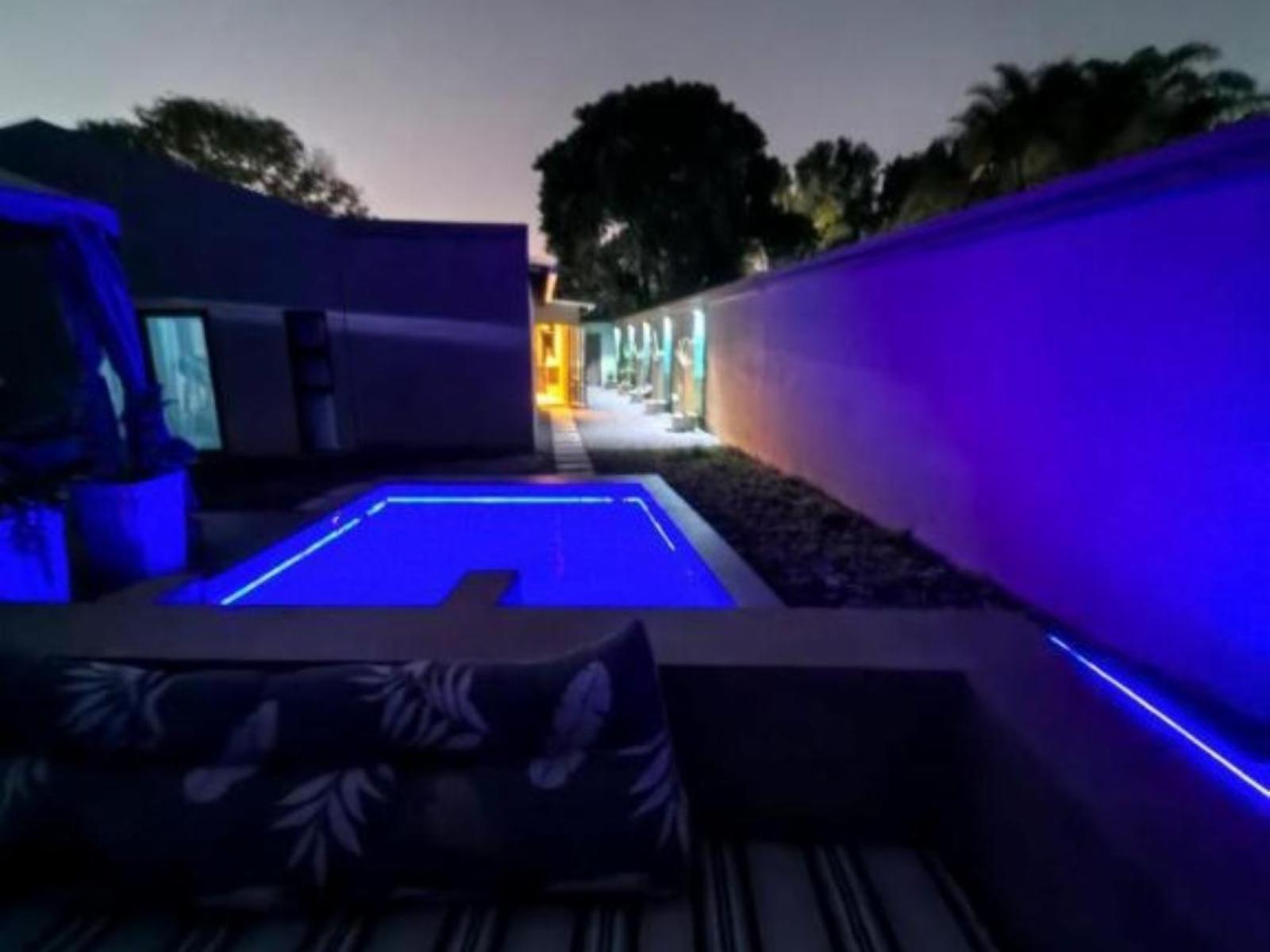
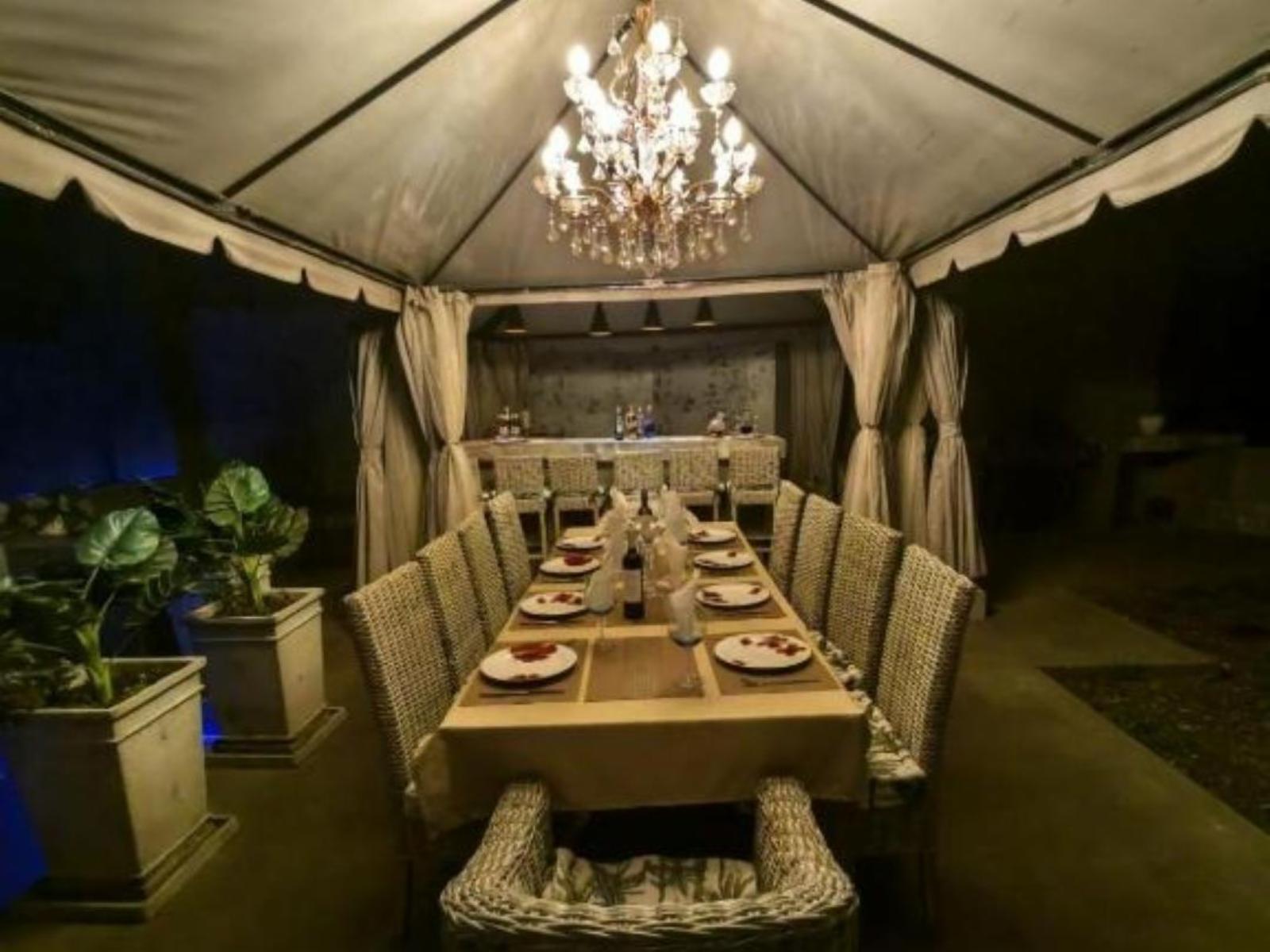
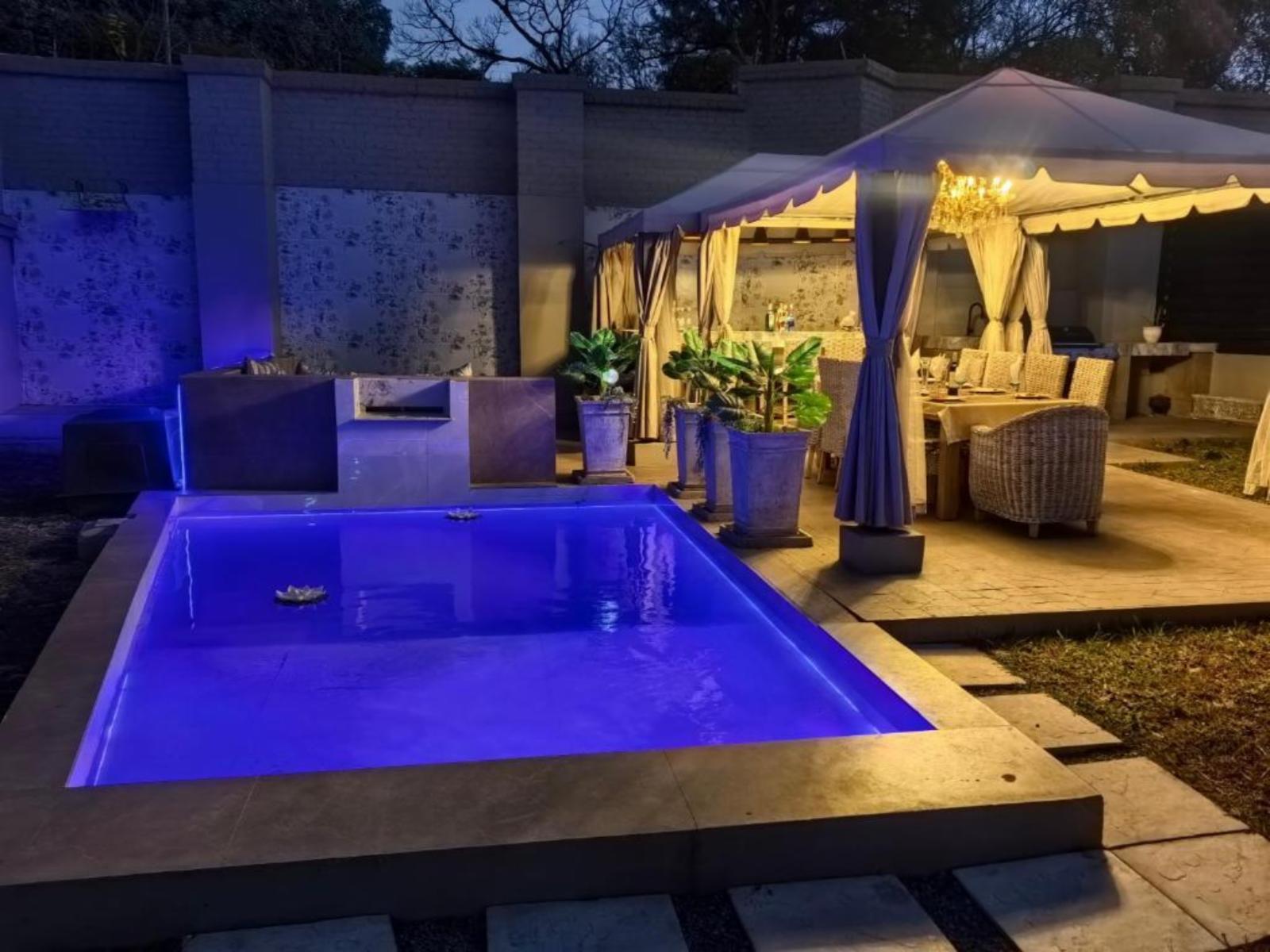
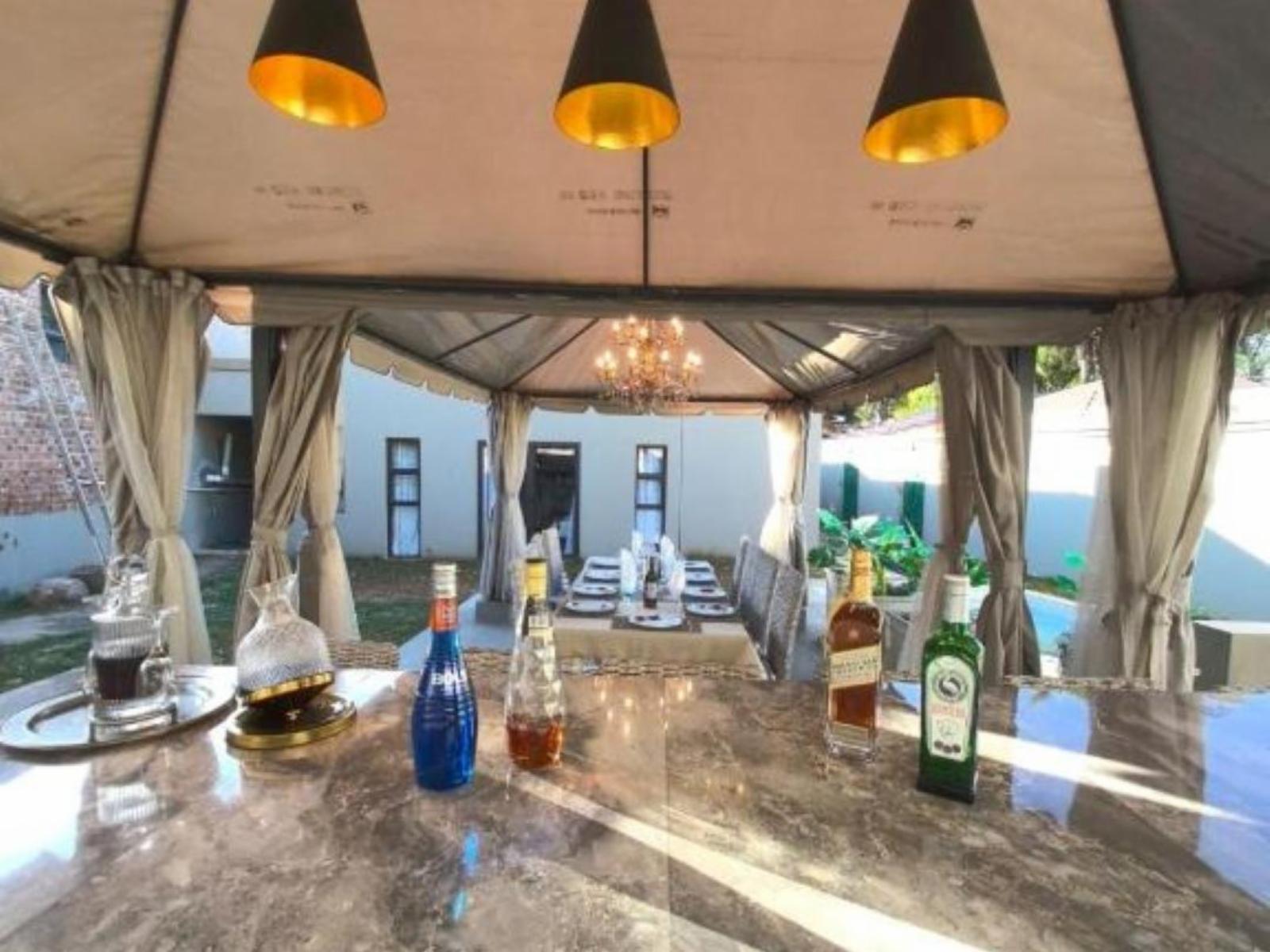
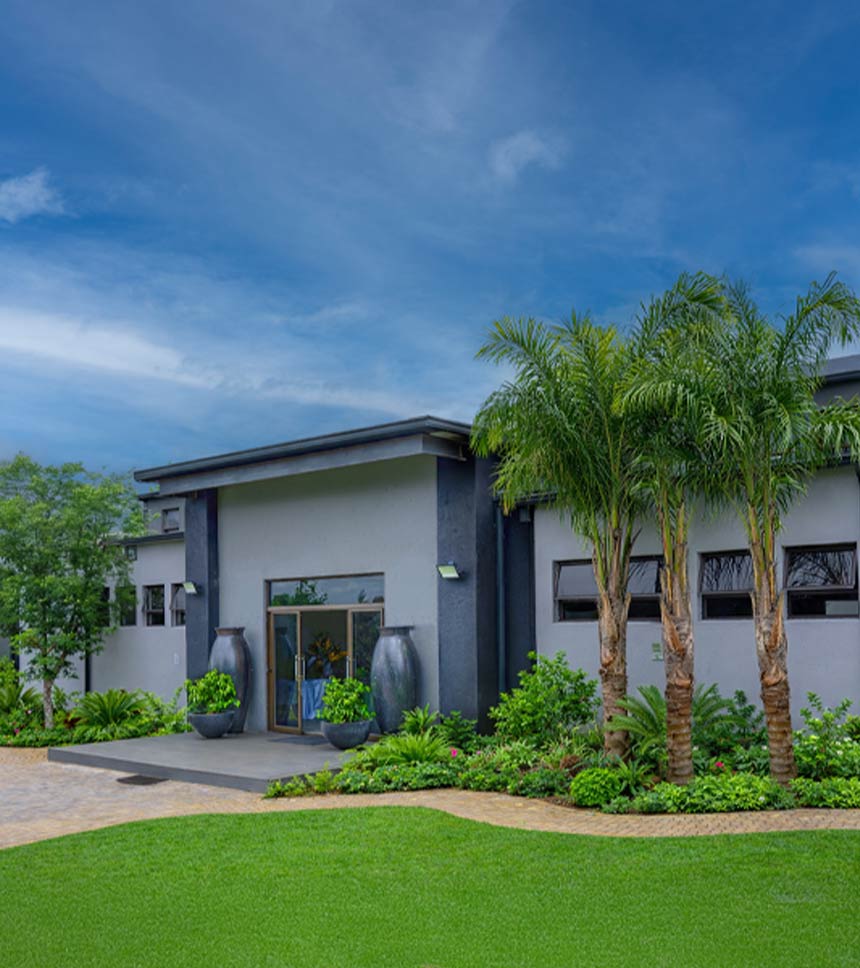
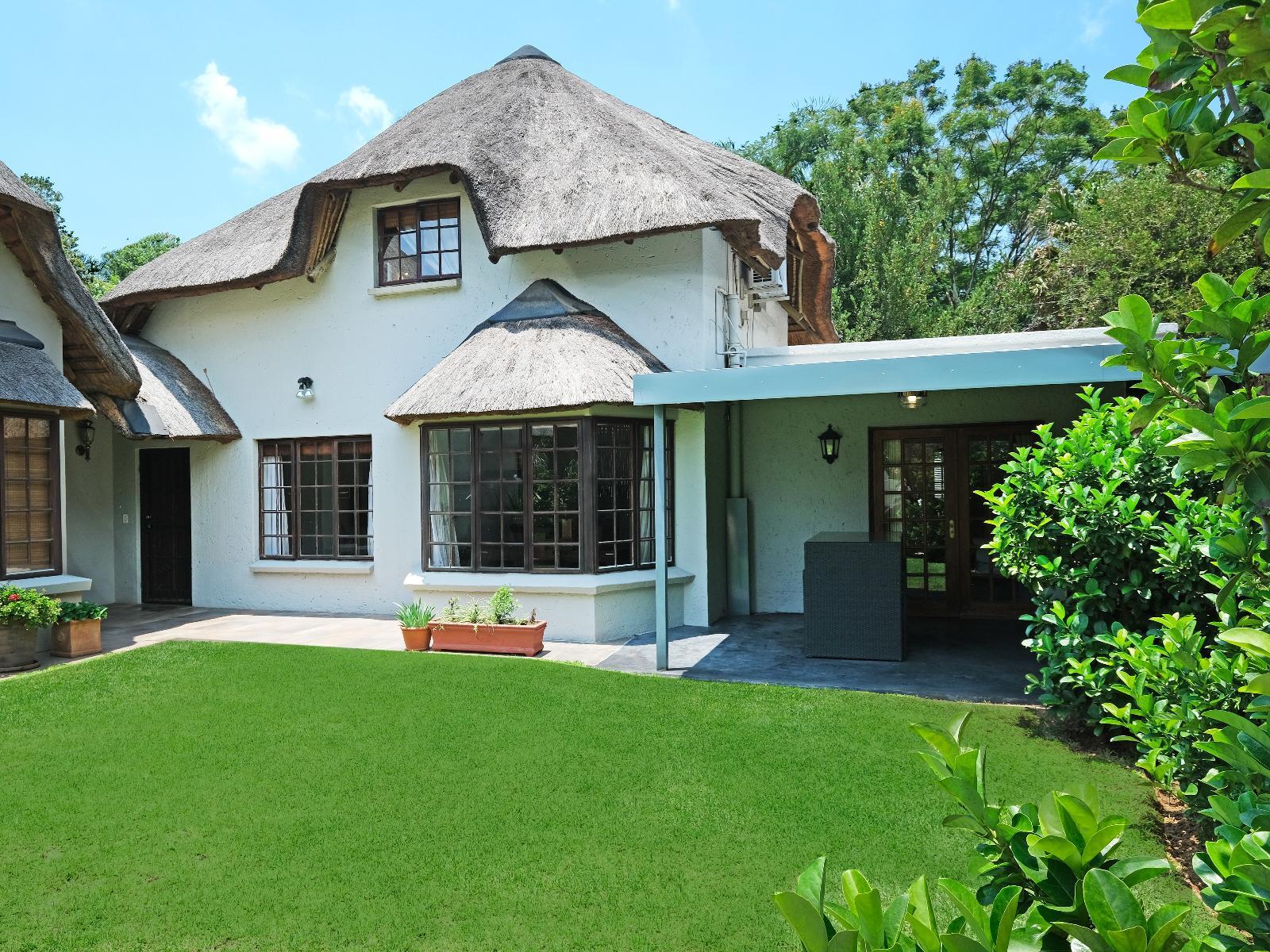
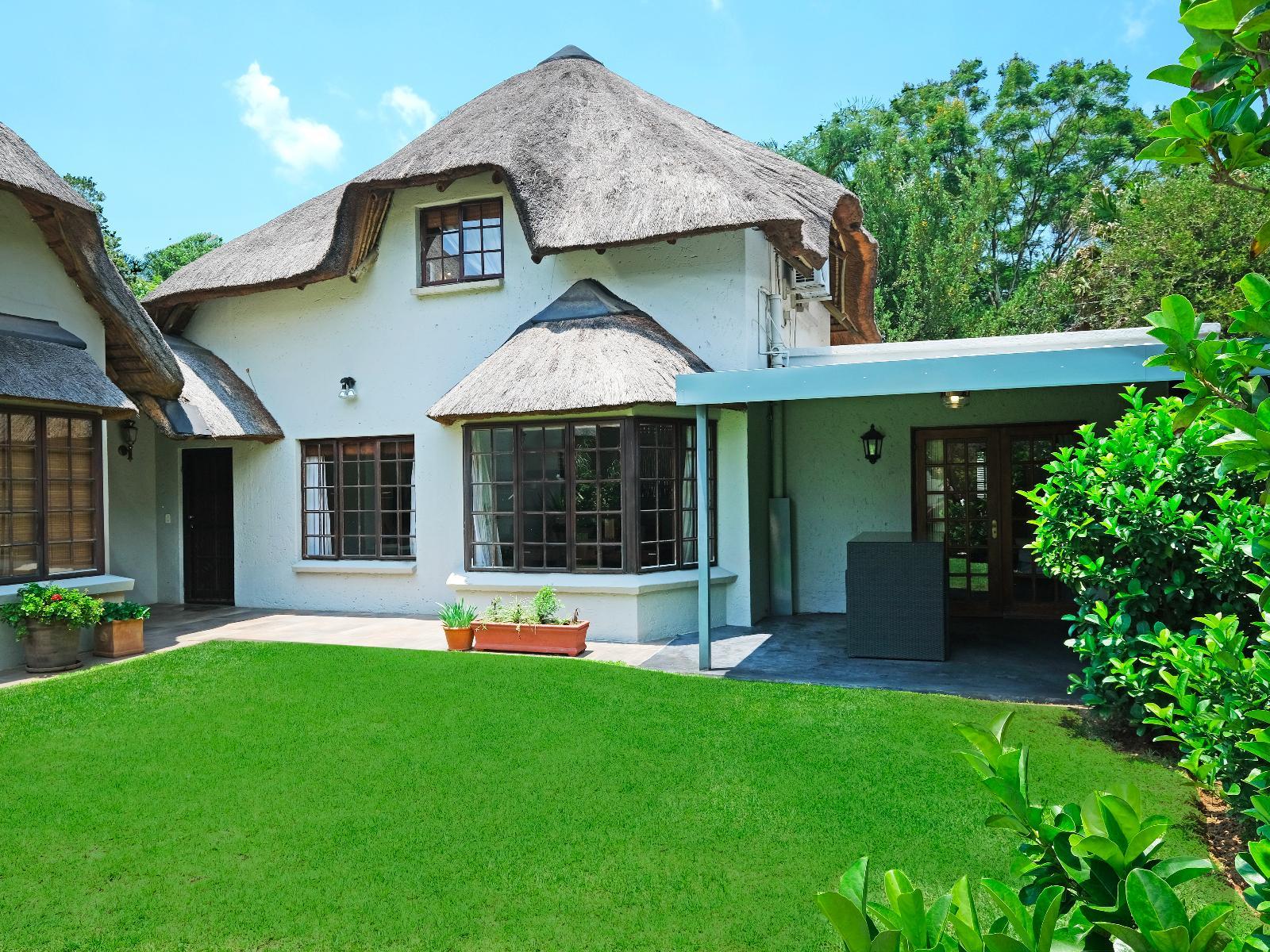
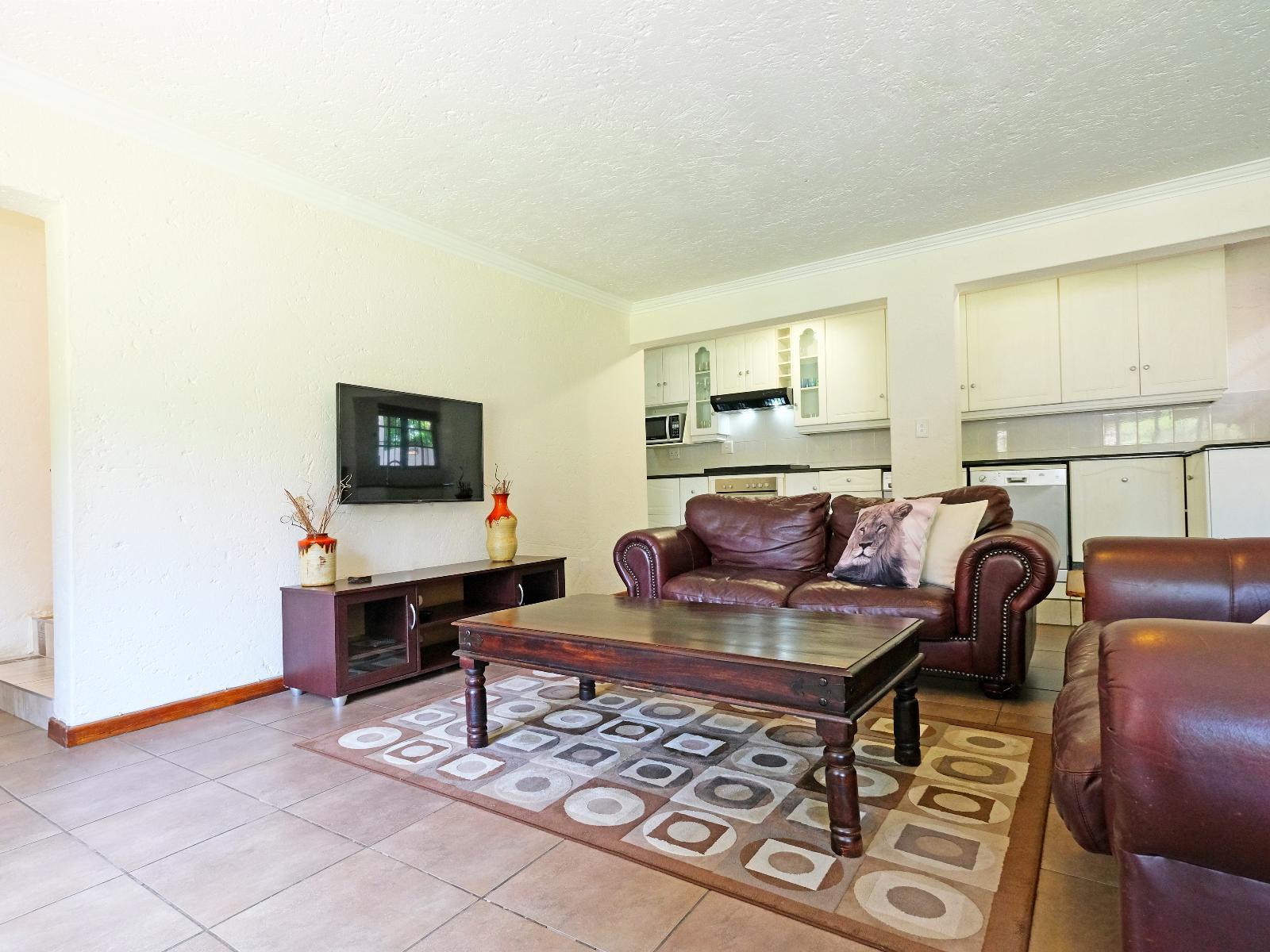
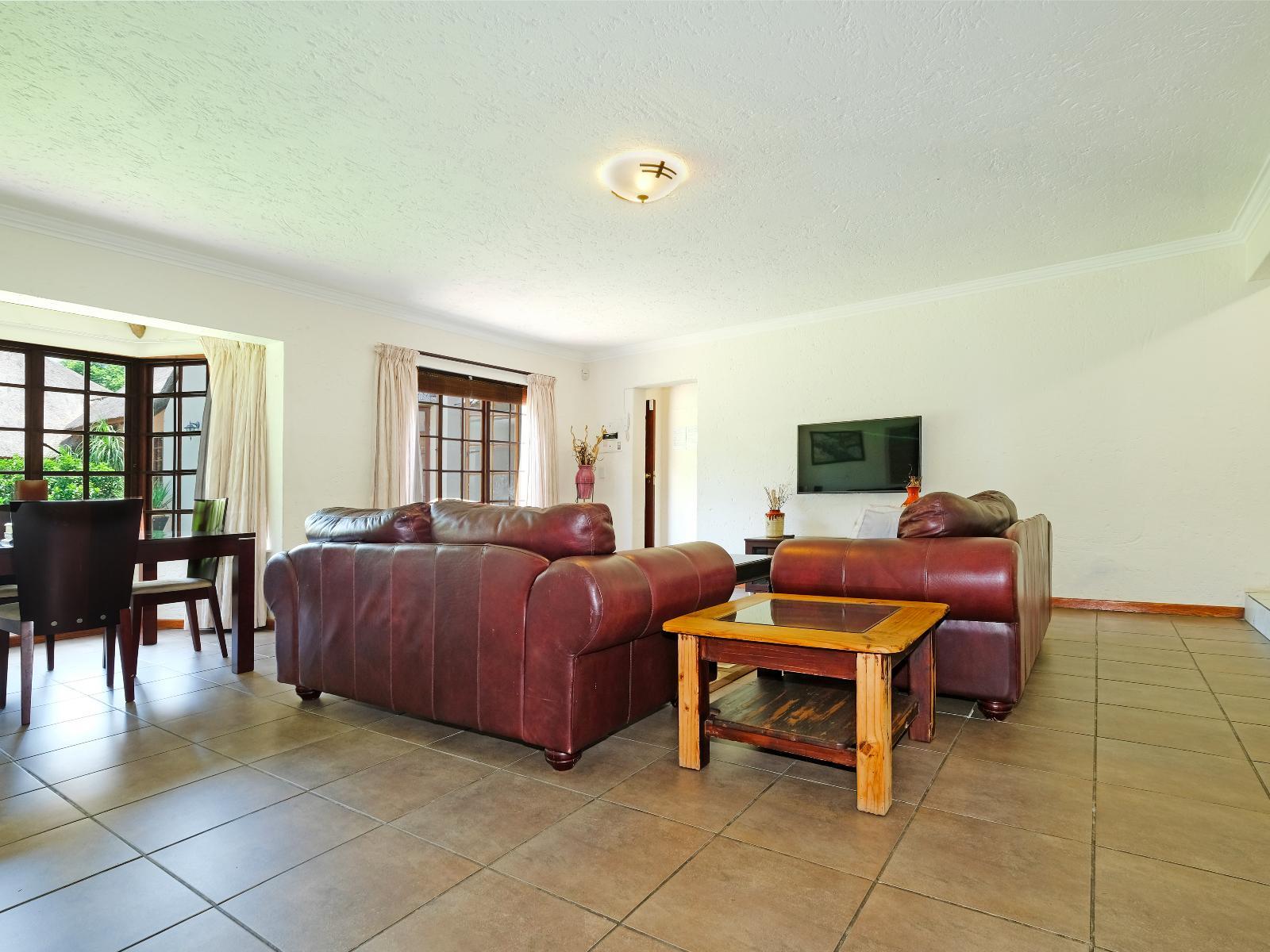
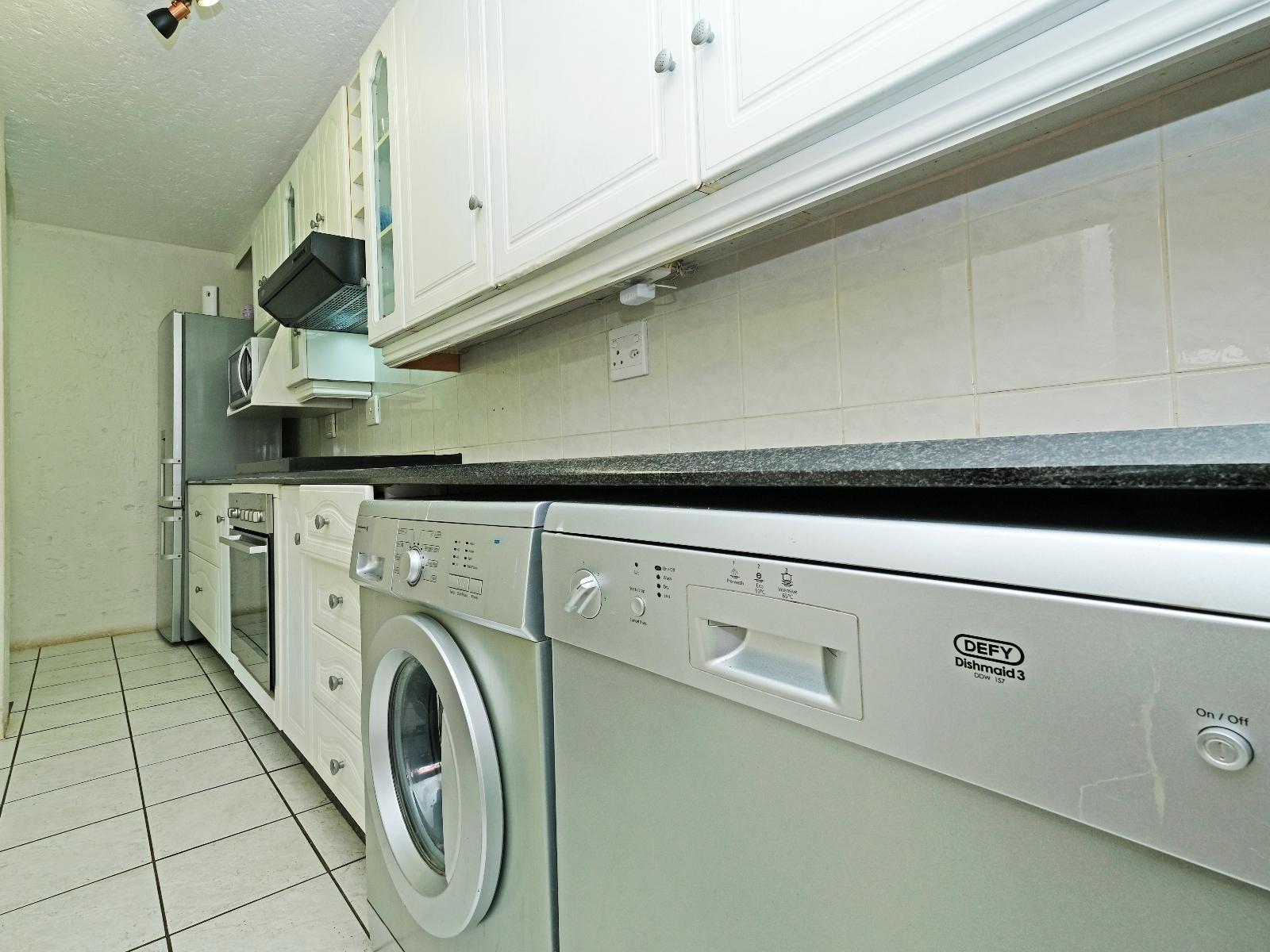
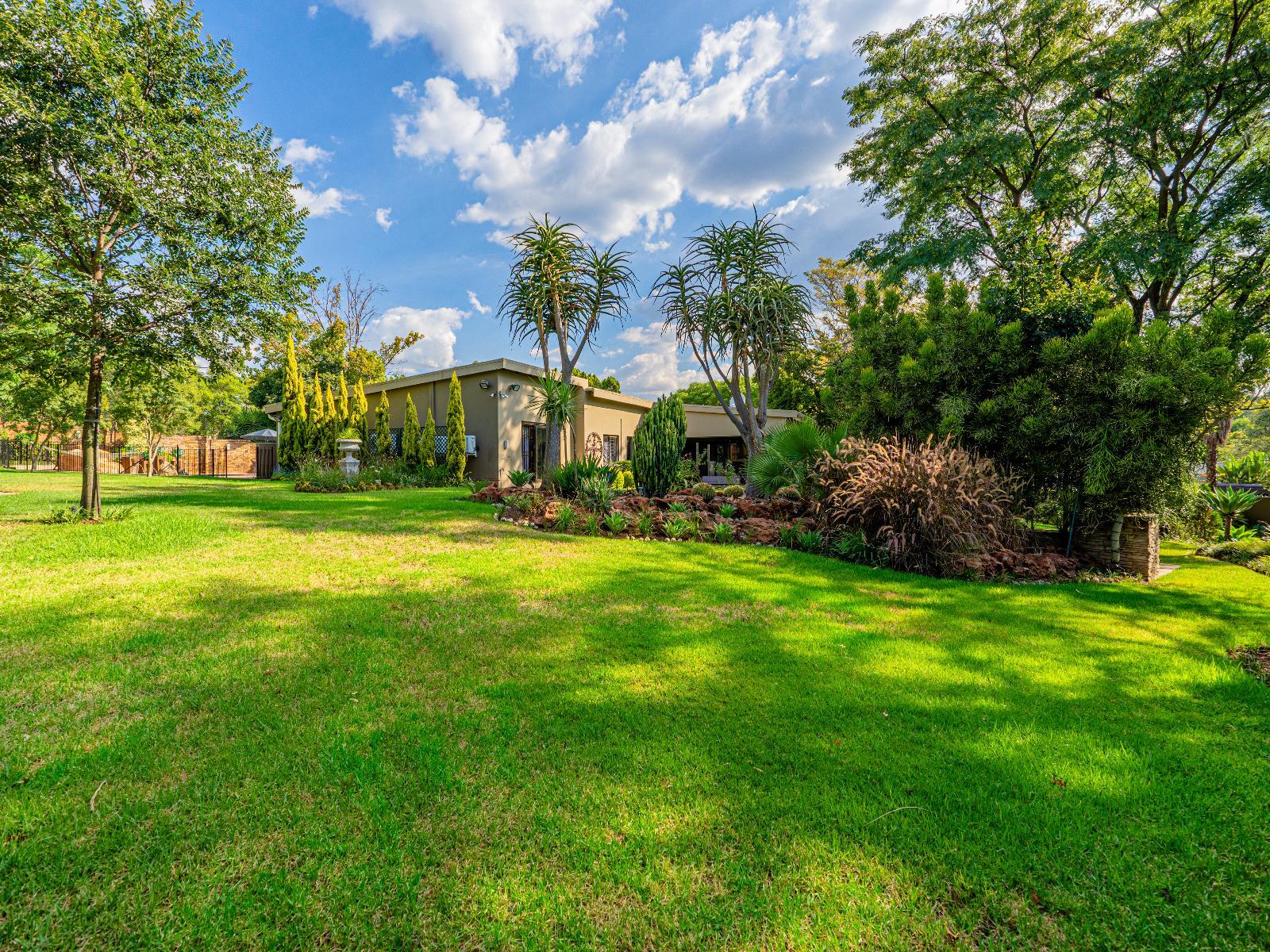
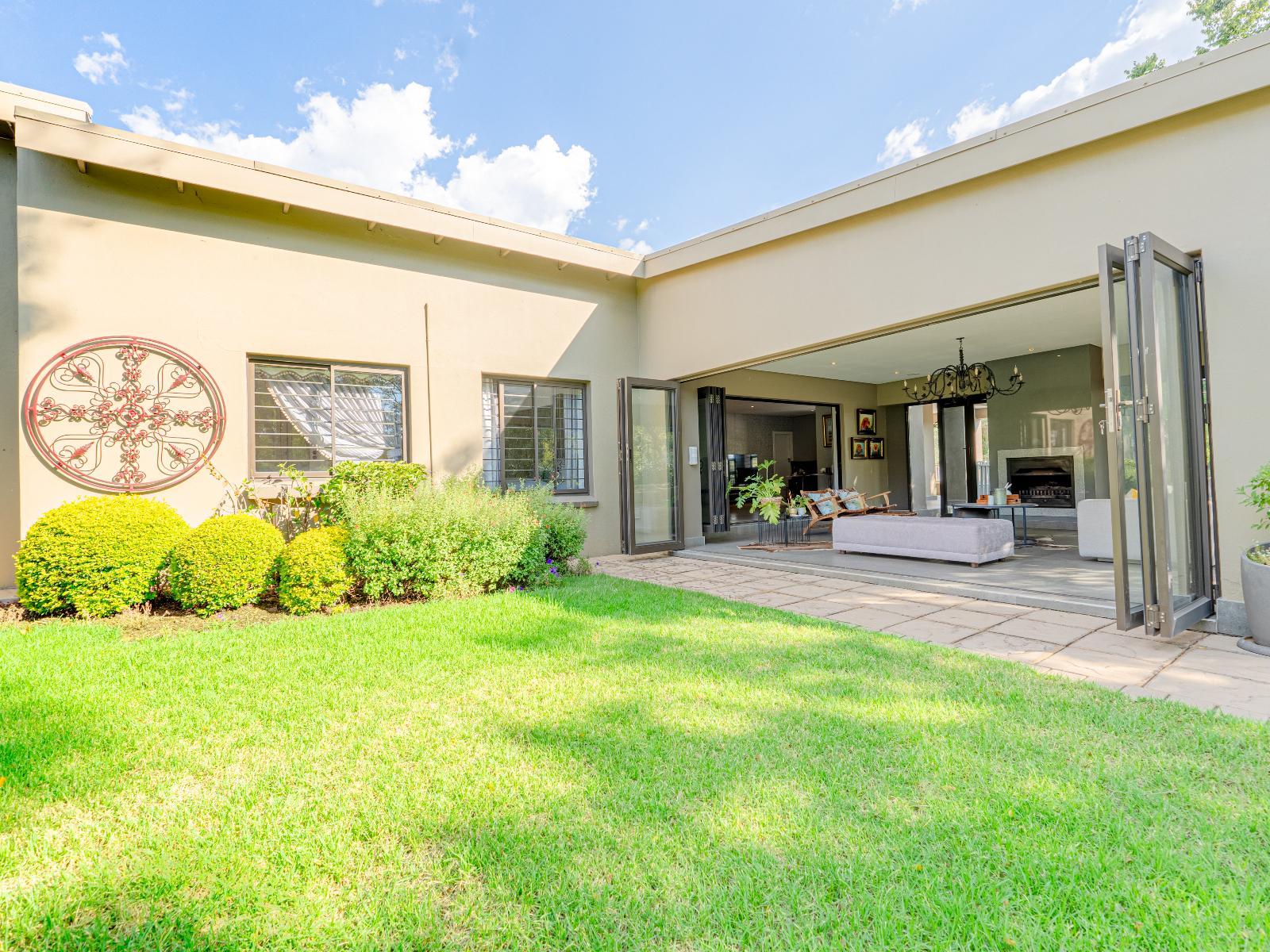
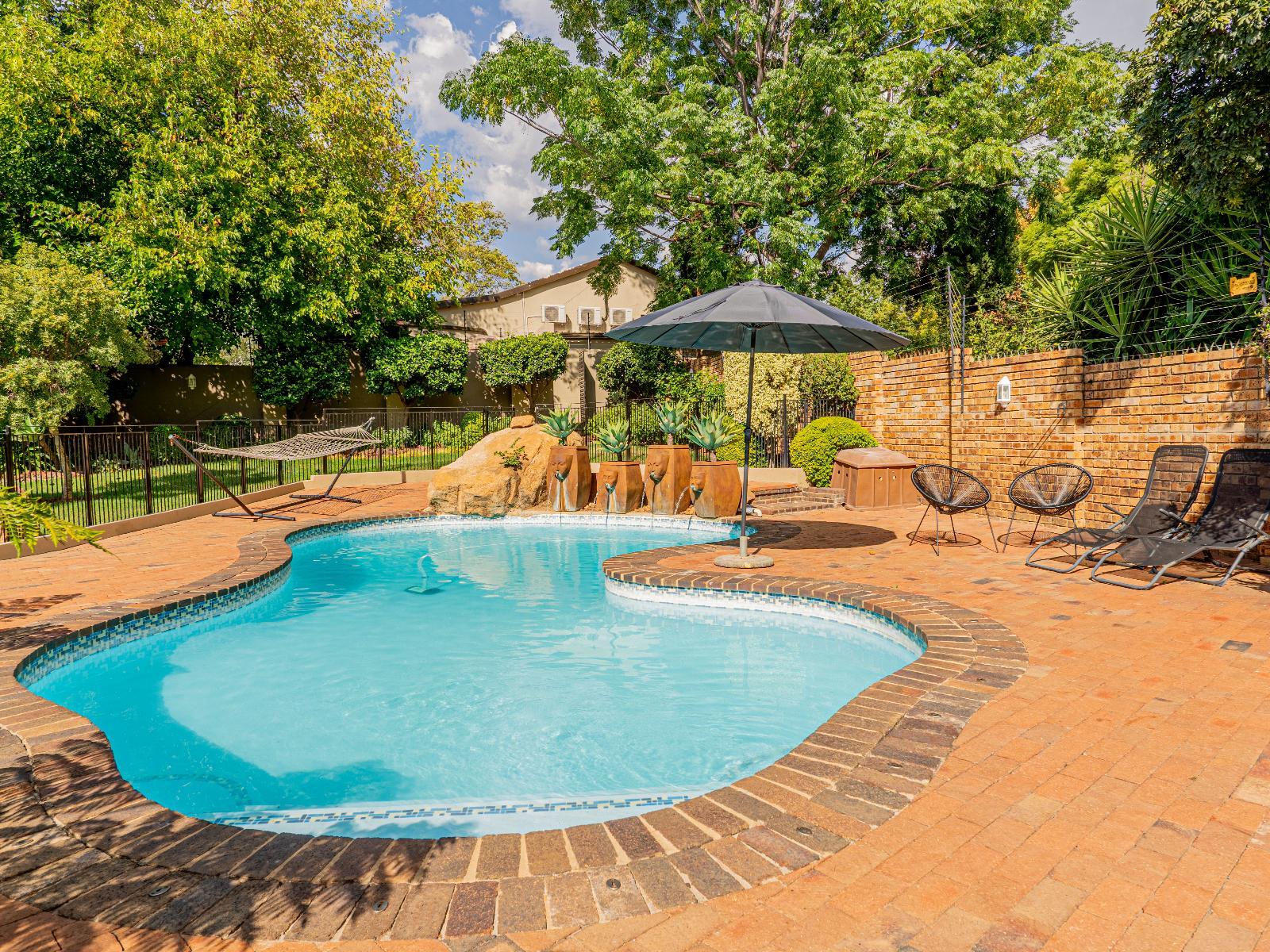
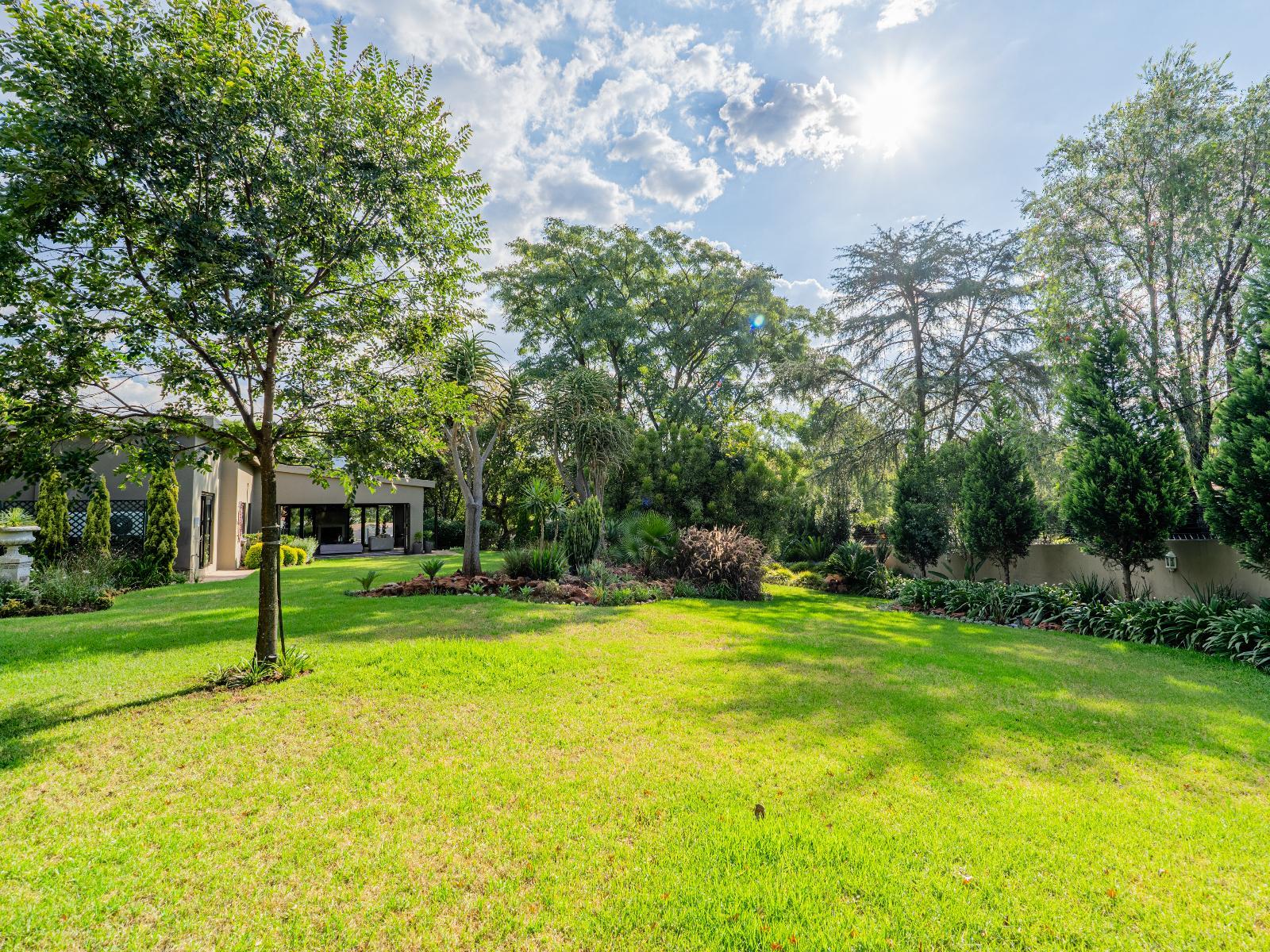
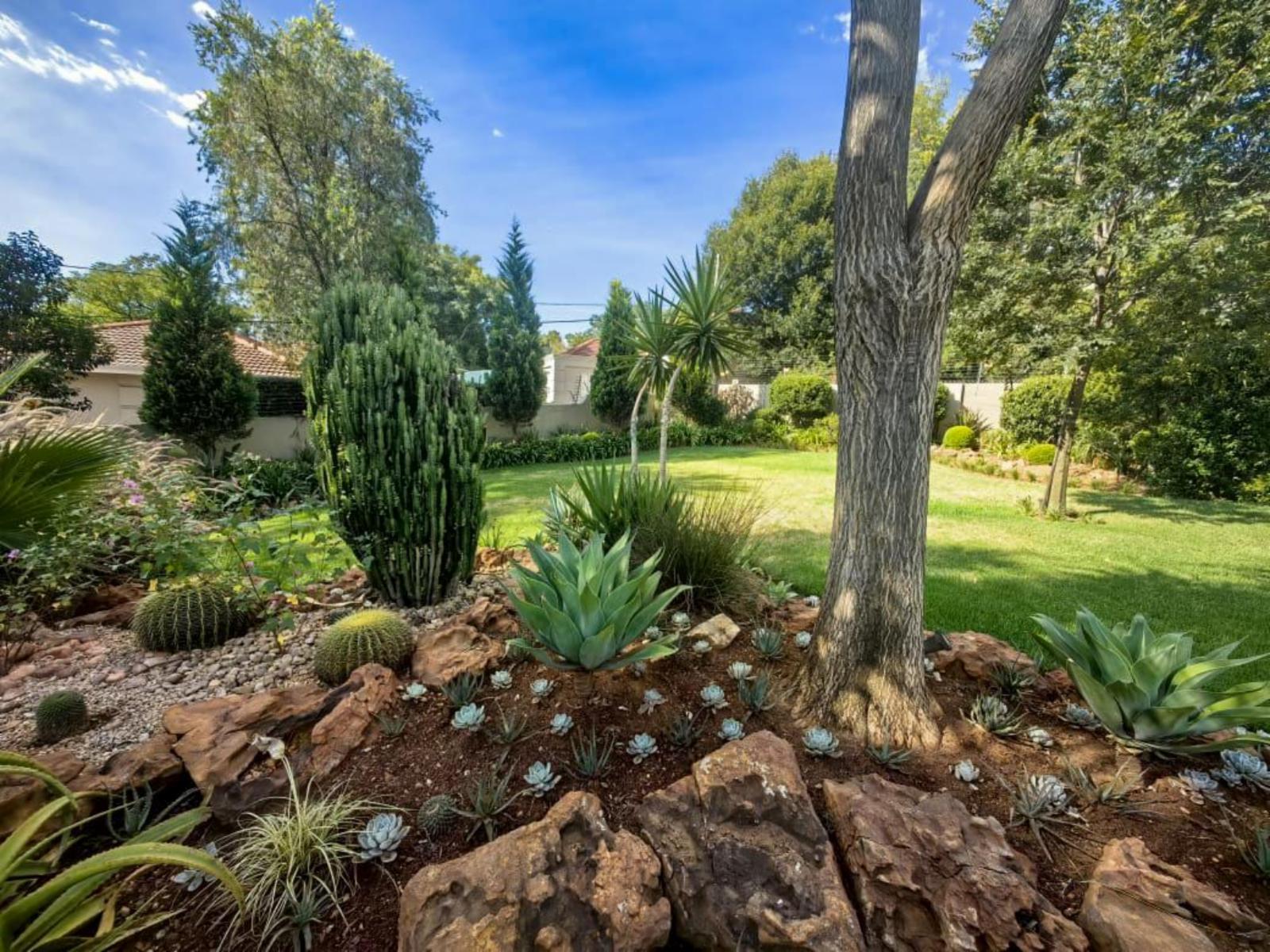
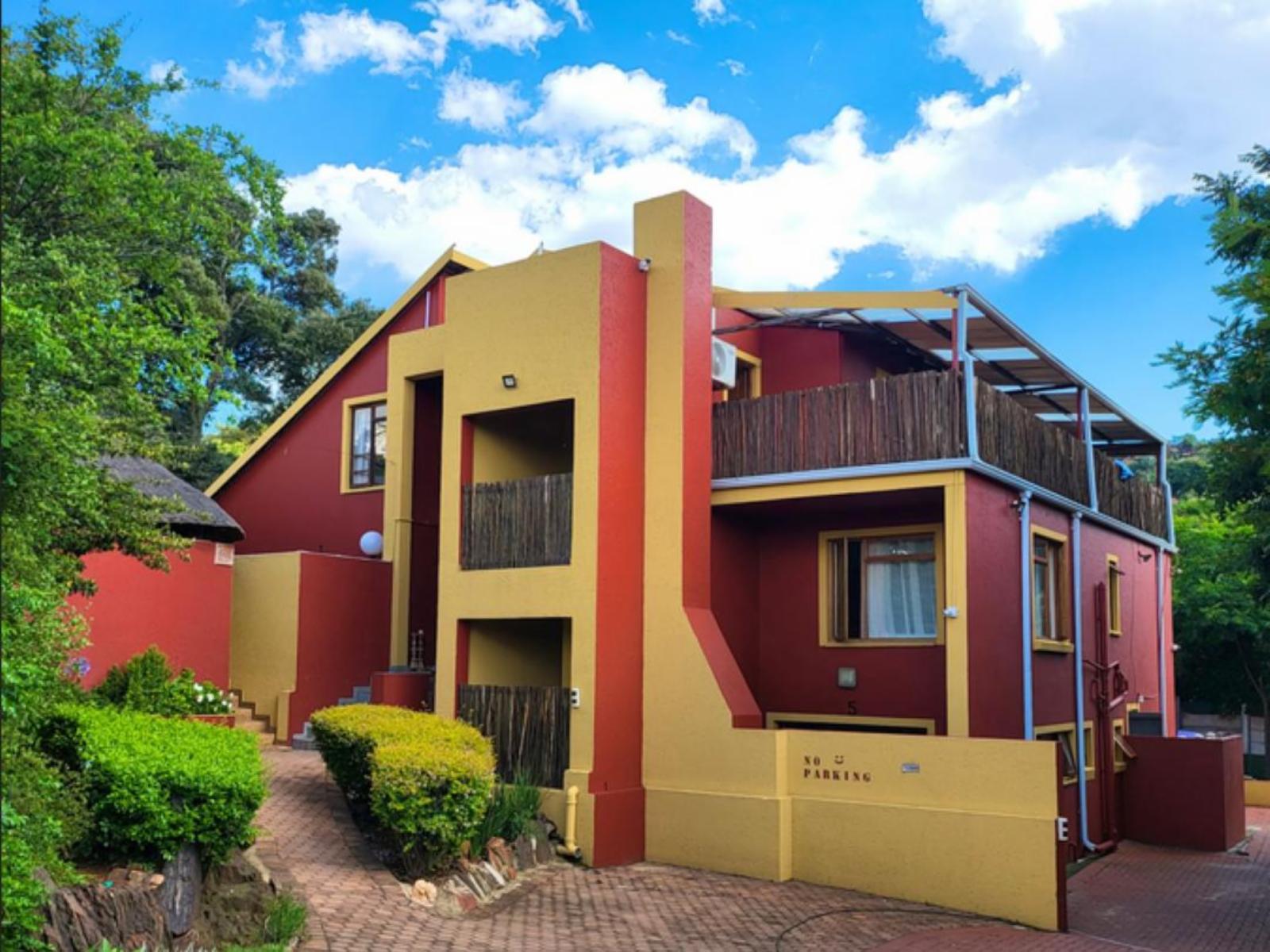
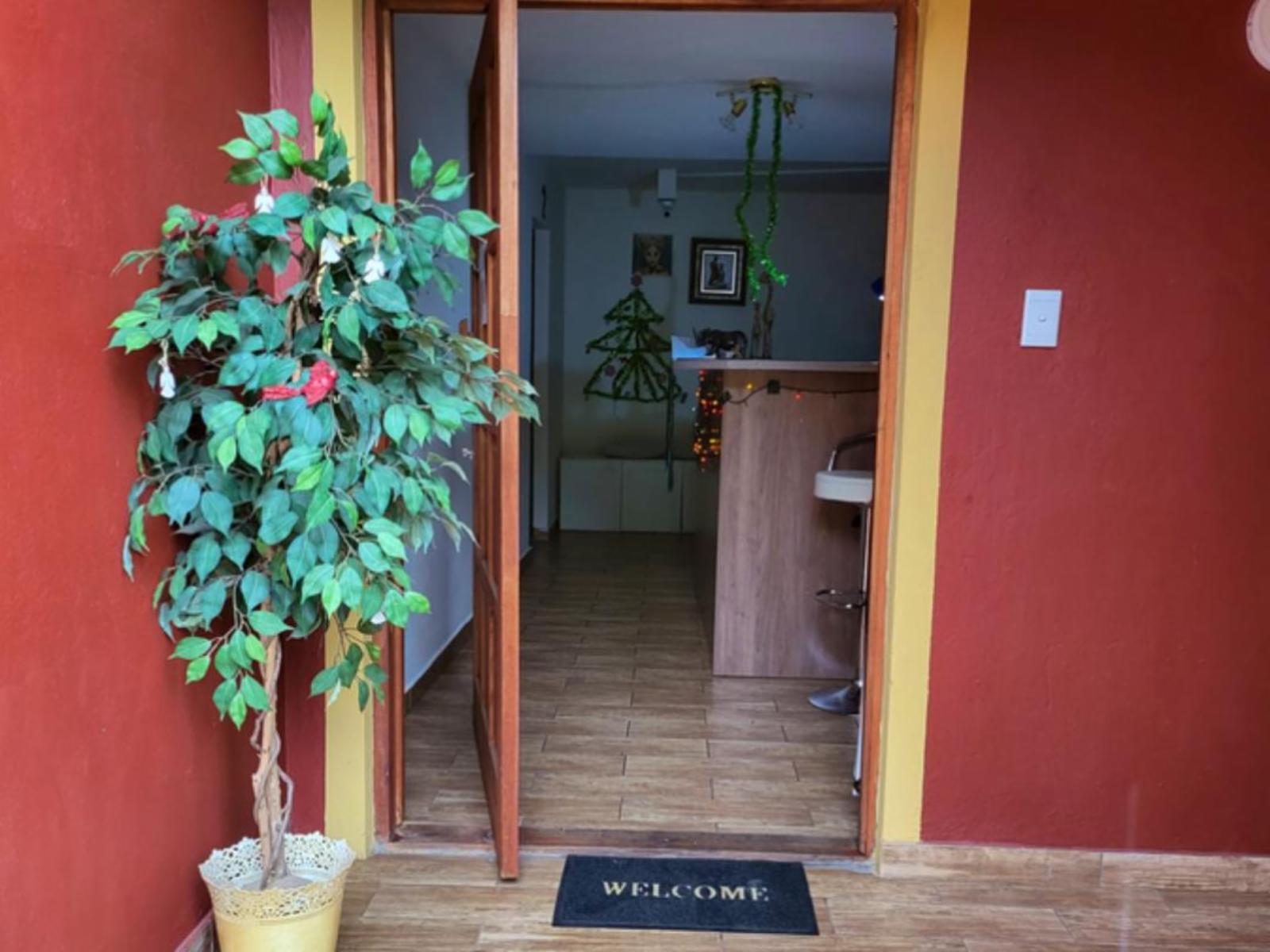
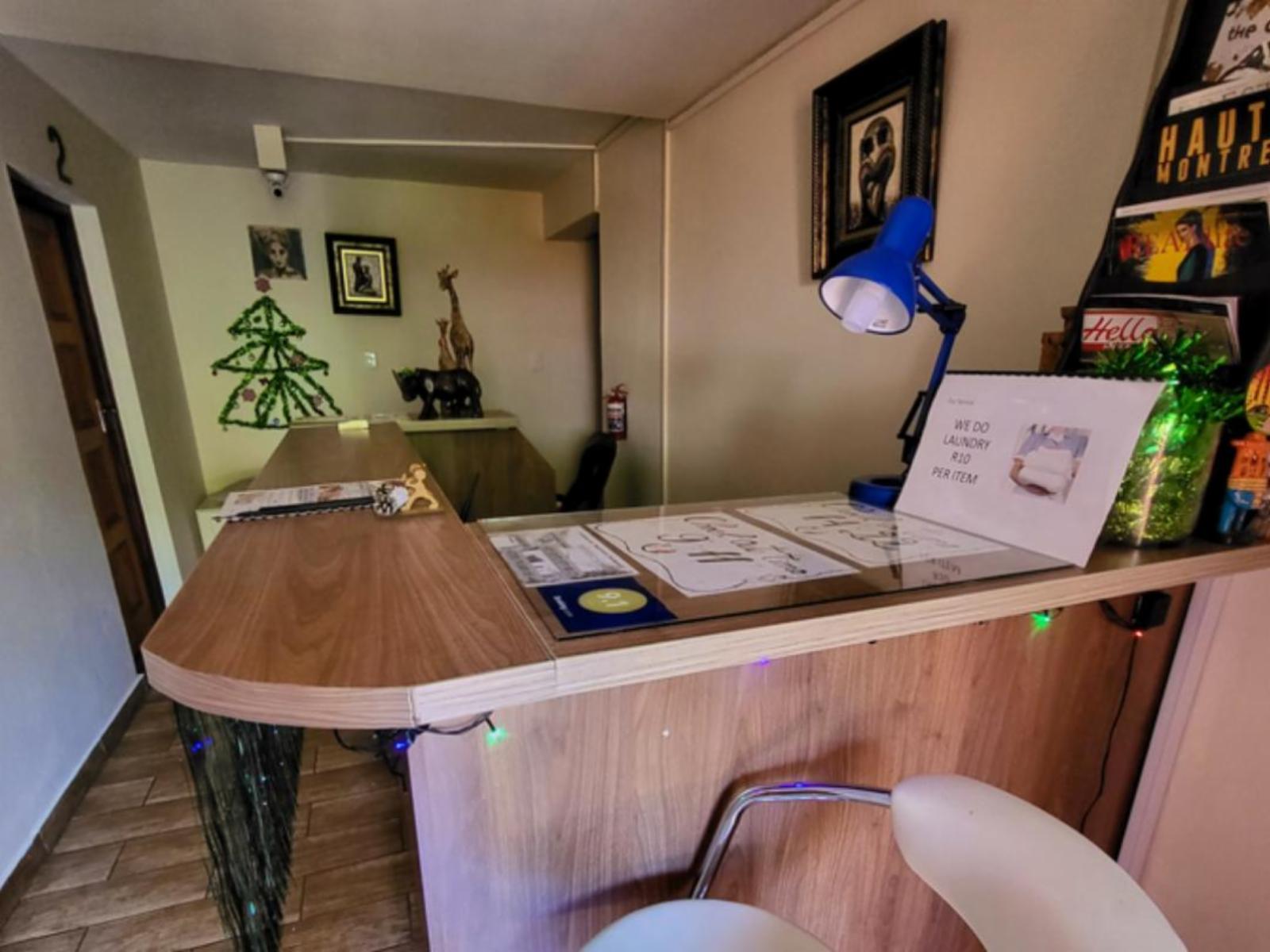
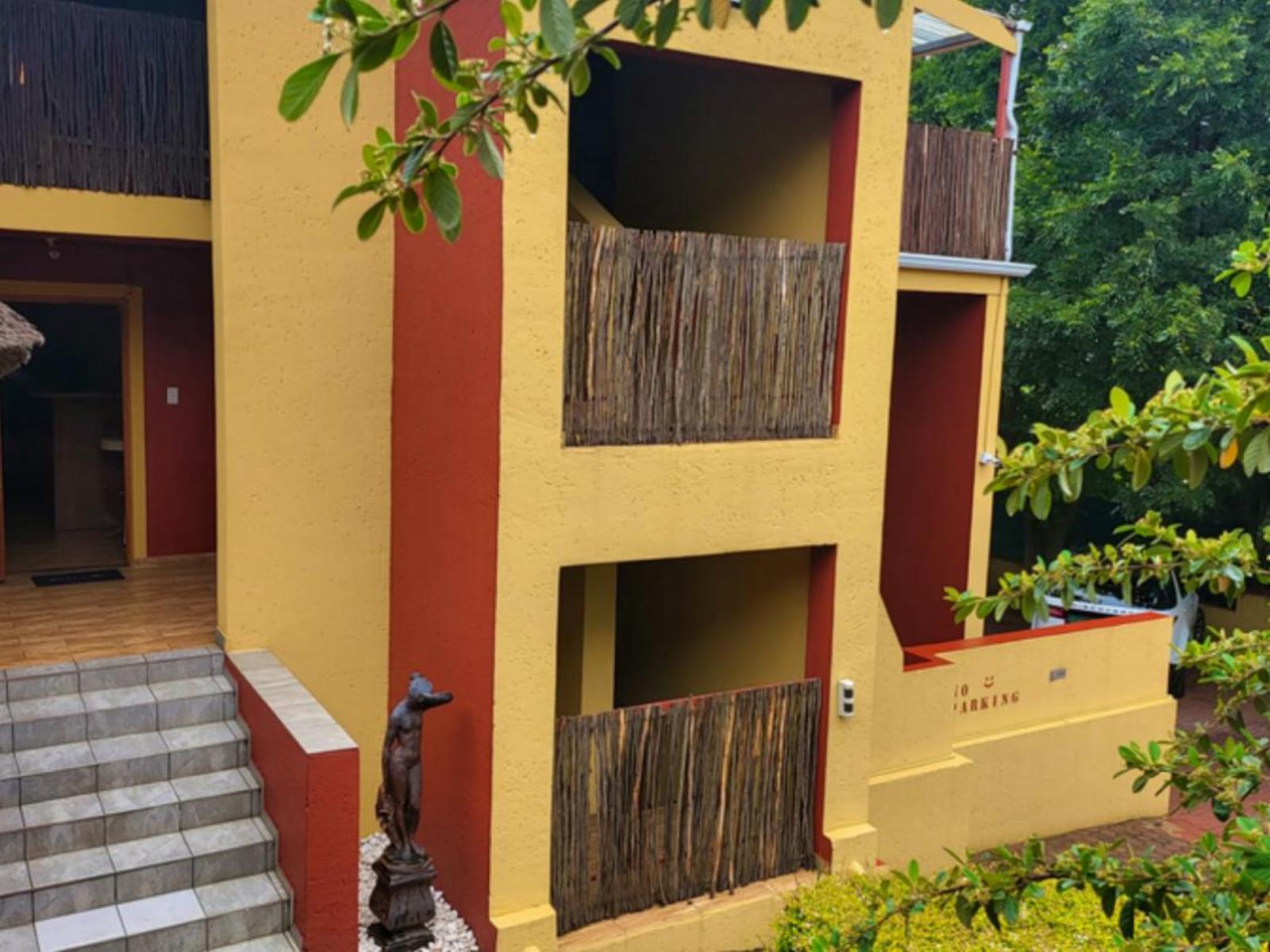
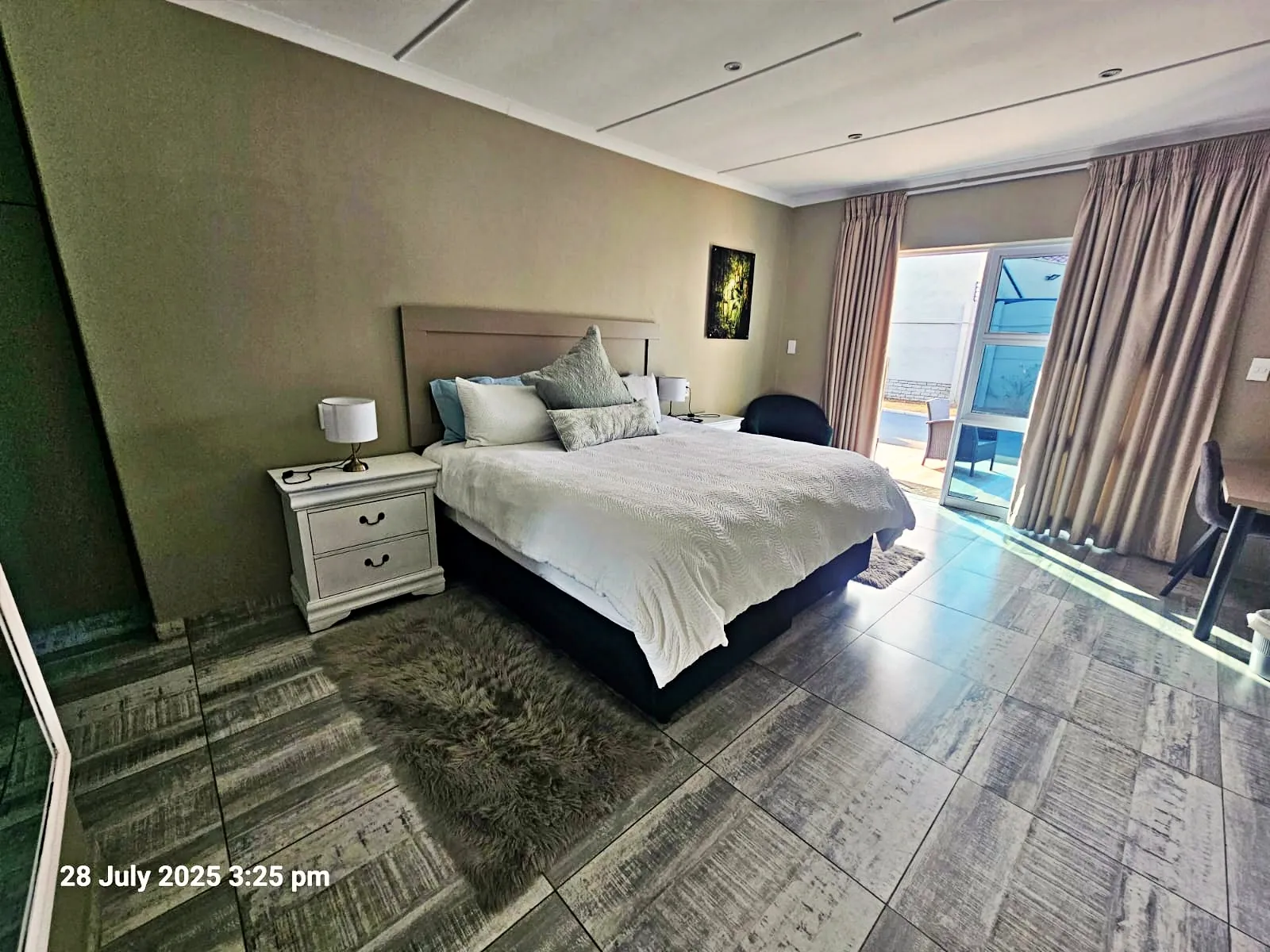
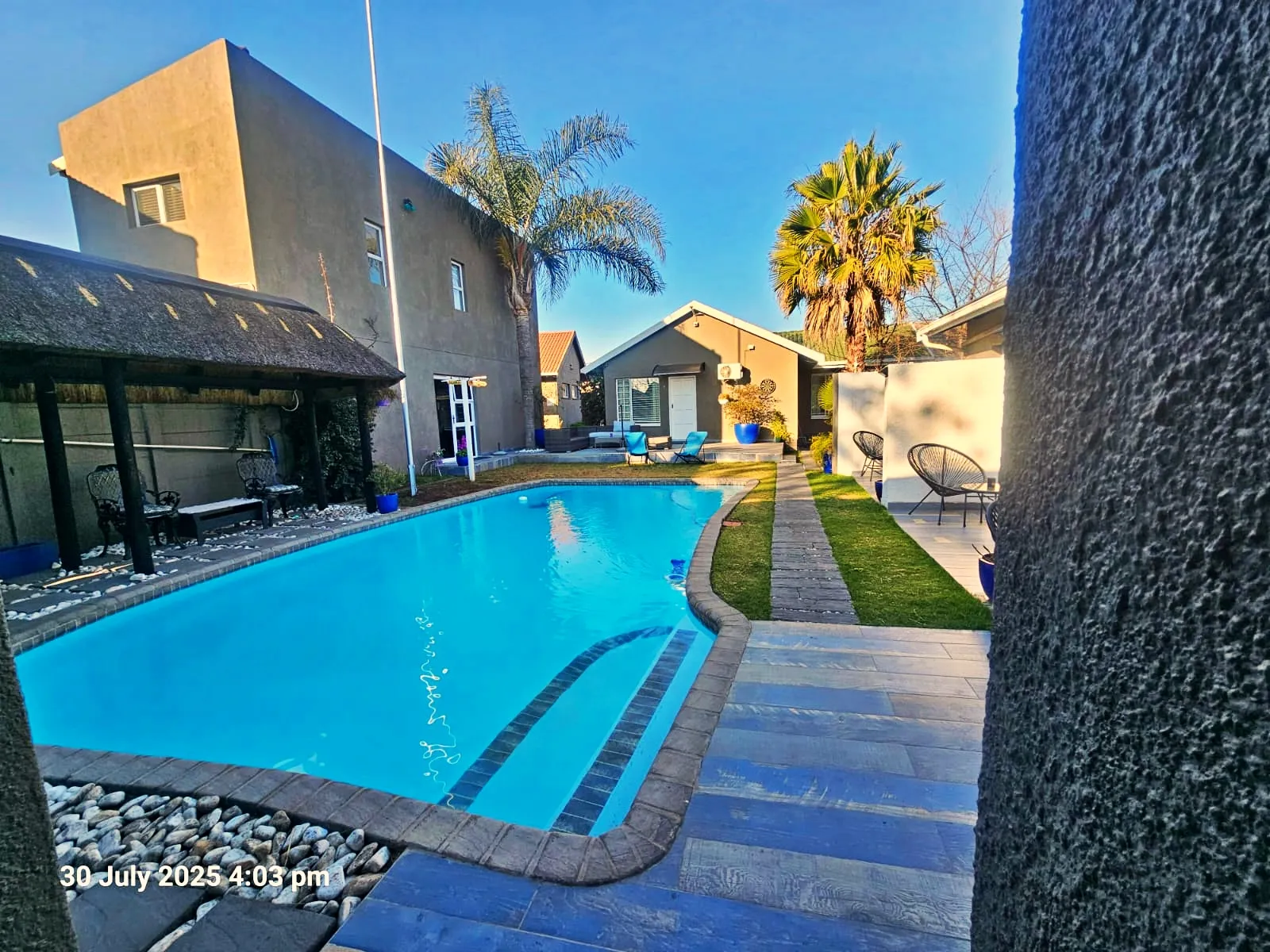
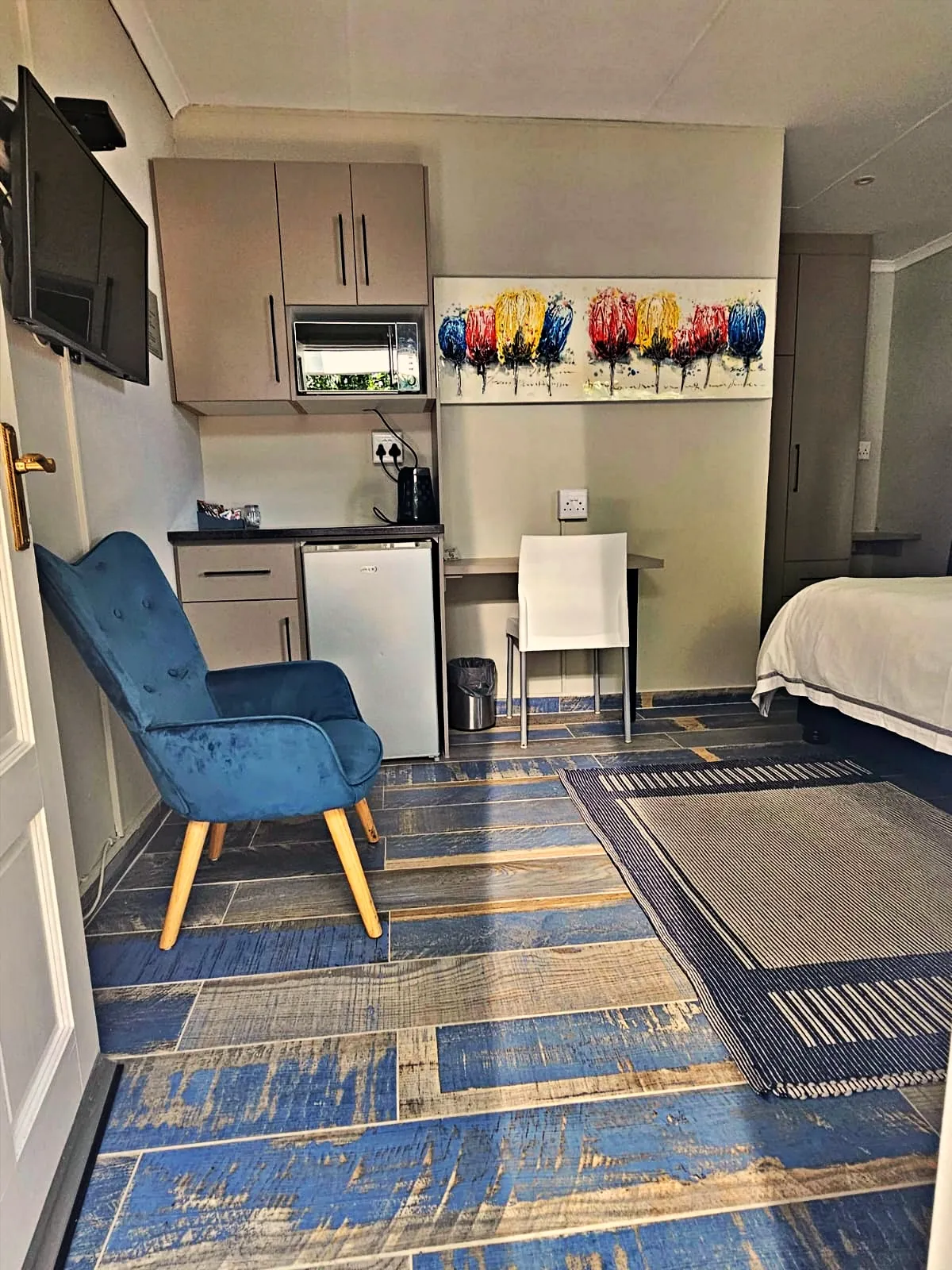
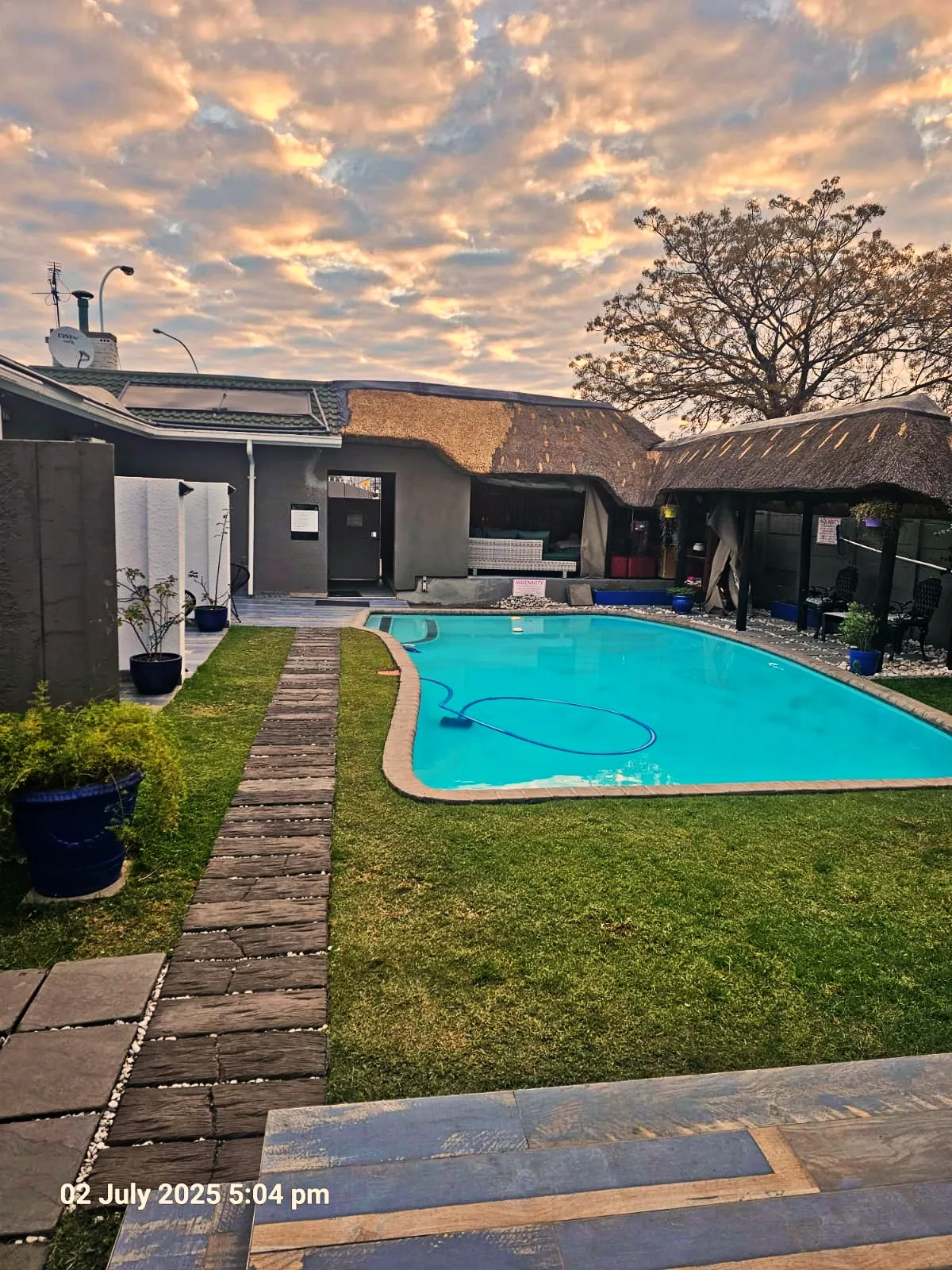
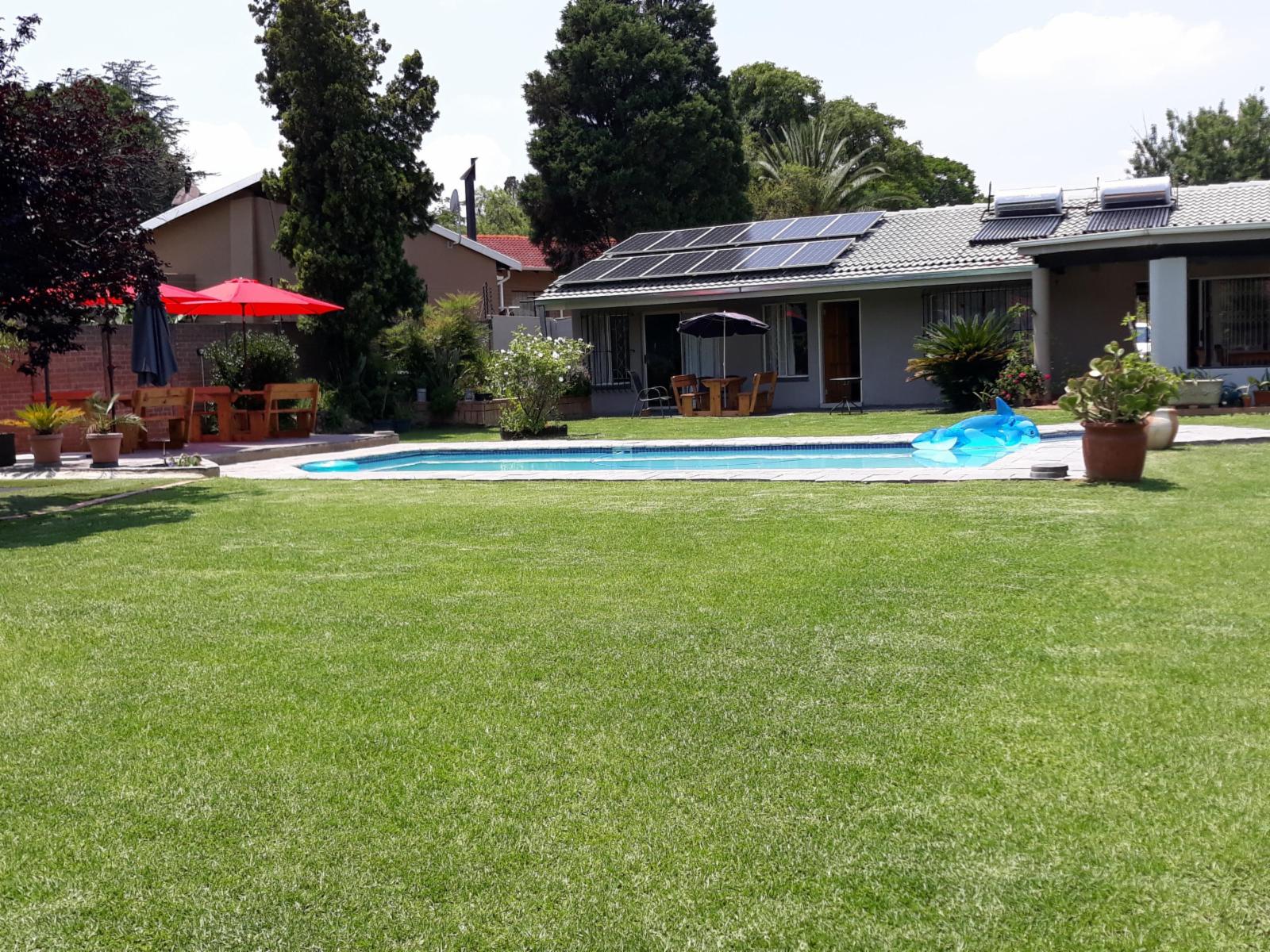
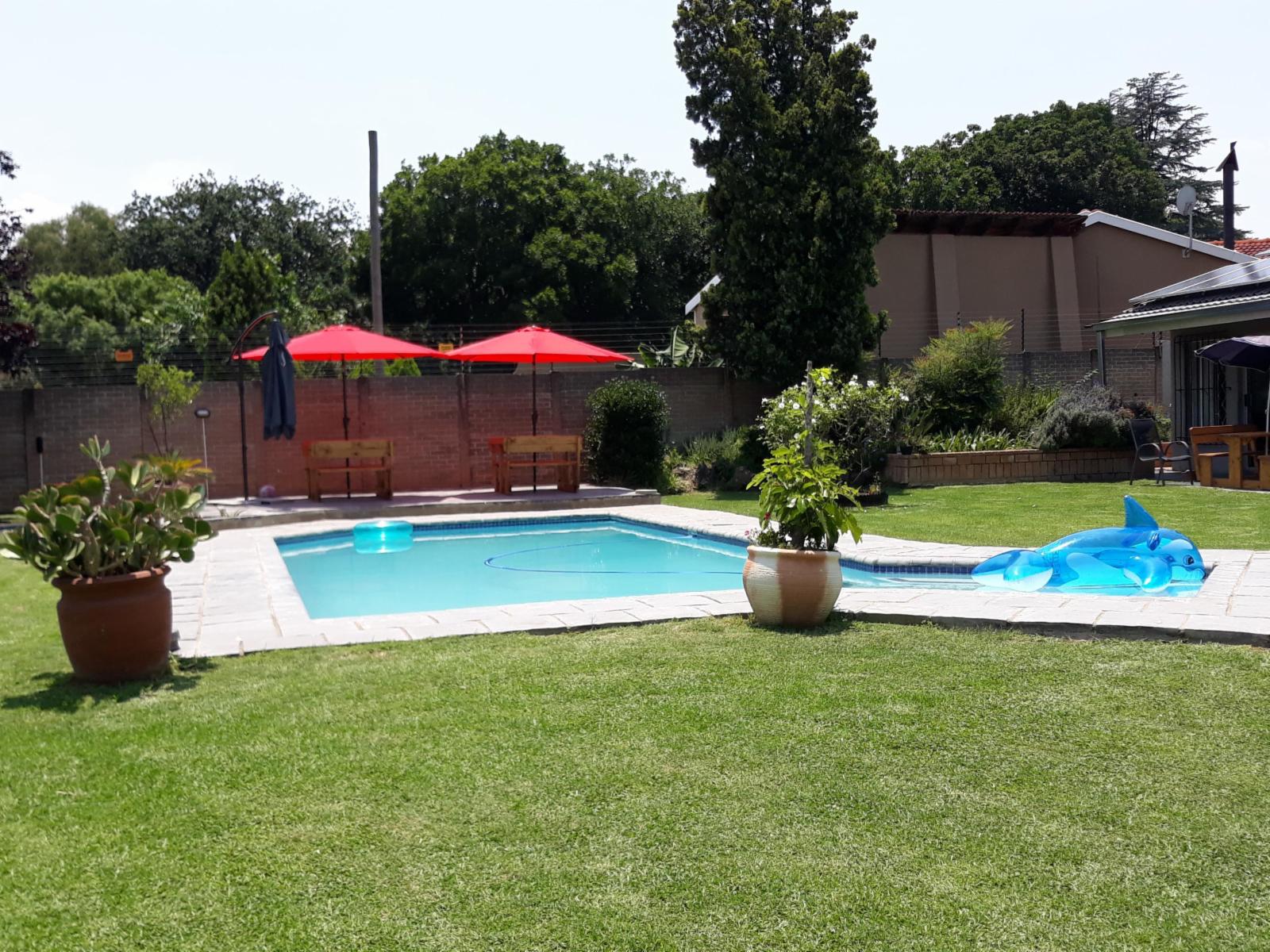
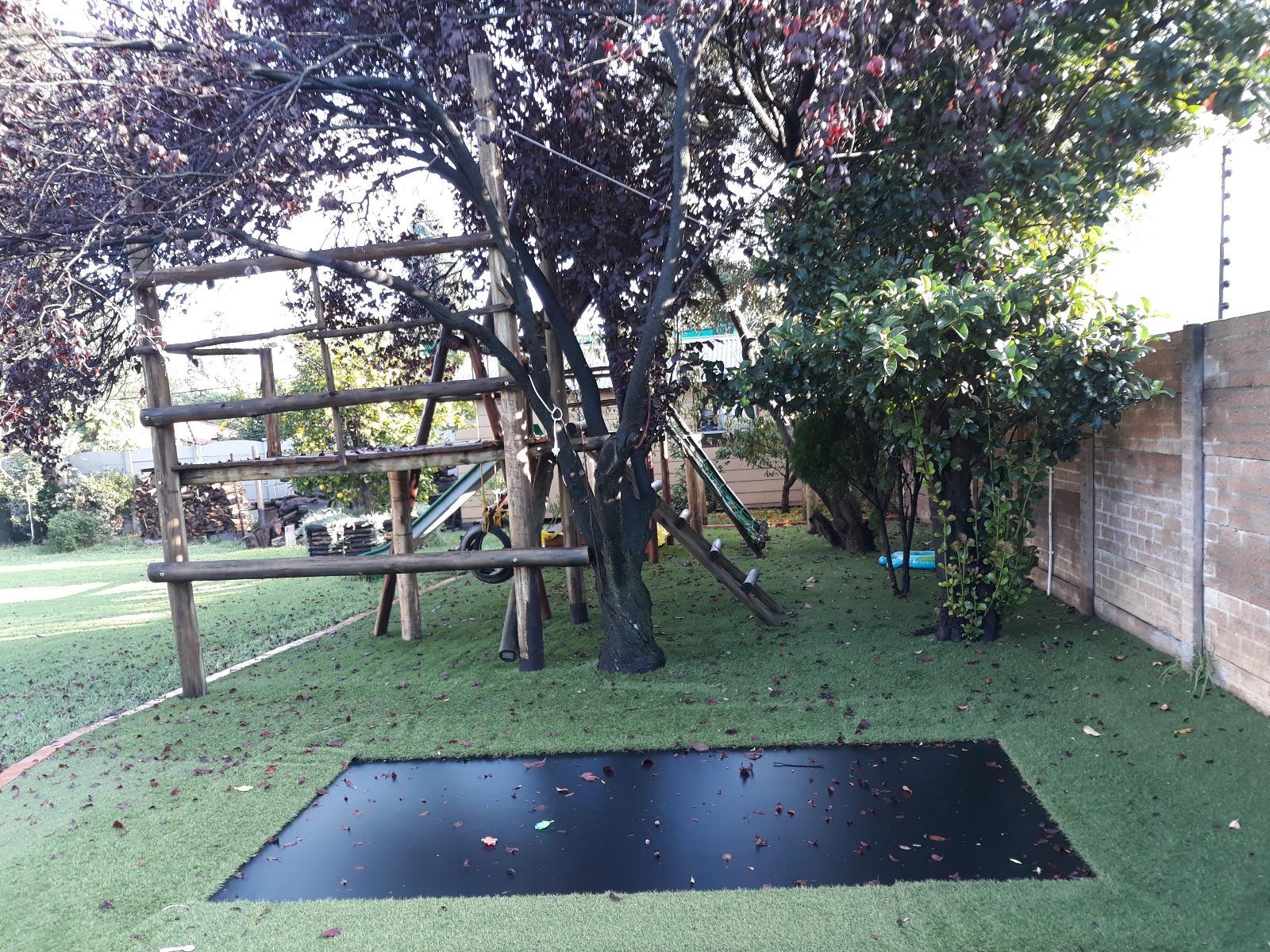
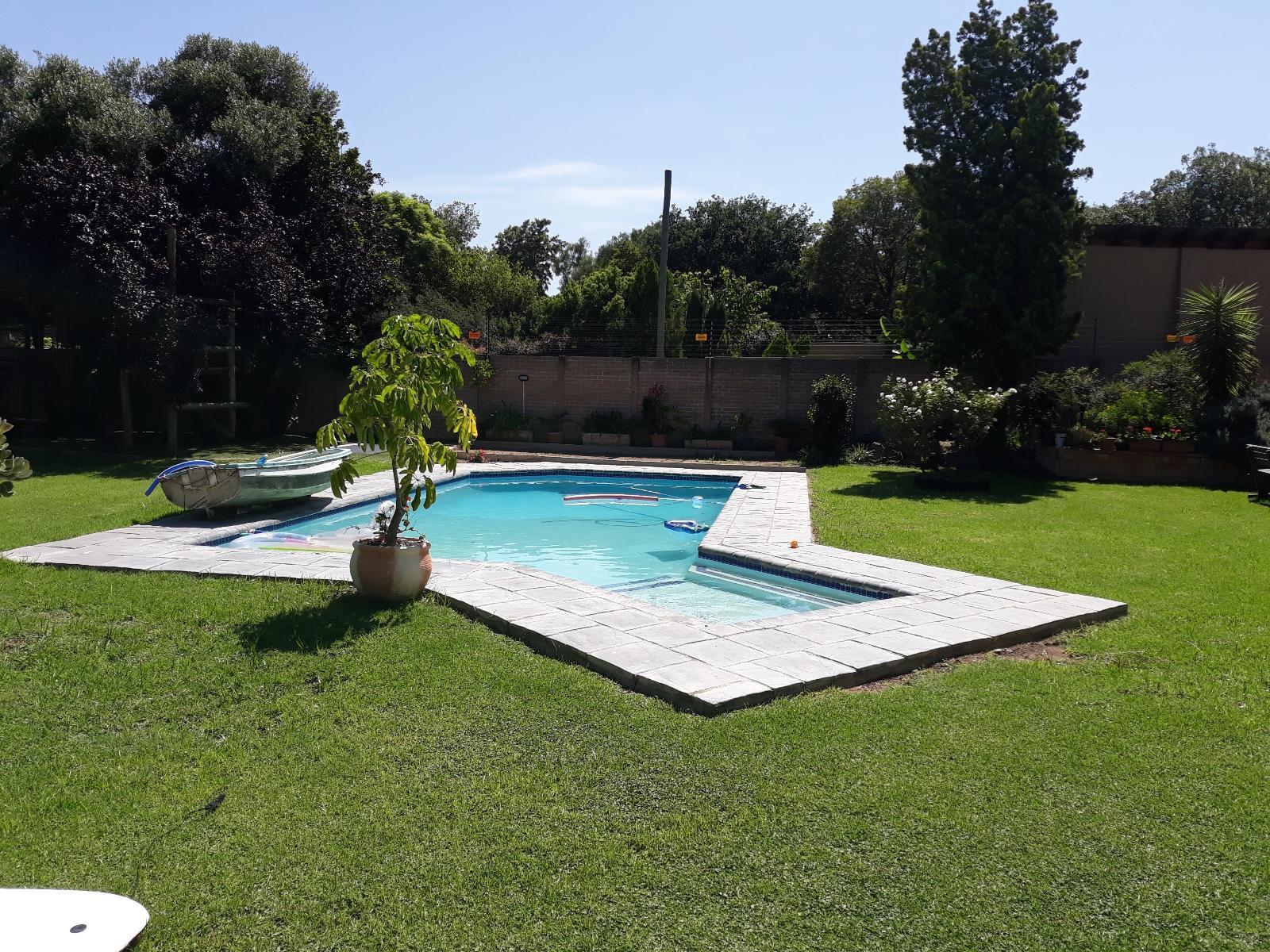
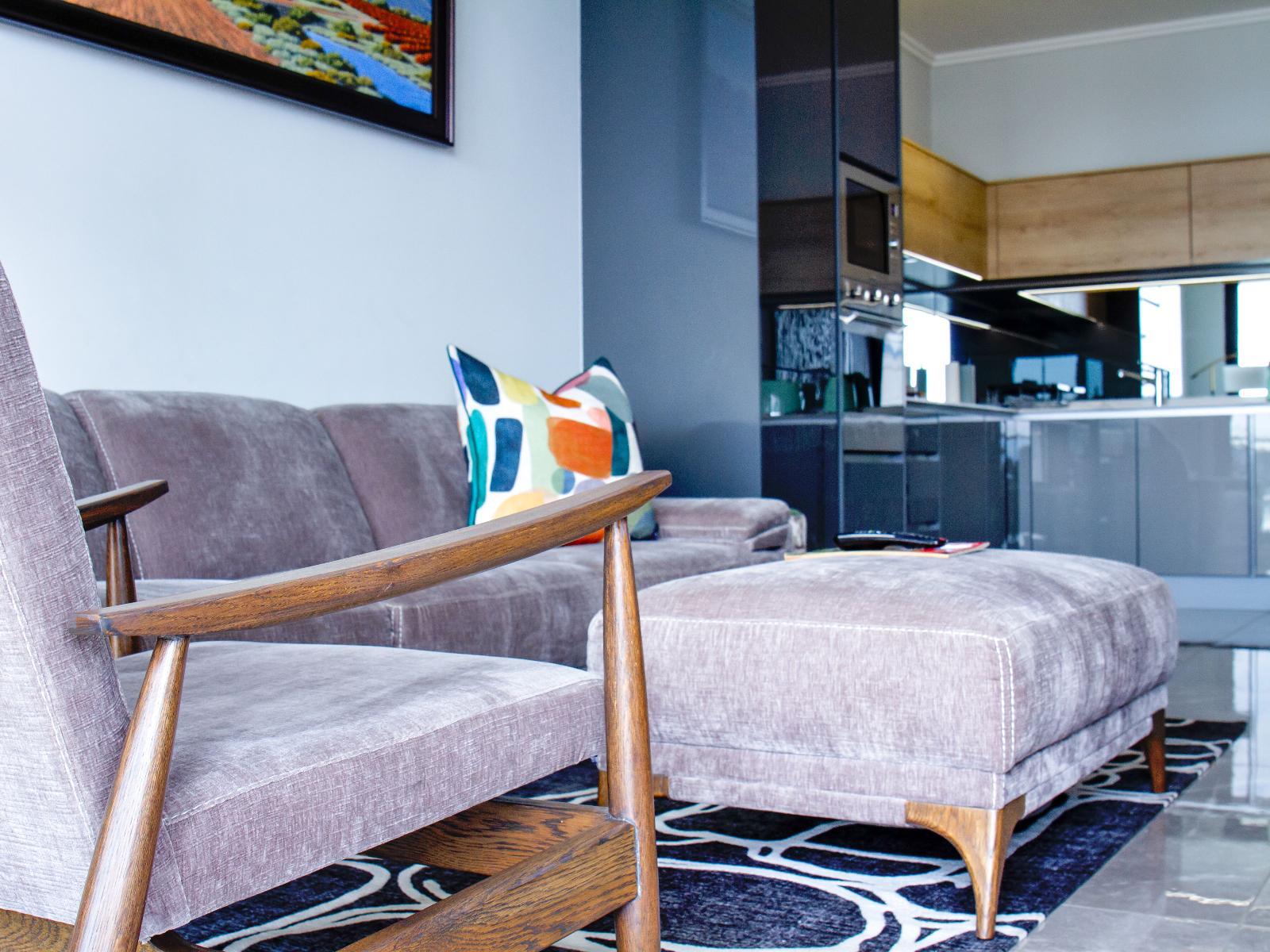
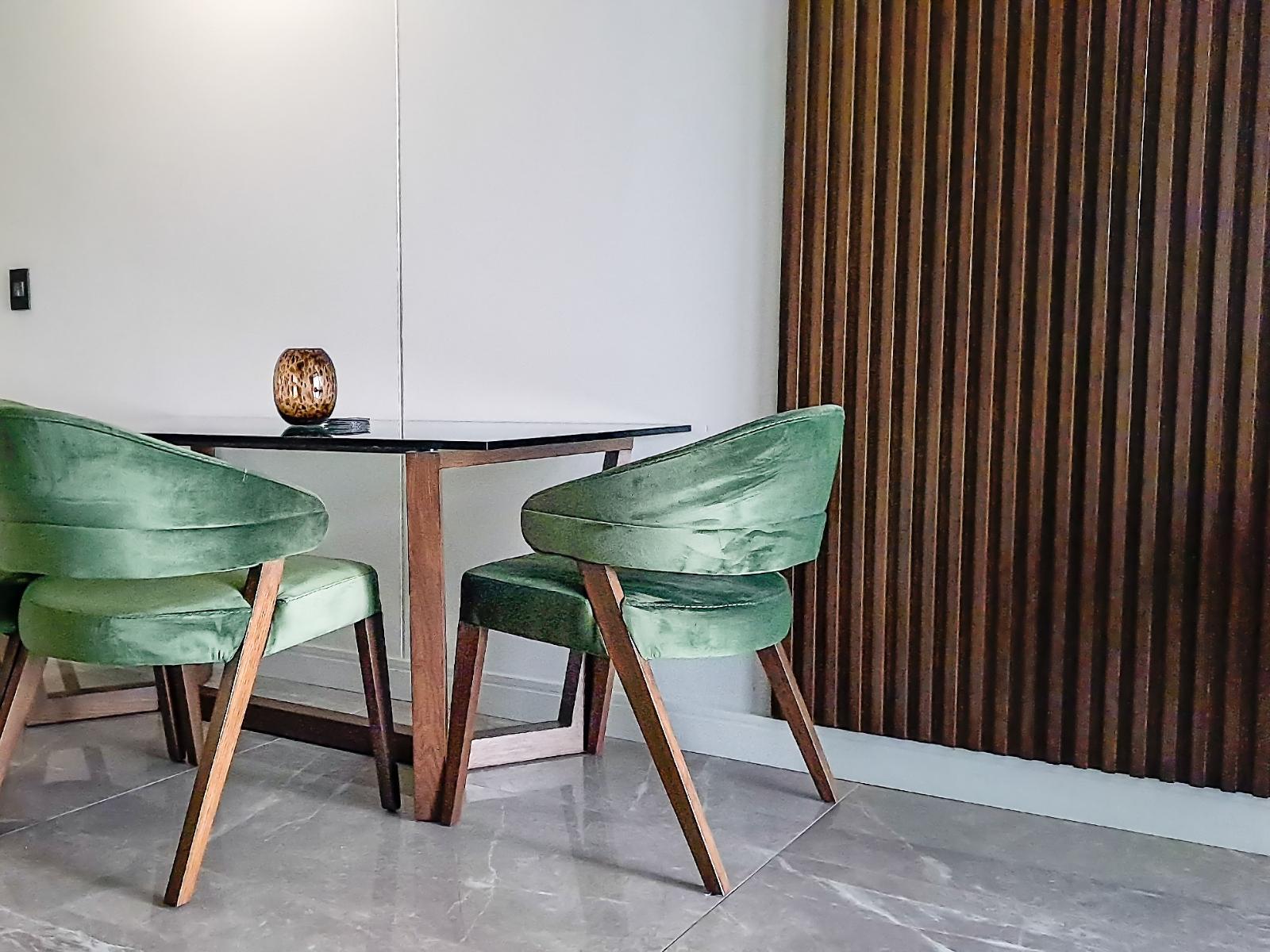
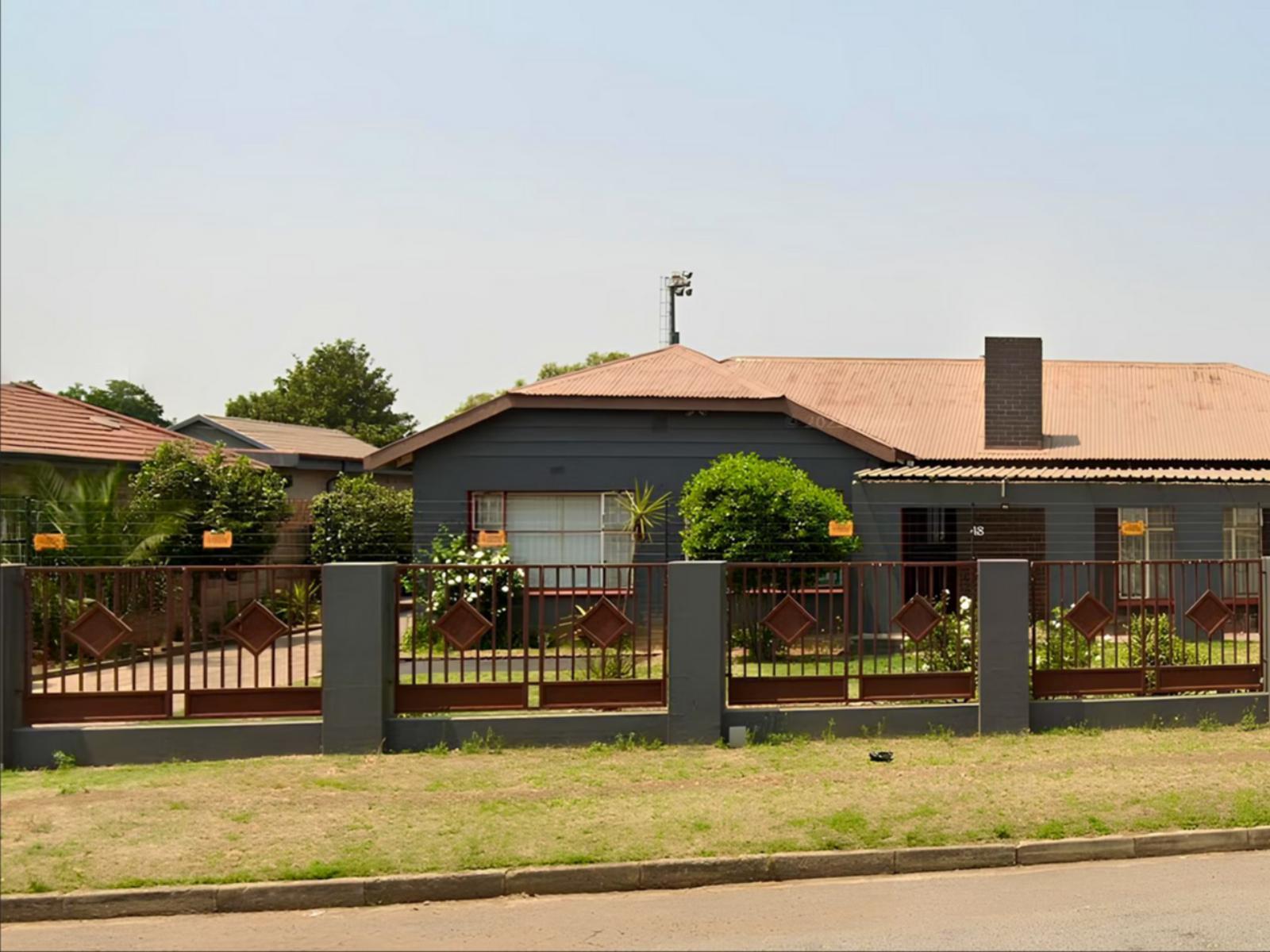
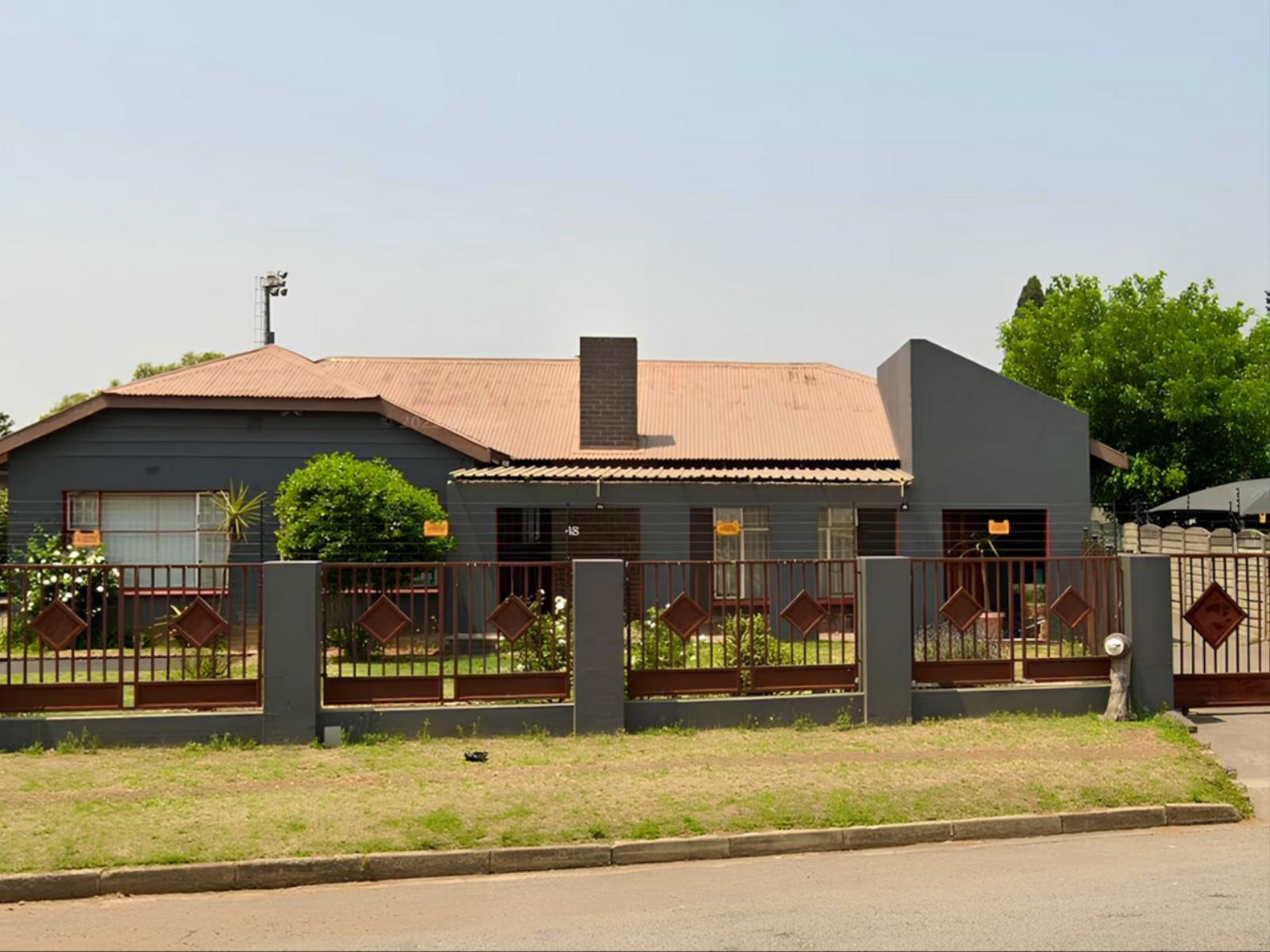
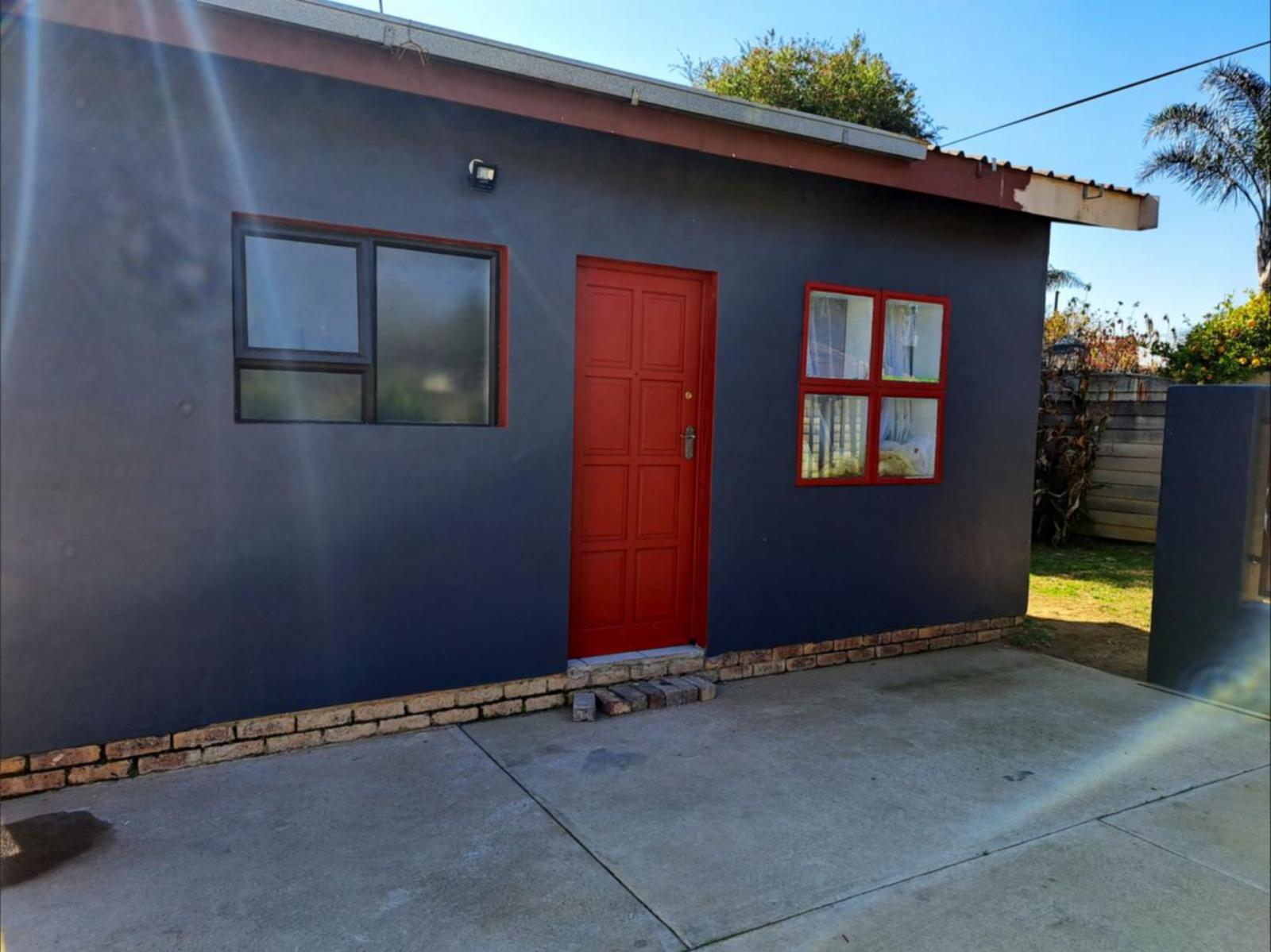
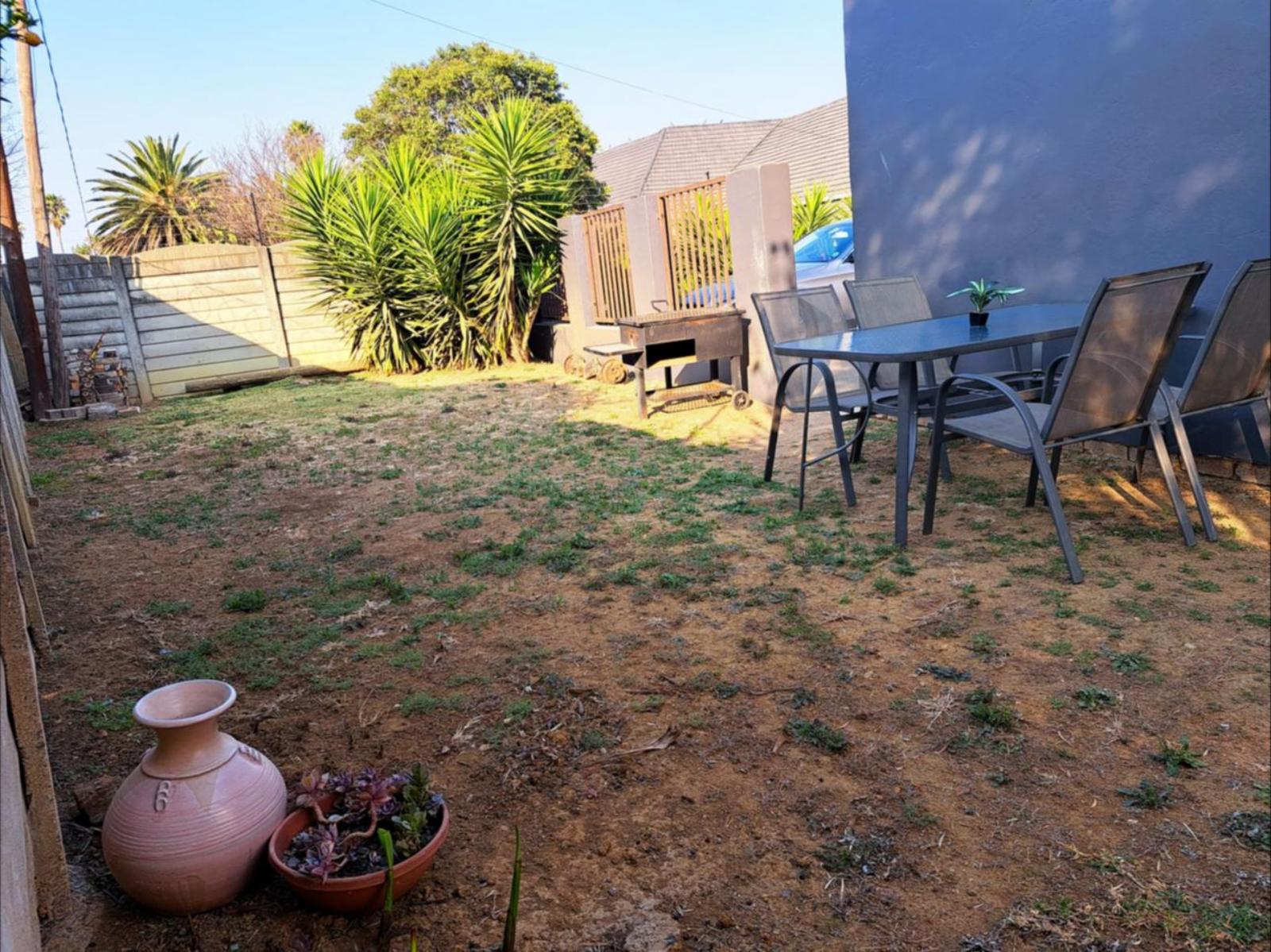
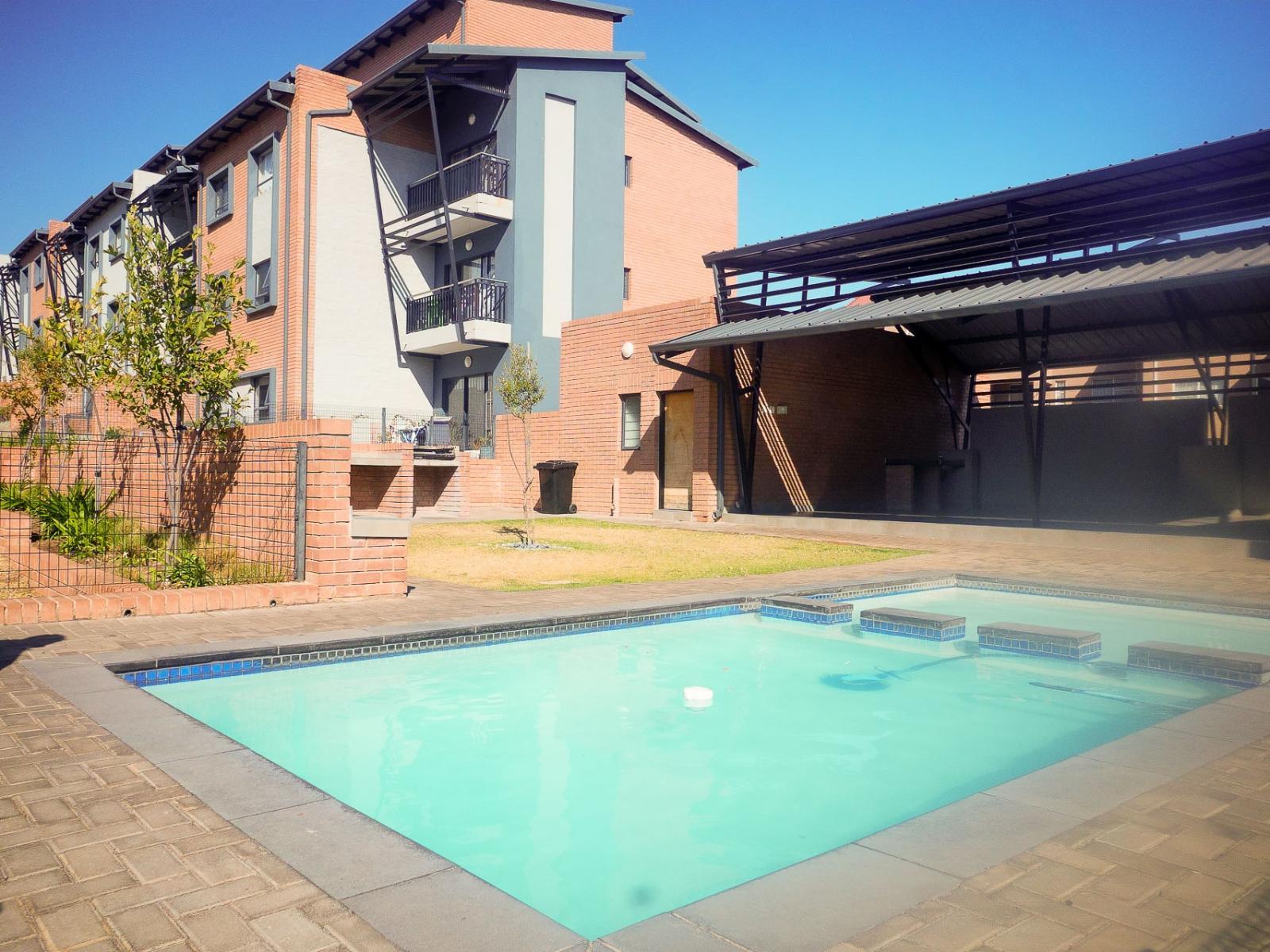
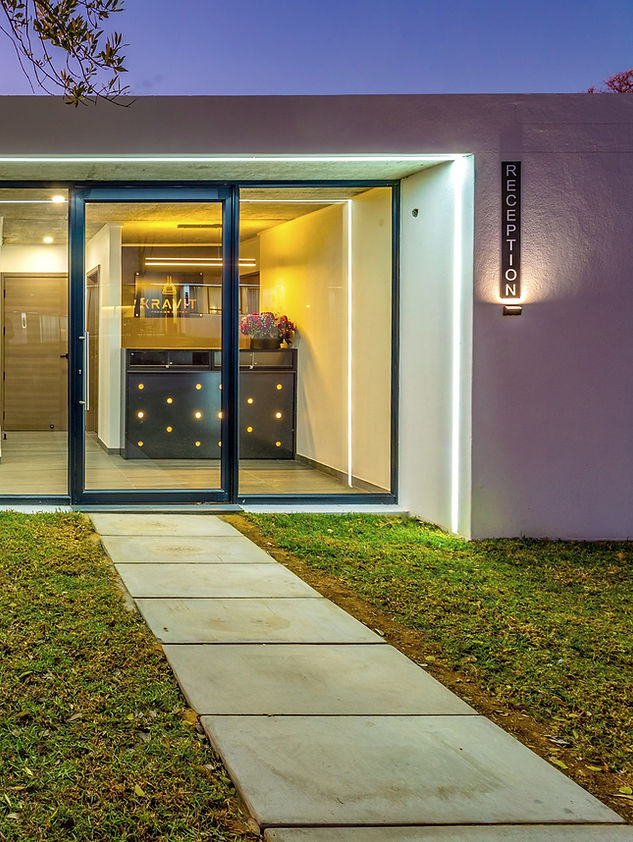
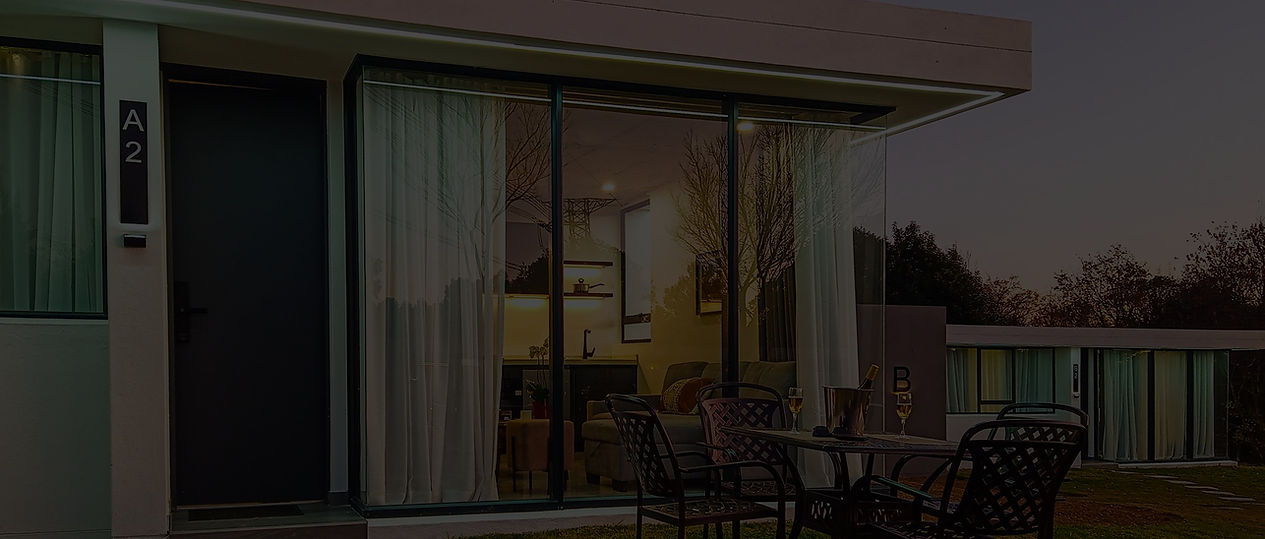
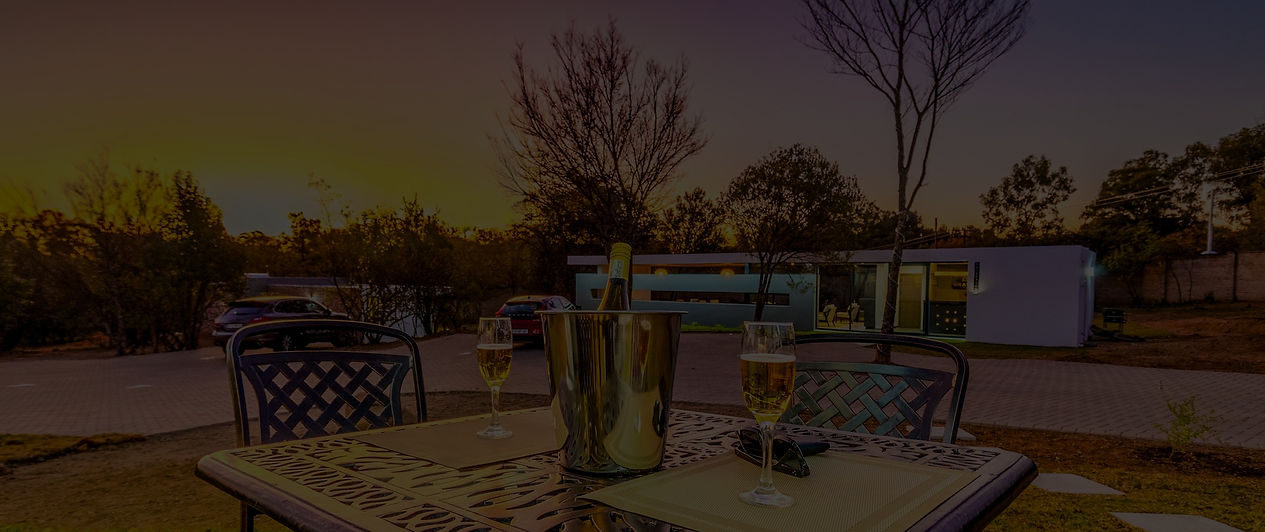
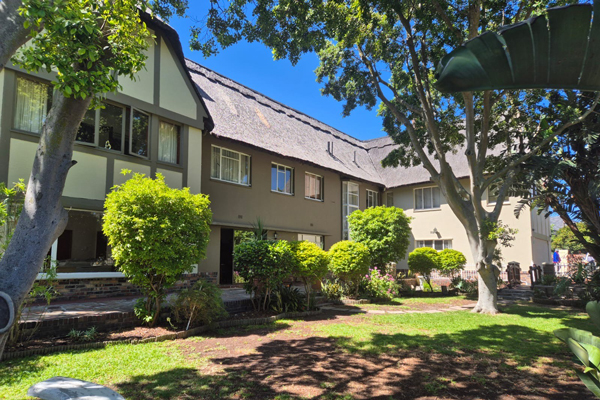
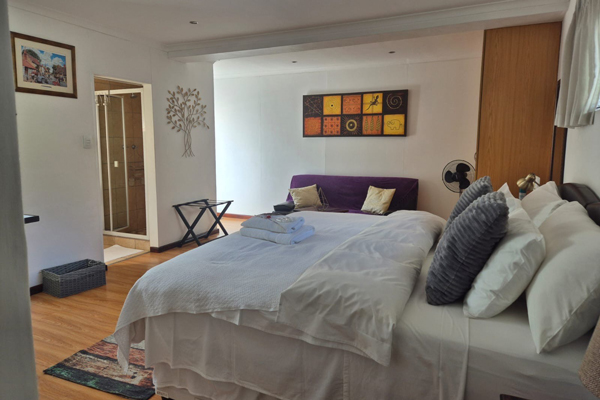
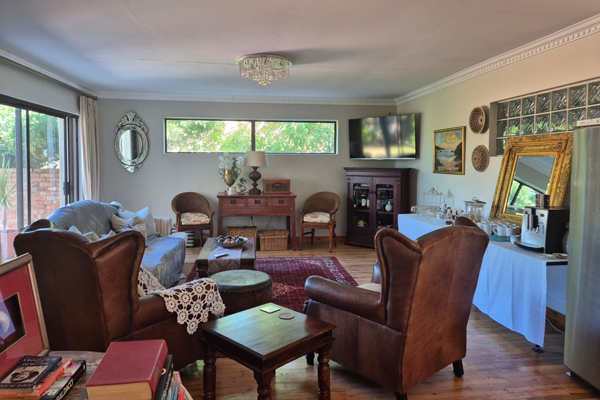
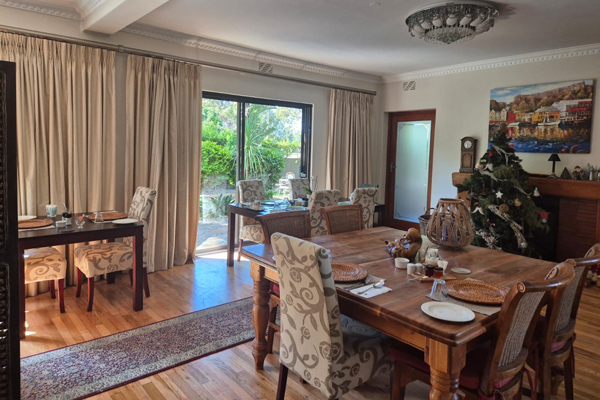
The mid-range is where most of the supply concentrates. Guesthouses form the largest category at 59 listings, averaging R2,931 per night. Most are owner-operated homes converted for guests, offering a more personal experience than chain hotels, and they vary considerably in style from Mediterranean-influenced villas to modest suburban rooms. The 20 lodges in this tier, averaging R2,275, often occupy larger properties on the city's fringes and frequently include garden space or a pool. Bed and breakfast properties, 13 in total, offer a morning meal and a family atmosphere at a similar price point, and suit visitors who prefer a slower start to the day.
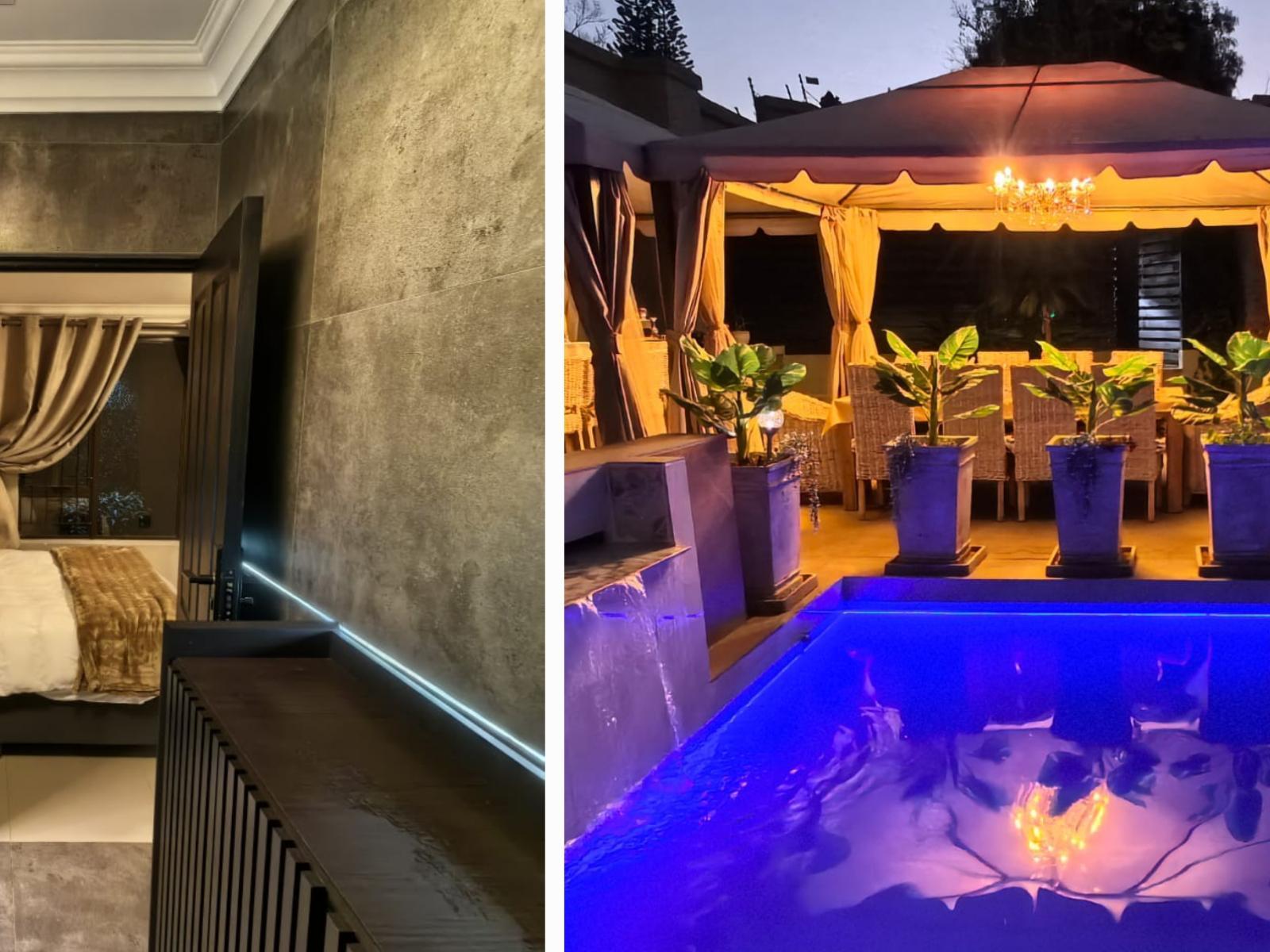
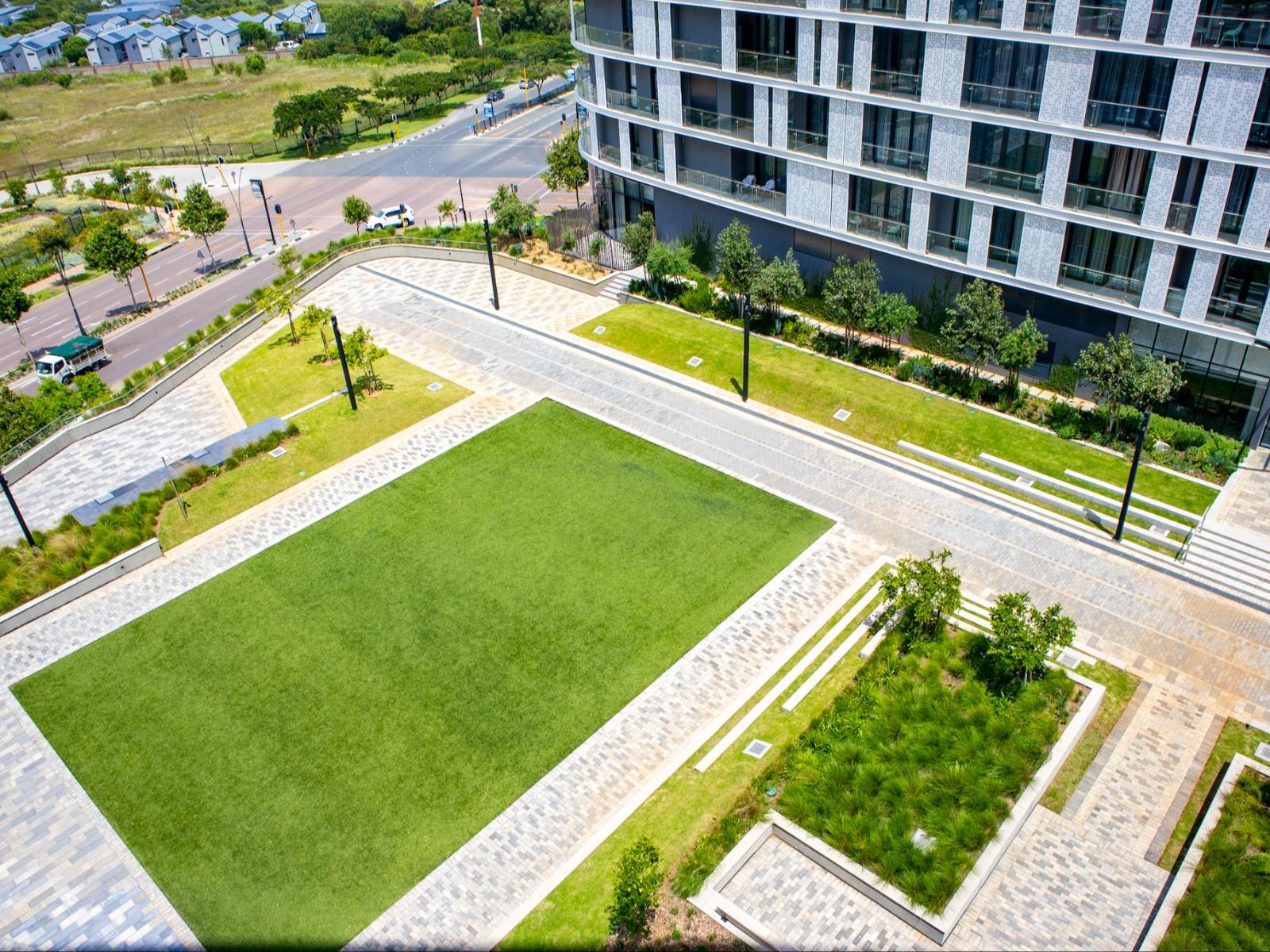
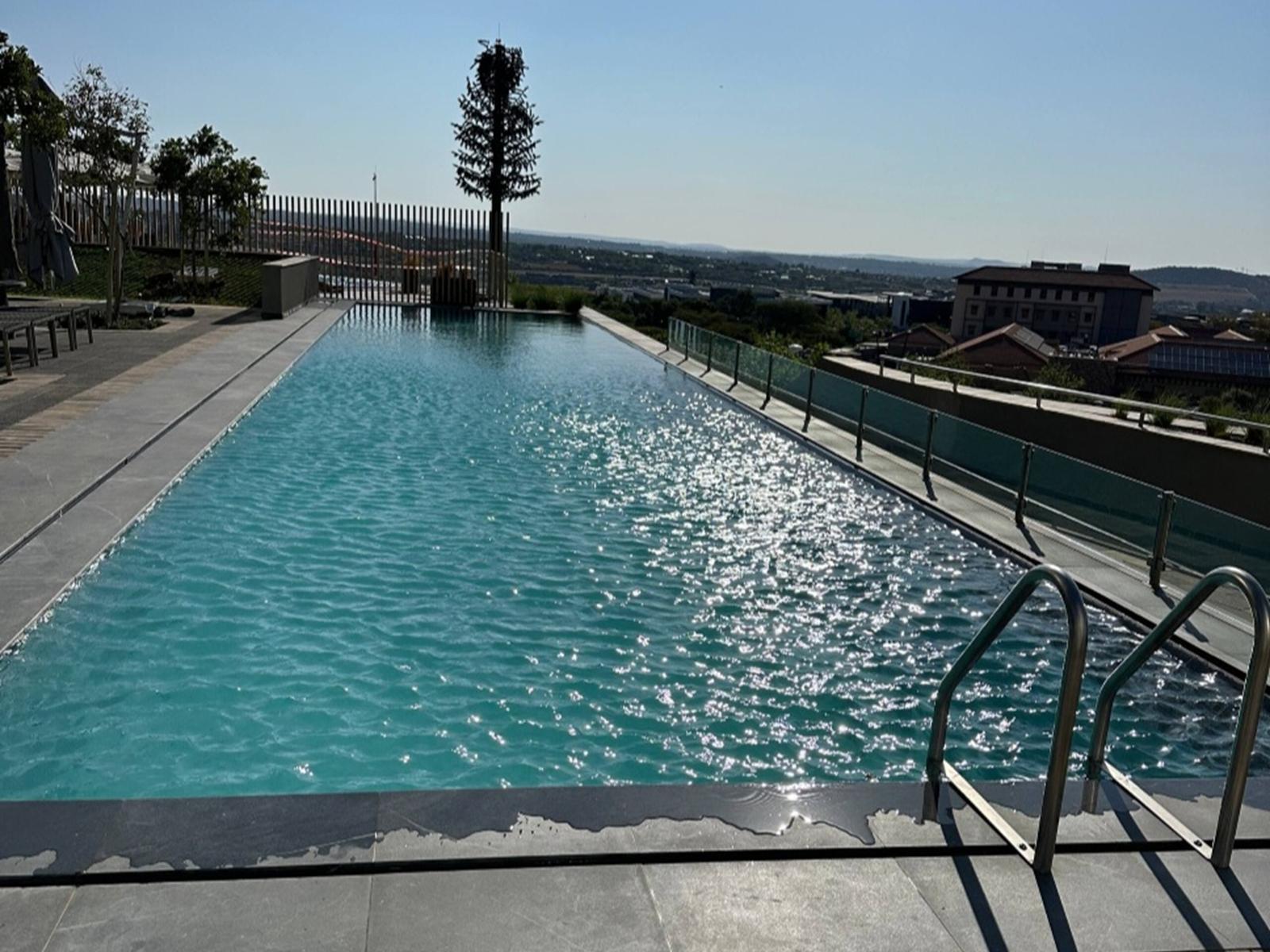
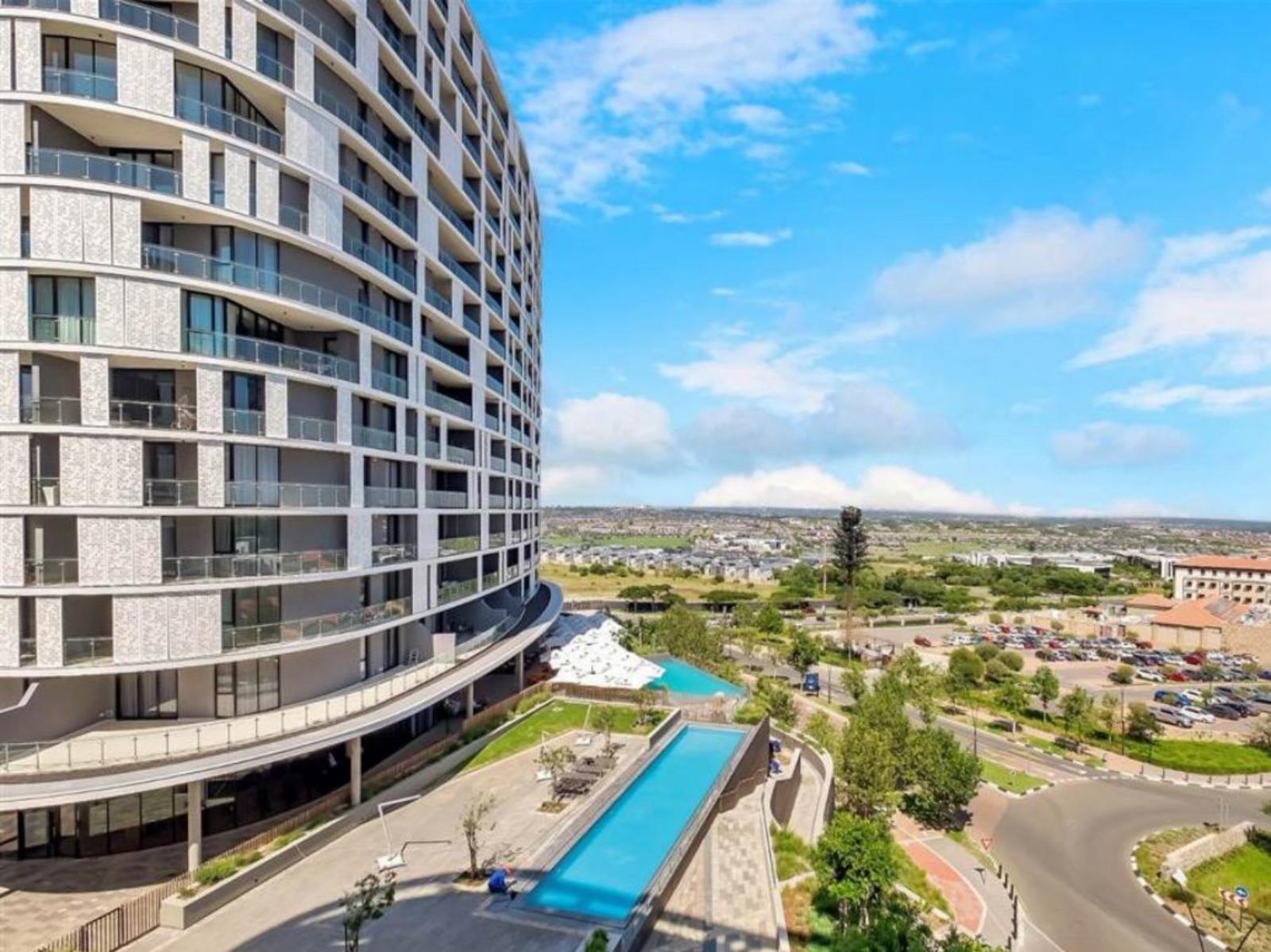
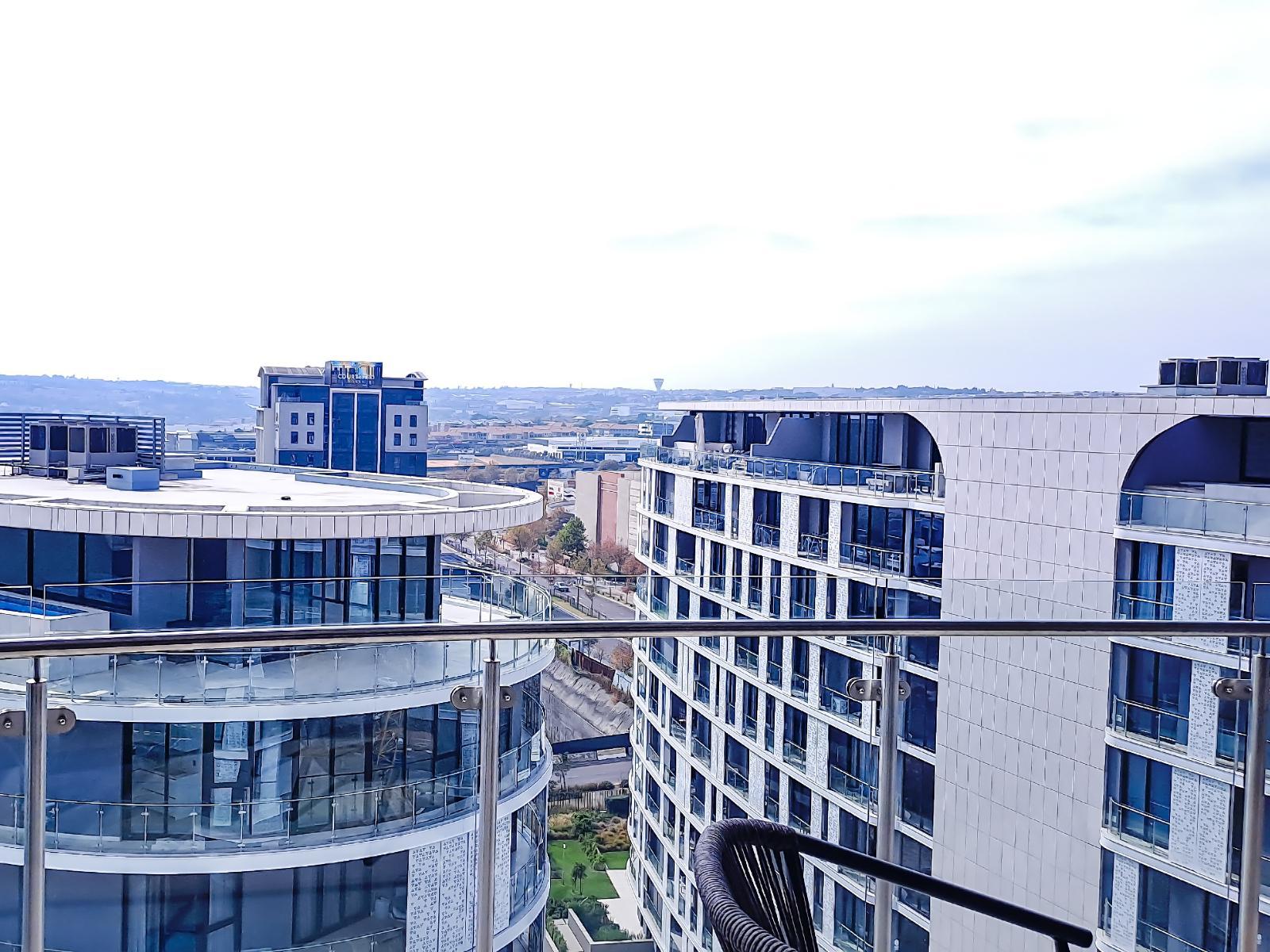
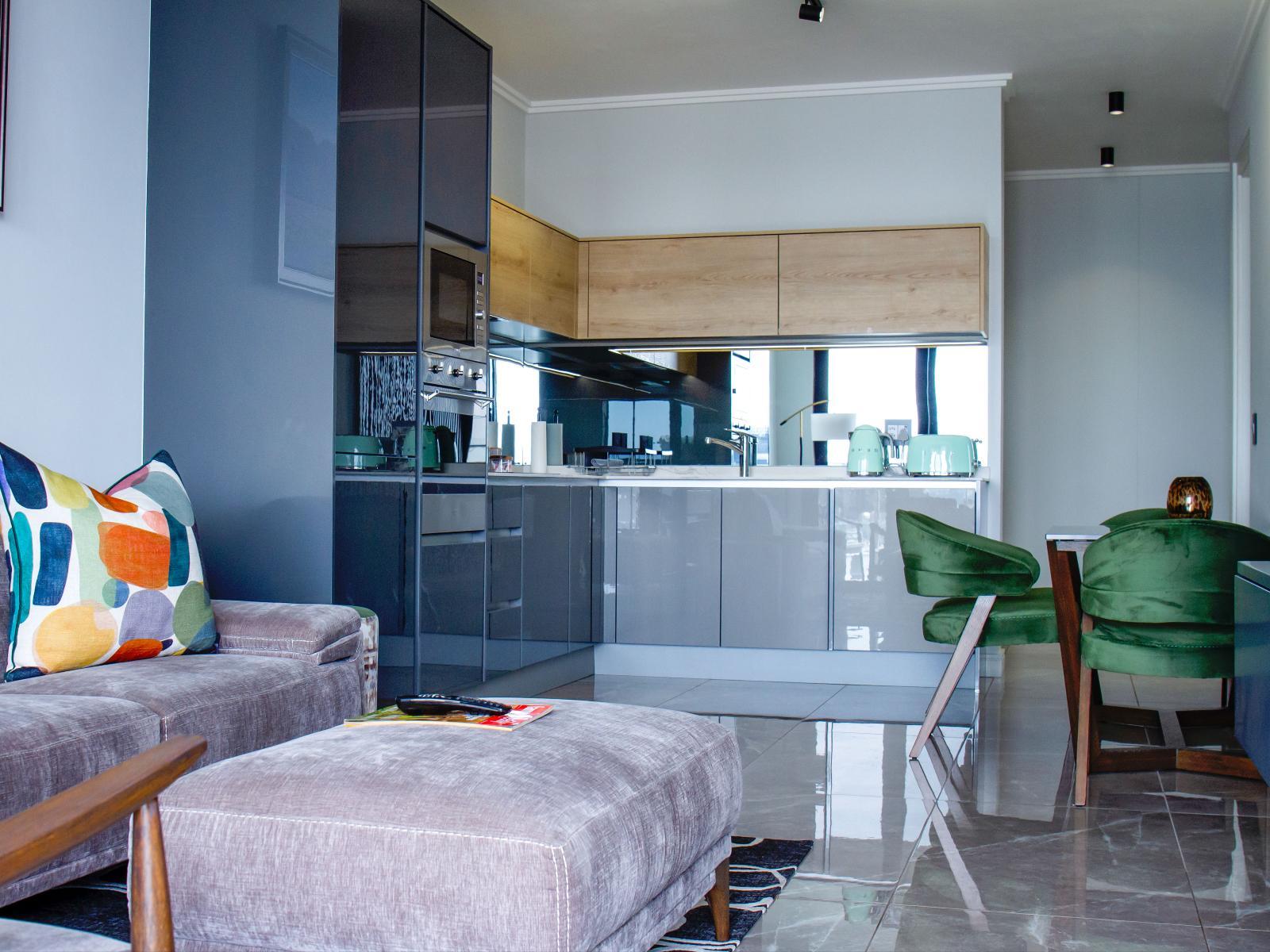
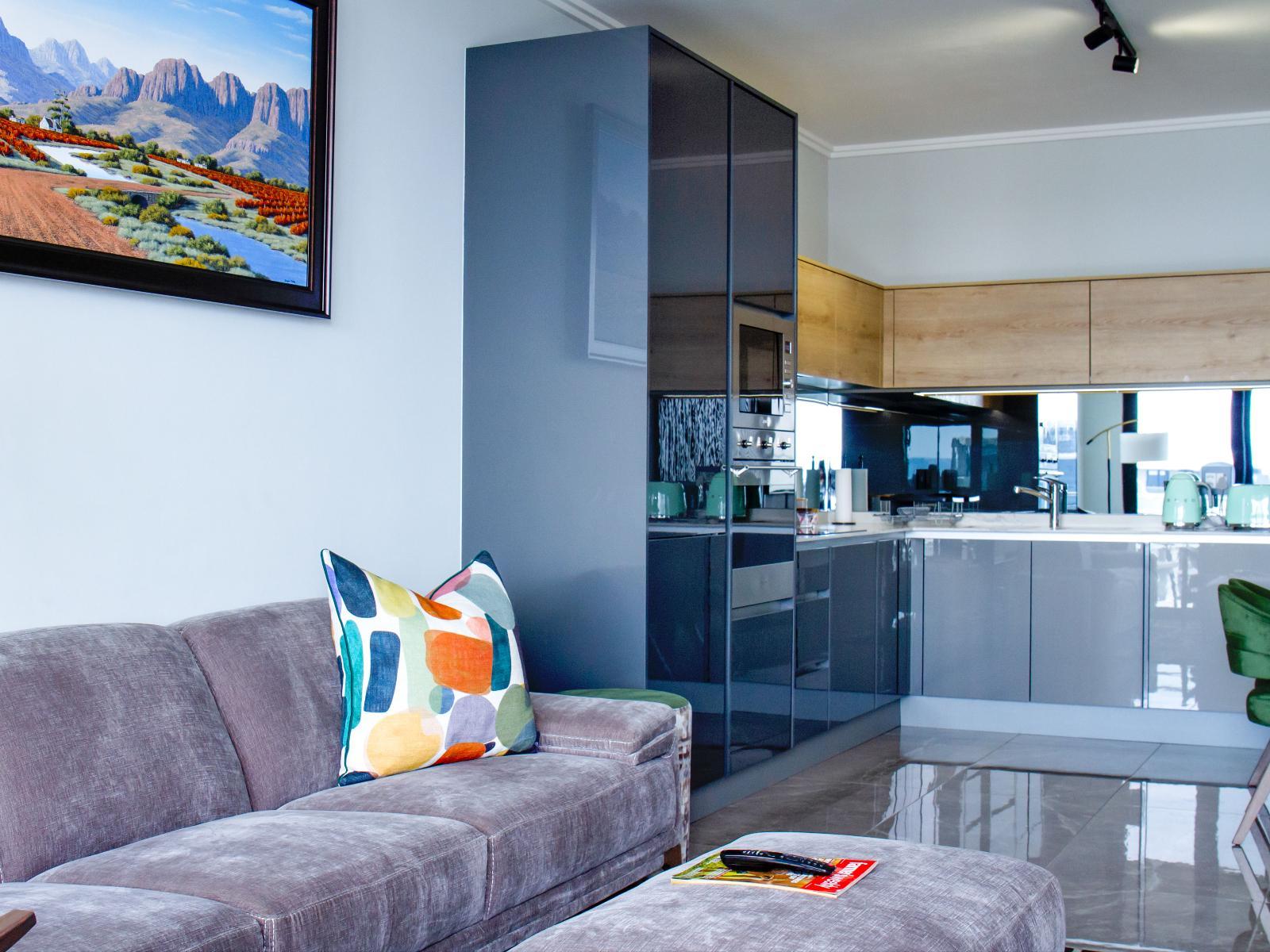
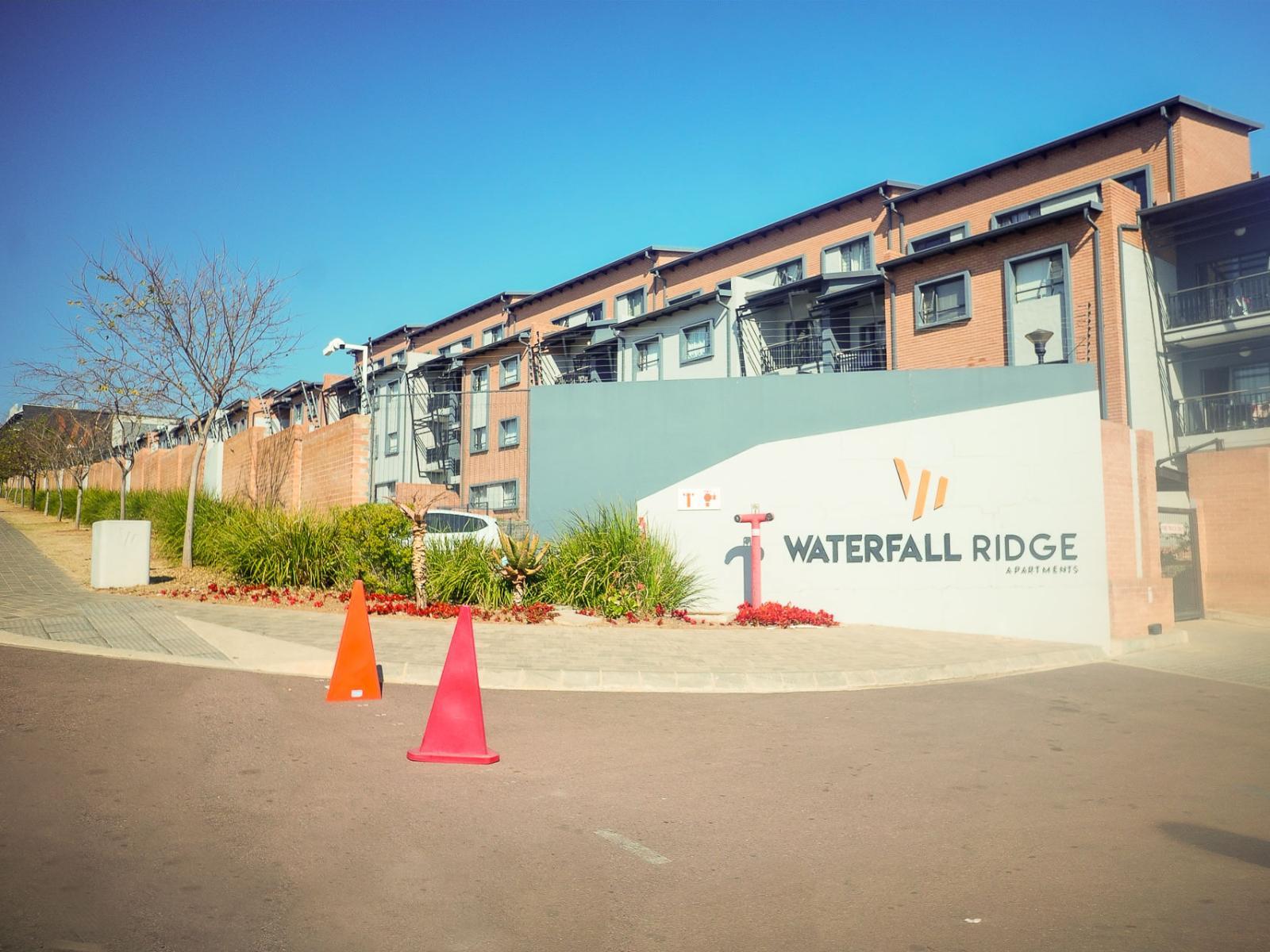
The upper tier is anchored by boutique hotels, 16 of which average R4,057 per night. These concentrate in suburbs like Sandton and Rosebank, where proximity to business districts and major retail centres commands higher rates. Full-service hotels, just four in total, sit at the top of the range at around R7,685 on average, offering conference facilities and concierge services suited to corporate visitors. Self-catering properties, eight in total and averaging R3,102, suit longer stays or small groups wanting the flexibility to cook. A small number of apartments and one cottage listing round out the options for those seeking a more residential feel.
Things to Do in Johannesburg
The Apartheid Museum in Ormonde is among the most significant historical institutions in Africa. Exhibits trace the country's apartheid era through photographs, film footage, and personal testimonies, and the museum typically requires two to three hours to cover properly. It includes outdoor installations alongside the main gallery spaces, and tickets can be purchased on arrival or online.
Soweto, roughly 15 kilometres southwest of the city centre, draws visitors for both its history and its ongoing community life. The Hector Pieterson Memorial and Museum marks the 1976 student uprising that became a turning point in the resistance movement. On Vilakazi Street, the Mandela House, former home of Nelson Mandela, operates as a small museum open to the public. Archbishop Desmond Tutu also lived on the same street, giving it the distinction of having housed two Nobel Peace Prize laureates.
Constitution Hill in Braamfontein houses the Constitutional Court alongside a heritage precinct built on the site of the Old Fort Prison, where both Gandhi and Mandela were once held. Guided tours run on weekdays and are worth booking in advance during busy periods.
For outdoor time, the Johannesburg Botanical Garden in Emmarentia covers 81 hectares and includes a rose garden, a herb garden, and open lawns popular with families on weekends. Entry is free.
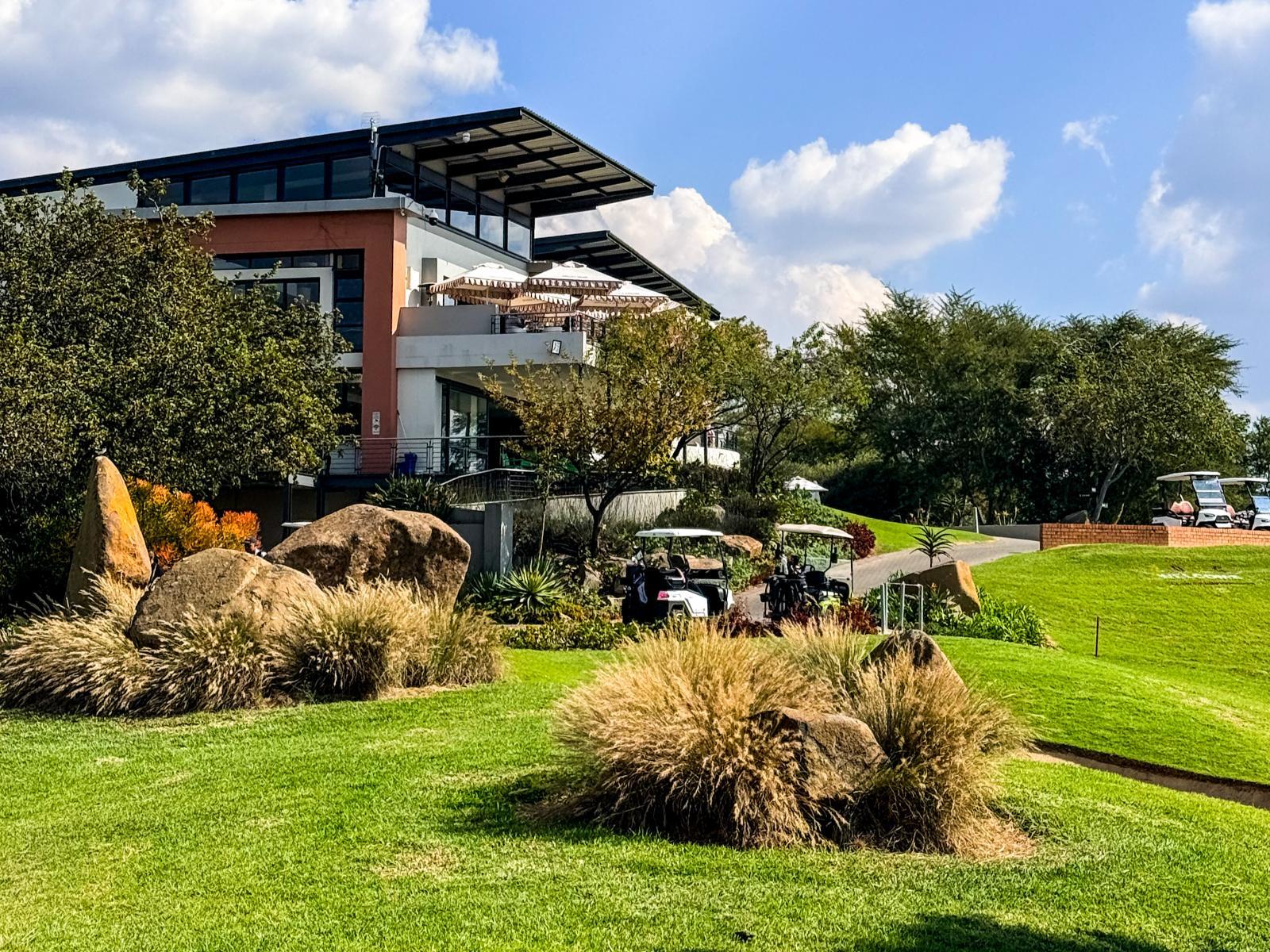
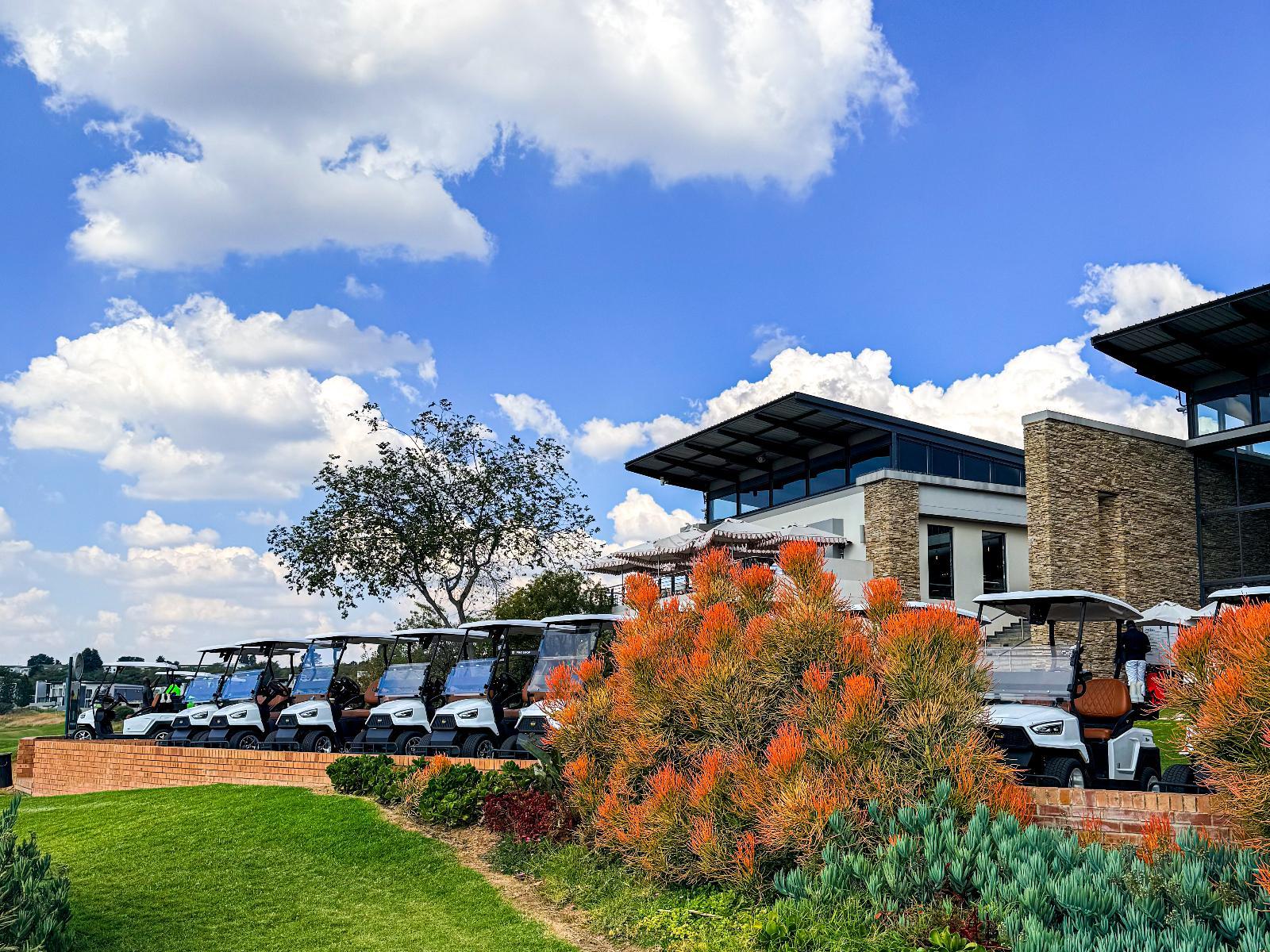
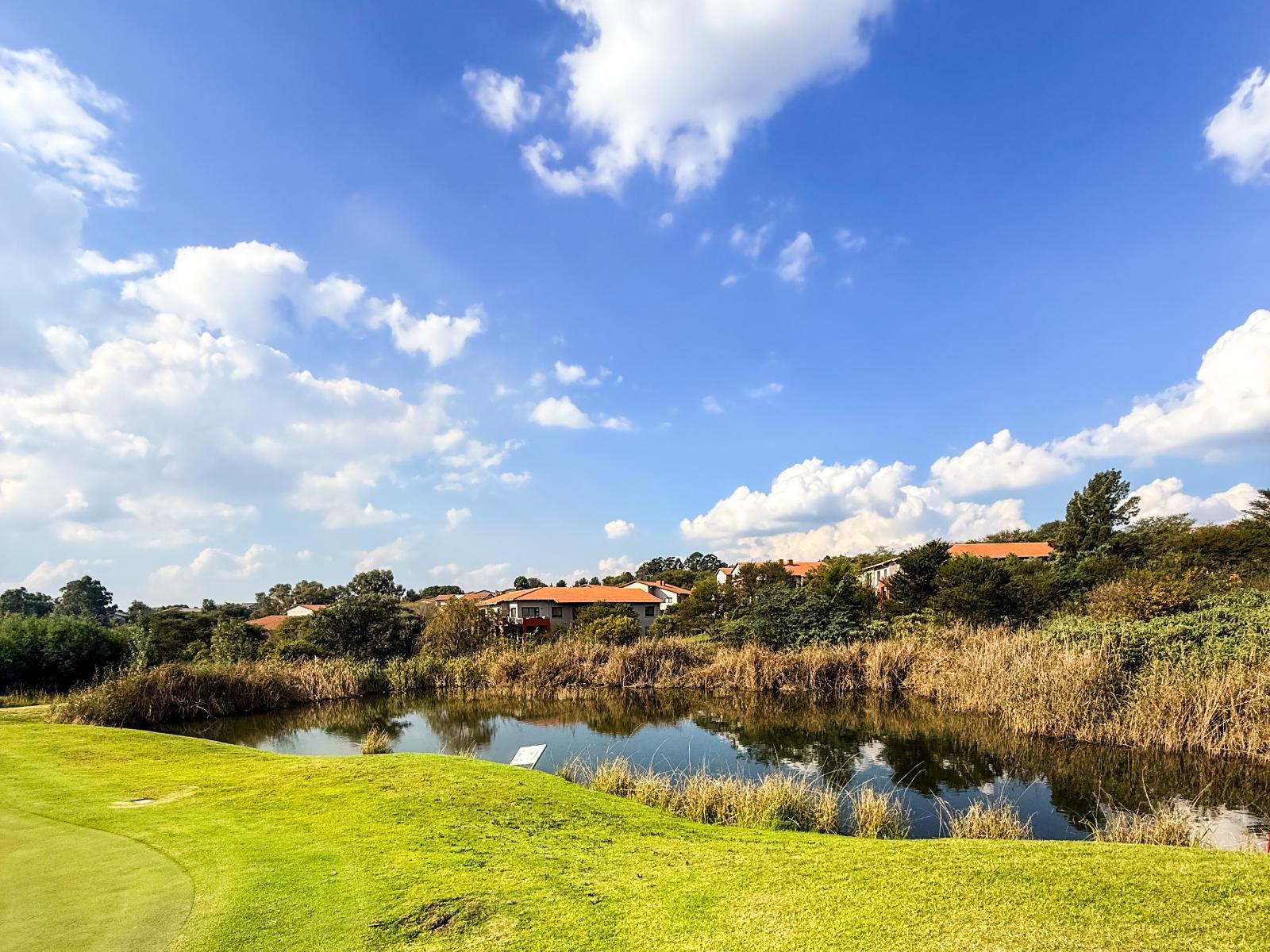
Golf is well catered for across the metropolitan area, with several established courses reachable within 20 to 30 minutes by car from most parts of the city. To the north, the Lion and Safari Park lies approximately 30 kilometres from the CBD and offers guided game drives with access to big cats, rhinos, and other species in a managed reserve. This is a practical option for visitors who want a wildlife experience without the longer journey to Kruger National Park.
The northern suburbs contain some of the continent's larger shopping complexes, with Sandton City anchoring a dense retail district. For something more local in character, the Neighbourgoods Market at 44 Stanley in Milpark runs on weekend mornings, offering artisan food, craft goods, and local produce.
Best Time to Visit Johannesburg
Gauteng sits on a high plateau at around 1,750 metres above sea level, which moderates temperatures compared to coastal South African cities. Summers, from November through February, are warm to hot, with daytime temperatures regularly reaching the low 30s Celsius. Afternoon thunderstorms are common during this period. They are typically sharp and brief, but can disrupt outdoor plans and occasionally cause flooding on low-lying roads.
Winter, from June through August, brings dry, clear skies and cold nights. Overnight temperatures can drop below freezing in July, though daytime highs usually sit between 16 and 20 degrees Celsius. The dry conditions make this the most effective time for game viewing at nearby reserves, as animals move predictably toward water sources and sparse vegetation improves sightlines.
April and May, and again September and October, offer mild weather without the summer rains or winter cold. These months suit outdoor sightseeing most comfortably. School holiday periods in December and over Easter see increased domestic travel across Gauteng, which pushes demand higher and reduces last-minute availability. Visitors planning around those windows should book well in advance and expect livelier crowds at popular sites.
Getting to Johannesburg
OR Tambo International Airport, 25 kilometres east of the city centre, is the busiest airport on the continent. It handles direct flights from major cities across Europe, the Middle East, and the rest of Africa, with domestic services from Cape Town, Durban, and other South African cities running throughout the day.
The Gautrain rapid rail service connects OR Tambo to Sandton in around 15 minutes and continues through Rosebank to Park Station in the city centre. Trains run from early morning until late evening on weekdays, with reduced schedules on weekends. Metered taxis, ride-share apps, and airport shuttle services also operate from the terminal.
For drivers, Johannesburg sits at the junction of several major national routes. Cape Town lies roughly 1,400 kilometres southwest via the N1, a drive of 14 to 15 hours. Durban is about 600 kilometres east along the N3, typically a six-hour journey. Pretoria is 50 kilometres north, making it feasible as a day trip or a parallel base.
Within Johannesburg, private car hire or ride-share apps are the most practical options. The Rea Vaya bus rapid transit system serves parts of the city but does not reach all major visitor destinations, so a car is often necessary for flexibility.
Johannesburg and Surrounding Areas
Parktown, 3 kilometres from the CBD, was one of the city's earliest affluent suburbs and retains several Victorian and Edwardian-era buildings. Many now serve as offices for professional firms and non-governmental organisations. The Parktown and Westcliff Heritage Route maps out the surviving architecture, including original ridgeline mansions, for visitors with an interest in the city's early residential history.
Melville, 5 kilometres west, has a markedly different character. The neighbourhood's main commercial strip along 7th Street is lined with independent restaurants, coffee shops, bookshops, and small bars. It draws a mix of students from nearby universities and creative professionals, and is walkable by Johannesburg standards. Activity continues well into the evening, making it a practical choice for dinner or a drink away from the larger commercial centres.
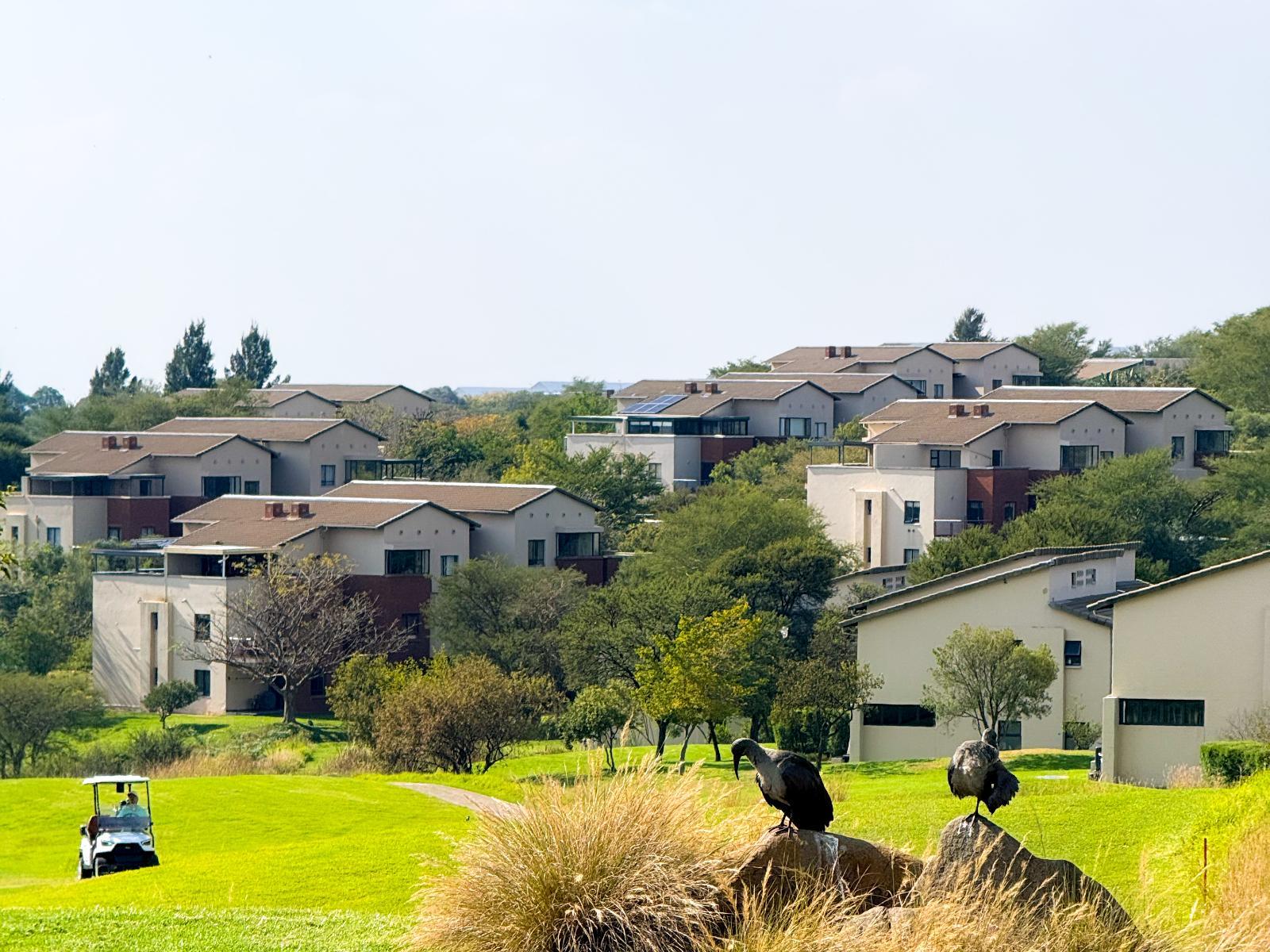
Glenvista, 9 kilometres south, is primarily a residential suburb with straightforward access to the N12 highway. It sees relatively little tourist traffic but suits visitors who prefer a quieter setting while remaining within reasonable driving distance of the city centre. Several golf courses lie in this southern arc of the metropolitan area.
Baragwanath, 10 kilometres southwest, is most associated with Chris Hani Baragwanath Academic Hospital, one of the largest hospitals on the African continent. The surrounding neighbourhood has a busy local commercial life, with informal traders and markets common along the main roads.
Bedfordview, 10 kilometres east, sits close to OR Tambo International Airport, making it a convenient overnight stop for travellers with early departures or late arrivals. The suburb has several restaurants and a shopping centre, and its position on the N3 corridor gives quick road access eastward toward the Natal Midlands.
Johannesburg South, also 10 kilometres from the centre, covers a band of mixed residential and commercial development stretching toward the N1 and N12 interchange. Gold Reef City, built on the site of a former gold mine, is the main visitor draw in this direction, combining a working mine museum with a casino and theme park rides suited to families.
Planning Your Stay
Booking more than two weeks ahead is advisable during school holidays, major conference periods, and the winter dry season, when domestic and business travel peaks across Gauteng. The Sandton and Midrand areas in particular host regular trade shows that can reduce last-minute availability across a broad area with little warning.
When comparing properties, neighbourhood matters considerably. Johannesburg is a large, car-dependent city, and the gap between a guesthouse and your intended itinerary can translate to 20 or more minutes of driving each way. A property in the southwest suits a visit focused on historical sites in that direction; one in the northern suburbs suits shopping, business, or easy access to the Gautrain. Check whether secure parking is available, particularly if hiring a car, as this is standard at most guesthouses and lodges but not guaranteed at smaller properties.
Security is a practical factor. Most established properties operate behind controlled access, but reading recent guest reviews is worthwhile before confirming any booking. Avoiding conspicuous equipment in unfamiliar areas after dark is standard advice across Gauteng generally.
Before confirming, check whether breakfast is included, as this varies even within the same property type. Verify the cancellation policy, since smaller operators sometimes apply stricter terms than booking platform defaults suggest. Confirming check-in hours is also worth doing in advance, as some owner-operated properties have limited reception availability outside standard business hours.