Accommodation in Jozini Lake
The two lodges currently listed around Jozini Lake reflect the area's character as a destination built around fishing and bush tourism rather than resort-style leisure. Rates vary by season and are confirmed directly with operators, as the remote setting means pricing depends partly on access logistics and what each package includes.
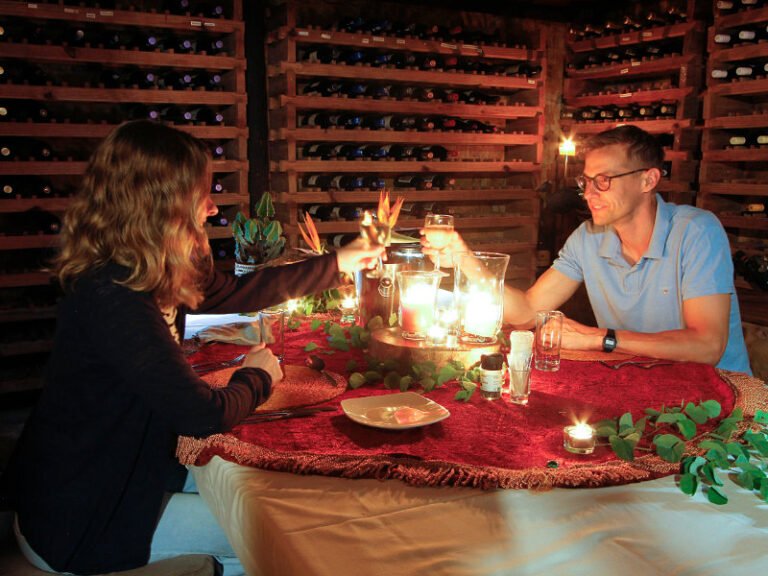
Lodge accommodation in this part of northern KwaZulu-Natal tends to be owner-operated, positioned close to the water or along the edge of private game properties. The experience leans practical: guided fishing trips, boat access, and game drives on adjacent land form the core offering. Accommodation is typically self-contained chalets or elevated tented units with en-suite facilities, built to manage the summer heat.
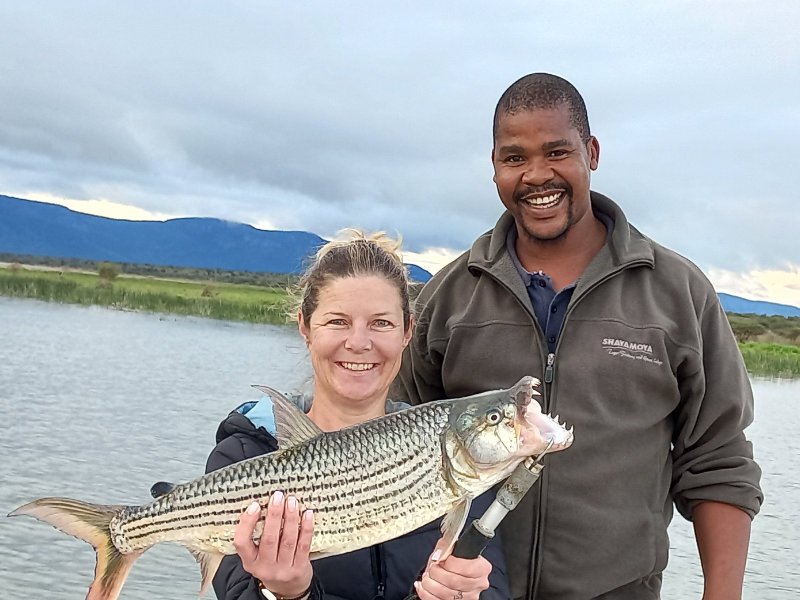
Most lodges offer two pricing structures. Full-board packages include meals and a guide, sometimes with a boat, suiting visitors who arrive without their own gear or local knowledge. Self-catering arrangements are also available, particularly for fishing groups that travel with equipment and prefer flexibility over a fixed meal schedule.
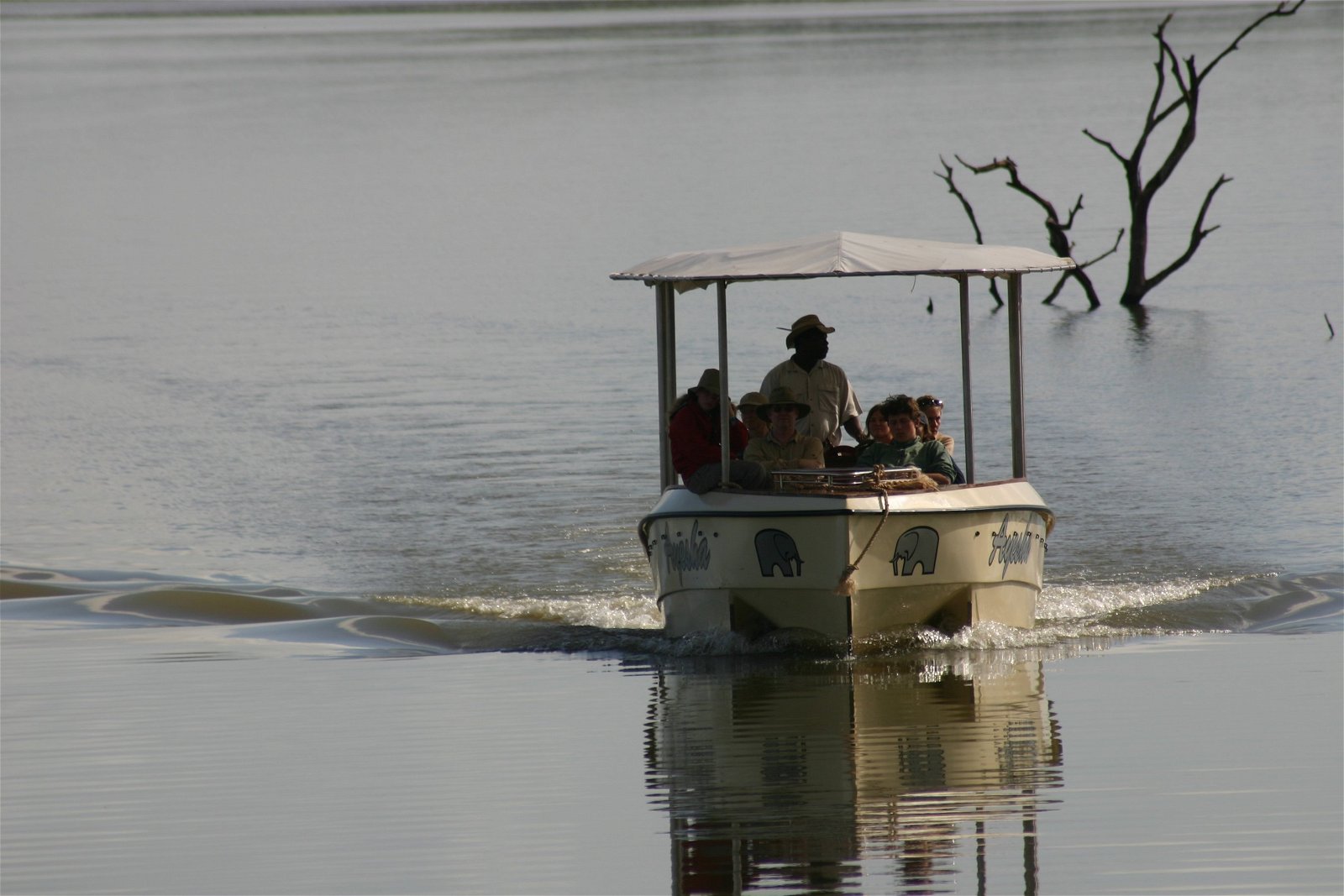
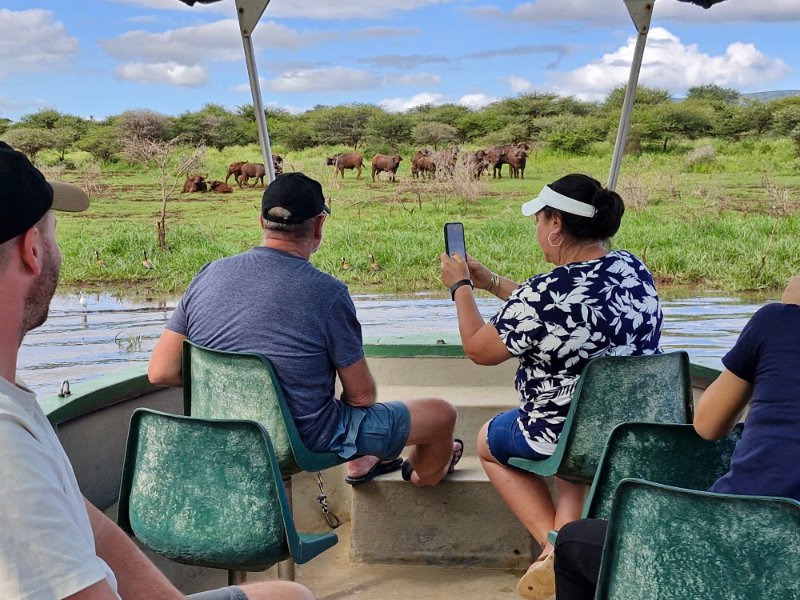
For visitors wanting to combine game viewing with time on the water, lodges on private reserves along the western shore offer both boat access and driven game activities within the same property. A single day can include a morning on the lake and an afternoon tracking wildlife through open bush terrain.
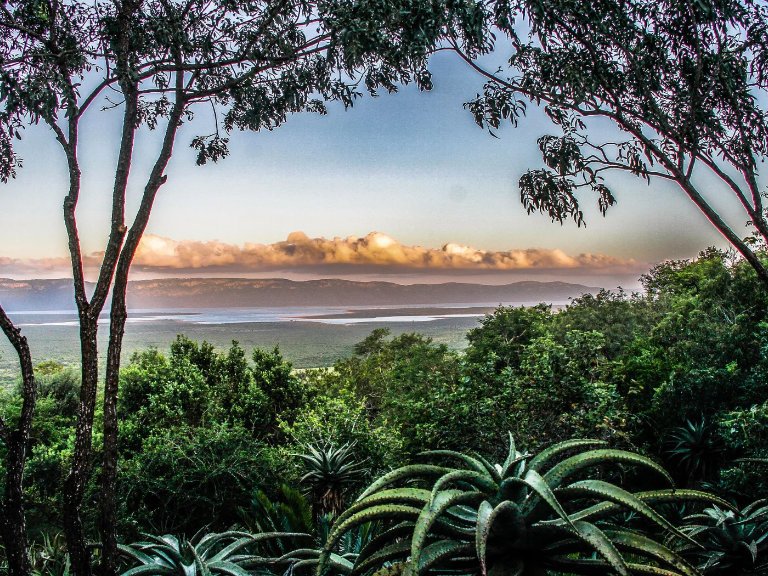
Visitors who are not primarily anglers will also find the lodge setting worthwhile. The birding in this region is strong, the landscape shifts from acacia thornveld to rocky Lebombo ridgelines, and the level of quiet is difficult to find anywhere closer to urban centres. Confirm exactly what is included in any package before booking, as full-board and self-catering options differ substantially between properties.
Best Time to Visit Jozini Lake
The dry winter months from May through August offer the most comfortable conditions for most visitors. Temperatures become manageable, humidity drops, and thinning vegetation makes game spotting considerably easier. Fish concentrate in deeper water during cooler months, which simplifies locating them, and competition fishing events are often scheduled to take advantage of these conditions.
Summer, from November through March, brings the bulk of annual rainfall. Heavy rains can make road access difficult on unpaved approaches, and the heat regularly exceeds 35 degrees Celsius. That said, warmer water activates tiger fish, drawing dedicated anglers specifically for the challenge. Seasonal migrants from central Africa arrive during this period, adding significant species to a birding checklist that already includes fish eagles and kingfishers year-round.
April and September sit in the transition between seasons. Late rains can extend into April, while September heats up quickly. Both months see slightly lower visitor numbers, which suits travellers who prefer quieter conditions on the water. October can be oppressively hot before the rains break and is generally the least appealing month for extended outdoor activity in the region.
Getting to Jozini Lake
The closest commercial airport is King Shaka International in Durban, roughly 340 kilometres south. Richard's Bay Airport, approximately 230 kilometres to the south, serves smaller aircraft and charter flights, making it a shorter transfer for those with access to private or light aviation.
Driving from Durban, the N2 north is the main artery, passing through the coastal midlands before heading inland toward the northern reaches of KwaZulu-Natal. The journey takes approximately four hours under good road conditions. From Johannesburg, the typical approach follows the N11 south through the eastern interior and across the provincial border, then east into the lake area, covering around 500 kilometres in five to six hours.
Once beyond the main routes, roads narrow and some final approaches to lodges run on gravel. A standard sedan handles these in dry conditions, but a high-clearance vehicle is worth considering and becomes essential during the wet season when clay soils turn slippery. Fuel and provisions are available in service towns within 25 kilometres of the lake. Lodge operators can sometimes arrange road transfers for guests arriving without their own transport, but this needs to be confirmed at the time of booking.
There is no scheduled public transport serving the lake. Car hire from Durban or Richard's Bay is the most practical independent option.
Jozini Lake and Surrounding Areas
Pongola (22km) anchors the western approach to the lake and functions as the area's main commercial centre, with shops, hardware stores, and a hospital serving both residents and visitors. Adjacent to the town, Pongola Game Reserve operates as a private concession carrying the Big Five, including a well-established white rhino population, and runs day and overnight packages independently from the lake lodges.
Jozini (24km) is the nearest town to the dam wall and offers a useful stop for day supplies. The view from above the spillway is one of the more dramatic sights in this part of the province, particularly when water levels are high after summer rains. The town has grown with tourism to the area and now has several guesthouses alongside its basic retail offering.
Mkuze (35km) provides access to Mkuze Game Reserve, where a network of fig forest hides overlooking waterholes allows close wildlife and bird photography without the movement of vehicles. One of the older proclaimed areas in the province, the reserve carries an unhurried quality distinct from the larger parks further south, and rewards patience in a way that more visited destinations rarely can.
Potgietershoop (36km) sits toward the Mozambique border in the Maputaland region, a corridor of coastal forest and wetland that carries one of the densest elephant populations on the continent. It functions more as a waypoint into this conservation zone than a destination in its own right.
Nongoma (64km) is the seat of the Zulu Royal Household and an important site in Zulu political and ceremonial history. Visitors with an interest in the region's deeper historical landscape find it a worthwhile detour.
Hluhluwe (87km) is the main entry point for Hluhluwe-iMfolozi Park, the oldest proclaimed reserve in Africa and the reserve most credited with preventing the extinction of the southern white rhino. At this distance from the lake, it works better as an overnight extension than a same-day return.
Planning Your Stay
Properties in this area fill quickly during school holidays and around major fishing tournaments, some of which draw competitors from across southern Africa. Reserving three to four months in advance is sensible for peak winter weekends and the Christmas holiday period. Multi-day fishing trips often carry more restrictive cancellation terms, so read these carefully before paying a deposit.
When comparing properties, ask specifically what the rate includes. Boat hire, guiding, and meals can all sit outside a base rate and significantly affect the total cost. Confirm whether the property has its own boat launch or relies on a public ramp, as this affects how freely you can access the water during busy periods.
Mobile signal is limited or absent across much of the lake area. Download offline maps before leaving the main highway and carry a paper backup. The region falls within a malaria-risk zone, and antimalarial precautions are strongly recommended regardless of season. Comprehensive travel insurance covering emergency evacuation is advisable, given the distance from major medical facilities.
Pack for temperature extremes. Summer days push well above 30 degrees, while winter nights can fall below 10. Sunscreen and insect repellent are essential year-round. Most lodges ask guests to flag serious dietary requirements well in advance, since restocking from urban suppliers involves a significant round trip.