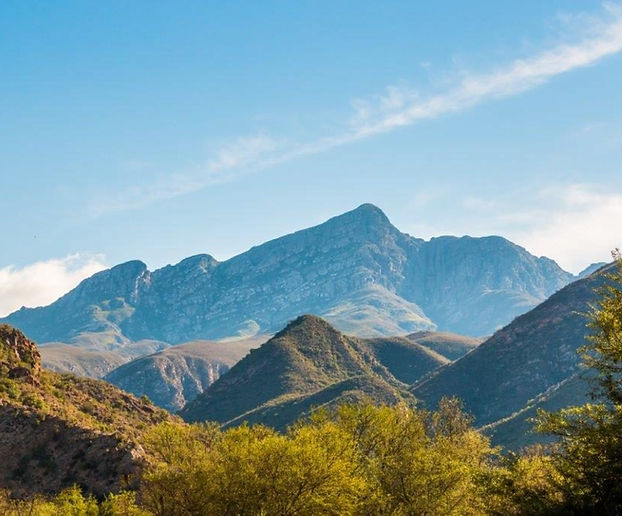
Accommodation in Klaarstroom
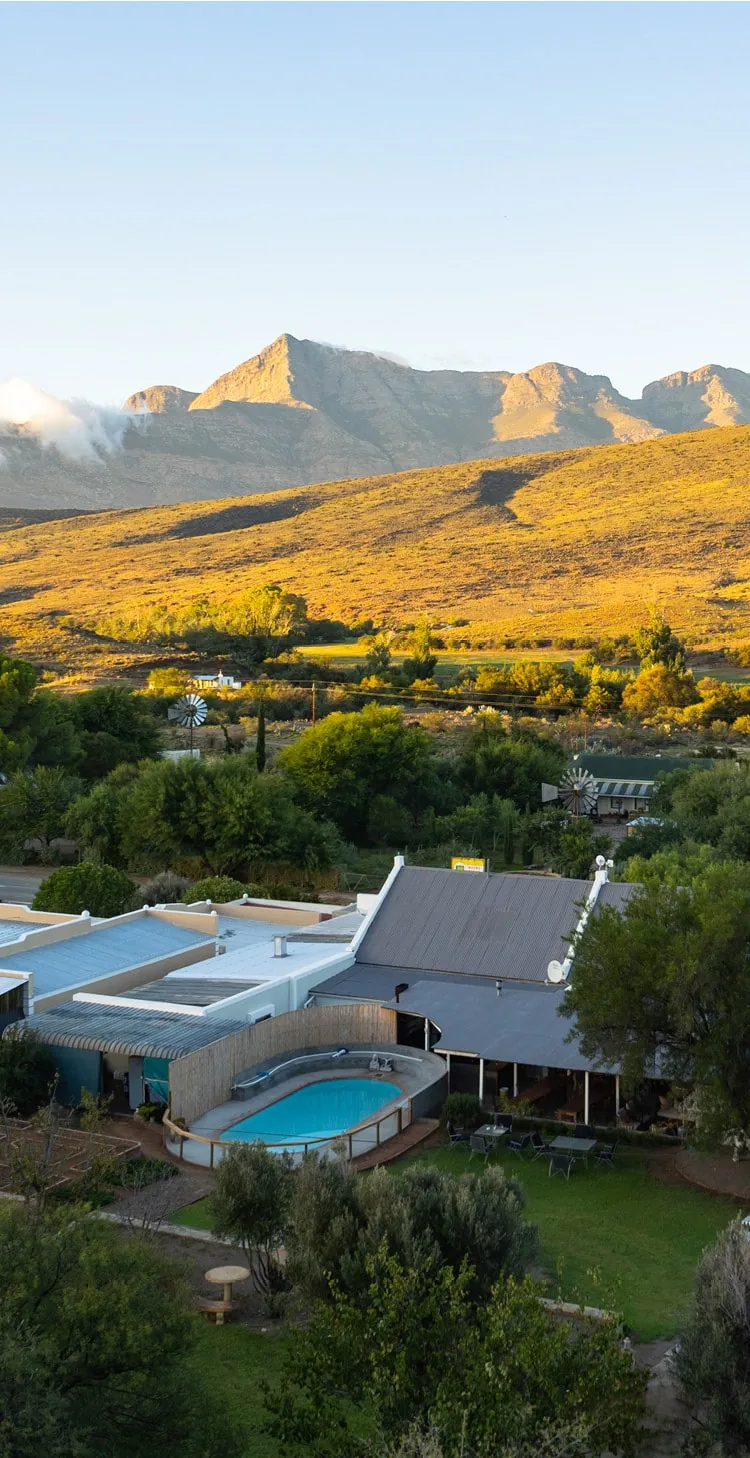
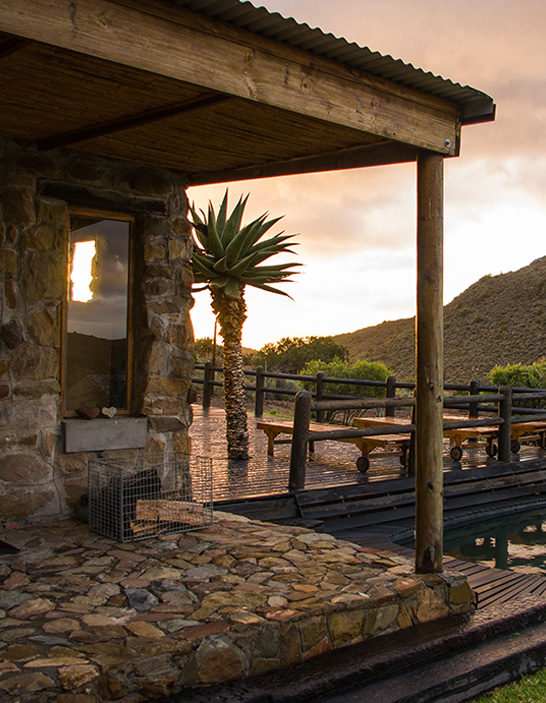
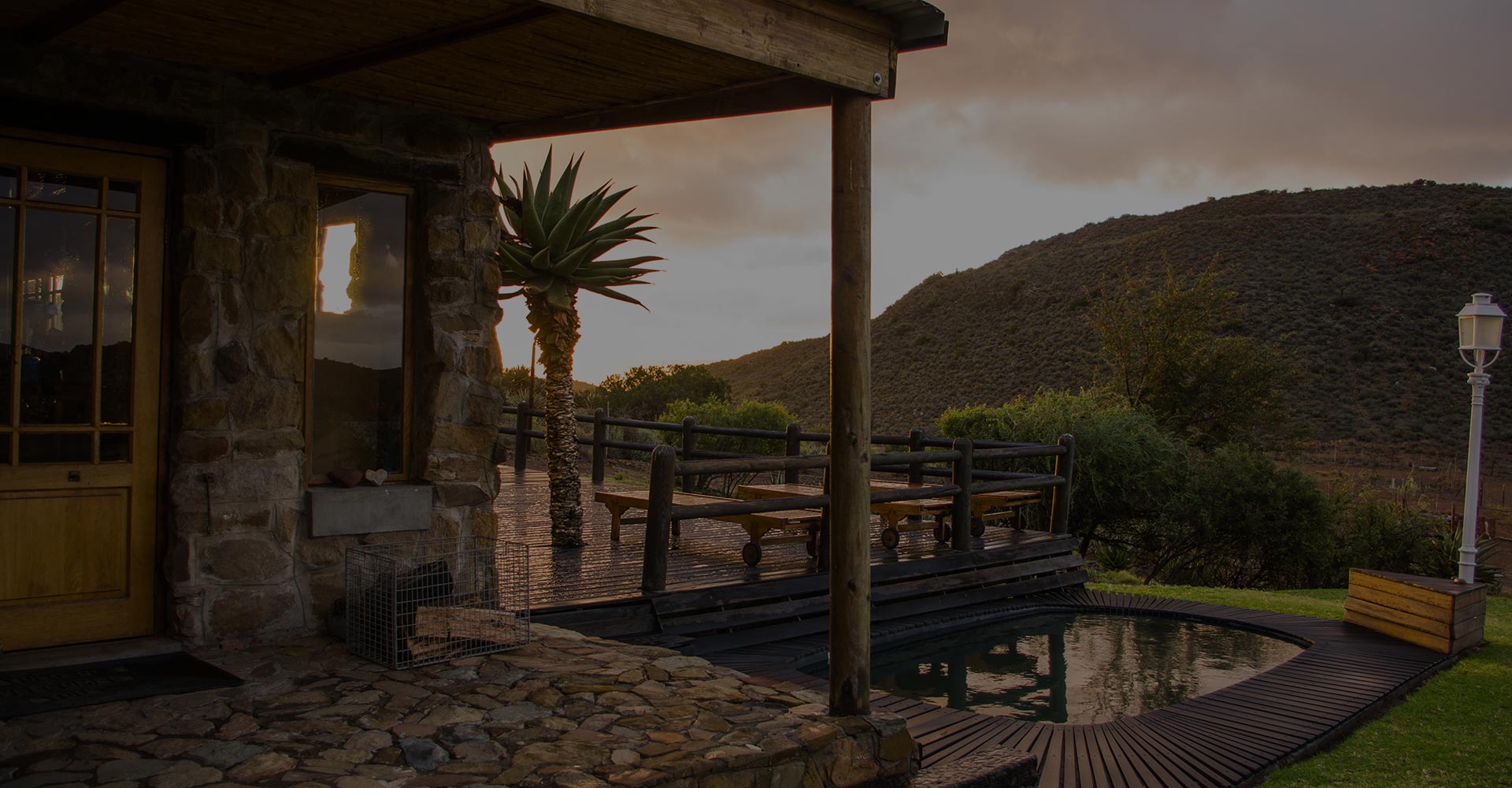
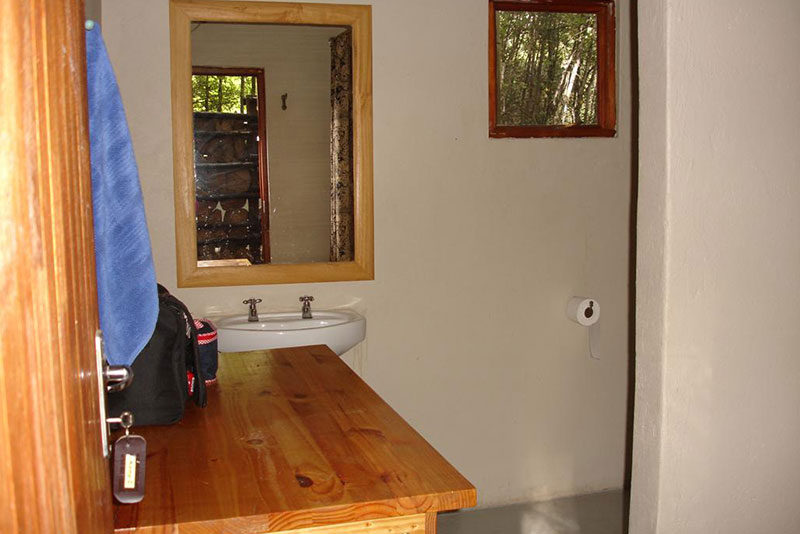
Klaarstroom has one listed property, a guesthouse, which says something accurate about what kind of destination this is. Small Karoo settlements do not accumulate accommodation at scale. What develops instead is typically a single well-run property, often housed in a historic farmhouse or one of the stone buildings that have characterised the region since the 19th century, when the area grew as a sheep farming and transport corridor. That history is legible in the thick walls, the proportions of the rooms, and the working farmyards that often sit alongside the guest quarters.
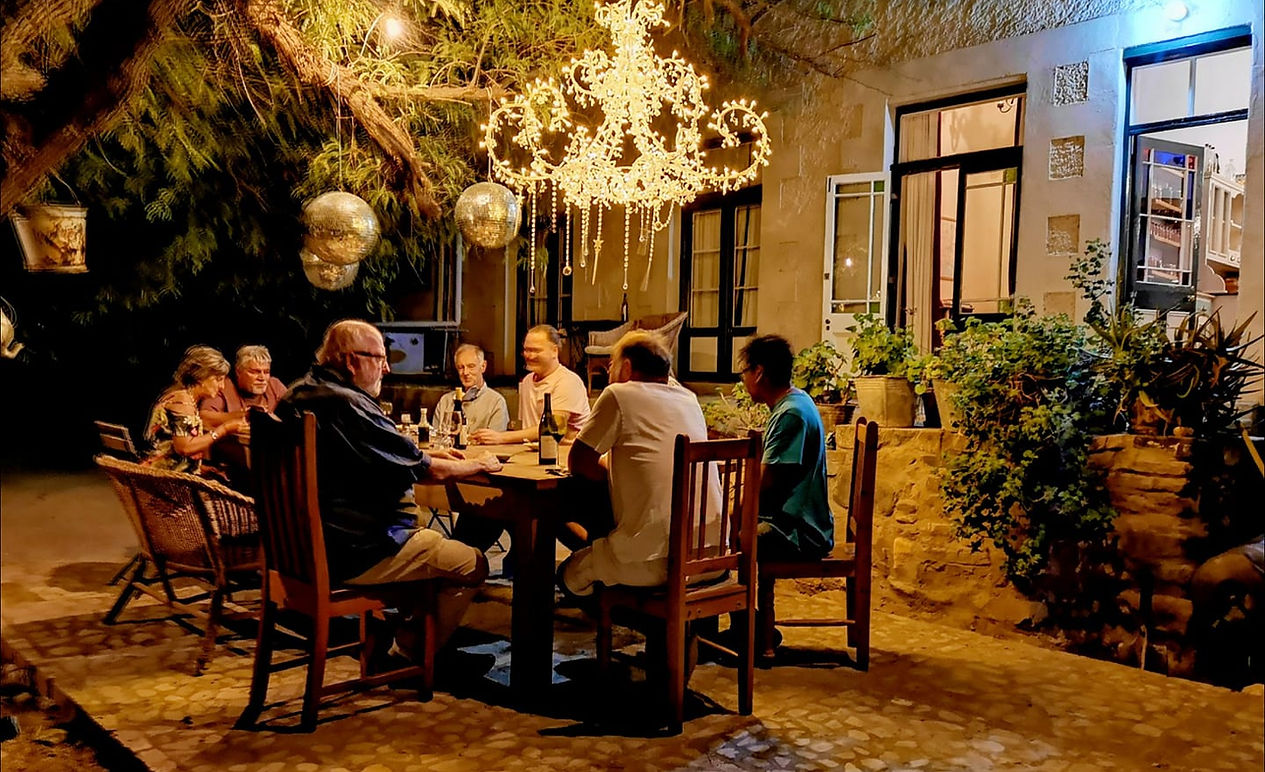
Guesthouse stays in this part of the Western Cape typically mean shared common spaces, meals prepared on request or folded into a daily rate, and a host who knows the surrounding roads and farms firsthand. The experience is domestic rather than transactional. Breakfast is often the centrepiece, prepared from farm produce and eaten without much hurry before the day's heat builds. Some properties also offer evening meals, which removes the need to drive after dark on unfamiliar roads, a practical advantage in an area without street lighting.
Pricing for the listed property is not published online, which is common for rural accommodation of this type. Direct enquiry by phone or email is the only reliable way to confirm rates and availability. Comparable guesthouses across the Karoo region vary considerably, with rates shaped by whether meals are included, the number of guests, and the time of year. Midweek stays and visits outside school holidays tend to attract more flexibility on price, and extended stays of three nights or more may also be worth negotiating.
One practical consequence of having only one property available is that there is no local fallback if it is fully booked. Identifying a secondary option in a nearby town before committing to fixed dates is sensible, particularly during peak holiday periods.
The booking process rewards patience. What is traded in convenience is generally returned in directness, in local knowledge, and in the kind of unhurried attention that is harder to access at larger, more commercial properties.
Best Time to Visit Klaarstroom
The Karoo climate runs to extremes that reward forward planning. Summer, from November through February, brings intense heat, with daytime temperatures regularly exceeding 35°C and occasionally reaching 40°C. Outdoor activity is best concentrated in the early morning before 10am, as the midday heat makes extended time outside uncomfortable. The landscape is at its driest in these months, and the glare and silence of the Karoo are at their most pronounced.
Autumn and spring are the most comfortable seasons. March through May, and September through October, bring temperatures in the 15 to 25°C range, suitable for driving gravel roads and walking on farm tracks. Bird activity picks up during these months, and dry-country species such as the Karoo lark, which become reclusive in summer heat, are more reliably observed. Midweek visits during these shoulder seasons, when holiday traffic is absent, offer the clearest picture of what the area is actually like.
Winter, from June to August, is cold at night, with frost a regular occurrence and temperatures occasionally dropping below zero. Daytime conditions are typically clear and dry, with long sight lines across the Karoo plains. The absence of heat haze makes this a good season for photography. Mountain passes in the surrounding area require extra care after any winter rain, and road surfaces can deteriorate quickly.
South African school holidays in July and December bring more general traffic through the region, though Klaarstroom remains among the quieter destinations in the Western Cape at any time of year.
Getting to Klaarstroom
Klaarstroom sits on the R407 in the central Karoo, a short distance south of the N12 national road. From Cape Town, the most direct approach heads east on the N1 before connecting to the N12 south of Beaufort West, a drive of four to five hours depending on traffic and stops. From Johannesburg, the N1 south covers around eight to nine hours, with the descent into the Karoo beginning well before the turnoff.
The nearest commercial airport is George, 71 kilometres to the south, serviced by FlySafair, Airlink, and other domestic carriers with regular flights from Johannesburg and Cape Town. Flight times from both cities are under two hours. Car hire is available at the airport through most major South African rental companies. From George, the drive north over the Outeniqua Mountains to Klaarstroom takes around an hour and fifteen minutes, with the route climbing sharply before levelling out onto the Karoo flats.
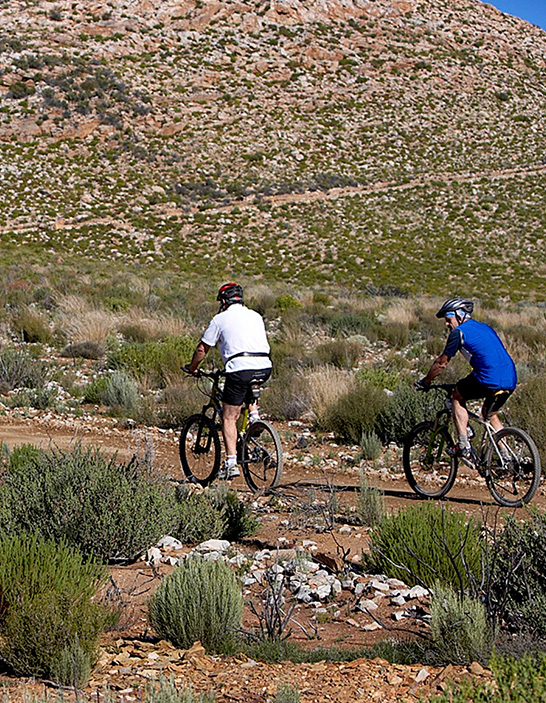
There is no scheduled public transport serving Klaarstroom. A private vehicle is essential for reaching the town and for any movement once there. Gravel roads in the surrounding district are generally passable in a standard sedan during dry weather, though they deteriorate after rain and some farm tracks require additional ground clearance.
Fuel is not available in Klaarstroom itself. Fill the tank before leaving the last large town on your route.
Klaarstroom and Surrounding Areas
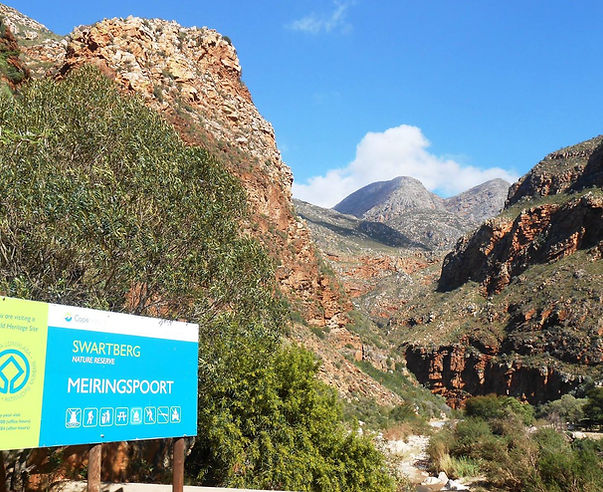
De Rust, 18 kilometres east on the R341, is the nearest village and the starting point for Meiringspoort. This gorge, formed by the Groot River cutting through the Swartberg range, runs for several kilometres under sandstone cliffs that rise steeply on both sides. A tarred road follows the river through the gorge, crossing the water at multiple points. The return drive takes around two hours and is accessible in any standard vehicle, making it one of the more rewarding excursions from a Klaarstroom base.
Oudtshoorn, 42 kilometres south, is the commercial centre of the Klein Karoo and the hub of the ostrich farming industry. Several working farms around the town offer tours and tastings that have been running for well over a century. The Cango Caves, a limestone cave system around 30 kilometres from the town centre, draw visitors year-round and run guided tours at varying levels of difficulty, from a standard heritage walk to more physically demanding adventure routes.
Prince Albert, 49 kilometres to the north, is reached via the Swartberg Pass, a gravel mountain road with steep gradients, tight switchbacks, and no barriers in places. The pass is navigable in a standard car with careful, unhurried driving, but it should be avoided in wet weather. The town at the other end has a distinct character: a Saturday market, several working olive and fruit farms, and a community of resident artists and smallholders that gives it more cultural texture than its size suggests.
Herold, 58 kilometres southeast in the Langkloof valley, is a farming hamlet surrounded by commercial fruit orchards. The transition from Karoo scrub to the greener foothills of the mountains is abrupt and worth experiencing in itself. The valley is quiet and productive, with a pace entirely different from the dry interior.
Uniondale, 66 kilometres away, is an agricultural town connected to the apple and pear industry of the Langkloof, offering practical services for travellers moving through the area.
George, 71 kilometres south, is the Garden Route's largest administrative centre. Beyond its role as the regional airport, the city provides hospitals, shopping centres, and a broad selection of dining and services not found in the Karoo interior, making it the most practical resupply point for anyone spending extended time in the area.
Planning Your Stay
With one property available in Klaarstroom, planning is less about comparing options and more about confirming that the guesthouse suits your group's dates and requirements. Contact the property directly. Email and phone are the most reliable channels, and responses from rural Karoo accommodation typically arrive within 24 to 48 hours, sometimes longer.
If travel dates are fixed, enquire at least two to three weeks ahead. Even in a quiet area, the combination of a single available property and any school holiday period creates real booking risk. If the guesthouse cannot accommodate your dates, the next closest options require a meaningful drive, which changes the character of the trip.
Before confirming, ask specifically about meals, the cancellation policy, and what is included in the rate. For longer stays, it is worth asking about water supply. Properties in the Karoo interior often rely on borehole or rainwater tank storage, and capacity varies with drought conditions, which in this region are not uncommon.
Cash is useful in the Karoo. Card payment facilities may be unreliable or absent at smaller rural properties, and the nearest ATM requires a drive. Mobile data coverage drops off sharply on secondary roads, so download offline maps before leaving the last major town and do not rely on live GPS routing on gravel tracks.