Accommodation in Kloof
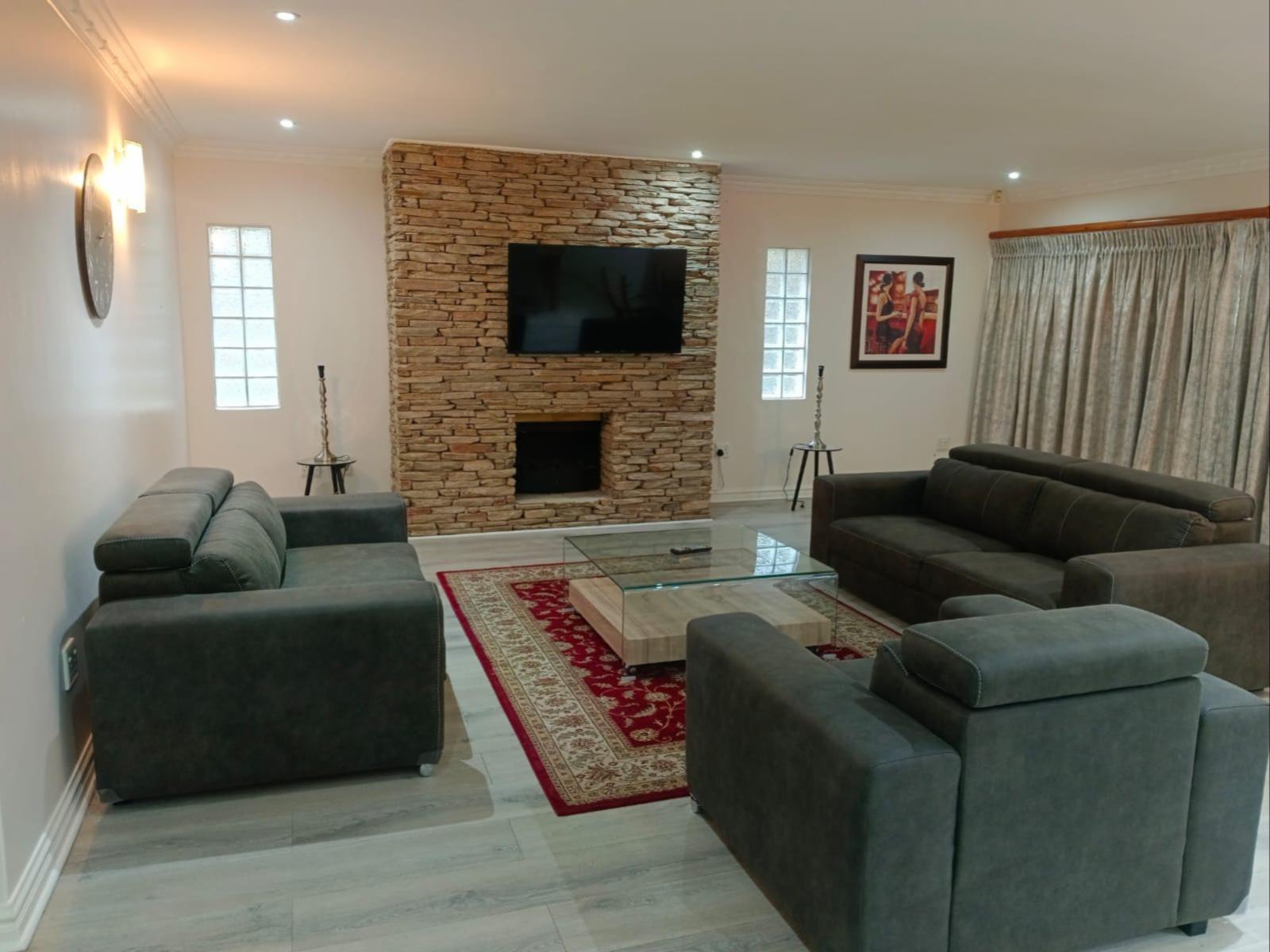
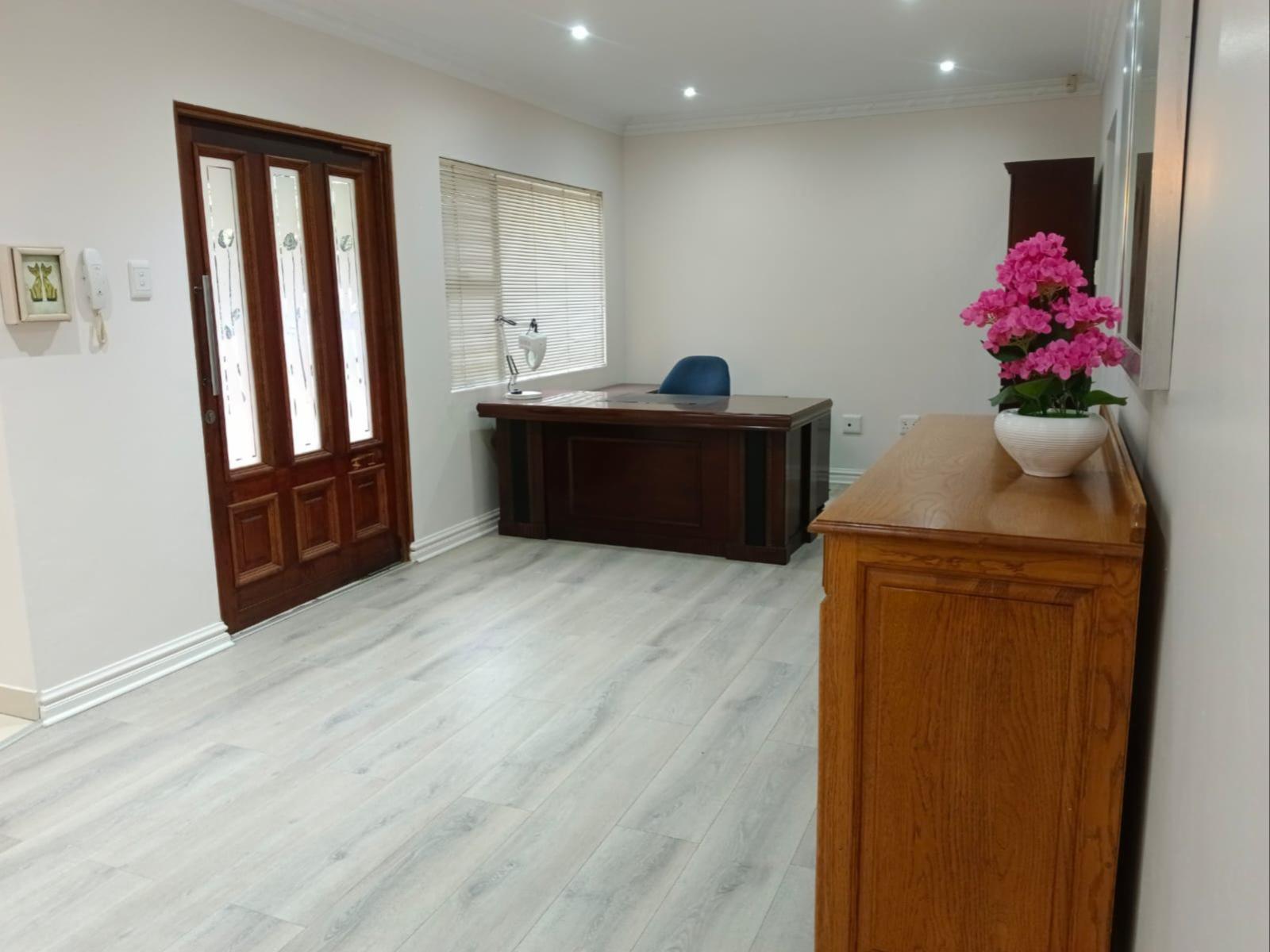
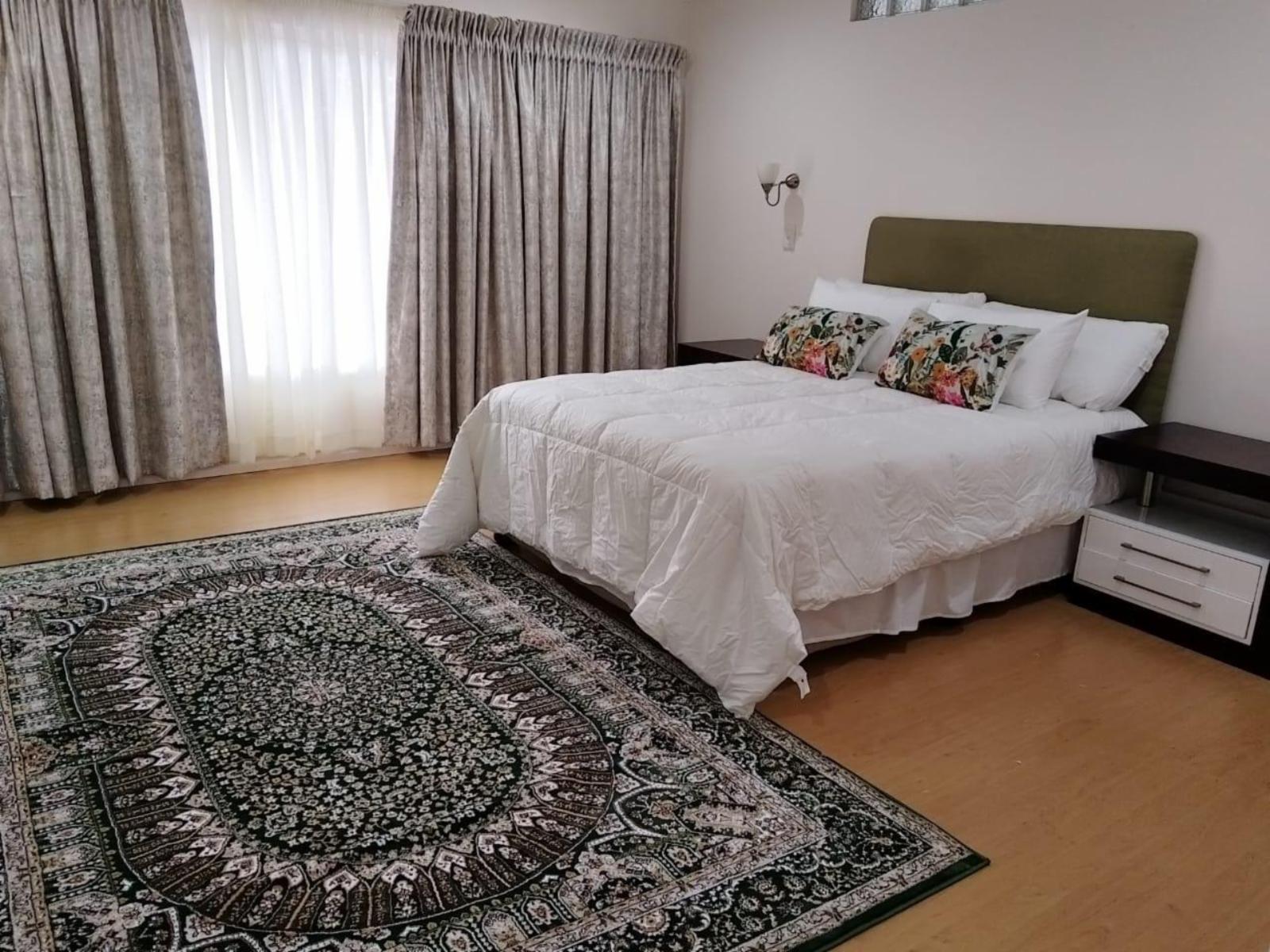
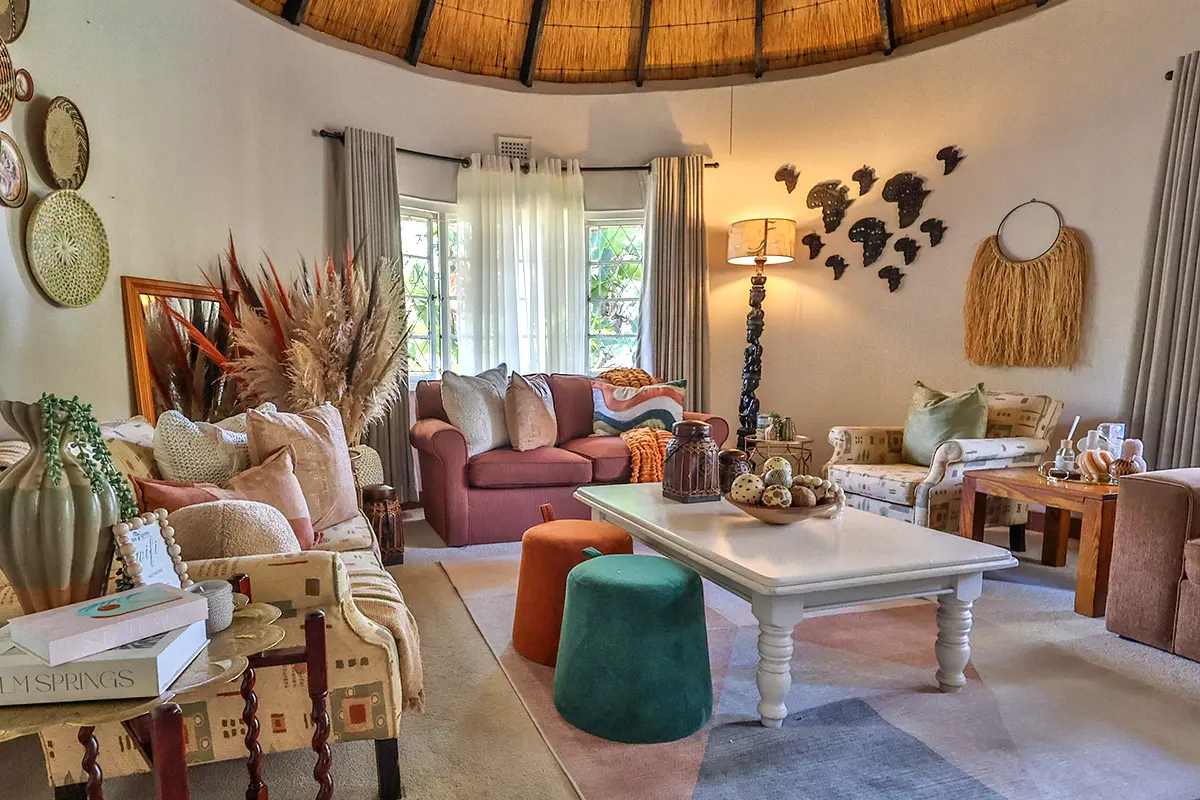
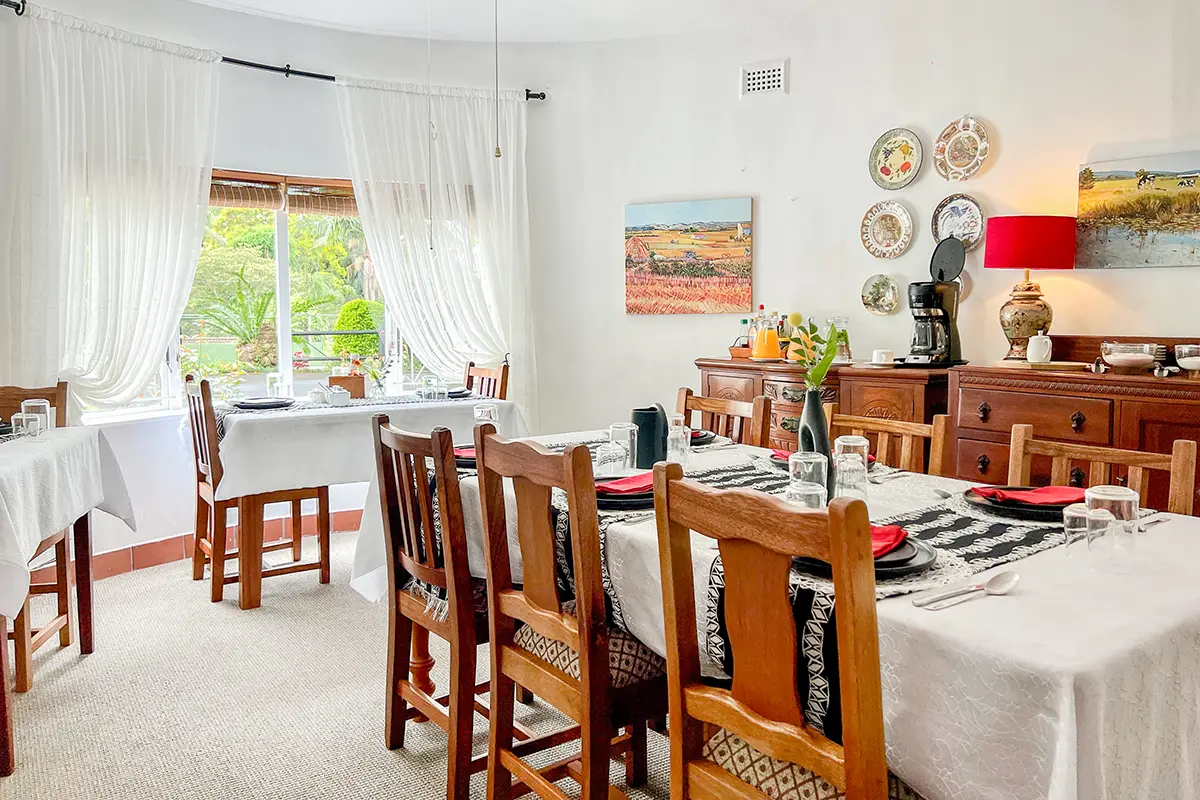
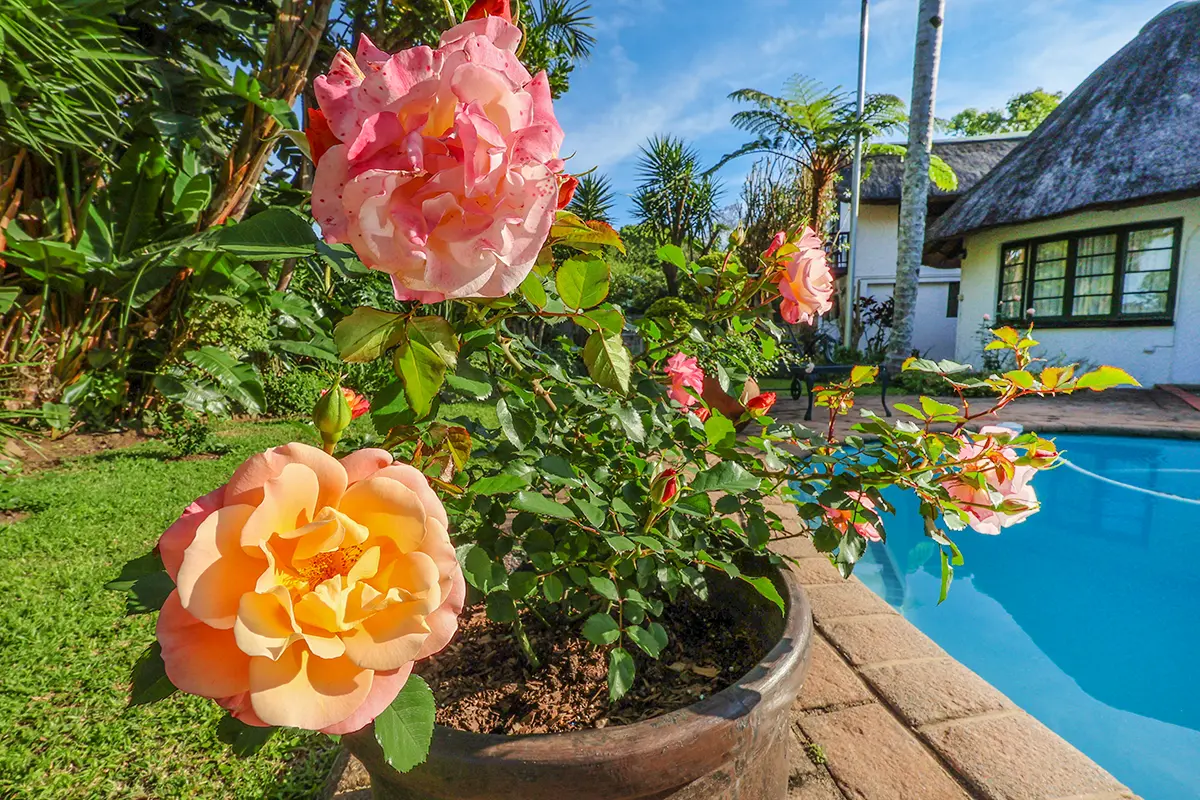
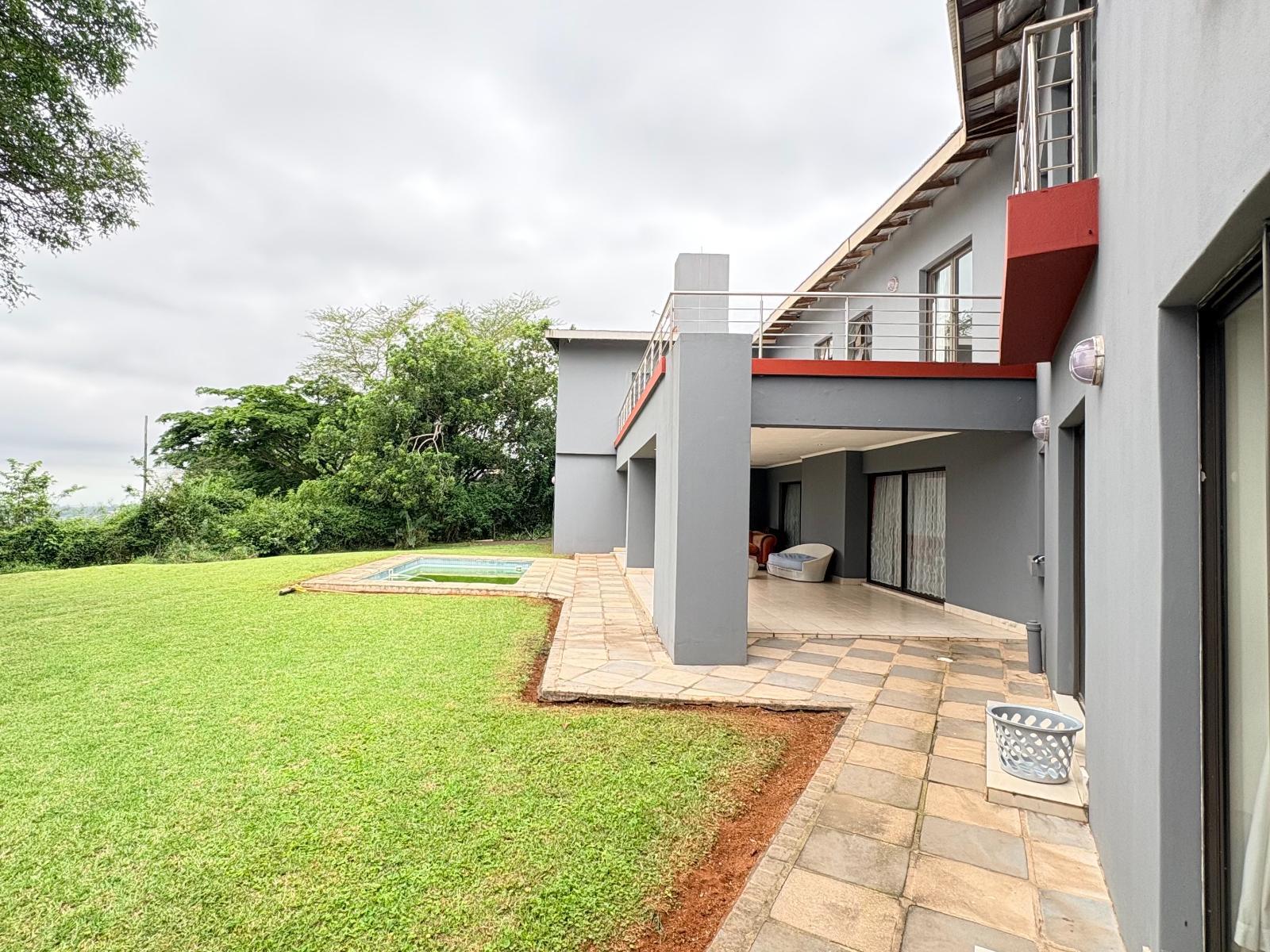
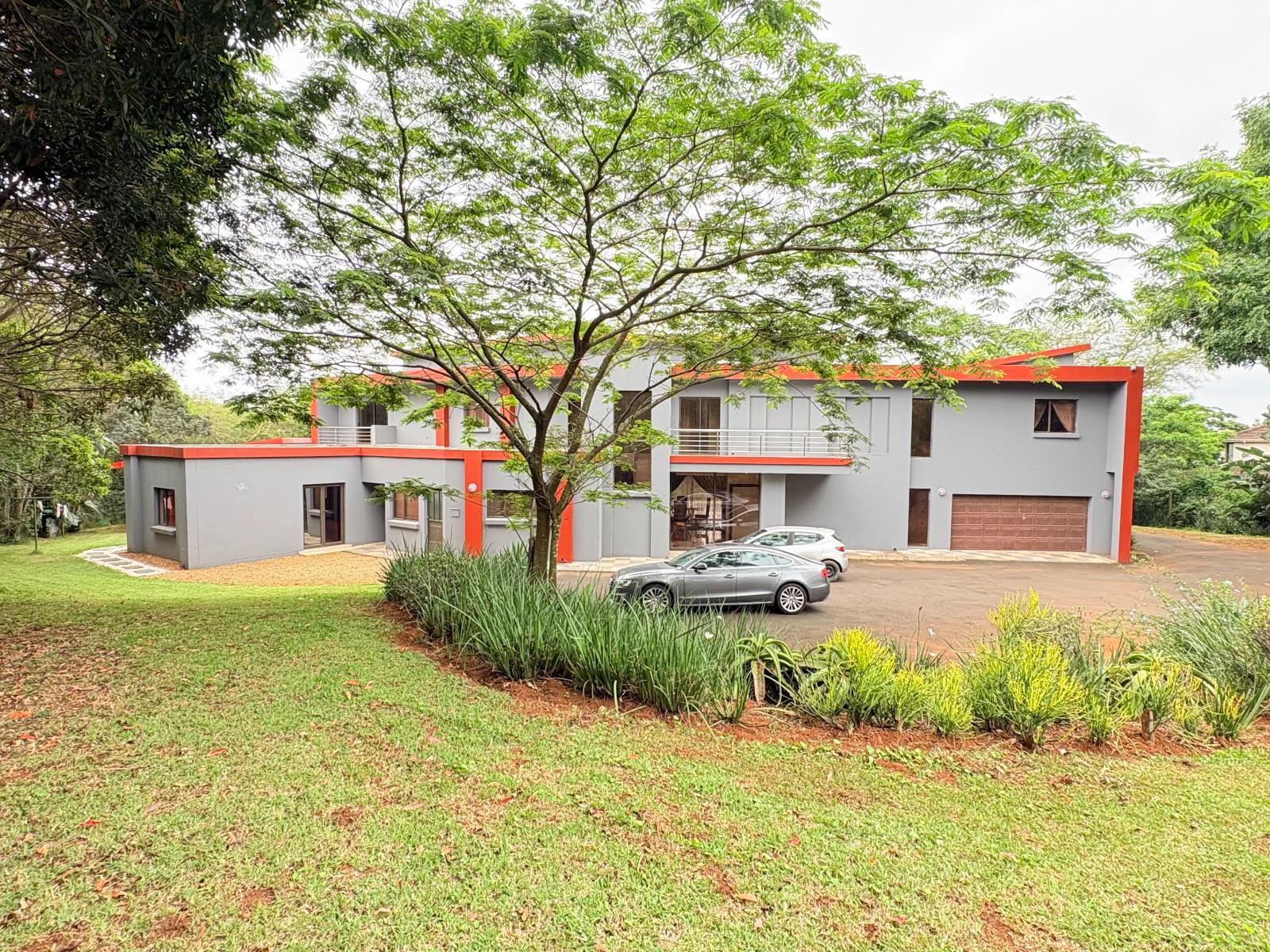
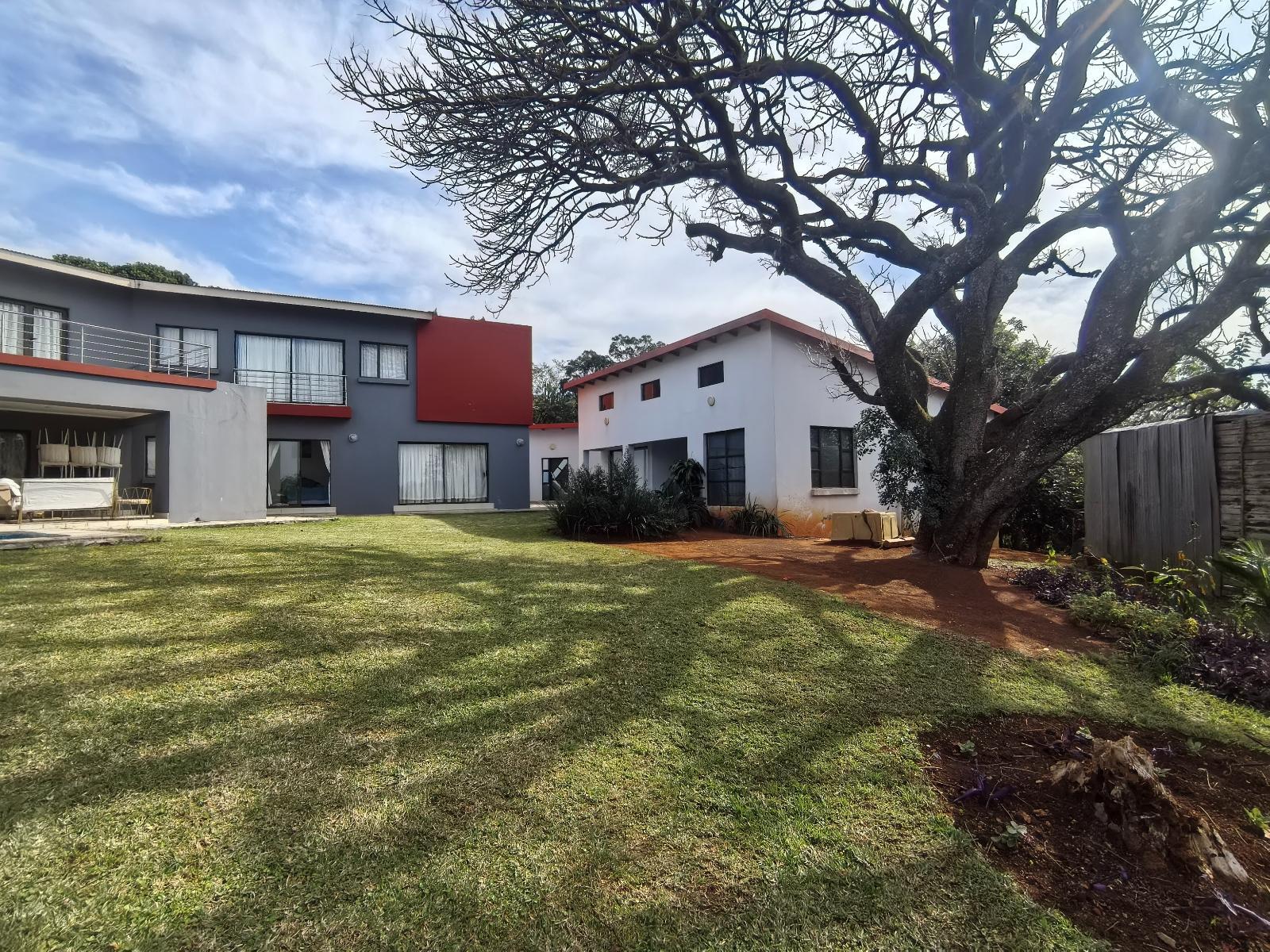
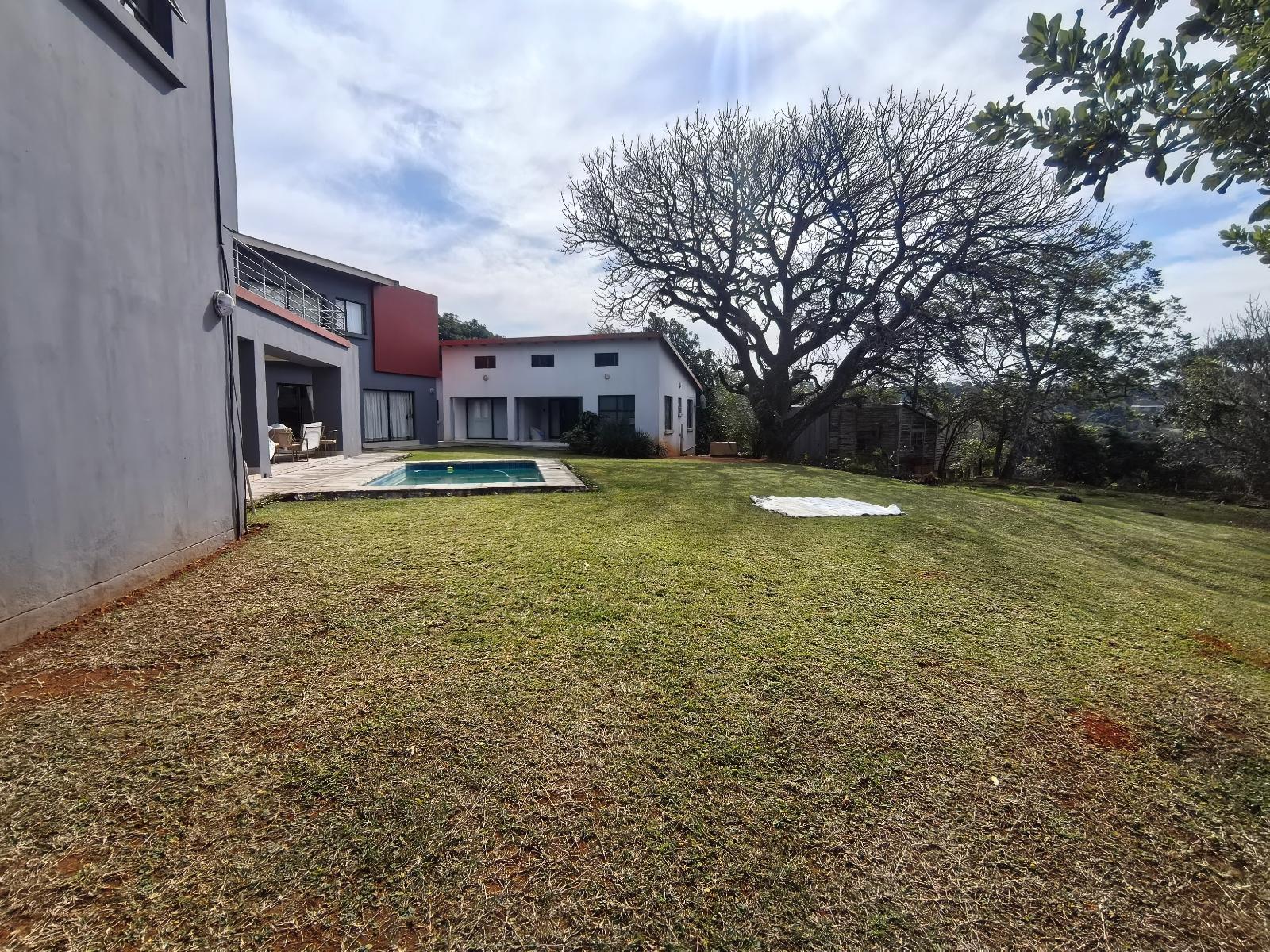
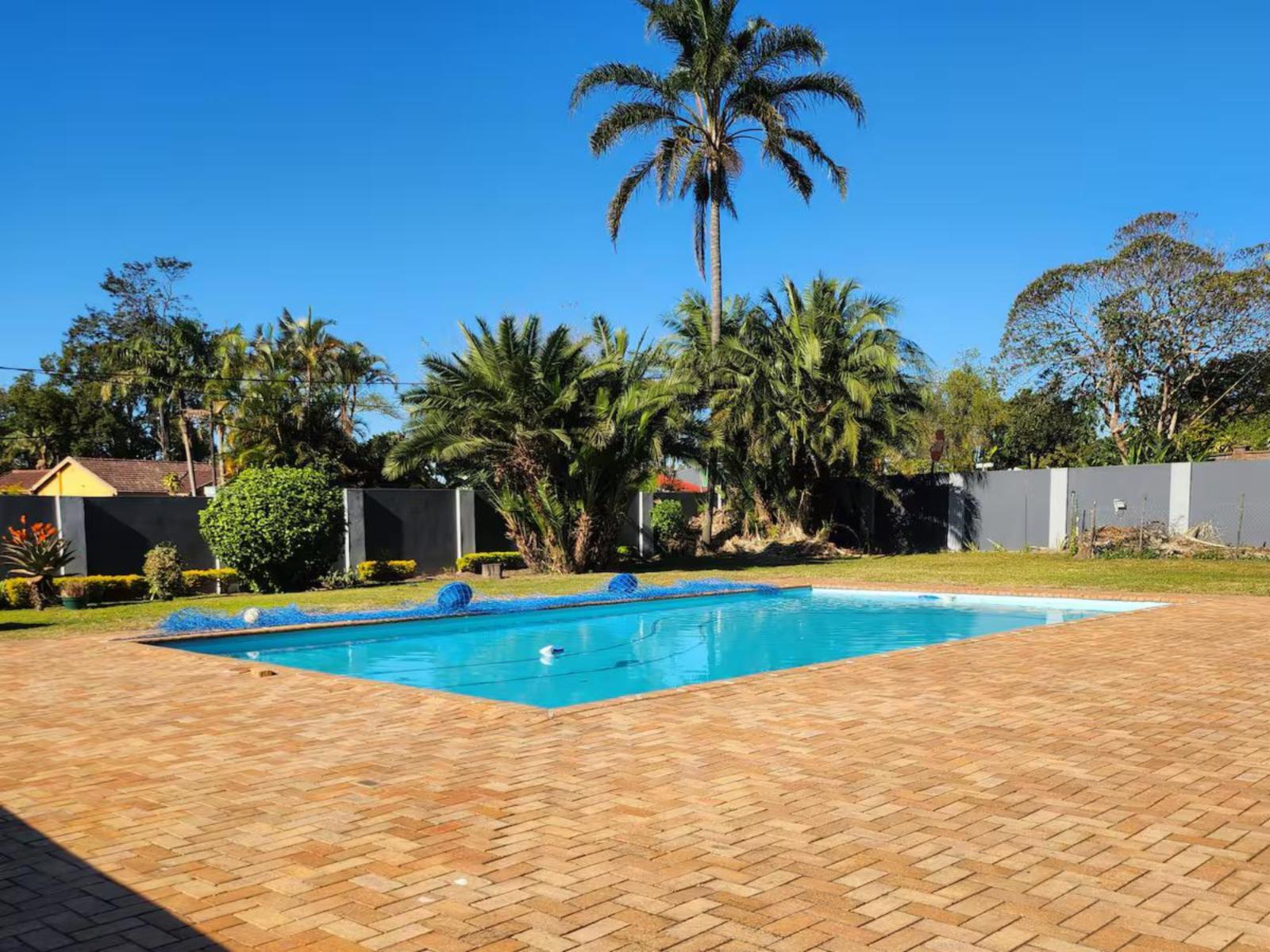
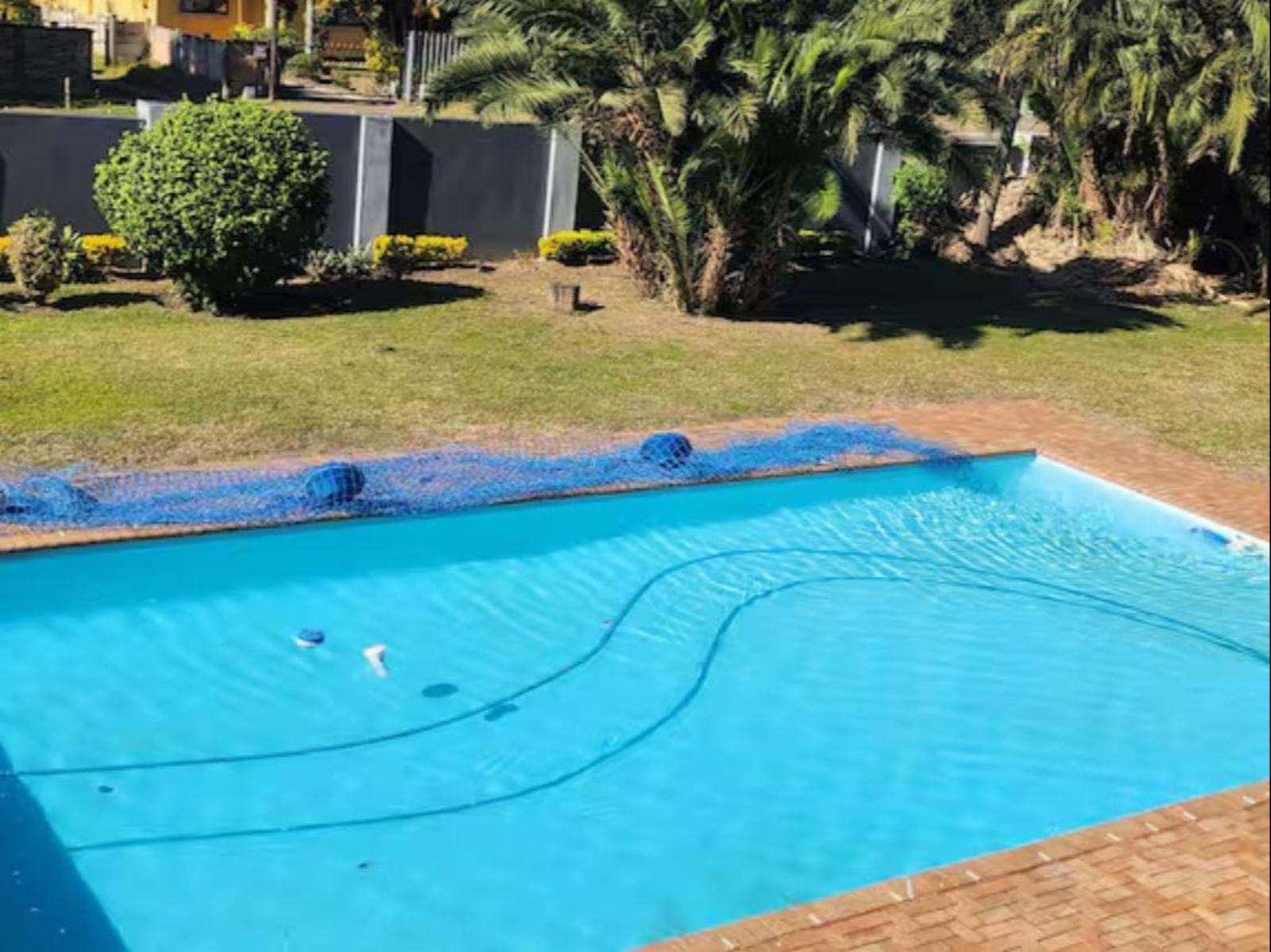
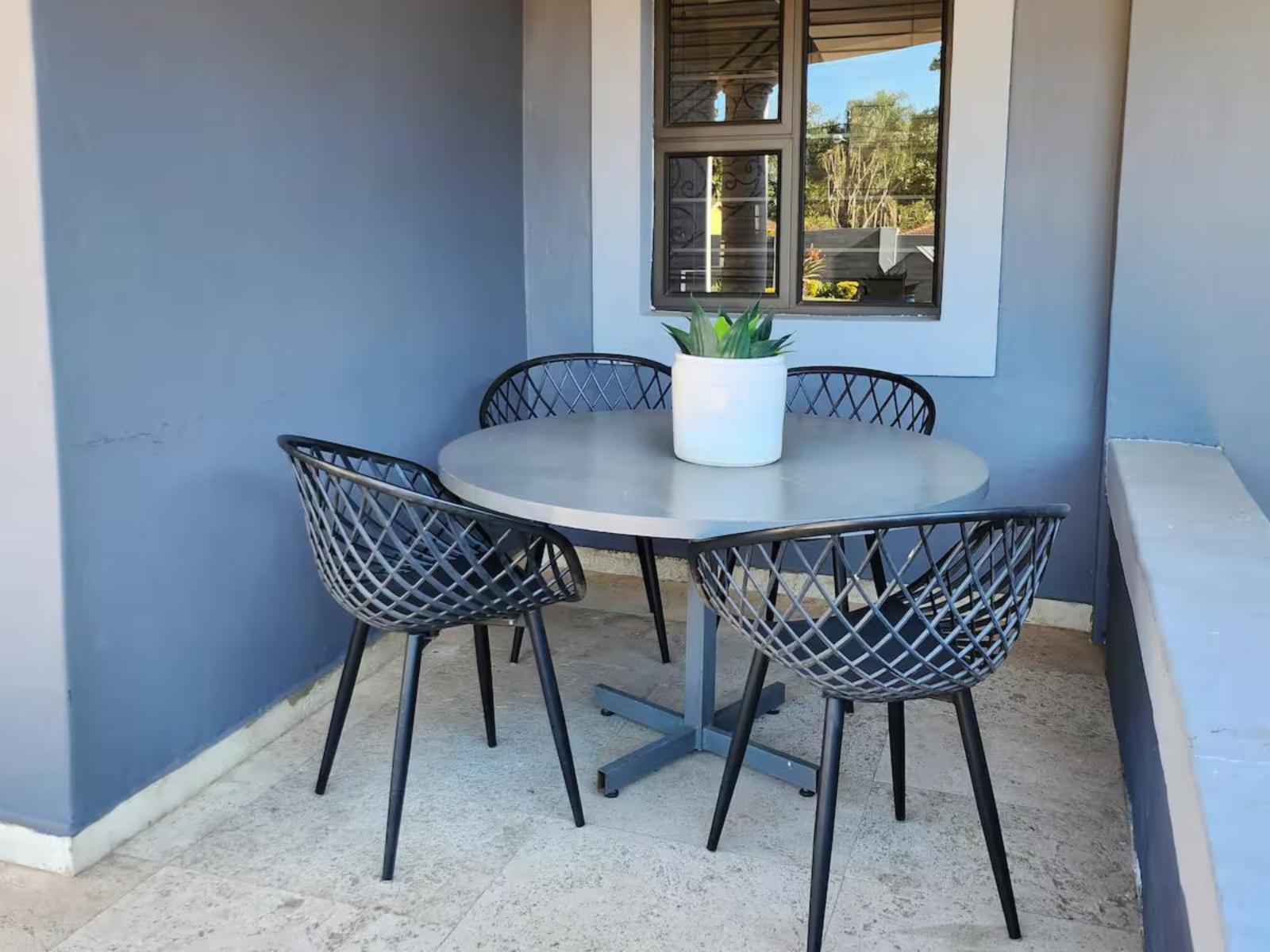
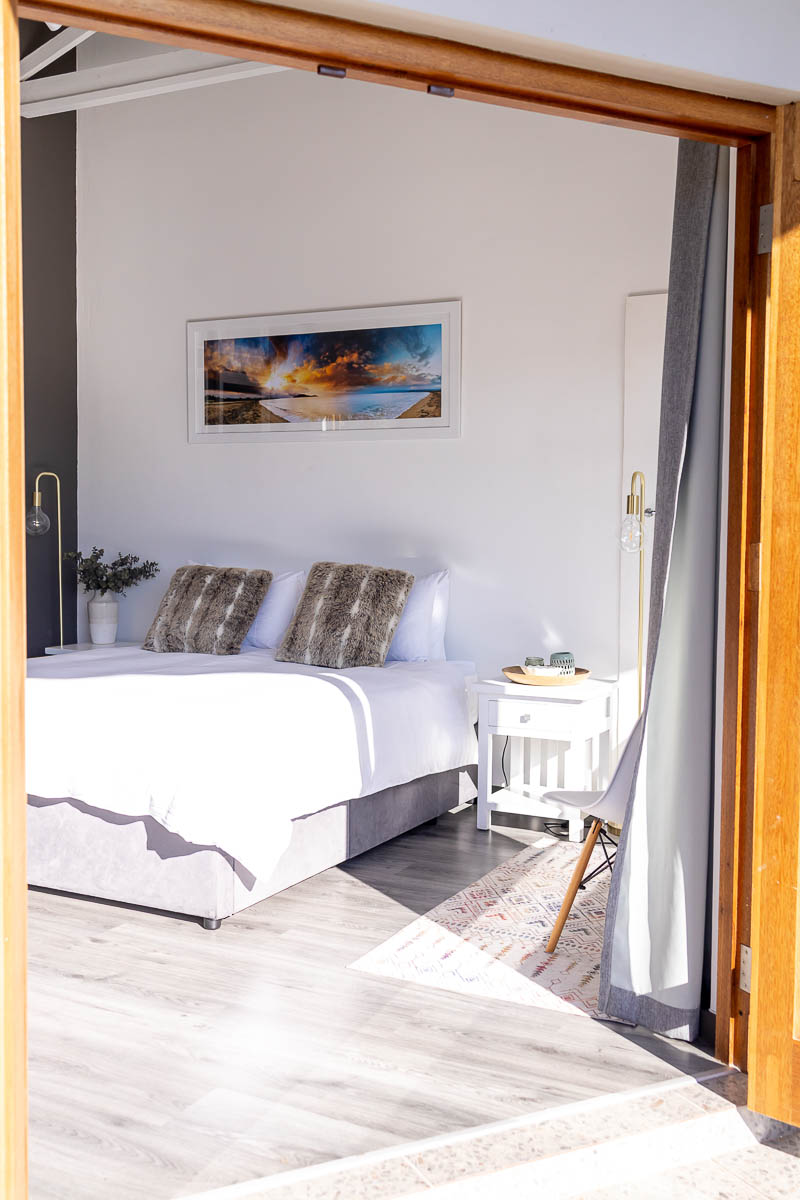
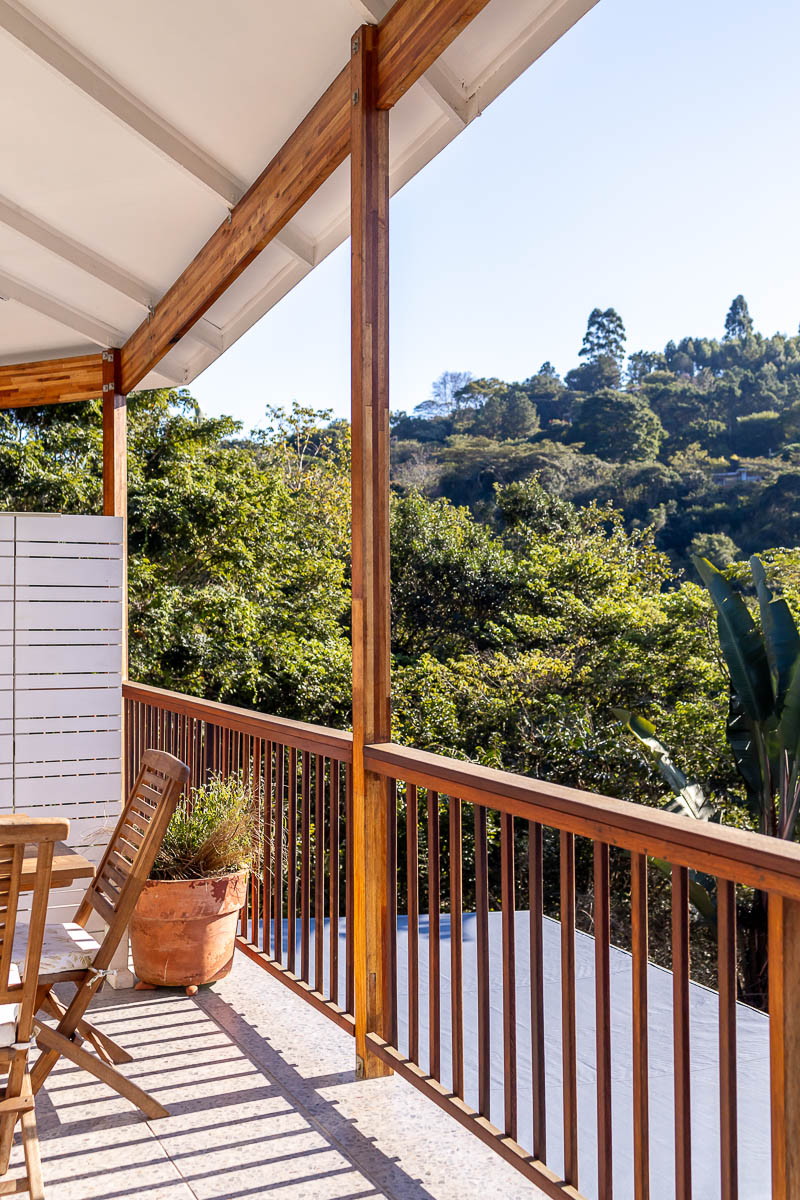
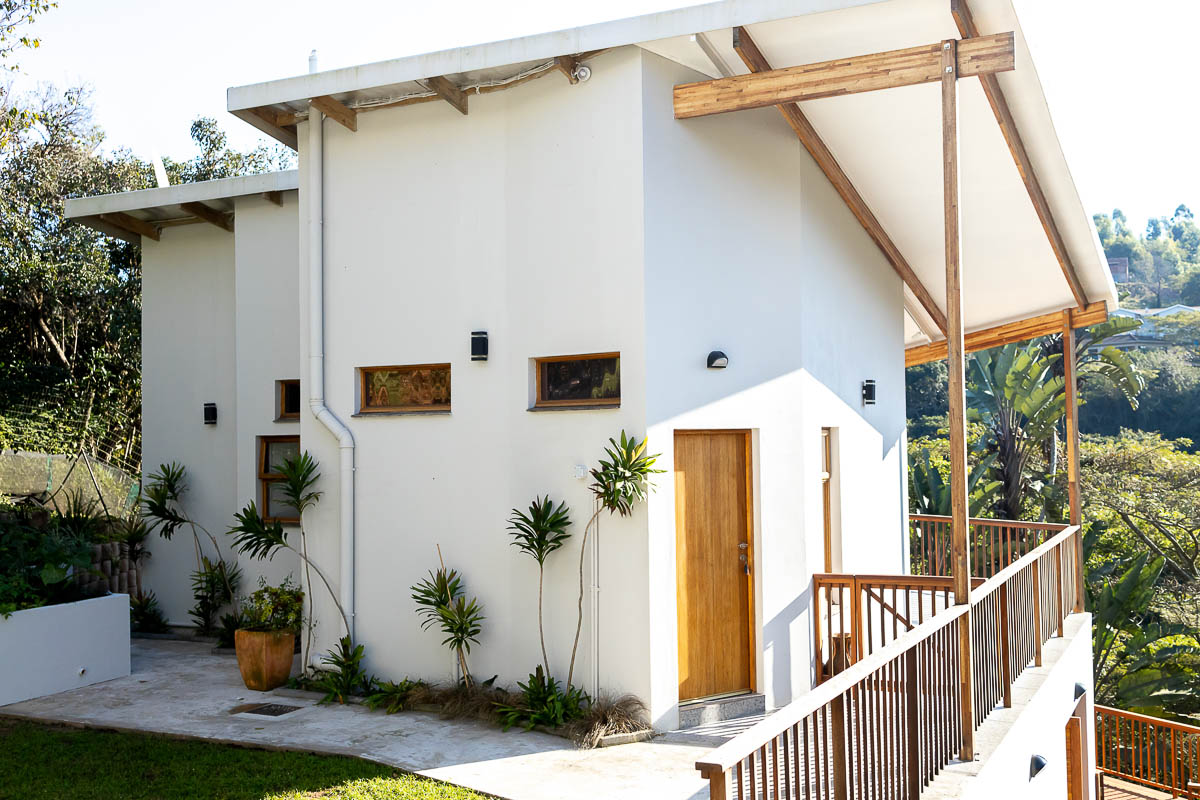
Kloof's accommodation market is compact but varied, with nine properties spread across a nightly rate range of R3,280 to R4,200. The options sort fairly naturally into two tiers, with a handful of properties sitting at the upper end.
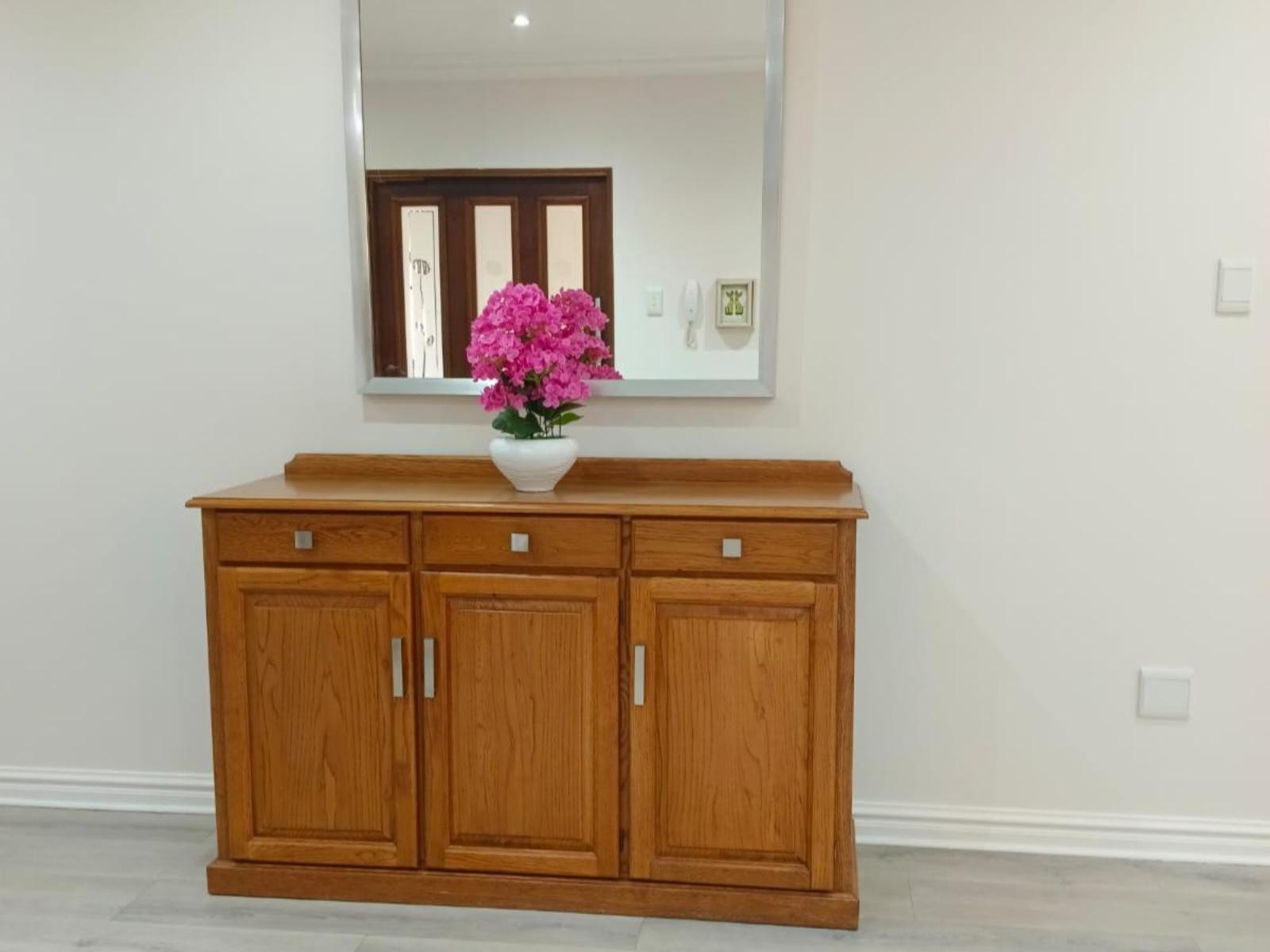
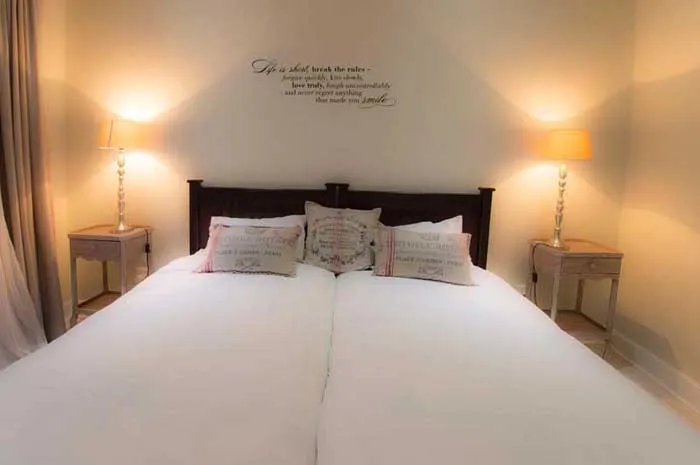
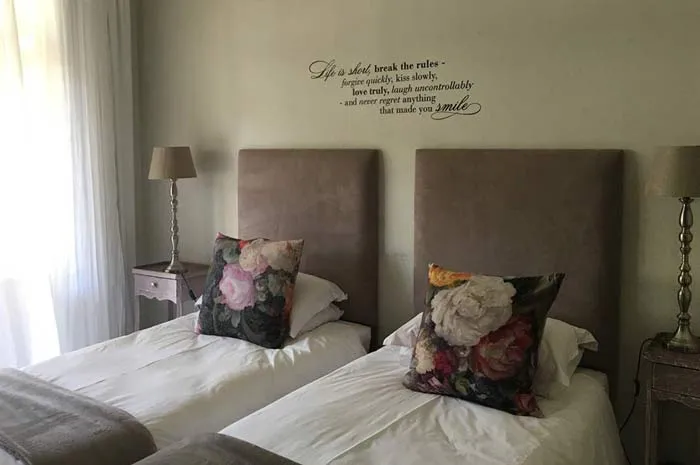
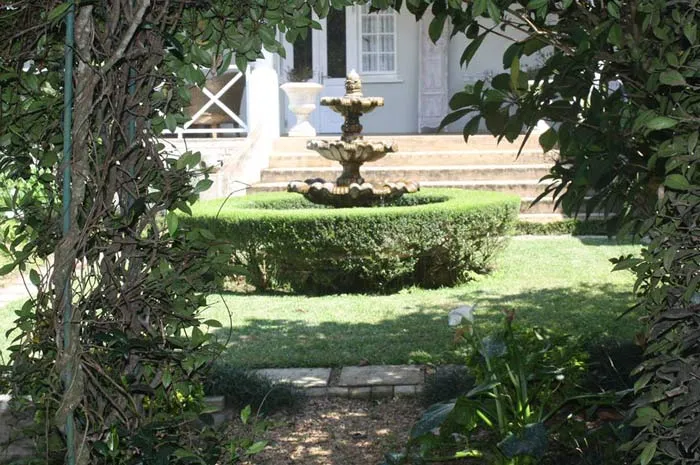
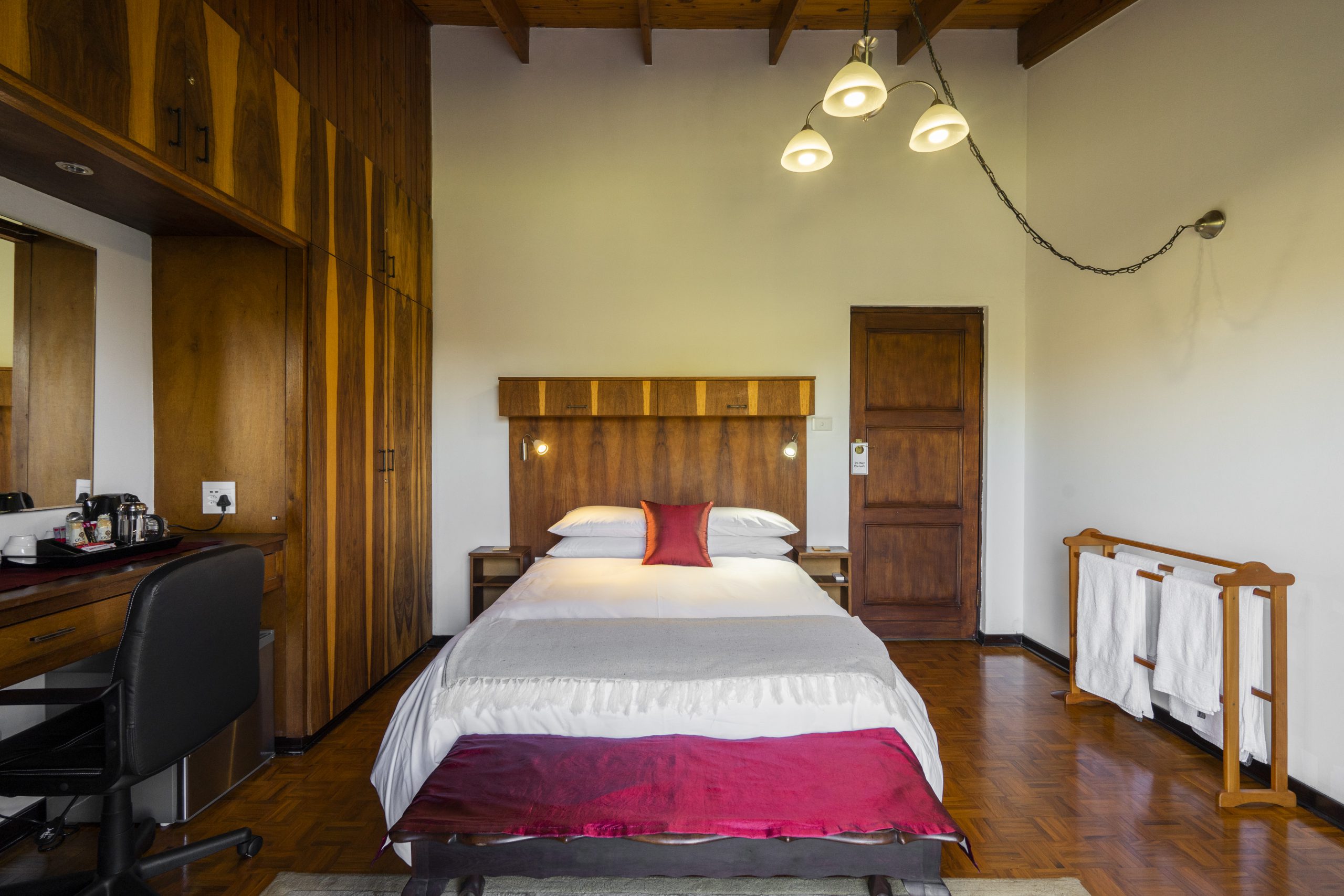
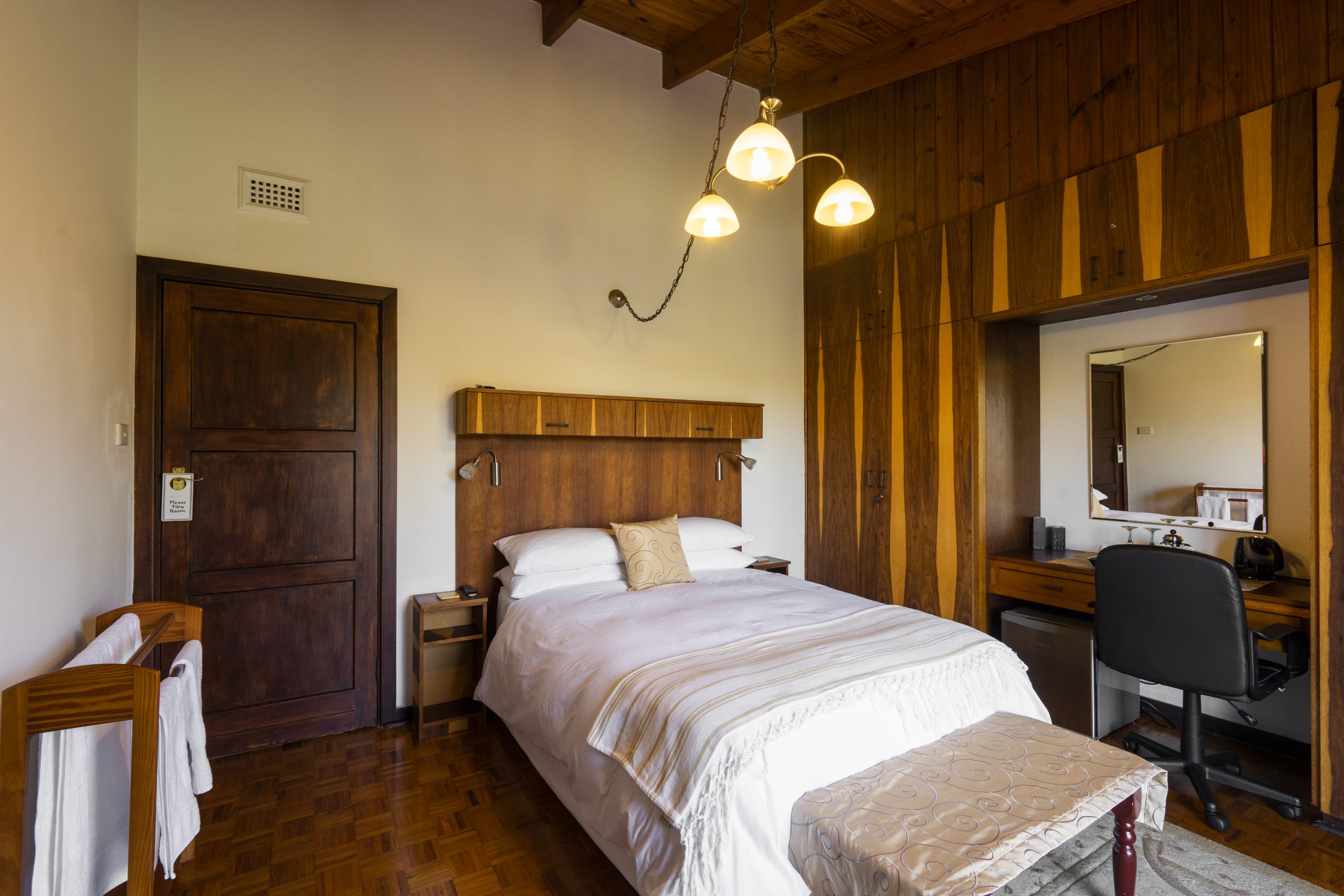
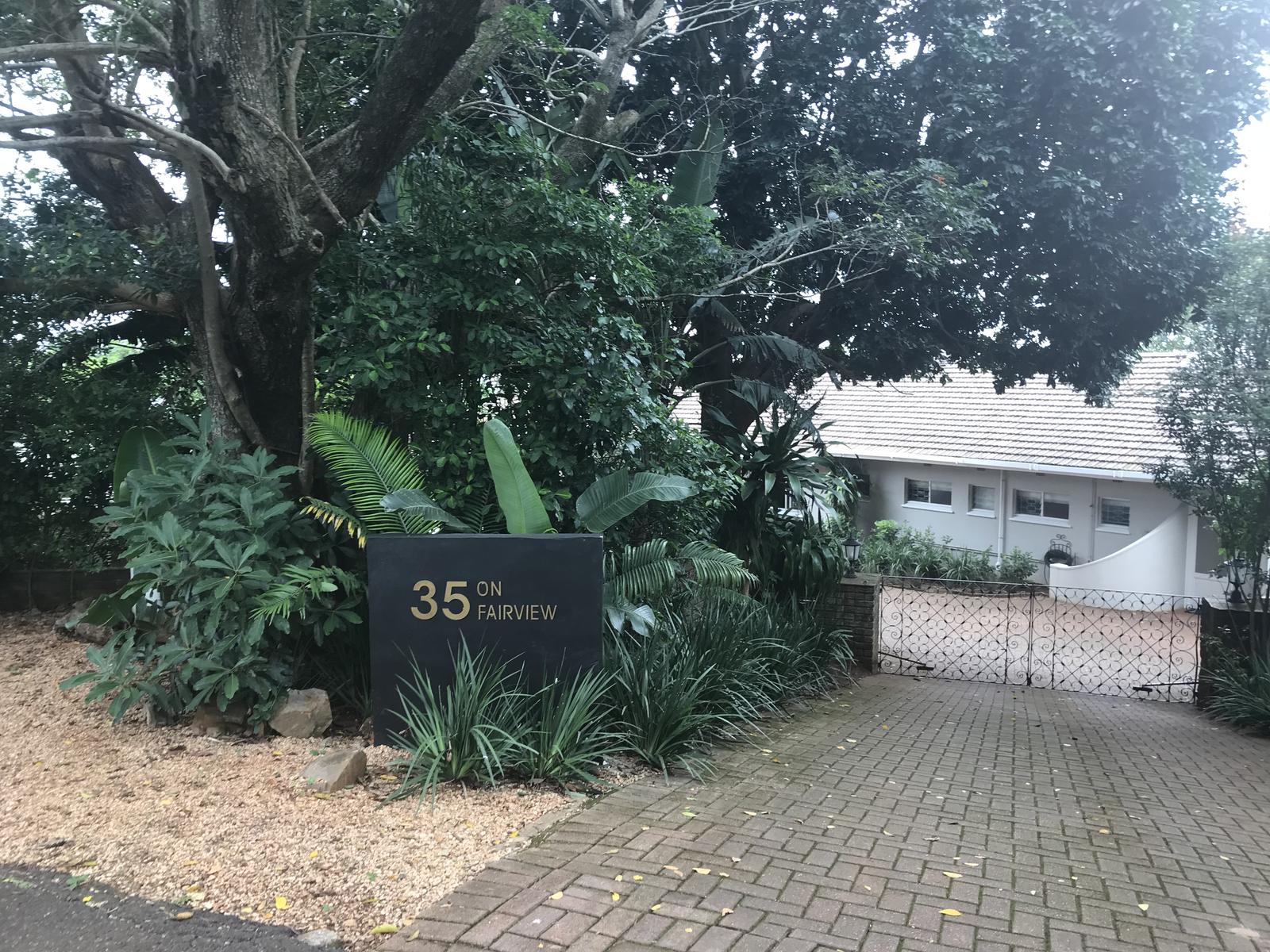
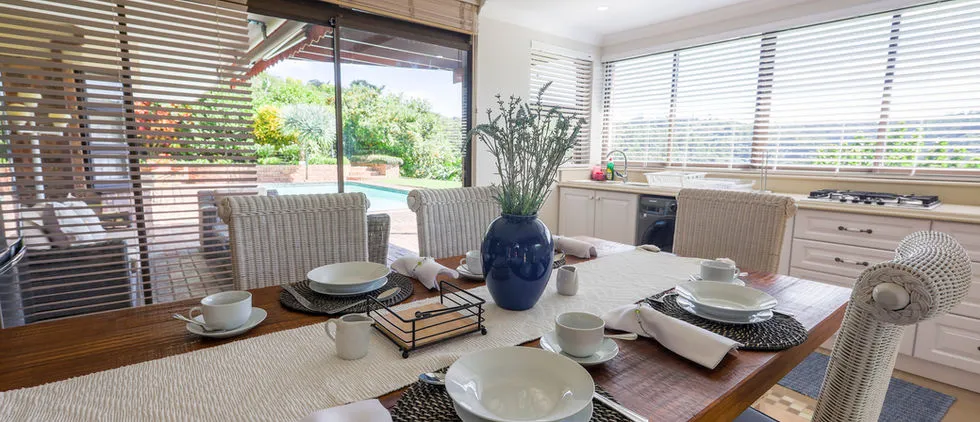
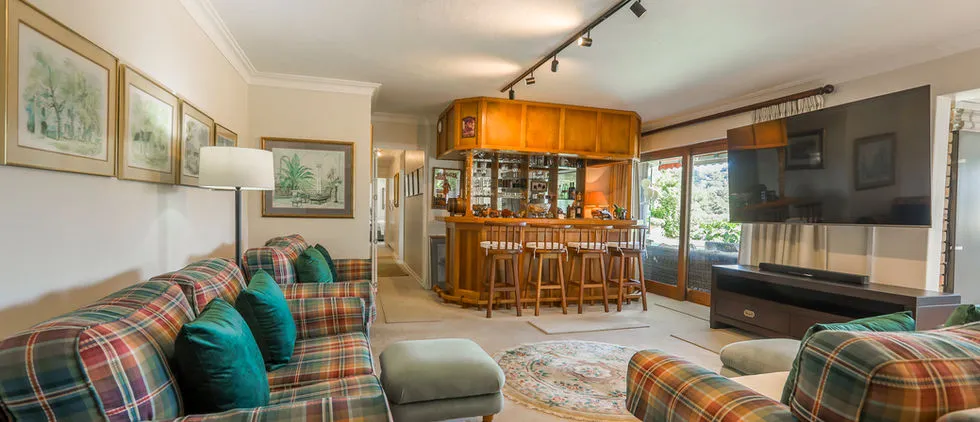
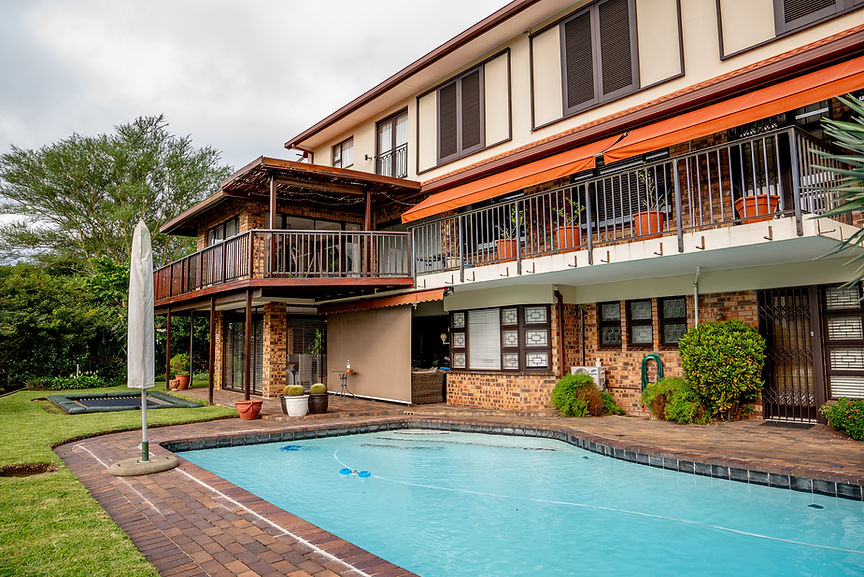
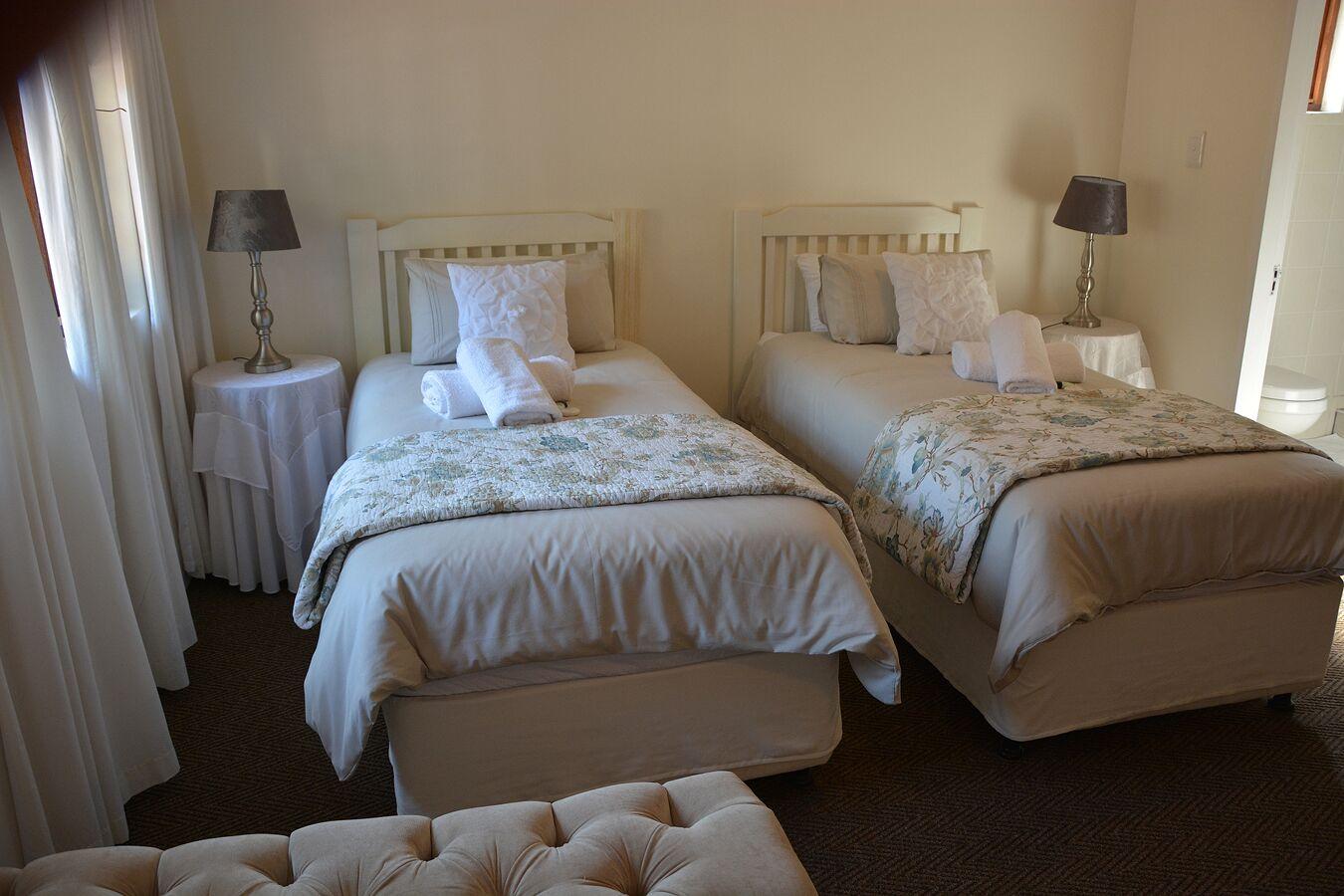
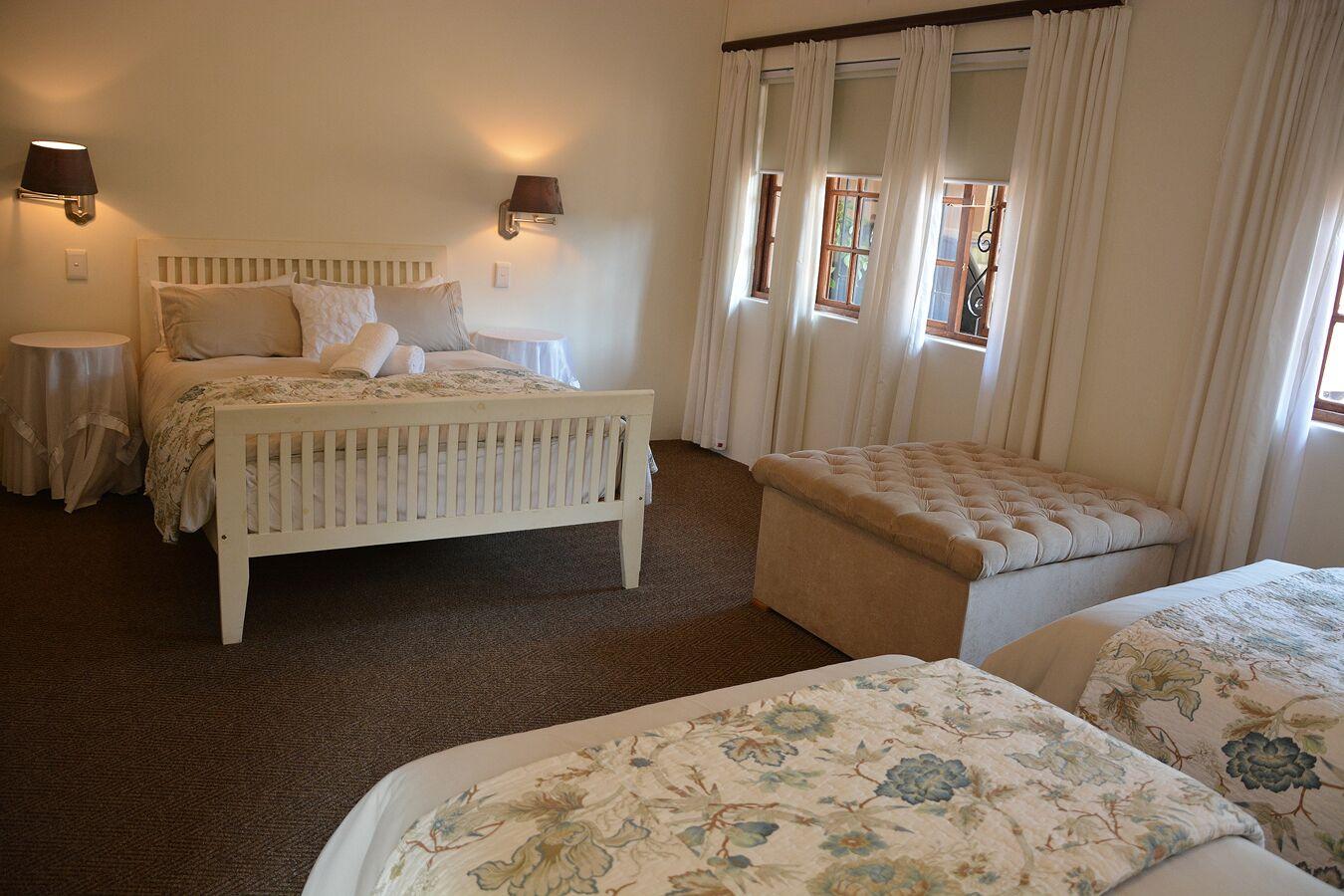
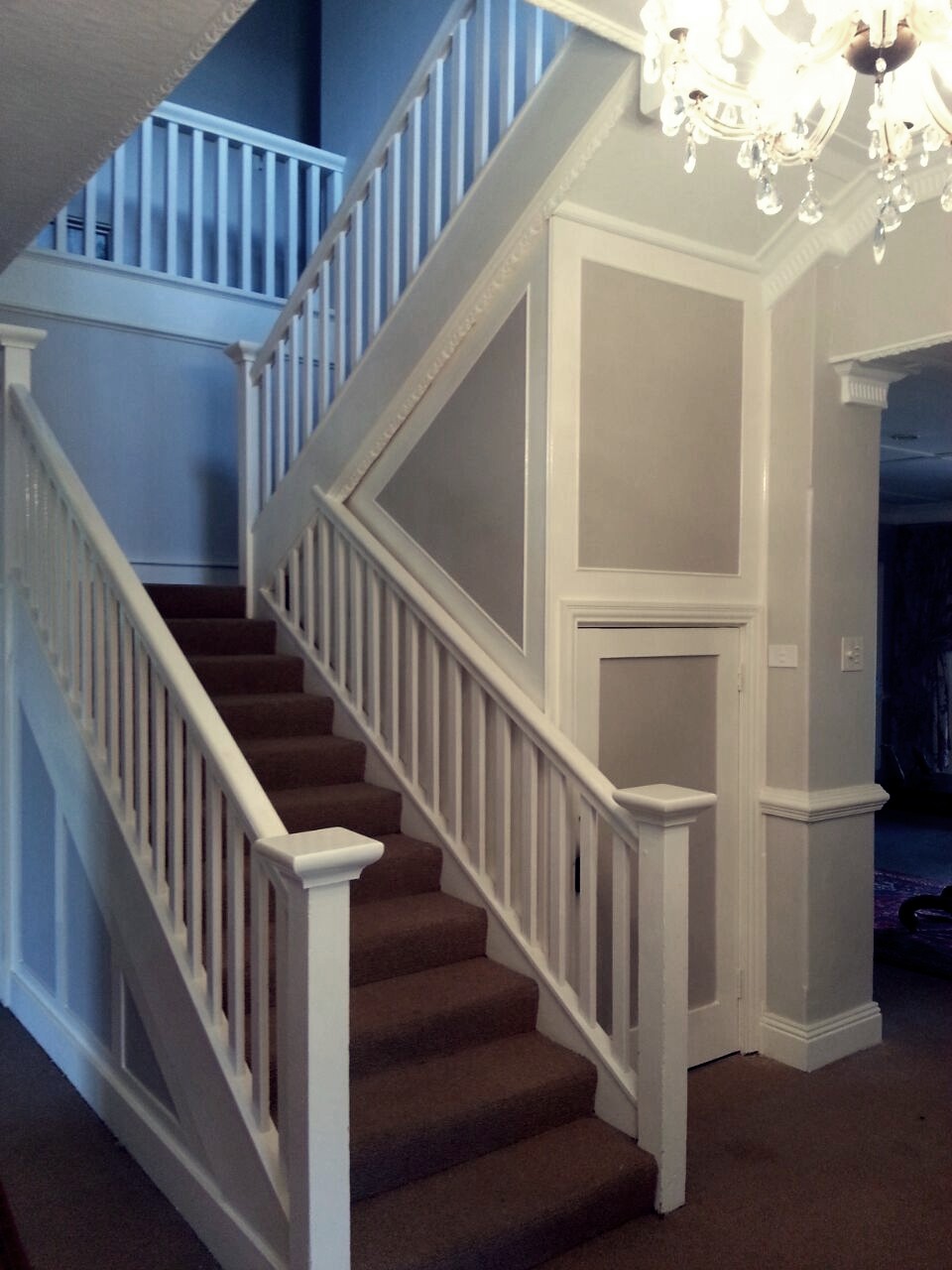
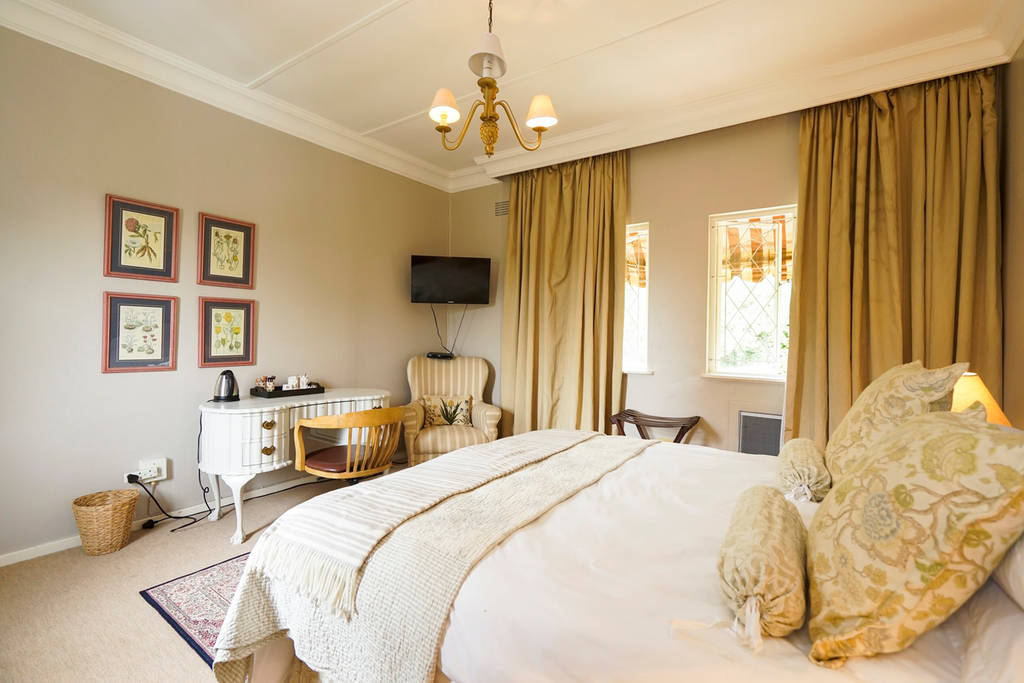
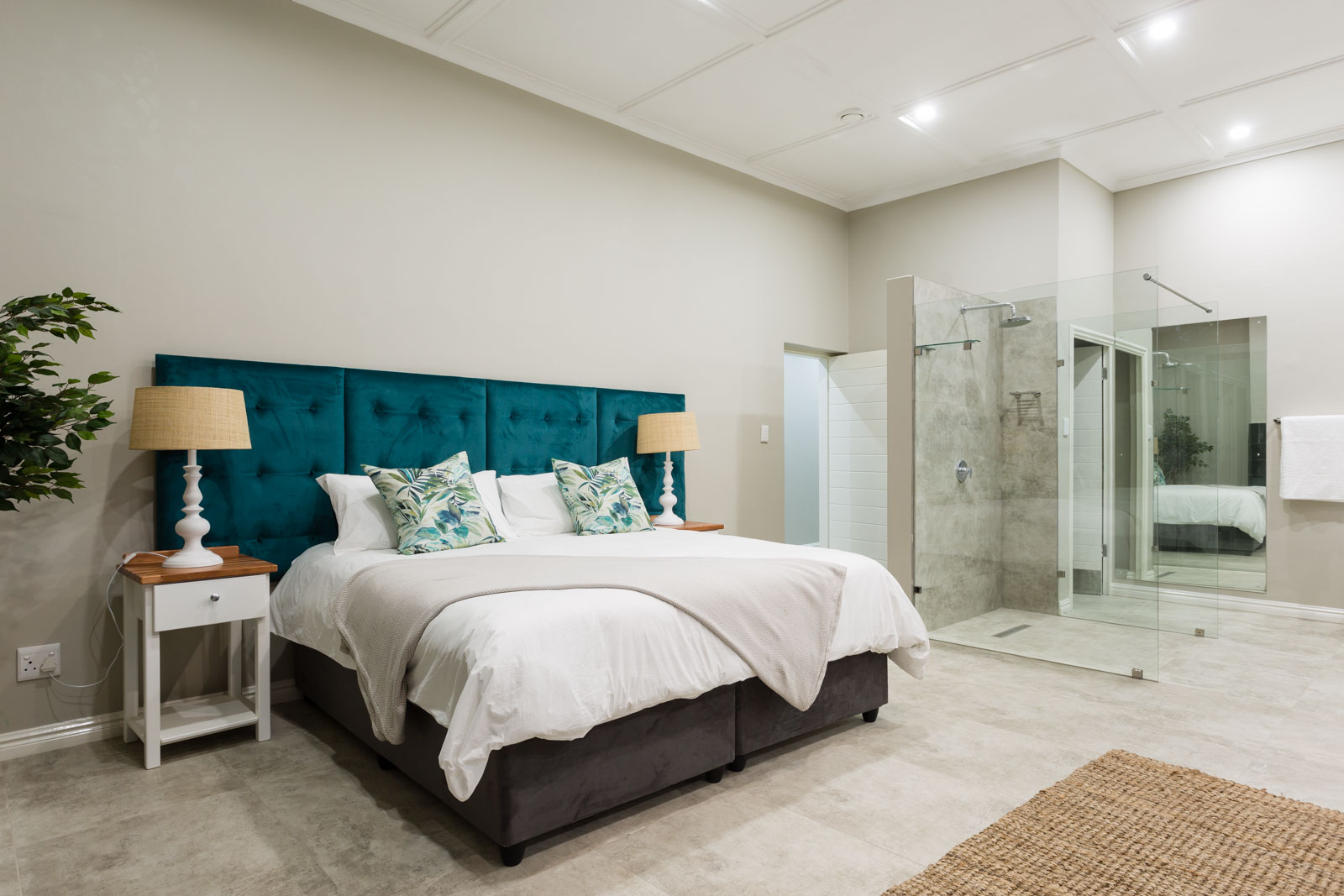
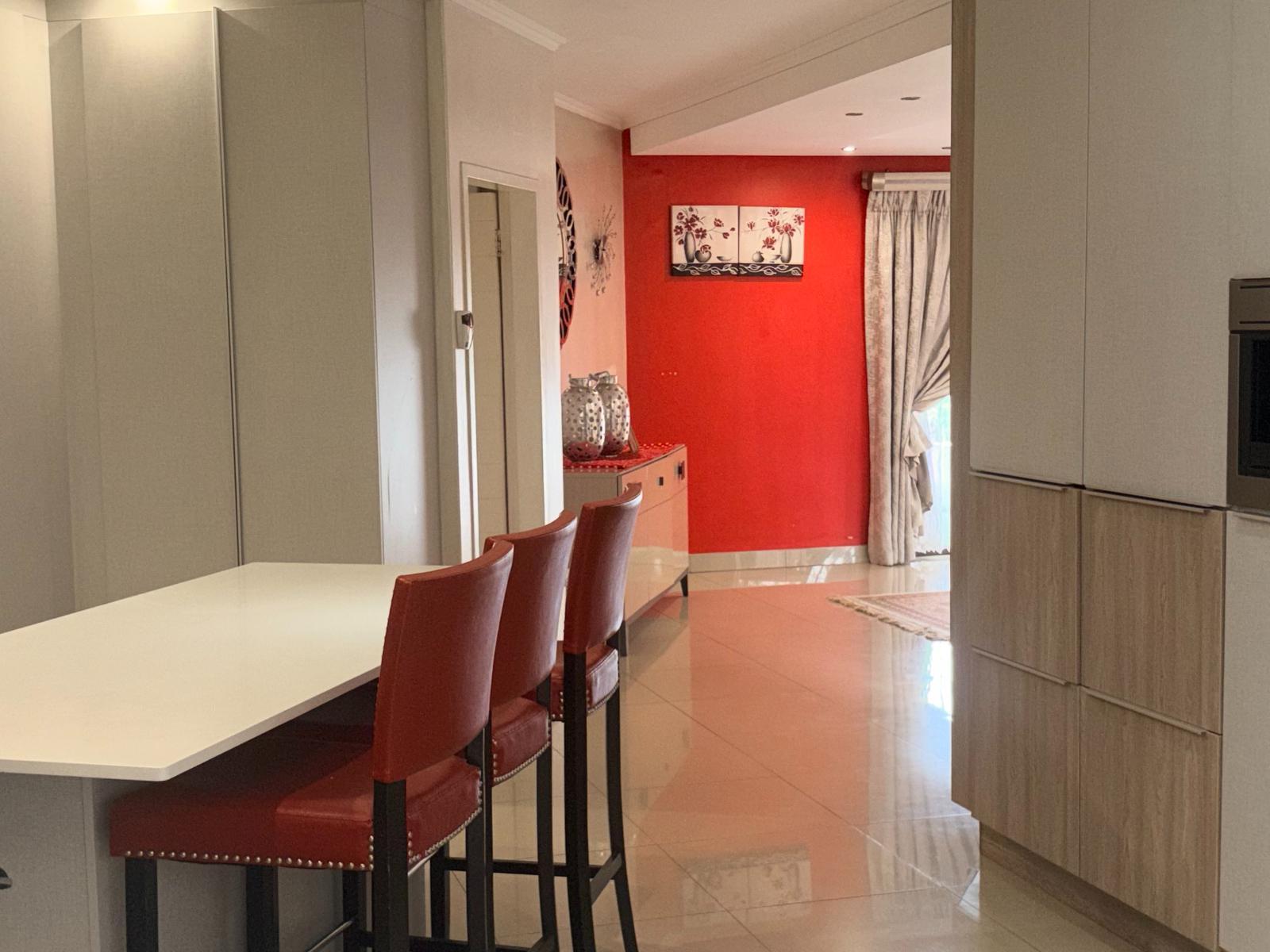
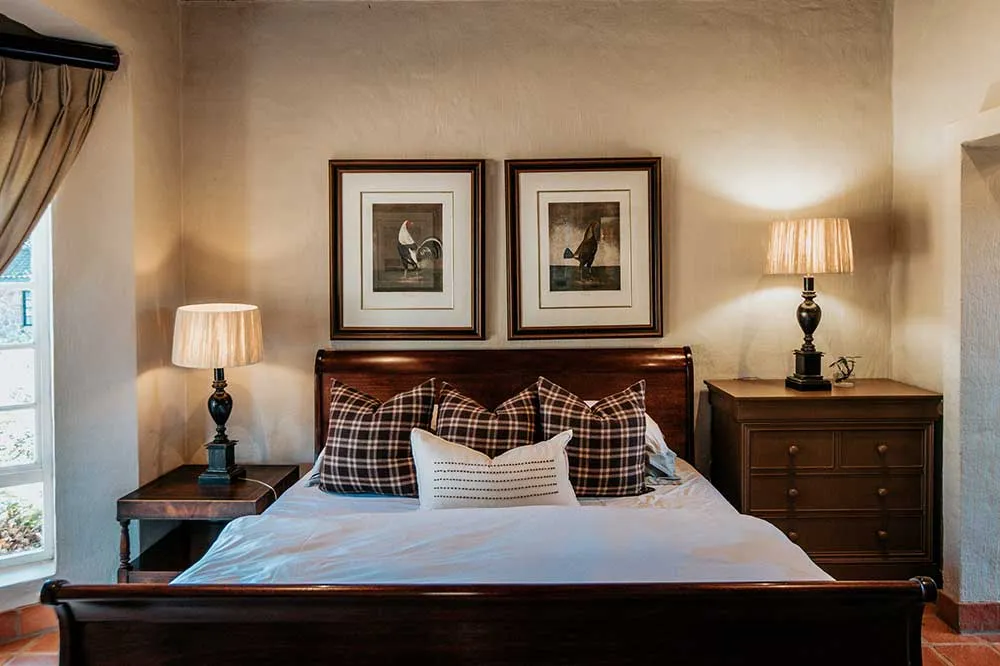
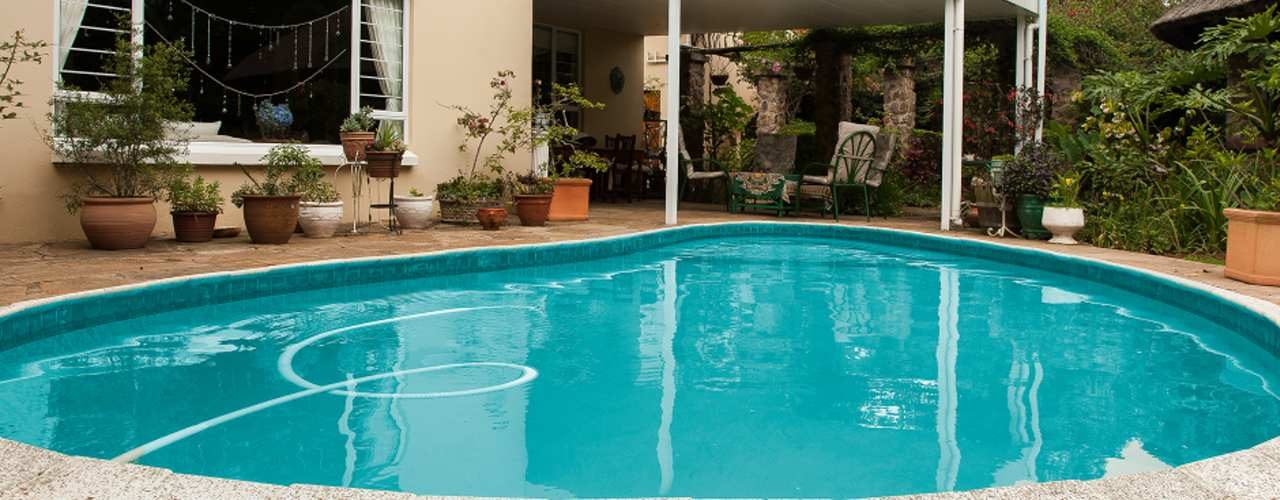
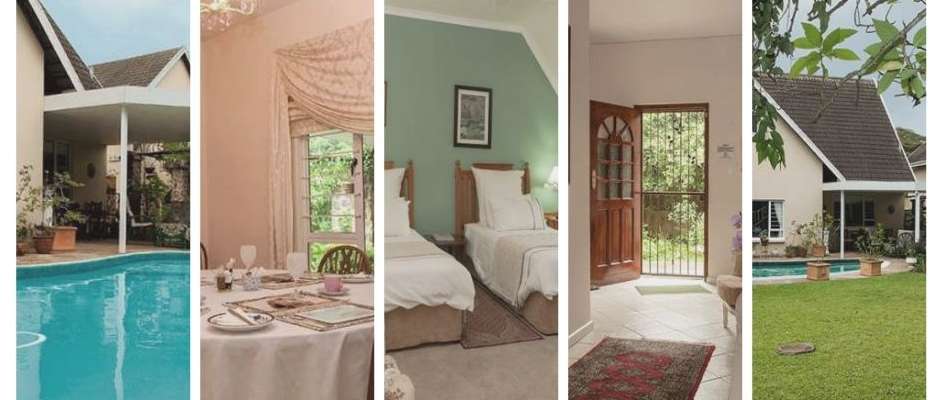
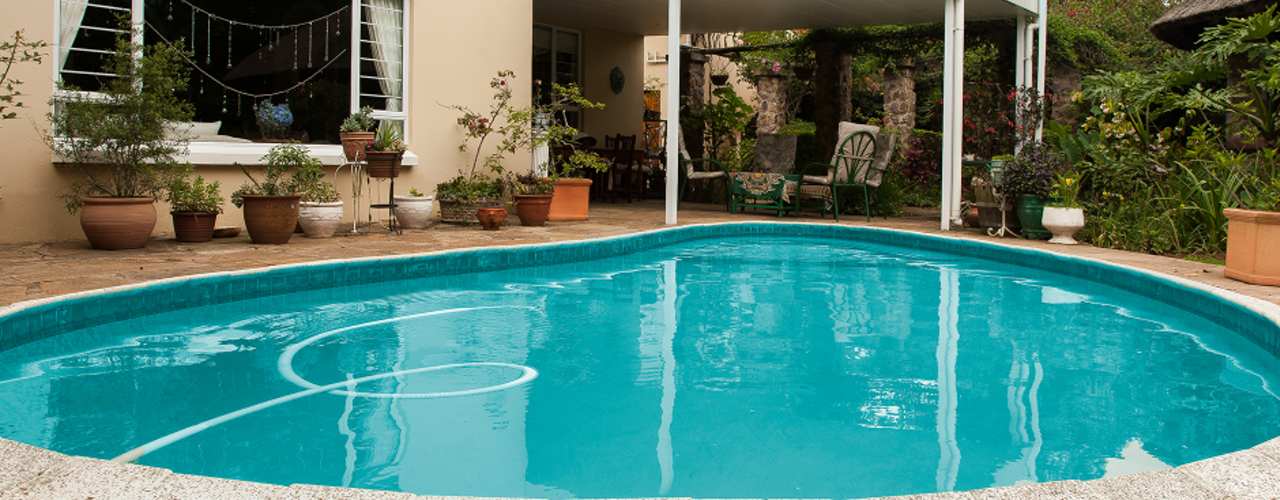
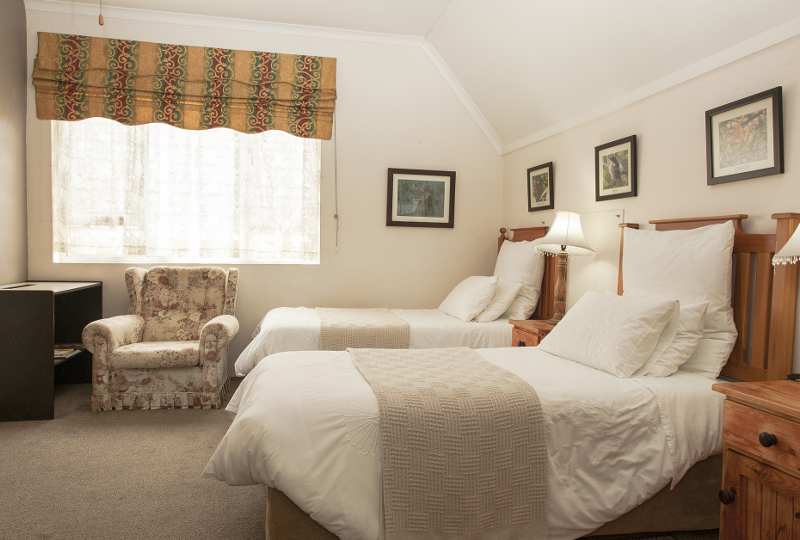
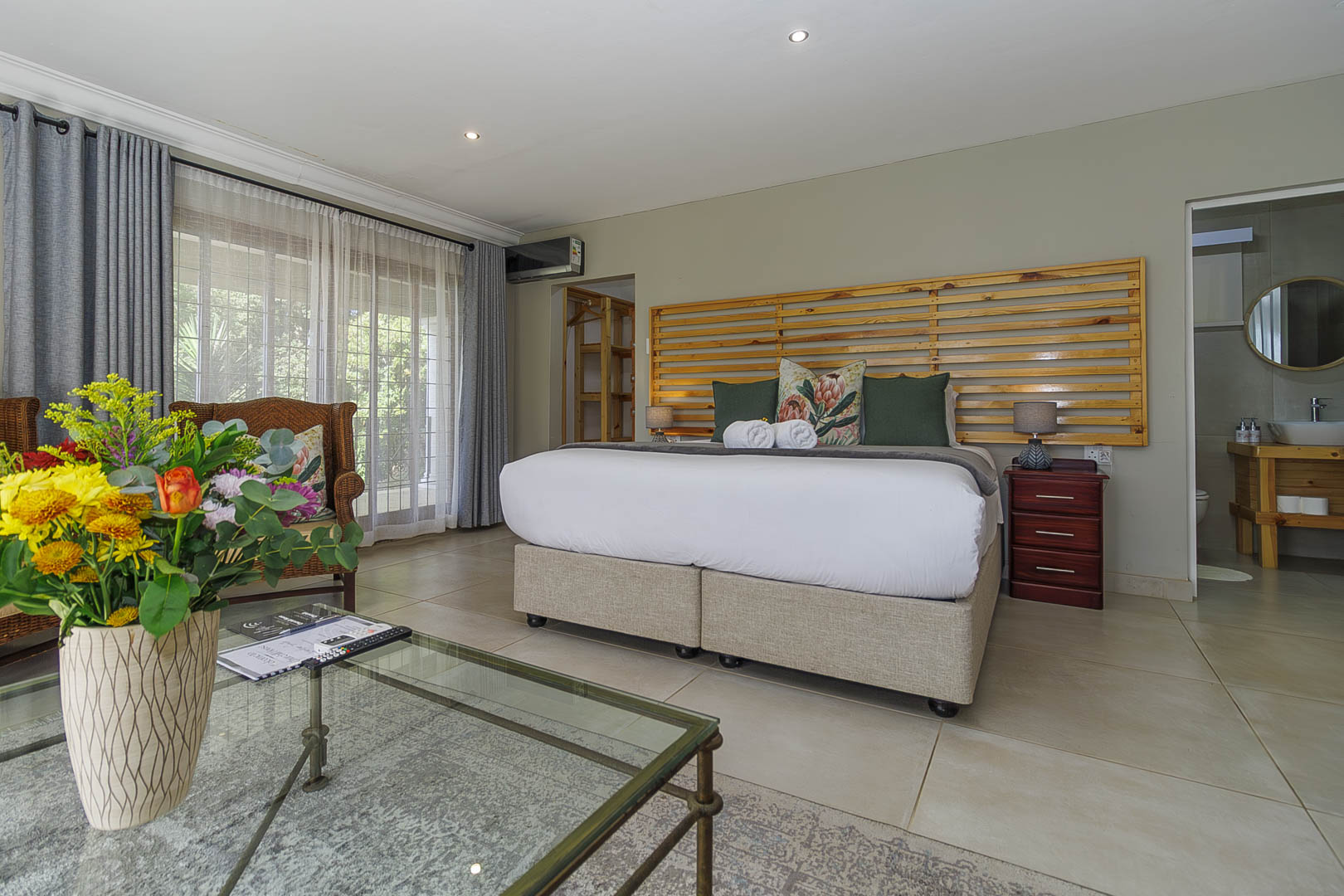
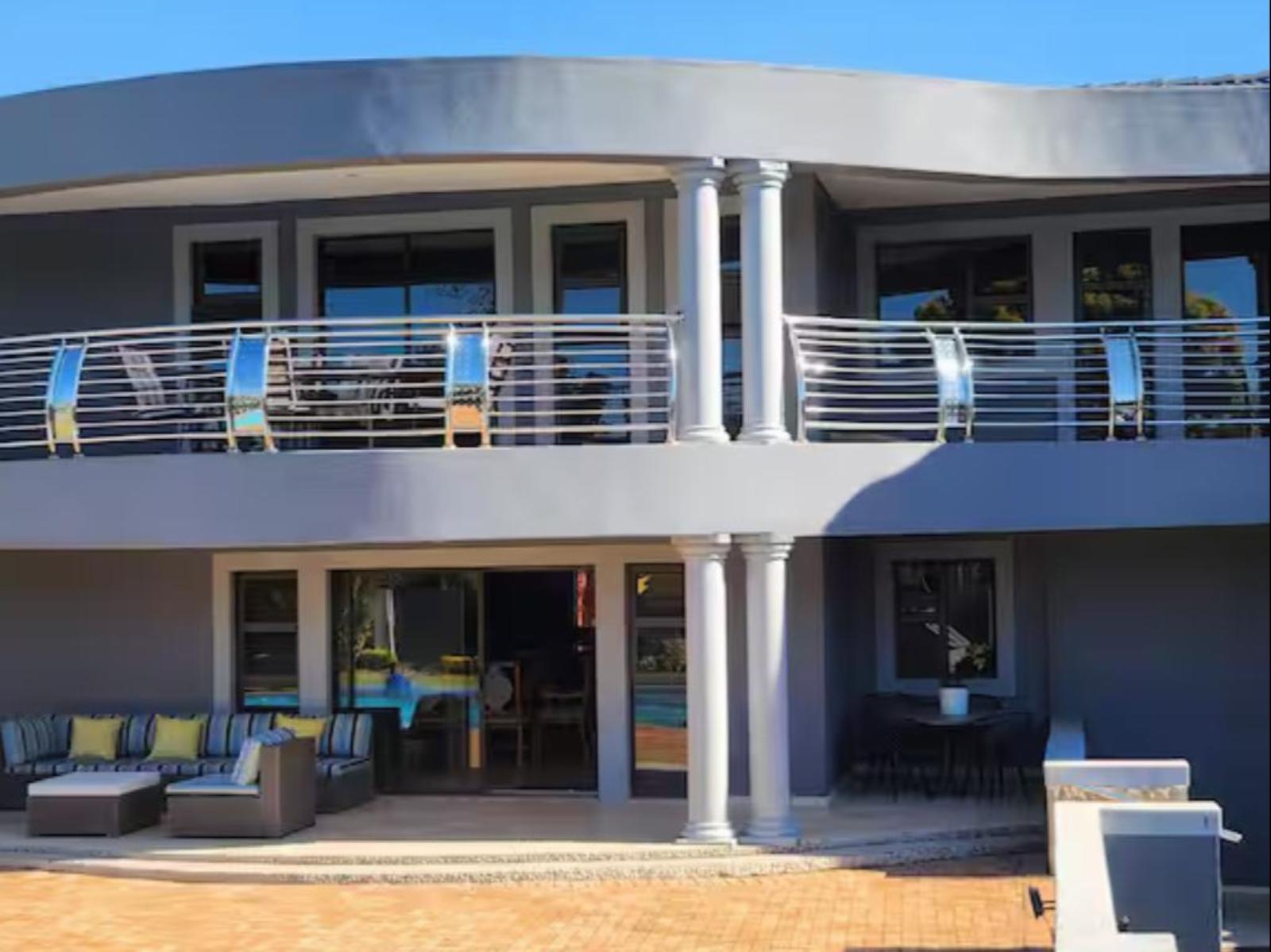
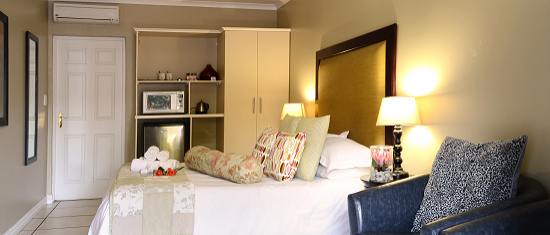
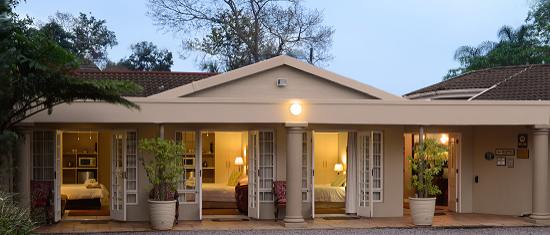
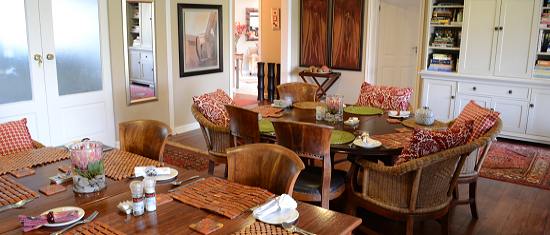
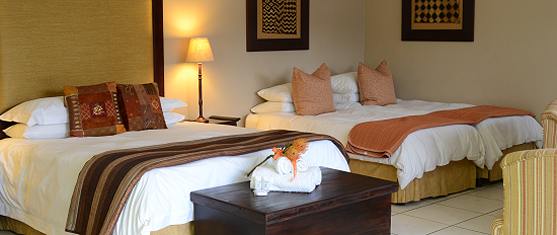
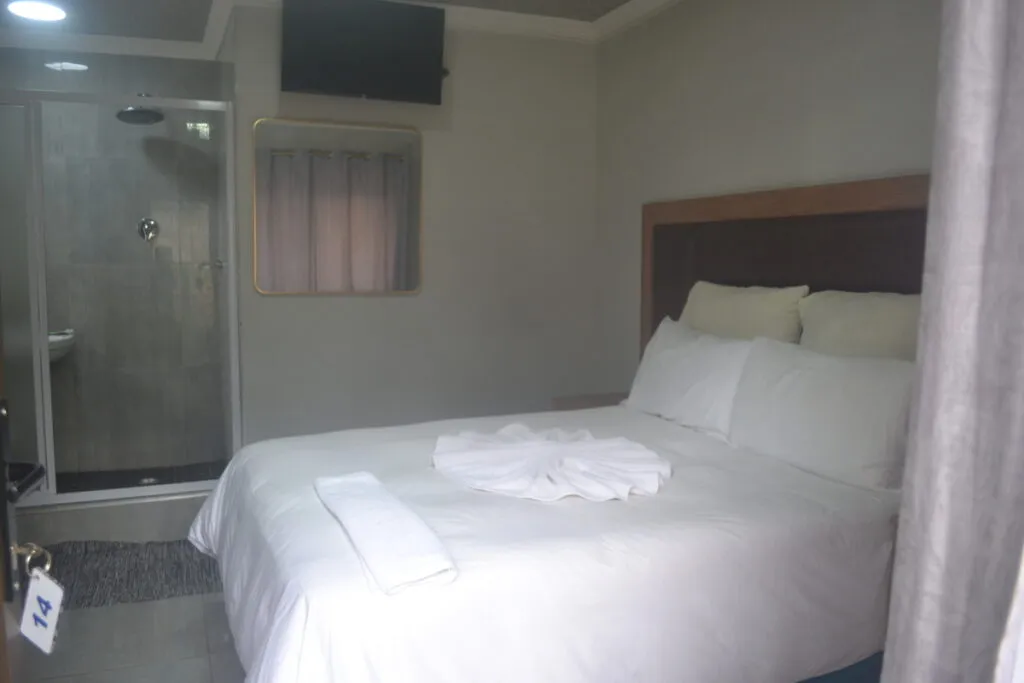
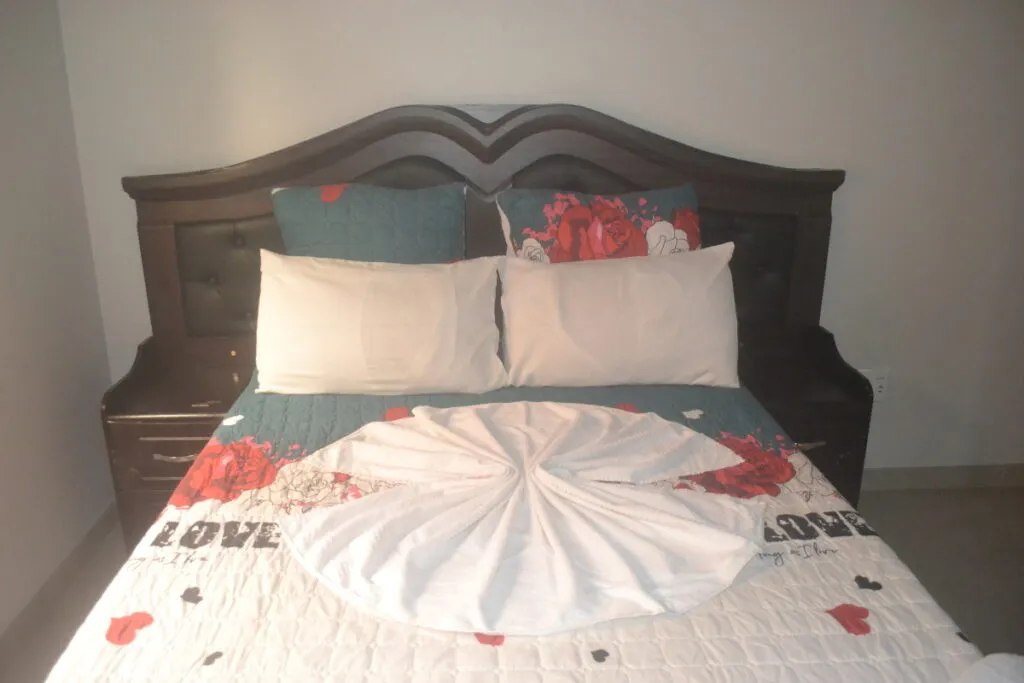
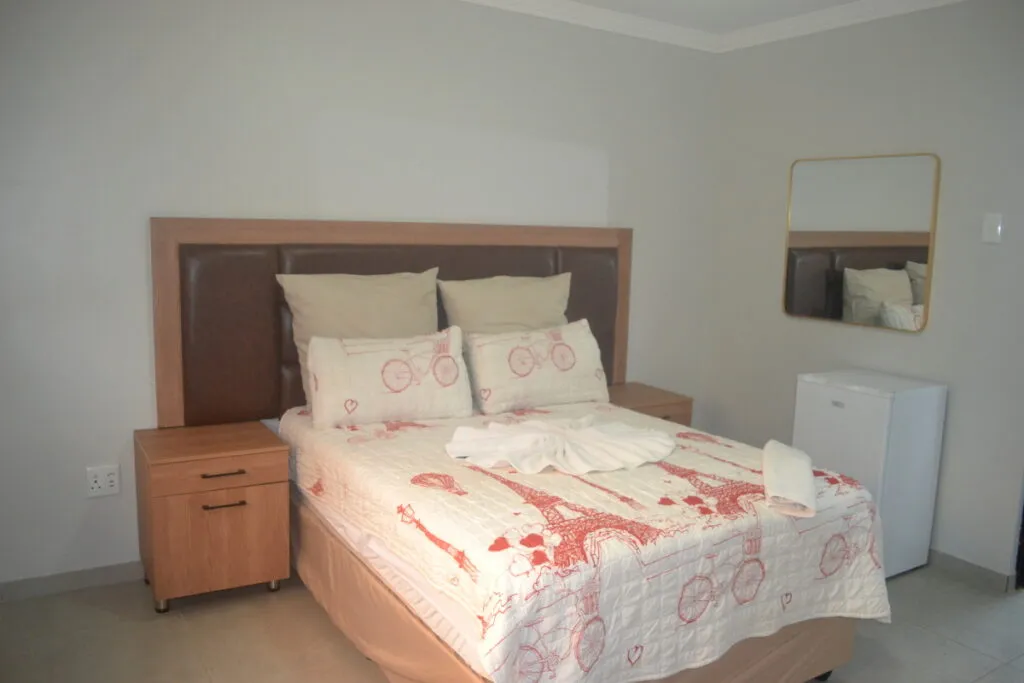
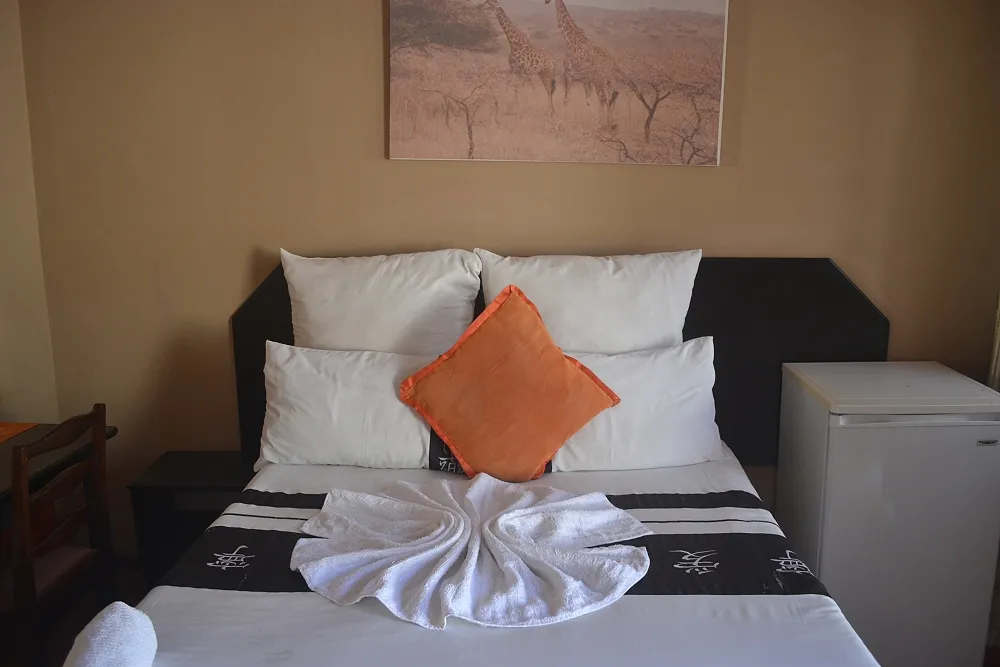
At the more accessible end of the scale, bed and breakfasts make up a strong part of what's available. Three B&Bs average around R3,335 per night and typically occupy family homes on quiet residential streets, offering garden breakfasts and the kind of local knowledge that turns a day hike into a well-planned outing. Guesthouses occupy similar ground, with three listed properties averaging slightly higher at R3,564, usually offering more room separation and occasionally self-catering options alongside a hosted breakfast. These mid-range properties are the backbone of Kloof's accommodation scene and suit most visitors looking for a comfortable, well-serviced base.
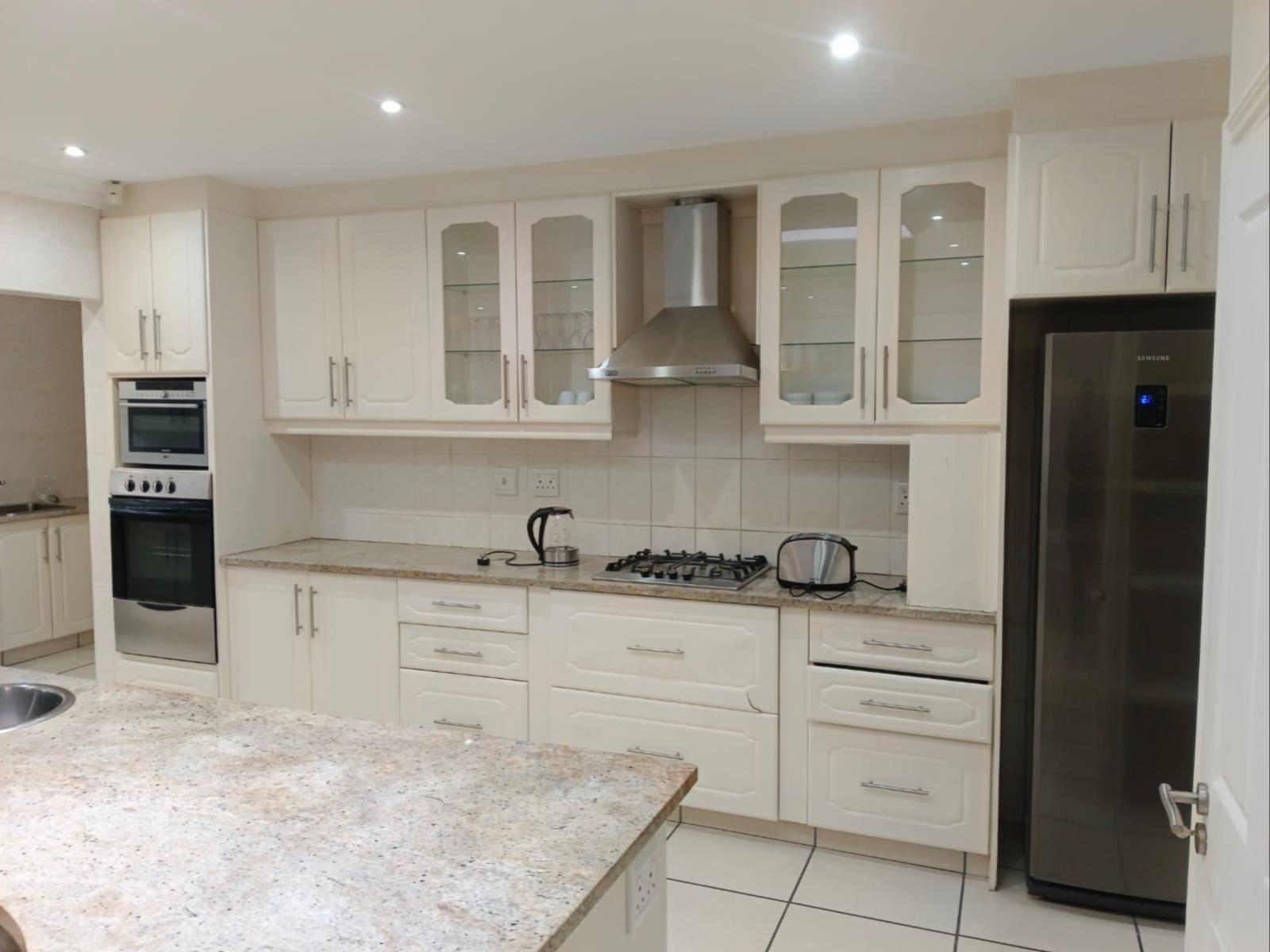
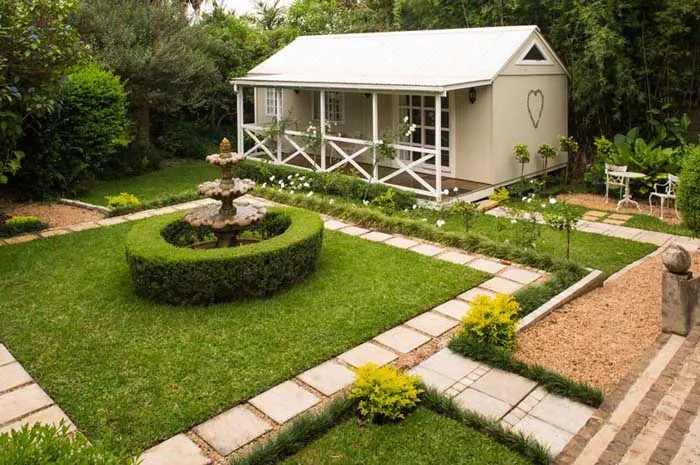
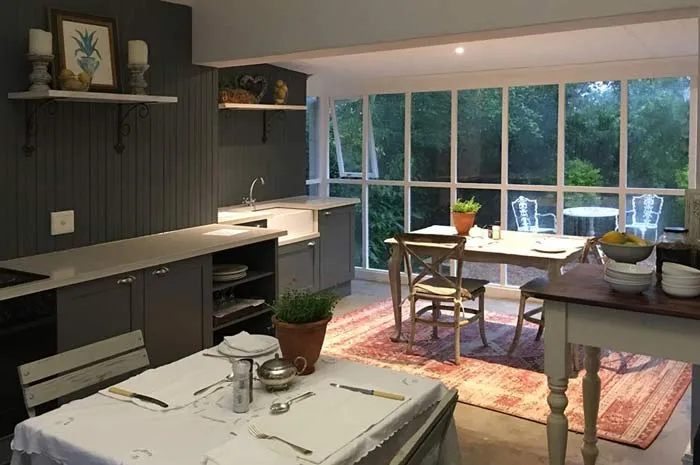
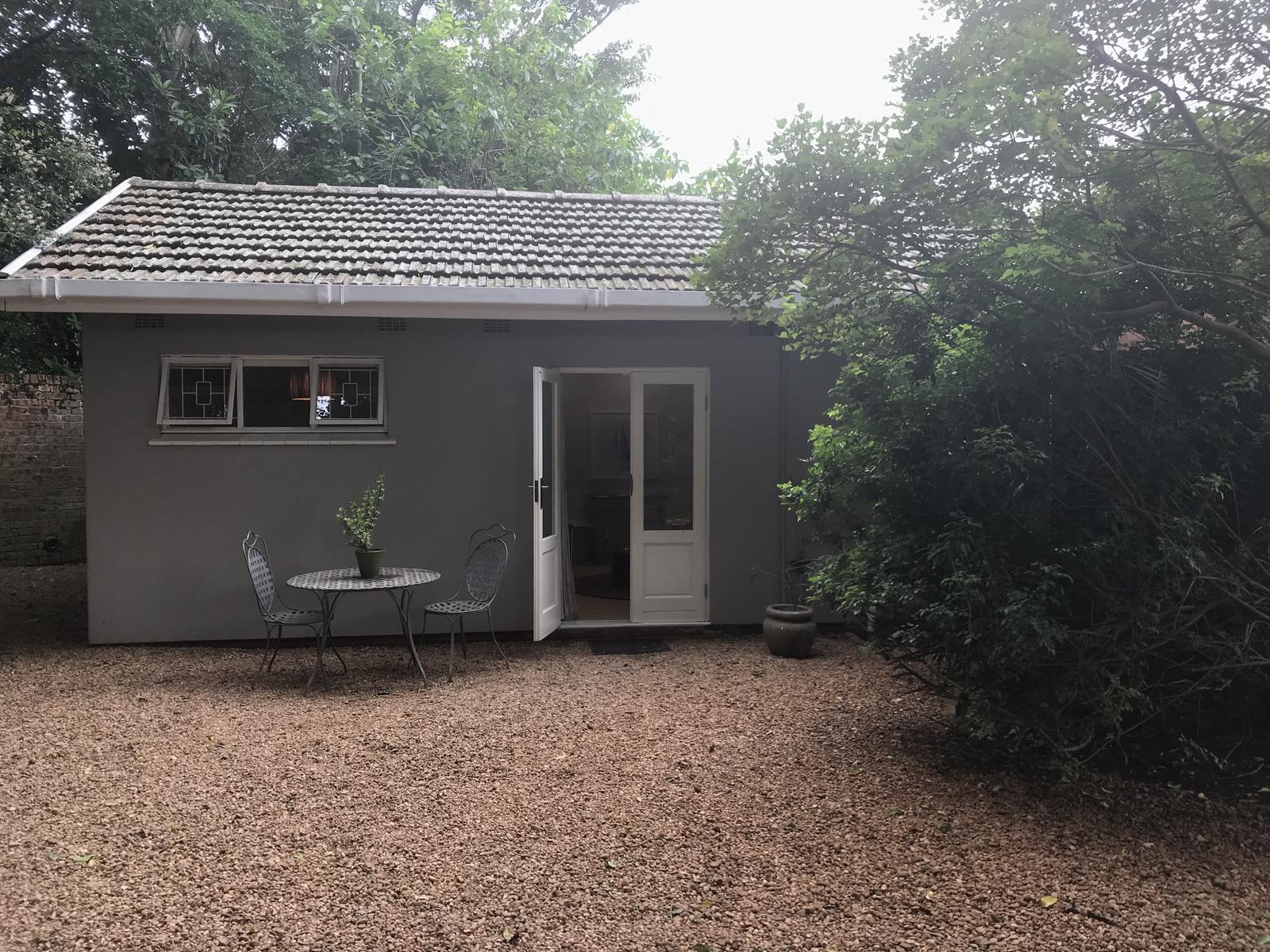
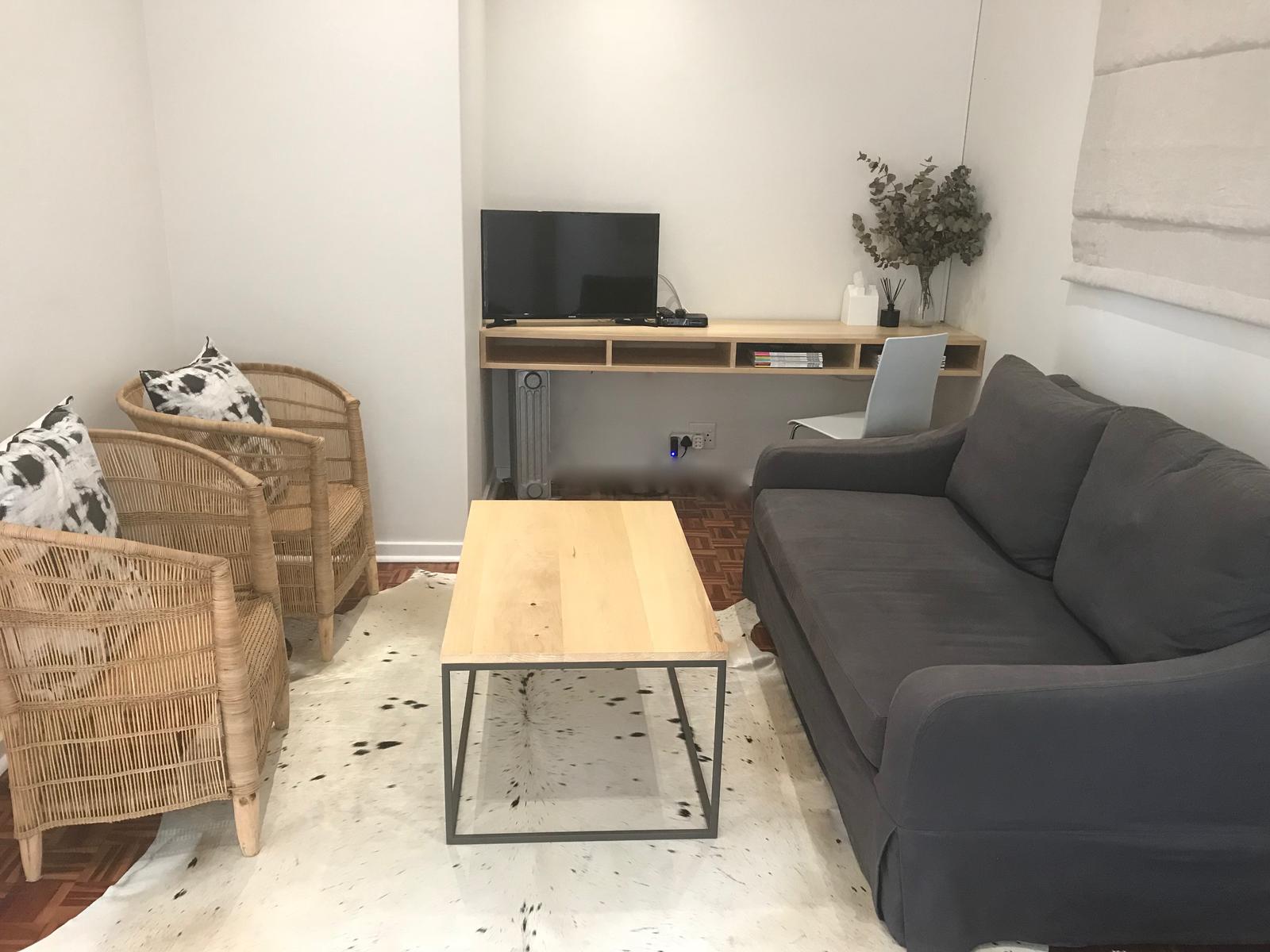
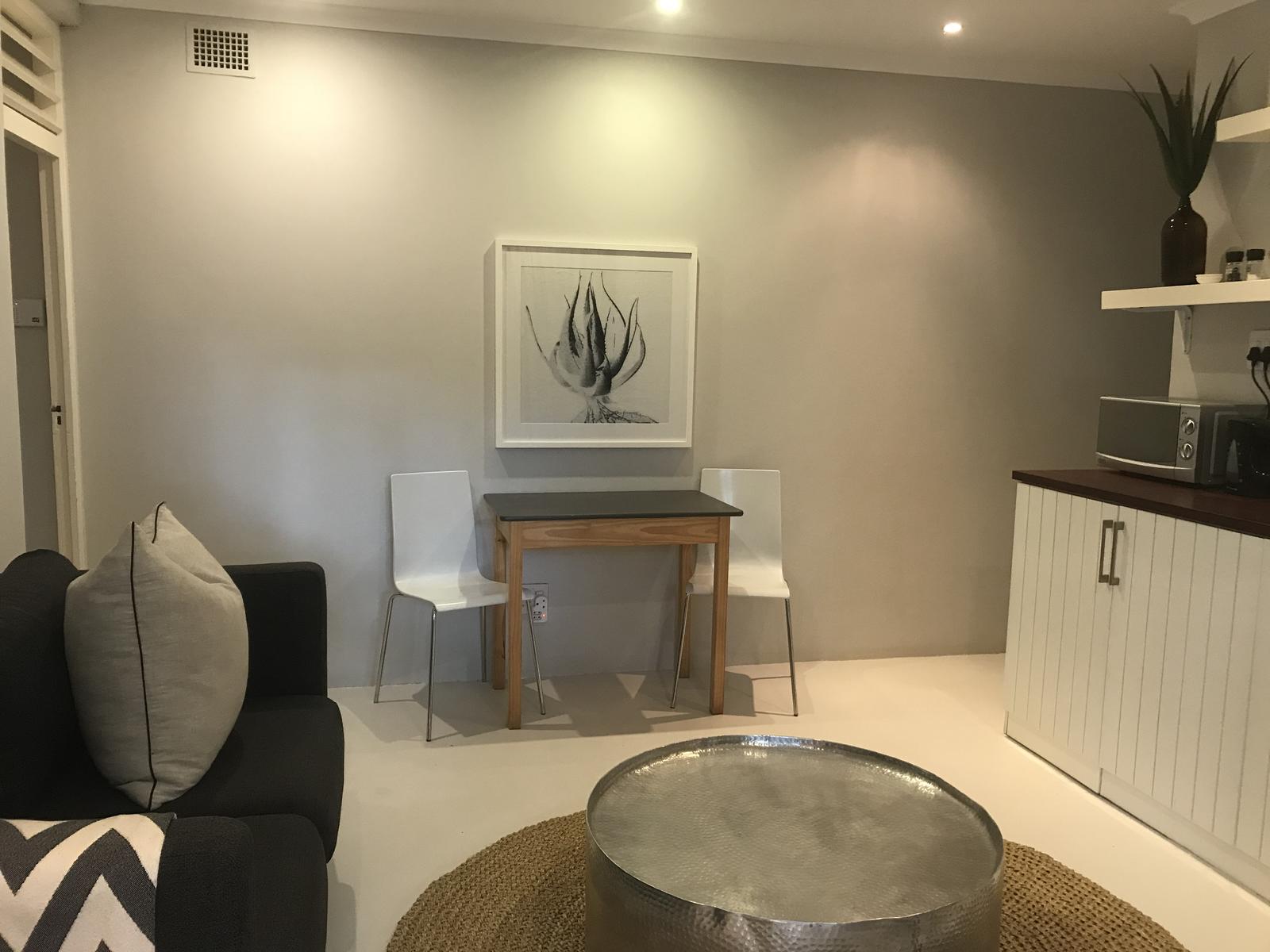
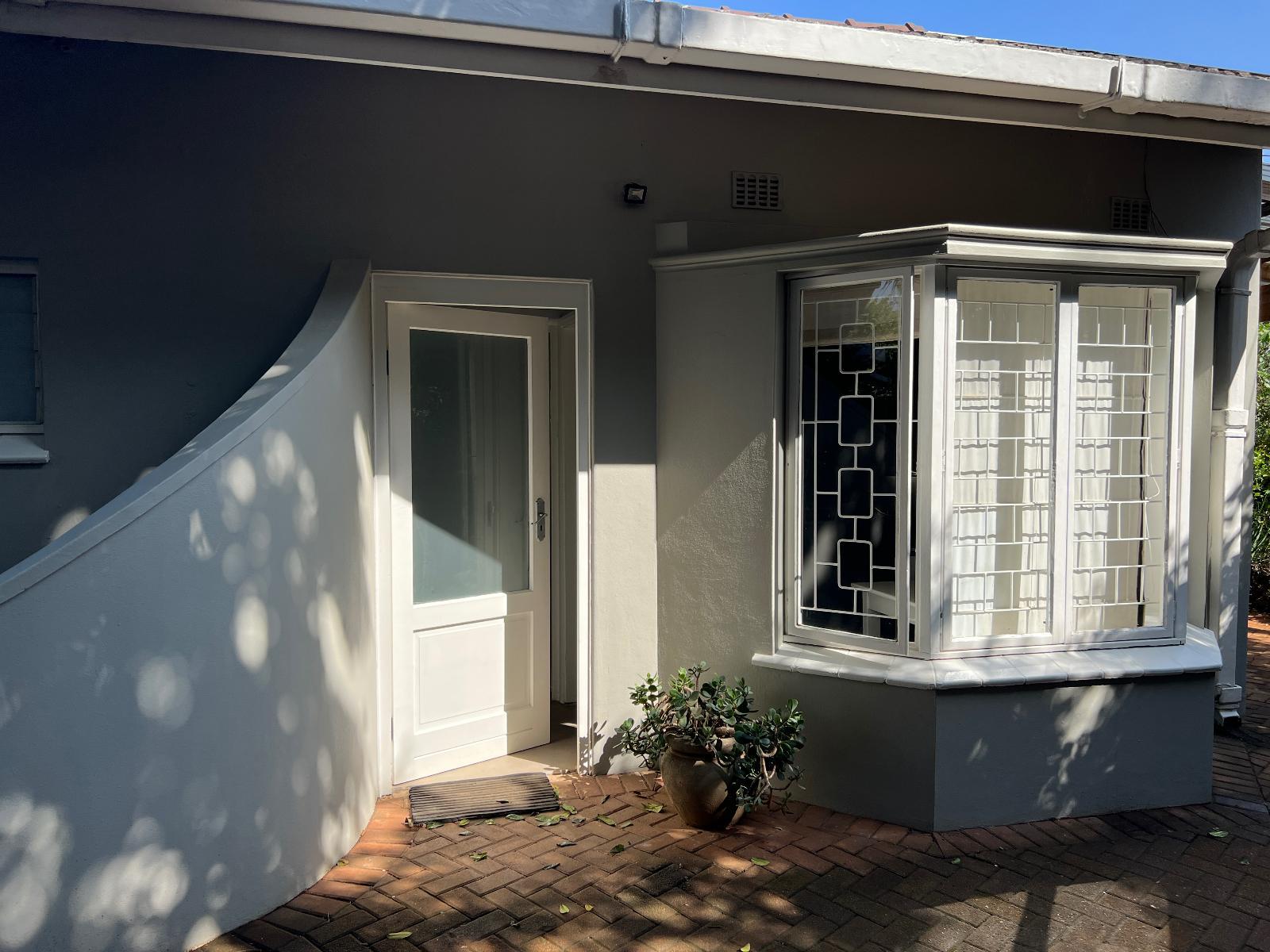
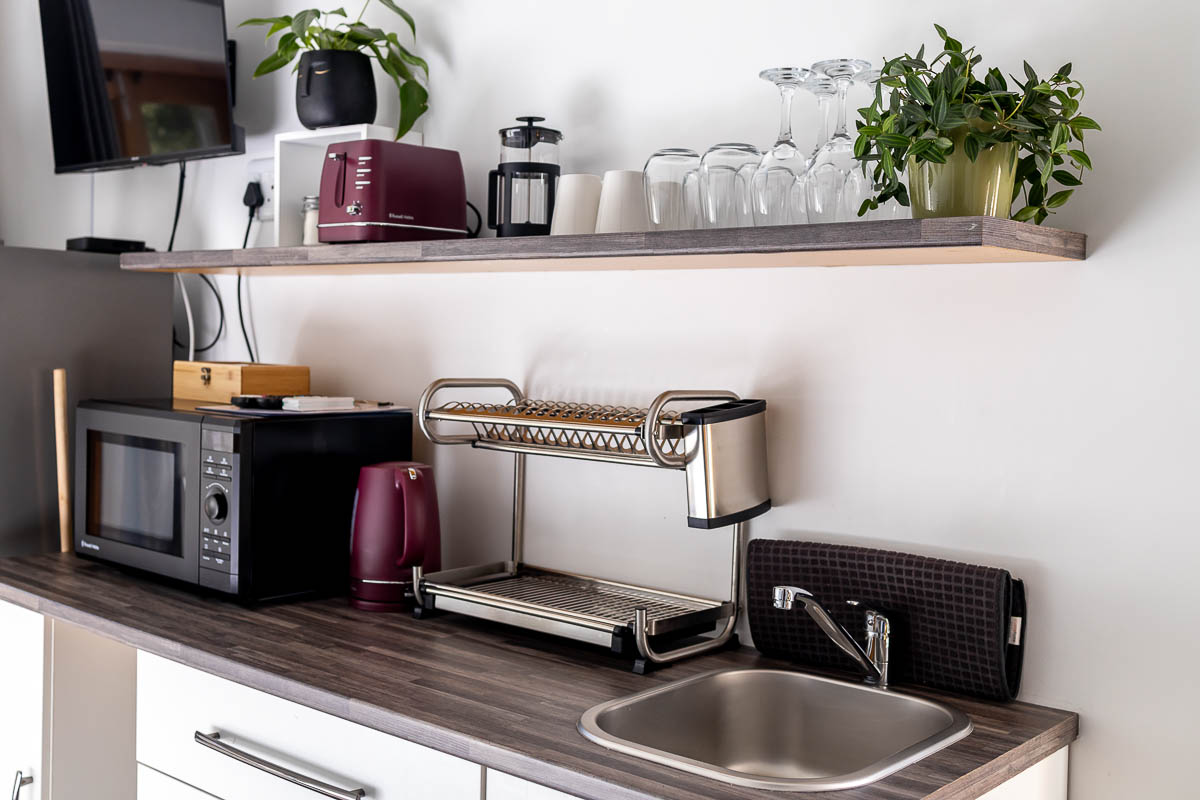
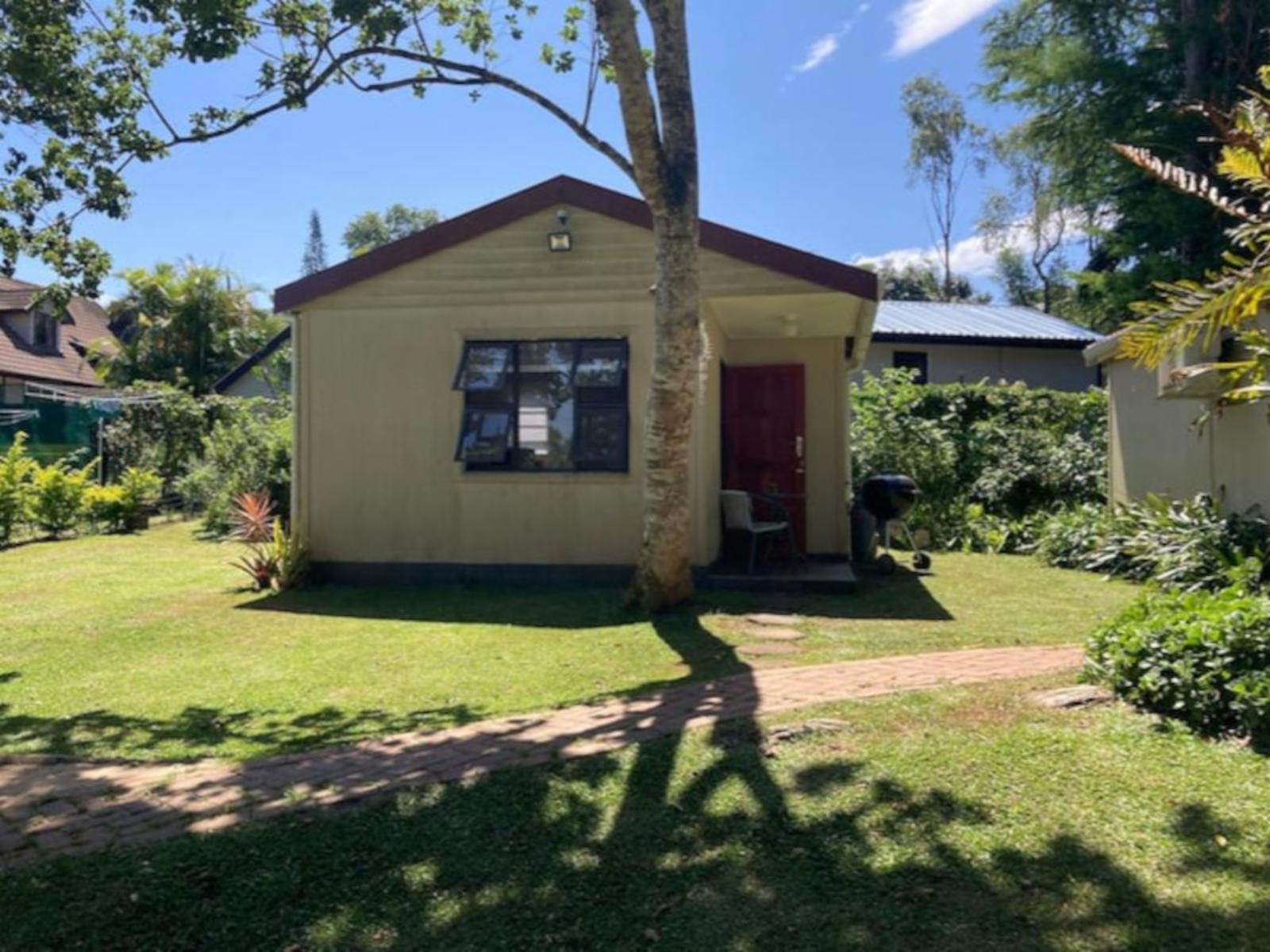
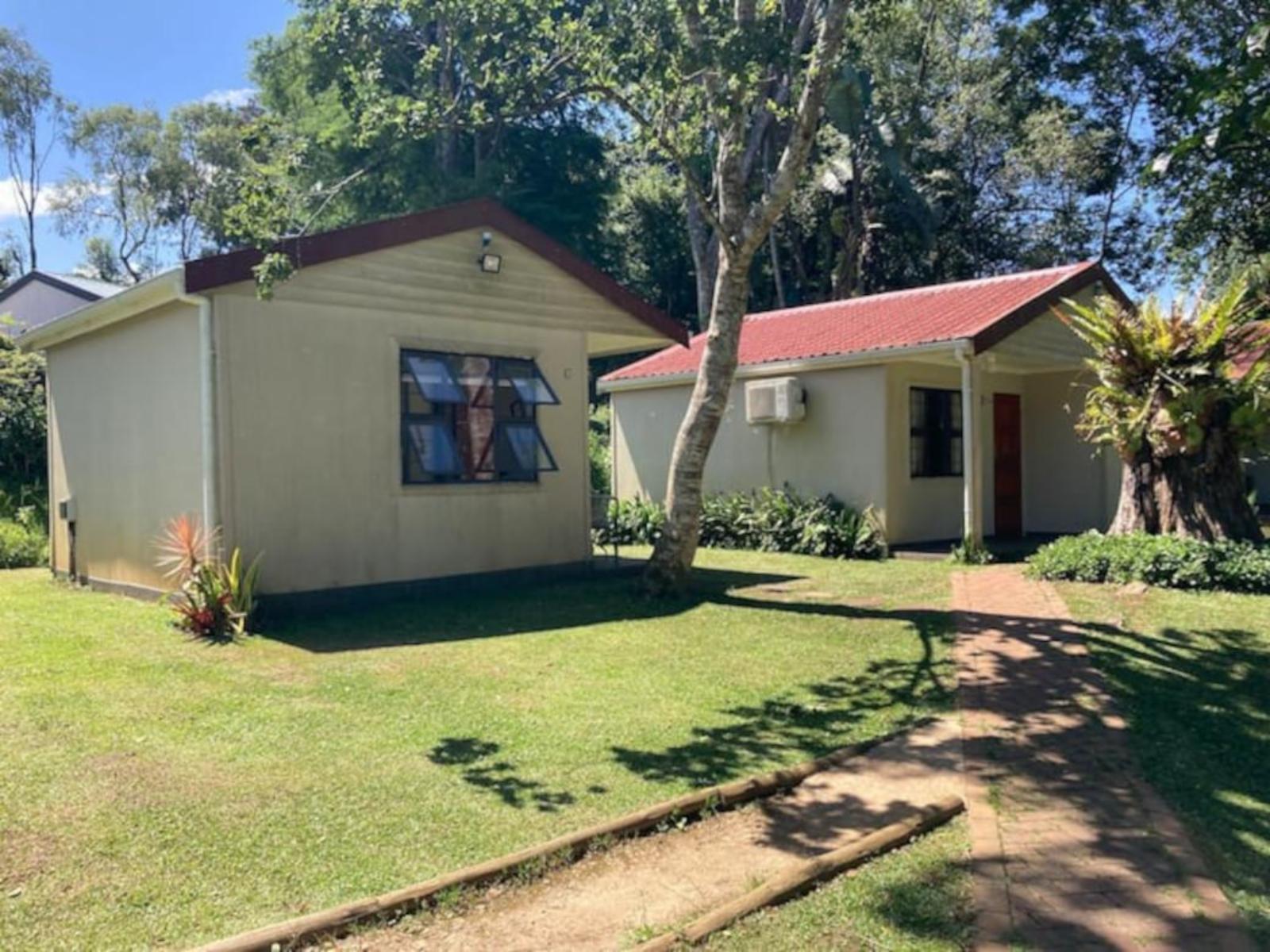
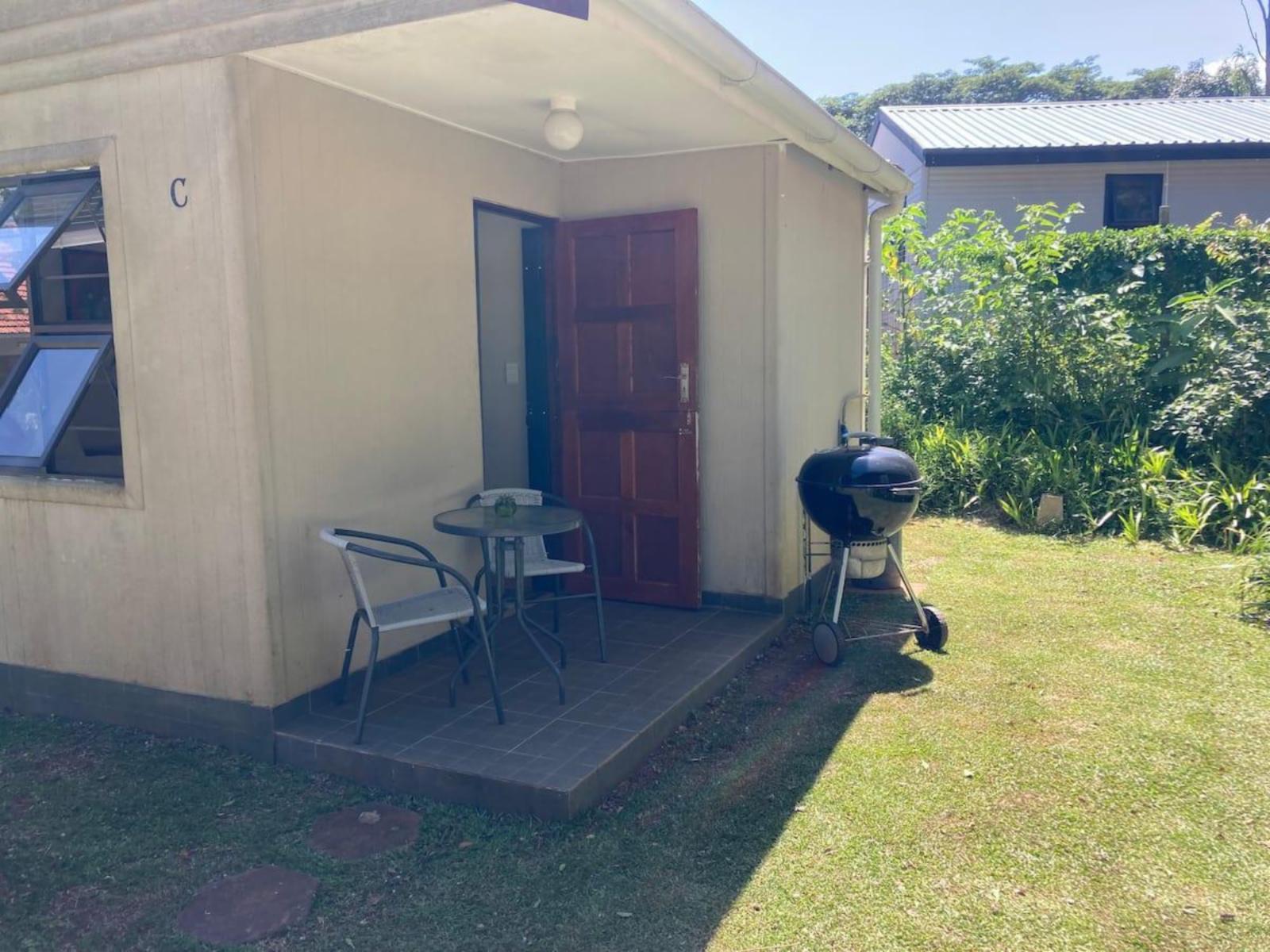
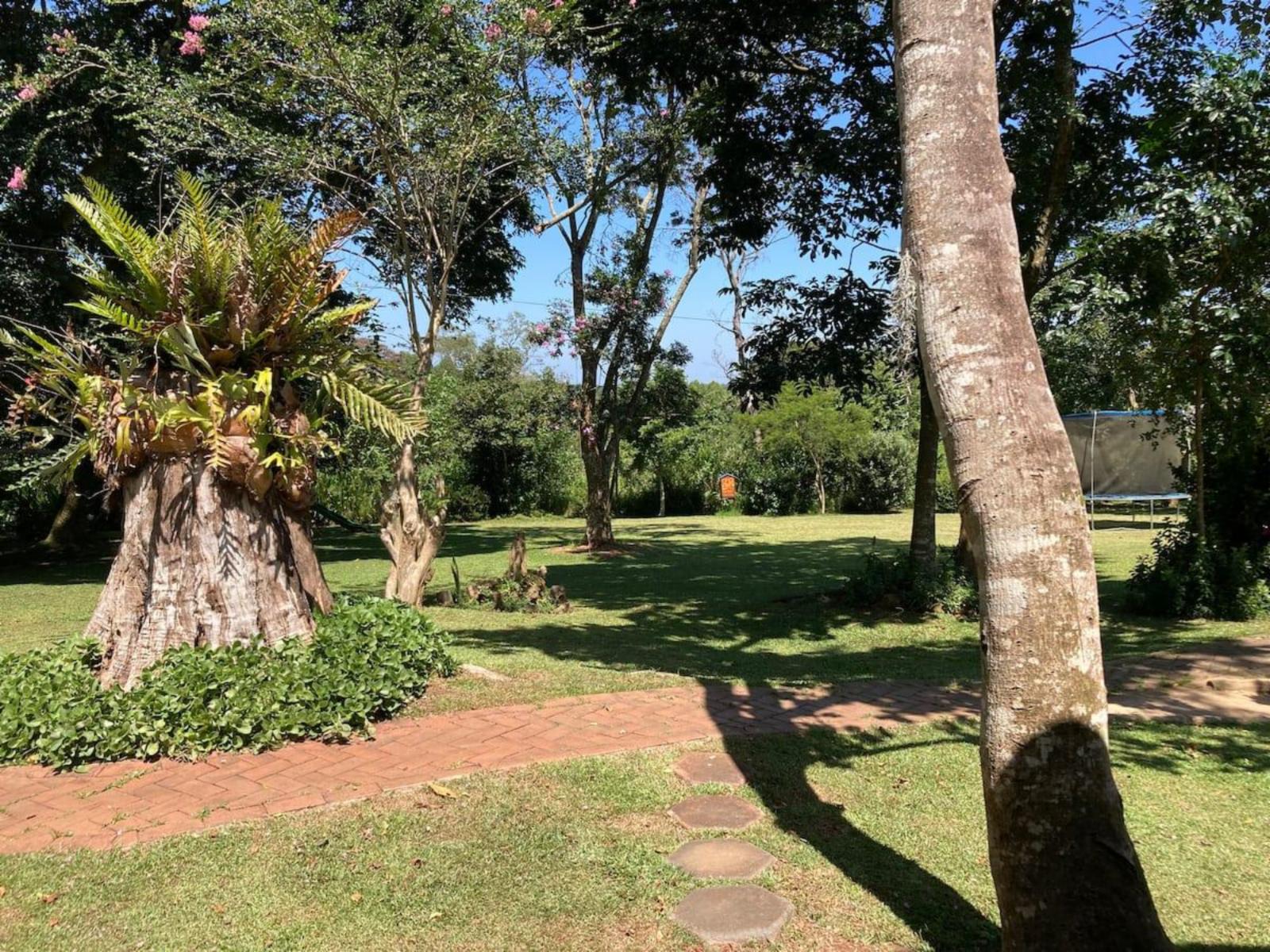
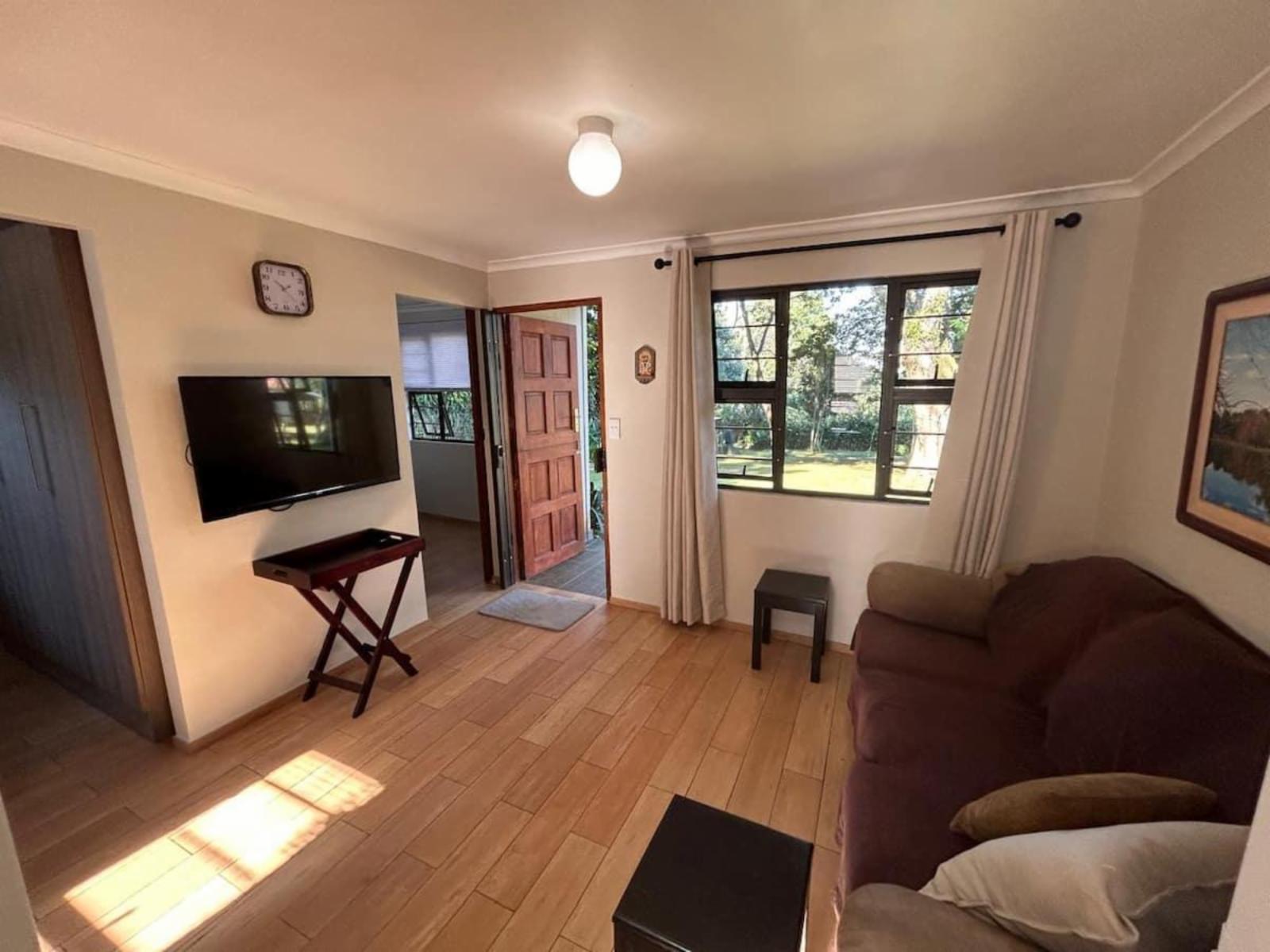
Cottages offer a self-contained alternative. Two are listed in the area, tending to suit couples or small families who want the flexibility of preparing their own meals after a day on the trails or at the golf club. They're generally set within larger properties, giving a sense of privacy that the smaller B&Bs can't always match.
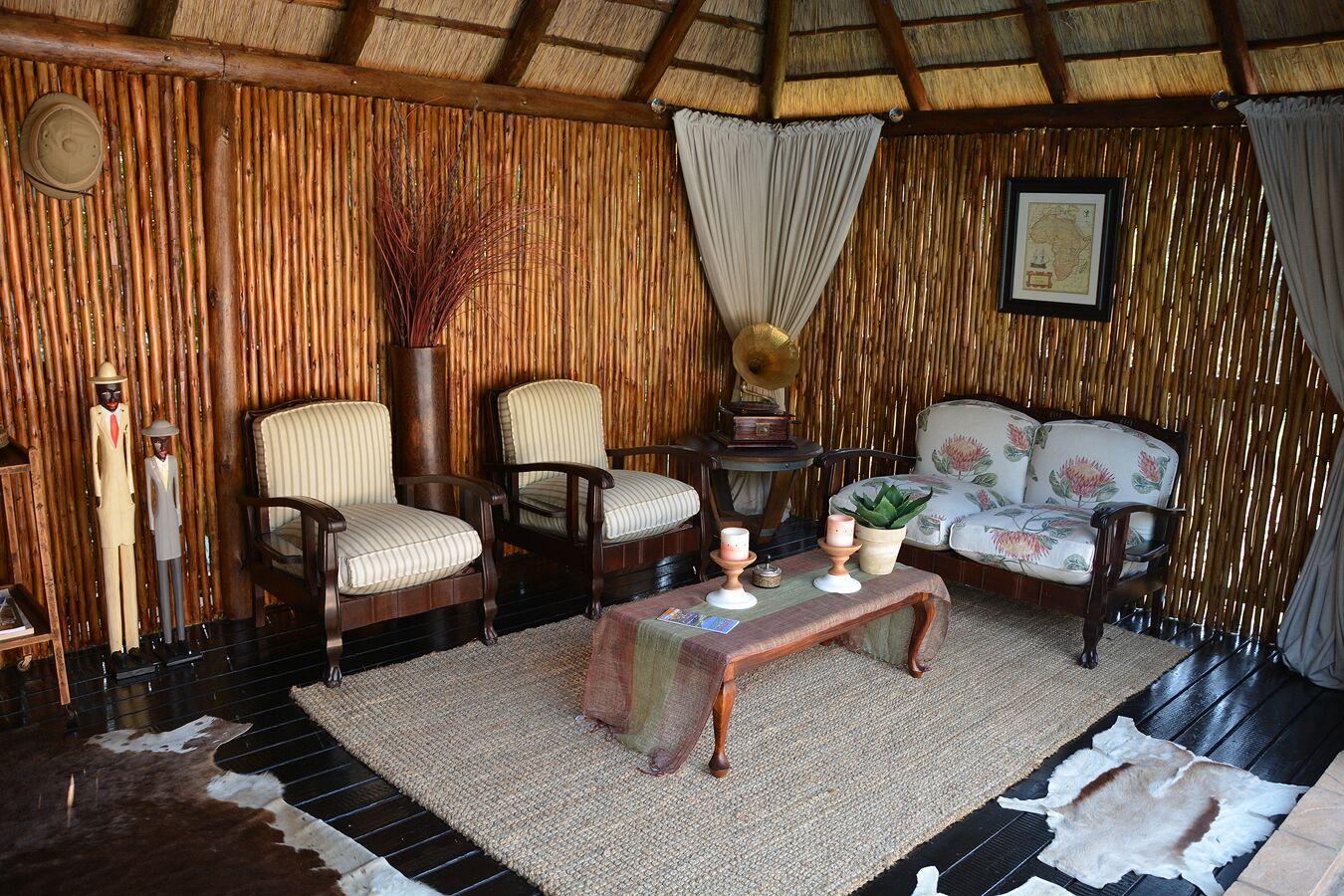
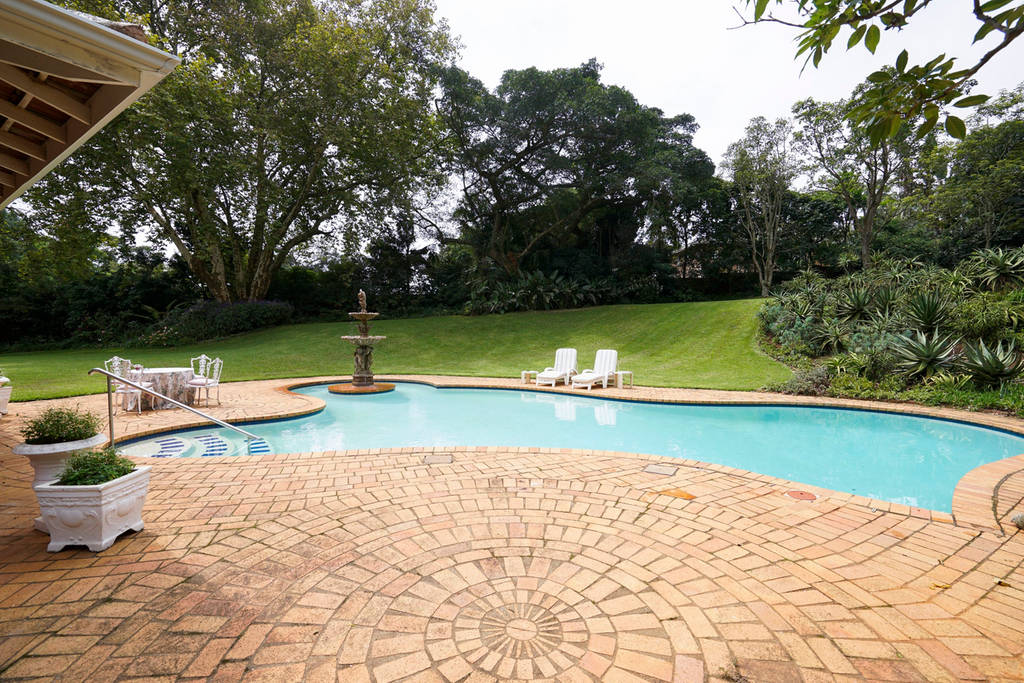
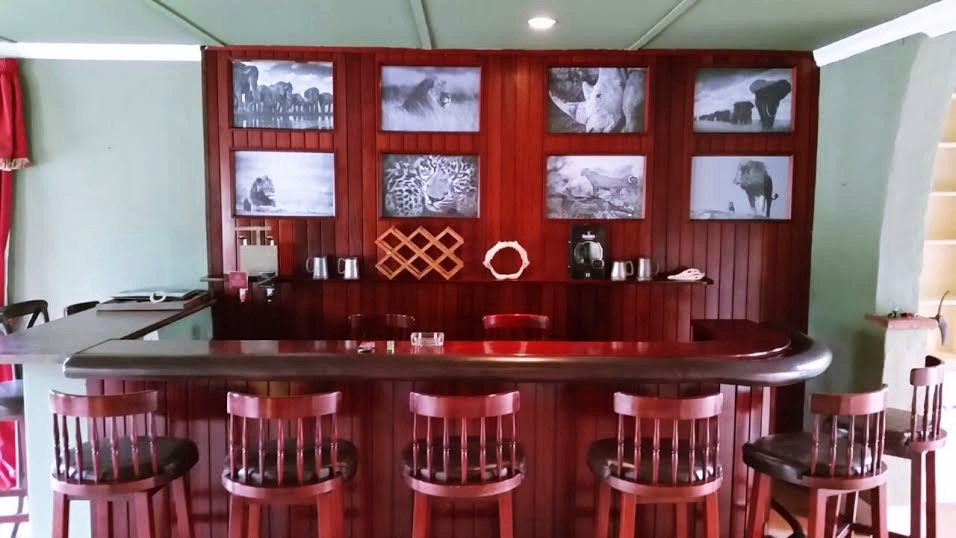
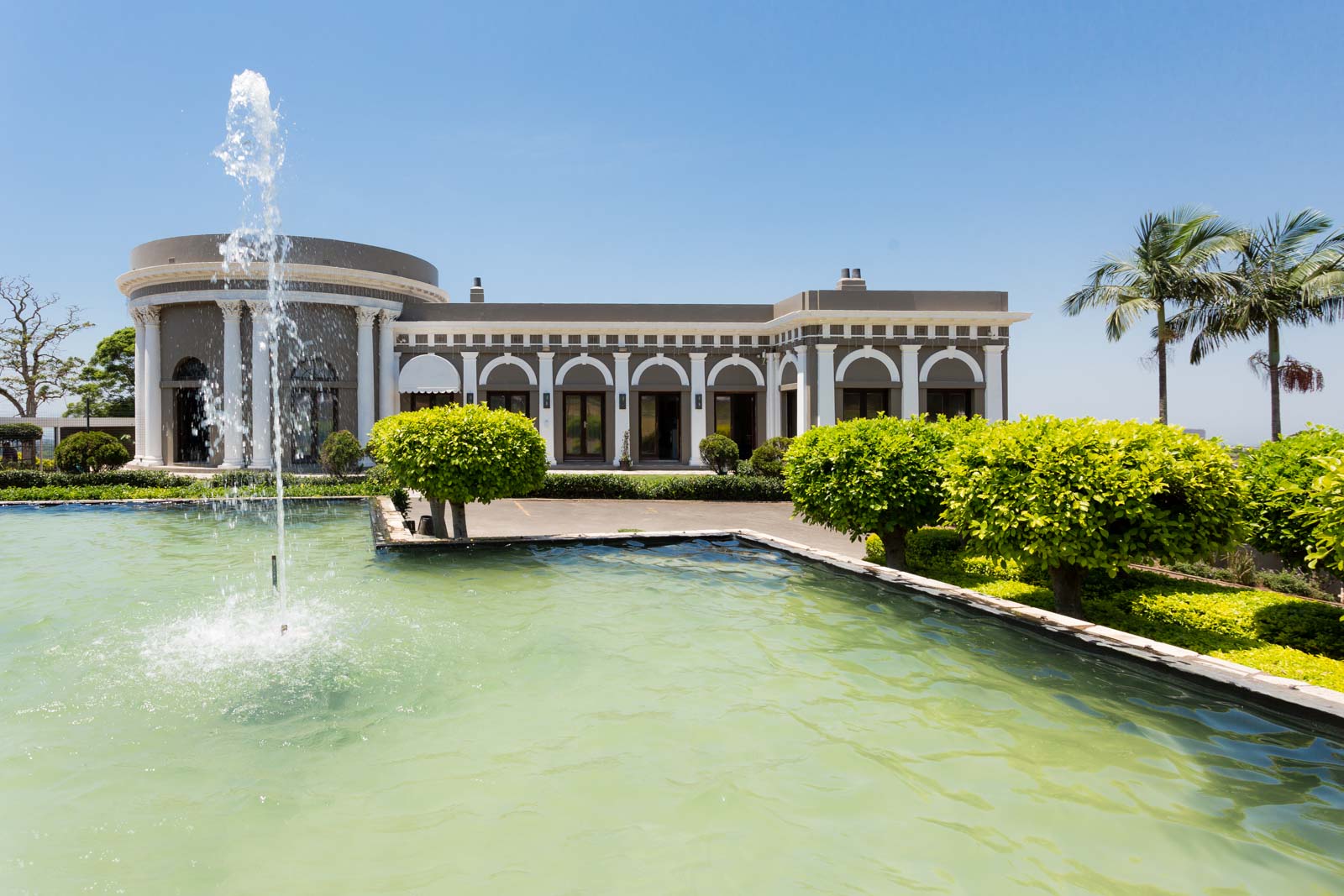
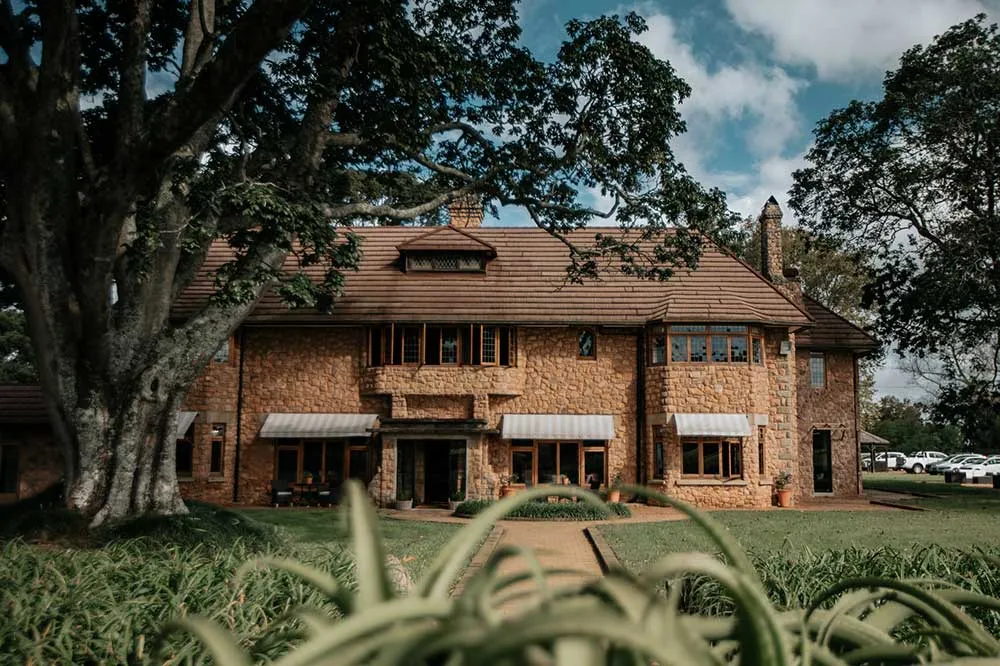
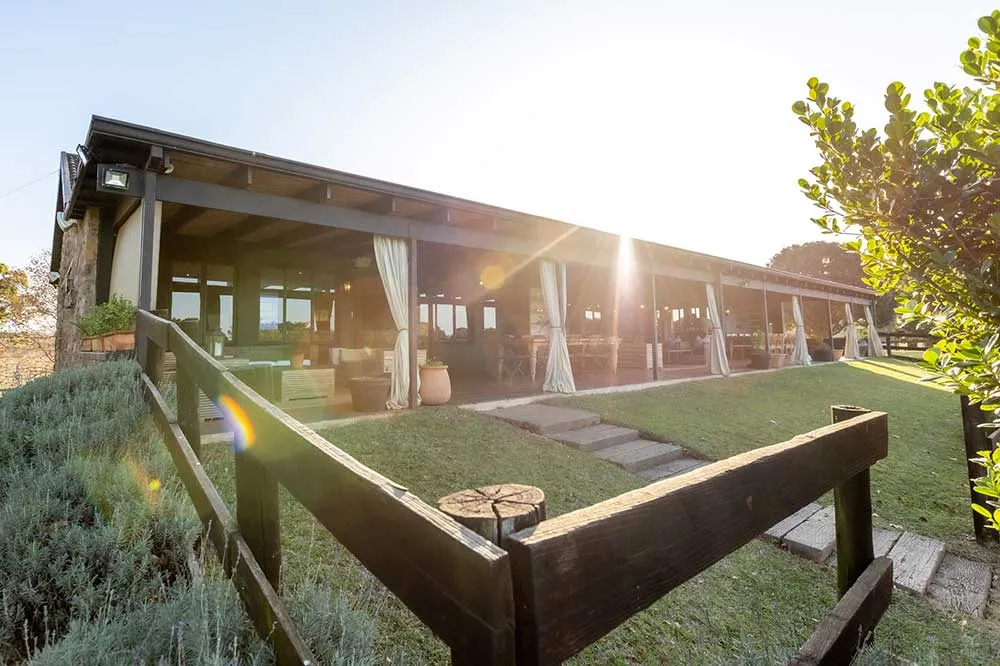
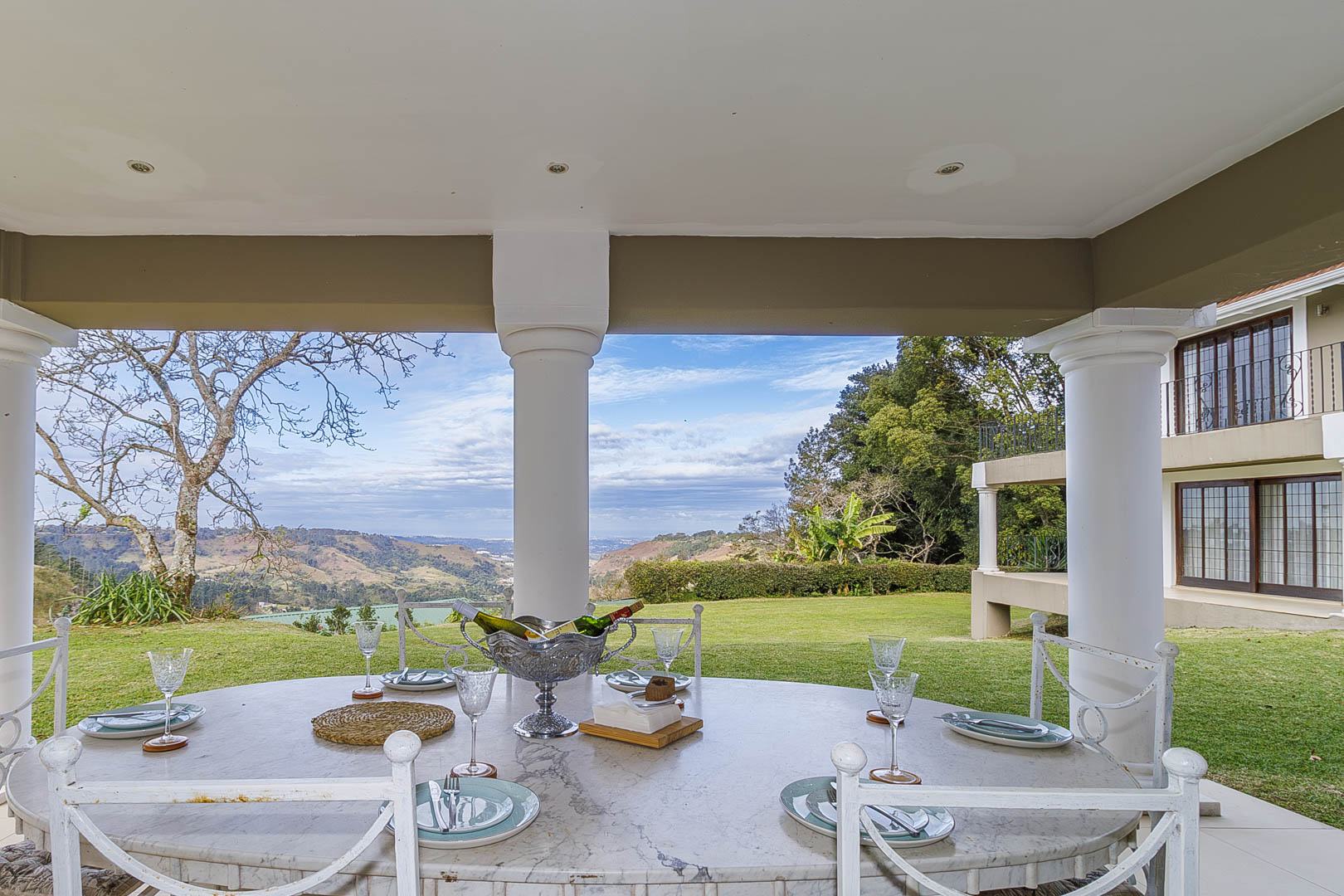
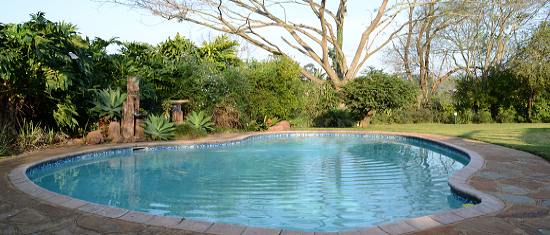
At the top of the market sits a single lodge, priced at R4,200 per night. Lodge properties in this region typically offer more land, more privacy, and a setting that blurs the line between accommodation and a broader outdoor experience. For visitors spending several nights and wanting a genuine base rather than a transit stop, this category justifies its rate.
The variety of property types means Kloof caters reasonably well to different travel styles. Families and groups tend to gravitate toward the cottages or the lodge; solo travellers and couples usually find the B&B and guesthouse options well-suited to a short break in the hills.
Best Time to Visit Kloof
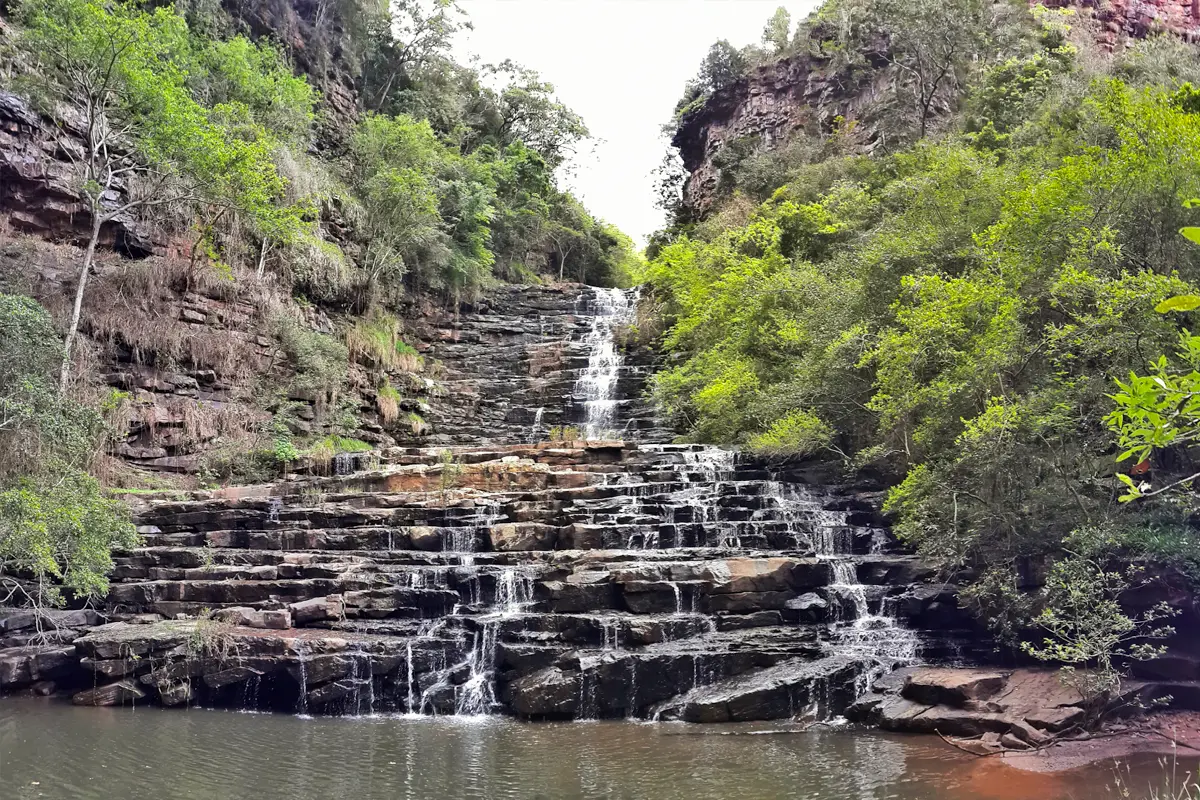
Kloof sits at around 500 metres above sea level, which softens the coastal humidity that characterises Durban. Summers, from November through February, are warm and wet, with afternoon thunderstorms frequent from December onwards. These storms are typically short and sharp, but they do affect hiking conditions in Krantzkloof Nature Reserve, where the gorge trails can become slippery after heavy rain.
Winter, from June to August, brings the most reliable dry weather. Temperatures remain mild during the day, often reaching the mid-twenties Celsius, while nights can fall to single figures. The cooler air makes long walks considerably more comfortable, and this is the peak season for outdoor activity in the area.
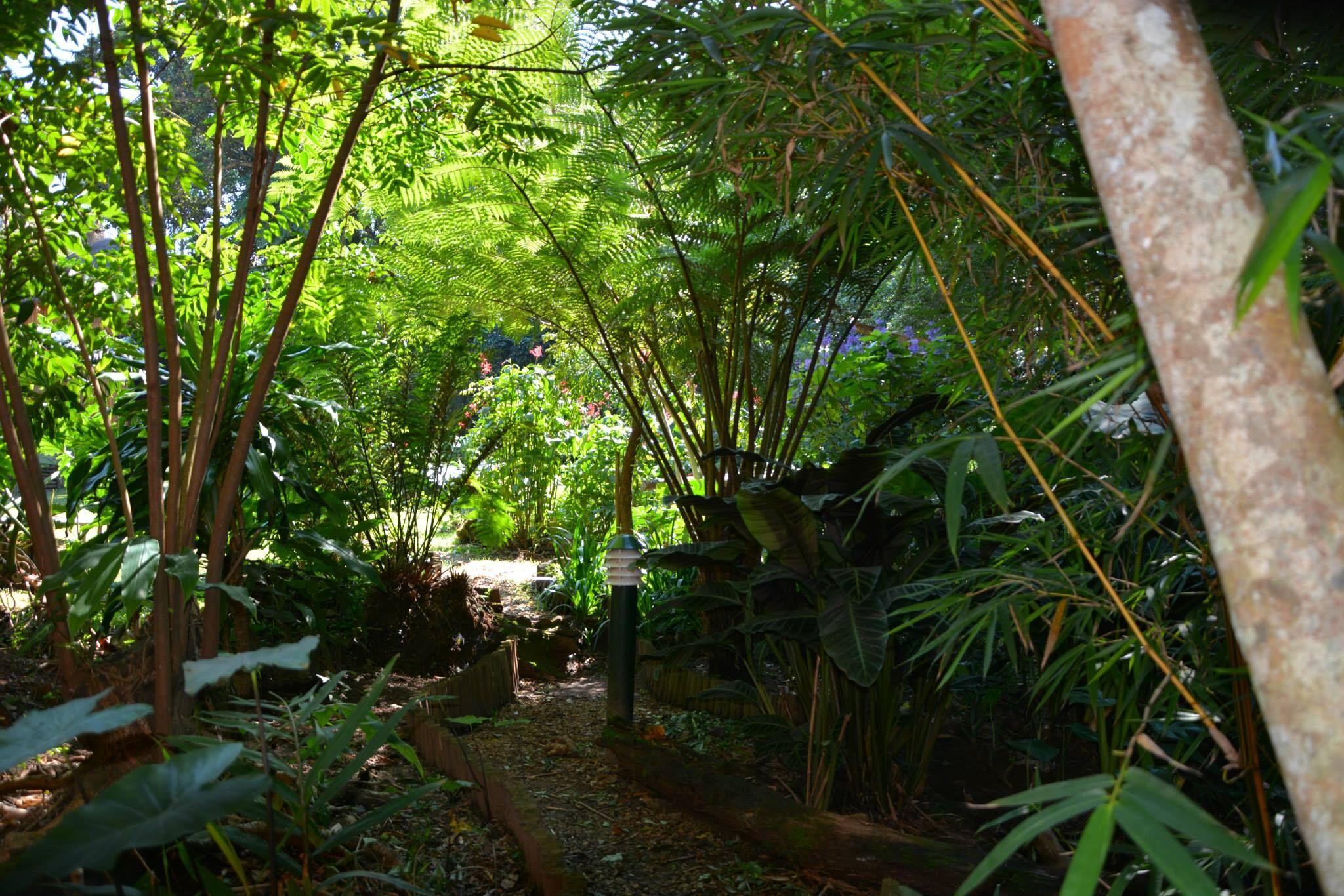
Spring, from September through October, offers a useful middle ground. The worst of the winter cold has passed, the summer rains haven't fully arrived, and the indigenous forest at Krantzkloof shows new growth. October is particularly good for birdwatching as summer migrants begin to return.
Visitors primarily interested in hiking and nature will find April through September the most rewarding period. Those combining a Kloof stay with time on the Durban coast will find the beach warmest from November to March, making a mixed-terrain trip viable across almost any part of the year.
Getting to Kloof
King Shaka International Airport, on the north coast of Durban, is the main point of arrival for air travellers. From the airport, Kloof is approximately 45 to 50 kilometres by road, a drive of roughly 40 to 50 minutes depending on traffic. The standard route runs south on the N2 to the N3 and then inland via the M13. King Shaka serves domestic routes from Johannesburg, Cape Town, and other South African cities, as well as a selection of international connections.
From central Durban, Kloof is around 20 kilometres via the M13, typically reached in 25 to 35 minutes. The N3 from Johannesburg is approximately 580 kilometres, a journey of around five hours under normal conditions.
Within Kloof itself, a car is effectively essential. The suburb is spread across hilly terrain, public transport coverage is limited, and reaching the area's outdoor attractions requires private transport or a local taxi.
Minibus taxis connect Kloof to the surrounding suburbs and to central Durban for those without a car, though service frequencies can be irregular. For day trips into the city, this is a viable and inexpensive option. For exploring the hill country and inland areas, having your own vehicle makes a considerable difference.
Kloof and Surrounding Areas
Kloof's position in the Outer West corridor of greater Durban puts it within short driving distance of several distinct towns and suburbs, each worth considering for a day out.
Hillcrest, six kilometres north, is the commercial centre most closely linked to Kloof. Old Main Road runs through its core and is home to independent restaurants, specialist food shops, and weekend markets. For visitors wanting a meal out or a more suburban browsing experience, Hillcrest is the obvious first stop.
Pinetown, seven kilometres to the east, has a more industrial and commercial character than the surrounding residential suburbs. It developed as a manufacturing town and retains that working-town feel, making it more useful for logistics and practical shopping than for sightseeing. The retail infrastructure is solid if unremarkable.
Outer West Durban, also seven kilometres away, is the wider administrative zone of which Kloof forms a part. Rather than a single town centre, it covers the hilly inland suburbs collectively. For a visitor based in Kloof, this region is the immediate environment, a corridor of open land and residential development running between the coast and the midlands.
Cowies Hill, eight kilometres away, shares much of Kloof's character: hilly, quiet, and predominantly residential. It functions largely as a through point on routes between Pinetown and points further inland, but the area has walking paths and open spaces that suit an afternoon.
Botha's Hill, ten kilometres west along the old Natal Midlands road, sits higher and cooler than the Durban suburbs. It has historically attracted artists and craft sellers, and the Natal Midlands Meander, a well-known arts and crafts route through the KwaZulu-Natal interior, runs through or near this area, making it a worthwhile detour for those interested in local makers and small galleries.
Westville, twelve kilometres east toward Durban, is a large, well-established suburb with cinema complexes, retail centres, and a broad range of dining options. It provides the kind of commercial density that the quieter hilltop suburbs to the west don't offer, and it's easily reached via the M13.
Planning Your Stay
Kloof's small accommodation market means properties at popular times can fill several weeks in advance. The busiest periods are South African school holidays in April, July, and late September, along with the peak hiking months of June through August. Booking four to six weeks ahead during these windows is advisable; at quieter times, two to three weeks is usually sufficient.
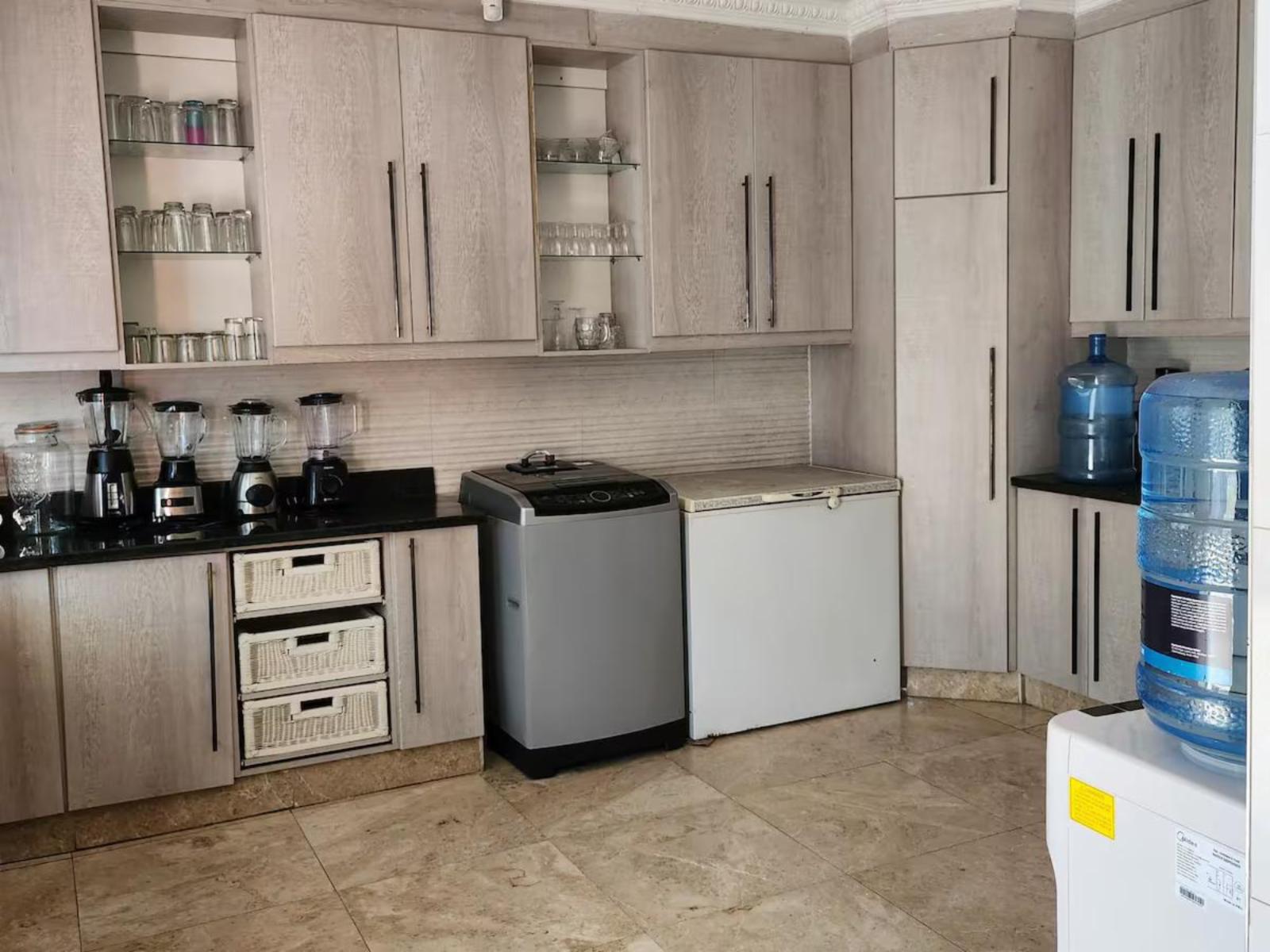
When comparing properties, check whether breakfast is included in the nightly rate, as some price it separately. For a multi-day stay, this difference adds up. Properties with kitchen facilities suit longer visits where meal flexibility matters.
Before confirming a booking, check how far the property sits from walking trails and the reserve entrance, since addresses in Kloof vary considerably in terms of access. Parking security is also worth asking about, particularly for properties marketed with outdoor activities in mind.
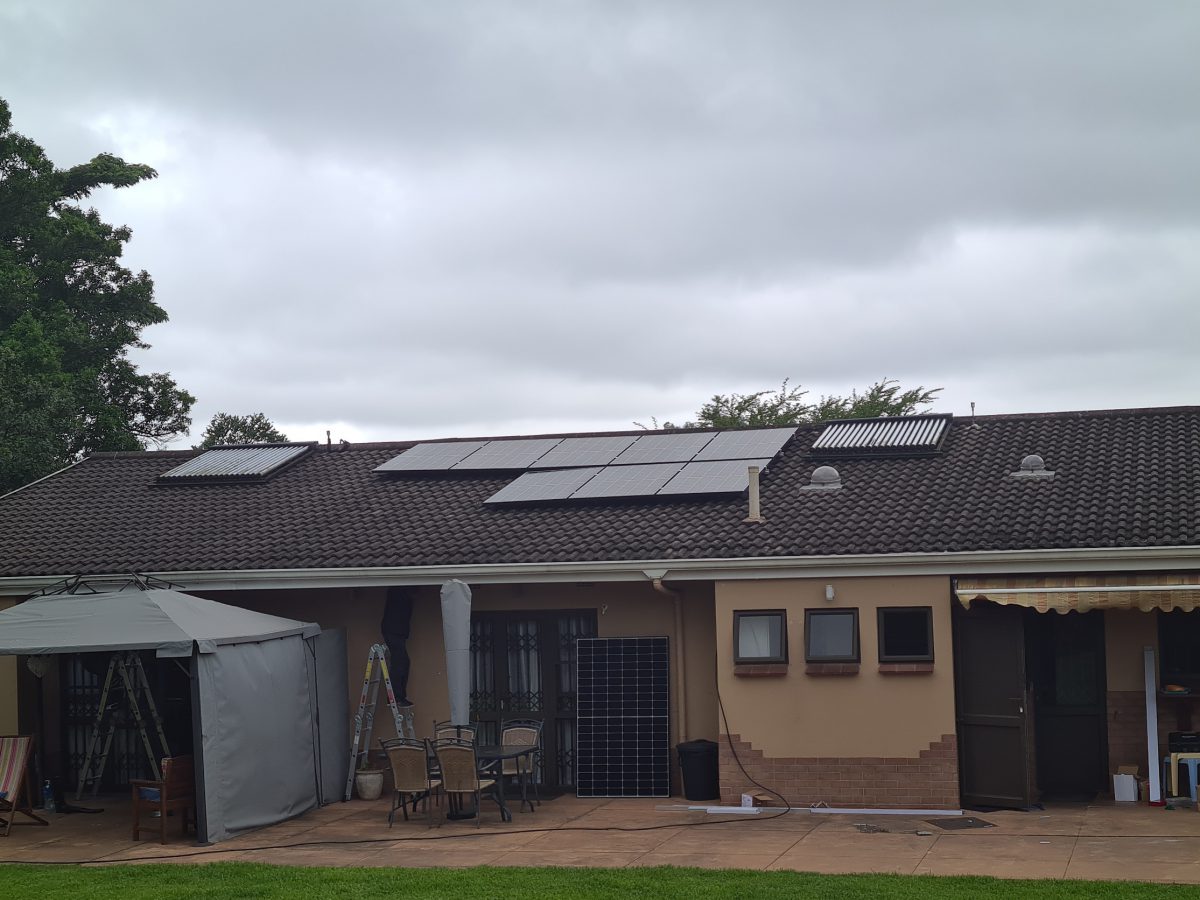
A practical consideration for any South African stay is load-shedding, the scheduled electricity outages that affect most of the country. Most properties have some backup power arrangement, but it's worth confirming what is covered, particularly water heating and cooking facilities, before committing to a self-catering option.
Cell reception is reliable across most of the suburb, and Wi-Fi is standard at the majority of properties.