Accommodation in Knysna
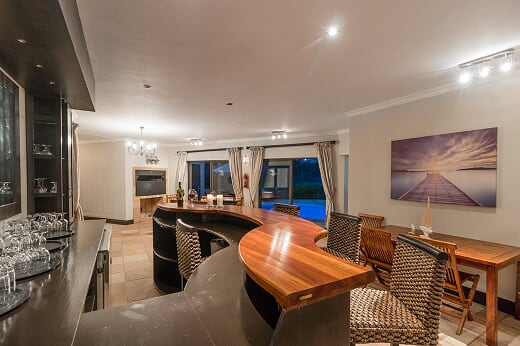
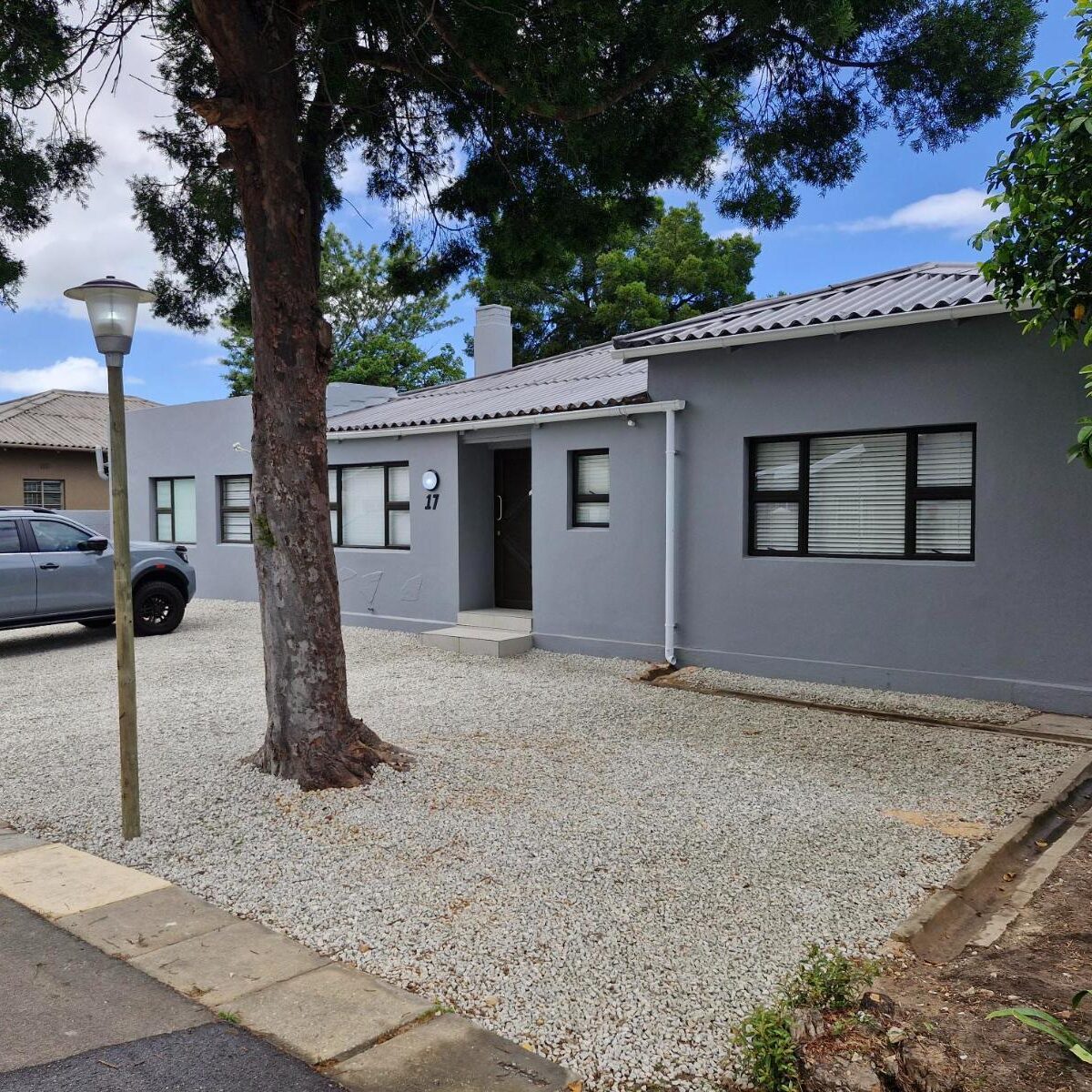
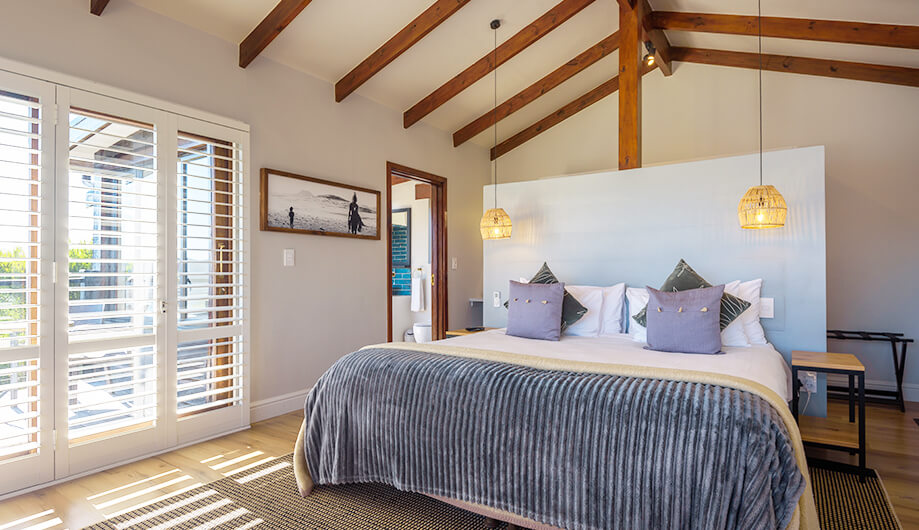
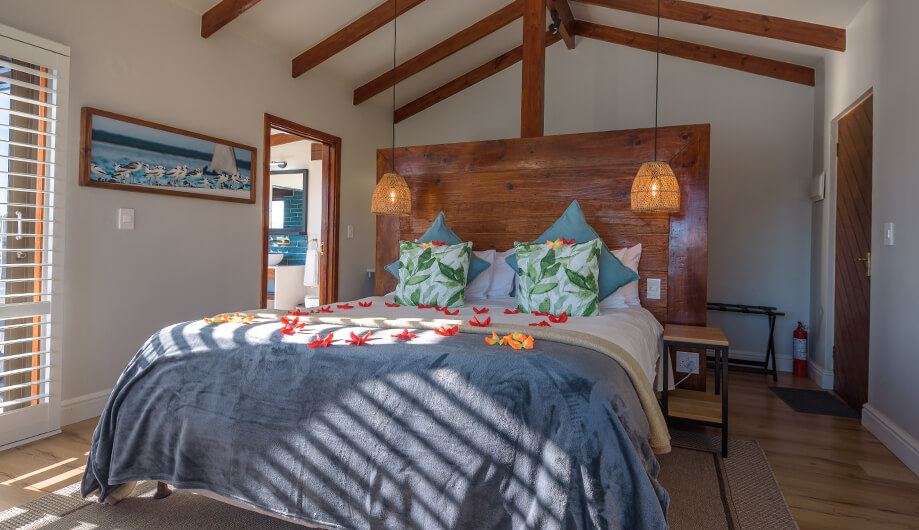
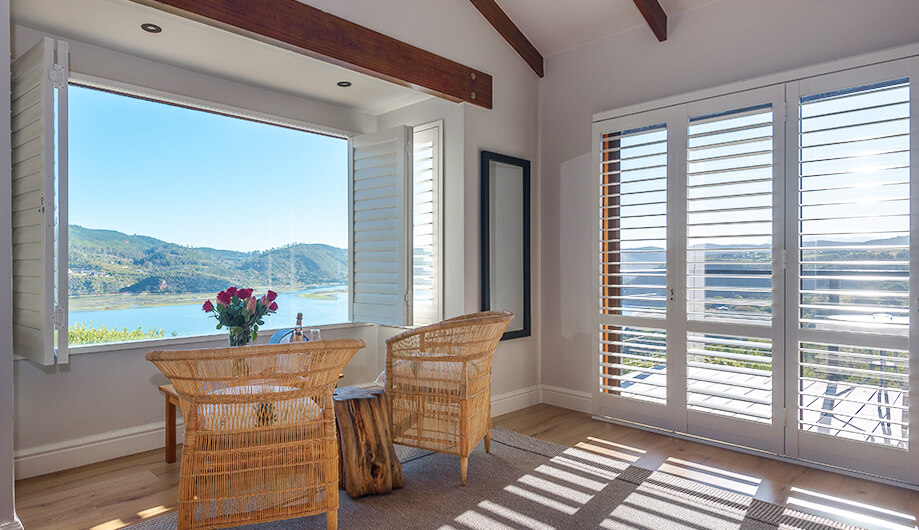
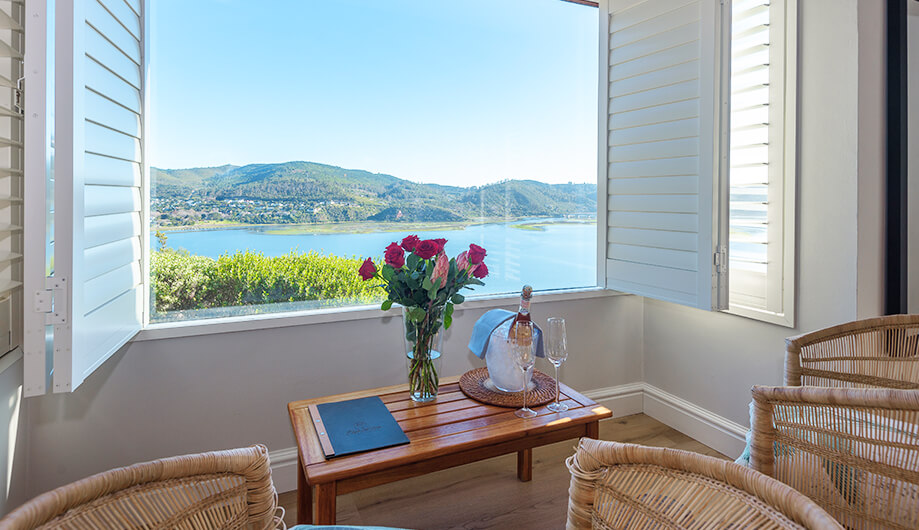
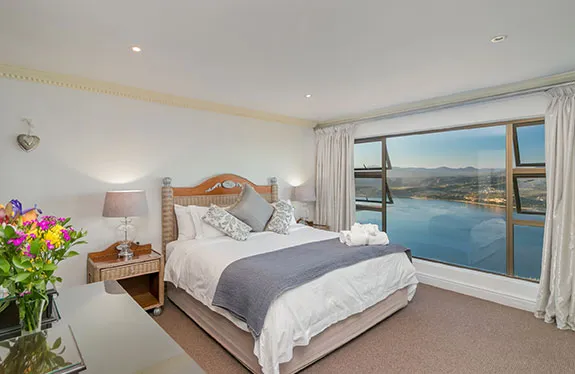
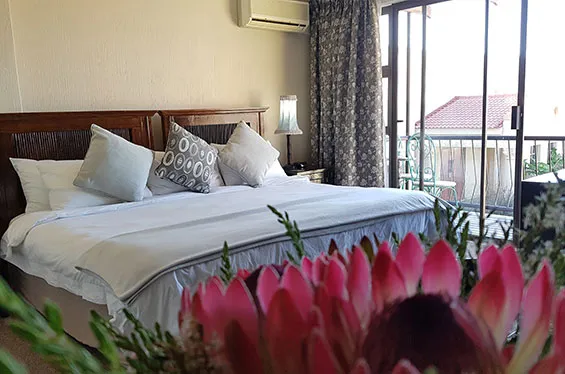
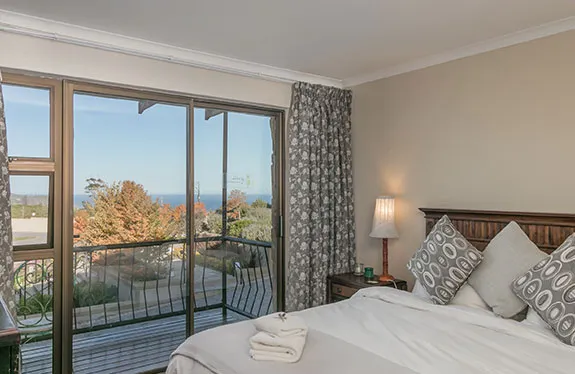
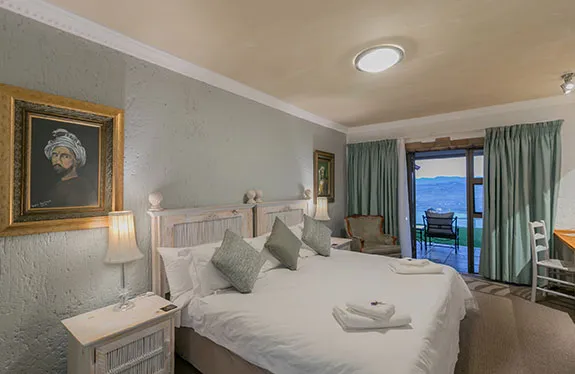
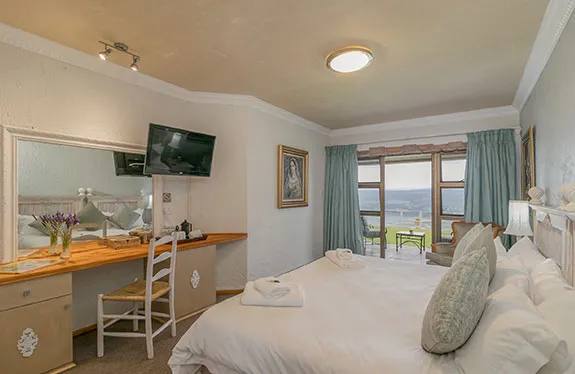
Knysna lists 83 properties, with nightly rates running from R750 at the entry point to R16,621 at the top end and an overall average of around R2,885. The spread covers a genuine range of traveller types, from couples on a one-night Garden Route stop to families taking a full week and groups occupying private standalone properties.
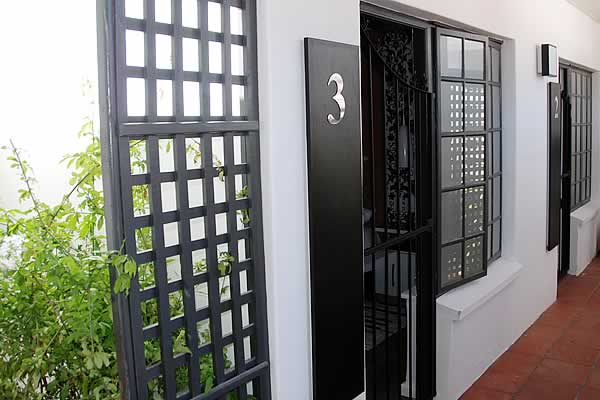
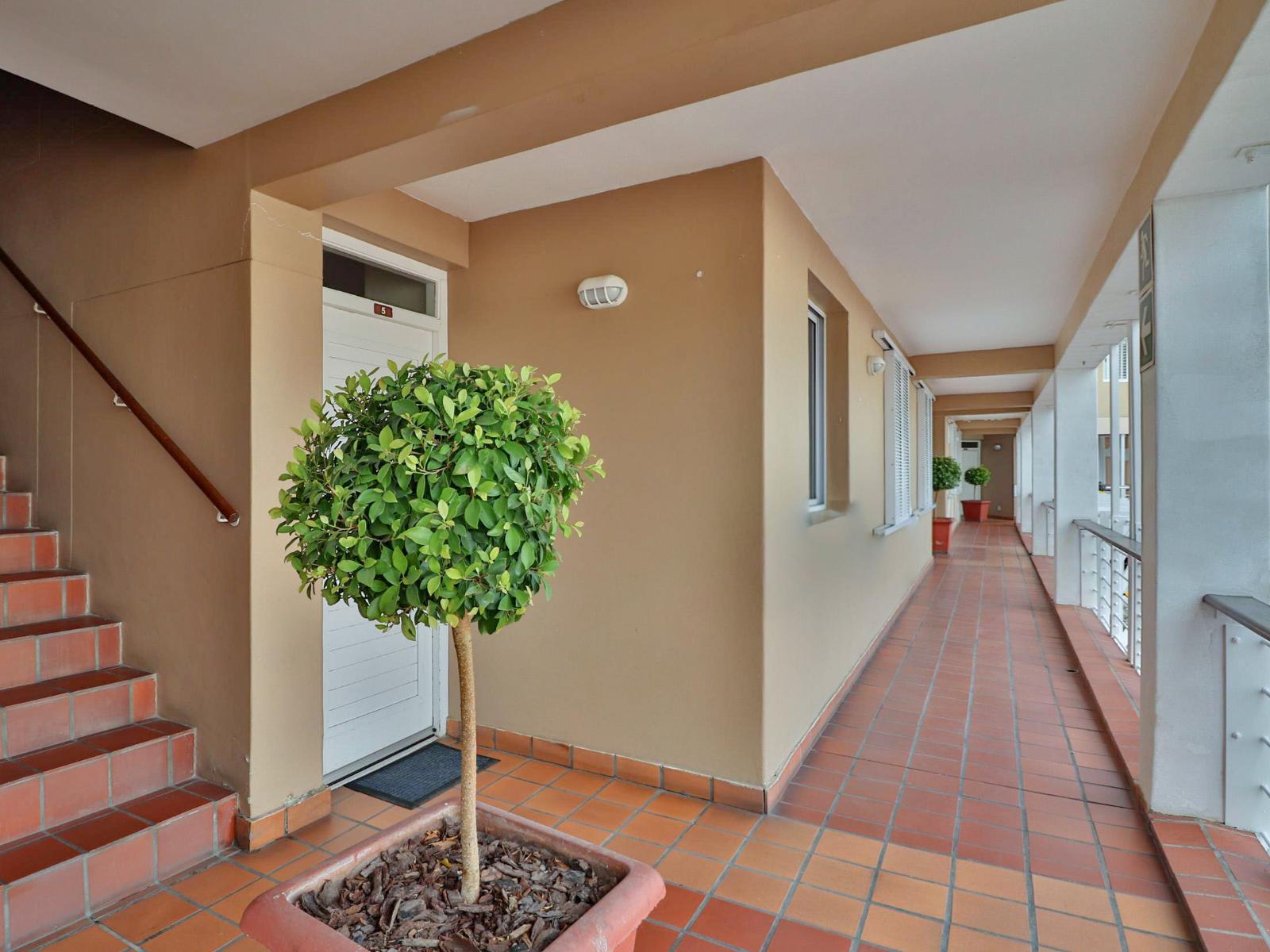
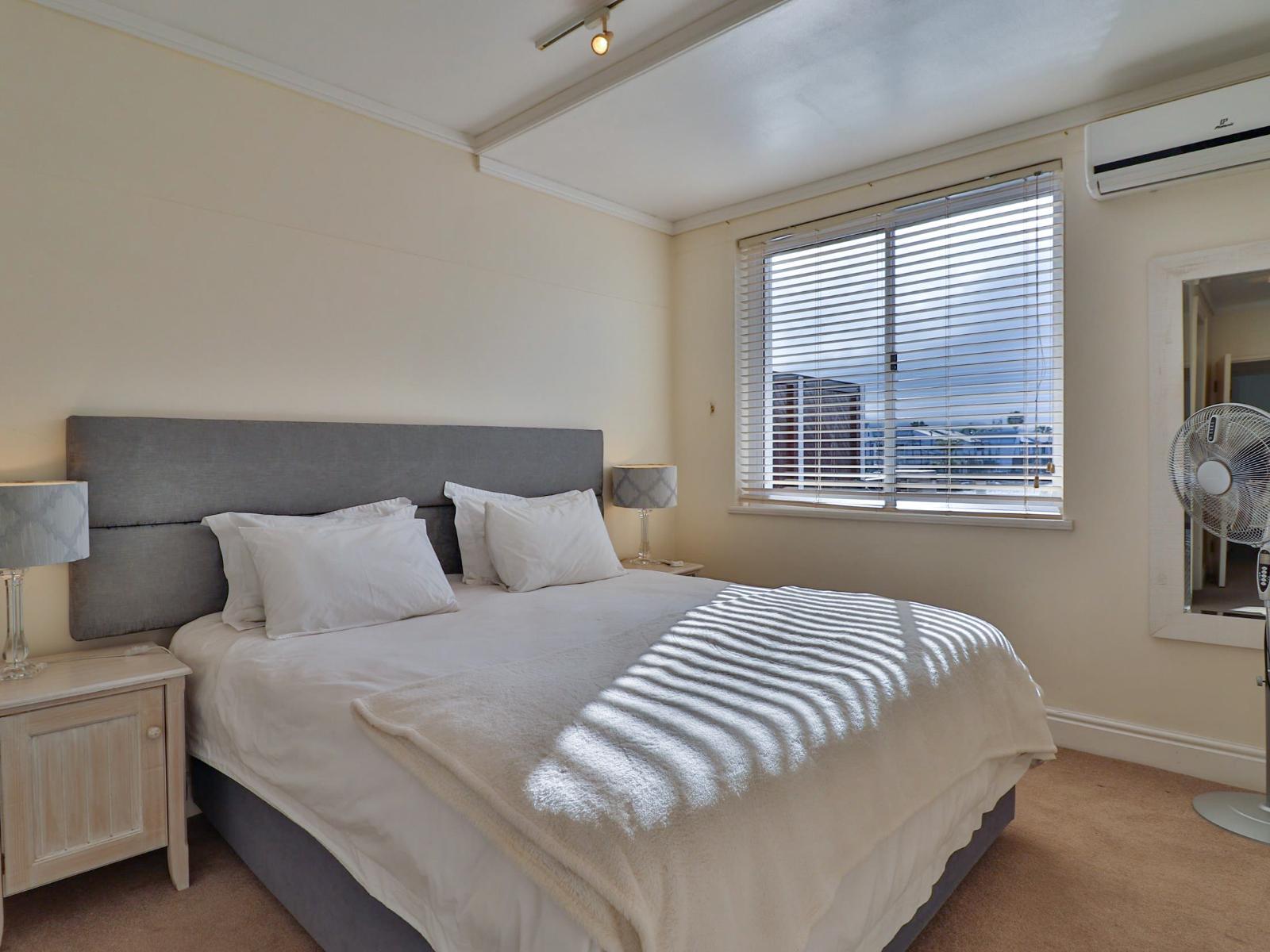
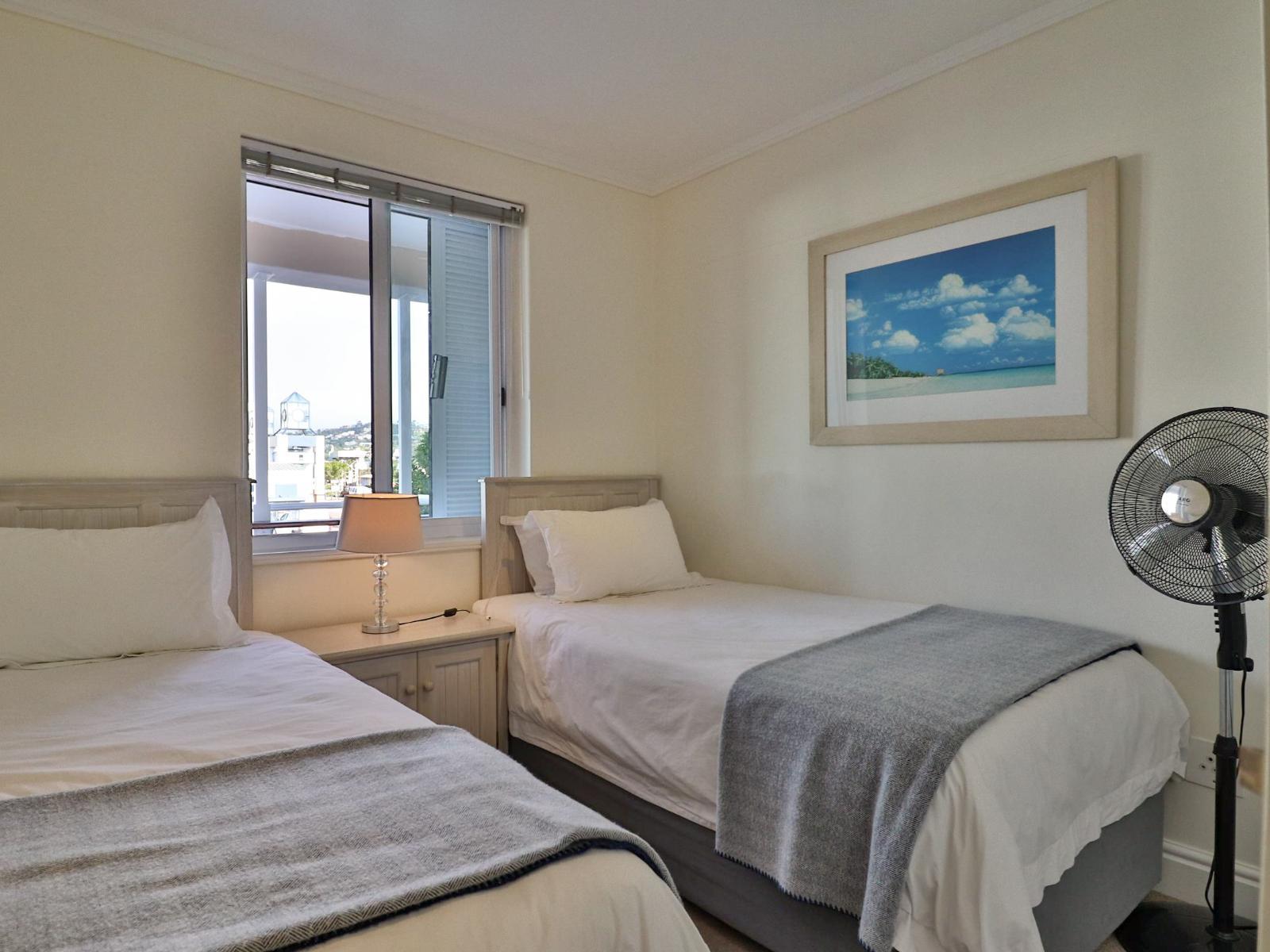
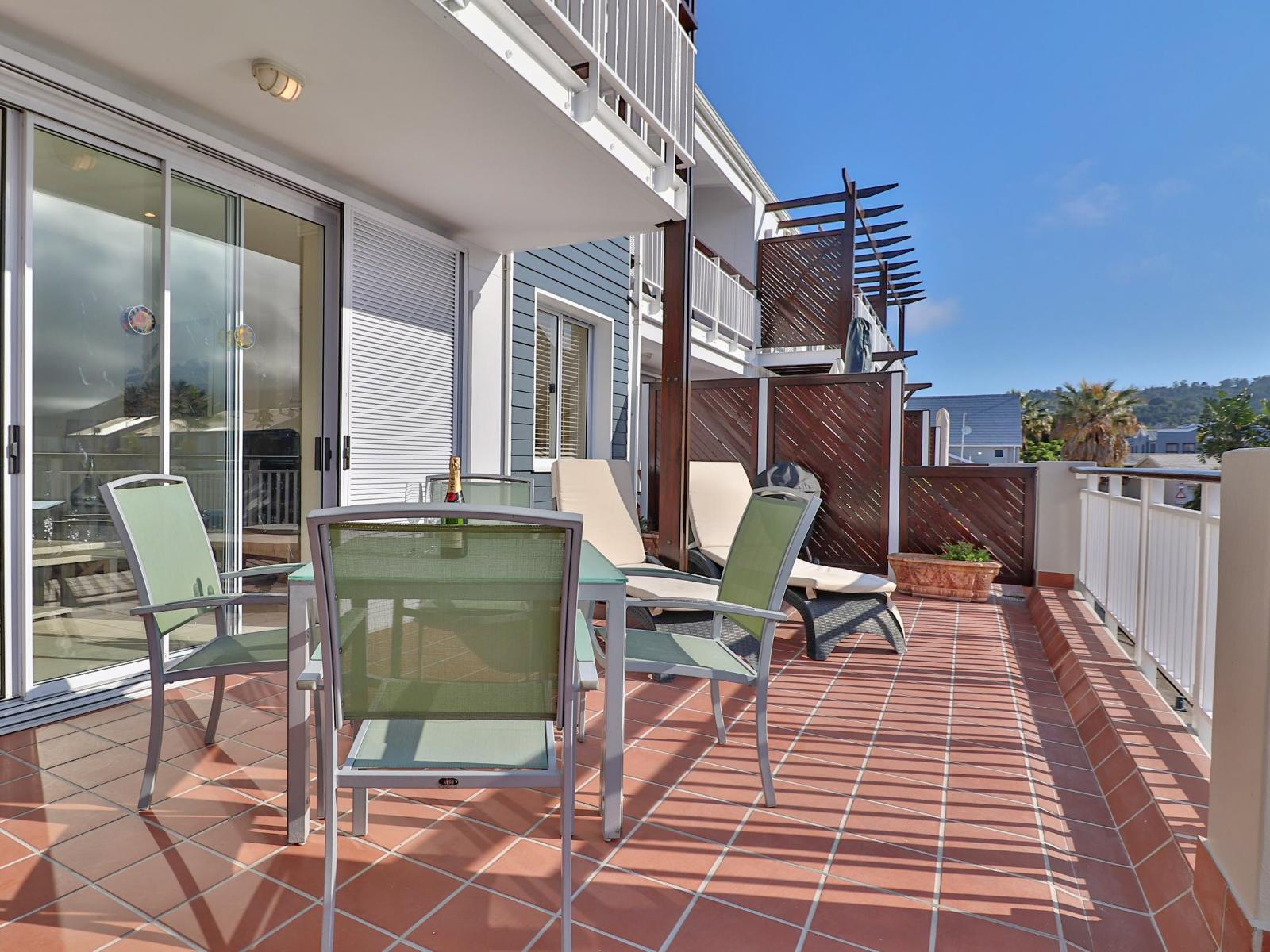
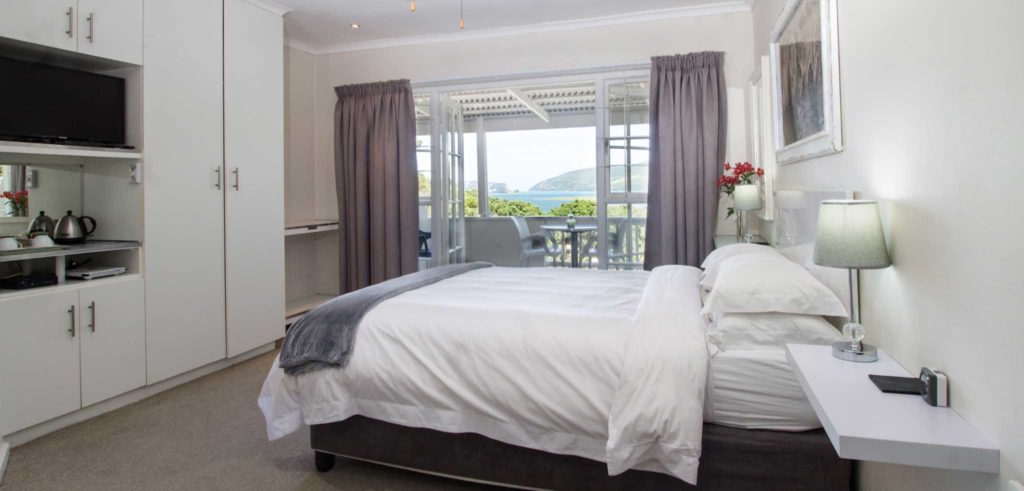
Budget-conscious visitors will find hotels the most affordable option, with the category averaging around R1,630 per night. These are generally centrally placed and suit people who plan to spend most of their time outdoors. Apartments offer a comparable entry price with the added benefit of self-catering facilities, which make a meaningful difference over longer stays when food costs accumulate.
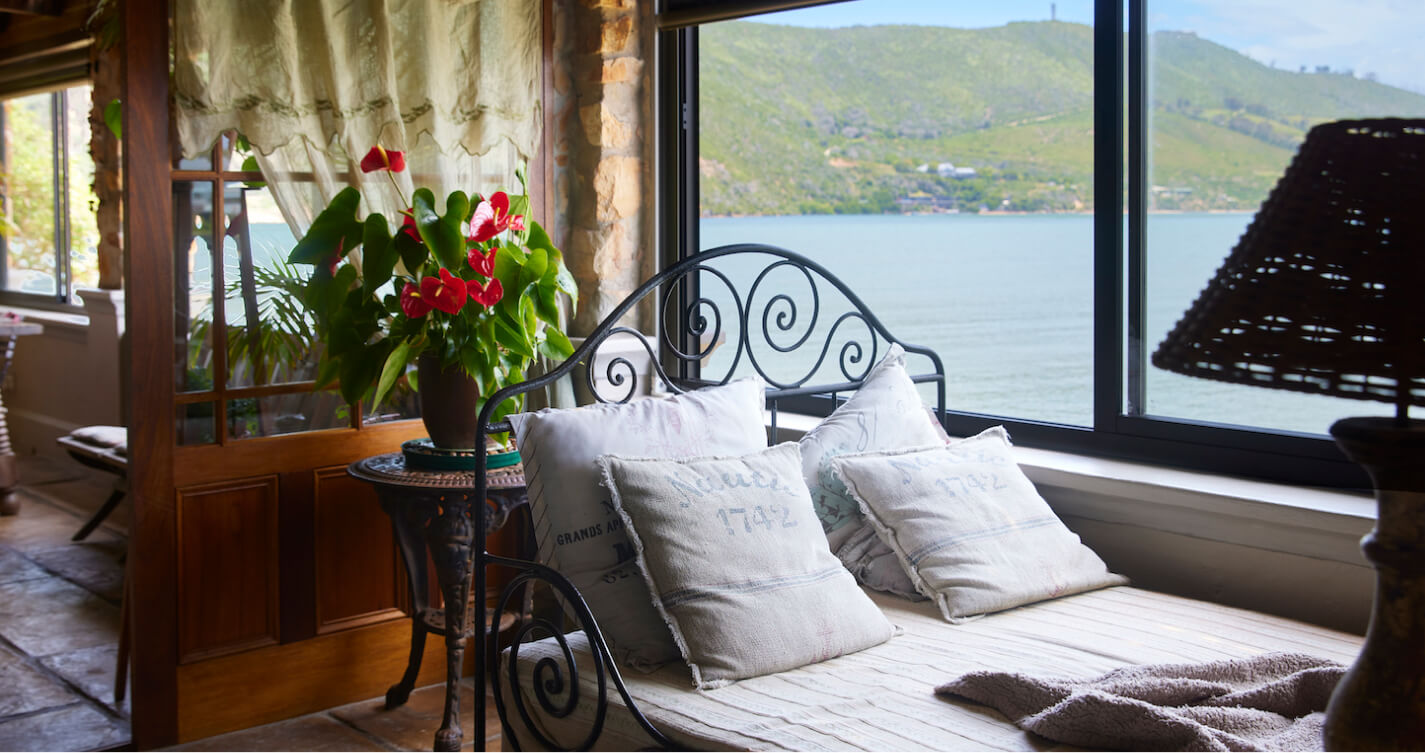
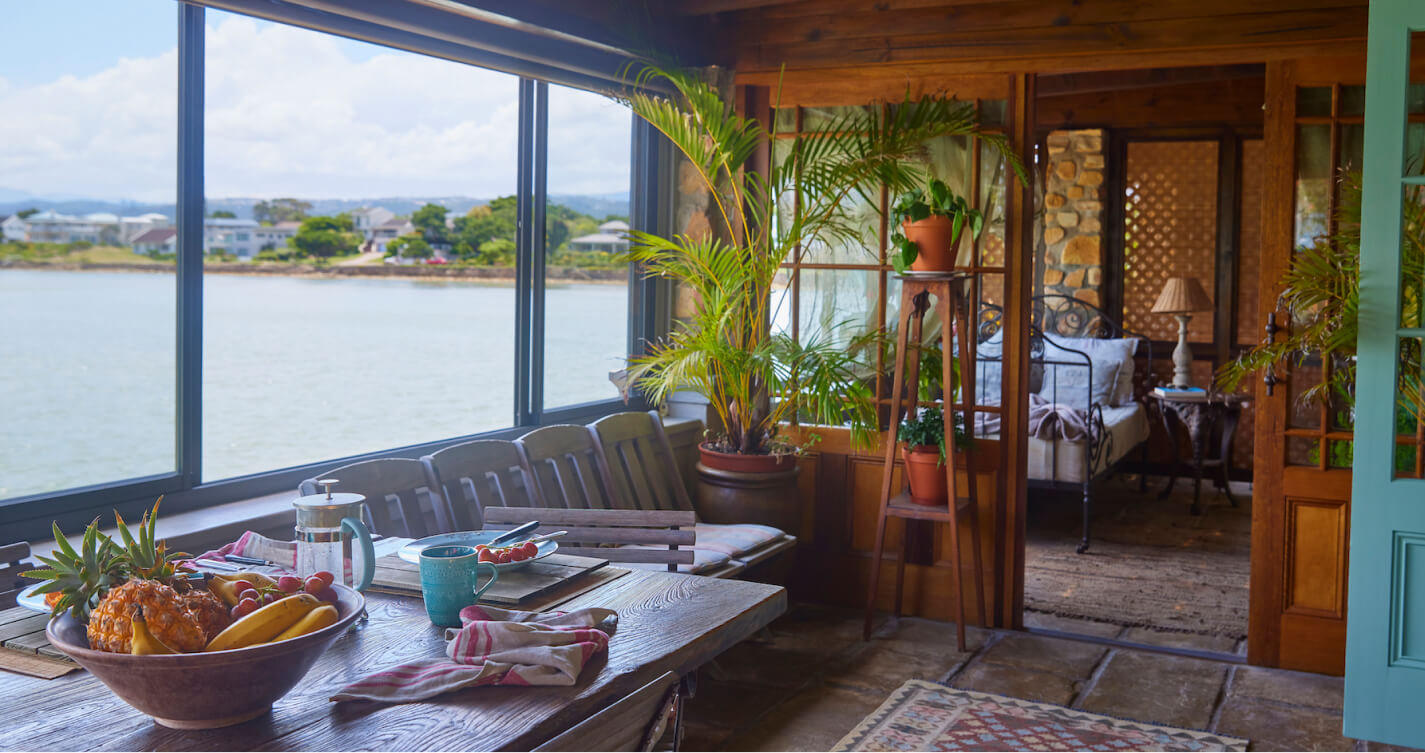
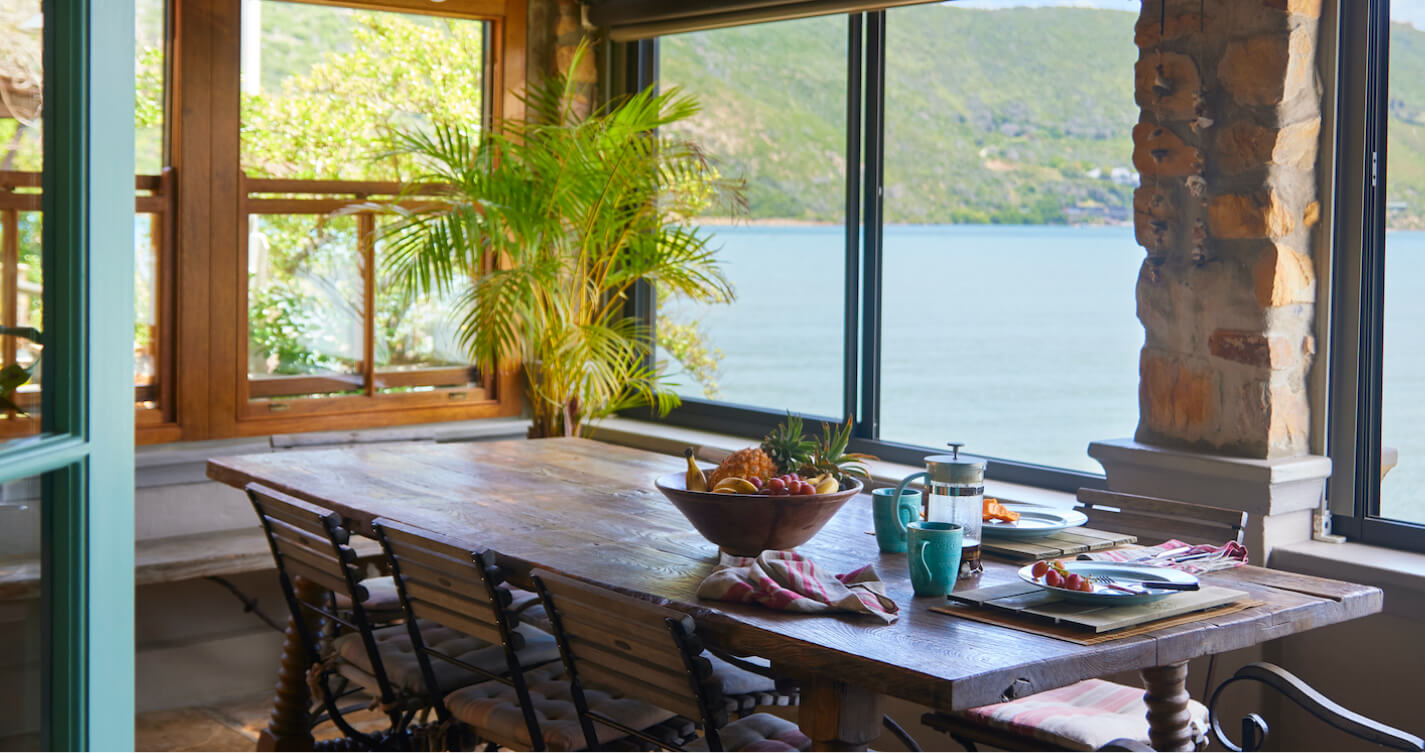
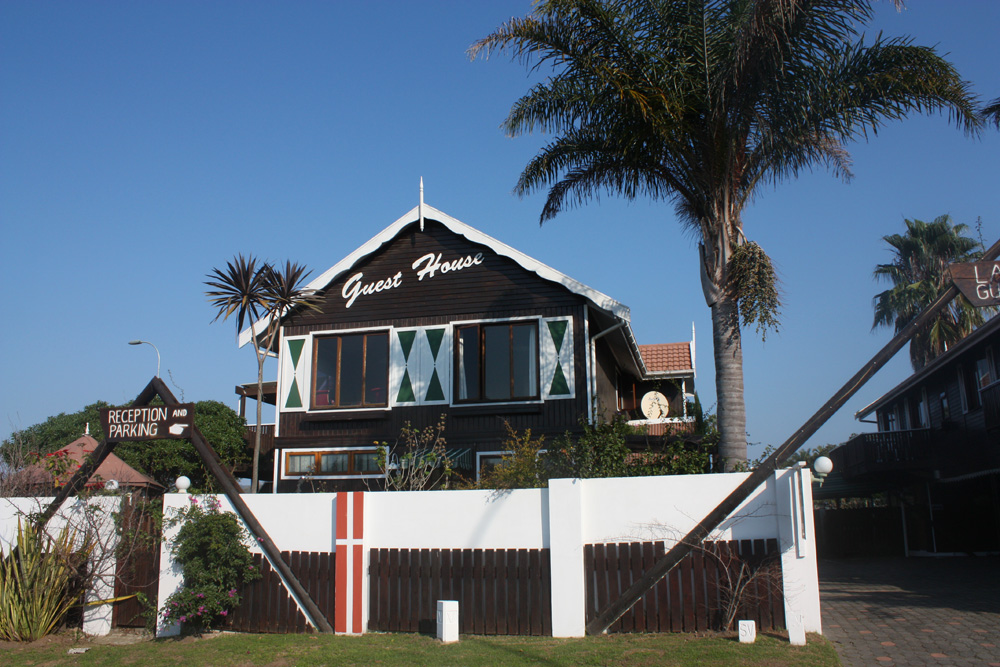
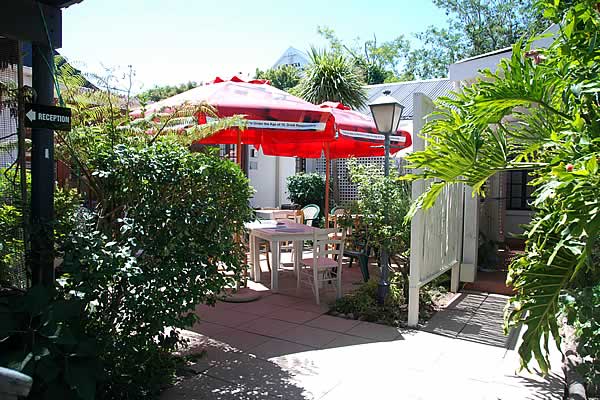
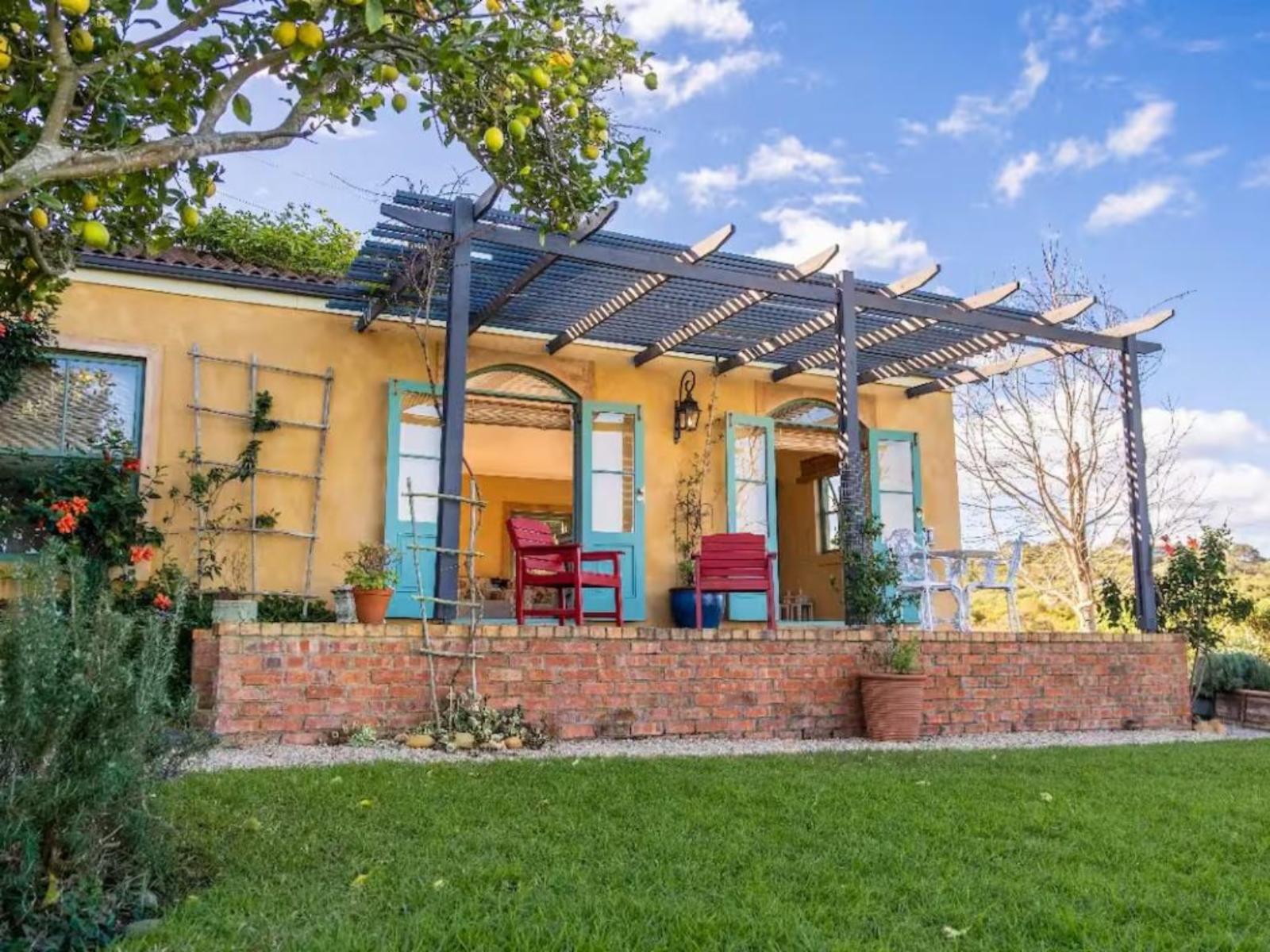
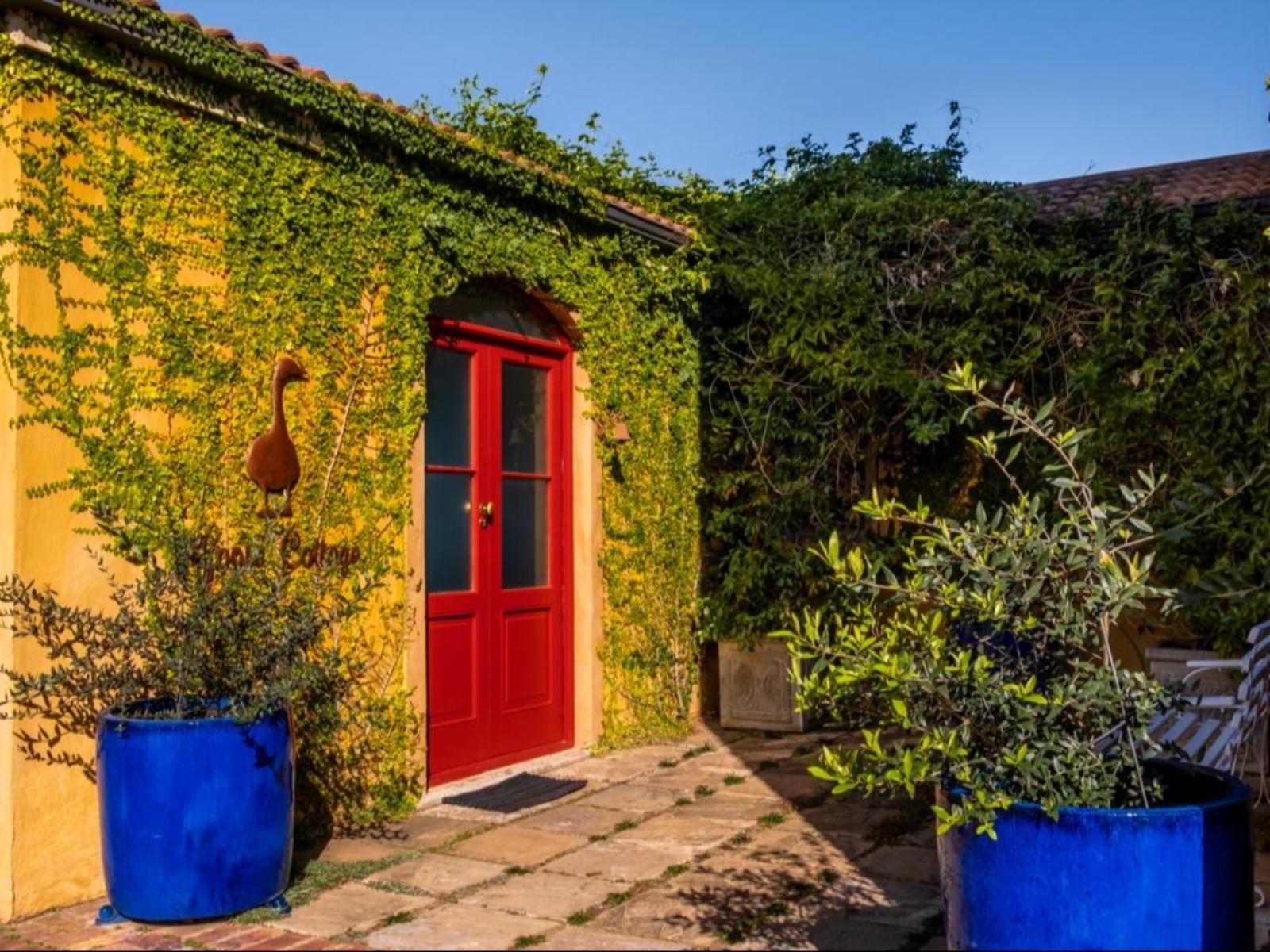
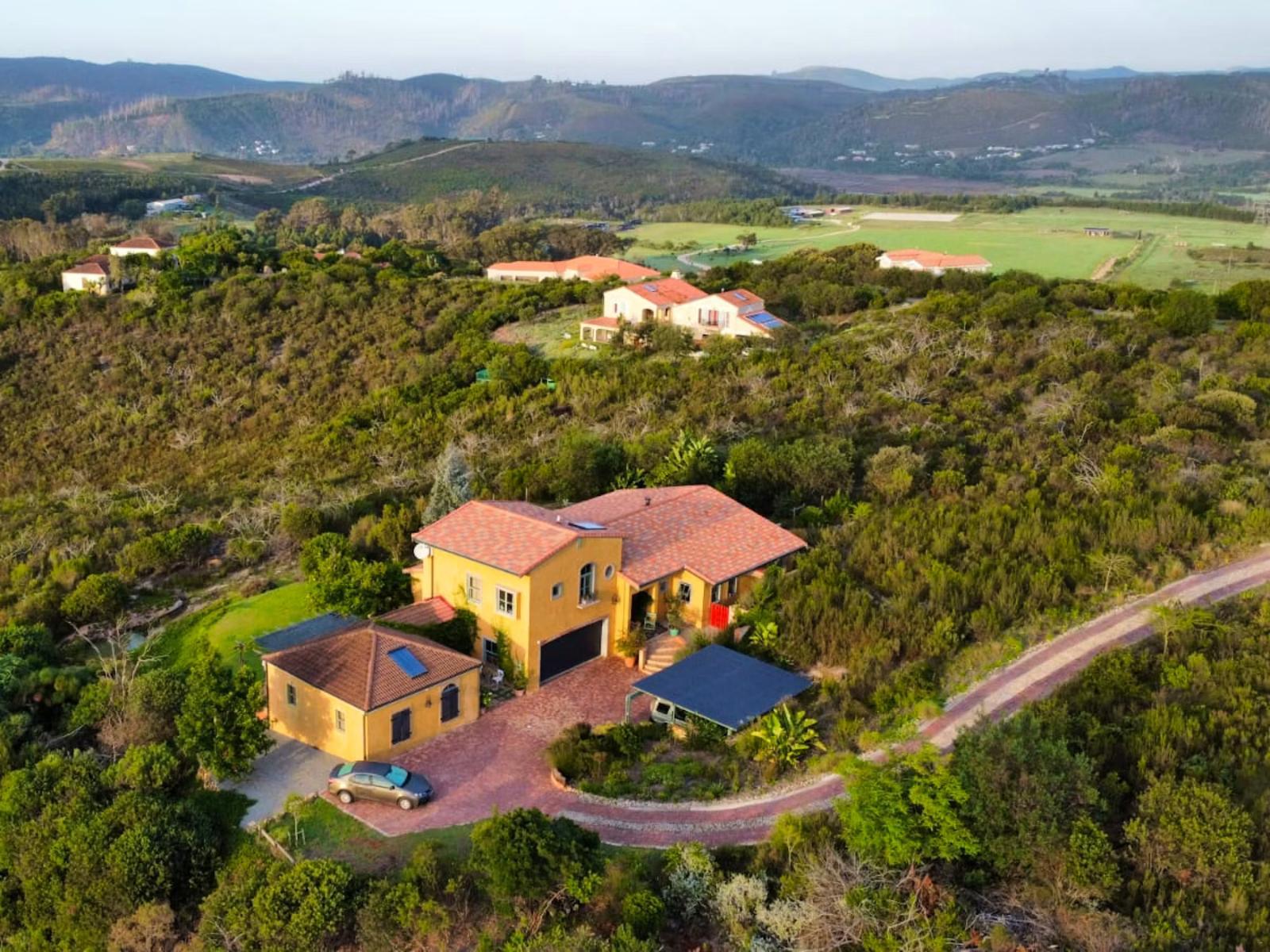
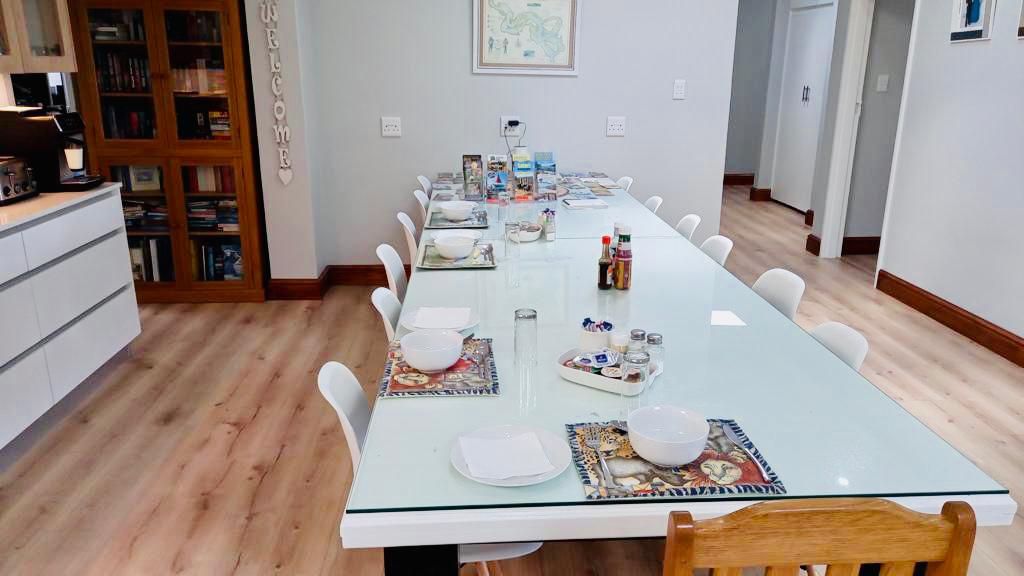
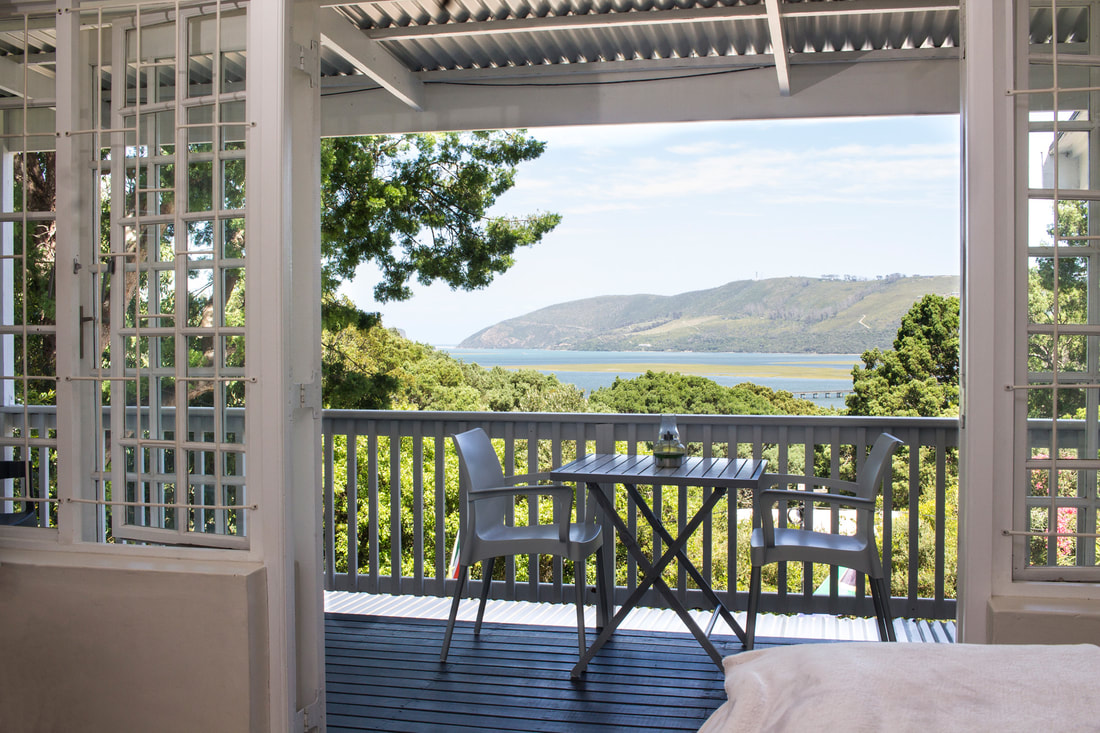
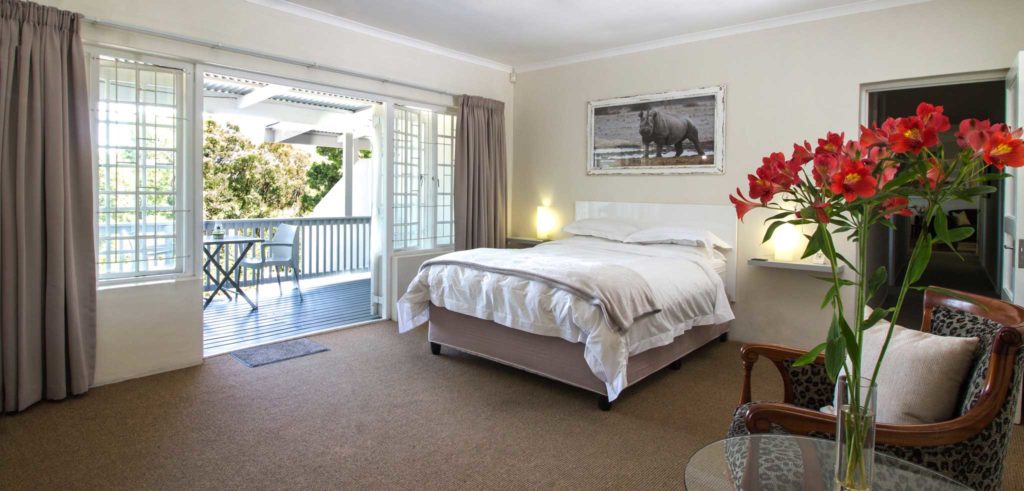
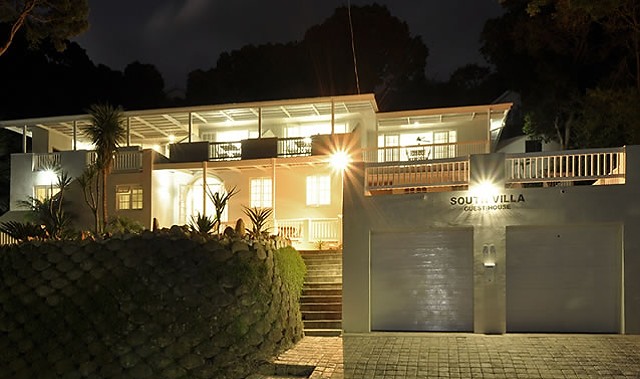
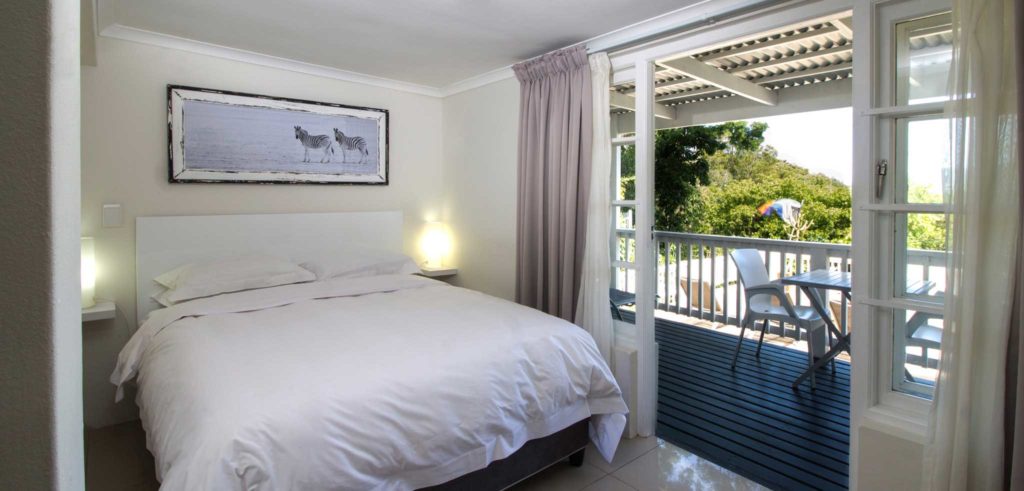
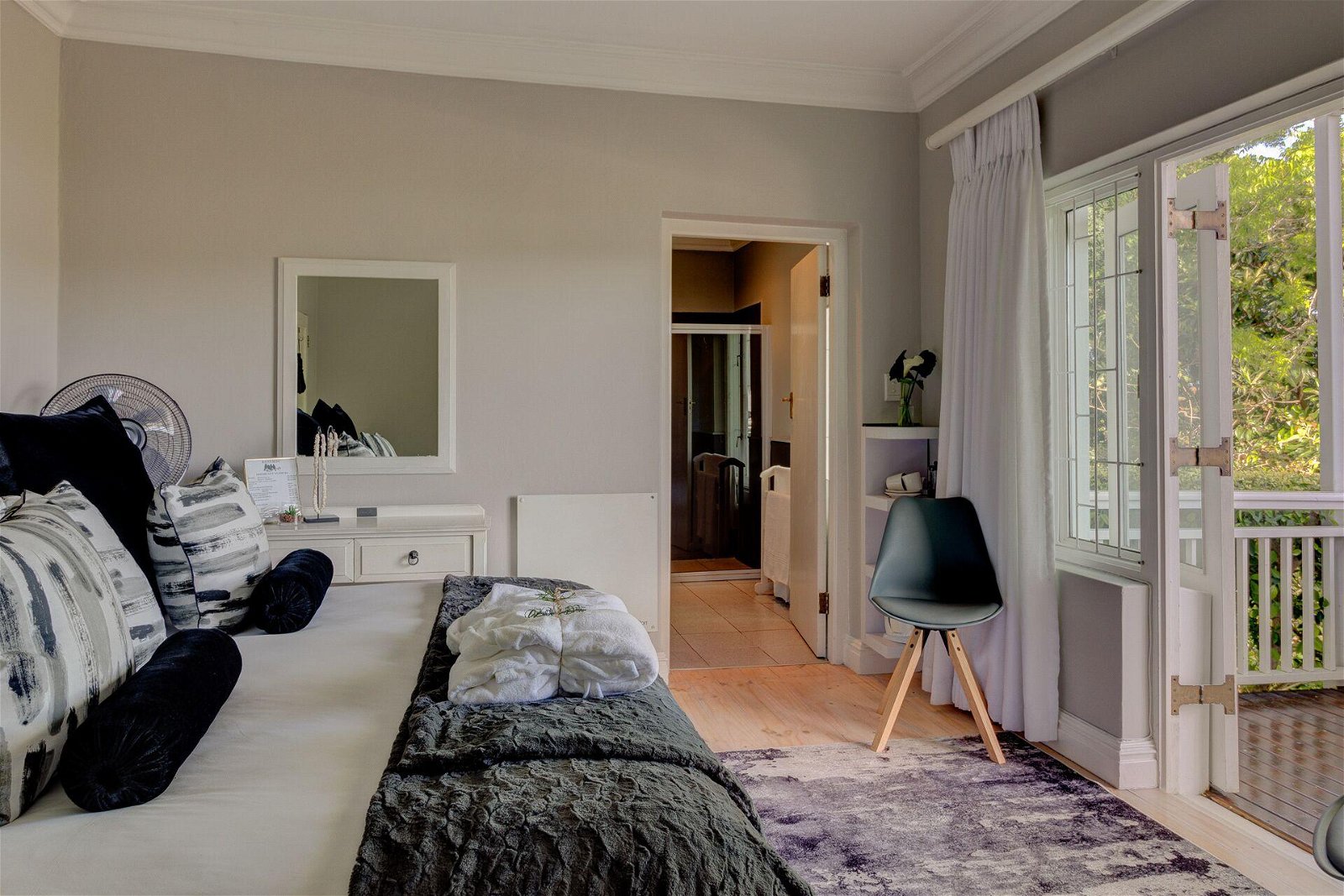
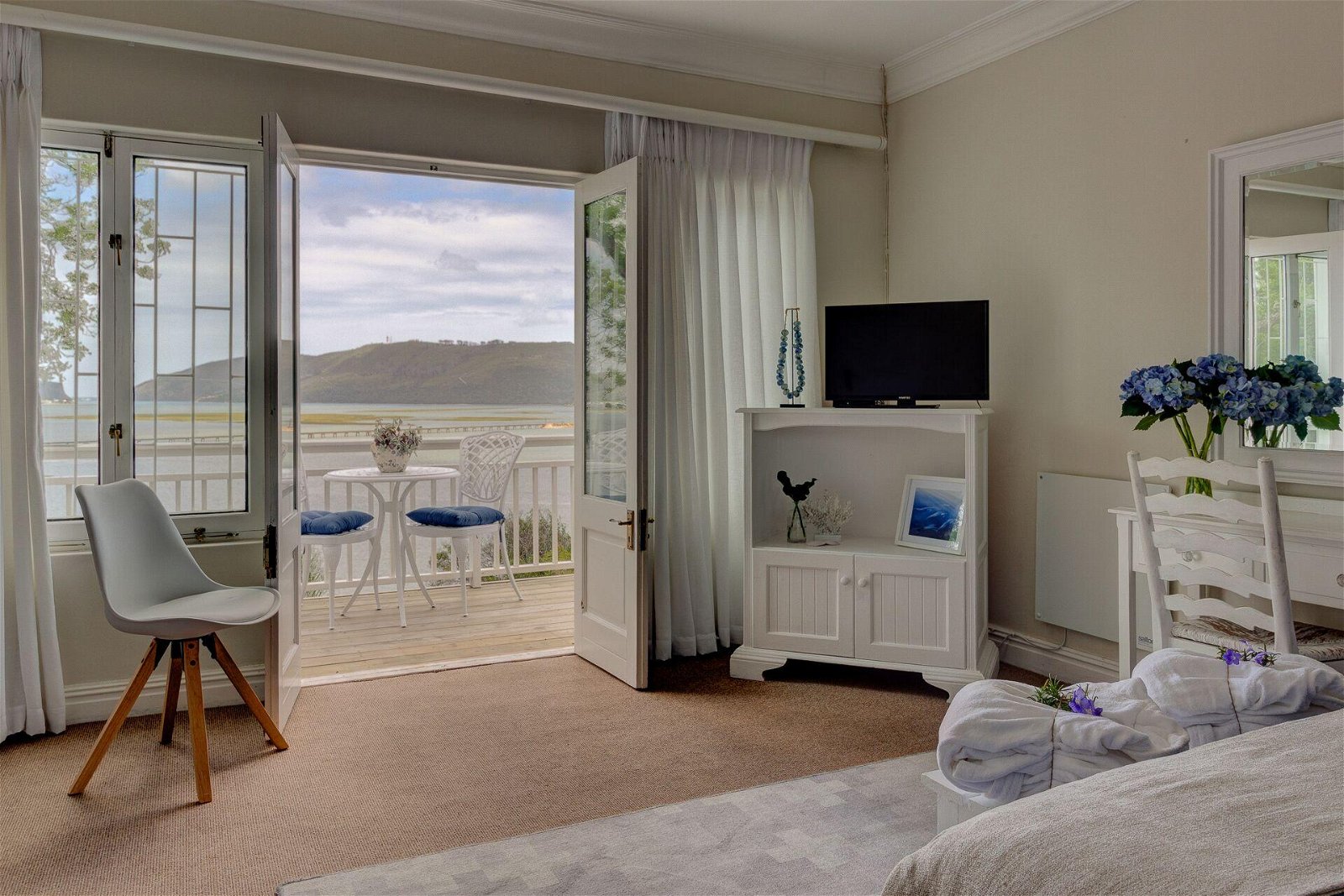
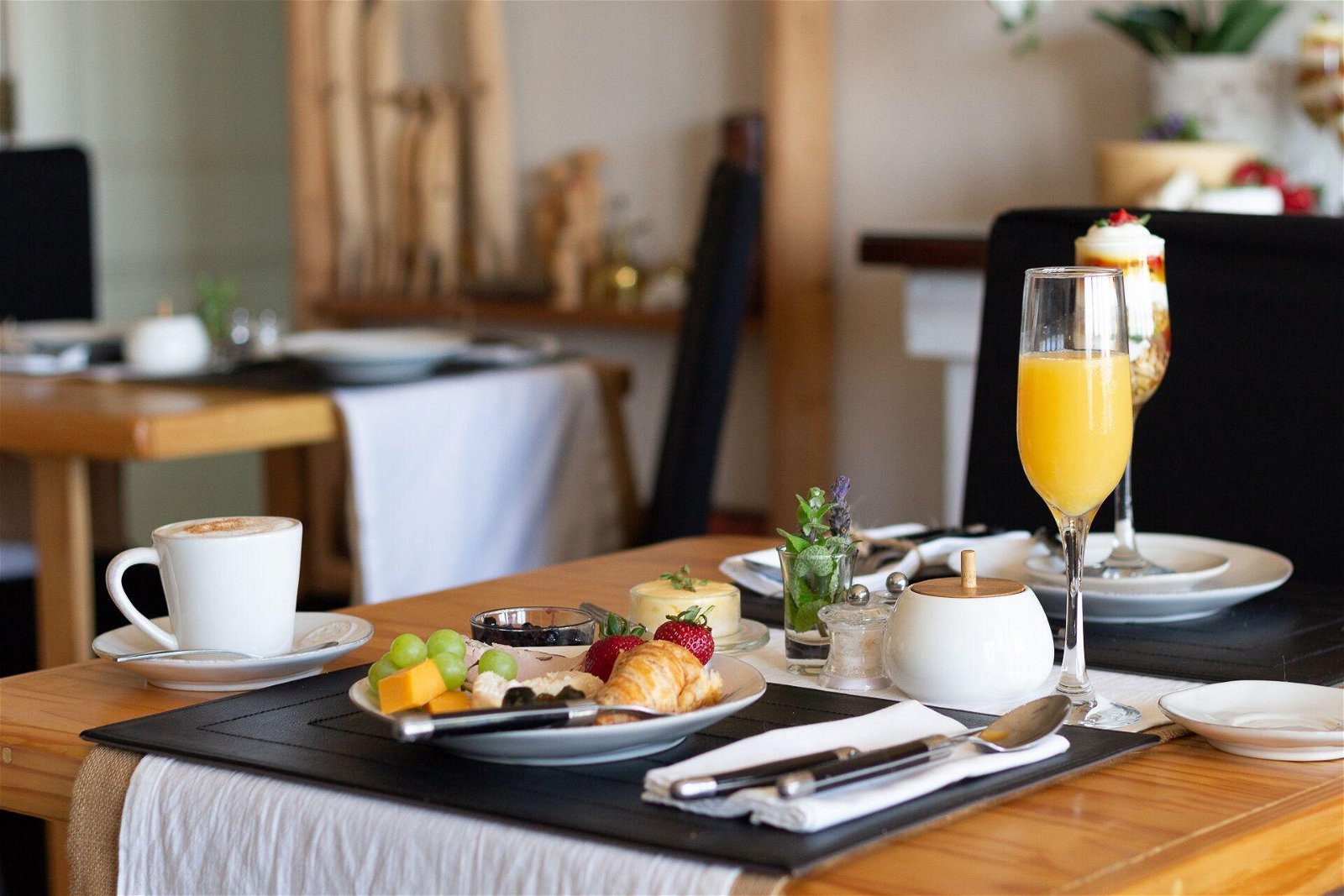
The middle tier is where Knysna's supply is strongest. Self-catering units and guesthouses each account for 23 listings and represent the default choice for most visitors. Guesthouses typically include breakfast and a more personal host relationship. Self-catering suits families or groups wanting to manage their own schedule, particularly for stays of a week or more. Cottages and bed and breakfasts offer slight variations within this bracket, with cottages often positioned in garden or forest settings outside the town centre.
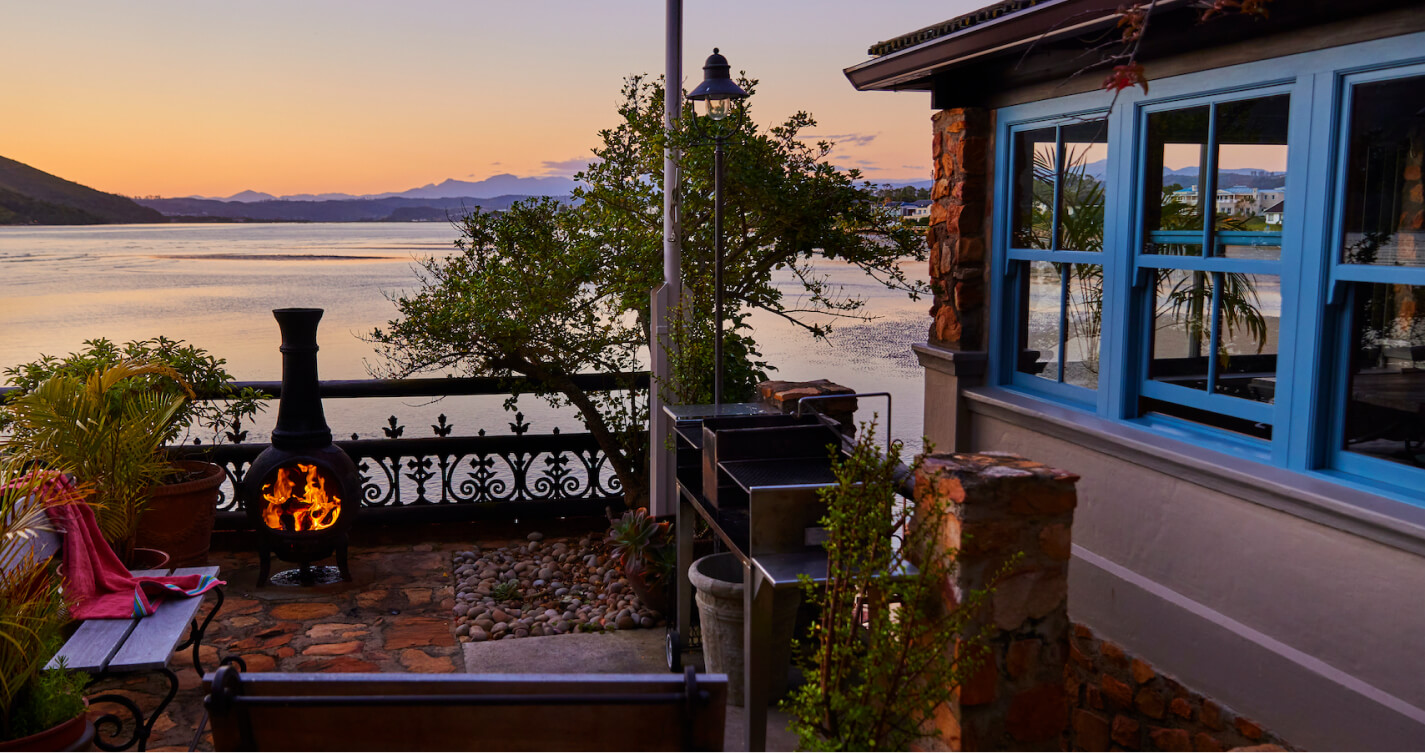
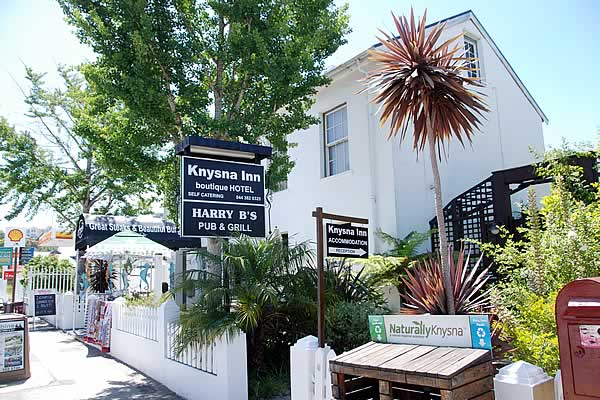
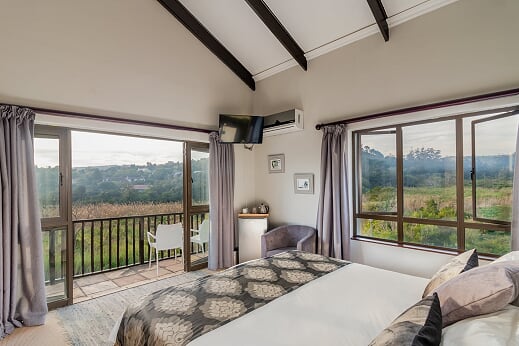
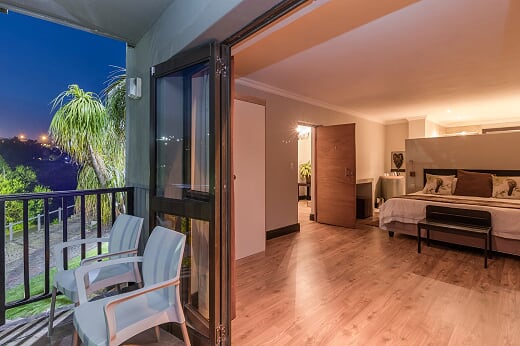
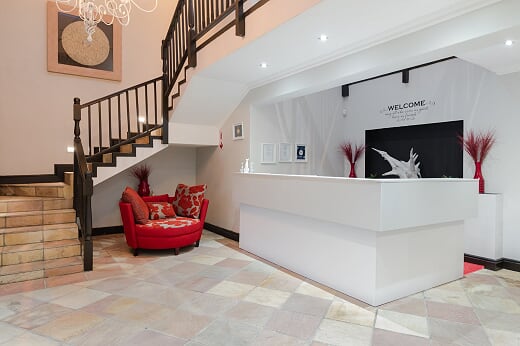
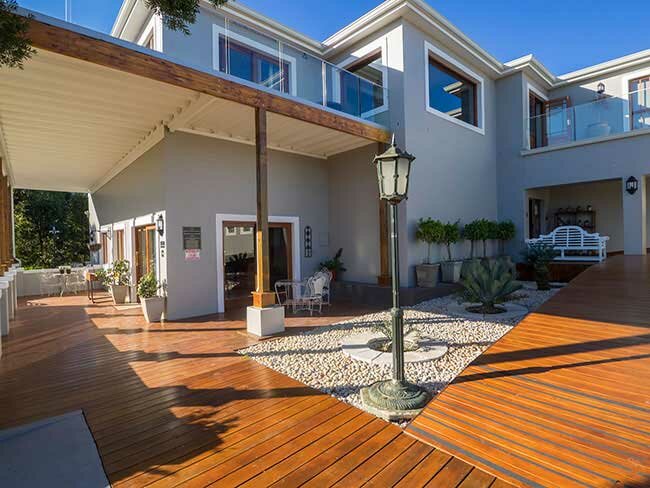
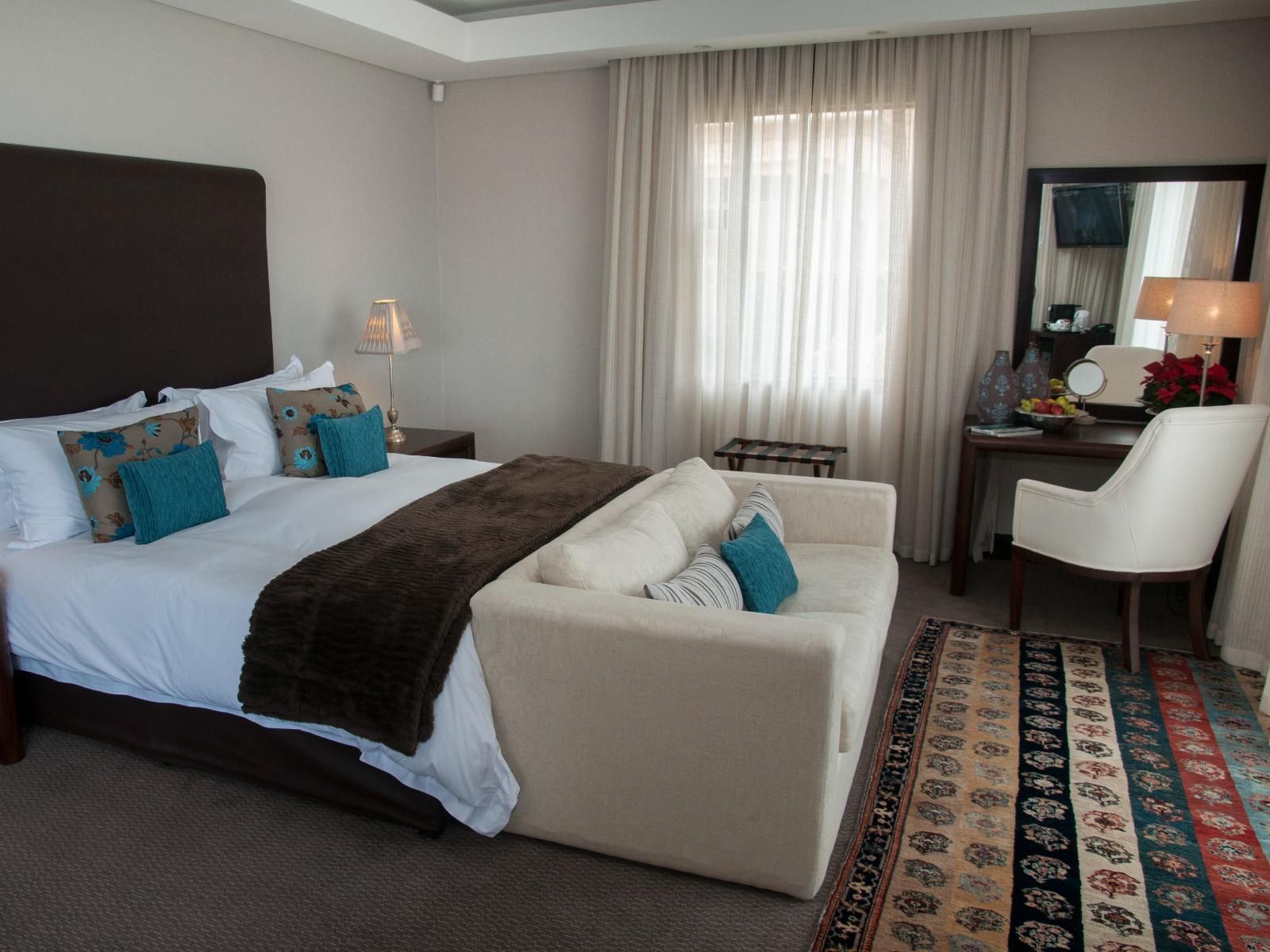
Higher up the market, lodges and boutique hotels are smaller in room count and place more emphasis on setting and service. Lodges tend to draw guests wanting proximity to waterway or forest environments, while boutique hotels emphasise interior character. Villas sit at the premium end, typically sleeping six to ten people in standalone configurations with private pools and full domestic facilities, which makes the per-person cost more reasonable when shared across a group.
December and January are the busiest booking months, and the late June festival window also competes for available stock. For either of these periods, booking two to four months ahead is sensible practice.
Things to Do in Knysna
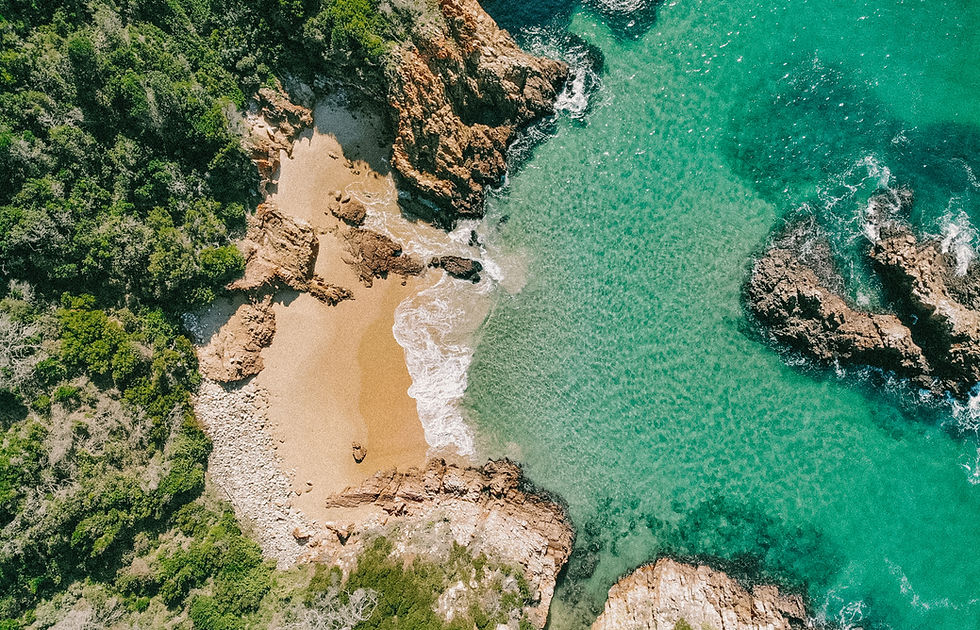
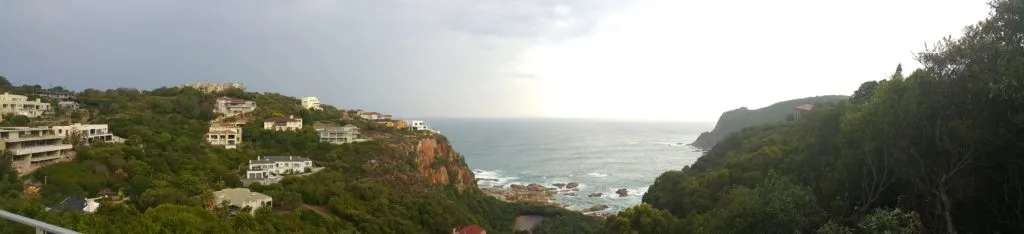
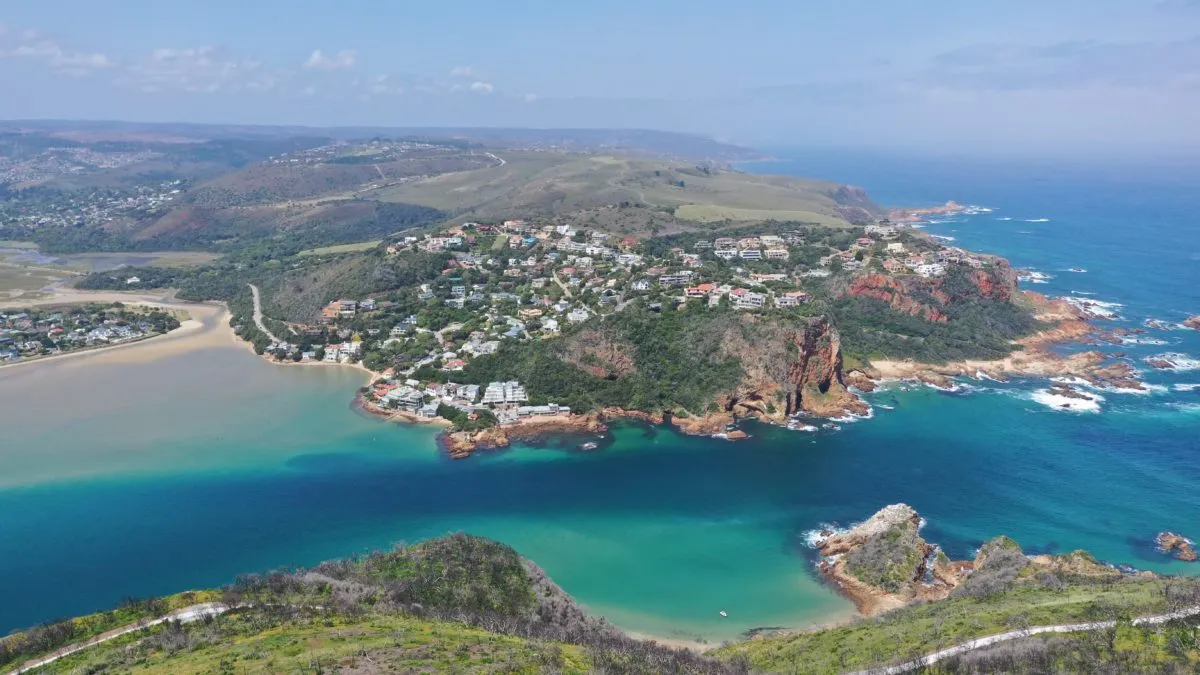
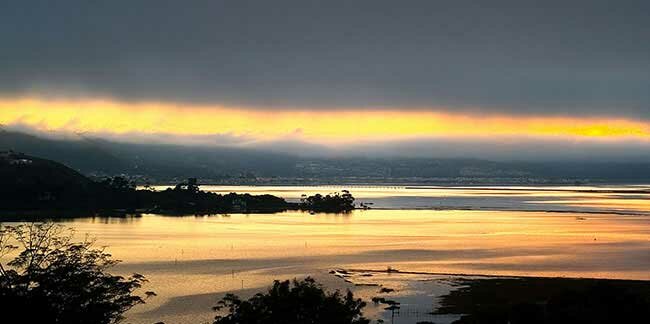
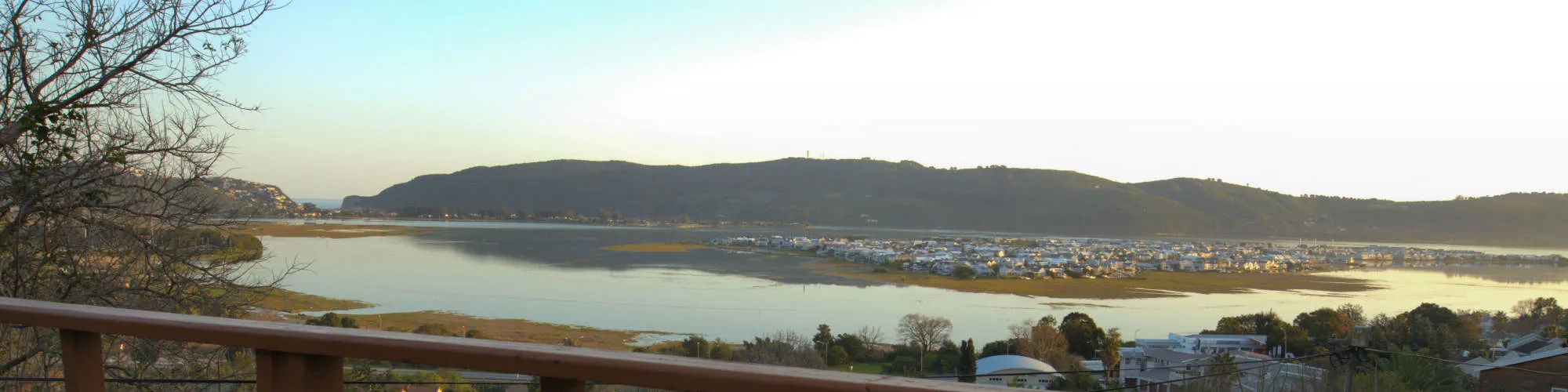
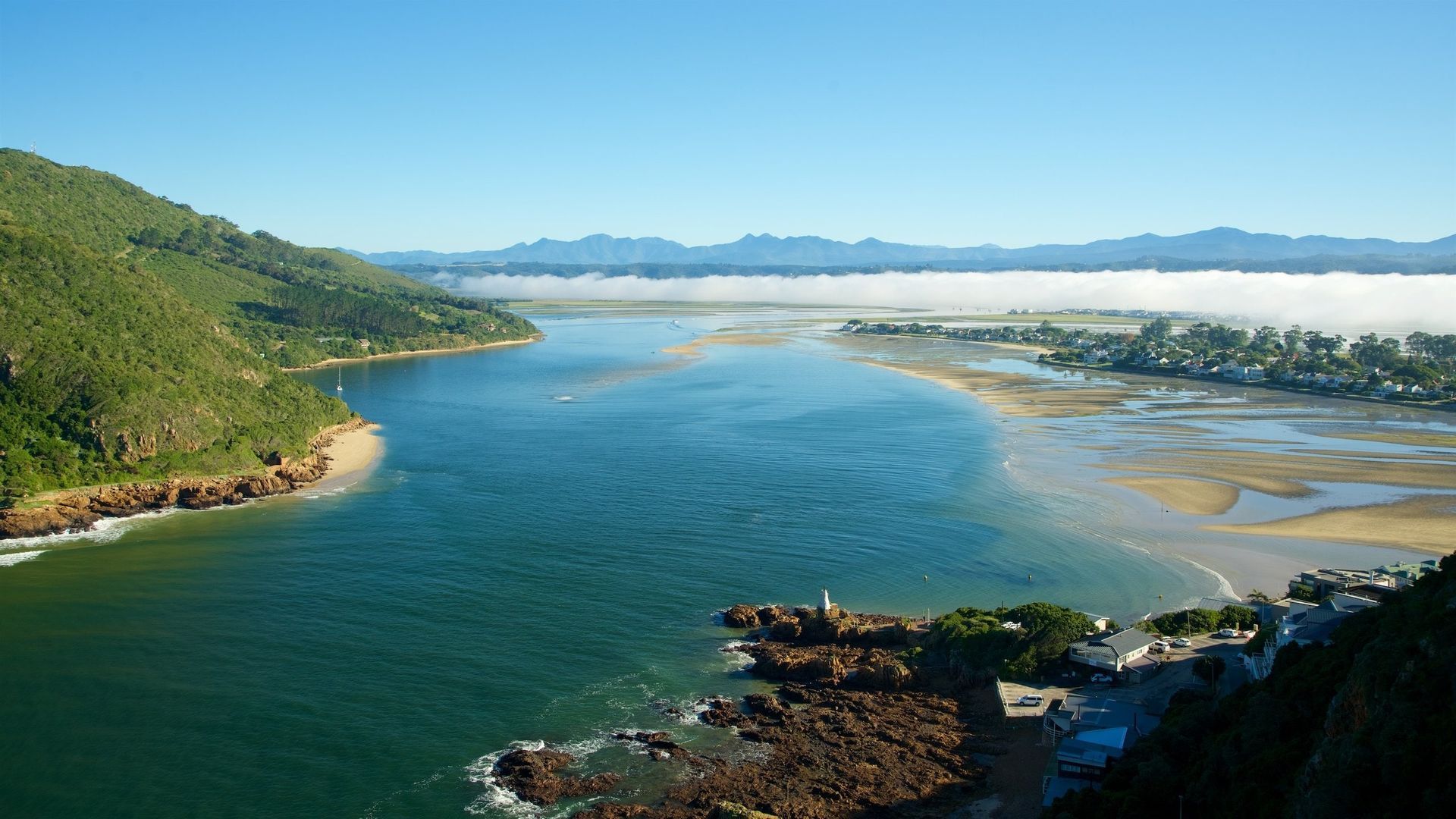
The Knysna Heads defines the town's geography more than anything else. Two sandstone cliffs frame the narrow channel where the lagoon meets the Indian Ocean, and the western head is accessible by road to a free public viewpoint with open sightlines along the coastline in both directions. The eastern head falls within the private Featherbed Nature Reserve, reached by ferry from the Knysna waterfront. Guided walks through the reserve take around three hours over fynbos-covered slopes above the water.
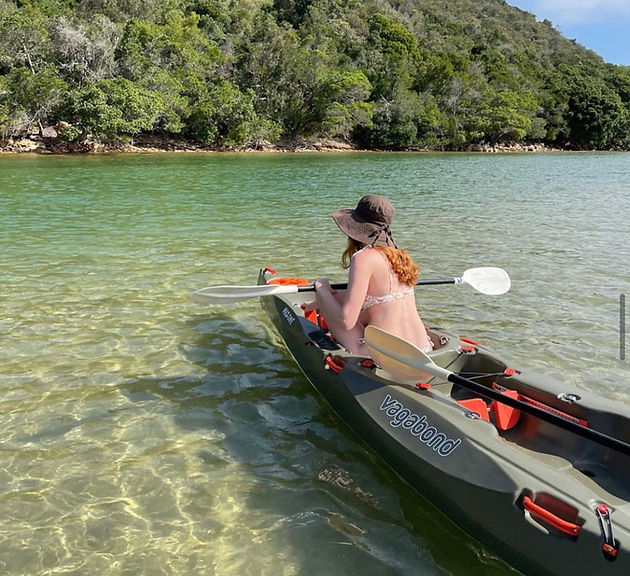
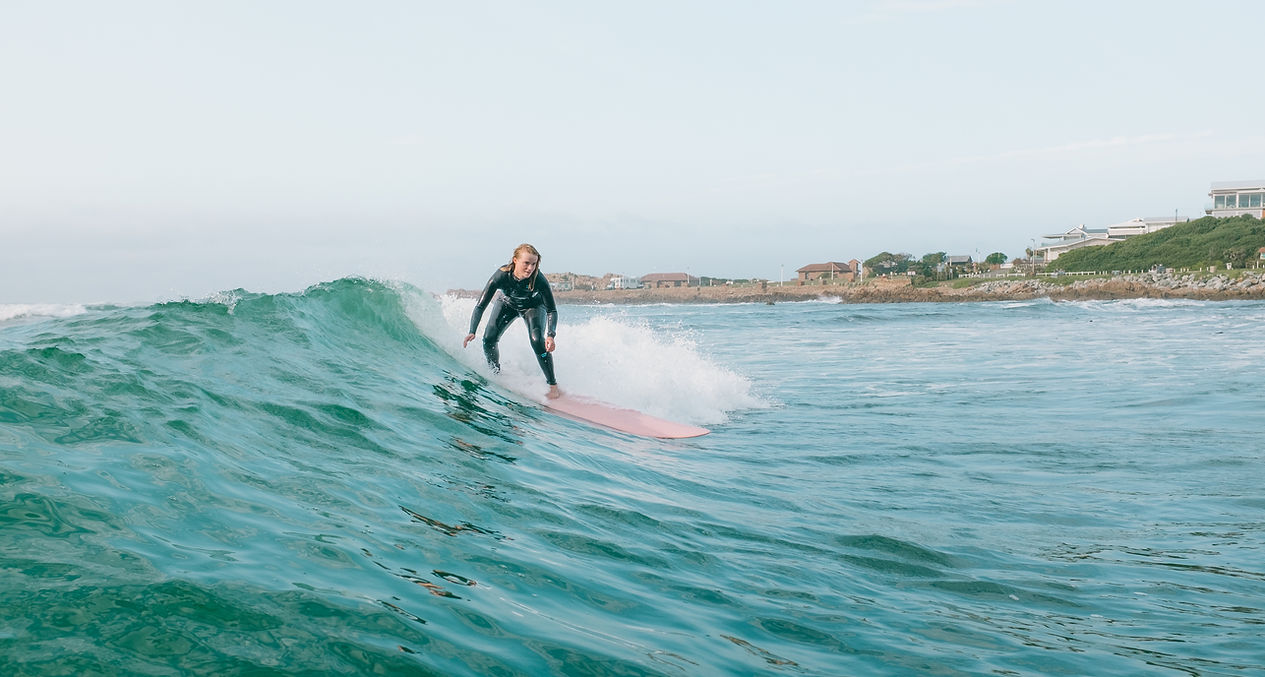
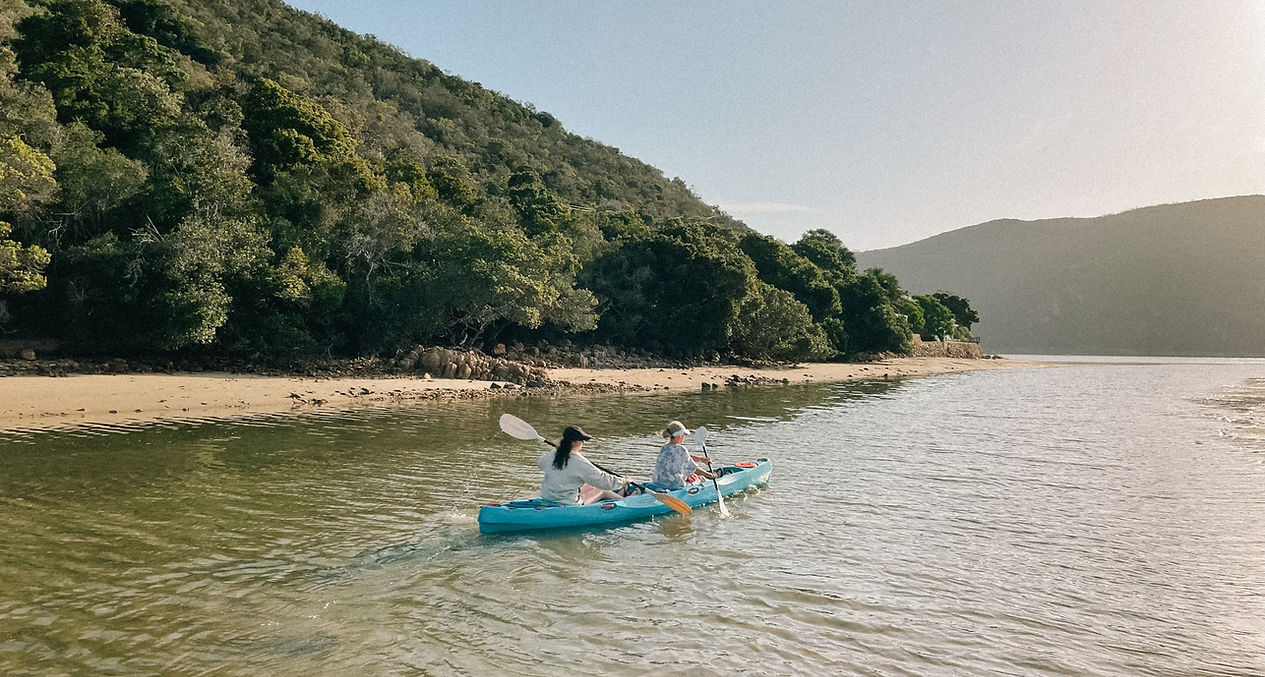
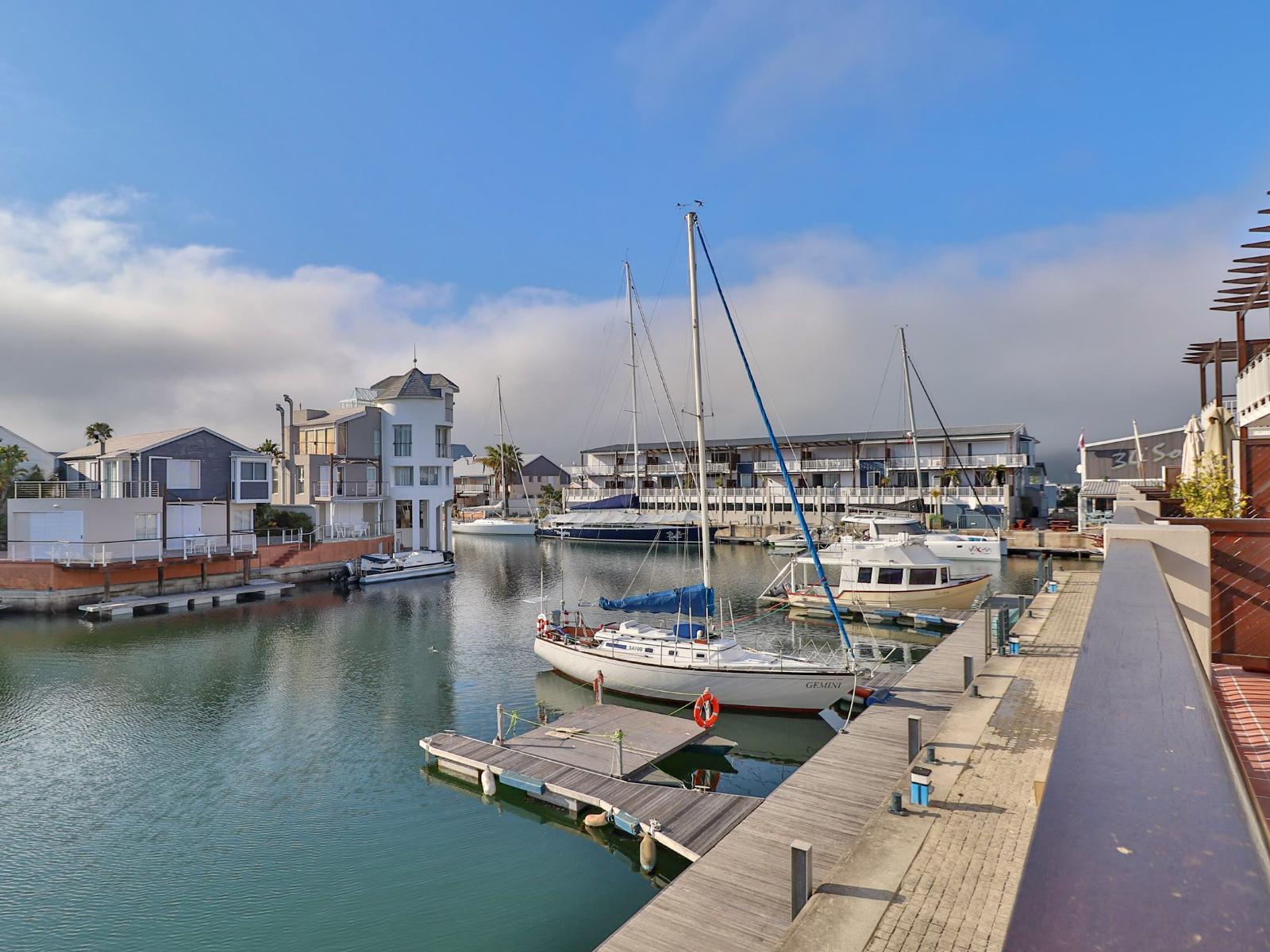
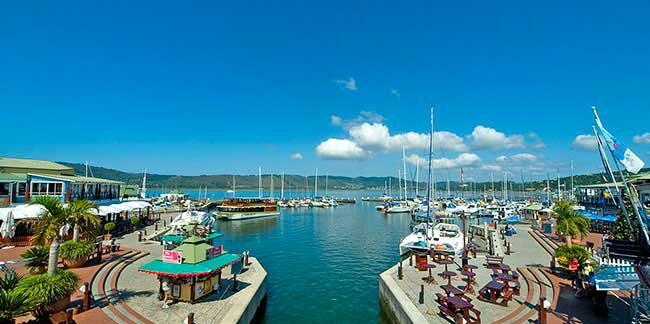
The lagoon is the foundation of most water-based activity. Kayaks and stand-up paddleboards are available for hire from the waterfront, and several operators run guided sunrise and sunset paddles. Oysters farmed here appear on menus throughout town and are the most locally specific food the area produces. The annual Oyster Festival, running over ten days in late June and early July, adds trail running, mountain bike racing, and arts programming to the core food events, drawing visitors from across the country.
The Knysna forests form part of the Garden Route National Park and are among the most ecologically significant indigenous high forests remaining in South Africa. Trails depart from Diepwalle Forest Station, around 18 kilometres northeast of town, through stands of yellowwood and stinkwood. The Knysna elephant population, now thought to number fewer than five individuals, inhabits these forests. Sightings are extremely rare, but the forest itself is worth the walk regardless.
Golf is available at the Knysna Golf Club, a forested course that incorporates the natural terrain and offers views back toward town. Fishing trips can be arranged from the harbour for half or full days. Birdwatching along the lagoon edges is productive year-round, with African fish eagles and several kingfisher species reliably present among the reeds.
The Saturday waterfront market and the Woodmill Lane market both offer local food, handmade crafts, and regional produce through the week.
Best Time to Visit Knysna
Knysna has a temperate coastal climate without extreme seasonal swings. Summer runs from November through February, with daytime temperatures generally between 22 and 27 degrees Celsius and warm evenings suited to outdoor dining and water activity. Lagoon water temperatures peak in January and February.
December and January bring the heaviest visitor volumes, as school holidays push traffic along the entire southern coast to its annual high. Accommodation fills quickly, and the town is at its most active. Those wanting fewer crowds should consider the period from mid-February through March, when summer conditions hold but the school rush has passed.
Autumn from March through May is consistently mild and stable, with good trail conditions throughout. Many returning visitors consider this the most comfortable window for forest and lagoon walks.
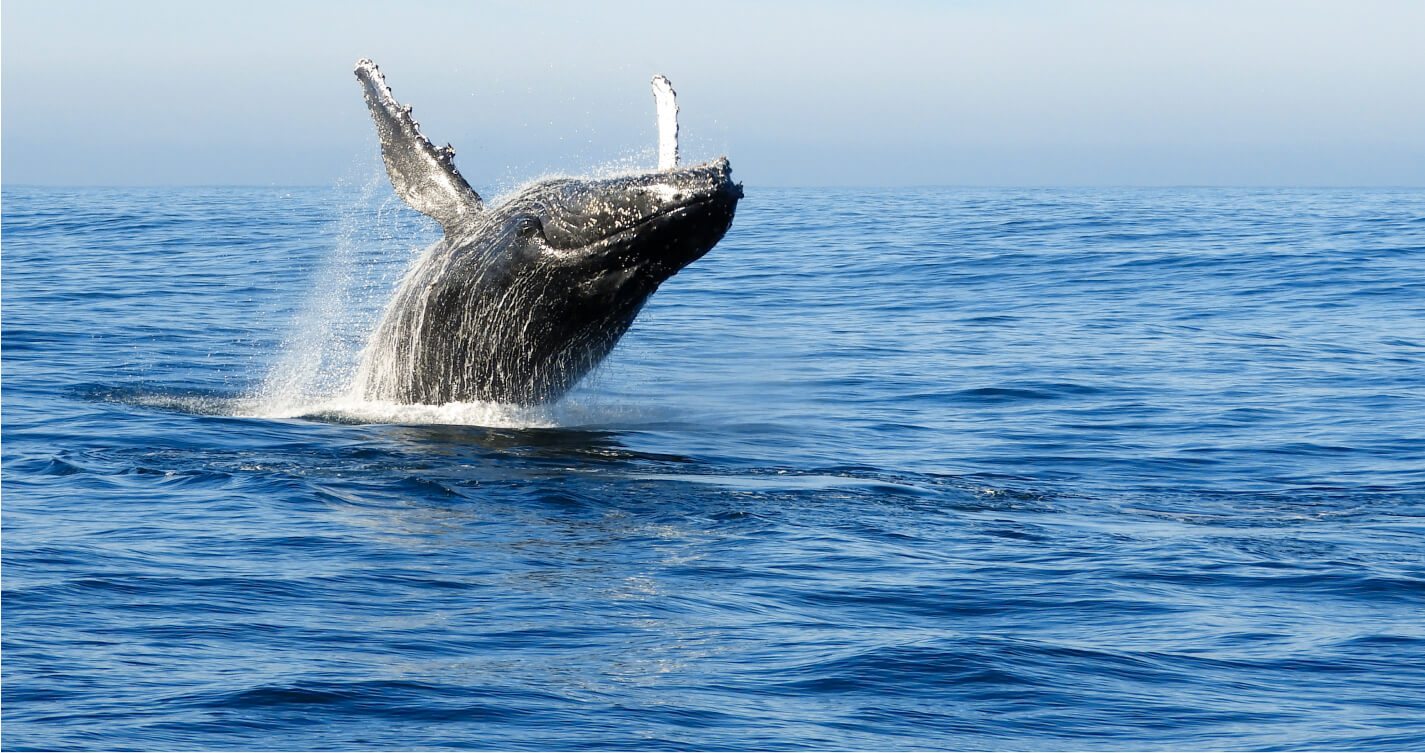
Winter from June through August is the quietest period outside the major late-June festival week. Daytime temperatures typically sit between 14 and 19 degrees, cool but suitable for walking and most outdoor activity. June through October is also the main season for southern right whale sightings along the coast, and winter evenings draw a more local crowd to restaurants.
Spring in September and October brings warming temperatures, flowering fynbos in the surrounding hills, and solid accommodation availability before the summer peak. Weather is generally settled and the beach becomes swimmable again by late October.
Getting to Knysna
George Airport is the nearest commercial airport, approximately 80 kilometres west of Knysna. Several daily flights connect George to Cape Town and Johannesburg, operated by South African Airways and the main low-cost carriers. Car hire desks operate at the airport, and the drive to Knysna takes around one hour under normal conditions, passing through forest patches and over several river crossings before the road descends to lagoon level at the town.
By road, Knysna sits directly on the N2. From Cape Town the distance is approximately 490 kilometres, with a drive time of five to five and a half hours depending on conditions through the Huguenot Tunnel and over the mountain passes east of George. From Gqeberha the distance is roughly 340 kilometres, usually taking four hours. The N2 through this section carries significant truck traffic on weekdays, which can affect travel times.
There is no active passenger rail service to Knysna. Long-distance coaches stop at George, with connections available for the onward leg. Some operators run services directly to Knysna on certain days.
Within town, the waterfront and main commercial streets are walkable from centrally positioned accommodation. A car becomes useful for the forests, the Heads lookout, and the surrounding small towns. Booking car hire in advance is recommended for December travel, when vehicles at George Airport are in short supply. Metered taxis and ride-hailing services cover the central area, with reliability dropping off further from the main commercial strip.
Knysna and Surrounding Areas
Rheenendal, 14 kilometres northwest, sits at the forest edge with a historical connection to the timber milling industry that once drove the local economy. A Sunday morning market draws a predominantly local crowd for fresh produce and handmade goods. Trails into the national park forests from this direction see lighter foot traffic than the more commonly used routes to the east, making it a quieter option for those wanting undisturbed walking.
Sedgefield, 23 kilometres west on the N2, has a Blue Flag beach and a pace noticeably slower than Knysna. The Saturday Wild Oats Market is well regarded along this stretch of coast for local food and quality produce. The town borders the Swartvlei estuary, one of the interconnected water bodies in the lakes district that extends further west.
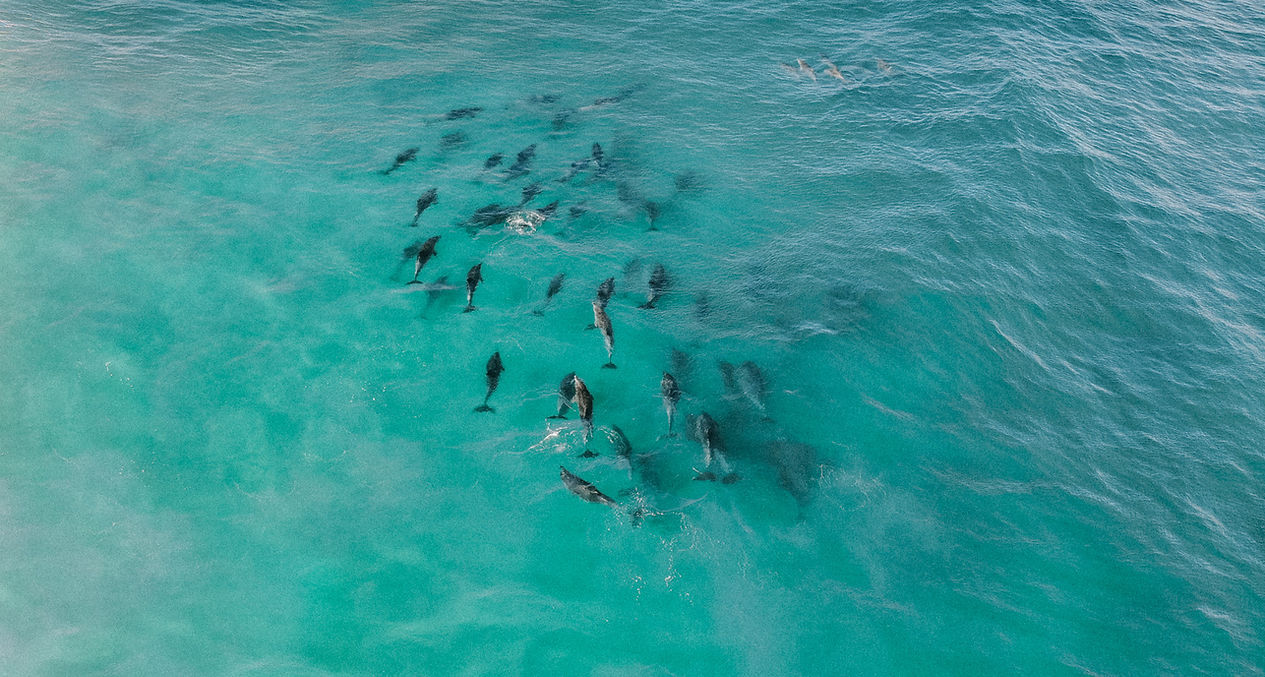
Plettenberg Bay, 30 kilometres east, is the busiest coastal town in the immediate area. It has longer beaches, a more developed commercial strip, and a full range of tour operators. Whale and dolphin watching trips run from the harbour between June and November. The town works as a day trip from Knysna or as a co-destination for a longer holiday.
Hoekwil, 41 kilometres west, sits above Wilderness on higher ground and functions mainly as a trailhead for mountain walks. Commercial tourism infrastructure is minimal, which makes it a destination only for those specifically seeking quieter hill terrain.
Uniondale, 43 kilometres north over the Outeniqua Pass, marks the edge of the Klein Karoo. The landscape shifts sharply from coastal forest to open, dry plains. The drive over the pass is worthwhile for the views alone, and the town on the other side has the unhurried character of a small Karoo settlement.
Wilderness, 44 kilometres west, is known for canoe trails through its interconnected lake system and a wide beach popular with families in summer. It offers a quieter alternative base for visitors whose main interest is the lakes and coast rather than the forests.
Planning Your Stay
Booking ahead matters most for December and January, when properties near the waterfront fill several months in advance. The late June festival period moves quickly too, though the booking window is shorter. For all other times of year, last-minute availability is generally good.
For stays of five or more nights, a self-catering property with a functional kitchen provides more flexibility and typically better overall cost than accommodation designed for short stops. For one or two-night visits, proximity to the waterfront and restaurants tends to matter more than cooking facilities.
Before confirming any booking, check the cancellation terms and deposit structure. Higher-value properties often hold non-refundable deposits inside relatively short windows. Verify whether linen, towels, and utilities are included in the stated rate, as these vary across the market.
A few practical points worth checking: the municipal water supply has been subject to restrictions during dry summer periods, so it is worth looking into current status for November through March travel. Cell coverage in the forests north of town is unreliable for navigation. Traffic on Friday afternoons and on the eves of public holidays can extend arrival times by 20 to 30 minutes, and factoring this into departure plans avoids a stressful start to the trip.