Accommodation in Kokstad
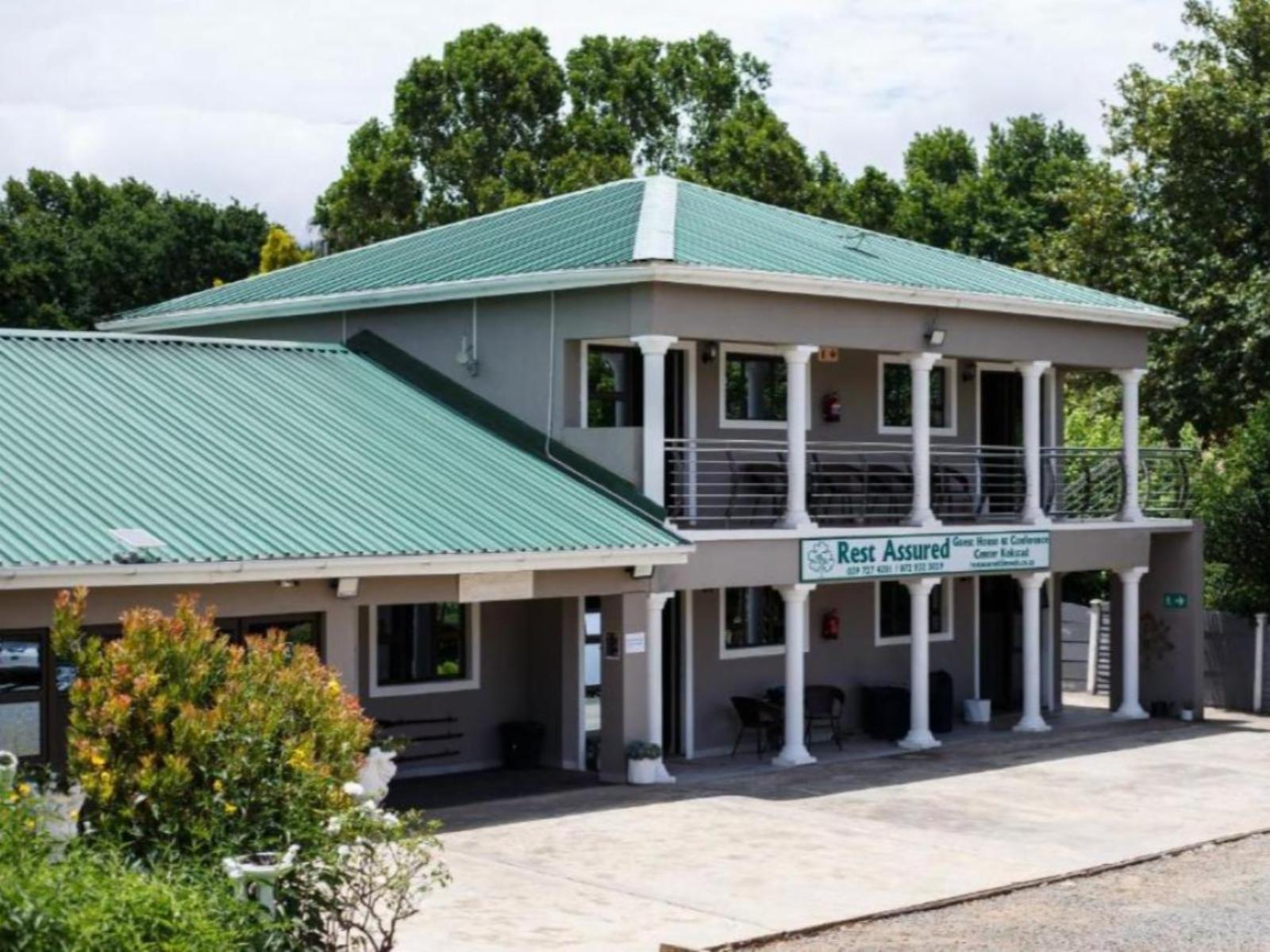
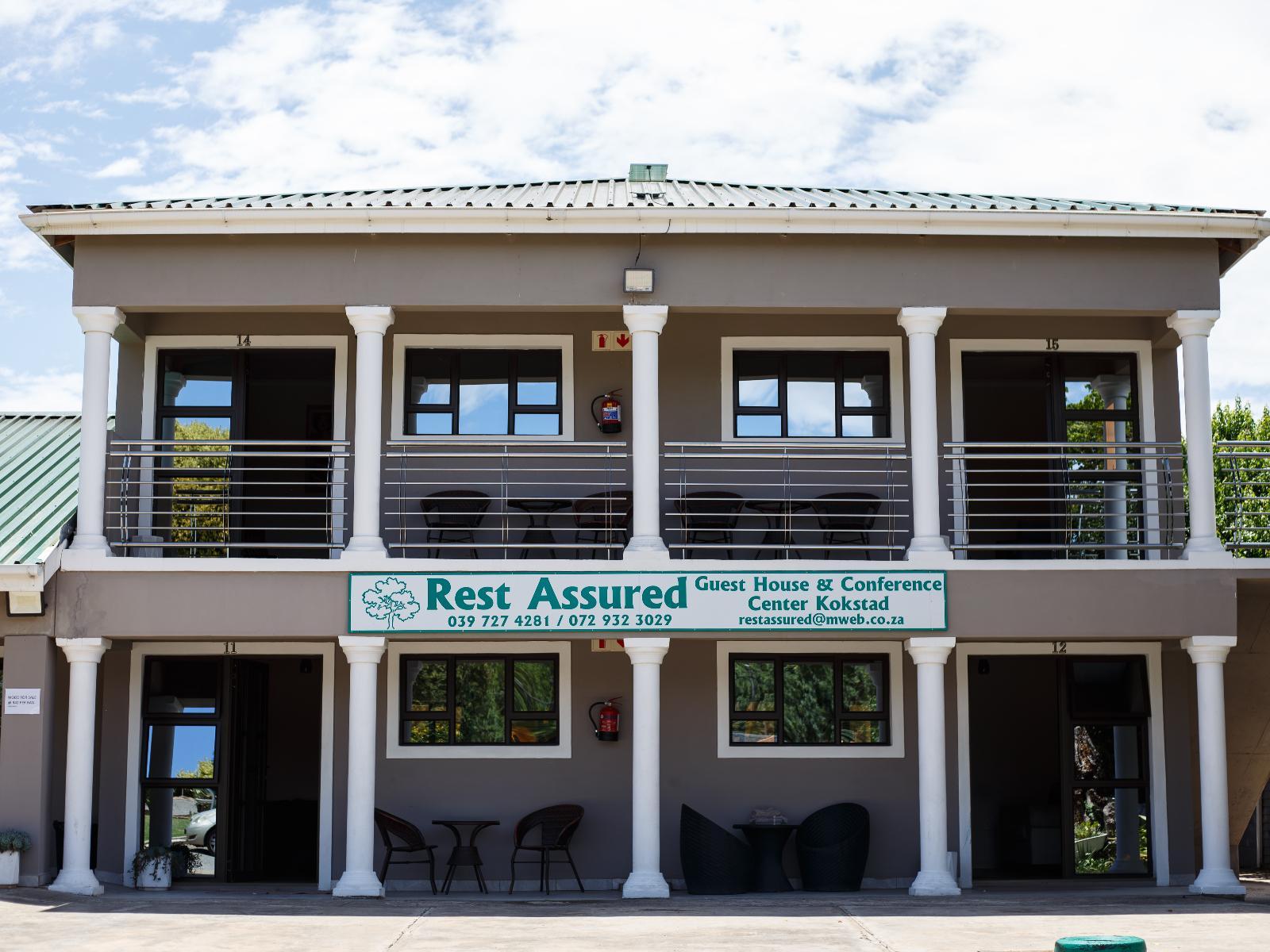
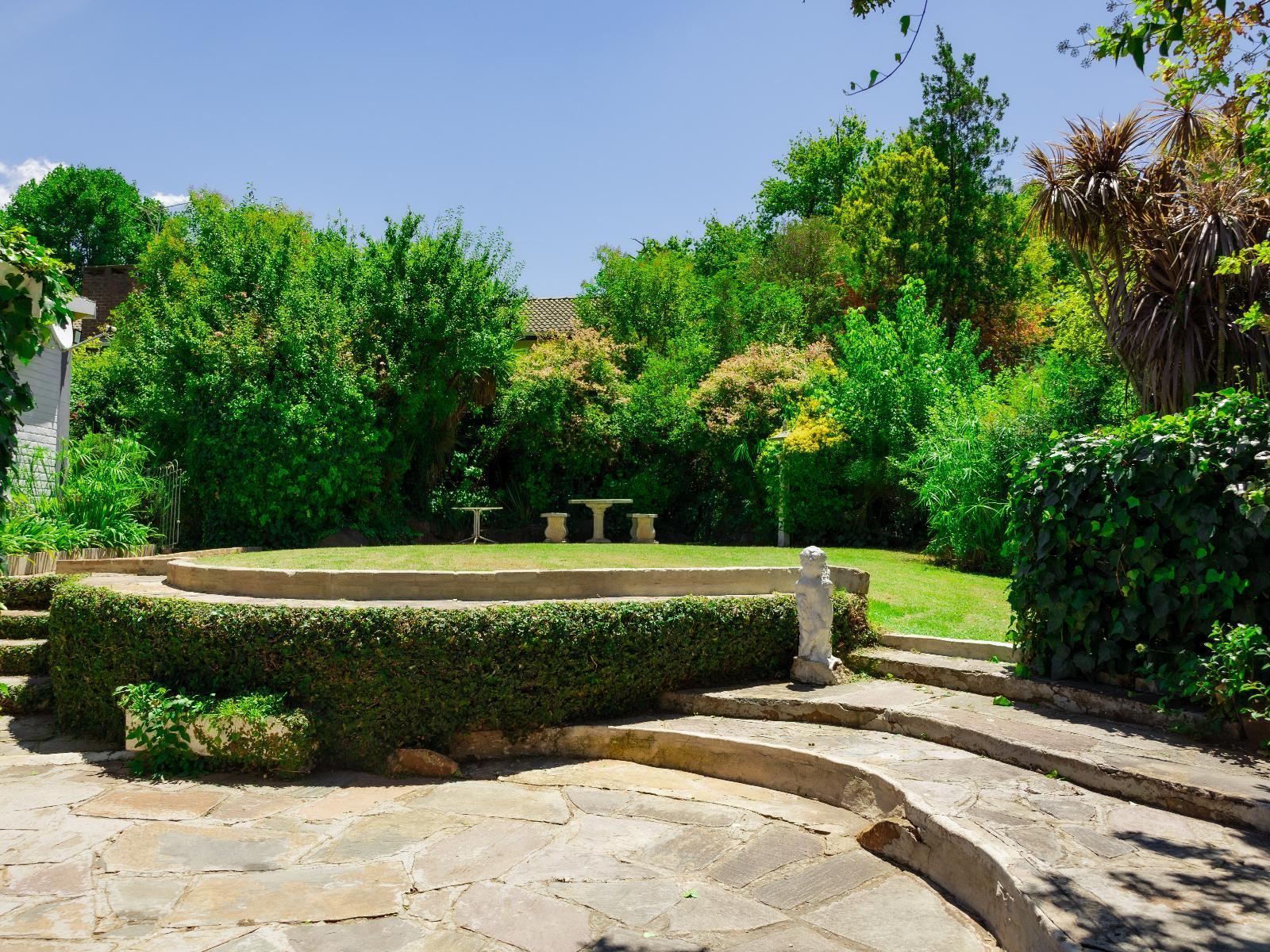
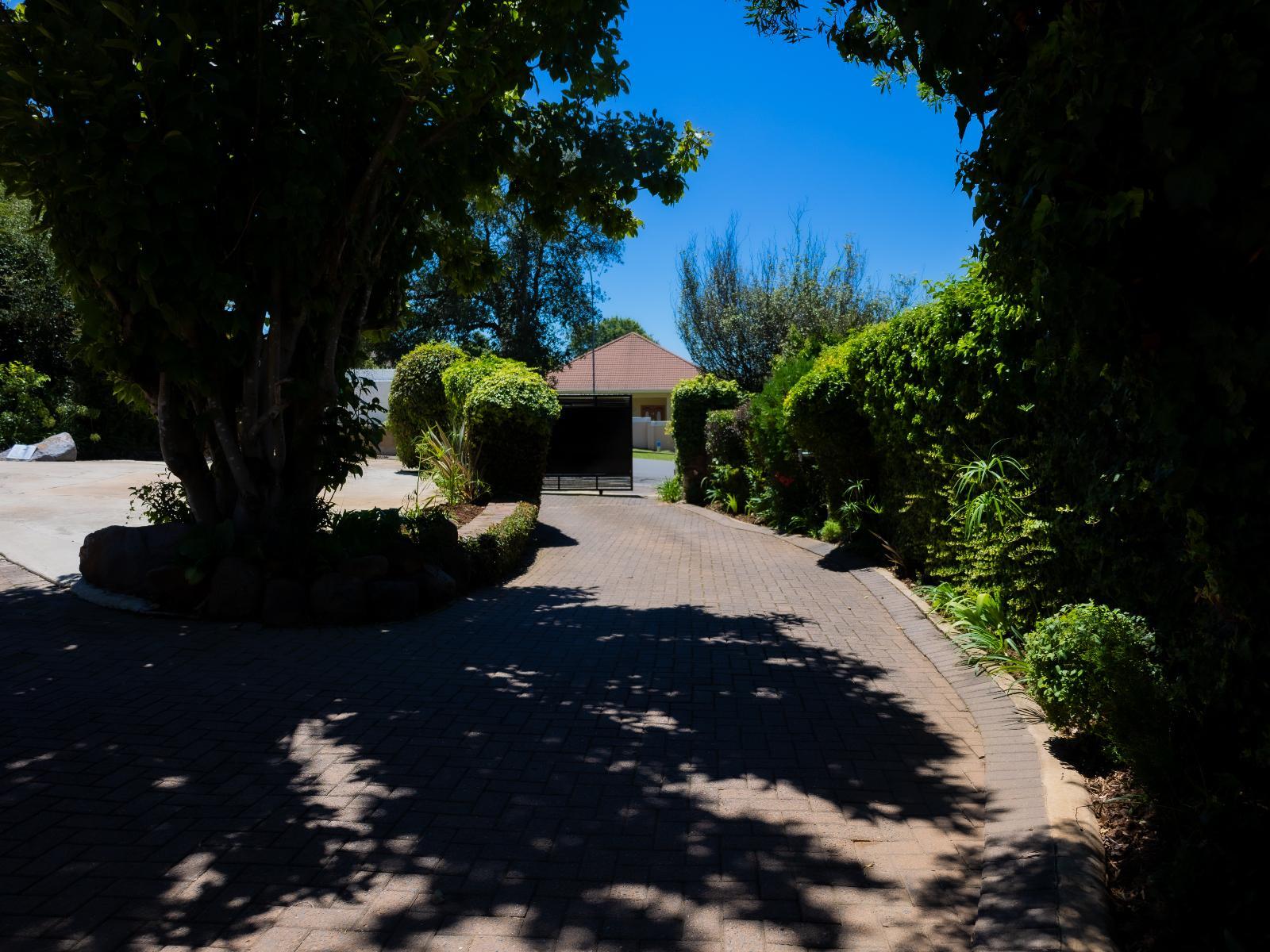
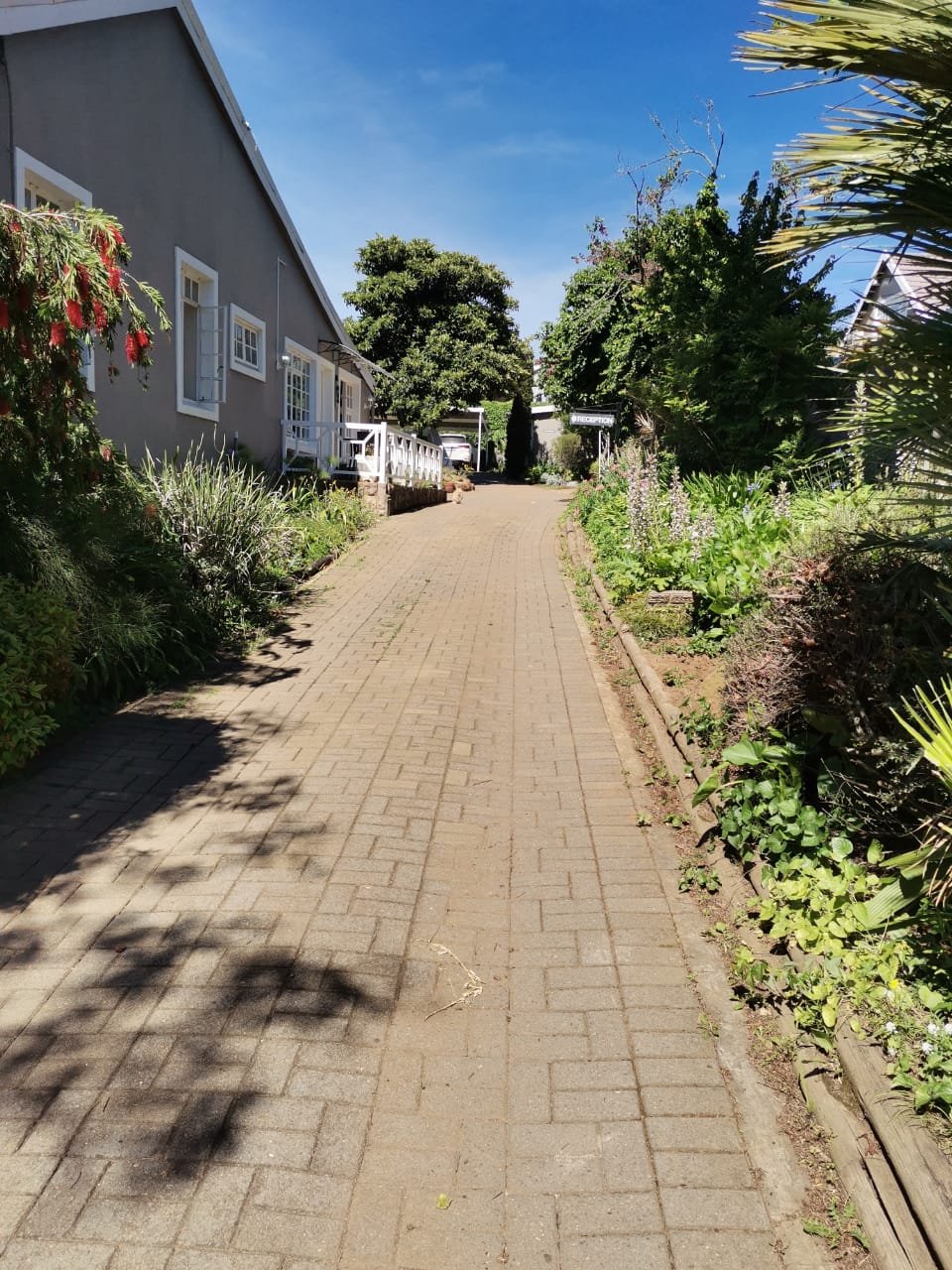
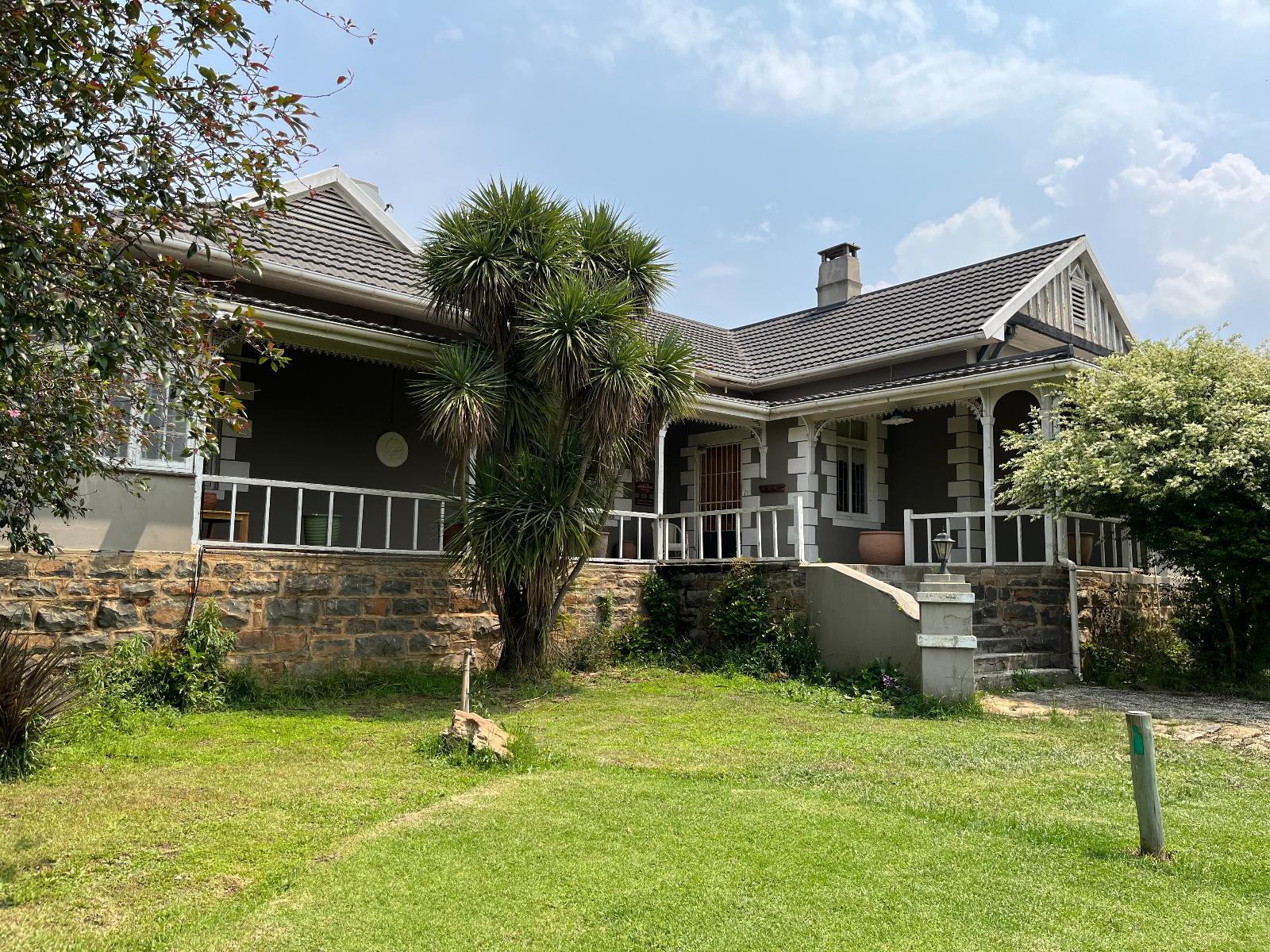
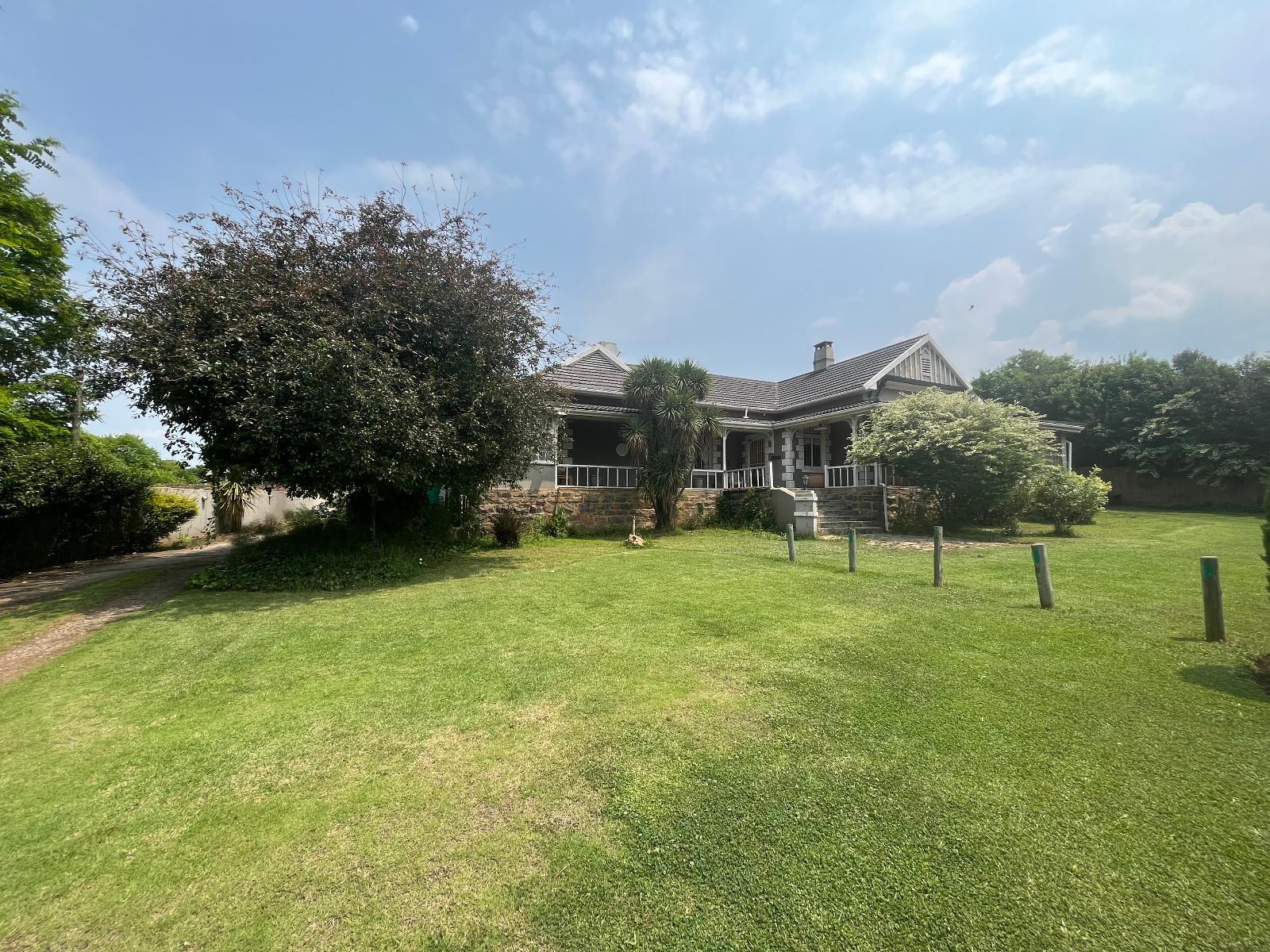
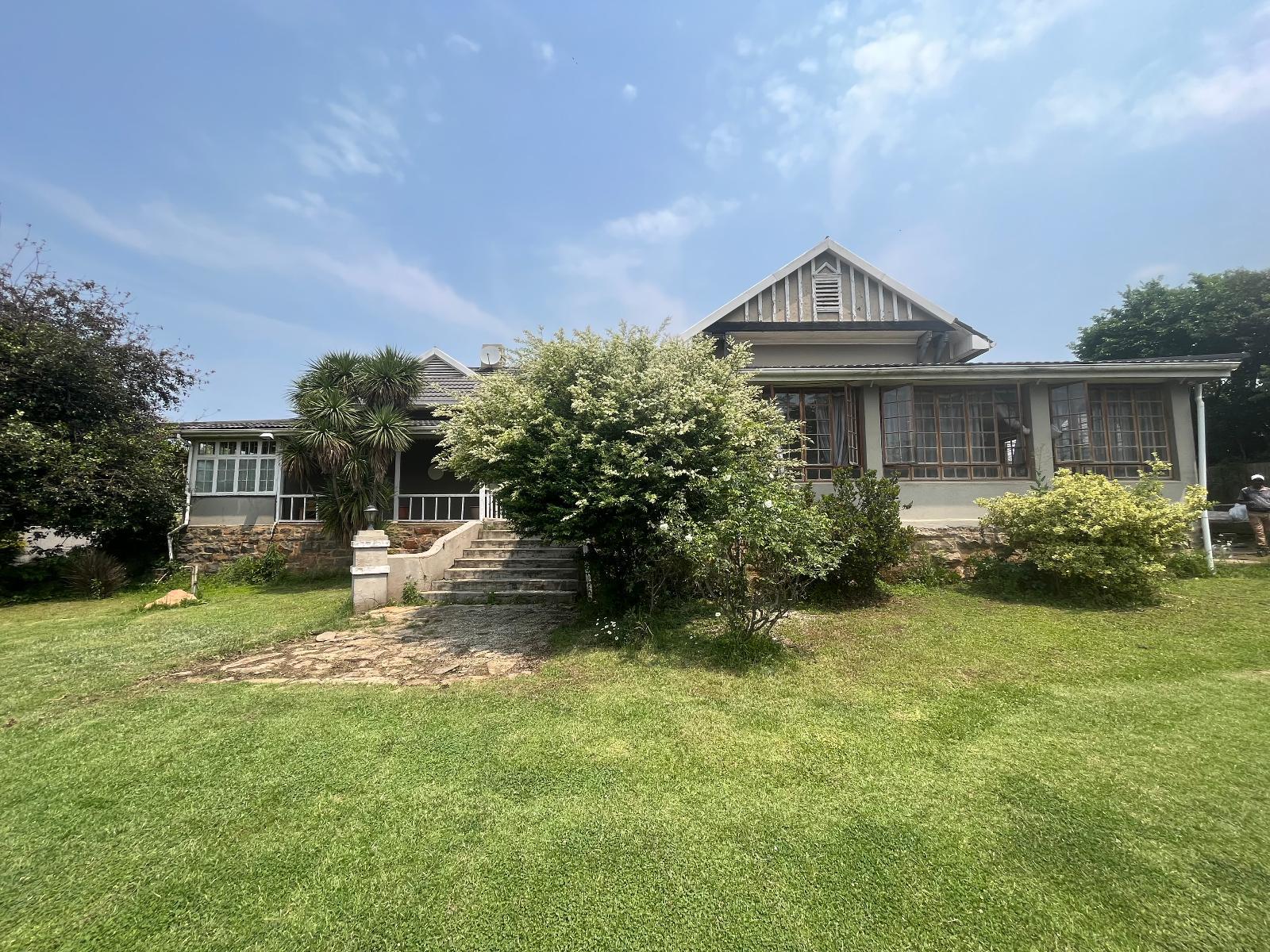
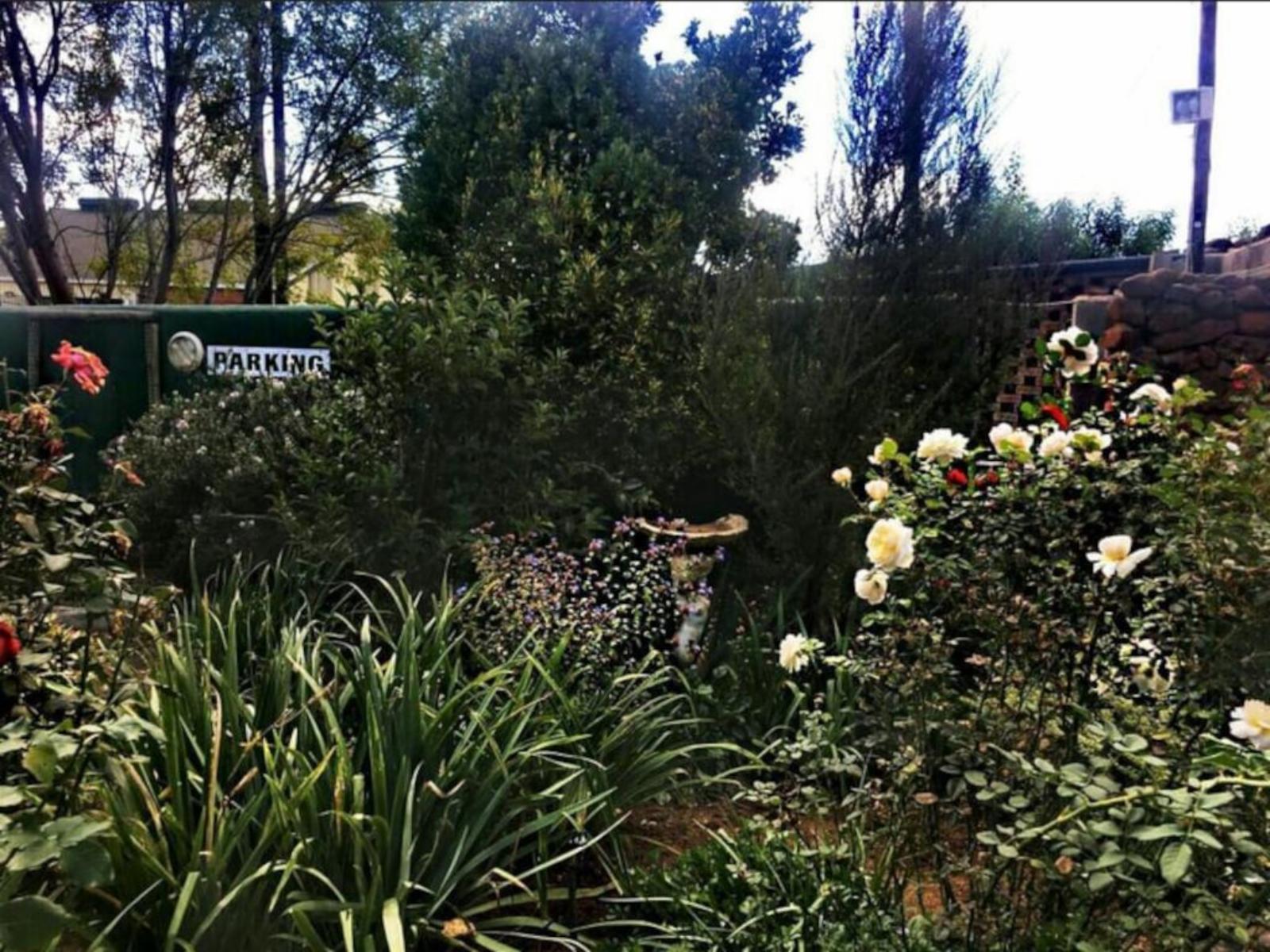
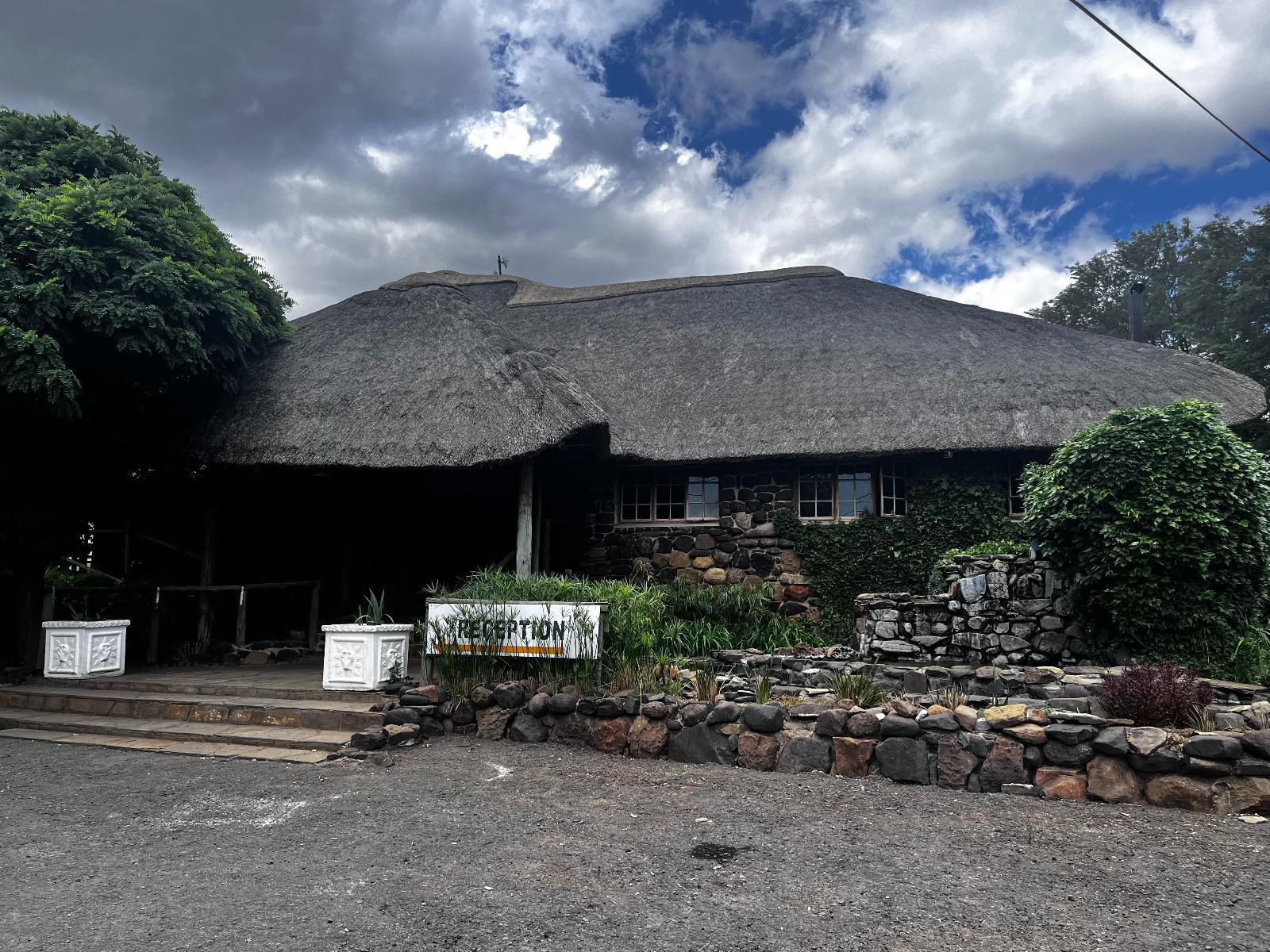
Kokstad's accommodation market is small but covers meaningful ground, with four properties ranging from R1,135 to R2,800 per night. The town attracts a mix of business travellers, road trippers, and those using it as a staging point for the wider southern KwaZulu-Natal interior, and the options reflect these different needs across a few distinct tiers.
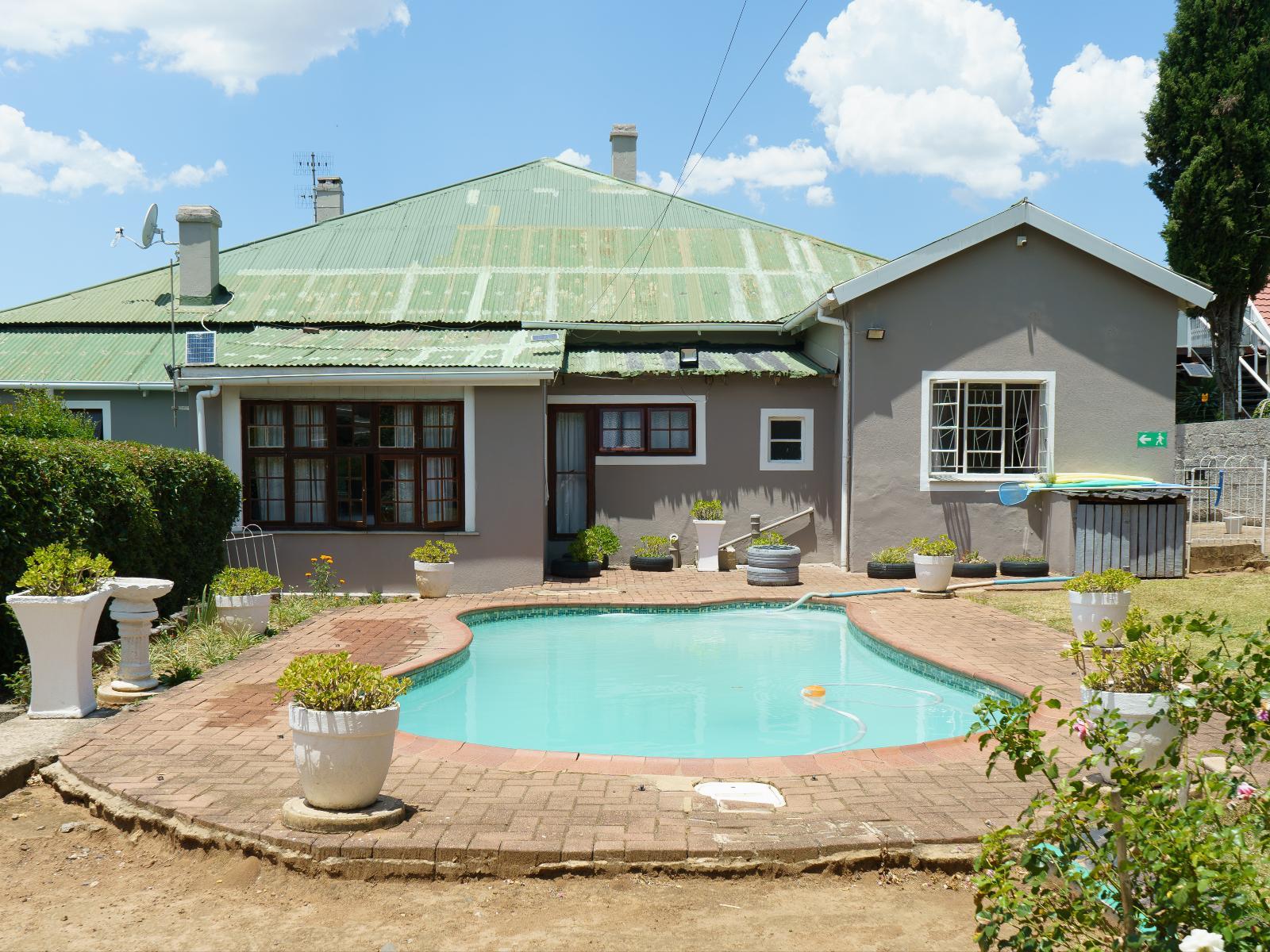
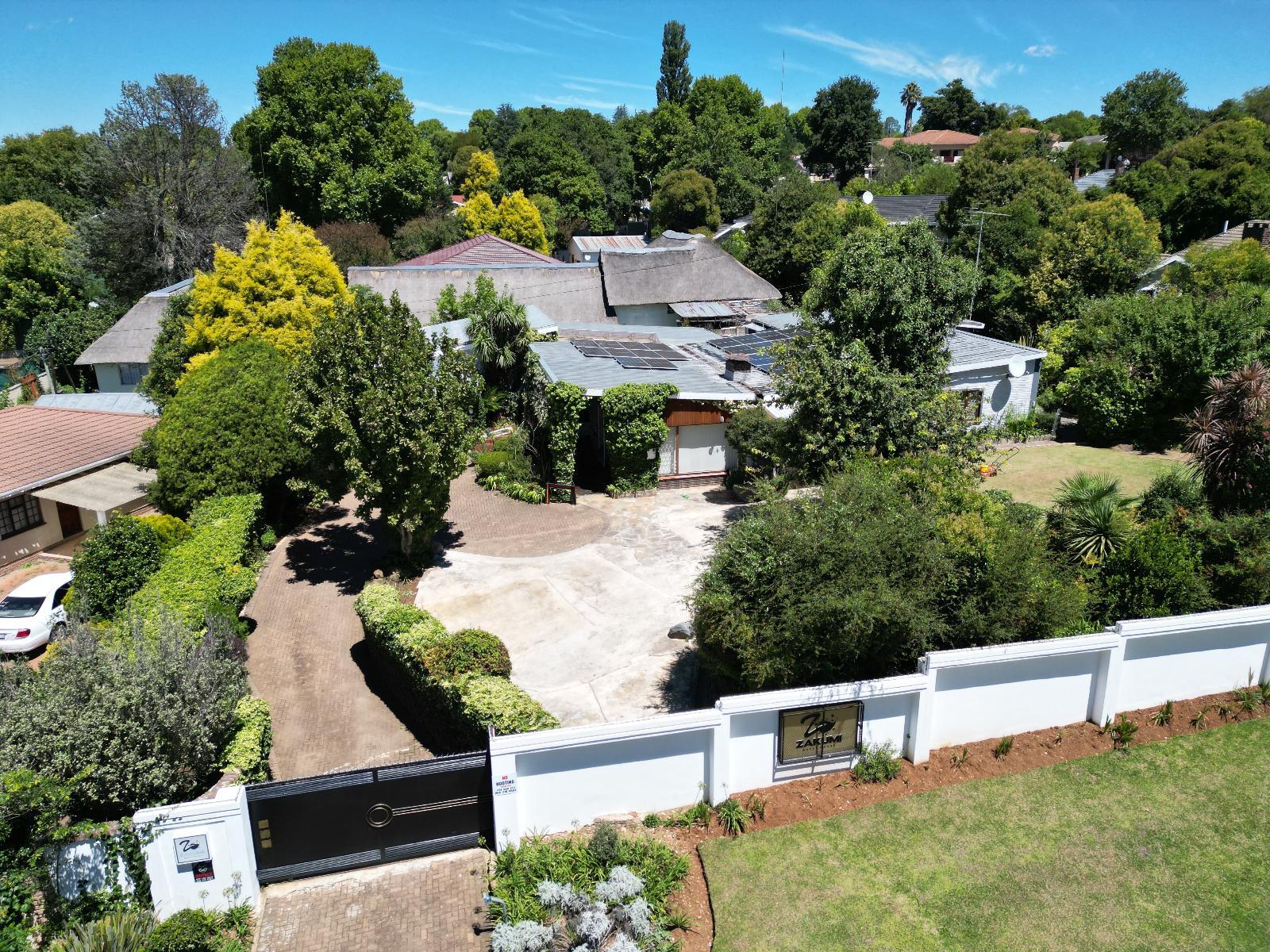
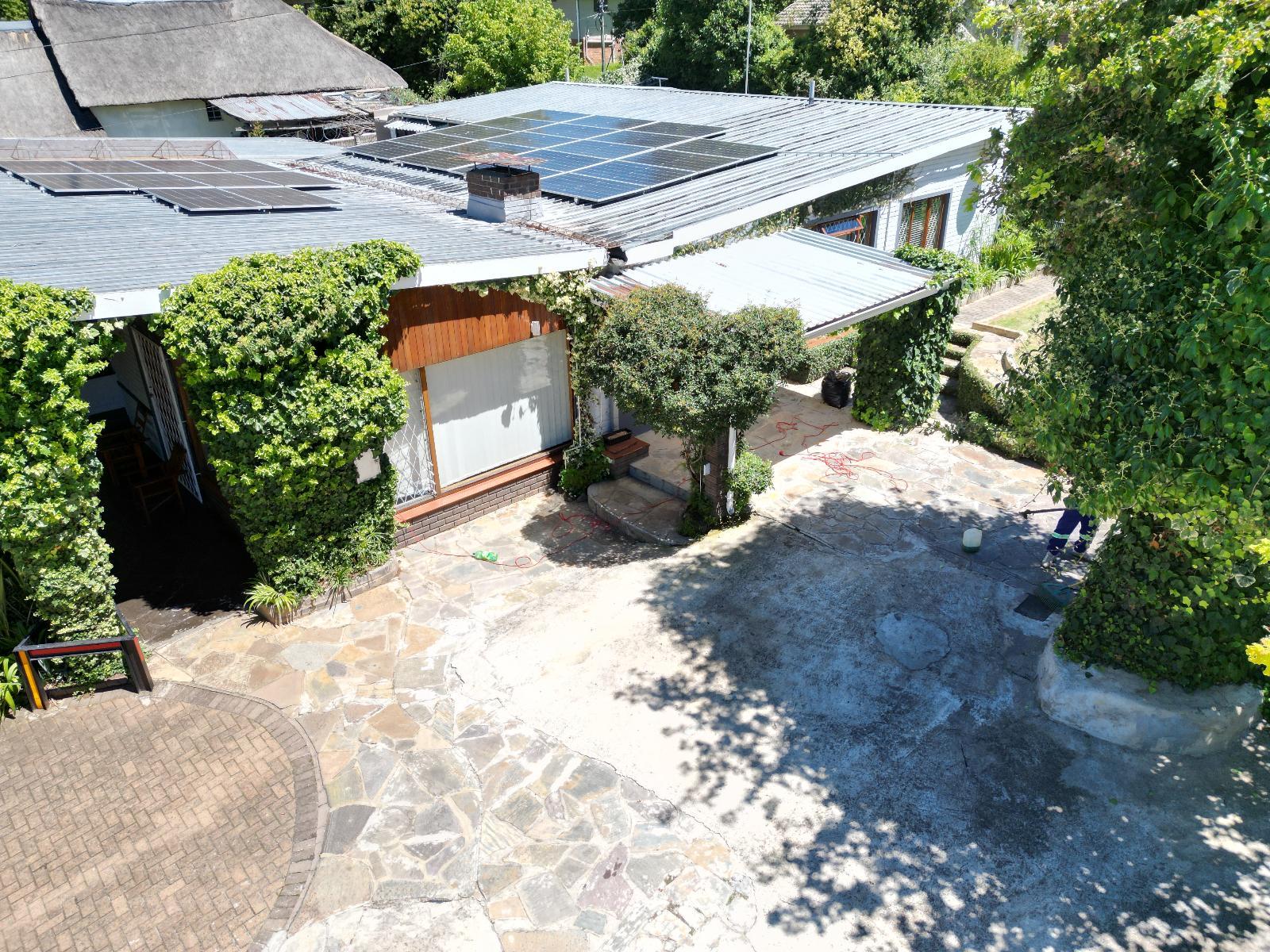
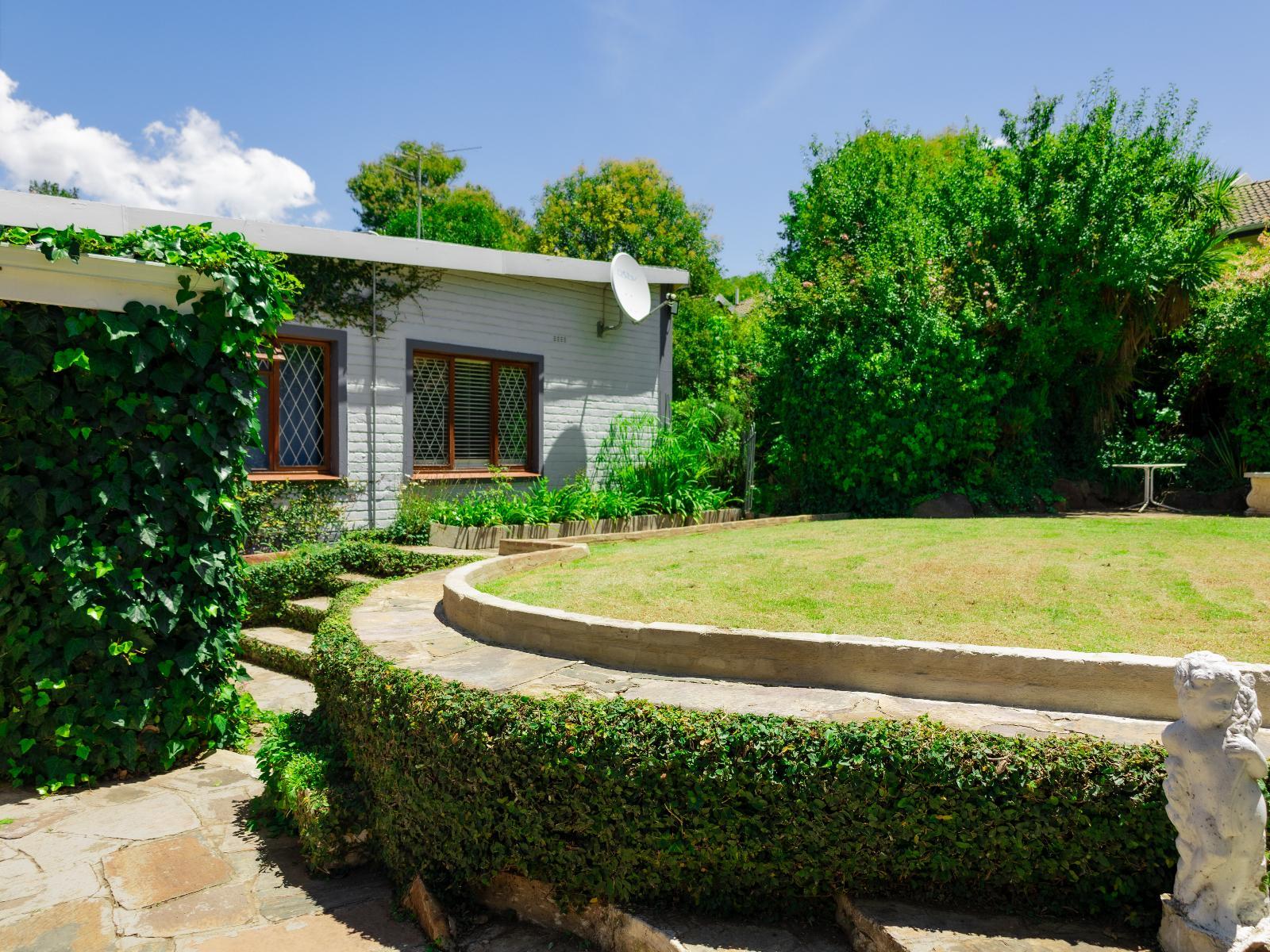
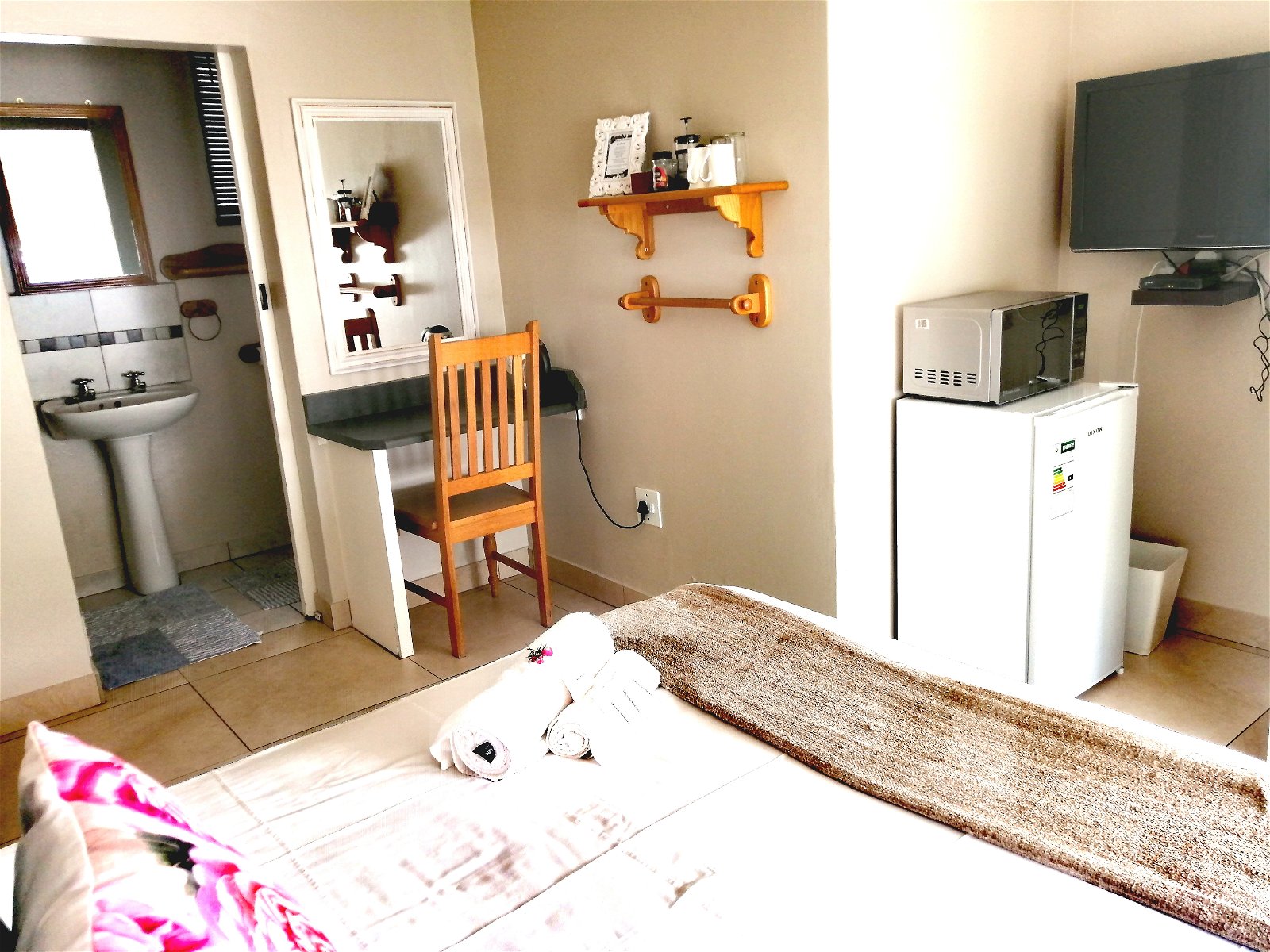
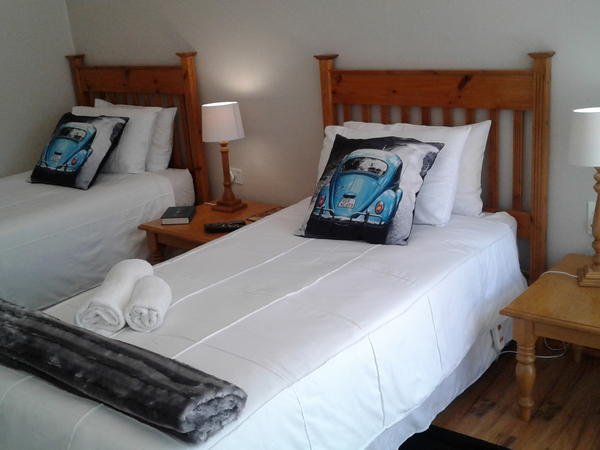
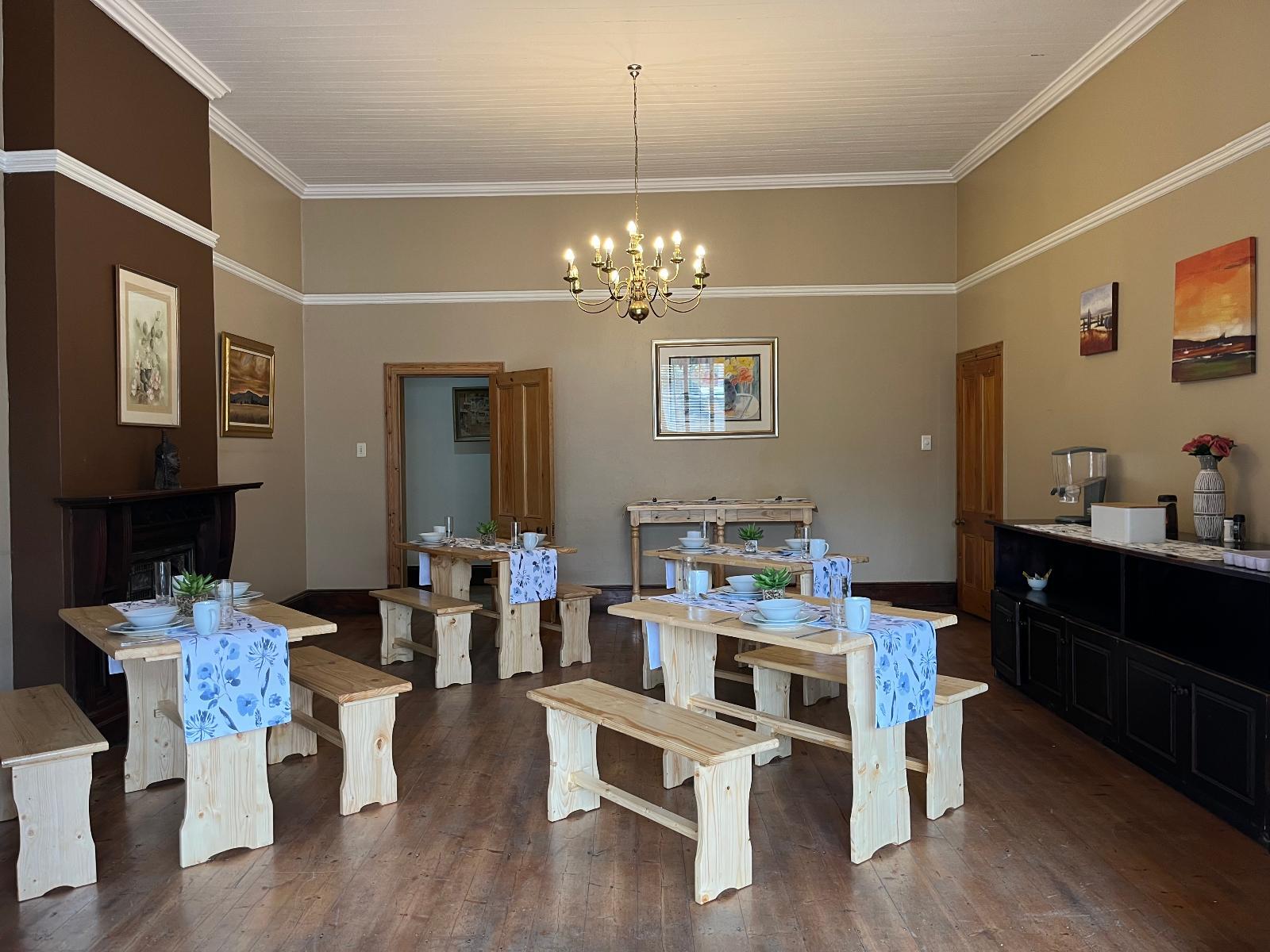
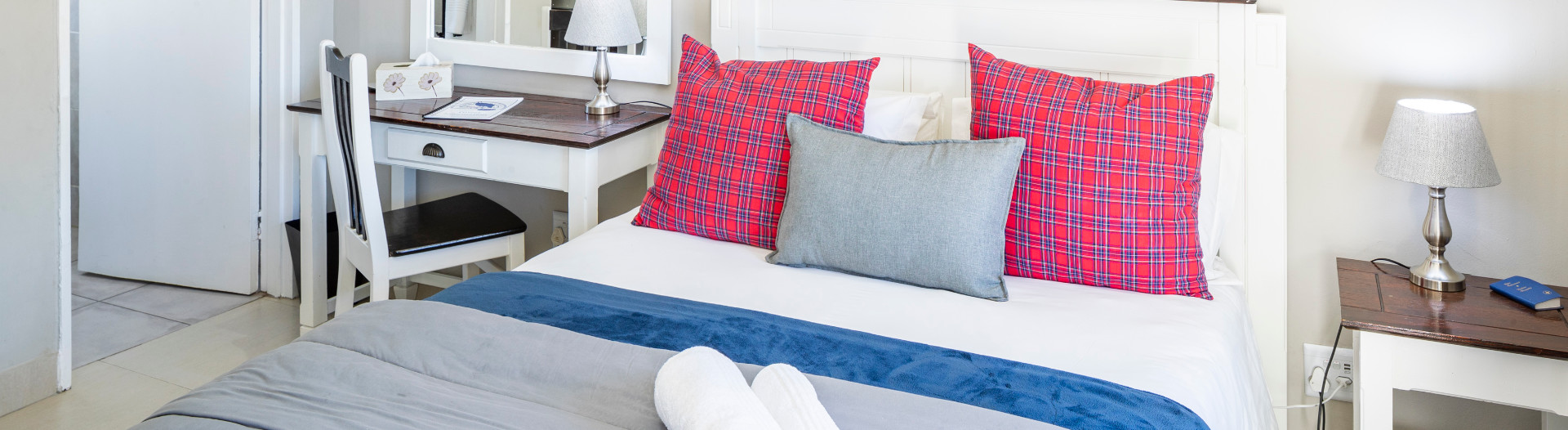
At the lower end, the two guesthouses represent the most accessible entry point. These are typically owner-run properties in quieter streets, where the informal atmosphere and direct access to local knowledge can be genuinely useful. Guesthouse hosts in a town like Kokstad tend to know which roads are passable after heavy rain, where to find the trout dams, and what time the petrol stations close on Sundays. For travellers who need a clean, comfortable base without paying for extras they will not use, this tier works well.
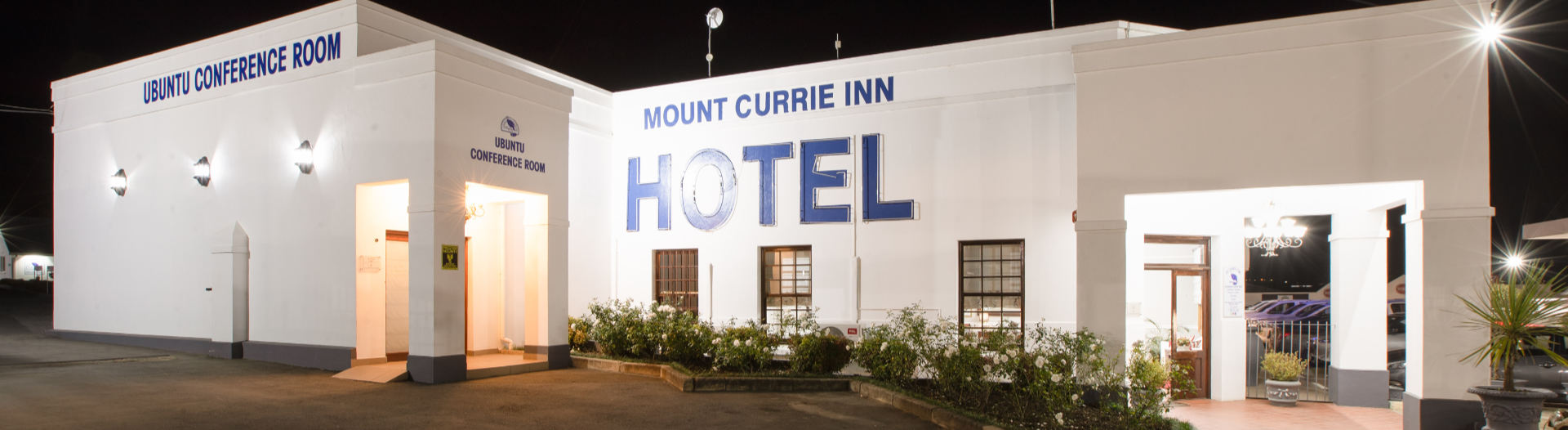
The hotel sits in the middle of the market and operates on a more conventional model. Check-in desks, secure parking, and on-site catering make it a default choice for business visitors or representatives passing through the agricultural corridor. It offers reliability over character, which suits many travellers fine.
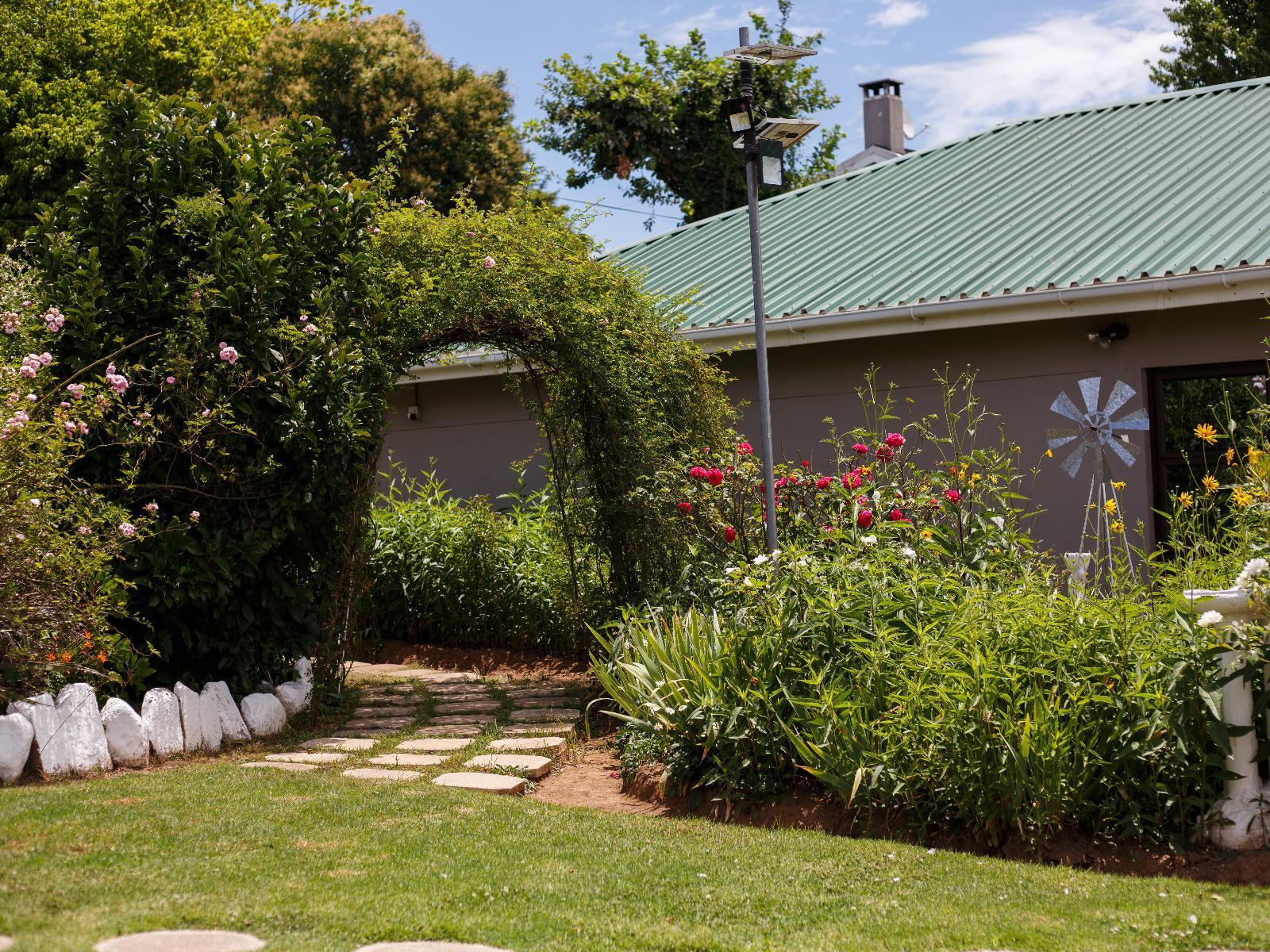
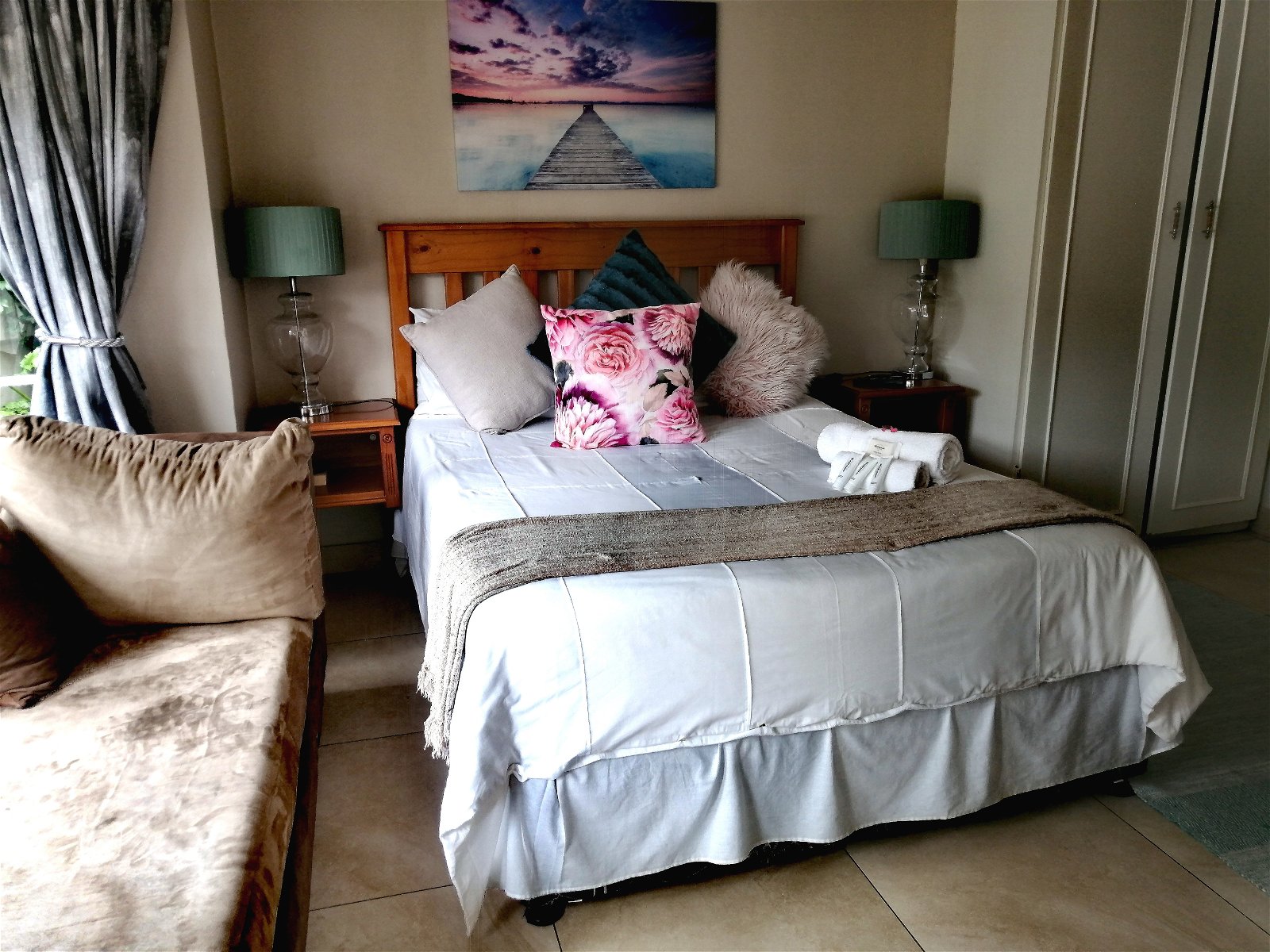
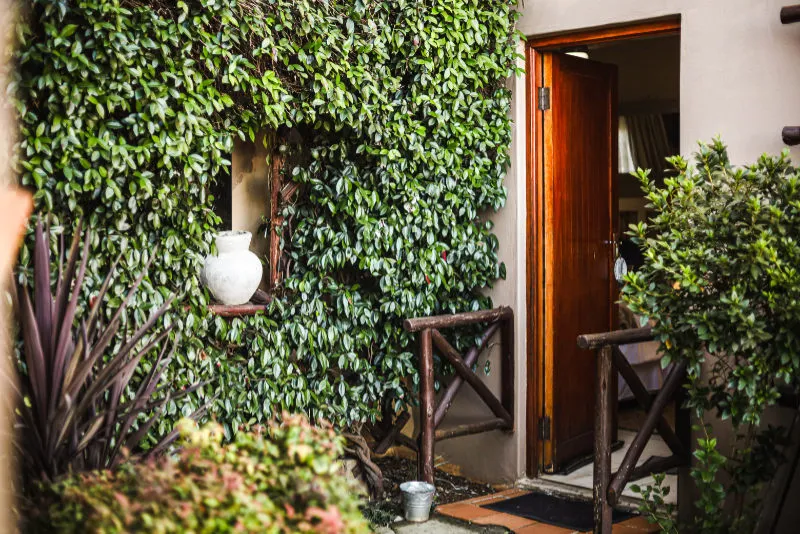
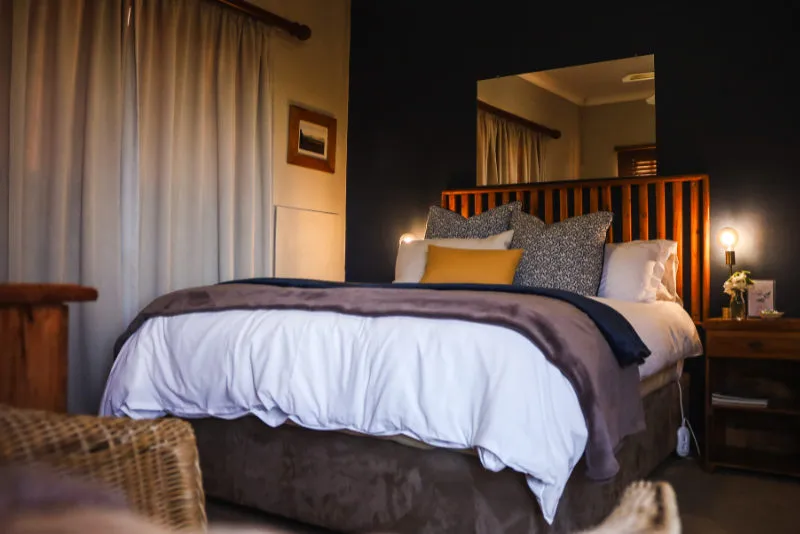
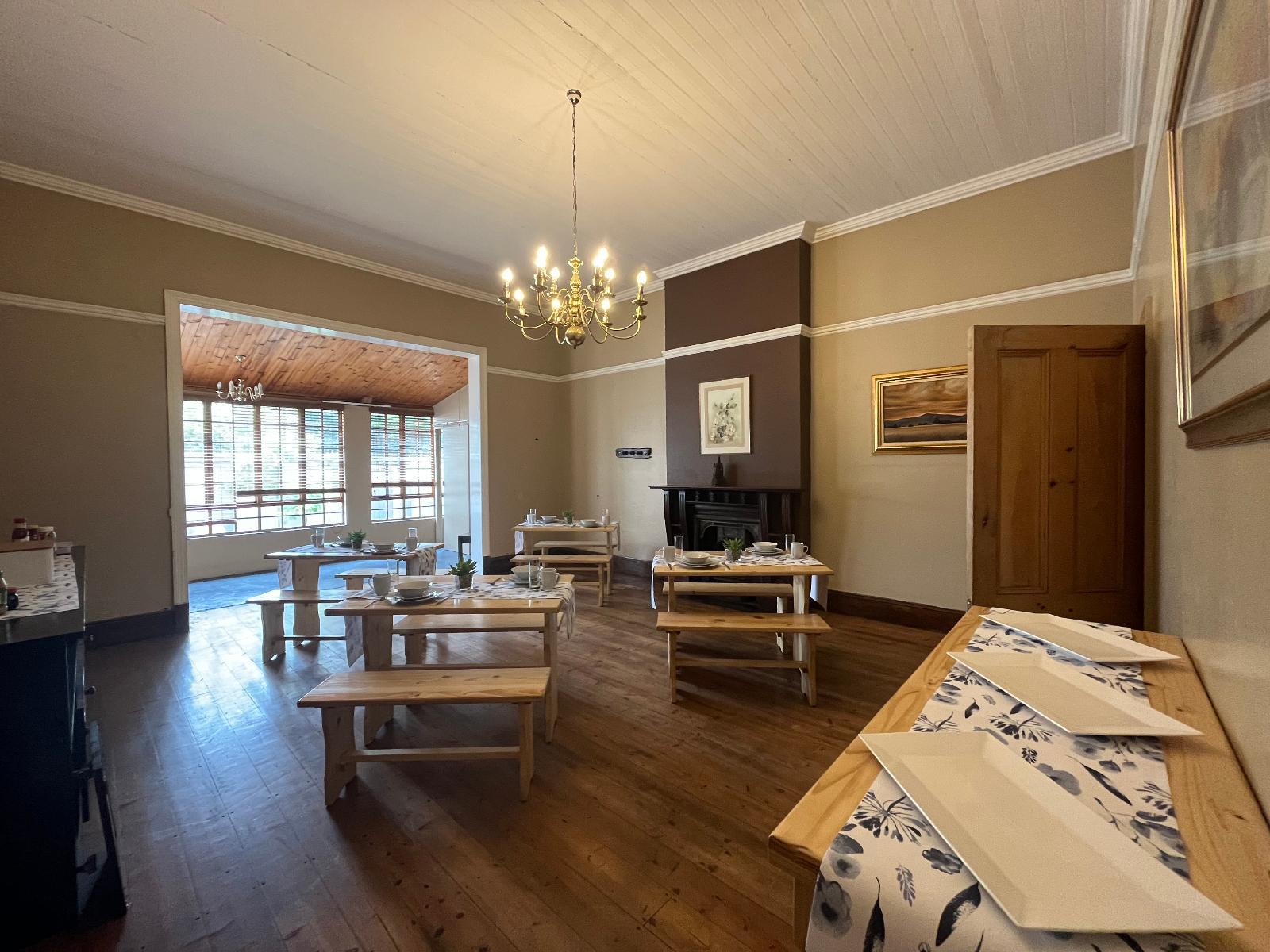
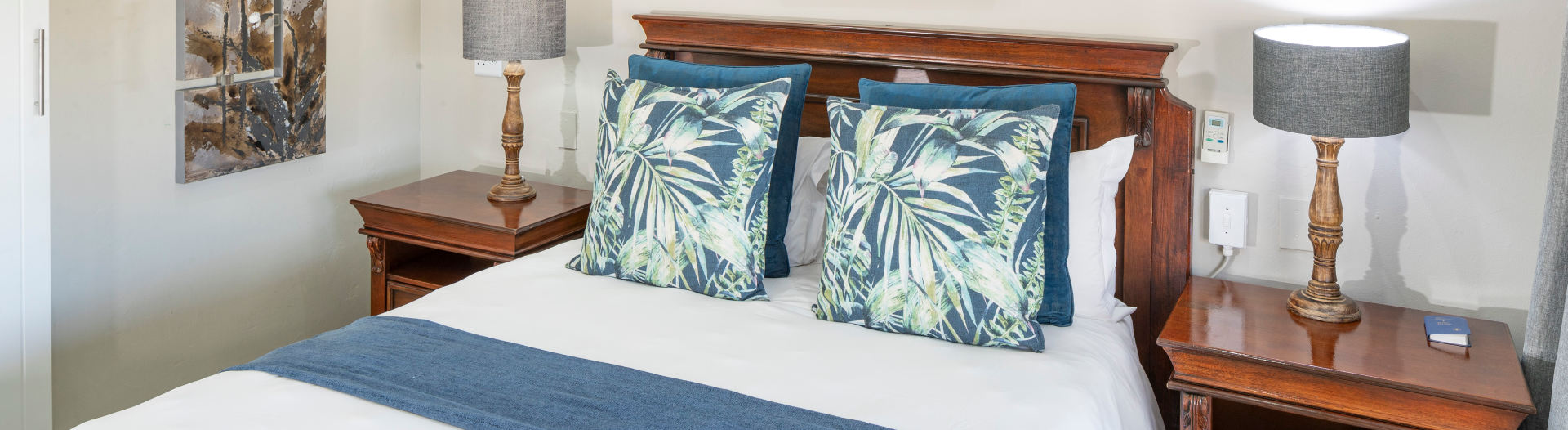
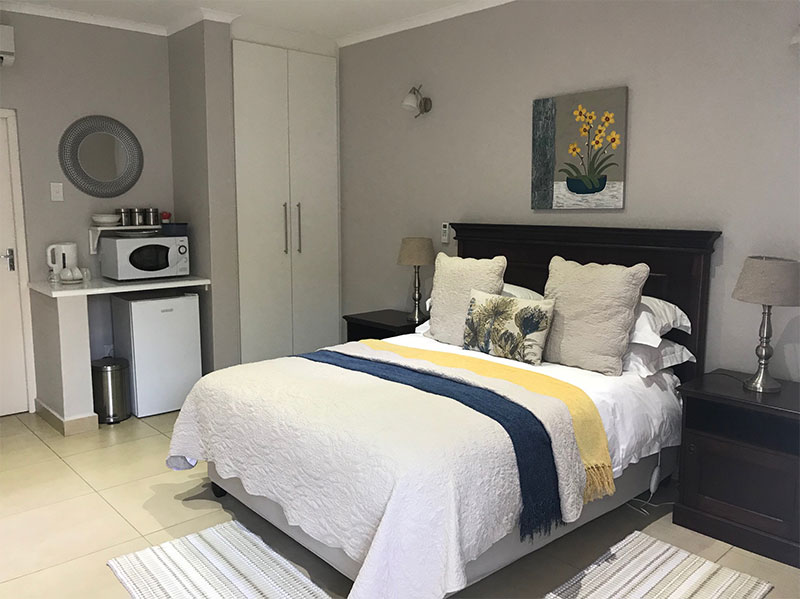
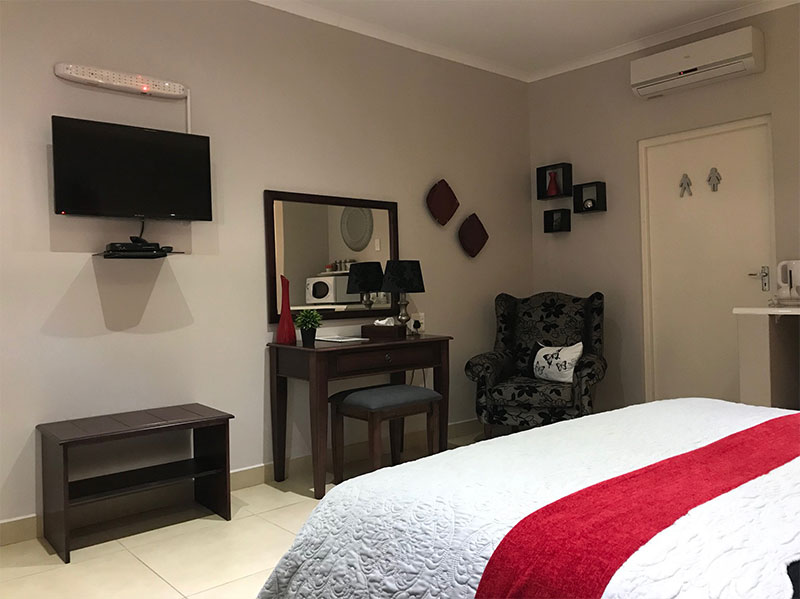
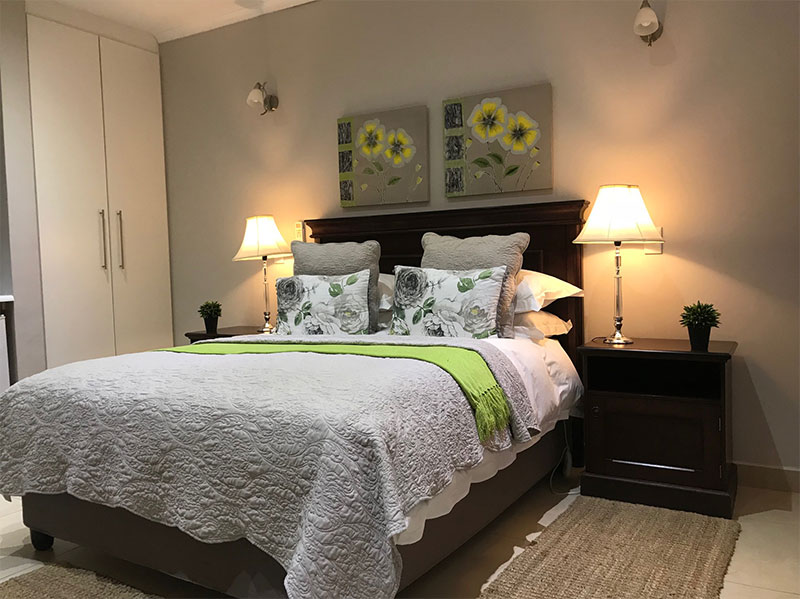
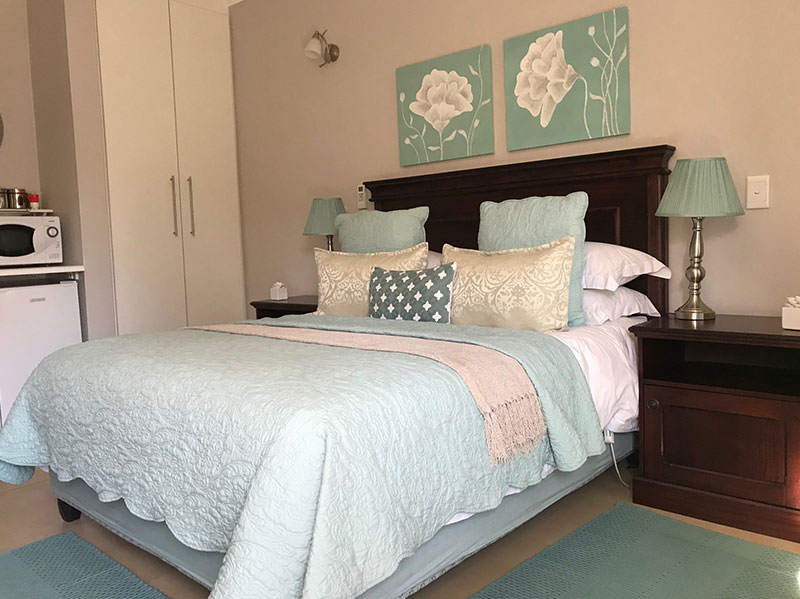
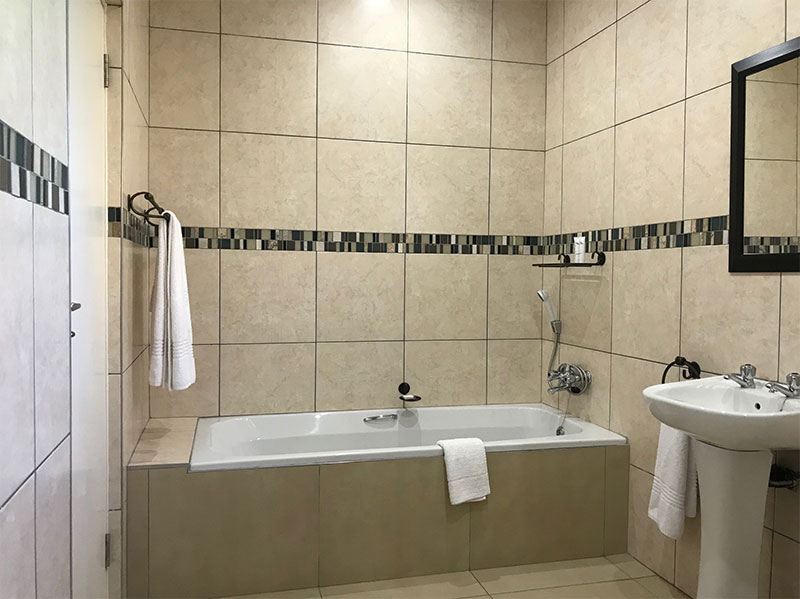
At the upper end, the single bed and breakfast property delivers a notably different experience. The rate reflects personal service, better-appointed rooms, and a cooked breakfast drawing on local dairy and farm produce. In small South African towns, B&Bs often provide more distinctive stays than larger commercial options, and Kokstad's example follows that pattern. Rooms are maintained to a higher standard, and the host-guest dynamic tends to be genuinely attentive rather than transactional. For travellers with time to linger rather than just sleep, this is the most considered choice in town.
With only four properties listed, availability is limited. Demand during agricultural shows, school holidays, or periods of concentrated regional business activity can leave no options at all, so booking ahead is advisable regardless of how far out you are planning.
Best Time to Visit Kokstad
Kokstad sits well above 1,400 metres, and its climate differs sharply from the KwaZulu-Natal coast. Summers are warm but frequently interrupted by afternoon thunderstorms from November through February. Rainfall concentrates in these months, which fills the dams used for trout fishing and keeps the grasslands green, but can make unpaved farm roads difficult after a heavy downpour. Hikers on the Franklin Nature Reserve trails or tackling the ascent of Mount Currie will find the paths more demanding in wet conditions.
Autumn, from March to May, offers the most stable conditions of the year. Days remain mild, rainfall drops noticeably, and the surrounding grasslands take on golden tones as the high-altitude grasses dry out. This window suits hiking and extended outdoor activity.
Winter brings cold nights and the possibility of frost or ground ice from June through August. The misty mornings common year-round are most persistent in this season, but clear winter days can be pleasant in the sun provided you dress for the elevation. Trout anglers often favour this period, as cooler water temperatures suit the fish better than the warmer summer conditions.
Spring, from September to October, is mild and transitional. Wildflowers appear across the grasslands before the summer rains return, and the countryside looks varied without the heavy storm activity of high summer. It is a reasonable time to visit if you want stable weather without the congestion that builds through December.
Getting to Kokstad
The most practical approach by air is King Shaka International Airport in Durban, approximately 230 kilometres to the northeast. From there, the drive south on the N2 takes roughly two and a half to three hours. The N2 passes directly through Kokstad and the route is well signposted, though the hilly sections through southern KwaZulu-Natal warrant careful driving in wet weather or after dark.
Travellers arriving from the KwaZulu-Natal South Coast can reach Kokstad from Port Shepstone, about 90 kilometres to the east, via the inland route through the coastal foothills. This makes Kokstad a reasonable half-day extension for those on a beach holiday looking to experience the inland plateau. From the Eastern Cape, the N2 connects to Kokstad from the southwest, providing access for those travelling along the Garden Route corridor and making the town a logical overnight break on a long northward journey.
Within the town, the centre is compact. The Kokstad Museum, which documents the history of the Griqua people and the town's founding in 1863, sits among a cluster of shops, restaurants, and fuel stations that are all reachable on foot or by short drive from central accommodation. There is no metered taxi or rideshare service operating reliably at this scale. Minibus taxis run routes to surrounding towns but are not designed around tourist itineraries. Travellers arriving without a vehicle should arrange car hire in Durban before the journey, as options in Kokstad are limited.
Kokstad and Surrounding Areas
Kokstad's position in the southern KwaZulu-Natal interior puts several distinct towns and landscapes within reach, each offering something different from the grassland plateau on which the town sits.
Umzimkulu, 60 kilometres south, sits along the river of the same name. It functions primarily as a service centre for surrounding rural communities and is a practical fuel and supply stop on routes toward the Eastern Cape border. The drive passes through rolling countryside that gives a good sense of how this part of the province looks away from the coast and the main tourist corridors.
Matatiele, 62 kilometres away, crosses into the Eastern Cape and lies at the foot of the Maluti Mountains. The town has a frontier character and acts as a departure point for the mountain ranges along the Lesotho border. Horse trekking is available in the area, and the landscape becomes increasingly dramatic the further south you travel from the town.
Gumzana, 77 kilometres from Kokstad, is a small rural settlement in the border region between KwaZulu-Natal and the Eastern Cape. It suits travellers with an interest in the quieter, less-visited parts of this corridor rather than those seeking developed tourist infrastructure.
Ixopo, 78 kilometres from Kokstad, carries literary weight: Alan Paton opened "Cry, the Beloved Country" with a description of the road from Ixopo into the hills, and the surrounding countryside still matches that image. A Buddhist retreat outside the town draws visitors looking for a contemplative stop in a quiet rural setting removed from the highway.
Underberg, 84 kilometres northwest, is the most practical gateway to the southern Drakensberg from Kokstad. It provides direct access to Sani Pass, the mountain road crossing into Lesotho, and is the starting point for serious hiking in the southern Berg. Day trips from Kokstad are feasible, though an overnight stay allows for proper exploration of the high ground.
Oribi Gorge Nature Reserve, 85 kilometres from Kokstad in the direction of the South Coast, cuts a dramatic channel through the KwaZulu-Natal midlands. The reserve holds Cape vultures, crowned eagles, and other raptors alongside forest walking trails and a suspension bridge over the gorge floor. The landscape contrasts sharply with the open grasslands around Kokstad and is worth the drive if you are in the area for more than a day or two.
Planning Your Stay
Availability in Kokstad can evaporate quickly. Demand concentrates during South African public holidays, long weekends, and the December to mid-January school break. If your dates fall near any of these periods, book as early as possible. Last-minute searches during busy windows frequently leave travellers with nothing available, and the next nearest accommodation is at least an hour's drive away in any direction.
When comparing properties, check whether breakfast is included in the quoted rate. Some operate on a bed-only basis, which affects the real cost of a stay. Confirm parking arrangements if travelling with a trailer or larger vehicle, as smaller owner-run properties may have limited yard space.
Before confirming, ask about backup power. Load-shedding affects most of South Africa, and card machines in smaller towns can become unreliable during outages. Carry cash as a contingency, particularly if you plan to settle bills in the evening when network issues are more likely.
If day trips to the surrounding rural areas are part of your plan, check road conditions before setting out. Gravel routes toward the Eastern Cape border deteriorate quickly after heavy rain, and some farm tracks are not suitable for standard sedans. This applies especially to routes heading south and west from town.
Mobile signal varies across the region. If connectivity is essential for work, confirm Wi-Fi availability with the property before booking and ask whether there is a backup for the main internet connection. These are standard questions in rural South Africa and hosts will not be surprised by them.