Accommodation in Komani
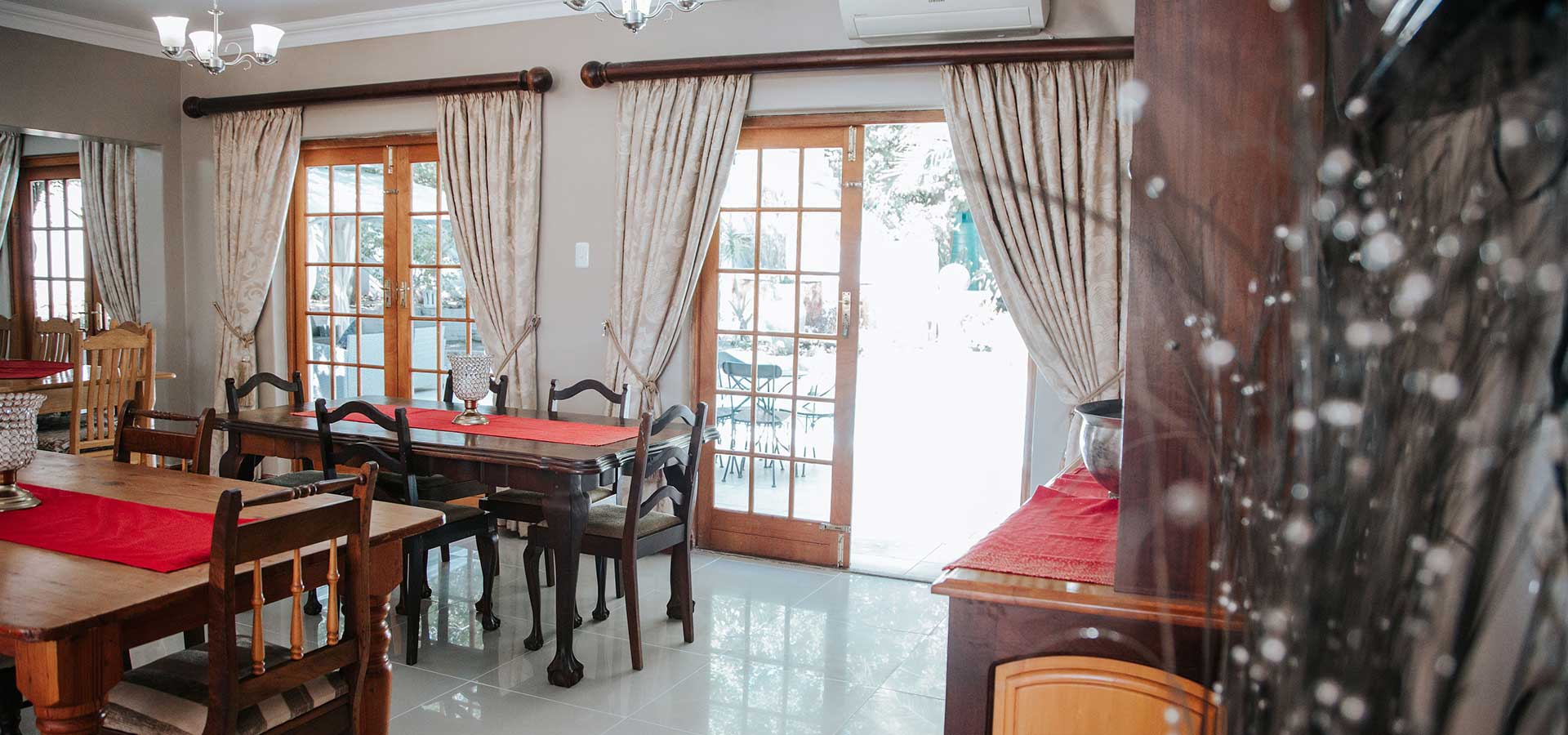
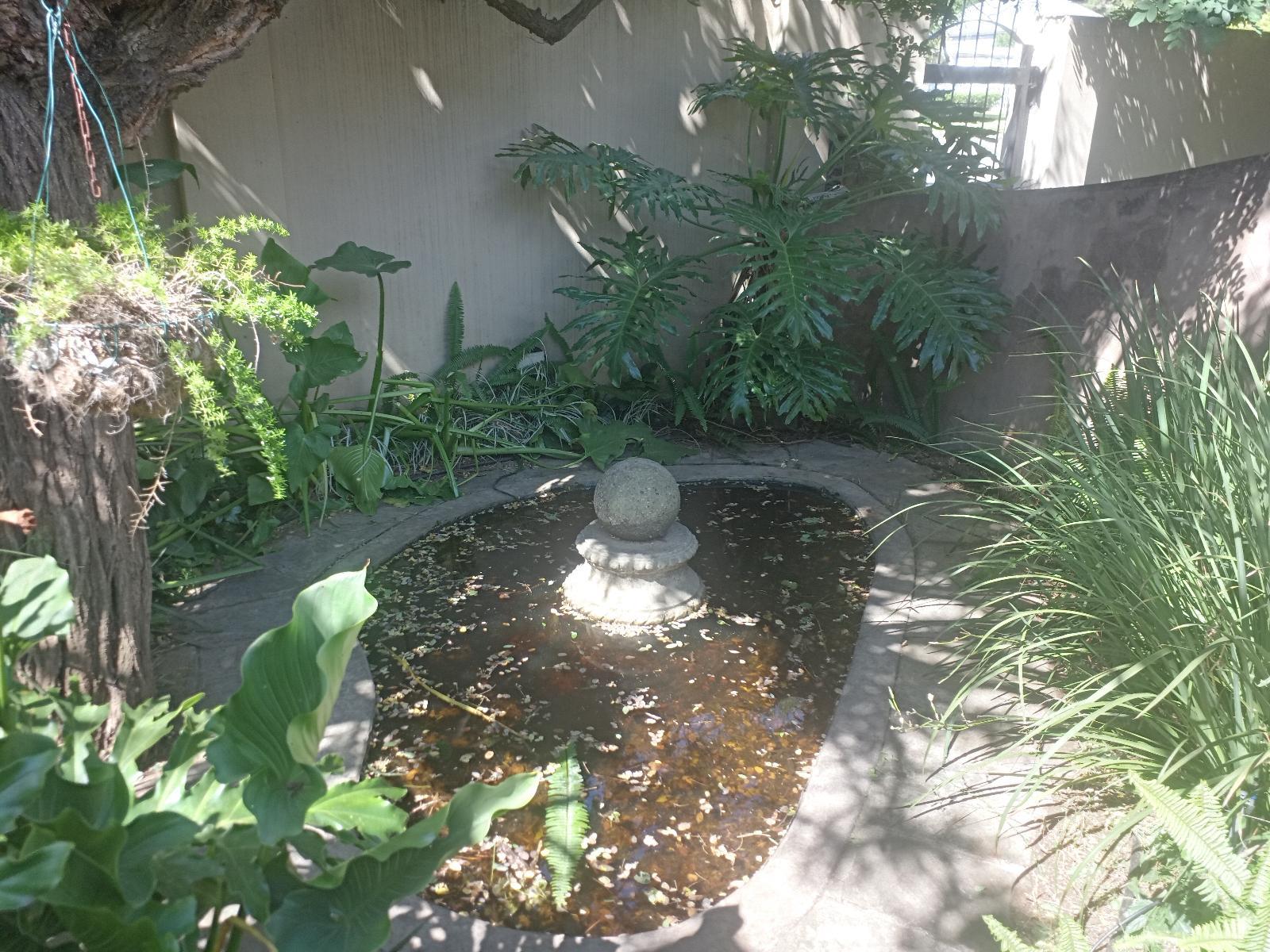
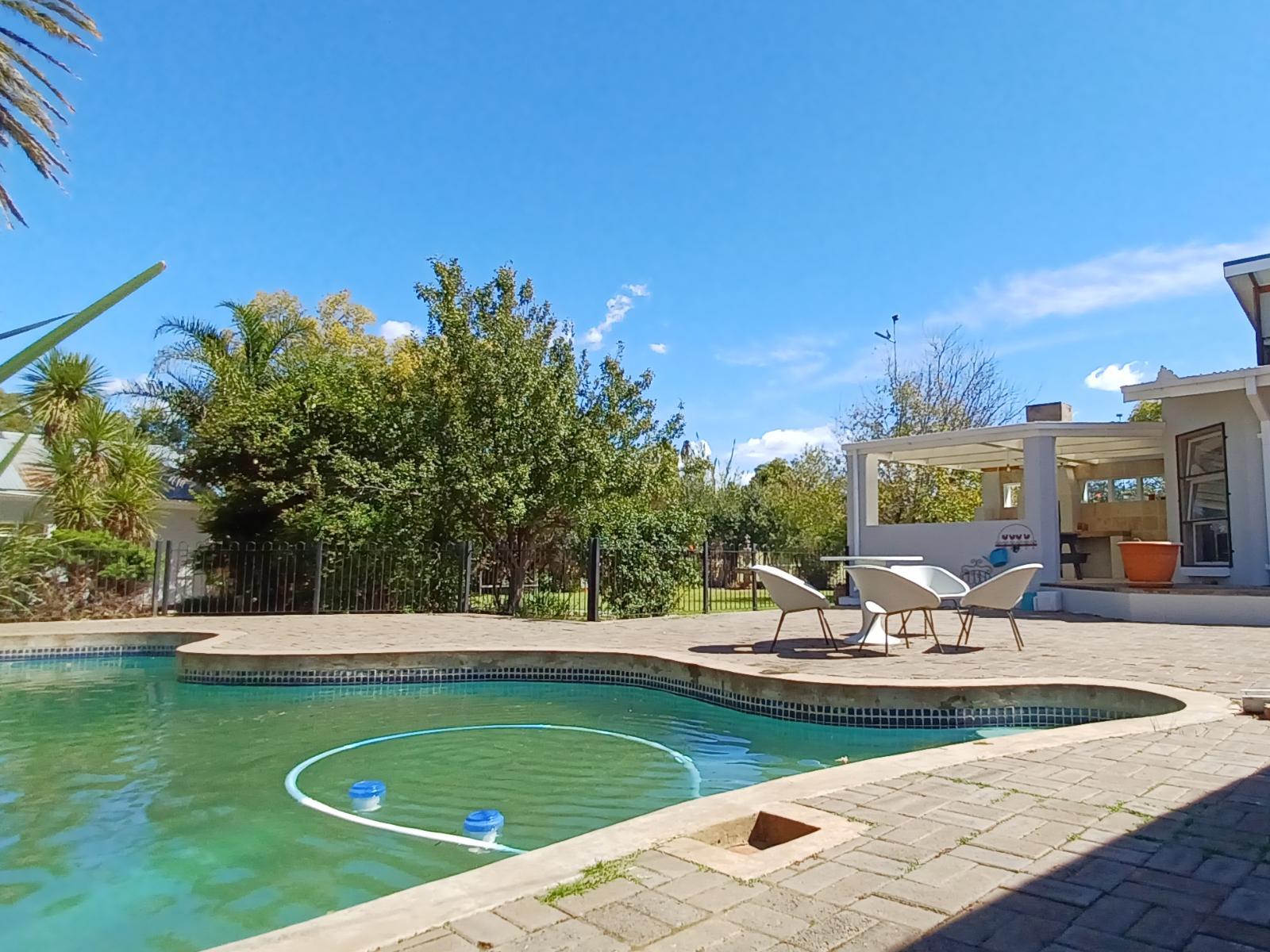
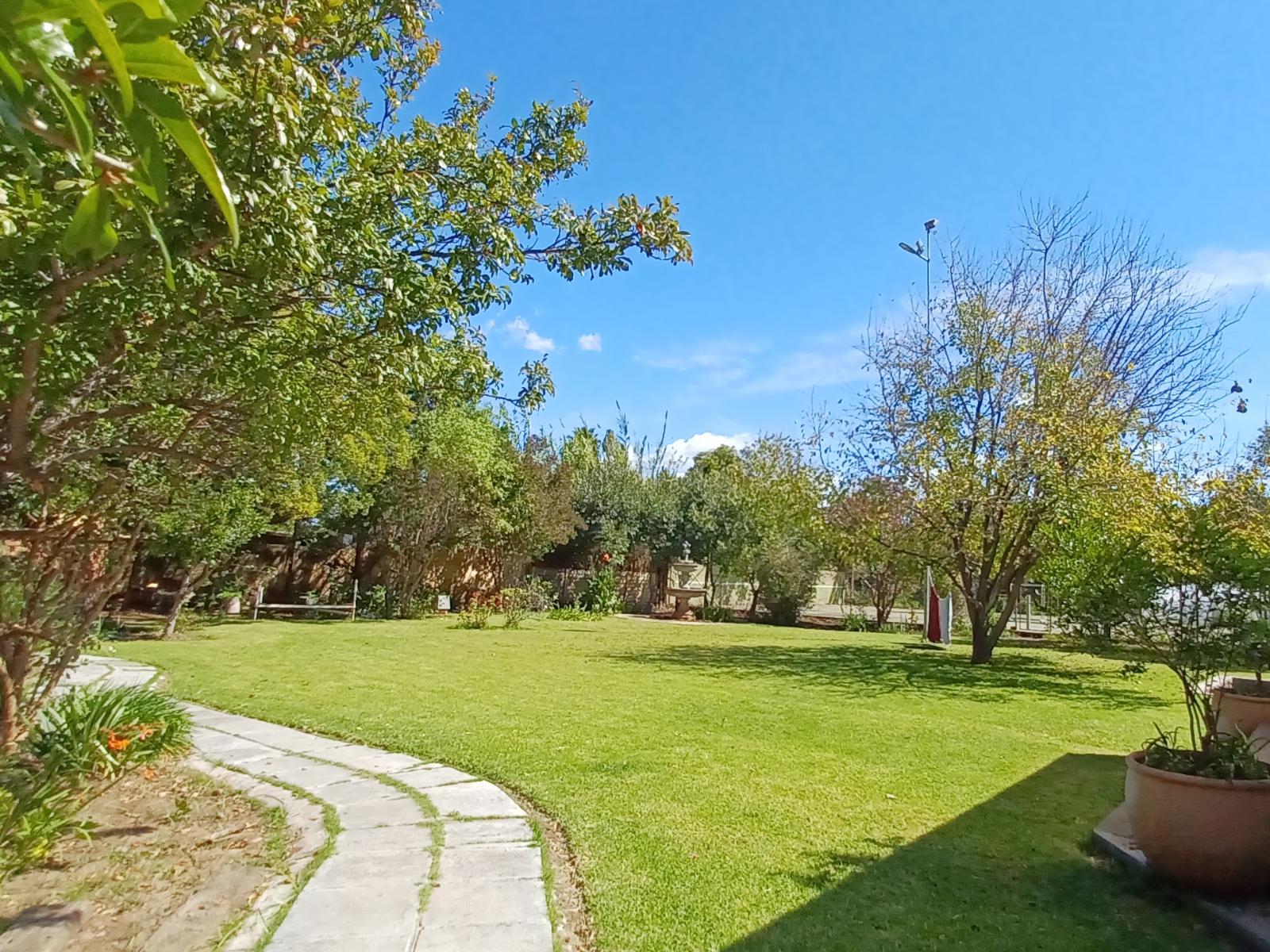
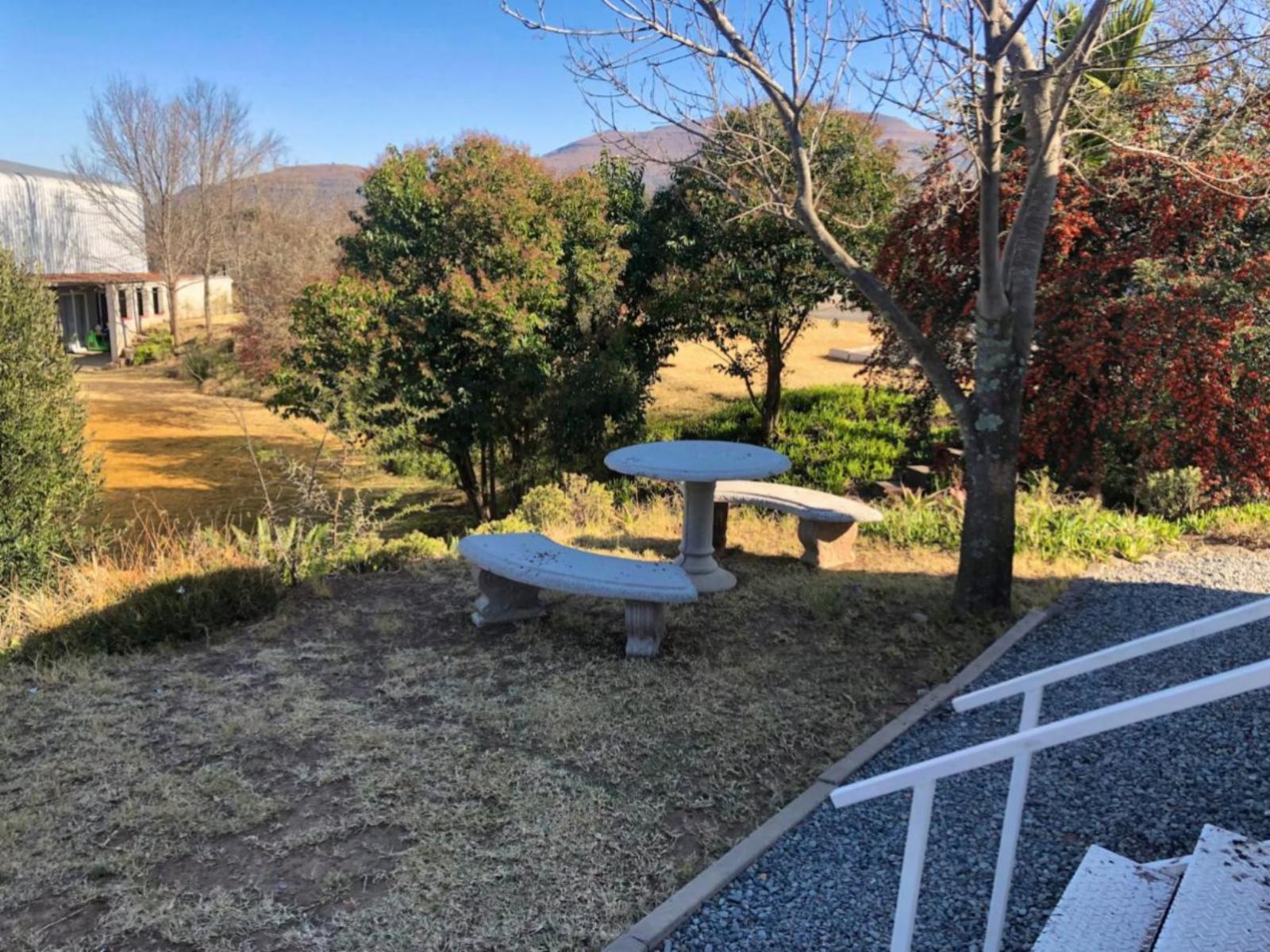
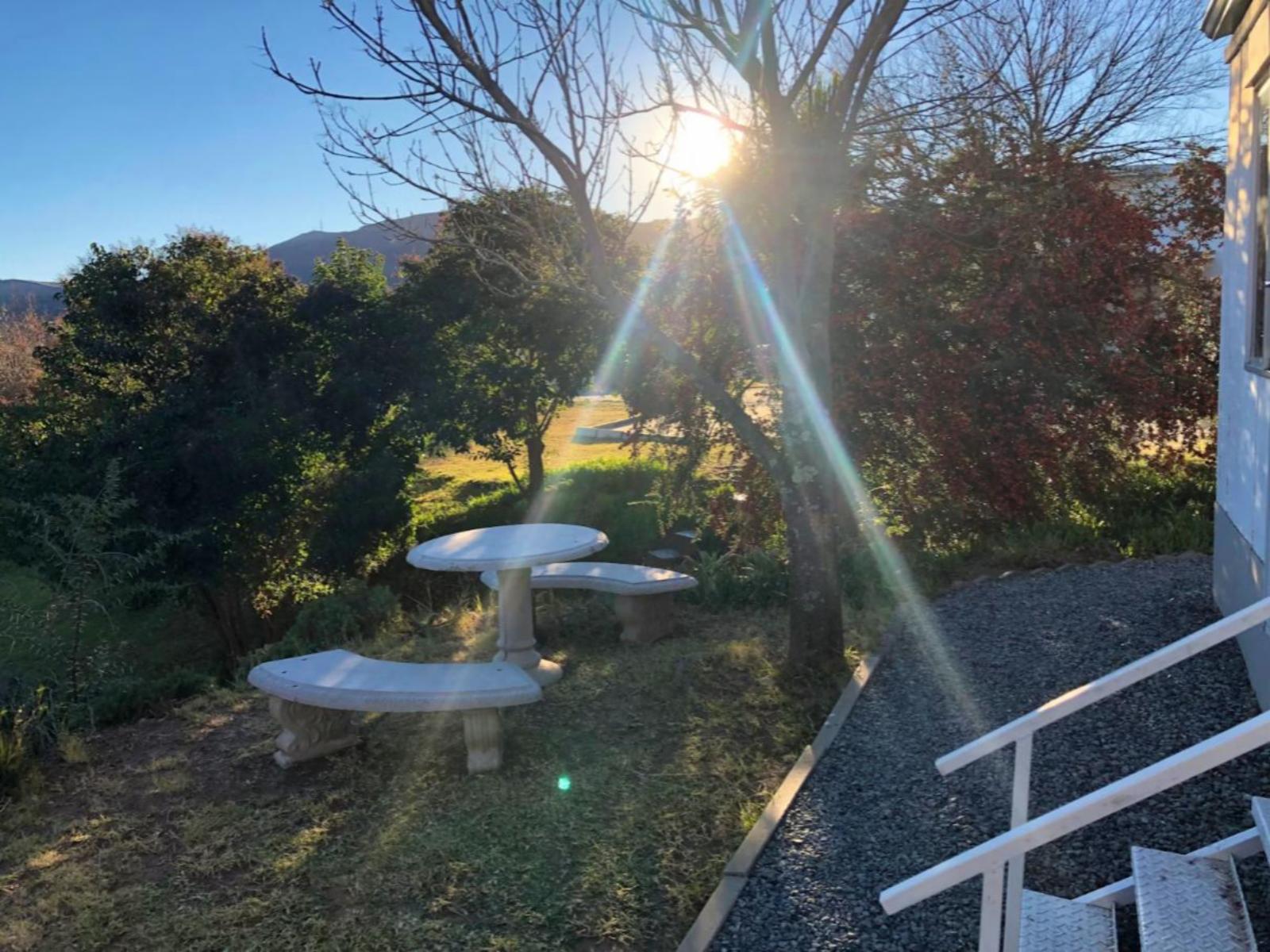
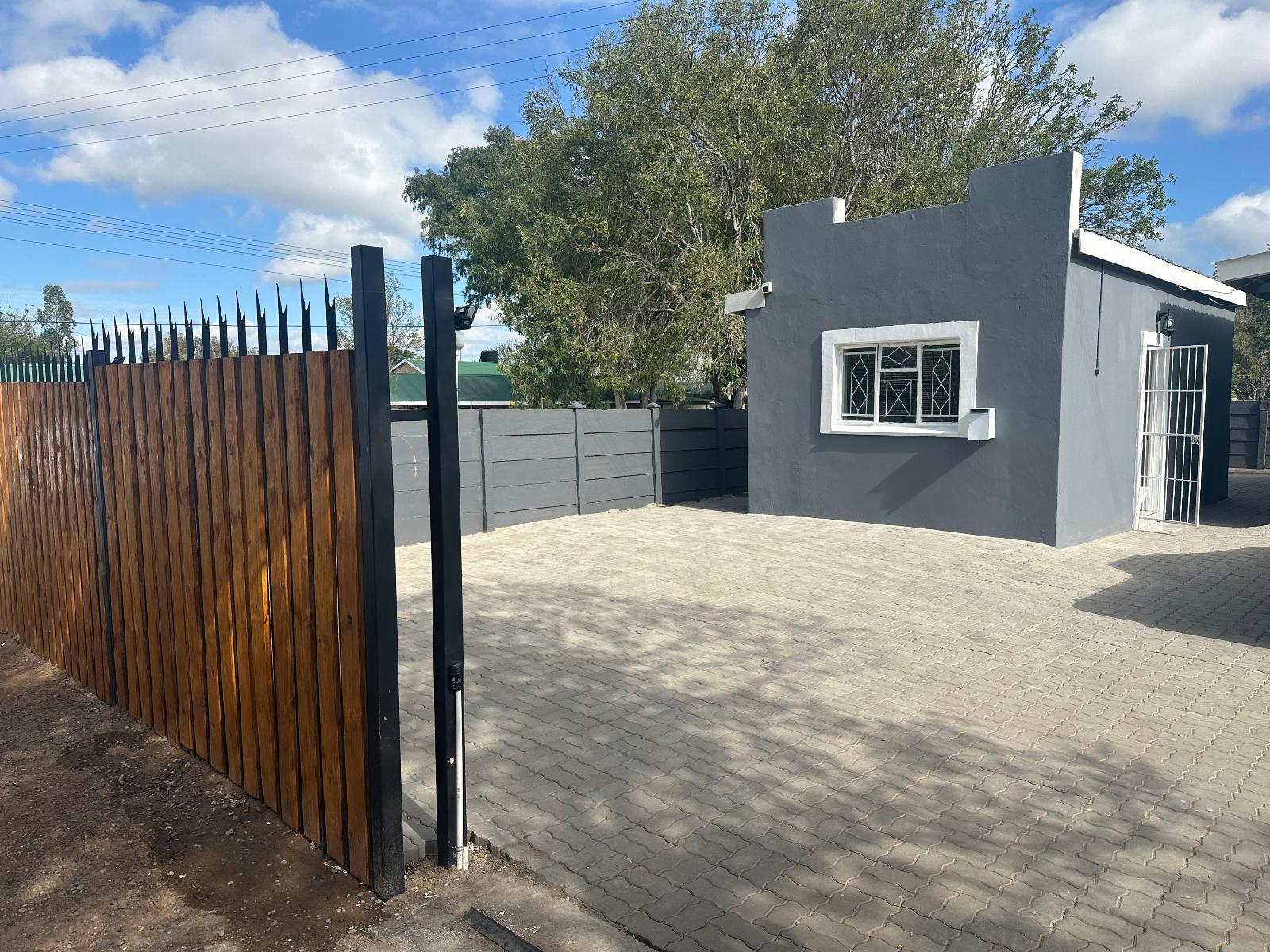
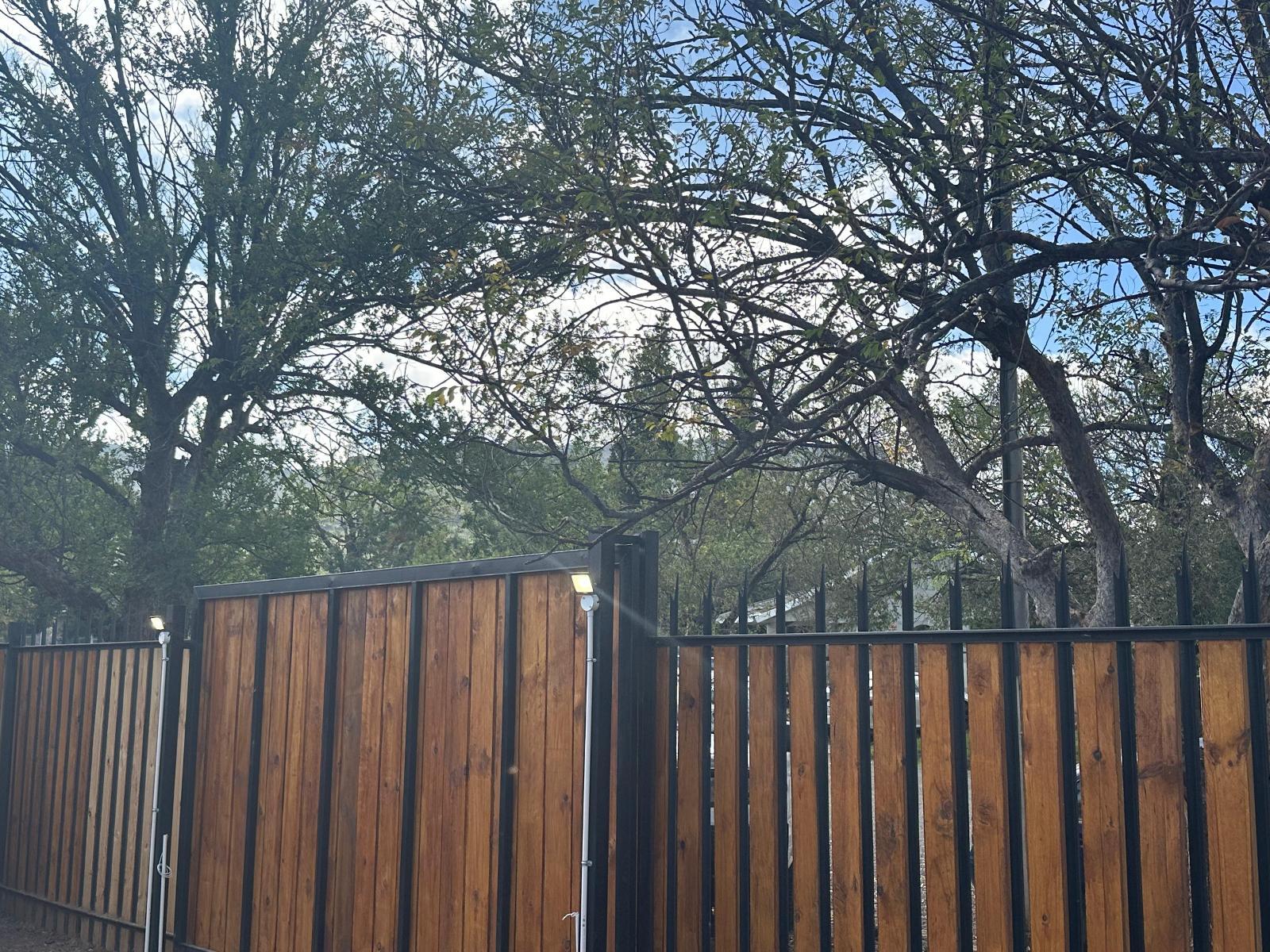
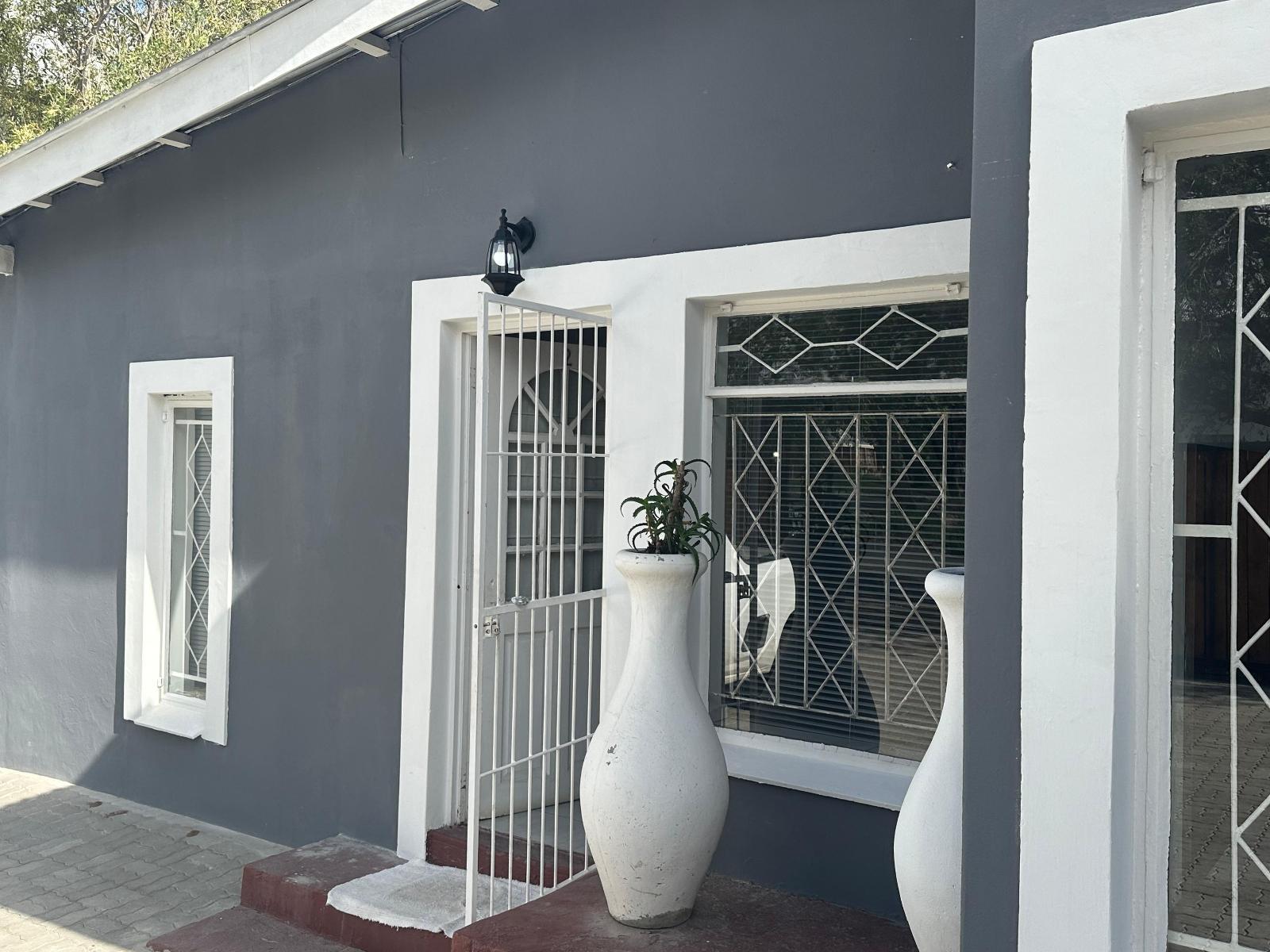
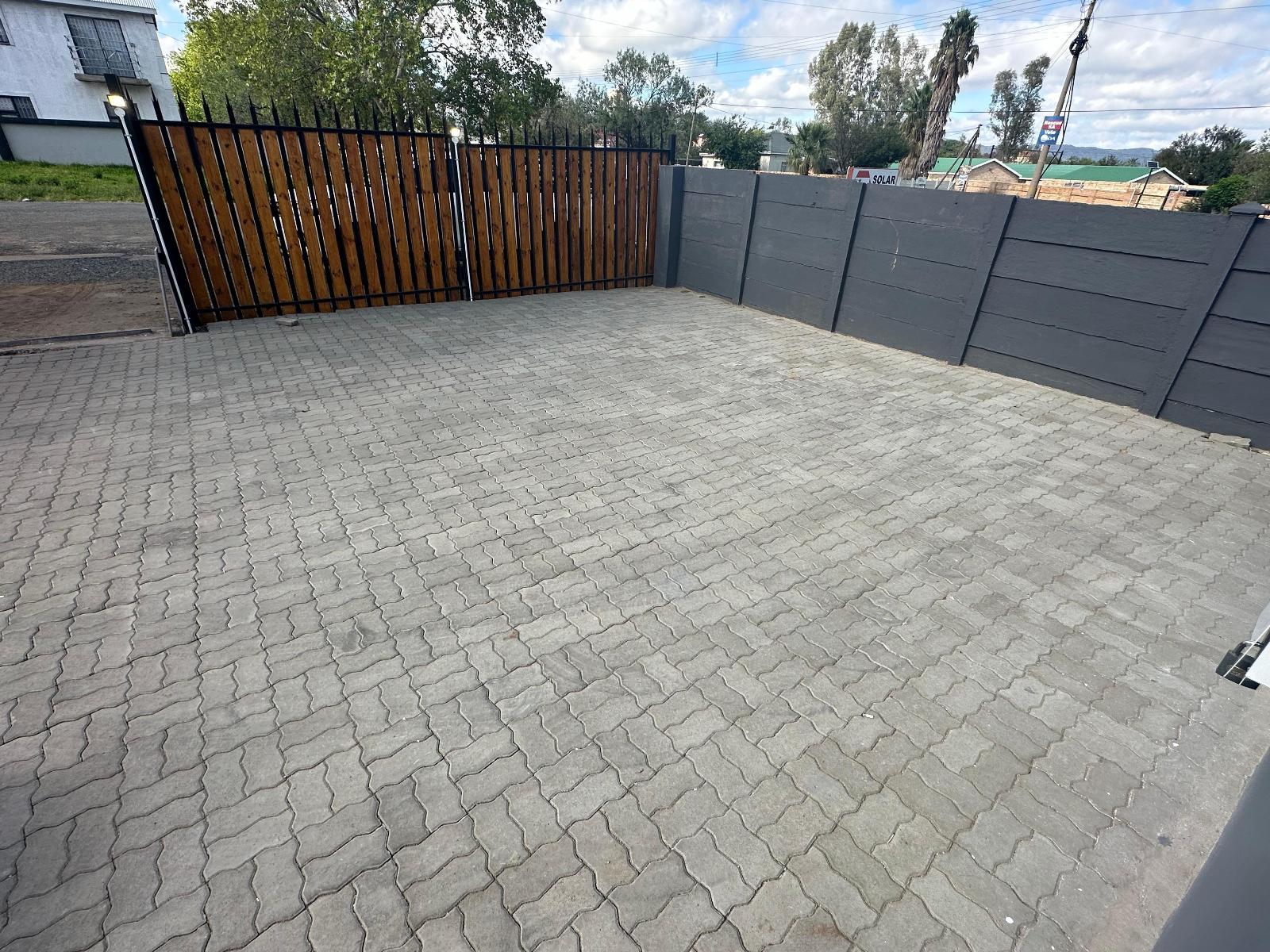
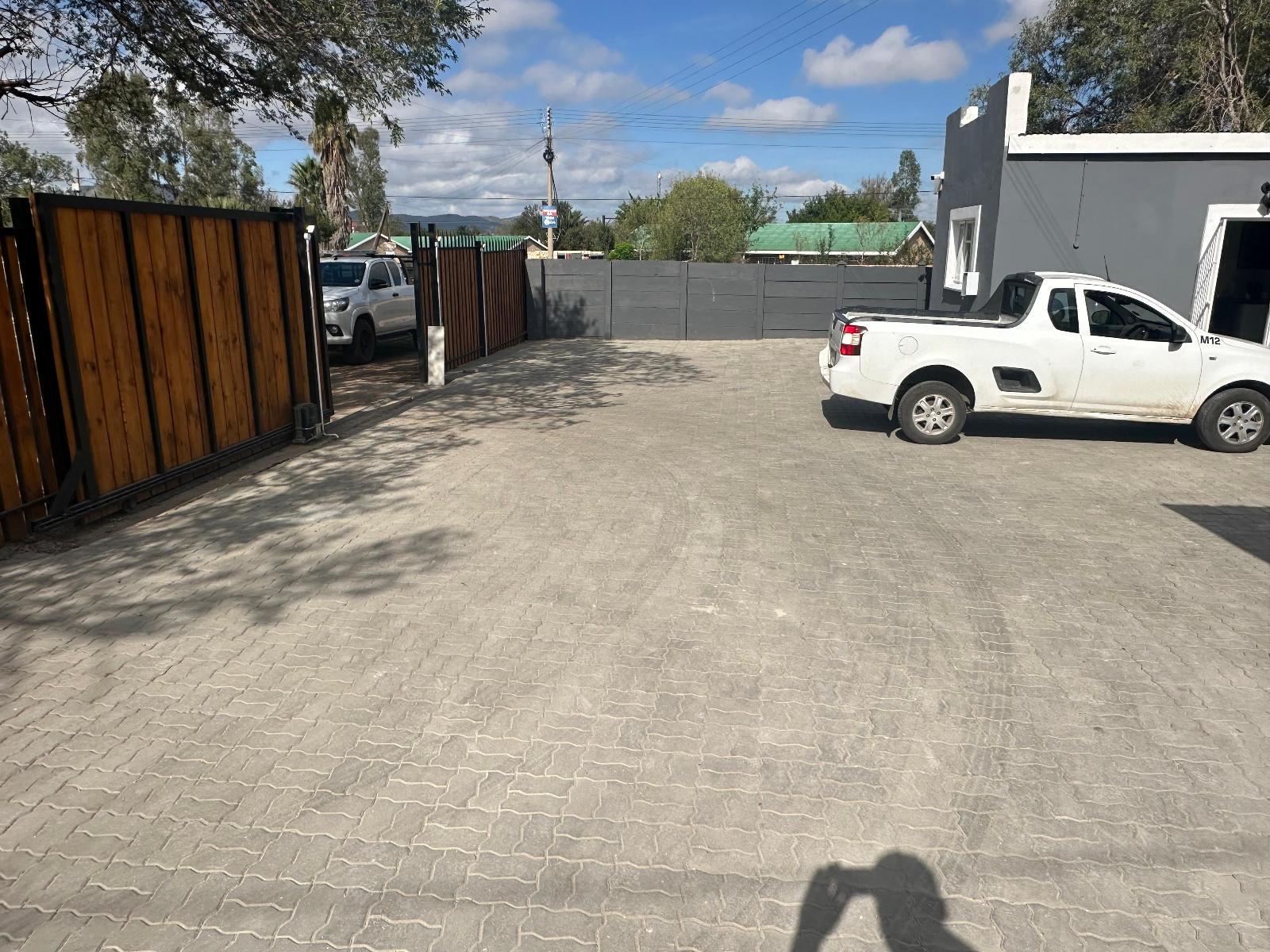
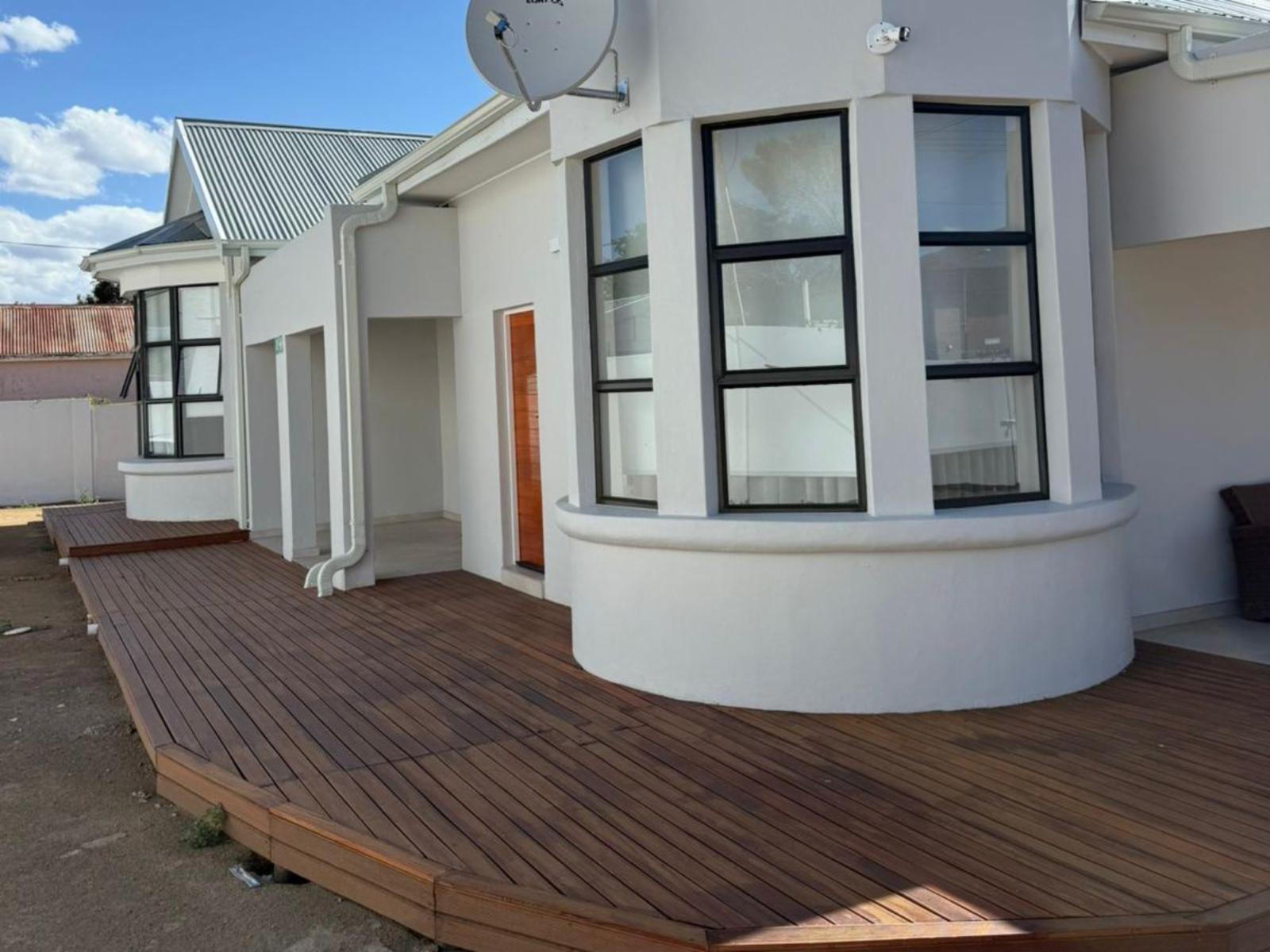
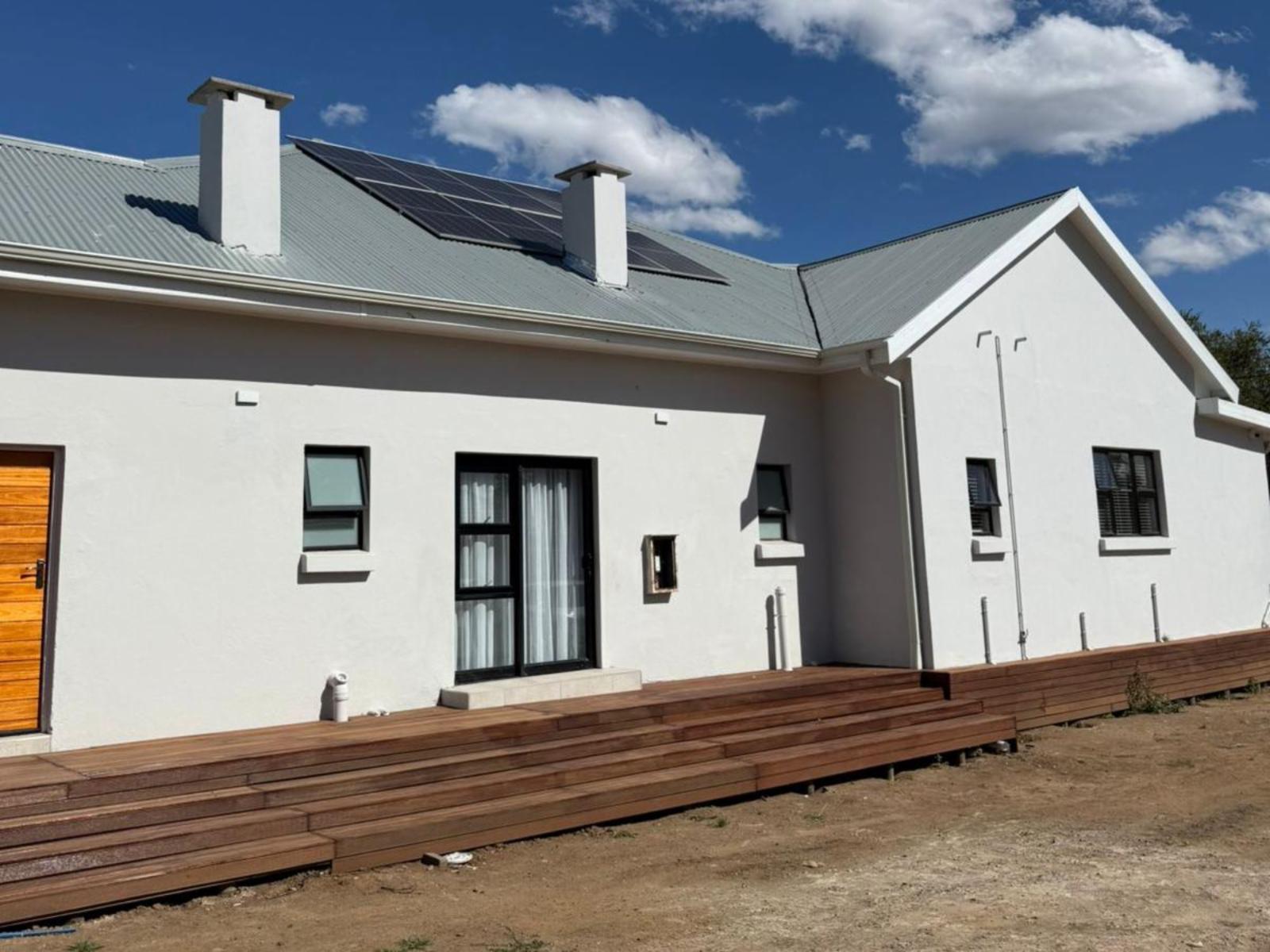
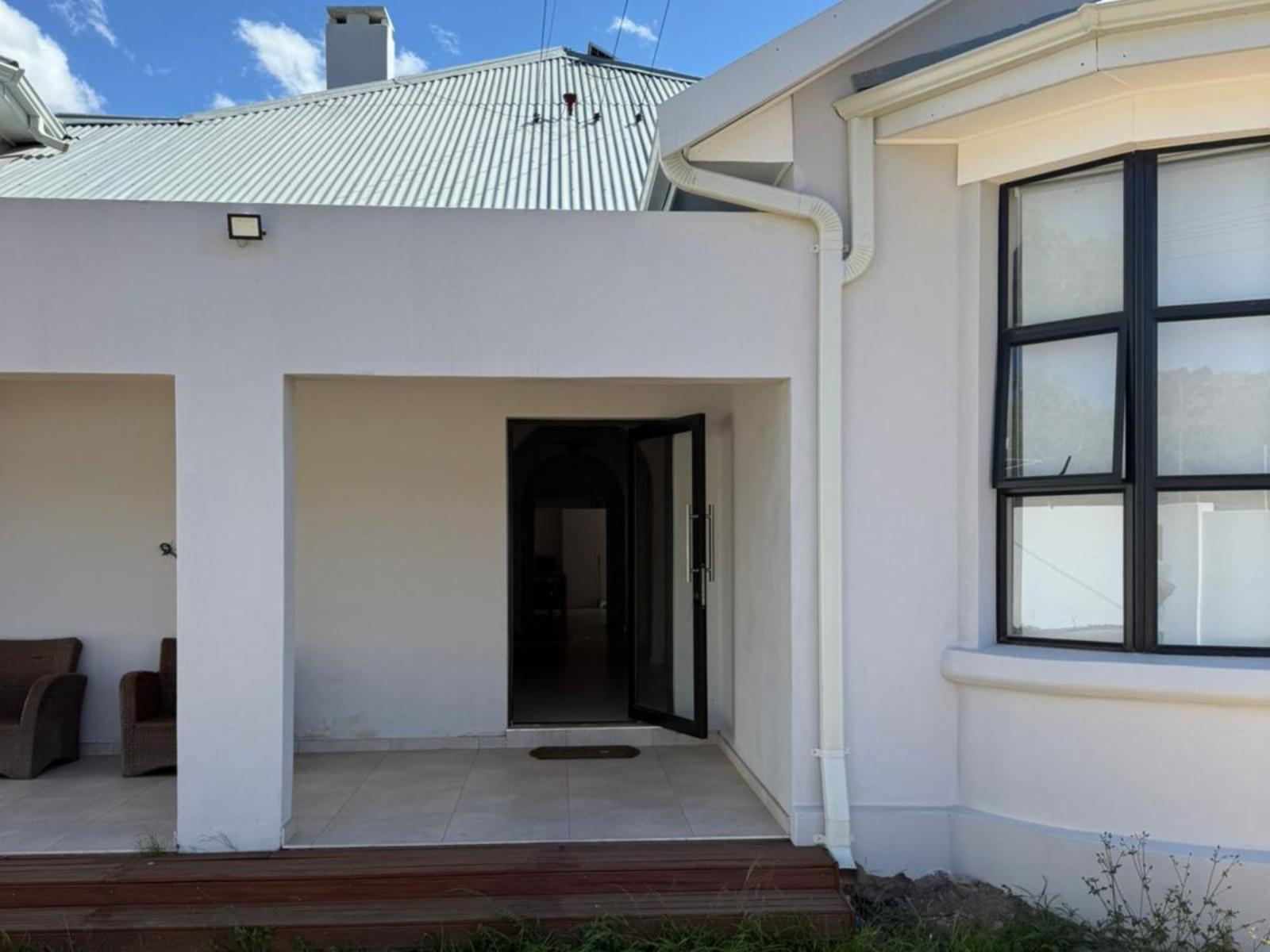
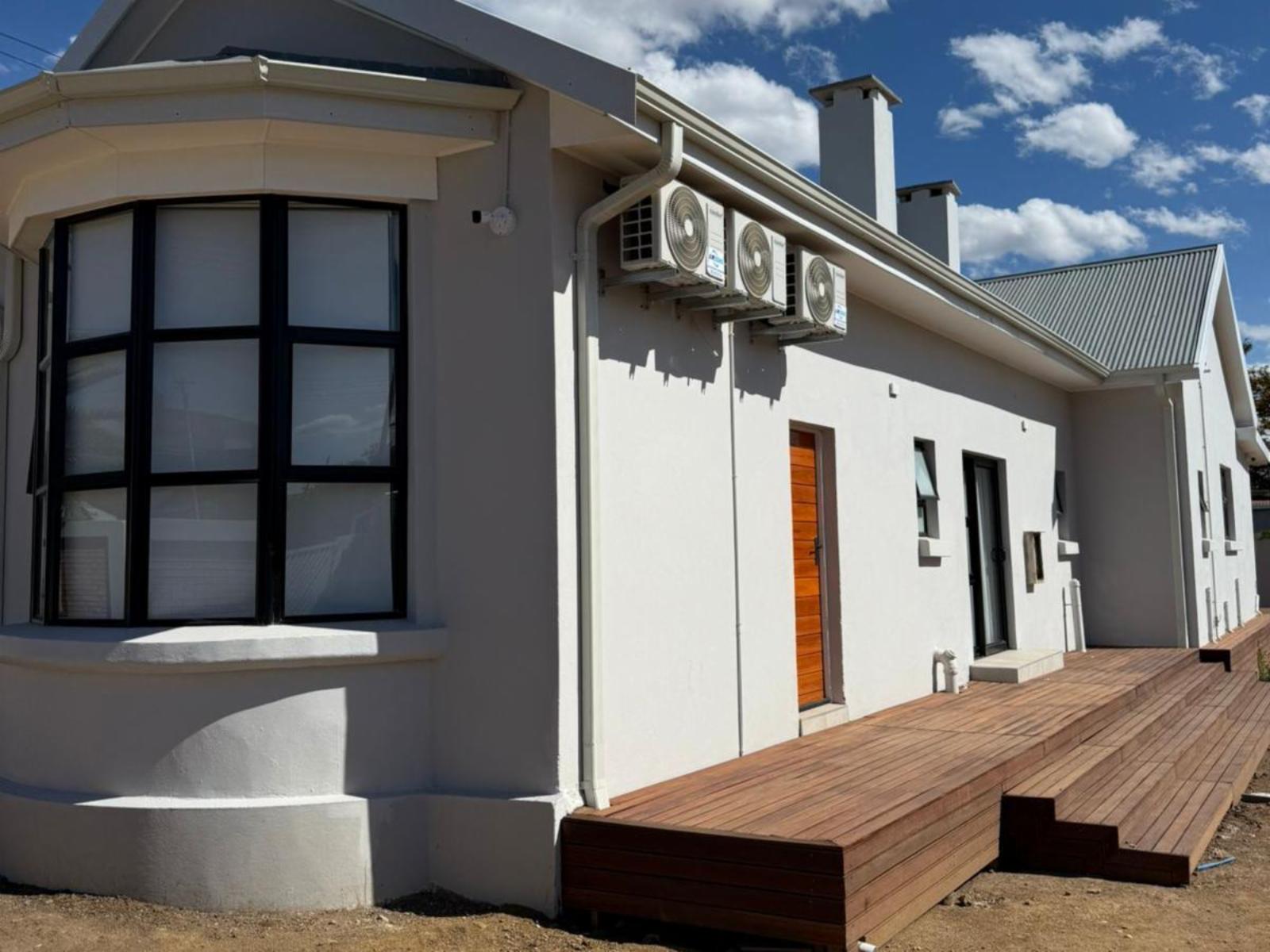
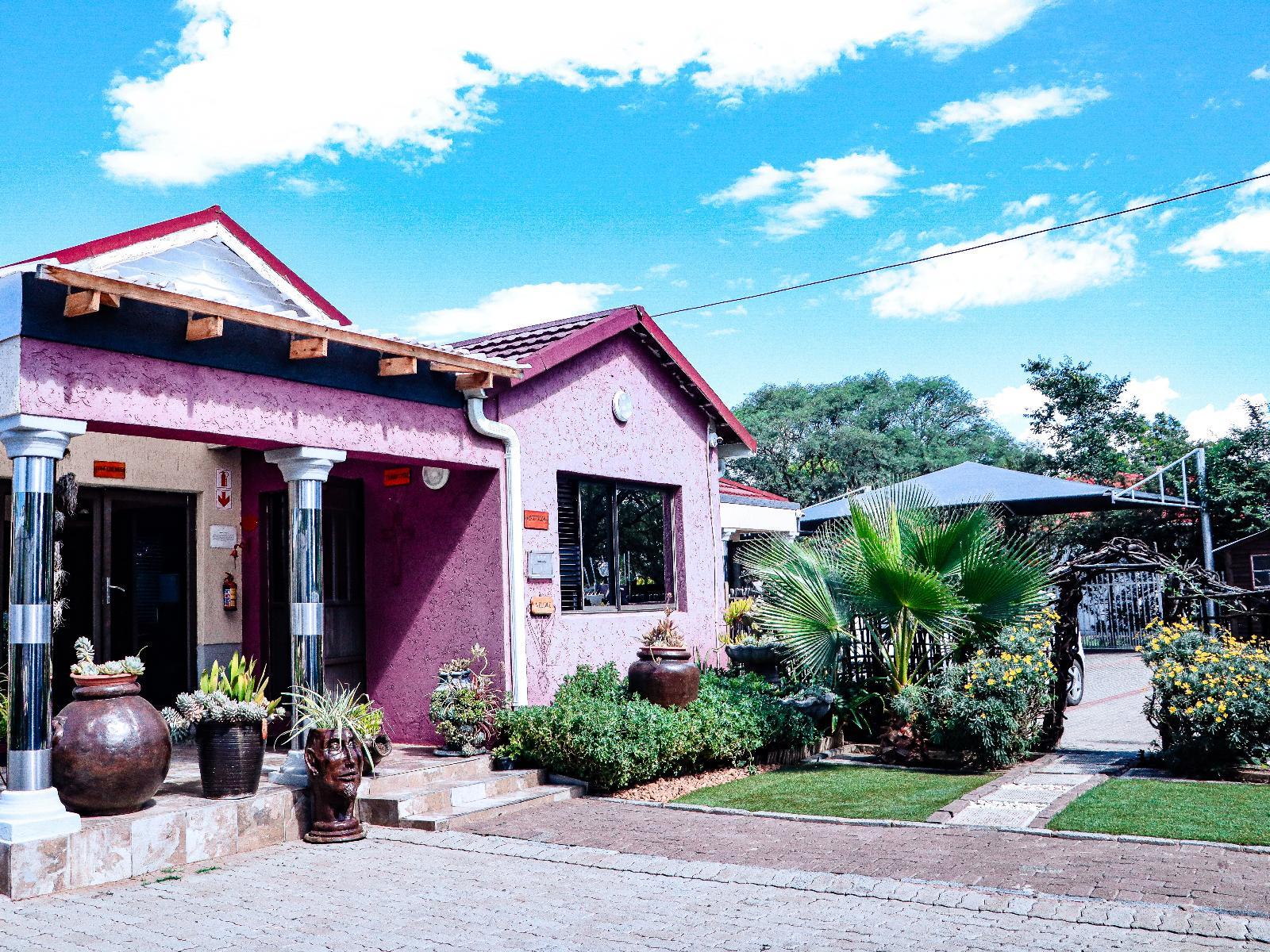
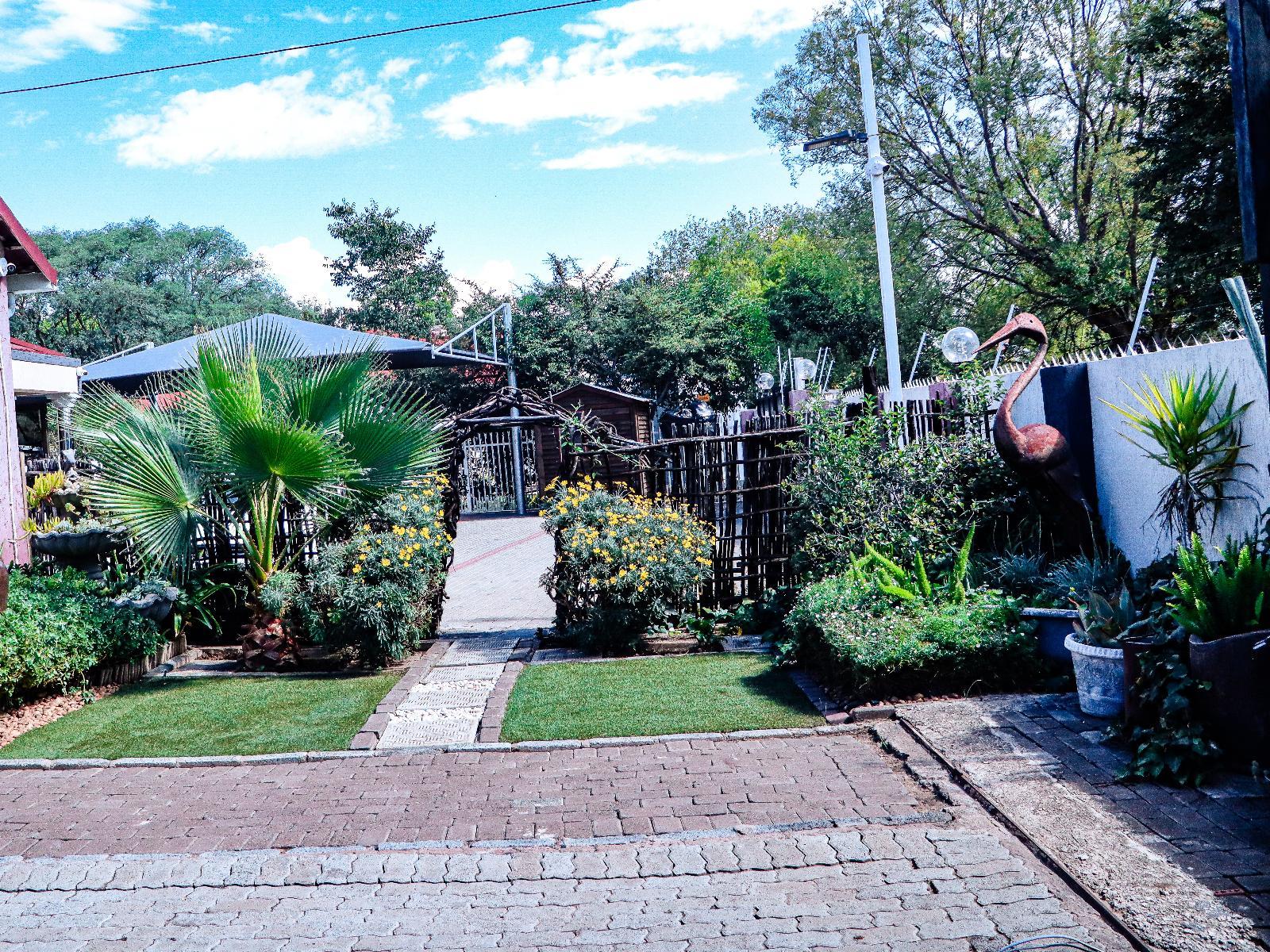
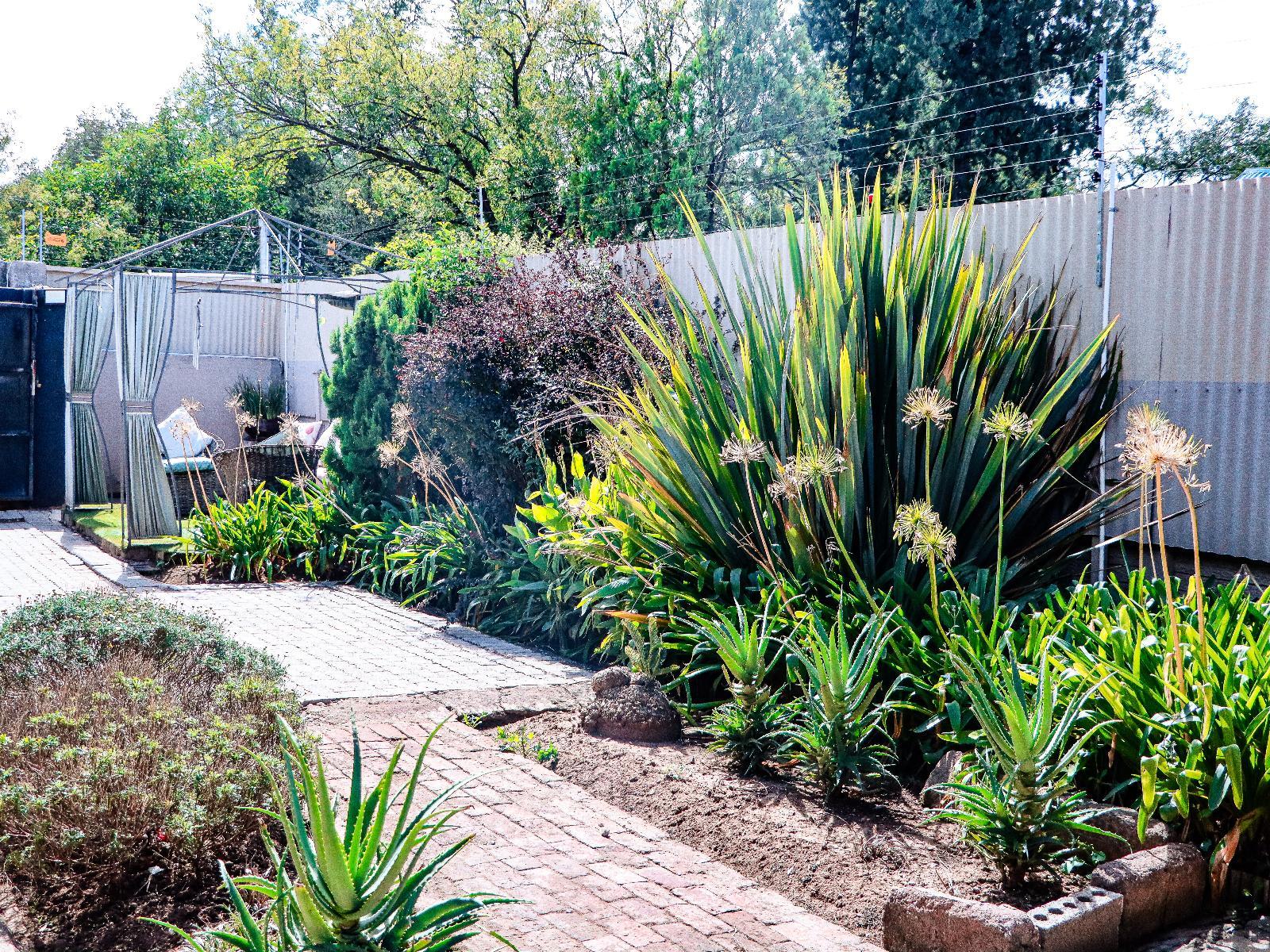
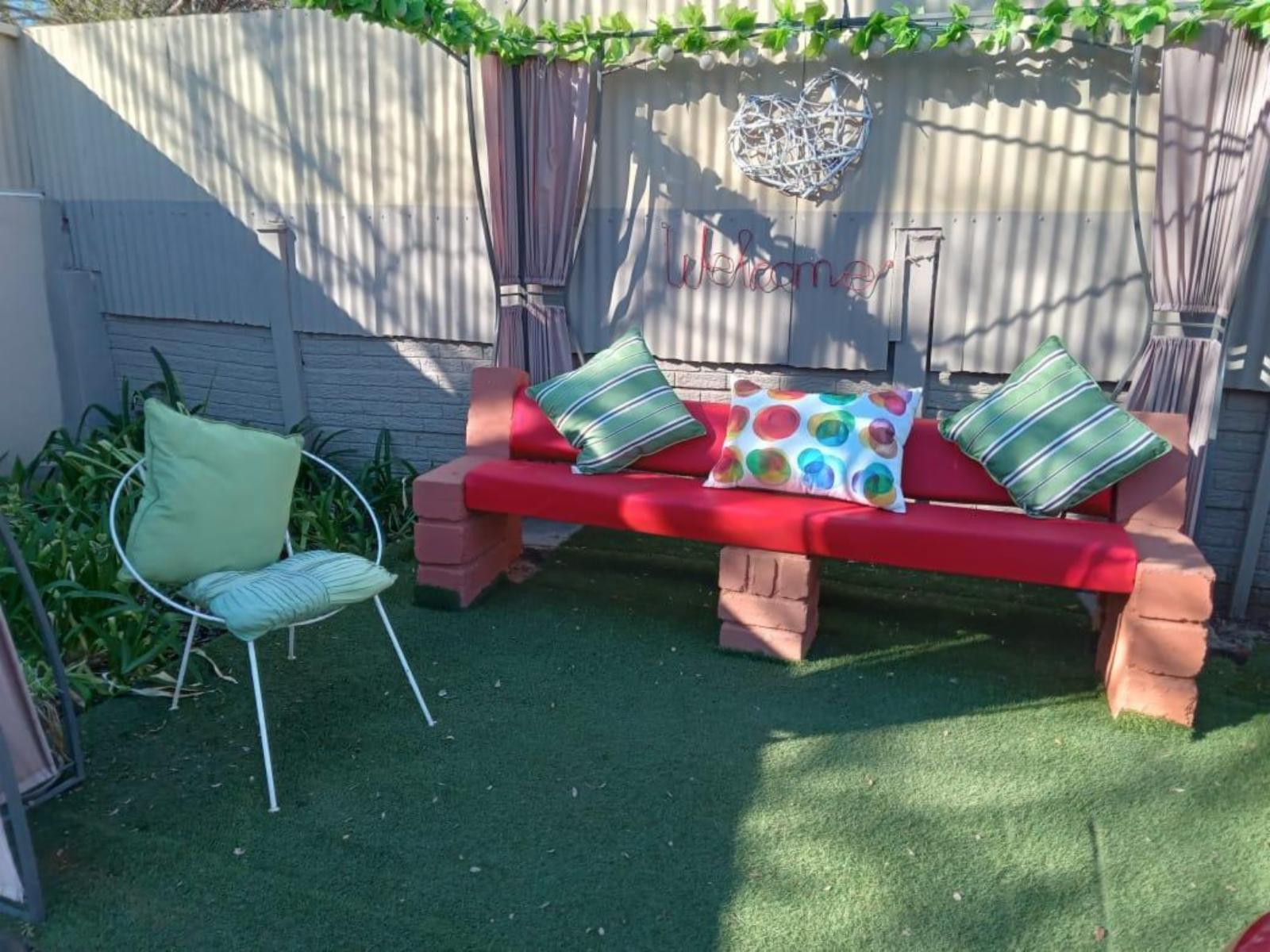
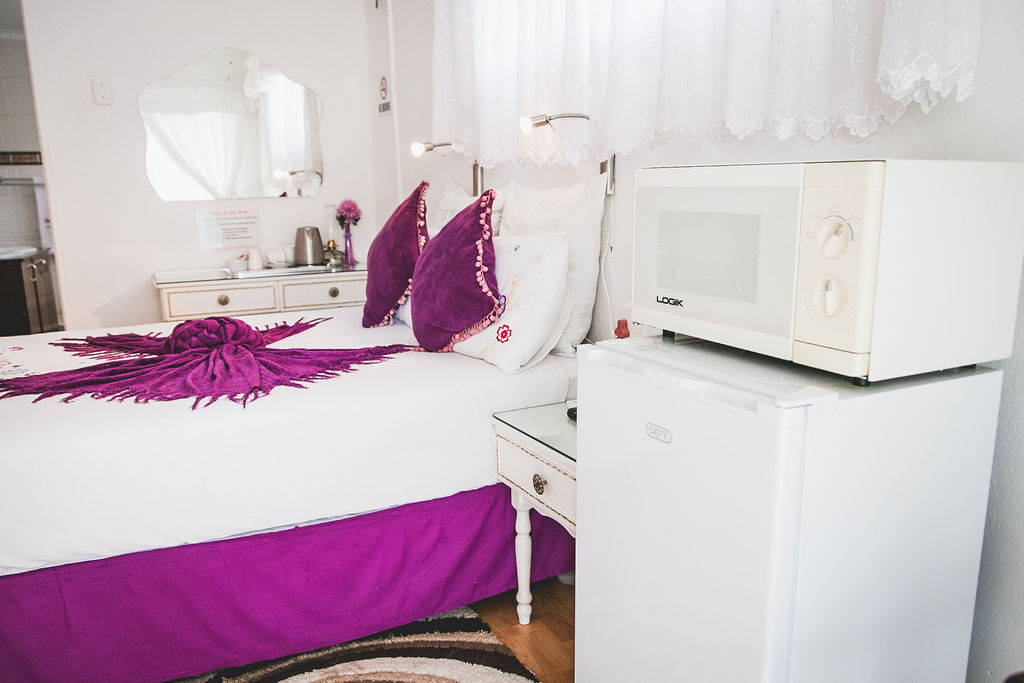
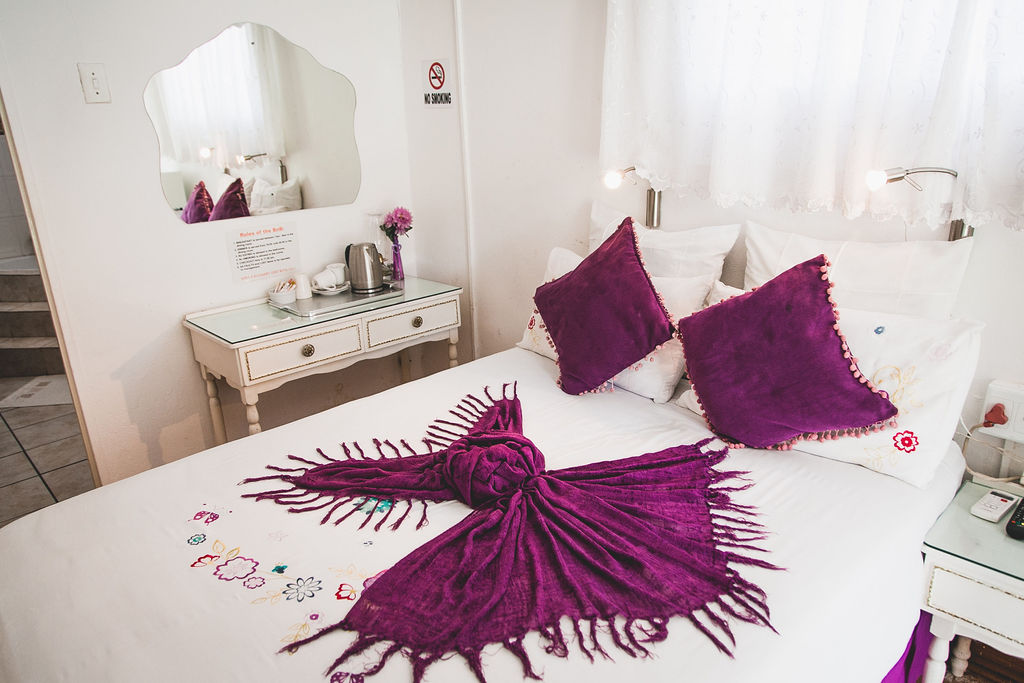
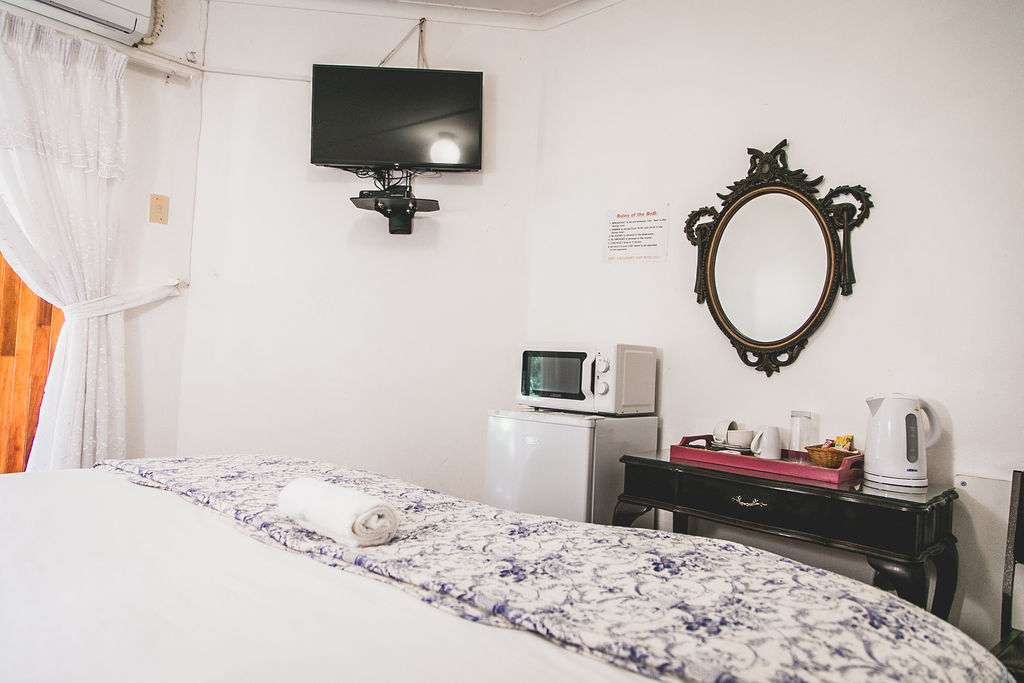
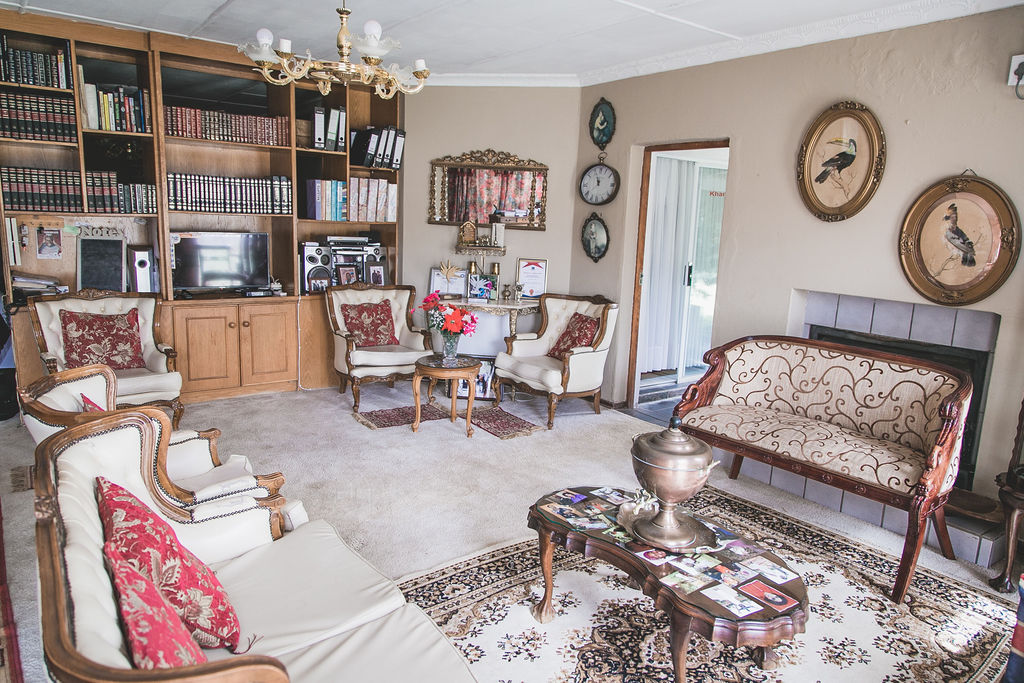
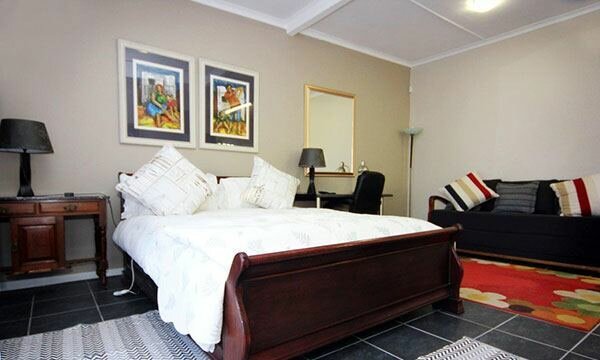
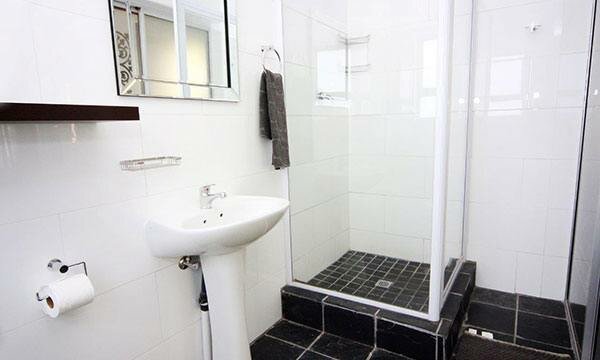
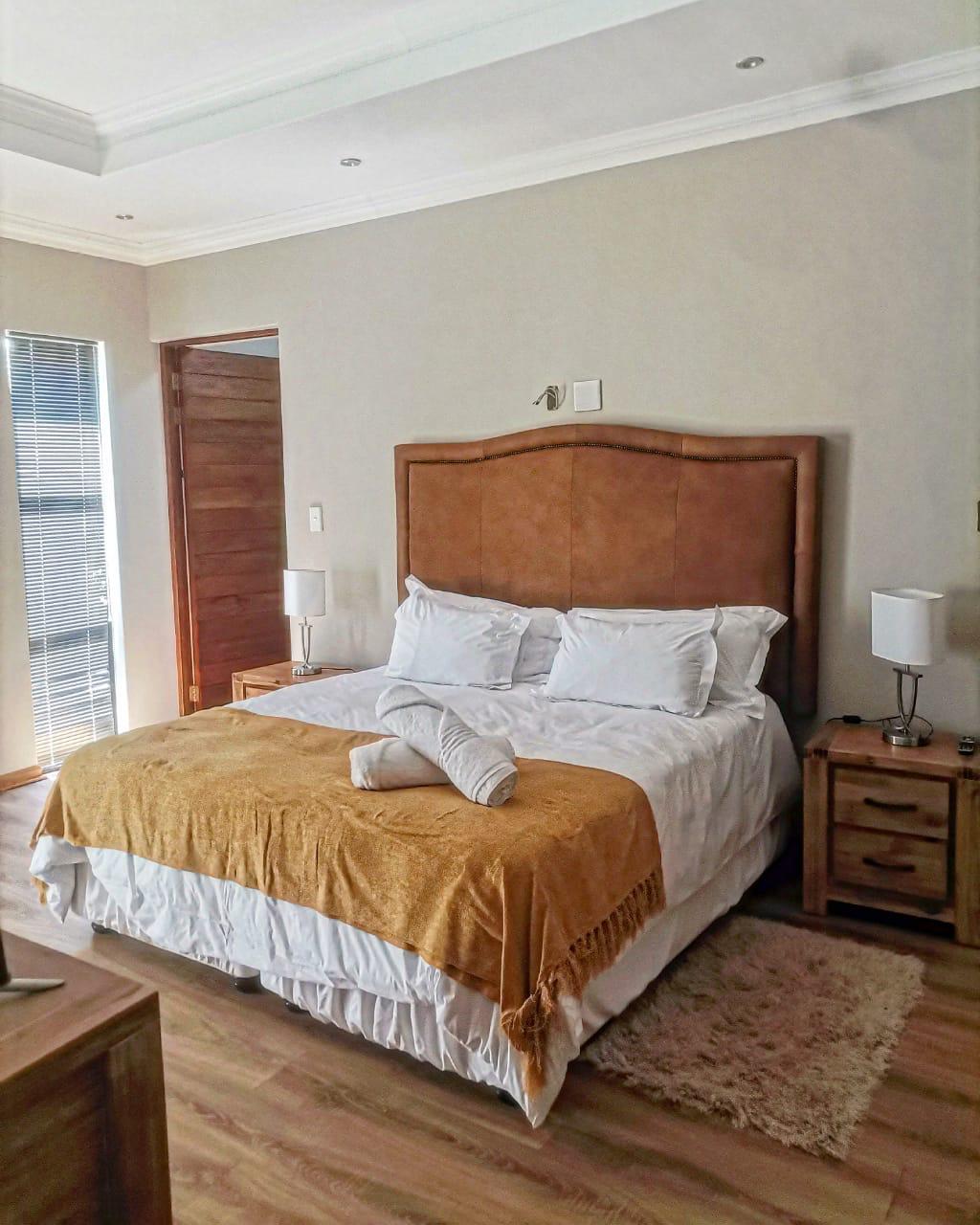
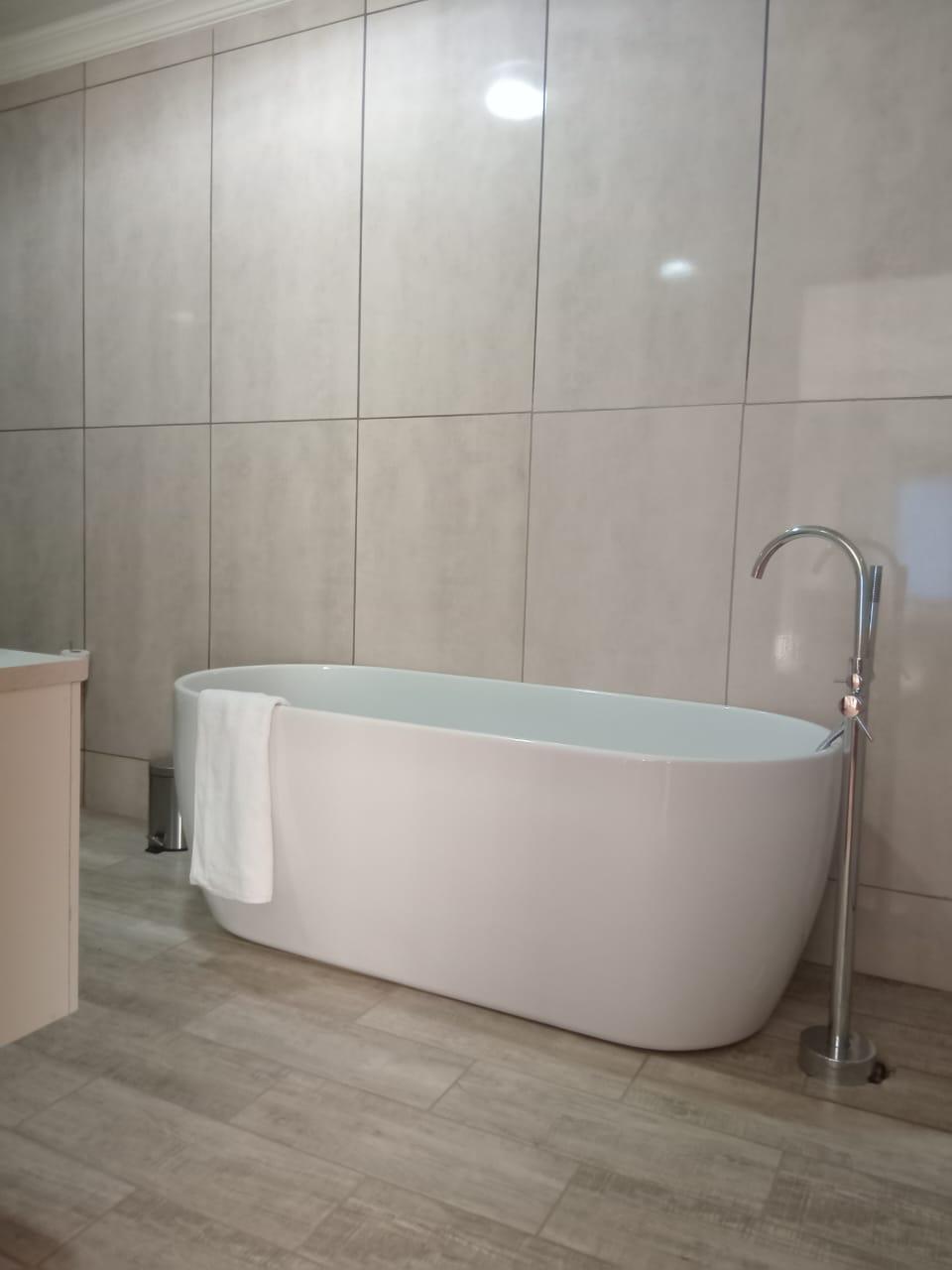
The accommodation options in Komani are limited in number but clear in their purpose. This is a town built around practicality, and the two listed properties reflect that. The overall price point sits at R1,587 per night across both options, which covers a guesthouse and a self-catering unit.
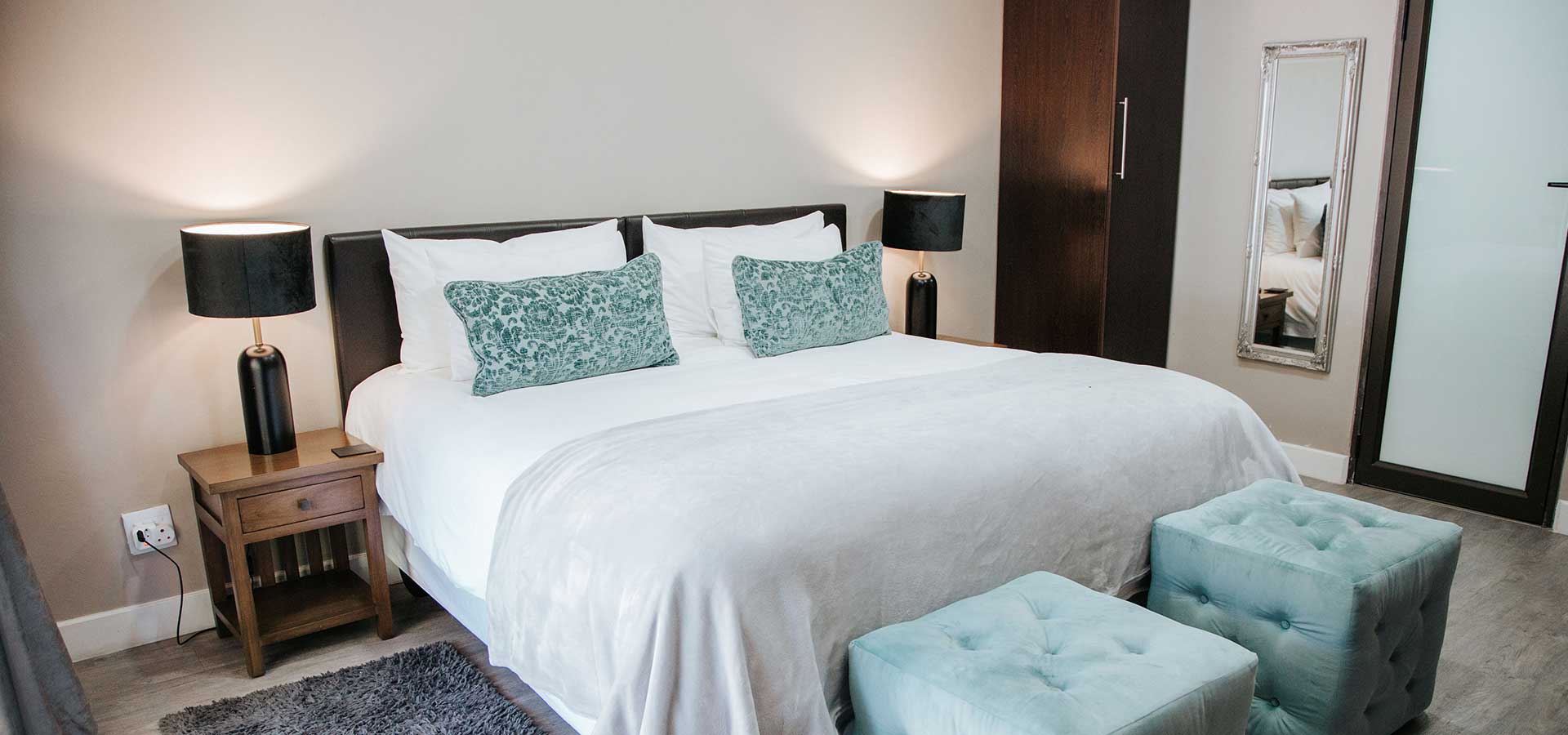
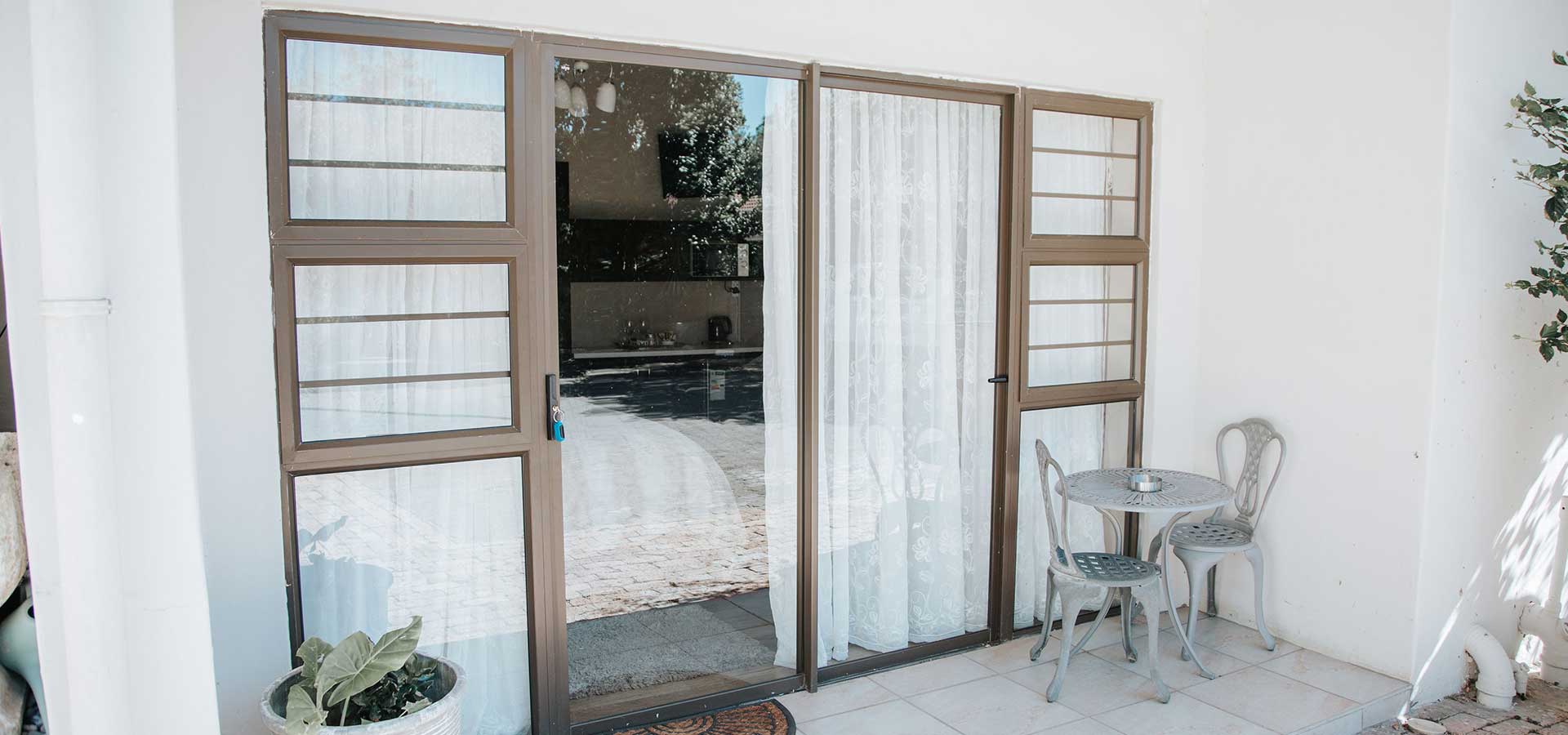
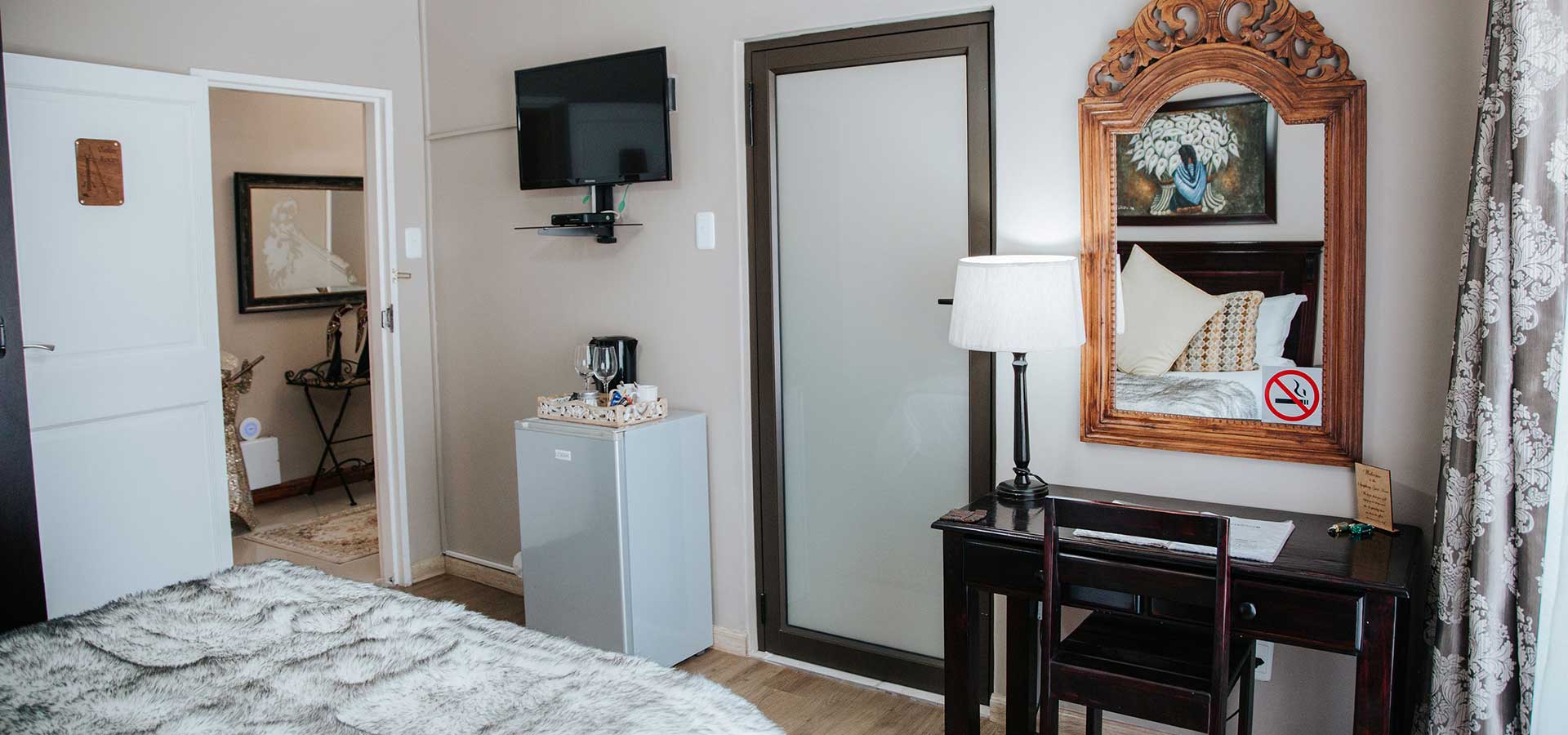
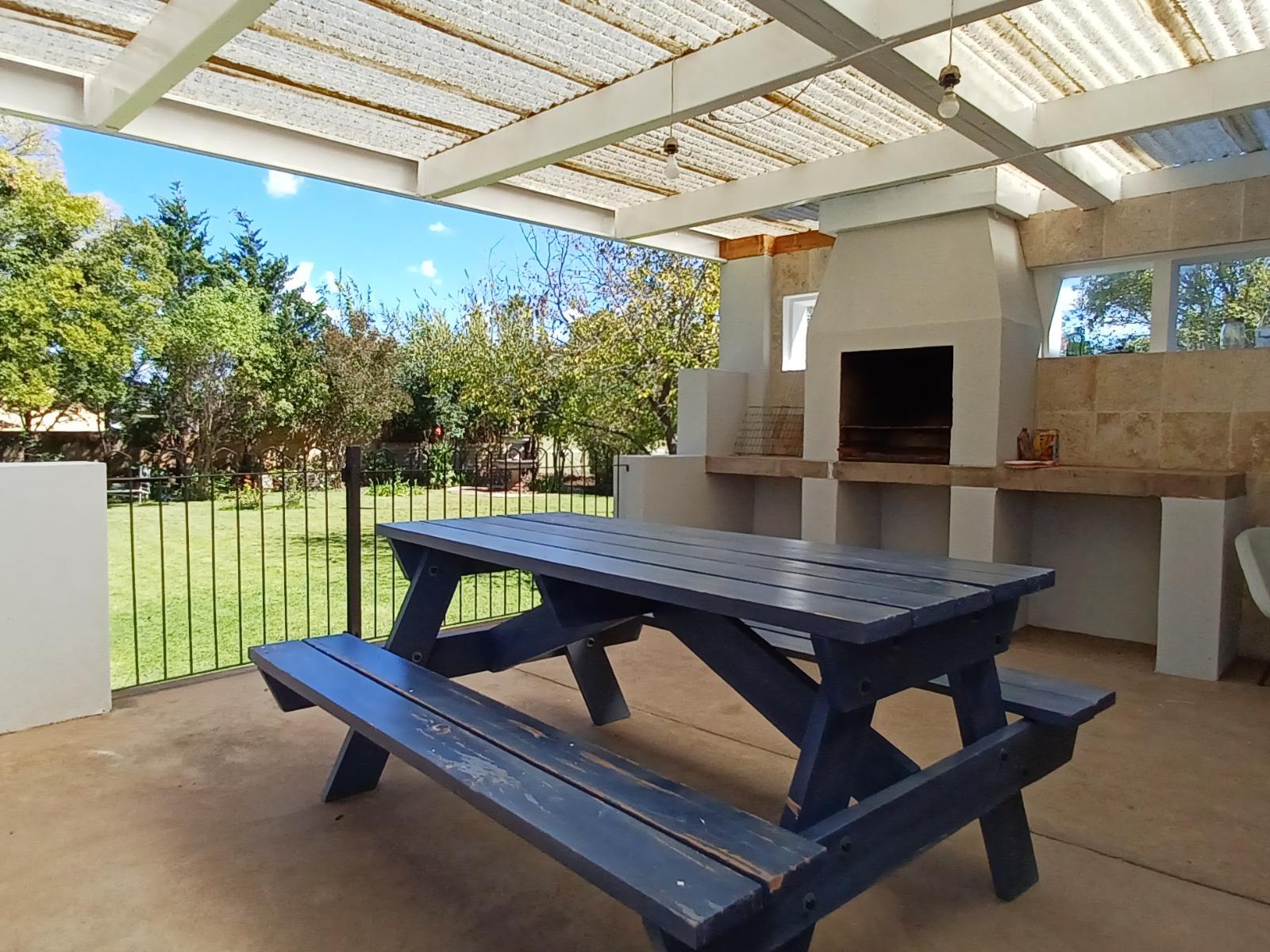
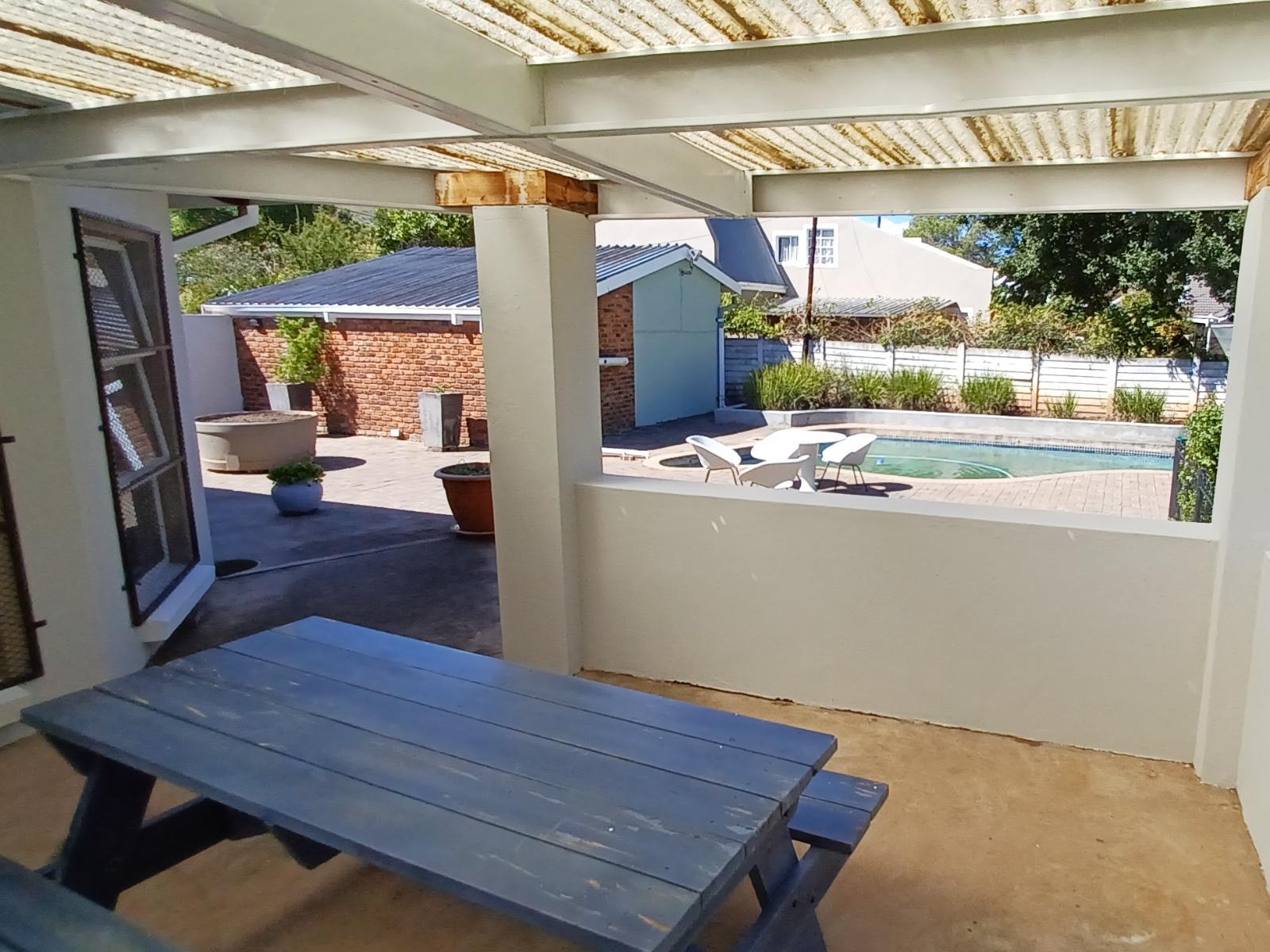
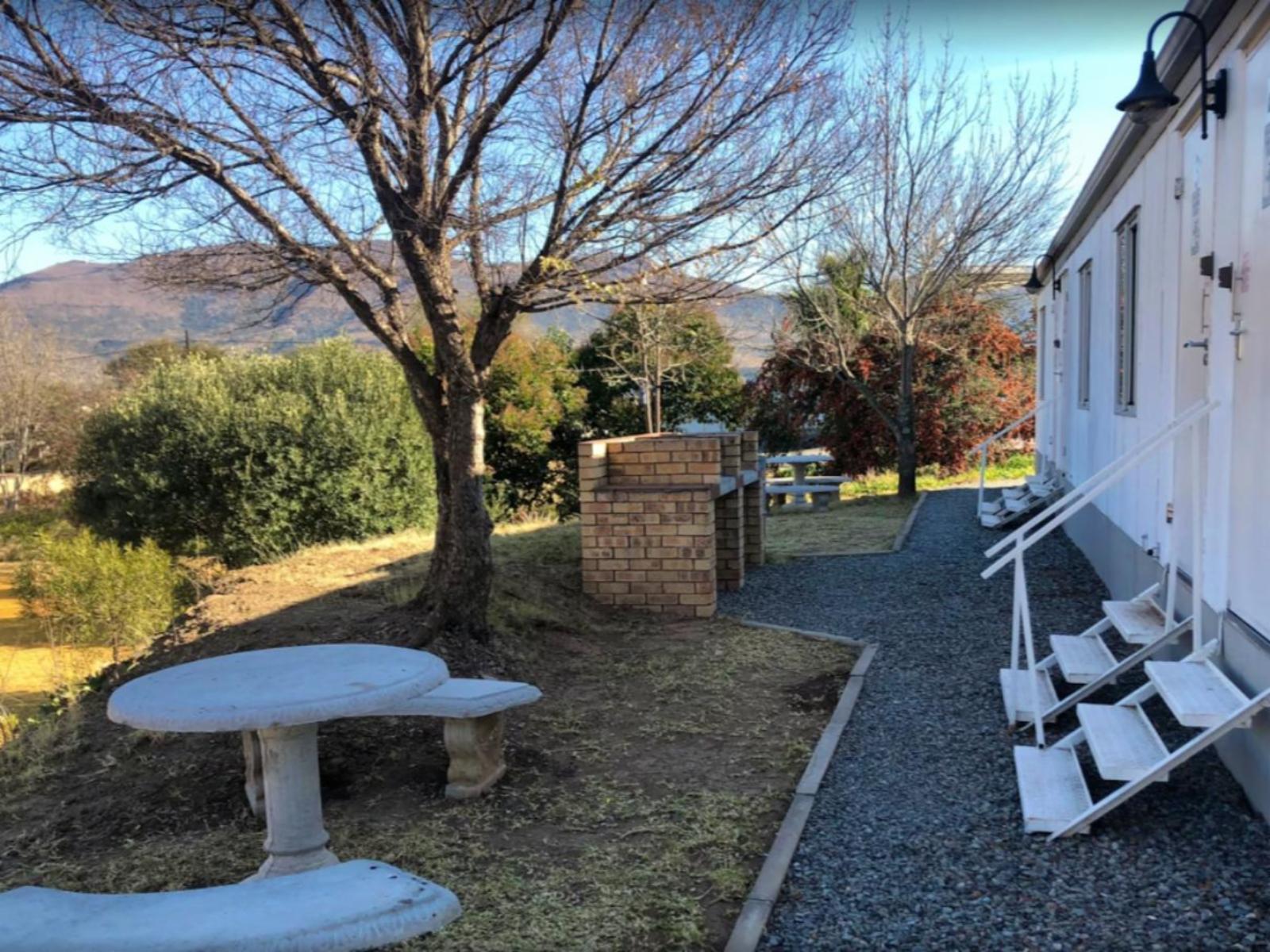
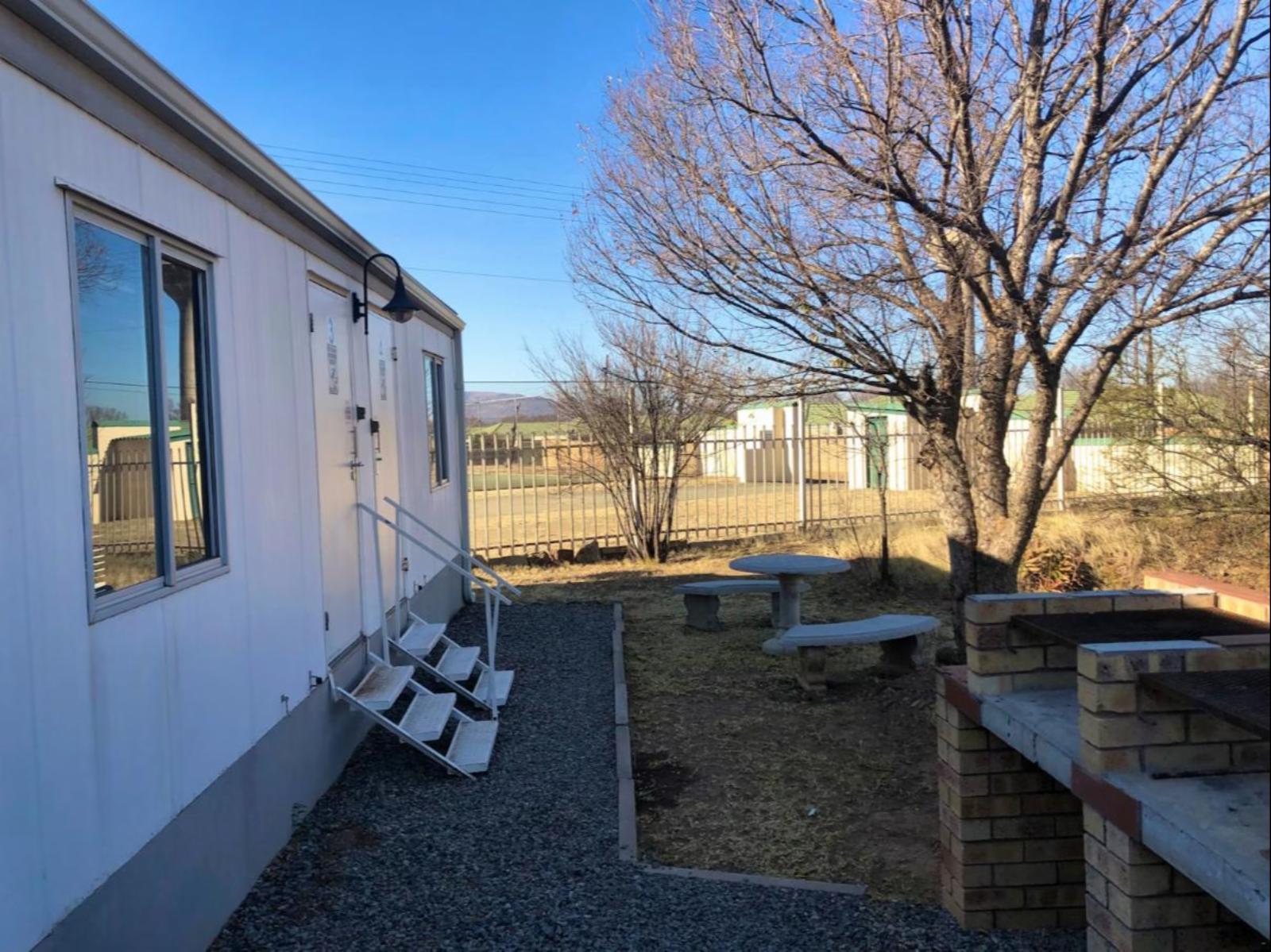
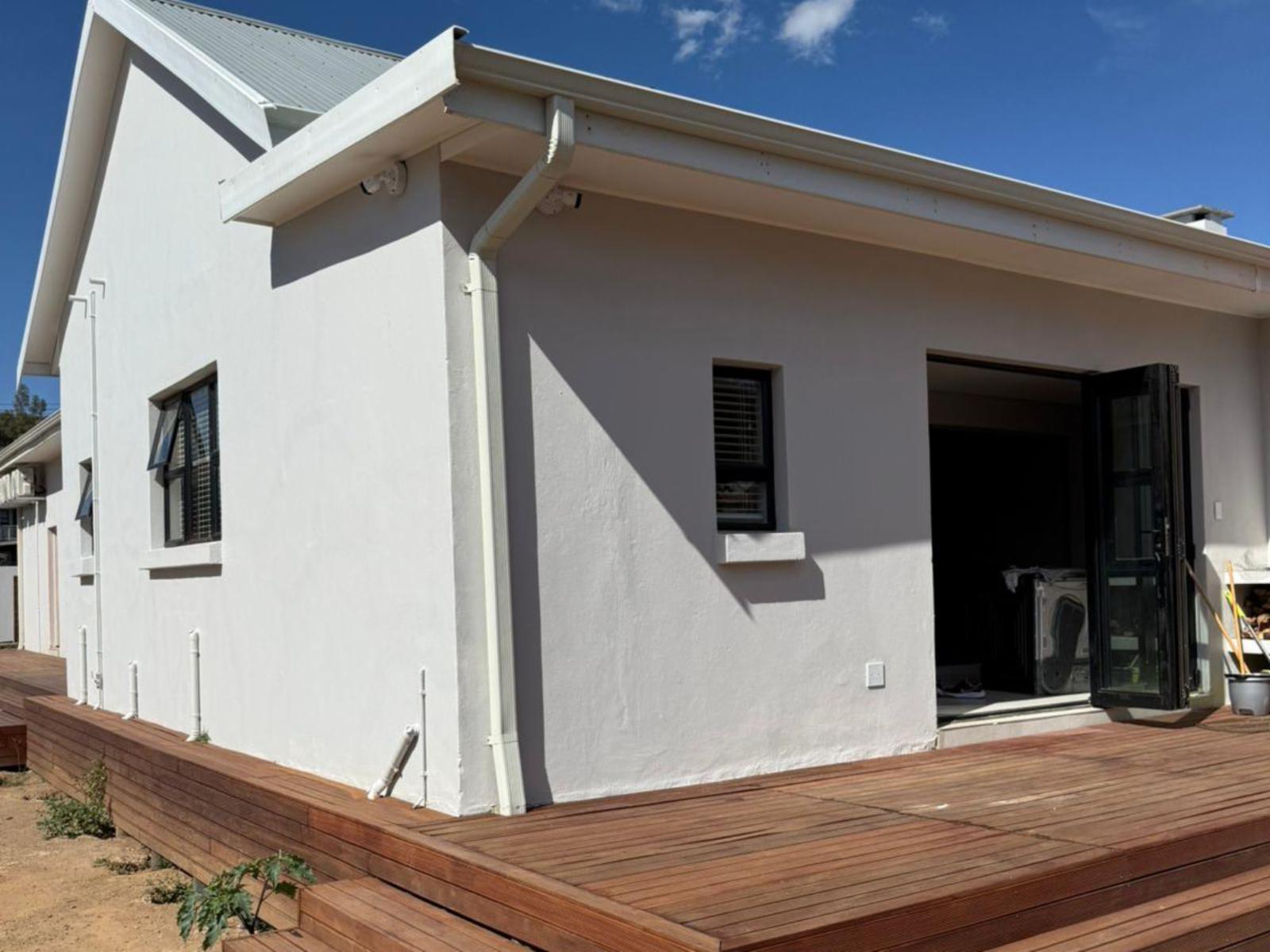
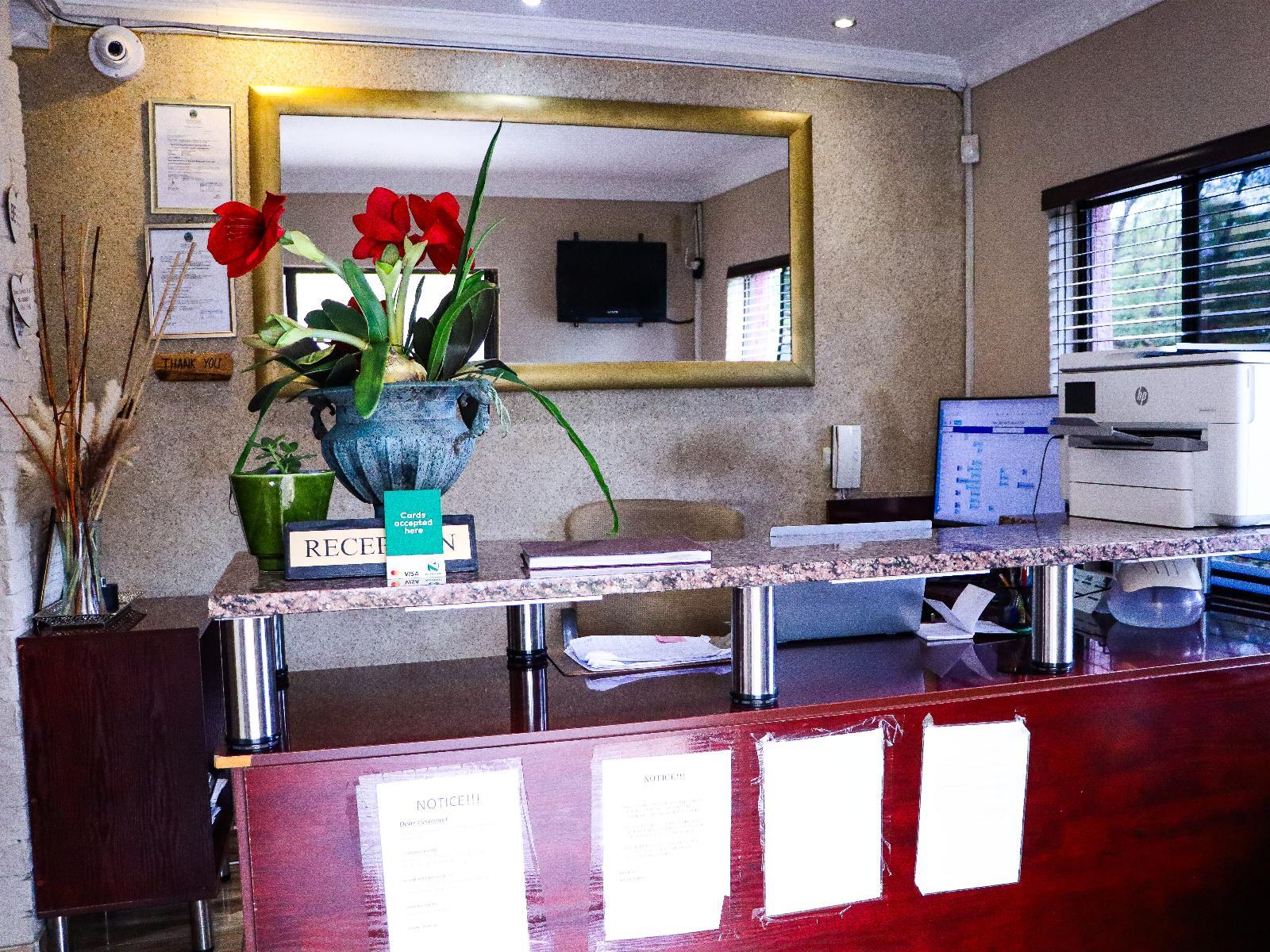
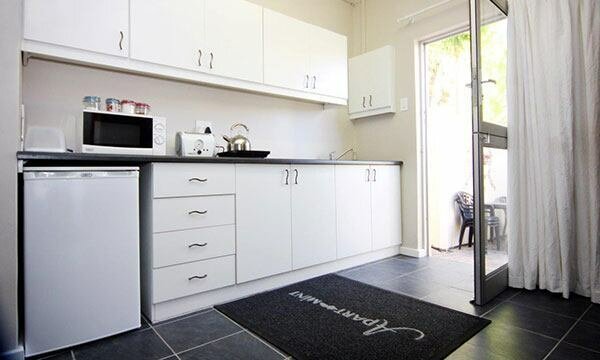
The guesthouse offers the more managed experience, with staff on-site and typically breakfast included. For travellers passing through on a road trip or visiting for work, this kind of arrangement removes the need to think about meals and makes check-in relatively simple. At the same tier, the self-catering option suits those who prefer to operate independently, cook their own food, and have more control over their schedule. This works well for families or for anyone staying more than a night or two.
Komani does not have chain hotels, large lodge complexes, or budget backpacker accommodation. The two listed properties represent the full formal range, which means availability can become constrained during school holidays or long weekends. Anyone with fixed travel dates should book ahead, particularly in December and July when movement through the Eastern Cape interior picks up.
What you are paying for at either property is a comfortable base in a well-serviced town. Komani has supermarkets, fuel, a pharmacy, and other services that make it a reliable stop. The Frontier Museum, the Komani Dam a short drive from the centre, and the Bonkolo Nature Reserve all add some depth for visitors who have a day or two to look around. Neither property is likely to be the highlight of a trip, but both serve the purpose they are built for. Expectations set around function rather than atmosphere will not be disappointed.
Best Time to Visit Komani
At around 1,100 metres above sea level, Komani runs cooler than much of the Eastern Cape, and the seasons are worth accounting for before you travel. Winter, running from June through August, is dry and often sunny but cold, particularly in the mornings and evenings. Overnight frost is possible, and wind across the open grassland makes the chill feel sharper. It is not the most comfortable season for those sensitive to cold, though driving conditions are generally fine.
Summer, from November through February, brings higher temperatures and most of the year's rainfall in the form of afternoon thunderstorms. The veld turns green when the rains arrive, and birdwatching around the Bonkolo Nature Reserve and the nearby dam improves considerably. Waterbirds and raptors are noticeably more active during this period.
The most balanced time to visit falls in the shoulder months. Spring, from September through November, and autumn, from March through May, both offer moderate temperatures, cleaner air, and lower visitor numbers. Spring is particularly good for walking trails at the nature reserve, and the countryside holds colour well into April on the autumn side. Neither shoulder period carries the accommodation pressure of the December or July holiday windows, which makes booking easier and travel through the interior more relaxed.
Getting to Komani
Komani sits on the N9, which runs through the interior of the Eastern Cape and connects the town to East London in the east and the Karoo to the west. The drive from East London covers around 200 kilometres and takes approximately two and a half hours on clear roads. From Port Elizabeth (Gqeberha), the distance is closer to 280 kilometres, typically around three hours depending on the route. Travellers coming from Johannesburg face a longer drive of roughly 750 kilometres, usually via the N1 south to Colesberg and then across on the N9.
There is no commercial airport in Komani. The nearest airports with scheduled domestic services are East London Airport and Port Elizabeth Airport (Gqeberha). Both have connections to Johannesburg and Cape Town, and car hire is available at each. Driving from either is the most practical way to reach the town.
Intercity bus services, including Intercape and Translux, pass through Komani on some routes. Minibus taxis also connect the town to larger centres. Once you are in Komani, the central area is compact enough to cover on foot, but reaching the dam, the nature reserve, or any of the surrounding rural areas requires a vehicle.
Komani and Surrounding Areas
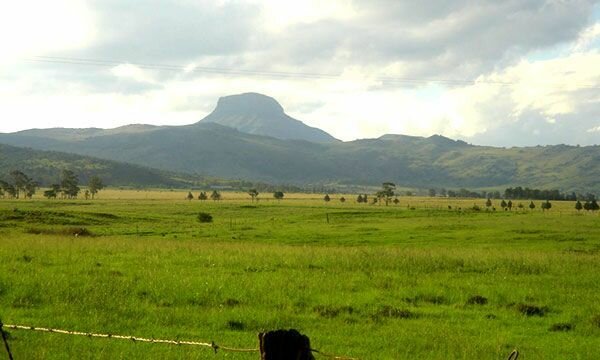
The settlements within driving range of Komani form a clear picture of the Eastern Cape interior: agricultural land, open grassland, small rural communities, and very little formal tourist infrastructure. This character defines travel in this part of the province.
Hartebeesnek, 19 kilometres from Komani, is a small farming settlement at the edge of more open country. The surrounding land is used for livestock, and the landscape here begins to take on the drier character of the approaching Karoo. It is a short drive from town and gives a quick sense of how fast the environment shifts once you leave the Komani basin.
Vosloosrust, 37 kilometres out, is a quieter rural community in the interior. The roads connecting it to Komani pass through open veld with long sightlines and little traffic. It has no formal visitor facilities, but the drive suits those interested in the landscape and the slower pace of the interior.
Woltemade, at 43 kilometres, sits further along the same terrain. The settlements in this arc south and west of Komani share the character of the transitional zone between the Amathole hills and the Karoo, with mixed grassland, scattered thornbush, and working farms spread across the plateau.
Tsitsikamma in this context, at 47 kilometres from Komani, refers to a local community rather than the coastal national park that shares the name. Like the other smaller places in this radius, it is agricultural in character and sees little outside visitor traffic.
Bothaskraal at 51 kilometres and Bellevue at 52 kilometres extend the accessible radius further. Both are farming communities with no formal visitor facilities. Road conditions on the main routes to this arc of settlements are generally solid, with gravel sections on the smaller connecting roads where a higher-clearance vehicle helps.
Planning Your Stay
With only two properties available in Komani, the booking process is simple but leaves little margin for last-minute decisions. If your travel dates are fixed, particularly around public holidays or school holiday windows, locking in a booking at least two weeks ahead is a sensible target. Arriving without a reservation carries real risk in a town this size.
Before confirming, check the cancellation policy carefully, especially if your travel depends on road or weather conditions across the interior. Ask specifically about kitchen equipment before booking the self-catering option rather than assuming a full setup. Some properties in smaller Eastern Cape towns operate with more limited facilities than the listing suggests.
Day-to-day resupply in Komani is easy: the town has supermarkets, petrol stations, a pharmacy, and banking. If you plan to drive out to the smaller surrounding settlements, fill the tank in Komani first. Fuel may not be available in outlying areas, and the nearest assistance can be some distance away on gravel roads.
Mobile connectivity is reliable in the town centre and along the main road corridor. It thins out on smaller roads further from town. If you need consistent internet access for work, confirm Wi-Fi availability with your property before arriving and consider a mobile data backup, as connections in smaller Eastern Cape establishments can be intermittent.