Accommodation in Komatipoort
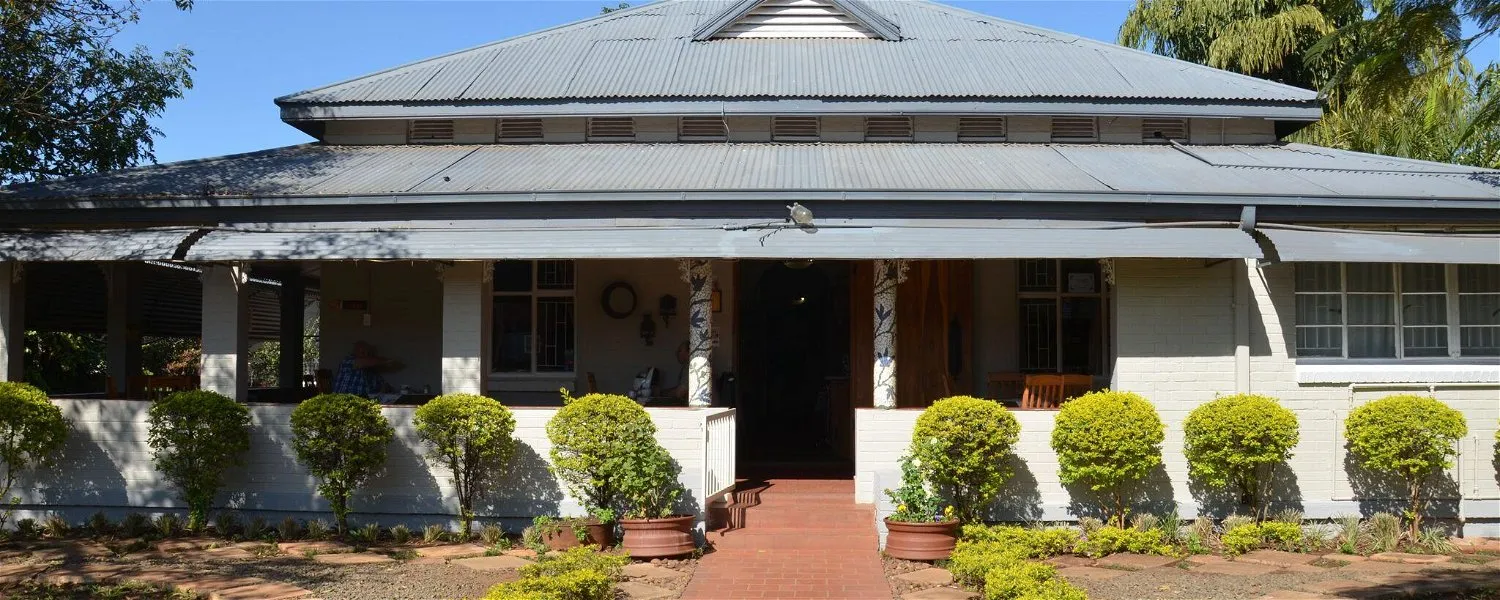
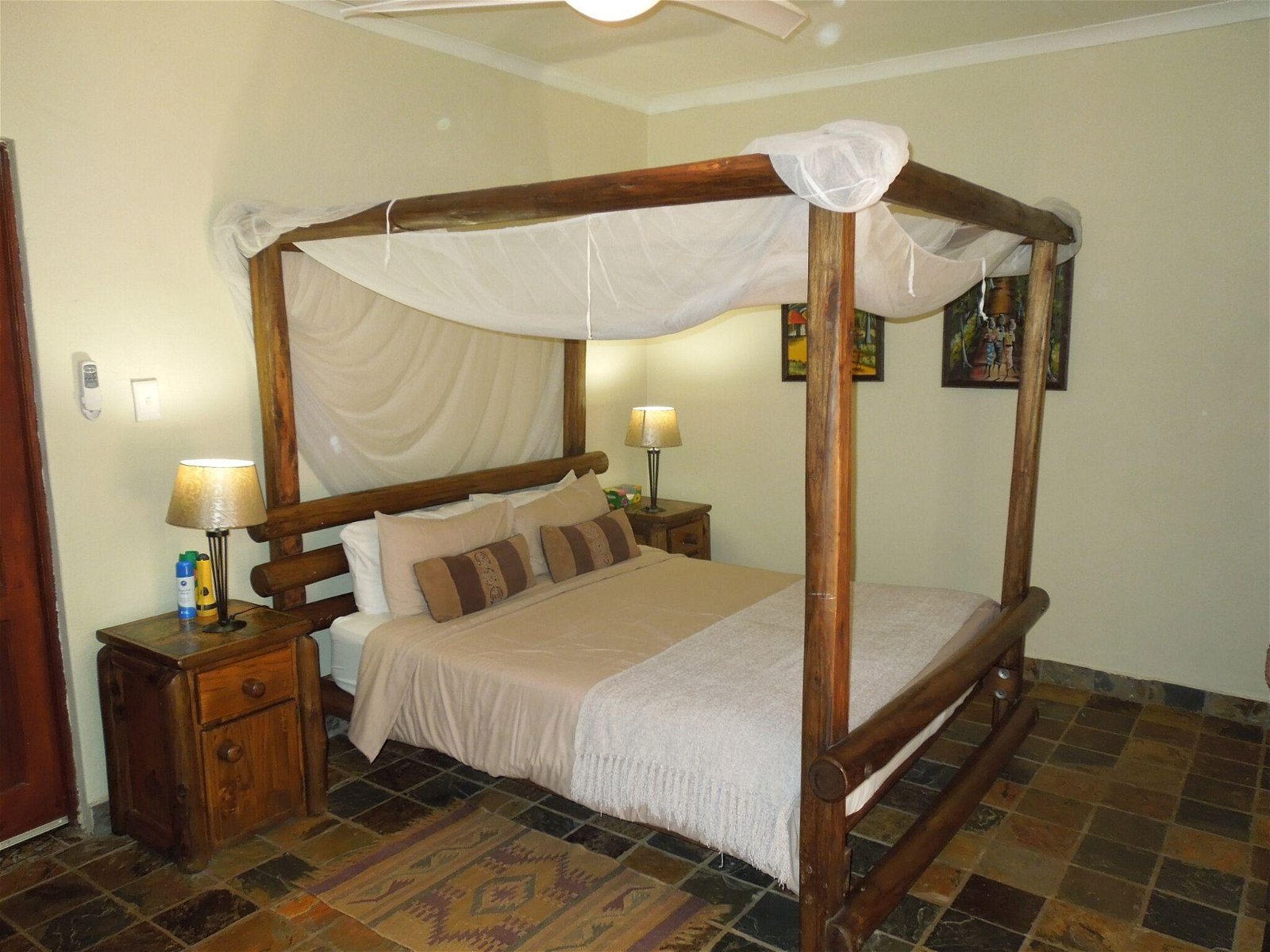
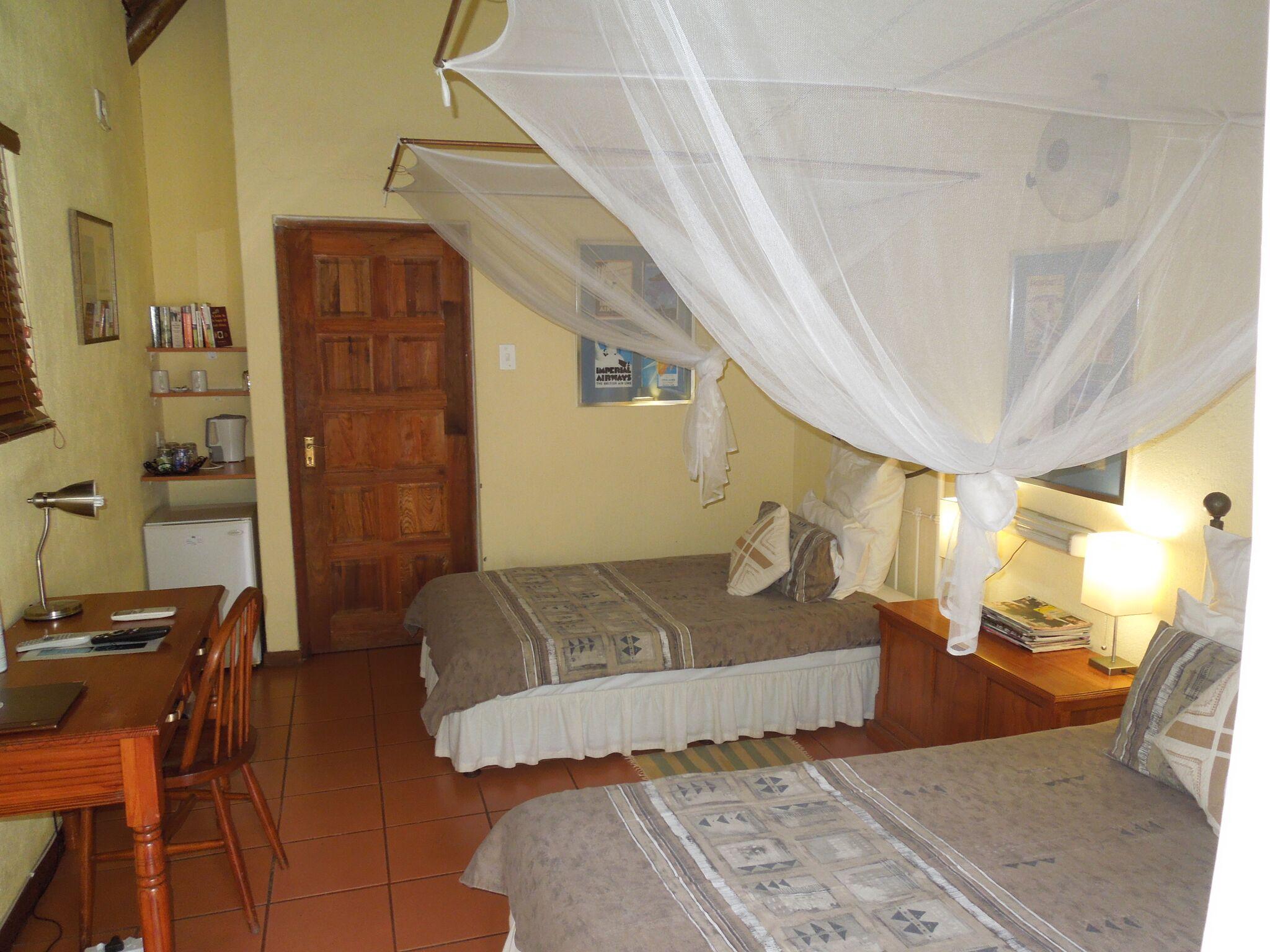
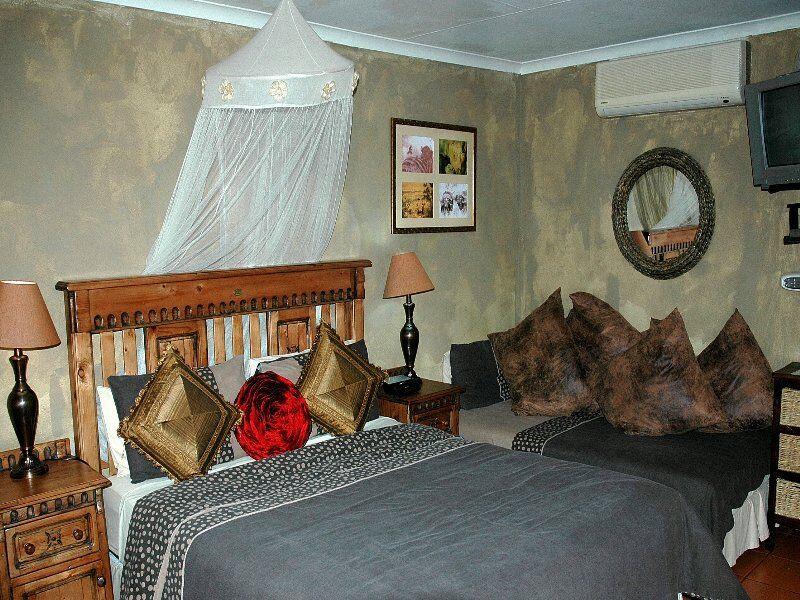
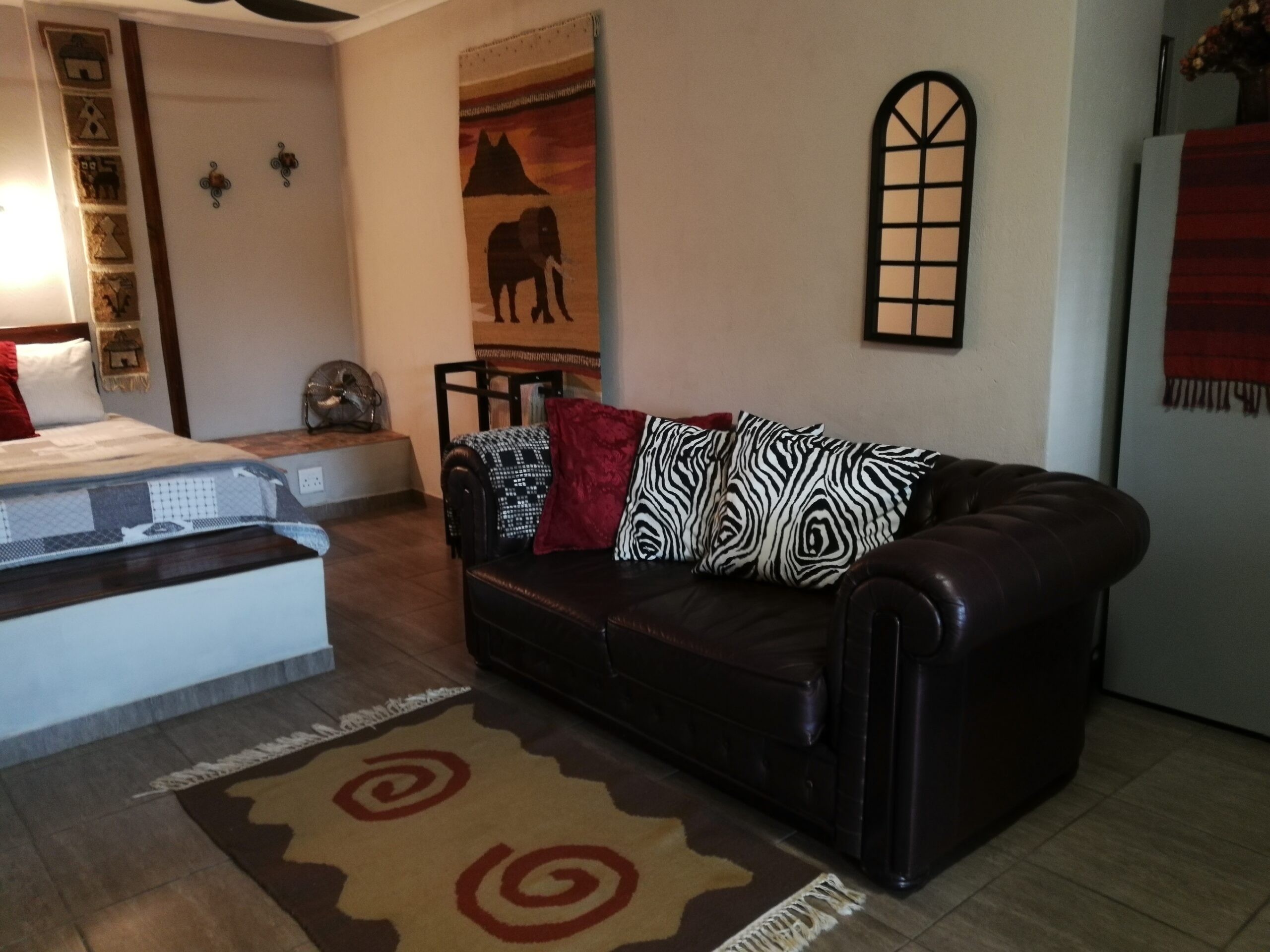
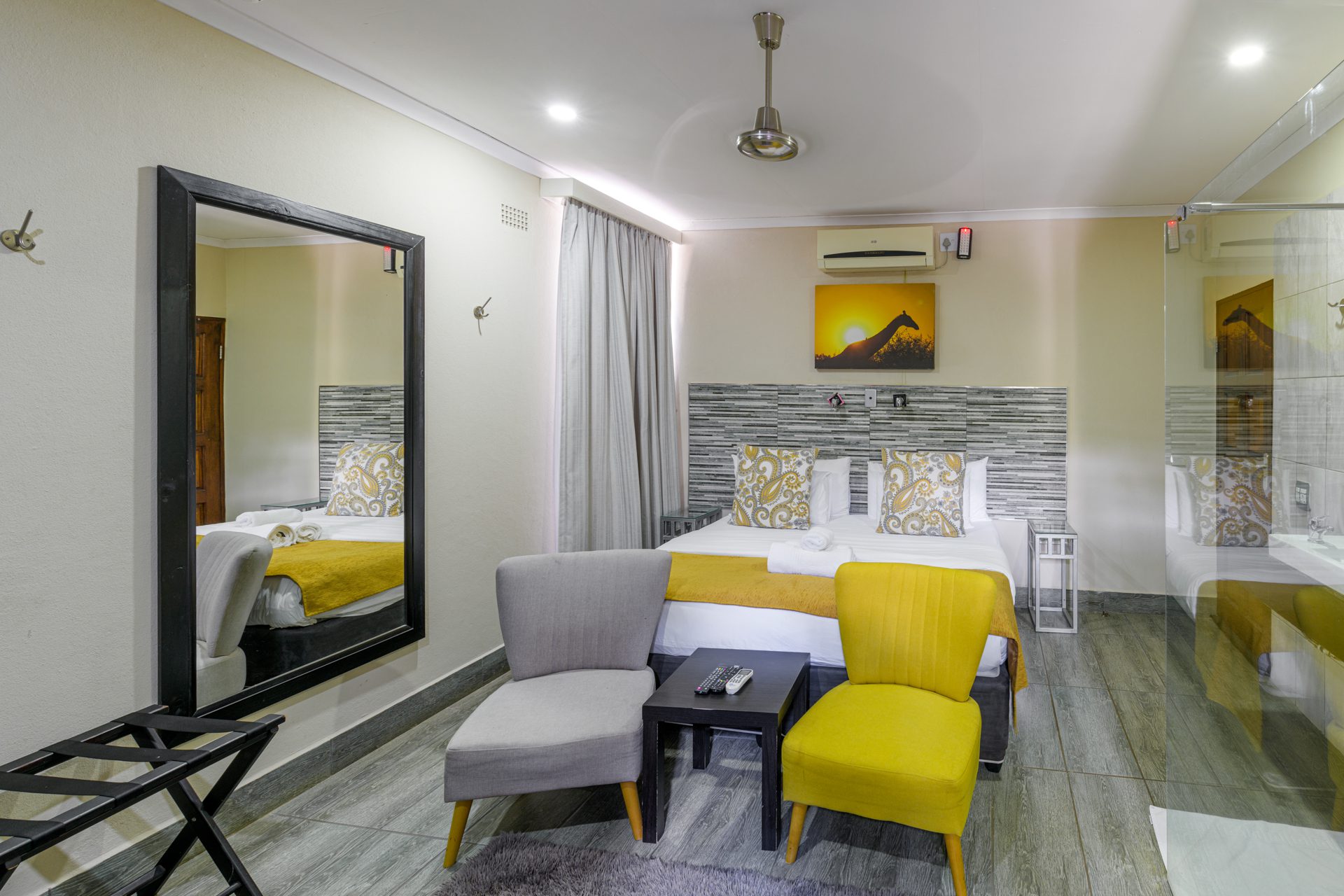
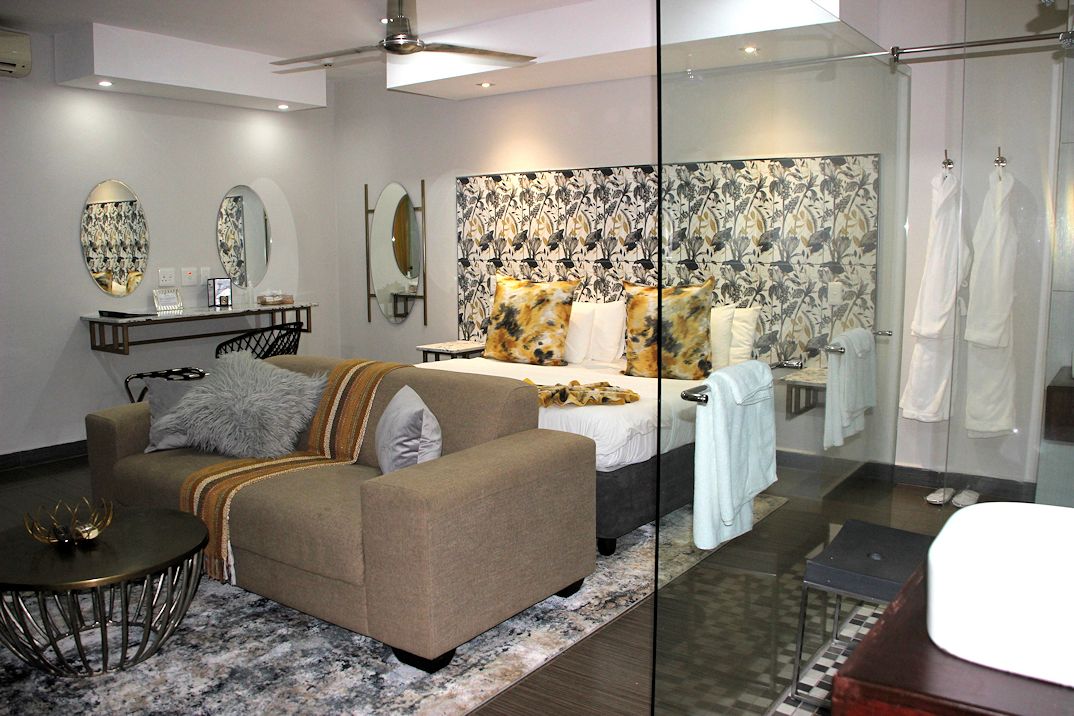
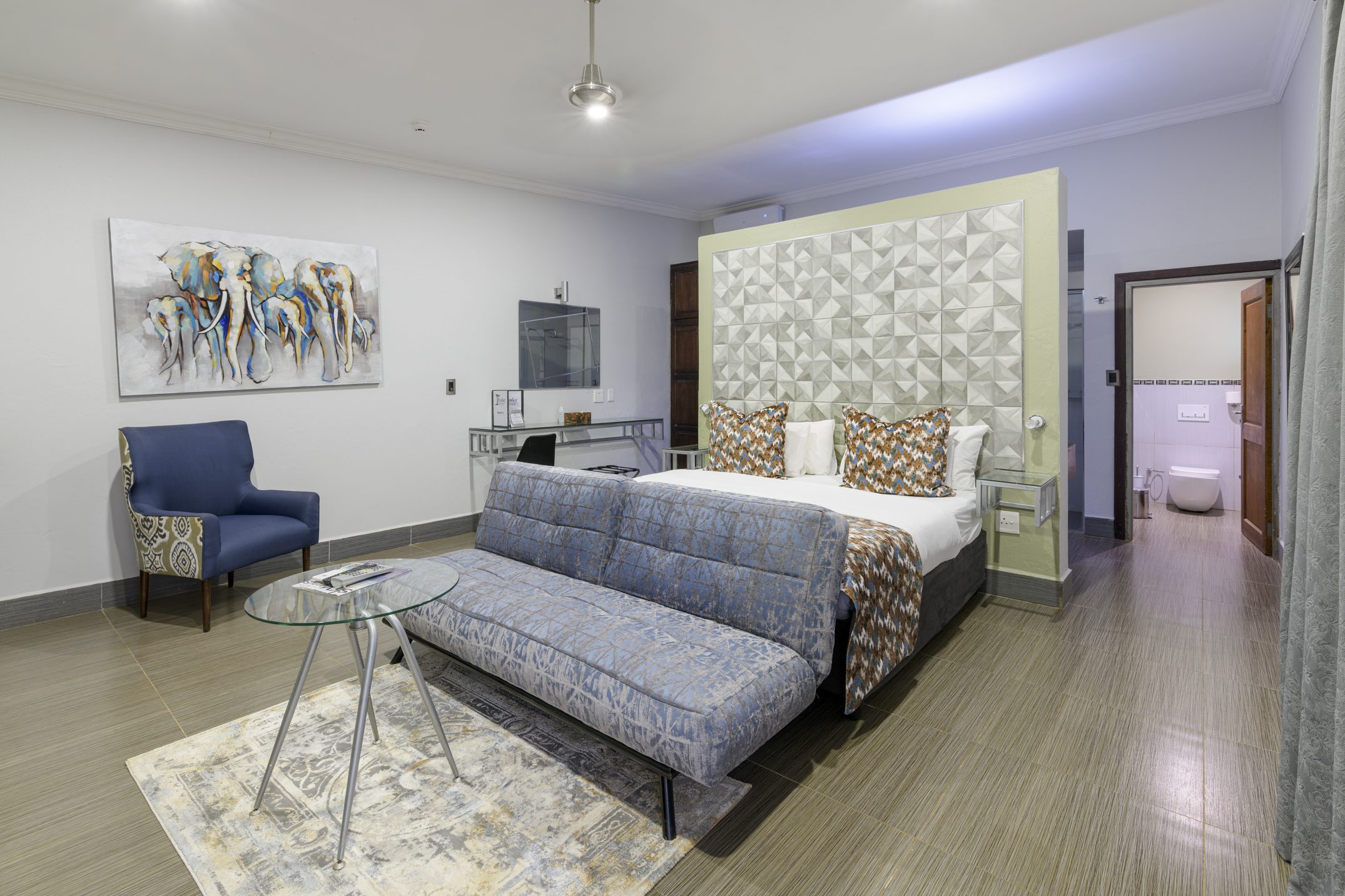
Komatipoort has four listed properties, with nightly rates running from R1,190 to R9,820. That spread reflects genuinely different experiences rather than just size differences, making it possible to find something suitable whether you are passing through for one night or using the town as a base for several days of game viewing.
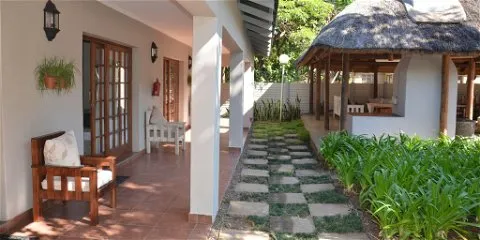
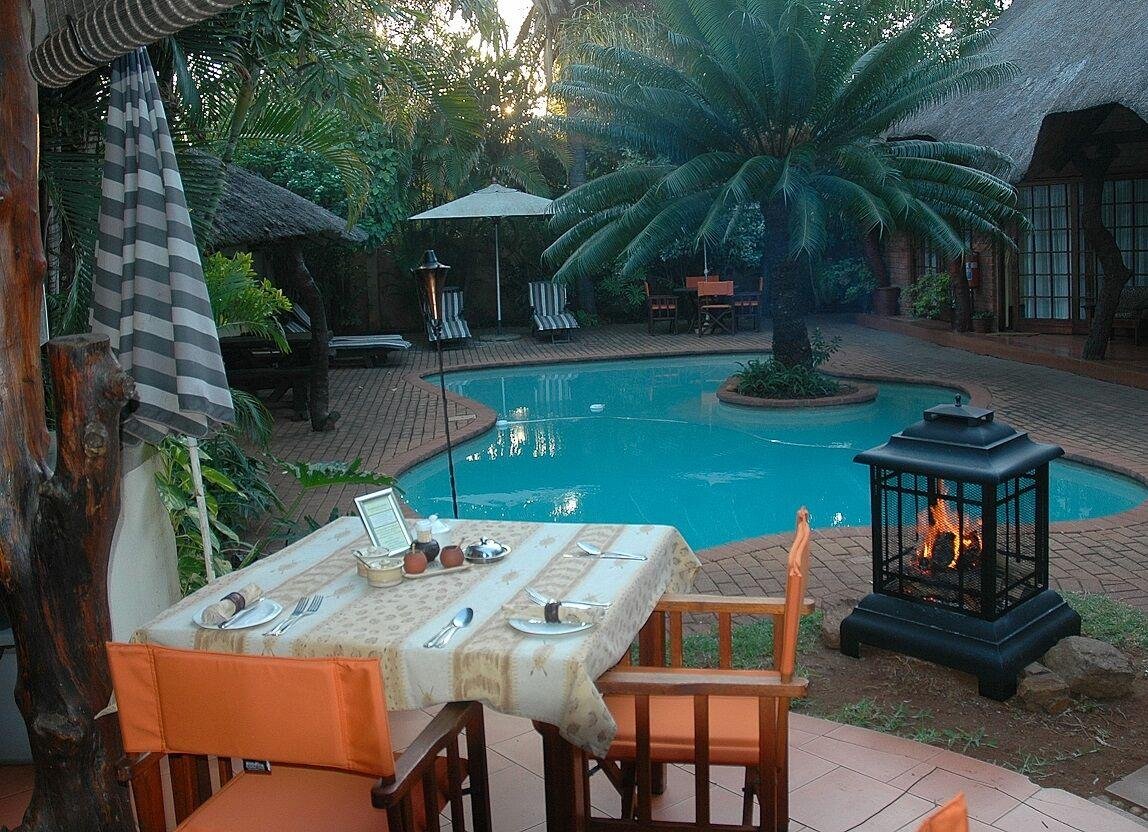
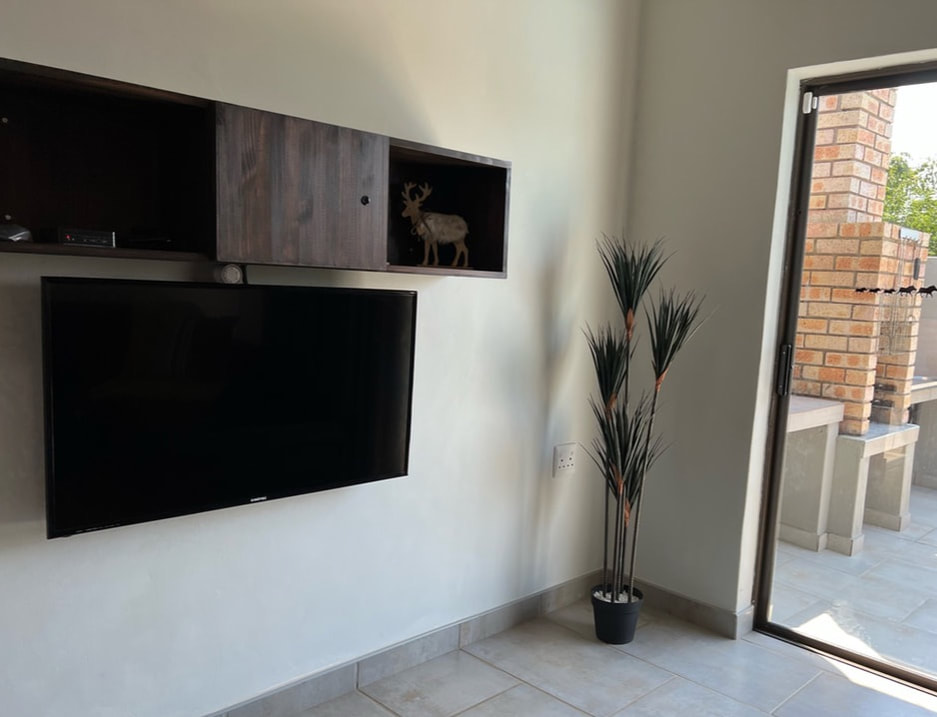
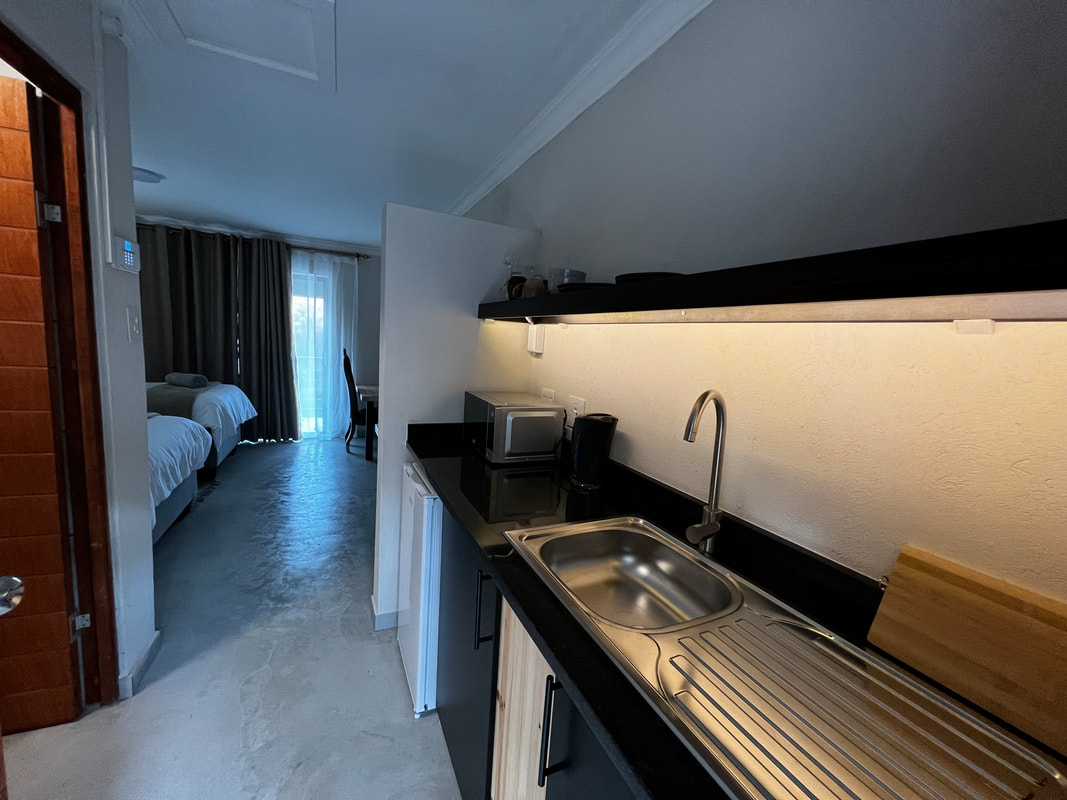
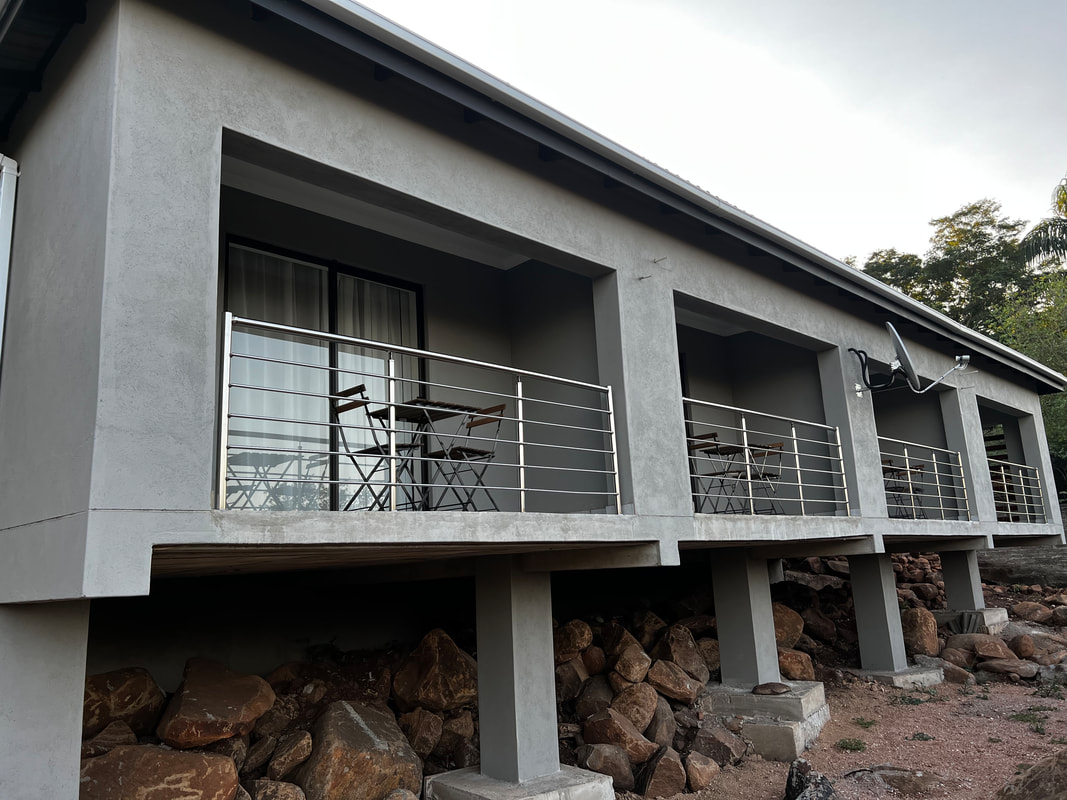
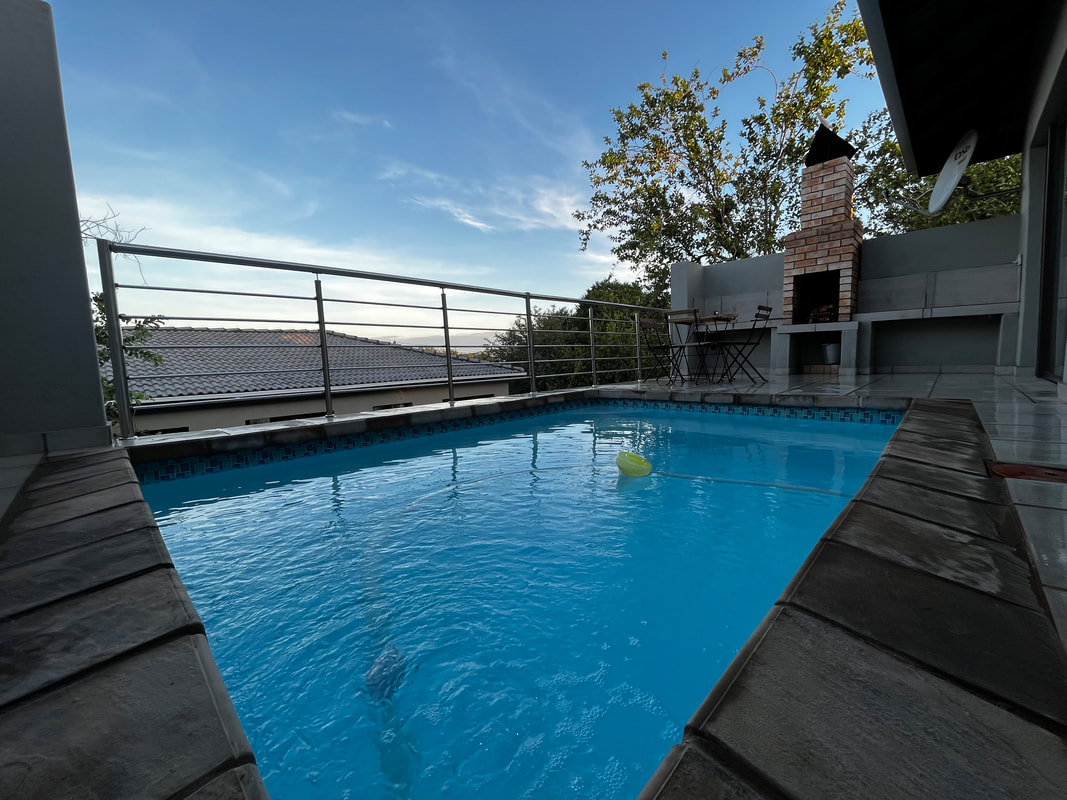
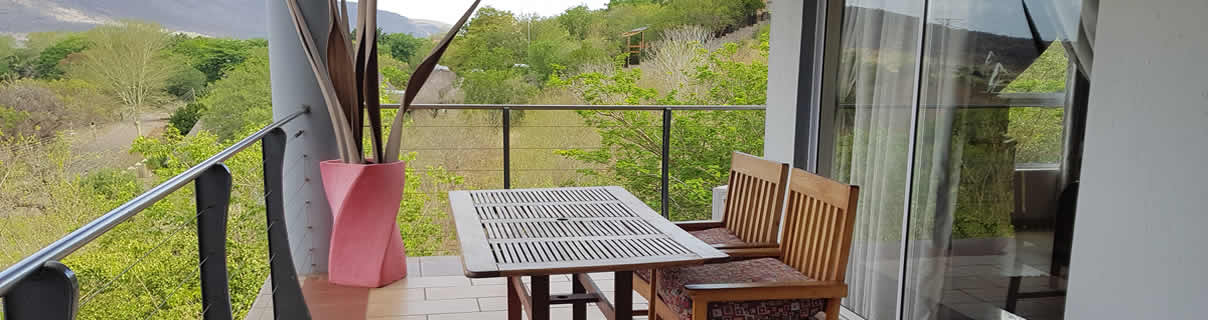
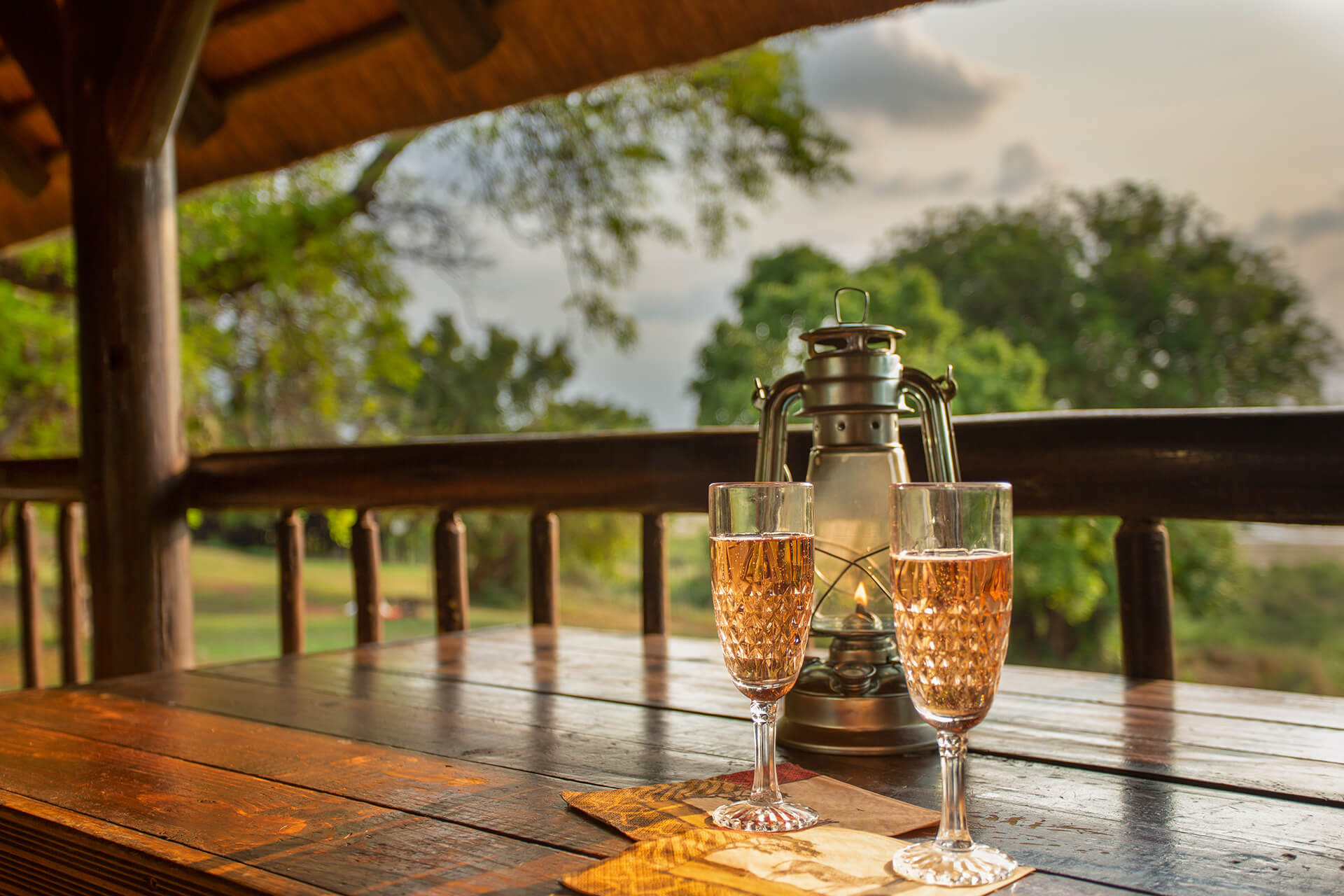
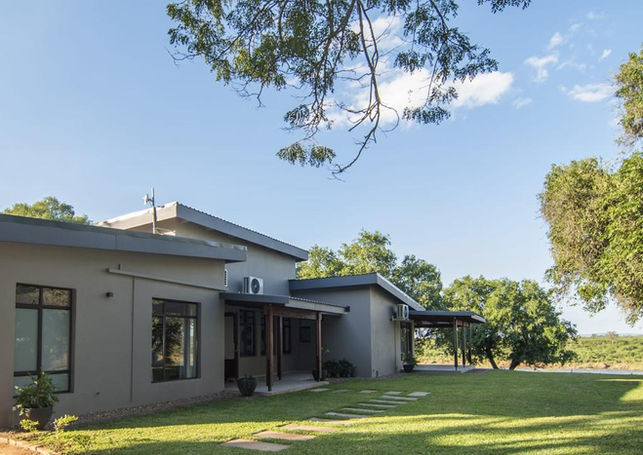
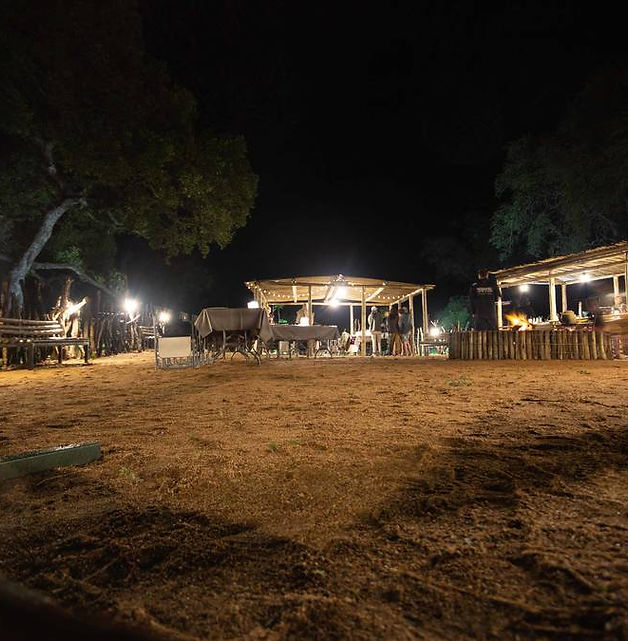
At the more affordable end, self-catering options make up the majority of what is available, with three properties averaging around R2,755 per night. This format suits the region well. Restaurant options in town are limited, and for early morning or late evening game drives you will want flexibility over meal times. Most properties at this tier include braai facilities, which fits local practice and keeps evening costs down. Outdoor areas are common, and birdlife is typically present on the grounds, so the subtropical setting can be appreciated without going anywhere.
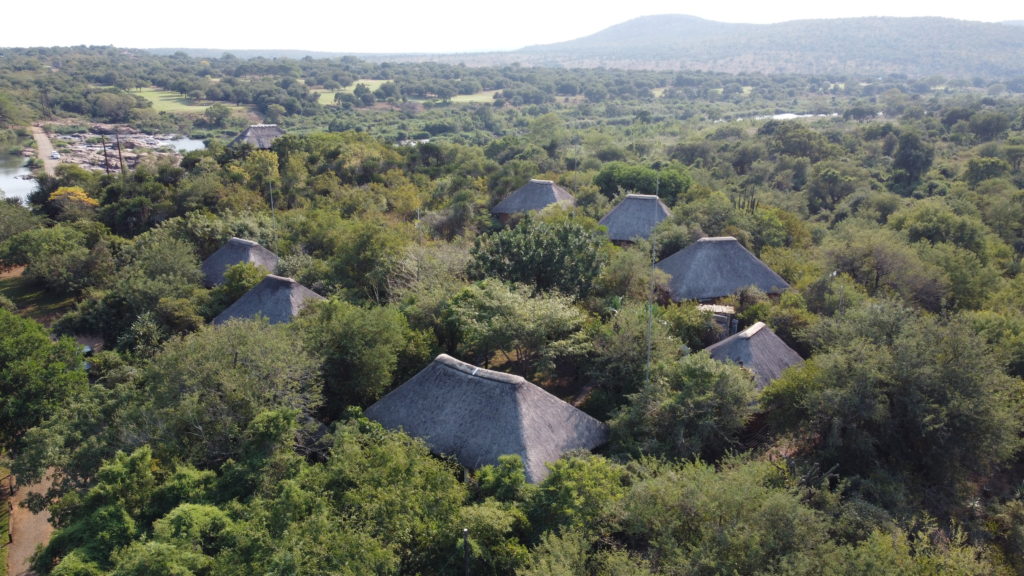
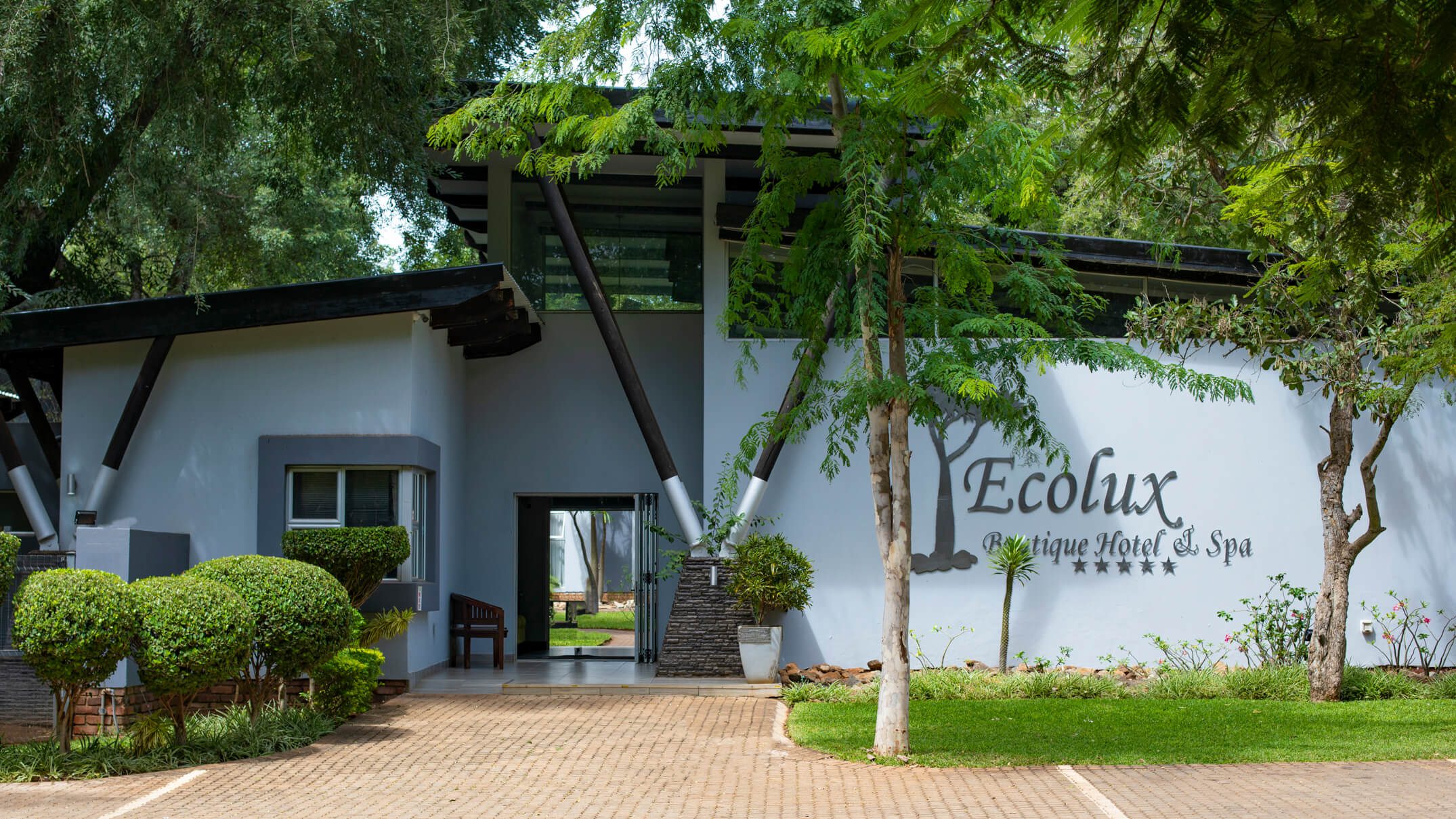
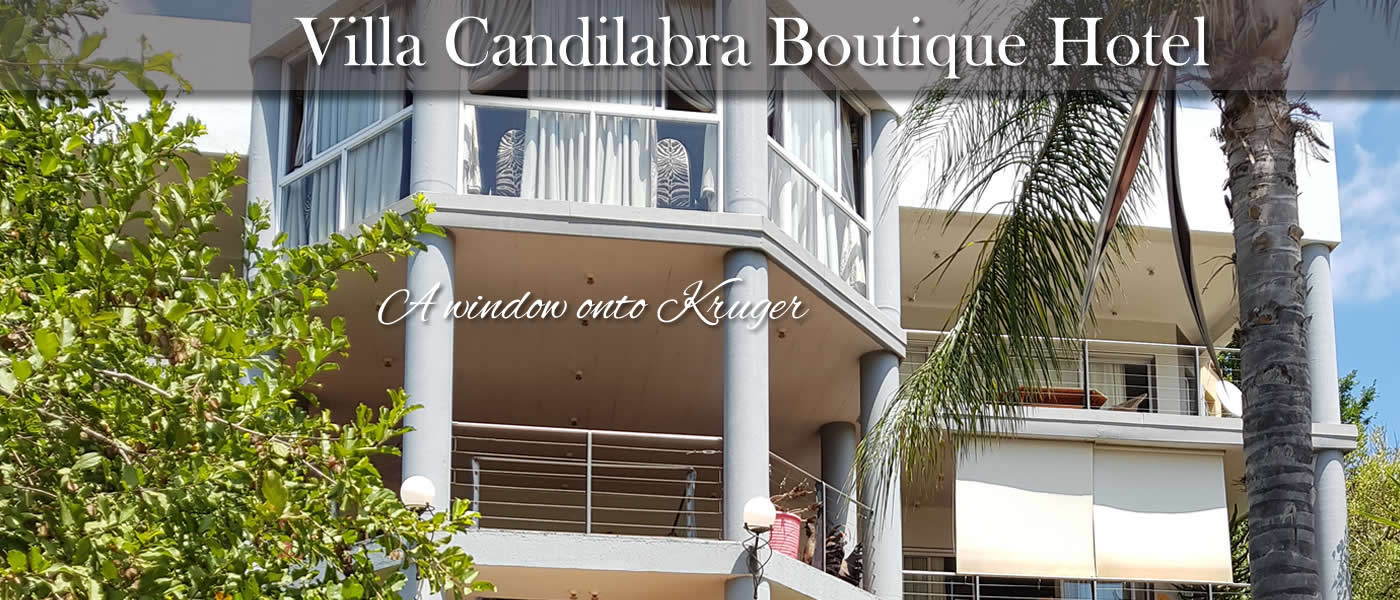
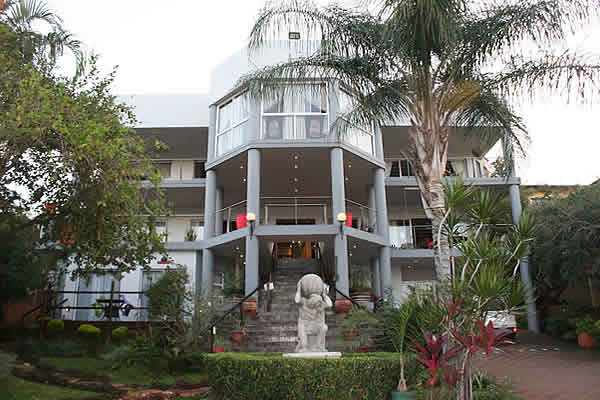
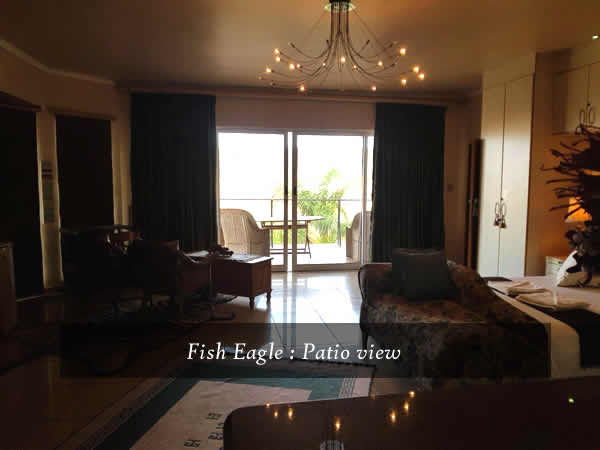
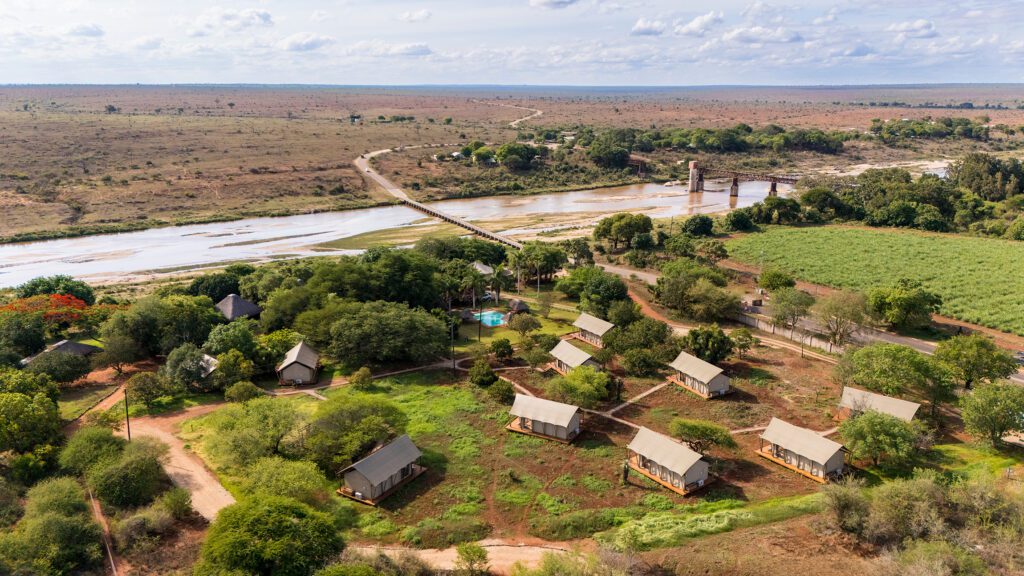
The upper end of the market is covered by a single lodge, sitting at the top of the pricing range. A lodge in this context usually means more structured hospitality, with meals likely included, guided activity bookings handled in-house, and grounds that allow wildlife access to the garden. For visitors who want to minimise logistics on arrival, particularly after a long drive from Johannesburg or a delayed border crossing, this kind of hands-off arrangement has genuine practical appeal.
There is no mid-range guesthouse tier in Komatipoort of the kind found in larger Lowveld towns. Budget and upper-end stays are covered, with little in between. That limited supply means availability moves quickly over dry-season weekends and South African school holiday periods. Book ahead, particularly if your dates fall between June and August.
Best Time to Visit Komatipoort
Komatipoort sits at low elevation in the Lowveld, keeping temperatures high throughout the year. The wet season runs from October through April, with rainfall peaking in January and February. Afternoon thunderstorms during this period are frequent and can affect gravel roads into game areas. Summer also brings the landscape to life: newborn animals appear from around November, and migratory bird species arrive in good numbers.
The dry months from May through September are generally the better window for wildlife viewing. Vegetation thins out, animals concentrate around permanent water sources, and tracks are more reliable. Daytime temperatures during winter are comfortable, but nights and early mornings can be genuinely cold in June and July, particularly on open game drives. A warm layer is worth packing regardless of what the daytime forecast shows.
July and August mark the peak season across the Lowveld, coinciding with South African school holidays and European summer travel. Accommodation fills and reserve entry gates are busier. May, June, and September offer comparable viewing conditions with fewer visitors and easier bookings overall.
Malaria is present in this part of Mpumalanga year-round, with higher transmission during the wet summer months. Consult a travel clinic before departure and factor prophylaxis into your preparation.
Getting to Komatipoort
The main road route to Komatipoort is the N4 highway, which runs east from Johannesburg through Pretoria and Mbombela (Nelspruit) to the border. The total distance from Johannesburg is roughly 400 kilometres, taking four to five hours depending on traffic through Gauteng. From Mbombela, the remaining distance along the N4 is about 100 kilometres, usually covered in around 90 minutes.
The nearest commercial airport is Kruger Mpumalanga International Airport (KMIA), close to White River and approximately 100 kilometres west of Komatipoort. Flights connect KMIA daily to O.R. Tambo International Airport in Johannesburg, with car hire available on arrival. For international visitors who want to avoid a long drive from Gauteng, flying into KMIA and covering the final leg by road is a practical alternative.
The Lebombo border crossing into Mozambique sits at the edge of town, making Komatipoort a natural gateway for overland travellers doing a South Africa to Maputo route in either direction.
Getting around locally requires a private vehicle. Public transport connections within the area are limited, and distances to game areas and surrounding towns are not manageable on foot or by local minibus taxi.
Komatipoort and Surrounding Areas
Komatipoort's position in the eastern Lowveld puts several distinct destinations within a two-hour drive.
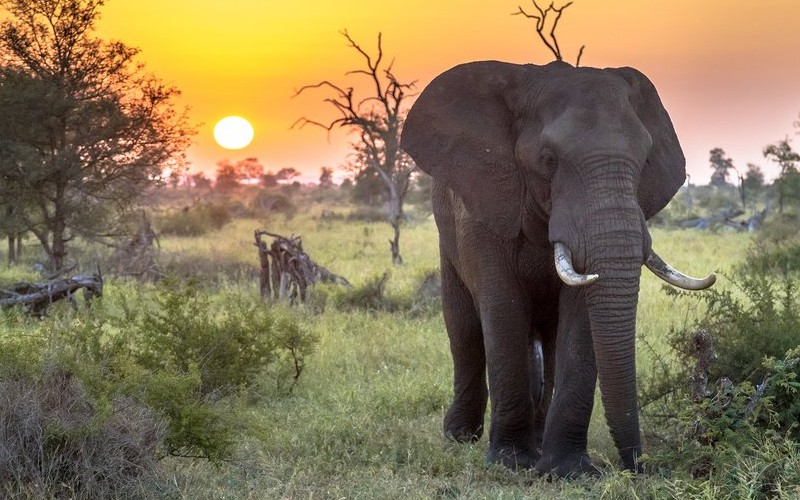
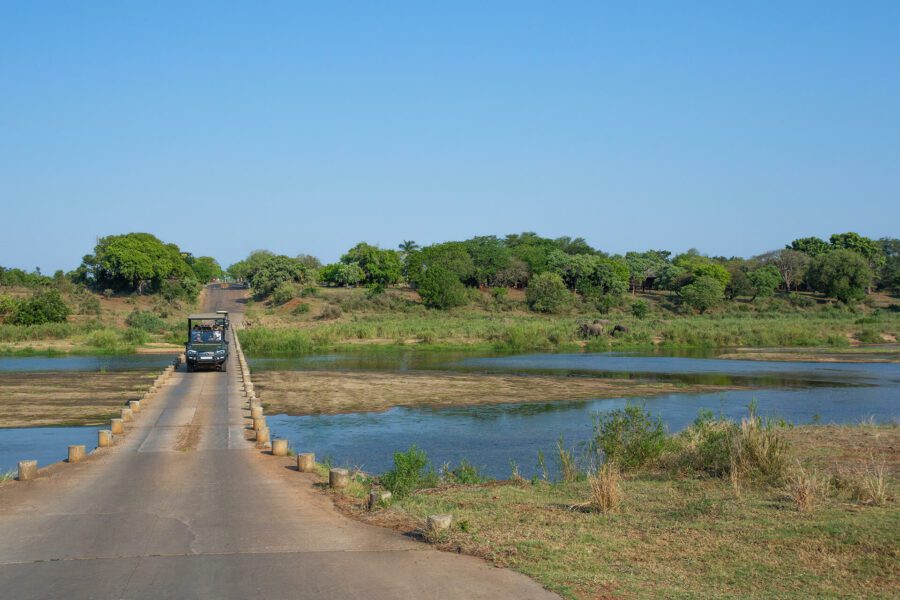
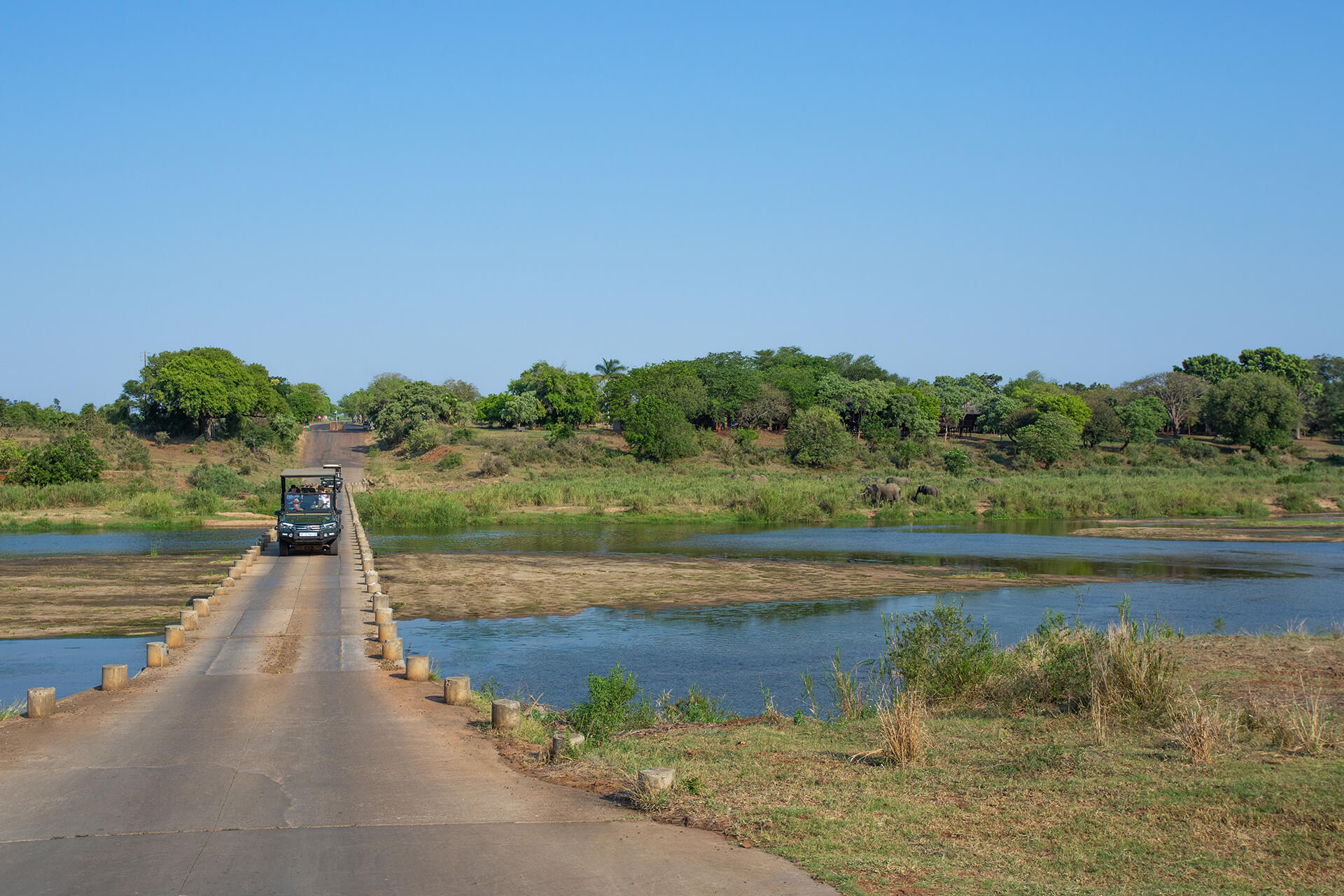
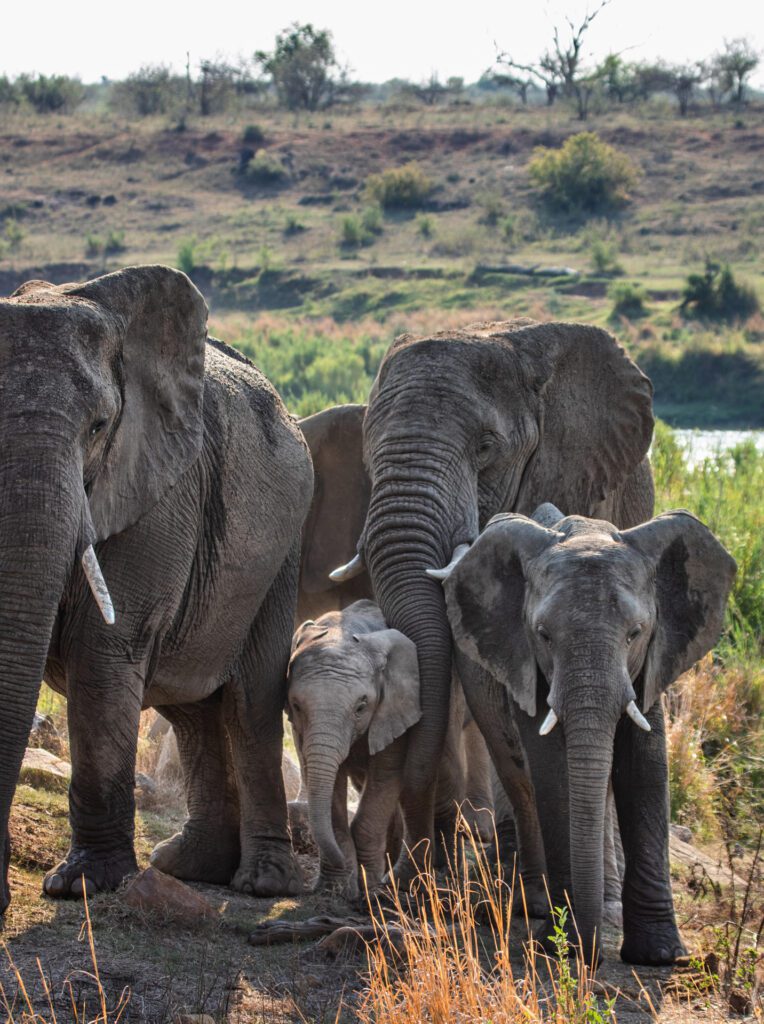
Marloth Park, 20 kilometres away, is a private residential reserve with no internal fencing. Elephant, nyala, warthog, and other species move freely through the area, including through private gardens. Visitors based in Komatipoort often make the short drive to walk Marloth's unpaved roads or stop at one of the small bush restaurants, an experience that is simply unavailable inside Kruger, where you must remain in your vehicle between designated camps.
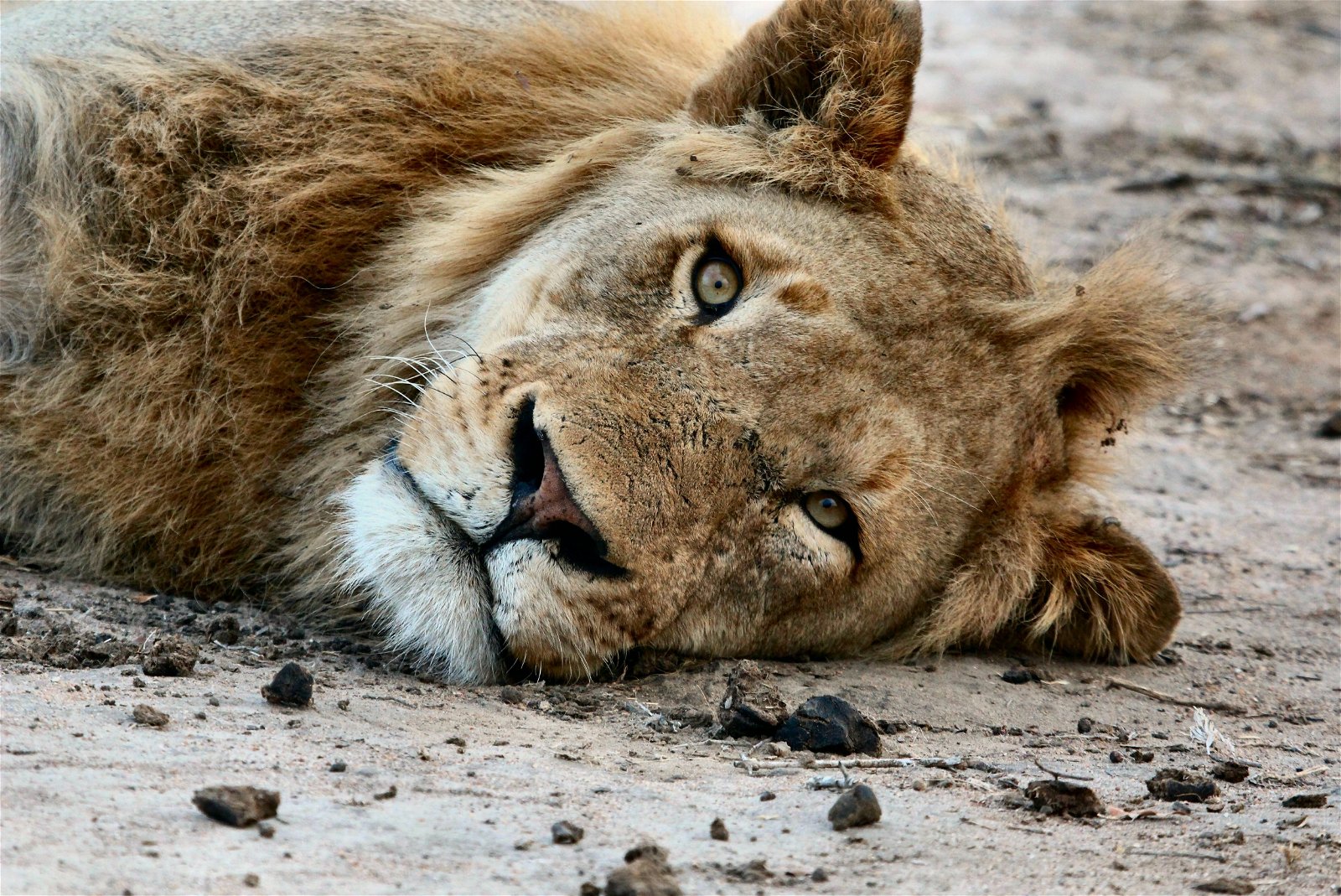
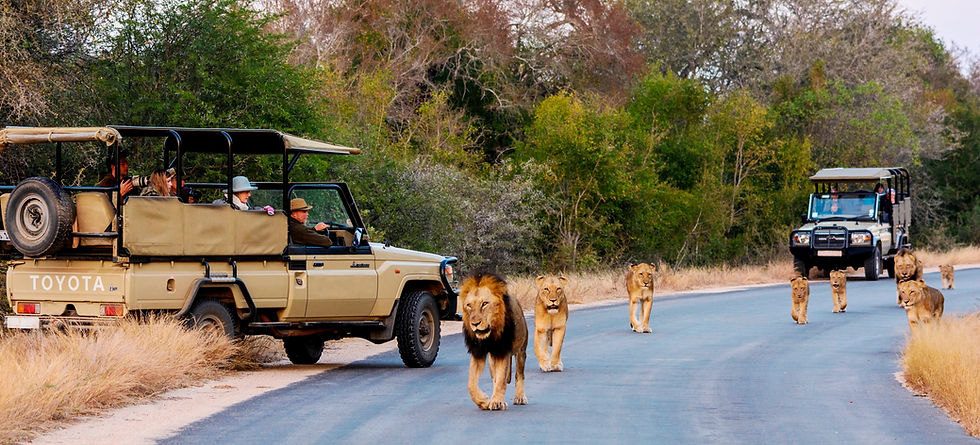
Hectorspruit, 27 kilometres west, is a modest agricultural town. Its value for visitors lies in the Crocodile Bridge Gate, one of Kruger National Park's less-used southern entry points. The flat, open terrain of southern Kruger suits predator sightings, particularly lion and cheetah, and this gate avoids the longer drives required to reach busier entry points.
Malelane, 45 kilometres away, is a larger service centre with shops, fuel, and banking. The Malelane Gate opens into the park's south-central zone, and Berg-en-Dal rest camp just inside is a comfortable overnight option for anyone wanting to spend a night within Kruger itself.
Skukuza, 62 kilometres from Komatipoort, is Kruger's largest rest camp and administrative hub. It has a restaurant, museum, car hire desk, and airstrip. For visitors who want the full range of in-park services without driving to smaller camps, Skukuza is the operational centre.
Njonjela, at 87 kilometres, is a rural settlement in the Nkomazi area, a region defined by sugarcane farming and its position at the junction of the South African, Mozambican, and Swazi borders. Tourist infrastructure is minimal, but it sits naturally on a border-loop itinerary for travellers exploring the agricultural eastern Lowveld.
Hazyview, 94 kilometres from Komatipoort, is the most developed tourism hub in the region, with supermarkets, restaurants, a craft market, and activities including whitewater rafting on the Sabie River. The Phabeni and Paul Kruger gates are close by. It is a practical day trip when you need more services or variety than a small border town provides.
Planning Your Stay
With limited accommodation available in town, early booking is the most important practical step. Aim to confirm at least three to four weeks ahead for any dry-season dates, and significantly earlier for July, August, or the Easter and September school holiday windows, when demand across the Lowveld is at its highest. Cancellation rates during peak periods are low, so do not rely on last-minute availability.
Before confirming a booking, check whether the property has a generator or inverter. Load-shedding affects Mpumalanga regularly, and a functioning refrigerator, stove, and outdoor lighting matter more than the photos suggest. Confirm what cooking and braai equipment is supplied if meals are not included, since inventory varies and arriving without basics is a common frustration.
If your itinerary involves crossing at Lebombo, plan that day conservatively. The crossing has fixed operating hours, queues can extend without warning near Mozambican public holidays, and booking a flight out of the region on the same afternoon as a border crossing is high risk.
For any visit to this part of the Lowveld, pack high-SPF sun protection, an effective insect repellent, a torch for poorly lit outdoor paths, and a power bank for cameras and phones. Mobile coverage is reliable along the N4 corridor but variable further into game areas.