Accommodation in Parktown
Parktown's 29 listed properties span R950 to R3,420 per night, with an average of R1,461, a spread that reflects a market serving both budget-conscious travellers and those requiring full hotel amenities.
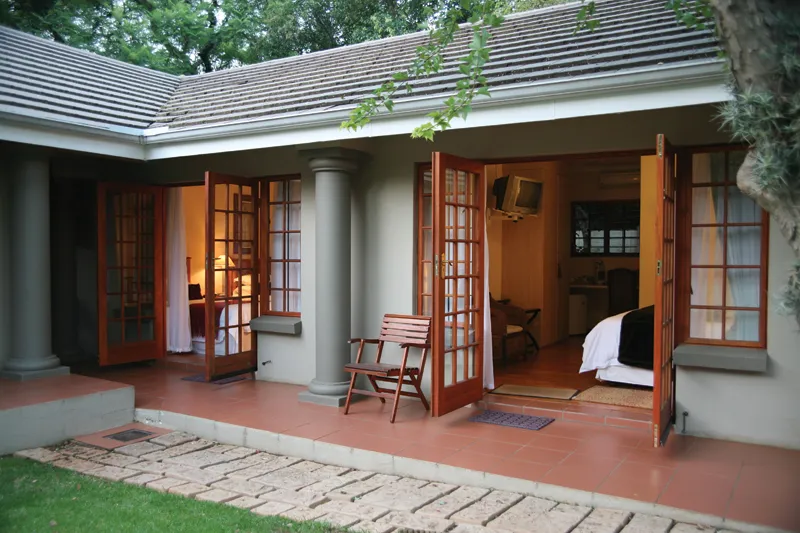
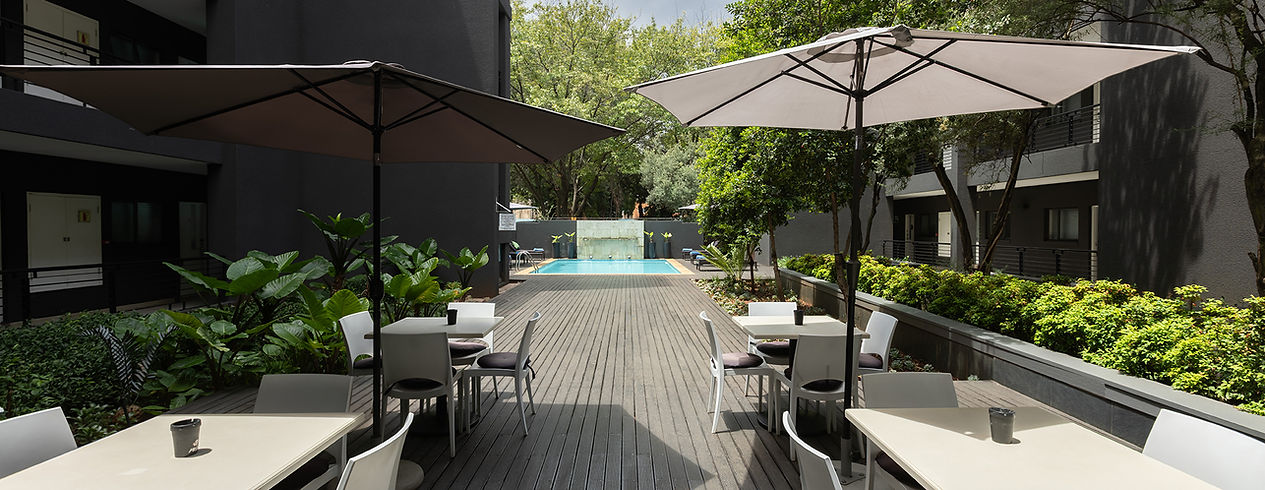
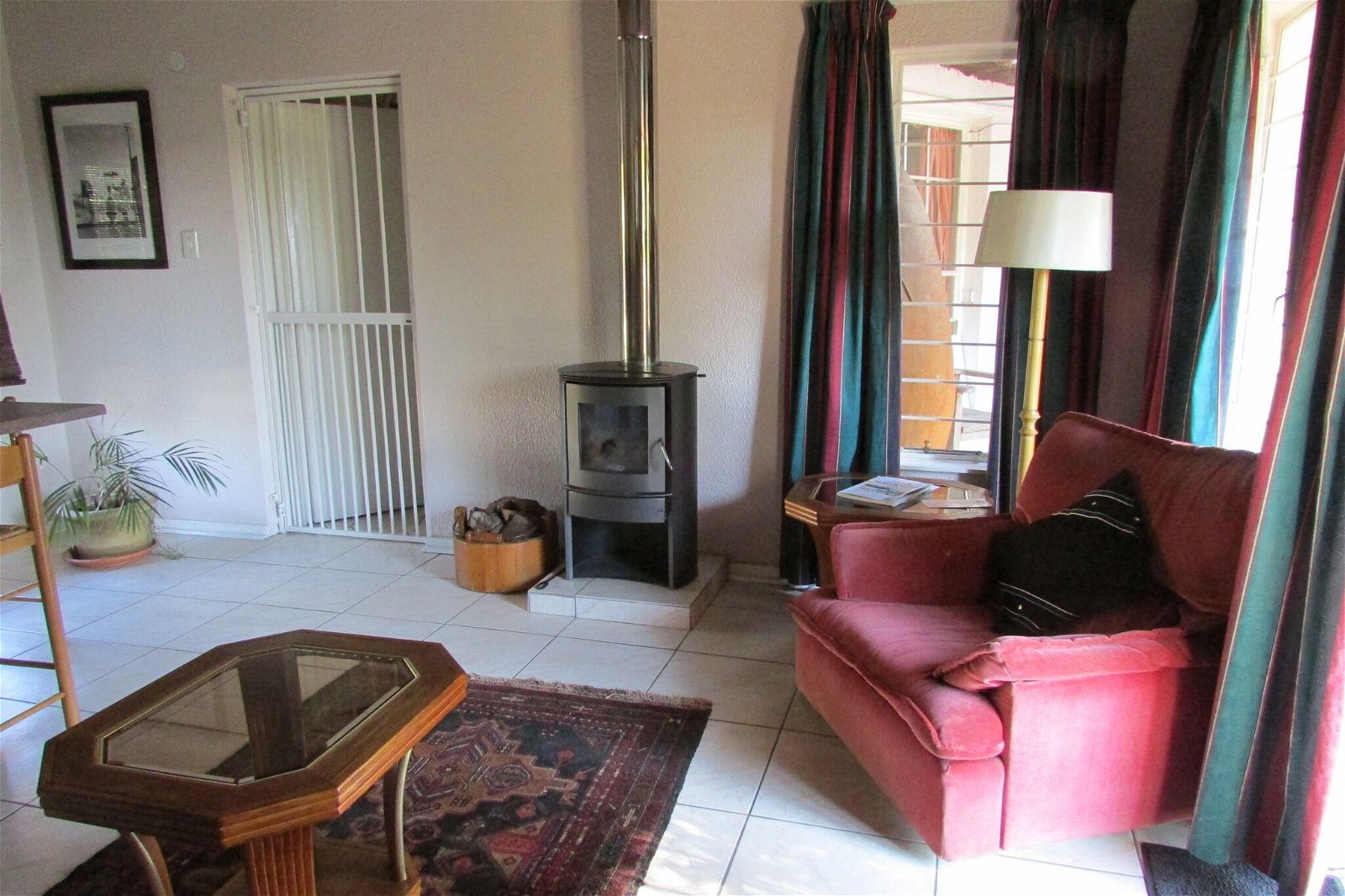
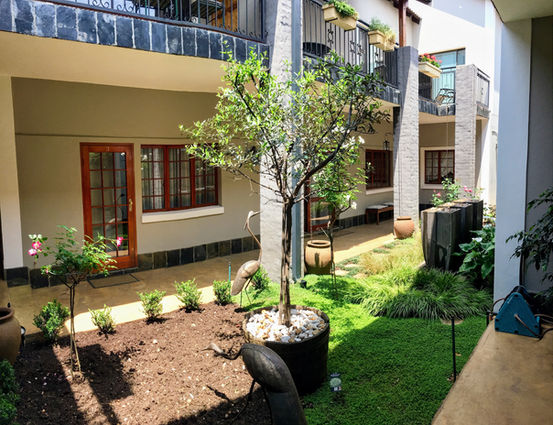
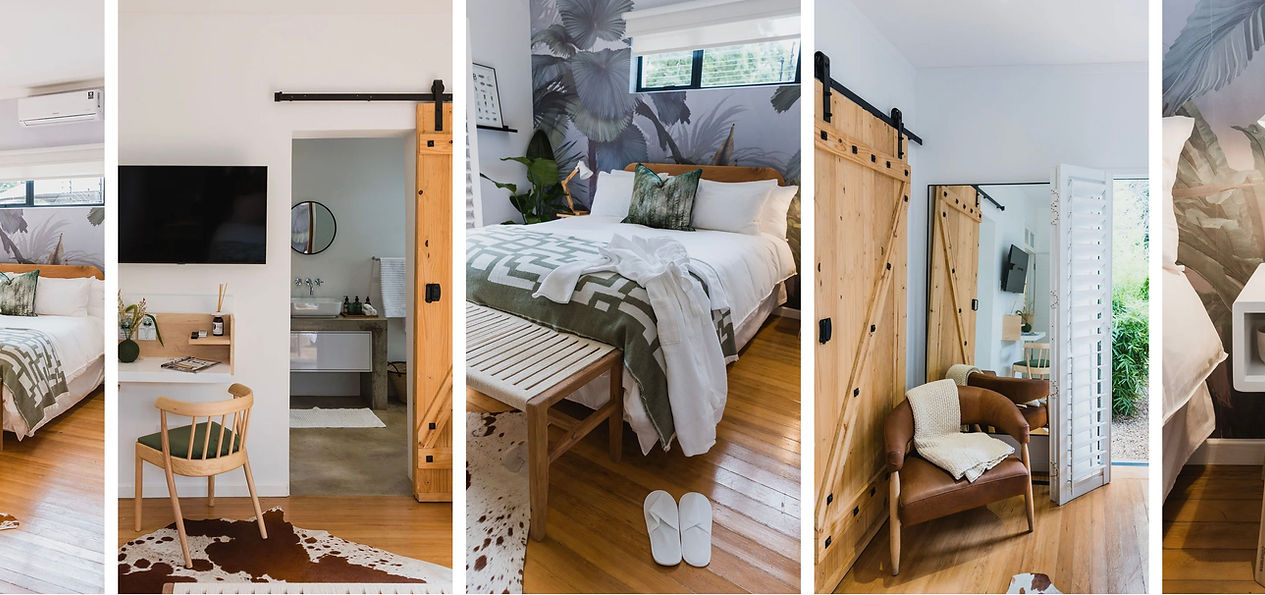
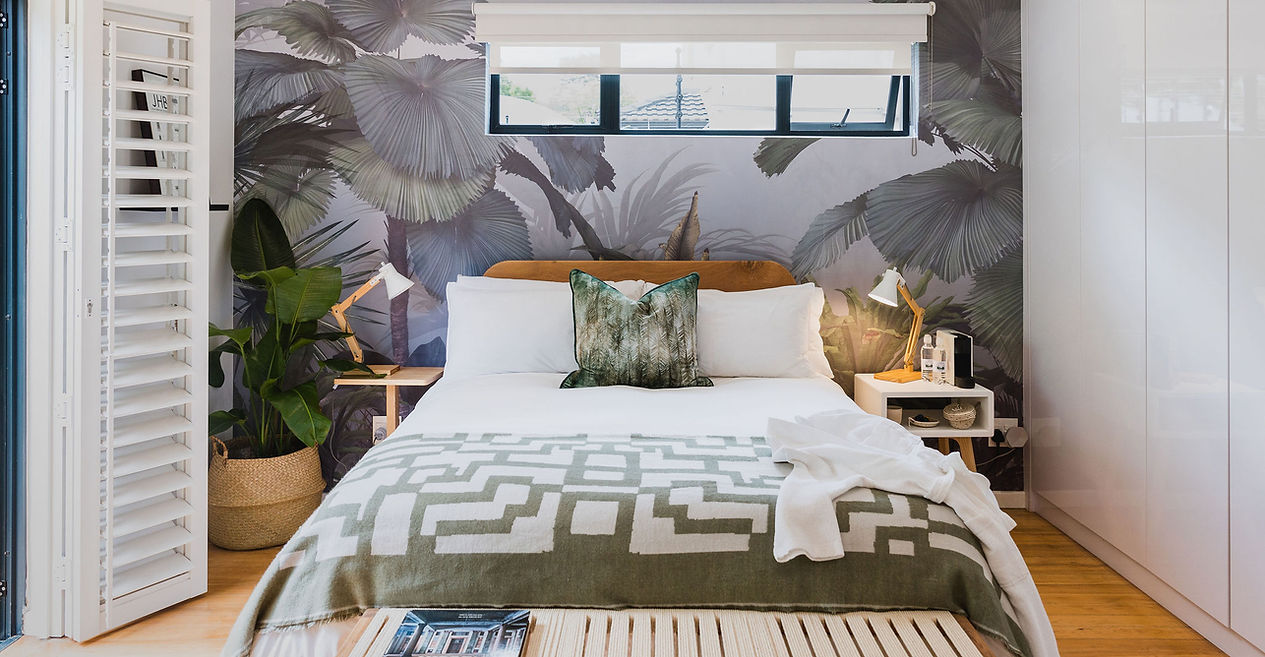
At the lower end, self-catering options and apartments bring nightly rates closer to R950, making them practical for extended stays or visitors who prefer to manage their own meals. These properties tend to be compact and independently operated, typically occupying converted residential units that fit naturally into the suburb's domestic streetscape.
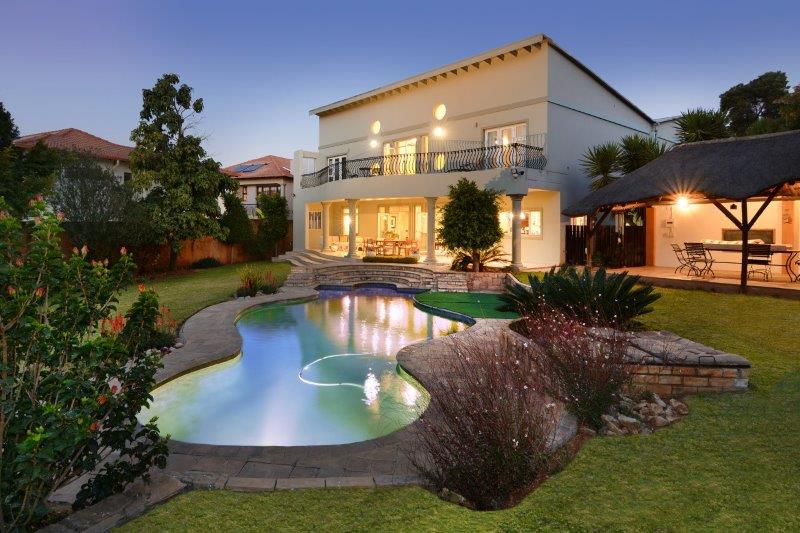
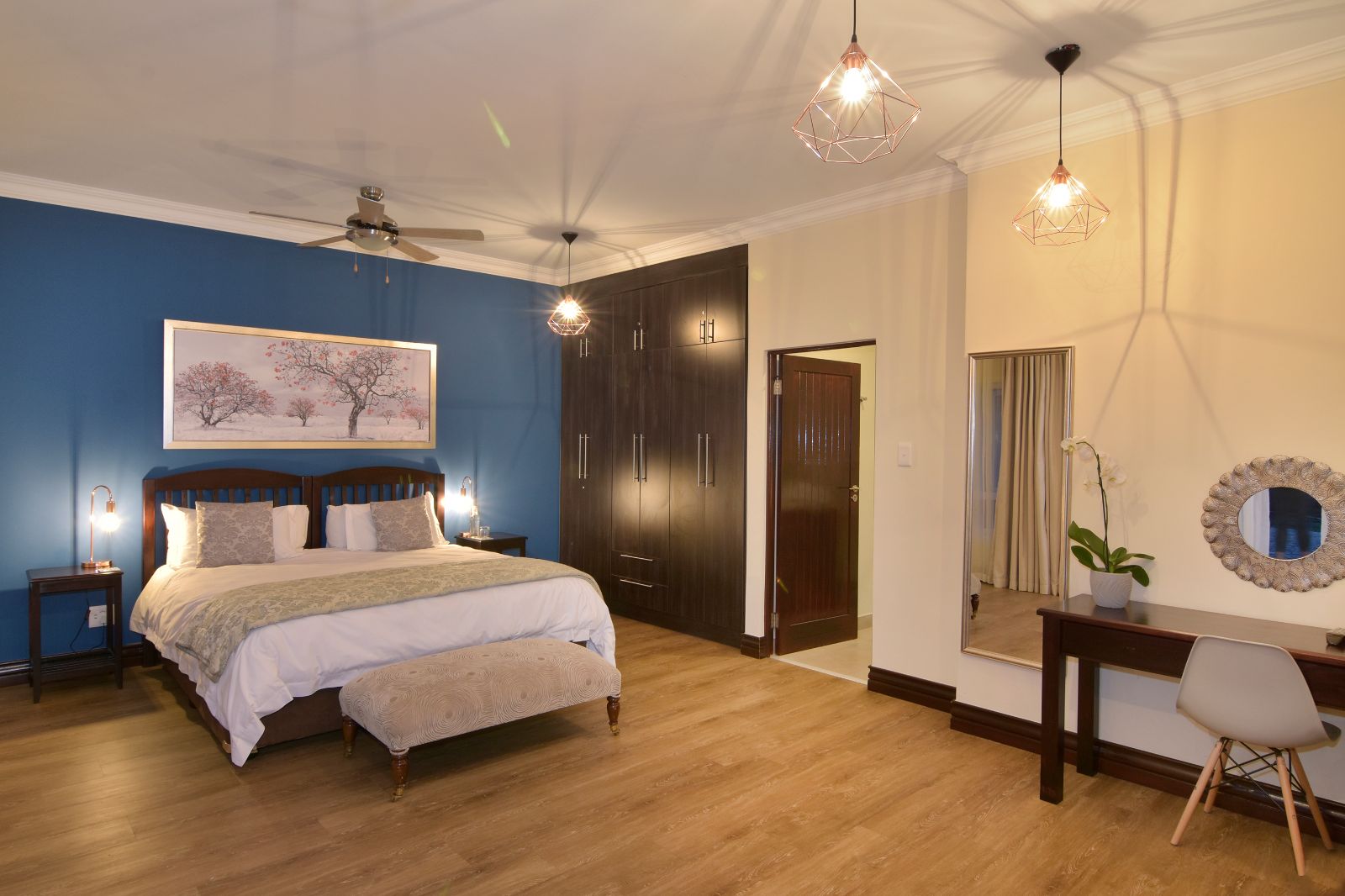
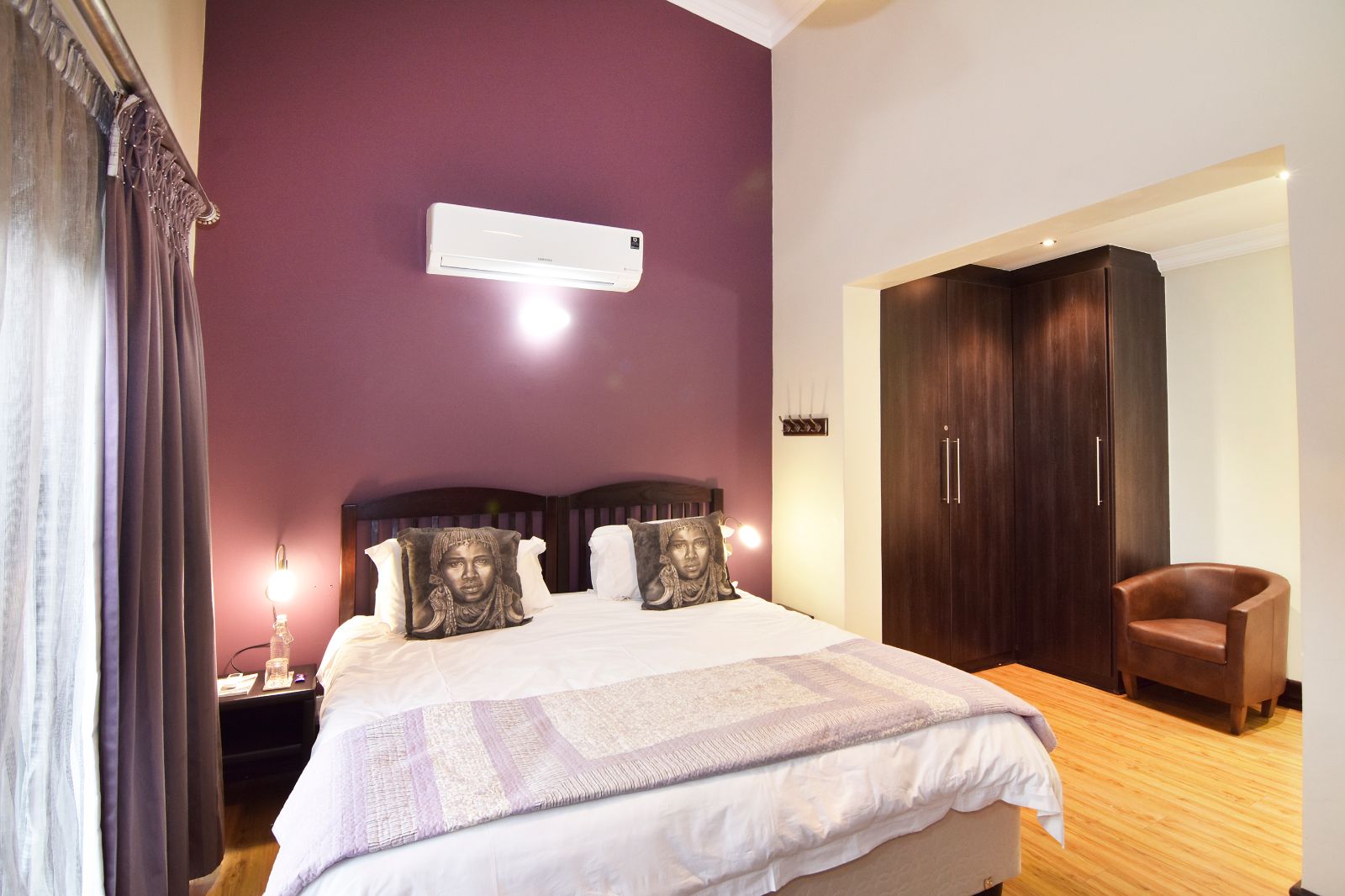
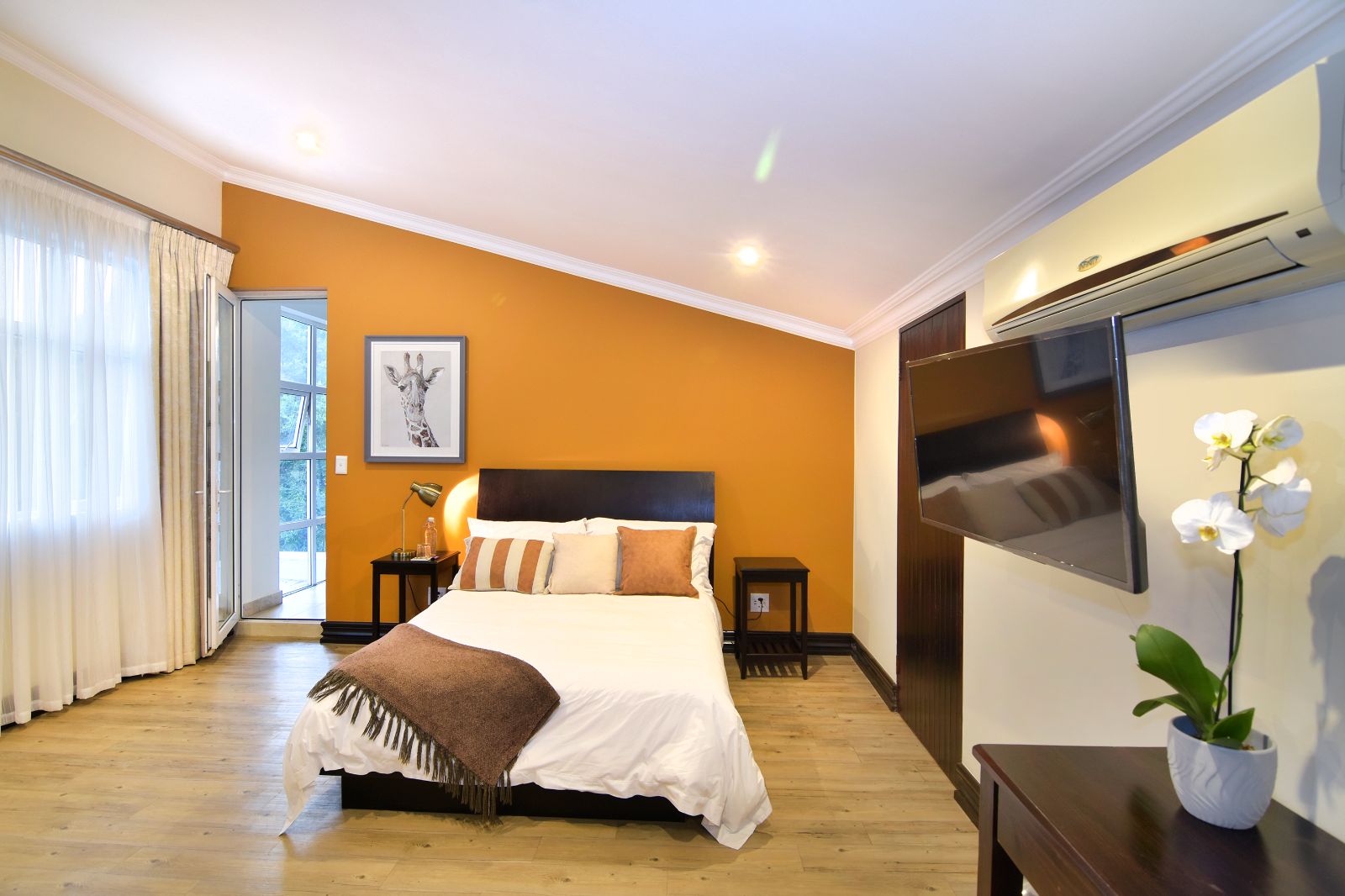
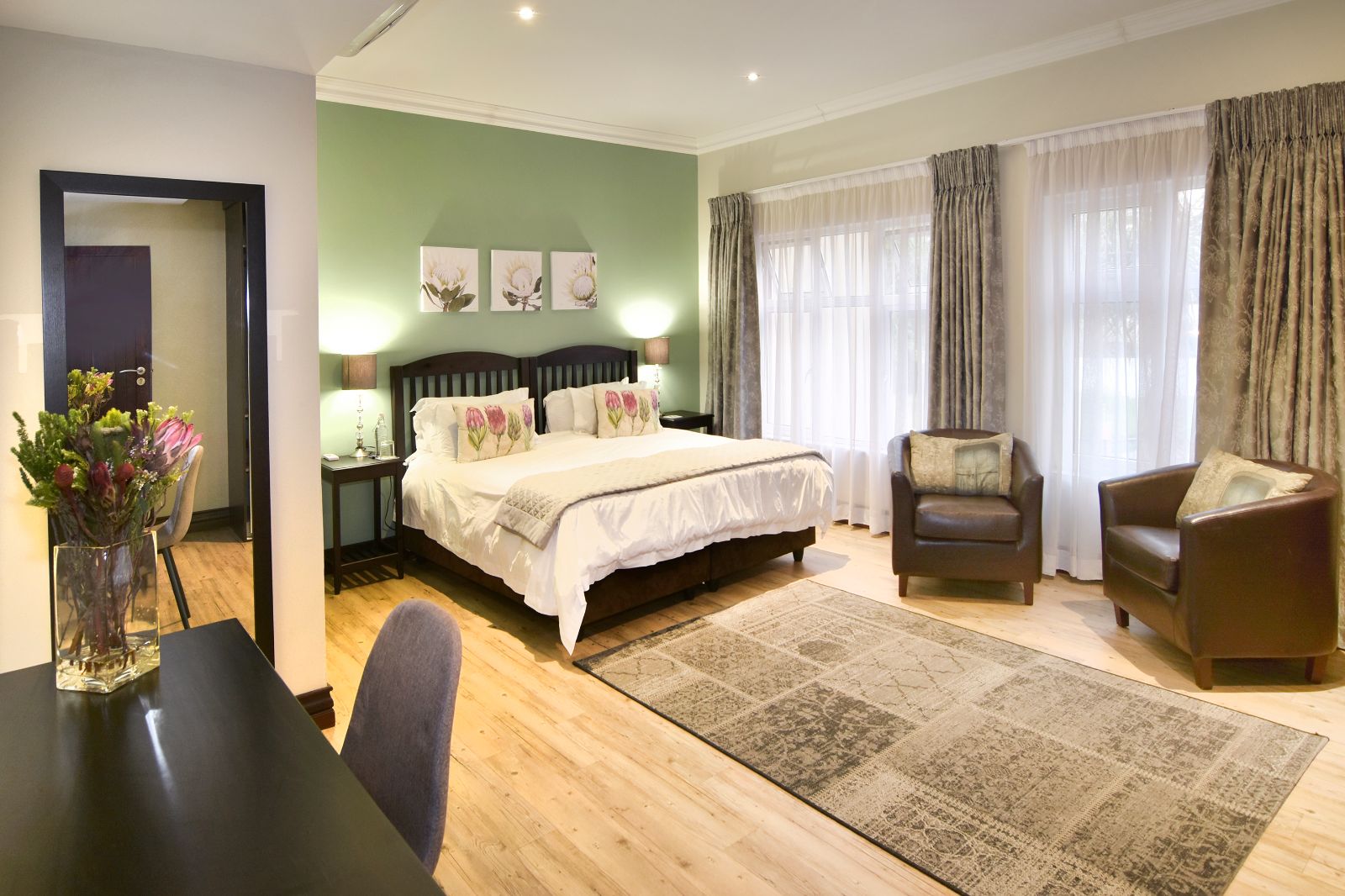
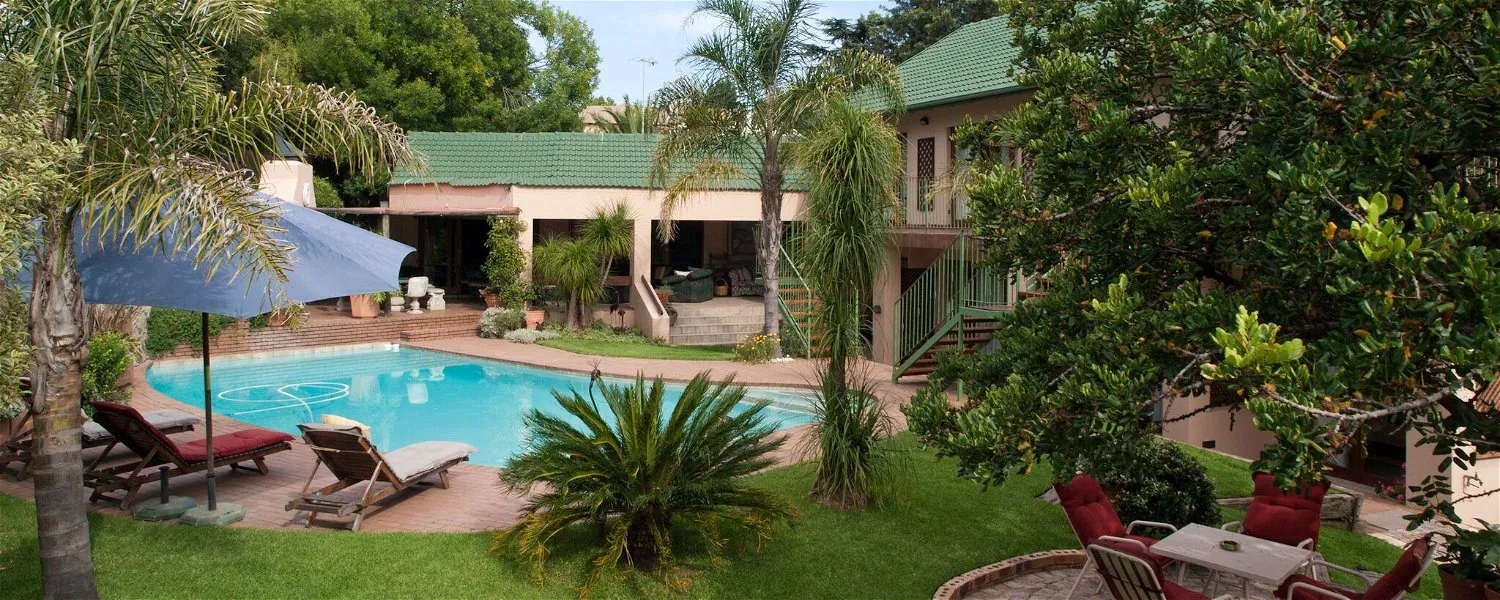
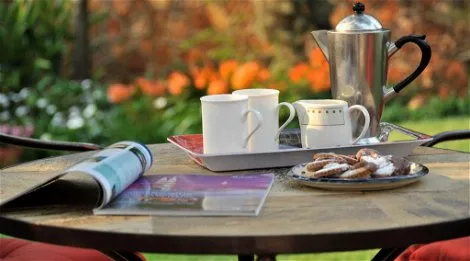
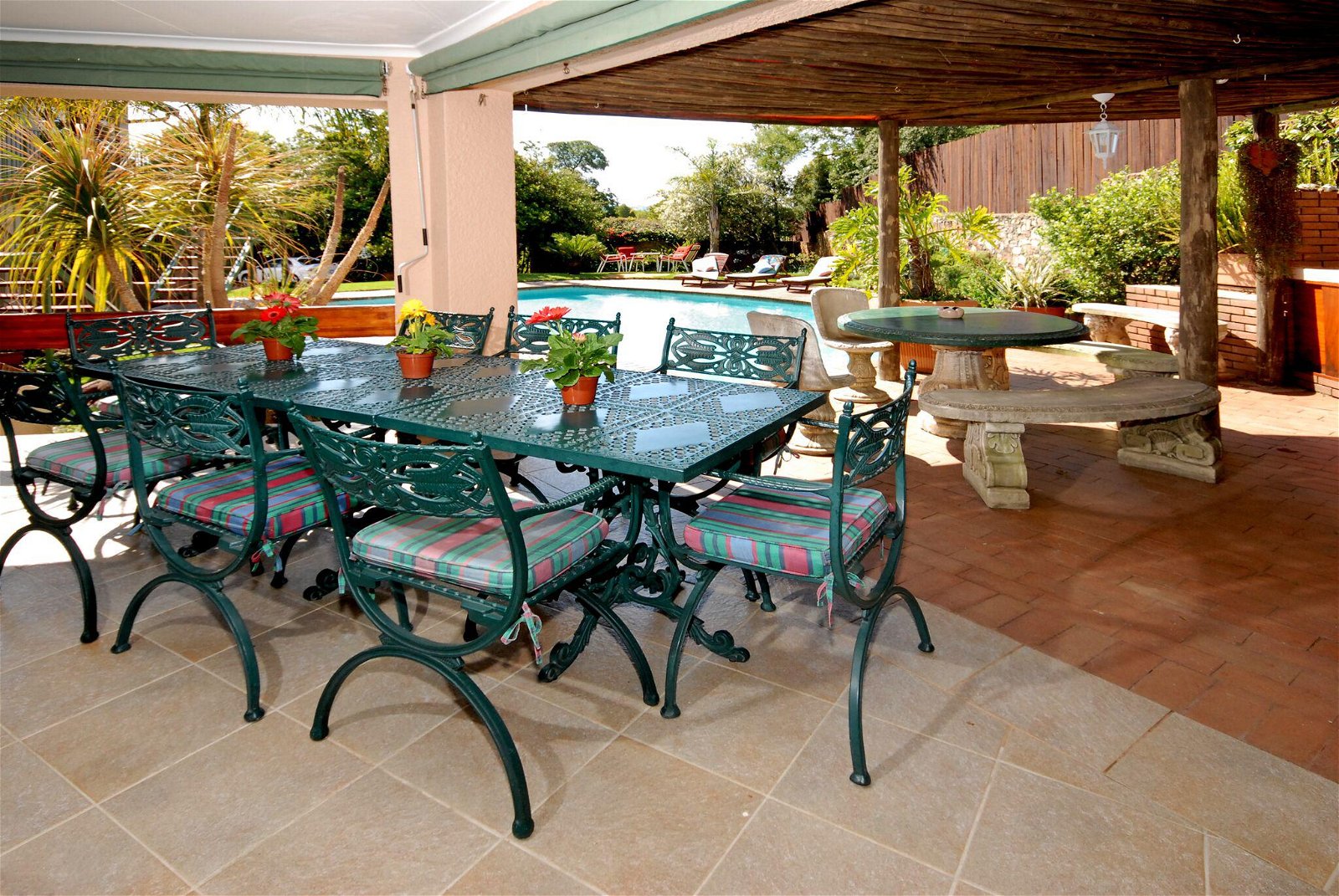
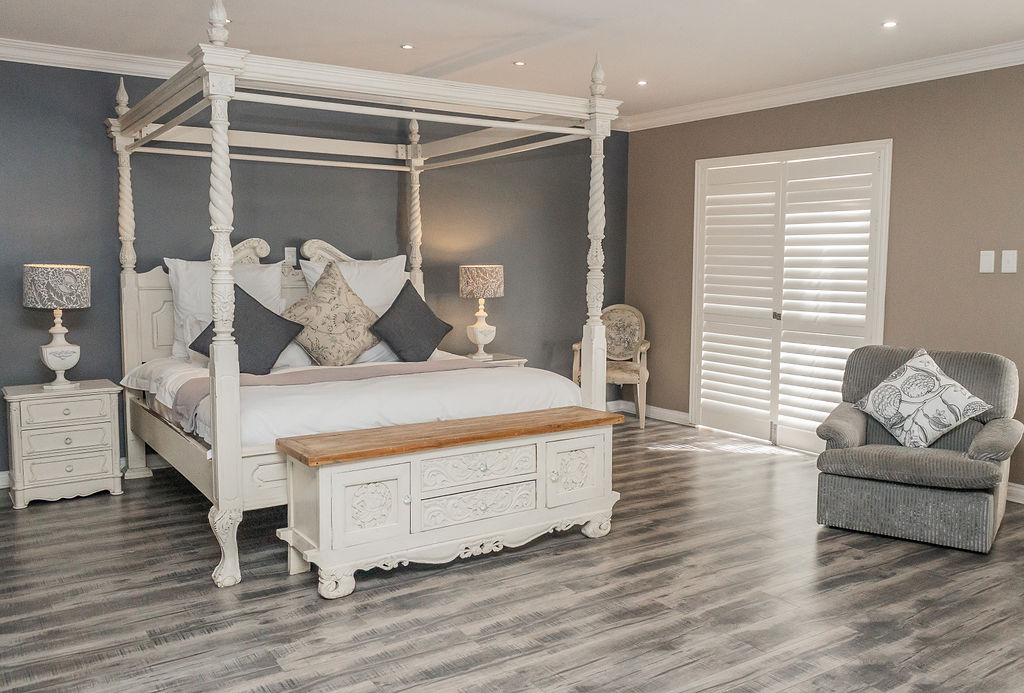
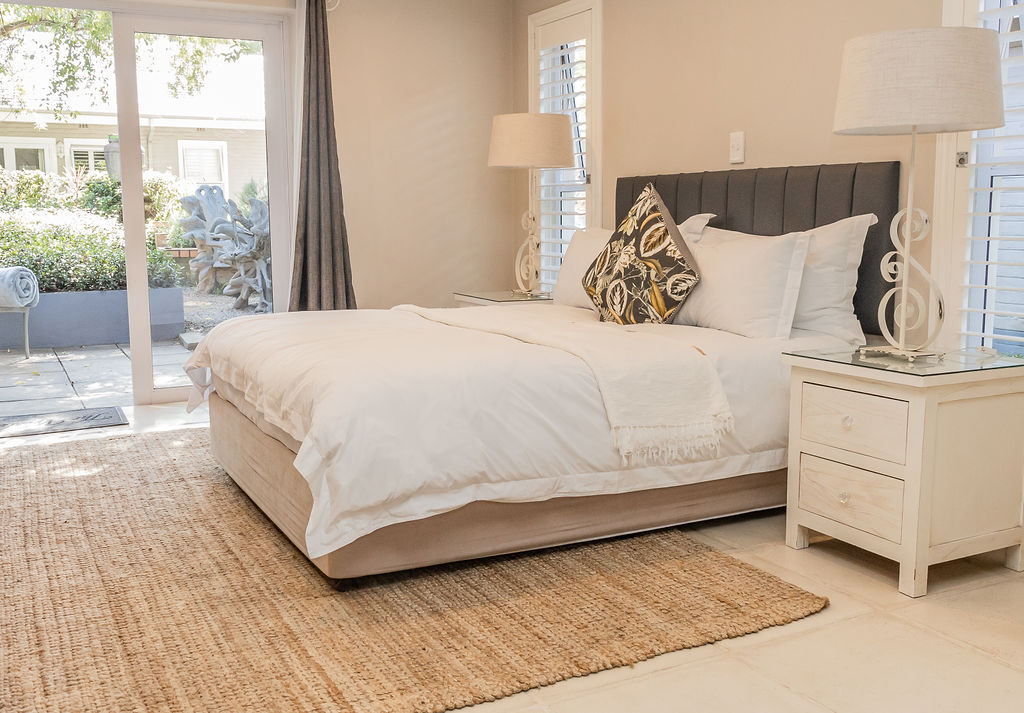
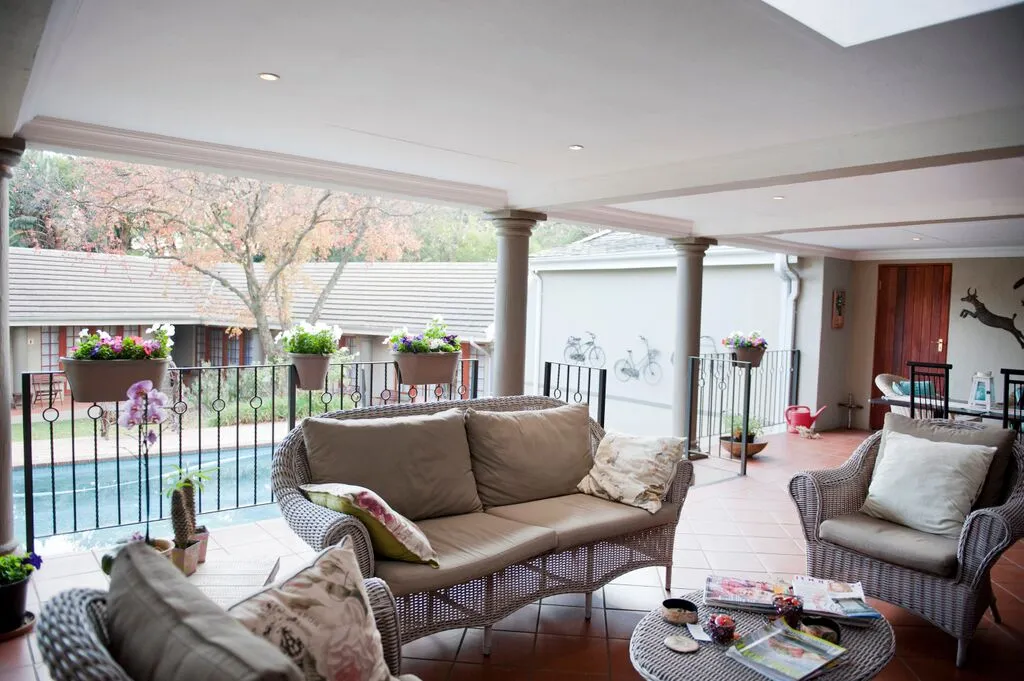
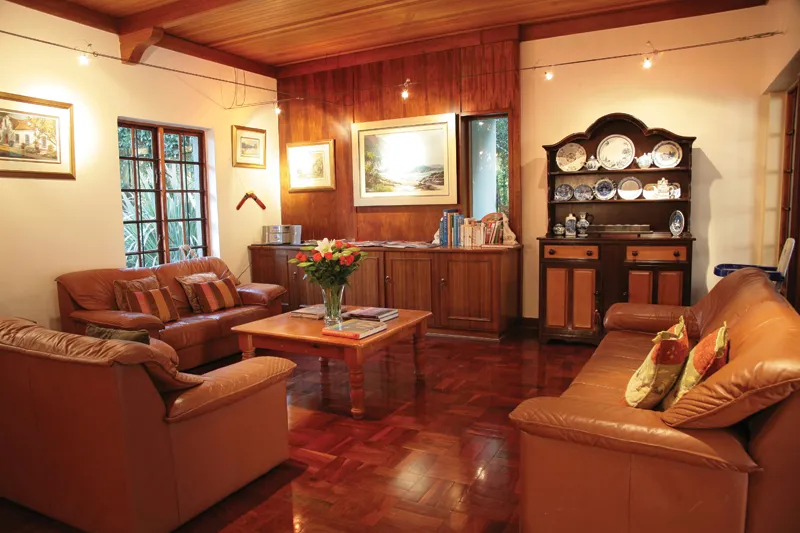
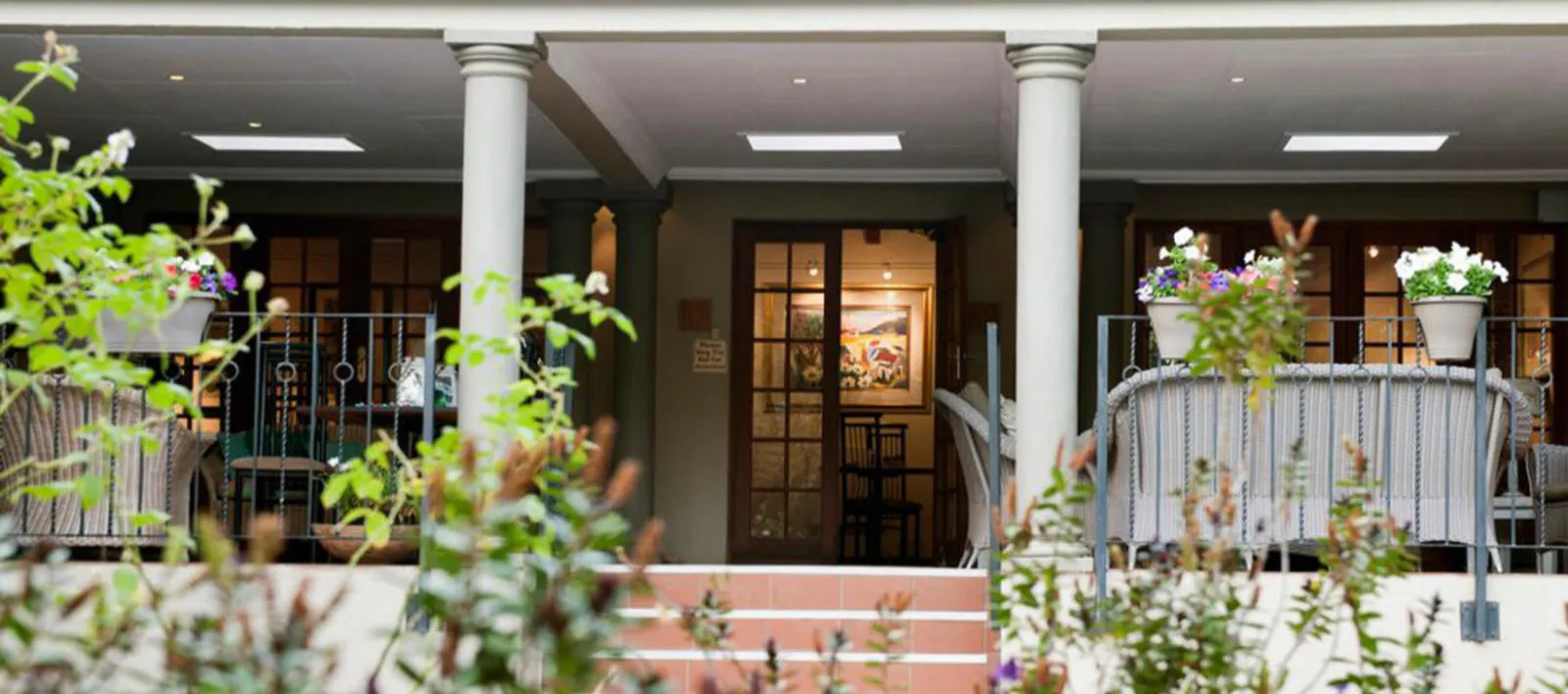
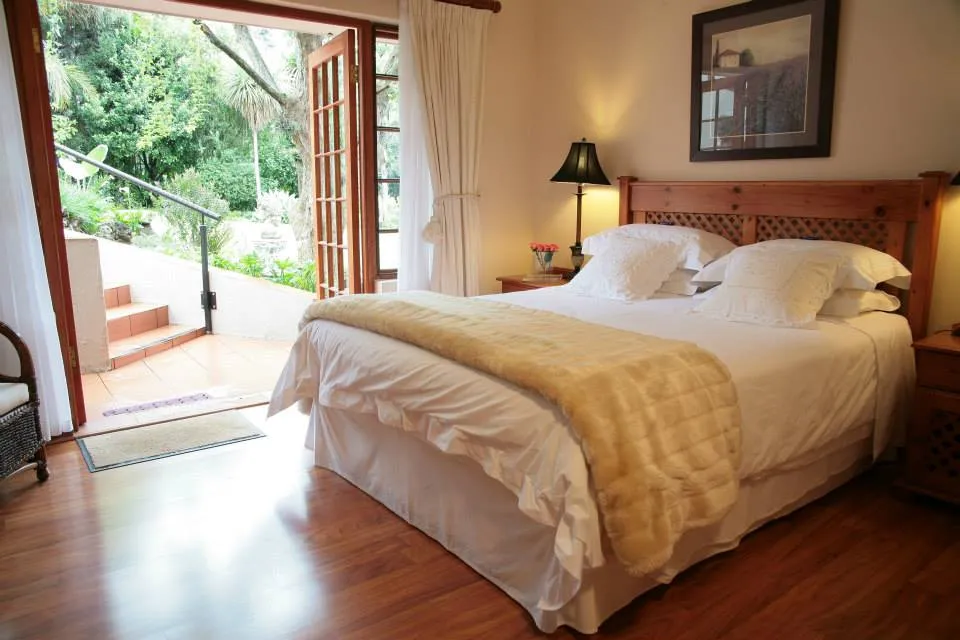
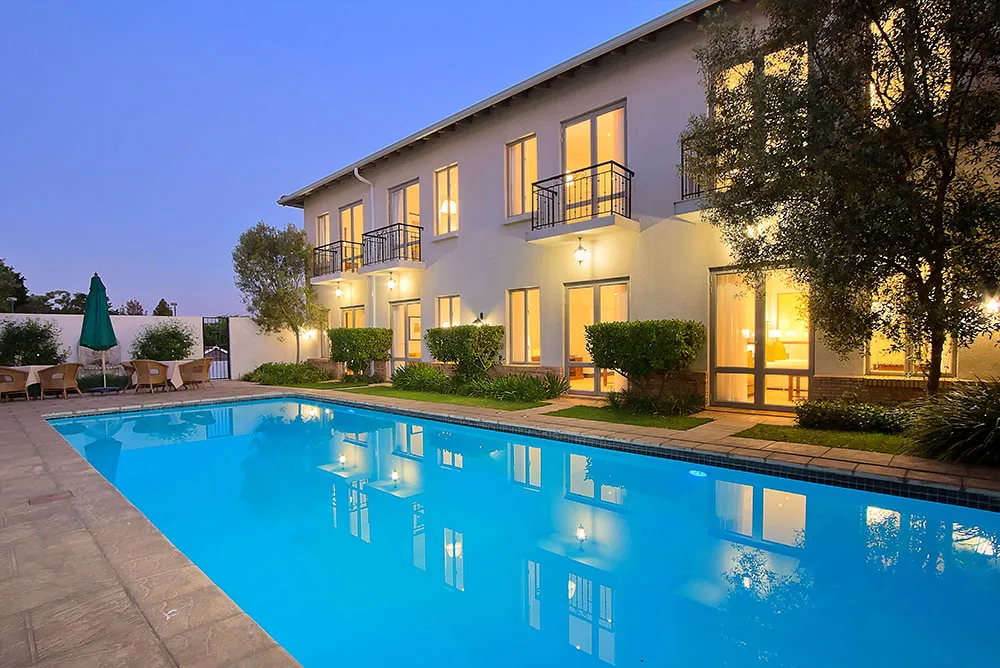
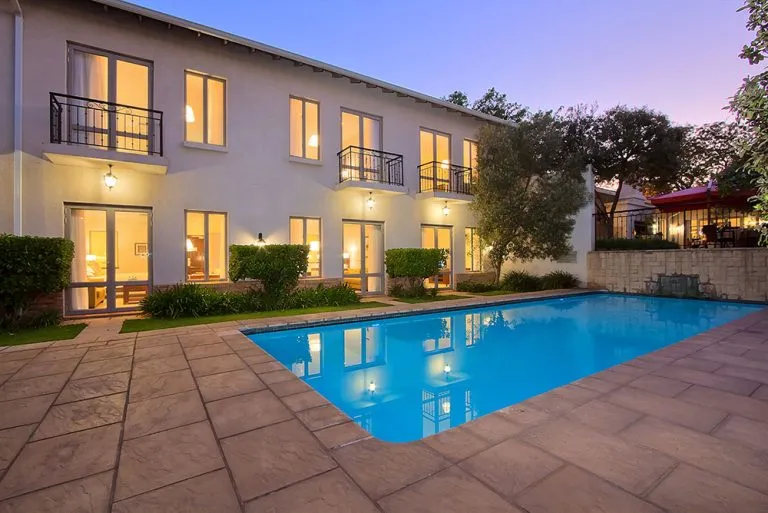
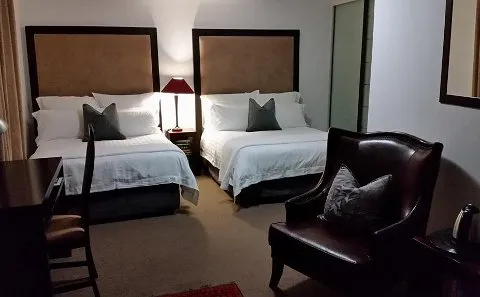
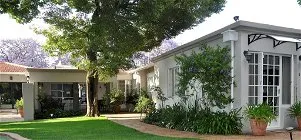
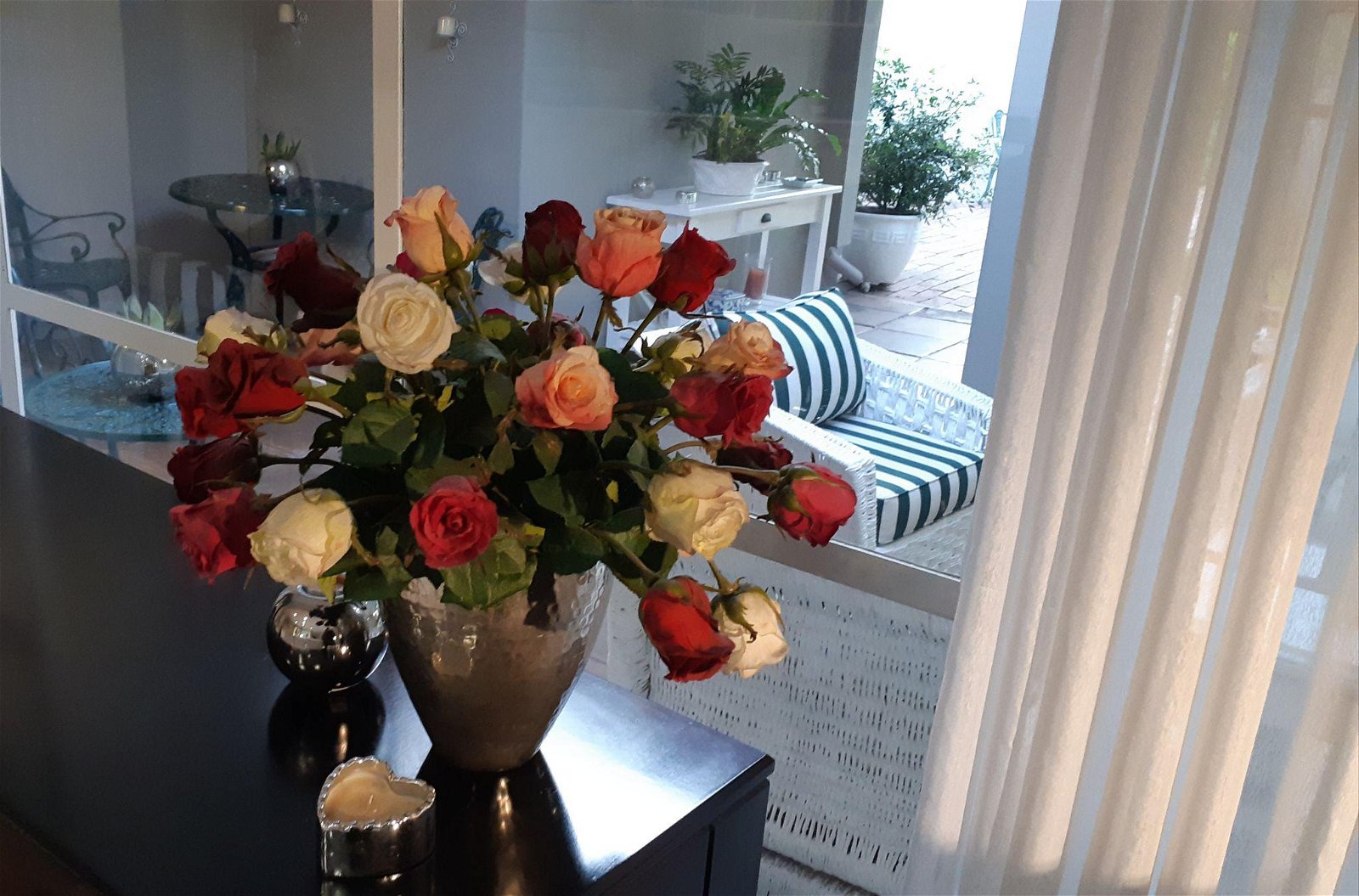
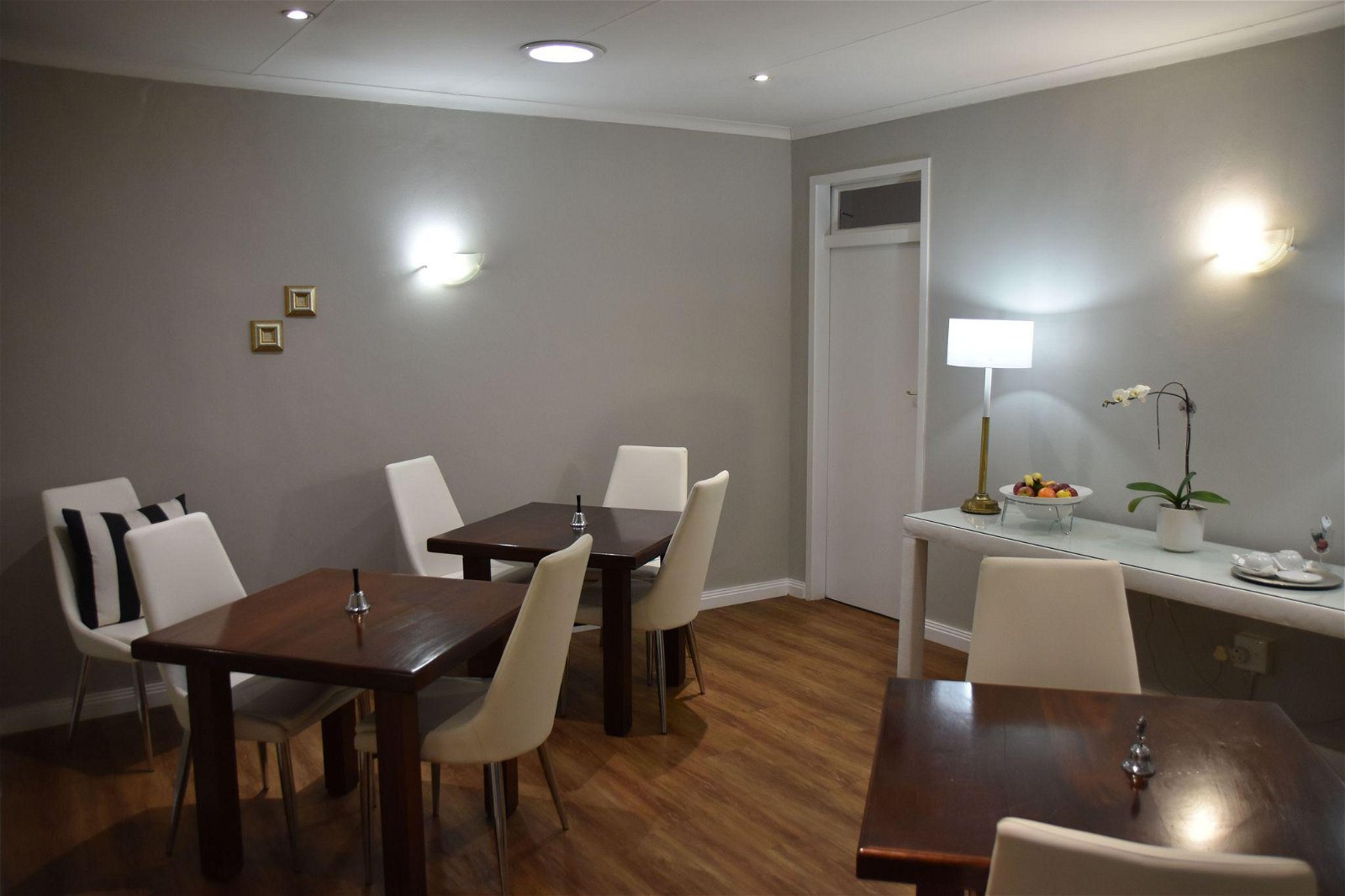
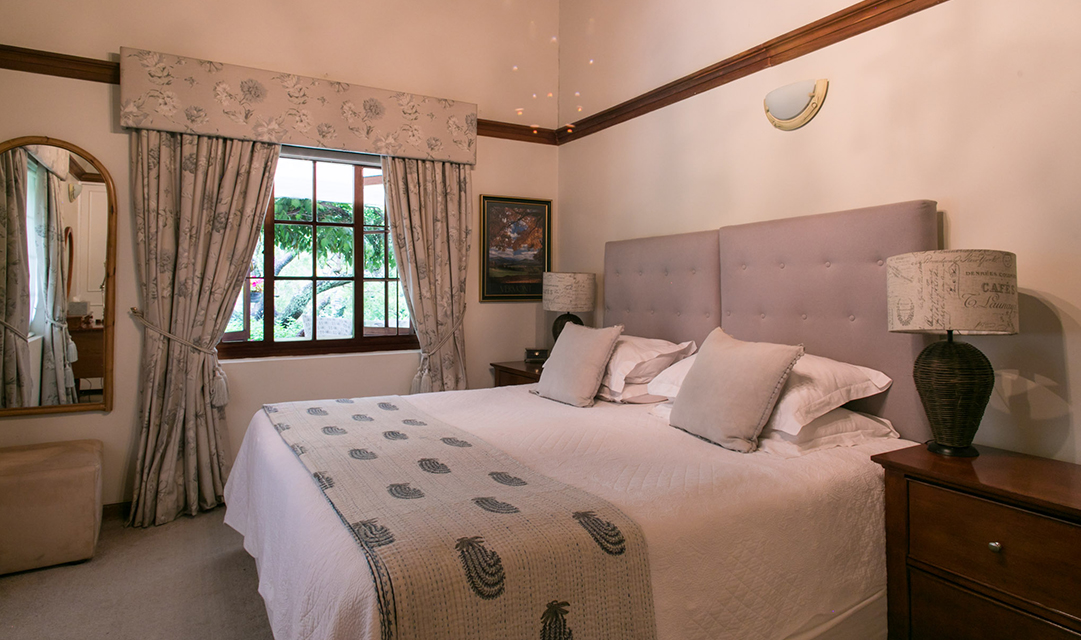
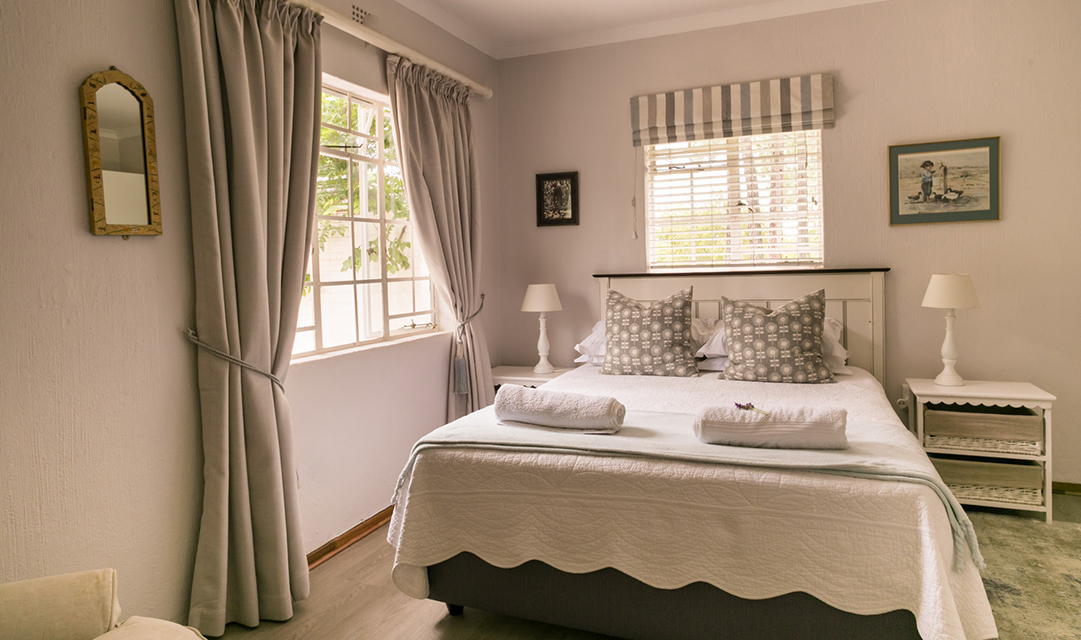
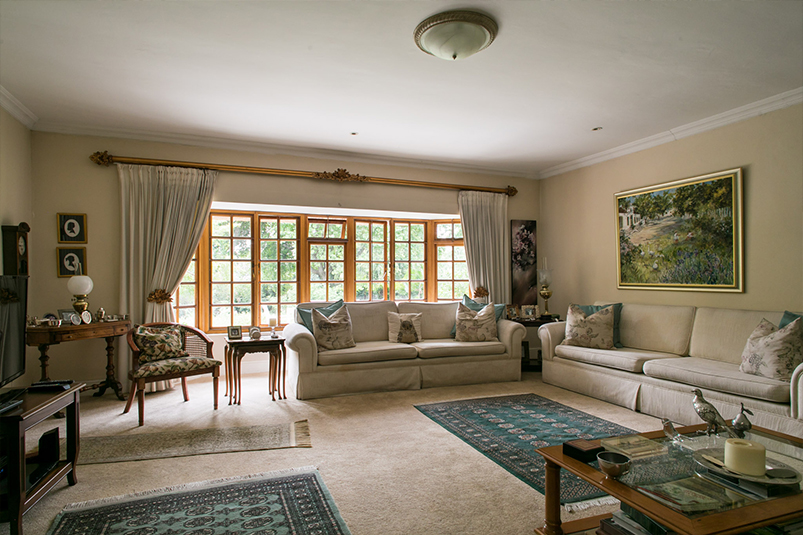
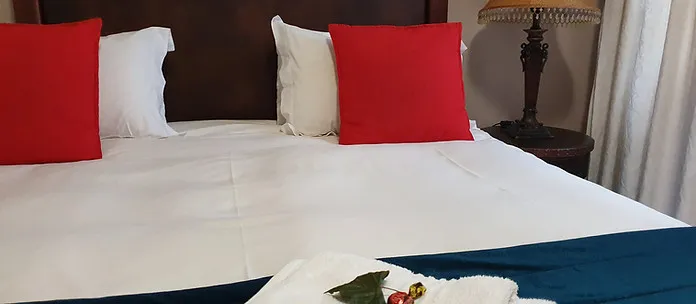
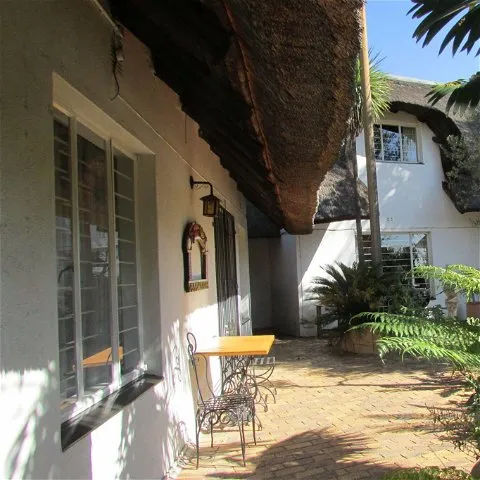
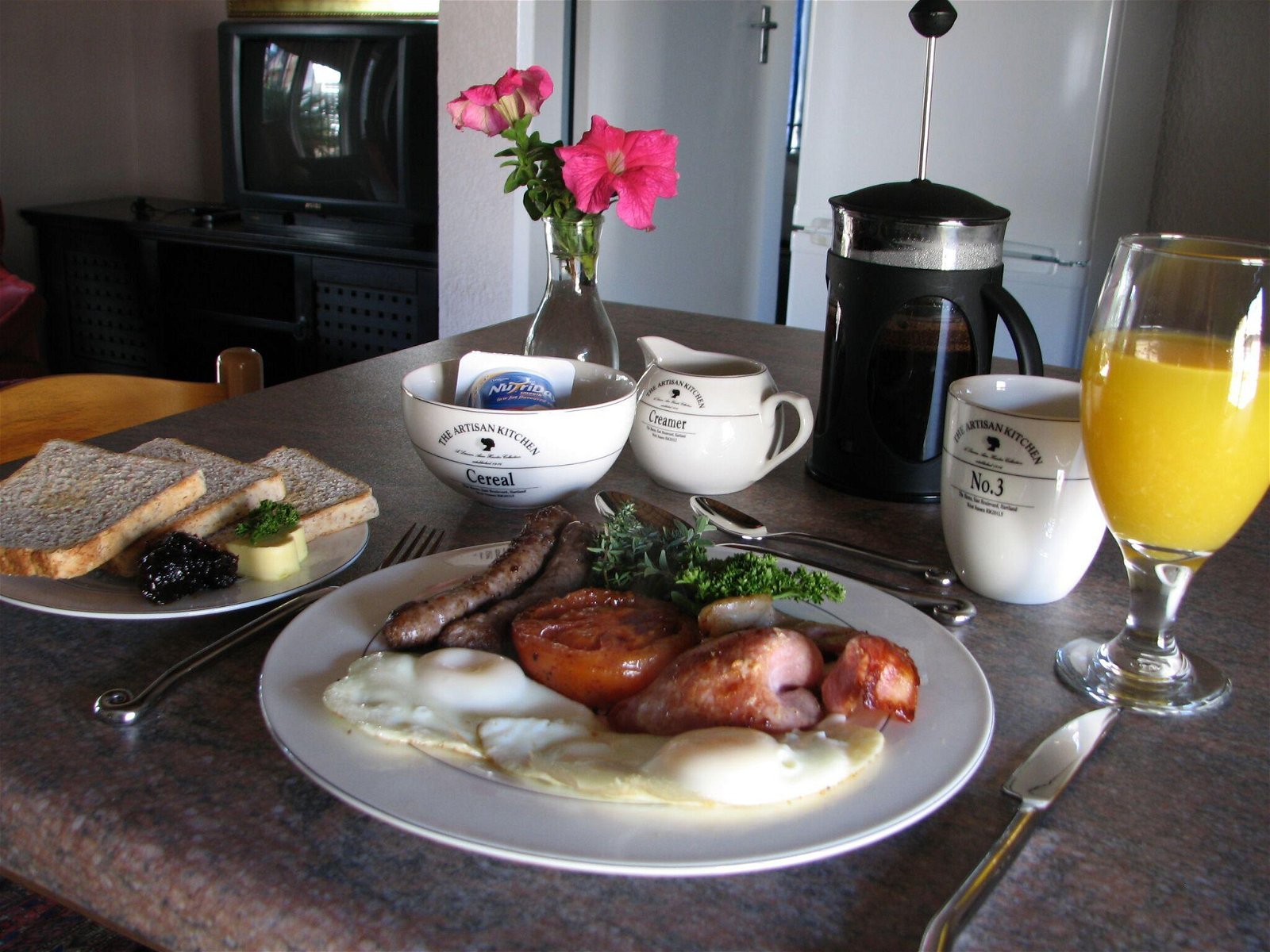
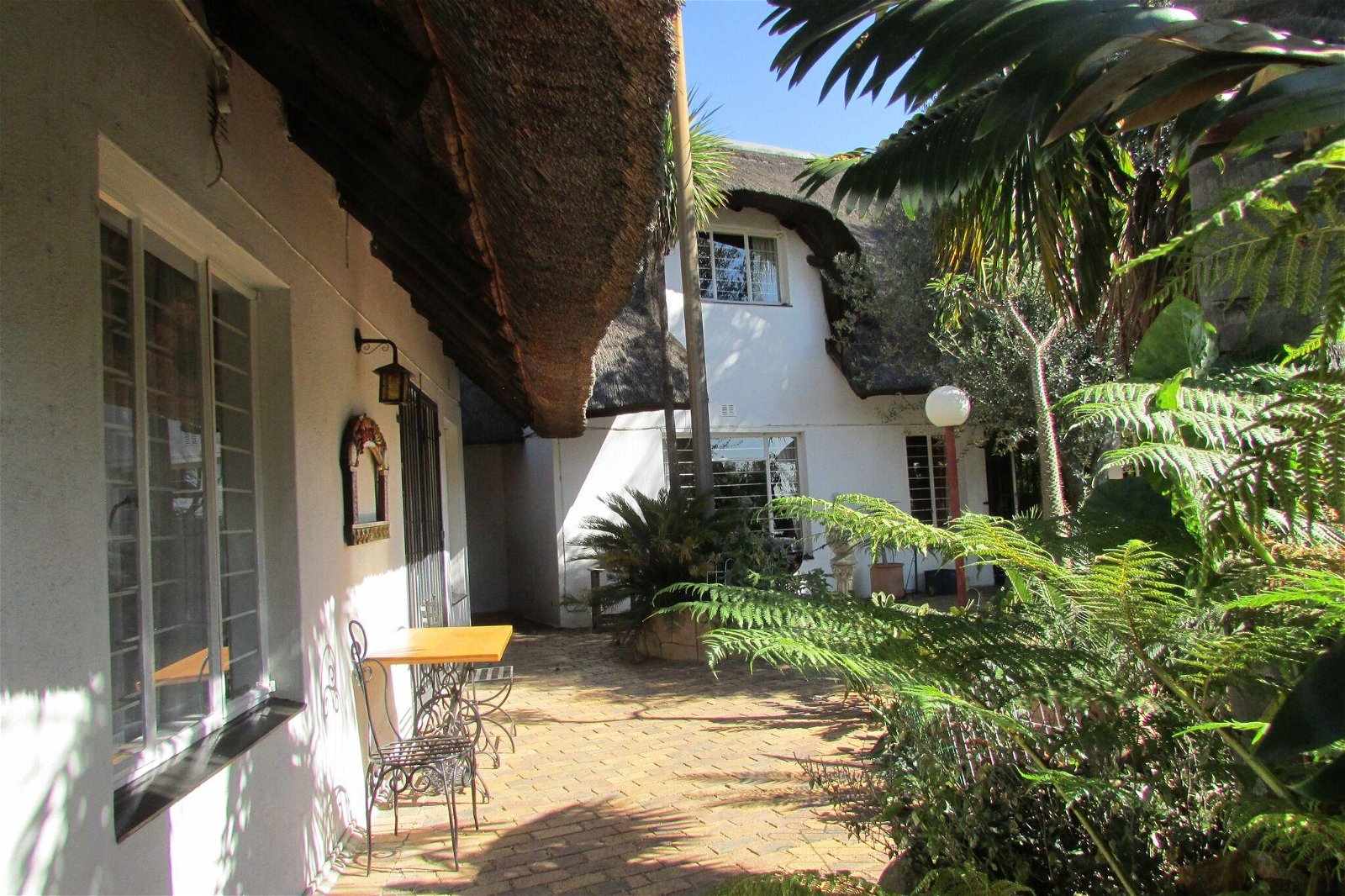
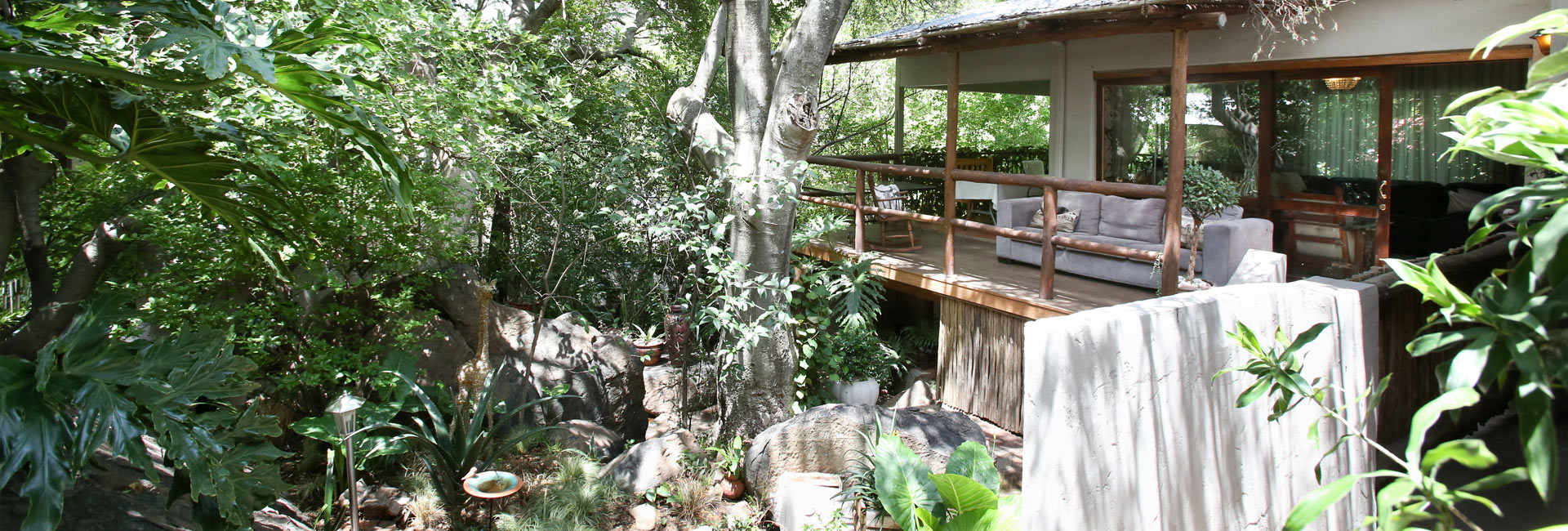
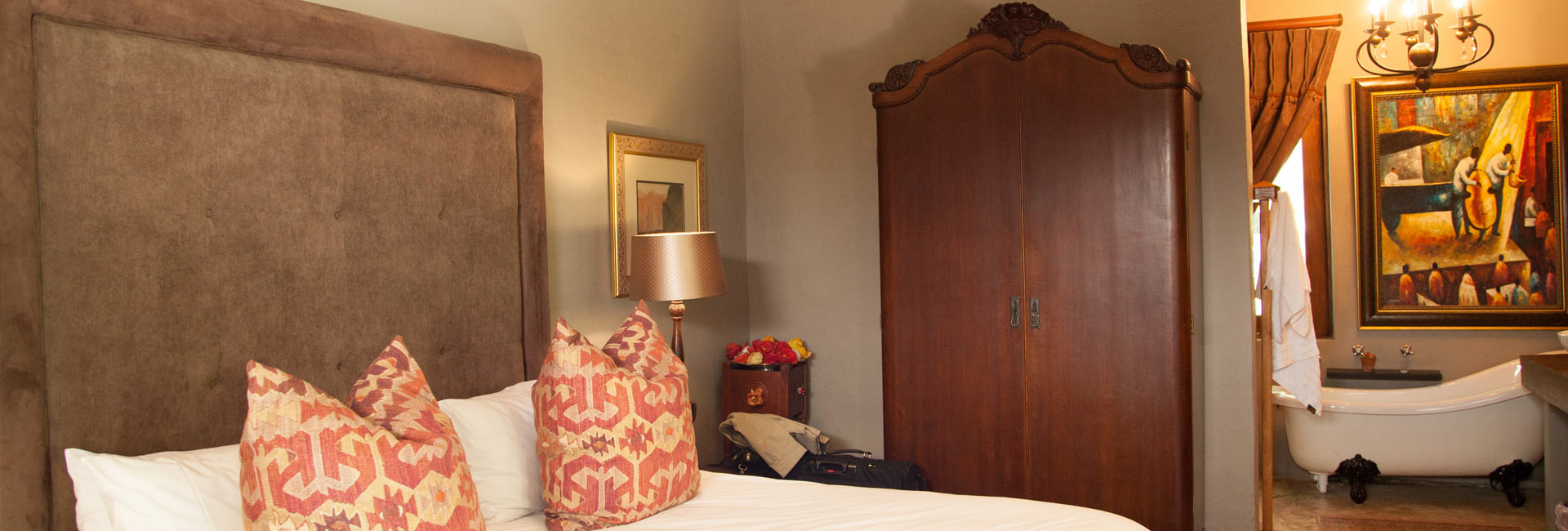
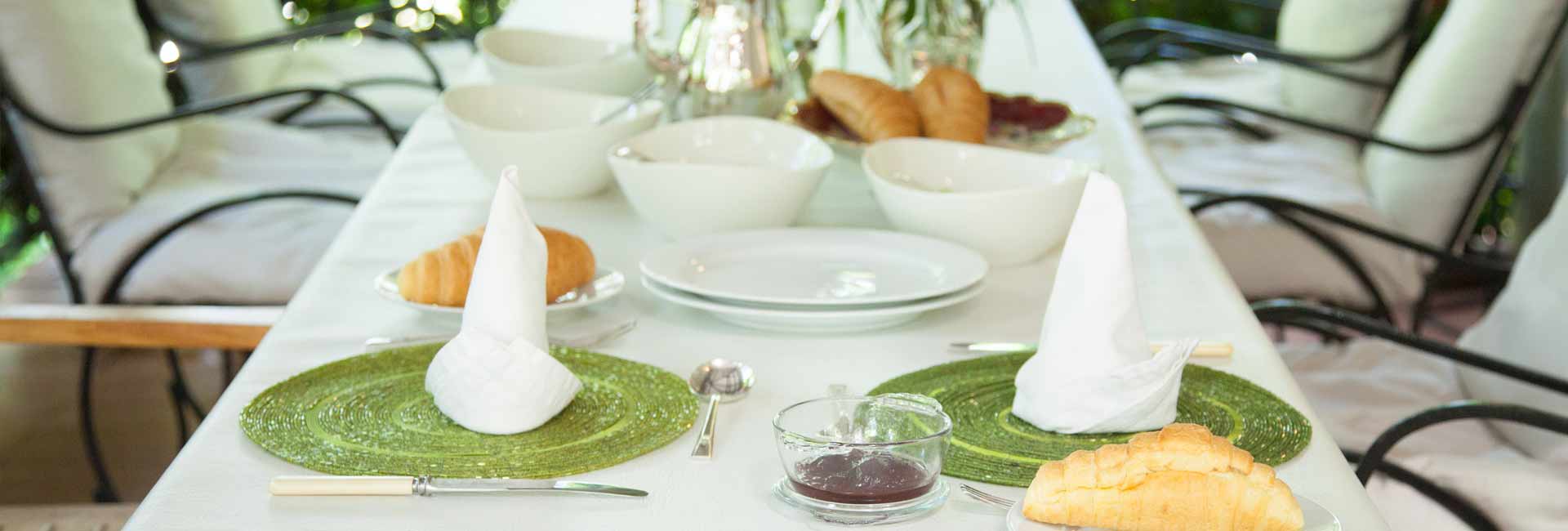
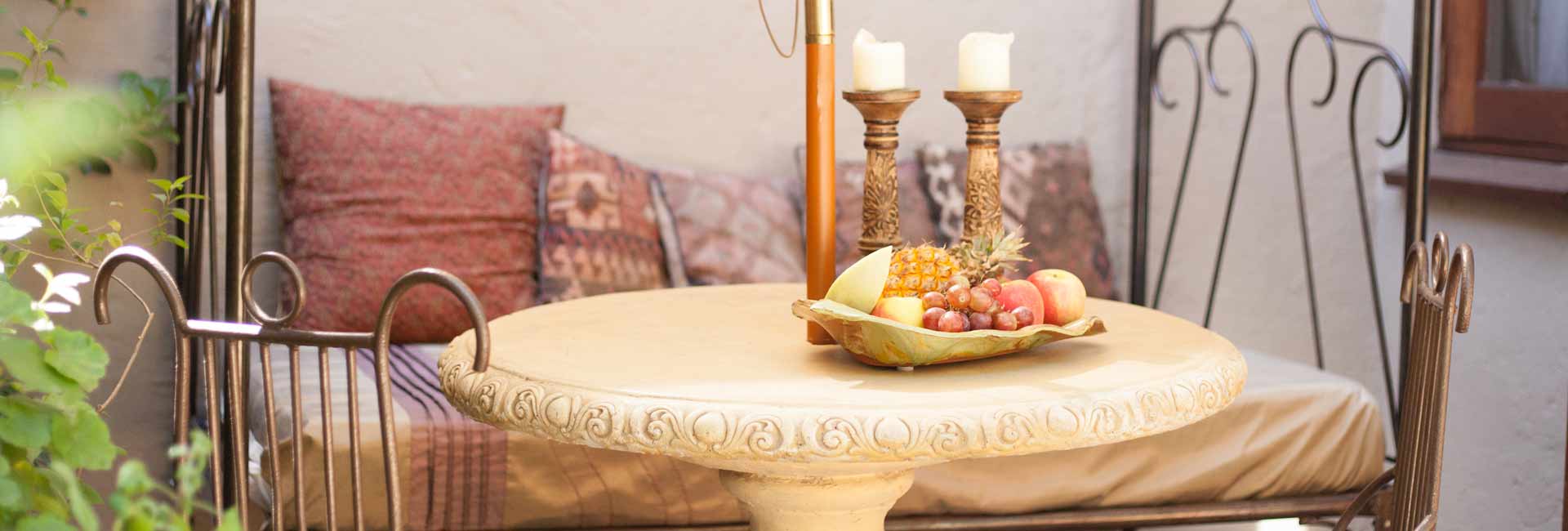
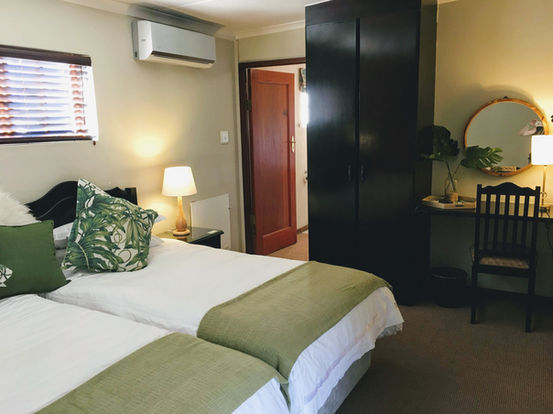
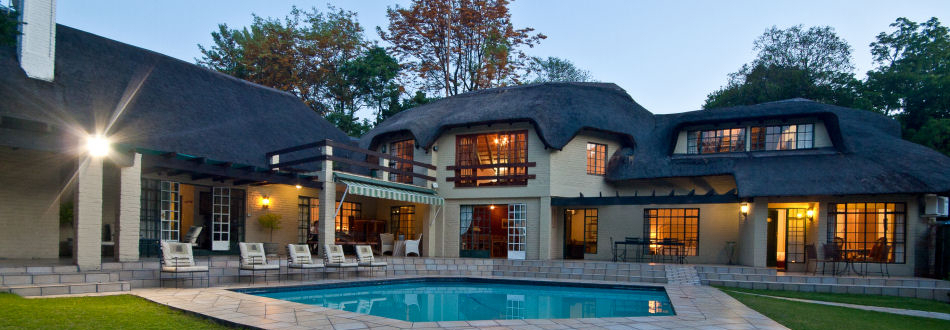
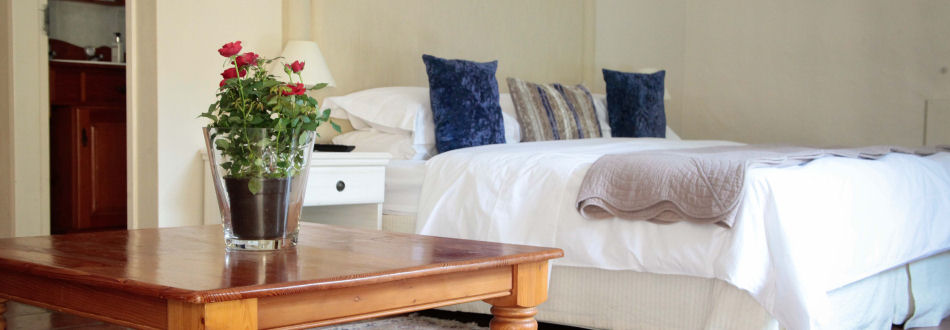
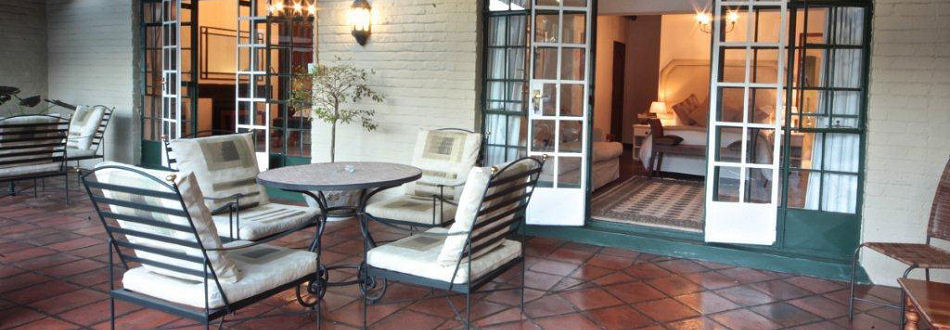
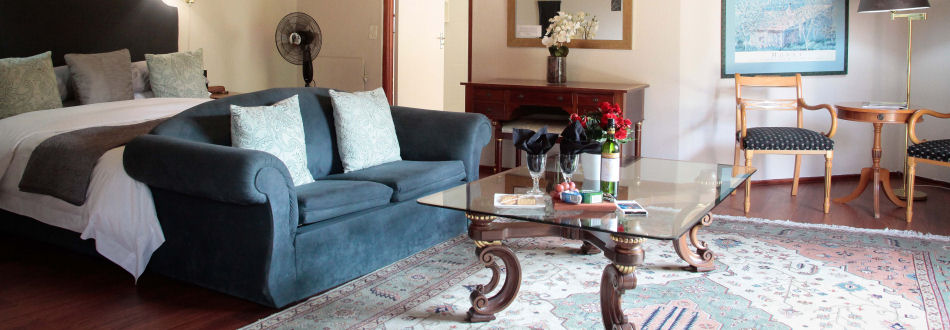
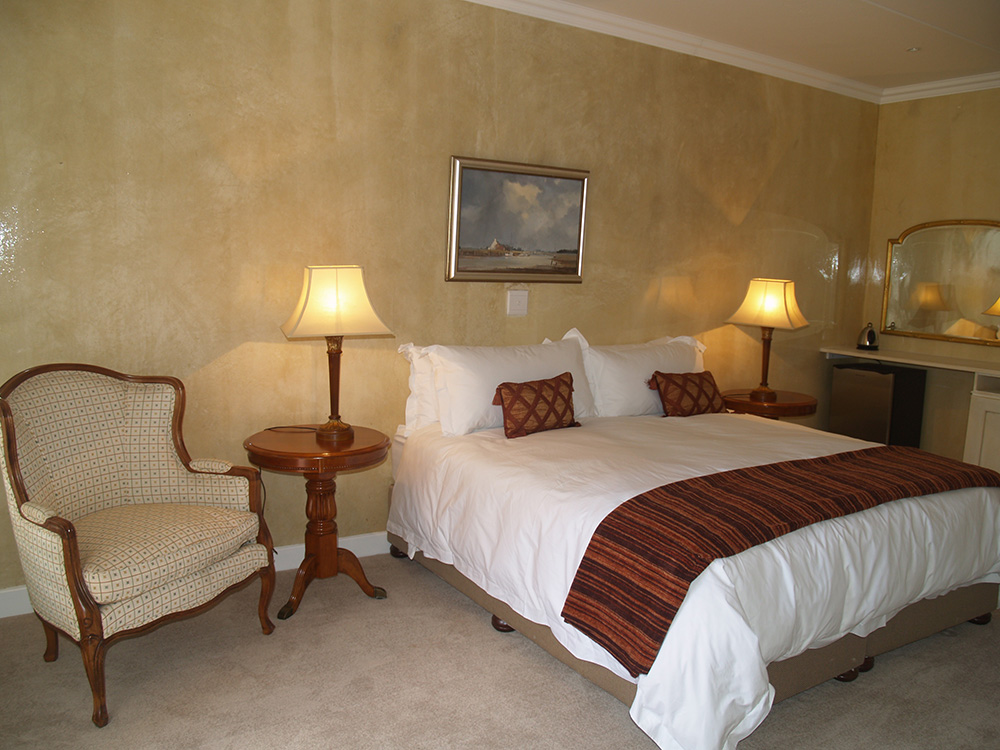
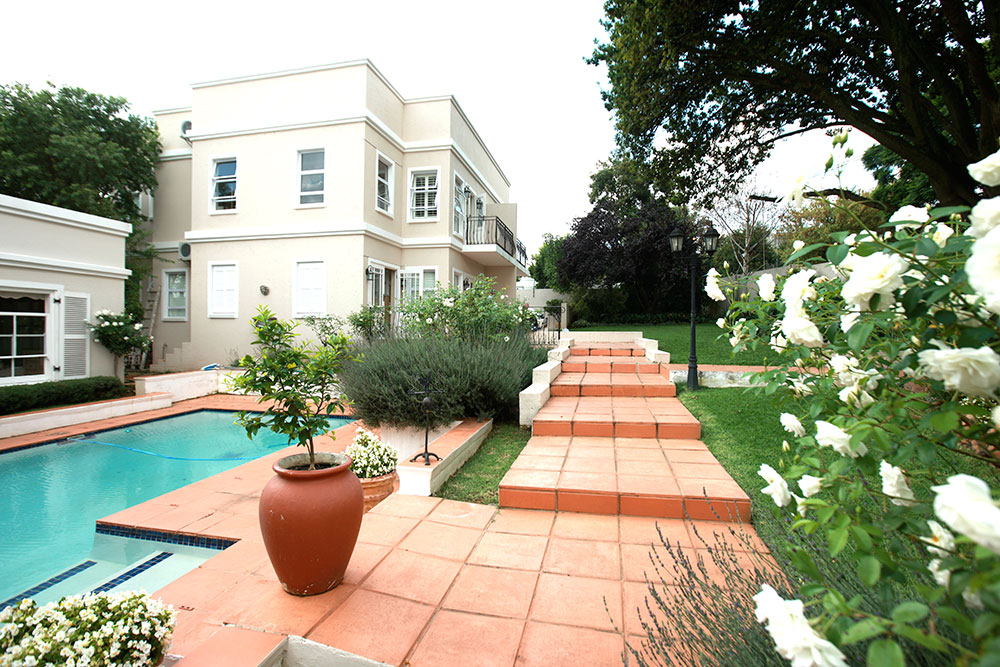
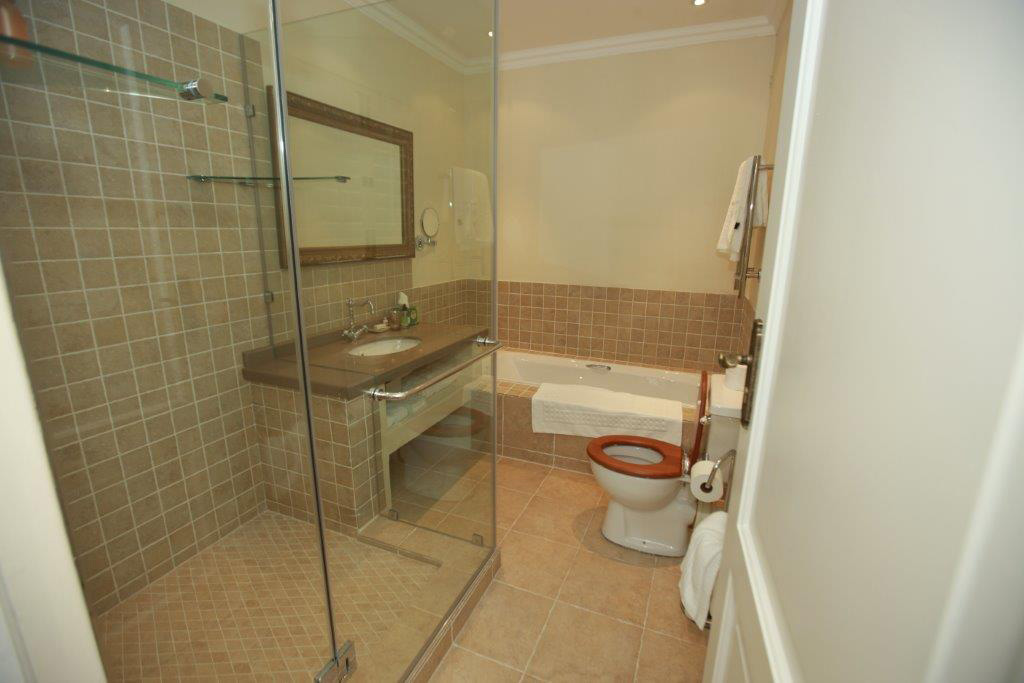
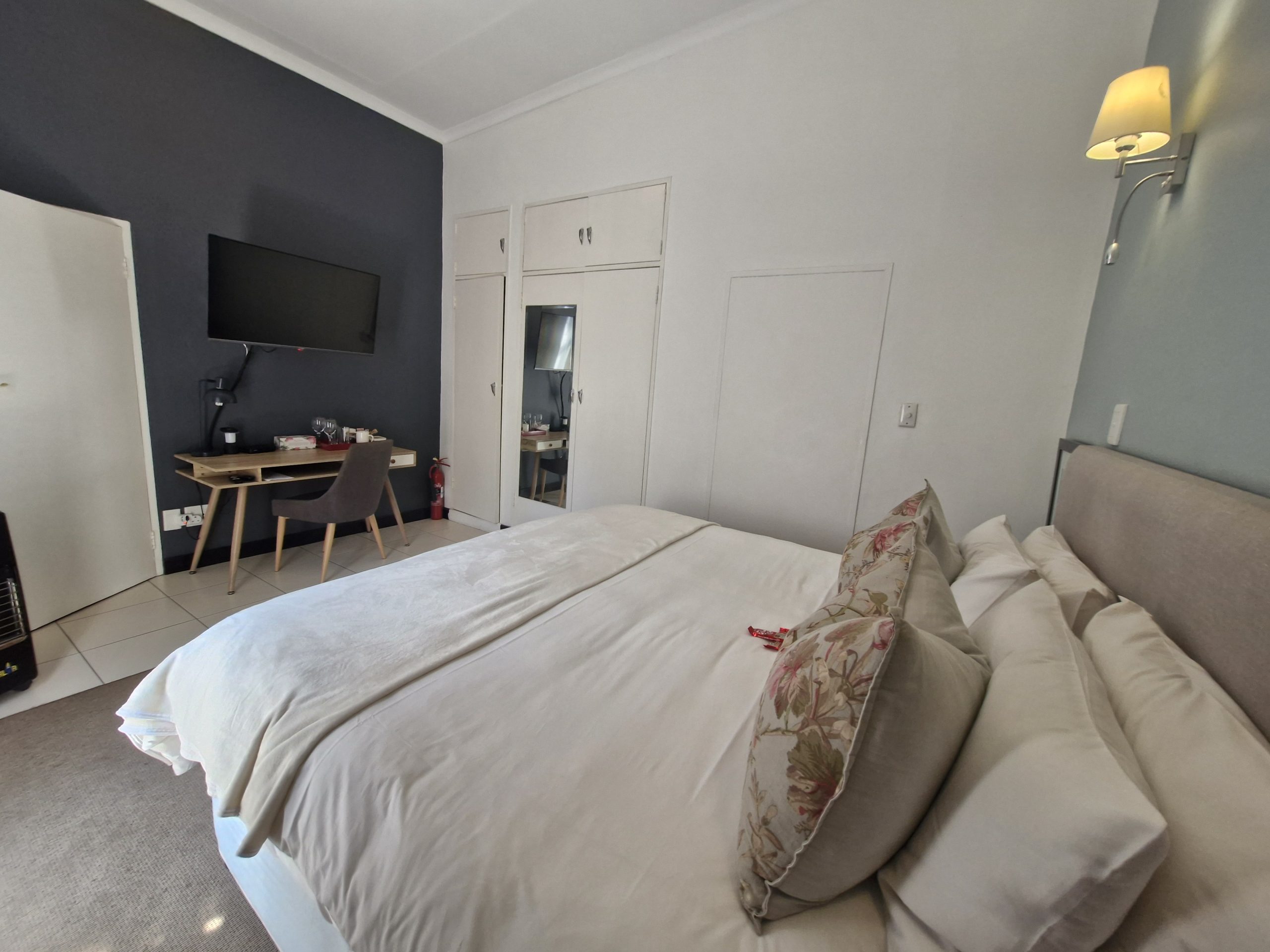
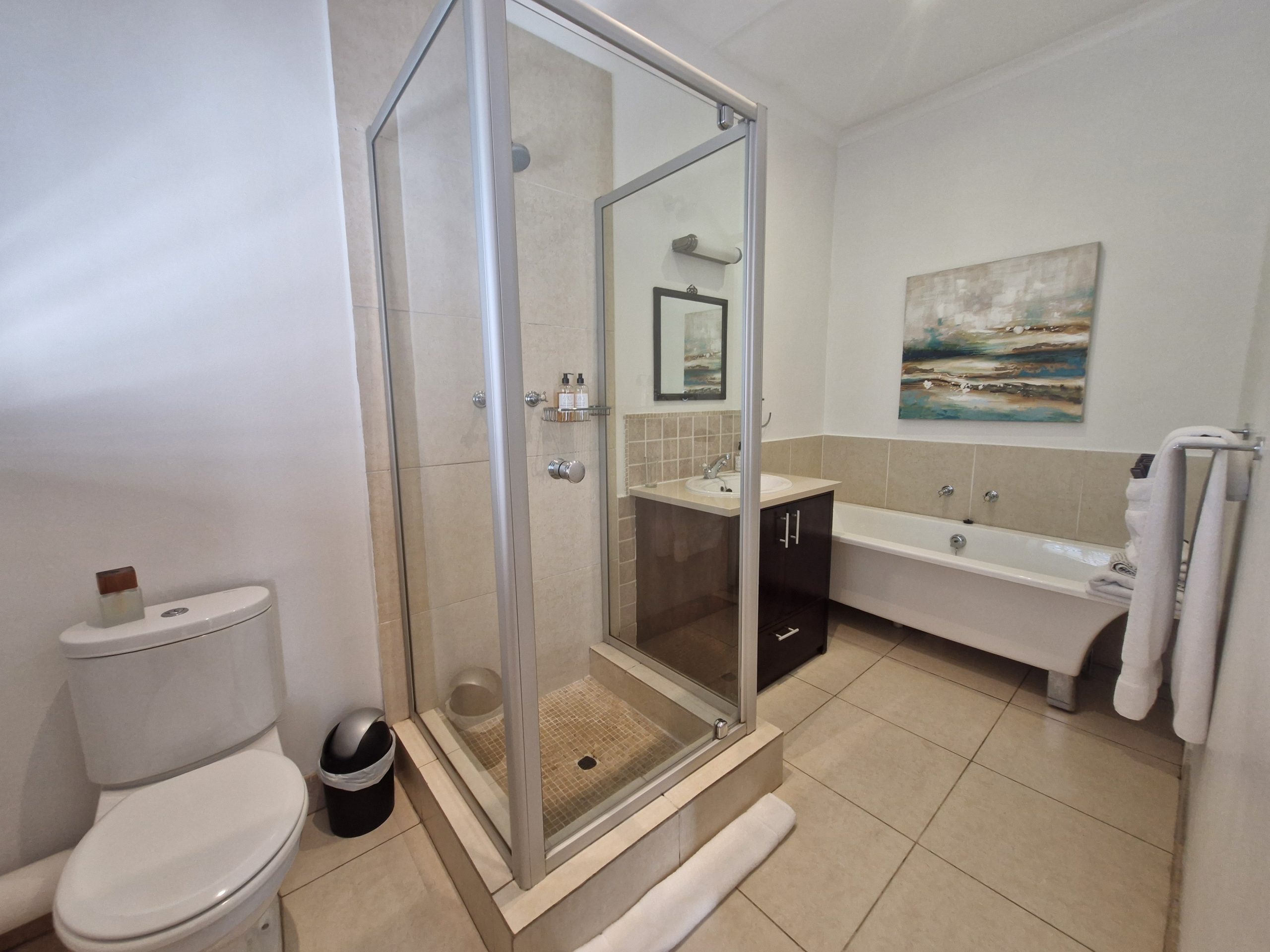
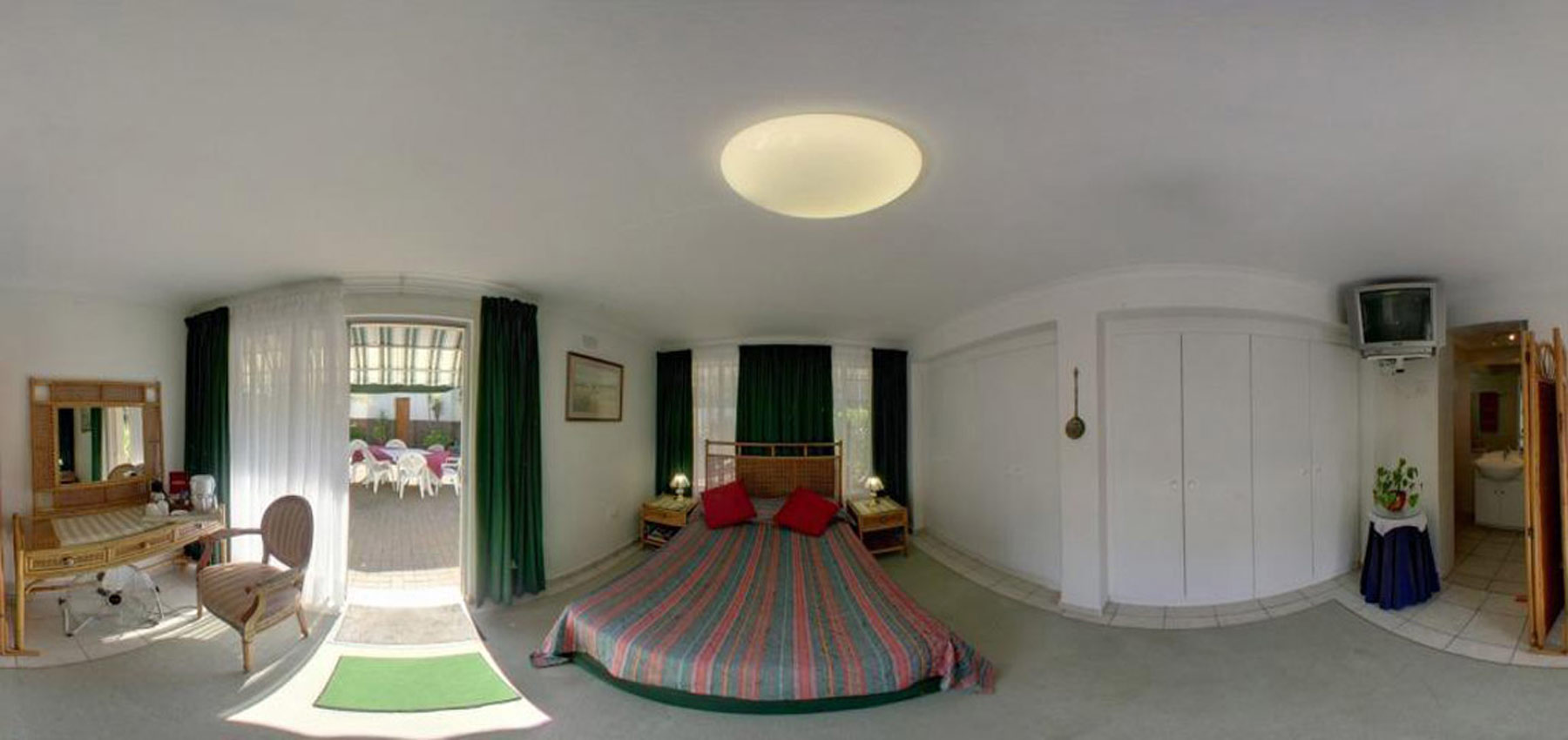
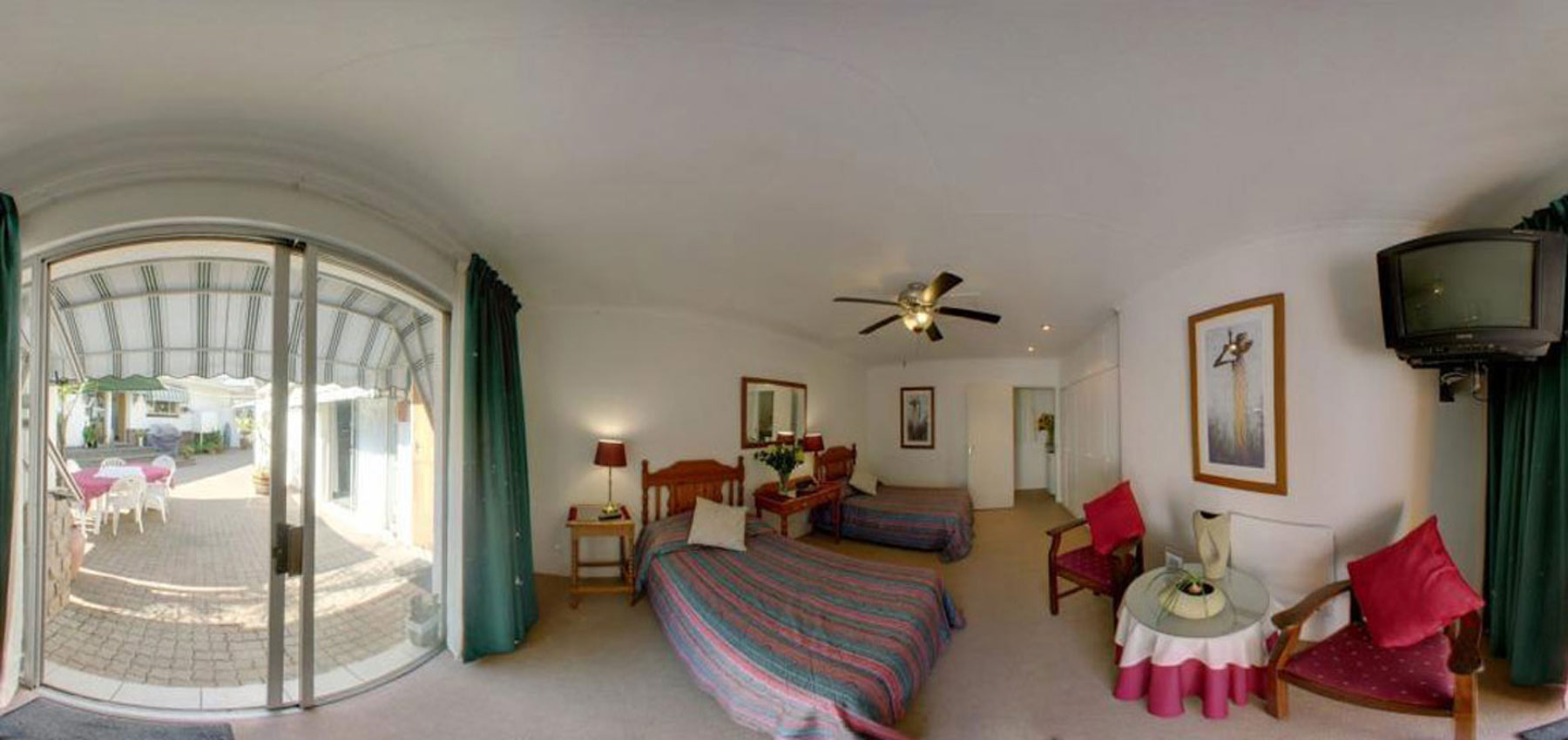
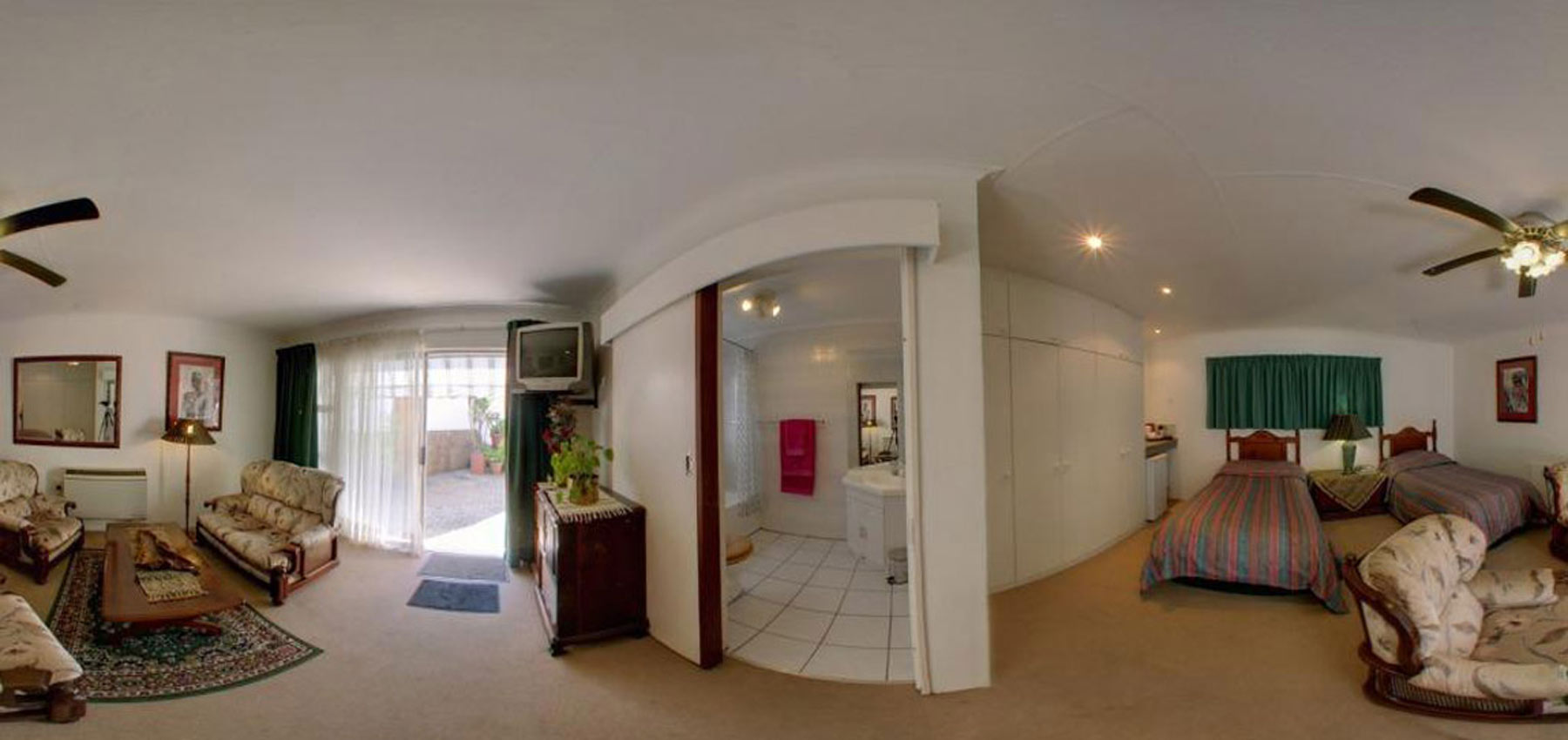
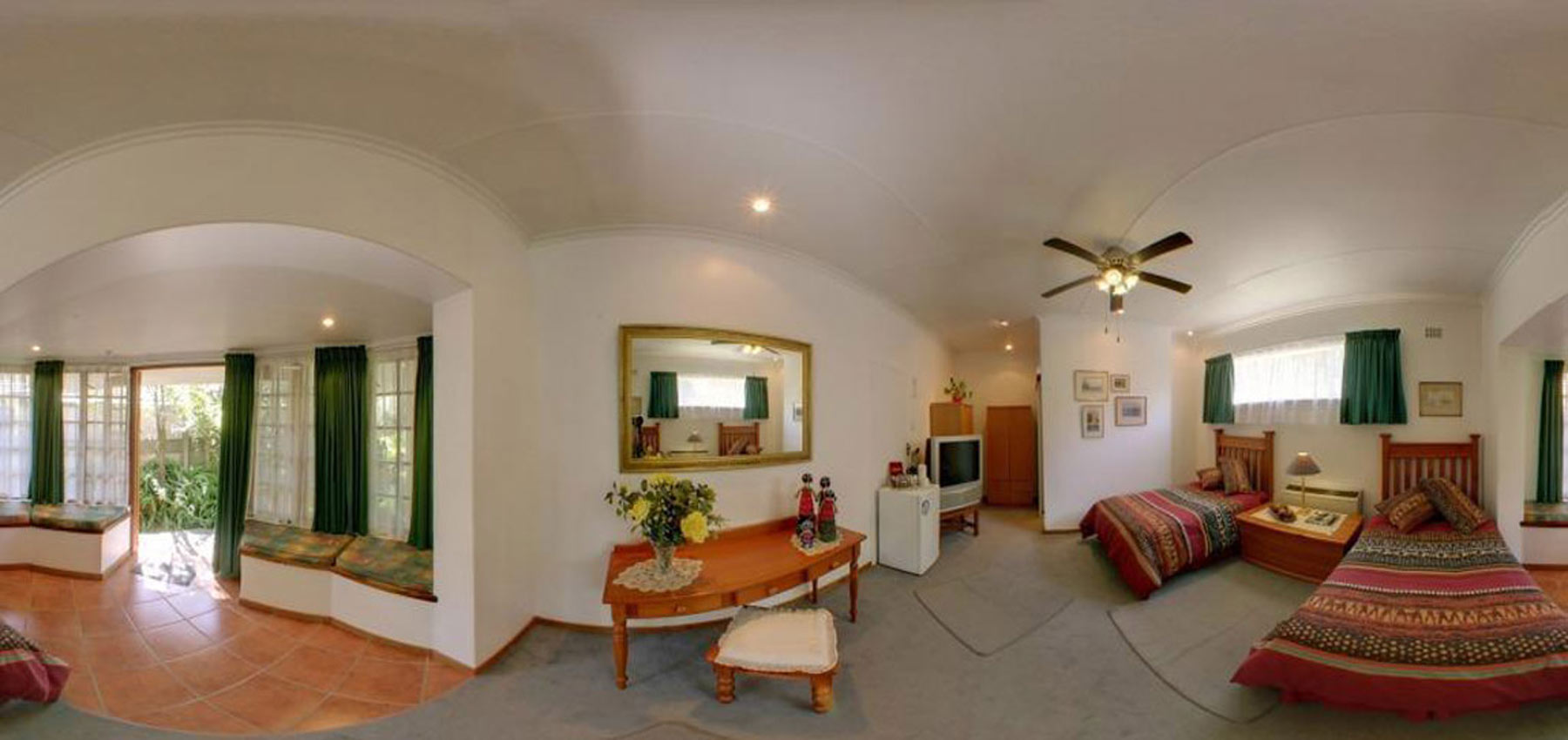
Guest houses form the backbone of the market, accounting for more than half of all listings. Most operate out of converted heritage homes, offering en-suite rooms, communal breakfast areas, and secure parking. Bed and breakfasts follow a comparable model, averaging around R1,772 per night, with a morning meal included as standard. Two lodges sit in a similar bracket, often offering slightly more outdoor space.
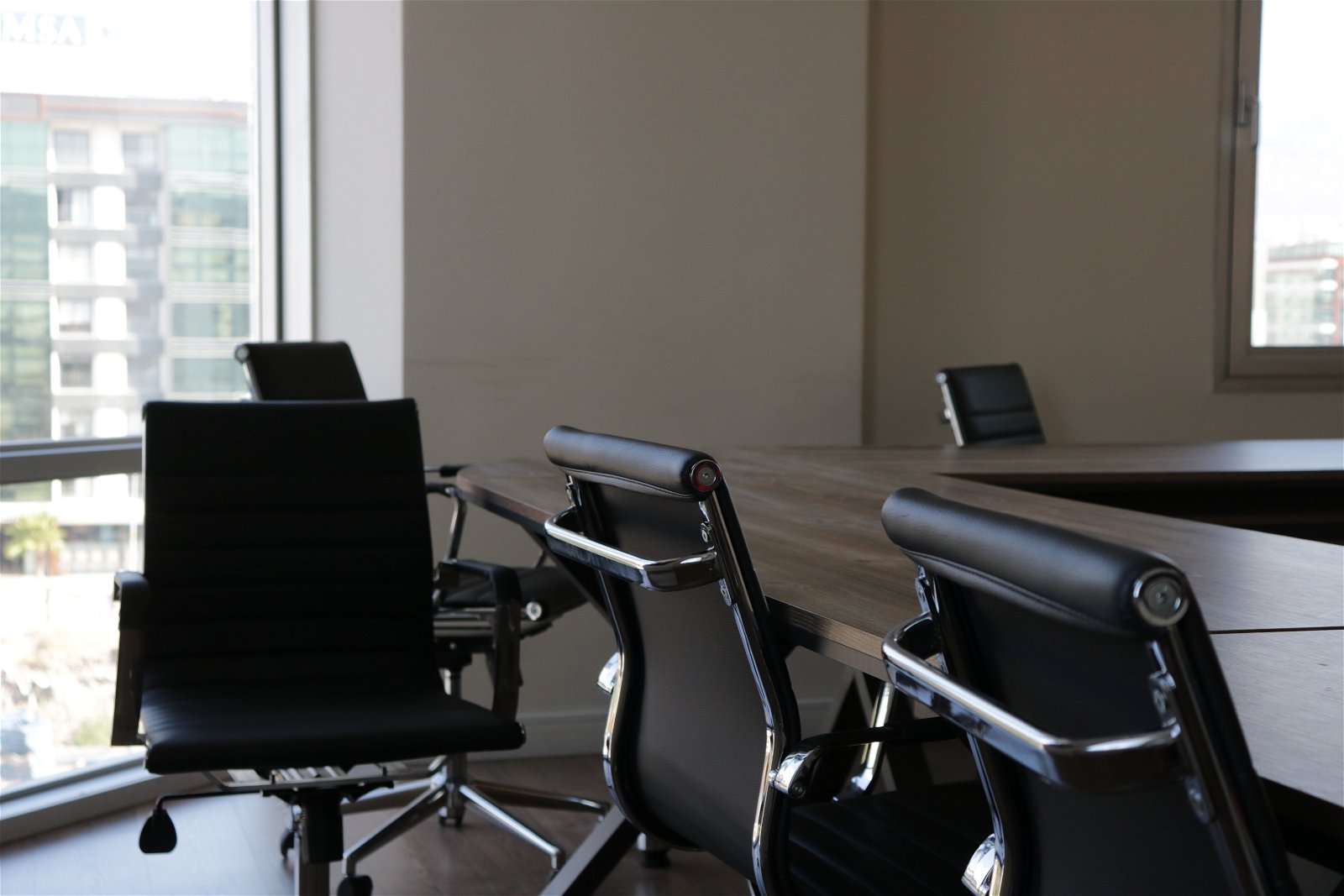
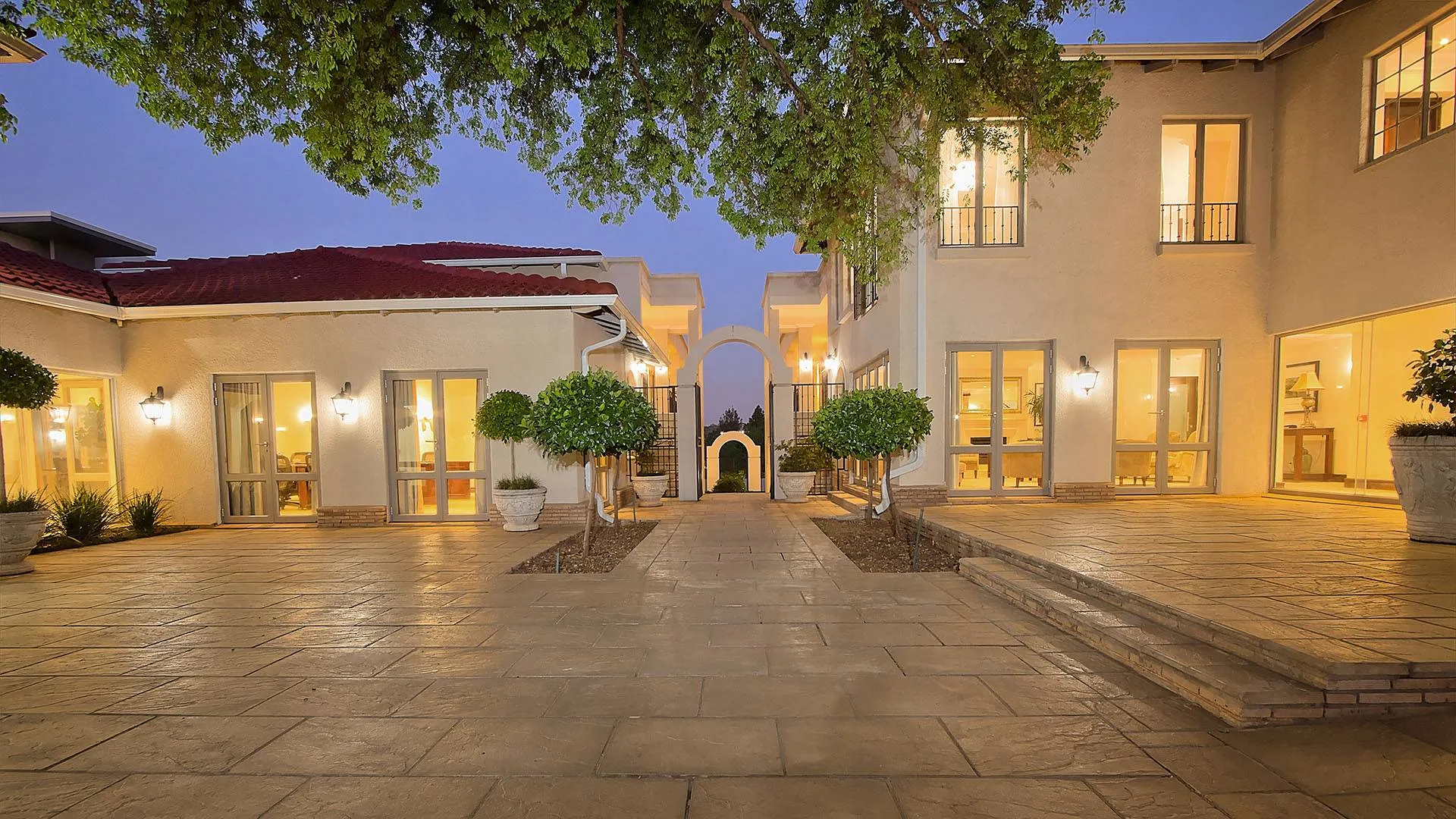
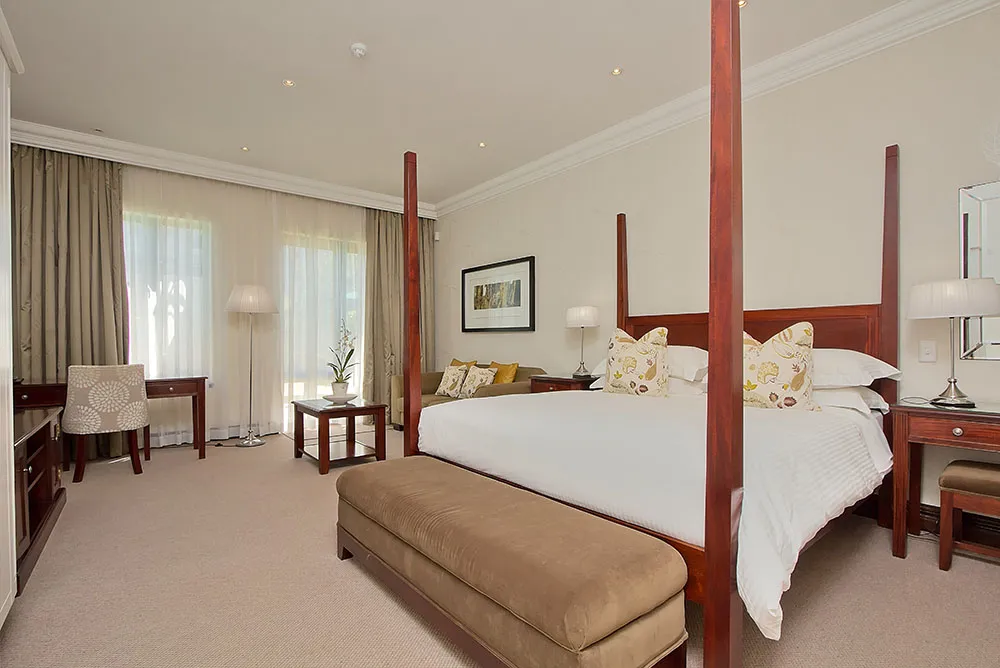
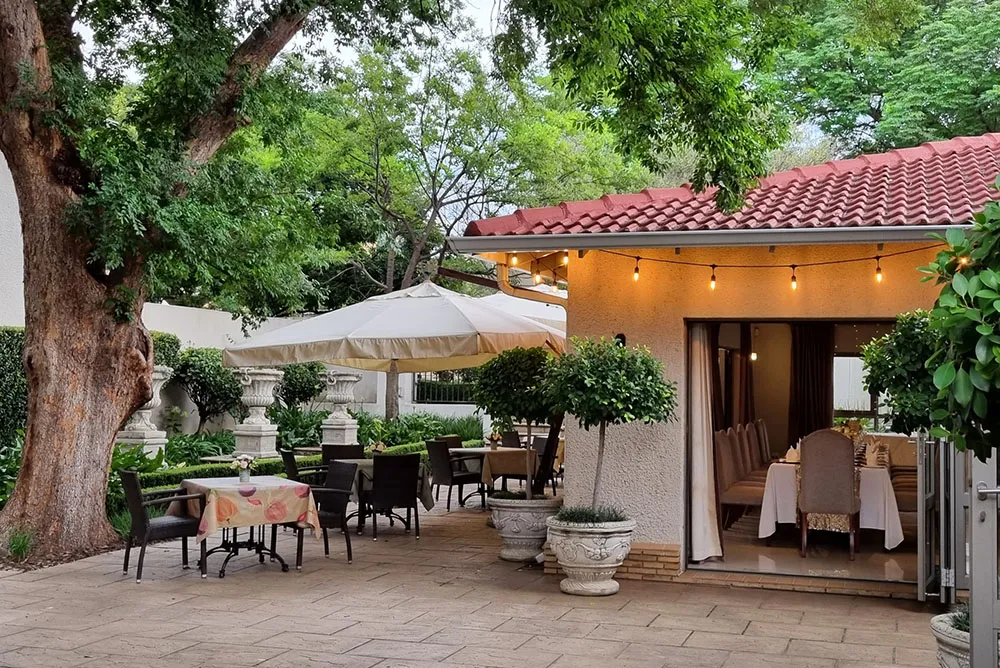
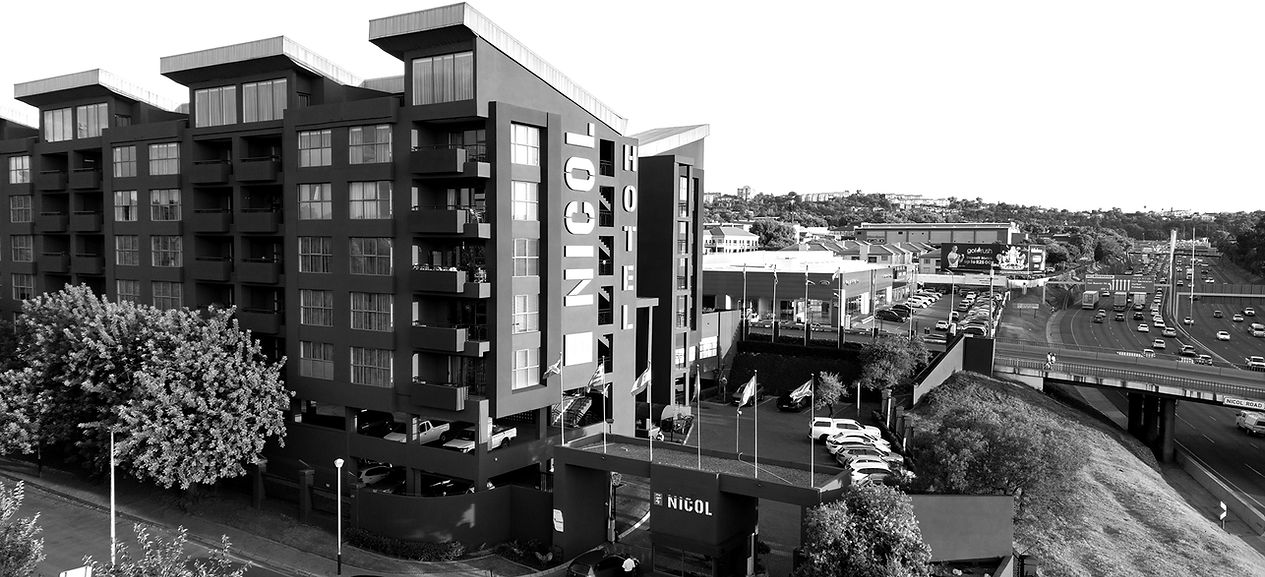
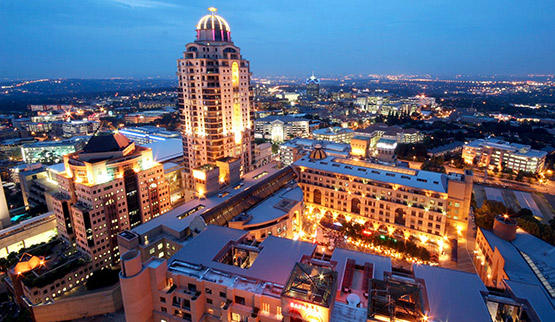
The upper tier is anchored by boutique hotels, which average around R2,048 per night and provide more formal facilities: meeting rooms, on-site dining, and dedicated front-desk service. These properties draw business travellers attending meetings at nearby corporate offices and institutions. At the top of the market, a single full-service hotel commands rates above R4,000 per night. A self-contained cottage rounds out the options for guests wanting private accommodation without shared common areas.
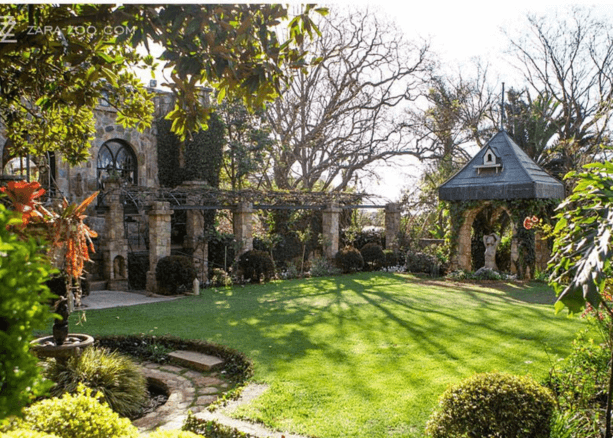
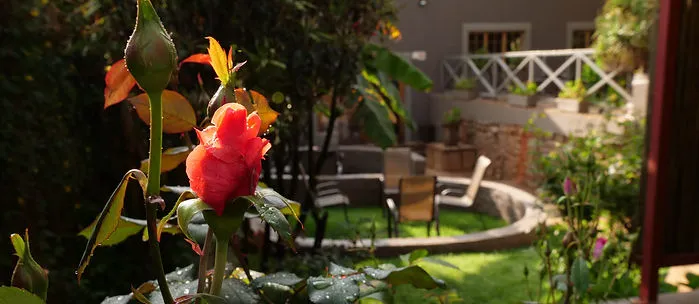
Across all categories, Parktown's properties tend to be owner-run and smaller in scale than equivalents in commercial districts, situated within or adjacent to the suburb's heritage architecture. That character defines the experience at most price points.
Things to Do in Parktown
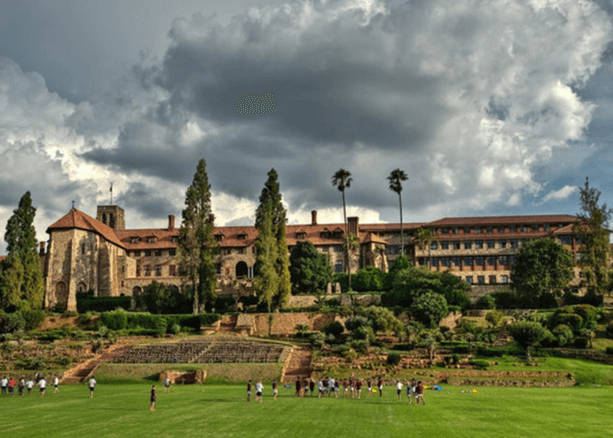
The Parktown Heritage Trail is the suburb's main draw for visitors with an interest in early Johannesburg history. The self-guided walking route passes stone and brick mansions dating from the early 1900s, built during the period when mining wealth was being translated into permanent domestic architecture. Northwards House, completed in 1904, anchors the trail as its principal stopping point. Now operating as a museum, the property gives visitors a concrete picture of how the city's industrial elite lived at the turn of the century. A morning covers the main route comfortably, though the heritage organisation periodically offers guided group walks with more detailed commentary.
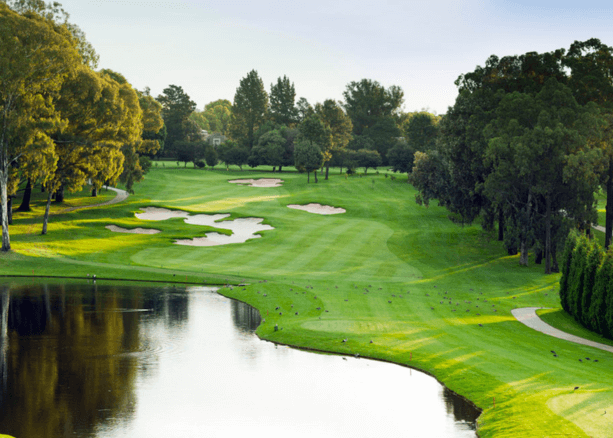
Golf is accessible within a short drive of the suburb. Parktown's central position in greater Johannesburg puts several established courses within 15 to 20 minutes, and a round can be arranged in the morning before other plans take over the day.
Two of the city's more significant attractions sit within a 10-minute drive. Constitution Hill, to the south, occupies the site of a former prison complex and houses a working constitutional court alongside a museum. The Number Four prison sections, where both Mahatma Gandhi and Nelson Mandela were held at different periods in history, are open to visitors and require at least half a day to cover properly. The Johannesburg Zoo, to the north, holds one of the larger animal collections on the continent and works well for families or those with a free afternoon.
The University of the Witwatersrand campus adjoins the suburb's eastern boundary. The Wits Art Museum on campus holds a substantial collection of African and contemporary South African art and is open to the public, providing a worthwhile stop for those passing through the area.
Best Time to Visit Parktown
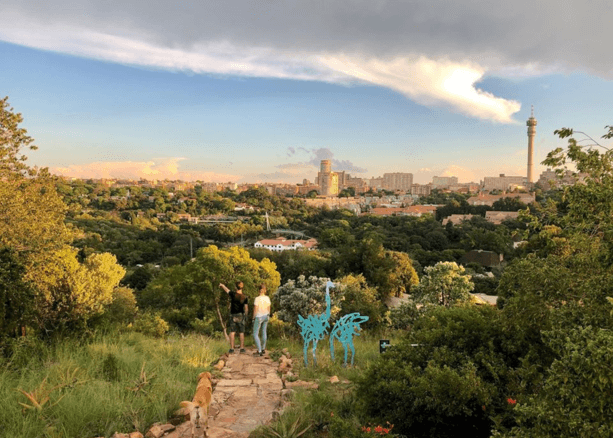
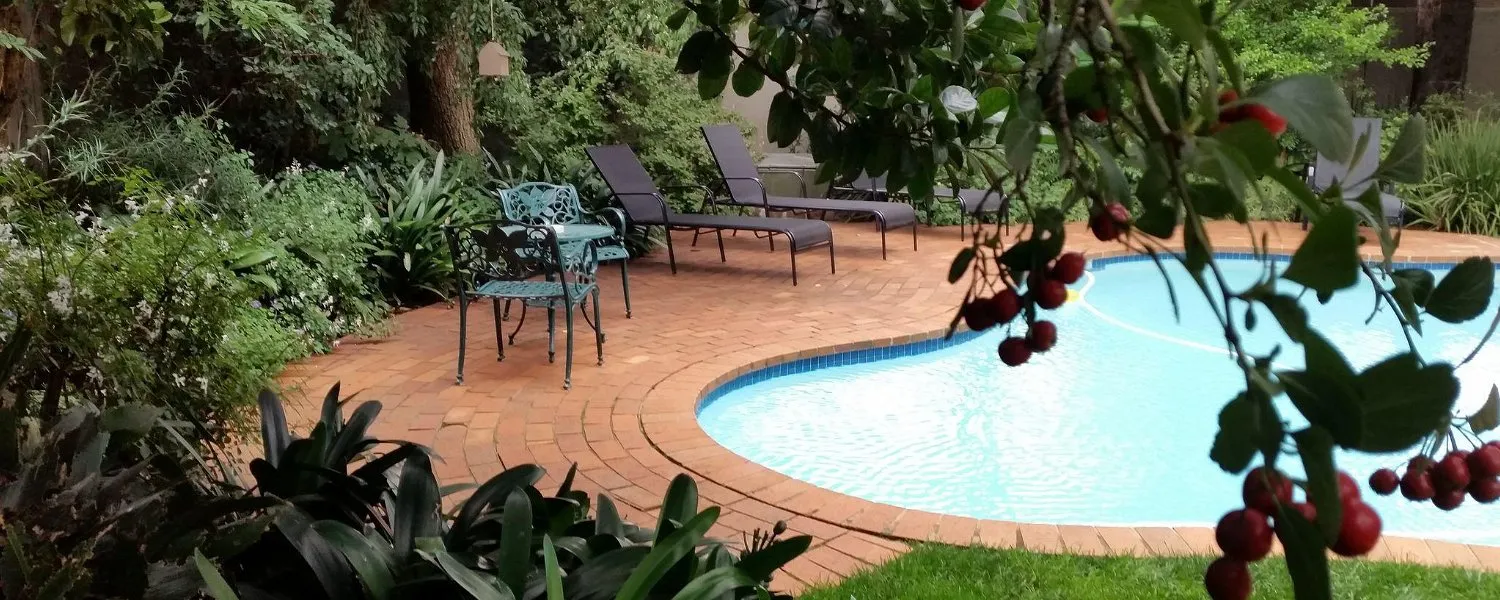
Johannesburg operates on a climate of warm, wet summers and dry, cool winters. Parktown's position on a ridge north of the CBD means temperatures tend to run slightly lower than the city floor, and the suburb's mature plane trees and oaks provide meaningful shade during the hottest months.
The summer season, from October through February, brings daily highs between 25 and 30 degrees Celsius. Afternoon thunderstorms are common from November onward and typically clear within an hour, leaving evenings cool. Outdoor plans are generally best arranged for mornings during this period, before the midday heat and the threat of late-afternoon rain.
Winter, from May through August, is dry and frequently sunny, with warm afternoons but sharp overnight temperatures that can drop close to freezing in June and July. The clear skies and low humidity make this the more comfortable season for sustained outdoor activity. Note that domestic visitor numbers rise during the winter school holiday period, making early reservation worthwhile.
The transitional months of September and March offer the most settled conditions overall: warm enough for comfortable outdoor exploration, with lower rainfall than high summer and less overnight cold than mid-winter. For visitors with scheduling flexibility, these months present the fewest weather-related complications for a first visit.
Getting to Parktown
O.R. Tambo International Airport, Johannesburg's main international gateway, lies approximately 30 kilometres east of the suburb. The drive takes between 30 and 50 minutes depending on traffic conditions, and metered taxis, rideshare services, and airport shuttles all cover the route. Lanseria Airport, roughly 35 kilometres northwest, handles a number of domestic routes and is a practical alternative for those arriving from Cape Town or Durban.
Parktown sits on several of Johannesburg's main arterial roads. Jan Smuts Avenue, Oxford Road, and Empire Road all pass through or alongside the suburb, providing direct road access to the CBD to the south and the northern suburbs beyond. Drivers arriving from Pretoria, approximately 60 kilometres north, reach the suburb via the N1, a journey of 45 to 60 minutes in normal traffic conditions.
Public transport connections include the Gautrain, whose central station is accessible by taxi or rideshare from the suburb. The Rea Vaya bus rapid transit system covers key corridors in this part of the city, though direct service within the suburb itself is limited. For most visitors, a rental car or consistent rideshare use remains the practical approach to exploring the wider metropolitan area beyond walking distance.
Parktown and Surrounding Areas
Melville, 2 kilometres west, is the closest neighbourhood with a distinct character worth exploring. The main commercial strip on 7th Street holds a concentration of independent restaurants, coffee shops, and bars drawing a mixed crowd of students, academics, and creative professionals. More compact and walkable than most parts of Johannesburg, it provides a straightforward option for an evening out from a Parktown base.
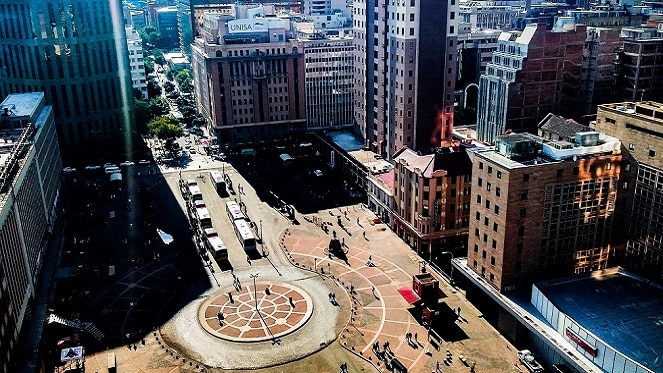
The Johannesburg CBD, 3 kilometres south, is in the middle of a long-running urban regeneration that has produced pockets of genuine interest alongside older commercial decay. The Maboneng Precinct on the eastern fringe of the inner city houses galleries, weekend markets, and a variety of food venues. For visitors interested in the city's post-apartheid urban development, the CBD rewards a half-day visit.
Bordeaux, 9 kilometres north, is a quiet residential suburb with limited visitor infrastructure of its own, though it sits on the main routes connecting Parktown to Sandton's commercial district further north, making it a useful waypoint for those combining the two areas.
Fairlands, 10 kilometres northwest, is primarily suburban, with accessible shopping centres useful for restocking groceries or essentials during a longer stay.
Baragwanath, 10 kilometres southwest, marks the northern edge of Soweto and is the site of Chris Hani Baragwanath Hospital, one of the largest hospitals in the world. Several tour operators run half-day visits into Soweto from this direction, covering the Hector Pieterson Museum and Vilakazi Street, and Parktown provides a sensible base for this trip.
Randburg, 11 kilometres northwest, functions as a secondary commercial hub for Johannesburg's northern suburbs, with shopping centres and business parks that may be relevant for those travelling on professional itineraries.
Planning Your Stay
December and January, Easter, and June and July, when schools are on winter break, represent the peak booking periods for accommodation across greater Johannesburg. Properties in Parktown can fill during these windows, and reserving three to four weeks ahead is a practical minimum for popular dates.
When comparing properties, check what the quoted rate includes. Some properties incorporate breakfast into the nightly price while others do not, and this affects the real cost of a stay, particularly for multi-night bookings. Parking is worth confirming in advance: residential streets in parts of the suburb operate under private security management with restricted access for unregistered vehicles.
Smaller properties in Parktown often manage check-in remotely or via a key-safe system. Contacting the host ahead of arrival to confirm the process, particularly for late arrivals after 8pm, avoids unnecessary complications. Cancellation policies vary considerably between independently operated properties and larger hotel-style venues, so reading the terms before confirming is straightforward and worthwhile.
Visitors arriving in the summer months should pack for afternoon rain regardless of the morning forecast. A waterproof layer and walking shoes cover most conditions. Standard urban precautions apply throughout the greater metropolitan area: staying aware of surroundings and avoiding visible displays of valuables.